Category: Italy


Oh, Ravenna Of My Dreams!


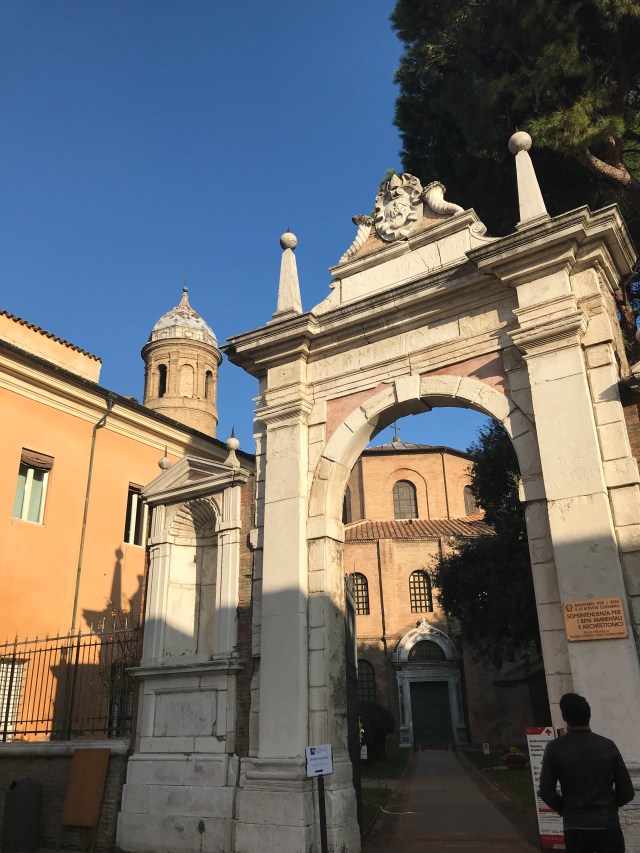
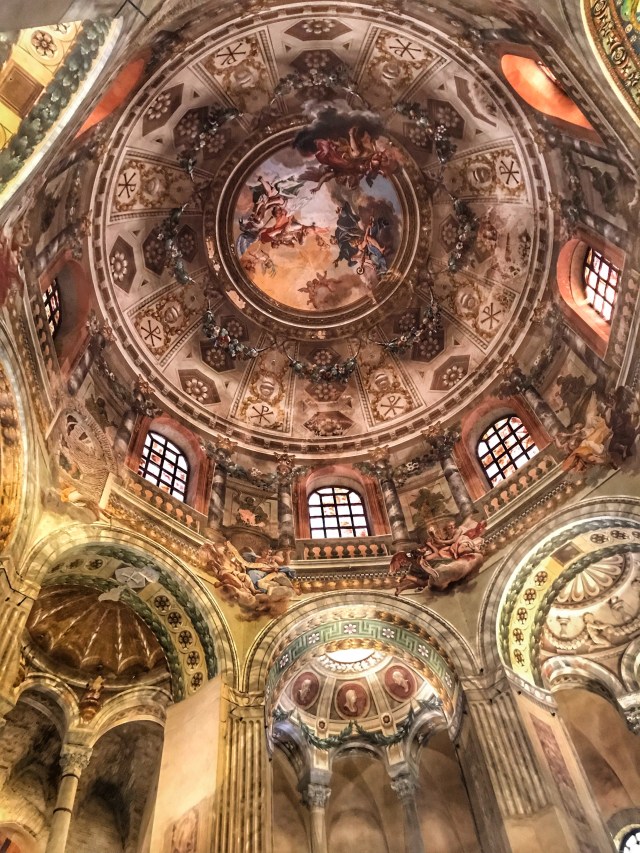
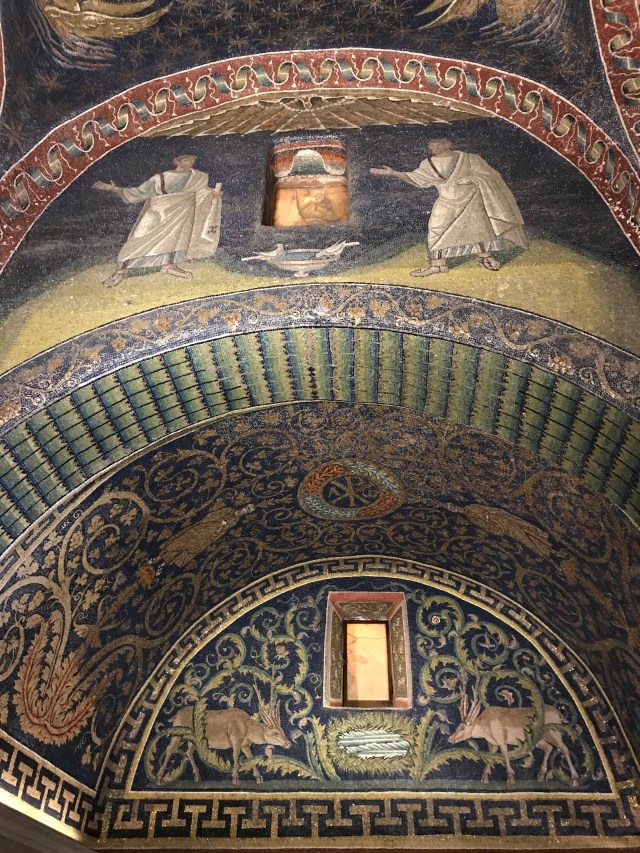
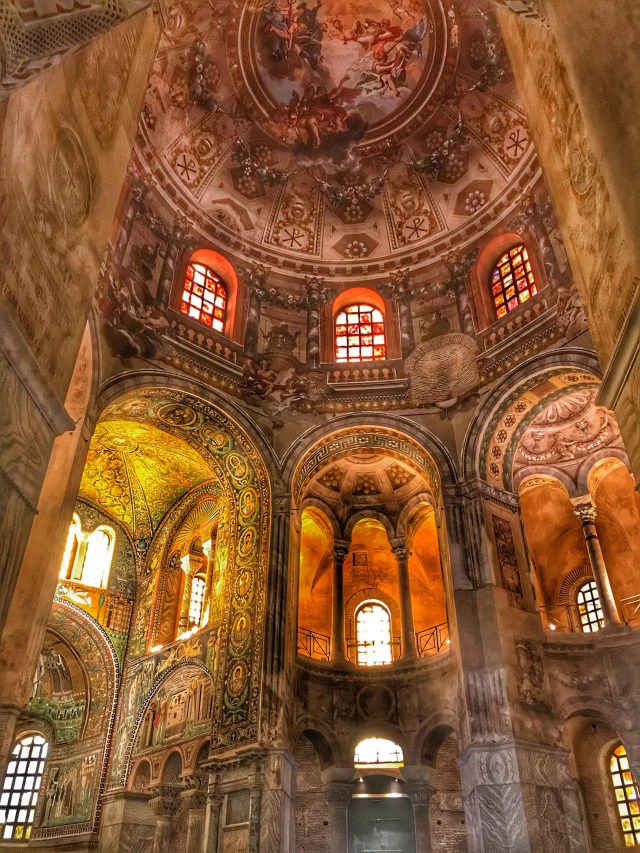
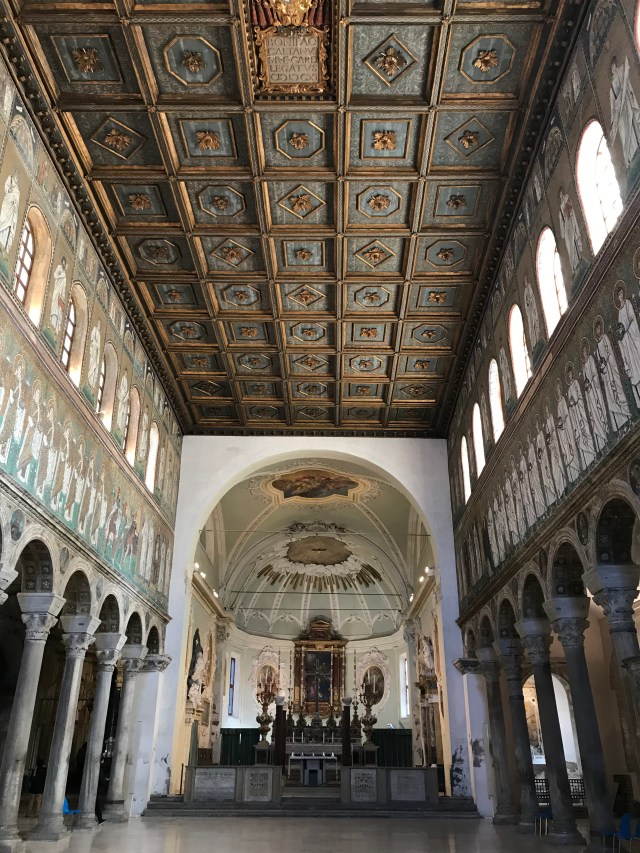
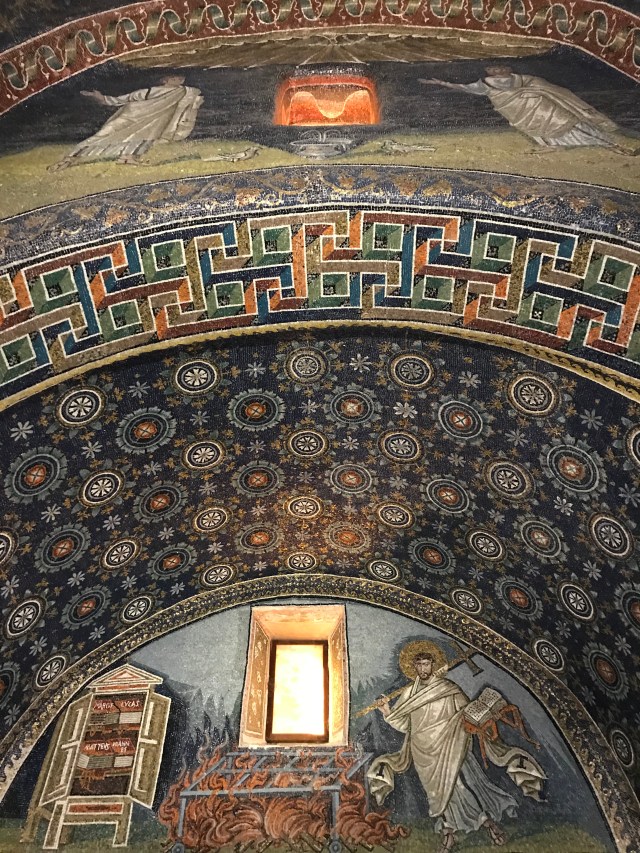
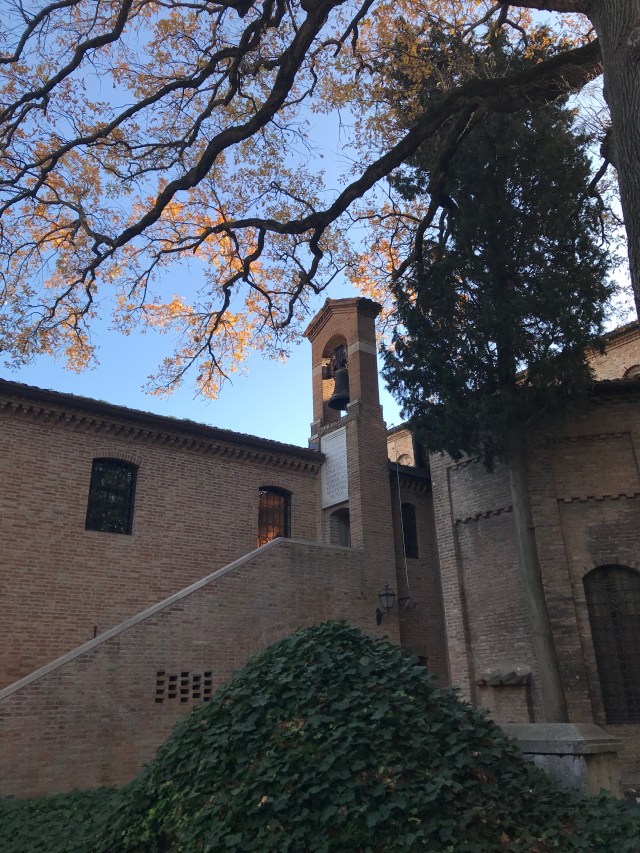
If …. No, WHEN I head back to Ravenna, I’d stay at least 2 nights to explore ALL its museos,chiesa, piazzales and basilicas. It ain’t designated a World Heritage Site for nothin’. This City of Mosaics is one for the books and I’ve got to say the admission price to hit many historical sites is a steal! For far less than the admission price to ONE museo elsewhere, we were able to stand in awe inside the Basilica Di San Vitale till our craned necks grew stiff. The photos don’t do justice. The light streaming from the windows lends a certain mystique and the trees outside add charm in all its autumn foliage. I delighted in walking from the Basilica towards the nearby Mausoleo Di Galla Placidia, stepping on and feeling the fallen leaves crunch under my boots. Sat in one of the stone benches to admire the simple, tiny courtyard between the two structures. Perfect activity that morning we visited.

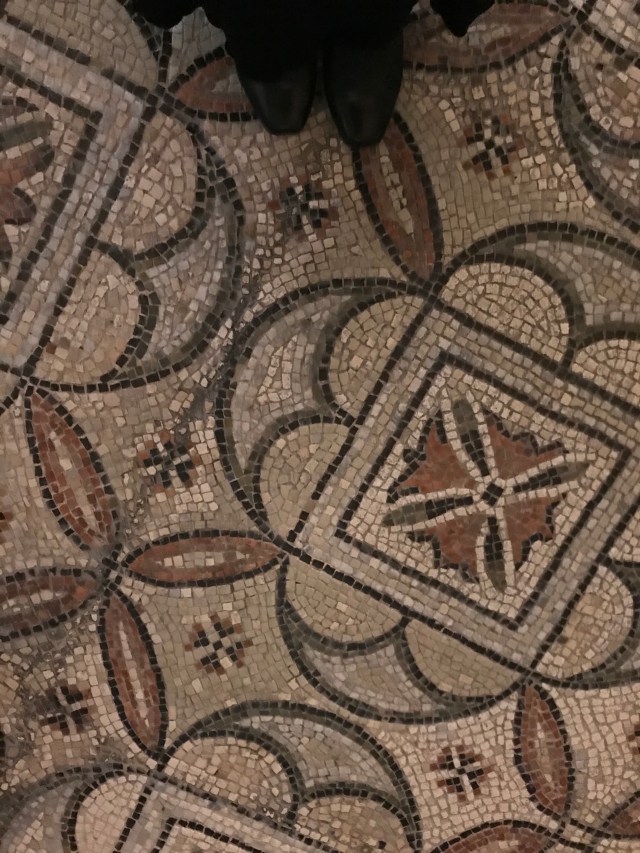
Basilica Di San Vitale isn’t easy to wipe off your memory. So lovely. It’s the perfect example of early Christian Byzantine architecture. Inscribed among 8 Ravenna structures in the UNESCO World Heritage List, its beautiful and richly ornamented cross-ribbed vaults and mosaics speak for itself. I wish I can retell the Biblical stories manifested in this mosaic series but I can only figure out some of the “sacrifices” and tragedies from the Old Testament like Abraham sacrificing Isaac and the story of Abel and Cain. There were many many more that one is tempted to lie down on the lovely floor to view the vaults, the ceilings and arches without craning one’s neck.

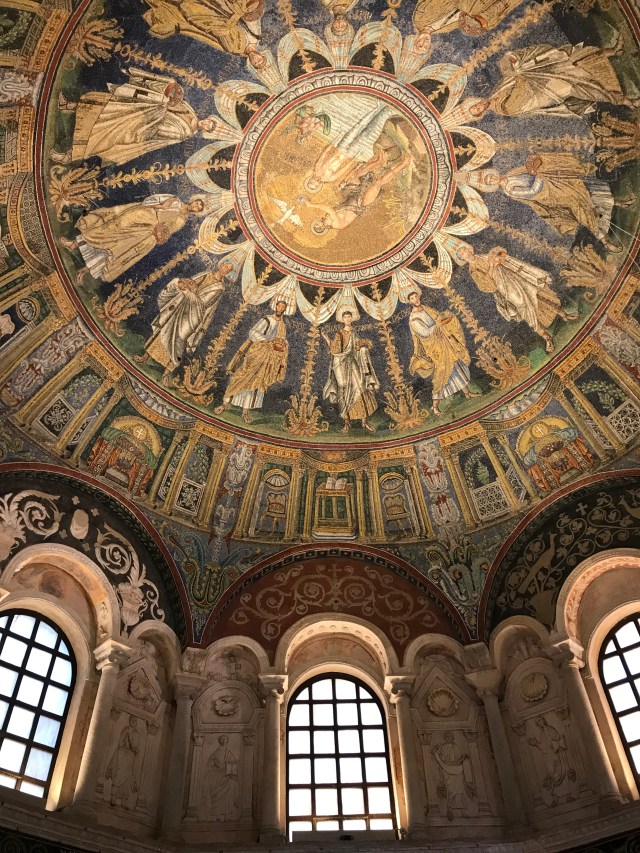
Most shops were closed though as we passed them on way to Battistero Neoniano, a lovely octagonal building near the Piazza Duomo. Temps hardly rose from 0 to 5 C during our visit. We took refuge in the Museo Arcivescovile e Capella Di San Andrea. Sorry, but no photography allowed inside. Not too far from here but still a good walk is Basilica Di Sant Apollinaire Nuovo. Midway between these 2 iconic landmarks is the Tomb of Dante Alighieri of INFERNO fame. A day tour of Ravenna is simply NOT enough to cover all the sites in this city so rich in culture, history and art. The best deal of course is that it isn’t as touristy as Rome, Verona, Florence, Siena, Venice or even Bologna!

Oh. Ravenna! I wish to walk your streets again with more deliberate steps, inching my way slowly from one heritage site to the next.

Prosciutto Di Parma


Bologna may have its Tortellini and Mortadella, and Modena may have its Balsamico, but THAT jamon known the world over for its salty goodness hails from Parma. Think Prosciutto with Melon, or with fig which I prefer. But there’s more to Parma than Parma ham. Seriously.

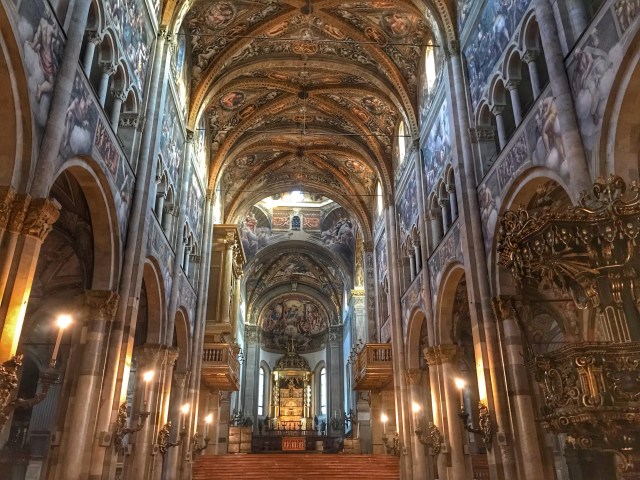
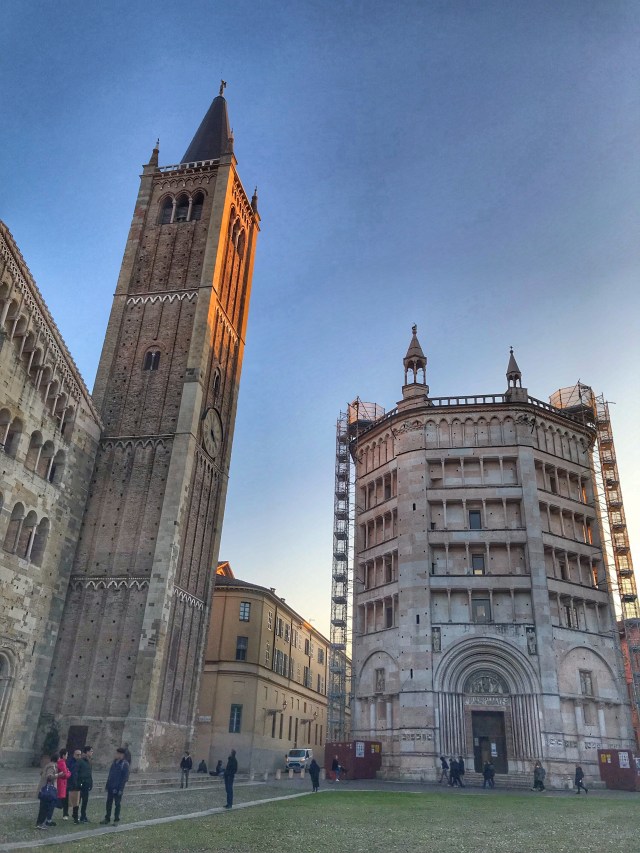
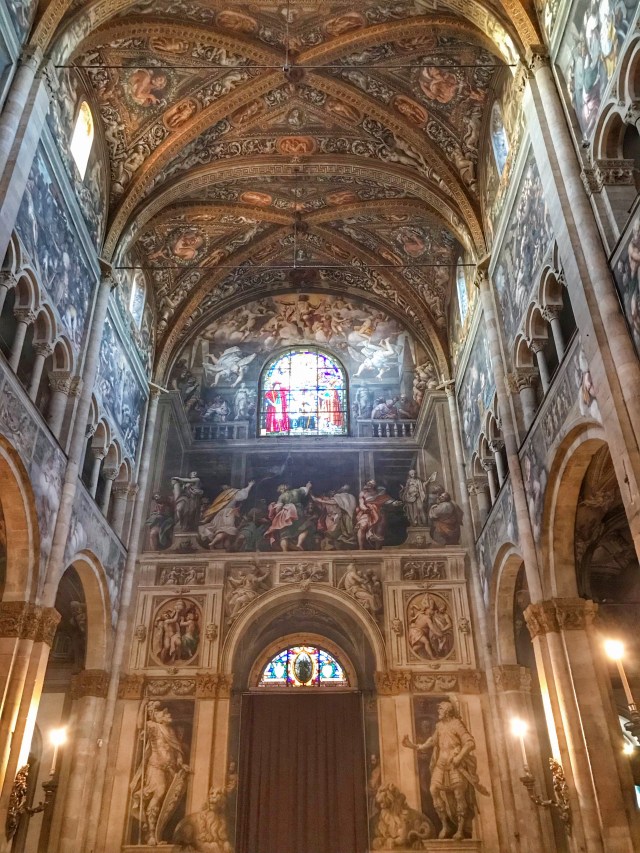
From Modena, we hopped back into a regional train for another half hour journey to Parma. Again we welcomed the traffic-less lanes and quiet alleys. We just walked from the Stazione to the centro, passing the Palazzo della Pillota which was unfortunately closed off to pedestrian traffic. Walking further down, we didn’t waste time checking out the Cattedrale Di Parma in a tiny square where the Baptistery is also located. Now, if you’re headed for Parma to visit this Italian Romanesque Cathedral alone, it would have been a good trip by itself. That, plus some Parma ham shopping 👌. Some trivia: The cathedral’s dome was painted by Renaissance painter Antonio da Correggio. Correggio is the same artist behind “Noli Me Tangere” which hangs in Madrid’s Prado Museum. Now, we all know that this painting somehow inspired our national hero who wrote the book of the same title. I know, the connection maybe quite a stretch, but I do enjoy this trivia.

This Roman Catholic Cathedral dedicated to the Assumption of the Blessed Virgin Mary is sooooo intricately, artistically done that we can’t seem to find any vacant space without artistic expression. For sure, the builders were kept very busy for a long time to pull this off. While the ornateness can be quite overwhelming, certainly it gives a very good impression that leaves one in awe.


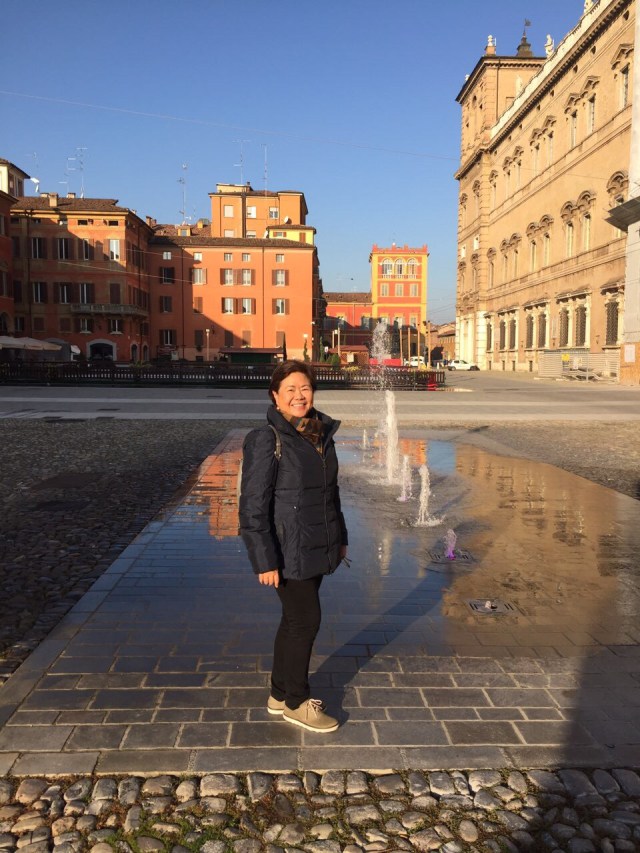
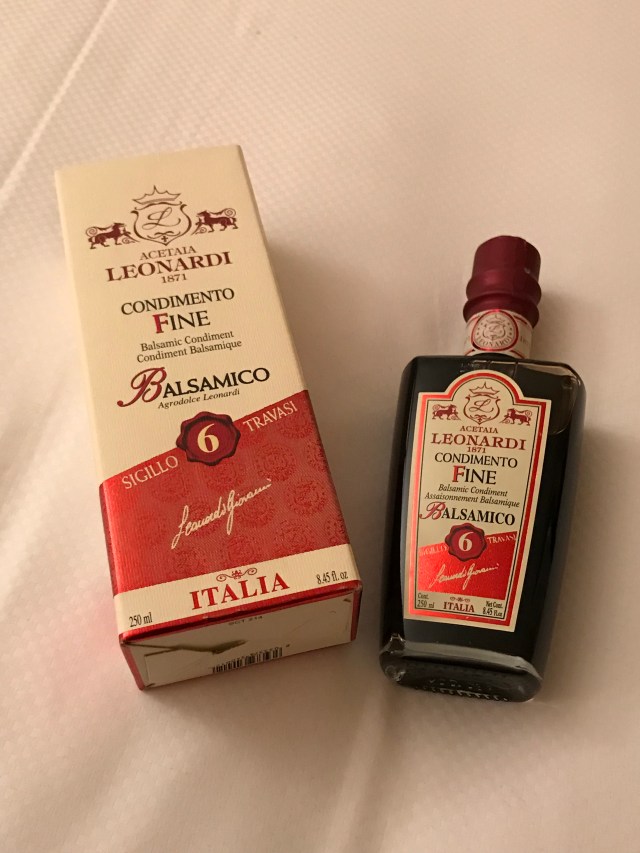
Left our Bologna hotel before 8am to catch our train to Modena. The half-hour journey was uneventful and we got off the Modena Station and walked towards the Centro Istorico. We did not join any tours as we’ve decided to wing it on our own. We couldn’t get over the cheap train fare of €3.85 as we journeyed to the city of Luciano Pavarotti and balsamico. We walked leisurely and deliberately, stopping at every interesting shop and historic building. And those were many stops … and tastings of Modena’s balsamico!

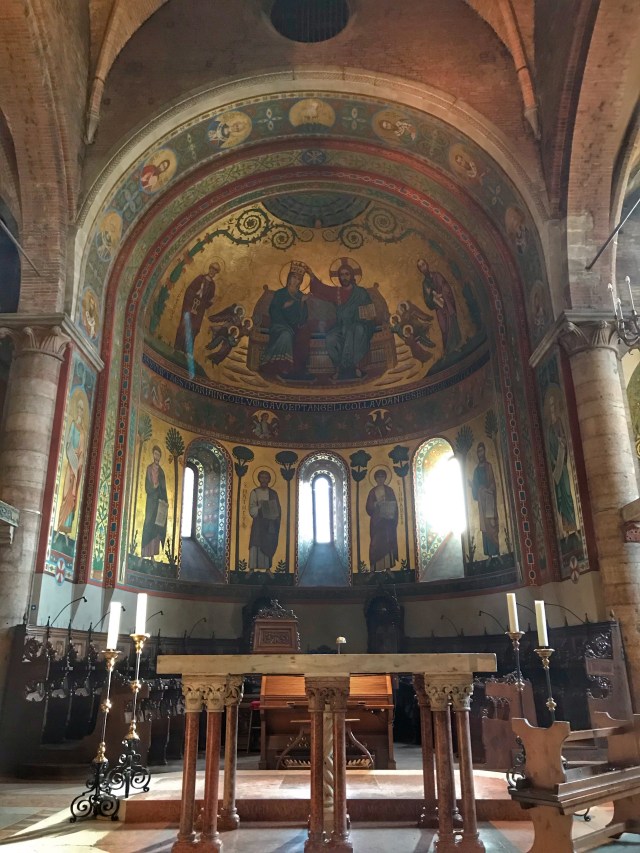
Palazzo Ducale was our first “tourist” stop. This former residence of the Este dukes of Modena from 1452 to 1849 now houses a portion of the Italian Military Academy. Next we went on our way to the Duomo e Torre Ghirlandina. The church was dedicated to the Assumption of Virgin Mary and its former bishop Saint Geminianus. Declared a World Heritage Site, there were a lot of restoration/construction work inside the Duomo but the interiors won’t fail to impress you.

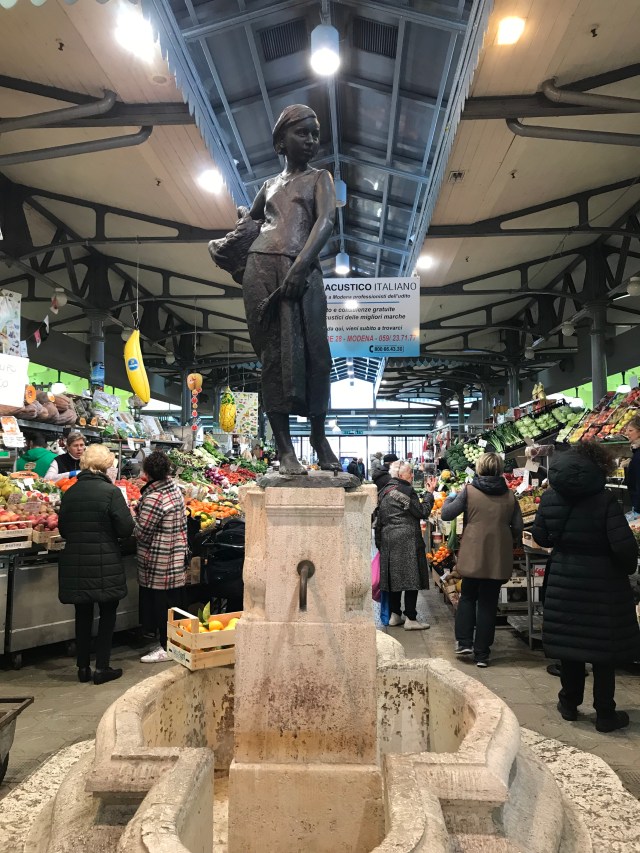
Nearby is the Mercato Albinelli. We lingered where we found all sorts of cheeses including the local “squacquerone”, a soft, creamy, spreadable cottage cheese from the area of Emilia Romagnia. Outside the mercato, we claimed a table to have our cafe espresso and cappuccino. It was cold but we “managed”, all the while checking the goings-on in the nearby flea market and the parked choo-choo train bearing small children.

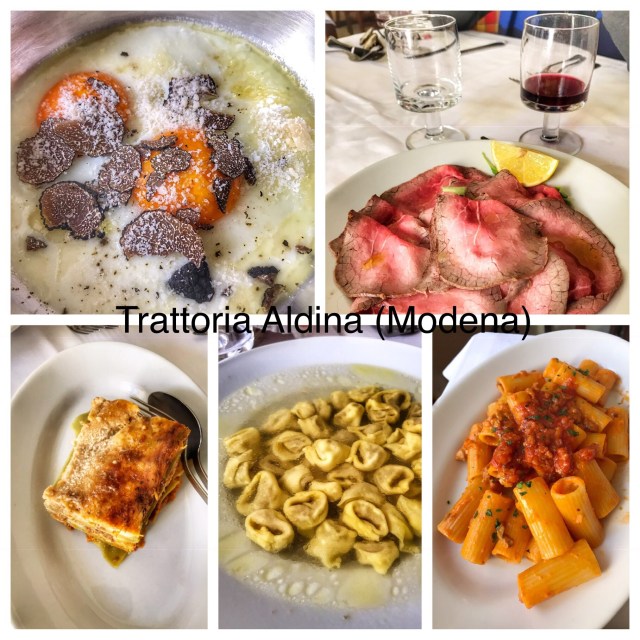
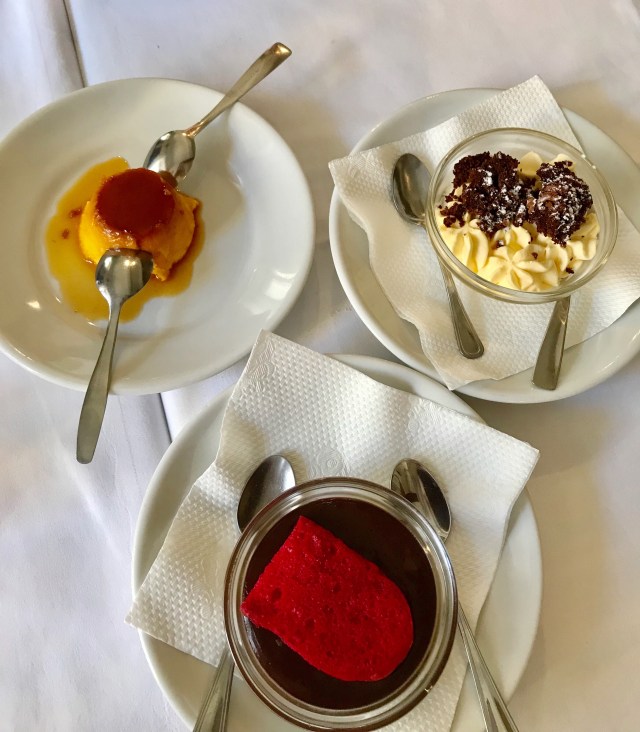
Lunch was in Trattoria Aldina which is just a stone’s throw from the Mercato Albinelli. The place was packed with many locals eager to partake of the trattoria’s home-cooked favorites. We ordered the lasagne, tortellini in brodo, roast beef and meatballs with peas. Likewise, we ordered the house specialty egg dish served with truffle. (Yey!) Leaving room for dessert, we had no regrets. A word of unsolicited advice: go ahead and have your dolce. The zuppa inglese, in our book, was quite outstanding!

Trattoria Aldina’s Dolce


Called La Rossa, La Dotta and La Grassa. The Red One. The Learned one. The Fat one. Aptly so. It is the home of Mortadella, Tagliatelle al Ragu, Tortellini, Lambrusco, Tortelloni, Parmegianno Reggiano, Prosciutto (from nearby Parma), Balsamico (from nearby Modena) as well as home to fast cars (think Ferrari, Lamborghini, Ducati and Maserati). Fast engines aside, Bologna’s rich history is only overshadowed by its being hailed as the gastronomical capital of Italy. I mean, eating here has been exalted nearly to a religious experience!

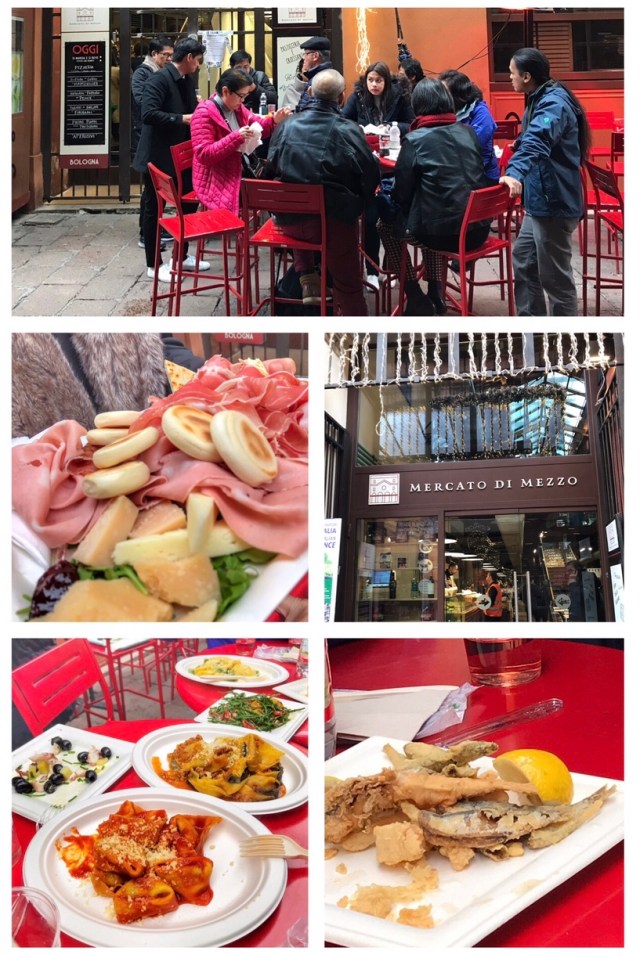
We had to train ourselves into joining walking tours and visiting Bologna’s major attractions lest we get stuck in its trattorias and mercatos. Eating and wining brings out the best in us — topics hop from this to that, laughter comes easy and over time (and many trips together), we’ve shared many private jokes. Our happy bunch sure knows how to munch. And while we’ve explored Bologna’s old town, canales, towers, piazzas and churches, somehow the day’s highlight always ends with food. Even our shopping has largely been food shopping. After all, how can you resist all these quezos and ham?
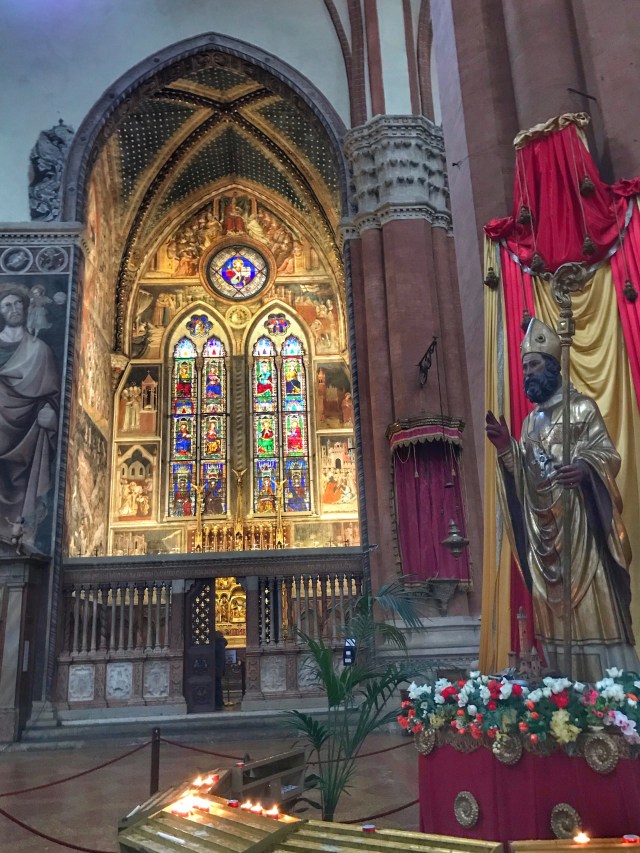
Piazza Maggiore is right smack in the Center and the square layout reminds us of the many piazzas in and around Europe where the city hall, major churches and rows upon rows of shops and trattorias compete for attention. Except for this tight security crew right in front of the church. The Basilica of San Petronio in the piazza is dedicated to the city’s patron saint, Saint Petronius who was the city’s bishop in the 5th century. It also happens to be the world’s 10th largest and the world’s largest brick church. It could have topped the list if the construction wasn’t stopped in time by a jealous Pope who feared this “half-complete” brick and marble church would compete with the one in Vatican. For good measure, all the surrounding land was bought and actual buildings erected adjacent to the Church to preclude any extension and expansion.

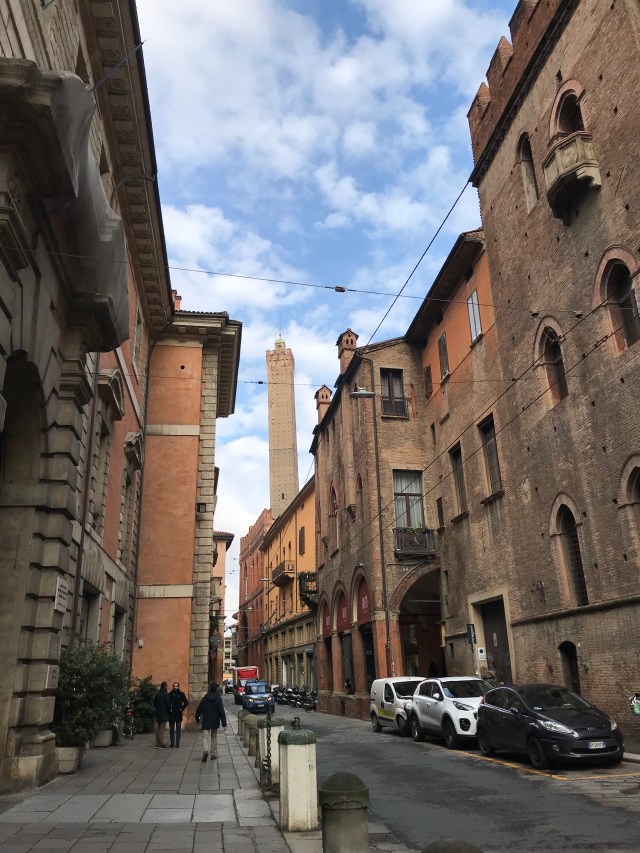
But why the tight security? An Islamic terrorist group reportedly planned to blow up the church because of an offensive Dante’s Inferno- inspired mural depicting Mohammad being tormented by the devils in hell. The artwork was rendered by Giovanni of Modena. Interesting. And jibes well with Bologna’s independent and rebellious character. How about this statue of the Pope in the same piazza but deliberately marked as that of St Petronius? Another iconic symbol of Bologna are its two towers along the ancient Via Emilia. It is said that both towers are leaning, like the one in Pisa. Asinelli Tower is the taller one; the shorter, more-leaning torre is called Garisenda. The towers were named after 2 families — obviously filthy rich — who competed on who’s building the taller torre as a show of power. Oh these horrible humans! Really, it’s easier to write and talk about food over these iconic landmarks.
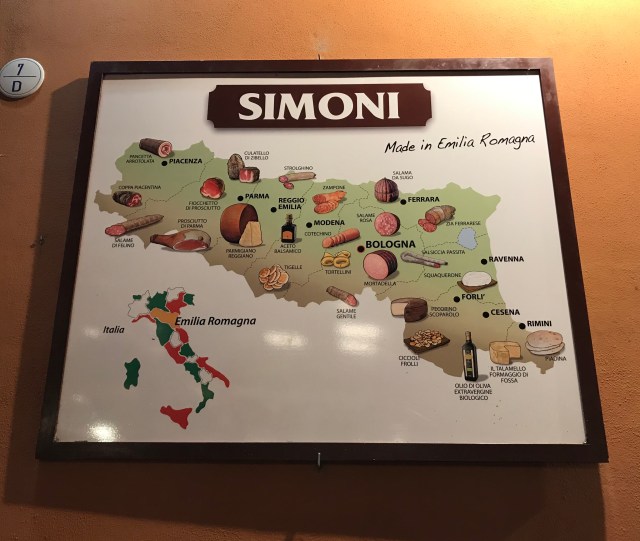
An illustration of what food to find and eat in this area.
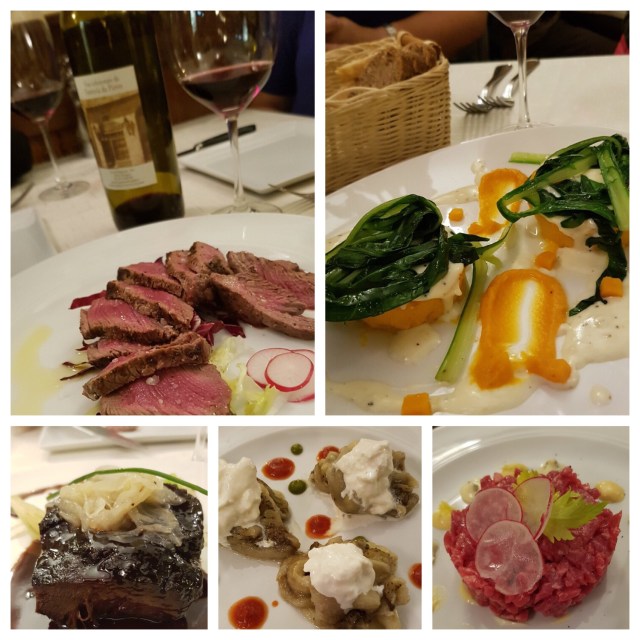
Our best meal in Trattoria da Pietro