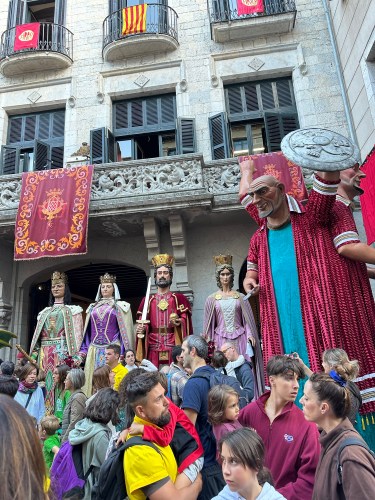
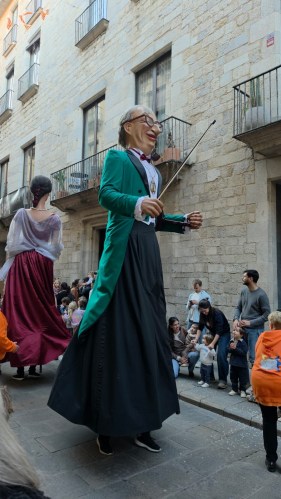
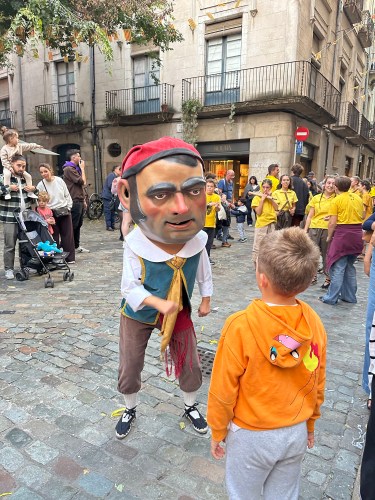
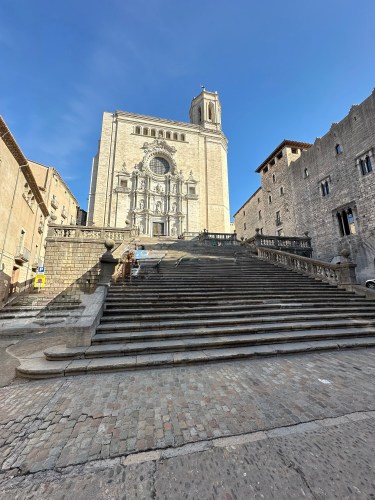
We were in luck. Even the driver who fetched us from the cruise terminal to whisk us to Girona was so excited we’d be around to witness the medieval city’s fiesta. Just some 100 kilometres from Barcelona, Girona celebrated its Fires de Sant Narcis. This fiesta runs till November 1 and features more than 200 public events like parades, concerts, Castells (human towers), craft and artisan markets, amusement rides, big heads (capgrossos) , gegants (giants), singing and dancing competitions. Imagine walking across one of so many bridges over the Riu Onyar or the narrow streets and alleys and meeting some senior or teenage drum and bugle bands. Just watching so many girl dads with bebes on their shoulders, little drummer boys in full costumes, and just street dancing is a delight!
Gegants or Giants 📸 Gizelle
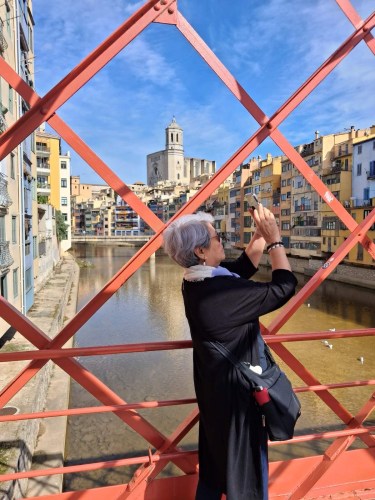
The Onyar River splits Girona between the old historic town (Barri Vell) and on the West Bank, the modern city center. Our hotel is on the West Bank but just a few steps from the Pont de les Peixateries Velles, loosely translated to the Old Fish Market bridge. But it is more popularly called the Eiffel Bridge because it was designed by the same fellow who built that iconic tower in Paris. Trivia: Gustav Eiffel built this beautiful red lattice iron bridge BEFORE he constructed Eiffel Tower. The houses lining the river are tightly packed and come in traditional vibrant hues of yellow, ochre and red. Girona also celebrates another Catalan architect — Rafael Maso — who prescribed the now iconic color scheme for these “hanging houses”.
For a while I wondered if I liked Girona because we timed our visit perfectly with the opening or start of the fires or fair. But nah. Girona is truly a gem. It is compact, so easy to navigate, very charming. The shopping and dining scene is fab and the city is so rich in history and culture. The Roca Brothers gave Girona more prominence when their restaurant claimed the world’s top spot. And now, the same brothers made exquisite dining more casual with their new restaurant and tapas bars that are easier on the pocket. We tried their Vii, Tapes I Platillos located in Plaça Del Vi where the Fires de Sant Narcis commenced. How lovely (and convenient) to eat your croquetas and gulp your canya (a small draft beer) while the procession went underway.
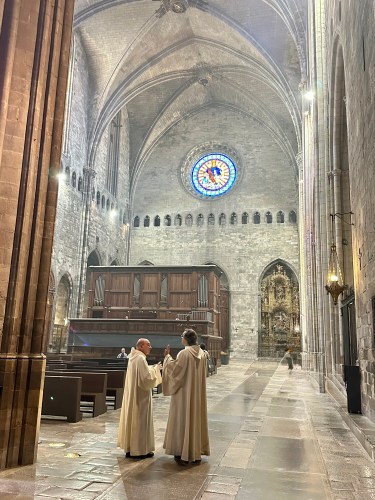
Who watched Game of Thrones? Inside the Girona Cathedral
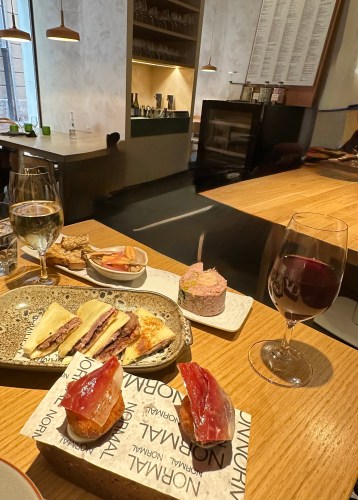
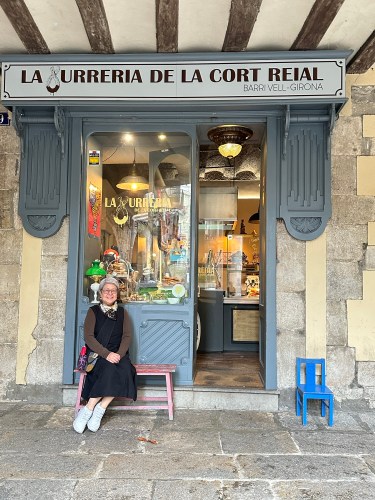
Meandering around the Jewish Quarter in the Old Town is a must-do. It’s hard to get lost — or rather, it’s easy to get lost but one just as easily finds his way back by simply walking towards the river and crossing any of the bridges. The Cathedral is a beauty and the Sunday Mass organ music is heavenly. After the cathedral visit, you can start walking, shopping and stopping every so often for bites to eat. There’s the 2 other more casual Roca brothers-owned Bar Normal and Ristorante Normal. Very intimate dining spots. Good food. And there’s Espresso Mafia for gooooood coffee to sip under historic stone arches. Right beside it is La Xurreria for yummy churros con chocolate and soft dough xuixos filled with cream that looks as sinful as it tastes. If all that still doesn’t satisfy, there’s a nearby basque tapas bar on the same street called Zanpansar. In these tapas bars, you just order your txacoli or canya, grab some tapas plates. Payment system is via counting the skewers on your plate. Swell!
Bar Normal is my kind of place. My sweet tooth isn’t complaining.
Now, crossing the Onyar River presents some good prospects. There was a bridge lined with artisan shops so good luck to you as you cross the street 🤣 Plaça Independencia is a square framed by charming buildings housing cafes, bars and restaurants. We tried the Casa Marieta and lucky to earn a reservation for lunch here. That duck in pear sauce and chicken with shrimp were sooo good. Some of us found the Mercat but the day we tried, the food market was closed. Instead, we lingered in an amusement park we passed. There were rides, and there were street food. It’s a fair after all! The chestnut stalls are hard to resist. And the gelato? Why ever not? 😋
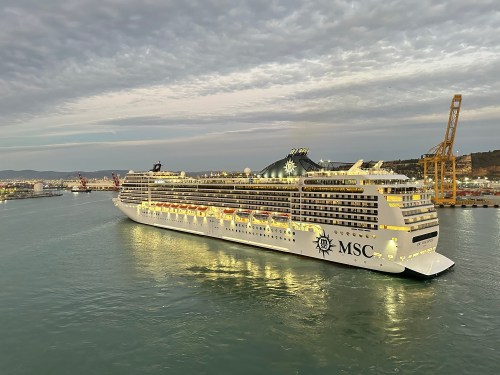
The whole plan involved 2 cruises. One off the Rhine River and the next aboard MSC sailing out of Barcelona. At the last minute, the Rhine Cruise was cancelled, leaving us “stranded” in Strasbourg. Thank goodness we had booked a 2nd cruise with MSC and that pushed through as scheduled. We tweaked our travel schedule so we can stay longer in our Strasbourg hotel and booked extra nights in another Barcelona hotel prior to the MSC Mediterranean cruise. Just 7 nights but with lovely ports of call one can dream of.
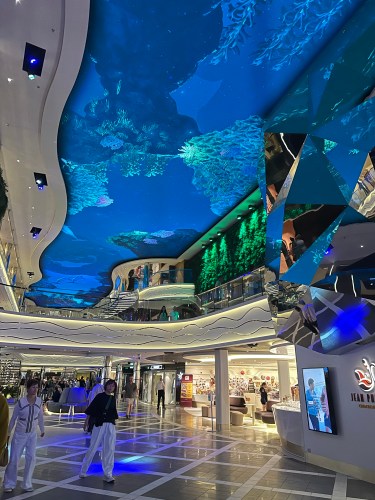
Inside the MSC World Europa
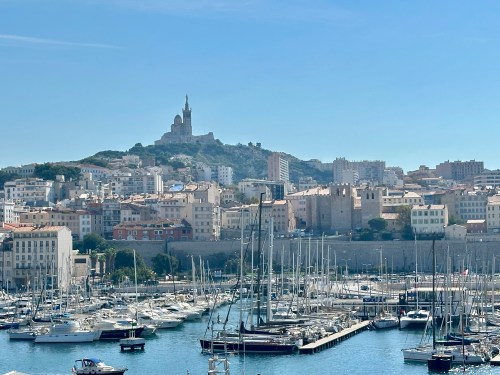
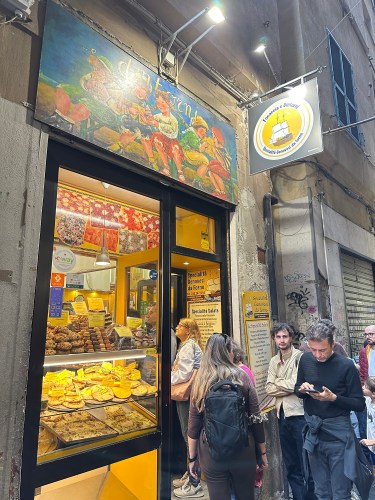
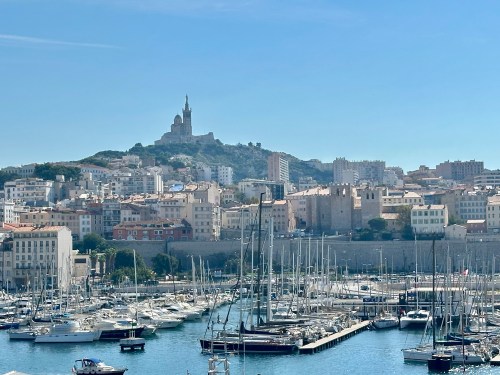
First port was in Marseilles in the south of France. Think panisses and bouillabaisse — Marseille’s signature seafood stew and chickpea flour fritters. We booked a walking tour here and decided on a lunch recommended by our guide. In Genoa — our 2nd port of call — we winged it on our own and heard Sunday Mass in the beautiful Cathedral of San Lorenzo, just a stone’s throw from the Chiesa del Gesu. More photos and details here.
Notre Dame Marseille & Vieux PortIt’s all about Focaccia in Genoa
In the past, we’d just breeze through Napoli and instead spend time in Positano, Sorrento and Capri. The Amalfi Coast is so breathtaking while Naples has gained quite a bad rap. I wasn’t confident to check out the city on my own but having crafted our own walking tour, we got off the boat and took a cab all the way to the Chiesa del Gesú Nuovo which is just a stone’s throw from the Monasterio delle Santa Chiara. Both churches run along the Spaccanapoli. We walked all the way back to the cruise terminal without any incident. Have a read.
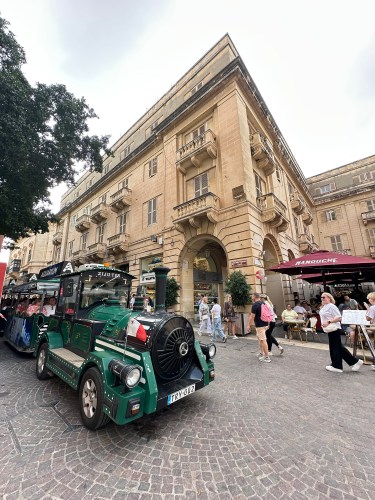
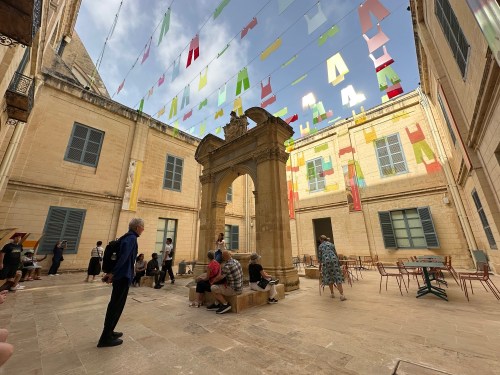
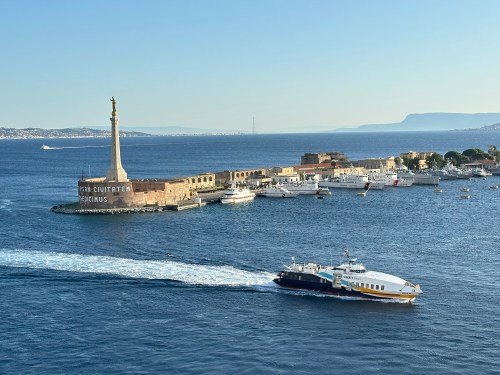
By the time we docked in Valletta, Malta, we were almost sad it’s our last port of call. It was a near perfect ship itinerary. From the south of France down south off Italy, with a day at sea to sail back up to Barcelona. But Malta is super impressive. It’s so small but soooo packed with history and culture. We wonder how the streets look and the vistas off the cliff after sundown when the swarming cruisers have gone back to boat.
I spent my birthday at sea. So happened it’s the last whole day (on the boat) before disembarking in Barcelona. What a fun way to celebrate as the boat and its crew drummed up the beat before seeing us all off. Champagne and dancing all around. So much energy. Just perfect!
It’s been on my bucket list for the longest time. Malta and the southern part of Italy (Sicily). Have read up quite a bit on Malta and it didn’t disappoint. And that applies only to Valletta. There isn’t time for ferry rides or further exploration to sites like Mdina or the Three Cities. For sure, I’d be back with more days to spend here. One of the few times I promise myself that I will repeat and enhance the experience. Malta has that effect on you. And I just know that it is one place where the visit cannot, should not be rushed. It needs to be digested slowly. (Besides, the uphill climbs are no joke 🥲). With few hours to spare, we joined the swarm of midday cruisers but did the best we could.
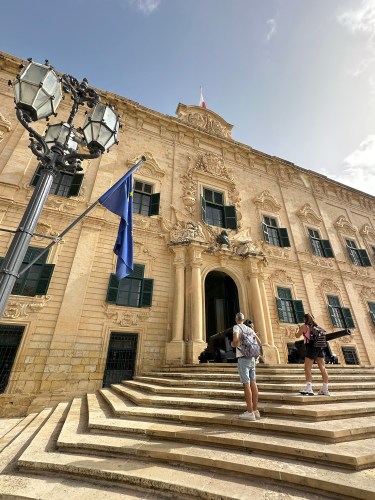
Around the Parliament. Office of the Prime Minister
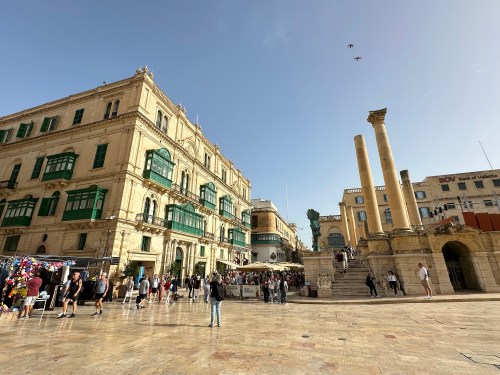
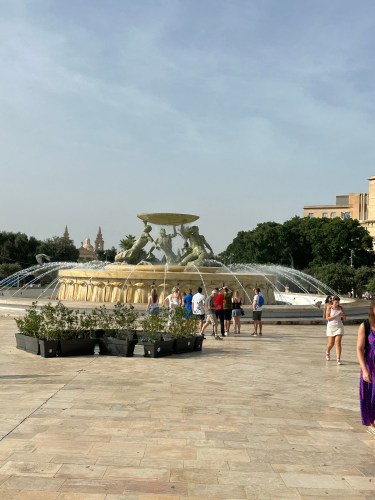
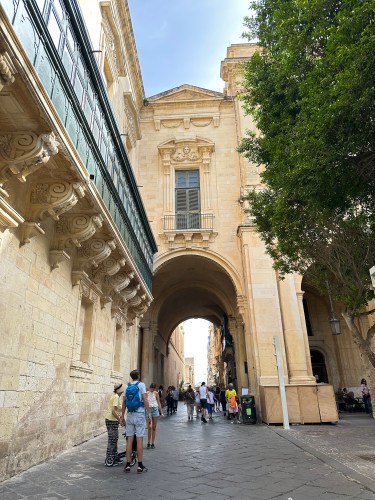
Signed up for a walking tour and we put those leg muscles to good use. From the boat, we walked for 8 minutes along the waterfront promenade which was thankfully flat. Against the bastion walls, we found the Barraka lift, paid a measly €1 to take us up to the historic city center which sits beautifully on a cliff offering a panoramic view of the harbor. Stepping out of the Barraka lift, passing the lovely colonnaded gardens, we headed towards the Parliament or Freedom Square. A short and easy stroll, really. Flat and paved. On our way, we passed the baroque building housing the office of the Prime Minister as well as the Church. The capital’s main thoroughfare — Republique Street — runs from the Triton Fountain all the way to Fort St. Elmo. The star-shaped fort is where the National War Museum is (which we missed!). It is also the site of the historic great siege of 1565 and bore heavy bombardment during the Second World War.
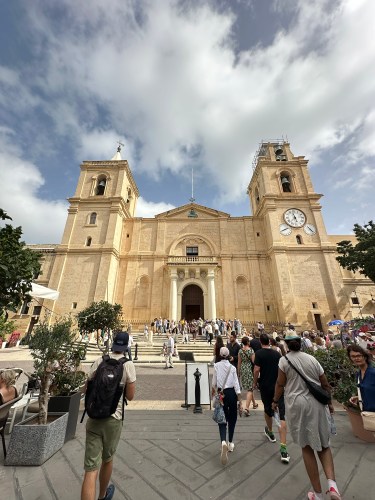
Triton FountainSt. John’s Co Cathedral
I do have one major regret here. We should have booked visits to the St. John’s Co Cathedral — a solid fortress-like structure designed by a military architect that looks simple, even austere, and quite commanding. Why? It houses two Caravaggio masterpieces which were painted during the Italian Baroque Master’s wild fugitive days in Malta. The “Beheading of Saint John Baptist” is regarded as one of the greatest works of this other Michelangelo (Merisi da Caravaggio) — a priceless work of art which incidentally is the only work he signed. While this masterpiece hangs in the Oratory, the other piece “St JeromeWriting” hangs in a dedicated Caravaggio Wing inside the cathedral. Trivia: this piece was stolen in 1984, later ransomed and recovered in 1986. There was a long line the day we visited. Sigh 🥲
Across St. John’s Co CathedralMUŻA. The National Community Art Museum.
We did have a chance to visit MUŻA. The museum is housed in a knight’s palace and features contemporary Maltese art and Baroque masterpieces . But then again, there isn’t time to explore. Frankly, I can’t believe there is so much in Valletta, the smallest capital in the European Union. For a place with only 6,000 residents, it is home to over 300 official monuments. No wonder the entire capital is declared a UNESCO World Heritage Site given the abundance of historic and heritage sites packed into its small walled grid. Evidently, so much wealth must have funded Valletta’s architecture like the stone bastions, palaces, fortifications and monuments. One story goes that the founders of Valletta — the Knights of Saint John also known as Knights Hospitaller — “inherited” the wealth amassed by the Knights Templar in the 13th century. As decreed by the then Pope, the order was abolished in 1312. But it took more than 200 years before Valletta was founded by the Grandmaster of the Knights of Saint John — Jean de Vallette — in 1566 following the Great Siege of Malta. As the knights defended Malta against the Ottomans, the knights were elevated in legendary status. The second story goes that after the siege, many monarchs gave significant financial contributions to the Knights for defending Malta against the Ottoman advances.
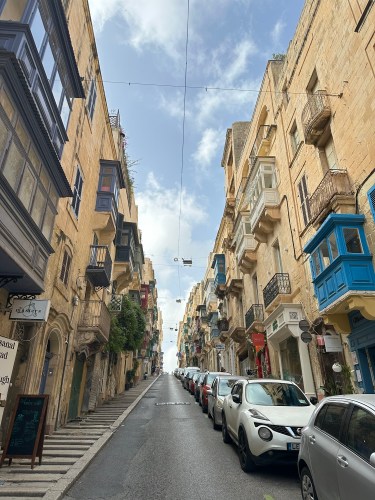
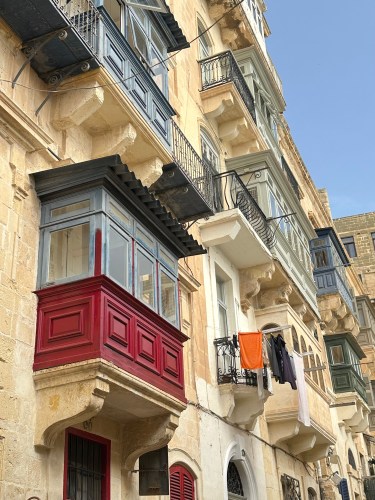
Whatever and however the story goes, Malta impresses. It deserves the UNESCO Heritage Site every bit of the way. And then there are the Maltese Balconies called gallariji. These closed wooden balconies originated from the 17th century during the Order of Saint John, and now are the cultural symbols of Malta. They are typically painted in vibrant hues from bold reds, deep blues or forest greens. Quite similar to their Moorish, Arabic and North African counterparts.
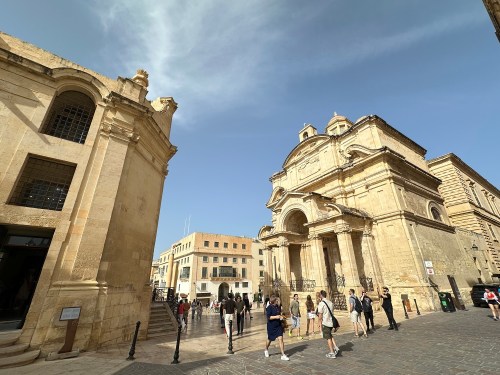
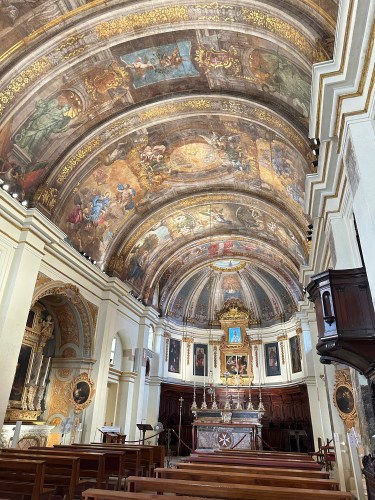
The iconic wooden balconies are called “gallariji” with North African and Arabic influences. Inside the Church of Our Lady of Victory
I do feel “bitin” with Valletta. Or Malta for that matter. I have not had the chance to even try Maltese cuisine beyond the Ftira which was actually ordered by a friend for lunch. It looks like an ordinary sourdough sandwich packed with tuna. Would love to try other dishes which reportedly are influenced by Arabic, North African and Sicilian culinary traditions. Well, it looks like I’d have to wait for the next trip to fully explore Malta!
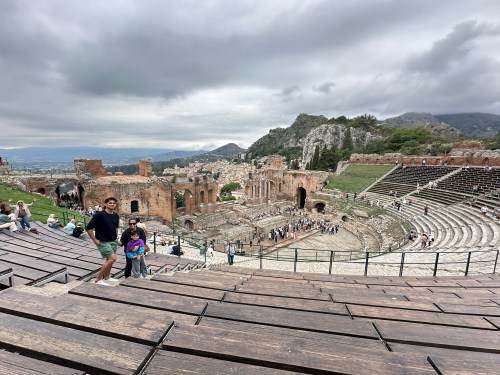
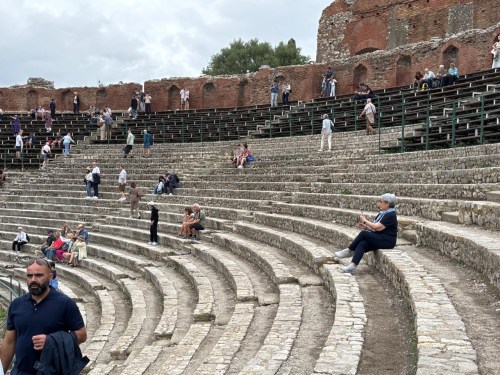
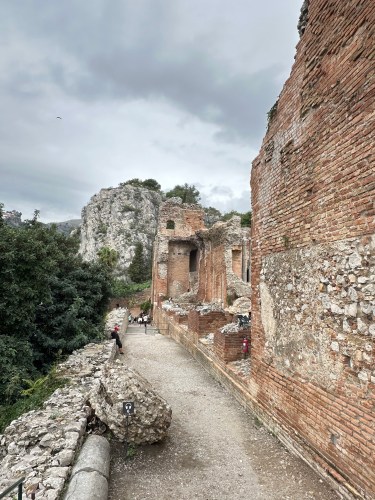
We docked early in Taormina, Sicily. And I must say, we were all dripping in excitement to walk the ancient cobbled paths of this Sicilian hill town resort town. Lying on the eastern part of Sicily, Taormina houses an ancient amphitheater that looks out to the Ionian Sea. The ancient Greek theatre is the second largest theatre in Sicily next to the one in Syracuse, and it’s been sitting there since the 3rd century BC. It was rebuilt by the Romans around the 2nd century AD and has since been the top attraction in Taormina.
Taormina, SicilyGreek-Roman Amphitheatre
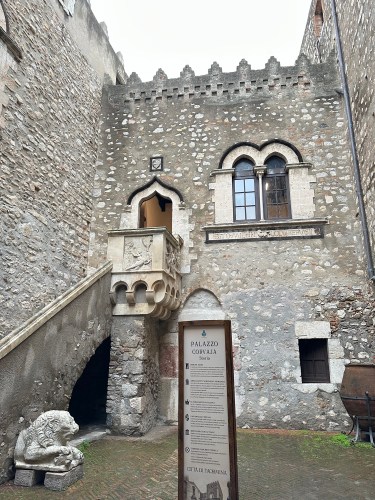
A day here simply isn’t enough. It would have been ideal to wander freely through the Corso Umberto past the Porta Messina just to browse through the many quaint shops, cafes, gardens and gelato bars. And don’t forget the cannoli! There is also the Palazzo Corvaja just past the arched gate to this commune. From its second level, one can observe the crowds moving through the Corso looking for souvenir items to buy or casing the ancient street to choose from the many cafes and bars.
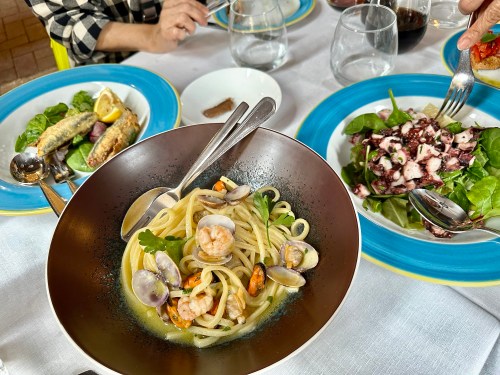
We found an alley off the Corso lined by many trattorias and had an al fresco lunch of pulpo salad, pasta vongole and sardines in a place called Momma Rossa. The light, dry white wine I had with the very Italian lunch was all I needed after the uphill walks in and around the amphitheater. For a few minutes, I worried I was having one of those vertigo spells. But it passed. And we rewarded ourselves with a good proper lunch. The quaint shops with charming Sicilian vendors sent me back on the boat with a bag full of chocolate coated nuts and trinkets. After all the samples I had, only fair to buy stuff from those charming ladies. Let’s see if those chocs endure the trip home — I may be tempted to much on them while the trip lasts 😋
Lunch at Momma Rossa Palazzo Corvaja
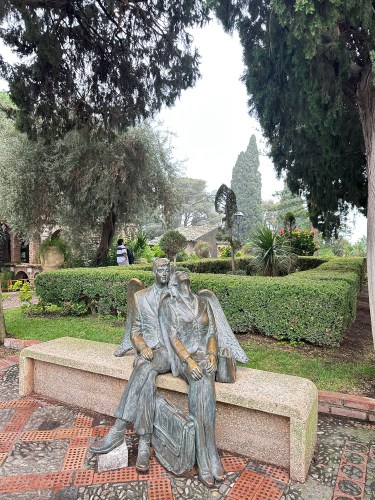
The Palazzo Corvaja just past the Porta Messina was actually closed for the day but for some reason, we managed to enter all the way to the second floor until a kind lady informed us that it wasn’t open. Well, that was a quick “tour” and with some time to spare before riding the shuttle back to our bus, we took some alleys leading to the Villa Comunale Gardens. This garden park used to be a private garden of an English noblewoman named Lady Florence who was then married to Taormina’s Mayor. We could have spent more time here despite the rain, but word got to us that most everyone is back ready to hie off for the return to our boat. If we had more time, we could have lingered and reached the garden’s spot which offered a majestic view of Mt. Etna and the sea. All’s well as we reminded ourselves we need another visit of Taormina as well as other parts of Sicily. Till next time!
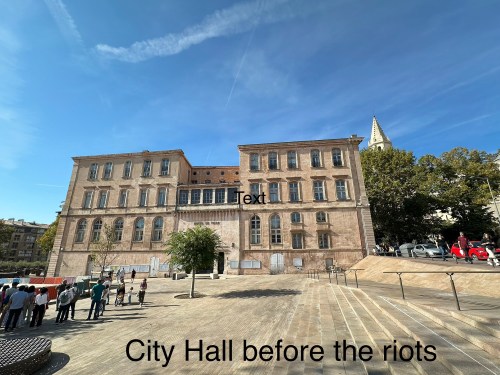
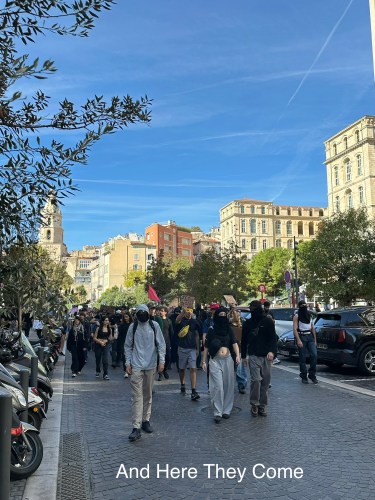
Marseilles. Our boat docked mid morning here and we promptly disembarked soon after breakfast and cabbed all the way to Vieux Port to meet our guide at 11am. We were in luck. Our guide is a history teacher and anthropologist who is so knowledgeable in a way that didn’t sound nerdy. It helped EZ had a good sense of humour and every so often injected fun facts and trivia to his “history lessons”. I have been to Marseilles many moons ago but have not exactly explored this oldest city of France. As with Paris & Strasbourg where we earlier spent time, there were protests or “manifestations” all over. EZ guided us through streets and alleys, keeping in mind to avoid the protesters. I’d say we were always a good 5-10 minutes ahead of them — in the Town Hall or Hotel de Ville, and around the corniche in Vieux Port. We found ourselves in Hotel de Ville which was almost empty, and detoured to some side streets walking towards Le Panier.
Hotel de VilleProtesters walking towards Hotel de Ville
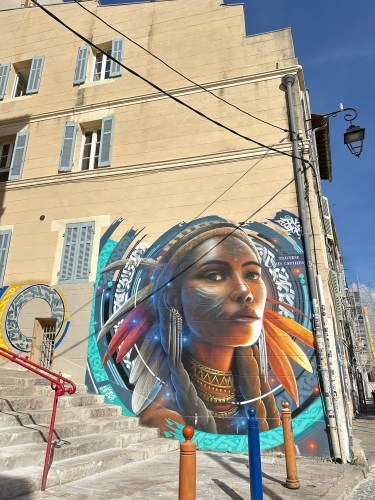
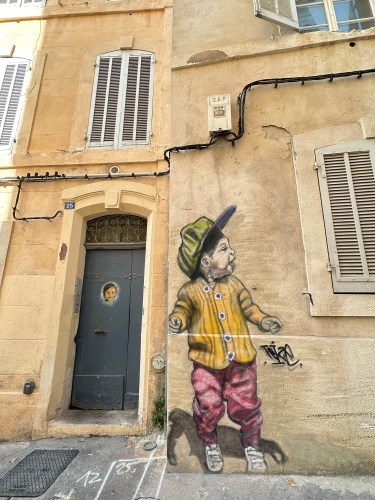
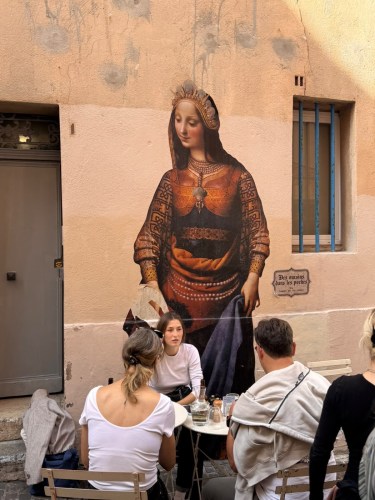
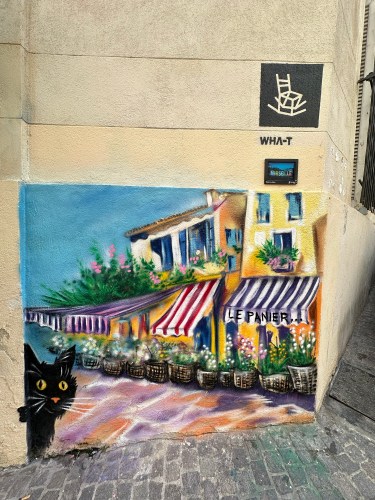
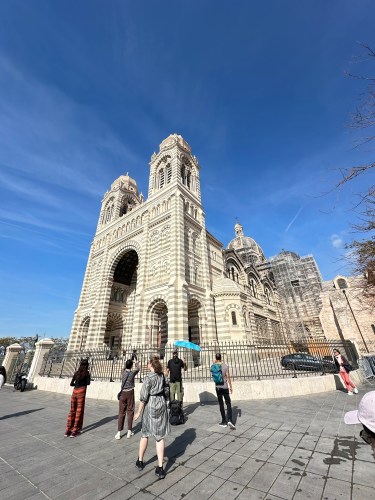
We had a good run. EZ led us walking for nearly 3 hours, never losing our attention as we climbed up the hilly parts of Le Panier. This bohemian neighborhood reminded me of Montmartre in Paris . Street murals, cozy cafes, artisan shops, cobblestoned paths and laundry hanging to dry off balconies paint a very bohemian vibe. This is Marseilles’ oldest neighborhood and houses the Cathedrale de la Major. From colorful graffiti to religious edifices, Le Panier has much to offer. And it’s an easy walk from the old port.
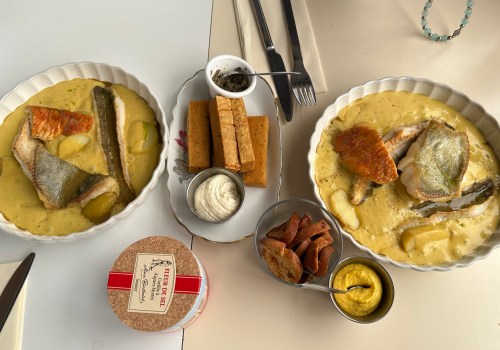
If I were to head back to Marseilles, I’d definitely spend more time here. It would be nice to try some of the hole-in-the-wall coffee shops where one sips coffee under an artfully done mural. Or to check out the many artisan shops selling anything from soaps and souvenir items. EZ lived in Le Panier some 15 years ago when he just arrived here from Argentina, and so knew the neighborhood like the back of his hand. He had recommendations also on where to enjoy a good bouillabaisse. We heeded his advice and tried Au Bout du Quai’s bouillabaisse, panisse de aoili, and oysters. Cravings satisfied!
By the time we were ready to leave the area to get back to our boat, the protest has gone wild and it was reported that the young rioters have stormed the Hotel de Ville. Some in our group got caught in the melee and experienced some tense, tear gas moments. The taxi ranks are devoid of taxis and we were just lucky to veer off the main port road and found a cab driver drinking coffee in some obscure corner. We cabbed back in time to board our boat, happy with our adventures. And this is only our first stop on this Mediterranean Ctuise. Genoa next!
Bouillabaisse, Panisse de Aoili Cathedrale La Major Notre Dame at the top of a hill
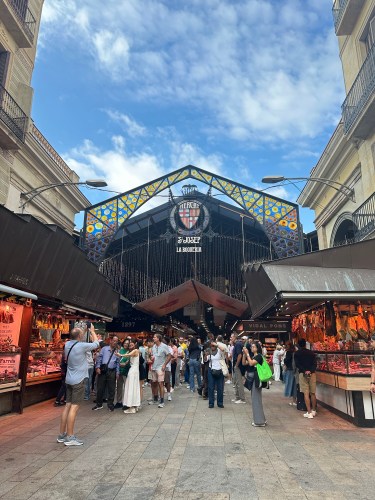
I was here not too long ago so I’d likely skip many must-do’s like the Sagrada Família, Casa Batlló, Casa Mila, Park Güell, Palau de Musica Catalana, Ciutadella Parque, even the Barceloneta. But I need a repeat of La Boqueria and the many dining spots around here. They say food is an integral part of one’s travels but I’m beginning to think u travel for the food. 🤣 Especially Spanish food! From desayunos to almuerzos and unforgettable dinners, España ranks up there in my book. From cafe cortado to churros con chocolate, from paellas to fideuas, from ham to jamones and many more.
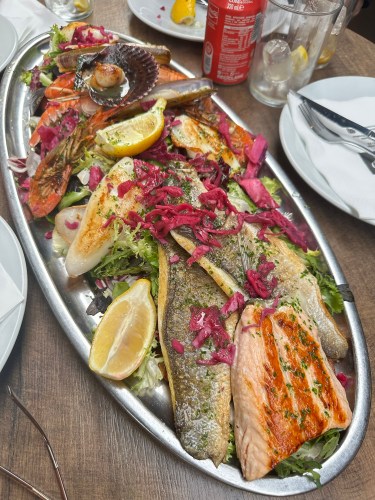
La BoqueriaThis is lunch. An assortment of seafood from sea bream, prawns, navajas, salmon, clams, mussels etc
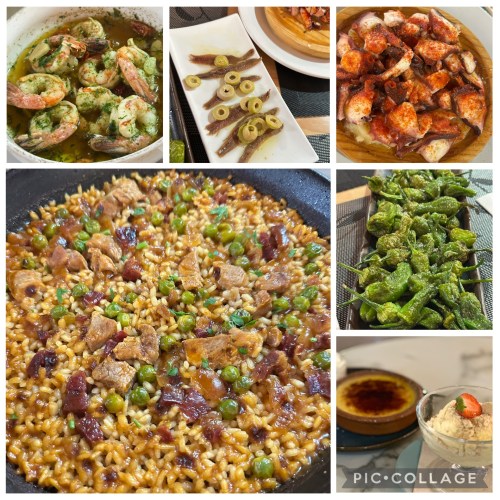
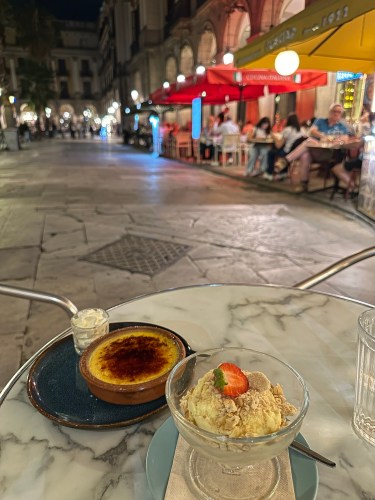
From Barcelona Cathedral to Santa Maria Del Pi and Del Mar, we’ve had our hours of prayers in these majestic Iglesias. All within walking distance from our hotel in Barrio Gotic, the birthplace of Joan Miro. Just off the corner, there was Antic Tapas de Ferran where we had our first Catalan almuerzo of pulpo, paella, gambas, anchoas, and my favorite pimientos de padron! Completed the day with postres (desserts) of crema catalan y gelato in Plaça Reial where people watching is par for the course. Que sabroso!
Lunch in Carrer Ferran, Barrio GoticPostres en Plaça Reial in Barrio Gotic
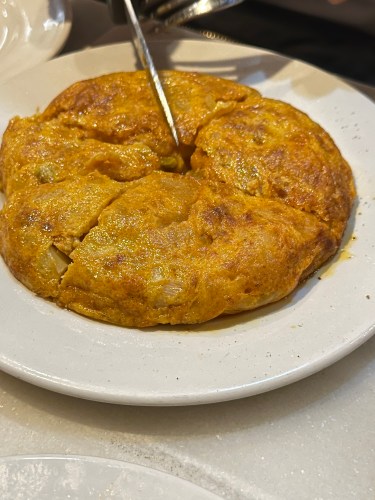
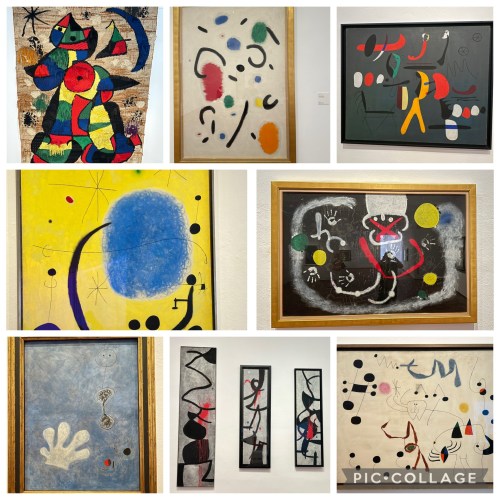
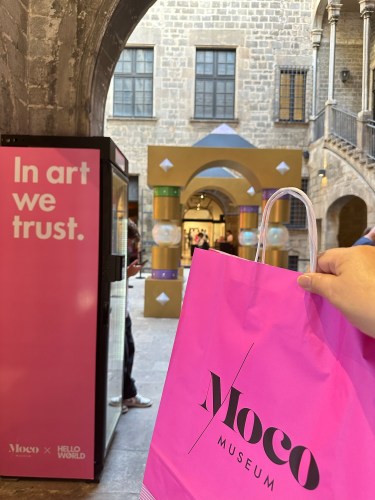
While we took eating real seriously, we paid equally serious attention to Catalan art and made it to Fundacio Joan Miro, Moco Museum and Picasso Museum. Fundacio Miro is a half hour Bus 55 ride from Plaça Catalonia to Montjuic Hill. The 2 museos in El Born is just a short walking distance from our Barrio Gotic crib. Did my souvenir shopping in the museos’ tiendas. That walk also meant passing this superb tortilla place called El Xampanyet recommended by our friend D. It has been around for nearly a century — since 1929. It’s a hole in the wall but long lines are the norm. We found a corner table near the tiny kitchen manned by a huge stocky Catalan who moved and cooked the tortillas so briskly it’s almost a spectacle. I also enjoyed a good tinto de verano here. Still good as it feels summery here than autumn-ish. Yes, at 24C!
Best tortilla in my book. El Xampanyet in El Born. The collections from Fundacio Joan Miro
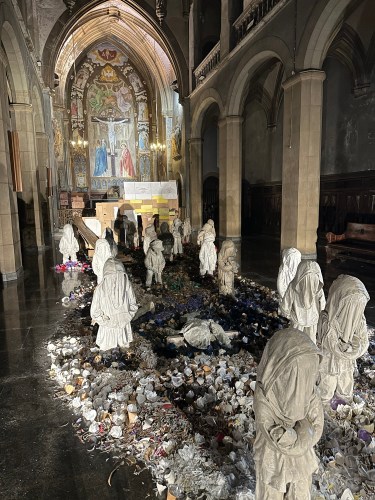
We’d be returning to Barcelona after our Mediterranean cruise so we’re not exactly in a rush to hit the Catalan attractions here. But the nearby Santa Maria del Pi has an ongoing exhibit — some art installations depicting “Childhood in Exile” and dwelt on sad and broken feelings of isolation and sufferings. Too heavy and I must say depressing. Before long, we stepped out of the Iglesia and walked towards Plaça Reial in search of an oyster place.
I’m not a shopper but there were good finds in Moco Museum Shop“Childhood in Exile. Sacred Childhood”
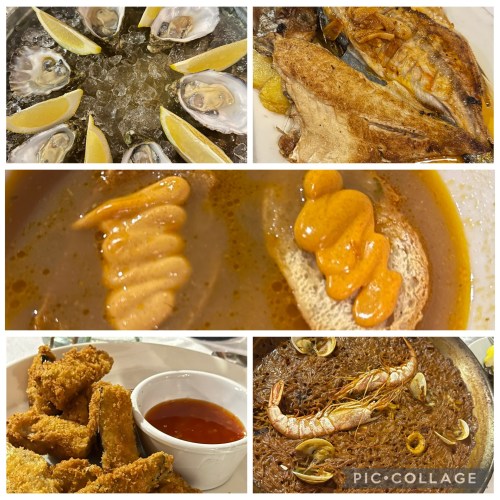
Well, the oyster place wasn’t exactly what we dreamed of. I mean the oysters were good (you can’t mess with fresh oysters, anyway) but everything else is meh — fish soup, fideuas, berenjenas (eggplant) and sea bream . Can’t win them all but the service in Quinze Nits likewise sucks. Not ever will we head back. And this serves as a good lesson — the Plaça Reial is right next to our hotel so it was no sweat walking easily to find a place for some seafood stew and oysters. But it’s a square for the tourists in the Barrio Gotic area who are too lazy (like me us that night) to search for dining spots with good reviews. One hard lesson.
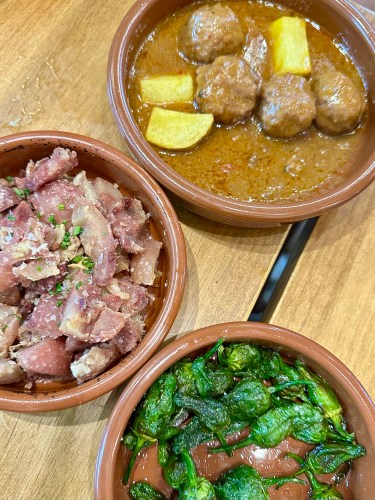
Albondigas, “Chicharon” and more pimientos at El Rincon de las Tapas
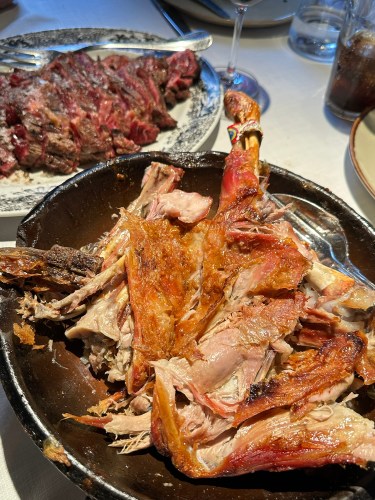
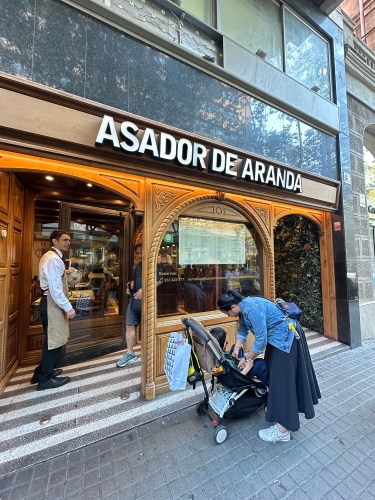
So on our last day in Barcelona before boarding our boat for the Mediterranean cruise, we dined in Asador de Aranda. An absolutely special lunch of lechal (suckling lamb) and hake carpaccio. Soooo good. I completely ignored the ribeye steak and totally enjoyed my lamb lunch. Hits a spot, for sure. Our Barcelona (Part 1) adventure ended on the right note despite some mishaps. And we hope to fully enjoy the second episode after our cruise.
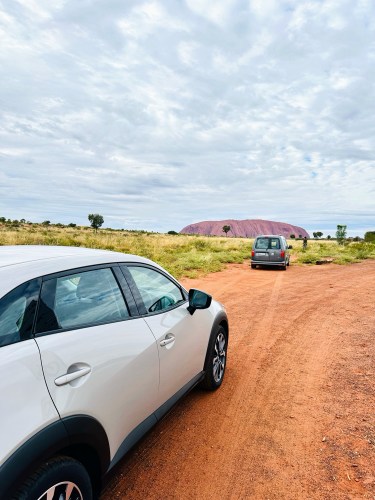
I know. It’s an old nursery rhyme but quite recently, an adaptation was made with an outback twist. Now a popular Australian children’s song (by the Cheeky Monkey Club), the song lyrics include Uluru and didgeroo. To see this massive rock monument, we rented a car to be more flexible with our timings and itinerary and also because the shuttle bus passes are actually quite pricey. We figured the cost for a 3 day pass for us three approximates the cost of car rental for the duration of our entire stay in Yulara.So there. No brainer. We can now go whatever time we may find convenient though we’ve decided not to explore after dark. After all, our itinerary is very very limited and “loose”. We’d be quite happy with the 10.6 kilometer base walk around the Red Rock, a sunrise and sunset view, a visit to an aboriginal art gallery and the “guided” stargazing at night.Outside of those, we’re prepared to be surprised.
Best to rent a car to navigate the Uluru-Kata Tjuta Park
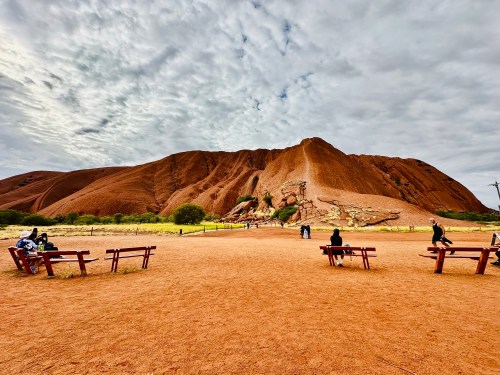
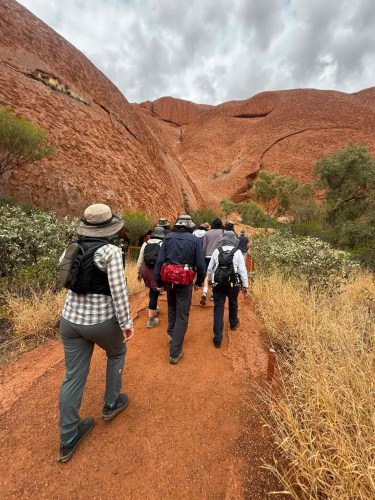
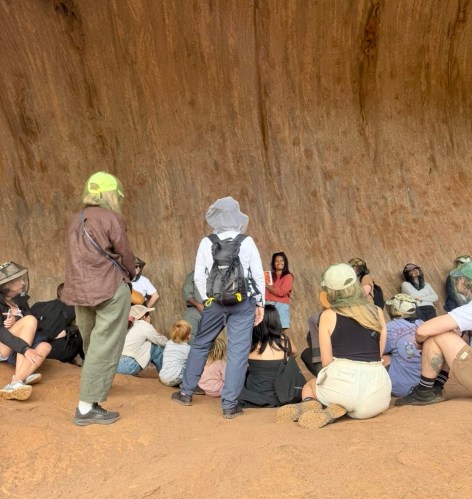
For the base walk around the sacred rock, we opted for the ranger-guided base walk for the first 2 kilometers. Started at 10am, ended around 11:30am. Confidence to “diy” the rest of the walk was boosted as there were other walkers and the overcast sky meant tolerable temps without much risk of getting dehydrated or burned. The base walk is flat with the sacred monolith always in full view. Some areas are sacred and photography is not allowed. Midway, there are kiosks or resting area and toilets. Not much wildlife in the area as it’s clearly a desert that can actually seem boring. While walking, Spotify can be your best friend. But I’m glad I’m walking with my niece and college friend whom I rarely see so there’s much to chat about and catch up on.
From the Mala Car Park towards the base walk .
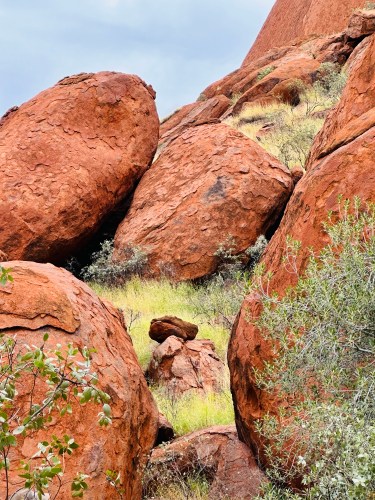
Circling the red rock the next 3 hours can seem “monotonous” but it’s interesting to view the massive rock at different angles. Along the circuitous way, one easily spots the Mala Kitchen , obviously the area where the Anangus prepped their meals — from honey ants to game meat like kangaroo and emu, as well as other edible grubs. Along the Uluru base walk , there are “detours” to check out special spots like the Kuniya Walk towards the Mutitjulu Waterhole. And every so often, we stopped to look up as the stone face bears marks looking much like they were purposely designed. Vegetation is limited such that I was reminded of the cartoons “Flintstones” and remembered Fred, Wilma and Pebbles 😄
Just 10.6 kms around the base.
Uluru did not disappoint. It’s a geological wonder in a natural landscape one only finds here. The desert floor and stone hues change depending on how the light hits them. The rock art bears significance as the Anangus “spoke” through them and the sacred sites demand respect as they are used for many “imnas” — traditional ceremonies, songs and dances. This is the way their belief system was passed on through generations, thus keeping the aboriginal culture and traditions alive. Even their aboriginal art form is so unique that I can’t help feeling so impressed. And their hunting tools is another story! I’m eager to read up to learn more about this indigenous culture even after this trip.
The many sides, nooks and crannies of Uluru.
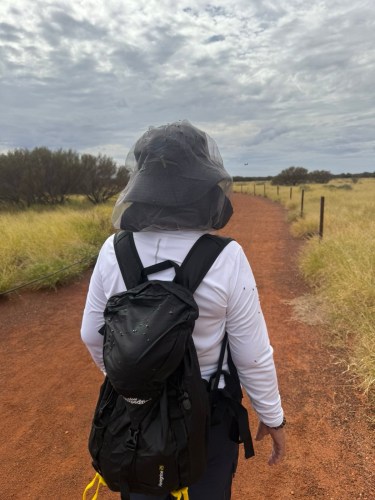
We made full use of the resting areas but had to be reminded to get up and resume walking. The day we visited was blessed with good weather — not too sunny to burn our skin, nor too cold to feel chilly. No rain (it rained only after our base walk), and no kangaroo/wildlife surprises! BUT there was an army of tiny flies which miraculously disappeared when the sun set 🤫. My backpack and white hiking shirt became their “tarmac” as they clustered as if some convention was called. You can say our day was marked by overcast skies, pleasant temps, fly-infested hikes, not too impressive sunsets, amazing and varying angles of the red rock and manageable walks. We’re happy even if the sunsets and sunrises are underwhelming. And the flies? We grew familiar with them after a few kilometers. You simply grow tired swatting them.
Mala Kitchen
Getting here ain’t cheap. Hotels and food quite pricey. Places of interest limited to Uluru – Kata Tjuṯa Parks where the geological wonders sit like some designated guardians of Australia’s red center. But I’d say Uluru’s worth a visit at least once in one’s lifetime. What you find here, you can only find here. There may be no Ubers, no taxis, no real shopping and dining hub, but where else can you find this massive monolith on this planet? More than that, can you imagine the remainder of this rock formation extending up to nearly 5 kilometers underneath that red desert floor? Such is the mystique of Uluru. So yes, give it a visit.
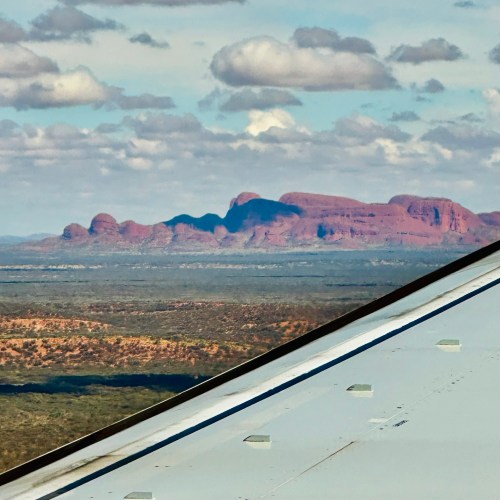
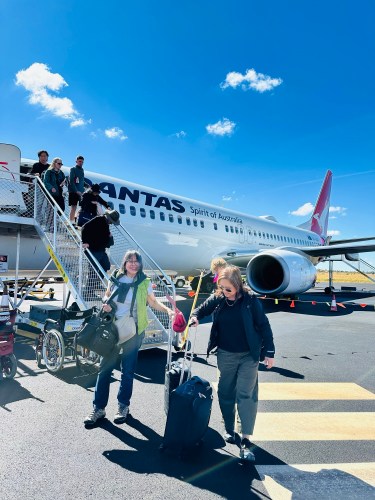
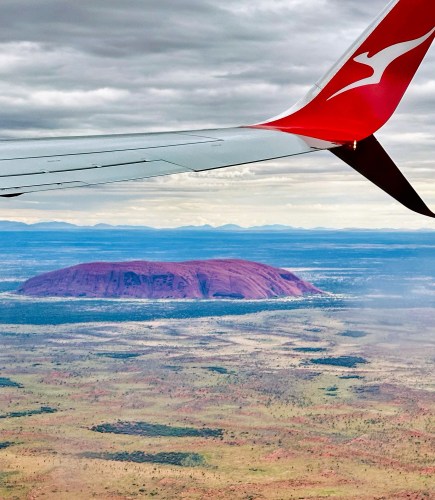
Not just a giant rock. Sacred to the aboriginal folks called Anangu who have lived in this cultural landscape for over 30,000 years, it is a UNESCO World Heritage site and is also called “Ayers Rock”. We were blown away by this huge, red sandstone monolithin what is appropriately called “Red Center” here in Australia’s Northern Territory. Our first introduction was an aerial glimpse of this massive 550-million-year-old sandstone from the windows of our aircraft. Not just Uluru, but the nearby “Olgas” meaning “the heads”. And it’s told what we see is just a third of the red rock as the rest is under all that red desert floor. Well, red or rust or gray depending on how the light hits it. After a three-hour+ flight from Sydney, we landed midday in Ayers Rock Airport, just a 20 minute drive to this natural wonder. Nice, cozy airport by the way. And the visitors? We’re all here for the rock, and some were shuttled (for free) to the nearby hotels in Yulara. In our case, we opted to rent a car for the sheer freedom to go anytime to drive around the area. Bet we’d see all the familiar faces in the Uluru activities lined up for our 4-day, 3-night stay.
The Olgas. From the plane window. Touchdown!
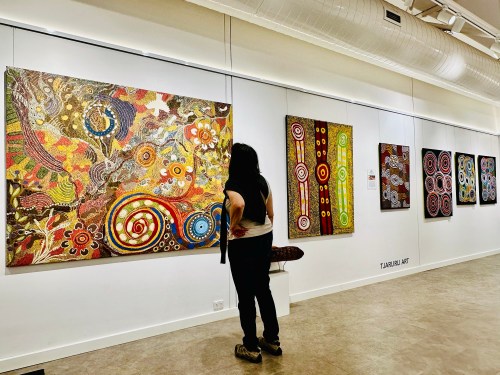
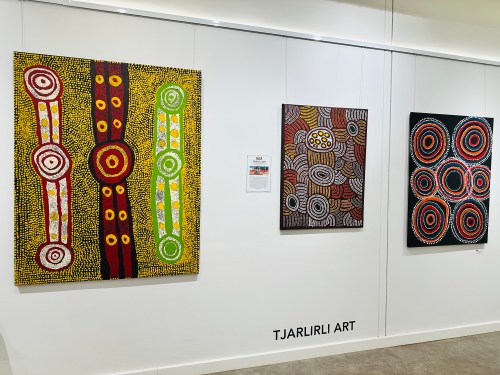
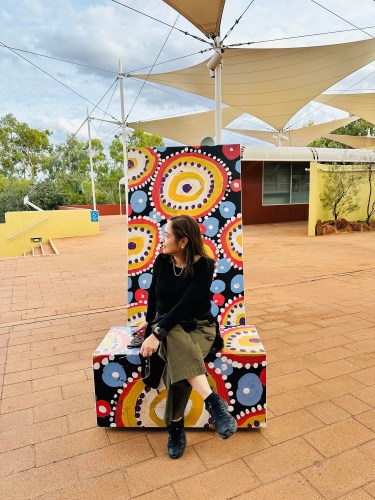
After checking in, we were pleasantly surprised that our hotel stands right beside GOCA. That’s the Gallery of Central Australia, home to indigenous artists of the Central and Western Desert. Around 350 artworks are on display here. A bit of trivia here: the Anangus have historically equated art with communication and education. Their indigenous iconography is evident in the body and ground dot painting as well as in those found in caves in Uluru. The vibrant colors — mostly orange, black, red, yellow, white, gray — of the painting materials were sourced from natural mineral substances mixed with either animal fat or just plain water. What comes to mind is the Ngurrara canvas now on exhibit in the Art Gallery of New South Wales as part of the Sydney Biennale 2026. I was floored by this impressive “living map” of waterholes and song lines created by the aborigines. Check out my earlier blog on this. It’s an interesting story .
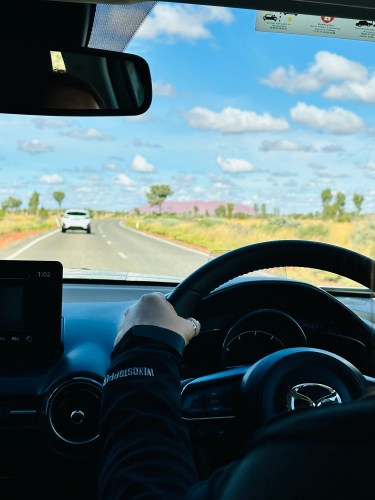
The drive from Ayers Rock AirportGOCA : Gallery of Central Australia
Now. ULURU. Has been on my bucket list and I don’t know why I visited only now after so many trips Down Under. Australia is so huge — it’s likewise a continent, right? — that intracountry trips span long distances and many flight hours. The iconic landmark has special spiritual connection to the Anangu people as it bears a living record of sacred laws and stories making up its very belief system called “Tjukurpa”. Stories and rules of behaviour passed on through generations by way of rock art like ancient paintings found in caves around the base of the monolith. The local indigenous people believe that by touching special spots, they can communicate with their spiritual ancestors and even claim blessings. Such is the mystique and culture of Uluru.
GOCA’s gems.Love the aboriginal “dot painting” using vibrant colors.
Up until October 2019, climbing was allowed. Steep climbs and howling winds atop the rock. Very dangerous as records show how 37 lives were claimed. Well, we’re definitely not into climbing. But the 10.6 kilometer base walk is in our bucket list. Funny how AI responded when asked if we run risks of getting lost diy’ing the Uluru base walk. With clear markers and since the walk is flat, just around the big, red rock, AI says we can’t get lost even if we tried. 🤣 Love that sense of humour!
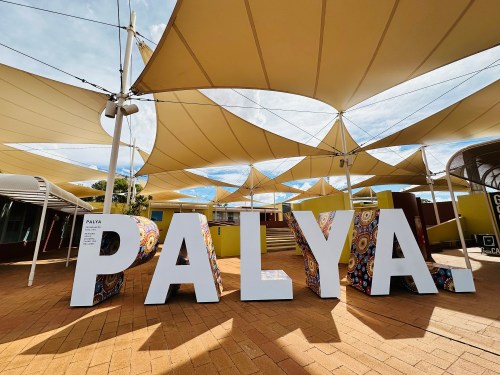
So, this is it. We’ve landed. We’re ready. Park tickets and passes for stargazing neatly tucked in. Hotel rooms booked. Itinerary ironed out. Car rental done. Baggage in the trunk. Town Square and Art Gallery checked out on day of arrival. Snacks for tomorrow’s hike promptly bought at nearby supermarket. A bit of shopping for a few souvenirs. Plans underway for dinner reservations in next few days in a few chosen spots. We’re giddy with excitement. We’re off! (Watch this page for more on our Uluru adventure . Ta Ta!)
Palya means hello, goodbye, thank you and welcome.
It’s the Anzac weekend here in Australia and we’re spending it in Culburra Beach . Booked a 4 bedroom beachfront cottage good for our entire family plus pets. Reminded me of our Lake Conjola weekends until my nephew lost the lake house in a New Year’s Eve bushfire 🥲 The temp’s dropping and this tropical dame started worrying over her inadequate wardrobe. Having arrived here over a month ago with clothing good for only 3 days and hardly any fit for chilly mornings, I had to make do with a borrowed hoodie, fleece coat and puffer jacket. No chance I’d be out there in the sandy beach with the dogs. From beach end to end, it’s a 5 kilometer stretch and one has many spot options to watch the sun rise or set. I can choose to stay out with the kids and pets while the rest of family preps our meals. A perfect way to shun kitchen duties, but one has to endure the cold. Not exactly a brilliant idea to chill (pardon the pun) 🥶
Culburra Beach in the South Coast
We brought 2 dogs and 2 guinea pigs with us. I wonder if they’re excited to spot a pod of dolphins here or a romp at the beach is enough to make them happy. Maybe we’d all be lucky to even spot whales? Gritting my teeth as the cold wind blows, I remember previous beach weekends in Narooma, Kiama, Jervis Bay and Anna Bay. My OZ family is very outdoorsy and the men are very much into rock climbing and bush walking. Like we can talk the whole evening just talking about hiking shoes and sneakers. As for the women? We talk about the men and their idiosyncrasies 🤣 And between my sister and me, we have a long history to recall.
Culburra SunriseOur crib for the AnZac weekend
So you get the drift. This family weekend trip is all we need to chatter endlessly, stroll the beach, walk the dogs and feast on Filipino food like Trump finally managed to start World War III. You’d be shocked to find our food stash being unloaded from the car trunks. A weekend? You’d think we’d be here for 2 weeks! But that’s par for the course. If there’s something we typically overdo, it is in the feeding department. Culburra just happens to be the chosen destination and chilly or not, we’re here to have a fun weekend.
Back in the city in time for the Sydney Biennale 2026 titled “Rememory” which runs till June 14. That gives me enough time to visit most of the biennale venues, starting with the Art Gallery of New South Wales within The Domain near the Botanical Gardens and the Saint Mary’s Cathedral. The other venues for the Biennale of Sydney begs subsequent visits and thankfully, I have all the time. Thankfully too, admission is free and judging by the attendance on this first visit, not too crowded. The gallery has 2 buildings and the biennale exhibits are housed in the lower level of the smaller building. Without missing a beat, we proceeded to check out the Ngurrara Canvas II which is an 80-square meter floor canvas created in 1997 by 43 artists from the Great Sandy Desert in Western Australia. The artwork represents the “living map” of waterholes and song lines claimed as evidence in native title proceedings. Song lines, you ask? Think Australia being “mapped” by this rather unique, albeit strange method practiced by aborigines through song, dance, art and story. Navigation across Australia’s territories is guided by song cycles in specific order tracking landmarks that define boundaries. Amazing, isn’t it? I’m floored!
The Art Gallery of New South WalesNgurrara Canvas II
The impressive canvas may be the largest Aboriginal painting made by Western Desert artists. Just imagine how this piece of art was created and presented to the National Native Title Tribunal to support the Ngurrara people’s claims for native titles. It is regarded as the last time the floor canvas will travel away from its Western Australian home and as such, the final chance for Sydneysiders to see this very rare and meaningful work of art and piece of history.
Ngurrara Canvas II from the opposite side. Ngurrara, Up Close
“Rememory” as the theme for the 25th Biennale of Sydney marks this city Down Under as the host of the largest contemporary art event in the whole of Australia. The large scale installations alone are quite an experience, but do not diminish the smaller but equally bold artworks on display. In the hall where Ngurrara Canvas II is laid out, it is very difficult to just focus on the floor canvas as the paintings hanging around the hall’s walls and the installations adorning the corners compete for serious attention. On canvas or fabric, it is hardcore creativity.
I will most definitely be back here in the Art Gallery of NSW, not just for the biennale but also for the many artworks on exhibit in this gallery. A couple of hours won’t cut it. This will require repeated visits which I plan to do. Meanwhile, let me check the other biennale venues:
White Bay Power Station
Chau Chak Wing Museum at the University of Sydney