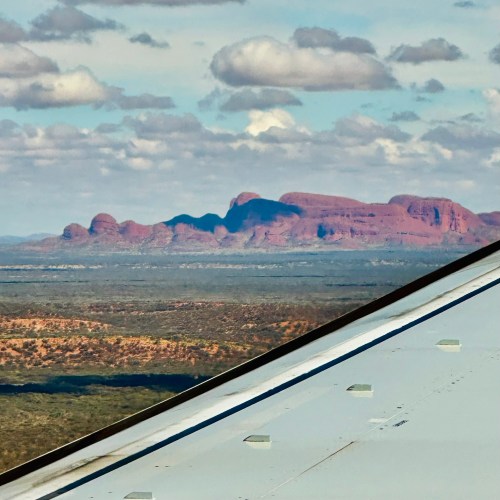
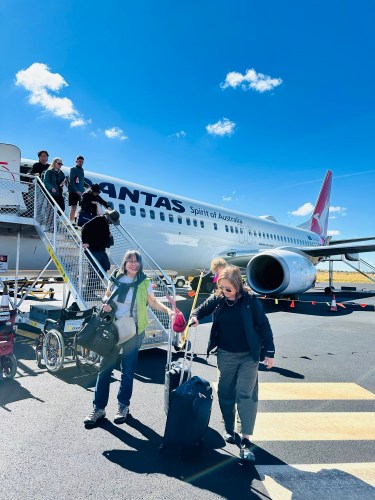
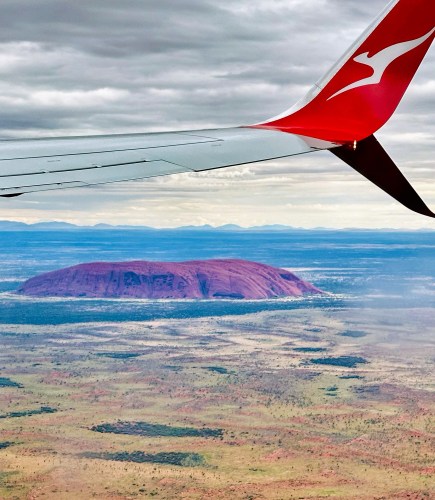
Not just a giant rock. Sacred to the aboriginal folks called Anangu who have lived in this cultural landscape for over 30,000 years, it is a UNESCO World Heritage site and is also called “Ayers Rock”. We were blown away by this huge, red sandstone monolith in what is appropriately called “Red Center” here in Australia’s Northern Territory. Our first introduction was an aerial glimpse of this massive 550-million-year-old sandstone from the windows of our aircraft. Not just Uluru, but the nearby “Olgas” meaning “the heads”. And it’s told what we see is just a third of the red rock as the rest is under all that red desert floor. Well, red or rust or gray depending on how the light hits it. After a three-hour+ flight from Sydney, we landed midday in Ayers Rock Airport, just a 20 minute drive to this natural wonder. Nice, cozy airport by the way. And the visitors? We’re all here for the rock, and some were shuttled (for free) to the nearby hotels in Yulara. In our case, we opted to rent a car for the sheer freedom to go anytime to drive around the area. Bet we’d see all the familiar faces in the Uluru activities lined up for our 4-day, 3-night stay.
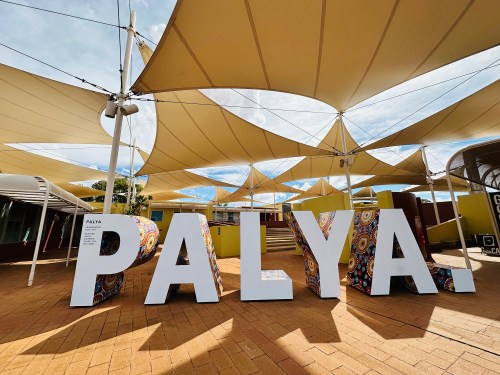
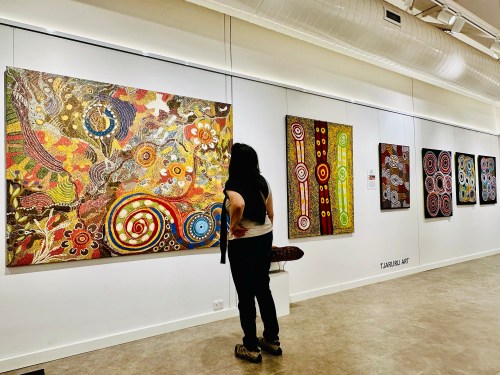
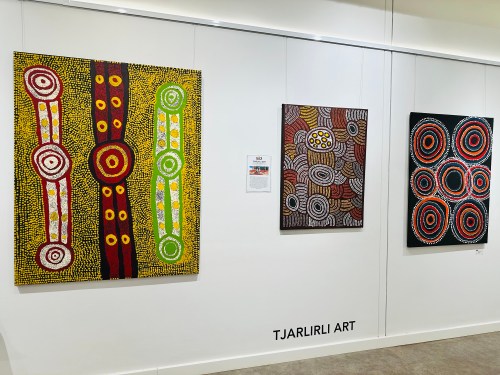
After checking in, we were pleasantly surprised that our hotel stands right beside GOCA. That’s the Gallery of Central Australia, home to indigenous artists of the Central and Western Desert. Around 350 artworks are on display here. A bit of trivia here: the Anangus have historically equated art with communication and education. Their indigenous iconography is evident in the body and ground dot painting as well as in those found in caves in Uluru. The vibrant colors — mostly orange, black, red, yellow, white, gray — of the painting materials were sourced from natural mineral substances mixed with either animal fat or just plain water. What comes to mind is the Ngurrara canvas now on exhibit in the Art Gallery of New South Wales as part of the Sydney Biennale 2026. I was floored by this impressive “living map” of waterholes and song lines created by the aborigines. Check out my earlier blog on this. It’s an interesting story .
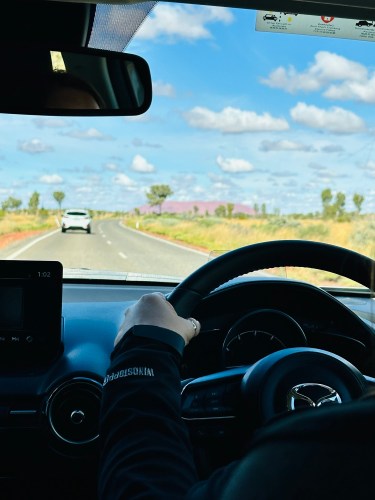
Now. ULURU. Has been on my bucket list and I don’t know why I visited only now after so many trips Down Under. Australia is so huge — it’s likewise a continent, right? — that intracountry trips span long distances and many flight hours. The iconic landmark has special spiritual connection to the Anangu people as it bears a living record of sacred laws and stories making up its very belief system called “Tjukurpa”. Stories and rules of behaviour passed on through generations by way of rock art like ancient paintings found in caves around the base of the monolith. The local indigenous people believe that by touching special spots, they can communicate with their spiritual ancestors and even claim blessings. Such is the mystique and culture of Uluru.
Up until October 2019, climbing was allowed. Steep climbs and howling winds atop the rock. Very dangerous as records show how 37 lives were claimed. Well, we’re definitely not into climbing. But the 10.6 kilometer base walk is in our bucket list. Funny how AI responded when asked if we run risks of getting lost diy’ing the Uluru base walk. With clear markers and since the walk is flat, just around the big, red rock, AI says we can’t get lost even if we tried. 🤣 Love that sense of humour!
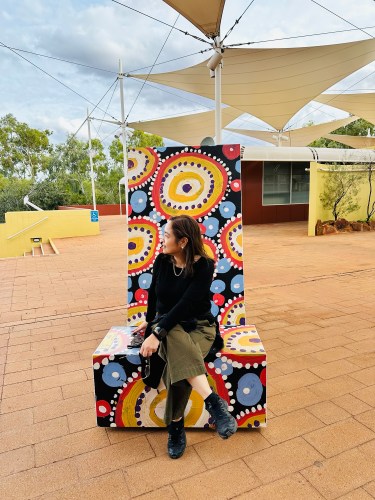
So, this is it. We’ve landed. We’re ready. Park tickets and passes for stargazing neatly tucked in. Hotel rooms booked. Itinerary ironed out. Car rental done. Baggage in the trunk. Town Square and Art Gallery checked out on day of arrival. Snacks for tomorrow’s hike promptly bought at nearby supermarket. A bit of shopping for a few souvenirs. Plans underway for dinner reservations in next few days in a few chosen spots. We’re giddy with excitement. We’re off! (Watch this page for more on our Uluru adventure . Ta Ta!)