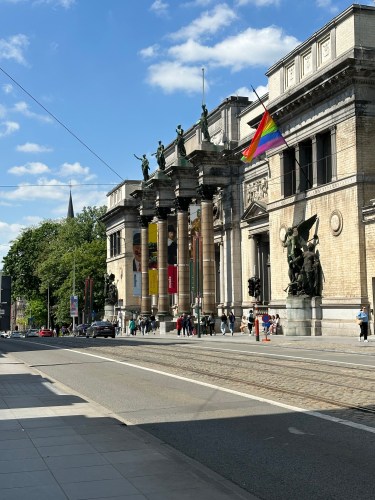
We covered a lot of museums in Amsterdam. Like 7! But only 1 museum in Brussels. Both cities proud of their Van Gogh and Magritte. One with a troubled Dutch mind who found expression in his art. Another who was quite happy with his life as artist, husband, leader and friend and expressed his joys in his art.
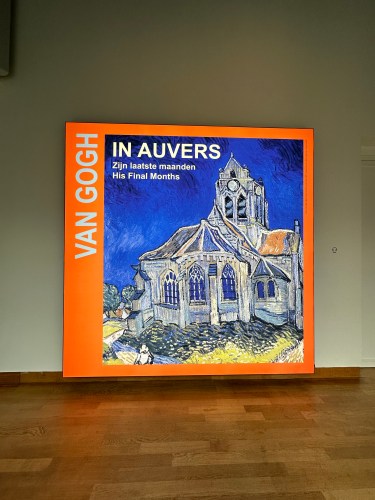
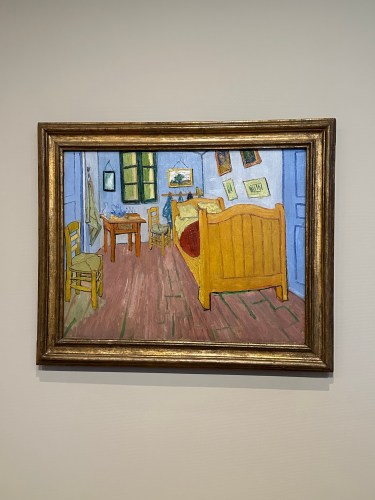
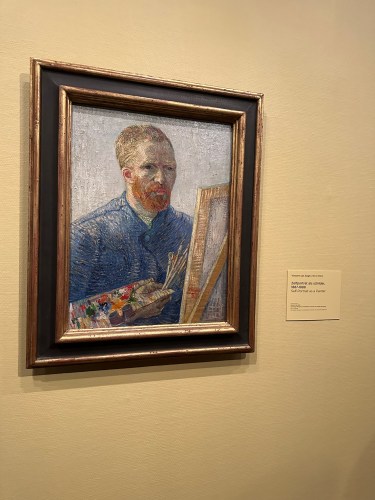
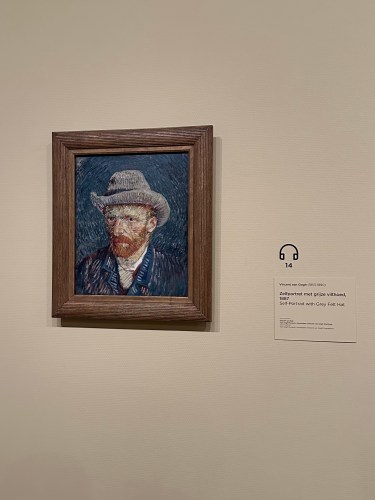
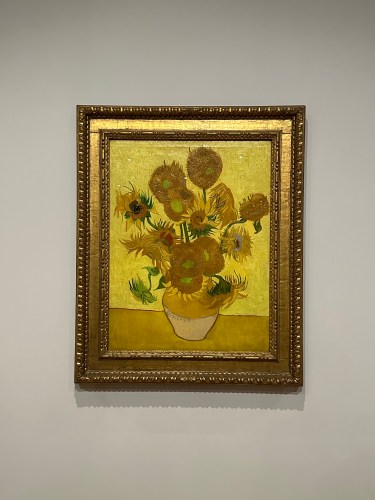
The Van Gogh collection is impressive. In his short life, Vincent was prolific, painting almost every single detail of his brief existence. With his numerous self-portraits, you can say he indulged in selfies. The dark rooms and galleries are intended to safeguard and protect his many artworks. The art world has Theo (Vincent’s brother) to thank for supporting Vincent throughout his turbulent moods and insecurities. This brother’s love is soooo moving, and one can understand how and why Theo passed nearly as soon as Vincent left. And just as touching was how Theo’s wife Jo made sure this Van Gogh collection found their way into our world today. Once more, the power of love made everything possible. How wonderful!
On the other hand, I find René Magritte’s collections so well-curated in the museum in Brussels. For less than half the admission price of major museums in Amsterdam, the Magritte Museum is truly value for money. The museum is massive and the collections hung so impressively. Like a lot of thought went into planning how the artworks should be displayed. It is easy to spend a whole afternoon here, and even to “space out” to enjoy this master’s works. The crowds are mostly locals, like Belgian schoolchildren and young adults likely studying art here.
I know. You love Van Gogh. Can’t miss it in Amsterdam. But do visit Magritte Museum in Brussels too. Twice as big if not more than Vincent’s museum in Dutchland, and equally impressive.
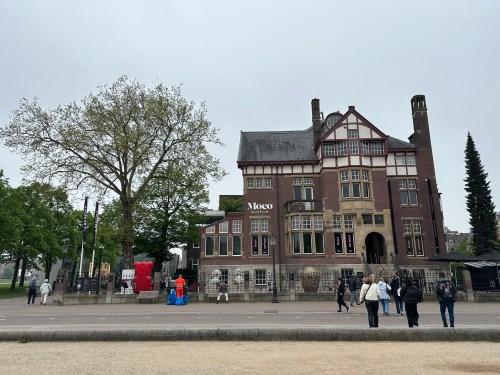
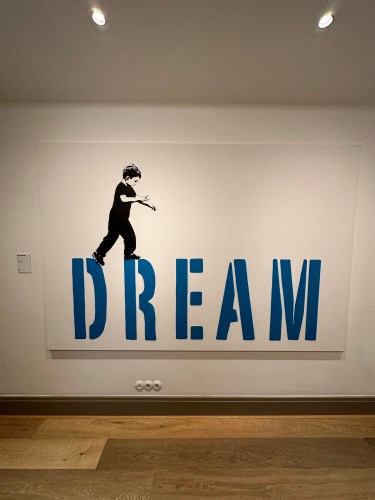
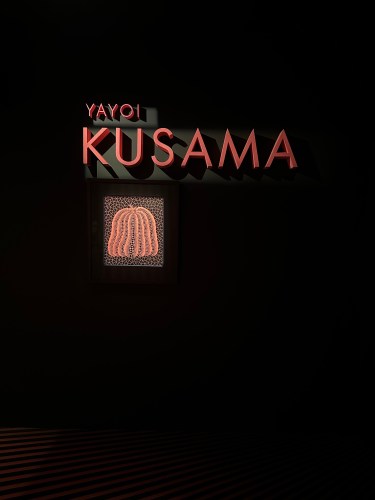
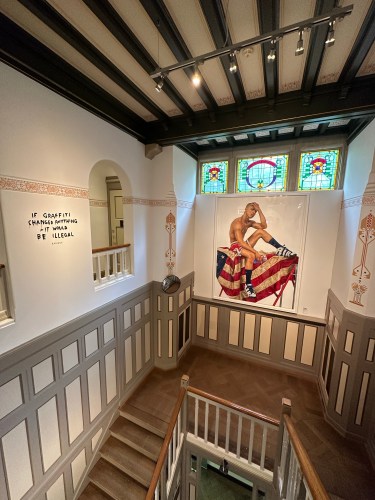
The MOCO is one of 4 museums in Museumplein along with Rijksmuseum, Van Gogh and Stedeldijk Museums. Of these 4, we missed only the Rijks but didn’t skip on the Rembrandt Huis which was surprisingly entertaining and engaging. The interactive element of this museum visit wasn’t lost on us. But MOCO? It’s the tiniest of the 4 hardcore museums we visited but packed with the more popular mod art that includes collections of Banksy, Basquiat, Keith Haring, Warhol, Kaws, Icy & Sot, Yayoi Kusamaand more. Well curated and very very entertaining, the MOCO won’t fail to engage a young crowd. Artworks on display bear statements on the artist and the philosophical messages, either perceived or articulated by the artists themselves. For sure, The MOCO has its own philosophy and that message rang throughout the tiny museum. Not imposing, neither conflicting, but quite tolerant and persuasive.
The MOCO
The younger generation seems to relate more with contemporary art and modern art. Perhaps because of the more relatable and provocative messages that their artworks convey. The pop culture is also very persuasive with rebellious advocacies and non-conformist and thought-inducing ideas. Banksy, Icy and Sot are geniuses more than vandals. Their street art have made them familiar with their local audiences across all ages and economic strata. And there’s that element of mystery and danger too as they ply their art under illegitimate circumstances and situations.
Viewing these artworks is like having a dialogue with these artists breaking out of some censorship and restrictions. Not quite the same as viewing the works of Renaissance masters. Both appeal to the senses, but in a different way. I’m rambling, but that’s my take on it. 😊
Take Kaws. This American ex-freelance artist used to do work for Disneyas graphic illustrator and has successfully breached the gap between fine art and commerce. Imagine Mickey Mouse with X eyes. Familiarity with icons like the Mouse plus other brands made Brooklyn-based Kaws’ collectibles such a craze among art fans. A stroke of genius, really, where art crosses the line towards commerce.
Then there’s Basquiat. He and his powerful messages behind his art. Dead too soon such that the art world had to compete for the limited supply of his artworks. Potent expressions on the great divide between rich and poor, black and white, the powerful and the powerless. In his very short life, Basquiat’s not too subtle advocacies found such an effective expression in his art.
All told, MOCO is for everyone to enjoy. In fact, all 4 museums in Museumplein in Amsterdam deserves a visit, plus a separate trip to nearby Rembranthuis. In Amsterdam, that’s what you do!
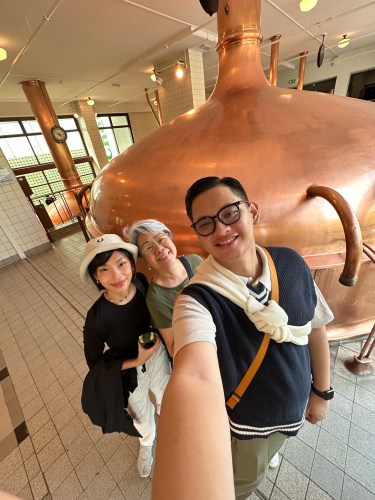
How do you spend Mother’s Day with your 2 elves? We’ve booked a 2pm walking tour today and the sun promises to be out the entire day with temps high enough to keep us comfortably warm throughout the day. At the last minute, one of the elves booked a Heineken Experience — a beer museum to educate us on the origin and history of this Dutch beer. The ticket is actually more expensive than tickets to Van Gogh and other major museums but it comes with 3 beers! And NOT just your ordinary beer. This one’s just made and delivered 2 days prior so you can’t get it any fresher. 🍻
There were many fun things to do inside the original Heineken brewery. More fun as you say “Proost!” often enough while lifting your beer glasses. The crew here are all young and fun, like they’re all slightly tipsy and friendlier. What it may have lacked in “substance” (how much can you tell about beer, anyway?) , it made up for it in golden liquid experience. Proost!
By 2pm, the walking tour commenced. It grew warmer by now and the sun was beating on us. The history lessons were good but after Heineken, it was difficult to jam all that info in one’s head. Trivia running from the city’s architecture, trading/merchant history, drug issues, red light district, “unplanned” monarchy, gay movement, water/flood engineering, etc. — all these clouded my mind enough.
As we walked back to the Centraal Station for the trip back to our hotel, we decided we’d drop in on the Sex Museum. It’s there. No harm dropping in and costs only €9. Well, that’s money wasted though it drew laughs among us so the fun makes it worthwhile, I guess. Be warned though. No subtleties here. Kamasutra fanatics may welcome the gross installations but really, it’s money and time wasted.
JORDAAN. It’s very bohemian here. Very trendy. My kind of neighborhood. And my elves love it too! A great starter for this trip, despite the first and hopefully the only boo-boo I made. Thought we’d arrive the next day but whoa, it was the same-day (of departure) late evening arrival for us in Amsterdam. Made last-minute booking and Day 1 went smoothly as we woke up bright and cheery in our hotel beside the train station just 2 stops from Schipol.
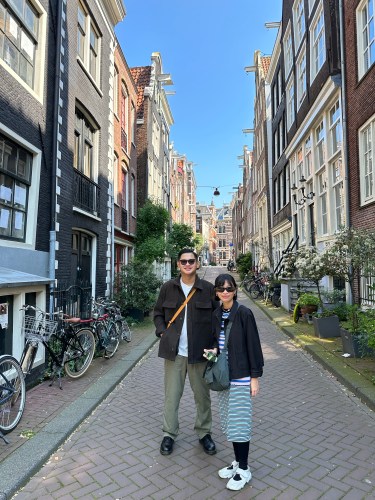
My 2 “elves” hitting this hip neighborhood. Jordaan and its narrow canals and streets.
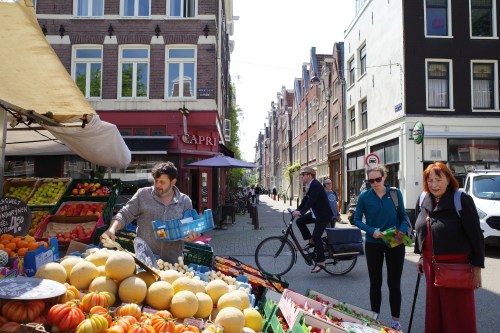
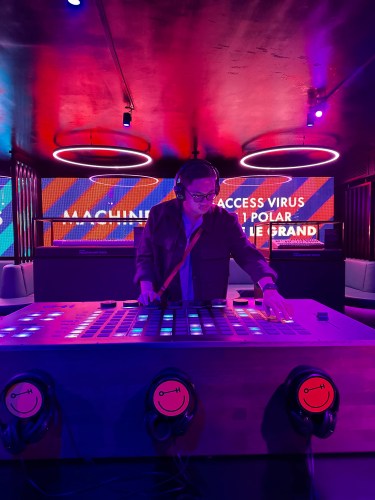
Brunch was in Joordan at Espressobar Tazzina after a visit of Noordermarkt. We didn’t want to miss this mercado because it’s open only on Saturdays and Mondays. Neither did we miss Bloemenmarkt to check out the “floating” flower market. The morning nourishment continues at Pancake Amsterdam near Anne Frank Huis. But we didn’t go there; instead we went to OUR HOUSE, a Museum of Electronic Dance Music. Really a techno music museum that’s a haven for DJ wannabes. Honestly didn’t think I’d find myself here but hey, I actually enjoyed it to a point where I may have embarrassed the young adults with me. 🤣 Amazing how technology has changed the music world and how the shift has focused towards world-famous DJs who rocked the club scene. Everything was completely relatable for people across generations — like how I came to reminisce over dance clubs where the tempo is dictated by the choice of danceable music mixed by creative deejays.
Noordermarkt where you’d find organic produce, along with antiques, vintage clothes and jewelry! M playing like a real DJ! Espressobar Tazzina where we preferred to sit by the window looking out onto the busy, vibrant street scene.
By mid afternoon, we found ourselves in Rembrandt House. This interactive museum showed us how the Dutch Master lived, painted, prospered, taught and welcomed friends in his lovely home. The house sits at a corner near the canal and each of the rooms — from the reception area to the large studio and meeting/negotiation room paints a dimension of Rembrandt as a painter, art trader, loving husband and friend. In particular, we loved the room where one is invited to sit and do sketches. A wonderful and meaningful way to spend at least a quarter to half hour in this house. Of course, one can take home his own sketches.
Into Visual Art and Audio Art Rembrandt House
By the time we returned to our hotel, we were dead tired. Joordan, OUR HOUSE, Noordermkt, Bloemenmarkt, Rembrandt House — all compose a fine Day 1 spent in Amsterdam.
It’s been 9 weeks. And before then, around 4 weeks of clinic visits and lab procedures. I haven’t had 13 slow and easy weeks in the last few years. A quick check of my busy travel calendar the last few years confirm this. And you know what? If you’ve been under “house arrest” for a considerable time, the first day out heightens all your senses to appreciate the air you breathe, the noise you hear or perhaps the lack of it, the temps that make you sweat or the breeze that cools your skin. The Harbour Square within the CCP Complex is a favorite spot within the metropolis. Antipolo too but it’s too far out and the traffic going there is near-unbearable. So between the waters and the mountains, I longed to instead count the yachts bobbing up and down in the bay.
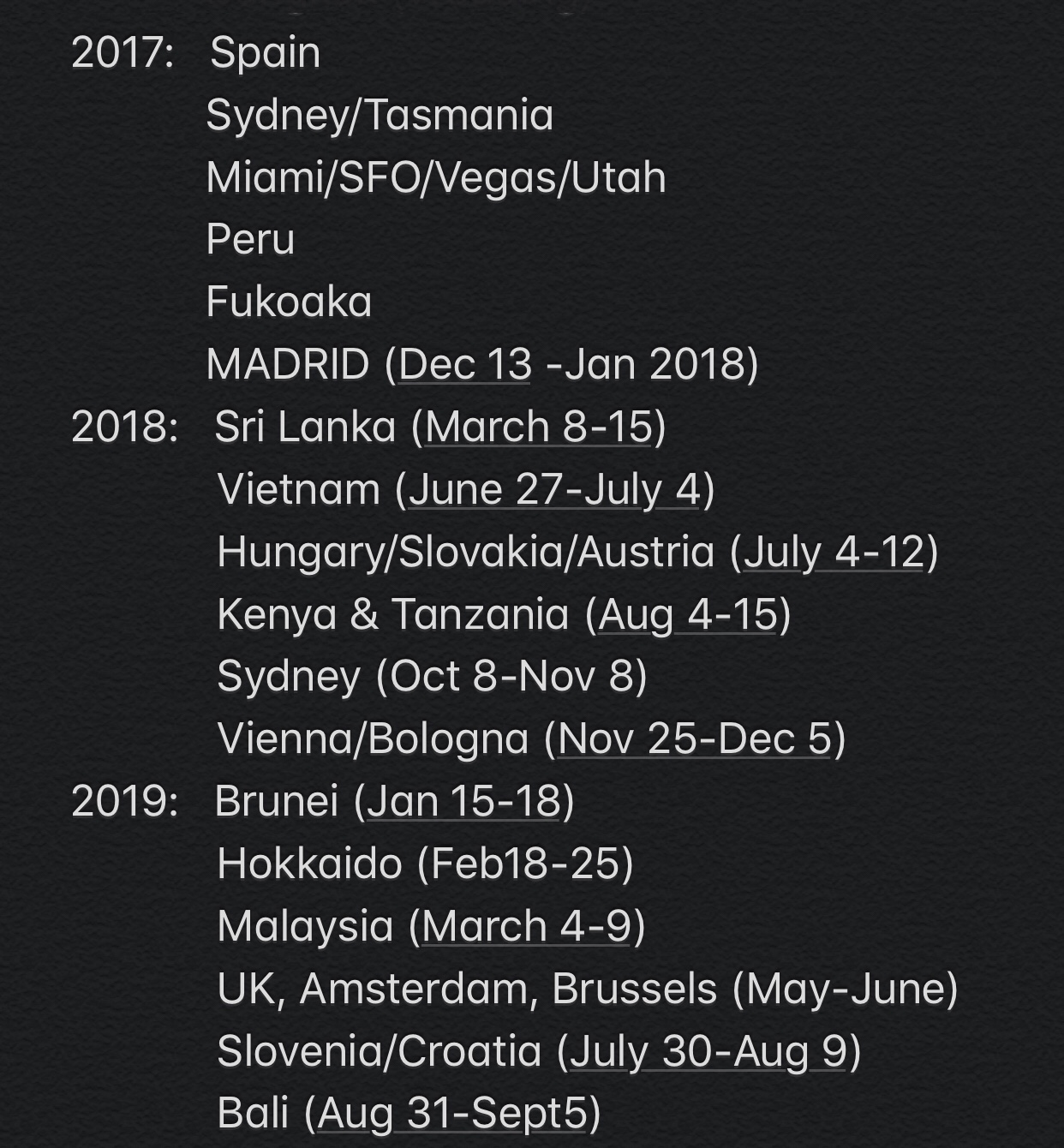
There are still a few days before the year is over but Bali was def the last trip in 2019. Thoroughly enjoyed with the family despite the intermittent chest pains, which I assumed must have been acid reflux. My guardian angels must have worked overtime to bring me home safely and guided a family doctor to remind me to see my cardiologist instead of a gastro-enterologist. I did, and then had medical attention in the nick of time. After more tests pre- and post-stenting, my cardiologist declared I’m good to travel again. Yey! Two trips lined up for next year, and now working on a possible 3rd and 4th. I am so happy. And thankful for the trips made in the year 2019 without mishap. I still cringe at the thought that any one of these trips could have turned really nasty. I am thankful as I remember.
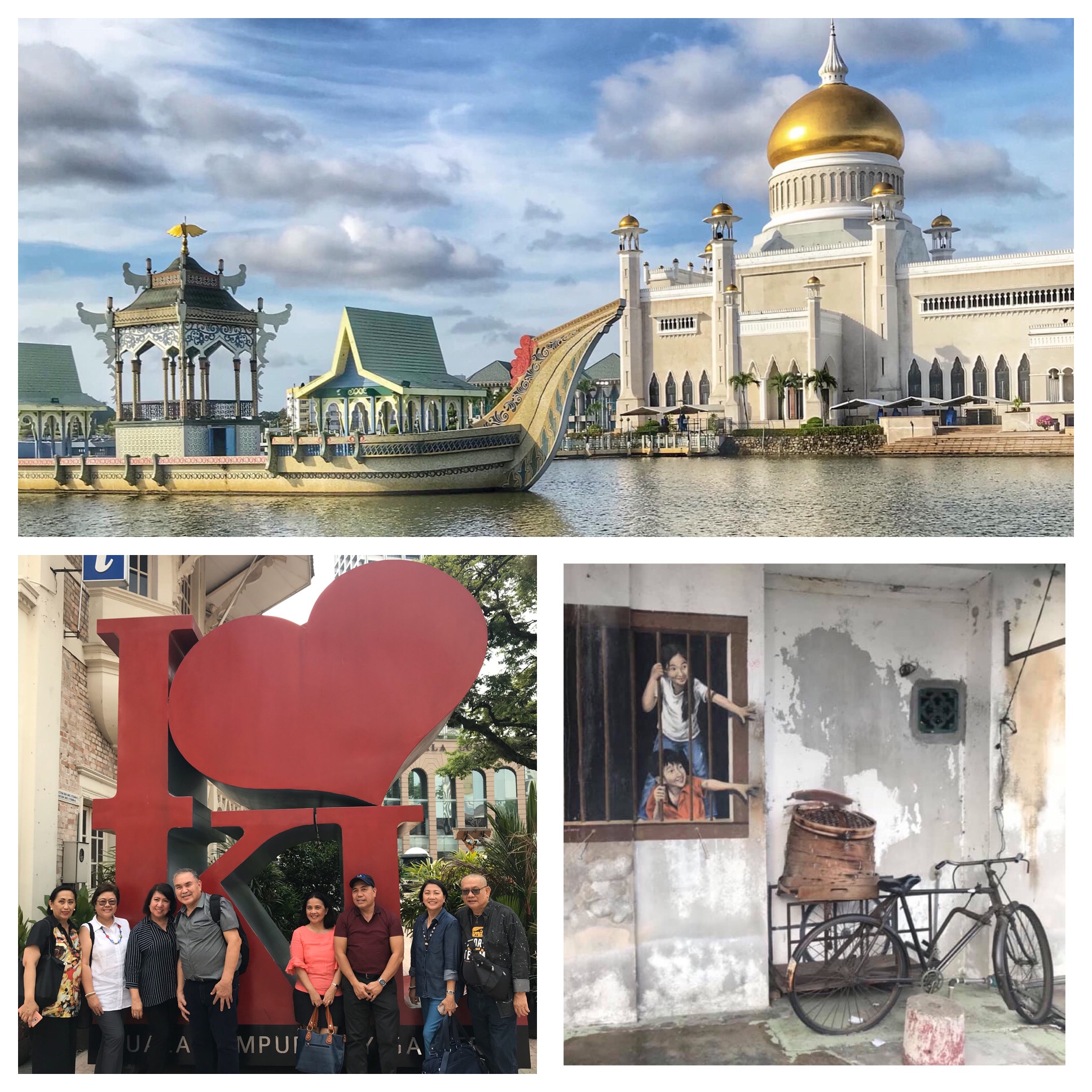
Same group on 2 separate trips to Brunei and Malaysia
Ticked off a few squad goals including this Hokkaido in Winter!
So what’s in the drawing boards this coming 2020? Well, there’s a booked Nile cruise in Egypt, and the South American adventure should soon be firmed up, plus there’s that wedding later in the year in Barcelona. Same travel buddies…. unless of course we start growing tired of each other 🙄. We have yet to plan for that trip to Europe with my soon-to-graduate #aponimamu. And another adventure with my soon-to-retire dear friends. We’ll see. Meanwhile, let’s have a truly Merry Christmas in our hearts and a Prosperous, Harmonious New Year ahead.
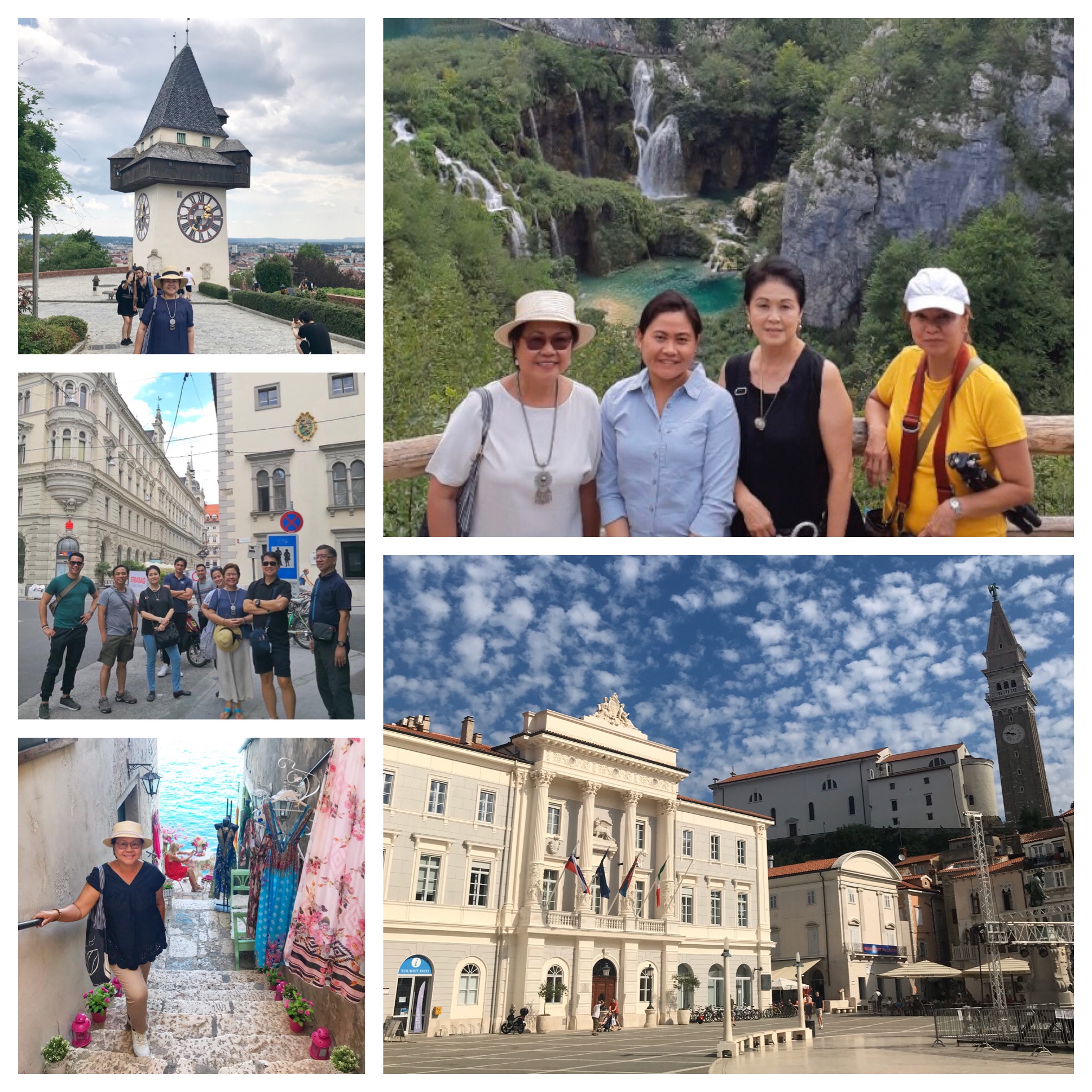
We’ve long wanted to visit Slovenia so we drove from Vienna to Ljubljana with a Graz pit stop. Clean and green, plus it’s such a small country offering so much. Lake Bled comes to mind, but Piran stole our hearts. On a Food Trip, we included Trieste, Italy in our itinerary. Yes, that small strip of land off the Adriatic and the Italian border to Slovenia. As home to Illy Coffee, plus the prospect of seafood harvested off the Adriatic and cooked the Italian way, we couldn’t go wrong. Next, the van took us on a road trip visiting the small towns of the Istrian Peninsula. All of these destinations couldn’t have been better. By the time we left Istria and reached Zagreb, we were almost unfamiliar with big city vibes. And Plitvice? That was the highlight of my trip.
Just click on the following titles to the blog links .
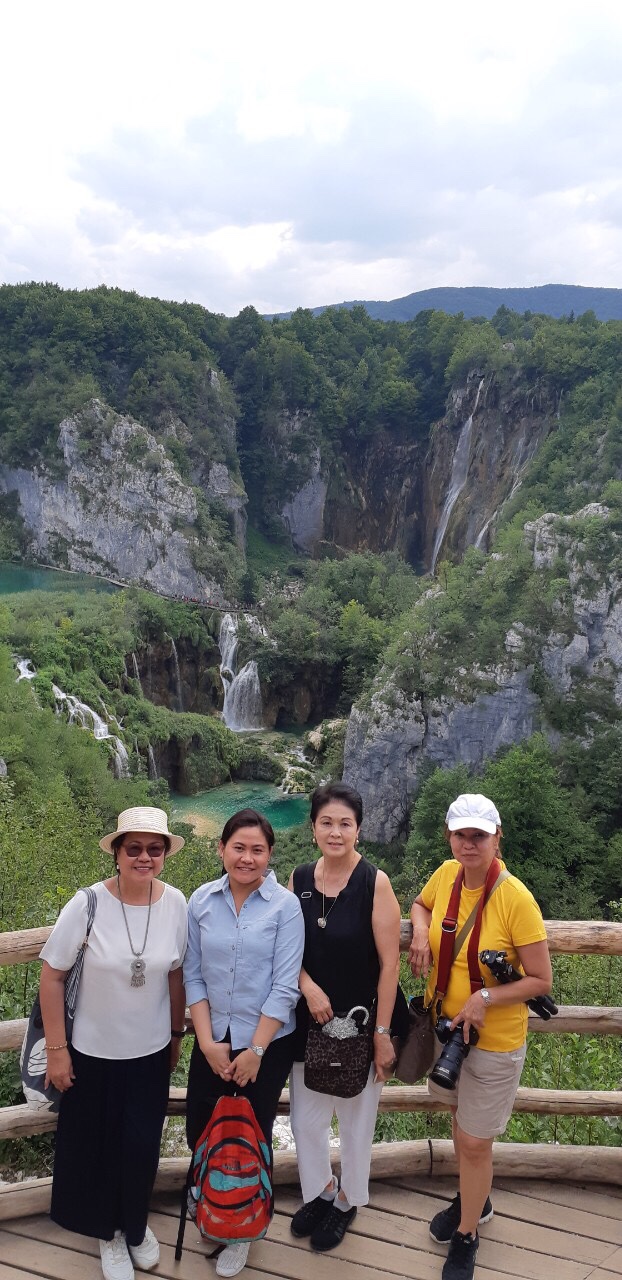
Many have written about Plitvice Lakes. Many have visited, drew inspiration, photographed and walked the entire park of 16 terraced lakes. Our experience was a near-miss. None in the group ever did much research on this attraction as it was included in the itinerary at the last minute. This trip’s itinerary focused on Slovenia and Istria, and Plitvice as a day trip from Zagreb was really just like an afterthought. In short, we all came unprepared. 🙄 So there we were, wasting time in a place called Rastoke on our way to Plitvice Lakes. No one thought of buying our park tickets online, or sending one of the drivers to buy ahead while we were in Rastoke, which is just a half-hour away. When we finally got there, we even had lunch first before thinking of lining up to buy tix. We all thought it will be easy. WRONG. End of story: only 5 of us stayed, queued up for 3 solid hours, before getting in to enjoy the park for another 3 hours. We were the last batch to enter at 4pm. Not much time to walk the entire park. But we persisted. Call it a test of wills. Having said that, we had energy only for a walk, a ferry ride and more walk before calling it a day.
📸 Ferdi Muro
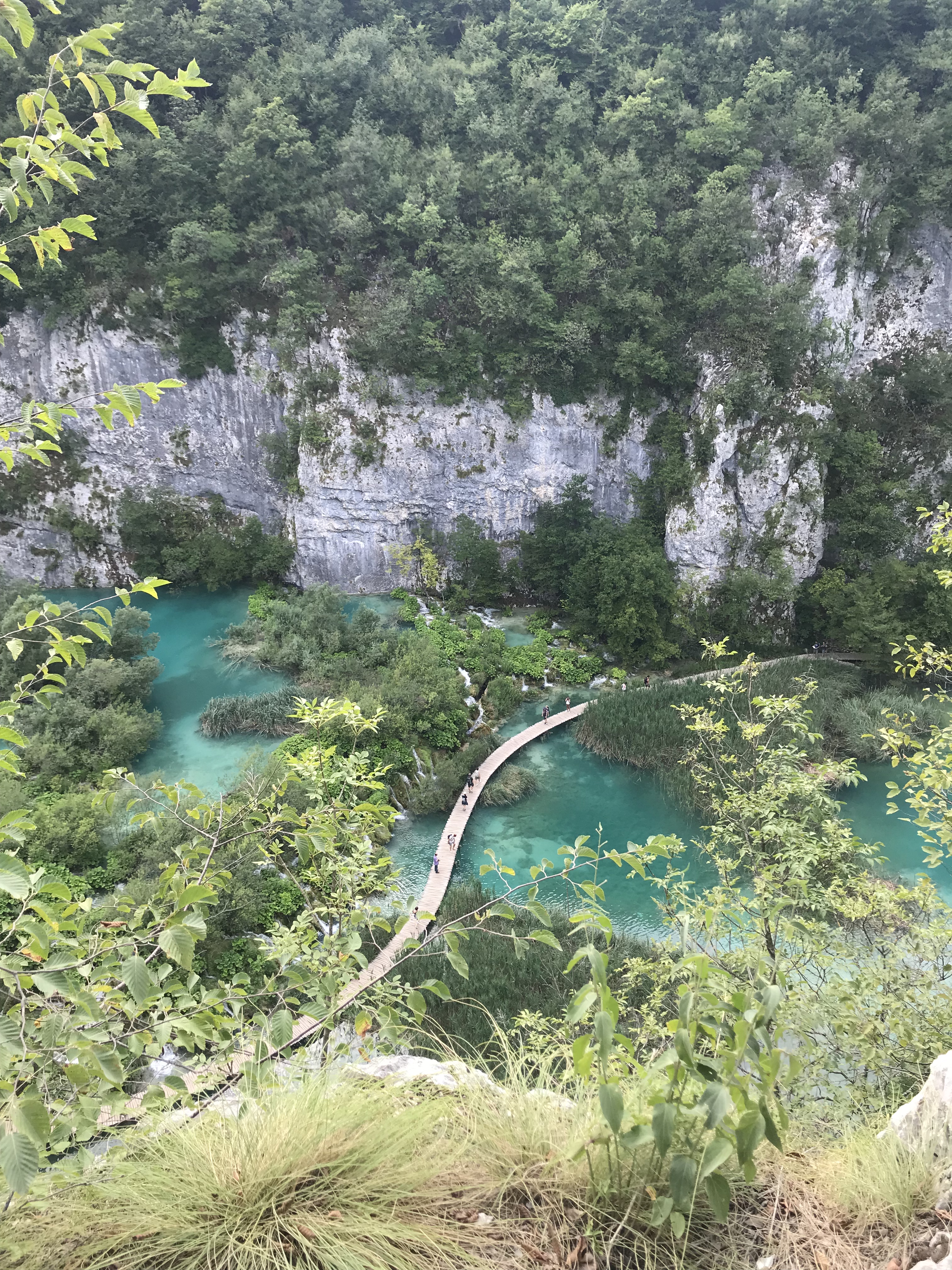
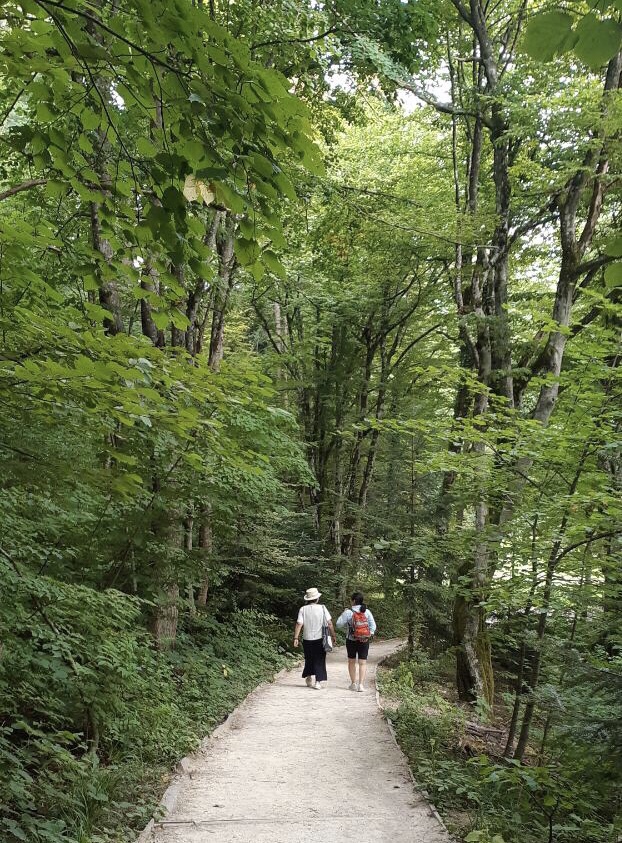
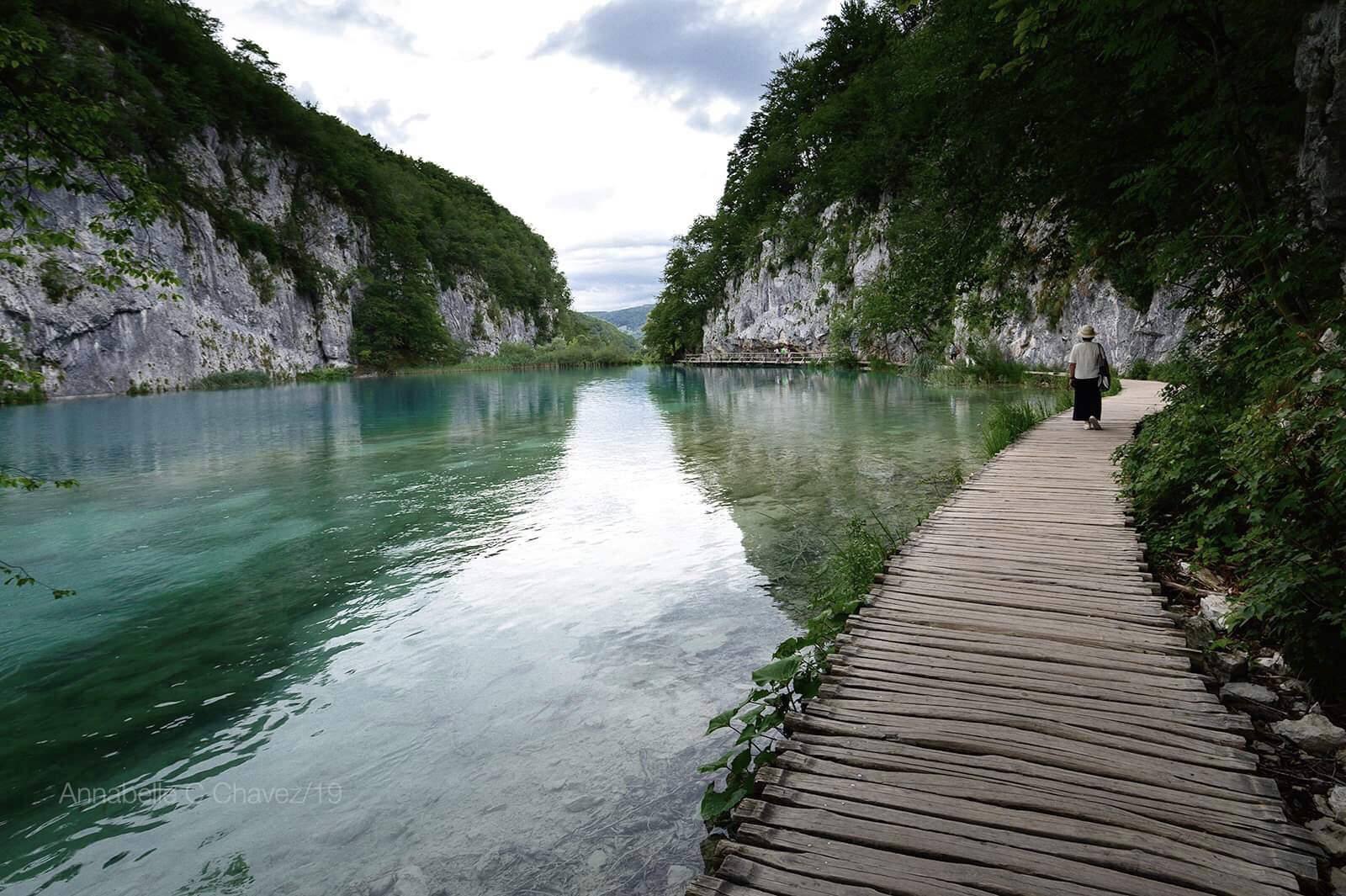
We’re happy we persisted. Our patience was tested even further with one park attendant with no bedside manners. I won’t dwell on it, but we’re kinda proud we put up with much but felt truly rewarded after the adventure. It didn’t rain and it wasn’t really that hot when we clocked in more steps. Walking around the Park was a delight — reminded us of our Camino/Via Francigena hikes through the orchards and forests of Italy. There were some uphill climbs and precarious boardwalk paths, but it was a pleasant hike. All other visitors with us seem to share the same mood, perhaps because we’re the last batch and no longer feel rushed.
📸 Ferdi Muro
📸 Annabelle Chavez
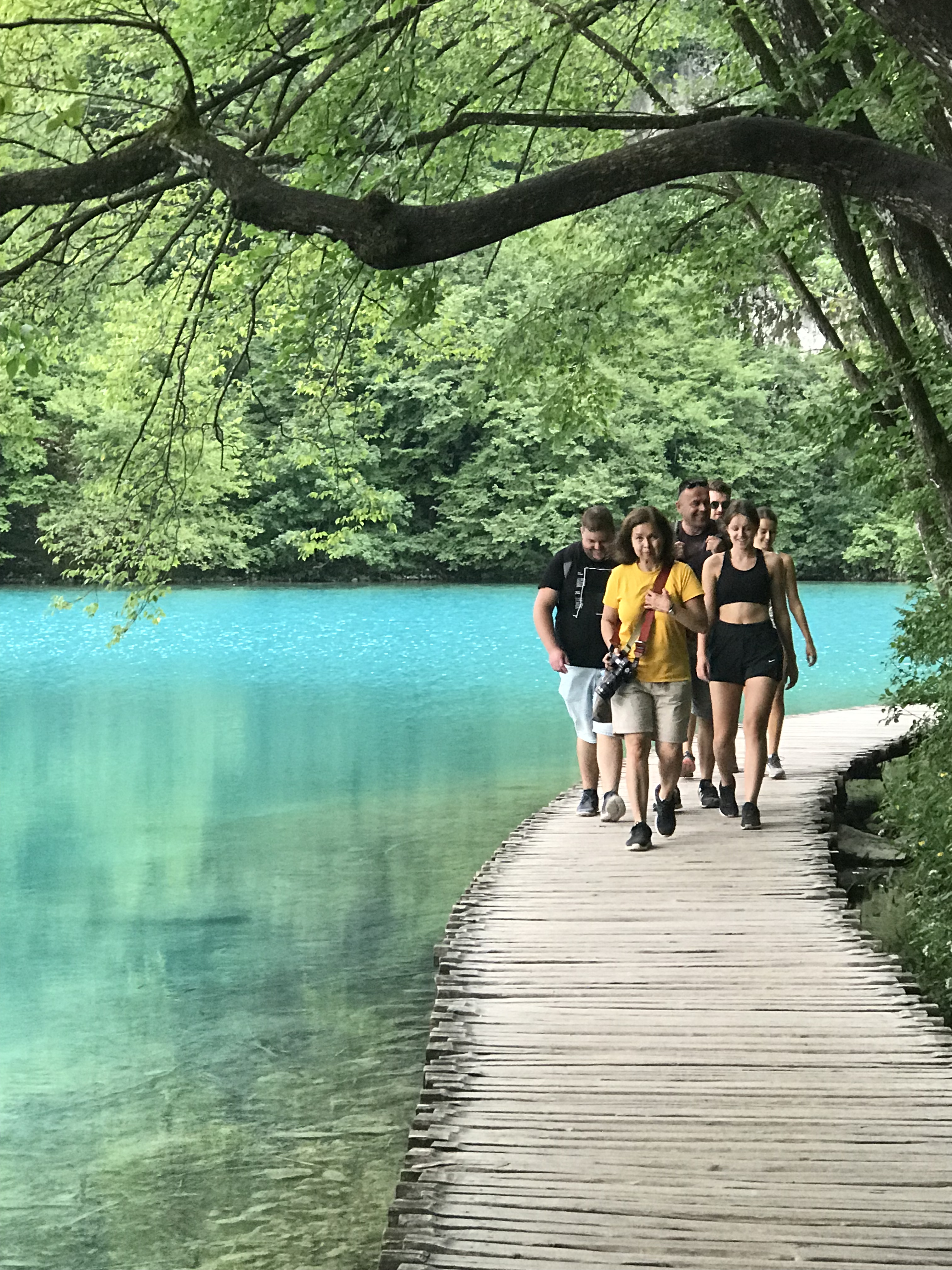
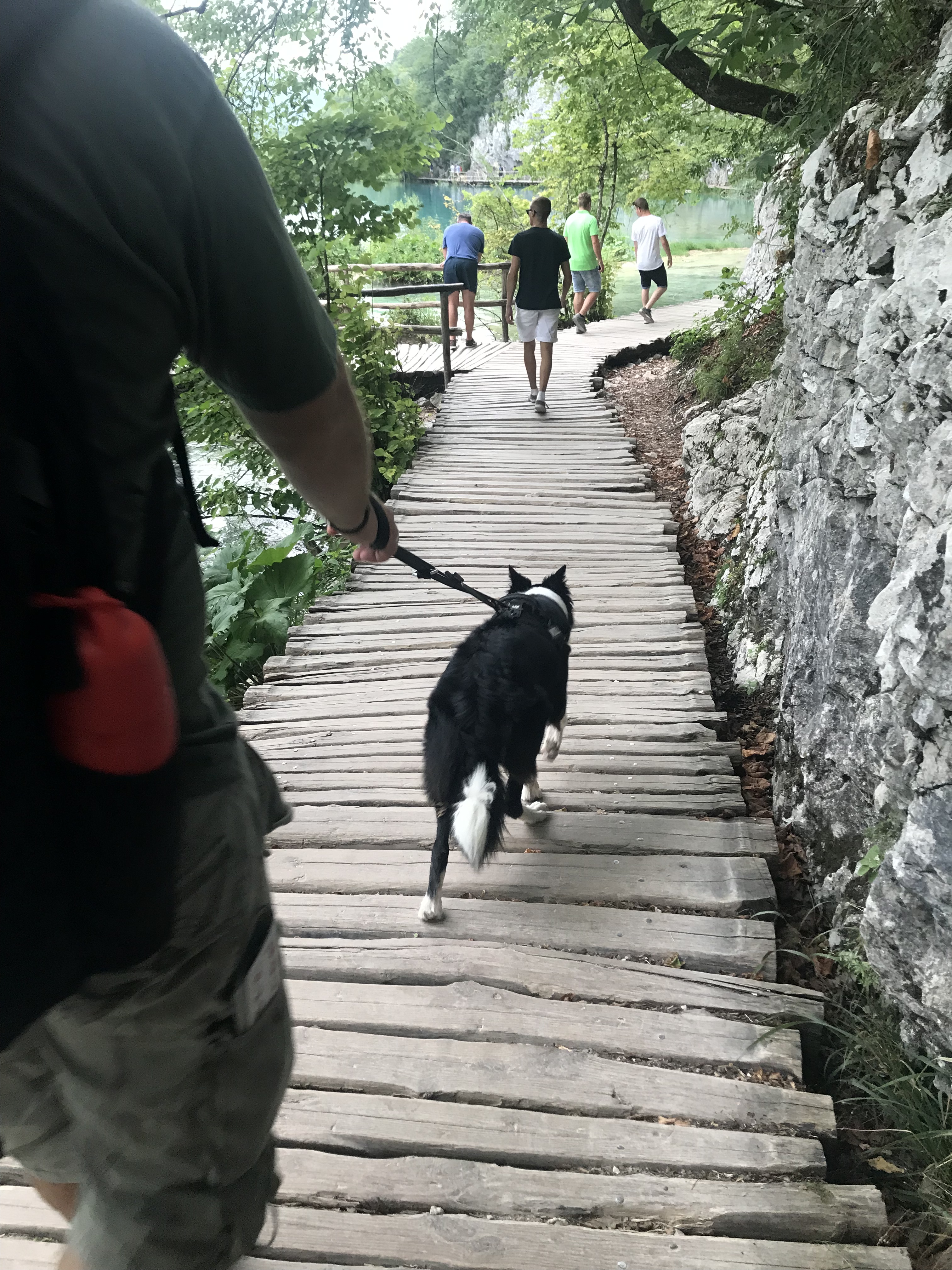
The lull of the waterfalls and the sight of clear, calm waters invite us to take a break…… except that it’s a chore to stop in the middle of the boardwalk knowing there are people (and dogs) walking behind you. My major concern at the time was kids let loose on the boardwalk. So much for agility but those kids with hormone kicks can get excited, bump you off the narrow boardwalk with an abrupt swing or backstep. I’m overthinking but hey, it pays to be careful. And the dogs? Were they really enjoying the hike? I think so, judging by the stretch of their leash as they prod their masters to walk faster. See? Those canines were excited too!
No overtaking!
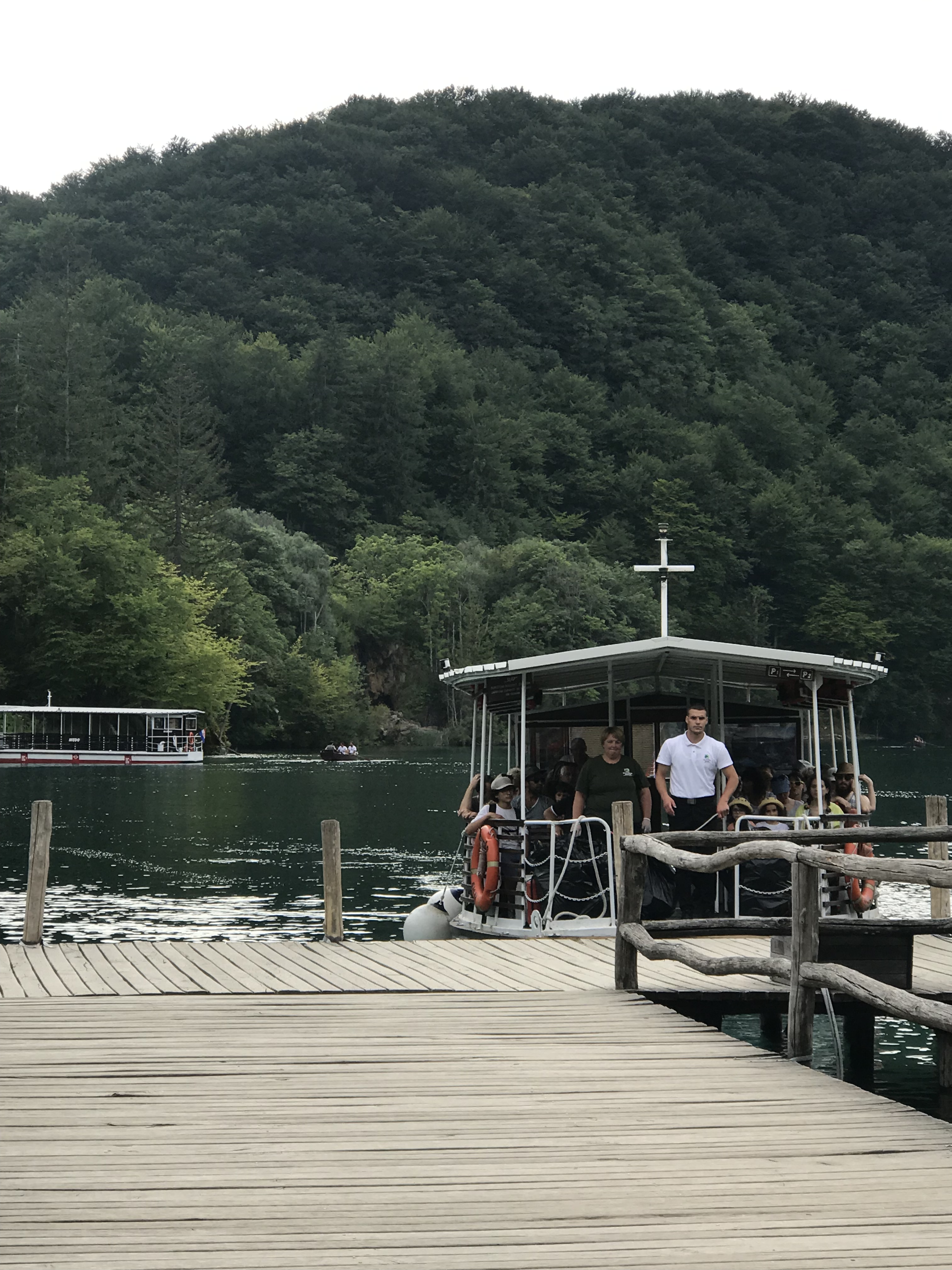
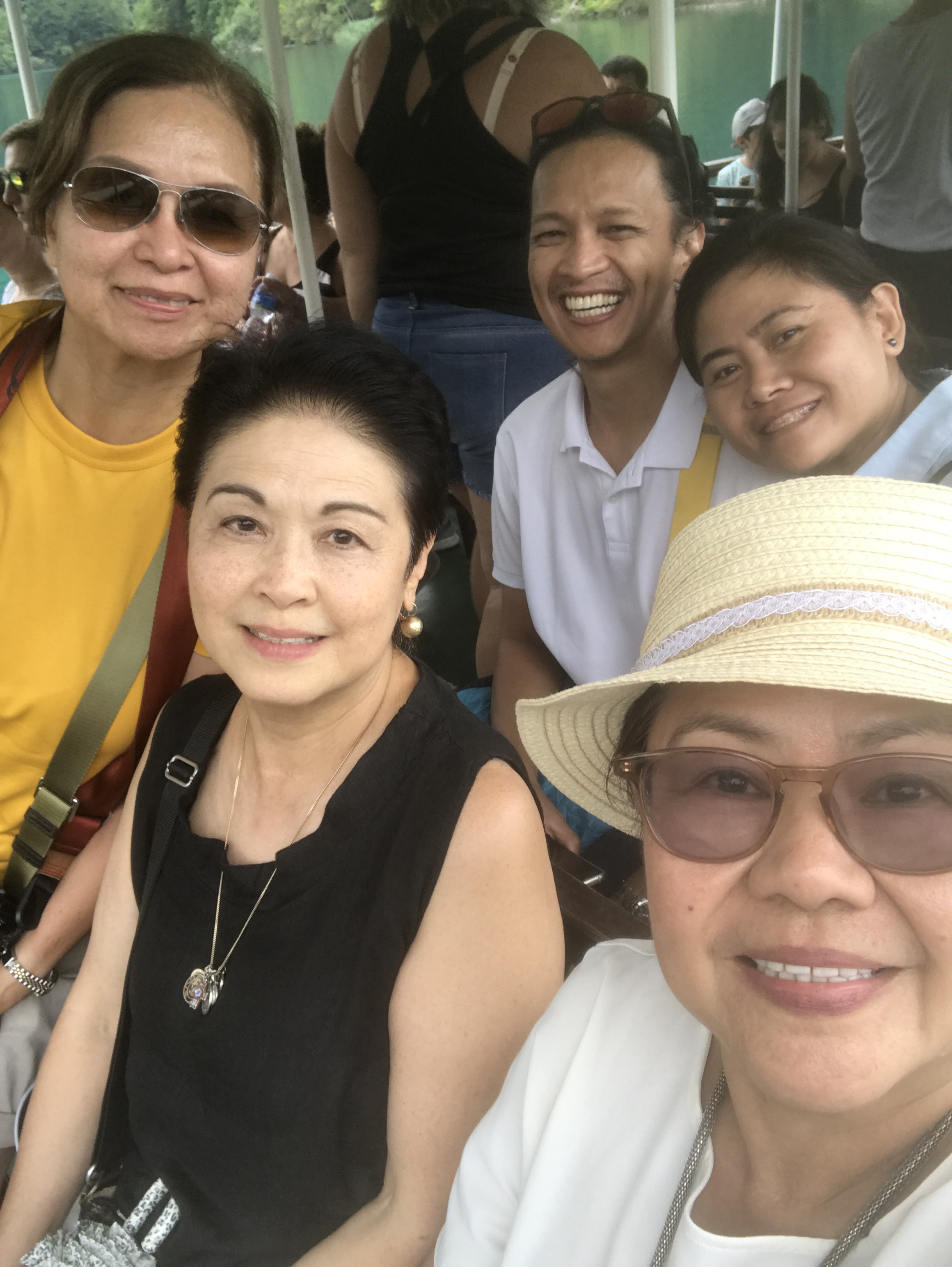
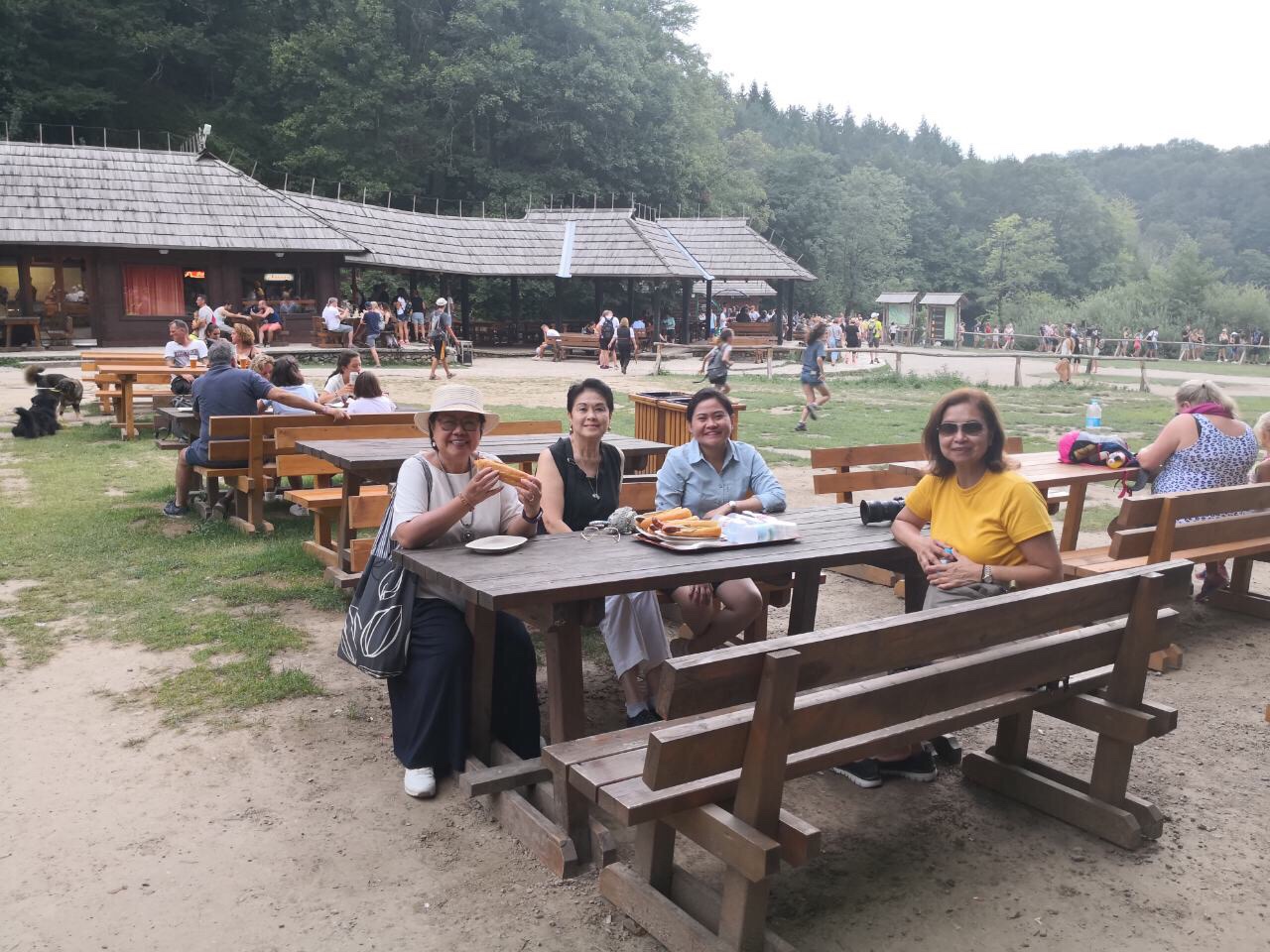
The ferry ride was a welcome break. We promptly took our seats and savoured the breeze, the calmness of the turquoise waters and the varying green shades of the lush forest. The only thing lacking was music plugged to my ears. At the end of the boat ride, we found an outdoor snack bar where we promptly nourished ourselves. Rightly so, since it’d be uphill from here heading back to the Big Waterfalls and the park exit.
That ferry ride!
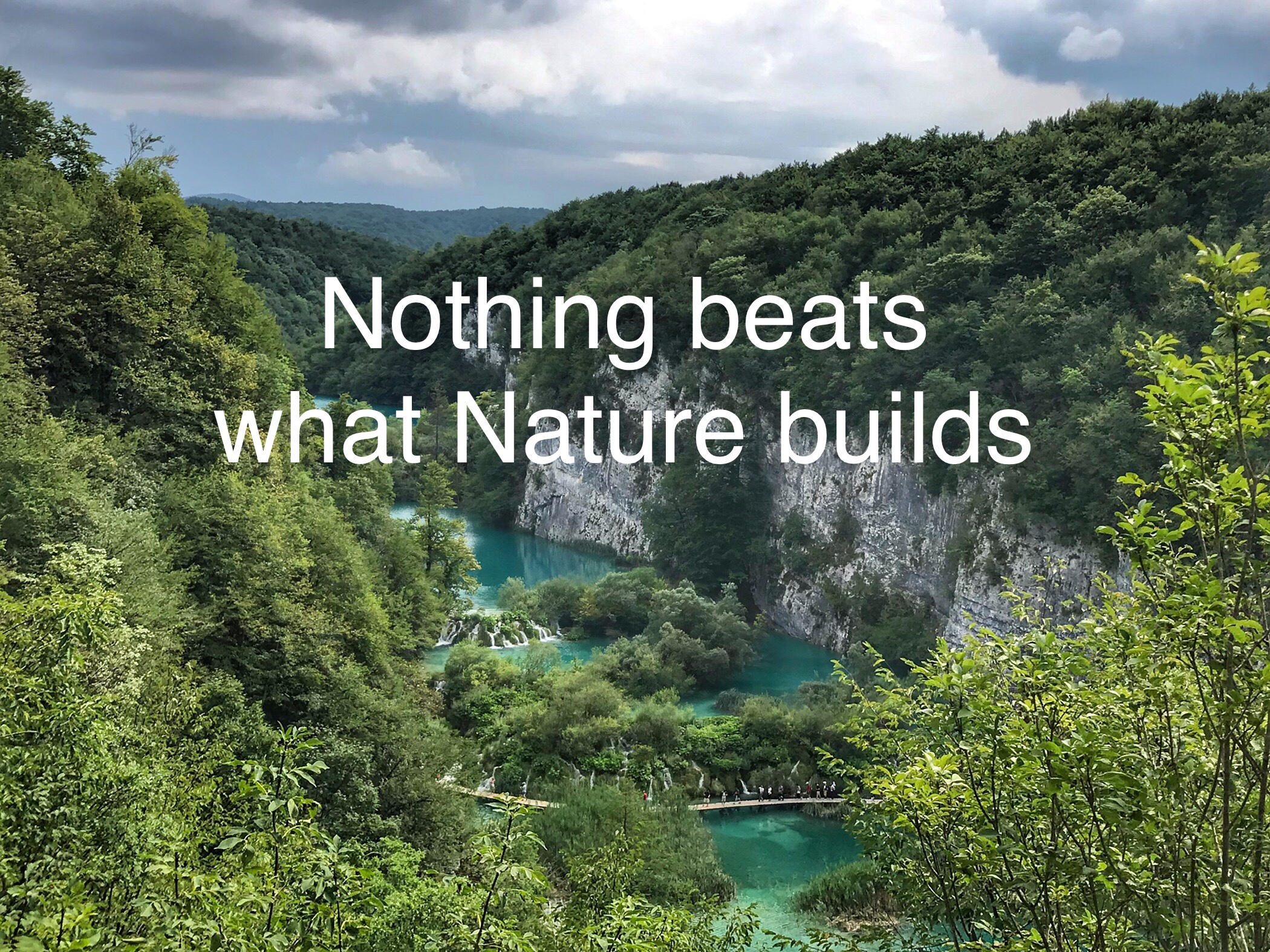
As a UNESCO Heritage site, the park’s nearly 300 square kilometres is a protected area welcoming over a million visitors yearly. It is in Central Croatia near the border to Bosnia and Herzegovina. Besides the lakes and waterfalls, the park’s meadows teem with butterflies, bees and dragonflies. It is a good idea to allocate a full day when visiting this park. With tickets bought online to beat the lines! The snack bars after the ferry ride offer good Plitvice hotdogs and burgers and the restaurant just outside the Park provide good, simple meals like grilled veal and lamb served with salad. If you’re going, make it a full day in Plitvice!
It may sound like a lot of time but it wasn’t. We arrived tired and itching for a bath and scrub from Rijeka, passing Opatija and Pula from the Istrian Peninsula. And the hum and drum of a real city — the state capital, at that — welcomed us late that day. We dragged our suitcases from the parking lot to the pedestrian street where our hotel is, amply warned that the city thieves are busy on the lookout for arriving tourists too tired from a long trip. Ding Ding Ding. Suitcase and all, we managed to walk the block — like we didn’t even break a sweat anytime that day 🙄 — towards the hotel, safe and sound and ready for a bath.
Border Between Upper & Lower Town
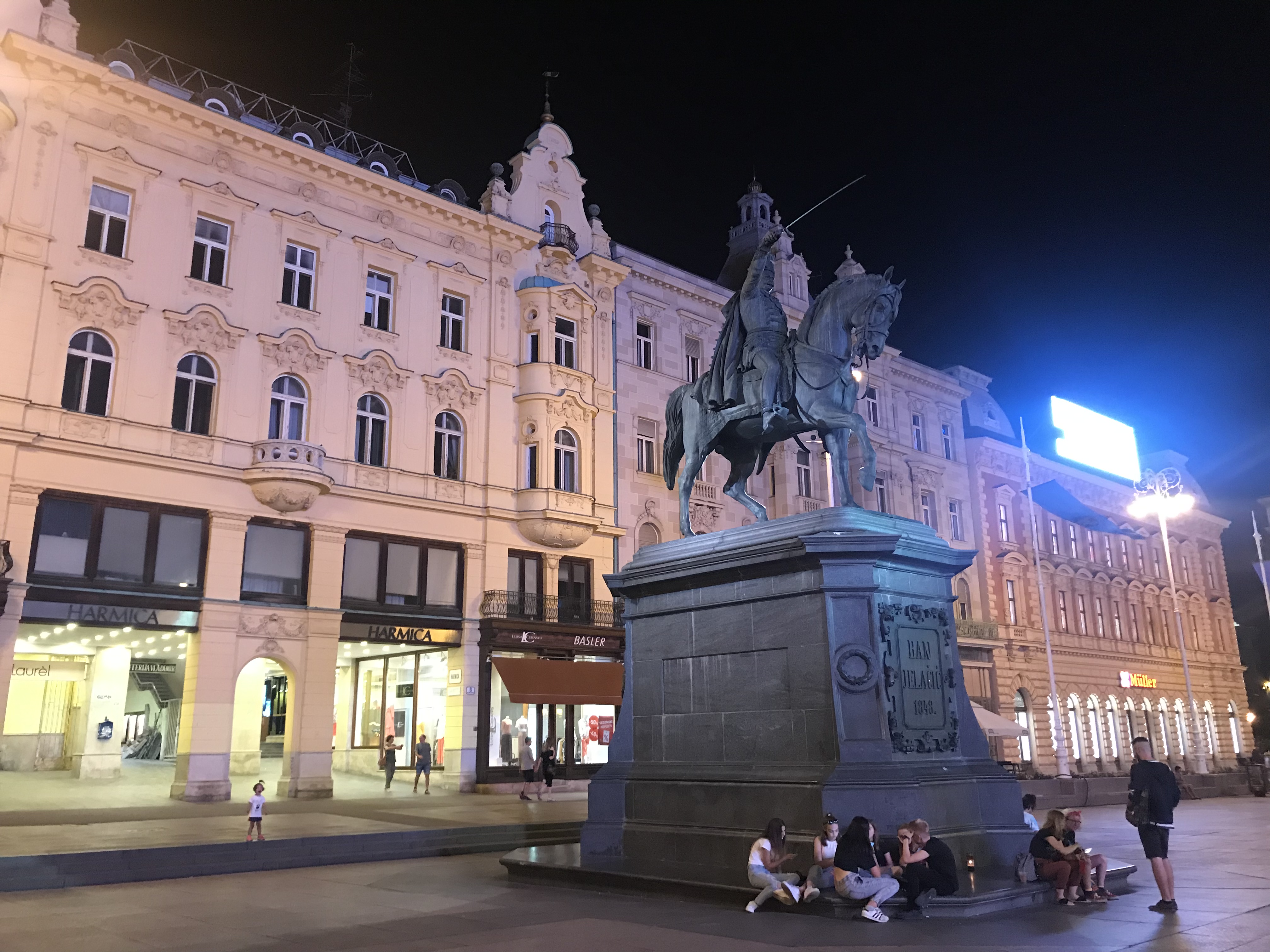
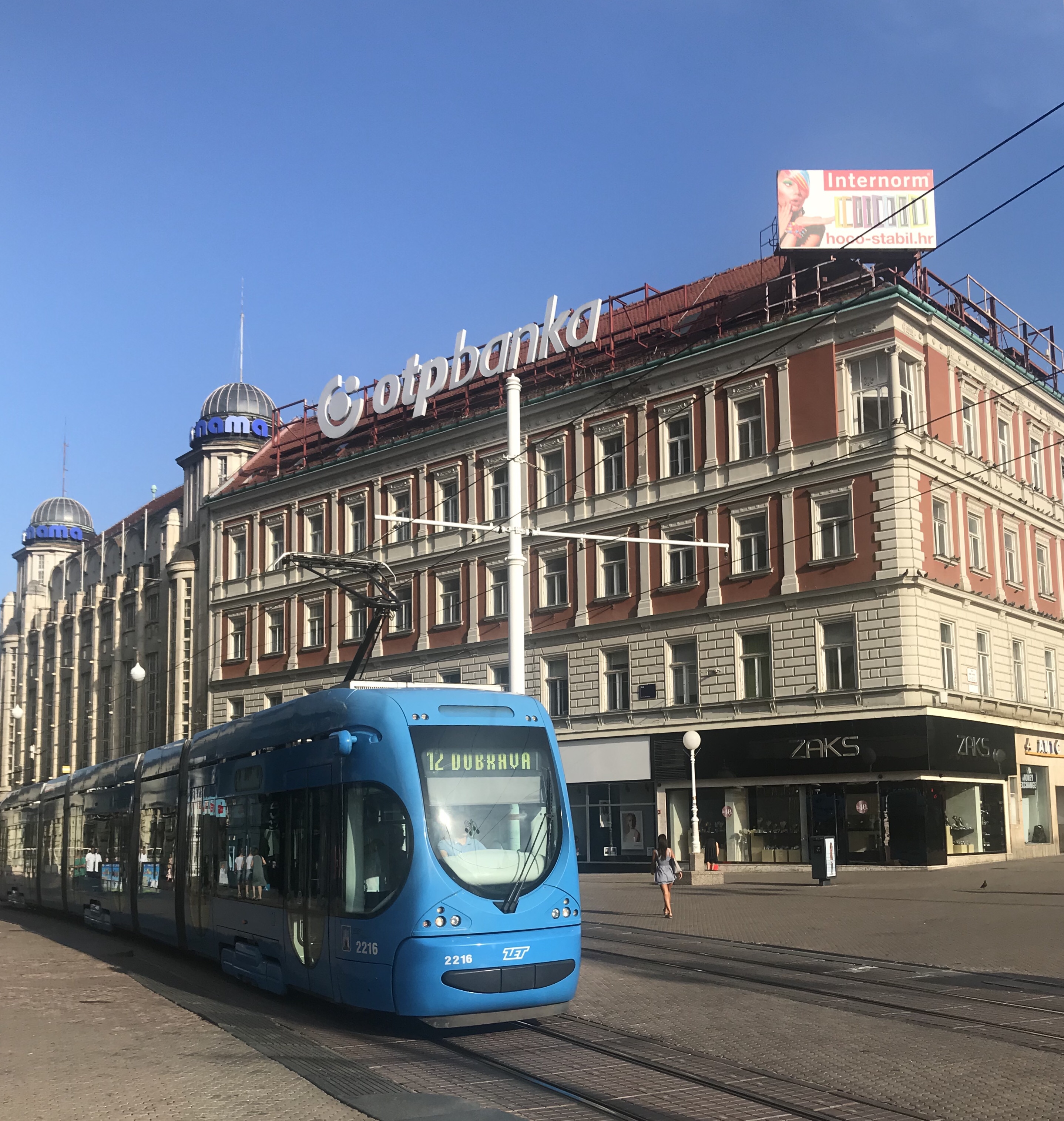
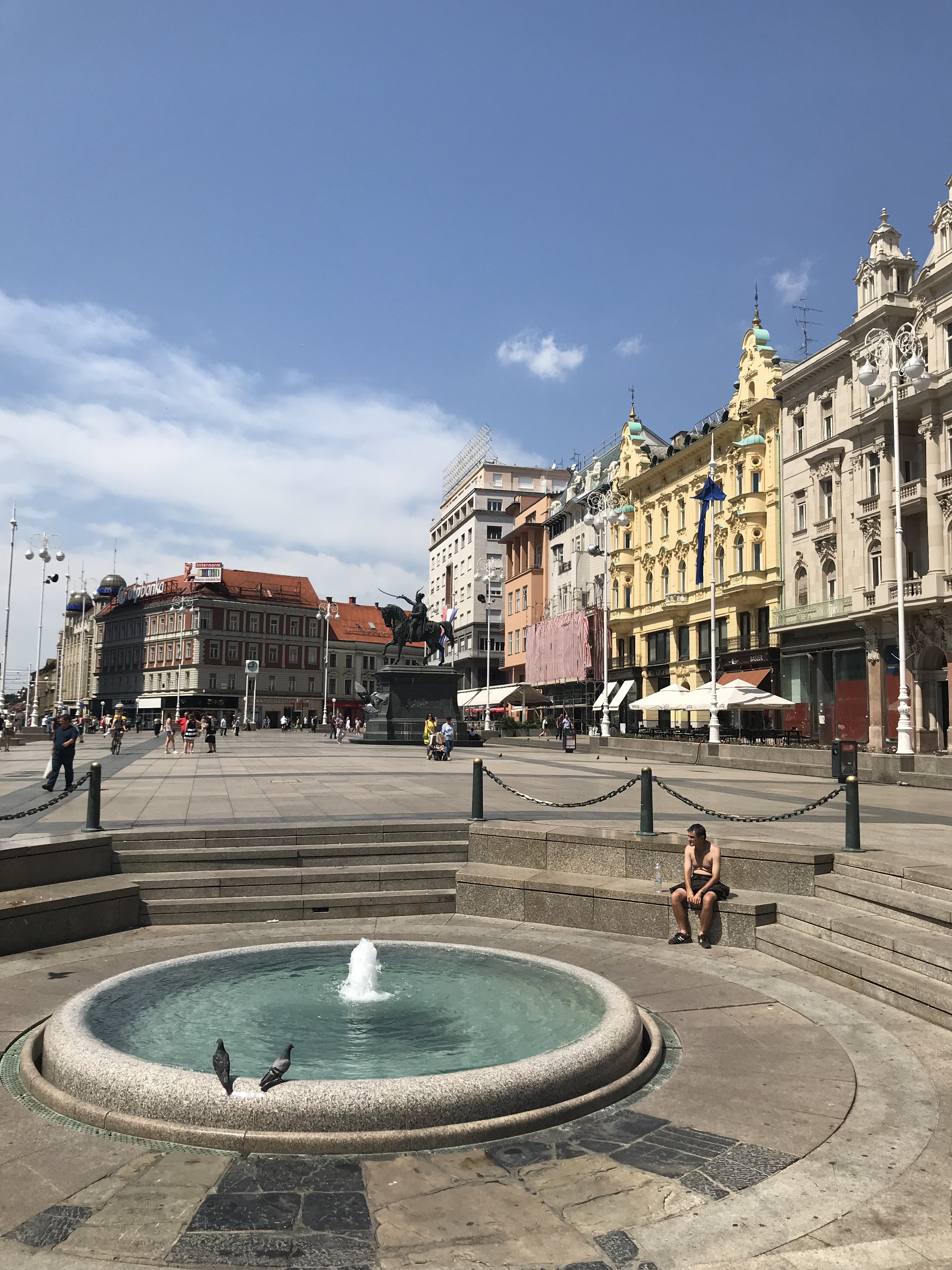
Ban Jelačić Square
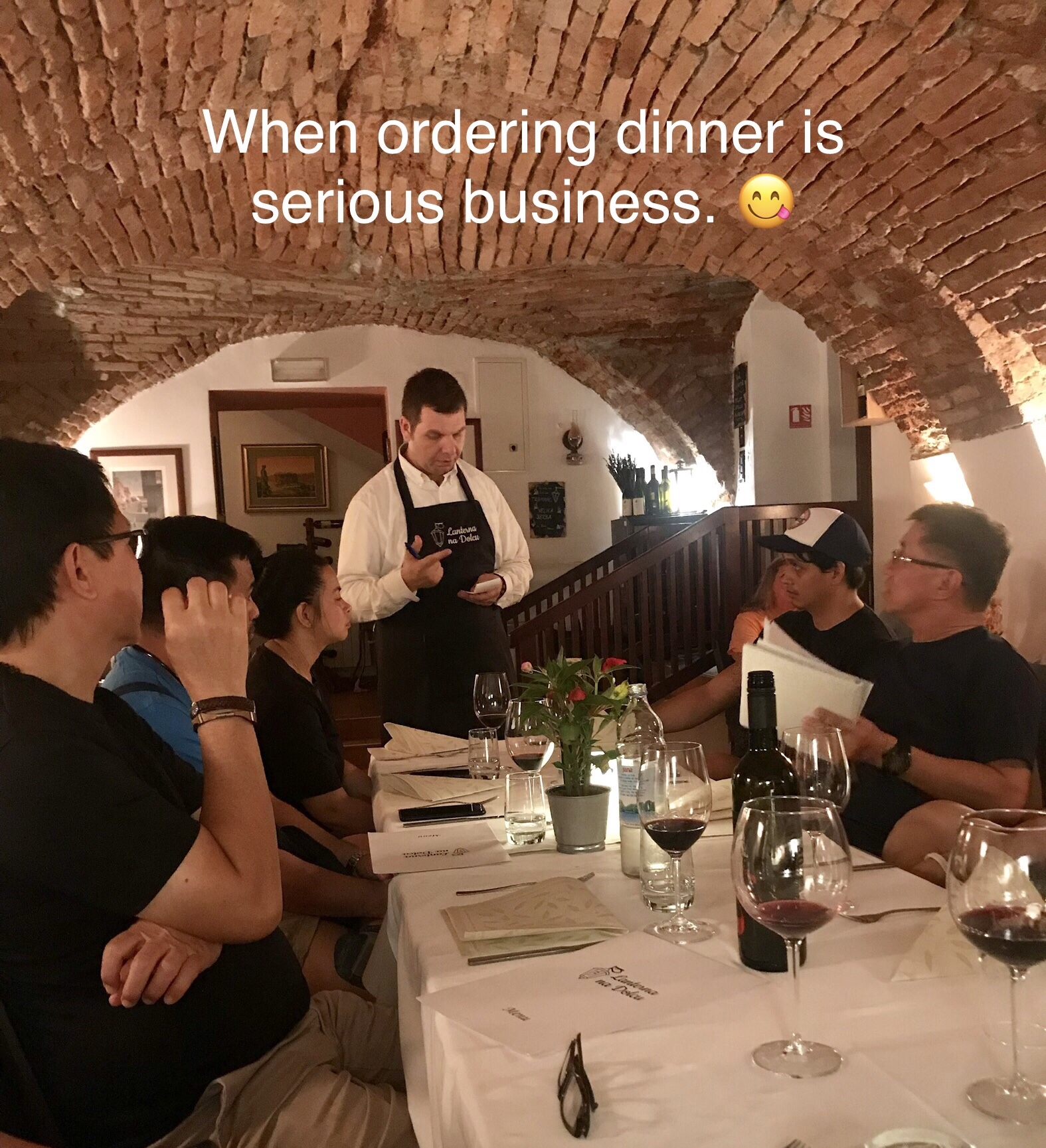
Dinner at Lanterna na Dolcu
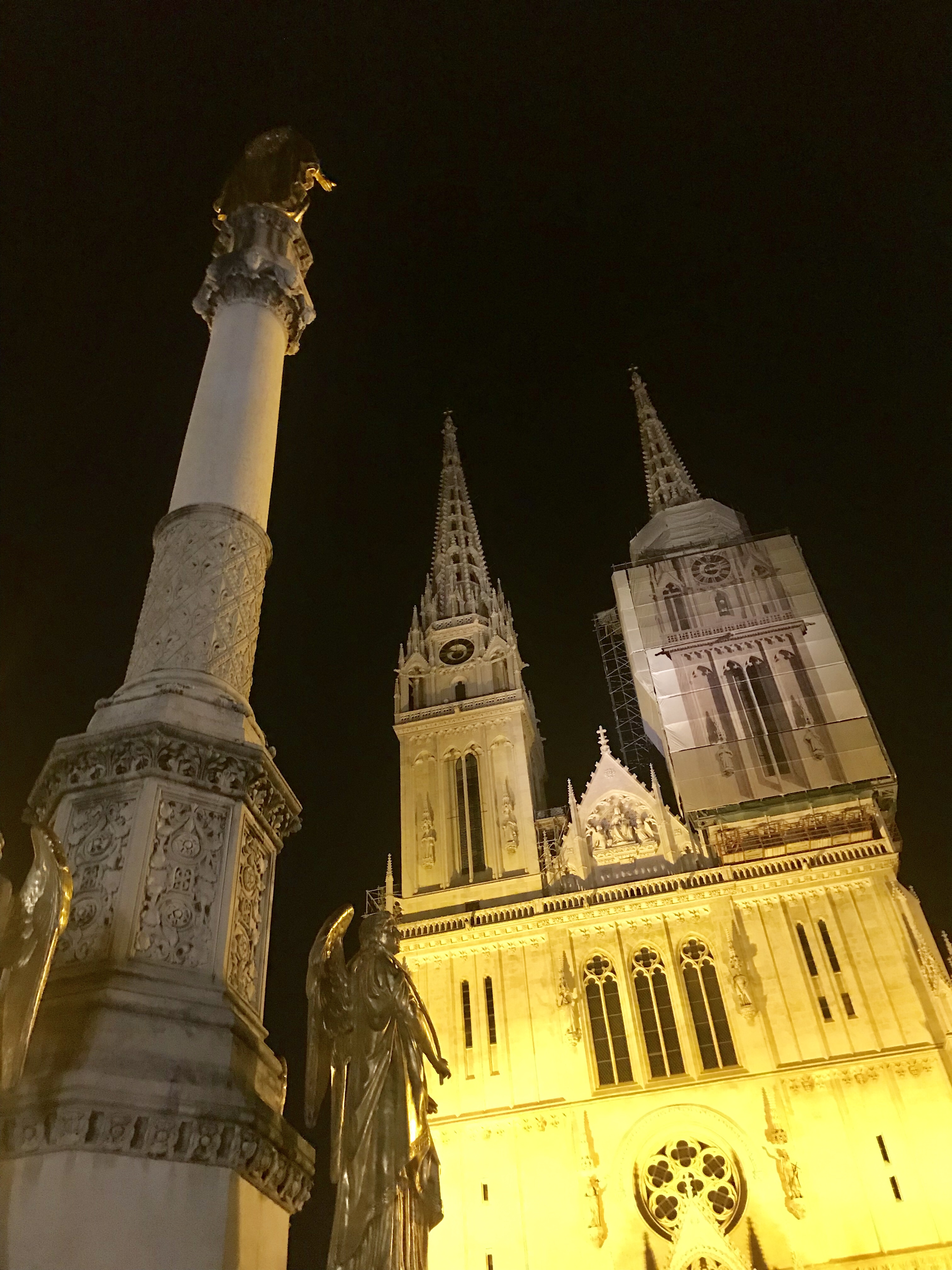
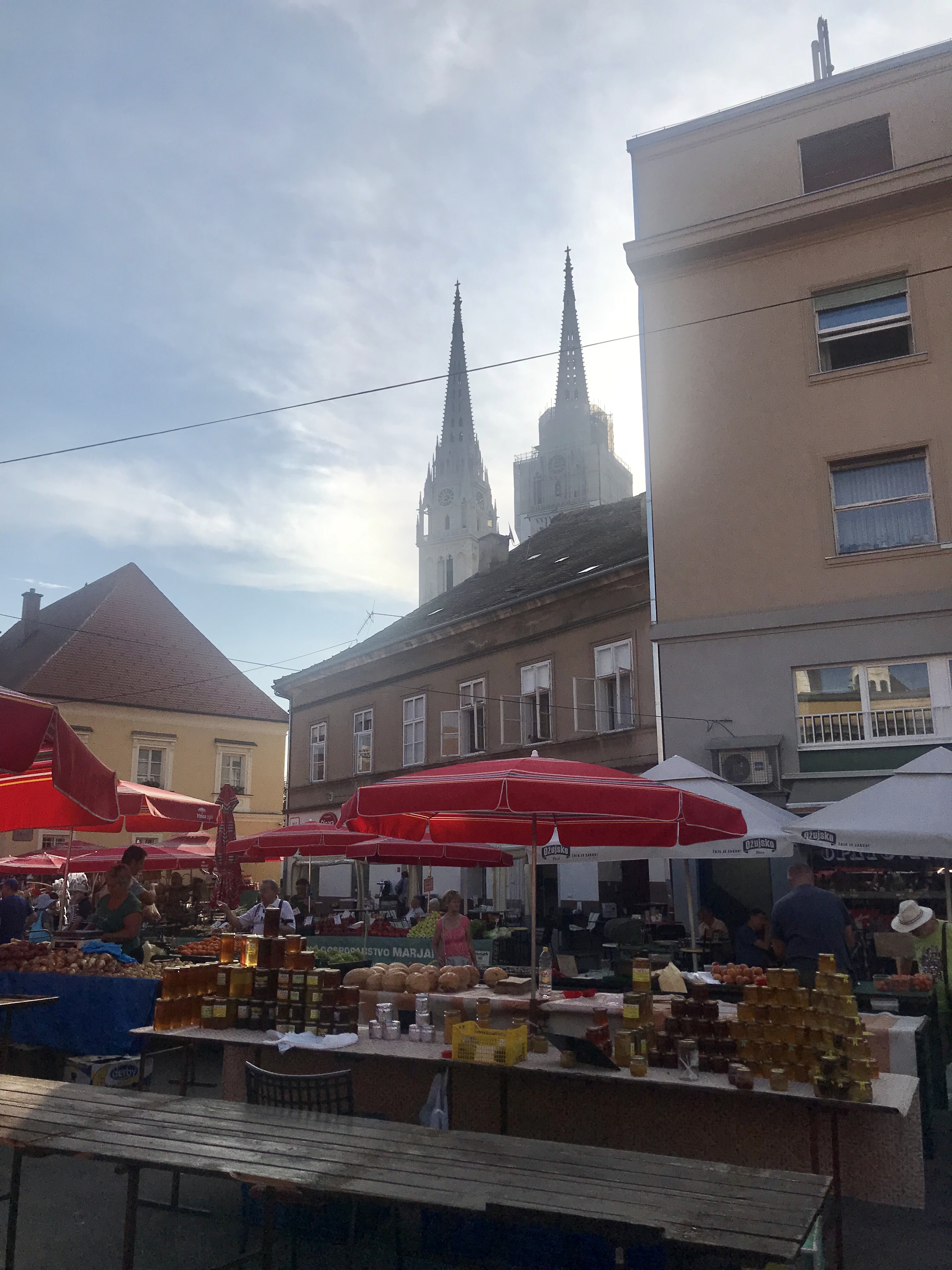
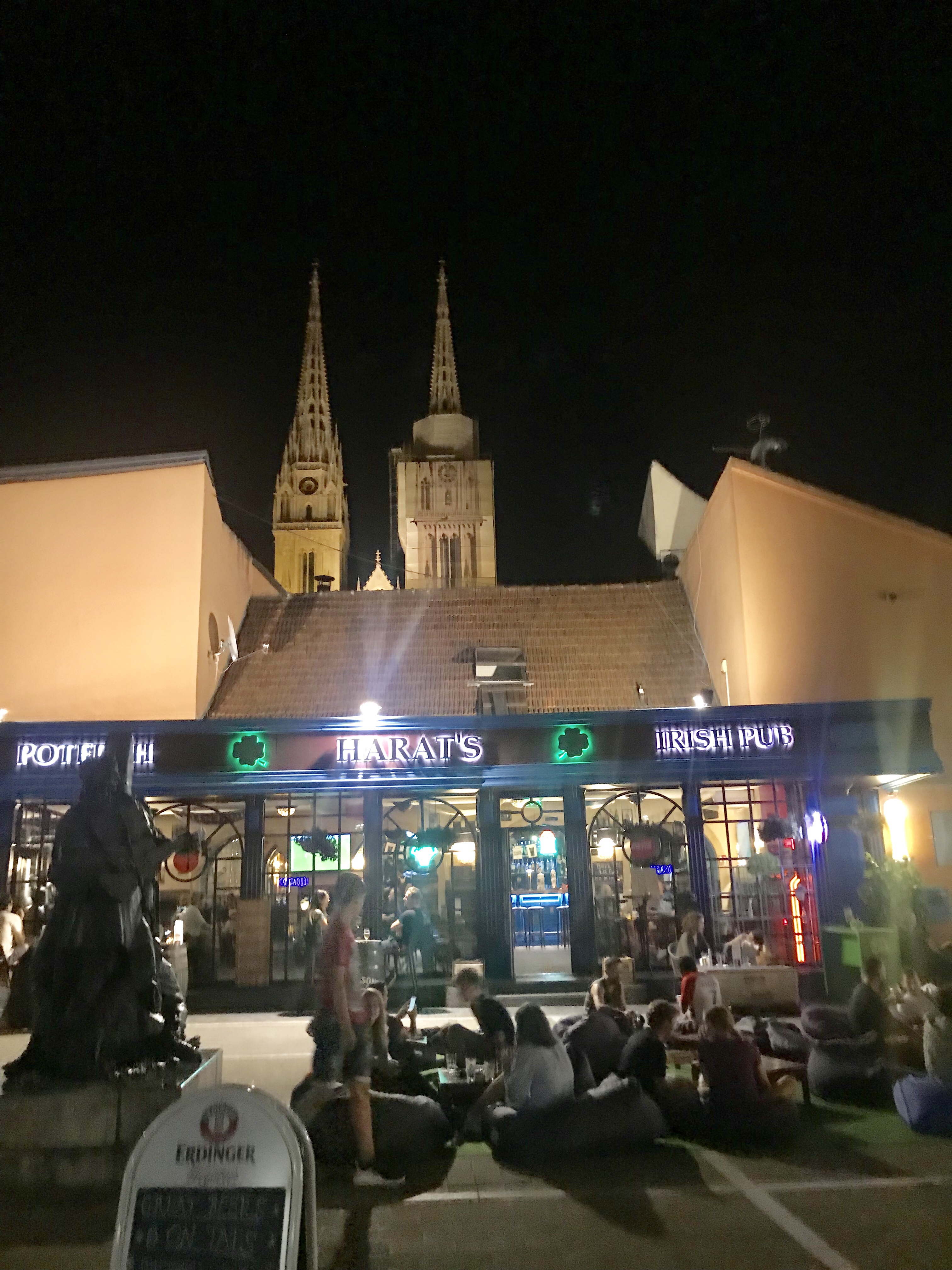
Dinner was serious business as we all felt famished after a bath and a change of fresh dry clothes. We glimpsed the Ban Josip Jelačić Square and the Zagreb Cathedral of the Assumption first in broad daylight and then later, lighted up at night. Both are quite a sight, especially at night when it’s all lighted up. The tram stops at the central square give a touch of nostalgia, though we’ve grown overly careful crossing the tracks from our hotel to the square. As in one needs to look left and right as the trams come in short intervals. There’s a chance to see these Zagreb attractions again in the morning when we do our walking tour of the city. But cameras aside, evening strolls around the city are quite interesting. Our hotel location allowed us to walk to many of the attractions as well as many shops and restaurants. Being a city, the choices are more varied and have a more international flavour. Even the bars are more modern. We passed one where there were no stools, only big fat cushions on the outside floor. Interesting. The Upper Town is even more festive with free film showings “under the stars” — best enjoyed while sipping beers or vinos. But this first night in Zagreb, our sapped energy only allowed a leisurely stroll, a proper dinner and an early night. 😴
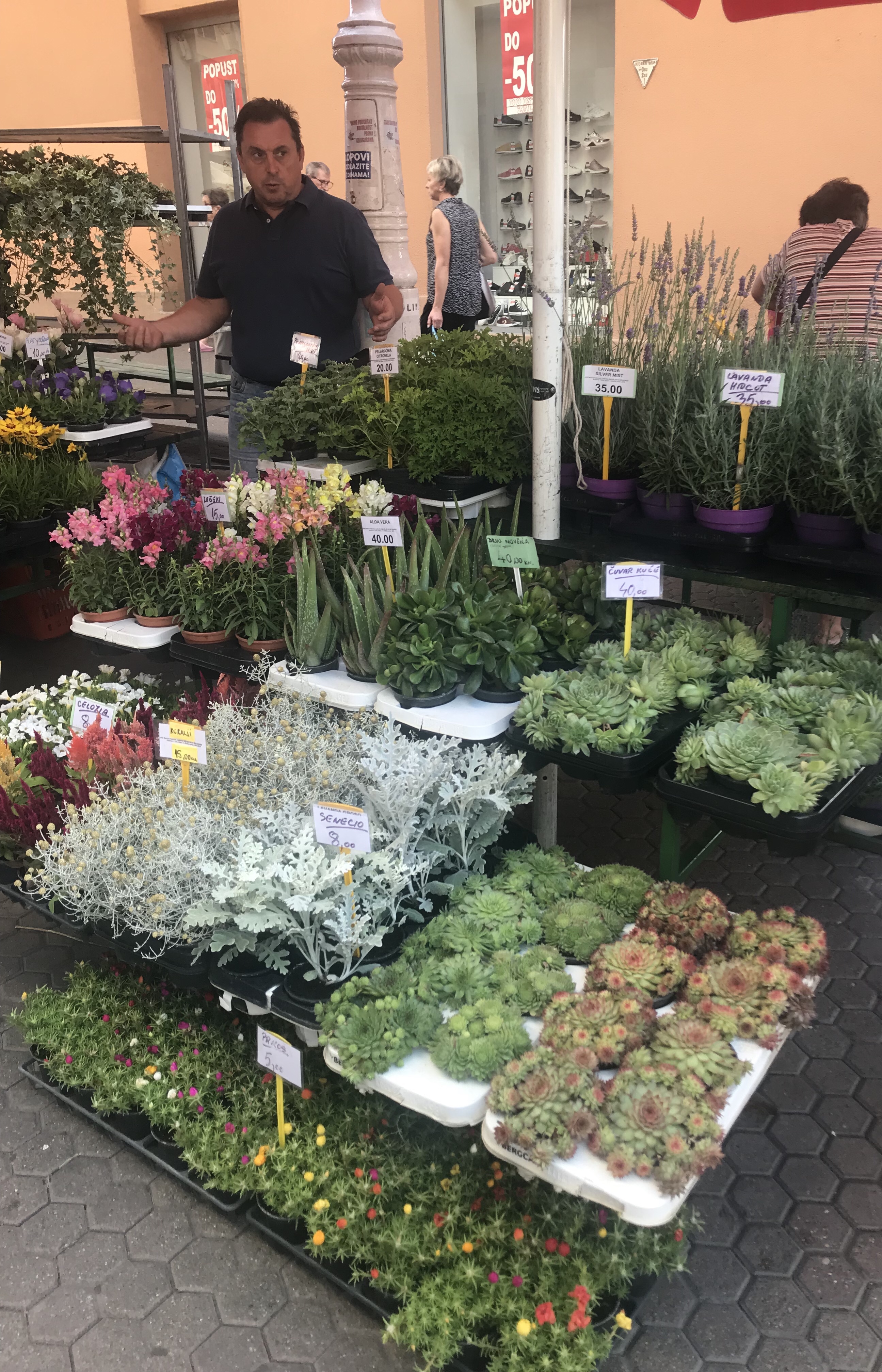
Dolac Market
Zagreb Cathedral
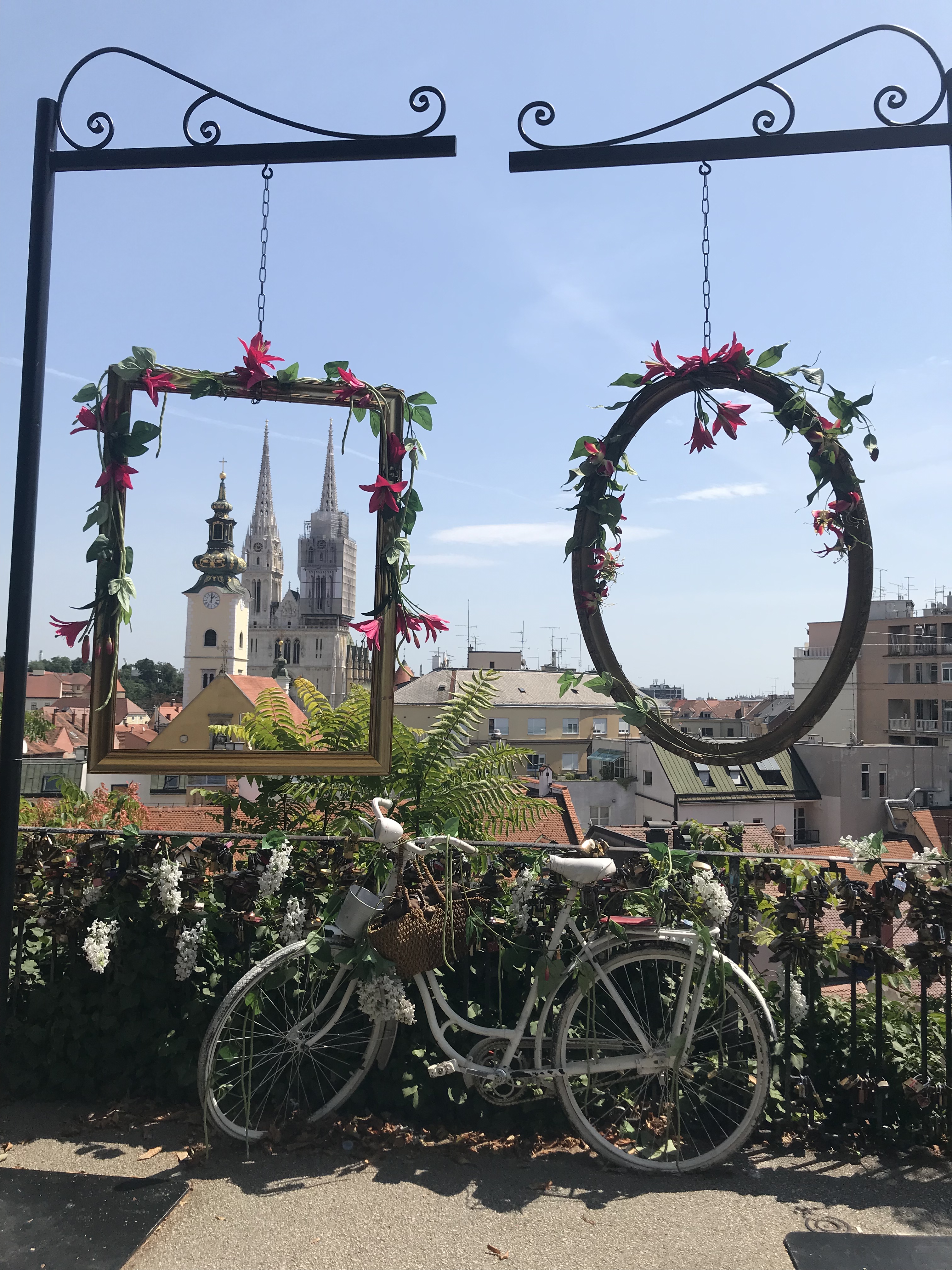
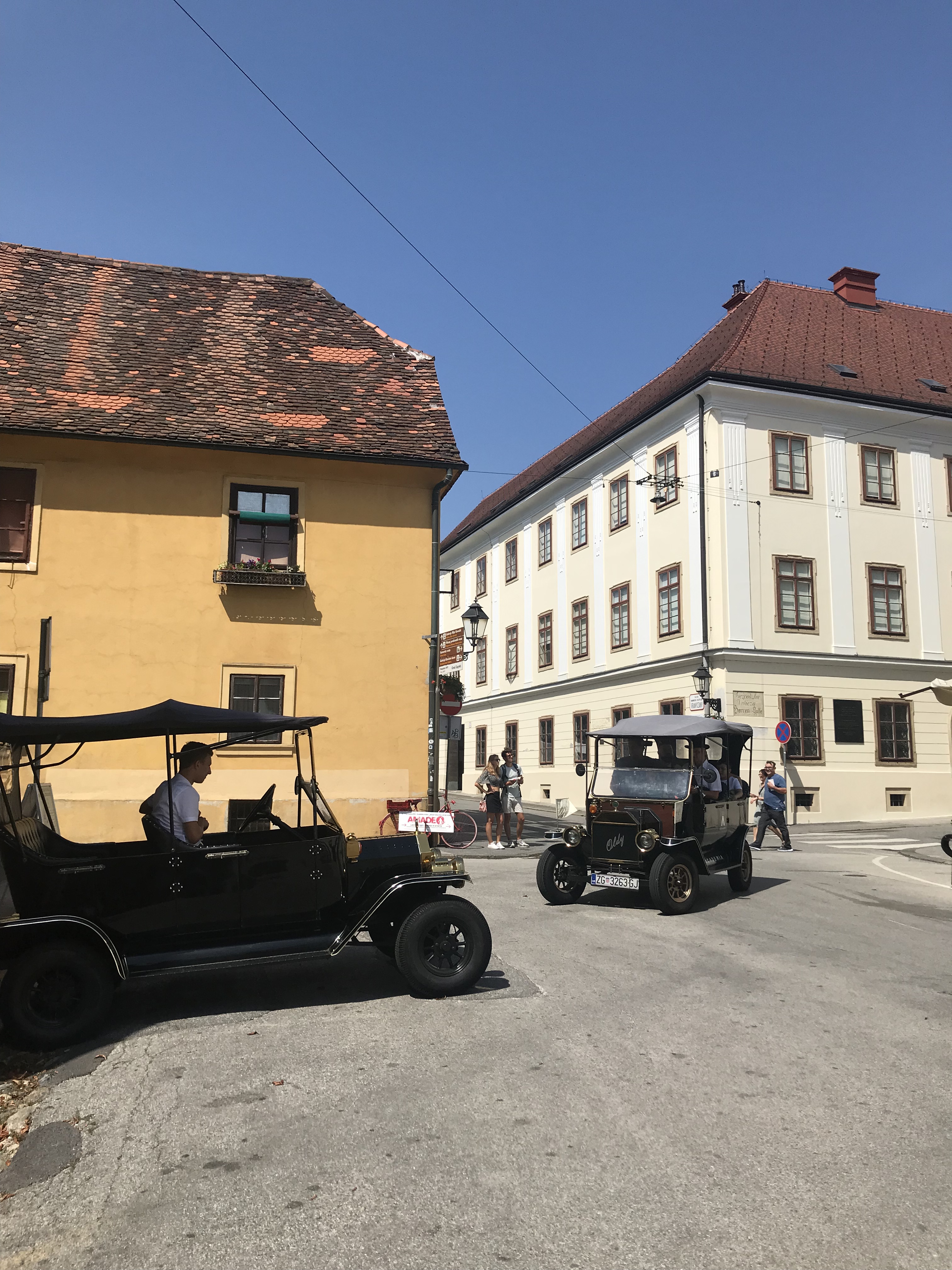
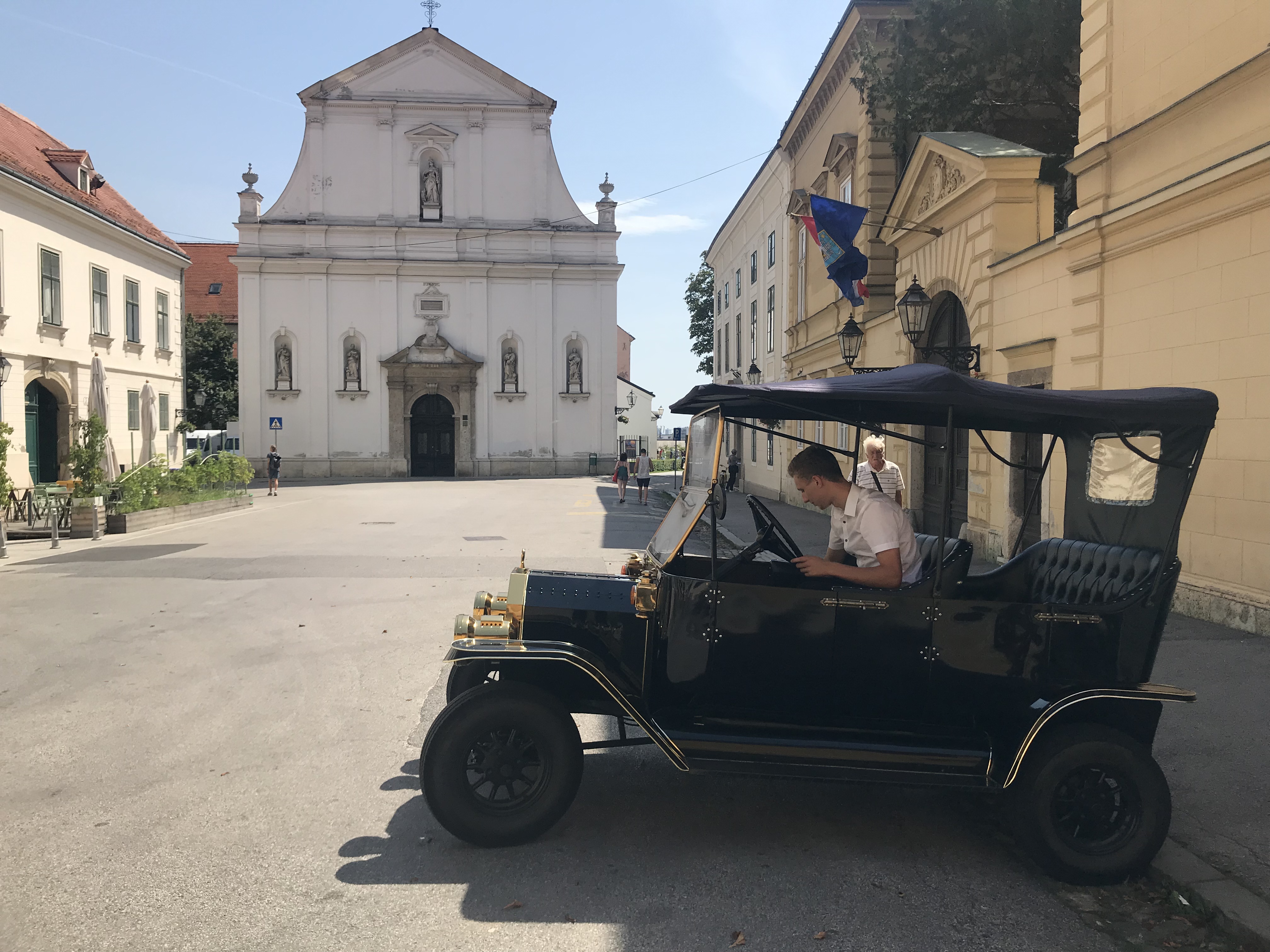
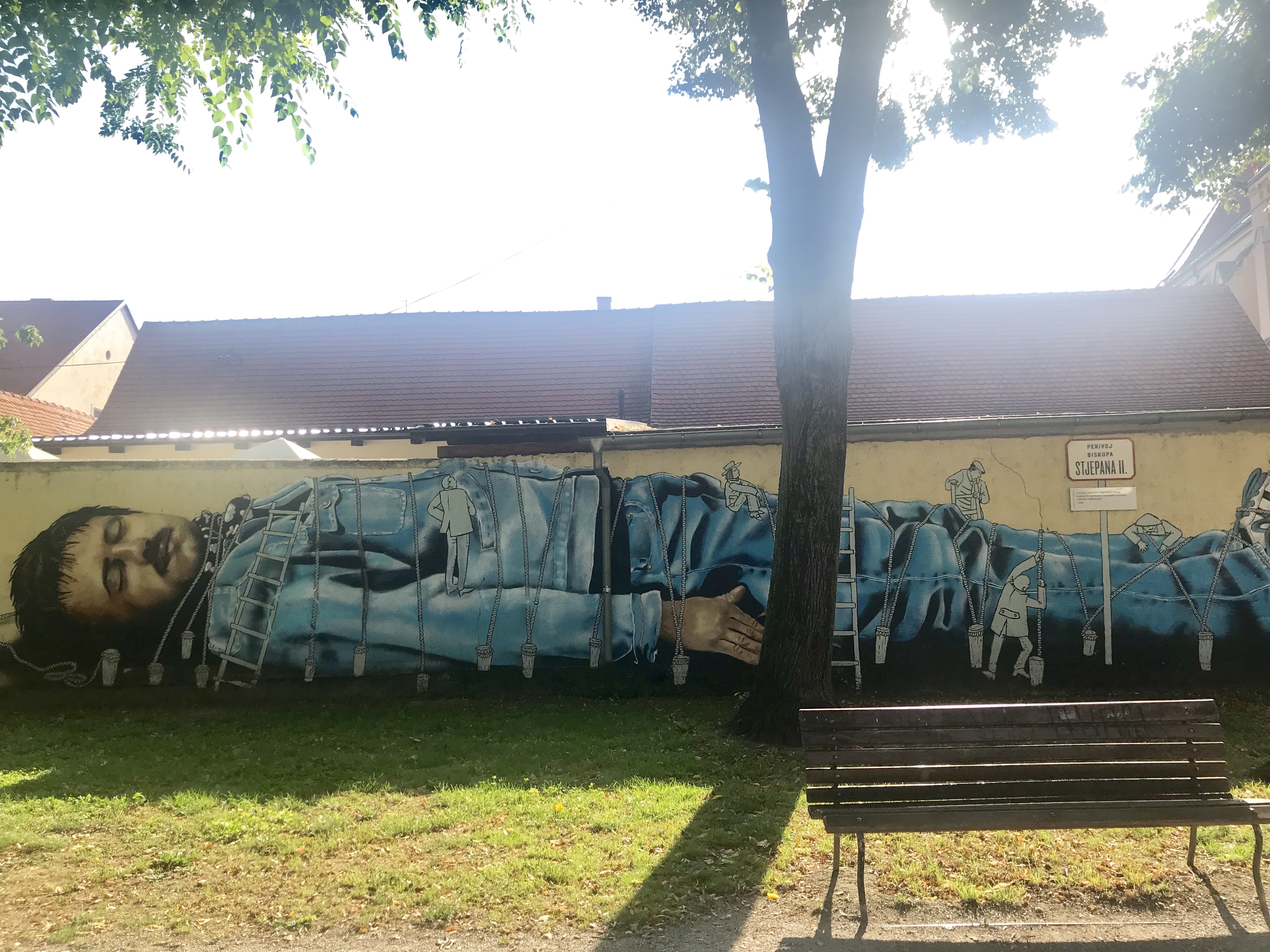
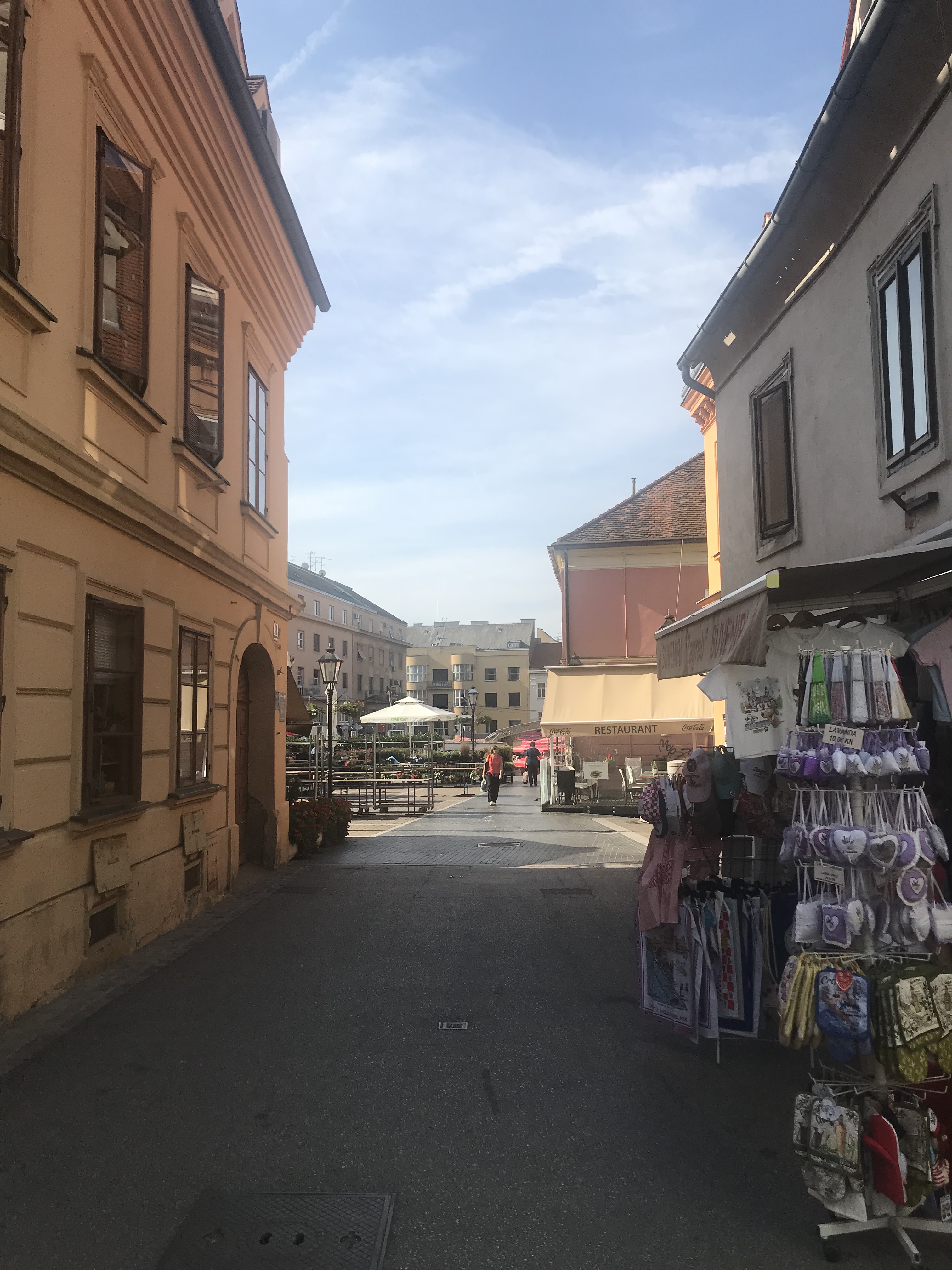
Woke up early, refreshed and energised enough to explore around the hotel. We walked past the square, explored the Dolac Marketand went inside the Zagreb Cathedral. We even stumbled into a tiny park, another church, and a 30-meter long street mural of Gulliver being tied by petty Lilliputians. We walked away from the Cathedral, its old walls and rounding back, found our way through the steps leading to the market, square, and back to our hotel. By the time we joined our walking tour later that morning, we have clocked nearly the day’s 10,000 steps. We could have been all wasted even before the walking tour began but Luca, our very competent Croatian guide made sure he got all our interest and attention. Such a fine, young man speaking so clearly with his compelling spiels on Zagreb history and trivia.
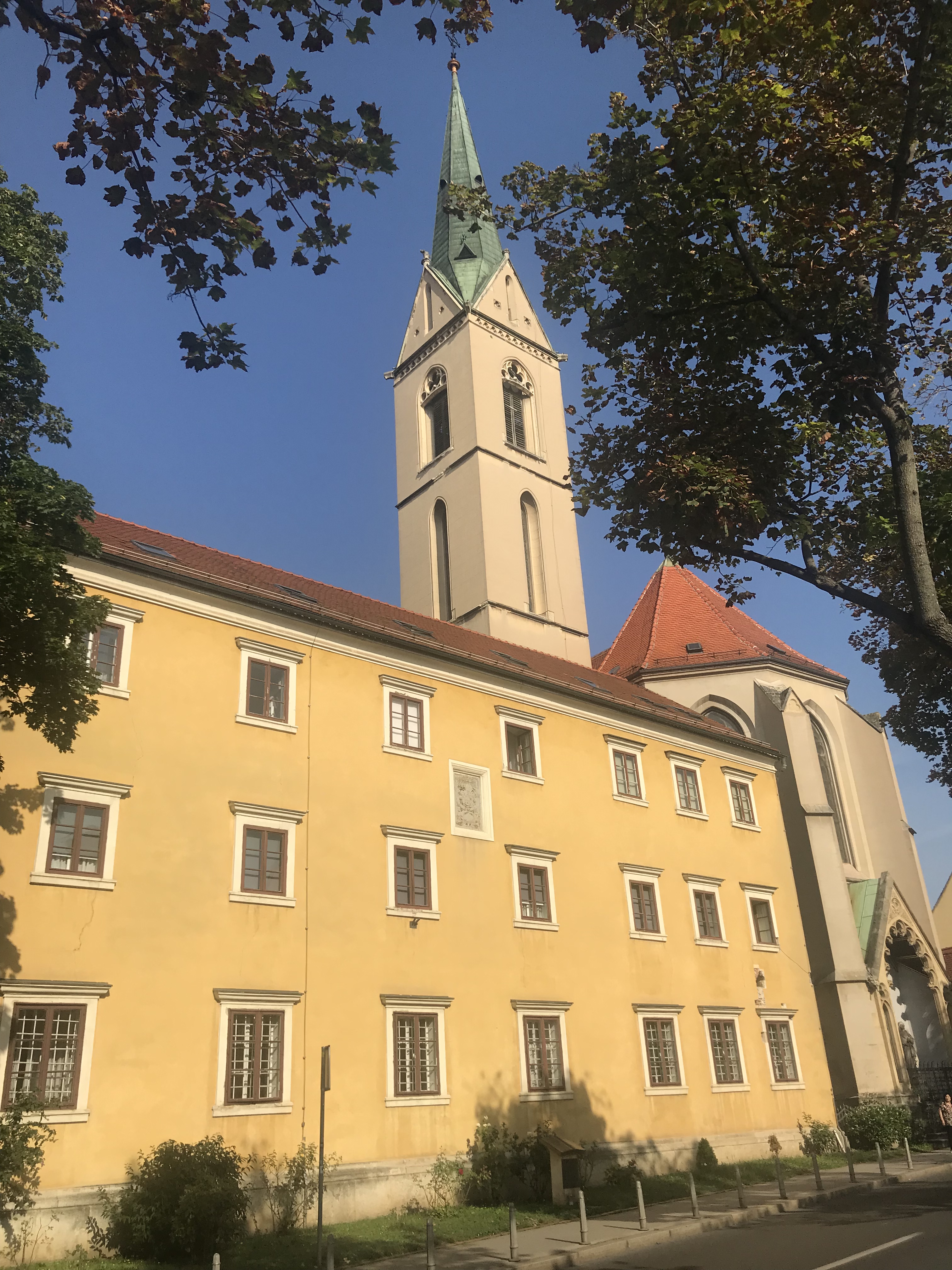
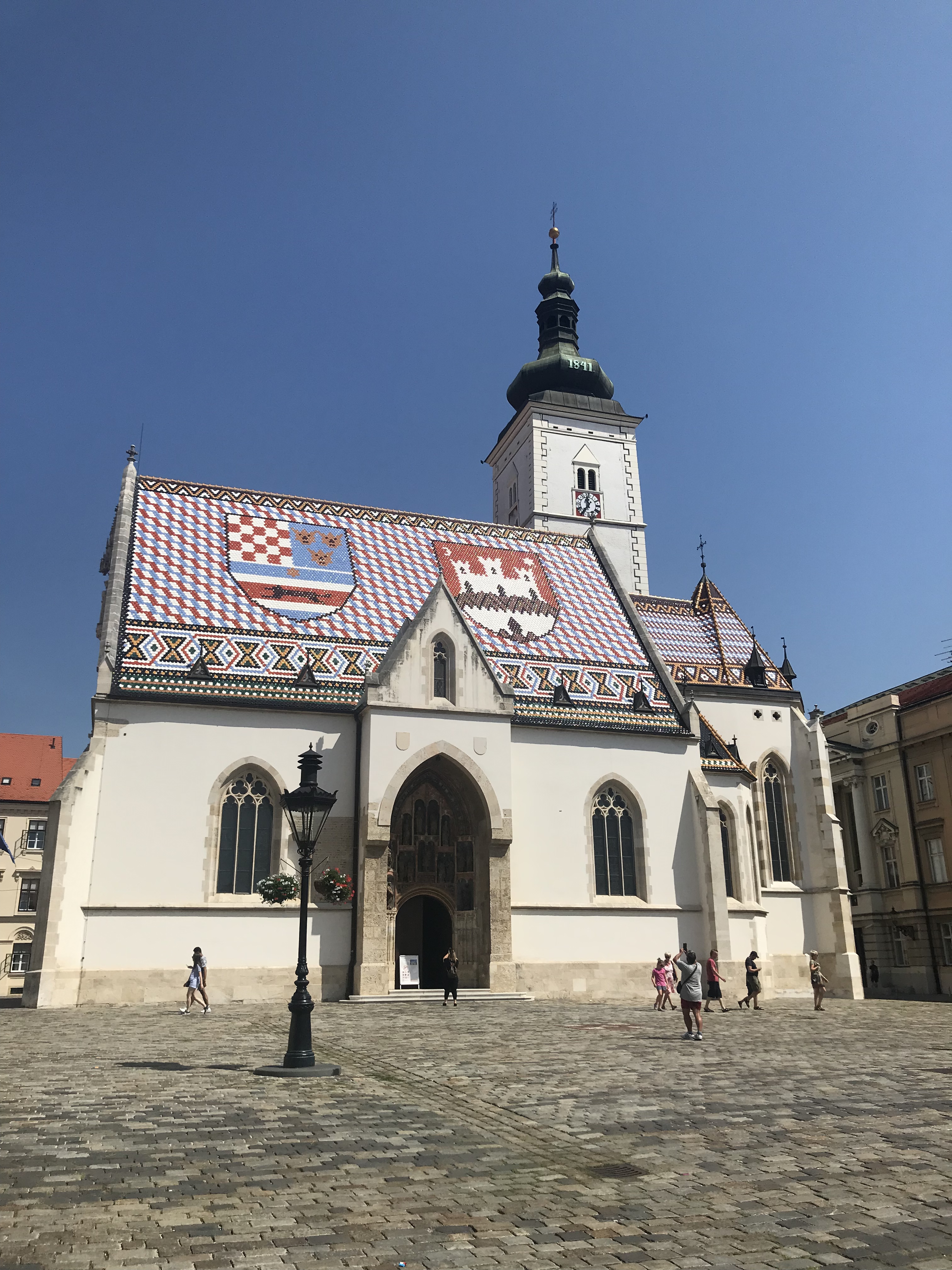
St. Mark’s Church
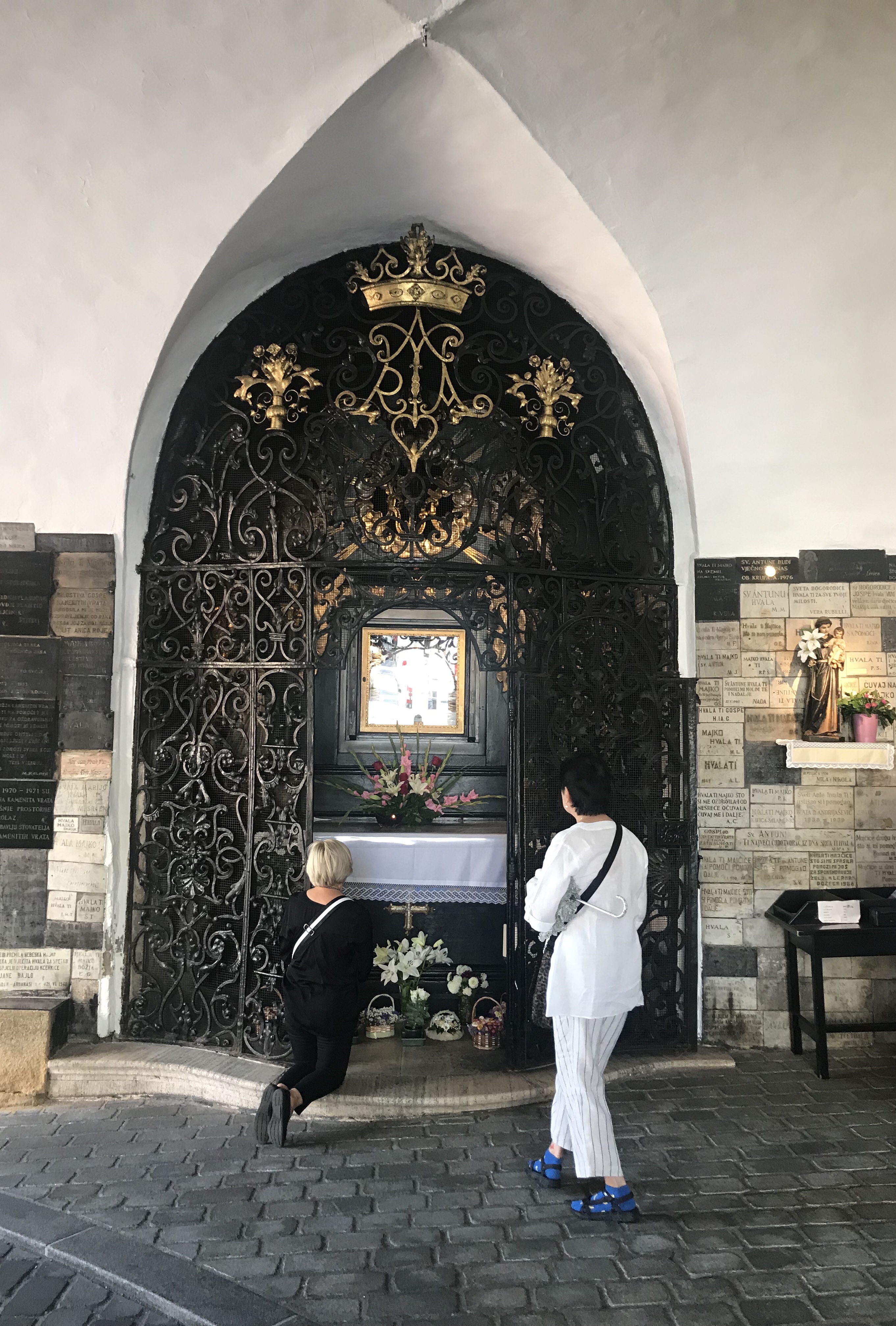
Stone Gate
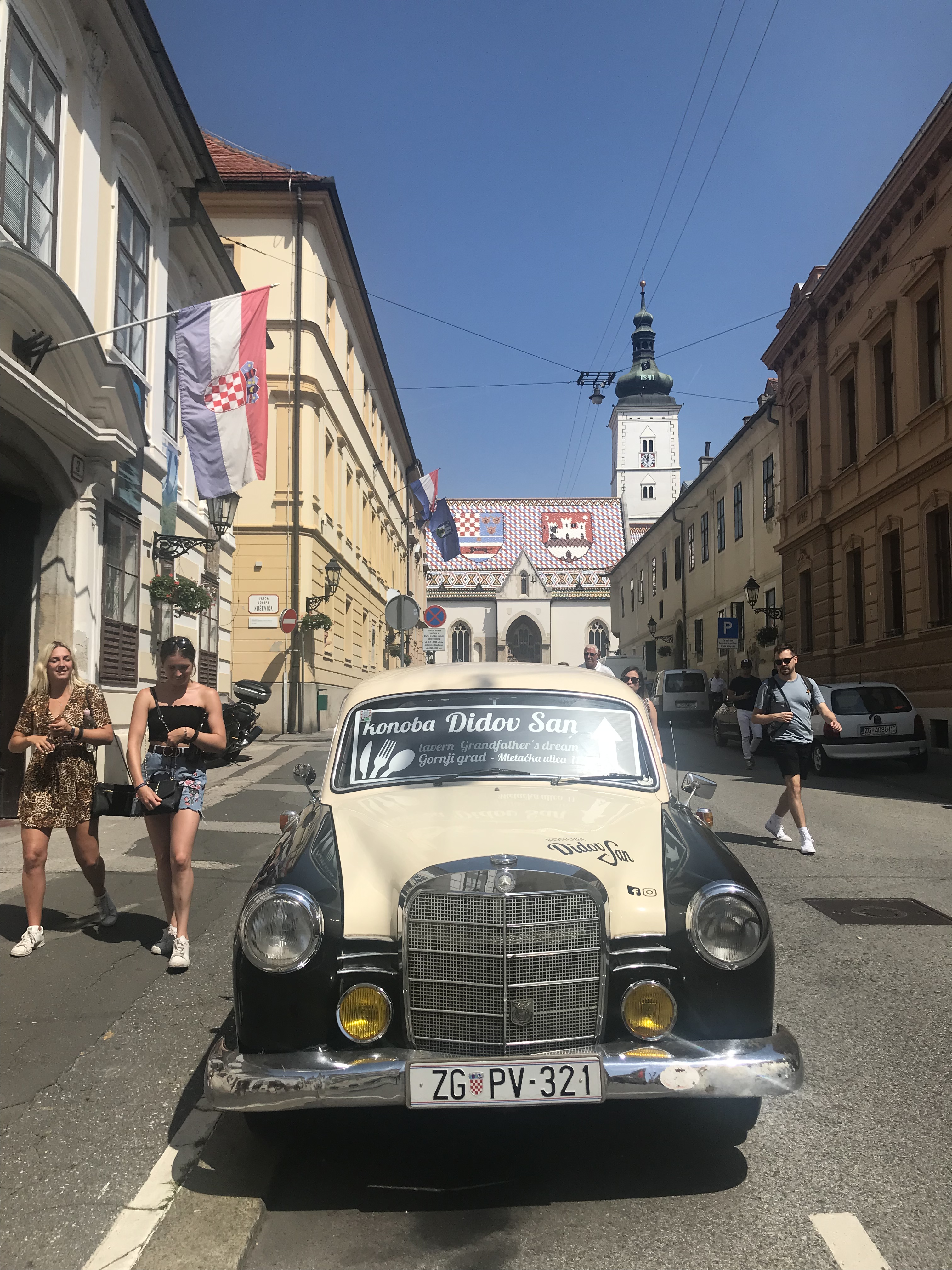
We met Luca right under the statue of Ban Jelačić in the Central Square. (Trivia: Ban in Croatian means “Governor” and Jelačić is the city’s first back in the 19th century.) From here, Luca first brought us to the Upper Town where many of the historical sites are. No funicular. We walked. Rather, we climbed. There’s the Stone Gate, Porta Di Pietra, where the miraculous statue of the Virgin Mary is venerated behind iron bars. All whole and unscathed from the fire that burned everything around it. Next we walked towards St. Mark’s Square where 3 important structures are: the St. Mark’s Church, Parliament and the HQ of the Prime Minister. The 13th century parish church is an iconic symbol of the capital, especially with the coat of arms of Zagreb prominently displayed on its colourful tiled roof.
Opatovina Park
From St. Mark’s Square, Luca walked us through a few of Zagreb’s quirky museums. Like Museum of Broken Relationships. And there’s also the Museum of Naive Art on the same street leading to Lotrsčak Tower where Luca timed our arrival just before noon. He promptly advised us to ready our cameras, zooming in on the cannon at the top of the tower, and to wait till he tells us to stop.
See the video below to check what happened. No spoilers here.
Unlike the little towns we visited, this Croatian capital offers a more vibrant nightlife. On our second night, we found a row of outdoor cafes and bars with many locals and tourists having cocktails and dinners. Old and modern blend seamlessly in the Upper Town where the oldest parts of the city remain. Glasses clink in sync with the ringing of the bells from nearby cathedral and churches within the Kaptol area then ran by the religious in earlier times.Many churches, monasteries and other spiritual centres are located on this side of the former river. Kaptol was then one of 2 towns of Zagreb. The other (Gradec) is just across the now non-existent river that used to divide the 2 uneasy neighbors. Interestingly, the 2 neighbors were connected by what was then called “Bloody Bridge” spanning across the river. Luca brought us to the spot where the bridge used to be — now a very busy road lined with many shops, bars and restaurants. Obviously, the two uneasy neighbors have blended and made peace. ✌️
Bloody Bridge No More
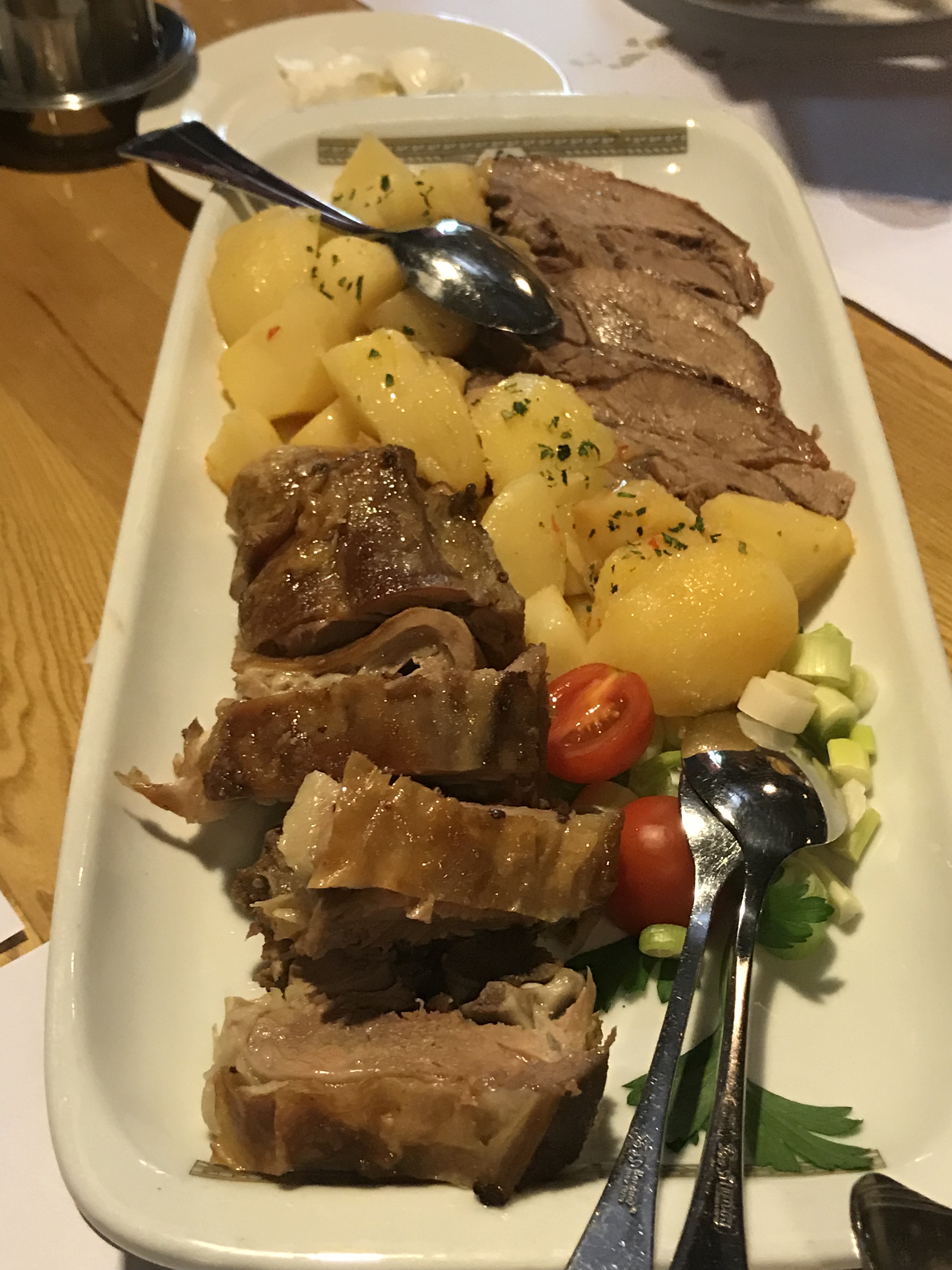
Tomorrow being another day trip (to Plitvice Lakes), we did our shopping after a simple but good Croatian lunch in the Dolac Market of ćevapi. This Croatian dish is very much like kebab. Luca recommended it, and even claimed visiting and eating here at least twice a month. Post-lunch shopping was a breeze, as we made time for an afternoon siesta back in the hotel. Did my packing too as I doubt there’d be enough time, nor energy, after tomorrow’s activities. So there. Three nights in the Croatian capital but really just a whole day and a couple of nights to enjoy Zagreb. All’s well. No rants here. Tomorrow is another day.
I’ve always been in awe of the grandeur and expanse of the Roman Empire. At its peak, it ruled over much of Europe, North Africa and Western Asia. An empire that stretched from Great Britain to the Middle East. There may have been bigger, longer-lasting empires but in my book, the Roman Empire’s mark in our history, art and culture strikes a special element of sentimentality and psyche. Think gladiators in those Roman Colosseos! (And the hedonists in the Roman Baths too) Years ago, I thought there was only one — that grand colosseum in Rome, Italy. Until I found similar, though lesser-sized amphitheaters in Verona (Italy), in Arles (France), in Pompeii (Italy), the Roman Theatre in Pamukkale (Turkey), in Nimes (France), in Ephesus (Turkey), Caesaria (Israel), and surprisingly, a well-preserved Greco-Roman amphitheater in Aphrodisias, Turkey. So very, very impressive. Oh, Caesar!
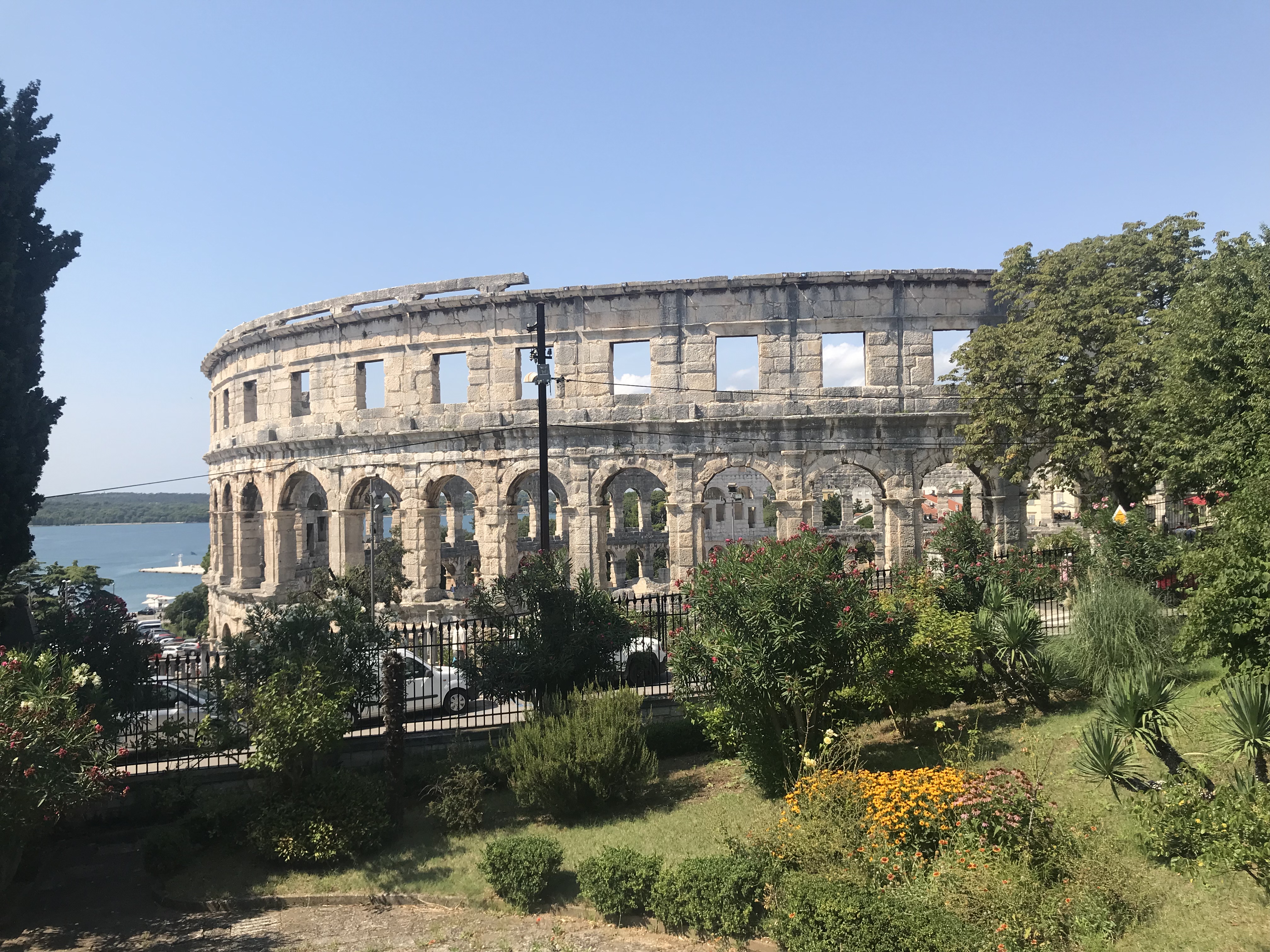
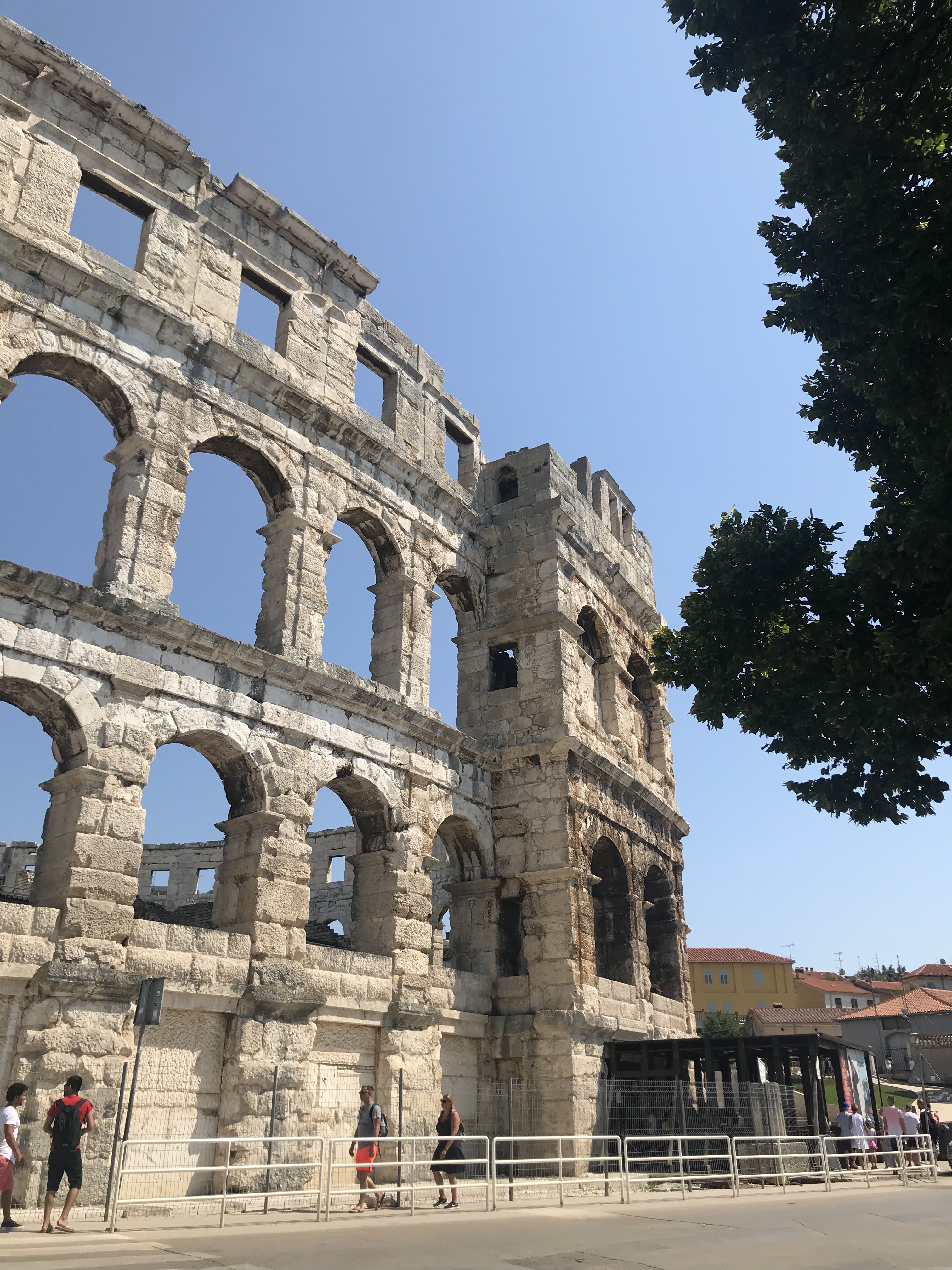
Pula Arena or Amphitheater
World’s 6th Largest Amphitheater
The amphitheater in Pula is one of the oldest and best-preserved. Pula credits this Roman heritage for putting this Croatian city on the tourist map. It is said that as many as 25,000 spectators can be seated here back in its prime. For what? Gladiator combats of course — that most cruel ancient game. Built around the same time (1st century AD) as that in Nimes, both can house the same capacity crowd which is really just half of the capacity of Roman Colosseo. Nevertheless, the Pula Colosseum remains very impressive. Still used these days as a default place for concerts and other festivities, it is also the city’s best attraction and activity place. The Old Town is right behind it, and promises more attractions.
Visible is the Church of St. Anthony past the Arena
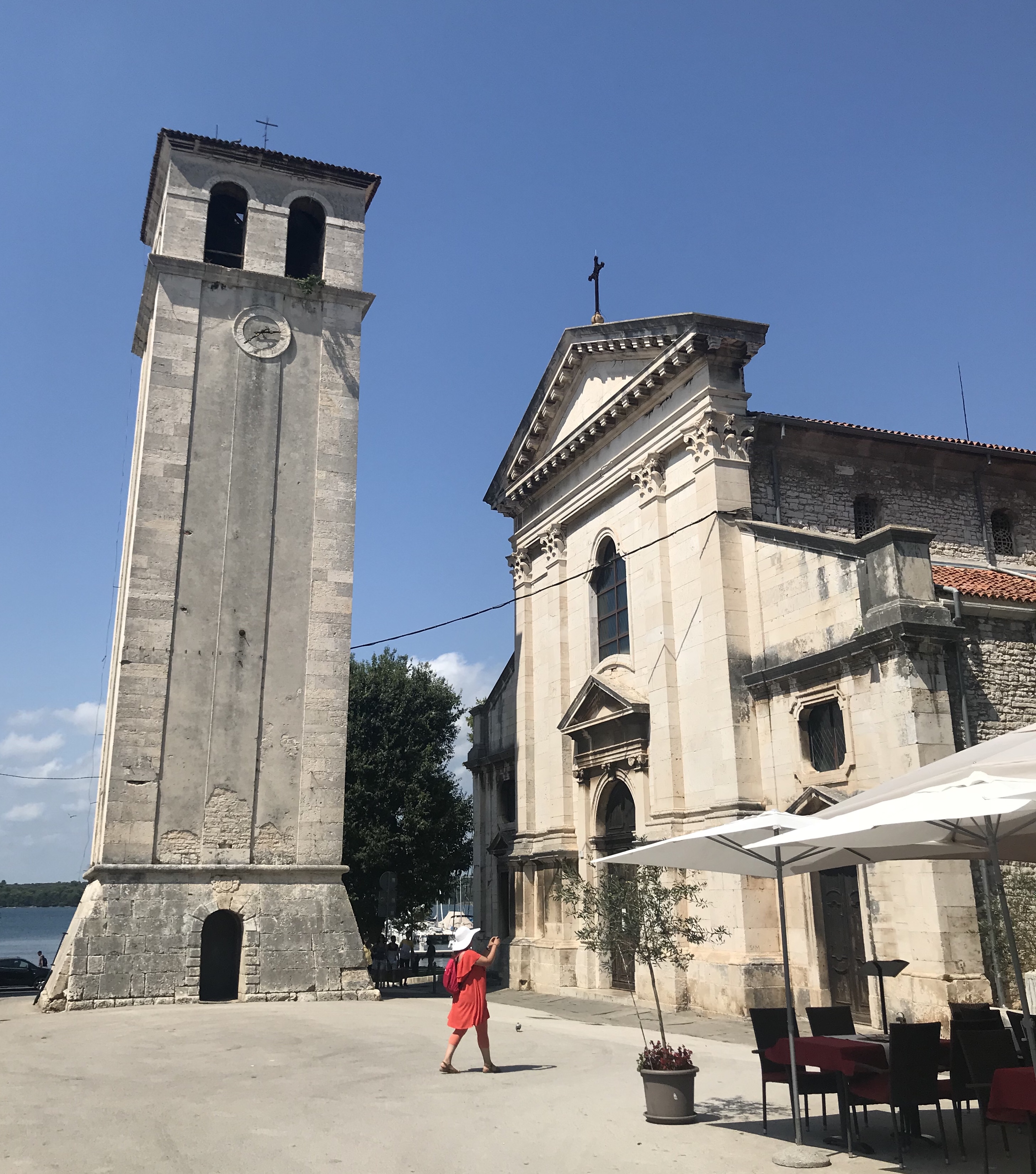
Cathedral of the Assumption of the Blessed Virgin Mary, the Pula Cathedral
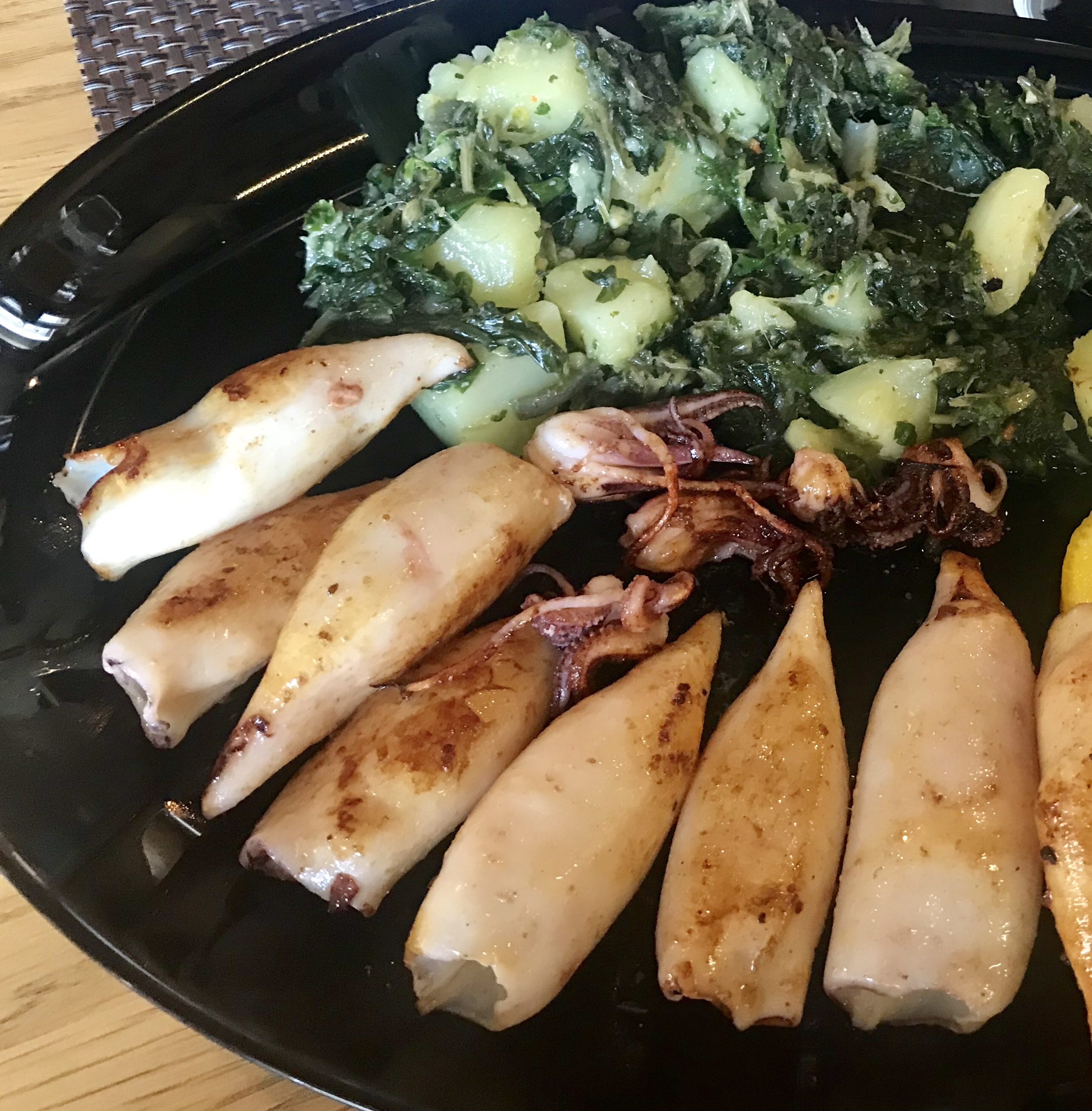
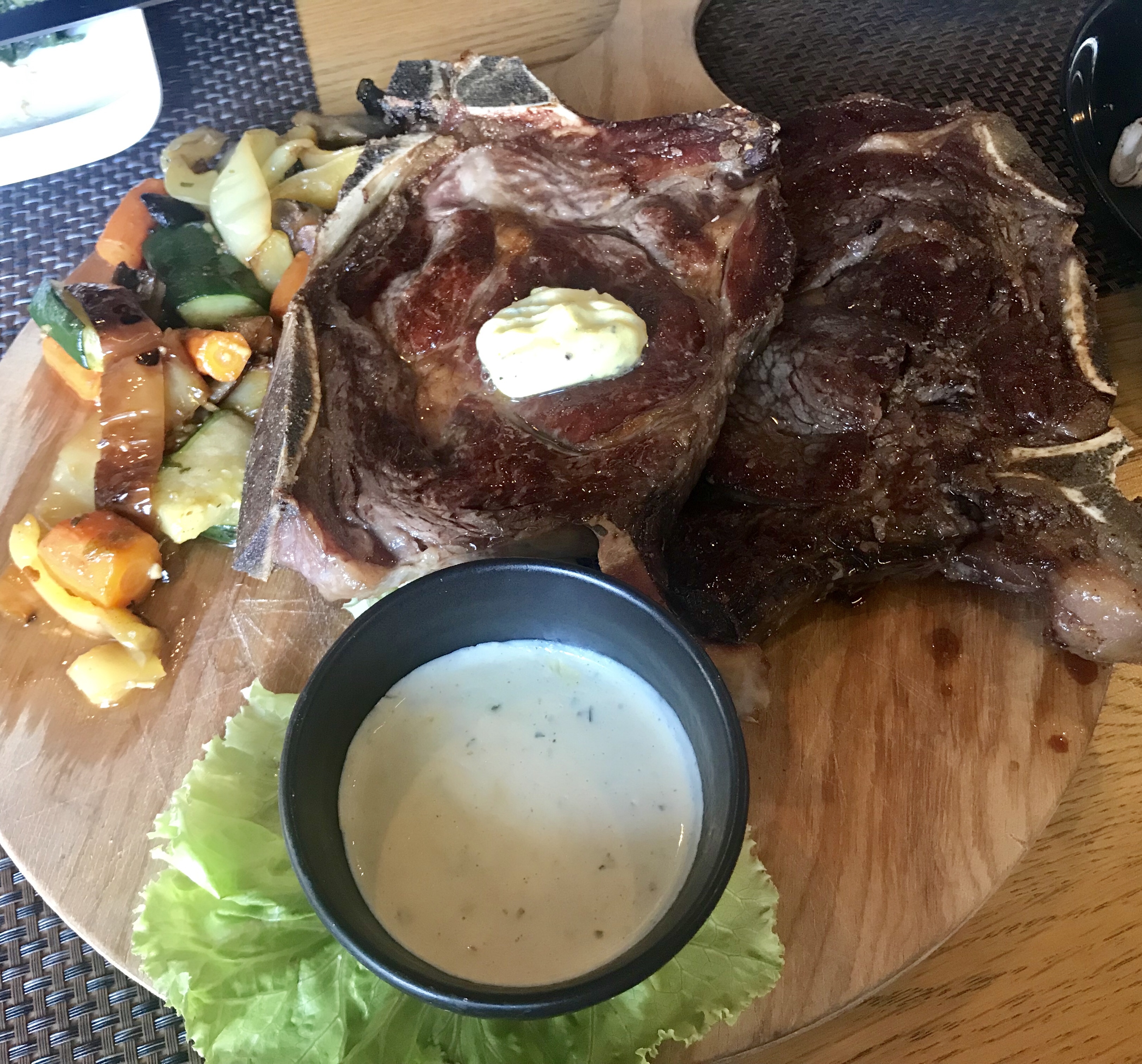
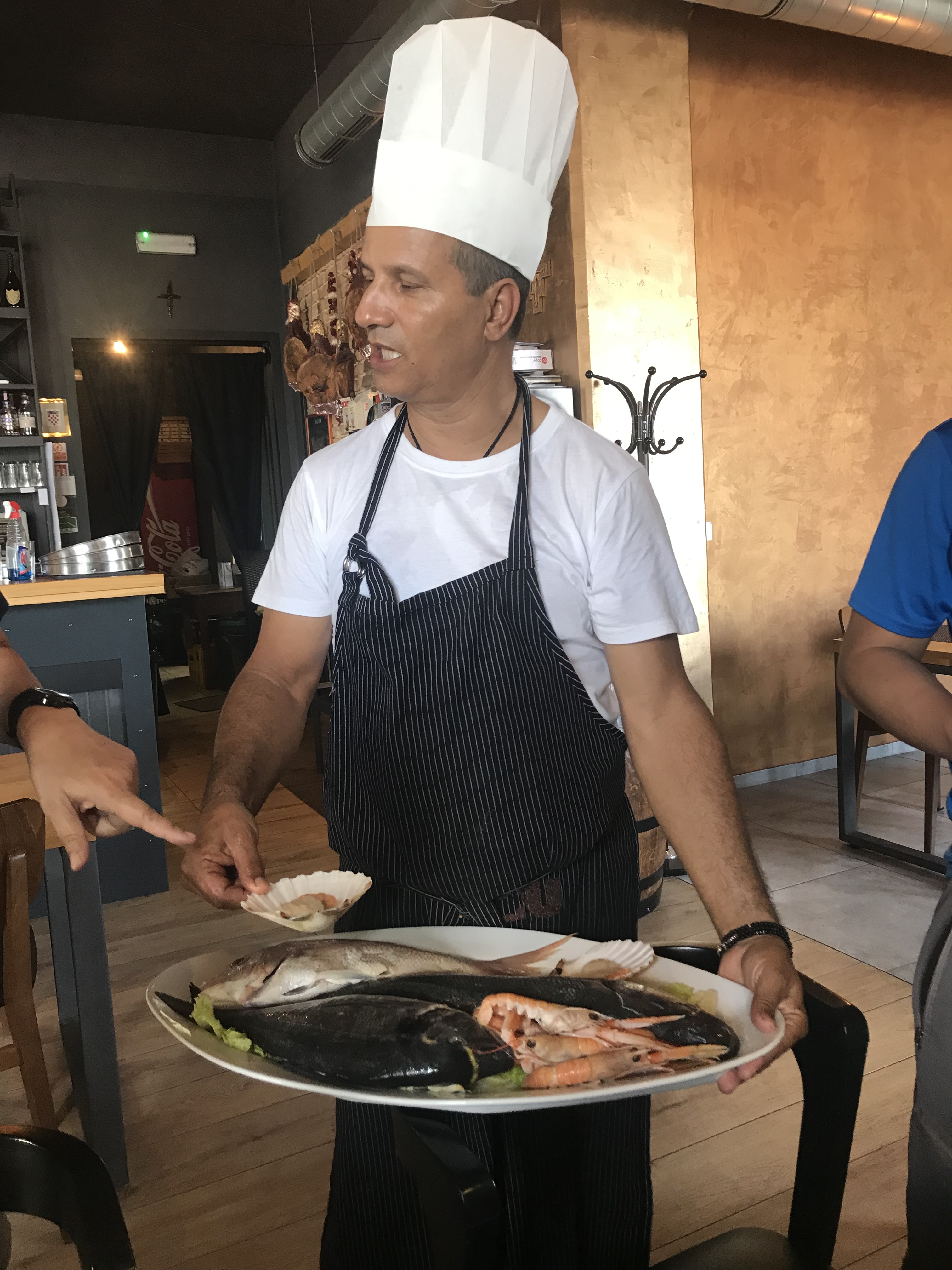
The Roman amphitheater is right along the coast, where seafood restaurants, souvenir shops and a busy marina are. We took a long table with a view of the marina in a seafood trattoria before we did any sightseeing. Need all that energy as the midday sun was bearing down on us and sapping us of our last bars of energy. The squids were very fresh, and the beers paired well with the steaks. Except that one of the steaks was well-done versus how we ordered it — medium rare. Hmmmm, still a good source of the protein we needed on that hot, sunny day. And for good measure (and to up our supply of potassium), we had our fill of Swiss Chard. Without risking being branded as pesky tourists, we politely complained over our steak doneness only after we paid the bill and got ready to leave. Bravo to patient diners!
Order your seafood!
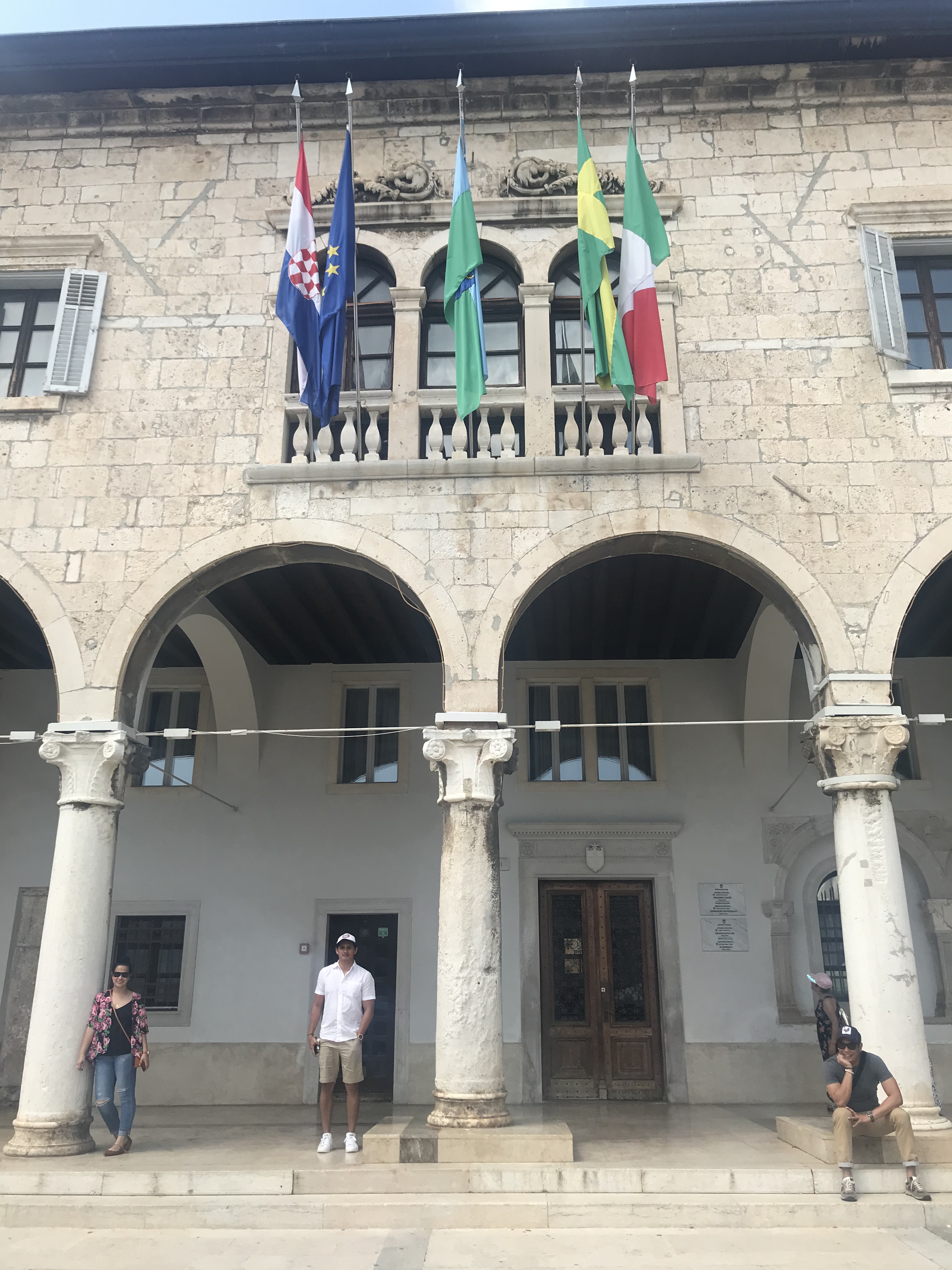
Lunch done, we took the road to the Town Square in search of the Temple of Augustus Caesar, the 1st Emperor of the Roman Empire. Likely it was built during his lifetime, when Pula was still known by its Roman name: Pola. It is only a reconstruction of the original since the Roman monument was bombed and destroyed during WW2. Now a museum, some ancient Roman sculptures are housed inside. Right beside the Roman Temple is the City Hall housed in a 13th century former palace with both Gothic and also Renaissance features. Both are within the same Forum Square or Forum Romano, making up the “Little Rome” in Croatia. Tracing our way back to the Amphitheater, we stopped for some gelatos and took a break in front of the Pula Cathedral which also faces the Marina. The Cathedral’s early 18th century belfry is unique, and distinct in that it was built from blocks removed from the famous Pula Arena. Who’s to say why they did that? Perhaps they found it more meaningful to build a Cathedral using antique pieces from that part of the city’s Roman history.
Temple of Augustus Caesar
Pula City Hall
Rounding up the entire Colosseo, we chanced upon the Church of Saint Anthony from where there is a vantage point of this Roman antiquity. Pula is fortunate to house the world’s 6th largest surviving colosseum. It is now used for open-air concerts, ballet, sports events, opera and the film festival especially during the summer months. As it was summer, the mood was festive around the Arena. The wharf looked busy with yachts and small boats, the Arena was surrounded by vendors selling ceramic souvenirs, and the seafront restaurants and those around the town square were doing brisk business. We liked the vibe here. But it was our hottest day on this trip. After rounding up the Colosseo, we were eager to go back to our air conditioned vans to escape the summer heat. No amount of gelato would convince me to walk further in search of the Twin Gates, Hercules Gate and some other Roman monuments and ruins. The Arena, The Temple, Cathedral, Forum Square and City Hall Palace meet our day’s quota of history lessons. Enough already. 🙄
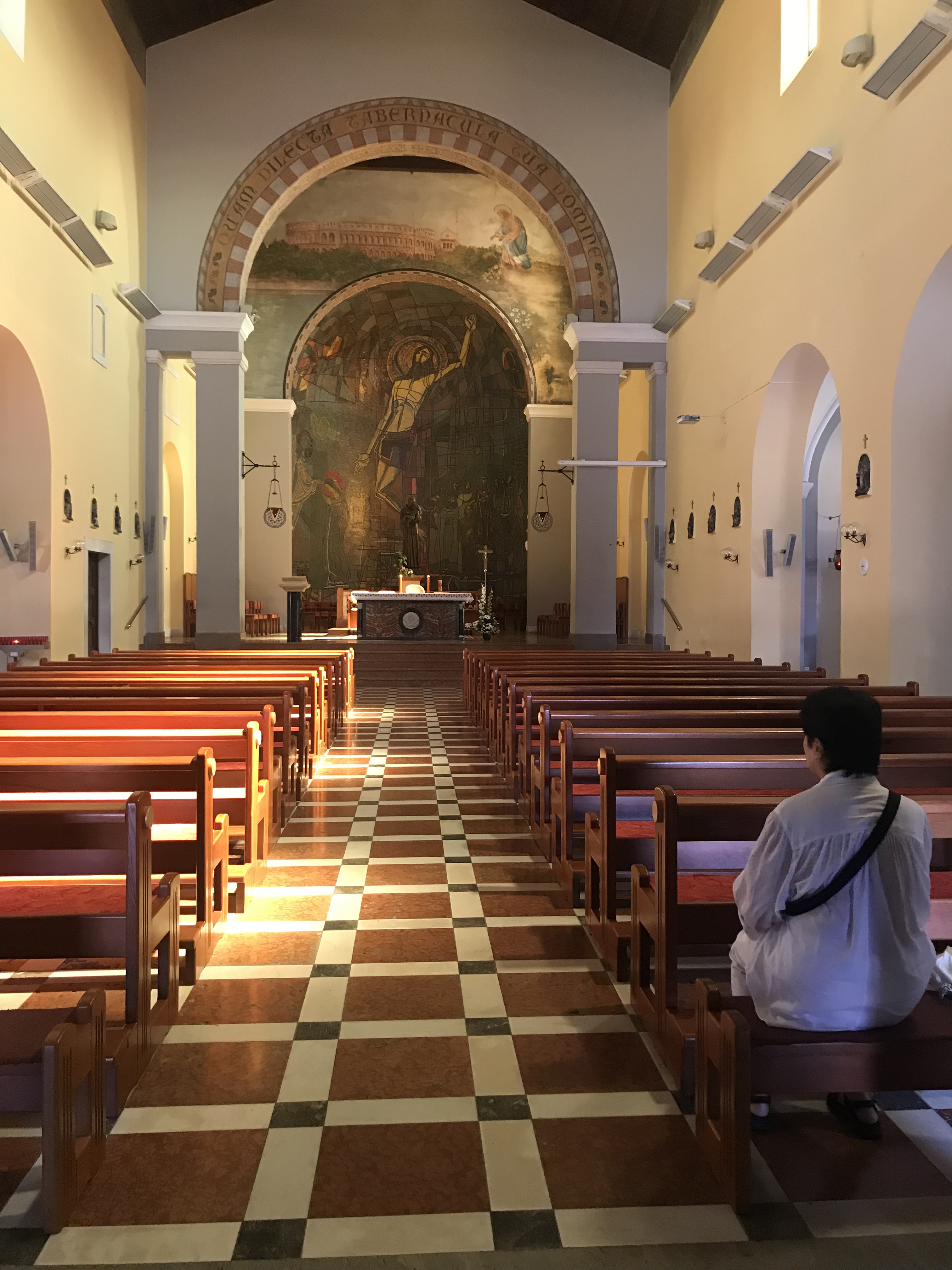
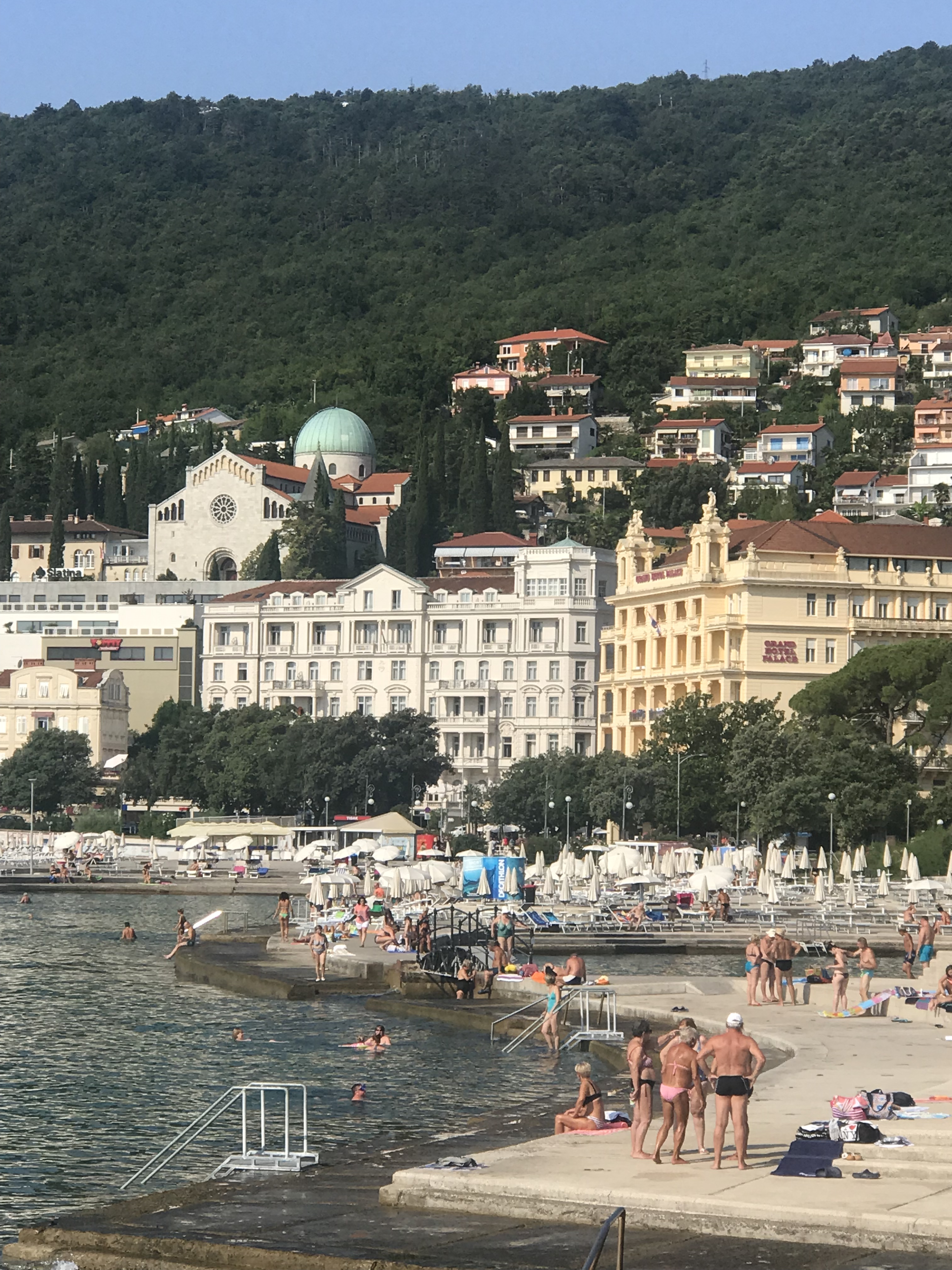
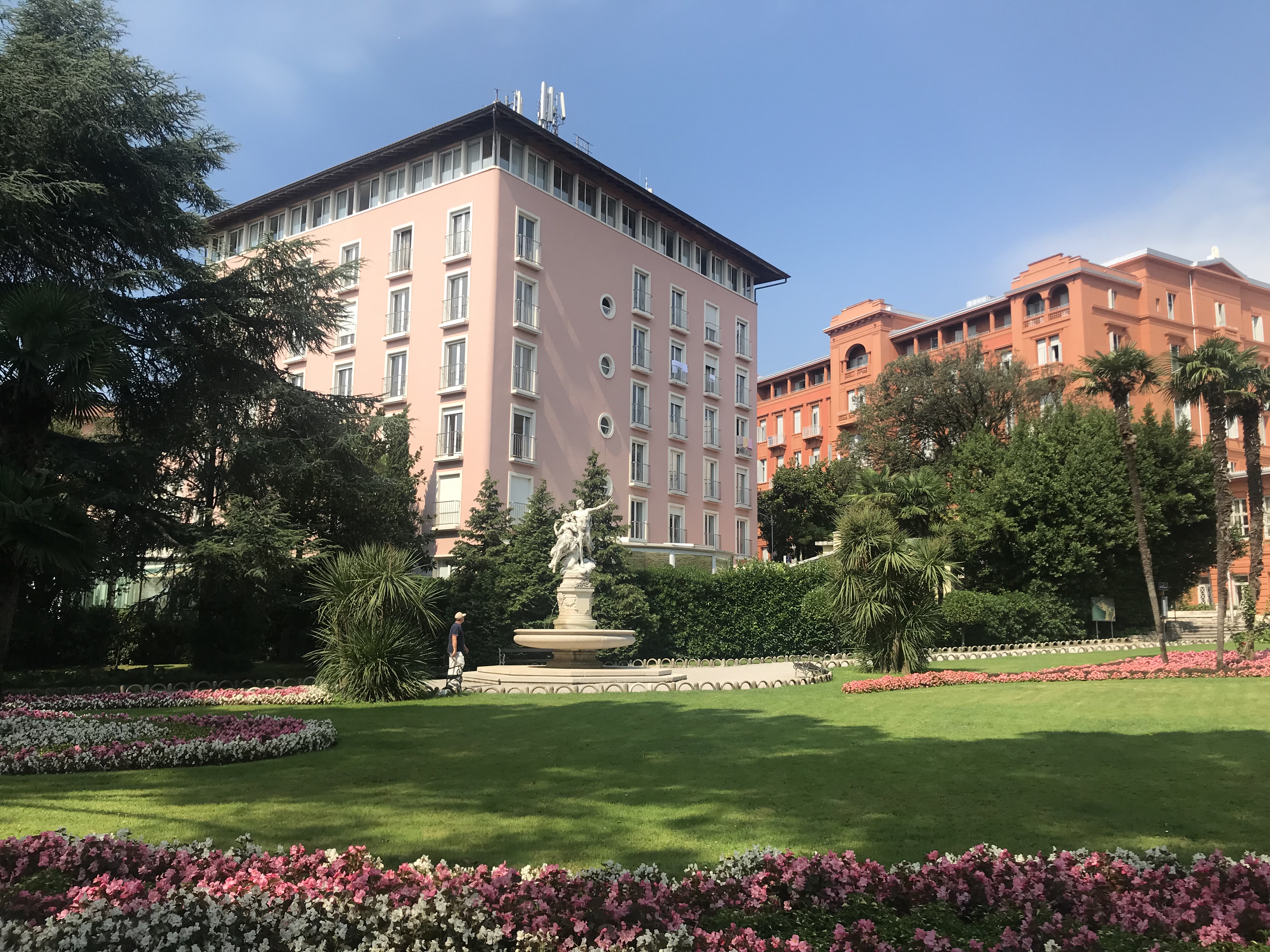
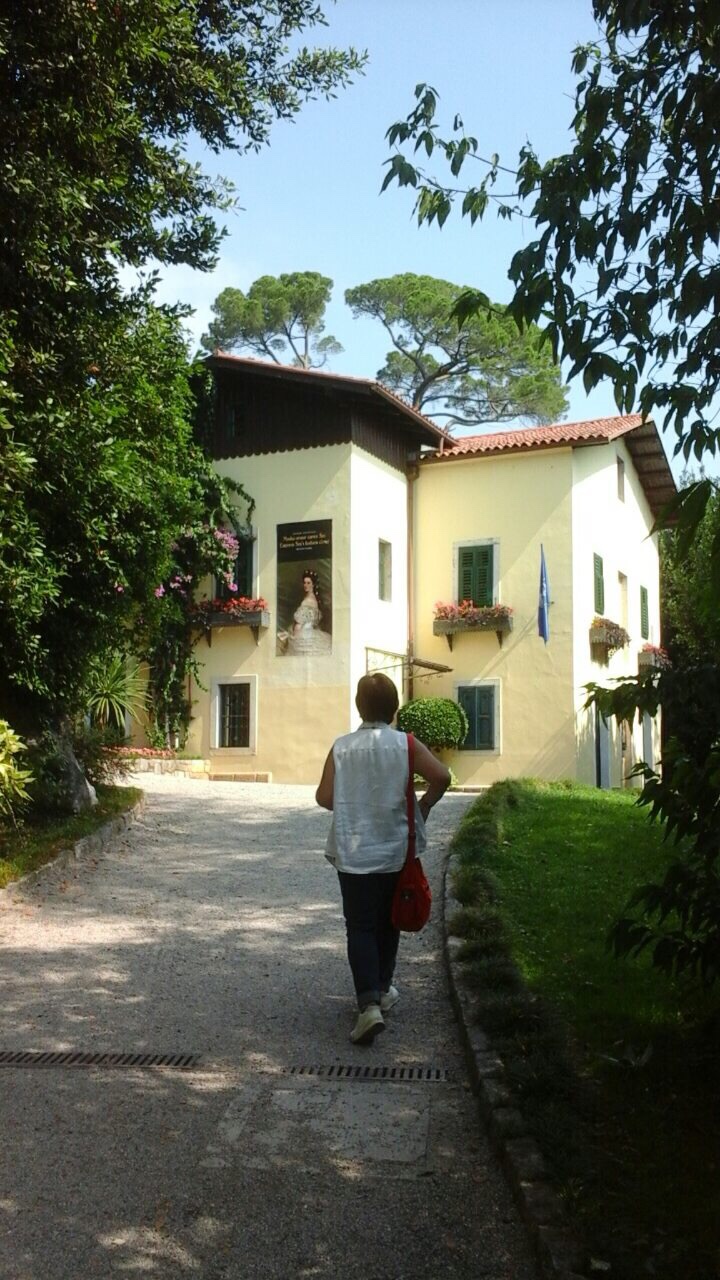
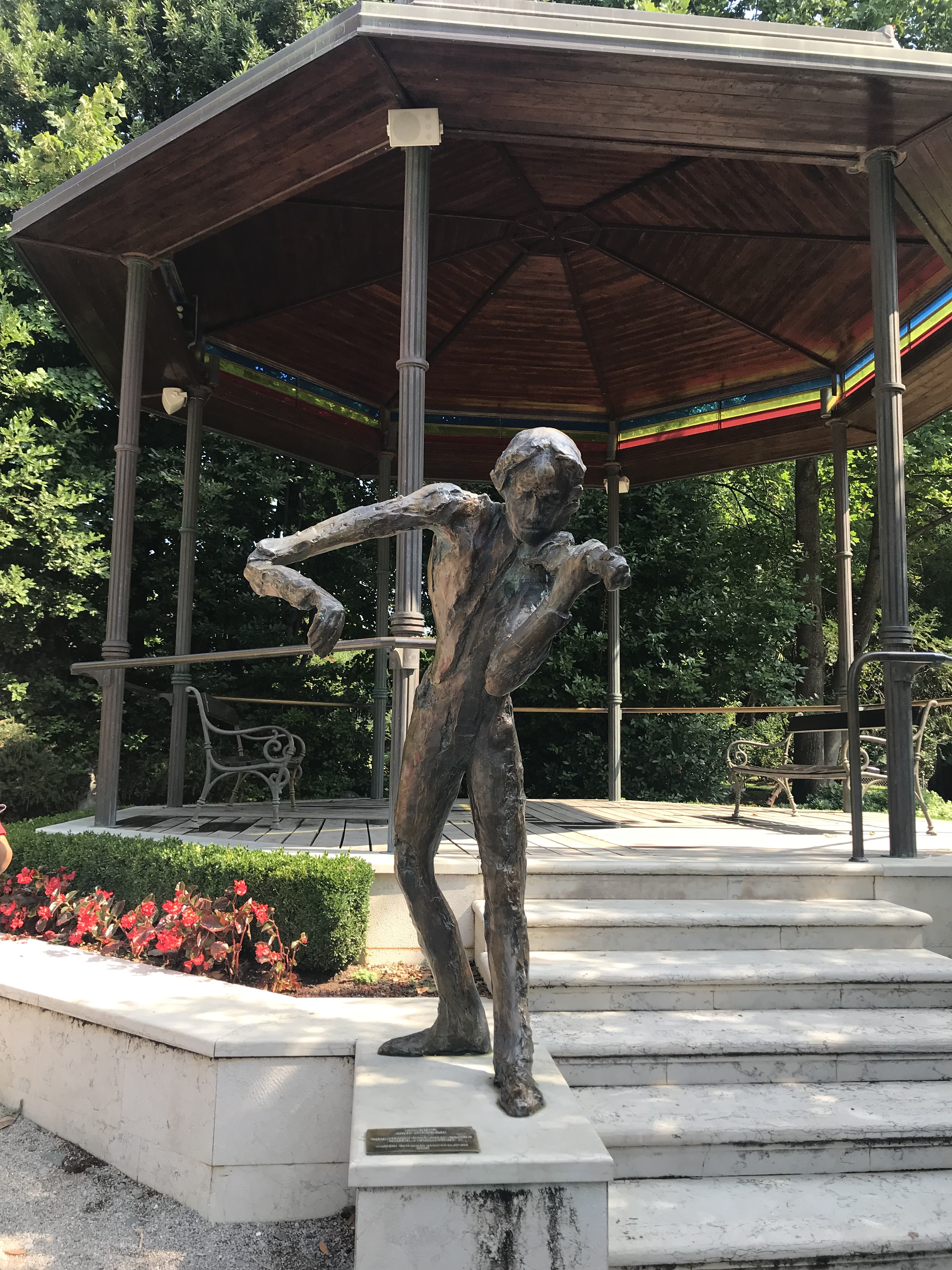
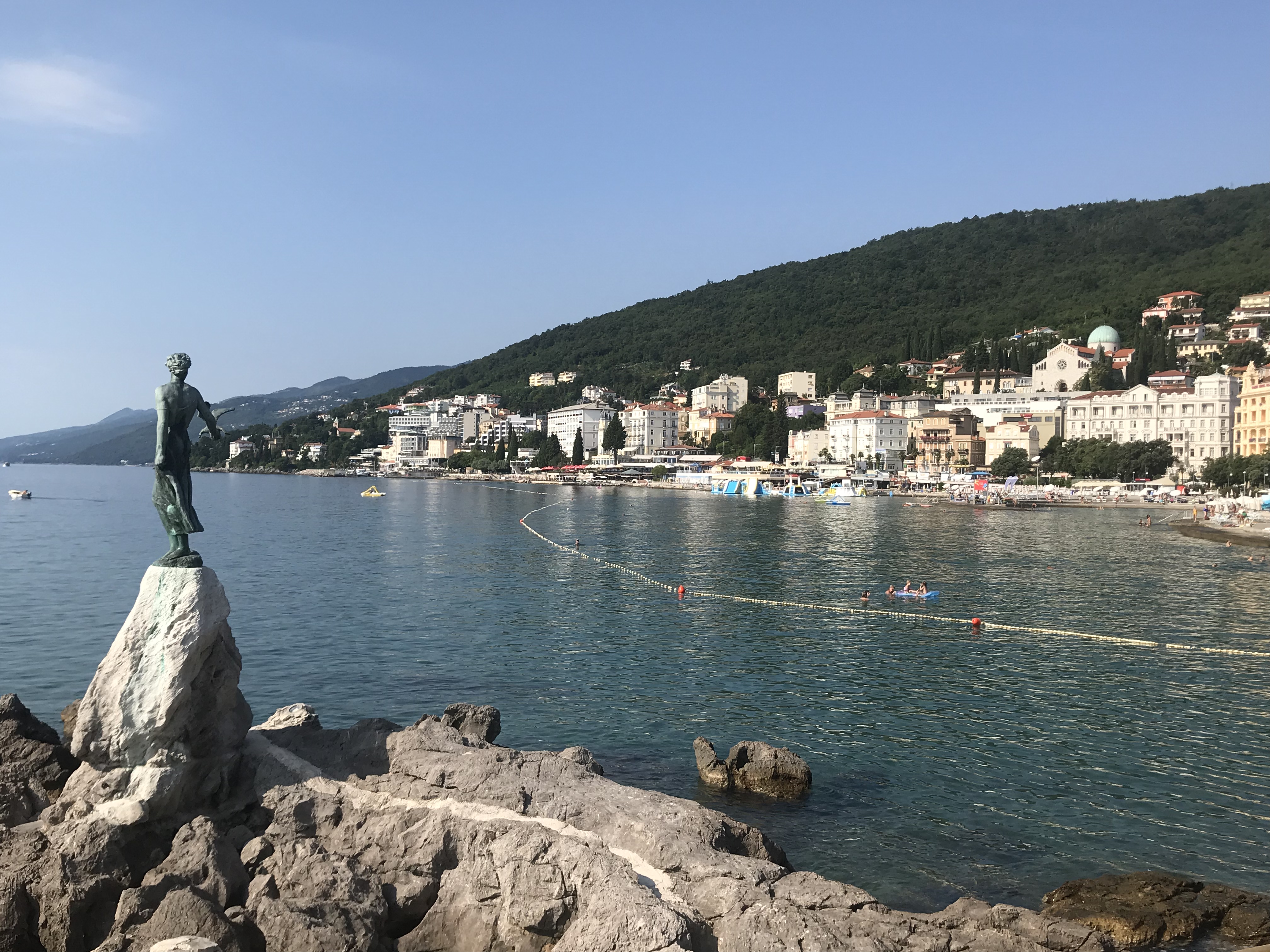
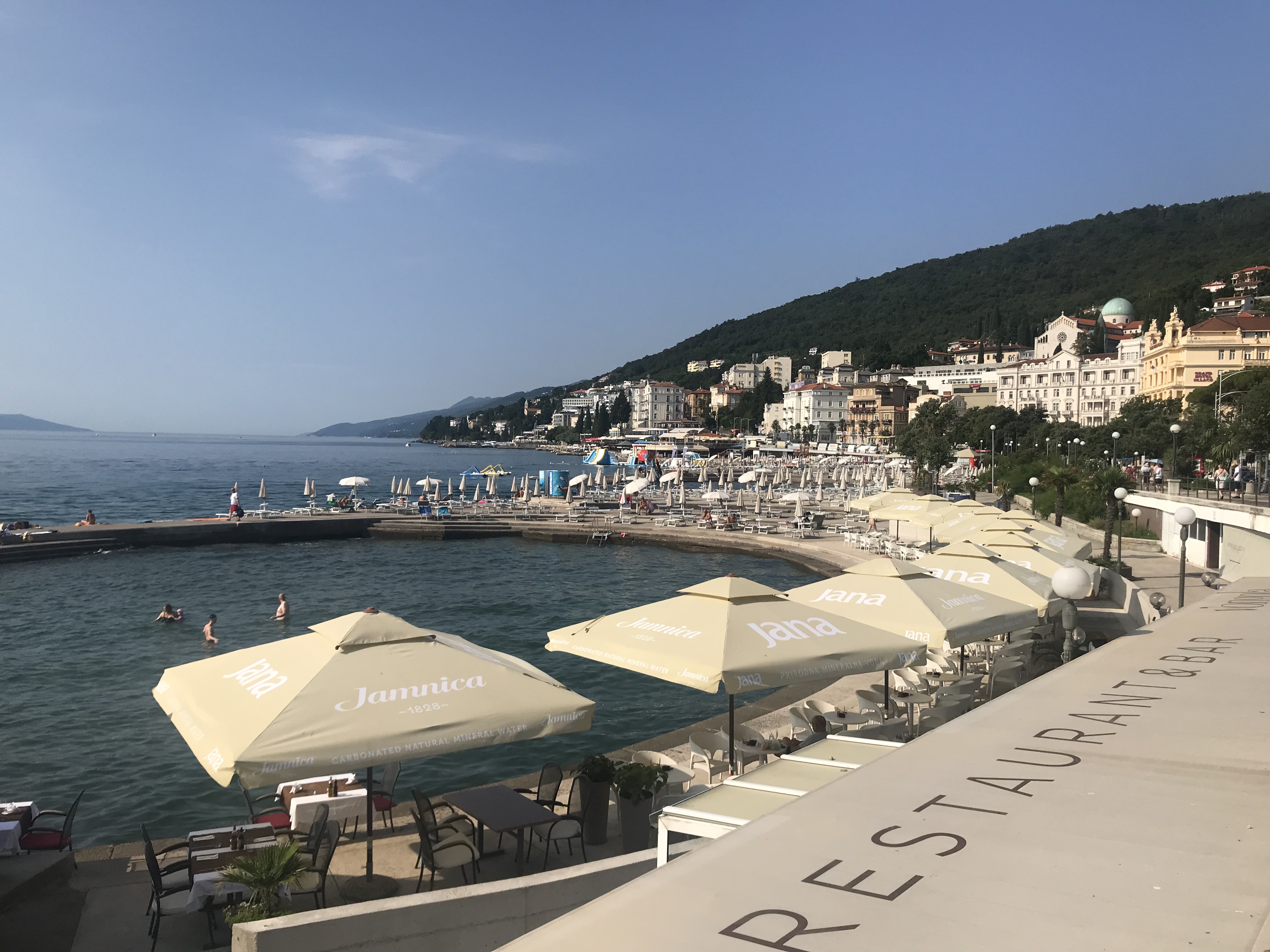
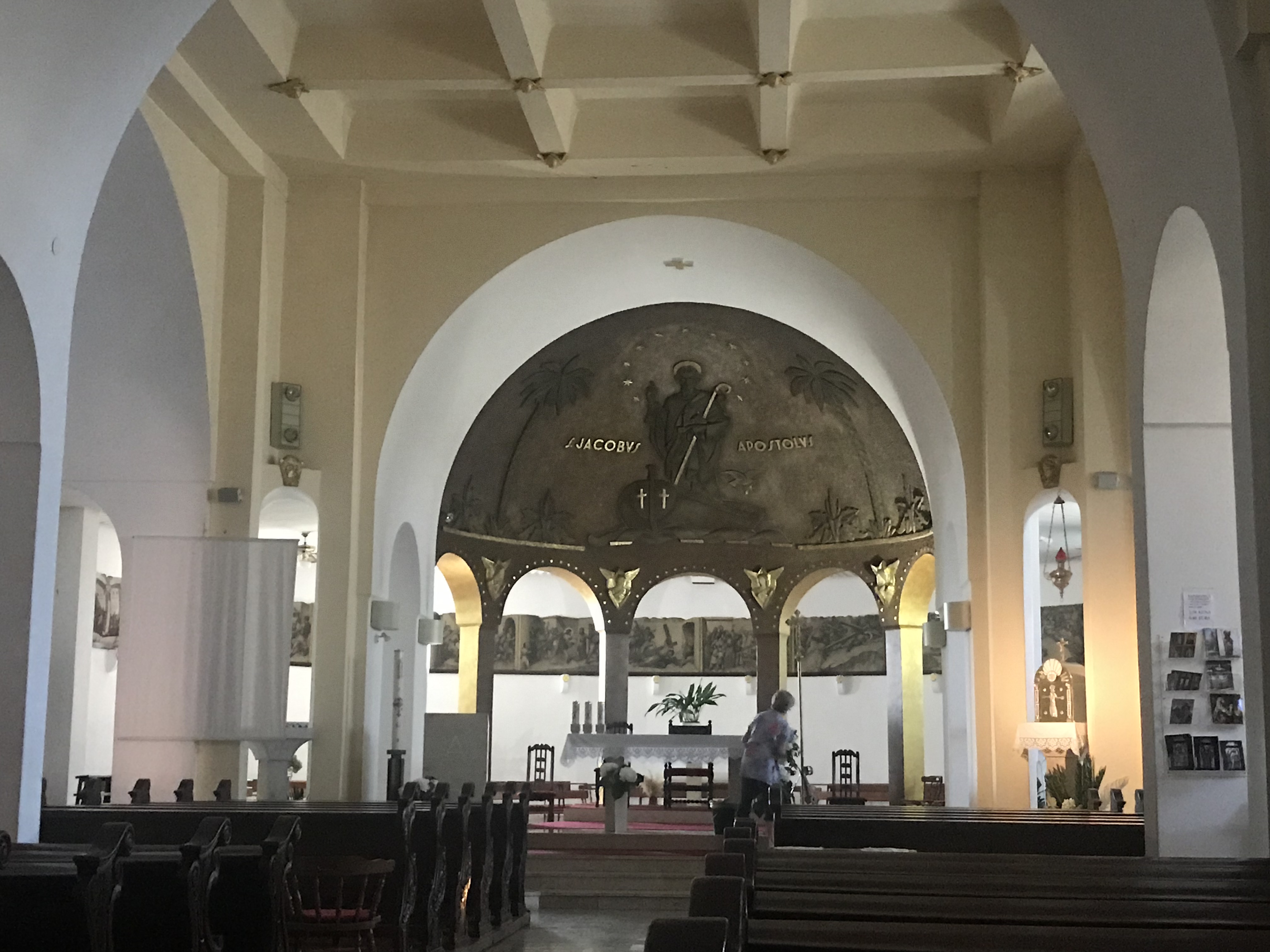
Have not even heard of this resort town and would not even have included it in our itinerary but for that unsolicited advice from our local driver. Spent only a good hour and a half here. Enough to have coffee, beer or a gelato and to check out the lovely Promenade called Lungomare, a tiny Museum, an elegant park and the small-sized St. Jacob Church with lovely stained glass windows. This must be the Croatian Riviera. And it’s only 13 kilometres from our hotel in Rijeka!
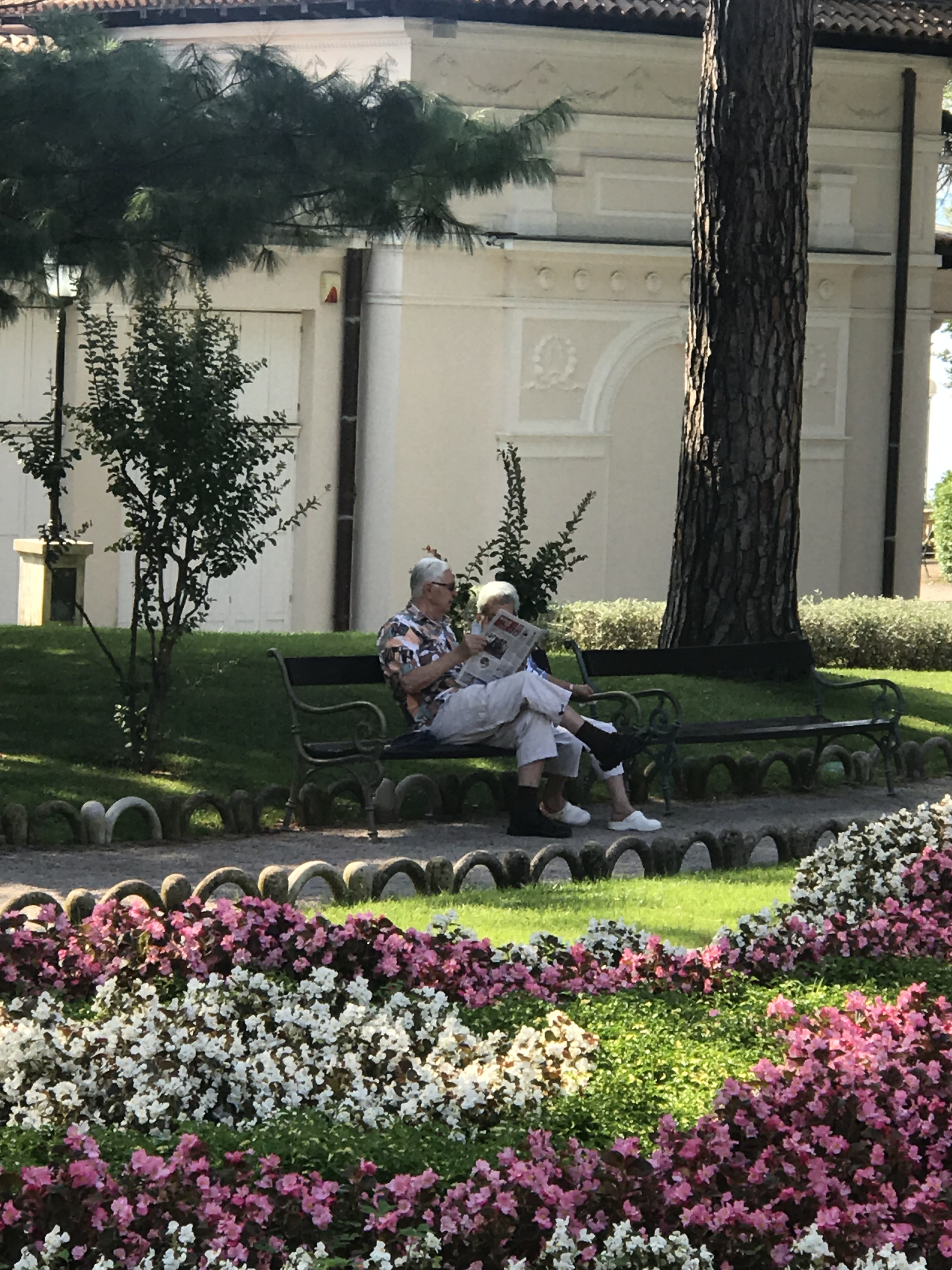
Summer here is mild considering that parts of France, Spain, Italy are burning. Even at noon, it didn’t go beyond 30C. Hot yes, but not so unpleasant to want to stay indoors the whole day. Towards the early evenings, it gets more pleasant at 26C. So we timed our arrival here mid morning. With gelato bars and those beer pubs everywhere in this posh town, we are good. The Promenade snakes along the coast with options to visit a tiny church and a museum while retail therapy presents itself at every turn. High-end retail stores beckon and private lounging areas of posh seaside hotels invite attention. I am truly surprised that I haven’t heard of nor read of this place way before coming here. Perhaps because it’s been the private enclave of wealthy Austro-Hungarian families who built their pre-war villas here. Such a blessing to be under the tourist radar but I think that will soon change as I met some selfie stick-wielding tourists get off a private van and crowd out the Lungomare. Oh dear. 🙄
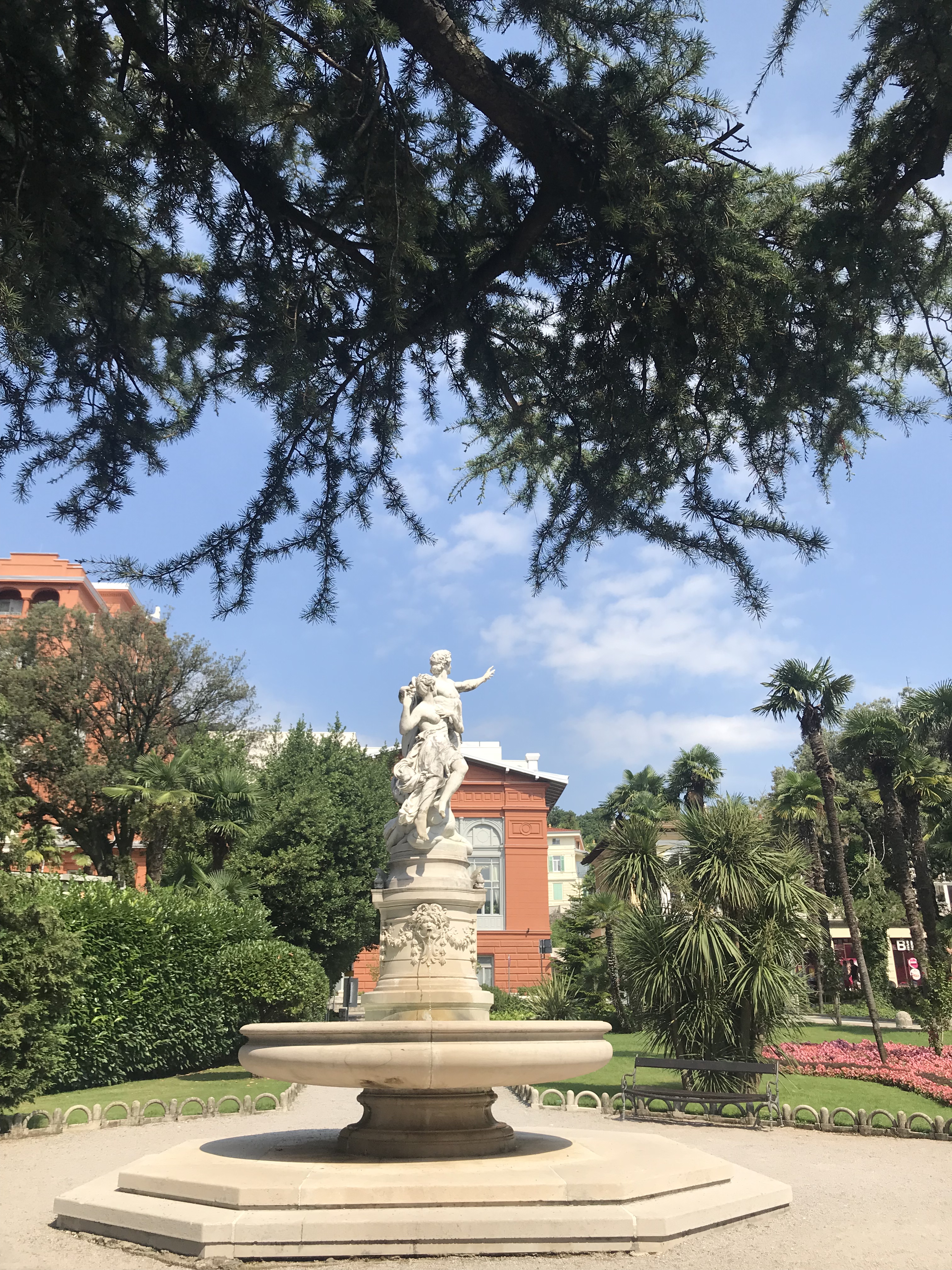
The town oozes with class and studied elegance. Opulence and luxury are spelled all over the place. There were bronze sculptures and fountains along the seaside footpath dotted with mansions and high-end hotels as well as a small but well-manicured park where many locals idle away their time with babies on strollers. The Empress Sisi would have been pleased. The museums (there were 2, for the price of 1 ticket, but the bigger Museum of Croatian Tourism opens at 5pm!) are perfect “breaks” along the 12 km Promenade. No, we didn’t walk the entire Lungomare but we wasted no time taking photos of the iconic Maiden and the Seagull. Not sure how pricey the seaside hotels here are, but if you have a beach holiday and pure recreation in mind, this is a good place to chill.


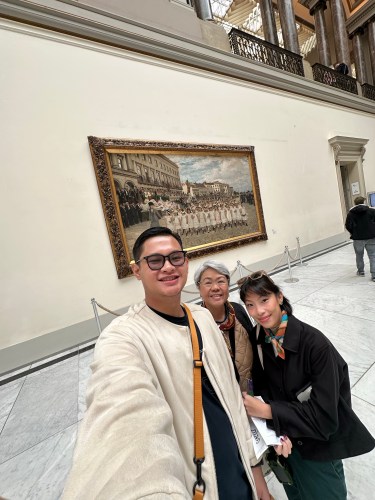










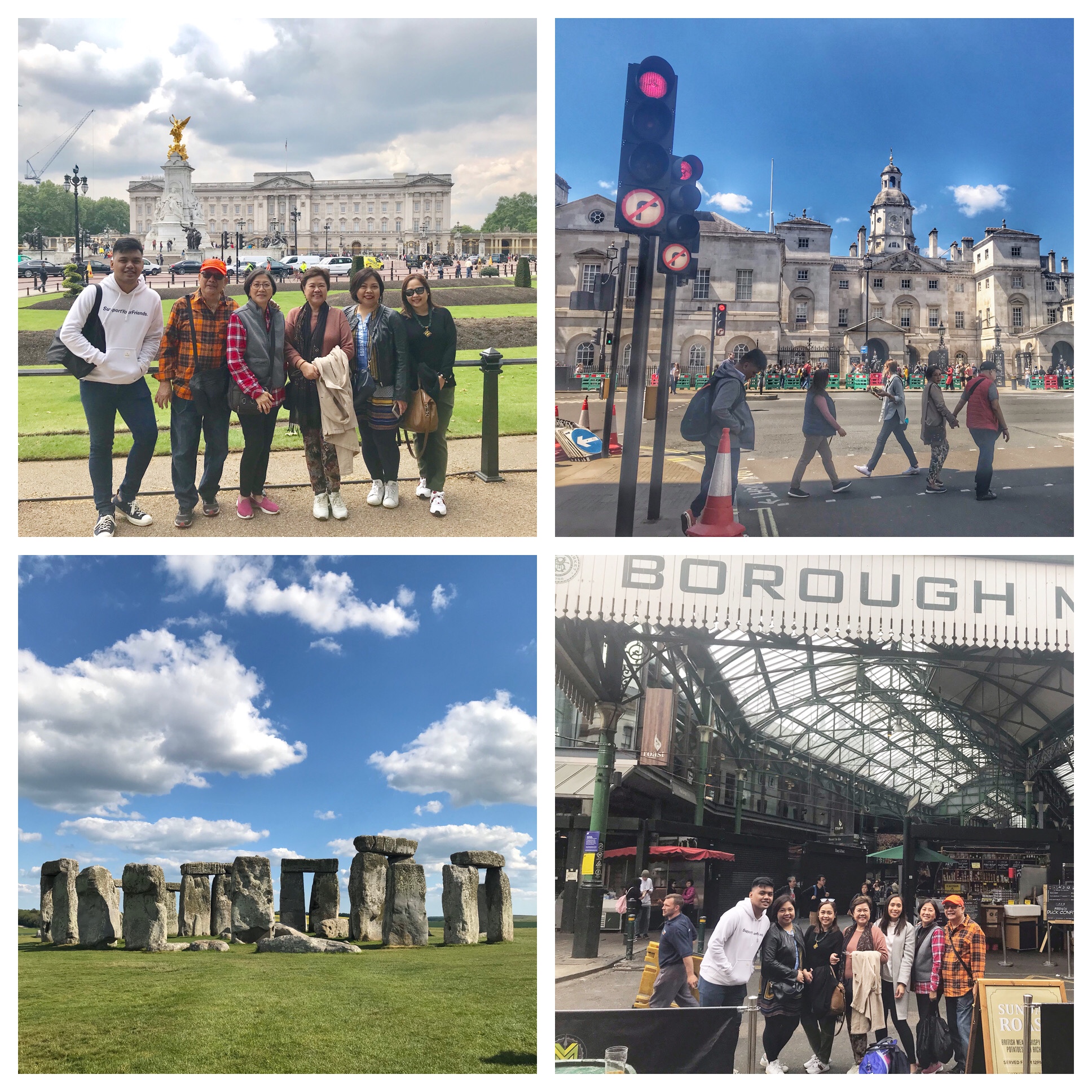 A third of the fambam in London.