Category: Europe


No, you go to Maranello or Modena if you’re into those fast cars. But Ferrara? It’s only a half hour train ride from Bologna and makes a fun day trip. More fun too that train fares here are sooo darn cheap if you take care to ride off peak hours. Like just a fourth or a fifth of the peak hours fare! Aren’t we smart! 🙄
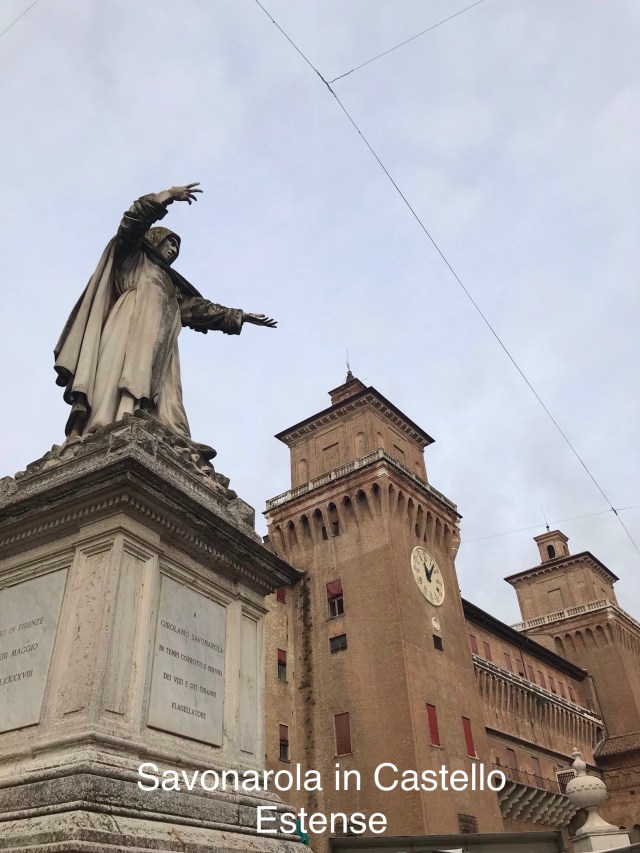
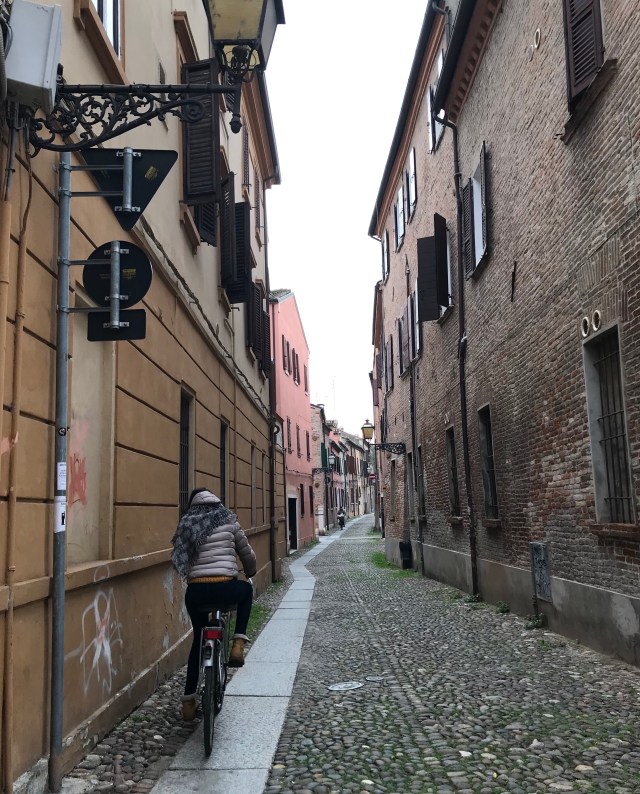
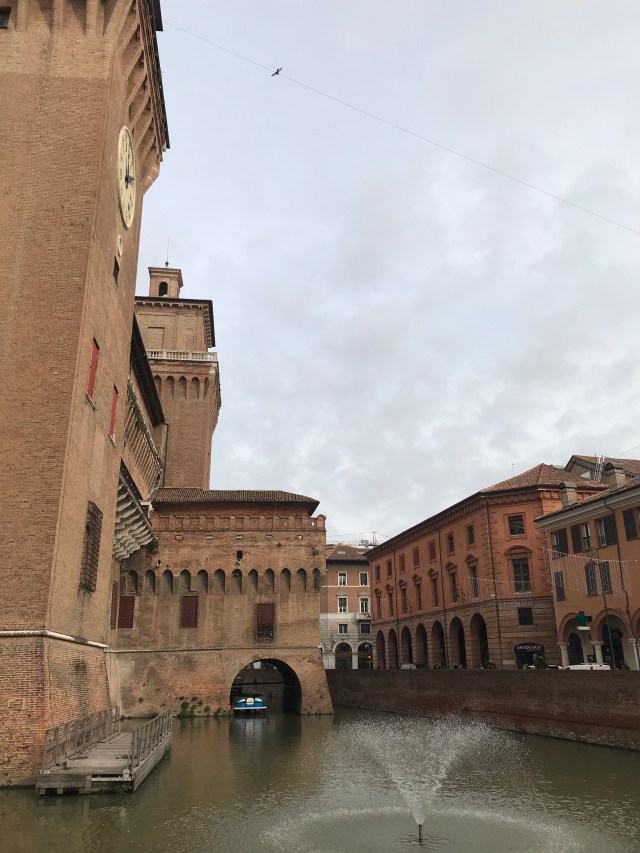
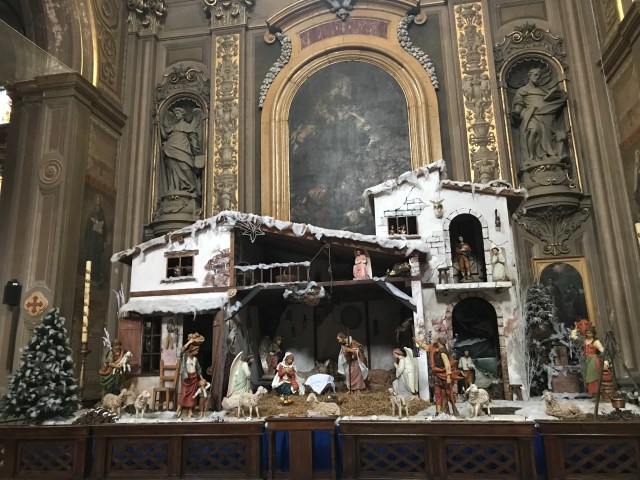
From the train station, we walked towards the City Center. We’ve grown pretty good doing this — even without a map. We only needed a general direction and in Ferrara, it was quite simply a direct, straight line till one hits the Romanesque Cathedral. The streets leading up to the Center were quiet until one hits the many pop-up booths around the castle and along the sides of the Cathedral. We only managed to visit the Castelo and the Cathedral, which unfortunately is under restoration work so that its otherwise lovely facade is obstructed with scaffolding. Inside though, we found a huge Belen or Nativity Scene and many original paintings by Italian masters. It’s like visiting a Museum.
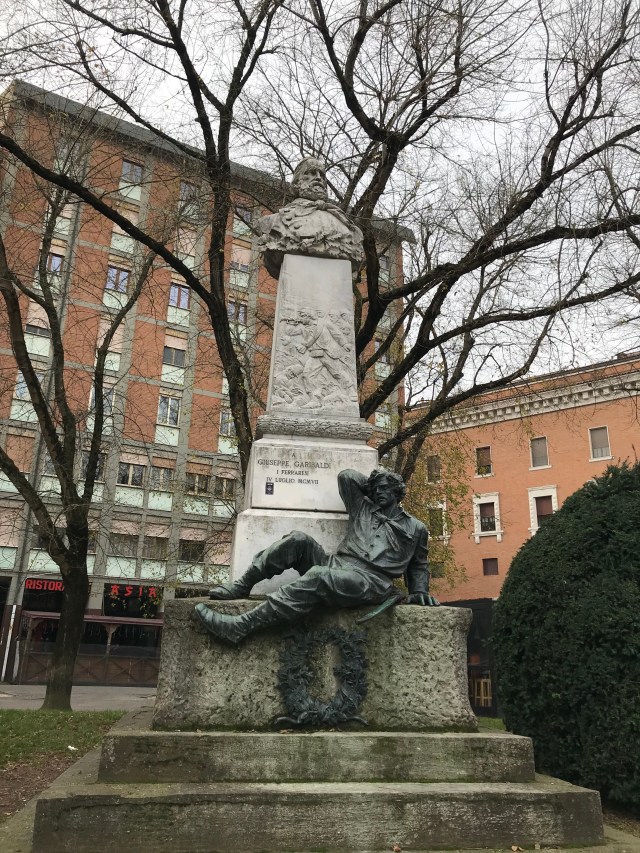
Home of the Este Familia, its Renaissance rulers erected a castle, palace and duomo among other historical sites in this city in Emilia-Romagna region. The Castelo Estense is a moated medieval castle complete with a drawbridge with 4 corners dominated by sentry towers. Built in the 13th-14th century, it is a castle built by the Este famiglia to guard and defend against the revolting people of Ferrara. Rather sad, isn’t it? One builds a castle to defend against its own people. It is reported that when the riots died down, this magnificent piece of architecture became the official royal residence of the Court.
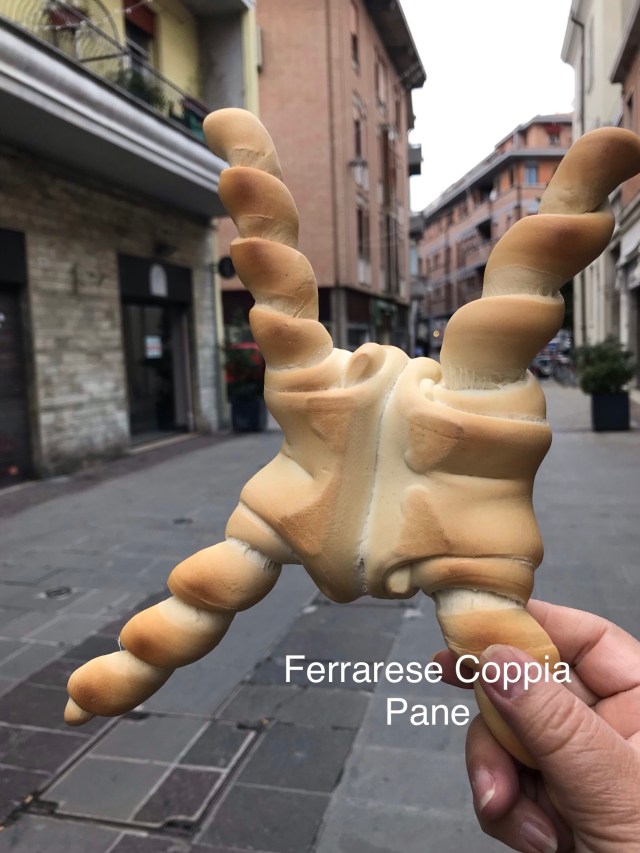
After days of pasta, pizza, melanzane, lasagna and bistecca, we were craving for Asian food. I know, it’s not even a week yet. But I need to mention we found a good Indian restaurant here, called — brace yourself — Taj Majal. Along the same street, we found a bakery where I bought that famous Ferrarese Coppia Bread. Lemme tell you, that pan is absolutely overhyped. I’d have a croissant anytime instead.
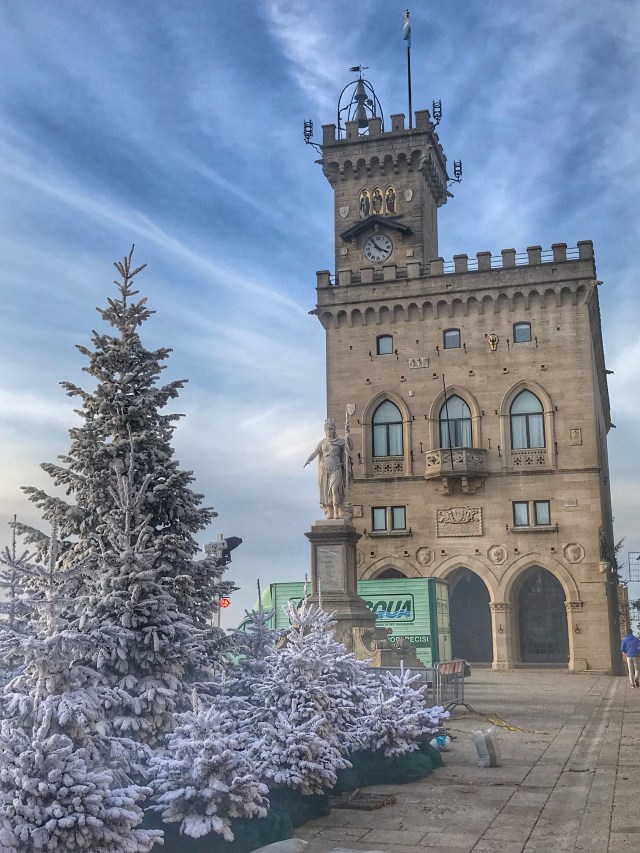
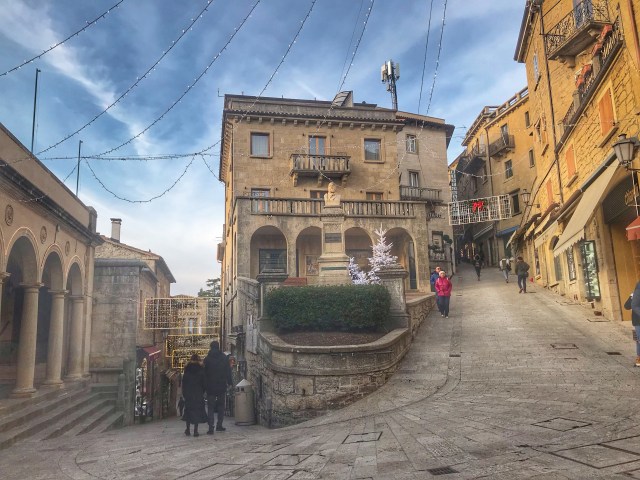
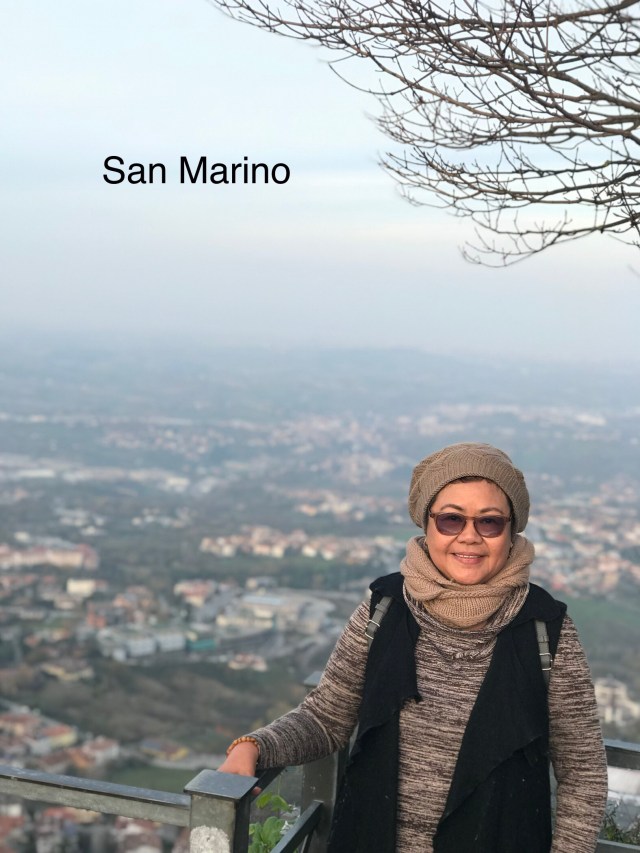
If you think San Marino is part of Italy, you’re very wrong. This tiny republic within Italy called San Marino is the world’s oldest sovereign state, founded as early as the 4th century. Quite surprising, it standing tall and being completely surrounded by Italy. As we drove into this state, we hardly noticed any difference except for the drop in temperature. It’s the end of November and winter has set in. The wind upped the chill as we walked up on the single street leading towards the Piazza Della Liberta. The walkway is like the backbone running along the entire ridge of the mountain. I wrapped up good for this cold weather — dipping at 0 Celsius — and threw all fashion sense out the window. Throwing my thick wrap over myself — with my back pack strapped on my back — I felt like the hunchback of Notre Dame. This republic is small but hilly, so count on those calf muscles being put to the test. Phew!

Pallazzo Pubblico

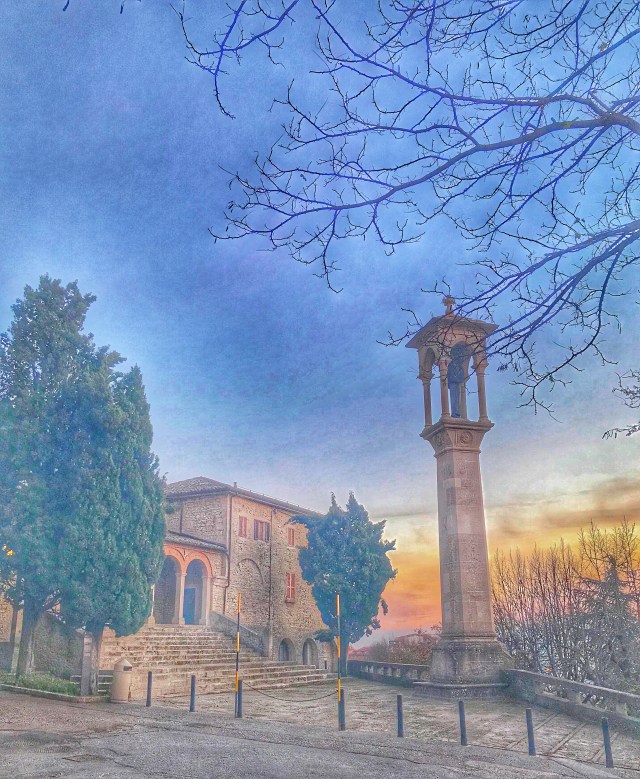
Chiesa Dei Capuccini

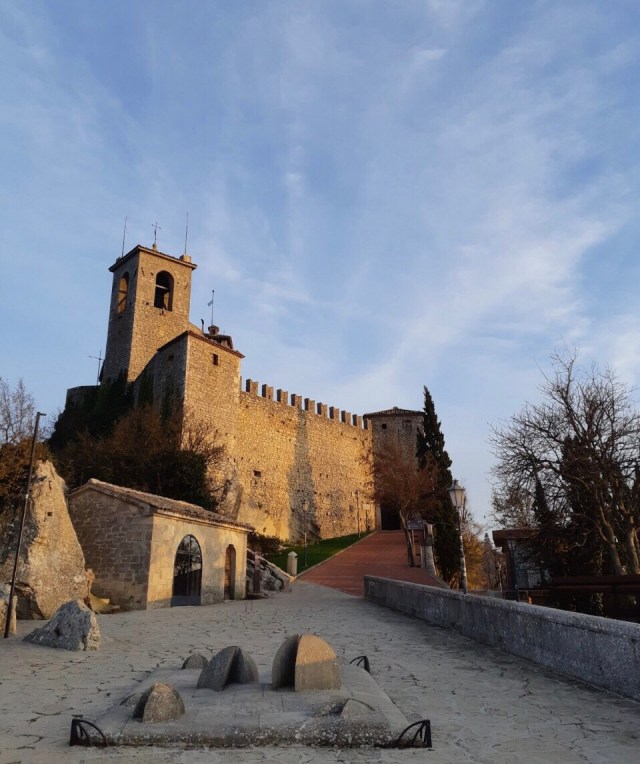
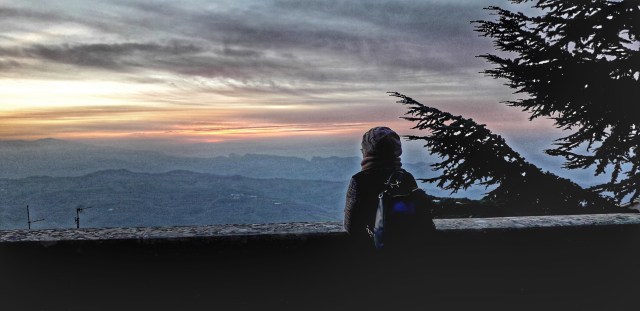
The problem is the sun sets before 5pm so we couldn’t linger around to enjoy the vista from the top. The cold seeps through your bones and the wind renders your face stone cold. To take photos, I needed to peel off the hand gloves every so often till I gave up. It wasn’t the best time to visit San Marino. Not even if you just intended to do tax-free shopping as most shops were closed. It would have been interesting to watch the Changing of the Guards but we missed it. We passed but didn’t enter the very lovely Chiesa Di San Quirino with its equally lovely tower on our way up. (The Church and the Convent, also called Church of Capuccini looked even lovelier on our way down, captured as the light faded with the sunset) Nonetheless, the views from the fortress walls especially as the sun sets take your breath away.

There was a fork in the road and we took the uphill climb along the same Contrada della Pleve towards the Basilica del Santo. The streets were adorned with Christmas trees and a giant wreath with red candles. So pretty viewed against the fading blue sky. At the other end of this Contrada is one of the fortress towers called Guaita. The views offer unlimited boundary. A 360 degree panorama awaits you as you climb up, passing shops and some cannons. It must be a pretty sight at night when you see the towns below all illuminated with the moon shining above the turrets. The sentry posts now comprise part of the Museum which we skipped, opting instead to simply walk around. We spotted the other turrets marking the mountain outline in the limited time we had before dark set in following a 5pm sunset. While we didn’t have much time enjoying San Marino in daylight, the visit was enough to appreciate its regal beauty. The closed duty free shops were a disappointment but that didn’t dampen our moods. The dark and the cold compel us to rush back to our hired coach for the trip back to our homebase in Bologna. Arrivederci, San Marino!

Oh, Ravenna Of My Dreams!


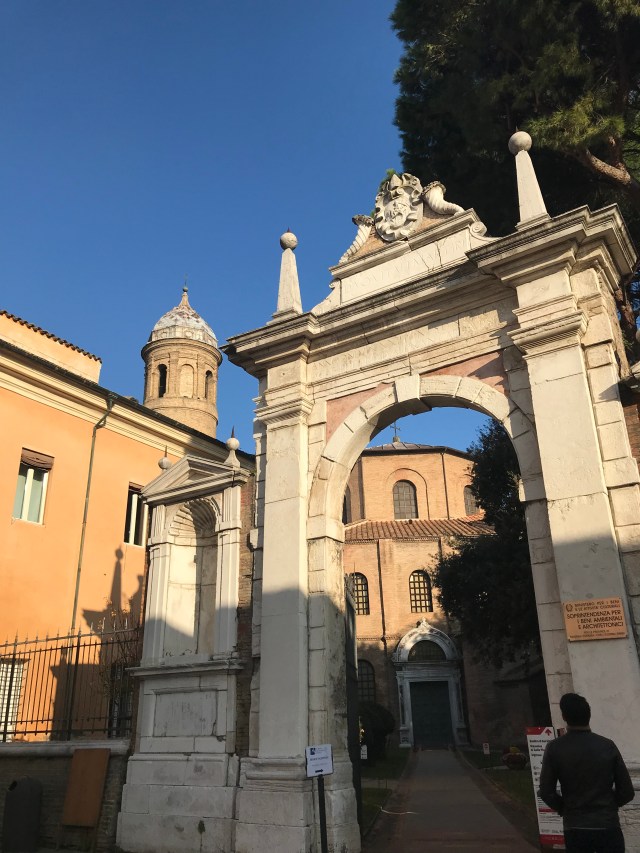
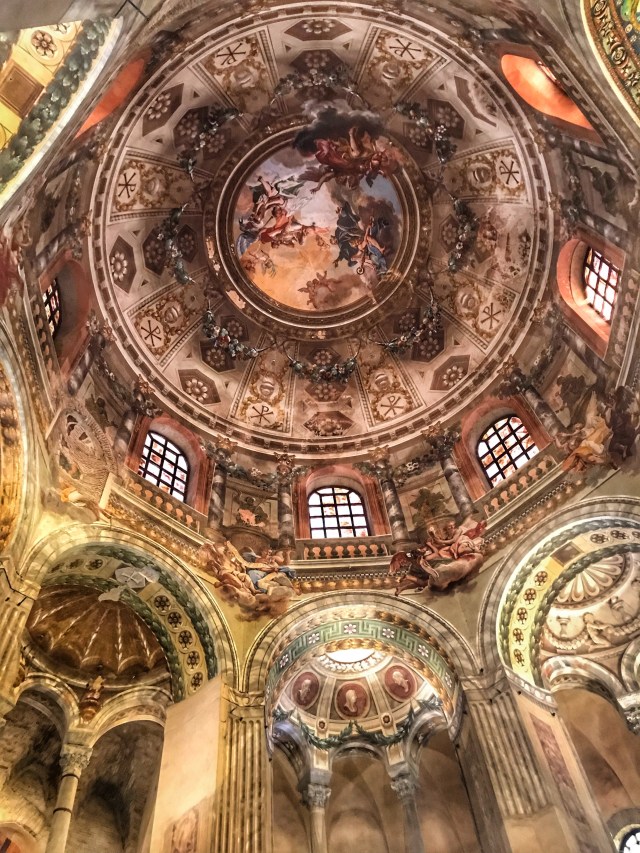
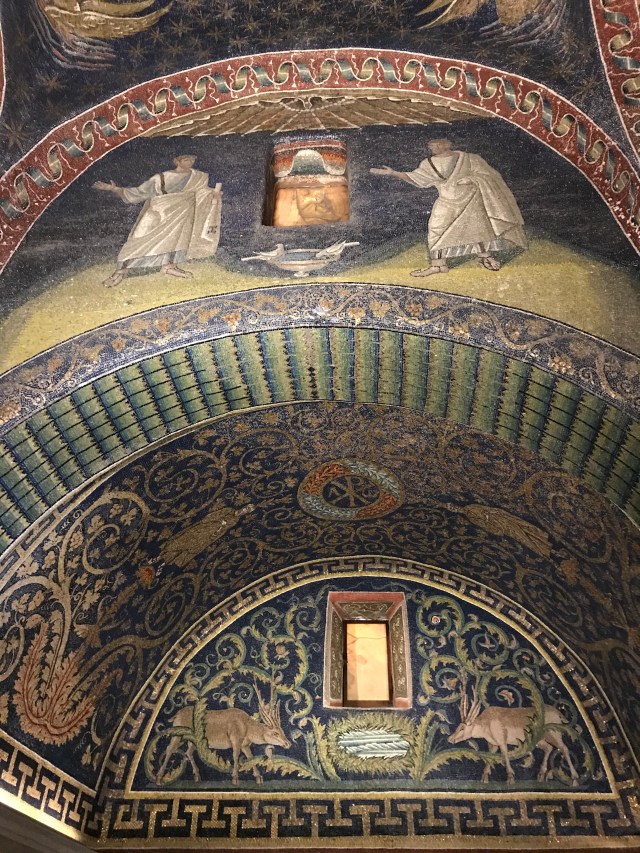
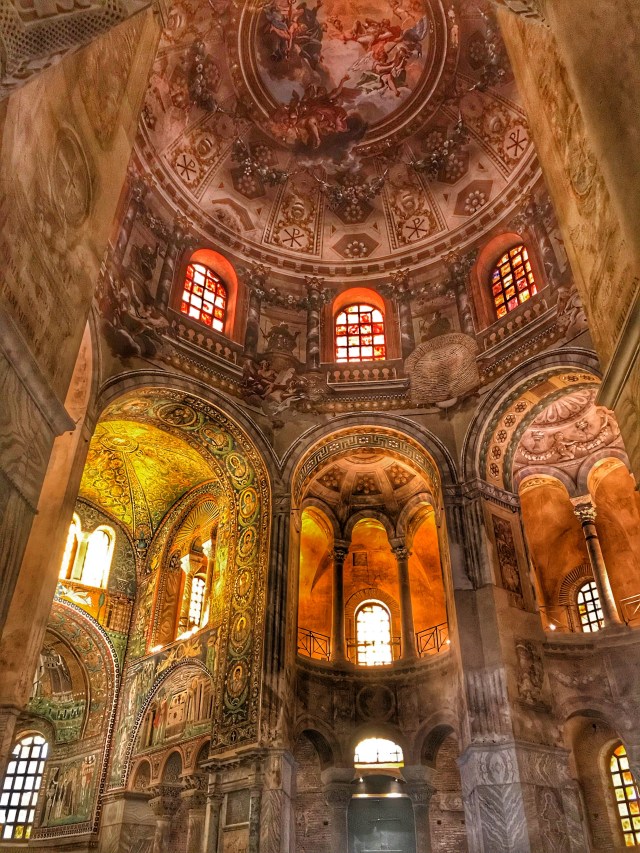
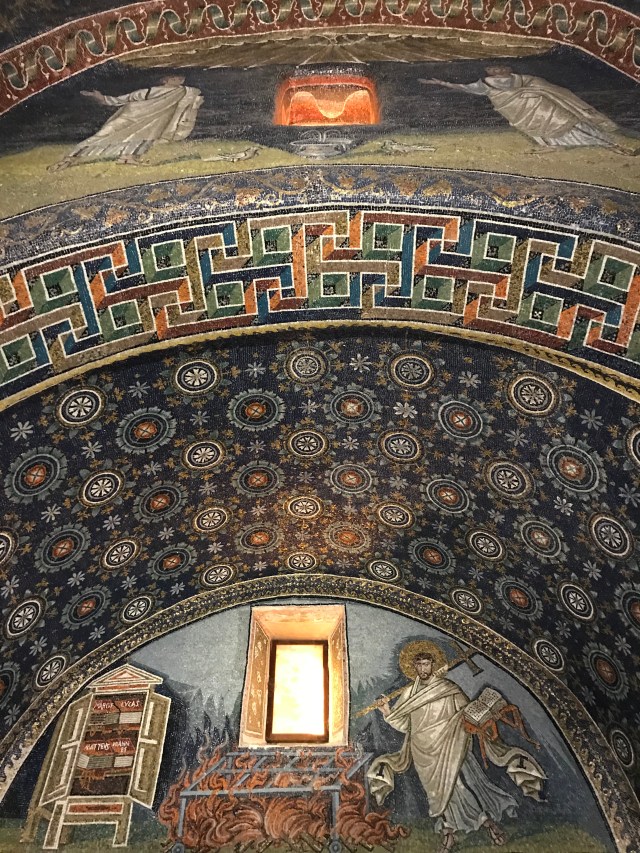
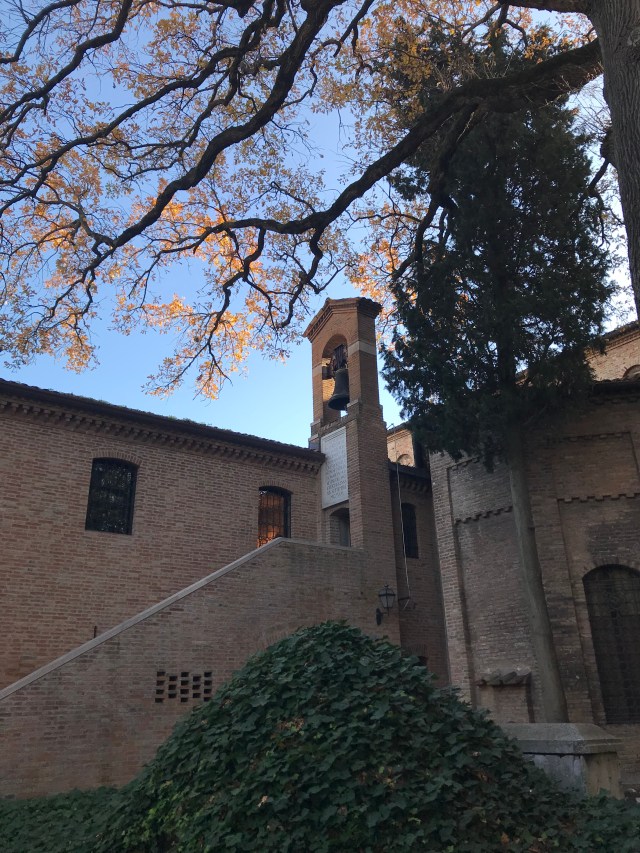
If …. No, WHEN I head back to Ravenna, I’d stay at least 2 nights to explore ALL its museos,chiesa, piazzales and basilicas. It ain’t designated a World Heritage Site for nothin’. This City of Mosaics is one for the books and I’ve got to say the admission price to hit many historical sites is a steal! For far less than the admission price to ONE museo elsewhere, we were able to stand in awe inside the Basilica Di San Vitale till our craned necks grew stiff. The photos don’t do justice. The light streaming from the windows lends a certain mystique and the trees outside add charm in all its autumn foliage. I delighted in walking from the Basilica towards the nearby Mausoleo Di Galla Placidia, stepping on and feeling the fallen leaves crunch under my boots. Sat in one of the stone benches to admire the simple, tiny courtyard between the two structures. Perfect activity that morning we visited.

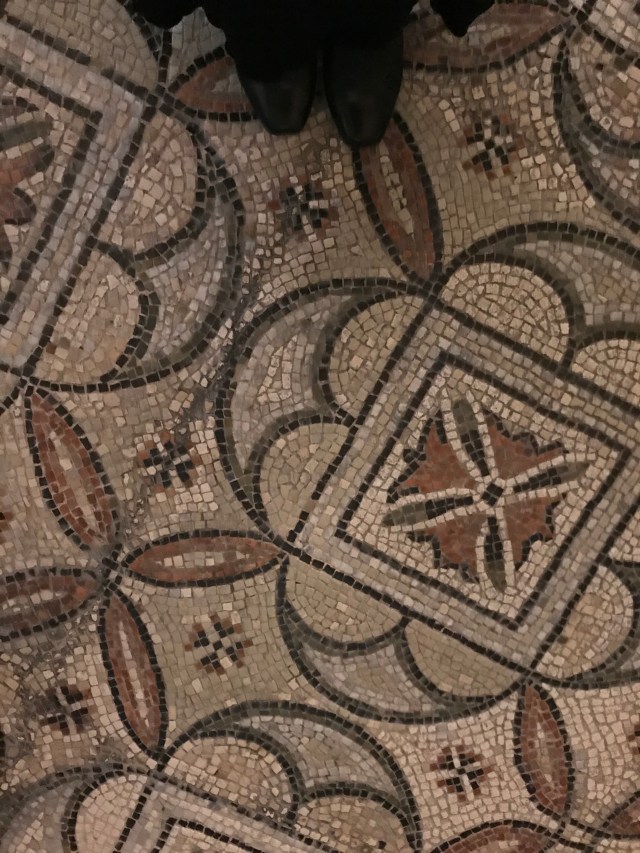
Basilica Di San Vitale isn’t easy to wipe off your memory. So lovely. It’s the perfect example of early Christian Byzantine architecture. Inscribed among 8 Ravenna structures in the UNESCO World Heritage List, its beautiful and richly ornamented cross-ribbed vaults and mosaics speak for itself. I wish I can retell the Biblical stories manifested in this mosaic series but I can only figure out some of the “sacrifices” and tragedies from the Old Testament like Abraham sacrificing Isaac and the story of Abel and Cain. There were many many more that one is tempted to lie down on the lovely floor to view the vaults, the ceilings and arches without craning one’s neck.

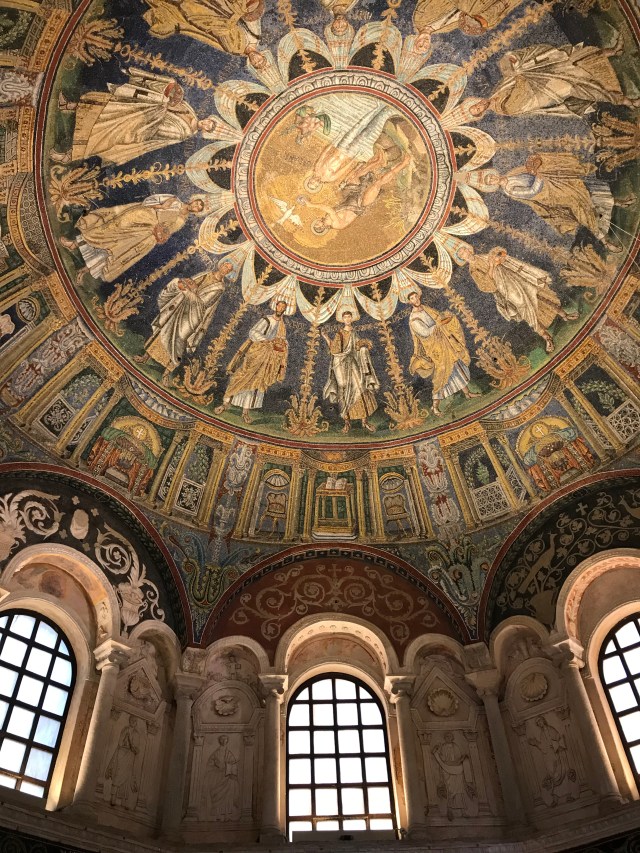
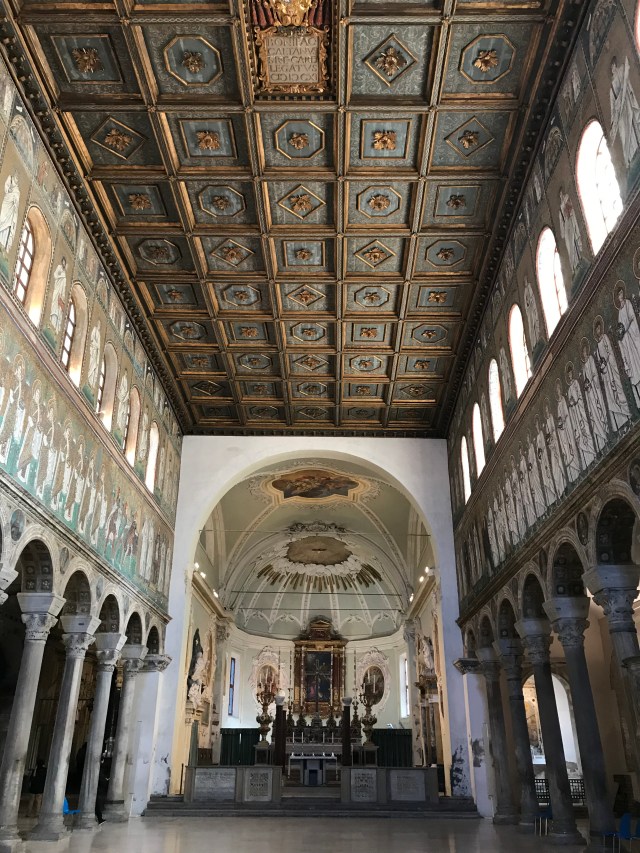
Most shops were closed though as we passed them on way to Battistero Neoniano, a lovely octagonal building near the Piazza Duomo. Temps hardly rose from 0 to 5 C during our visit. We took refuge in the Museo Arcivescovile e Capella Di San Andrea. Sorry, but no photography allowed inside. Not too far from here but still a good walk is Basilica Di Sant Apollinaire Nuovo. Midway between these 2 iconic landmarks is the Tomb of Dante Alighieri of INFERNO fame. A day tour of Ravenna is simply NOT enough to cover all the sites in this city so rich in culture, history and art. The best deal of course is that it isn’t as touristy as Rome, Verona, Florence, Siena, Venice or even Bologna!

Oh. Ravenna! I wish to walk your streets again with more deliberate steps, inching my way slowly from one heritage site to the next.

Prosciutto Di Parma


Bologna may have its Tortellini and Mortadella, and Modena may have its Balsamico, but THAT jamon known the world over for its salty goodness hails from Parma. Think Prosciutto with Melon, or with fig which I prefer. But there’s more to Parma than Parma ham. Seriously.

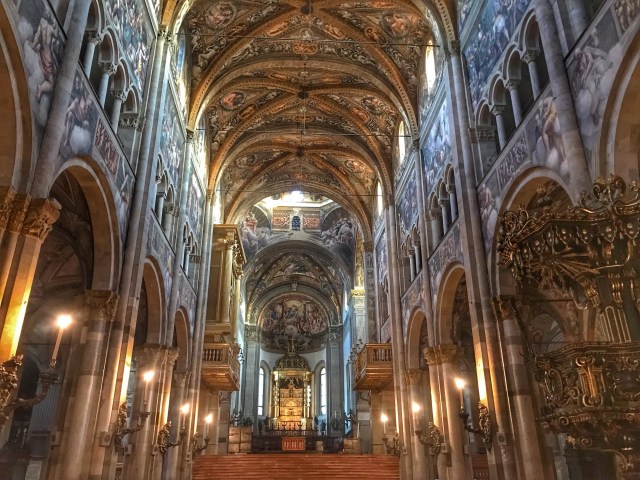
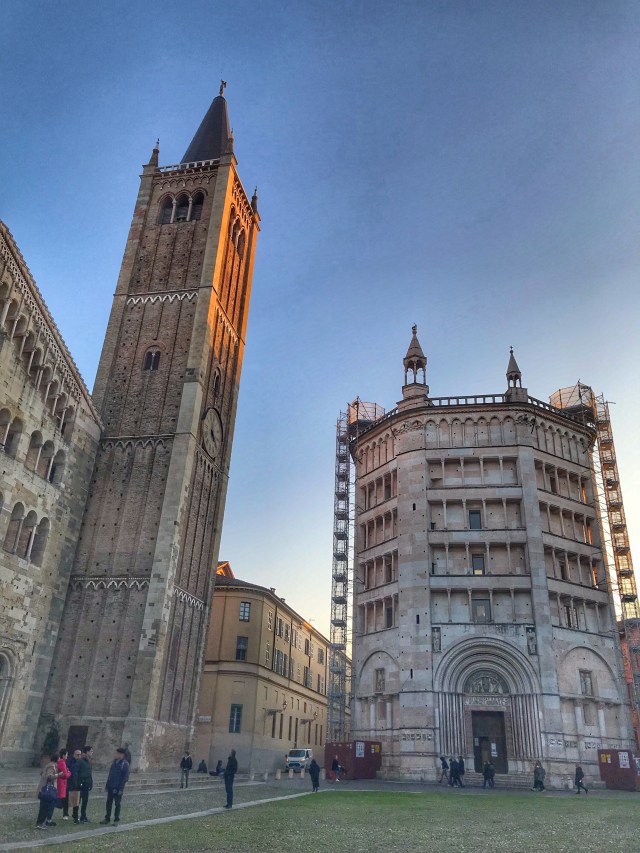
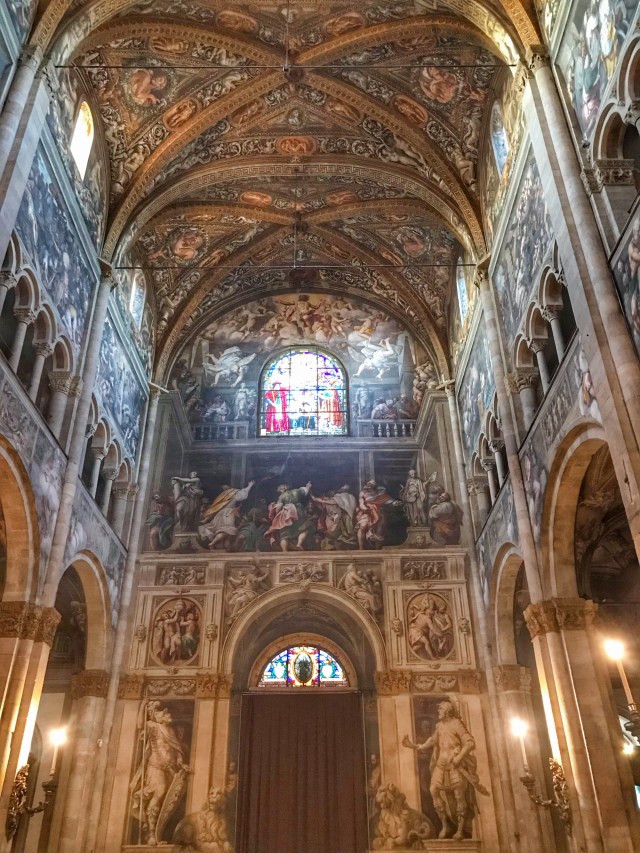
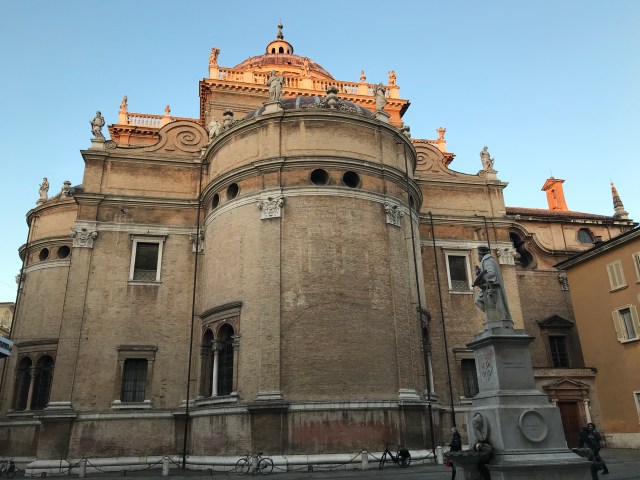
From Modena, we hopped back into a regional train for another half hour journey to Parma. Again we welcomed the traffic-less lanes and quiet alleys. We just walked from the Stazione to the centro, passing the Palazzo della Pillota which was unfortunately closed off to pedestrian traffic. Walking further down, we didn’t waste time checking out the Cattedrale Di Parma in a tiny square where the Baptistery is also located. Now, if you’re headed for Parma to visit this Italian Romanesque Cathedral alone, it would have been a good trip by itself. That, plus some Parma ham shopping 👌. Some trivia: The cathedral’s dome was painted by Renaissance painter Antonio da Correggio. Correggio is the same artist behind “Noli Me Tangere” which hangs in Madrid’s Prado Museum. Now, we all know that this painting somehow inspired our national hero who wrote the book of the same title. I know, the connection maybe quite a stretch, but I do enjoy this trivia.

This Roman Catholic Cathedral dedicated to the Assumption of the Blessed Virgin Mary is sooooo intricately, artistically done that we can’t seem to find any vacant space without artistic expression. For sure, the builders were kept very busy for a long time to pull this off. While the ornateness can be quite overwhelming, certainly it gives a very good impression that leaves one in awe.


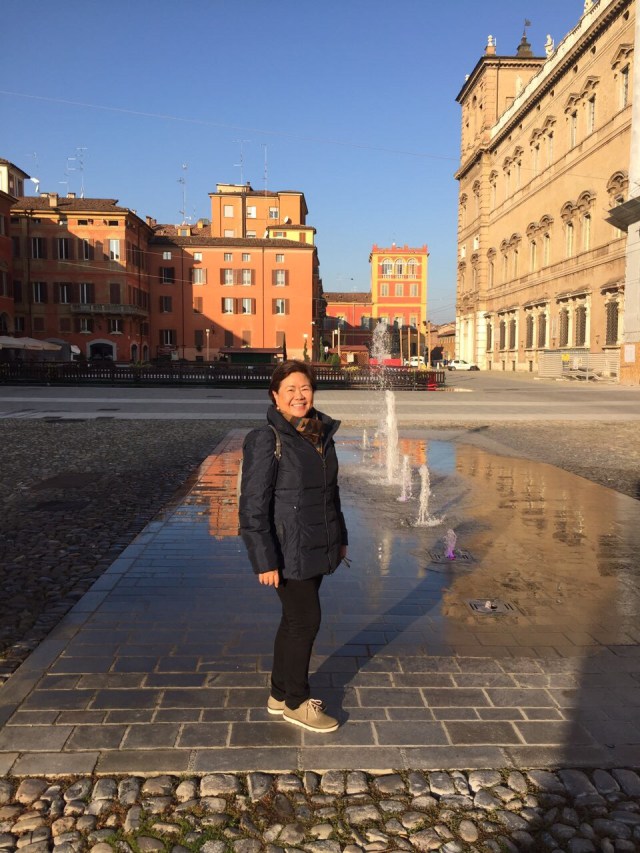
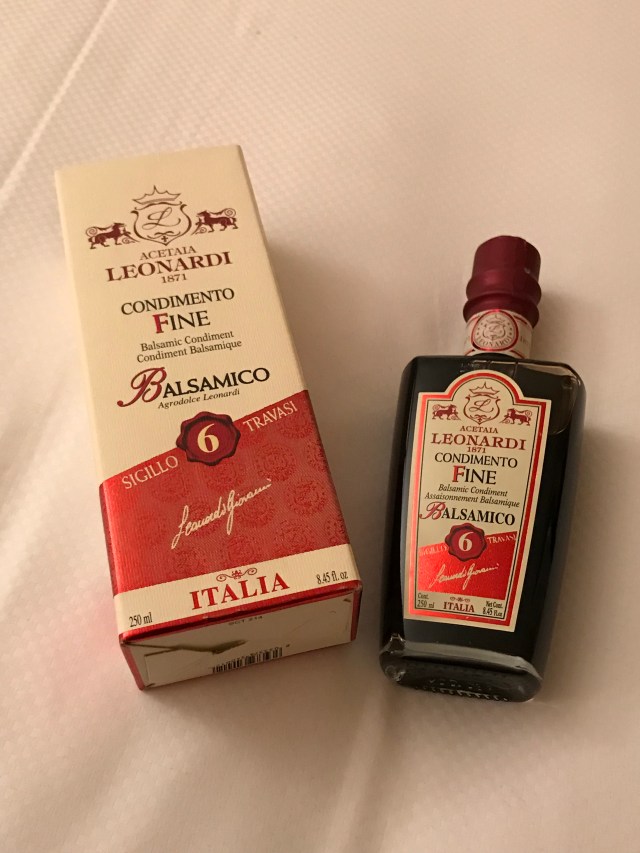
Left our Bologna hotel before 8am to catch our train to Modena. The half-hour journey was uneventful and we got off the Modena Station and walked towards the Centro Istorico. We did not join any tours as we’ve decided to wing it on our own. We couldn’t get over the cheap train fare of €3.85 as we journeyed to the city of Luciano Pavarotti and balsamico. We walked leisurely and deliberately, stopping at every interesting shop and historic building. And those were many stops … and tastings of Modena’s balsamico!

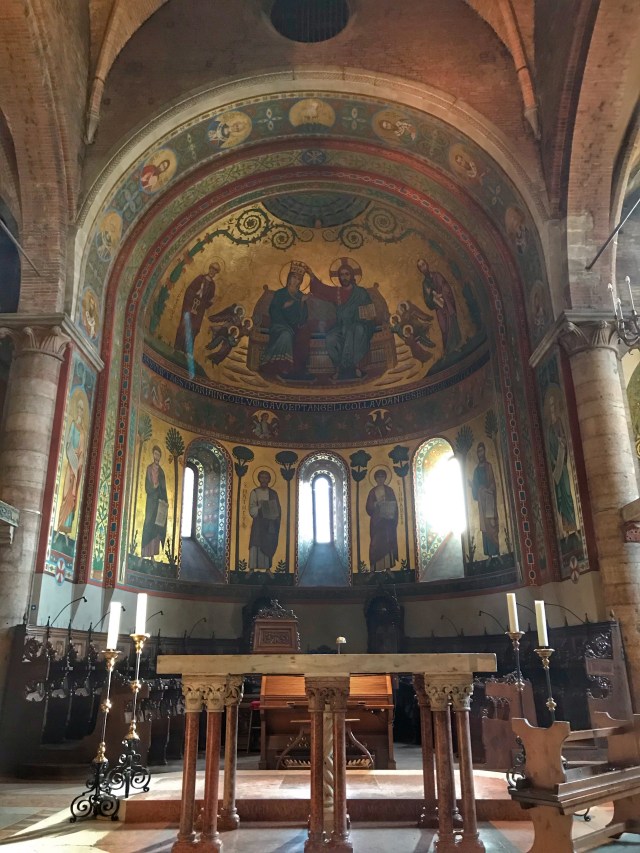
Palazzo Ducale was our first “tourist” stop. This former residence of the Este dukes of Modena from 1452 to 1849 now houses a portion of the Italian Military Academy. Next we went on our way to the Duomo e Torre Ghirlandina. The church was dedicated to the Assumption of Virgin Mary and its former bishop Saint Geminianus. Declared a World Heritage Site, there were a lot of restoration/construction work inside the Duomo but the interiors won’t fail to impress you.

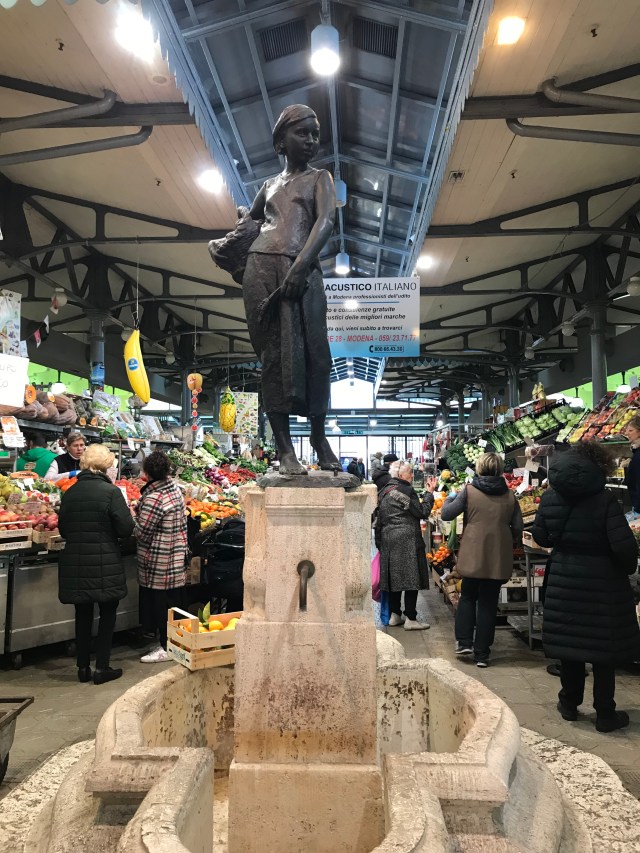
Nearby is the Mercato Albinelli. We lingered where we found all sorts of cheeses including the local “squacquerone”, a soft, creamy, spreadable cottage cheese from the area of Emilia Romagnia. Outside the mercato, we claimed a table to have our cafe espresso and cappuccino. It was cold but we “managed”, all the while checking the goings-on in the nearby flea market and the parked choo-choo train bearing small children.

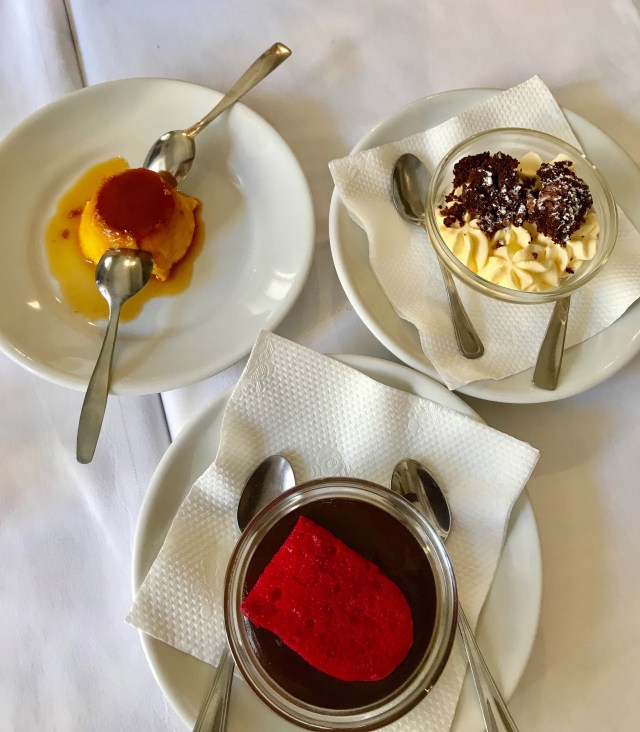
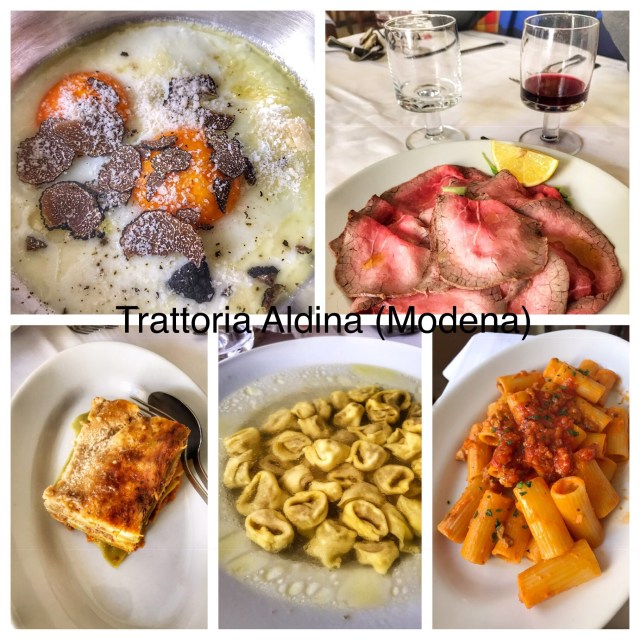
Lunch was in Trattoria Aldina which is just a stone’s throw from the Mercato Albinelli. The place was packed with many locals eager to partake of the trattoria’s home-cooked favorites. We ordered the lasagne, tortellini in brodo, roast beef and meatballs with peas. Likewise, we ordered the house specialty egg dish served with truffle. (Yey!) Leaving room for dessert, we had no regrets. A word of unsolicited advice: go ahead and have your dolce. The zuppa inglese, in our book, was quite outstanding!

Trattoria Aldina’s Dolce


Called La Rossa, La Dotta and La Grassa. The Red One. The Learned one. The Fat one. Aptly so. It is the home of Mortadella, Tagliatelle al Ragu, Tortellini, Lambrusco, Tortelloni, Parmegianno Reggiano, Prosciutto (from nearby Parma), Balsamico (from nearby Modena) as well as home to fast cars (think Ferrari, Lamborghini, Ducati and Maserati). Fast engines aside, Bologna’s rich history is only overshadowed by its being hailed as the gastronomical capital of Italy. I mean, eating here has been exalted nearly to a religious experience!

We had to train ourselves into joining walking tours and visiting Bologna’s major attractions lest we get stuck in its trattorias and mercatos. Eating and wining brings out the best in us — topics hop from this to that, laughter comes easy and over time (and many trips together), we’ve shared many private jokes. Our happy bunch sure knows how to munch. And while we’ve explored Bologna’s old town, canales, towers, piazzas and churches, somehow the day’s highlight always ends with food. Even our shopping has largely been food shopping. After all, how can you resist all these quezos and ham?

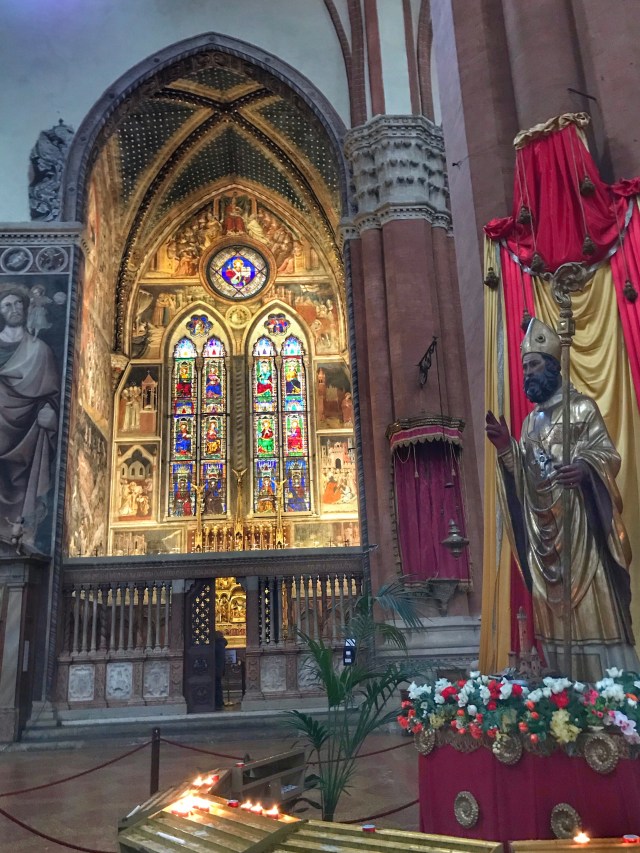
Piazza Maggiore is right smack in the Center and the square layout reminds us of the many piazzas in and around Europe where the city hall, major churches and rows upon rows of shops and trattorias compete for attention. Except for this tight security crew right in front of the church. The Basilica of San Petronio in the piazza is dedicated to the city’s patron saint, Saint Petronius who was the city’s bishop in the 5th century. It also happens to be the world’s 10th largest and the world’s largest brick church. It could have topped the list if the construction wasn’t stopped in time by a jealous Pope who feared this “half-complete” brick and marble church would compete with the one in Vatican. For good measure, all the surrounding land was bought and actual buildings erected adjacent to the Church to preclude any extension and expansion.

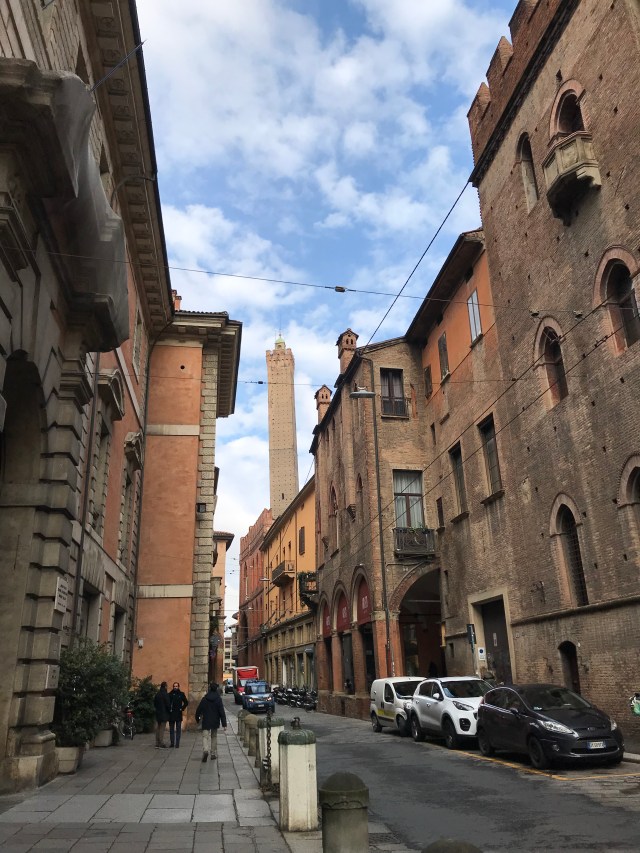
But why the tight security? An Islamic terrorist group reportedly planned to blow up the church because of an offensive Dante’s Inferno- inspired mural depicting Mohammad being tormented by the devils in hell. The artwork was rendered by Giovanni of Modena. Interesting. And jibes well with Bologna’s independent and rebellious character. How about this statue of the Pope in the same piazza but deliberately marked as that of St Petronius? Another iconic symbol of Bologna are its two towers along the ancient Via Emilia. It is said that both towers are leaning, like the one in Pisa. Asinelli Tower is the taller one; the shorter, more-leaning torre is called Garisenda. The towers were named after 2 families — obviously filthy rich — who competed on who’s building the taller torre as a show of power. Oh these horrible humans! Really, it’s easier to write and talk about food over these iconic landmarks.

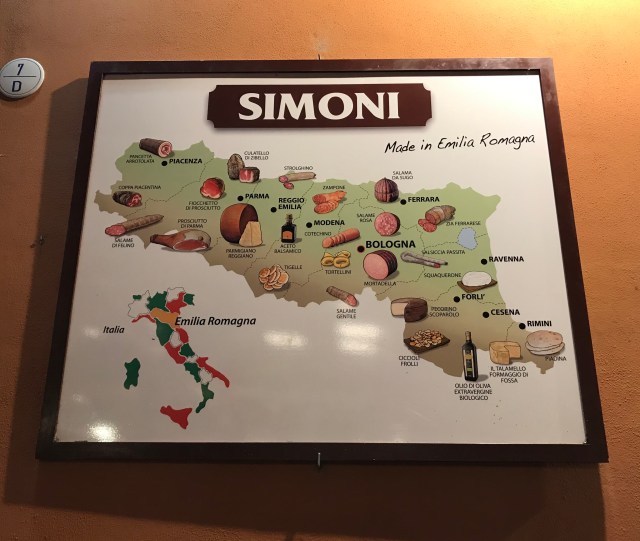
An illustration of what food to find and eat in this area.

Our best meal in Trattoria da Pietro


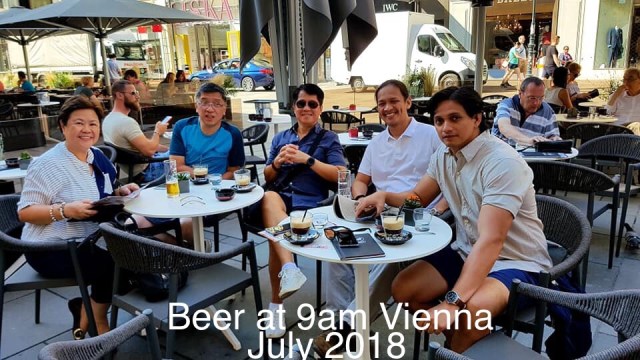
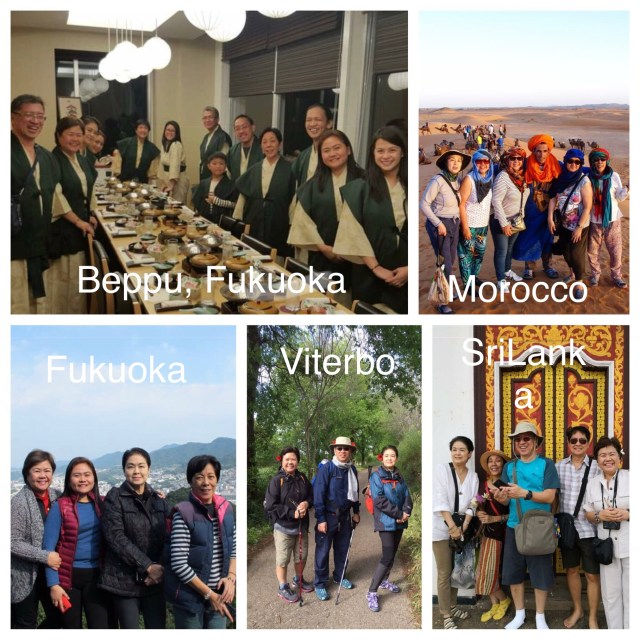
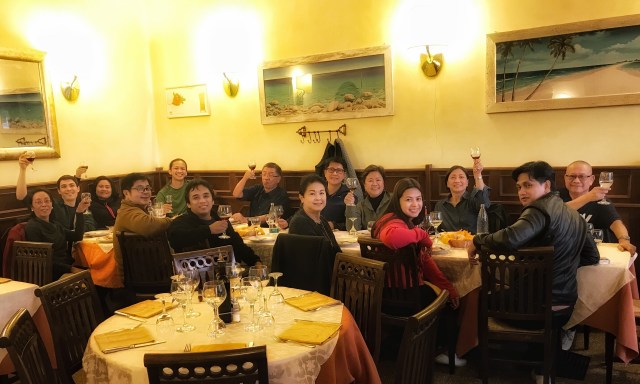
We’re a band of baby boomers, Generation X and millennials who just can’t stay put. But we all share the same penchant for food and serendipitous adventures. Having just recently returned from Vienna, Budapest and Bratislava, our beer-drinking group of 6 grew to a band of 15 pax. Quite an assortment, if you ask me. We’ve had a few trips tucked under our belt and I must say, we had so much fun. And this happy bunch is going again! I ditched earlier plans to go to Slovenia and Croatia to join the Happy Bunch for a holiday in Bologna and Vienna. Switching from the city of dragons (Ljubljana) and towns along the Adriatic, it’d be a week instead of food porn in this part of Italy where trufa, prosciutto, tortellini, mortadella, balsamico, tagliatelle, parmeggiano, Lambrusco reign supreme!

And this was only last July!

Touchdown, Bologna!

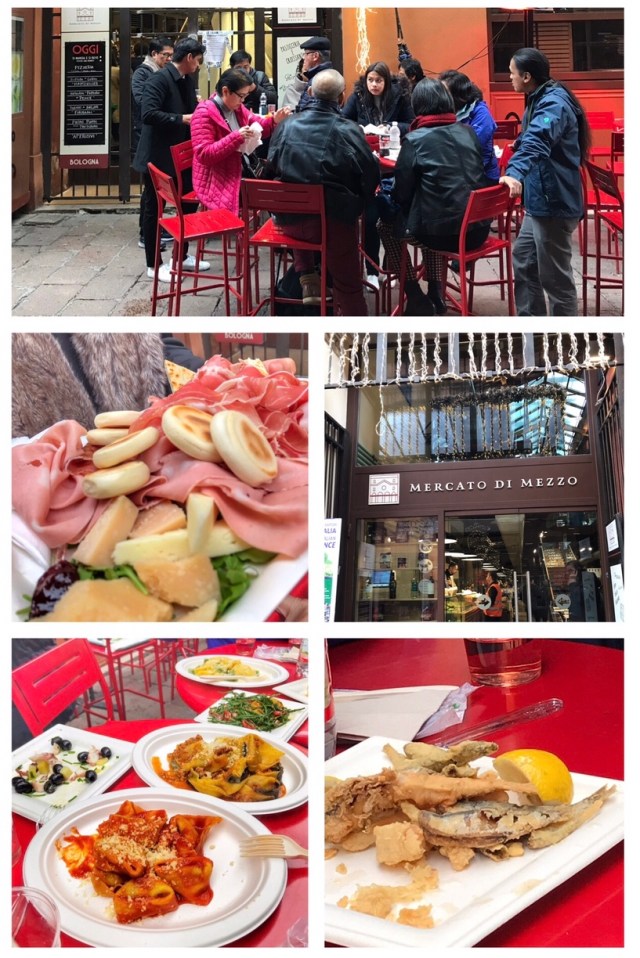
While some of us are visiting first-timers, Bologna as homebase offers many possibilities. Florence, Lucca and Pisa are just a half hour away by train and so is Modena, and a bit farther down, Parma. Then there’s Venice, Verona and Padua or Padova. The boys would likely not miss the chance to check out the museums — NOT of artworks, but those lovely machines going by the names of Lamborghini,Ducati and Ferrari. Different folks, different strokes. That’s what I love about this group. We’d split up to chase our own dreams, and reunite in a heartbeat. Like when we all agreed to visit one day the little republic of San Marino together and hopefully do a side trip to Ravenna. But most importantly, we agree on the food and vino. That’s important — and that’s how we ended up in Ristorante Victoria for our first meal and in Mercato delle Erbe for cocktails cum dinner after our walking tour.

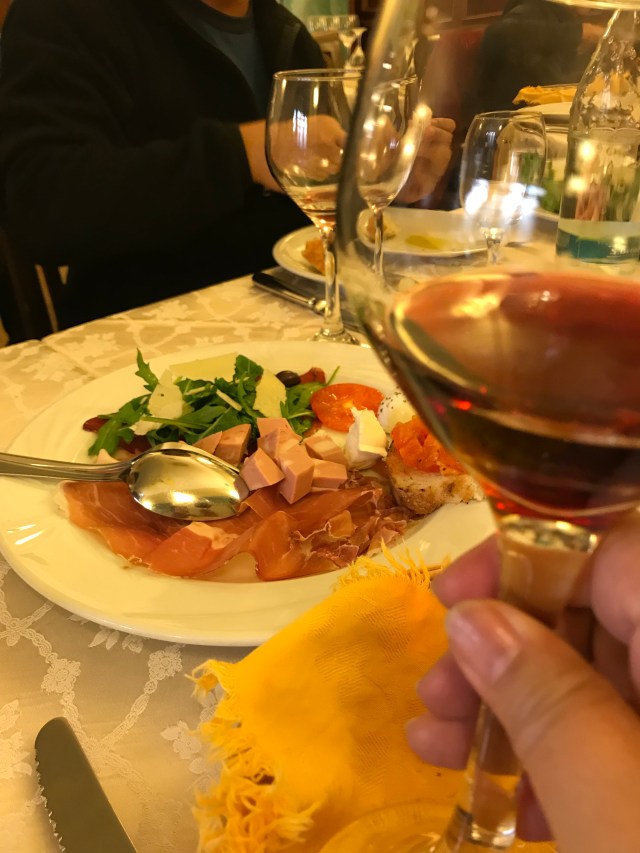
Prosciutto, Mortadella, Burrata

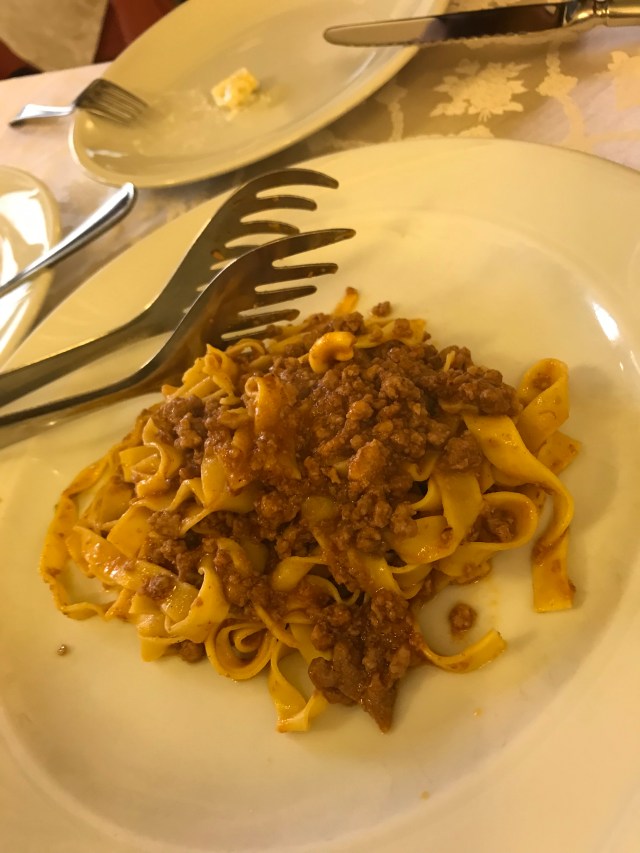
Tagliatelle al Ragu

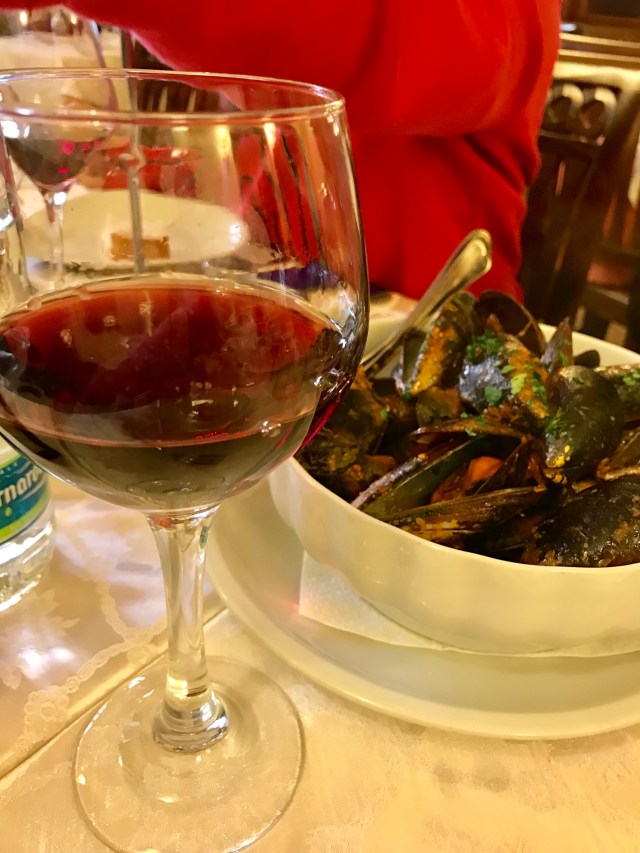
We had mussels cooked in wine and also with tomato sauce. Both really good!

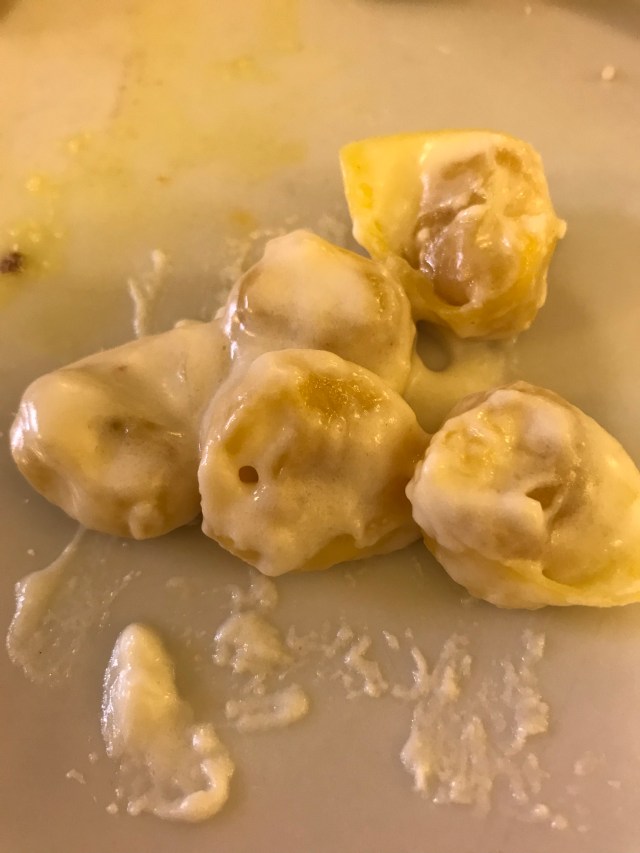
Almost devoured before we remembered to snap a photo of Tortellini al Panna

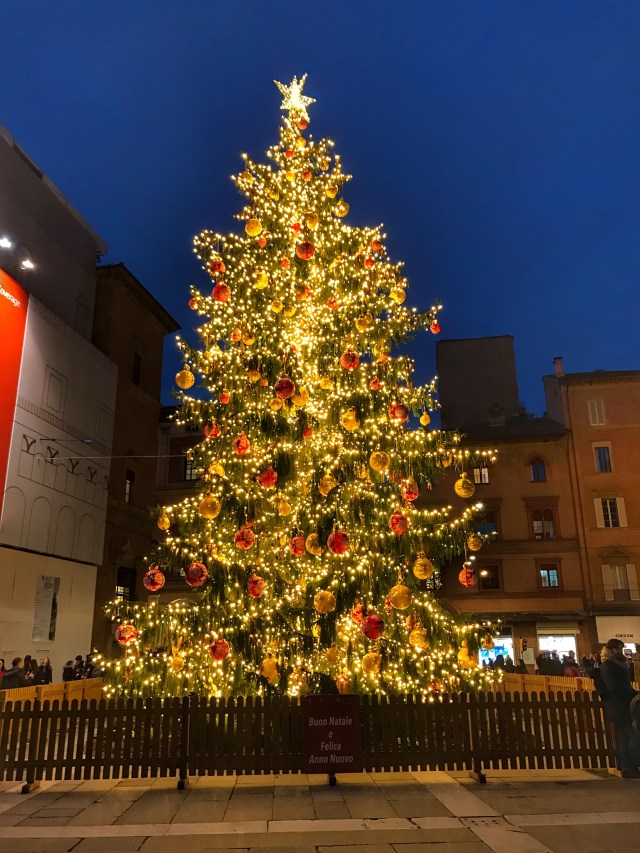
It’s only Day 1. And we plan to do a more leisurely tour of Bologna after a good rest. For sure, we’d be back in Piazza Maggiore and visit the basilica and cathedral. There’s enough time as we’d be holed up in the same hotel for the next 5 nights. Bologna is not as cold as Vienna but single digit temps outdoors walking around the piazzas need some serious consideration. After all, it’s truly beginning to look like Christmas everywhere. The Christmas trees are up, so with the Christmas lights that make the place look so festive and magical. Much time to enjoy the illuminations since sunsets are early. Like 5pm!

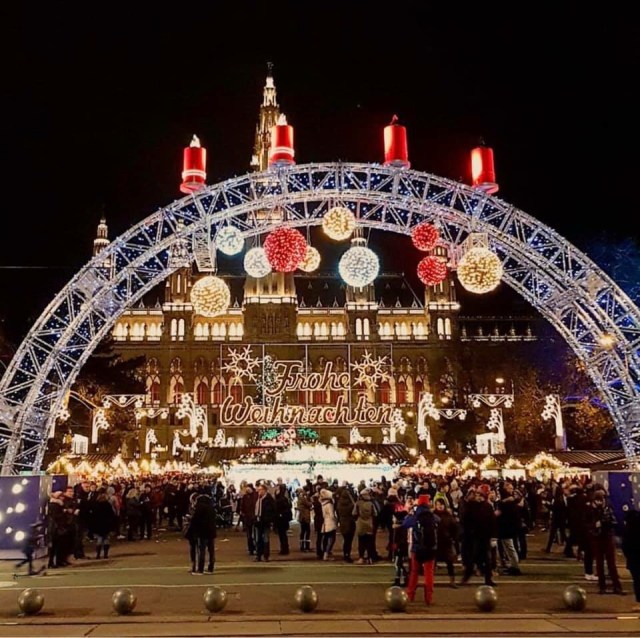
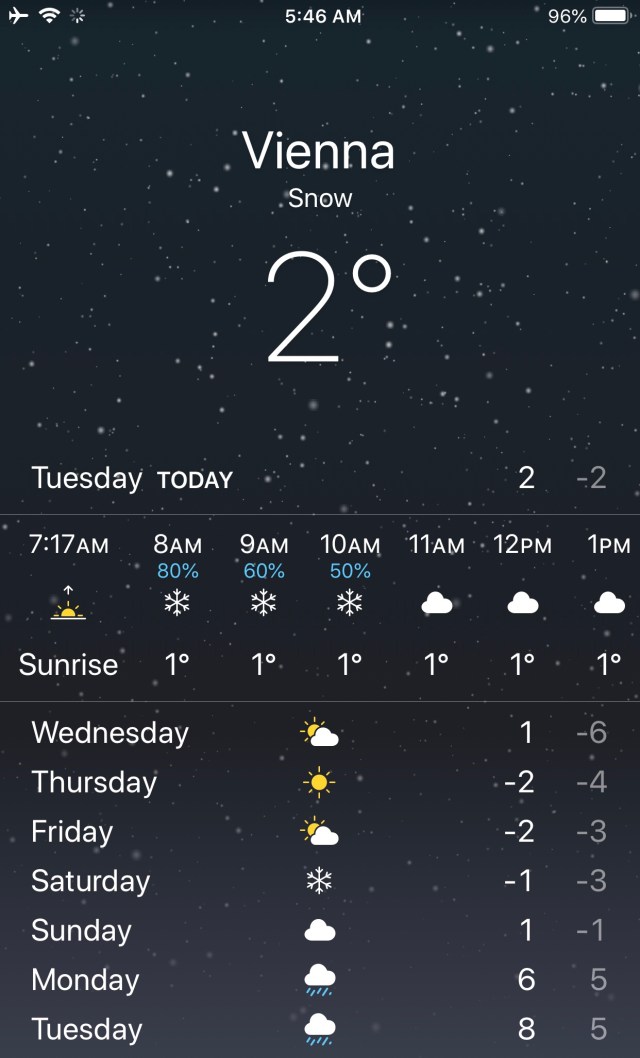
On our way back home, we’d catch our homeward flight out of Vienna. Staying a few nights in this capital makes me giddy with anticipation. Why? There’s the many Christmas Markets of Vienna! Too many to count. It’s the Christmas Market of my dreams! A genuine Christmas Winter with temps hovering at low single digits or negatives. Gluhwein or mulled wine, raclette, bratwurst, apple strudels, Sacher torte and all those flaky baked delights. All savoured in negative temps. I’m excited, if you haven’t caught the drift. White Christmas feels? Let’s do this!

The Christmas Market of my dreams!


This is my 4th time in Vienna and it’s only now that I’ve visited nearby Bratislava, Slovakia. I never thought it’s only an hour away from Vienna by bus on fare that costs a measly €5 (with snacks and bottled mineral water!). Of course you can travel in style and take that taxi ride between Vienna Airport and Bratislava for less than €100. Do note that it cost me €45 taxi fare from Vienna airport to my hotel in the city center. So, what gives? If you prefer small cities to big cities, spend more time in Bratislava where food, taxi, souvenirs, park, hotels and museum admissions are way cheaper. 👍

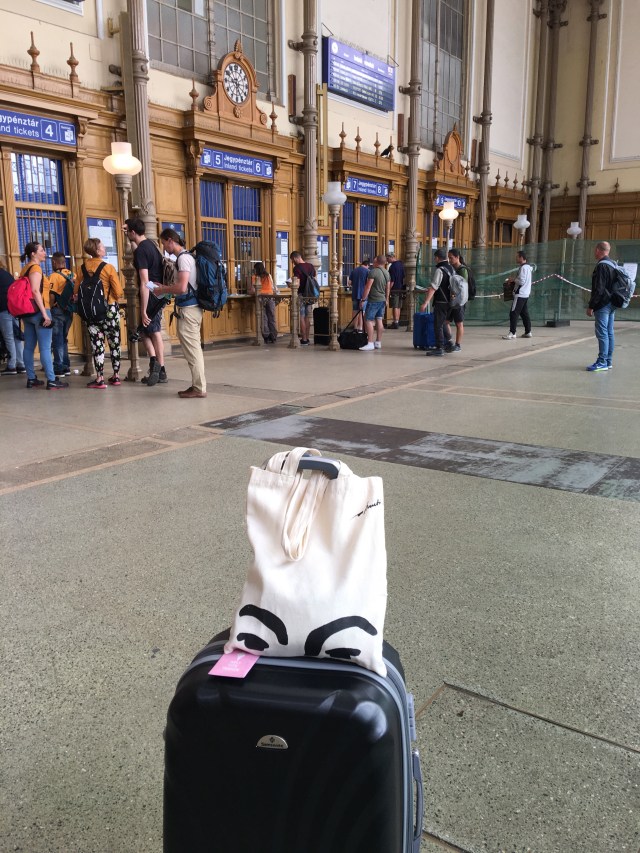
In our case, we rode the 2.5 hour train journey from Vienna to Budapest where we had a lovely time. From there and a few days after, we took another 2.5 hours from Budapest to Bratislava. Our train cabin was ideal for the 6 of us. My window seat was perfect for viewing the sunflower and corn fields, and tiny churches we passed. From the train station, it was just a short walk to our lovely Bratislava Loft Hotel which sits right above a popular brewery and located between the train station and the Old Town. The hotel offers a free mini bar (yes!) and a welcome drink at The Fabrika Gastropub below, which btw has a very good breakfast spread as well as a la carte meals. We were prepped for lunch while they got our rooms ready and we were happy with our first Slovak meal.

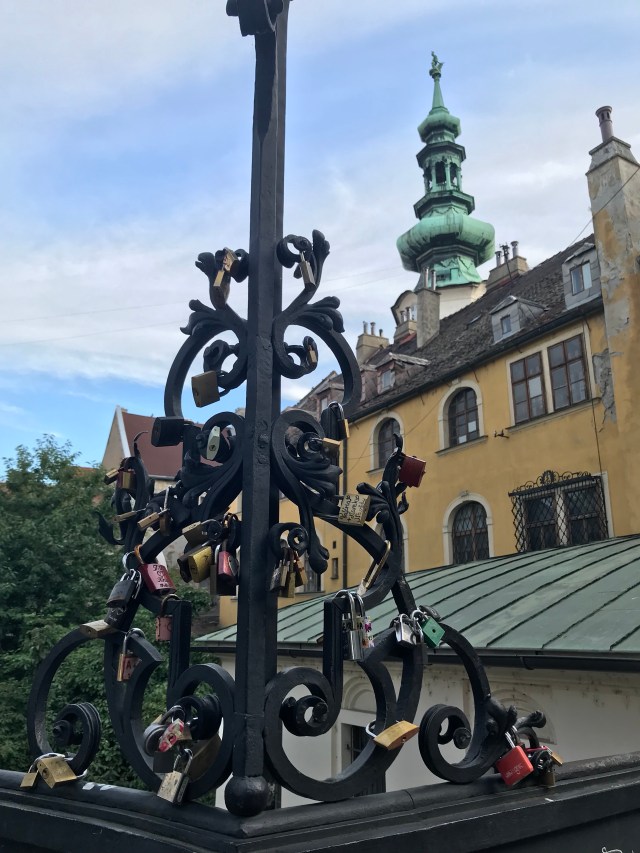
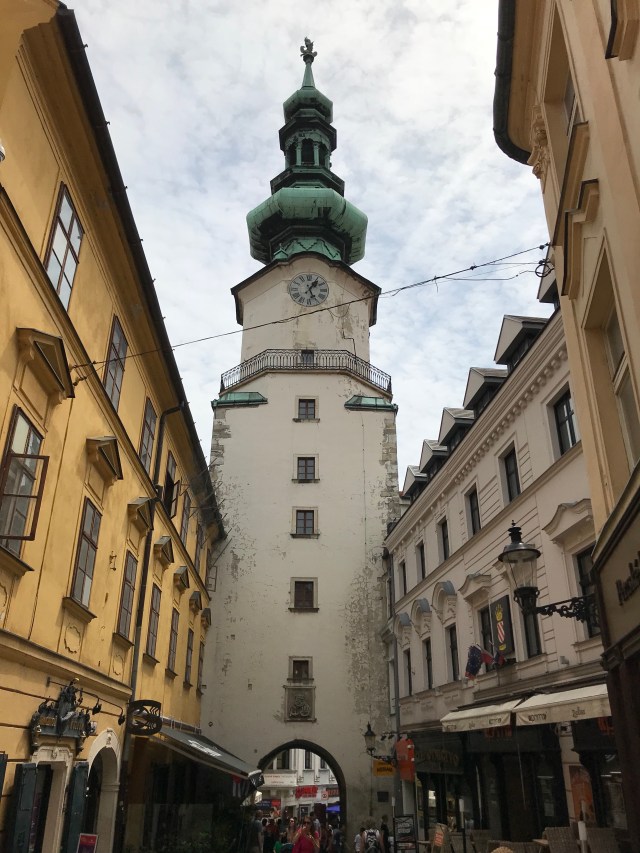
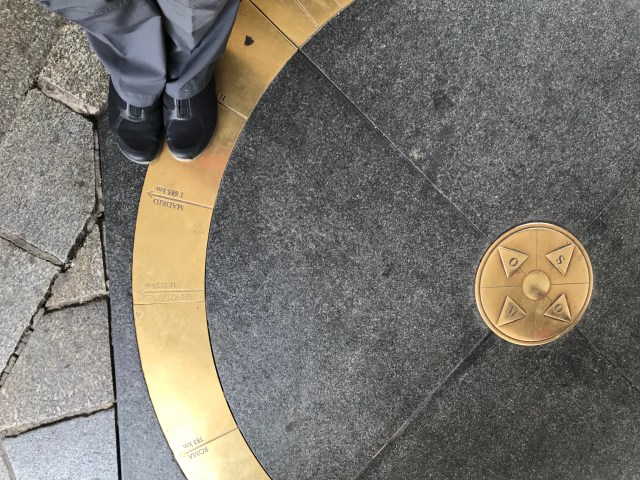
Soon after we deposited our bags in the room, we set off to meet our guide in the Old Town for our afternoon walking tour. It was another long walk (3 hours), but very informative & entertaining. We entered the Old Town through St. Michael’s Gate. Under the arched entrance is the equivalent of “Kilometro 0″ — technically the city center where distances are measured. Just before the gate is a small bridge adorned with love locks where one views the former moat below which has since been converted into a garden cum reading area. I promised myself I’d go back here on my last day with a mug of coffee and a book.

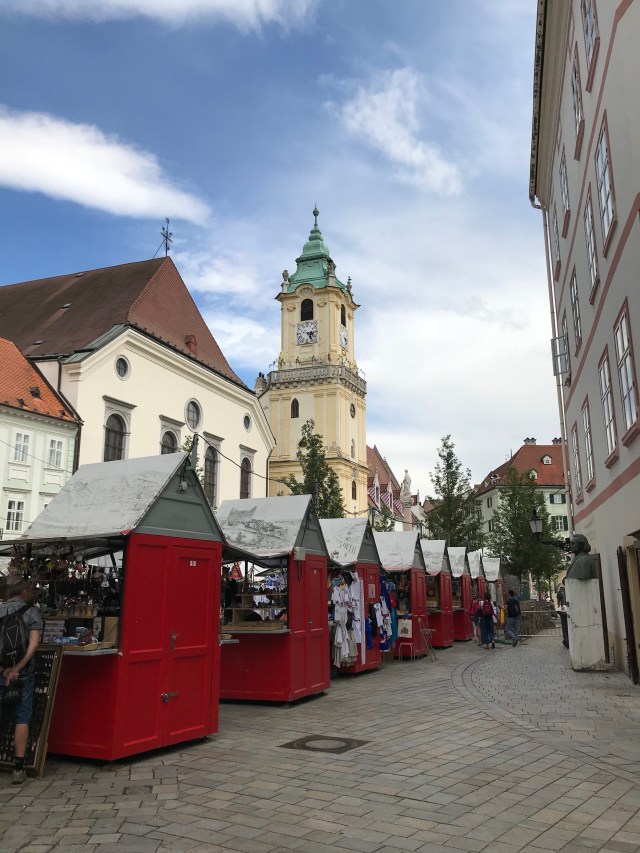
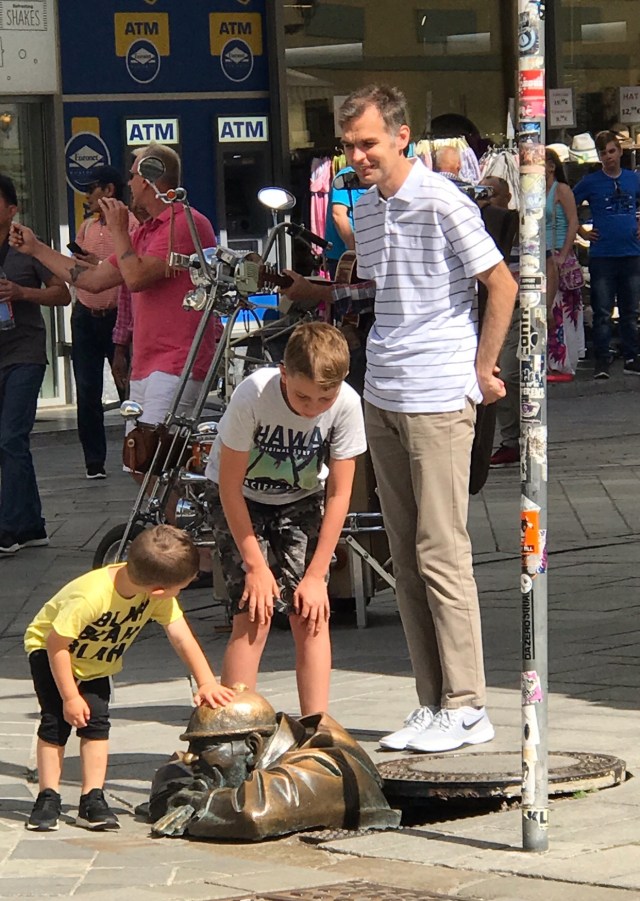
The Old Town is very compact and manageable. You can’t get lost here even if you tried. The lovely thing is there are small churches, historic buildings, fountains, tiny squares, museums, art galleries, an opera house, brass statues here and there, hemmed in by an assortment of pubs, gelato bars, coffee shops, and souvenir stores. There’s also a charming Danube Riverbank Promenade where more of the historic buildings and museums are located. You can’t get bored here. It’s really a small village, quaint and with so much character. And most everyone speaks English!

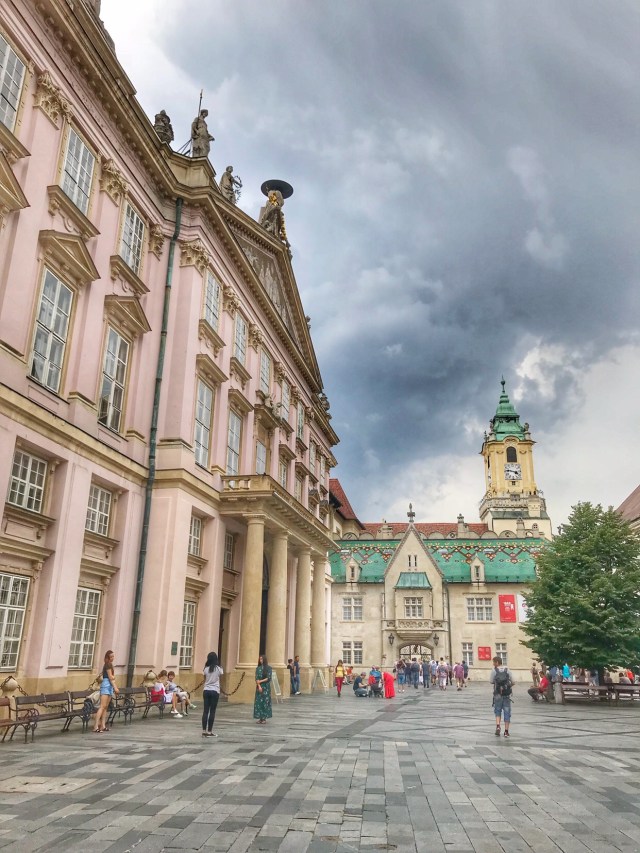
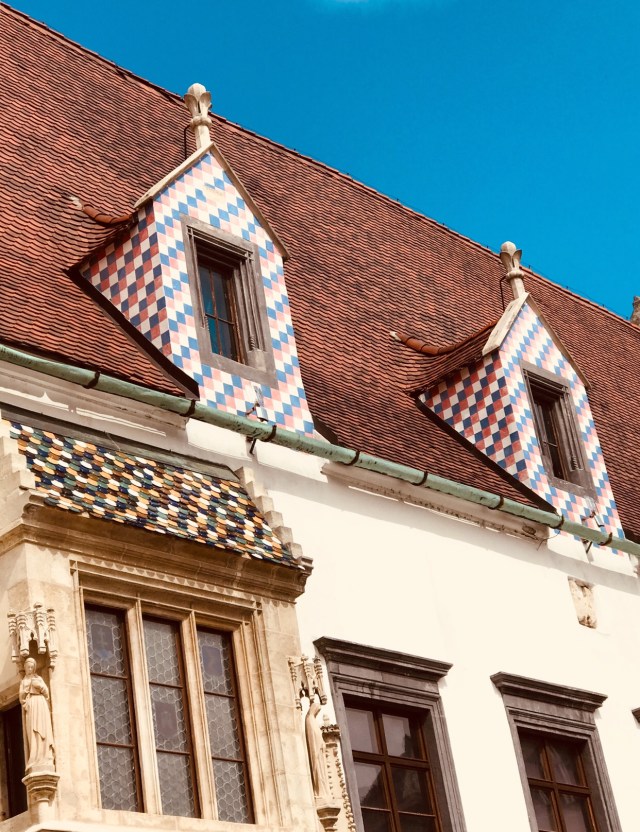
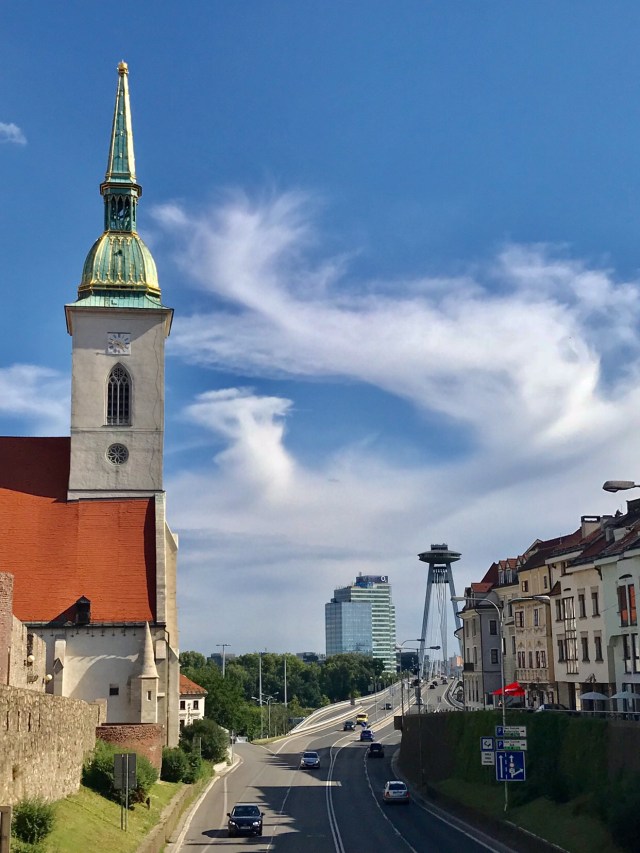
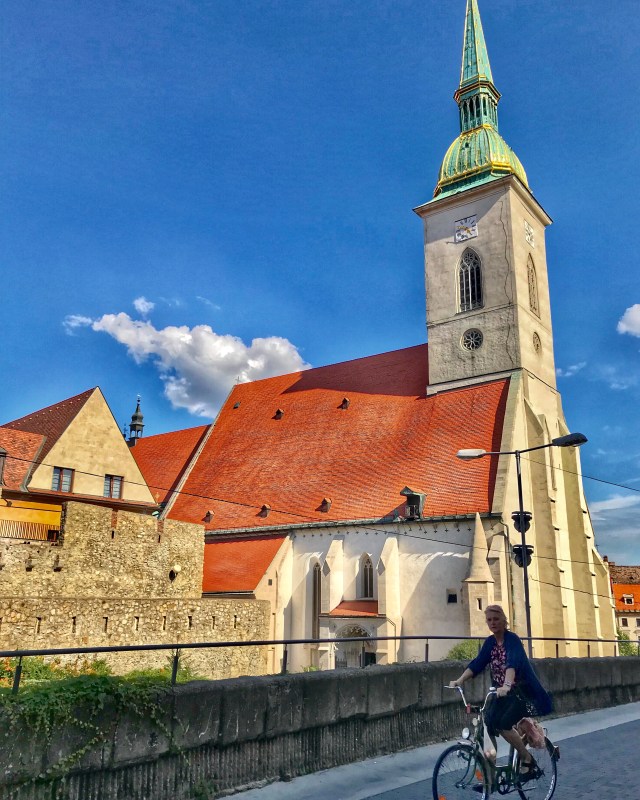
We were lucky to have blue skies and sunshine on our first 2 days here. On the third day it rained intermittently nearly the whole day. We made good time, led by our able guide whose name is as Slavic as can be – Voultjo? Not sure I’m spelling that right but this pony-tailed guide kept us hooked for 3 hours. He navigated us through the Old Town — the squares, St. Martin’s Church, old town hall, the “Gazer” statue, Opera House, the city walls, the viewpoint from where the UFO Bridge complemented the entire city view, all the way to the castle or Bratislava Hrad. He also gave us very good dining tips!
Just like our walking tour guide in Budapest, Voultjo warned us that his spiel maybe peppered with his political views. All’s well though, we can always do with a local’s opinionated views. We weaved around the quaint village (why are there so many Thai Massage Spas here?), making notes on some sites I’d like to revisit on my last solo (3rd and 4th) days in Bratislava before flying home. In particular, there’s the coronation church of Saint Martin and I spotted a few tiny churches too.

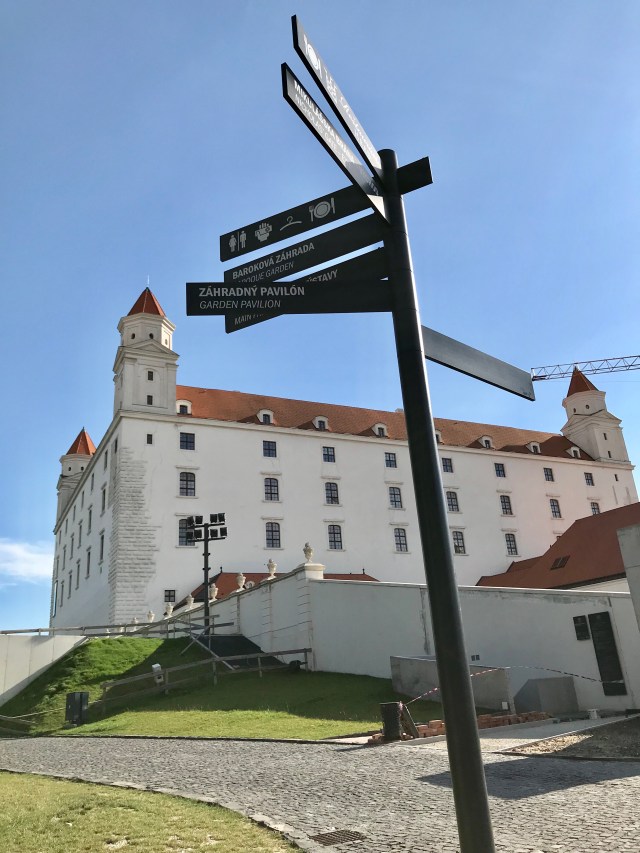
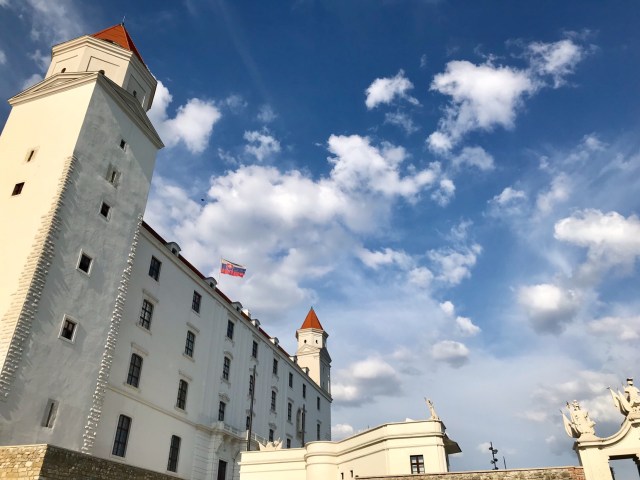
We didn’t get inside Bratislava Hrad but I was keen on going inside one of the Museums or Opera House on my last day. From outside, the castle grounds is really a huge modern park on a promontory from where one gets a 360 degree view of the Old and New Town. The UFO Bridge (it does look like an UFO) is in full view from here, and of course the same Danube River we saw in Vienna and Budapest.

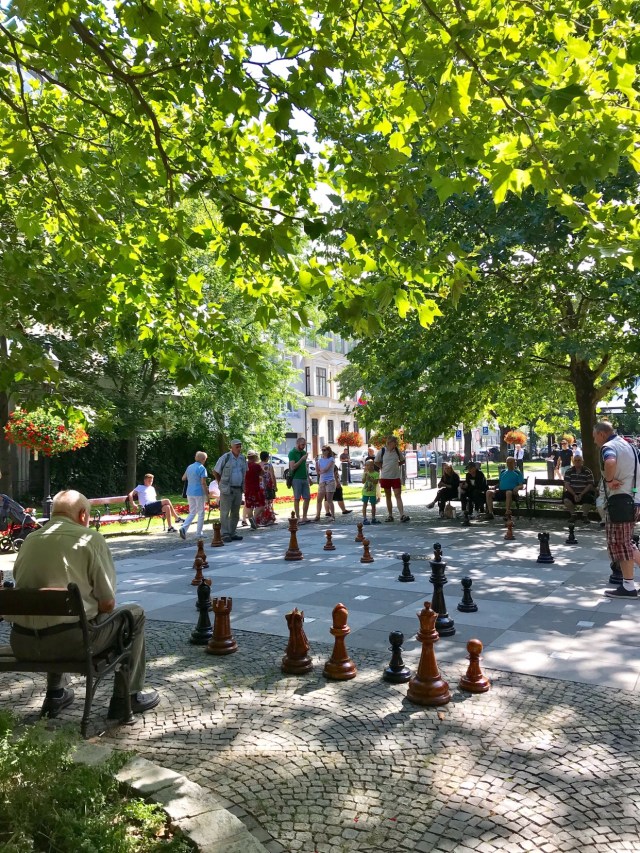
Our guide led us back to where we started in the Old Town after 3 hours of good walking. Thumbs up for this guided walking tour. Being a Sunday, there were more locals and tourists around, longer lines for the gelato, more snooping on a chess game played by old men, there were services in the churches, and more people enjoying the al fresco dining places. We felt we’ve covered most attractions and felt eager to check out Voultjo’s food tips. More on that in the next blog. Watch this page!

Dining In Budapest


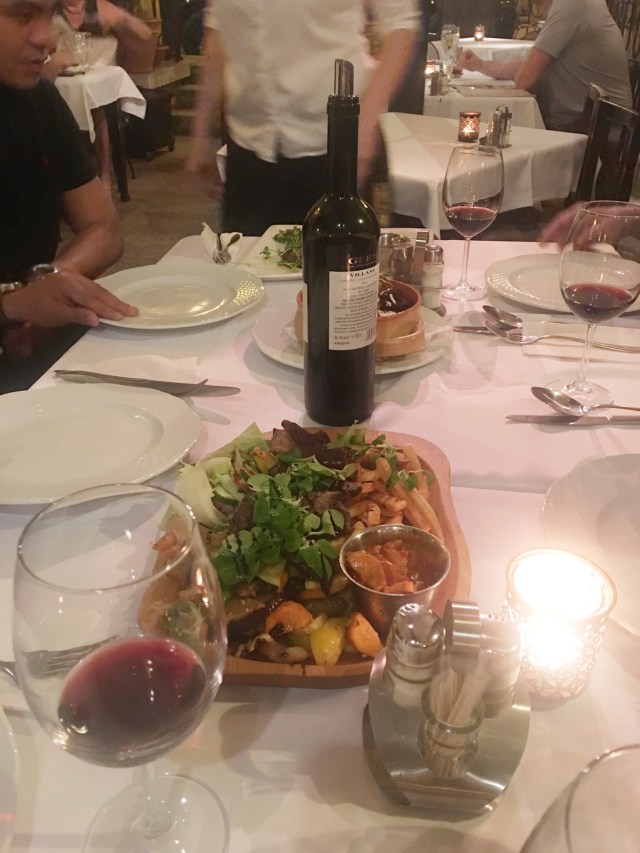
Goulash is their national dish. Langos is the national dessert? Maybe. But really, Budapest has so much more. I love soup but one can only take so much goulash. So we tried others. And we weren’t disappointed at all.

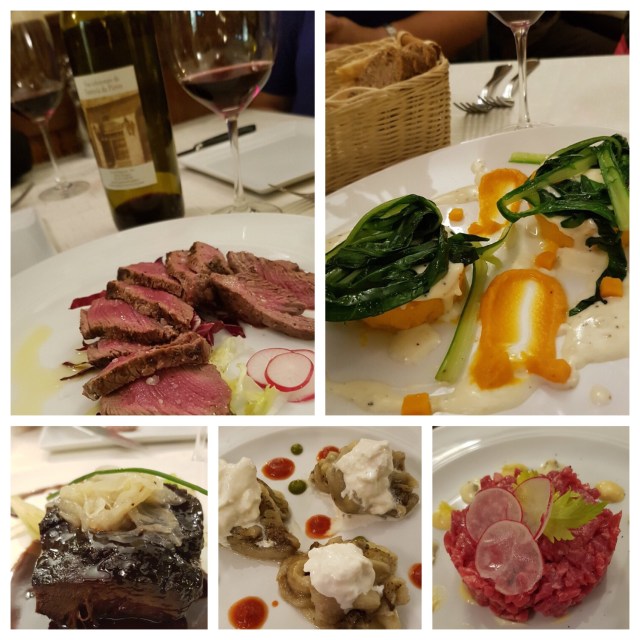
Warning: Too many food photos. 🙄

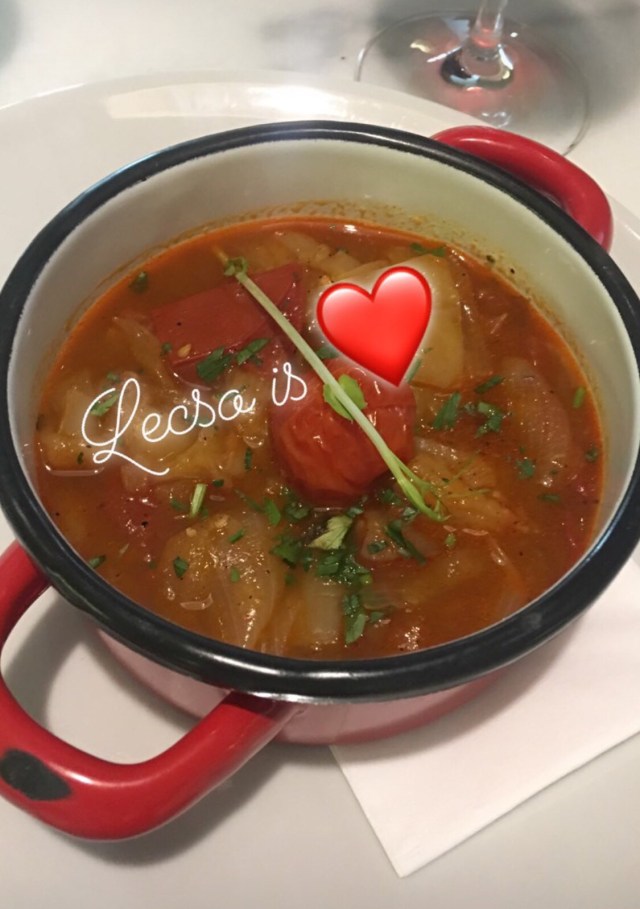
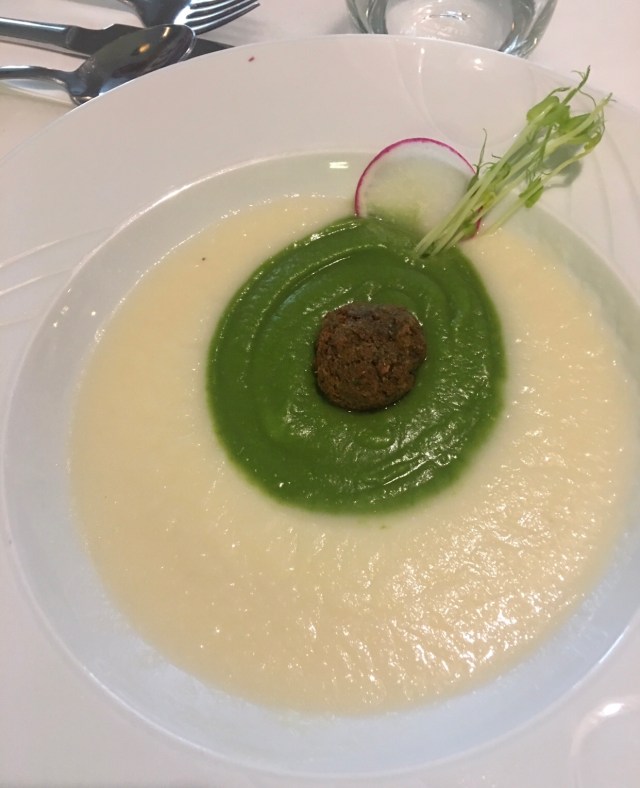
It’s my first time to try lecsó, a Hungarian vegetable soup. I call it soup but it’s really more like a stew of peppers, tomatoes, onions, and ground sweet and hot paprika. I couldn’t believe it’s a vegetable soup or stew so I searched the Internet for its ingredients. Turns out the onions and peppers are sautéed in lard and maybe even bacon fat! But, we maybe in luck. The tomatoes are best during the summer season in this corner of the world and our tastebuds confirmed it. Like goulash, lecsó gets a generous sprinkling of paprika. Unlike goulash, lecsó has no potatoes nor beef cubes. Between the 2, I’m now a fan of lecsó .

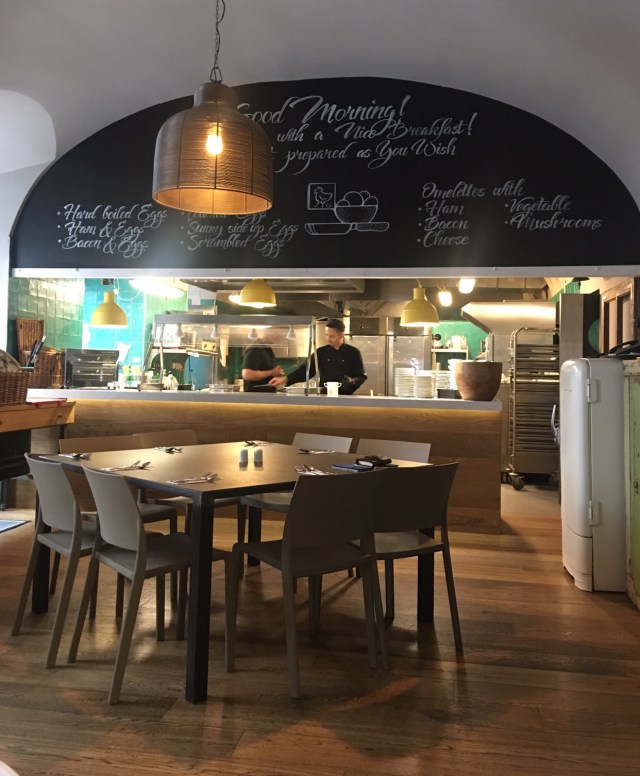
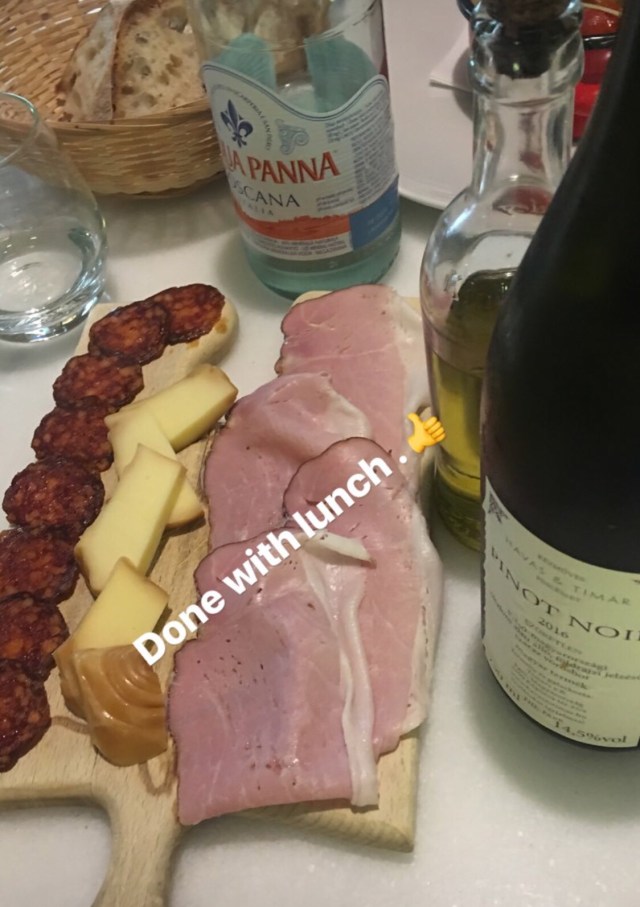
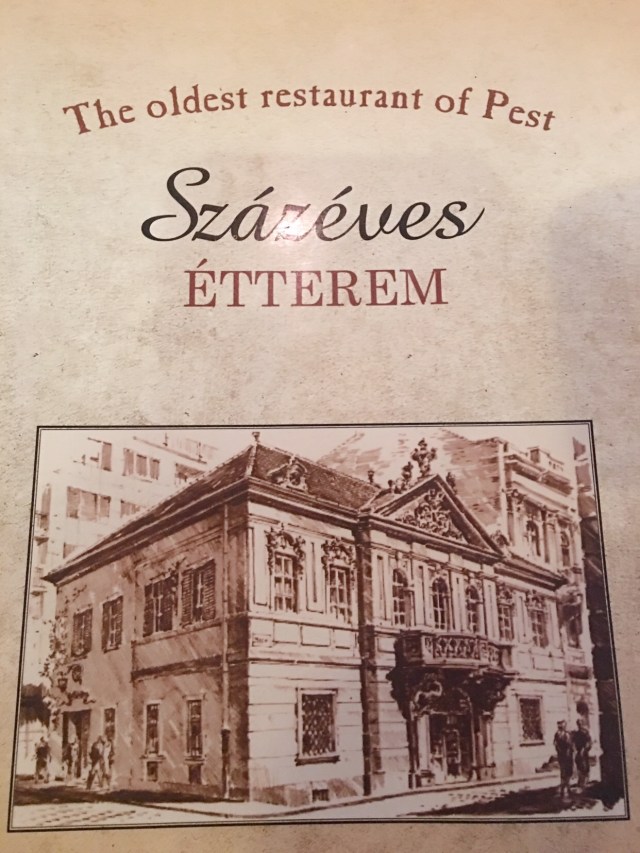
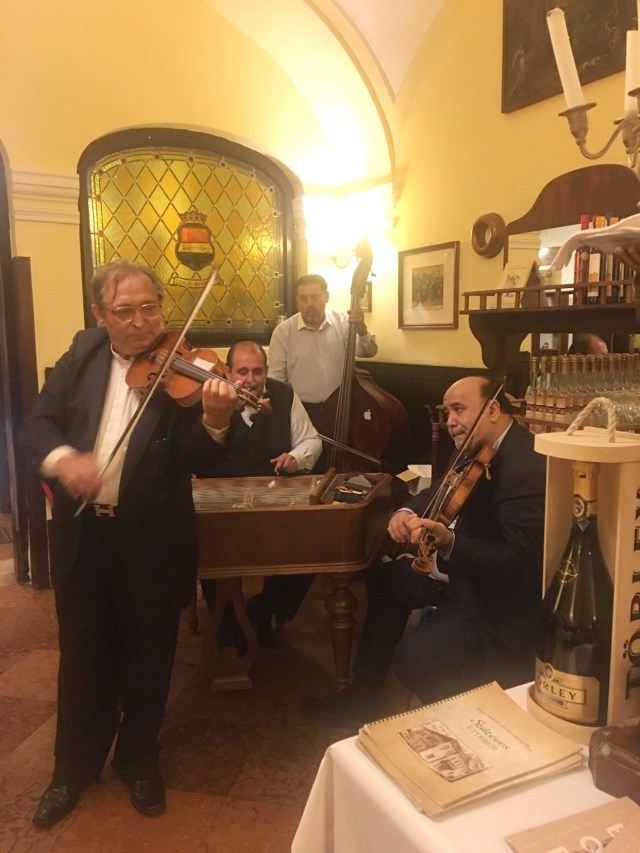
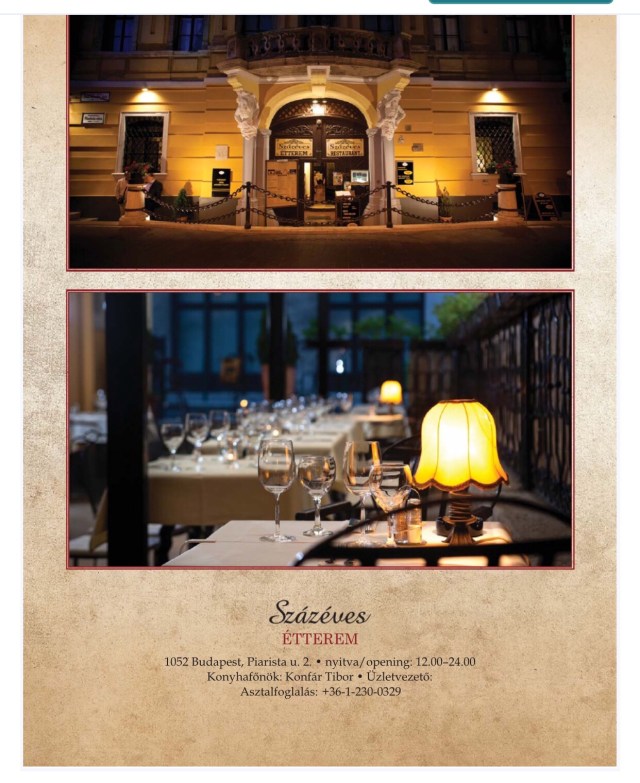
But it’s not the only soup we enjoyed. The restaurant in Hotel Zenit Budapest (Divin Porcello Ham Bar) where we stayed serves very good cabbage soup and ham, sausage and cheese platter. Plus they have a superb wine list! The first meal upon arrival here in Budapest got us all excited for dinner that same day. This time, we tried the oldest restaurant in Pest called Százéves which literally translates to “a hundred years”. Complete with classical music from these 4 Hungarian gentlemen.
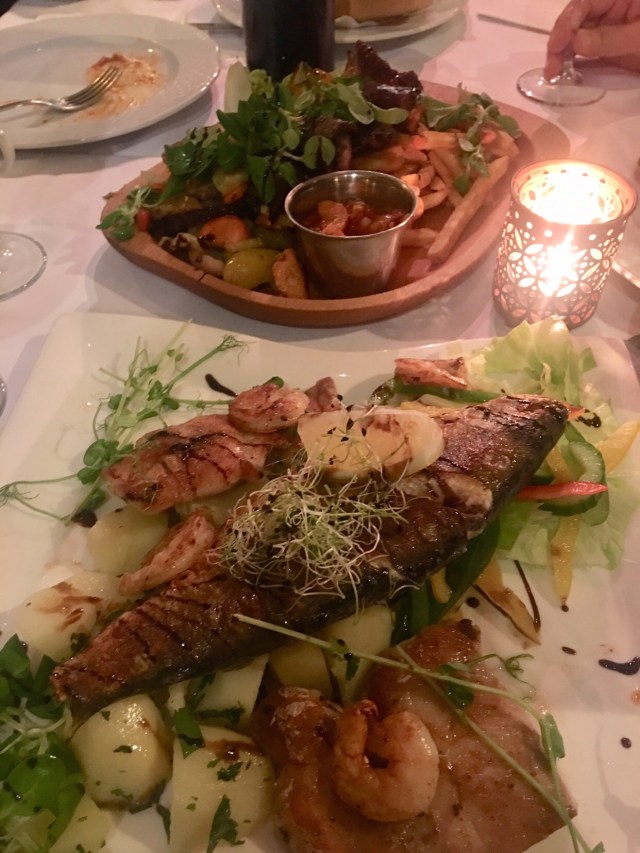
We particularly liked our fish dish here. Grilled zander? Have not come across this fish, but the English menu describes it as pike-perch of the Eurasian variety. It is a fresh-water fish with a very delicate taste. Simply grilled, and plated with alfalfa sprout toppings on a bed of lettuce and grilled onions with shrimps, we all enjoyed this dish.

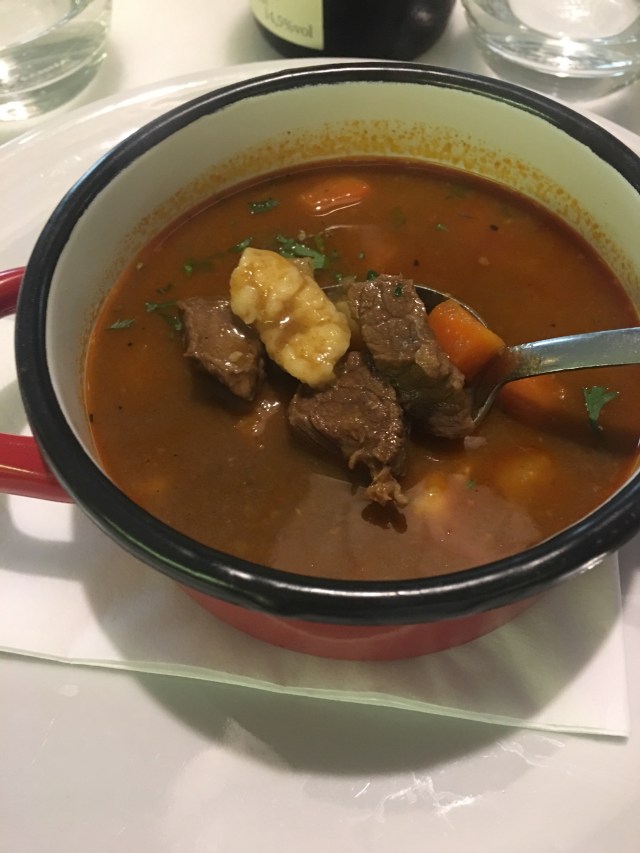
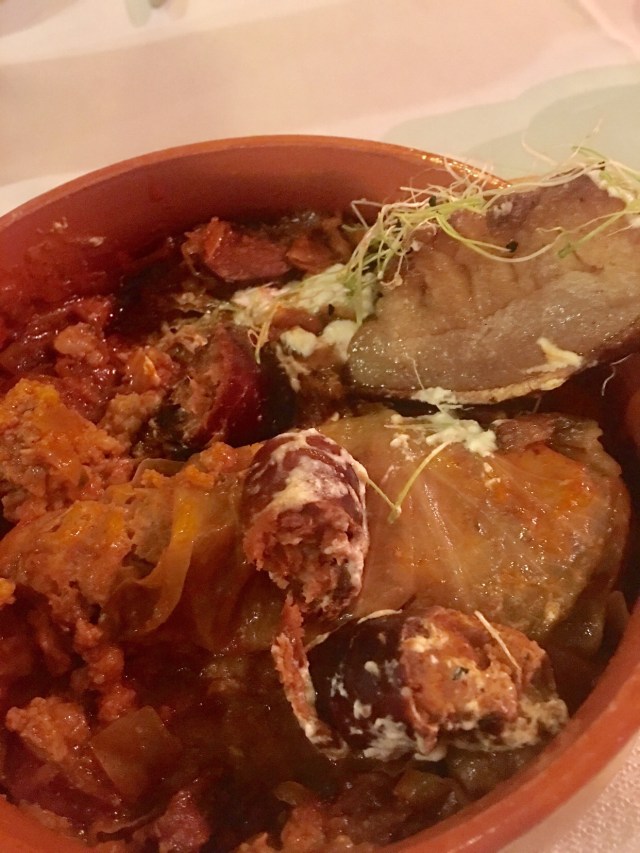
We ordered our 1st stuffed cabbage here. The first of 2, but we haven’t been lucky. The first “Koloszvar” stuffed cabbage was salty, the next one (in another restaurant) tasted bland. We likewise tried the Hungarian Goulash here. A sure favourite!

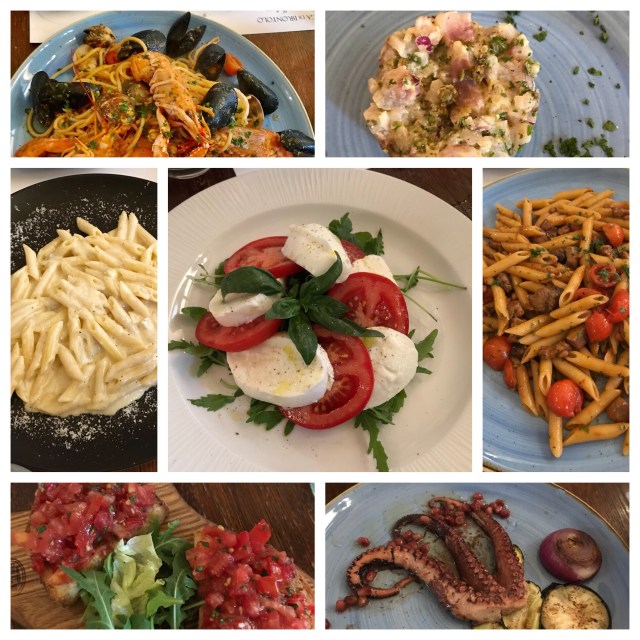
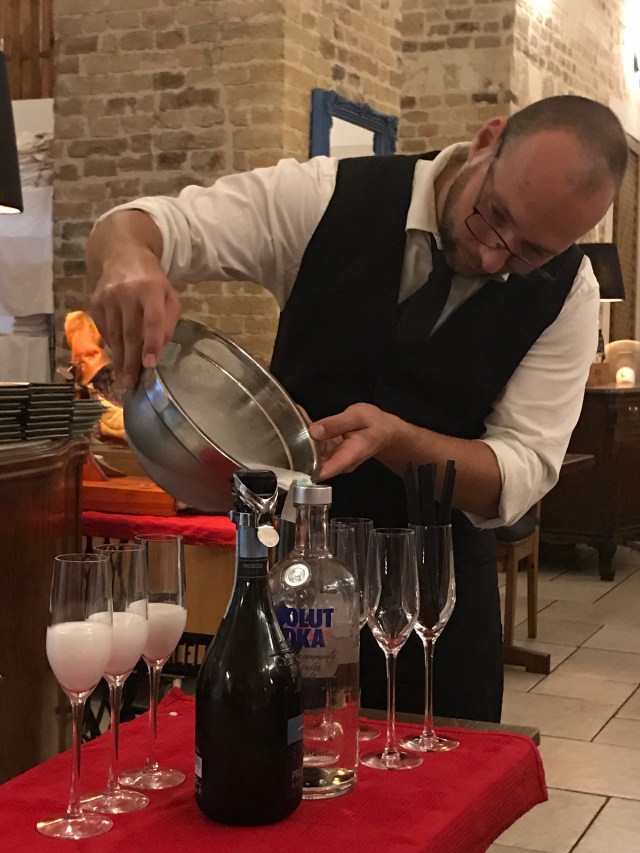
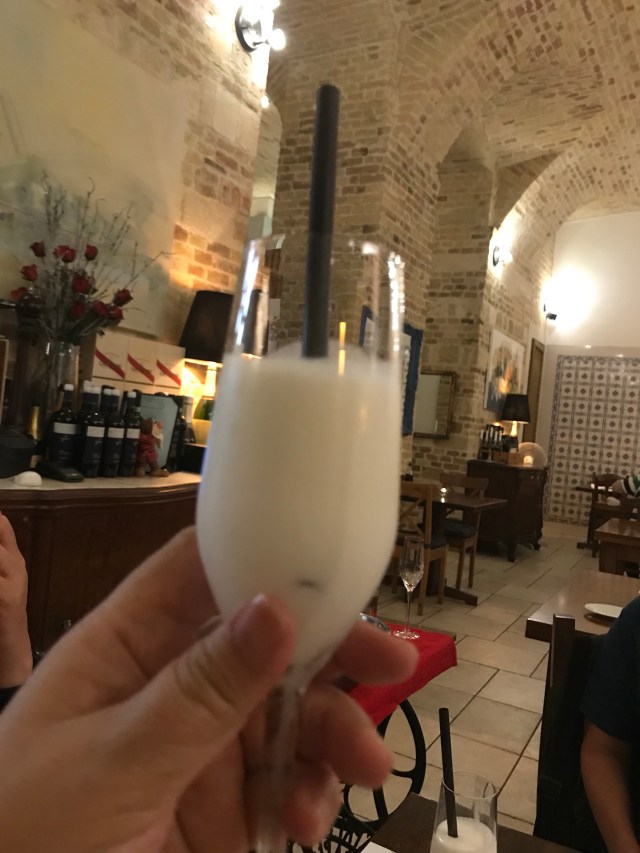
Our last dinner in Budapest wasn’t Hungarian. My friend found this Italian restaurant in Pest near the Danube which earned pretty good reviews. We had bruschetta, caprese salad, beef tartare, 3 kinds of pasta, pulpo and we had HUNGARIAN wine from Tokaj, Hungary. To finish this fine meal, we succumbed to the recommended lemon sorbet with prosecco and Absolut Vodka! First time I’ve tried this and I promise it won’t be the last. 🍸

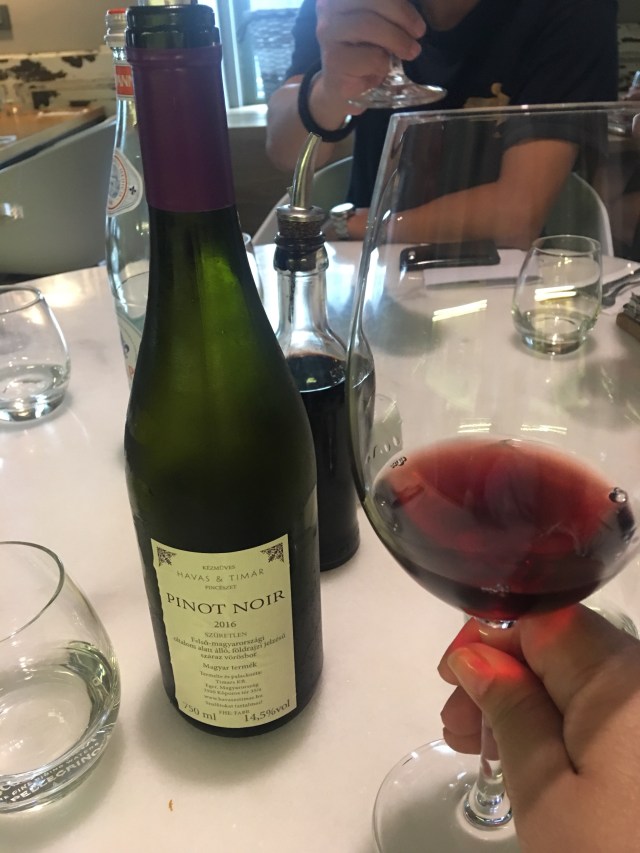
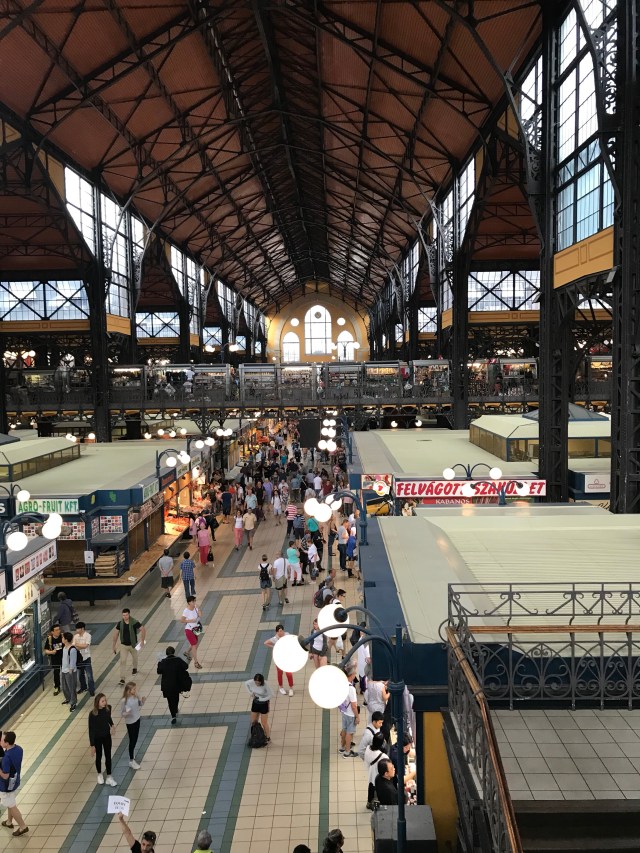
We ate very well in Budapest. And that’s only on the Pest side just around/near our lovely hotel by the Danube River. I bet there’s also many interesting bistros in the quieter side of Buda. We likewise enjoyed Hungarian wine. If at all, the only disappointment was the lunch we had at the Great Market Hall. The second floor is lined with many food stalls where one claims a table after ordering “cafeteria style” from any of the stalls. I enjoyed my beer but every dish we had was bleh. Took no pictures. Sorry. Nonetheless, I’d still suggest a visit to the Great Market Hall if only for the beer and some sausages. You’d find it at the end of the pedestrian shopping street called Váci Utca, so it’s not really out of the way. Besides, it’s the biggest indoor market housed in a magnificent building and offers many souvenir items and Hungarian delicacies.

Jó Etvágyát! 🍽👌 (Errrr, I only meant “Bon Apetit” in Hungarian)


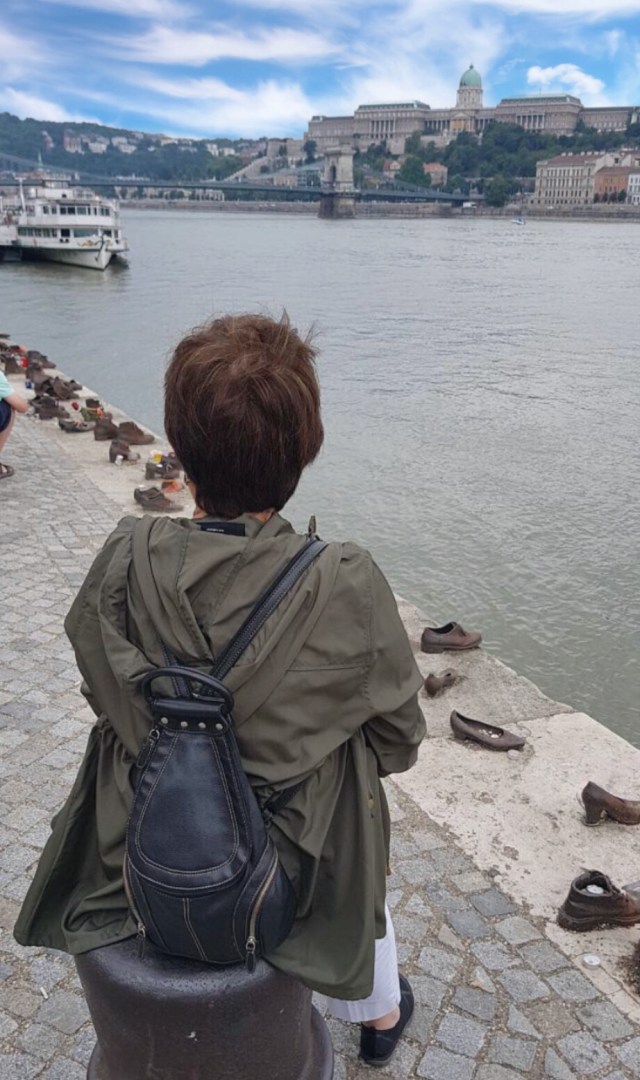
Hungary has heartbreaking stories to tell. And many stories are told in powerful symbols that are poignant reminders of a sad history. On the Pest side of the Danube, an evening stroll along the riverbank promenade is both refreshing and heartbreaking. The memorial is just a few meters south of the Parliament and consists of 60 pairs of shoes made of iron. Cast iron signs have the following text in English (also in Hebrew and Hungarian) : “To the memory of the victims shot into the Danube by Arrow Cross Militia Men in 1944-45. Erected 16 April 2005″.

I thought the victims were ALL Hungarian Jews. And that they were executed by Nazi Germans. I’m wrong on both counts. Many Hungarians were killed by fellow Hungarians and Germans. The Arrow Cross Party, who shared the same ideologies with the Nazis, took as many as 20,000 Jews from the Budapest Ghetto. It is claimed they were all executed at the banks of the Danube River. In February 1945, the Soviet forces “liberated” Budapest from the Germans. And that’s another sad story.

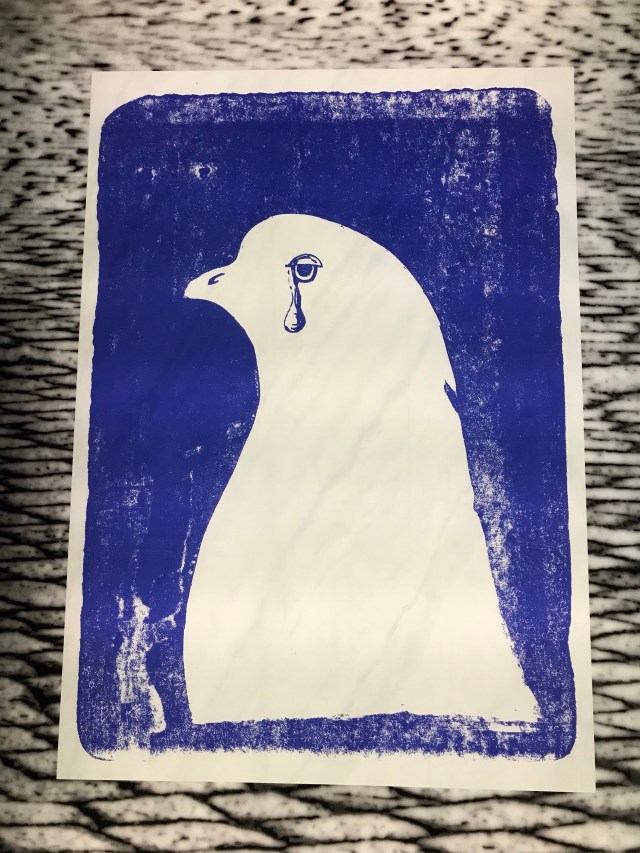
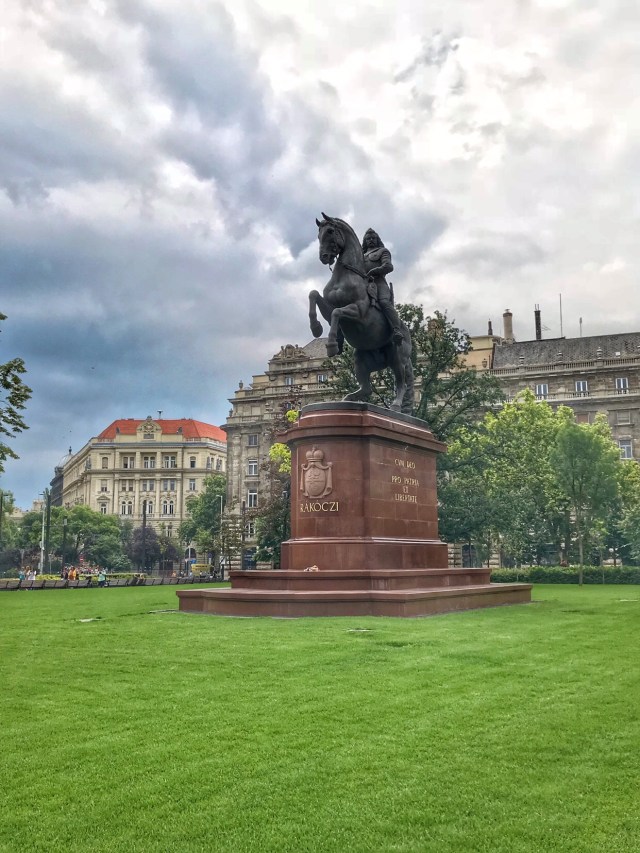
From Nazi Germany to Soviet Communism, Hungary suffered. Typically, I skip places where I feel negative vibes. But I was drawn to these symbols. The hole on the Hungarian flag hoisted over the Tomb of the Unknown Soldier. A dove shedding a tear. Old photos from a not so distant past. The chilling story of the Hungarian Uprising of 1956. Just look at that flag above the Tomb of the Unknown Soldier. The hole is right where the Communist Coat of Arms used to be. It was cut out and this symbolism became the battlecry of the Hungarian Revolution of 1956 against its Soviet-influenced, Soviet-backed government. There is a sad ending here where the uprising was crushed by Soviet tanks rolling into the narrow streets of Budapest. Power and might to crush a Revolution. About 2,500 Hungarian protesters died, and 200,000 fled as refugees. Many Hungarians consider this as the nation’s worst tragedy.

They’ve been through a lot, and these monuments and memorials reinforce that sad memory. No one forgets. 😔 One can’t help feeling impressed with the resiliency of these Hungarians.