Tag Archive: Europe


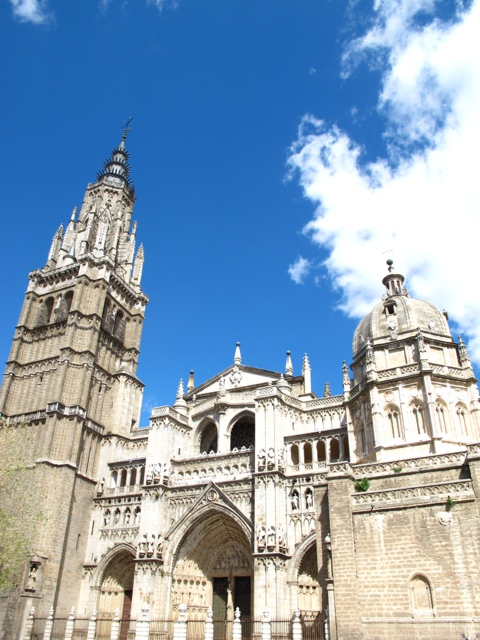
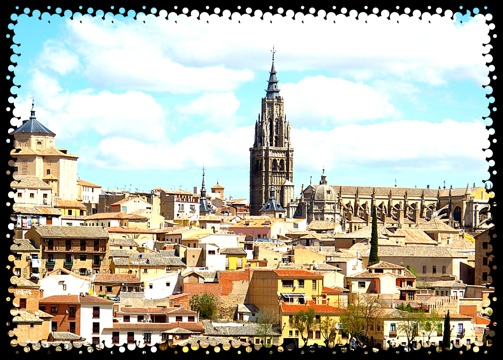
My TravelBlog piece dwells on my day trip to Toledo — my second time here in this lovely city brimming with art, culture and history. Ten years ago, I was also here and blogged about my experience in a brief stopover on our way south from Madrid. This time around, I would not be deprived the chance to visit and LINGER in the cathedral and in this place made even more famous in many El Greco paintings.


20120417-110704.jpg

20120417-110731.jpg


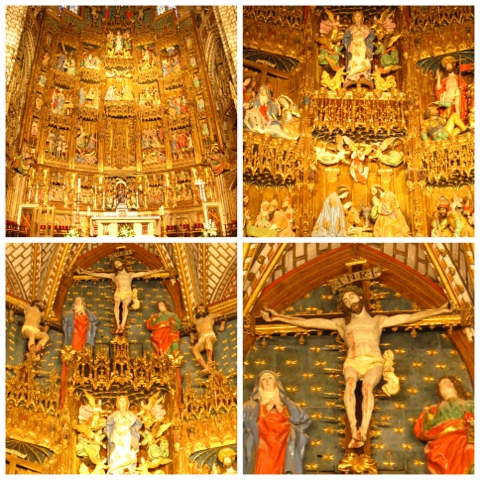
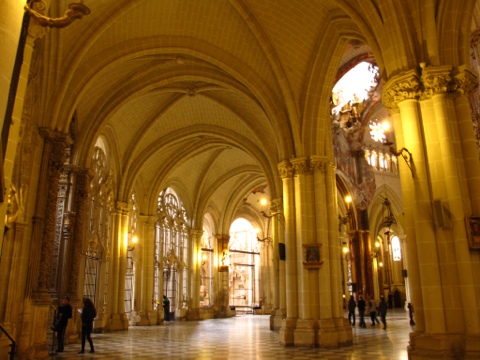
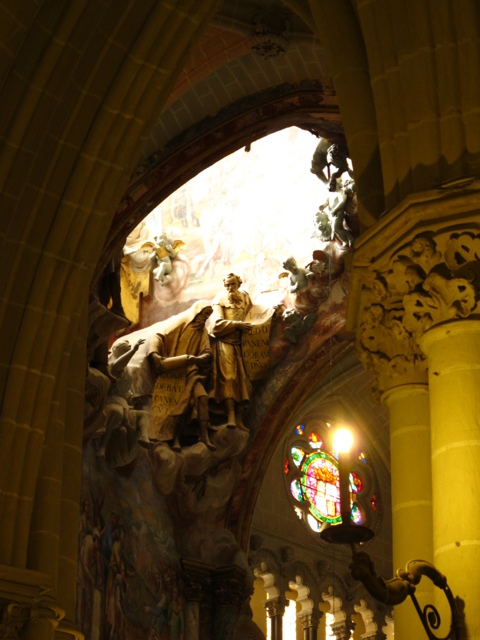
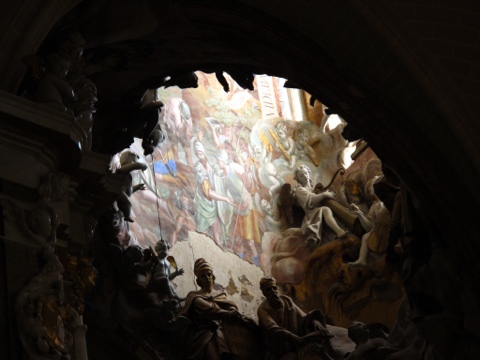
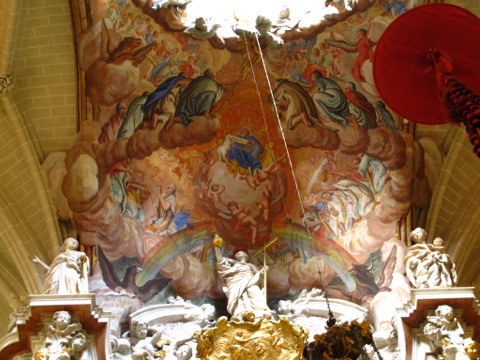
I choose to concentrate on the Toledo Cathedral. Having just recently visited the cathedrals in Avila, Segovia, Sevilla and Cordoba, you may think it’s overkill to visit another one. Not so in Toledo. The retablo behind the Main Altar and that “hole in the ceiling” —- the dome — are enough to justify the €7 admission here. Not to forget, I particularly love the statue of a smiling Mama Mary and a playful Infant Jesus in the Choir area just right across the Altar.



20120417-111258.jpg

20120417-111349.jpg


As I leisurely walked around the Cathedral, I would always catch myself looking up towards the ceiling. That “hole” impresses me so. I wonder how it was sculpted out up there, or how they even keep it clean, or how they change the lightings up there. Or is that natural lighting? Perhaps. As with many church areas where these geniuses of the past thought of almost everything!


20120417-111827.jpg

20120417-111852.jpg


What an inheritance! Spain is so lucky to have “inherited” all these treasures. And all those El Greco paintings of saints inside the capillas. Of course no photography was allowed inside the chapels which may well be art galleries by themselves given the many precious paintings inside. And as one steps outside, there’s so much more to see. Truly, Toledo’s claim as the biggest “open-air museum” rings true.


20120417-172124.jpg

20120417-172206.jpg


The best way to visit Toledo is to walk all around. Easily a half day just walking around, peeking in and out of churches and museos. Just imagine El Greco walking on the same cobble-stoned paths, drawing inspiration for his paintings and Miguel Cervantes for his Don Quixote novel from Toledo’s inheritance!


You may also want to read my 10 year-old blog on Toledo. It may be my 2nd time now, but the thrill of being in this huge open-air museum remains.
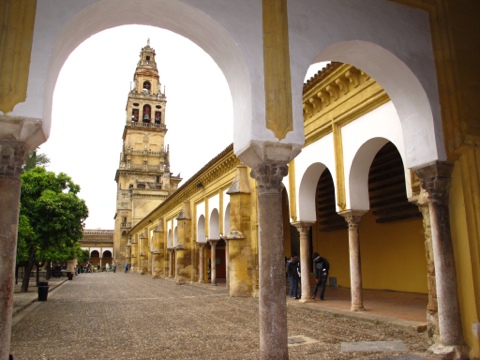

Cordoba. The Mesquita. Originally a pagan temple. Then a Visigothic Christian Church. Converted into a Mosque. And finally a Catholic Church. How can one go to Cordoba without visiting the Mesquita?


20120410-134704.jpg

20120410-134805.jpg


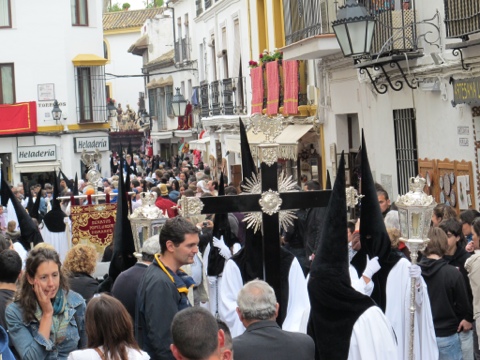
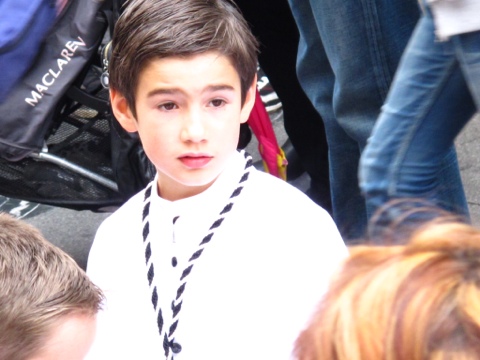
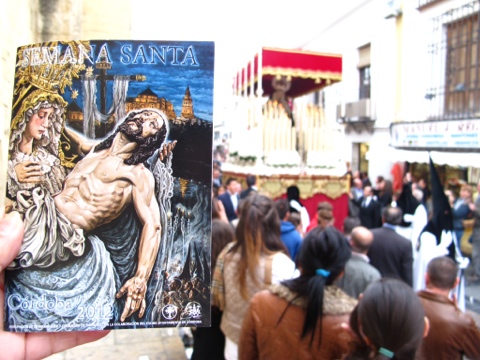
My earlier blog on Andalusia will tell you how we covered both Sevilla and Cordoba during the Semana Santa. Perfect place to be in, except that the weather hardly cooperated. Just the same, we were in luck when we reached Cordoba. Miercoles Santo had 8 processions running. All ending at the Mesquita. We didn’t watch all 8, but our attention was drawn to the young Nazarenos — trainees? Protégés? — in the crowd.


20120410-135434.jpg

20120410-135520.jpg


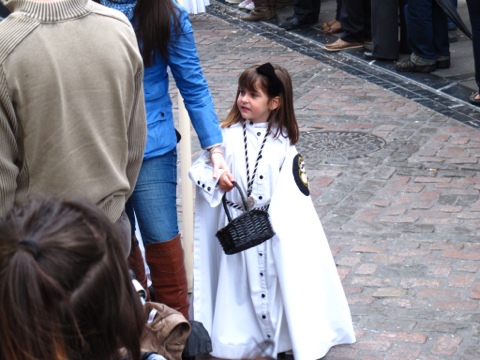
Unlike the “regular” Nazarenos, these young protégés had no pointed hoods over their heads. We even found one barely out of his stroller, nearly knocking everyone blocking his path as he seriously took on his role in the procession. His grandfather tried, in vain, to put him back on the stroller. And we also found girl Nazarenos. Pretty and cutesy participants to the Semana Santa processions. As they passed right in front of us — we were lucky to be standing right by the elevated platforms of the Mesquita — we heard cellphones ringing, as the teenage Nazarenos likewise engaged in light banter with friends in the crowd. All spiritual meaning may have been lost …… But who’s judging?


20120410-140211.jpg

20120410-140822.jpg


These young Spaniards are fortunate to have, and to keep these traditions. The processions may seem a bit unruly —- compared to the “silent processions” in Madrid —- even festive, but the tradition has not lost its meaning, and its charm, on me.


20120410-141141.jpg

20120410-141229.jpg

20120410-141333.jpg


That’s what the driver of the red tourist bus said. IT’S RAINING VERY WELL IN SEVILLA. Very well, indeed.


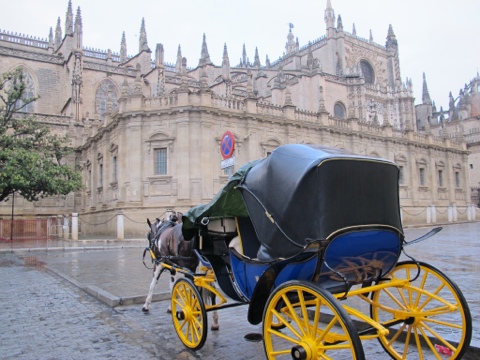
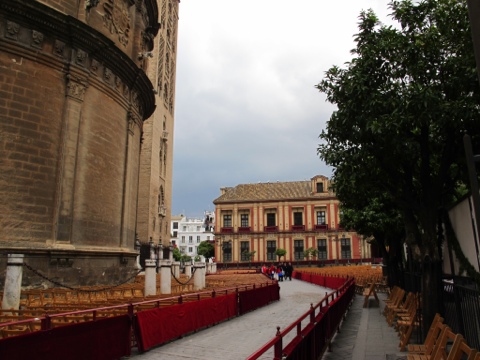
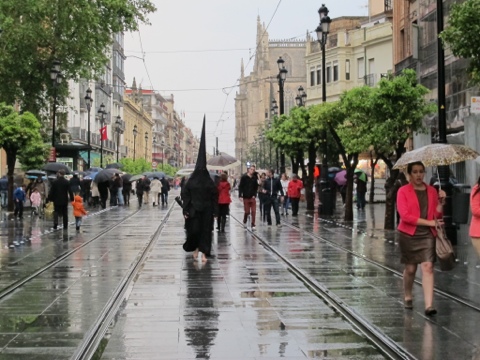
We took the AVE fast train to Cordoba today only to find not so pleasant weather in this part of Andalusia. Then and there, we decided to hop back on the train and proceeded to Sevilla. Rounded up the Giralda with all those seats neatly arranged around the cathedral while young and not so young men and women donned their Nazareno hooded outfits for the religious procession. Alas, it poured too — more heavily here — and the procession and other religious festivities were all cancelled!


20120409-102007.jpg

20120409-102134.jpg


It was so frustrating to watch. Hooded Nazarenos unmasking, wet wooden seats folded up, crowds thinning and spilling into nearby tascas and tapa bars. Pasos staying inside the church without a chance to stray out for a procession. Even the ride on the hop on, hop off tourist bus was so gloomy as the skies opened up and threatened a flash flood around the beautiful city of Seville. We peered through windshields with wipers busily swatting off raindrops. We wrapped ourselves good as the chill started to freeze our fingers and numb our cheeks.


20120409-113053.jpg

20120409-114456.jpg


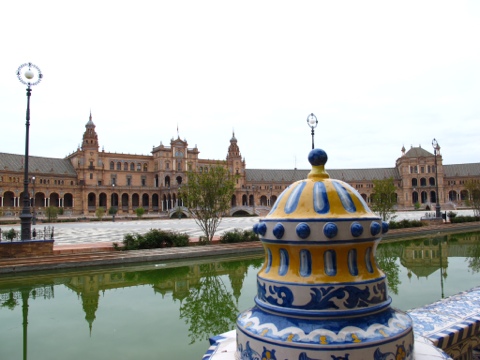
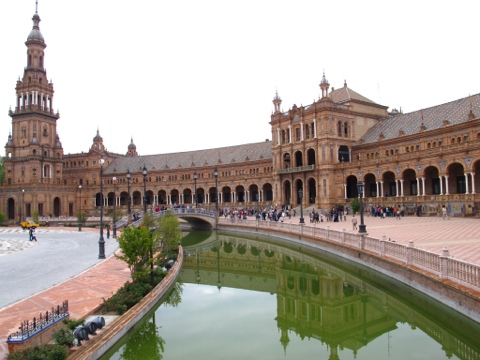
The morning after left Sevilla still wet, the floors of many tapa bars strewn with litter, too many coffee cups in garbage bins. Since we slept early the night before — so un Spanish — we woke up to catch the early hours in Maria Luisa Park sans the tourist crowd. It’s a lovely park though I still long for the charm of centuries-old buildings, bell towers, castles and churches.


20120409-133154.jpg

20120409-133256.jpg


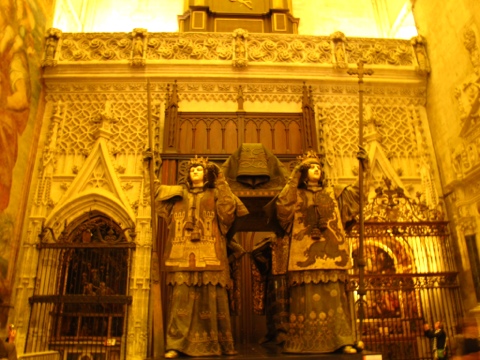
By the time the tourist buses arrived to download more camwhores tourists like us, we were ready for another ride on the hop on, hop off red bus. Then off to the Sevillan Cathedral where throngs of tourists seem to have congregated around the Tomb of Cristopher Columbus. I grew tired waiting to snap a better photo.


20120409-135857.jpg

20120409-135947.jpg


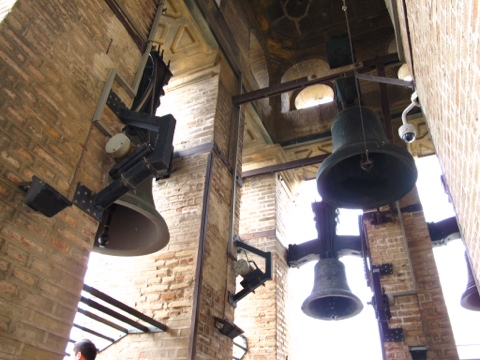
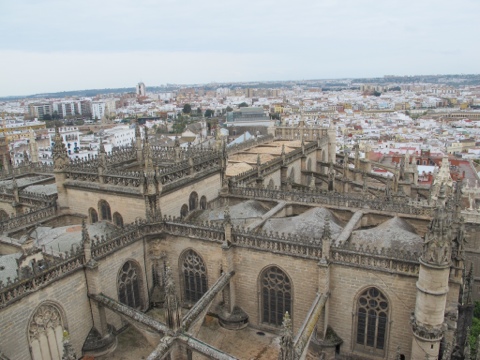
We queued up to scale the ramps toward the Giralda Tower, a Moorish remnant that now serves as the bell tower of the cathedral. All of 37 planks? Can’t recall, but it sure felt that many. From the top, one is rewarded with the Sevillan skyline including the cathedral roofs.


20120409-140305.jpg

20120409-140357.jpg


Now, don’t forget that Andalusians take their tapas seriously. We did too. And let that be a good souvenir of our journey to Seville on this Holy Week. With or without the procession, sunny or cloudy, wet or dry, the home of flamenco is always worth a visit.


20120409-141645.jpg

20120409-142401.jpg


If you’re hankering for a lazy day visiting a cultural treasure and checking how royalty lived, died, and were buried then, take a day trip to the Royal Seat of San Lorenzo de El Escorial. Simply called El Escorial, you can make a stopover here on your way to Avila or Segovia. Or you can simply do El Escorial, just 45 kilometers or less than an hour’s drive from the capital of Madrid, along with Valle de Los Caidos not too far from the palace cum monastery.


20120405-105240.jpg

20120405-105500.jpg


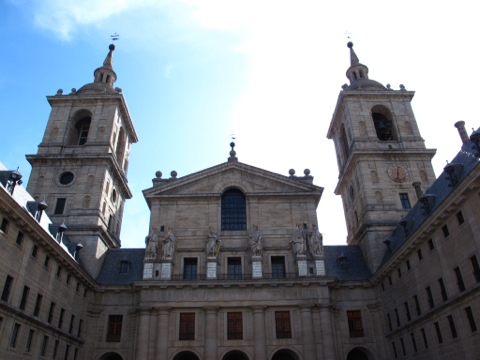
It may be true that the edifice was inspired by the Temple of Solomon. The 2 statues of David and Solomon guarding the entrance to the basilica bolster this theory. For sure though, the structure integrated many architectural alterations. Far beyond being a royal residence and monastery, El Escorial is also a school, convent, library, and for the last 500 years, the royal burial site for most of Spain’s monarchs. King Philip II originally intended the place as necropolis for his parents King Carlos I and Queen Isabella of Portugal, as well as for his own family and descendants. The Royal Pantheon, creepy in all its marble goodness, reunite the Spanish Royal Family after life. It is aptly placed right beneath the royal chapel.


20120405-112607.jpg

20120405-112717.jpg


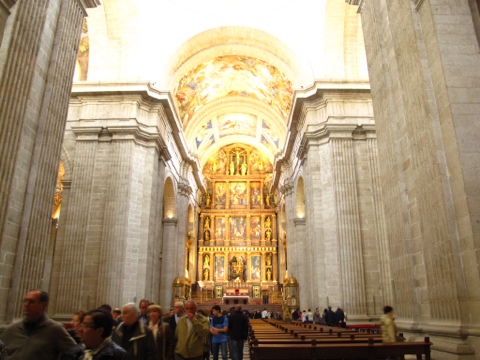
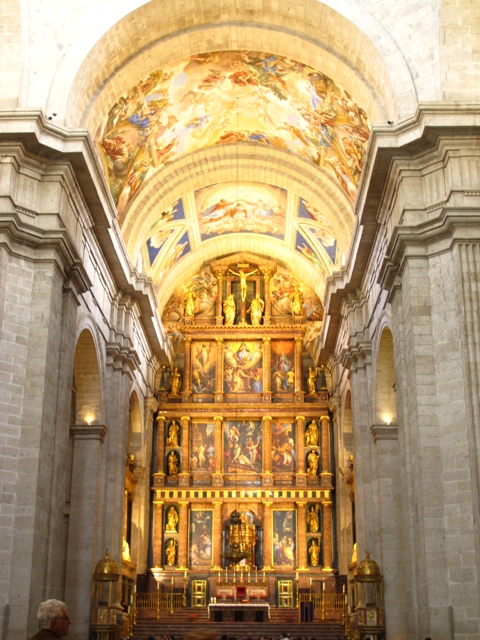
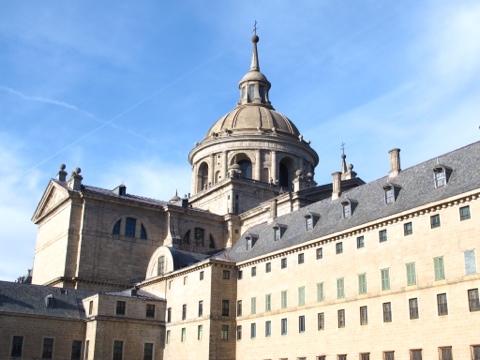
Declared a World Heritage Site by UNESCO in 1984, this 16th century royal site is likewise a treasure trove for great pieces of art from Spanish, Flemish, Italian masters from the 15th through the 17th century. From Titian to Velasquez to El Greco and many other collections. Too bad no photos to share, folks. Photography not allowed within much of the complex. I heard Mass inside the Basilica and took photos after the service. I was gently reminded by the guards with a simple, potent “No…..” before I could snap a photo of the dome which was inspired by the great church in the Vatican. Not surprising as the royal architect — Juan Bautista de Toledo — likewise worked in Saint Peter’s Basilica. Next to the basilica is King Philip’s royal quarters where a window allowed him to observe Mass even when his gout gave him problems. How about that?


20120405-122030.jpg

20120405-122232.jpg


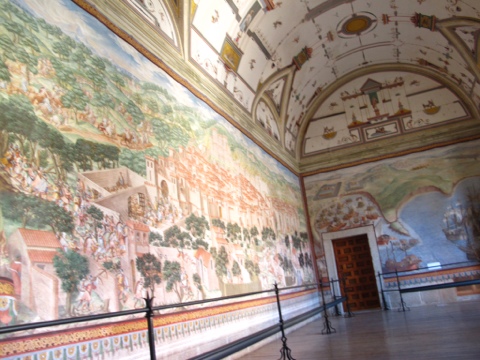
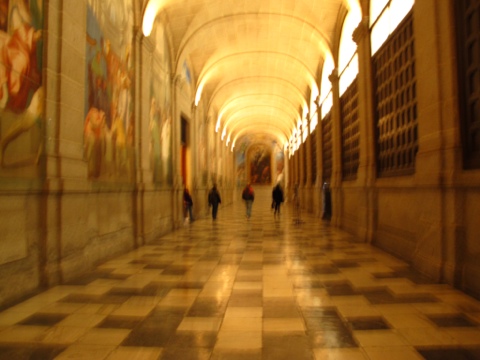
My personal favorite is the Library. The vaulted ceiling’s frescoes reminded me of the Sistine Chapel, albeit on a less grand scale. The Spanish Monarchs and scholars must have spent a great deal of time here. More so as King Philip II intended El Escorial as a center of studies to counter Protestant Reformation then sweeping Europe, in keeping with Spain’s role as center of Catholicism during his reign.


20120405-122407.jpg

20120405-122826.jpg


It would take many day trips to El Escorial to fully appreciate its grandeur and view the entire horde of art treasures. My hands found a nice reproduction in watercolor in the monastery’s “tienda” but decided against buying it as I agonizingly peeled myself away to get back on my bus and join my tour group. The tour guide then pulled out a surprise by raffling off the same piece my fat fingers gently traced just a while back. You guessed right. I won that watercolor reproduction. It’s a beautiful day! Life is a celebration 😍😍😍


20120405-123853.jpg

20120405-124338.jpg


We started with Part 1 in #9 Madrid Blog Series. This Part 2 has more to do with my “Noynoying” moments here in Madrid. 💤💤💤 It’s been a month and a week now. Done with apartment hunting, appliance shopping, scrubbing, sweeping, cleaning and all that pile of bedlinen and towel laundry. So before I start feeling truly domesticated here in Madrid, I stepped out in search of more of Rizal’s favorite haunts. But not without a few moments of “Noynoying”. The “branding” started while I’m away, and I’ve got to say it’s funny and highly irreverent. Disculpe (“excuse me”) ….. for giving in to the temptation of actually using the brand for a blog title. 😜


20120328-141504.jpg


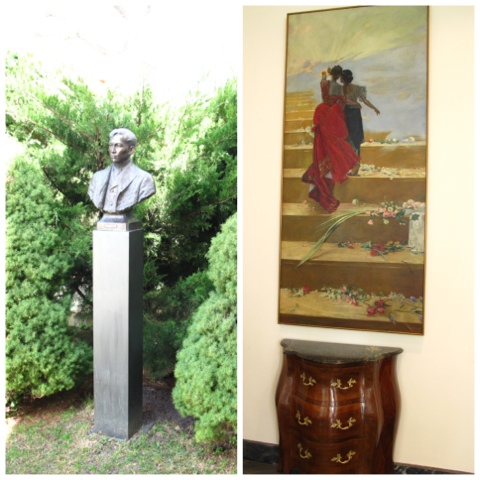
The above photos were taken from the Philippine Embassy in Madrid. Jardin Rizal was dedicated in memory of Dr. Jose Rizal on his 150th birth anniversary last June 19, 2011. The Juan Luna Painting — España y Filipinas — couldn’t be more appropriate. One passes this lovely reproduction upon entrance to the Office of the Ambassador.


20120328-143523.jpg

20120328-145340.jpg


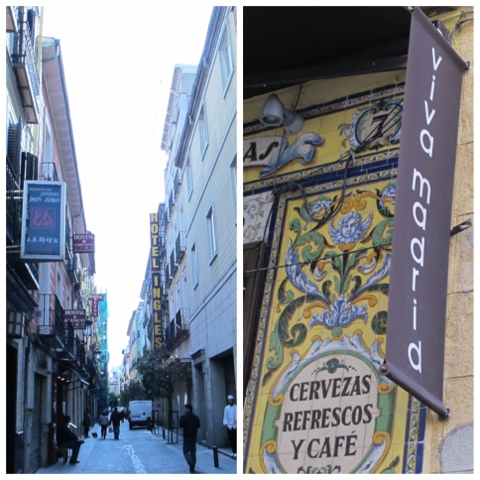
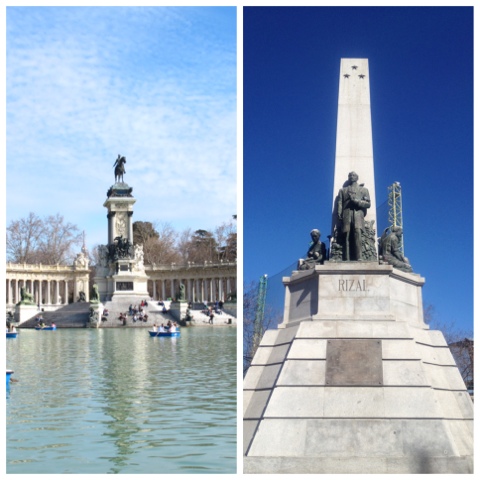
Earlier, I walked around the block 👣behind Teatro Español where I found Hotel Ingles, Los Gabrielles (now a cafe bar with flamenco 💃dinner shows) and Viva Madrid. I also wrote separate blogs 📖on Parque Retiro and Avenida Rizal/Islas de Filipinas where you find a replica monument of the hero. ⛲ This time, let me take you to places where JPR lived 🏠 (there were many — to a point that I felt JPR has been hopping from place to place), studied and joined protests.


20120328-145745.jpg

20120328-145806.jpg


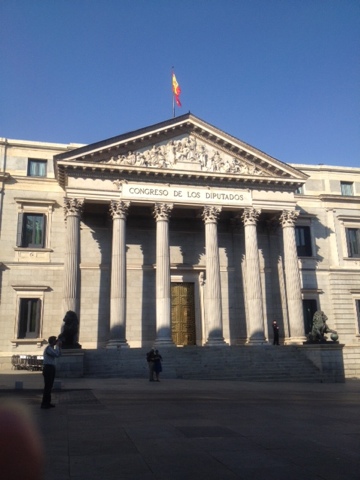
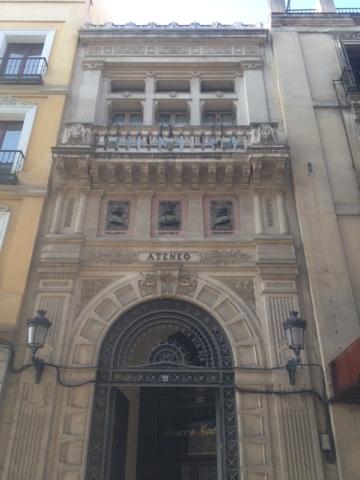
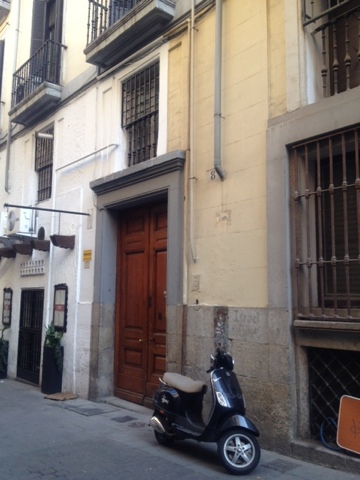
The Congreso de Los Diputados, formerly the Las Cortes Españolas, is the site where Filipinos including our very own heroes used to lobby for equal rights with Spanish citizens. This site, which is a stone’s throw from the Museo de Prado is where the Pinoy community rallied for Philippine autonomy. Makibaka! There is also the Ateneo de Madrid where Rizal studied English, did research and watched plays. His second residence along Calle Manuel Fernández Gonzáles, 8 (formerly C/ Visitación) from May to June 1883 is right across Viva Madrid, one of his favorite haunts. I can just imagine Rizal and other propagandists meeting and dining here after a few drinks at Los Gabrielles off the corner.


20120328-150942.jpg

20120328-151000.jpg


Did I just say dining and wining? Those nocturnal activities, in between studies, art exhibits and rallies? Por supuesto! Our heroes were thousands of miles and oceans away from family and country. No internet. No television. No cellphones. No Facebook, no games! No wonder they wrote many letters! 📮📫Surely, they needed some moments of pleasure and leisure to break the monotony. And mind you, they were dead serious and passionate about their struggles for freedom and recognition. Far from “Noynoying”? You tell me. 😏


20120329-154006.jpg


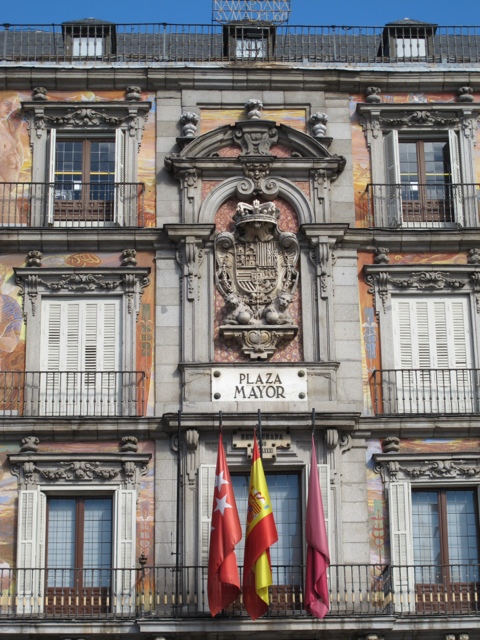
The main plaza or Plaza Mayor is just a few steps from Puerta del Sol in Madrid. Your best bet is to take the Metro and get off in Sol. To make things even more right, be sure to cross the street from Sol towards the Ayuntamiento or City Hall and stand firmly with your feet on that marker that says “Kilometro O”. A very touristy behavior, but who cares?


20120321-114403.jpg

20120321-114501.jpg


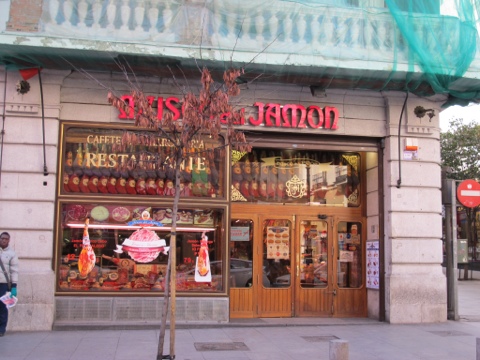
To the right of the Ayuntamiento are 2 streets both ending in the Palacio Real and Almudena Cathedral area. The street on the right is Calle del Arenal where you would be tempted to drop by for churros con chocolate at Chocolateria San Gines. So take the road on the left instead. That’s Calle Mayor where you walk past Museo de Jamon ….. Oops.


20120321-115024.jpg

20120321-115109.jpg


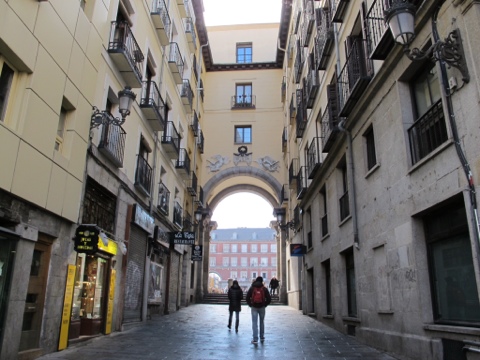
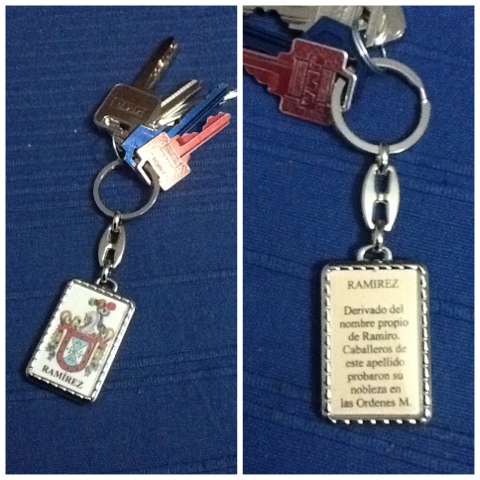
On your left side, watch out for an alley that leads to Plaza Mayor. I think this is Calle Felipe III. Take this alley and be sure to drop in on this small shop where you can check out your “apellido” and buy a keychain with your family heraldry or insignia or emblem….. I found mine, and my family name like many Filipinos has Spanish roots. Mine is a special clan of mercenary warriors noted for their bravery. Paid soldiers!


20120321-115213.jpg

20120321-115251.jpg


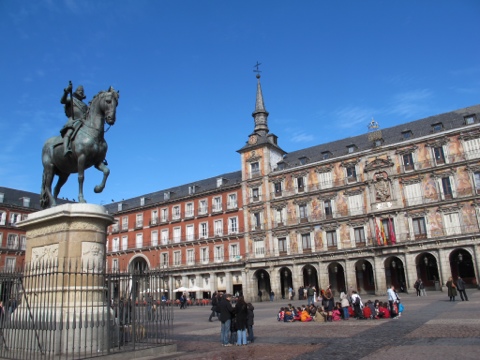
Within the square you may want to visit the Tourist Information Center. You can pick up maps here and check out some guided tours. Many chose to do the “hop on, hop off” red tour bus for €20. If you’re not keen on walking and would just want to sightsee from your bus seat (it’s open on the 2nd level), then this is for you. Otherwise, take the unlimited tourist pass for €9.30 (1day) or €13 (3 days) which you can use taking the metro or bus and explore on your own. After all, the metro stops for the tourist sites are clearly marked and Madrid has a superb metro system.


20120327-214204.jpg

20120327-214700.jpg


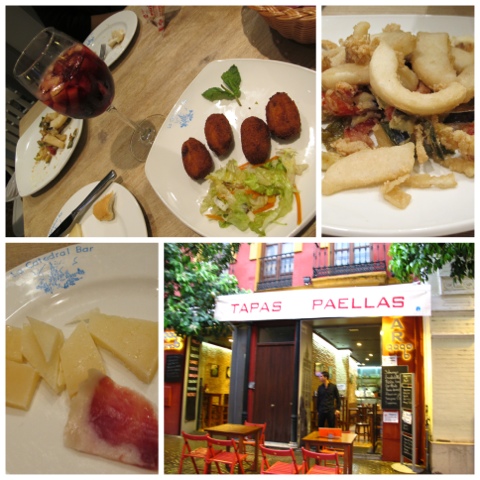
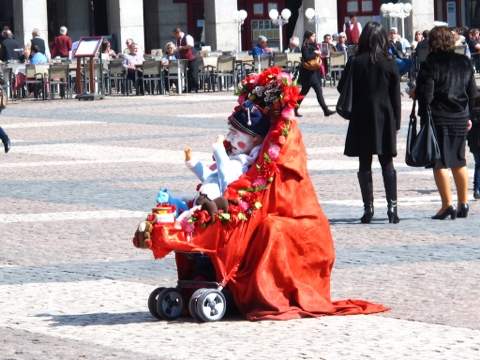
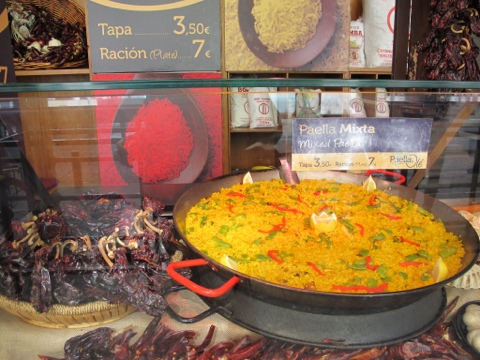
Again, you’d find many street artists — should I call them plaza artists? OR buskers?  — around the statues of King Philip III and the corners of the square. Many dining outlets too — mainly catering to the tourist crowd, I guess, judging by their patrons. You can have your paella and jamon fix in any of the tascas here. (Tascas mean “local gathering place”) Or you may simply have that sangria or cafe con leche with some tapas (appetizers) in any of the open-air bars and just people-watch. Buen provecho!


20120327-220057.jpg

20120327-220153.jpg

20120327-220234.jpg


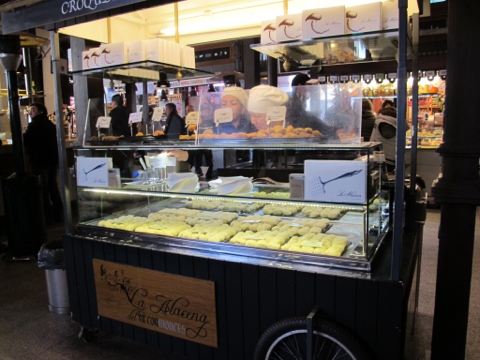
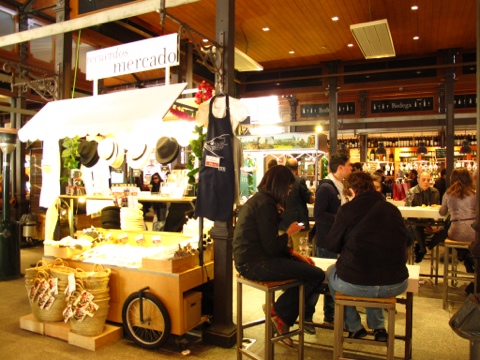
Beyond Puerta del Sol, past Plaza Mayor, is this most charming mercado like no other. I wasn’t looking for it when I found it. And that was on my Day 2 in Madrid. Since then, I would always drop in whenever I’m in the area. Just love it here!


20120321-112055.jpg

20120321-112150.jpg


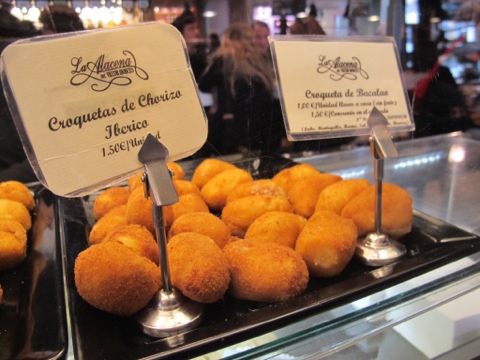
Each time I drop in, the place is jampacked! Noisy, crowded, so lively, so Spanish! I don’t know how these Madrileños manage to gesture with their hands while holding a wine glass and a croqueta or Quezo on the other hand. And you know what I mean when I say “gesture with their hands” , or with their shoulders! Think only the Italians come close.


20120321-112628.jpg

20120321-112737.jpg


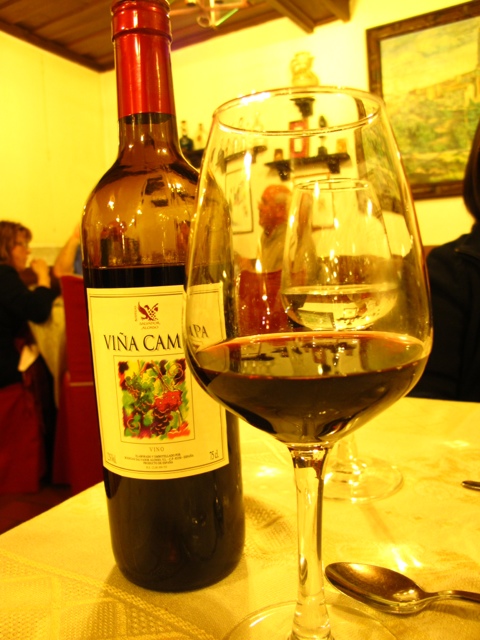
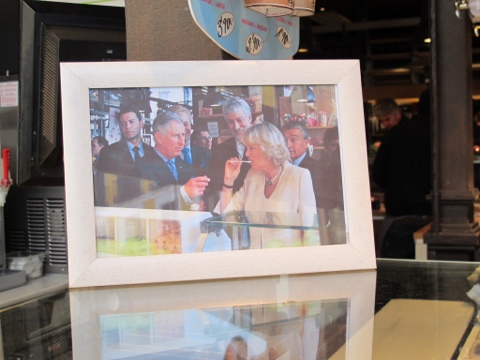
No chairs, no stools. You and your friends around a cocktail table and drink, eat like there’s no tomorrow. Tried the paella, the croquetas, jamon and some Quezo Manchego. Next time, I’d try the yogurt. Saw a photo of Prince Charles and his dear Camilla trying out some favors in that stall.


20120321-113040.jpg

20120321-113223.jpg


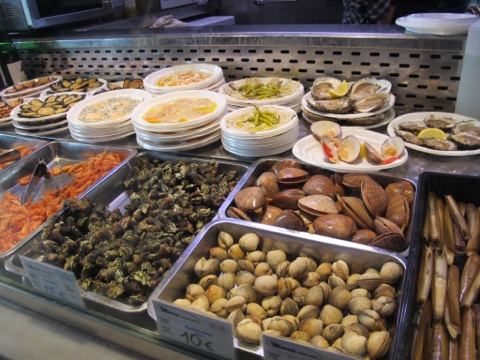
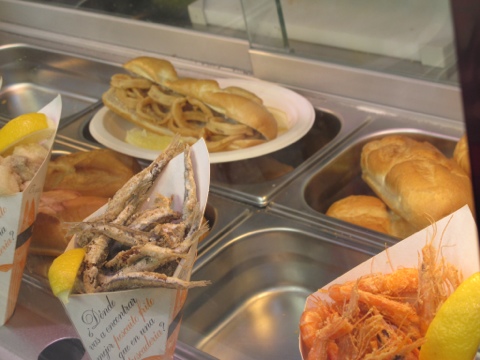
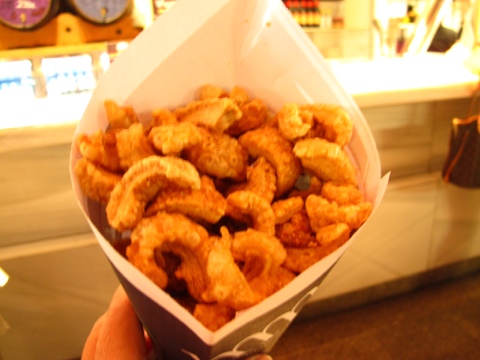
And all that seafood from fried boquerones and sardines to steamed and grilled oysters and squids. Plus don’t forget the chupitos, baby eels, and so much more — in tapas or racion sizes! Nom Nom Nom. This is my neighborhood. I feel happy just people-watching here. That, while munching, makes me forget to take more photos. But these would do, won’t they? I’m busy ☺


20120321-113709.jpg

20120326-222145.jpg


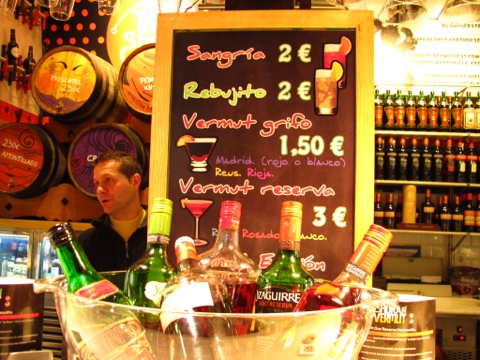
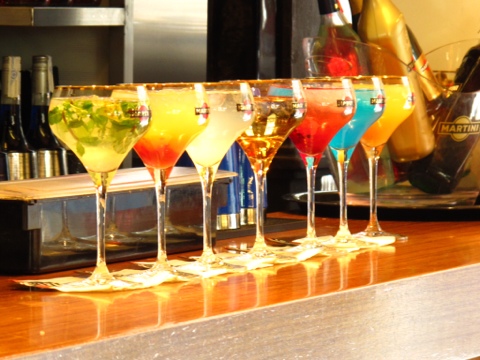
Errr……lastly, go and have that drink. And I don’t mean just sangria.


20120326-222320.jpg

20120326-222414.jpg

20120326-222504.jpg


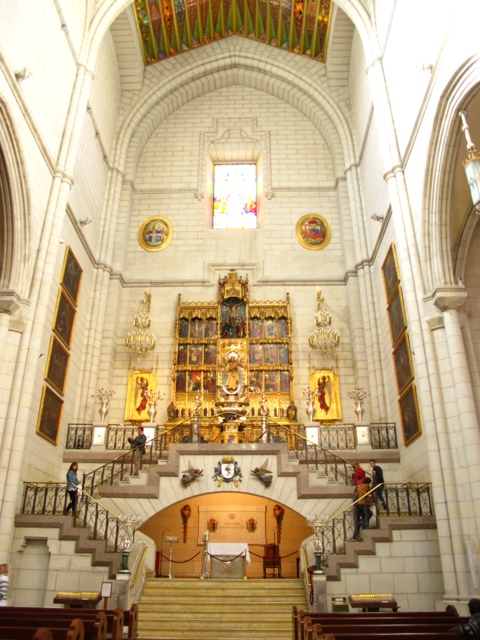
The first time I went to the Almudena Cathedral, I wasn’t expecting much. After all, Madrid allegedly pales in comparison with other major cities around Spain in terms of antiquity. In plain terms, it means Madrid’s sacred destinations are not that “OLD”.


20120318-201717.jpg

20120318-202011.jpg


Dedicated to the Virgin of Almudena, the construction of the cathedral began in 1883 but was completed a century later in 1993. The name Almudena comes from Almudaina, Arabic for “wheat-store”, because there was one close by.


20120318-203418.jpg


The story goes that when the Muslims were about to conquer Madrid, the Madrileño Christians hid a statue of the Blessed Virgin Mary behind a wall to spare it from being abused and profaned by the conquering Muslims. When King Alphonsus VI regained the city, the wall miraculously crumbled, revealing the statue of our Lady.


20120318-203553.jpg


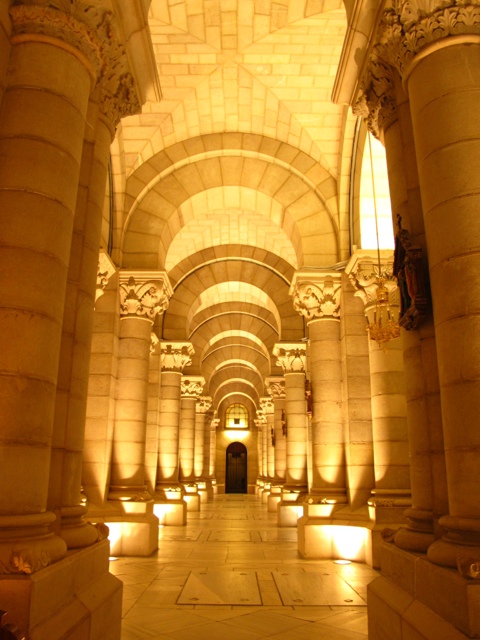
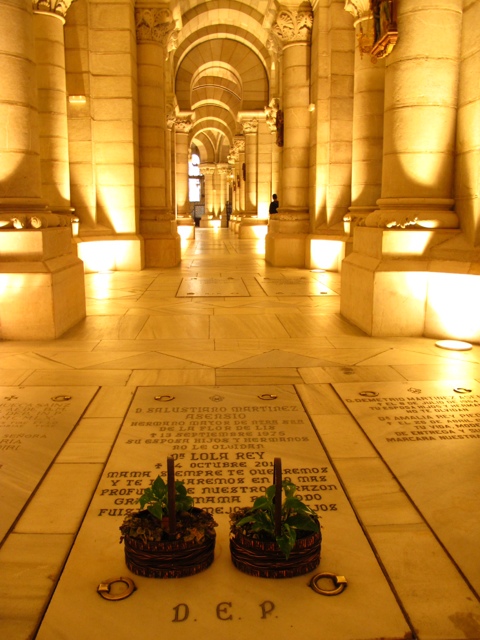
What the Church may have lacked in terms of architectural credit and historical significance, this Neo-gothic edifice made up for with its Neo-Romanesque Crypt which houses a 16th century image of the Virgin of Almudena. Kind of creepy inside the crypt, helped along by the background music as one moves from altar to altar, crypt to crypt. As I walked OVER some graves of presumably distinguished Madrileños, adorned with potted plants and flowers, I couldn’t help wondering if this “real estate” is priced highest on a per square meter basis in this corner of the world. (Disculpe, for this irreverence)


20120318-204328.jpg


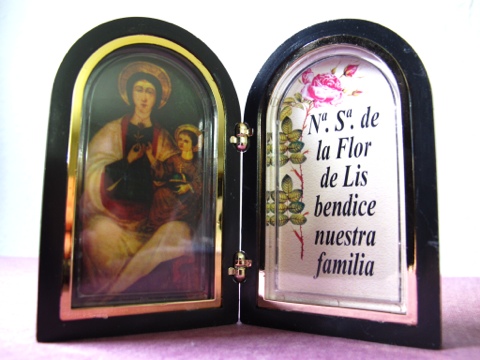
If you happen to be in the area of the Palacio Real, make sure to drop by the Cathedral, and then the Crypt. You can also buy some religious souvenirs on your way in or out, like what I got (that’s the photo of the 16th century painting of the Virgin of Almudena). Then before heading home or back to your hotel, you have the option to spend the rest of the day exploring the gardens around the Royal Palace or walk back to Puerta del Sol, passing the Opera. If you’re too tired, then take that metro ride from the Opera Metro Station.


20120328-220440.jpg

20120328-220630.jpg


Palaces, castles and humongous cathedrals fascinate every Filipino. 🏰The grandeur, the pomp and pageantry associated with royalty is simply not our reality. Even Malacanañ Palace is really a token 2-story palace compared with what one finds in other parts of the world.


20120318-191522.jpg


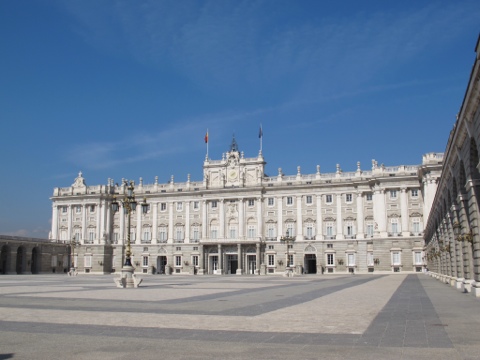
Palacio Real literally translates to “Royal Palace”, much like Real Madrid (of football fame) means “Royal Madrid”. 👑All of 2,800 rooms covering a floor area of 135,000 square meters, it is THE largest palace in all of Europe. So…. Buckingham Palace, move over!


20120318-192601.jpg


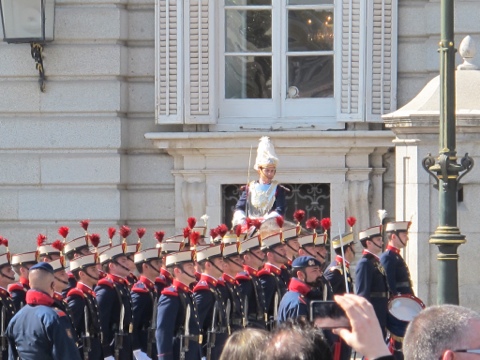
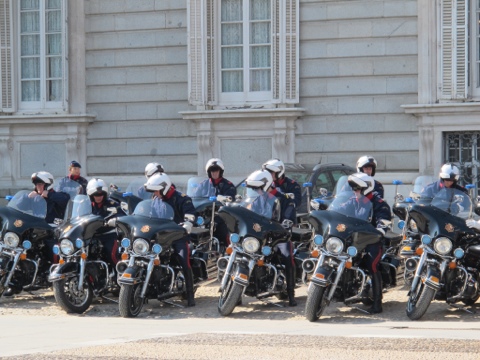
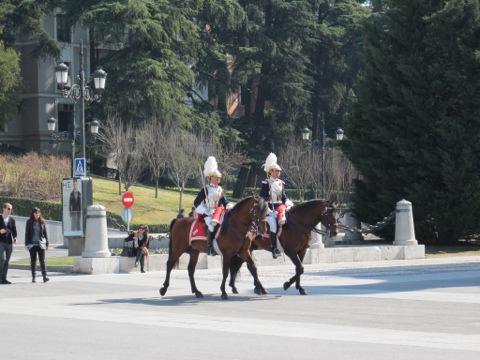
The present King has chosen to live with his royal family 👸elsewhere (Palacio de la Zarzuela) on the outskirts of Madrid. Thus, the State-owned Palace is only used for official or state ceremonies. At the time I visited, the Palace was closed owing to some State ceremony. Though I missed viewing the interiors of this architectural wonder, I joined many others – Madrileños and tourists alike – waiting through all the pageantry. Changing not only of the guards, but also of the horses! And my, those guards are all cuties, I kid you not! Take it from this over-the-hill hag….. I hardly use those words to describe MEN. But I must confess that I do find King Juan Carlos a HUNK very, very charming!


20120318-193533.jpg

20120318-193625.jpg


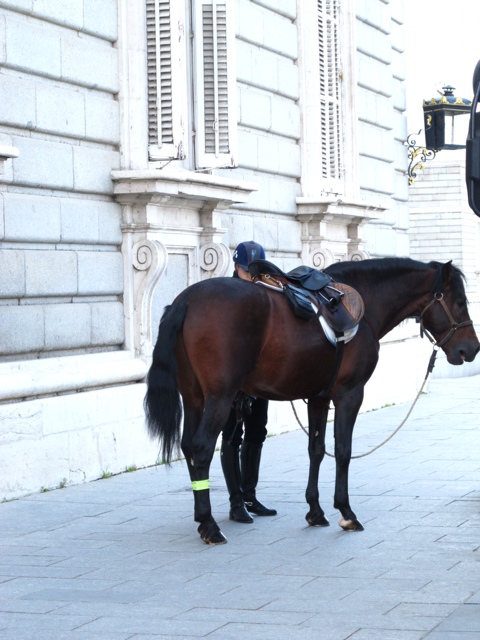
And look at these horses! What is it called — the Spanish Riding Academy? But that’s in Vienna, near the Hofburg Palace. Confused? The Riding School in Vienna was so named because the “noble” horses originated from the Iberian Peninsula. I know zilch about horses but I have read that the Spanish and Arabic horses rank up there among other breeds. No wonder they rub elbows (or butts?) with royalty. ☺


20120318-195440.jpg

20120318-195603.jpg

20120318-195810.jpg


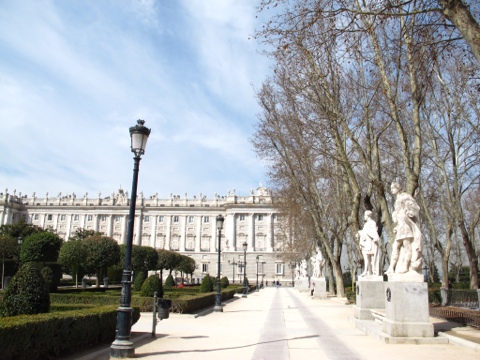
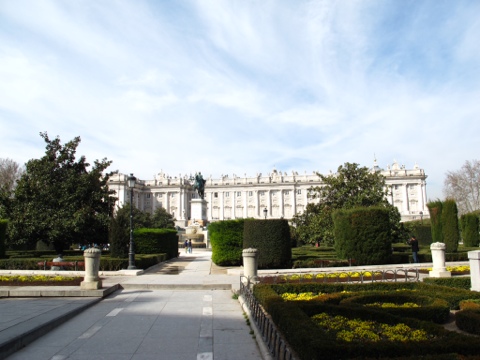
The Palace is just a short walk from the Opera. I took the metro 🚉 up to Opera and walked on the right side of the royal theatre till I reached the Plaza de Oriente, a well-manicured garden on the side of the royal palace. I also didn’t miss the chance to stroll along the Sabatini Garden where I felt I intruded on many a romantic trysts. 💗 Oooooops!


20120318-200425.jpg

20120318-200716.jpg

20120318-200954.jpg


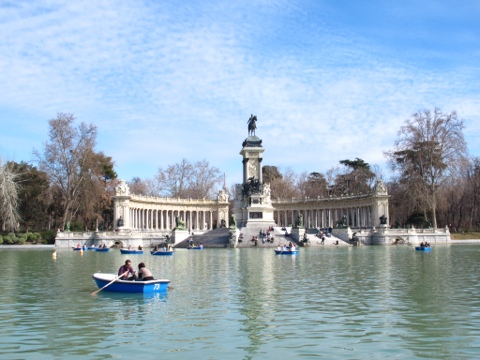
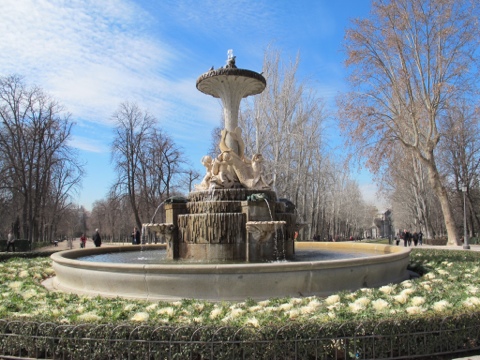
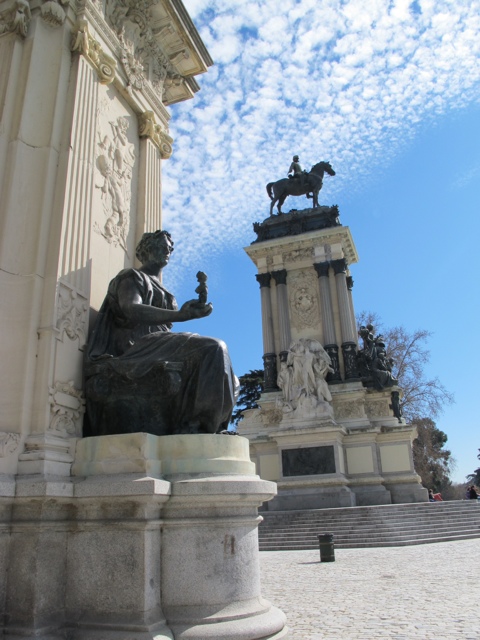
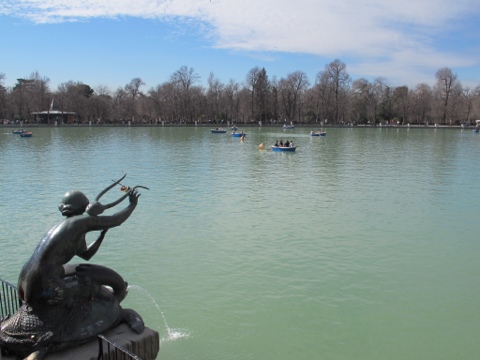
Here’s another favorite haunt of our national hero while he was here in Madrid. Can’t blame him. Parque de Retiro, which used to be exclusive to royalty, is such a pleasure to be in anytime of day. Just take the Linea 2 (red line) metro 🚉 to Retiro and it’s right there as you exit out of the station.


20120318-005731.jpg


Now, I wonder how many times Rizal went on dates in this park. Remember, JPR lived a frugal life here in Madrid and a paseo around Parque de Retiro would have been a cheap but romantic way to take out a señorita.


20120318-005927.jpg

20120318-010055.jpg


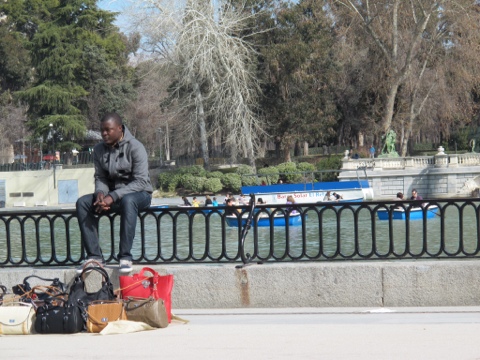
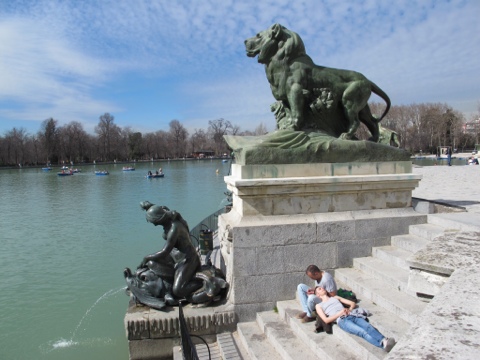
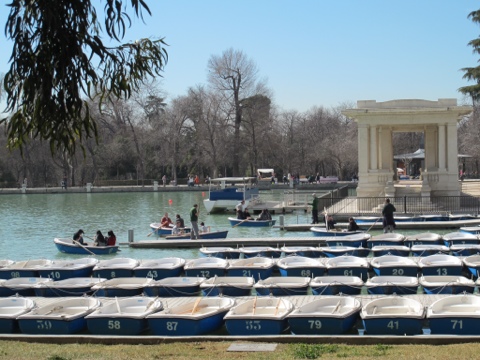
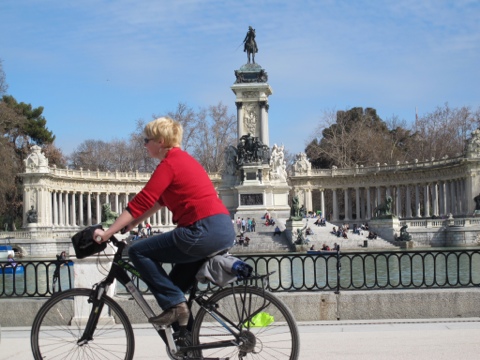
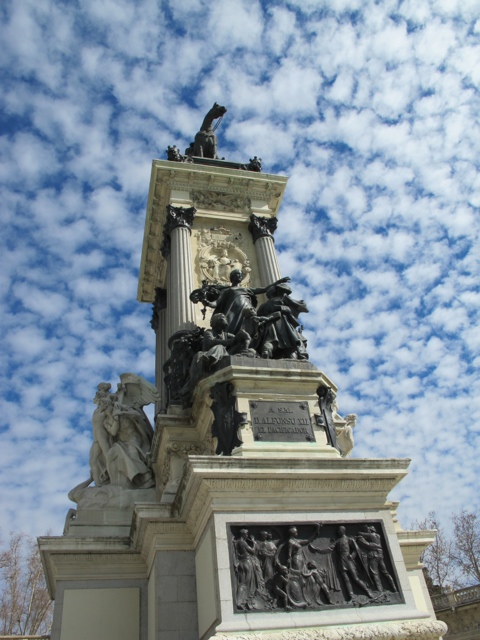
These days, you’d find street musicians 🎺🎷🎸🎤 and illegal vendors (selling their wares on laid out rugs)👜💼👢 around the park. It was a bit of a challenge to take a good photo of the pond and the monuments without these characters. And then there are the lovers. 👫💑 Of all kinds.


20120318-011056.jpg

20120318-164054.jpg


Sundays are crowded in Parque de Retiro where locals enjoy just strolling around the gardens, 🚲biking, renting boats 🚤 to row around the pond, drinking their cafe con leche ☕ or cafe cortado, shopping for “smuggled” bags 👜peddled by vendors on blankets or rugs laid out on pavements, skateboarding, or simply shooting the breeze while listening to street musicians. 🎤


20120318-164746.jpg

20120318-164858.jpg


JPR must have been so inspired by this ex-royal garden that he named his place of exile in Dapitan as “Mi Retiro.” This is also the place where an Igorot woman died in the dead of winter while “on exhibit” in the Exposición de Filipinas in 1887. The exhibit meant to showcase Philippine artifacts, art works and botanical specimens which included “sample Philippine tribe peoples” like the Igorots, Manobos and Negritos. You can just imagine how JPR criticized Spain for its violation of Filipinos’ human rights which resulted in the death of this Igorot human specimen, while other tribe “samples” contracted pneumonia due to the bitter cold.


20120318-170252.jpg

20120318-170326.jpg


Tsk. Tsk. It’s stories like these that make me ever so grateful for the sacrifices and bravery of our national heroes. As a reminder of what they went through as against the freedoms that we now enjoy, one can’t help but lament how much we have forgotten. Truly, we as a nation need to reconnect with our past so we do not fail to take things for granted and more importantly, to regain our national identity and pride as a people.


Aaaaahhhh…… Enough said. Or written. 📝