Latest Entries »


No, it is not a barrio in Cavite City.   It is a “hole in the wall”  that is better than a carinderia but at slightly higher than carinderia prices.  Don’t we just love that combination? 

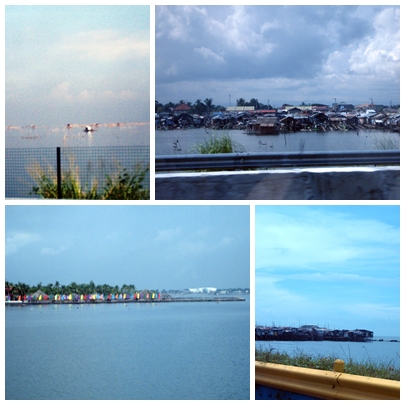
It’s been awhile since I last visited Cavite City.  The new coastal highway made travel such a bliss.  In under an hour, more like 40 minutes, we were there.  We drove along the coast and watched the Manila Skyline fade as we reached our destination. The view would have been perfect, passing Island Cove in Binakayan and fisherfolks on bancas fishing their luck from the Bay. Until you pass shanties, and more shanties, lining the coast.  Somehow I get this feeling that shanty towns will sprout here and there along this coastal highway and block what would otherwise be a perfect place to view sunrise or sunset.


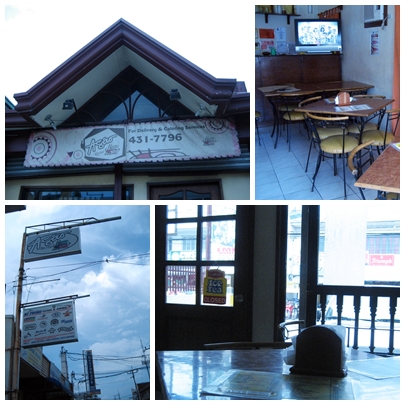
Upon arrival, as always,  there is the problem of where to eat without banging the door of some relative in this city across Manila Bay. It is also just as well that Asao is hard to miss as it is located right along the Main Road of Cavite City just before the Ladislao Diwa Elementary School.

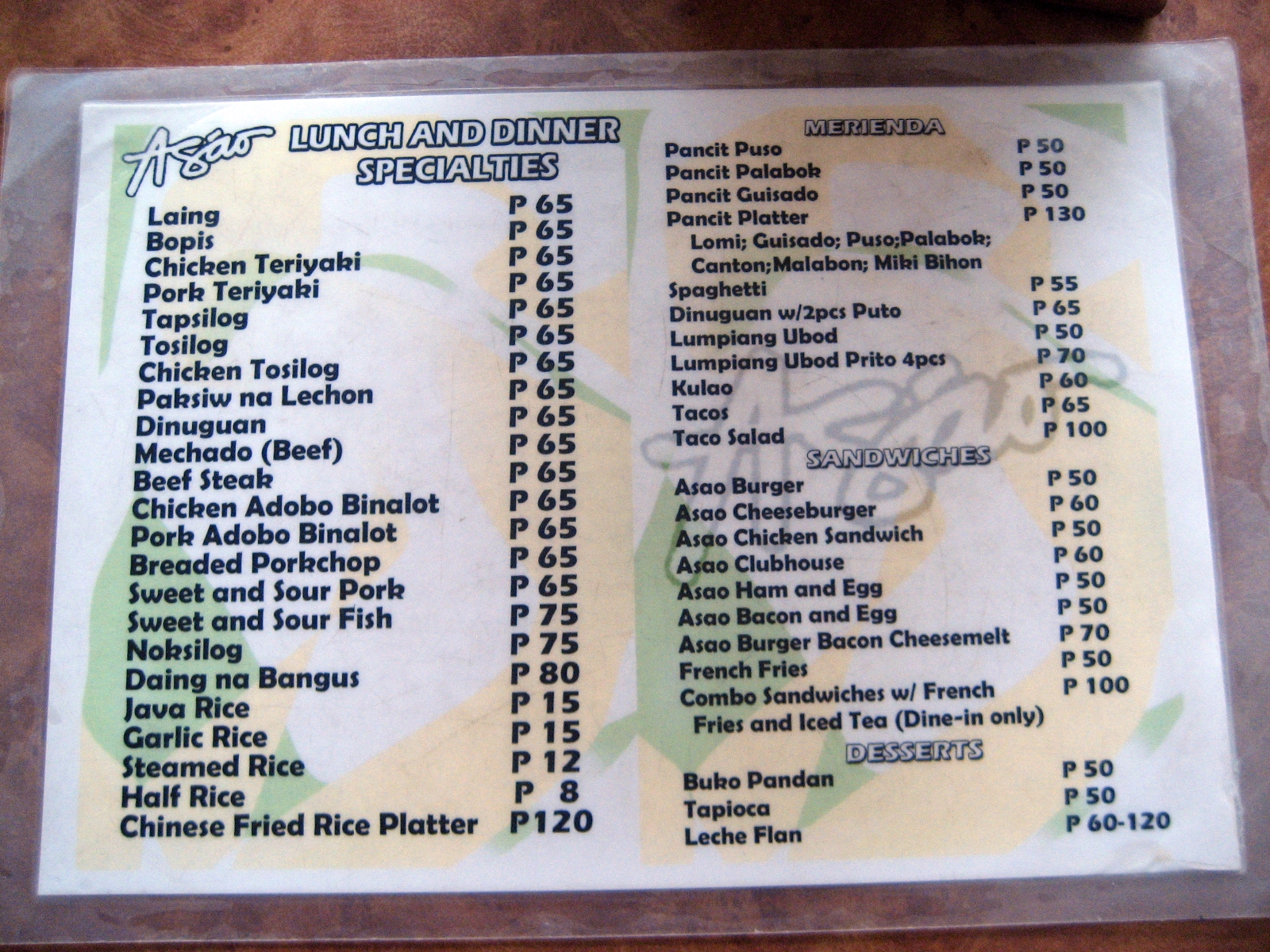
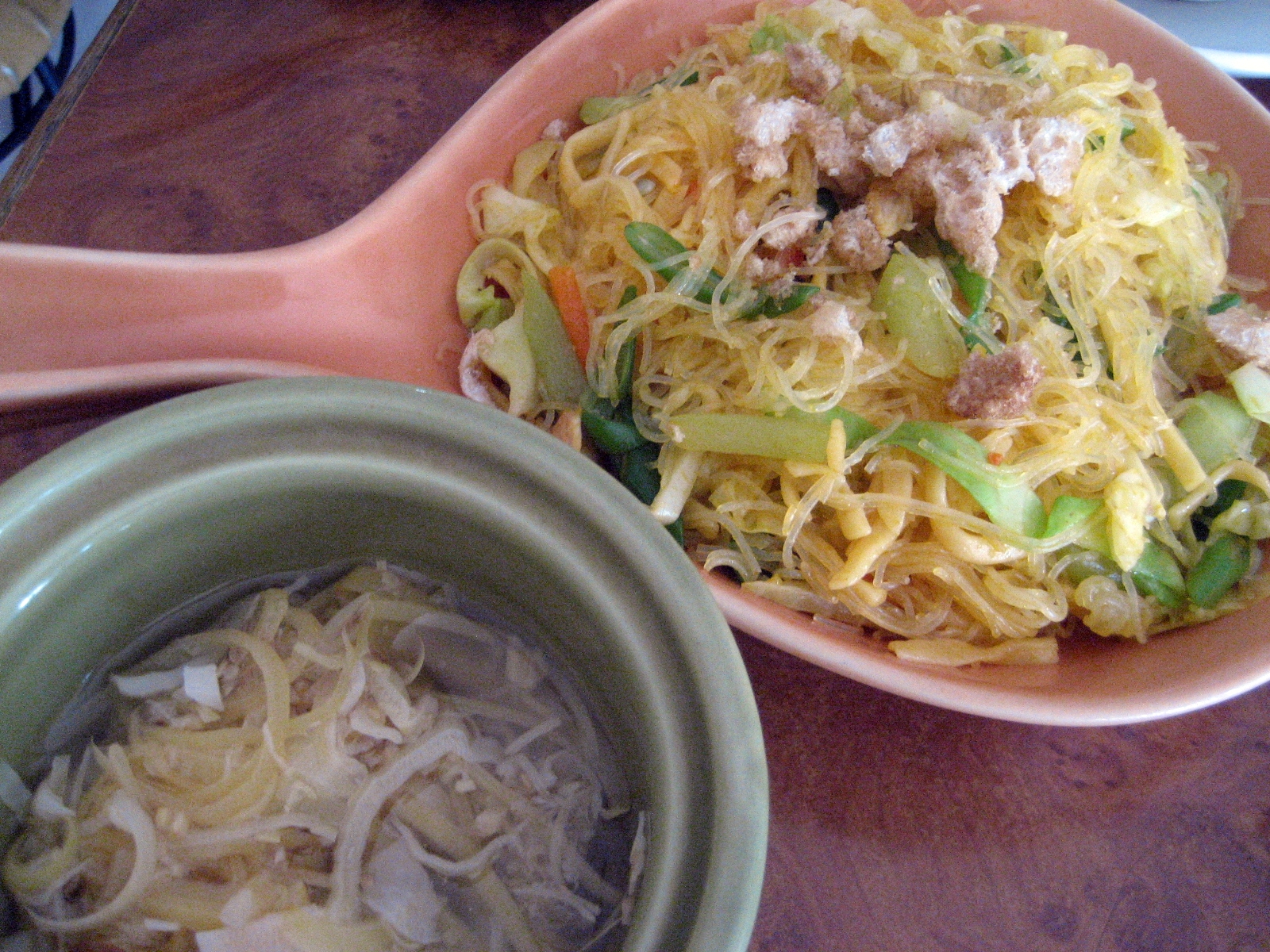
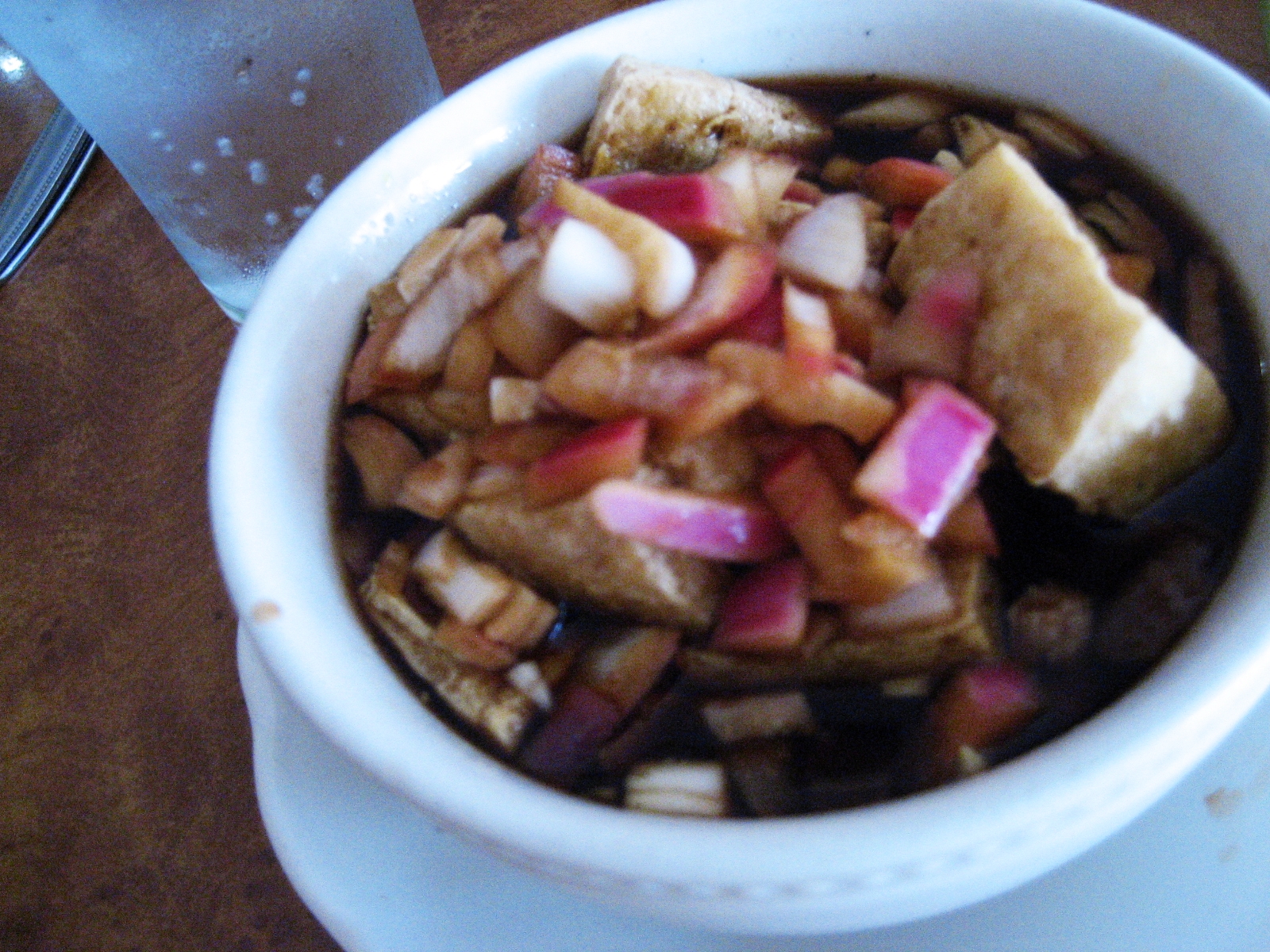
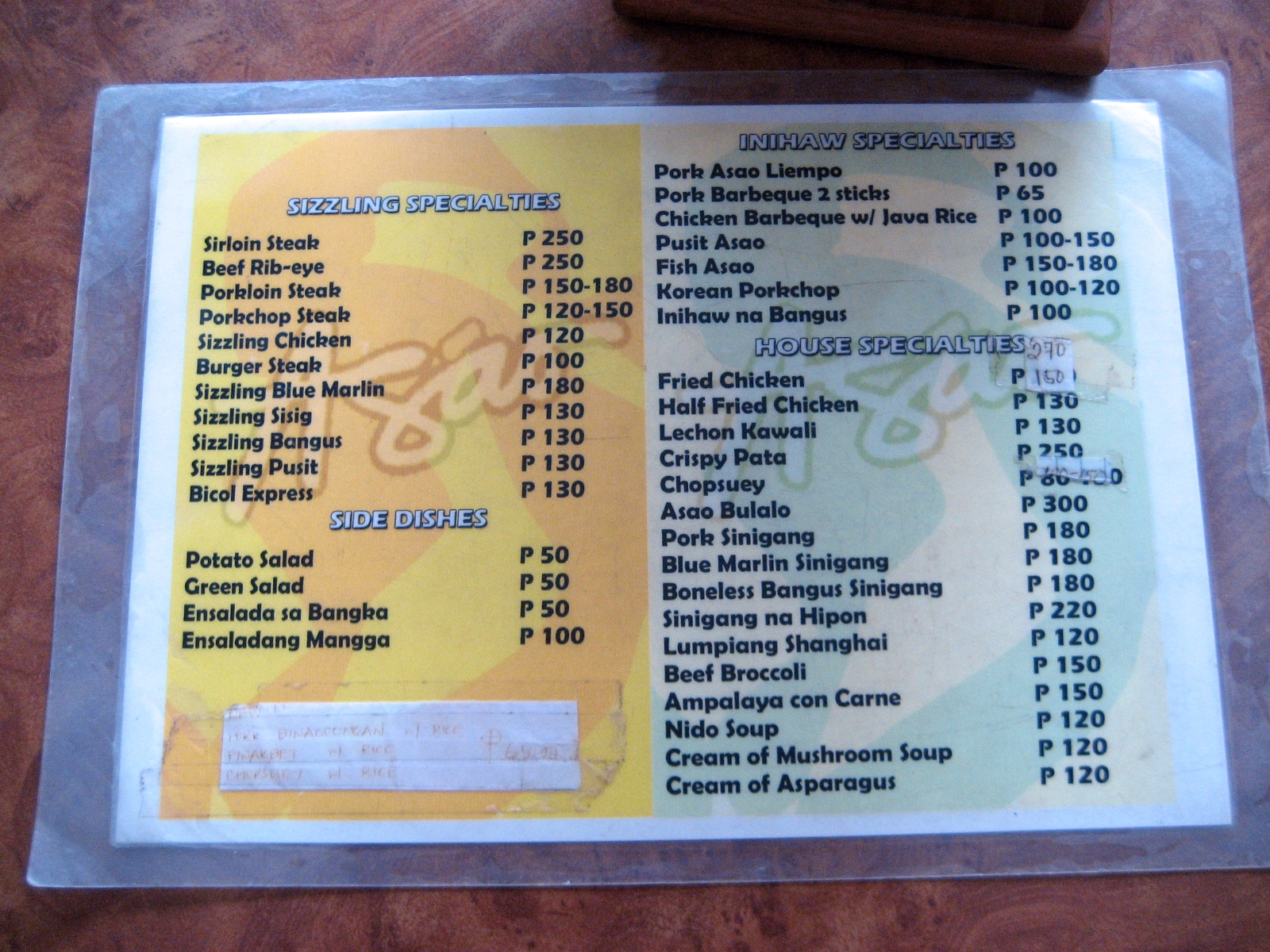
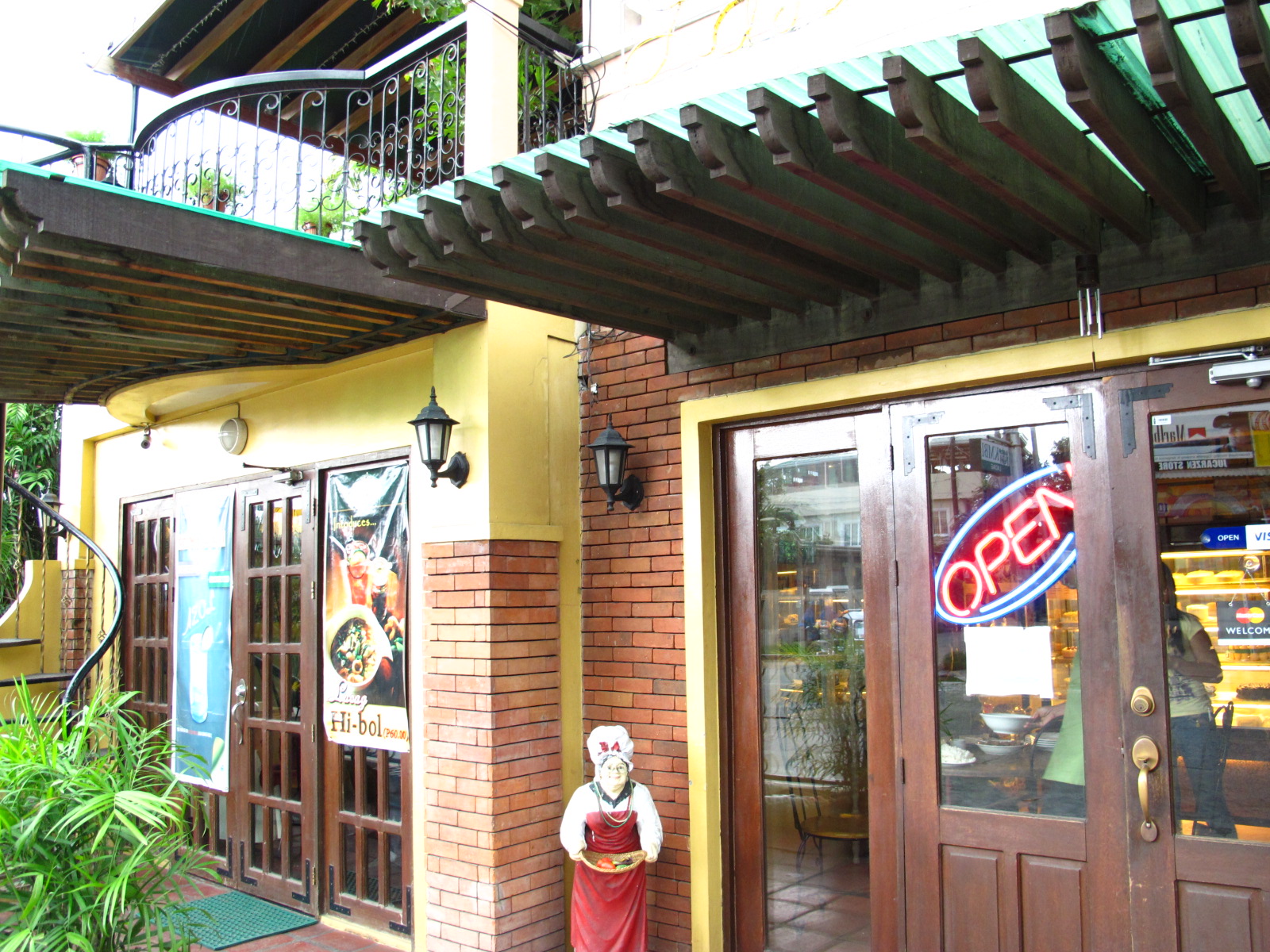
Asao has no pretentions.  Just 5 or 6 small tables.  A menu which has passed so many hands and direly in need of replacement.  The laminated piece of paper lists some of our favorites, like some of the foodstuff we grew up with. Pancit Puso is your typical pancit but topped with chicharon, kilawing puso (yes, vinegary) and “kulao” which is what they call the “tokwa’t baboy” .  They also have Pancit Palabok — so cheap for the same price of P50 a plate. 

Pancit Puso: Pancit with Kilawing Puso Topping!

Kulao is like "Tokwa't Baboy" but better!!!

We thought we’d take out a couple of meals.  When the bill came, we were pleasantly surprised.  It was sooo cheap. With 4 of us dining there, and takeouts for 2 meals,  we paid like only P100 per pax. (Good thing we didn’t order any soup, which for some reason is priced at P120 a bowl!)


Pancit Palabok for P50? How can you go wrong?

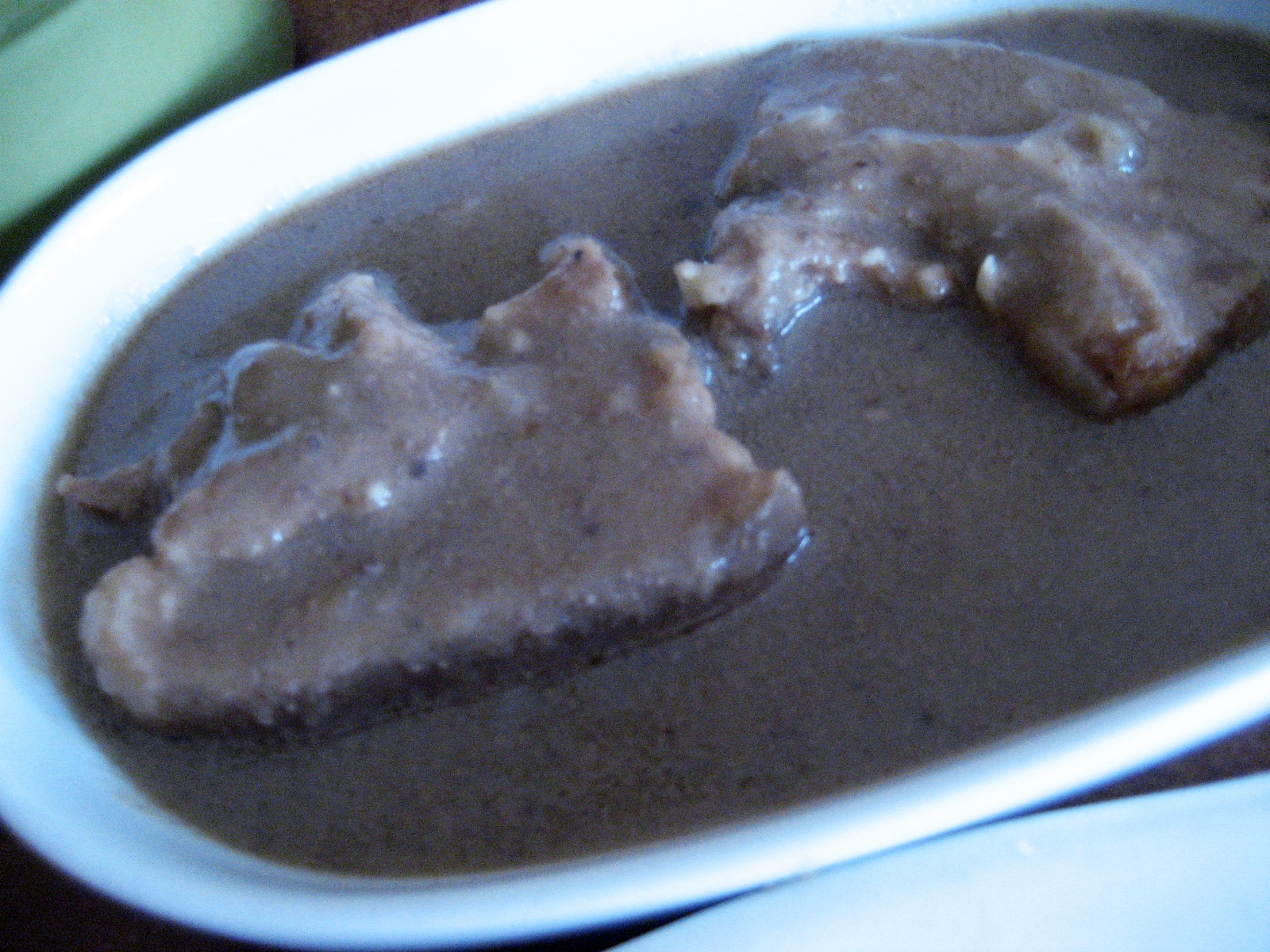
A Bad Shot of Lechon Paksiw (but trust me, it tastes really good)

Now, this is my kind of restaurant.  Nowhere else can I find my Pancit Puso but here in Cavite City’s few eateries.  No way you’d go wrong with P50 an order of this Caviteno pancit puso in Asao.  Or the Pancit Palabok.  One of us ordered the Binalot which is rice with adobo wrapped in banana leaf.  Not bad he says. Now, you know where to eat if you happen to be in this area. 

The Flip (and pricier?) Side of the Laminated Menu


xxxxxxxxxxxxxxxxxxxxxxxxxxxxxxxxxxxxxxxxxxxxxxxxxxxxxxxxxxxxxxxxxxxxxxxxxxxxxxxxxxxxxxxxxxxxx


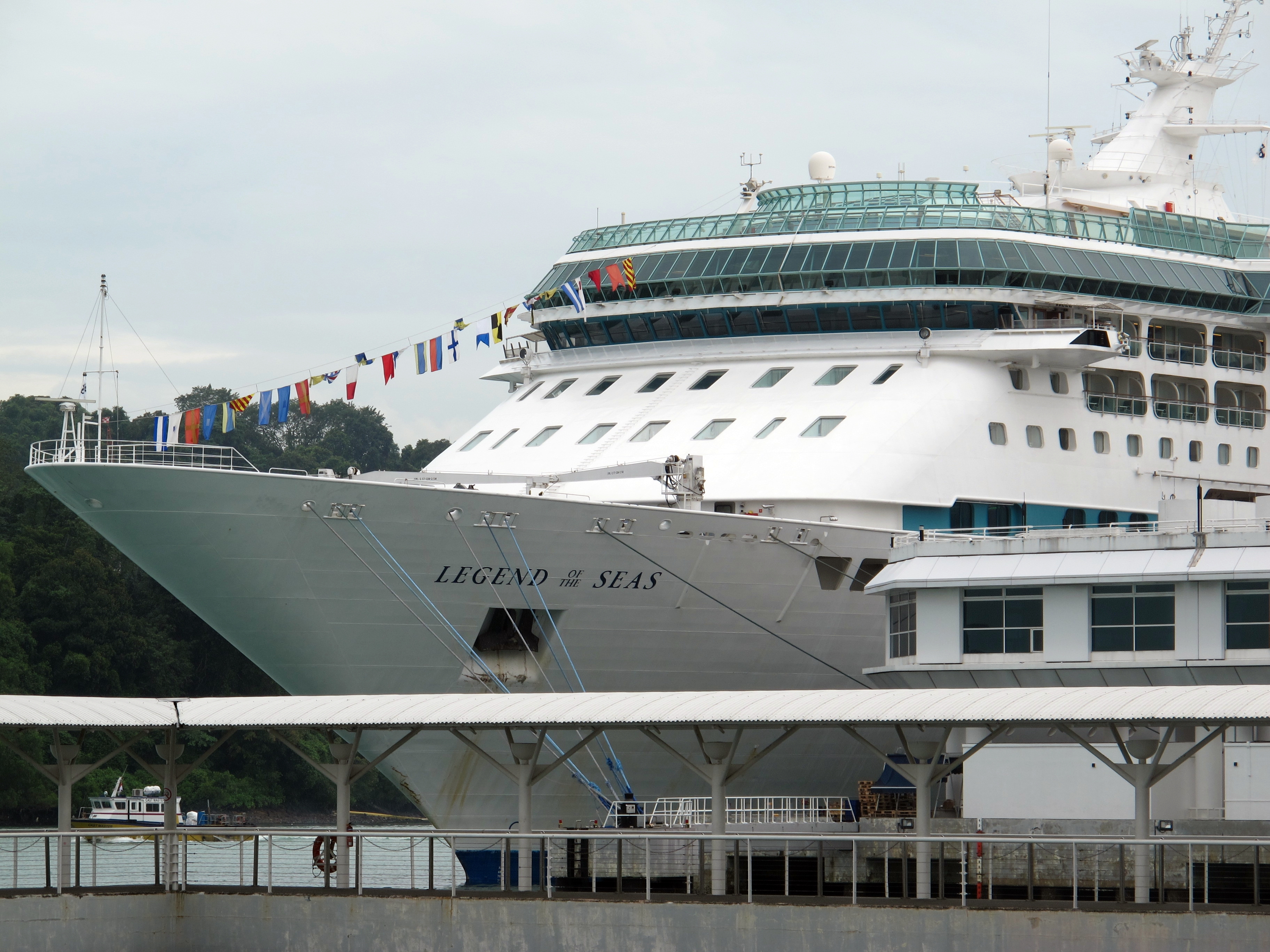
Cruising is not for everybody.  But I am sure it is not just for oldies like me.  I have tried a few, and the last one was with my family who went cruising for the very first time.
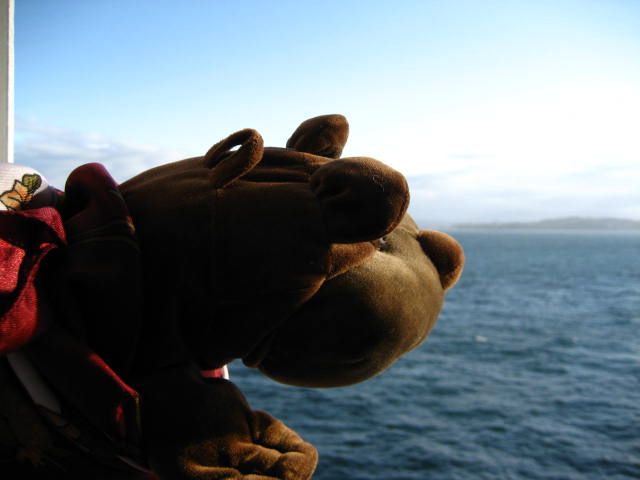
Patricia's Brownie Goes A-Cruising!

The Route


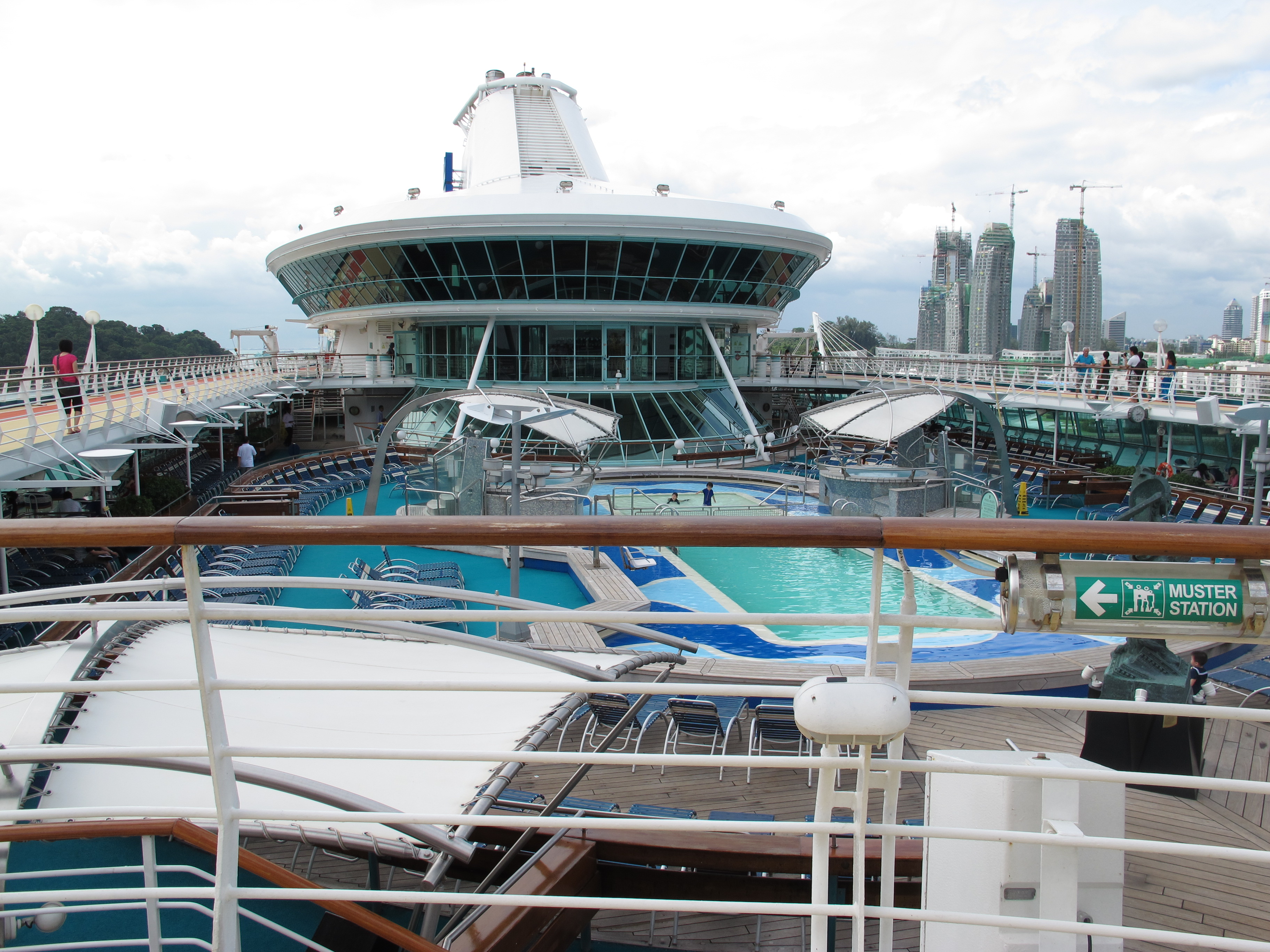
Being the first time,  I wanted to make sure it would be a great experience for them. And for me .  Just a short cruise.  And all “within” a somewhat “safe” and “enclosed” (read: not in open sea) body of water. Not exactly typhoon-free, nor shakeproof,  but i thought the route and itinerary is a good one for first-timers. I would have wanted an Aegean cruise for them, visiting the lovely Greek islands, but the airfare will burn a hole in our pockets, so we opted for one sailing out of nearby Singapore instead. 


I remember one cruise I joined years back.  Sailing in open seas in the Pacific Ocean, even along the coast,  can be a bit terrifying.  With kids in tow,  I wanted them to have good memories of this cruise. After all, they still remember, and complain , about that short choppy ferry ride from Hongkong to Macau some 3 years ago.  This time around, we are traveling when the waters are ‘calmer’ and along  a strait hemmed in by islands.


The Season


January is a good time to cruise around the South Sea islands, around Asia. You get big discounts during typhoon season, but who wants to risk that? 🙂


In Egypt,  cruising in summer may be a ‘safe season’ but I have to warn you about the soaring temperature.  It’s burning there!  I went around August — the height of summer — and had to brave the heat visiting the temples.   Many stayed in the boat, and there were those who joined the offshore excursions and rushed back to the boat as the heat was simply unbearable. 


The Price of a Cruise

Shorter itineraries,  cheaper?  Not necessarily.  I always compute on how it sums up on a per day basis.   But then again, we may have a budget to observe. Also, there are some cheap ones but sailing somewhere in the Americas.  So that may not be for you and me.  

As I said, you get big discounts off the cruise price during the typhoon season.  But you can actually bag some really good deals during the calm, ideal seafaring season.   You just have to watch the boards, so to speak.  Last minute deals  (just to fill in the boats to its capacity) can be quite cheap.  But remember, you may not have a choice of a room here.  You get whatever is available.   

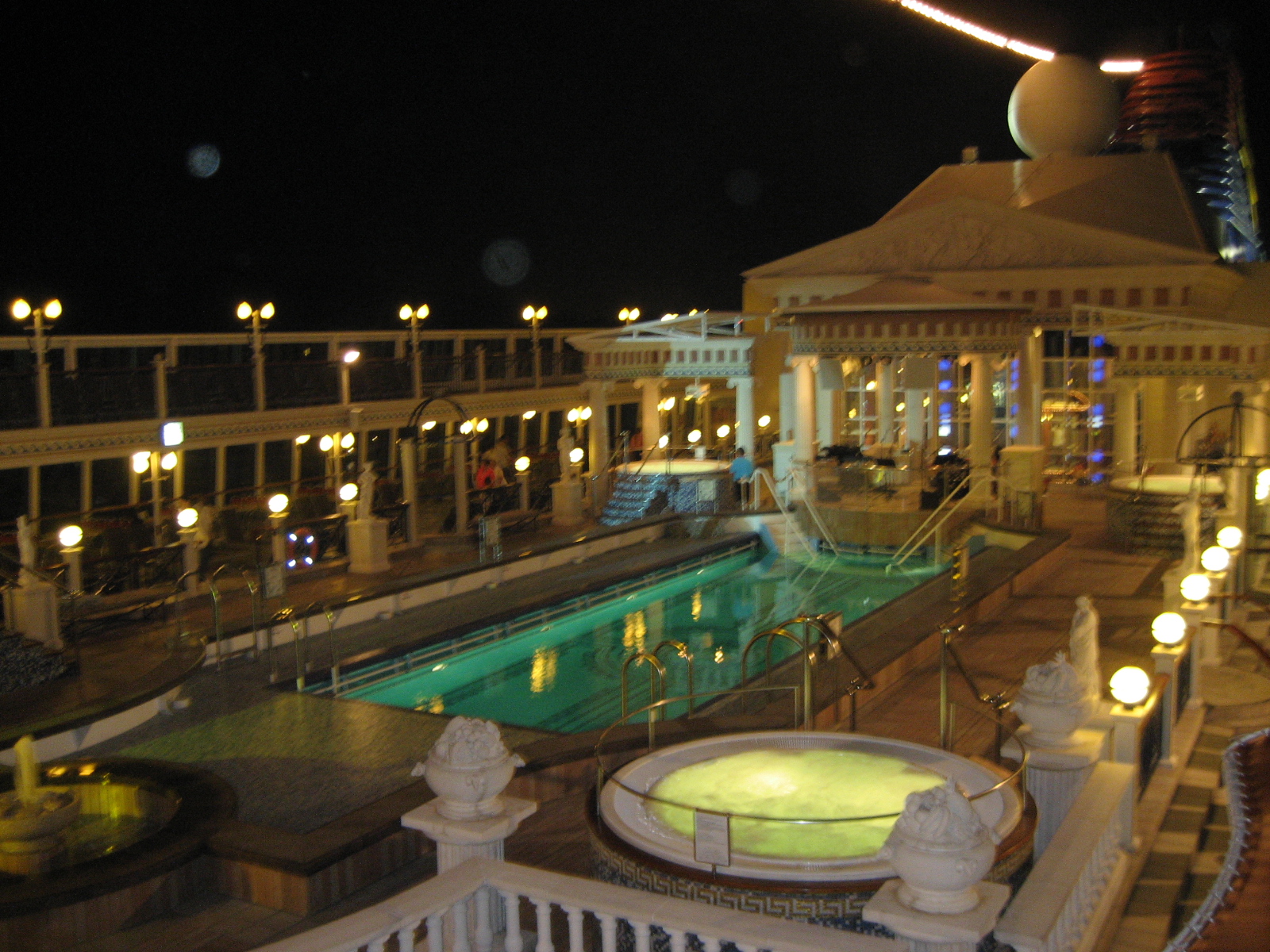
My rule is paying below US$80 a day, all in,  is a steal.  Fine dining,  marvelous buffet spread,  free shows, and of course, free “transportation” as you sail away to your destinations.  In one cruise we joined, I watched all the movies on board. Even attended free culinary lessons.  Laughed at all the stand-up comic shows. Loved all the show extravaganza in the theatre.   Drank so much champagne during the Captain’s Night.


The Boat


Now, I am sure I will get a flak for this.  Choosing a boat can be kind of tricky.  


You may decide on a boat based on how “new” the boat is.  Of course, one thinks “new” is “safe” and “old” is “shaky”, if not a bit “unsafe”.  Frankly, it is easy to disregard the age of the vessel and simply go by the “reputation” of the cruise company or by their record.  It speaks volumes about their maintenance system and their crew. 


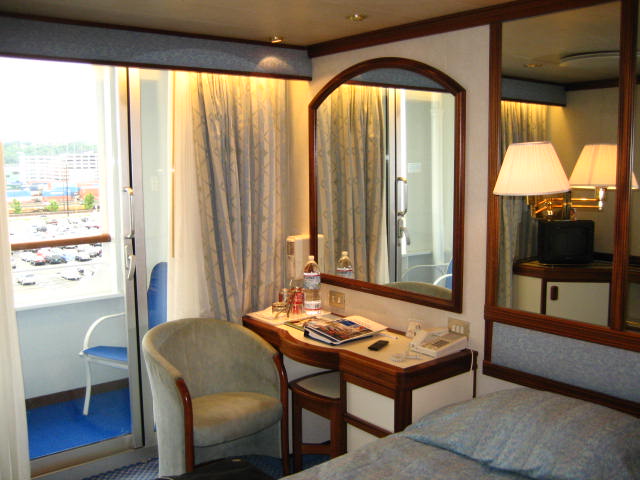
As for the rooms,  I went ga-ga when I splurged on a weeklong cruise in a cabin with a balcony.  I have also tried a cabin with an oceanview pigeonhole.  And a cabin with NO WINDOWS.   Given all the activities on and off the boat,  I dare say I can do with or without the comfort of a bigger cabin, or a room with a view.  However, 2 in a cabin is best.  Three may be tolerable if you are family.  Small-sized that they are,  it would be a task to navigate around a tiny cabin, much less share a bathroom with 3 others.  I caution you to check out the location of your cabin though.  We had the misfortune of one cabin right above the theatre.  We could hear the entire show in our room just when we decided on an early night.  If you happen to have no other option (we got our cabin as the cruise went on sale, so we couldn’t complain) but such a cabin above the theatre,  just make sure you watch the last show so it’s all over by the time you head back to your cabin to call it a night.


Other than safety and comfort though,  there is so much to consider when choosing the boat.   The rooms. The food. The entertainment program.  The crew.  THE SYSTEM.  The last one is important. Methinks a bad embarkation and disembarkation system reflects on the efficiency of the cruise ship. Think emergencies.  


Of course, you get those emergency drills the first couple of hours you are on the boat. Who goes where, which boats to take in an emergency, etc.   Outside of those drills, you have the embarkation and disembarkation procedures to be observed.  I rode one boat where this system simply sucks.   It was so chaotic that I was reminded how the emergency system works if it comes to that.  A mood-killer, if there is one.   Mind you, you only have so many hours offshore before you head back if you don’t want to miss your boat. Those stopovers must be utilized efficiently!  As in planning your itinerary when getting off the boat, checking out the sites, and getting back on the boat with time to spare.  I know of a couple who missed the boat,  and brace yourself………..the boat actually LEFT without them.  What a scare!


So, if the crew isn’t efficient or if the system sucks,  you’re in for a lot of anxieties.   I have quite a few to be able to do some comparisons.  The Alaskan cruise I joined via the Princess Line was seamless!   The Royal Carribean Asian cruise I did was also very efficient.   So with the smaller boat I joined when I did my Nile Cruise.  Now, enough said.    😉


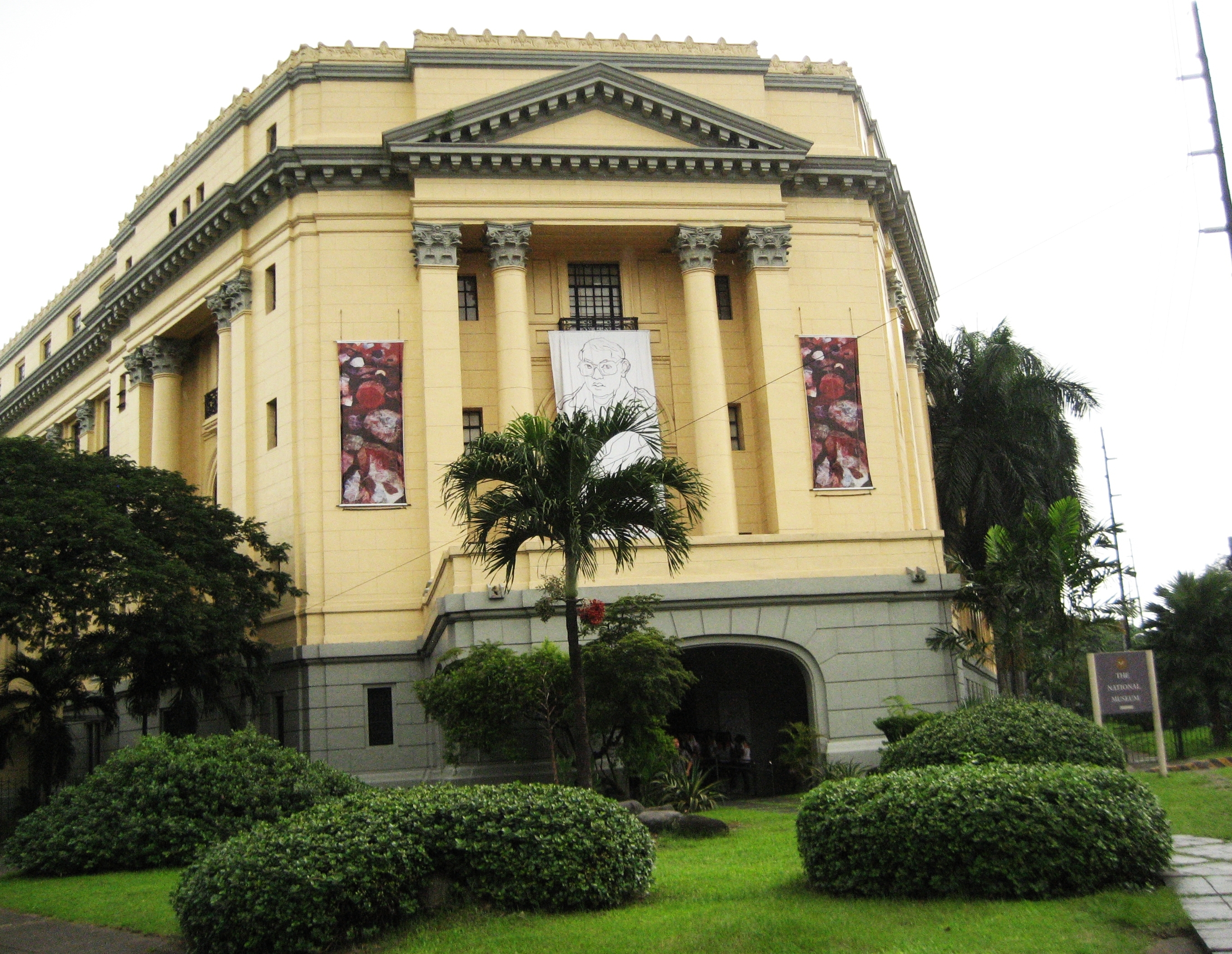
Let me ask……..when was the last time you visited the Museum?


Don’t look at me. It’s something I don’t do on a regular basis. But I would love to spend many afternoons there. And I continue to wish there is a good coffee corner somewhere within the building where I can take a break before pursuing a second run of the Gallery.


The National Art Gallery with the Balangay Diwata ng Lahi


As it turned out, I was good for just a couple of hours. No breaks. Glucose level drops in 2 hours after walking from Hall to Hall , up and down the 3 floors. And then I start longing for a cup of good brew and some munchies. Having said that, let me advise you to go in the morning after a good breakfast! Or in the afternoon after a good lunch 😉


The Museum Of the Filipino People


When I got there, I decided to do the National Art Gallery first. The Museum of the Filipino People is good for a separate visit. “Slow by slow.” 😉 Who says you can rush through a Museum? The best time is always a time when you don’t care about the time. Go slow. Read all those markers. Every piece of art has something to say. Either written or visual or sensed. If you’re like me who hardly picks up an art or history book, this maybe a fine time to brush up on art and history. You just have to trust that the most relevant information are encapsulated in all those reading materials and markers.


Juan Luna

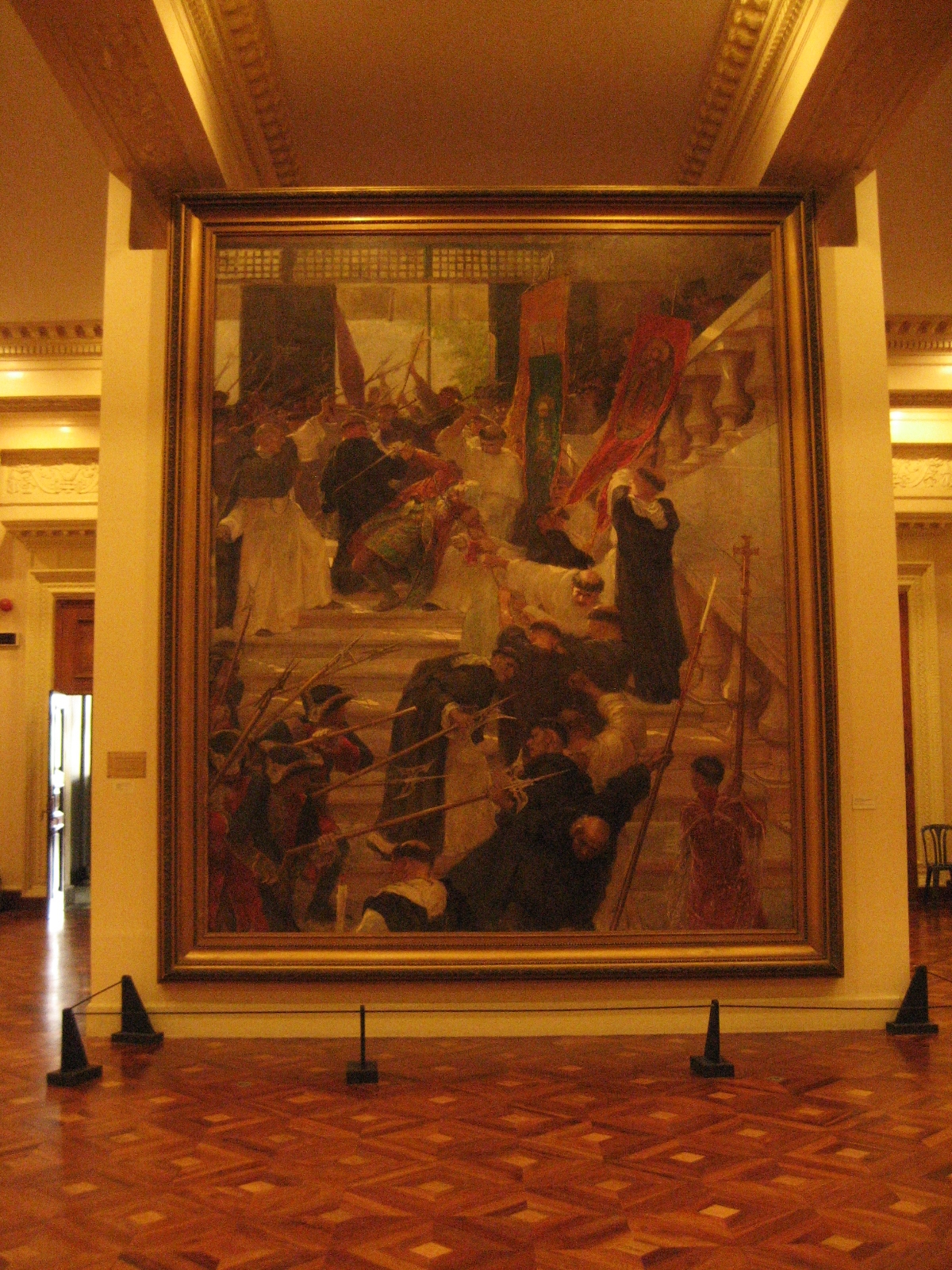
Felix Ressureccion Hidalgo’s “Assassination of Governor Bustamante”


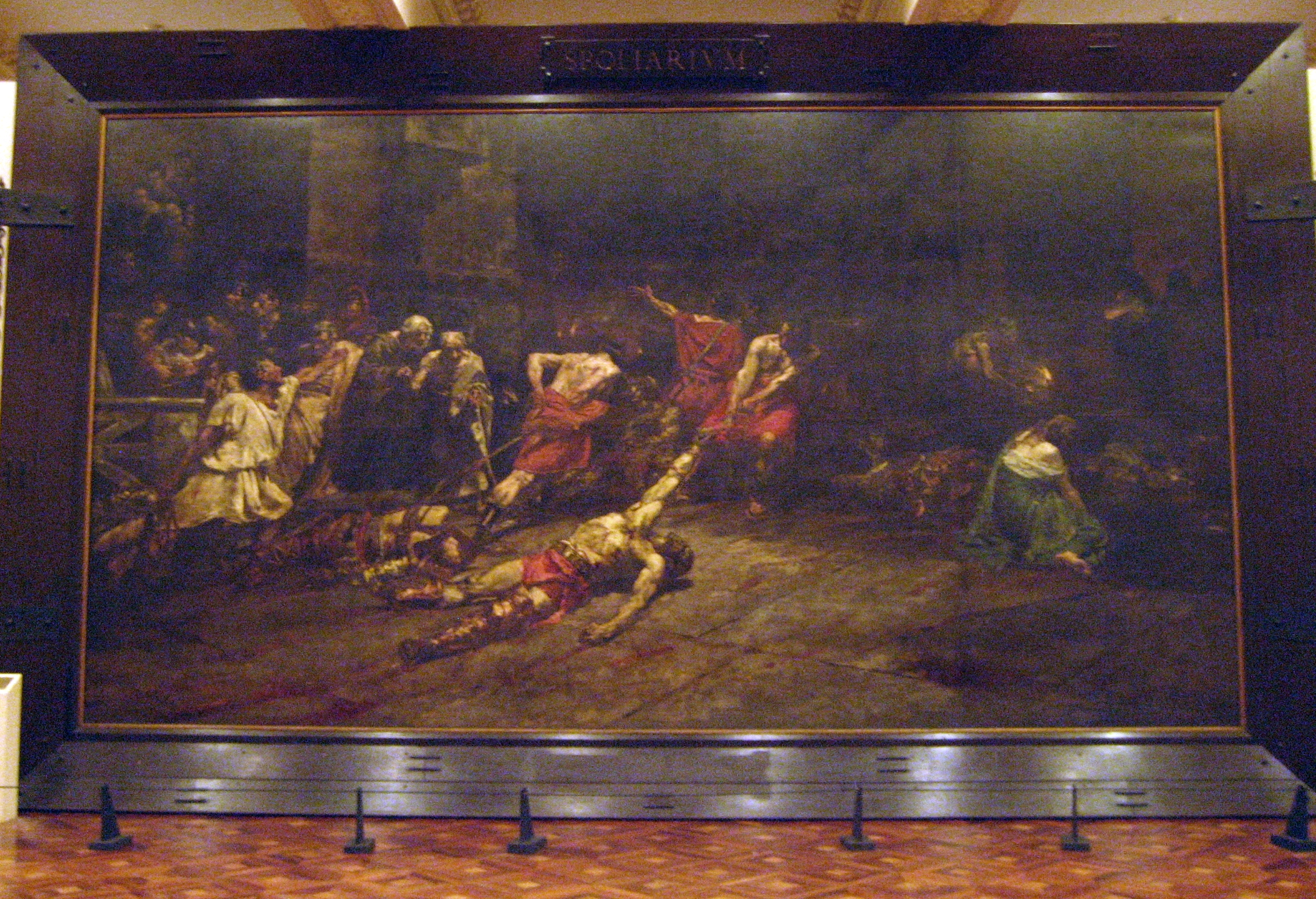
You may want to start with the Hall of Masters. Be prepared to be blown away. Juan Luna’s “Spoliarium” has that effect on most people. On the other hand, Hidalgo’s “Assassination of Governor Bustamante” reveals a violent side of Spanish friars of that period. See it to know what I mean. Sly. Sly.


There are special halls showcasing the Museum collections of Juan Luna, Hidalgo, Amorsolo, Botong Francisco, Napoleon Abueva, etc. I cannot write about all of them, and would have to limit myself to a few favorites. After all, the “selection” is a very personal decision. No pretensions here. In my book, art assumes significance when these treasured pieces “talk” to me. Or “touch” me. I may misinterpret its message, or completely misunderstand it. But why and how the message was conveyed to me is entirely my own perception. Or sensation? This may sound like it takes too much away from the artist himself. But I dare say that the artists’ messages affect people in different ways. Happy, sad, empty, peaceful, anxious, relaxing, refreshing, uplifting…… we feel as we feel.


How lucky were those who posed for Amorsolo! They have been immortalized by this National Artist’s magical hands. Truly, a “Pamana” or inheritance. Amorsolo’s legacy lives through these masterpieces. Thank God for this prolific painter, our very first National Artist. From Philippine landscapes to traditional Filipino practices and everyday life , to these portraits, one is transported back in time as one takes in all those details of his artful strokes. For sure, his uncle Fabian de la Rosa, another great Filipino artist, must be so proud having mentored Amorsolo in his younger days when he and his family (Amorsolo’s mom is De La Rosa’s cousin) lived with them after Amorsolo’s father died.


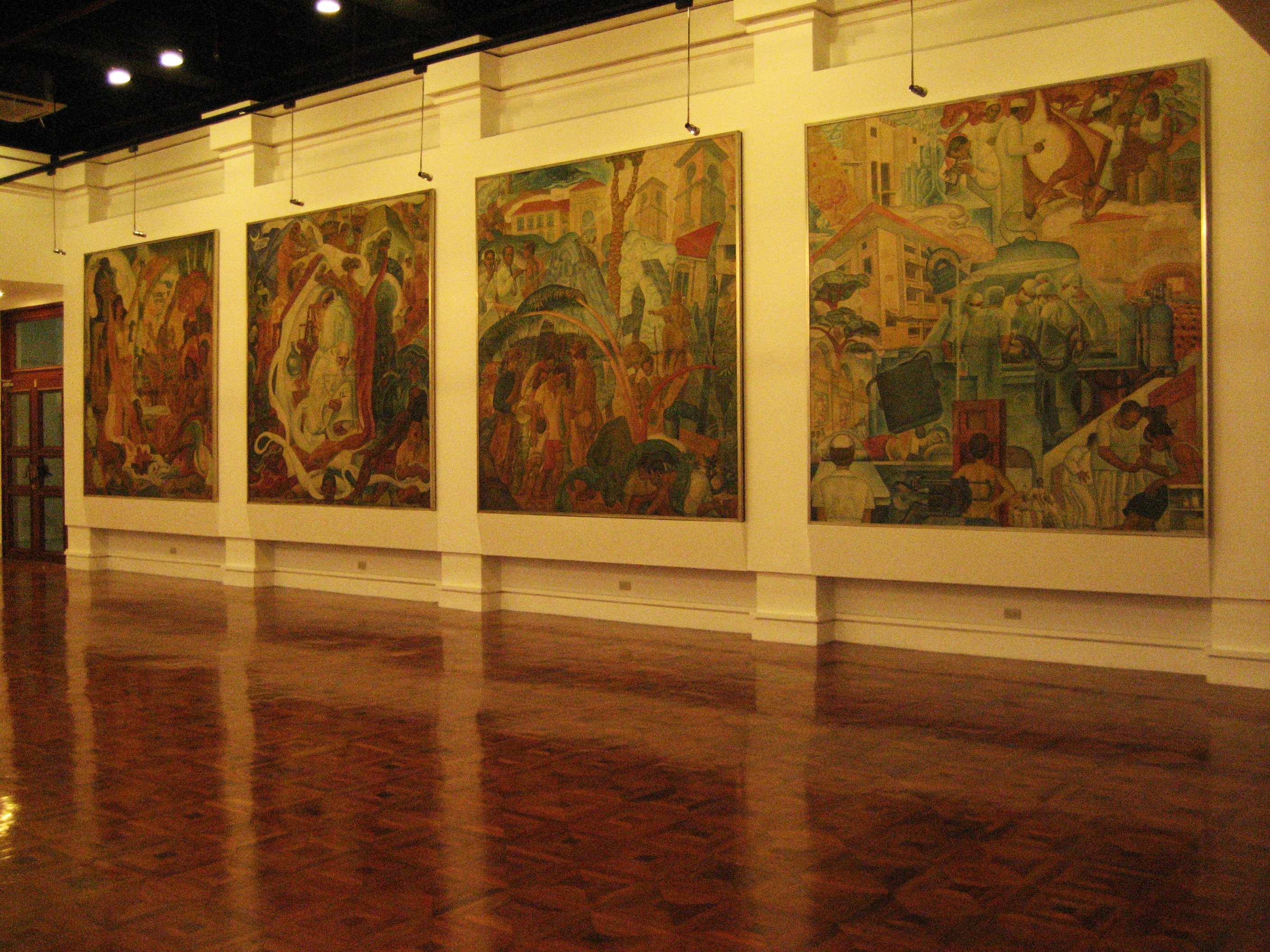
First off, I was very very happy to find the Museum Foundation Hall where one views Botong Francisco’s murals which were ‘rescued’ by the Foundation from Philippine General Hospital (PGH) where they were earlier housed. The murals represent the progress of medicine in our country, so it was fitting to have them in PGH. Over time, these art pieces hardly invited attention, much less admiration and respect, as PGH visitors had other mundane things in mind. Cleaned up, restored to its former glory, and accorded its due respect in a Hall focusing on the greatness of this National Artist is an answered prayer. Aaaaah. Those wooden benches looking like “hagabis” (were they? ) let one rest and simply take in all the beauty of the masterpieces.


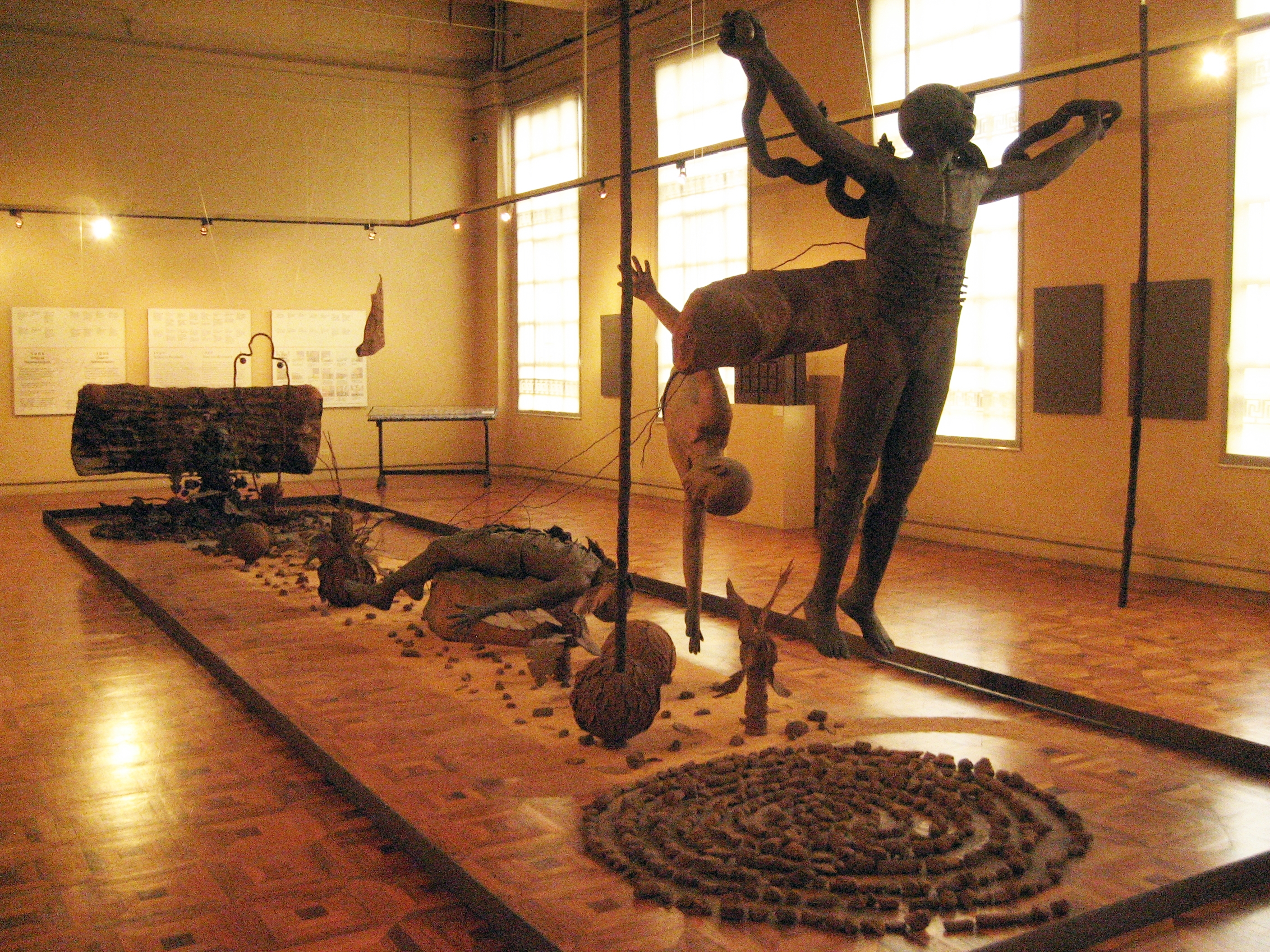
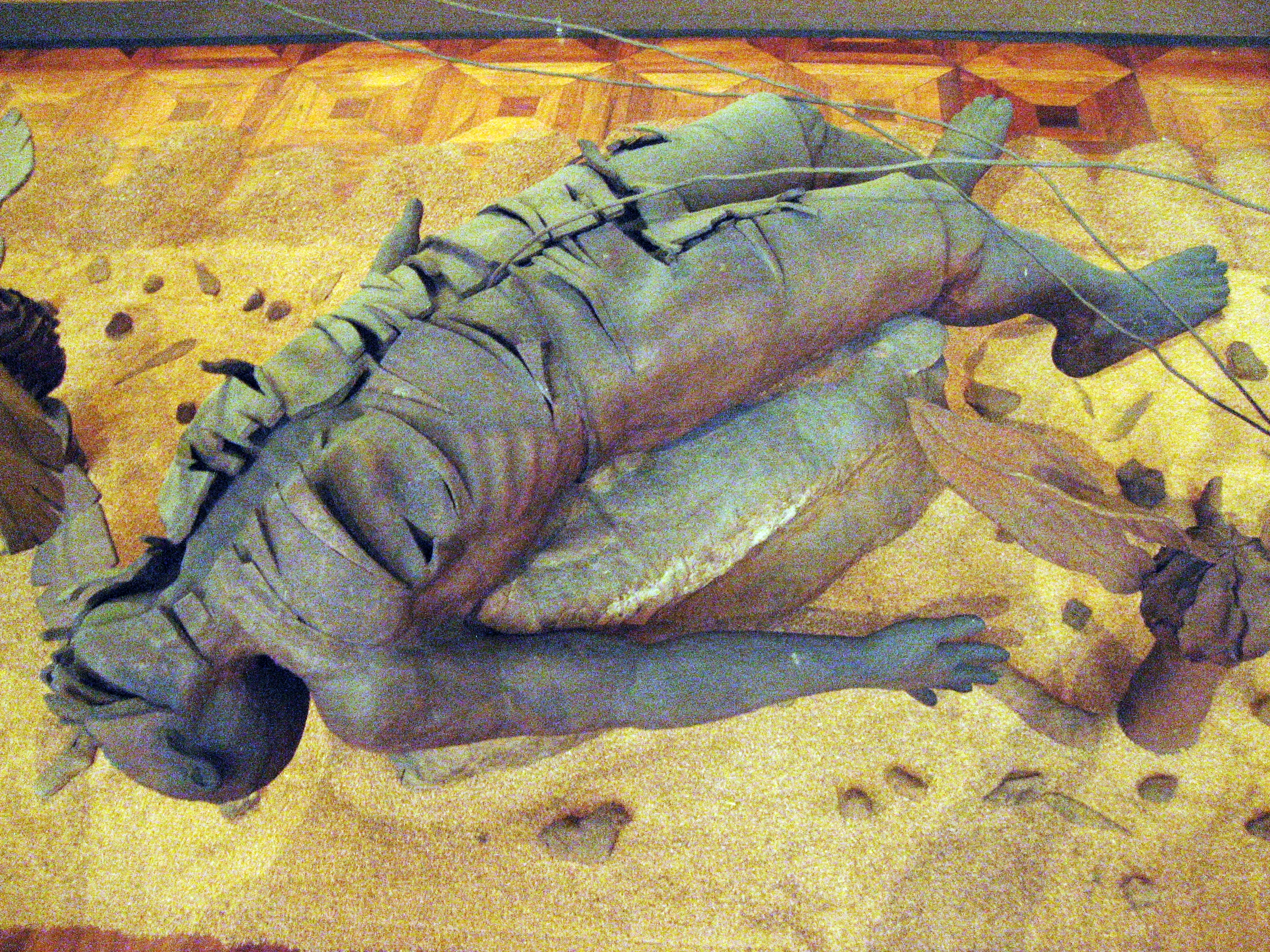
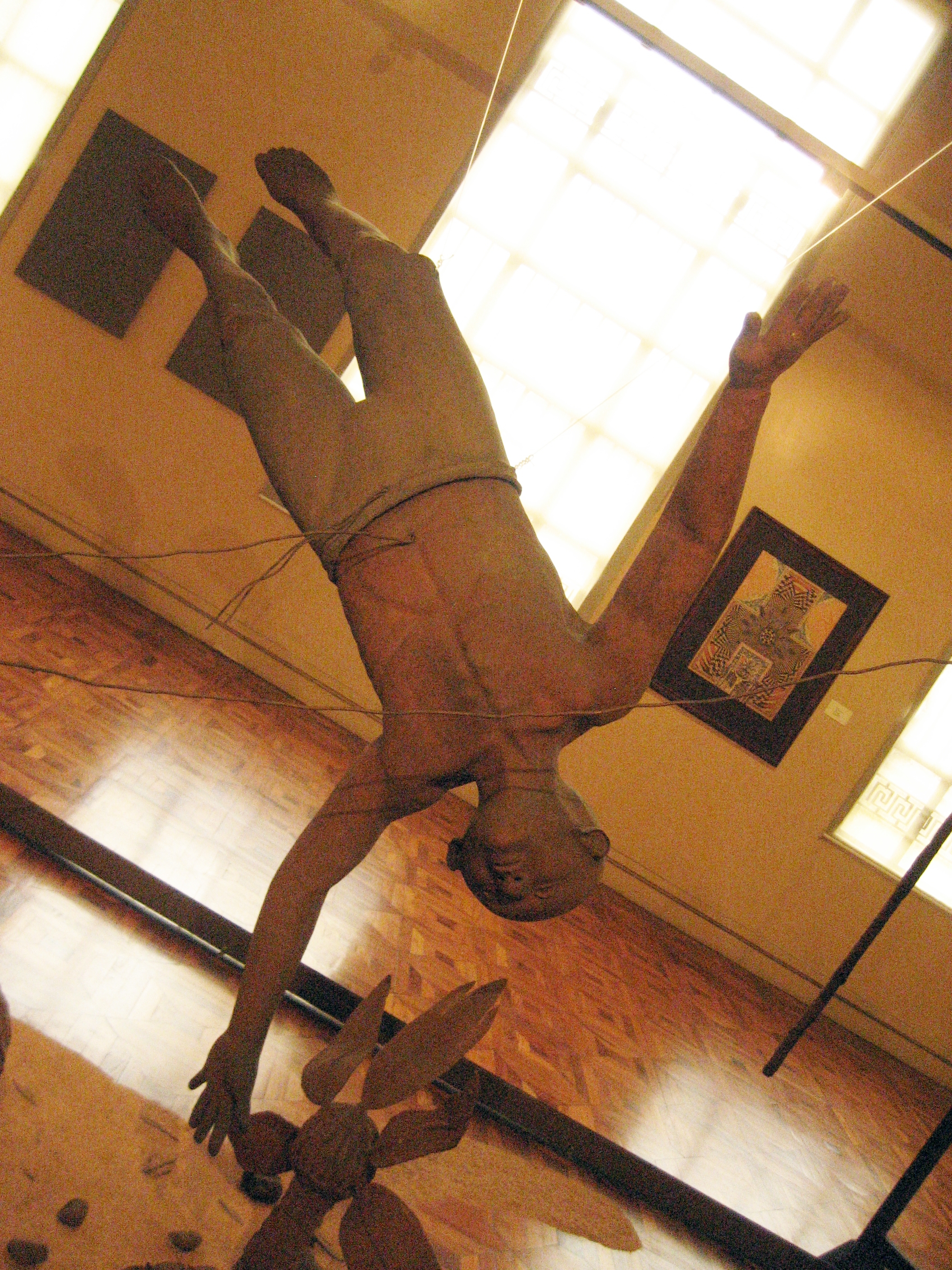
Vessels of Faith. That’s what it says. Honestly? I don’t know one bit about this exhibit. So, I devoured all “lessons” to be learned right in this Hall. Remember what I told you? The good guys who made this exhibit possible would have read up on these art pieces, and like “Twitter” are constrained to write down/display all that information in as few words as possible. This is history “shortcut”, if I may call it that. And it is just what I need. Right then and there, I did my “cramming” as if I would have to pass an exam as I exit from the National Art Gallery.


So, how much do we know of the Tau-Tao? A quick reading gives ample background on this Bagobo myth on afterlife. The myth is complete with all those colorful characters which reminded me of those Ramayana tales and Panday movies. Imagine Lumabat’s journey from earth, crossing the horizon to reach the skyworld. Meeting and vanquishing a snake with sharp teeth and a mouth that opens wide and shut to cut one person half, chasing a deer 9 times around the world, belly-opening procedures to take out one’s intestines to free Lumabat of his earthly desires (hunger)! Oh, this is part of our history — all those pre-Hispanic beliefs and myths comprising the Filipino spirituality!


I lament that I did not take my history lessons seriously. How I wish we had the equivalent of an Ambeth Ocampo (myIdol) in my student years! Now I cram. And it takes more than a few visits to really appreciate our heritage housed in the National Arts Gallery. So much. Too much. So I have decided on my “slow by slow” mode as my memory bank is not as efficient as it used to be. A few exhibits at a time. A few artists at a time. And once more, how I wish there is a Coffee Shop within the Museum! Caffeine-starved, my memory bank screams “full”. No storage space.


Talk to you later, guys!


Art Gallery.  Old House for the night.  Good food. 

You may think that San Pablo City is way too far to have dinner.  On a good day, or a good night,  it is not.  More so if you have lined up activities for the day and planned to unwind and indulge yourself come dinnertime on your way back to Manila.  It would also be a good excuse to have a few winks after dinner on that 2 hour drive home.  Yes, just 2 hours. Give or take fifteen minutes or so. 

That, in fact, is the idea behind the Viajes del Sol.  The only problem with this Southern Luzon Travel Itinerary is that one is presented with too many dining choices that it is sheer agony having to choose from among these off-the-beaten path cafes and inspiring artists’ studios.

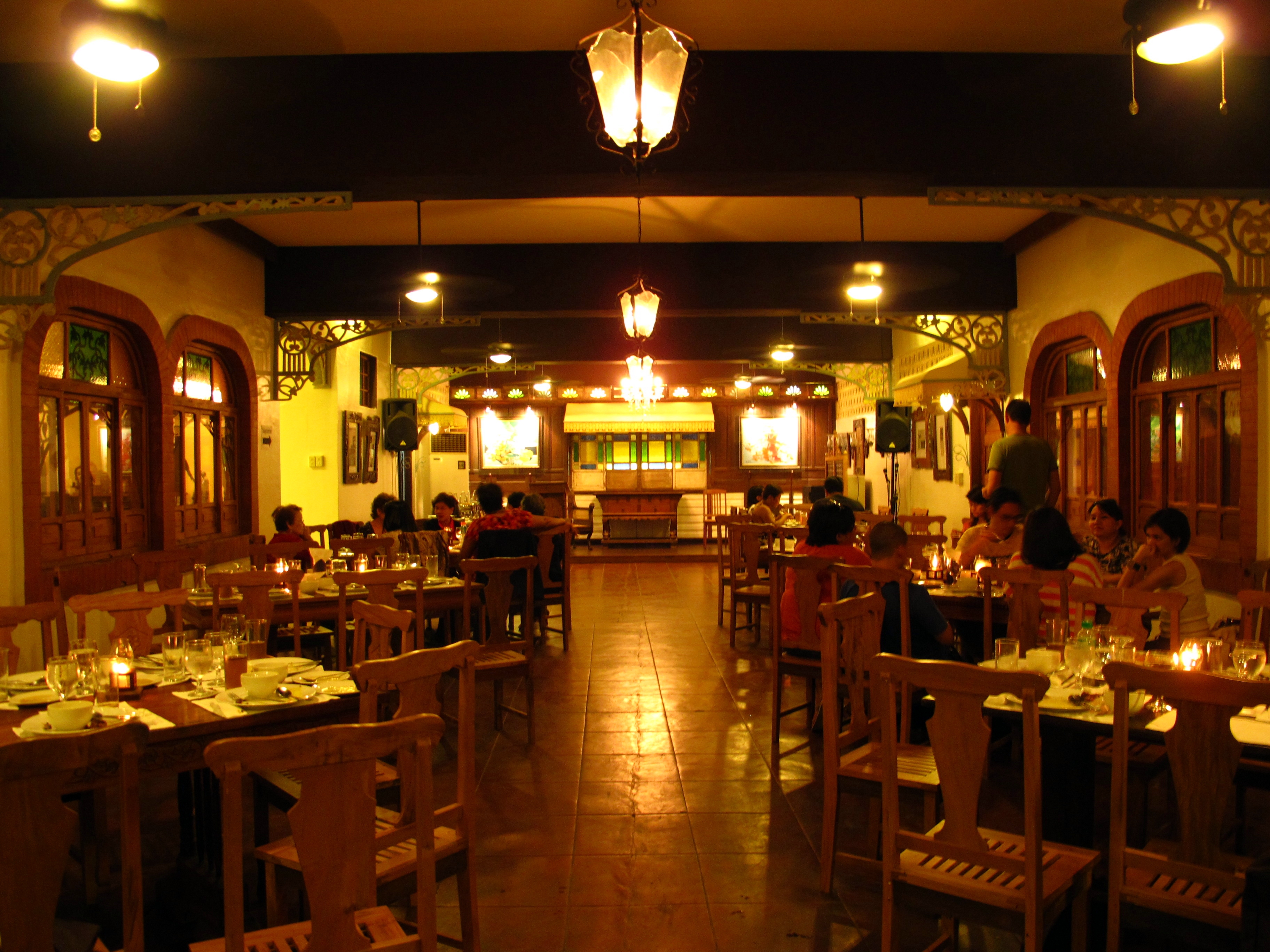
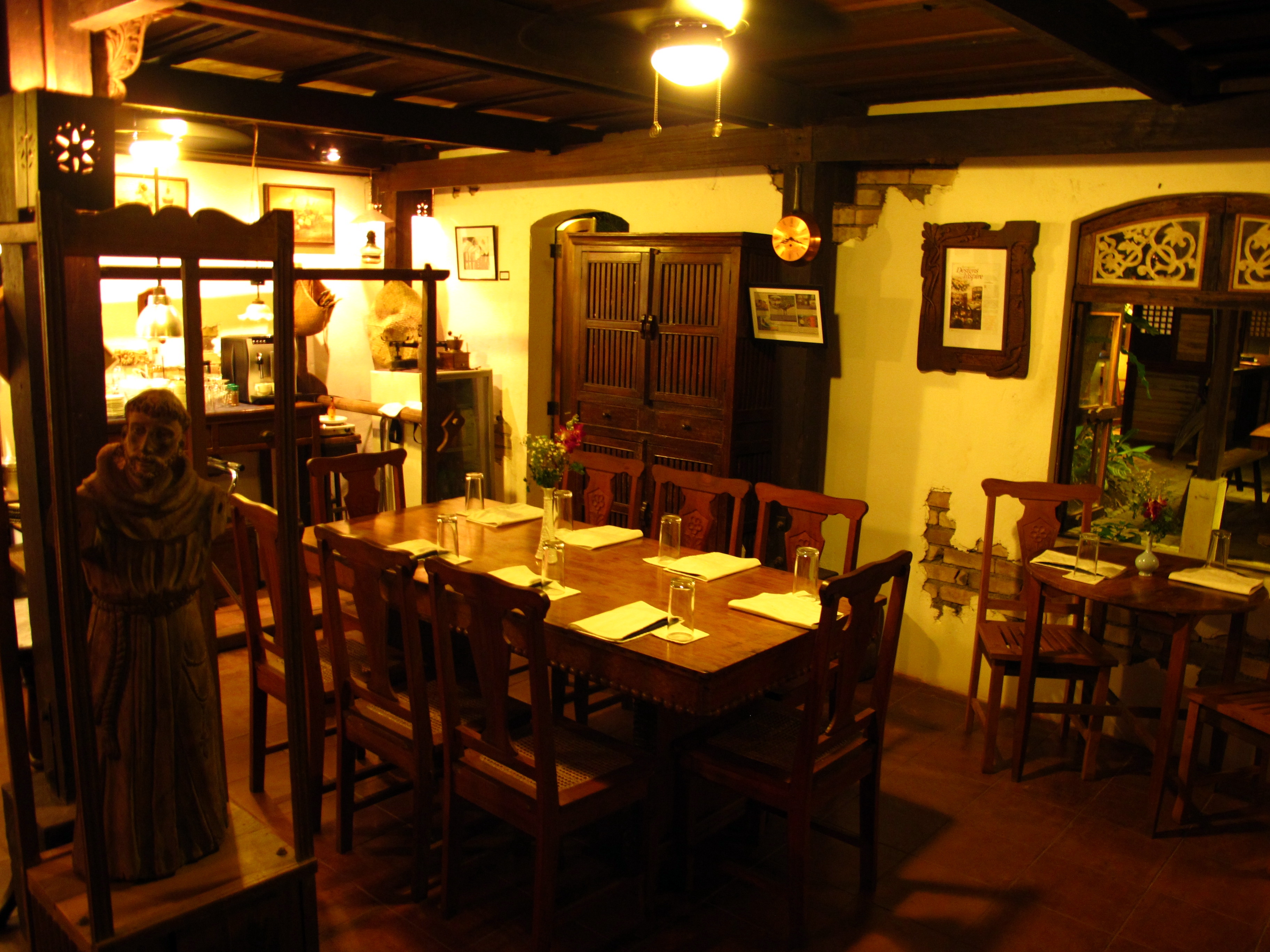
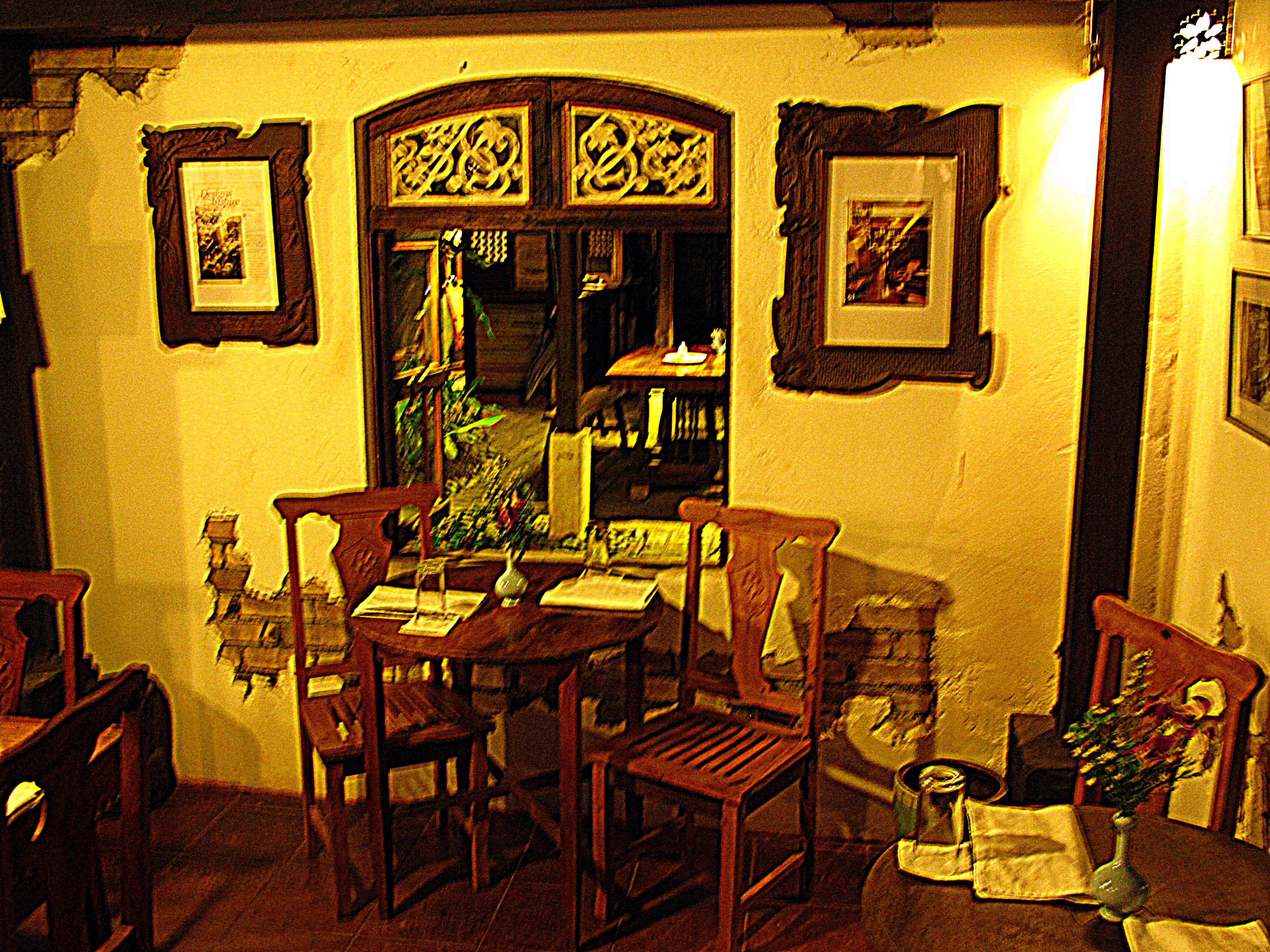
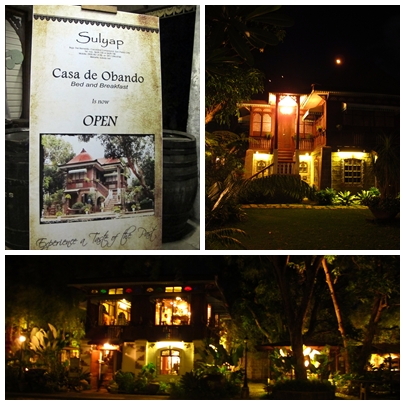
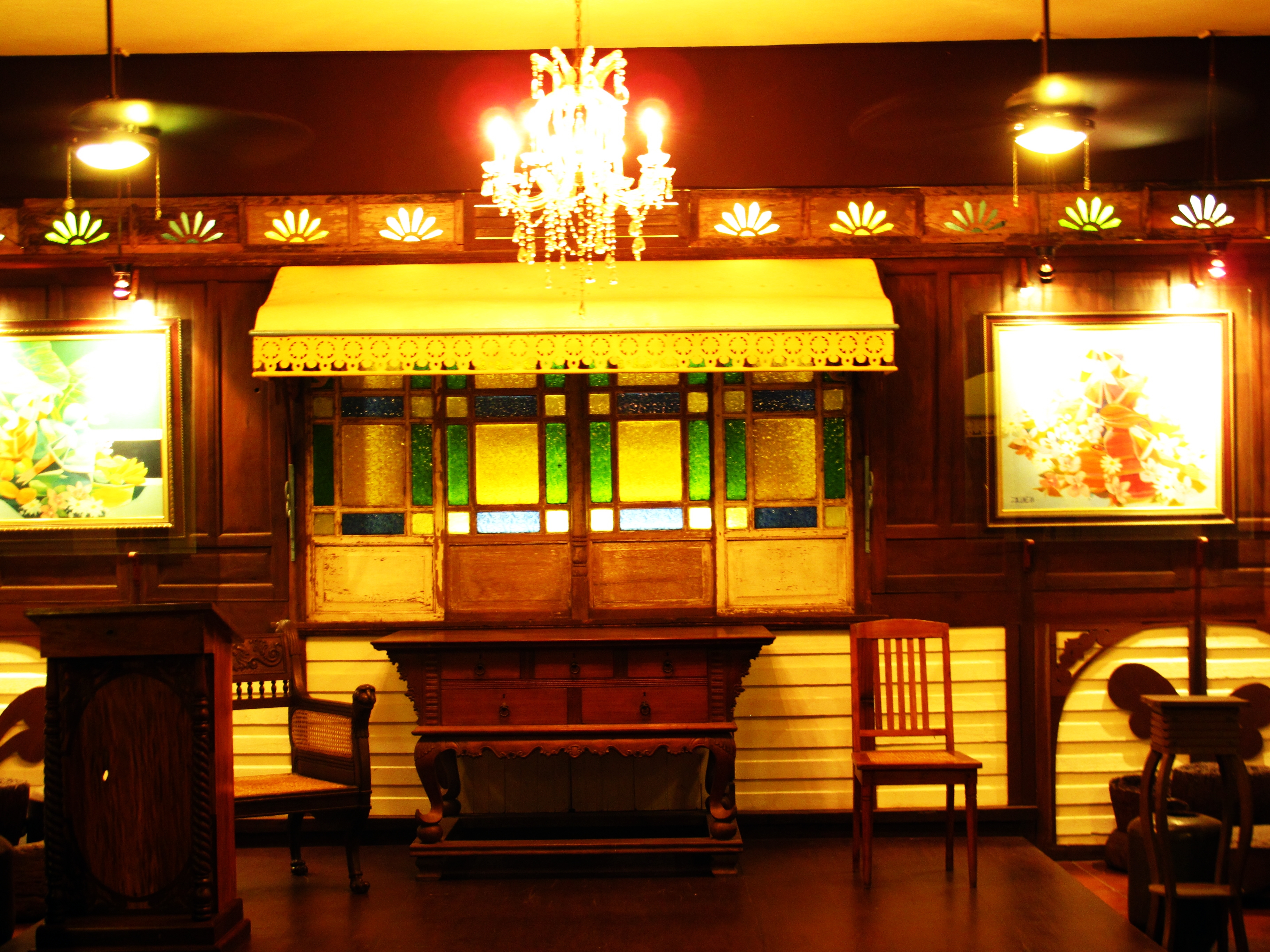
In San Pablo City alone,  it is a chore to decide where to dine.  If you only had a day, you need to decide beforehand if you wish to dine with a lakeside view, visit a sculptor’s workshop, a nature sanctuary, an organic farm, or an art gallery.  And that’s only in San Pablo City.  The final choice is Sulyap Cafe, where a visit is best timed around dusk when the “bahay na bato” is lighted up and turns magical.   The structure was originally from Tiaong, Quezon and transferred to this one-hectare property in San Pablo City where another structure houses an antique shop from lamps to beds to trunks to chairs. The dining areas actually involve 2 structures: one is good for big groups where one finds a sumptuous buffet spread, the other cozier as in superb dating place. 😉

Right across the restaurant but still within the one-hectare compound is Casa Obando. Newly-opened. Newly-minted Bed & Breakfast place, following the same “bahay na bato” theme.  I would love to stay a night here sometime soon. 

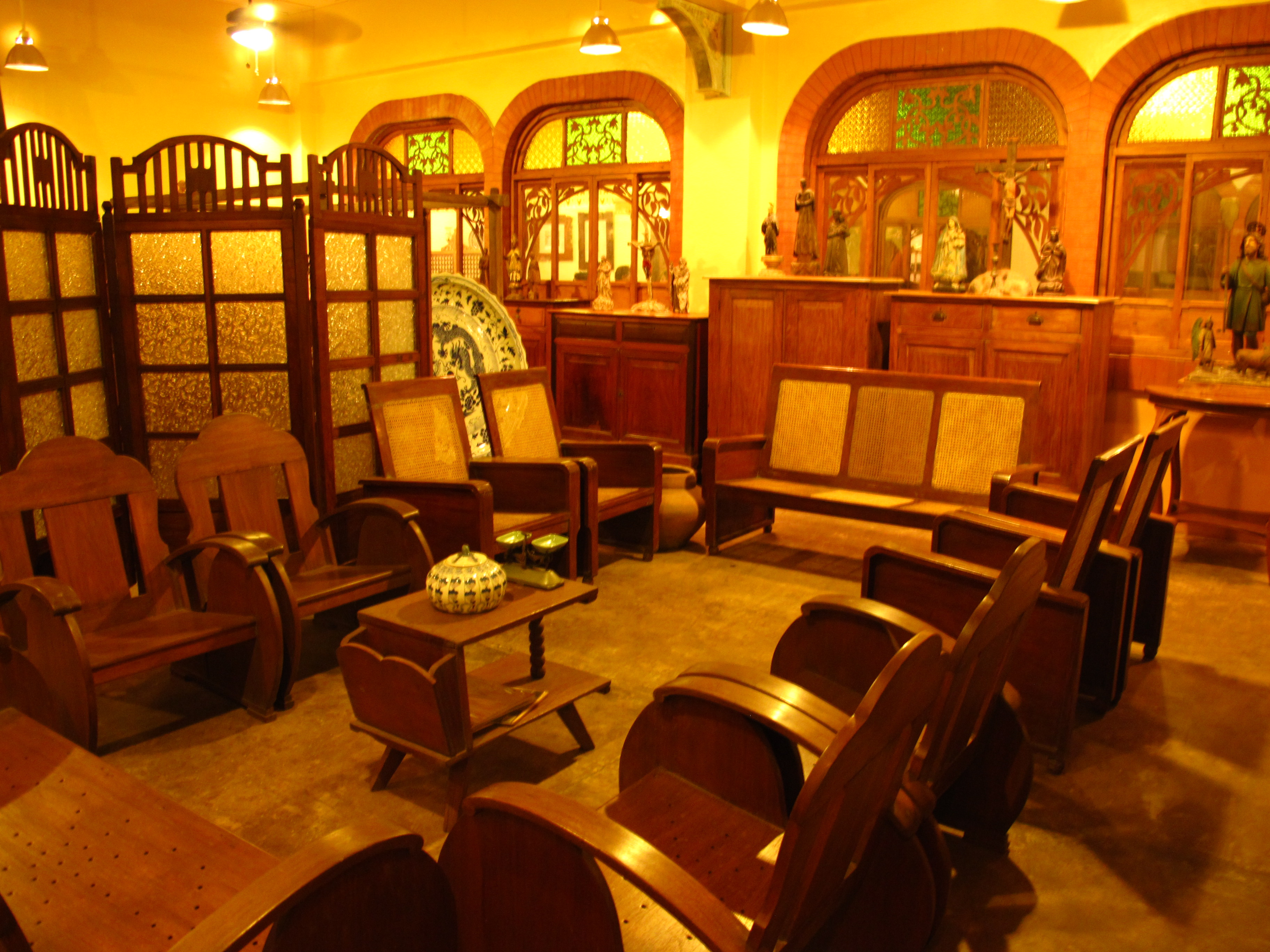
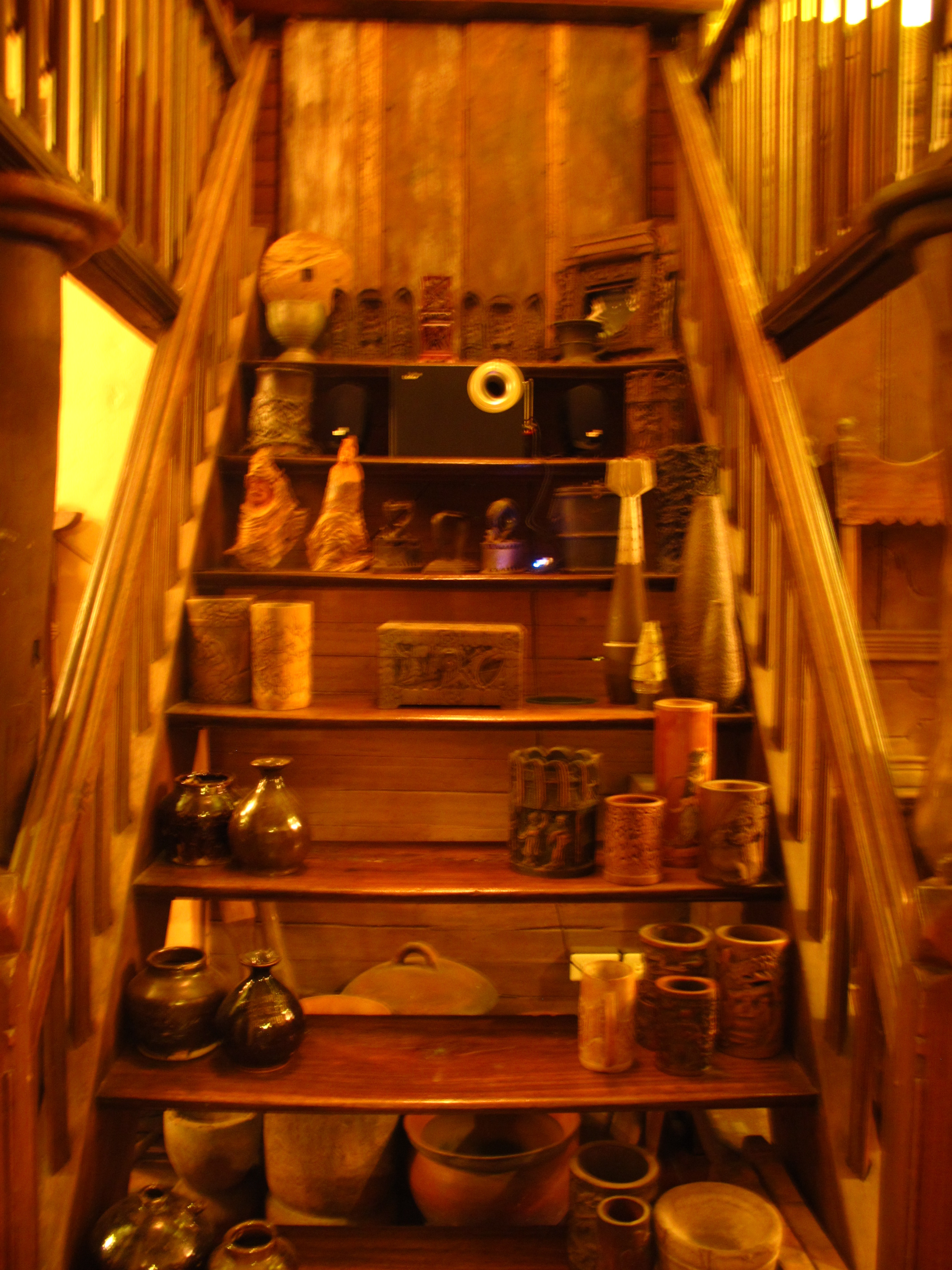
Magical , isn’t it?  And there’s the antique shop too, if you care to do some serious shopping.  Do notice the “burda” (laces) and “espejo” (stained glass) used extensively in the interior decor. 

I “lost” myself in this antique shop, just checking out the antique rocking chairs , until I realized I was the only left inside the shop cum art gallery.   I knew I was alone even before I looked around. Creepy. 

So tell me, who wants to book a room here?  Or a table? Er….have I talked about the food yet?

xxxxxxxxxxxxxxxxxxxxxxxxxxxxxxxxxxxxxxxxxxxxxxxxxxxxxxxxxxxxxxxxxxxxxxxxxxxxxxxxxxxxxxxxxx


Art and the Artist.  And then, food.

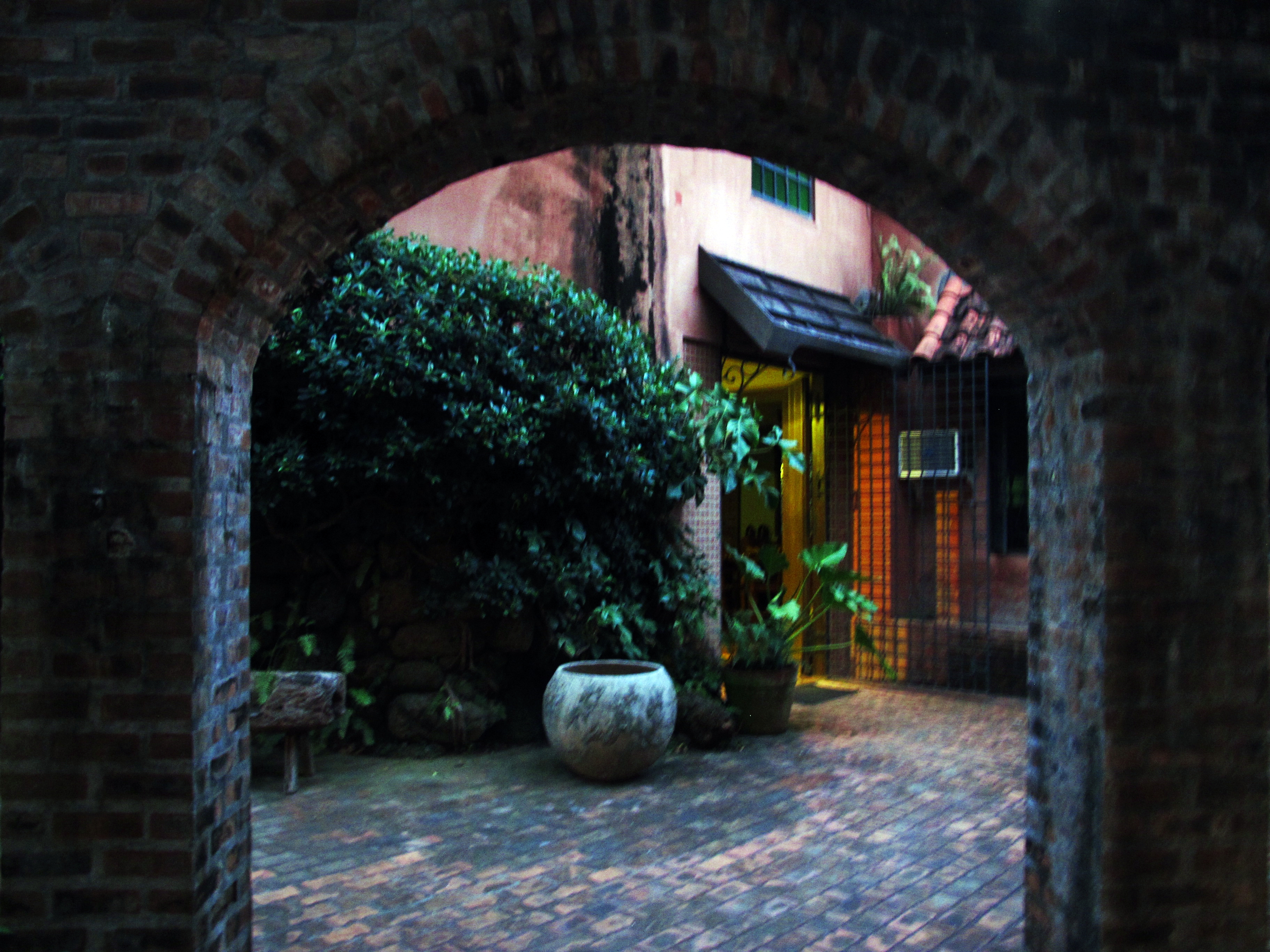
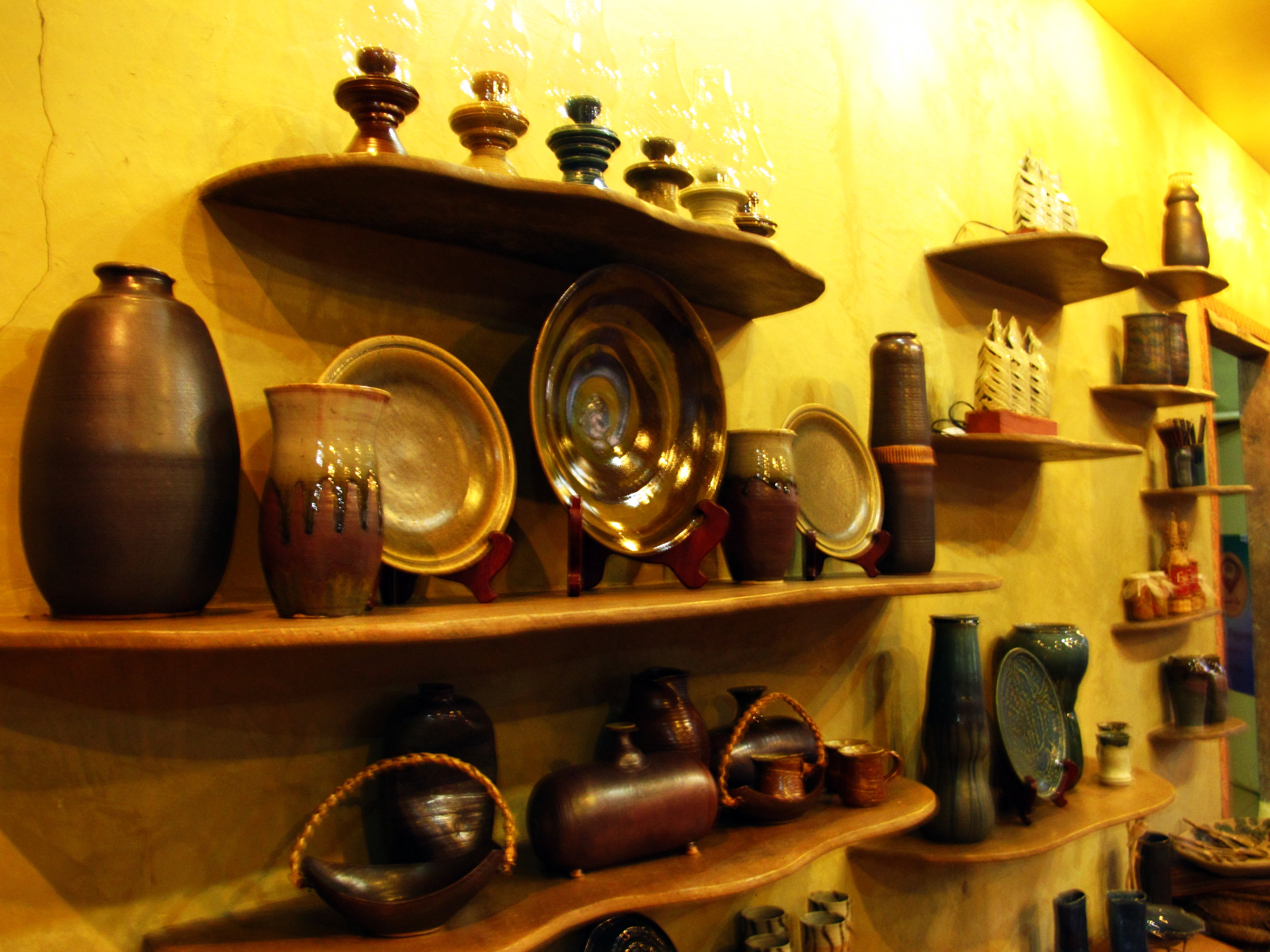
We had an  early start that day, and felt really spent by the time we reached Tiaong, Quezon where Ugu’s Pottery Shop and Gardens are. No, we had no reservations for dinner here.  Just dropping by on our way to Sulyap Cafe where we had a dinner reservation.  That is to say that we plan to visit again, if only to check out the food here. Good reviews, I hear.


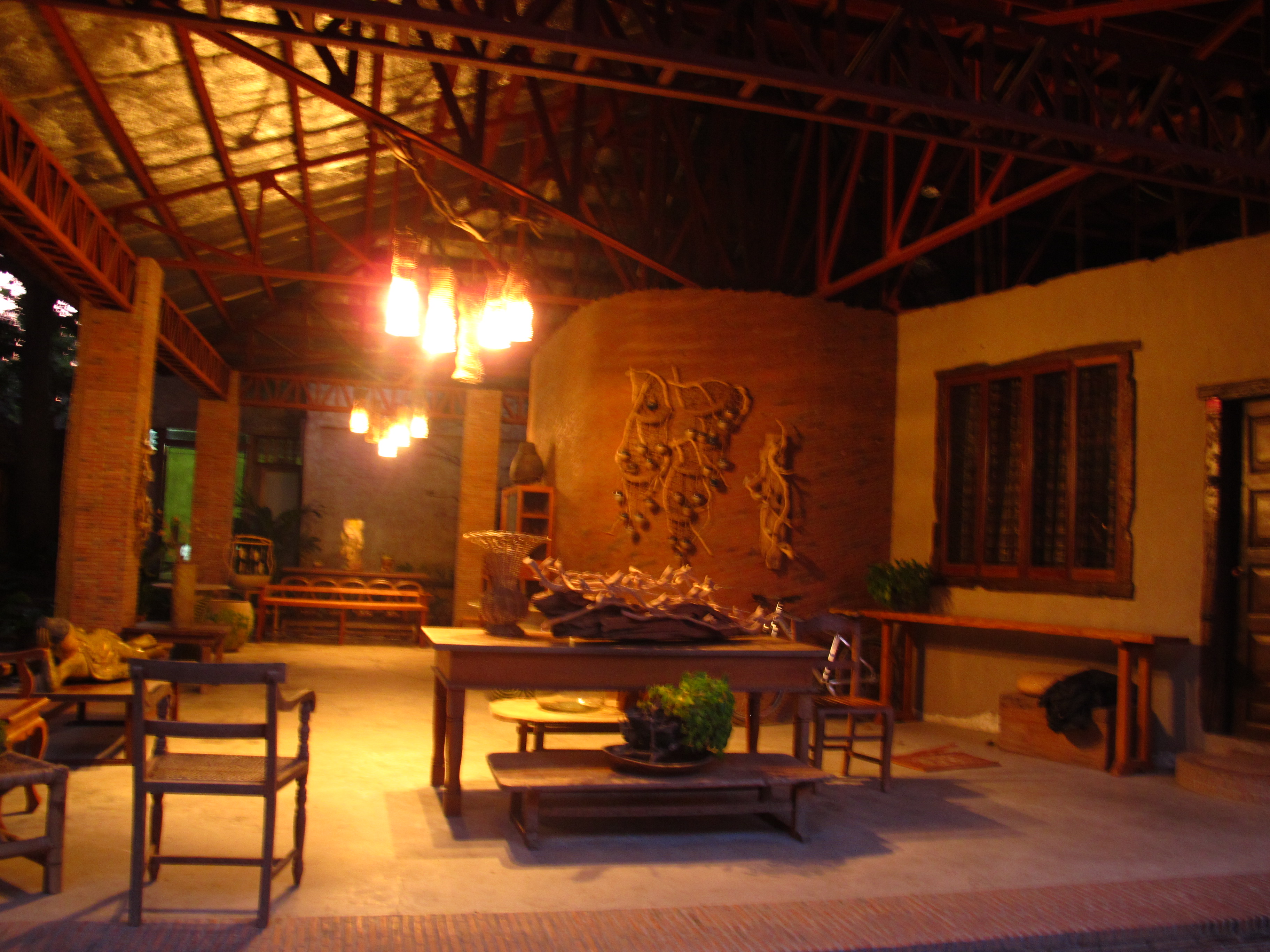
We wandered around.  The decor and the layout made for a very relaxing stroll especially after a tiring day.  Ugu was around when we got there.  He proudly showed us around his shop and the gardens.  

I am way past shopping. Especially on this humid day.  The art pieces make for great conversational centerpieces for a coffee table.  Some in the group went shopping while I was quite happy just walking around.  

The first hut beside Ugu’s residence is not strictly Filipino, but more Asian-inspired.  The decor, the arrangement of interesting art pieces set the mood.  Like someone pushed PAUSE.  Just what we needed. 

Just what I needed.

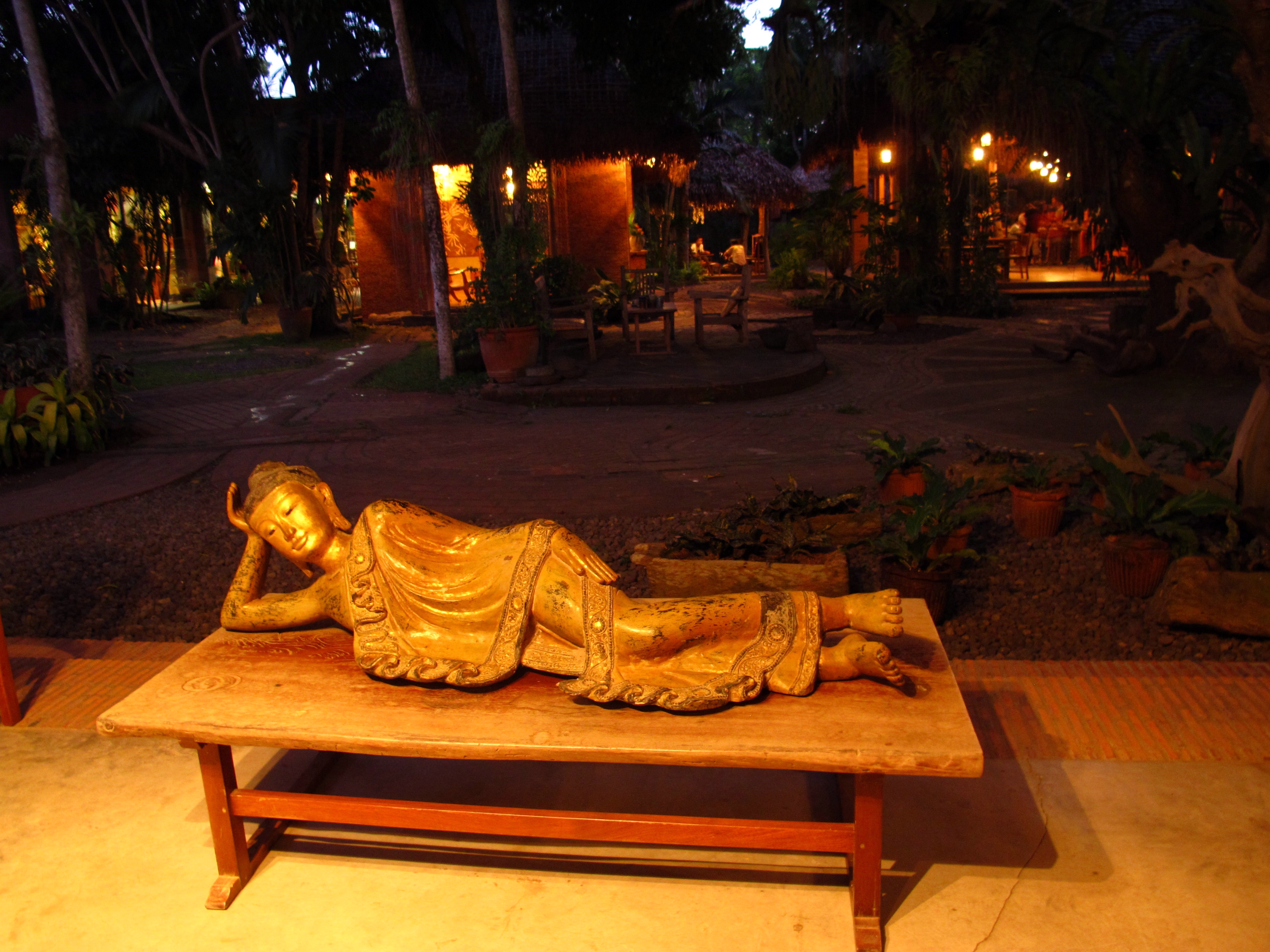
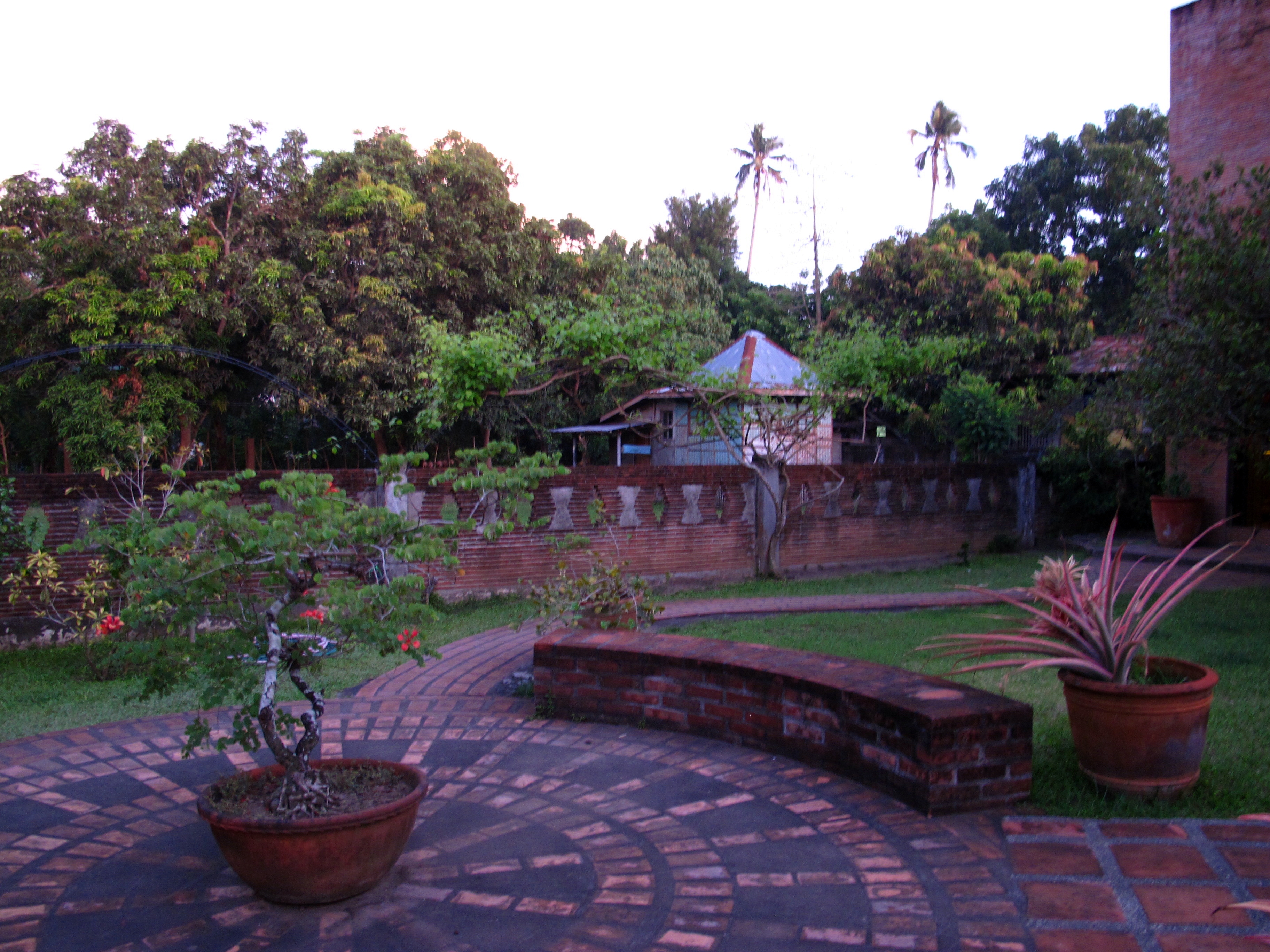
The reclining Buddha we saw conveys exactly that message as I felt my eyelids droop in tandem with the setting sun.  Just before dusk, I glimpsed a tiny hut in another property beside Ugu’s and wondered if he also owned the adjacent lot.  

Before we knew it, it was time to board the bus. This stopover is almost a dream.  Was I really there? 

Disclaimer:  This is not a food blog. Neither is this a travel blog. Just musings and ramblings of an old, tired lady on her way home.


From Laoag City to Vigan and back, we remember our wonderful dining experiences in these 4 restos. If there was more time, I’m sure we would have tried other dining places in between those yummy bagnet, longganiza and empanadas. So. Let’s not beat around the bush. Whenever the subject is food, no one should be kept waiting.

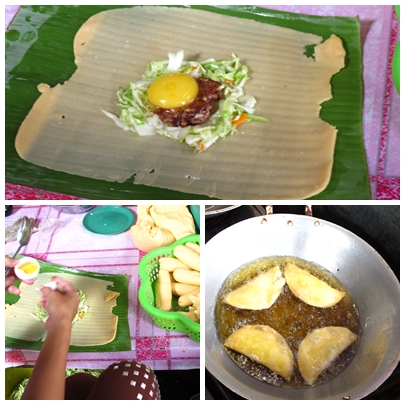
Vigan Empanada

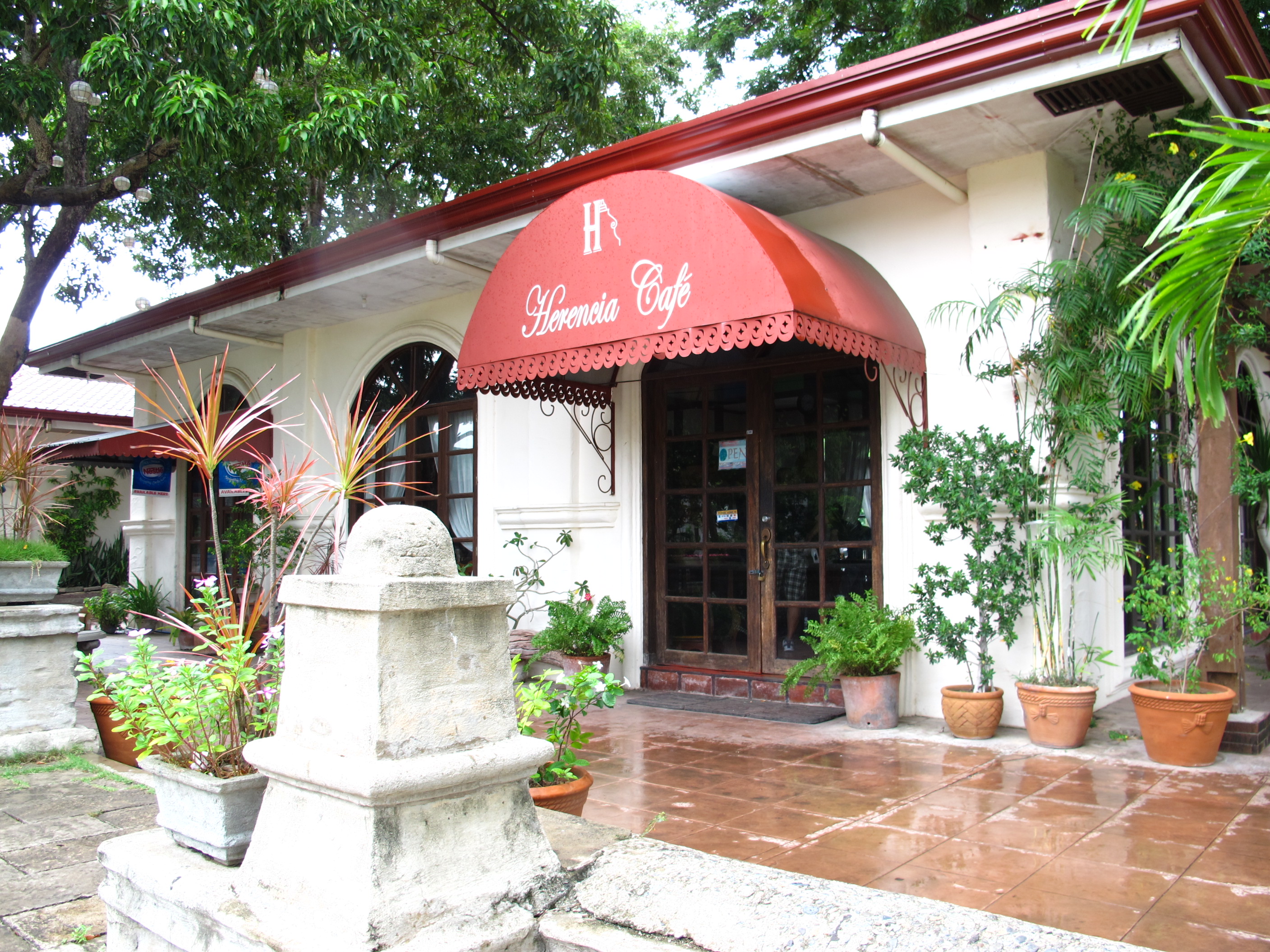
Herencia Cafe

Best dining location ever.  Pick a table by the window and enjoy a panoramic view of the Paoay Church in all its majesty. It rained while we were cruising in a van from the airport thru a couple of touristy sites before sitting down for a proper lunch here.  A late lunch, but no one was complaining.  

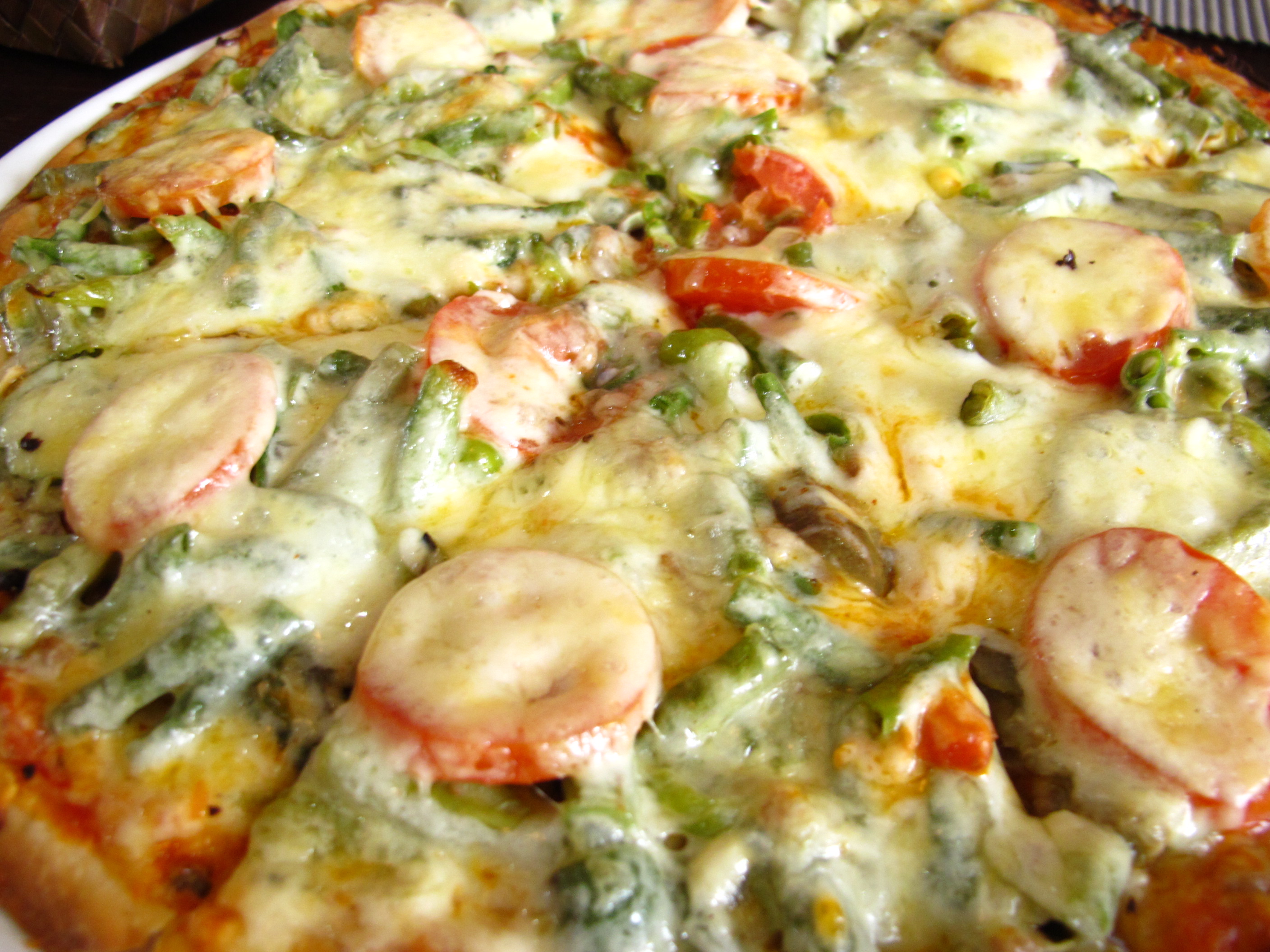
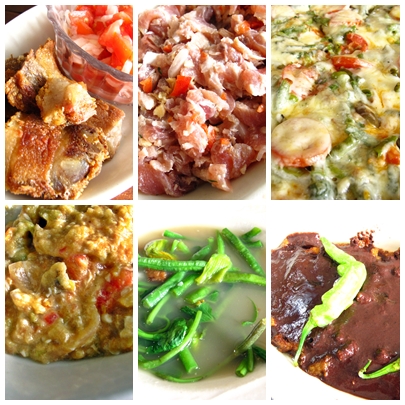
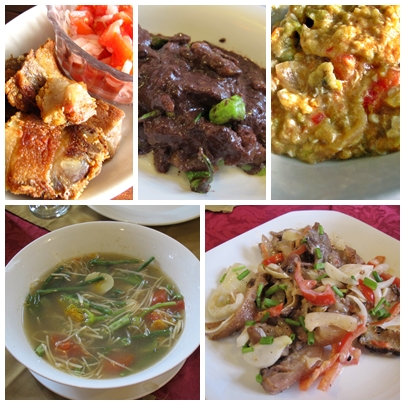
This is the home, the birthplace of the famous Pinakbet Pizza.  Pinakbet as in that very Ilocano dish which found its way to almost every Filipino family’s dinner table.  Pizza as in that most famous export of Italy, along with spaghetti.  And it was such a treat to be able to taste the authentic Ilocano dishes such as Bagnet, Poqui Poqui, Dinengdeng and Crispy Dinuguan

Herencia Cafe : Right Across Paoay Church

Herencia Cafe: Home of Pinakbet Pizza

Bagnet, Kilawin, Pinakbet Pizza, Poqui Poqui, Dinengdeng, Crispy Dinuguan

La Preciosa @Laoag City

Our van driver wanted to bring us here on our very first day.  Perhaps he felt an authentic Ilocano meal here would have made a fine introduction to Ilocos Norte.  He wasn’t wrong.  Even if we actually “ended” our trip with a meal here on our last day.  

The restaurant has a bakeshop right beside it.  Which is fine if we have grown “tired” of Ilocano cuisine. Not so though.  We have not outgrown our taste for Dinengdeng and Crispy Dinuguan which they call Crispy Dinardaraan here.  

La Preciosa

But we were not prepared for Warek Warek.  No Ilocano has ever introduced me to this local dish of pig’s meat and entrails (tongue, liver, intestines) parboiled with calamansi, grilled, sliced, served with the juice of more calamansi and seasoned with salt and pepper. Having tried it, I was convinced we should not order any more dish involving innards. So no Higadu for us. But don’t miss the chance to try it when you get here.  Along with the Inabraw, Insarabasab, and Duyduy.

Cafe Leona

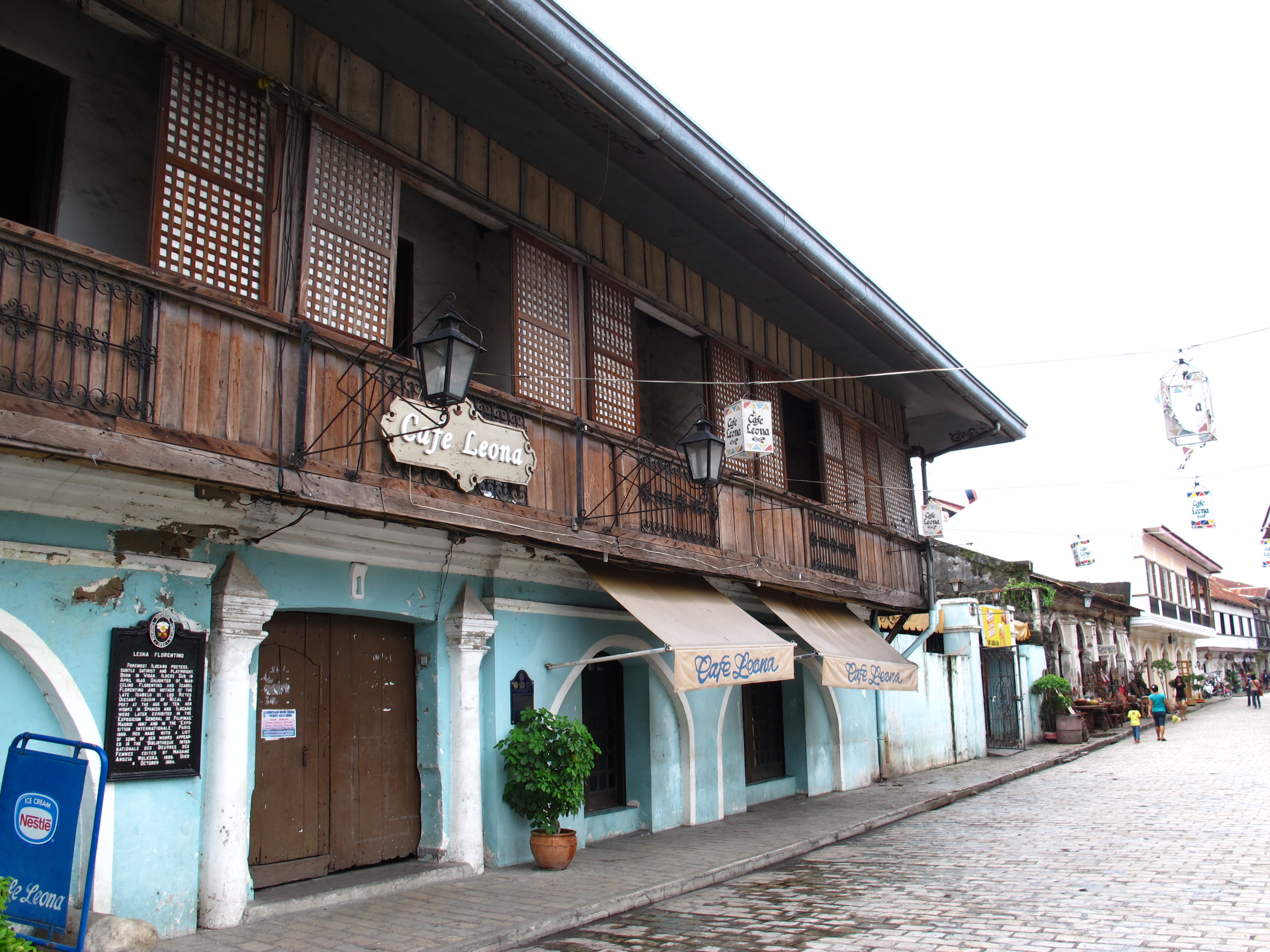
No one goes to Vigan without a “proper stroll” along Calle Crisologo.   You can do it during the day, but we strongly recommend you don’t miss it at night.  It had just rained when we got here, and the rainwashed cobble-stoned paths glistened as the lights from colonial-inspired lamp posts reflected on the water.   At the end of Calle Crisologo is Cafe Leona.  I didn’t mean to stop here for a meal except for my usual late afternoon brew.  Thought it would be a good place to sit out while the rest of the family explore.  By the time they were back, they were famished and ready for an early dinner. 

Cafe Leona. Along Calle Crisologo, Vigan

Cafe Leona’s menu is as confused as my current state while there, minding my 2 “elves” while their parents and aunts camwhore outside.  Thinking the best thing to do was to submit to Fusion Cuisine,  that was exactly what we did.  I wasn’t too happy with my Pasta with Longganiza, but the kids were happy with theirs.  Guess this place provides a “good break” while our stomach enzymes were still busily digesting our Ilocano breakfast and lunch. 

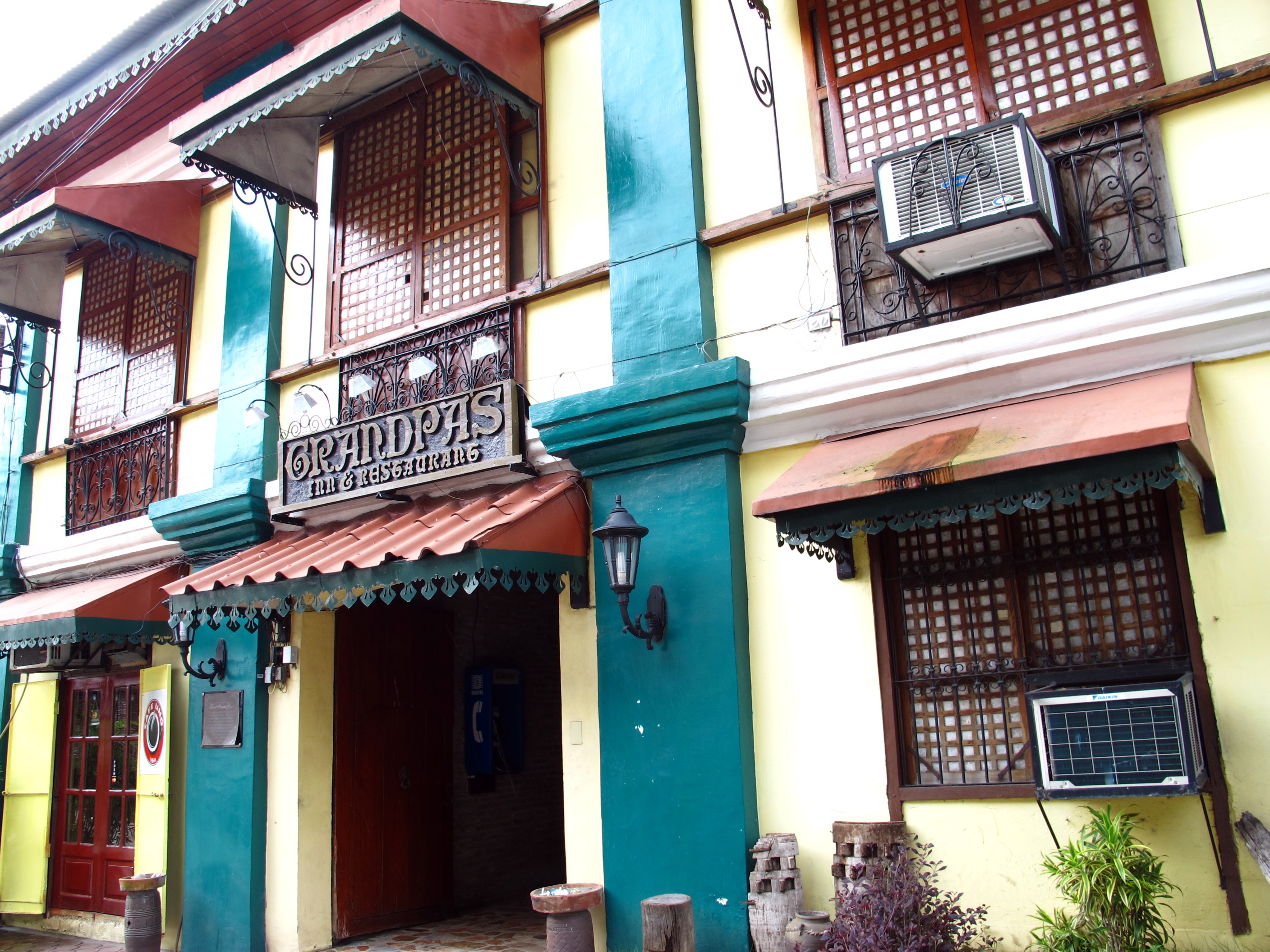
Kusina Felecitas / Cafe Uno @ Grandpa’s Inn

Grandpa

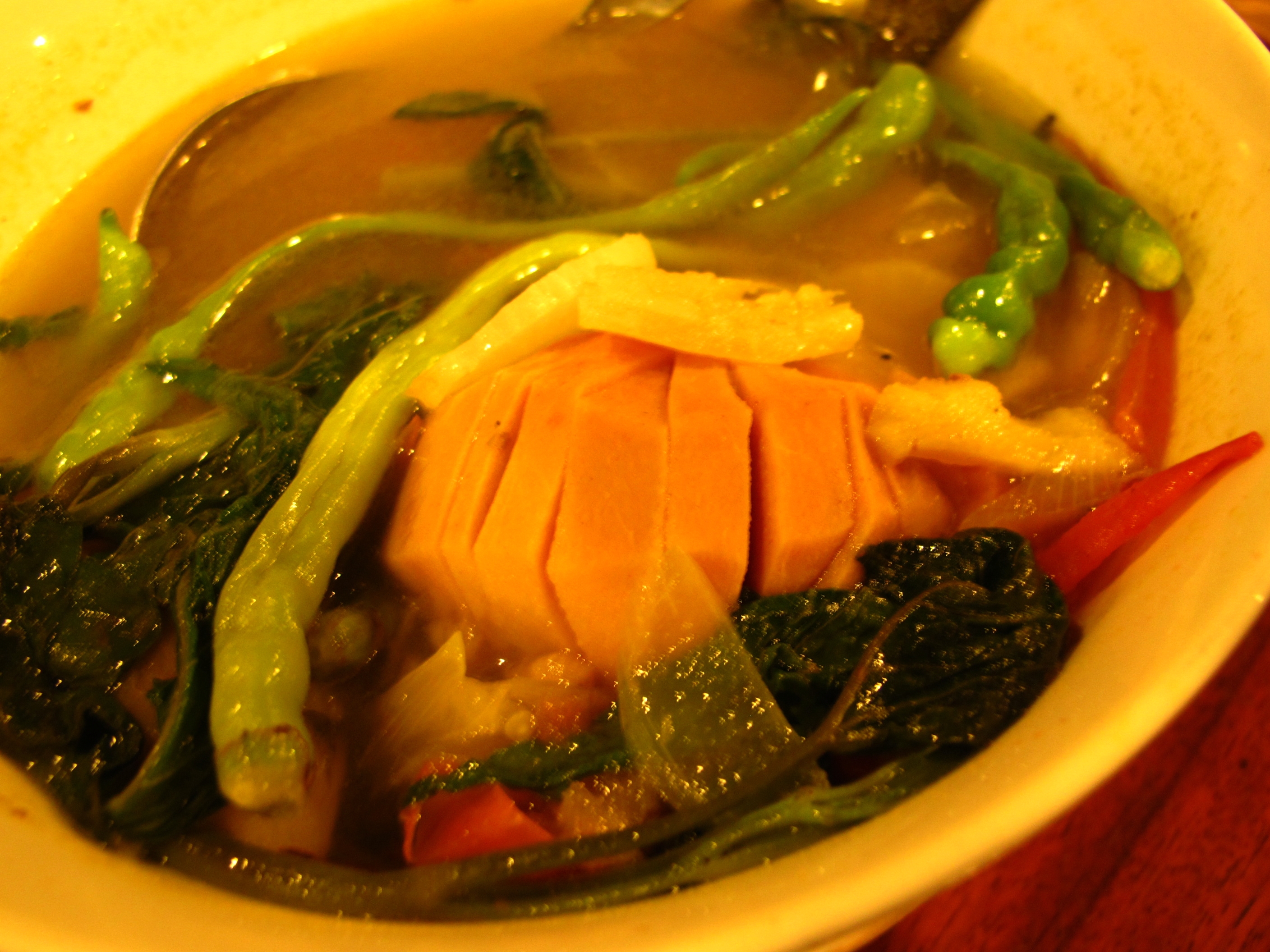
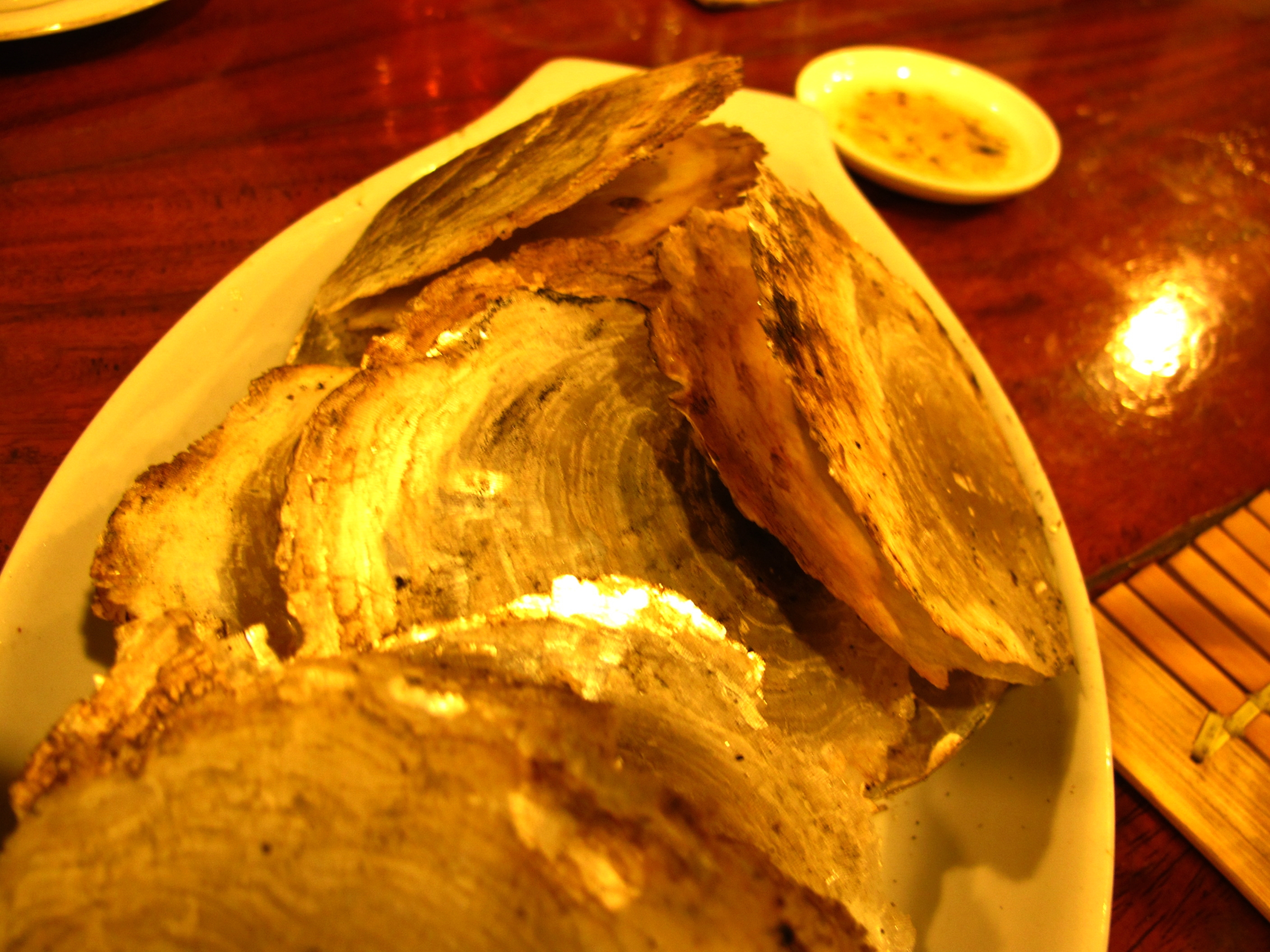
In Vigan, we would have been quite content with the empanadas filled with Vigan longganiza, egg and papaya.  But in Kusina Felecitas in Grandpa’s Inn,  we found this rare Malaga fish on its Menu, prepared in sour broth as with any other sinigang dish,  but soured with the local santol fruit!   We also indulged in the famous Vigan longganiza, the usual accompaniment of Poqui Poqui and Dinengdeng,  and the Kulintipay Shells.   These shells are actually the very same capiz shells you see framed in the sliding windows of Grandpa’s Inn.  I have not seen them for ages, much less, ate them.  Well, we were in luck in Vigan!  

Sinigang na Malaga Sa Santol

Among all the dining places we have tried, this one’s our favorite in terms of ambience. The restaurant looks more like an art gallery. The paintings hanging on the walls cover all the way to the Inn’s coffee shop aptly called Cafe Uno. Next time we are in Vigan, we would most certainly check in at this lovely Grandpa’s Inn


Kulintipay Shells

More? Read my TravelBlog post. 


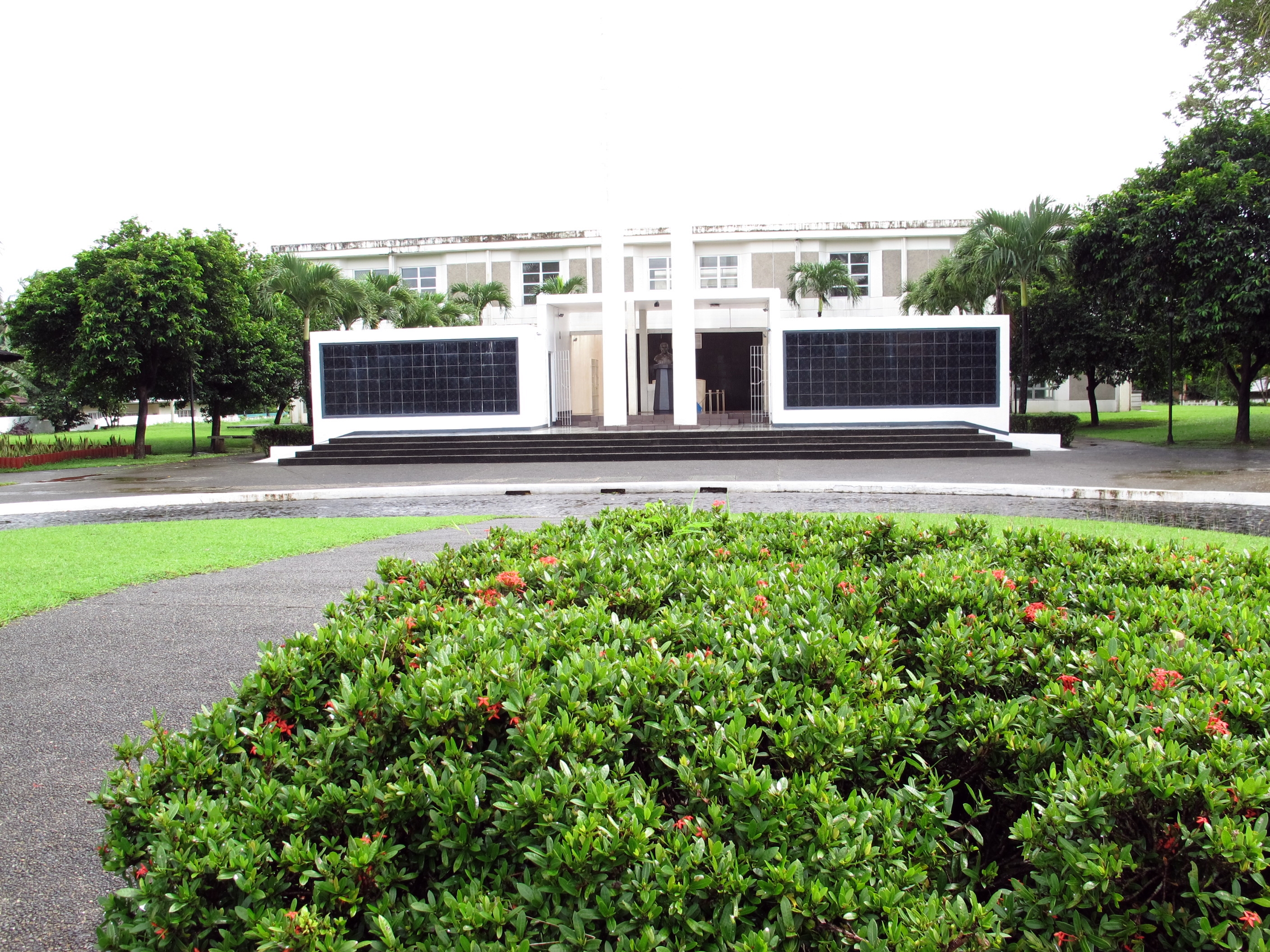
We were on our way to Club Balai Isabel in Talisay, Batangas and took the SLEX/Star Toll Route. We passed the Mabini Shrine in Barrio Talaga, Tanauan and took the chance to visit this historical site. Frankly, we weren’t expecting that the Shrine would be situated in this huge property along the main road in the birthplace of this nearly unheralded hero of the Revolution.

Apolinario Mabini Shrine in Tanauan, Batangas

A Few History Lessons

For someone who took on odd jobs, even worked as a houseboy, just to get through school, Mabini’s intellect certainly shone through in academics. Shabbily dressed as any poor student could be, shunning ridicule, he earned a scholarship and taught children to earn money for his board and lodging. Unlike Dr. Rizal, the Luna brothers, and many revolutionaries learned in the ways of the world outside of his own country, Mabini stayed to earn a local education but in no way any less than his generation’s erudite patriots. Unlike Padre Burgos who gave in to his mother’s wish for him to be a priest, Mabini refused to pay heed to his mother’s wishes. He passed college with the highest honors and went on to earn his law degree from the oldest university, University of Santo Tomas, in 1894. All that time, while laboring, working his way through school.

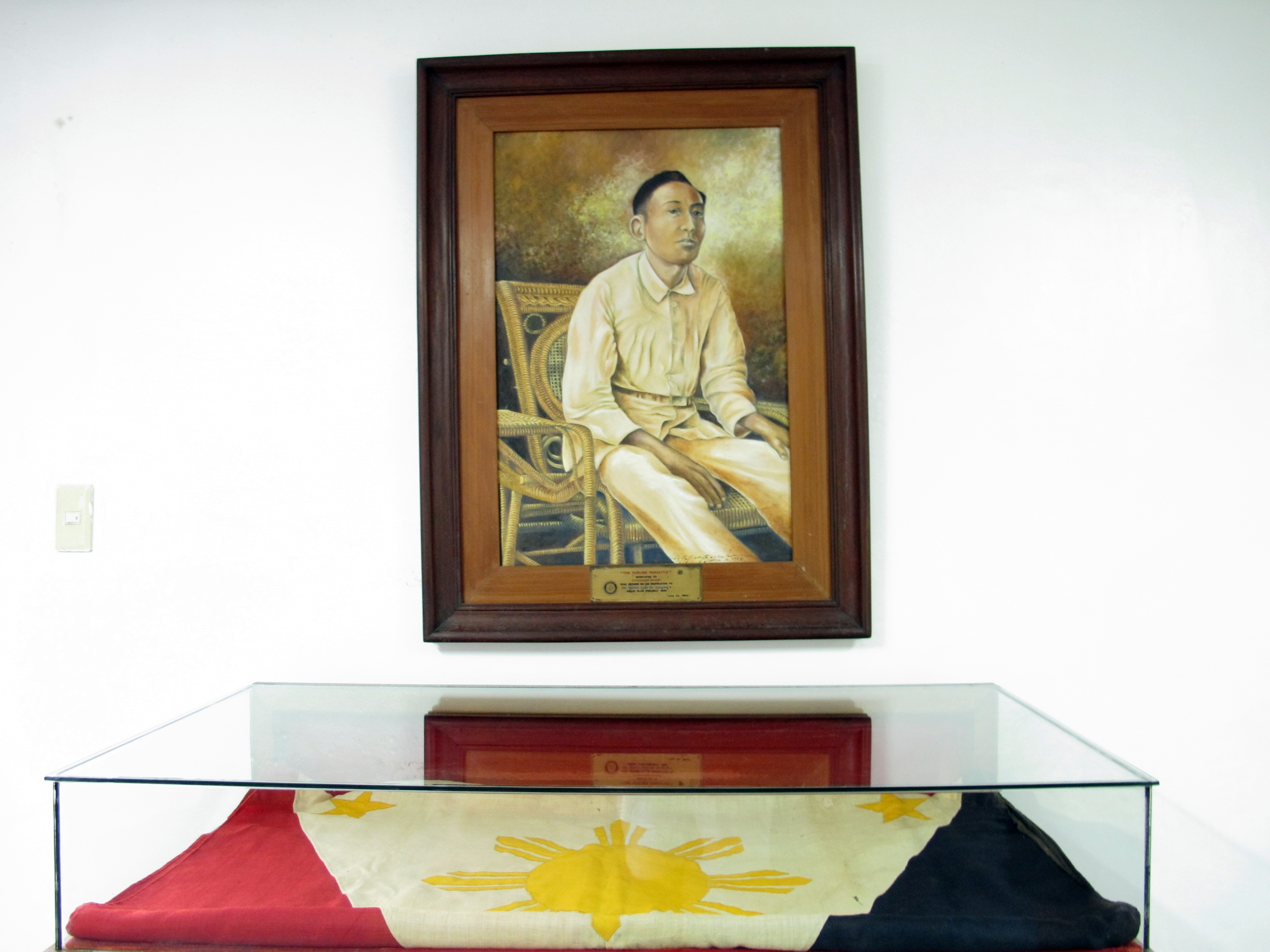
Many remember Mabini as the “Sublime Paralytic” who served as the very first Prime Minister cum chief advisor to then President Emilio F. Aguinaldo. He crafted the very first Constitution of the Philippines, the very first also in Asia, thus earning him the unofficial title of “Brains of the Revolution”.

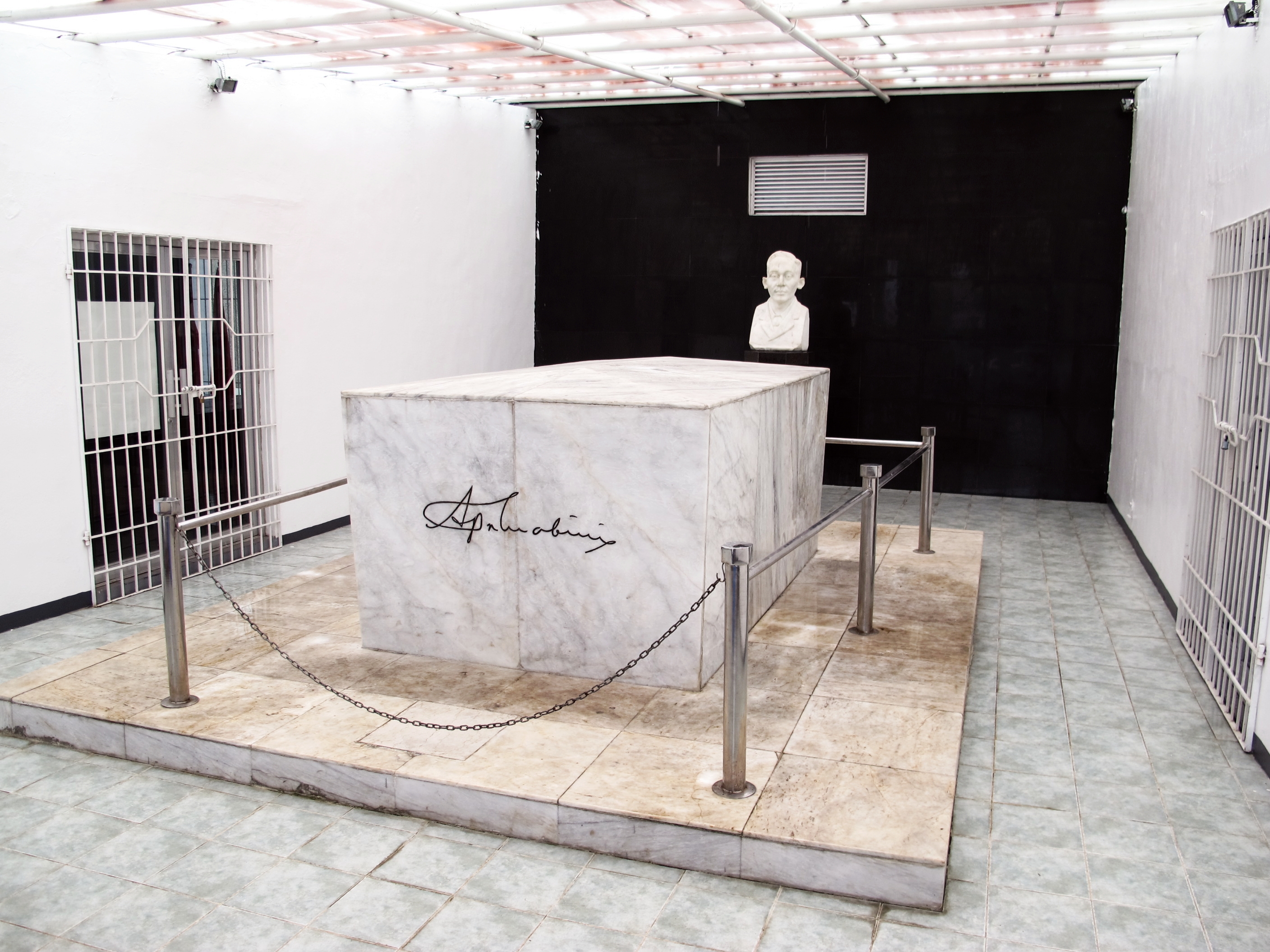
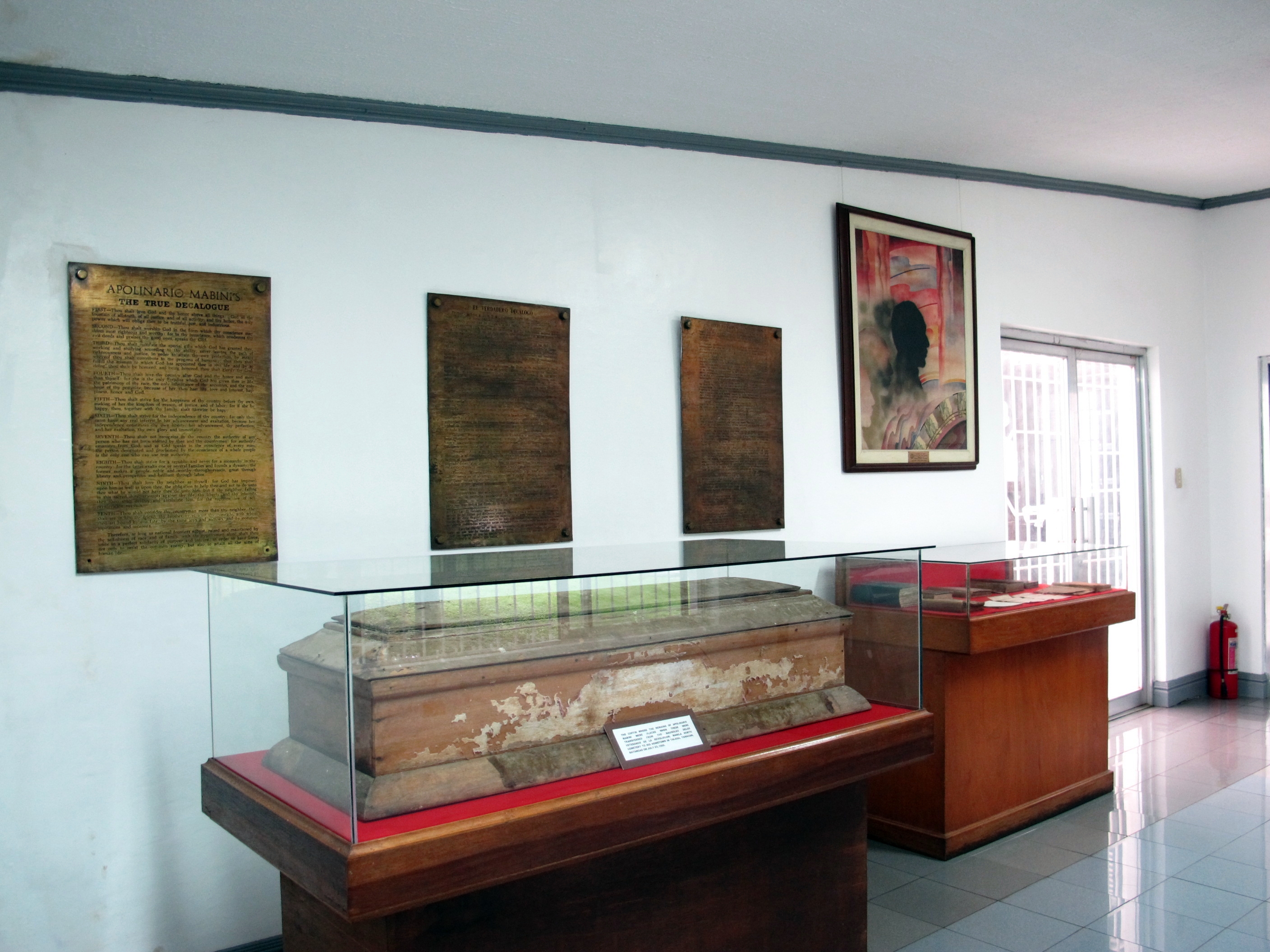
When America defeated Spain, he refused to swear his allegiance to the new set of colonizers leading to his arrest in Nueva Ecija. After having been exiled to Guam along with other revolutionary leaders, Mabini returned in February 1903 and resumed his patriotic work, much to the chagrin of the American colonial officials.  He didn’t live long enough as he fell ill and died of cholera in Sta. Mesa, Manila  in May 1903 . Not many know that Mabini died single at the age of 38.   His remains were transferred to his town of birth where a Shrine now stands on his simple grave. A replica of the house where Mabini was born was constructed in the Shrine site which also houses some of his memorabilia.  A distant relative is one of the caretakers in the Mabini Shrine.  Failed to get his name, but look him up, for more  Mabini trivia.

Trivia:  A Most Unfortunate, Undeserved Controversy

The life of Mabini was hounded by controversy, especially regarding the cause of his paralysis.  During his lifetime, it was rumoured that Mabini suffered from syphilis which resulted in his paralysis. A subsequent exhumation  and autopsy of his bones disproved this rumour and confirmed that the paralysis was caused by Polio.  Unfortunately, the malicious rumour has done its rounds and was debunked much too late in 1980. No less than National Artist F. Sionil Jose erred in his book Po-on, for which the novelist offered the following apology, which reads in part:

I committed a horrible blunder in the first edition of Po-On. No apology to the august memory of Mabini no matter how deeply felt will ever suffice to undo the damage that I did…. According to historian Ambeth Ocampo who told me this too late, this calumny against Mabini was spread by the wealthy mestizos around Aguinaldo who wanted Mabini’s ethical and ideological influence cut off. They succeeded. So, what else in our country has changed?

If you don’t have the time and the resources to visit all the Lakbay Jose Rizal@150 Sites, or at the very least want a glimpse of what you can find there, you may wish to do this.

One morning I visited the National Museum,  I found myself way too early before Museum hours and so I lingered around. First off,  I checked out the Balangay Diwata ng Lahi behind the National Arts Gallery. Looking at this sea vessel makes you wonder how our ancestors rode the treacherous waters in open seas back then.  Also reminds us that the ancient Pinoys were really a seafaring people and competent boat builders! Can you imagine them sailing based on their ancient methods of reading through the stars, cloud formations, and bird migration patterns?  

Balangay Diwata ng Lahi @National Arts Gallery

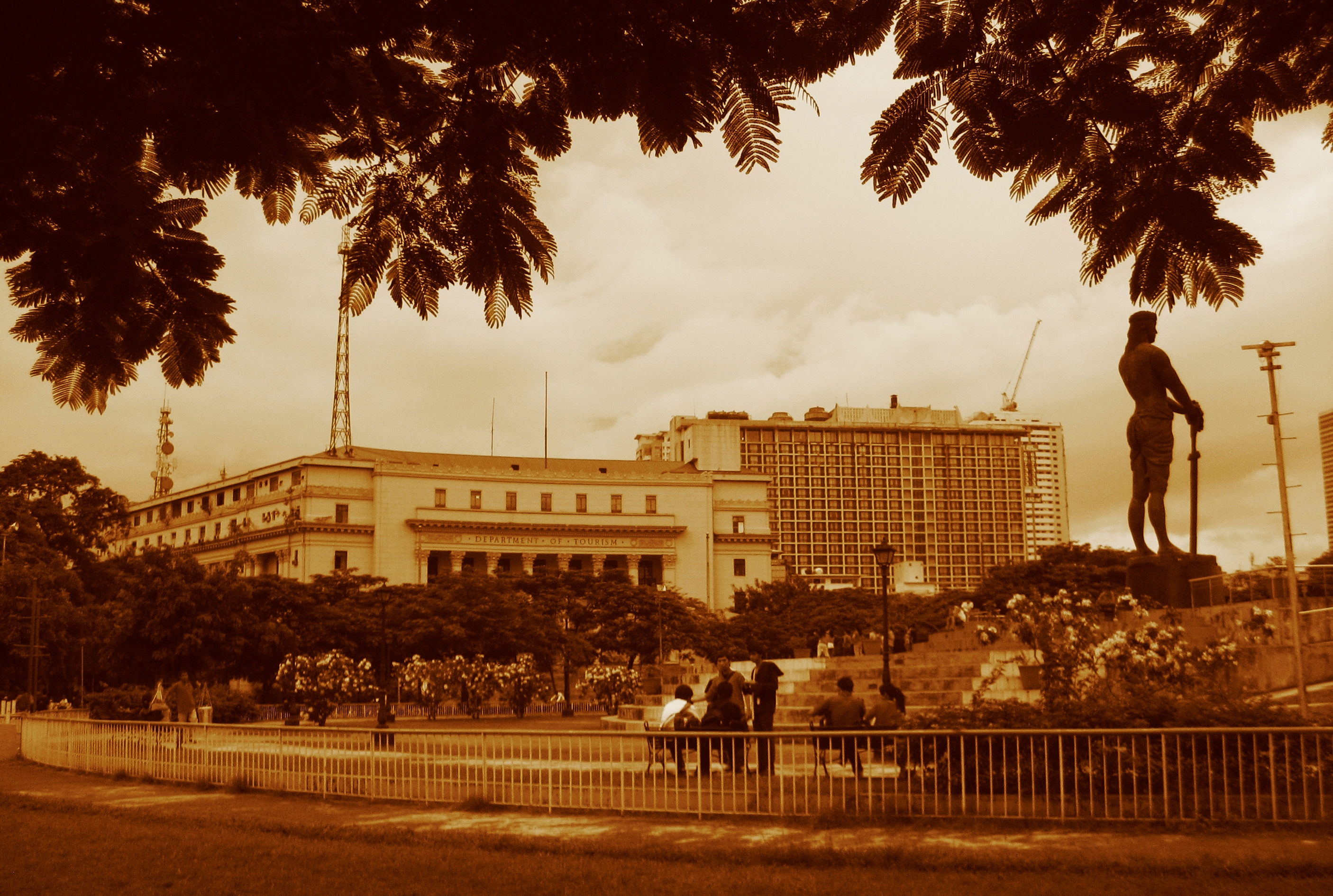
An hour before the Museum doors opened to the public, and having viewed the Balangay,  I wandered off behind the 2 Museum Buildings and found myself walking around the Agrifina Circle where one also finds the lovely Department of Tourism Building.  Standing guard over all these art-deco buildings is a huge bronze statue of Lapu Lapu.  Our likely first hero way before the Spaniards ruled the land, and most certainly way before the Americans “guided” us in choosing our heroes. ;-)

Lapu Lapu Statue Standing Guard Around The Valencia or Agrifina Circle

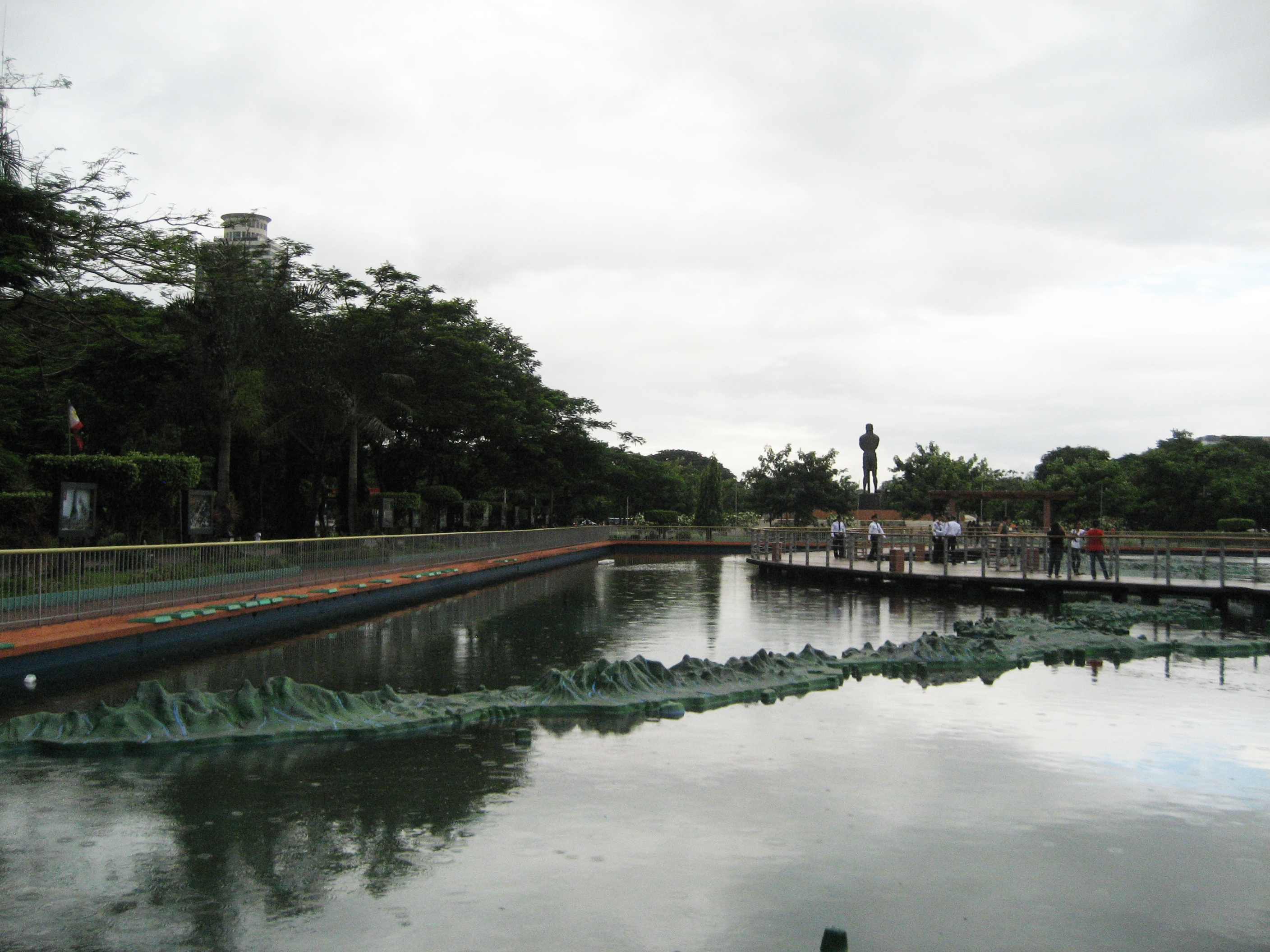
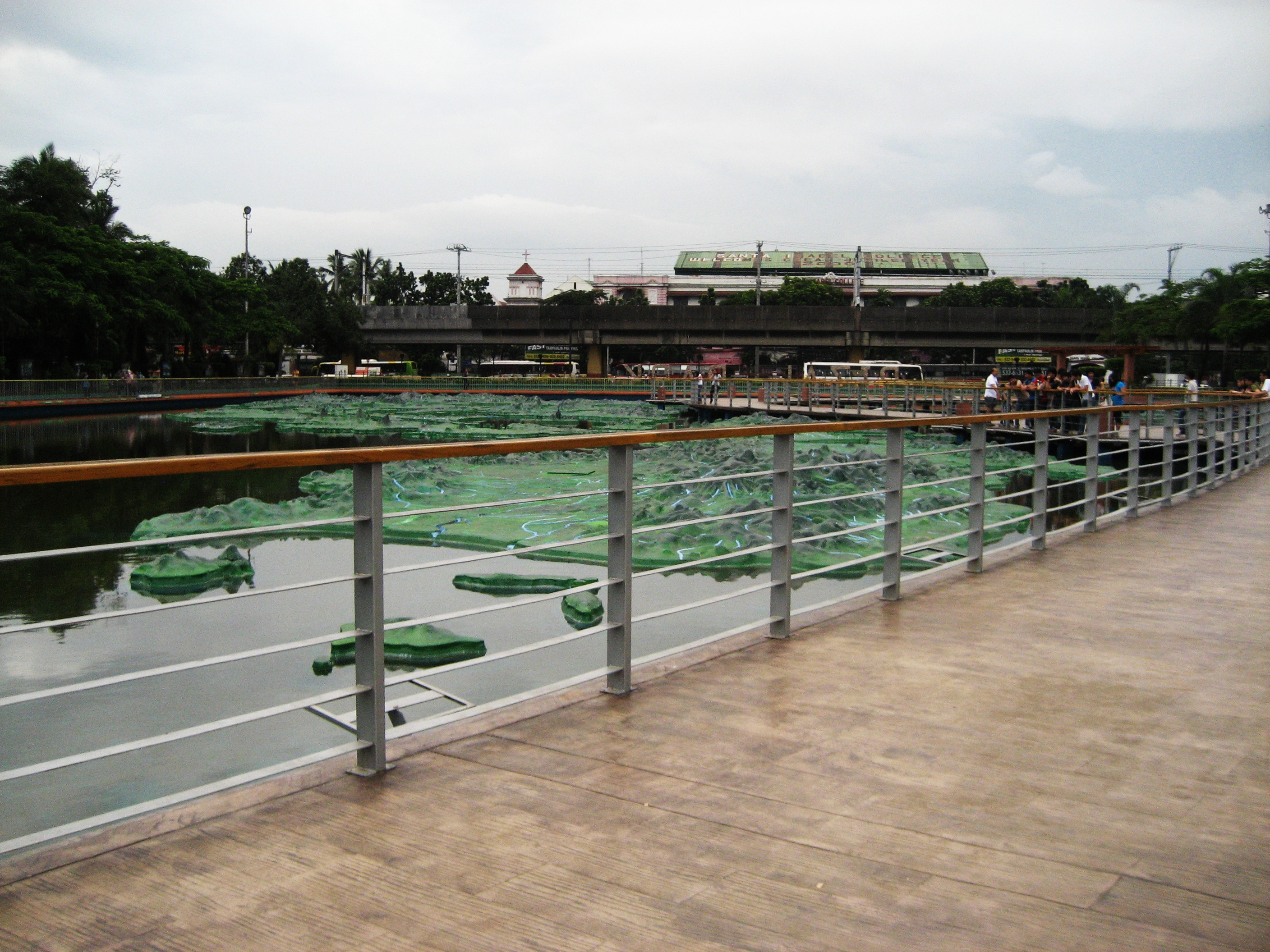
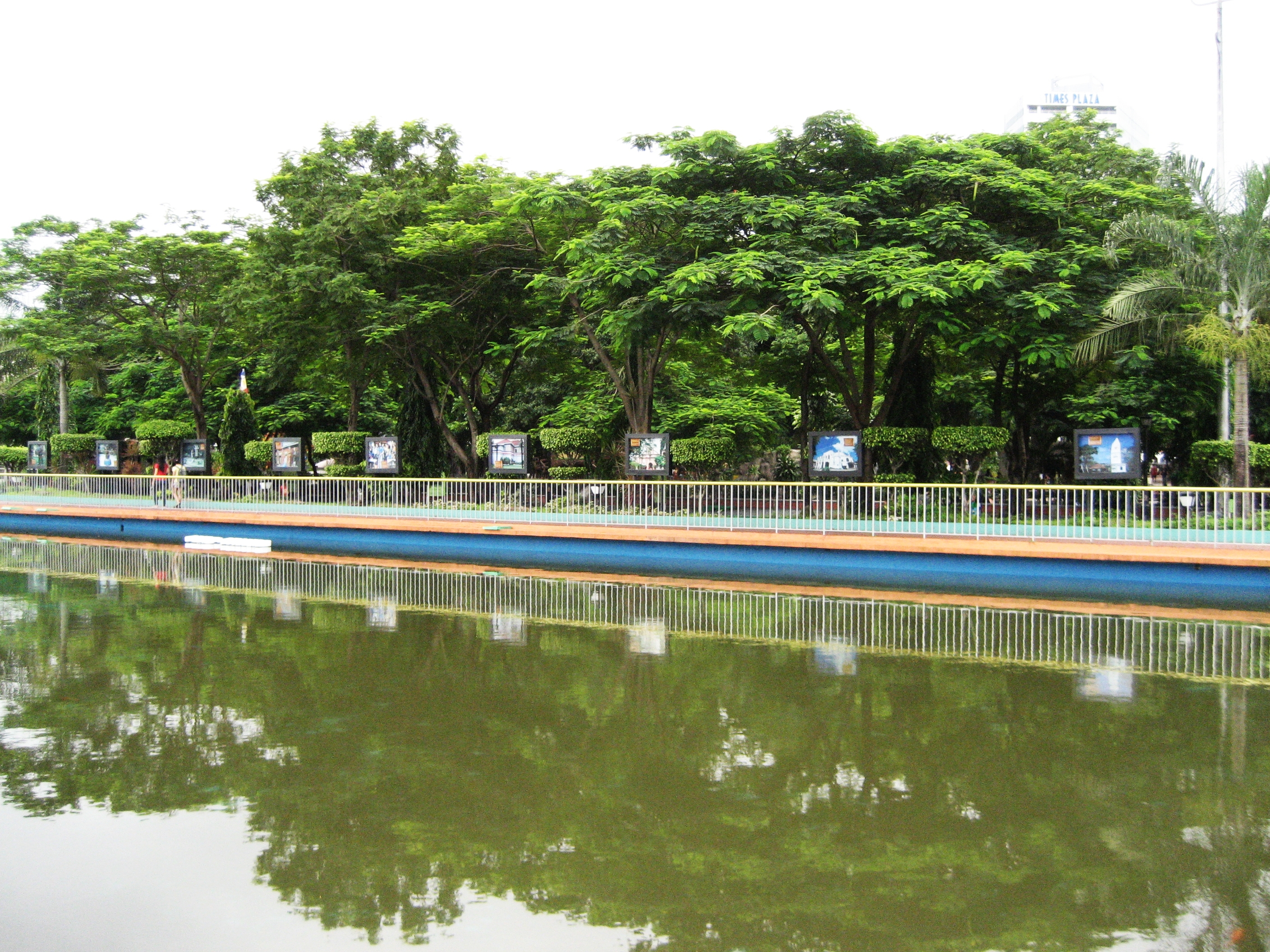
Off on one side a few meters away is a man-made pond where a huge relief map of the Philippines is to be found, right beside the Children’s Playground. All around this pond are glass-encased photos of various Rizal heritage sites named in the Lakbay Jose Rizal@150. Aptly called One-Stop Heritage Trail, it was unveiled only last May 2011. There is no excuse now not to learn more about these sites, if only to know our national hero better, appreciate his journey through life, his struggle, and his heroism.

Relief Map of the Philippines with the LapuLapu Statue in the Background

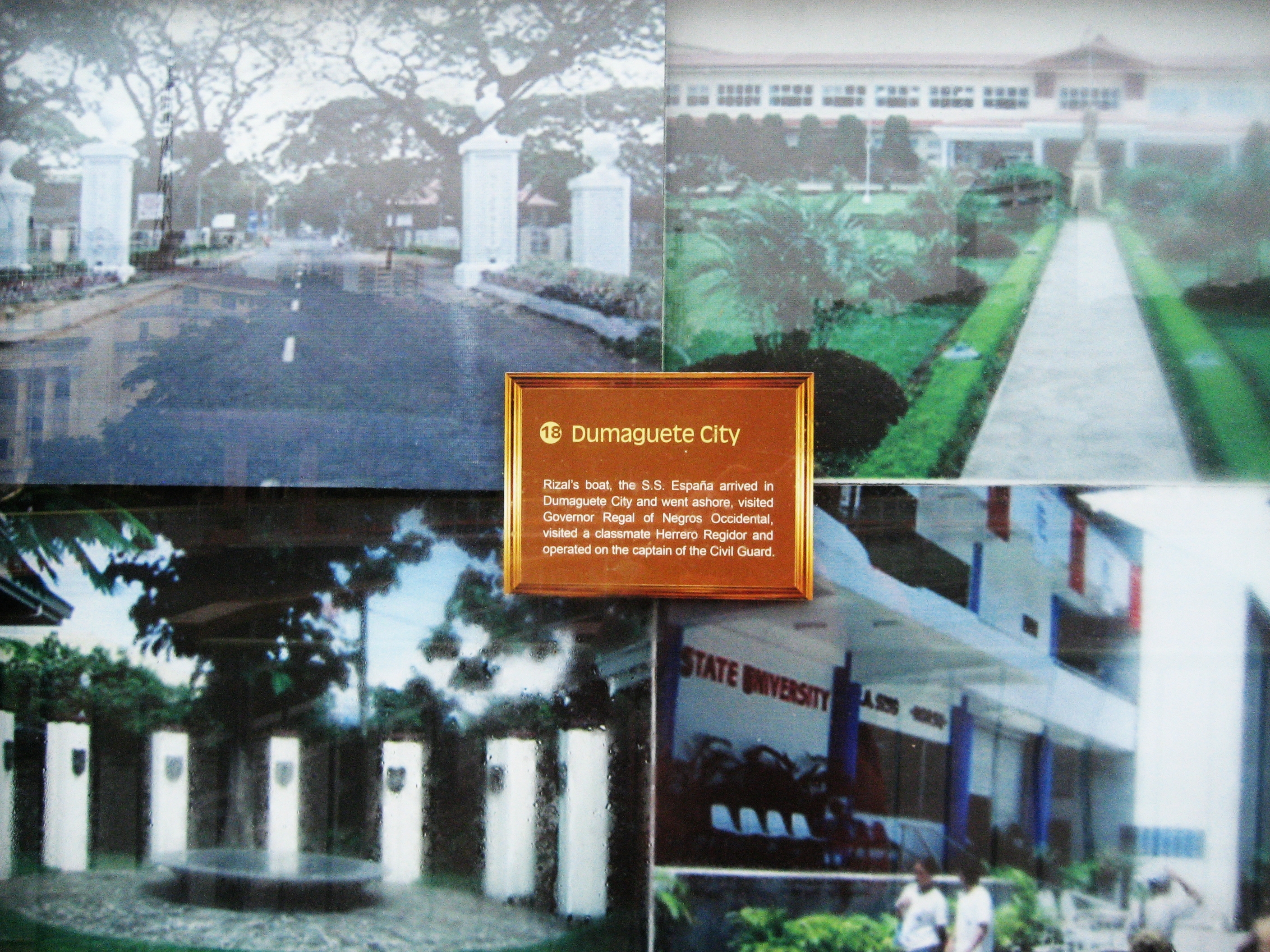
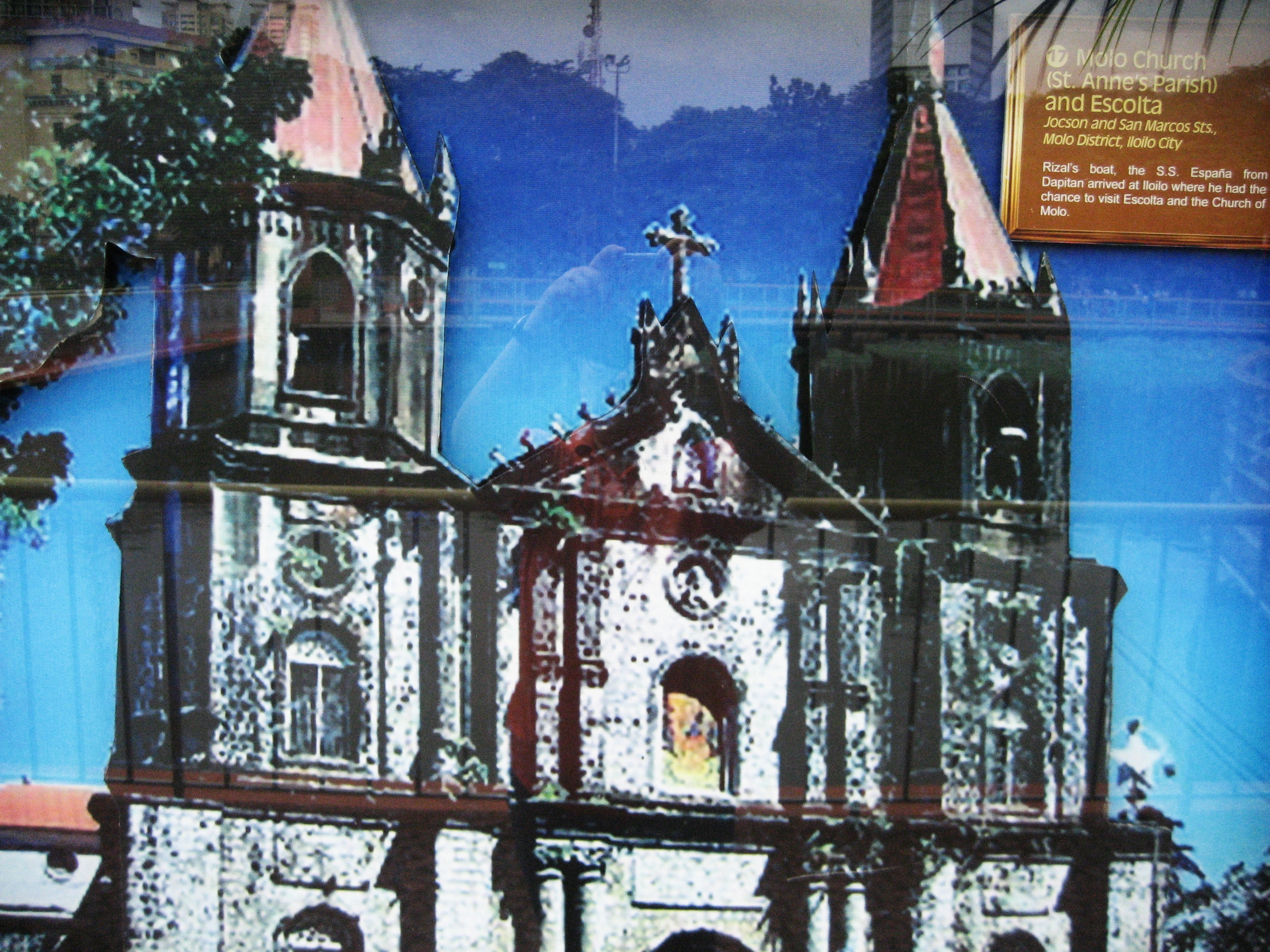
I found myself moving from one encased photo to the next.  Tried to get a decent photo, but this amateur had problems with the reflections on the glass.  Epic fail.  But I read through some of the relevant and interesting  trivia on each encased photo and thought I’d share with you just the same these awful shots I took. Just think I’m saving you the trip.  Or perhaps you can be motivated to go to get a ‘better picture’. 

Rizal’s boat, the S.S. España arrived in Dumaguete City. Dr. Rizal went ashore, visited Governor Regal of Negros Occidental, visited a classmate Herrero Regidor and operated on the captain of the Civil Guard.

The same  boat, the S.S. España, arrived at Iloilo where Dr. Rizal had the chance to visit Escolta and the Church of Molo in Iloilo. 

Then the  S.S. España docked in Cebu on August 2, 1896 for a routine one-day stop over. After breakfast on board, Commander Carcinero took Rizal under custody to the Spanish Military Commander of Cebu, Gen. Adulfo Montero in the Military Headquarters located in Fort San Pedro.

The official residence and administration building of the politico-military governor of the district, Rizal lived there from July 17, 1892 to March 1893 before he was transferred to Talisay, now the Rizal Dapitan Shrine.

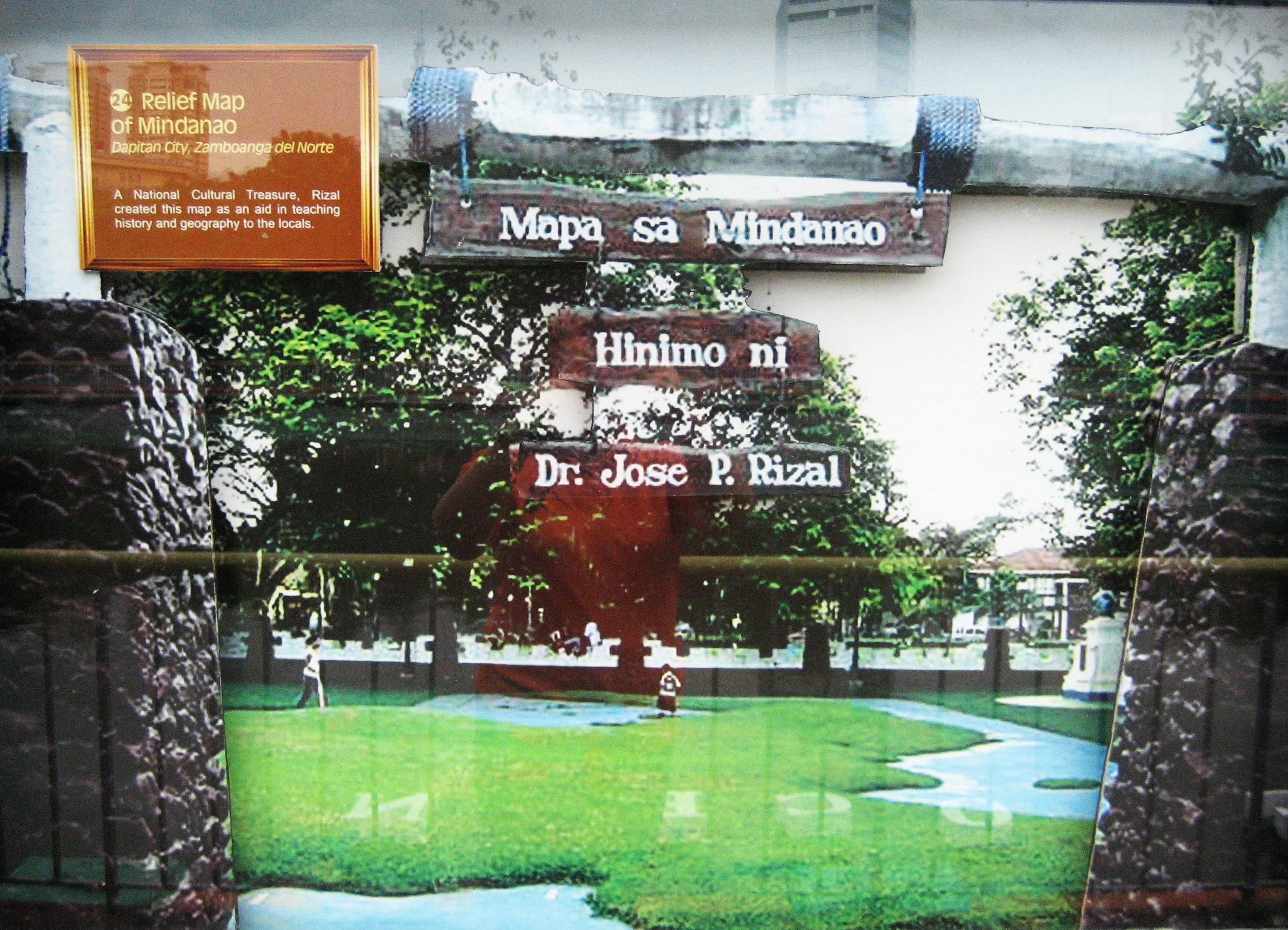
A National Cultural Treasure in Dapitan, Zamboanga del Norte.  Rizal created this map as an aid in teaching history and geography to the locals while in exile from 1892 to 1896.


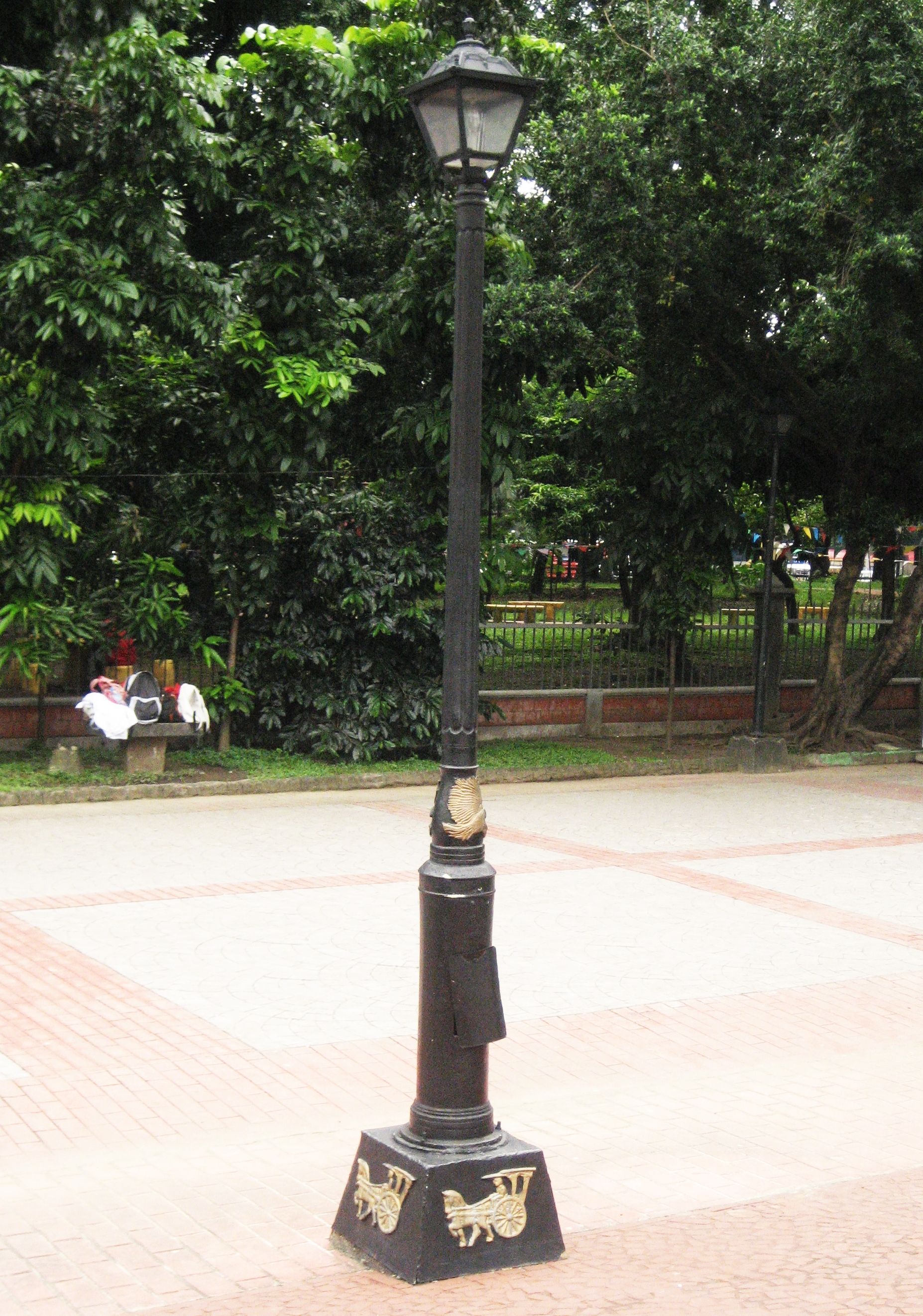
I took notice of this lamp post. Love the base with the calesa design. Thought this lamp post is far better than all those multi-colored cheap-looking lightposts you find all over Metro Manila.  

There were more photos on display around the pond where you see the relief map of the Philippines. But it is now time to head back to the Museum. 


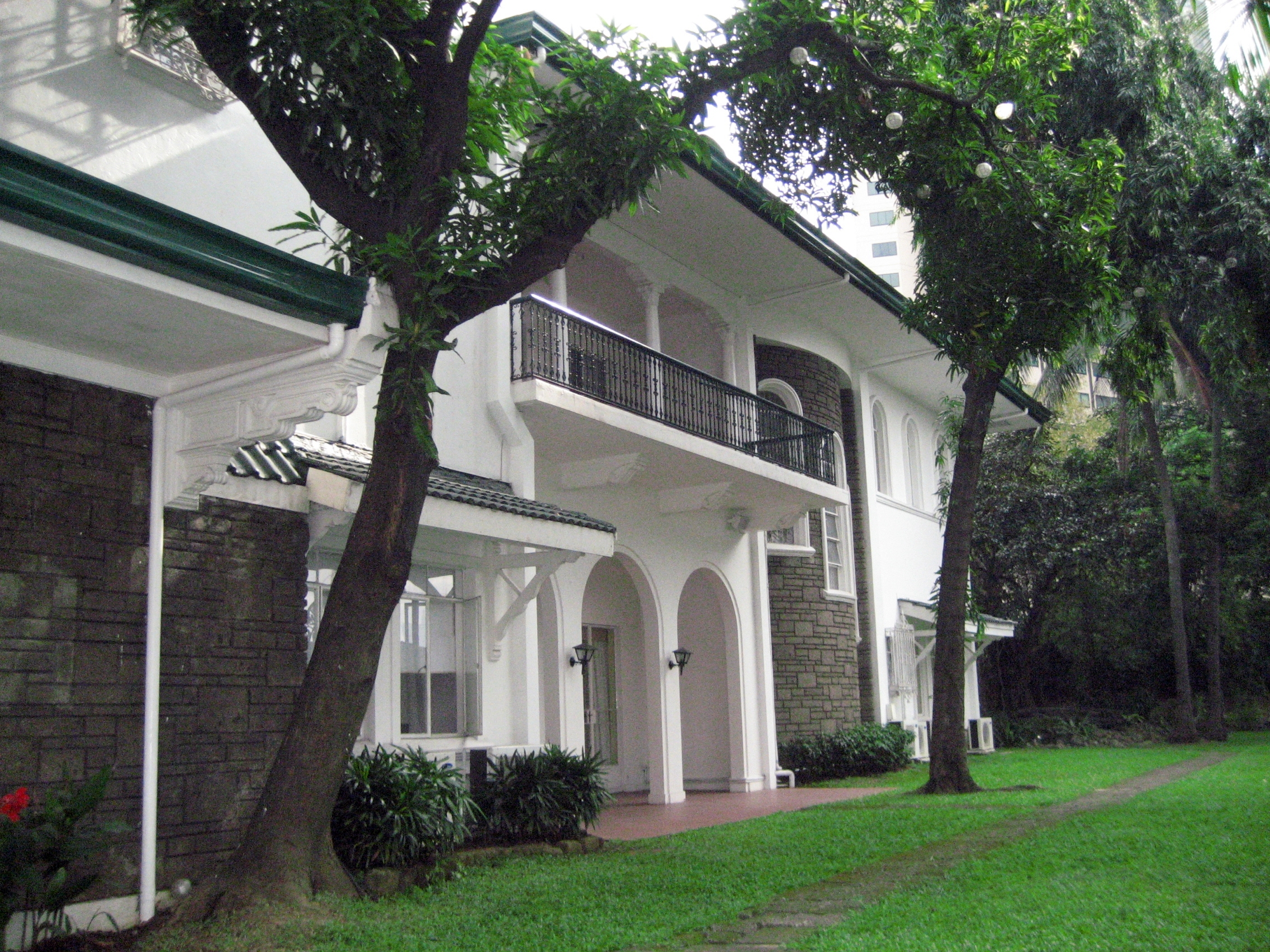
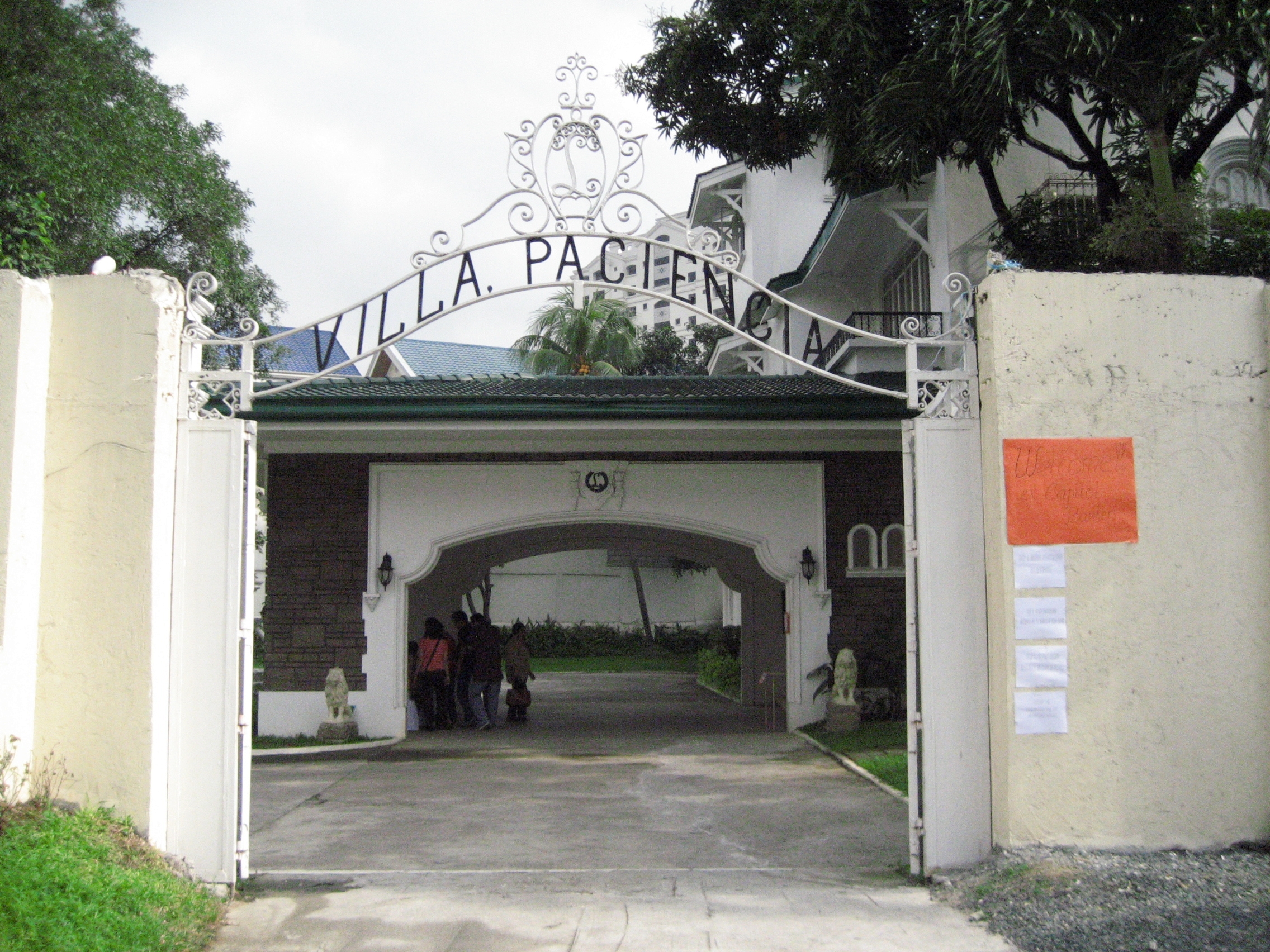
Ever heard of it? It is right along Shaw Boulevard near Cherry’s Foodarama. A 3-storey 50+ year old Mansion sitting on a 6,000 square meter prime lot in Mandaluyong.  The heritage house used to be the residence of the illustrous Laurel Family, which includes a former President (Jose , 1943-1945) and a former Vice President (Salvador, or “Doy” to many, 1986-1992).

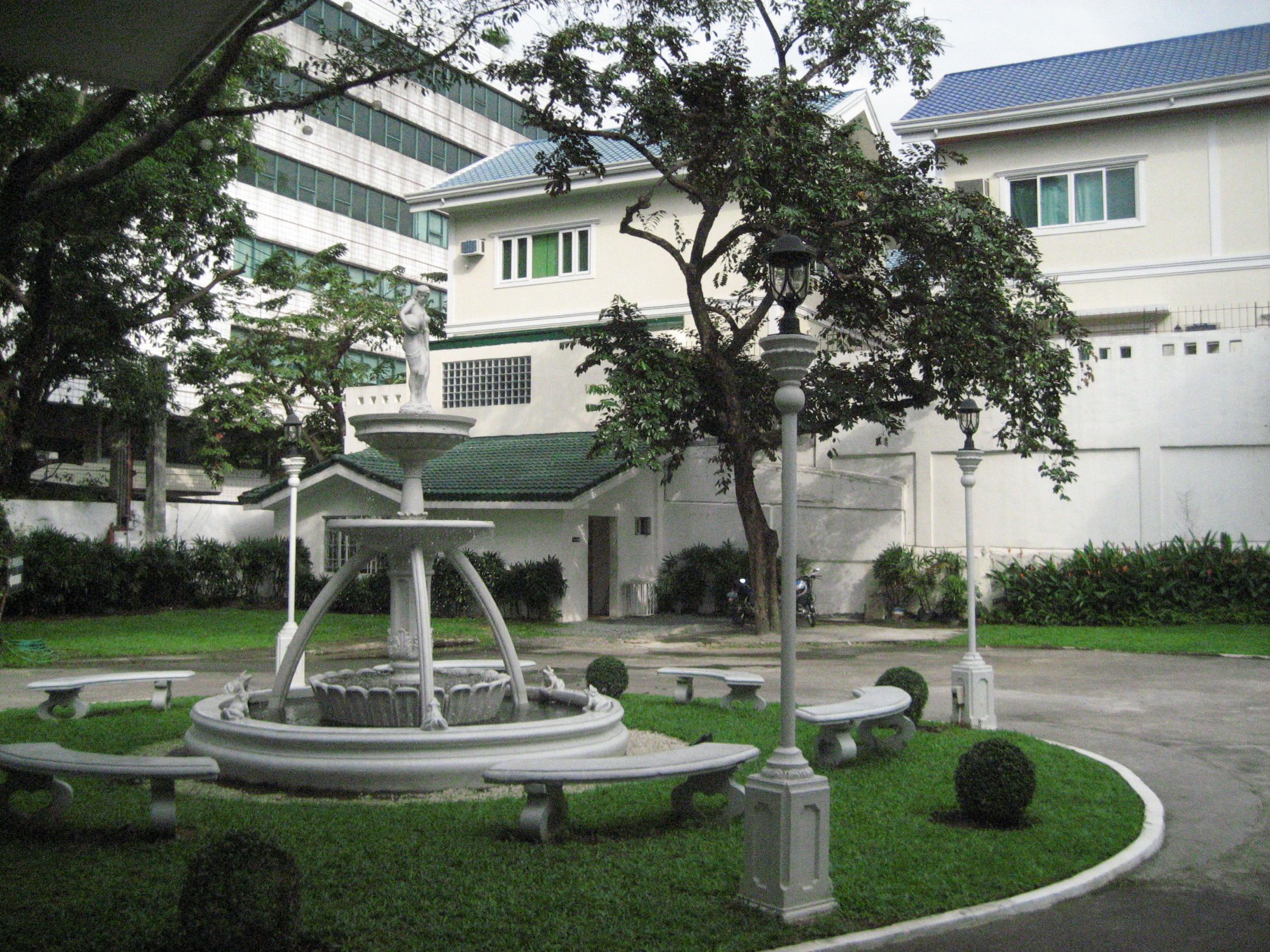
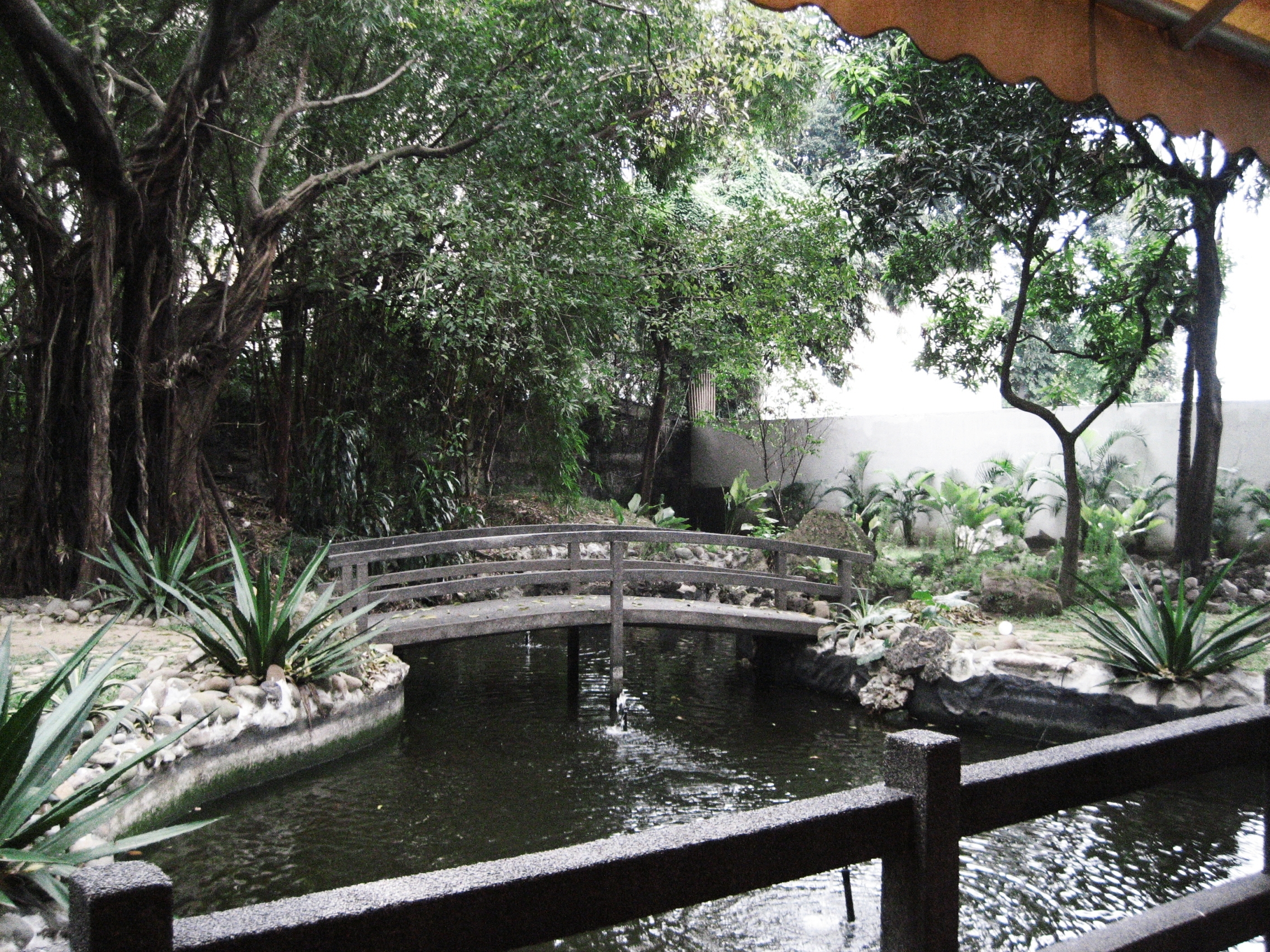
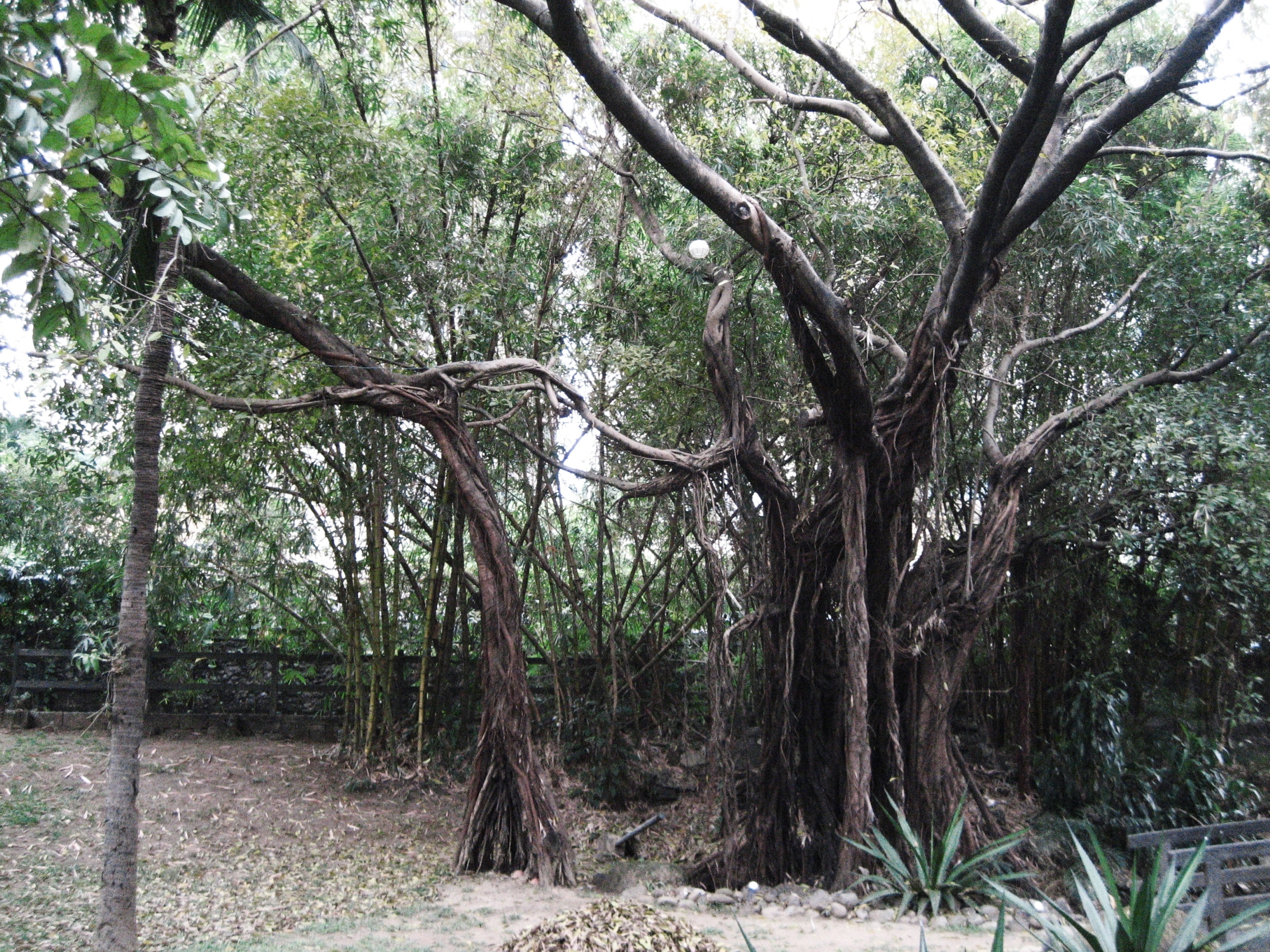
In those days, this palatial house and lawn must have been one of the grandest in the entire metropolis. I’ve seen some in the Malate and Ermita areas, and a number too in the New Manila Area and San Juan. But I like the layout of this white house sitting right in the middle of a very spacious lawn complete with a wooden bridge over a pond, surrounded by old balete and royal palm trees.

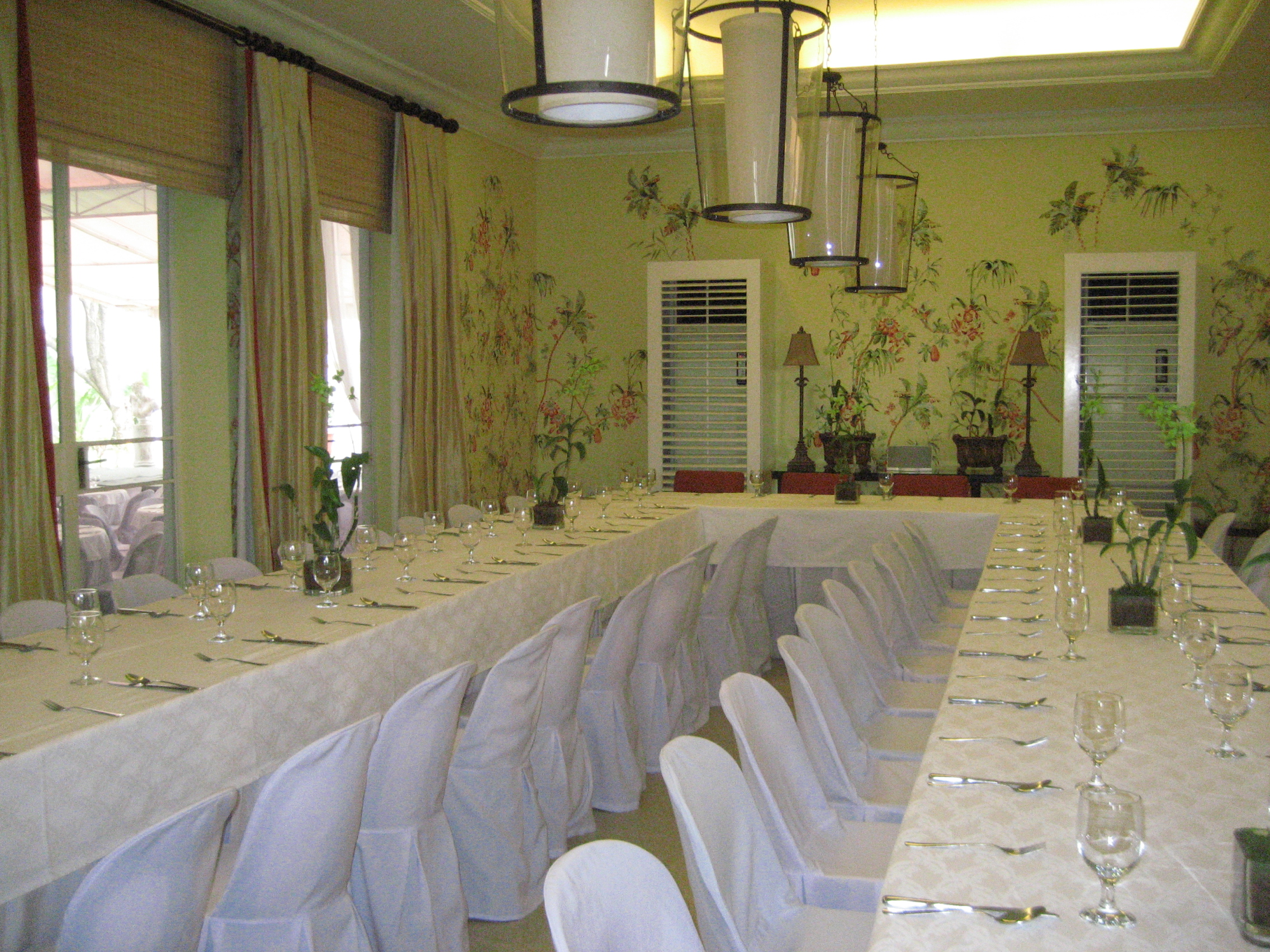
For a while,  the house looked destined to ruin as the gardens needed trimming and the house demanded a fresh coat of paint.  It was even reported that the ceiling was about to collapse on the dirty tiles and flooring.  For some 7 years, the house went unoccupied.  Then Senator Manny Villar bought the house from the Laurels and converted it into the Nacionalista Party Headquarters. Some sprucing up here and there, but the architecture, the layout , the garden fountain and pond were all retained by the new owners. Not one tree removed or even moved, thank God! The history and dignity of the house was retained. And that includes the 2 markers found in the house.   The first notes the date when the Laurel patriarch built the property in 1957. The second commemorates the visit of Indonesian President Sukarno, who twice slept at the mansion.

You bet the once-hallowed grounds became real busy back in 2010; but of late, it is almost sad passing by this former residence poorly lighted at night. Not much activity these days, except for a few charity events and political affairs. 

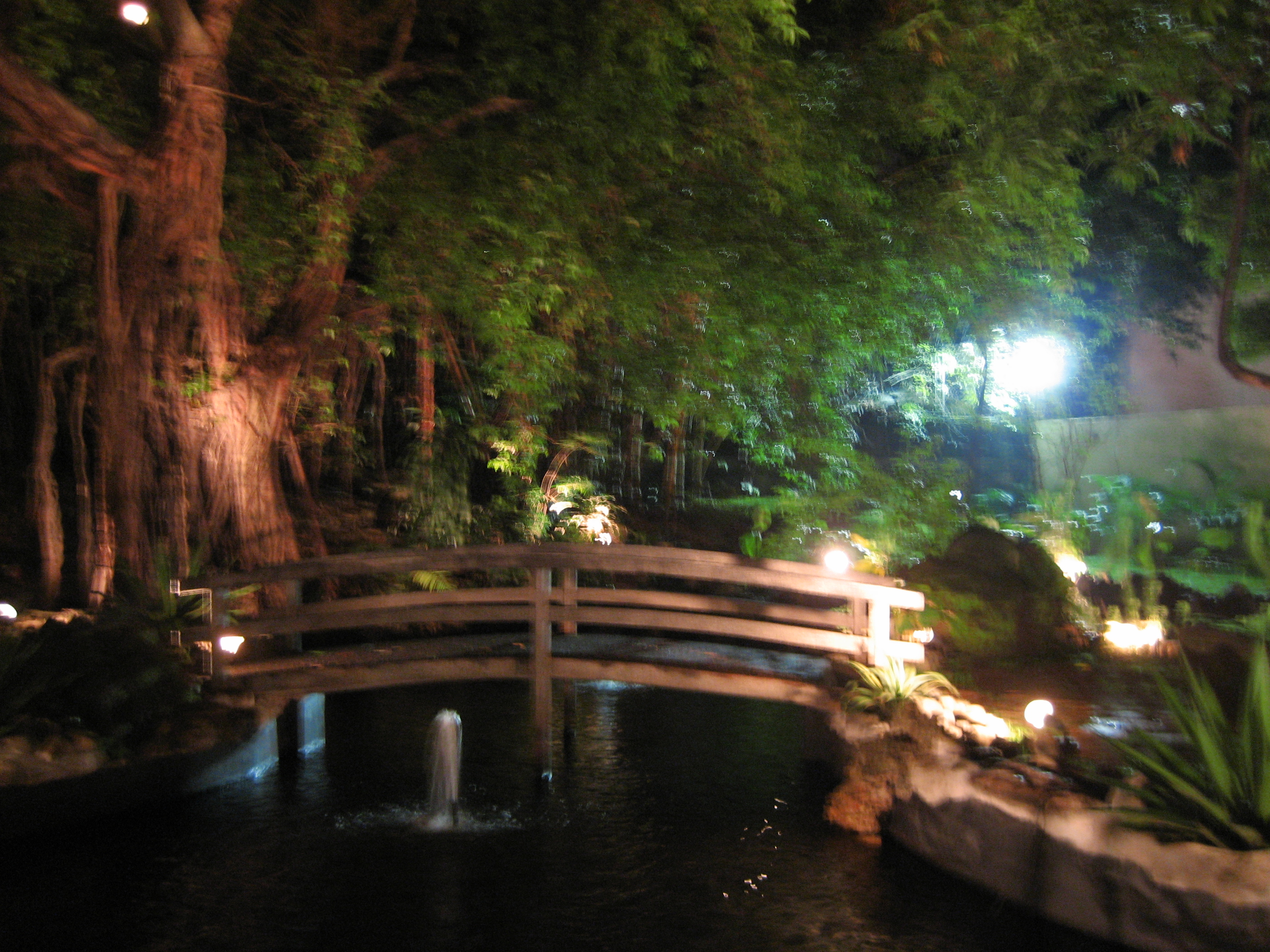
Mea culpa. A Bad Shot, but it's my only night shot of the garden.

No, the property is not open to the public. But who knows, you may get invited to some affairs still held in these grounds.

The house used to be called Villa Paciencia.  And yes, that is how it is spelled, in honor of the late President’s wife, Paciencia Hidalgo. It is one of the three residences that Laurel built. There is  a house in Tanauan, which the Laurels consider their ancestral home, and another in Paco, Manila, called the Villa Peñafrancia. 


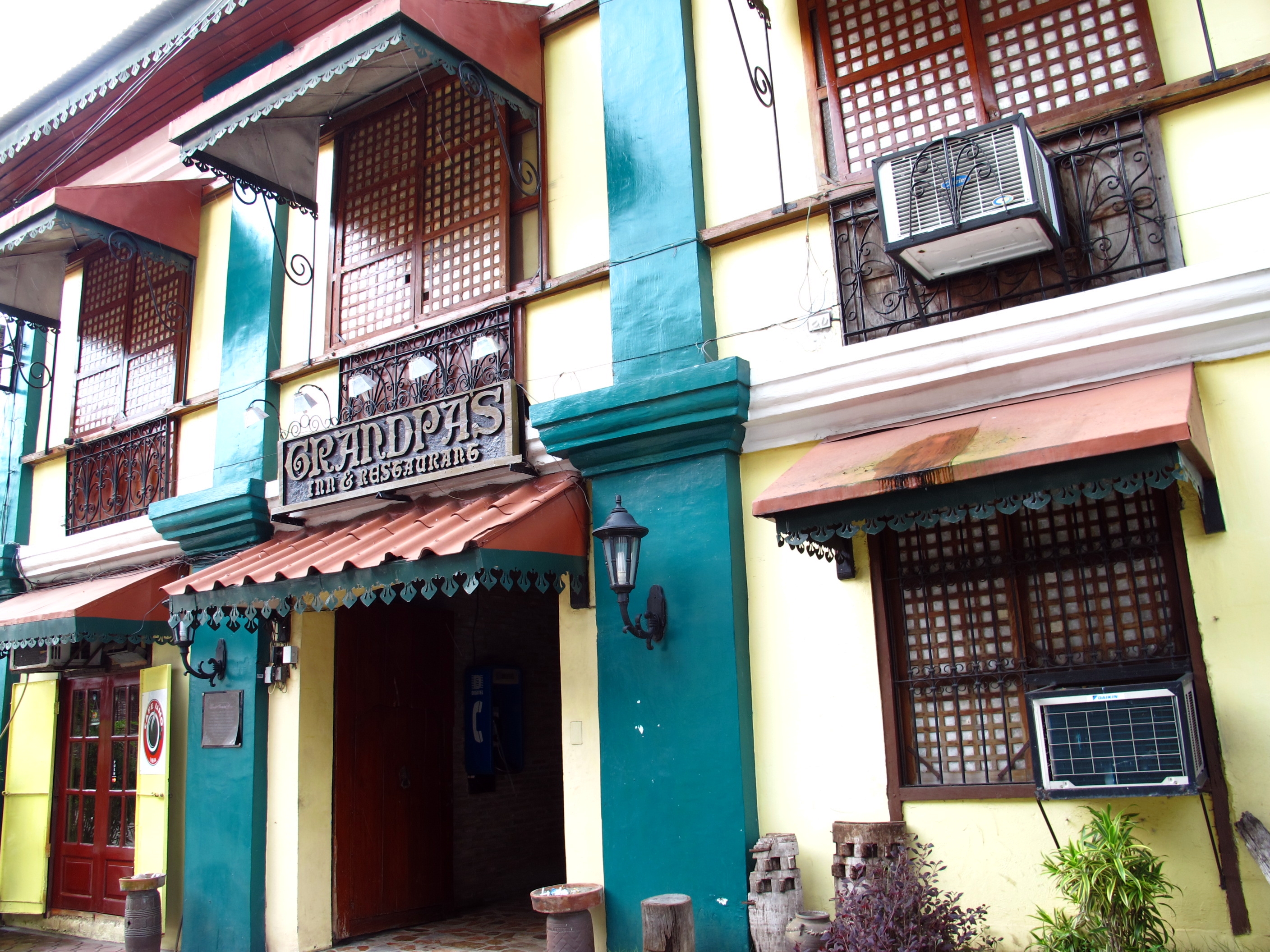
We had lunch at Cafe Uno / Kusina Felecitas @Grandpa’s Inn.  Little did we know that we would not only enjoy our lunch, we actually fell in love with the place.  My “elves” wanted to stay in this inn and wished we didn’t have to go back to our hotel in Vigan. Frankly, I was quite tempted to pack up and transfer to this place too and forego a night’s paid room in the other hotel.  

This small hotel is located  near Plaza Burgos.  The jeepney we hired took us here after visiting Burgos Museum.  Exact address is  No. 1 Bonifacio St. cor. Quirino Blvd.  We could have walked.  It should be an easy walk from Calle Crisologo too. 

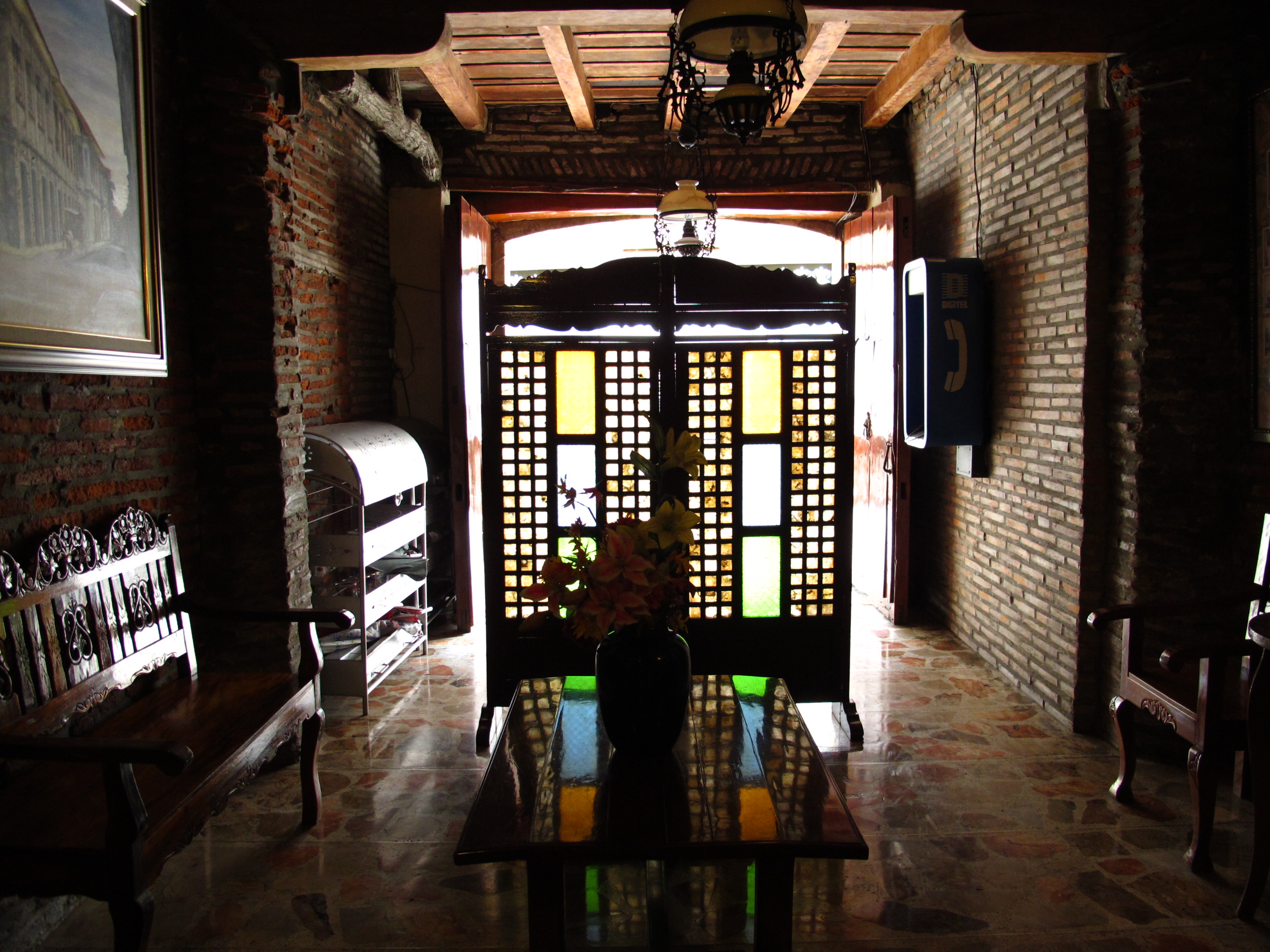
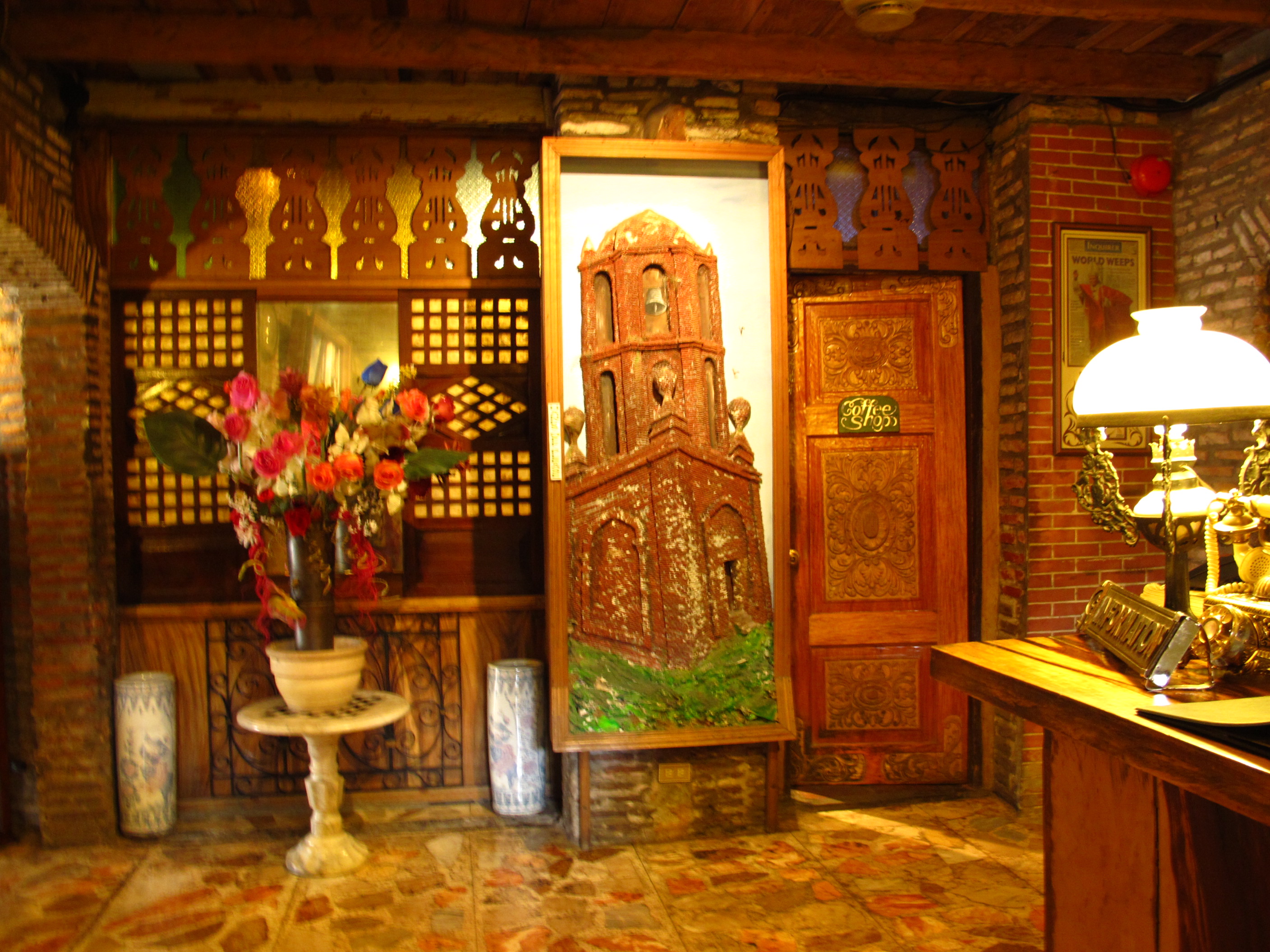
The hotel is called Grandpa’s Inn, an ancestral house transformed into this charming 22-room inn.  Its dining place is called Kusina Felecitas and its coffee shop, Cafe Uno Restaurant.  Oozing with old world charm along with the many paintings hanging on its brick walls,  the place is also a gourmand’s delight given its extensive menu.  (Food here deserves a SEPARATE blog……coming!)

A marker by the entrance to the Inn states that the ancestral house was a wedding gift of 3 spinster sisters to their younger brother Mariano.  The sisters were children by first marriage. Young Mariano was one of 8 children by 2nd marriage.  (Their father remarried after 2 years from the death of his 1st wife)  Of them 8 by the 2nd marriage, only Mariano and a sister got married.  On the other hand,  only 2 of the 7 children by 1st marriage got married.  Hmmm, talk about sibling love here! I simply love this trivia. Love Love Love!

A Case of Sibling Love. Read This Marker!

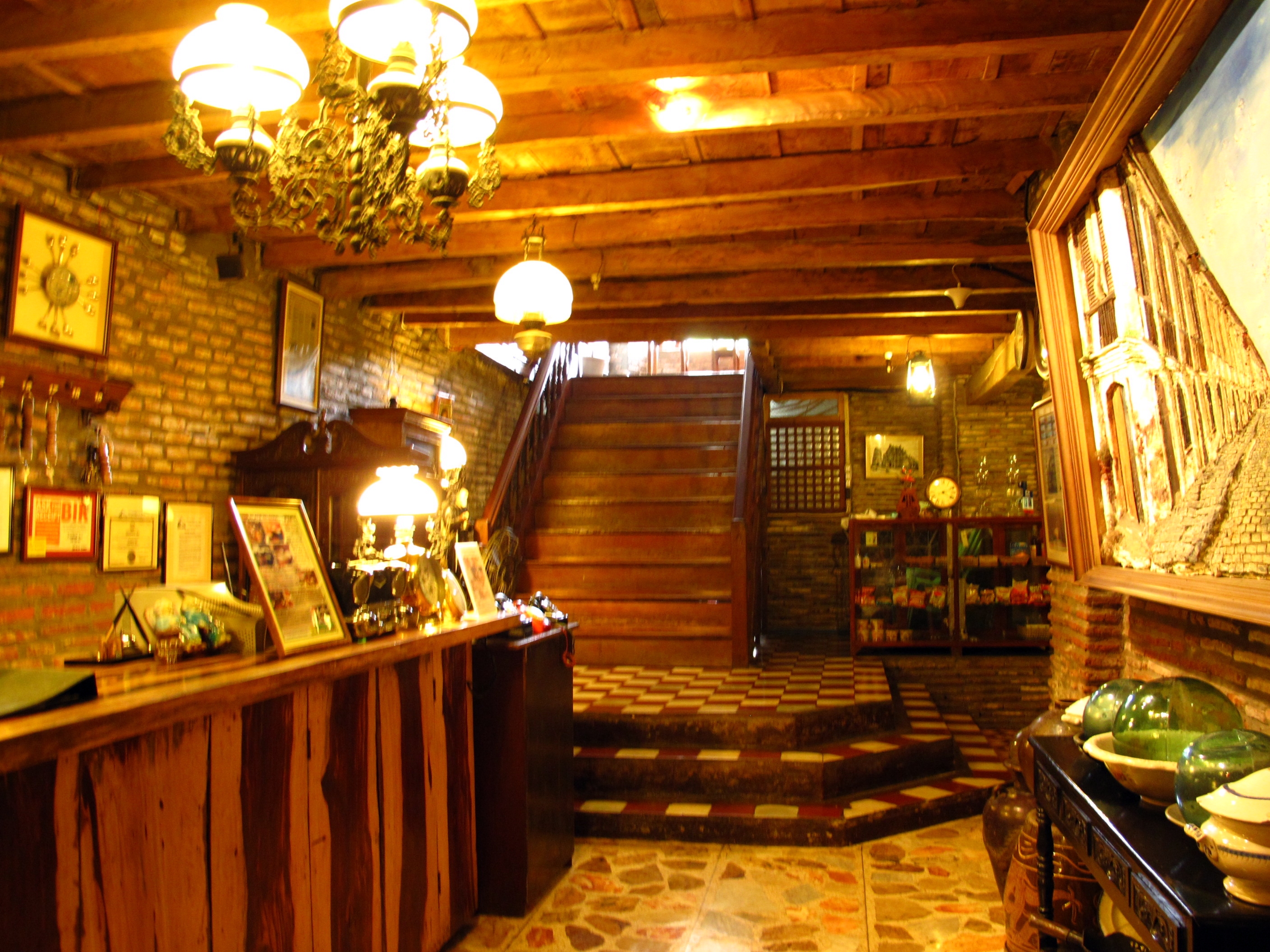
Reception Desk of Grandpa's Inn

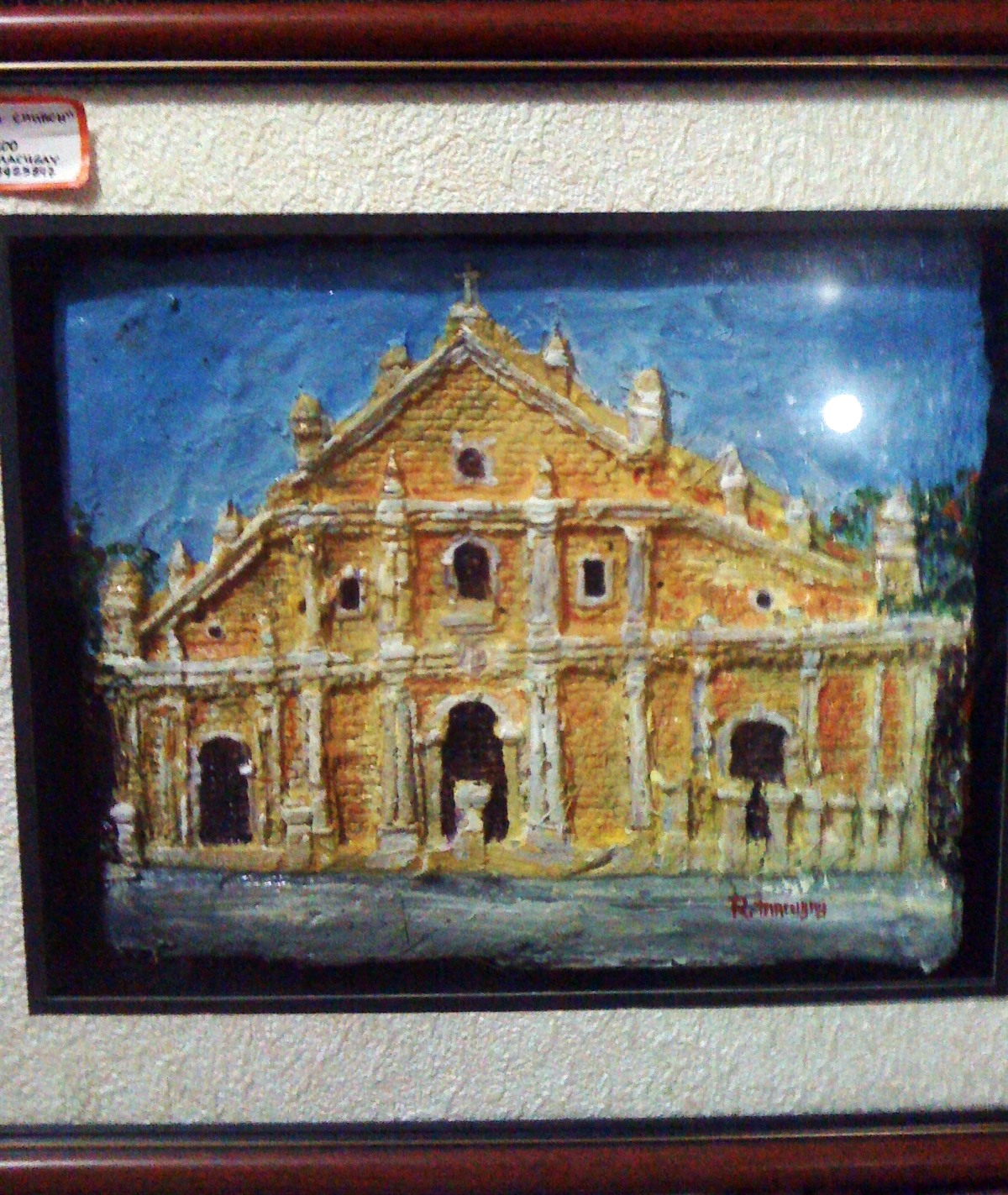
All around, from the Reception Area to the Second Floor Sitting Room, to the ground floor restaurant, we found very interesting art pieces. Ended up buying one painting.   Quite an experience to dine here, really.  

Isn't this a lovely painting of Calle Crisologo? Like ur walking right into it!

Reception Area: More Art Pieces That Seem To Jump Off The Canvas

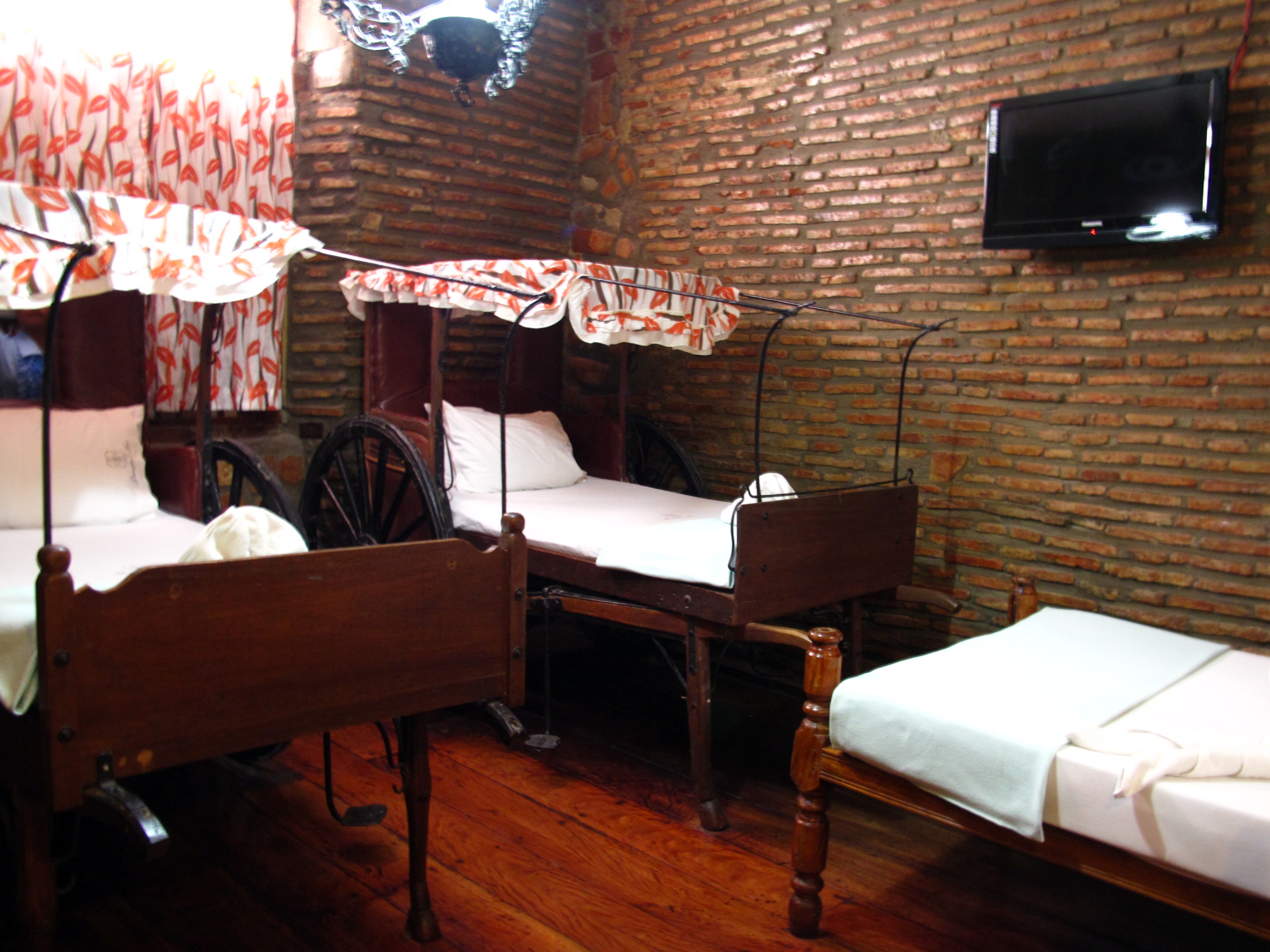
It was hard to peel ourselves away from the Calesa Rooms.  The fact that they were vacant made us agonize whether to transfer to this Inn or not. The kids loved this room!

Sitting Room at the Second Floor

Calesa Beds?

You can check out the hotel rates but allow me to say that given its location and charm,  I find the room rates very reasonable.  In fact, they even come out a wee bit cheaper than the other hotel we stayed in. 

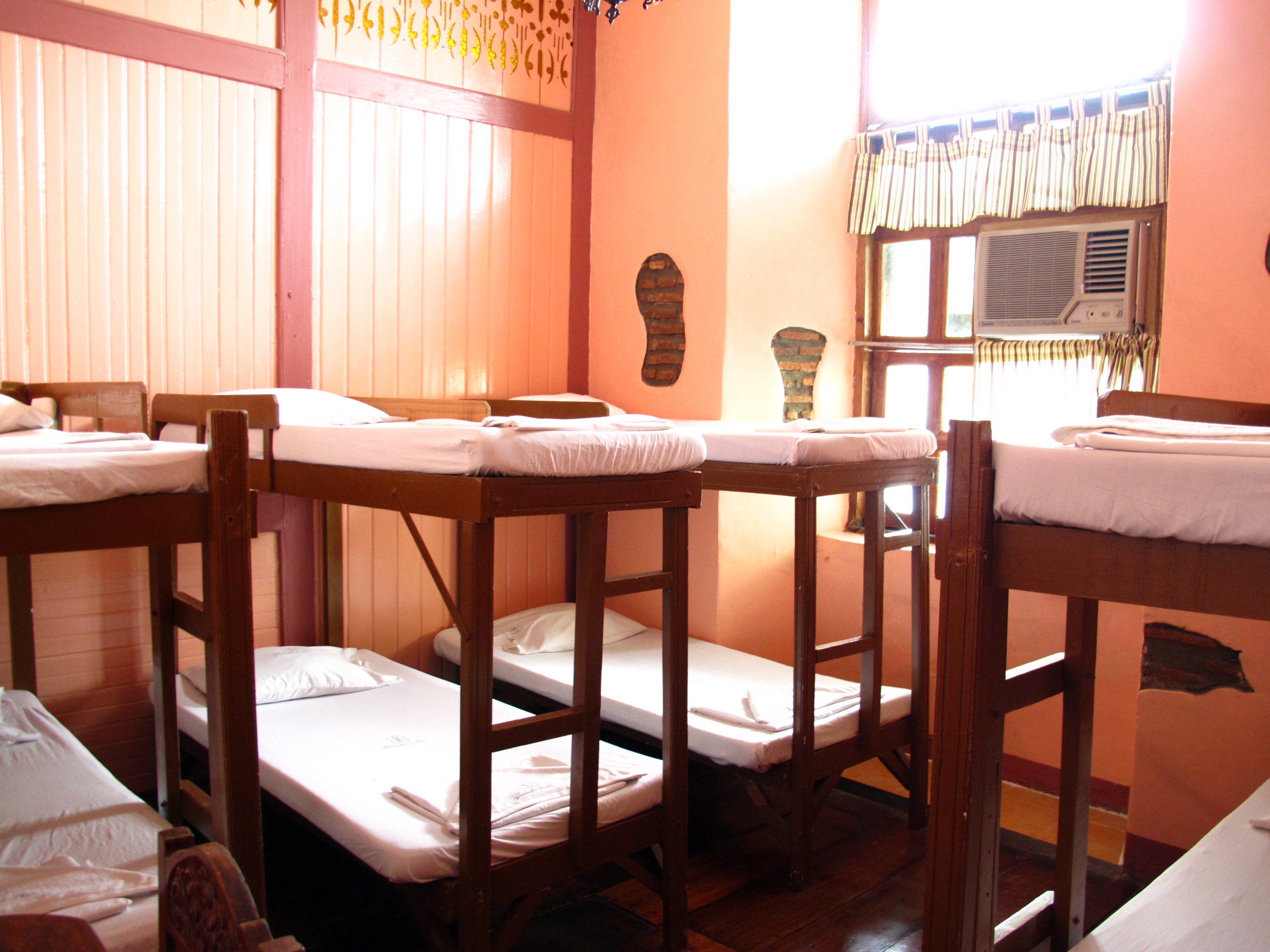
Room Good For 8: Dormitory!

And if that Calesa Room good for 4 pax is reasonably-priced,  the Dormitory Room good for 8 pax wins hands down!

So there.  More photos in this blog than write-up.  Just had to show you where we plan to stay next time we’re in town.  Coming up:  Food Tripping in Ilocos

Here's the Painting I Bought For My Friend!

And here’s the painting I could have bought for myself but decided against buying because the painting makes me feel sad. Lovely piece of art. But sad. Who’d want to feel sad?  Not this old lady. Er, I mean not me.  

😦 😦 😦 😦 😦