Latest Entries »


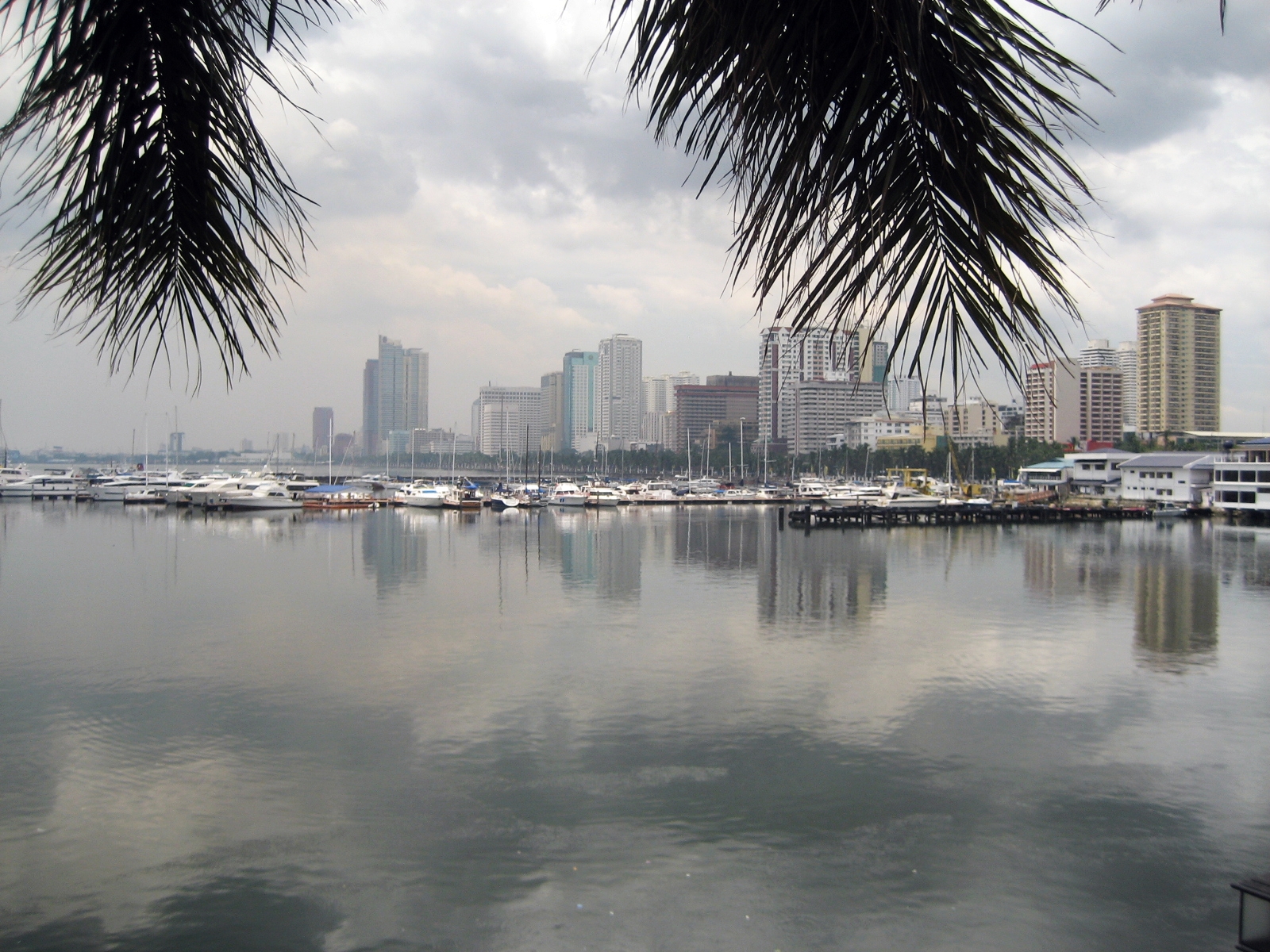
If there’s Hispanic Philippines in Intramuros and Chinoy Philippines in Binondo,  then Harbour Square may well be your American Philippines.

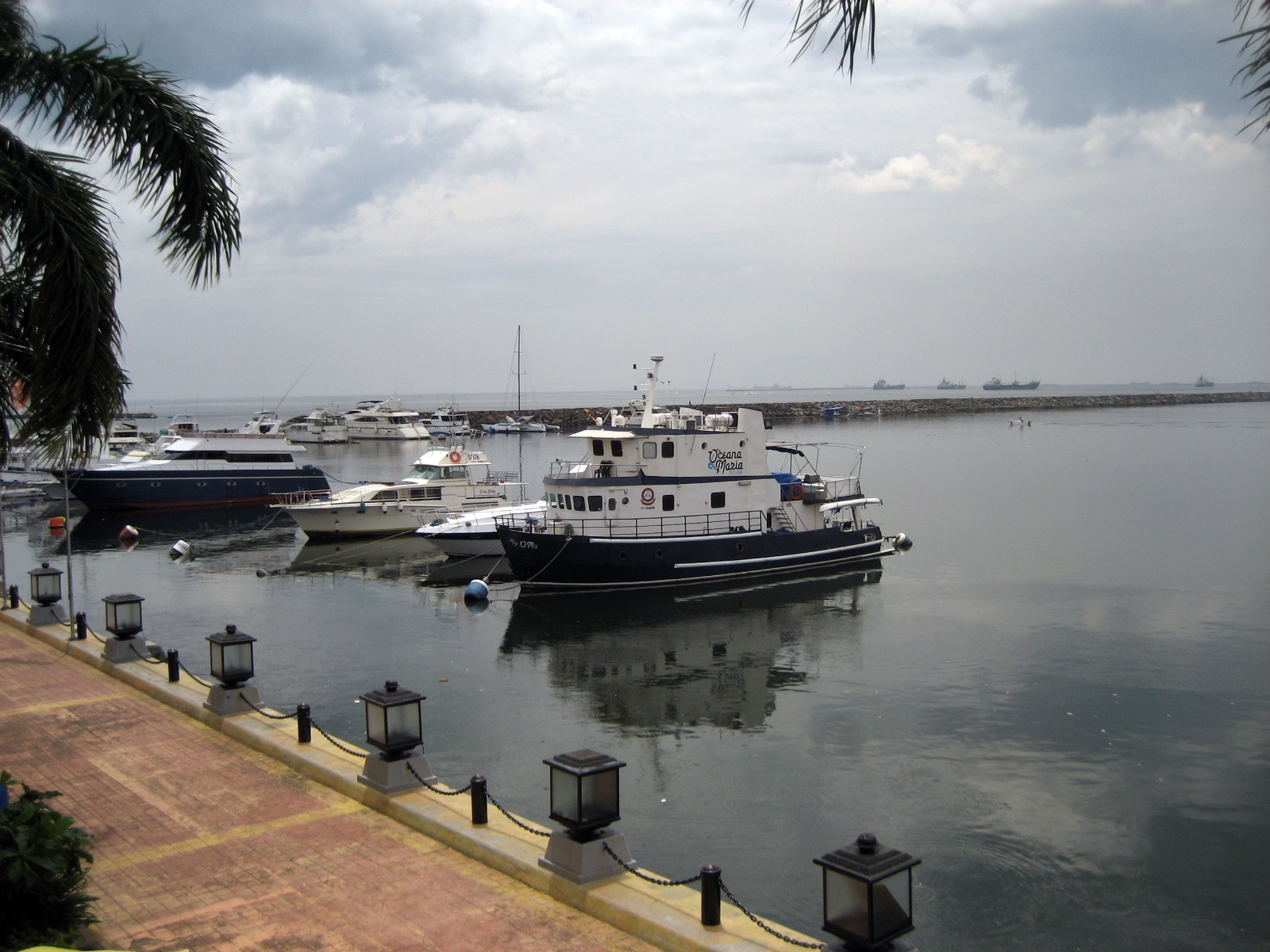
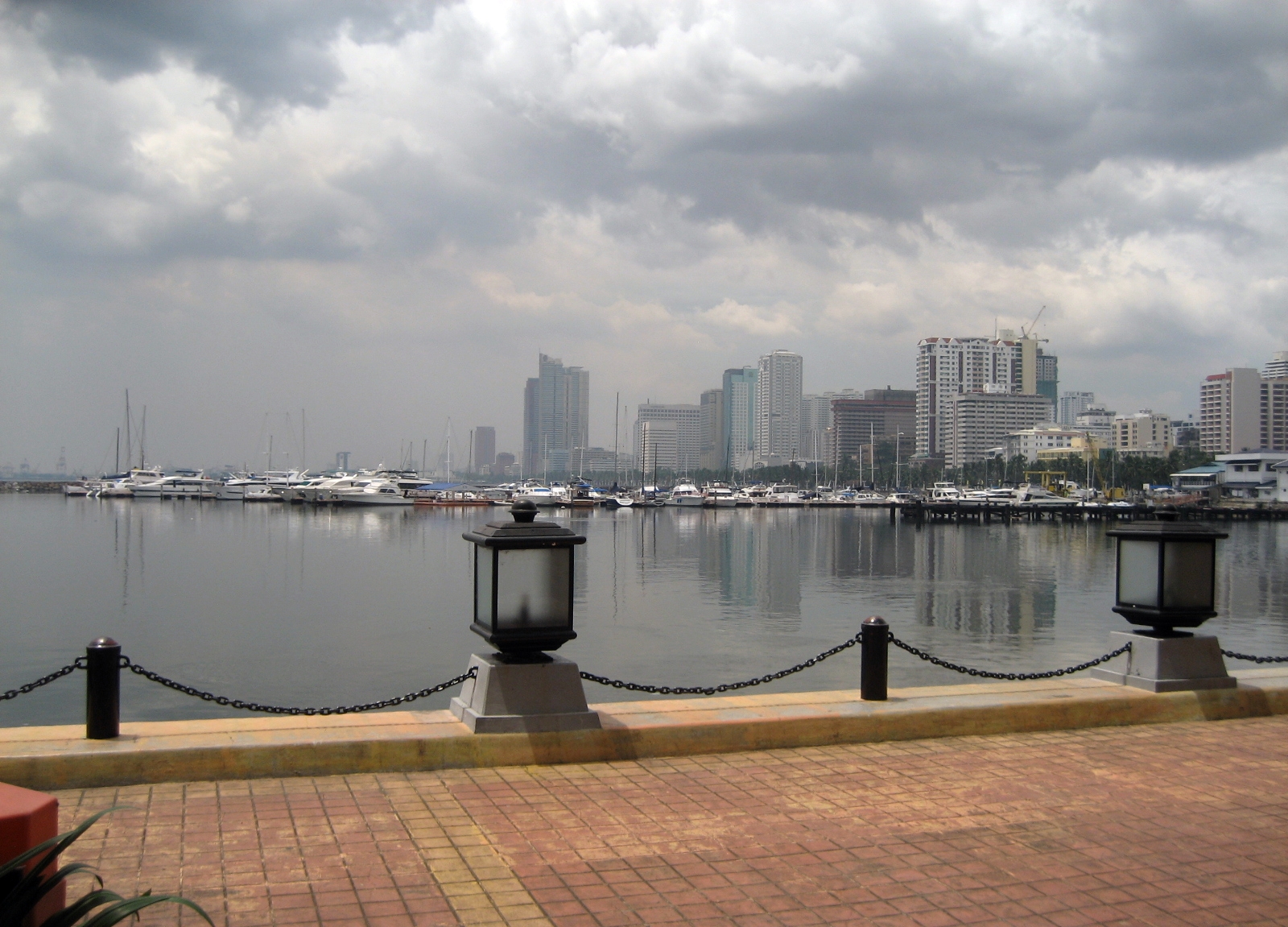
Just realized it has been awhile since the last time I was here.  I remember idling time away here soon after I quit my job. The breeze, the view, those speedboats bobbing up and down the waters of Manila Bay, the skyline,  all make for a lazy morning. Or afternoon.  Wide range of dining choices too, should you go hungry.  You can go all American at Army Navy, full-throttle Pinoy at Dencio’s, Mediterranean along with a flute of champagne or glass of white or red wine at Grappa’s, Japanese shabu shabu or Teriyaki Boy,  Chinese, or go budget meals at Jollibee.  Or perhaps you can talk well into the night while sipping your brew at Starbucks.

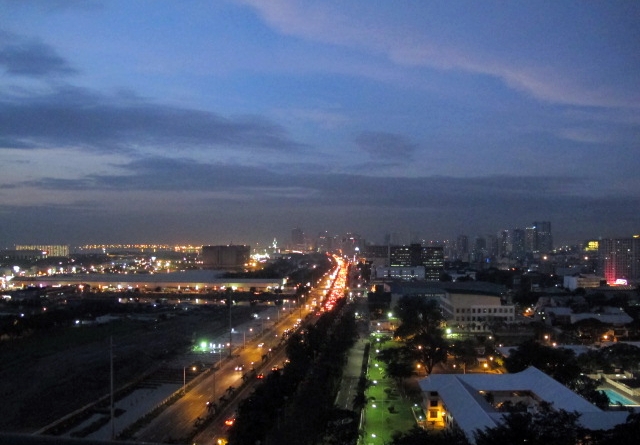
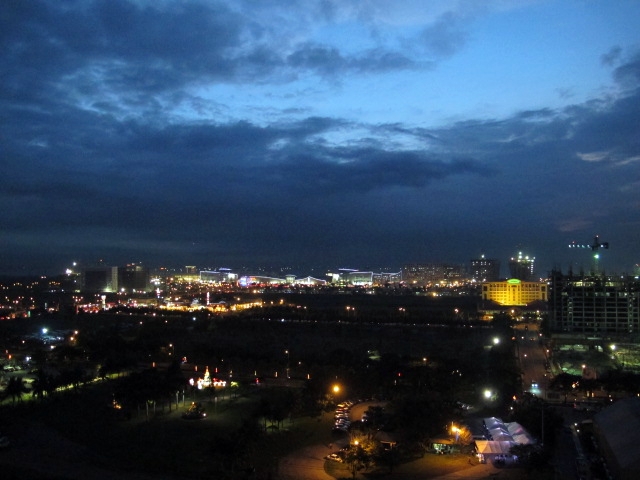
The place is ideal for dating couples.  Whether you are in a romantic mood or gearing for a lover’s quarrel,  you’d find some “privacy” while strolling the walkway by the Bay, circling  Cultural Center of the Philippines, Folk Arts Theater, Aliw Theater, Star City, all the way to Sofitel if you like.  If all that walking didn’t settle the score, well…….get a room.  😉  Well, apart from being more private you also get to take a better twilight photo of the Bay area.  Seriously though,  this part of Manila is more “quiet”, less chaotic, good for the nerves and spirit. 

Guess Where This Shot Was Taken!

And here’s another one too……………. 🙂

Twilight at the Bay Area

xxxxxxxxxxxxxxxxxxxxxxxxxxxxxxxxxxxxxxxxxxxxxxxxxxxxxxxxxxxxxxxxxxxxxxxxxxxxxxxxxxxxxxxxxxxxxx


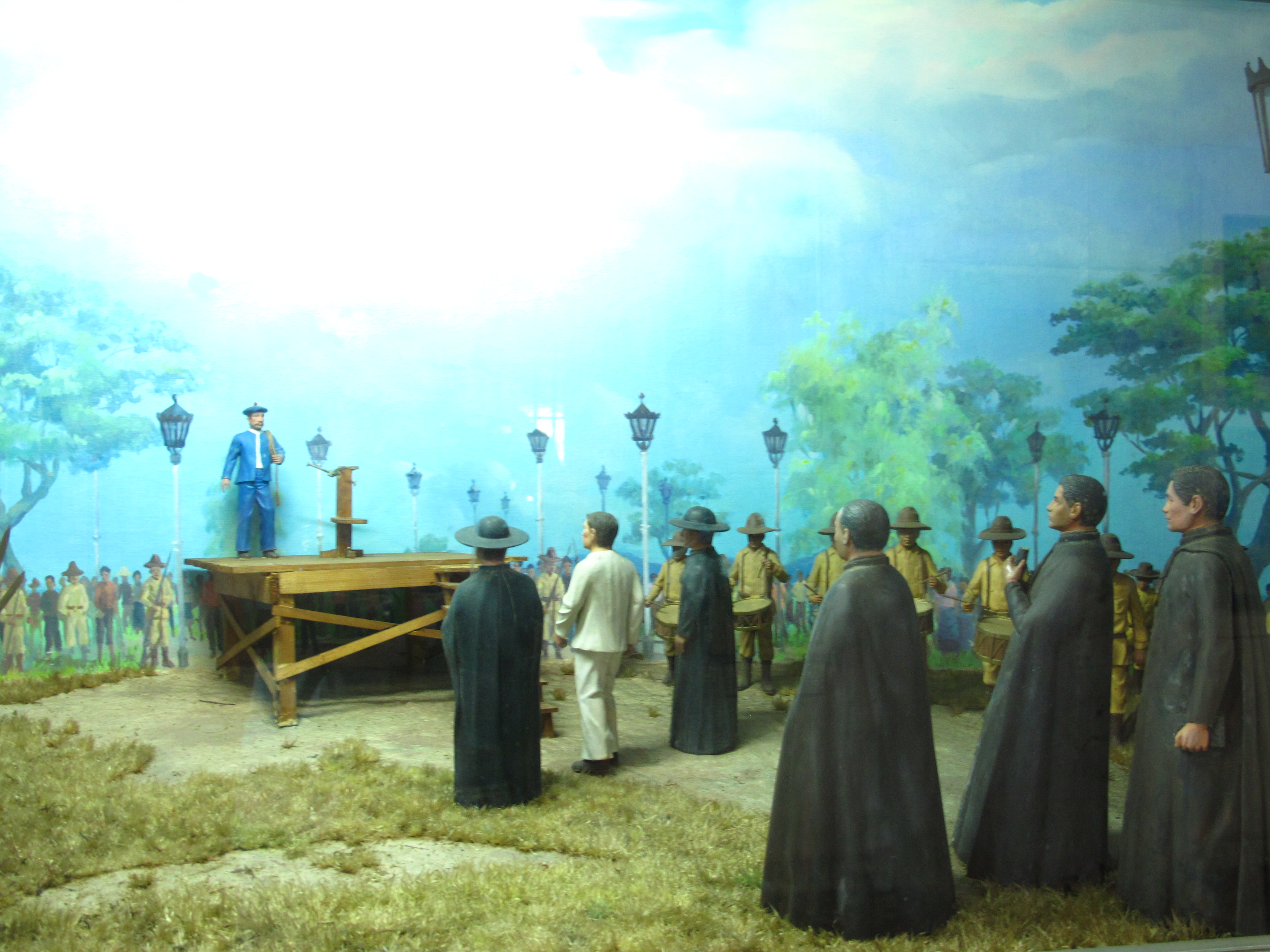
Gomburza.  How much do we know of Fathers Gomez, Burgos and Zamora?  Years before Dr. Jose Rizal was executed in 1896, there were these 3 martyrs garroted in Bagumbayan in 1872 for their suspected role in the Cavite Mutiny. Their martyrdom inspired our national hero to write another novel.  El Filibusterismo was dedicated to their memory. I would even venture to add that they may have actually planted the seeds of rebellion or at the very least, inspired subsequent Philippine independence advocates. To them, we owe much. Indeed, the freedom we now enjoy was nourished by the blood of these martyrs.  Let no one forget that.

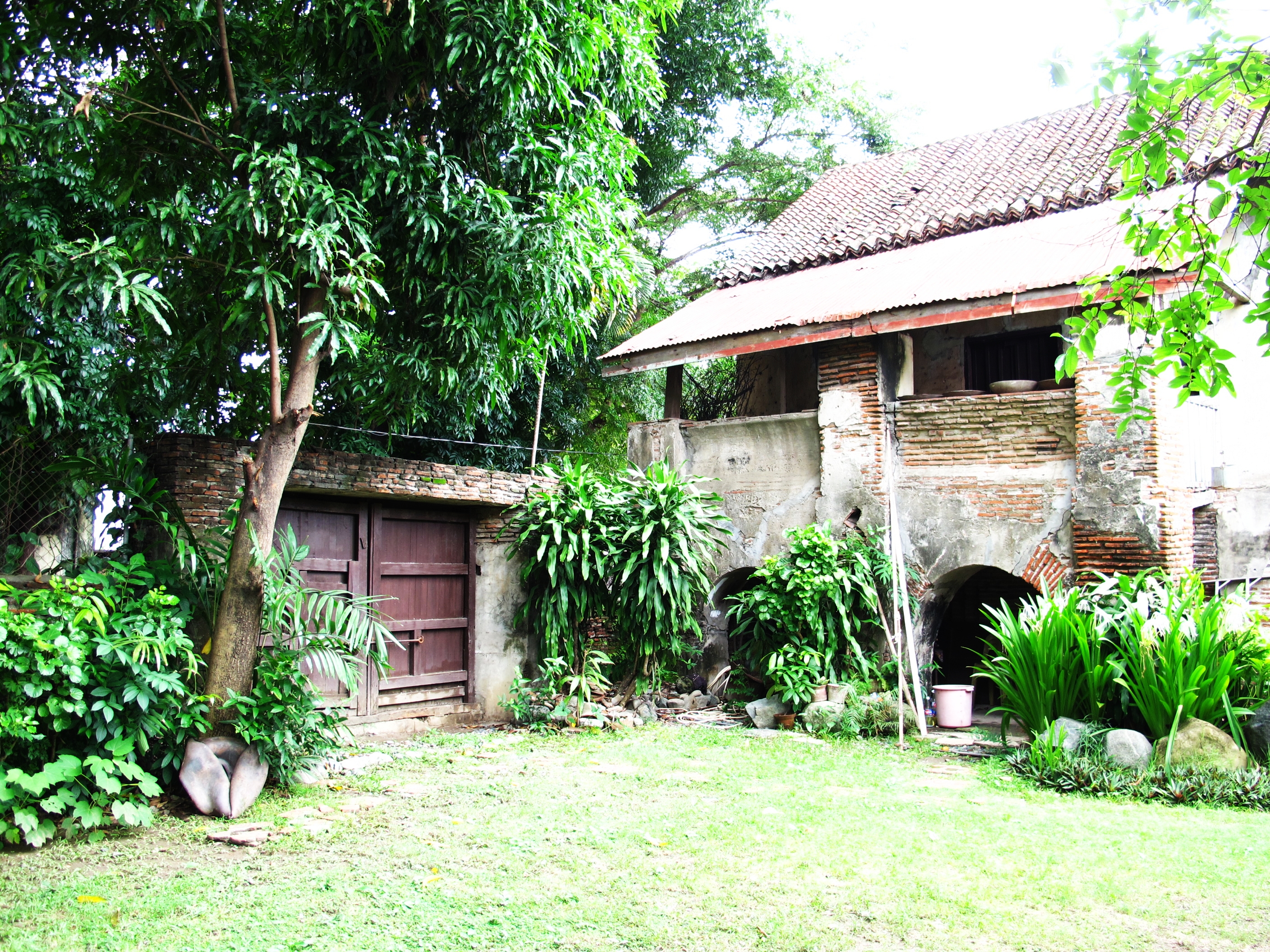
The Museum Opens Up To This Cozy Garden

The bodies of the three priests were buried in a common, unmarked grave in the Paco Cemetery which was built in 1820, and was originally intended for the victims of cholera epidemic. There they lay nearly forgotten. So so forgotten that a toilet once stood right above the place where the 3 martyrs were buried! Such irreverence.   

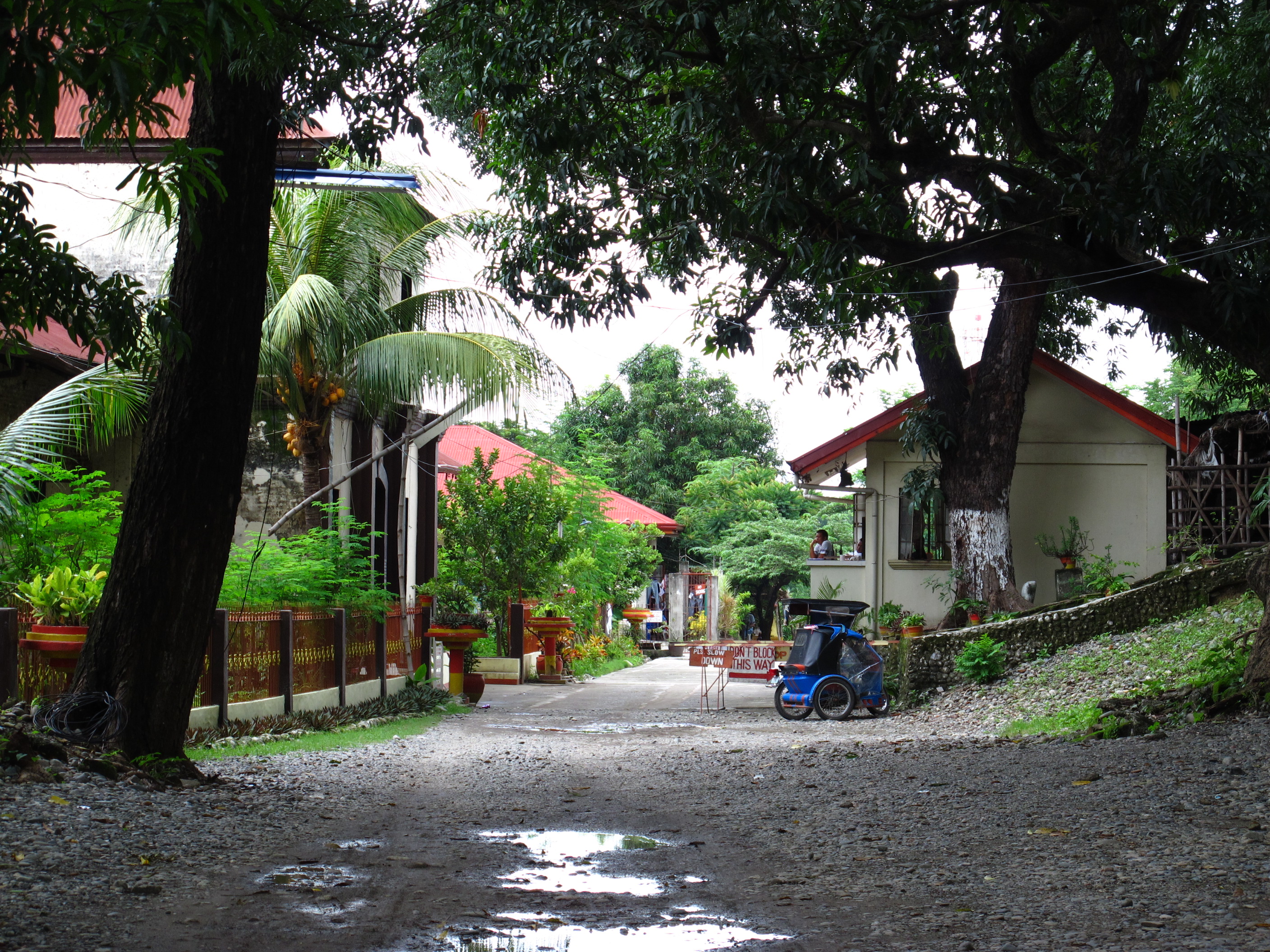
Beside Burgos Museum is the Provincial Jail where former President Quirino was born. His father was then the Provincial Jail Warden. Some trivia for you!

Presently, a Gomburza Marker stands in Rizal Park where the 3 priests were executed, just a little behind and to the left of the Rizal Monument.  Not too many know about it. If they do find it, they may even likely be surprised with the discovery. Don’t you just wish these martyrs were accorded more respect and attention?  

Wen Manong Makes 3

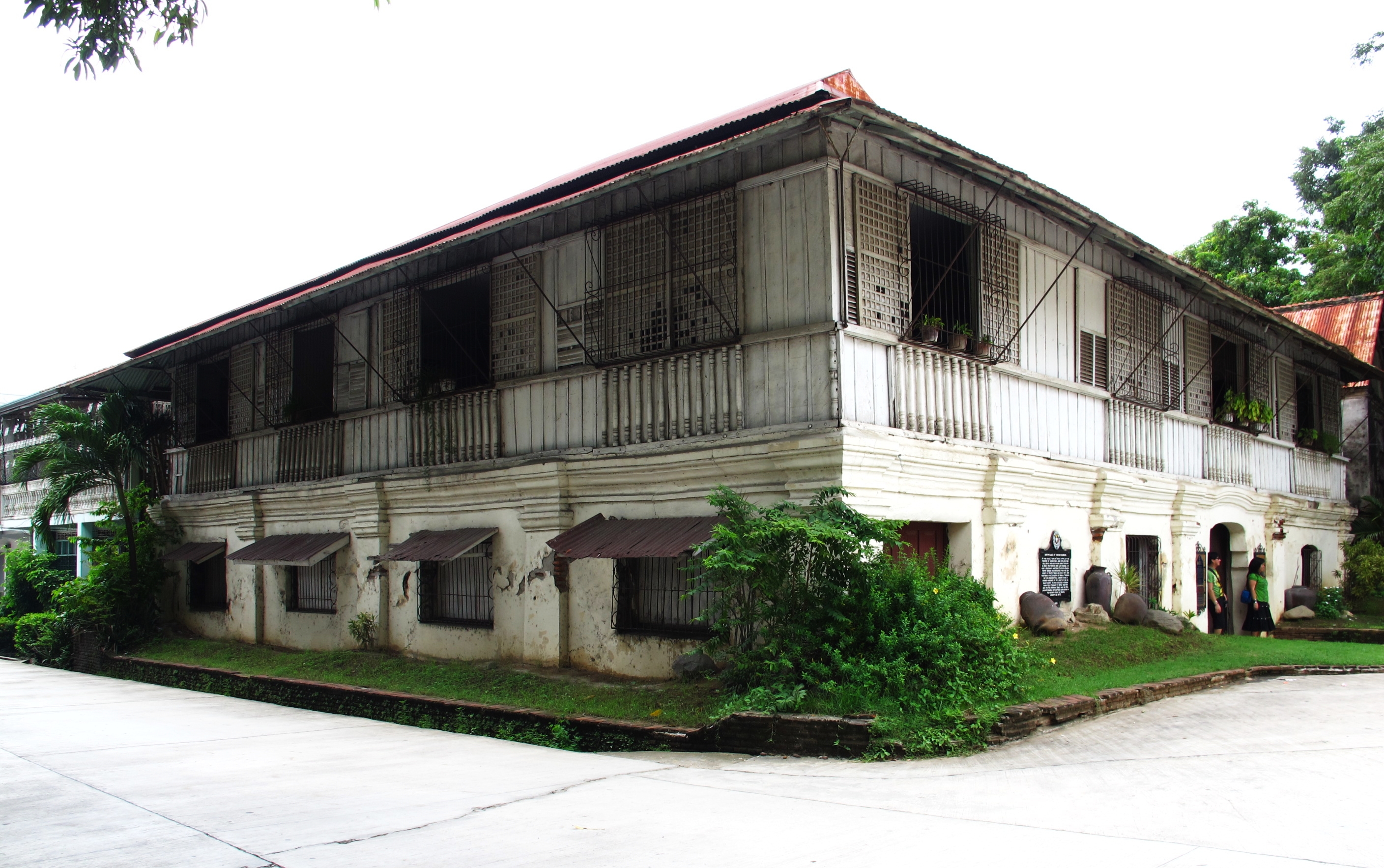
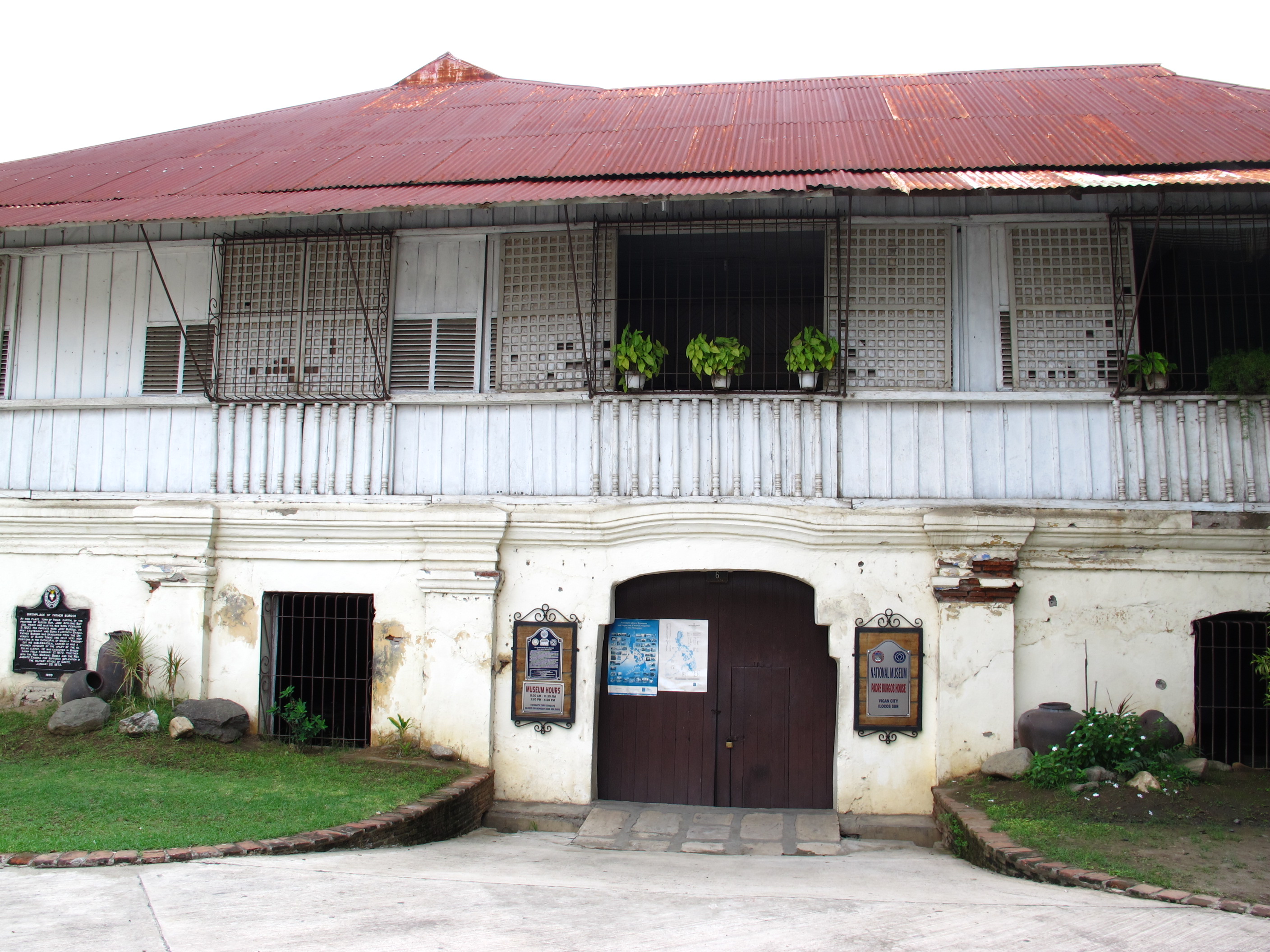
Father Gomez hails from Santa Cruz, Manila.  Father Jacinto Zamora hails from Pandacan, Manila. Both Manilenos.  Only Father Burgos hails from the province.  He is a purebred Ilocano from Vigan, Ilocos Sur.  He grew up in this lovely 2 storey house built in 1788 which over time served as a Post Office (American Occupation) and as an office of the Philippine National Bank (1946-1965). 


Right beside the Burgos Ancestral House is the Provincial Jail where the former President Elpidio Quirino was born. His father was then the Provincial Jail Warden. Still it does not explain why and how his mother happened to be there where his father worked.  😉  Perhaps there is a Provincial Health Officer or Doctor or Midwife in the Provincial Jail then? We asked, but no one seemed to know. 


During the Spanish colonial period, there was an “imaginary” caste system in society. The Spaniards born in Spain were called “peninsulares”.  Those born in Spanish colonies (to include the Philippines) were called “insulares”.  And then there were the “mestizos” or half-breeds. And the lowliest of them all — the “Sangleys” (Chinese and/or Chinoys) and the rural “Indios”.


The Burgos Ancestral House. Now A Museum.


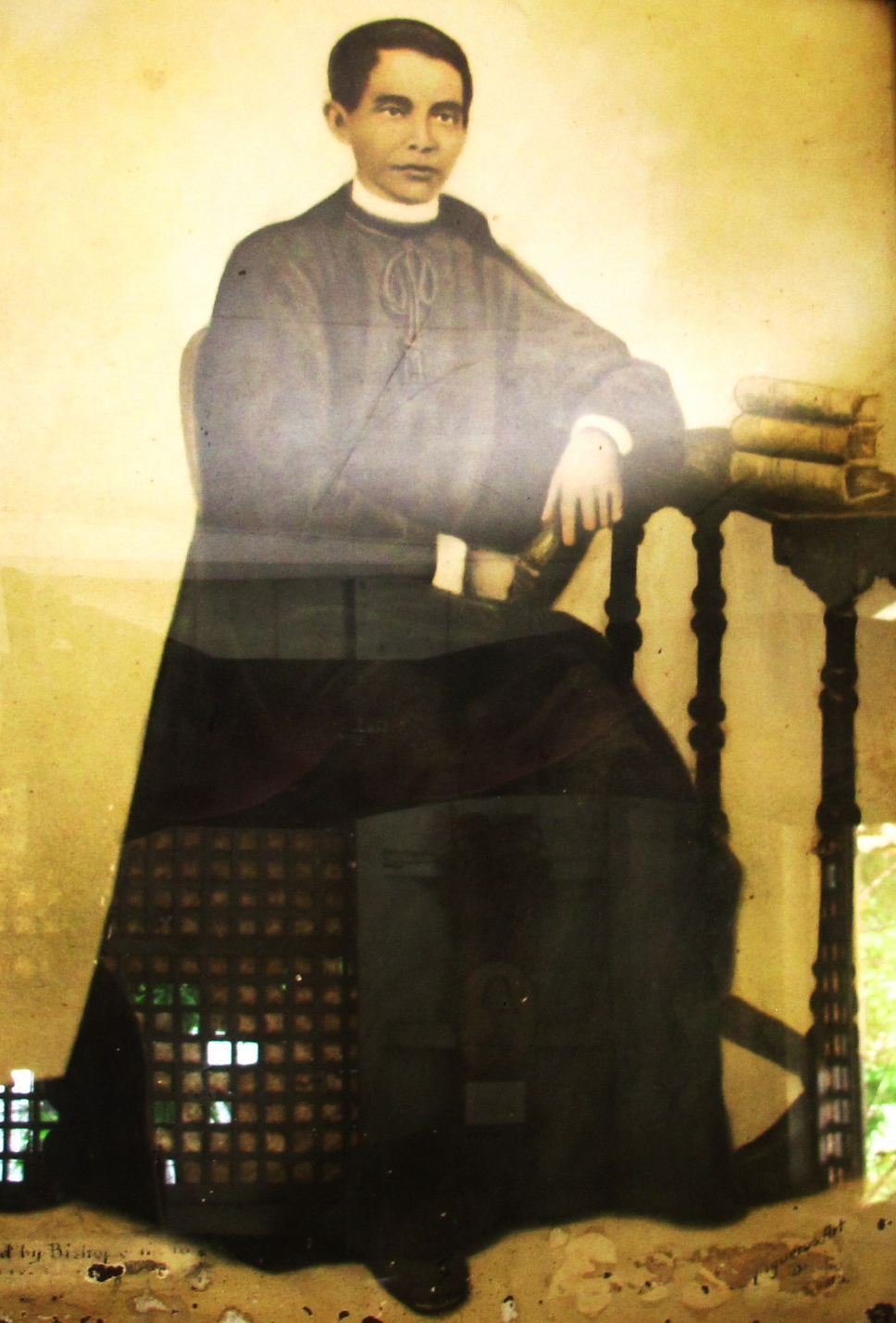
Father Burgos belongs to the “insulares”, having a Spanish army officer for a father and mestiza mother. A photo of  his lovely mother hangs on the wall with an inscription that cites how the young Jose Burgos desired to be a lawyer but was dissuaded by his mother to instead become a priest. 


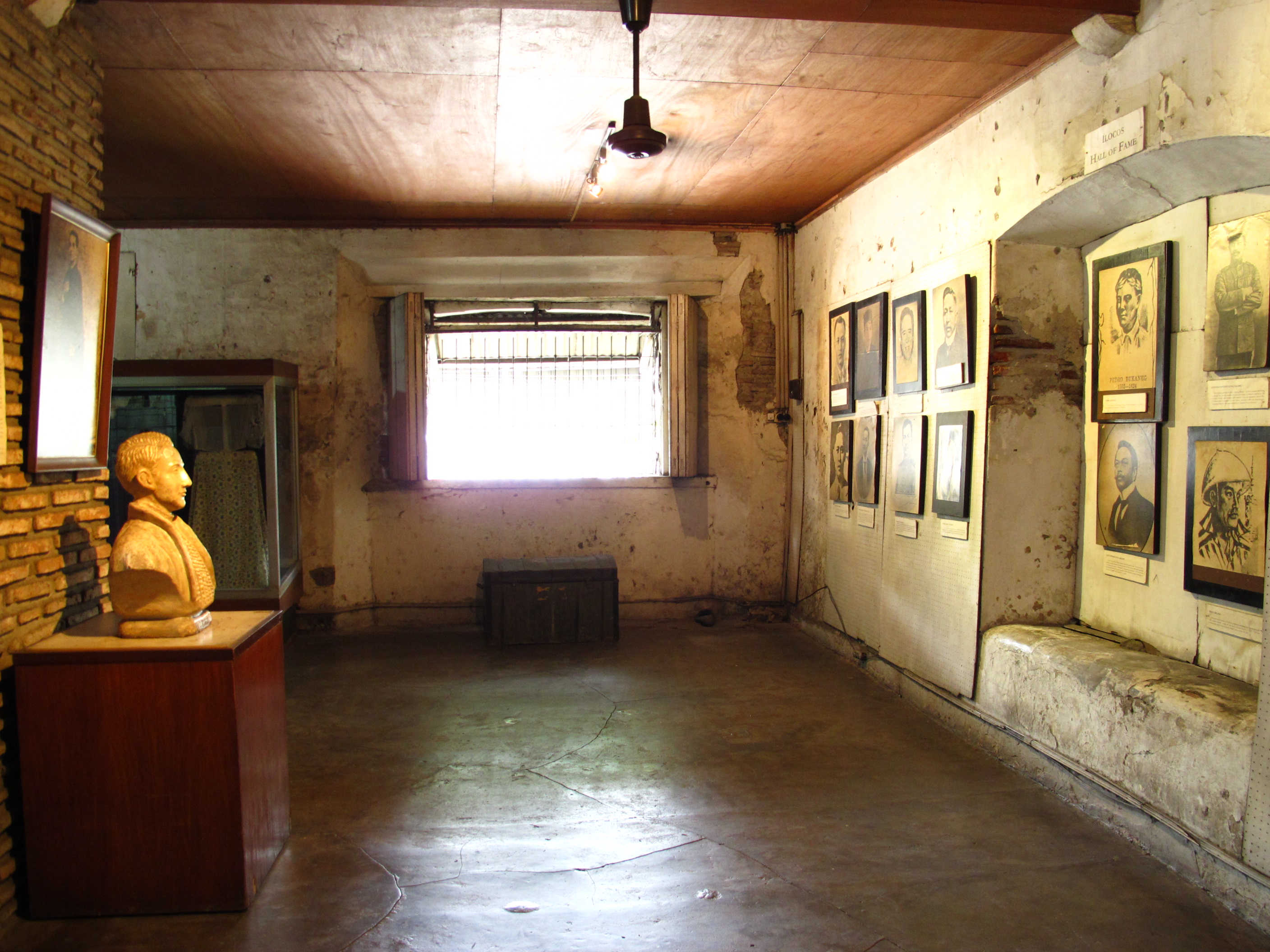
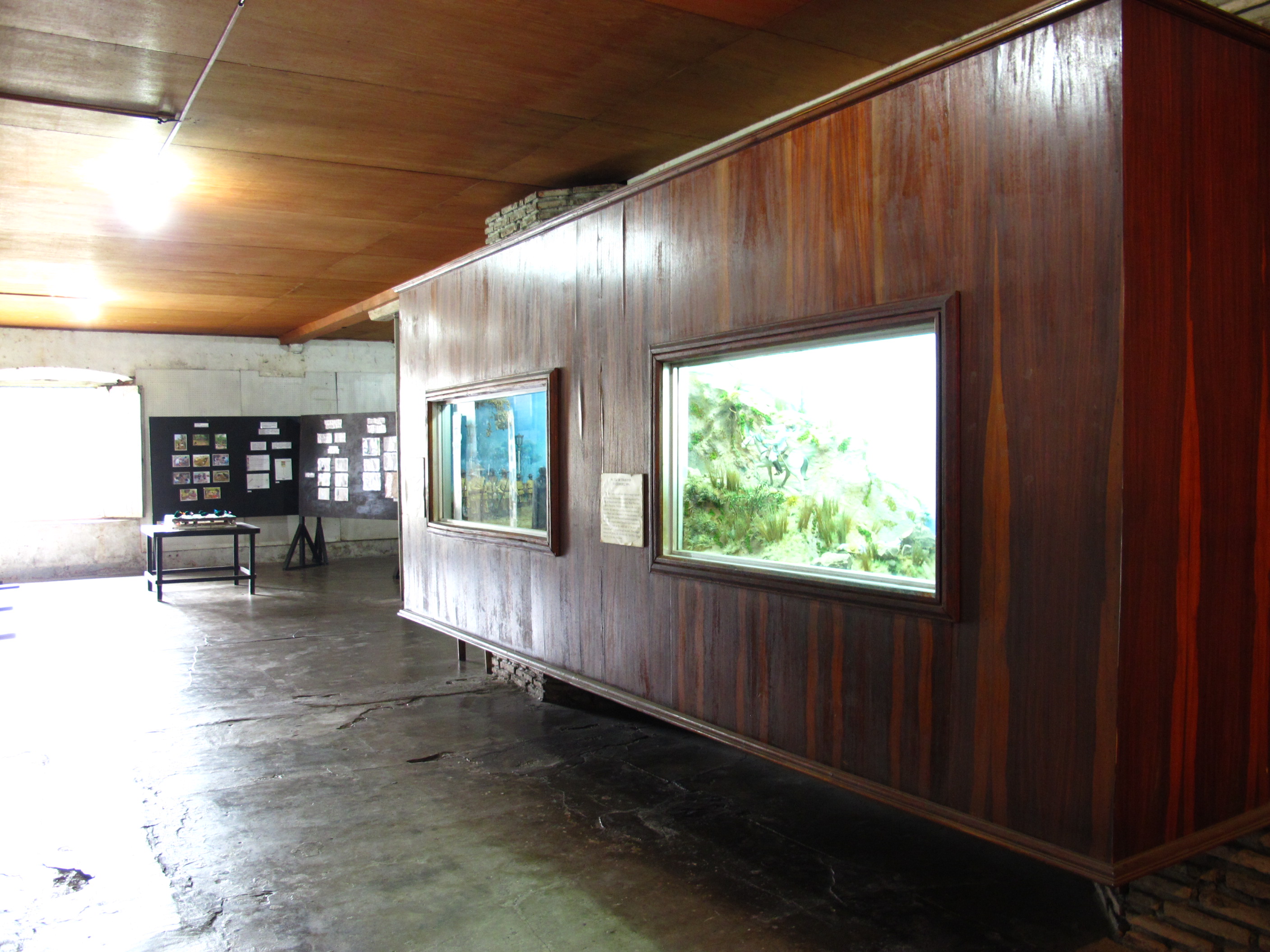
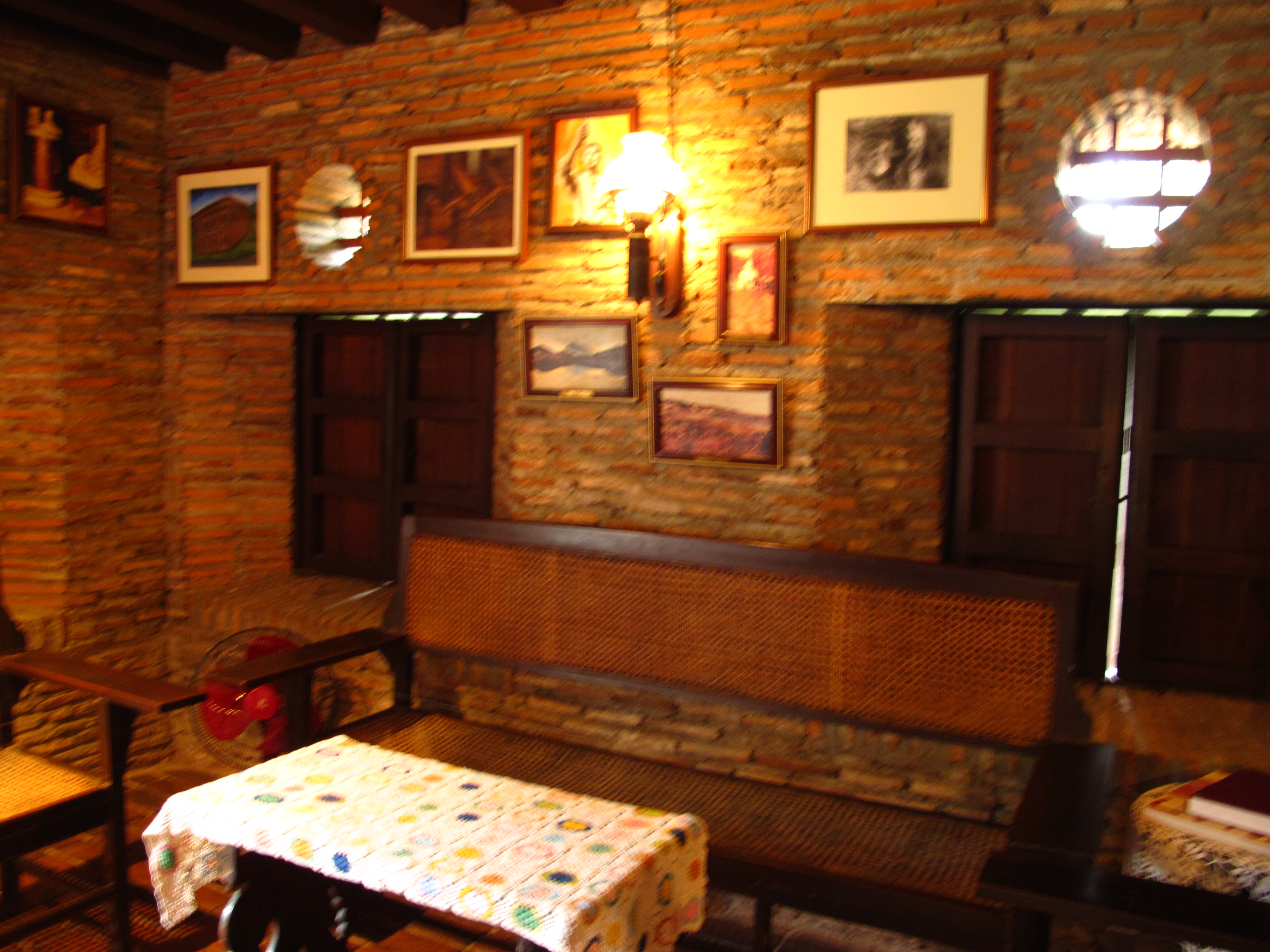
Inside the Burgos Museum


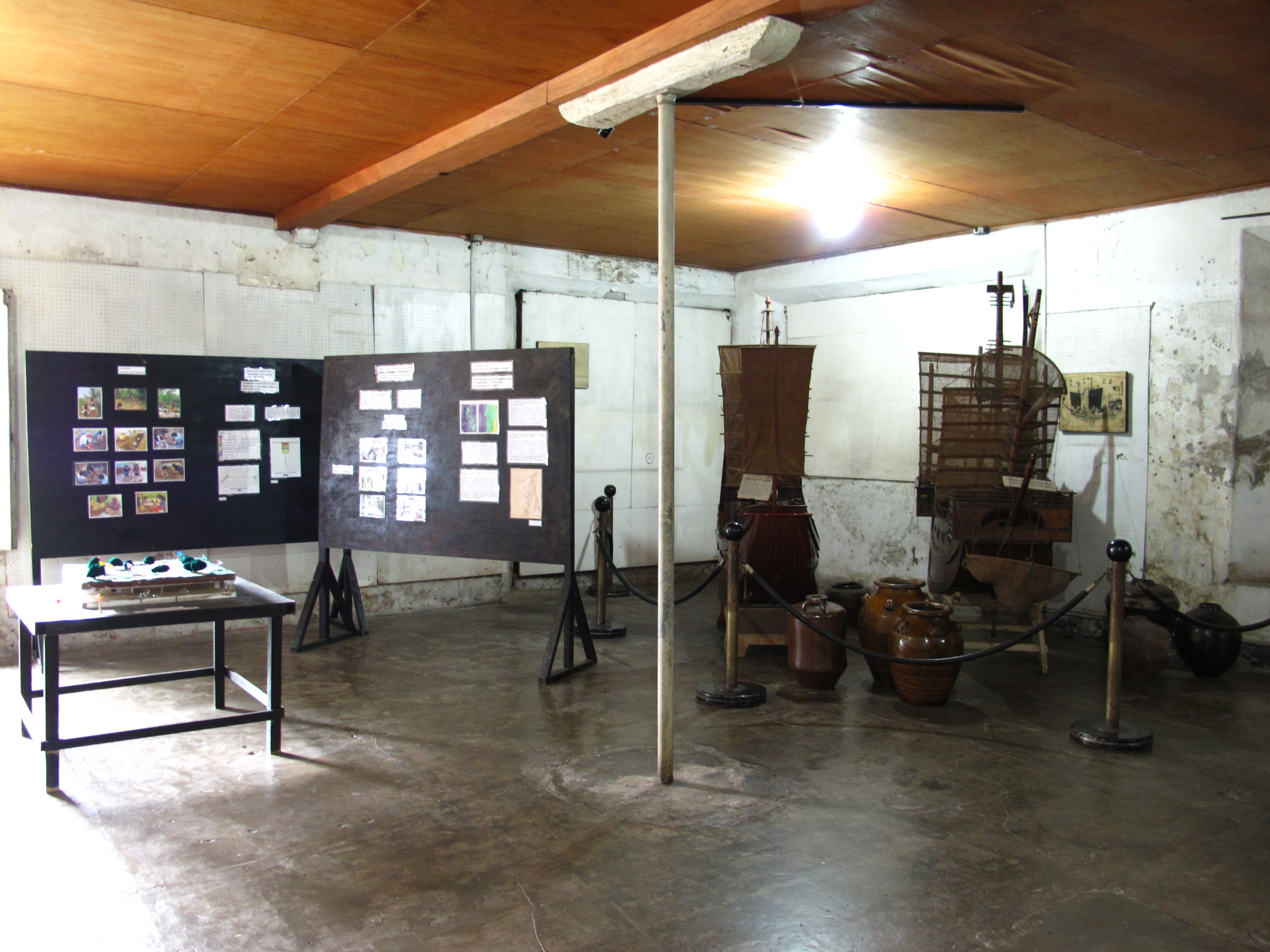
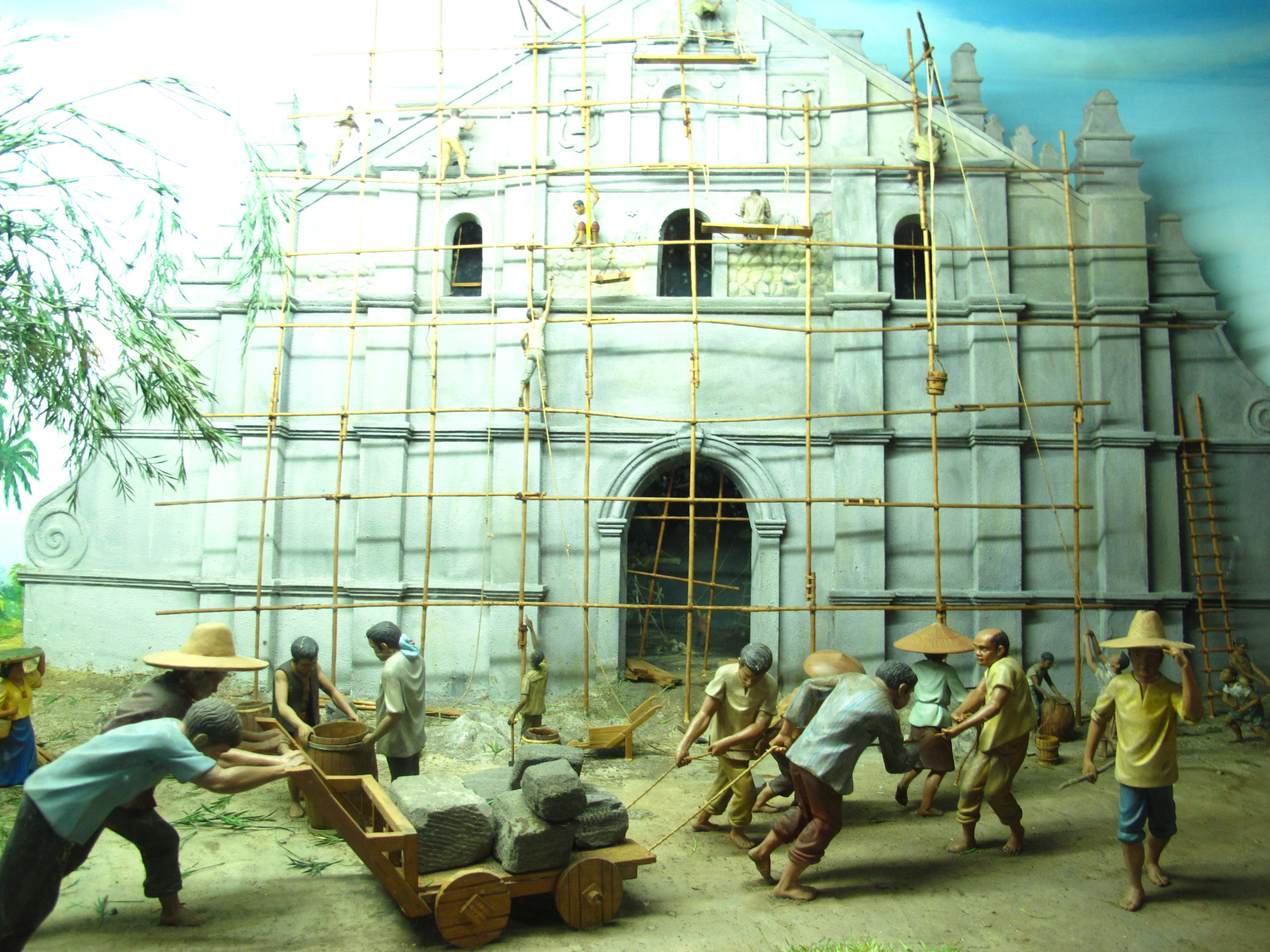
When we visited the Burgos Museum,  we were quite happy to find that the Museum is well-managed and has an interesting collection of archaelogical finds as well as memorabilia of Father Burgos and his family. Of interest , and quite unexpected, is the diorama showing local historical events.  Like the construction of the lovely Paoay Church in Ilocos Norte. There was even a “Wall of Fame” featuring eminent Ilocano  heroes and achievers.  Guess who were there! As a hotbed of social unrest against colonial abuses,  the Ilocos Region was most certainly not short on patriots in the league of Padre Burgos, the poetess  Leona Florentino (sounds familiar? yes, of the Cafe Leona fame), the first Ilocano President, Elpidio Quirino, and ahhhhh, guess who’s the other Ilocano President? 😉


Diorama of the Execution of The 3 Martyr-Priests

A Diorama of Paoay Church Under Construction

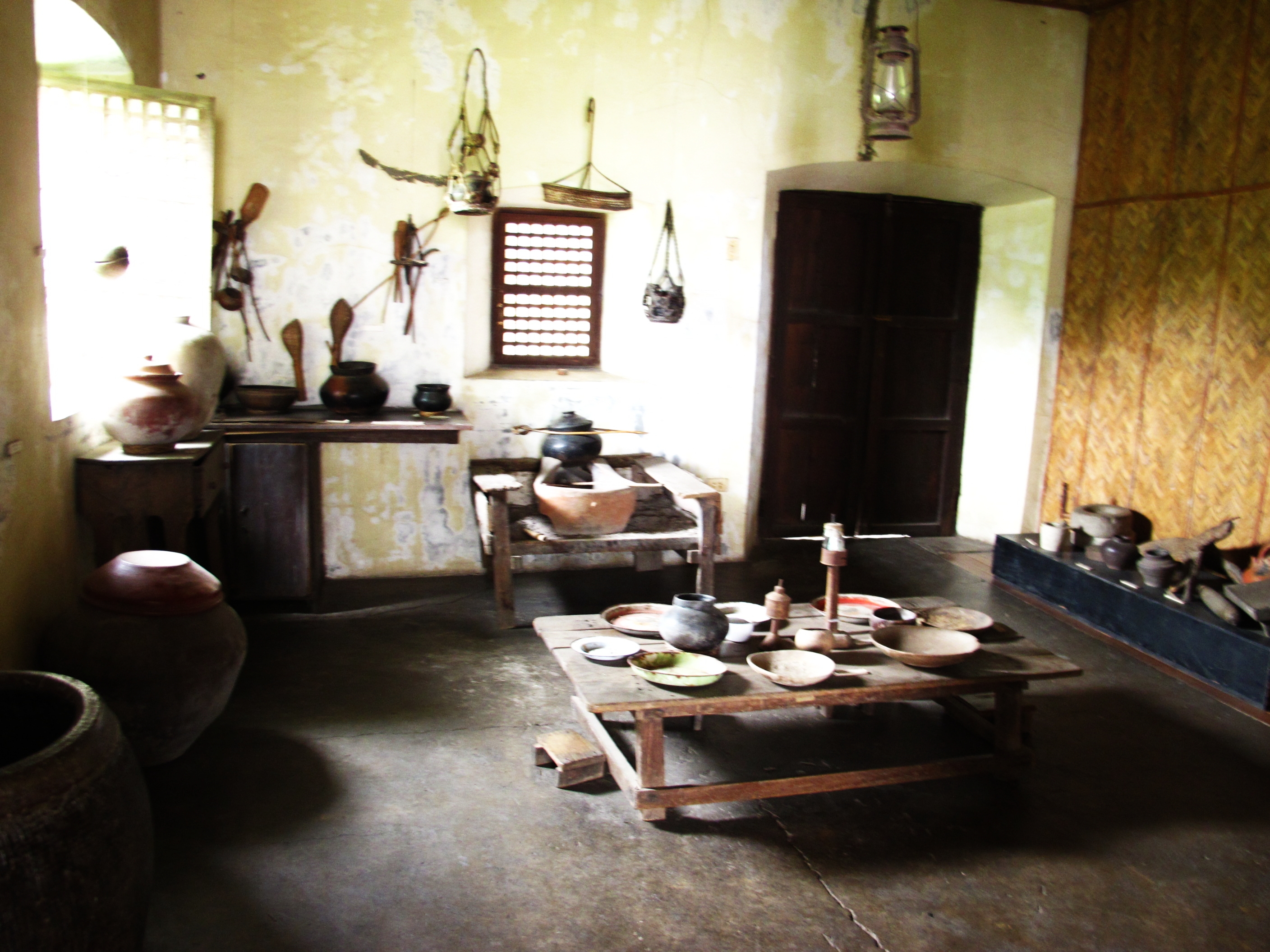
The Kitchen

This Corner I Find Just A Little Creepy

xxxxxxxxxxxxxxxxxxxxxxxxxxxxxxxxxxxxxxxxxxxxxxxxxxxxxxxxxxxxxxxxxxxxxxxxxxxxxxxxxxxxxxxxxxxxxx


His name is Rusty.  We met him when we decided to visit the Syquia Mansion without an appointment. We are not sure if we needed to make one.  But we were a group of 12 pax, and so we thought it would be worth his while to give us a guided tour. Besides, how can he refuse my 2 “elves”?

Gathered on the 2nd floor of the Mansion,  Rusty immediately went into Tour Guide mode.  He was very systematic. Laid down the rules early on.  He reminded everyone to stay together;  no one should stray away as we move from hall to hall, from room to room.  No camwhoring while tour is underway.  Photos can be taken only AFTER his monologue. One can ask questions, but no one should touch anything. 

I’ve met these types.  And love them all.  Stickler for rules.  Efficient. Passionate with what they do. Fierce! And they know exactly what information to dish out to perk up our interest as we move around the heritage house. 

Rusty belongs to a family of caretakers.  He is 5th generation and being single,  he claims to be the last caretaker from the same family taking care of the Mansion.  He lives here. Alone.  He is not young anymore, and when he goes,  we wonder who would dare take his place.  It’s a beautiful house.  But we all found it a little creepy.  When asked,  Rusty admitted to “faint” creepy stuff happening in this Mansion during his watch.  Yay!

Rusty started off by pointing out the “holes” strategically located around the Mansion. The first hole is on the floor, to peek newly-arrived visitors in the ground floor of the Mansion.   When deemed “worthy”, the guests are then led to a receiving anteroom upstairs.   From where they are seated,  another peep-hole is used to check if the same guests are “worthy” to enter through the Main Door and into the sala or living room of the Mansion. My “elves” love this trivia about lifestyles and practices back then.

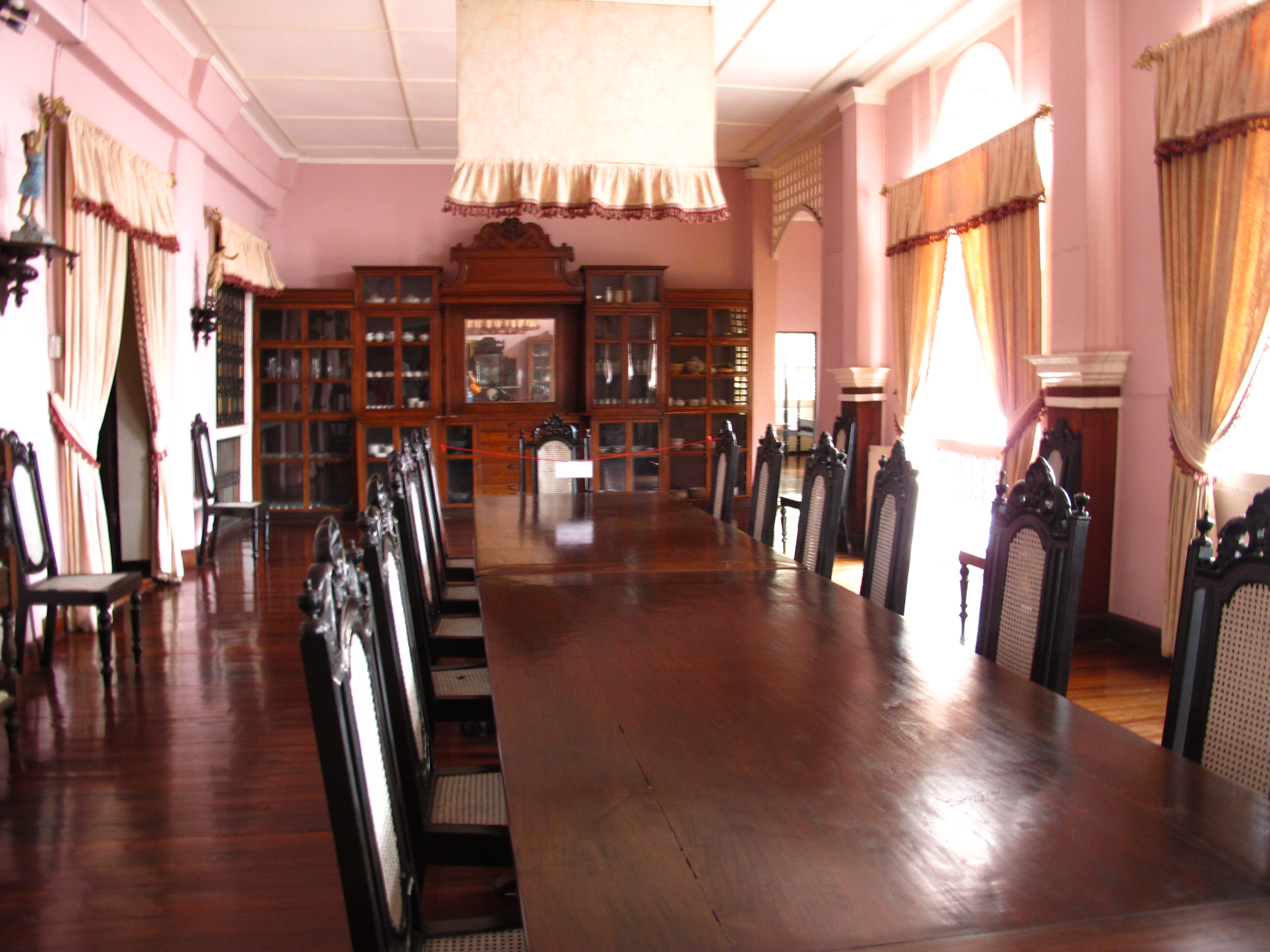
As “worthy guests”, we were first shown the most precious antique piece in the house. A Ming Dynasty vase made of silver graced a round table in the anteroom.  Its ‘twin vase’ graces another round table inside the living room, but its beauty and importance is overshadowed by a painting of the lady of the house, resplendent in her pink gown. This lady is Vicky, the daughter of former president Elpidio Quirino, a widower when he assumed the presidency of the republic.  His daughter is thus the youngest ever First Lady of the country. In fact, the only teenage First Lady I know. She is also the only First Lady who got married.  Not being a Presidential Spouse, Vicky married Luis Gonzales of Pangasinan when she turned 19, with whom she had 3 daughters and 1 son, Louie, whom many know as the man who married Kuh Ledesma.  Luis died and left Vicky a widow in 1984.  Vicky then remarried a man by the name of Don Paco Delgado, a shipping magnate.  This marriage was marred by tragedy and a lot of controversies which haunt the descendants to this day.  But that’s another story, isn’t it? 

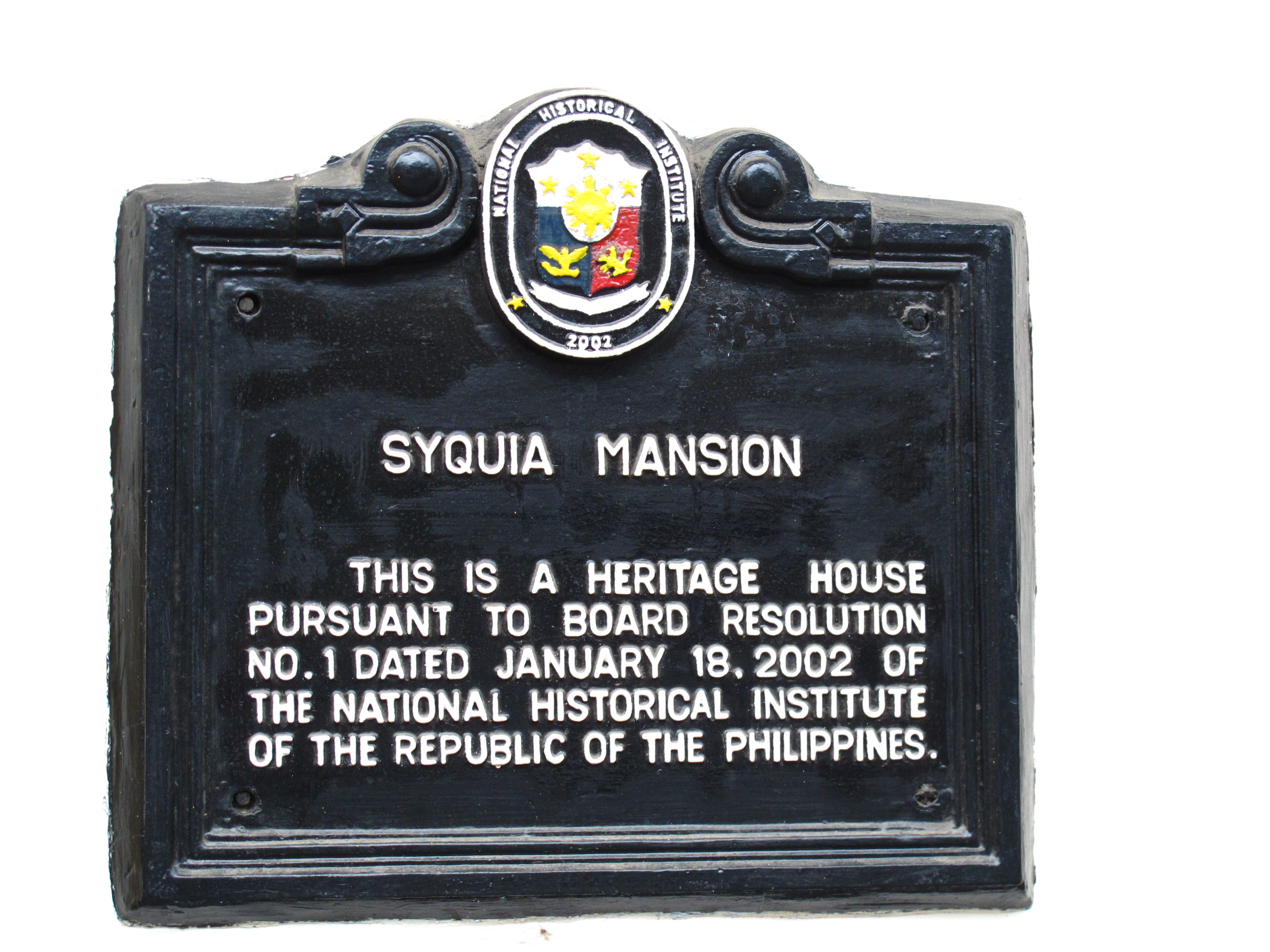
Glibly referred to as the Quirino Mansion, this heritage house was actually inherited by the wife of Elpidio Quirino, the very first Ilocano President.  From the Chinese family of Sy Kia,  the house was passed on to Dona Alicia, who unfortunately died during the Second World War , along with 3 of their 5 children, while fleeing their home. This widower was subsequently sworn in as the 6th President 2 days after then President Manuel Roxas died in 1948. 

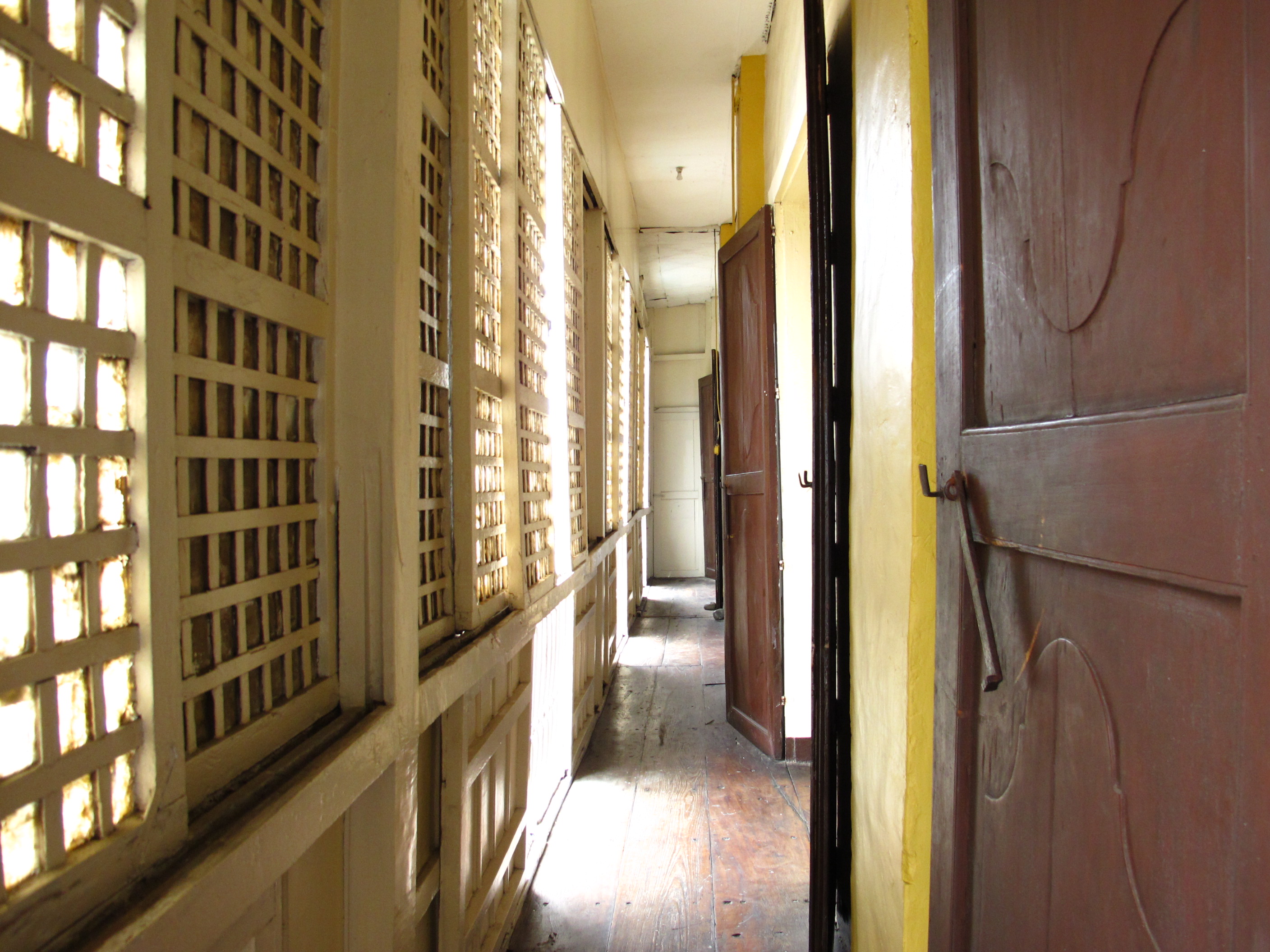
This is the corridor where household staff pass......

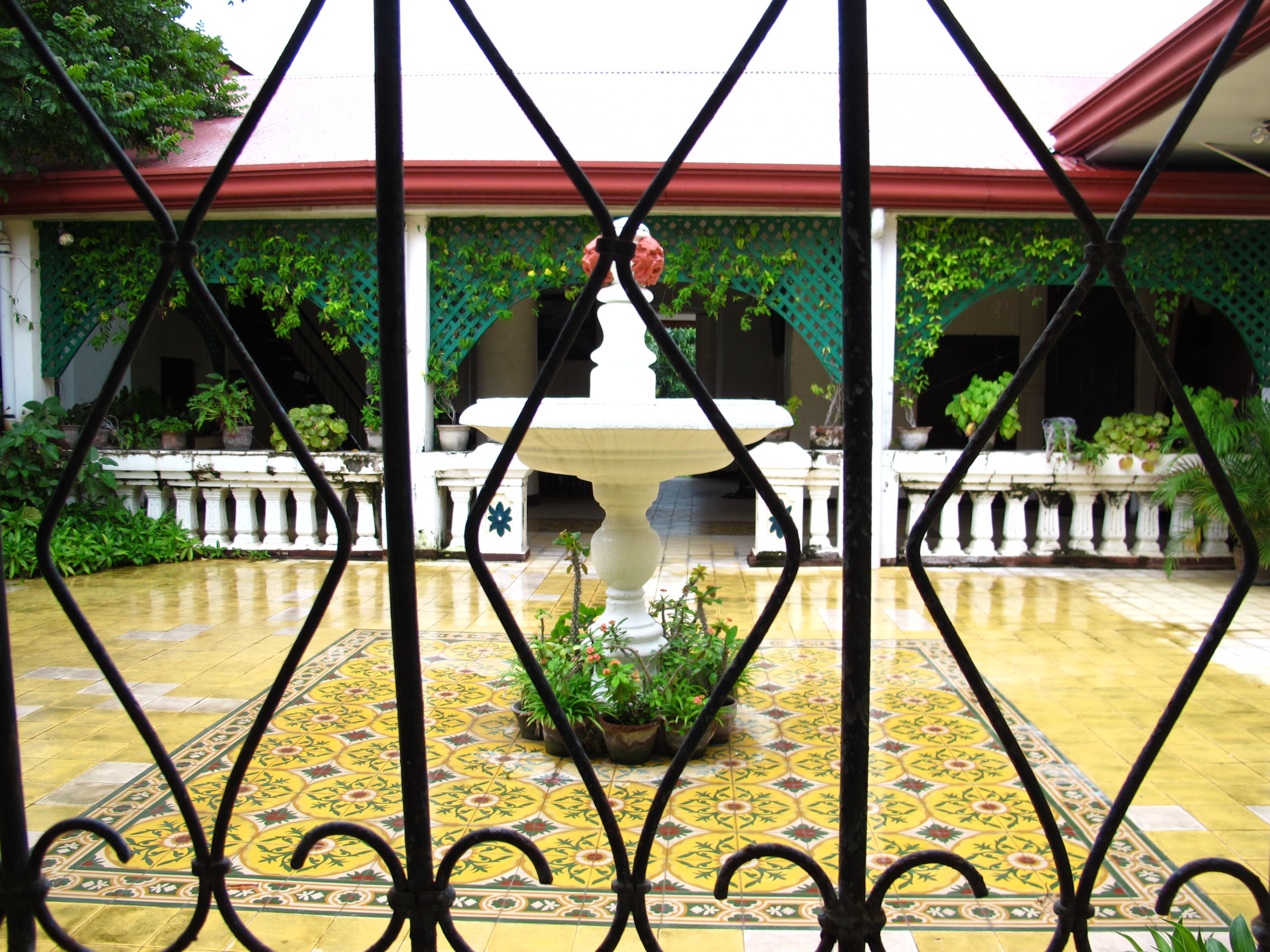
Rusty informed us that the Mansion belongs to no single person, but instead to all the surviving heirs of the Quirino clan. While not one of the heirs live here,  Rusty claims there are enough affairs held here to keep them all busy.  No wonder the Mansion has a more “modern” and functioning kitchen that looks out to a patio and a fountain.  I can just imagine the parties held here.  I just wonder if any of the guests stay behind to spend a night or two here.  Surely, the big beds in the bedrooms can accommodate them. 🙂


xxxxxxxxxxxxxxxxxxxxxxxxxxxxxxxxxxxxxxxxxxxxxxxxxxxxxxxxxxxxxxxxxxxxxxxxxxxxxxxxxxxxxxxxxxxxxx

xxxxxxxxxxxxxxxxxxxxxxxxxxxxxxxxxxxxxxxxxxxxxxxxxxxxxxxxxxxxxxxxxxxxxxxxxxxxxxxxxxxxxxxxxxxxxxx


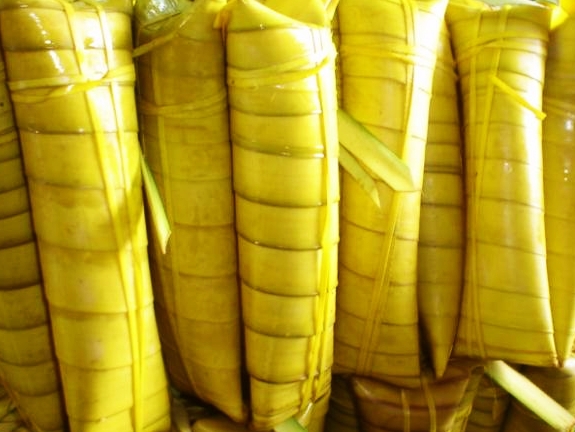
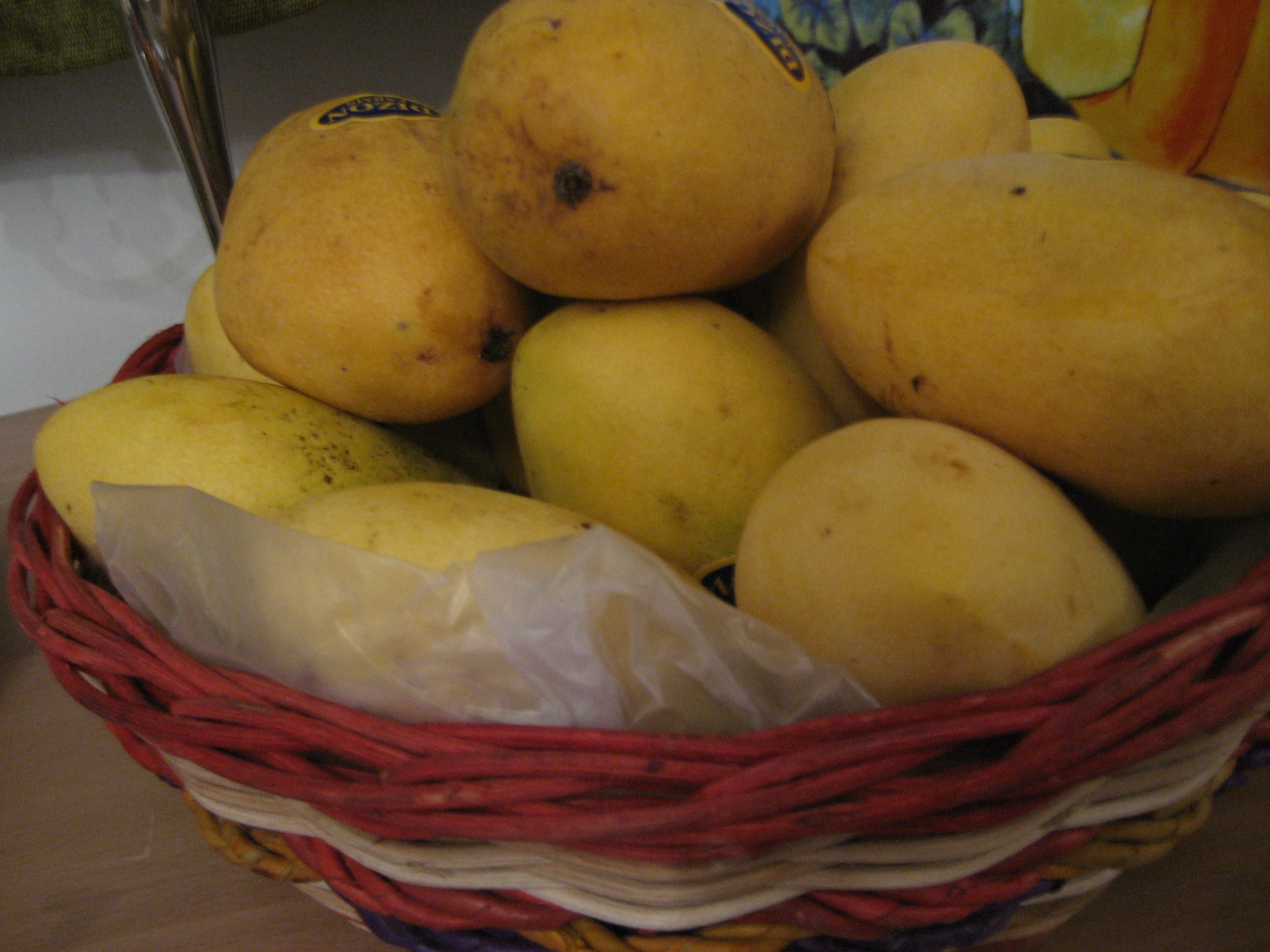
I have not heard of a Sumaka Festival celebrated every 1st of May.  But now I know it stands for SUman, MAngga, KAsuy.  SU.MA.KA.   Others refer to it as the SUMAKAH Festival, the extra H for Hamaka or “hammock”  or slings tied to a bamboo pole where ladies are carried in the olden days. Hmmm, I wouldn’t mind a hamaka ride like that!


Long before I started going to school,  my family would make this annual pilgrimage to the Virgin of Antipolo.  Little did I know that she was the Lady of Peace and Good Voyage.  It was enough that I prayed to her as the Virgin of Antipolo and that soon after hearing mass in the Church,  I would be treated to a lunch of lechon.  Take-outs would include kasuy,  bunches of suman and baskets of mangoes.  Yes, during those days the mangoes were sold by the baskets rather than by the kilo.  

A trip to Antipolo in my early years also meant a day at Hinulugang Taktak.  But the falls have long gone and dried up,  I hear.  These days,  a trip to Antipolo simply meant a visit to the Cathedral,  perhaps lunch at either Crescent Moon Cafe or in Vieux Chalet — 2 of Antipolo’s “hidden secrets”—- or a visit to the Silangan Gardens and Pinto Art Museum  or more simply a visit to stock up on suman, mangga, kasuy AND MORE! What more?

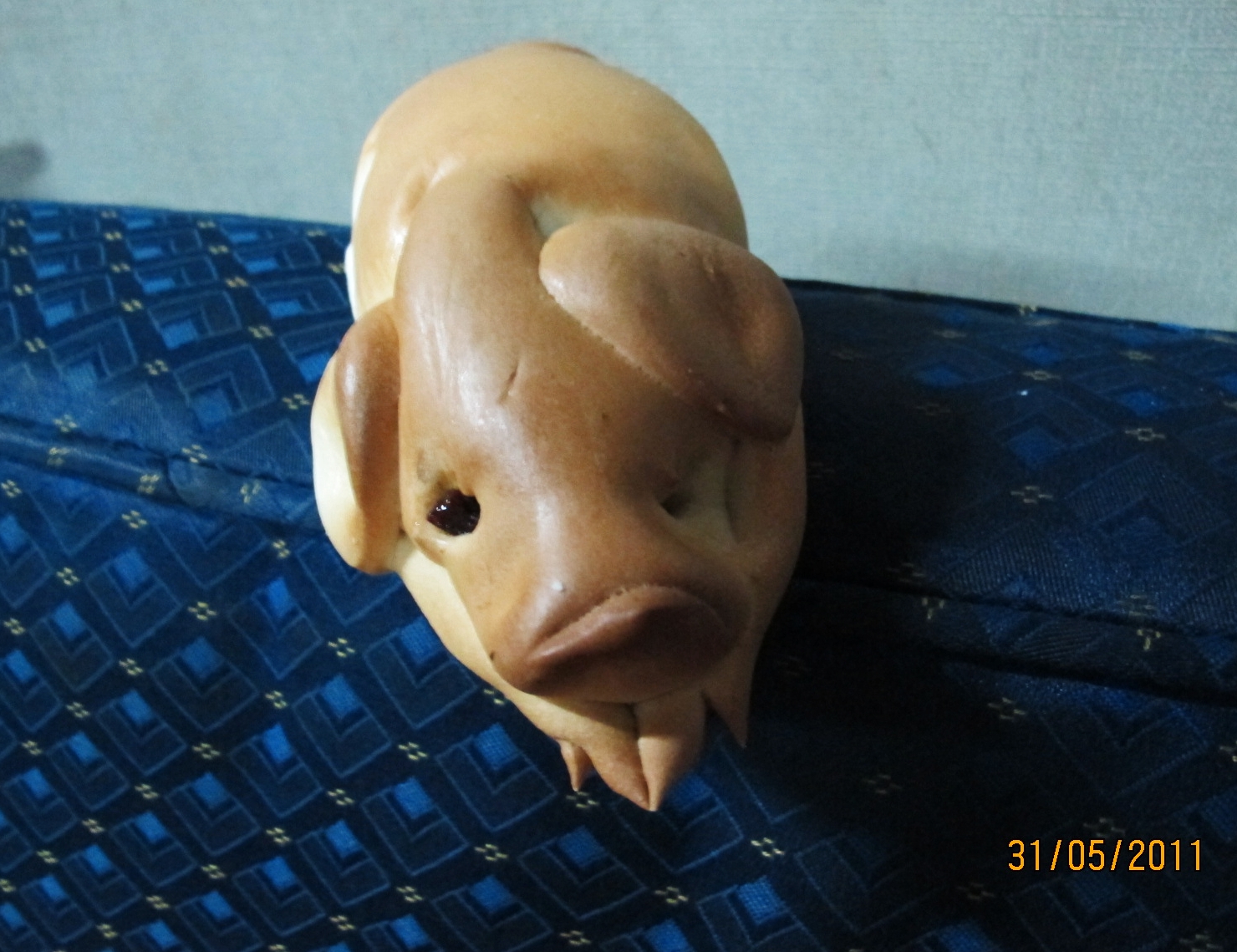
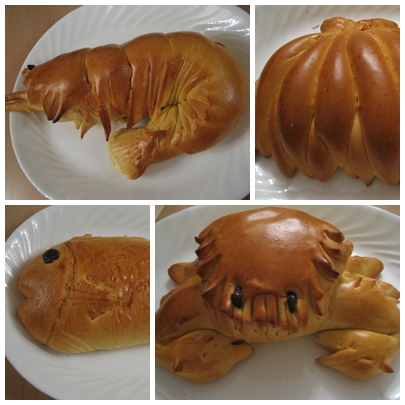
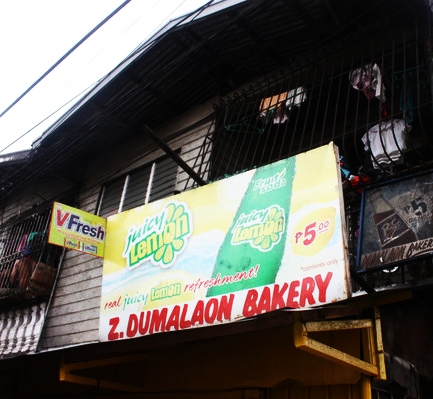
This time around,  we found ourselves making this quick dash to this hole-in-wall bakery before heading home.  Here, you can buy the pan de lechon.  Pan de what? Perhaps , a photo would better explain what we came here to buy. Photo below is the best seller of Dumalaon Bakery  in Antipolo City.

The "animal breads" of Dumalaon Bakery

Aside from the Pan de Lechon,  there were also breads shaped like a crab, a fish, a prawn, a crocodile and a bunch of bananas!  I lined up to buy and was pleasantly surprised to learn they sell for only P10 a piece.   I gave a P100 bill and the lady said she has no change.  So I ended up buying 10 pieces of different forms and shapes.  🙂

Would You Still Eat Them? P10 a piece. P20 for the bigger ones.

Cute-sy, don’t you agree? If you can’t afford to buy a lechon, whole or by the kilo,  buy the bread! It’s healthier 😉

Driving Directions:  From Sumulong Highway, you’d reach a fork : turning right will take you to taktak road  (Vieux Chalet!) while  going straight takes you to the Antipolo Church. TURN LEFT here.  The road is part of the circumferential road commonly called  “siete medya” (don’t ask me why) by the locals. After turning left at the intersection, just drive past some 3 blocks and look out for  the bakery on your right side.  It looks more like a sari-sari store. Naaah, it is a sari-sari store along a very busy road. Exact address is  257 Circumferential Road, Barangay San Isidro, Antipolo City. It is also near Crescent Moon Cafe (where you find the Alagao rolls or lumpia — check out my other blog)

xxxxxxxxxxxxxxxxxxxxxxxxxxxxxxxxxxxxxxxxxxxxxxxxxxxxxxxxxxxxxxxxxxxxxxxxxxxxxxxxxxxxxxxxxxxxxx


Going to Antipolo?  Filipinos have this tradition of visiting the Antipolo Church especially right before a major trip.  Our Lady of Peace and Good Voyage is a national shrine.  A pilgrimage site for every O.F.W. just before leaving the homeland.  

So, how about a nice detour?  A Swiss Chalet in Antipolo? What do you know………..

Antipolo Church

Inside the Our Lady of Peace and Good Voyage Church in Antipolo

This dining place is owned by the family of Susan Hassig, a Filipina married to Tony Hassig, a Swiss national. In operation for more than 2 decades now, I remember many breakfasts and early dinners here.  Solo.  At the time,  I was still working and branch visits are my daily fare.  On way to or from Tanay and other parts of Rizal,  I would drive out early to enjoy a peaceful breakfast here.  Or drop by before driving home for a panoramic and illuminated view of the city.  Each visit,  the waiter would ask me if I want the table for two in some corner with a view of the mountains.  Perfect view while sipping a good cup of brew. Invariably, my answer is “I want the table, but I’m eating alone”.   This exchange between the waiter and myself must have caught the attention of the owner such that when the same fellow asked me for the nth time,  the owner loudly said “The lady enjoys dining  ALONE”.  A wink there, and that ends the discussion. 🙂

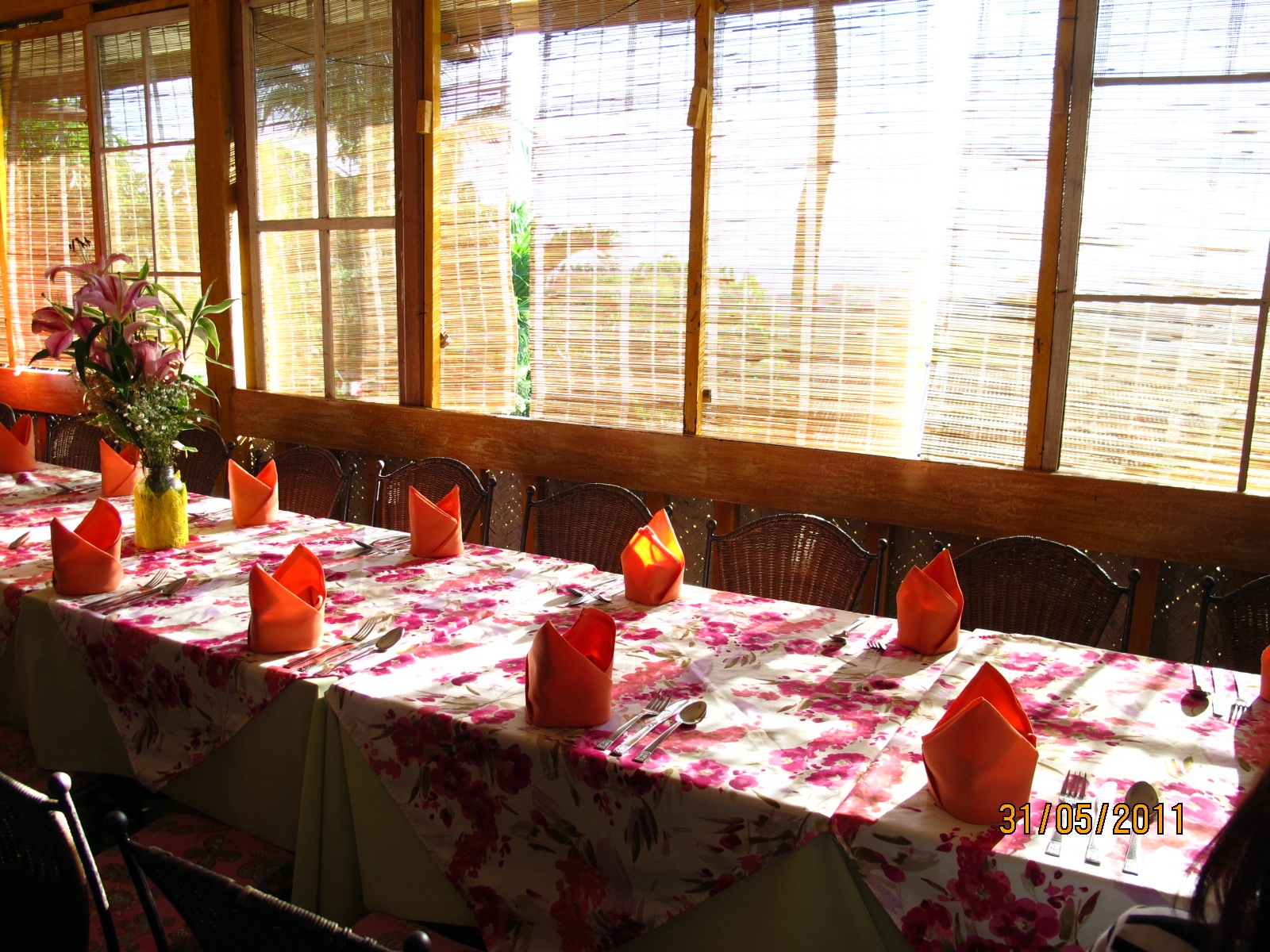
Inside Vieux Chalet

Since I quit my job,  I have not been to Vieux Chalet.  But I certainly have fond memories of my breakfasts and early dinners there and the tranquility offered by the mountain vistas. You may think this  petty or trivial,  but this place fries my eggs exactly the way I want it…….NOT so in many breakfast places I have tried.  Nor can I forget the raclette or pate de foie. The only problem with eating alone in this place is that I never got to order the Cheese Fondue as I have no one to share it with.  So with the pizza.  😦  

But I digress. This time around,  I found myself back in this lovely Swiss Chalet mid-afternoon of a weekday.  It wasn’t a busy hour.  I found the place almost exactly the way I remembered it.  Even the shade of brown of its tables and chairs is the same familiar shade.  De ja vu.

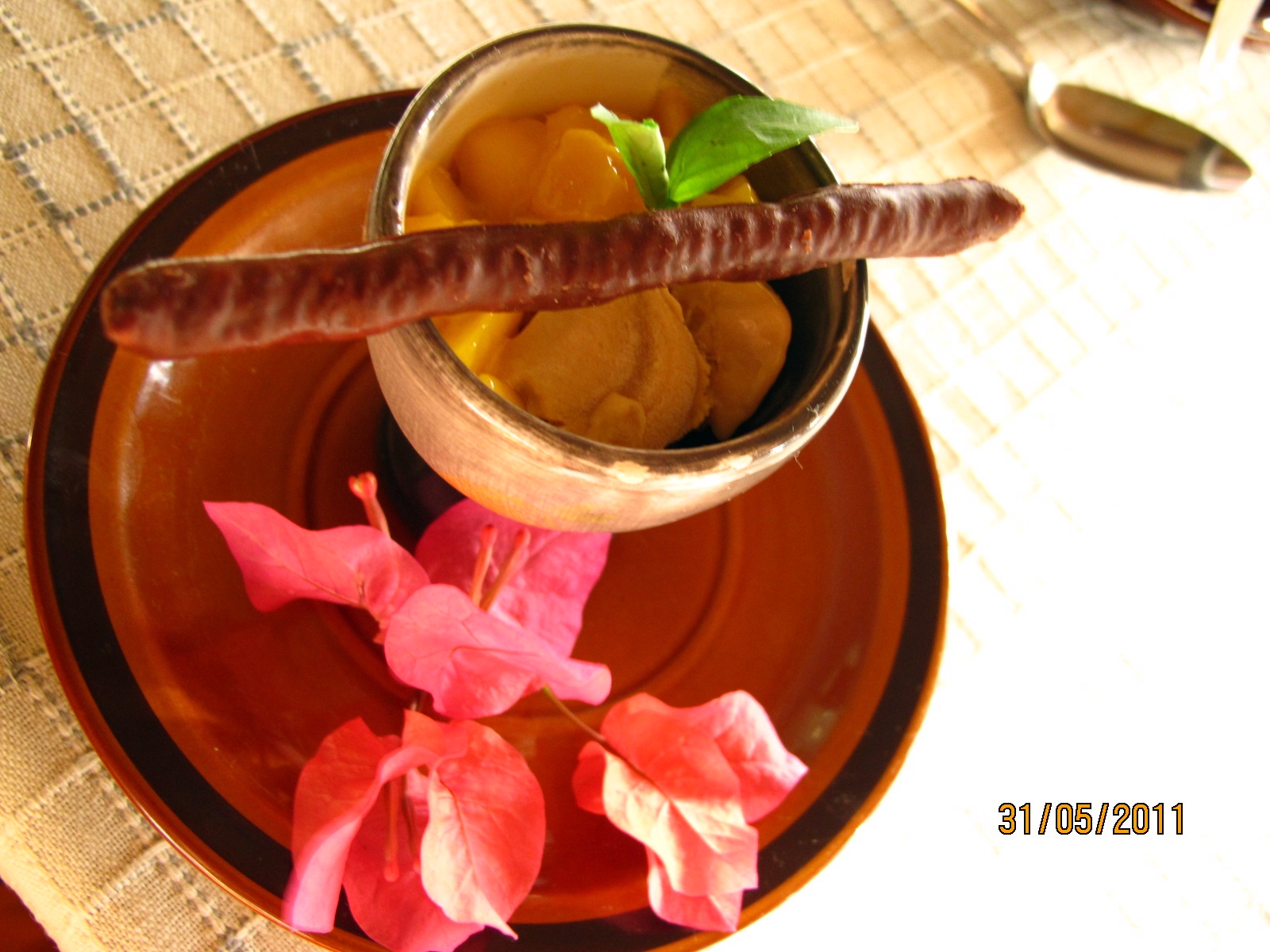
It Was Sooo Good I Forgot What It Was Called!

I was surprised to learn that they now run Wellness Sessions.  Well, not actually surprised.  The place and the vista is perfect for just this kind of activity.  It has to be arranged though, as with any parties, retreats or family reunions you may plan to hold in this place. As for me, I’d be quite content to spend a quiet afternoon here, sipping my coffee and enjoying my mid-afternoon delights:  D.E.S.S.E.R.T.S !  

Susan and her daughters run the place now.   If you want to dine here, or to ask for directions on how to get here, call Vieux Chalet, 697-0396 or 344-5056  or Susan Hassig’s cellphone, 0917-856-5175. Do make those reservations as the place has quite a limited space.  I’d say just a dozen tables and of course, the ones with a view of the city lights are premium tables.  Don’t do it the way I did,  go with company. Many dishes are best shared, like the salads, pizzas and sausage and cheese platters. Getting there is quite challenging, but Susan offers these driving directions:

If you’re coming from Ortigas Center, you can take Ortigas Avenue going up to Antipolo. Ortigas Ave. Extension (from Robinson’s Galleria) ends at the fork marked by an island across from Ynares Center, with statues of the Filipinos of olden days. 

Please take the left branch of the  fork. Soon you’ll see on your left a gas station, USA88. Turn left there and keep driving on and then keep right when the road forks once more. Drive down this road and you will see the arch with names of several resorts. Go through the arch and drive down keeping left until you reach Purok Sampaguita gate, which is always half-closed. Go in and keep moving on the road toturn right uphill at the second corner. You’ll then see Vieux Chalet directional arrows and signs along the way.


(This is one trip I totally forgot to blog about.  Years old, really.  In one photo, you’d even find campaign streamer of Fernando Poe, Jr. running for President back in 2004. Yeah, that old.  )

How did we end up here? Manila to Bangued, Abra took all of ten hours. Our butts hurt from all that confinement in the car. All 7 of us packed like sardines inside a van. We had some stopovers in La Union to empty our bladders and line our stomachs for the next leg of our journey. But the views did not disappoint. Abra is very very raw. Very agricultural. Very provencale.

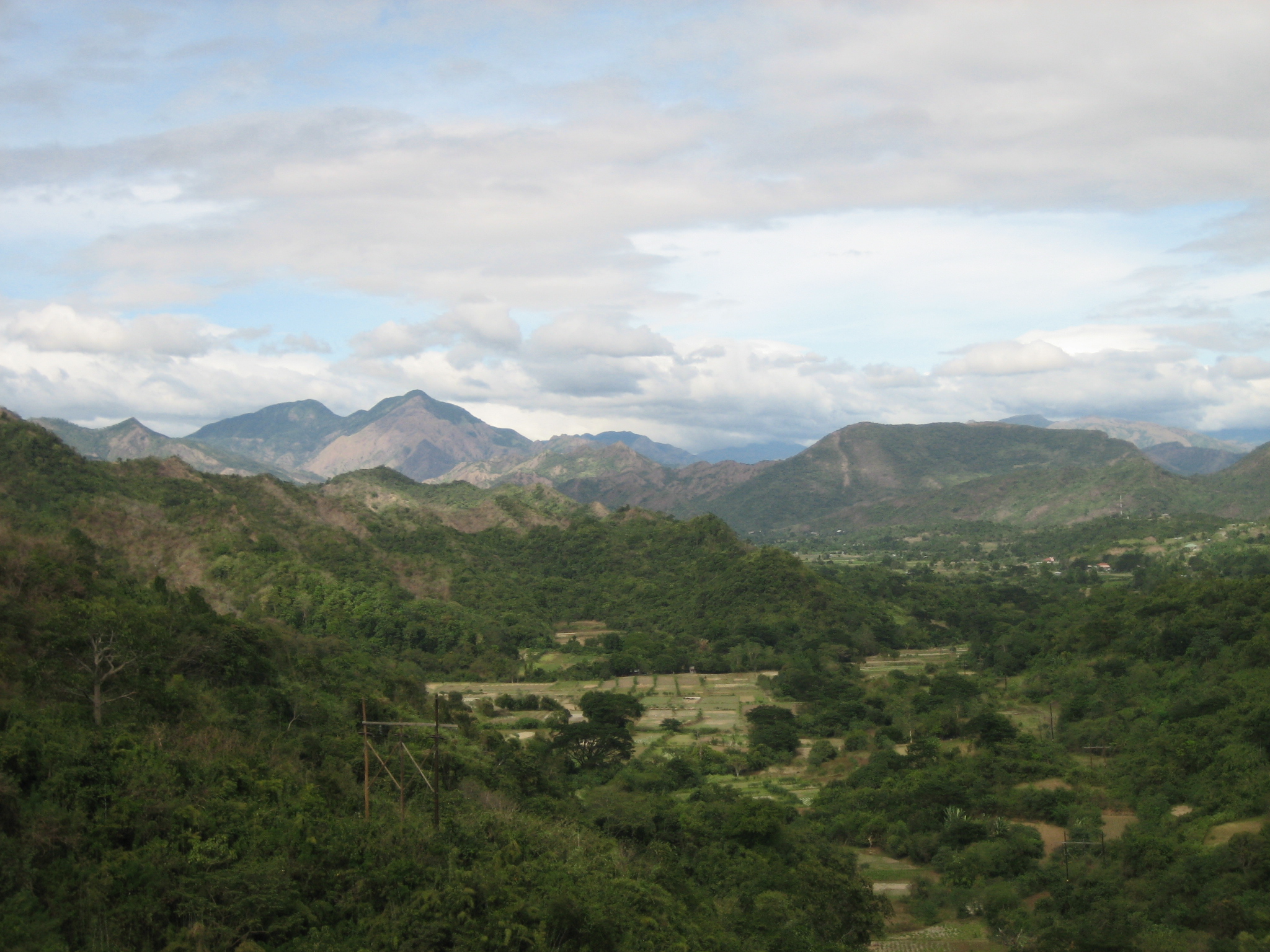
The Mountains of Abra


We do not think the pictures do justice. But we have good memories of the place. We stayed in a hotel with a porch that offers the view above.  Big room good for 4 – 5 pax, all for P1,500. Not bad. 


Our Hotel in Abra


So, back to the question :  How did we end up here?   My long time housemate of more than 10 years decided to get hitched. An orphan, Mercy is like my “adopted daughter” who looks after my family which includes 2 “elves” 🙂  When she decided to get married to her Abra-based hubby, we planned on accompanying her on this trip to join her hubby.  We packed the van and prepared ourselves for the 10 hour journey.  There was time to break the journey at La Union in a beach resort I can’t recall now.


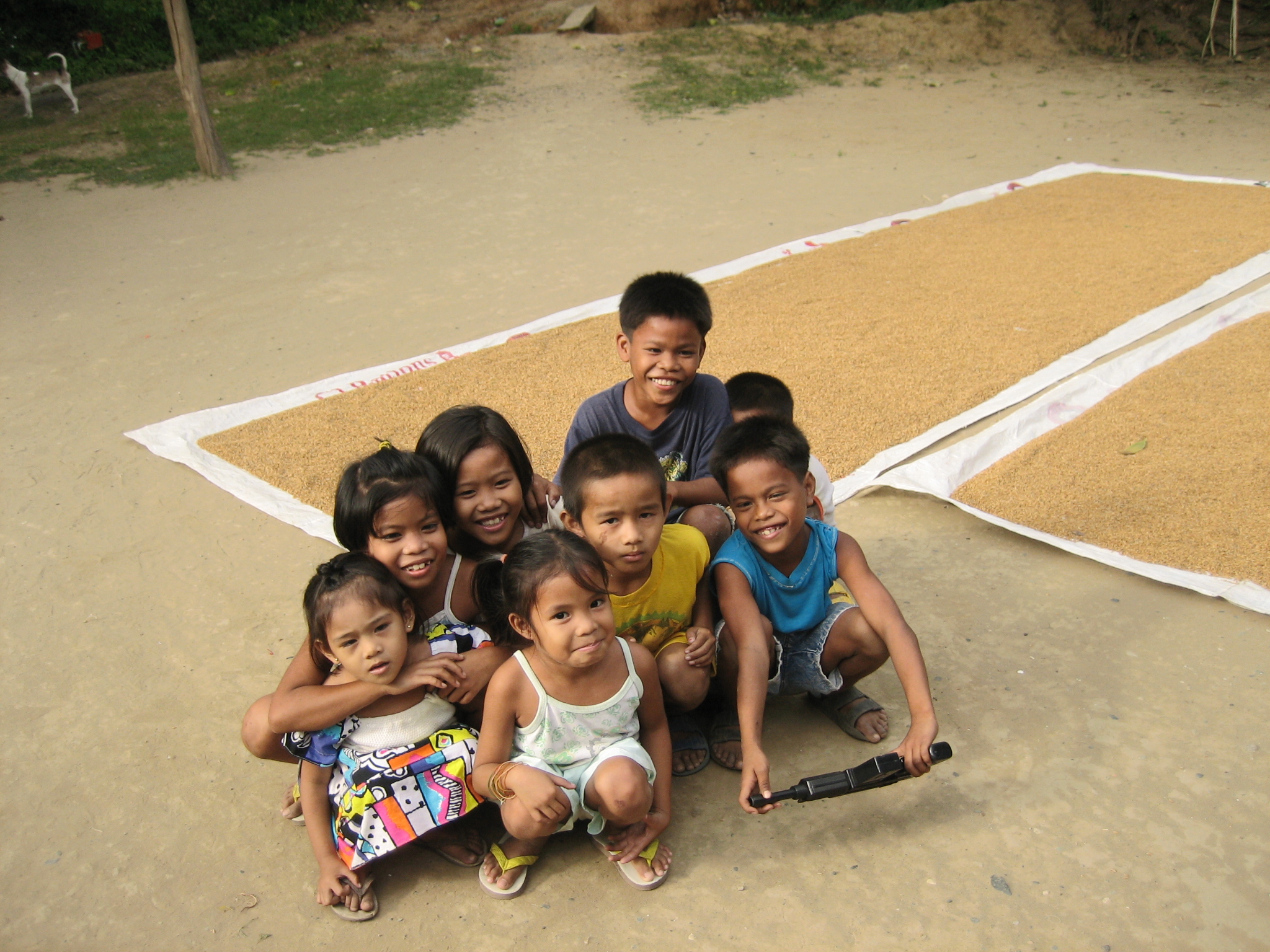
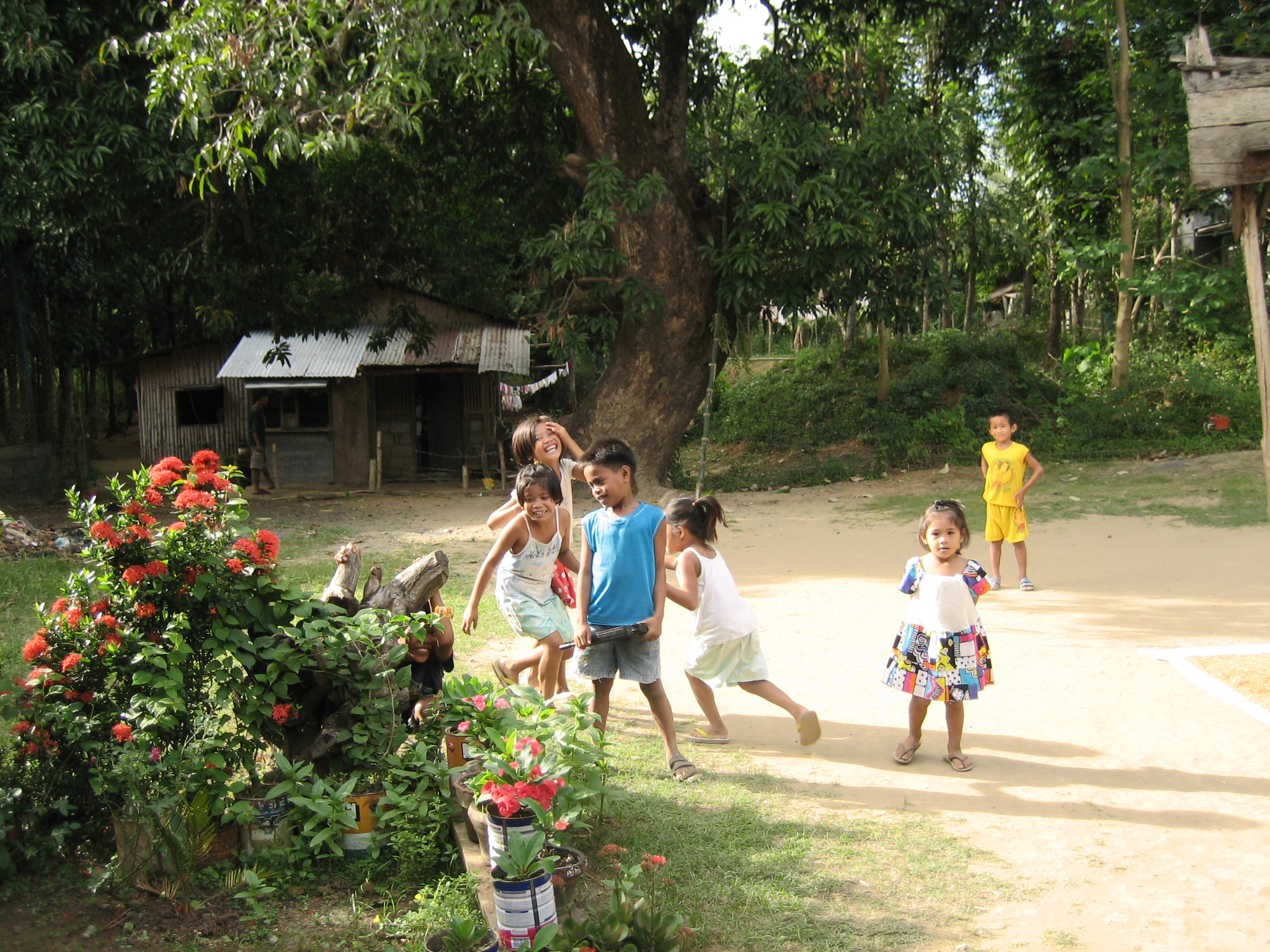
Abra Kids


As we drove farther and farther away from Manila,  we became more and more aware of how far removed this place is from the rest of the country.  From the verdant fields of Central Luzon,  the mountains farther North rendered the fields drier, the air dustier. Soon,  we were driving along lonely paved roads , meeting  local folks straddled on horses and kids playing , running along highways with complete abandon and utter disregard of motorists.   Mats laid out on the main streets laden with palay.   Old men and women with swarthy complexion effortlessly bearing baskets heavy with farm harvests.  As we looked around, we sensed how life must be difficult in this area.


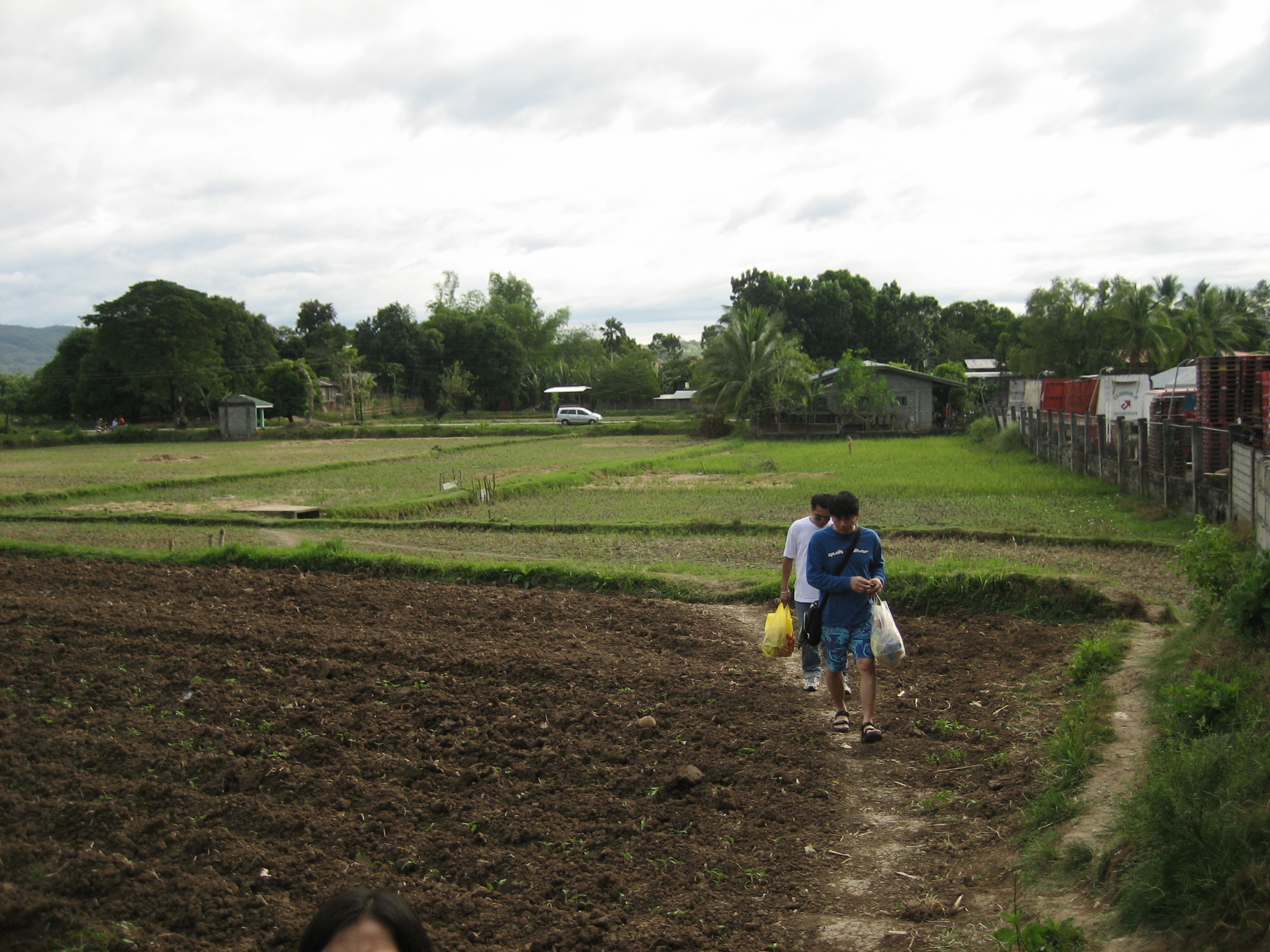
We know very little about Abra, except that it is among those provinces named among the hot spots every election period.  Violence is daily fare.  We asked some of the locals , who seem to have outgrown fear like it is a condition of life in this neck of the woods. Armed goons come a-knocking in the middle of the night just to ask them who they are voting for.  Election has long gone,  but the specter of violence has sown fear in the hearts of many residents here.   As we walked gingerly along farm trails , we passed many curious neighbors and kids who stopped in the middle of their games to watch us  traverse the muddy trails towards a poor section of the neighborhood.  


Bangued is the capital of Abra. This is claimed to be a first-class municipality, but believe you me, I would’nt have known that.  A landlocked municipality belonging to a landlocked province,  Bangued means “roadblock” in the local dialect (Ilocano and Itneg).  Story goes that when the Spaniards led by Juan de Salcedo reached the place, there were big logs strewn along Abra River and stones blocking the paths towards this old town/municipality.  As was always the case,  a native was asked what the place was called and this native, thinking they were asking about the roadblocks, answered “bangen”.   And so that was how the place was called, until it was changed to “Bangued” when the American forces arrived.  I’m telling ya,  miscommunication and misinterpretations accounted for how many areas were first named.


Would I come back to this place?  The mountains beckon,  and you know there’s a Marlboro country waiting for you there. But I’m not sure I’d want to go back.  I don’t know,  for some reason the poverty there depresses me.  For another, I cannot explain how and why I do not feel so safe there.  So let me just imagine how life was then when Gabriela Silang fled to this place to continue the revolt began by her insurgent revolutionary husband Diego Silang back in those days.  Some trivia here.  Did you guys know that Gabriela Silang was adopted by a wealthy businessman from Abra by the name of  Tomas Millan. This fellow then married Gabriela when she turned 20, but the businessman died 3 years after the marriage.  Only then did she remarry,  to insurgent leader Diego Silang, and history lessons tell us more from that point on.  (Fast forward: if this happened today, people would scream “Incest”.  You don’t go around adopting a child and marrying her when she grows up, ei?)


So tell me, what else do you know about Abra outside of the election violence, Gabriela Silang and Father Conrado Balweg? What, you have not heard of Fr. Balweg?   Years back, it was not uncommon to see posters  citing “Ninoy is our hero… Balweg is our idol.” Fr. Balweg was  a relatively unknown priest of a rural parish in Abra, until he fled to the hills and joined the communist party’s New People’s Army in the Cordillera Region in 1979.  It is claimed that he led many NPA attacks versus military outposts. A native Tingguian — one of the “tribal minorities” in the north — Fr. Balweg was born to poverty and espoused revolution as his own theology by fighting for the rights of the Cordillera tribes.  If I’m not mistaken, there was even a movie inspired by the real life story of this rebel-priest.  Would anyone know if there’s a DVD of such movie that I can watch?


If none, I would settle for this video.  


How much do we know of the Luna brothers? Honestly? I simply know one is a painter, the other a General. Both are patriots. And both are friends and contemporaries of Dr. Jose P. Rizal. Many of us would think that knowledge is enough. Toinks!
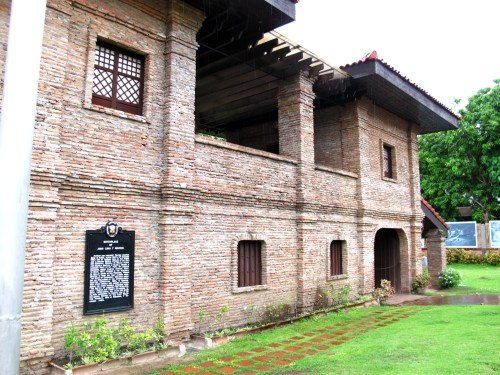
Juan Luna Shrine in Badoc, Ilocos Norte
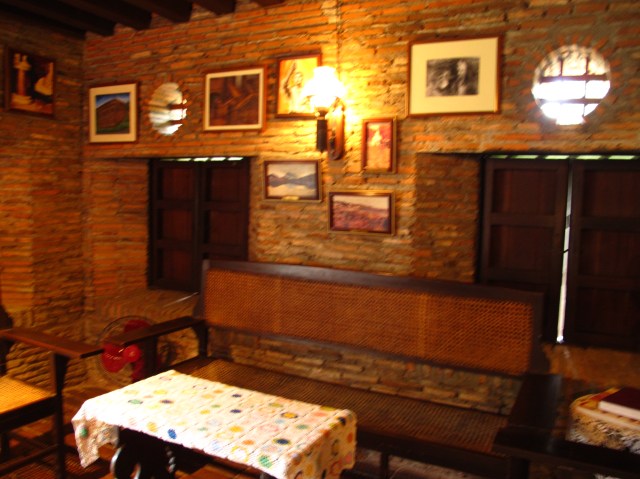
On our way from Laoag to Vigan, we passed Badoc, Ilocos Norte. This is the last town of Ilocos Norte. And this is the birthplace of the Luna brothers. The Juan Luna Shrine can be found here — a building made of brick housing the memorabilia and paintings of this patriotic, and very controversial painter.

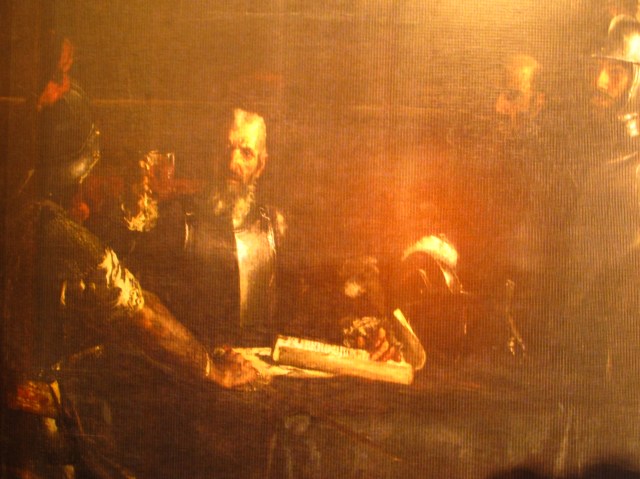
Death of Cleopatra (Museo del Prado @Madrid)
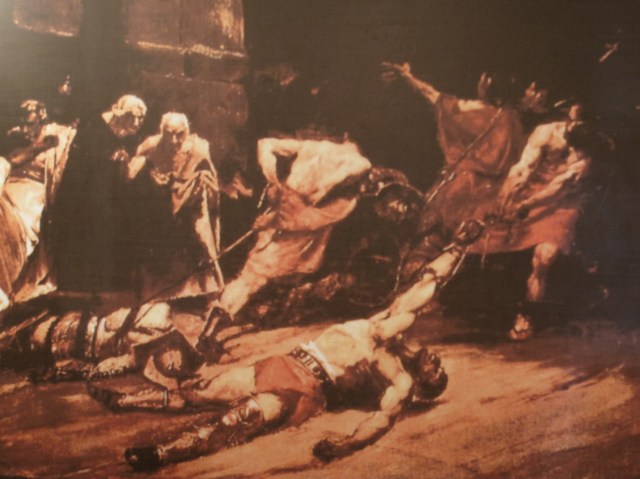
Spolarium (now on display @National Museum of the Philippines)

Luna killed his wife and mother-in-law because of

jealousy.

So goes the story. Makes for a great headline.

The patriot who painted such classics and award-winning Spoliarium (Gold Medal, 1884, now on display at the National Museum of the Philippines), Death of Cleopatra (Silver Medal, 1881, Museo del Prado in Madrid), Parisian Life (another Silver Medal, 1889, GSIS Museum), Battle of Lepanto, Blood Compact (1886, Malacanang Palace), Una Bulakenya (1895, Malacanang Palace), among others. The patriot as a murderer? Says who?
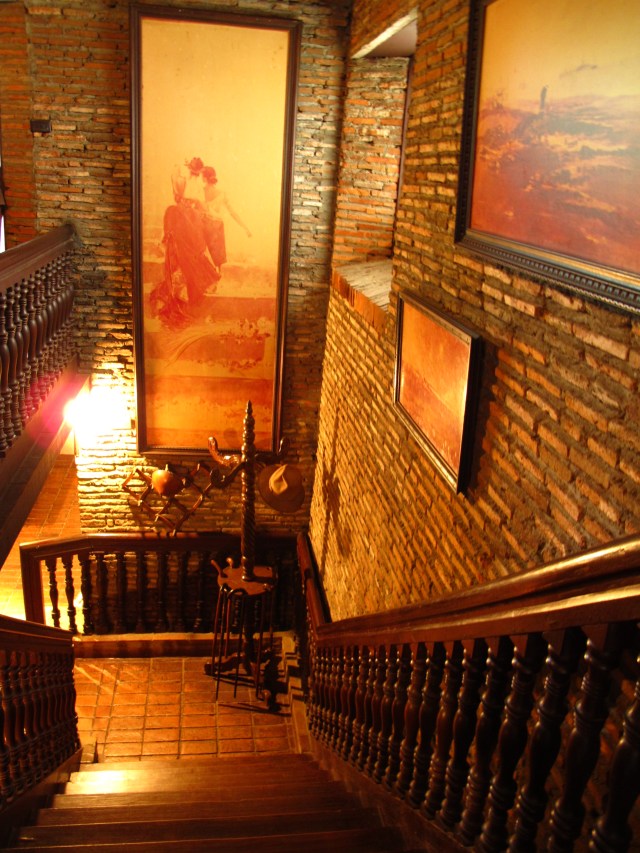
Inside Juan Luna Shrine

The Tour Guide did not miss a beat telling and retelling this story. Sure, Juan Luna shot his mother-in-law and wife dead. We also just learned that he shot his brother-in-law Felix Pardo de Tavera too in the same incident, but this “lucky” fellow survived. Was it an accident or was this a crime of passion?

Most answers you’d find point to Juan Luna shooting his wife Paz in a fit of jealousy. The accused lover was a certain Monsieur Dussaq. Having settled in Paris after his marriage, I can only assume this Dussaq is one Frenchman. So, did Juan shoot his wife et al? All this after only 6 years of marriage. Our Ilocano Tour Guide has another version. Like Juan tried to force open the door to their home in Paris by shooting at the door knob, not knowing the mother-in-law was peeping through the keyhole with the wife right behind her. Quite a stretch………..if you ask me. But oh well, that’s the version. (*big yawn)

The couple had 2 children but one died in infancy. The surviving child, Andres, is also a painter and the architect who designed Arlegui House, the residence of ex-President Cory Aquino, and the San Vicente de Paul Church in San Marcelino Street. Many of his works were unfortunately destroyed during the Second World War.


Rizal as a Scribe? or a Sphinx?
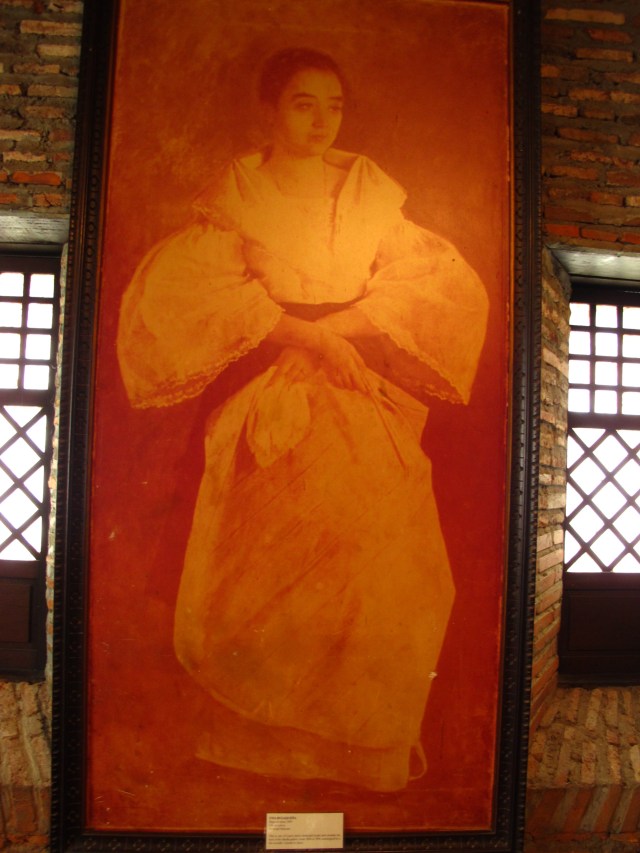
Una Bulakenya (Used To Be On Display @Malacanang Palace, Now @National Art Gallery)

The Other Luna Brothers

Juan’s passion for the arts was influenced by his brother Manuel who was also a painter. A better one, if we were to believe Dr. Jose Rizal. From Badoc, Ilocos Norte, the Luna family moved to Manila where the brothers studied. Manuel and Juan traveled together to Spain where Juan had more art (painting) lessons while Manuel ventured into music and later claimed fame as a violinist.

When Juan was arrested for shooting his wife and later acquitted (on grounds of insanity), it was Antonio (yes, General Antonio Luna) who accompanied him from Paris to Madrid and finally to Manila. Both brothers were arrested for rebellion charges, and later released. Juan headed back to Spain, while Antonio remained and was later killed by the Kawit Batallion (another controversial story involving Emilio Aguinaldo, but that’s another story).

One unfinished, intriguing story involves the painting “Una Bulaquena” or Woman from Bulacan. The painting was inspired by a woman who was allegedly the one great love of Antonio Luna, though the other version cites Juan having courted her after losing/shooting Paz. A case of sibling rivalry? Who knows?
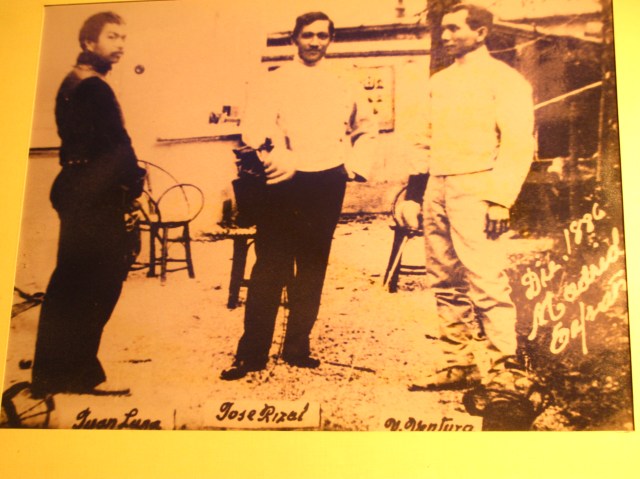
This photo shows how tall or short Rizal was..........

Juan Luna’s Distinguished Models

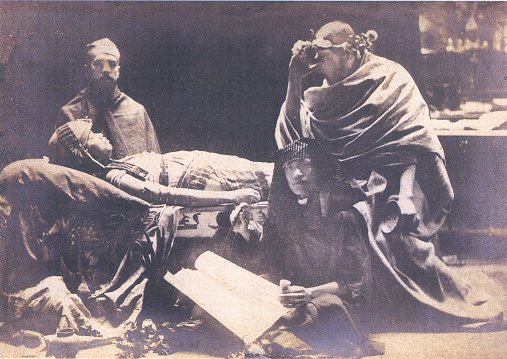
Not many of us know that Dr. Rizal actually posed as Datu Sikatuna in Juan Luna’s “Blood Compact”. In his silver award-winning painting “Death of Cleopatra”, our national hero actually posed in earlier sittings as a scribe complete with a headdress , making him look like a sphinx. Juan Luna himself posed as Marc Anthony in the same painting. Somehow, I can imagine how these men must have enjoyed all these sittings, horsing around, posing in costumes, etc.

The original Parisian Life painting used to hang here in Bahay Nakpil-Bautista in Quiapo

Then of course everybody knows Dr. Rizal was one of the 3 models in the GSIS-acquired “Parisian Life”. The other 2 gentlemen in the painting were Juan Luna himself and Ariston Bautista, in whose house this same painting hung for years. Errr, that is yet another story again.

But these men were not just models. They were our heroes. Patriots. Gentlemen-friends, if you may. Their love of country, passion for the arts and literature, intellect, perhaps even love of women must have bound them like blood brothers in a place far away from home and family, in an era marked by secret alliances and trysts, murder and heroism.

C’est la vie………..

Inside the Shrine @Badoc, Ilocos Norte

Exit Through The Backyard: More Paintings (Reproductions)
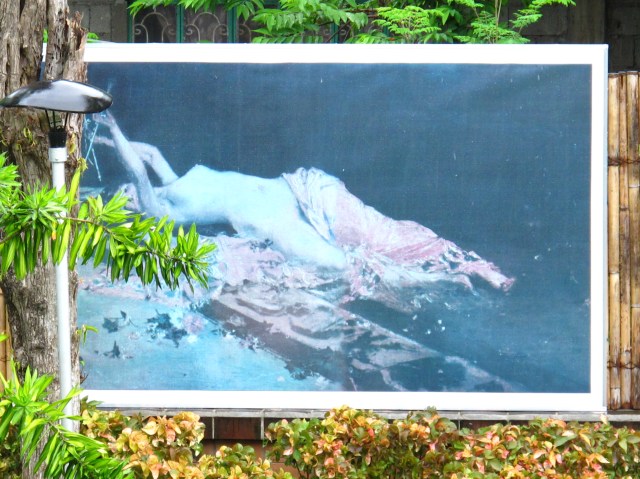
xxxxxxxxxxxxxxxxxxxxxxxxxxxxxxxxxxxxxxxxxxxxxxxxxxxxxxxxxxxxxxxxxxxxxxxxxxxxxxxxxxxxxxxxxxxxx


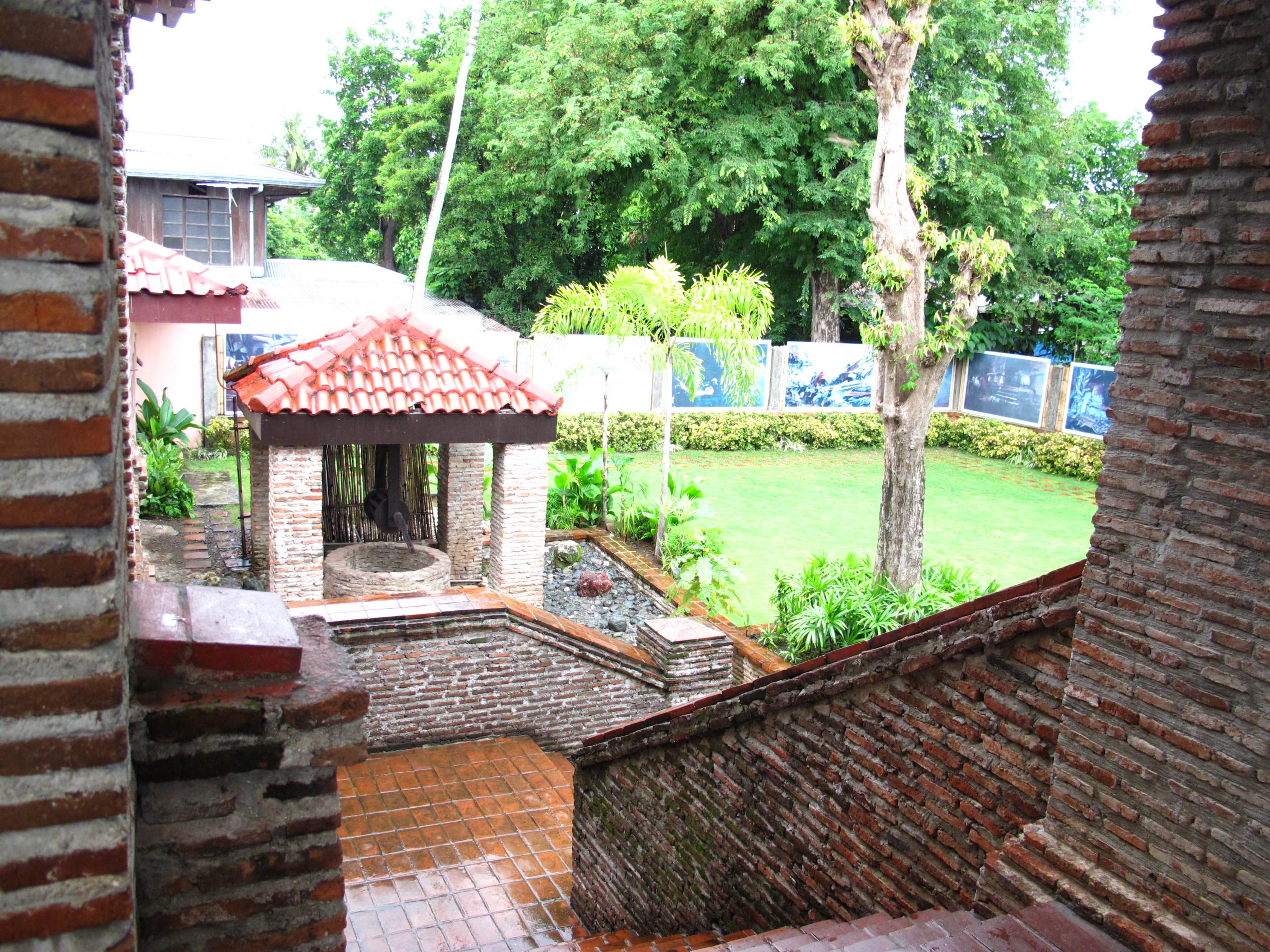
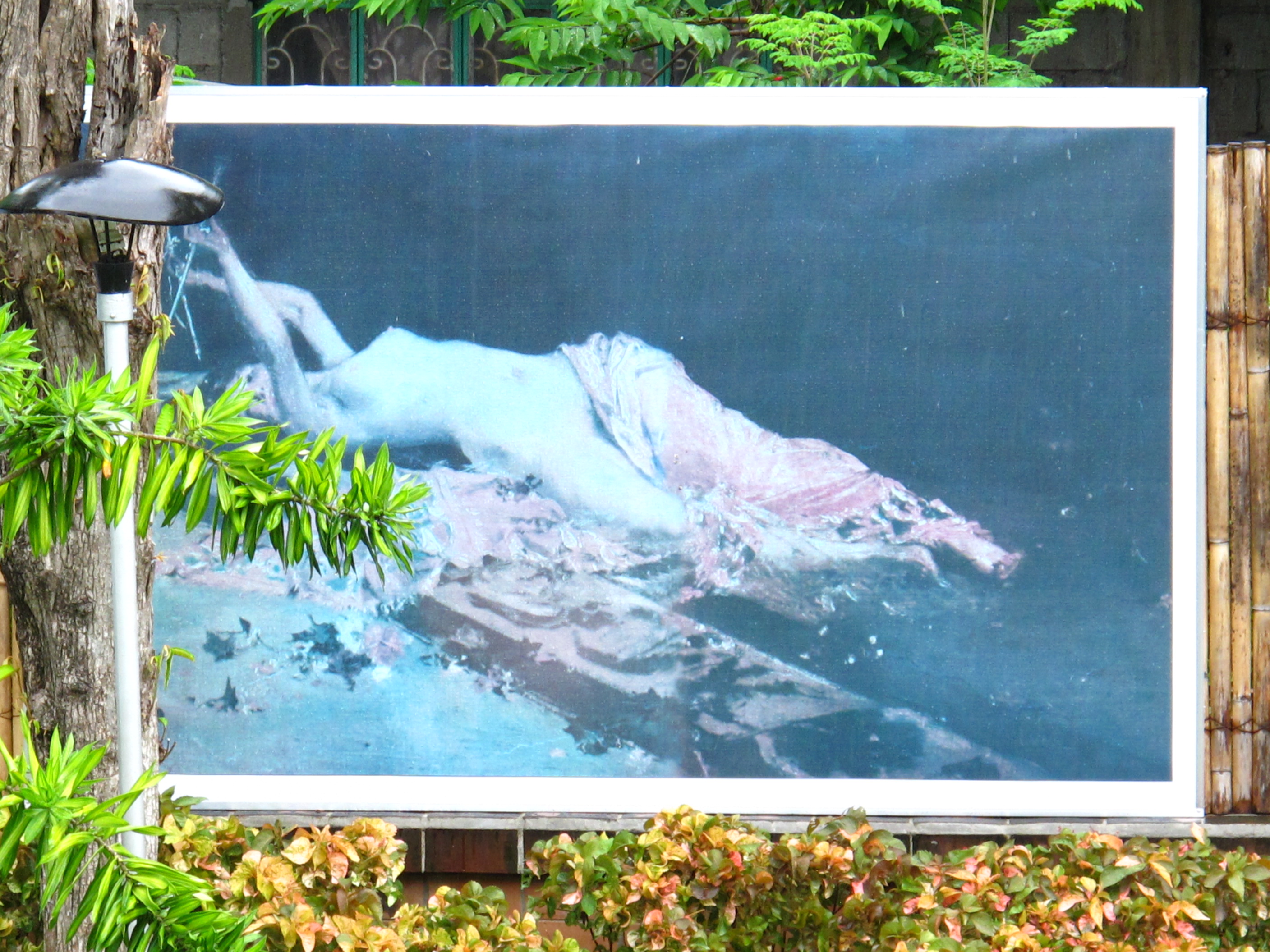
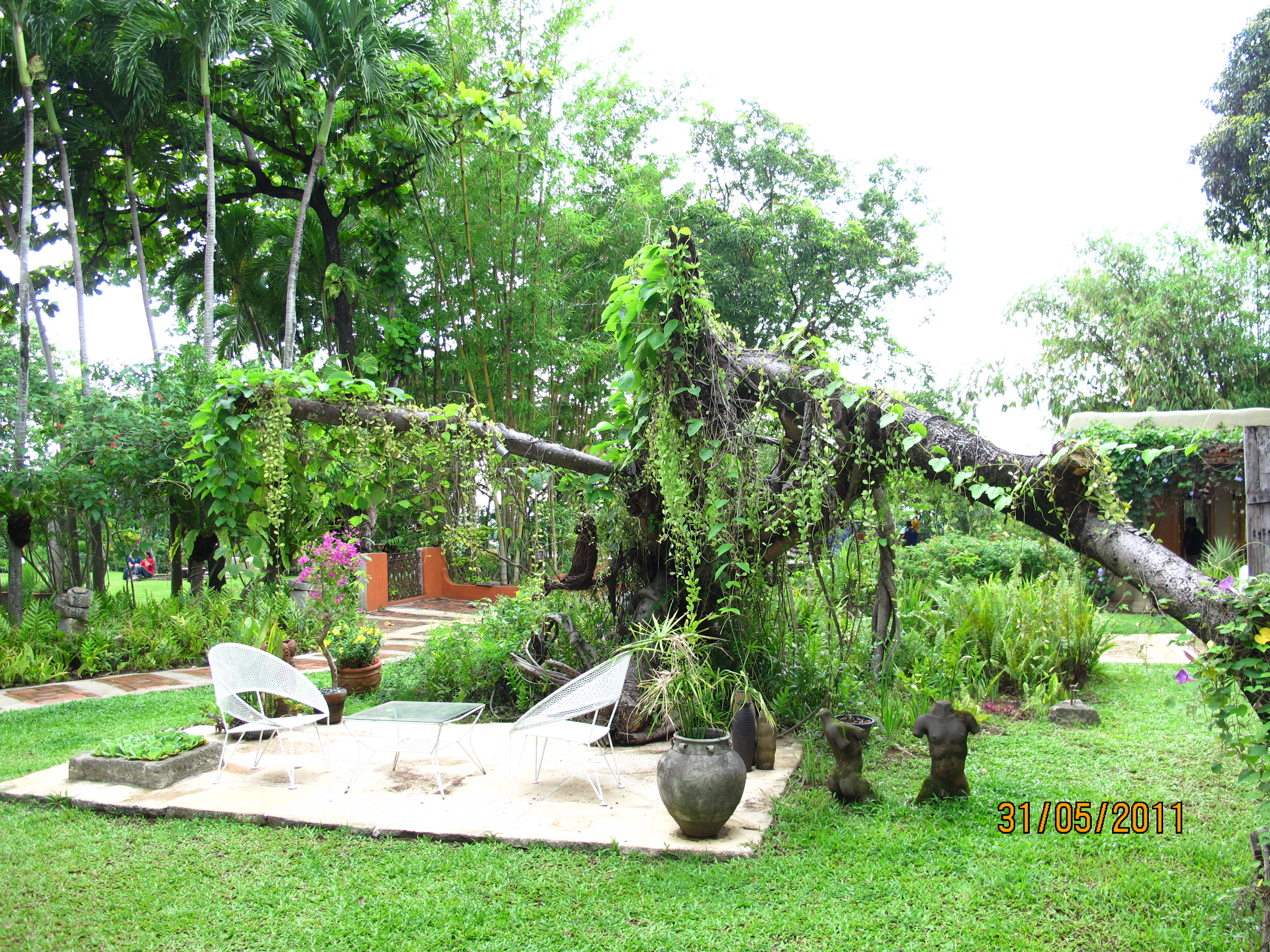
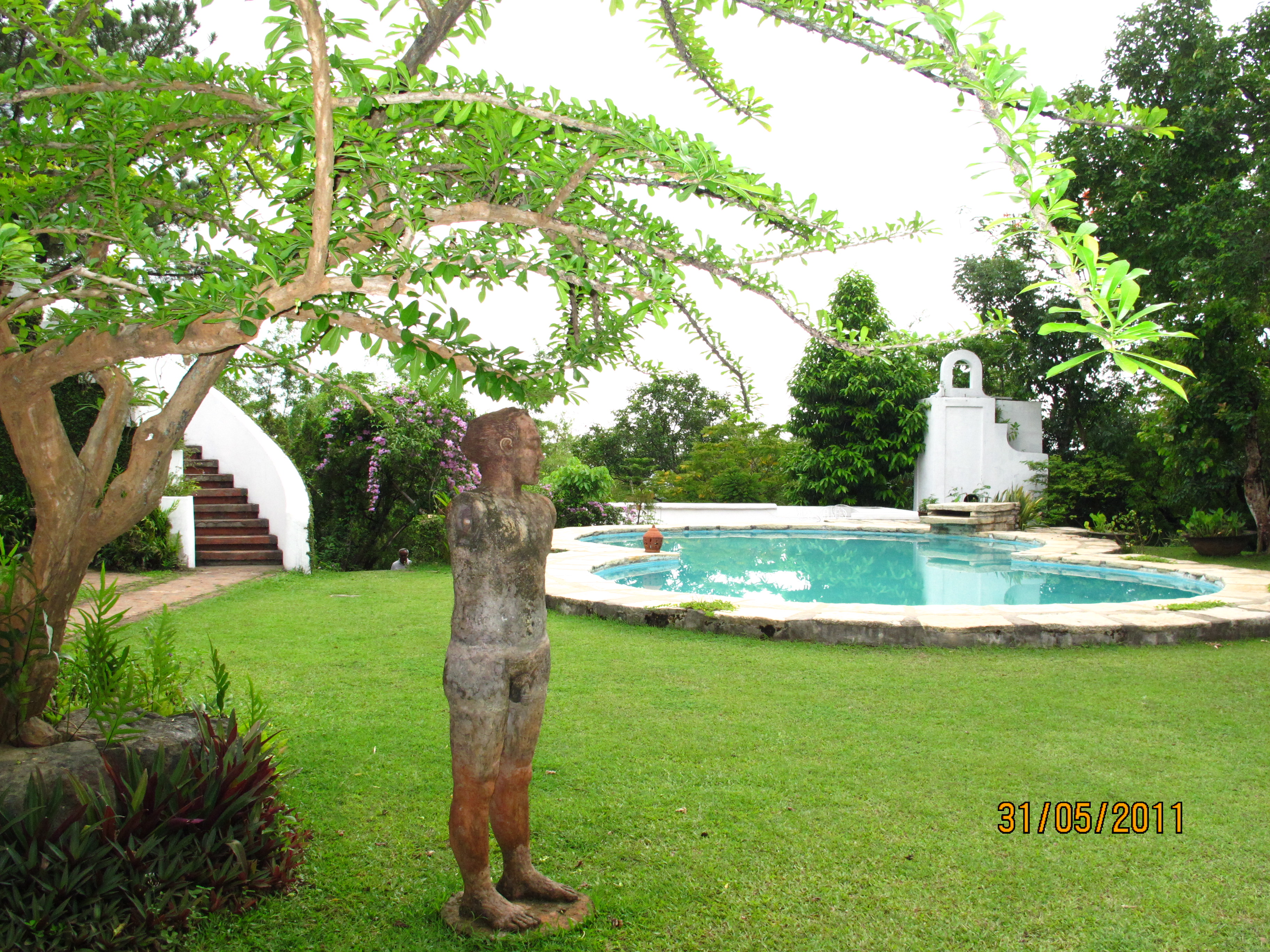
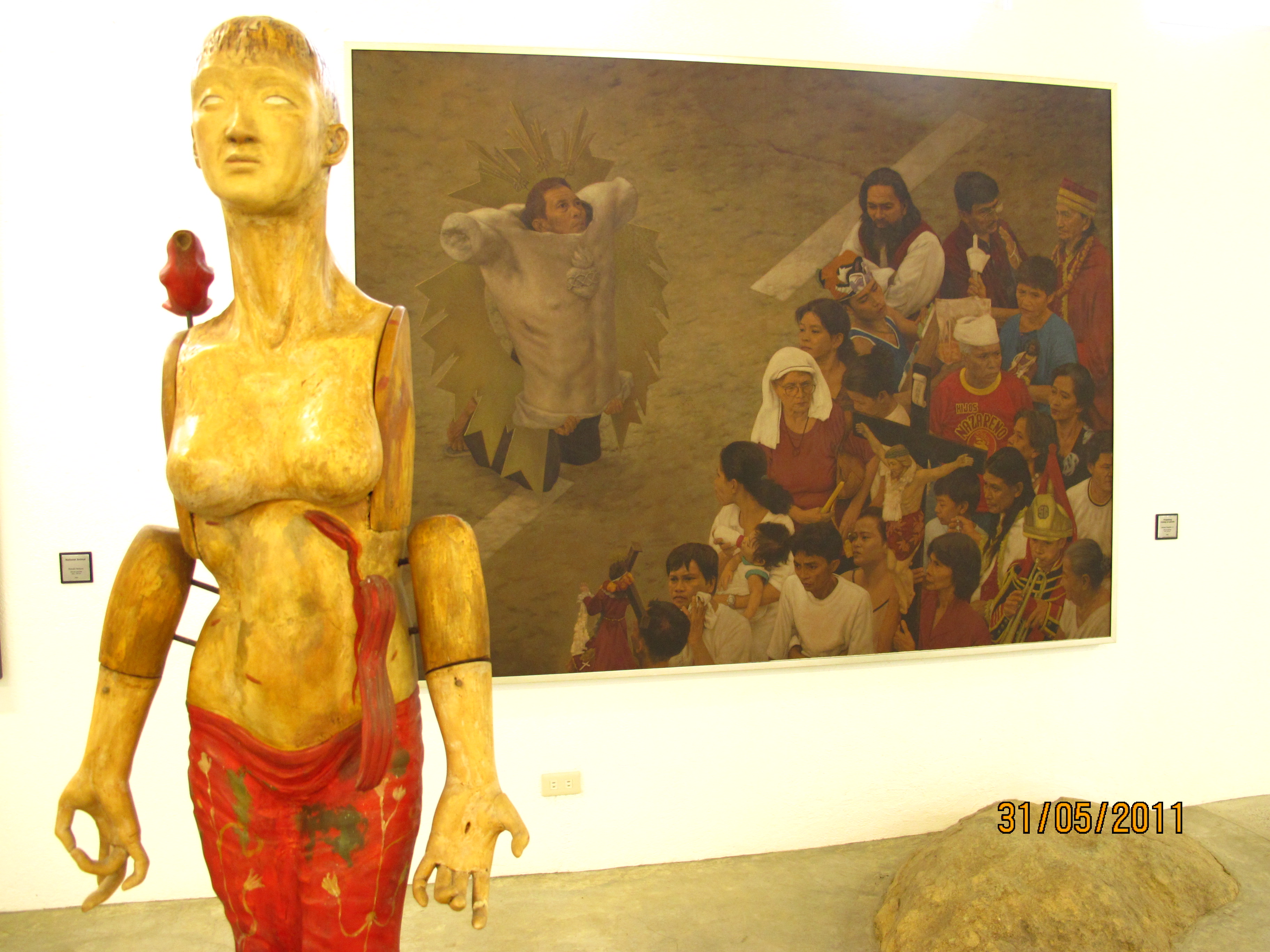
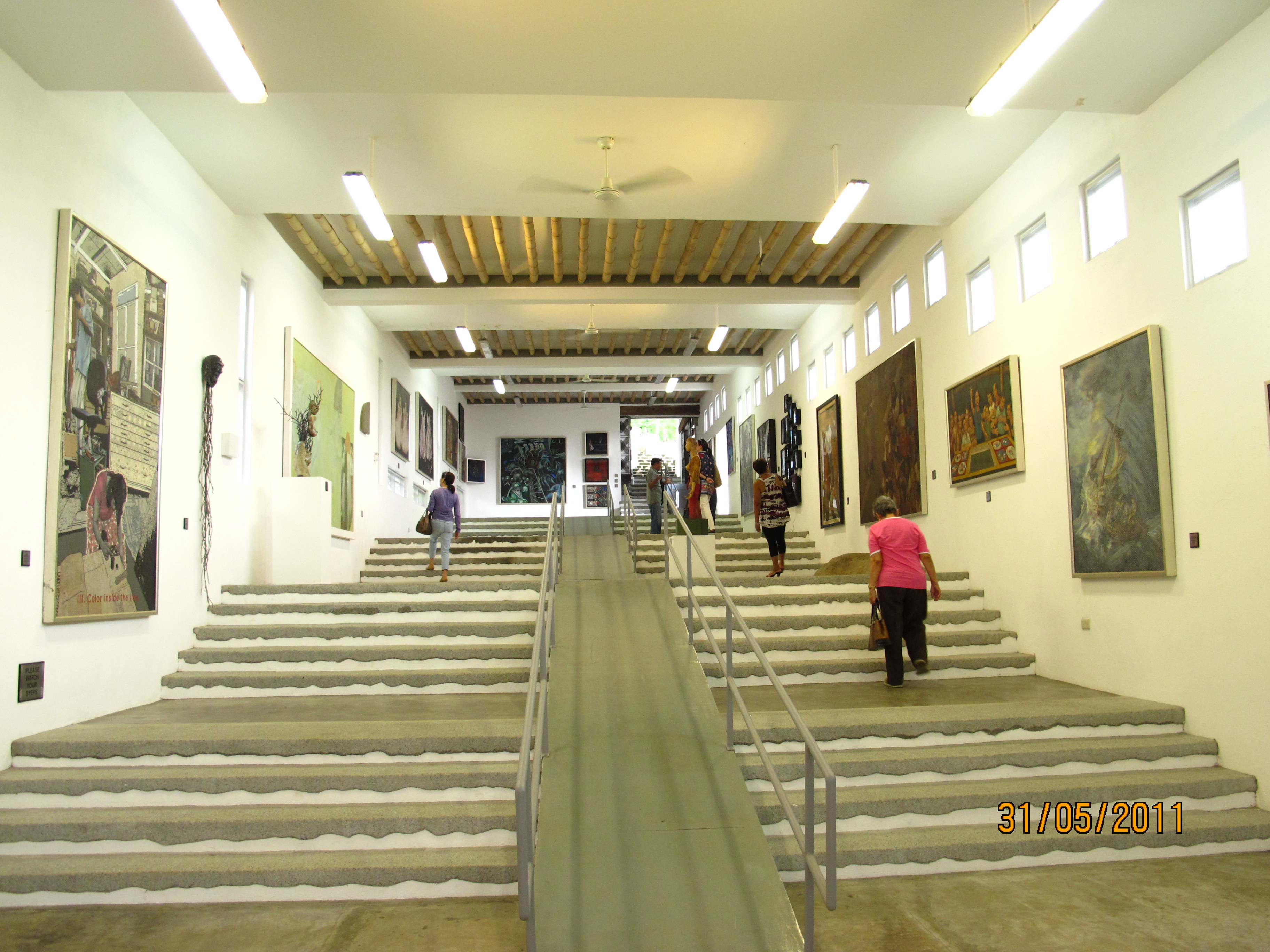
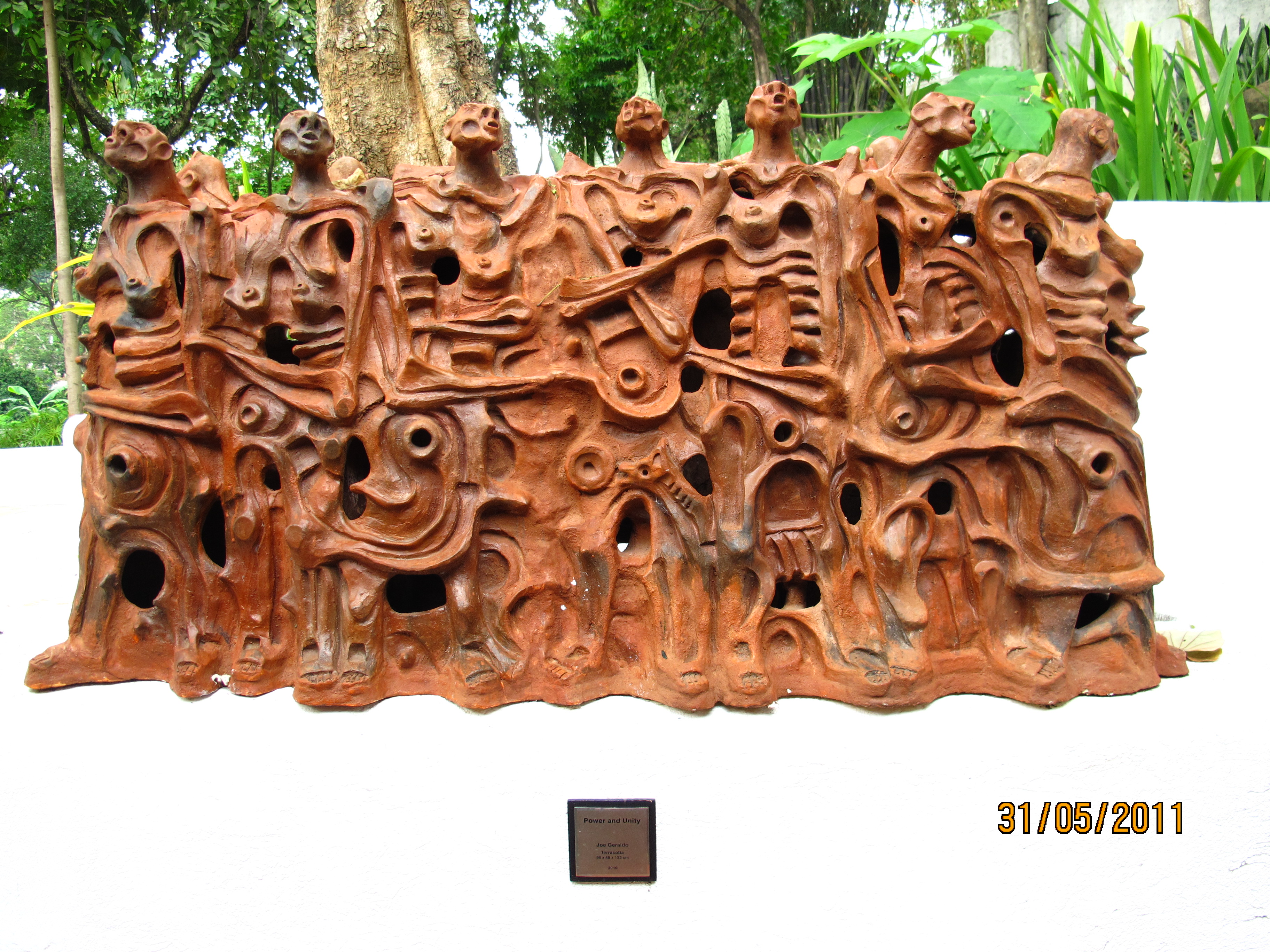
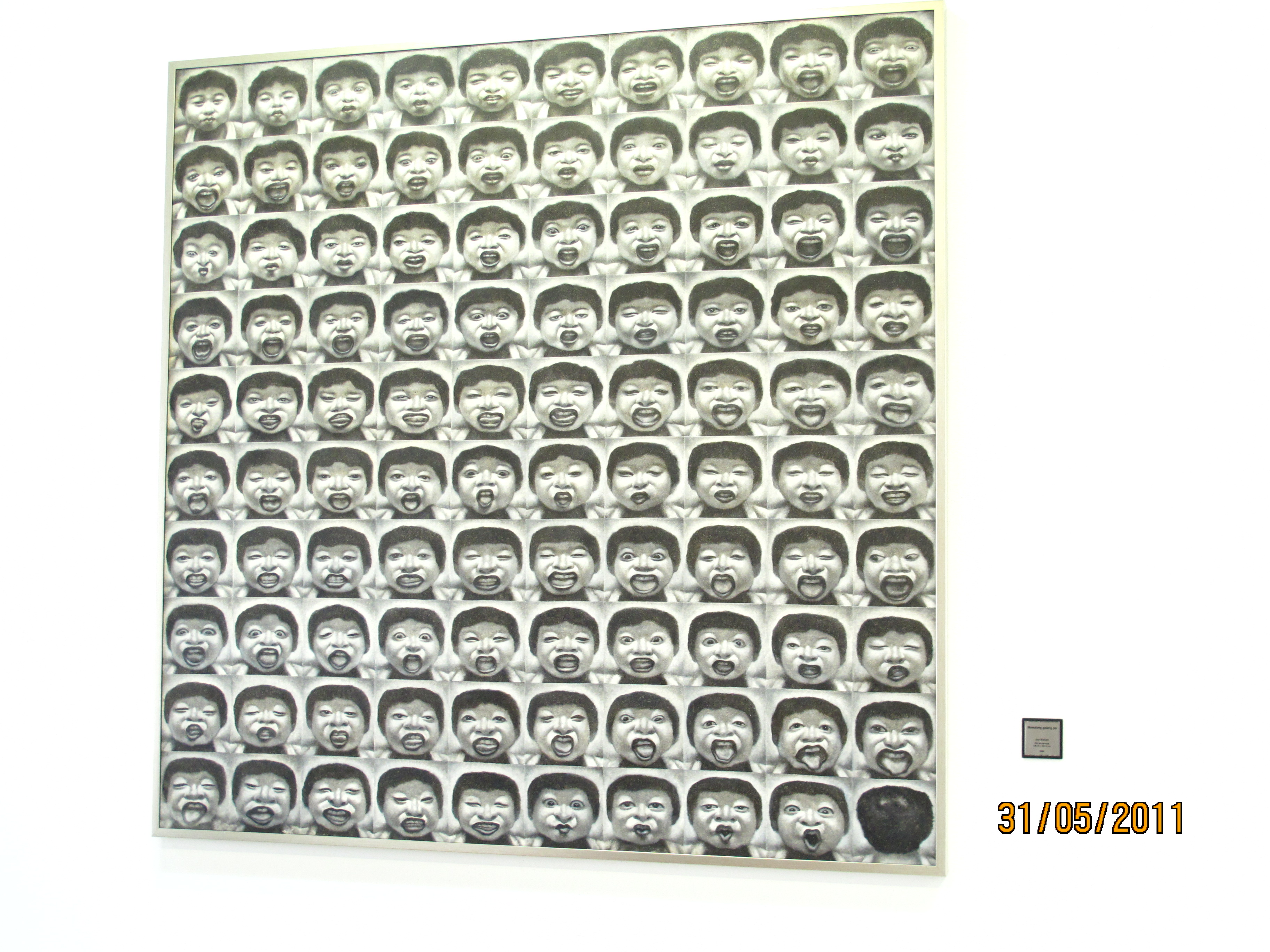
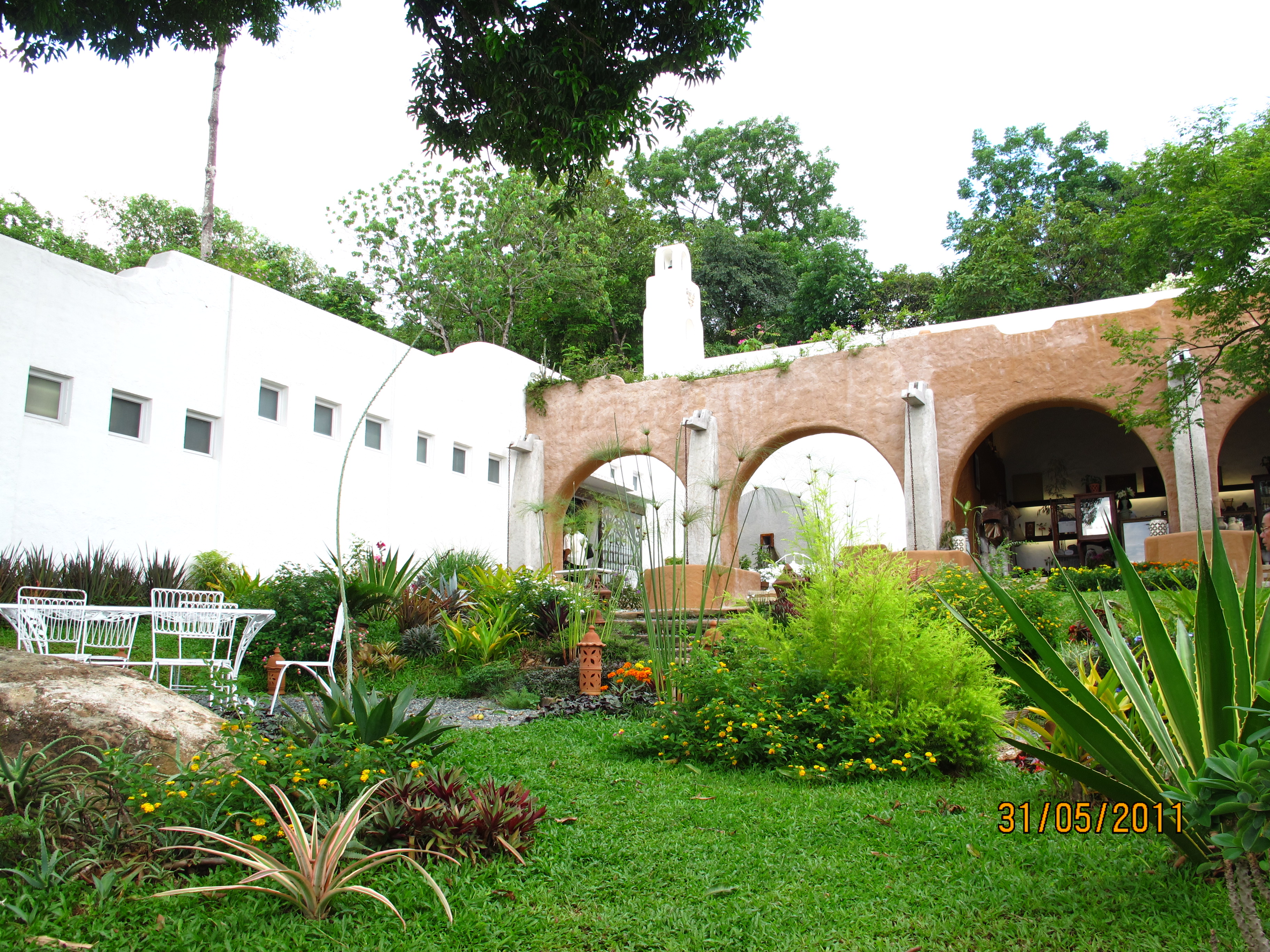
Just in the suburbs.  This oasis of peace and quiet is truly an art haven.  As my friend puts it, this is our very own MOMA (Museum of Modern Art). A not-to-be-missed destination. You don’t even have to be an art lover to enjoy this place.  But there is no guarantee you won’t end up as one by the time you’re done.


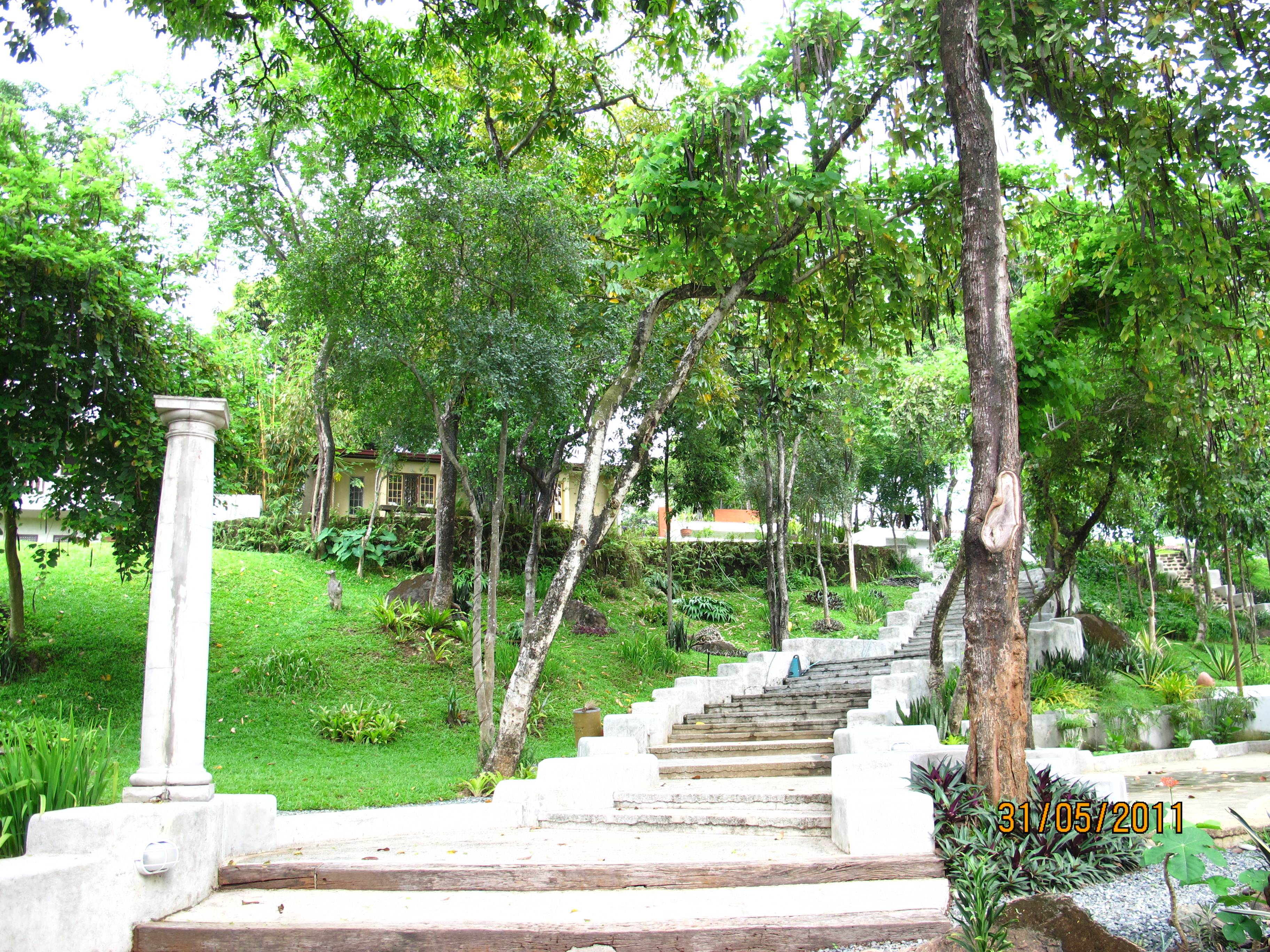
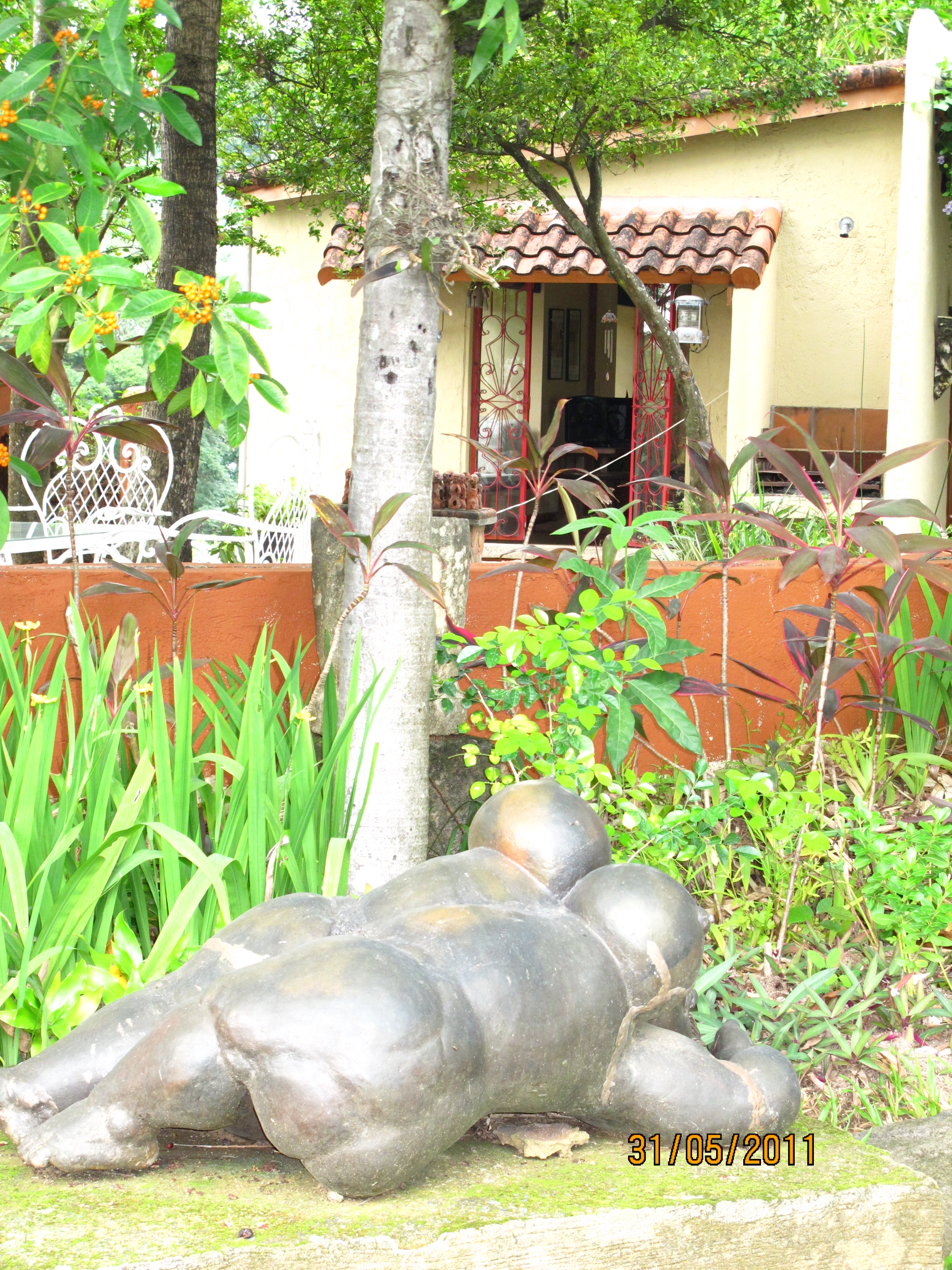
Despite the humidity,  the place offers a pitstop for tired bodies, restless minds and depressed spirits. Strolling around the gardens aimlessly, we soon learned why this place has become famous for pre-nuptial photo shoots.  It is most certainly a haven of creativity.  And I am just talking about the gardens here.  Wait till you go through the Museum proper, where I advise you to go slow to digest every ounce of art and culture. 


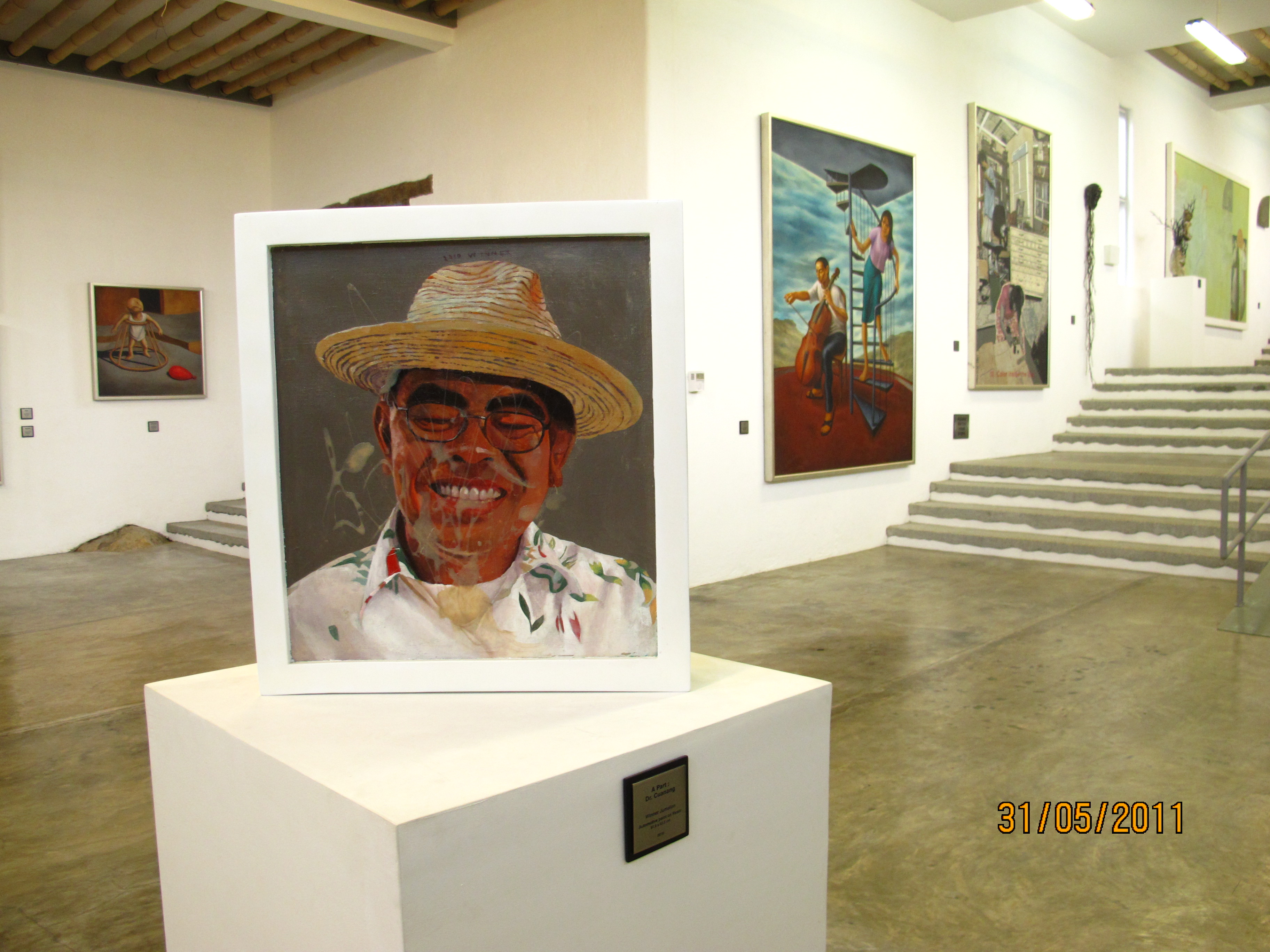
The Pinto Art Museum and Silangan Gardens is right inside Grandheights Subdivision in Antipolo City. I’m lousy with directions so if you plan to visit the place,  give them a call at (+632) 703-4453 or (+63917) 608-6754)  to ask for directions.  There is much to see here. And it is not difficult to wander aimlessly and view the collections of noted neurologist and art patron Dr. Joven Cuanang. We were lucky to find the good doctor in his residence right within the gallery compound when we visited.  He was most kind and even eagerly showed us around the many items of art inside his residence hemmed in by the lovely gardens.


How To Say “Ma.wa.lang.Ga.lang. Po.

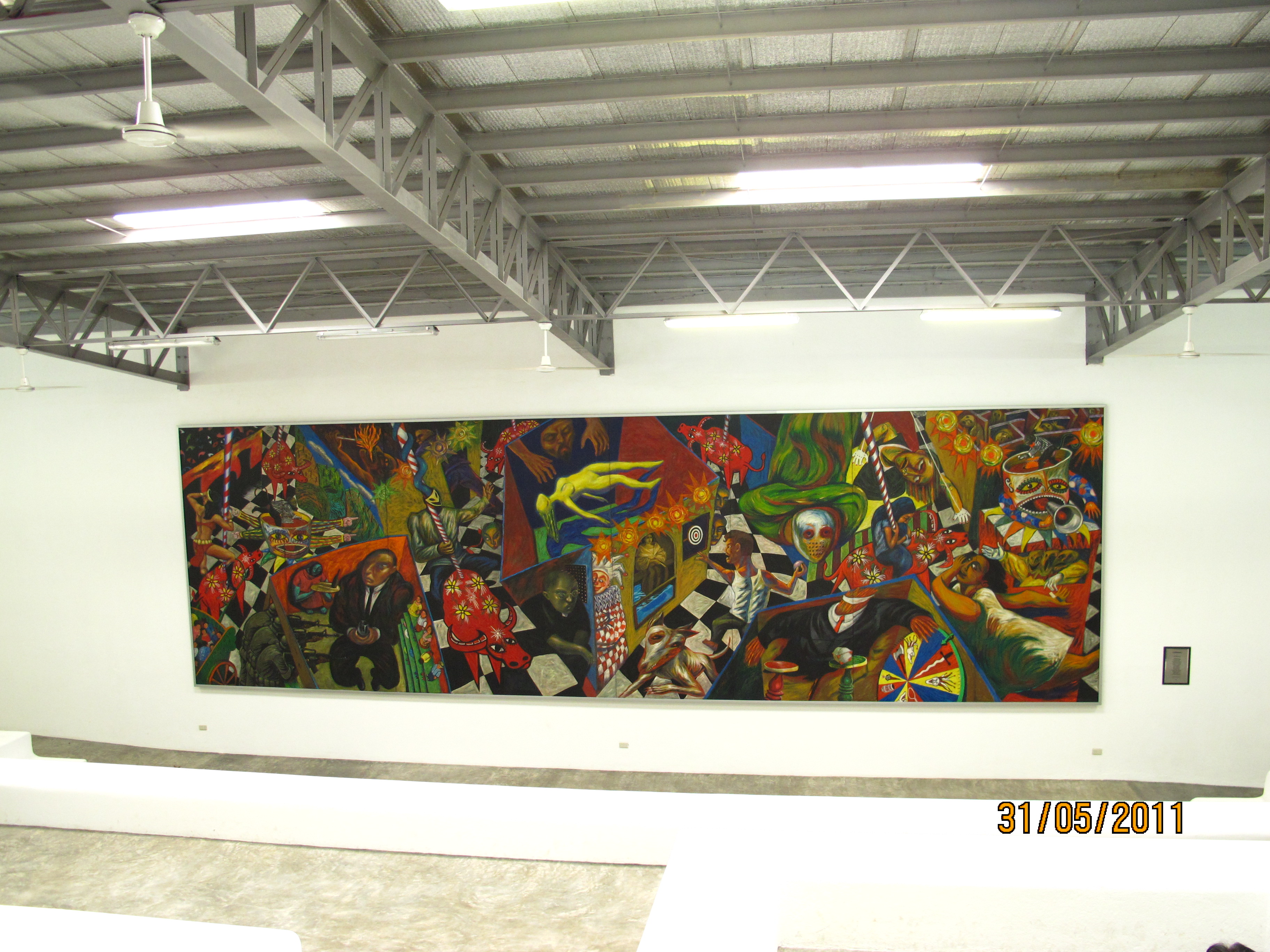
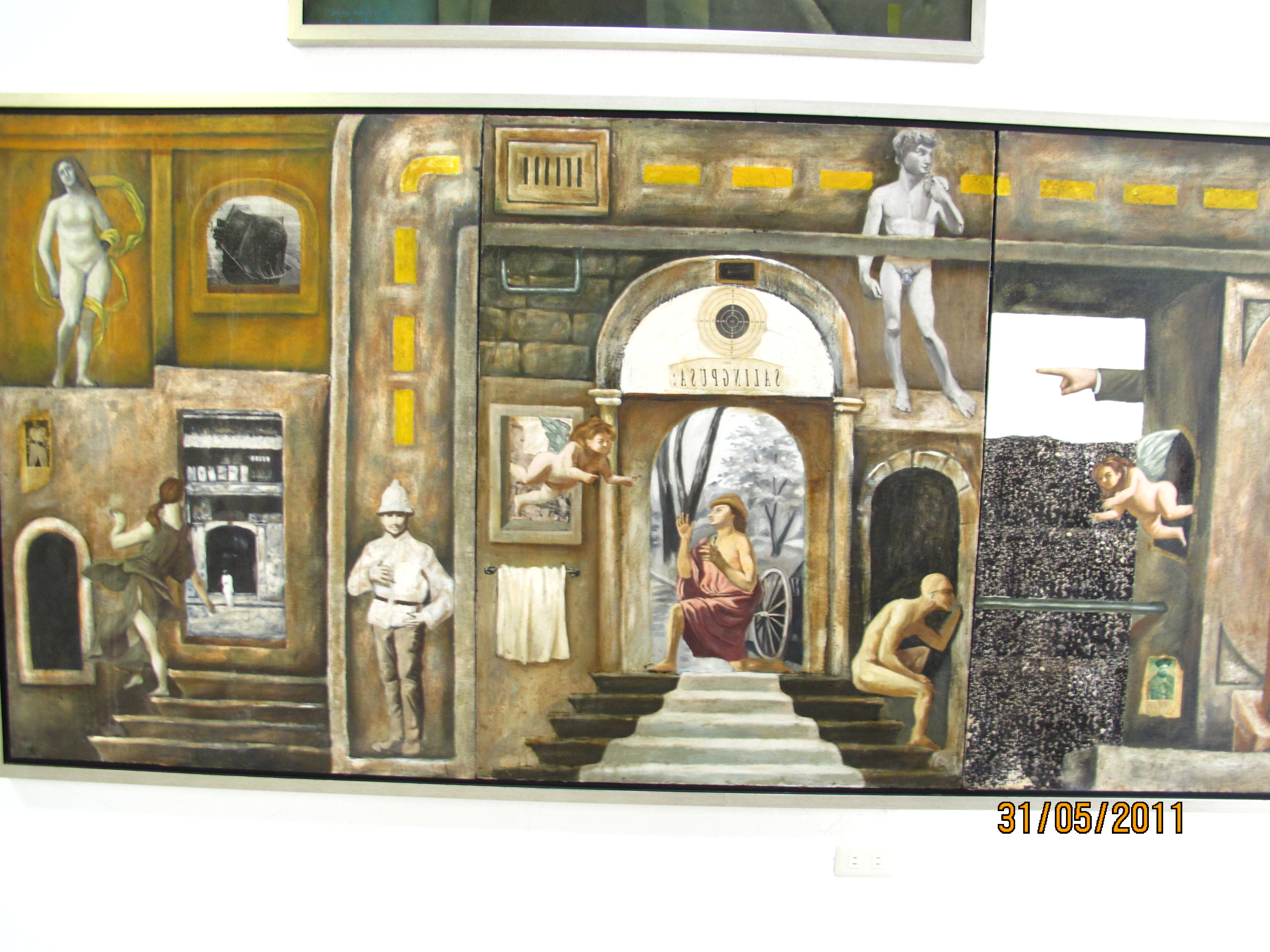
It is of natural consequence that one views these collections with a sense of pride over Pinoy ingenuity and artistry. Filipino artists, both famous and promising, found a home here.  Dr. Cuanang talks about his collections like a father would lovingly and proudly talk about his children.  Like all his sentiments and emotional attachments wrap each piece of art and collection.   We were not surprised to learn that the good doctor has not parted with ANY piece of art that he has acquired through the years. Each of these acquisitions hangs proudly on the Museum walls in this architectural complex designed by no less than artist Antonio Leano.  The high ceilings , white stone walls , open porches and sprawling gardens all make for a very colonial/Mexican architecture.  As one weaves from hall to hall to view the exhibits,  there is an element of unhurriedness and pleasure as one’s aesthetic senses are stirred.  Surely, this place is a labor of love!   
 

Thanks to Dr. Cuanang and his vision and advocacy, we are able to enjoy our own MOMA within the City. 


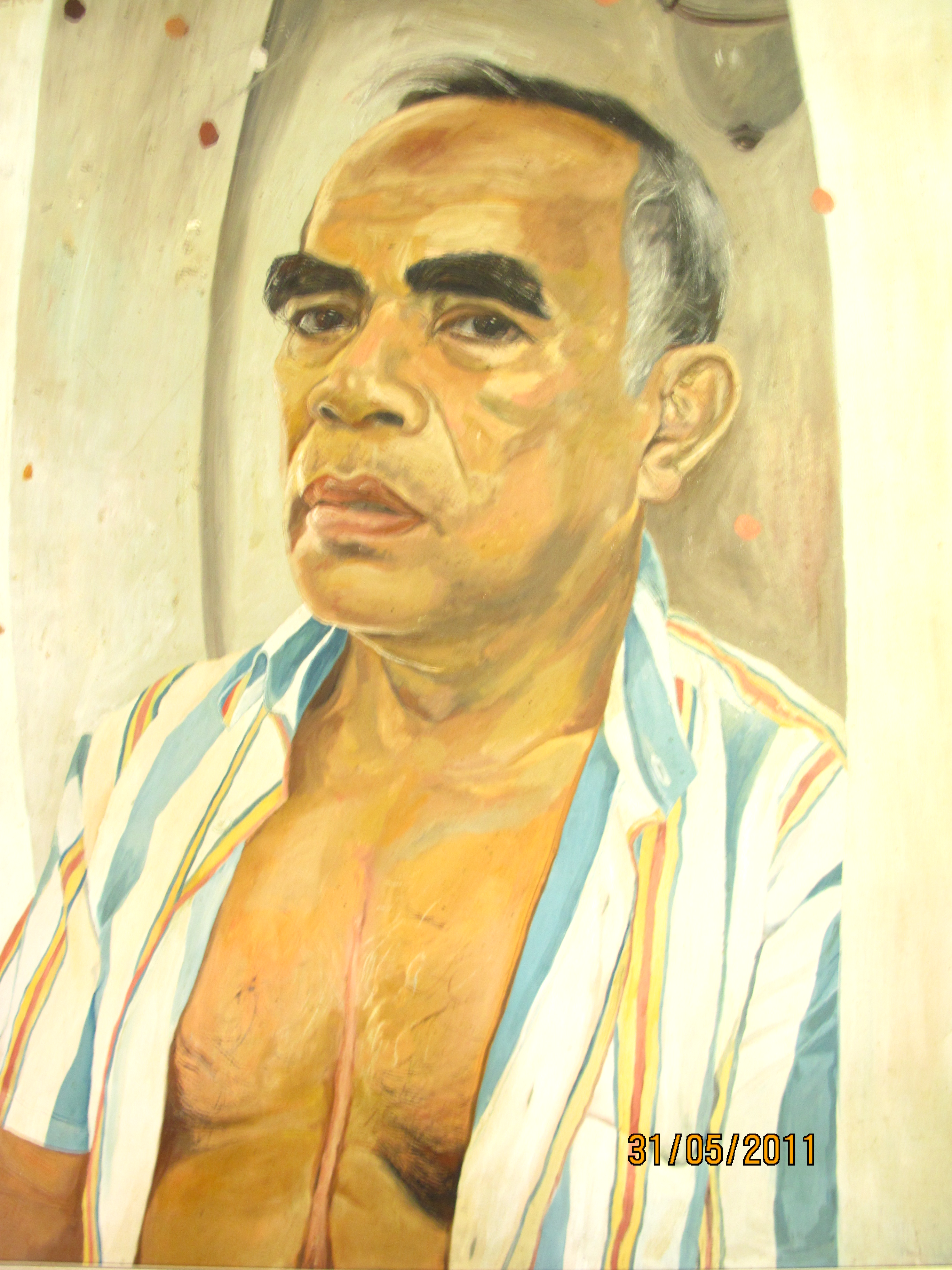
A Painting of Dr. Joven Cuanang

PS. We visited again on April 5, 2018 and found even more improvements, including its Cafe Rizal. Met Dr. Cuanang once more and felt jealous that this man lives within the Museum grounds and only had to step out and literally stroll around the gardens, visit the galleries and then stop for a drink in the cafe. What a great life!

https://youtu.be/qfbrgcvIcho


I have not been to Batanes. I am forever planning a visit to this northernmost part of the country.  So many summers passed and I have not once visited.   But this is the nearest thing I’ve done short of visiting this northernmost island.

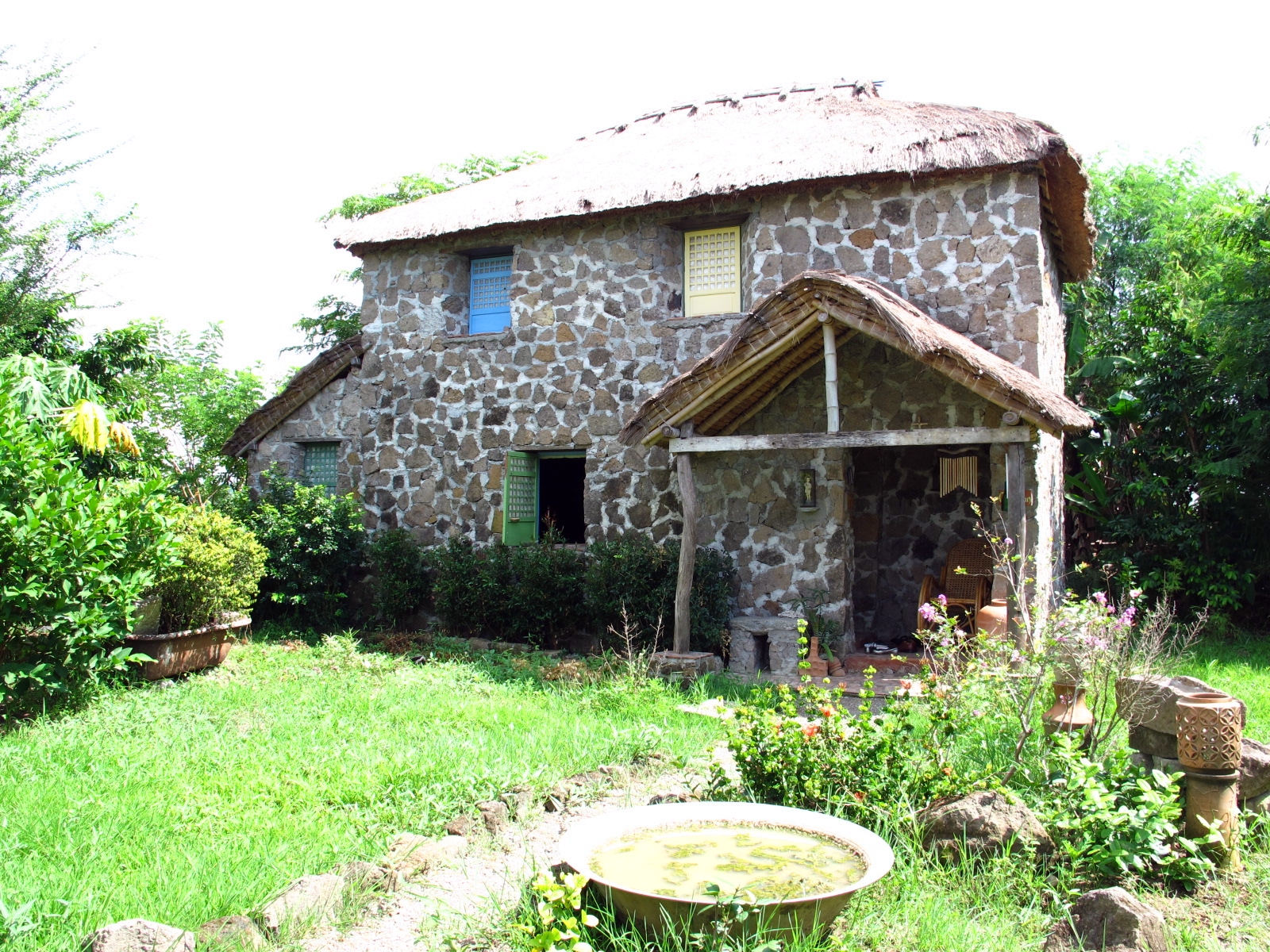
Ivatan Stonehouses in Bustos. Not in Batanes.

The Main Ivatan Stonehouse

Inside the Ivatan Stonehouse

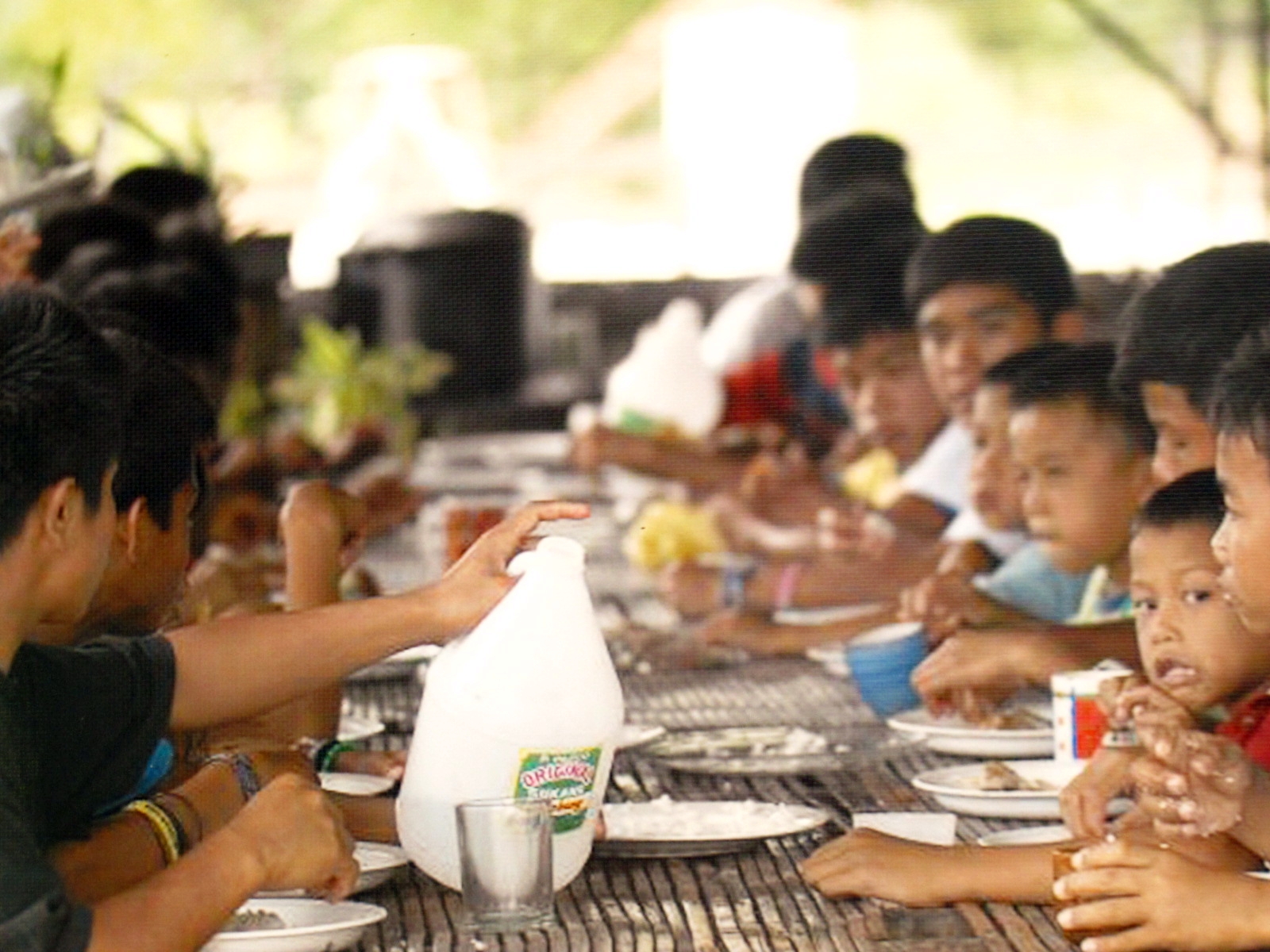
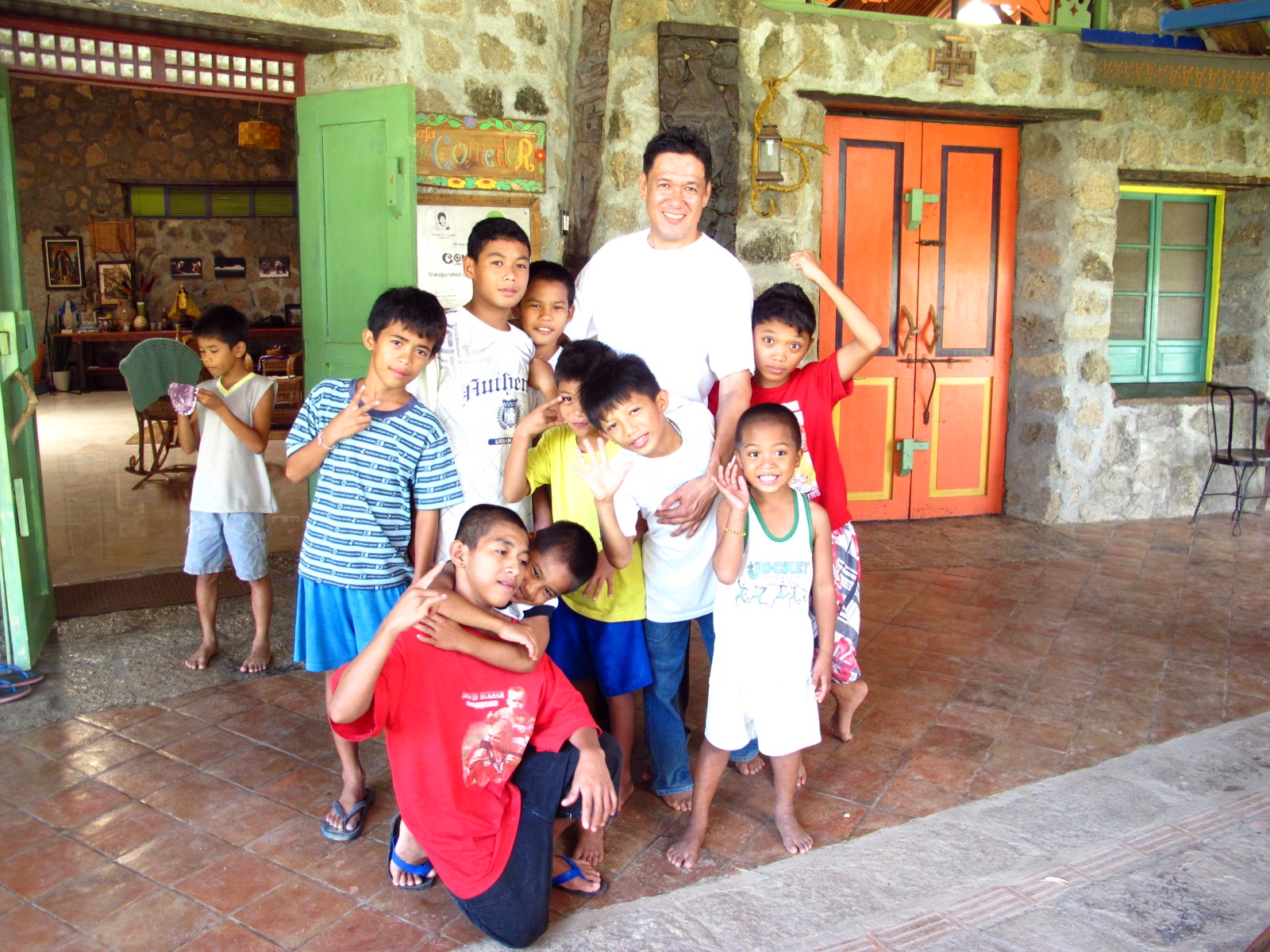
The BAHAY AT YAMAN NI SAN MARTIN DE PORRES  can be found in Claro Santos St., Bonga Menor, Bustos, Bulacan. It began as a feeding center in Tondo back in 2002 for the  street children of Manila through the initiative of Rev. Fr. Florentino S. Concepcion.  Better known as  “Father Boyet”,  he inspired countless others to share time and resources for what was initially a Soup Kitchen  which blossomed into a center for streetchildren who found love and care beyond the hot meals and shelter. As the “Bambang Kids” grew in number,  Fr. Boyet  transferred the “community” in 2003 to this donated lot in Bustos, Bulacan.  As more well-meaning Christians supported Fr. Boyet’s project,  these streetchildren were fed, sheltered, ‘healed’ and treated with love and tender care.   Volunteer psychologists and social workers, along with financial donors, helped sustain this apostolate mission such that the Center now houses and cares for as many as 120 streetchildren.

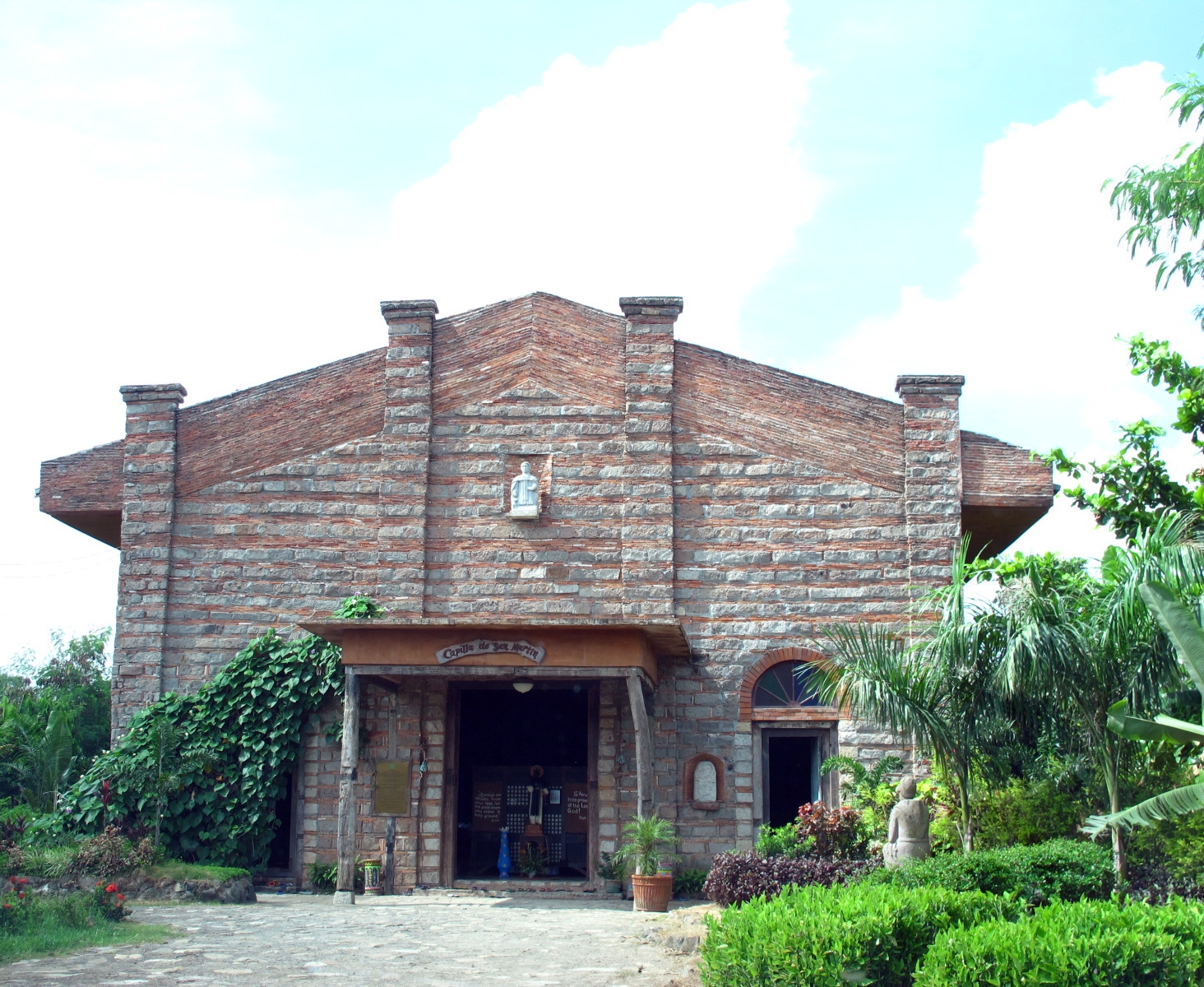
The Chapel. Boys sit left of aisle. Girls on the right. If unruly, the boys sit with the girls.

An Apostolate so pure in its ways, so simple in its Mission.

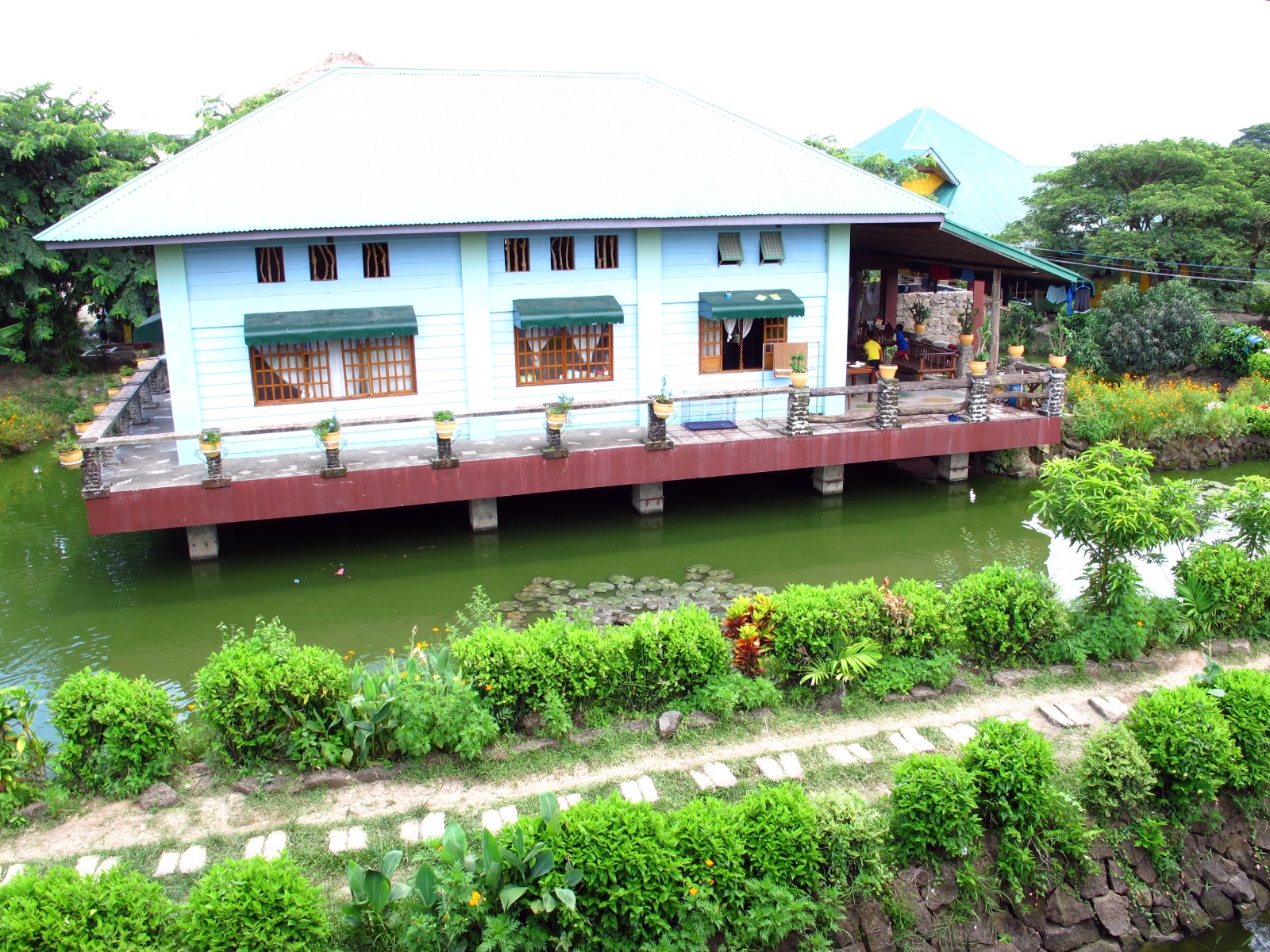
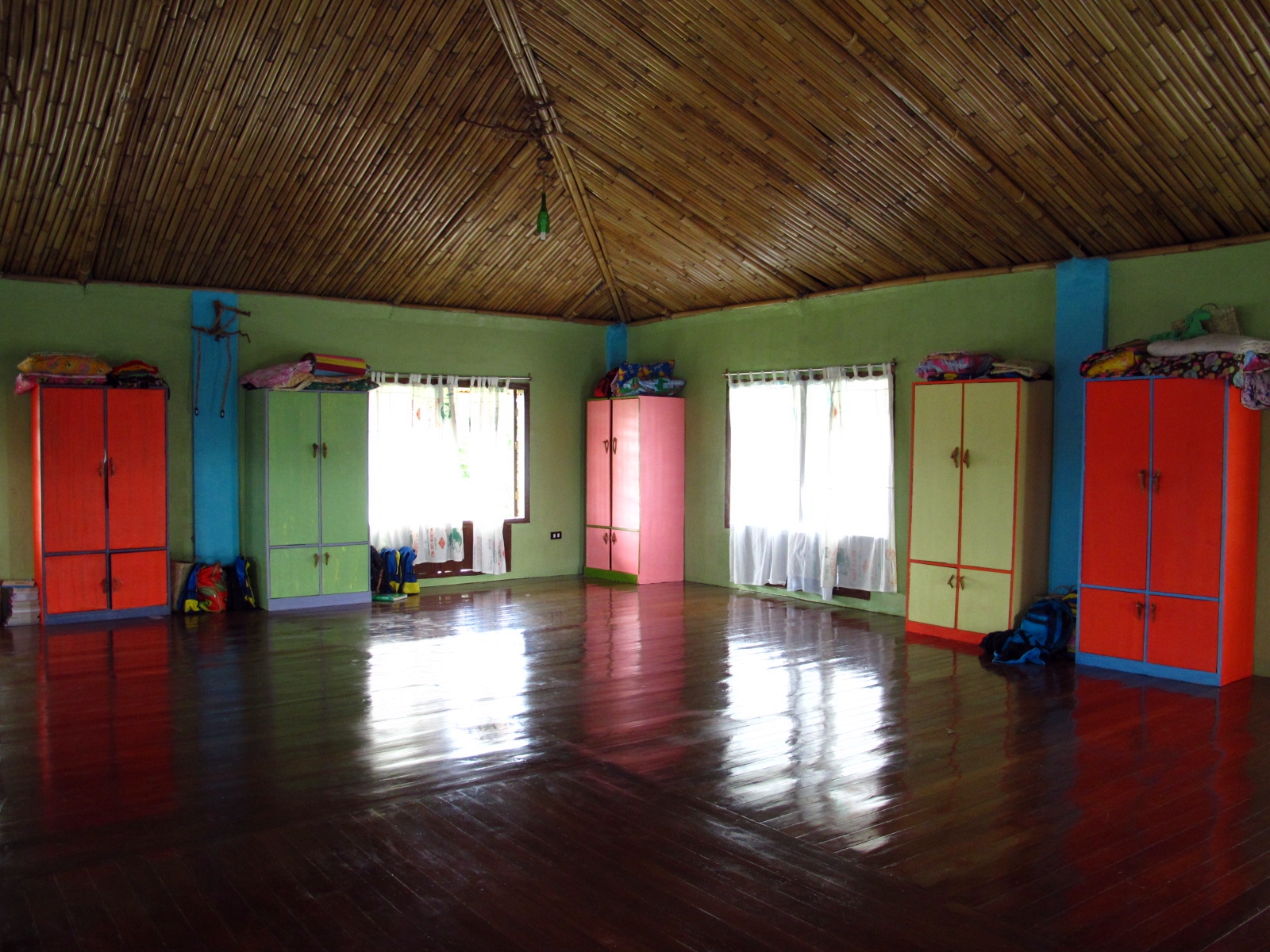
We weaved through ricefields and paddies to reach the Center which now has a Chapel and a few stone houses built like the ones you’d find in Batanes.  These Ivatan -inspired stonehouses are so lovely that we all agreed we’d stay a night here sometime soon, and spend more time with the children.   The dormitories where the children live are surrounded by moat-like fishponds.   Up on the 2nd floor,  there are folding cabinets in varied colors and an uncluttered floor shining in its cleanliness and space.  I can imagine the boys rolling out their mats here and sleeping with the wide windows open to let the breeze in.  

A Moat and A Dormitory

Sleeping Quarters On The Second Floor

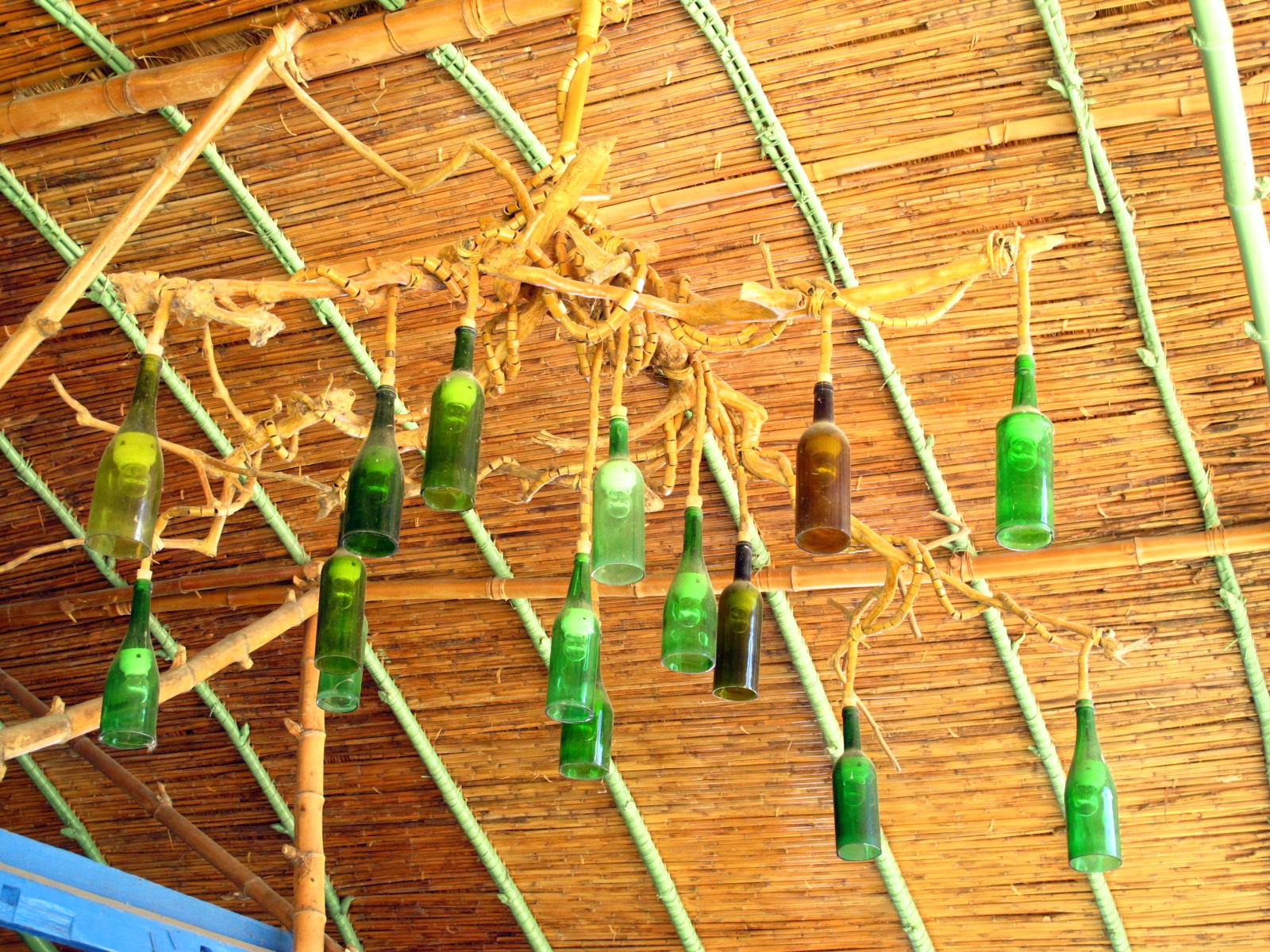
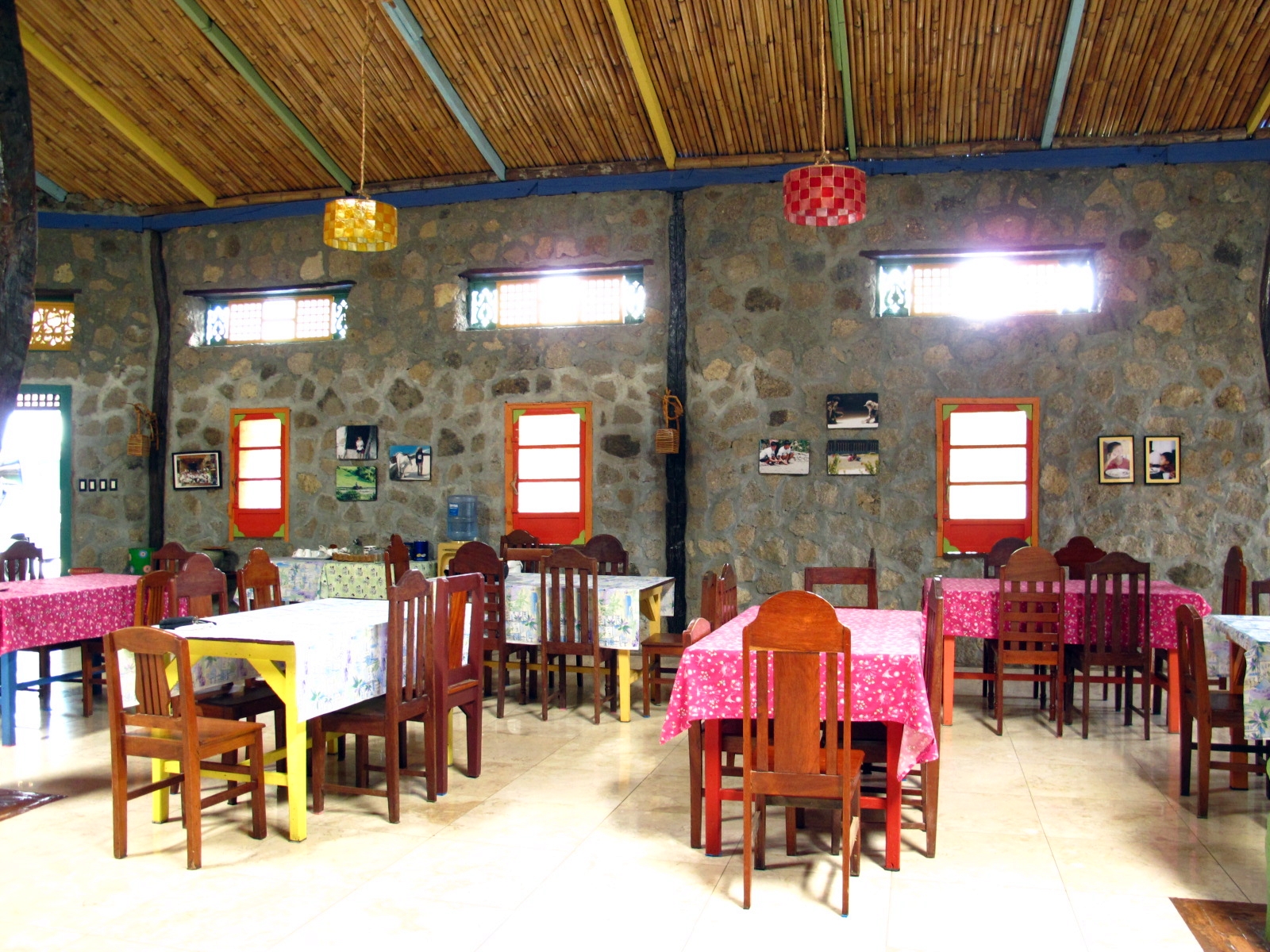
Right across the dormitories, there is a Social Hall cum dining area.  Lovingly designed with vibrant colors, the hall is artistically decorated with items  one would normally discard.  Like empty bottles hanging on a makeshift chandelier made of dried twigs and branches.   I found beauty everywhere. The colors, the minimalist decor,  the ingenious artistry, the carpentry,  all these combine to create an atmosphere of love and communality.  

Don't Discard Those Bottles and Twigs!

For sure, the Center can do with a lot of help from us who can spare time and resources to live out our Christianity right here where help finds meaning.  With 120 streetchildren under his wing, Fr. Boyet needs our support.  Go visit them, and view a slice of Batanes in this area of Bulacan. Meet King David, a 10year old who has gone through 4 religions at so young an age. He can entertain you with his operatic voice.  I kid you not.  And there’s Ramon Magsaysay, an abandoned baby who is forever clinging to Fr. Boyet the whole time we were there.  And another pre-teen whose body bore tattoos long before he knew what those markings are.  Go visit, and discover a part of yourself too.  That part which longs to offer a slice of heaven for God’s children. 

SAN MARTIN DE PORRES
Address: Mission Road, Bonga Menor, Bustos, Bulacan 3007, Philippines
Manila Office: +632-367-02-72
Cell no: +63-918-517-4492

More Than Just A Soup Kitchen Now!

Sheltered, Fed, Educated and Loved.

God Bless Fr. Boyet and the Kids!

“In every way I have shown you that by hard work of that sort, we must help the weak and keep in mind the words of the Lord Jesus who himself said, “It is more blessed to give than to receive.” (Acts 21:3)


My friends are here on holiday and in their must-try list is dining at Antonio’s in Tagaytay.  But which Antonio’s?   There’s Breakfast by Antonio. There’s Antonio’s Grill. And there’s “the real” Antonio’s.  

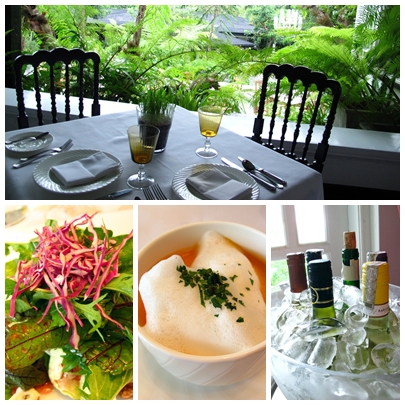
It was a no-brainer to decide which.    It was a fine day to delight in foie gras, tinto verano, minted veal cheeks, roasted bone marrow, escargot, and duck breast.  Lunch or dinner here is definitely a major, major treat.  The only major, major problem is deciding which dish to try.  And I have not even considered the problem of deciding which appetizers to try before the main entree.  

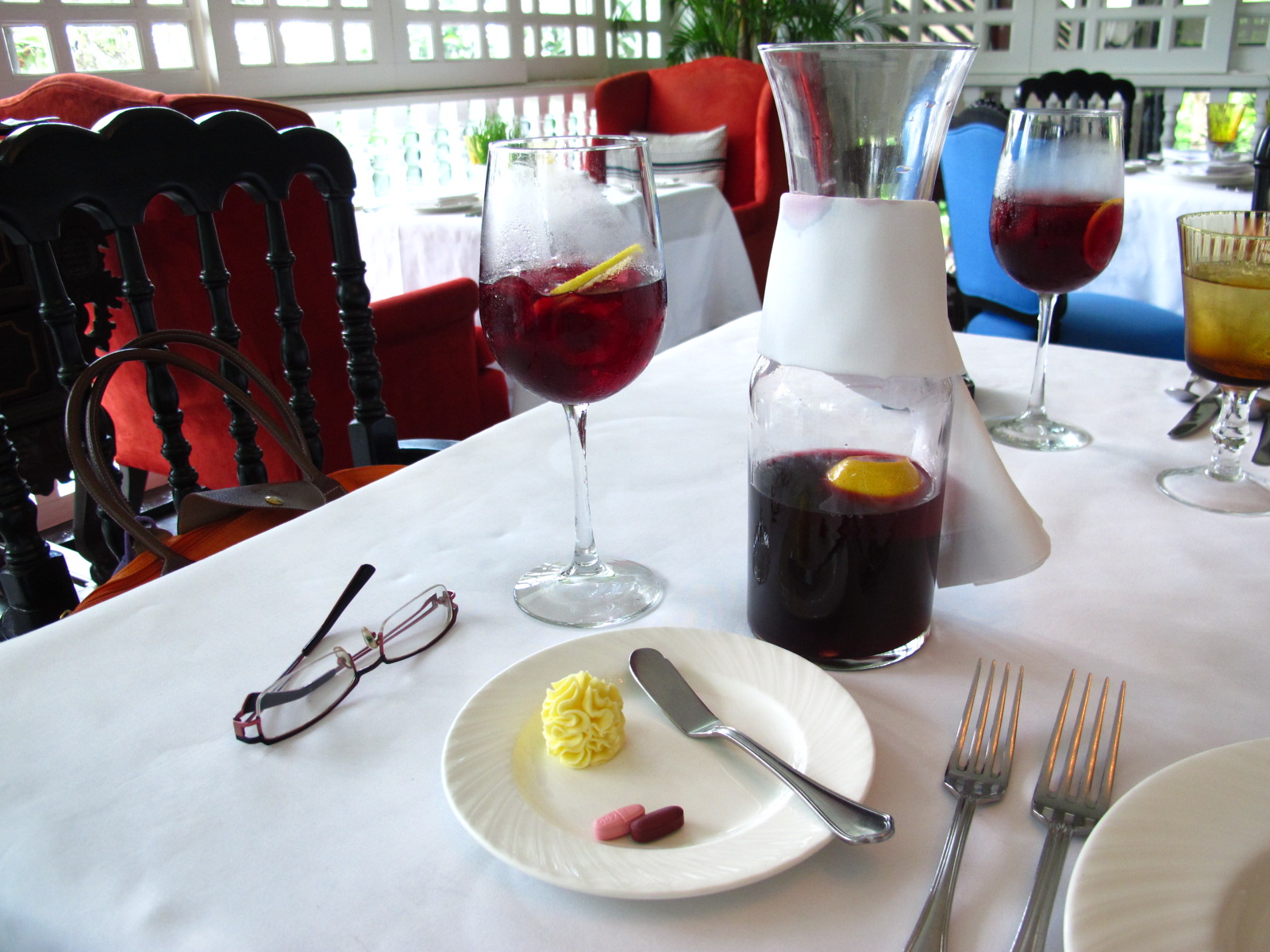
Chef Antonio was around hopping from table to table when we arrived.  He made it “easy” for us to order our usual favorites while checking out some food discoveries and novel concoctions from the kitchen. He convinced us to try the Tinto Verano and promptly explained how easy it is to make:  just a full-bodied Merlot, some soda, juice from 2 lemons, a few lemon slices to garnish and ice cubes for a cool drink!  In ordering the Roasted Bone Marrow, Chef Antonio didn’t have to convince us much.  We were suckers for anything sinful 🙂 But it made us feel less guilty to hear Chef Antonio explain that he had a batch of medical doctors savoring this very flavorful dish and even ending up convinced that this dish is actually good for our health!

Tinto Verano, myEyeglasses, myMedications

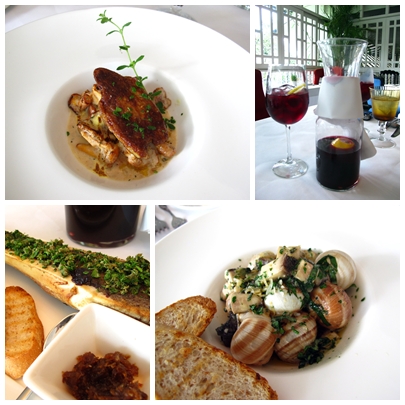
And who can say no to Chanterelle  Mushrooms with Braised Foie Gras gracing the top of this appetizer? Or ignore the escargot swimming in the finest olive oil and herbs? For sure, this lunch is a 3 hour affair to do justice to this lovely spread of appetizers, soup, salad, main entree and delightful desserts.   After all, we need to digest and leave room for the equally savory (and sinful?) dishes and it would be an epic fail to leave a single morsel of food on the plate after each serving.  Today, they served Roast Tomato Soup and Antonio’s Mesclun Salad with Glazed Walnuts and Dried Currants.   The Raspberry Vinaigrette is exactly how we hoped the salad to be dressed.  

Chanterelle Mushrooms with Foie Gras+Tinto Verano+Escargot+Roasted Bone Marrow: And these are just appetizers!

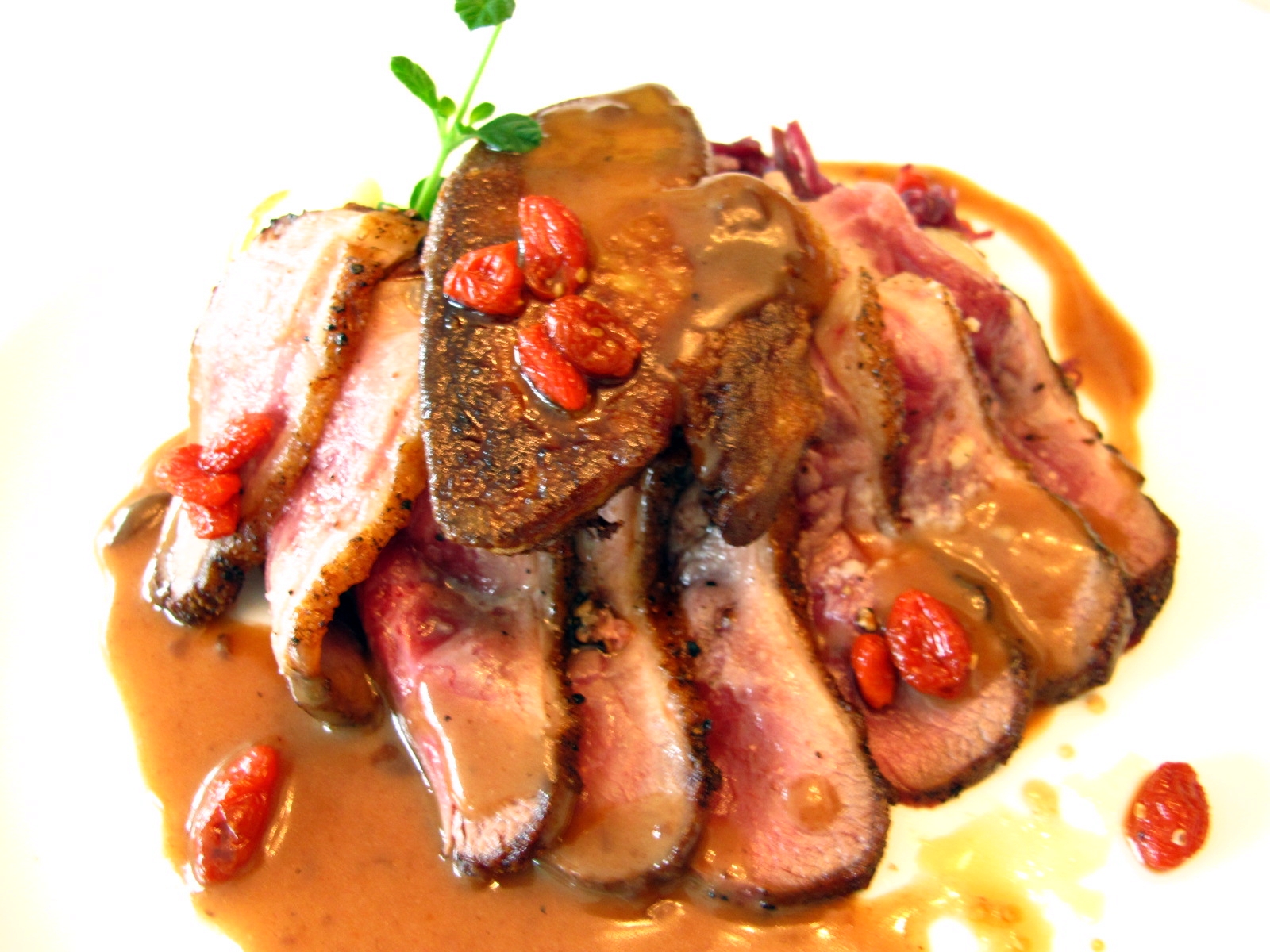
I always agonize over the menu.  Invariably, I end up ordering my fav Roasted Duck Breast Infused with Truffle, Goji Berries, Seared Foie Gras served with Braised Red Cabbages and Mashed Potatoes.  When it comes to steaks and foie gras, I trust only Antonio’s  and Lolo Dad’s.  As expected, Chef Antonio Escalante did not disappoint. For carnivores, you may also try Antonio’s Trio of Beef Medallion Gratinated with Assorted Mushroom, another morsel of beef (?) and a Lamb Loin. On my 1st time here, this was what I ordered, though I remember the trio to have a light portion of grilled seabass then along with the beef and lamb. The 2nd and 3rd time around, I went bolder with the Pork Knuckles (the finer , classier version of our Crispy Pata) served with sauerkrat and potatoes, and the Osso Buco.  

Roasted Duck Breast Infused with Truffle with Goji Berries, Seared Foie Gras Braised Red Cabbage and Mashed Potatoes(my fav

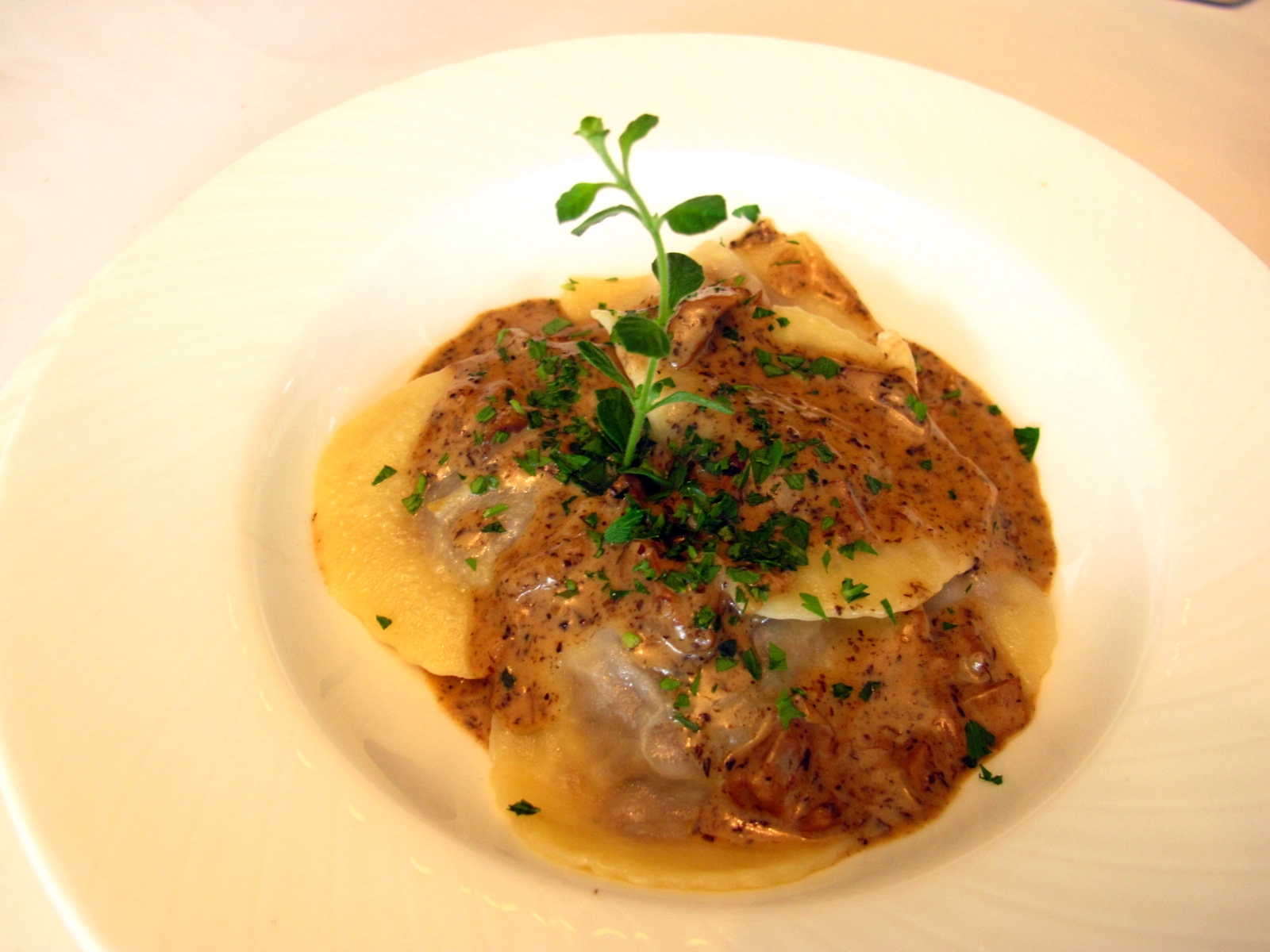
Minted Veal Cheeks & Goat Cheese Ravioli on Creamed Crepes

This time around,  we tried a novelty.  The Minted Veal Cheeks and Goat Cheese Ravioli in Creamed Crepes was light, creamy, flavourful, delicioso! If you think you’d want to load up and try more appetizers and go easy on the main entree,  this dish is just right for you.  Oh, the steaks here are oh so good. If you have a big appetite and think you can survive loading up on all those appetizers, soup and salad,  go ahead and let those steaks touch your lips.  It is good for 2 so be sure to team up with someone.

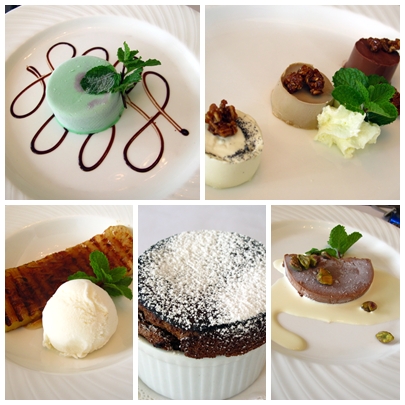
Antonio's Desserts!

The intervals by which they serve the appetizers, soup, salad, main entree ring perfect. These guys surely know their stuff.   They must have pored over books on how long it takes to digest food, or how long it takes before a new food subject can start up another conversation.   We were just about ready to leave the subject of veal cheeks, duck breast, and lechon when we were given the menu to order our desserts.   We all agreed we should each order a different dessert so we can try all.  The Dark Chocolate Souffle with Cardammon and Creme Anglaise wins hands down.  So with the Panacotta Sampler.  What have we not tried yet?  We ordered the Chocolate Mint Parfait , Felchlin Maracaibo Chocolate Terrine and the Grilled Sugar Cinnamon Pineapple.   You can ignore that last one.  Not that it wasn’t good, but it simply pales in comparison with the parfait and the choc terrine which was served with double cream and sprinkled with roasted pistacchios.  Yummmmmmmy!

So, three hours was how long we took and enjoyed our lunch.  If you must eat here,  be sure you are in good company.  If not,  you may end up rushing through your lunch or dinner for lack of things to talk about.   And that would be a great disservice to how much effort went into every dish.   Besides, what is good food without good company?  

Postscript: We didn’t order that lechon. The group seated to the table next to ours did. Obviously, we couldn’t get our eyes off that carving table.  Hmmm, perhaps next visit…………

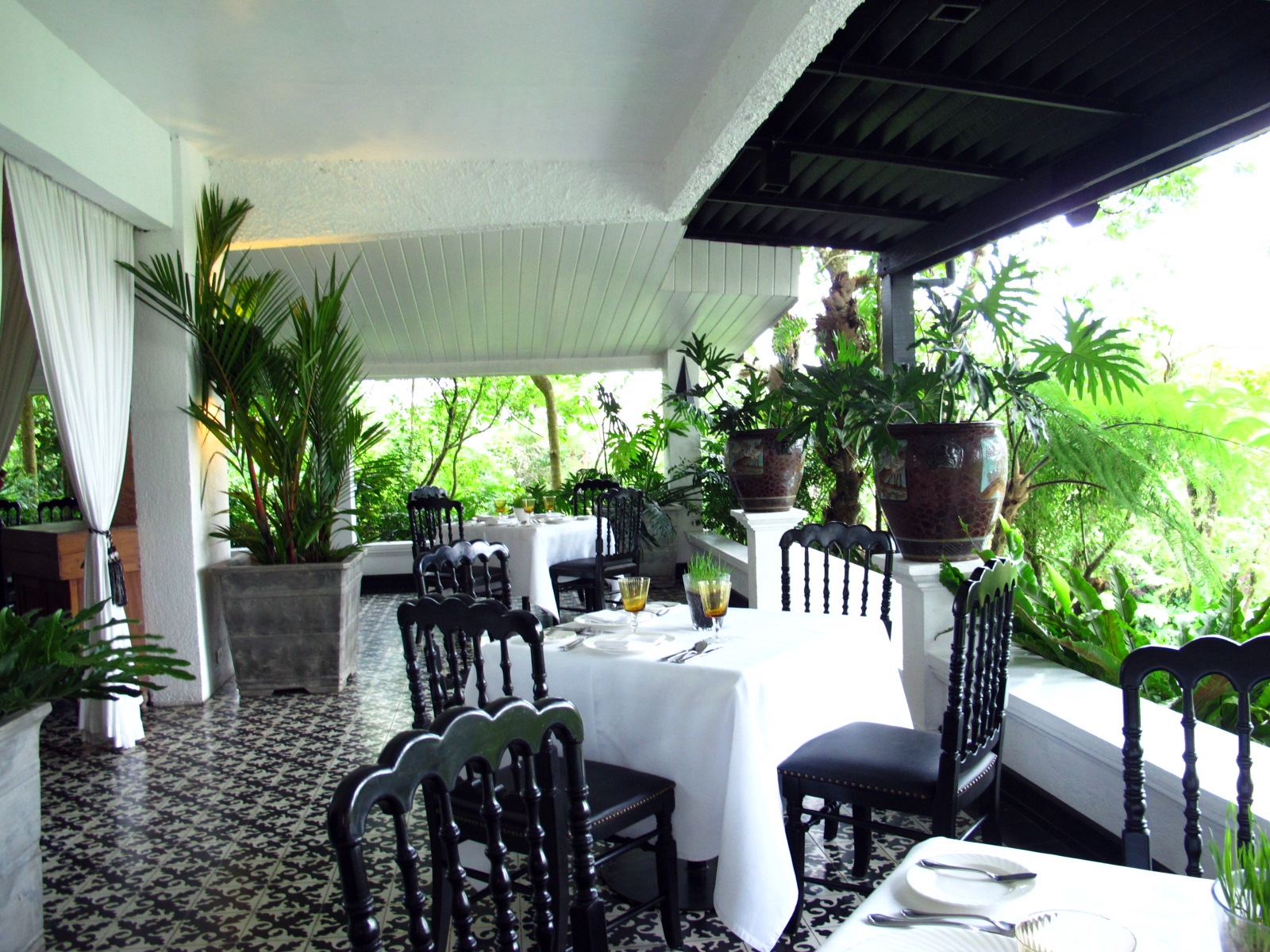
Choices: Al fresco dining overlooking the garden, dining in any of the airconditioned rooms, or dining by the koi pond.