Category: Travel, travels


Eating Around Myanmar


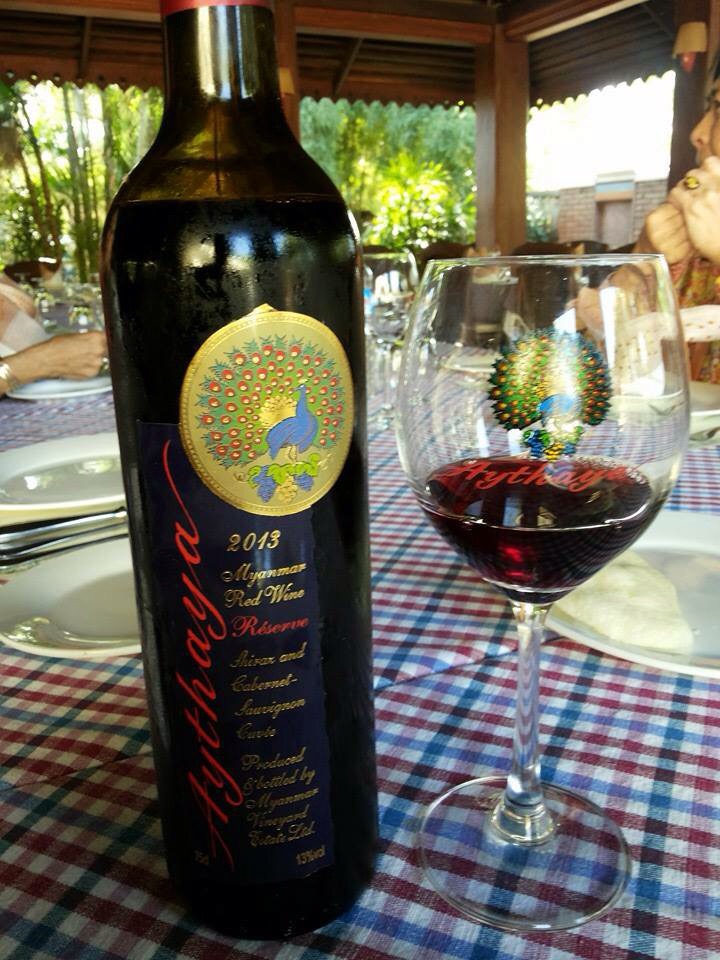
I would have wanted to end the series with the country’s cuisine but realized I don’t have enough photos to interest you. There’s the Monhinga which I had most breakfasts — a soupy noodle dish steeped in catfish broth. Yum. And of course, there’s the Myanmar and Mandalay beer, along with the full-bodied Shiraz and Cab Sauvignon wines from Red Mountain Estate, in the area of Lake Inle. I also tried some fried stuff, too oily for my liking, but I tried it anyway and “paid for it” with a bum stomach. So, cuidate!


IMG_1924


IMG_1967


IMG_1931


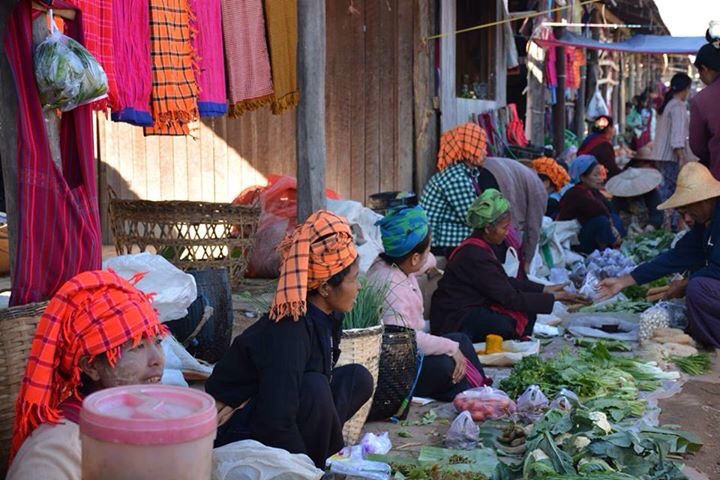
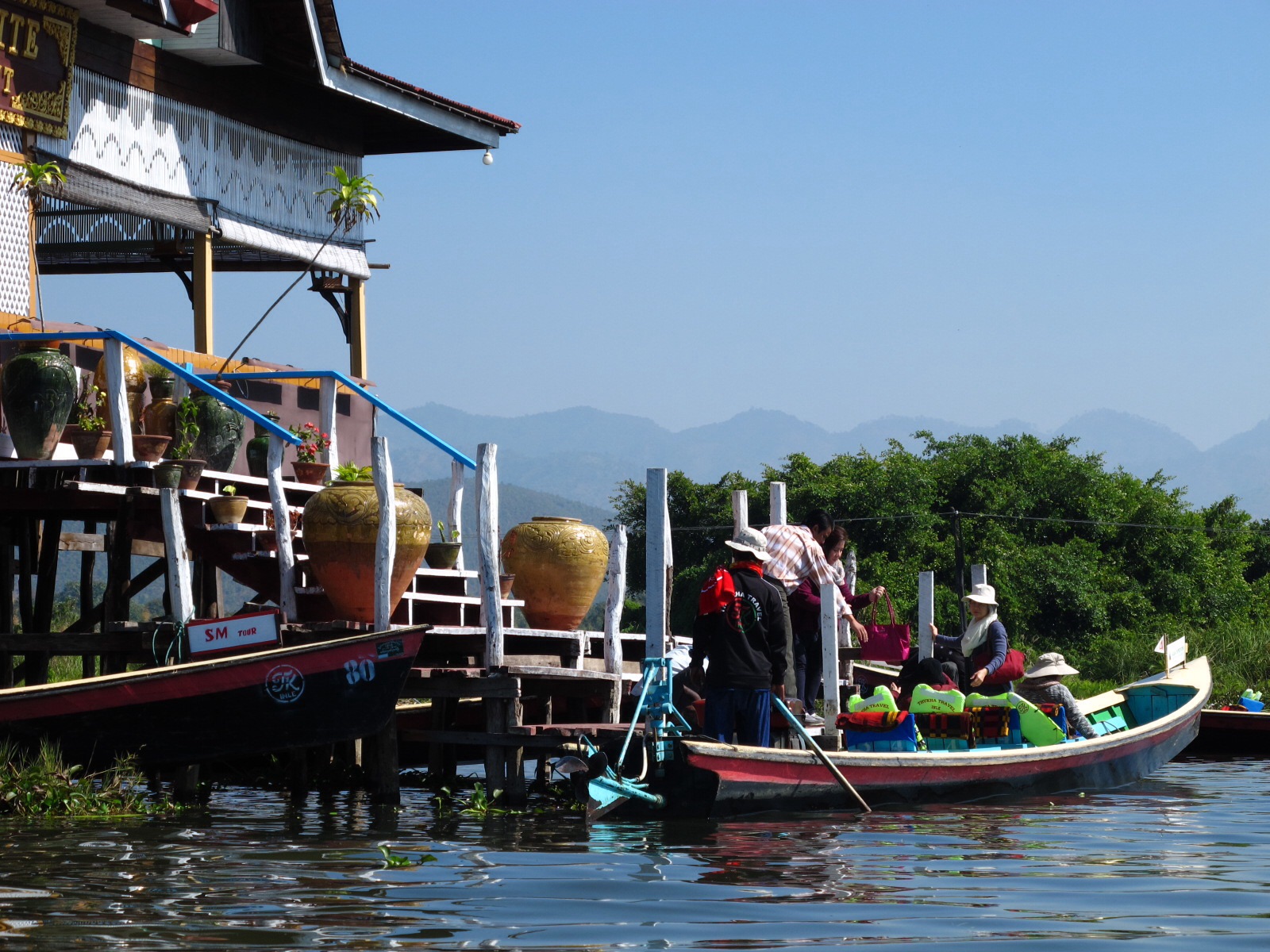
That is not to say you should avoid street food altogether. We liked some cracklings or “kropeck” and some local fruits while we were there. But if you go to the local market, you’d find lotsa stuff, mostly fried, and OILY. Some looked liked fried pancakes, others were simply fried/floured vegetable strips. If you grow tired of Myanmar cuisine, you’d also find many Thai restos around. We were also happy with our pizza and pasta lunch in Golden Kite Restaurant in Lake Inle area. Take your pick!
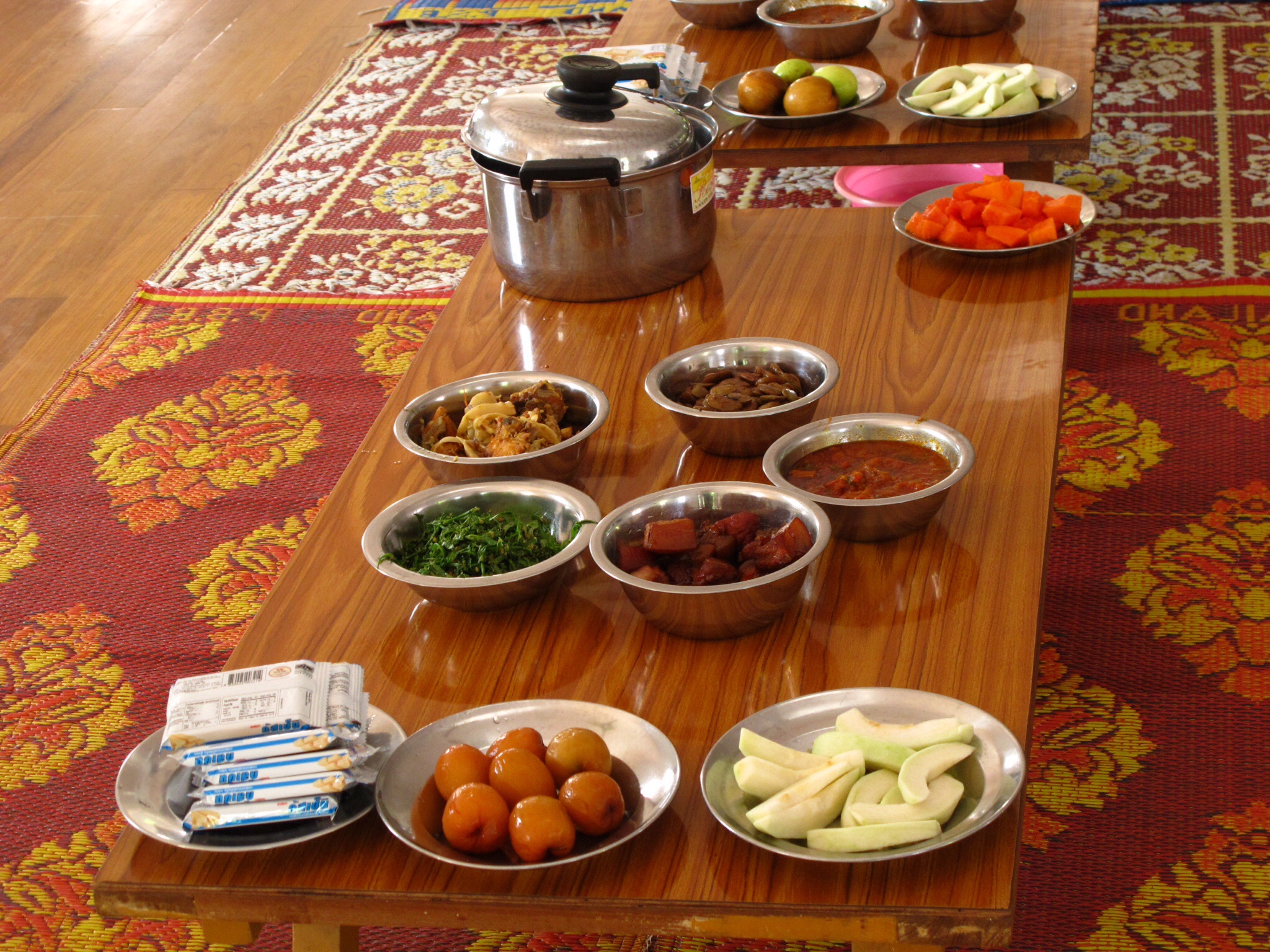


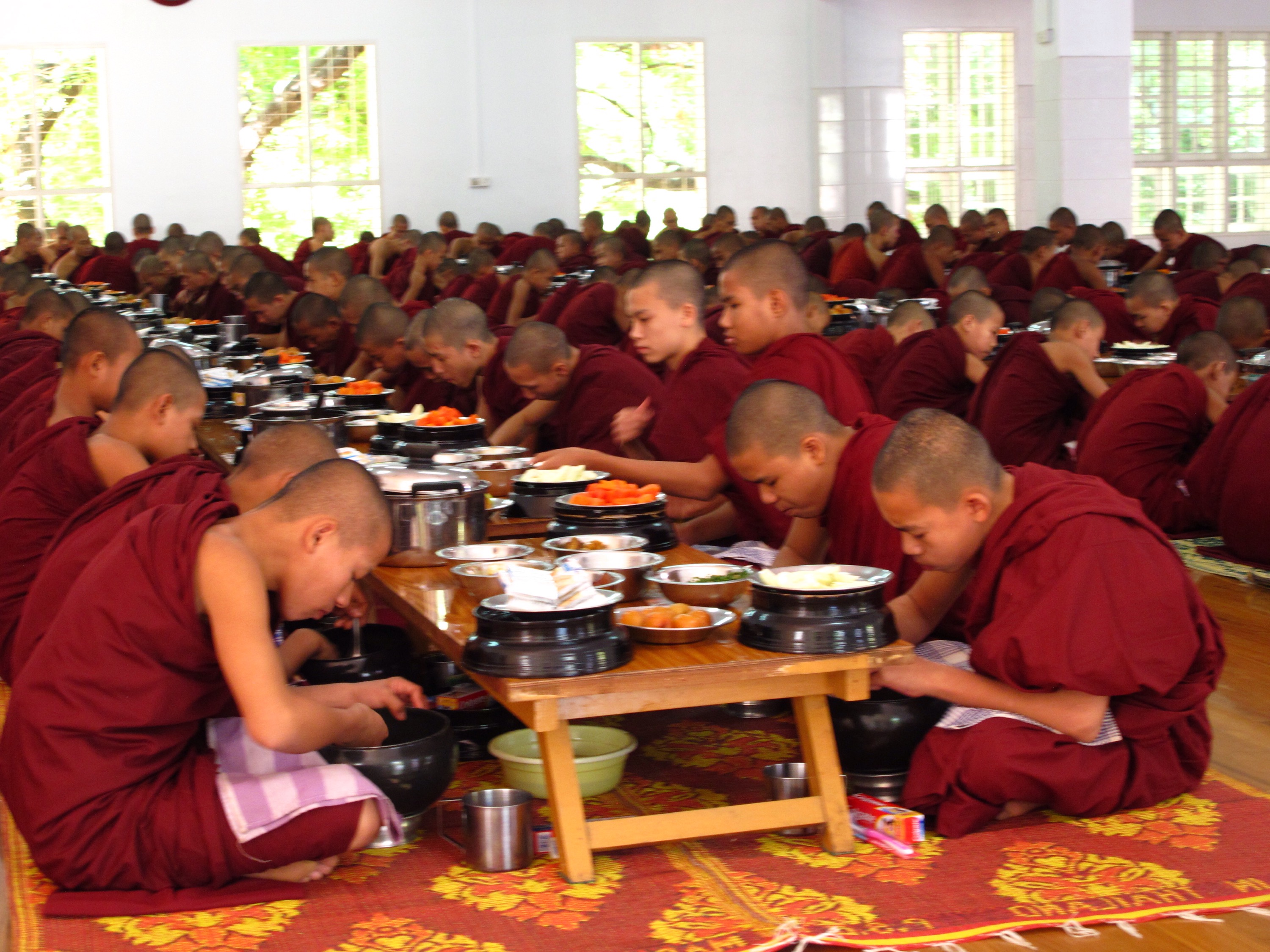
This was served to the monks. I was waiting for an invite but didn't get lucky😄

This was served to the monks. I was waiting for an invite but didn’t get lucky😄
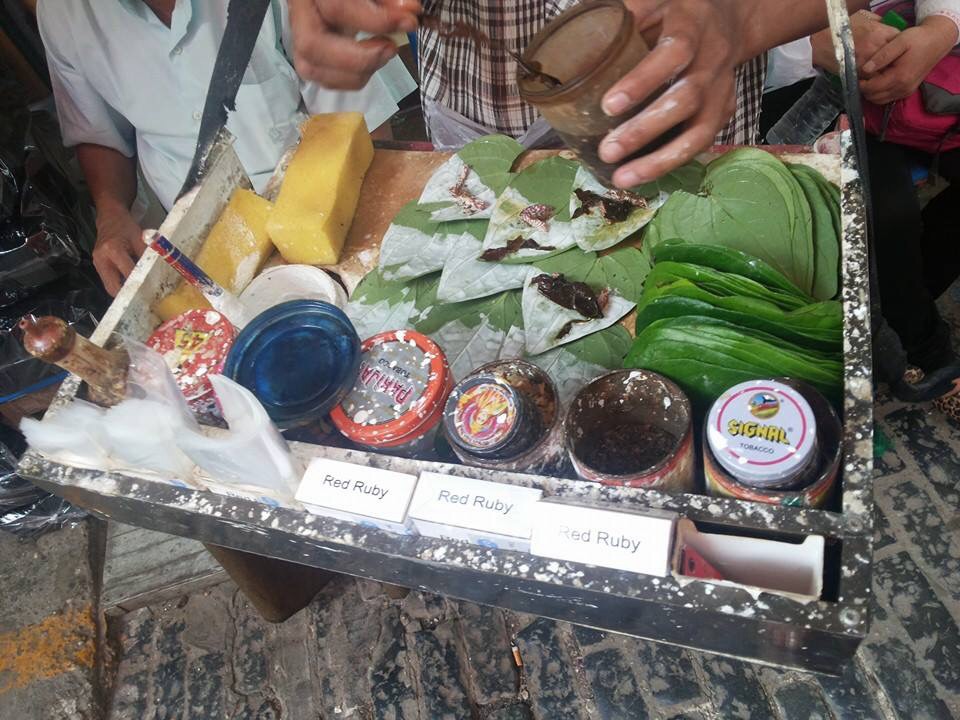


Not food but they chew on it! Betel nuts and leaves, anyone? Photo Credit: Chikie

Not food but they chew on it! Betel nuts and leaves, anyone? Photo Credit: Chikie


Because they share borders with Thailand, Laos, India and Bangladesh, Myanmar cuisine was influenced by these neighboring countries’ dishes. Except for the Monhinga noodle soup, I can’t think of a distinctly Burmese dish now. The curry dishes remind me of either India or Thailand. But maybe, I wasn’t my usual adventurous self while I was here because of my bum stomach.😔
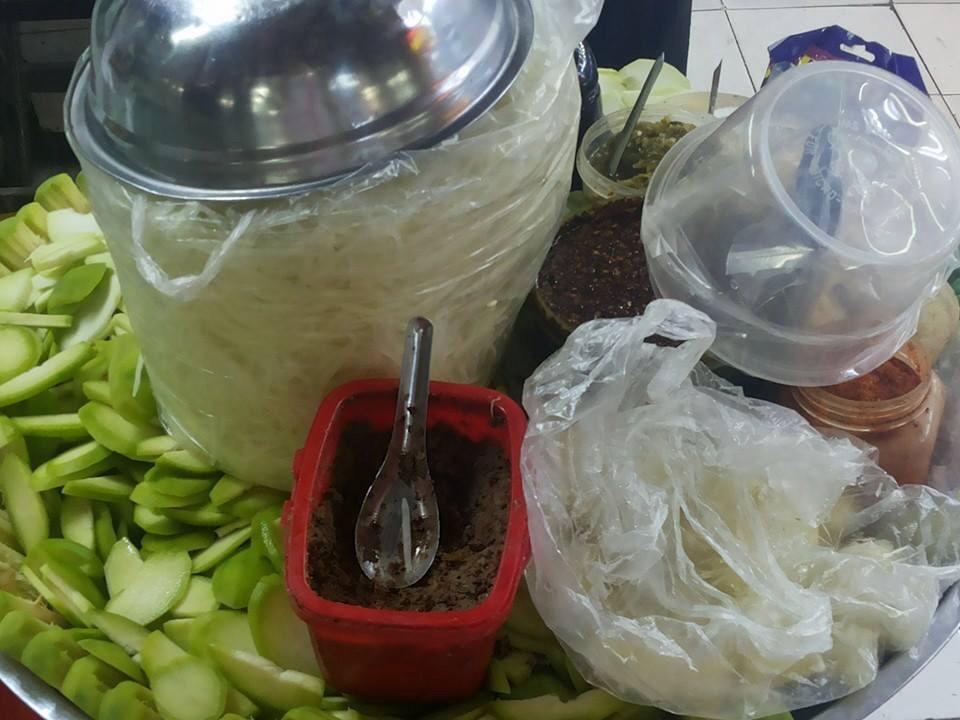


Went nuts over this local fruit. Photo Credit: Chikie
Went nuts over this local fruit. Photo Credit: Chikie


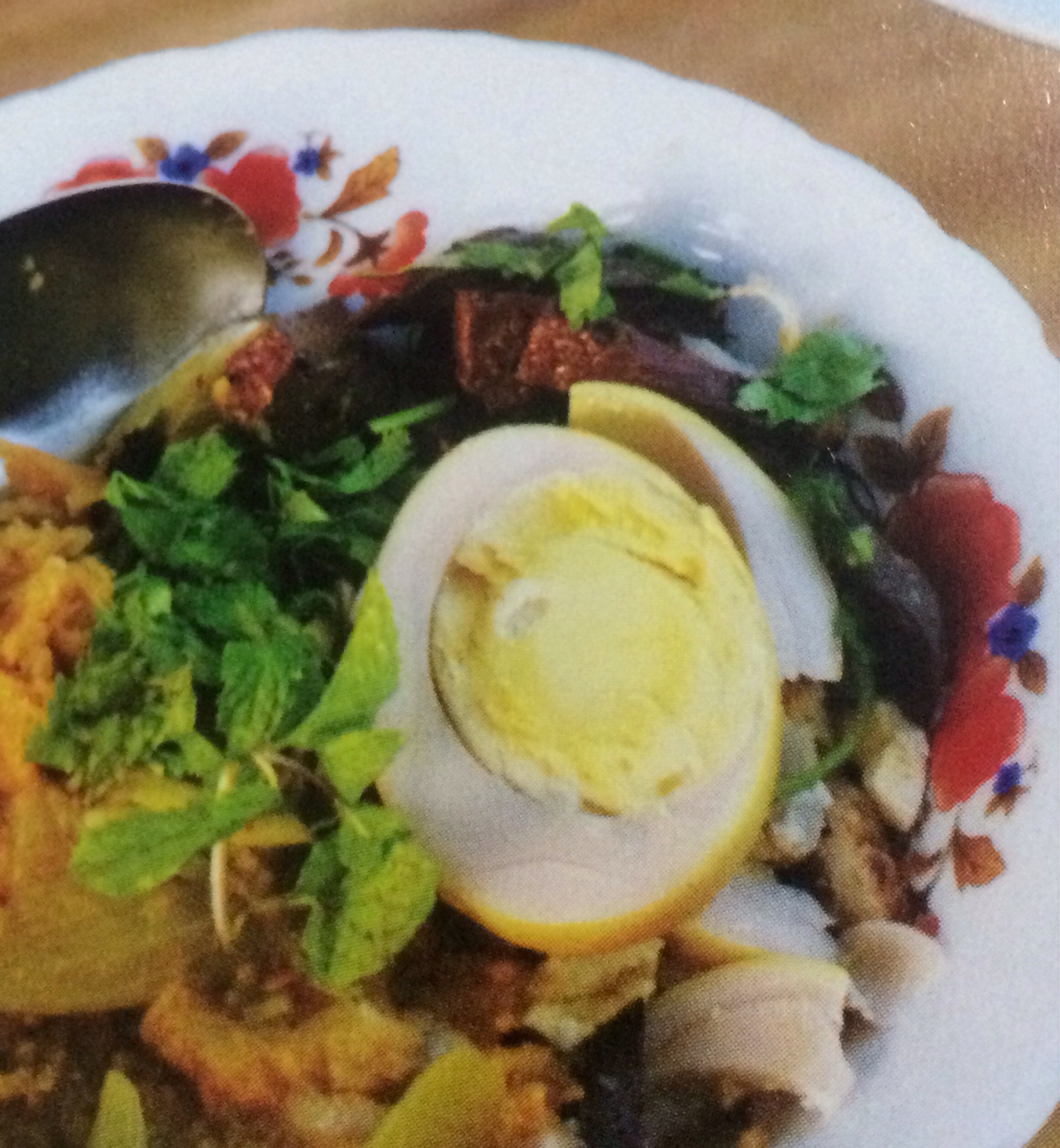
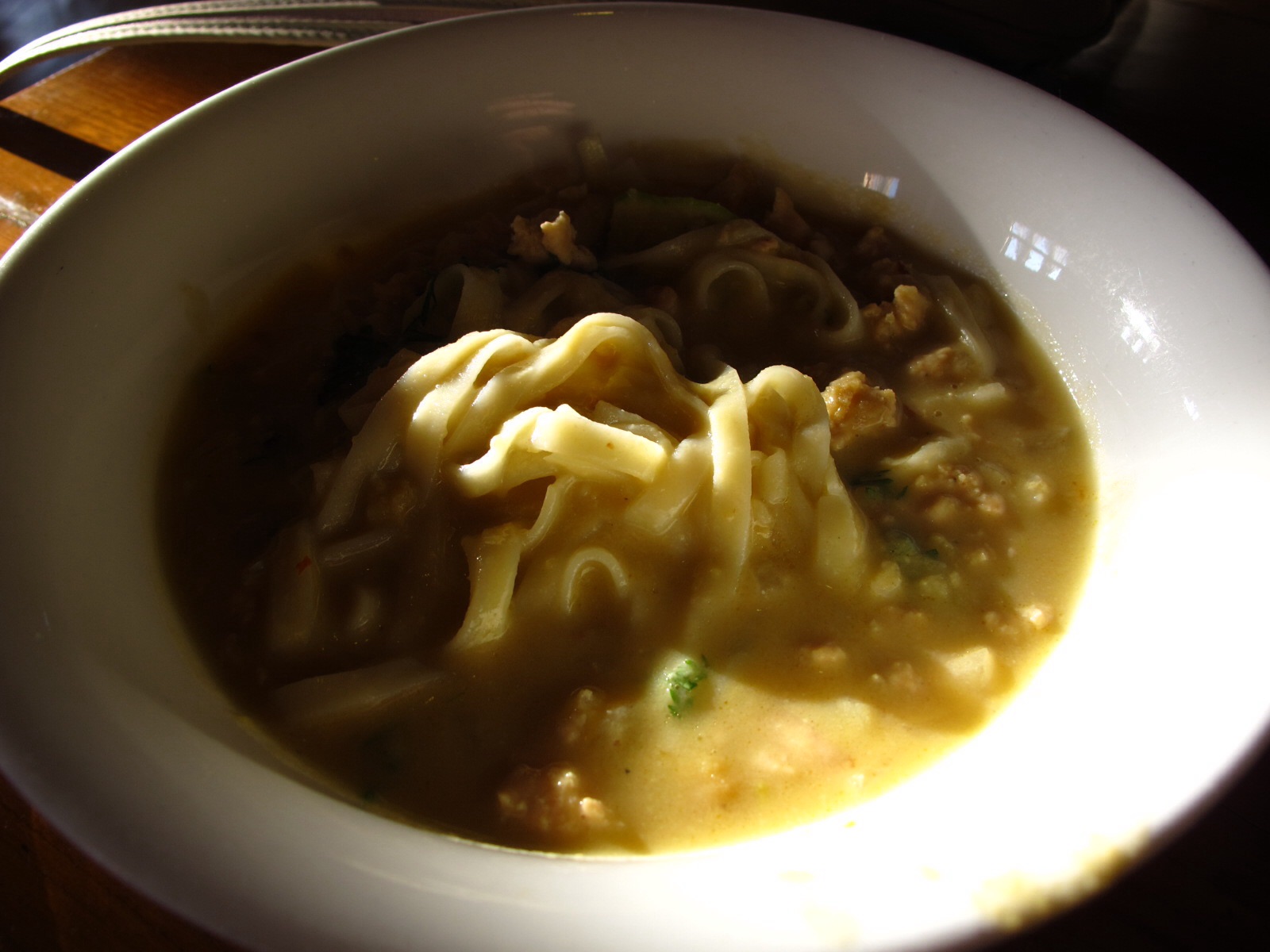
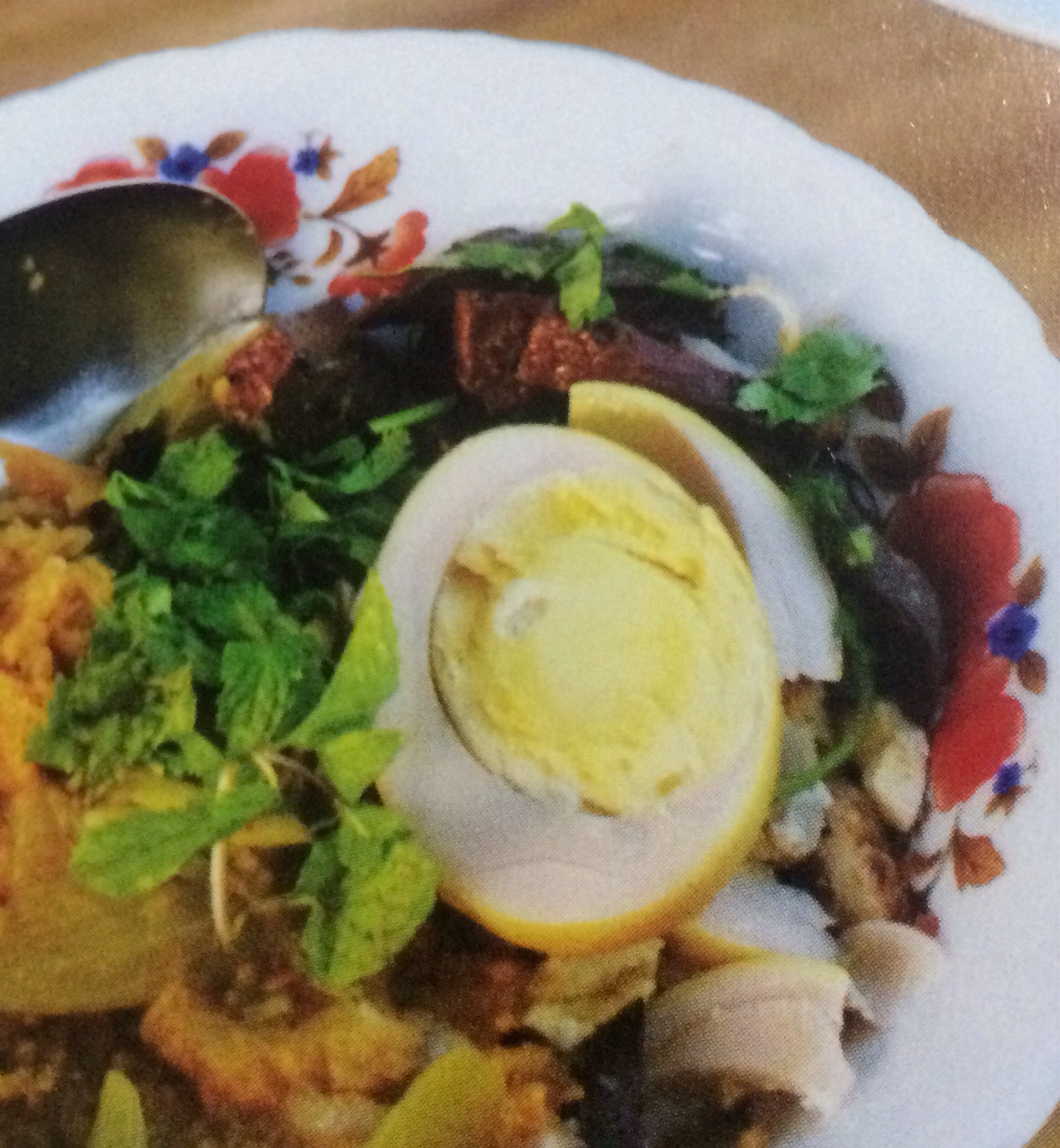
This is monhinga soup, made of rice noodles, fish broth and lotsa herbs and spices.

This is mohinga soup, made of rice noodles, fish broth and lotsa herbs and spices.


When in doubt though, go for the Monhinga soup. And then some fruits. Our guide said they grow very good rice in Myanmar. Records show that for a time, the country was a top rice exporter. Can’t complain. Especially over their fried rice with all sorts of veggie strips thrown in.
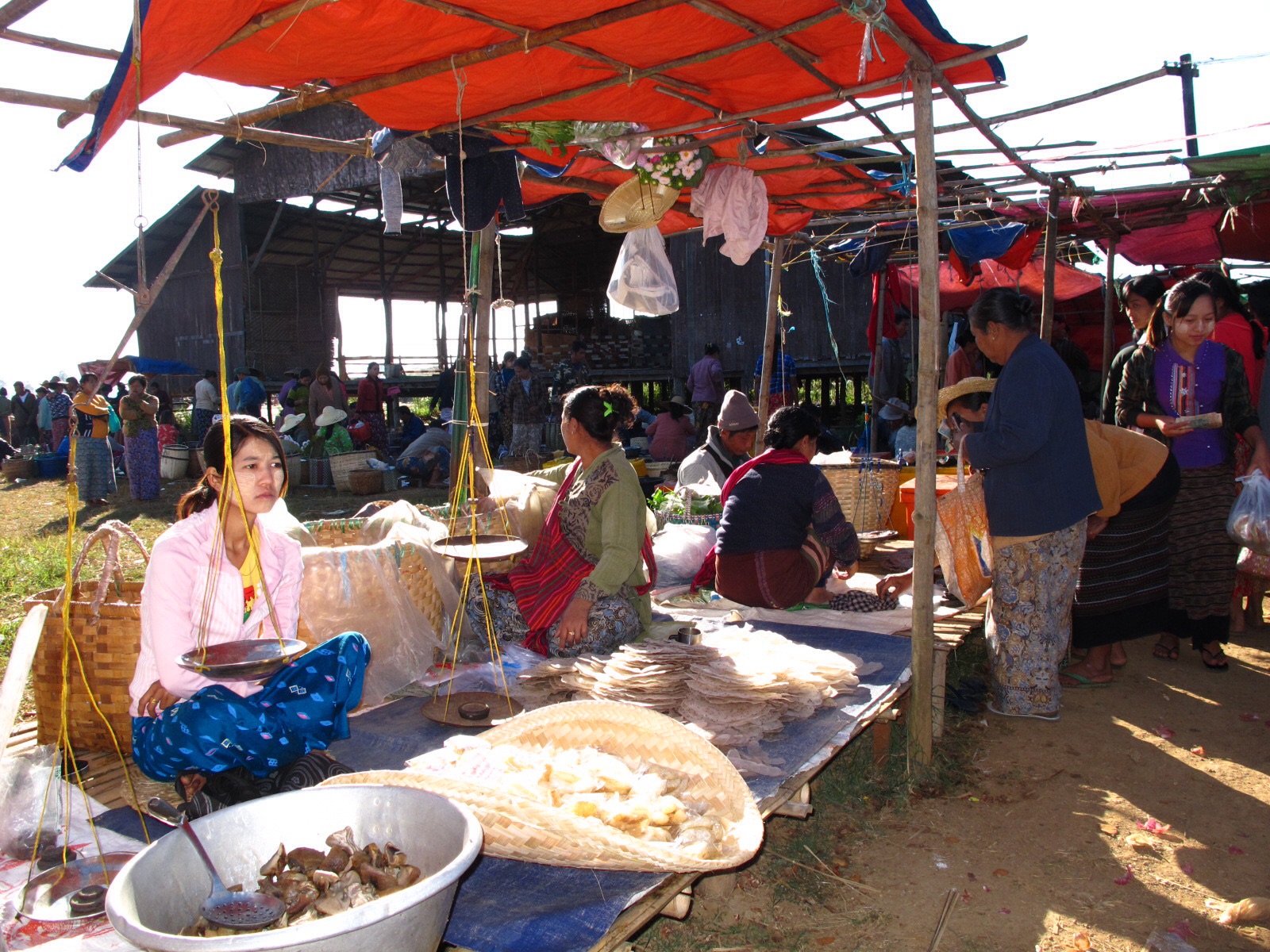


Not sure what they're selling. Venue: 5 day "moving market" in Lake Inle

Not sure what they’re selling. Venue: 5 day “moving market” in Lake Inle


image


Street food is a-plenty. And very, very cheap. That’s good news for the budget travelers. If you want to be picky and play safe, just try the international (and “milder” versions of the local dishes) buffet in many of Myanmar’s hotels and big restaurants.
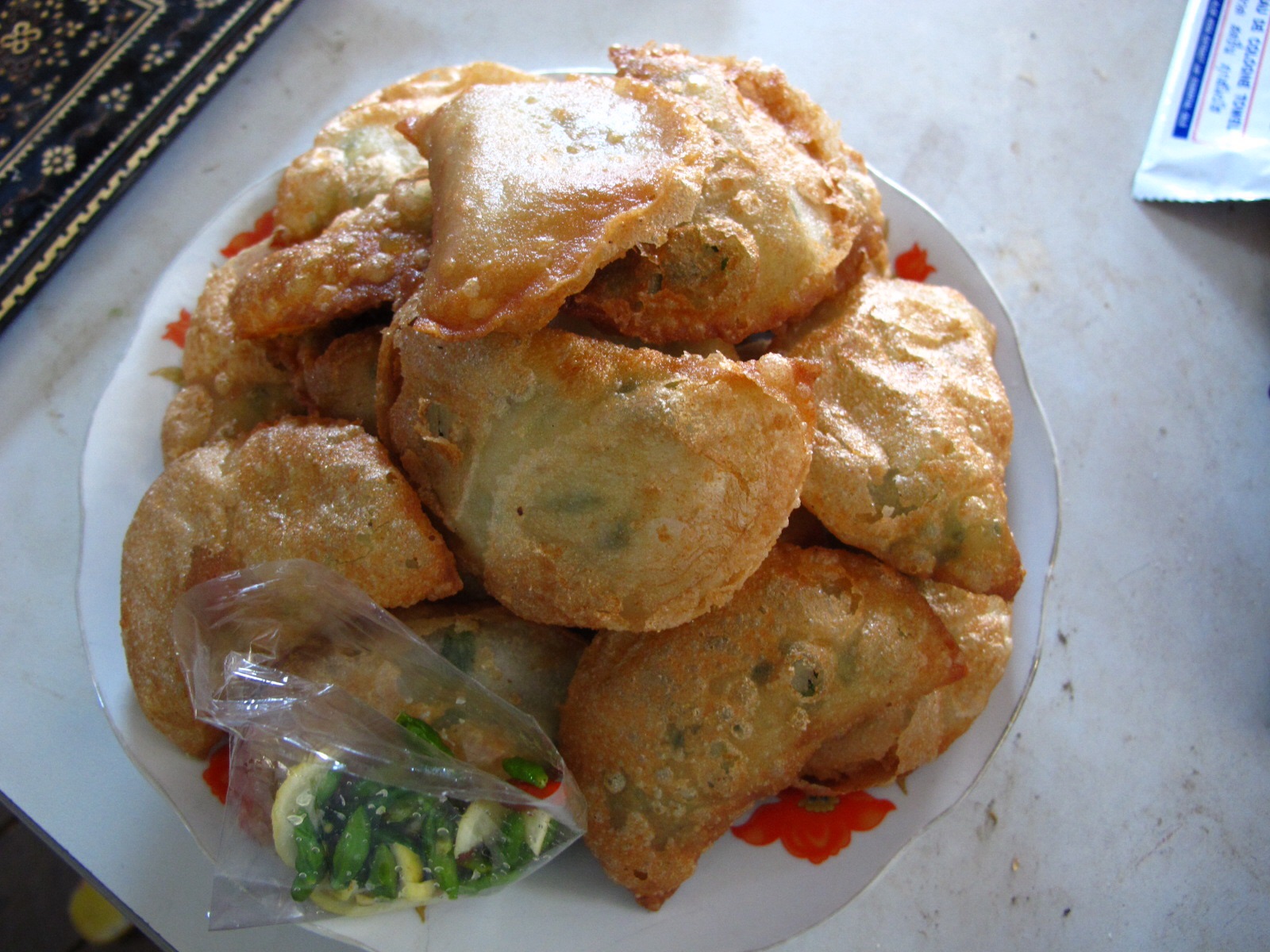
While shopping in Lake Inle, the vendors were having this for snacks. Ogled it for a long time and merited an invite. Got lucky this time 😄
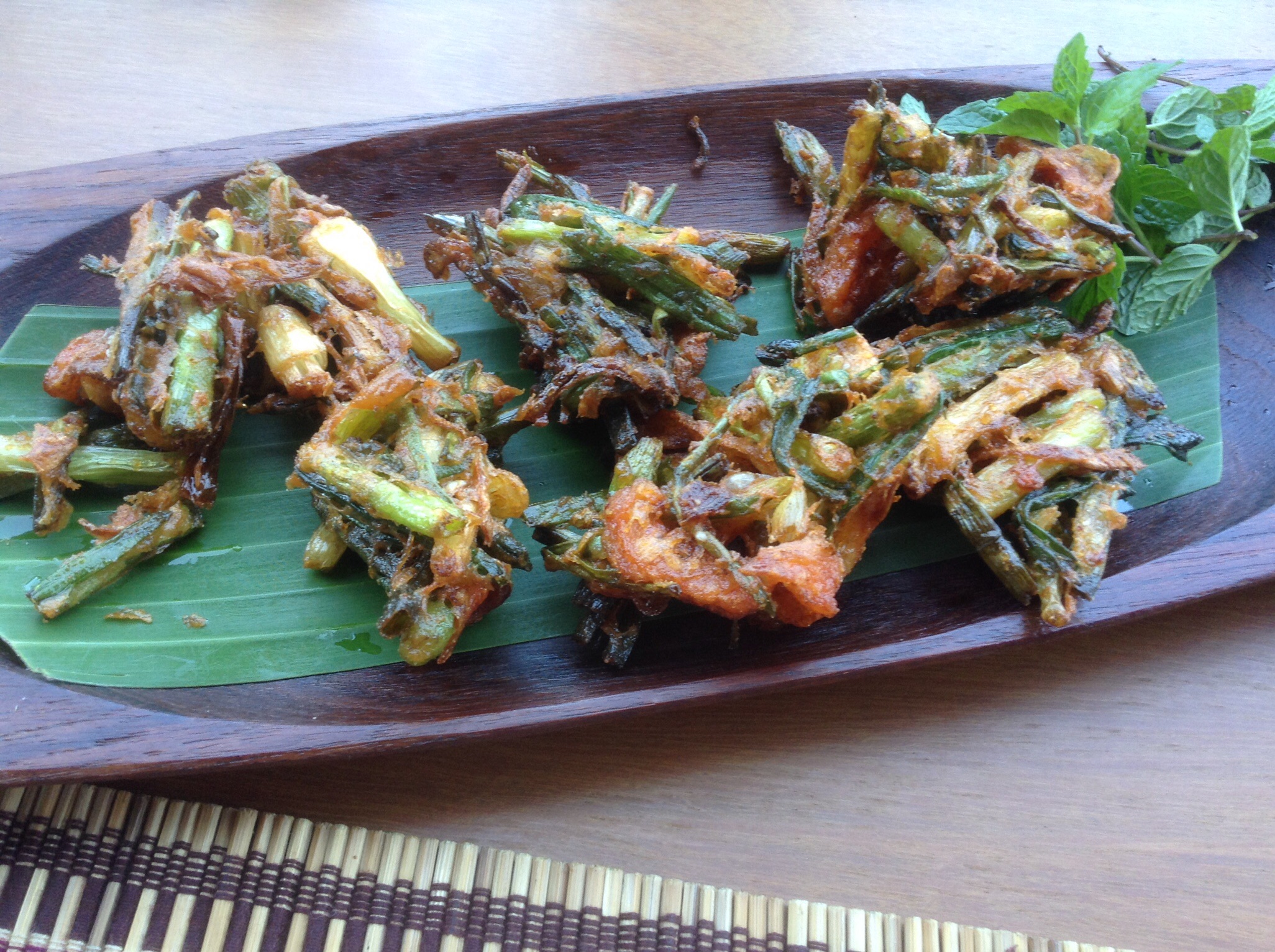
While shopping in Lake Inle, the vendors were having this for snacks. Ogled it for a long time and merited an invite. Got lucky this time 😄


It's like the equivalent of vegetable tempura or kakiage, but tons oilier!

It’s like the equivalent of vegetable tempura or kakiage, but tons oilier!


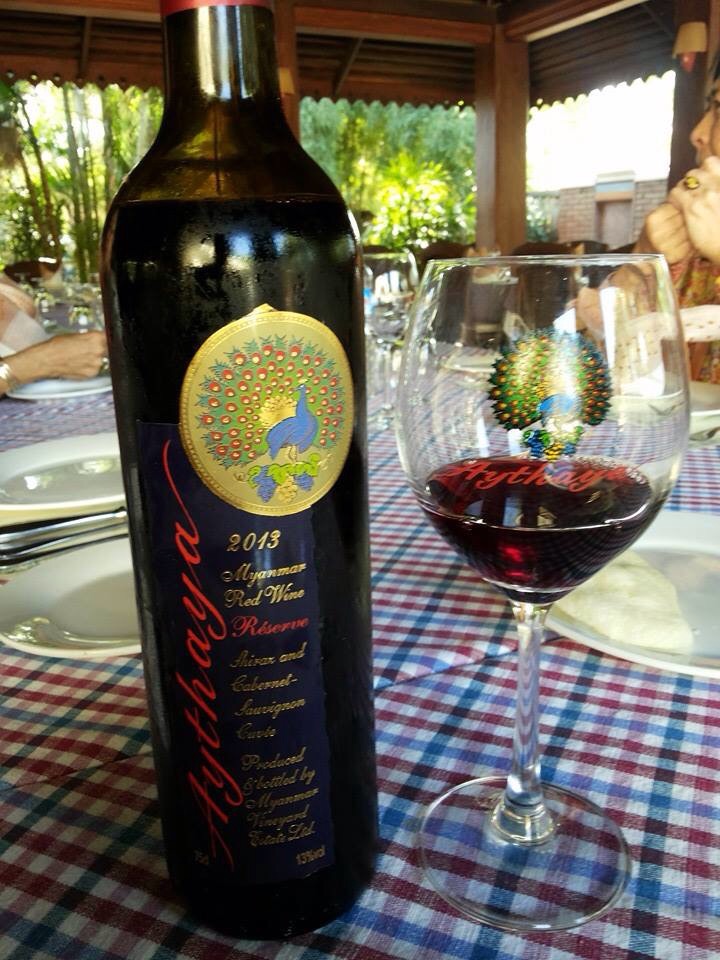
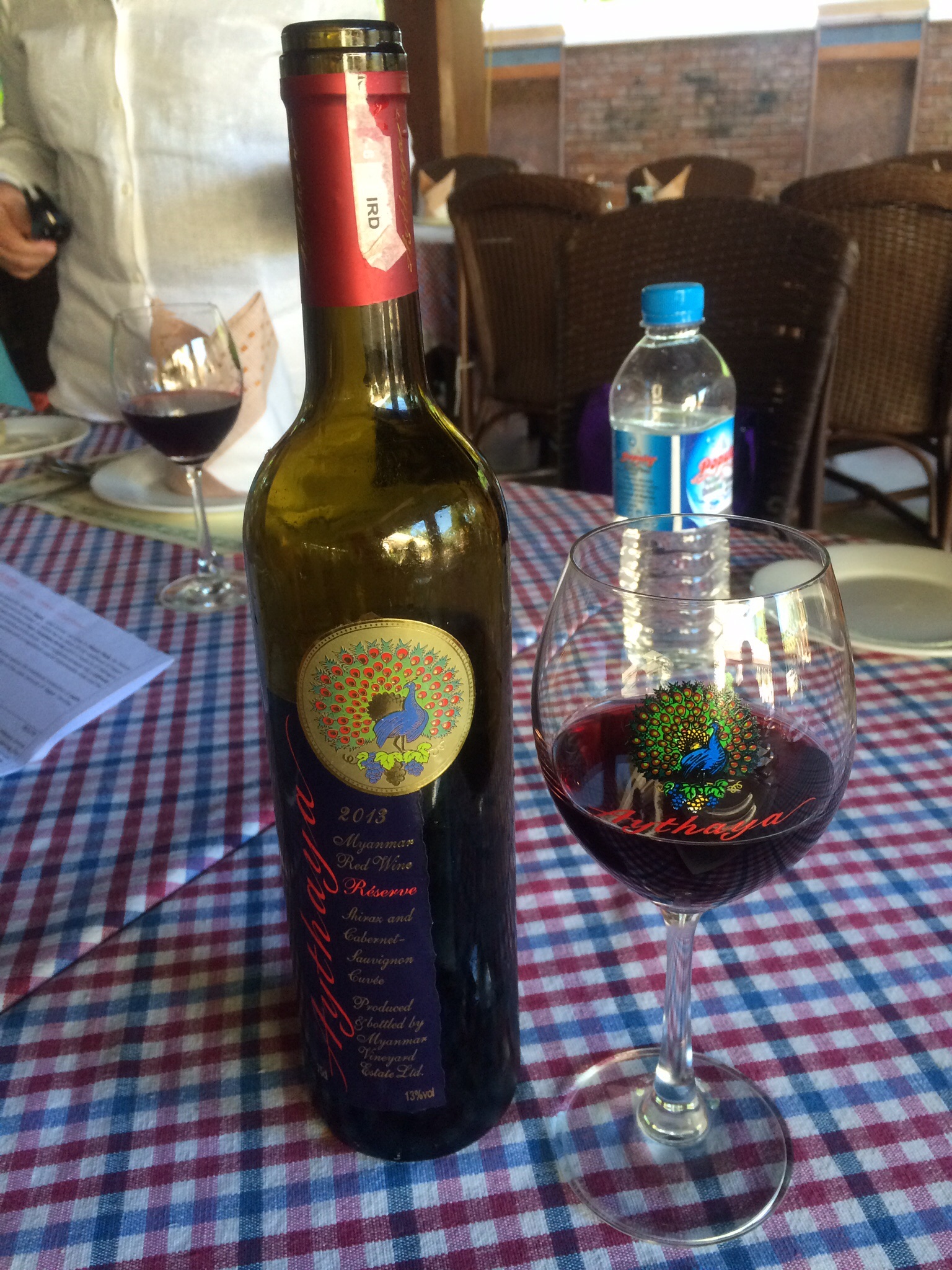
Overall, my best gastronomic memory of Myanmar is really their……. WINES. Best surprise! At US$20-$27 a bottle of shiraz or cab, give it a go. It would have been interesting to see the vineyards of Red Mountain Estate. But the wines…. I’m really pleasantly surprised.
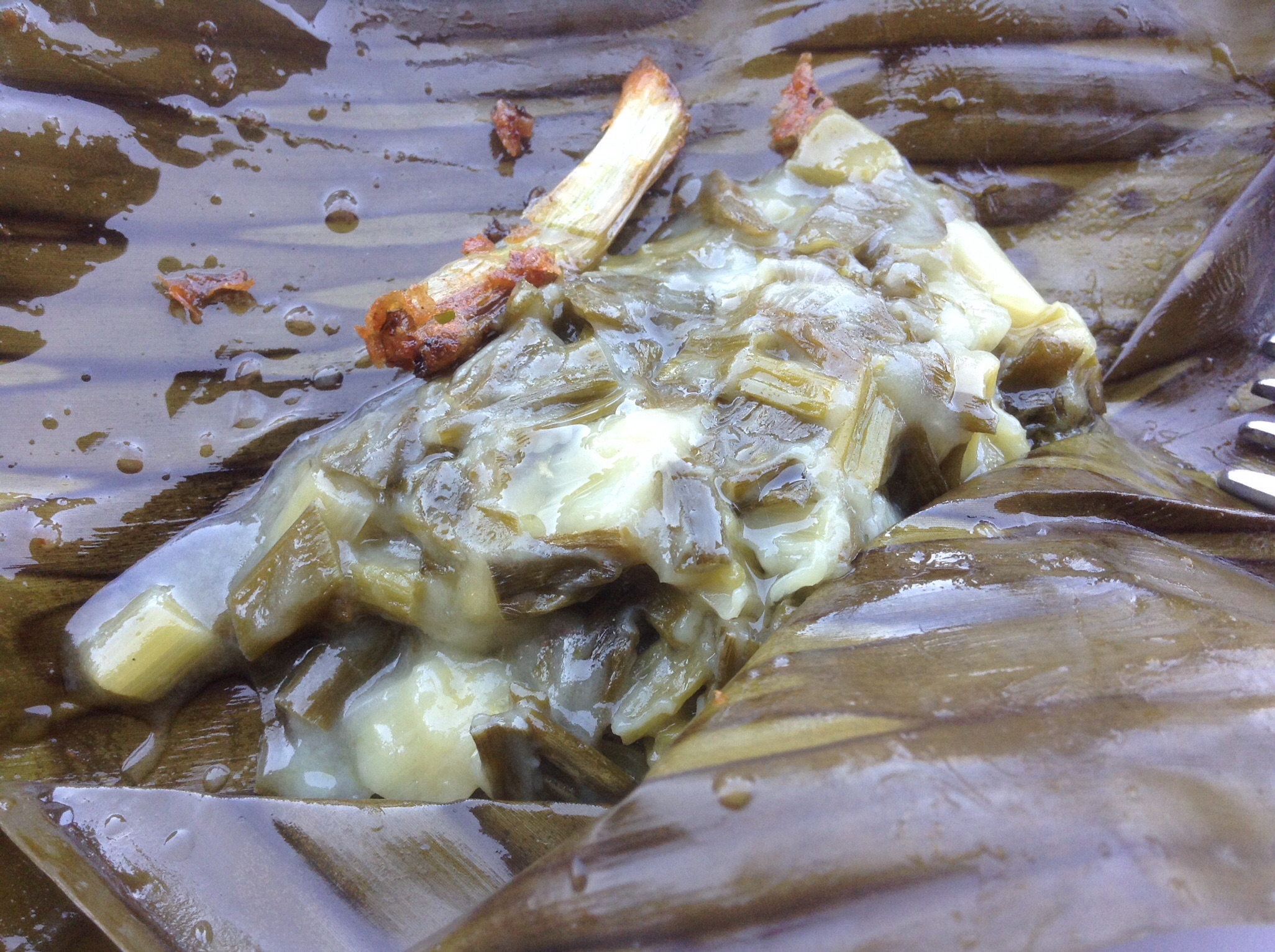


Taro leaf-wrapped and floating in oil!
Taro leaf-wrapped and floating in oil!


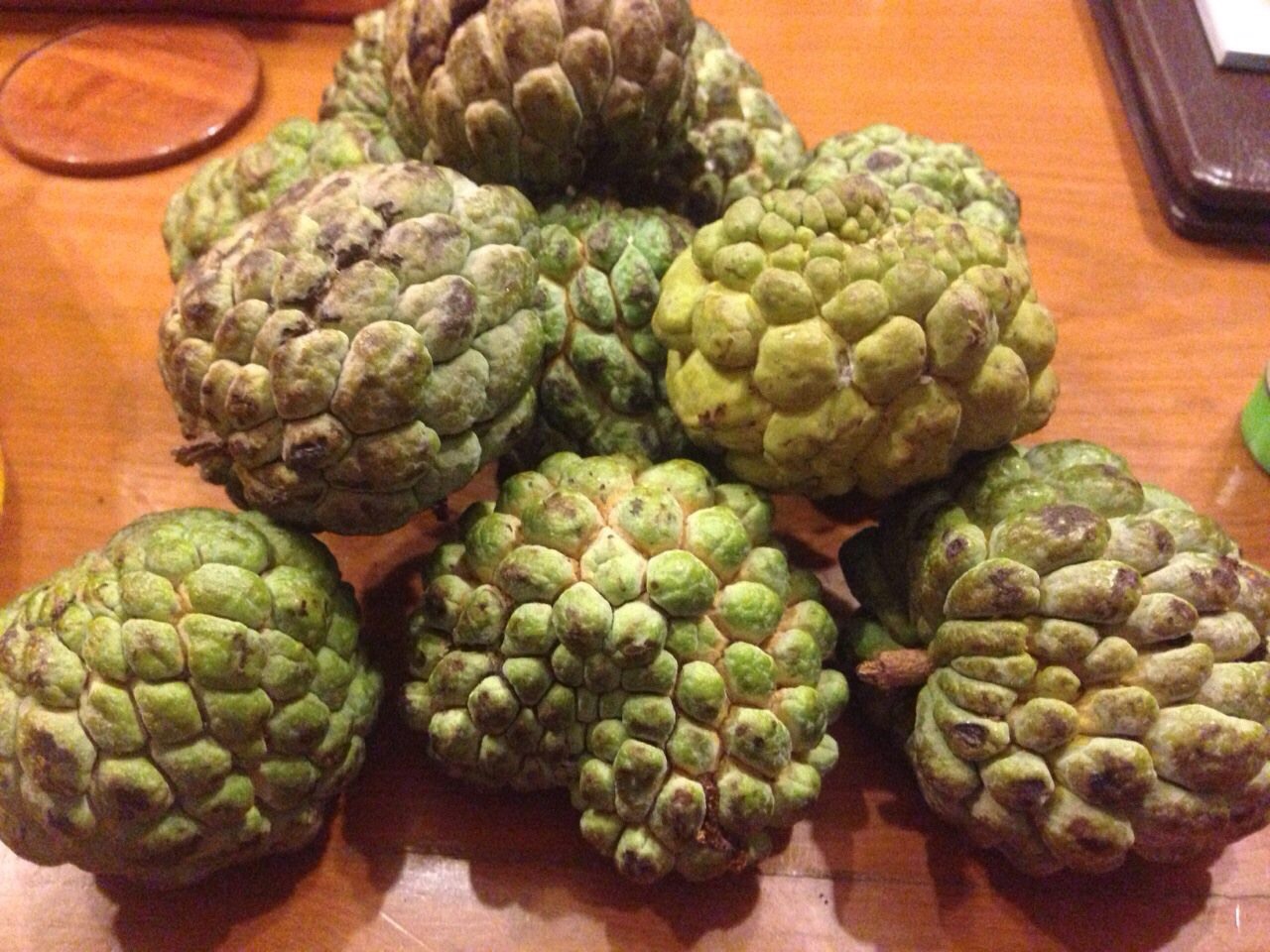
It's custard apple from Myanmar. Not as good as their Thai counterpart.
It’s custard apple from Myanmar. Not as good as their Thai counterpart.


image


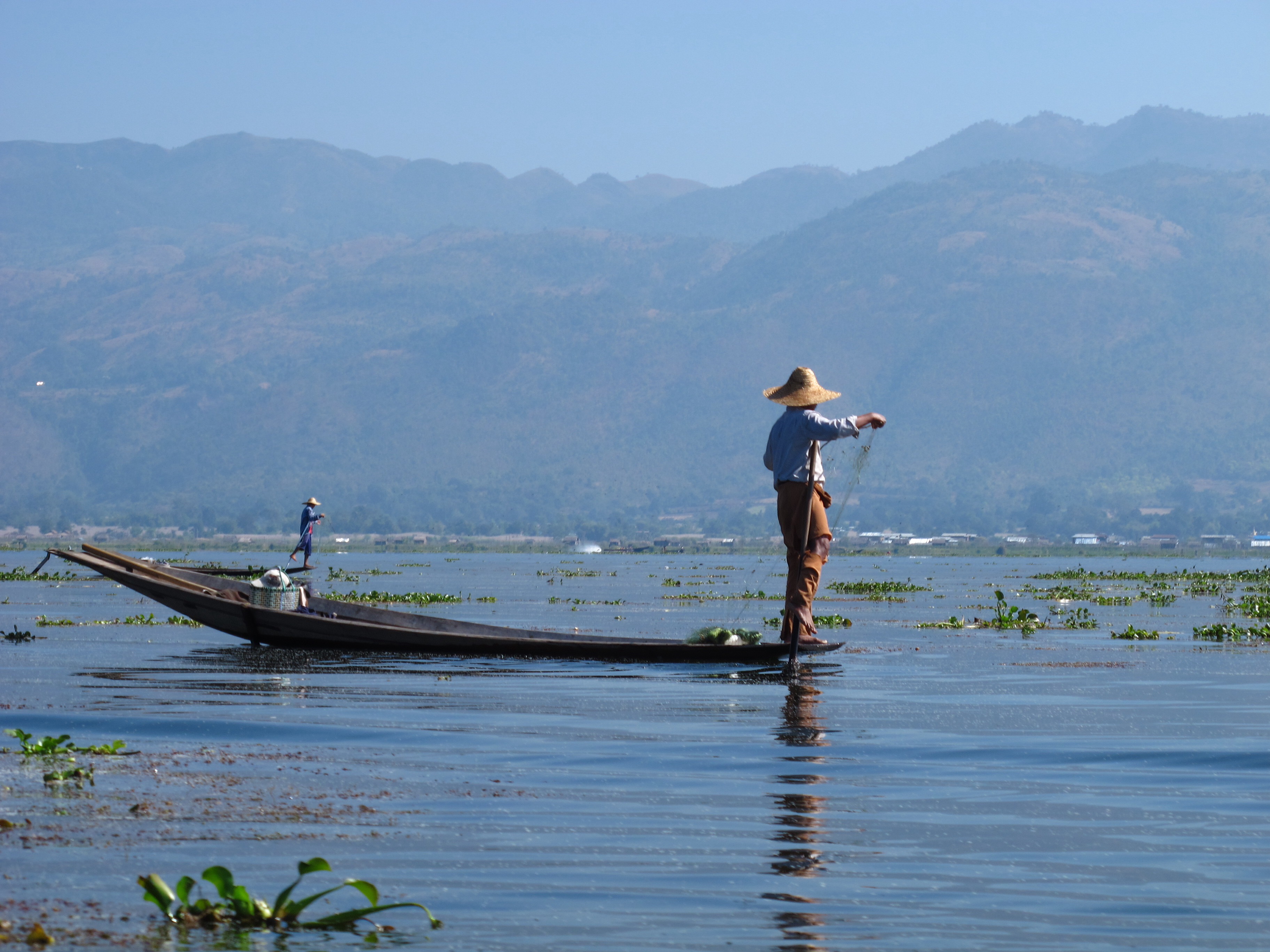
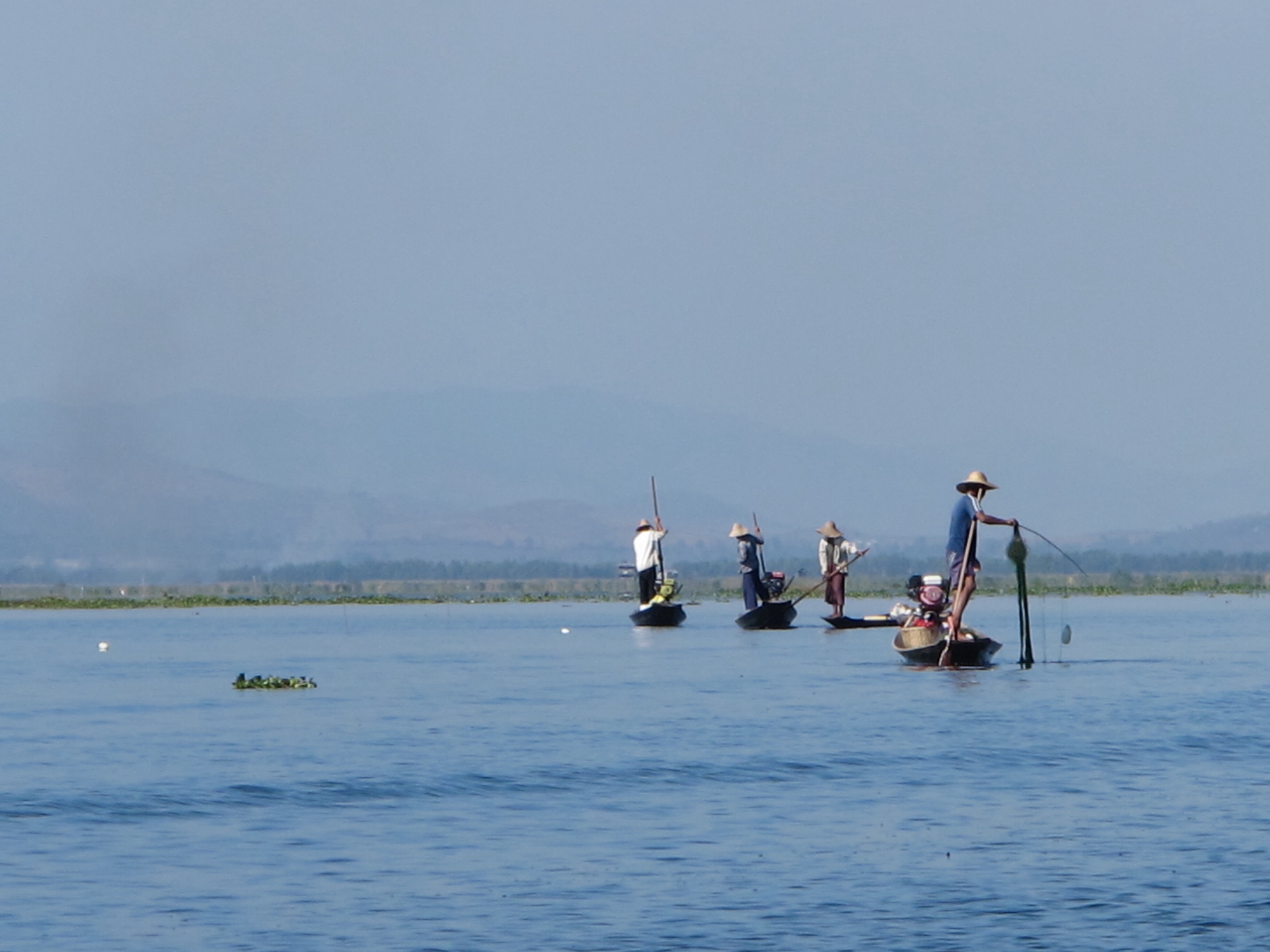
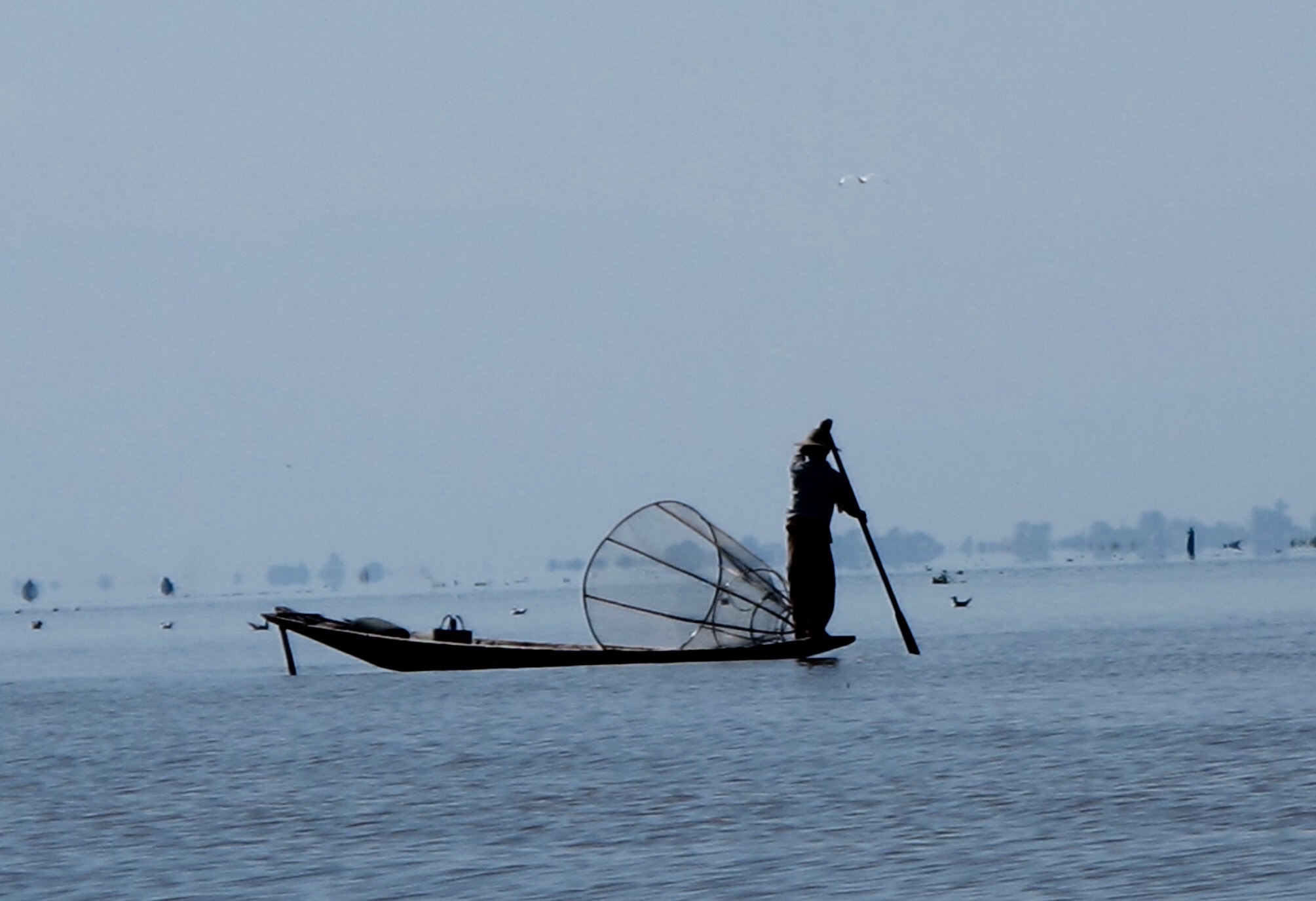
Intha fisherman of Inle Lake

Intha fisherman of Inle Lake


In my book, men in skirts reveal a certain machismo. I’ve seen them in Bhutan and now in Myanmar. The longyis worn in Myanmar are longer, yet the Bhutanese gho seems more formal. Just the same, the culture of skirted men is a curiosity. More unsettling for the tourists or visitors than the locals wearing them in comfort. When asked what these men wear underneath, our guide disclosed that it’s a question every tourist invariably asks. We’re such a curious lot, aren’t we?


image

Macho Men In Skirts

Macho Men In Skirts


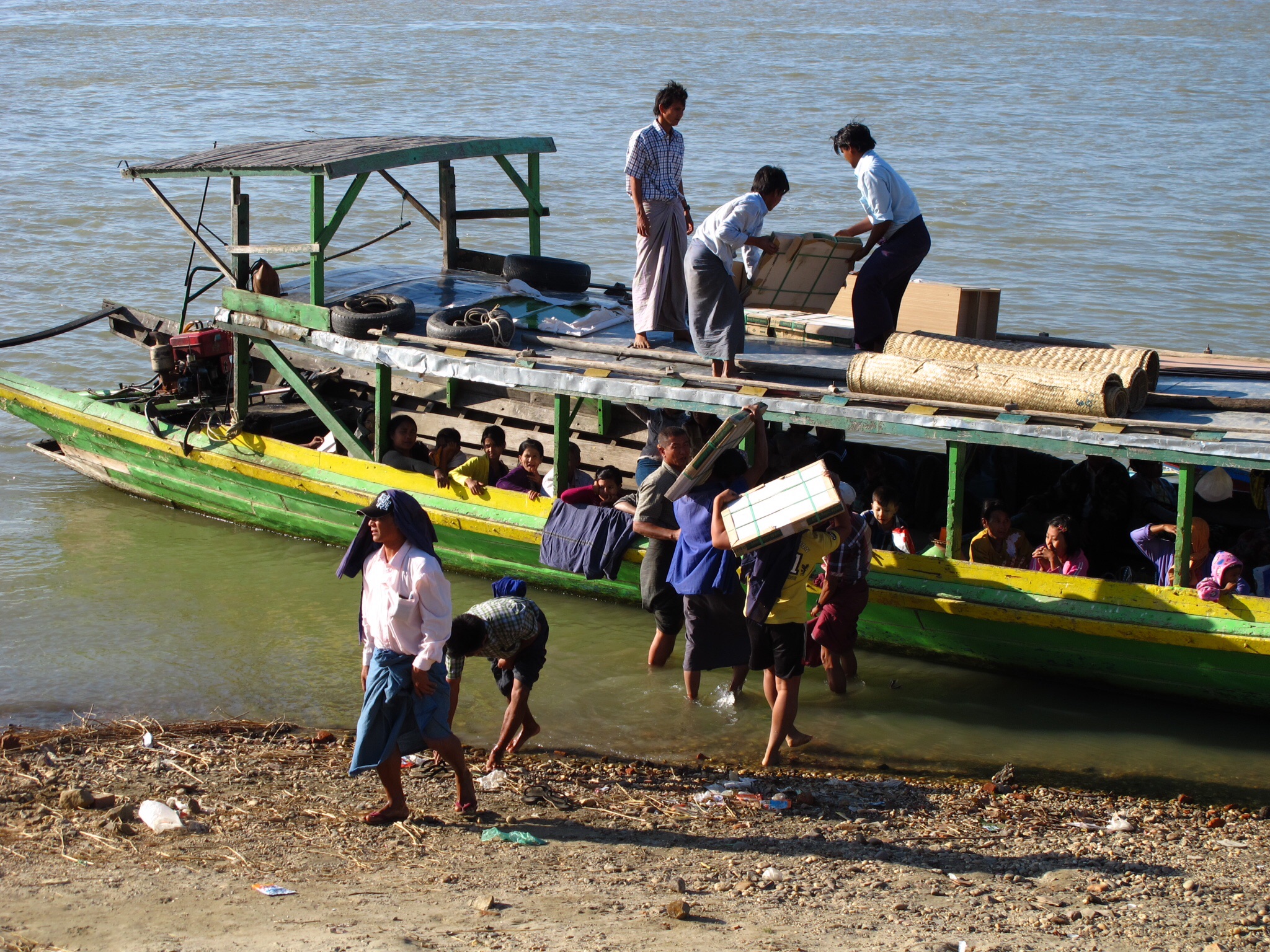
We found some of them working in really physically-demanding jobs. It’s a miracle those skirts don’t drop as these men load bags and heavy sacks on their backs, or when they leg-paddle their boats in Lake Inle. As for their women, they do have lovely longyis in vibrant colors but fashion sense seems centered on their head gear or on their neck and leg adornments.


image

Photo Credit: Joyce Valino

Photo Credit: Joyce Valino


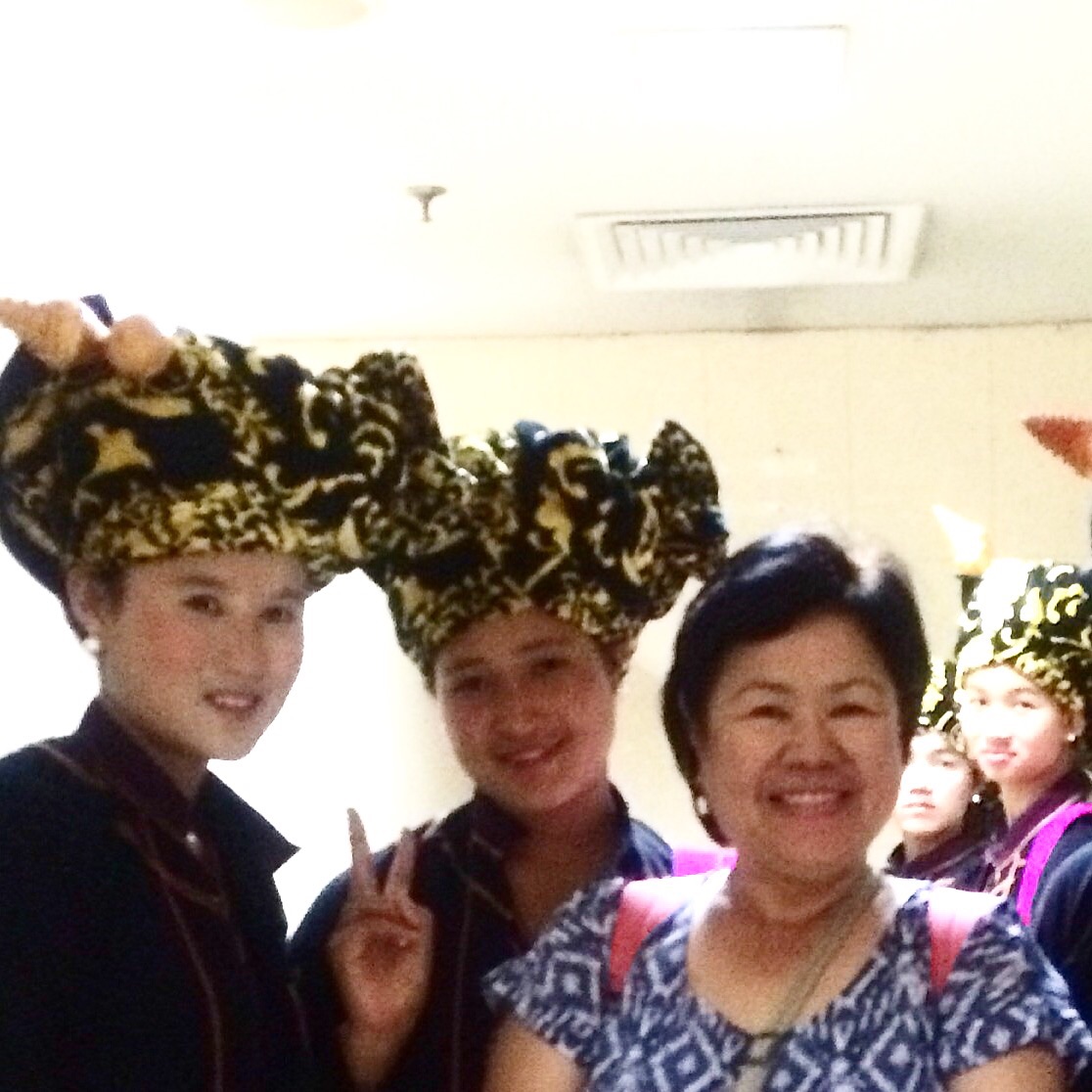
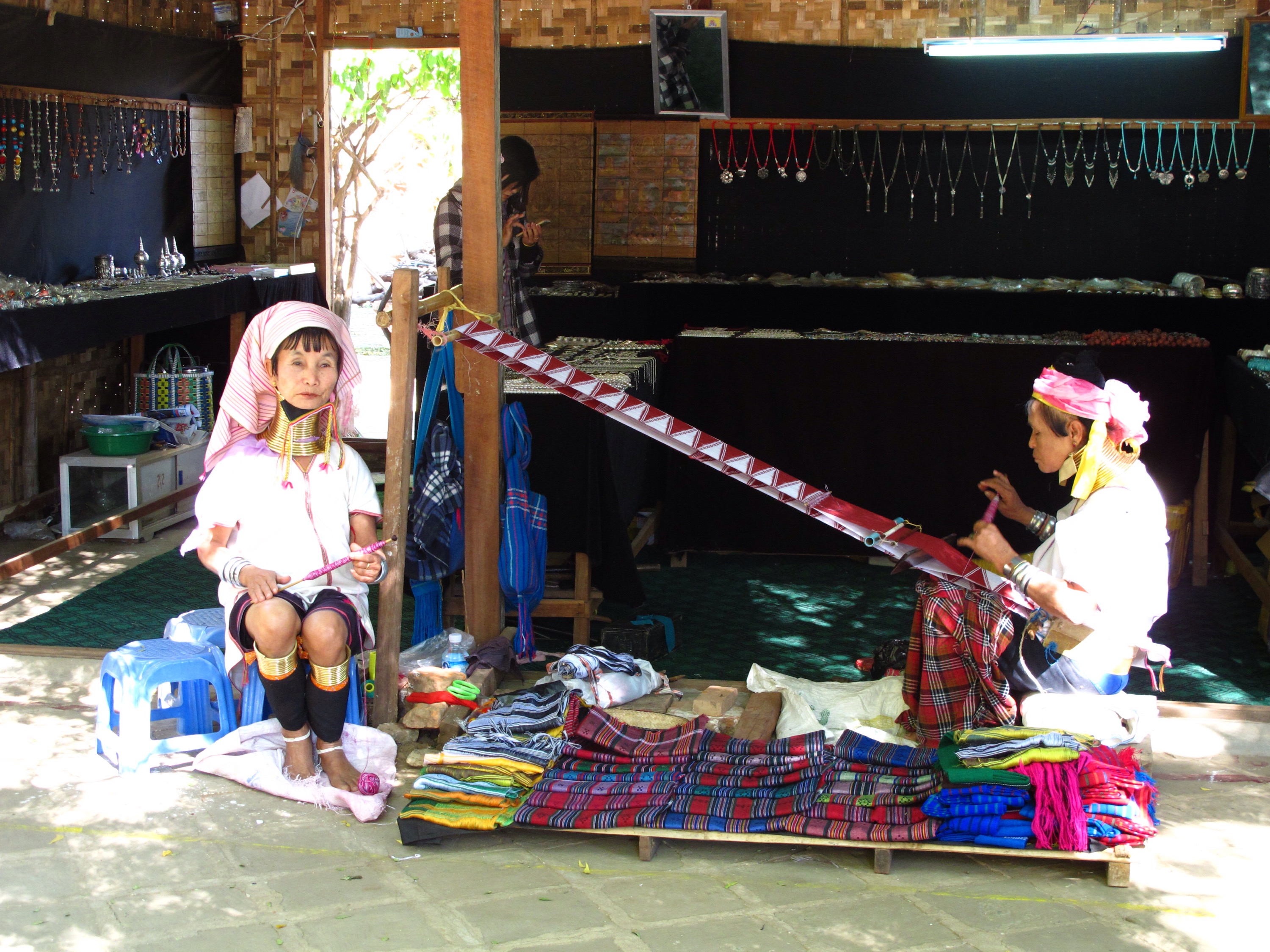
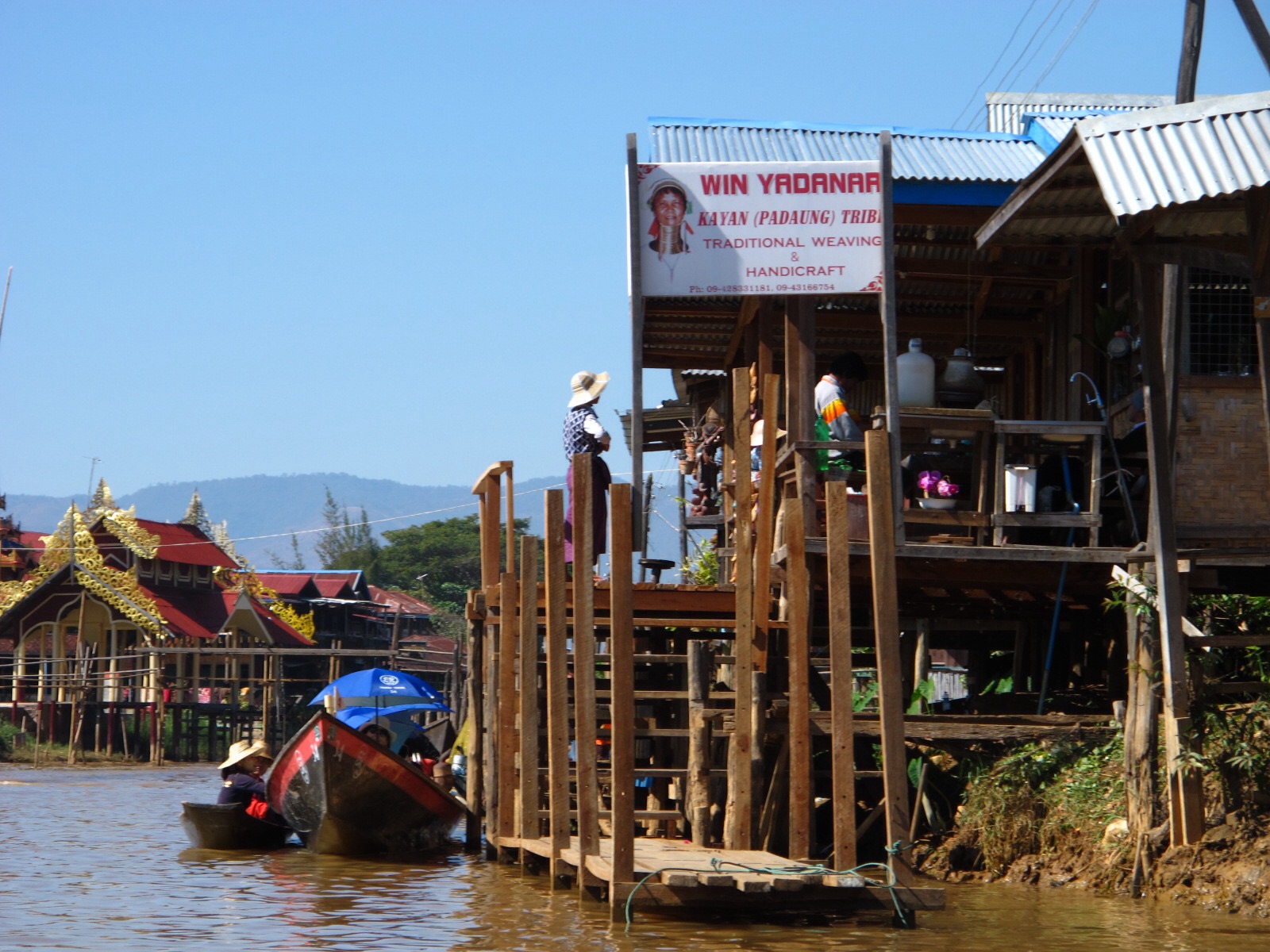
I love the ladies’ headgears. Those worn by the women from the Indein village were particularly beautiful and elaborate. There’s something regal about their headdress and how comfortably they wear them. Then there’s the ladies famous for their neck rings. They’re from the Padaung tribe in the Shan region which includes the area covered by Inle Lake. Women here wear brass coils around their necks as early as age 5, making them look like their necks have been “stretched”. In reality, the neck coils push down the collar bone. There is an equivalent group of tribe women in some parts of Thailand near the Burmese border who refer to themselves as from the Kayan tribe and object to being called Padaung. It is believed they’re the same Kayans or Padaungs who fled to the Thai border in the late 80’s and early 90’s during the country’s military regime. Interestingly, these long-necked women originally hailed from Mongolia who were assimilated into the local upland tribes.


image

Brass neck coils and brass/silver leg bracelets. For what?

Brass neck coils and brass/silver leg bracelets. For what?


There were also leg bracelets on these women. As for the neck coils, we wonder how long this tradition would last as younger, less traditional if not a tad modern, Padaungs refuse to fit brass rings around the necks of their children. Will this tradition grow extinct, only to be replaced by enterprising women interested in tourist dollars? Quite frankly, I’m not sure what to wish for. I do find it disconcerting to find women — and children — using these rings to push down their collar bones. It just isn’t right, no matter their reasons.


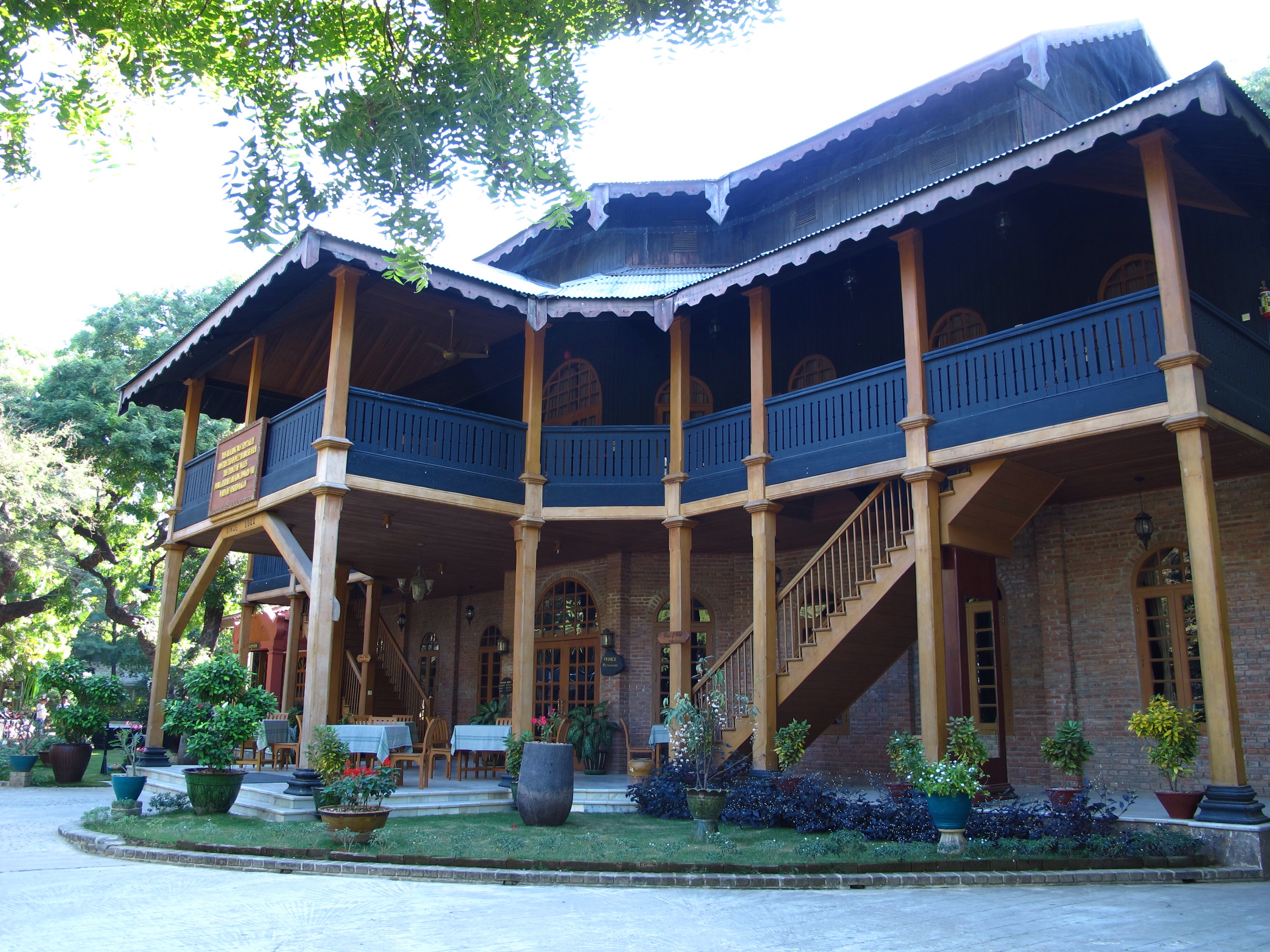
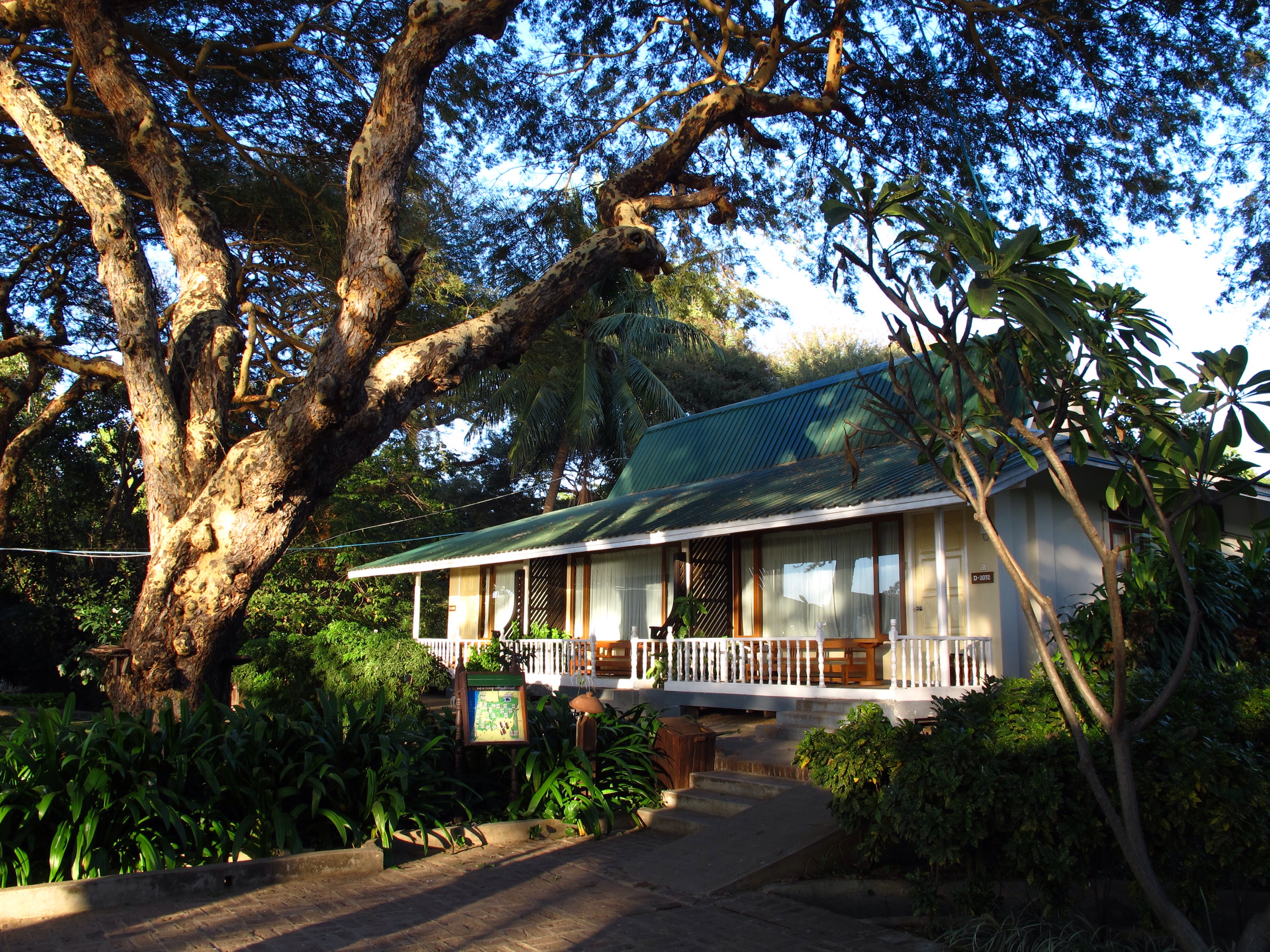
This riverside hotel in Old Bagan was opened in 1922 to welcome a royal guest, King Edward VIII in 1922. A 2-storey colonial structure now proudly bears a sign citing this royal welcome, but this main hotel building does not have the same riverfront view as the deluxe room we stayed in. I like low-rise hotels. A rarity these days. Here in Bagan Thande Hotel, they have bungalows with decks facing either the pool or the great Ayeyawaddy river. I found it such a luxury to have all this open space!


2015/01/img_1317.jpg


2015/01/img_9667.jpg


2015/01/img_9669.jpg


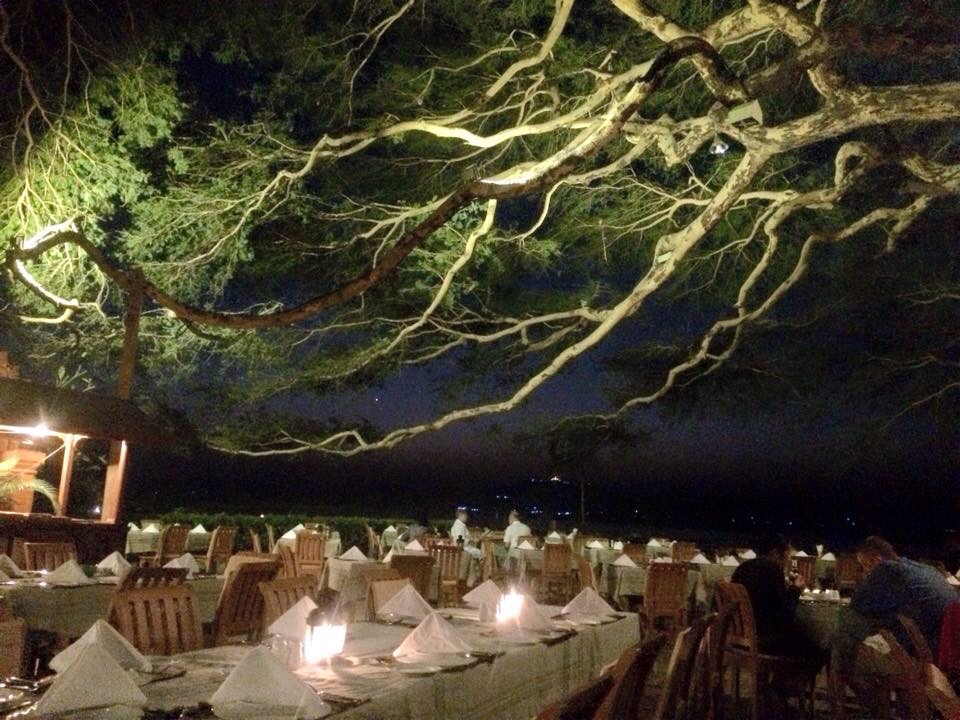
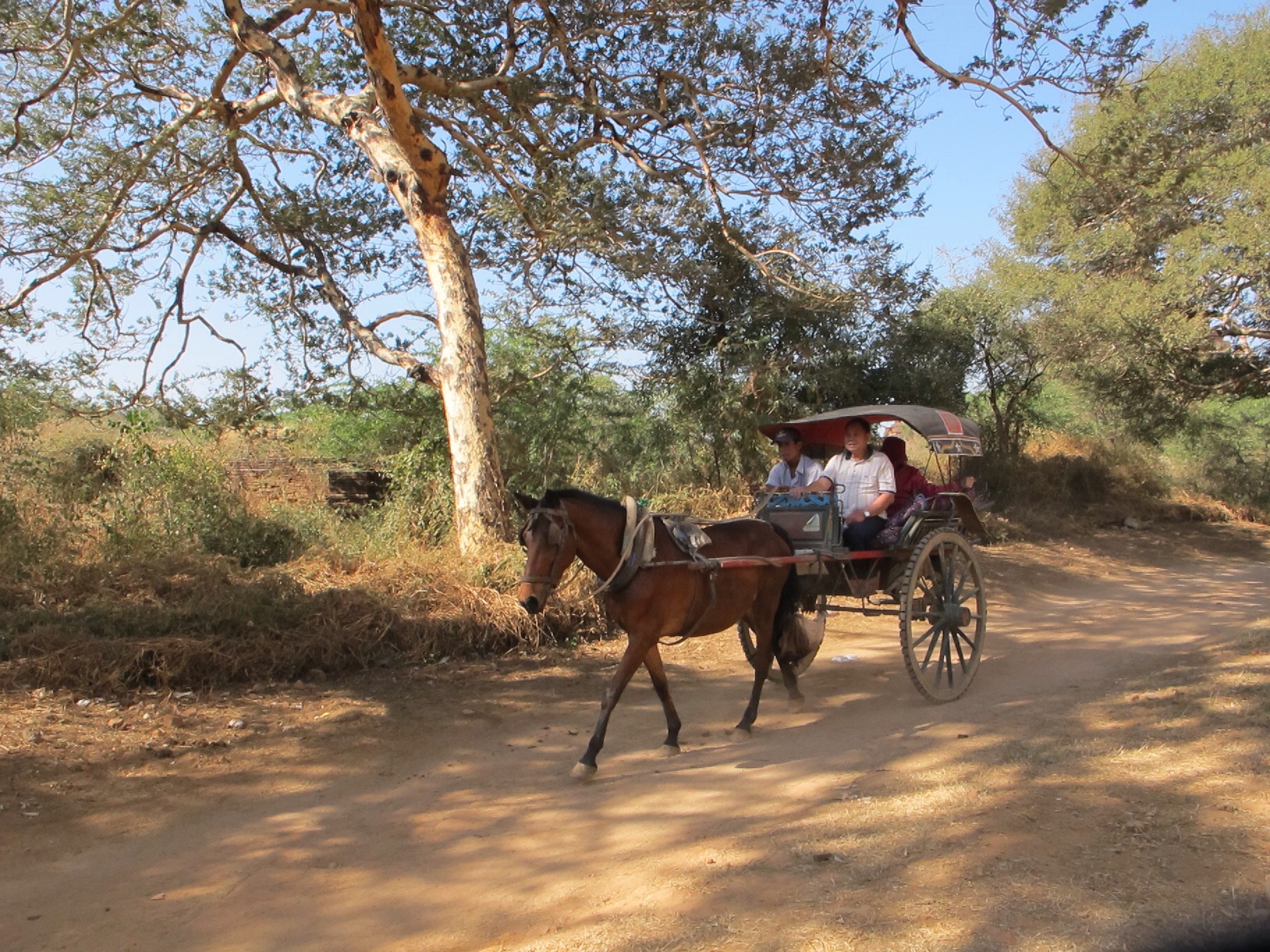
Dinners under the huge and lovely acacia tree were delightful, especially after a hot shower to cleanse all the dusts so prevalent in the plains of Bagan. There is an international buffet and breakfast is available as early as 6am. A short stroll from the hotel is a waiting area where one can rent horse carriages for old Bagan and nearby village tours.


2015/01/img_6441.jpg


2015/01/img_6442.jpg


2015/01/img_9696.jpg


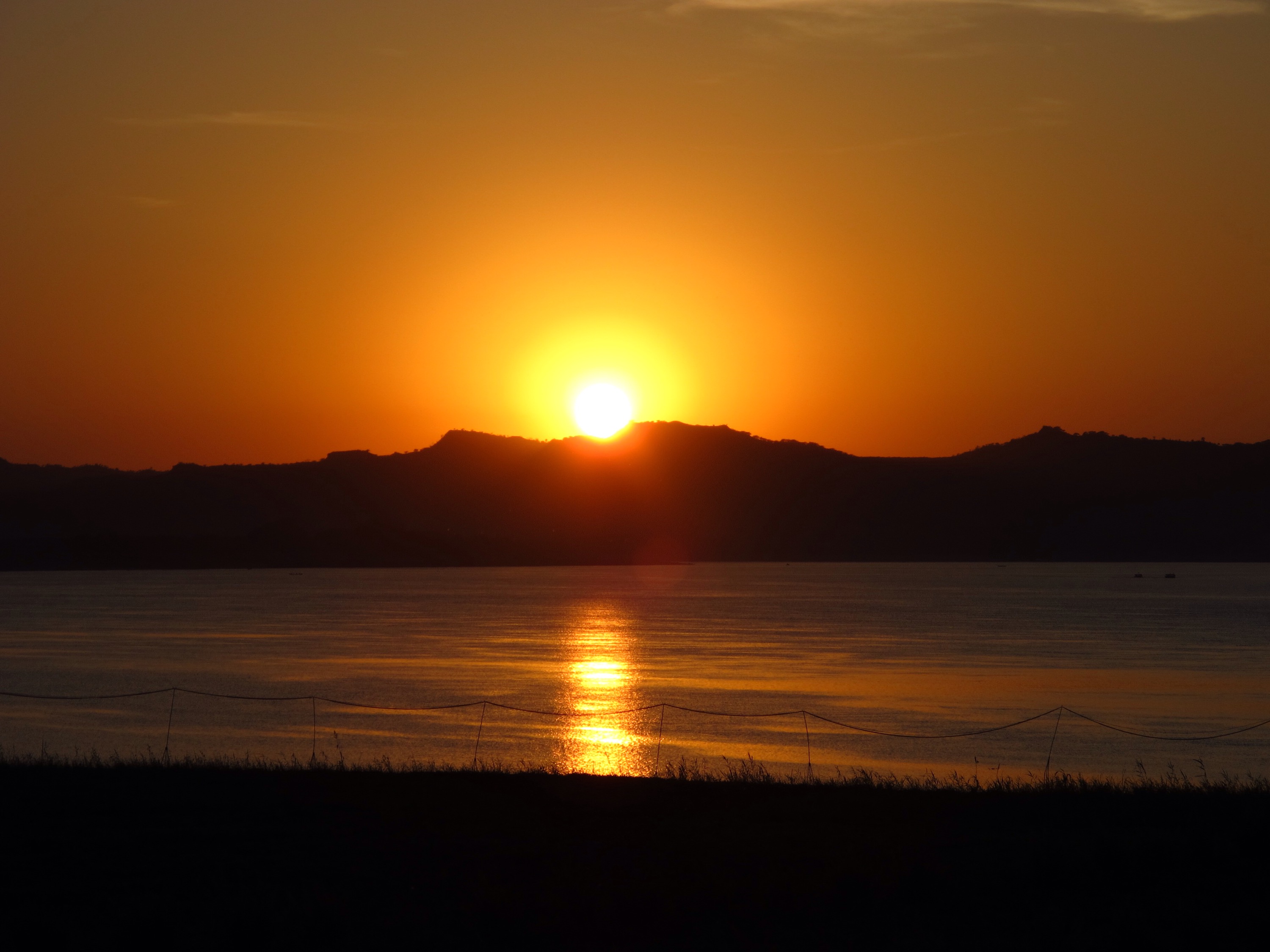
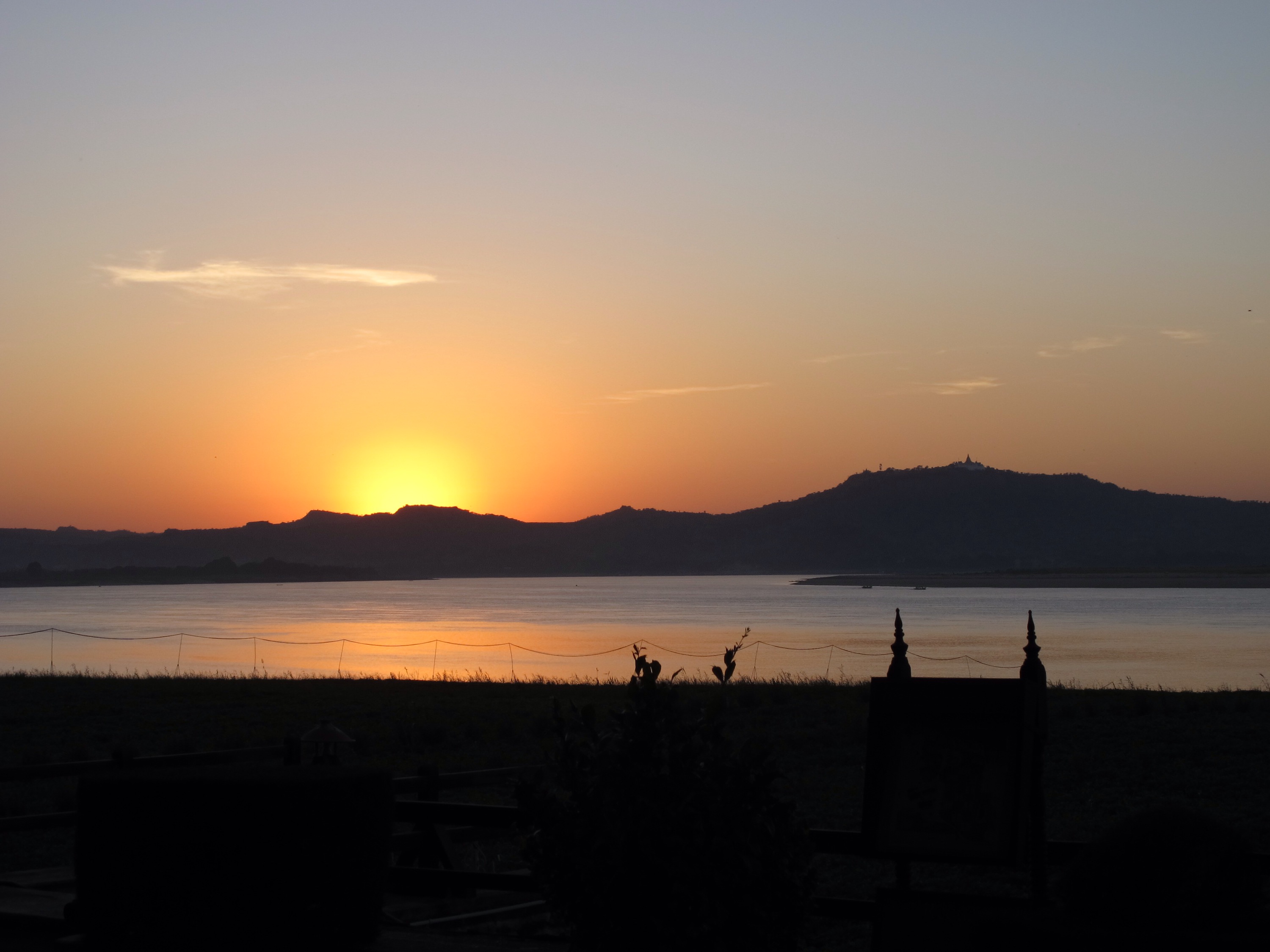
We waited for sunset from our riverfront room’s deck and loved the fiery spectacle! The manicured lawn, the potted plants, the aromatic flowers, and though I’ve never seen it, the resident owl in this hotel complex bring on such an air of royalty and privilege that is so welcoming, almost personal. Really puts you on a jolly holiday mood.


2015/01/img_6439.jpg


2015/01/img_9804.jpg


2015/01/img_9812.jpg


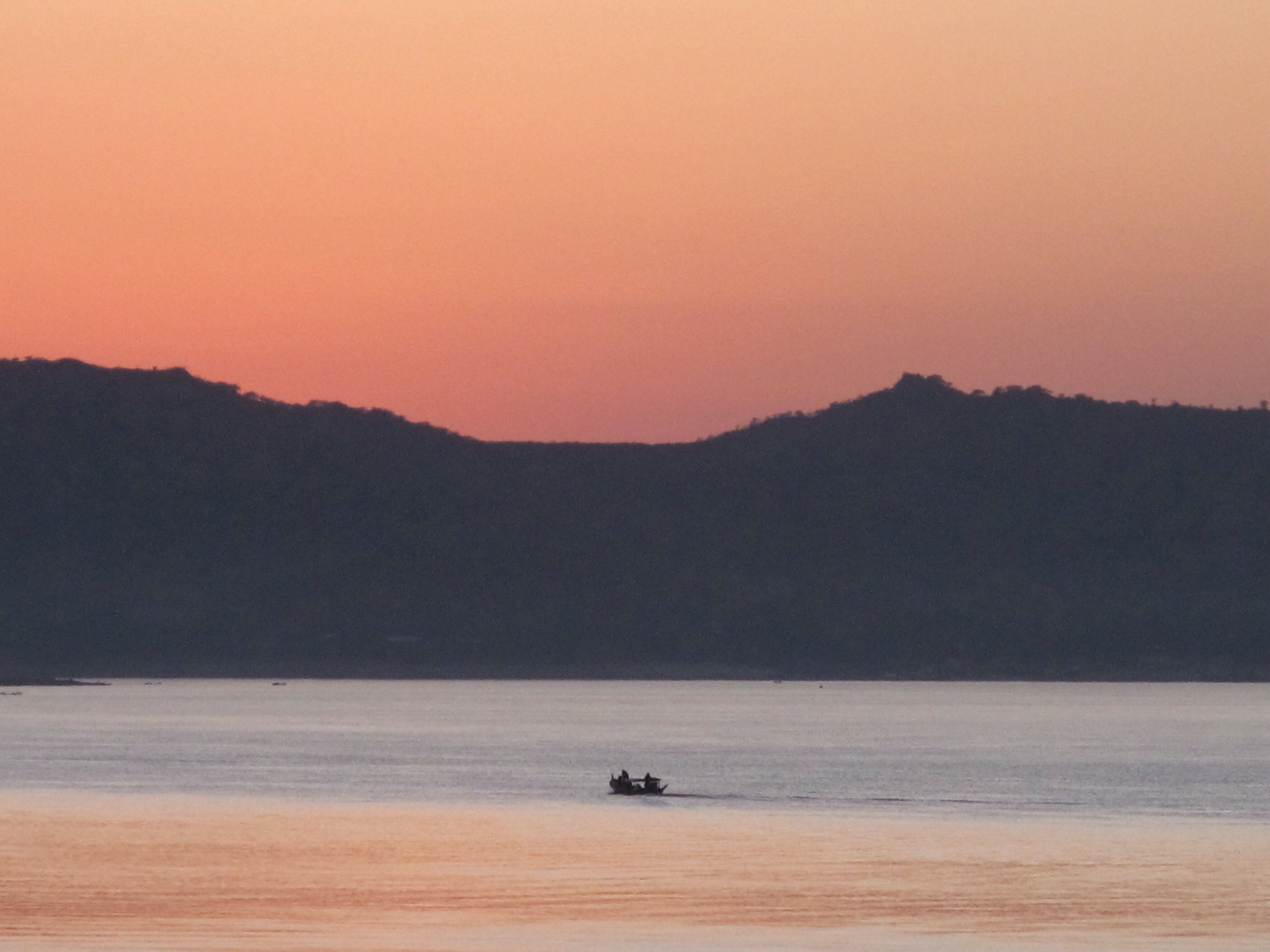
Who would have thought there’s this slice of paradise in this archaelogical zone? Dining under the stars is a highlight, but so is the hour spent at sundown.


2015/01/img_9803.jpg


2015/01/img_9817.jpg


We went as far North as Mandalay. Known as the Golden City with its many pagodas and monasteries. It was the capital of Burma (now Myanmar) before it was colonized by the British in the 1880’s. Rudyard Kipling’s poem entitled Road to Mandalay may have romanticized this former capital of Myanmar. Rightly so, as it remains a religious center, the very heart of Buddhist Burma.


2015/01/img_9311.jpg


2015/01/img_9361-0.jpg


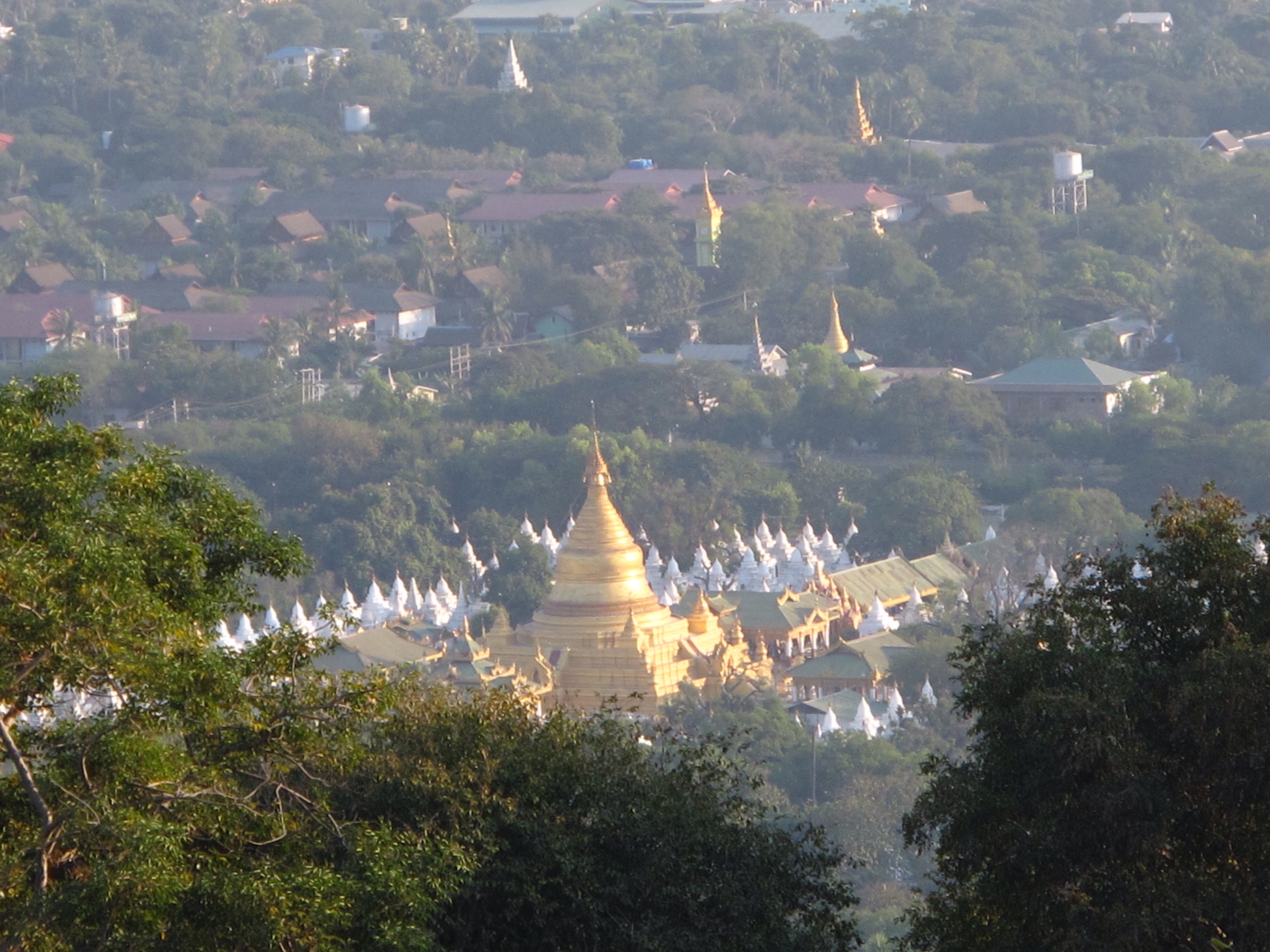
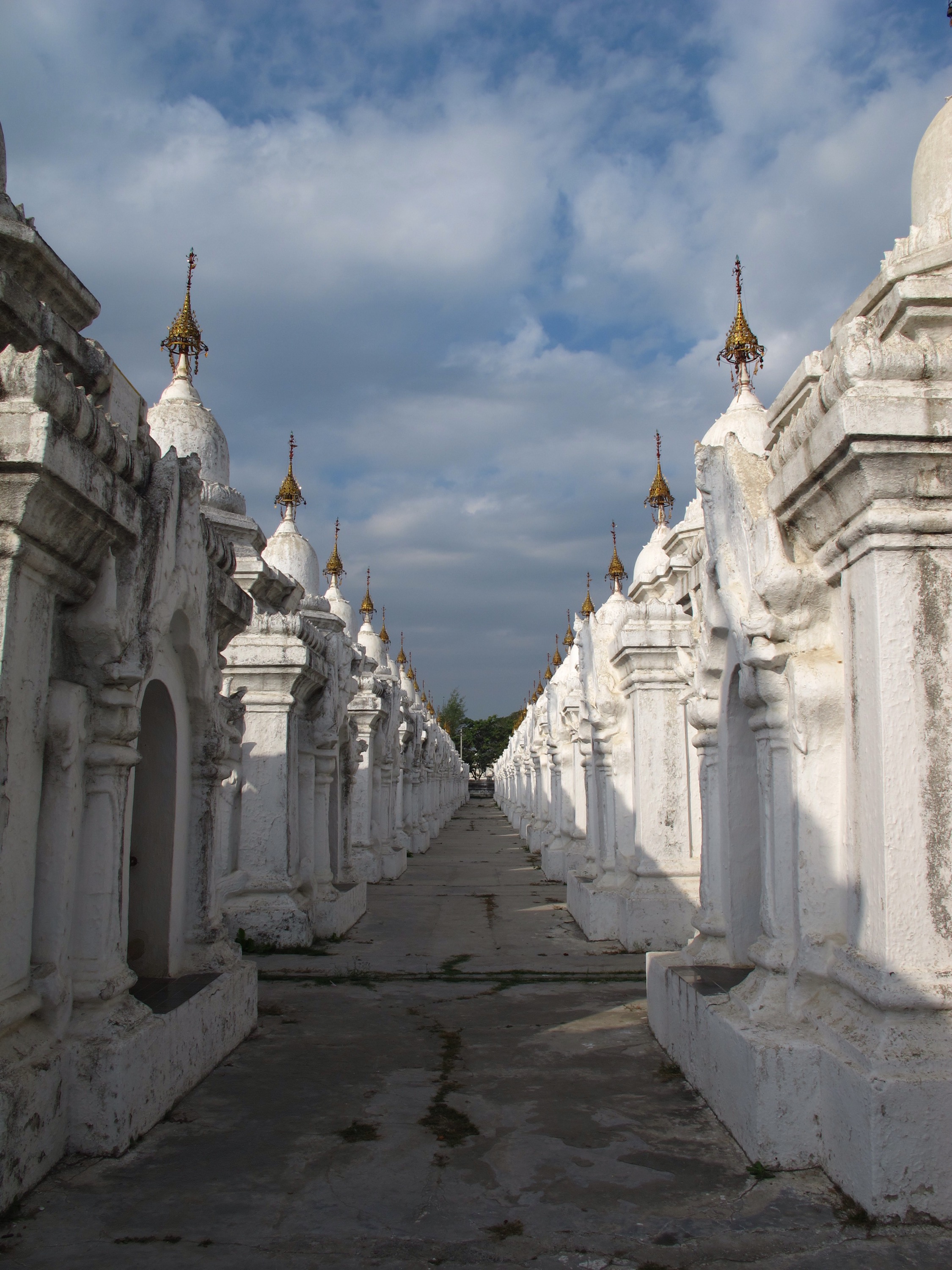
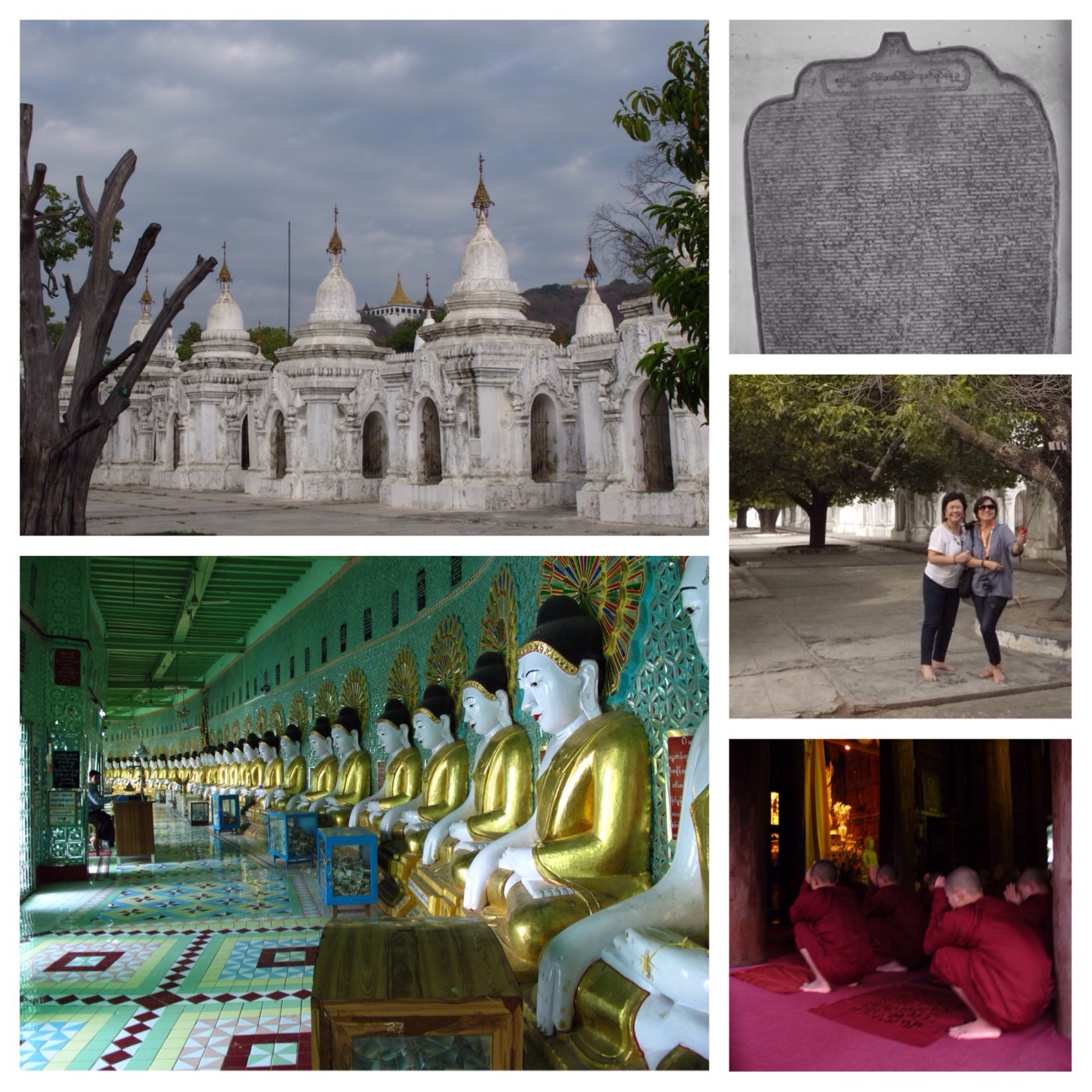
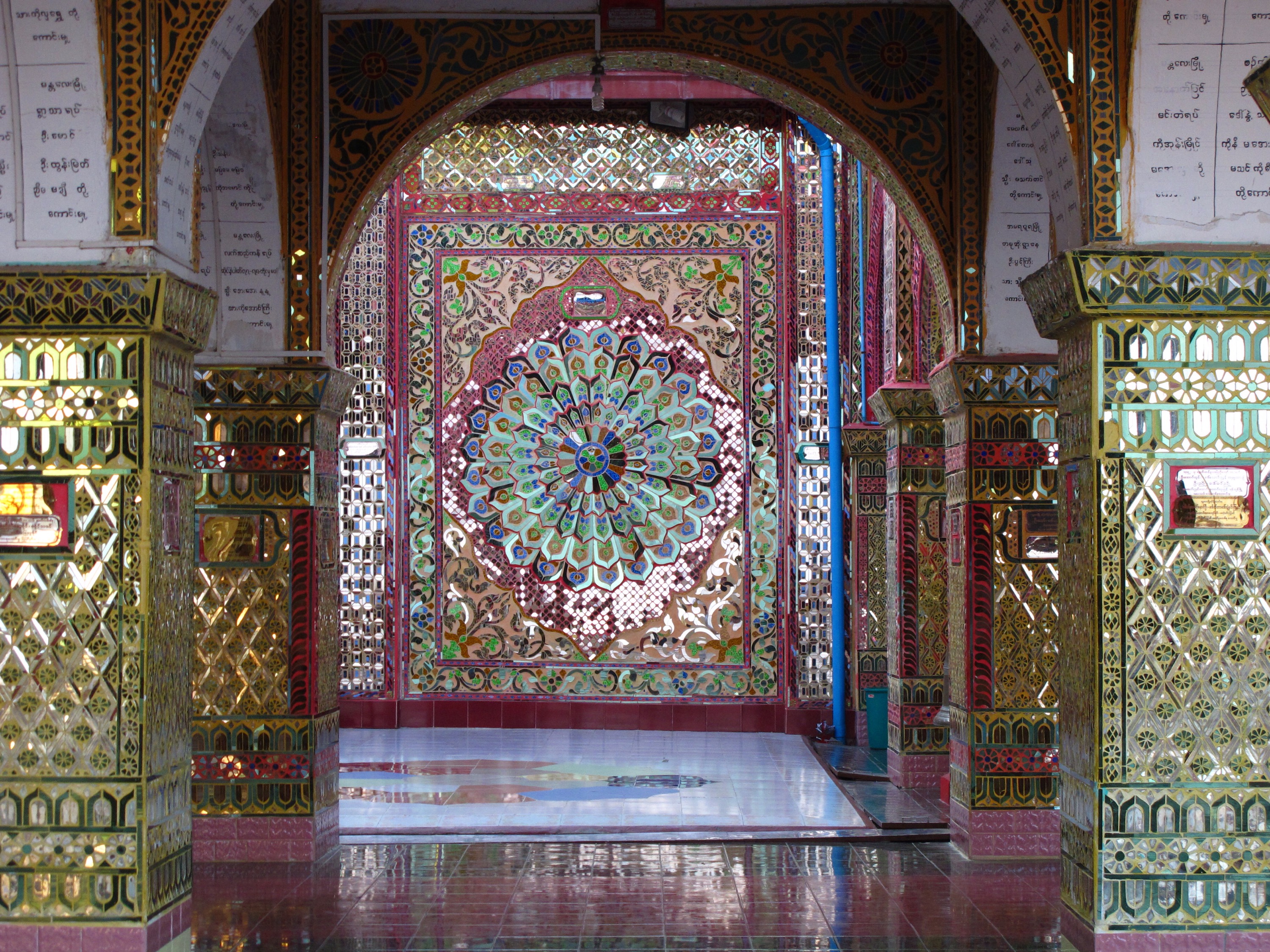
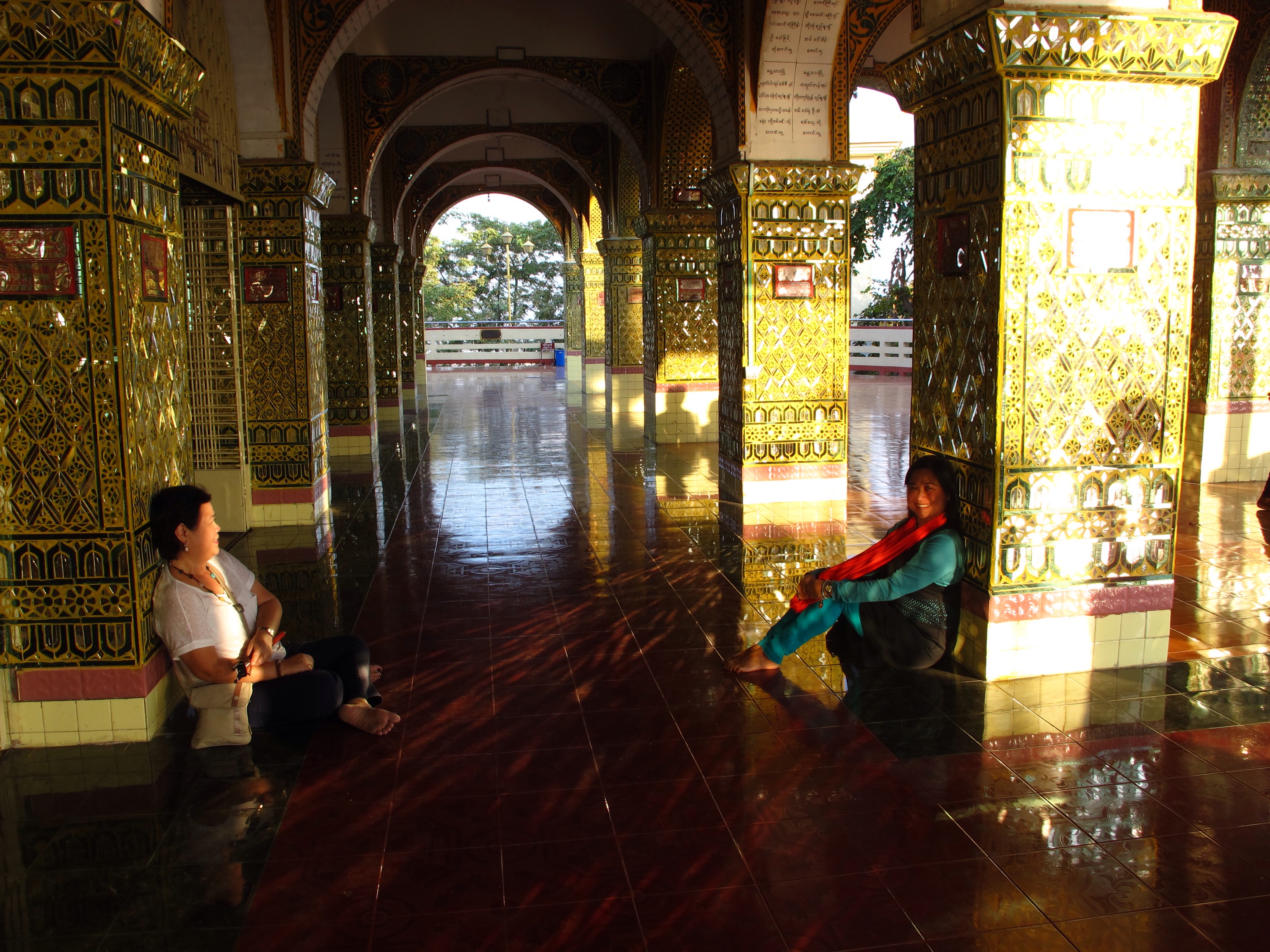
Among Mandalay’s religious monuments is Kuthodaw Pagoda where the world’s largest book is enshrined. Inscribed on stone tablets are excerpts from the tipitaka or Buddhist scriptures. Each stone tablet is housed in each of the 729 white stupas surrounding a golden temple inspired by Bagan’s Shwezigon Pagoda. Star flower Trees planted between rows of white stupas provide ample shade and tons of charm for this pagoda complex. Kuthodaw glistens in its goldness both from the ground as well as when viewed high up in Mandalay Hill. Speaking of Mandalay Hill, one may choose to climb it by hiking up, or go easy by taking an elevator to take you up in Sutaungpyei Pagoda from where one gets a panoramic view of Mandalay.


2015/01/img_9182.jpg


2015/01/img_6436.jpg


2015/01/img_6369.jpg


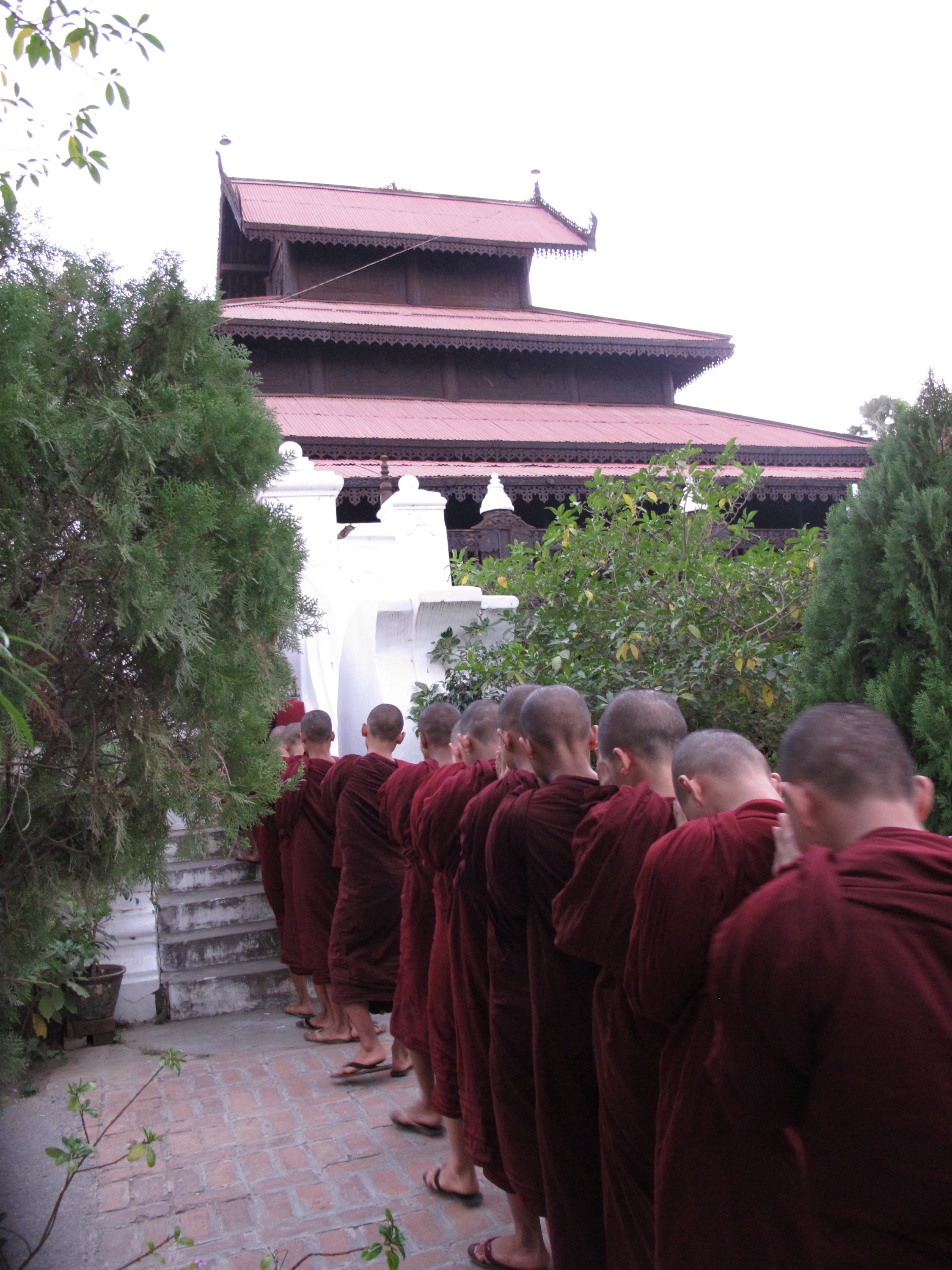
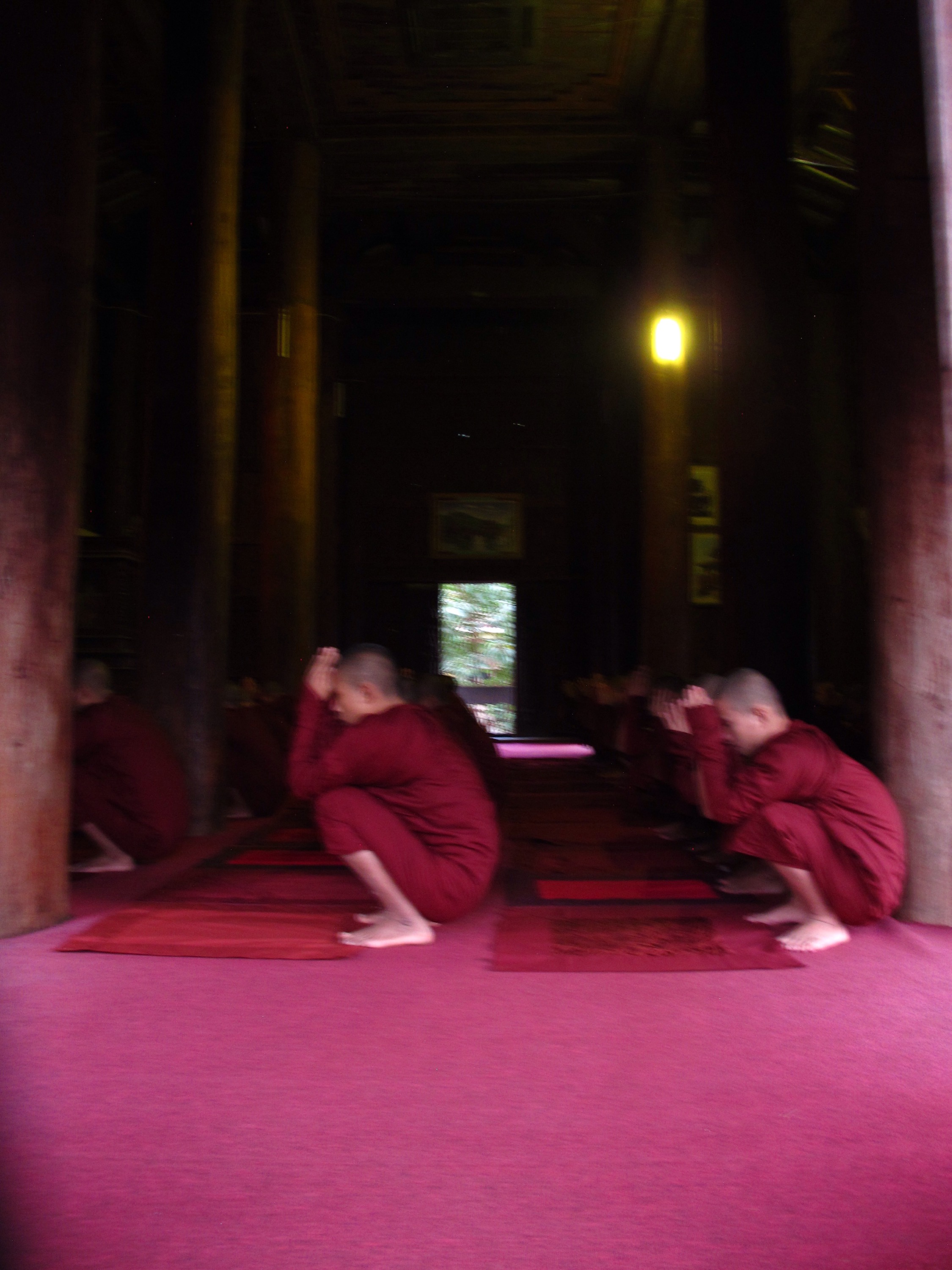
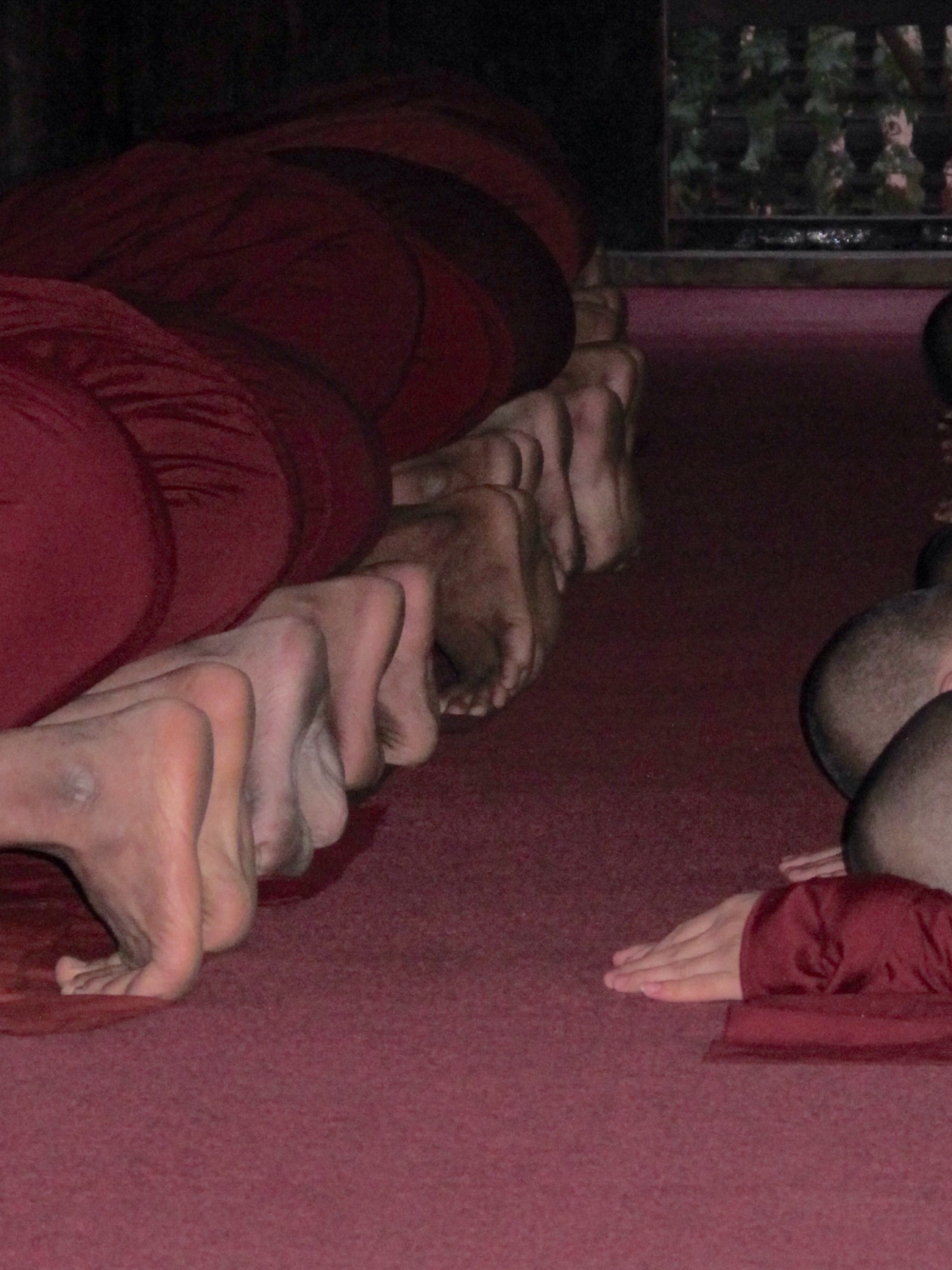
A monk’s life involves a lot of discipline and silence. Here in Mandalay lie many monasteries and monastic schools like Maha Ganayon Kyaung where visitors can witness the monks’ rituals like lining up for their midday meals or doing their late afternoon prayer ceremony. All that chanting, bowing and meditating comprise the prayer ceremony we had the fortune to witness.


2015/01/img_9399.jpg


2015/01/img_9384.jpg


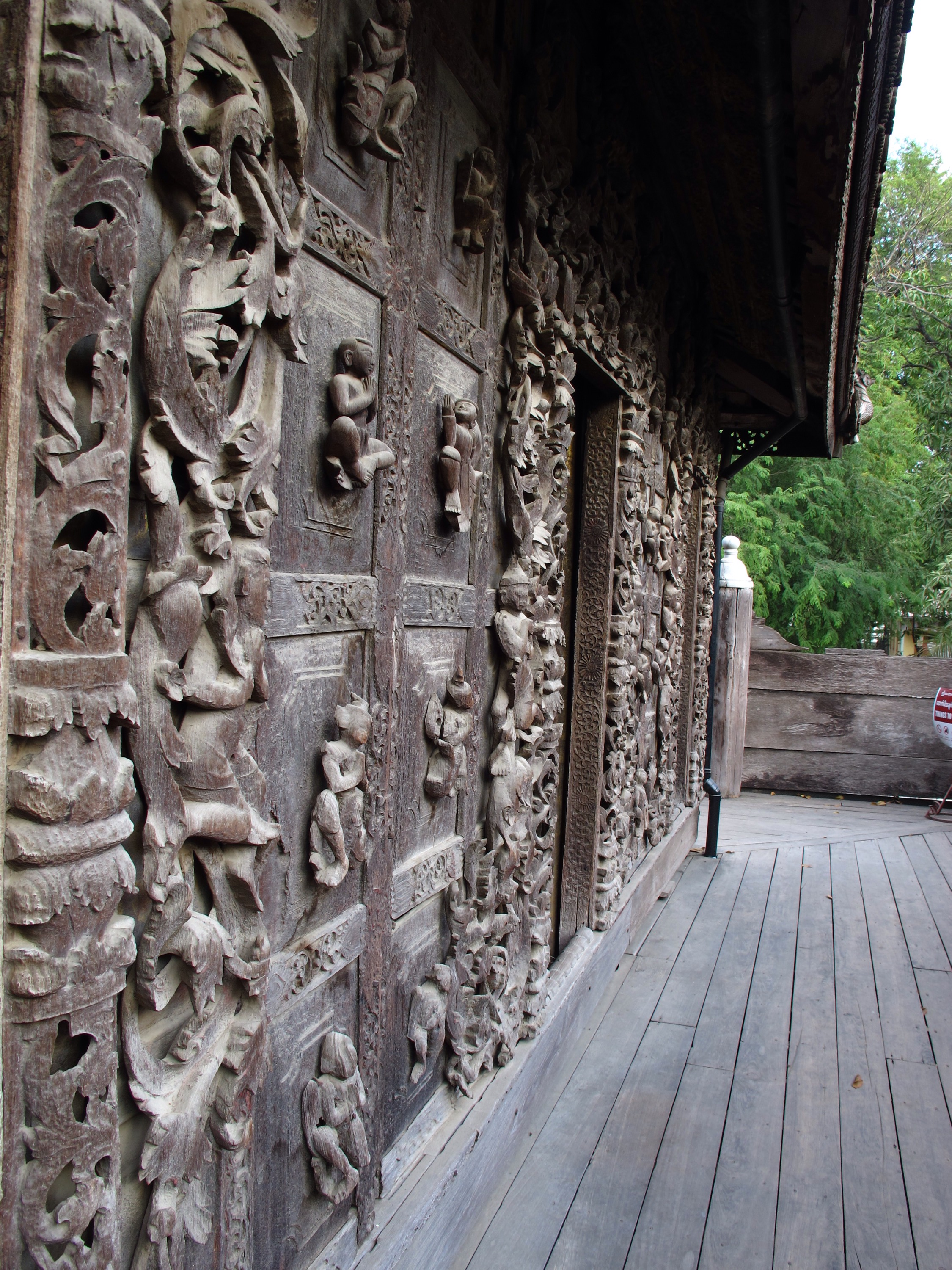
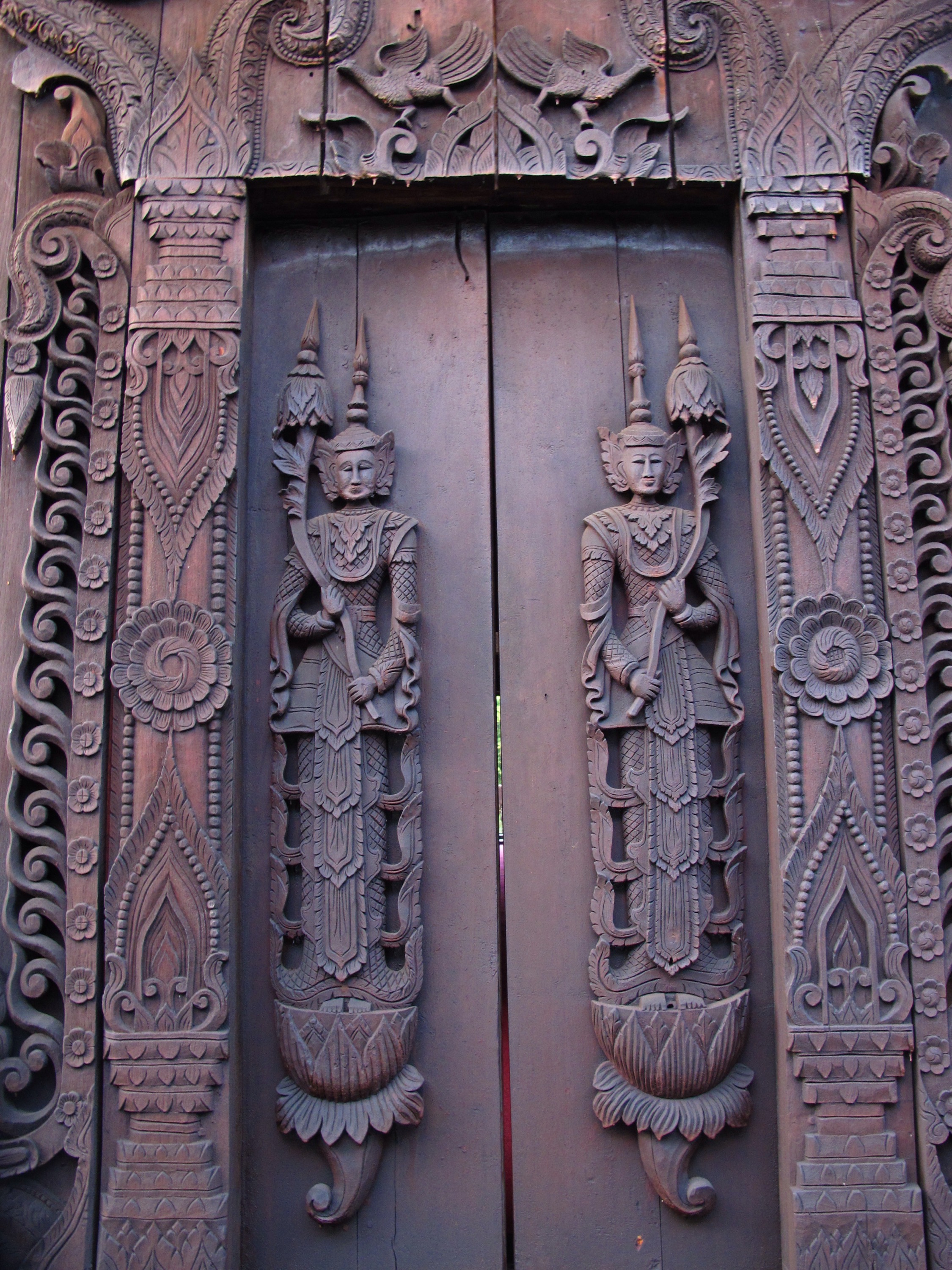
For a moment there, I thought I’ve had enough of temples and monasteries so early in my trip. But what fascinated me are Myanmar’s landmarks in teak wood. The country is the world’s top producer of teak wood and the Golden Palace Monastery or Shwenandaw Monastery is one fine example of Burmese architecture. As the last royal capital before the country was colonized by the British, Shenandaw happens to be King Mindon’s last royal palace. It’s just curious that the most sacred area within the monastery is exclusive to men.


2015/01/img_9159.jpg


2015/01/img_1080.jpg


2015/01/img_9411.jpg


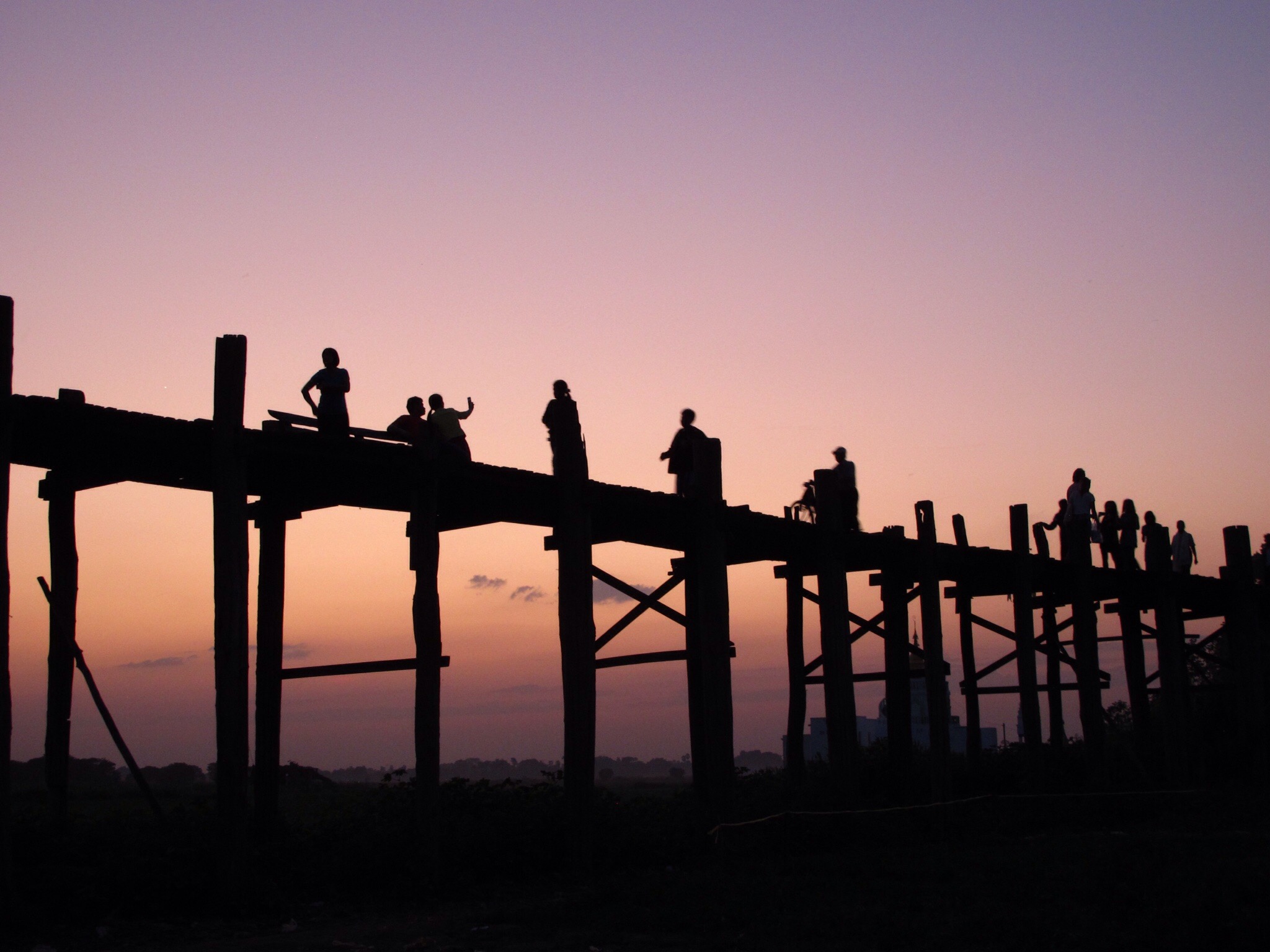
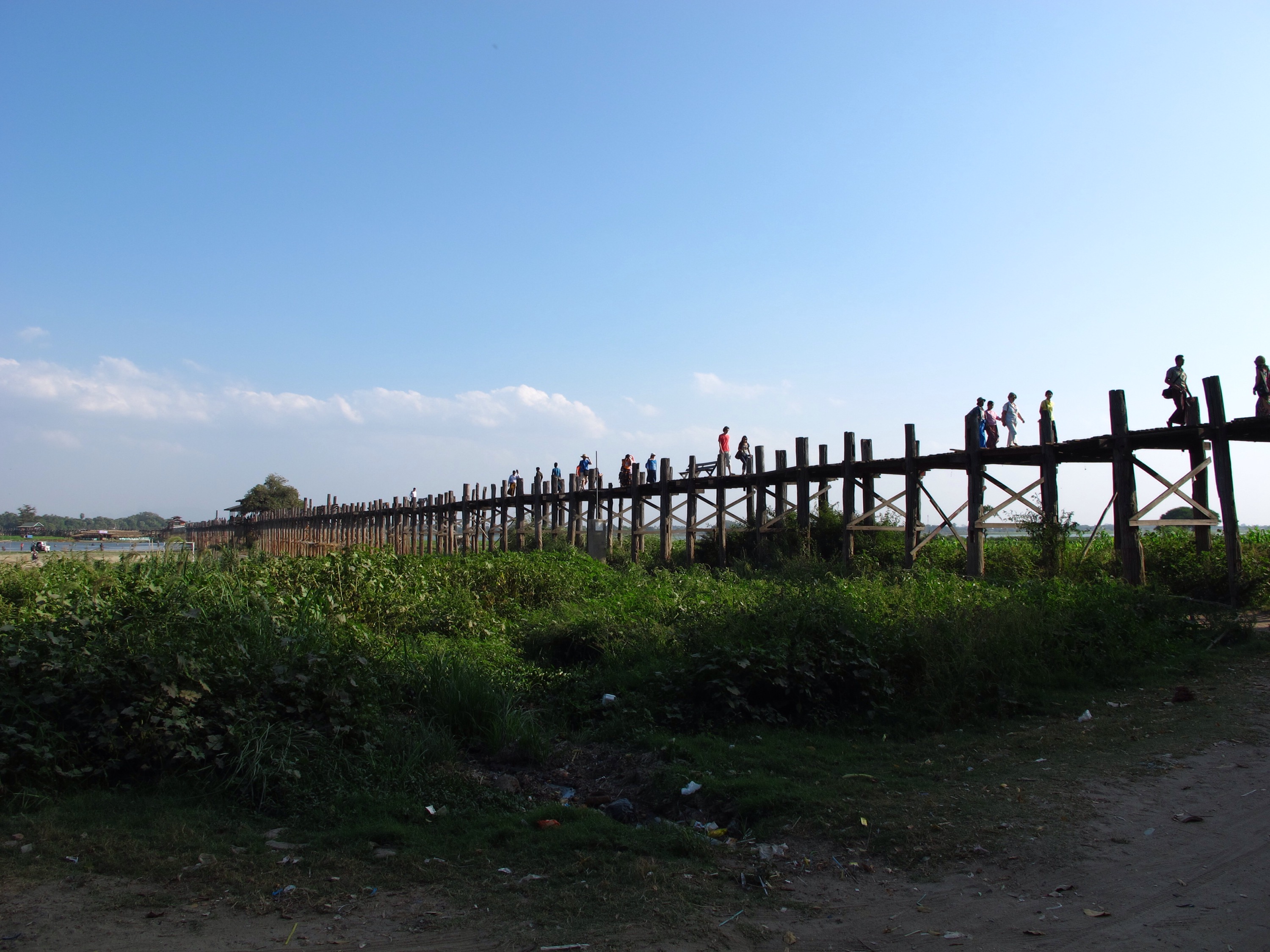
Last but not the least is one of Malanday’s iconic landmarks — this 1850-built bridge is touted as the oldest and longest teak bridge in the world to be found in the former capital of Amarapura. The bridge was built from wood reclaimed from the former ancient royal palace in Inwa or Ava. It doesn’t look much during the day, but its mosquito-infested location is perfect for sunset shots. With patience and a not so few mosquito bites, one can have a good snapshot of the teak bridge wrapped in the red orange warmth of a setting sun with monks, cyclists, basket-carrying women crossing the bridge, and likely tourists taking selfie shots. With a better cam, the silhouettes should make for a dramatic shot.


2015/01/img_1045.jpg


2015/01/img_9353.jpg


It is only fitting I end this piece with a few lines from the poem penned by Kipling.

When the mist was on the rice-fields an’ the sun was droppin’ slow,
She’d git ‘er little banjo an’ she’d sing “Kulla-lo-lo!”
With ‘er arm upon my shoulder an’ ‘er cheek agin’ my cheek
We useter watch the steamers an’ the hathis pilin’ teak.
Elephints a-pilin’ teak
In the sludgy, squdgy creek,
Where the silence ‘ung that ‘eavy you was ‘arf afraid to speak!
On the road to Mandalay . . .


2015/01/img_1786.jpg


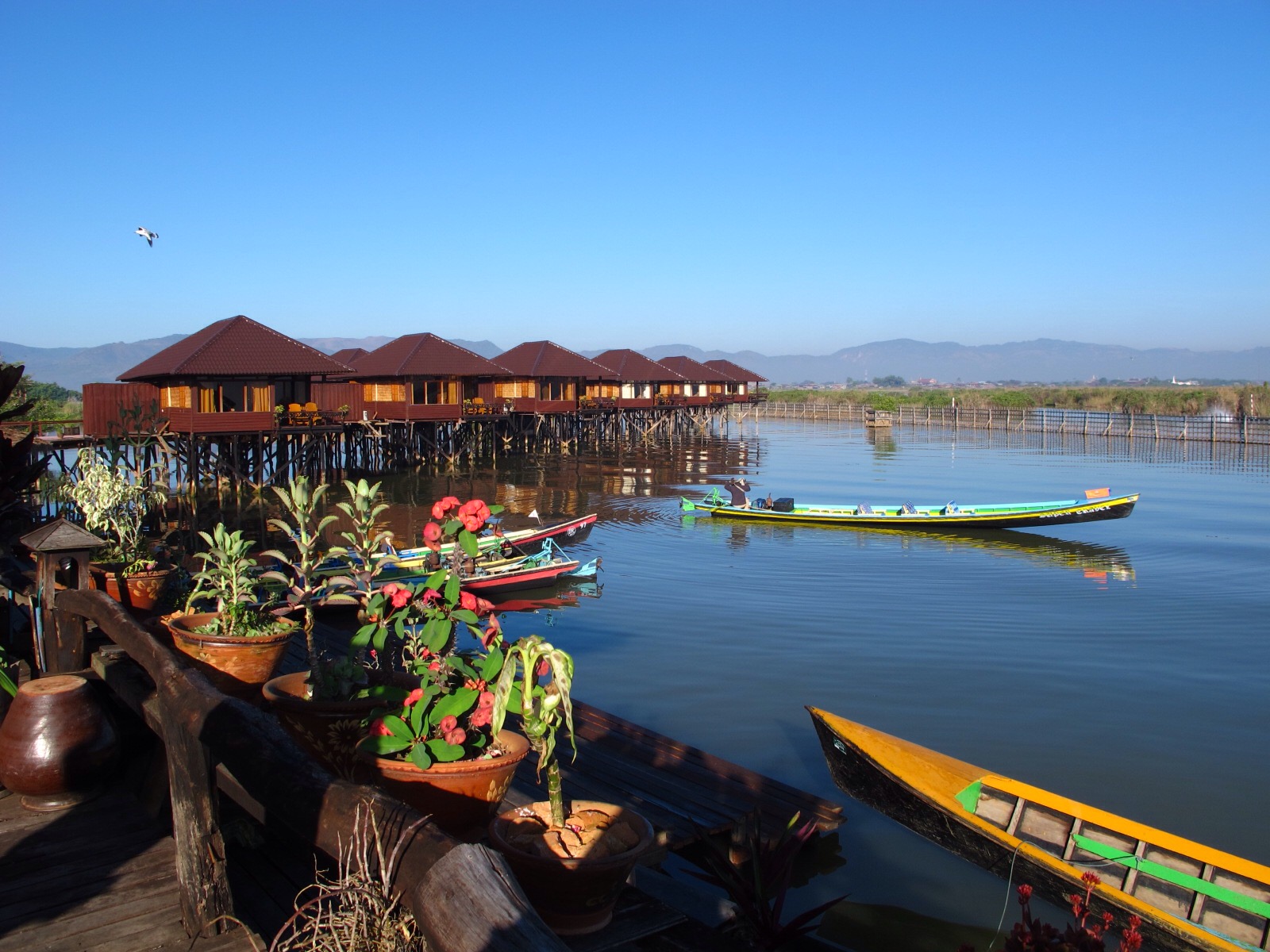
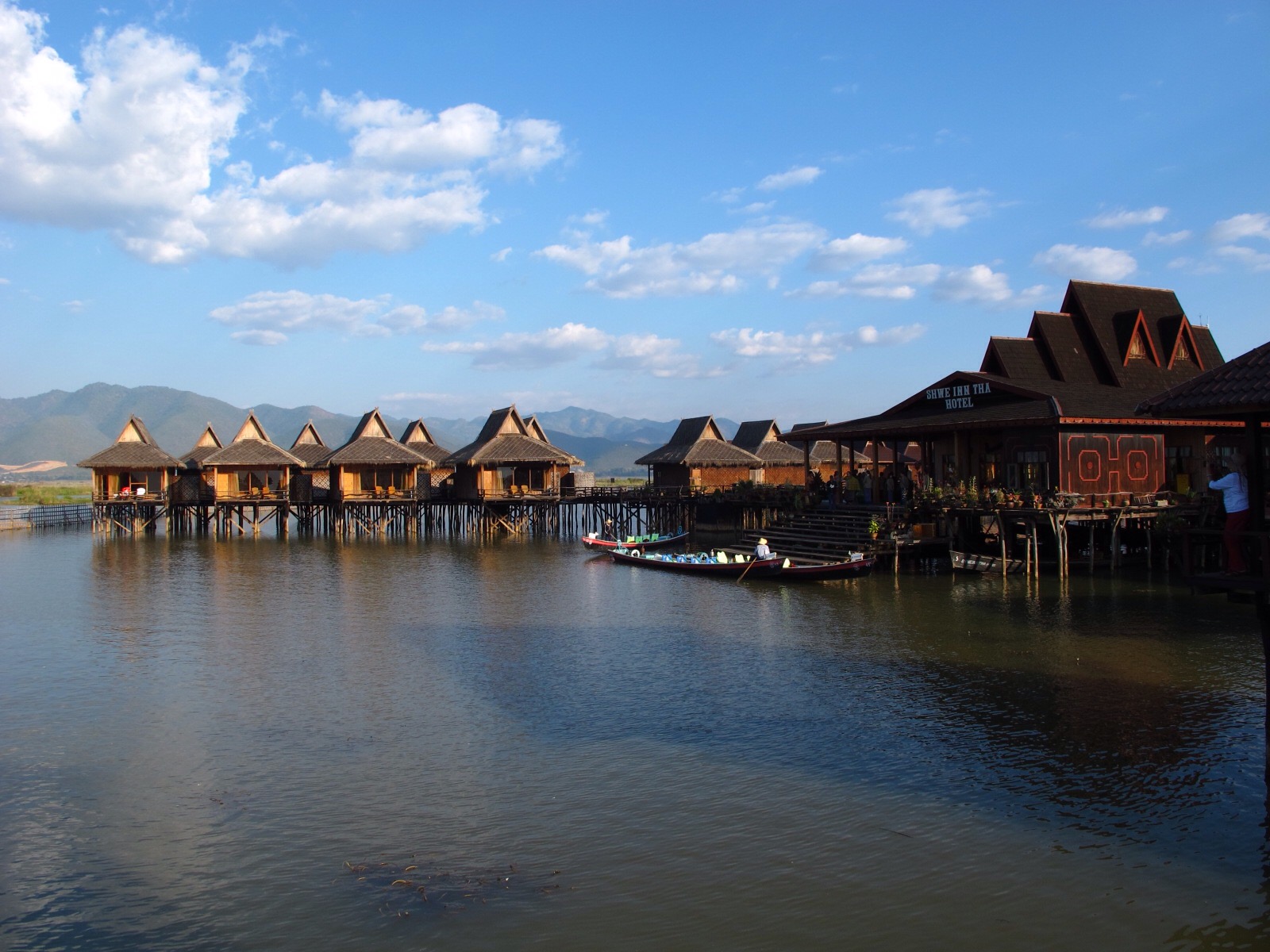
My best recollection of Myanmar would have to be the many stupas of Bagan and our stay in this wonderful floating hotel in Lake Inle. It sure pays to have (and spend) this “extra” especially after a tiring, dusty week in the land of gold. My advice? If you have the extra bucks, use it to spend at least a night here!


2015/01/img_0148.jpg


2015/01/img_0193.jpg


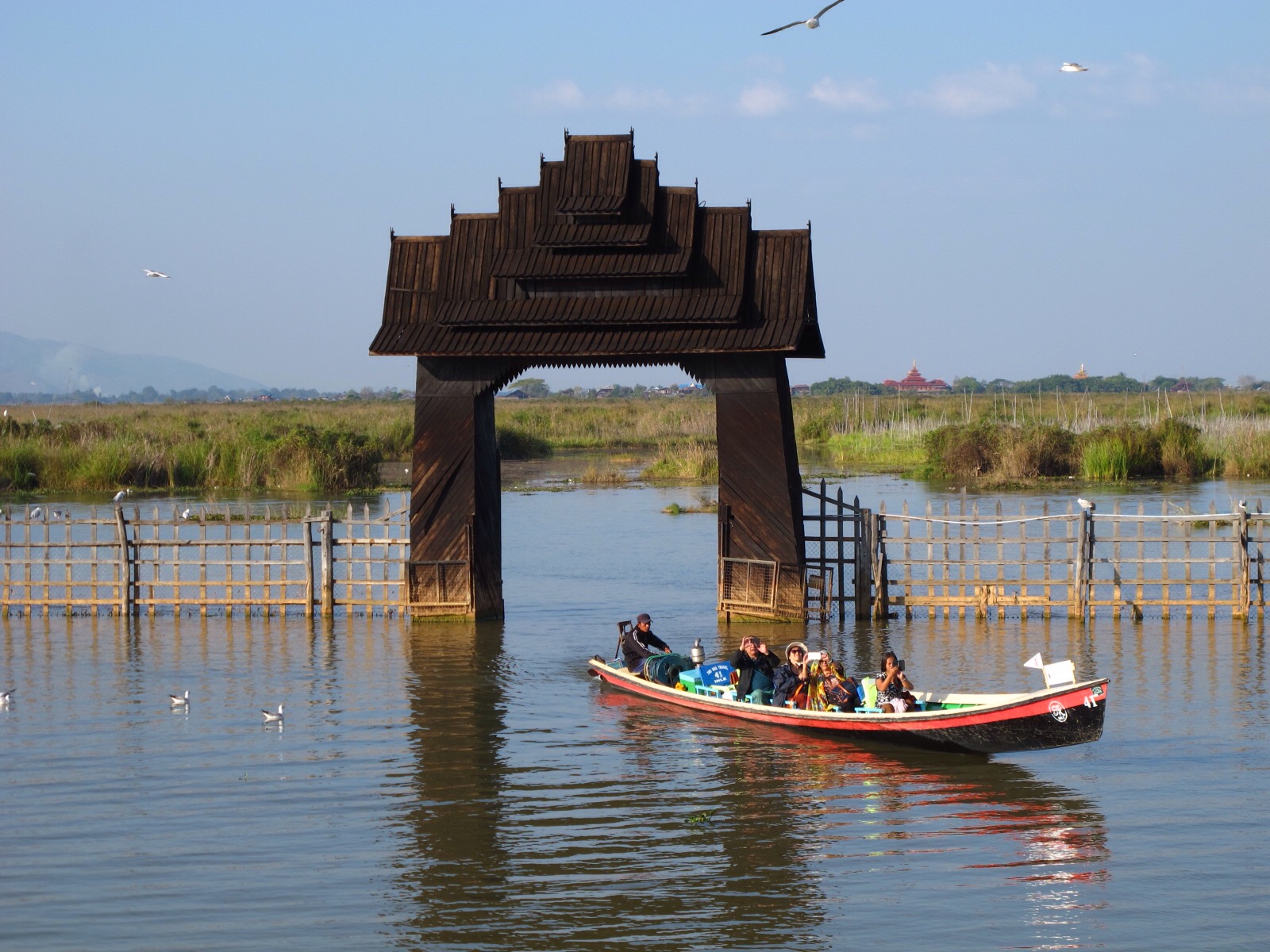
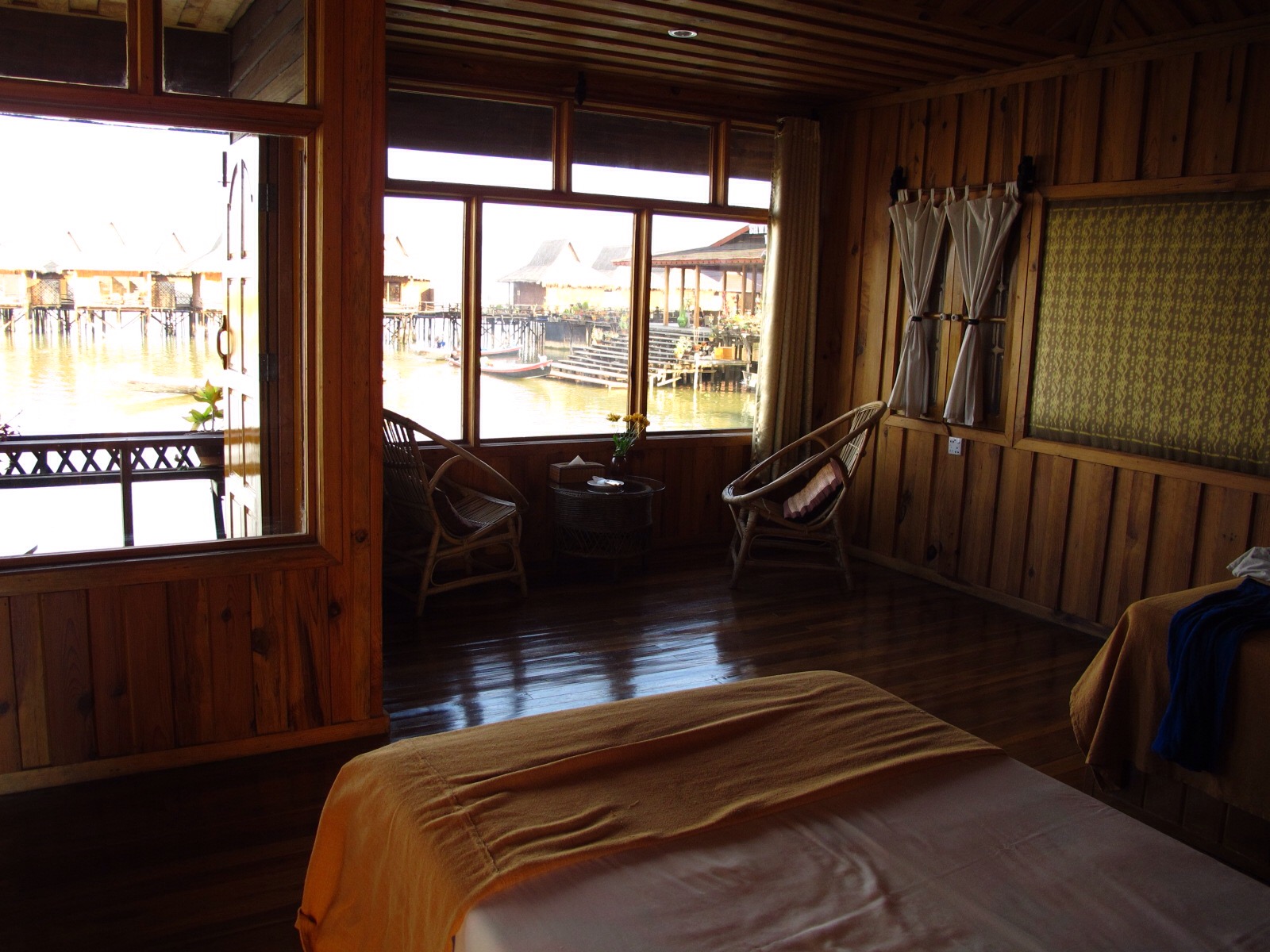
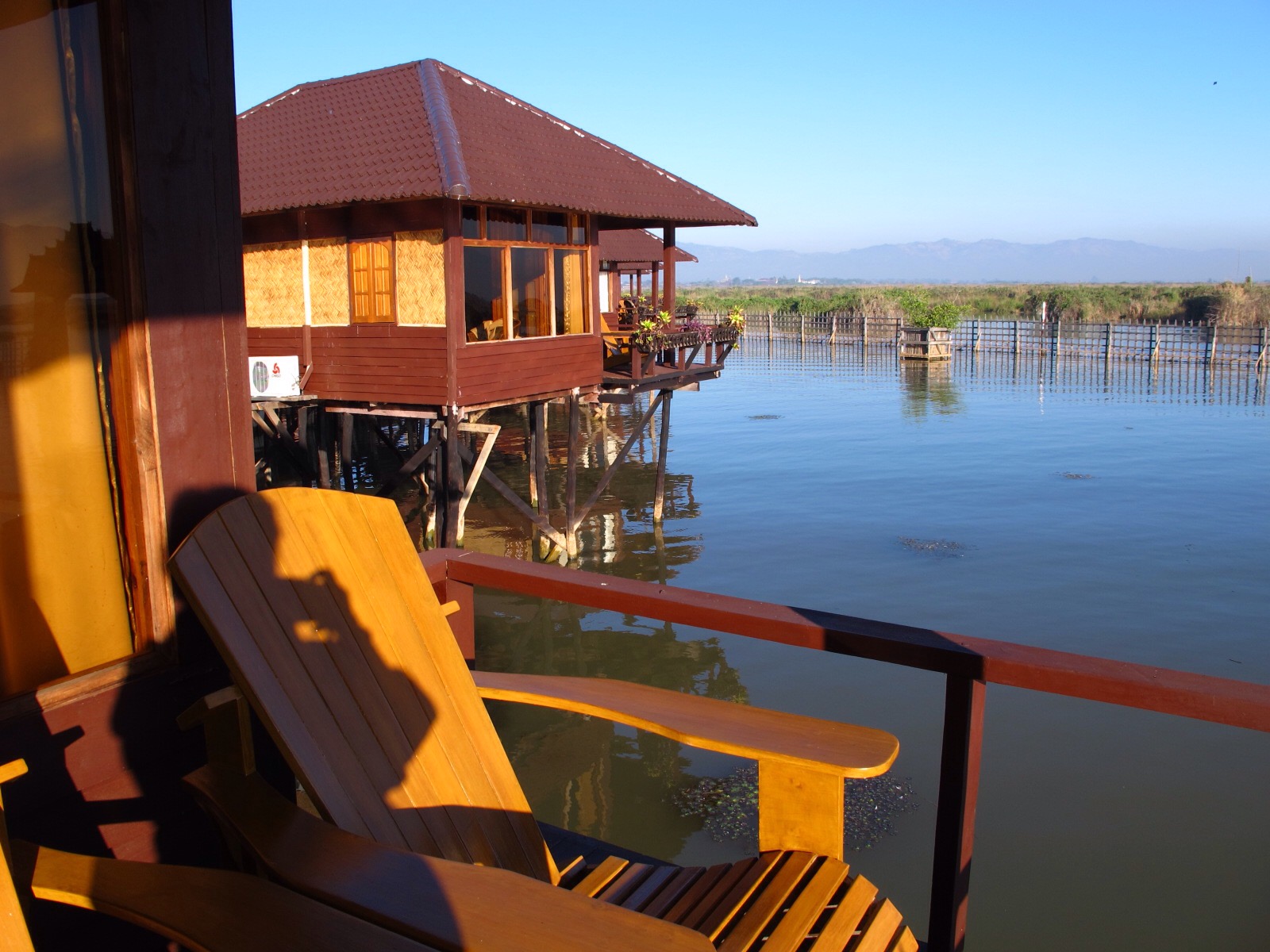
First off, Lake Inle by itself is truly beautiful. Now, savor all that beauty by staying in this gem of a hotel. Huts on stilts, each with a porch or balcony. Our cottage’s balcony faces the entrance arch to the floating resort so it was fun watching those canoes sailing in and out, each batch of hotel guests seemingly “welcomed” by the resident seagulls who have each chosen a pole as their “sentry”.


2015/01/img_0158.jpg


2015/01/img_0185.jpg


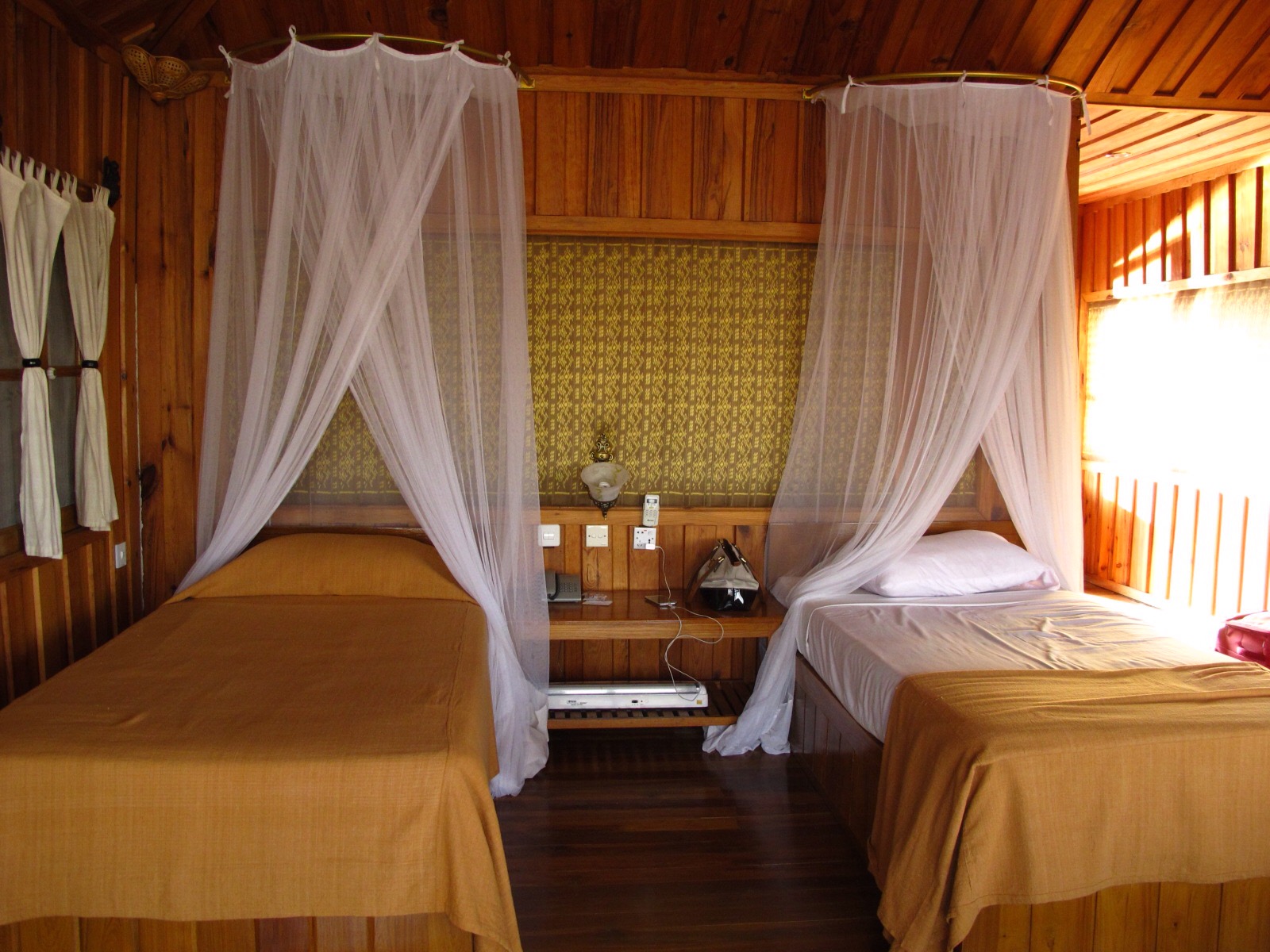
There’s a walkway towards the cottages, the spa, the dining area, and the swimming pool. Never had the chance to check the pool in this weather, but I’m hoping it’s heated considering the temp’s hovering around 7-10 Celsius. I can imagine it’s fun on summer nights. Yet I like the winter vibe in this lake area, and would in fact suggest a Myanmar visit during the cooler months of December and January. No worries — there’s a heater in the cottages. More than that, there’s a mosquito net too! The beds are not as comfortable but if you’re all curled up like a shrimp throughout the night, it hardly matters.


2015/01/img_0159.jpg


2015/01/img_0162.jpg


Food was good. They served local cuisine along with continental dishes. Don’t miss the local noodle dish called Monhinga. It’s made with thin rice noodles steeped in fish broth, crushed lemon grass and shrimp paste. Very delicious! You can pair them with the local Myanmar or Mandalay beer or if you seriously need to keep warm, try the local wine.


2015/01/img_1924.jpg

2015/01/img_6349.jpg


Now, this I’ve got to mention. Myanmar produces good wine! Red Mountain Estate imported grape plants from France and the cool weather and mountain soil on this side of Lake Inle must have conspired to produce this local wine at par with its western counterparts. Who would have thought? I was hesitant at first. The local wine is priced at half what a Bordeaux or Rioja would have cost you. But good enough that one of us mistook it for a rioja. So next time you’re in this area, enjoy a bottle of shiraz or cab sauvignon from Myanmar. Piode!


“Frame your mind to mirth and merriment which bars a thousand harms and lengthens life.” – William Shakespeare


2015/01/img_8604.jpg


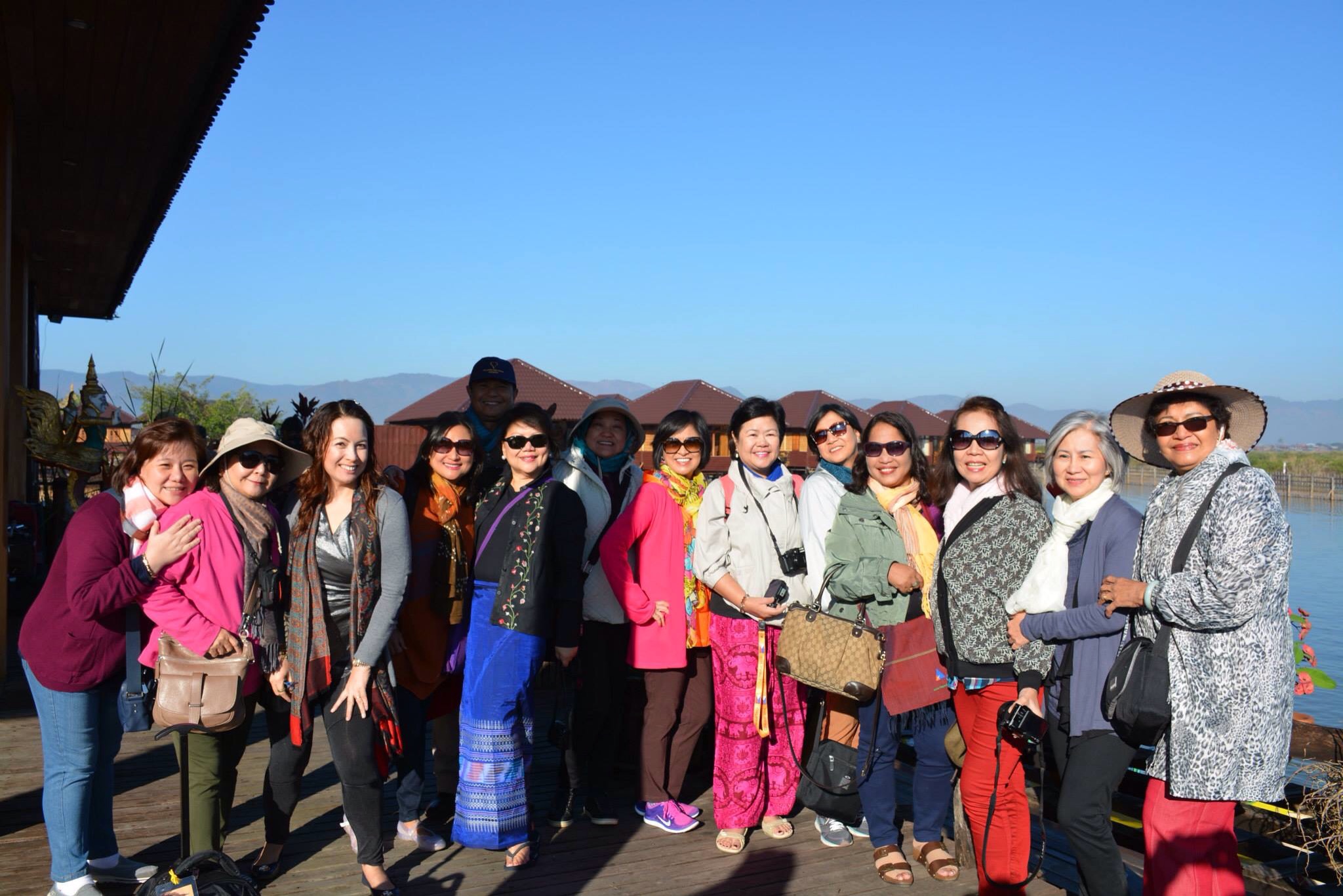
I traveled with a merry group and the holiday ain’t complete without remembering all the hearty laughs we’ve shared throughout the journey. It helps that many of us have been travel buddies of some sort, and just pulled in a few more friends and family members. A few I traveled with only 2 months earlier, just giving ourselves enough time to “miss each other”.


2015/01/img_8614.jpg


2015/01/img_0157.jpg


“A cheerful heart is good medicine” , so says the good Book. And this travel group is having a party! Just watch them take turns taking group photos. Oh, my Lord! There’s got to be a law banning taking the same shots with the same group in the same place WITH 10 DIFFERENT CAMERAS. Yet all with good cheer, till our facial muscles athropied into a semi-permanent smile.


2015/01/img_9511.jpg


2015/01/img_6393.jpg


Who says only the young can have fun? That only the fit and healthy have the energy? We defied all rules. We slipped, our bellies gave us problems, a couple of temper outbursts (both mine), sore throats and mild fevers, gout was freely discussed like it’s an everyday issue, and temporary memory loss became the order of the day. In no time, we were just simply looking out for each other. How good is that?


2015/01/img_9464.jpg


2015/01/img_9467.jpg


Food and shopping occupied the minds of many. Plus many good shots here and there as souvenirs of the trip. Ancient history twisted our minds and tongues so that each pagoda came to be “Shwe” something. We stayed in good hotels but hardly found the time to really enjoy them because of our hectic schedules. Flying from place to place took its toll, and it’s a miracle we had energy left at day’s end to take pleasure at each sunset. Our joie de vivre never waned nor faded.


2015/01/img_9007.jpg


2015/01/img_0070.jpg


2015/01/img_6425.jpg


A holiday can be a nightmare, or a total disaster. Flights can get cancelled or terribly delayed, hotel bookings undone, itineraries messed up, weather not cooperating, expectations unmet. One’s best bet is one’s travel group. Nothing is worse than putting up with an arrogant fool, a racist, an “aromatic” companion, a perennially tardy fellow in the group, an insensitive boor. The only thing that went unhinged is our IQ’s slipping with each passing, tiring day. No Matata —- the Tropang Mapurol survived the journey! 😄


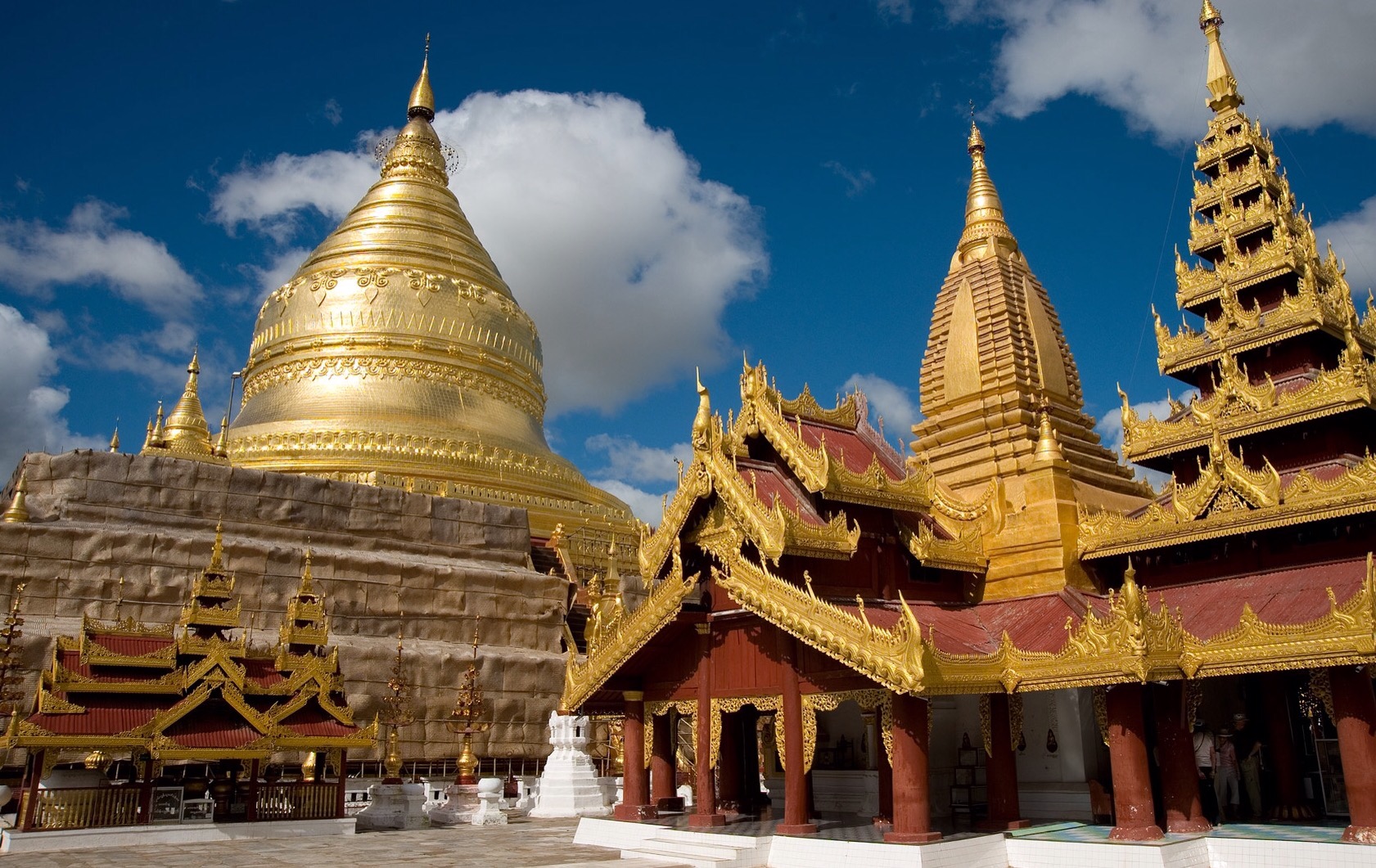
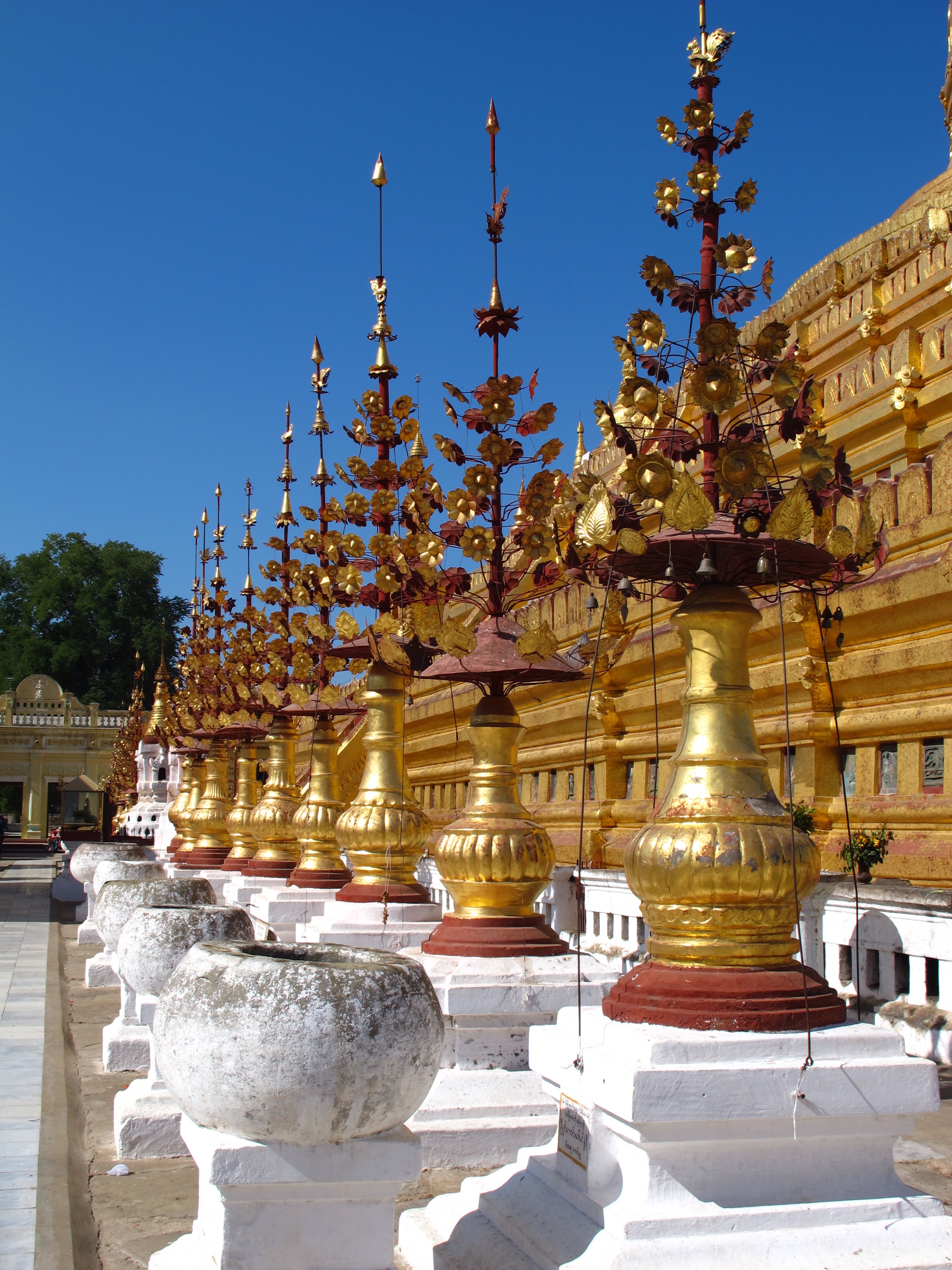
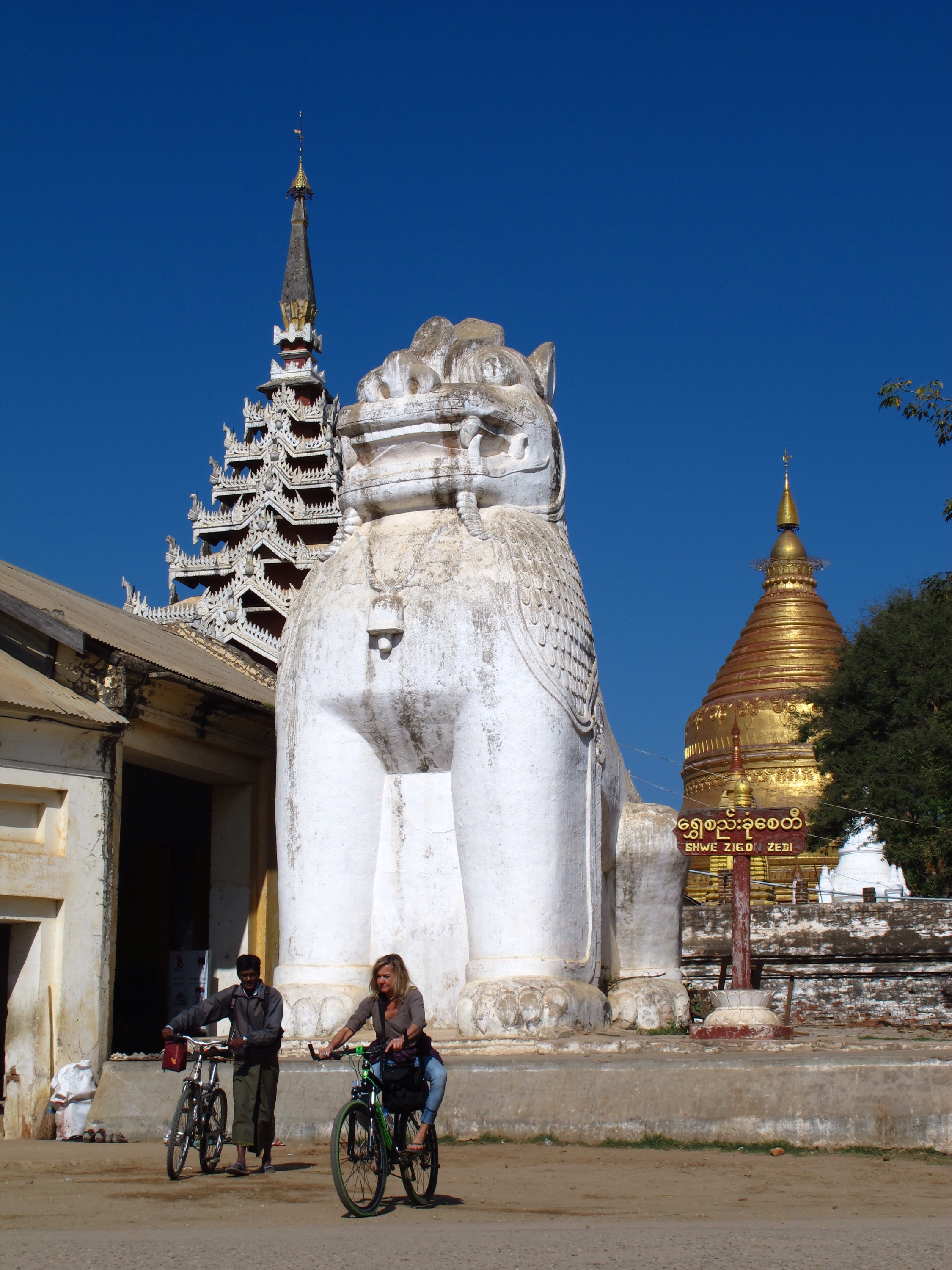
C’es si bon! Oui, it’s so good. Stupa-fied or not, it’s worth visiting a few. Shwezigon Pagoda in Bagan reminded me so much of the first pagoda we visited in Yangon: the Shwedagon Pagoda. Yes, all that gold once more! (“Shwe” means gold) Built in 1084-1113 AD, Shwezigon by the eastern bank of the Ayyarwady River in Bagan actually predates the pagoda complex in Yangon. Way earlier! And it easily became the prototype of subsequent pagodas built all over Burma.


2015/01/img_6402-0.jpg


2015/01/img_9714.jpg


2015/01/img_9707.jpg


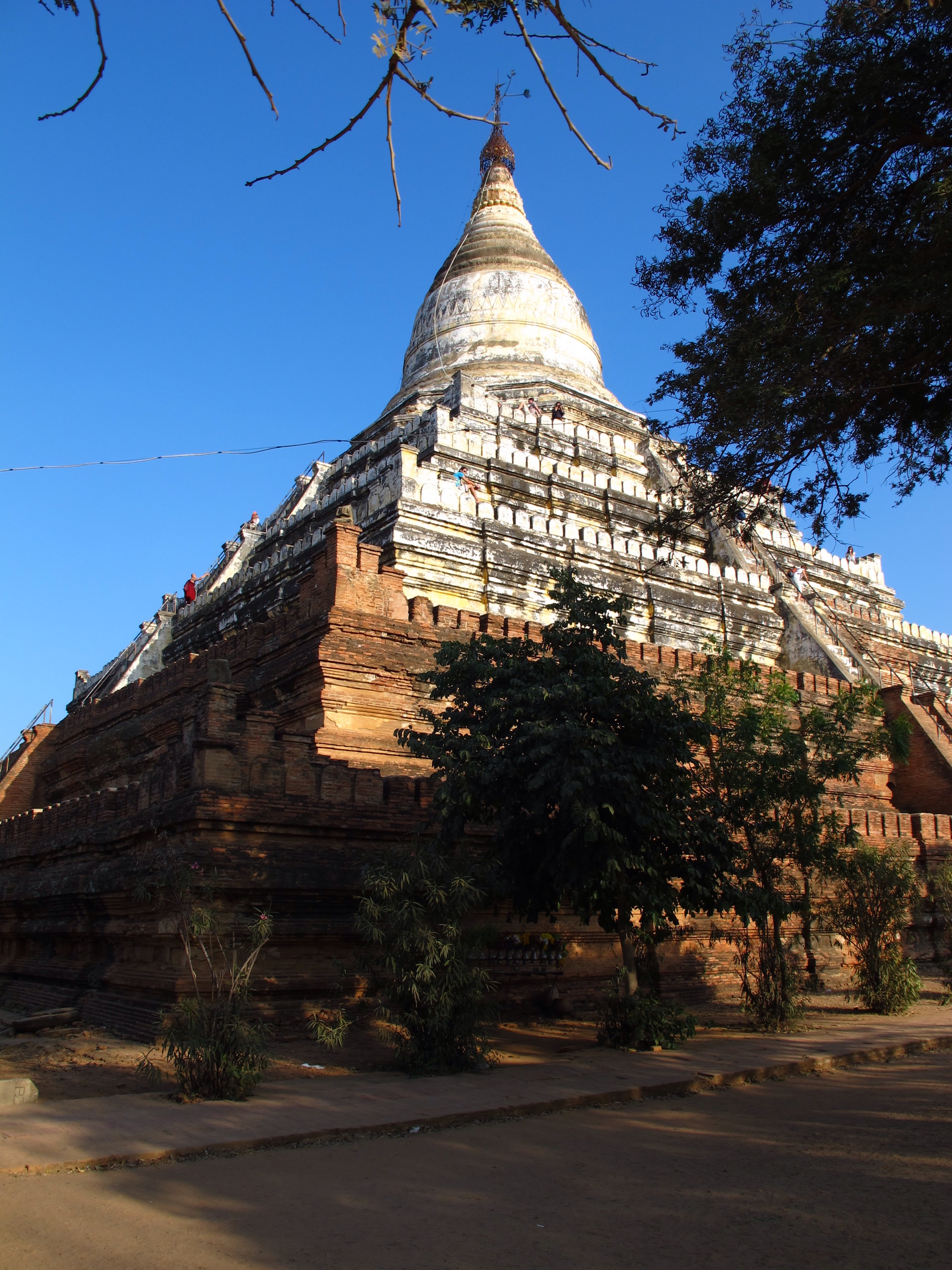
Just as graceful and majestic is another temple popular with tourists: Shwe San Daw Pagoda. It’s where we climbed up for a better panoramic view of the other Bagan temples and where we waited for sunset. Too popular, I’d say, as throngs of both pilgrims, tourists and serious shutterbugs with their tripods seem to have all assembled in this 5-storeyed temple likewise built by King Anawrahta. A devout Buddhist, he is the founder of the first Burmese Kingdom. He built Shwe San Daw after his conquest of then Mon Capital, Thaton.


2015/01/img_9521.jpg


2015/01/img_6399.jpg


2015/01/img_9607.jpg


2015/01/img_95771.jpg


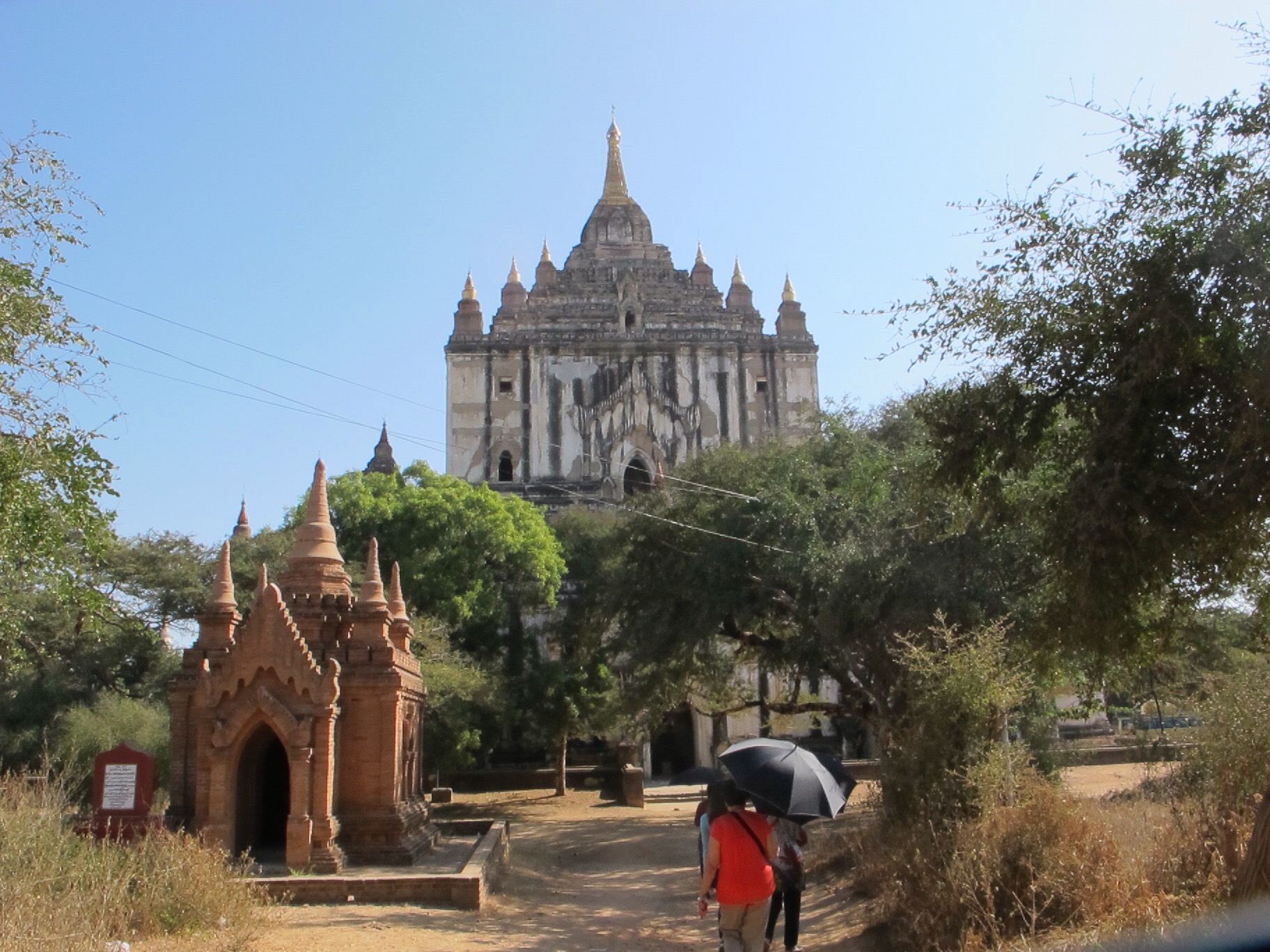
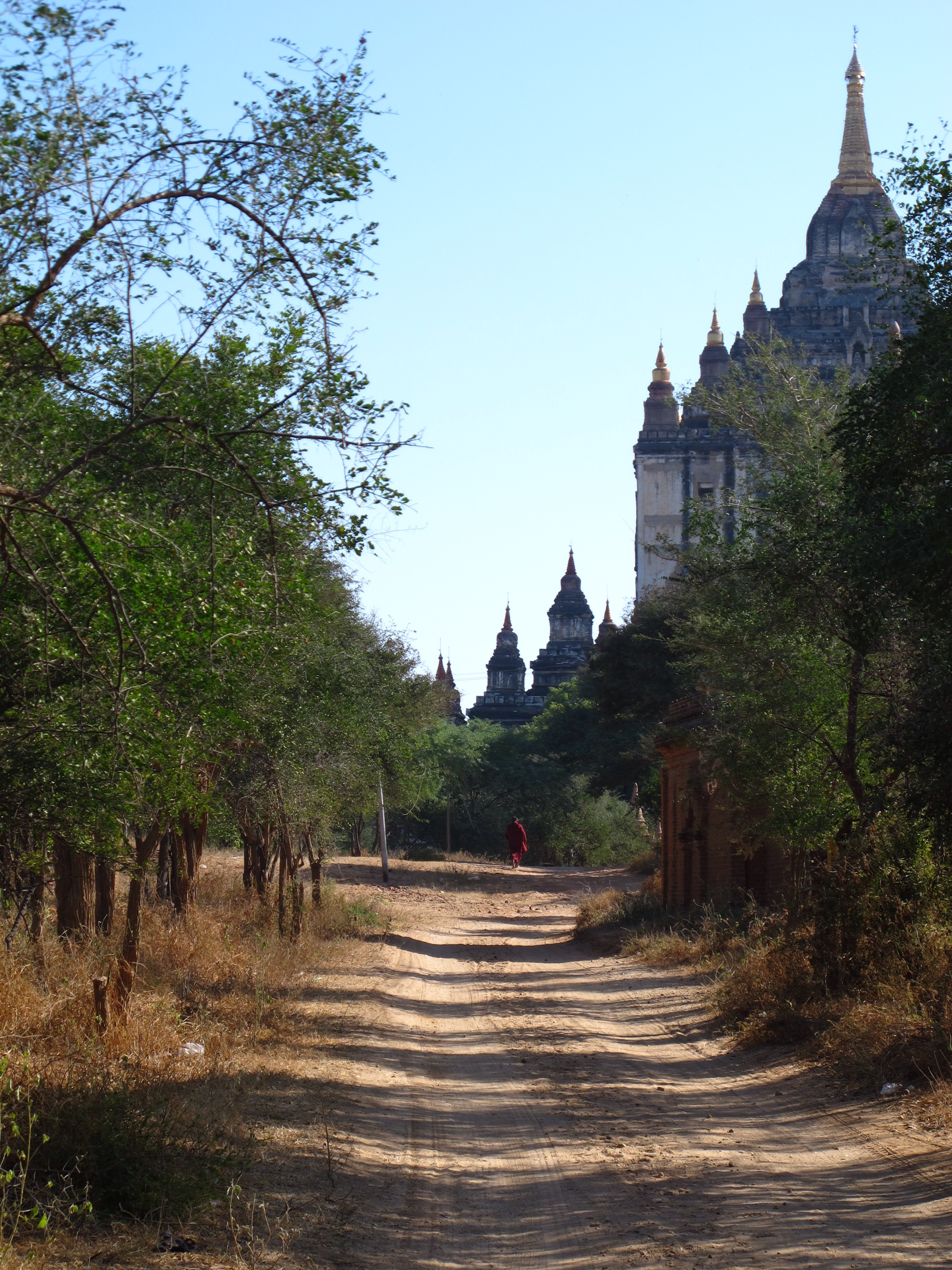
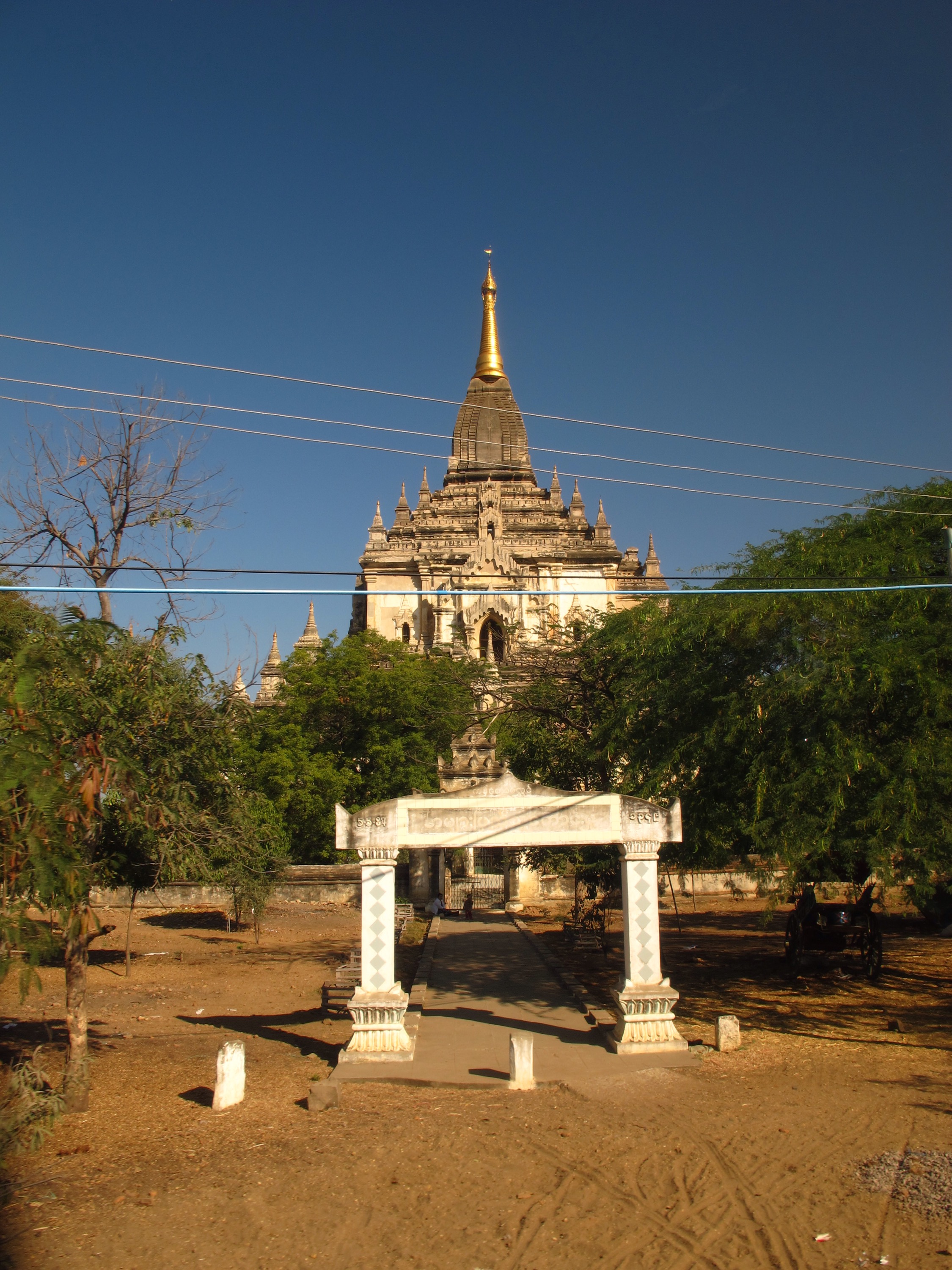
No “Shwe” prefix this time. But That Byin Nyu Temple is one of the tallest, if not the tallest, temple within Old Bagan. This white monolith is just a few meters from our hotel and I would have wished to climb it for a sunrise view. But climbing the temple has been banned after an earthquake rendered the structure unsafe. Up close, one even finds portions whitewashed in a futile restoration attempt. Hopefully, the structure will stand for many more years to come as a testament to Myanmar’s glorious past.


2015/01/img_9701.jpg


2015/01/img_95941.jpg


2015/01/img_9690.jpg


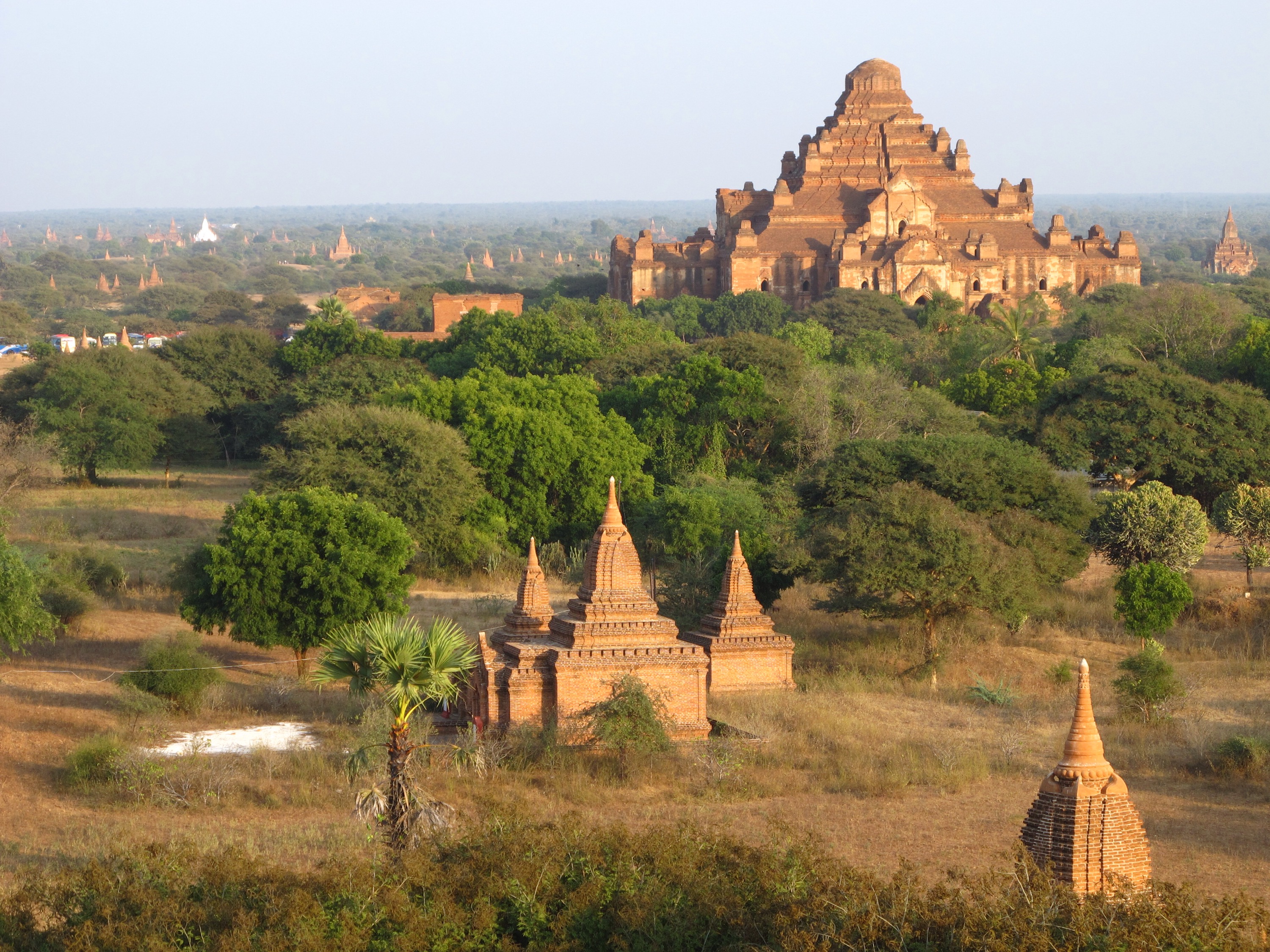
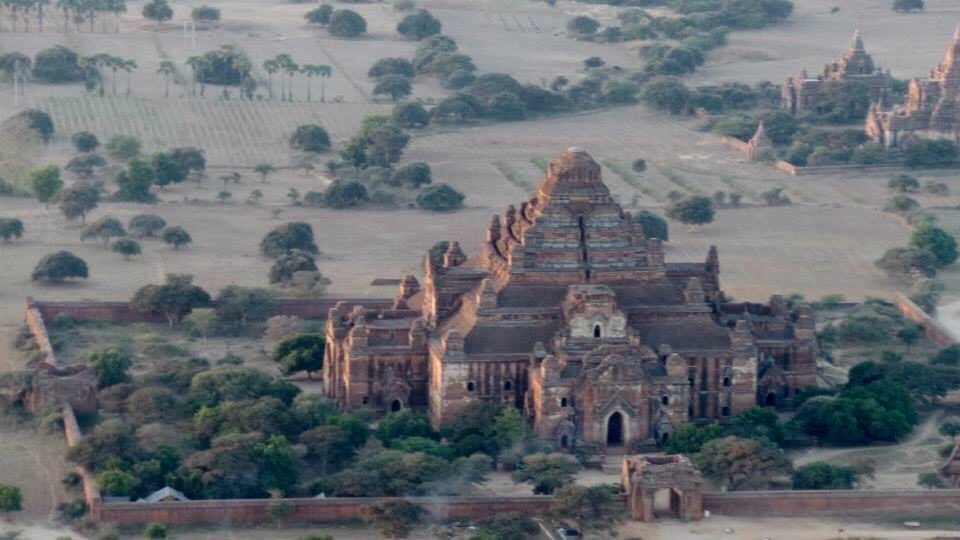
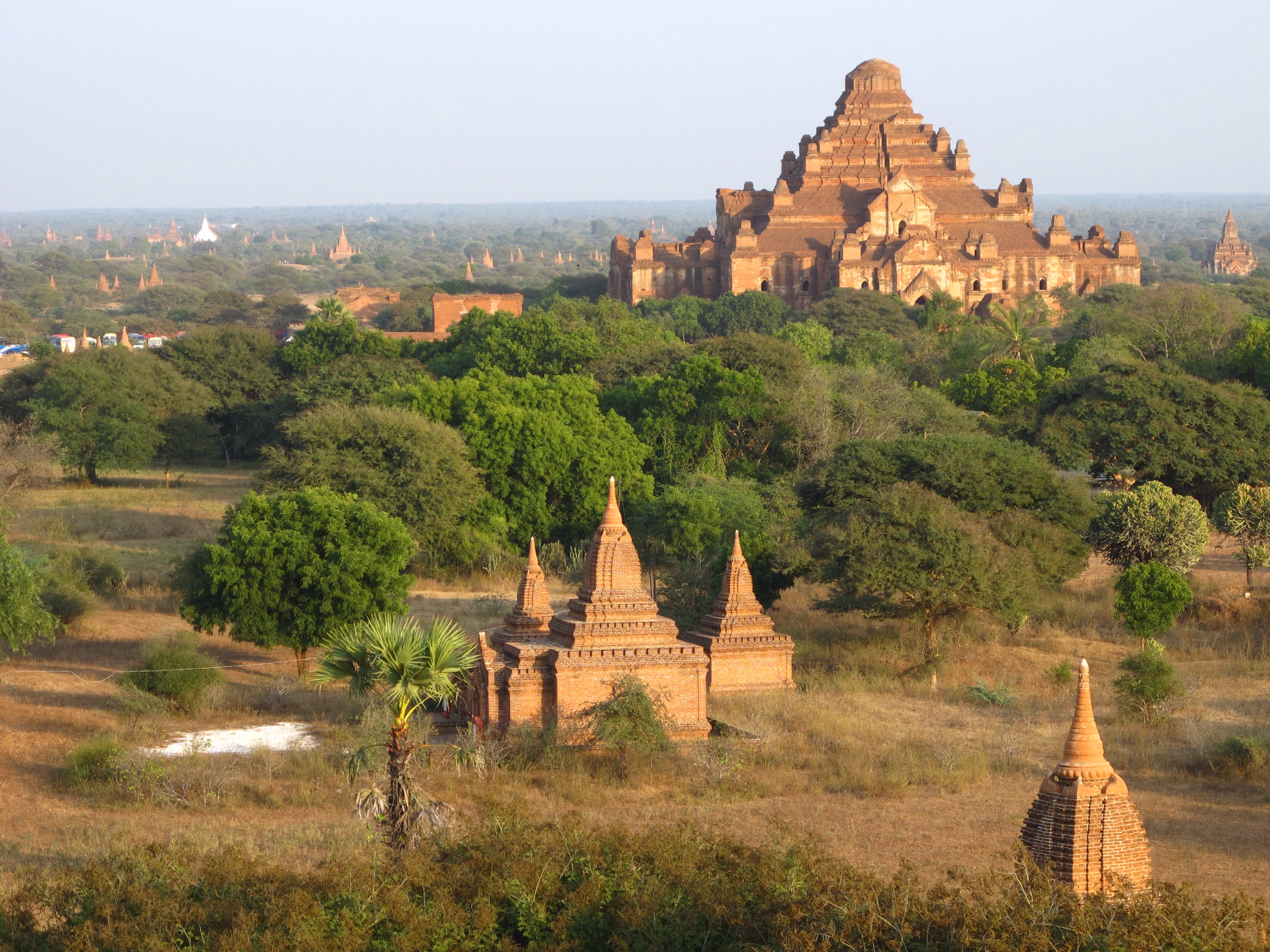
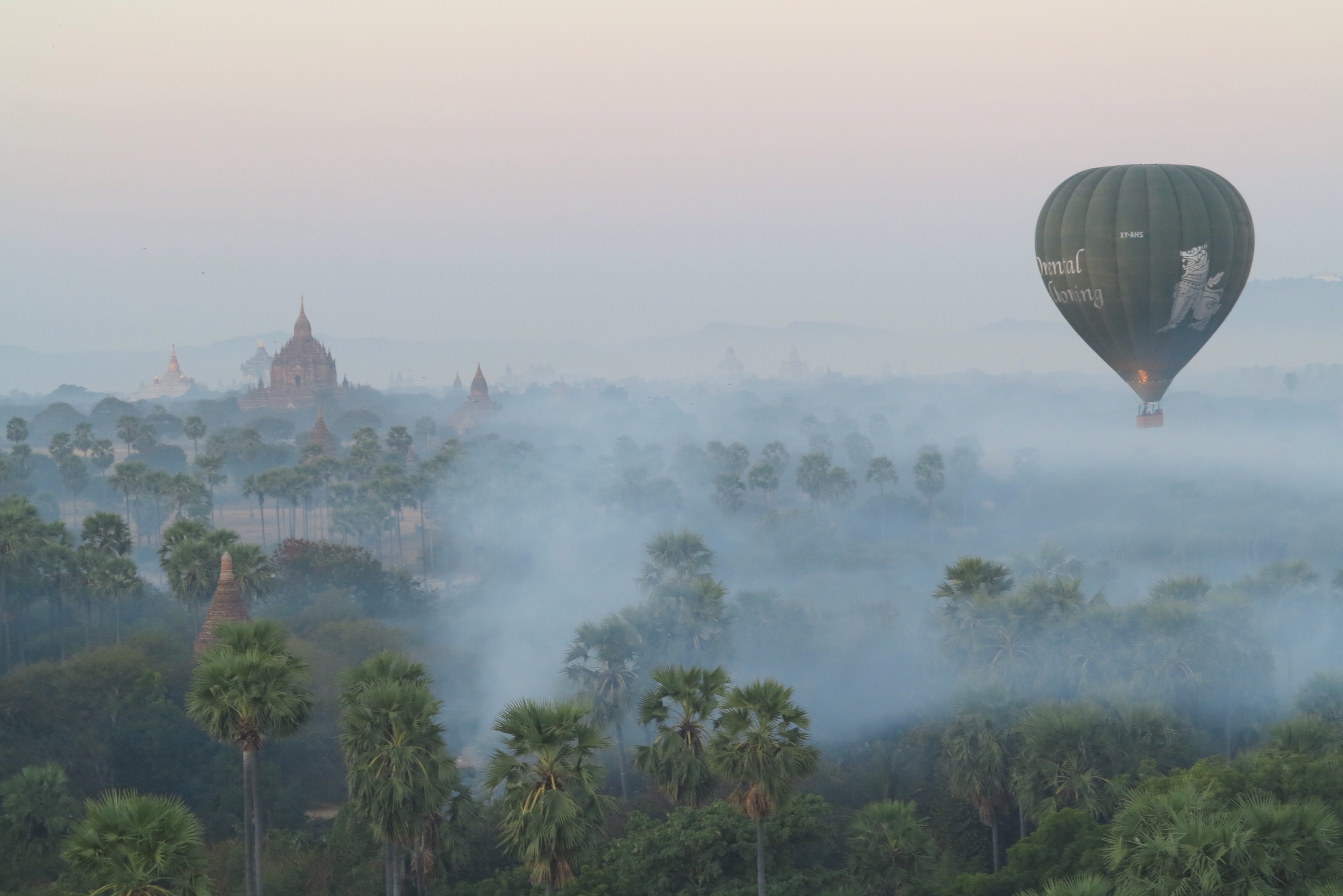
If there’s a tallest temple, there’s the largest temple. Dhammayangyi Temple’s imposing structure makes for a truly majestic sight from the outside and more so, from up above. I have to borrow a photo from a friend who went on a hot air balloon ride one foggy morning to prove this point. (Thank you, Maricel, for these fantastic shots!) Too bad we didn’t have a chance to check out this temple’s interior hallways with its high ceilings and narrow corridors. But a grim and morbid history is attached to this surreal edifice. The temple was built by a sadistic and likely psycopathic King Narathu who killed his family : a father, brother, and his queen. Story goes that this same tyrant required the temple brickwork to be so perfectly tight that no knife or pin could pass between any 2 bricks. Failing that, the slaves who worked on the imperfect brickwork were put to death. Legend further goes that all these tragedies and cruelties haunt the temple to this day.


2015/01/img_6413-0.jpg


2015/01/img_6414-0.jpg


2015/01/img_6407-0.jpg


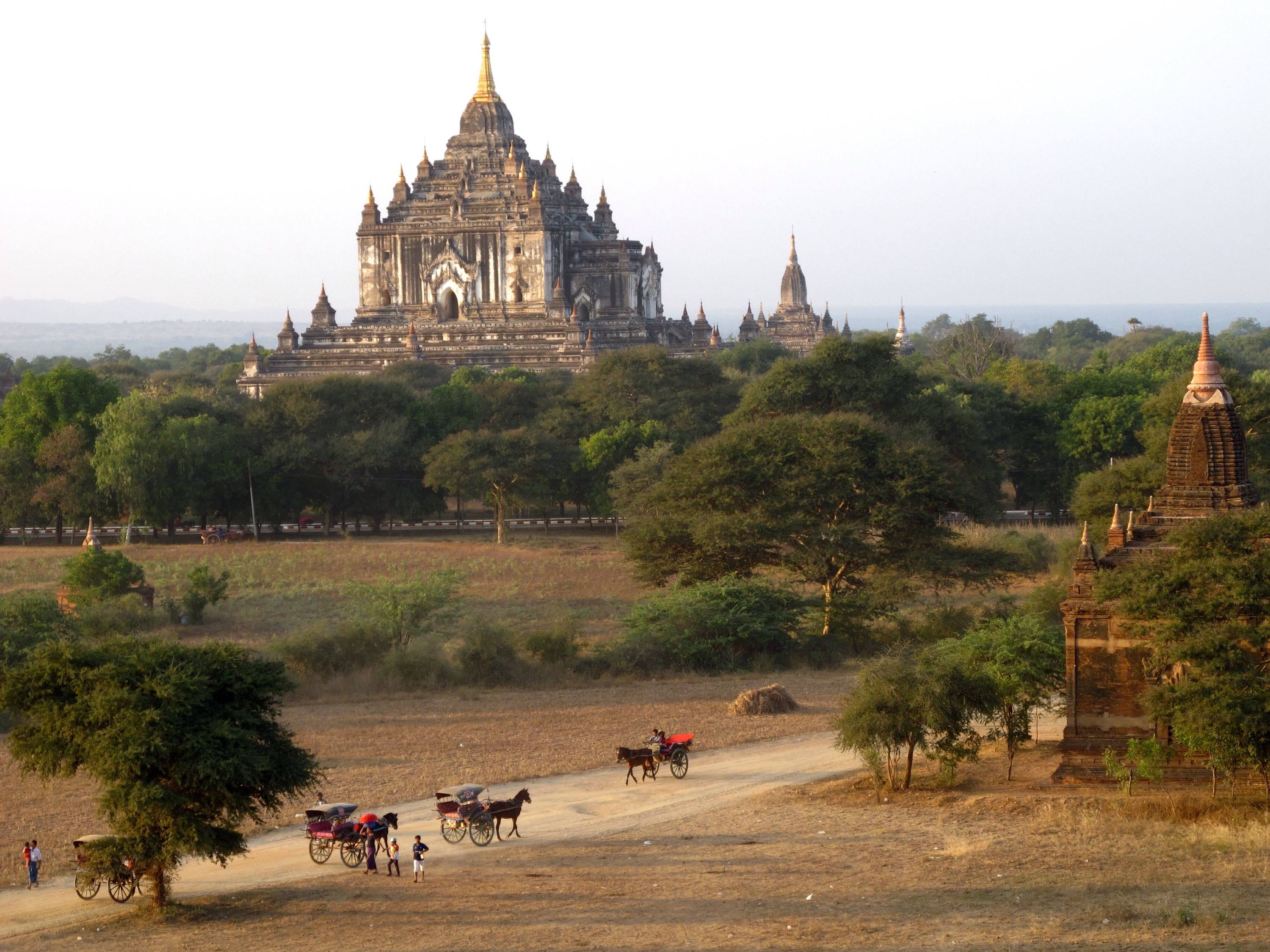
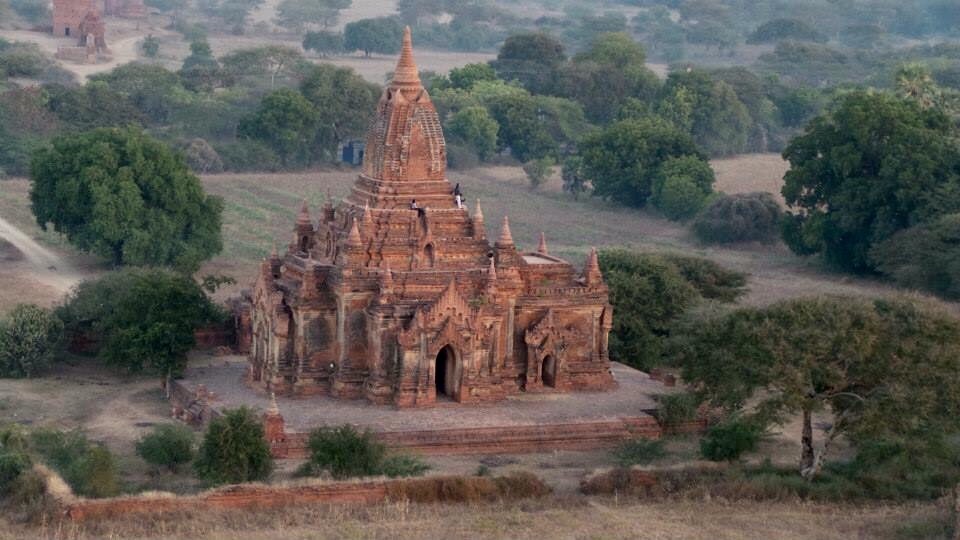
Also in the horizon are the Sulamani and Kubyaukkyi Temples. The others would have to remain unnamed for now as my memory aids are limited to the postcards I bought 😄. Amazing that these temples survive to this day in all its grandeur!


2015/01/img_9719.jpg


2015/01/img_9724.jpg


2015/01/img_6415.jpg


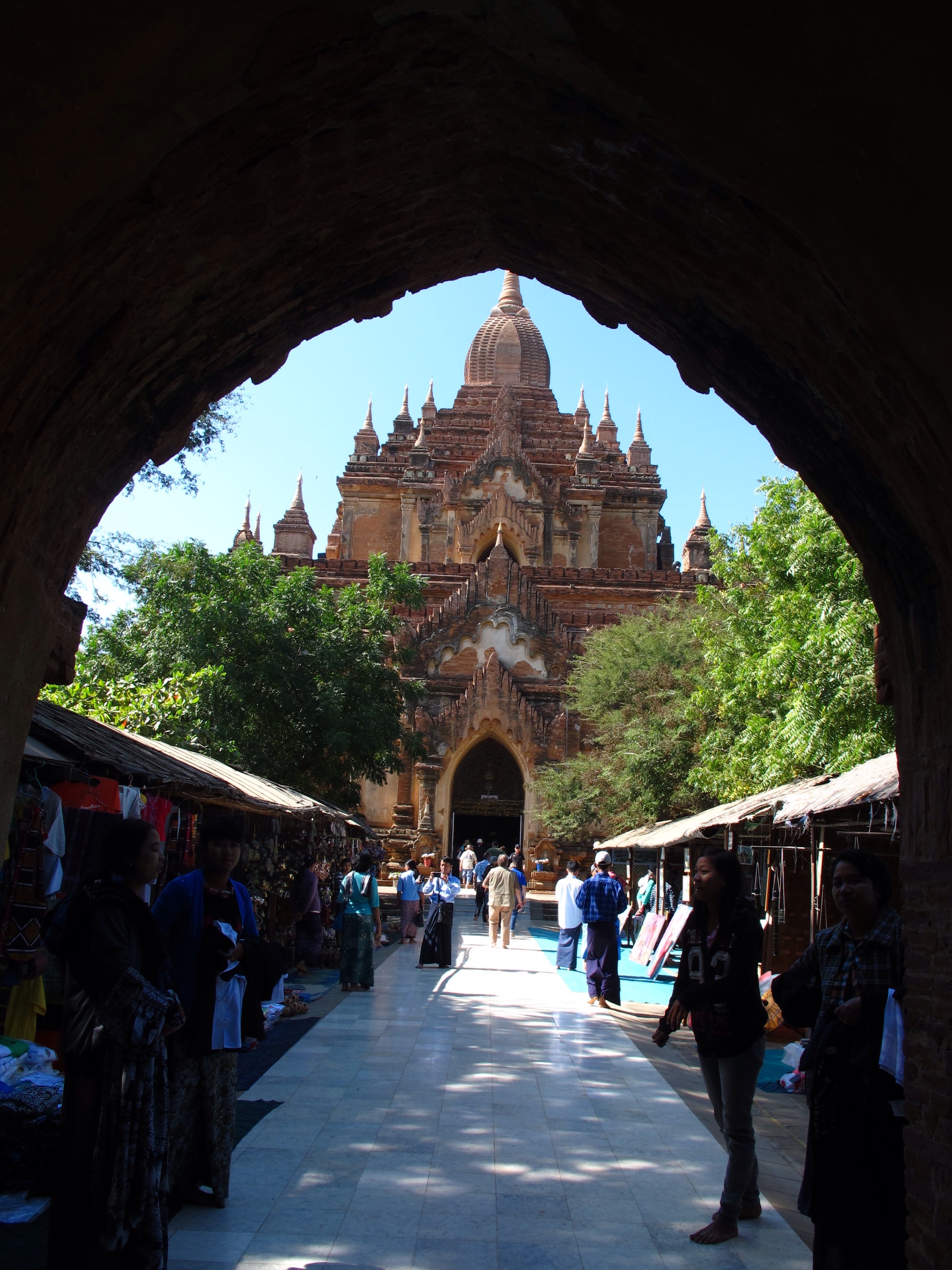
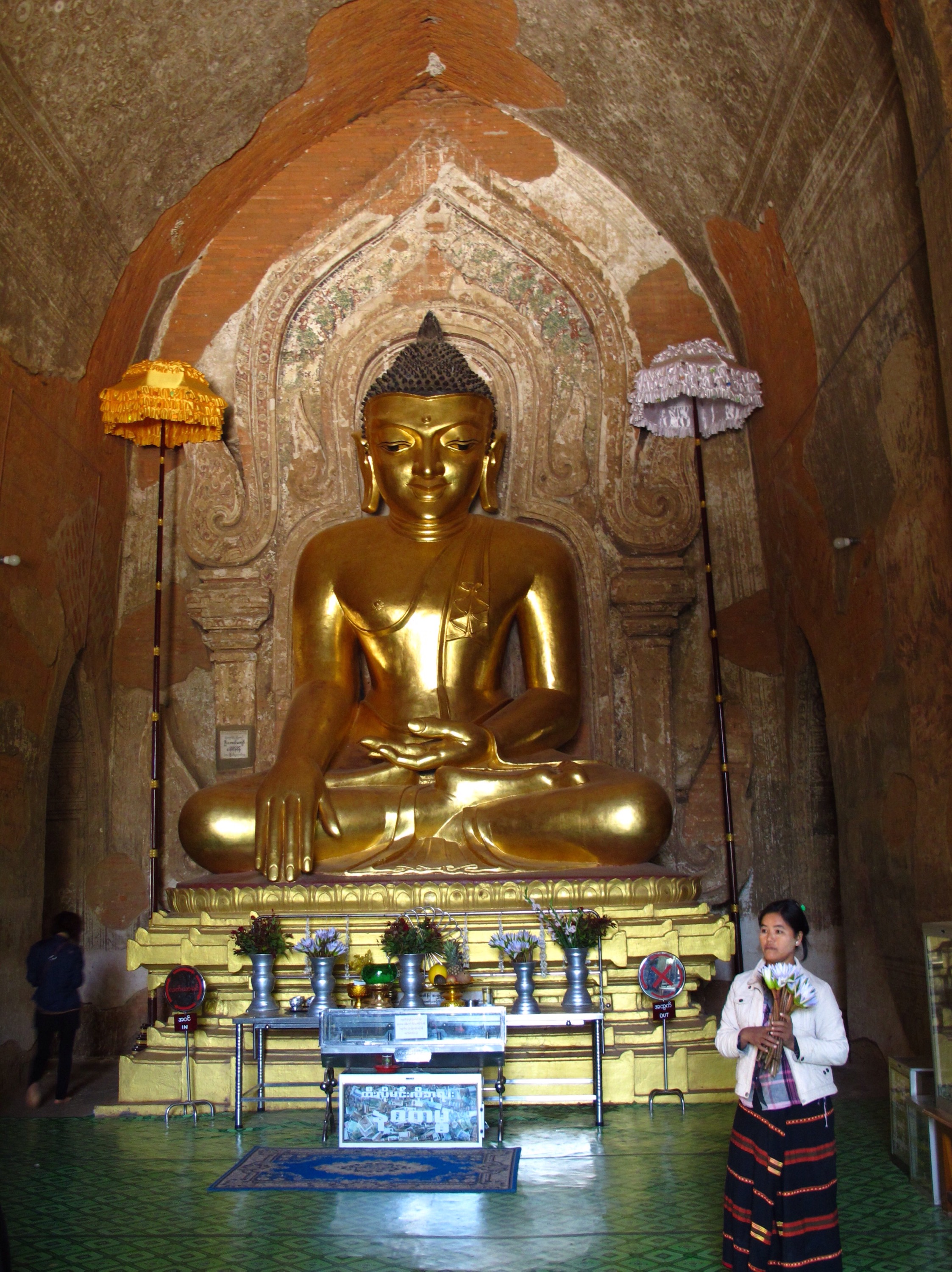
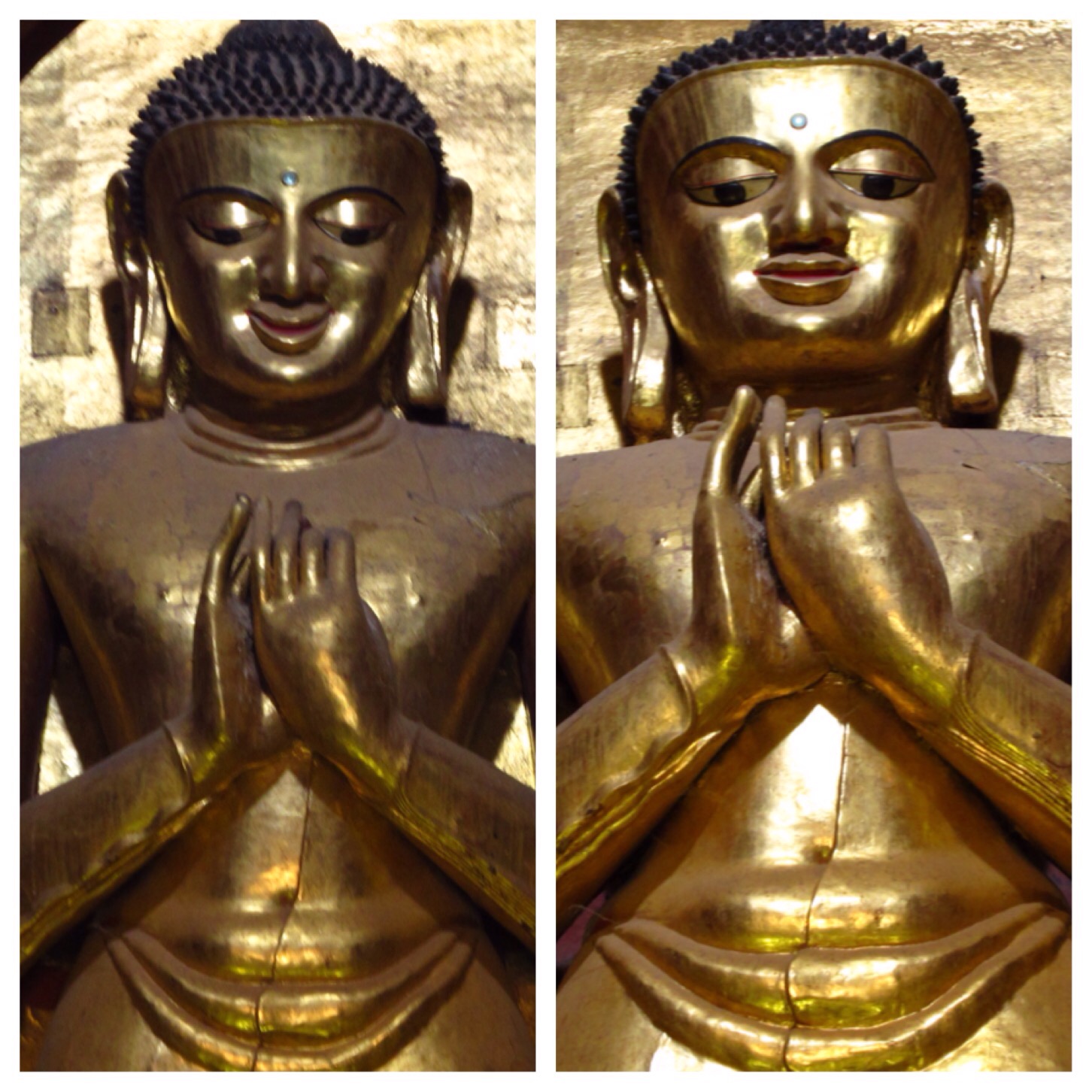
And I saved the best for last. Thilominlo Temple and Ananda Phaya Temple. It is unfortunate that the Thilominlo Temple is crowded with too many stalls selling anything from shirts to bead necklaces to woodworks to paintings. The cluster of stalls out front was quite a nuisance and somehow impairs the holiness of the place. I walked around the temple courtyard twice, very much impressed with the ornate doors, reliefs and carvings. On the other hand, Ananda Temple is one of the best-preserved temples and one of the most beautiful and revered . Once inside, the 4 standing Buddhas, one for each cardinal direction, hold your attention. Made entirely of solid teak, I was fascinated seeing a Buddha in a pensive mood up close, then a smiling Buddha as you walk farther. The farther you go, the wider the grin. And I’m talking about the same Buddha statue! This temple truly lives up to the hype.


2015/01/img_9738.jpg


2015/01/img_9727.jpg


2015/01/img_9726.jpg


Enough temples for now? I think I’ve reached my quota of stupas and temples by this time. And of Buddhas too 😄. Mingalaba!


2015/01/img_96781.jpg


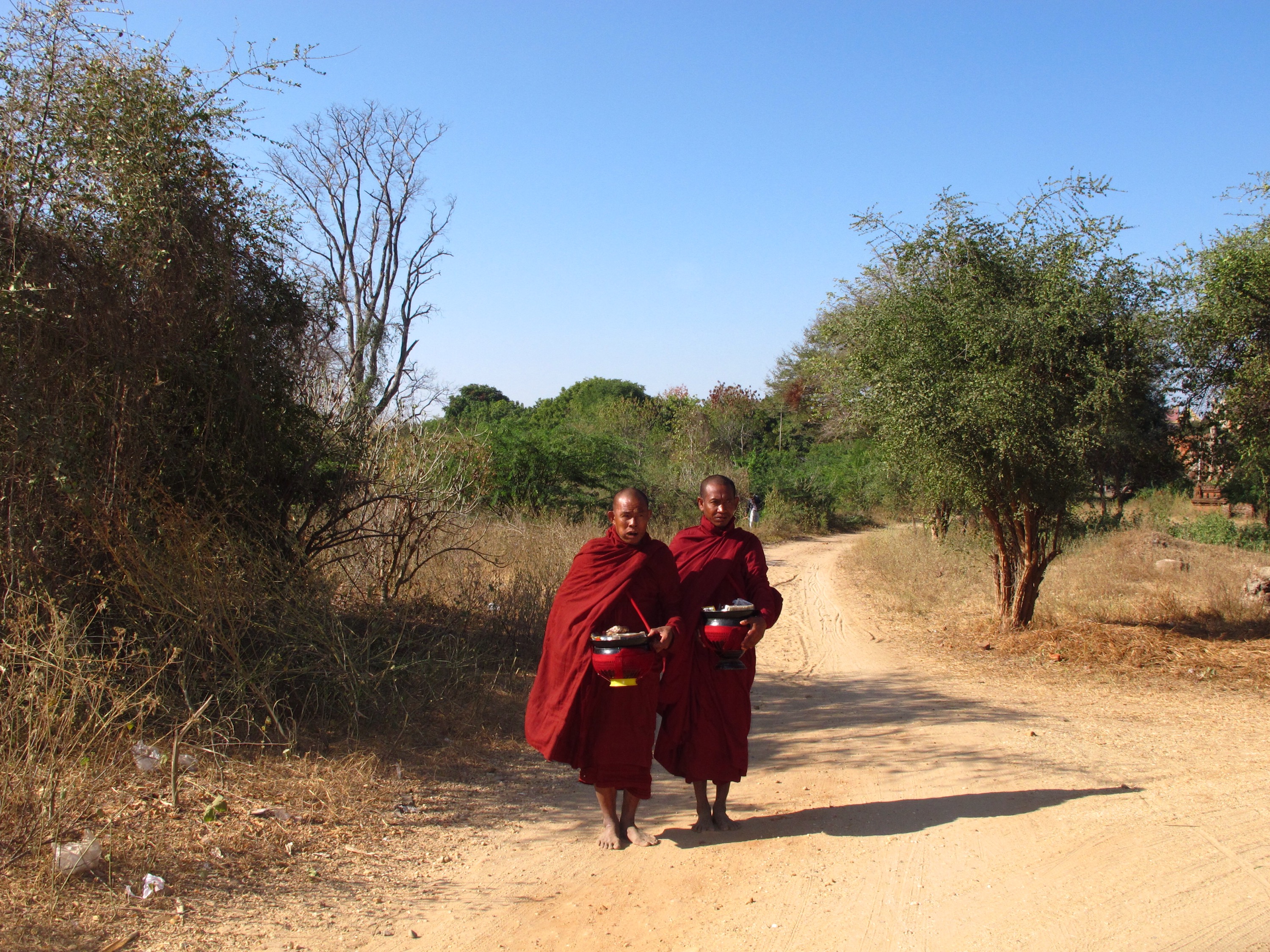
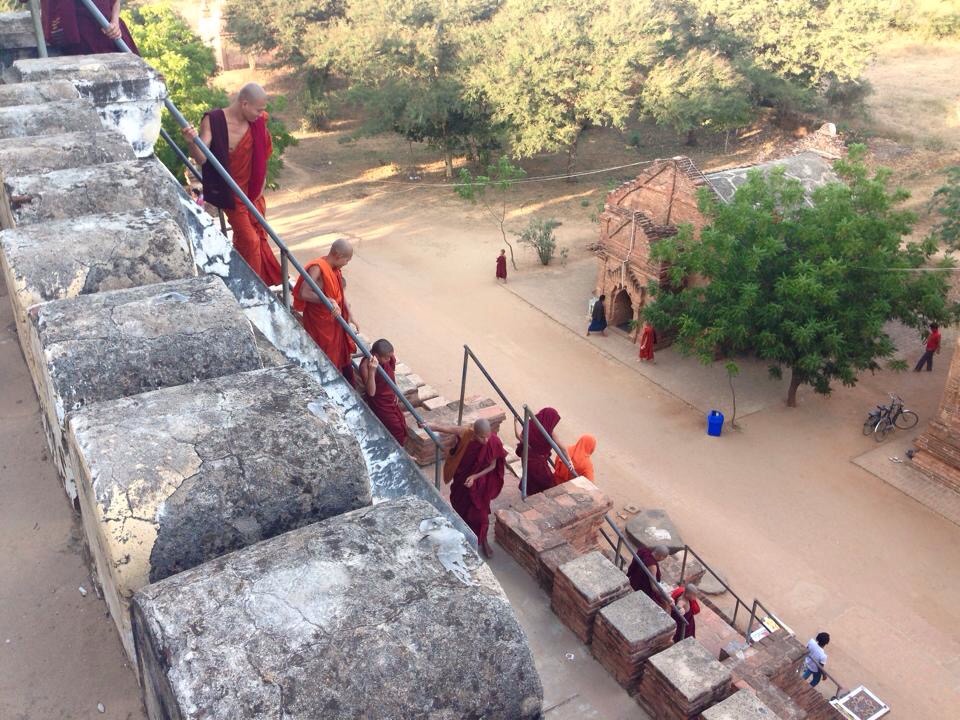
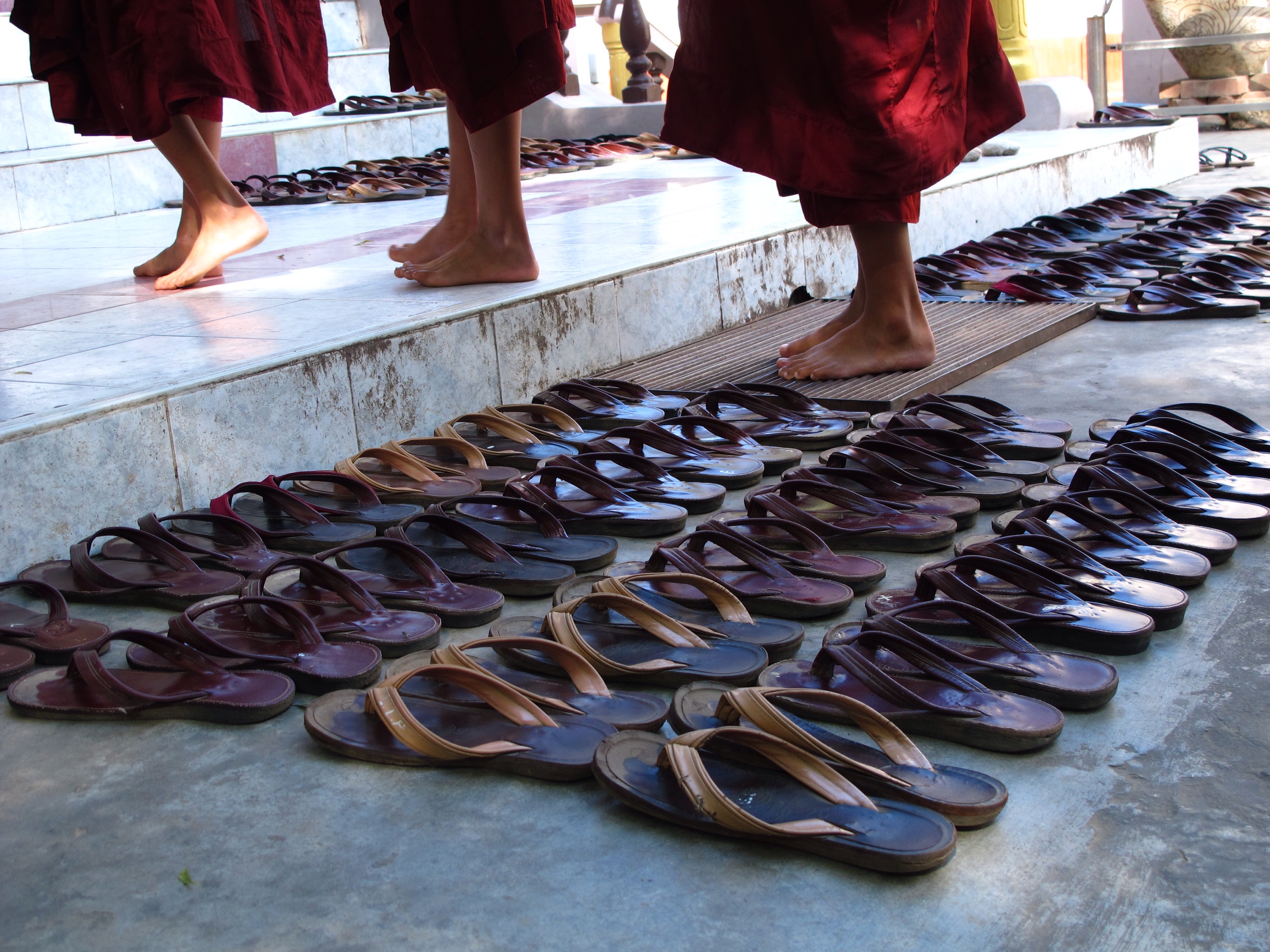
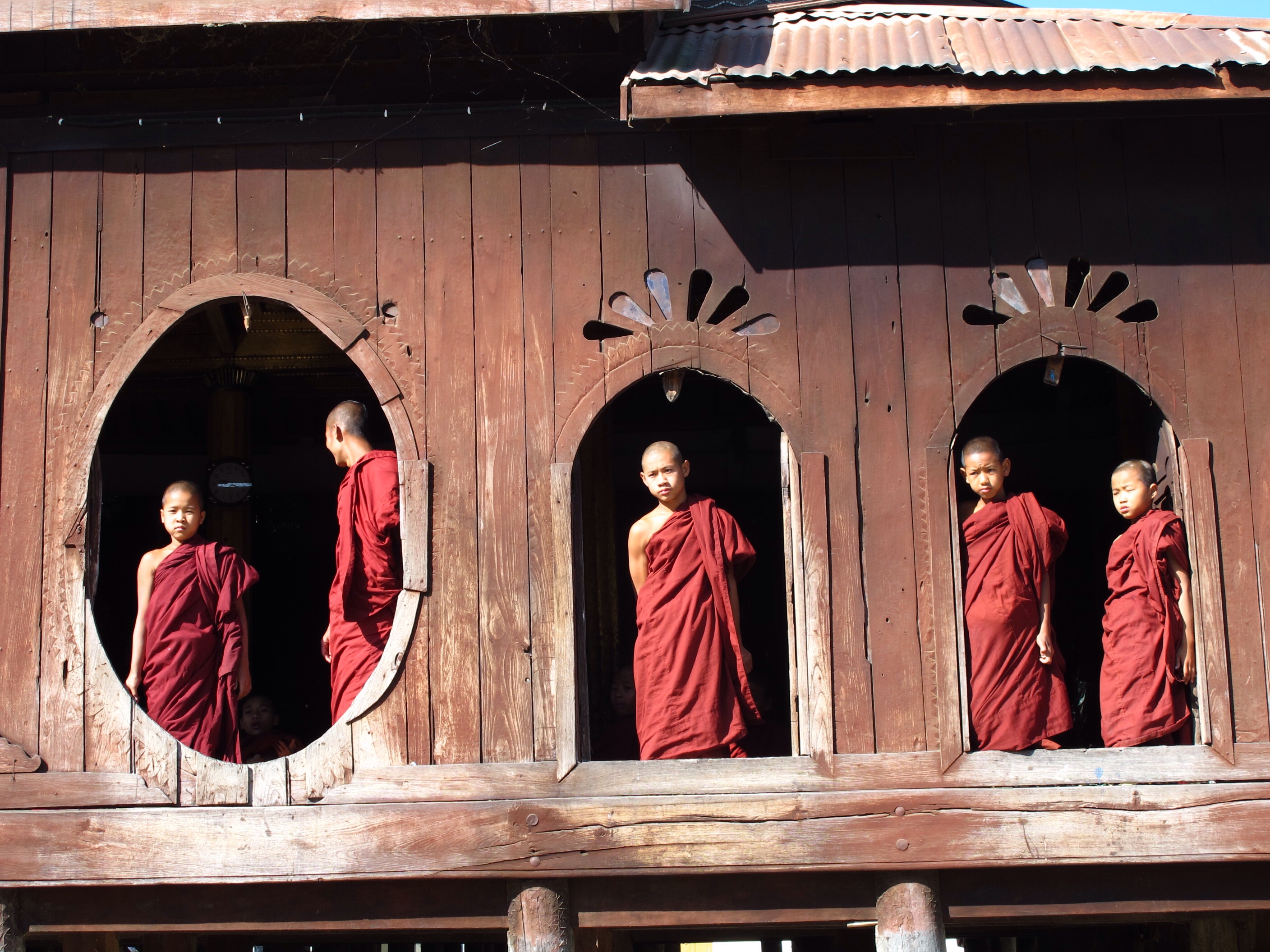
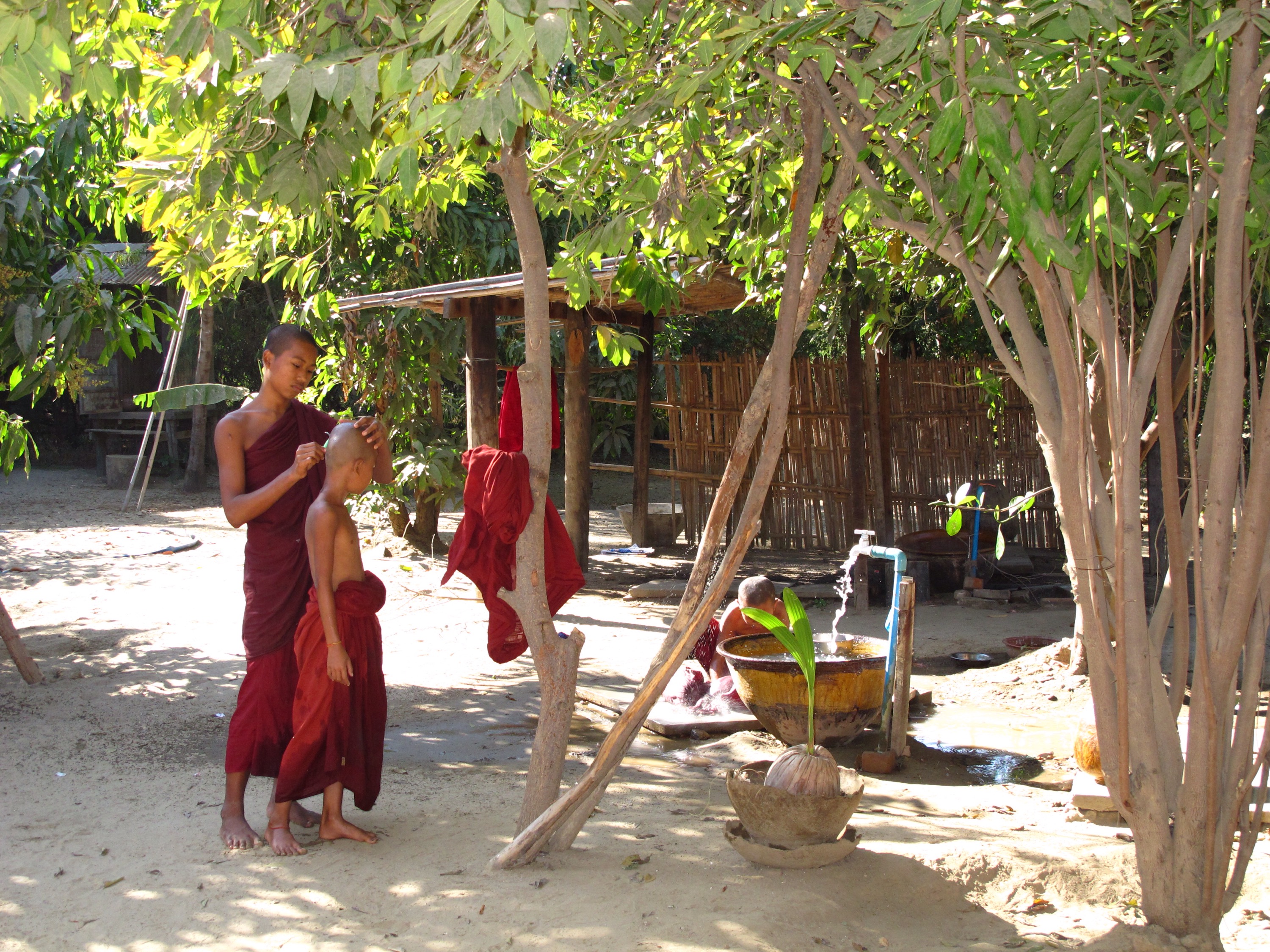
I’m GUILTY as charged. Got into a snapping frenzy when we visited the monks in Mandalay’s many monasteries and learning centers, and whenever, wherever, however we found them — in temples, in the market, along the streets, walking, resting, in prayer, dining, in study. We couldn’t stop! So can’t many others.


2015/01/img_96761.jpg


2015/01/img_63411.jpg


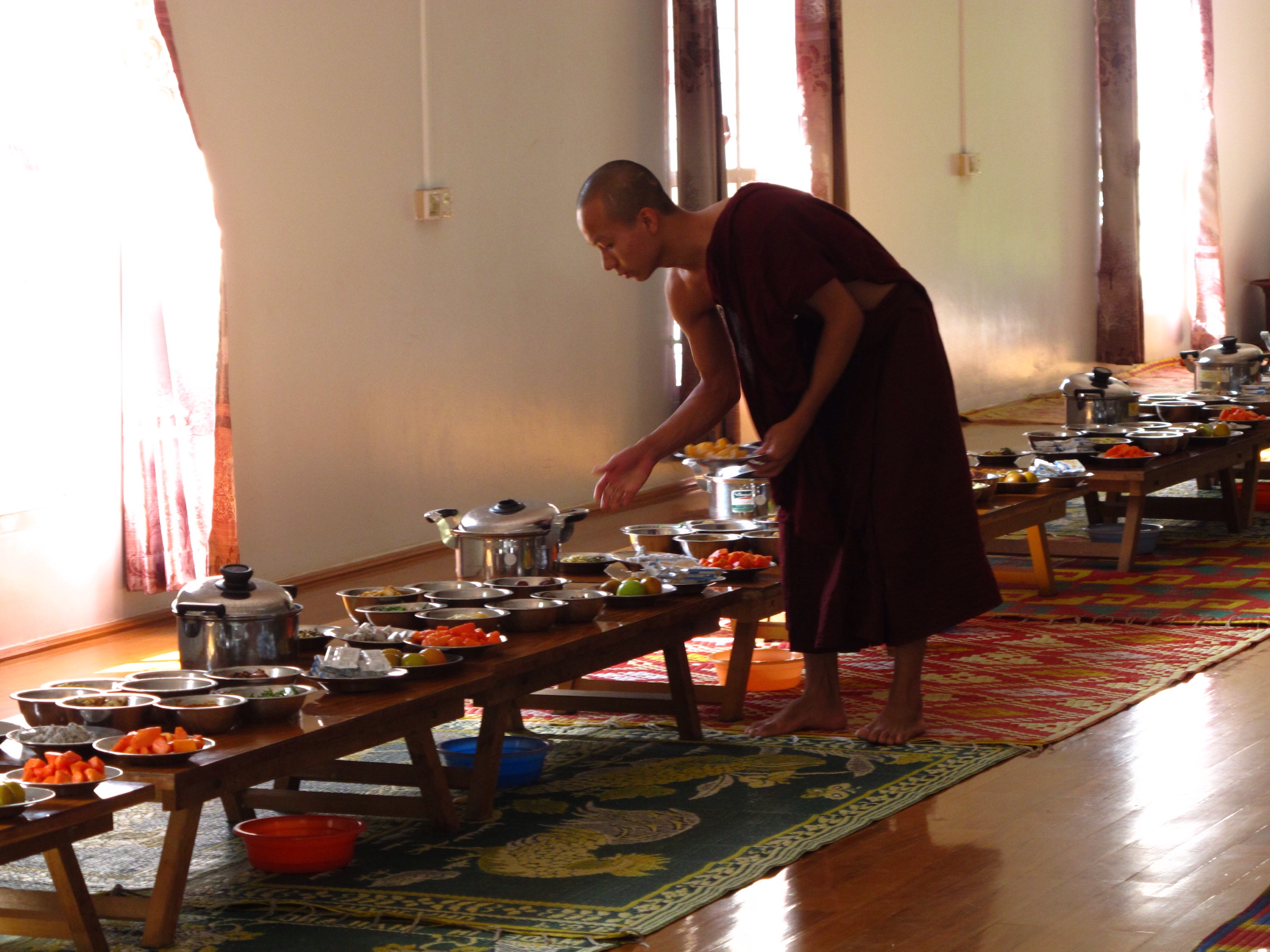
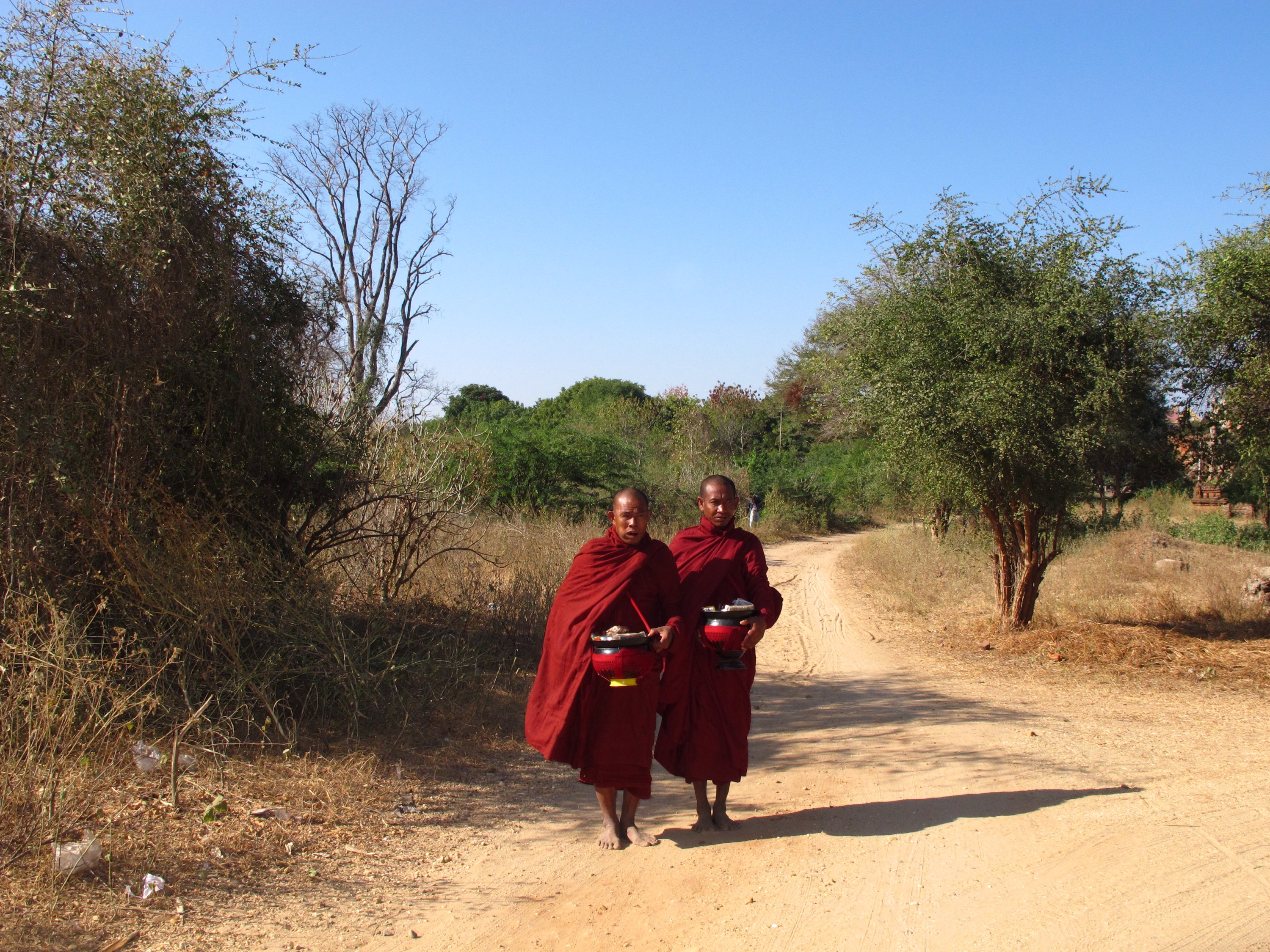
And it’s never more true than when we caught them lining up towards their dining hall where a group must have donated their sumptuous 2nd and last meal of the day. Perhaps “extravagant” by monks’ standards. The usual 1 or 2-dish meals expanded to 5, but at the price of being watched and photographed while dining. Forgive me, for saying this. I am just as guilty. It took another fellow (thanks, Bob) to remind me that it didn’t seem right to photograph them while they are eating. More so to have photos taken with them in the background. Come to think of it, why in heaven’s name do we do that?


2015/01/img_9226.jpg


2015/01/img_9238.jpg


2015/01/img_9248.jpg


Quite frankly, I would not have hesitated to join the monks at the slightest hint of an invitation. Shame on me. The silence was palpable. I hardly heard any plate or bowl being moved nor any tin cup being put down. At some point, I wondered if the monks chew their food. I didn’t hear a sound!


2015/01/img_9218.jpg


2015/01/img_9214.jpg


2015/01/img_9275.jpg


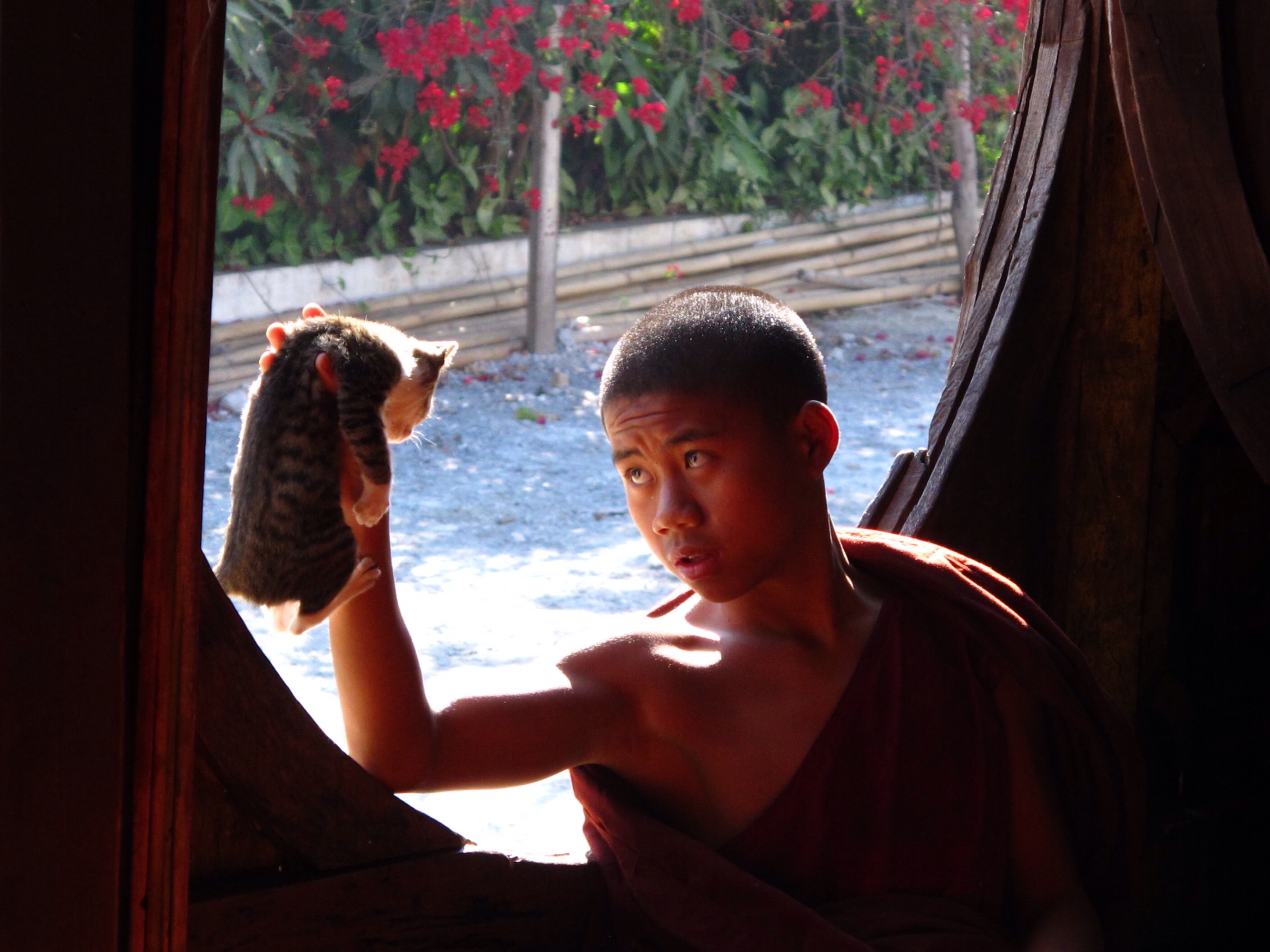
Mandalay is said to be the monastic center of Myanmar. Many monasteries and monks’ learning centers are located there. And we visited the bigger ones where these monks can be observed while praying, studying and dining. Much like a tourist attraction. In one, I felt like we barged in while young monks are having their study periods. The headmaster in sight didn’t seem to mind. One young monk in particular was weirdly hamming it up, playing with his cat knowing our cams are all trained on him.


2015/01/img_9832.jpg


2015/01/img_9844.jpg


2015/01/img_9852.jpg


Not all are big and well-funded. We visited a remote school a boat ride away from Old Bagan and found a small village supporting a few young monks. At the time we visited, we wondered what else these monks do outside of prayer and study times. Being dependent on these poor villagers’ support for food and other basic necessities, it would have been more pragmatic to also teach them farming, fishing and other means of livelihood. Much like some other monks elsewhere who farm even just for their own food requirements or tend vineyards, coffee plantations, etc. to earn enough to cover their needs.


2015/01/img_9764.jpg


2015/01/img_9426.jpg


A wake up call. I’m done with my monks’ photography. Let this set be my last. Mi apologia. I leave you guys alone now.


2015/01/img_9442.jpg


2015/01/img_9436.jpg


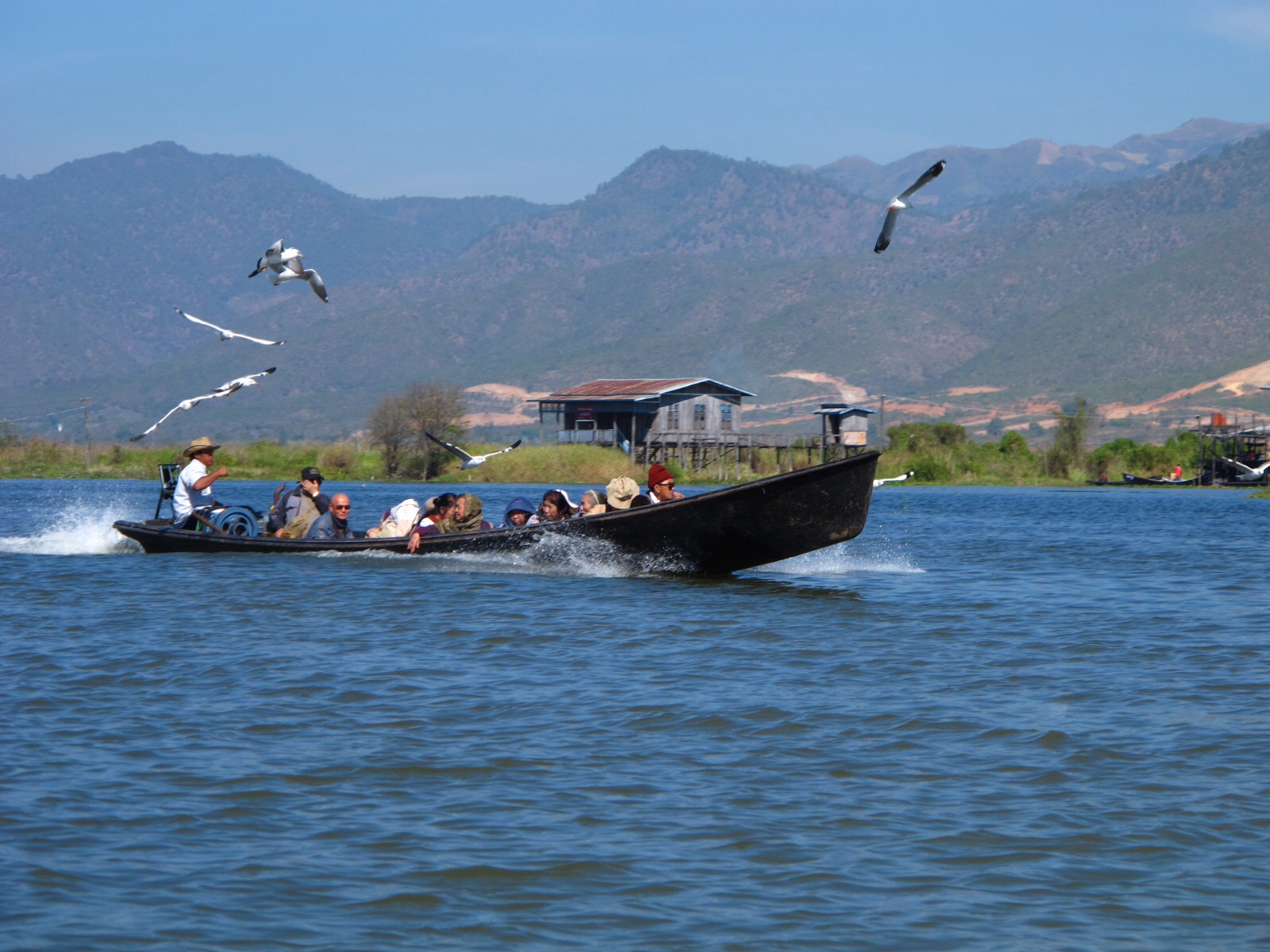
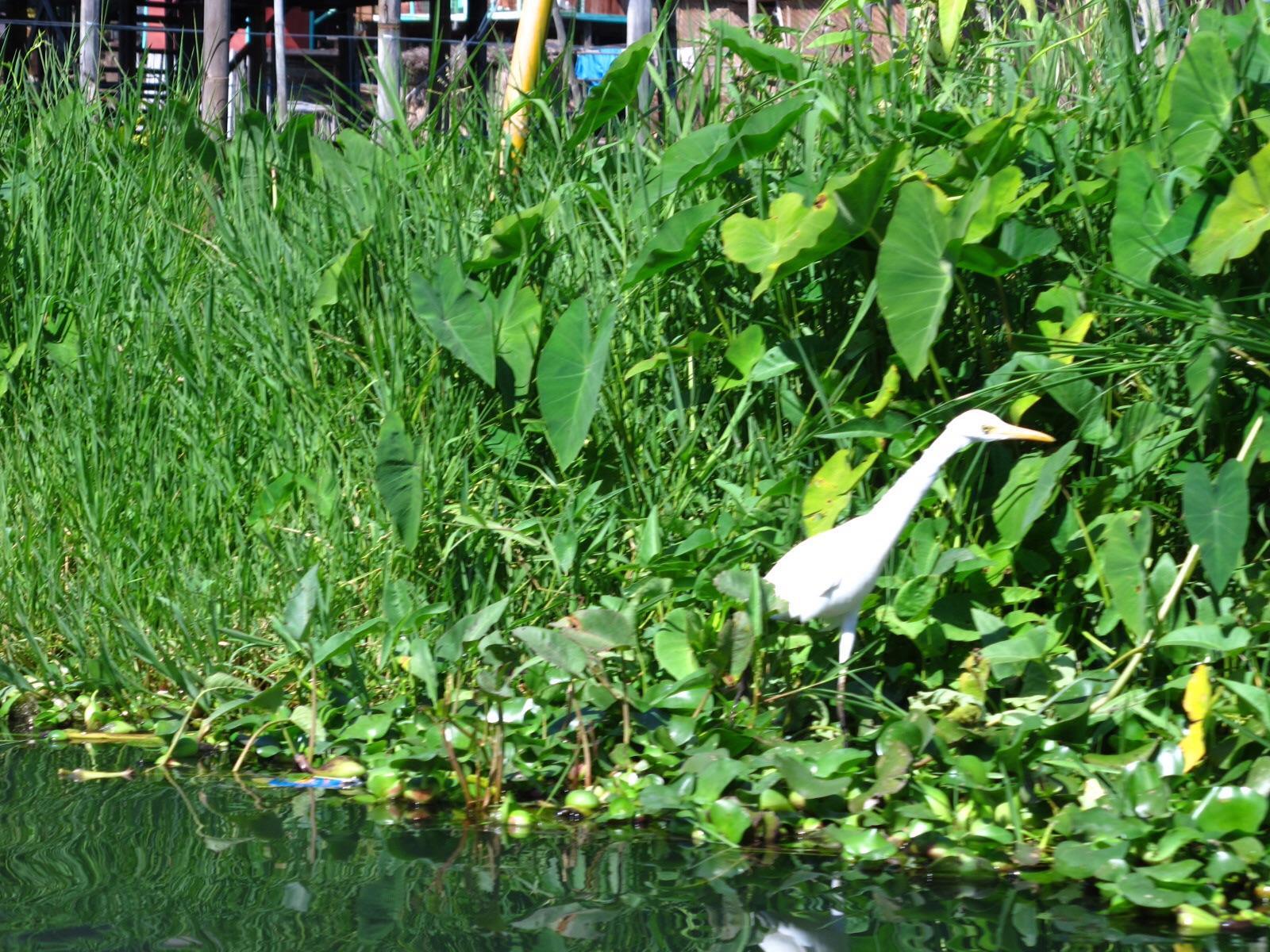
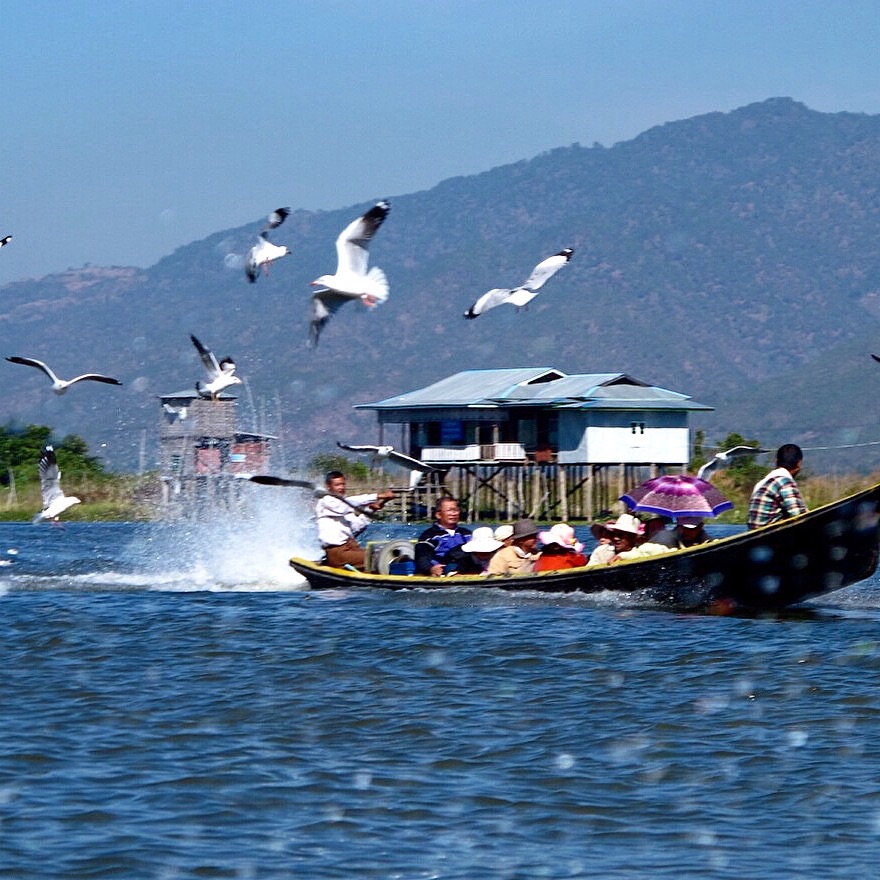
Piode! That means “I’m happy!” So are the birds and wild ducks in Lake Inle’s Bird Sanctuary. They fly and chase some passing boats and they happily stand still on fences along the banks. Water’s clean, there are flower and vegetable gardens floating atop dried weeds and fishermen with those unique nets must be their only competition for a good meal. 


image

Look at those happy birds!


image

Happy Birds? Or wild ducks taking a nap?


image

Water is so still and calm. Reflection of an Inle Fisherman.


The placid waters make for a very nerve-soothing ride. No wonder these birds are kept happy. Not even the noise from the boat engines could take anything away from them. Hopefully, this bird sanctuary remains a haven for these birds.


image

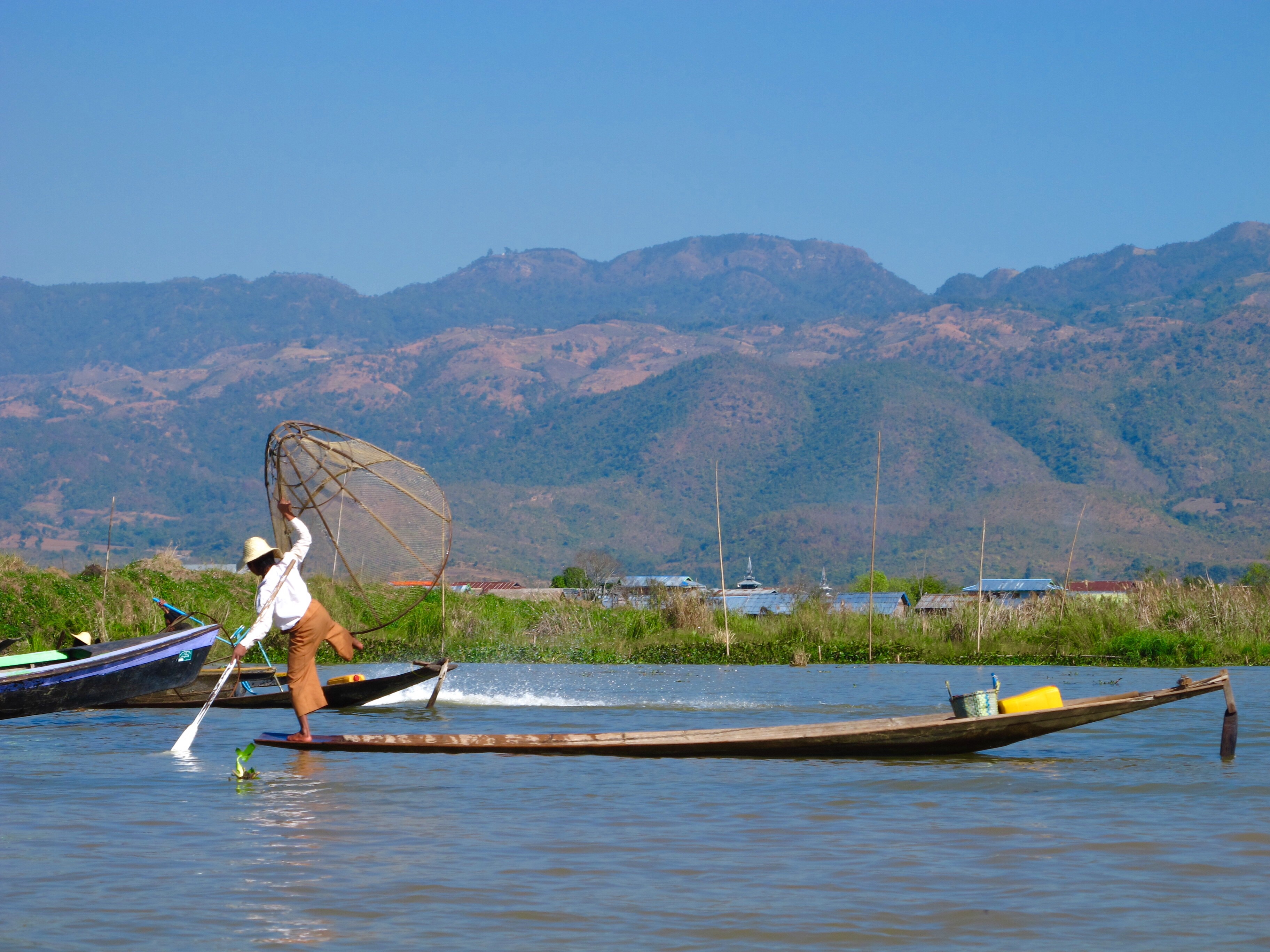
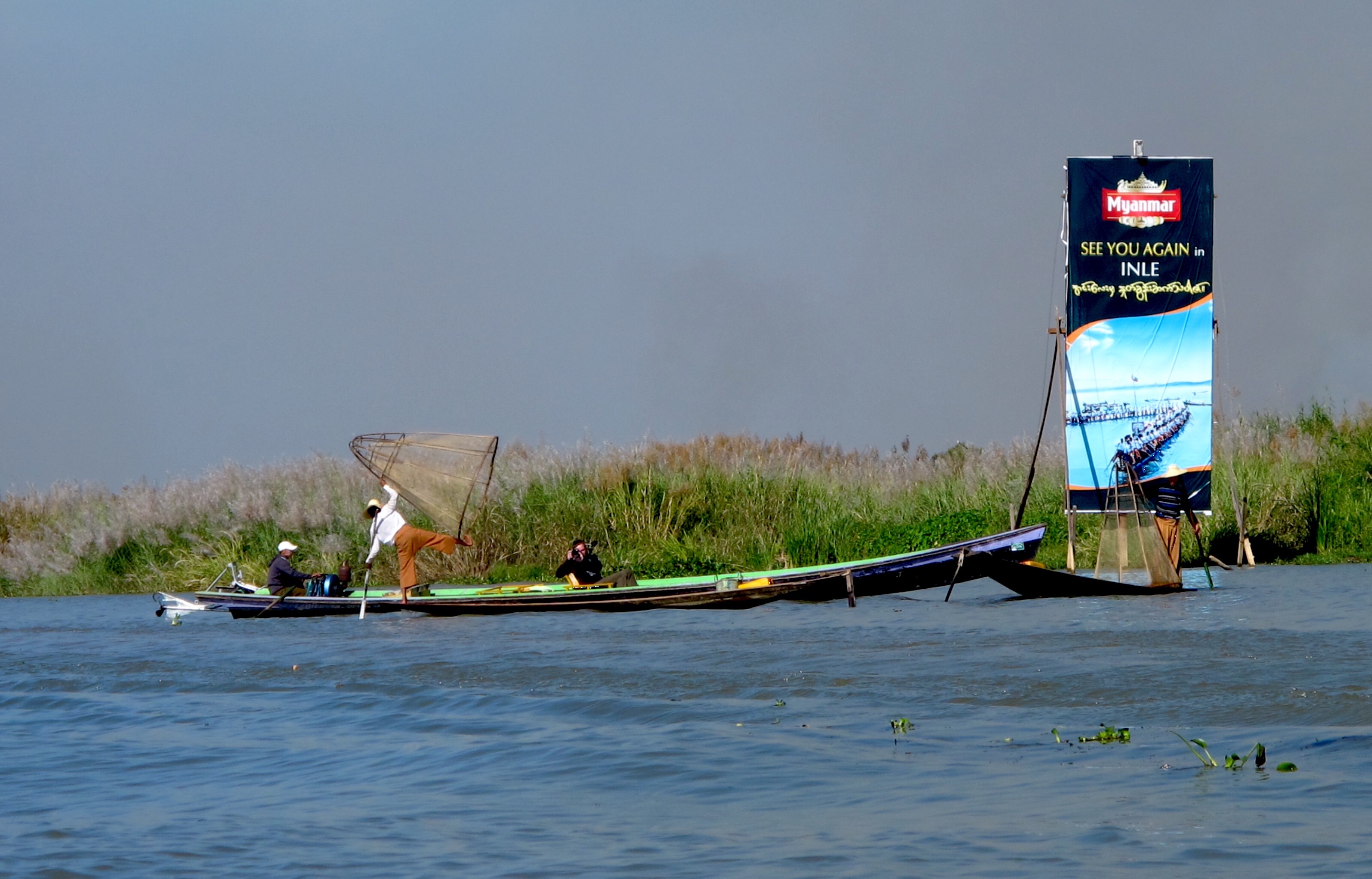
The agile fishermen of Inle — such a balancing act!


image

See them birds guarding our hotel in Lake Inle.


image

I stayed by the porch but none of them happy birds were eager for a “meet & greet”. There’s Tita Rose doing a “happy dance” 😄


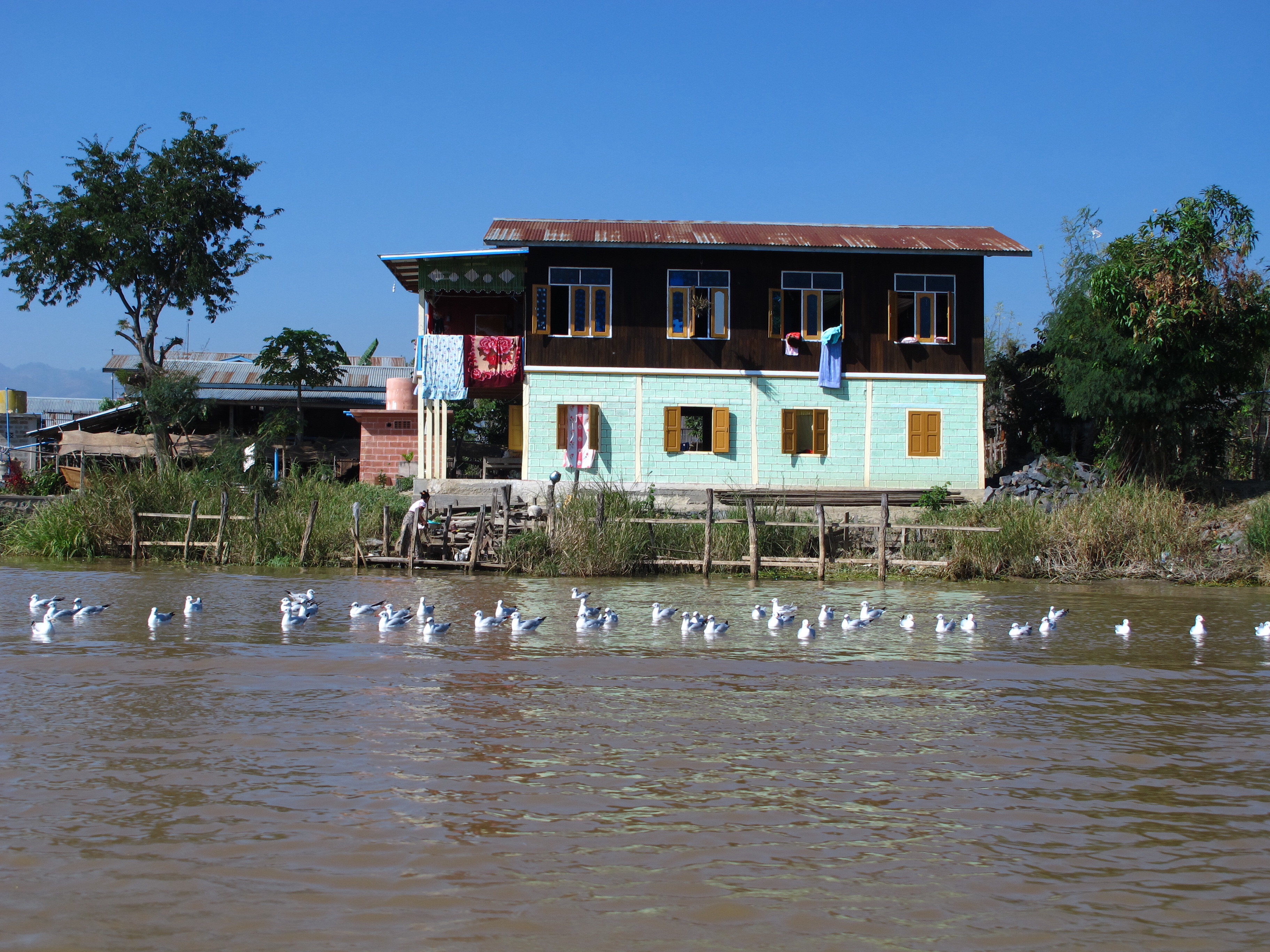
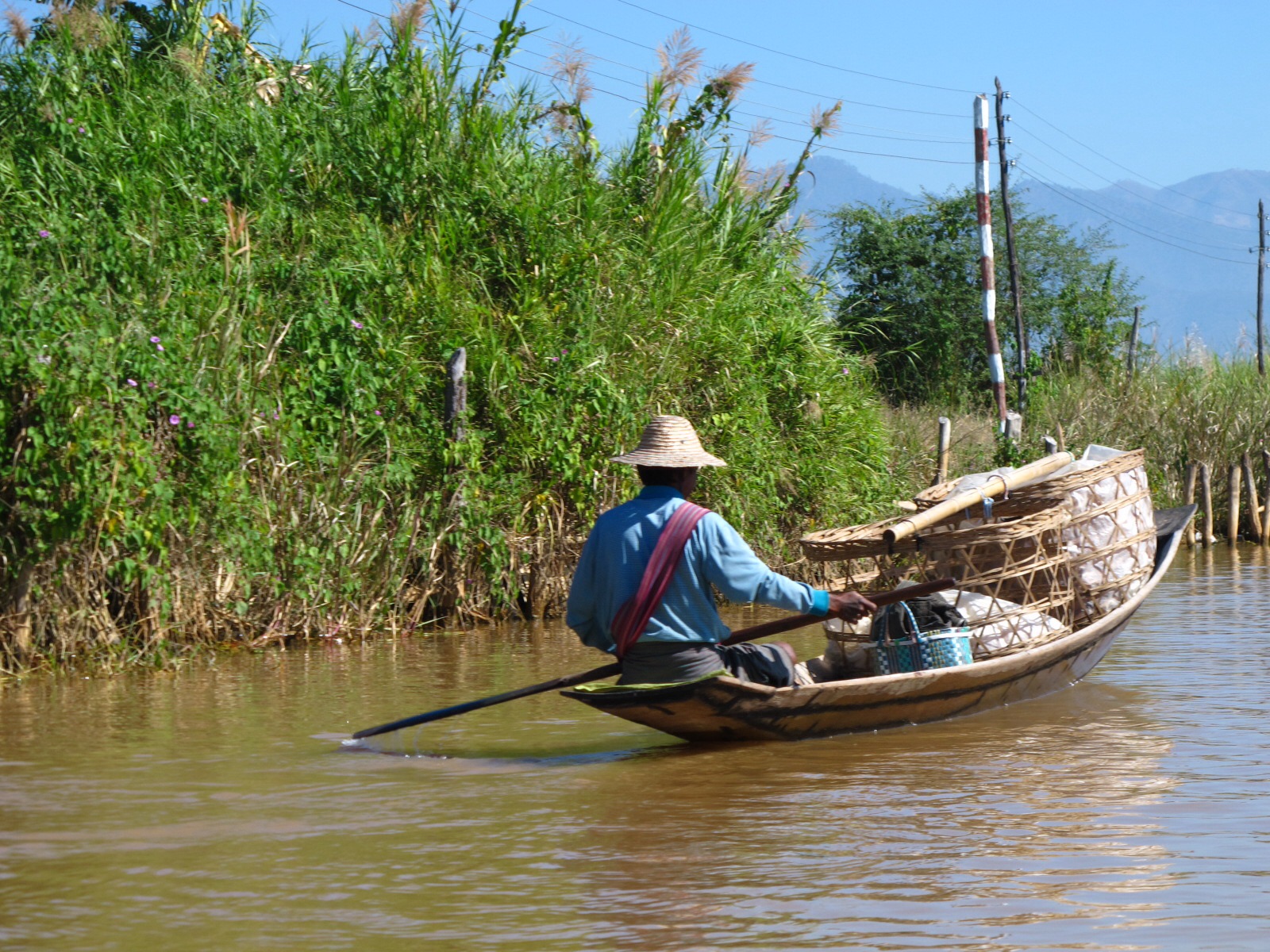
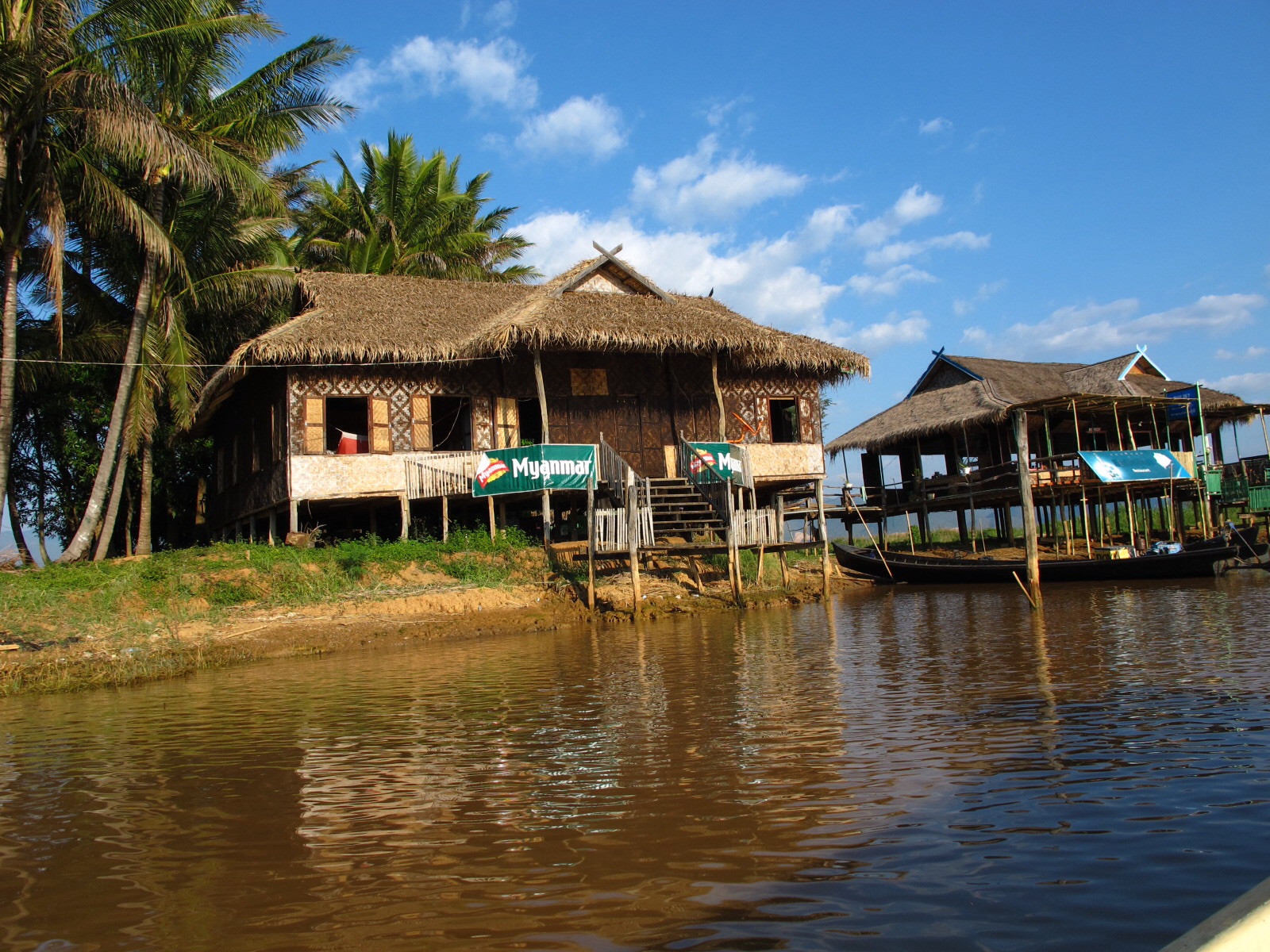
Such simple lifestyles. But for how long? We passed many huts on stilts with signboards advertising their trade. From floating bars to restos to coffee shops to beauty parlors to laundry shops to handicraft stores. Single and three-storey structures welcome tourists out for a few nights stay. Thank God I didn’t hear any blaring sounds from any of the bars.


A fishing village  in Inle Lake.

A fishing village in Inle Lake.


image

Fishermen getting ready with their unique nets.


image

This traditional way of fishing is still practiced to this day.


The villagers here have “created” their own community. No islands, but they’ve created their own floating village in waters deep enough for fish to thrive, but shallow enough to build floating gardens. I wonder how they draw the property lines here, especially for the commercial structures.


image

A typical day in the village.


image

A happy duck foraging for food in the floating gardens of Lake Inle.


image

The floating restos have no problems keeping off those happy birds — which confirms those birds are well-fed and errrr….. happy!


The influx of tourists may result in more structures being set up, leading to overcrowding. More luxury hotels may soon sprout along the water highways. More passing boats could mean noise pollution to this now tranquil lake. I dare not imagine.


image

Myanmar. Not the country. But the beer.


image

This scene is forever etched in my memory!


image

All wrapped up for the ride!


image

See you again in Inle!


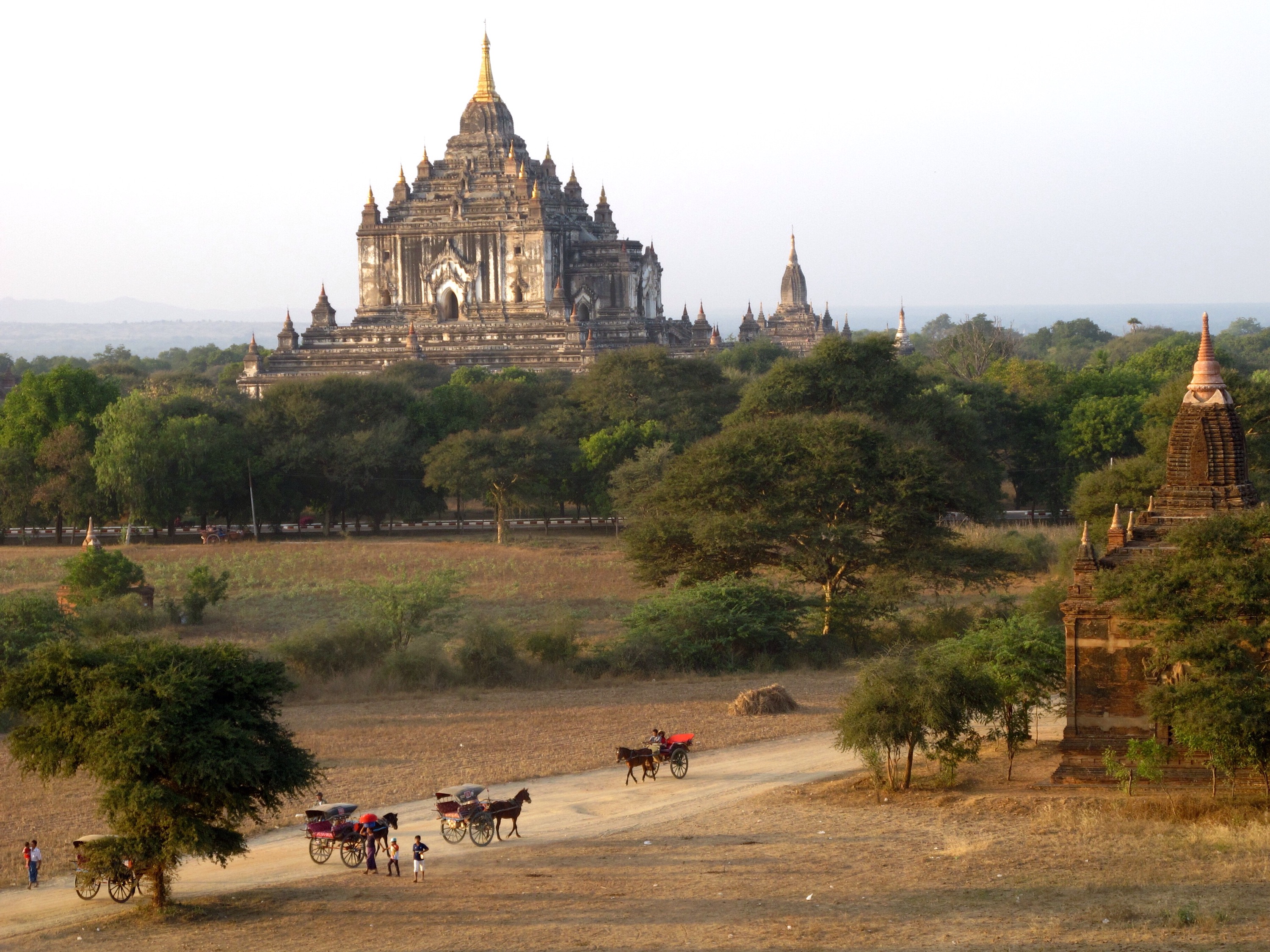
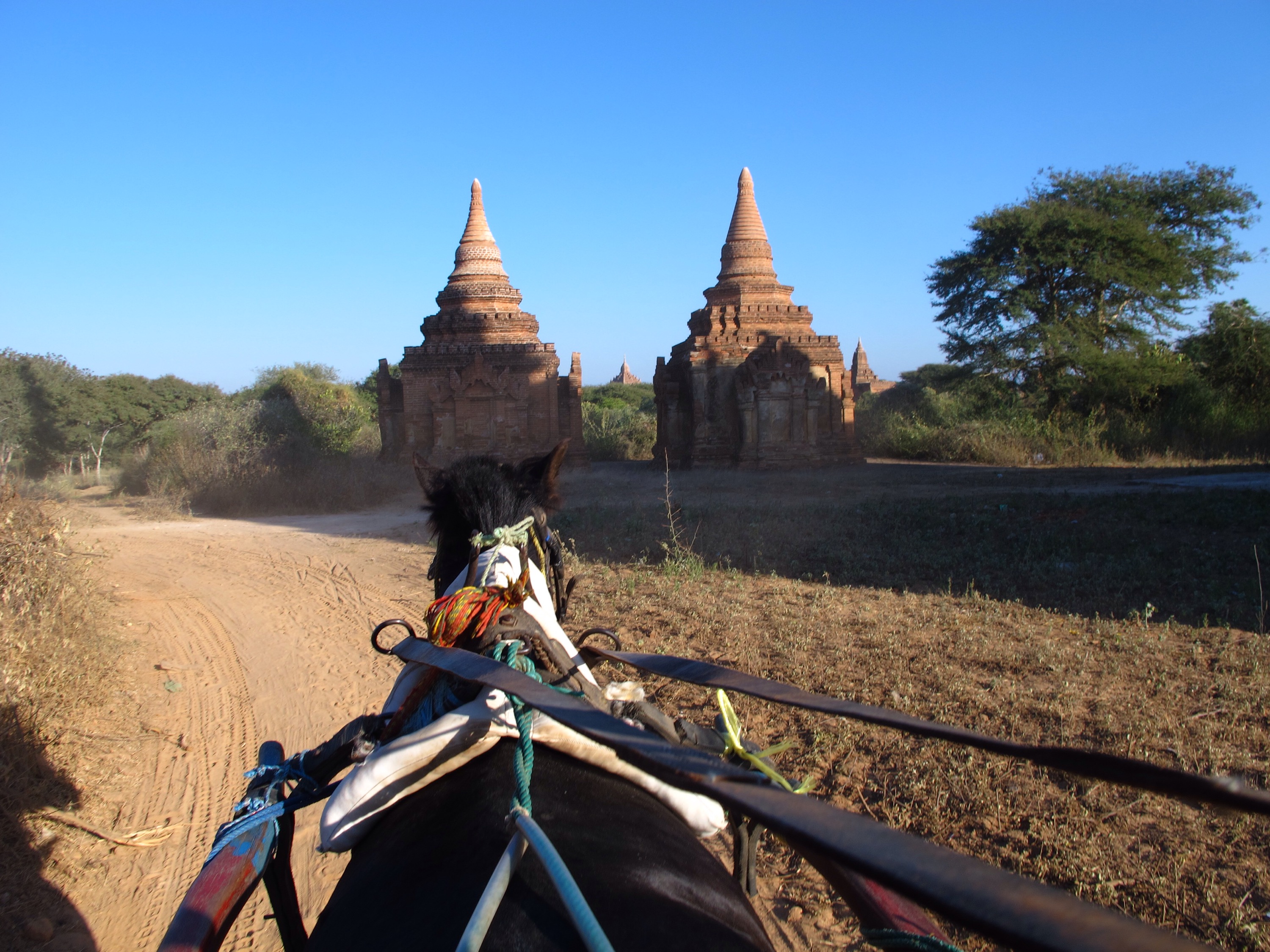
Rather unsettling seeing this raw, dusty landscape dotted with innumerable 11th to 13th-century stupas and pagodas of various heights, sizes and designs. Buddhism truly thrived and flourished in this former province of British India. The moment we spotted a cluster of about 3 or 4 ancient stupas, we wanted to jump out of the bus and snap away with our cams. My, we felt like some time machine transported us to this vast Bagan Plain where some 13,000 religious monuments once stood. Of the remaining 2,200 monuments in this 42 sq. km. earthquake zone, we can only surmise that only a few prominent ones are visited and upkept. The smaller ones seem to be cared for by local families enterprising enough to sell trinkets and artworks beside the monuments. Stupas, Temples, Pagodas, Buddhas — too many to count! Time stood still here, indeed.


2015/01/img_9587.jpg


2015/01/img_9577.jpg


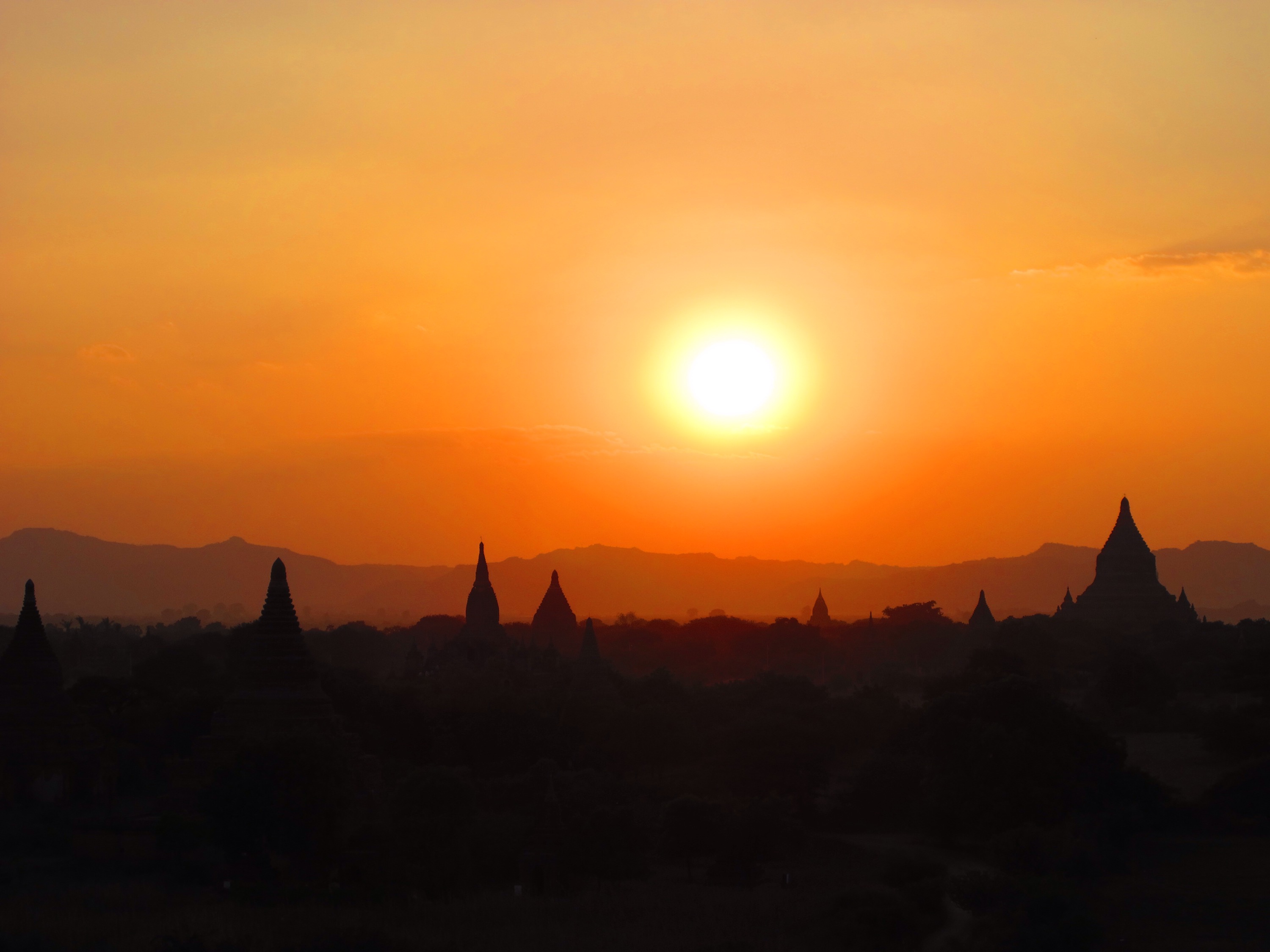
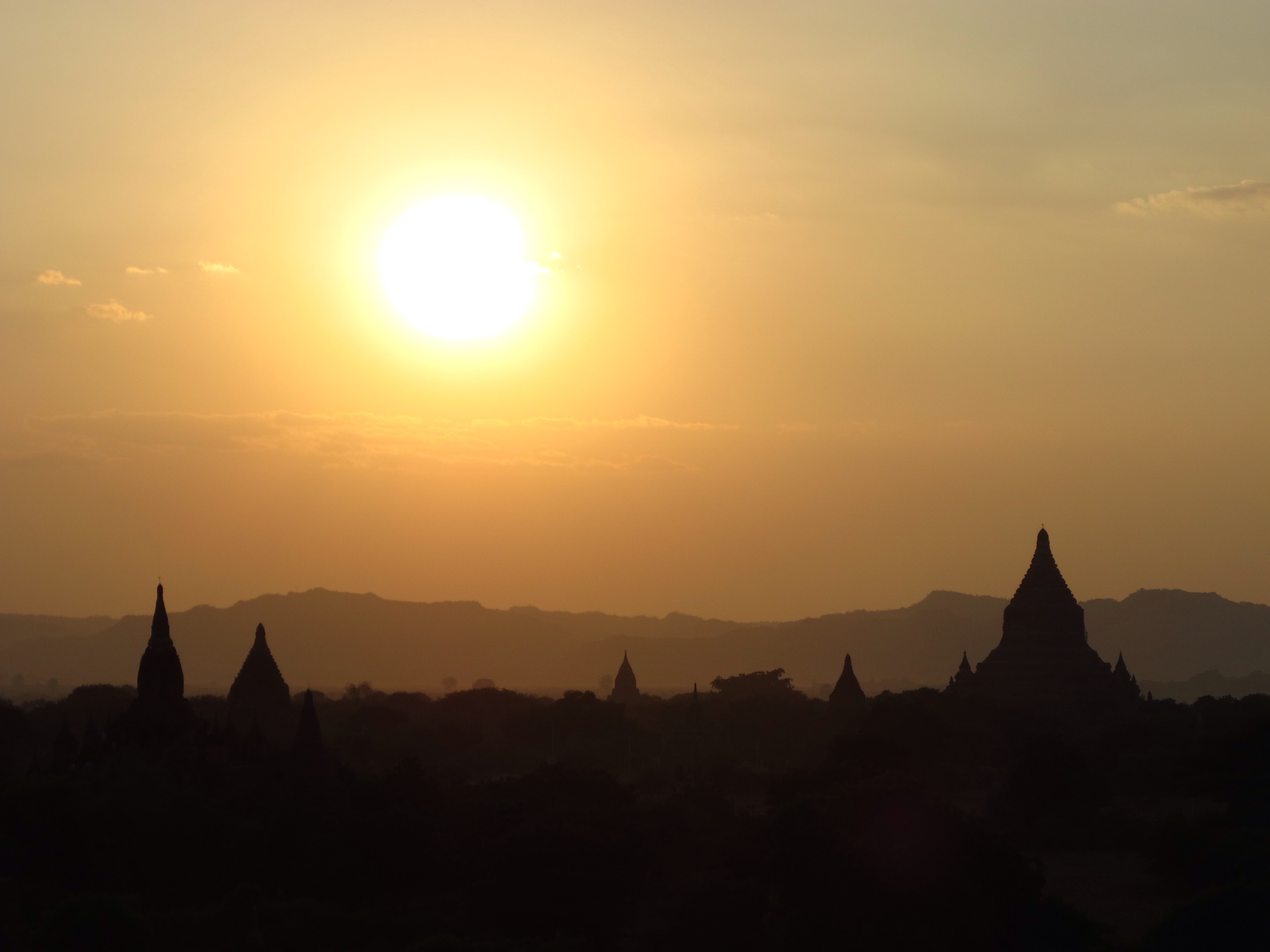
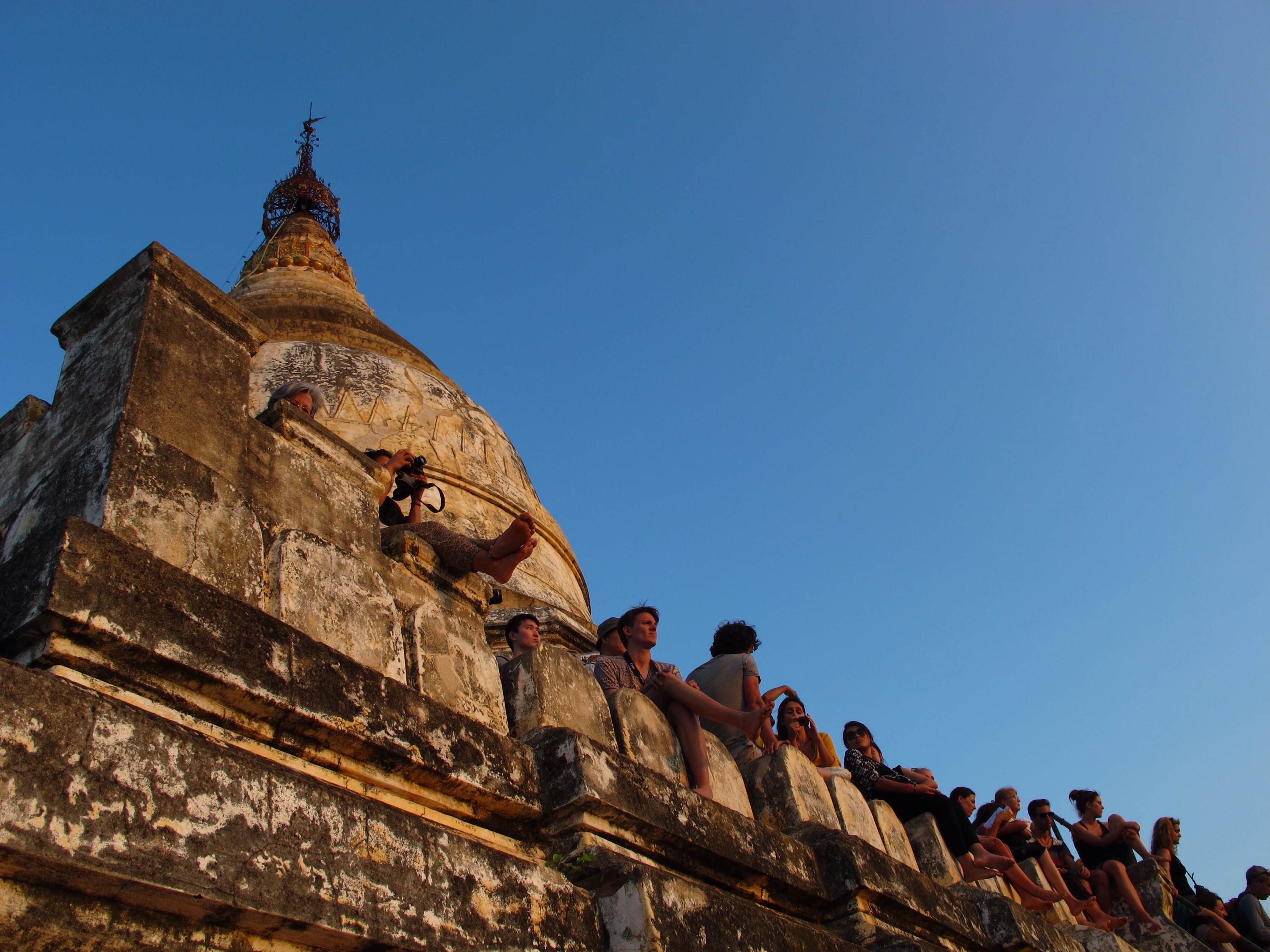
We braved and climbed the bigger 11th-century Shwe San Daw Pagoda where we waited for sunset. The Pagoda has 4 stairways on each side and we slowly and carefully scaled the steps towards each of the 4 (out of 5) terraces till we claimed a spot among some tripod-bearing photo enthusiasts. Now, I’ve waited for many sunset opps but for the life of me, I sensed that the sun took its time setting in this Burmese Plain. As we waited, a couple lit up their cigarettes and were gently reminded that they are on holy grounds. Some resistance there from the obnoxious pair, but seeing how many others were giving them killer stares, they relented. Back to the setting sun, I waited and snapped like the rest. Then, I happily stored my cam and simply watched the beautiful spectacle. When all’s over, I sneaked a peek into one of the serious photographers’ shots and felt how inferior and amateurish my photos were. But who cares? Sunset in Bagan is deeply etched in my memory, along with the sentimentality of a first-time visitor of this awesome landscape.


2015/01/img_9594.jpg


2015/01/img_9598.jpg


Shwe San Daw Pagoda may not be the best monument for a sunset view, but judging by the number of pilgrims, tourists and shutterbugs littering the place, it must be among the best viewpoints. Lost in the frenzy of taking the best sunset shot is how this pagoda supposedly enshrines a Buddha hair relic. In fact, Shwe means “gold” and San Daw means hair. Just as lost are the terracotta plaques which once adorned the terraces of this magnificent pagoda. Like some other temples we’ve passed or visited, heavy-handed “restoration” nearly obliterated what used to be ancient architecture. A pity. But it happens everywhere in Third World countries with hardly any resources to preserve their links and expressions of ancient art and history.


2015/01/img_9600.jpg


2015/01/img_6341.jpg


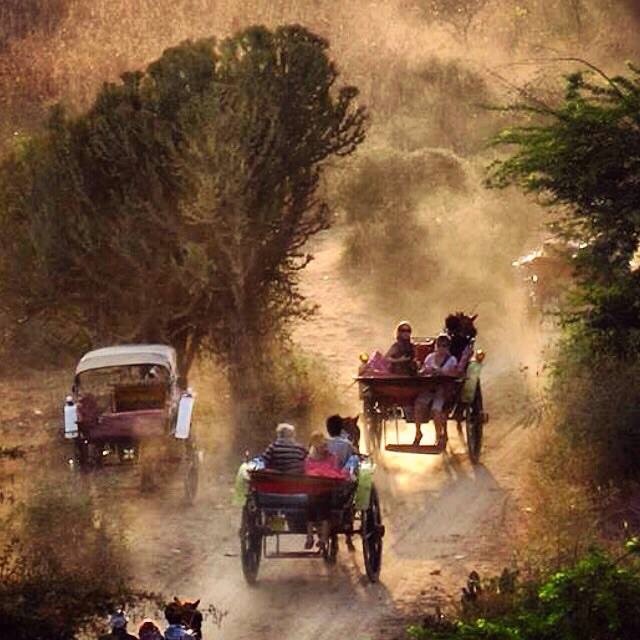
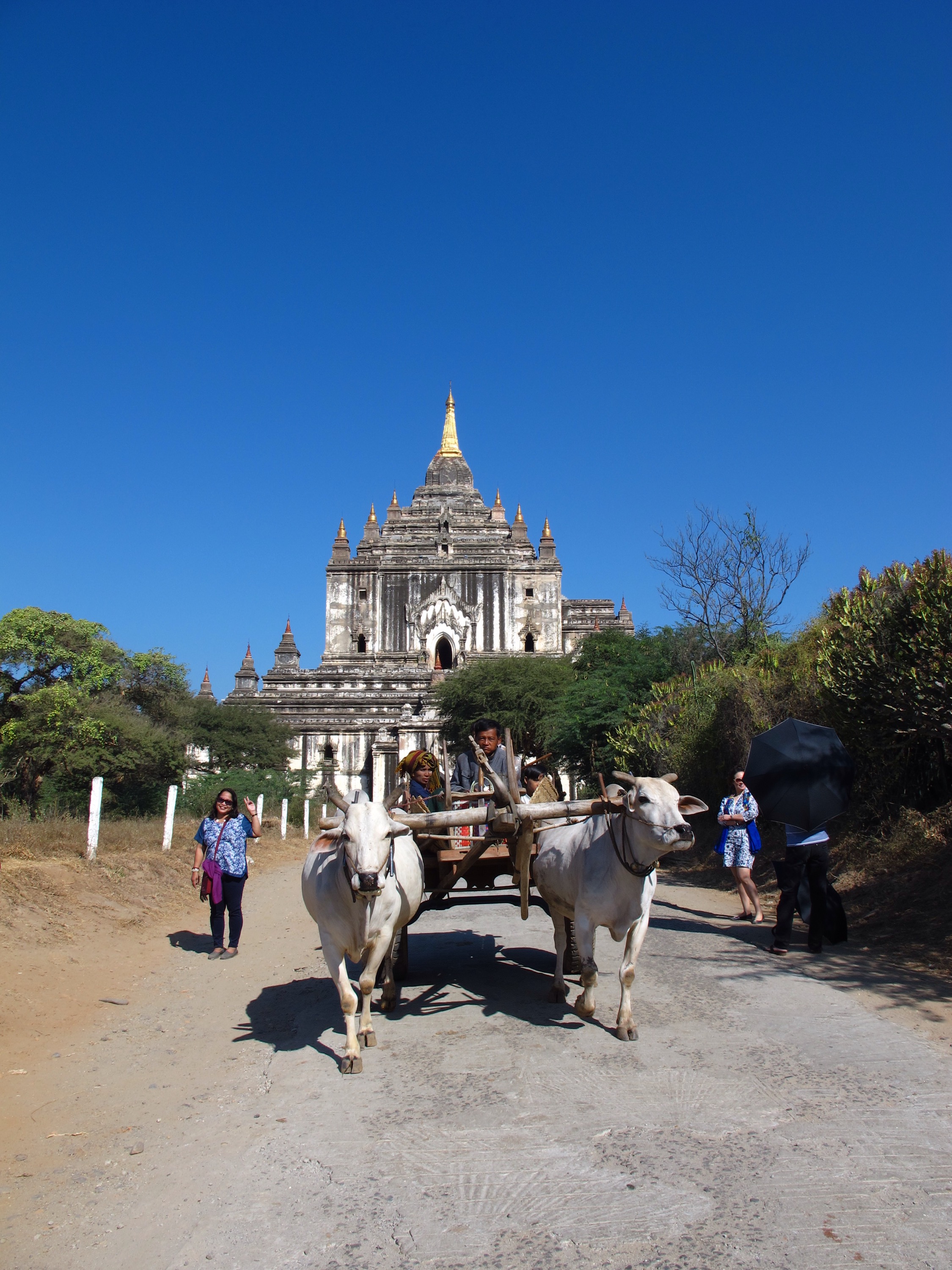
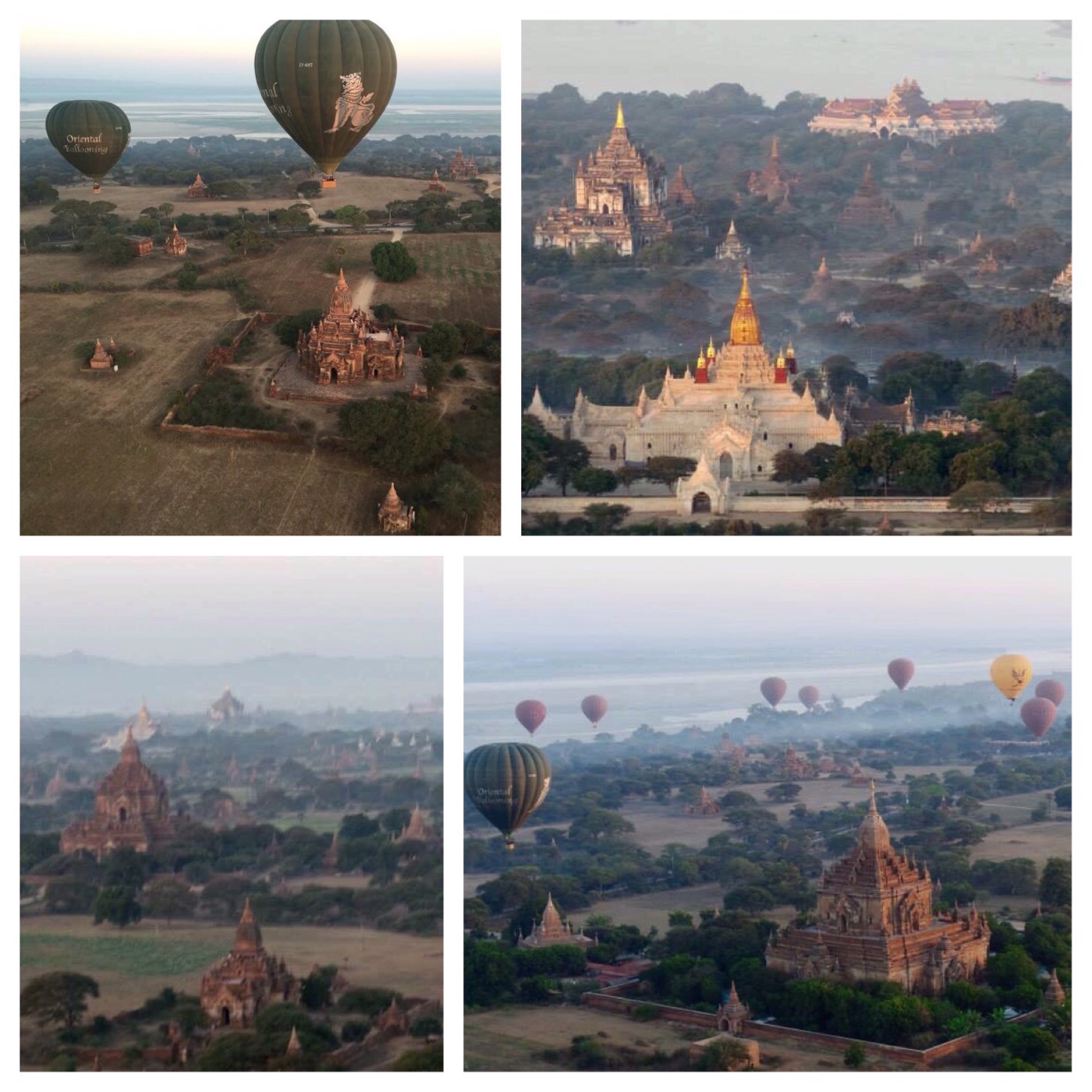
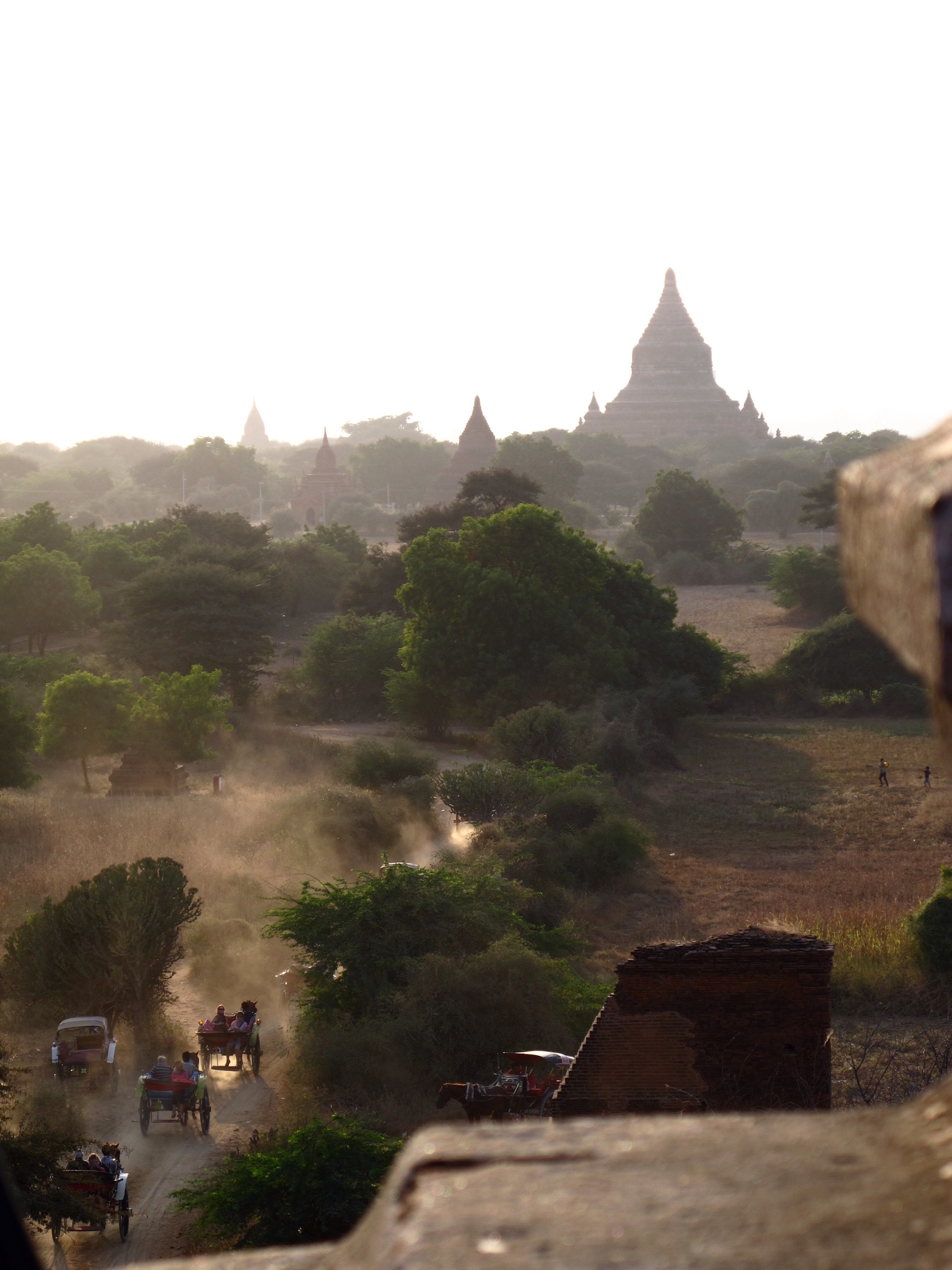
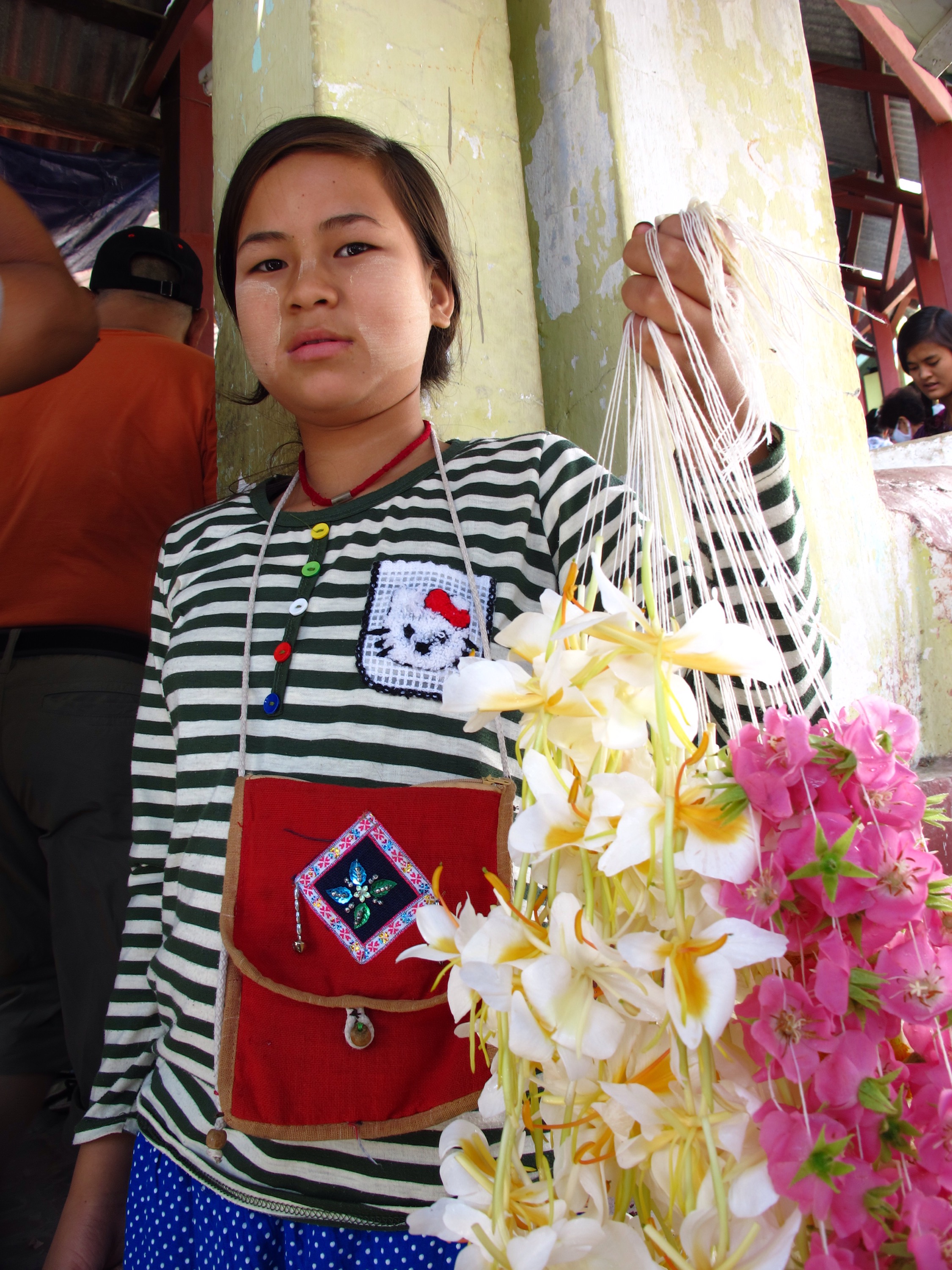
The early morning hot air balloon ride over this Plain must be a thrilling experience especially for first-time balloon riders. I borrowed and posted a photo here from someone (Thanks, Fe) who used a simple phone cam to capture the foggy scene. At ground level, there’s a choice between the horse cart and the oxcart. Either way, eat the dust, baby! I knew it even before I took the ride. As soon as I was handed a “surgeon’s mask” I prepped myself for a dusty hour. I would have wanted to ask someone to put some local sunscreen on my cheeks (called “thanaka”) but there was no chance. Thanaka is what you find on locals’s faces — you know, those whitish blotches on their faces which serve as sunscreen and cooling lotion.


2015/01/img_0150.jpg


2015/01/img_9771.jpg


2015/01/img_9279.jpg


I had high expectations before coming here. Have not read much of its history, but viewed enough documentaries and NatGeo photos. Still, Bagan did not disappoint. I do not know of any other place like it. I can only imagine how prosperous Bagan was in the middle century to spark this frenzy of building imposing structures. As I mentioned, too many to count. Too many to care for. I won’t be surprised if some backpackers try to camp out in any one of the unguarded monuments on a humid summer night. Oh Bagan. You’re a dream. Lara Croft should get here and do a movie sequel!


2015/01/img_9670.jpg


2015/01/img_9676.jpg


2015/01/img_9678.jpg