Category: Asian Holidays


The Simple Life In Indein Village


Life was meant to be lived, and curiosity must be kept alive. One must never, for whatever reason, turn his back on life.

——-Eleanor Roosevelt


2015/01/img_9911.jpg


2015/01/img_0001.jpg


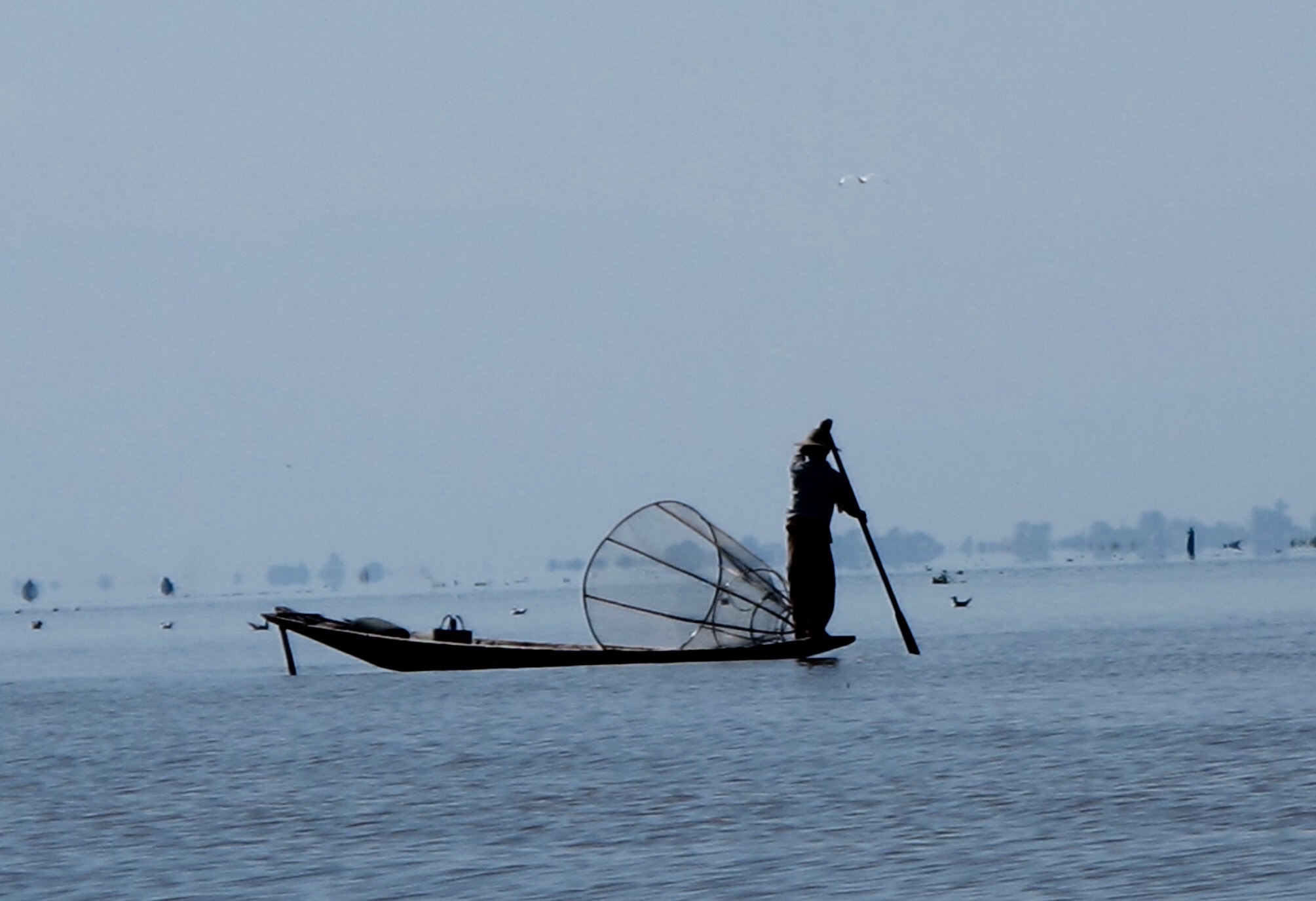
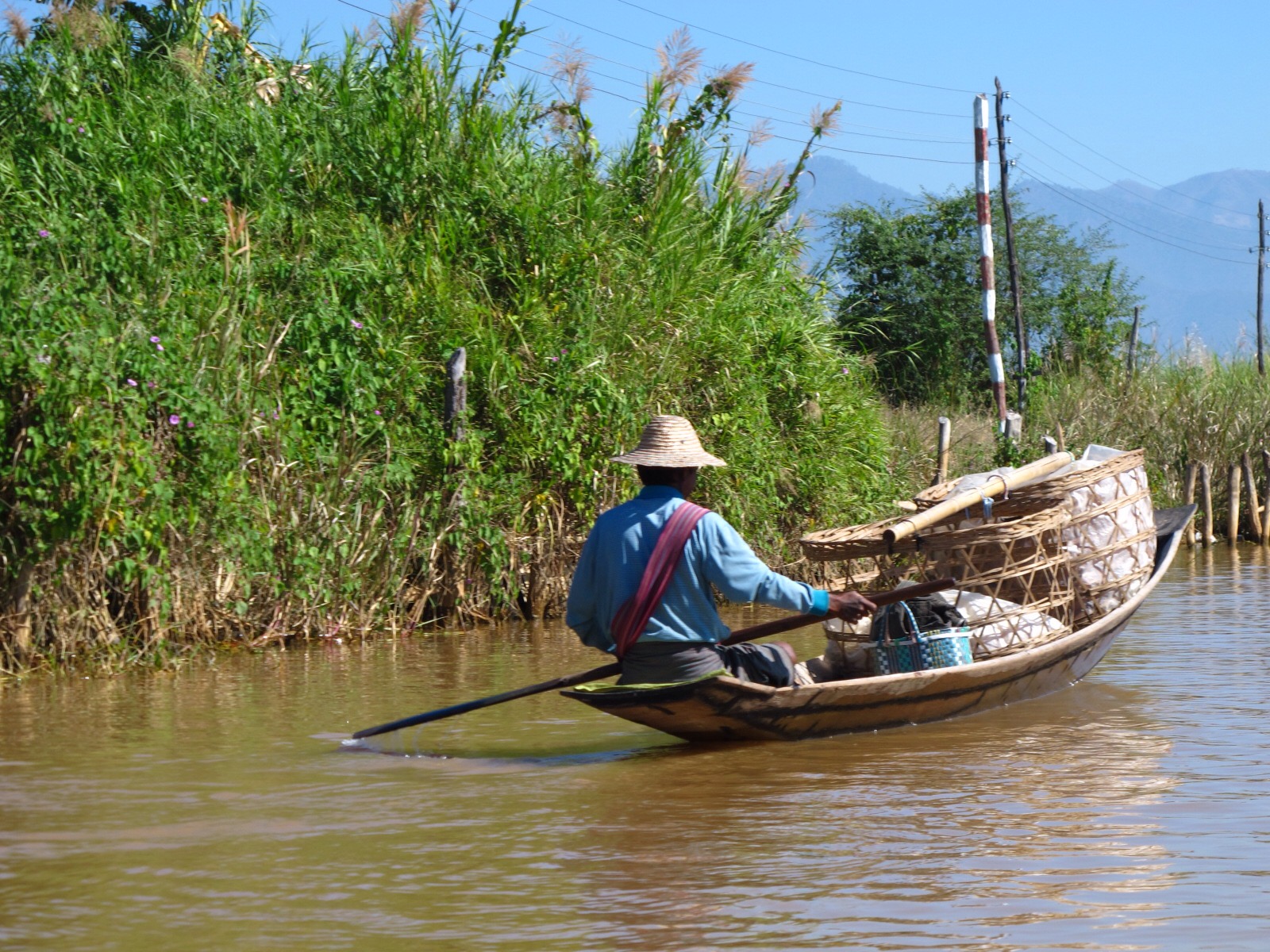
Out again on a wooden canoe towards one of the villages along Inle Lake. Just past noon after a lunch of pasta & pizza, we passed some Inle fishermen rowing their flat-bottomed boat standing by the stern with one leg wrapped around an oar. There’s more of them out in the open lake doing this tribal fishing technique but this group looked like they’re done fishing, their cone-shaped basket nets having served their purpose.


2015/01/img_0283.jpg


2015/01/img_0124.jpg


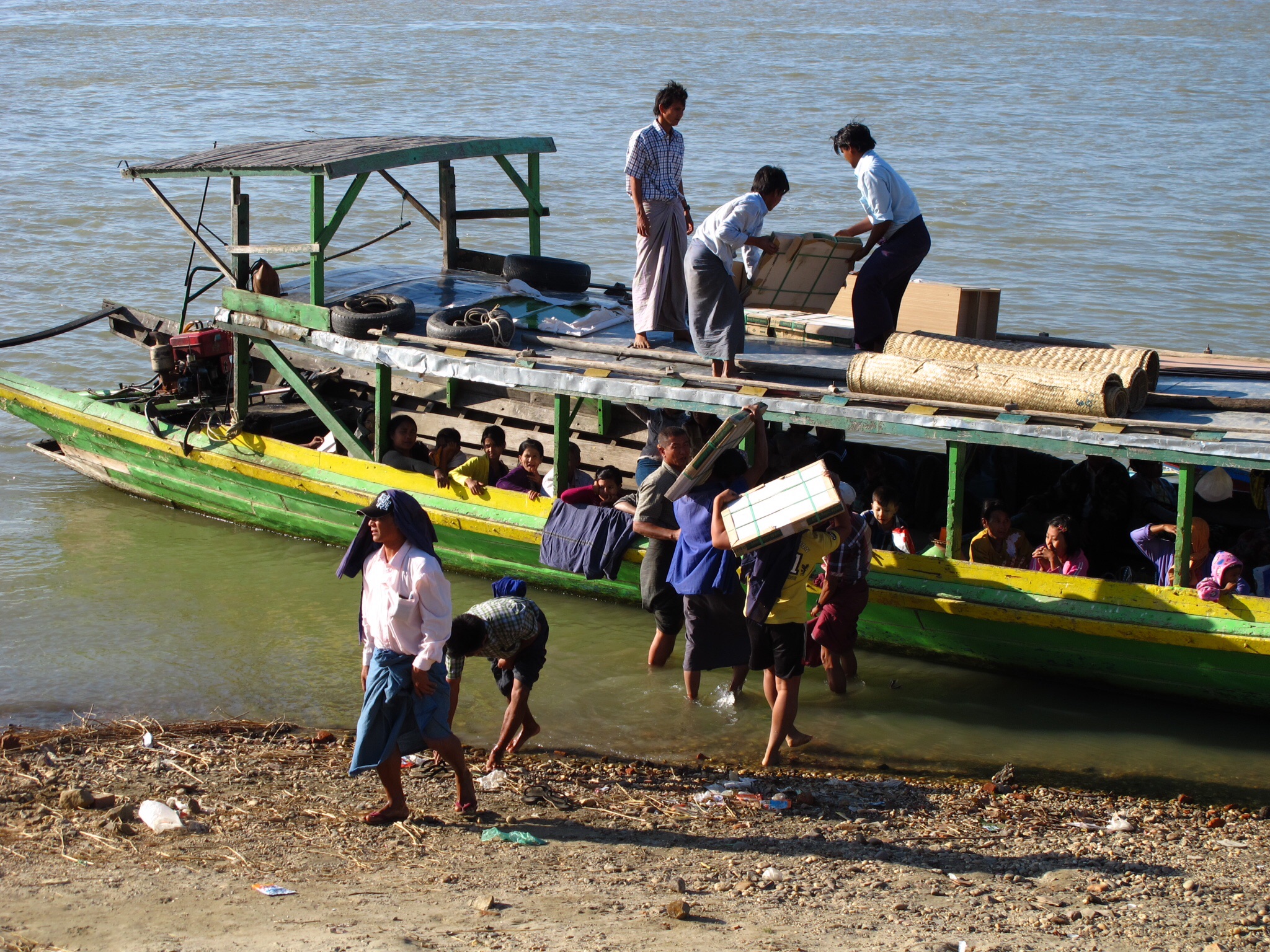
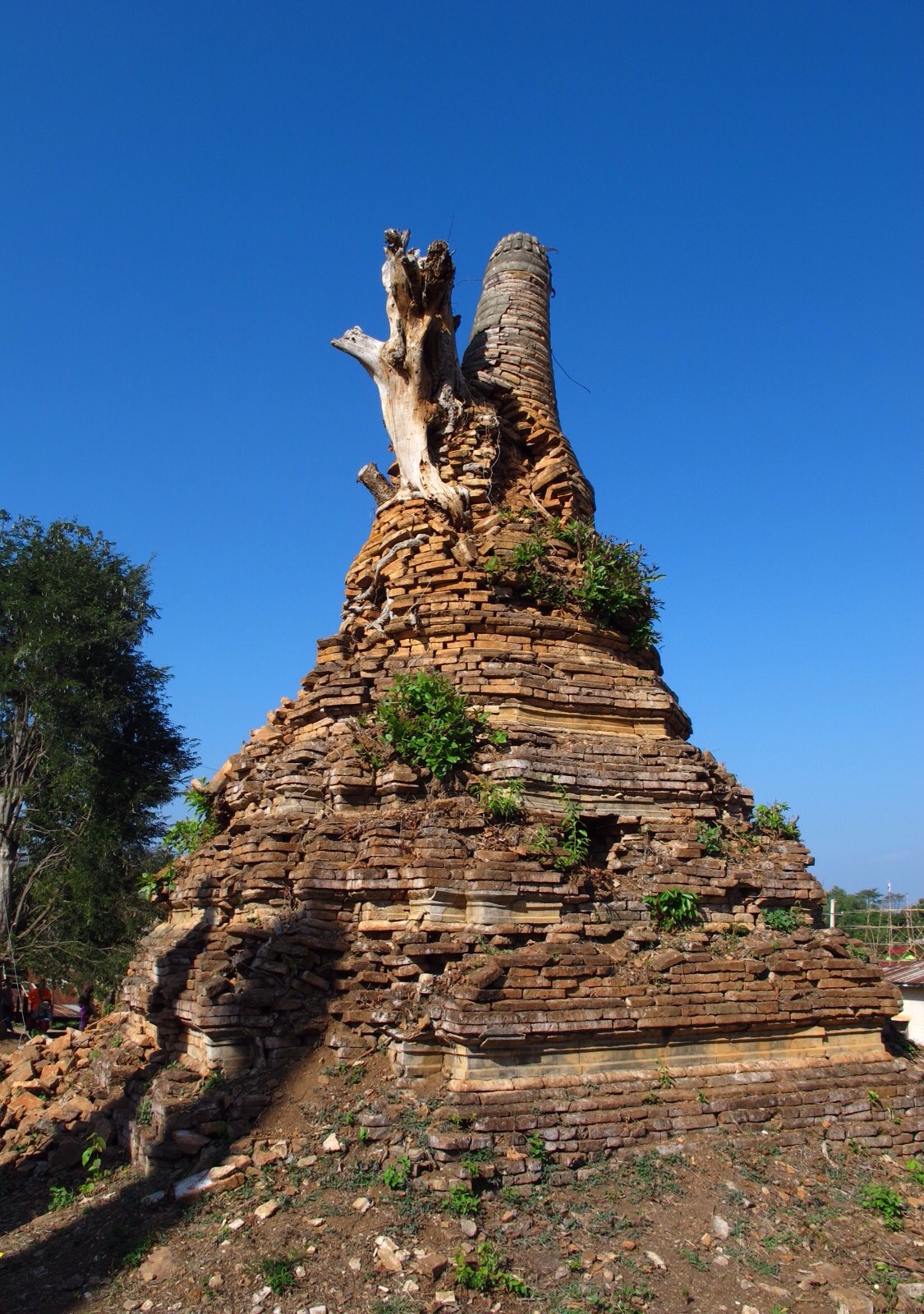
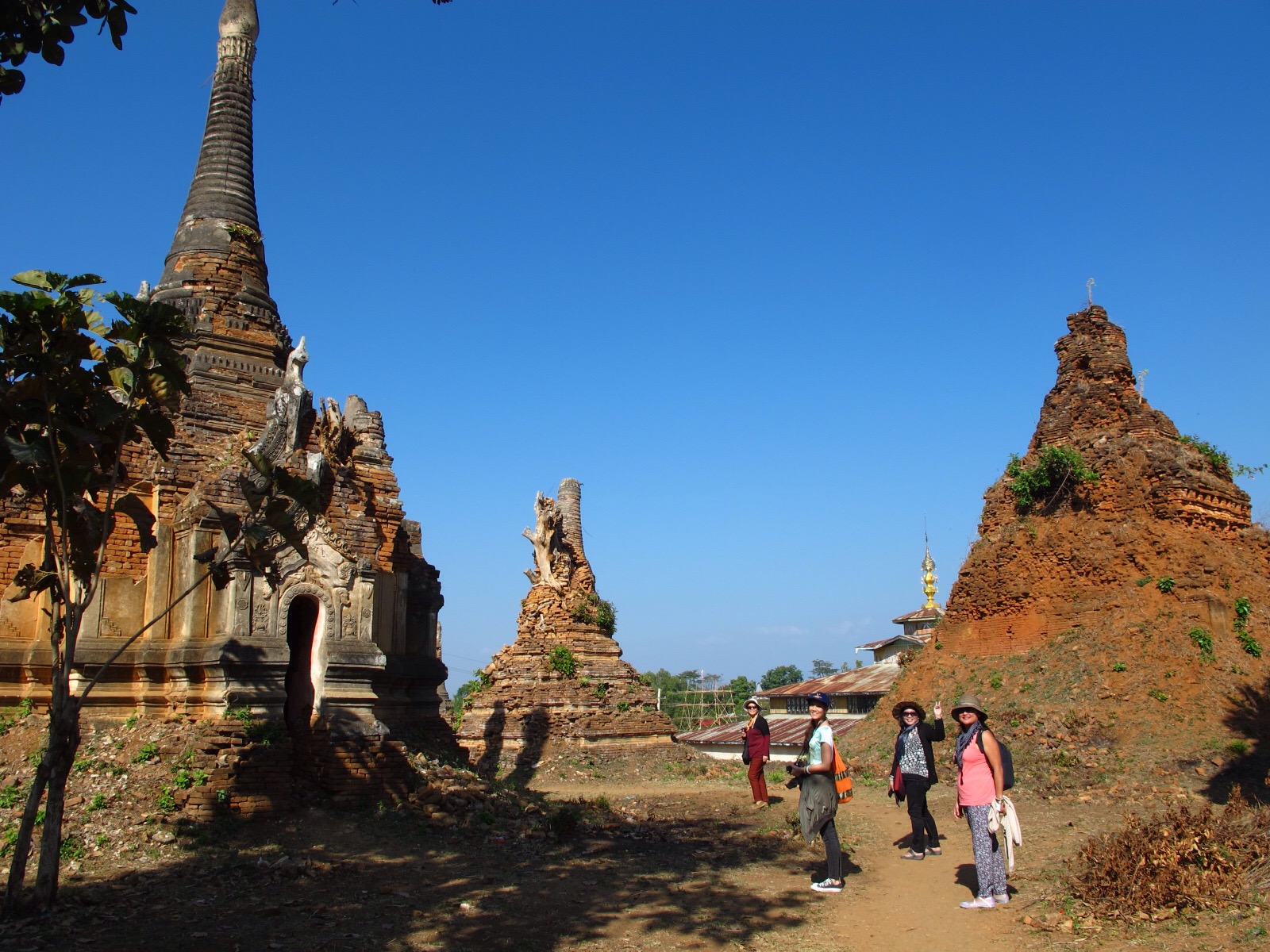
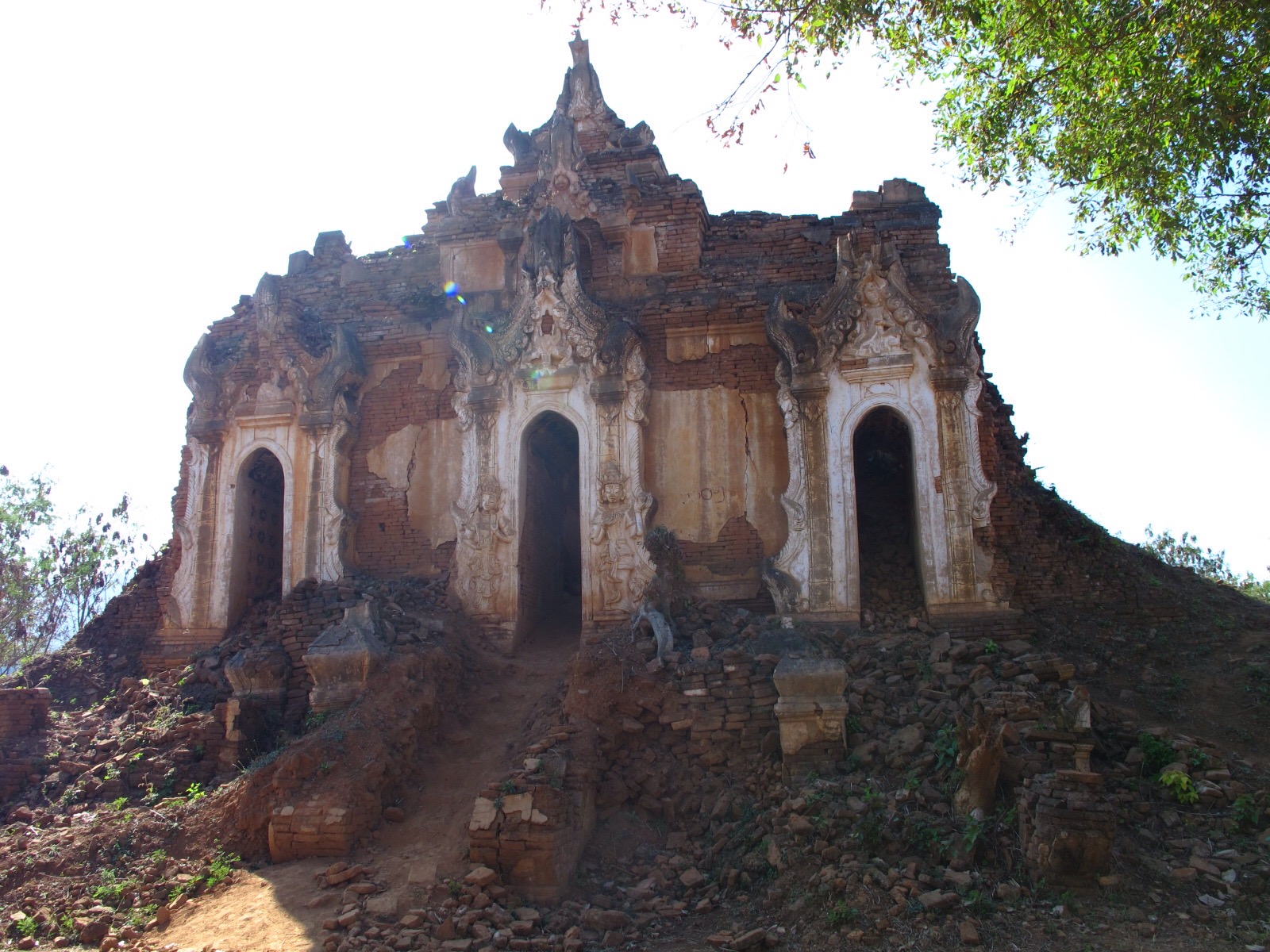
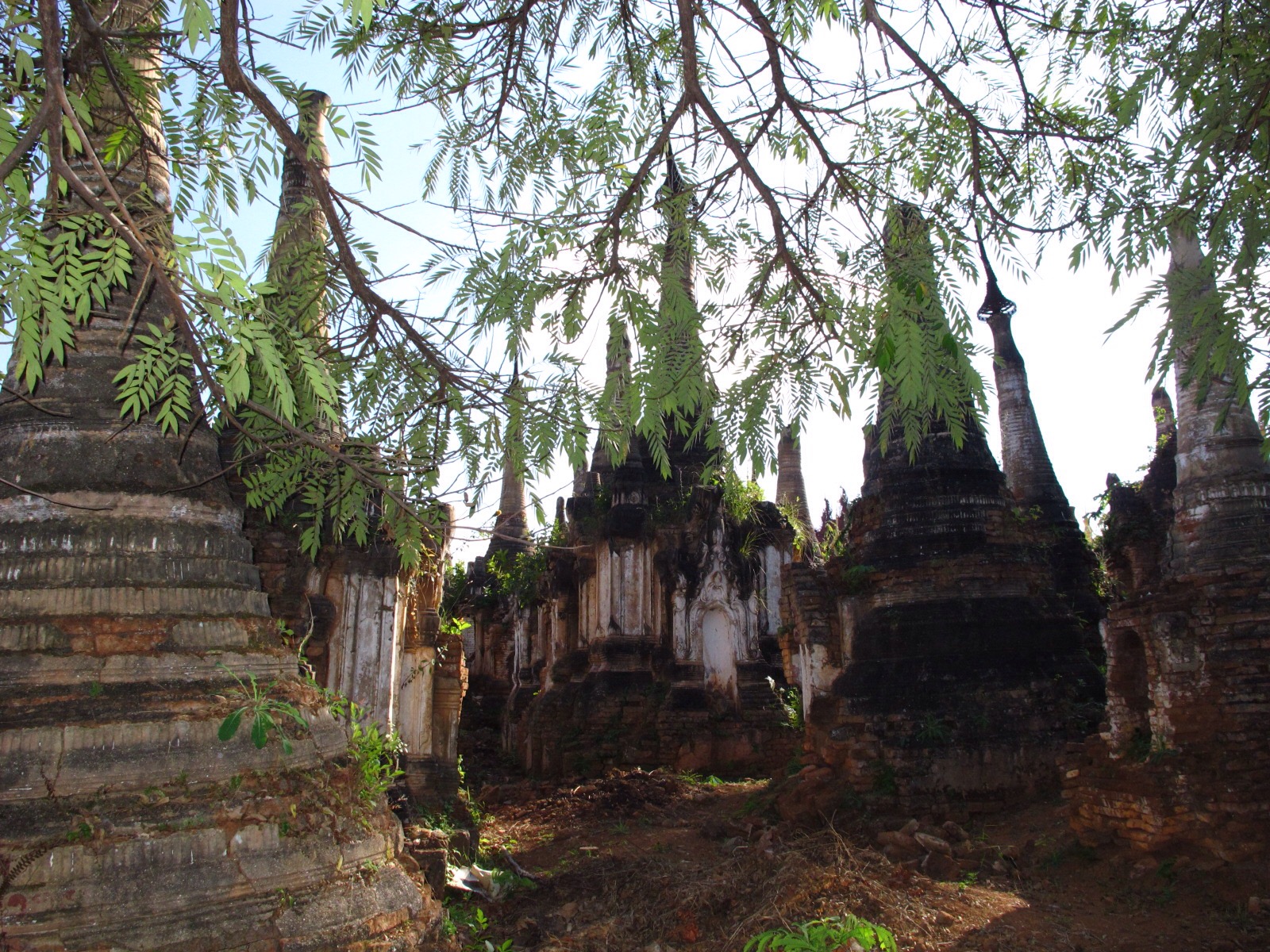
I tried to suspend my thoughts on our way to Indein Village, not exactly knowing what to expect. Obviously this sidetrip to the southwestern bank of Inle is quite popular, seeing how many tourists there were in the jetty, ready for the half hour hike to Indein’s archeological site. The site is actually a cluster of 16th-18th century stupas and pagodas, many in utter disrepair if not largely ruined. Very atmospheric to find crumbling stupas and weather-beaten temples competing with Nature for space. The “jungle” threatens to take over this neglected archaeological site, as vegetation and banyan trees grow around many of the stupas, if not OUT of them. Many of the htis (top of stupas) are gone, and one can only imagine how this mass of hundred stupas must have looked then.


2015/01/img_0022.jpg


2015/01/img_0058.jpg


2015/01/img_0056.jpg


Indein in Burmese translates to “shallow lake”. Shallow enough that the boatmen never ever reminded us to don our life vests. Instead, the vests were used as cushions for our tired backs for the 45-minute canoe ride. In a way, the “neglect” may have “saved” these ancient monuments. Compared with some of the heavy-handed “restoration” done on some Bagan temples, the complex of pagodas and stupas here in Indein charm you in the same breath as those found in Siem Reap. Immediately, Lara Croft came to mind, though a friend of mine thought it’s more like Avatar.


2015/01/img_0044.jpg


2015/01/img_0098.jpg


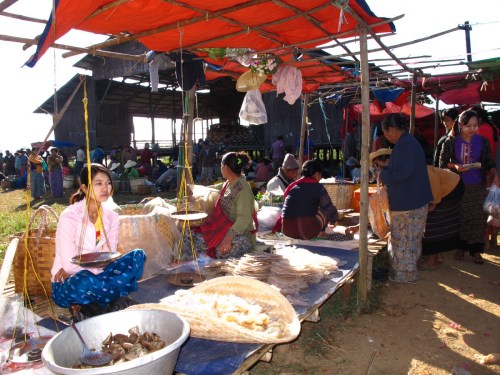
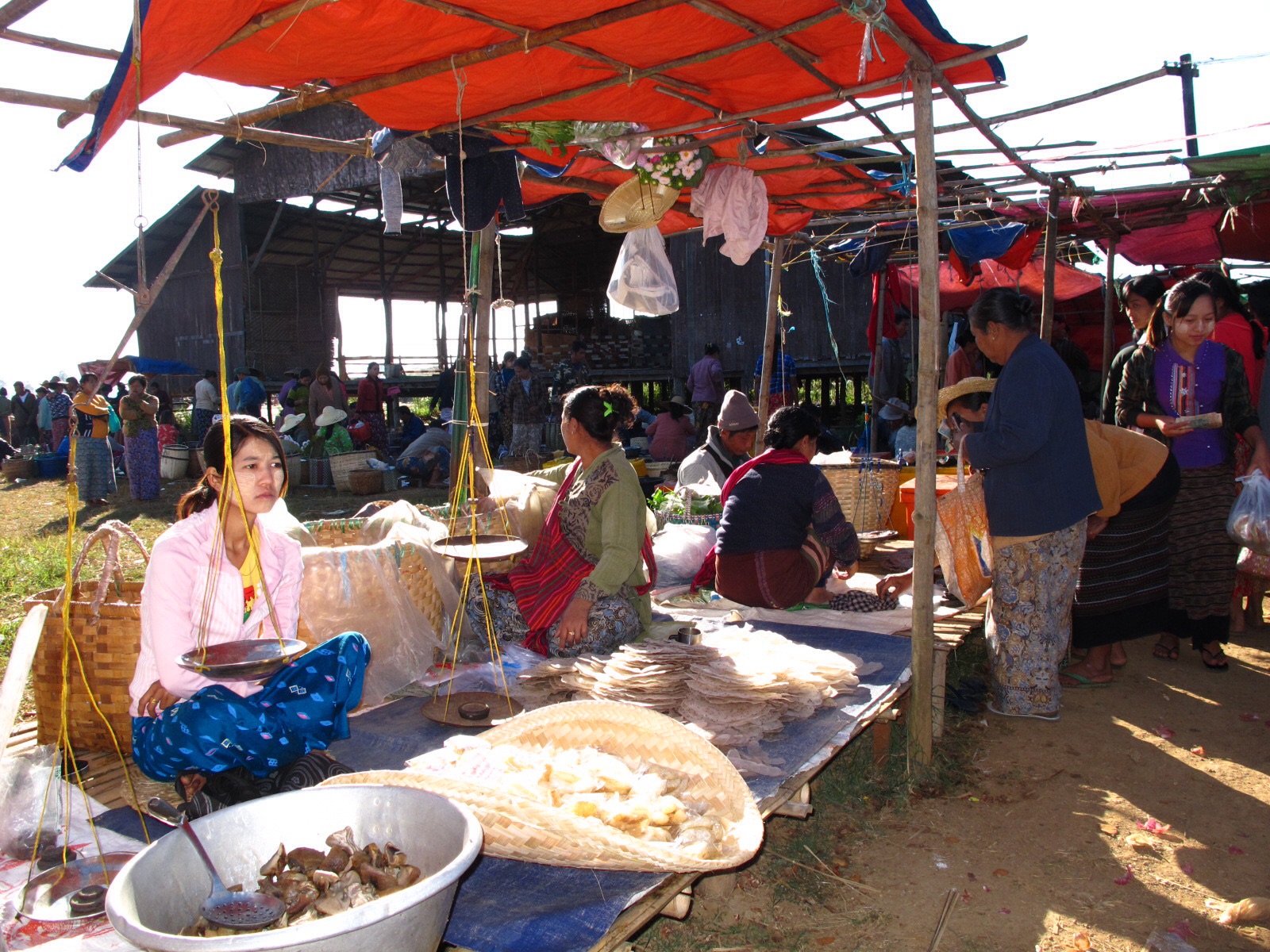
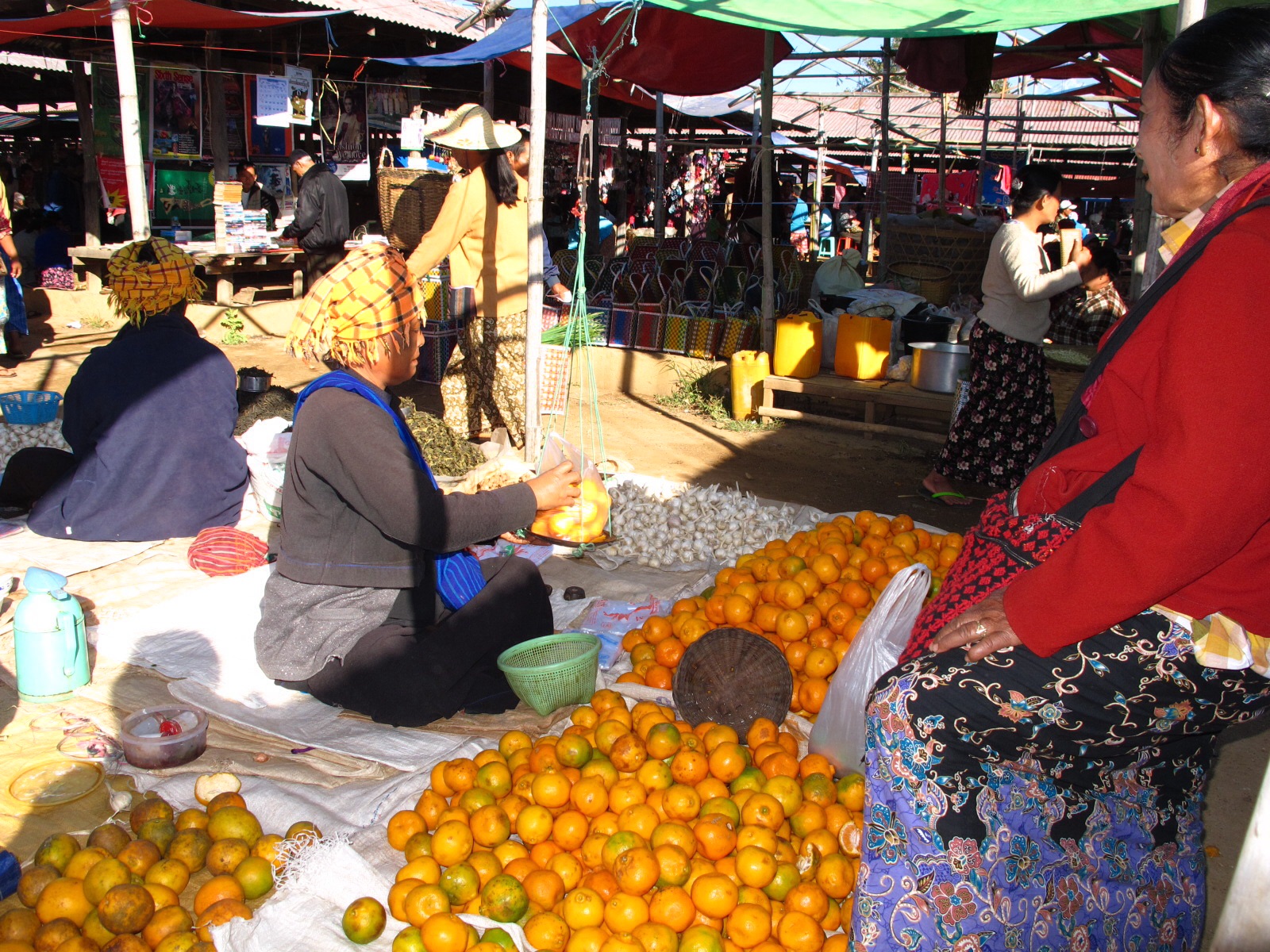
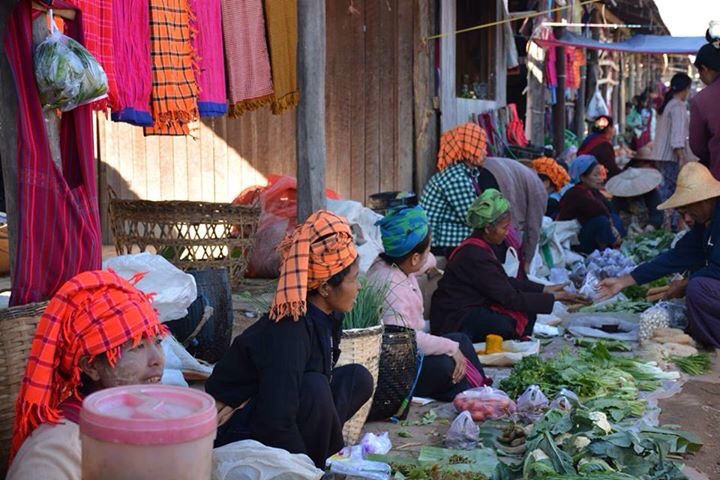
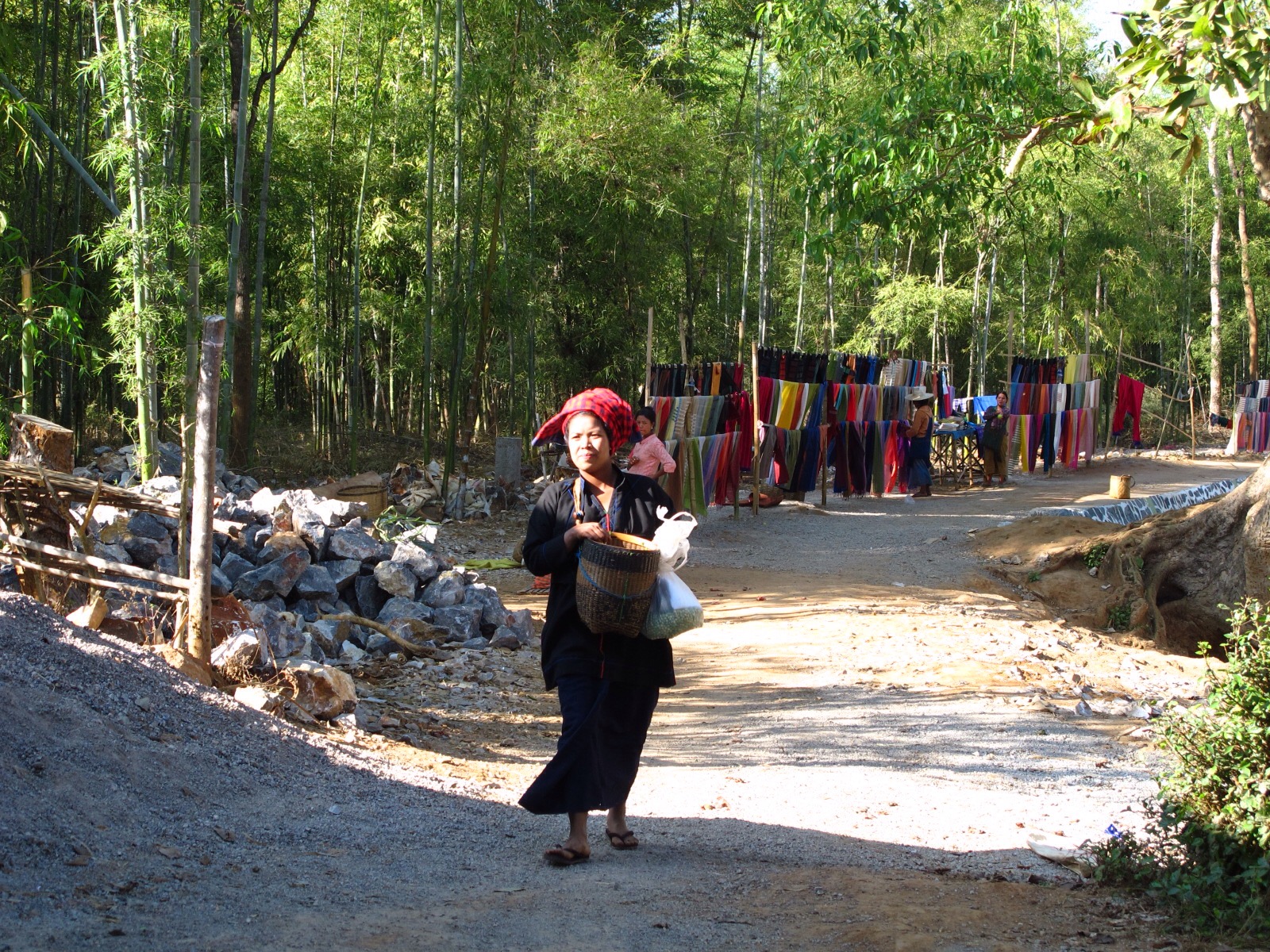
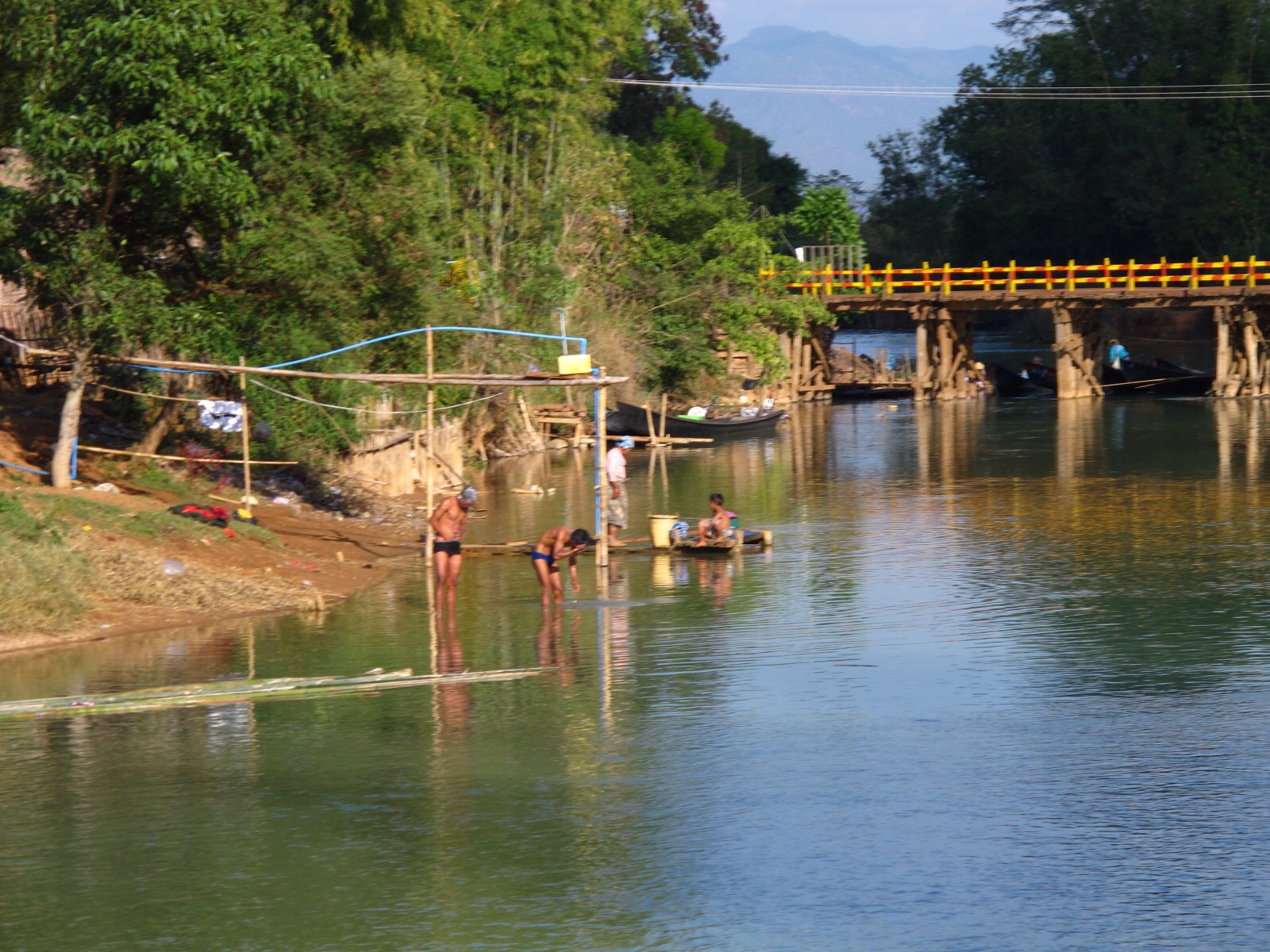
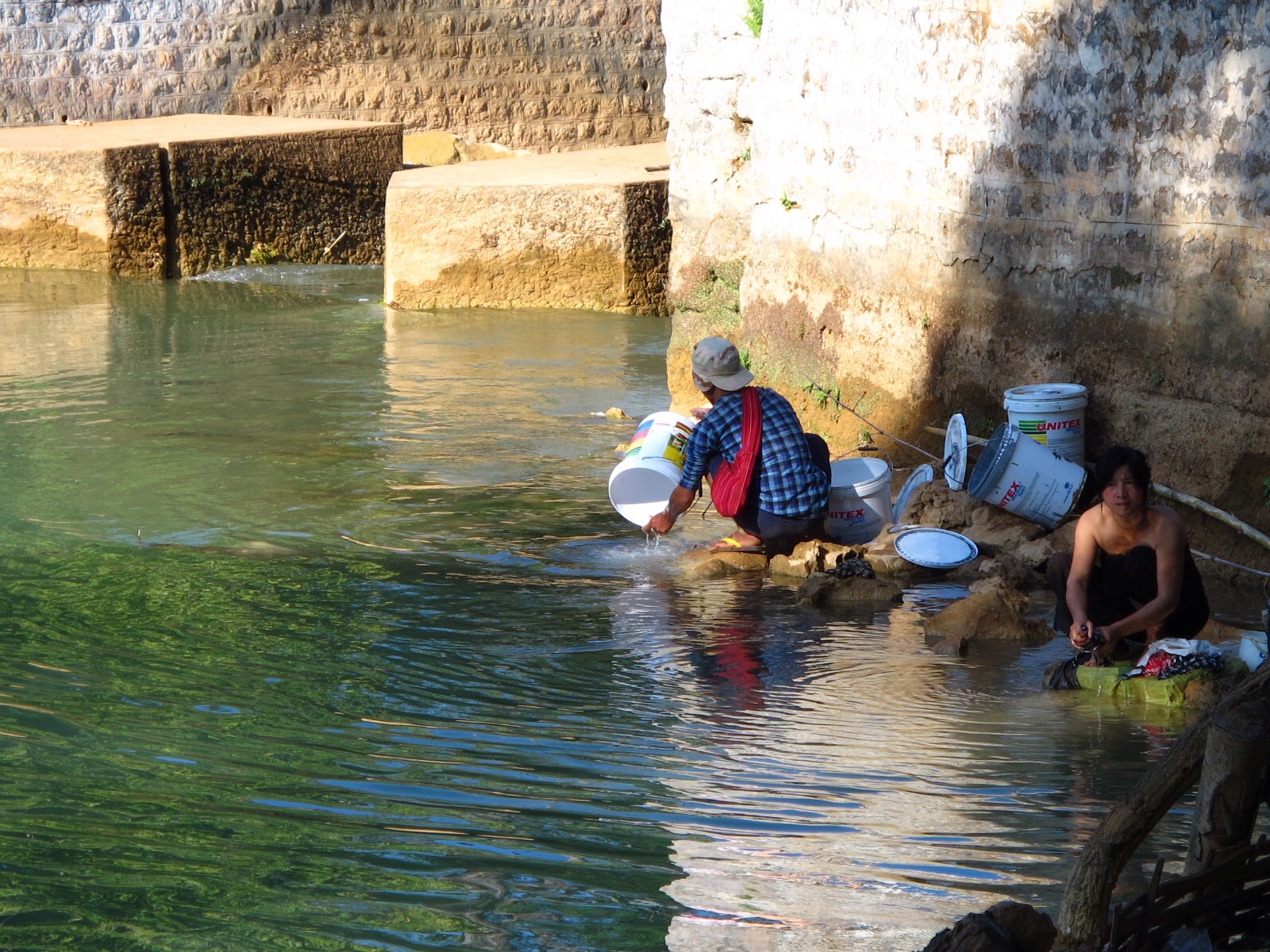
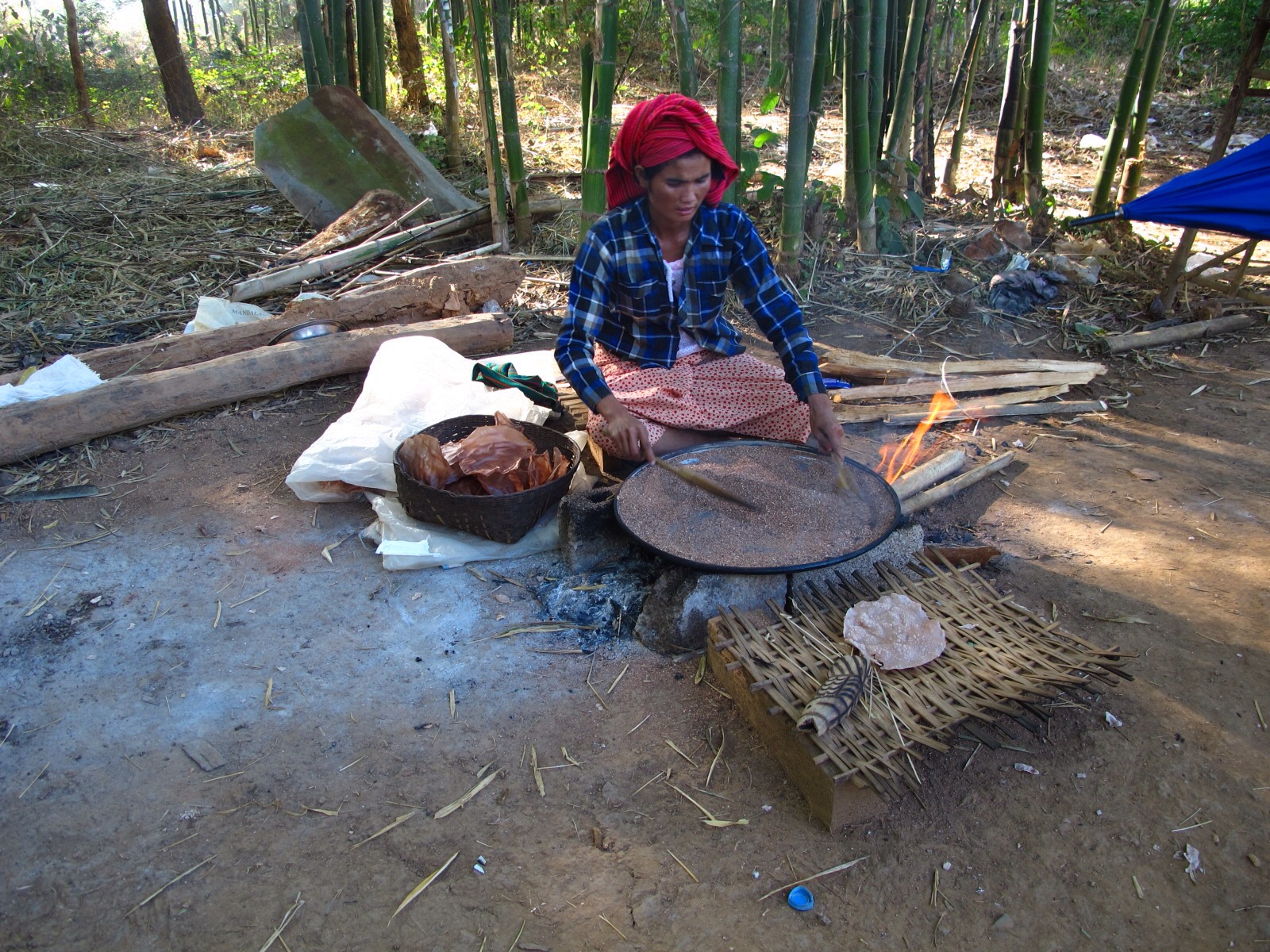
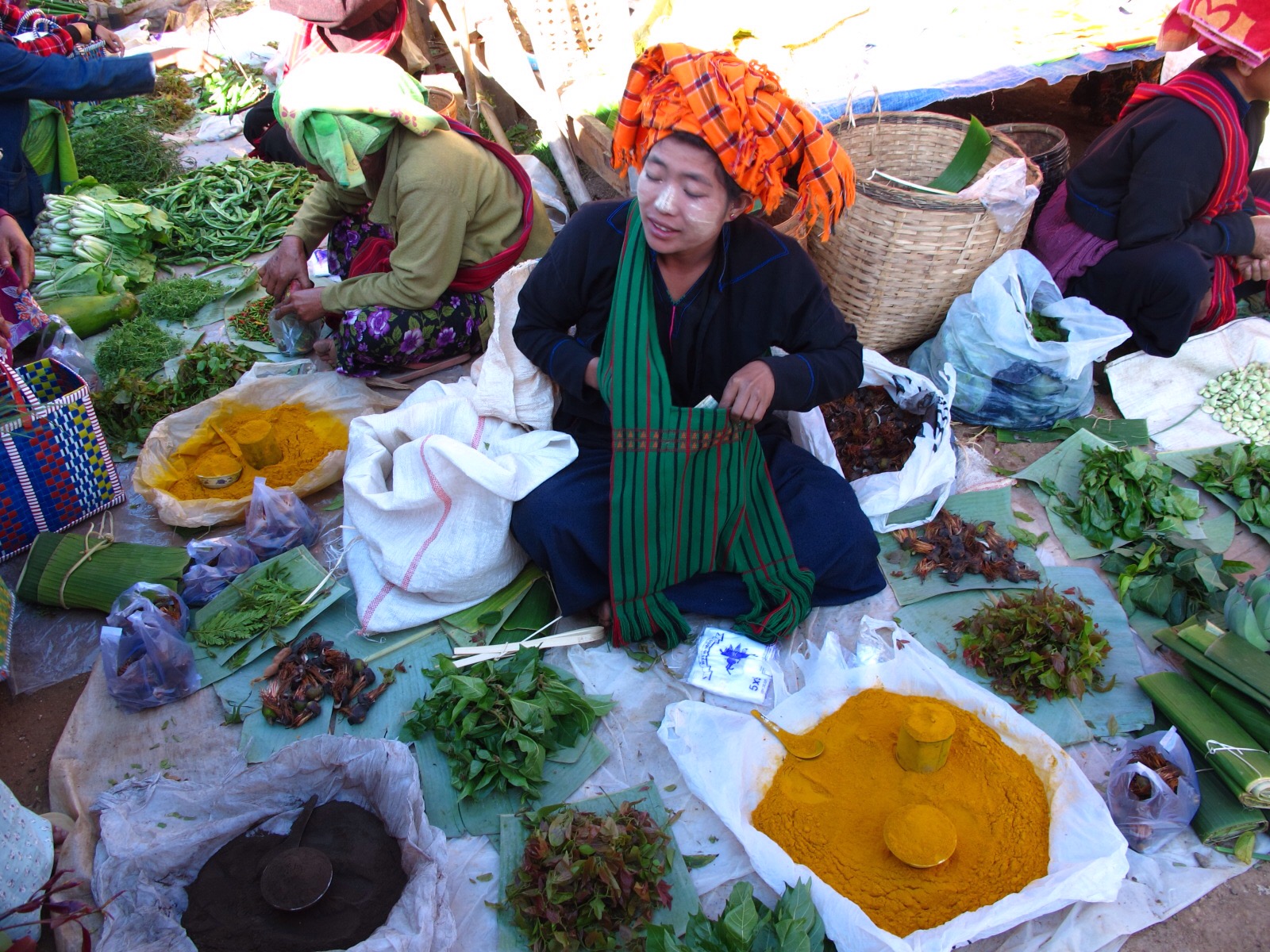
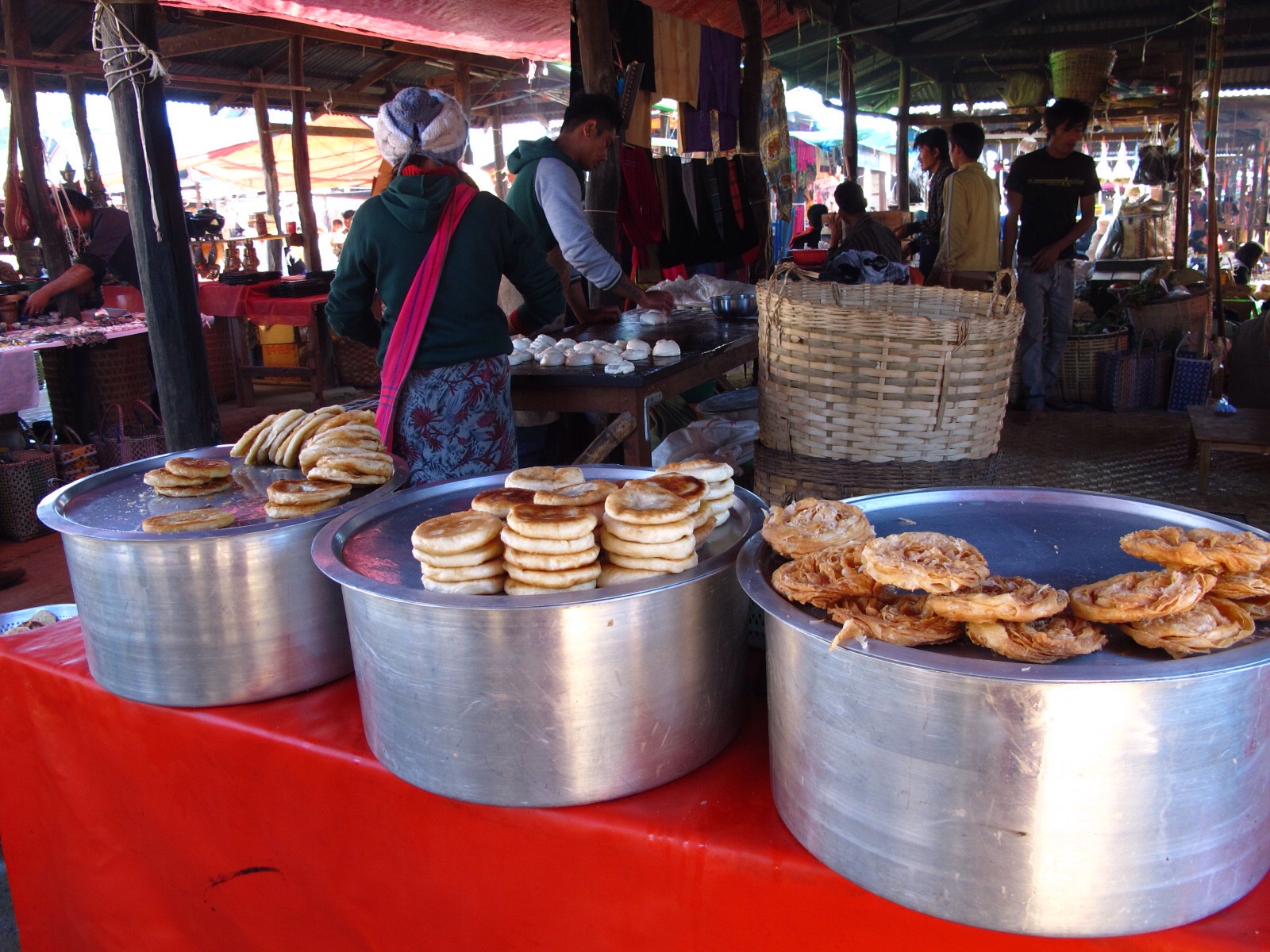
Fisherfolks lead a very simple village life, perhaps completely oblivious to the value of the archaelogical finds here. Apart from the ruins, it was refreshing to see village folks doing their everyday business. Laundry and baths by the canals, where just across some enterprising village women sell fabrics, fruits and cracklings wok-fried in what looked like pebbles. The sprouting of al fresco beer gardens by the canals completely spoil the view, but what can I say? There’s also a vibrant market here but on the day we visited, the “5-day market” was elsewhere. As it was, the market moves from village to village. We caught the market elsewhere and I can only assume the same wares and producΓ© are laid out for sale by the vendors.


2015/01/img_0130.jpg


2015/01/img_0127.jpg


2015/01/img_0120.jpg


It was a good walk from and back to the jetty. The Indein ruins are worth the visit, plus this glimpse of village life by the lake. Frozen in time? I’m telling ‘ya……. It’s beginning to thaw. So pack your bags and go pronto!


2015/01/img_0241.jpg


2015/01/img_0237.jpg


2015/01/img_0234.jpg


2015/01/img_0238.jpg


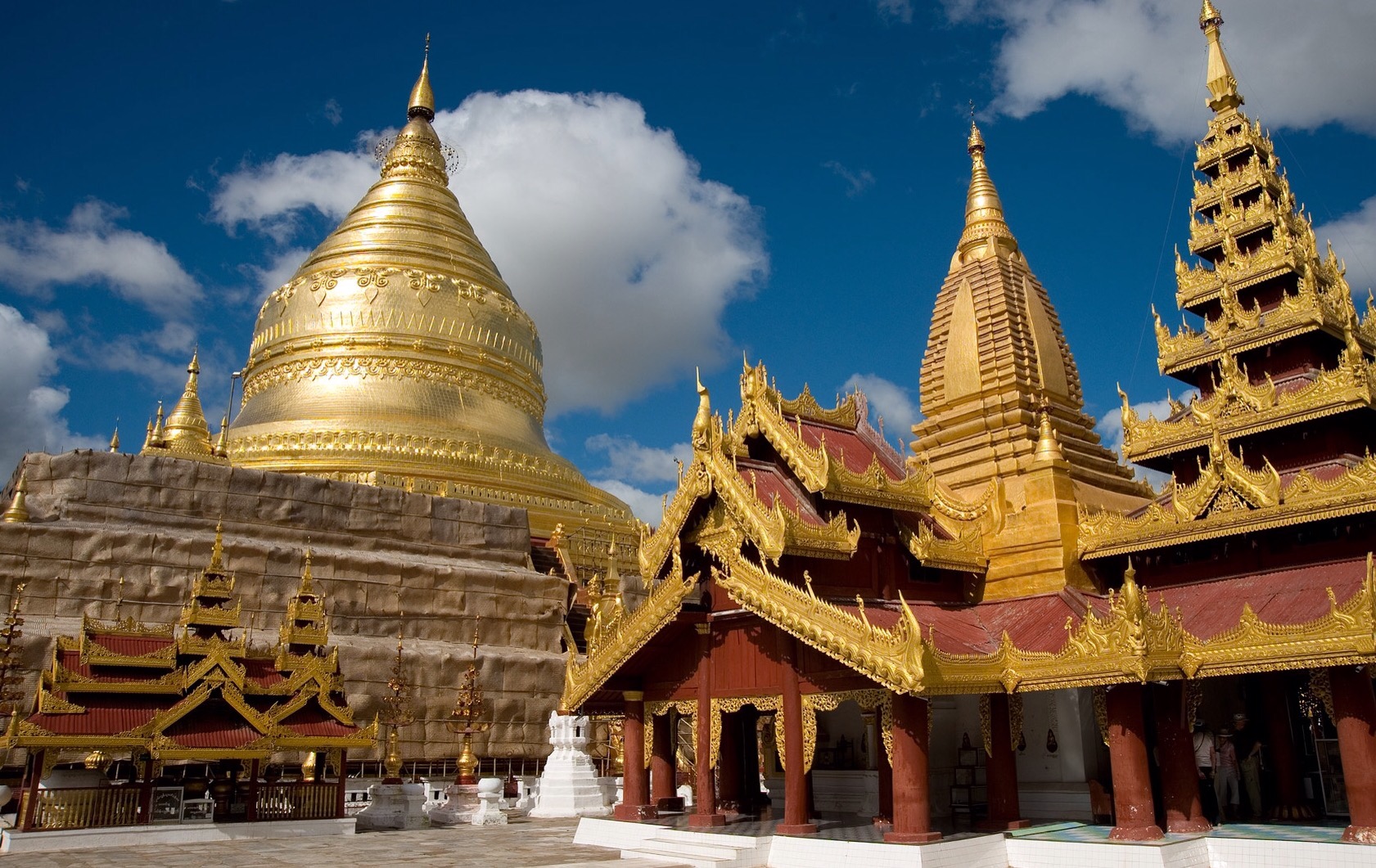
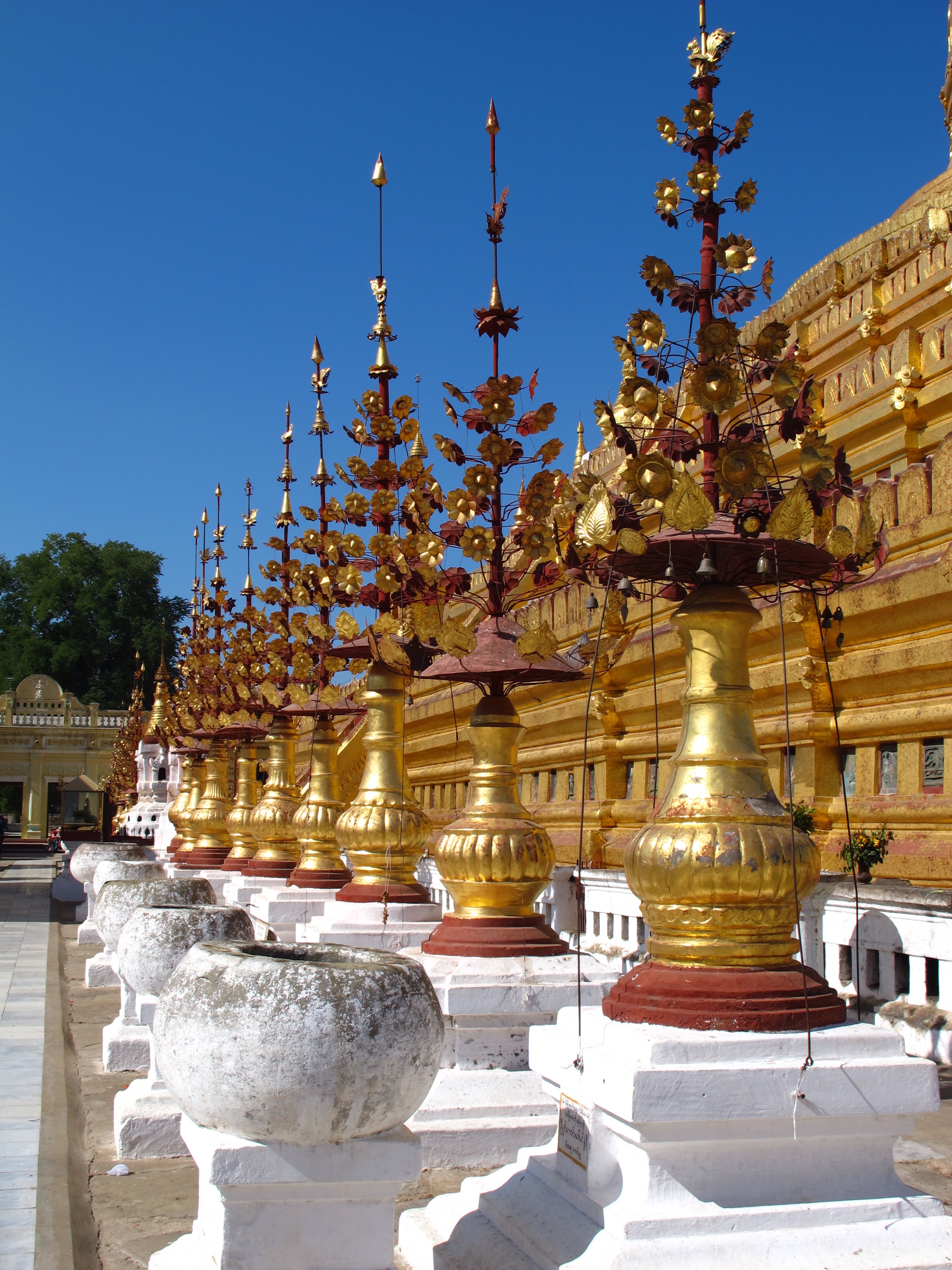
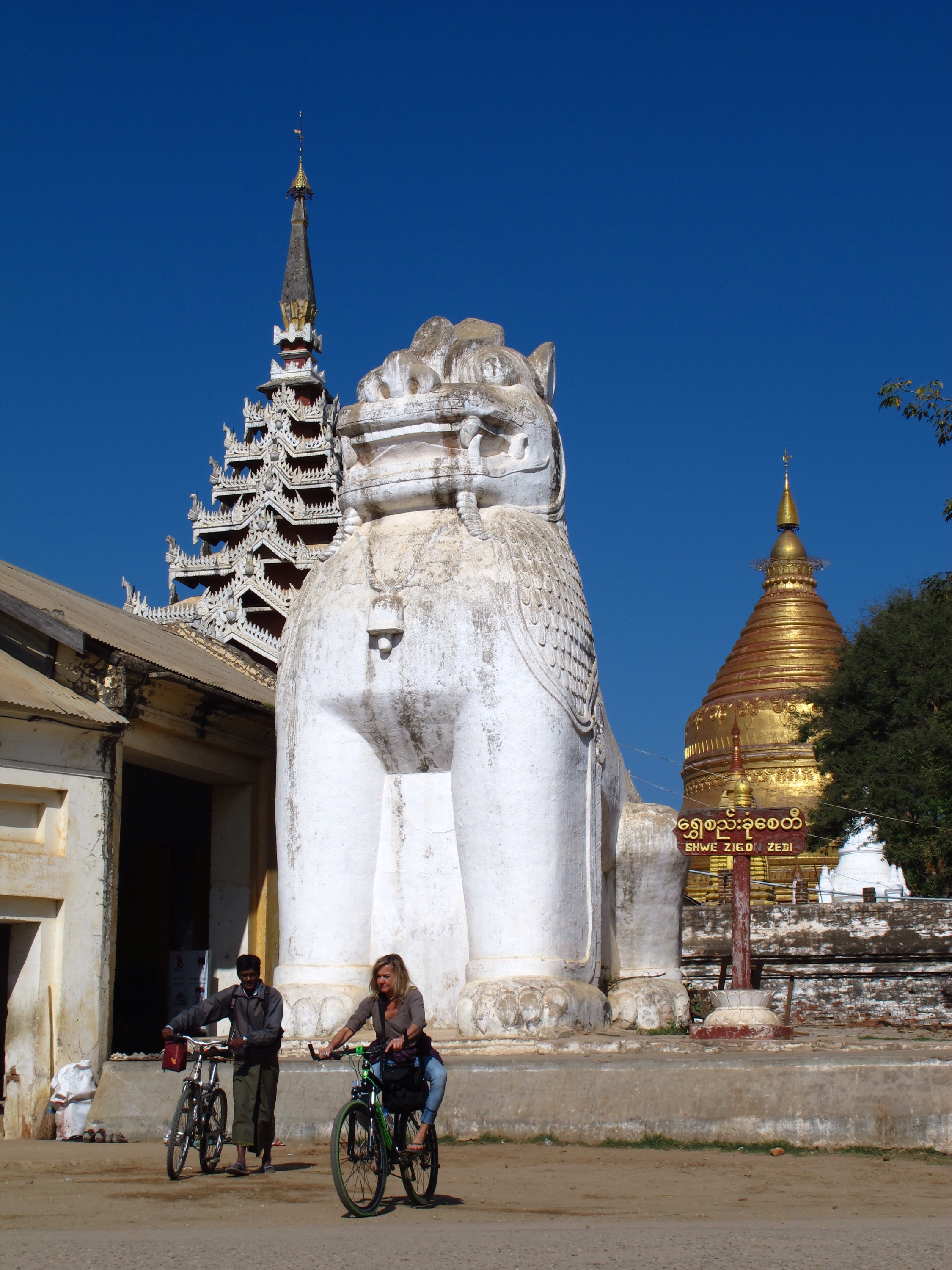
C’es si bon! Oui, it’s so good. Stupa-fied or not, it’s worth visiting a few. Shwezigon Pagoda in Bagan reminded me so much of the first pagoda we visited in Yangon: the Shwedagon Pagoda. Yes, all that gold once more! (“Shwe” means gold) Built in 1084-1113 AD, Shwezigon by the eastern bank of the Ayyarwady River in Bagan actually predates the pagoda complex in Yangon. Way earlier! And it easily became the prototype of subsequent pagodas built all over Burma.


2015/01/img_6402-0.jpg


2015/01/img_9714.jpg


2015/01/img_9707.jpg


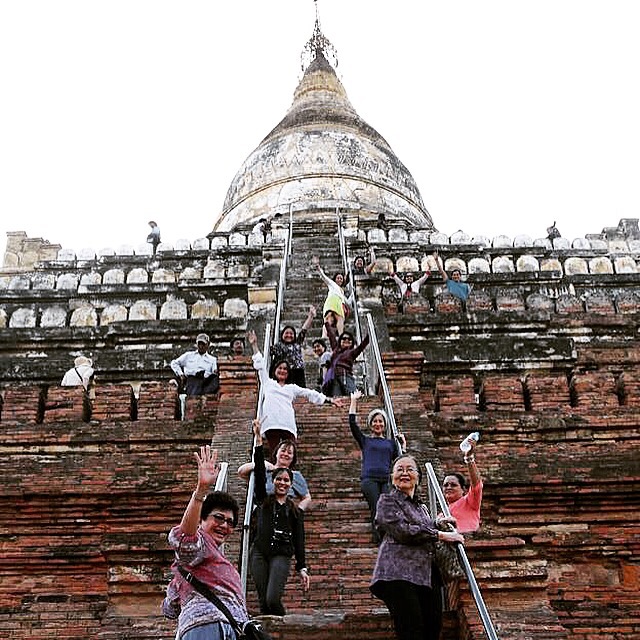
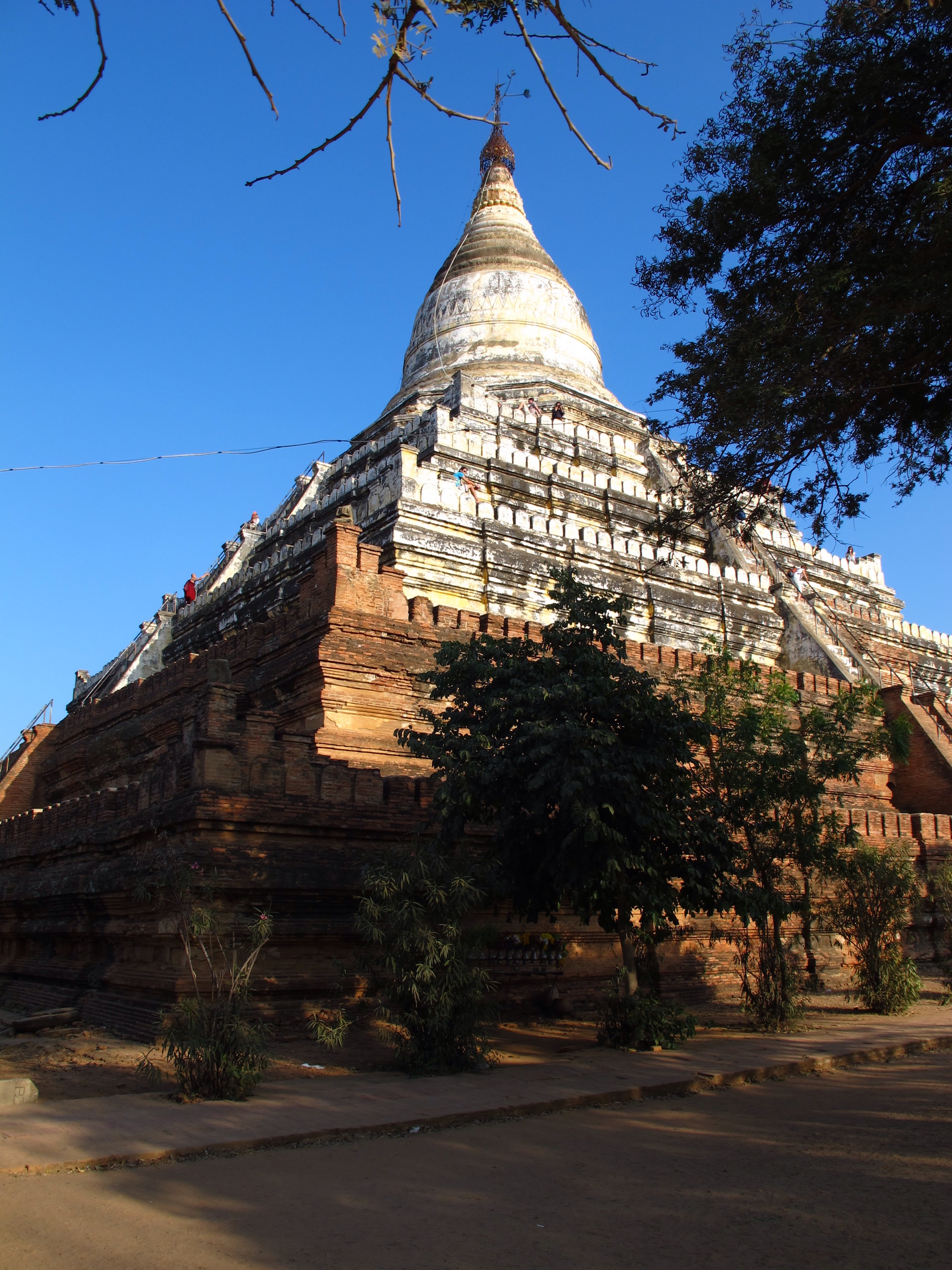
Just as graceful and majestic is another temple popular with tourists: Shwe San Daw Pagoda. It’s where we climbed up for a better panoramic view of the other Bagan temples and where we waited for sunset. Too popular, I’d say, as throngs of both pilgrims, tourists and serious shutterbugs with their tripods seem to have all assembled in this 5-storeyed temple likewise built by King Anawrahta. A devout Buddhist, he is the founder of the first Burmese Kingdom. He built Shwe San Daw after his conquest of then Mon Capital, Thaton.


2015/01/img_9521.jpg


2015/01/img_6399.jpg


2015/01/img_9607.jpg


2015/01/img_95771.jpg


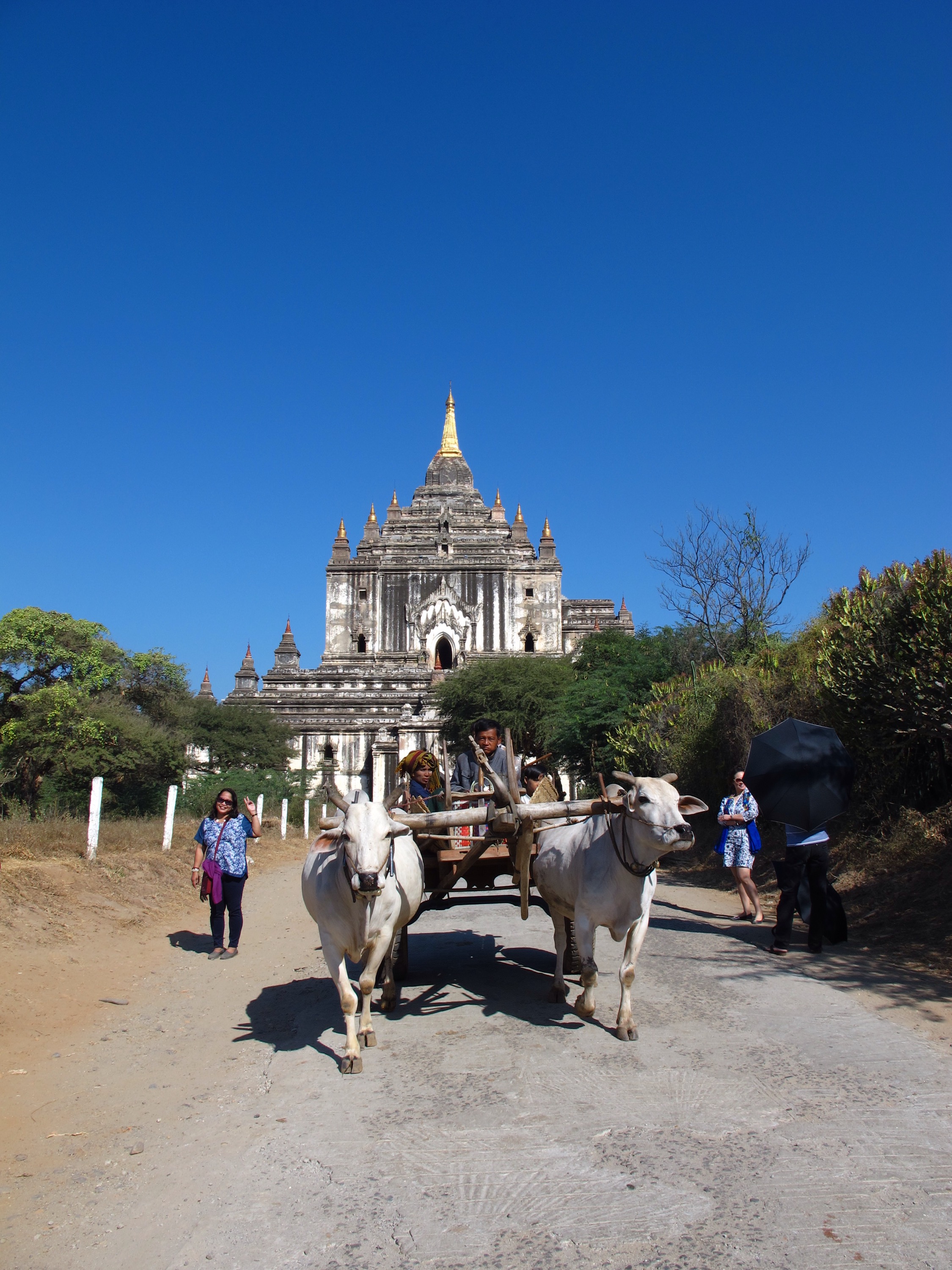
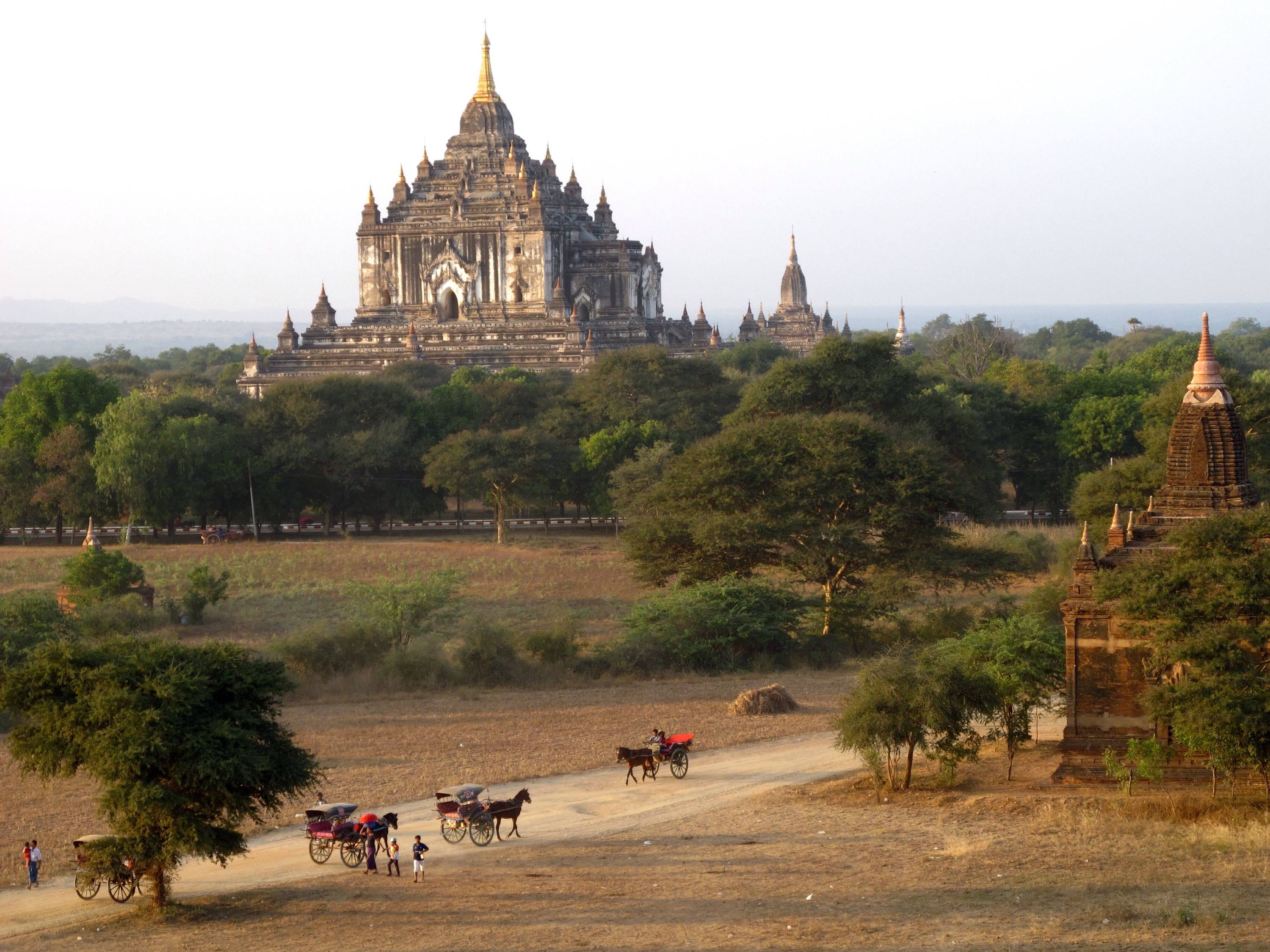
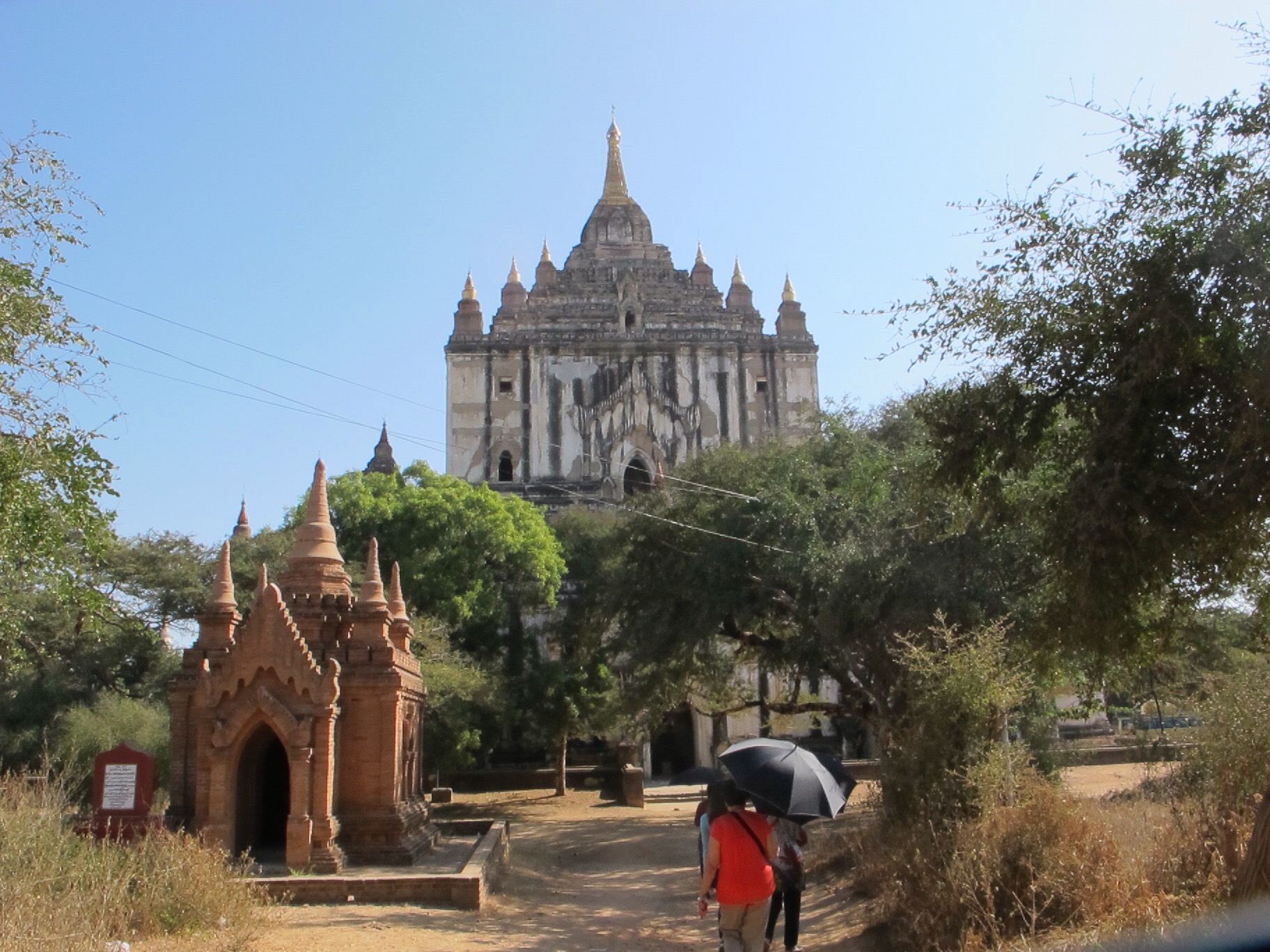
No “Shwe” prefix this time. But That Byin Nyu Temple is one of the tallest, if not the tallest, temple within Old Bagan. This white monolith is just a few meters from our hotel and I would have wished to climb it for a sunrise view. But climbing the temple has been banned after an earthquake rendered the structure unsafe. Up close, one even finds portions whitewashed in a futile restoration attempt. Hopefully, the structure will stand for many more years to come as a testament to Myanmar’s glorious past.


2015/01/img_9701.jpg


2015/01/img_95941.jpg


2015/01/img_9690.jpg


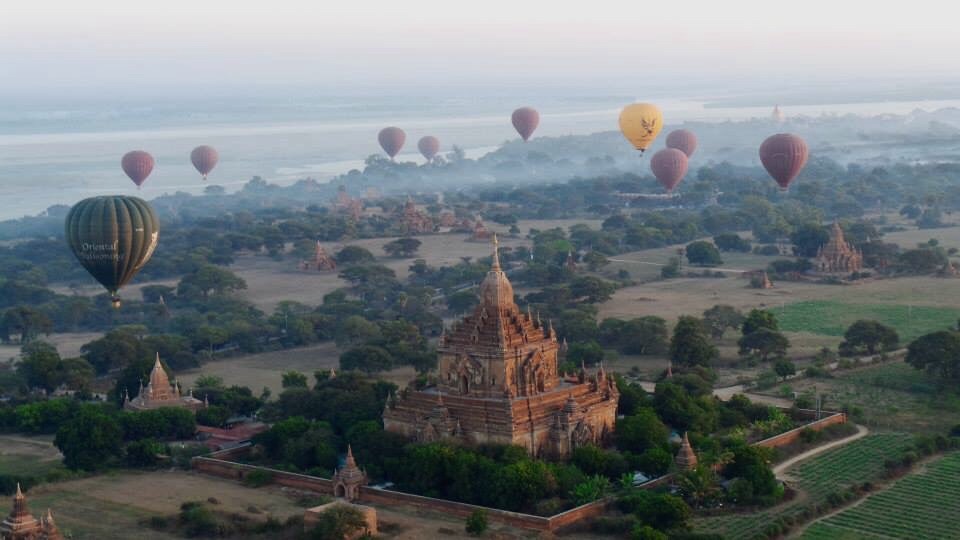
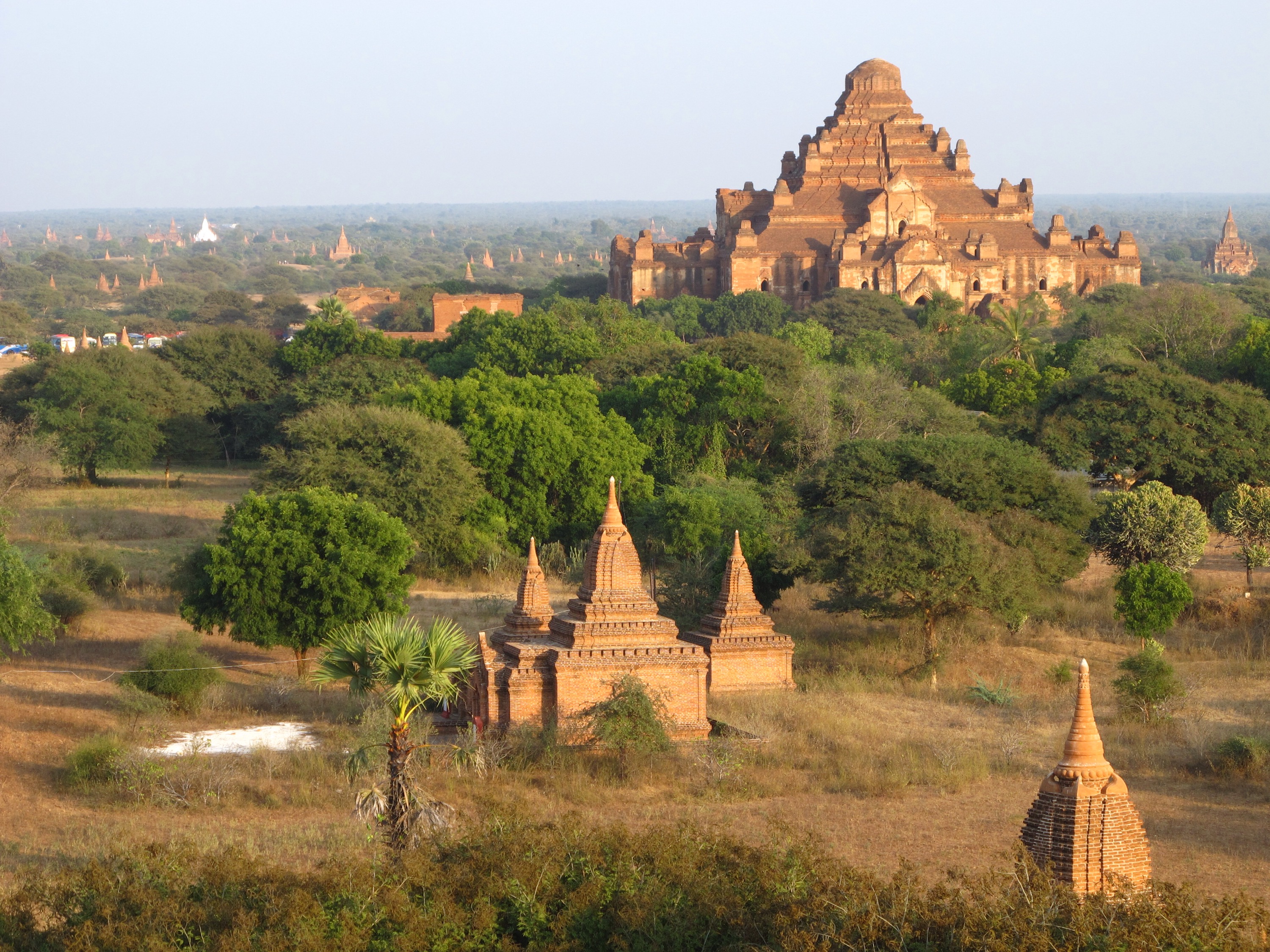
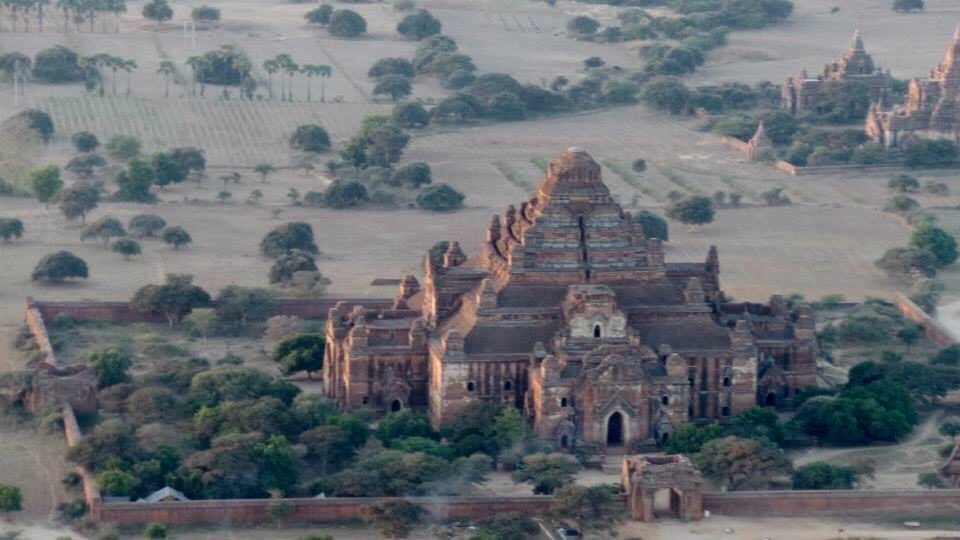
If there’s a tallest temple, there’s the largest temple. Dhammayangyi Temple’s imposing structure makes for a truly majestic sight from the outside and more so, from up above. I have to borrow a photo from a friend who went on a hot air balloon ride one foggy morning to prove this point. (Thank you, Maricel, for these fantastic shots!) Too bad we didn’t have a chance to check out this temple’s interior hallways with its high ceilings and narrow corridors. But a grim and morbid history is attached to this surreal edifice. The temple was built by a sadistic and likely psycopathic King Narathu who killed his family : a father, brother, and his queen. Story goes that this same tyrant required the temple brickwork to be so perfectly tight that no knife or pin could pass between any 2 bricks. Failing that, the slaves who worked on the imperfect brickwork were put to death. Legend further goes that all these tragedies and cruelties haunt the temple to this day.


2015/01/img_6413-0.jpg


2015/01/img_6414-0.jpg


2015/01/img_6407-0.jpg


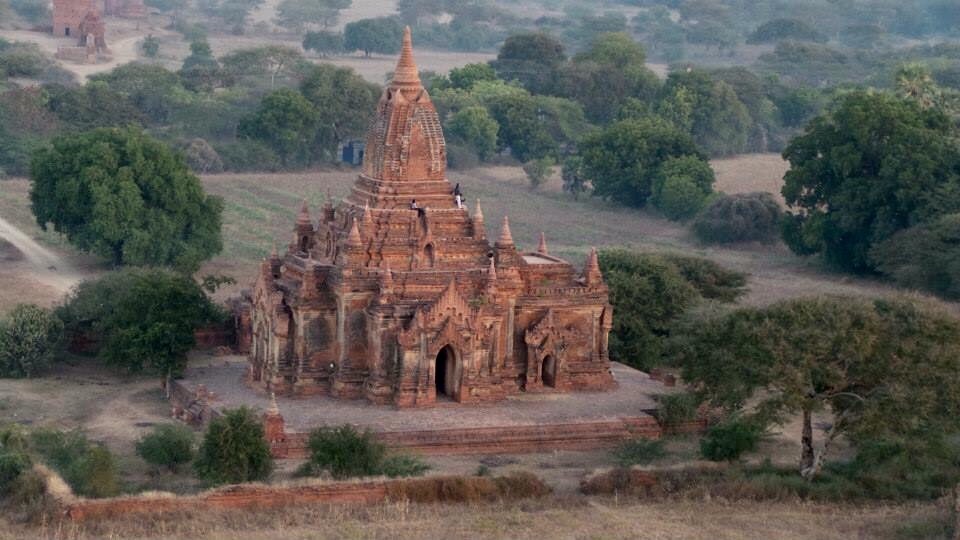
Also in the horizon are the Sulamani and Kubyaukkyi Temples. The others would have to remain unnamed for now as my memory aids are limited to the postcards I bought πŸ˜„. Amazing that these temples survive to this day in all its grandeur!


2015/01/img_9719.jpg


2015/01/img_9724.jpg


2015/01/img_6415.jpg


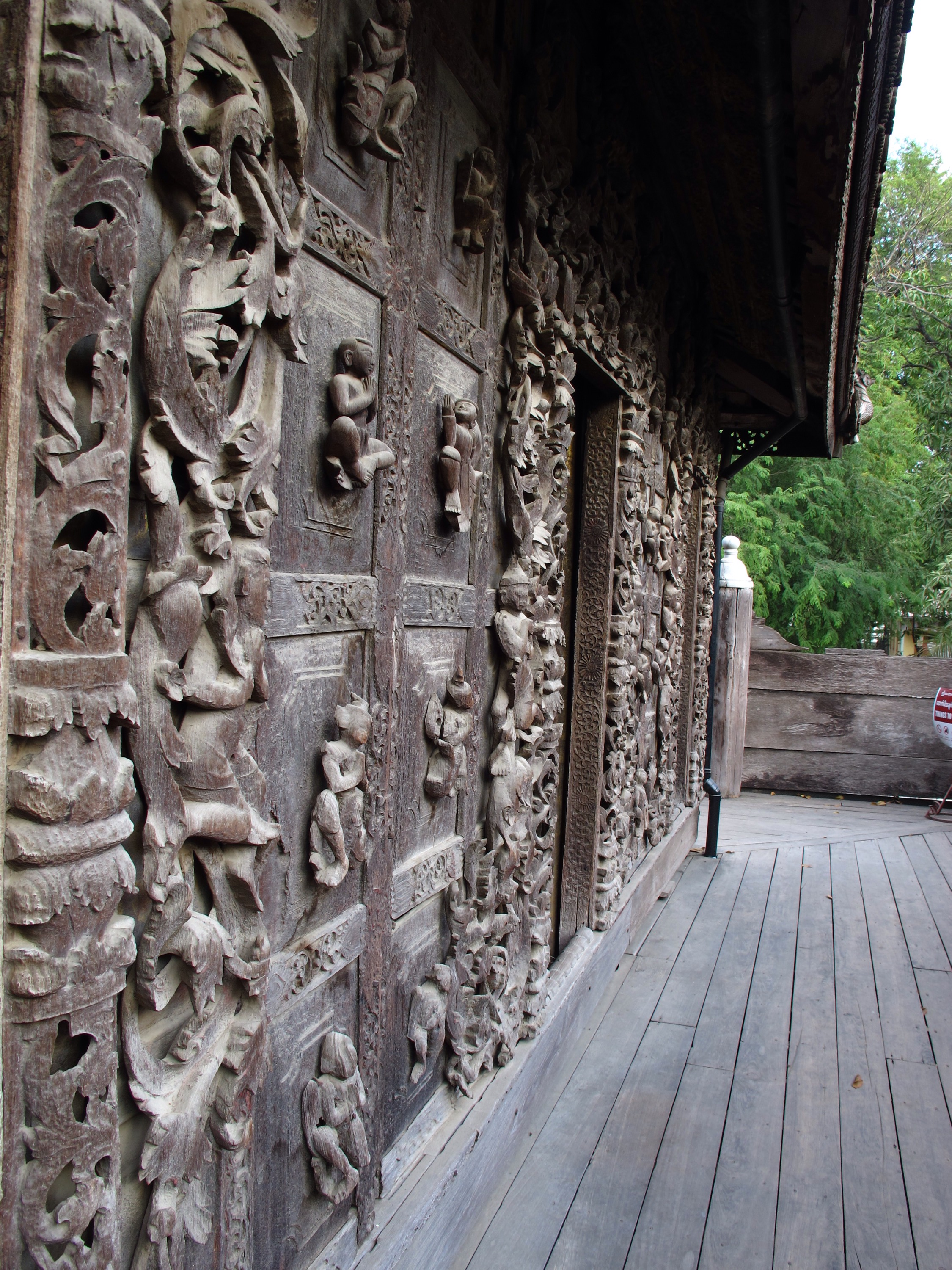
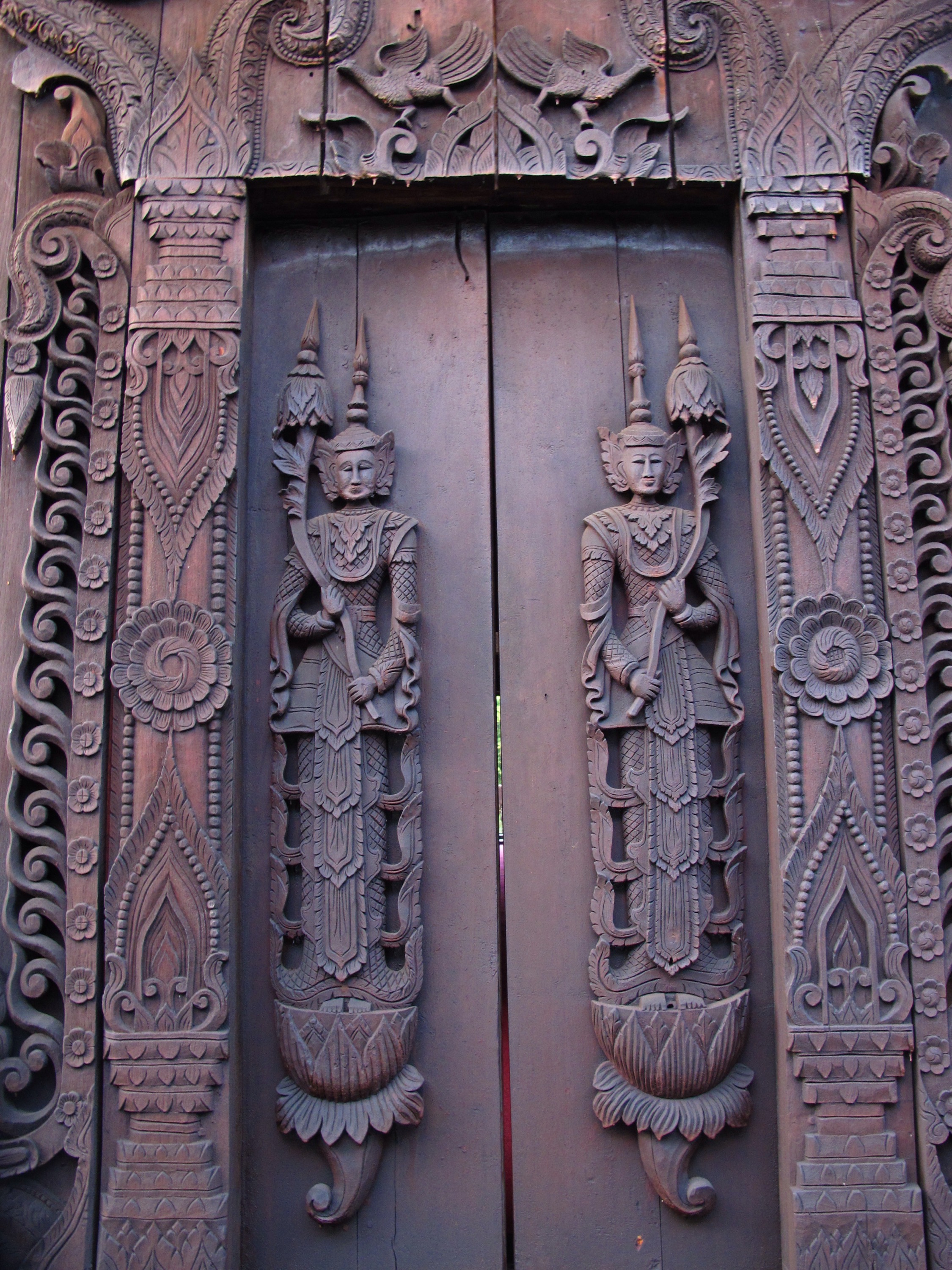
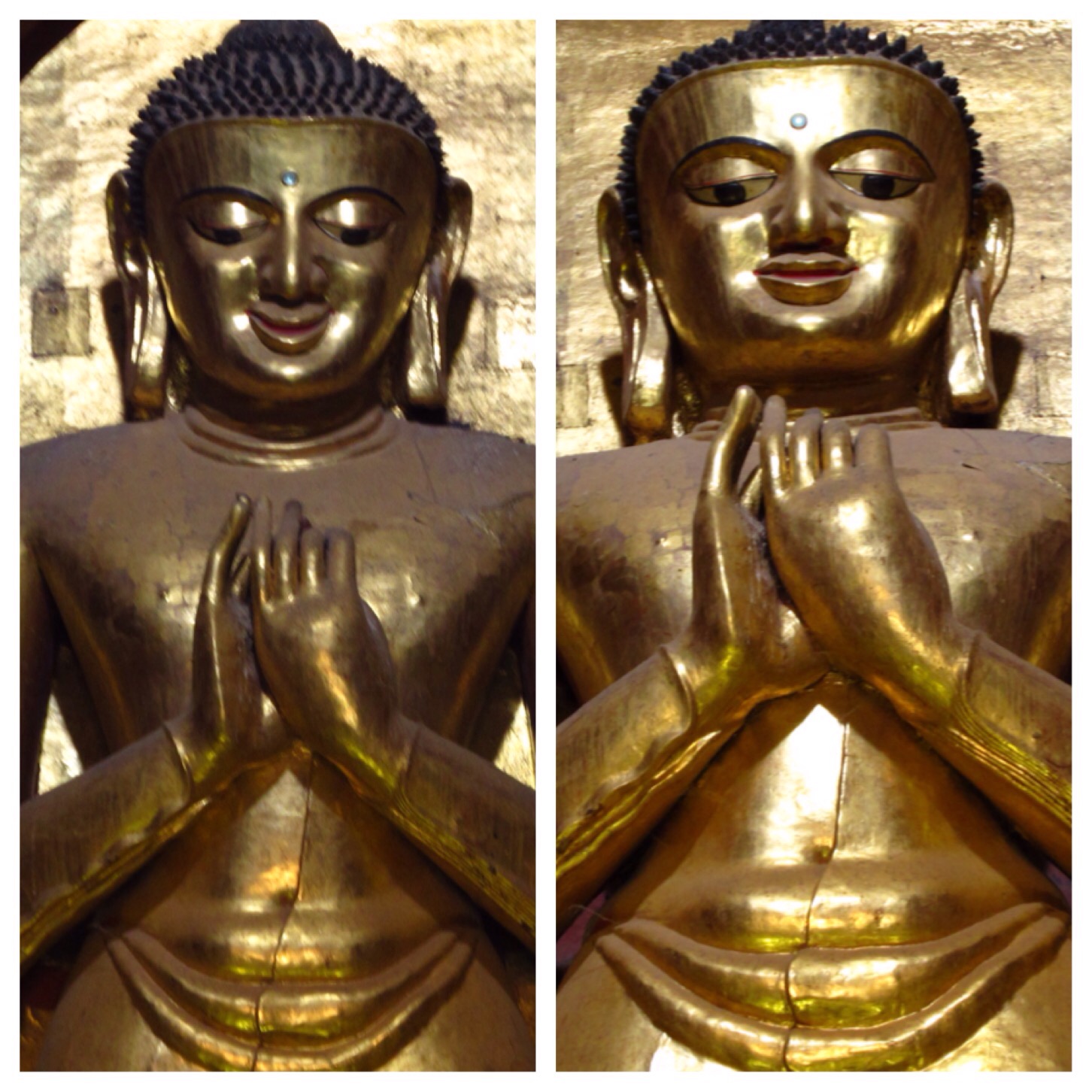
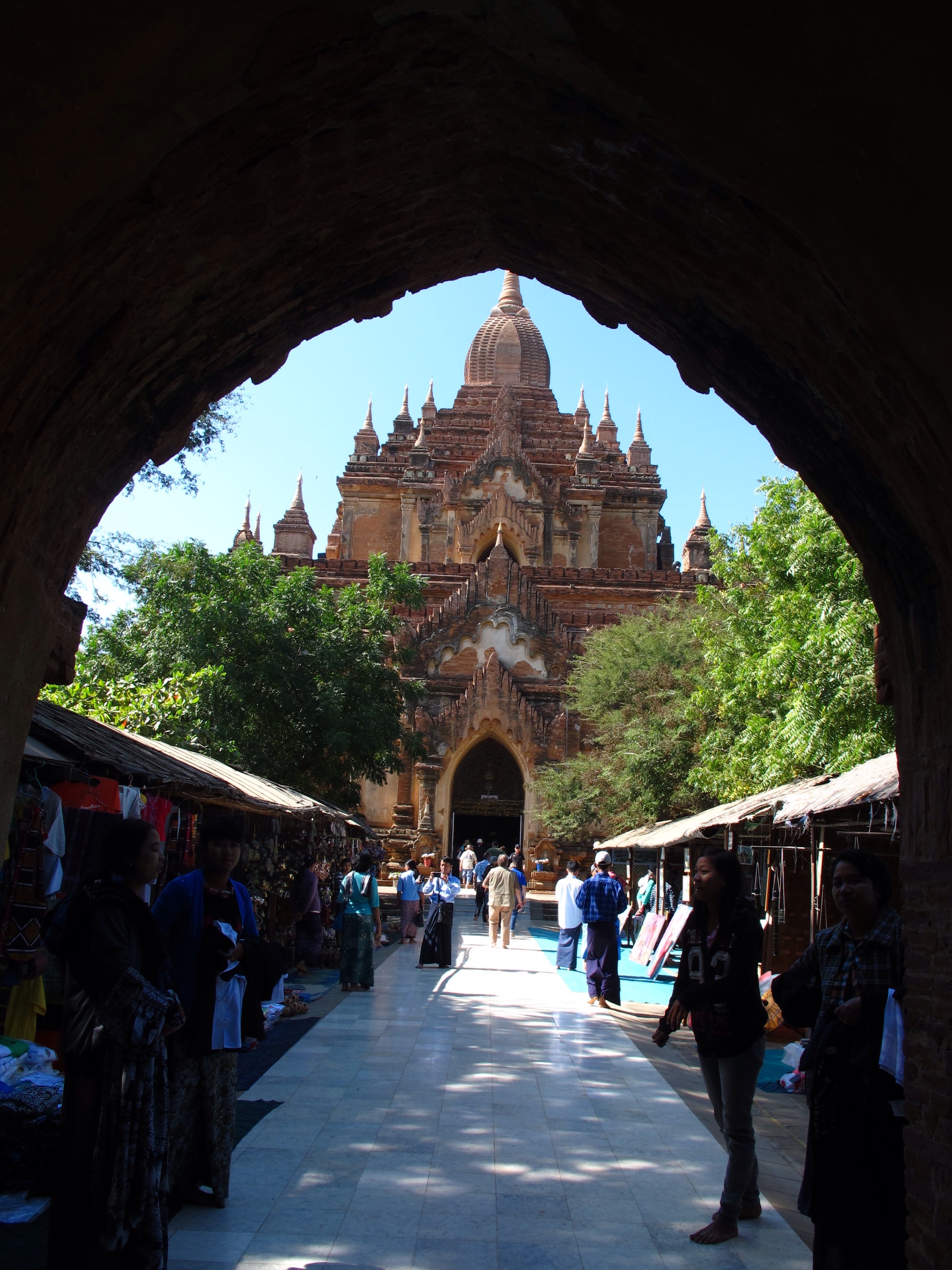
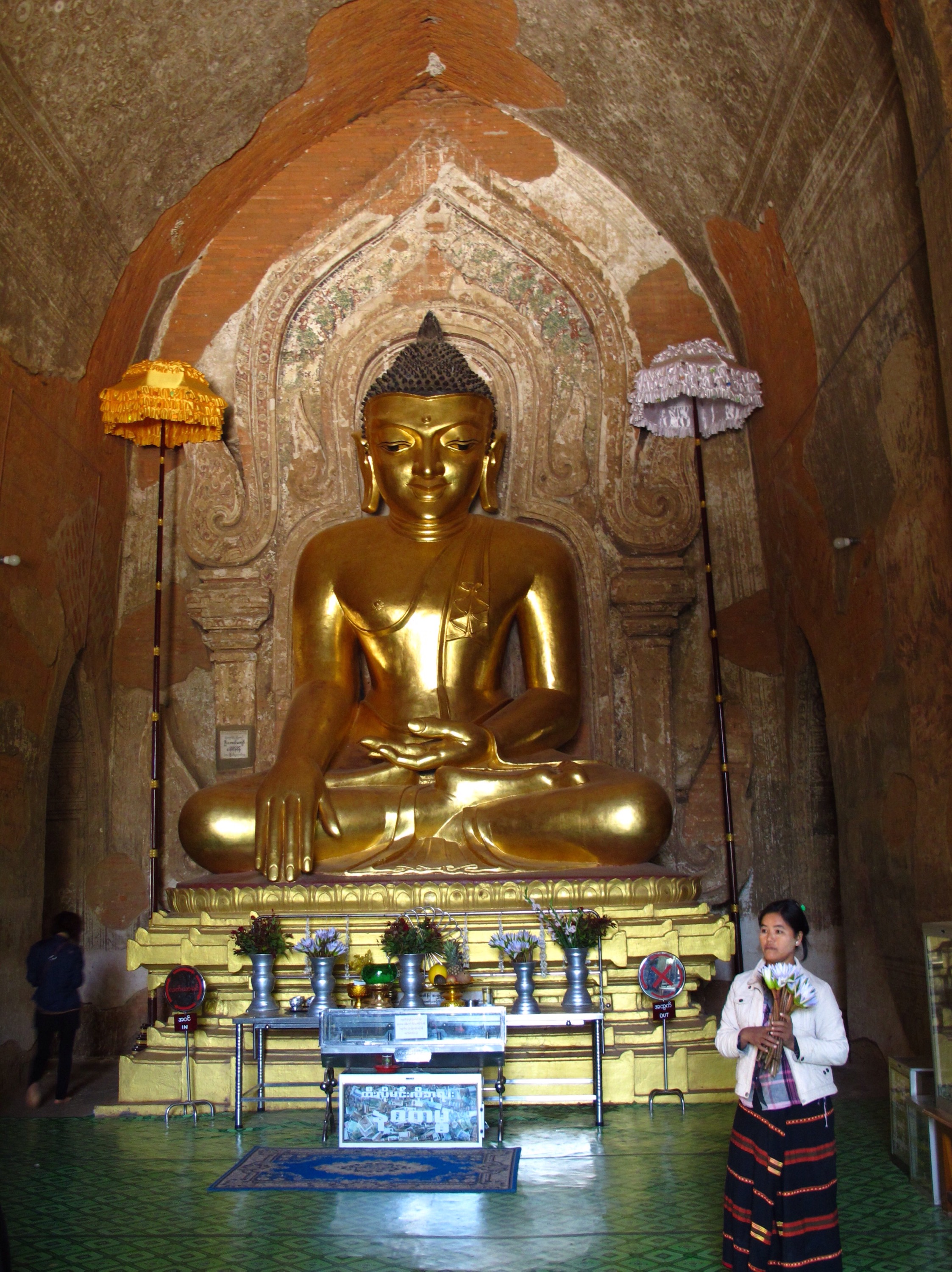
And I saved the best for last. Thilominlo Temple and Ananda Phaya Temple. It is unfortunate that the Thilominlo Temple is crowded with too many stalls selling anything from shirts to bead necklaces to woodworks to paintings. The cluster of stalls out front was quite a nuisance and somehow impairs the holiness of the place. I walked around the temple courtyard twice, very much impressed with the ornate doors, reliefs and carvings. On the other hand, Ananda Temple is one of the best-preserved temples and one of the most beautiful and revered . Once inside, the 4 standing Buddhas, one for each cardinal direction, hold your attention. Made entirely of solid teak, I was fascinated seeing a Buddha in a pensive mood up close, then a smiling Buddha as you walk farther. The farther you go, the wider the grin. And I’m talking about the same Buddha statue! This temple truly lives up to the hype.


2015/01/img_9738.jpg


2015/01/img_9727.jpg


2015/01/img_9726.jpg


Enough temples for now? I think I’ve reached my quota of stupas and temples by this time. And of Buddhas too πŸ˜„. Mingalaba!


2015/01/img_96781.jpg


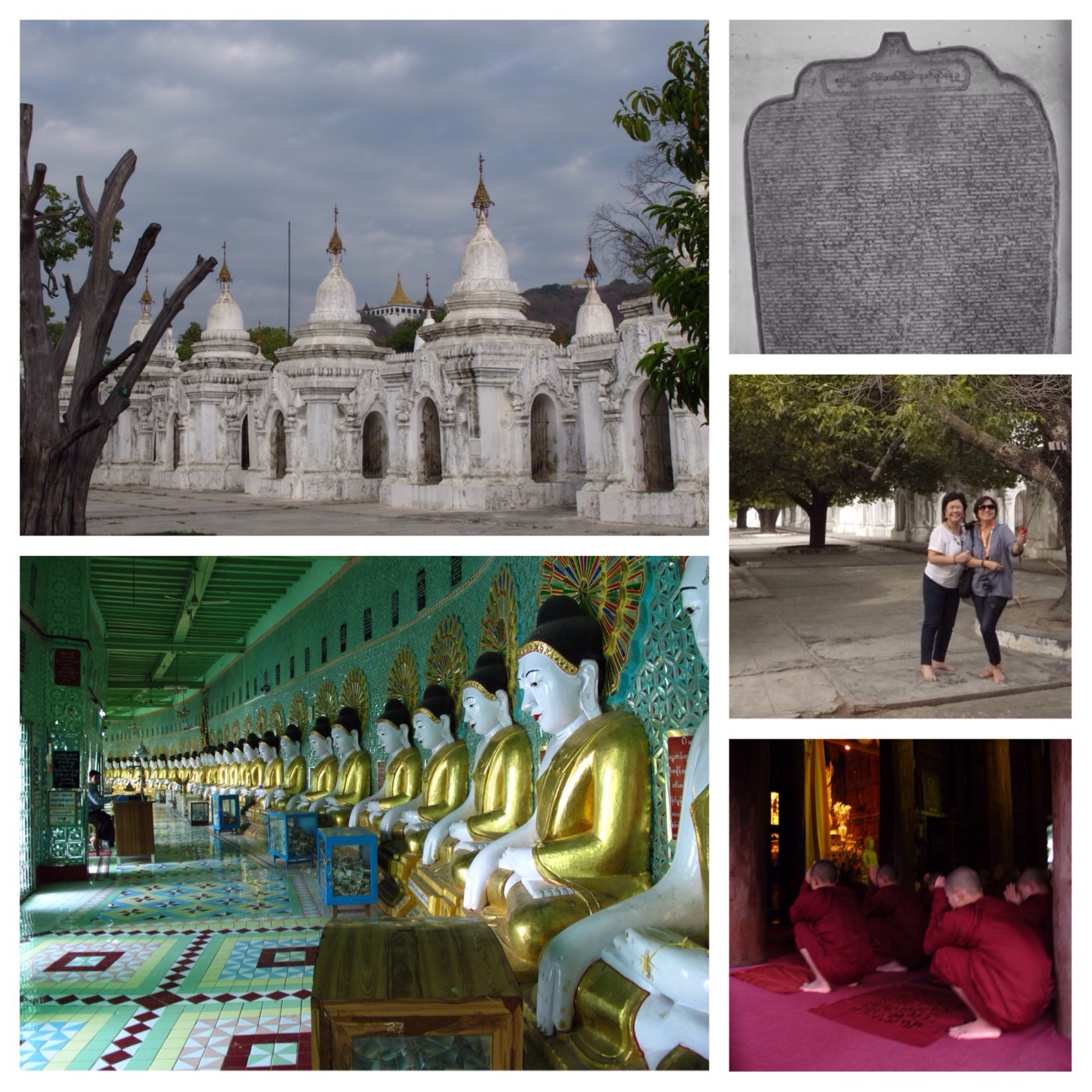
I’m GUILTY as charged. Got into a snapping frenzy when we visited the monks in Mandalay’s many monasteries and learning centers, and whenever, wherever, however we found them — in temples, in the market, along the streets, walking, resting, in prayer, dining, in study. We couldn’t stop! So can’t many others.


2015/01/img_96761.jpg


2015/01/img_63411.jpg


And it’s never more true than when we caught them lining up towards their dining hall where a group must have donated their sumptuous 2nd and last meal of the day. Perhaps “extravagant” by monks’ standards. The usual 1 or 2-dish meals expanded to 5, but at the price of being watched and photographed while dining. Forgive me, for saying this. I am just as guilty. It took another fellow (thanks, Bob) to remind me that it didn’t seem right to photograph them while they are eating. More so to have photos taken with them in the background. Come to think of it, why in heaven’s name do we do that?


2015/01/img_9226.jpg


2015/01/img_9238.jpg


2015/01/img_9248.jpg


Quite frankly, I would not have hesitated to join the monks at the slightest hint of an invitation. Shame on me. The silence was palpable. I hardly heard any plate or bowl being moved nor any tin cup being put down. At some point, I wondered if the monks chew their food. I didn’t hear a sound!


2015/01/img_9218.jpg


2015/01/img_9214.jpg


2015/01/img_9275.jpg


Mandalay is said to be the monastic center of Myanmar. Many monasteries and monks’ learning centers are located there. And we visited the bigger ones where these monks can be observed while praying, studying and dining. Much like a tourist attraction. In one, I felt like we barged in while young monks are having their study periods. The headmaster in sight didn’t seem to mind. One young monk in particular was weirdly hamming it up, playing with his cat knowing our cams are all trained on him.


2015/01/img_9832.jpg


2015/01/img_9844.jpg


2015/01/img_9852.jpg


Not all are big and well-funded. We visited a remote school a boat ride away from Old Bagan and found a small village supporting a few young monks. At the time we visited, we wondered what else these monks do outside of prayer and study times. Being dependent on these poor villagers’ support for food and other basic necessities, it would have been more pragmatic to also teach them farming, fishing and other means of livelihood. Much like some other monks elsewhere who farm even just for their own food requirements or tend vineyards, coffee plantations, etc. to earn enough to cover their needs.


2015/01/img_9764.jpg


2015/01/img_9426.jpg


A wake up call. I’m done with my monks’ photography. Let this set be my last. Mi apologia. I leave you guys alone now.


2015/01/img_9442.jpg


2015/01/img_9436.jpg


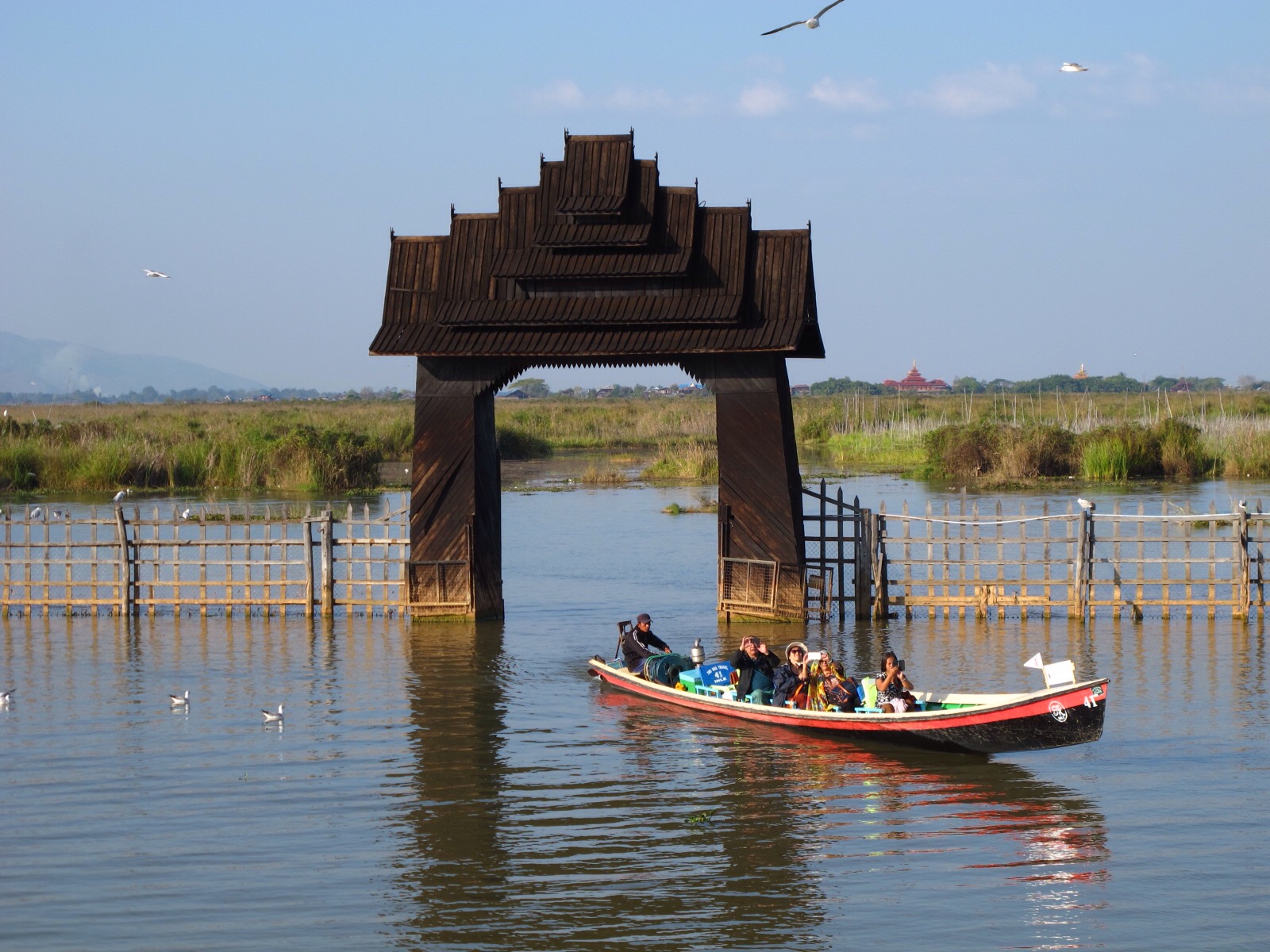
Piode! That means “I’m happy!” So are the birds and wild ducks in Lake Inle’s Bird Sanctuary. They fly and chase some passing boats and they happily stand still on fences along the banks. Water’s clean, there are flower and vegetable gardens floating atop dried weeds and fishermen with those unique nets must be their only competition for a good meal.Β 


image

Look at those happy birds!


image

Happy Birds? Or wild ducks taking a nap?


image

Water is so still and calm. Reflection of an Inle Fisherman.


The placid waters make for a very nerve-soothing ride. No wonder these birds are kept happy. Not even the noise from the boat engines could take anything away from them. Hopefully, this bird sanctuary remains a haven for these birds.


image

The agile fishermen of Inle — such a balancing act!


image

See them birds guarding our hotel in Lake Inle.


image

I stayed by the porch but none of them happy birds were eager for a “meet & greet”. There’s Tita Rose doing a “happy dance” πŸ˜„


Such simple lifestyles. But for how long? We passed many huts on stilts with signboards advertising their trade. From floating bars to restos to coffee shops to beauty parlors to laundry shops to handicraft stores. Single and three-storey structures welcome tourists out for a few nights stay. Thank God I didn’t hear any blaring sounds from any of the bars.


A fishing village  in Inle Lake.

A fishing village in Inle Lake.


image

Fishermen getting ready with their unique nets.


image

This traditional way of fishing is still practiced to this day.


The villagers here have “created” their own community. No islands, but they’ve created their own floating village in waters deep enough for fish to thrive, but shallow enough to build floating gardens. I wonder how they draw the property lines here, especially for the commercial structures.


image

A typical day in the village.


image

A happy duck foraging for food in the floating gardens of Lake Inle.


image

The floating restos have no problems keeping off those happy birds — which confirms those birds are well-fed and errrr….. happy!


The influx of tourists may result in more structures being set up, leading to overcrowding. More luxury hotels may soon sprout along the water highways. More passing boats could mean noise pollution to this now tranquil lake. I dare not imagine.


image

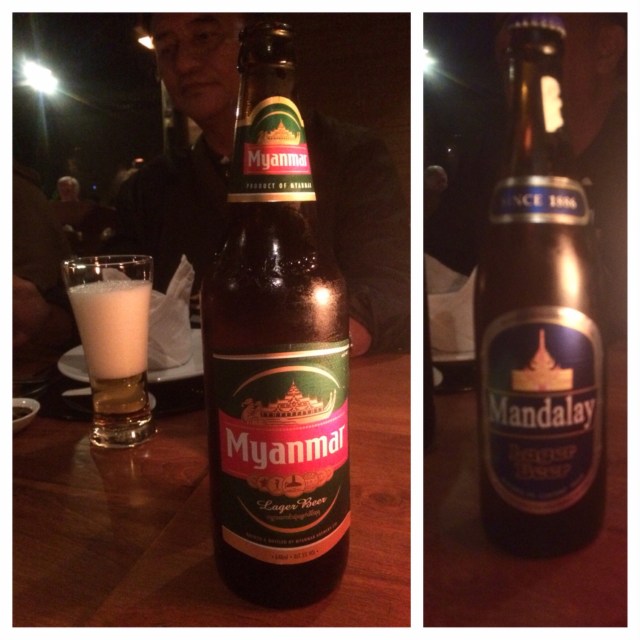
Myanmar. Not the country. But the beer.


image

This scene is forever etched in my memory!


image

All wrapped up for the ride!


image

See you again in Inle!


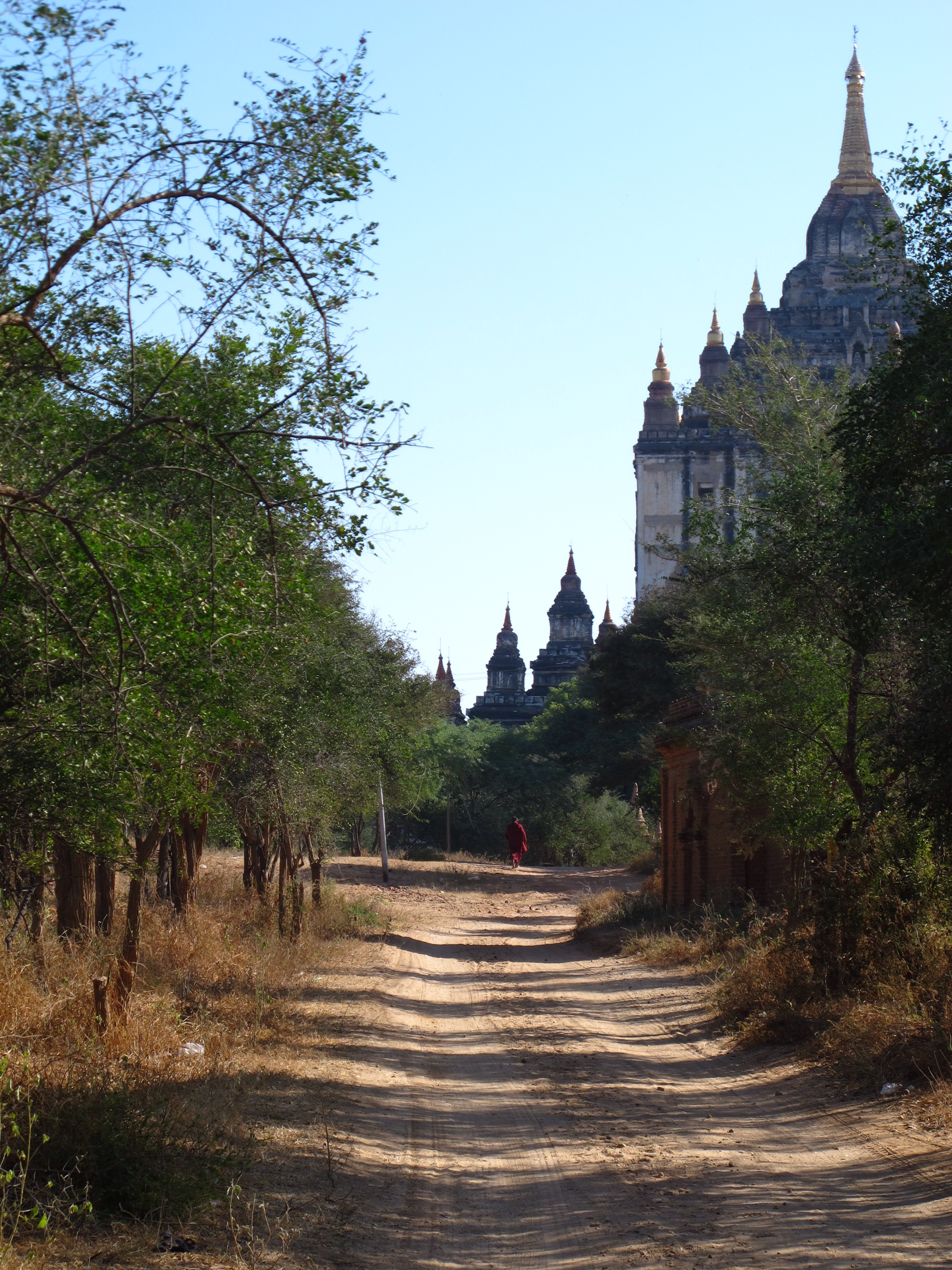
Rather unsettling seeing this raw, dusty landscape dotted with innumerable 11th to 13th-century stupas and pagodas of various heights, sizes and designs. Buddhism truly thrived and flourished in this former province of British India. The moment we spotted a cluster of about 3 or 4 ancient stupas, we wanted to jump out of the bus and snap away with our cams. My, we felt like some time machine transported us to this vast Bagan Plain where some 13,000 religious monuments once stood. Of the remaining 2,200 monuments in this 42 sq. km. earthquake zone, we can only surmise that only a few prominent ones are visited and upkept. The smaller ones seem to be cared for by local families enterprising enough to sell trinkets and artworks beside the monuments. Stupas, Temples, Pagodas, Buddhas — too many to count! Time stood still here, indeed.


2015/01/img_9587.jpg


2015/01/img_9577.jpg


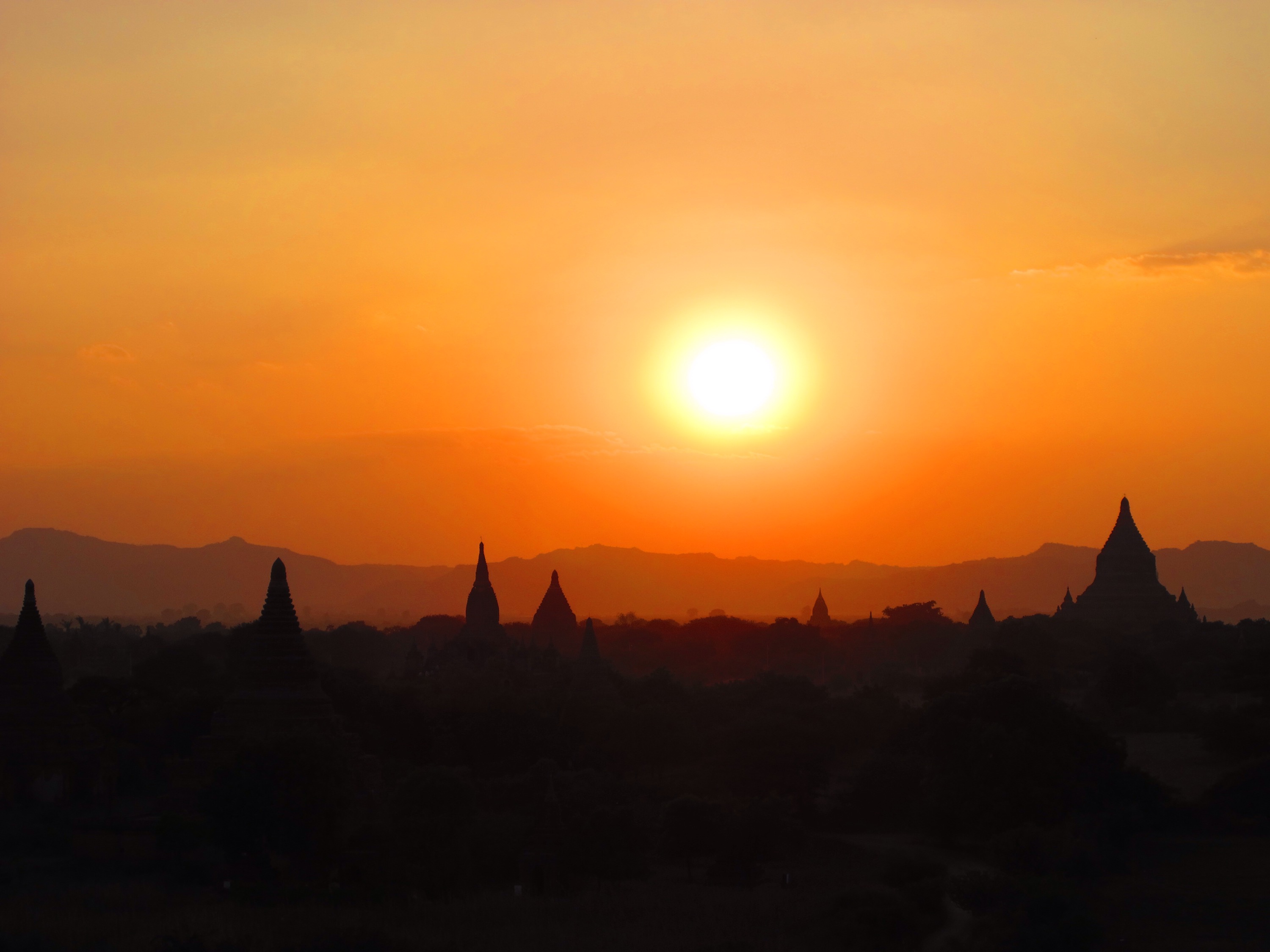
We braved and climbed the bigger 11th-century Shwe San Daw Pagoda where we waited for sunset. The Pagoda has 4 stairways on each side and we slowly and carefully scaled the steps towards each of the 4 (out of 5) terraces till we claimed a spot among some tripod-bearing photo enthusiasts. Now, I’ve waited for many sunset opps but for the life of me, I sensed that the sun took its time setting in this Burmese Plain. As we waited, a couple lit up their cigarettes and were gently reminded that they are on holy grounds. Some resistance there from the obnoxious pair, but seeing how many others were giving them killer stares, they relented. Back to the setting sun, I waited and snapped like the rest. Then, I happily stored my cam and simply watched the beautiful spectacle. When all’s over, I sneaked a peek into one of the serious photographers’ shots and felt how inferior and amateurish my photos were. But who cares? Sunset in Bagan is deeply etched in my memory, along with the sentimentality of a first-time visitor of this awesome landscape.


2015/01/img_9594.jpg


2015/01/img_9598.jpg


Shwe San Daw Pagoda may not be the best monument for a sunset view, but judging by the number of pilgrims, tourists and shutterbugs littering the place, it must be among the best viewpoints. Lost in the frenzy of taking the best sunset shot is how this pagoda supposedly enshrines a Buddha hair relic. In fact, Shwe means “gold” and San Daw means hair. Just as lost are the terracotta plaques which once adorned the terraces of this magnificent pagoda. Like some other temples we’ve passed or visited, heavy-handed “restoration” nearly obliterated what used to be ancient architecture. A pity. But it happens everywhere in Third World countries with hardly any resources to preserve their links and expressions of ancient art and history.


2015/01/img_9600.jpg


2015/01/img_6341.jpg


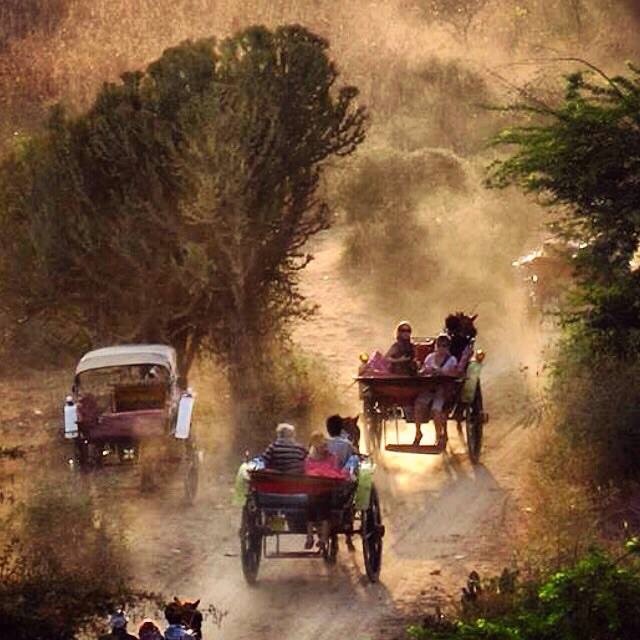
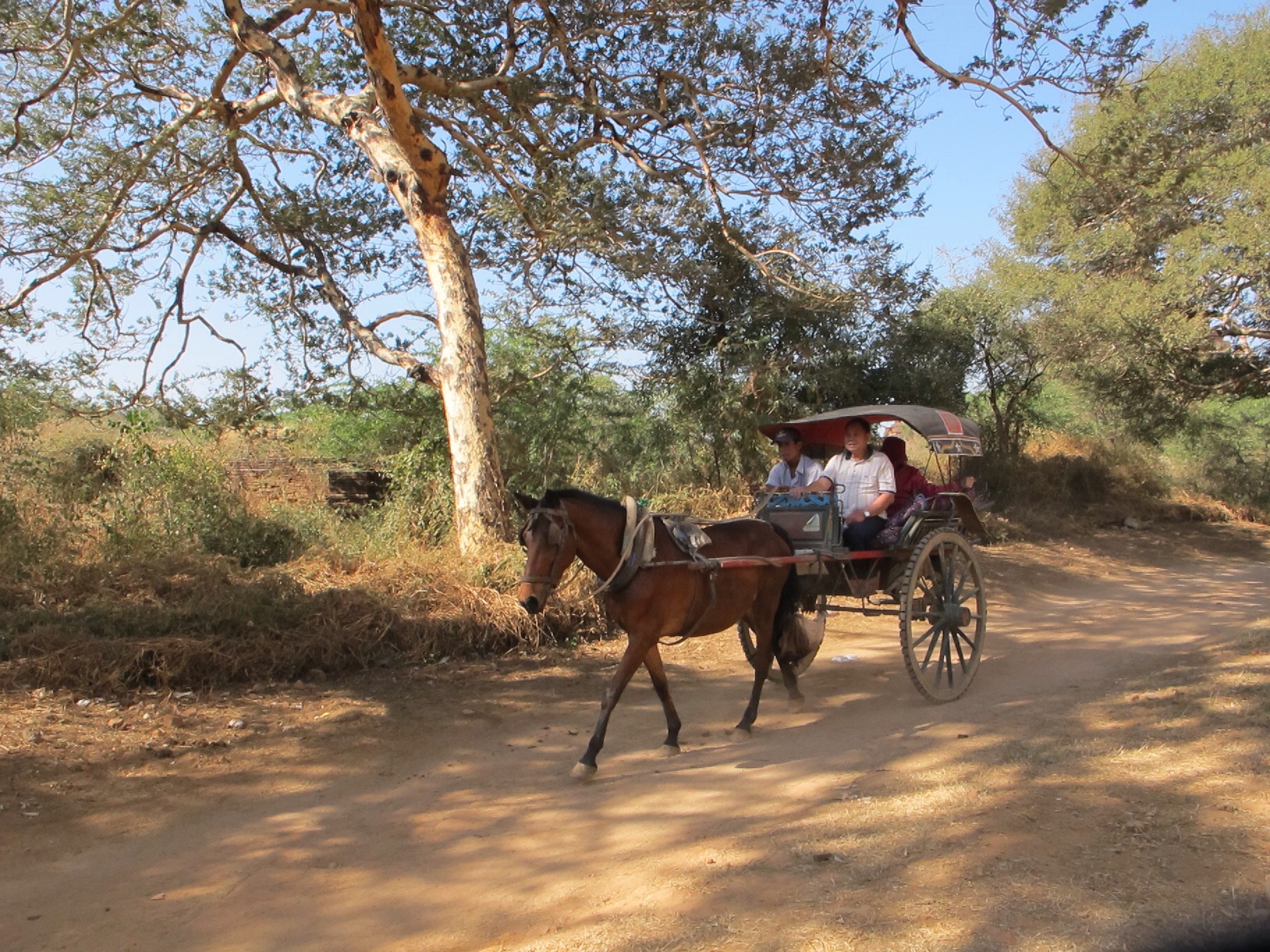
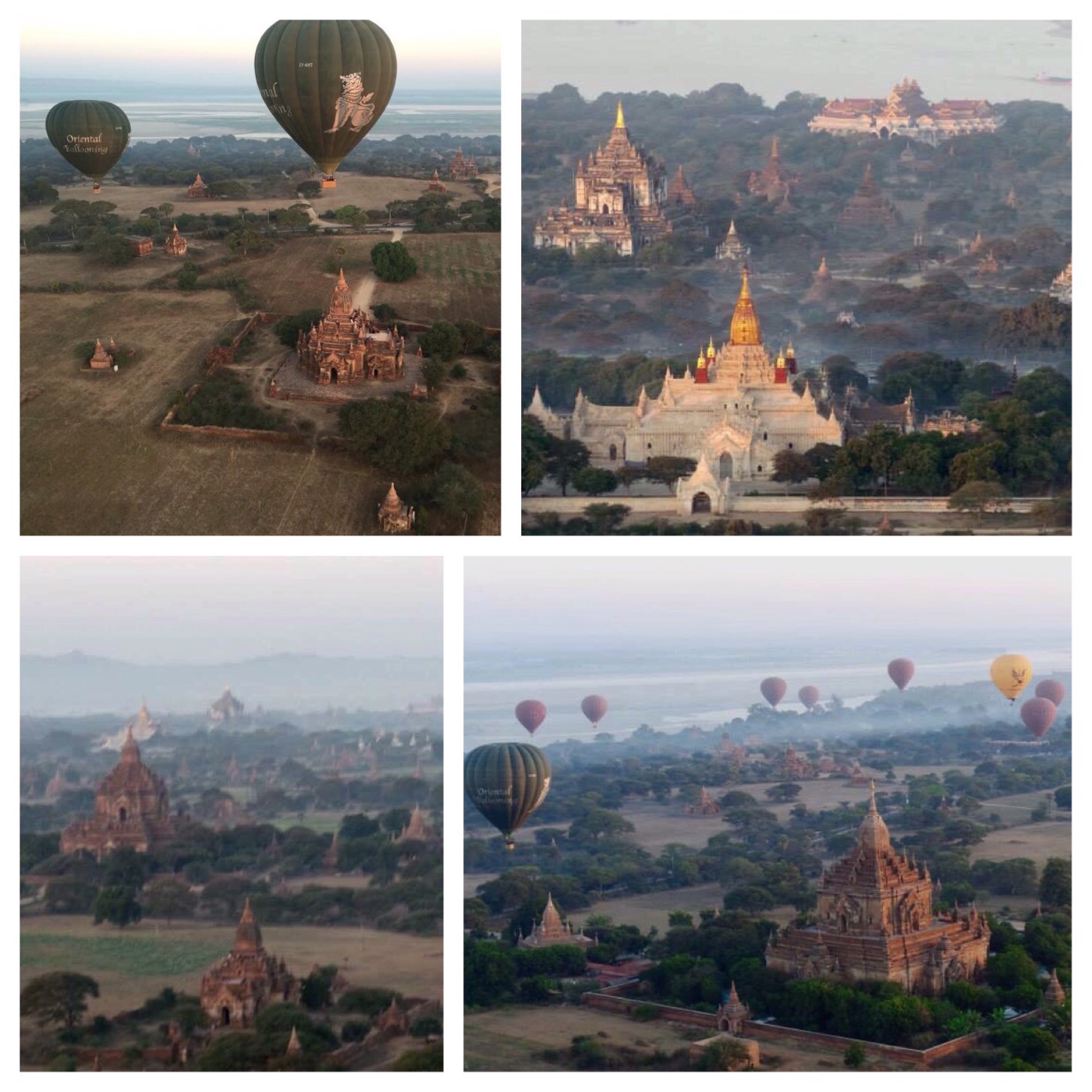
The early morning hot air balloon ride over this Plain must be a thrilling experience especially for first-time balloon riders. I borrowed and posted a photo here from someone (Thanks, Fe) who used a simple phone cam to capture the foggy scene. At ground level, there’s a choice between the horse cart and the oxcart. Either way, eat the dust, baby! I knew it even before I took the ride. As soon as I was handed a “surgeon’s mask” I prepped myself for a dusty hour. I would have wanted to ask someone to put some local sunscreen on my cheeks (called “thanaka”) but there was no chance. Thanaka is what you find on locals’s faces — you know, those whitish blotches on their faces which serve as sunscreen and cooling lotion.


2015/01/img_0150.jpg


2015/01/img_9771.jpg


2015/01/img_9279.jpg


I had high expectations before coming here. Have not read much of its history, but viewed enough documentaries and NatGeo photos. Still, Bagan did not disappoint. I do not know of any other place like it. I can only imagine how prosperous Bagan was in the middle century to spark this frenzy of building imposing structures. As I mentioned, too many to count. Too many to care for. I won’t be surprised if some backpackers try to camp out in any one of the unguarded monuments on a humid summer night. Oh Bagan. You’re a dream. Lara Croft should get here and do a movie sequel!


2015/01/img_9670.jpg


2015/01/img_9676.jpg


2015/01/img_9678.jpg


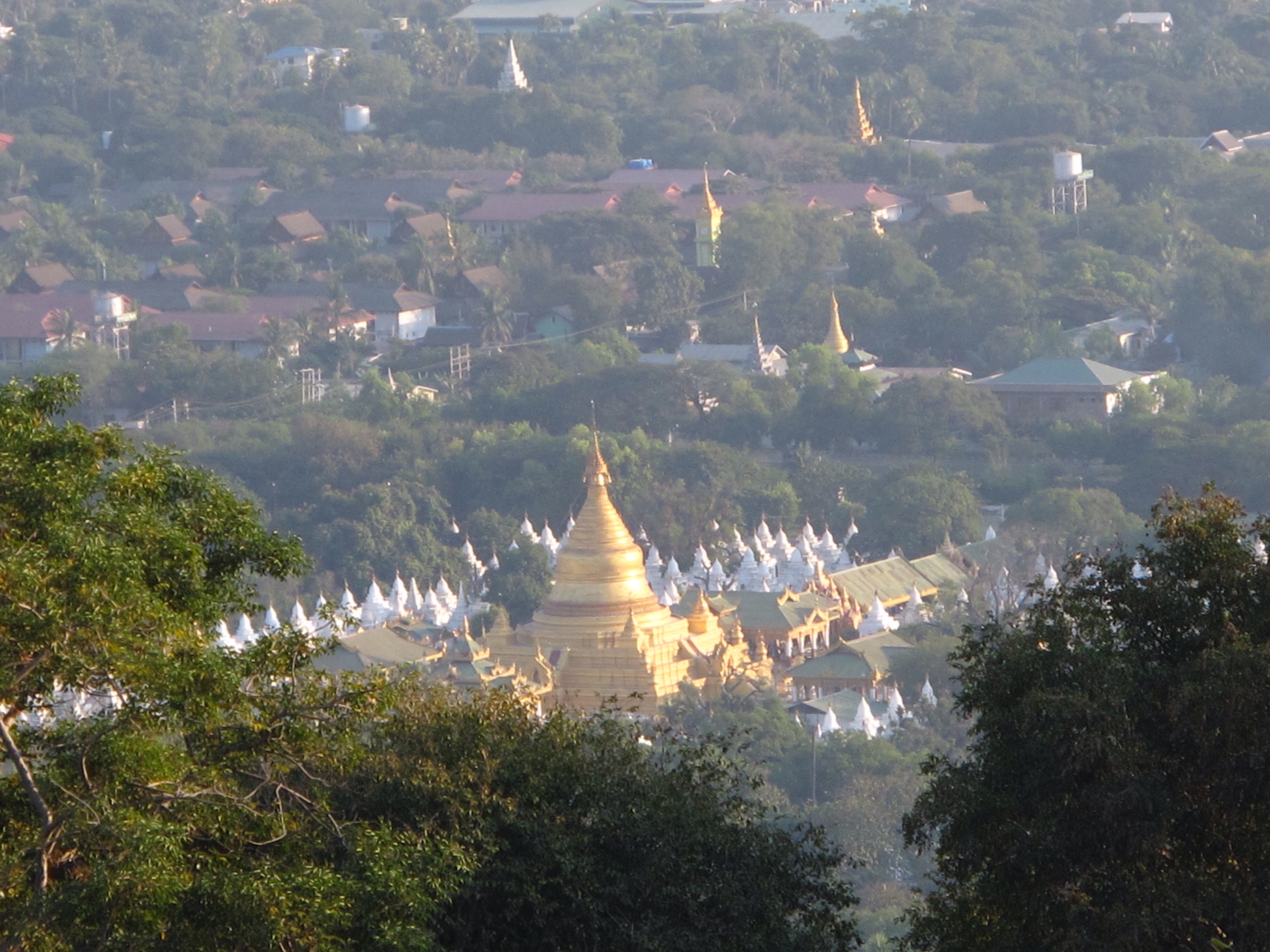
As the youngest member of the group said (yes, Lauren, that’s YOU), ALL THAT GOLD! Our introduction to Myanmar is all glitter, literally and figuratively speaking. Multiple pagodas or temples of gold, silver, copper, marble, lead and tin in one sacred place. Just as many stupas of same shape but different sizes. Same, same but different. Some “just” golden, others embellished with gemstones of varied colors. You have to crane your neck to see the top of the tallest, golden stupa. Then peer inside some smaller shrines where Buddhas are encased. Here, I think they are also called “Nats” or spirits (pre-Buddha) where we found pilgrims including monks at prayer.


2015/01/img_9006.jpg


Having first visited the Reclining Buddha, the Shwedagon Pagoda came next as our first-day introduction to Burma. It is the most important Buddhist pilgrimage site in present-day Myanmar. The most sacred place, if you will, since the octagonal pagoda with a diamond-studded spire houses relics of Gautama Buddha. It is an old pagoda but exactly how old, no one knows. I can only guess it started with a rather simple and single pagoda, then stupas were added through the years and centuries to compose this impressive temple complex.


2015/01/img_9013-0.jpg


We spent an hour here. Feeling like zombies after a long flight, the incense, the crowds (both pilgrims and tourists), the constant shutter-click sound of a camera, all these only got us more excited, unmindful of our lack of sleep and the strange feeling of walking barefoot around the huge temple complex.


2015/01/img_8995.jpg


All’s well. The Reclining Buddha and the Shwedagon Pagoda on our first day before hitting the sack prepared us for the next few days of adventure in Myanmar. This intro also prepared us for many barefoot experiences here. No shoes, no sandals, not even socks. That’s how they do it here in Myanmar. A good tip is for you to buy those cheap flipflops here to wear. Getting in and out of those rubber shoes or strapped sandals can be a chore. Plus, you can simply discard those flipflops as soon as they’ve served their purpose. So there…….


2015/01/img_8930.jpg


Expectations ran high as we neared the end of our holiday in Inle Lake. The 45-minute boat ride was uneventful for the first 20 minutes, till we found fishermen rowing their flat narrow boats with one leg, arms free and ready with their basket nets to catch fish. I almost threw out the blanket I was using during the boat ride just to capture the scenes with my cam. Fingers nearly freezing as photo-snapping followed a ryhtmic beat, we dismissed the wind chill just to save the dramatic scenes in our memory-keepers. What a sight! Never mind that it’s running 10 Celsius while we baked under the sun on a roofless boat.

Fishing In Inle Lake

Fishing In Inle Lake

Busy fishing or modeling?

Busy fishing or modeling?

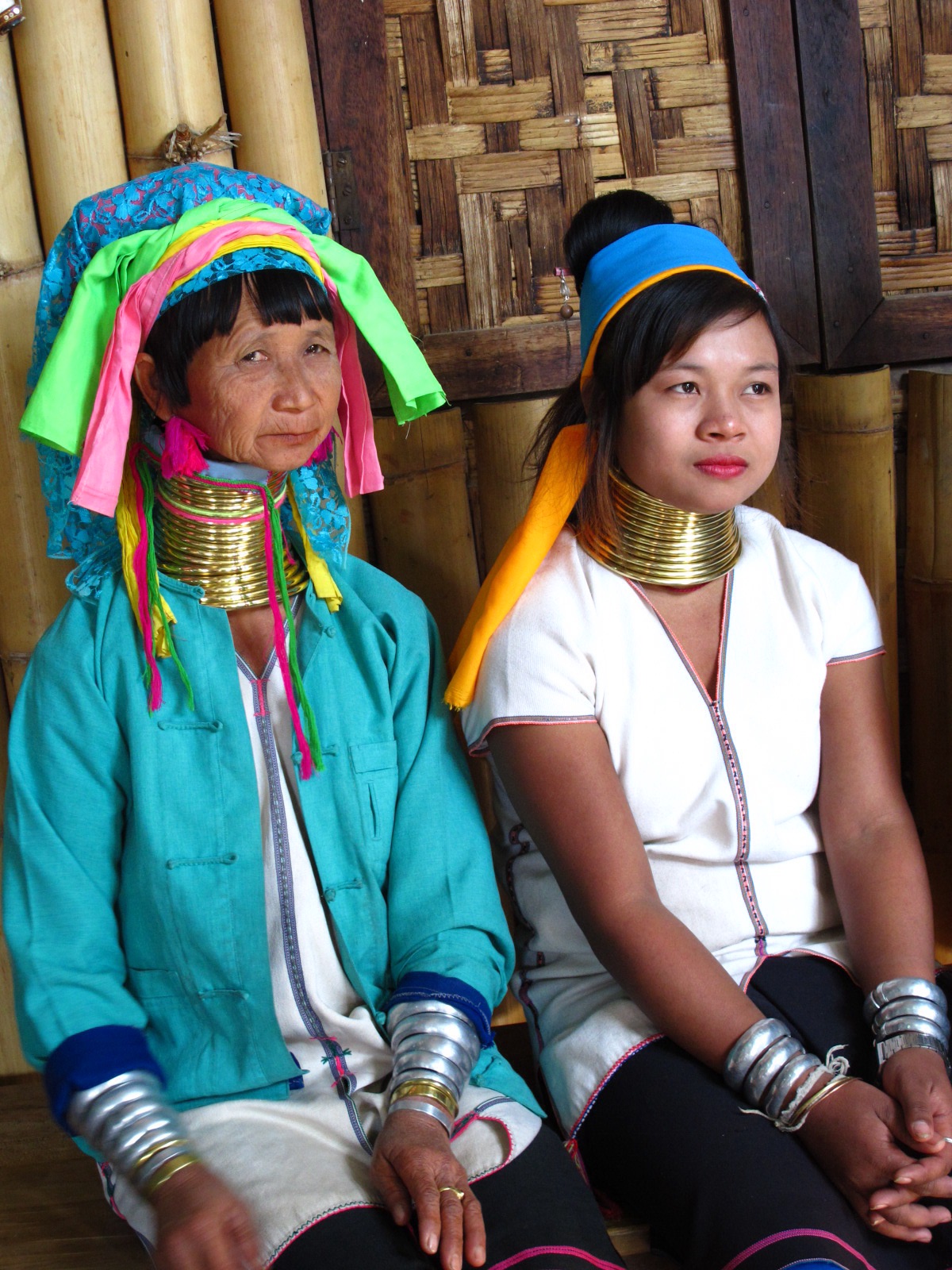
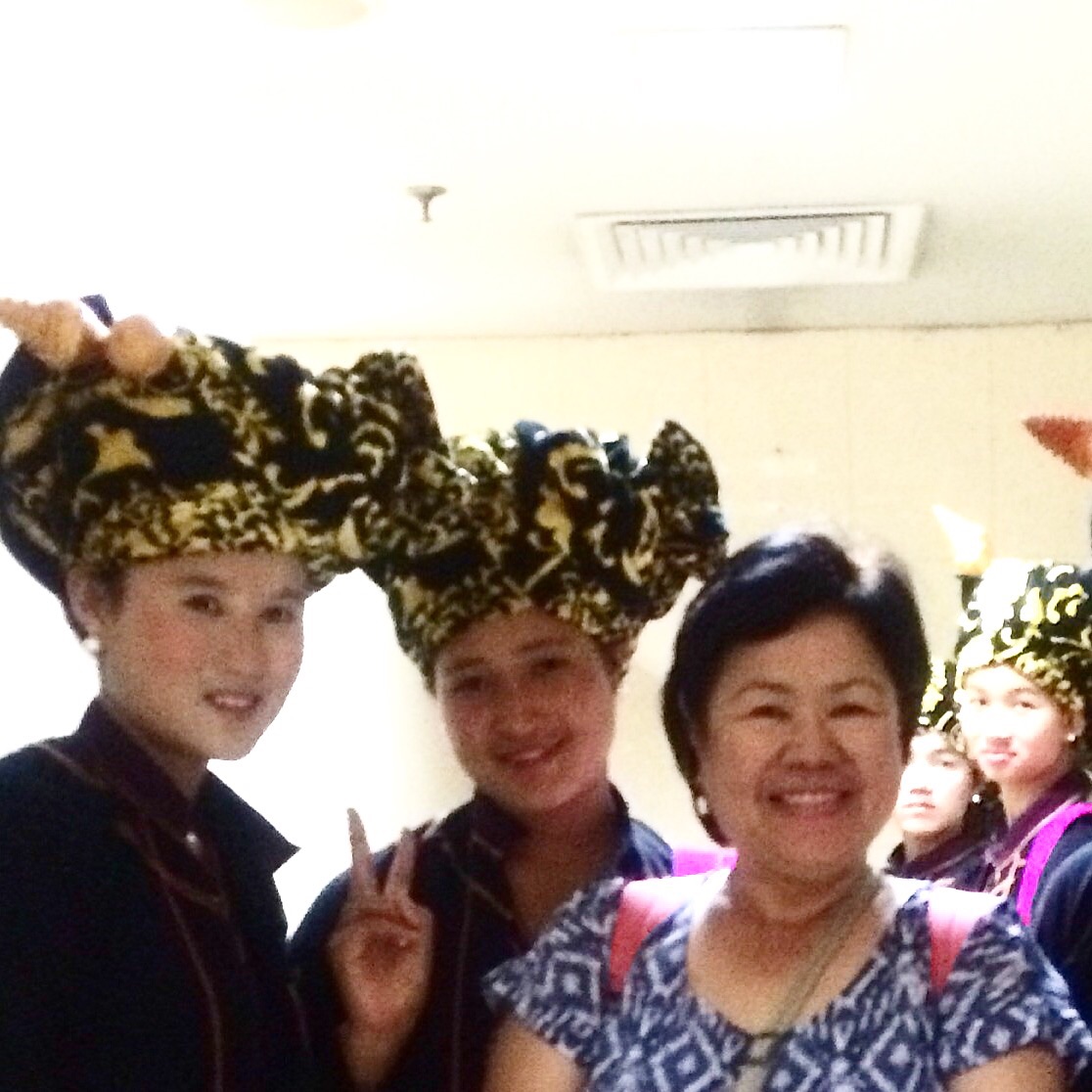
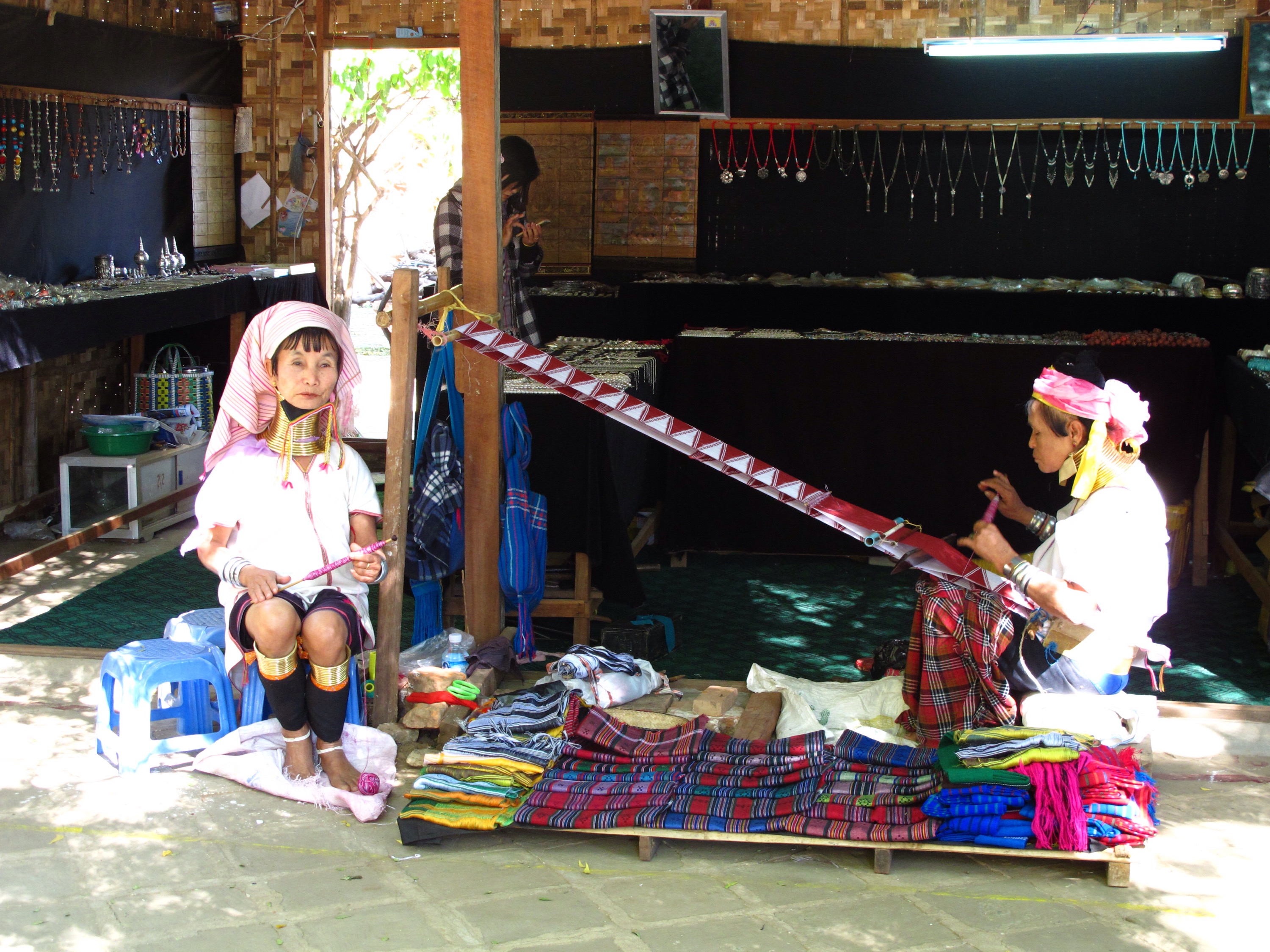
Never found this scene in any other fishing village. There were waterways serving as “main highways” edged in by floating flower gardens and vegetable patches. The hum of the boat engine somehow lulls you to sleep as the boatmen maneuvered the boats along the canals. In no time, the floating gardens were replaced by residential and commercial structures on stilts as the waters ebbed up and down with each passing boat. We passed many including silk and lotus weaving centers, some with weavers from the Padaong tribe with their elegant stretched necks bedecked with gold rings nearly touching their chins. Every now and then, there were women doing their laundry on boats parked in front or beneath the cottages on stilts, laundry out drying on improvised clothesline, waving and swaying with the wind. If not out fishing or ferrying tourists on their motorized boats, some men busied themselves tending the gardens. We were happy to see taro and “patola” (gourd?) gardens side by side with rows of floating flower gardens. This is truly one community here.

Seagulls of Inle Lake

Seagulls of Inle Lake

The Waterways of Lake Inle

The Waterways of Lake Inle

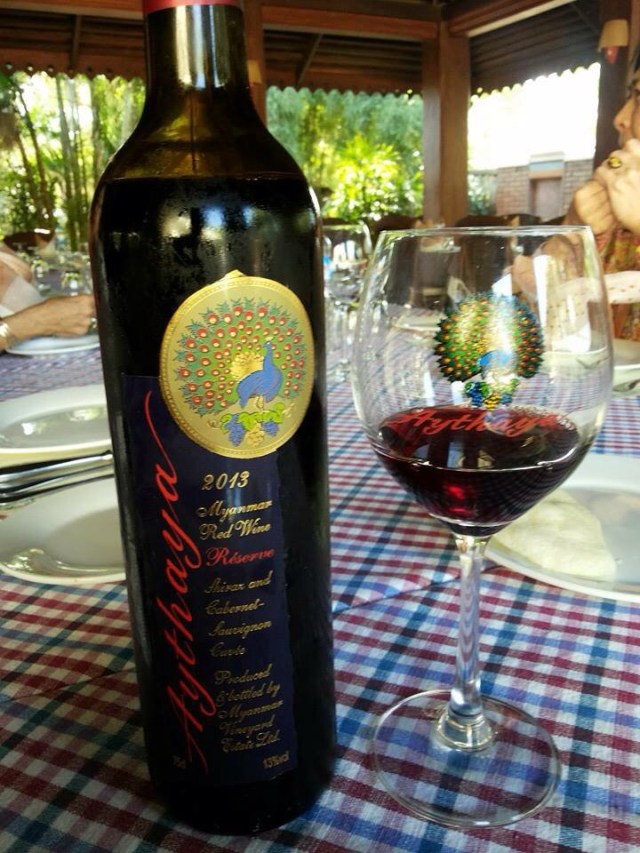
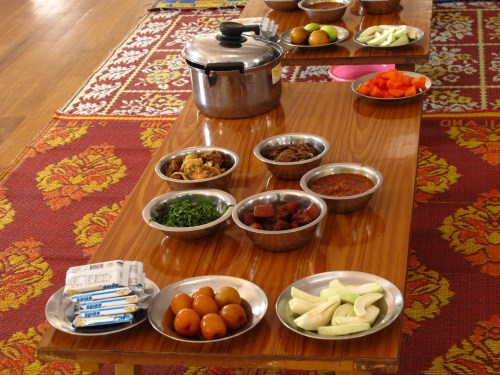
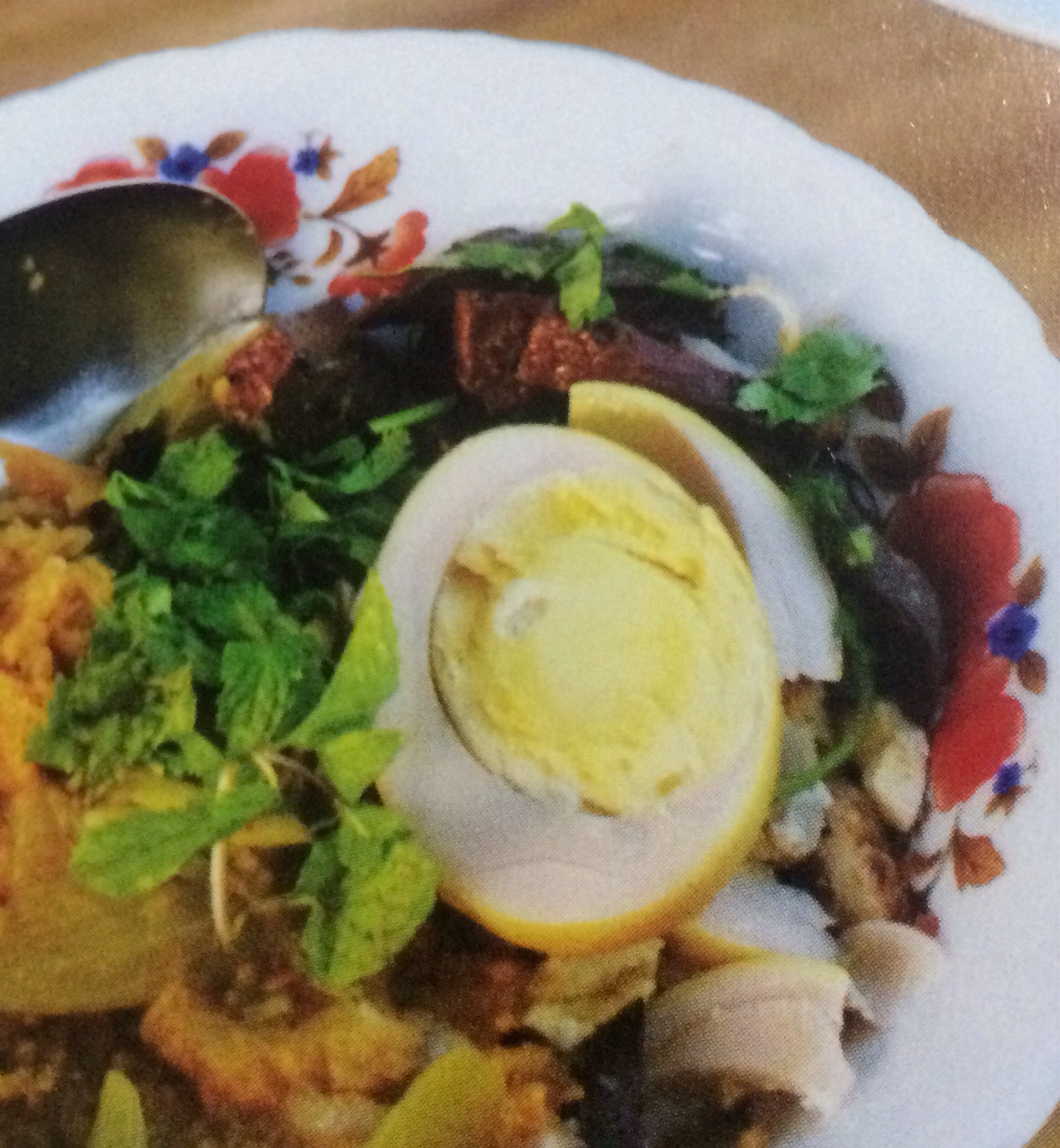
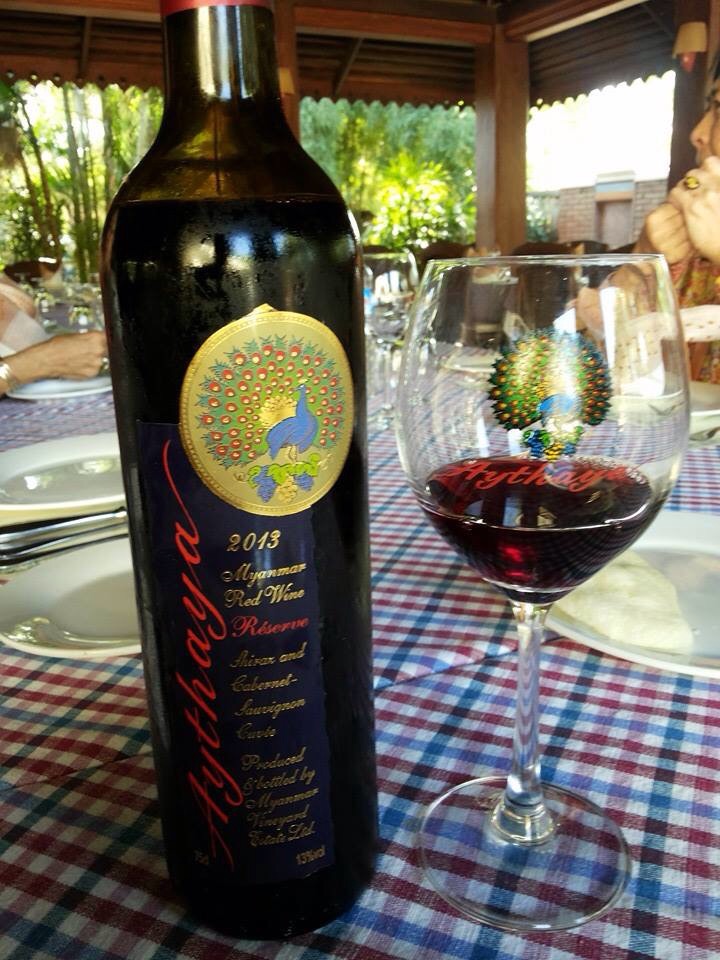
Such vibrant fishing community. Was I surprised to find floating hotels price-ranged from luxury to backpackers’ budgets? Not at all. But I was pleasantly surprised that there are floating restaurants like Golden Kite Restaurant serving freshly-baked bread and pizza pies, great pomodoro pasta, delicious tomato basil soup and simple but delicious avocado salad. A good first lunch was had. We skipped the wine and instead tried the Myanmar Beer. All those Myanmar beer adverts hanging on lake restos, hotels and floating houses must have conditioned our minds. (The next lunch was in a place called “Heritage House”, where local food was served. Interestingly and regrettably, hardly any seafood foraged from the lake waters by local fisherfolks, though some of the vegetables may have been harvested from the floating organic gardens)

A local in the Fishing village.

A local in the Fishing village.

Traditional way of fishing uses one leg with hands free to catch fish using a basket net.

Traditional way of fishing uses one leg with hands free to catch fish using a basket net.

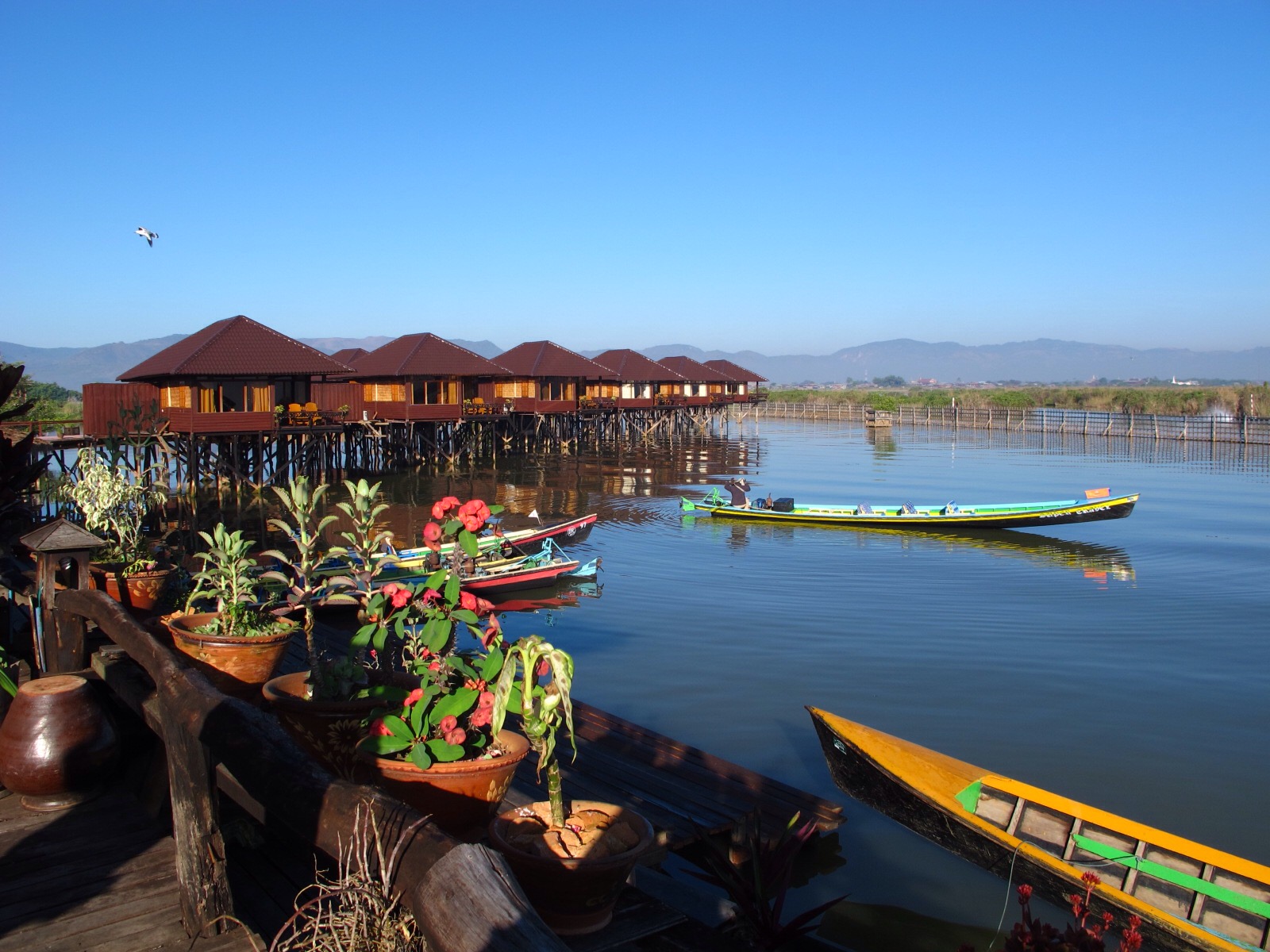
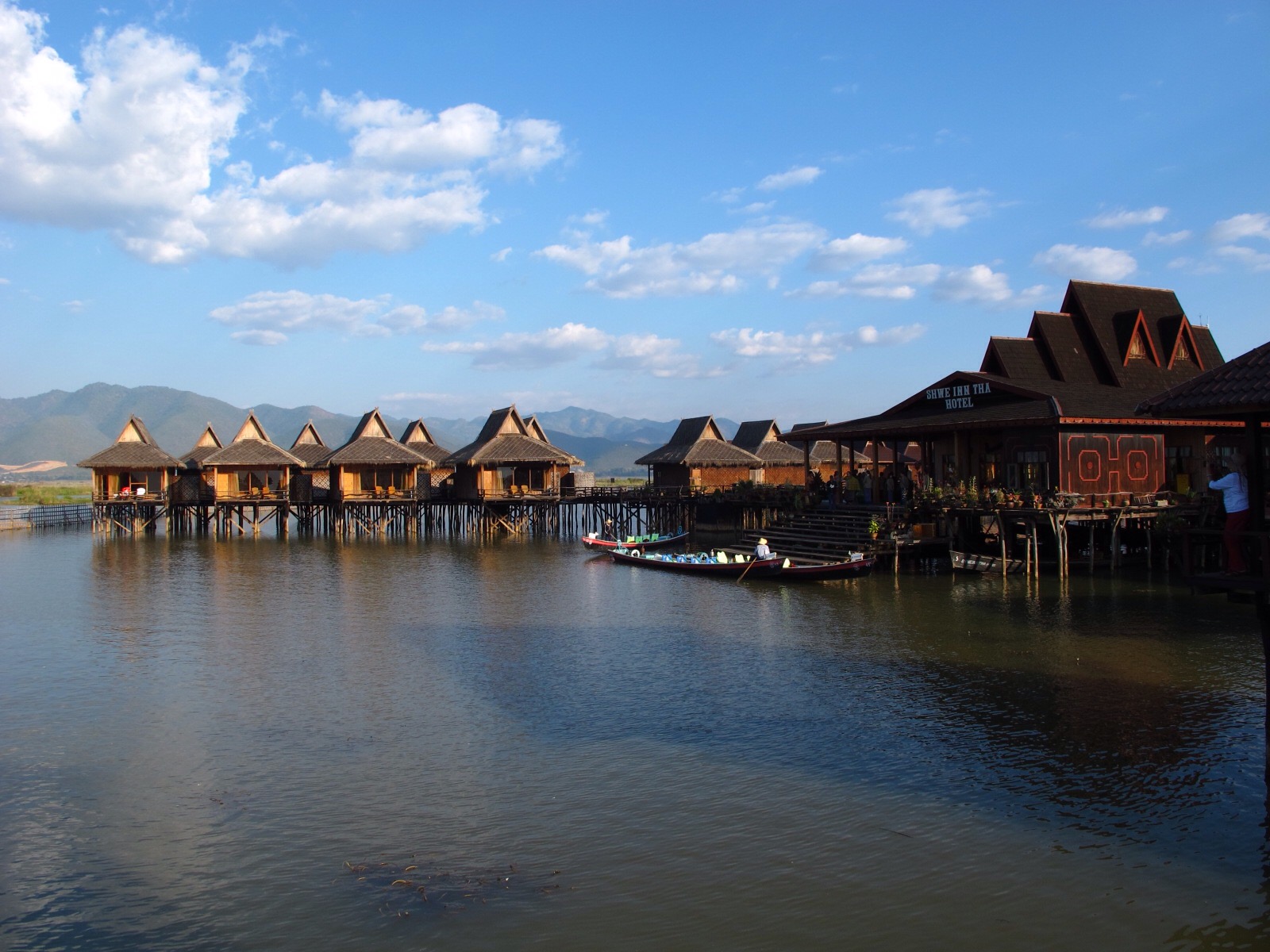
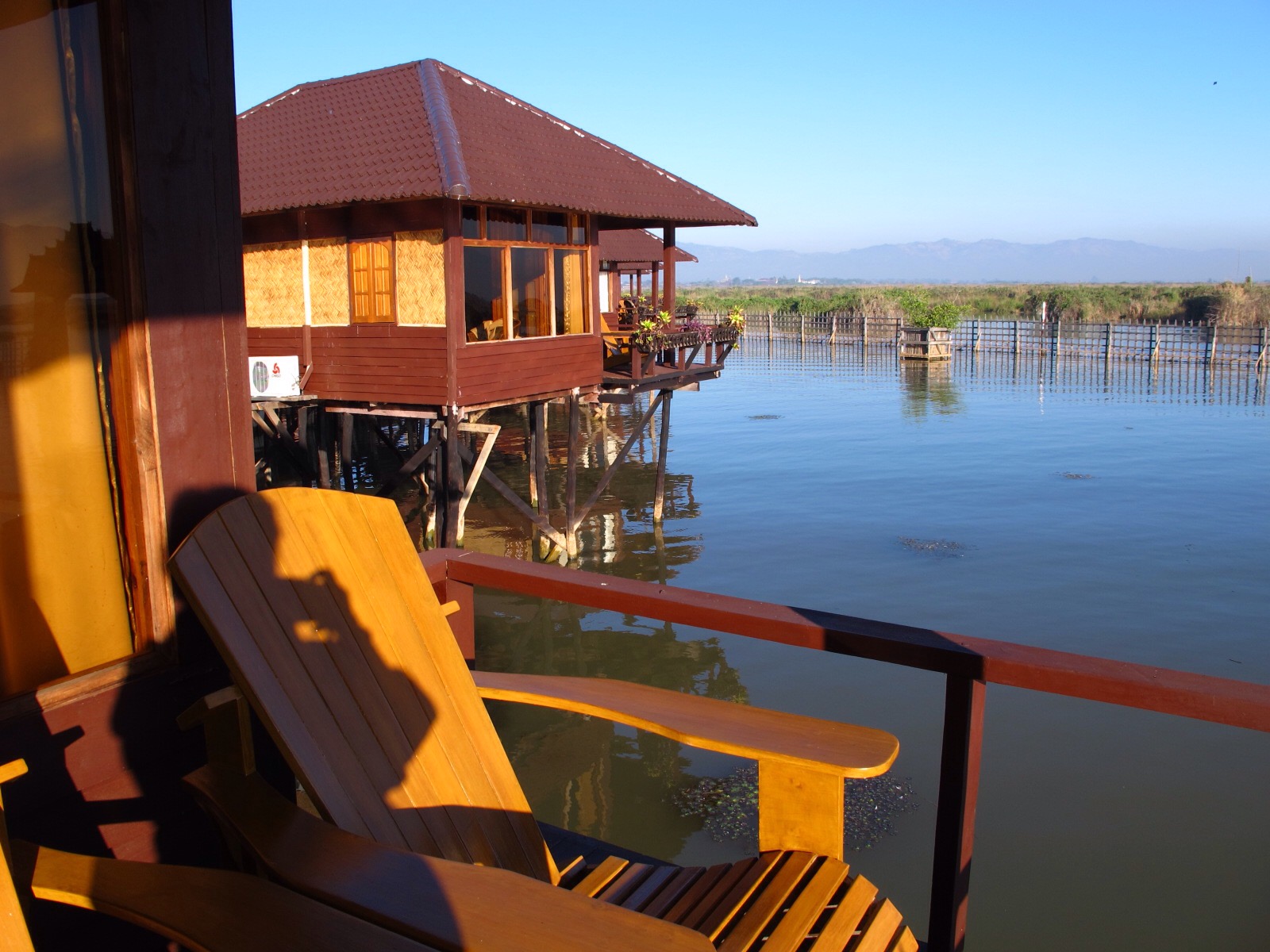
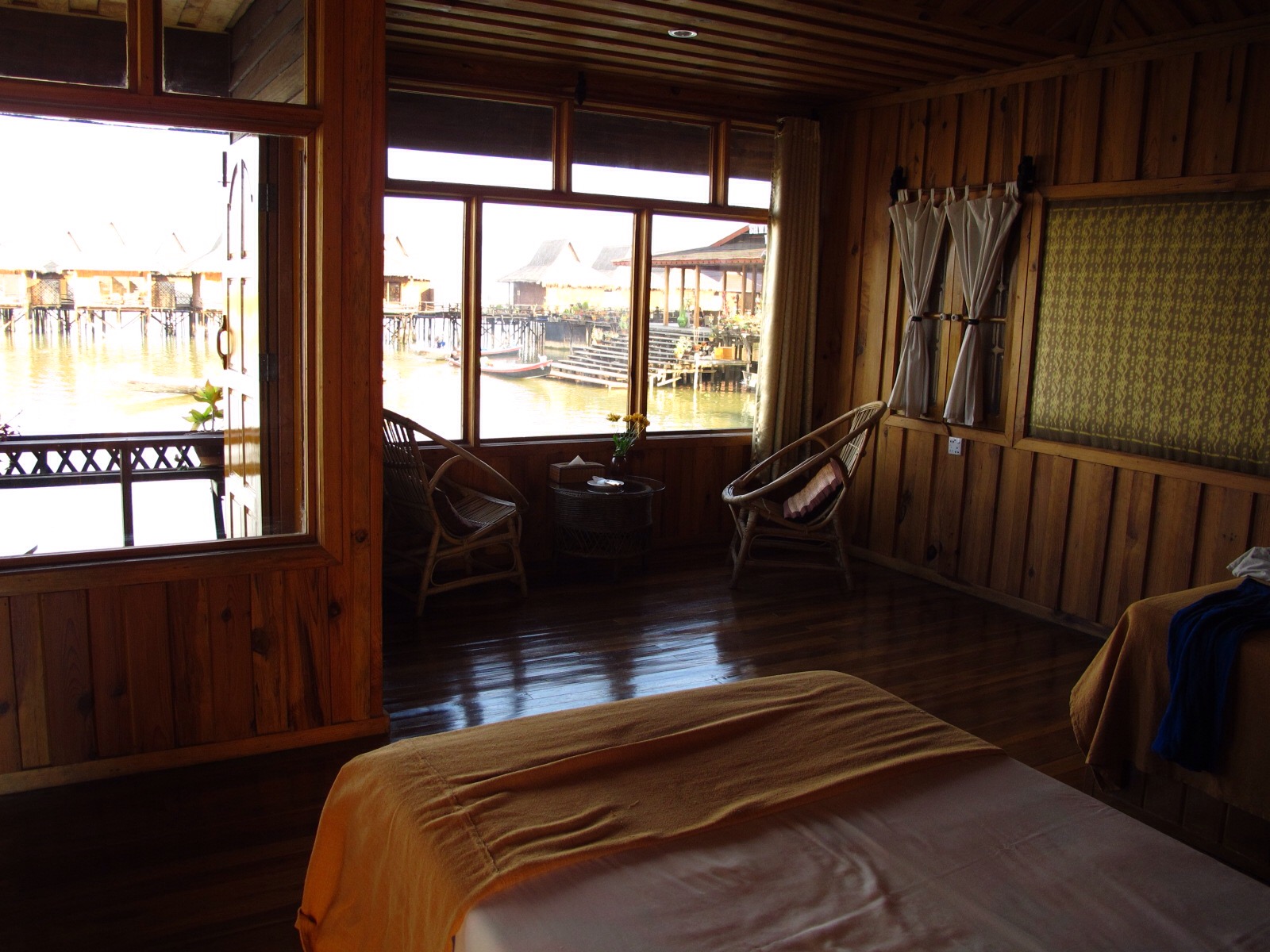
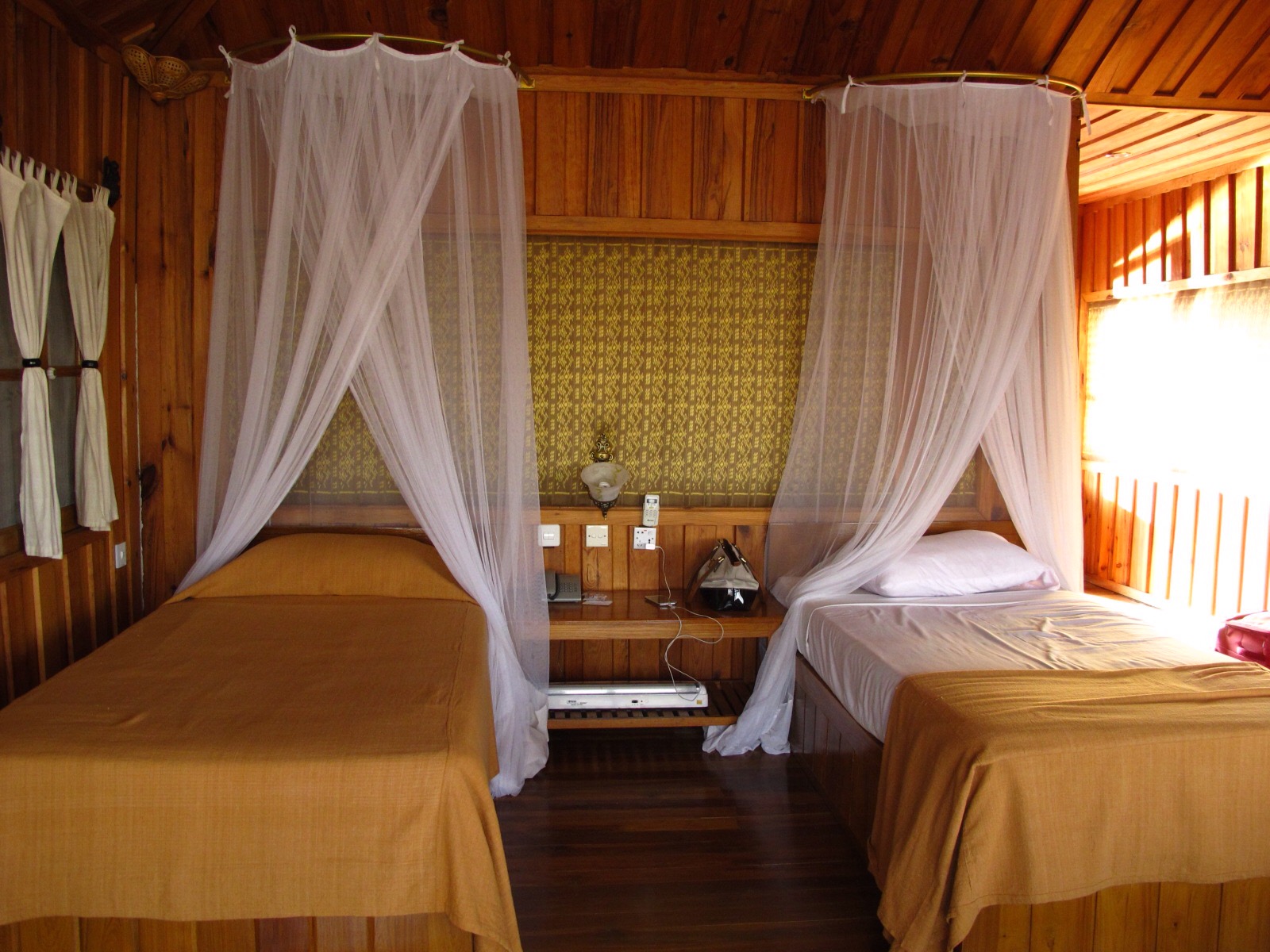
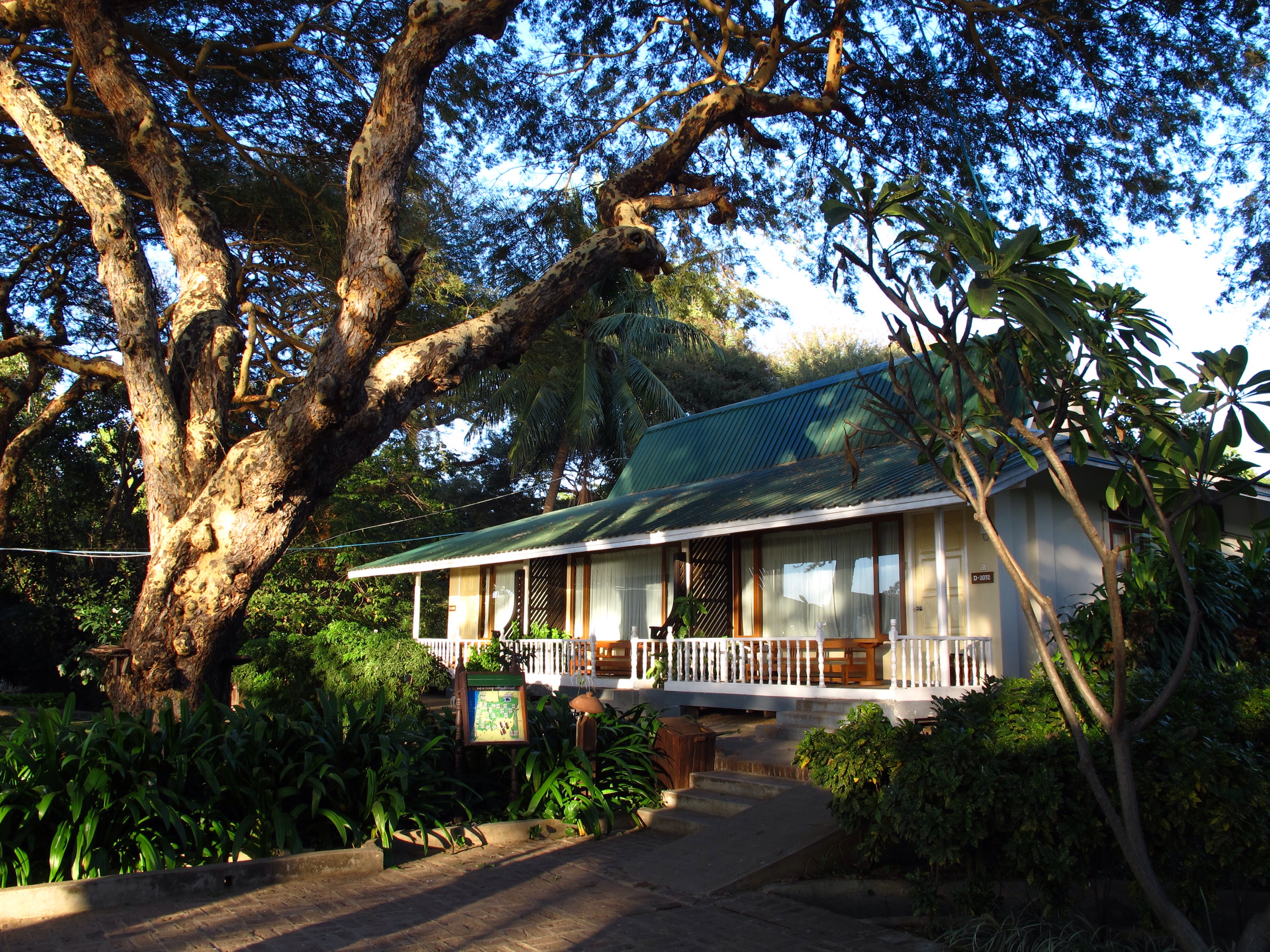
Our hotel is heaven-sent. Baked under the sun for nearly an hour, plus more for the boat rides to the floating restaurant and a visit to a local village, the lovely Shwe Inn Thar Floating Resort was simply what our minds and bodies needed. It was inviting to just sit in the balcony the whole morning while sipping coffee, counting off the happy (not angry) birds “guarding” the arched entrance to the floating resort, and people-watching while boats sailed past the hotel by the main waterway. The lake is a bird sanctuary and my only regret is not bringing bread to feed them birds. I envy those who did, as my eyes followed their boats being chased and surrounded by the happy birds. Happy birds, Happy tourists. Pio de! (means “happy” in the local language)

Shwe Inn Thar Floating Hotel

Shwe Inn Thar Floating Hotel

Golden Kite Restaurant serves real good pizza, bread, pasta, soup and salad.

Golden Kite Restaurant serves real good pizza, bread, pasta, soup and salad.

As we left Inle Lake, I had this nagging fear that the place will soon — if it hasn’t — be overrun by tourists and commercialism. The traditional fishing method is unique to this community. Consequently, the group of DSLR-toting men with their long zoom lens I sighted angling about 4 men dressed in colorful local londyin skirts may soon be the order of the day. Between fishing and modelling, the latter may yield more kyats. So with the happy birds. Why swoop down to catch fish when tourists come to feed them regularly? When I visited a local village and a child of 7-8 asked me for money, my heart broke. Someone should teach this child to string local beads into bracelets, or sell flowers, fruits or any local food to sell rather than just asking for money. And I didn’t even take any photograph of him. A pity.

The long-necked, golden rings-bedecked ladies of Padaong.

The long-necked, golden rings-bedecked ladies of Padaong.

“No man is rich enough to buy back his past” —- Oscar Wilde

(More photos to be uploaded soon as wifi connection is stable. Watch this page……)


Well, NOT all trips need to be planned. Β My young friend Paula Peralejo-Fernandez of Our Restless Feet Β meticulously arranged our first 3 days of adventure off Hanoi with visits to Hoa Lu, Tam Coc and a heavenly 2-day cruise along Halong Bay via Paradise Cruises, but our last 2 days in Hanoi was meant to simply meet up, dine and shop with friends. We ended doing that, plus more. So much more spontaneity, ditched plans, instant meet-ups, unplanned discoveries, and more unplanned shopping.Β 


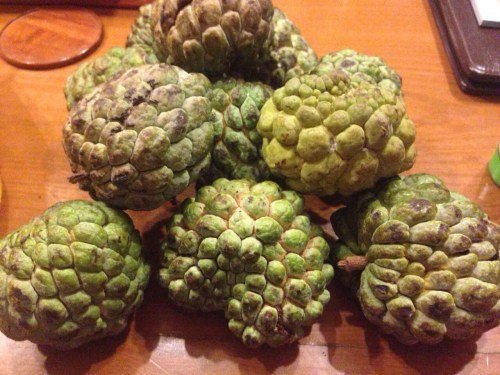
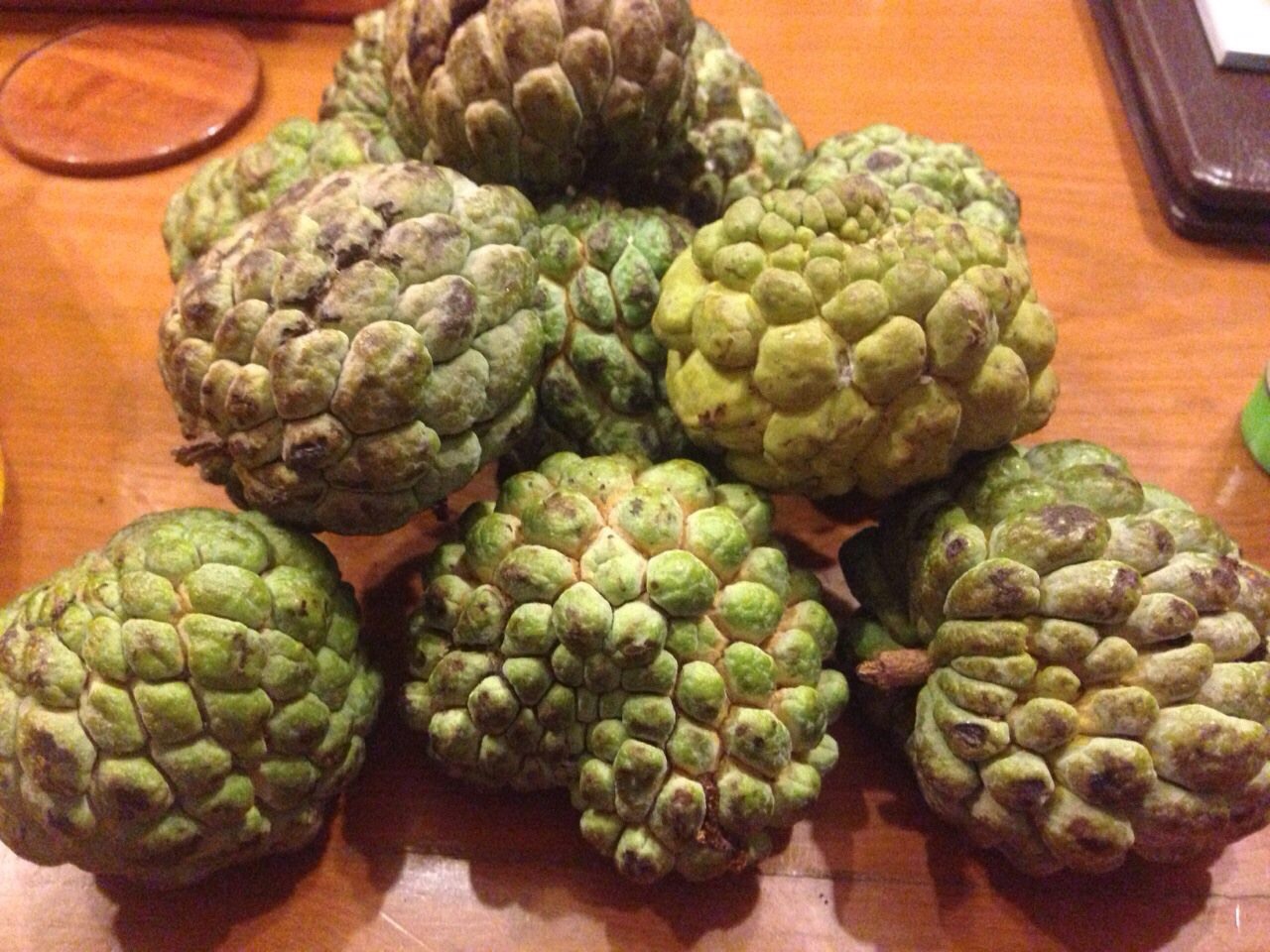
Every night after dinner,  we'd go in search of our favorite custard apple ("atis") .

Every night after dinner, we’d go in search of our favorite custard apple (“atis”) .


Our eyes brightened up each time we meet fruit peddlers on bikes.

Our eyes brightened up each time we meet fruit peddlers on bikes.


Before our first day in Hanoi was over, we’ve acquired the requisite skill of crossing streets, dodging bikes and cars, while keeping an eye on fruit stands and shops. Multi-taskers to the core. A former colleague now based in Hanoi learned we were in town and promptly whisked us away after our hotel brekkie to give us a city tour and food trip. (Thank you, Bing!) The Ho Chi Minh Mausoleum stands tall and proud in the vast square, but no HCM because the body is off somewhere for “re-waxing (???). In the same square, we found the Prime Minister’s Office, which looks really grand.Β 


HCM is out.

HCM is out.


The Prime Minister is in.

The Prime Minister is in.


Museum of National History

Museum of National History


We found time to visit the National Museum of History. Well-curated museum that we all feel jealous for this piece of Vietnamese pride. More national pride to be found in the War Museum where downed American bomber-planes are proudly displayed. Here, I drew a good laugh from local kids playing a game of “sipa” (kick), a game I played when I was a kid. Feeling still adept at this game, I asked them if I could join the game. In wedged sandals and a bag in one hand, I must have given them quite an entertainment that drew laughs till the sun set in Hanoi. Enjoyed that!


War Museum

War Museum


On wedged sandals and bag in one hand, I happily kicked the afternoon away!

On wedged sandals and bag in one hand, I happily kicked the afternoon away!


The Maison Centrale or Hoa Lo Prison in the French Quarter reminded us of the horrors of war. Much of the exhibits were of the French-era prisoners. Ergo, it’s by and large about the Vietnamese revolutionaries held behind bars, many executed using the guillotine, here. The Americans call it “Hanoi Hilton” because 200-300 captured American pilots were interrogated and tortured here. Their “experiences” were not however documented and exhibited here.


Maison Centrale or Hanoi Hilton?

Maison Centrale or Hanoi Hilton?


Under French rule, Vietnamese revolutionaries were jailed, shackled, and tortured here in Hoa Lo.

Under French rule, Vietnamese revolutionaries were jailed, shackled, and tortured here in Hoa Lo.


Quite depressing to see how humans can inflict inhumane punishment during war. “Tortured” by these images, our friend cum “local guide” brought us to the real, modern Hanoi Hilton for a cuppa and some sweet pastries before driving us home. And home is this boutique hotel near Hoan Kiem Lake bordered by many stalls and shops selling everything from shirts, bags, coats, slippers, souvenirs, fruits, coffee, tea, even turtles! Mind you, those turtles are for sale NOT as pets but as food. Yay!


The real Hanoi Hilton all dressed up for Christmas!

The real Hanoi Hilton all dressed up for Christmas!


Turtles sold in markets and supermarkets. NOT as pets, but as dinner on your table!

Turtles sold in markets and supermarkets. NOT as pets, but as dinner on your table!

.


More retail therapy and more food porn in 48 hours in this city. No meticulous planning, but surely, a fully-booked but relaxing holiday for us all. The sampan and cruise boat rides, the Hoan Kiem lake view provided the nerve-soothing experiences. The retail therapy provided the haggling experience with the locals. The food trips satiated our belly cravings and another dimension of this memorable travel experience.


The newly-opened Royal City with its 7-storey undeground mall!  Kichi-Kichi rotary hotpot was quite a dining experience here!

The newly-opened Royal City with its 7-storey undeground mall! Kichi-Kichi rotary hotpot was quite a dining experience here!


Hoan Kiem Lake

Hoan Kiem Lake


It was just a 2 day, 1 night cruise aboard Paradise Luxury. Thrilled after a 4 hour drive from Hanoi, it was such a treat to cruise Halong Bay — its many limestone rock formations, floating fishing villages, caves, the food and activities on board! Yes, it rained. But that didn’t take away a single minute of our enjoyment of this adventure. We were the lucky ones. A day earlier, the cruise was recalled after only 2 hours of sailing because of inclement weather. 

Boarding Time! (Paradise Luxury @Halong Bay) Boarding Time! (Paradise Luxury @Halong Bay)
A shower of rose petals as we boarded Paradise Luxury. A shower of rose petals as we boarded Paradise Luxury.

There were just a few of us onboard. The crew, the Cruise Manager (Lance) and butler (Gwen?) of Paradise Luxury 4 were all so friendly and accommodating. Food porn on board too. The works! All that plus a jacuzzi in the room? Rooms were spacious, so unlike the small, cramped cabins we got used to on big cruise ships.  Though it rained, the waters were so calm. Cruising along Halong Bay viewing its 1,969 karst formations was sheer delight. We thought we’d never grow tired staring out of our wide cabin windows or feeling the breeze and enjoying the views on deck. How could we have missed this in many of our travel itineraries?

So much room in our luxury cabin! So much room in our luxury cabin!
If you're traveling as a couple, ask for the cabin with this jacuzzi. Perfect for honeymooners! If you’re traveling as a couple, ask for the cabin with this jacuzzi. Perfect for honeymooners!

But the real treat lies in the beauty of this UNESCO Heritage Site, truly a top natural wonder of the world. The smooth ride over the placid waters of Halong Bay was so soothing to nerves frayed by the motorcycle and bicycle scene of Hanoi. This is the exact opposite of one’s feelings while crossing the streets of Hanoi. There were many other cruise boats, along with the smaller fishing boats from nearby floating villages along the bay, but this is one “traffic” that is far from chaotic. In fact, the many sailboats and luxury yachts dotting the 1,969 limestone rock islands added to the charm.

A lone sailboat looking wedged between 2 rock formations. A lone sailboat looking wedged between 2 rock formations.
Truly a top natural wonder of this world! Truly a top natural wonder of this world!

We slept like a log after a scrumptious dinner on board. The activities included short rides on tenders to view some caves, kayaking (if weather permits, but not on this ride), culinary and barista lessons, tai-chi first hour in the morning. For an overnighter, that is more than enough. Plus of course all the eating. The last activity is NOT to be missed. We had such savoury Vietnamese appetizers of crab cakes, shrimps, spring rolls and papaya salad. The menu listed scallop bisque, lamb, king prawns, salmon, and a chicken dish. We were prepared to choose one main entreΓ© but was surprised we had ALL of it instead. And such generous helpings too.

And these were just appetizers! And these were just appetizers!
Fine dining on board! Fine dining on board!

The barista and culinary lessons were held in the dining hall. The tai-chi too, because the sundeck was wet from all the rain. The heavens wept while we slept, and just as we were sailing back to shore. The only thing is dining is intermittently interrupted as we passed the karst formations viewed from the glass windows and doors spilling out to balconies. How can you not help taking a photo? Lovely day. Soothing nights. We even passed one rock formation with a cave all lighted up for a private candlelit dinner!

Culinary lessons on board! Culinary lessons on board!
Ready for barista lessons! Ready for barista lessons!


After this experience, you know what I have in mind? Gathering my family and a few close friends to set sail on this luxury boat all to ourselves! That should be fun. There are smaller, 3 cabin boats if you like. But I am thinking along the lines of 8 cabins or so for a big family and a few couple friends. How about that?

Twilight time! Twilight time!
A time with friends. A time well spent! A time with friends. A time well spent!

It was a late flight and an hour past midnight arrival. Yet we managed to sleep well and enjoy a hearty breakfast in the few hours left before our mid-morning pick-up for the Hoa Lu and Tam Coc trip. The drive was comfortable, and our guide HΓΊng gave us a good introduction to Vietnam’s glorious past.

Hoa Lu, just a 2-hour drive from Hanoi.

Hoa Lu, just a 2-hour drive from Hanoi.

image

Hoa Lu is an ancient capital in the 10th – 11th century before the capital was moved to Hanoi. There were only 5 rulers under this dynasty, but 5 may seem many considering the dynasty reigned for less than half a century. Most interesting were the stories involving an emperor who was succeeded by a 6-year old son, replaced by his regent and top general who then married the first emperor’s widow. Just 3 square kilometers in size, the site featured palaces, shrines and temples to honor these emperors : Dinh Tien Hoang and Le Dai Hanh, their sons, and Queen Duong Van Nga.

Temples are dedicated to people;  Pagodas to Buddha. Something new I learned from Hung.

Temples are dedicated to people; Pagodas to Buddha. Something new I learned from Hung.

image

Vietnamese lunch was served just before our boat ride in Tam Coc. So we were so full while enduring a 1 1/2 hour sampan boat ride that stretched into 2 because the heavens opened up and we took cover under one of the natural cave “tunnels” while it poured. Still, the giant limestone karst formations jutting out of the rice paddies provided an impressive site. It’s like Halong Bay on land, or rather between rice paddies. Too bad they just harvested the rice when we paddled our way through the Ngo Dong River. We made our way back with newly-bought raincoats and braved the rain while our boat man paddled the boat using his feet in a fast-paced rhythm.

image

image

The Sampan Ride along the river hemmed by rice paddies, dotted by limestone rock formations.

The Sampan Ride along the river hemmed by rice paddies, dotted by limestone rock formations.

It was a no-brainer to decide to cancel the biking around rice paddies after the boat ride. Instead, we dried ourselves and made our way on a 2 1/2 van ride back to the city. Not complaining here. We had a wonderful time despite the rain.

Look Ma, no hands!

Look Ma, no hands!

image

image

Fishing?

Fishing?