Tag Archive: Travels


A whole week in Vietnam. From Manila, Ho Chi Minh City was our first destination but we were really excited over our first time in Central Vietnam. This is our story covering Saigon (now Ho Chi Minh), the Imperial Citadel in Hue, Langco Fishing Village, the Cham Museum and beaches of Danang, the preserved Ancient Lantern town of Hoi An and the Ruins of My Son. Staying a couple of nights each in Saigon, Hue and Hoi An, we took day trips to nearby attractions and maximised our time without really forgetting we’re on holiday. It’s not about ticking off from a list, but we left room for some spontaneous and serendipitous adventures. Including trips prompted by food cravings 😊

Saigon City Attractions:

https://lifeisacelebration.blog/2018/06/29/here-we-go-again-in-saigon/

Cu Chi Tunnels:

https://lifeisacelebration.blog/2018/06/29/cu-chi-tunnels-vietnam/

Hue Attractions:

https://lifeisacelebration.blog/2018/06/30/when-in-hue/

https://lifeisacelebration.blog/2018/07/01/say-whay-in-hue/

Hoi An Attractions:

https://lifeisacelebration.blog/2018/07/02/the-lantern-town-of-hoi-an/

https://lifeisacelebration.blog/2018/07/03/dining-in-hoi-an-vietnam/

My Son

https://lifeisacelebration.blog/2018/07/03/all-bricks-no-mortar-my-son/

In case you feel like checking out previous blogs on earlier trips to Hanoi, Halong Bay, Hoa Lu, Tam Coc and Saigon, here are the links:

https://lifeisacelebration.blog/2014/12/04/a-slice-of-luxury-aboard-paradise-cruises-halong-bay/

https://lifeisacelebration.blog/2014/12/06/hanoi-not-a-persnickety-trip/

https://lifeisacelebration.blog/2014/12/03/hoa-lu-and-tam-coc-on-a-rainy-day/

https://lifeisacelebration.blog/2011/11/17/eating-around-ho-chi-minh-saigon/


Hoi An is a well-preserved ancient trading port where many restaurants offering authentic Vietnamese cuisine are clustered in an area looking more like a quaint French village. Here, the nights get more vibrant as lanterns lit up and canal boat rides are peddled to tourists. The street food scene is very lively as stalls after stalls offer Hoi An specialties like steamed and fried dumplings, chewy rice noodles like Cao Lau, pancakes, mango and banana cakes.

It was very tempting to claim one of those low stools and order the very Hoi An rice noodle dish called Cao Lau, topped with barbecued pork slices, beansprouts and herbs. So with the White Rose dumplings which locals call Banh Bao Vac. And then there’s those open-face pancakes which are really fried wontons with toppings of shrimps and more herbs. We did the next best thing — dined in Miss Ly which offerred all these street food and Hoi An specialties in a restaurant in the Ancient Town. All had a little kick and mildly spicy and we liked it. If you want to try it here, best to go early as it’s popular and gets really packed.

From the next table, we spotted some grilled pork served with noodles and tried those too. Very tasty. Again, with a bit of kick. We were asked, and we specified “mildly spicy” so I guess it can get spicier. All dishes are very delicious even if you have to enjoy them inside where it is more humid. Most restos offer cold towelettes to refresh you before meal is served. Without it, we’d likely sweat as most dishes are a bit spicy.

Just as popular, but a bit pricier, is Morning Glory Restaurant also in the Ancient Town. The resto must be so popular it now has a Morning Glory II just across the street. The extension likewise holds cooking classes, but we’re not into that. We’re here to eat 😊. I’ve heard many tourists asking for directions to Morning Glory. If we go by the reviews, there’s good reason to check out this place. But I think many, many restaurants here all make the grade, judging by how food aroma wafts from the kitchen to the lantern-lit streets. The fish dishes and curries we’ve so far ordered were not big hits though so we didn’t try the restaurant’s bestseller fish in caramel sauce. Besides, we weren’t that hungry when we got here for dinner and didn’t want to overstuff ourselves in the evenings. (Our hotel breakfast buffet in Belle Maisson was very good!) And so, we settled for the usual salad, banh mi and the special spring rolls offerred here called “Three Best Friends Spring Rolls”. They say Miss Ly and Morning Glory serve the best spring rolls but I’m telling ya…… they serve good spring rolls just about anywhere here!

Our guide brought us to a place called Triet (Treat) where there is no crowd and where we actually enjoyed a very good, quiet lunch. Same lunch fare like Papaya Salad which we love, but served with tasty taro spring rolls here. We really liked this for appetizers. The main dishes were pleasant surprises too.

The grilled chicken with lemon grass was served wrapped in aluminum foil and smelled as good as it tasted. But our favorite dish was the Braised Pork in a Clay Pot. Tasted like our local “adobo” but with chili and chives. The chicken and the pork paired well with the vegetable dish with fried shallots we had. Good lunch! Nothing fancy but really cooked well.

Dining here in Hoi An is an adventure. Don’t be limited by the restos we’ve listed here. But the few days we were here, we certainly ate well. On your way back to your hotel, try checking out the Night Market and buy some jackfruit, custard apples and there’s this fruit I’m not familiar with but tasted like small green apples, just better. Bon apetit!


While it sizzled in Hue, it was “nearly burning” in Hoi An and My Son was “on fire”. Nearly 40C and here we are in the jungle, in what was once the sanctuary of Hinduism in Vietnam. This UNESCO Heritage Site was the political and spiritual capital of the mysterious Champa Kingdom which flourished from the 3rd century to the 14th century. Some records put it until the 18th century. About 17 of the original 71 monuments made of bricks and sandstone can be found here. These are the 17 that survived the war. And after the war, this heritage site had to contend with flooding from the nearby river and extremely high humidity which hampers preservation efforts. Not to mention the de-mining activities to keep the site clean and safe.

We spent 2 hours here, mindful that we walked only on paved, marked paths. Restoration work is ongoing but restricted because of the possible unidentified and unexploded mines in the area. A pity. We even found bomb craters side by side with the pockmarked tower monuments which were used to shield Vietcongs who hid there during the war while the Americans tried to chase them out by bombing and machine-gunning the area. So there. The site lost more than 50 tower temples to the war, climate conditions and flooding. It may not be as grand as Angkor Wat in Siem Reap nor the temples in Ayutthaya, but the legacy of the Champan Kingdom must be preserved for future generations. It helped that on our way from Hue to Hoi An, we visited a Cham Museum in Danang. Many Cham sculptures, many headless, are housed there.

My Son is only an hour away from Hoi An. Our hired van was allowed only up to a point, and we walked beyond the entrance marked by double arches towards the tram station. Here, you take the shuttle for a 10 minute ride and get off near the ruins of this complex of Hindu temples. There were tourists offloaded from a few hired vans and tourist buses. There were also the adventurous ones who came on motorbikes. There is a tiny Museum, as well as a theatre stage where guests were treated to a spectacle of cultural performances. If I were to do this again, I’d time it in the cooler months of January and February. At the height of summer, it’s an ordeal walking drenched in sweat around the complex.

I didn’t expect to like the cultural performance before we started the hike. But I found the Apsara dance very expressive, even sensuous. The play with the hands and bent knees require grace, poise and elegant execution. I couldn’t even stretch and bend back my hands the way they do! From the stage, the same performing group moved to one of the ruin sites where they danced with an impressive backdrop of brick temple ruins.

The Chams are a minority tribe in Vietnam now. Back then, they worshipped the Hindu god Shiva and created this cluster of tower temples spread across Central and Southern Vietnam. This one in My Son lies in a lovely valley surrounded by 2 mountain ranges and covering 2 square kilometres. Try to imagine how this heritage site — so pretty and serene — was carpet-bombed by the Americans in a single week! Heartbreaking 😔


Just arrived for 2 nights in this lovely lantern town of Hoi An. An ancient trading port in Central Vietnam, it’s a melting pot of cultures expressed in its cuisine and architecture. Hue may have its temples, pagoda, royal tombs and Citadel but Hoi An is very quaint with its mustard-colored merchant houses, lazy canals and a Japanese covered bridge! Being Sunday, it looked like the entire population of 200,000 is out having a family day along with the many tourists agonizing where to dine in its many restaurants housed in old French-colonial buildings.

I’ve read about Hoi An being a lantern town, touristy and looking like a mini-Venice with wooden boats in lieu of gondolas. I was delighted to explore its narrow streets and alleys. My only regret is not using the free bicycles from our hotel to save me the 20 minute walk in this very humid evening. Still, it was a pleasant pedestrian tour of this heritage town. We reached the Japanese bridge just as the sun was setting and it sure was lovely.

Many Portuguese, Japanese, French, Chinese and other nationalities must have lived in this ancient trading port. Cooking classes housed in its many French colonial houses seem to be in vogue among the many tourists. Those round basket boats plying the waterways even add more charm to this heritage town that was mercifully spared from the ravages of war. Most hotels, even home stays, offer bikes to their guests. One can bike along quiet lanes or brave the old town’s streets dodging many tourists here and there, or be more adventurous hiring motorbikes and scooters to explore the fragrant rice paddies just outside town. Or perhaps do both. Our walking tour is set for tomorrow but we couldn’t wait. No brainer to explore on our own. One doesn’t waste time here, or you’d miss the charm of a village well-lighted with colourful lanterns or a canal where many boats take in tourists for a ride (literally and figuratively). You can even float lighted lanterns on the river and watch them glide under the bridge.

Though there are many dining options, I’ve heard many tourists asking for directions to Morning Glory restaurant. We found it very near the bridge and being rather early, found a table by the window. It was very hot and humid and most restaurants and shops were not air conditioned. Yet, many locals and tourists don’t seem to mind. Like an instant immersion into local life? The charm of this well-preserved town must have sent very positive vibes and they radiate in the way locals and guests behave even in very dry, humid conditions.

More to discover in our walking tour, I bet. Plus there are the beaches and rice and vegetable paddies to visit. Can’t wait to see where our lunch and dinner ingredients are sourced, or where we can dip our tired feet. Till the next blog, friends. 😘 Watch this page.


Whay. That’s how locals in this lovely provincial city say it. Just an hour 25 minute flight from Ho Chi Minh. We knew it can be hotter and more humid here but Hue welcomed us with pleasant, breezy weather on the day of our arrival. Not so the following morning, when we explored the Citadel or Forbidden City, royal tombs and the Thien Mu pagoda. We only got a respite when we took a small boat from the pagoda back to the city center, helped along by refreshments on board.

The Citadel is right in the heart of the ancient city of Hue. It occupies a wide area, counting 520 hectares on the Perfume River’s left bank. Our guide made us walk the first half hour till we insisted on taking the electric buggy around the “Forbidden City”. Long, our guide, advised that the walk would take 2 1/2 hours. We promptly took the buggy without much thought. No walking at high noon 🙄 please.
The Citadel run may have taken shortcuts but our bodies still took and absorbed all the heat and humidity. Buckets of sweat and hardly a wind to blow dry our wet clothes. We dripped till it was over. The Imperial City within the Citadel reminded me of the Forbidden City in Beijing. For sure, the first 2 monarchs from the Nguyen Dynasty chose the site very well. And just like it, geomancy played a part in its architectural design to invite harmony as well as guarantee protection from harmful elements.

As the sun sizzled, we moved around as quickly as we could. We could have lingered longer in the theatre, or in the house of the king’s grandmother’s, but migraine was threatening to cut our Citadel tour short. It was more pleasant when we explored the royal tombs earlier. More than beating the crowd, the heat was more bearable then. Still hot and humid, but bearable. We may have done more justice visiting the Mausoleum of King Minh Mang than the walled palace of the Imperial City.

You can thus imagine how we felt by the time we reached Thien Mu or the Pagoda of the Heavenly Lady. Here you find the best view of the Huong or Perfume River from the Ha Khe hill, but one needs to scale steep steps to reach the scenic viewpoint. Mercifully, we climbed safely while sweating profusely. Our eyes hurt as beads of sweat ran down from our foreheads. Not even it’s iconic 7-storey pagoda nor the displayed car of the “protesting/burning monk” who immolated himself in 1963 Saigon helped unsettle our restless, sweating bods. We were just too eager to finish the tour in this high and dry temp. Our bods protested, just like the monk Thich Quang Duc burned himself to death in June 1963 in a busy Saigon intersection as an act of protest to South Vietnam’s persecution of Buddhist monks back then. We should have been thrilled to watch a couple of the 10 or so monks living within the pagoda grounds. But we’ve lost the enthusiasm, just as we found the young monks doing exercises by lifting weights. How could they…. in this heat?

From this pagoda, we took a wooden boat along the river. Just a short boat ride where we replenished our potassium levels with coconut juice and water. Tour’s over, and our late lunch is ready. The nourishment was another Vietnamese feast but we were just craving for the showers in our spacious, air conditioned, well-appointed hotel room. A day well-spent in Hue. Enough history lessons for my grandson. No more long walks and climbs for us. Phew!


Off to see Uncle Ho again. And perhaps work on my pho and banh mi fix. Throw in some Bun Bo and those barbecued meats and pancakes too. With those in mind, we took our late (and an hour delayed) flight into Saigon, now called Ho Chi Minh where we’d cool our heels the first 2 nights. Maybe retrace our steps to those food adventures we remember to this day, squeezing them into our mini-tour of the very French-looking Notre Dame Cathedral and Central Post Office plus the War Museum and Reunification Palace. The planned site visits are for the benefit of my first-time visitor grandson and my bff’s hubby. I don’t mind revisiting the Cathedral and I do admit I was completely charmed by the Central Post Office, but I’d likely enjoy a beer somewhere while they check out the Palace and Museum😁. Enough war history for me. Of course I can always go shopping for some Vietnamese coffee, a new suitcase, boho bags for my girls and dried jackfruit while the boys escape the summer temp in the air conditioned museum. Now, let’s hope the humidity doesn’t get me!

You’d forgive me for the lack of enthusiasm for this visit to this former capital. We’ve been here before (check out my previous blogs/click on highlighted items), both to the north and south, and we’re really just stopping over Saigon on our way to Central Vietnam where we plan to spend more holiday time. So there. Best that I reserve my excitement — and energy — for the former imperial capital of Hue, the sandy beaches of Da Nang, the ancient heritage town of Hoi An and the ruins at My Son.

It’s summer but the rainy season has set in. Thankfully, it rained while we’re in the van, when inside the Museum, or when we’re back in the hotel. Best of all, it rained while we dined in this fabulous place called The Chopsticks Saigon Restaurant. The restaurant was the former home of Tran Van Huong, who was President of Southern Vietnam before it was surrendered to the communist forces of North Vietnam in 1975. Mr. Huong was President for only a week, but he stayed in this villa much longer. The beautiful wrought iron gates and windows, the sweeping staircase, the elegance and charm of this lovely villa all add to the ambience. It also helps that the food is good, and the staff friendly. Can’t complain.

Ho Chi Minh is still called Saigon by most locals. I feel that 2 days here should be enough to check out the attractions before one is tempted to engage in retail therapy. As for me? I ended up joining the first-timers in visits to Notre Dame, the nearby Central Post Office, and the War Remnants Museum. I skipped the Palace and chose to shop instead for coffee, a new suitcase, boho bags and a few summer blouses. Later in the day, I tried the Nail Parlor and Spa next to our hotel. Not bad for Day 1. And oh yes, we went to Cu Chi Tunnels too but let me cover that in a separate blog. 😊

Here are a couple more shots from the resto’s website. Don’t miss this restaurant when in Ho Chi Minh.


I just realized I didn’t do a blog summary on my 2017 trip to Peru. Specifically, on my adventures ticking Machu Picchu off my bucket list. Instead, I lumped my blog links on Peru, Miami, Utah and San Francisco, California all together. Not very neat. Especially for a trip where I honestly worried I could die. And so, this blog summary which I can now share with you.

Machu Picchu

Sacred Valley

Cusco

Lima

Andean Delights


Yes. It’s a wrap. All of 8 days and 7 nights. As someone in our group said, “Sri Lanka was a revelation”. There were some mishaps, some missed sites, some meals not making the grade, a few frustrations, but this trip was just marvelous. Sri Lanka has much to offer. I do not think they’re there yet in terms of promoting their country best but it should get a lot of attention soon. Hopefully too, tourism promotion does not adversely affect the character of the people here — smiling, helpful, charming.

We feel this trip deserves a repeat. I enjoyed the safari but won’t do it again unless my family is going with me. (Birdwatchers would!) Instead, I’d return to Nuwara Eliya in time for tea harvest, do a bit of hiking in Ella to view the Nine Arches Bridge and Adam’s Peak, climb Sigiraya Rock, visit the Royal Botanical Garden in Kandy’s Peradeniya (we missed it as we lacked time), take another scenic train ride, spend more time in Weligama and stay in the same Jetwing and Marriott Hotels we booked including those in Negombo and Kaduruketha! I’d also enjoy the same hotel breakfasts and dinners there and make sure to do better for our midday nourishment. 💕💕💕

Thank you, Sri Lanka.

(Just click on the links)

Dambulla Rock Caves

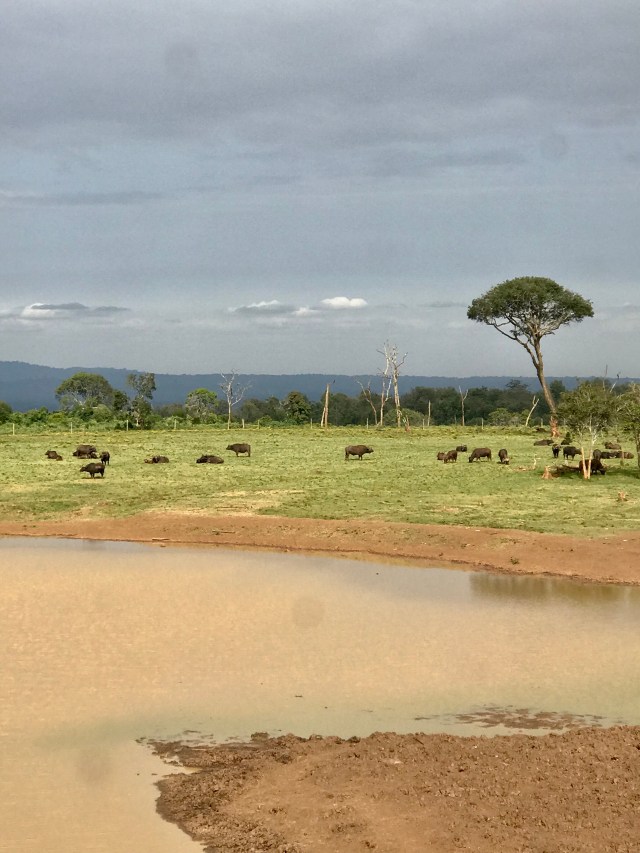
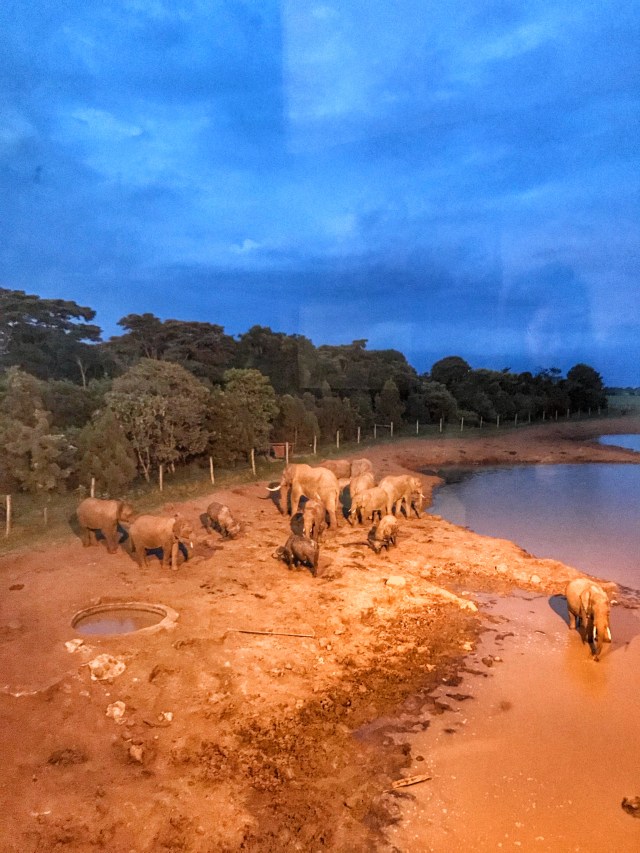
A Sri Lankan Safari

Ancient and Sacred Cities

A Scenic Train Ride

Budurugawala Temple

Stilt Fishermen of Sri Lanka

The Ramparts of Galle

Last Day in Colombo

Travel buddies, young & old

Different folks, Different strokes

Foodies, shoppers, culture vultures

Tell me, do we hold a future?

Morning strolls, cocktails by dusk

Chatting each day’s highlights in a flash

Oh what a journey with these peeps

As we discover food, places & pet peeves.


It was nearly a chore coming back to the city. We enjoyed the beach and countryside so much we had to brace ourselves for the humidity, traffic, heat, crowds, noise and chaos to be found in the metropolis. Colombo is no exception. The city is a mixed bag of modernity amidst remnants of colonial rule. Upon arrival, I felt disoriented but not disheartened. Colombo is very clean despite the “clutter”, and culturally rich. The temples and Buddha statues compete with highrise buildings for attention. The old and the new, stand side by side. There is an eclectic variety of foreign and local elements present in the many parks, lakes, monuments, districts, structures around the city.

. Independence Memorial Hall

A young republic, yet it is the oldest democracy in Asia. Two rival political clans represent the 2 biggest political parties in the country. In 1960, the world had its very first elected woman head of government. Sri Lankans are very proud of their first woman Prime Minister, serving twice, Sirimavo Bandaranaike from 1960-65 and 1970-77. She was the widow of Ceylon’s 4th Prime Minister. Among South Asian nations, Maldives and Sri Lanka rank highest in terms of Per Capita Income and Human Development Index. As visitors to this island nation, we see it in their infrastructure projects and high literacy rate. The road network is impressive, young Sri Lankans get free university education and heritage sites are well-maintained. Beat that!

A Government Hospital

The attractions being far apart, we only managed to get off our bus to visit the Independence Memorial Hall and one temple. The Hall is in Independence Square, built to commemorate independence from British rule in 1948. A statue of its first Prime Minister — deemed Father of the Nation — stands at the head of the monument. Our motley group of travelers found it apt to have our picture taken here. If the Hall looks familiar to you, you may remember it being used as a pitstop in the popular “Amazing Race” series. Well, it wasn’t a race for us. But it was amazing!

👣👫👬👣

Gangaramaya Temple

While it was difficult adjusting to the city noise, we found refuge in 3 places. One is the temple. The 2nd is our hotel’s roofdeck bar. And the 3rd our last lunch in this island nation.

Gangaramaya Temple is both a Buddhist temple and education center. There are traces of Sinhalese, Chinese, Thai and Indian elements in the architecture of this most-visited temple in the capital. This was the last time we’d shed our shoes to enter a place of worship. A piece of Buddha’s hair is enshrined inside. Many locals were there to worship. Oddly, we also found donations in the form of dining furniture and vintage cars.

The old Victorian Cargills Department Store

If there are hostels, there must be a lot of backpackers

Being our last day, we were on the last few bars of our energy meters. Having found this refuge, we took comfort in the peace and quiet provided by this temple. We wished we were able to visit the Red Mosque as well but the guide said our bus cannot negotiate the narrow alley leading to it. And we weren’t really up for walking in the city heat.

Entrance to Gangaramaya Temple

Inside Gangaramaya Temple

Inside Gangaramaya Temple

2nd refuge: The roofdeck bar of Jetwing Colombo Seven with a panoramic view of the city is exactly what we needed upon reaching the last leg of our journey. There was a lap pool on the deck but who’d like to go swimming? Cocktails seem to be a better idea. Best time? Sunset, of course. There were other hotel guests and locals with us, but we seemed to be the only ones agog over the sunset. Well, we’re tourists 🙄

Photo Credit: Rick C

Photo Credit: Annabelle C

On our way to the airport to fly out of Sri Lanka, we decided on having lunch in 4-month old Shangrila Hotel’s Table One. Our last refuge. Located in Galle Face, the hotel has a commanding view of the Indian Ocean. Table One’s buffet spread offerred everything we wanted for a last decent meal in Sri Lanka. Crabs, prawns, lamb, curries, cuttlefish, squid, steaks, hoppers, noodles, dimsum, salads, soups, and an assortment of sri lankan desserts. I had a few pieces wrapped to eat on the plane as I wasn’t hopeful about the inflight meals. I brought them all the way back to Manila instead. And that coconut cookie with cashew nut was my morning upper! Swell 🤤


It’s been over 400 years yet the fort in Galle still manages to enchant its visitors. The Portuguese started it (16th century) and the Dutch fortified it (17th century). The old town of Galle and its fortifications – more commonly called Galle Fort – lying on the southwestern coast of Sri Lanka, has been declared a UNESCO Heritage Site. The ramparts made of granite stones and corals are its biggest attraction, along with its lighthouse, which unfortunately had too many scaffoldings at the time we visited to render a good photo.

The old town within the walls has the charm of an old European village combined with East Asian architecture. One finds multi-religious and multi-ethnic influences with robed men roaming the streets and locals sneaking in and out of mosques and churches. The settlers include Portuguese, Dutch, British, Sinhalese and Moors. All these add character to the Old Town of Galle. I can spend an entire day here walking aimlessly — on ramparts and along the narrow alleys — sneaking in and out of museums, quaint restaurants, cafes, the art galleries, handicraft and gem stores. If only we had time 😔

(If i knew we’d have a lousy lunch, I could have skipped it and walked around town instead, maybe while licking an ice cream bar)

Photo Credit: Annabelle

The signages I found were enough to intrigue me about living here. I’ve read half the population are Moors. The mosque I passed walking towards the lighthouse is most charming in its all-white exterior. So are the structures in Mediterranean colors with interesting wood carvings all around town. So colorful, just like its history. I can only feel thankful that this town was restored and preserved even after it was badly hit by a tsunami on that Boxing Day in 2004.

Art and culture, as well as religious traditions, flourished here. Peaceful co-existence and harmony. I would love to stay a few days here. Perhaps meet anew that crazy jumper who poses for a buck. Free if you’re a young, charming lady. Ahem. Walking mindlessly, enjoying the seascape and the colonial houses with gables and verandahs. The streets have very curious names : Lighthouse, Church, Pedlar (peddler?), Hospital Streets. For sure, it would be very hard to get lost here. I even read that dining here can be a foodie’s adventure. (Not our luck) The mixed bag of hotels, coffee shops, jewelry stores, tea shops is an enchanting medley of European, Moorish and Asian influences. No wonder this town attracted many artists, photography buffs, designers and literary figures.

If Nuwara Eliya is Sri Lanka’s “Little England”, this must be their “Little Holland & Portugal”

We spent way too little time here, methinks. We’ve seen many monuments, the former moat surrounding the walks, the drawbridge, clock tower, Dutch Reformed Churches, and more bastions — on a bus. The bygone colonial era flashing across bus window panes in an area small enough to be walkable. 😭 A few likewise went for a stroll but had to head back to where we had our unforgettable lunch. Oh, Sri Lanka. I’m NOT done with you. Not just yet!

Not done! Not yet. 😭😭😭

No, he’s not one of the Crazy Jumpers. Just one photography nut. Can’t blame him. He’s married to one.