Tag Archive: Philippines


This list was emailed to me. Have been to, seen and photographed some but not all. Thought I’d throw in some of these photos here for a photowalk — to inspire us all to visit each site. It’s just around the corner! NEED HELP. IF U HAVE PHOTOS AND WANT TO SAVE ME THE TRIP, PLEASSSSSSEEEEE SEND ME. THANKS.

Oldest Steel Church

Despite the discrepancies in the dates of its founding, the San Sebastian Church is the only steel church in Asia built in the late 18th century. It should have celebrated its centennial around 1991. Yet, it seems that not even the Catholic administration paid any interest in its historical significance or in the fact that it was Alexander Gustave Eiffel who designed it.
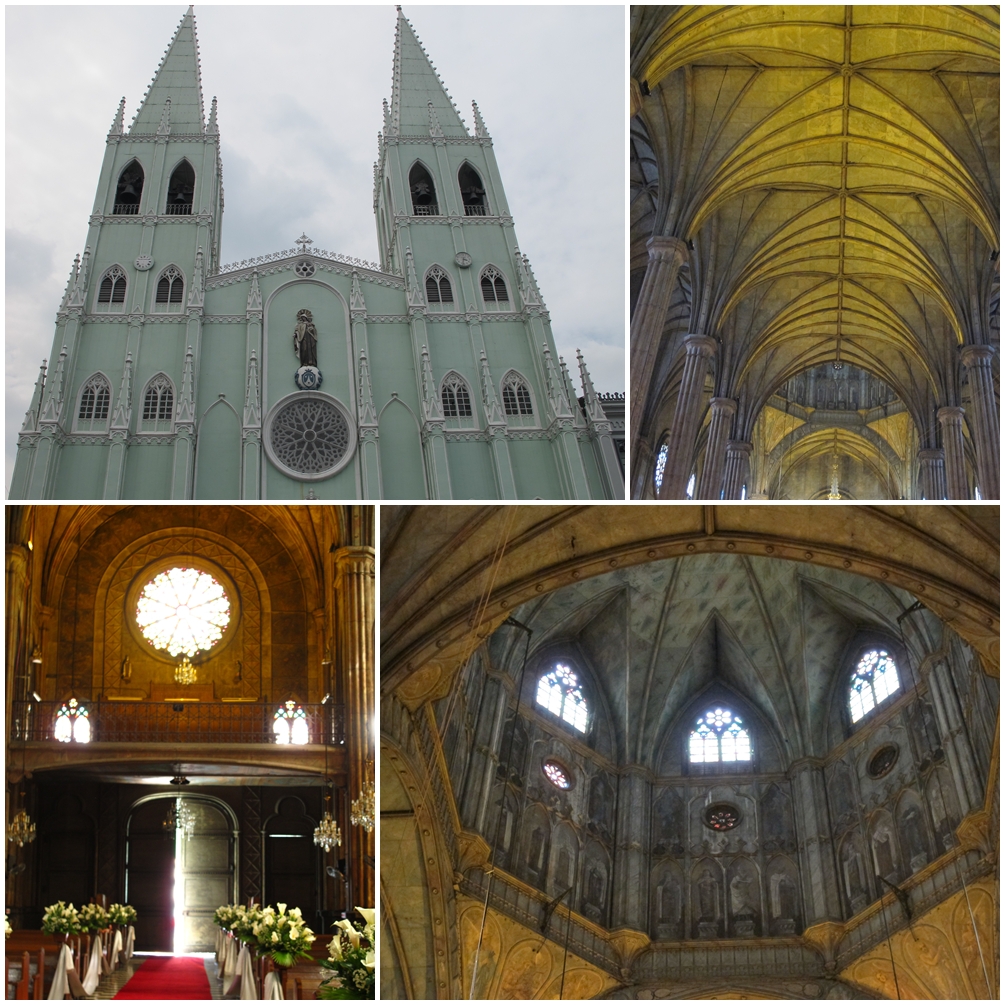
San Sebastian Church

Oldest Restaurant

New Toho Food Center (1888, 422 Tomas Pinpin Street, Binondo, Manila) Five Chinese friends set this up in Binondo, Manila, where the restaurant still stands, in a newer structure also on Tomas Pinpin (formerly San Jacinto) Street which was built after a fire razed the wooden building back in 1984. That explains the slight change in the name. It used to be called the Toho Antigua Panciteria.

Oldest Province

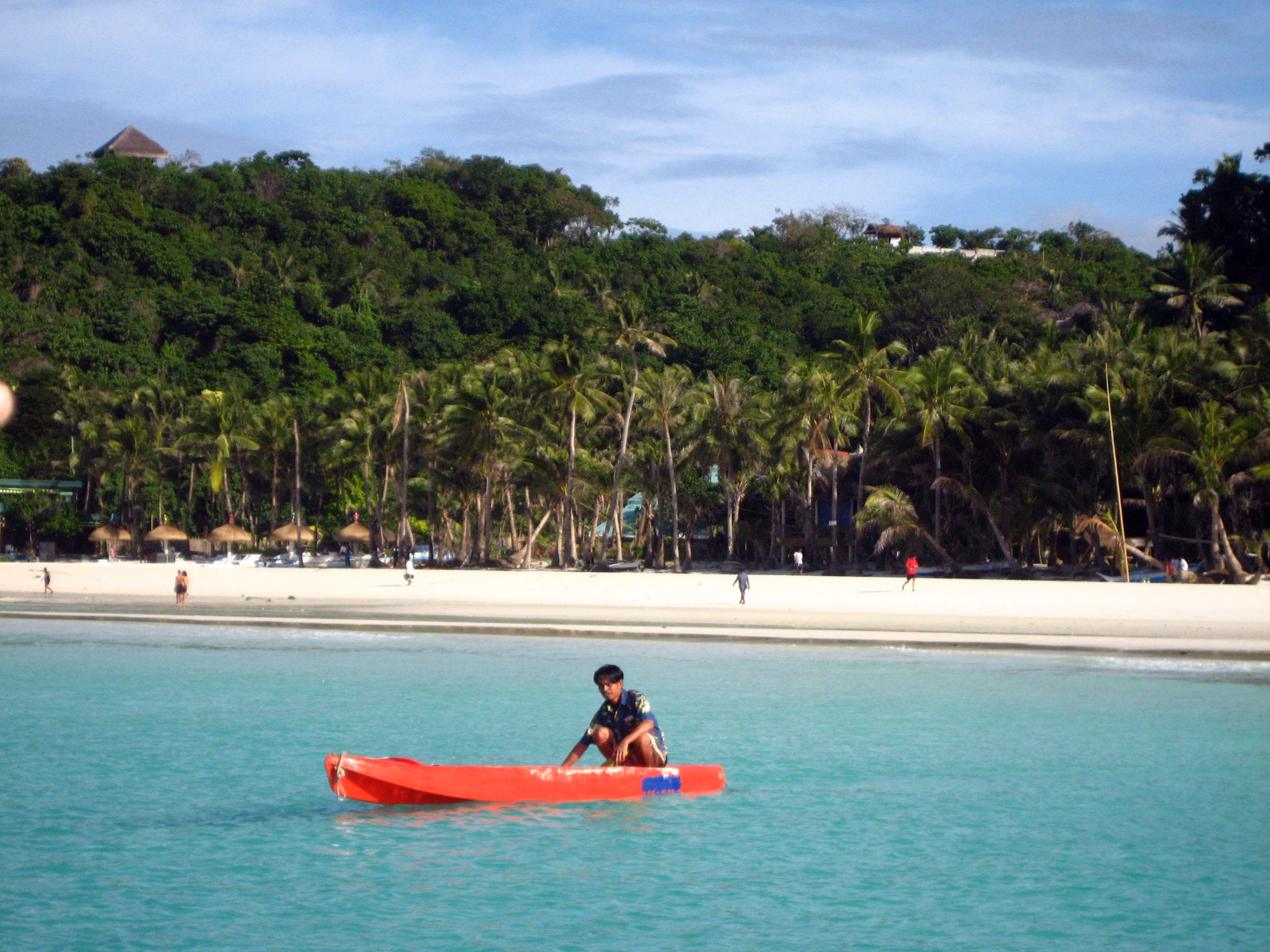
Aklan, originally known as Minuro it Akean, is considered as the oldest province in the country and believed to have been established as early as 1213 by settlers from Borneo. Its first ruler was Datu Dinagandan. In 1399,Datu Kalantiaw grabbed the throne. In 1433, Kalantiaw III formulated a set of laws that is known today as the Code of Kalantiaw.

These days, Aklan is better known as the province to which Boracay belongs.
Oldest Town

Unisan, Quezon could be the oldest town in the Philippines. The people of Unisan claimed that their town is now 481 years old, having been established in 1521, the same year that Ferdinand Magellan discovered the Philippines. All other towns in the country were established not earlier than 1565, when Spain formally occupied the Philippines as a colony.A Malayan queen named Ladya reportedly founded Calilayan, the old name of the town. In 1876, Calilayan was renamed Unisan which was derived from the Latin word uni-sancti, meaning “holy saint”. (Source: Philippine Daily Inquirer)

Shoreline of Unisan, Quezon

Oldest City

Cebu City is considered as the oldest city in the country, as this was the site of the earliest European settlement established by Spanish conqueror Miguel Lopez De Legazpi in 1565.

20120426-092832.jpg

Oldest Fort

The first Spanish settlement in the country, Villa del Santisimo Nombre de Jesus, was located inside Fort San Pedro in Cebu City. The fort’s construction began in 1565.

20120426-093327.jpg

Oldest Street

Calle Colon in Cebu City is considered as the oldest street in the country. Named after explorer Christopher Columbus, Calle Colon was first constructed in 1565 by men of Miguel Lopez De Legazpi.

Oldest Stone Church

The Baclayon Church in Bohol is considered as the oldest stone church in the Philippines. But some historians disagree, claiming that San Agustin Church in Manila deserves the title.
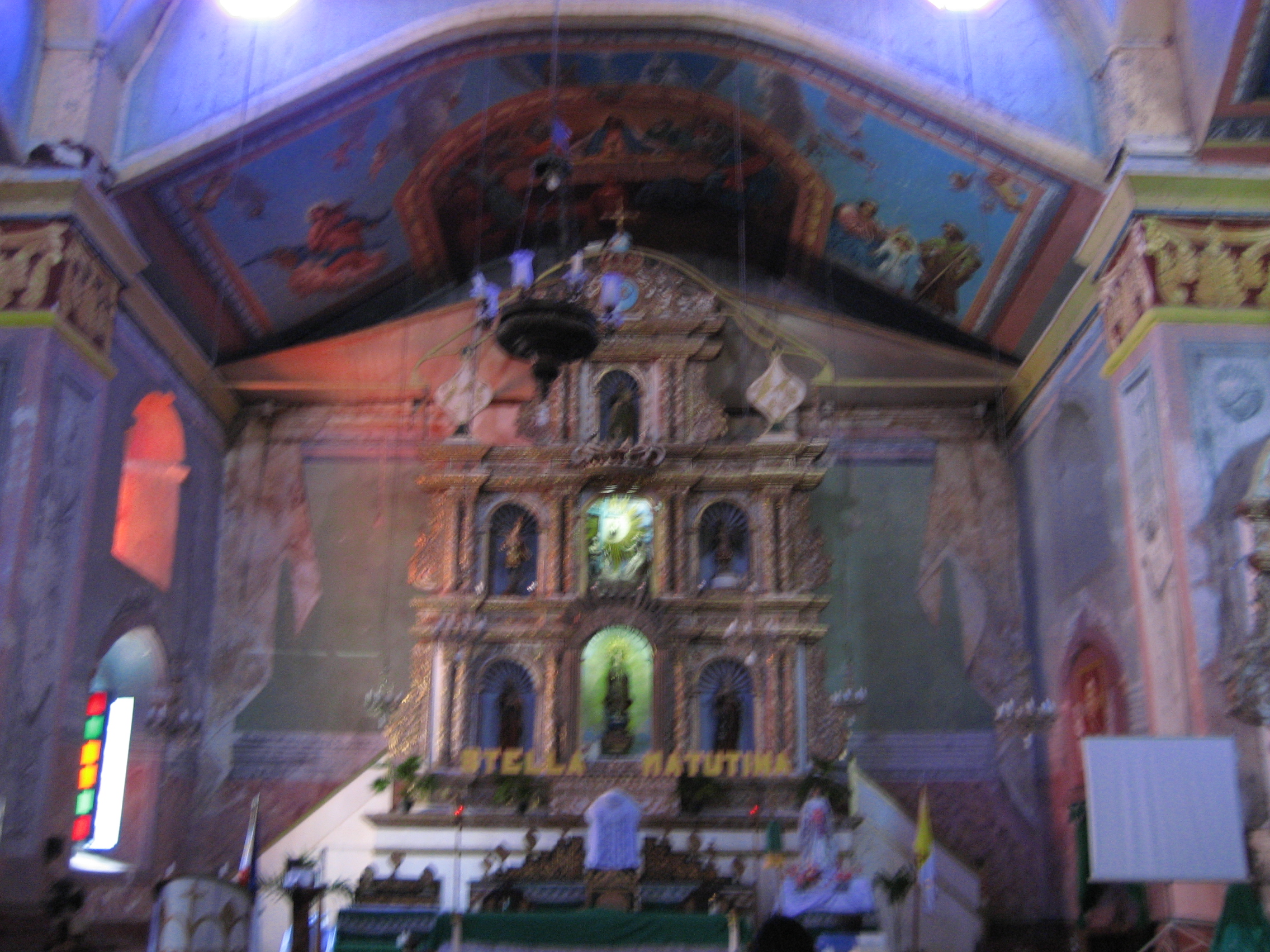
Inside Baclayon Church in Bohol

Church historians claim that the cornerstones of San Agustin Church were laid as early as 1571, 25 years before Baclayon Church was built in 1596. But most people believe the title should be kept by the latter, since it is situated in the island first occupied by the troops of Miguel Lopez De Legazpi, the country’s first Spanish governor general.
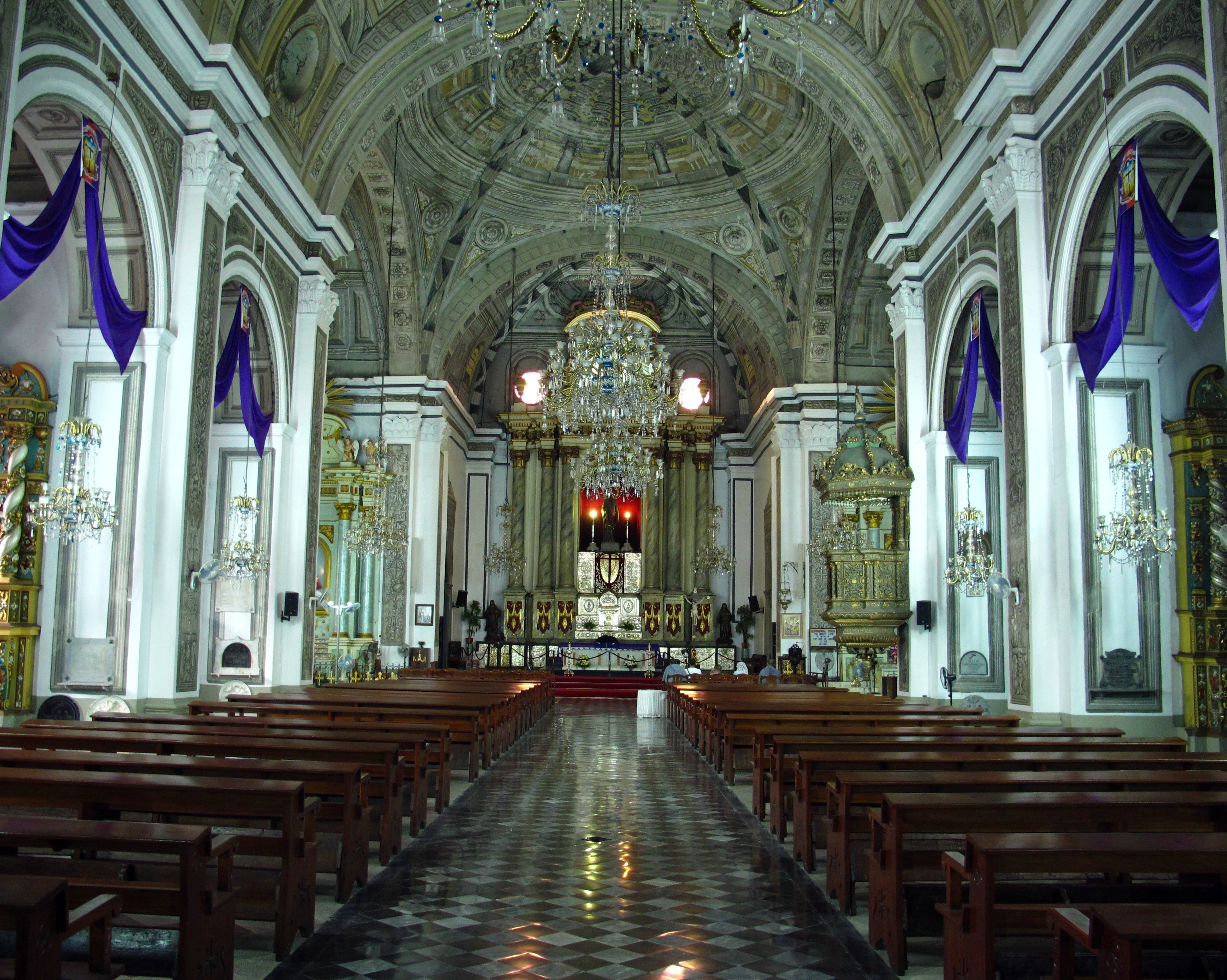
Bohol was where a friendship was sealed with blood between Chieftain Rajah Sikatuna and Legazpi. The event is known today as”The Blood Compact.”

Oldest Hospital

The San Lazaro Hospital could be the oldest hospital in the country. According to Pampango historian Zoilo Galang, the San Lazaro hospital was established in 1578; Enfermeria de Naga, 1583; and Hospital de San Juan de Dios, 1596.

Oldest Church Bell

The oldest church bell in the country is said to be the one found in Camalaniugan, Cagayan. That bell was reportedly forged in 1595.

Oldest Bridge

The Jones Bridge, formerly known as Fuente de Espana, was first built in 1701. It was rebuilt by the Americans in 1916 and renamed after Atkinson Jones.

Oldest University

The University of San Carlos (U.S.C.) in Cebu City is considered as the oldest school in the country and in Asia. Formerly known as the Colegio de San Ildefonso, it was founded by the Spanish Jesuits on August 1, 1595. This makes the Cebu-based university older than theUniversity of Santo Tomas (1611) in Manila andHarvard University (1636) in the United States.

The University of Santo Tomas, however, contests this title. Formerly known as the Colegio de Nuestra Señora Del Rosario,U.S.T. was the first school, which got a university status in 1645. U.S.C. became a university in 1948. UST also claimed that the original U.S.C. was closed in 1769 as a result of the expulsion of the Jesuits. It reopened in 1783 under a new name and ownership. But the USC officials stick to their claim. The university observed its 400th foundation day on August 21, 1995.
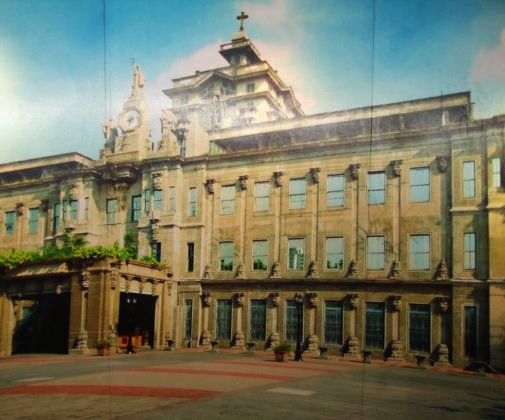
UST

Oldest Vocational School

The Don Honorio Ventura College of Arts and Trades (DHVCAT) inBacolor, Pampanga is said to be the oldest vocational school in Asia. Augustinian Friar Juan Zita and civic leader Don Felino Gil established the vocational school on November 4, 1861.

Oldest Company

Ayala Corp., one of the largest conglomerates in the country, is also the oldest existing company around. It was established in 1834 by sugar barons Domingo Roxas and Antonio de Ayala. It was later renamed as Casa Ayala, then as Ayala y Compania and recently as Ayala Corp.

Oldest Bank

In 1881, Domingo Roxas, an ancestor of the Ayala family, became one of the first directors of Banco Español-Filipino De Isabel II,which was founded by virtue of a royal decree issued by Queen Isabel II. The bank issued the country’s first currency notes the following year. Considered as the first private commercial bank in the country, the bank came to be known as the Bank of Philippine Islands in 1912. The oldest savings bank was Monte de Piedad, which was established in 1882.
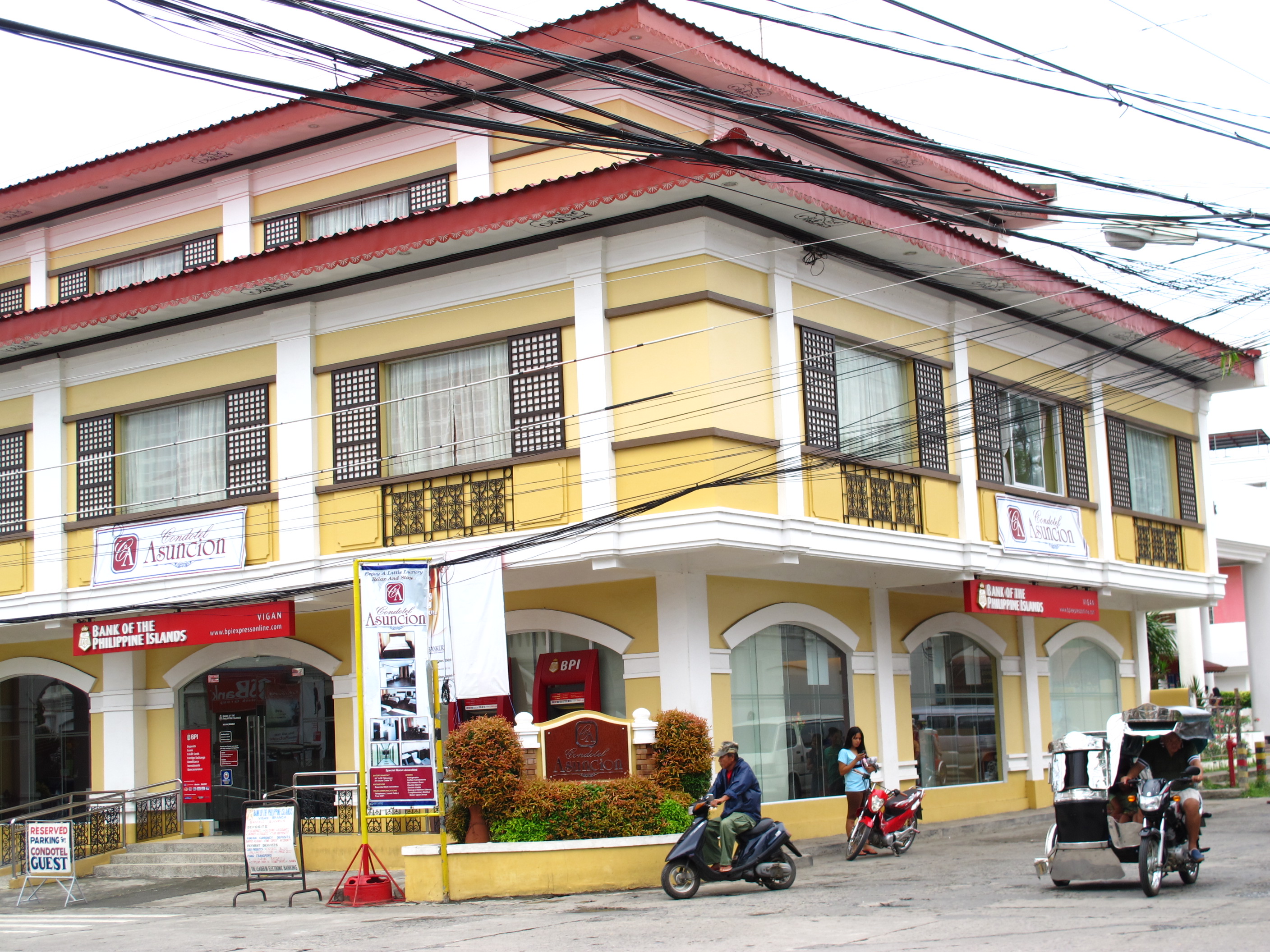
Bank of the Philippine Islands Branch in Vigan

Oldest Rizal Monument

What can be considered as the oldest in the country is a 20-foot metal structure standing at a park in Daet, Camarines Norte. Its construction reportedly began on December 30, 1898 and was finished in February 1899. In comparison, the Rizal monument at the former Luneta Park was built in 1912.

Oldest Insurance Firm

Insular Life Insurance Company was established on November 26, 1910, becoming the oldest insurance agency in the country.
Peninsulares (Spaniards born in Spain).  Insulares (Spaniards born in the Philippines). Mestizos or half-breeds who take unbridled pride in the “more superior half” and would rather ignore the “inferior”, perhaps accidental, perhaps never-intended half. And then there were the Sangleys or Chinoys, along with the Indios.

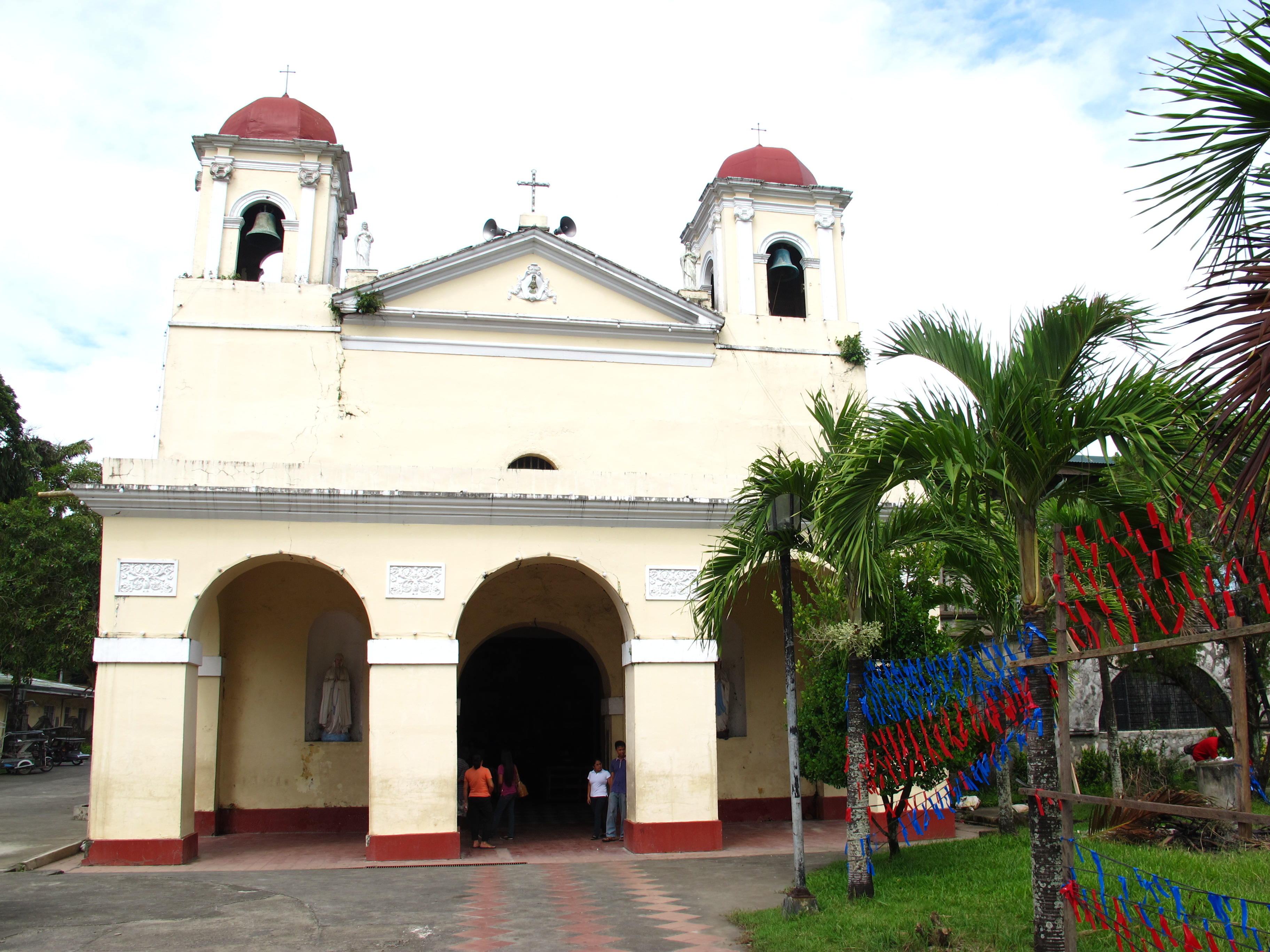
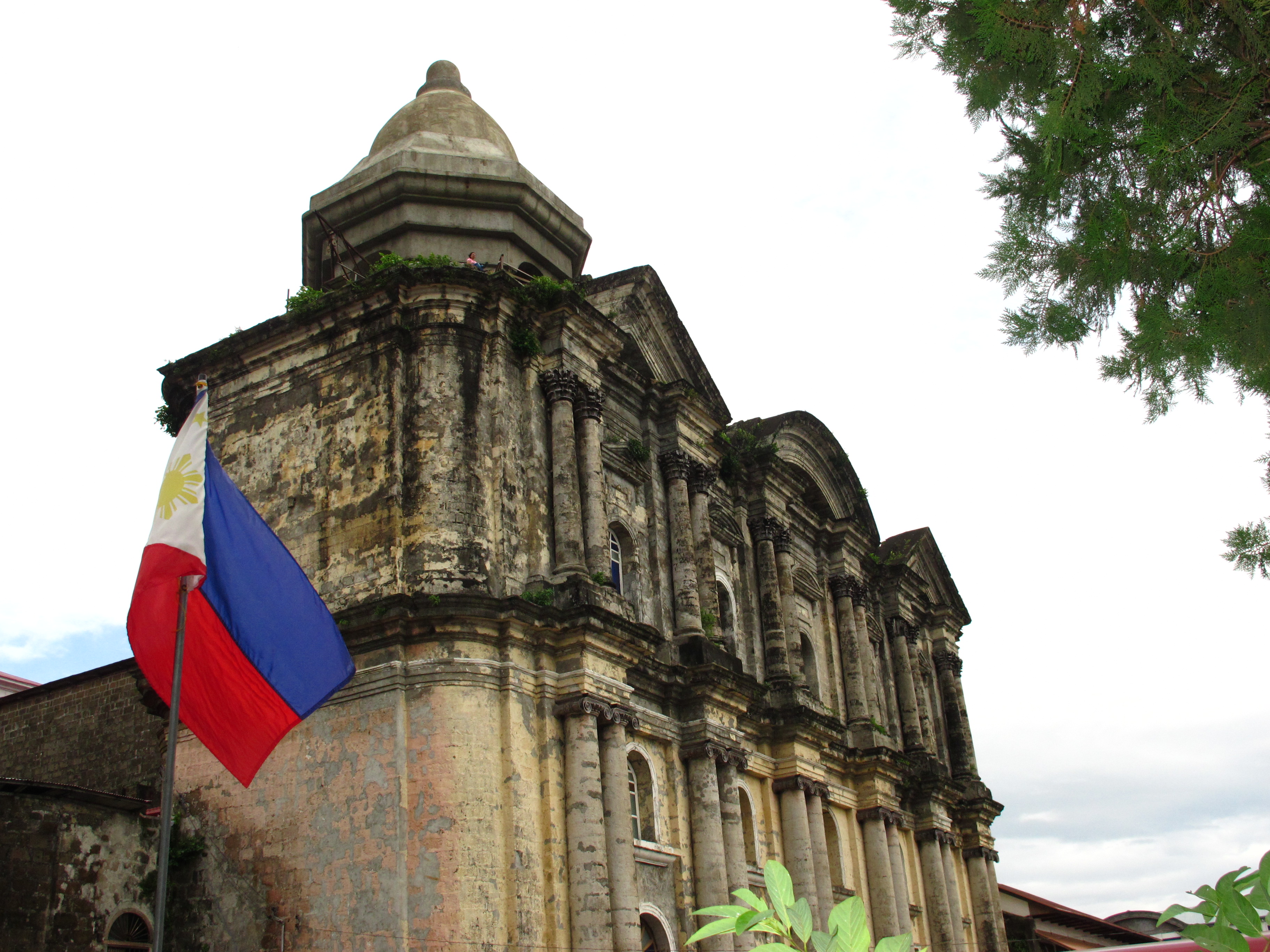
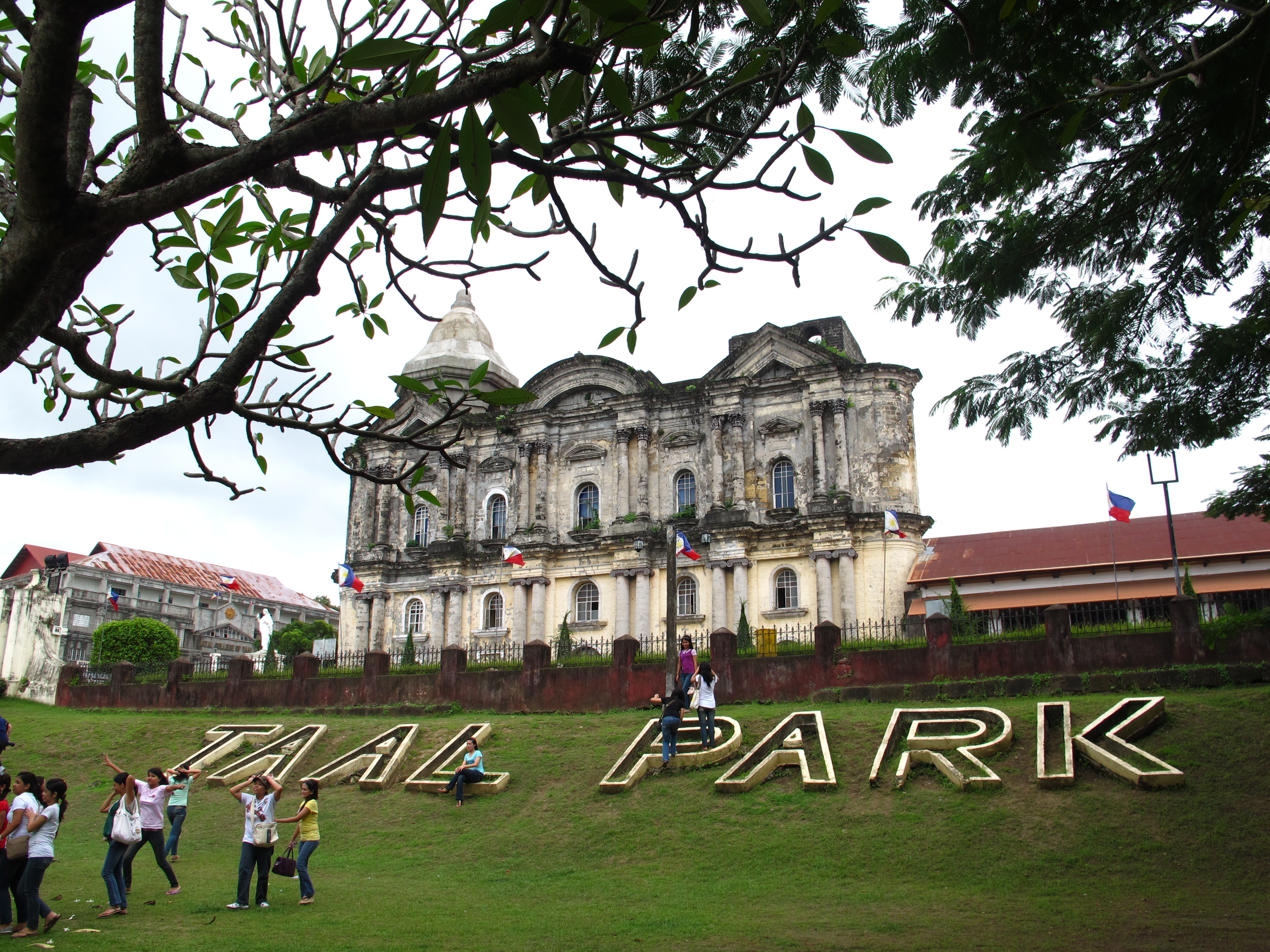
St Martin De Tours Basilica

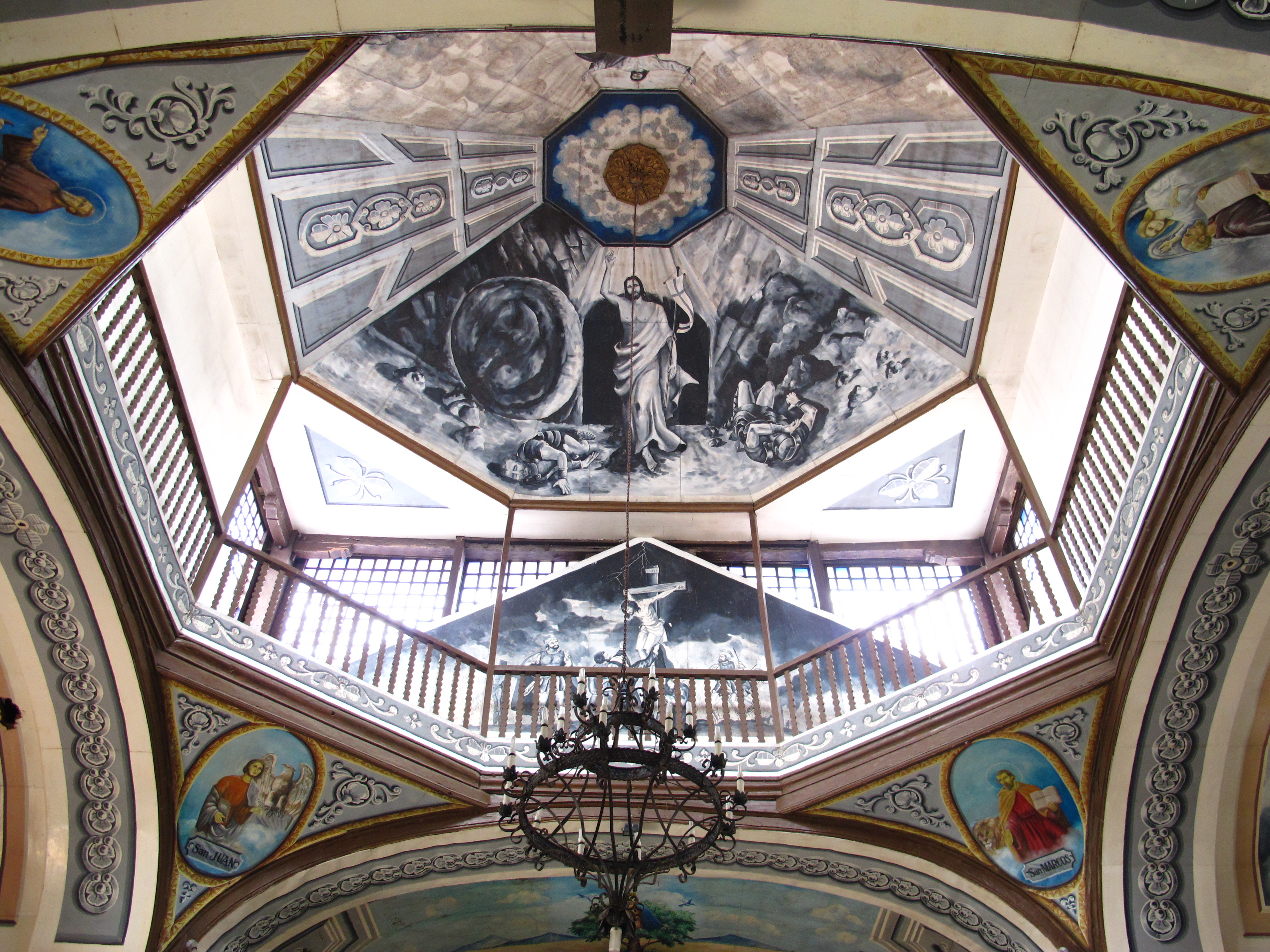
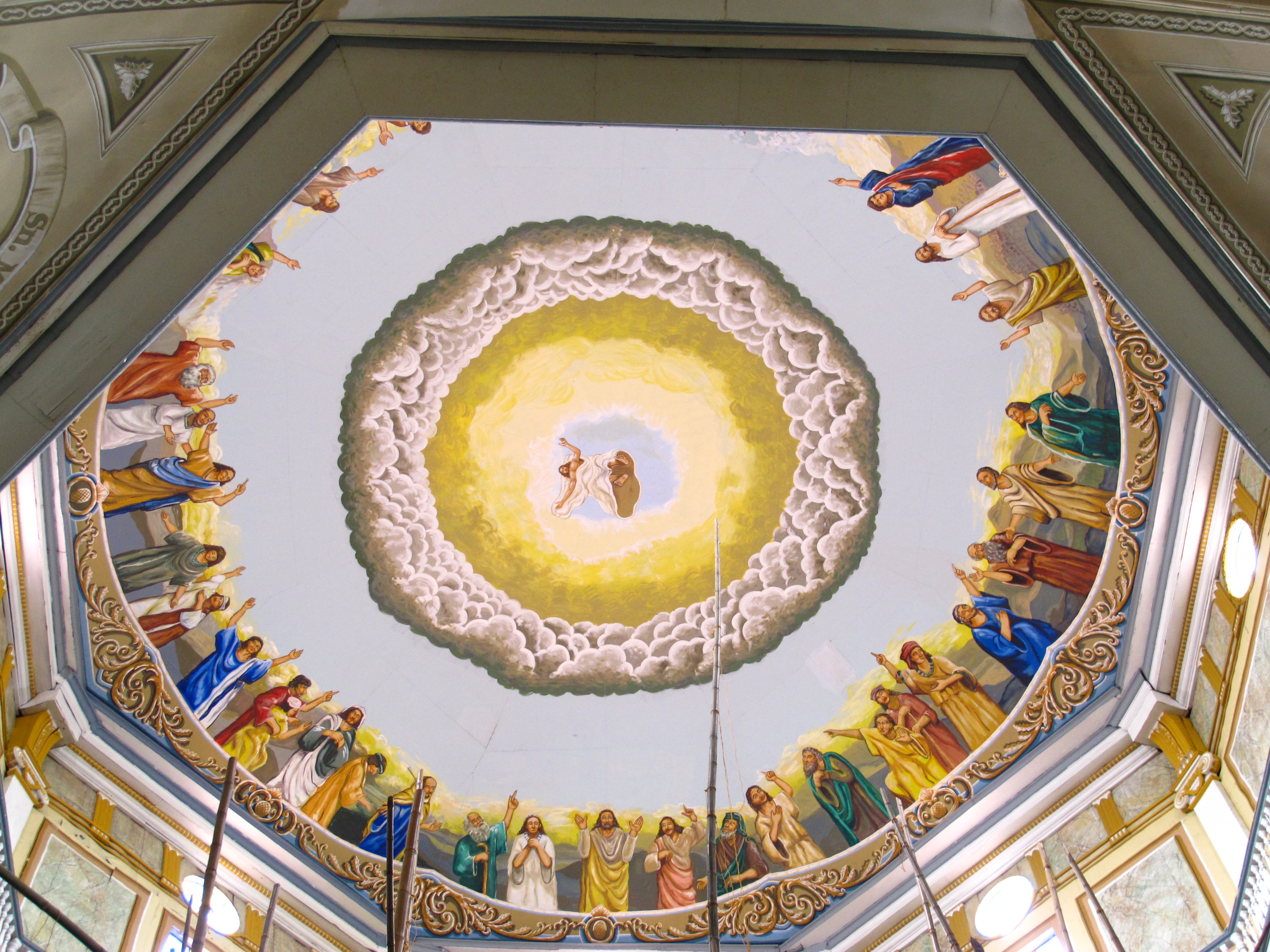
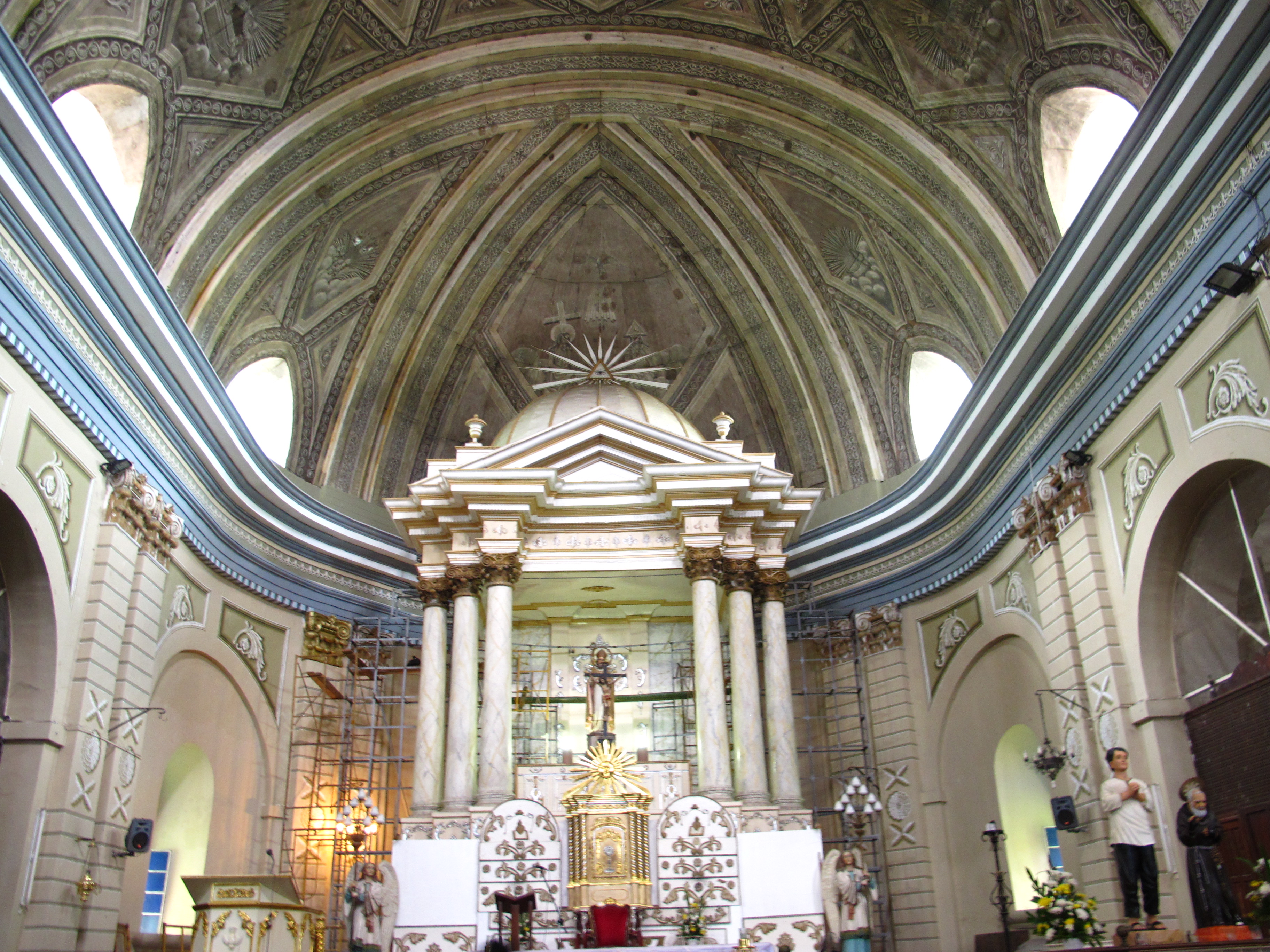
Inside the Basilica

Interestingly, the Spaniards born in the Philippines were initially called “Filipinos” while the natives were called “Indios”.  Over time,  they were tagged as Insulares  while the Indios remained……..er, Indios. 

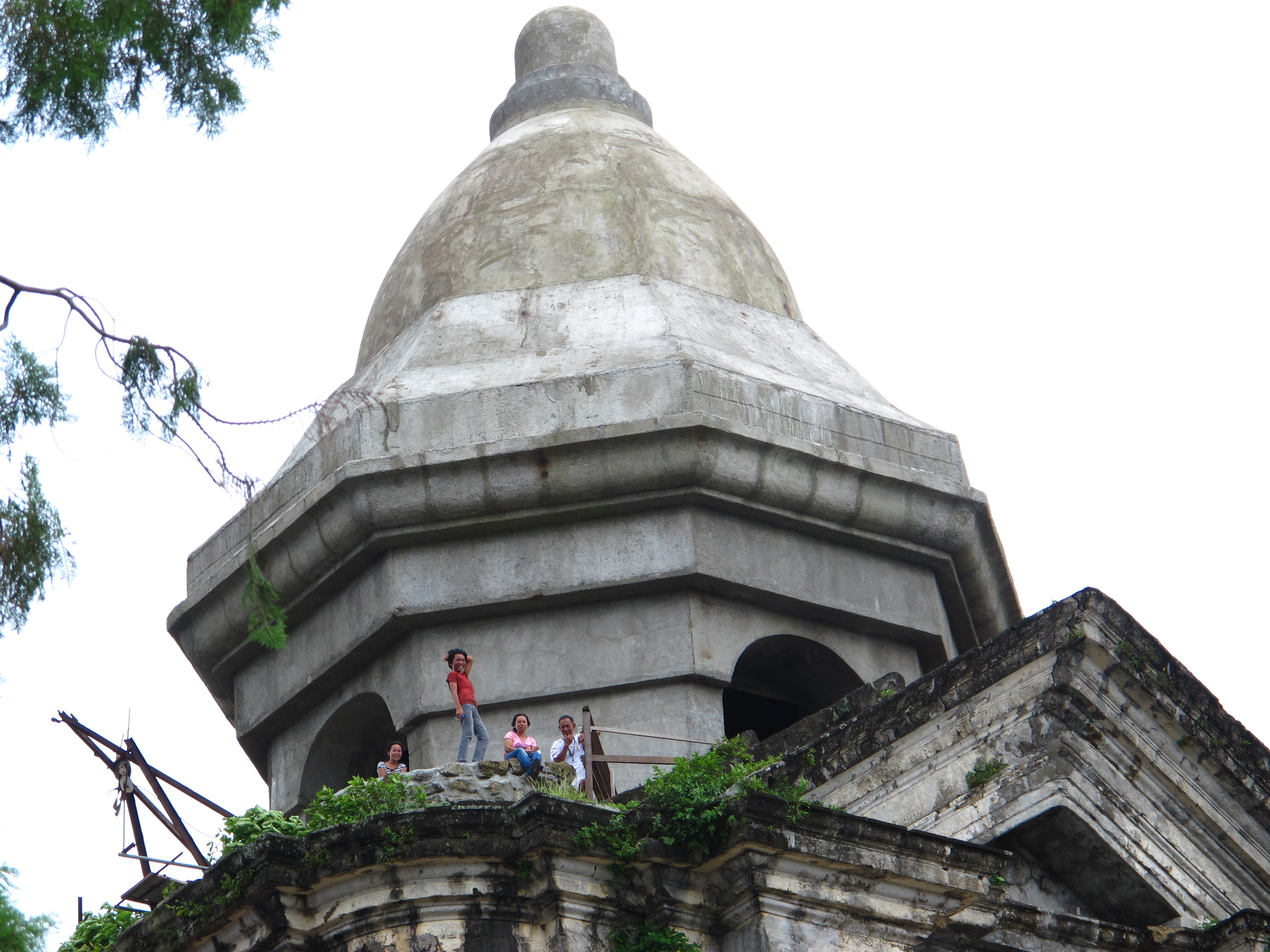
A Very Grand Altar and Magnificent Ceiling and Dome. Only In Taal, Batangas.

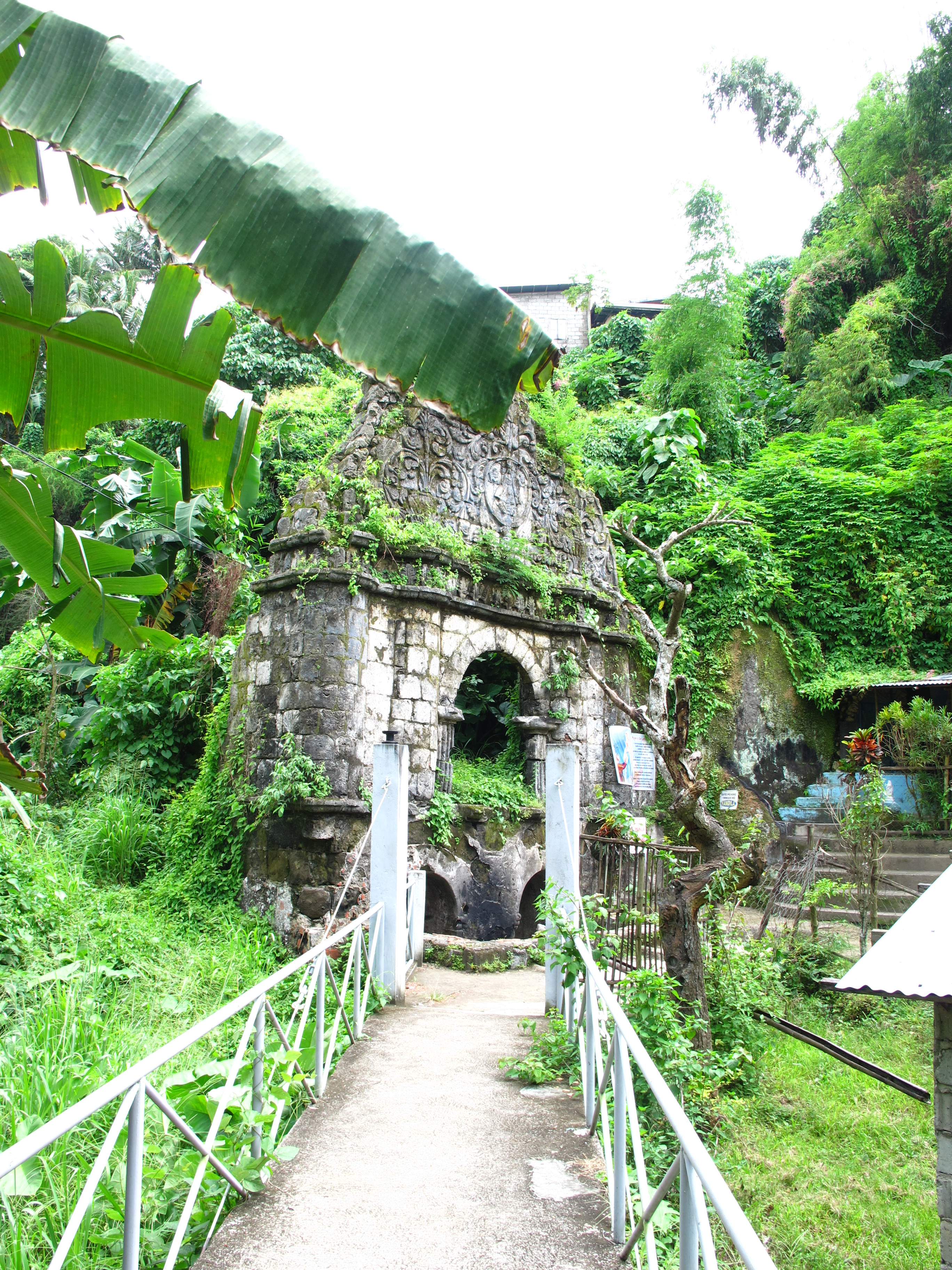
Santa Lucia Well near Our Lady of Caysasay Shrine


What was that? Like it or not, such was the imaginary caste system in the olden days. Hate to think that it may actually still ring true today as the ugly side of our history rears itself back into present-day society. I dare not venture a guess, but there must have been such a great divide then as depicted in Rizal’s Noli and El Fili.  Passing many ancestral houses along a narrow street in Taal, Batangas, looking out the windows of such heirloom houses, imagining the senor and senoras in their caruajes while Indios walk along the same narrow streets, we had a glimpse of the past in this heritage town. 


Our Lady of Caysasay Shrine


This vision all the more reinforces how great our heroes were and are.  Many of them come from the Mestizos or half-breeds,  the Ilustrados, yet they reached out to join the Revolution with the peasants in the name of love for country.  Many of them opened their huge houses to hold secret and not-so-secret meetings with the others who joined the Revolution.  All patriots. Rich and Poor.  Ilustrado or Unschooled.  They were bound by the same love for country.
 

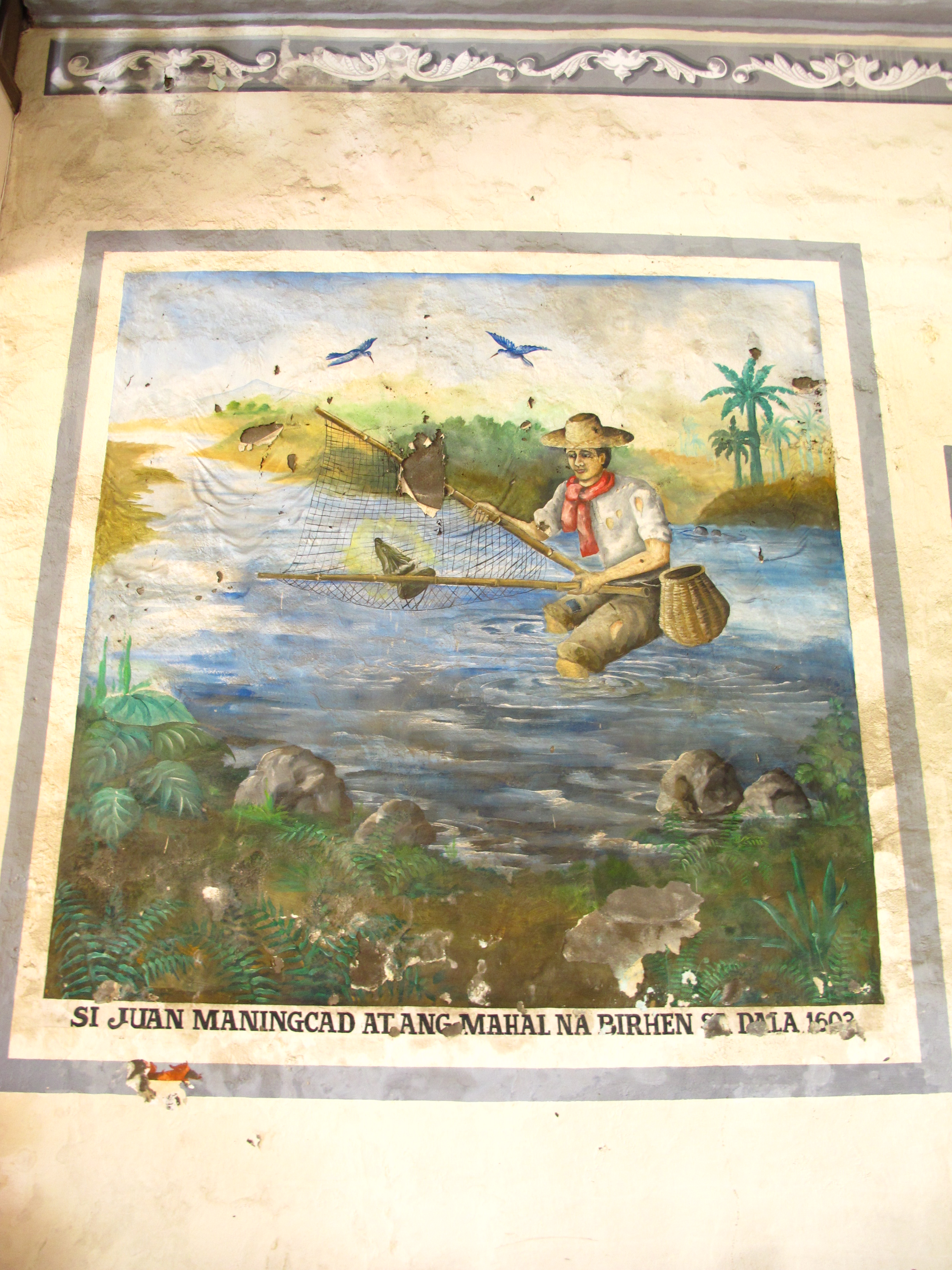
A Painting of Juan Matingkad Fishing Out the Image of Our Lady in Pansipit River


We visited 4 of these heritage houses in Taal.  Wish there was time to visit more. Perhaps even sit down for a dinner in some ancestral house in full Filipiniana regalia. But on this humid day,  we were quite content to have visited these 4. But I intend to head back. So the blog on the heritage houses would have to be put on hold.  For now,  let’s talk about the 2 religious sites in Taal, Batangas.  Make that 3, to include the Santa Lucia Well which is marked by a coral stone arch with a bas relief image of the Virgin. It is claimed that the spring water has miraculous healing powers. Having said that, I do not understand how the local government here cannot do something to ensure that the sacred place and its waters are kept clean.  


Inside Caysasay Shrine


Mi apologia. But we need to vent our frustrations some more.  We had a couple of guides from a local tourist agency and a couple more from the Municipal Hall.  The town of Taal is one interesting heritage town so rich in history. But we felt so deprived of a “guided tour” as we traipsed along the heritage houses and religious sites without much ado on what these landmarks mean to us.  We asked questions too, and found the answers so inadequate. We do not blame them, as they were likely not “prepared” and guided to conduct a proper tour.  But this should alert the Tourism Officers and the local government to ensure that every Taal Resident is aware of their history, their heritage.  Tourism in this neck of the woods can only prosper if even locals like us, Indios as we are, can appreciate the story and the history behind these landmarks. 


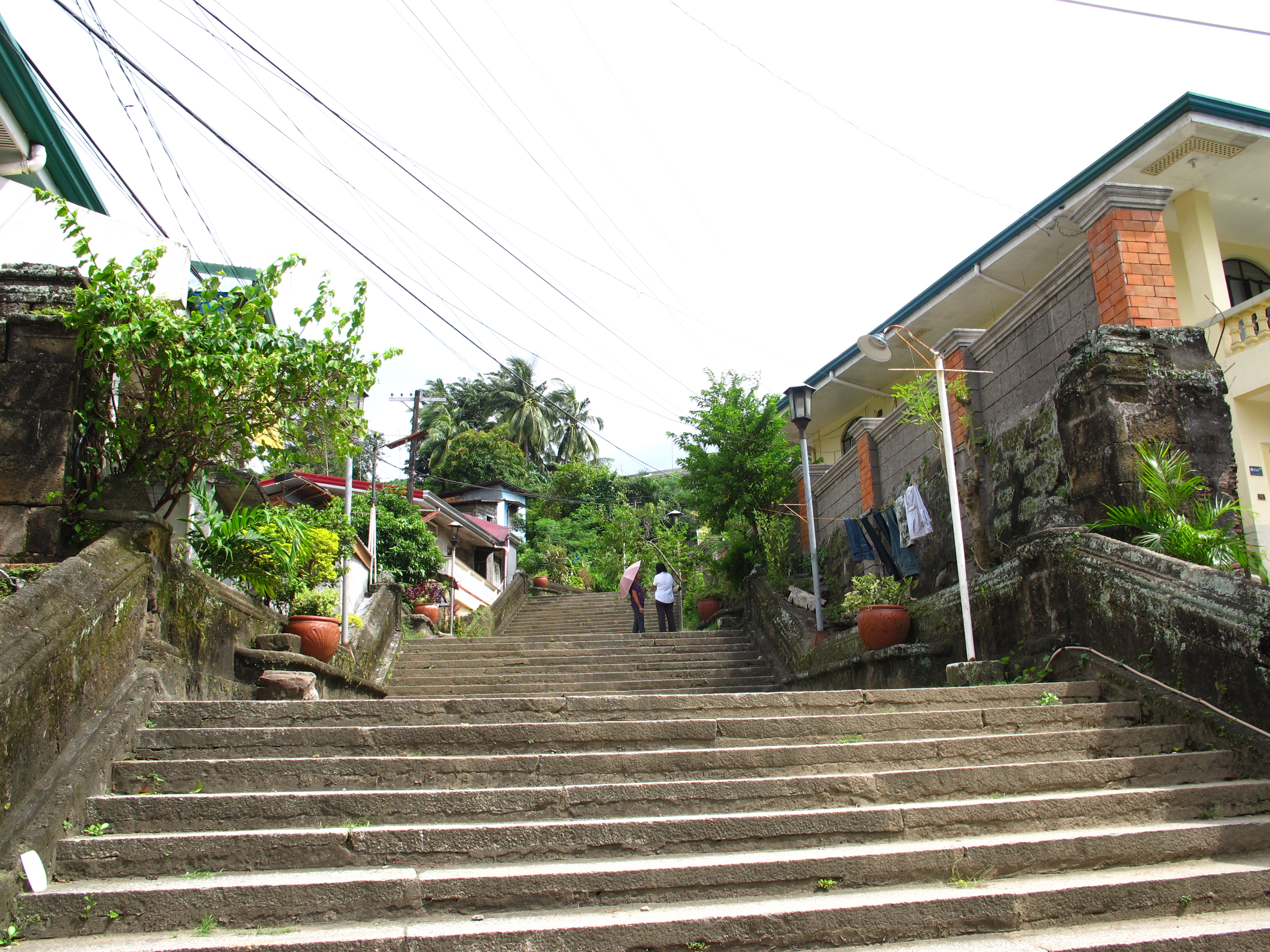
The Hagdan-Hagdanan, now called San Lorenzo Ruiz Steps.


For the life of me,  I think their spiel was limited to the following:

1.   The image of Our Lady of Caysasay was fished out of Pansipit River by one fisherman named Juan Maningkad.

2.   The image had this habit of disappearing and reappearing in the place where it was originally found.

3.   When it vanished for a longer time,  it was found anew guarded by 2 kingfisher birds called Casay Casay.

4.   The Parish Priest then decided to have the Shrine built upon the site where the image was discovered. There it remained. 


Now, I’m oversimplifying here but that’s the gist.  Who wants a long complicated story, anyway?  As for the Sacred Well of Santa Lucia,  who knows why it is called Santa Lucia Well?  They had no answers.  We only know there used to be a Chapel there but only the Arch with the bas relief remained after a Taal Volcano eruption back in 1754.


Neither do they know why the Hagdan-Hagdanan made of granite stones leading up to the center of town is now called San Lorenzo Ruiz Steps. Perhaps it was renamed in honor of the first Filipino Saint soon after his canonization?  Who knows?  * so frustrating*


Back to the Taal Basilica (St Martin De Tours )


So, I have decided I should go back.  Maybe get a better tour guide.  Or perhaps simply do more research.   After all, the Net has all the answers.  But that is not the point. Taal is so rich in history you could almost smell its tourism potentials. Not just from locals, but this colonial town nearly “frozen in time” makes for a convenient sidetrip from Manila, or even a weekend destination after Tagaytay City.  


Maybe I should join them up there!


(My blog on the Taal Heritage Houses in TravelBlog. Just click on this link.)

xxxxxxxxxxxxxxxxxxxxxxxxxxxxxxxxxxxxxxxxxxxxxxxxxxxxxxxxxxxxxxxxxxxxxxxxxxxxxxxxxxxxxxxxxxxxx


Let me ask……..when was the last time you visited the Museum?


Don’t look at me. It’s something I don’t do on a regular basis. But I would love to spend many afternoons there. And I continue to wish there is a good coffee corner somewhere within the building where I can take a break before pursuing a second run of the Gallery.


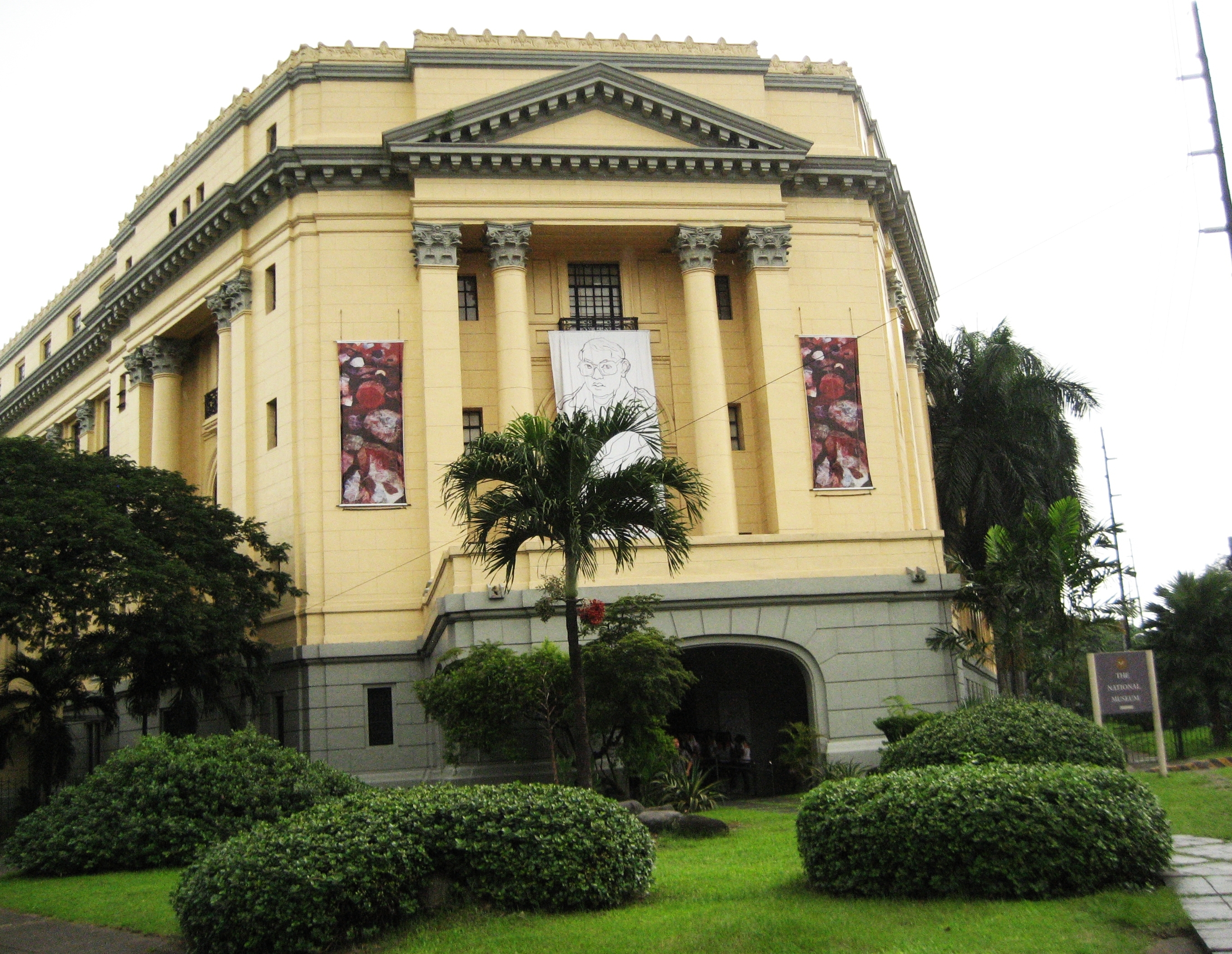
The National Art Gallery with the Balangay Diwata ng Lahi


As it turned out, I was good for just a couple of hours. No breaks. Glucose level drops in 2 hours after walking from Hall to Hall , up and down the 3 floors. And then I start longing for a cup of good brew and some munchies. Having said that, let me advise you to go in the morning after a good breakfast! Or in the afternoon after a good lunch 😉


The Museum Of the Filipino People


When I got there, I decided to do the National Art Gallery first. The Museum of the Filipino People is good for a separate visit. “Slow by slow.” 😉 Who says you can rush through a Museum? The best time is always a time when you don’t care about the time. Go slow. Read all those markers. Every piece of art has something to say. Either written or visual or sensed. If you’re like me who hardly picks up an art or history book, this maybe a fine time to brush up on art and history. You just have to trust that the most relevant information are encapsulated in all those reading materials and markers.


Juan Luna

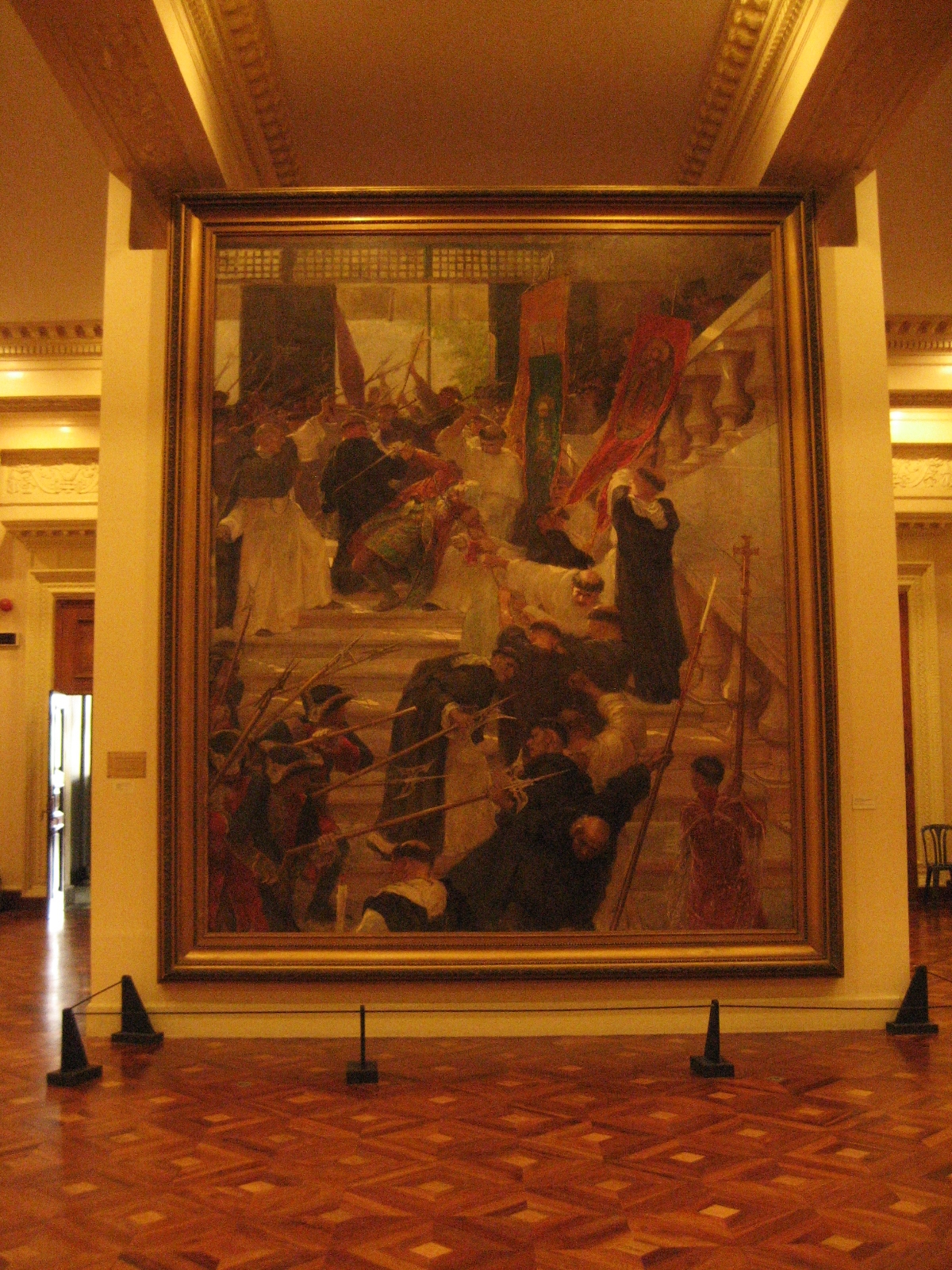
Felix Ressureccion Hidalgo’s “Assassination of Governor Bustamante”


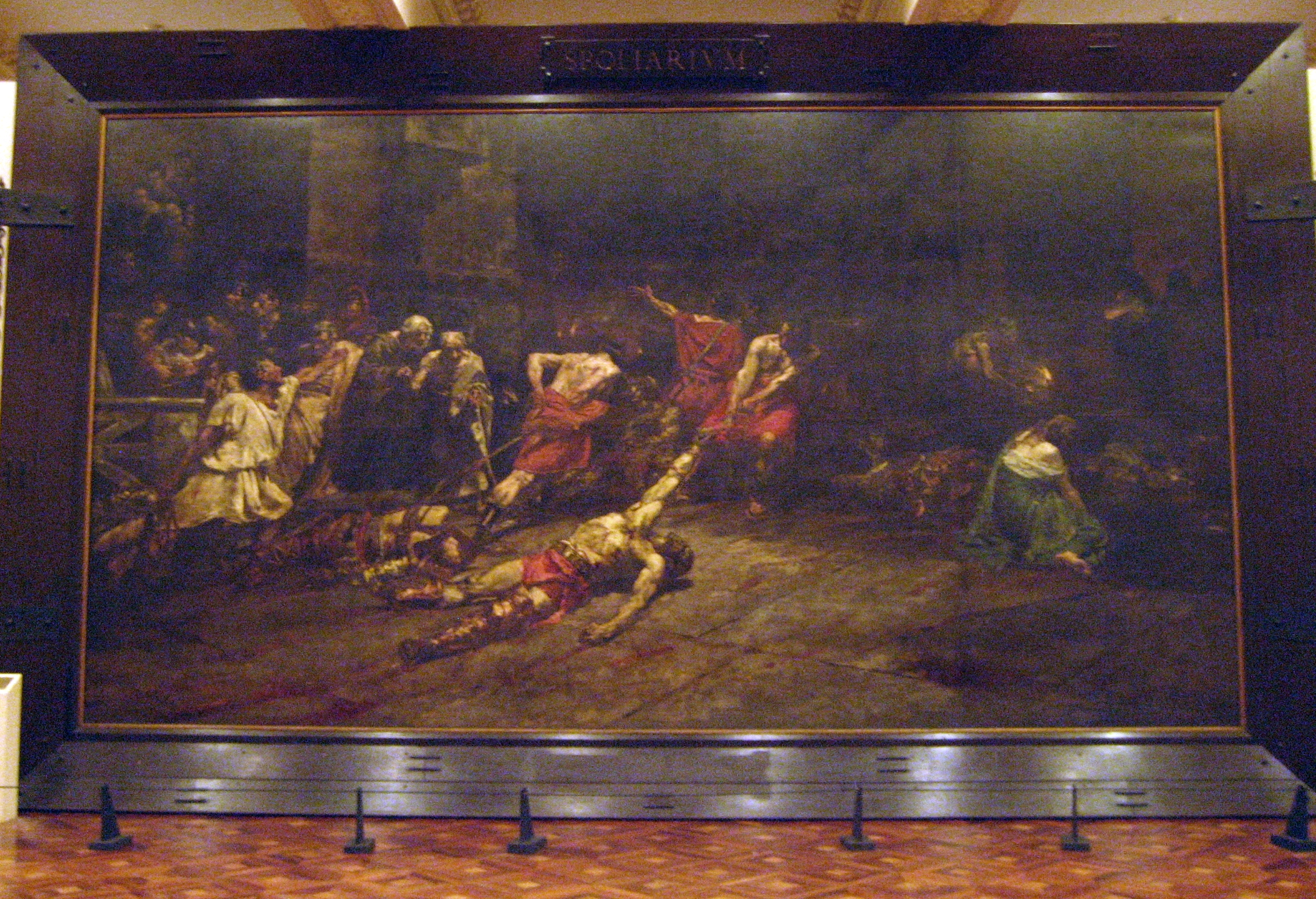
You may want to start with the Hall of Masters. Be prepared to be blown away. Juan Luna’s “Spoliarium” has that effect on most people. On the other hand, Hidalgo’s “Assassination of Governor Bustamante” reveals a violent side of Spanish friars of that period. See it to know what I mean. Sly. Sly.


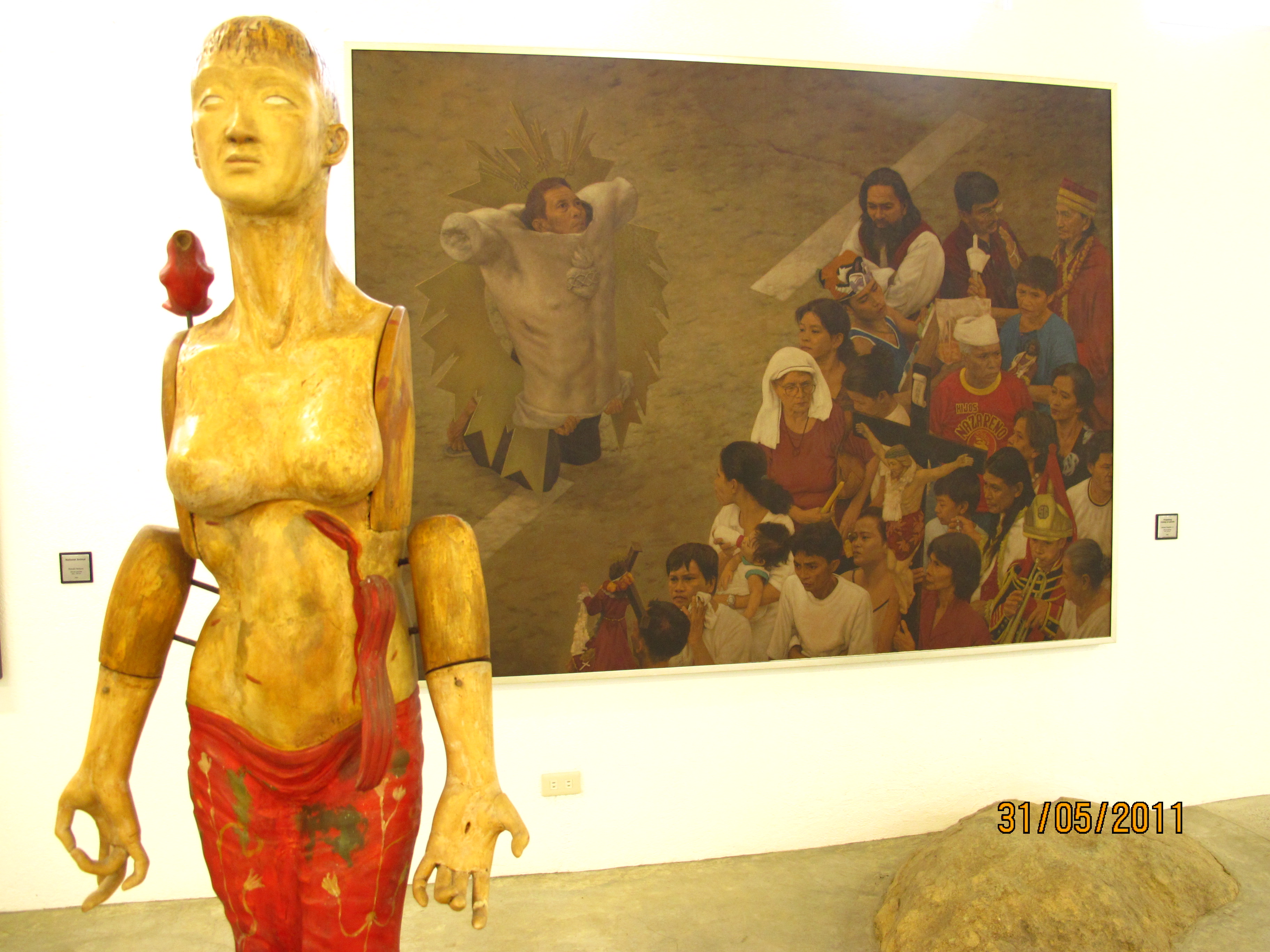
There are special halls showcasing the Museum collections of Juan Luna, Hidalgo, Amorsolo, Botong Francisco, Napoleon Abueva, etc. I cannot write about all of them, and would have to limit myself to a few favorites. After all, the “selection” is a very personal decision. No pretensions here. In my book, art assumes significance when these treasured pieces “talk” to me. Or “touch” me. I may misinterpret its message, or completely misunderstand it. But why and how the message was conveyed to me is entirely my own perception. Or sensation? This may sound like it takes too much away from the artist himself. But I dare say that the artists’ messages affect people in different ways. Happy, sad, empty, peaceful, anxious, relaxing, refreshing, uplifting…… we feel as we feel.


How lucky were those who posed for Amorsolo! They have been immortalized by this National Artist’s magical hands. Truly, a “Pamana” or inheritance. Amorsolo’s legacy lives through these masterpieces. Thank God for this prolific painter, our very first National Artist. From Philippine landscapes to traditional Filipino practices and everyday life , to these portraits, one is transported back in time as one takes in all those details of his artful strokes. For sure, his uncle Fabian de la Rosa, another great Filipino artist, must be so proud having mentored Amorsolo in his younger days when he and his family (Amorsolo’s mom is De La Rosa’s cousin) lived with them after Amorsolo’s father died.


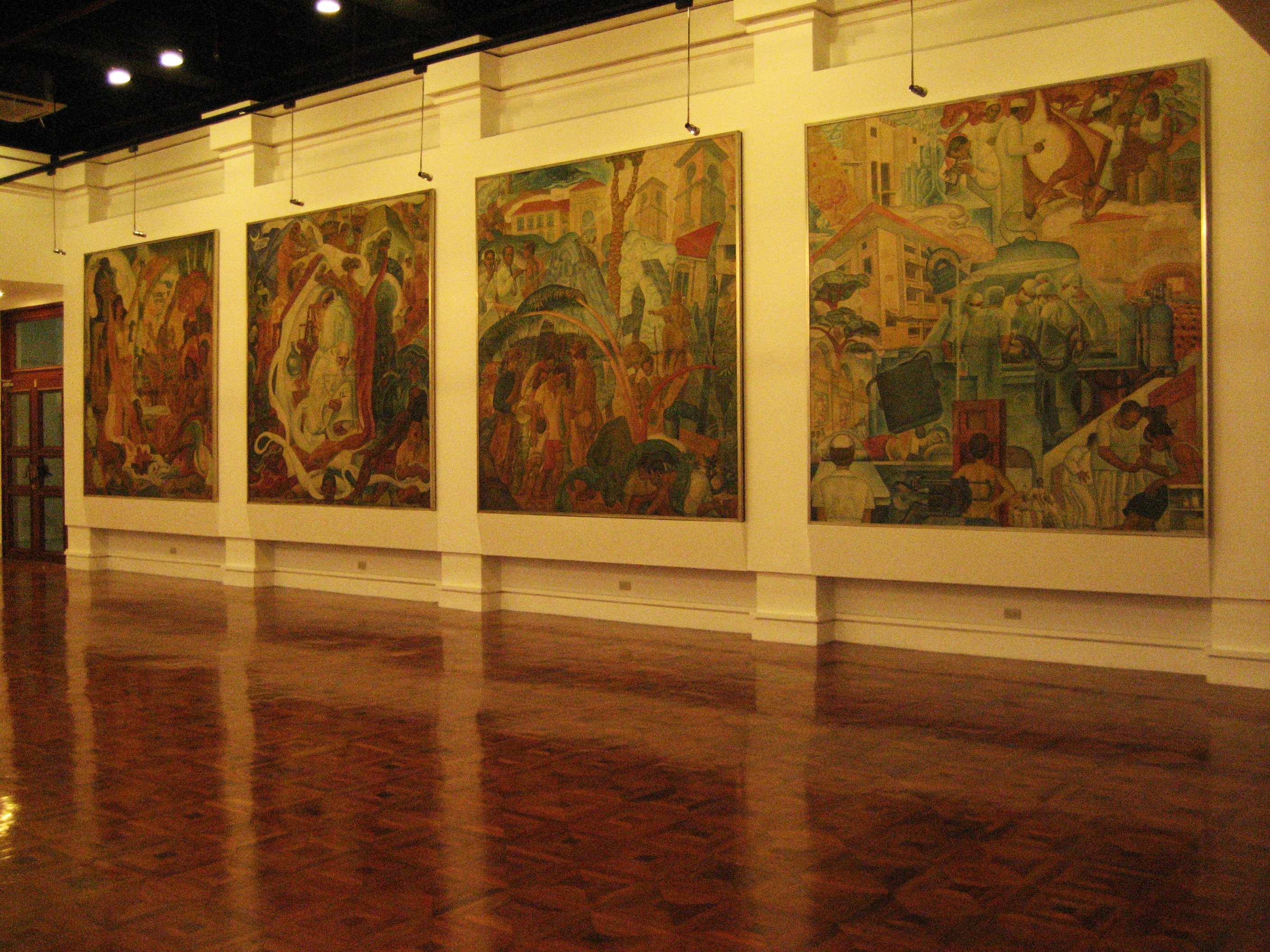
First off, I was very very happy to find the Museum Foundation Hall where one views Botong Francisco’s murals which were ‘rescued’ by the Foundation from Philippine General Hospital (PGH) where they were earlier housed. The murals represent the progress of medicine in our country, so it was fitting to have them in PGH. Over time, these art pieces hardly invited attention, much less admiration and respect, as PGH visitors had other mundane things in mind. Cleaned up, restored to its former glory, and accorded its due respect in a Hall focusing on the greatness of this National Artist is an answered prayer. Aaaaah. Those wooden benches looking like “hagabis” (were they? ) let one rest and simply take in all the beauty of the masterpieces.


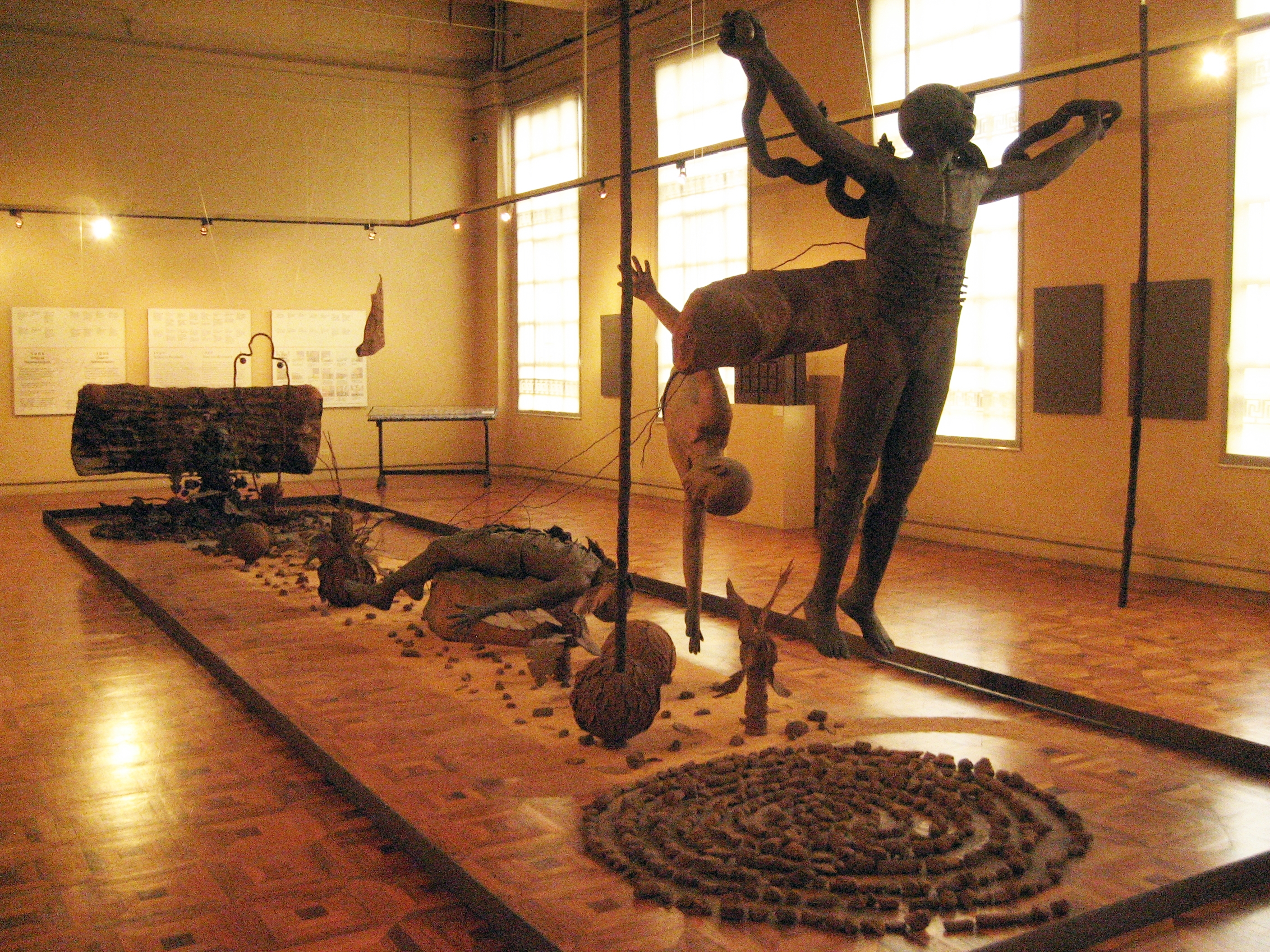
Vessels of Faith. That’s what it says. Honestly? I don’t know one bit about this exhibit. So, I devoured all “lessons” to be learned right in this Hall. Remember what I told you? The good guys who made this exhibit possible would have read up on these art pieces, and like “Twitter” are constrained to write down/display all that information in as few words as possible. This is history “shortcut”, if I may call it that. And it is just what I need. Right then and there, I did my “cramming” as if I would have to pass an exam as I exit from the National Art Gallery.


So, how much do we know of the Tau-Tao? A quick reading gives ample background on this Bagobo myth on afterlife. The myth is complete with all those colorful characters which reminded me of those Ramayana tales and Panday movies. Imagine Lumabat’s journey from earth, crossing the horizon to reach the skyworld. Meeting and vanquishing a snake with sharp teeth and a mouth that opens wide and shut to cut one person half, chasing a deer 9 times around the world, belly-opening procedures to take out one’s intestines to free Lumabat of his earthly desires (hunger)! Oh, this is part of our history — all those pre-Hispanic beliefs and myths comprising the Filipino spirituality!


I lament that I did not take my history lessons seriously. How I wish we had the equivalent of an Ambeth Ocampo (myIdol) in my student years! Now I cram. And it takes more than a few visits to really appreciate our heritage housed in the National Arts Gallery. So much. Too much. So I have decided on my “slow by slow” mode as my memory bank is not as efficient as it used to be. A few exhibits at a time. A few artists at a time. And once more, how I wish there is a Coffee Shop within the Museum! Caffeine-starved, my memory bank screams “full”. No storage space.


Talk to you later, guys!


From Laoag City to Vigan and back, we remember our wonderful dining experiences in these 4 restos. If there was more time, I’m sure we would have tried other dining places in between those yummy bagnet, longganiza and empanadas. So. Let’s not beat around the bush. Whenever the subject is food, no one should be kept waiting.

Vigan Empanada

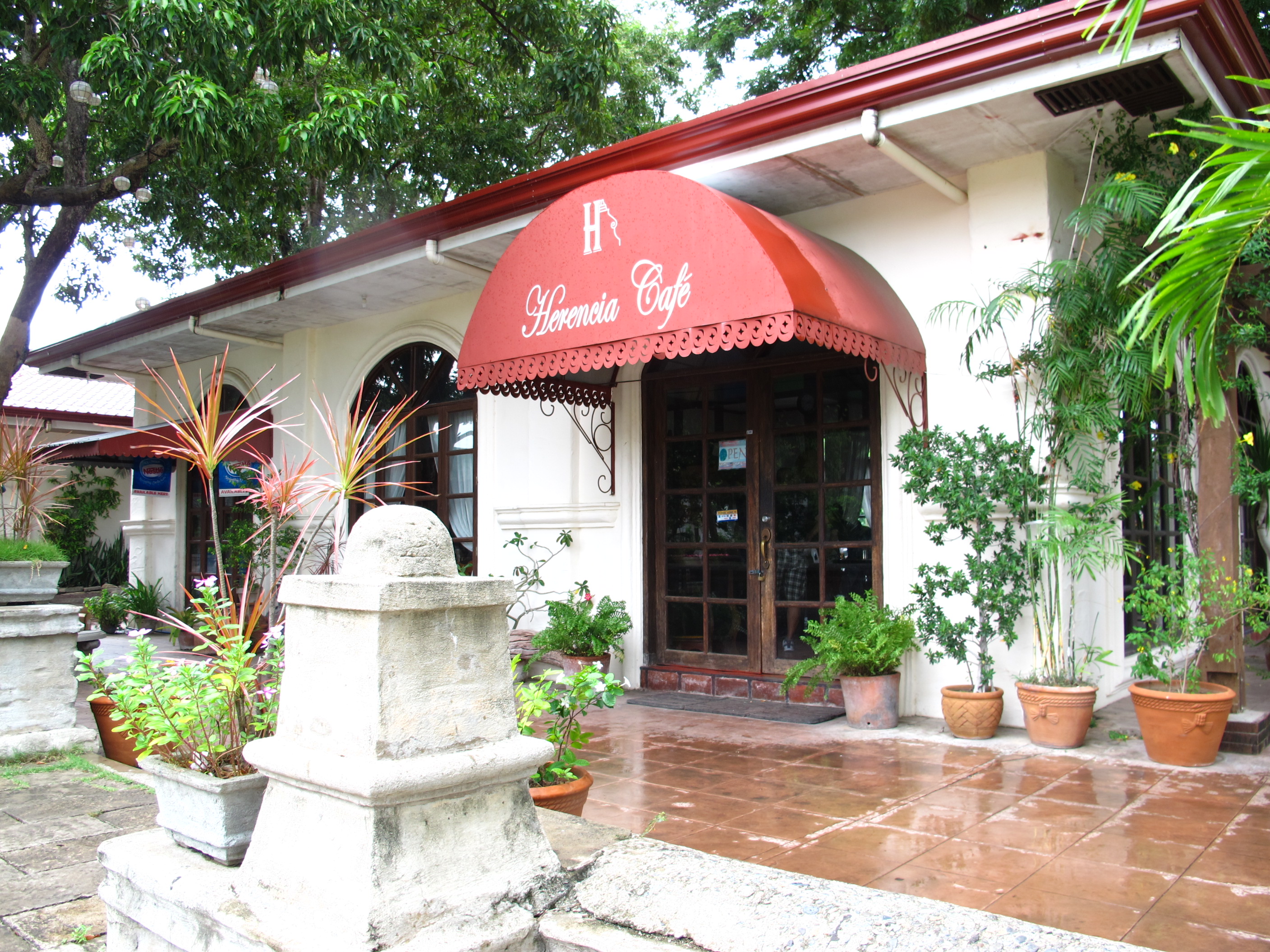
Herencia Cafe

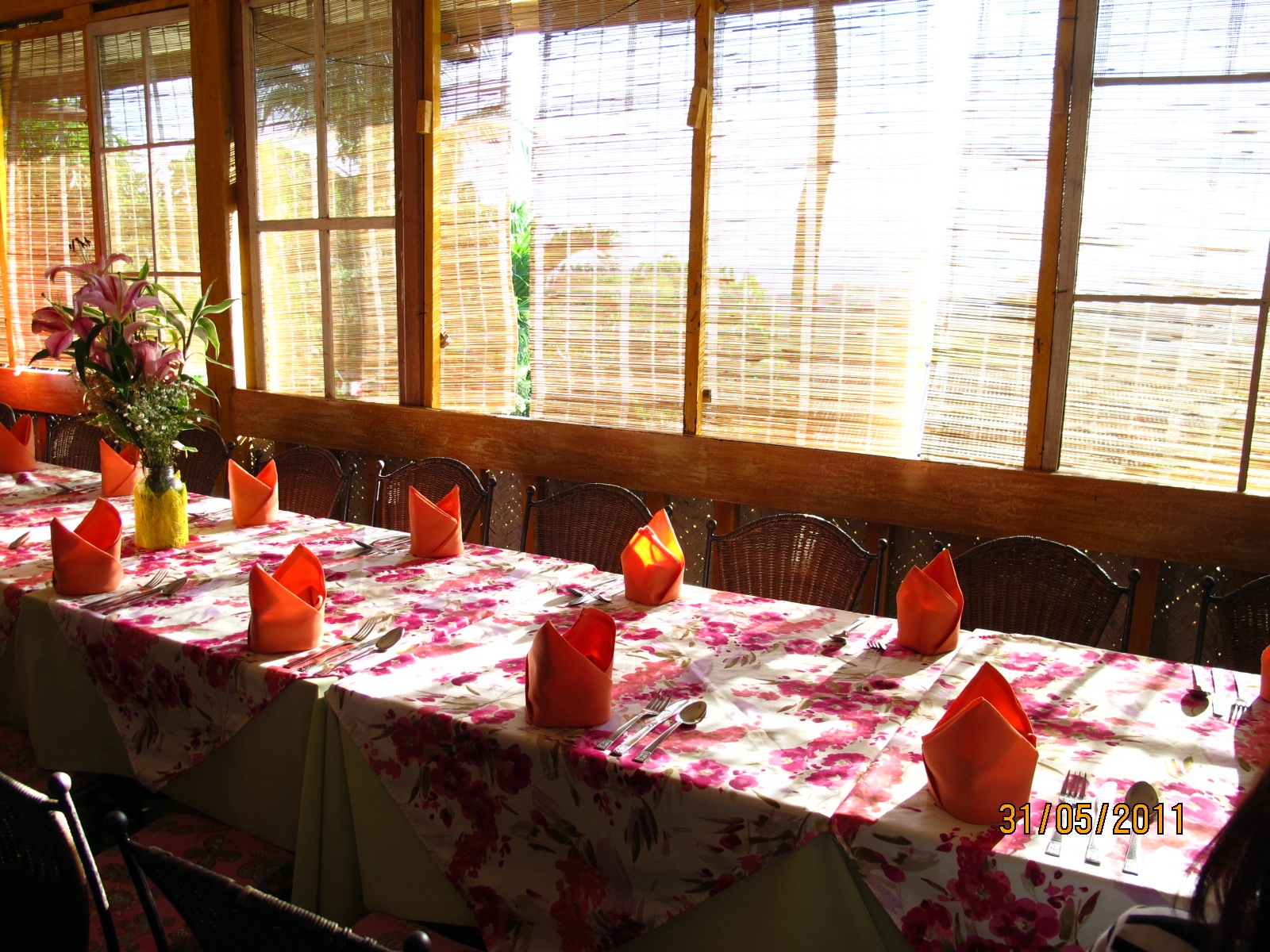
Best dining location ever.  Pick a table by the window and enjoy a panoramic view of the Paoay Church in all its majesty. It rained while we were cruising in a van from the airport thru a couple of touristy sites before sitting down for a proper lunch here.  A late lunch, but no one was complaining.  

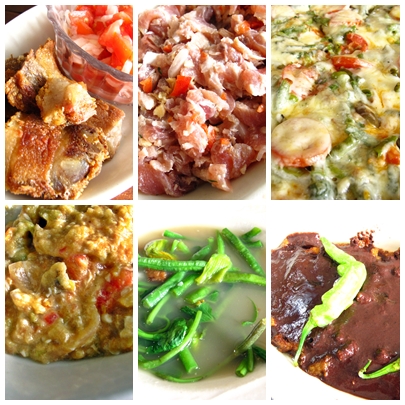
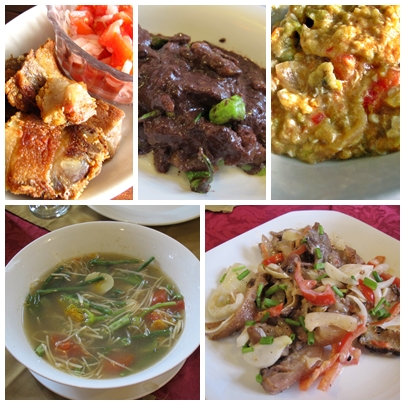
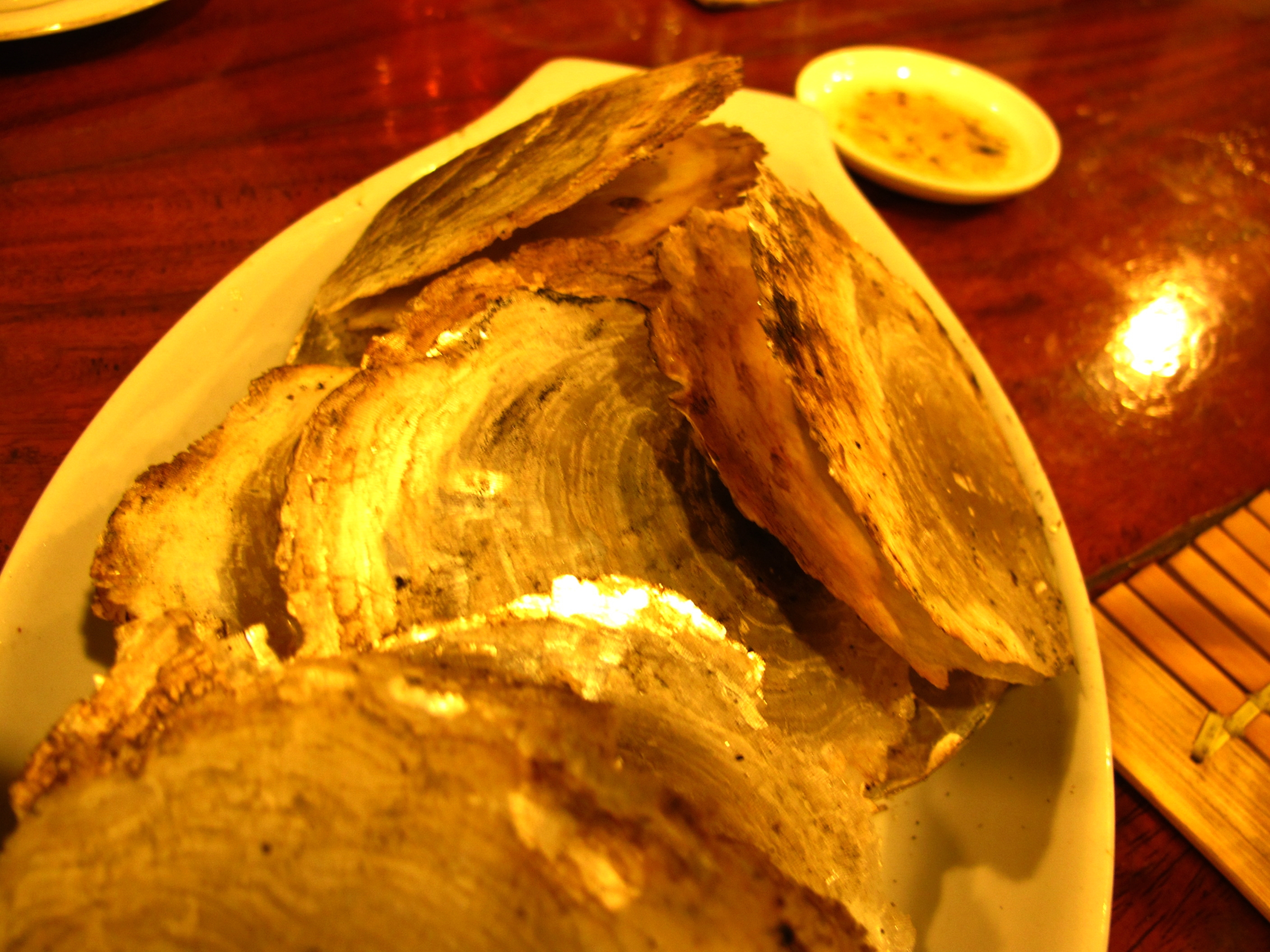
This is the home, the birthplace of the famous Pinakbet Pizza.  Pinakbet as in that very Ilocano dish which found its way to almost every Filipino family’s dinner table.  Pizza as in that most famous export of Italy, along with spaghetti.  And it was such a treat to be able to taste the authentic Ilocano dishes such as Bagnet, Poqui Poqui, Dinengdeng and Crispy Dinuguan

Herencia Cafe : Right Across Paoay Church

Herencia Cafe: Home of Pinakbet Pizza

Bagnet, Kilawin, Pinakbet Pizza, Poqui Poqui, Dinengdeng, Crispy Dinuguan

La Preciosa @Laoag City

Our van driver wanted to bring us here on our very first day.  Perhaps he felt an authentic Ilocano meal here would have made a fine introduction to Ilocos Norte.  He wasn’t wrong.  Even if we actually “ended” our trip with a meal here on our last day.  

The restaurant has a bakeshop right beside it.  Which is fine if we have grown “tired” of Ilocano cuisine. Not so though.  We have not outgrown our taste for Dinengdeng and Crispy Dinuguan which they call Crispy Dinardaraan here.  

La Preciosa

But we were not prepared for Warek Warek.  No Ilocano has ever introduced me to this local dish of pig’s meat and entrails (tongue, liver, intestines) parboiled with calamansi, grilled, sliced, served with the juice of more calamansi and seasoned with salt and pepper. Having tried it, I was convinced we should not order any more dish involving innards. So no Higadu for us. But don’t miss the chance to try it when you get here.  Along with the Inabraw, Insarabasab, and Duyduy.

Cafe Leona

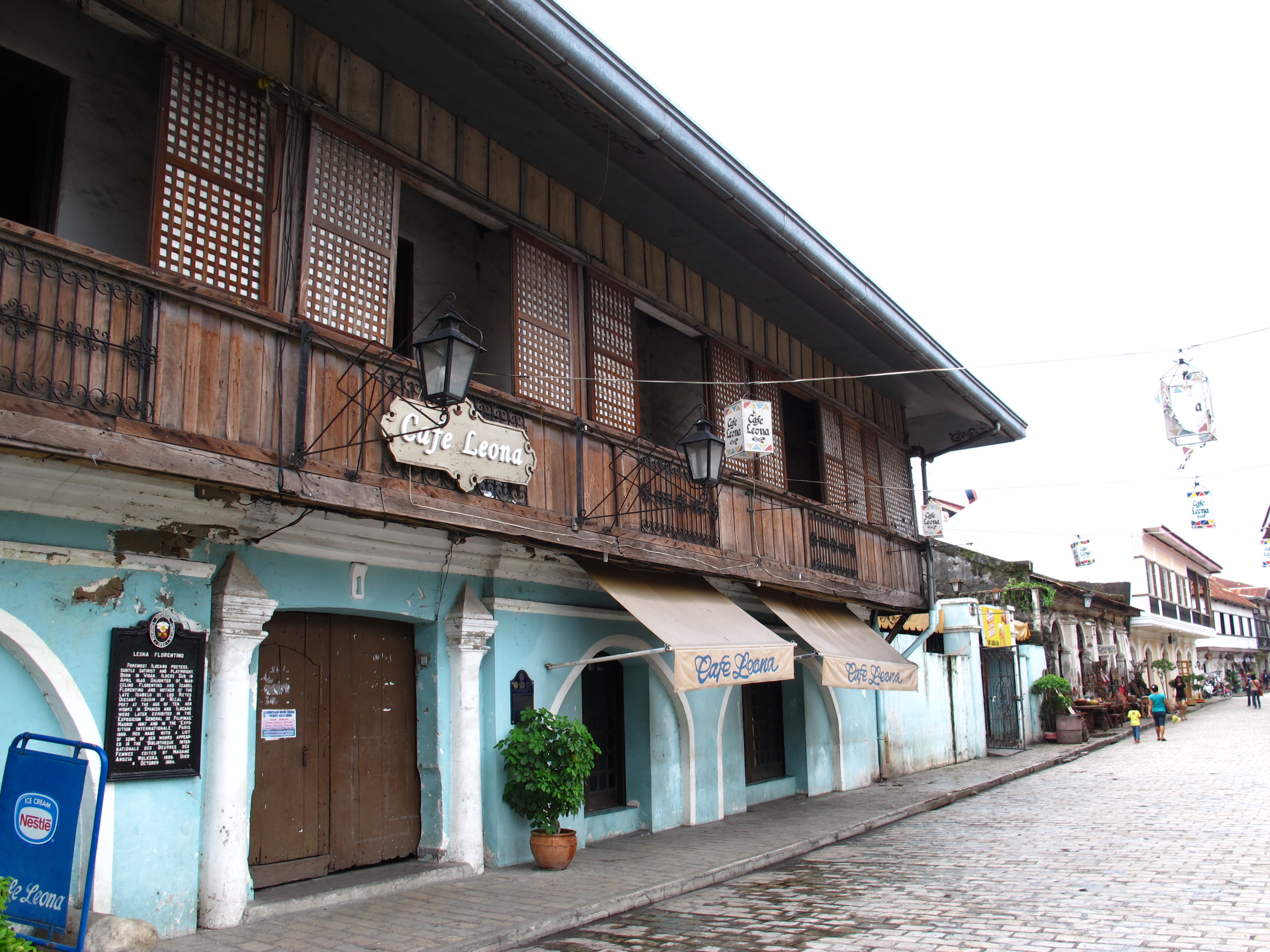
No one goes to Vigan without a “proper stroll” along Calle Crisologo.   You can do it during the day, but we strongly recommend you don’t miss it at night.  It had just rained when we got here, and the rainwashed cobble-stoned paths glistened as the lights from colonial-inspired lamp posts reflected on the water.   At the end of Calle Crisologo is Cafe Leona.  I didn’t mean to stop here for a meal except for my usual late afternoon brew.  Thought it would be a good place to sit out while the rest of the family explore.  By the time they were back, they were famished and ready for an early dinner. 

Cafe Leona. Along Calle Crisologo, Vigan

Cafe Leona’s menu is as confused as my current state while there, minding my 2 “elves” while their parents and aunts camwhore outside.  Thinking the best thing to do was to submit to Fusion Cuisine,  that was exactly what we did.  I wasn’t too happy with my Pasta with Longganiza, but the kids were happy with theirs.  Guess this place provides a “good break” while our stomach enzymes were still busily digesting our Ilocano breakfast and lunch. 

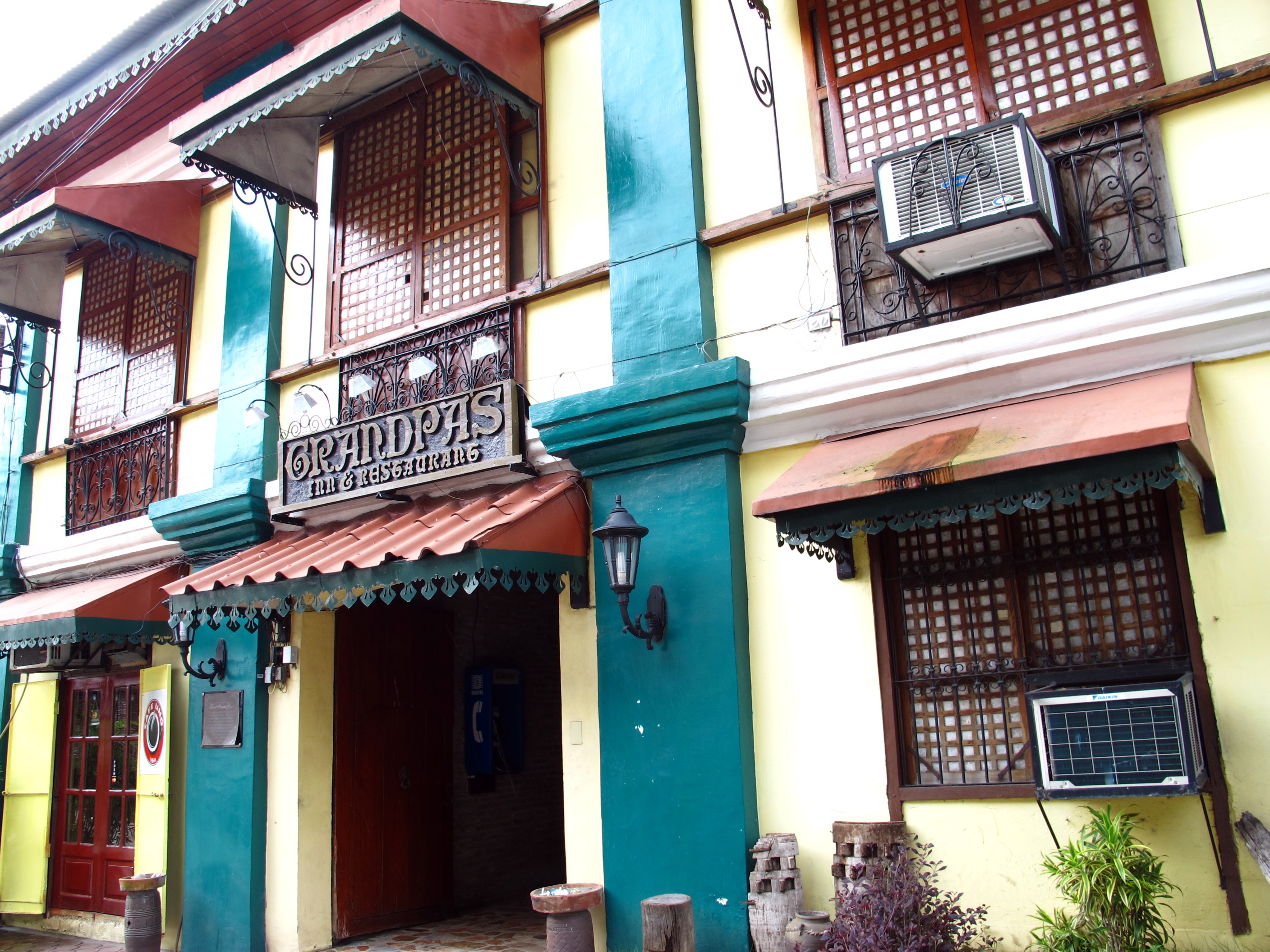
Kusina Felecitas / Cafe Uno @ Grandpa’s Inn

Grandpa

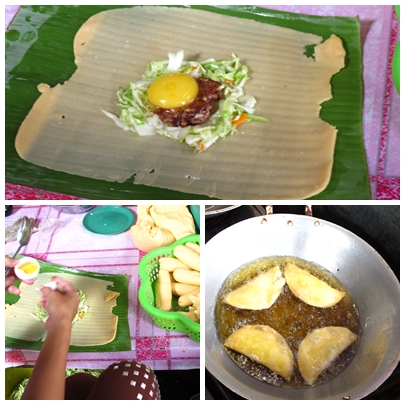
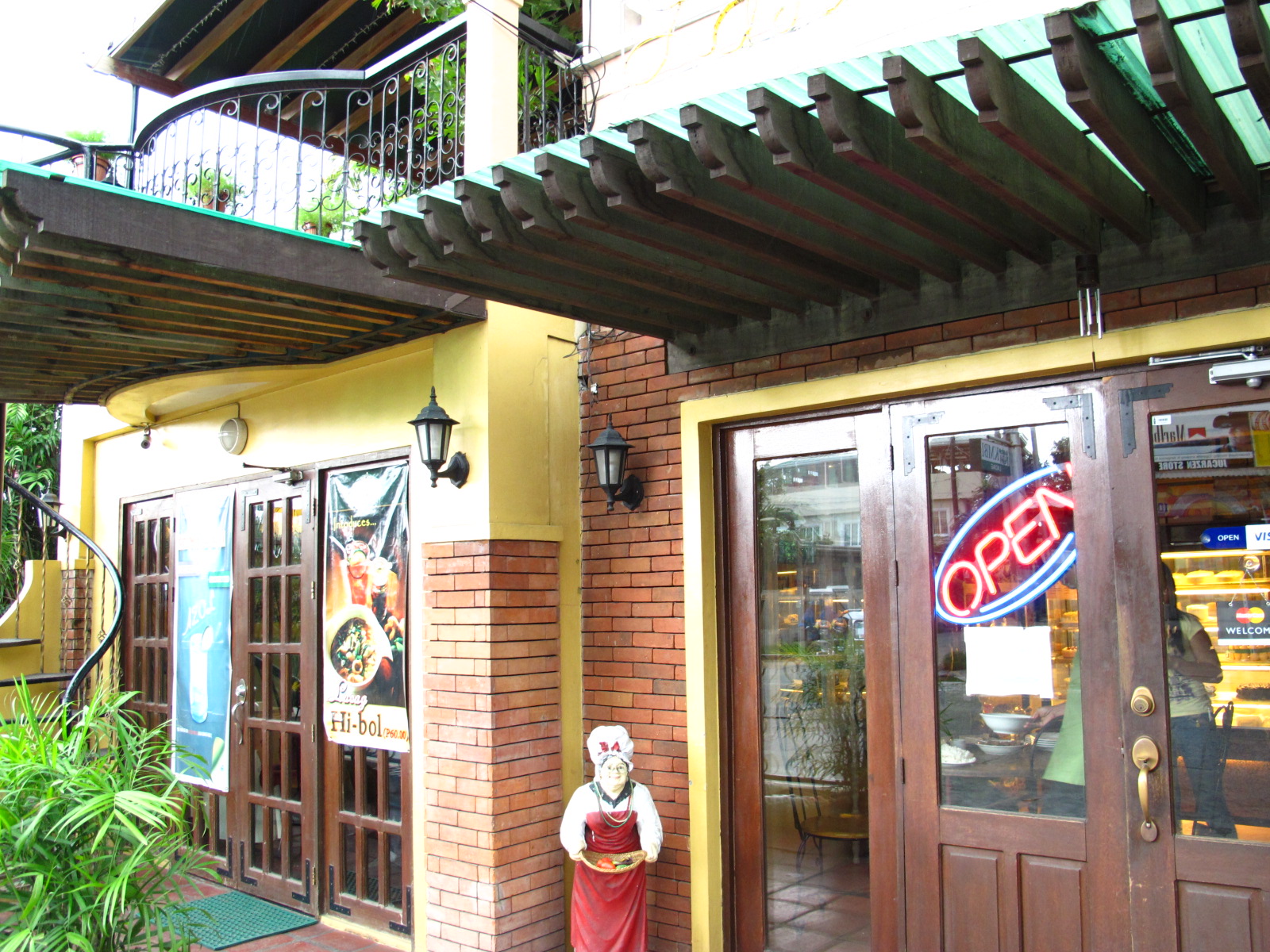
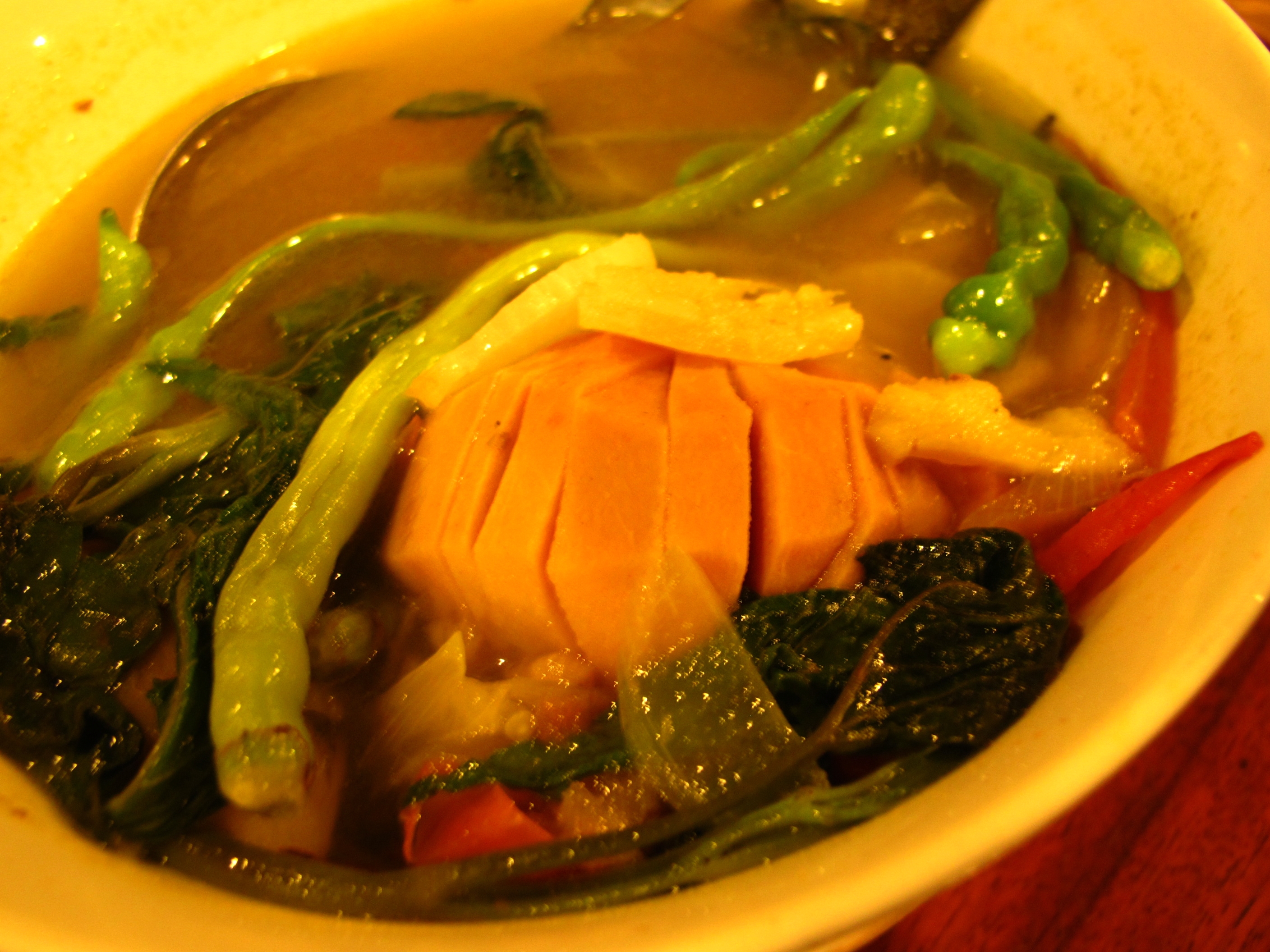
In Vigan, we would have been quite content with the empanadas filled with Vigan longganiza, egg and papaya.  But in Kusina Felecitas in Grandpa’s Inn,  we found this rare Malaga fish on its Menu, prepared in sour broth as with any other sinigang dish,  but soured with the local santol fruit!   We also indulged in the famous Vigan longganiza, the usual accompaniment of Poqui Poqui and Dinengdeng,  and the Kulintipay Shells.   These shells are actually the very same capiz shells you see framed in the sliding windows of Grandpa’s Inn.  I have not seen them for ages, much less, ate them.  Well, we were in luck in Vigan!  

Sinigang na Malaga Sa Santol

Among all the dining places we have tried, this one’s our favorite in terms of ambience. The restaurant looks more like an art gallery. The paintings hanging on the walls cover all the way to the Inn’s coffee shop aptly called Cafe Uno. Next time we are in Vigan, we would most certainly check in at this lovely Grandpa’s Inn


Kulintipay Shells

More? Read my TravelBlog post. 


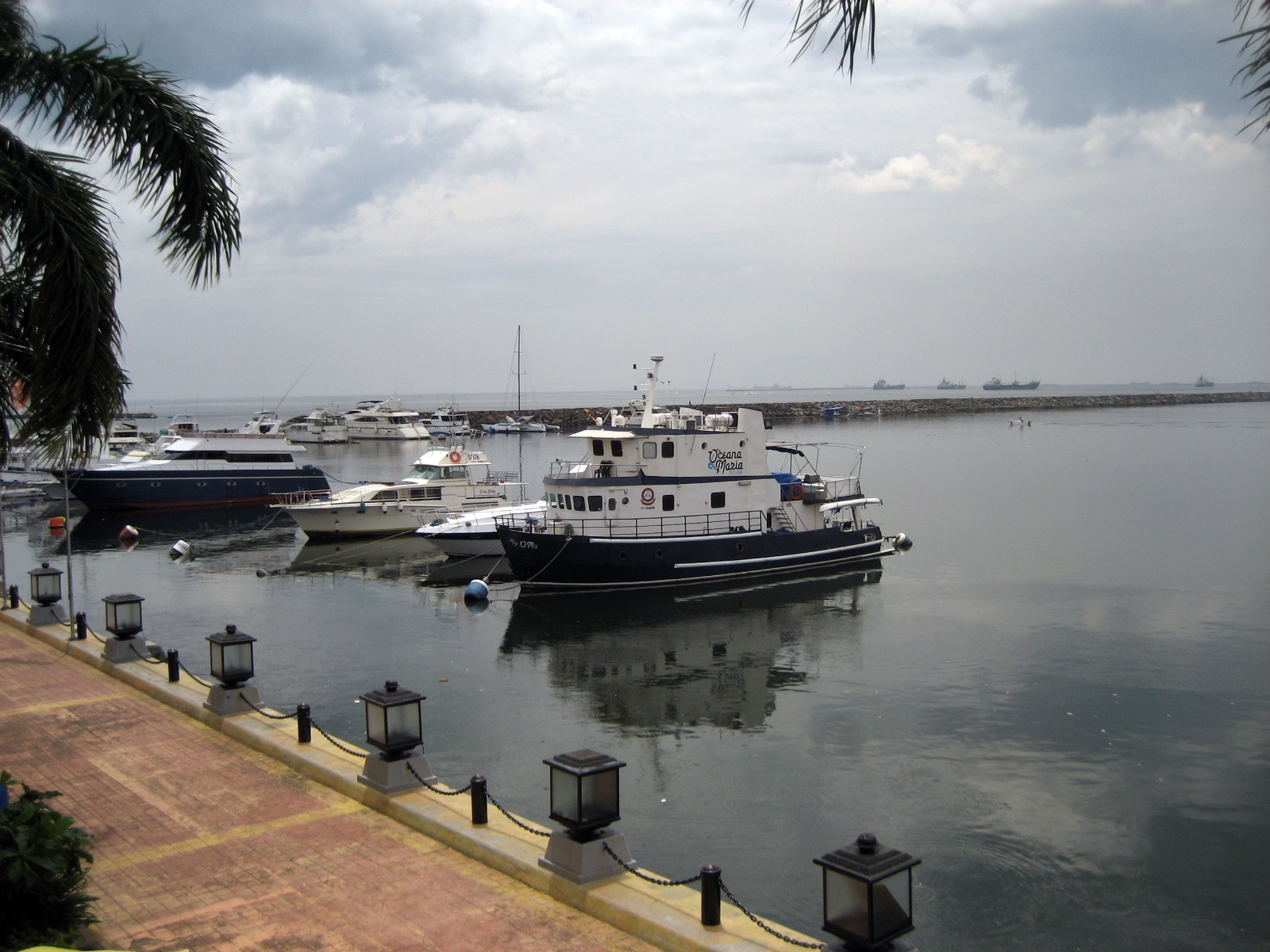
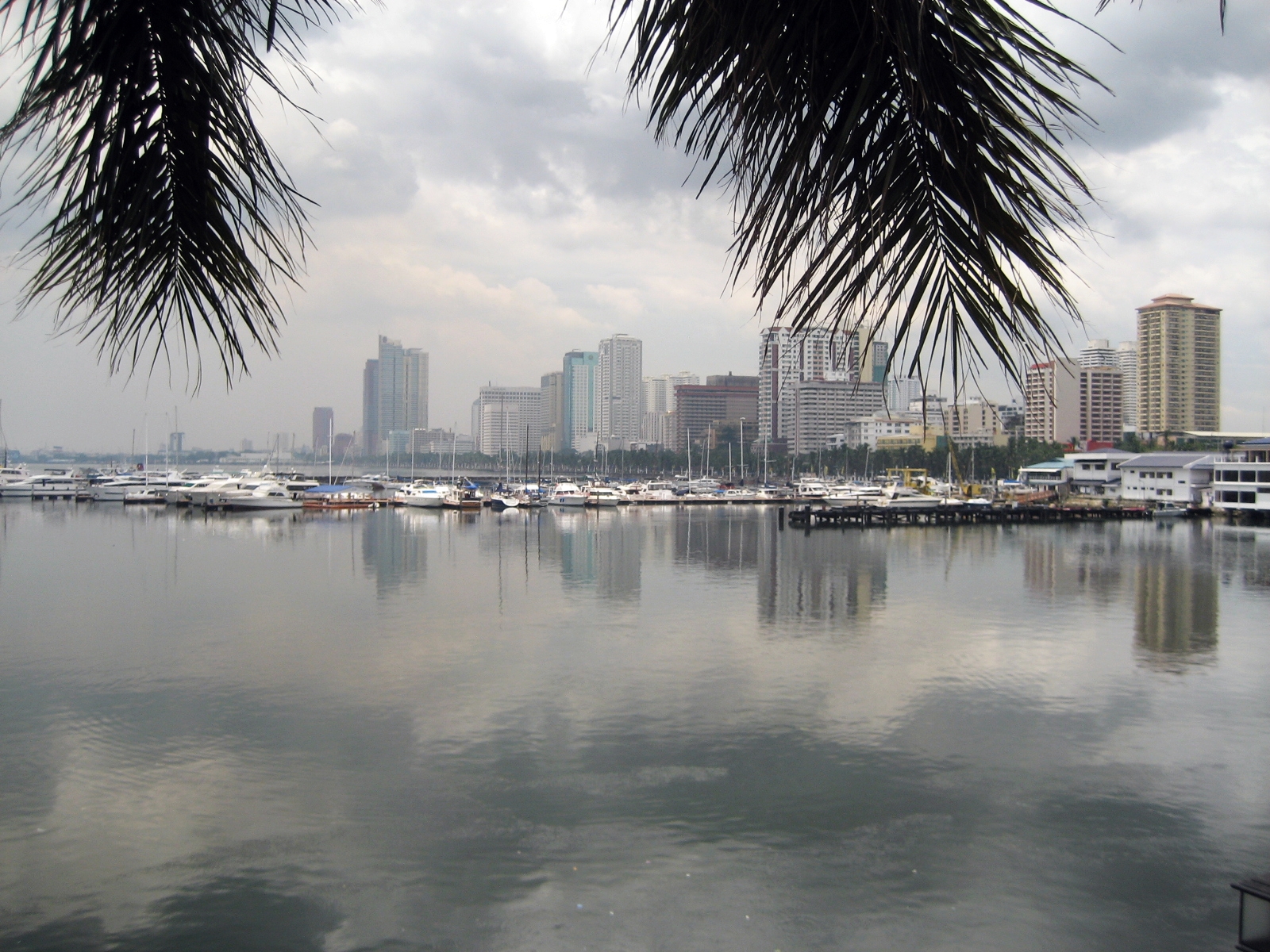
If there’s Hispanic Philippines in Intramuros and Chinoy Philippines in Binondo,  then Harbour Square may well be your American Philippines.

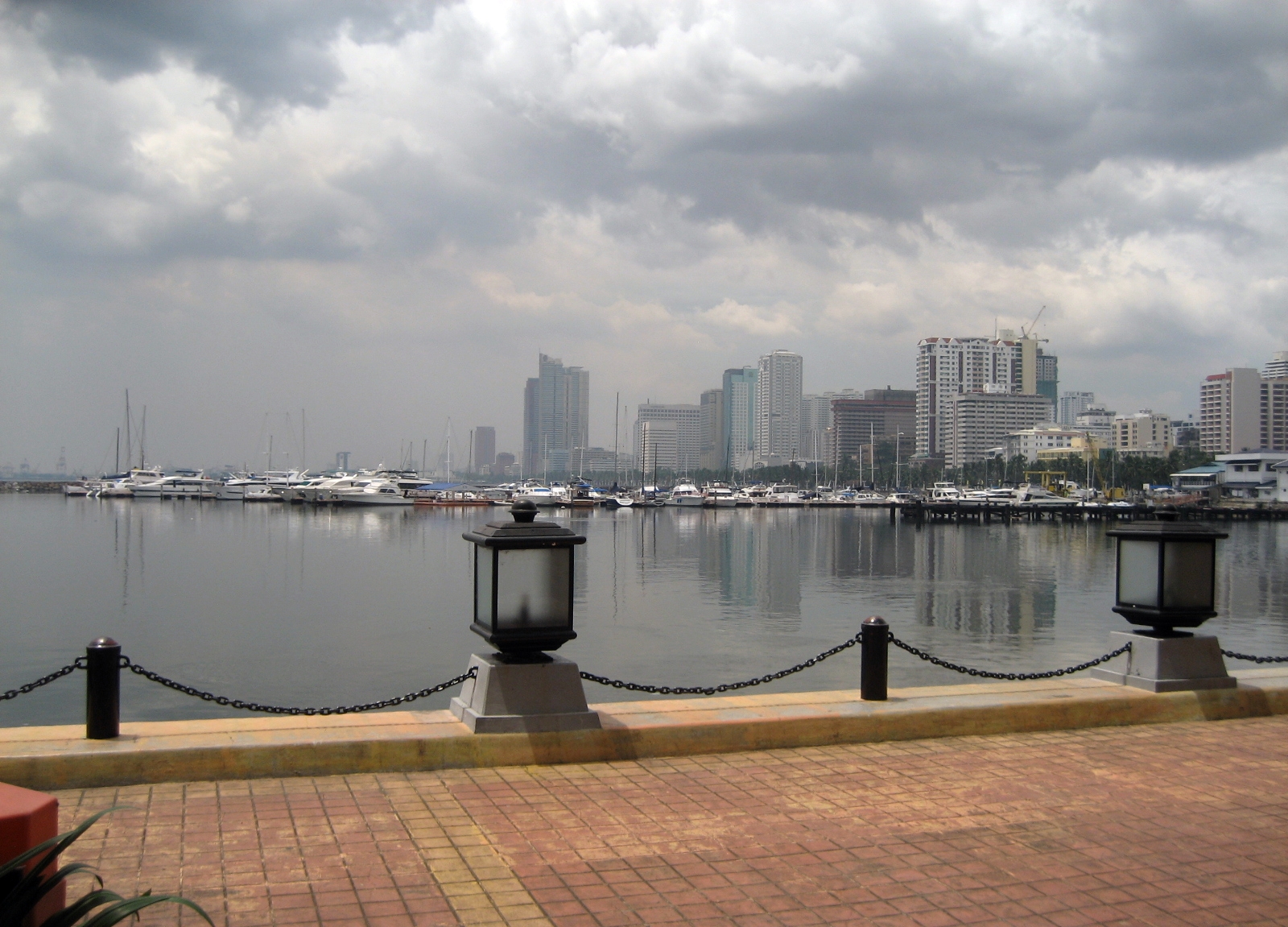
Just realized it has been awhile since the last time I was here.  I remember idling time away here soon after I quit my job. The breeze, the view, those speedboats bobbing up and down the waters of Manila Bay, the skyline,  all make for a lazy morning. Or afternoon.  Wide range of dining choices too, should you go hungry.  You can go all American at Army Navy, full-throttle Pinoy at Dencio’s, Mediterranean along with a flute of champagne or glass of white or red wine at Grappa’s, Japanese shabu shabu or Teriyaki Boy,  Chinese, or go budget meals at Jollibee.  Or perhaps you can talk well into the night while sipping your brew at Starbucks.

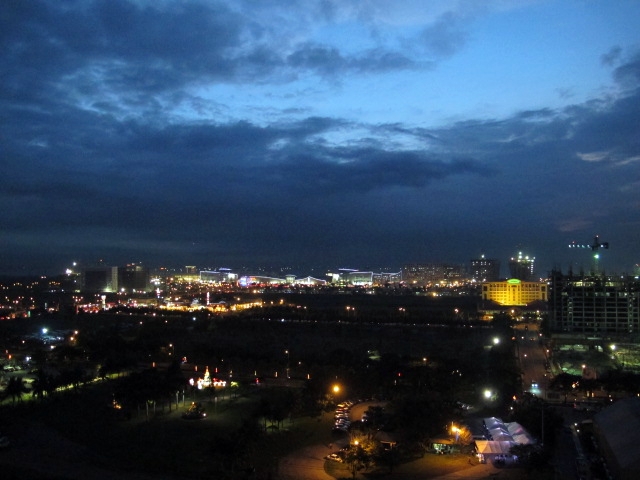
The place is ideal for dating couples.  Whether you are in a romantic mood or gearing for a lover’s quarrel,  you’d find some “privacy” while strolling the walkway by the Bay, circling  Cultural Center of the Philippines, Folk Arts Theater, Aliw Theater, Star City, all the way to Sofitel if you like.  If all that walking didn’t settle the score, well…….get a room.  😉  Well, apart from being more private you also get to take a better twilight photo of the Bay area.  Seriously though,  this part of Manila is more “quiet”, less chaotic, good for the nerves and spirit. 

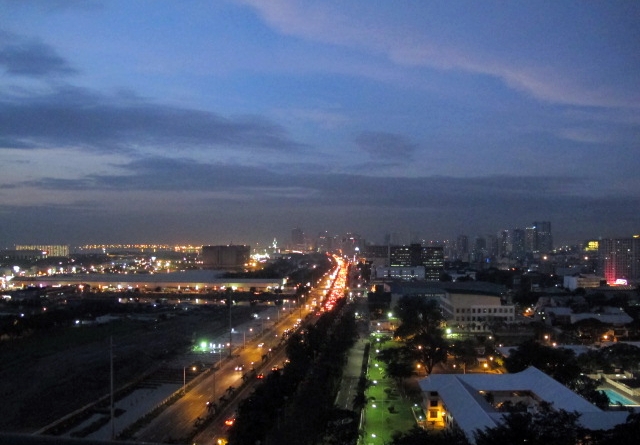
Guess Where This Shot Was Taken!

And here’s another one too……………. 🙂

Twilight at the Bay Area

xxxxxxxxxxxxxxxxxxxxxxxxxxxxxxxxxxxxxxxxxxxxxxxxxxxxxxxxxxxxxxxxxxxxxxxxxxxxxxxxxxxxxxxxxxxxxx


Going to Antipolo?  Filipinos have this tradition of visiting the Antipolo Church especially right before a major trip.  Our Lady of Peace and Good Voyage is a national shrine.  A pilgrimage site for every O.F.W. just before leaving the homeland.  

So, how about a nice detour?  A Swiss Chalet in Antipolo? What do you know………..

Antipolo Church

Inside the Our Lady of Peace and Good Voyage Church in Antipolo

This dining place is owned by the family of Susan Hassig, a Filipina married to Tony Hassig, a Swiss national. In operation for more than 2 decades now, I remember many breakfasts and early dinners here.  Solo.  At the time,  I was still working and branch visits are my daily fare.  On way to or from Tanay and other parts of Rizal,  I would drive out early to enjoy a peaceful breakfast here.  Or drop by before driving home for a panoramic and illuminated view of the city.  Each visit,  the waiter would ask me if I want the table for two in some corner with a view of the mountains.  Perfect view while sipping a good cup of brew. Invariably, my answer is “I want the table, but I’m eating alone”.   This exchange between the waiter and myself must have caught the attention of the owner such that when the same fellow asked me for the nth time,  the owner loudly said “The lady enjoys dining  ALONE”.  A wink there, and that ends the discussion. 🙂

Inside Vieux Chalet

Since I quit my job,  I have not been to Vieux Chalet.  But I certainly have fond memories of my breakfasts and early dinners there and the tranquility offered by the mountain vistas. You may think this  petty or trivial,  but this place fries my eggs exactly the way I want it…….NOT so in many breakfast places I have tried.  Nor can I forget the raclette or pate de foie. The only problem with eating alone in this place is that I never got to order the Cheese Fondue as I have no one to share it with.  So with the pizza.  😦  

But I digress. This time around,  I found myself back in this lovely Swiss Chalet mid-afternoon of a weekday.  It wasn’t a busy hour.  I found the place almost exactly the way I remembered it.  Even the shade of brown of its tables and chairs is the same familiar shade.  De ja vu.

It Was Sooo Good I Forgot What It Was Called!

I was surprised to learn that they now run Wellness Sessions.  Well, not actually surprised.  The place and the vista is perfect for just this kind of activity.  It has to be arranged though, as with any parties, retreats or family reunions you may plan to hold in this place. As for me, I’d be quite content to spend a quiet afternoon here, sipping my coffee and enjoying my mid-afternoon delights:  D.E.S.S.E.R.T.S !  

Susan and her daughters run the place now.   If you want to dine here, or to ask for directions on how to get here, call Vieux Chalet, 697-0396 or 344-5056  or Susan Hassig’s cellphone, 0917-856-5175. Do make those reservations as the place has quite a limited space.  I’d say just a dozen tables and of course, the ones with a view of the city lights are premium tables.  Don’t do it the way I did,  go with company. Many dishes are best shared, like the salads, pizzas and sausage and cheese platters. Getting there is quite challenging, but Susan offers these driving directions:

If you’re coming from Ortigas Center, you can take Ortigas Avenue going up to Antipolo. Ortigas Ave. Extension (from Robinson’s Galleria) ends at the fork marked by an island across from Ynares Center, with statues of the Filipinos of olden days. 

Please take the left branch of the  fork. Soon you’ll see on your left a gas station, USA88. Turn left there and keep driving on and then keep right when the road forks once more. Drive down this road and you will see the arch with names of several resorts. Go through the arch and drive down keeping left until you reach Purok Sampaguita gate, which is always half-closed. Go in and keep moving on the road toturn right uphill at the second corner. You’ll then see Vieux Chalet directional arrows and signs along the way.


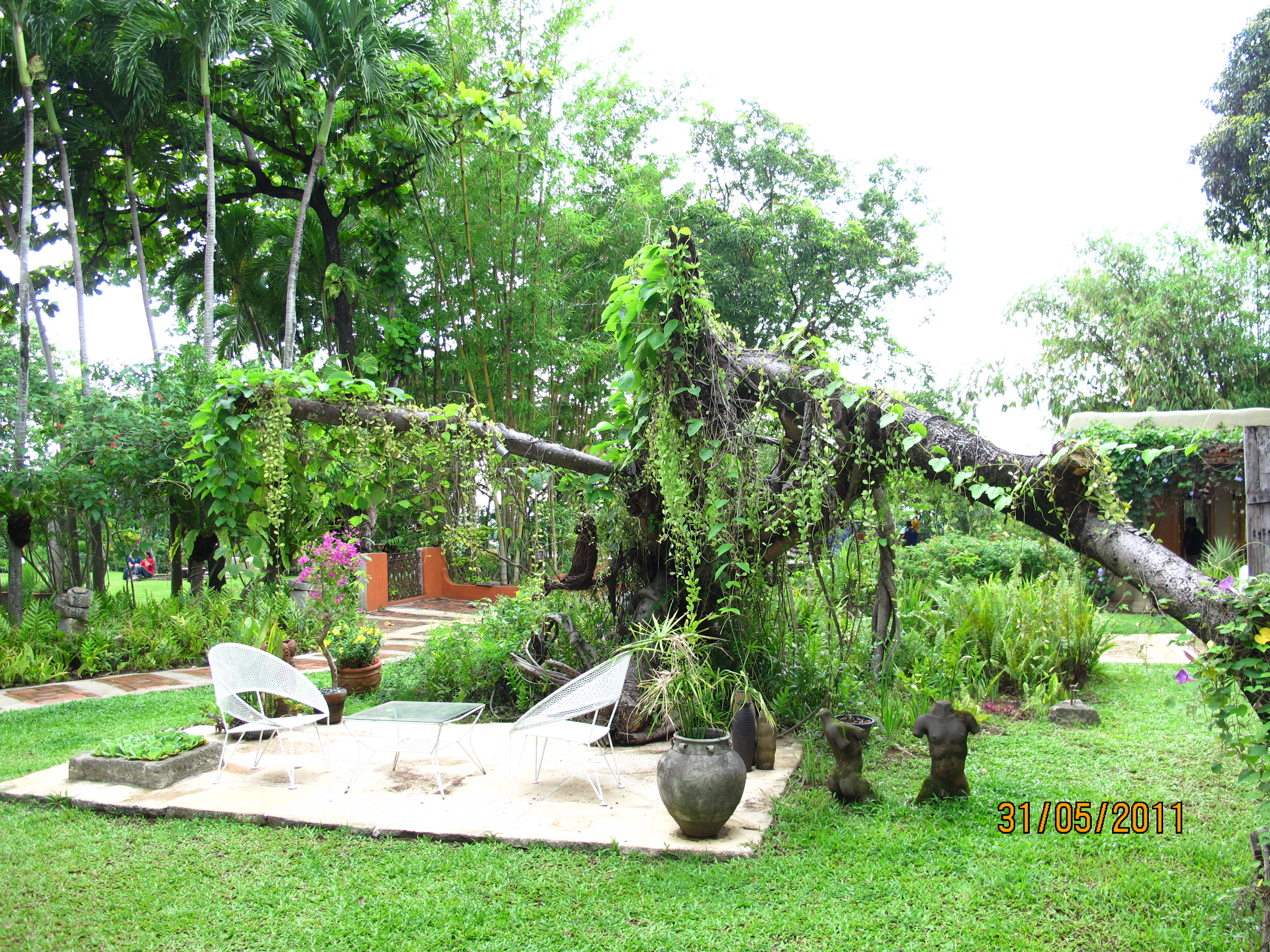
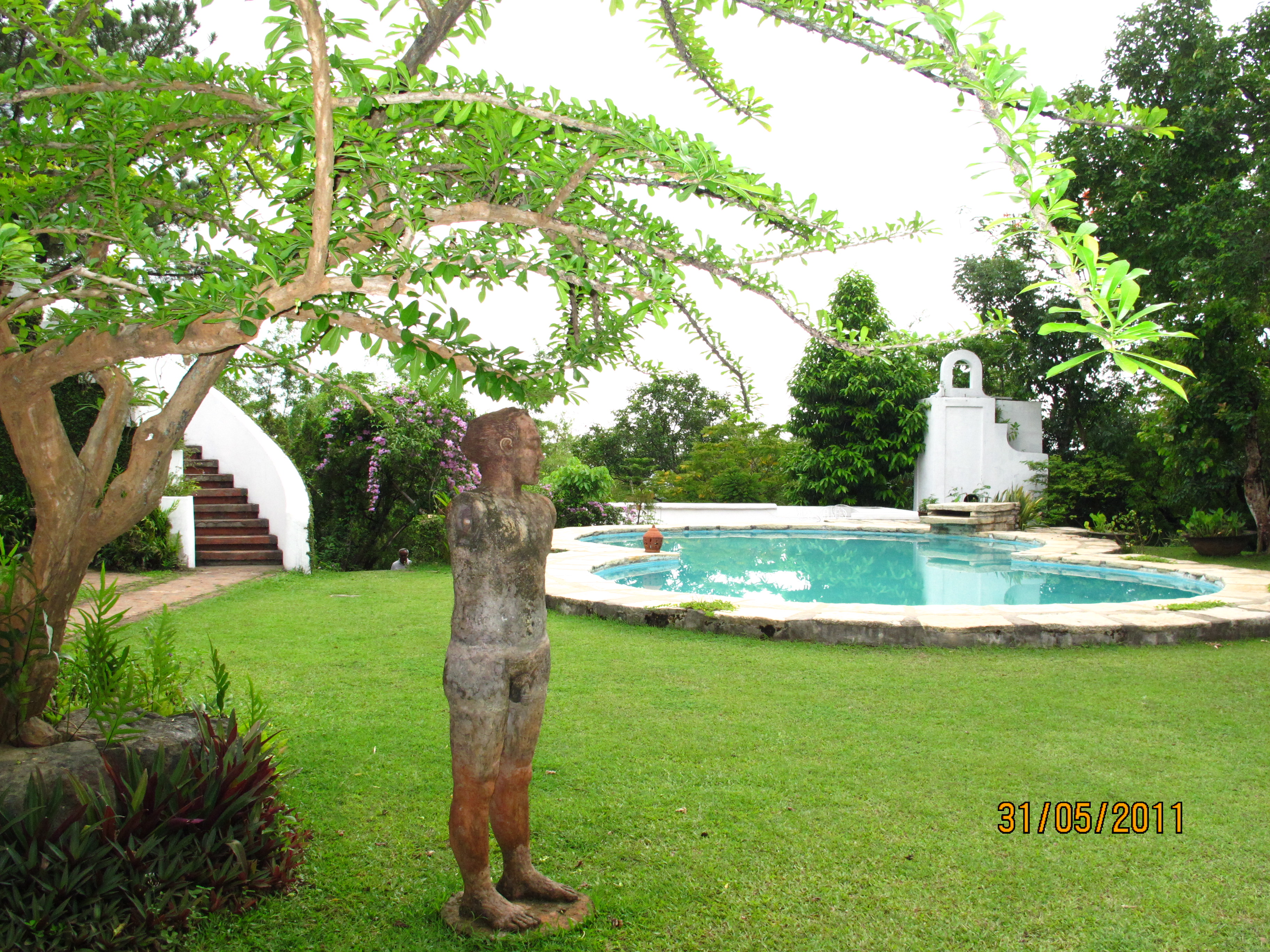
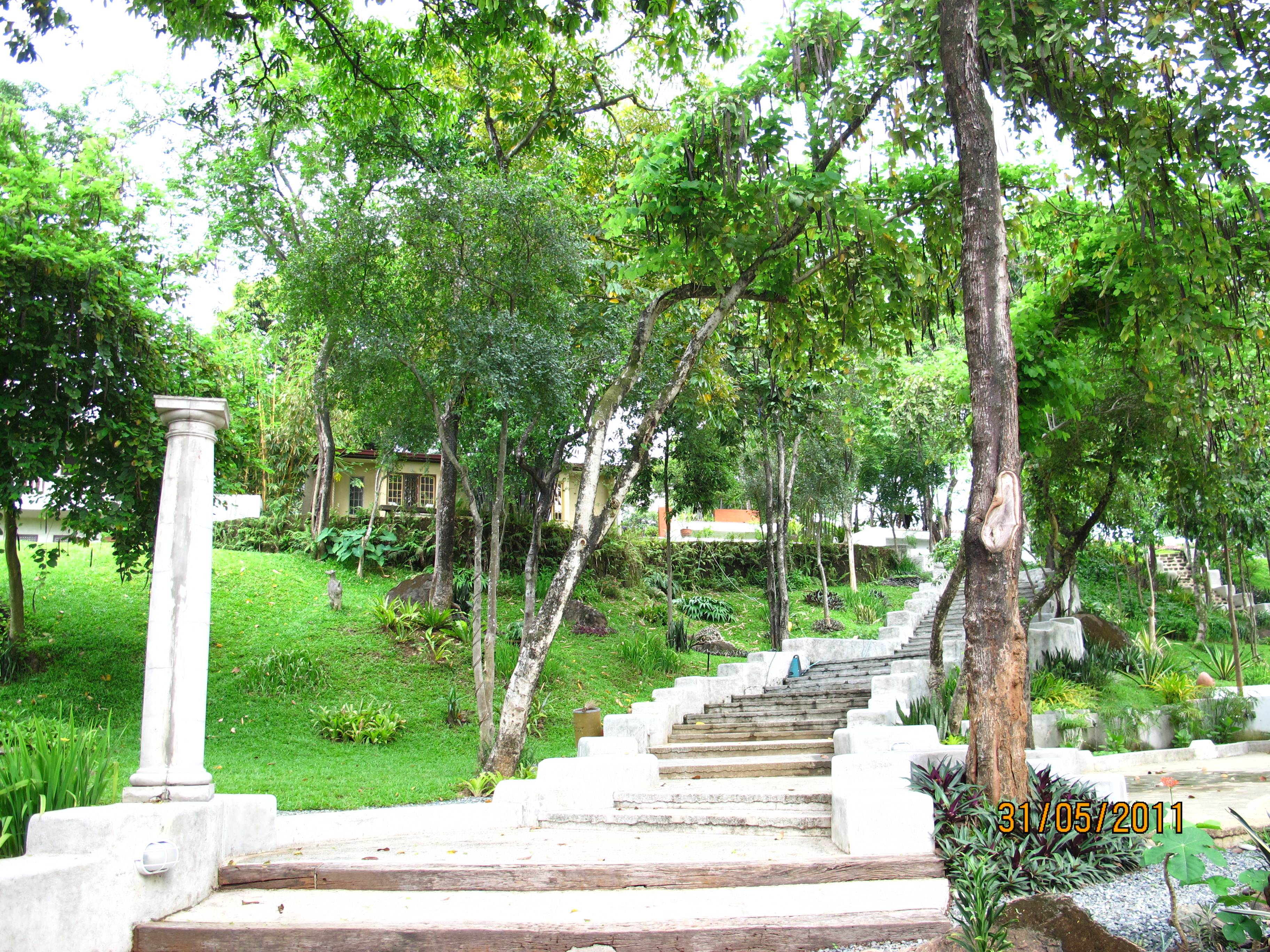
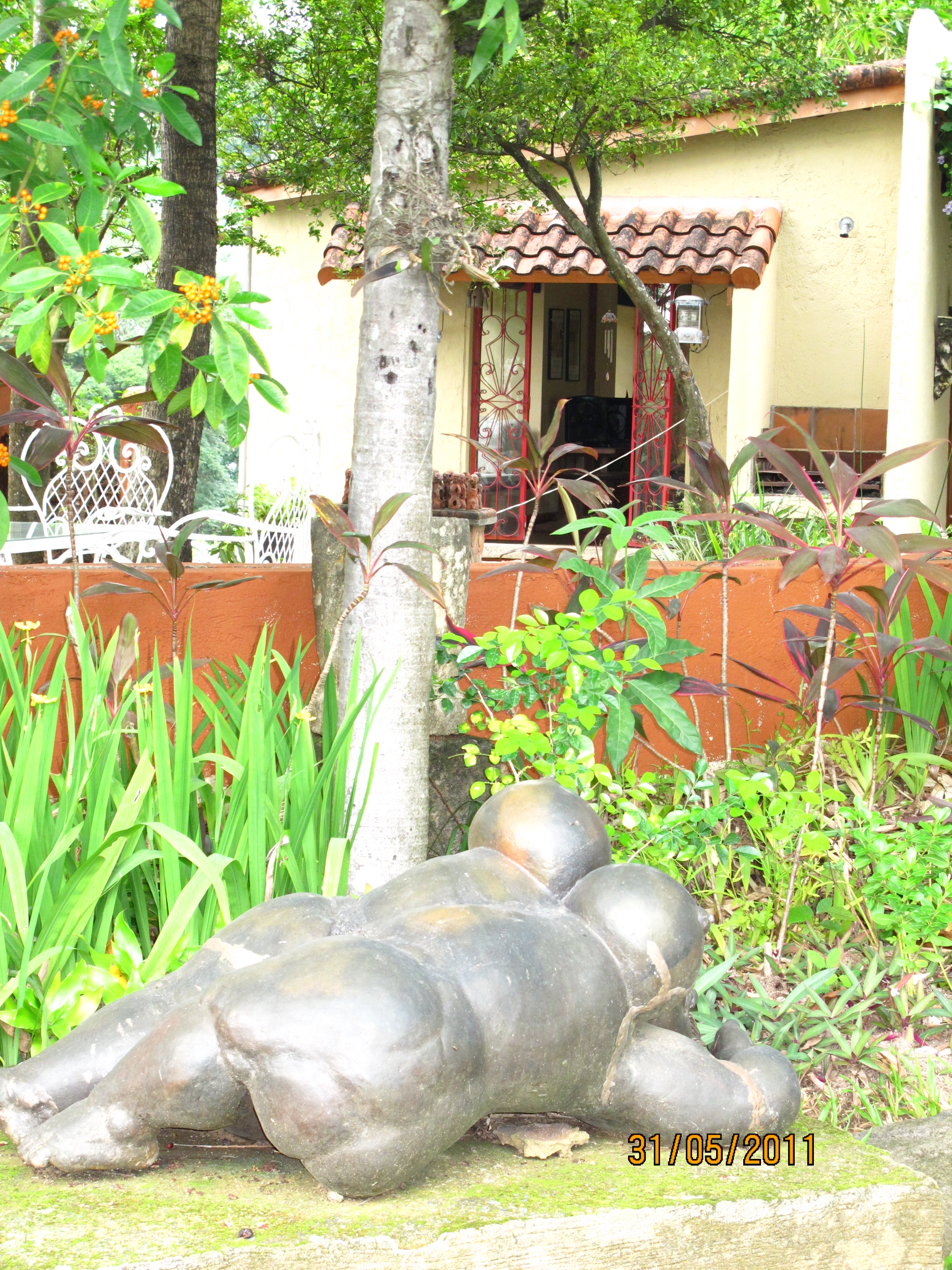
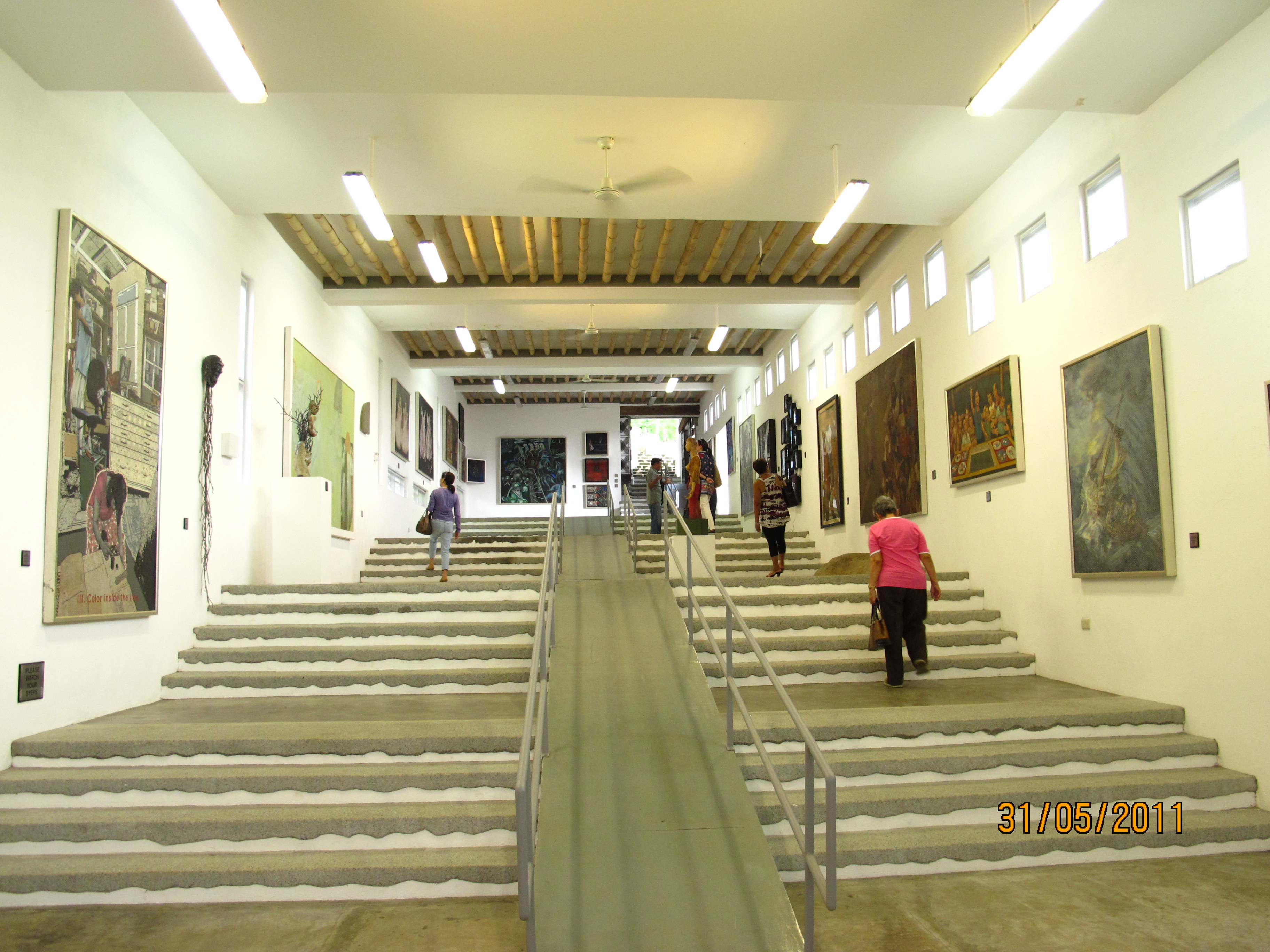
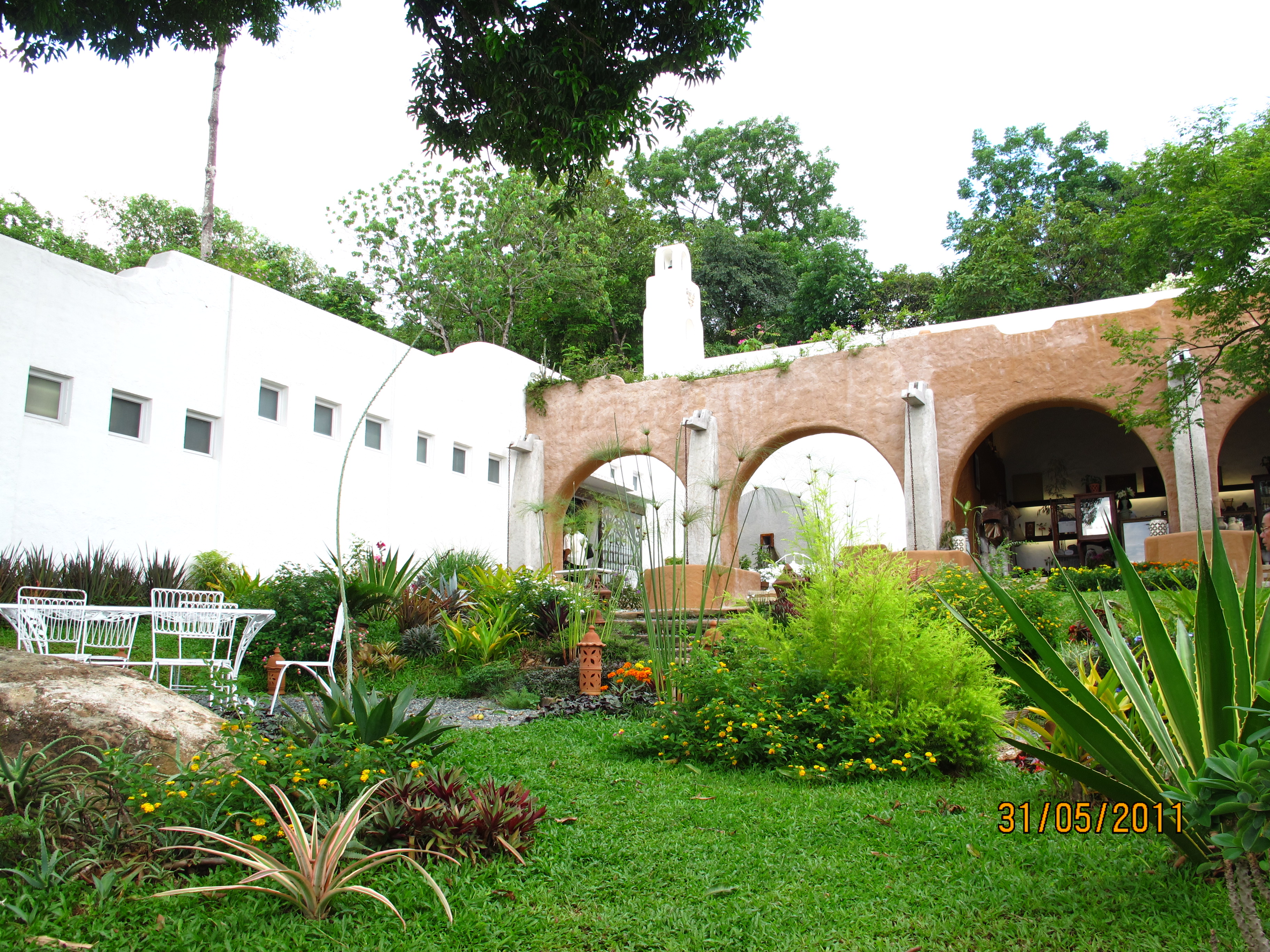
Just in the suburbs.  This oasis of peace and quiet is truly an art haven.  As my friend puts it, this is our very own MOMA (Museum of Modern Art). A not-to-be-missed destination. You don’t even have to be an art lover to enjoy this place.  But there is no guarantee you won’t end up as one by the time you’re done.


Despite the humidity,  the place offers a pitstop for tired bodies, restless minds and depressed spirits. Strolling around the gardens aimlessly, we soon learned why this place has become famous for pre-nuptial photo shoots.  It is most certainly a haven of creativity.  And I am just talking about the gardens here.  Wait till you go through the Museum proper, where I advise you to go slow to digest every ounce of art and culture. 


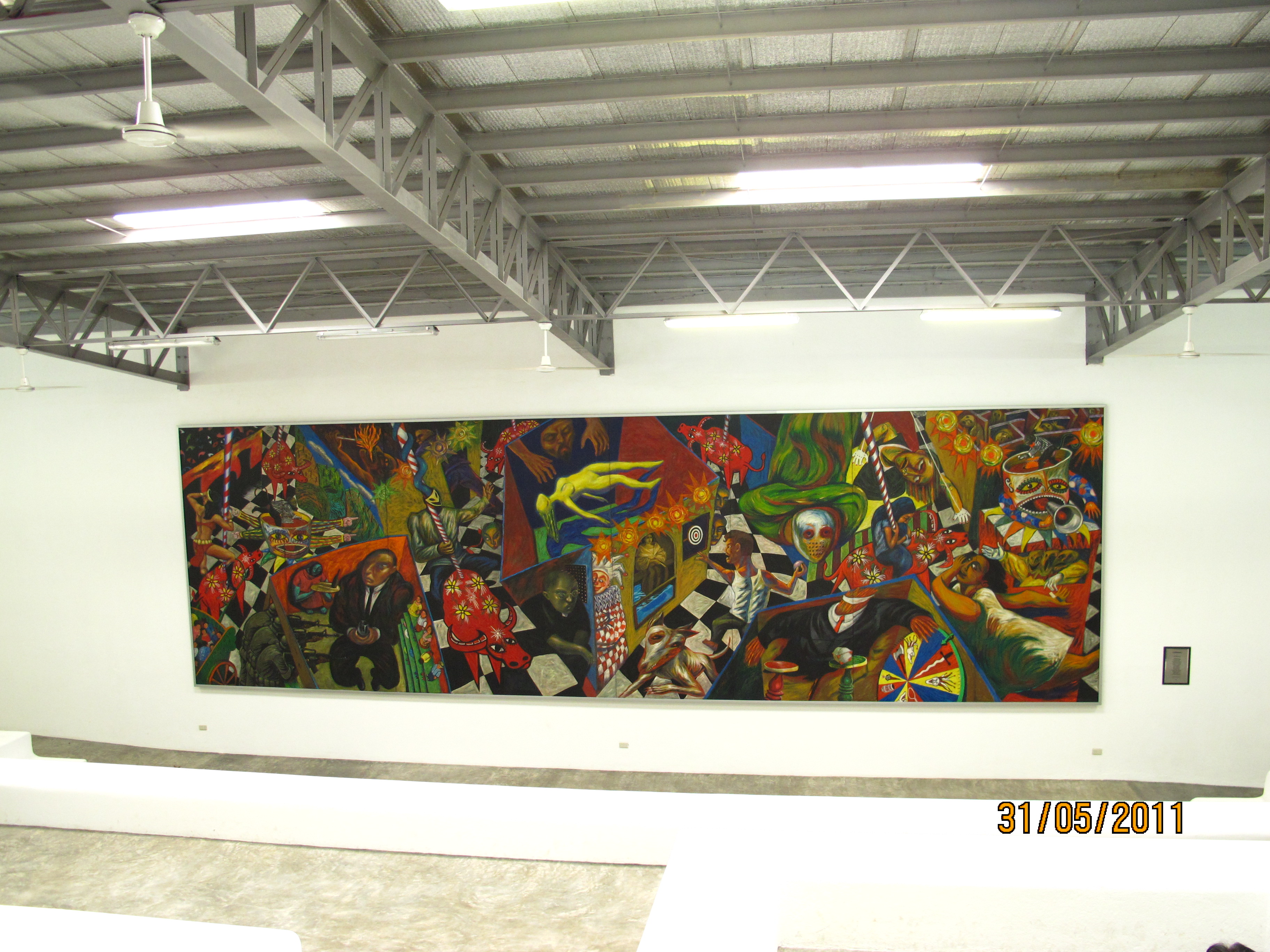
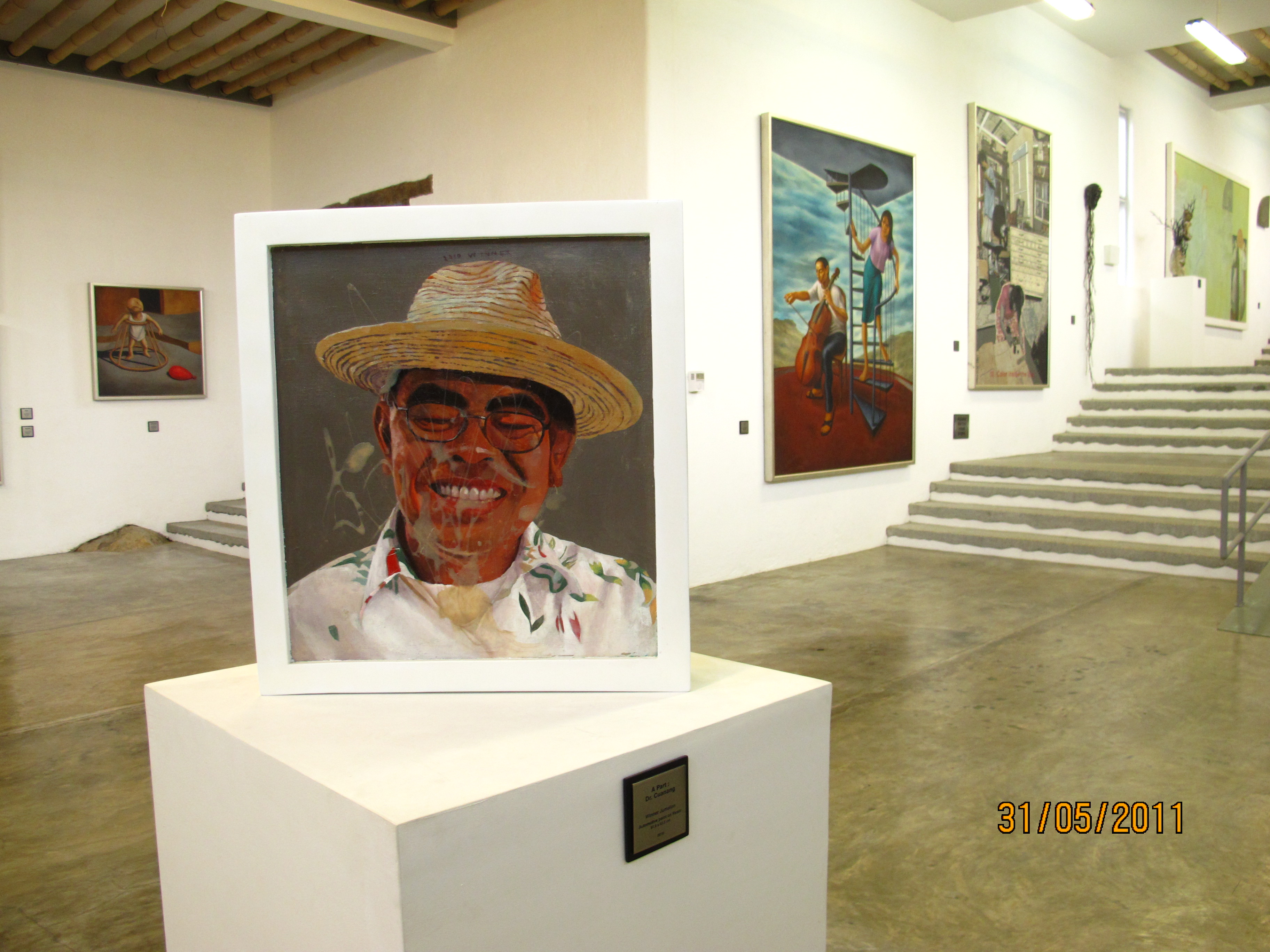
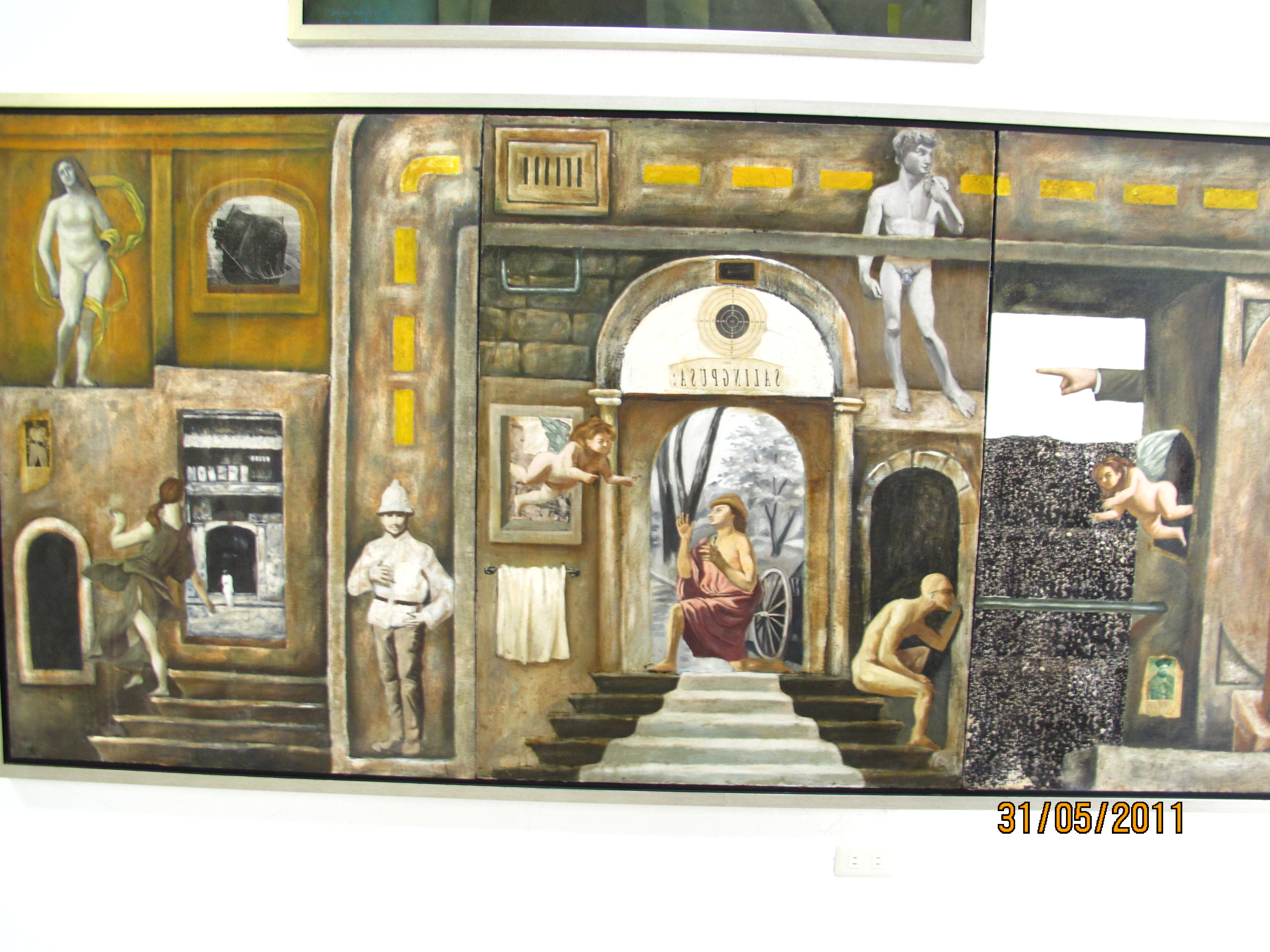
The Pinto Art Museum and Silangan Gardens is right inside Grandheights Subdivision in Antipolo City. I’m lousy with directions so if you plan to visit the place,  give them a call at (+632) 703-4453 or (+63917) 608-6754)  to ask for directions.  There is much to see here. And it is not difficult to wander aimlessly and view the collections of noted neurologist and art patron Dr. Joven Cuanang. We were lucky to find the good doctor in his residence right within the gallery compound when we visited.  He was most kind and even eagerly showed us around the many items of art inside his residence hemmed in by the lovely gardens.


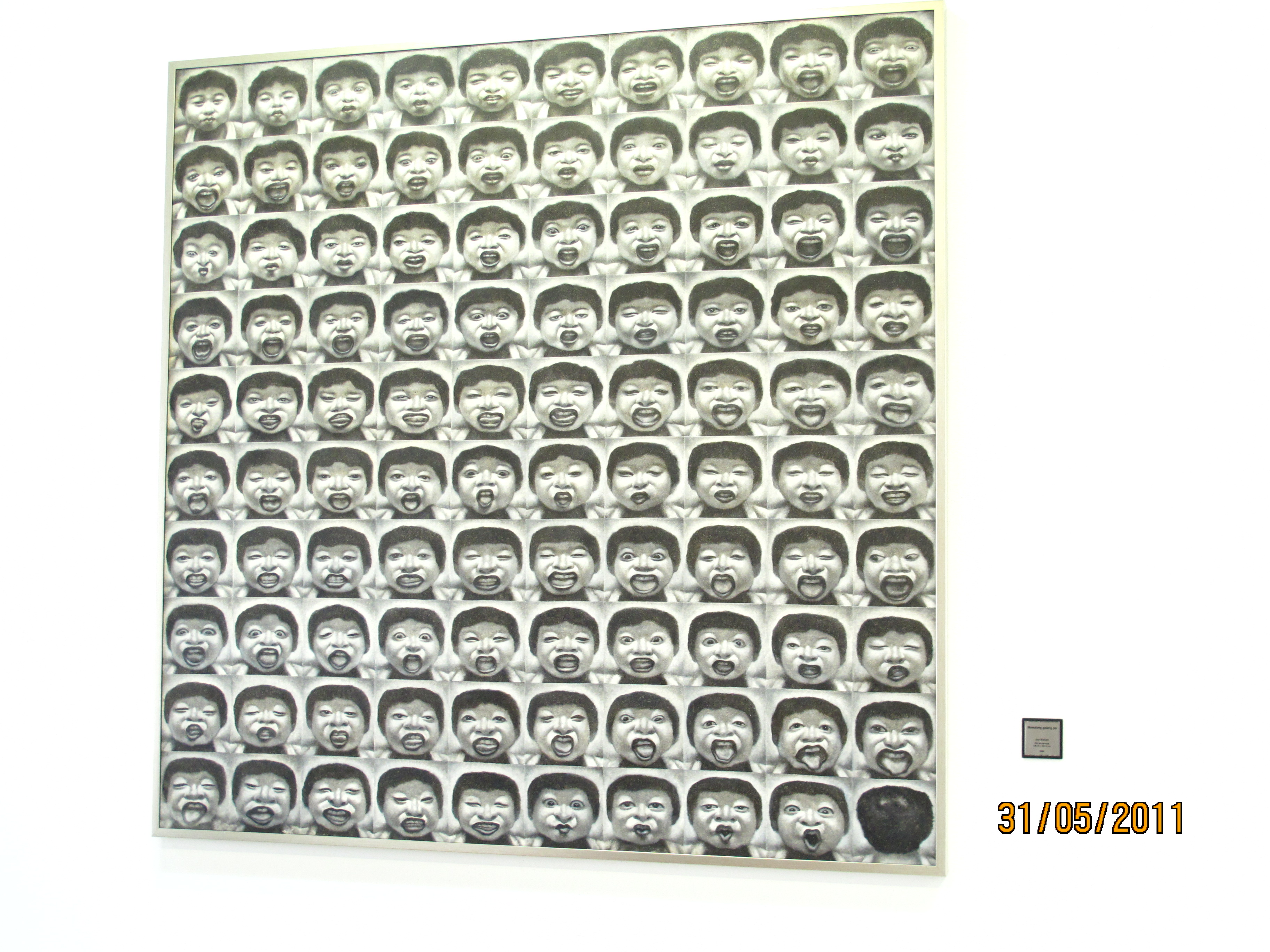
How To Say “Ma.wa.lang.Ga.lang. Po.

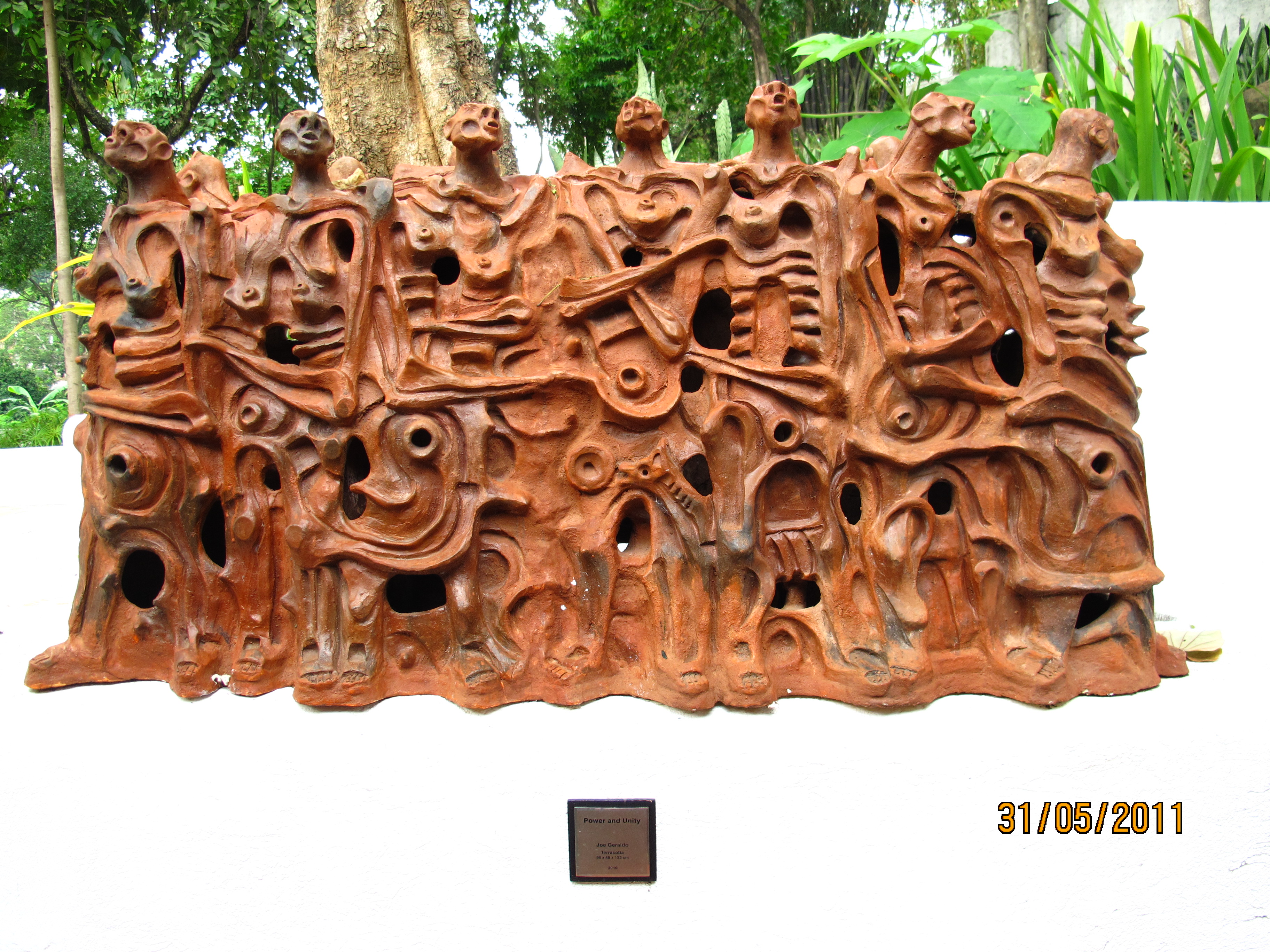
It is of natural consequence that one views these collections with a sense of pride over Pinoy ingenuity and artistry. Filipino artists, both famous and promising, found a home here.  Dr. Cuanang talks about his collections like a father would lovingly and proudly talk about his children.  Like all his sentiments and emotional attachments wrap each piece of art and collection.   We were not surprised to learn that the good doctor has not parted with ANY piece of art that he has acquired through the years. Each of these acquisitions hangs proudly on the Museum walls in this architectural complex designed by no less than artist Antonio Leano.  The high ceilings , white stone walls , open porches and sprawling gardens all make for a very colonial/Mexican architecture.  As one weaves from hall to hall to view the exhibits,  there is an element of unhurriedness and pleasure as one’s aesthetic senses are stirred.  Surely, this place is a labor of love!   
 

Thanks to Dr. Cuanang and his vision and advocacy, we are able to enjoy our own MOMA within the City. 


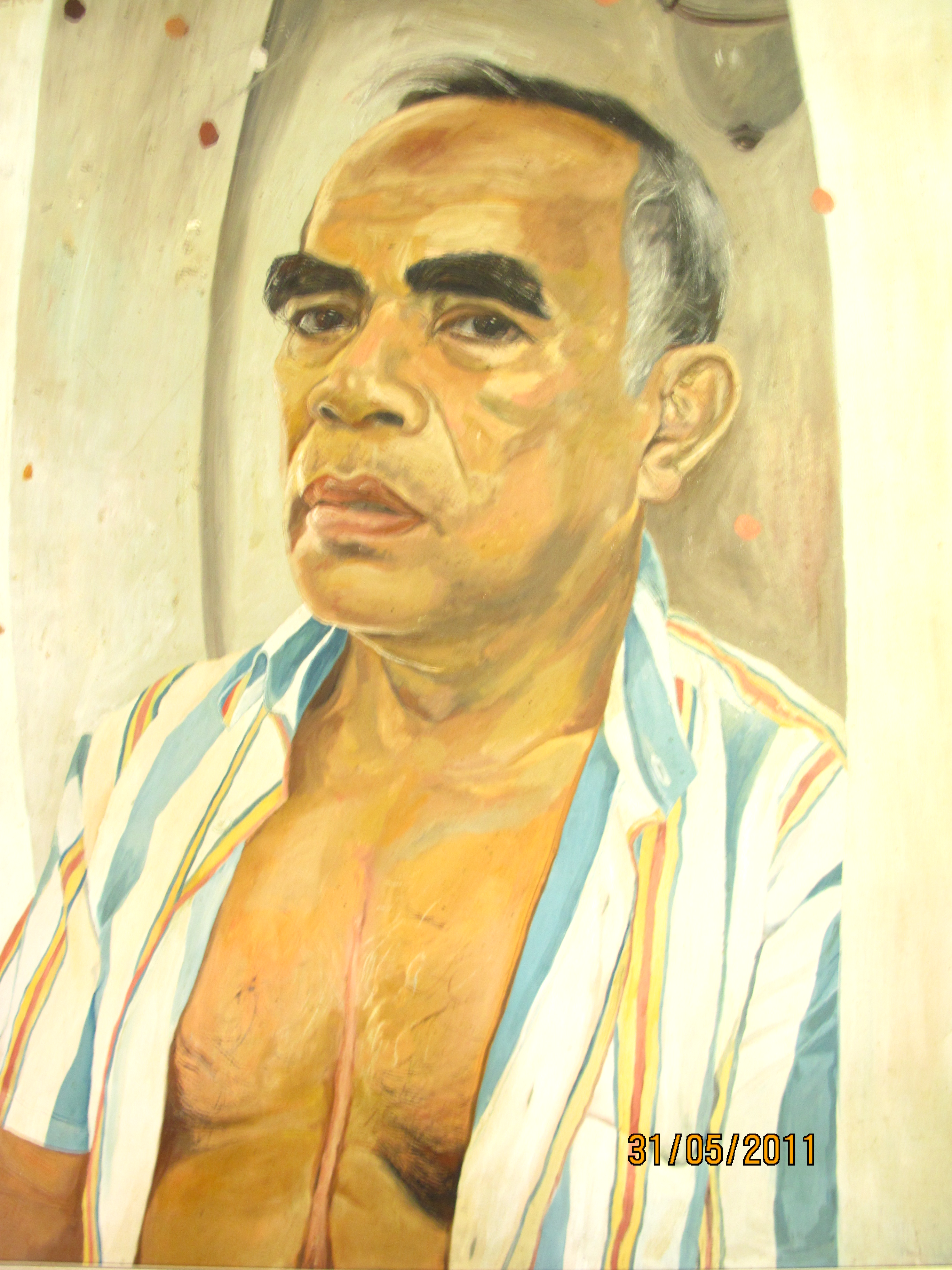
A Painting of Dr. Joven Cuanang
PS. We visited again on April 5, 2018 and found even more improvements, including its Cafe Rizal. Met Dr. Cuanang once more and felt jealous that this man lives within the Museum grounds and only had to step out and literally stroll around the gardens, visit the galleries and then stop for a drink in the cafe. What a great life!

https://youtu.be/qfbrgcvIcho


I wasn’t meaning to write about our national hero and join the PTB Blog Carnival , thinking I needed to clear my backlogs first. But as it turned out, a couple of friends from TravelBlog visited the Philippines and had an extra day to spend in Manila. Thought I’d give them the drill:  Spanish-Philippines in the morning,  Chinatown-Philippines for lunch, and Hollywood (American)  cum “Urban/Modern” Philippines late afternoon till early evening.  The “Philippines-Philippines” episode can wait till they get their walking feet to Bicol starting with an off-chance,  late-in-the-season Butanding Interaction in Donsol, Sorsogon.

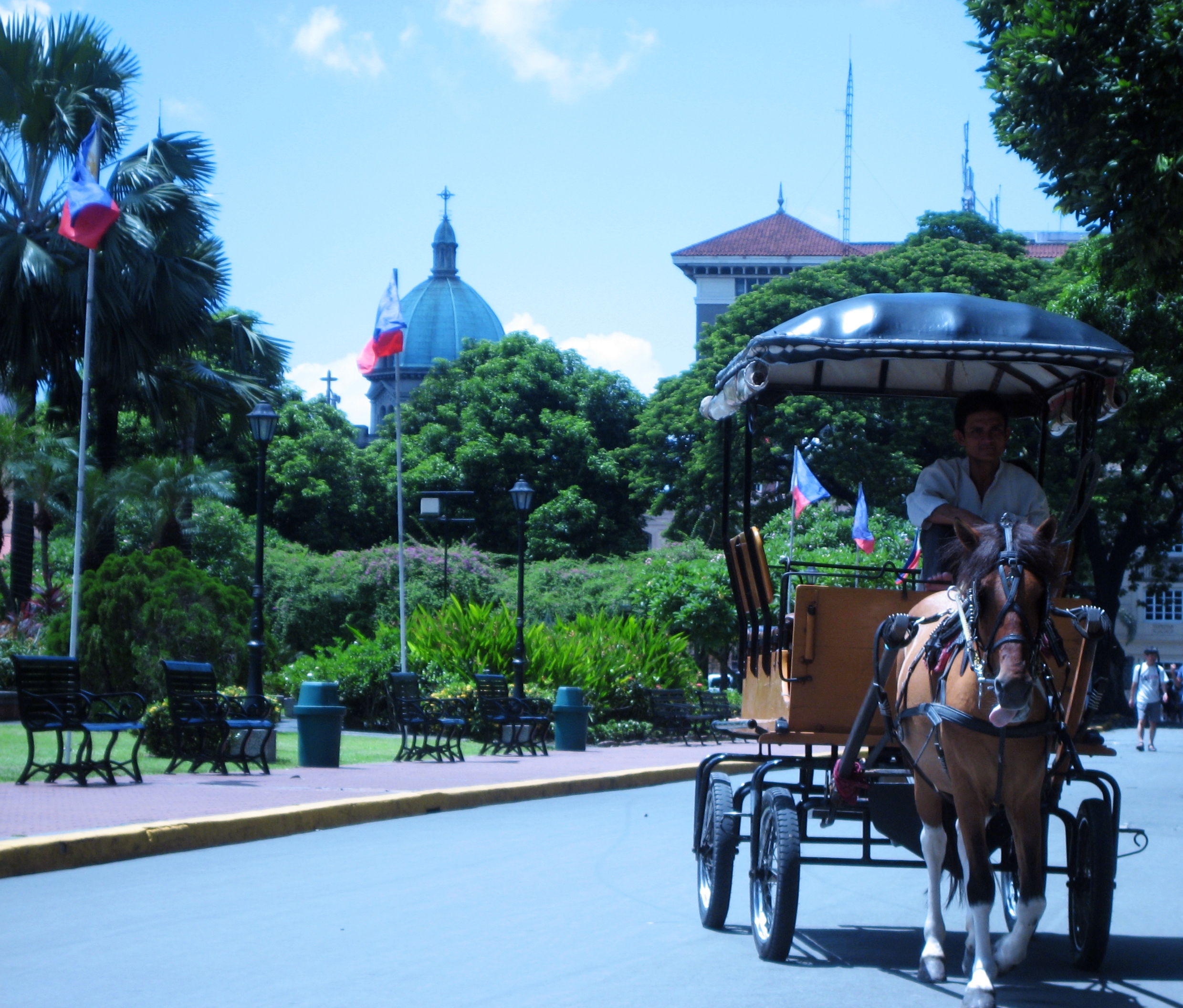
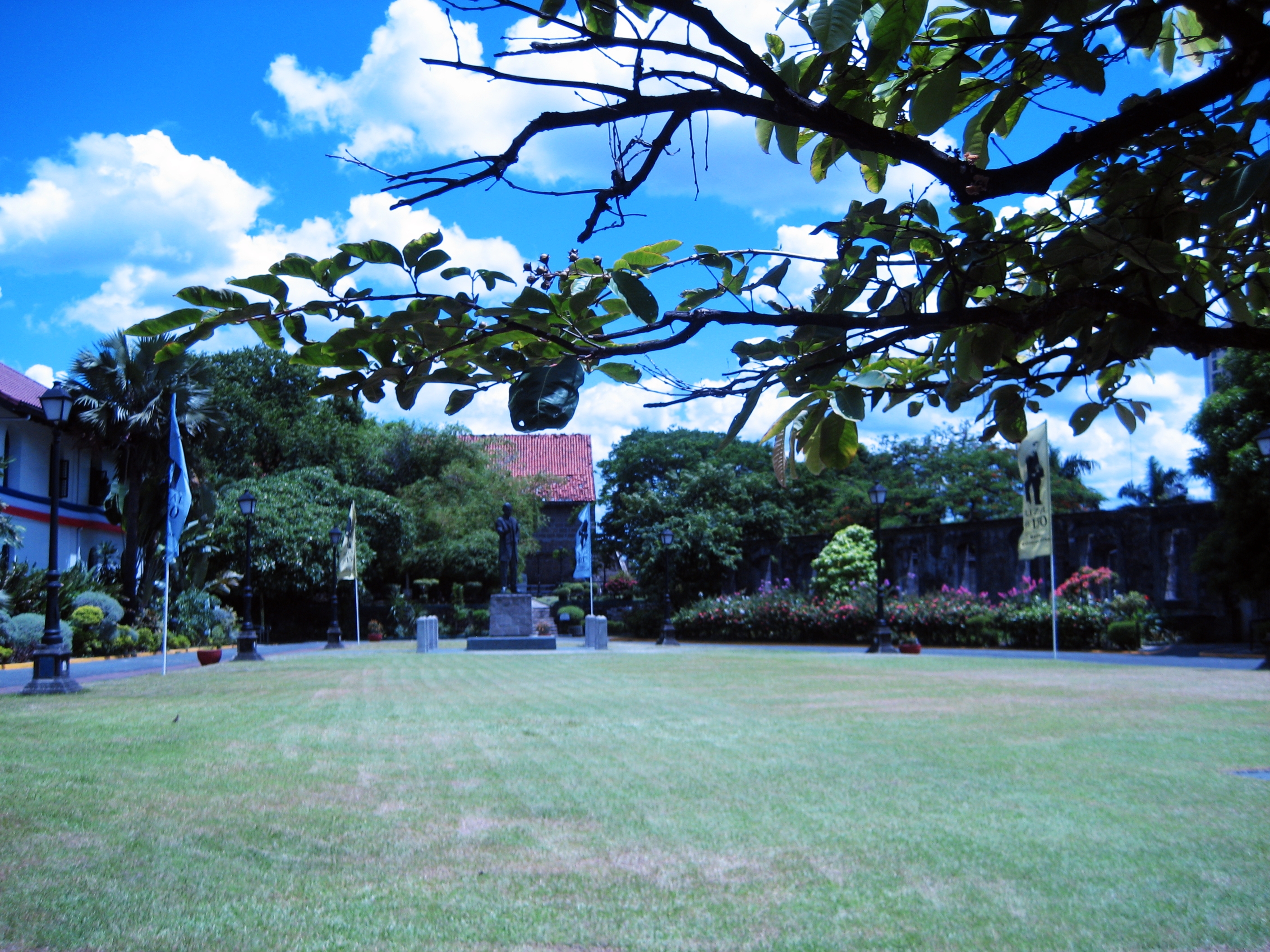
I enjoy meeting new friends.  Jan and Polona are from Slovenia and belong to my other “community” at TravelBlog. Young, full of energy, and eager to know the Philippines .  And I was just as eager to introduce our country, our culture to them. So we began the morning with a tour of Fort Santiago and a drive-through Intramuros.  The latter deserves another leisurely afternoon.

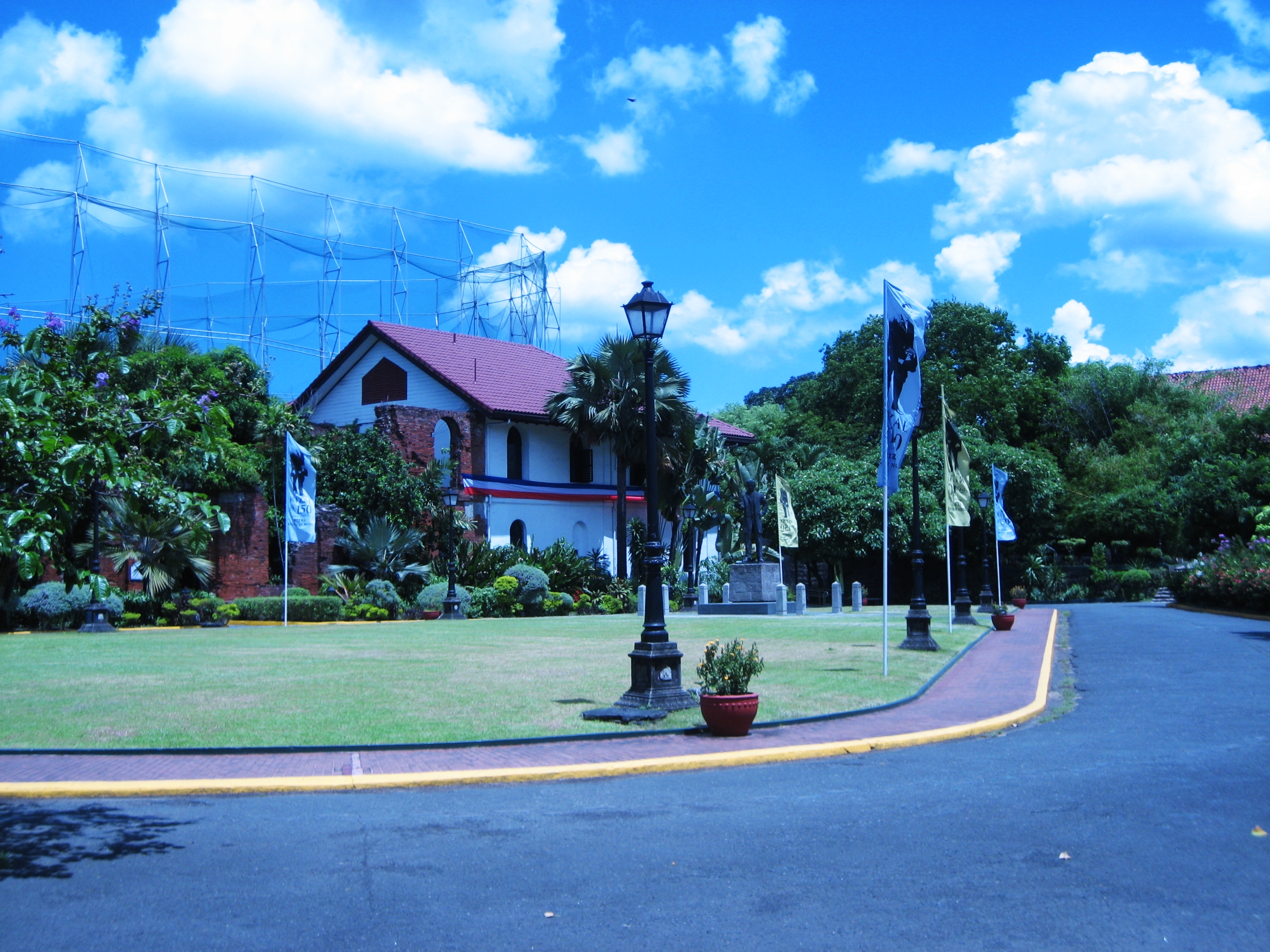
Fort Santiago

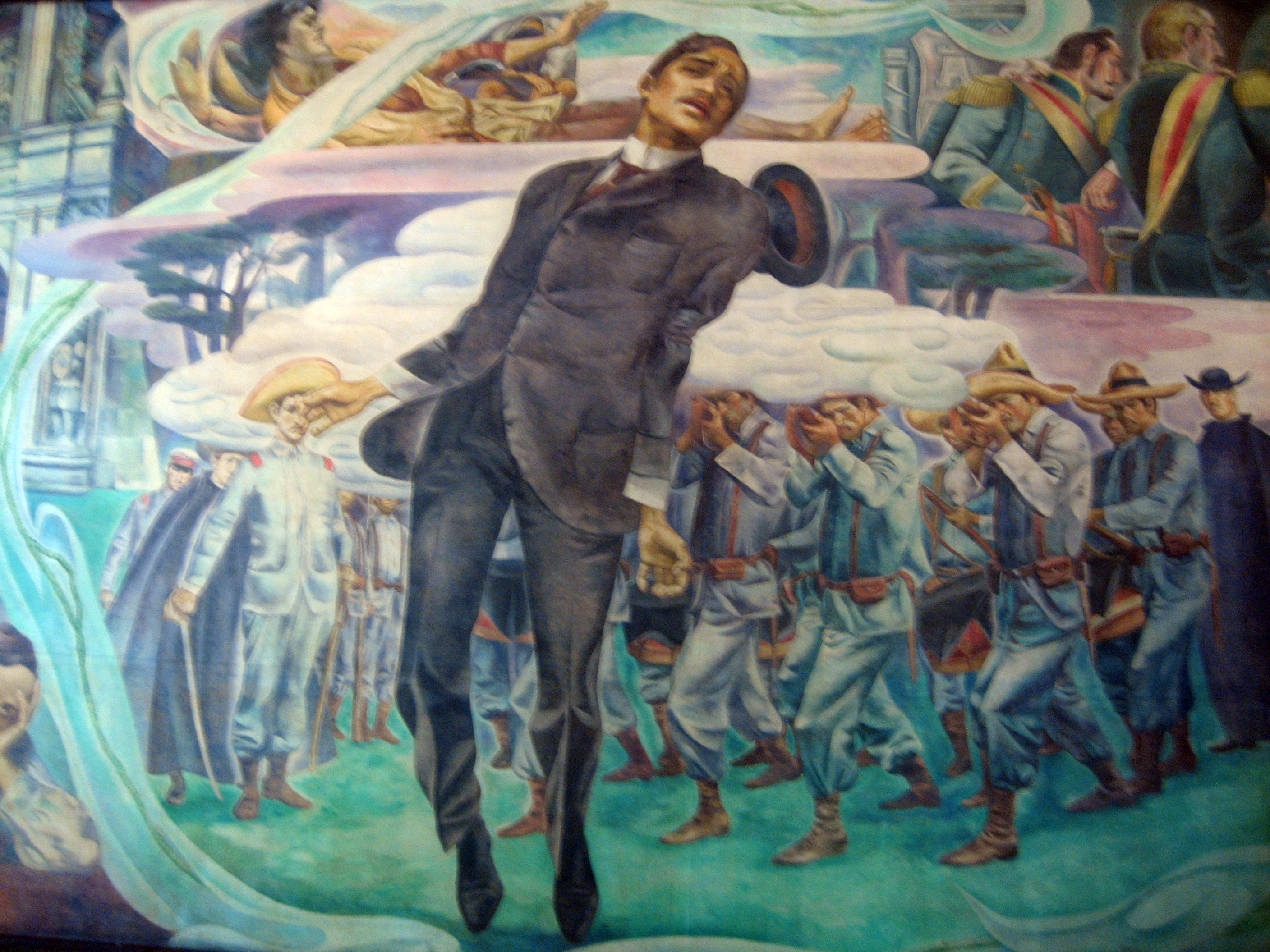
There are heaps of good write-ups on Fort Santiago.  And blogs matched with stunning photography of this “walled city”.  I brought my rusty Point & Shoot Camera just so I can take souvenir shots with my young Slovenian friends.   My young Slovenians surprisingly did their homework and knew enough about our national hero, Dr. Jose Rizal, and about his last days in Fort Santiago.  No need for any history lessons.  These travelers, as opposed to tourists, know their stuff.   It was I who was sufficiently surprised.  Inside the Rizal Shrine ,  they took their time reading “Mi Ultimo Adios”.   I must confess I never went past the “Adios Patria Adorada, Region del Sol Quirida”  stuff.  😦

Amazingly, there was a translation of Mi Ultimo Adios in other languages.  Jan and Polona painstakingly read through some, especially the one translated in Czech.   Even as translated,  they were quite impressed with the many talents of our national hero.  Having visited many other countries,  they were pleased to find that our own is a man of peace.  And not another military chief or warrior who liberated the country from oppressors.  This gave another perspective of allowing one’s self to be impressed about the power of the pen.   How a philosophy, an ideology can move people . How it can enlighten and liberate an entire race to think on its own.   Of his many talents,  Dr. Jose Rizal certainly used the power of the pen to give life to common sentiments heretofore repressed.

There are times when I feel sentimental and wax poetic.  Moments when I find myself reading and taking pleasure in reading poems.   No favorite poets for me.  I read whatever takes my fancy.   But “Mi Ultimo Adios” ?  I never gave it a chance.  I do not know why.  Perhaps because it was part of the school curriculum and I associated it with the obligatory history lessons.   Thanks to Jan and Polona, I rediscovered the beauty, the wisdom and the rhythmic beat of Rizal’s patriotism in this farewell poem.

“I die when I see the sky has unfurled its colors 
And at last after a cloak of darkness announces the day; 
If you need scarlet to tint your dawn, 
Shed my blood, pour it as the moment comes, 
And may it be gilded by a reflection of the heaven’s newly-born light.”

Shame on me.  To have someone from a foreign land teach me a lesson on appreciation of one’s own.   This stanza was nearly “alien” to me. As I said,  I hardly went beyond the “Adios Patria Adorada” line.  Yet Rizal’s passion and patriotism resonated with these lines of poetic candor.


“If upon my grave one day you see appear, 
Amidst the dense grass, a simple humble flower, 
Place it near your lips and my soul you’ll kiss, 
And on my brow may I feel, under the cold tomb, 
The gentle blow of your tenderness, the warmth of your breath.”

Lovely. Simply lovely.  He may be a doctor of medicine. A hero.  A painter.  A sculptor. An engineer.   And more.  But in my book, he is  a poet par excellance.

This is my entry to the PTB Blog Carnival celebrating Dr. Jose P. Rizal’s 150th birthday with the theme “Rizal and Travel”, hosted by Ivan Henares .


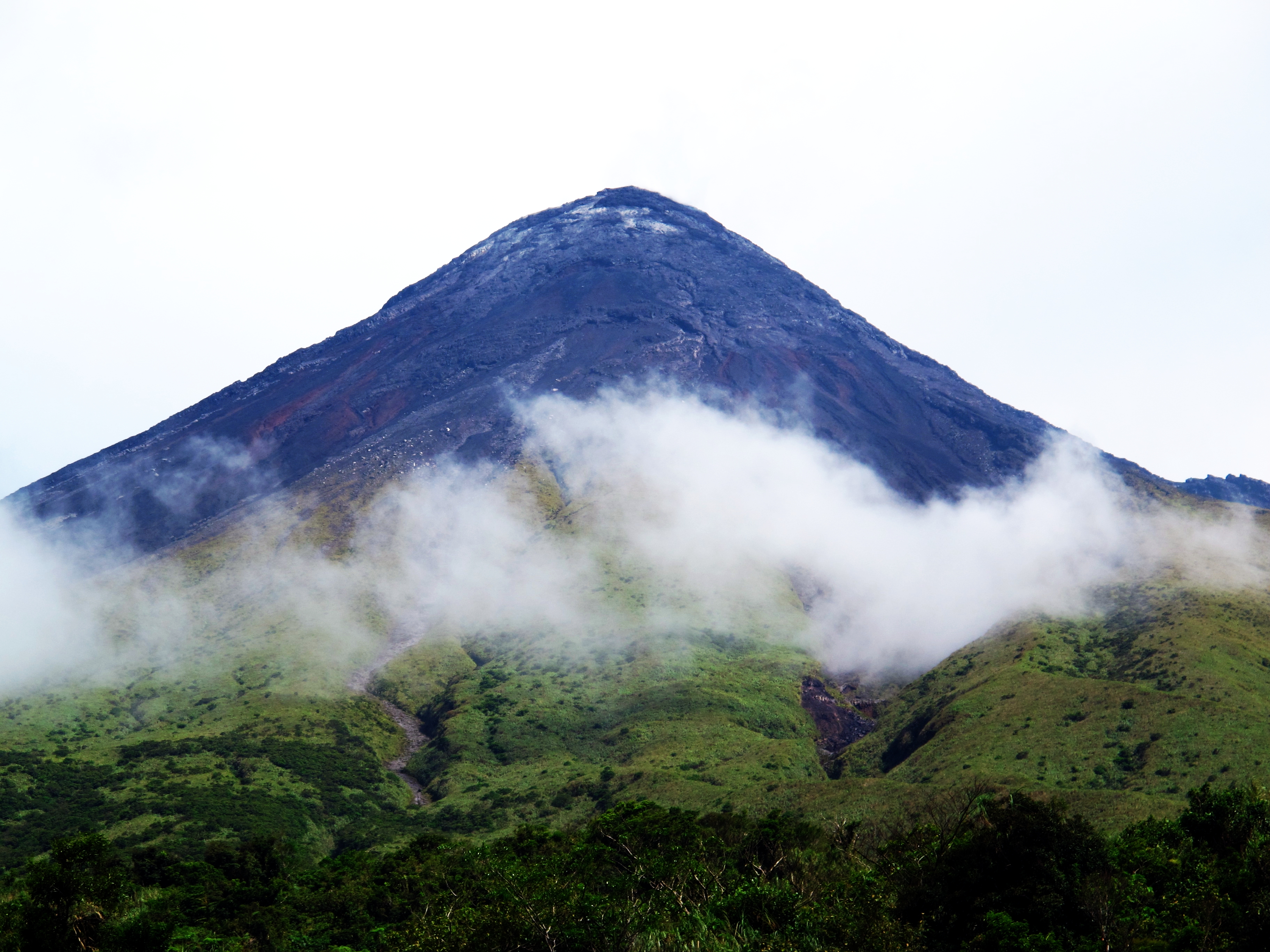
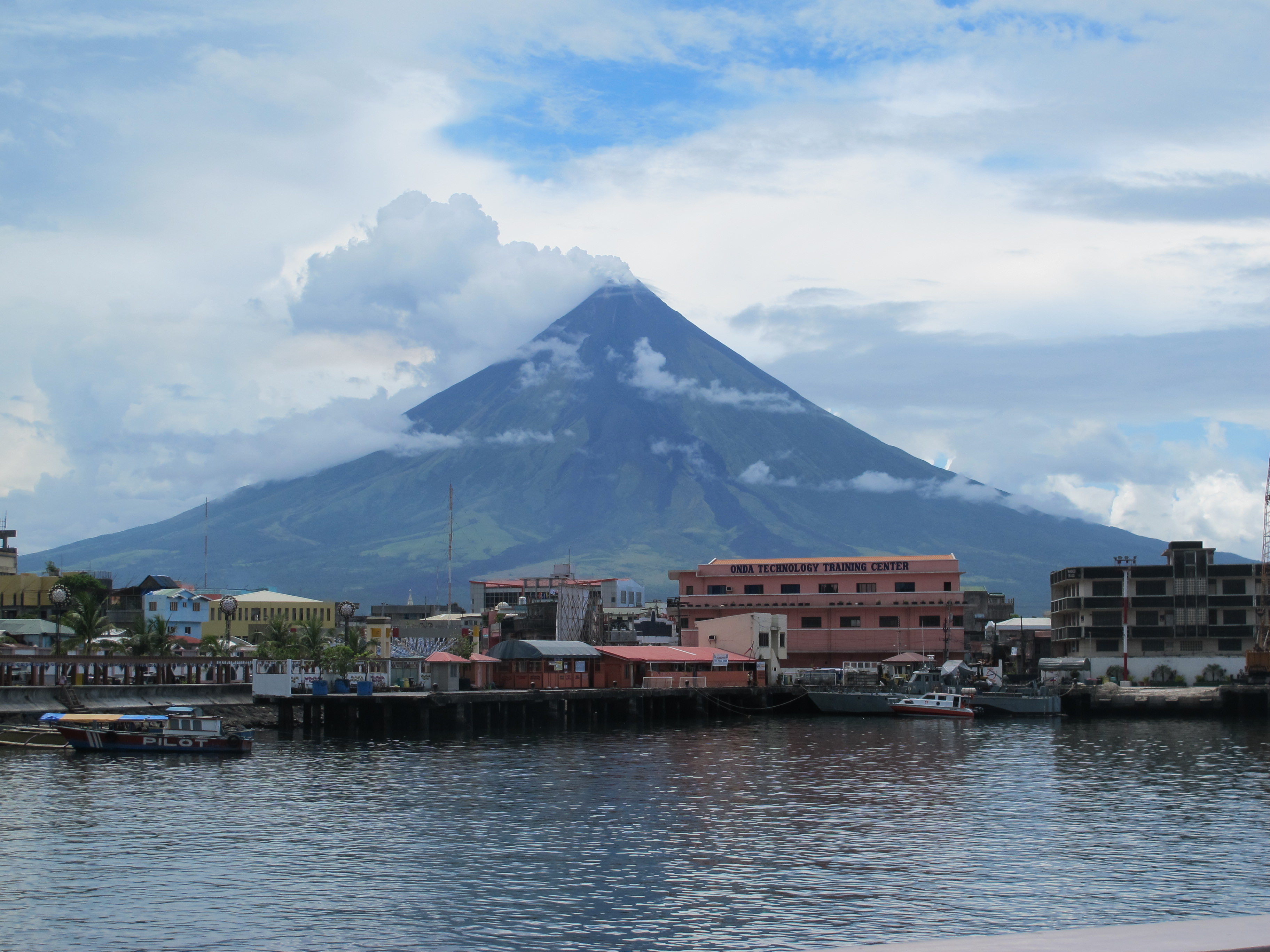
That grand old dame has her moods.  Last time I visited, I only had a glimpse of her peak while cruising out of Legazpi City southbound for Donsol.   Oh, the frustration!  Imagine Cagsawa Ruins without Mayon.  Most of the time,  Mount Mayon hid behind clouds, peeking out for a few seconds or a full minute, only to hide again.


Not this time.  I must have repeated myself countless times that Mt. Mayon is not like what it has been the one week we were in Bicol.   But there she was.  In all her majesty.  Looking gloriously lovely, even on a cloudy day.  As if teasing the gods since Typhoon Signal #2 was declared in the area.   The clouds would pass, but the lady is set to make her appearance. She showed up from all the corners of Legazpi City, from Cagsawa Ruins to Daraga Church up on a hill. From Lignon Hills to halfway around Mayon Skyline.   She stood there.  Ever present.  Set to make her majestic appearance.   Like no one, no typhoon could stop her.


Taken from Mayon Skyline


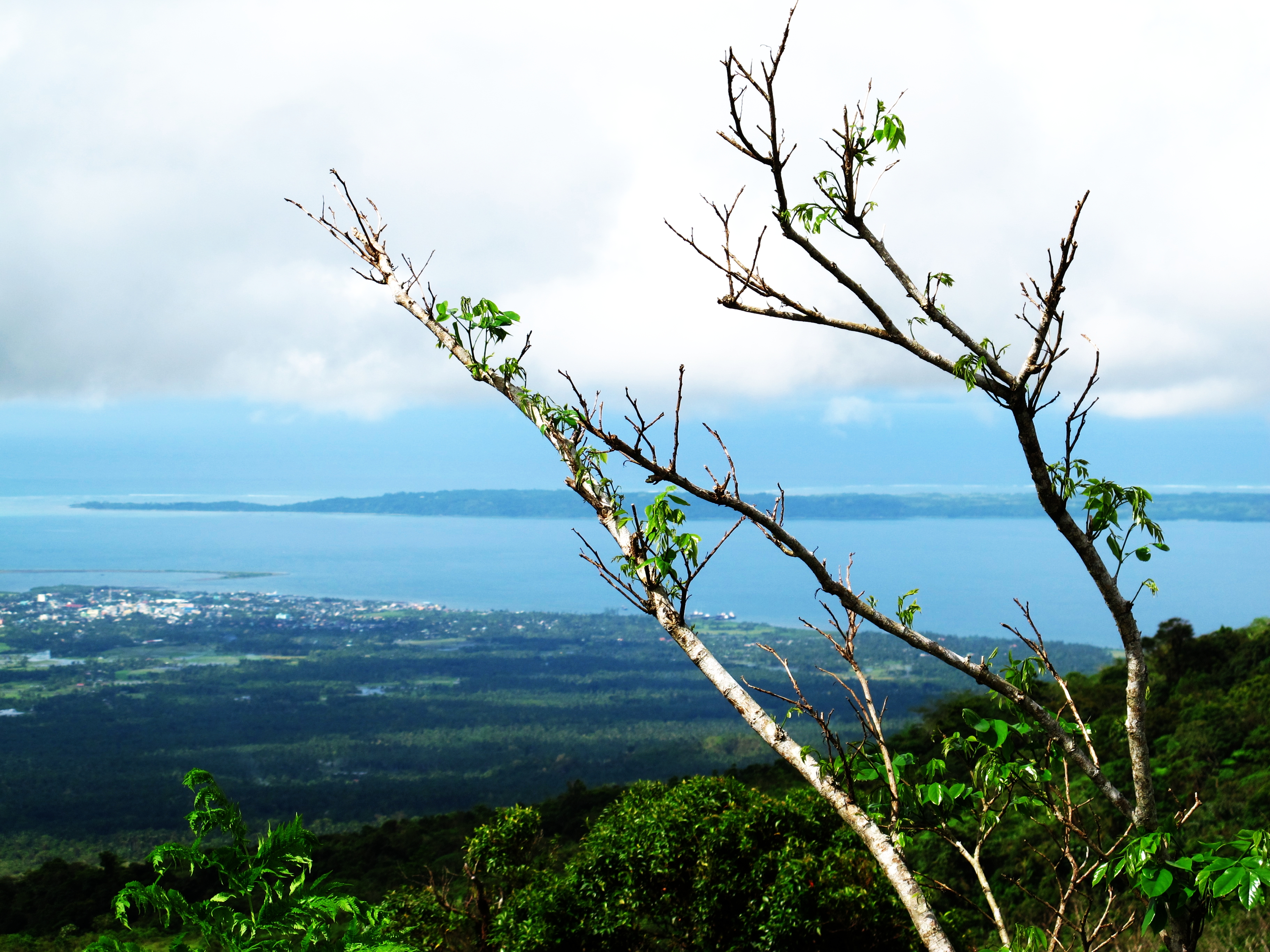
The morning they declared Typhoon Signal #2, we looked out the window of Villa Amada Hotel where Mayon stood guard while our not so little ones were sound asleep.   Deciding to make it a lazy day,  we even managed a day trip to Mayon Skyline.   Zigzagging up, we passed many children waving hello to us.  Unlike my last visit when it was cold and foggy,  the entire lake and the top peak of Mayon were both visible.   We made it!   The children were frustrated the Planetarium was closed (despite the sign that says “Welcome. We are open.”) and that there wasn’t much to do at the halfway resthouse.  All that zigzagging, for nothing.   But it was well worth the trip especially for me who missed this panoramic vista the last time. Intensified seismic activity you say?  Oh ok.  We’re heading down now.   Thanks for the warning.


I kept my word.  In an earlier blog , I reminisced about my late February butanding encounter and promised myself I’d bring my family to Donsol for the same awesome experience.  That promise was fulfilled last week.  

It was a straight drive from Makati to Barrio Dancalan in Donsol, Sorsogon.  Meal stops at Max’s Lucena, late lunch at Camalig’s Let’s Pinangat, and several pee stops.   The little ones were good travelers.  Expecting them to be restless, we were surprised they slept through much of the 10 hour ride.  Leaving at 5 am,  it was almost sunset by the time we reached the Butanding capital of the world.   We stayed in a place that must not be named as it was very nearly a mood killer for this vacay. Well, only as far as I was concerned.  The rest of the family went uncomplaining and were just too tired to call it an early  night when we reached the place.

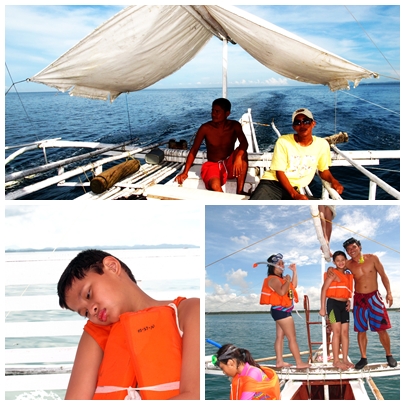
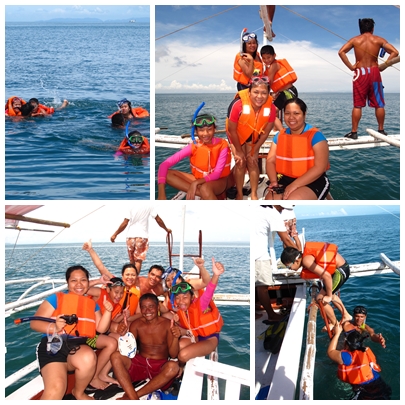
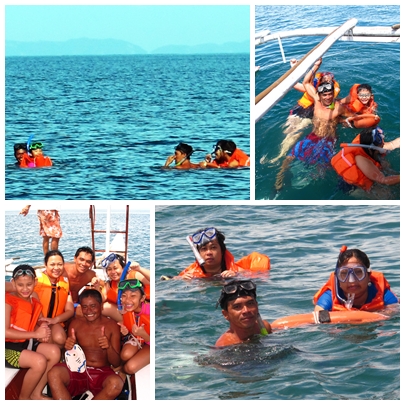
We spent 2 nights here.  Randy, the Butanding Interaction Officer (B.I.O) I had that time I had my 1st whale shark experience has been waiting for us and eager to meet my grandchildren, aged 10 and 13.  My girls were also with me, all of whom were just as excited to meet the butandings.  I wrote about Randy the last time, and has since been my textmate with his “jejemon” language which never fails to give me headaches.    For the day, he was Kuya Randy to my apos.  So with the 2nd B.I.O. who joined us on our boat, Kuya Bong.   Yes,  we hired 2 BIOs.  Wanted to make sure my 2 apos can each have a BIO cum life guard when they jump to meet their whale shark friends.

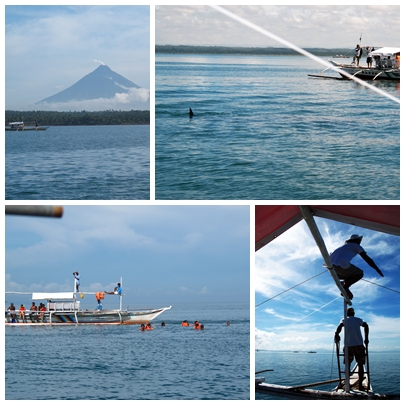
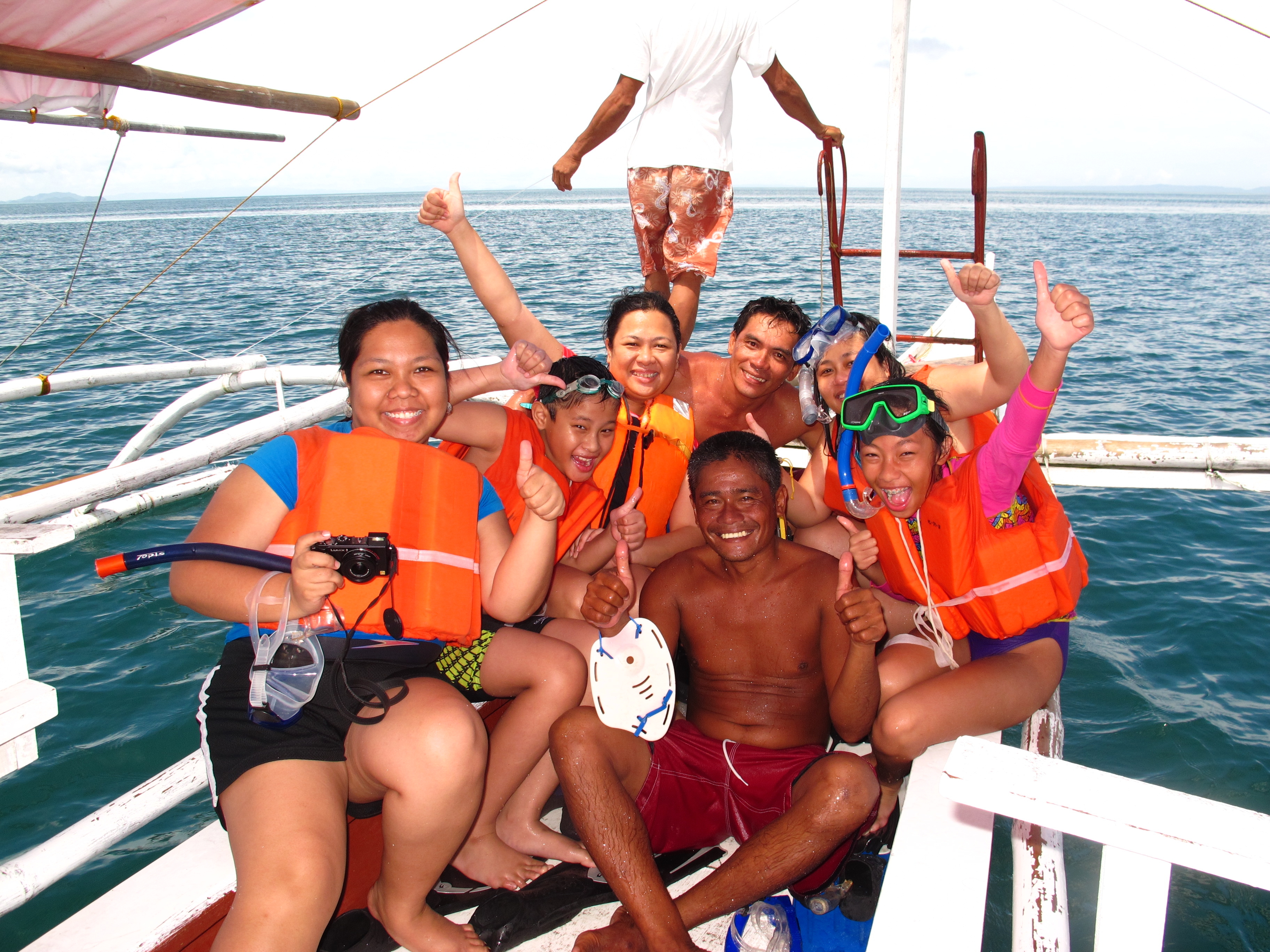
The gentle giants didn’t let us down.  The 1st jump for the apos (plus 1 of my girls) was a hurried one.  No chance for dear Martin, my 10 year-old apo, to change his mind.  The minute the spotters alerted Kuya Bong and Kuya Randy that a butanding lurks beneath the waters near our boat,  they ordered them little ones to jump with them.  Oh, I was so proud of them!  No hesitation.  No second thoughts.  They jumped in tandem with their BIO kuyas, and promptly raised their thumbs up shortly after seeing the whale shark which Martin described as “as big as a Honda City car”.   Not exactly huge.  But its size is enough to get these kids all smiling and proud of their experience.  You bet it was the start of non-stop chatter from this excitable 10 y.o. till he grew tired and fell nearly asleep on the boat.

]

The duo of these kids’ mom and auntie was next.  They made 2 jumps, without success.  The first time, the butanding even displayed its dorsal fin for all to see.  I was so excited I wanted to push anyone in front of me just to get a good shot.  The second time around,  they were just around 15 meters from the butanding whose shadow we can actually see from the boat.  Oh, the frustration for these 2 ladies!  The 3rd time around, and because the kids are so eager to have their turn,  the BIOs allowed the 2 kids to jump with the 2 adults.  Guess what.  These butandings must have sensed the presence of my 2 apos that this 10 meter whale shark stayed with their new little friends for a while.  I was beside myself on the boat, taking photos,  when I saw them raise their thumbs up a second time.   Happiness.

The B&B where we stayed, and which we refrain from naming here,  packed a picnic brunch for us.  No one wanted to eat. Or can’t.  Too excited.  Adrenaline pumping high.  Me? I had this ill-timed eye infection that I stayed on the boat the whole time, snapping photos in between coffee and sandwiches shared with the boat crew.    Though I’ve “met” the butandings just a couple of months back, I wouldn’t mind interacting with them again.  But the glee I saw on the faces of them little ones and my girls are priceless.   Empty stomachs, yet excited over this awesome animal experience.  Too excited that 13 y.o. Patricia was swimming away from the pack, and without a life buoy at that!   Enough to send her aunt into near-panic mode.  But this grandma was watching the whole time. So did the 2 BIOs, Kuya Randy and Kuya Bong.   We all knew that in glee, we sometimes make silly moves.  But not that silly for my swimmer apo.  Patricia , and her brother Martin,  would likely not forget this experience for a very, very long time.  🙂

H.A.P.P.I.N.E.S.S.

See you next year,  my friend. 🙂

Check also my TravelBlog  piece on same subject.