Tag Archive: Europe


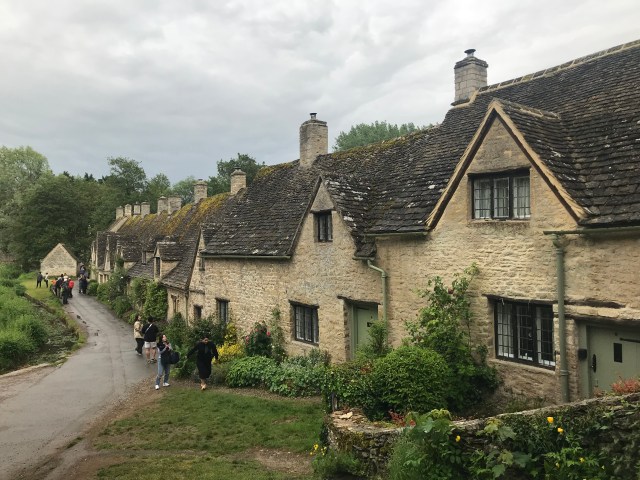
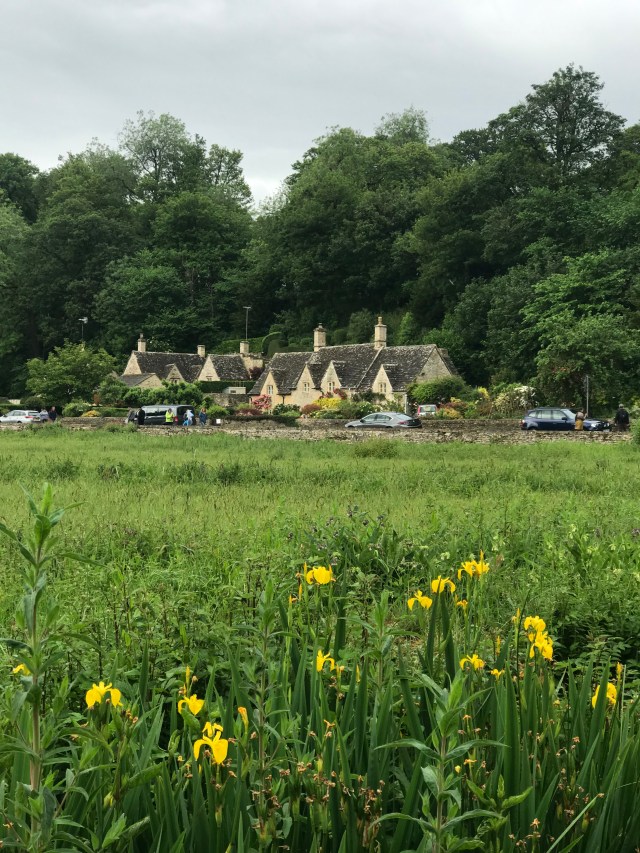
This is one of my favorites among the market towns and villages we visited in the Cotswolds. Many promotion materials such as brochures feature these cottages. Easily, one of Cotswolds’ most photographed sites. In fact, UK passports carry that image on its inside covers. There isn’t much to do though so visitors tend to congregate around the narrow street past the footbridge for a good photo op with the row of old stone cottages in the background. Poor residents! I can imagine how young families putting babies to sleep cope with all the noise of tourists. And we saw many coaches offloading tourists!
Arlington Row, Bibury

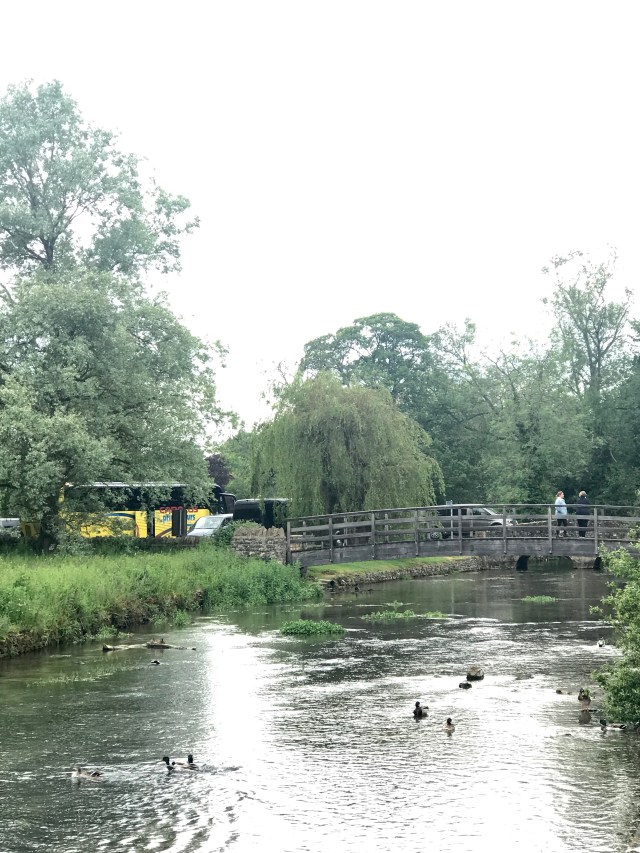
The Footbridge

The row of cottages have been there since the 14th century. Built initially as monastic wool stores and barns, they were converted to weavers’ cottages in the 17th century. The weavers then supplied cloth for fulling to the nearby Arlington Mill, now a museum. Fulling is a process in woollen cloth making where the cloth is cleansed of all oils and impurities to make it thicker. Within the same area is Saint Mary’s Church. The dry stone walls are everywhere and it must be a chore trying to maintain them — what with almost every tourist touching and feeling them. Remember, these walls have no cement 😱
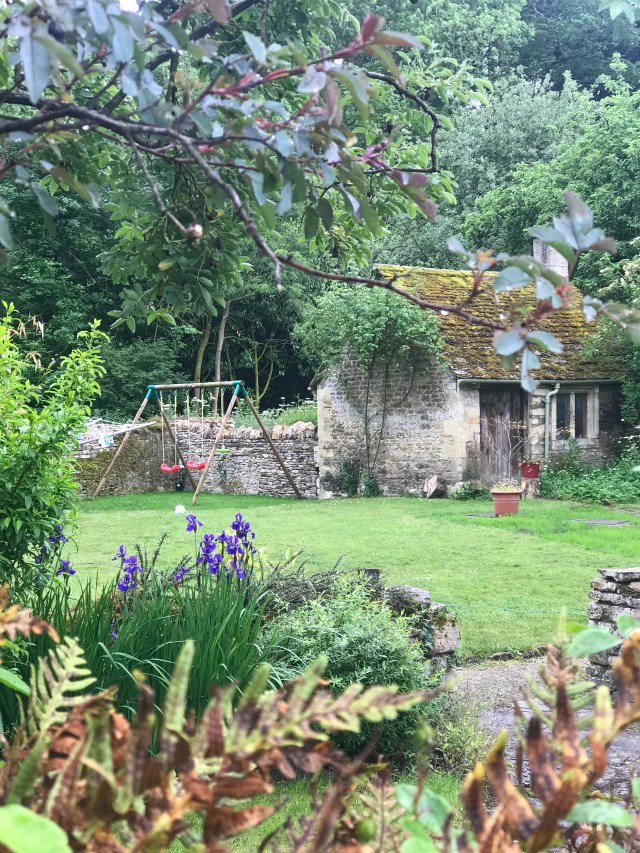
A young family’s cottage?
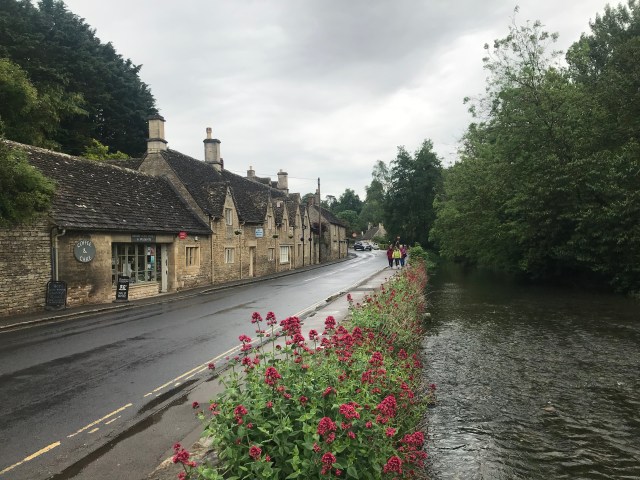
The Road To Bibury

At the time we visited, we found a group of Japanese tourists in the Arlington Row. No chance I can snap a photo without the crowd going up and down the row of weavers’ cottages, UNLESS you climb a steep incline for a solo shot 😜 The place is particularly popular with the Japanese because of its association with Emperor Hirohito. The story goes that the Emperor stayed in this village while still a Prince on a European holiday. He has been a big fan of Bibury since then. Why am I not surprised? The village looks like it was peeled off some historical novel. I am no Prince or Princess, but I’m a big fan too. Kudos to the National Trust for preserving this heritage site.
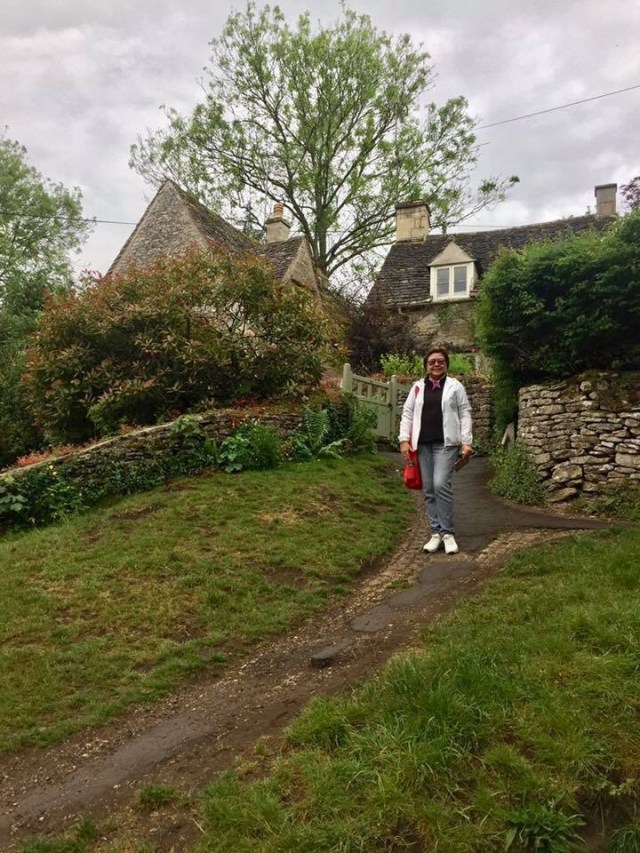
Arlington Row, Bibury
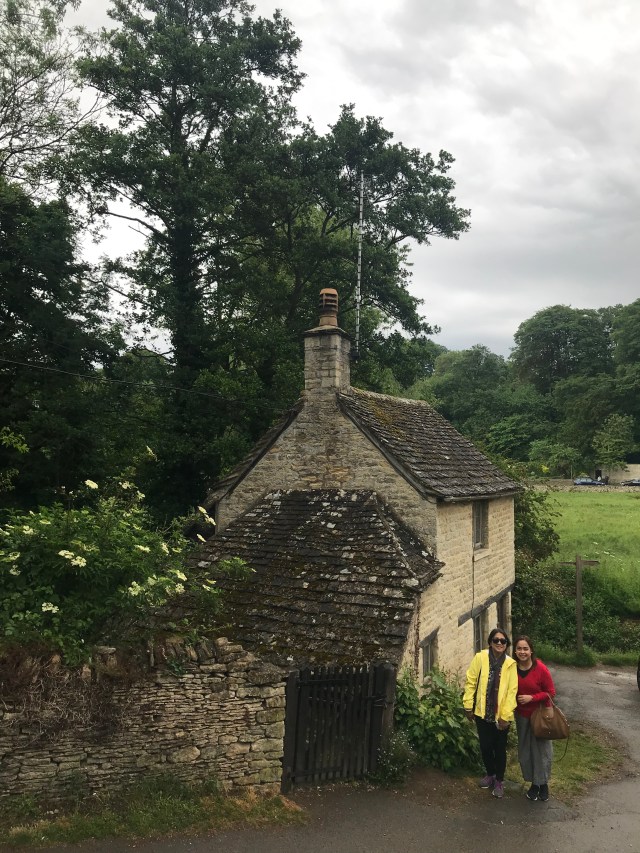
Arlington Row, Bibury
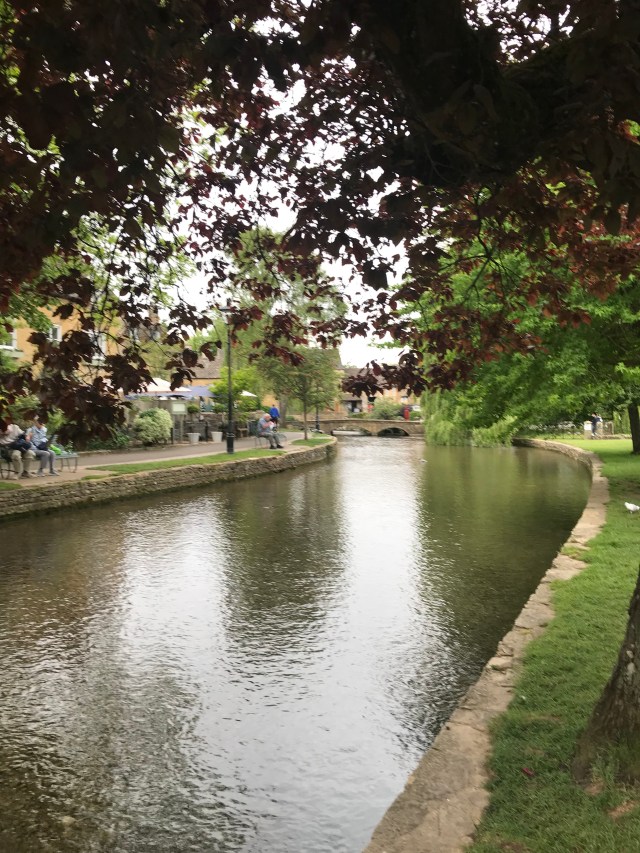
Getting here is fairly easy. But parking is a major concern. Think of those humongous vans and coaches ferrying selfie stick-wielding tourists. And if you’re driving, pray you don’t get stuck behind a tractor transporting some fresh manure to nearby farms. Yes, Victoria, ain’t easy to overtake around the bends and on the wrong side of the road at that! But hey, this quaint village with a cluster of honey-coloured stone cottages is so postcard-pretty that you won’t feel sorry visiting it. The stream that runs through it attracts many wildlife and while busy with tourists, the swans and ducks seem oblivious to hooo-mans. They go about their business and certainly act like it’s their territory and we are intruders. Well, we are. πŸ™„

Arlington Row, Bibury

Arlington Row, Bibury

After this visit, I now feel like watching “Stardust” and “Bridget Jones Diary” again. Both movies used Bibury as location setting. And maybe next visit, I’d stay in the biggest stone building in the area. The ivy-clad Swan Hotel only has 4 stars but I’d give it a 5 star for its location alone — right along the banks of the River Coln in Bibury. Price-wise, it’s a steal. Last I checked, it is even cheaper than the overrated London hotels we stayed in. Yes, the best lesson I picked up from this trip is to stay in London only if I have to, like if I’m watching a West End play or musical. Otherwise, off to the countryside like this market town. πŸŒΏπŸƒπŸŒ±πŸ‚πŸ’πŸŒΊπŸ₯€


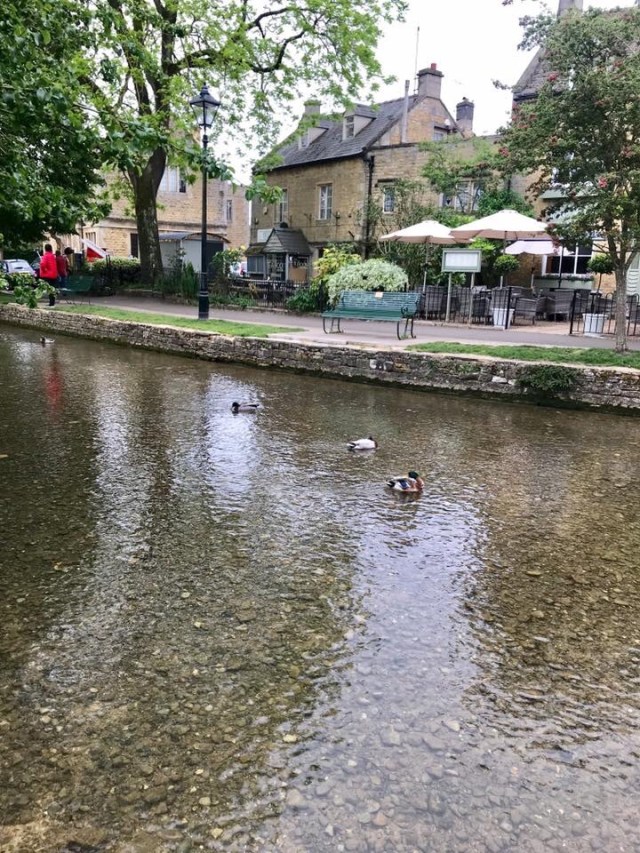
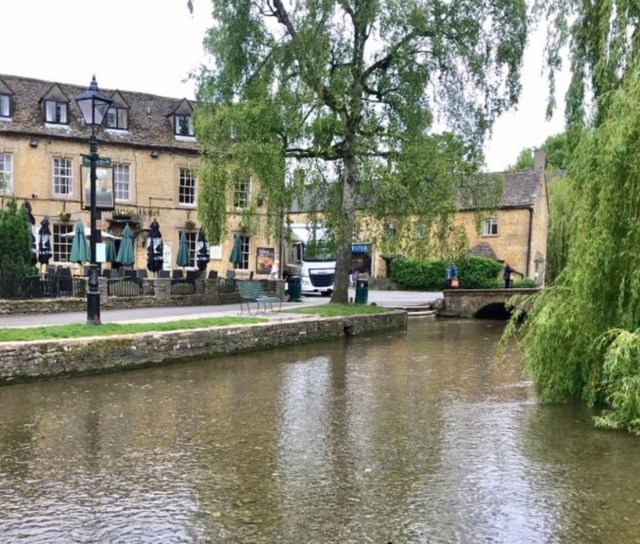
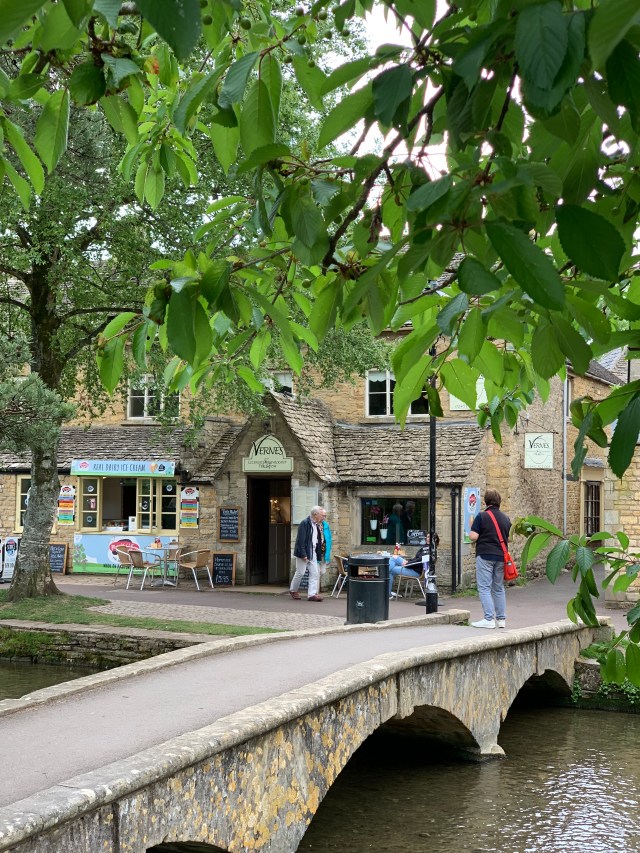
Considered a “big village” among the tiny market towns in the Cotswolds, Bourton-on-the-Water lies in a valley populated by no more than 4,000. You’d find crowds here though, as busloads of tourists visit this charming village that’s also fondly called “Venice of Cotswolds”. The 5 low bridges, all constructed with local stones, spanning over the River Windrush is a charmer. All have very descriptive names: the Mill Bridge (built 1654), the High Bridge (1756), Payne’s Bridge (1776), New Bridge (1911) and the Coronation Bridge to replace a wooden footbridge built in 1750. The river cutting through town used to be wider until it was rechanneled to power the 3 mills.

Unlike the more bucolic Castle Combe and Bibury, Bourton-on-the-Water is more modern and vibrant with its antique and souvenir shops, tearooms and restaurants lining the riverbank. The whole place is actually “prettied-up” for the tourists and it’s no brainer to think the tourism industry is making good money here. If you like shopping, you’d get busy here. And most restaurants offer good views of the river flowing through the entire town, complete with swans, ducks, even pigeons. There is a Museum of Vintage Cars as well as a “model village” showing a miniature Bourton-on-the-Water complete with bridges and stone houses. Unfortunately, we didn’t have time to visit any. Just as well as I don’t fancy a car museum nor a village scale model. But I found a bench by the riverbank. And the time to sit still even for just a moment. It was a pleasant day. Not sunny, but at least it didn’t rain. Not too cold too.

The name Bourton-on-the-Water derives from a Saxon phrase meaning village or settlement by the fort or camp. Except that that settlement has been fully commercialised. Funny but every time I see shops selling gemstones like one would find in cruise liners, it hits a panic button. Instant alert that it is a tourist trap. Definitely not your idea of “countryside” but the stone houses, some ivy covered, still hits a spot. And yes, the low bridges over the River Windrush add charm. Like Venice? No gondolas for sure as they can’t pass under those low footbridges. But still a charmer. No wonder it’s one of the more popular towns in the Cotswolds area.


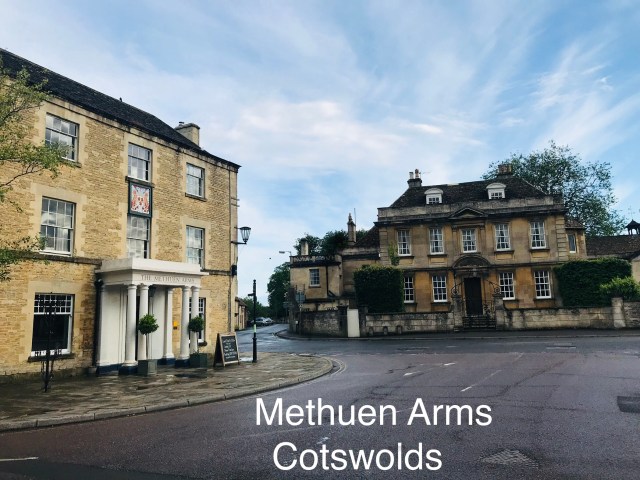
Not too many have been to the Cotswolds. And when visiting Cotswolds, Corsham isn’t exactly top of mind. But we’re happy to have decided to stay here since it’s very near to the 3 wedding events we were attending one weekend. Euridge Manor in Wiltshire and Castle Combe aren’t too far away, just 15-20 minutes drive. And Lacock is just some 10-15 minutes drive away. Besides, Corsham has its own charm too, without being soooo isolated. The latter is important since we didn’t want to drive and therefore considered the hotel’s proximity to shops, number of dining outlets, attractions and facility in hailing cabs. Alright, staying above a pub is a plus too.

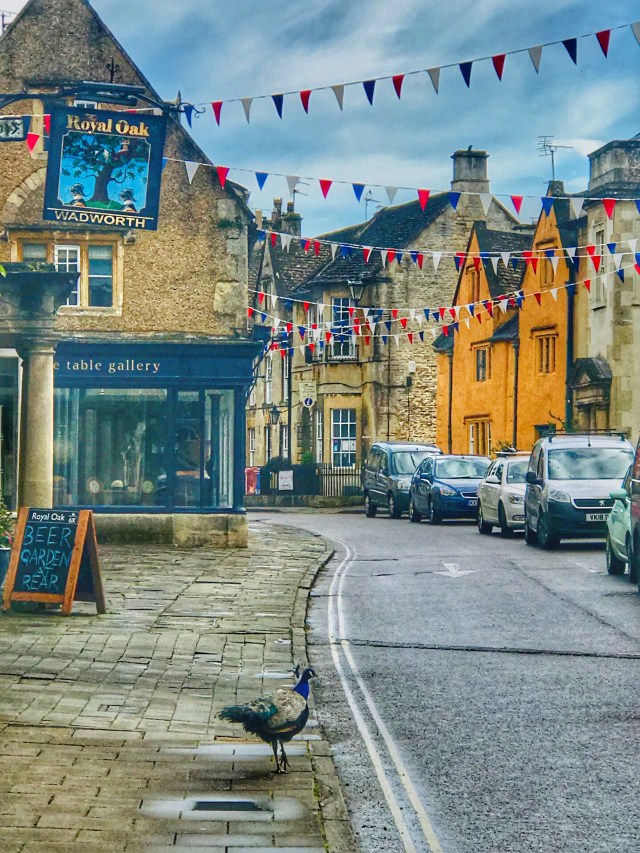
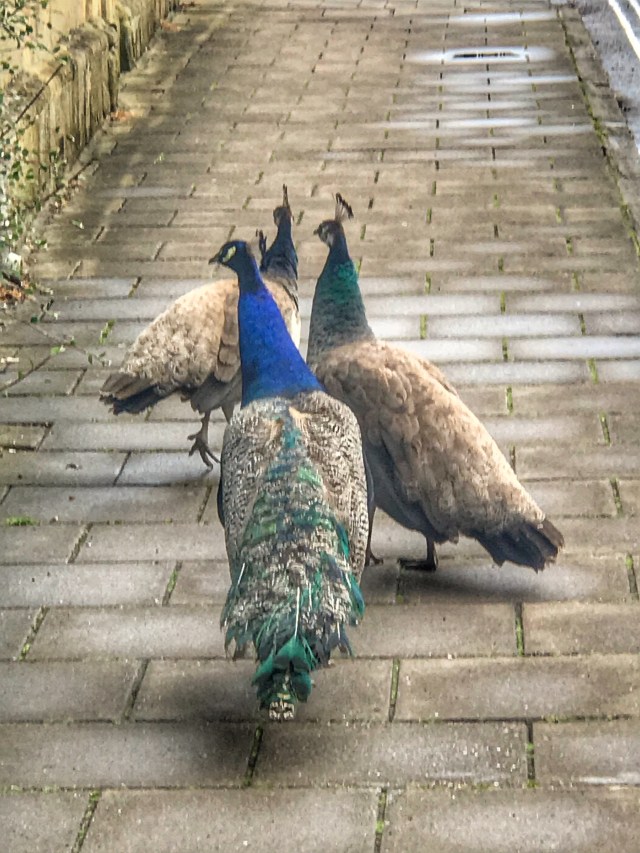
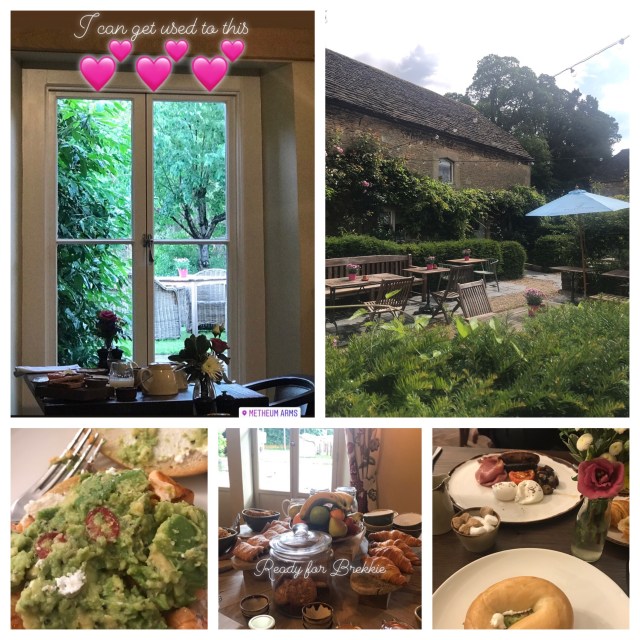
But really, how often do you walk the town’s streets along with peacocks and peahens? They’re officially Corsham residents and have grown used to people. We stayed in one of those pubs in the area. Yeah, like getting your room and a beer too. And I bet these peacocks watch out for those who’ve had one too many beers. Methuen Arms can be noisy at night especially on weekends. But their restaurant serves very good food and has a good wine selection. Breakfasts here were just heavenly. One breakfast, I had a squirrel staring me down from a window. Must be jealous of the toasted bagel and smoked trout with mashed avocado I had for brekkie.

Full English Brekkie? Bagel with Salmon or Trout? Toasties?

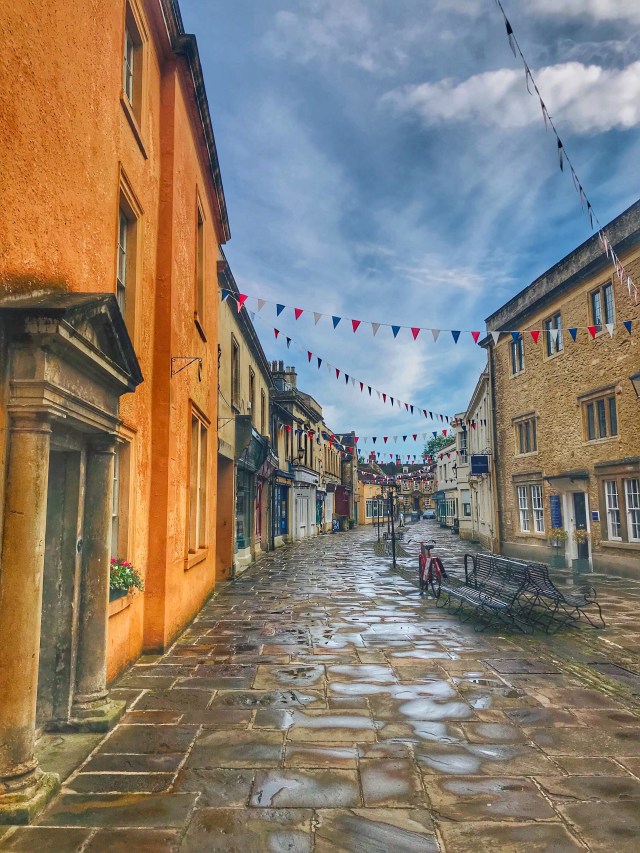
The 17th century schoolroom and almshouses, Town Hall, Post Office, Elephant Bums, Corsham Court, Flemish Cottages, are all walking distance from the hotel. And they stand right next to more pubs, tiny offices, craft shops, convenience stores, coffee joints and restaurants. We even spotted an Indian and a Chinese restaurant which seem to be popular among the locals. (You guessed right, one of us ordered some noodles and another dish to takeaway — for midnight snacks!)

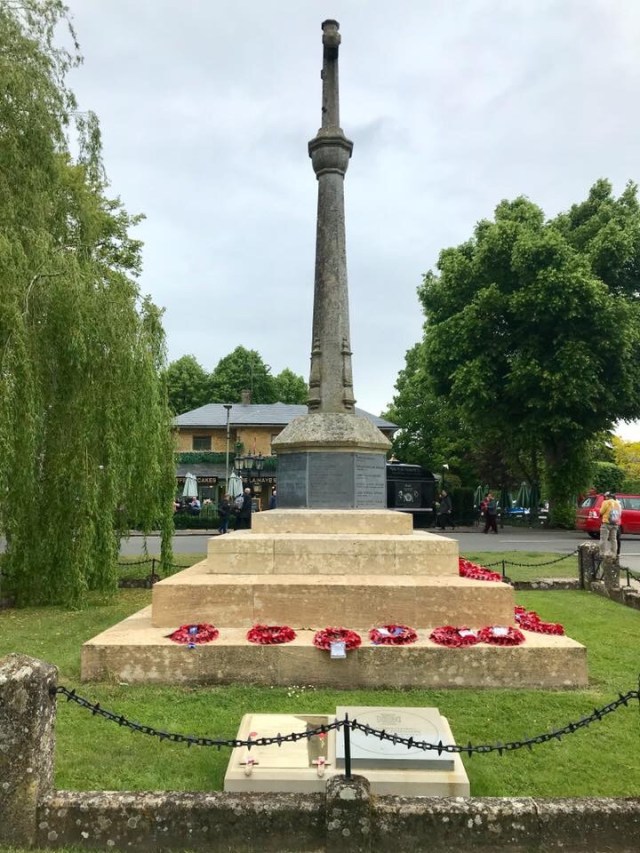
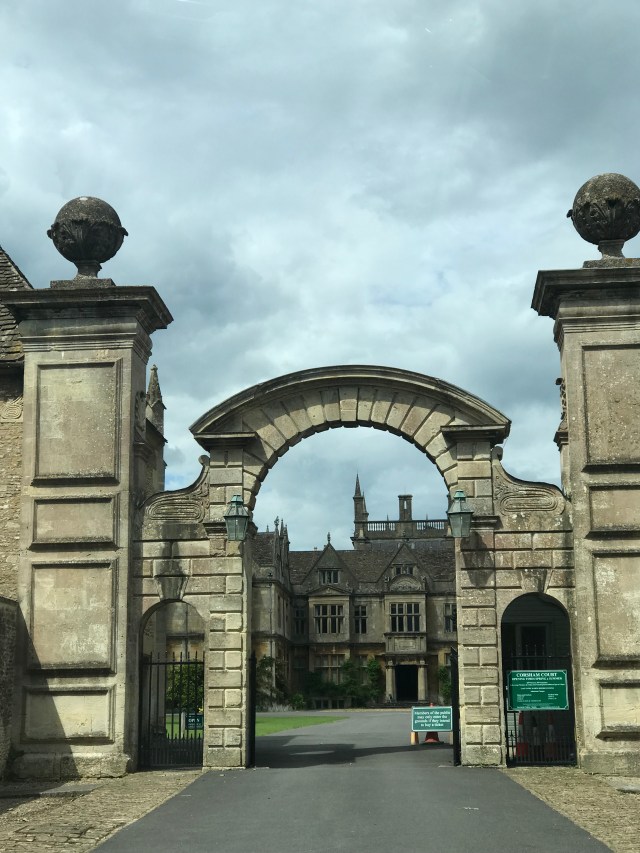
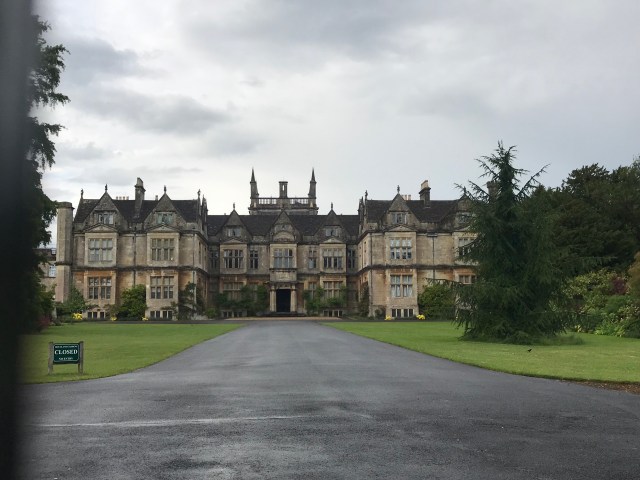
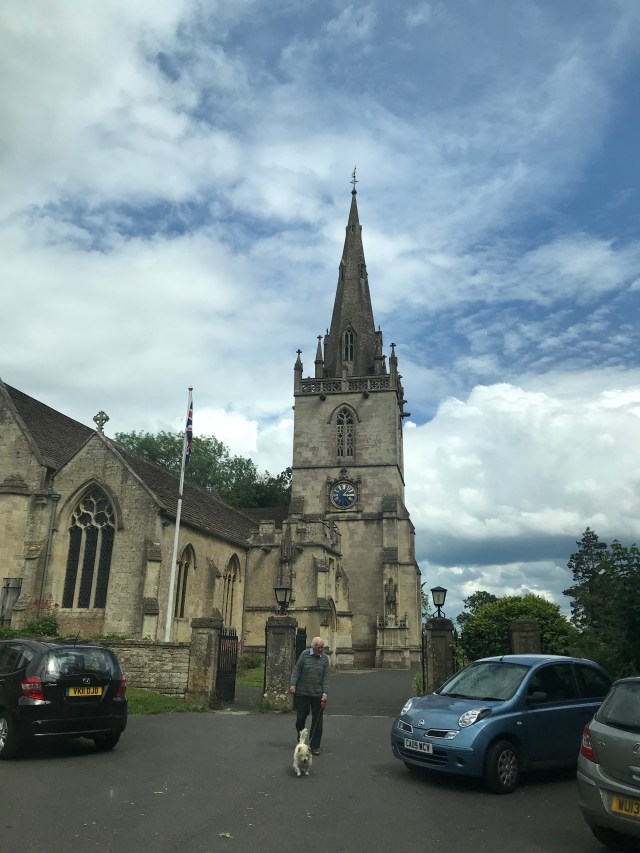
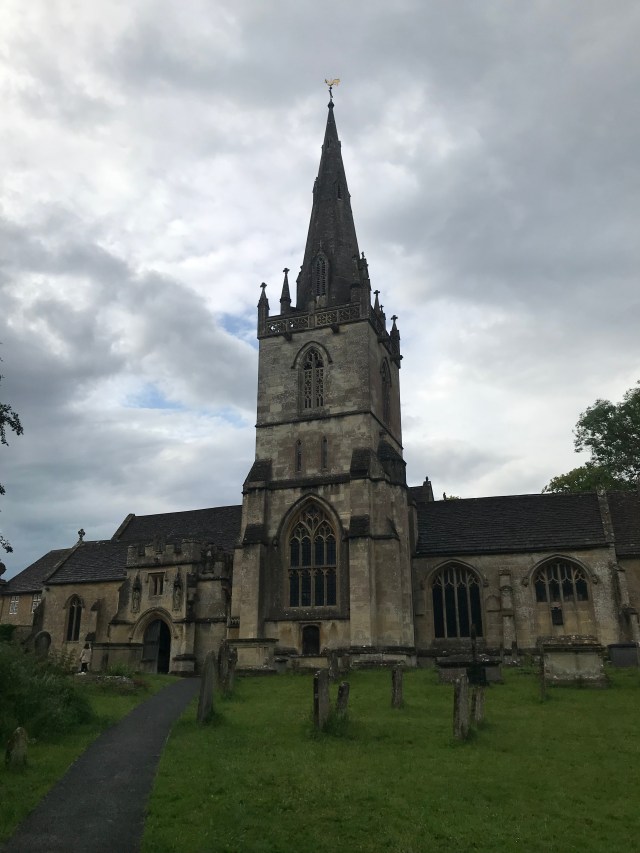
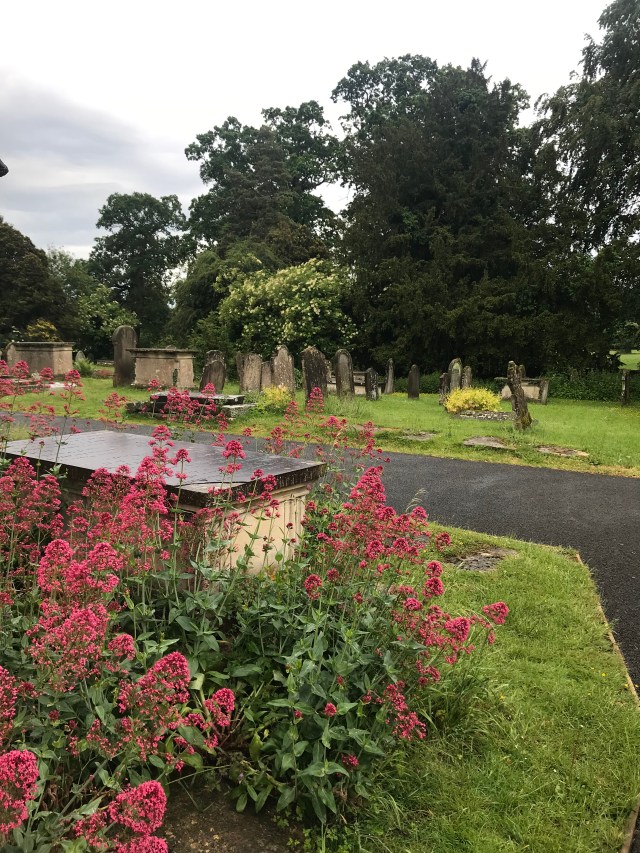
Only a parking lot and a backyard separates Methuen Arms from the Corsham Court and Saint Bart’s Church. There are paved and cobblestoned paths, but it was an easy, short walk across Corsham Park. Saint Bart is short for St Bartholomew, a church which dates back to Saxon times. A marker on its wall honours the Corsham men who perished during the First World War. The graveyard is right next to the Church, looking real pretty for an old cemetery. On the other hand, Corsham Court used to house a Saxon royal manor and belongs to the Methuen family since 1745. It was perfect as location setting for the movie “Remains of the Day” starring two of my favourites: Anthony Hopkins and Emma Thompson.

Corsham Court

They do look like Elephant Bums, right?

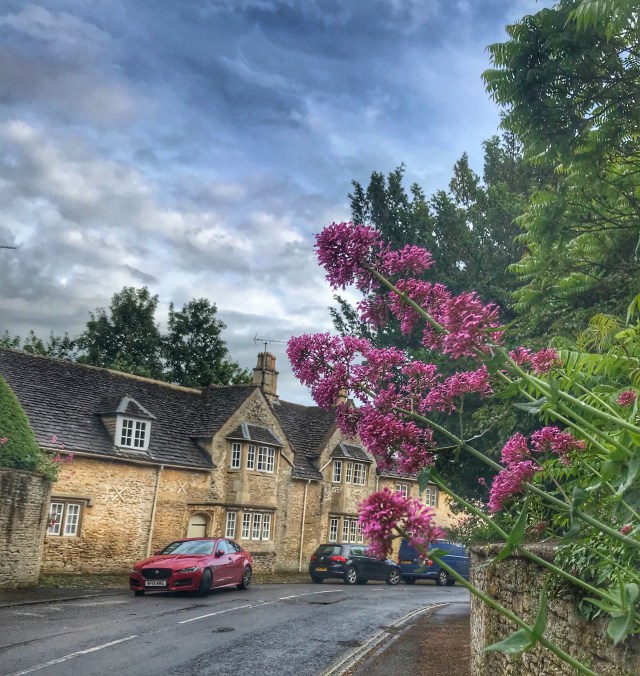
The Saint Bart and the adjacent cemetery may look too pretty. In my book, I like the experience of seeing peacocks roam High Street where one finds 17th century Flemish cottages then built for the Flemish weavers who revived the wooden industry in this town. The days we spent in this area, we were extremely busy for the wedding events. But it only took a few hours of leisurely walking to reach these tourist spots. We found Corsham very orderly and clean — despite the pub noise! And amidst that pub noise, I overheard 2 authors discussing a book they are writing together. Either that or one is an editor. With that lovely erudite-ish British accent, i was drawn to their exchange, eavesdropping and finding delight in it. My bad!

Saint Bart’s

The Graveyard beside St. Bart’s

Next time I visit the Cotswolds, I’d likely go back to this former coaching inn with Georgian-style architecture – Methuen Arms – but time the visit in spring. Either to stay or enjoy a good meal and a beer. Or both. Still won’t drive, but biking can be an option. Also learned there’s a hiking trail in the Cotswolds. Now, that even makes it more interesting. Why not?

Trivia: Camilla And Andrew Parker-Bowles lived here in Corsham until they divorced in 1995. Their house was then sold to former Pink Floyd drummer Nick Mason who still lives in the Corsham estate with his wife.

Also, the Duke of Edinburgh (Prince Philip, married to Queen Elizabeth) spent time in Corsham teaching cadets in the HMS Royal Arthur at the time he was engaged to marry the then future Queen.


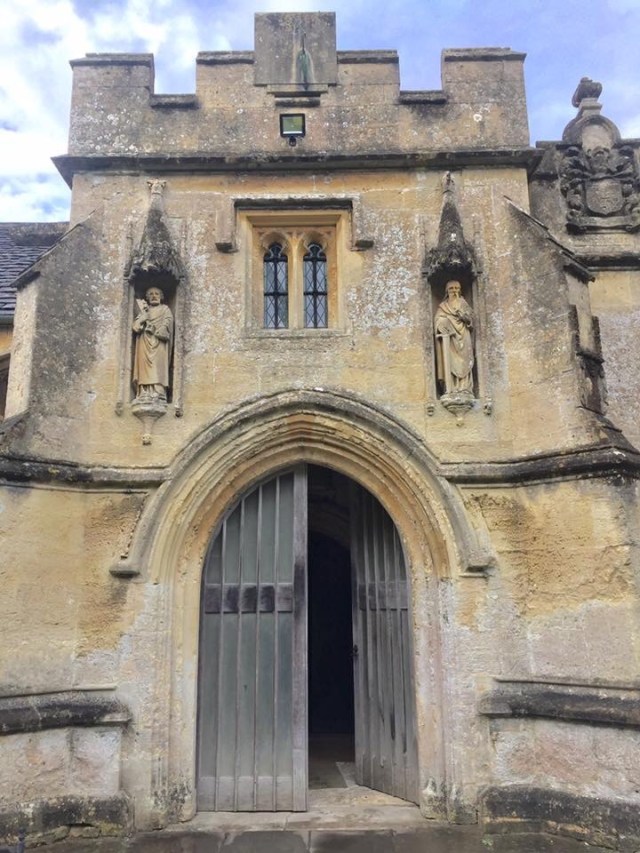
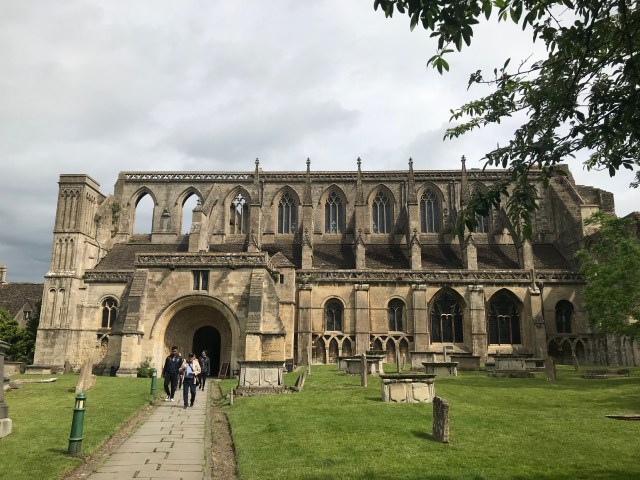
It is the oldest borough in England. I didn’t know that. And I’m sure addicted to anything old. πŸ™„ So I promptly bought a brochure at the Abbey to brush up on Malmesbury. If it’s old, it’s bound to be so rich in history and I’m a sucker for good old tales. Apart from being old, it is also pretty. We meandered in a winding footpath leading up to the Old Bell Hotel — reputed to be the oldest hotel in England, built to accommodate scholars then studying at the Abbey. The hotel is right beside the Abbey of Malmesbury, both structures standing on foundations dating back to the 12th century. The Abbey holds the tomb of King Athelstan, reputedly the first “King of All England”. There is an Athelstan Museum inside the Town Hall telling the history of the town built on the site of a 4,500 year old hill fort. Outside and surrounding the Abbey are tombstones including that of 33 year old Hannah Twynnoy who was killed by a tiger that escaped from a traveling circus. And there’s the story of a “flying monk” who crafted wings and jumped out of a window to land in broken legs. But he survived the crash πŸ™„ Such impressive architecture, fascinating history and interesting stories and tales!

Malmesbury
Malmesbury
Malmesbury
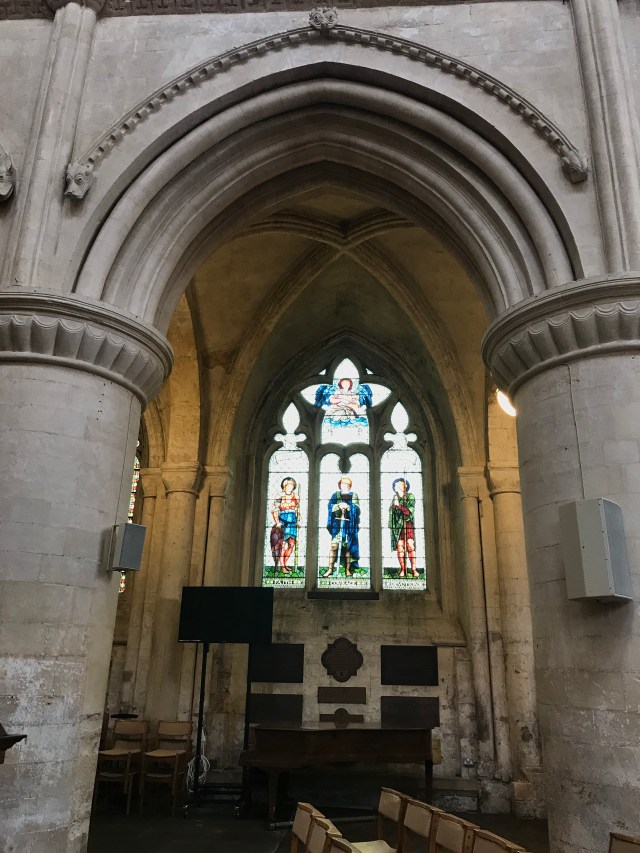
The old lady manning the desk inside the Abbey was so charming with her soft voice explaining some features of the Abbey in a most unhurried style. She explained how the centuries- old Abbey is now missing its tower. She further explained she doesn’t know why it’s missing. She was so cute in all her honesty, and actually sounded sorrowful she doesn’t have all the answers. You can tell they’re all volunteers. Even the one serving coffee and pastries INSIDE (yes, inside) the Abbey, complete with tables just behind the pews. If you have the time, take your coffee cuppa outside to linger in the Abbey House Gardens where King Athelstan was actually buried with “2 saints thrown down the well”. The garden can be very soothing to your nerves — a tranquil haven.

Malmesbury

Malmesbury

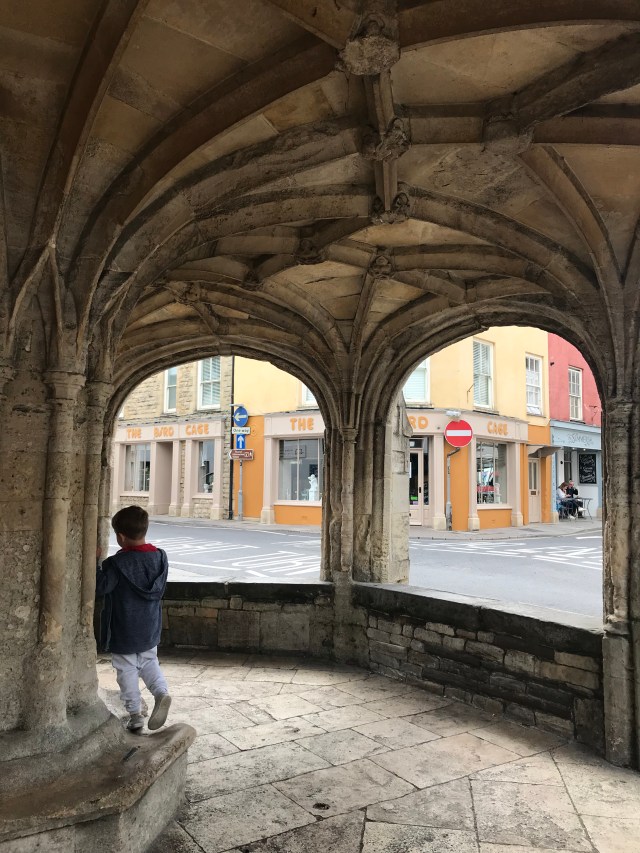
We found our way strolling the cobblestone paths past the 15th century Market Cross which used to be an 11th century graveyard. The path leads to the main square and Town Hall where a kindly lady handed me a Malmesbury map. I wanted to tell her I really don’t need a map just walking around the square and the Abbey grounds. But she was all smiles and so friendly. On the way back to our van, we passed the same Old Bell Hotel and the grassy path along a brook with mini-falls that hosts a few swans and ducks. Lovely!

Malmesbury

Malmesbury


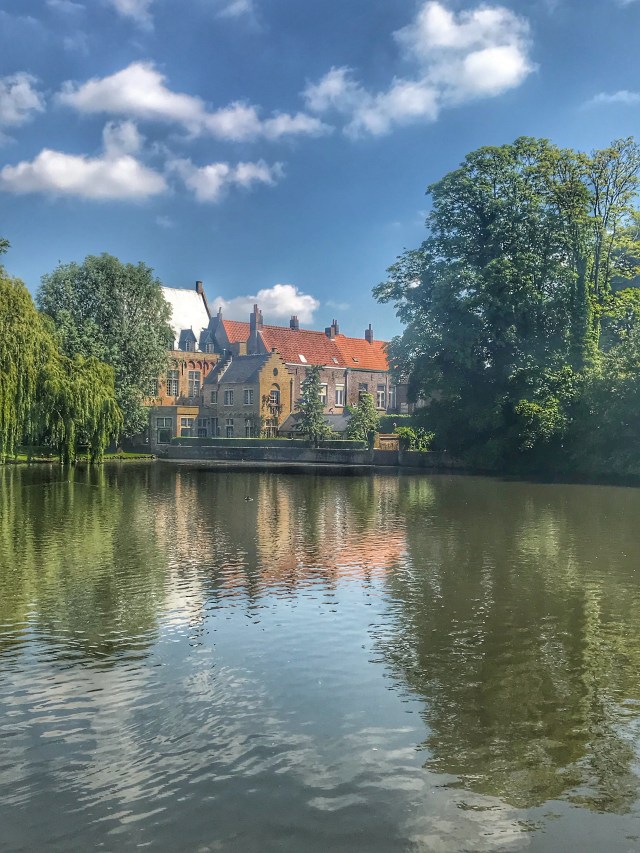
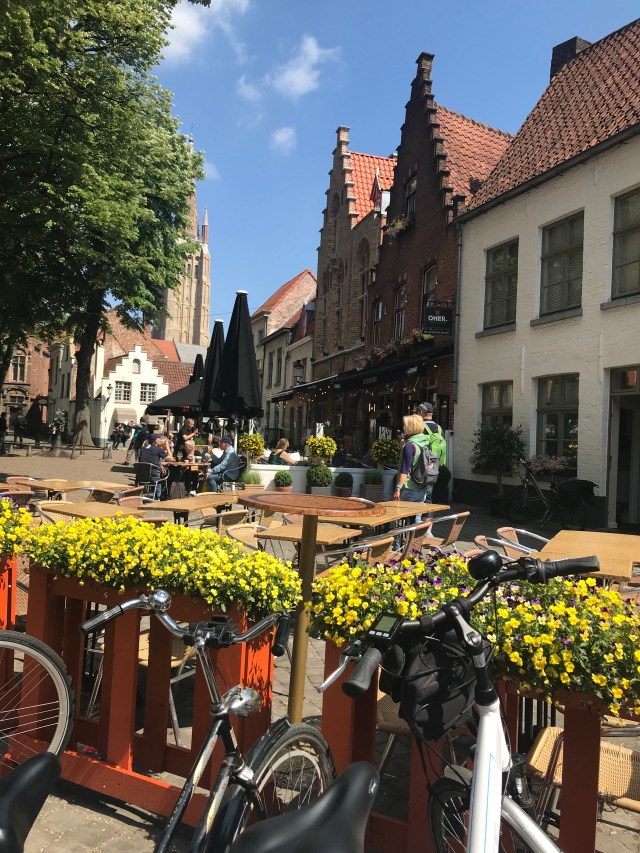
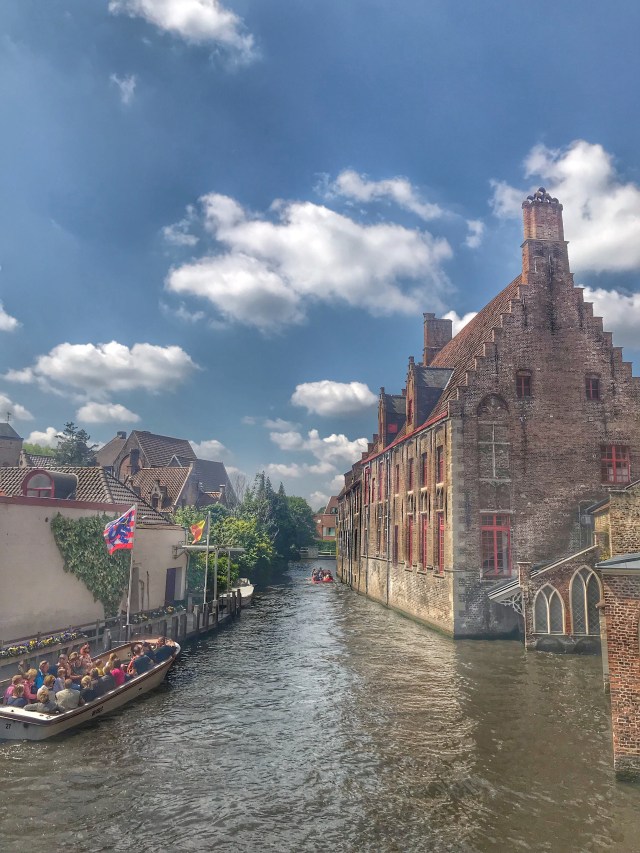
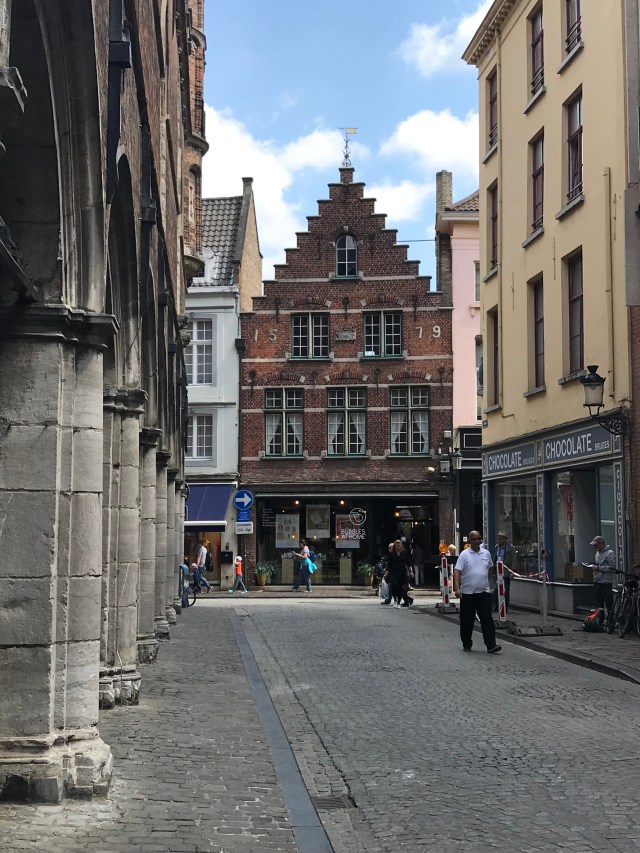
In the northwest of Belgium lies Bruges, the capital and biggest city of West Flanders. You would not want to miss this fairy-tale medieval town with its charming market squares, cobble-stoned walkways, a skyline of soaring spires, the clatter of horse-drawn carriages, swans gliding across the waters, the whitewashed almshouses and dreamy canals. Belgium is most certainly more than just fries, chocolates, mussels, waffles and beer. One would think it’s such a small country and visiting the capital Brussels is enough. Well, we spent a week in this European capital and made good time doing day trips from the capital. Got to say we were so happy to base ourselves in Brussels for a week to do as many day trips. One city or town each day. We wanted to do it more leisurely this time. If I were to change anything at all, I’d plan to stay a couple of nights here in Bruges!

Bruges

Bruges

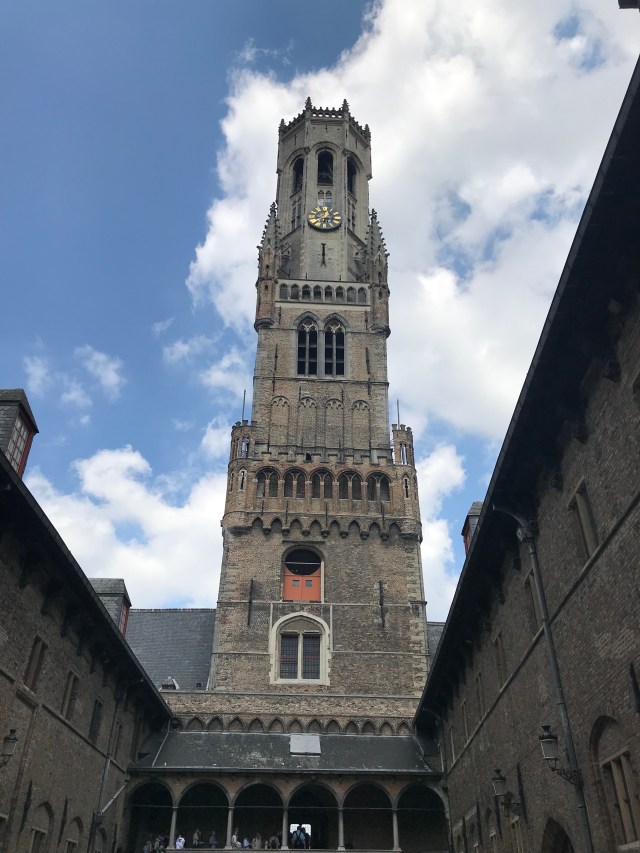
The first 3 photos were our first impressions of Bruges. I wasn’t expecting to see horse-drawn carriages but they sure enhance the medieval splendour of this very Flemish city. Throw in those step-gabled building facades. The canals. And that iconic octagonal belfry called Belfort. If I didn’t see it for myself, I would have guessed this was some Hollywood Studio prepping for a period movie. I nearly imagined a lovely lady coming out of one of these buildings dressed in a lacy gown and a bonnet with ribbon ties around her long neck. Others may remember the movie “In Bruges” but our guide gently told us NOT to believe everything depicted there as something coming out of Bruges. I have not seen the movie, so I can’t confirm that.

Bruges

Bruges

The wealth and former glory of Bruges is not easy to ignore. Strategically located, Bruges was a trading hub and the merchants freely traded their products here and even innovated their trading practices which turned out to be the forerunner of a bourse or stock exchange. From the Merchants of Venice to the more creative banker-capitalists of Bruges who likely invented the core of the banking business like promissory notes, shares of stock, stock exchange and money market? Amazing to learn how many of the banking transactions still in use today may have started here.

Bruges

Bruges

With progress, the newfound wealth found its way in various art forms. Art found many patrons and many Flemish painters thrived. So did other European masters. The Madonna of Bruges by Michelangelo was his only artwork ever to leave Italy during his lifetime. Stolen, smuggled and then claimed back and restored, it is back and thankfully restored in its place in Church of Our Lady in Bruges. Jan Van Eyck, the father of oil painting, once lived in Bruges where he actually founded an art school for aspiring Flemish artists. Many artists must have drawn inspiration here. And that is not difficult to appreciate.

Bruges

Bruges

If you love art, you need more than a day trip. There are many art galleries in Bruges. Apart from the museums showcasing Flemish Primitive Painting, there is a vibrant contemporary art scene here. But even if you don’t hit the museums, you will enjoy just roaming around here. Like wandering aimlessly? Trust me, it’s good in cleansing the cobwebs off our minds and it feeds the soul. Besides, walking is good for your health!

Bruges

Bruges

Touchdown Brussels!


We left Amsterdam a day ahead of our schedule and totally wasted a paid hotel night to beat the transport strike on the very day we’re taking the train for Brussels. This also meant foregoing plans to visit Haarlem and Gouda as we decided to hop on the next train before many others. When we arrived in Brussels, an announcement was made that the train won’t stop at some stations because of some “accident”. Our hotel was a station away from Bruxelles Central Station, which was a good thing. As it turned out, there was a bomb scare in the bigger stations. No wonder we noticed armed guards and a military truck when we strolled around the area some days later.

Brussels

One of many beers in Brussels

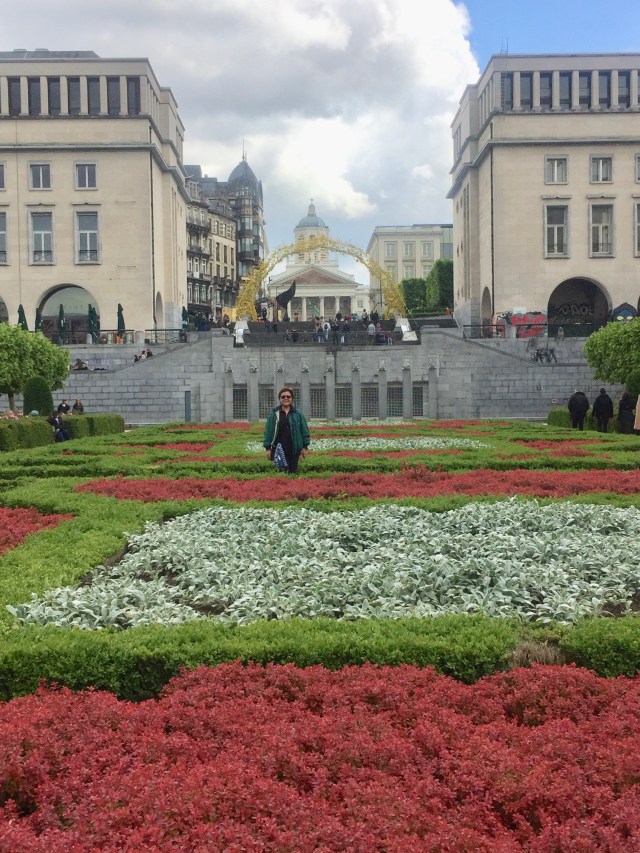
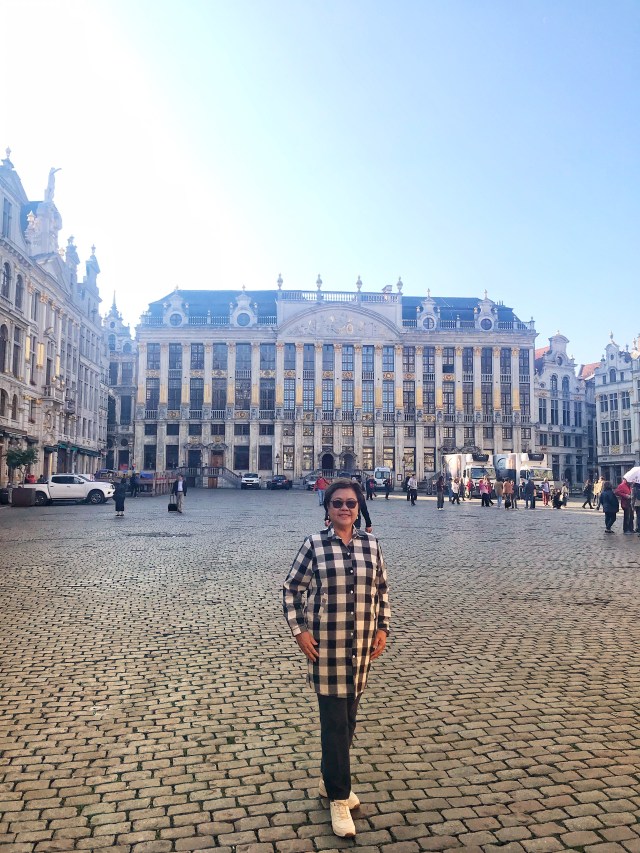
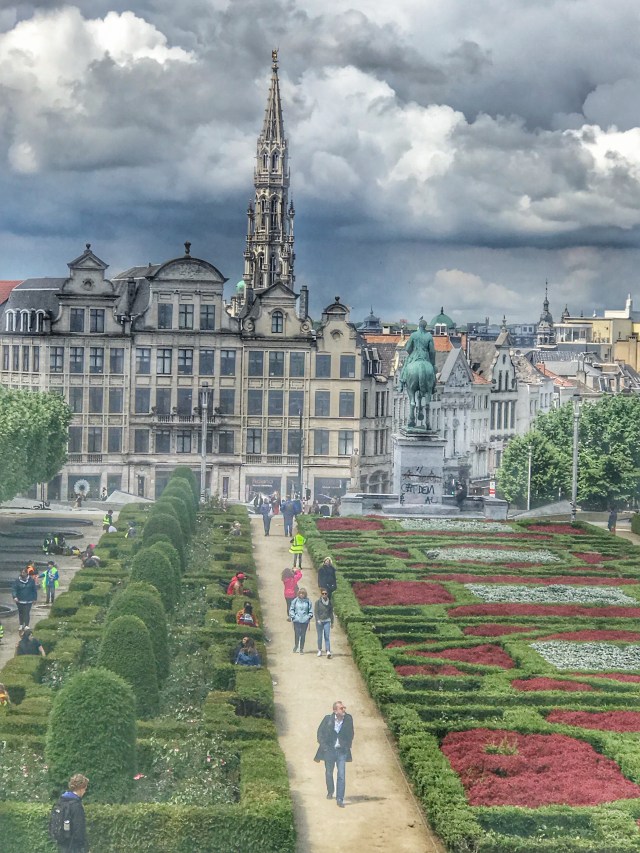
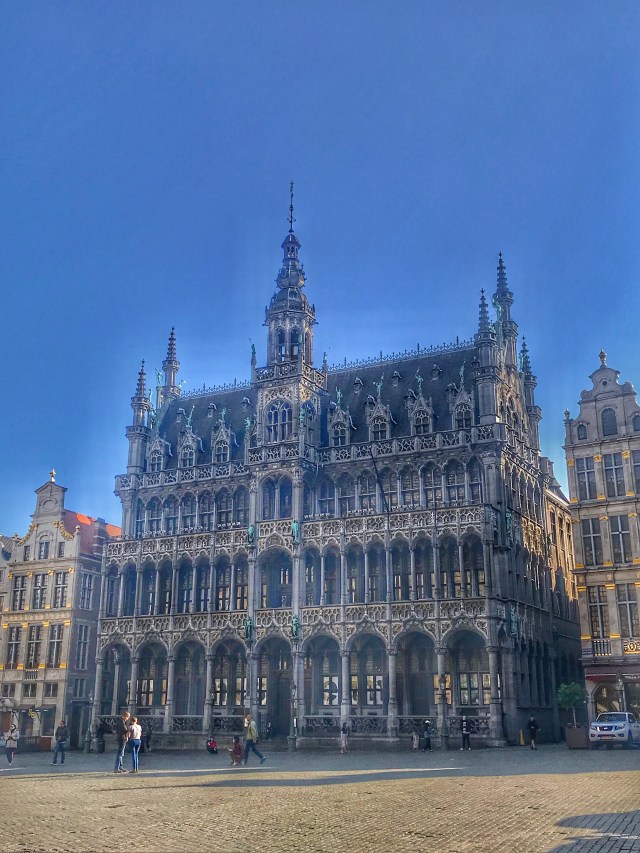
All’s well then. We met a Filipino tourist in Amsterdam who said that he did not feel so safe in Brussels. We don’t know what prompted this but we’re having a wonderful time here. Much of the action centered around the Grand Place where the tourist crowd is thickest, naturally. In a city populated by as many as 184 nationalities though, the only way to separate the “locals” from the tourists is that ubiquitous CAMERA. During our walking tour, every corner, nook and cranny has at least 5 different nationalities. Consequently, one hears 5 different languages simultaneously at any given time. Can’t be more multi-ethnic and multi-cultural than that. As we meandered around the square and the narrow alleys, we made it a point to be a step ahead of the throngs of tourists unloaded from buses at various corners. You’d be amazed how many try to have selfie shots of that tiny boy with the tiny xxx in Manneken Pis. We passed the statue twice, if only to view it undressed at night and garbed in some costume during the day.

Manneken Pis

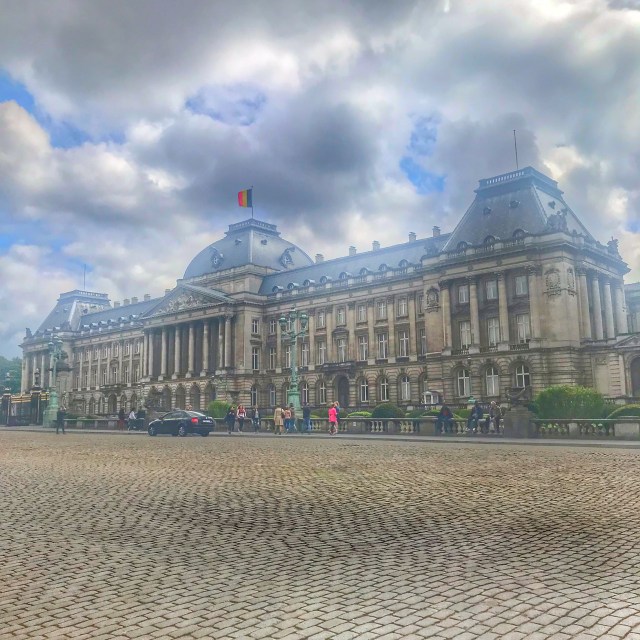
Royal Palace

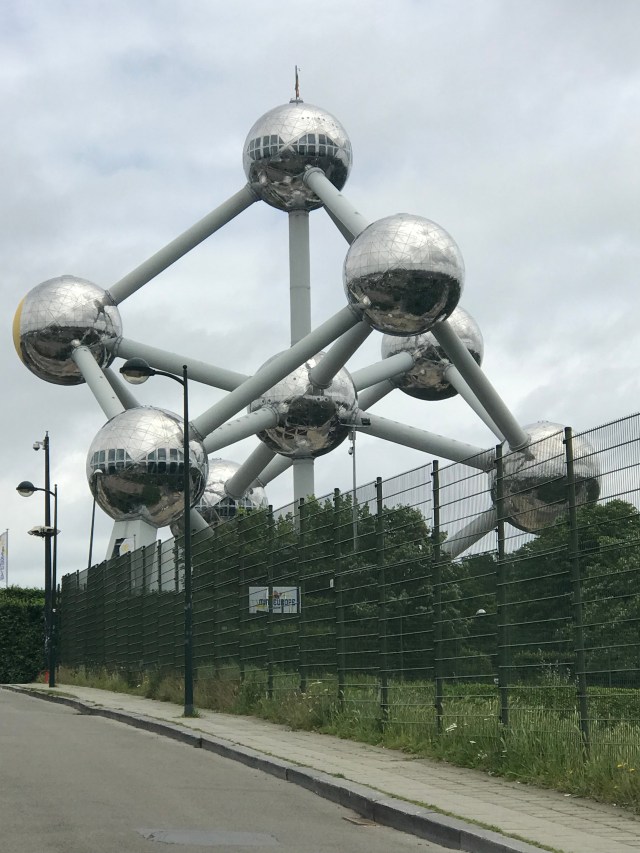
Going to Atomium and Royal Palace took some effort. We hopped on a tram and walked a bit to reach these attractions. In my view, you can skip the Atomium. The Palace is worth seeing, and if you like, you only need to walk further to reach the EU Headquarters. We passed up on this though since many roads leading to it were blocked or had heavily-armed guards and military trucks. Instead, we spent more time at the Grand Place. Having learned of the recent bomb scare, we chose to be more cautious. Besides, there’s tons more to see around Brussels! And a few day trips to make outside of the capital — all just an hour or so away by train or bus.

Atomium

Grand Place

Our plan included a day trip each to Bruges, Ghent and Antwerp. With 5 whole days and 6 nights in Brussels, we easily filled out our travel itinerary. It would have been ideal to include a day trip to Luxembourg but most day tours are fully booked. It wasn’t in the stars. But who’s complaining? We made these very easy day trips, leisurely spent our holidays, ate our annual quota of fries, waffles and mussels, and drank only a few of the hundred beer varieties here. We love it here πŸ’•πŸΊπŸ’•πŸΊπŸ’•

Albertina Place

City Hall

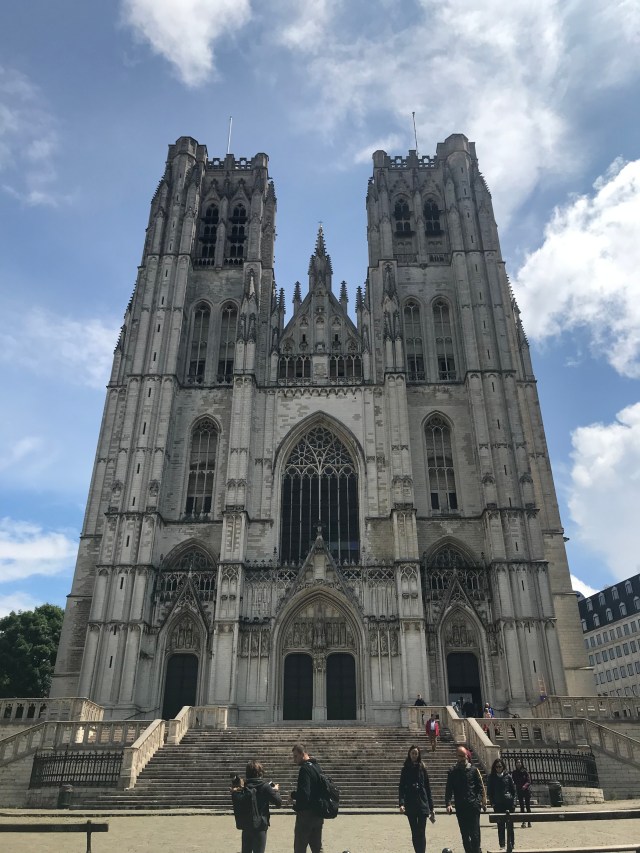
Cathedral of Saints Michael and Gedula

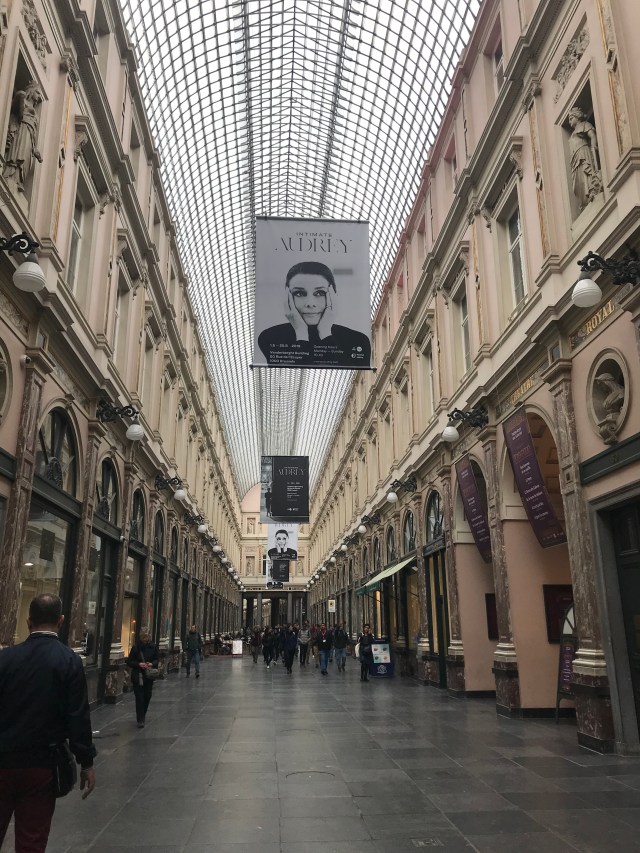
Galleria St. Hubert . Older than Vittorio Emmanuel In Milan

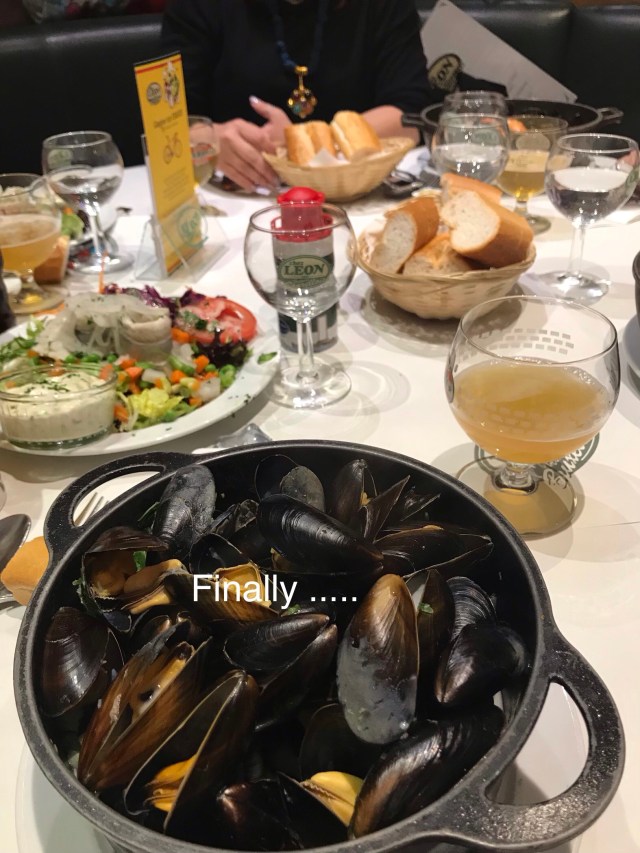
Moules Frites @ Chez Leon

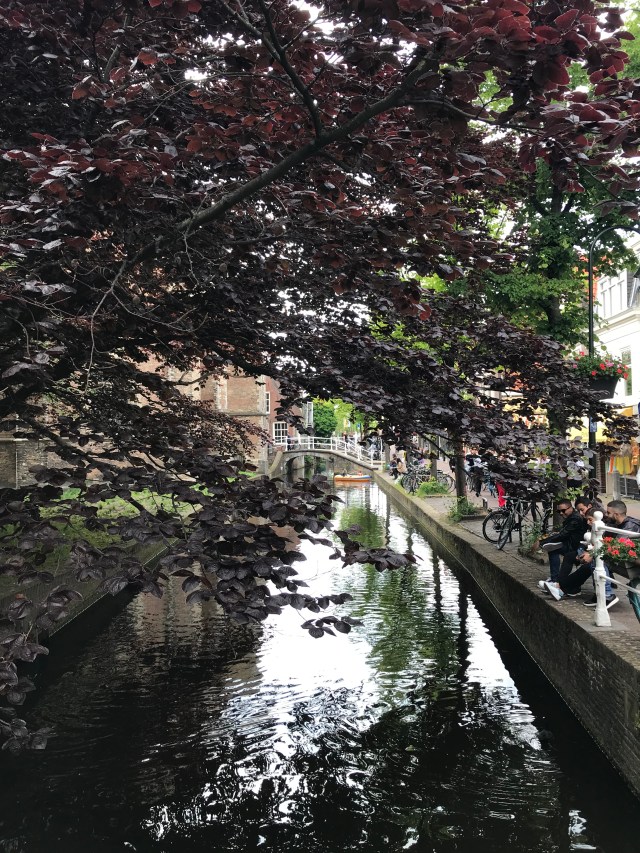
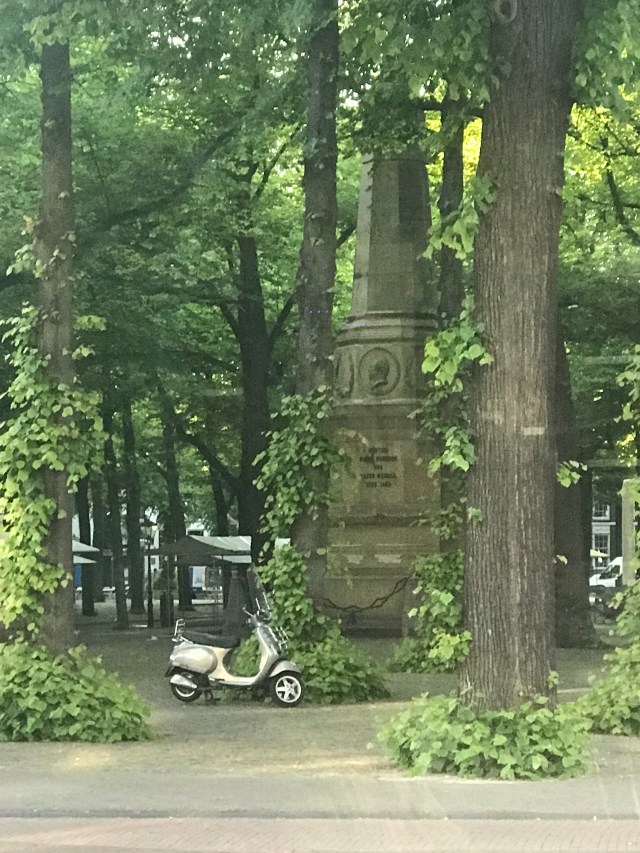
We’ve been lucky with our walking tours and day trips in ALL my travels. Out of Amsterdam, we booked trips to Delft and The Hague. Because they’re near each other, we thought we’d book a combination day tour. Typical of me to prep and read up on the city or town attractions, dripping with excitement over the sites to see. Unfortunately, we had the worst tour guide ever. Lazy, inattentive and with absolutely no regard for making the tour worthwhile for the client visitors. We breezed through many of the sites riding the tourist coach, getting off only 3x in places where we were given an hour or so to roam — unguided — on our own. πŸ™„ Had we known, we could have just hopped on a train, skipped a few sites and DIY’d it. We could have covered more, lingered longer AND saved ourselves the frustrations.

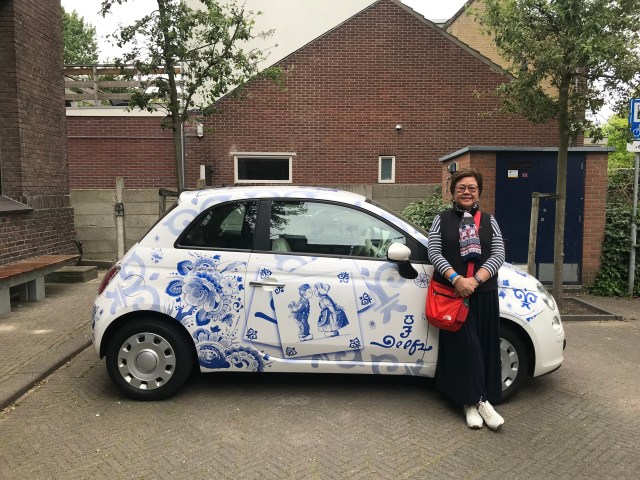
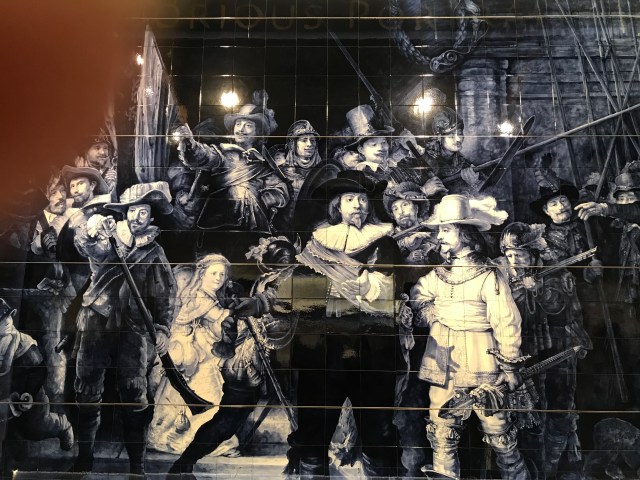
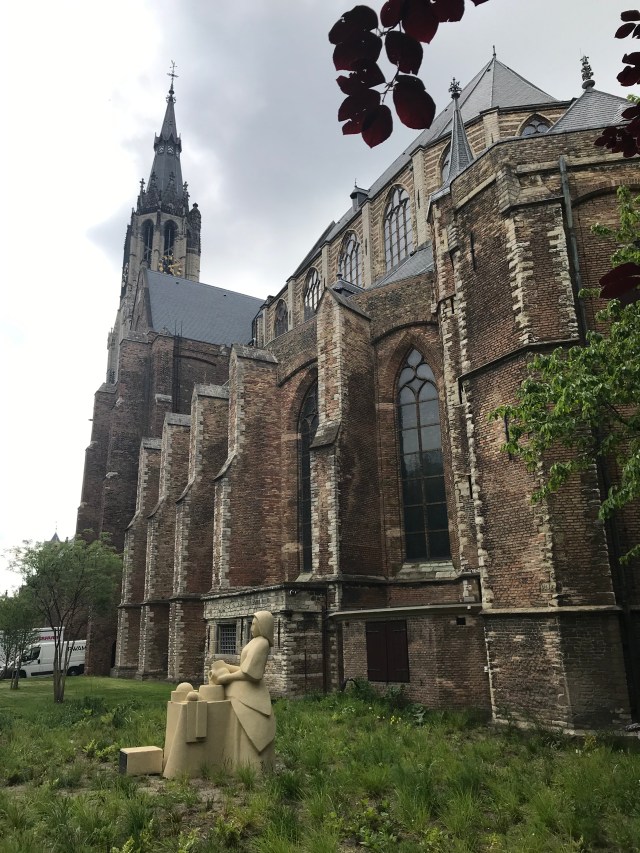
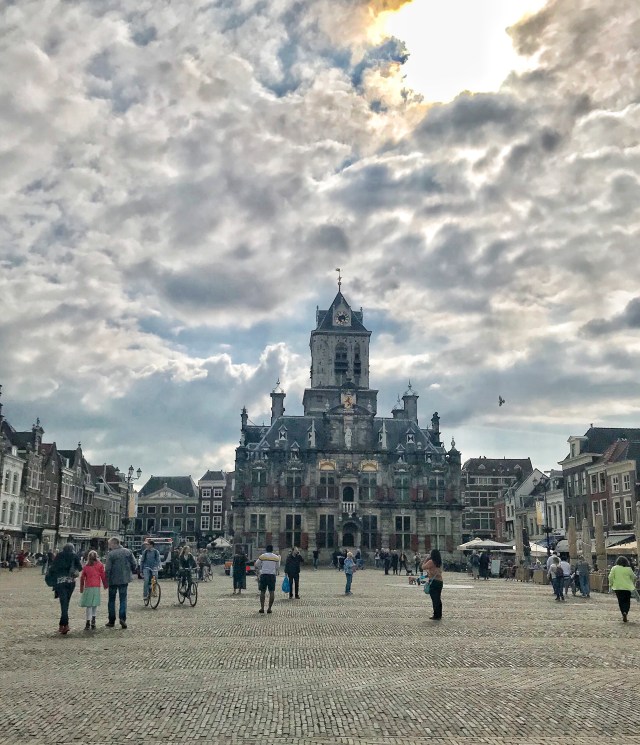
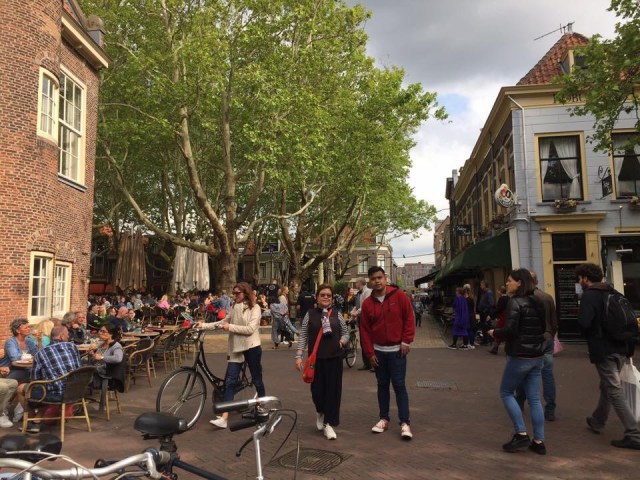
The Royal Delft Factory and Museum was our first stop. A young lady from Royal Delft welcomed and escorted us through the factory and museum. The highlight was watching this lady artist do her stuff in this earthenware factory that’s been around since the 17th century. It was a good and educational tour, but no thanks to our Tour Guide. By the time we were done, this tour guide who must not be named was waiting, a tad dazed and reeking of alcohol. We were seated up front and I could smell him. His spiel by this time is slurred, and we had to strain to understand what he was saying. Still, we were excited that we are now headed for the city square of Delft — the birthplace of Jan Vermeer and the former royal seat of the House of Orange. Much to see right within this square. There is the 13th century City Hall, rebuilt in the 17th century in the Renaissance style. Then there’s the gothic New Church right across the square from the City Hall which is by no means “new”, dating back to the 15th century. Now the royal mausoleum of the family of William I of Orange, the Church has a tower one can climb up to for a panoramic view of the entire Delft. Between these 2 historical landmarks are quaint shops and cafes. Perfect for people watching if one has the time.

I must say this Tour Guide Who must not be named should have taken the time to guide us around this Square. But no, he simply instructed us to go explore on our own and to meet him back in the parking area where the bus would be waiting in an hour. He could at least have guided us the first 15 minutes before leaving us to explore more on our own. After all, he stayed right within the square, claiming a table and drinking more beer. Oh well. From the square, we rounded up a corner and chanced upon a lively Saturday Market which could have interested the others in our group. But no, this mister is far too busy downing bottles of beer. 🍺🍻🍺

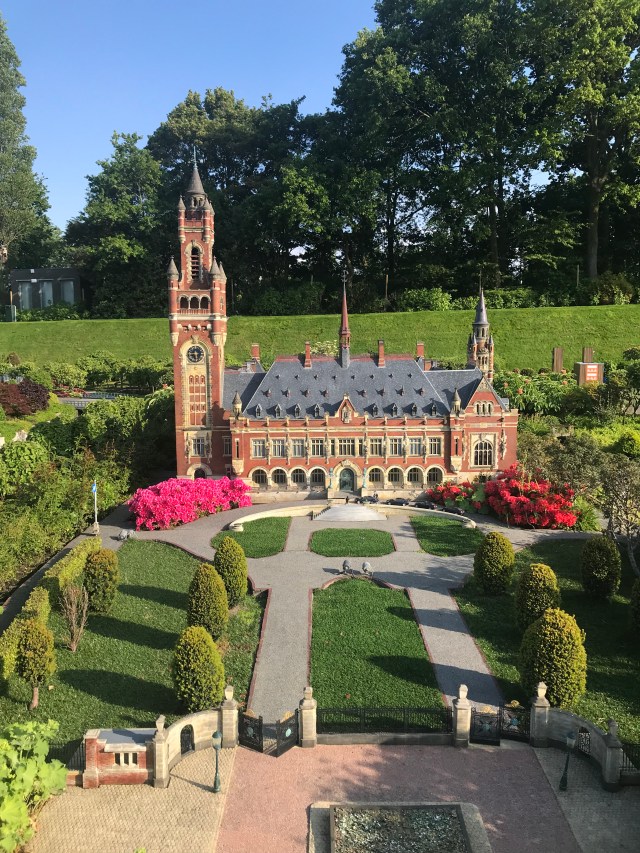
If you think that’s bad enough, let me tell you about the last segment of the tour. We hardly saw The Hague except for an hour we were forced to waste in Madurodam, a miniature theme park which featured scale models of famous landmarks in The Netherlands. I’m sorry but this hardly excited me. I am willing to concede it’s a matter of personal preference but seriously, I would have preferred more time spent in The Hague’s more interesting and historical spots. Instead, we had a 5-minute stop at the Peace Palace and a “drive through” the many embassies in this city. Yes, a drive through of the embassies. I was hoping to see the iconic Protestant Church, International Court of Justice, the Maurithuis which houses Jan Vermeer’s “The Girl With the Pearl Earrings”, and other celebrated works of Rembrandt and other notable Dutch masters. Zilch.

Did I even manage to take photos of The Hague? Just one. And this was taken from a moving bus. So frustrated. But I’d stop ranting at this point. We’ve been lucky with our other plans. Can’t win them all.

Say ZAANSE SCHANS


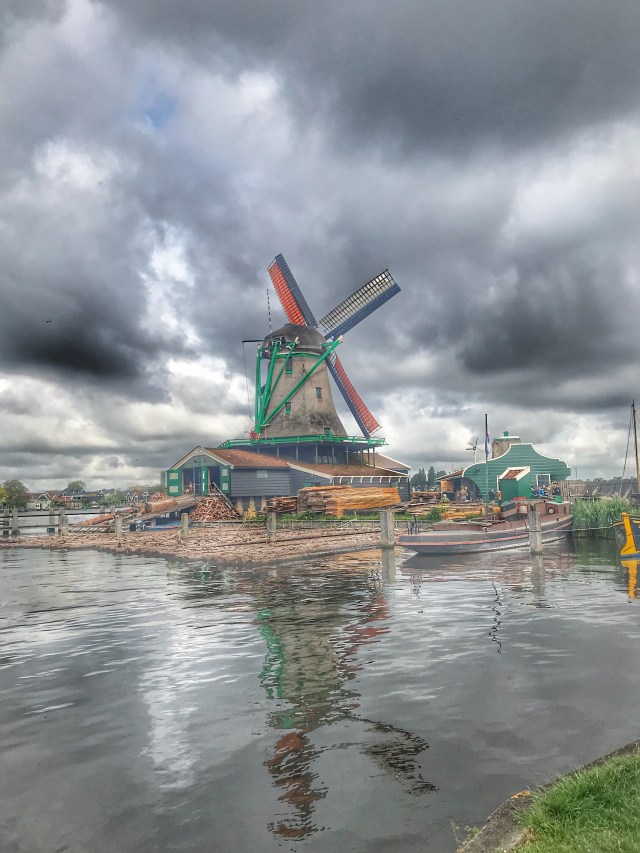
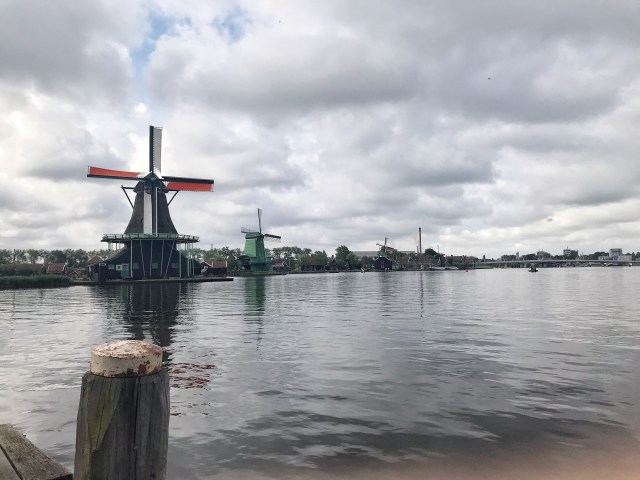
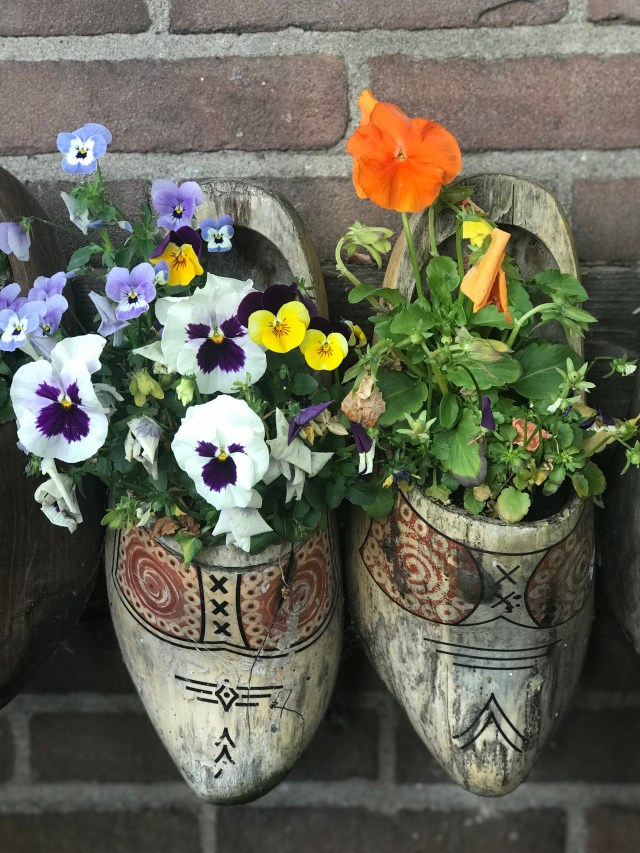
That popular Dutch icon besides clogs and cheese — Windmills! And Zaanse Schans with its collection of historic windmills and brightly painted green wooden houses and barns is sooo near the capital. Just 30 minutes. Maybe shorter. Seriously. If you’re a good and confident biker, why not check this one out? It’s full of tourists mid morning so if you’re biking or driving, make an early start. or maybe go by boat? I saw some boat tours. We visited this site as a day trip in combination with other attractions. So there. It could be better. Fortunately, we had a pair of very competent and young guides with us.

Zaanse Schans

Zaanse Schans

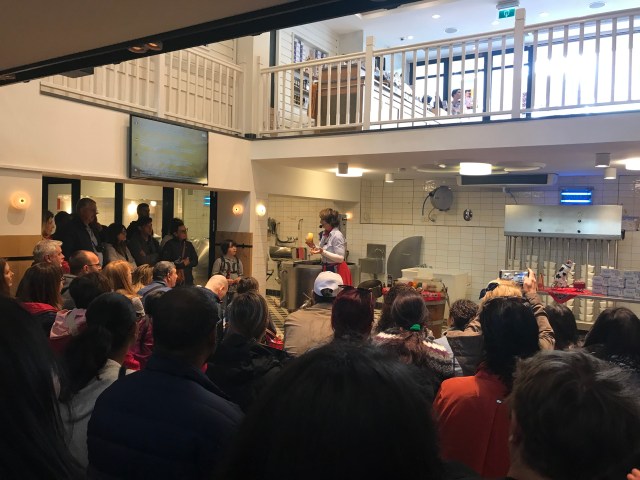
It was cloudy the morning we visited, but pleasant at 15-18C. Zaanse Schans is a good intro to Dutchland. Here you’d find a cheese and dairy factory, clog making shop, a tin factory and barns. That is, if you can stroll past the bakery where the aroma of freshly-baked cookies and those stroopwafels or syrup waffles waft so invitingly in the air. Had to stop. Sometimes, you have to allow yourselves to be led by the nose. Those 2 thin layers of dough sandwiching a layer of caramel (there are other flavours) syrup between them are too good to ignore. You just have to watch it because you find it nearly everywhere here and those thin waffles really pack some calories!

Zaanse Schans

Zaanse Schans

Cloudy skies. Cool weather. A slight breeze. A fine morning to visit this recreated 18th century windmill village in Zaanstad north of Amsterdam. A few windmills still stand out of the 600 wind-powered machines constructed in the 17th century. Like a prelude to an Industrial Zone. The few standing now still hit a spot. So charming in this countryside. And hey, it’s soooo Dutch!

Zaanse Schans

Zaanse Schans

Oh…. and how to say Zaanse Schans? I won’t even try. Listen to this.

https://www.howtopronounce.com/dutch/zaanse-schans/


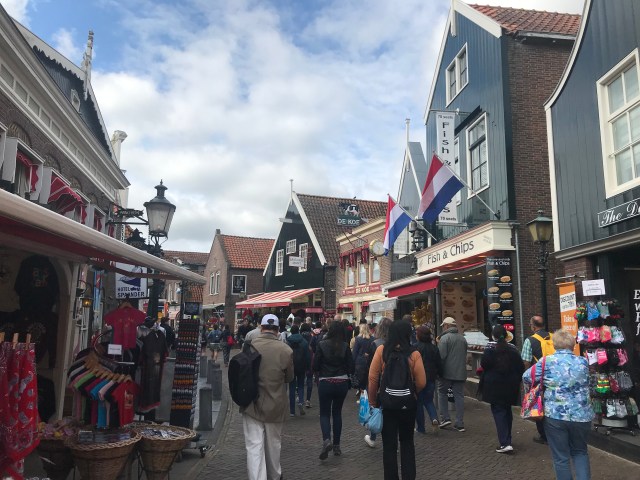
Back in 1986, I visited a couple of fishing villages near Amsterdam. I thought then how sooo Dutch these fishing villages were. Cheese, herring, clogs, and more cheese. It was an unforgettable experience especially for someone traveling solo. No digital camera. No credit card. No ATM or debit card. And just one jacket. I came to Holland for the tulips and windmills. I found them but my fondest memories were those spent in Volendam and Marken, eating herring and cheese. 😜

Fishing Villages Near Amsterdam

Heaven!

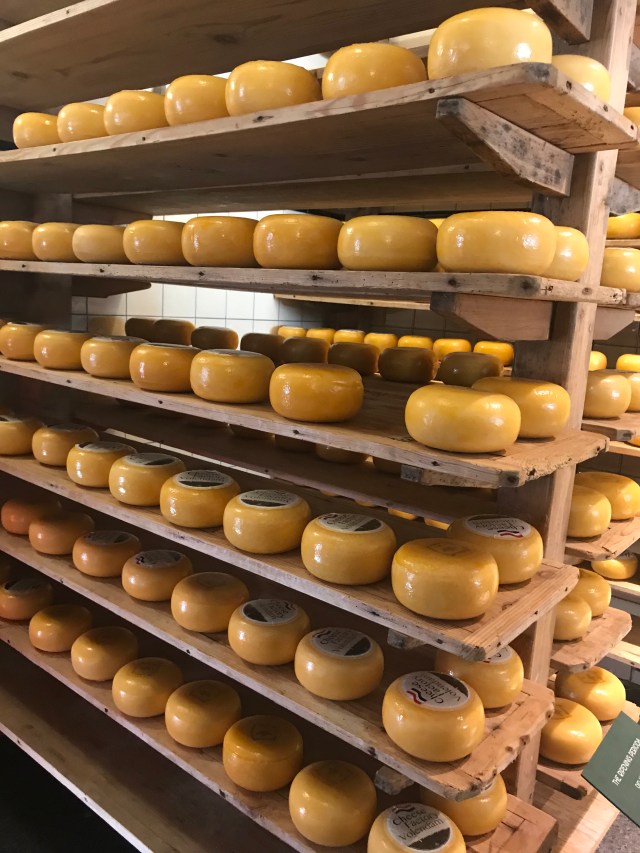
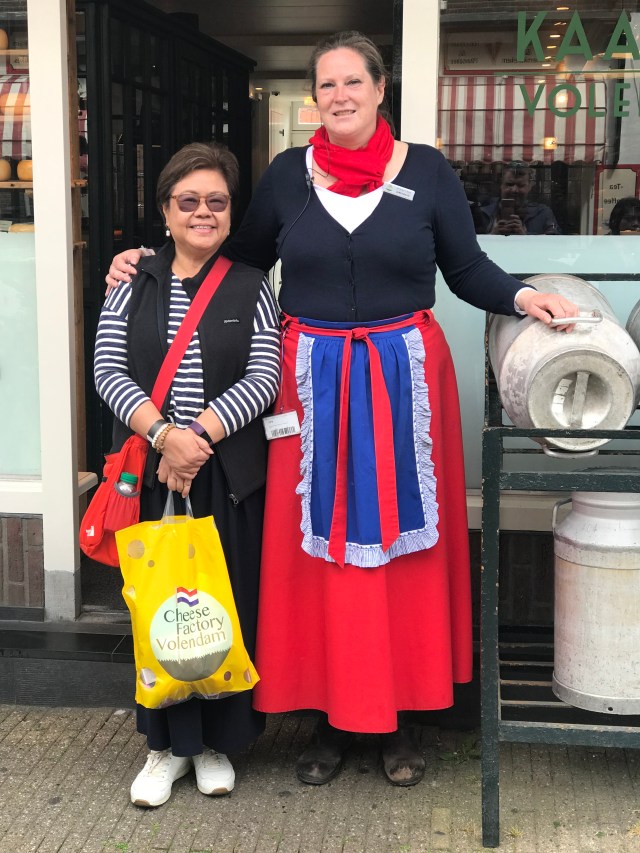
I tried to relive that 1986 episode by revisiting these 2 villages. Those cheese wheels still leave me salivating and I was in heaven tasting all kinds of Dutch cheeses in this shop where the staff offers cubes and cubes and slices of aged cheese. By the time I was lined up to pay for my purchases, I’ve had a good sampling of them cheeses. Dipped in mustard, honey or herbed oil, this tasting left us buying more. Someone is happy πŸ’•

Volendam Cheese Shop

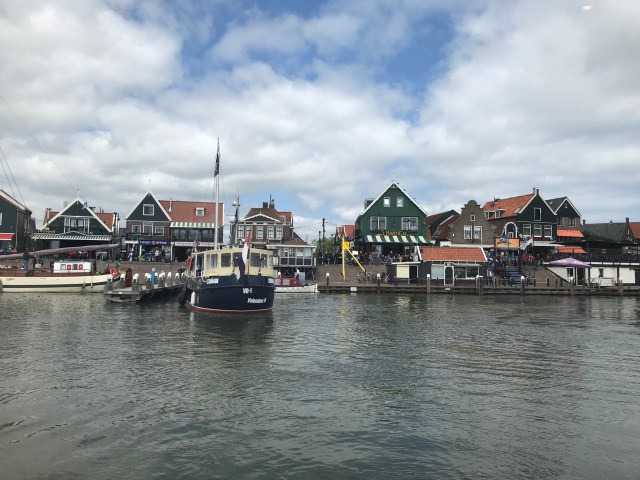
Fishing Village of Volendam

There is also the excitement over the prospect of an herring lunch in Volendam. Kibbeling fish and chips plus a bottle of the local beer completes the deal. My love affair with pickled herring began in 1986 and still burns strong this 2019. I craved for it daily since this day trip to Volendam. I heard that snacking on one herring sandwich a day won’t hurt and is actually good for one’s health. Naaaah…… I made that up. πŸ˜‚

(But we need our omega -3, right?)

Herring and Robust Beer for Lunch

A Cheese Shop in Volendam

Marken is just a 30-minute ferry ride away from Volendam. Separated from the mainland after a storm in the 13th century, then reconnected in 1957, it managed to preserve its many local traditions. Like Volendam, seafood delicacies abound and you’re never short on choices. A clog making workshop still exists and draws in many tourists. It’s not a chore to circle the “island” if one has the time. The stilt houses may look more modern than traditional now, but I still find these colourful wooden houses quite charming. Lovely day trip and it’s so near from the capital!

Fishing Villages Near Amsterdam

Fishing Villages Near Amsterdam


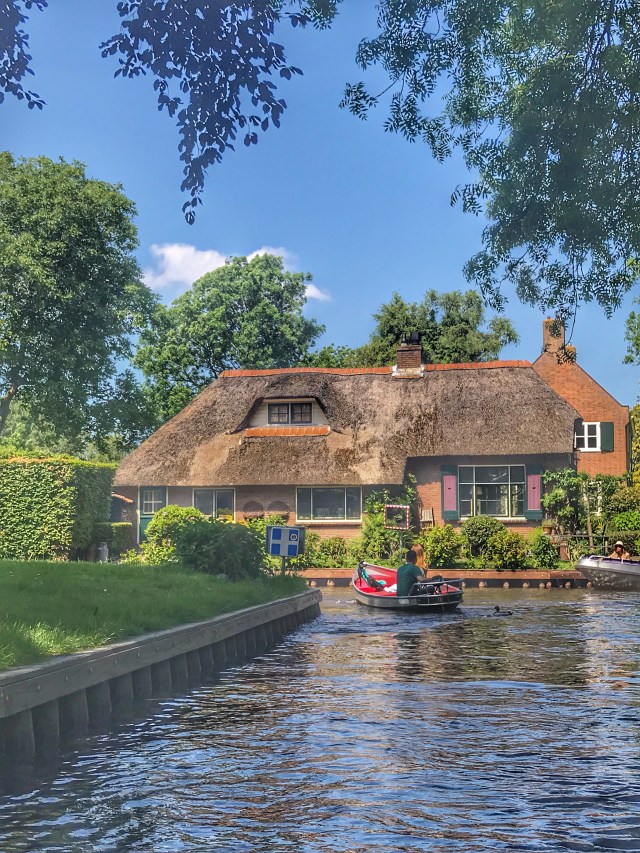
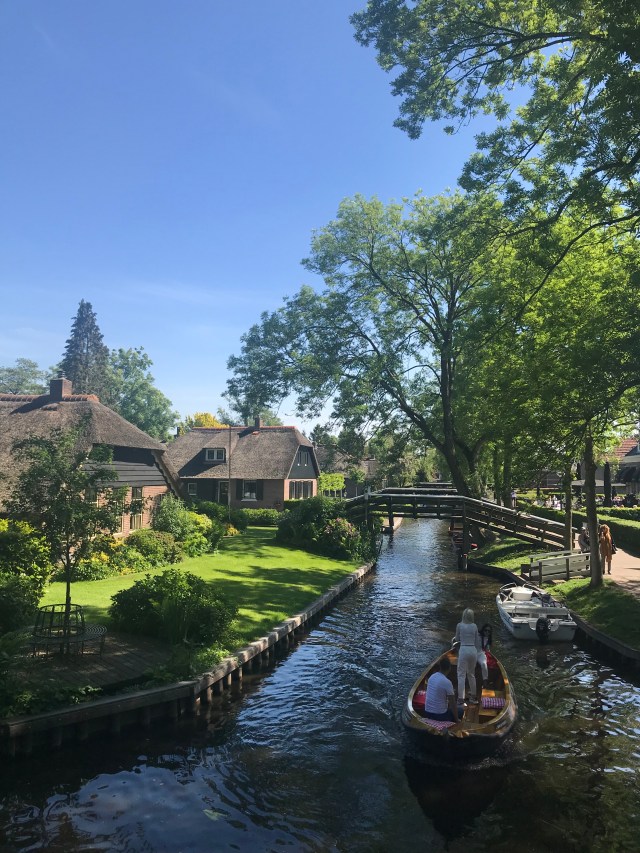
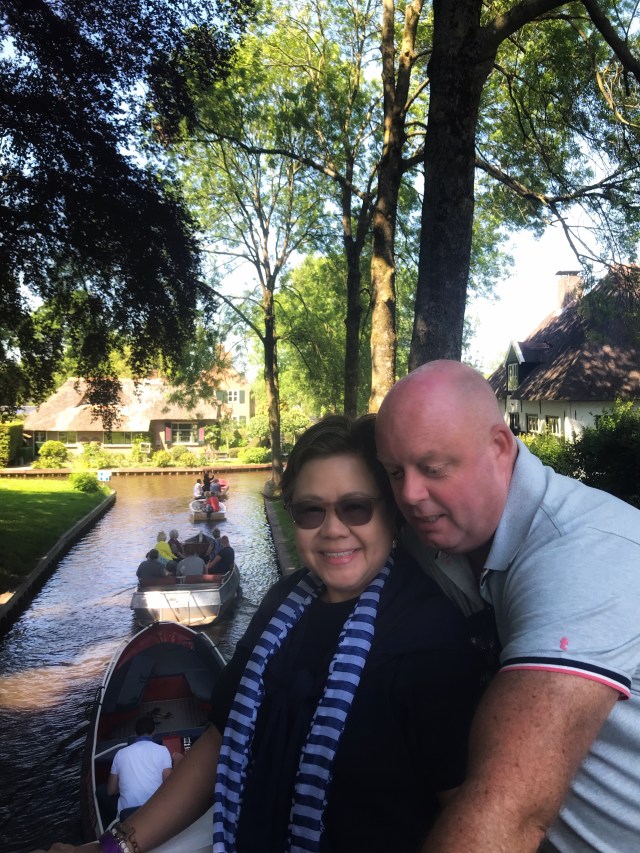
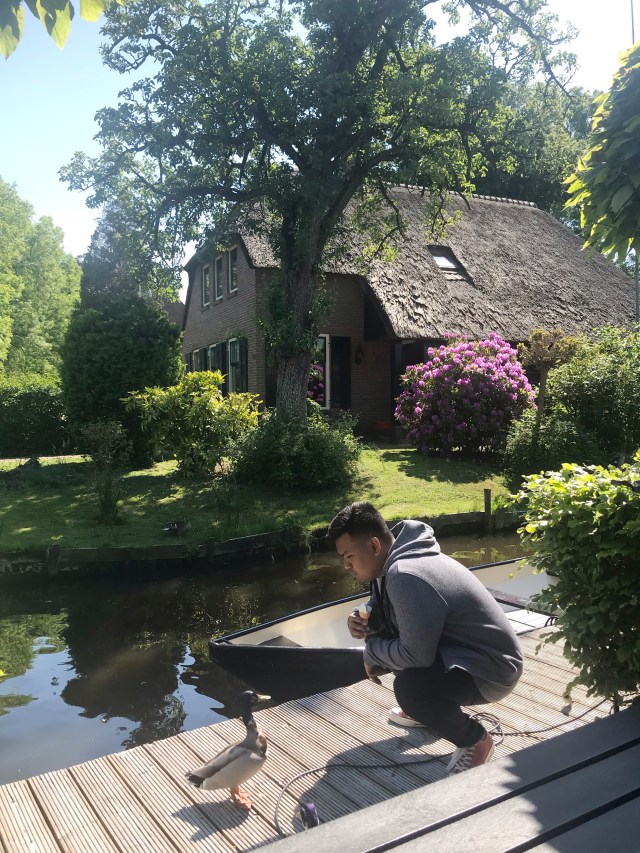
Say that again….. Giethorn or Giethoorn. Either way, you pronounce the “o” or “oo” like a single “o” as in horn. But roll your “r” and have an imaginary “e” between r and n. Got it? Oh, never mind. North of Amsterdam is this water village popularly called “Venice of the North”. Don’t ask me why but I do think Giethoorn’s beauty is so different from Venice and it won’t be fair to compare the two. With its centuries-old thatched-roof houses lining the canals, its charm can be appreciated from a boat or by walking its many footpaths and bicycle paths. It is worth the 2-hour trip from the capital, for sure.

Village of Giethoorn

Village of Giethoorn

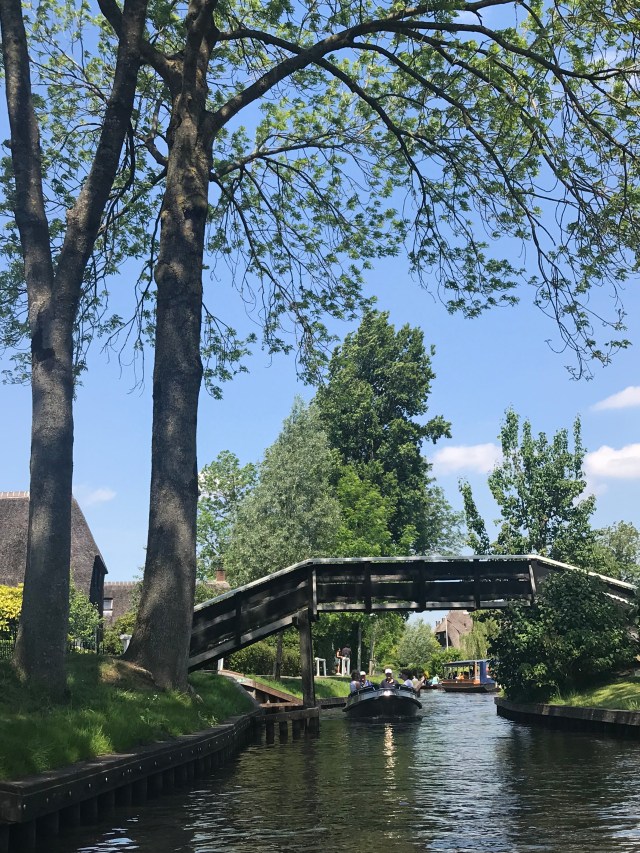
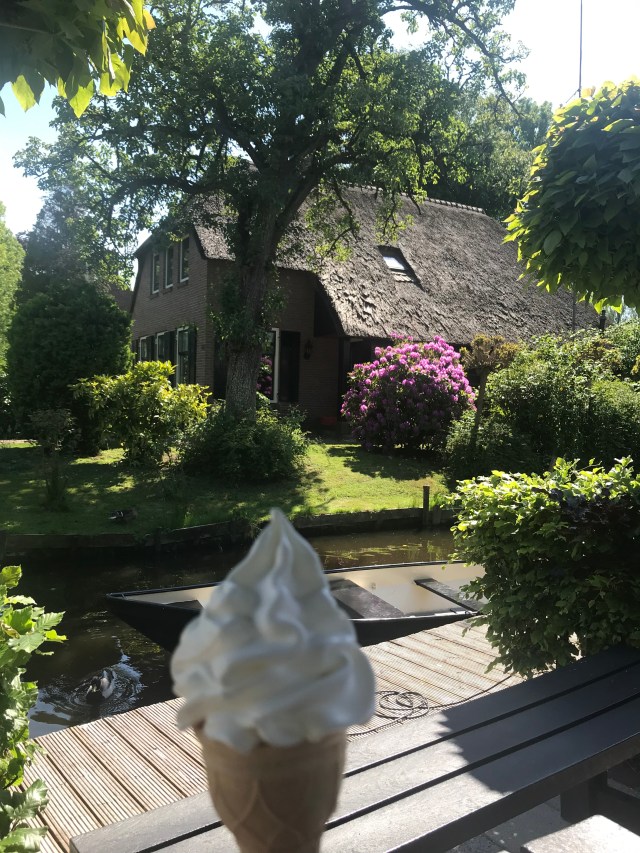
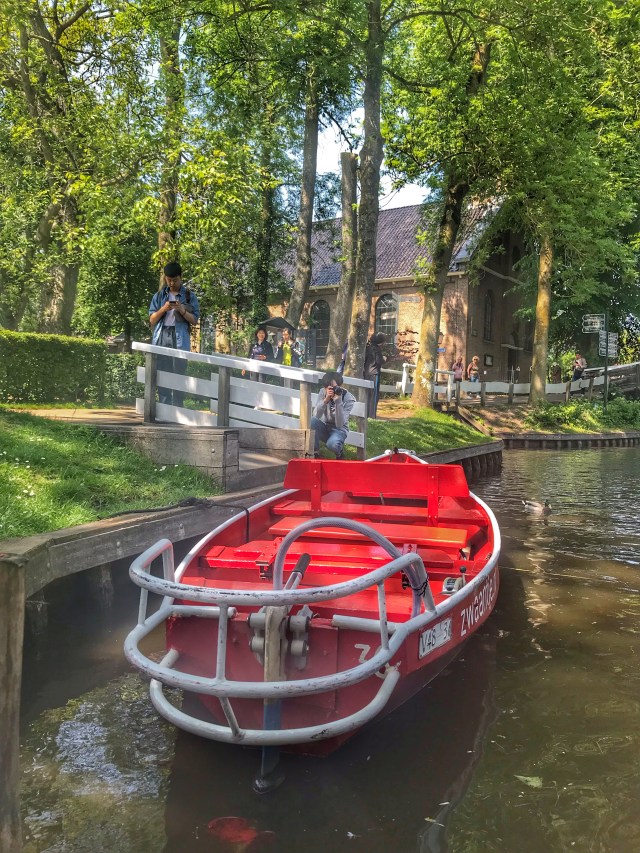
There is a Museum and art galleries and curio shops abound. Plus you’d love the quaint coffee shops, aromatic cheese shops and dining areas where we partook of a delectable steak and some fish with chips and garden salad. Fortified with a good meal, we had the energy to walk around the village, crossing many tiny bridges and even checking out the gelato bars. All that time, the waterways were filled with boats, some manned/rowed by tourists who likely held an oar for the first time in their lives. I have to give credit to the professional boat men who never lost their cool while watching them amateurs navigate the canals, bumping left side, right side and rowing in a circle!

The Village Of Giethoorn

I’m told the waterways aren’t that deep. Was actually thinking how many bikes (and bikers) may have lost their balance and dropped/slid to the waters. I’m also curious how the residents can put up with a village teeming with boatfuls of visitors, some too curious nosy to actually step on a private garden just for one damn instagram shot. We went on a weekday and can just imagine the crowds and the noise on weekends in this car-Free village lying in the northeastern Dutch province of Overijssel. I can’t even imagine how crowded those tiny, narrow 170 bridges could be while punters carrying nosy and noisy tourists pass under.

Village of Giethoorn

Village of Giethoorn

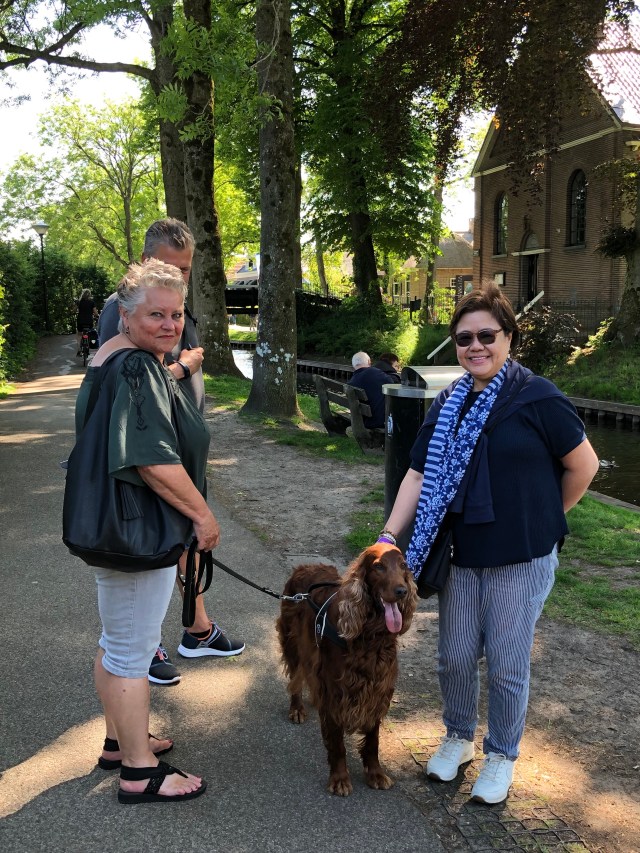
Most tourists who rode the boats took time to walk around the water village, the church, cheese shops and ice cream bars. The narrow bridges make for “friendly encounters” especially when you cross paths many times. I’ve also met many dogs πŸ• who seem to enjoy seeing the colourful boats plying the canals. By the 3rd time you cross paths with someone, you’ve grown “close” . πŸ˜‚ If I were to head back here, I’d likely go much earlier in the morning or much later in the afternoon when the crowds have gone or haven’t arrived. It must be quite an idyllic experience to take one of those small boats called punters or to simply walk around crossing as many of the 170 wooden bridges connecting the tiny islands. Yes, that’s what I’d do. Nonetheless, it is still a wonderful experience. Let me just say I can do with less noise.

Village of Giethoorn

Village of Giethoorn

Village of Giethoorn