Latest Entries »

THE AUTUMN MIST IN KINRIN-KO


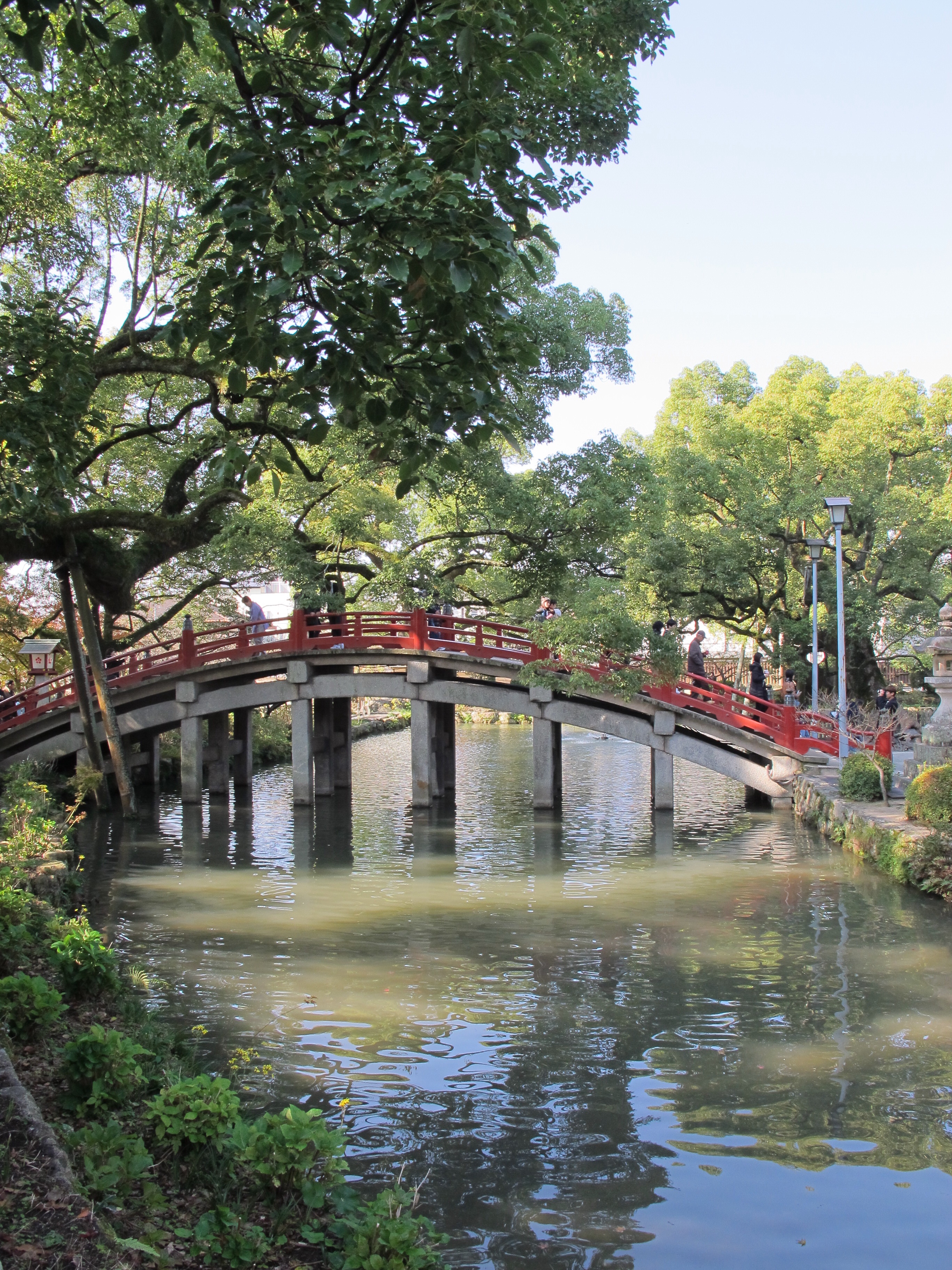
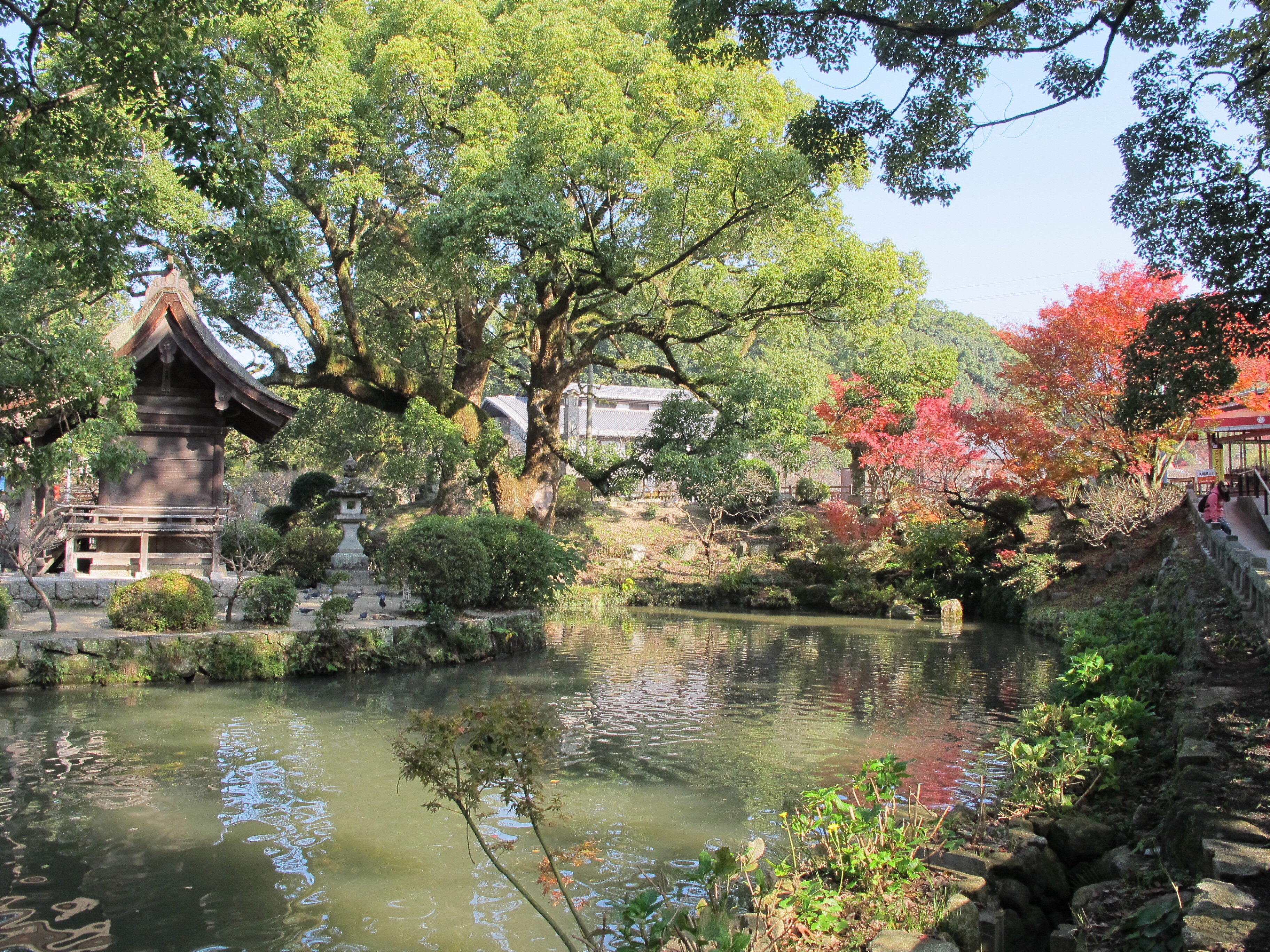
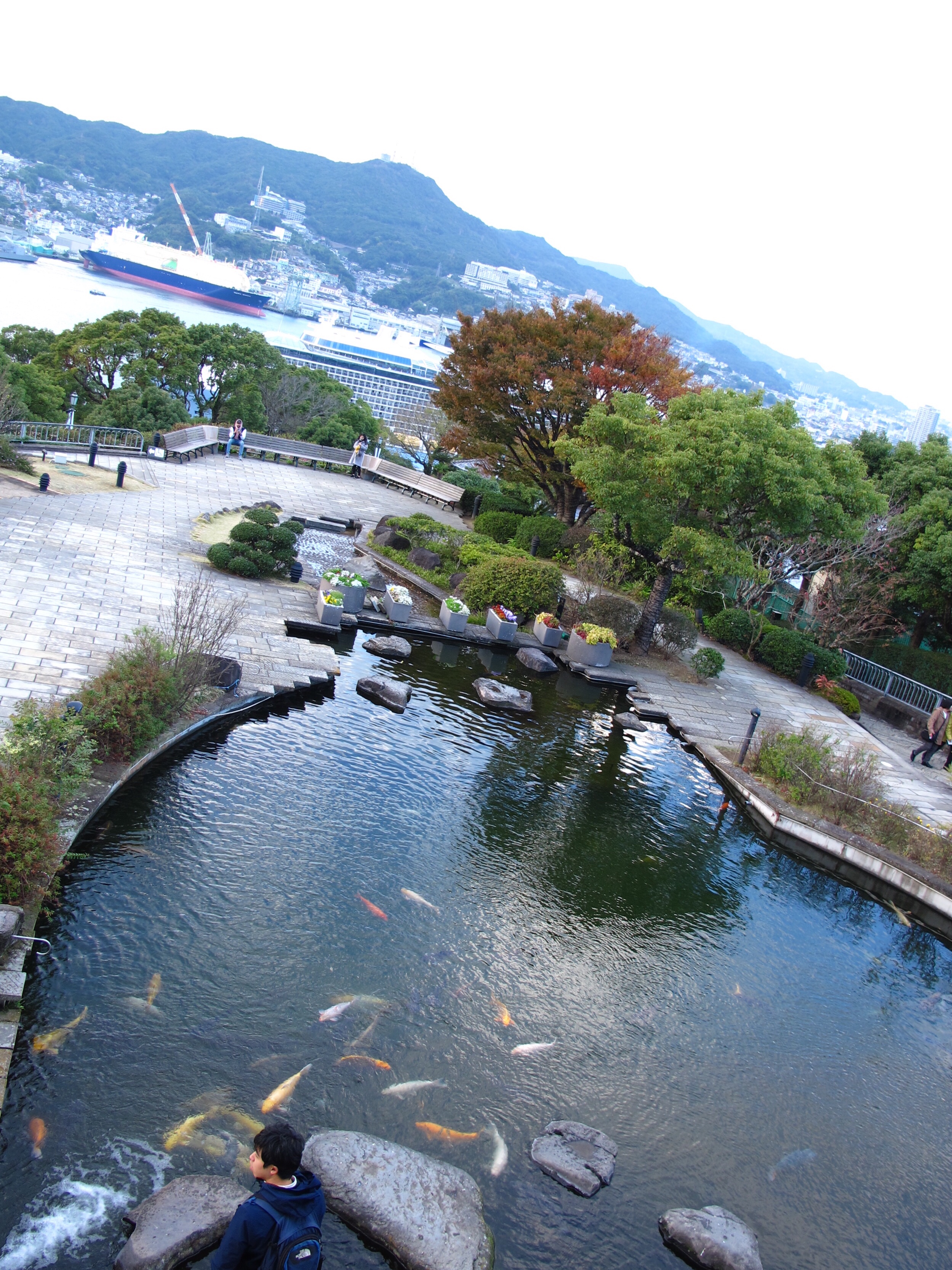
“Ko” in Japanese means lake. So Kinrin-ko is really Lake Kinrin. But then again, it isn’t really a lake. More like a pond that wells up from a hot spring. So you’d find steam making out like a mist hovering over its very clear water, teeming with big golden, orange or vermilion-colored fish of the carp variety. These, along with the resident ducks and birds combine to lend calm to this place in the onsen area of Yufu.

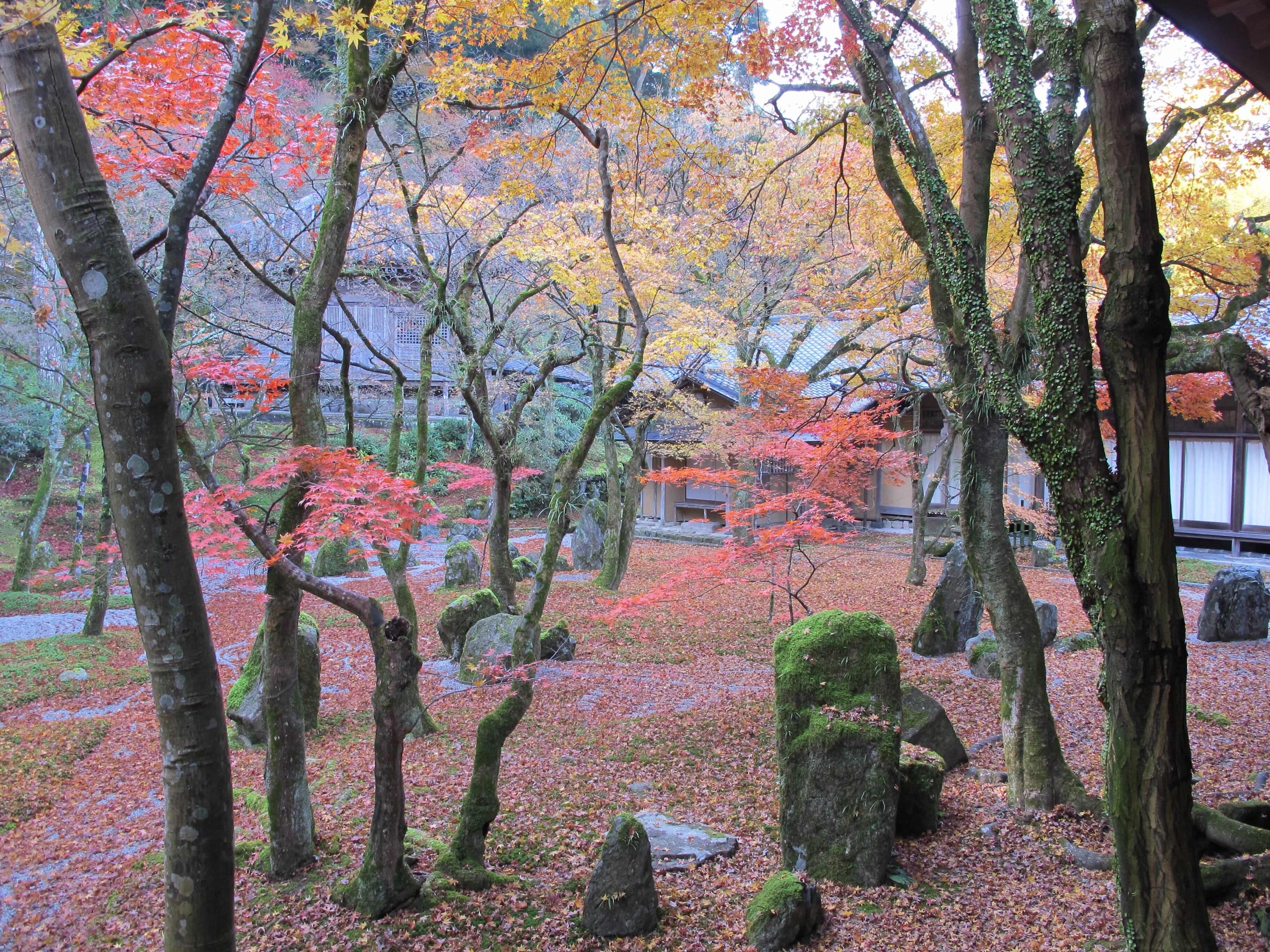
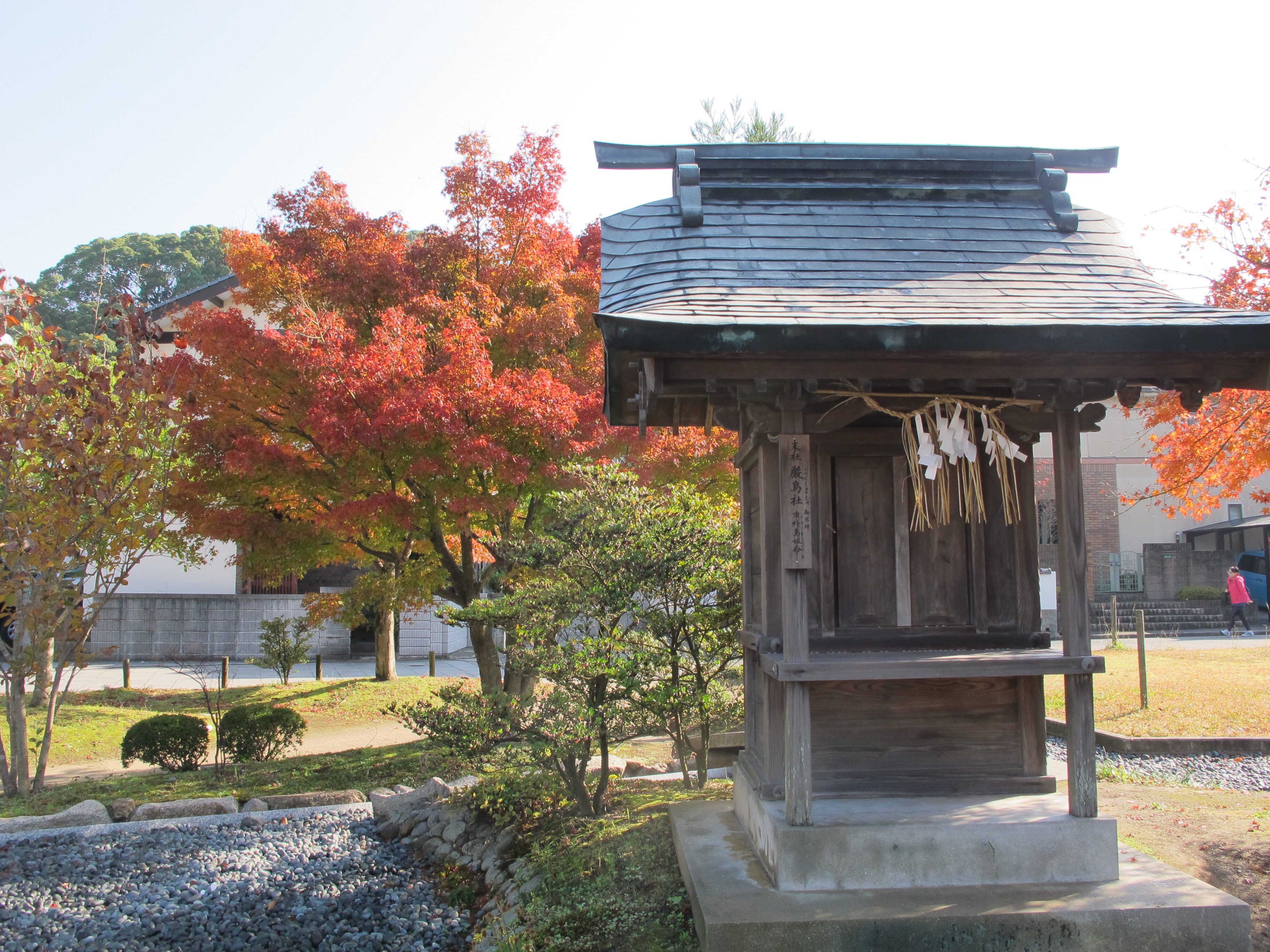
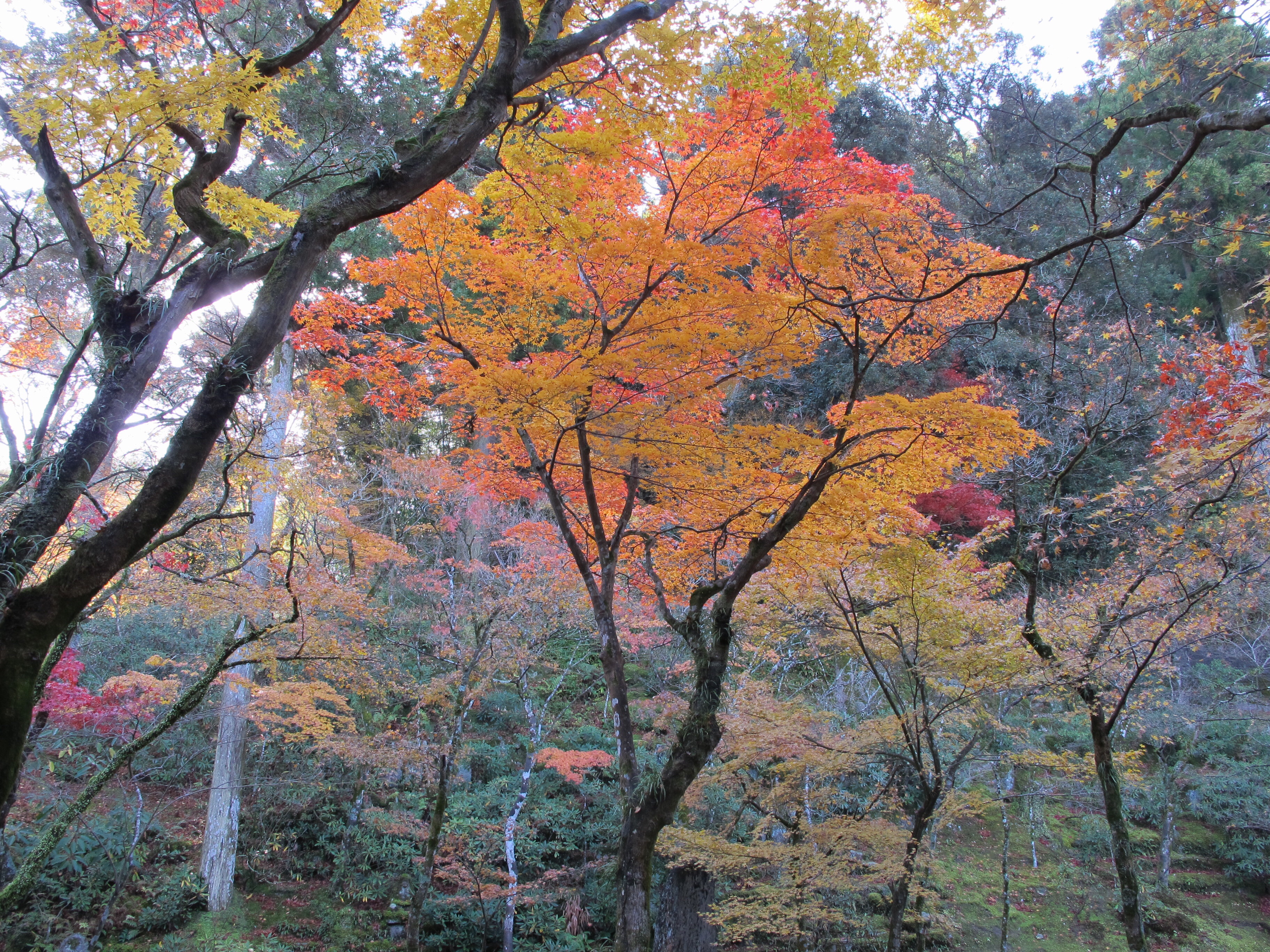
I suspect Kinrin-ko looks most charming in autumn, but I can’t be certain. For sure, the morning fog of winter is breathtaking. And the spring blooms should likewise be beautiful. At the moment, we are enjoying the fall colors which are an attraction by themselves. Red, yellow, orange, green and brown – a symphony of colors.

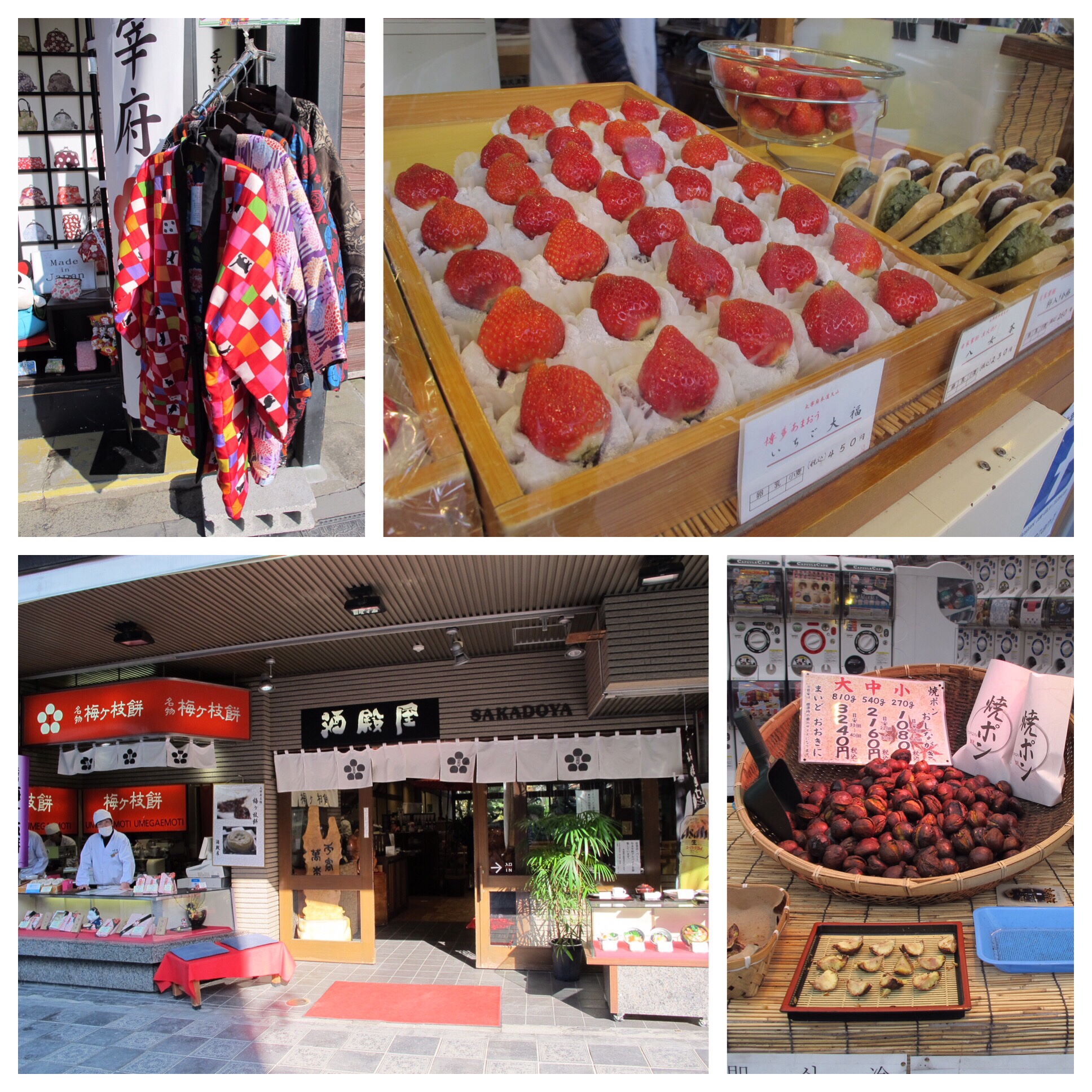
After rounding up Lake Kinrin, we checked out the nearby, very commercial Floral Village which is NO flower garden or park, but simply a shopping alley catering to tourists. I couldn’t wait to get out of this tourist trap. Found a coffee, ice cream and crepe shop right outside and promptly claimed a comfortable chair there to while away the time while sipping my brew. How I wish I was doing this by the lake! That would have been nice. I would have practiced the Japanese “boketto” here — the art of staring mindlessly. Instead, I “lost” myself in the frenzy of dodging samurai-dressed vendors, sampling the wide variety of Japanese snack foods, and fiddling with my newly-bought umbrella which I used for a good total of no more than 15 minutes of soft rain.

On our way here from Beppu, I spotted a JR Yufuin Station. The walk — my guess is less than half hour — from the Station to the lake looks interesting as the road is littered with many shops and food stalls. Though I’ve been to lovelier lakes and ponds, Lake Kinrin is without a doubt, the top attraction here in Yufuin. Along with Beppu, Yufuin is a popular hot spring resort town in Oita Prefecture. I’d say the onsen experience here pairs well with a stroll around the lake. Just skip the Floral Village nearby. Frankly, I don’t understand why this shopping alley carries a European-inspired theme. I’d be quite happy with a very rural Japanese setting. At any rate, Kinrin-ko makes up for that faux pa.

For more blogs celebrating life, check out :

https://lifeisacelebration.blog/

https://retirementsuitsme.wordpress.com

http://www.travelblog.org/Bloggers/liliram/

Like me on Facebook: https://www.facebook.com/Lifeisacelebration


Beppu is a resort city in the Oita Prefecture. Found in the southern island of Kyushu, Japan, it boasts of as many as 4,000 onsens or hot springs set between the volcanic mountains and the lovely Beppu Bay. You know you are in Beppu as soon as you see those steam vents all over the city. Quite amazing and rather unreal to find in a city.

We arrived autumn time. The (hot) springs area in Umi Jigoku was teeming with steam vents looking even more surreal because of the autumn foliage. Unfortunately, we came on a long weekend. This Thanksgiving weekend sent throngs of locals out of their urban abodes heading for the luxury of sand baths, mud baths, foot baths, onsen, hot spring baths to be found in Beppu.

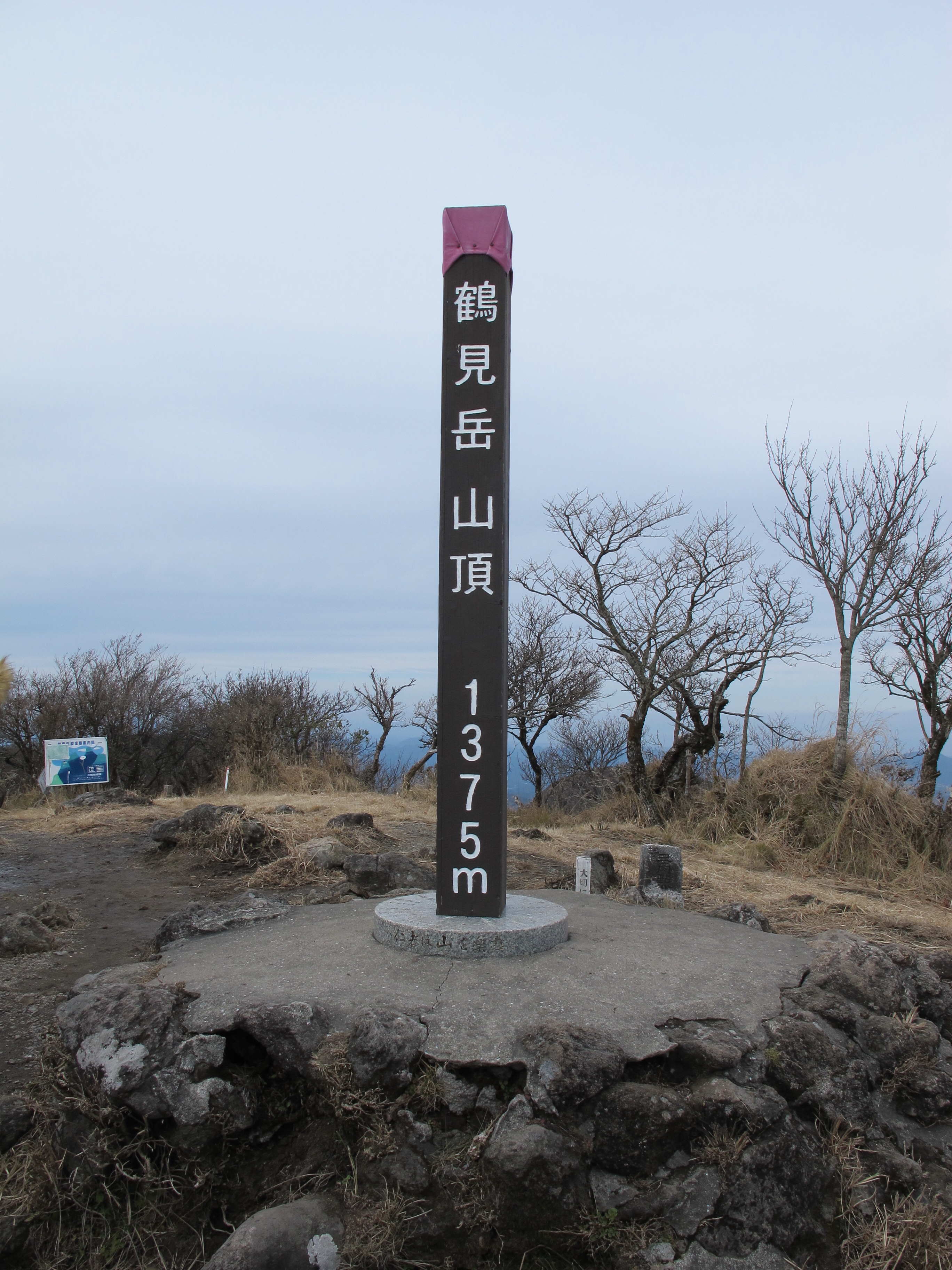
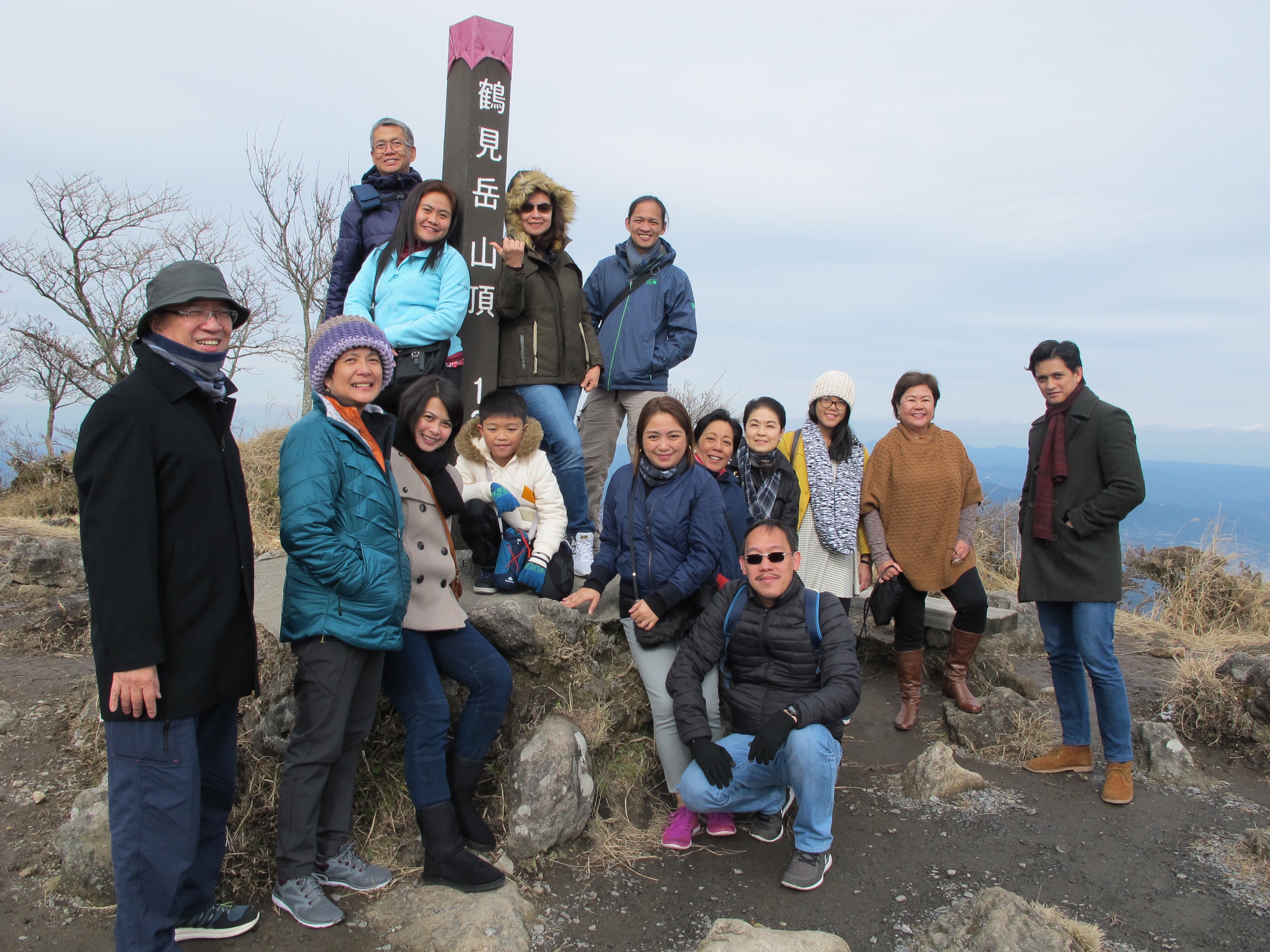
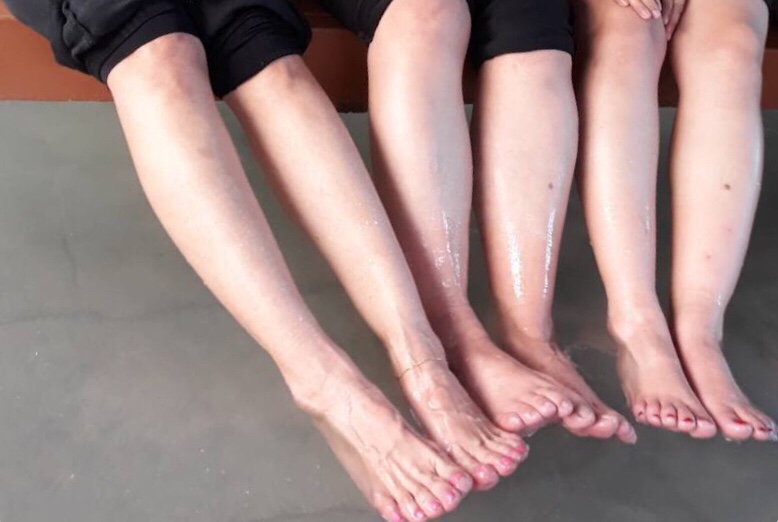
We couldn’t wait for 2 hours for the sand baths. Besides, it’s freezing cold (as low as ZERO degree in Mt. Tsurumi Summit at 1,375 meters high) and we weren’t confident we’d enjoy lying down “buried” under the hot sands for only 15 minutes, then up and go. Too much trouble. Instead, we opted for the foot baths. Still too hot for our legs and feet, but t’was fun doing this with the group before a hefty kaiseki in our hotel’s restaurant. A lonnnnng dinner, with the ubiquitous Japanese cooking utensils and dishes spread out on our long table. The plating typically teases, but the taste never ever disappoints!

We were filled to the brim with all the sumptuous food. The miso soup had an unusual, savory taste. The pickles you’d care to eat with your rice. The thin meat slices paired well with the broth with morsels of fish balls, shrimps, etc. The saba (costing ¥5,000 per mackerel) was so fresh. The tempura batter sweetish and crisp. Even the matcha gelatine-like dessert tasted sooo good.

That last photo above was sourced from our hotel’s site.

So, no worries. We didn’t snap photos inside the hotel’s onsen. Did we try it? Naturally. Beppu boasts of the best onsen experience. And so, we ended our long day on a “hot” note.

For more blogs celebrating life, check out :

https://lifeisacelebration.blog/

https://retirementsuitsme.wordpress.com

http://www.travelblog.org/Bloggers/liliram/

Like me on Facebook: https://www.facebook.com/Lifeisacelebration


Touchdown, Manila! I’m back now after a month-long trip. This Oct-Nov trip had me packing and “improvising” for all 4 seasons. I know layering works but I never thought I’d experience extreme weather.

Miami was hot and humid, even in the evenings. The day we drove to Orlando and Hutchinson Island, it was in the high 20’s C. I was sweating while standing in line for my banshee ride in Avatar Land (Pandora) in Disney World. More beads of sweat as we took the boat ride to view celebrity homes in sunny Miami and checked out some Spanish Monastery. Oh, how it sizzled! It only grew more comfortable when we leisurely drove around Central Miami to feast on Joe’s stone crabs!

Peru had us moving from summer to spring. A blessing, given the rainy forecast for the day we visited Macchu Picchu. Weather was so unpredictable I had to strip to my undershirt during the day and then layer up towards late afternoons. I worked up a sweat climbing up and down this Incan sanctuary high up in the Andes. Temps dipped a bit as we moved from Aguas Calientes, Sacred Valley to Cusco and Lima.

From Peru, we flew back to Miami before flying to San Francisco, then Vegas and Utah to enjoy crisp autumn season. Halloween beckoned and the orange colors ruled the days especially when we visited Zion National Park and Red Rock Canyon. It was a great day for riverside walks and breezy, autumn afternoons.

The weekend in Lake Tahoe took over 3 hours of driving from San Francisco area. It rained, grew foggy and on our drive back, experienced snow at Donner Summit. But the lake view before that was breathtaking! By nightfall, we only managed a dinner in the hotel and a few casino hours. Slot machines bore me so I turned in early for the night while my friends played.

Back in San Francisco, we didn’t waste time visiting Napa Valley. The Riverfront, Ox Bow Public Market, the drive to Yountville, Oakville, Rutherford and St. Helena. Earlier, I wasn’t keen on doing yet another Napa day out. Now I realize there is simply too many, too much to cover in one visit. Mondavi the last time, Beringer, Hall and Far Niente now, perhaps Calistoga’s castle and wineries next. It was an exhausting, eventful month-long trip. Covered as much ground as possible in a month. Experienced all 4 seasons in one trip. Met up with as many friends and missed just as many too! I should be making another trip if only to visit more friends I sorely miss.


It’s a matter of choice. And finances 🙄. The Napa Valley Wine Train choo choos through the valley’s towns and vineyards. At this time of the year, it should be a splendid ride sipping some vintage wine paired with a gourmet meal while one’s eyes feast on the autumn foliage running through Napa, Yountville, Oakville, Rutherford and St. Helena. Or you can drive it!

< img src=”https://lifeisacelebration.blog/wp-content/uploads/2017/11/img_1377.jpg”&gt;

Yountville. This is Thomas Keller country. Per Se. French Laundry. Ad Hoc. Bouchon. Choose according to errrr….. budget. Bouchon breakfast of your favorite brew and that cluster of freshly-baked epi with the signature butter and jam should do it. If you like, take your brew and bread a few steps away to a garden table right by Thomas Keller’s organic farm just across French Laundry. Here you can enjoy the farm view, linger, and people-watch. A much better deal than watching the line at Bouchon Bakery and feeling guilty overstaying at your table.
Oakville. We missed the oldest grocery store in California here. Still operating, but with artisanal products intended for tourists/visitors rather than its measly population of 300. We should drop in next time we’re in the area. But we didn’t miss visiting the Carmelite Monastery — with its beautiful garden and pond meditation place. The vineyards around the area look newly-harvested. Thank God the recent wildfire didn’t reach this area.

< img src=”https://lifeisacelebration.blog/wp-content/uploads/2017/11/img_1452-5.jpg”>&lt; strong>< img src=”https://lifeisacelebration.blog/wp-content/uploads/2017/11/img_13611.jpg&#8221; height=”4032″ class=”wp-image-12785″ width=”3024″>

Rutherford-St. Helena. Well, if you ask me, I like St. Helena best. It is farther away but certainly worth the extra distance. For many who have done Napa and nearby Yountville, St. Helena struck me as more elegant in a casual way. More posh. We only managed to visit Far Niente, Beringer and Hall vineyards but these are truly enough for a short afternoon visit. The interior road to Far Niente is like a drive to a forest basking in its autumn colors. And the Far Niente gate — though closed the day we visited — is teeming with blooms.

< img src=”https://lifeisacelebration.blog/wp-content/uploads/2017/11/img_1505-1.jpg”>&lt; img src=”https://lifeisacelebration.blog/wp-content/uploads/2017/11/img_1527.jpg”&gt;

< strong>

Beringer with its Rhine House and garden replete with blooms is quite a sight. On the other hand, Hall seems “ready” for its many wine-drinking guests. Before the tasting, one can stroll around the vineyard and enjoy the view. The staff were also accommodating.

St. Helena has a number of restaurants worth visiting. My friend’s favorite is Farmstead. But we went for the less formal Gott’s. The original is right here in St. Helena. This unpretentious place has a good, informal setting for “happy hours” — wine or craft beer — and a good selection of reasonably-priced soup, salad and sandwiches. I liked today’s special – a beef brisket sandwich, and enjoyed the spicy tomato soup, but I’m told their burgers are tops. Perhaps next time. St. Helena absolutely deserves another visit!

< strong>


It’s only 20 miles from the Vegas Strip. Red rock formations tower over you in this desert park where we found many hikers and rock climbers who can give you a heart attack just by watching them. If Mt. Zion National Park is too far for you (>150 miles), then it’s Red Rock Canyon for you. It’s vast. It’s red. And it’s windy the day we visited. No hiking this time, but we drove around the canyon park.

The other tourists we met look like they had late nights in the Strip. A thought crossed my mind. If they’ve been winning, I don’t think the serious gamblers would break their luck with a visit here 😜 But those who came with their families would have fun time here. There were also serious joggers as we drove around. Not for us though. We arrived noon time and the sun in all its splendour was beaming right down on us, while the wind raffled through our hair.

< img src=”https://lifeisacelebration.blog/wp-content/uploads/2017/11/img_3481.jpg&#8221; height=”1536″ class=”wp-image-12677″ width=”2048″>

Didn’t stay too long here. It was enough to view the red rocks and head back to Vegas as we were all itching for a shower and a quick nap. A few posterity shots and short drive after, we were back on the Strip in the comforts of our hotel.

Las Vegas. So many shows to watch. So many hotels and malls to visit. So many, many ways to entertain ourselves. We watched Cirque du Soleil’s LOVE (Beatles) and enjoyed it. But y’know what I enjoyed next? No, not the buffets. In fact, we didn’t do any buffet. I enjoyed the Vegas Skyline from the hotel room’s balcony. With my feet up, the view from the 56th floor was so relaxing, so peaceful despite a recent tragedy that struck Vegas.

< img src=”https://lifeisacelebration.blog/wp-content/uploads/2017/11/img_1024-1.jpg&#8221; height=”4032″ class=”wp-image-12695″ width=”3024″>< img src=”https://lifeisacelebration.blog/wp-content/uploads/2017/11/img_0923.jpg&#8221; height=”3024″ class=”wp-image-12696″ width=”4032″>

Last time I was here was with family. The children were still of pre-school age and they’re well into their teens now. Cirque du Soleil was already a hit then, and the dancing fountains of Bellagio were mesmerizing then as it is now.

< img src=”https://lifeisacelebration.blog/wp-content/uploads/2017/11/img_0918.jpg&#8221; height=”4032″ class=”wp-image-12697″ width=”3024″>< img src=”https://lifeisacelebration.blog/wp-content/uploads/2017/11/img_0853.jpg&#8221; height=”2048″ class=”wp-image-12698″ width=”1536″>

I still remember the other hotels, and visited the ones I missed. New hotels replaced the old ones. New restos, new malls. Still pulls a surprise. After all, it is not everyday one experiences this make-believe world. Both children and adults will love it here. Just keep their eyes covered when you meet ladies with overexposed “tops” 🙄

UTAH ROCKS!


My very first time in Utah. Done with Grand Canyon and Yosemite in the past, but not Zion National Park. It’s huge! And so so many hiking trails. A few months back, I heard a lone hiker slipped and fell to his death. Somewhere near or off Angels’ Landing. Amateurs that we are, we only managed the Riverside Walk, took the park shuttle, got off next to the final station and walked the last few kilometers towards the Visitors’ Center. We were hoping to view the sunset as we walked back but no luck. It was growing too cold for that sunset view.

Zion National Park was teeming with autumn foliage. Fall colors always get me excited, especially when I sense the dry, fallen leaves crunch under my soles. Nothing beats Mother Nature, really. The rainbow, autumn hues, spring blooms, summer fruits freshly-picked off trees, the soft pillow-like snow melting under your boots. Nature is unbeatable in its majestic beauty. Petrodollars may build all the humongous palaces, resorts and malls, war loot may have built many such religious temples and comprised a collection housed in many museos, but priceless is the beauty of Nature unfolding before one’s eyes. A beauty that readily transforms with every change of Season.

The Riverside hiking trail was very reasonable. One follows the river’s path meandering through the mountains right until the end, perhaps take off one’s boots to wade in the river water, then head back to catch the park shuttle. The Virgin River Walk is a good choice for amateur hikers. But that is not to say it is not exciting enough.
In autumn, the trees in autumn hues provide such a breathtaking backdrop that one can’t hike without stopping to take in all the beauty. The sound of a bubbling stream and the “weeping” side of the red cliffs — especially after a rain — is music to the ears of every hiker. I’ve seen young parents hiking with their young children. You’d delight in the energy, enthusiasm and sense of fun of these young fellas.

As we headed back to the Visitors Center, a crowd massed around or under the bridges spanning across the Virgin River. Many had their tripods set up, waiting for sunset. We struck a conversation with this nice couple with impressive cameras and zoom lens — obviously not first-timers like us. Yet we sense the same degree of enthusiasm in them. Truly, Nature “repeats” its cycles — sunrise & sunset, day & night, spring, summer, autumn and winter — yet, no one can accurately predict how the fading light touches the mountain peaks, or how the sunlight stirs the reflections on the river waters. Each photograph is unique. The expectations are there, but the realities sometimes pull such pleasant surprises. Who’s to say how each photo would come out?


Many people go to Peru primarily to visit Macchu Picchu. Lima, its capital, has thus become just an entry point for most everyone’s coveted dream of setting foot on this wonder of the world. Perhaps not a fair assessment of what Lima can offer. But what’s going for it is how many of us visitors have very few expectations of this Peruvian capital. In fact, I’d dare say many of such expectations dwell on Lima’s gastronomic delights. After all, Peruvian cuisine has attracted global interest and many of its restaurants rank among the best. But that should not take away the charm off Lima’s unique attractions.

The capital has a very charming plaza with an ancient fountain, cathedral and monastery. After having your fill of archaelogical sites, fortresses and temples, it is refreshing to feel the ocean breeze as one walks along the promenade facing the Pacific.

For sure, you can’t miss that most erotic monument to “The Kiss” — strategically situated along the coastal park while paragliders hover above it.

Peruvians are proud of Lima’s major scenic attraction: the Pacific. If your first agenda is to try their cebiche and roasted or fried cuy (guinea pig) , you can check out the bistros lining the promenade serving these Peruvian delicacies. And if you’re there on a happy hour, go ahead and take sips of the Pisco Sour before checking out the core of the city: the Plaza Mayor or Plaza de las Armas.

In 1535, Spanish conquistador Francisco Pizarro “founded” Lima and created this beautiful square with all the important buildings around it. One can only imagine all kinds of Peruvian festivities and entertainment being held here. It does have its dark history as well, having stood as venue for public executions relating to the Spanish Inquisition. In the past, the same square was also used as arena for bullfights or corrida. Seeing those ladies in tiered skirts and bow hats sitting on benches or just strolling around the square add charm to the place.

The market in Lima gave us our first taste of the many, exotic fruits of Peru. I’m a big fan of chirimoya and I was eager to have more than a slice of it. The papayas were very sweet and there were many other fruits whose names I can’t recall now. If only for these fruits and the local vibe of mercados, one shouldn’t miss a visit to the market.

Many visitors will spend 2 nights in this capital, just before and right after flights to and from Cusco. That’s alright. You can take in the square, the oceanside promenade, the Nikkei restaurants, a couple of museos or monasterios in those 2 days. Lima may be underrated, even ignored, but it is certainly a good break after your Incan adventures.

Getting High In Cusco


To reach Macchu Picchu in Peru, one needs to fly to Cusco and from there, either drive or take the train to Aguas Calientes where shuttle buses take you up to the Incan citadel. The train ride takes 3.5 hours from Cusco and stops at Ollantaytambo Station from where the last 90 minute-train ride terminates at Aguas Calientes, the town at the foot of Macchu Picchu. Aguas Calientes is a lively, vibrant town now called Macchu Picchu Pueblo. One finds many souvenir items on sale here. Very touristy, but if you ask me, I like the touristy vibe of this town.

Cusco is higher than Sacred Valley, which in turn is higher than Macchu Picchu. One may choose to acclimatize in Sacred Valley and save Cusco AFTER a hike in Macchu Picchu. From Sacred Valley, it is only half an hour to Ollantaytambo, where one can visit a massive Incan stone terrace cum fortress / archaelogical site — another testament to Incan mastery of architecture and astronomy. The way from Ollantaytambo to Cusco may consider a pitstop in Sacsayhuaman — another fortress-temple ruins site situated close to and overlooking Cusco. Here, marvel at Incan engineering skills using boulders and stones so firmly hewn together sans mortar. It is mind-boggling how each humongous stone seems custom-carved and fitted so precisely to make up a fortress wall & structure. Unbelievable.
After having one’s fill of archaeological sites and fortress ruins, Cusco offers the alternative of visiting Hispanic settlements, churches and colonial-inspired plazas. Just around Plaza de Armas in Cusco, there are 3 significant churches and monasteries worth visiting.

Inside the main cathedral hangs a painting of the Last Supper where a guinea pig called “cuy” takes centerpiece. Very, very Andean. After all, where else in the world do they serve guinea pig as local delicacy? Just right across this Cathedral is the Jesuit Church (Iglesia de la Compania de Jesus) whose grandeur seems to overshadow that of the 16th century main cathedral that honors the Assumption of the Blessed Mother. Plus, there’s the Convento del San Francisco de Asis and the catacombs. This San Francisco Church and Monastery is attracting crowds mainly for its catacombs but quite frankly, I am not keen about seeing human remains as they give me the creeps.

Before flying back to Lima, we spent time in Cusco, a UNESCO World Heritage Site. The churches, convents, catacombs and plaza remind one that this is truly an amalgam of Incan heritage and colonial influences. The heart of Incan ancestry and colonial heritage beats here. How they’ve integrated both and preserved each heritage is an experience to be seen and felt. One can easily overread on Peru and the Incan Empire. I resisted the temptation and allowed my books to occupy space, undisturbed, in my suitcase. Instead, I delighted in chatting with Peruvianos, eating their food and listening to our guides whose Incan pride cannot be dismissed. I like that about ANY people or race. Peru. It must be experienced.


Macchu Picchu has an altitude under 2,400 meters, about 9,200 feet above sea level. But to get there, one flies to Cusco which has an elevation of 3,400 meters. More than 11,000 feet. That’s past the threshold when altitude sickness typically sets in. Those visiting Macchu Picchu ordinarily stay a couple of nights to acclimatize in Cusco. But there’s the option to stay in Sacred Valley instead which is about 2,900 meters — higher than Macchu Picchu, but lower than Cusco. A river valley “formed” by the Urubamba River, it’s really a perfect midpoint.

Sacred Valley is also home to many archaeological sites and Spanish colonial villages like Ollantaytambo and Pisac. Together with Cusco and Macchu Picchu, the area comprise the core of the Incan Empire. The archaelogical park in Ollantaytambo is no less challenging and is in fact a “climbing tour”. You need tons of energy for this, quite akin to tracing the Macchu Picchu trail. It is a pity Ollantaytambo is often overlooked because of Macchu Picchu’s majestic sanctuary up in the mountains. But Incan civilization in all its sophistication and grandeur manifests in Ollantaytambo’s stonework and dramatic setting both as a fortress and temple. One scales its stone stairways and steep terraces to gain a glimpse from the top of the quarries where all the stones were sourced. It was an engineering feat to transport these stones to put up this fortress, using (or diverting) the river’s current to ferry the stones. Go figure how smart these Incans were.
The Pisac Ruins include agricultural terraces held in place by stone walls. One can choose to take on this hike and impress everyone, or check out the handicraft and souvenirs market. There are also walking sticks, hats, water bottle holders to compose a hiker’s gear or a serious shopper may instead focus on gems, artwork, fabrics and fossils. The last one — please don’t buy! One person was offloaded in a domestic flight because of a fossil he bought which is not allowed to be taken out of the country.
While Cusco is bigger and busier, with its own set of attractions like big churches, monasteries, museums and plazas, Sacred Valley is more rustic. But our hotel for the night clinched it. Sonesta Posadas del Inca in Urubamba is so postcard-pretty, quiet and relaxing. Its charm rests in its sprawling complex of two-storey buildings, flower gardens, fountains, coffee nooks, tiny “instagrammable” chapel, and its breathtaking panoramic view of the mountains. Just imagine having coffee one morning with this view from any one of its many patios.

Even a single night here before taking on Macchu Picchu would be ideal. A train leaves regularly from this area to Aguas Calientes where one can ride the bus up to the citadel. There are coca tea available in abundance, and oxygen tanks are everywhere. Don’t be embarassed to ask the desk for a few minutes of oxygen to clear up your fuzzy brain! Tried it myself and it certainly worked.


My first reaction is why? How? This indigenous mammal has graced many homes as pets. Like the rabbits. But here, it has been a staple Andean dish for 5,000 years. They are actually rodents, more furry and cute! But here in Peru, they are either fried or roasted and called CUY. In some, they are served much like the suckling pig or cochinillo.

Tried this in Cusco, with ceviche (trout) on the side. They love their potatoes here so that makes up the carb component of one’s meal. I don’t know. Didn’t think I’d try it but then cuy is a Peruvian delicacy most locals would say no one should miss. But we opted for the better-looking cuy chaktado (fried under a stone) vs the roasted cuy on skewers found in most markets.

I like their ceviche with corn kernels (big kernels, long thin kernels) but I’d pass on their tamales and pisco sour. The tamales is too bland and the pisco sour too strong. In Lima, we’ve tried their lomo saltado and that’s ok. Won’t really crave for it. And no I won’t be ordering ice cream for dessert here. The texture and flavor just don’t make the cut. Nor would I order suspiro — a blend of egg yolks with condensed milk, cinnamon and port topped with meringue. Suspiro is simply too sweet for me. Each time it was served, I only managed a couple of teaspoonfuls. But I do like the variety of fruits we tried at the Food Market. Especially their custard apple, called chirimoya.

Do i have a favorite dish? I’m not particularly fond of meat but their salads, especially the avocado and lima beans as well as the variety of potatoes complete my meal. Trout is good too. And the quinoa soup is divine! For the carnivores, cuy fried or roasted, chicharrones (fried pork rinds), alpaca chops and lomo soltado should be IT!

Peruvian cuisine has survived many many years. The many varieties of potatoes and potato dishes, the big fat kernels of corn, those bigsized peanuts all pre-date the Incas. Our local guide kept reminding us the world owes Peru for its potatoes, now eaten all over the world. Through the years, Peruvian cuisine blended Andean ingredients with the Spanish and African to produce Creole cuisine. Then the Chinese came, and the craving for fried rice a la Peruviano gave way to chifa. The world-famous Nikkei cuisine blends Peruvian with Japanese cuisine — anyone cares for sushi with pisco sour? No wonder Peru — Lima, in particular — is home to many inspiring and aspiring chefs. A real food haven where many restaurants rank among the best!