Category: Don’t Skip Manila!


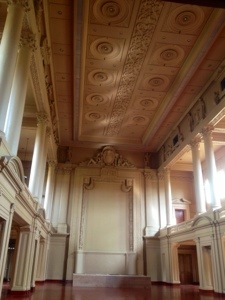
Originally intended as a public library but subsequently built to house the Legislature, this magnificent building designed by Juan Arellano was a casualty during the Battle of Manila in 1945. It was reconstructed in 1946 based on the original plans and remained the august halls of the Senate of the Philippines until it moved out in 1996. It took nearly a decade to transform this architectural treasure into what it is now: the official repository of national arts, treasures, archaeological finds and historical relics. The National Art Gallery of our very own National Museum.


20130218-102942.jpg

The Old Senate of the Philippines. Fully restored!

20130218-103039.jpg

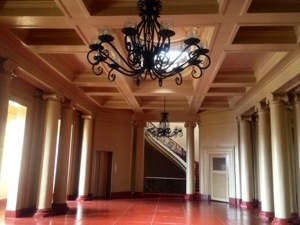
Check out this hall where many statesmen of old (a rarity now) used to walk!


Whenever I visit the Museum, I always start with the Hall of Masters. It’s like paying your respects to geniuses the likes of Juan Luna and Felix Resurreccion Hidalgo. If that P150 (US$4) admission fee entitles one to a viewing of Luna’s Spoliarium and Hidalgo’s Assassination of Governor Bustamante ALONE, it would have been worth it. But there’s more. LOTS MORE. One visit won’t be enough.


20130218-103304.jpg

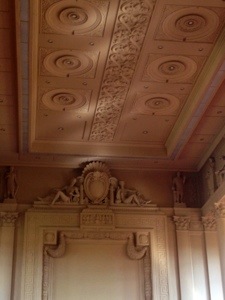
The ornate ceiling in the Old Senate Hall within the National Art Gallery.

20130218-103332.jpg

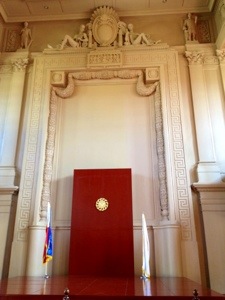
The Marker of the Old Senate Hall of the Philippines.


The Old Senate Hall has been completely restored. Here, where many revered statesmen walked the very floors and whose walls echoed many speeches from statesmen whose names now grace many street signs, shrines and monuments. Thank you, National Museum for allowing us to reconnect with our past. Thank you, Jeremy Barns, Museum Director, and everyone else who made this possible.


20130218-103537.jpg

How many National Anthems were played in this Hall?

20130218-103558.jpg

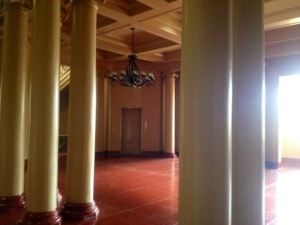
The Entrance to the National Art Gallery.

20130218-103623.jpg

Lovely Building. Next up: Museum of Natural History. In the same area!


WHO IS JONES? Why was this oldest bridge in the Philippines named Jones Bridge?


20130218-102048.jpg

Puente de Espana, then Jones Bridge, to honor the man behind the Jones Act granting independence to the Philippine Islands.


WILLIAM ATKINSON JONES. Member of US House of Representatives from 1891 to 1918. Right about the same period when the US bought the Philippines from Spain for $20 million. Imagine that. US$20Million for 7,107 islands.


20130218-102222.jpg

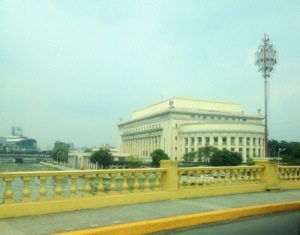
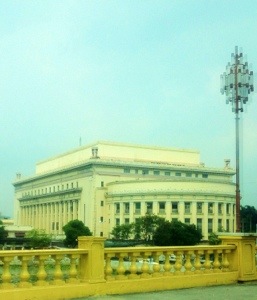
The Post Office Building and the Jones Bridge. Two landmarks rich in history.


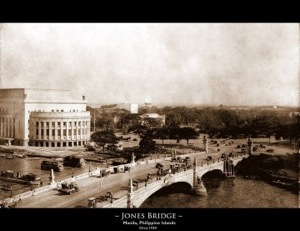
Back to the question — why was the bridge named after Rep. William Atkinson Jones? Used to be called Puente de España since it was built in 1701 spanning over Pasig River and connecting Binondo to the core of the capital city of Manila. Originally done by Juan Arellano in the Neo-Classical design but destroyed and renamed Jones Bridge by the US Colonial Government in 1916 to honor the man who sponsored the bill, later enacted into law, granting independence to the Philippines. Bombed out in World War II, this formerly ornate arch bridge was yet again rebuilt but in simpler design after 1945. The oldest bridge in the country.


20130218-102557.jpg

Not my copy. Credits to Old Manila Nostalgia.


When Jones died in 1918, the Philippines paid for the marker on his grave in gratitude for the Jones Act which granted Philippine Independence. So much history behind this bridge across Pasig River with a bonus grand view of yet another landmark, the Postal Office of Manila. Next time you head for Binondo or Chinatown and cross this bridge from Plaza Lawton, think Philippine Independence. 😉


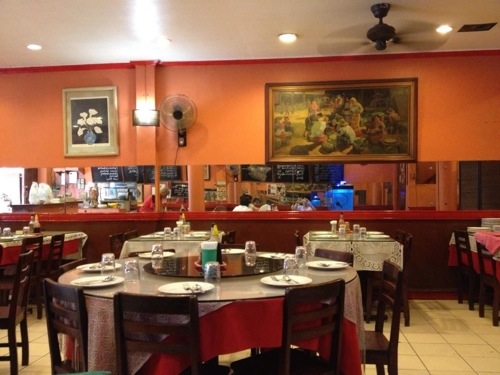
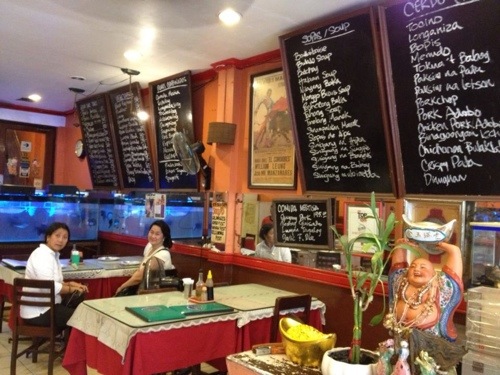
Many would remember it as that restaurant where Pinoy, Chinoy, and Tisoy cuisines merged, and which became a landmark off Echague Street. While it has since moved to 750 Florentino Torres near C.M.Recto and Soler Streets, the aura remains the same. It helps that the furniture exudes the same illustrado character, where an Amorsolo-ish painting hangs on one side of the wall  and where menu offerings are written in chalk on boards hanging on another side.


20130213-223320.jpg

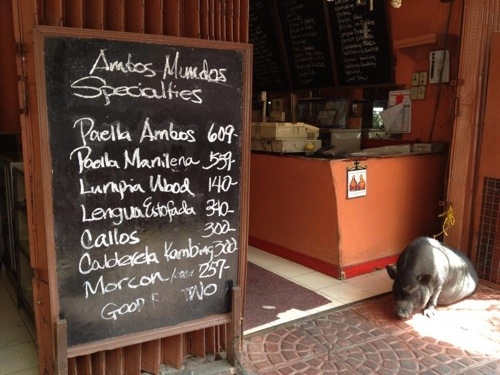
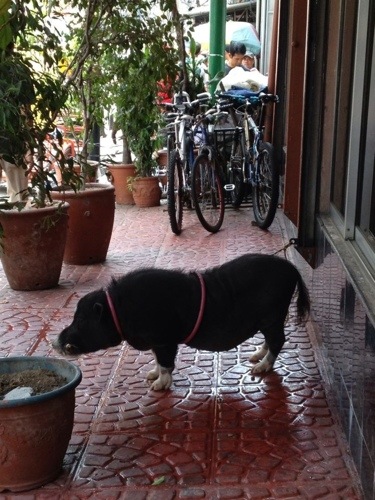
And there’s that lone boar tied to the door…………. Could that be “Liempo” or “Pork Chop”?

20130213-223403.jpg

Ambos Mundos. Claims to be the oldest resto in the Philippines. 1888


The “best of both worlds”. East and West? Ambos Mundos. I can imagine men in tailored suits (yes, they really dressed up back when Recto Avenue was still called Azcarraga) dining here. Perhaps feasting on either Paella Ambos or Morisqueta Tostada. Or would it be Lengua or Buntot Estofada? Many Filipinos think of Callos and Morcon as “fiesta fare” — special dishes served whenever there is reason or an occasion to celebrate. In the same breadth, Filipinos likewise drool over their favorite local food, and by that, I mean favorite local Filipino and Chinese food. Crispy Pata, Bulalo, Lumpia Ubod, Pancit Bijon, Asado, etcetera!


20130213-224331.jpg

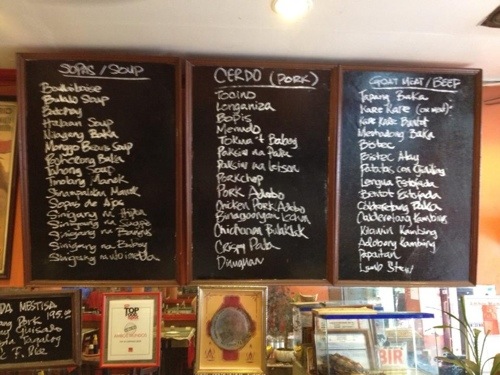
That menu is a real fusion of Chinoy, Pinoy and Tisoy Cuisines.

20130213-224400.jpg

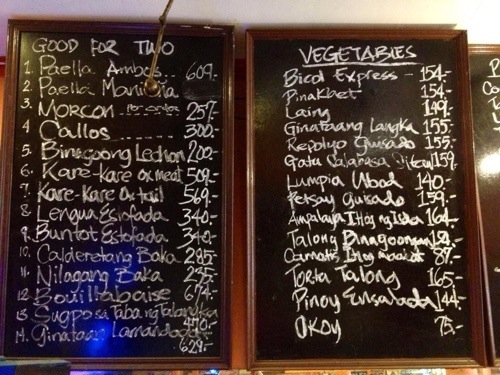
Chinoy or Pinoy or Tisoy Cuisine in Ambos Mundos. 1888


Is it really the oldest restaurant in the country?  Both Ambos Mundos and Panciteria Toho Antigua claim to be the oldest, having operated since 1888. Who’s to tell? Both were my childhood favorites, by the way. But where Toho appears like many other old Chinese restaurants, Ambos Mundos has an altogether different charm. Very old world. Complete with pot-bellied black pigs tied to its front doors! (A recent addition, I suspect) Some keep pet dogs. Or pet kittens. But pet boars? We’re told they’re there for good luck. There must be a grain of truth in that. After all, they’ve been around since 1888!


20130213-224647.jpg

My 2 amigas eagerly wait for our order of Morisqueta Tostada, Lengua Estofado and Patatas con Giniling.


See you again, “Liempo” and “Pork Chop”! We weren’t very happy with the Morisqueta Tostada, Lengua Estofado and Patatas con Giniling that we ordered — not as good as I remember 😉 — but we’re willing to try the other dishes next time we visit. 😉 OINK OINK


20130213-224743.jpg

Another set of pet boars just across the street in Wah Sun, same owners. A Gaudinez married into the Leung Family who owns this Chinese resto since 1955.

20130213-225105.jpg

They say you can order from either/both menus of Ambos Mundos and Wah Sun across the street. Same owners.


Addendum: This is even more interesting. Thanks to Teresa Gaudinez-Martinez, I now have a chance to straighten out some “kinks” and misinformation in this blog. Foremost is that THIS IS NOT THE AUTHENTIC AMBOS MUNDOS RESTAURANT. “Both Worlds” (Ambos Mundos) refer to Spanish and Filipino cuisines. NEVER INCLUDED CHINESE CUISINE. Huh? And there was NEVER A PET BOAR outside the restaurant. Huh again! Teresa, I have read all your blogs and sympathize with your legal woes. Obviously, there’s a long story fraught with family, legal, proprietary rights issues here. Thank you for taking the time to make the corrections. To our readers, here’s the link to Teresa’s Ambos Mundos blogs.


Thought I’d line up my blogs on “walks and drives” around Manila for those who are interested. In many of these walks and drives, a good 4 hours may be enough. Likely less if you just want to concentrate on a certain area. You can walk around, hop on and off your car or some public transport, combine 2 trips and plan a good lunch in-between, or simply visit a Museum to linger for the next couple of hours. If you’re with children, I’d most certainly advise planning a good meal after 2 hours or so. Attention span and all, you know. A good meal never fails, and I’d usually have the first leg as the “more serious walk through history” and make sure the 2nd post-meal leg involves some window shopping (a.k.a. “Street desserts” and other sweet munchies) or less serious history stuff or simply more open spaces.


20130205-115756.jpg


HERITAGE SITES/HISTORICAL LANDMARKS

Quiapo!

Say Hello to “Mi Ultimo Adios”

San Agustin Church in Intramuros

Four Hours To Waste in Manila

Some Photographs From Manila

Universidad de Santo Tomas (UST)

Baluarte De San Diego in Intramuros

Paco Park


MUSEUMS

Dummy Goes To The National Museum

National Art Gallery: Searching For More Lunas

Up Close: Luna and Hidalgo

Hidalgo and Luna: Genius Has No Country


CEMETERY TOURS

A Preview of the Cemetery Tour: Wait Till The Shoe Lady Dies

The Old (and Dead) Rich of La Loma

A Nearly-Forgotten Panchong in North Cemetery


SUBURBIAN MANILA

Angono: Art Capital of thePhilippines

Silangan Gardens and Pinto Art Gallery

Antipolo’s Suman, Kasuy and Pan Lechon?


CHINATOWN & Other sites

A Walking Tour of Binondo

Binondo Walk With Kids

The Street Vendors Of Manila

Harbour Square in CCP Complex


Urban Escapades

Weekend At The Pen

HOTEL CELESTE: A Pleasant Staycation


PINOY DINING 101

Just How Do You Eat Alagao?

What To Feed Your Guests (Part 1)

What To Feed Your Guests (Part 2)

Vieux Chalet in Antipolo

Pinoy Ice Cream? Check This Out!


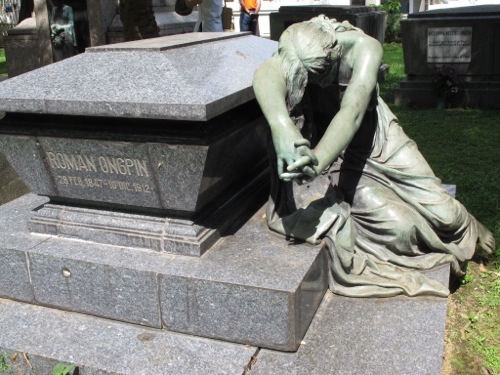
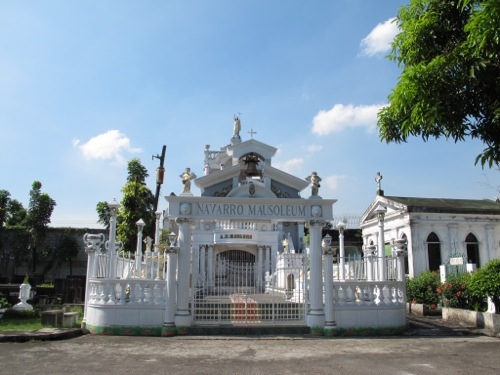
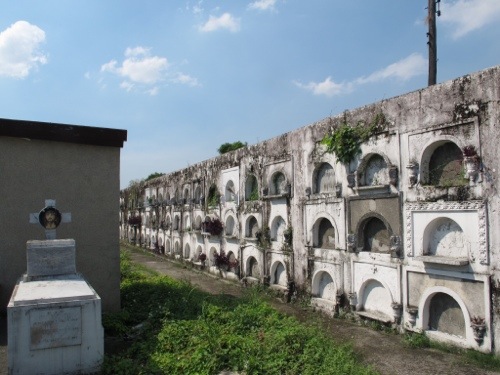
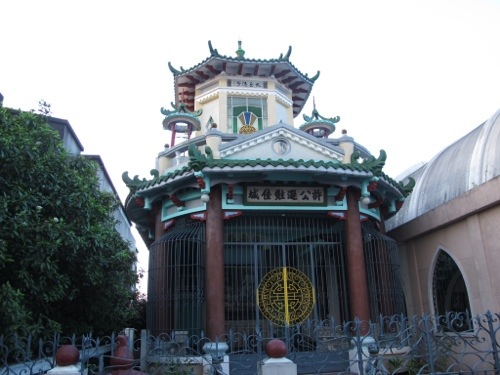
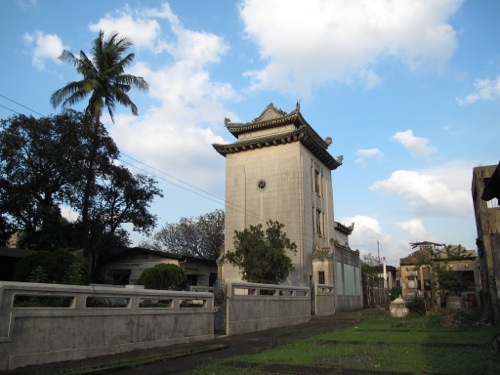
It was a day spent visiting cemeteries. It may not sound exciting to many, but oddly enough, the cemetery tour was packed with so much history. Not the oldest, but North Cemetery certainly is the biggest at 54 hectares. Like an open air museum, we marveled that such reminders of our past are contained in hectares upon hectares of land within our densely packed metropolis.


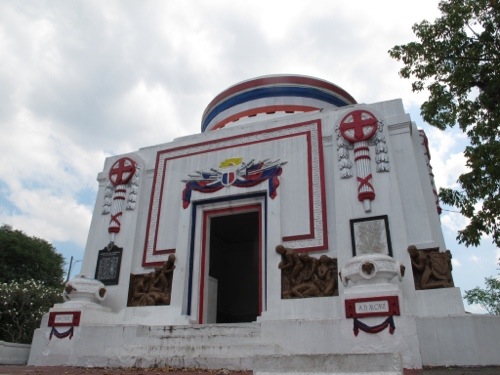
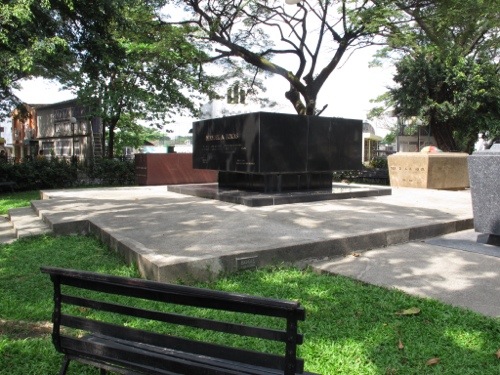
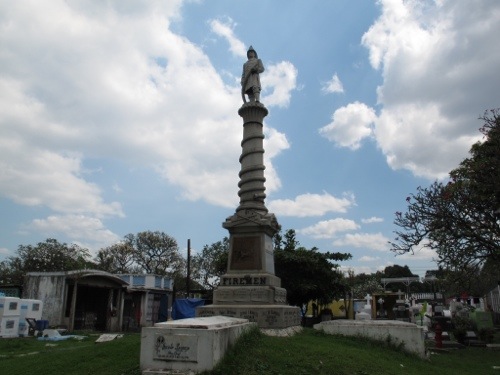
When we saw the Mausoleum dedicated to our veterans, I couldn’t help but compare it with the Pantheons found in Europe. Yes, it pales in comparison, for sure. But the architecture reminds you how and why pantheons are built. This pantheon — or “panchong” in our local dialect — honors our Katipuneros who shed blood so present-day Filipinos can have the freedom we now enjoy. Looking at it now, one laments how these revolutionary patriots are nearly forgotten.


20130201-150932.jpg

20130201-151019.jpg

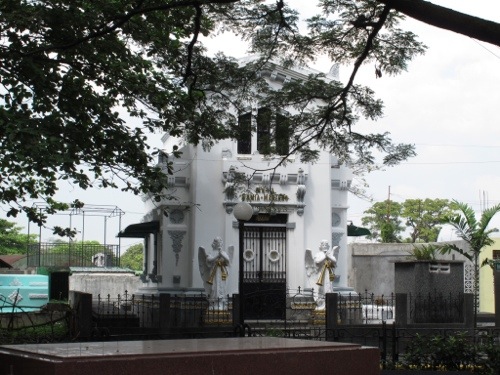
Like this pantheon, there are other reminders of our patriots and leaders, honored at least for a single day within a year. North Cemetery has become the resting place of past Presidents, celebrities and prominent families. Just like the nearby La Loma Cemetery, architecture flourished in this area.

20130201-151846.jpg

20130201-152027.jpg


It would be interesting to draw up a list of graves whose “tenants” now grace some street signs around Manila. The place also counts resting places of past Presidents and national leaders. In particular, there’s one Presidential tomb site which included a resting place for the Presidential dog. “Bogie” must have been so loved by the family of ex-President Manuel A. Roxas to rest beside the Roxas patriarch.


20130201-152426.jpg

20130201-152739.jpg

20130201-152835.jpg


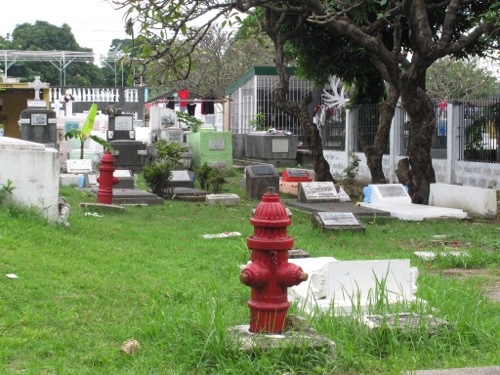
And in case you’re wondering why there are fire hydrants scattered in a patch of land here, this happens to be the resting place of firemen. Remember that the North Cemetery was created during the American occupation, so don’t be surprised to find the statue of an American (or Irish?) fireman here.


20130201-153152.jpg

20130201-153241.jpg


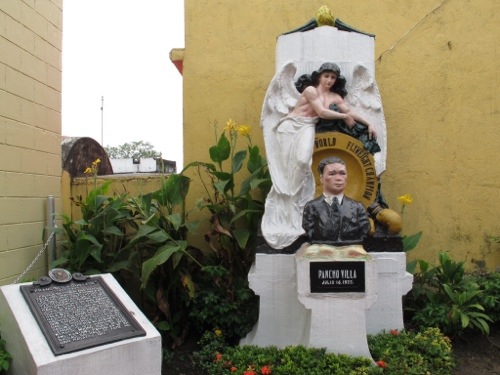
And lest you forget….. Long before Manny Pacquiao and Flash Elorde, there was Pancho Villa. This boxing legend was never beaten in the ring but many would argue that’s because he had a short lived boxing career. Unfortunately for this young lad, he was knocked out at the early age of 23. Not of a 1-2 punch nor boxing-related ailment, but of complications resulting from a tooth extraction!


20130201-153440.jpg

20130201-153746.jpg


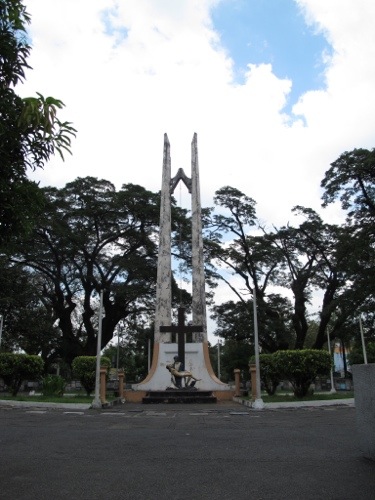
Not too any Filipinos would remember that the Manila Cemeteries also served as execution sites for those who resisted the Japanese Occupation. Among those is Josefa Escoda, founder of the Girl Scouts of the Philippines and many other unknown heroes. A monument now stands here to honor them.


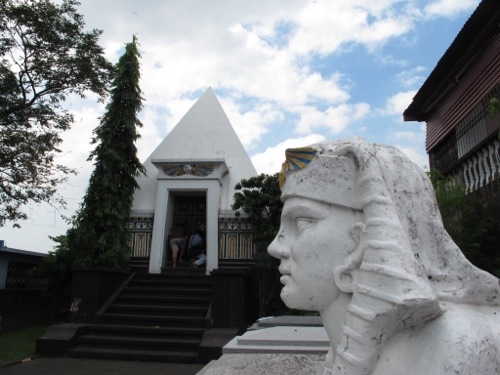
As for that last photo. Pyramids and sphinx — this is the resting place for the Arroyos. Last interred here was Cong. Iggy Arroyo a.k.a. Jose Pidal.


It’s nearly Christmas. And it turns out many urbanites had the same idea for this weekend. With traffic jams in nearly every corner within the metropolis, many Makati residents dared not venture out of the city for a weekend getaway. What’s next best then? A Staycation in Manila Peninsula!


20121222-221850.jpg

20121222-223230.jpg


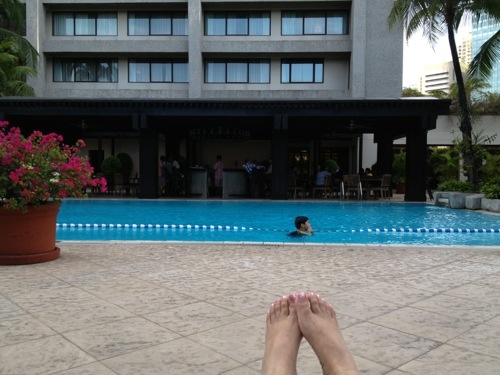
There was a line of urbanites checking in. Can’t blame them. The Pen has always been a place “to chill” within the city. You save a lot on fuel (and time!) staying here. The pool is certainly not of Olympic proportions, but around this time of the year, the poolside is such a pleasant place to read your book, have a drink, and of course to swim. The same pool area and garden can be viewed from 2 of Pen’s dining areas : Spices and Escolta.


20121222-224215.jpg

20121222-224302.jpg


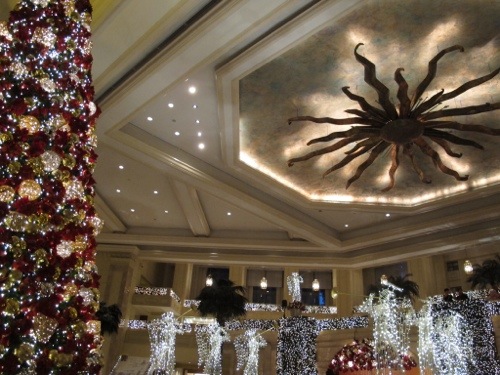
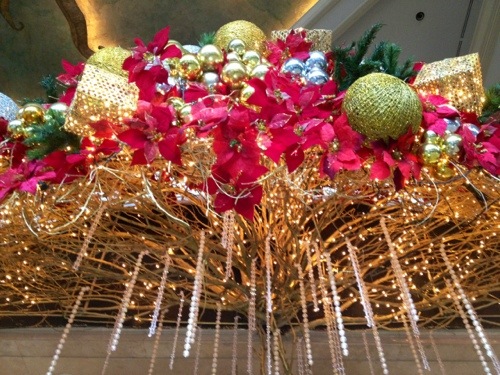
While the kids swim, there’s the option to check out the gym or the spa. Or both. This weekend, both are busy. So with the poolside bar. The cool breeze abruptly halted any prolonged stay in the pool. So out of the pool and back to the room. But not without passing the lovely lobby festooned with Christmas decor and a giant Christmas tree. As the band played Christmas carols, I was tempted to stay and order a mango daiquiri. The tea buffet was tempting too. 🙂


20121222-225000.jpg

20121222-225042.jpg

20121222-225627.jpg


I remember bringing my “elves” here when they were toddlers. It was their “park” — only cooler (air conditioned), kid-safer (the 2nd floor area where the band plays is carpeted), and tops in sounds. Always, music from the lobby entertains. And with Christmas in the air, who doesn’t love listening to Christmas carols?


20121222-230931.jpg

20121222-231100.jpg

20121223-235432.jpg

20121223-235525.jpg


When my “elves” asked me to take them to this place day after day, I knew they wouldn’t stop until I give in. Telling me to buy film from here for their Polaroid cam was a lame excuse. I knew there was more to this than a Polaroid film.


20121208-165311.jpg

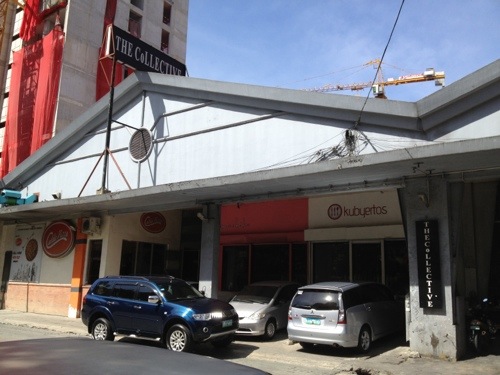
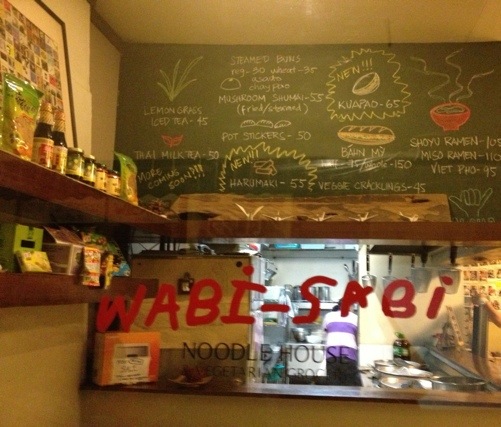
Non-descript Frontage of The Collective


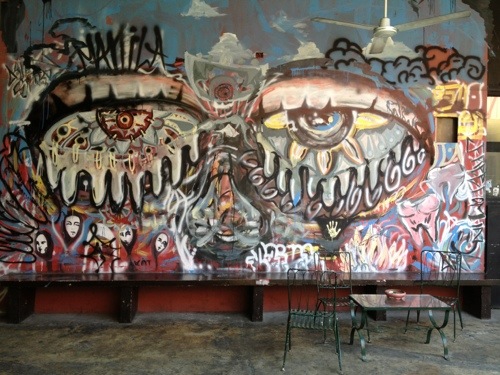
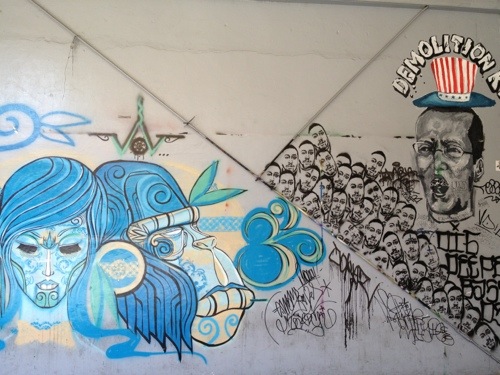
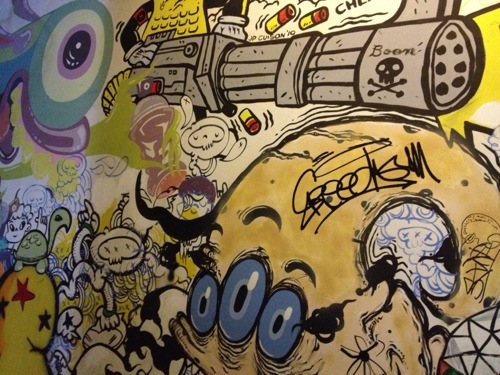
Entrance through a narrow alley opened up to a spacious court hemmed in by walls painted with surreal art. The shops within this gym-like structure have the most brilliant titles or names. Certainly for the hip, unpretentious crowd. Thought-provoking… As with the art plastered on the walls.


20121208-214815.jpg

Very artsy, don’t you think?

20121208-215416.jpg

My “Elves” took turns having themselves photographed here.


There are a number of dining options here. Don’t be surprised to know the elves extracted a promise from me to head back for either late lunch or snacks here. They’re eyeing some of these curious eateries.


20121208-220802.jpg

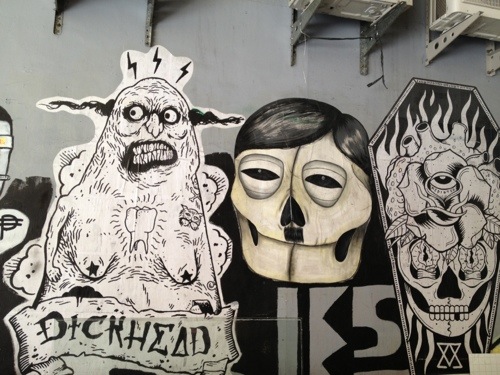
Art On Walls.

20121208-221043.jpg

Will try out this place next time.


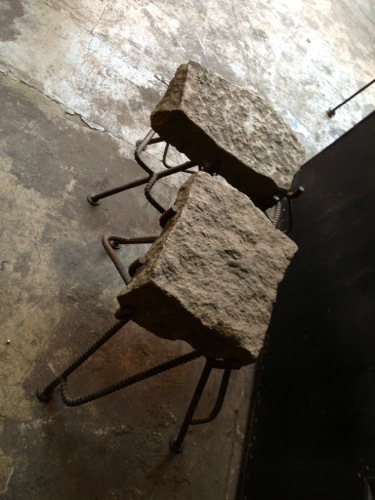
Quite honestly, I do like the place. Artsy, yes. Slightly twisted, yes. Irreverent, very. Yet there’s something about the place that makes you feel comfortable. The rock stools I found odd, yet ingenious. The painted walls and irreverent signs remind me of some Parisian scenes. The whole place is very Bohemian.


20121208-221954.jpg

Very Hip, indeed.

20121208-222256.jpg

Ingenuity. These rock stools may not be comfortable though, per one of the elves.


Though not exactly new, this is yet another hangout for the young and artistically-inclined. I’m neither. Yet I know I’d be back. With the elves. And then with the not-so-young to check out some of the food joints.


20121208-222811.jpg

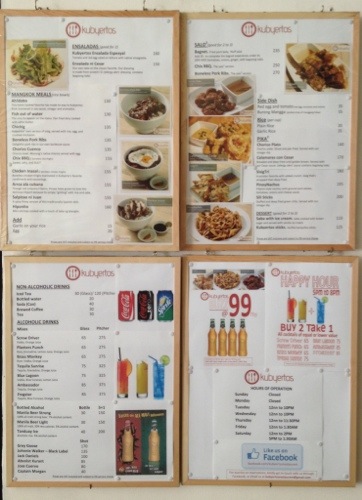
All reasonably priced, I assure you.

20121208-223029.jpg

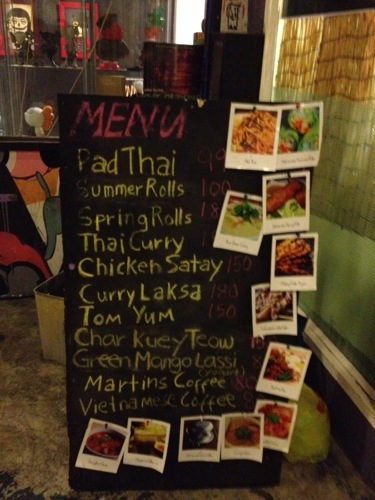
Check out the menu on the right!

20121208-223101.jpg

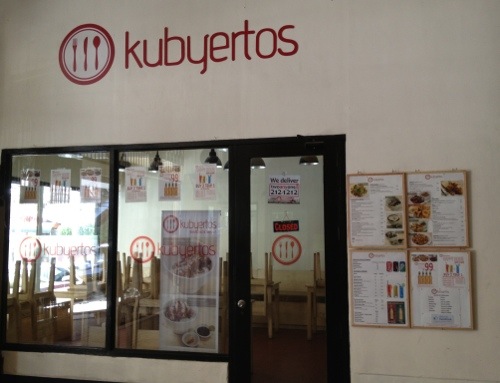
Here you go. Menu of Kubyertos.


Friday and Saturday nights must be busy nights. I can imagine a rock band playing while foodies check out the tiny cramped food joints. So…. Is it a date?


20121208-224416.jpg

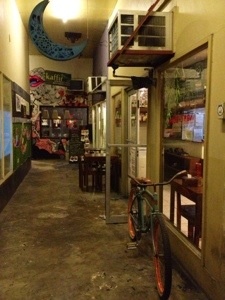
Love this alley!

20121208-224555.jpg

20121208-225116.jpg

20121208-225151.jpg


When one speaks of La Loma, 2 things easily come to mind. LECHON. And the old cemetery.


I joined a guided tour organized by the Museum Foundation of the Philippines with no less than Architect Manuel Noche guiding us through the flamboyant architecture and interesting history of this urban cemetery.


20121129-092629.jpg

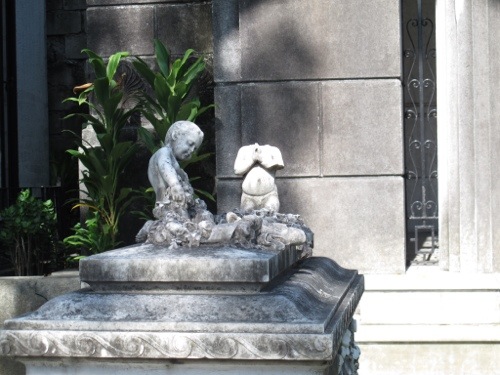
Little Monuments in the Old La Loma Cemetery


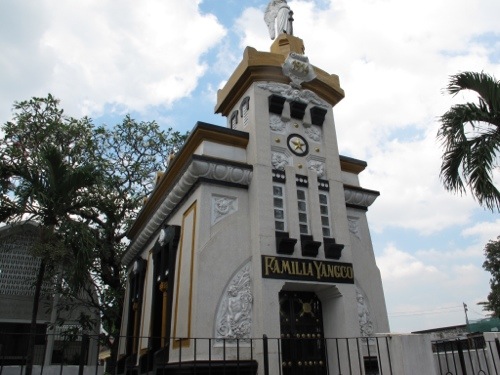
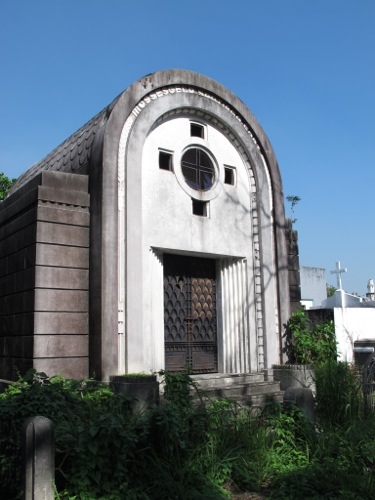
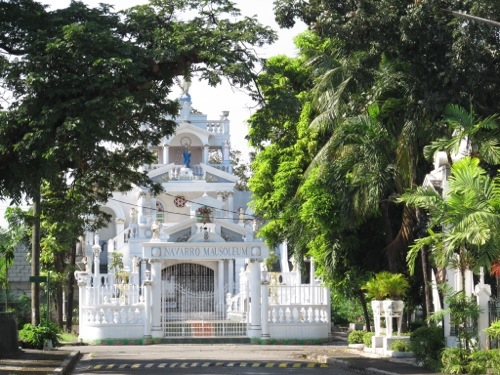
The great divide between rich and poor is very evident here. In death, as in life, the rich enjoy the prominence, the grandeur, the prime slots. One “street” in this city of the dead counts a number of mausoleums big enough to house several of the squatter-families of Manila. Prominent family names adorn the fronts of many of these flamboyantly designed mausoleums for the rich and famous. It’s like a “who’s who of Philippine High Society”.


20121129-093640.jpg

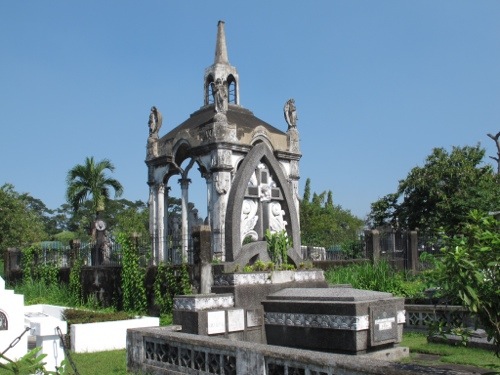
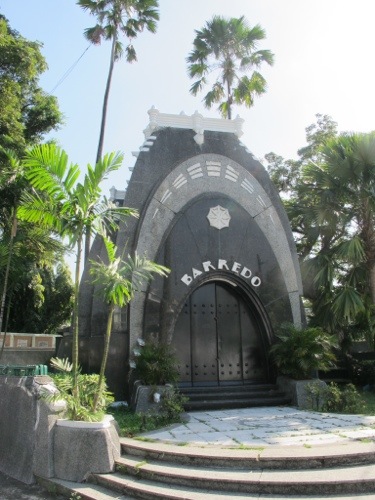
No. It isn’t a church. It’s a Mausoleum.
20121129-093802.jpg

Another Mausoleum for the Barredo Family. La Loma Cemetery. Quezon City.


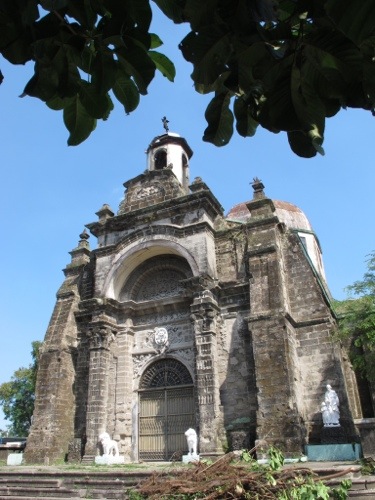
A big pseudo-baroque chapel dedicated to Saint Pancratius within the cemetery which served as its funerary chapel from 1884 to 1962  is now fondly called “Lumang Simbahan” (literally translated “Old Church”).  Rich and famous dead lying side by side in their private, marbled resting havens – – truly a city for the dead spanning 54 hectares of land in this former capital (Quezon City) of the Philippines. Spared from the ravages of war where much of Manila was bombed out during the 1945 Battle of Manila, but not spared from serving as execution site during the Japanese occupation. Just the same, Campo Santo de La Loma is a significant link to Philippine history and architecture. After all, this 2nd oldest cemetery (1884)counts among its buried citizens the important icons of history, the old rich and famous, religious leaders and the simply famous. And yes, you read that right. 1884. Second oldest public cemetery, according to Architect Noche. Paco Cemetery spanning only 4 hectares IS the oldest (1822).


20121129-094603.jpg

Lumang Simbahan or Chapel of Saint Pancratius within the grounds of La Loma Cemetery. Served as funerary chapel from 1884 to 1962.
20121129-094808.jpg

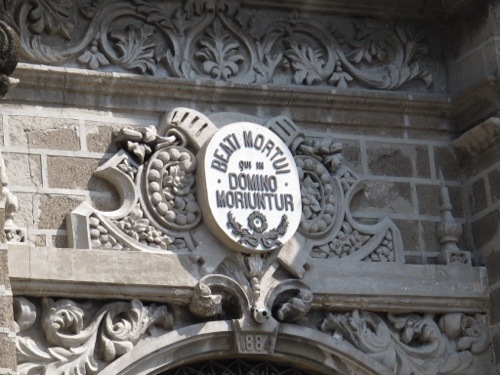
Details of the funerary chapel which has been abandoned and closed since 1962. Except for the sign “Epistula”, we found no other marker to explain its history.


Despite the heat, we trudged on dripping with enthusiasm and sweating with history lessons from our architect tour guide. If it were any cooler, i dare say these photos may remind one of the old cemetery tours done in Paris, Buenos Aires, and New Orleans.


20121129-100956.jpg

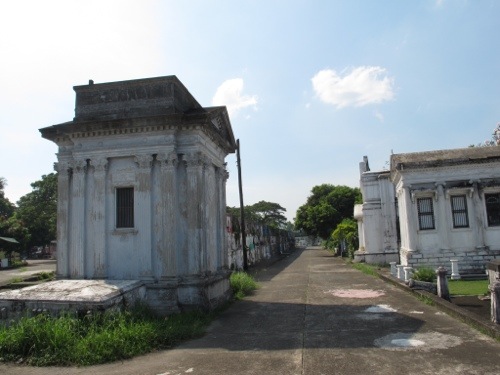
This is NOT an ordinary street. It cuts across the La Loma Cemetery, lined on both sides by old mausoleums belonging to prominent and old elitist families in the Philippines.

20121129-101146.jpg

Quite a sight. Who would have thought this is in the Philippines? Or that there’s 54 hectares of cemetery property within the Metropolis?


All of 54 hectares within the metropolis. You’d think one should find better use for this land in this time and age. But it is an important piece of our history. I’m sure the hoi polloi would be interested to read up on the history of some of the prominent families interred here. Them are some of the aristocratic families of old. The illustrados. The hacienderos. Viejo familias. Their names ring familiar as many industries, companies, schools, even streets are named after them.


20121129-103705.jpg

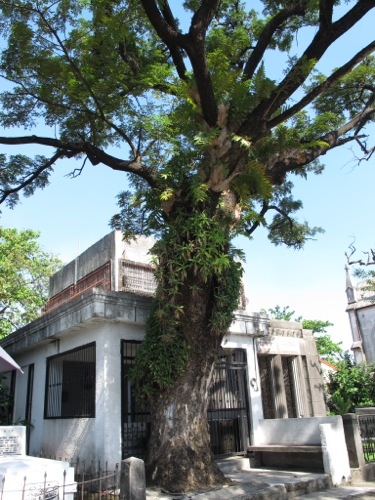
Must be an old tree growing out of a Mausoleum.

20121129-103843.jpg

I can only imagine Dona Victorinas coming to light candles and offer flowers in many of these Mausoleums. 😉


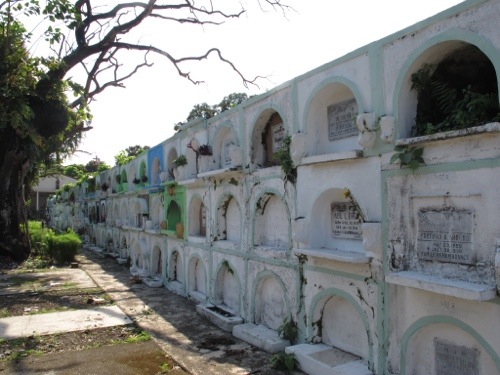
As we moved from mausoleum to mausoleum, from one gravesite to the next, we can’t help wonder how squatter-families live here. As we stood in awe viewing the grandeur of some architectural designs and sculptures, we also didn’t miss the empty gravesites where little children play nearby and where laundry hangs from a rope loosely hung between 2 trees. Mixed emotions here. I feel for these impoverished families, yet I lament that this “open air museum” seems to have been taken over by illegal occupants. I really hope our government finds a suitable relocation site where these families can resettle.


20121129-104739.jpg

This one looks rather NEW. All of 3 storeys high. Looks a bit tacky to me.
20121129-104853.jpg

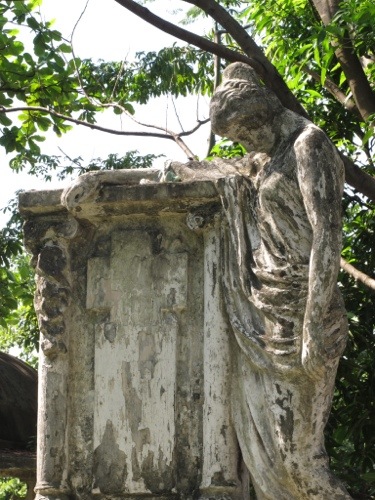
There were many interesting statues and monuments. Architect Manuel Noche said he brings his architectural class to these cemeteries every now and then to study art and architecture. Well, history too.


I know there are some who go visit on their own, but guided tours are best if one wants to appreciate the place’s historical and architectural significance. You may google all you want but you may miss out on some historical tidbits. Besides, it’s good to visit as a big group. It’s more fun!


20121129-105621.jpg

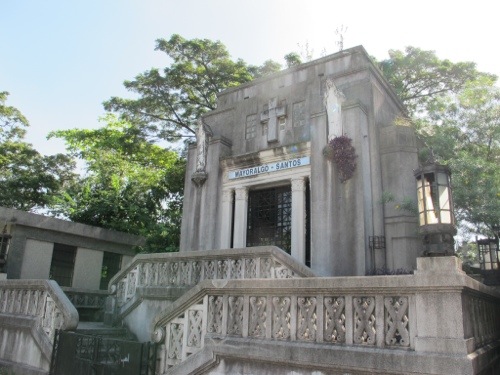
Another Mausoleum for the Rich and Famous.

20121129-105749.jpg

……….while others are interred in another part of the cemetery.


I know. I know. Sounds morbid. Even cruel. But can’t help thinking THAT while walking the “streets” within the hallowed grounds of La Loma, North and Chinese Cemeteries in Manila.


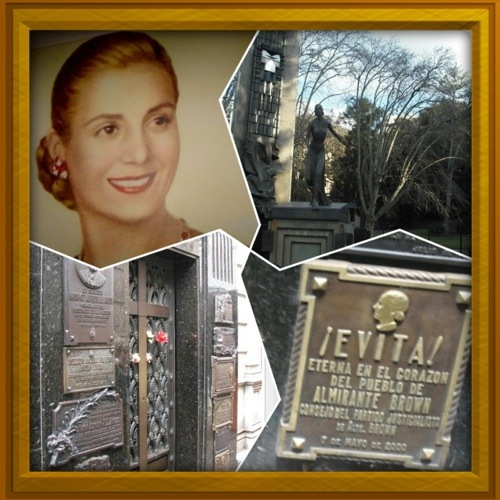
The architect/tour guide mentioned how Evita Peron’s grave in Recoleta Cemetery draws in millions of tourists and yield tourism moolah for Argentina. Yes, Evita of that Broadway musical fame. The same lovely lady who married Juan Peron just a year before Juan became President of Argentina. The same lady who tried to run as Vice President of the same South American nation.


20121120-074045.jpg


Evita. Don’t you feel like breaking out to sing “Don’t Cry For Me, Argentina”?  That musical has forever etched this Argentinian First Lady into our minds and pop culture. Many believe she’s the inspiration for a local ex-First Lady who similarly held political posts while the husband was President. The latter has inspired many comedy acts and invariably, the plays emphasized her flamboyant lifestyle and alleged “obsession” with shoes. Given the flamboyance displayed in these urban cemeteries, the architect/tour guide is spot on when he quipped “Wait till xxxxx dies……”.


20121120-075418.jpg

20121120-080211.jpg


Some of those mausoleums are even bigger than village churches I’ve been to. Really, in death as in life….. the disparity between rich and poor is very evident. The affluent within high society made sure their family names are immortalized in the “city of the dead”. Spanning many hectares of land, I am amazed to find how vast these cemetery parks are. I visited 3 in a day. La Loma, North and Chinese Cemeteries. Each deserving to have their stories told.


20121120-081117.jpg

20121120-081237.jpg


Even now, these cemeteries are drawing in tourists. It is just lamentable that the authorities are unable to deal with the squatting problem. If you ask me, these squatters have grown out of control. The very reason why I didn’t have the courage to “tour” on my own. I joined a tour organized by the Museum Foundation of the Philippines and was only too happy to have the brilliant Architect Manuel Noche and the hilarious, ever-energetic Ivan Man Dy walk us through history as we walked around the mounds and mausoleums, some of which are as high as 3 storeys.


Watch this page for sequels!

20121120-082034.jpg

20121120-082128.jpg


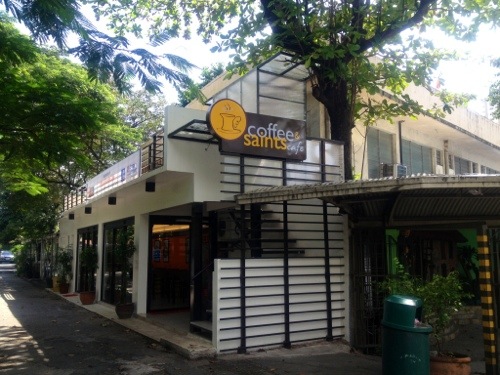
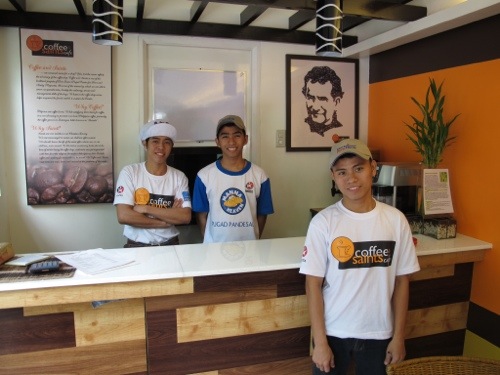
Coffee & Saints is a coffee shop run by the Don Bosco PUGAD, a project for migrant youth from all over the country. Other projects include bread making and water filtering stations where young men aged 17-21 gain technical skills and self-worth.


20121108-205813.jpg


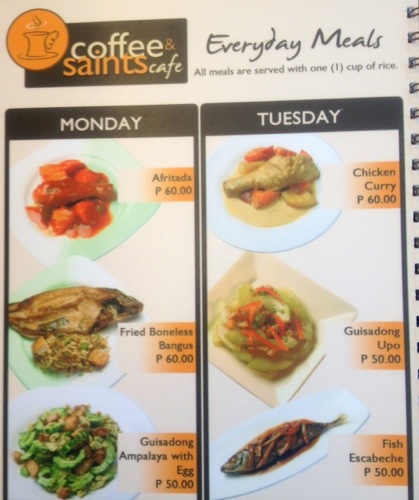
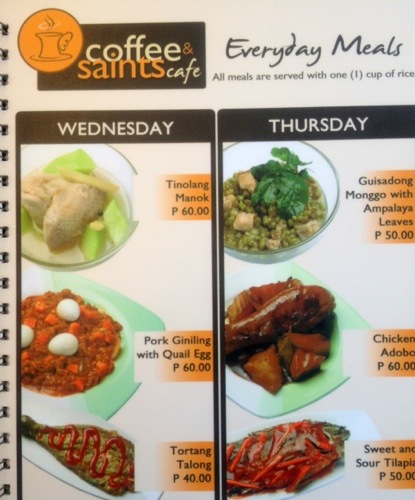
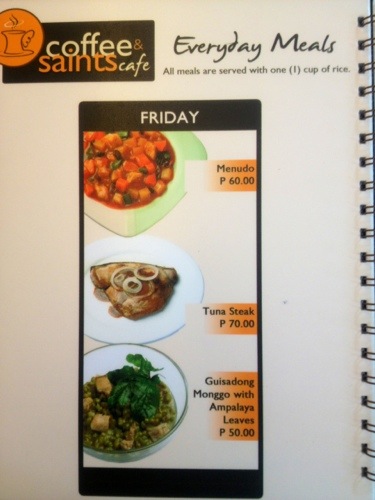
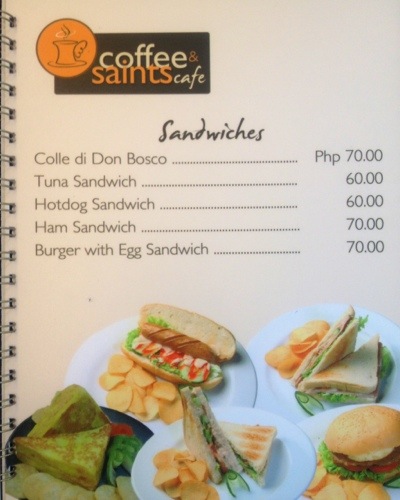
You’d find the coffee shop right beside the Don Bosco Church and within the church compound and parking lot. In my earlier blog, I wrote about a few of its simple menu offerings. Today, the tiny coffee shop now offers home-cooked meals at very affordable prices. Check out these daily offerings through the photos below.


20121108-210711.jpg

20121108-210747.jpg


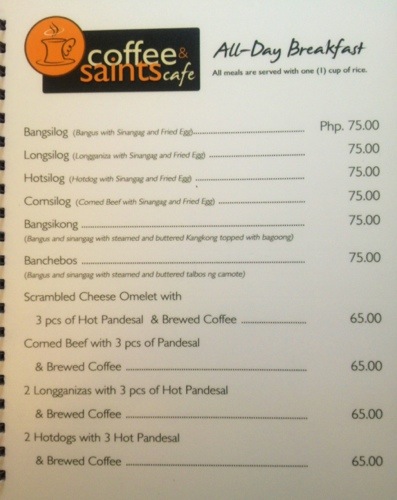
Remember how we used to troop to Amicí just outside the church compound after hearing mass? At the time, it was just a simple “carinderia” with great pasta offerings and many gelato flavors. Well, Coffee & Saints is no trattoria and no, they only offer Pinoy everyday meals. But from the “Silog” series come these comfort food at prices well within one’s budget. Who says you can’t enjoy home-cooked comfort food while staying frugal? Plus the tiny dining place is tidy, packed with ambience, and manned by eager to please migrant youth.


20121108-212025.jpg

20121108-212108.jpg


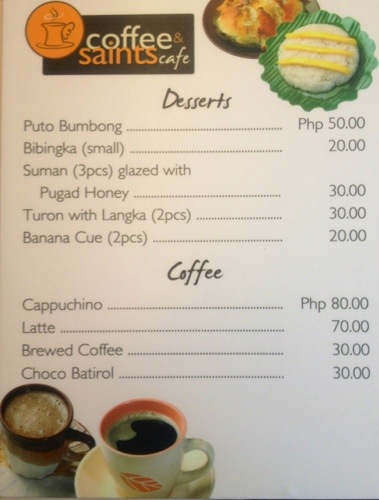
And if you’re still stuck with Coffee & Saints’ original “Silog series”, they’re still available. EVERYDAY. Same with their desserts, except that some of the “Kakanin” are available only at certain hours of the day. Me? I promise to try a new dish every visit along with my “standard daing na bangus”. And if you don’t care for their desserts, ask for the Pugad cookies priced at P20 each. There are cookies flavored with malunggay or ashitaba leaves. The same leaves you’d find in your ginisang mongo and dinuguan dishes.


20121108-213138.jpg

20121108-213227.jpg


And oh, don’t forget to try their Barako coffee or the chocolate batirol. The Pugad boys will cheerfully serve them while you’re waiting for your orders. Bless these boys. God bless you too for patronizing this place!


20121108-213502.jpg

20121108-213538.jpg

20121108-213624.jpg