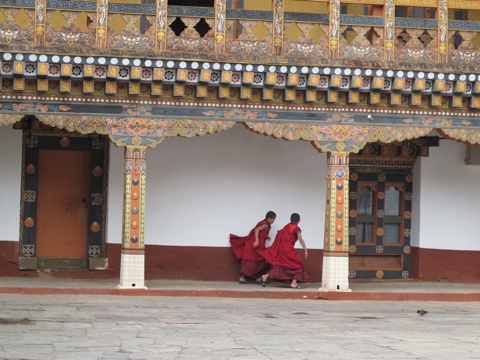
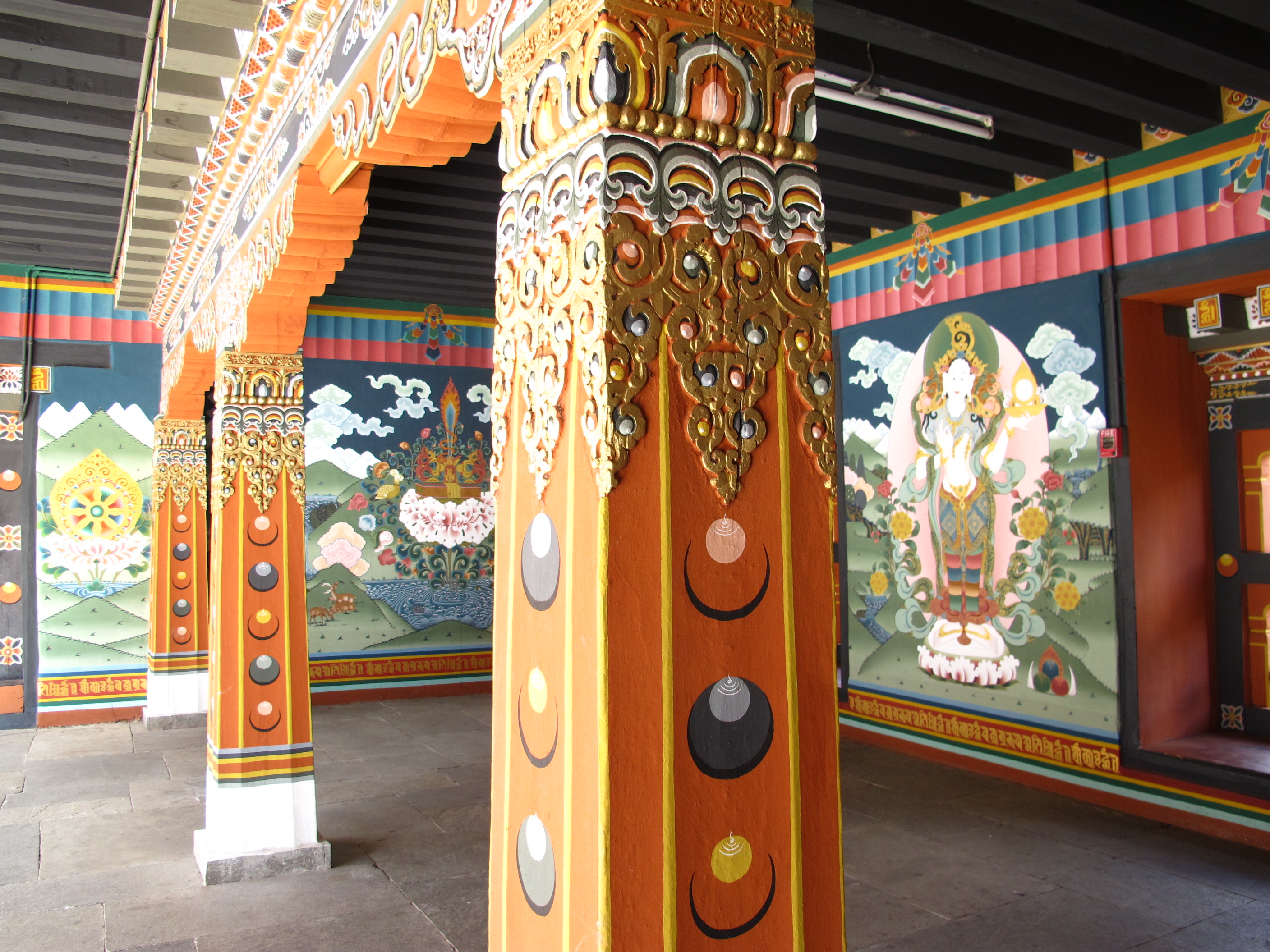
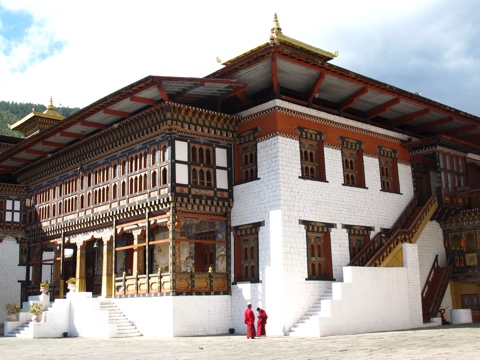
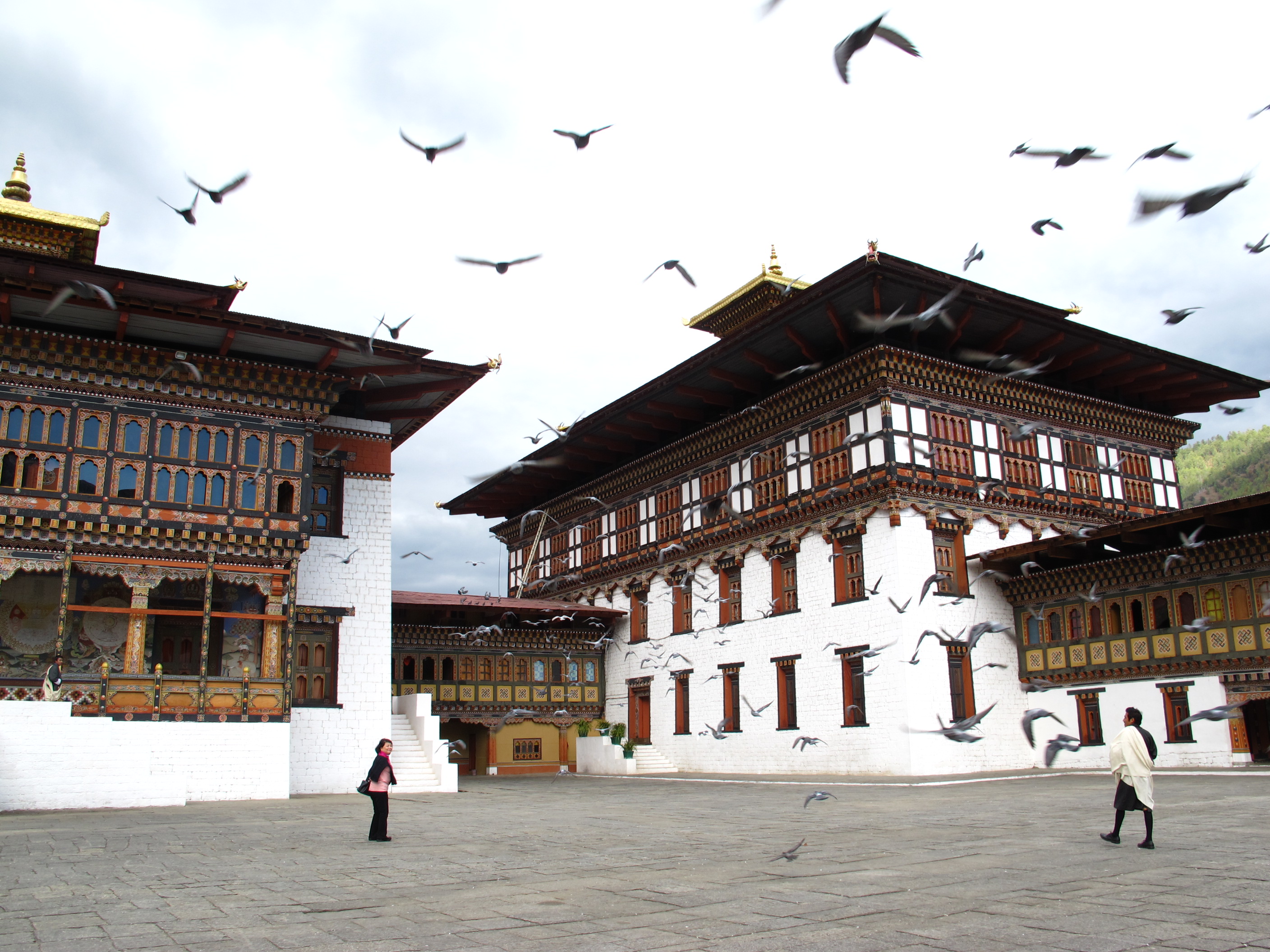
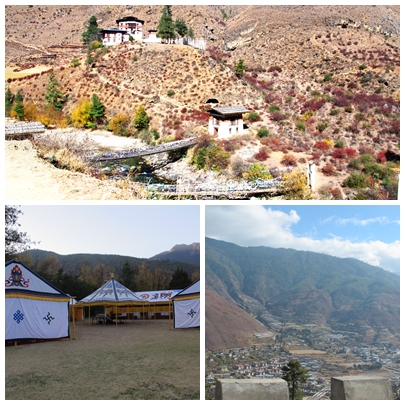
From Druk Hotel in Thimpu, we drove a good 2 1/2 hours just to get here.  On our way, we passed Dochula Pass with a grand view of the Himalayan mountain range at over 3,000 meters elevation. Then we weaved around the mountains going down, passing cherry blossoms, poinsettia and magnolia trees.  We made a brief stop at Chimi Lakhang and took our lunch in a lovely cafe overlooking paddy fields animated by men and women harvesting rice and gho-clad school boys gingerly walking around the rice fields.  


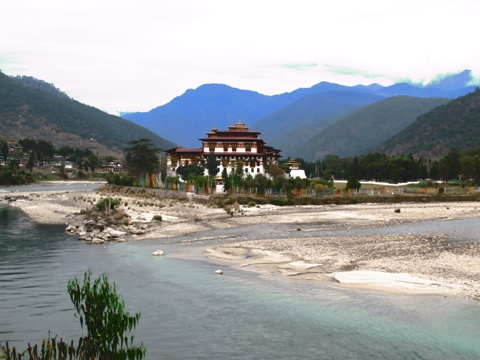
Punakha Dzong. Where Kings are crowned. Site of the recent wedding of the world’s youngest monarch.


20120101-125249.jpg

Punakha Dzong Where 2 Rivers Merge


The fortress cum monastery is home to 600 monks, and sits at the confluence of two rivers with the lovely mountains as backdrop. You need a few minutes to savor this view, pinch yourself and get reminded this ain’t a dream, before crossing the bridge adorned with prayer flags.


20120101-125636.jpg

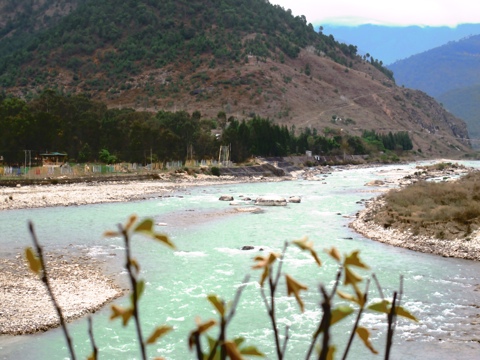
Then the 2 rivers merge, bubble and froth as ONE RIVER.


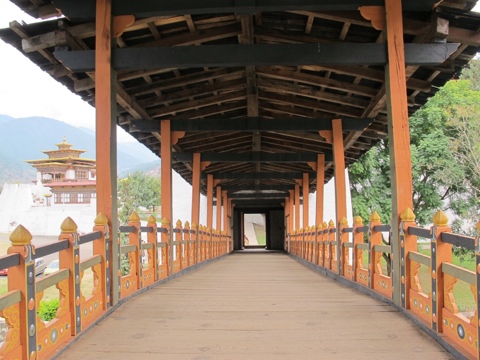
As we crossed the bridge, we had our first glimpse of Punakha Dzong’s first courtyard. Climate here is milder, elevation not as steep as in Paro. The wooden staircase leading to the second courtyard is steep though. The same stairway can be pulled up in case of an invasion. Some security feature for this 17th century monolith.


20120101-130234.jpg

The Approach Via the Lovely Bridge Crossing A "Lively" River

20120101-130337.jpg

The Wooden Staircase Can Be "Pulled Up" In Case of An Invasion


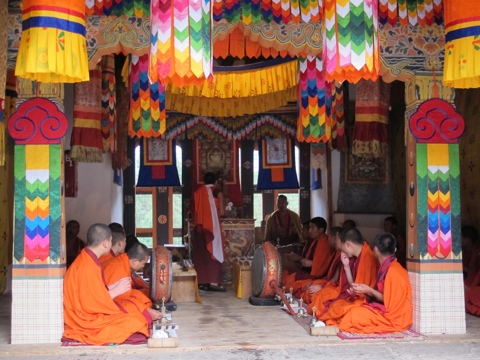
As we climbed past cherry blossoms, we heard the faint chant and shuffling of hands and fingers from a small group of monks. Nearby, logs crackle from a bonfire set up in the middle of the vast courtyard. What a lovely, nearly surreal sight! This experience is so dreamlike it is deeply embedded in my memory.


20120101-130951.jpg

Logs Crackle in A Bonfire Set Up in the Middle of the Courtyard

20120101-131033.jpg

Monks Chanting " Oh Mani Peme Hummmmm"


Buddhism is NOT a religion, according to our guide. He claims it is a philosophy, a lifestyle, where Buddhists firmly believe that KARMA rules, among others. Where much of sufferings in life are rooted in wordly desires and material attachments. I certainly have no problems with these. The universe can definitely do with less hostility, and more compassion, more caring for each living creature.


20120101-131617.jpg

Two Playful Monks Running Around the Courtyard

20120101-131700.jpg

What A Lovely Sight!

Do check out my other blogs on Bhutan here in WordPress. Or my blog series in TravelBlog: Mystique of Bhutan. Here’s the link: http://www.travelblog.org/Bloggers/liliram/Trips/17606


It is the first Dzong we have visited in Bhutan.Trashichodzong or Thimpu Dzong literally translates to Fortress of Glorious Religion. Buddhism truly makes its mark on Bhutanese culture. But nowhere else have I witnessed Church and State work so in harmony. No quarrel between the Church and State in this tiny Kingdom in the Eastern Himalayas.

Trashichodzong or Fortress of the Glorious Religion in Thimpu, Bhutan

From the time the country’s capital was moved from Punakha to Thimpu, 3 kings have held office here. The present King was crowned at age 27, making Druk Gyalpo Jigme Khesar Namgyel Wangchuck the youngest monarch in the world. His father, the good if not better-looking Jigme Singye is still very much visible, and still young (and hot) at 55. The local folks simply love them and speak adoringly of the royal family.

The Hunk. I mean the 4th King: Daddy Oh of the Present (5th) King

The Fortress houses the State offices including the King’s office and Throne Room, as well as the monastery where the Chief Abbot shares the same rank and place as the King. In Bhutan, this does not seem to be a problem.

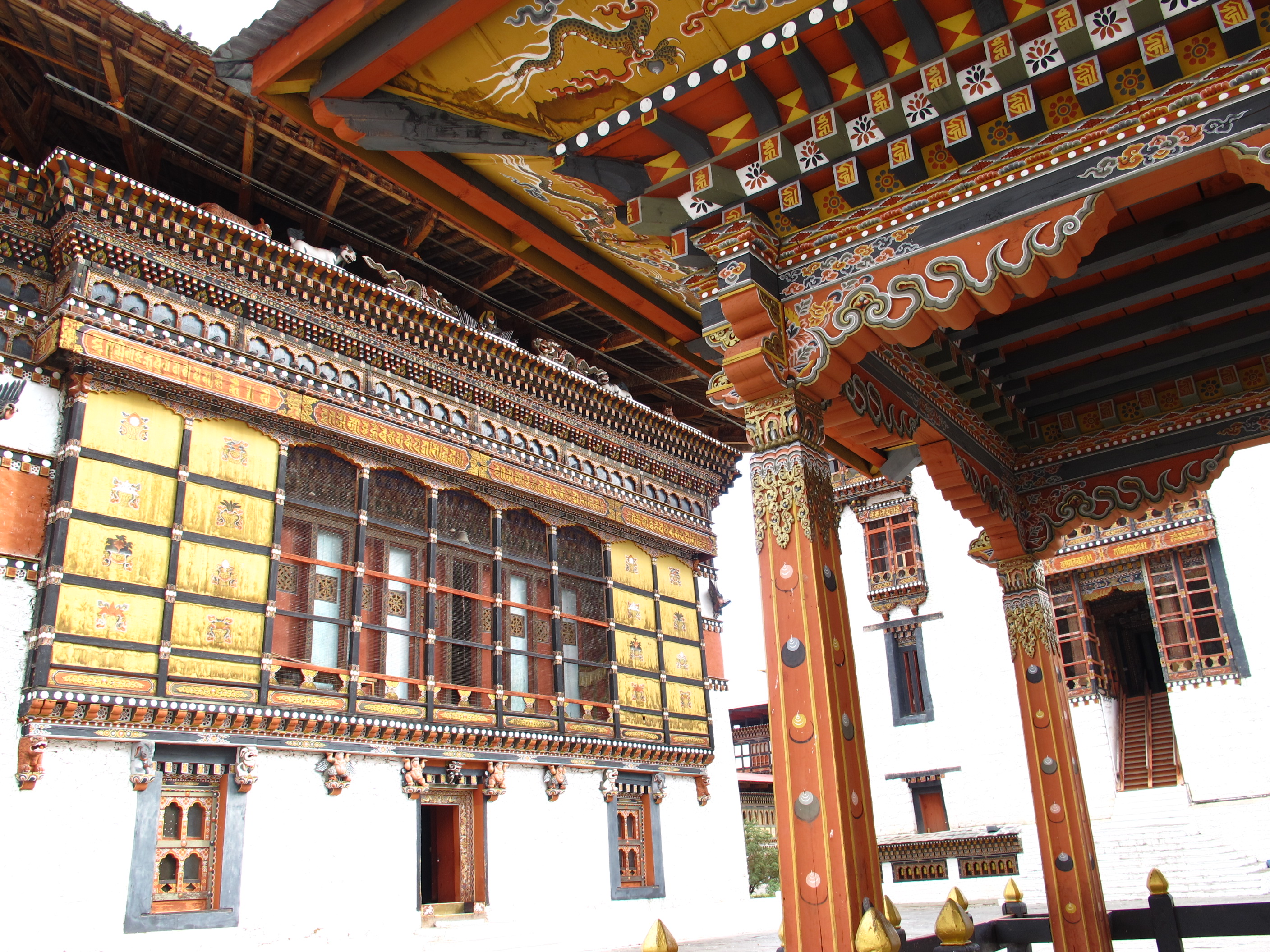
Bhutanese Art in The Beams, Ceilings, Walls, Windows, Eaves, Doors, etc.

I remember walking down a path of willow trees and rose gardens which must have had their last full bloom a month or so earlier. A pity this trip was pushed down towards yearend as hotels were fully booked for the King’s wedding last October 13, and the festivals in October-November made it impossible to book a trip earlier. Truth is my other friends gave up on Bhutan, leaving just me and another travel companion. Thank God I refused to give up on this chance to see Shangrila. Yes, no less. Even at minus one degree to 6 degree Celsius!

20111217-175741.jpg

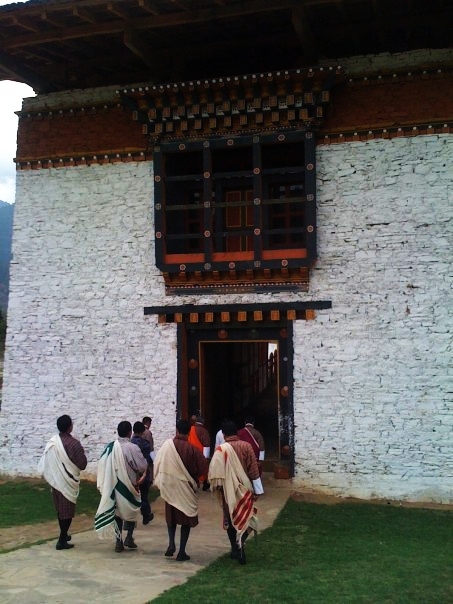
We passed some guards (few, actually, considering that they are guarding the King and Chief Abbot) as we climbed the stairs to get into the courtyard. What spilled before our eyes was nearly unreal. We “owned” the courtyard exclusively but for a couple of monks and a single photographer, who like us, seemed mesmerized by the beauty of the Dzong. Om Mani Peme Hum. That’s the oldest and most well-known Tibetan Buddhist mantra taught by our guide, Sonam Norbu. You hear the monks chant it, as I often heard Norbu recite it as he paid his respects to their Buddha of Compassion. It took awhile for me to remember the mantra, strange language that it is. Until I managed to link the mantra to “Oh, money, penge (meaning to ask) hmmmm”. My apologies. They sure sound so irreverent and so contrary to Buddhist teachings, but the “joke” made it easy for me to remember. (Forgive this old lady. Peace xoxoxo)

Resident Pigeons Rule the Courtyard!

Elizabeth In Ecstacy!

I forgot to ask Norbu, but all Dzongs here are painted like white monoliths adorned with intricate woodcarvings and handpaintings on beams, pillars, eaves and window frames. The colors — dominated by golden yellow, rusty orange (saffron, according to my friend Elizabeth) and black, tinged with red, blue, black and green — are almost standard. There also seems to be a standard Bhutanese architecture and layout, but for the size and number of dochey (courtyard) and lhakangs (temples). What makes it even more amazing is that these palace-like structures were built without written plans or blueprints. Everything is committed to memory. Say what? Amazing, indeed.

Bhutan: Where Nature and Culture Reign

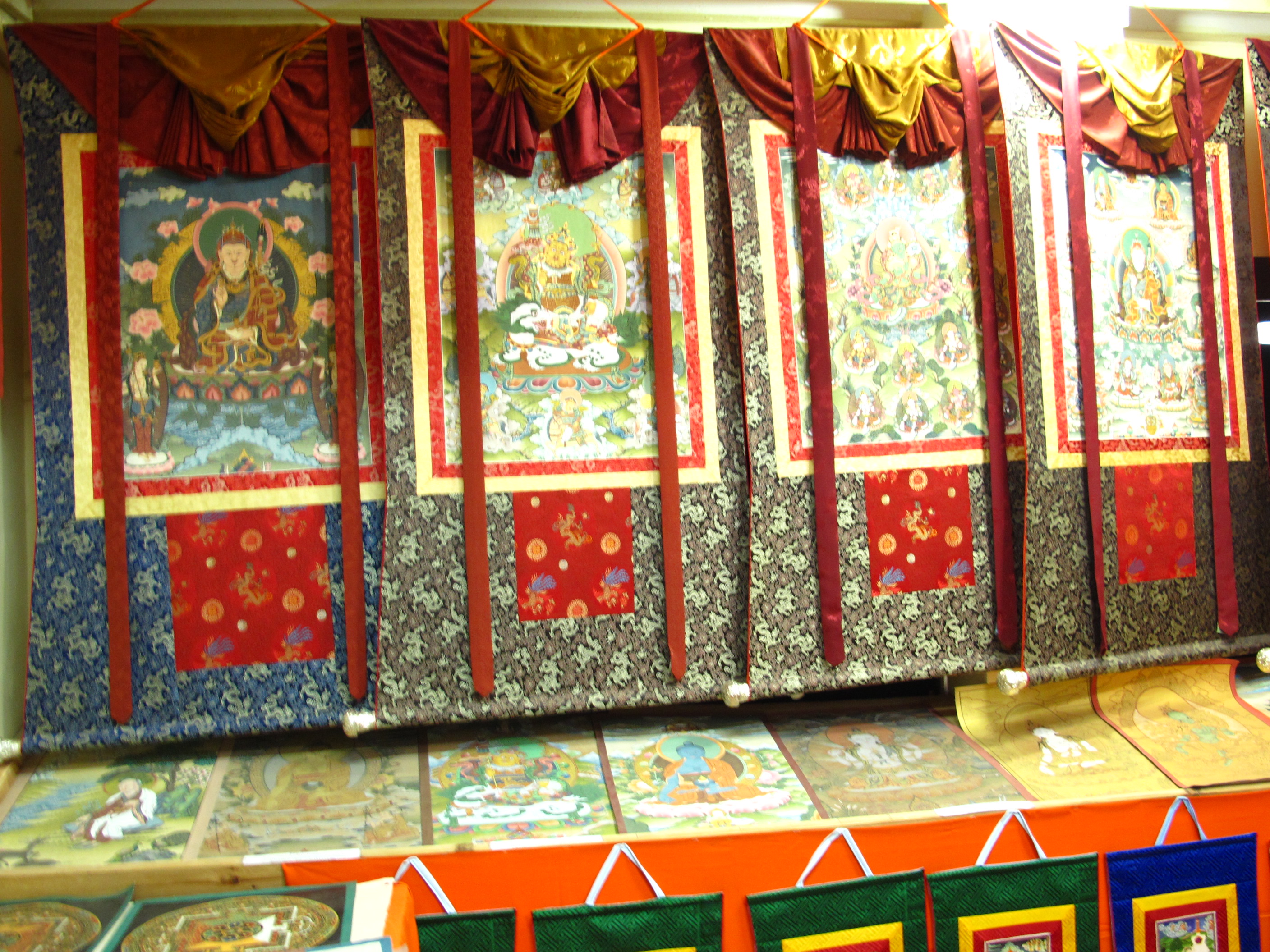
Inside the temple, my friend Elizabeth was almost ecstatic to find the thousand mini buddhas she has been reading about. Those, and the thangkas (silk painting with embroidery) which left her drooling in its beauty. Have to admit I do not share the same appreciation, not knowing much about Buddhism nor the art of thangka-making.

Thangkas Found In A Store. For Sale. Not Cheap.

As we made our way back to the courtyard, we basked once more in the peace and quiet within the courtyard. The tranquility was not disturbed but was instead enhanced by the now familiar dong dong chimes of the prayer wheels and the fluttering of wings by the resident pigeons. And I thought this only happened in the movies! Truly, today is one AWE-spicious day!

[Do check out my other blogs on Bhutan here in WordPress, as well as my series on TravelBlog : Mystique of Bhutan . Here’s the link……….. http://www.travelblog.org/Bloggers/liliram/Trips/17606 ]

A Bad Shot of An Illuminated Thimpu Dzong 😦

The Bhutanese Men Wear Gho. The Women Wear Longer Skirts Called Kira.

To contact my tour guide Sonam Norbu, send an email to ubron_11@yahoo. com


Definitely ONE OFF MY BUCKET LIST. I am still feeling OLD and TIRED, having just arrived from this dream trip to Bhutan. Not up to writing up my adventures yet. But this I must say. The flight into Bhutan is one for the books. What introduction to the Land of the Thunder Dragon, home of the concept of Gross National Happiness. As they say, HAPPINESS IS A PLACE. And that place is called Bhutan.


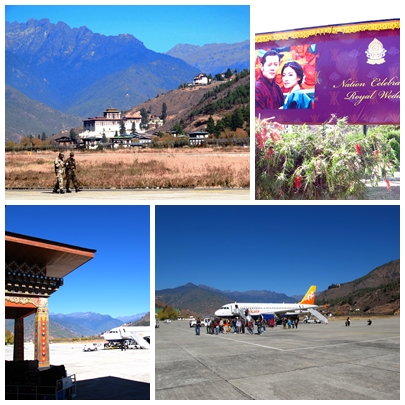
How many times have I been on a plane? A helicopter? A train? A boat? I didn’t give much thought about flying into Bhutan. But I sure know that this little Kingdom lies in the Eastern Himalayas right there above India, near Tibet. Snow-capped mountains shining like a jewel filled my plane’s window as we made the approach on our Airbus A319.


I imagined a small airport, and it was. After all, it is a small country. That explains why I found the US$756 round trip fare from Bangkok too pricey. And I was even told Druk Airlines — the only airline allowed to fly in and out of Paro Airport — gave us a hefty discount! Well, discount my foot I thought! From Bangkok, it took 2 hours to land in Dhaka, Bangladesh for a brief stopover. A few passengers got off, with just as few joining us on the 1 hour trip to Paro.


From my window seat, I saw how rugged the landscape is. Those lines down below must be the roads zigzagging around mountains. From a distance, I saw mountains in different hues of blue, even near-green, capped by the white snow shining like a golden tiara under the glare of the sun.


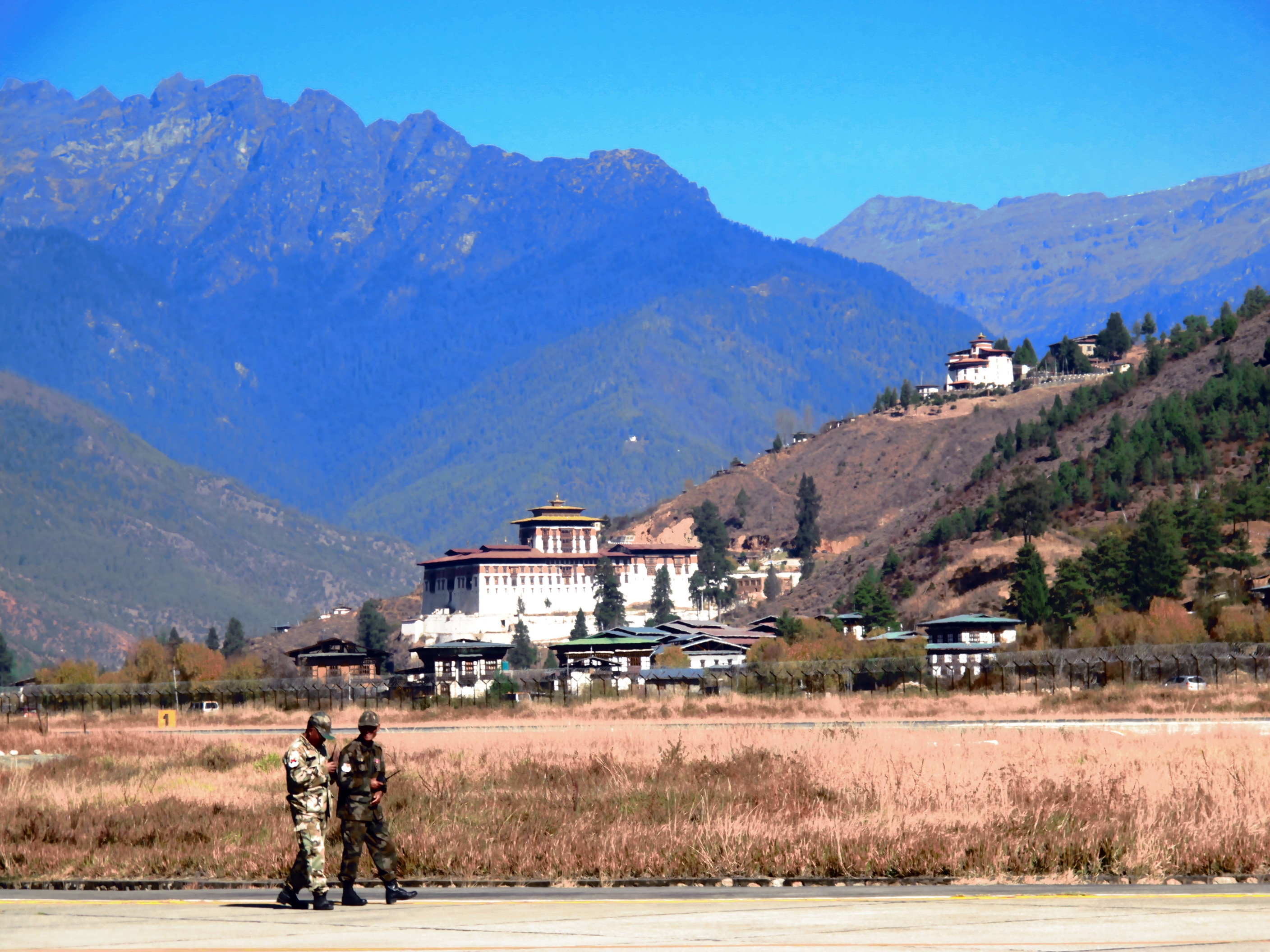
Then the plane made its approach. I could almost feel the pine trees brushing the soles of my feet as one of the highly-trained 8 Druk airlines pilots maneuvered the plane between 2 mountains ………… then actually leaned, veered to the left, turning really, really left, and landing in this short airstrip with a Dzhong or Monastery right there at the end of the runway!


Phew! What a flight. Leaning and swerving around mountain peaks and into the valleys was just insane!! And I have just landed. How exciting can that be? Well, more excitement follows as I begin my series of blogs on Bhutan starting with this and this.  And don’t forget to check out my most awesome hike ever. The hike to Taktshang or Tiger’s Nest Monastery is NOT for the faint-hearted, but I’m mighty proud to say I survived it! 

Btw, did I tell you that Druk pilots land VISUALLY (no radar), and literally lands the plane on a wing and a prayer? Oh yes, AND I KID YOU NOT!!!


This piece was written in a record time of 10 minutes to join this year’s final month’s blog carnival “The Journey is the Destination” hosted by one of the bloggers whom I deeply admire, Kara Santos of TravelingUp.


Do check out subsequent blogs on this happy place.  I have been on a roll. And for good reason!


Just have to write a separate blog about this. Food is most certainly part of the adventure and guided by Filipino expats living in Ho Chi Minh, we found a few dining places worth visiting.


Be W.A.R.N.E.D.


Nha Hang Ngon

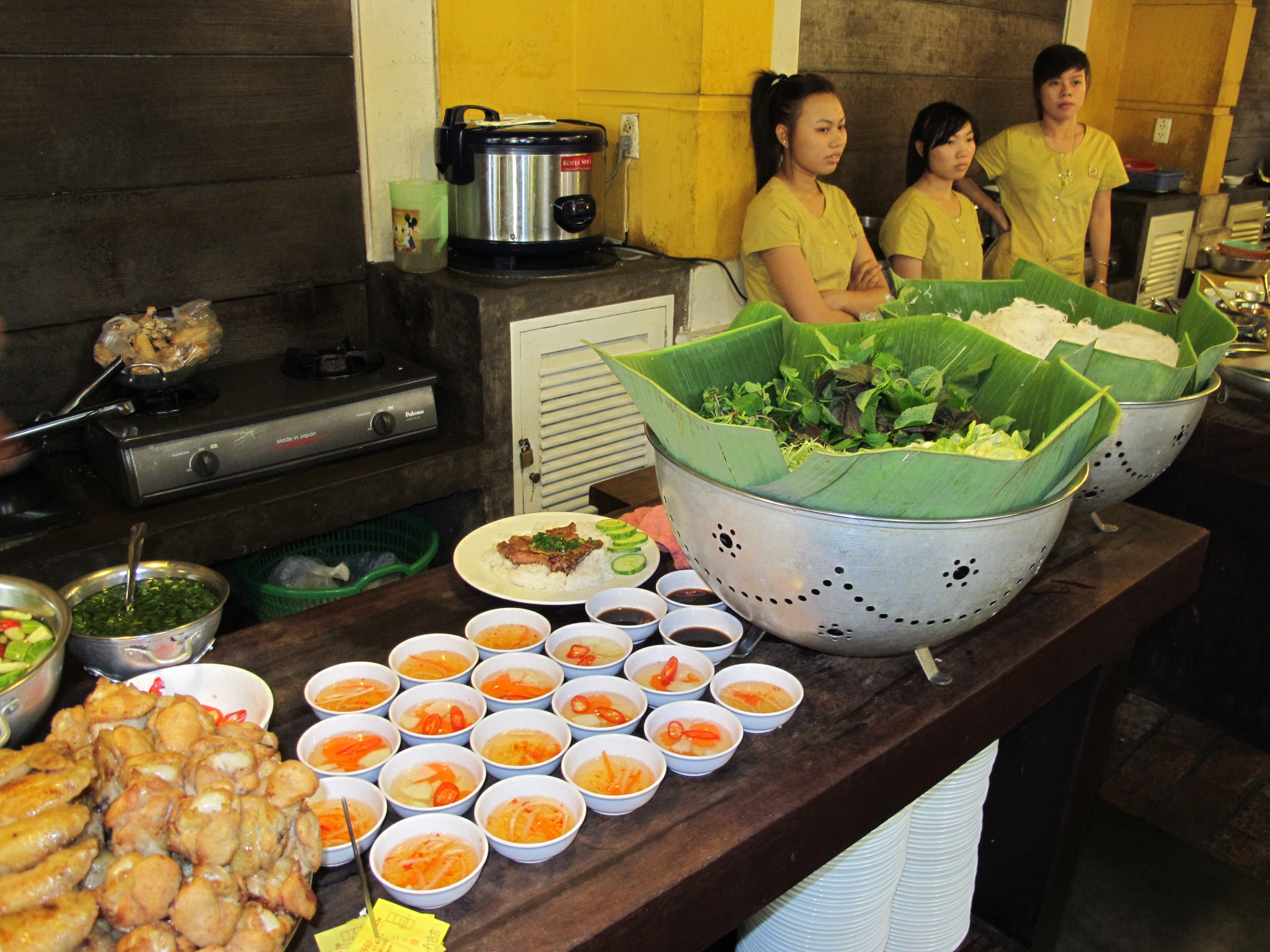
Our first lunch in Ho Chi Minh was in Nha Hang Ngon. Coming in cold, we were initially struck by the prices quoted in thousands. You see, US$1 here is equivalent to at least 20,000 Dong. Our expat friends suggested we drop the 3 zeroes and multiply by 2 to get the peso equivalent. So that means 100,000 Dong is approximately 200 pesos. Hmmm, that’s pretty neat.


Lunch at Nha Hang Ngon (Ngon means delicious)

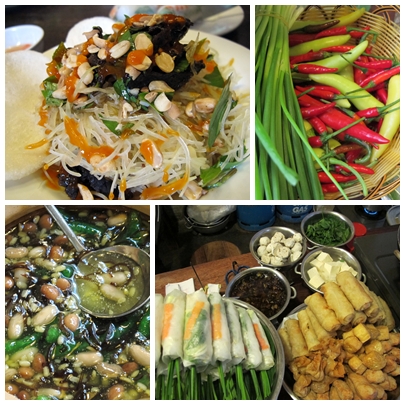
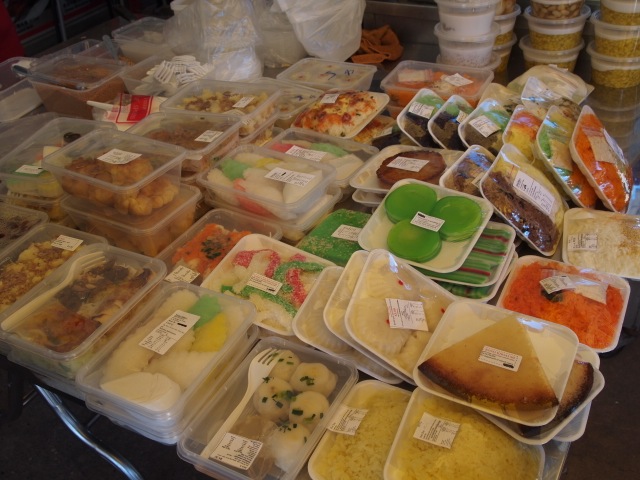
Now going back to the menu in this place, we were pleasantly surprised to find that the prices are in fact very reasonable for a place oozing with local ambience, food so fresh and resto crew smiling 24/7. Nha Hang Ngon (“ngon” means delicious) has a quaint architecture and the periphery of the building is lined with foodstuff from appetizers to soups to mint-flavored dishes, to various barbecued meats and vietnamese rolls to desserts. It was a chore to choose from among the foods on display. Our version of “turo-turo” (point – point) where a diner does the mandatory circling of all food stalls and orders which ones should be served on their table.


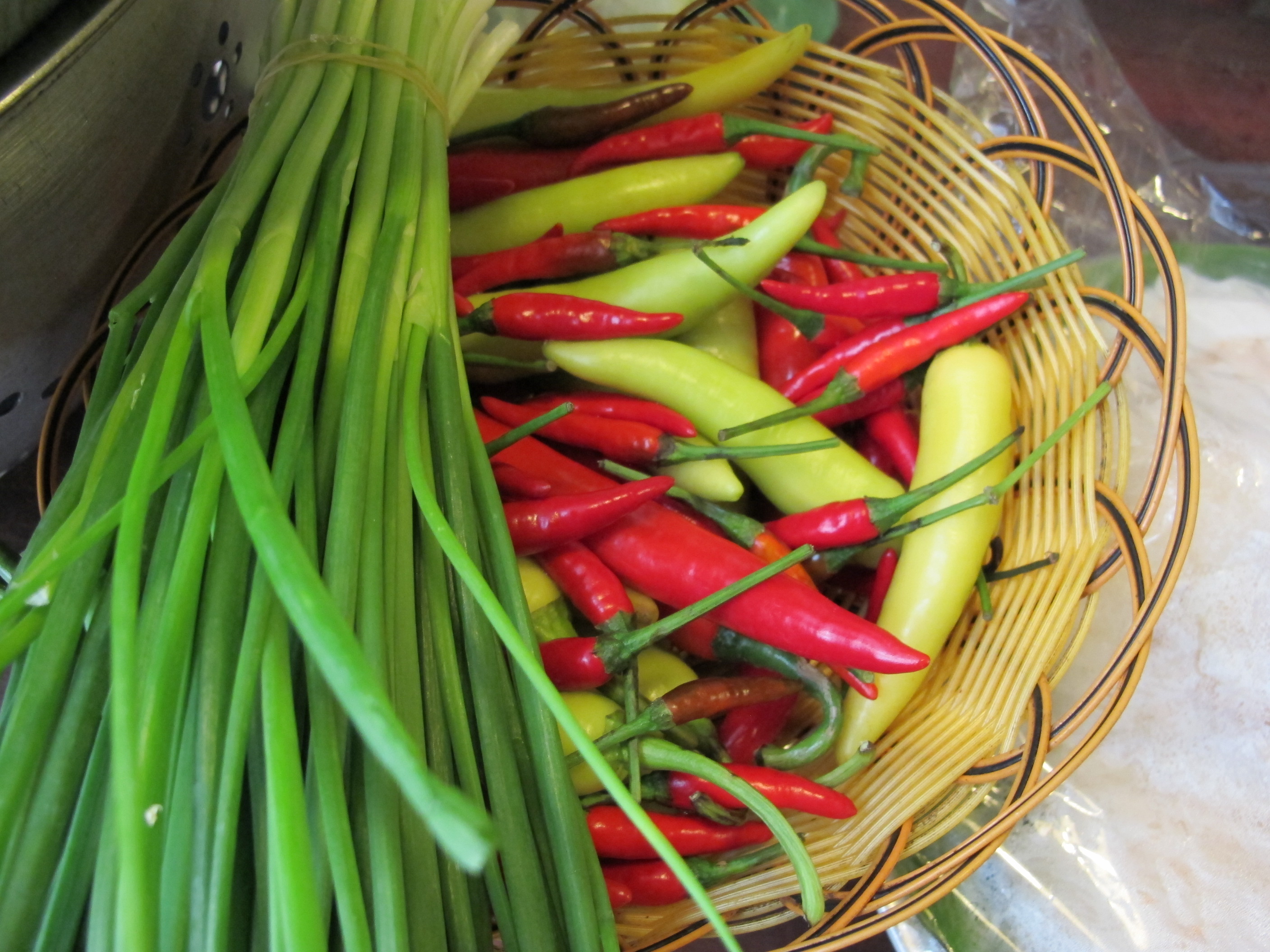
Turo-Turo, Vietnamese Style. More Veggies, Less Meat.

The Refinery

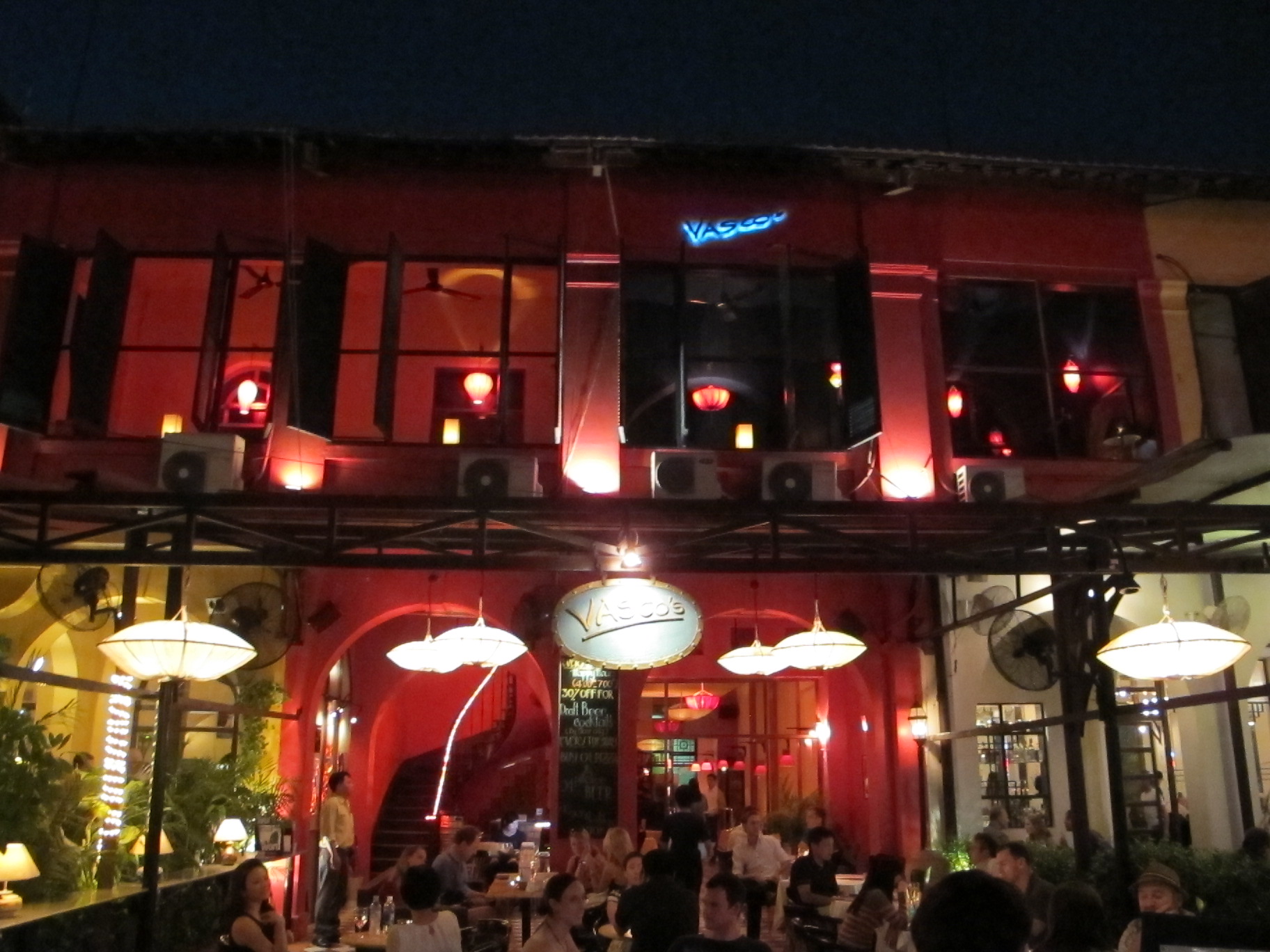
Fine dining in Ho Chi Minh? Try The Refinery. It is the former headquarters of an opium factory which now houses a French Bistro, a Frenchy Bar and a Vietnamese outlet serving fusion cuisine. We tried the latter. Hoa Tuc is also a Saigon Cooking School much like we have CCA back in Manila. The red motif all over the place is very Frenchy, but the portions are not. No way we’d get small Frenchy portions with our Vietnamese dinner here.


Formerly an Opium Refinery in Saigon. Say what?

Want some cooking lessons? Then eat what you cook!


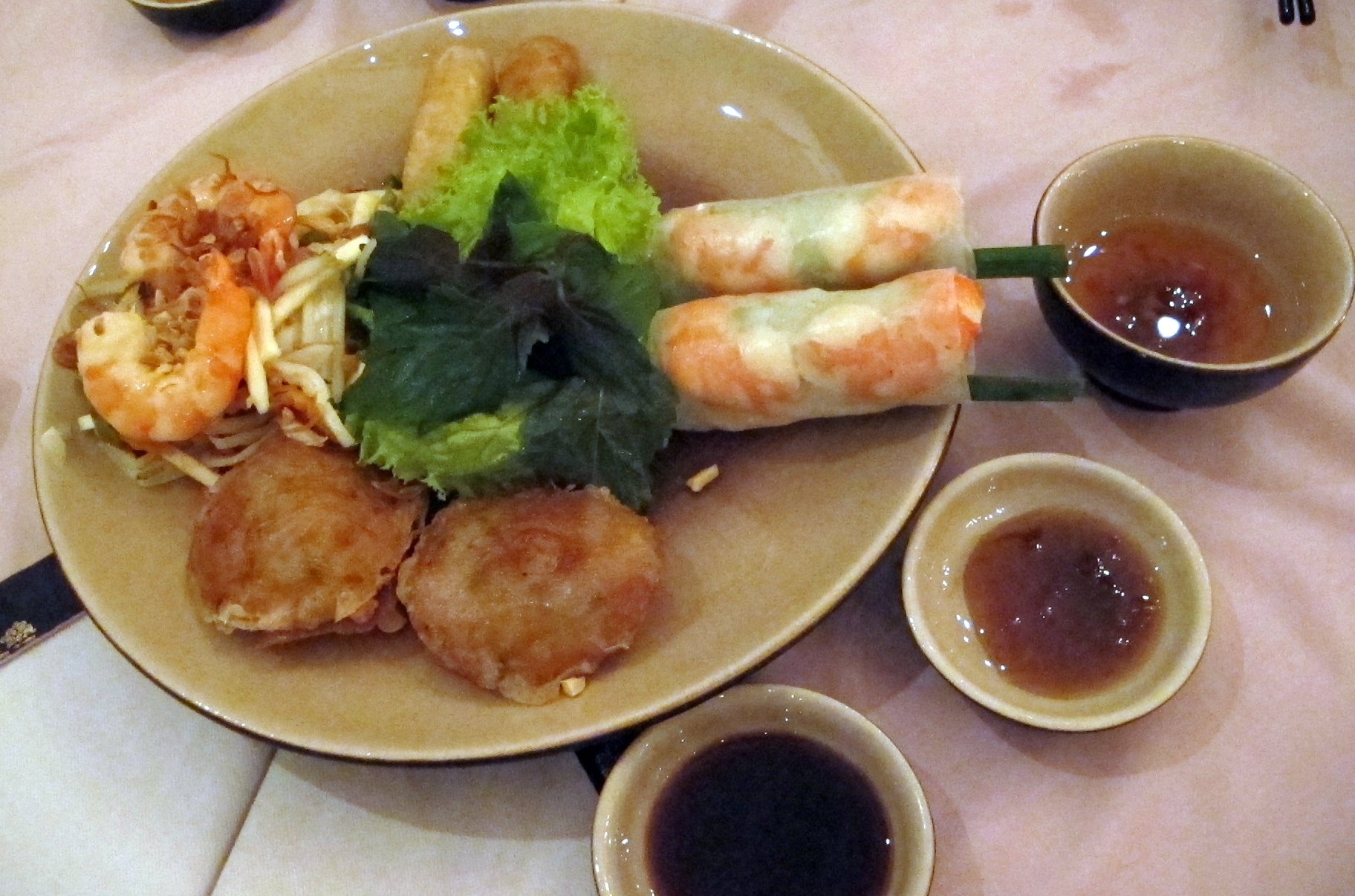
We left the ordering to my friend’s expat daughter and her friends. And what a selection! We enjoyed our sugarcane drink, our minty soup which tastes a bit like its Thai equivalent, the variety of barbecued meat, the fish in some savory sauce, the birthday noodles (3 of us were birthday celebrants), the crispy floured squid in tamarind sauce, the many vegetables, and the decadent , moist chocolate cake! If that dinner won’t energize you for a few rounds of walking, I don’t know what will.


Dinner at Hoa Tuc @The Refinery

Pho 2000

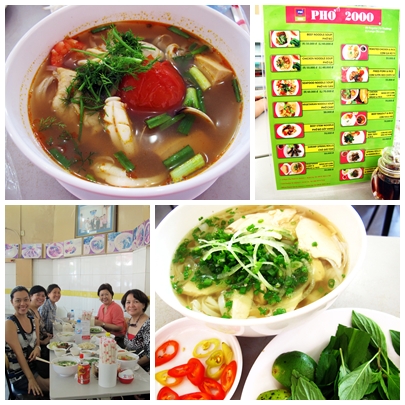
Naturally, we were also drawn to try this chain noodle house — rare in that it benefits from a Presidential endorsement. Ex-President Bill Clintonn once tried this Pho 2000 noodle house and raved about its Pho. No wonder his photos hang on all its walls. We tried the seafood pho, the beef pho, the chicken curry with baguette, their equivalent of the halo-halo (with fresh fruits rather than ours which are cooked in sugar syrup) , their coffee. The one we tried was at the corner of BenThanh Market.


Found one near Ben Thanh Market!

Ben Thanh Market

Yeah, right. This is a market where the shopper in you gets resurrected. While shopping for our Vietnamese coffee, cinnamon slippers and dried jackfruit slices, we found a few stalls serving desserts. Easy to grab one of those rice cakes, but we found the cold desserts most refreshing. Fresh fruits like cubed granada, papaya, watermelon were mixed in with gelatine and ice shavings — just right to make one forget all that heat and humidity inside this crowded shoppers’ paradise. We didn’t hesitate to claim a stool and partake of these sweet desserts to refresh ourselves. Besides, all that walking and shopping drained us of all energy.


It's Halo Halo without the syrup. Just plain fresh fruits, milk & ice!


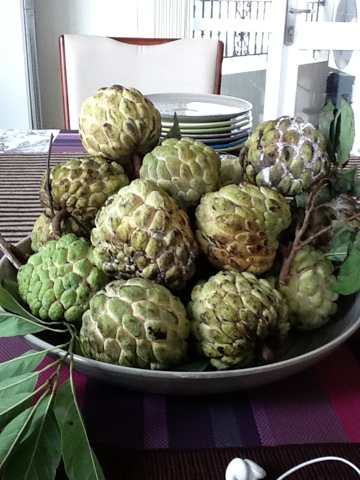
Also, don’t forget to buy the fruits. Either have them as your dessert, or have them for breakfast, lunch or dinner. I kid you not. Fresh custard apples (Atis) so solid you can just peel off the moon crater-y skin and eat the fruit like an apple. Or the macopas, and the mangoes. There were also big-sized chicos and tiny apples (manzanitas) which we enjoyed.


Grab a pack and go!


 Food Courts At The Malls

Then there are the food courts to be found in the Malls. If you wish to have a quick fix in an airconditioned place, check out the food courts in the malls. I tried one of their hot pots, in an effort to stay “healthy”, but really, I soon discovered that it is easy to eat healthy here in Vietnam. Their food is more veggies than meat. And all that mint must explain why I didn’t meet any local with an unpleasant body aroma. Drenched in sweat in a hot, humid market, or exposed to the sun while scootering or biking around the city, I was expecting some body scent to alert me of sweaty bodies. Can’t explain it, and neither can I explain why I didn’t find too many flies in the wet market where I found seafood on display. Must be the hygiene or level of sanitation. Or all that mint. Tempts me to use my mint breath fresheners all over my body!

You may also want to check out my blog on Ho Chi Minh……..


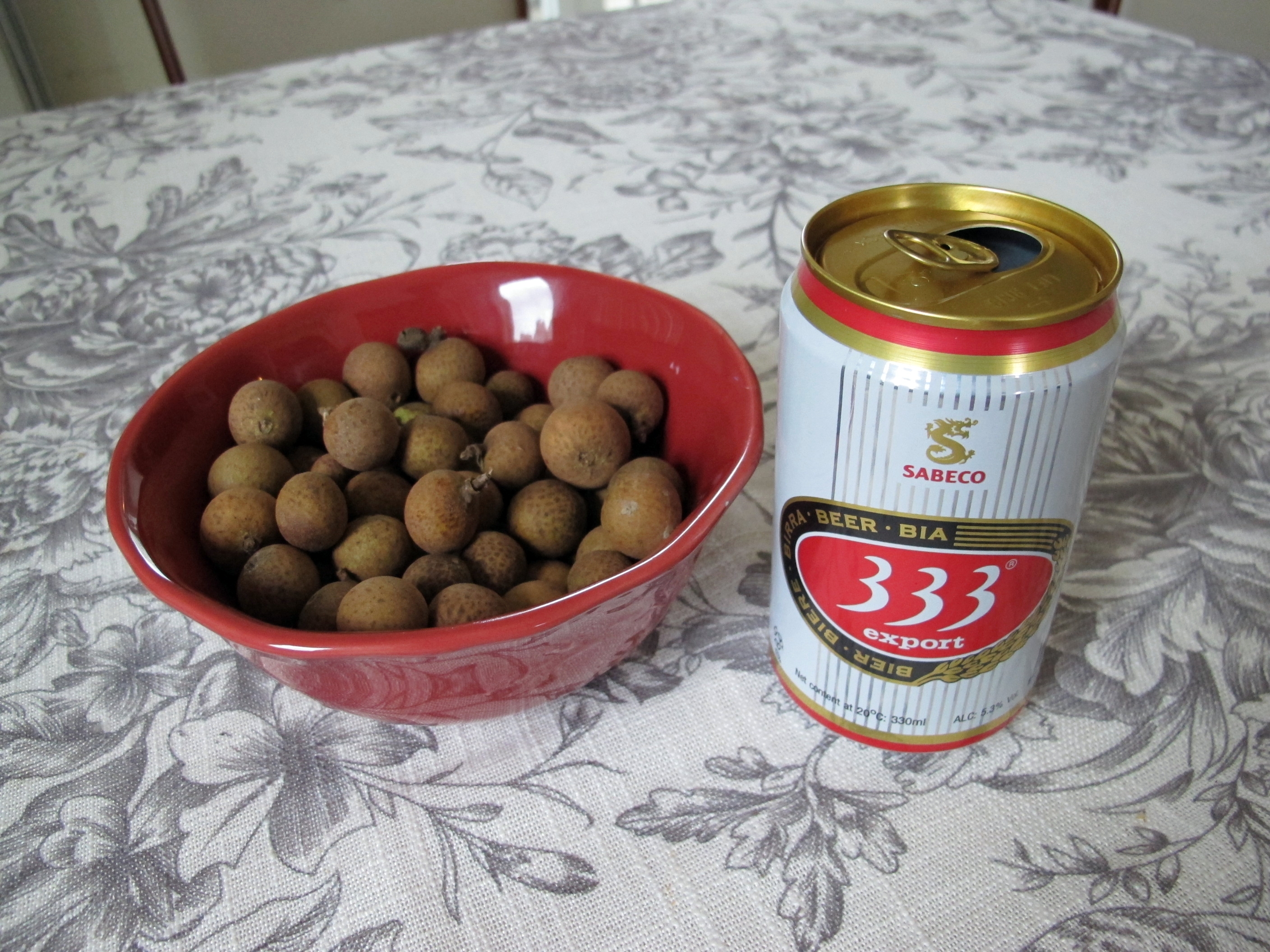
And do try that beer too!

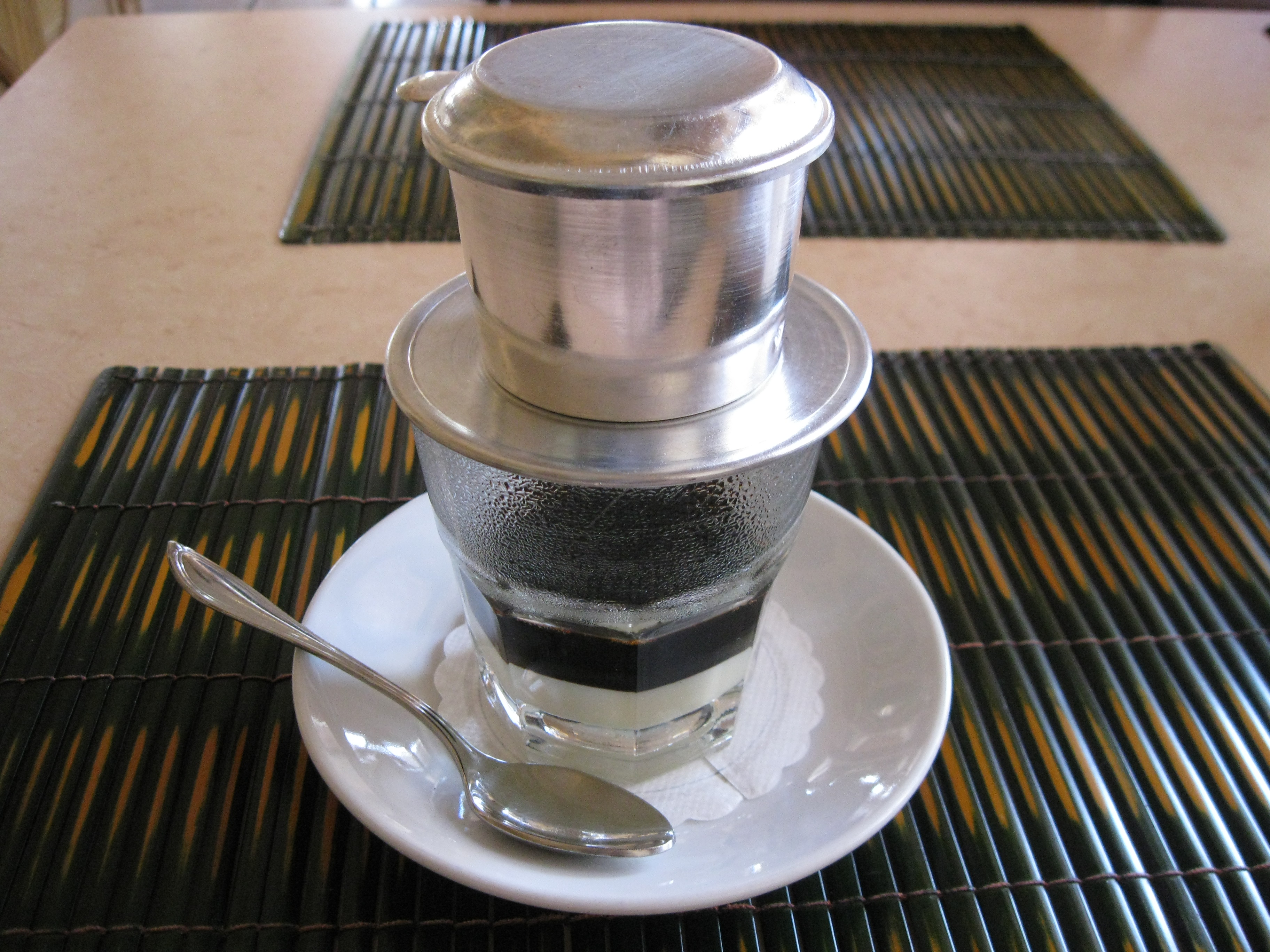
Vietnamese Coffee Rocks! (They have weasel and squirrel coffee beans too!)

20111117-160835.jpg

Atis with Every Meal. Eat Them Like An Apple (Without The Skin)

20111118-124754.jpg

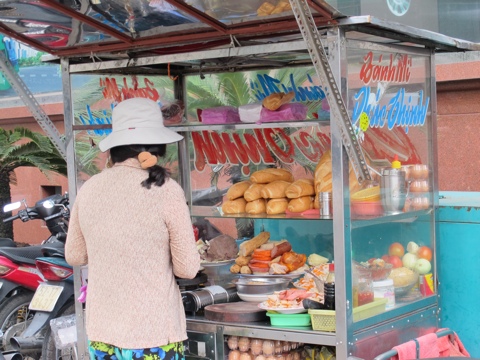
Typical Banh Mi (as in Panini?) Vendor


Having visited the Juan Luna Shrine in Badoc, Ilocos Norte last July seems to have driven us to search for more Lunas. Or rather, to dig deeper into the mind of this great patriot and artist. More than his art, there is that most interesting if not tragic side to this hero’s life.

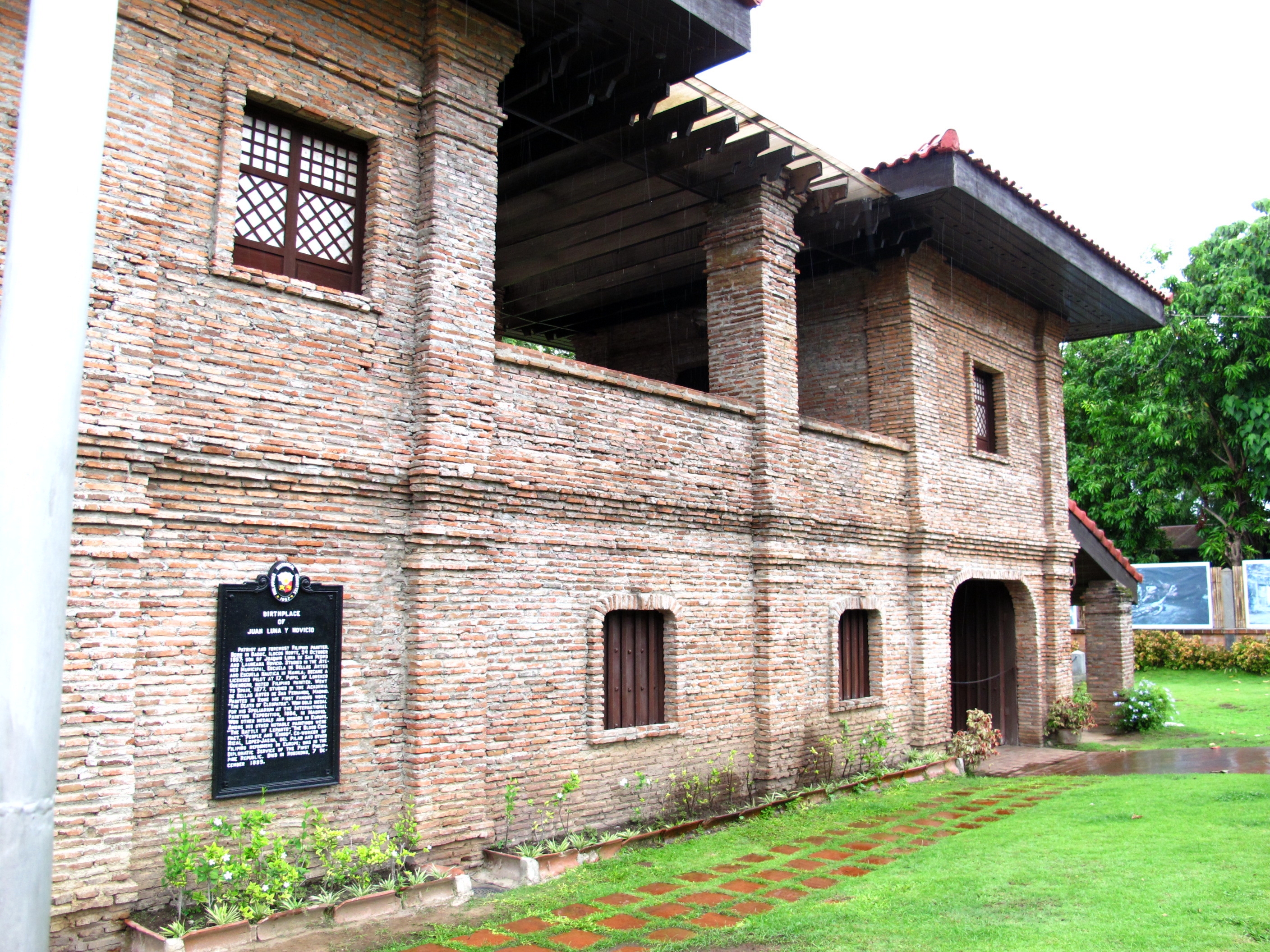
Juan Luna Shrine in Badoc , Ilocos Norte

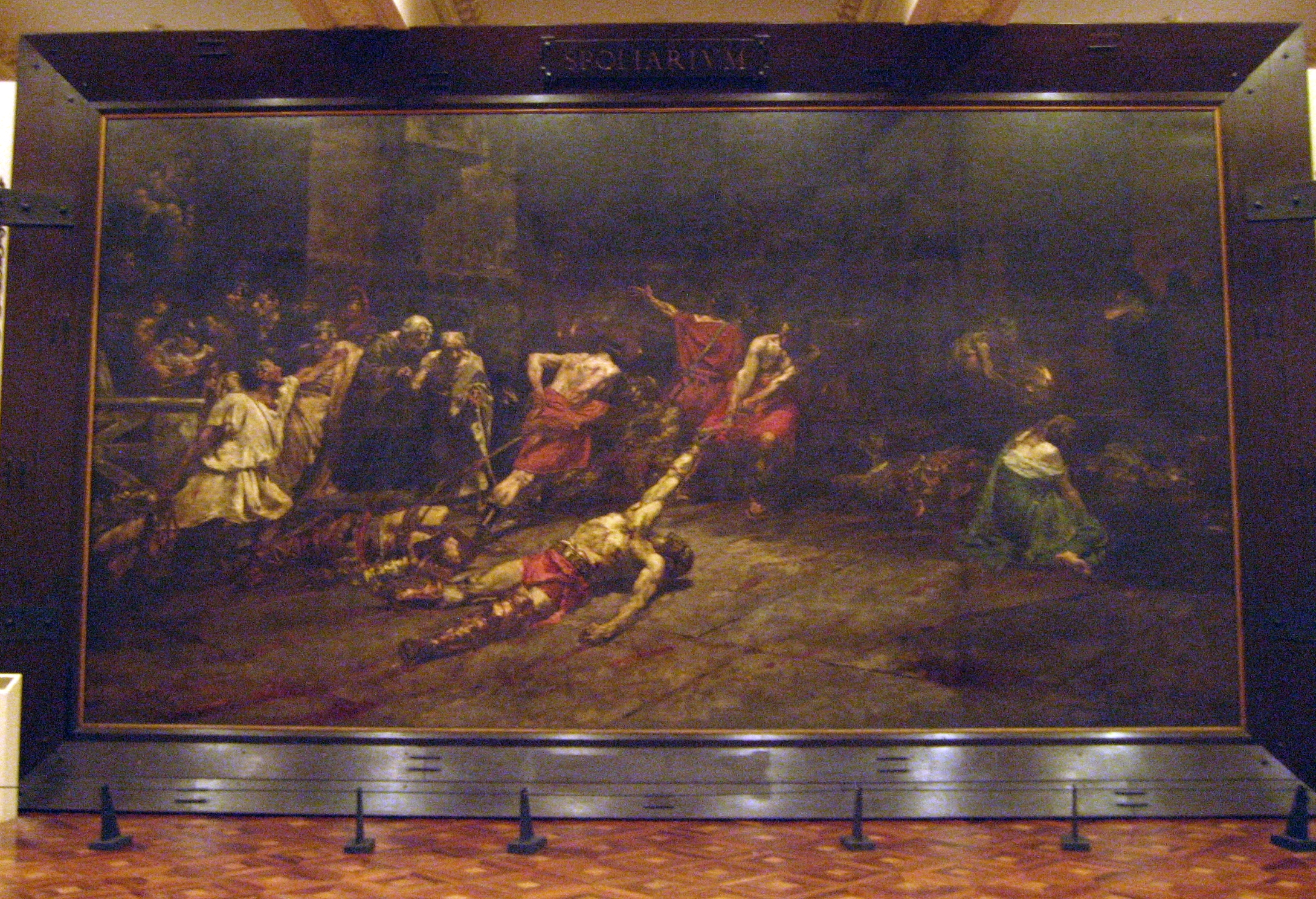
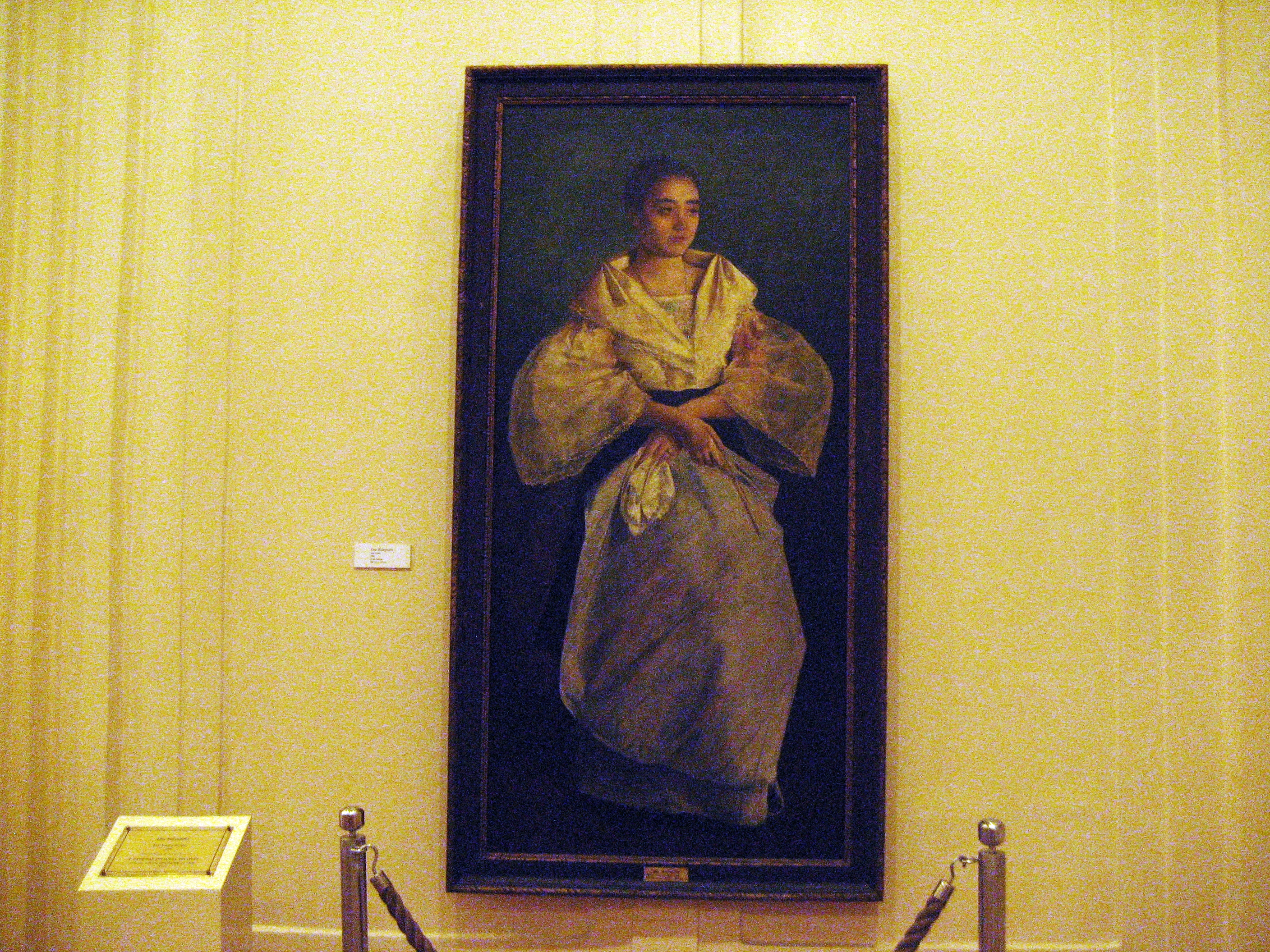
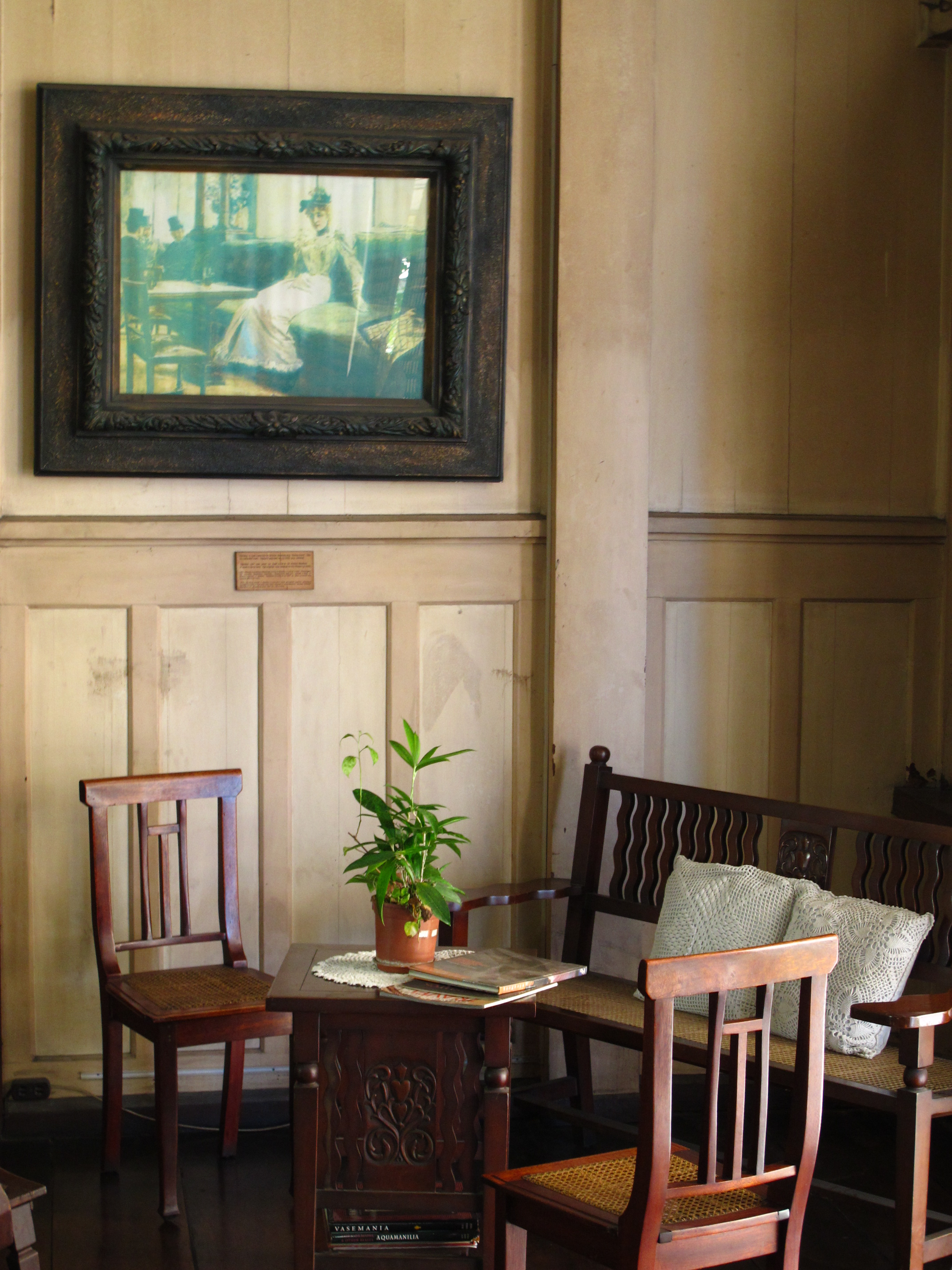
The tour guide here should be commended. Not easy to hold the attention of my 2 elves, aged 10 and 13, the whole hour we were here. I particularly liked how he presented Luna to us as the artist while talking of the gold award he won in a Madrid art competition with the masterpiece, “Spoliarium”. A copy hangs in this Shrine while the original adorns the Masters Hall in the National Art Gallery. Or Luna as a romantic with a painting of “Una Bulaquena” where the original painting used to hang in Malacanang Palace till it was transferred to the National Art Gallery.

The Original

The Original

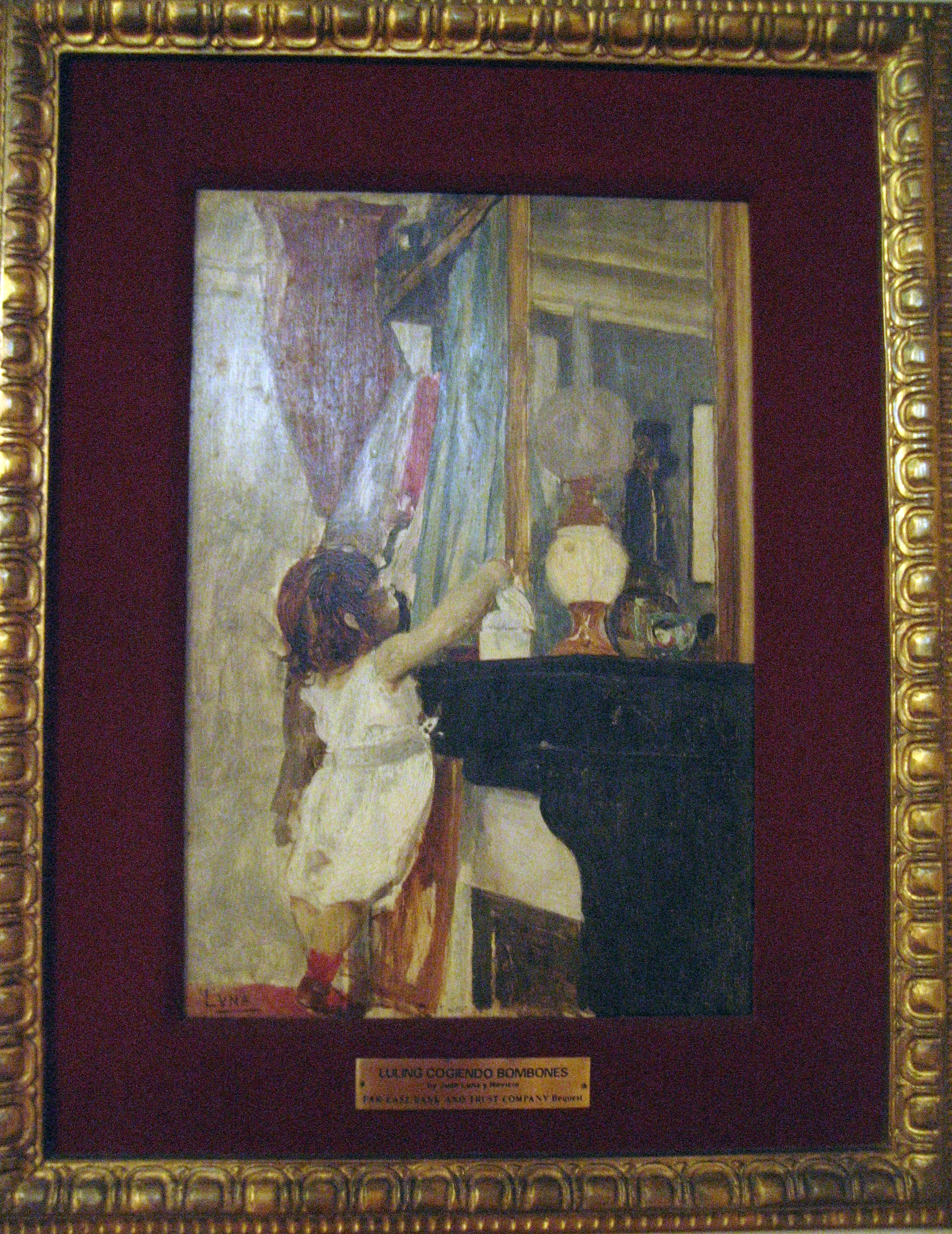
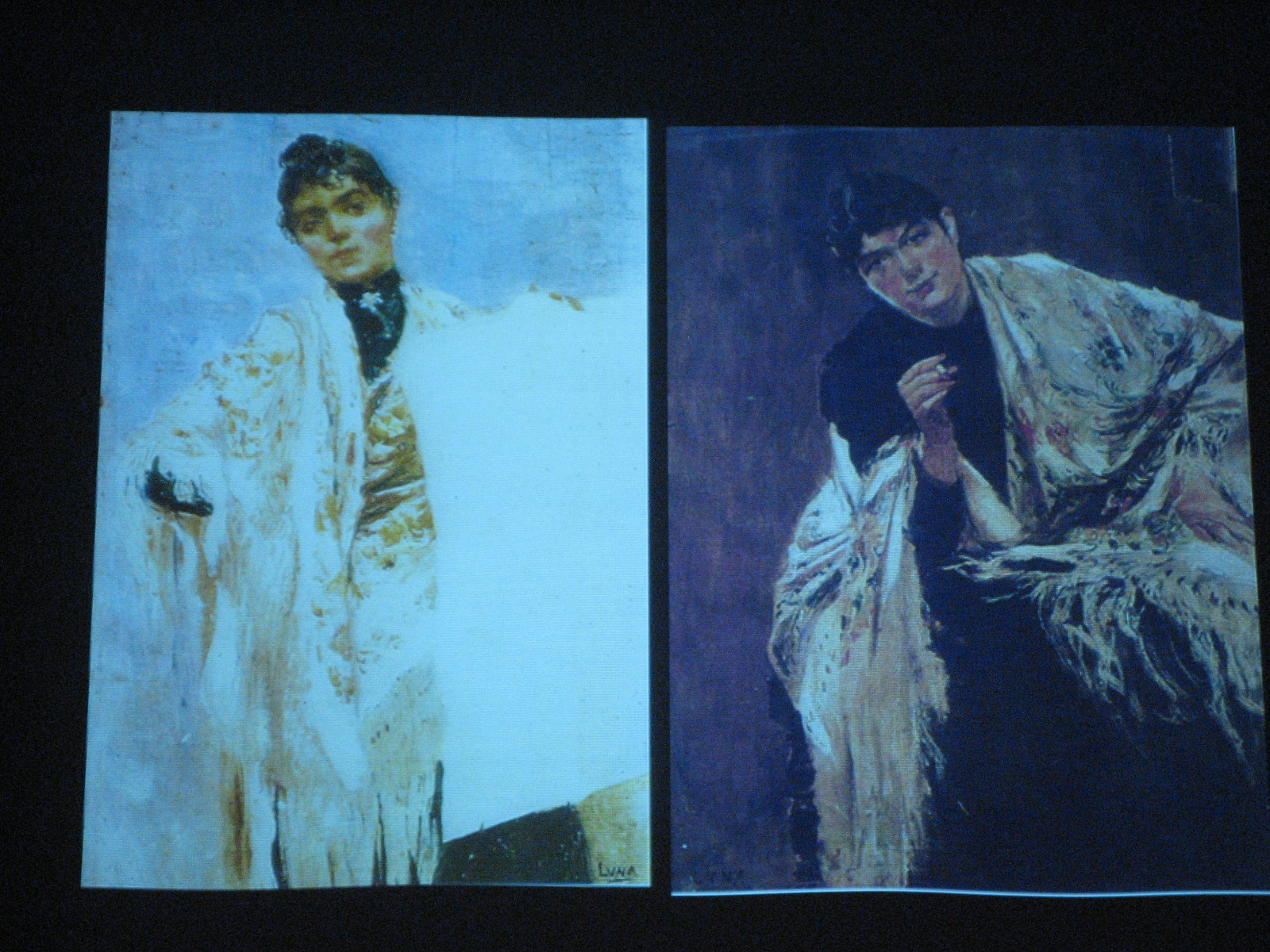
In one trip to the National Art Gallery, the Luna paintings showed how his art has evolved through the years spent in Madrid and Paris. But what caught my attention were some Luna paintings with no attribution. Was it Juan or Manuel who painted these? Jose Rizal once said Manuel , the brother of Juan and Antonio Luna, is the better painter but Manuel chose to study music instead.

That Little Girl Reminds Me of Someone Named Luna

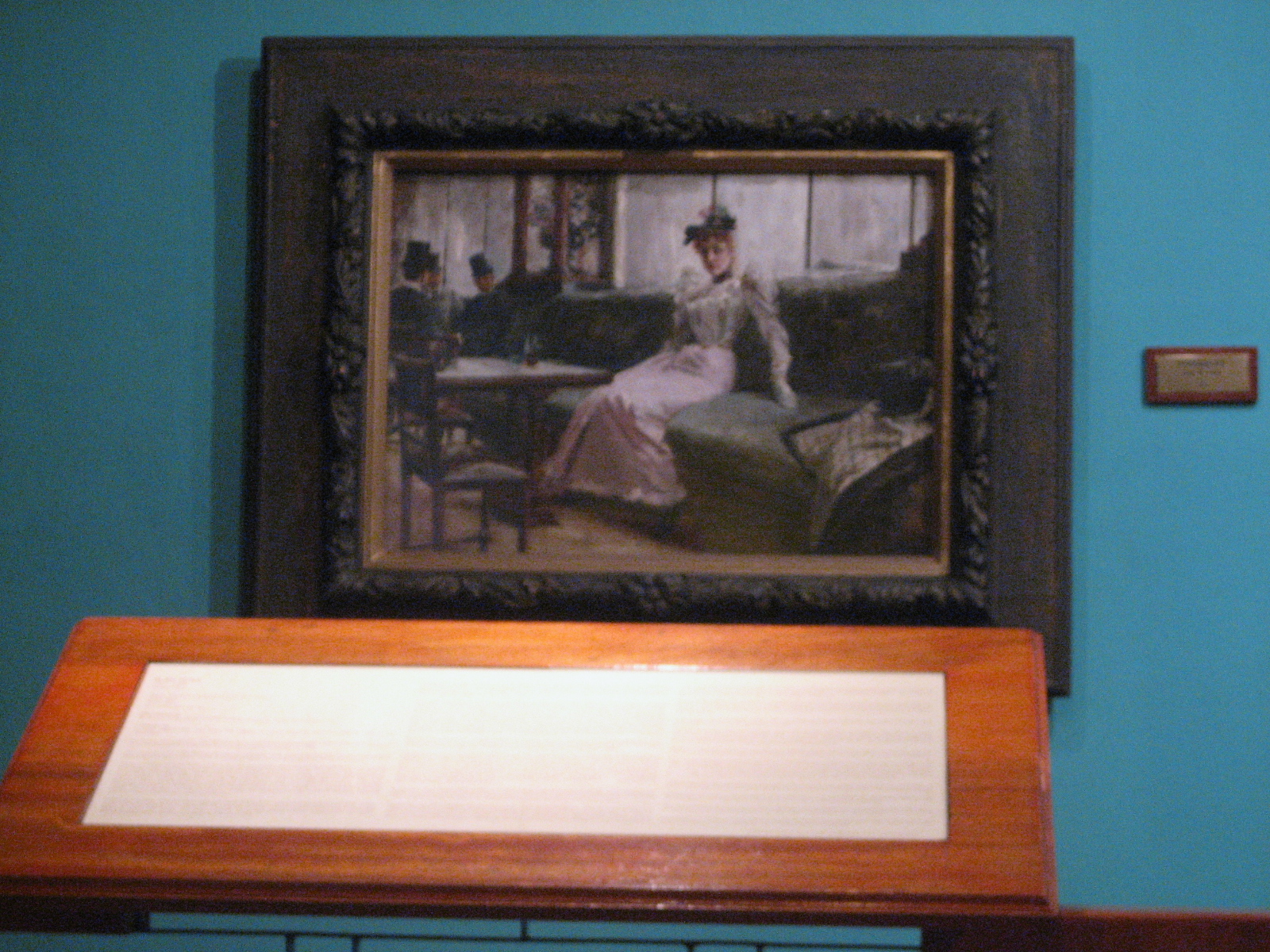
My search brought me to a Lecture Series on Juan Luna at the GSIS where its museum proudly hangs the celebrated GSIS investment in a Luna painting entitled “A Parisian Life”. Michael “Xiao” Chua gave the lecture which allowed us listeners to understand another side of Juan Luna. For the most part of the lecture, Xiao dwelled on the life and tragedy of this great artist. It is up to us viewers to relate these trivia to how his art has evolved. I am no art connoisseur but it is not difficult to differentiate the masterful but intense strokes exhibited in the “Spolarium” versus the softer, milder, even playful art gleaned from “A Parisian Life” .

The Parisien Life at the GSIS Museum. But not for long. Who is buying?

The Wife Paz......Tragically Shot by Juan Luna

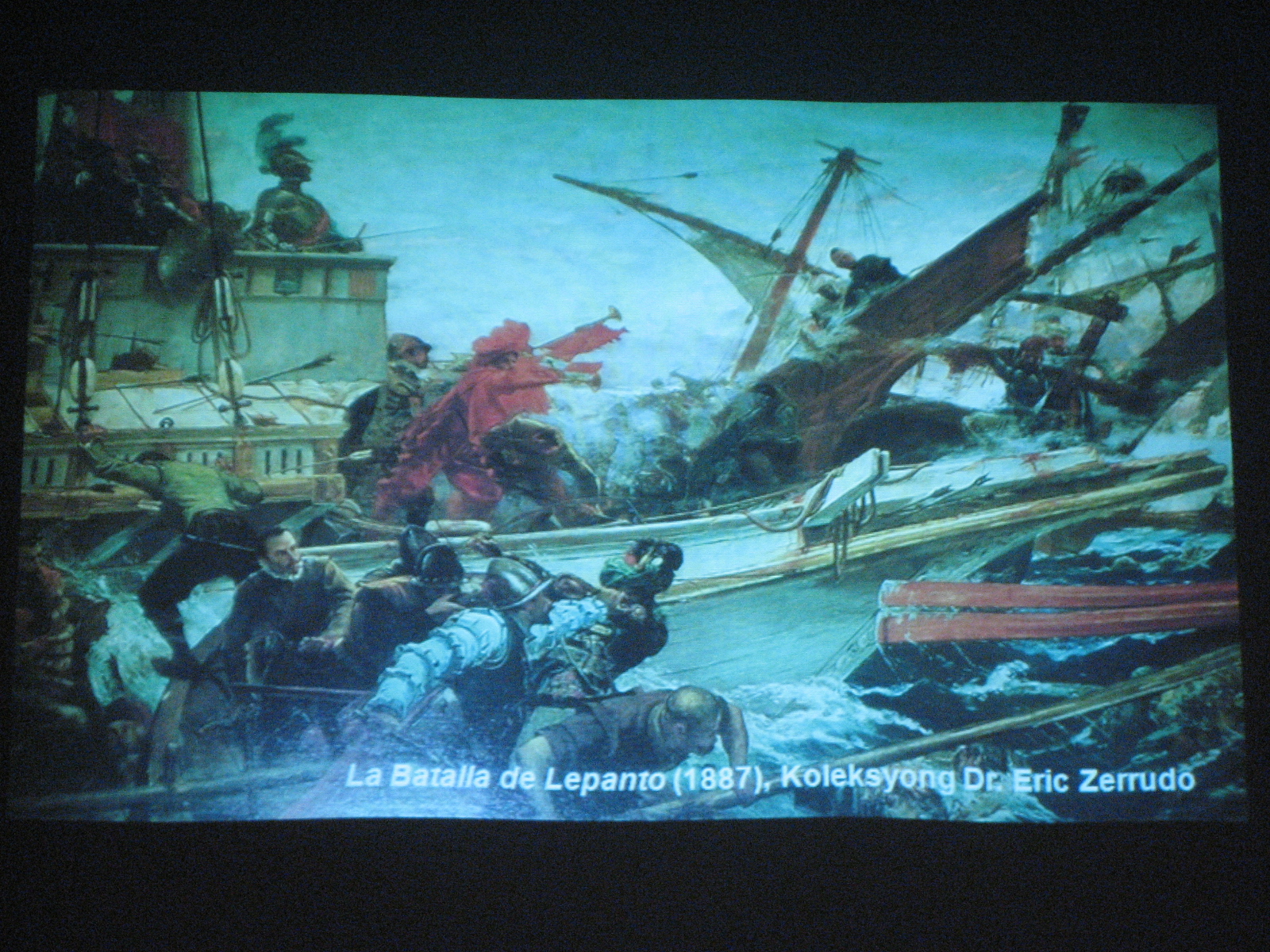
Xiao disclosed that the painting Parisian Life is up for sale. So, who is buying? It will be recalled that the sale and purchase of this artwork was so enmeshed in controversy in recent past. It has certainly gone a long way from the Bahay Nakpil-Bautista in Quiapo to the Hongkong auction house to GSIS Museum. In whose walls would it hang next? Xiao laments the possibility of having this painting stashed away in some foreign land. Much like the Battle of Lepanto, another masterpiece of Juan Luna, which has been hanging in the Senate walls in Madrid, Spain. So with the “Death of Cleopatra” which is on display at the prestigious Prado Museum in Madrid, Spain. Anyone care to shell out a hefty sum to keep this national treasure here at home where it belongs?

Battle of Lepanto @ Madrid, Spain.


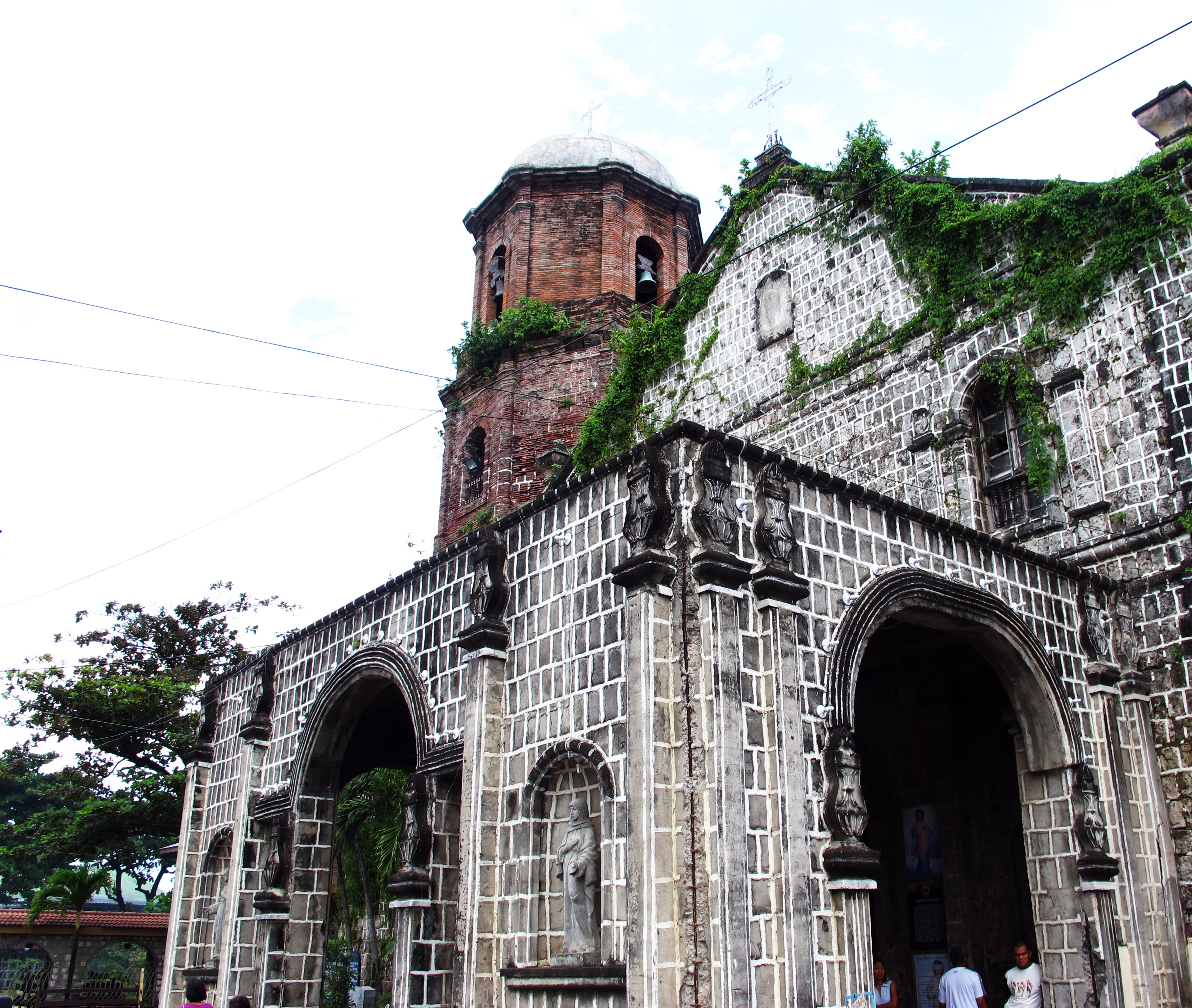
One of the oldest towns in Batangas province, and around the Philippines, is BALAYAN. Coined from the Visayan word “Balay”, meaning house, it is one of the first settlements in the country with trade dating back to the mid-14th century. It was already known as Balayan since 1394 till it was “inherited” by a certain Datu Kumintang, after whom the town was called until 1578. The Augustinian missionaries arrived in this town in 1575 , then followed by Franciscan missionaries who built a small stone church in 1579.

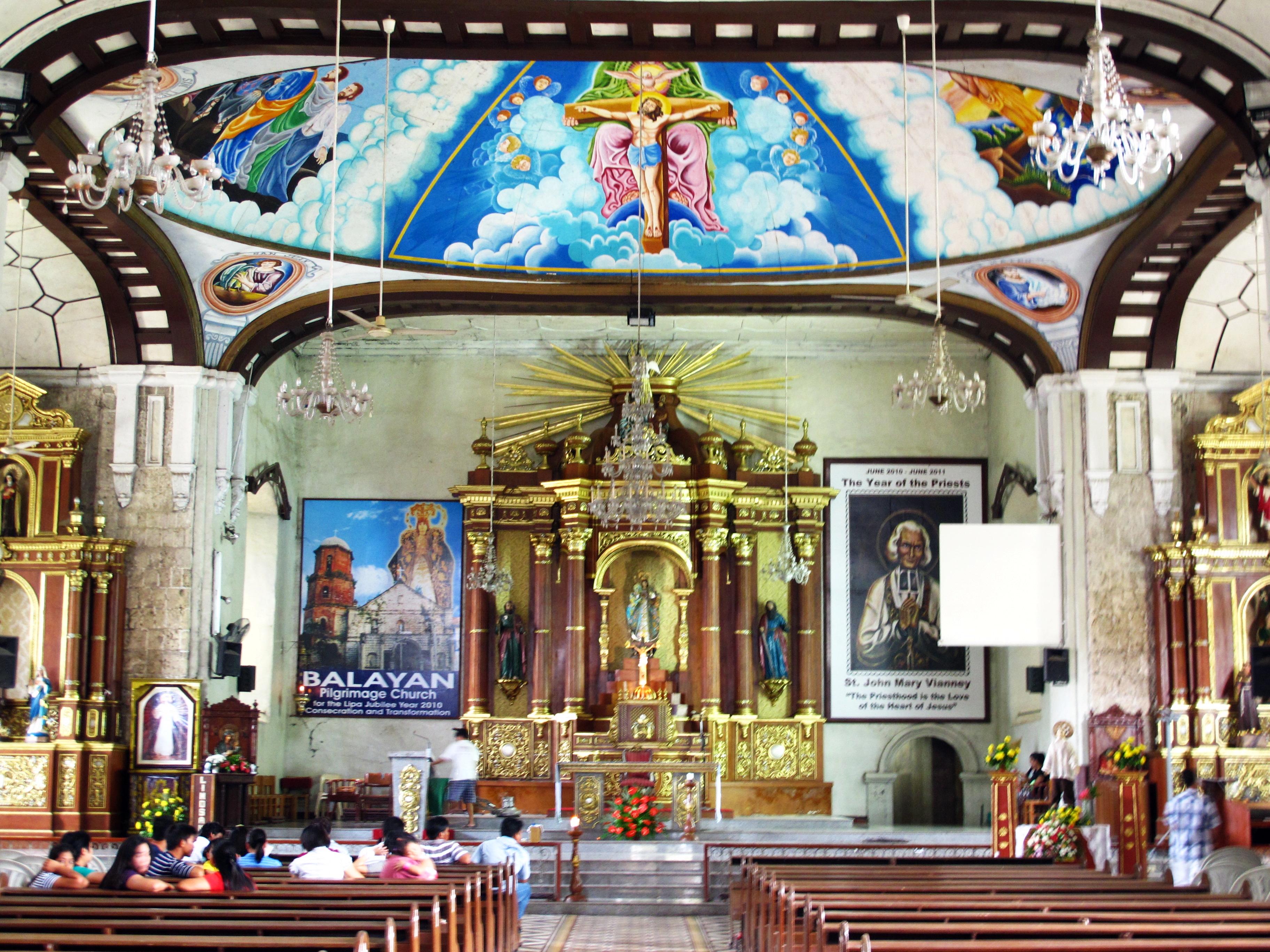
We began our tour of Balayan with a visit to this national cultural treasure. Balayan Church was under the administration of “Indio Clergy” since the 19th century. This sets it apart from the other heritage churches found around the country. Considered as the first church in Batangas, and likely in the whole Tagalog Region, its claim to fame ironically involves a furor not so long ago over a proposed construction of a McDonald’s outlet in the historic church grounds.

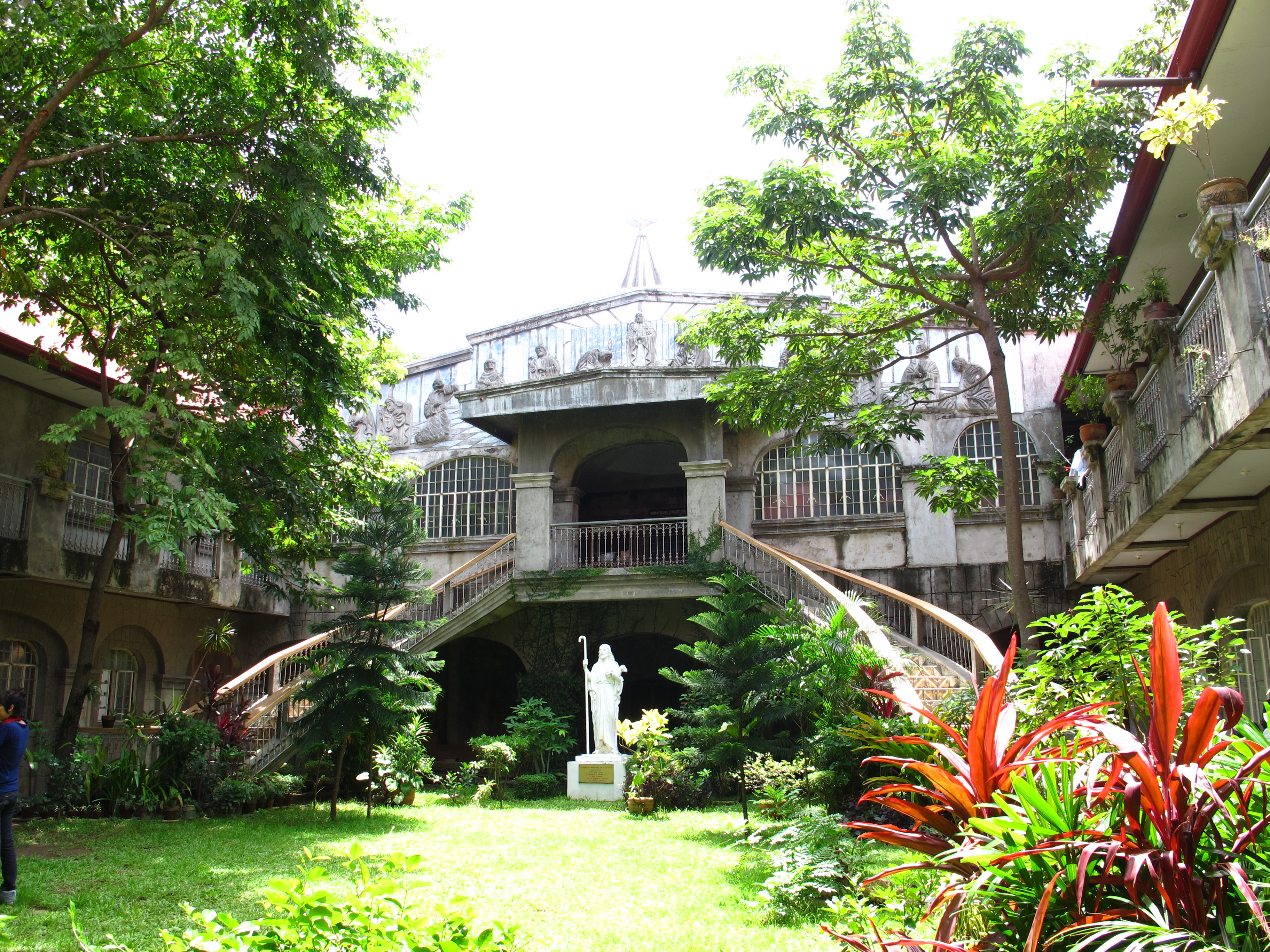
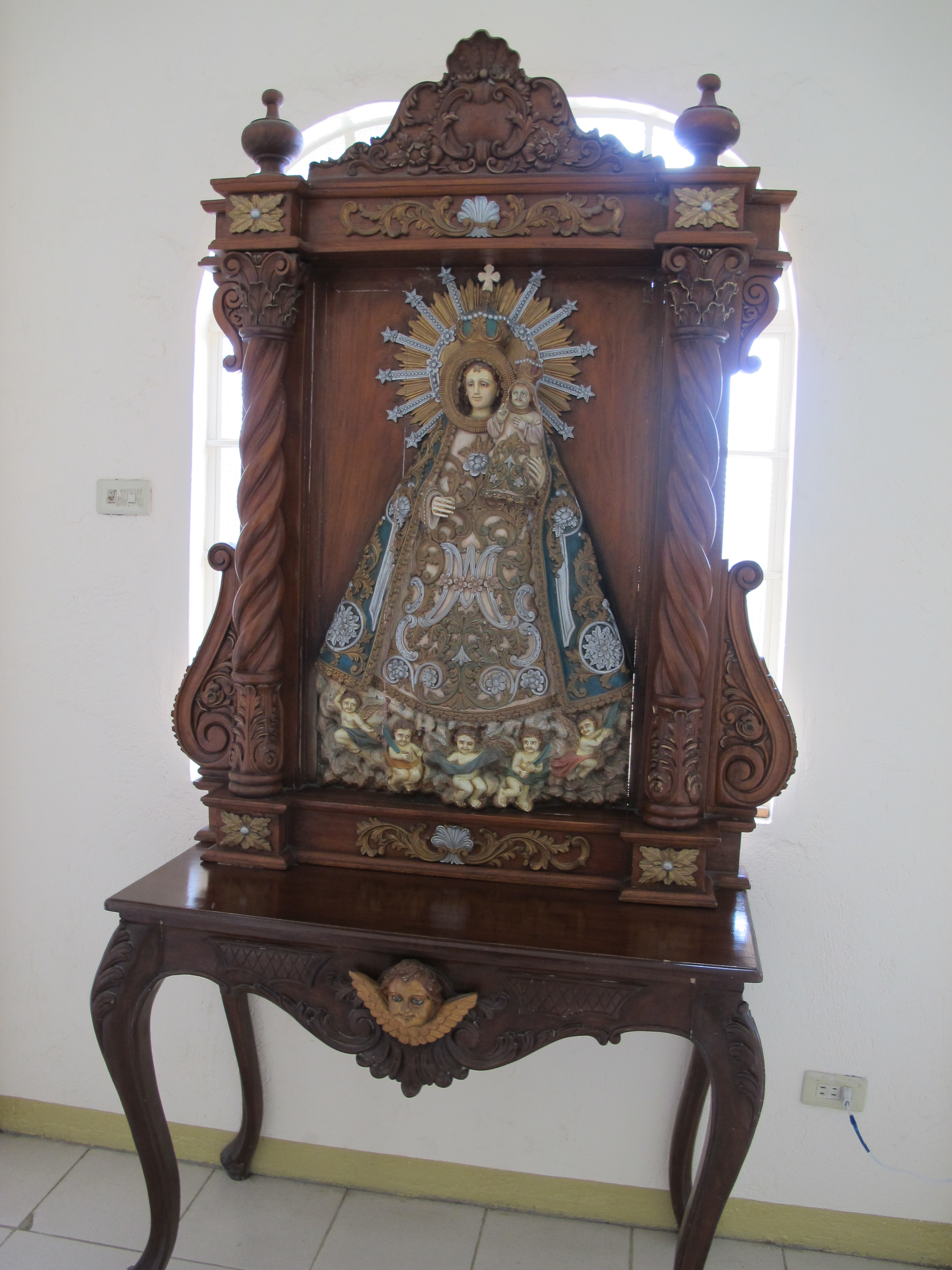
From inside the Church, we exited behind the altar out into a back courtyard. In one corner of this courtyard is a small chapel at the end of a passageway where we found some interesting art works.

Courtyard At The Back of the Church

I did not find any inscription and didn’t have the chance to ask how old this piece of art is. The intricate woodcarving is lovely, just as the image of Our Lady holding an Infant Jesus.

From the Church, we visited the ancestral house of Leo Martinez. I knew the name sounds familiar. He is now a local politician here, but I remember him as an actor from a now defunct TV comedy show of long ago.

Ancestral House of Leo Martinez

How about this for a door knob?

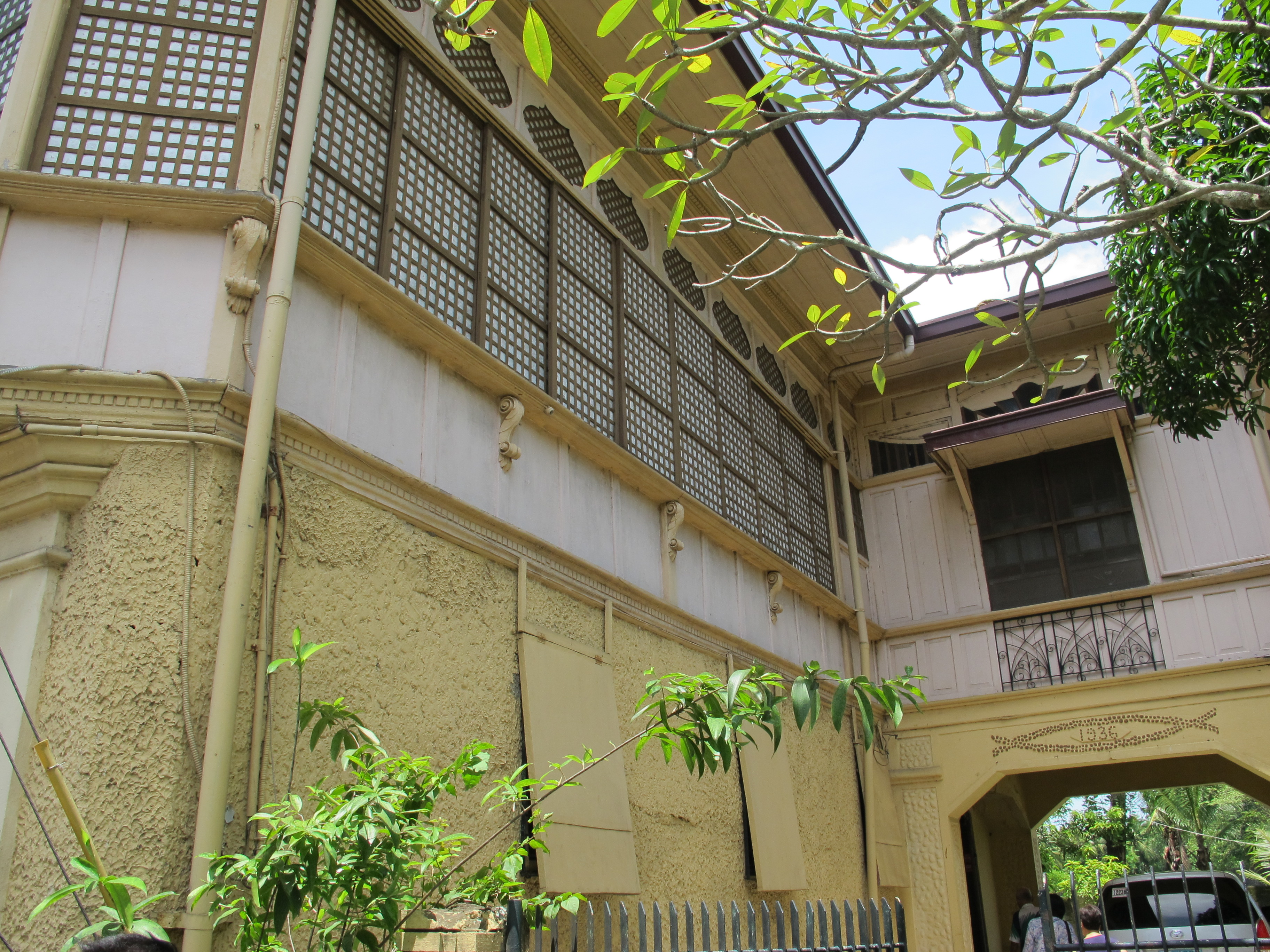
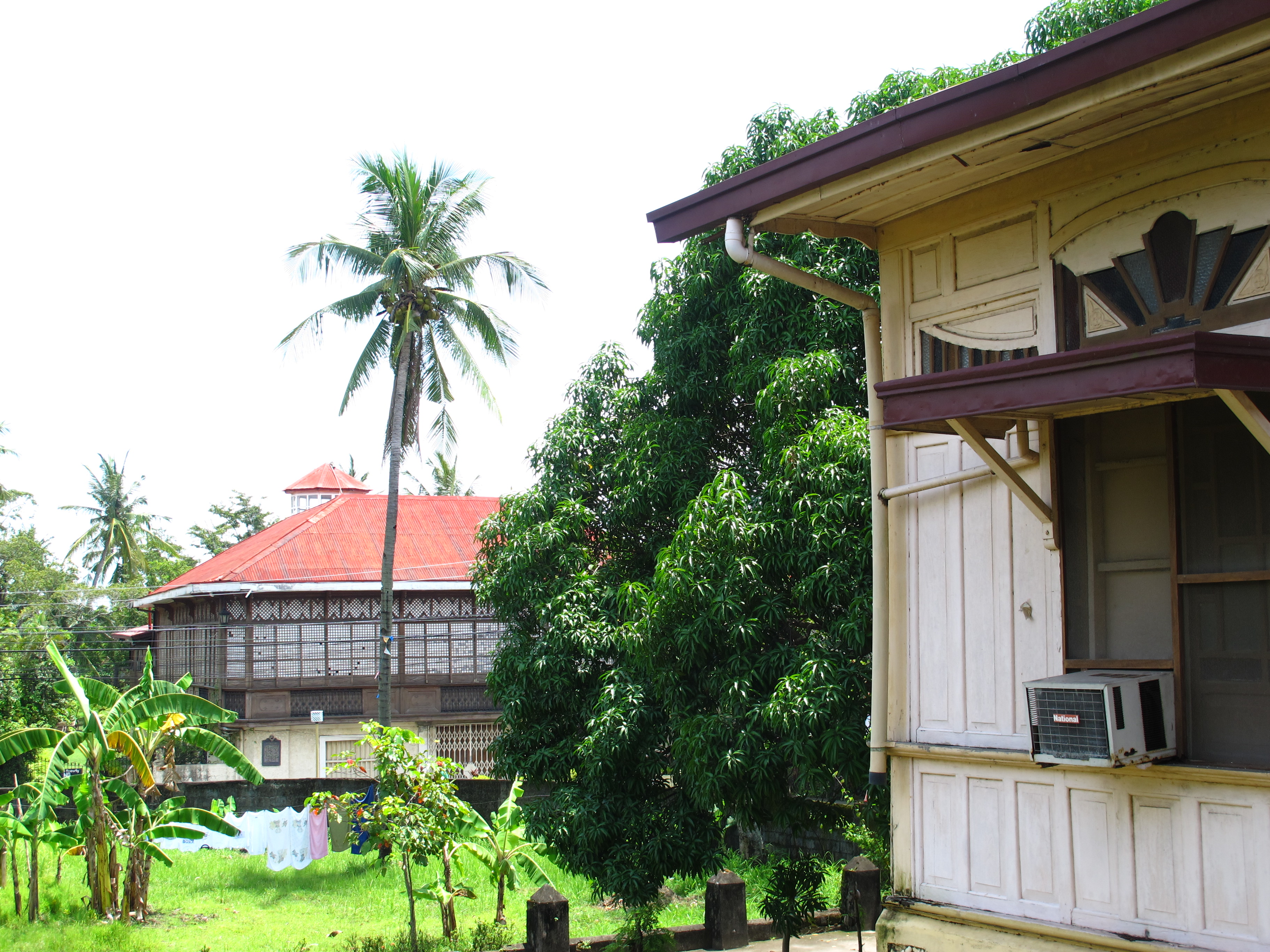
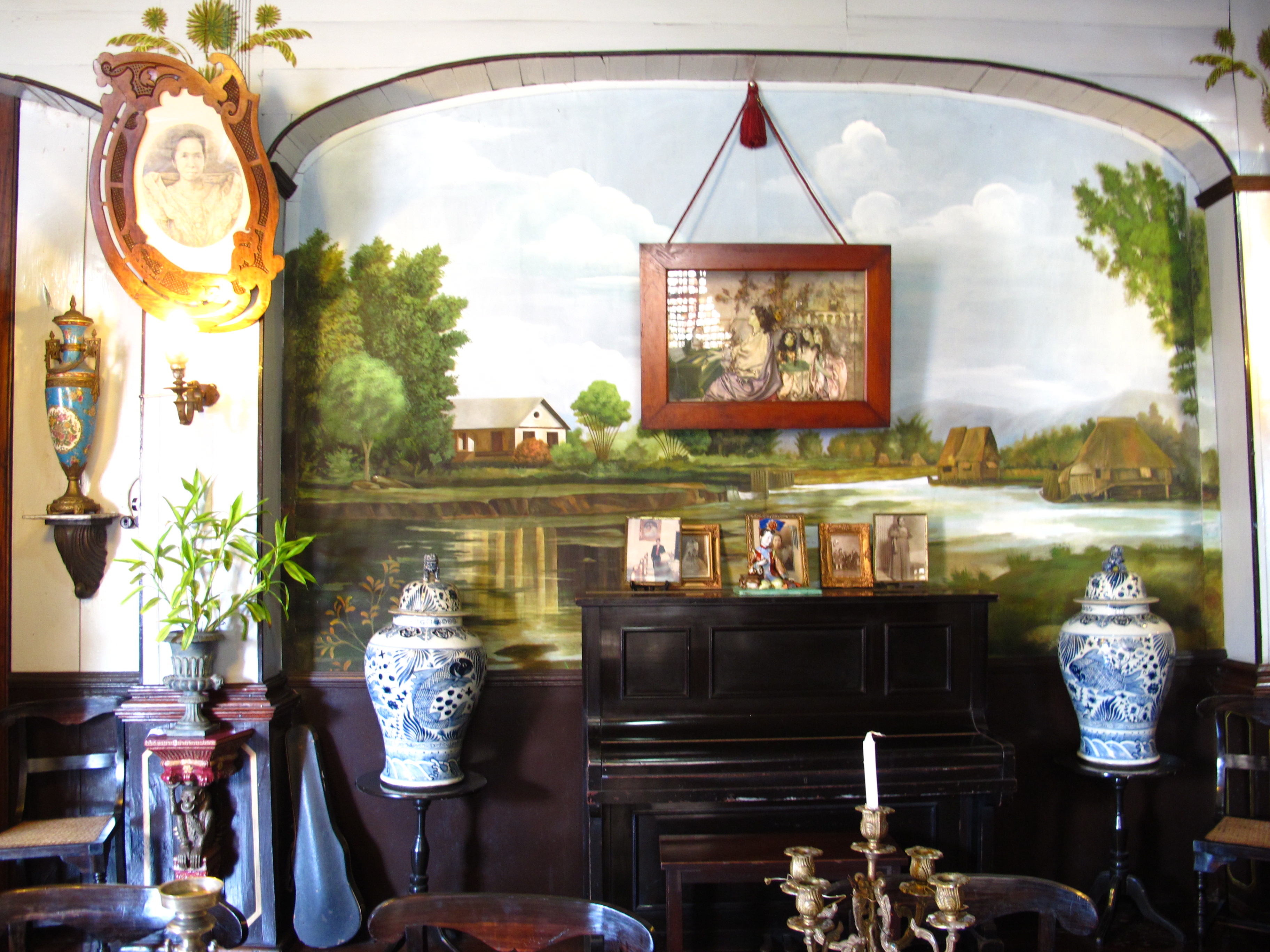
It is unfortunate that there was no tour guide to tell us more about the ancestral houses in this area. The house of Leo Martinez has a marker that says 1935, which renders it “new” compared to the ancestral house of Don Sixto Lopez just right across the street. You can view this older house from one of the wide windows of the Martinez house.

Ancestral House of Sixto Lopez in Balayan, Batangas

The oldest house in Balayan is that of Don Sixto Lopez, the Grand Old Man of Balayan. His house has wide windows framed by capiz shells, like many of the other ancestral houses to be found in the area. Lopes belongs to a rich illustrious family who owned vast tracts of sugarcane fields in Batangas. The house sits right across the ancestral house of Leo Martinez.

Not too many Filipinos are familiar with Sixto Lopez who belonged to the same generation as the great national hero, Jose Rizal. But some would be familiar with his high society granddaughter Diana Jean Lopez, and the equally famous if not more famous great grandchildren such as Claudia Bermudez (daughter of Diana Jean) and Nikki Prieto Teodoro(wife of Presidential candidate Gibo Teodoro, who is from another rich haciendero family, the Cojuangcos of Tarlac). Oh yes, you can say all these socialites certainly come with a lot of class, unquestionable pedigree and beauty genes!

House Across Leo Martinez' Ancestral House in Balayan

We could have visited this house too across the street lining the Martinez and Lopez ancestral houses. But it was closed as someone allegedly committed suicide just a few days before our visit. Yay! 😦

Shot of Sixto Lopez House, Taken From Leo Martinez' Ancestral House.

Just like Vigan and Taal, Batangas , Balayan is yet another colonial town reminiscent of our Spanish heritage. Many heroes hail from this town too, and as the oldest town in Batangas if not of the Tagalog Region, it has a lot of history begging to be told and retold. My fingers and toes are crossed that the the local authorities do their job to promote this town as another tourist destination.


One Brit. One Blog. One Airport. One “Hotel”. One Bad Coffee.

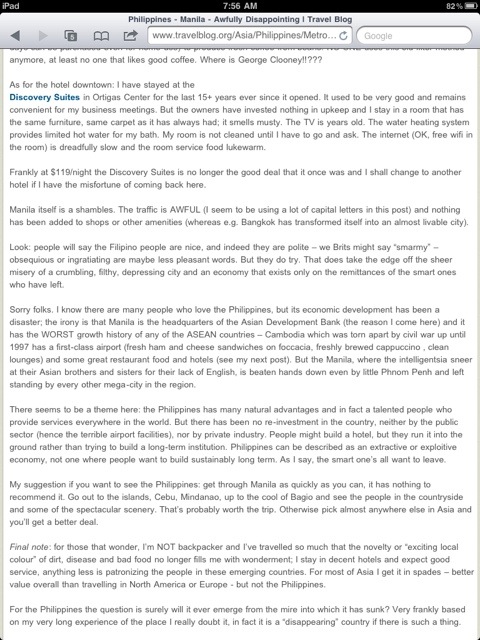
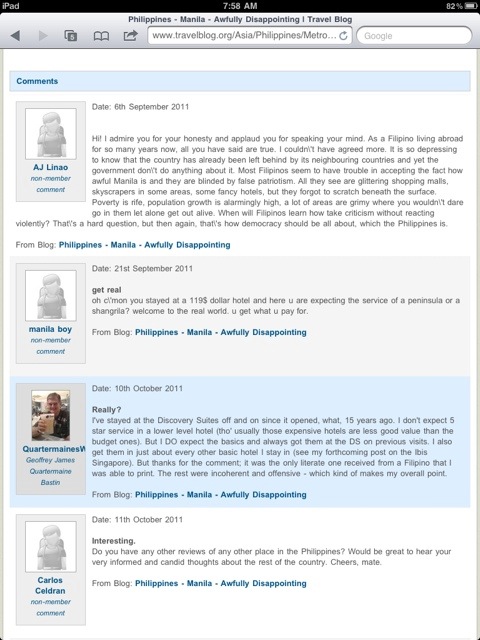
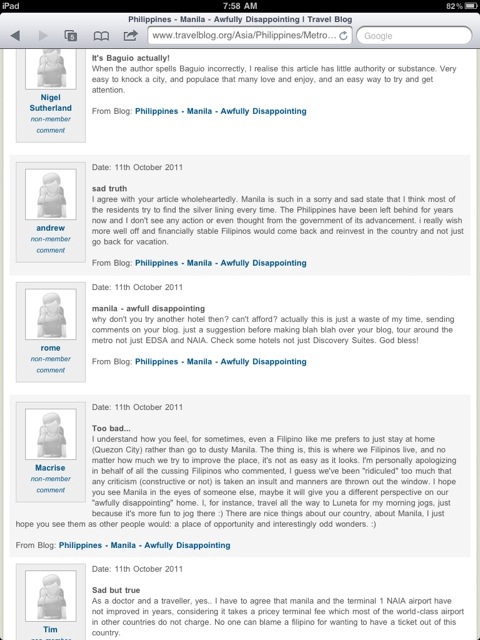
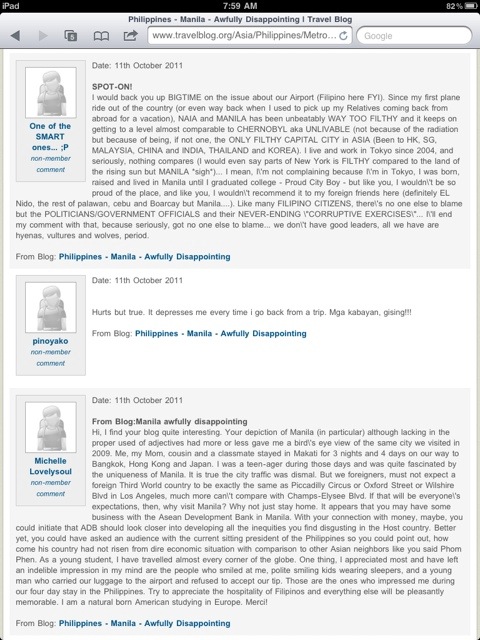
What’s wrong with Manila? Many things, obviously. What’s wrong with our NAIA Airport or Terminal One? Too many things, admittedly. But certainly not enough to trash Manila.

This blog by this Brit may have pointed out the sad state of our airport and the city such that it provoked serious discussion among Filipinos who:

1. Accepted the painful truth but took exception to the sweeping generalization.

2. Accepted the painful truth and added insult to injury by confirming how hopeless we are.

3. Are in denial of things wrong around us and attacked the blogger with abusive language.

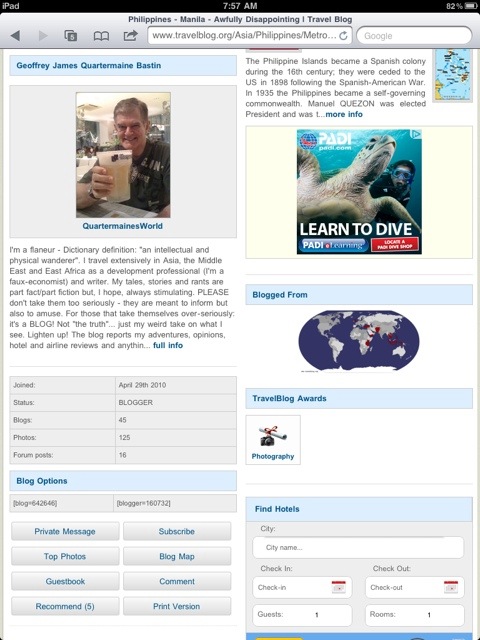
You may want to read the blog written by this Brit who admits being a grumpy old man, but certainly a well-traveled one. Without going to his blogsite (and adding to his stats), you can view the pages here. Read on, and tell me what you think.

xxxxxxxxxxxxxxxxxxxxxxxxxxxxxxxxxxxxx

20111017-201359.jpg

20111017-201419.jpg

20111017-201433.jpg

20111017-201458.jpg

20111017-201541.jpg

20111017-201604.jpg

20111017-201614.jpg

And there’s more. In a discussion forum in same blogsite, the comments revealed how Brits can argue among themselves just as much as some Pinoys claim to be the smart ones who readily accepted how this Brit branded Filipinos as “smarmy”. (He later apologized for this, admitting it was harsh and said in irritation.) Very likely, those smart ones didn’t even know what the word meant, and simply focused on one grumpy old man’s rants vs the filth in Manila. Nothing worth photographing, in his own words. But there were also other non-Pinoys who found the blog nasty and offensive, even as they agreed about the poor state of NAIA Terminal 1.

20111021-203239.jpg

20111021-203301.jpg

20111021-203320.jpg

20111021-203335.jpg

20111021-203401.jpg

20111021-203416.jpg

At the end of the day, this whole exercise proved that controversy sells. The Brit blogger got it right about the airport and the dirt in many places. But should we accept that Manila is hopeless and where the Filipino character is concerned? Some Pinoys do, judging by the comments.

The grumpy blogger reactivated his twitter account and invoked his “readers” to add to his 8 followers. I suspect he would write more controversial blogs, egged on by the phenomenal hit record of this mediocre blog. He is even more active in the travel forum, behaving like a true troll. Best not to engage him. He gets all fired up when he finds someone to argue with. In other words, don’t feed this troll. If you’re curious, allow me to just post additional screenshots of his Royal Troll-ness. 🙂


I have just been to Taal, Batangas. Visited the Basilica of St. Martin de Tours, the Caysasay Shrine, the Sacred Well of Sta. Lucia, the Villavicencio Houses, Leon Apacible Museum, the Agoncillo Heritage Houses and Museums. You may have already read my blogs about the heirloom houses and the churches. Gorged on Tapang Taal and Panucha. But the prospect of eating home-cooked Tulingan and Adobong Dilaw beckons. And a visit to earlier-missed Villa Tortuga makes this next visit sooner than expected.

We almost dined here!

Inside Villa Tortuga

Home-Cooked Tulingan and Adobong Dilaw

The last time we visited, we dined in Taal Bistro. We considered lunch in full Filipiniana regalia in Villa Tortuga this time around. But my friend Alice has a cousin in Taal waiting to serve us a breakfast of Tapang Taal, Longganiza and Pancit. It didn’t stop there.

Sinaing na Tulingan

Adobong Dilaw

Home-cooked Tulingan (matched with bagoong made of tulingan innards – a first time! yummy) and Adobong Dilaw was scheduled for lunch. How can you resist that? (Thank you, Alice). It was all we could think about as we passed a number of heritage houses along Agoncillo Street. Just off the Villavicencio and Goco Houses , and right along the street leading to Taal Basilica, we had our lunch of Batangas delicacies. We only stopped eating these local dishes when we were served Turon. Hmmm, you can say we stopped eating to eat again and have our desserts – if there ever is such a thing. 🙂

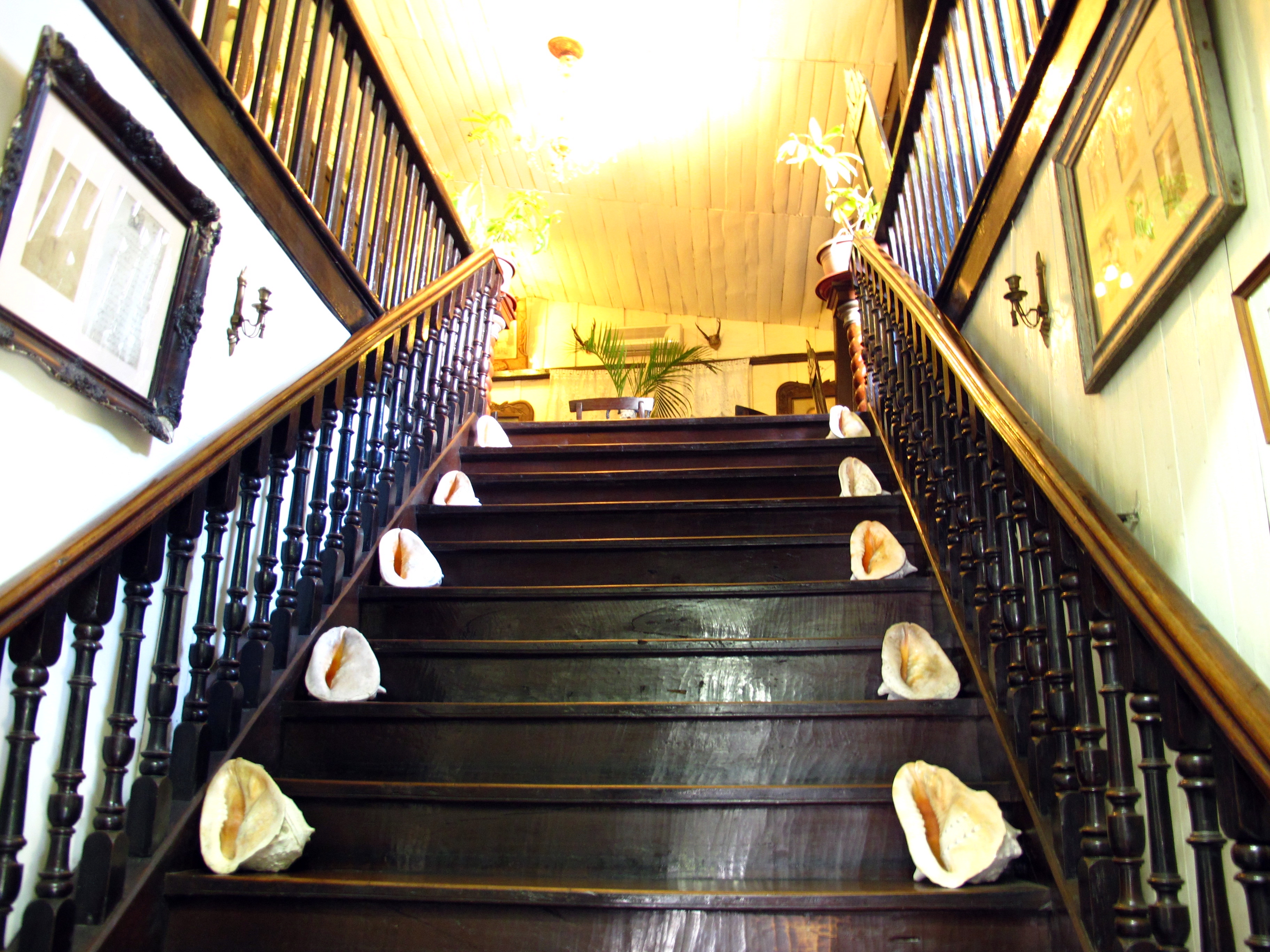
Stairway to History

Villa Tortuga

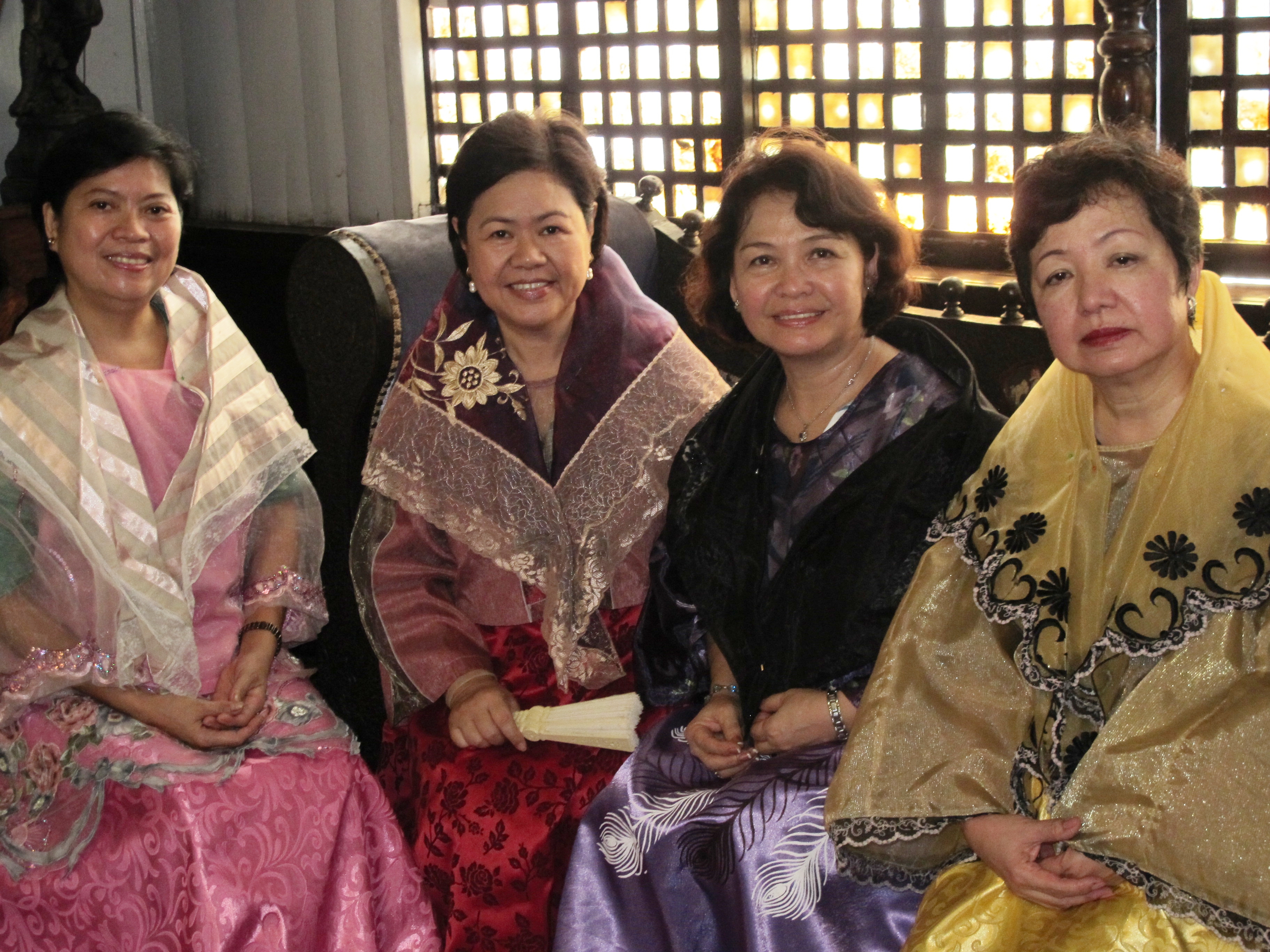
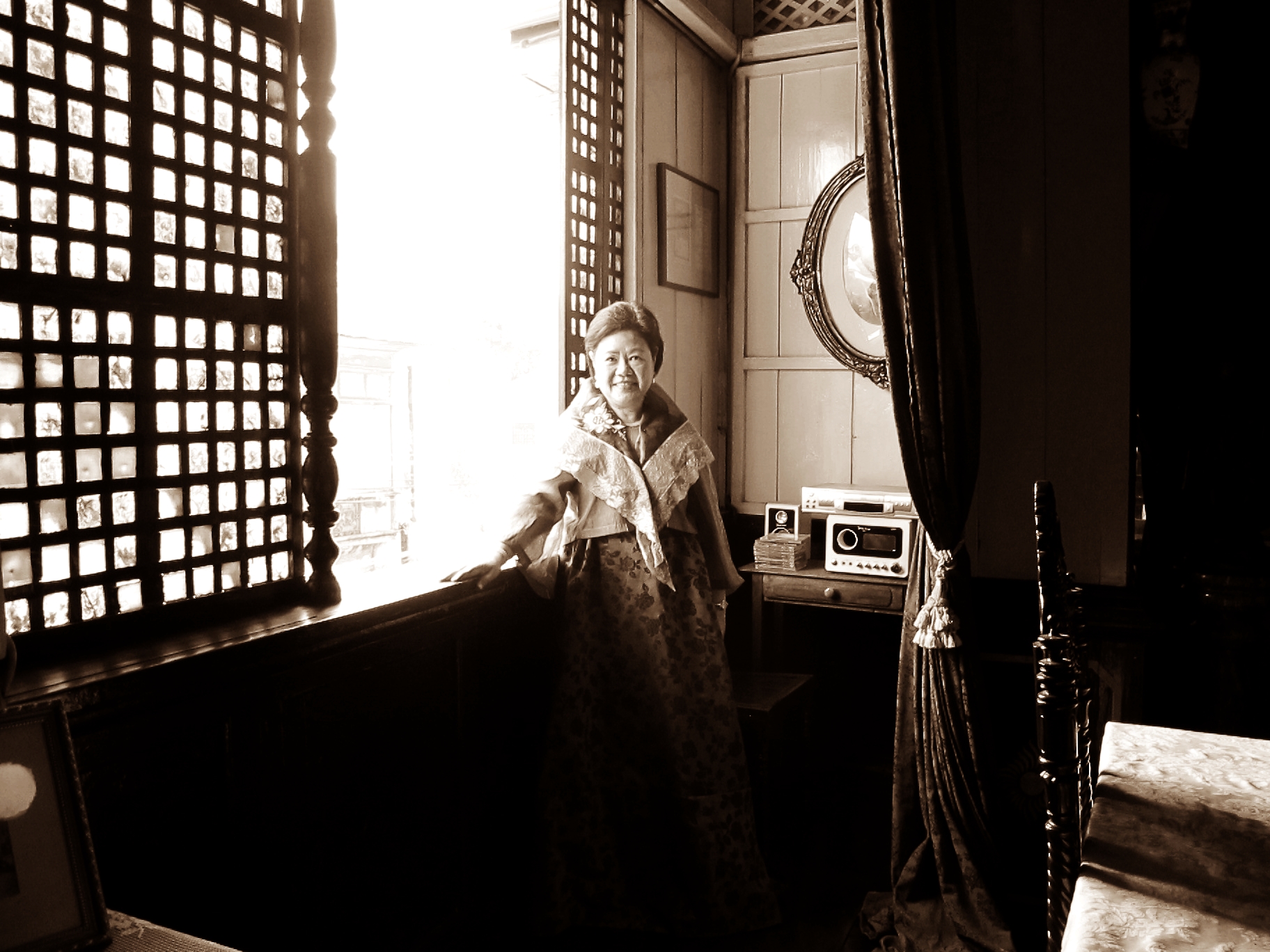
Alice arranged this visit at the Villa Tortuga. Lovely house. And alas, I found a truly good tour guide in Taal, Batangas. Well, I met him in my earlier visit but he guided us only in a couple of heritage houses then. This time around, Rochie guided us around Villa Tortuga and even took our photos! His assistant Adrian is just as competent without saying much. Adrian knew just where to have us pose, arrange the folds of our skirts here and there, pin our baro’t saya wherever, and snap our pictures. Oh, we had a blast.

How hard can it be taking ur own photo dressed like this?

And here are ur LOLAS. Donya Victorina? Maria Clara? Sisa? No, don't answer that.

While I have already written about the heritage houses of Taal, Batangas (check out http://www.travelblog.org/Asia/Philippines/Batangas/Taal/blog-652149.html ) as well as the religious sites here, this experience deserves a separate blog. Our photos will tempt you to brand us either as Donya Victorinas, older versions of Maria Clara and Leonor Rivera, or a Sisa looking for her sons. Whatever. Eat your heart out. We had a blast!

Looking for her Ibarra. Or Crispin. 🙂

Thank you ladies, for a wonderful time. It may not be the best of time to visit and have fun, but we really had a hilarious day trip, didn’t we?

Those planning day trips not too far from Manila, try this. If you like, call Villa Tortuga : 7250819, 7254562 or 0917-8246900 for lunch and Taal tour. It’s actually easy to do, but you need to arrange to visit some heritage houses. Otherwise, you just admire them from outside.

xxxxxxxxxxxxxxxxxxxxxxxxxxxxxxxxxxxxxxxxxxxxxxxxxxxxxxxxxxxxxxxxxxxxxxxxxxxxxxxxxxxxxxxxxxxxx


This list was emailed to me. Have been to, seen and photographed some but not all. Thought I’d throw in some of these photos here for a photowalk — to inspire us all to visit each site. It’s just around the corner! NEED HELP. IF U HAVE PHOTOS AND WANT TO SAVE ME THE TRIP, PLEASSSSSSEEEEE SEND ME. THANKS.

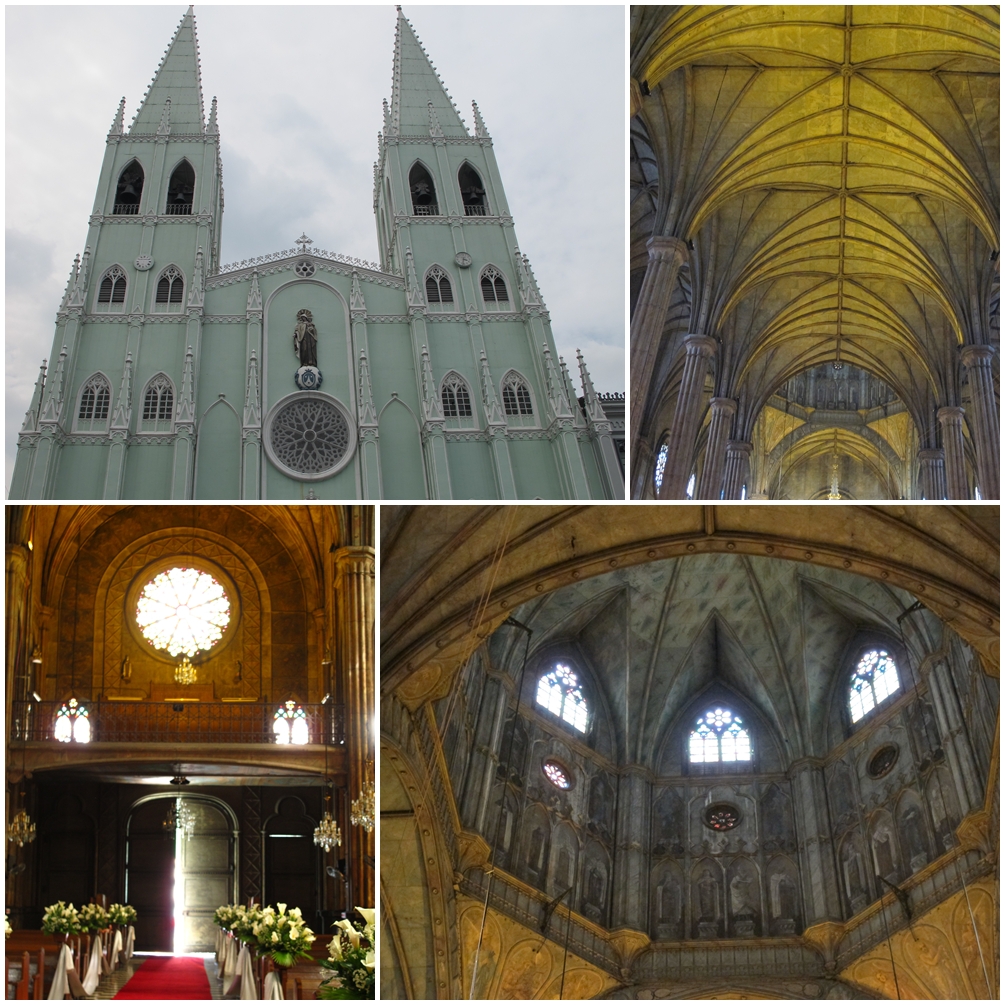
Oldest Steel Church

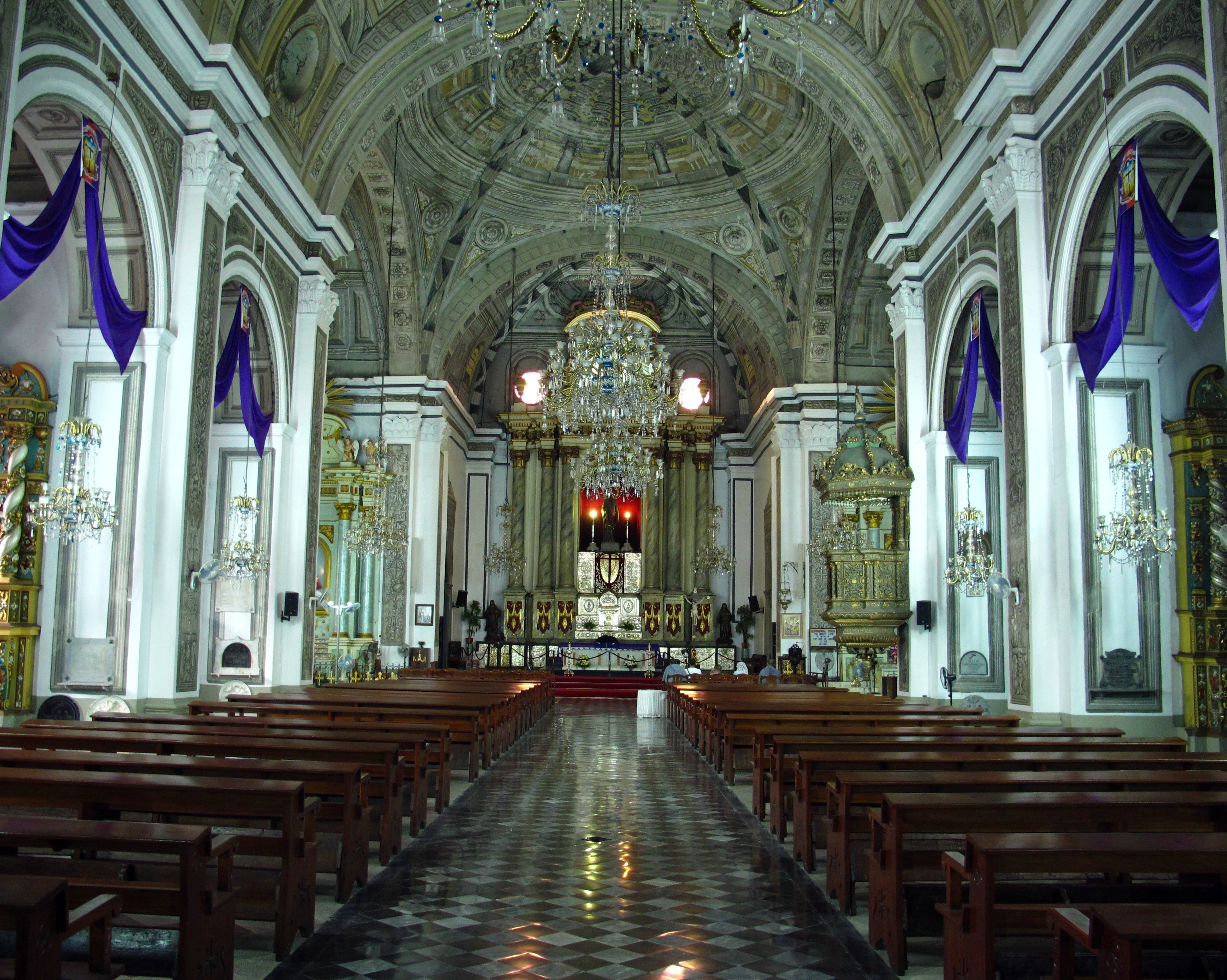
Despite the discrepancies in the dates of its founding, the San Sebastian Church is the only steel church in Asia built in the late 18th century. It should have celebrated its centennial around 1991. Yet, it seems that not even the Catholic administration paid any interest in its historical significance or in the fact that it was Alexander Gustave Eiffel who designed it.

San Sebastian Church

Oldest Restaurant

New Toho Food Center (1888, 422 Tomas Pinpin Street, Binondo, Manila) Five Chinese friends set this up in Binondo, Manila, where the restaurant still stands, in a newer structure also on Tomas Pinpin (formerly San Jacinto) Street which was built after a fire razed the wooden building back in 1984. That explains the slight change in the name. It used to be called the Toho Antigua Panciteria.

Oldest Province

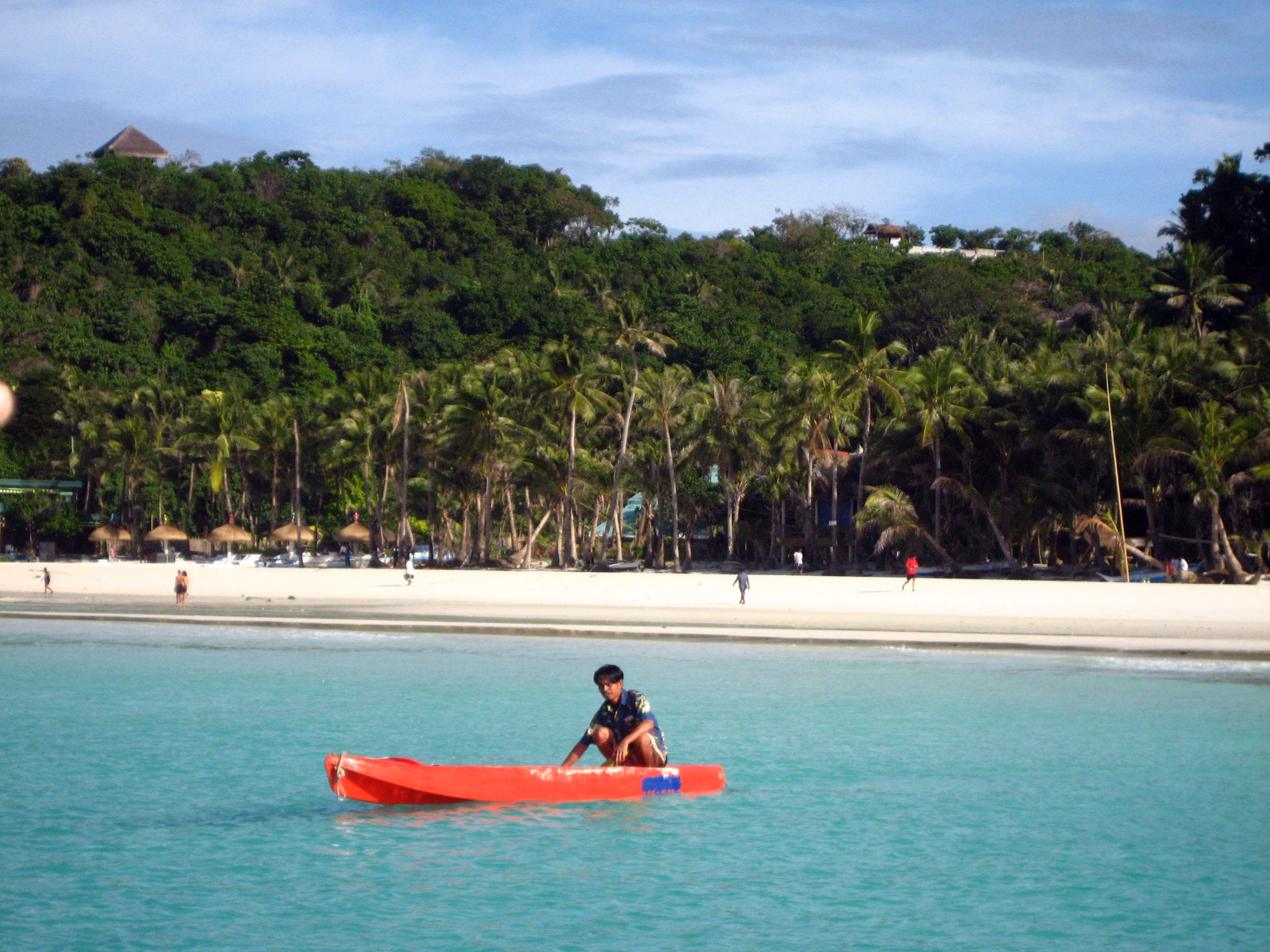
Aklan, originally known as Minuro it Akean, is considered as the oldest province in the country and believed to have been established as early as 1213 by settlers from Borneo. Its first ruler was Datu Dinagandan. In 1399,Datu Kalantiaw grabbed the throne. In 1433, Kalantiaw III formulated a set of laws that is known today as the Code of Kalantiaw.

These days, Aklan is better known as the province to which Boracay belongs.

Oldest Town

Unisan, Quezon could be the oldest town in the Philippines. The people of Unisan claimed that their town is now 481 years old, having been established in 1521, the same year that Ferdinand Magellan discovered the Philippines. All other towns in the country were established not earlier than 1565, when Spain formally occupied the Philippines as a colony.A Malayan queen named Ladya reportedly founded Calilayan, the old name of the town. In 1876, Calilayan was renamed Unisan which was derived from the Latin word uni-sancti, meaning “holy saint”. (Source: Philippine Daily Inquirer)

Shoreline of Unisan, Quezon

Oldest City

Cebu City is considered as the oldest city in the country, as this was the site of the earliest European settlement established by Spanish conqueror Miguel Lopez De Legazpi in 1565.

20120426-092832.jpg

Oldest Fort

The first Spanish settlement in the country, Villa del Santisimo Nombre de Jesus, was located inside Fort San Pedro in Cebu City. The fort’s construction began in 1565.

20120426-093327.jpg

Oldest Street

Calle Colon in Cebu City is considered as the oldest street in the country. Named after explorer Christopher Columbus, Calle Colon was first constructed in 1565 by men of Miguel Lopez De Legazpi.

Oldest Stone Church

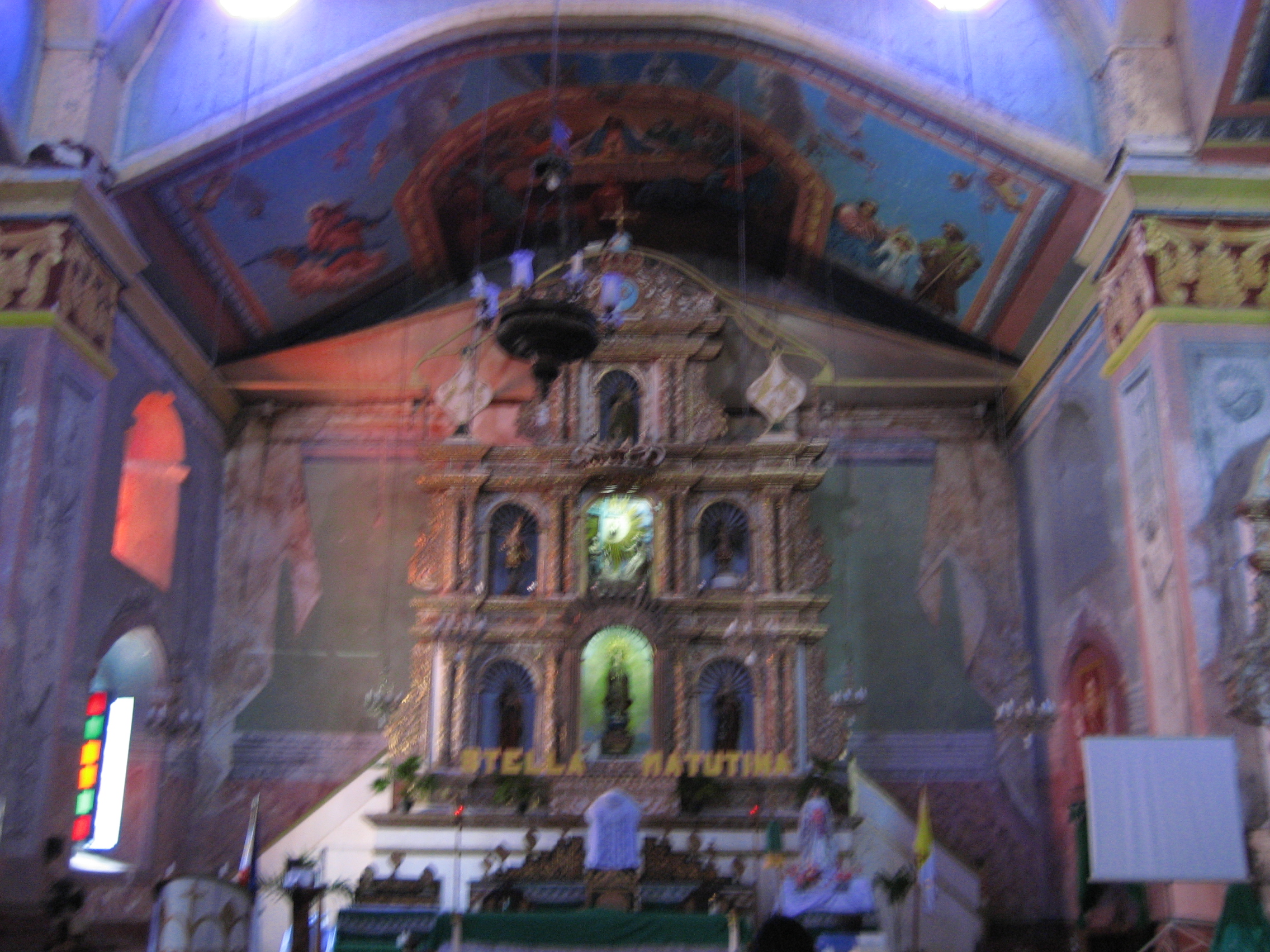
The Baclayon Church in Bohol is considered as the oldest stone church in the Philippines. But some historians disagree, claiming that San Agustin Church in Manila deserves the title.

Inside Baclayon Church in Bohol

Church historians claim that the cornerstones of San Agustin Church were laid as early as 1571, 25 years before Baclayon Church was built in 1596. But most people believe the title should be kept by the latter, since it is situated in the island first occupied by the troops of Miguel Lopez De Legazpi, the country’s first Spanish governor general.

Bohol was where a friendship was sealed with blood between Chieftain Rajah Sikatuna and Legazpi. The event is known today as”The Blood Compact.”

Oldest Hospital

The San Lazaro Hospital could be the oldest hospital in the country. According to Pampango historian Zoilo Galang, the San Lazaro hospital was established in 1578; Enfermeria de Naga, 1583; and Hospital de San Juan de Dios, 1596.

Oldest Church Bell

The oldest church bell in the country is said to be the one found in Camalaniugan, Cagayan. That bell was reportedly forged in 1595.

Oldest Bridge

The Jones Bridge, formerly known as Fuente de Espana, was first built in 1701. It was rebuilt by the Americans in 1916 and renamed after Atkinson Jones.

Oldest University

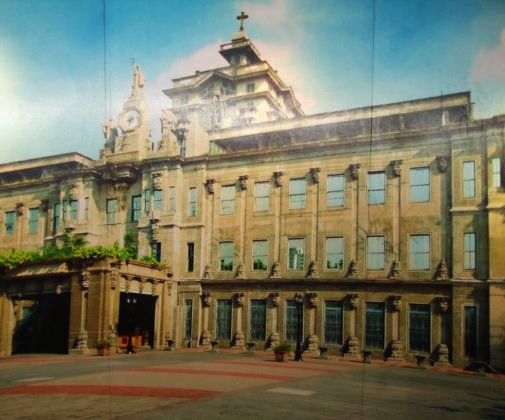
The University of San Carlos (U.S.C.) in Cebu City is considered as the oldest school in the country and in Asia. Formerly known as the Colegio de San Ildefonso, it was founded by the Spanish Jesuits on August 1, 1595. This makes the Cebu-based university older than theUniversity of Santo Tomas (1611) in Manila andHarvard University (1636) in the United States.

The University of Santo Tomas, however, contests this title. Formerly known as the Colegio de Nuestra Señora Del Rosario,U.S.T. was the first school, which got a university status in 1645. U.S.C. became a university in 1948. UST also claimed that the original U.S.C. was closed in 1769 as a result of the expulsion of the Jesuits. It reopened in 1783 under a new name and ownership. But the USC officials stick to their claim. The university observed its 400th foundation day on August 21, 1995.

UST

Oldest Vocational School

The Don Honorio Ventura College of Arts and Trades (DHVCAT) inBacolor, Pampanga is said to be the oldest vocational school in Asia. Augustinian Friar Juan Zita and civic leader Don Felino Gil established the vocational school on November 4, 1861.

Oldest Company

Ayala Corp., one of the largest conglomerates in the country, is also the oldest existing company around. It was established in 1834 by sugar barons Domingo Roxas and Antonio de Ayala. It was later renamed as Casa Ayala, then as Ayala y Compania and recently as Ayala Corp.

Oldest Bank

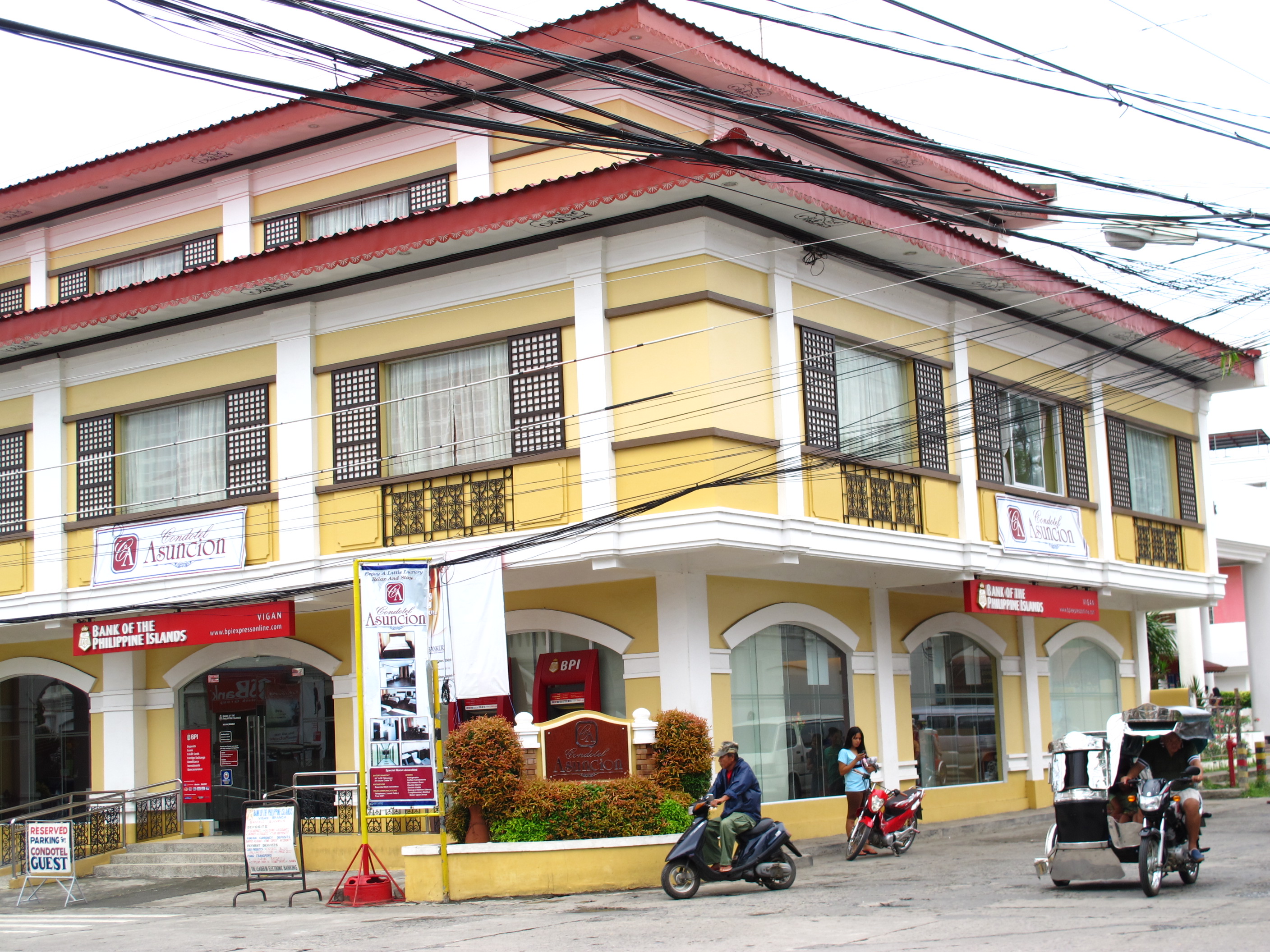
In 1881, Domingo Roxas, an ancestor of the Ayala family, became one of the first directors of Banco Español-Filipino De Isabel II,which was founded by virtue of a royal decree issued by Queen Isabel II. The bank issued the country’s first currency notes the following year. Considered as the first private commercial bank in the country, the bank came to be known as the Bank of Philippine Islands in 1912. The oldest savings bank was Monte de Piedad, which was established in 1882.

Bank of the Philippine Islands Branch in Vigan

Oldest Rizal Monument

What can be considered as the oldest in the country is a 20-foot metal structure standing at a park in Daet, Camarines Norte. Its construction reportedly began on December 30, 1898 and was finished in February 1899. In comparison, the Rizal monument at the former Luneta Park was built in 1912.

Oldest Insurance Firm

Insular Life Insurance Company was established on November 26, 1910, becoming the oldest insurance agency in the country.


How much do we know of the Luna brothers? Honestly? I simply know one is a painter, the other a General. Both are patriots. And both are friends and contemporaries of Dr. Jose P. Rizal. Many of us would think that knowledge is enough. Toinks!
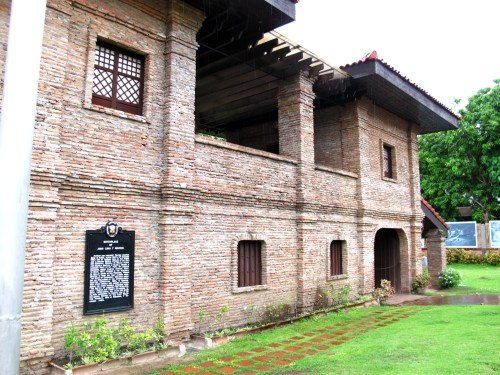
Juan Luna Shrine in Badoc, Ilocos Norte
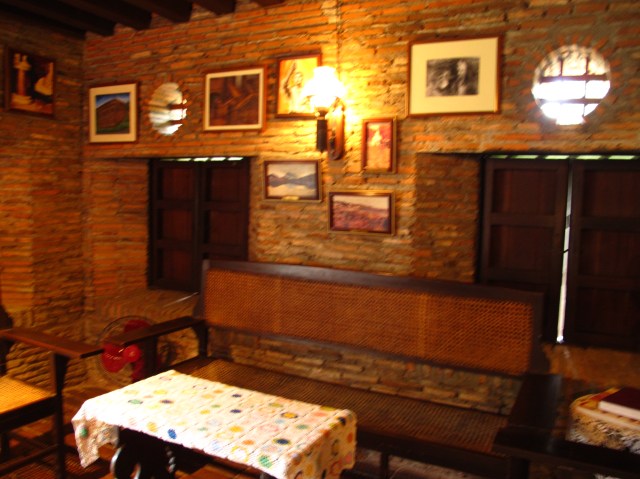
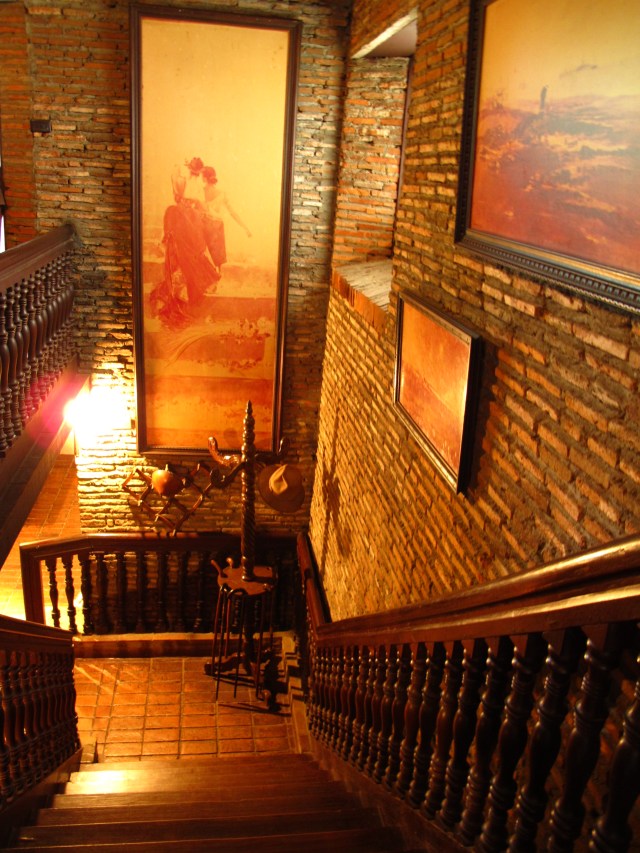
On our way from Laoag to Vigan, we passed Badoc, Ilocos Norte. This is the last town of Ilocos Norte. And this is the birthplace of the Luna brothers. The Juan Luna Shrine can be found here — a building made of brick housing the memorabilia and paintings of this patriotic, and very controversial painter.

Death of Cleopatra (Museo del Prado @Madrid)
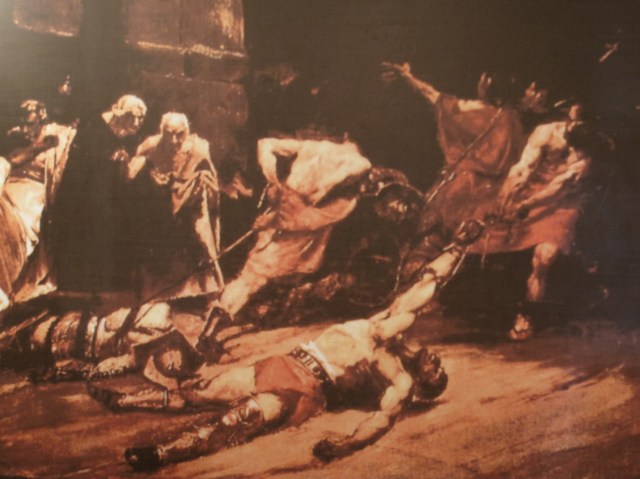
Spolarium (now on display @National Museum of the Philippines)

Luna killed his wife and mother-in-law because of

jealousy.

So goes the story. Makes for a great headline.

The patriot who painted such classics and award-winning Spoliarium (Gold Medal, 1884, now on display at the National Museum of the Philippines), Death of Cleopatra (Silver Medal, 1881, Museo del Prado in Madrid), Parisian Life (another Silver Medal, 1889, GSIS Museum), Battle of Lepanto, Blood Compact (1886, Malacanang Palace), Una Bulakenya (1895, Malacanang Palace), among others. The patriot as a murderer? Says who?
Inside Juan Luna Shrine

The Tour Guide did not miss a beat telling and retelling this story. Sure, Juan Luna shot his mother-in-law and wife dead. We also just learned that he shot his brother-in-law Felix Pardo de Tavera too in the same incident, but this “lucky” fellow survived. Was it an accident or was this a crime of passion?

Most answers you’d find point to Juan Luna shooting his wife Paz in a fit of jealousy. The accused lover was a certain Monsieur Dussaq. Having settled in Paris after his marriage, I can only assume this Dussaq is one Frenchman. So, did Juan shoot his wife et al? All this after only 6 years of marriage. Our Ilocano Tour Guide has another version. Like Juan tried to force open the door to their home in Paris by shooting at the door knob, not knowing the mother-in-law was peeping through the keyhole with the wife right behind her. Quite a stretch………..if you ask me. But oh well, that’s the version. (*big yawn)

The couple had 2 children but one died in infancy. The surviving child, Andres, is also a painter and the architect who designed Arlegui House, the residence of ex-President Cory Aquino, and the San Vicente de Paul Church in San Marcelino Street. Many of his works were unfortunately destroyed during the Second World War.


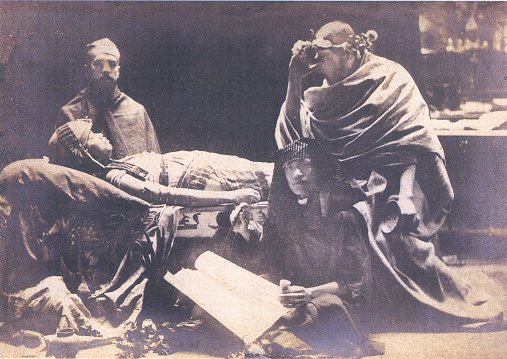
Rizal as a Scribe? or a Sphinx?
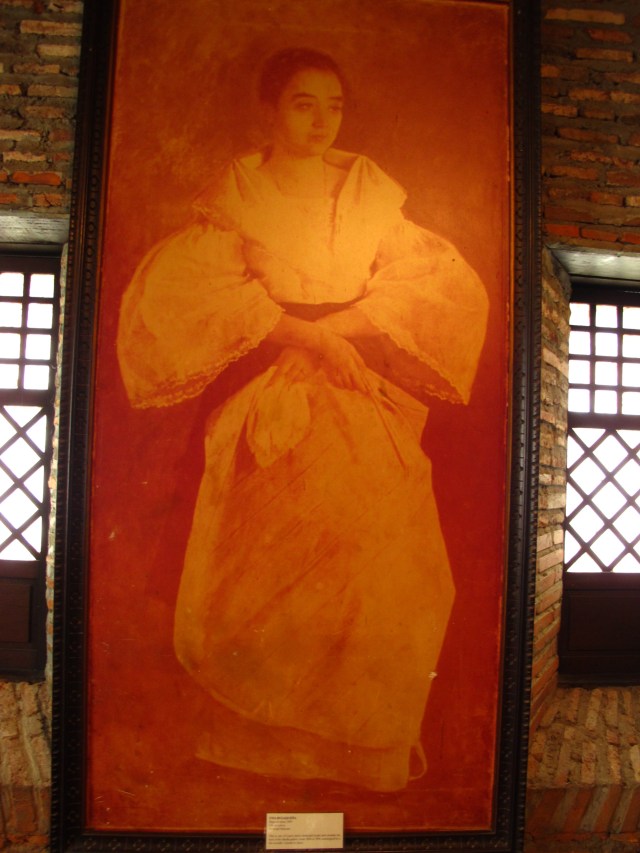
Una Bulakenya (Used To Be On Display @Malacanang Palace, Now @National Art Gallery)

The Other Luna Brothers

Juan’s passion for the arts was influenced by his brother Manuel who was also a painter. A better one, if we were to believe Dr. Jose Rizal. From Badoc, Ilocos Norte, the Luna family moved to Manila where the brothers studied. Manuel and Juan traveled together to Spain where Juan had more art (painting) lessons while Manuel ventured into music and later claimed fame as a violinist.

When Juan was arrested for shooting his wife and later acquitted (on grounds of insanity), it was Antonio (yes, General Antonio Luna) who accompanied him from Paris to Madrid and finally to Manila. Both brothers were arrested for rebellion charges, and later released. Juan headed back to Spain, while Antonio remained and was later killed by the Kawit Batallion (another controversial story involving Emilio Aguinaldo, but that’s another story).

One unfinished, intriguing story involves the painting “Una Bulaquena” or Woman from Bulacan. The painting was inspired by a woman who was allegedly the one great love of Antonio Luna, though the other version cites Juan having courted her after losing/shooting Paz. A case of sibling rivalry? Who knows?
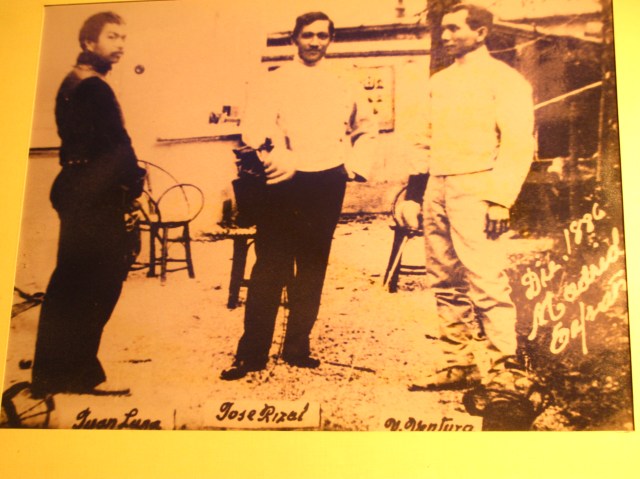
This photo shows how tall or short Rizal was..........

Juan Luna’s Distinguished Models

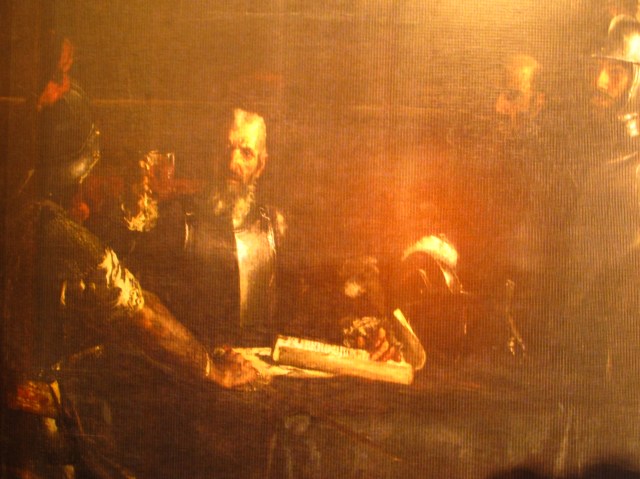
Not many of us know that Dr. Rizal actually posed as Datu Sikatuna in Juan Luna’s “Blood Compact”. In his silver award-winning painting “Death of Cleopatra”, our national hero actually posed in earlier sittings as a scribe complete with a headdress , making him look like a sphinx. Juan Luna himself posed as Marc Anthony in the same painting. Somehow, I can imagine how these men must have enjoyed all these sittings, horsing around, posing in costumes, etc.

The original Parisian Life painting used to hang here in Bahay Nakpil-Bautista in Quiapo

Then of course everybody knows Dr. Rizal was one of the 3 models in the GSIS-acquired “Parisian Life”. The other 2 gentlemen in the painting were Juan Luna himself and Ariston Bautista, in whose house this same painting hung for years. Errr, that is yet another story again.

But these men were not just models. They were our heroes. Patriots. Gentlemen-friends, if you may. Their love of country, passion for the arts and literature, intellect, perhaps even love of women must have bound them like blood brothers in a place far away from home and family, in an era marked by secret alliances and trysts, murder and heroism.

C’est la vie………..

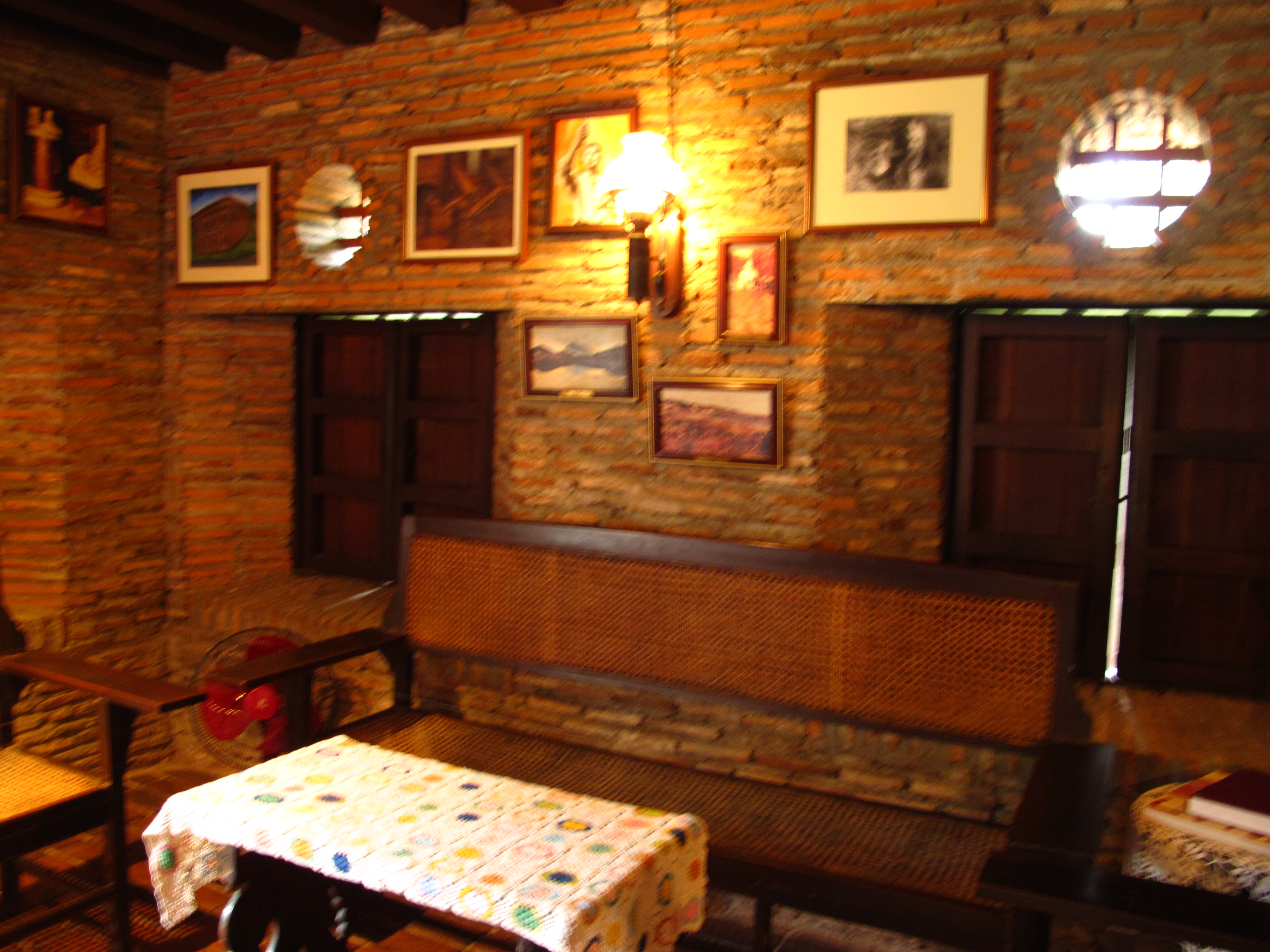
Inside the Shrine @Badoc, Ilocos Norte

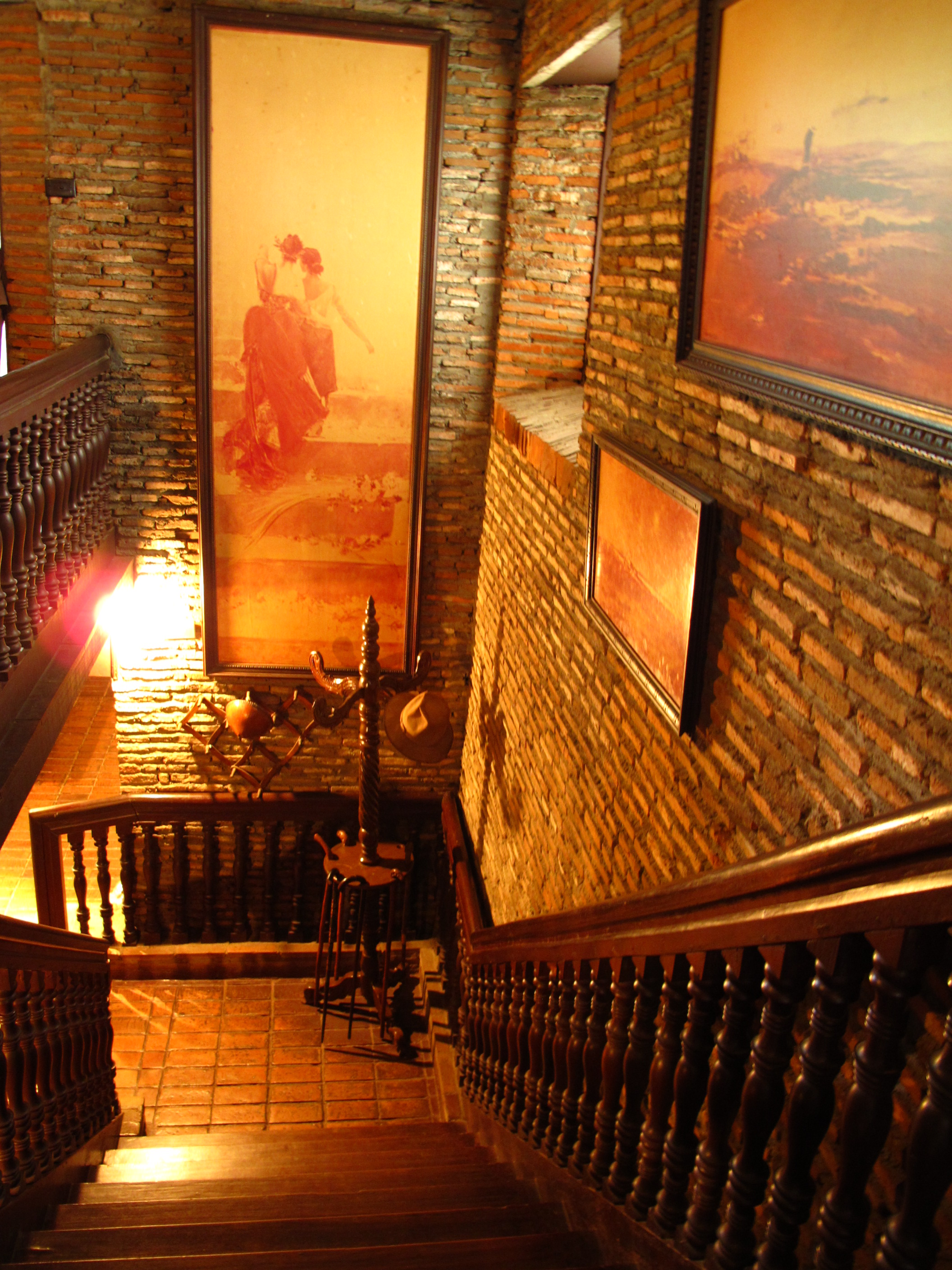
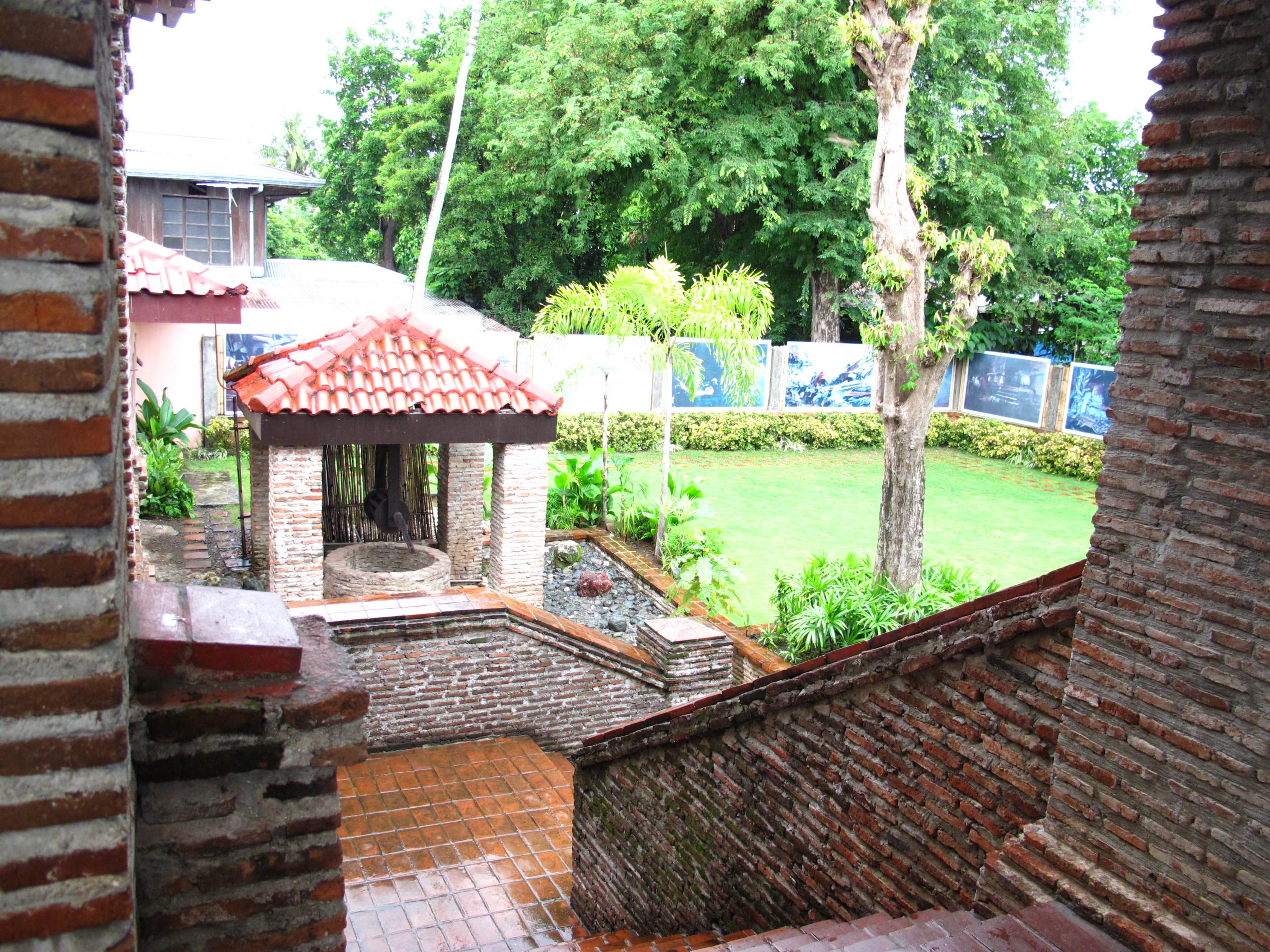
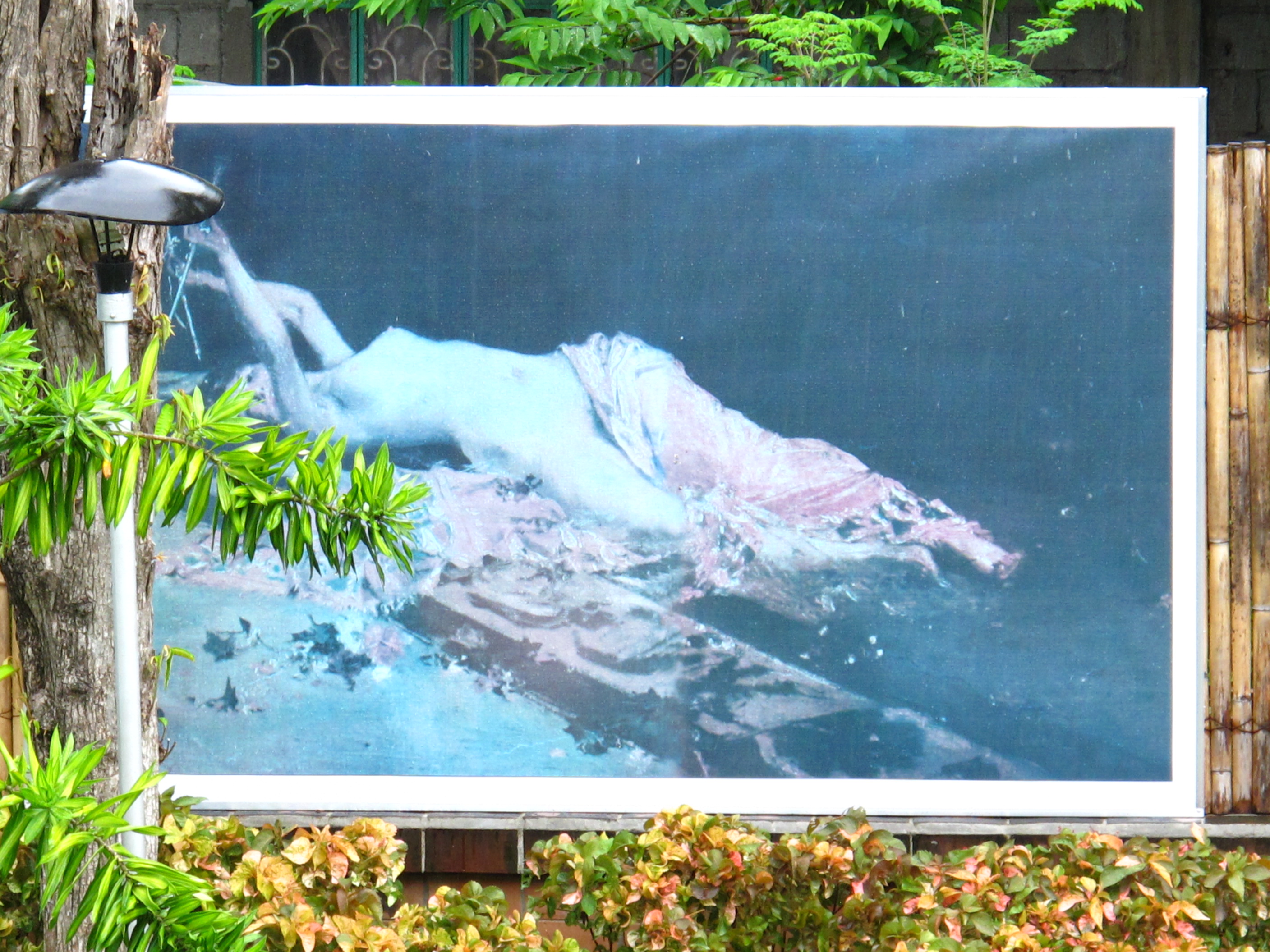
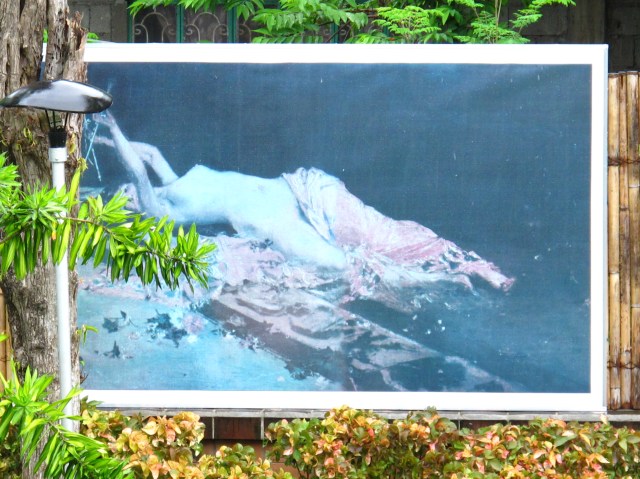
Exit Through The Backyard: More Paintings (Reproductions)
xxxxxxxxxxxxxxxxxxxxxxxxxxxxxxxxxxxxxxxxxxxxxxxxxxxxxxxxxxxxxxxxxxxxxxxxxxxxxxxxxxxxxxxxxxxxx