Tag Archive: San Agustin Church


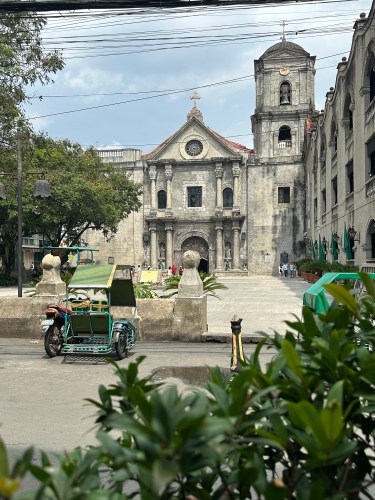
Intramuros comes to mind whenever we have foreign visitors to take around Manila. Over the years, I’ve lost count of foreign guests and “balikbayans” I’ve toured around the former walled city and nearby historical and cultural spots. But today is different. We have a free day and we’ve decided we’d check out the now pedestrian zone around Plaza San Luis Complex where you’d find San Agustin Church, Casa Manila, Casa Blanca, Barbara’s, Cafe Intramuros, Batala Bar, and not too far away, the Centro de Turismo and Museo de Intramuros. I’m only too happy to stroll along the cobblestoned General Luna Street devoid of motor vehicles and the ubiquitous pedicabs and tricycles. Now you’d find visitors on bamboo bikes, segways or horse-drawn calesas competing for space with the pedestrians. It even felt strange to find the San Agustin Church without cars crowding its beautiful frontage. Such scenes completely changed, nay transformed Intramuros. About time!

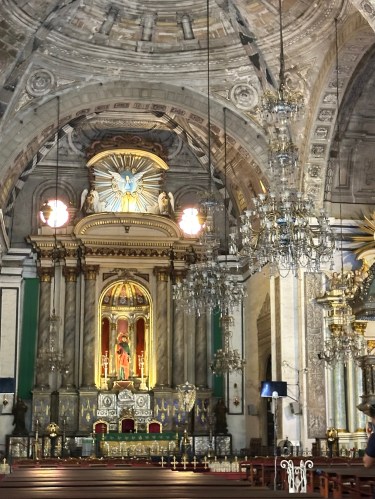
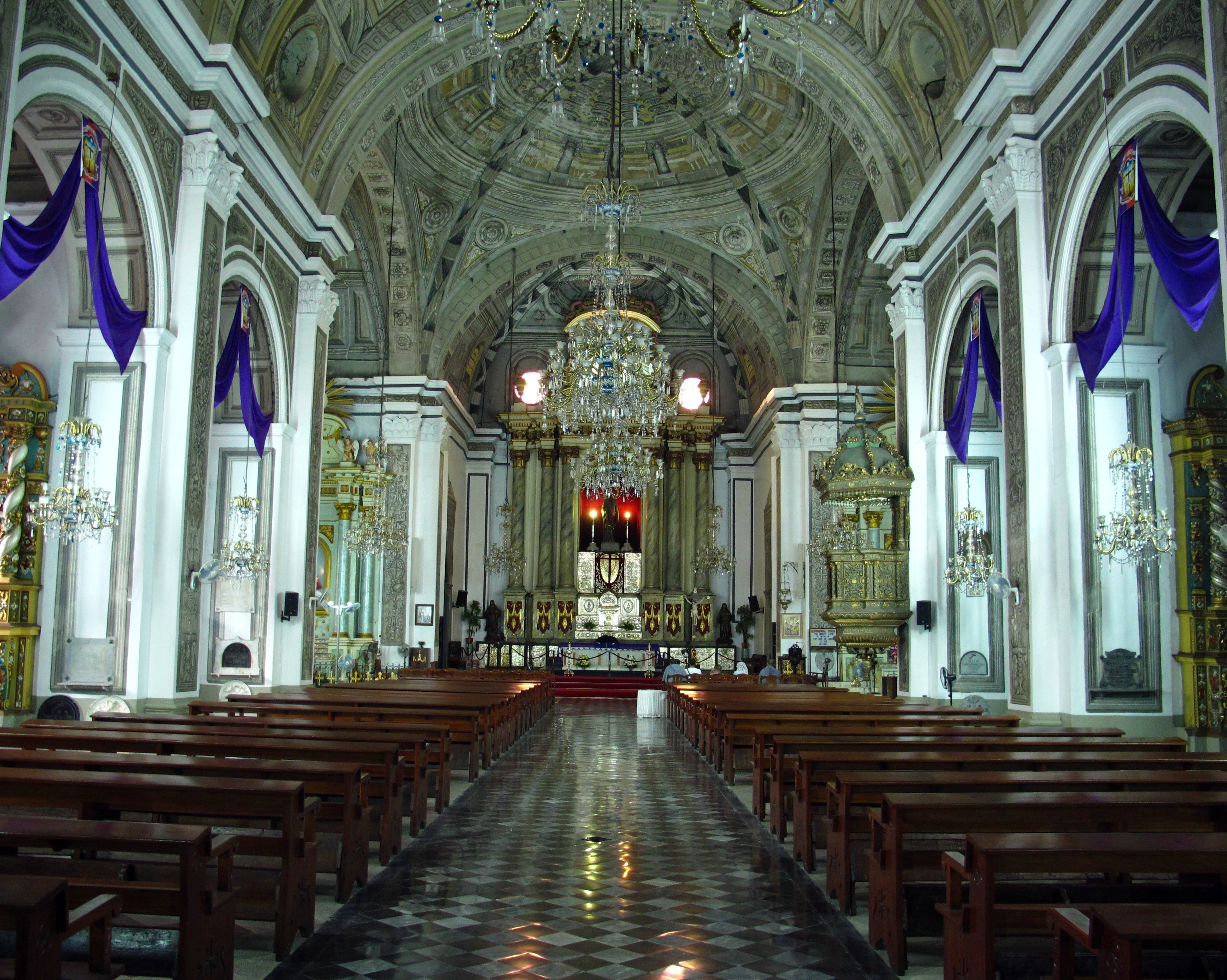
San Agustin Church
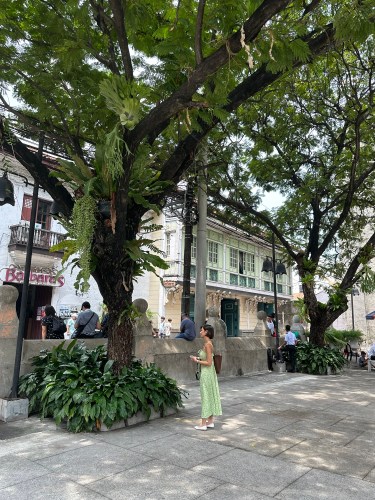
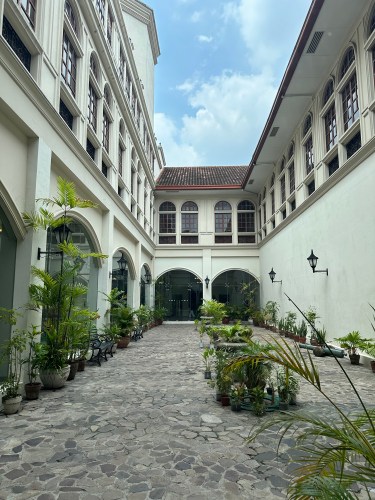
Across the Church is the Plaza San Luis Complex

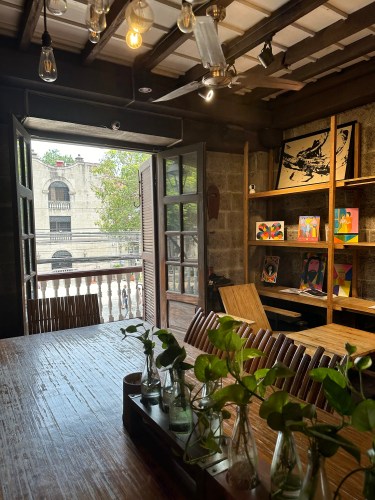
The coffee scene in Intramuros now counts Batala Bar and Cafe Intramuros alongside Barbara’s. We started our day with brunch in Batala Bar. From its windows, we have views either of the San Agustin Church or the Plaza and Casa Manila. There were not too many visitors but I need to mention that despite the summer heat, it was such a pleasant experience to go around the area. The service crew and the security staff are very friendly, accommodating and generous with their knowledge about the place. When people go out of their way to please, it is always a sign of good training and work ethics. 👍

Plaza San Luis
View from Batala Bar

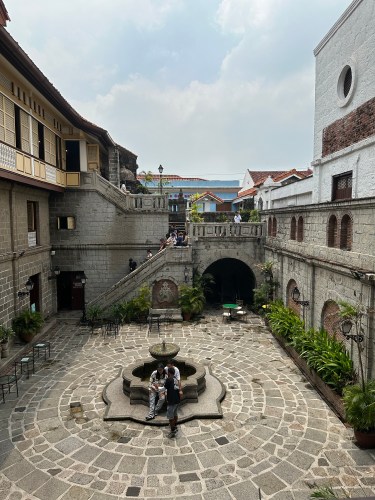
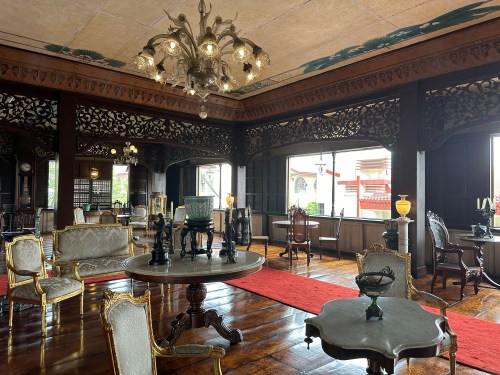
Casa Manila gives a glimpse into the lifestyle of the “illustrados” — Filipino families who enjoyed affluence during the Spanish times. The Casa or house is actually a mansion bearing the colonial style of architecture and taste — in stark contrast to the more modest “Bahay Kubo”. The antique furniture, wide windows, huge kitchen with antique cauldrons is a trip down memory lane. Like as far back as the 1850’s. Easily, one can spend an hour here. Around the Casa, one is never short on dining options. The cafes and restaurants are to be found just as soon as one exits Casa Manila via the staircase from the kitchen spilling into the plaza with the fountain at the center. There are also souvenir shops though I think they can improve in this department.

Inside San Agustin Church
Inside Casa Manila

The Centro de Turismo is under renovation so we spent an hour or so instead in the Intramuros Museum. Housed in what was then the San Ignacio Church and Convent, it is a treasure trove of historical and religious artifacts. For sure, the Intramuros Admin did a terrific job on this project. A half day itinerary for tourists may include visits to San Agustin Church and its Convent cum Museum, Casa Manila, followed by lunch in any of the cafes and restaurants within the Plaza San Luis. And there’s also Ristorante Delle Mitre across the street where there’s a good assortment of desserts and baked goods.

Museo de Intramuros
Inside Museo de Intramuros

Now if you still have energy and time left, you can always proceed to Manila Cathedral and Fort Santiago. We did, but not so much to tour around but to check out Papa Kape inside Fort Santiago. We heard so much about their Black Gulaman Americano Coffee and the Tahoat Coffee — a concoction that blends “taho” and oat milk cafe. Both iced, we enjoyed our bev as well as the resident cats within the cafe. Not a bad day to spend like “local tourists” in our own city!

Mr. Cat sleeping on the best seat of the house. Tahoat and Black Gulaman Coffee best served “iced”.
Papa Kape

This list was emailed to me. Have been to, seen and photographed some but not all. Thought I’d throw in some of these photos here for a photowalk — to inspire us all to visit each site. It’s just around the corner! NEED HELP. IF U HAVE PHOTOS AND WANT TO SAVE ME THE TRIP, PLEASSSSSSEEEEE SEND ME. THANKS.

Oldest Steel Church

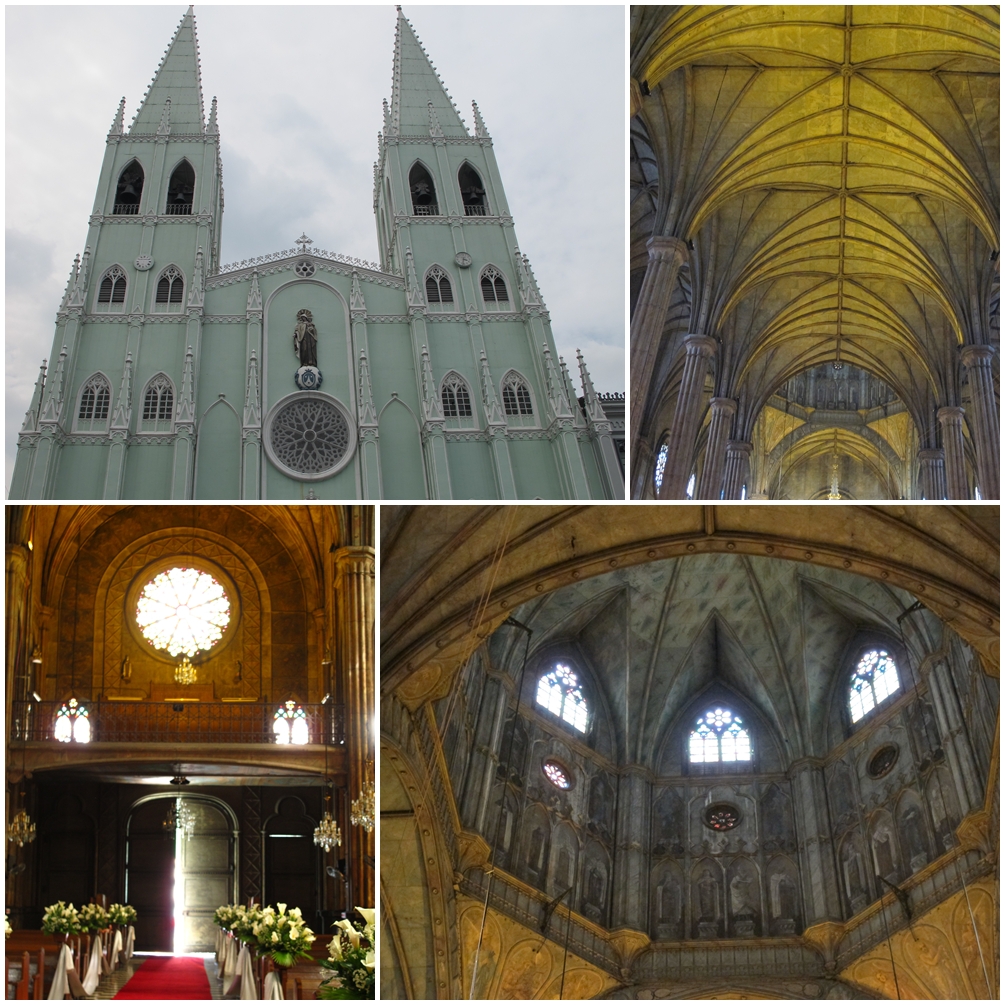
Despite the discrepancies in the dates of its founding, the San Sebastian Church is the only steel church in Asia built in the late 18th century. It should have celebrated its centennial around 1991. Yet, it seems that not even the Catholic administration paid any interest in its historical significance or in the fact that it was Alexander Gustave Eiffel who designed it.

San Sebastian Church

Oldest Restaurant

New Toho Food Center (1888, 422 Tomas Pinpin Street, Binondo, Manila) Five Chinese friends set this up in Binondo, Manila, where the restaurant still stands, in a newer structure also on Tomas Pinpin (formerly San Jacinto) Street which was built after a fire razed the wooden building back in 1984. That explains the slight change in the name. It used to be called the Toho Antigua Panciteria.

Oldest Province

Aklan, originally known as Minuro it Akean, is considered as the oldest province in the country and believed to have been established as early as 1213 by settlers from Borneo. Its first ruler was Datu Dinagandan. In 1399,Datu Kalantiaw grabbed the throne. In 1433, Kalantiaw III formulated a set of laws that is known today as the Code of Kalantiaw.

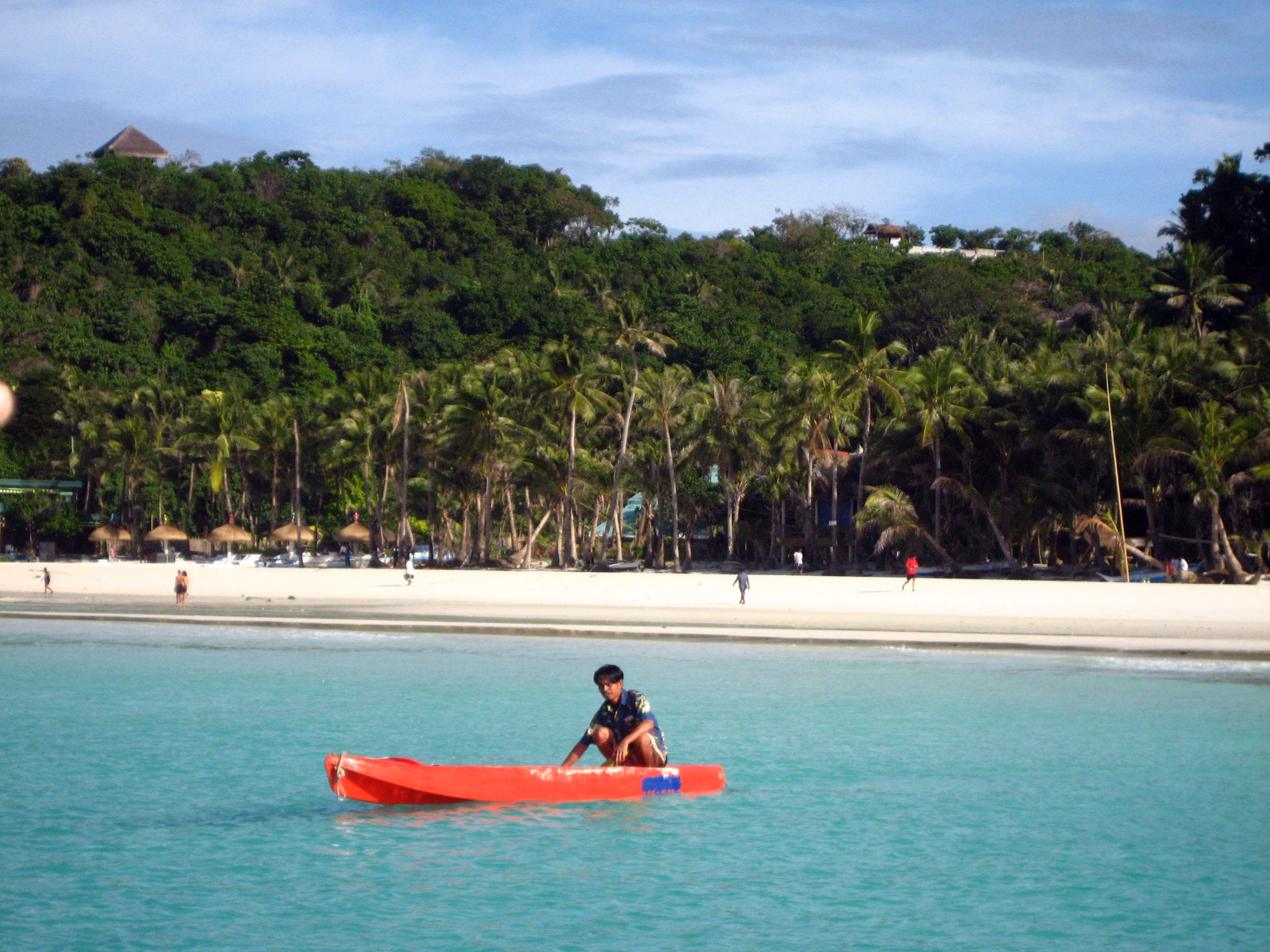
These days, Aklan is better known as the province to which Boracay belongs.

Oldest Town

Unisan, Quezon could be the oldest town in the Philippines. The people of Unisan claimed that their town is now 481 years old, having been established in 1521, the same year that Ferdinand Magellan discovered the Philippines. All other towns in the country were established not earlier than 1565, when Spain formally occupied the Philippines as a colony.A Malayan queen named Ladya reportedly founded Calilayan, the old name of the town. In 1876, Calilayan was renamed Unisan which was derived from the Latin word uni-sancti, meaning “holy saint”. (Source: Philippine Daily Inquirer)

Shoreline of Unisan, Quezon

Oldest City

Cebu City is considered as the oldest city in the country, as this was the site of the earliest European settlement established by Spanish conqueror Miguel Lopez De Legazpi in 1565.

20120426-092832.jpg

Oldest Fort

The first Spanish settlement in the country, Villa del Santisimo Nombre de Jesus, was located inside Fort San Pedro in Cebu City. The fort’s construction began in 1565.

20120426-093327.jpg

Oldest Street

Calle Colon in Cebu City is considered as the oldest street in the country. Named after explorer Christopher Columbus, Calle Colon was first constructed in 1565 by men of Miguel Lopez De Legazpi.

Oldest Stone Church

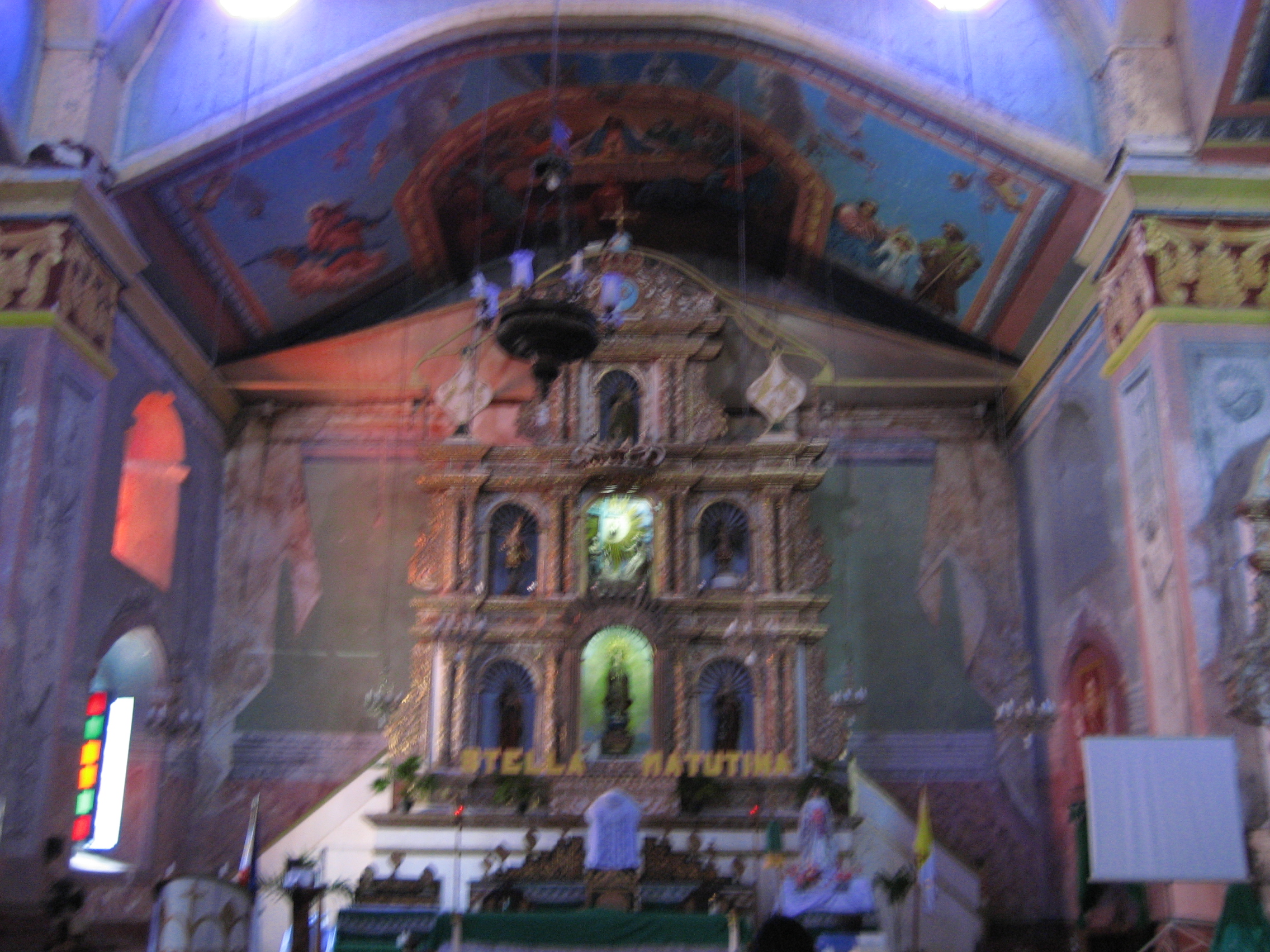
The Baclayon Church in Bohol is considered as the oldest stone church in the Philippines. But some historians disagree, claiming that San Agustin Church in Manila deserves the title.

Inside Baclayon Church in Bohol

Church historians claim that the cornerstones of San Agustin Church were laid as early as 1571, 25 years before Baclayon Church was built in 1596. But most people believe the title should be kept by the latter, since it is situated in the island first occupied by the troops of Miguel Lopez De Legazpi, the country’s first Spanish governor general.

Bohol was where a friendship was sealed with blood between Chieftain Rajah Sikatuna and Legazpi. The event is known today as”The Blood Compact.”

Oldest Hospital

The San Lazaro Hospital could be the oldest hospital in the country. According to Pampango historian Zoilo Galang, the San Lazaro hospital was established in 1578; Enfermeria de Naga, 1583; and Hospital de San Juan de Dios, 1596.

Oldest Church Bell

The oldest church bell in the country is said to be the one found in Camalaniugan, Cagayan. That bell was reportedly forged in 1595.

Oldest Bridge

The Jones Bridge, formerly known as Fuente de Espana, was first built in 1701. It was rebuilt by the Americans in 1916 and renamed after Atkinson Jones.

Oldest University

The University of San Carlos (U.S.C.) in Cebu City is considered as the oldest school in the country and in Asia. Formerly known as the Colegio de San Ildefonso, it was founded by the Spanish Jesuits on August 1, 1595. This makes the Cebu-based university older than theUniversity of Santo Tomas (1611) in Manila andHarvard University (1636) in the United States.

The University of Santo Tomas, however, contests this title. Formerly known as the Colegio de Nuestra Señora Del Rosario,U.S.T. was the first school, which got a university status in 1645. U.S.C. became a university in 1948. UST also claimed that the original U.S.C. was closed in 1769 as a result of the expulsion of the Jesuits. It reopened in 1783 under a new name and ownership. But the USC officials stick to their claim. The university observed its 400th foundation day on August 21, 1995.
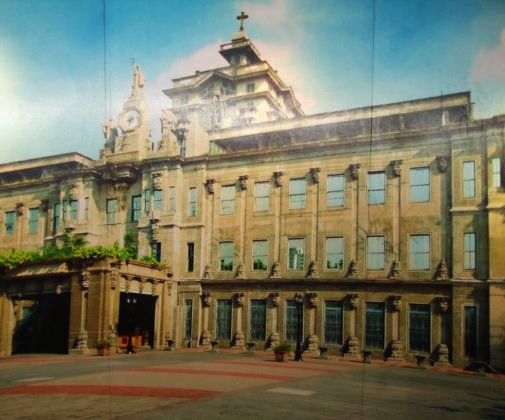
UST

Oldest Vocational School

The Don Honorio Ventura College of Arts and Trades (DHVCAT) inBacolor, Pampanga is said to be the oldest vocational school in Asia. Augustinian Friar Juan Zita and civic leader Don Felino Gil established the vocational school on November 4, 1861.

Oldest Company

Ayala Corp., one of the largest conglomerates in the country, is also the oldest existing company around. It was established in 1834 by sugar barons Domingo Roxas and Antonio de Ayala. It was later renamed as Casa Ayala, then as Ayala y Compania and recently as Ayala Corp.

Oldest Bank

In 1881, Domingo Roxas, an ancestor of the Ayala family, became one of the first directors of Banco Español-Filipino De Isabel II,which was founded by virtue of a royal decree issued by Queen Isabel II. The bank issued the country’s first currency notes the following year. Considered as the first private commercial bank in the country, the bank came to be known as the Bank of Philippine Islands in 1912. The oldest savings bank was Monte de Piedad, which was established in 1882.
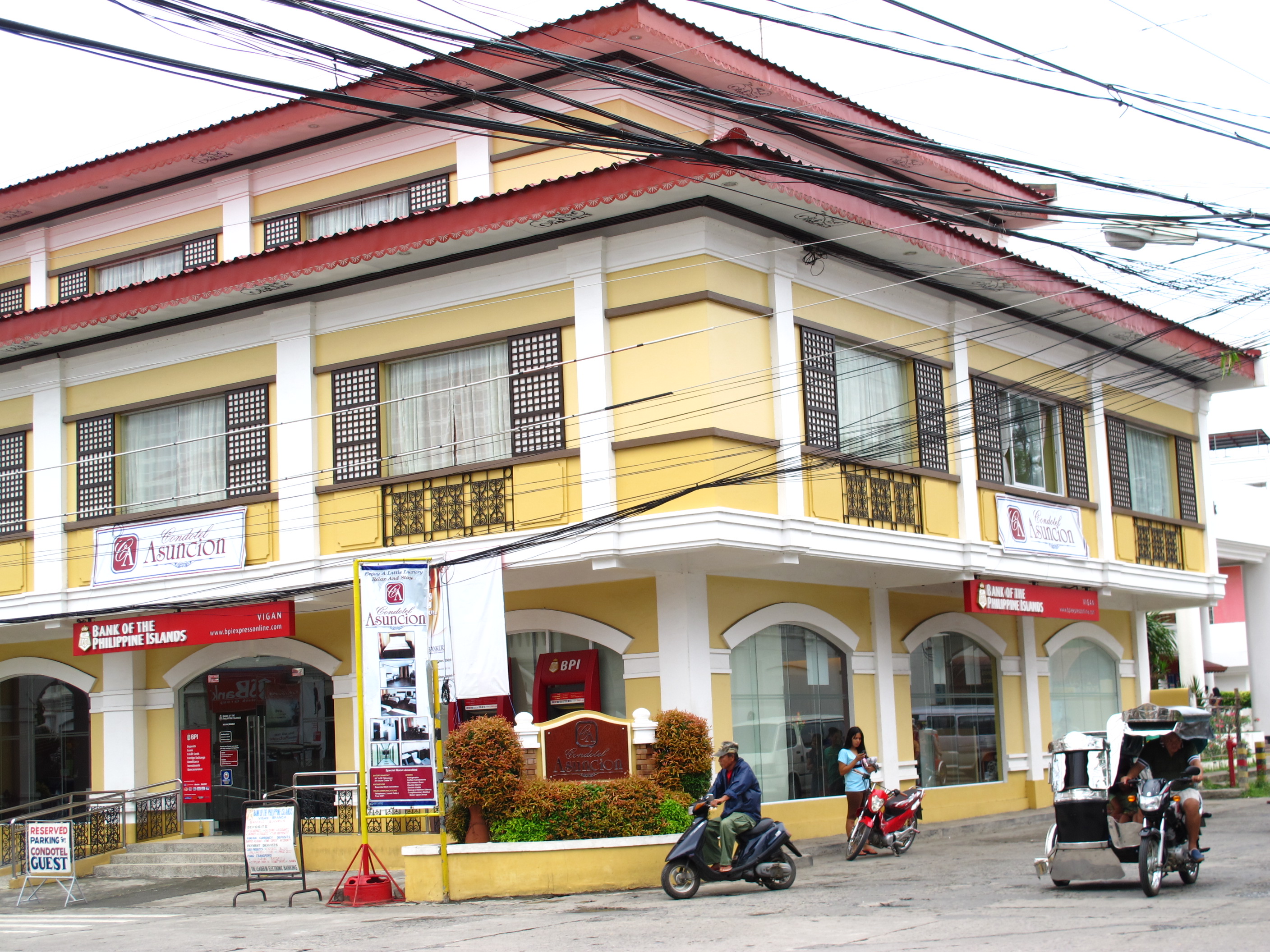
Bank of the Philippine Islands Branch in Vigan

Oldest Rizal Monument

What can be considered as the oldest in the country is a 20-foot metal structure standing at a park in Daet, Camarines Norte. Its construction reportedly began on December 30, 1898 and was finished in February 1899. In comparison, the Rizal monument at the former Luneta Park was built in 1912.

Oldest Insurance Firm

Insular Life Insurance Company was established on November 26, 1910, becoming the oldest insurance agency in the country.