Tag Archive: Myanmar


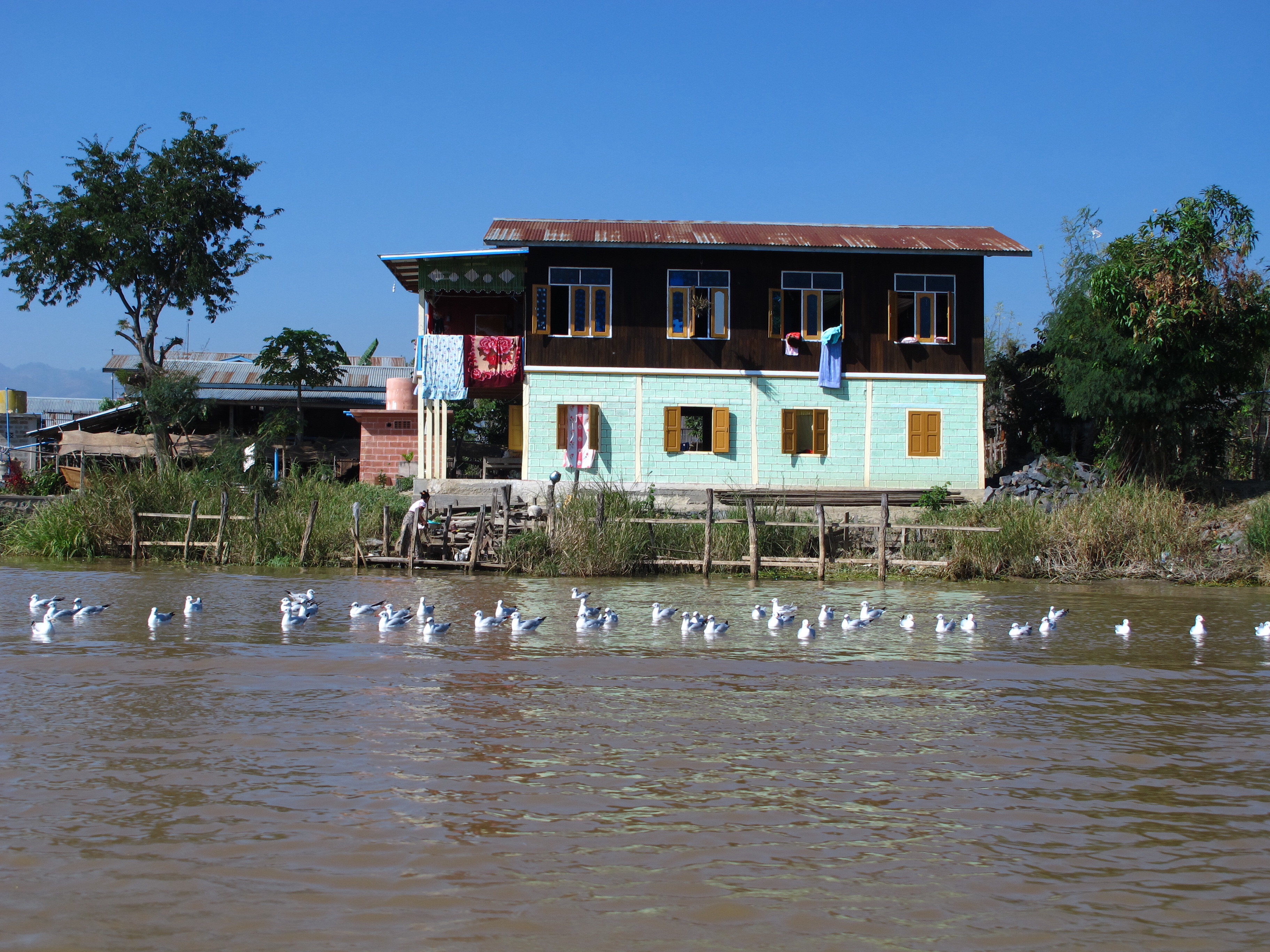
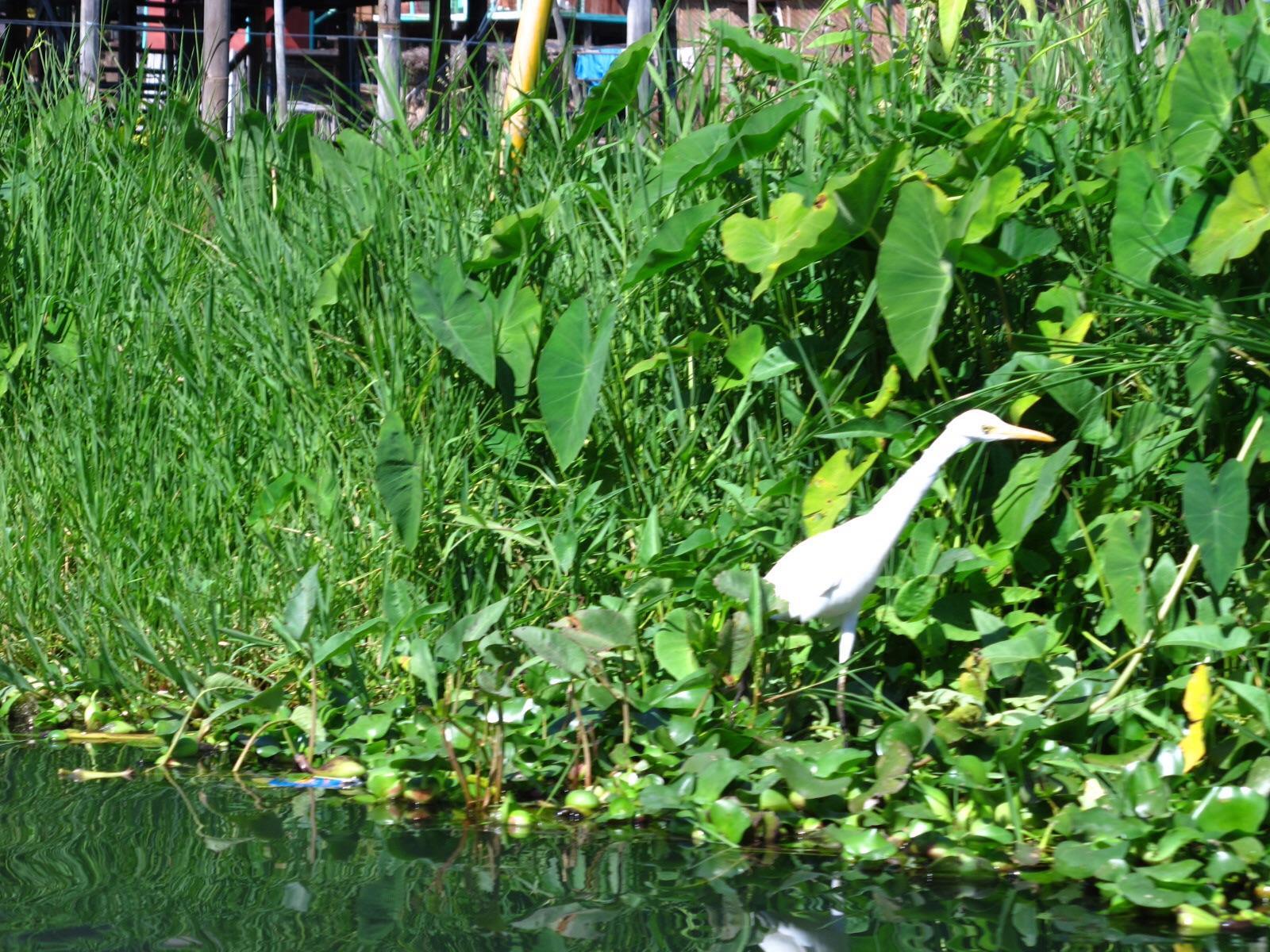
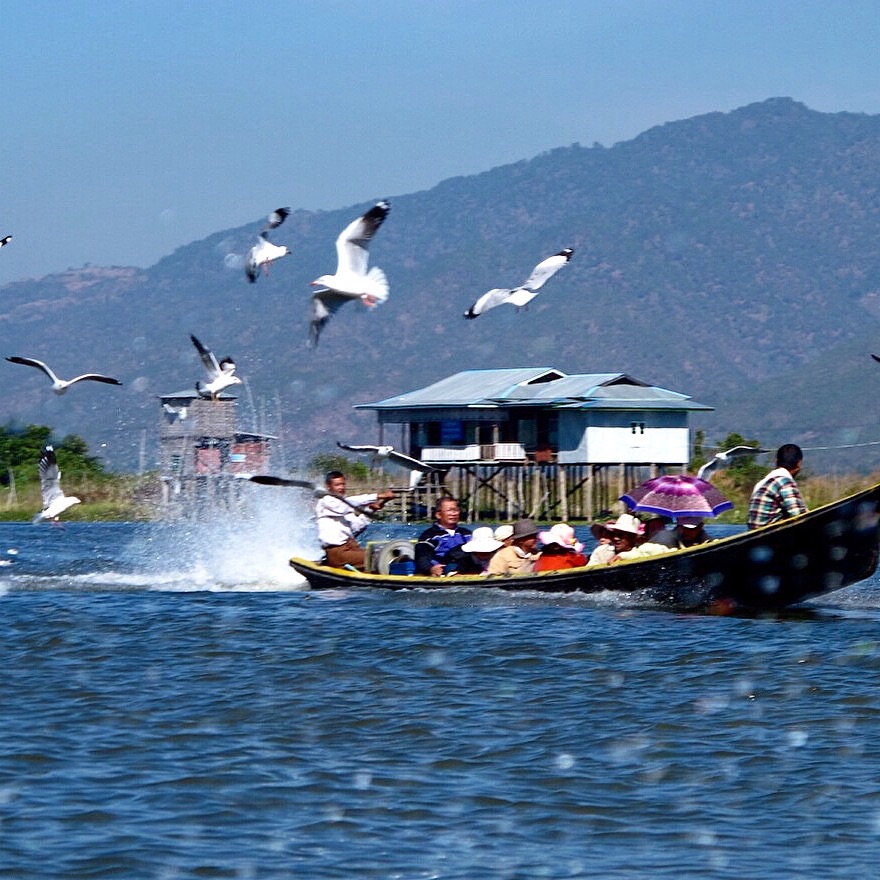
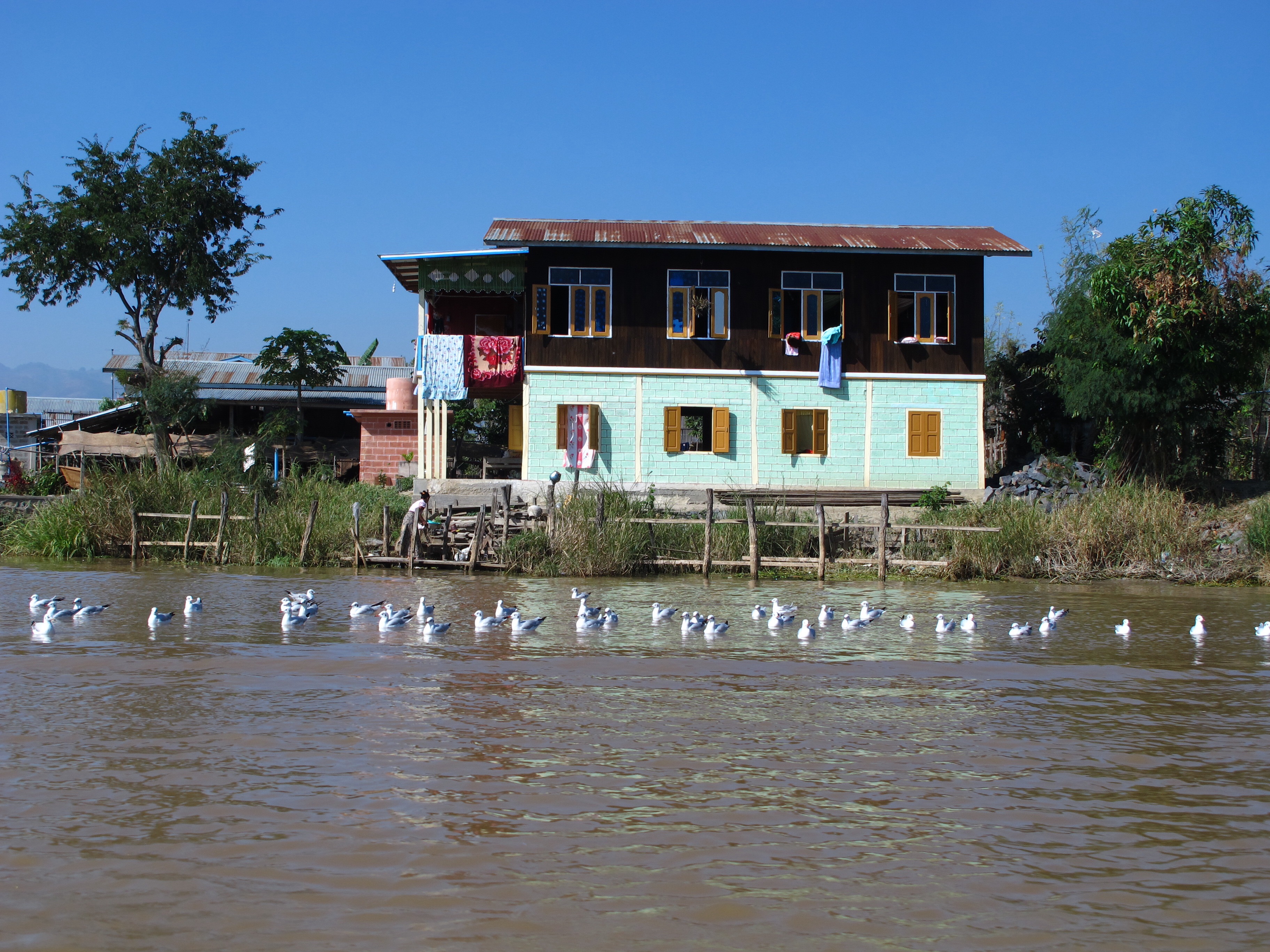
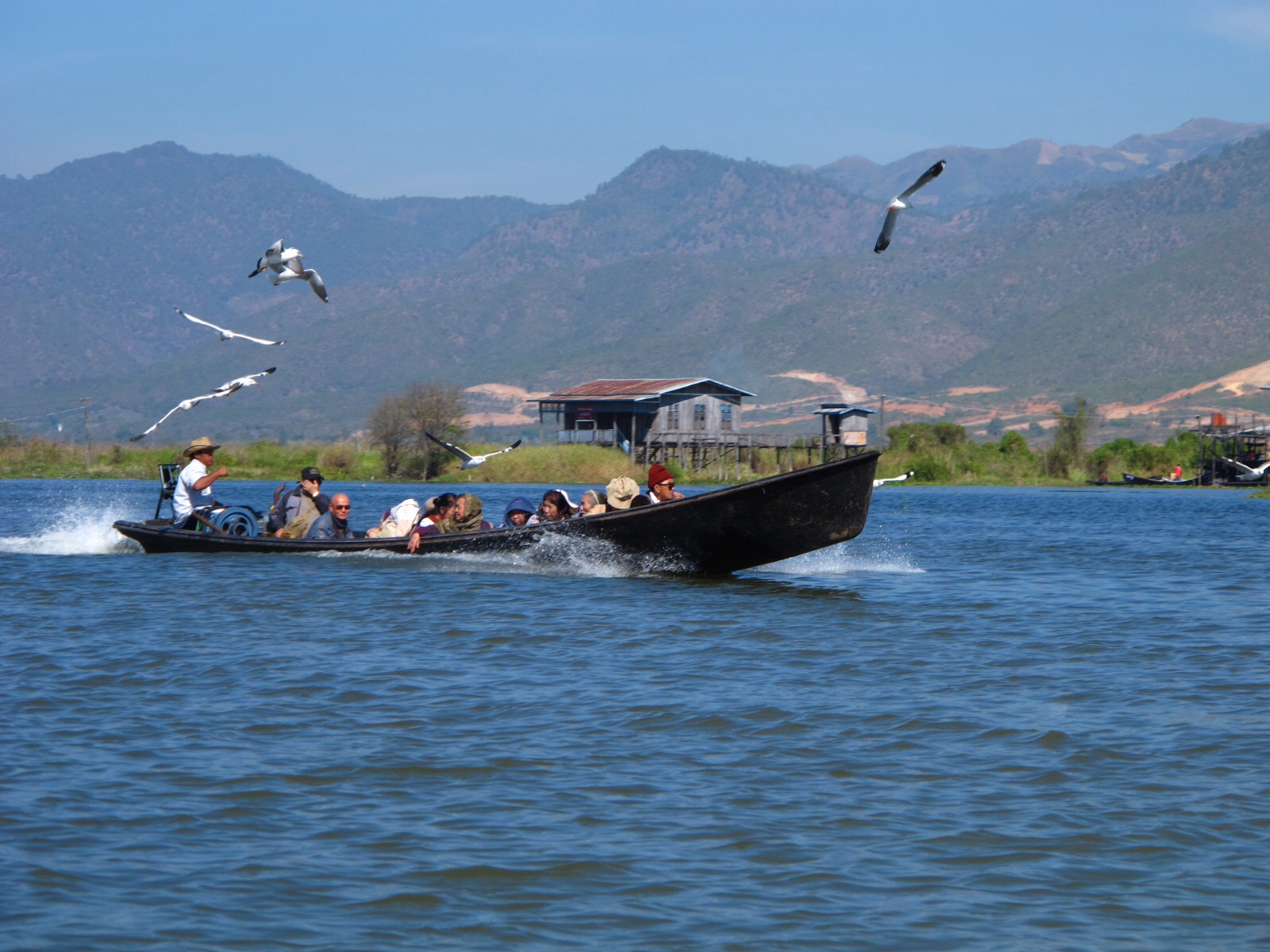
Piode! That means “I’m happy!” So are the birds and wild ducks in Lake Inle’s Bird Sanctuary. They fly and chase some passing boats and they happily stand still on fences along the banks. Water’s clean, there are flower and vegetable gardens floating atop dried weeds and fishermen with those unique nets must be their only competition for a good meal. 


image

Look at those happy birds!


image

Happy Birds? Or wild ducks taking a nap?


image

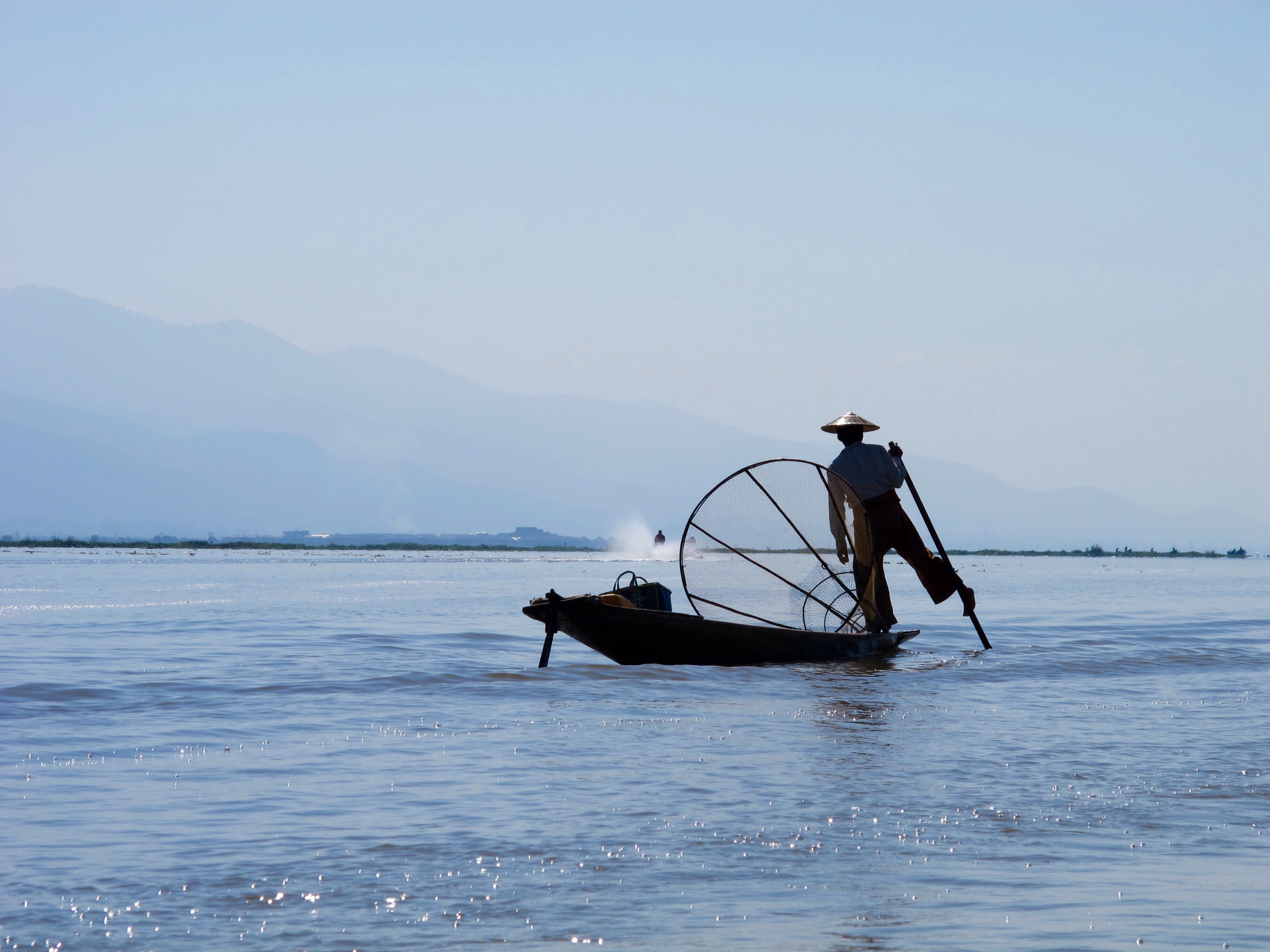
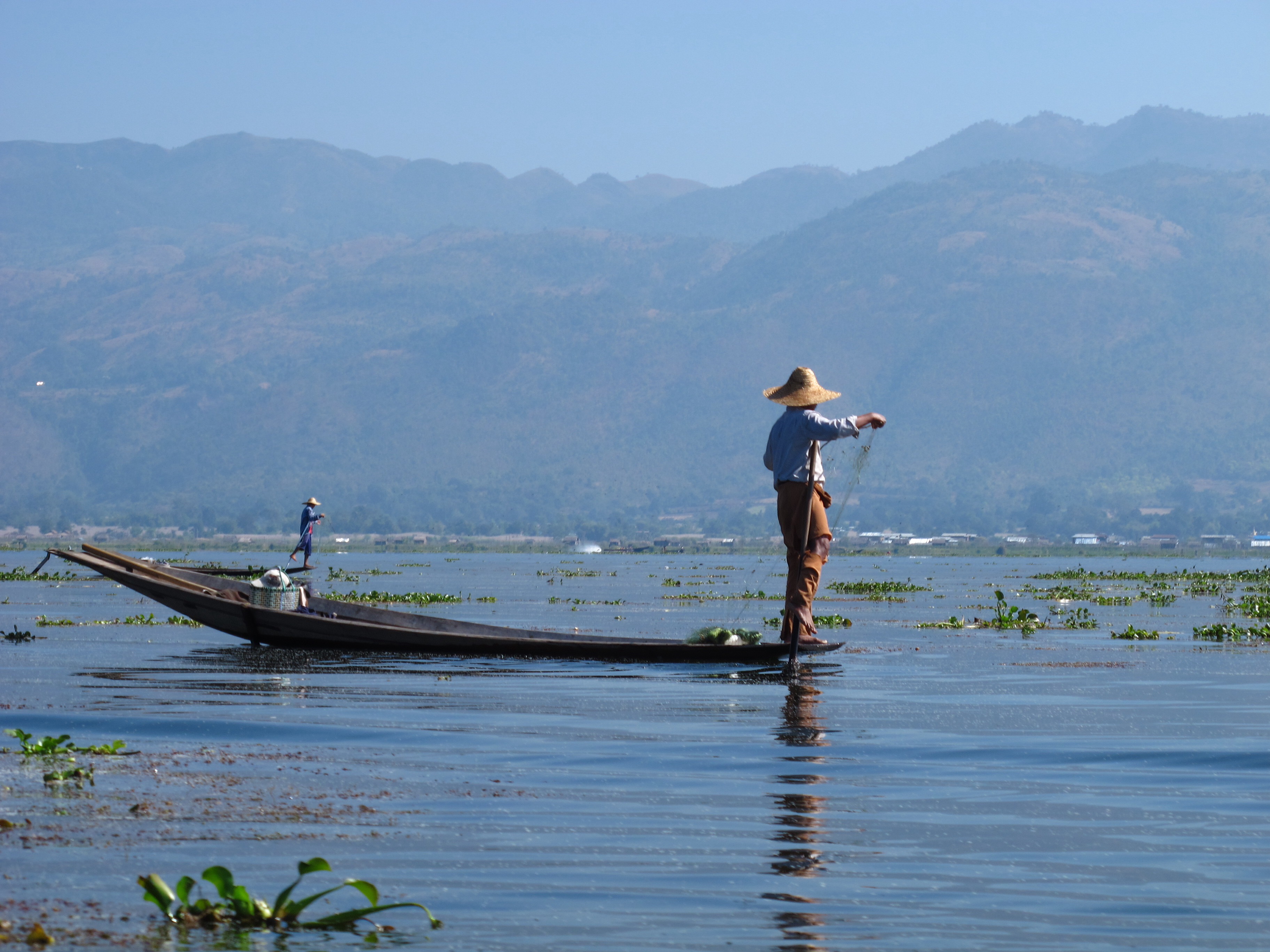
Water is so still and calm. Reflection of an Inle Fisherman.


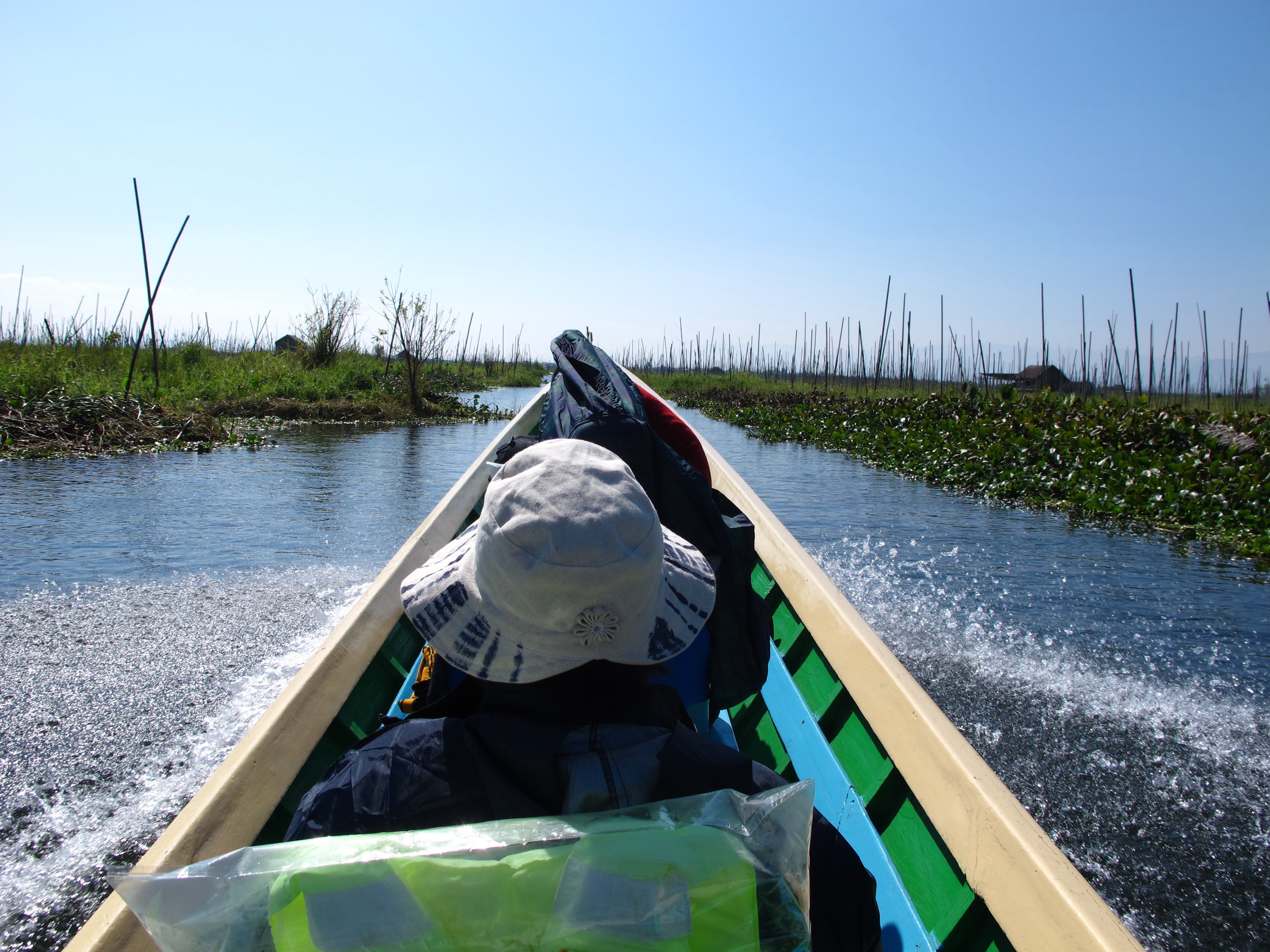
The placid waters make for a very nerve-soothing ride. No wonder these birds are kept happy. Not even the noise from the boat engines could take anything away from them. Hopefully, this bird sanctuary remains a haven for these birds.


image

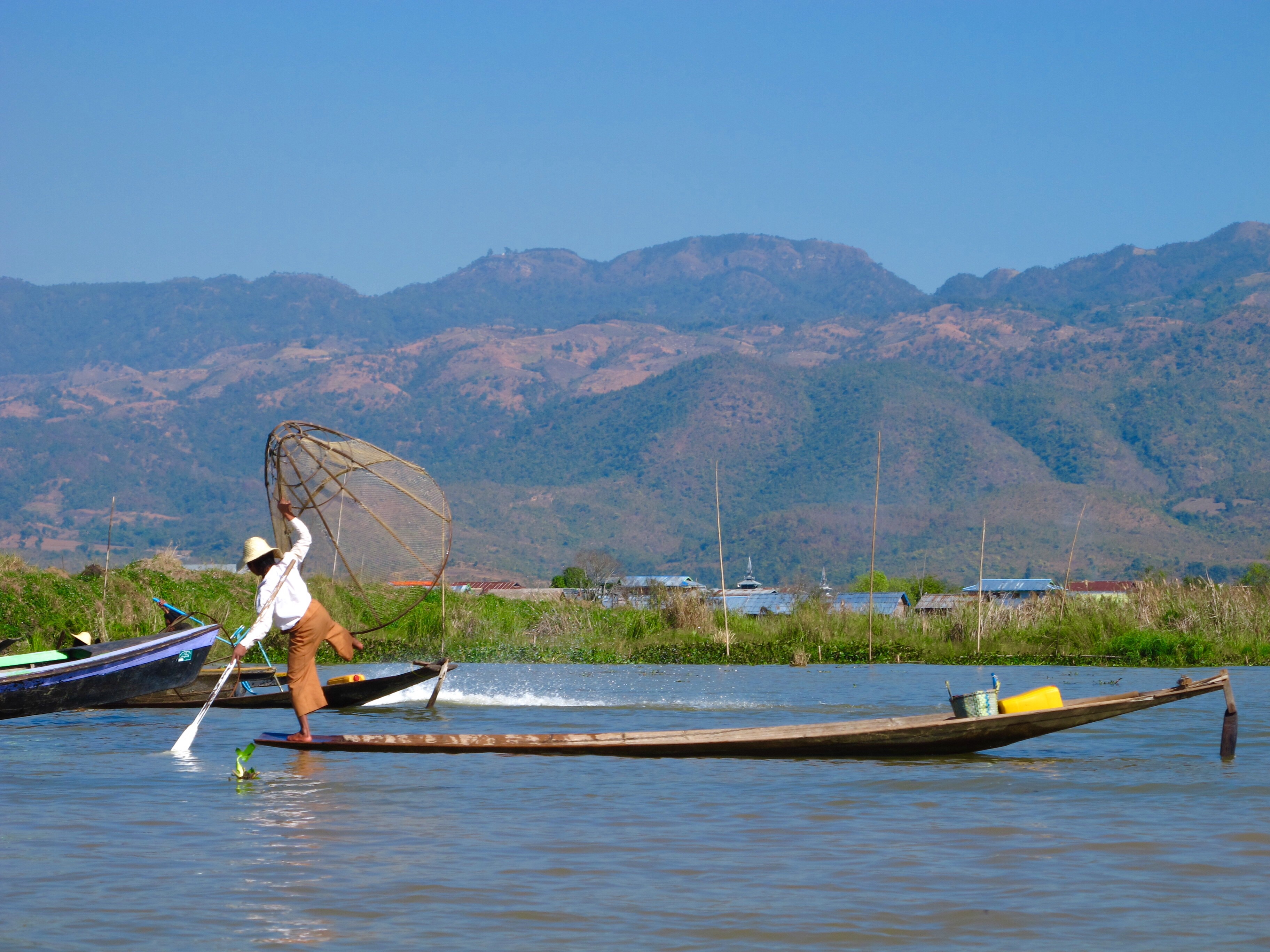
The agile fishermen of Inle — such a balancing act!


image

See them birds guarding our hotel in Lake Inle.


image

I stayed by the porch but none of them happy birds were eager for a “meet & greet”. There’s Tita Rose doing a “happy dance” 😄


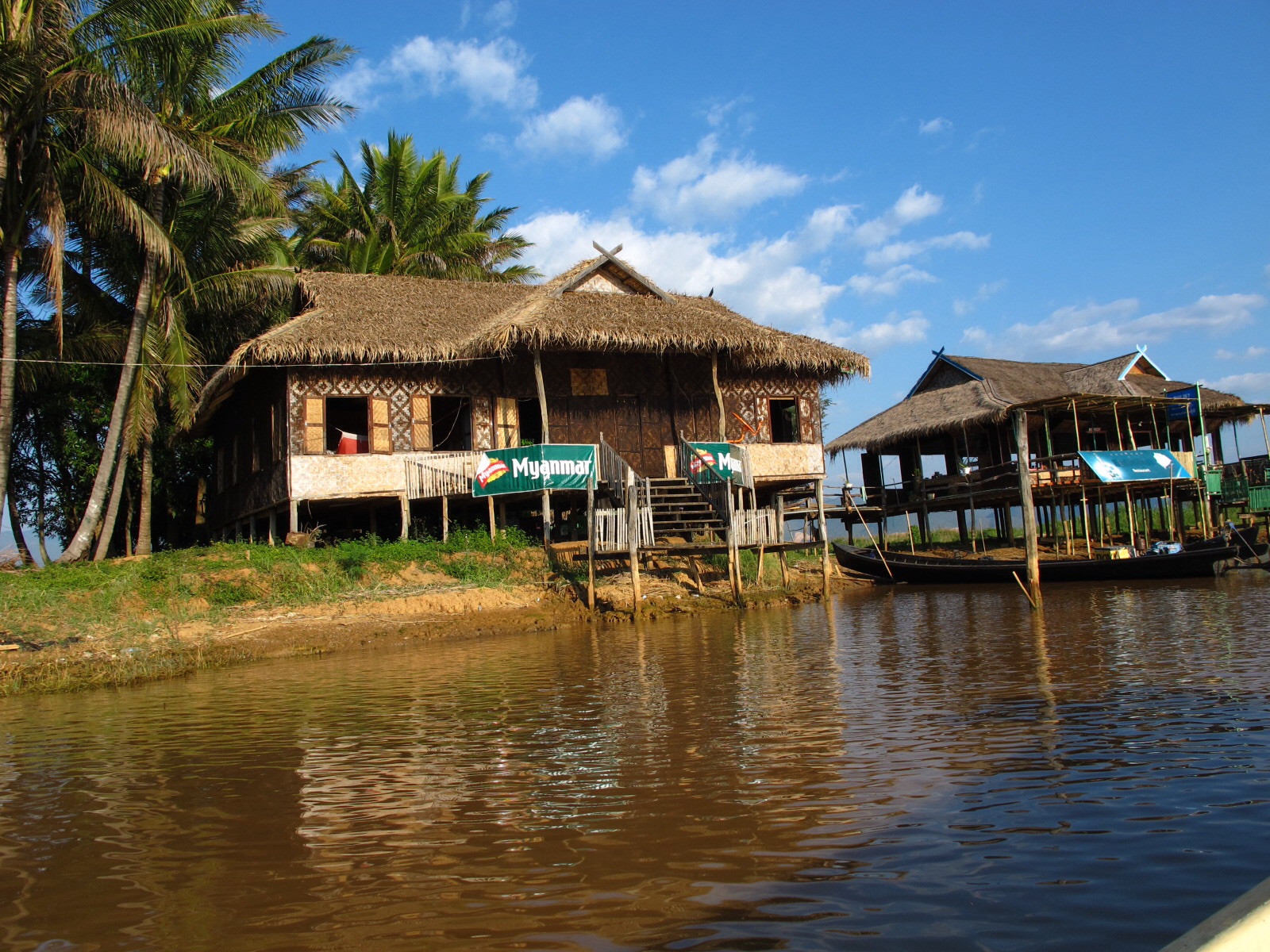
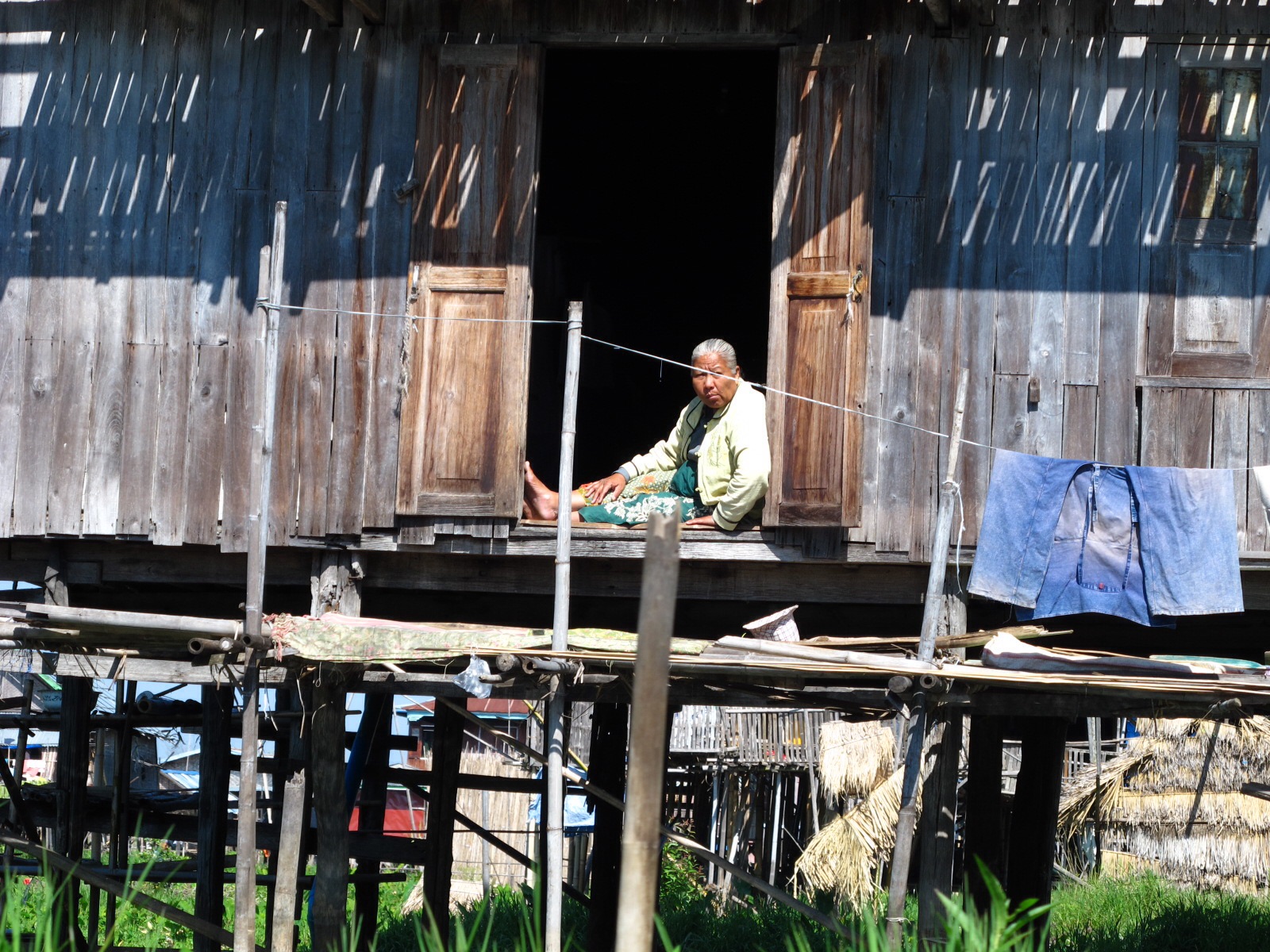
Such simple lifestyles. But for how long? We passed many huts on stilts with signboards advertising their trade. From floating bars to restos to coffee shops to beauty parlors to laundry shops to handicraft stores. Single and three-storey structures welcome tourists out for a few nights stay. Thank God I didn’t hear any blaring sounds from any of the bars.
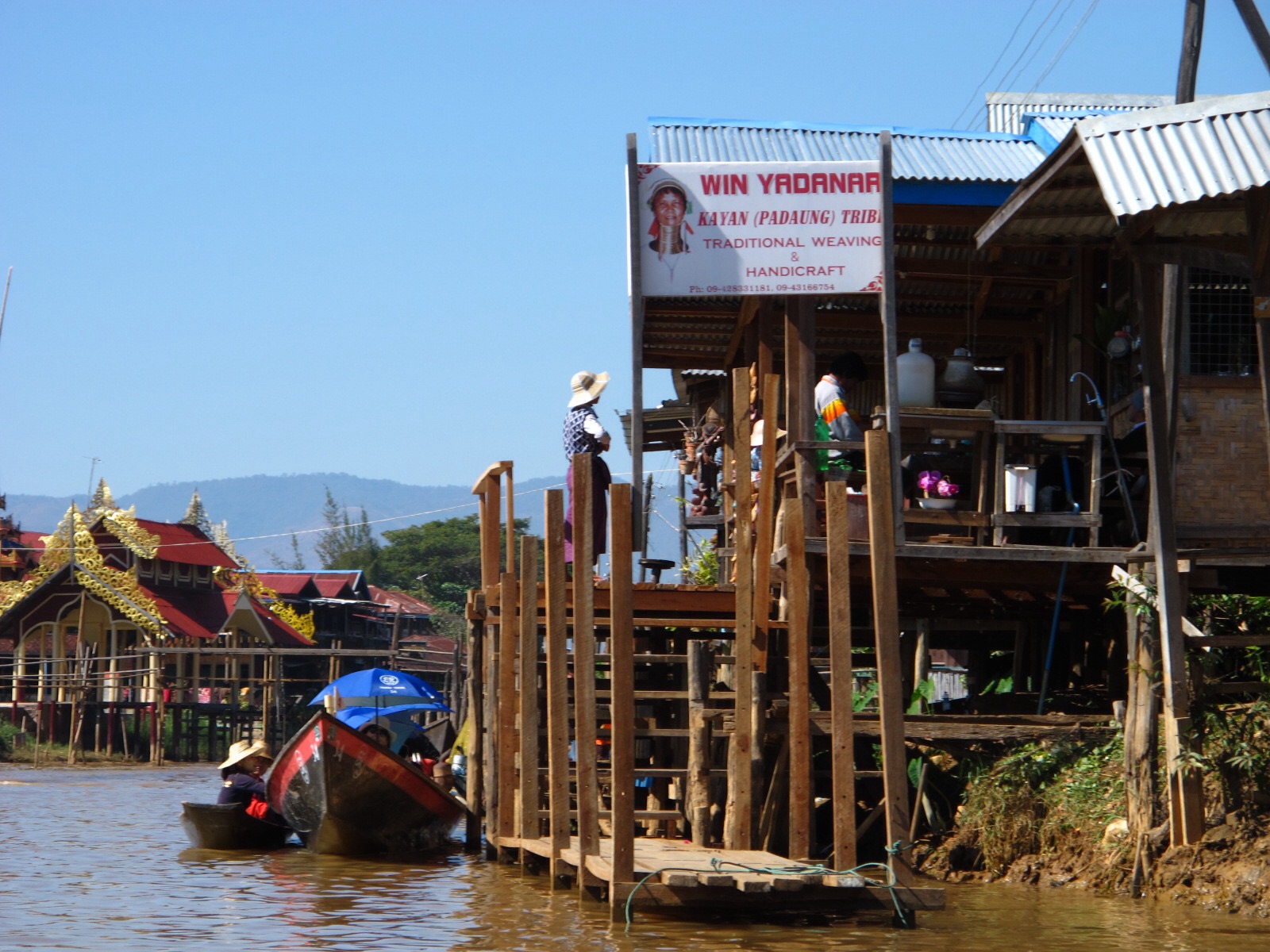


A fishing village  in Inle Lake.
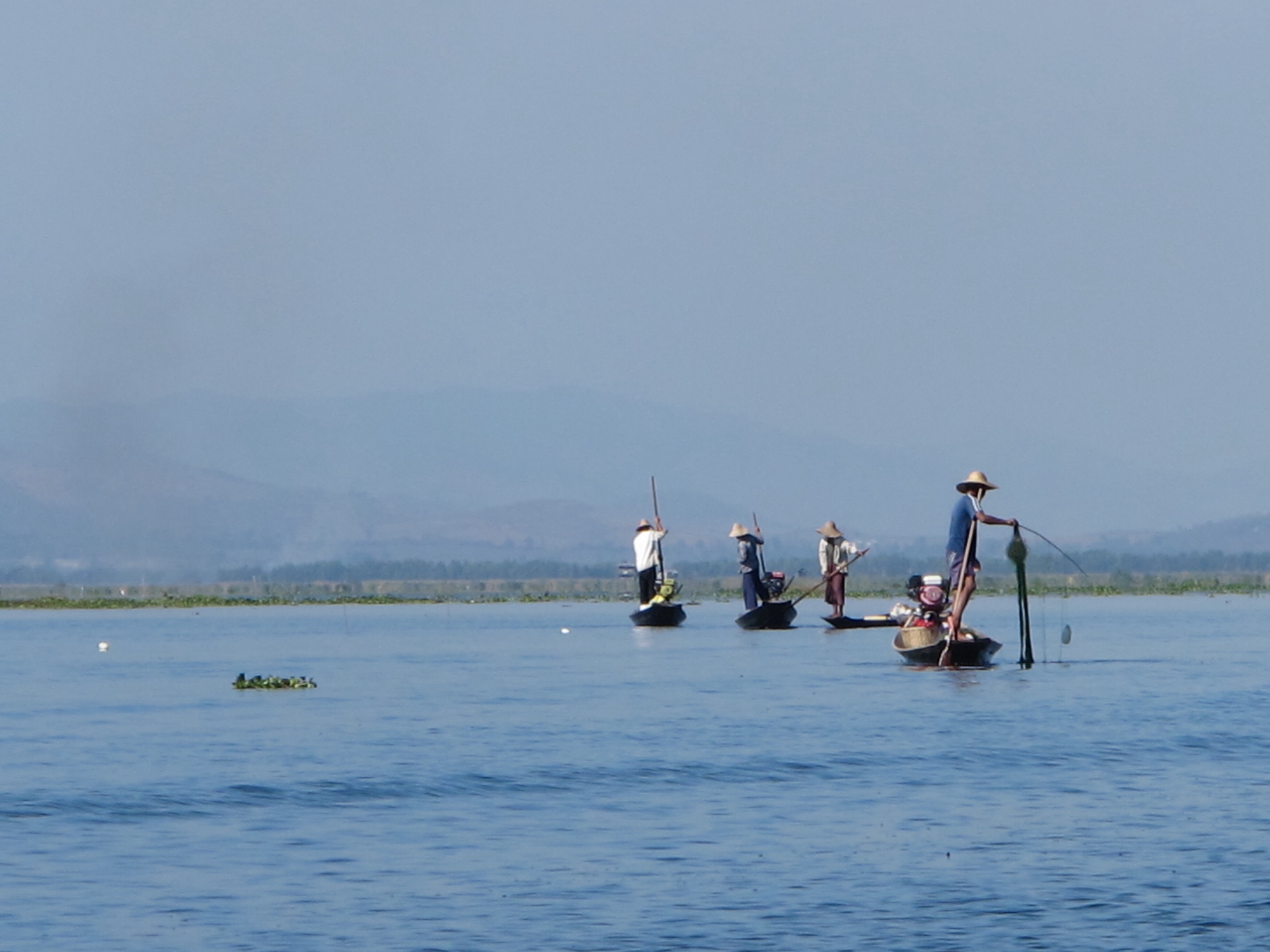
A fishing village in Inle Lake.


image

Fishermen getting ready with their unique nets.


image

This traditional way of fishing is still practiced to this day.


The villagers here have “created” their own community. No islands, but they’ve created their own floating village in waters deep enough for fish to thrive, but shallow enough to build floating gardens. I wonder how they draw the property lines here, especially for the commercial structures.
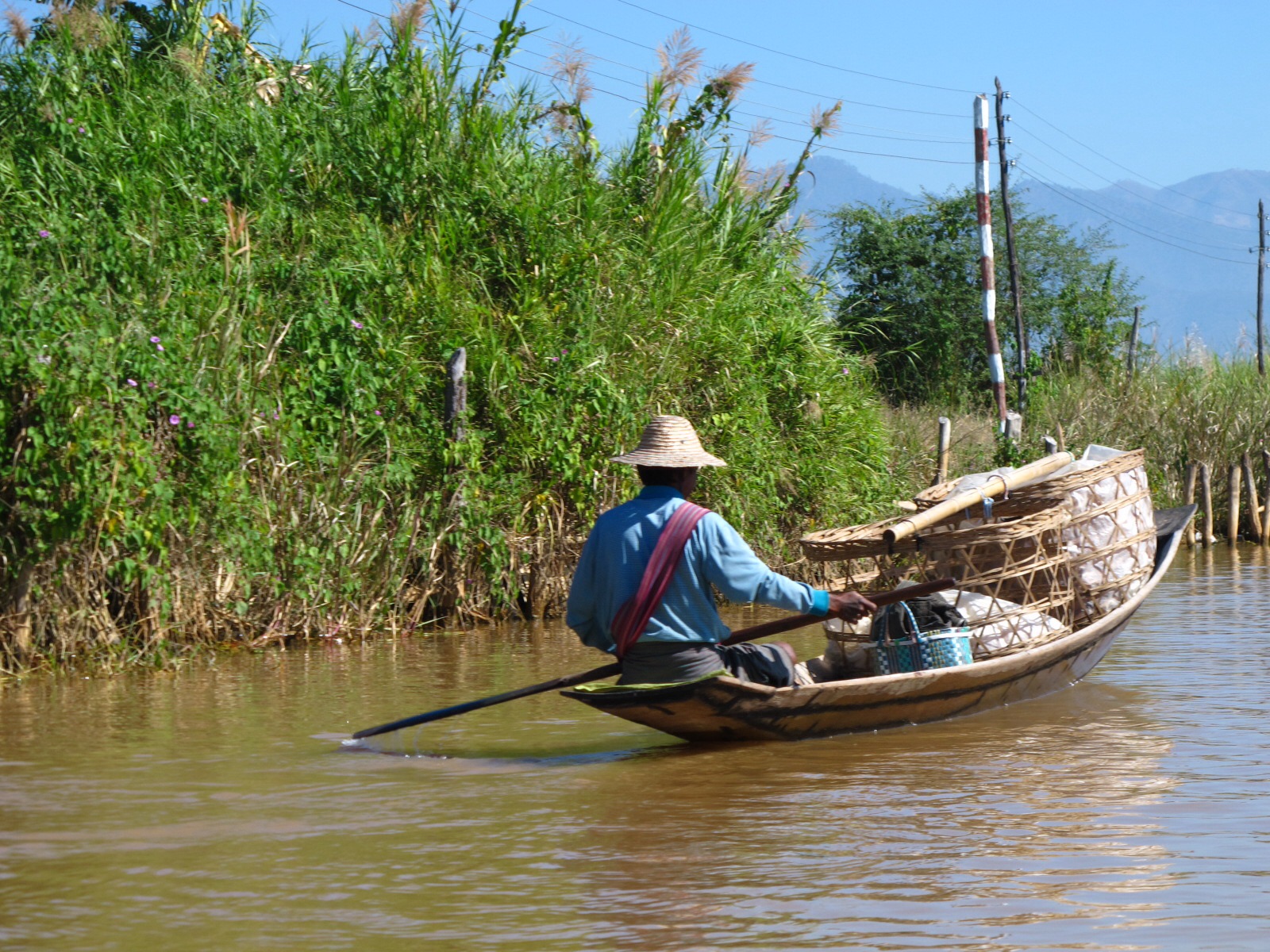


image

A typical day in the village.


image

A happy duck foraging for food in the floating gardens of Lake Inle.
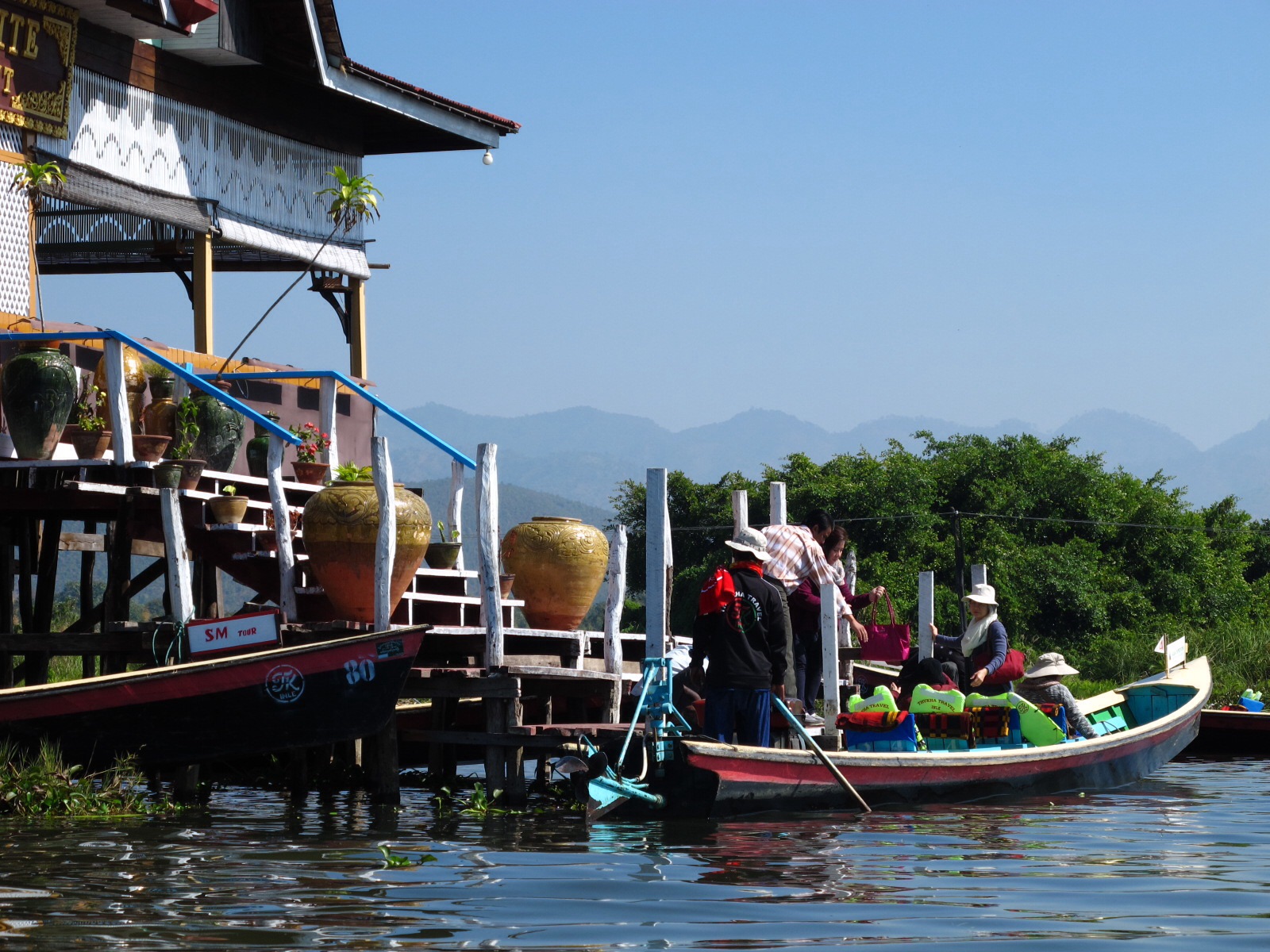


image

The floating restos have no problems keeping off those happy birds — which confirms those birds are well-fed and errrr….. happy!


The influx of tourists may result in more structures being set up, leading to overcrowding. More luxury hotels may soon sprout along the water highways. More passing boats could mean noise pollution to this now tranquil lake. I dare not imagine.


image

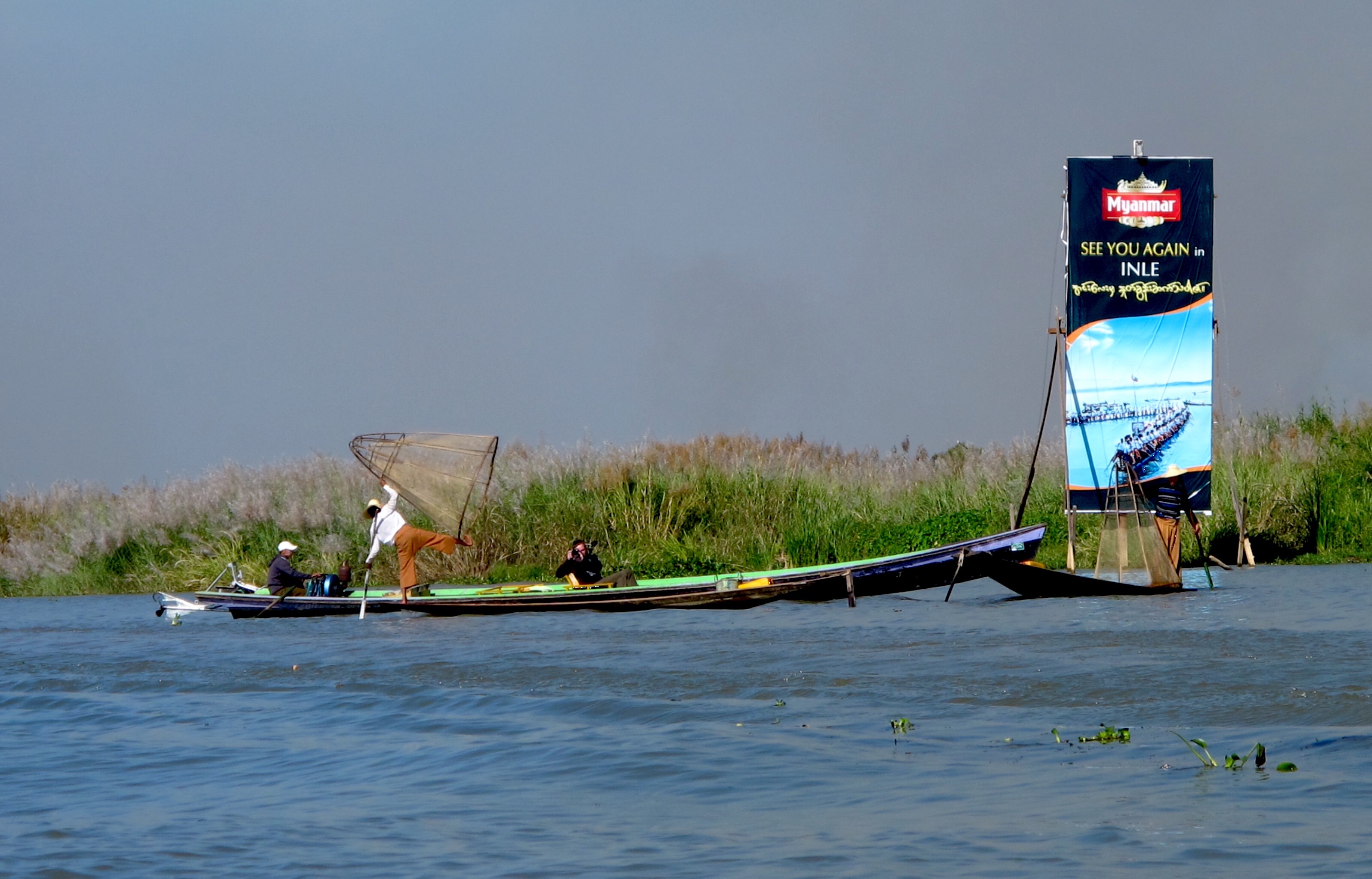
Myanmar. Not the country. But the beer.


image

This scene is forever etched in my memory!


image

All wrapped up for the ride!


image

See you again in Inle!

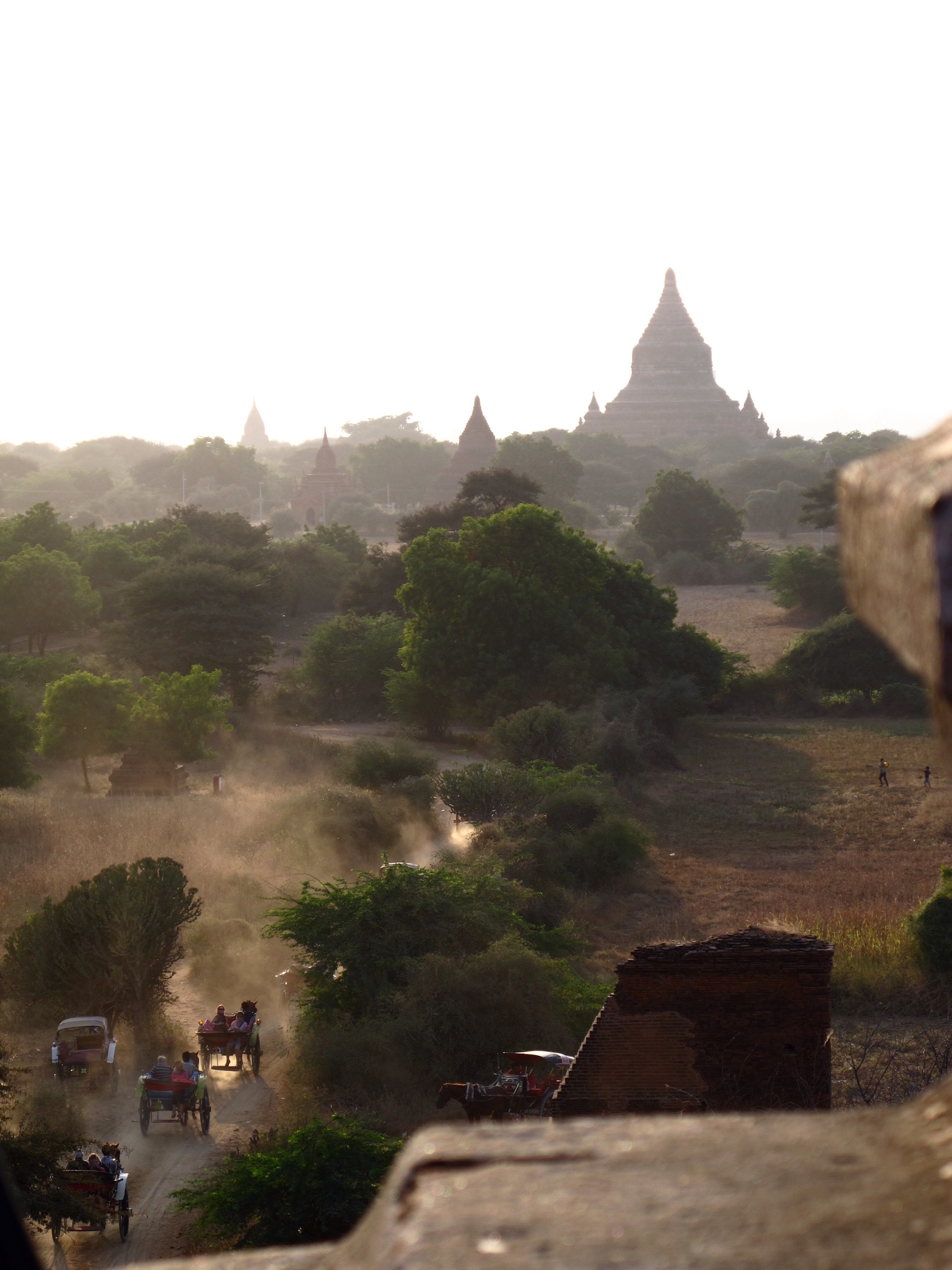
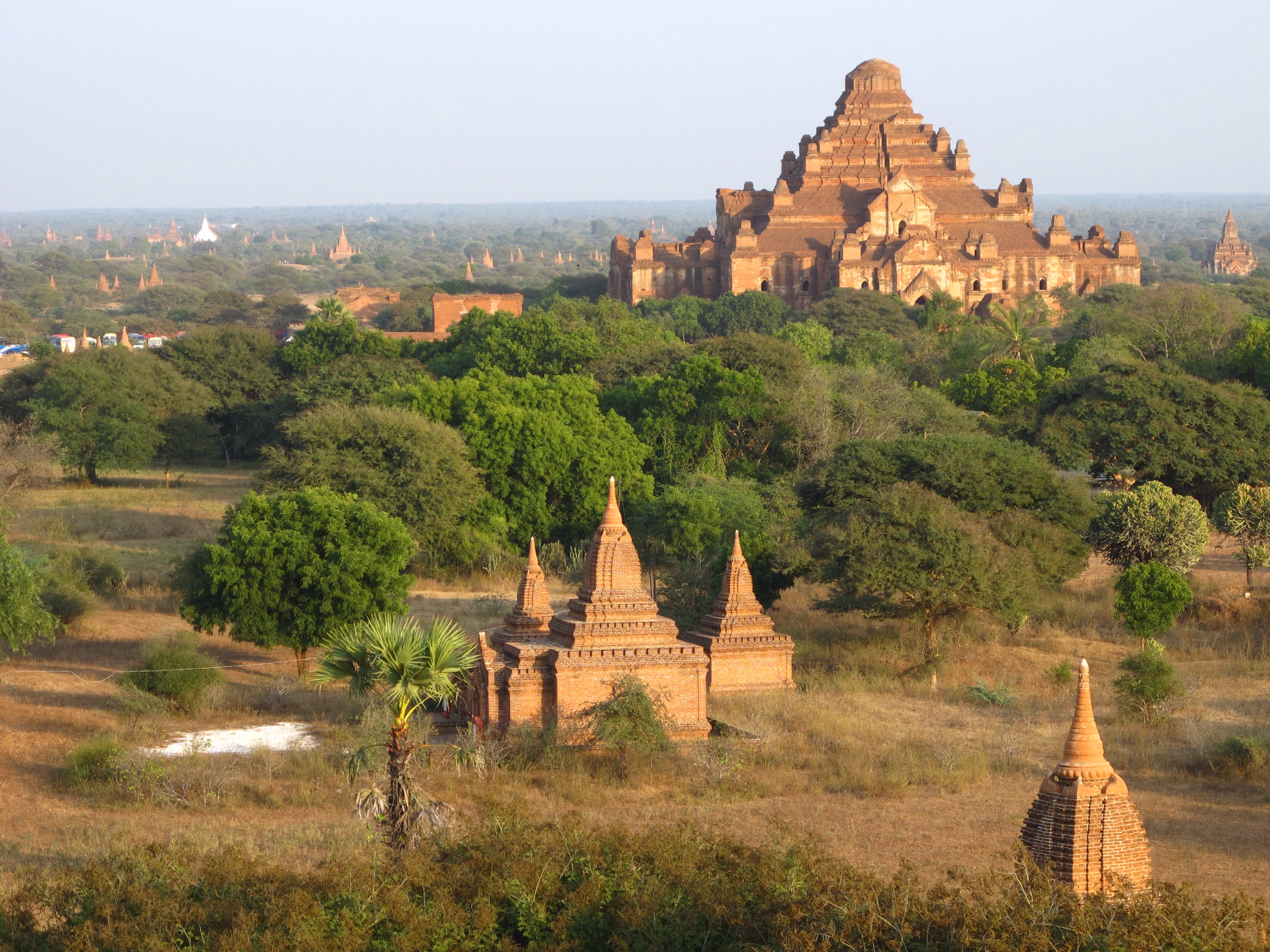
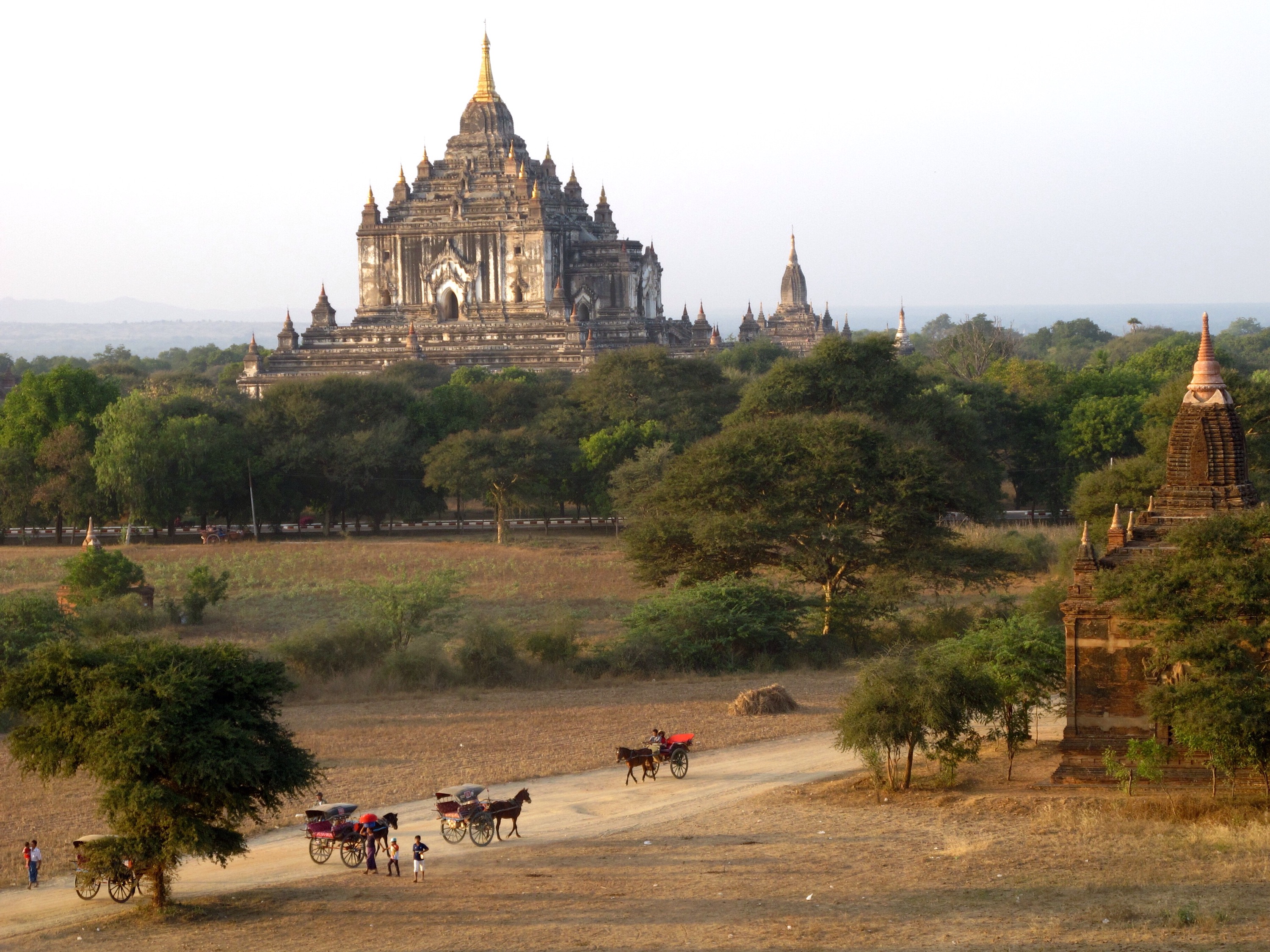
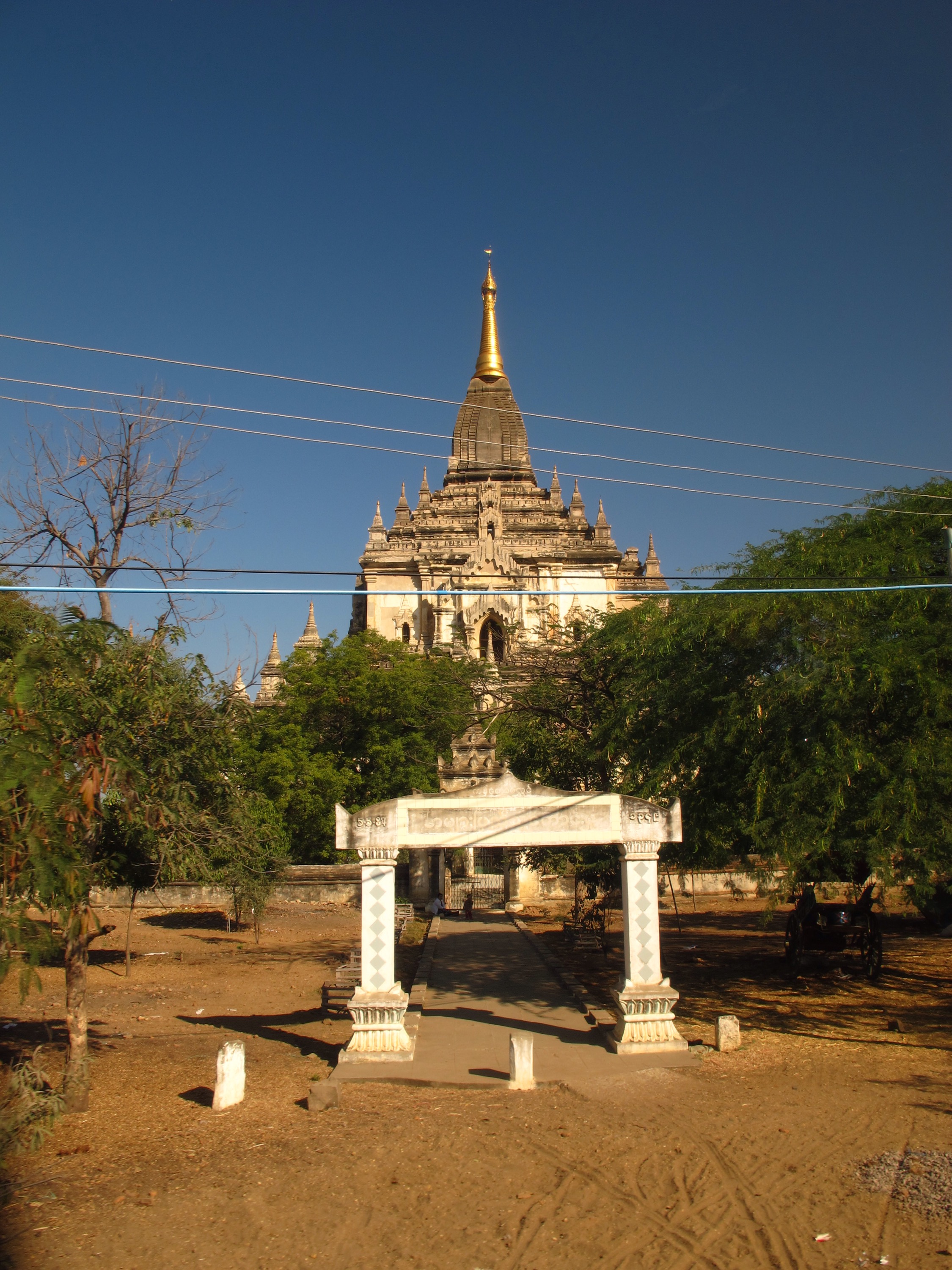
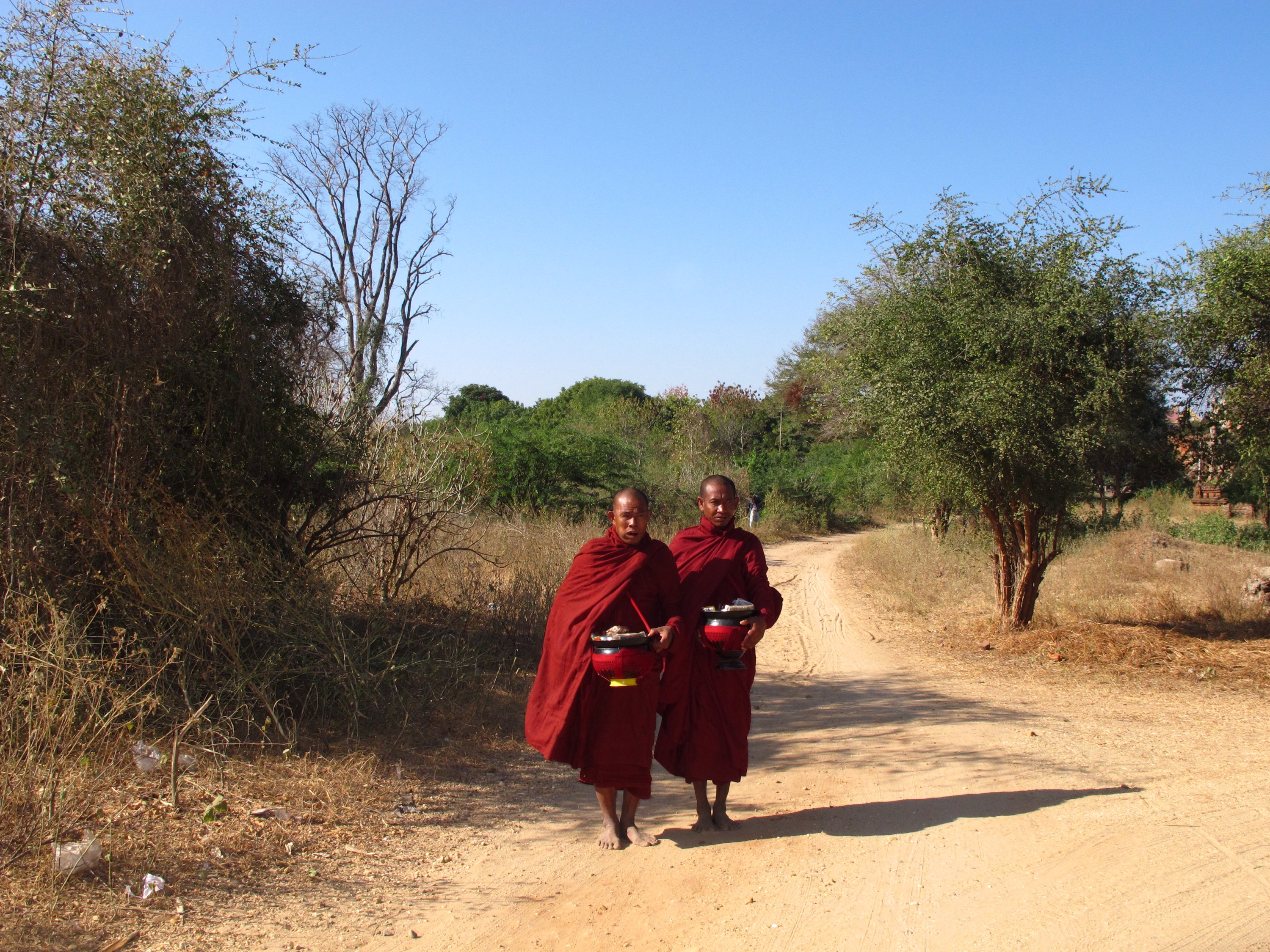
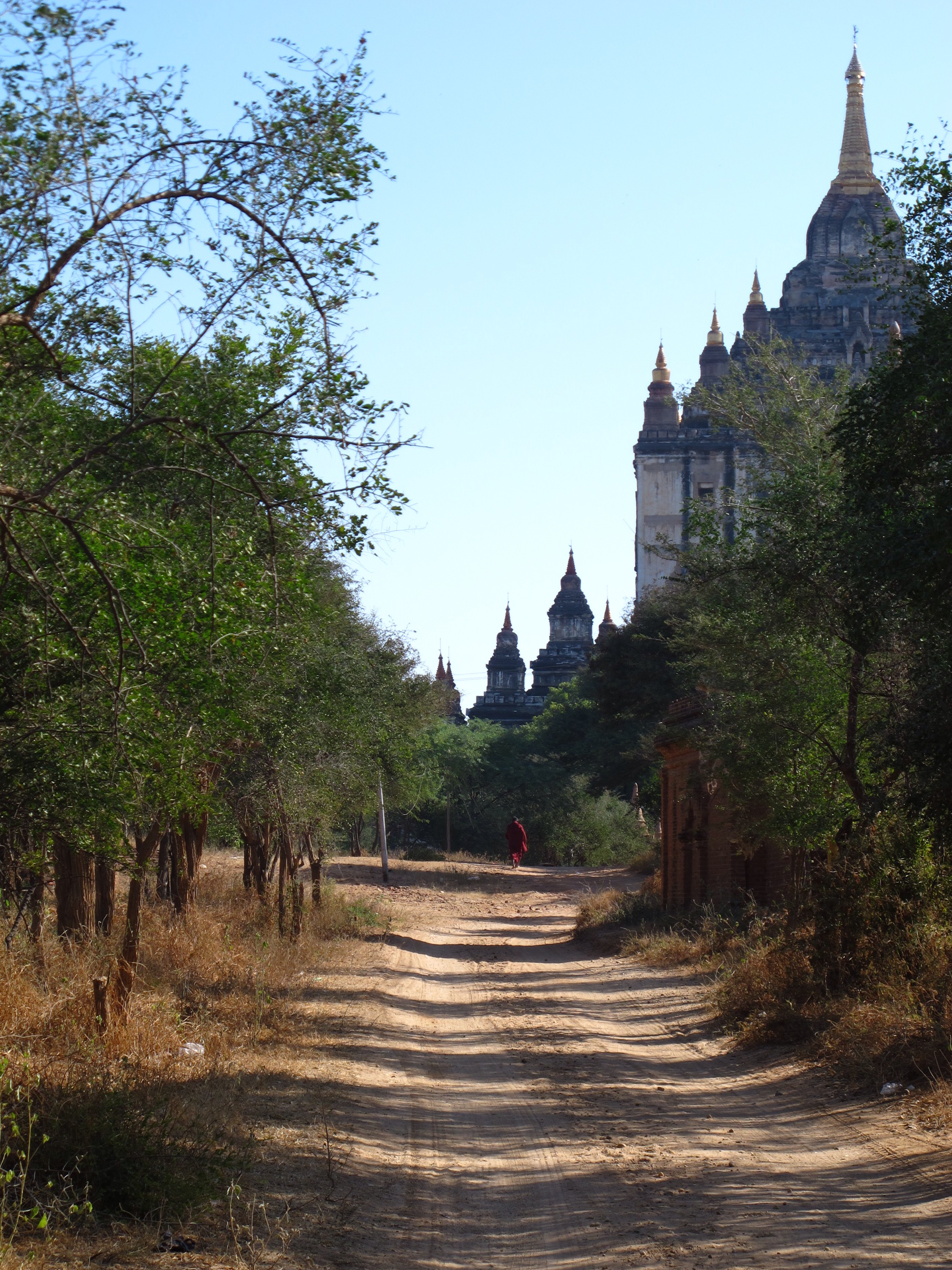
Rather unsettling seeing this raw, dusty landscape dotted with innumerable 11th to 13th-century stupas and pagodas of various heights, sizes and designs. Buddhism truly thrived and flourished in this former province of British India. The moment we spotted a cluster of about 3 or 4 ancient stupas, we wanted to jump out of the bus and snap away with our cams. My, we felt like some time machine transported us to this vast Bagan Plain where some 13,000 religious monuments once stood. Of the remaining 2,200 monuments in this 42 sq. km. earthquake zone, we can only surmise that only a few prominent ones are visited and upkept. The smaller ones seem to be cared for by local families enterprising enough to sell trinkets and artworks beside the monuments. Stupas, Temples, Pagodas, Buddhas — too many to count! Time stood still here, indeed.


2015/01/img_9587.jpg


2015/01/img_9577.jpg


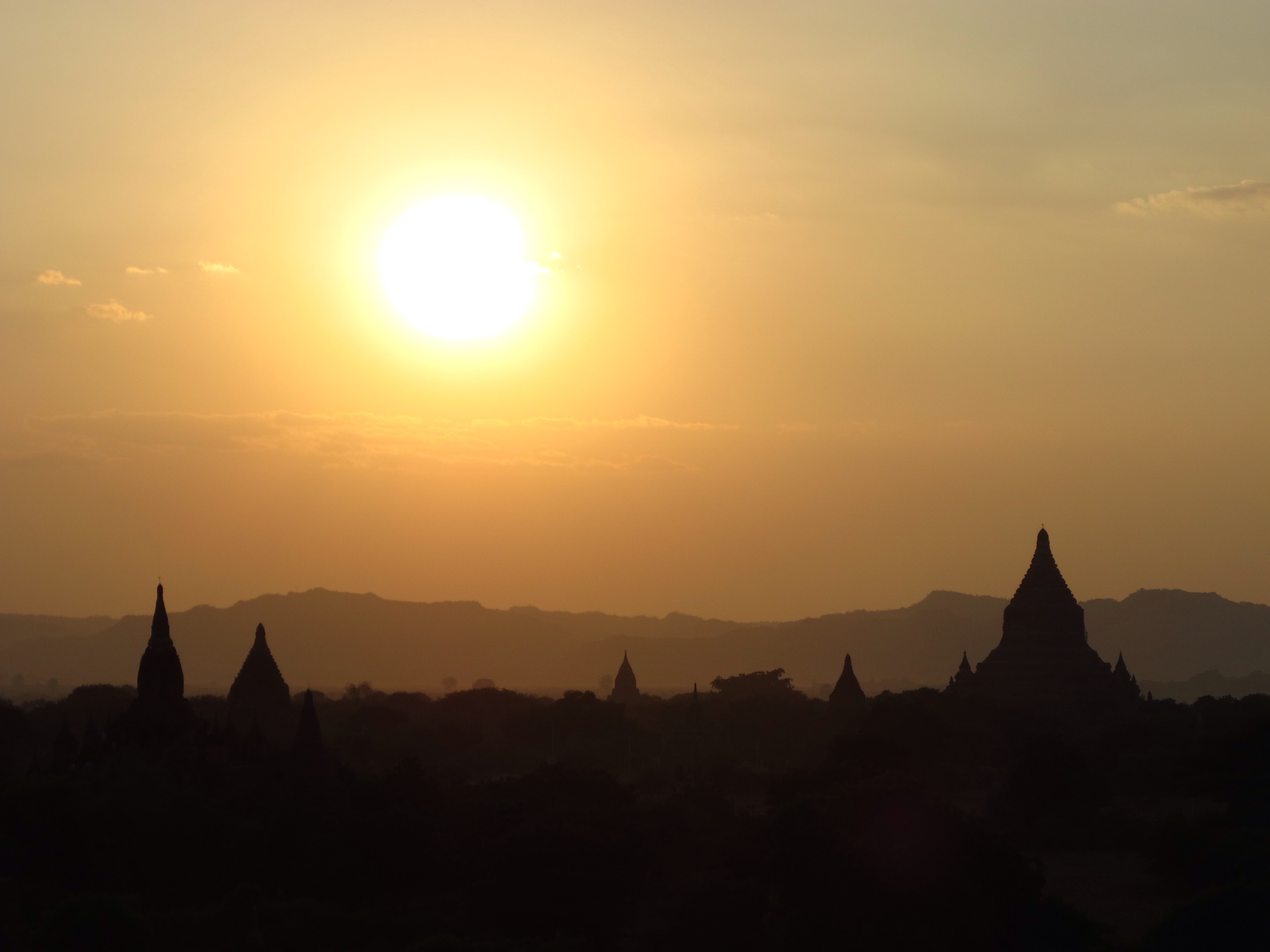
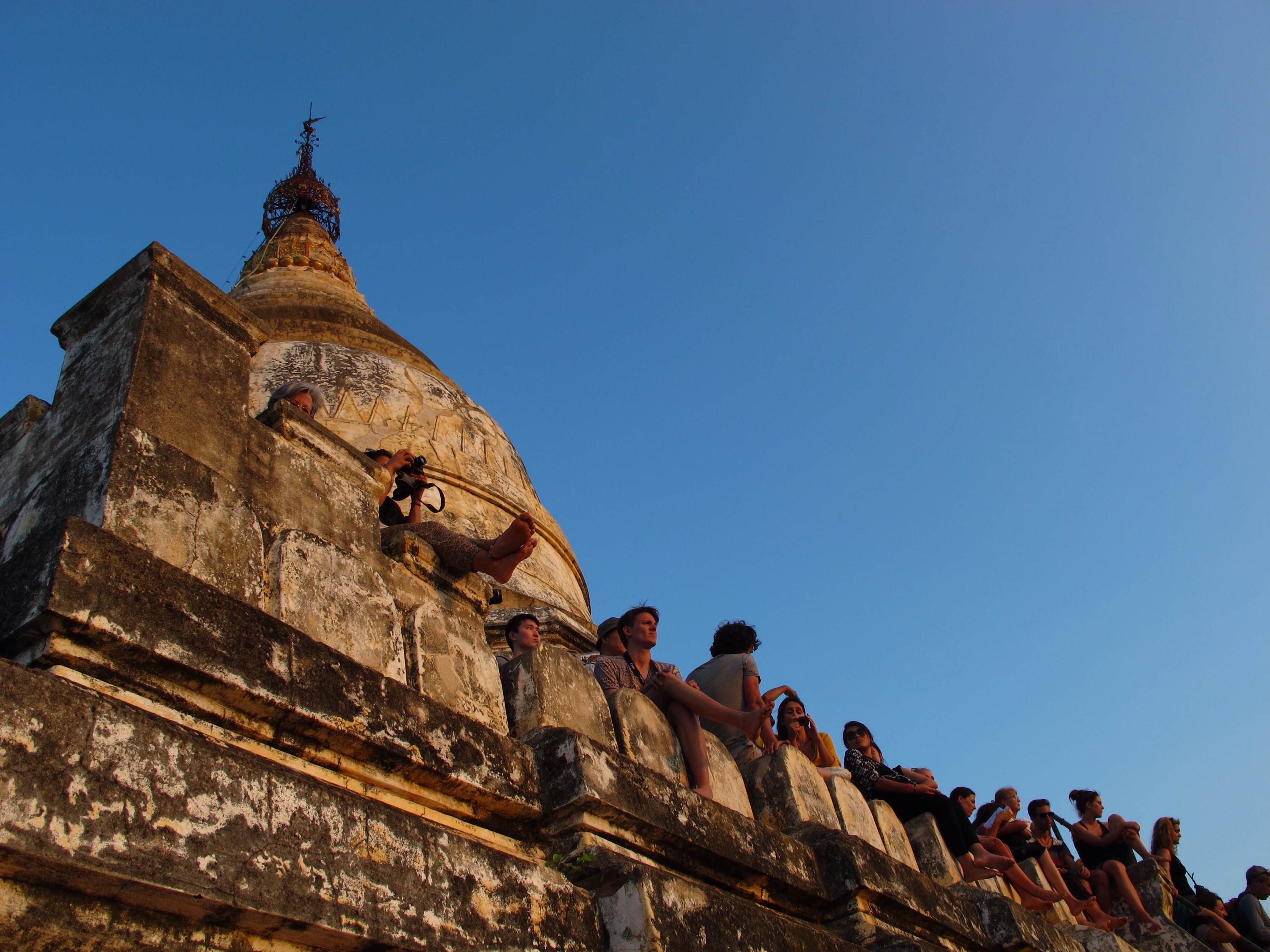
We braved and climbed the bigger 11th-century Shwe San Daw Pagoda where we waited for sunset. The Pagoda has 4 stairways on each side and we slowly and carefully scaled the steps towards each of the 4 (out of 5) terraces till we claimed a spot among some tripod-bearing photo enthusiasts. Now, I’ve waited for many sunset opps but for the life of me, I sensed that the sun took its time setting in this Burmese Plain. As we waited, a couple lit up their cigarettes and were gently reminded that they are on holy grounds. Some resistance there from the obnoxious pair, but seeing how many others were giving them killer stares, they relented. Back to the setting sun, I waited and snapped like the rest. Then, I happily stored my cam and simply watched the beautiful spectacle. When all’s over, I sneaked a peek into one of the serious photographers’ shots and felt how inferior and amateurish my photos were. But who cares? Sunset in Bagan is deeply etched in my memory, along with the sentimentality of a first-time visitor of this awesome landscape.


2015/01/img_9594.jpg


2015/01/img_9598.jpg


Shwe San Daw Pagoda may not be the best monument for a sunset view, but judging by the number of pilgrims, tourists and shutterbugs littering the place, it must be among the best viewpoints. Lost in the frenzy of taking the best sunset shot is how this pagoda supposedly enshrines a Buddha hair relic. In fact, Shwe means “gold” and San Daw means hair. Just as lost are the terracotta plaques which once adorned the terraces of this magnificent pagoda. Like some other temples we’ve passed or visited, heavy-handed “restoration” nearly obliterated what used to be ancient architecture. A pity. But it happens everywhere in Third World countries with hardly any resources to preserve their links and expressions of ancient art and history.


2015/01/img_9600.jpg


2015/01/img_6341.jpg


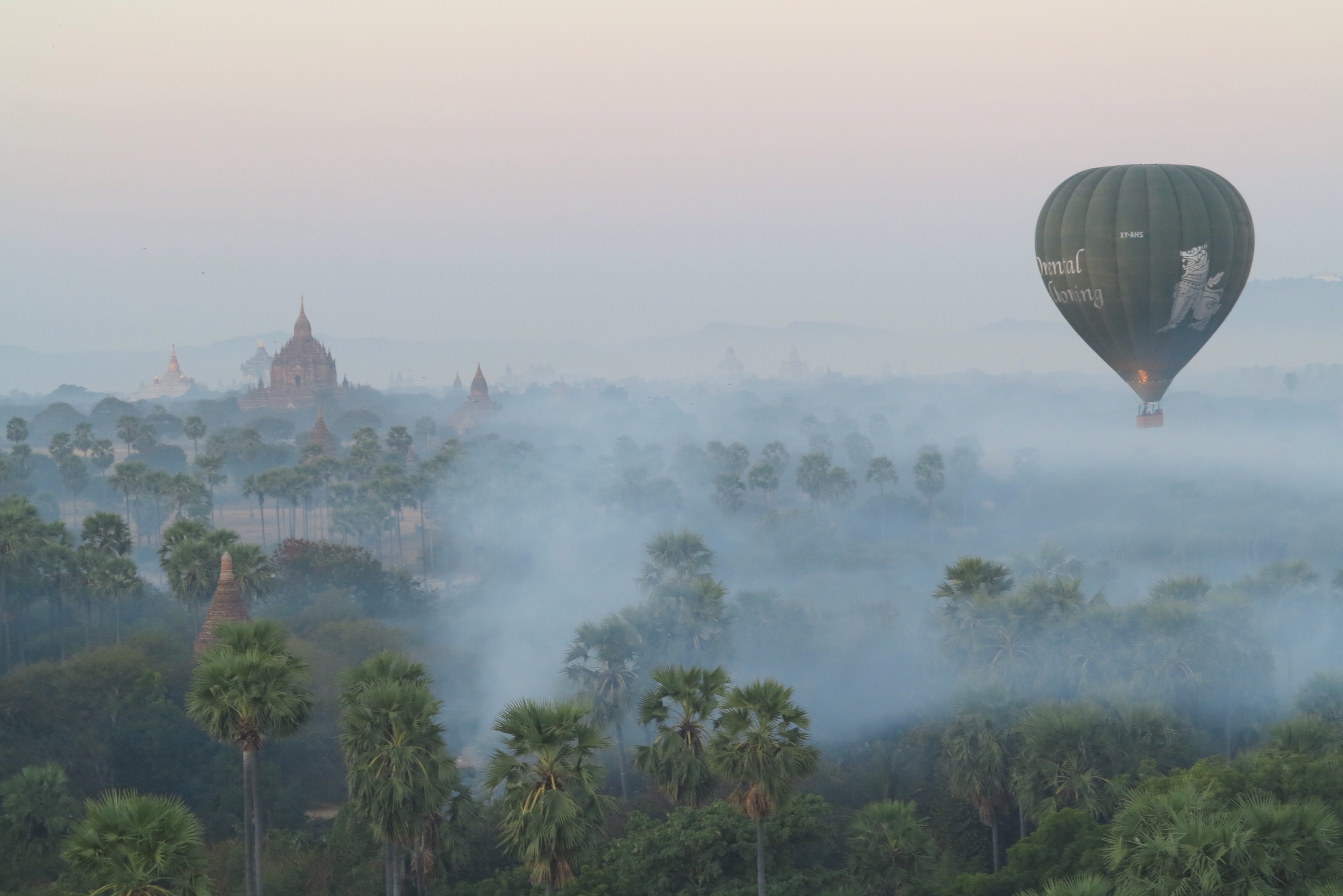
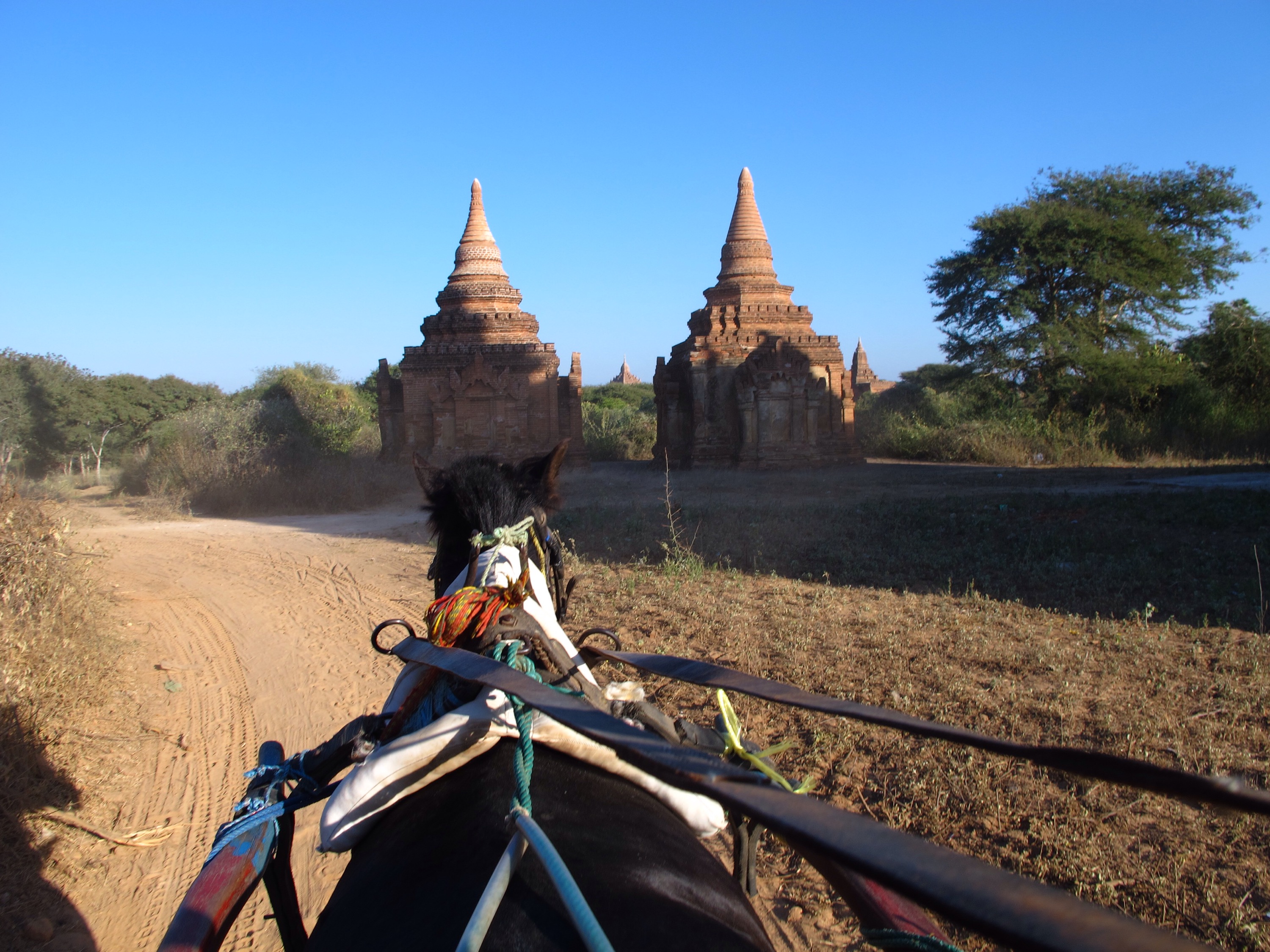
The early morning hot air balloon ride over this Plain must be a thrilling experience especially for first-time balloon riders. I borrowed and posted a photo here from someone (Thanks, Fe) who used a simple phone cam to capture the foggy scene. At ground level, there’s a choice between the horse cart and the oxcart. Either way, eat the dust, baby! I knew it even before I took the ride. As soon as I was handed a “surgeon’s mask” I prepped myself for a dusty hour. I would have wanted to ask someone to put some local sunscreen on my cheeks (called “thanaka”) but there was no chance. Thanaka is what you find on locals’s faces — you know, those whitish blotches on their faces which serve as sunscreen and cooling lotion.


2015/01/img_0150.jpg


2015/01/img_9771.jpg


2015/01/img_9279.jpg


I had high expectations before coming here. Have not read much of its history, but viewed enough documentaries and NatGeo photos. Still, Bagan did not disappoint. I do not know of any other place like it. I can only imagine how prosperous Bagan was in the middle century to spark this frenzy of building imposing structures. As I mentioned, too many to count. Too many to care for. I won’t be surprised if some backpackers try to camp out in any one of the unguarded monuments on a humid summer night. Oh Bagan. You’re a dream. Lara Croft should get here and do a movie sequel!


2015/01/img_9670.jpg


2015/01/img_9676.jpg


2015/01/img_9678.jpg


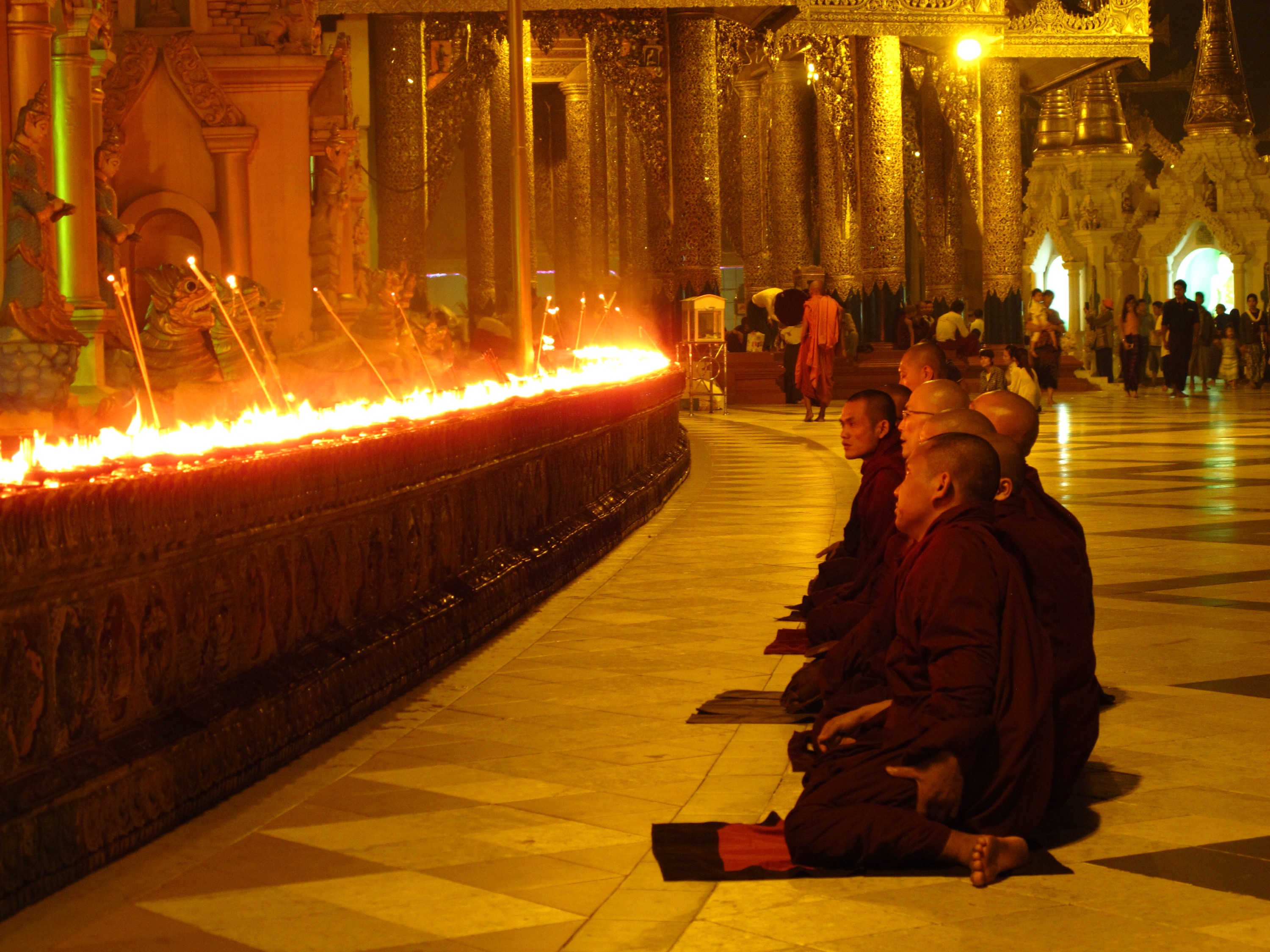
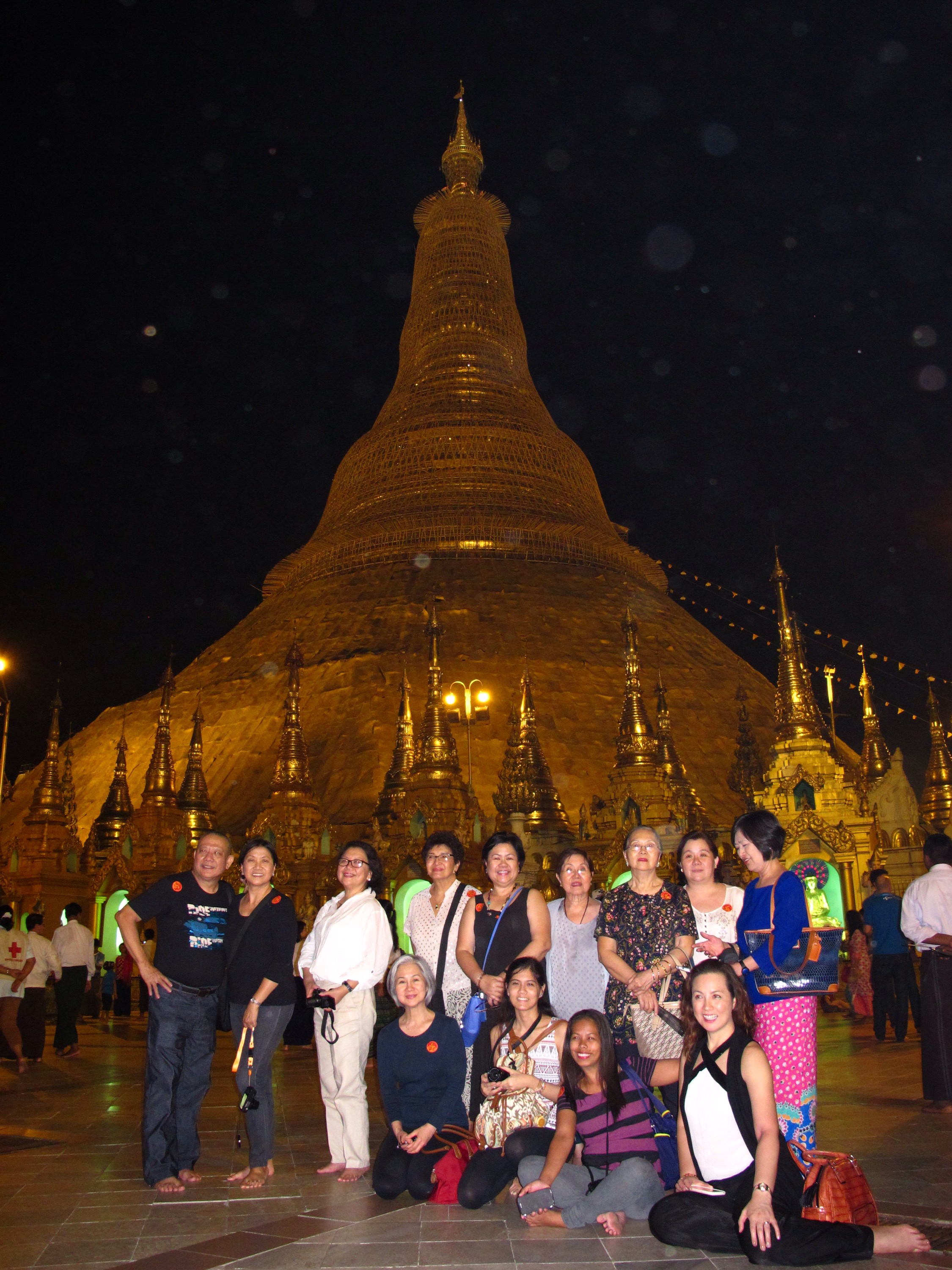
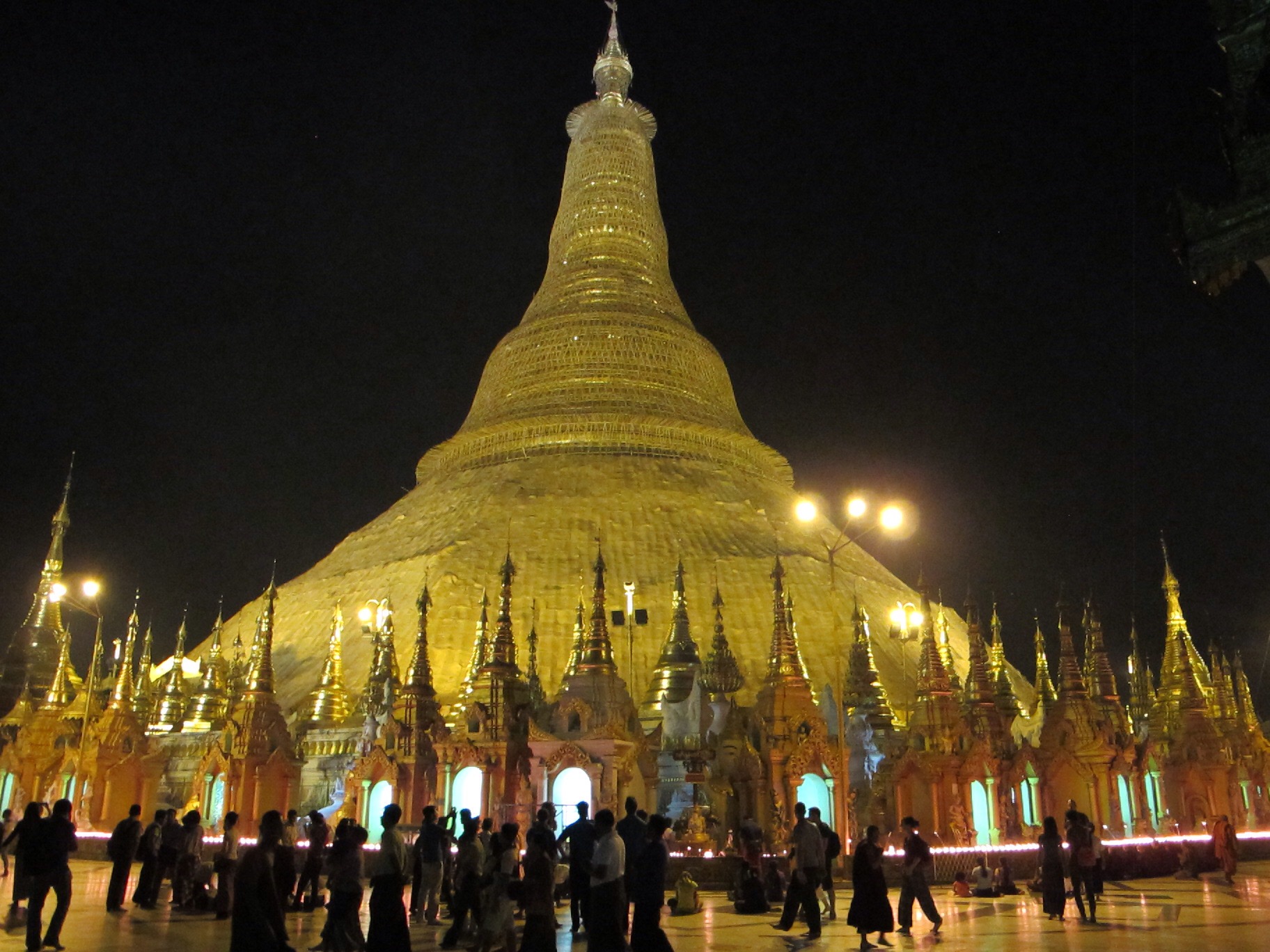
As the youngest member of the group said (yes, Lauren, that’s YOU), ALL THAT GOLD! Our introduction to Myanmar is all glitter, literally and figuratively speaking. Multiple pagodas or temples of gold, silver, copper, marble, lead and tin in one sacred place. Just as many stupas of same shape but different sizes. Same, same but different. Some “just” golden, others embellished with gemstones of varied colors. You have to crane your neck to see the top of the tallest, golden stupa. Then peer inside some smaller shrines where Buddhas are encased. Here, I think they are also called “Nats” or spirits (pre-Buddha) where we found pilgrims including monks at prayer.


2015/01/img_9006.jpg


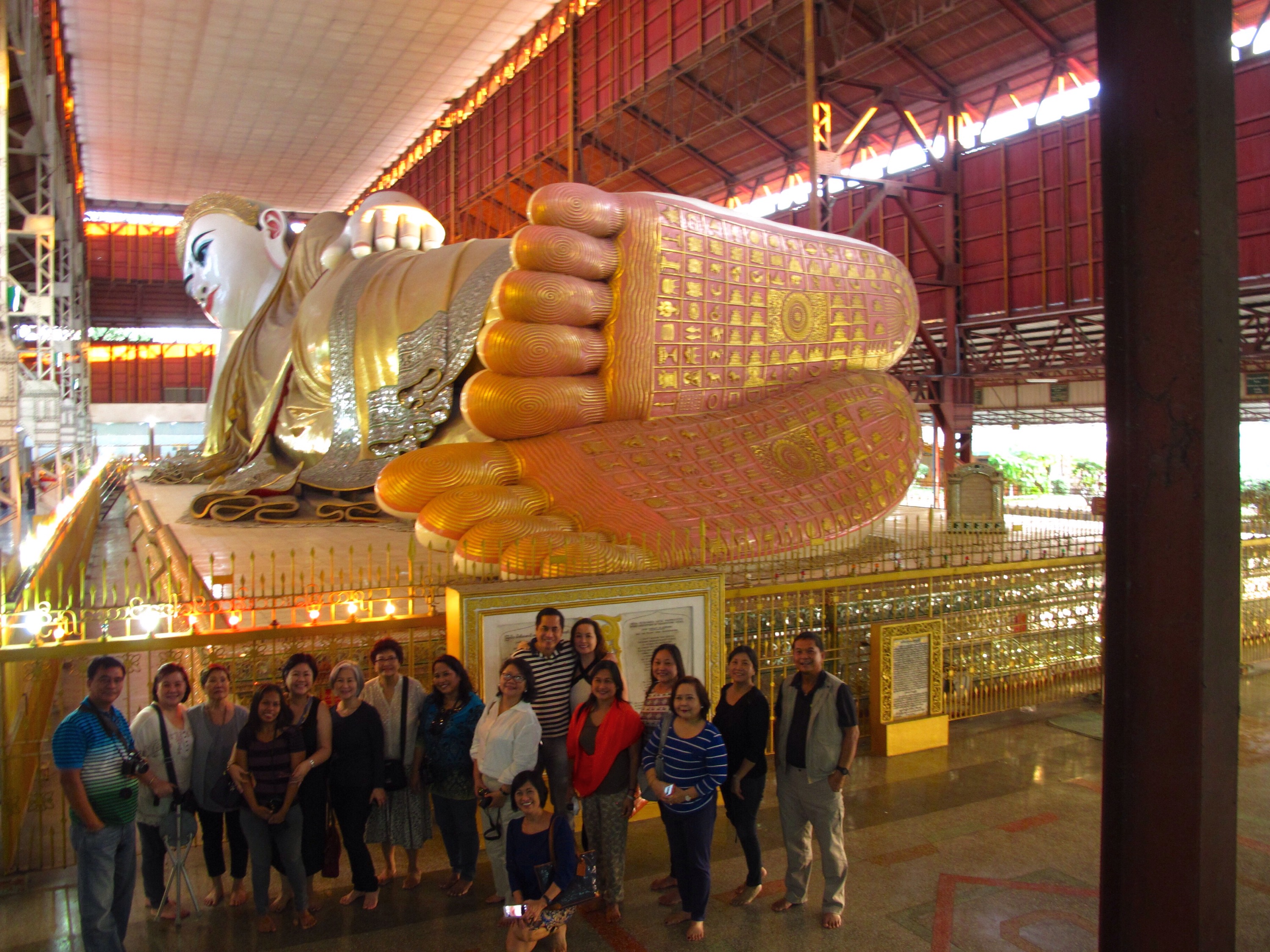
Having first visited the Reclining Buddha, the Shwedagon Pagoda came next as our first-day introduction to Burma. It is the most important Buddhist pilgrimage site in present-day Myanmar. The most sacred place, if you will, since the octagonal pagoda with a diamond-studded spire houses relics of Gautama Buddha. It is an old pagoda but exactly how old, no one knows. I can only guess it started with a rather simple and single pagoda, then stupas were added through the years and centuries to compose this impressive temple complex.


2015/01/img_9013-0.jpg


We spent an hour here. Feeling like zombies after a long flight, the incense, the crowds (both pilgrims and tourists), the constant shutter-click sound of a camera, all these only got us more excited, unmindful of our lack of sleep and the strange feeling of walking barefoot around the huge temple complex.


2015/01/img_8995.jpg


All’s well. The Reclining Buddha and the Shwedagon Pagoda on our first day before hitting the sack prepared us for the next few days of adventure in Myanmar. This intro also prepared us for many barefoot experiences here. No shoes, no sandals, not even socks. That’s how they do it here in Myanmar. A good tip is for you to buy those cheap flipflops here to wear. Getting in and out of those rubber shoes or strapped sandals can be a chore. Plus, you can simply discard those flipflops as soon as they’ve served their purpose. So there…….


2015/01/img_8930.jpg


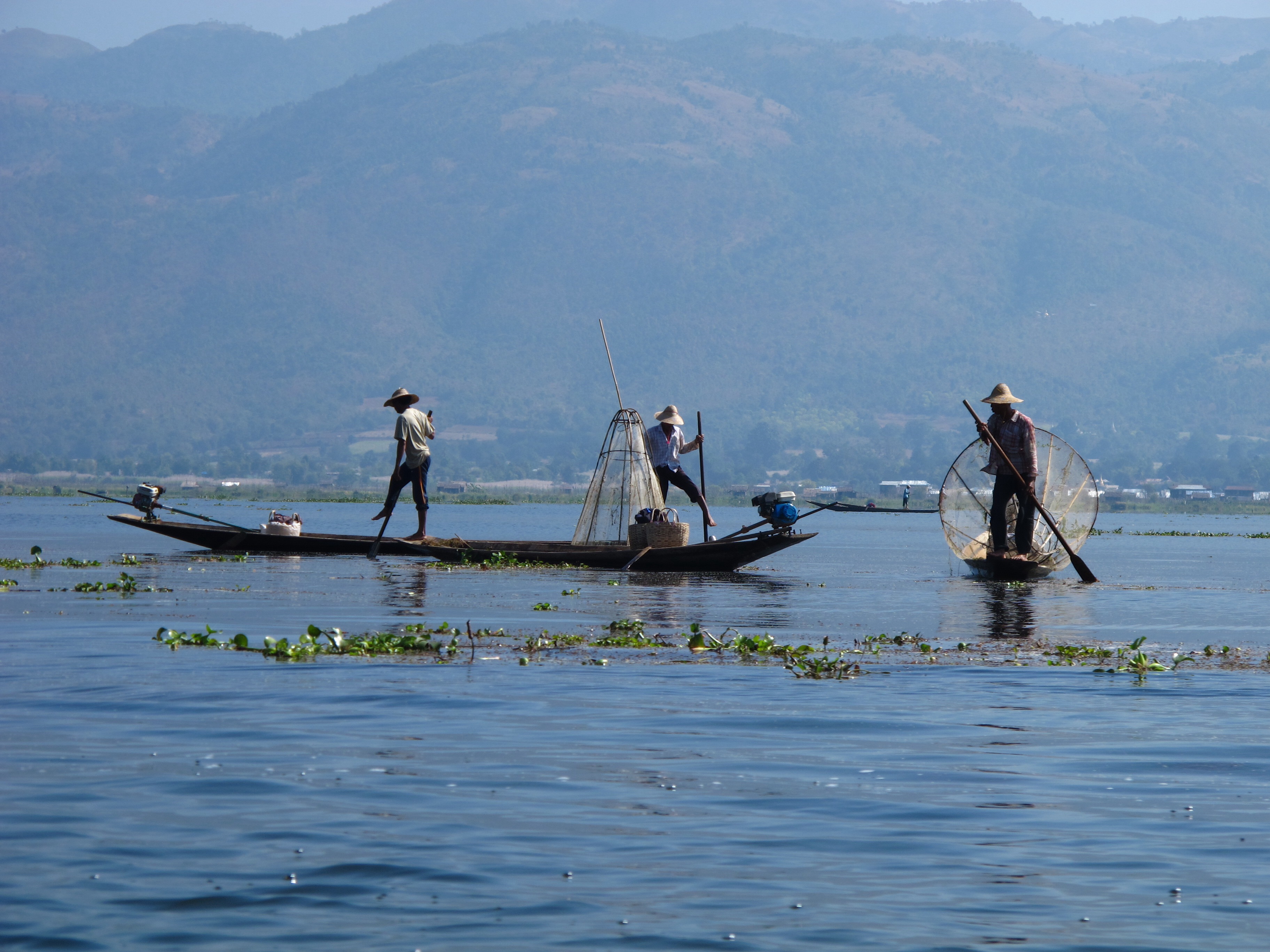
Expectations ran high as we neared the end of our holiday in Inle Lake. The 45-minute boat ride was uneventful for the first 20 minutes, till we found fishermen rowing their flat narrow boats with one leg, arms free and ready with their basket nets to catch fish. I almost threw out the blanket I was using during the boat ride just to capture the scenes with my cam. Fingers nearly freezing as photo-snapping followed a ryhtmic beat, we dismissed the wind chill just to save the dramatic scenes in our memory-keepers. What a sight! Never mind that it’s running 10 Celsius while we baked under the sun on a roofless boat.

Fishing In Inle Lake

Fishing In Inle Lake

Busy fishing or modeling?

Busy fishing or modeling?

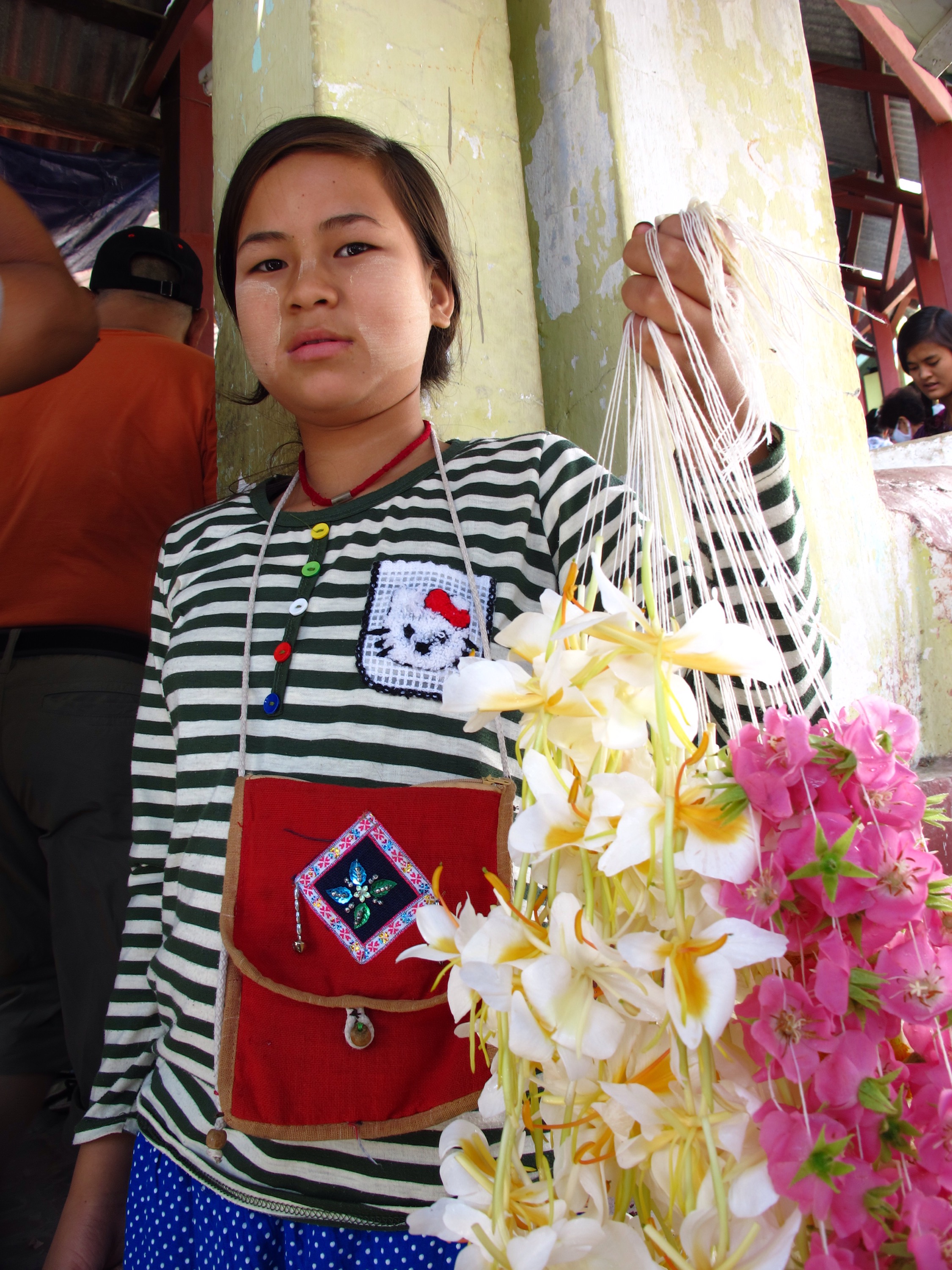
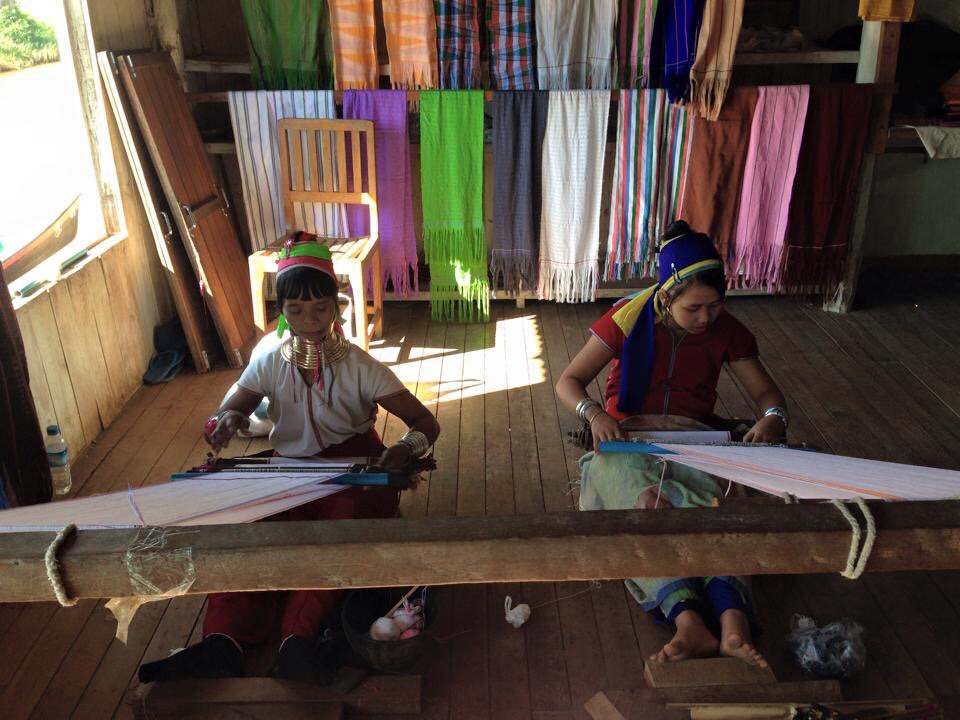
Never found this scene in any other fishing village. There were waterways serving as “main highways” edged in by floating flower gardens and vegetable patches. The hum of the boat engine somehow lulls you to sleep as the boatmen maneuvered the boats along the canals. In no time, the floating gardens were replaced by residential and commercial structures on stilts as the waters ebbed up and down with each passing boat. We passed many including silk and lotus weaving centers, some with weavers from the Padaong tribe with their elegant stretched necks bedecked with gold rings nearly touching their chins. Every now and then, there were women doing their laundry on boats parked in front or beneath the cottages on stilts, laundry out drying on improvised clothesline, waving and swaying with the wind. If not out fishing or ferrying tourists on their motorized boats, some men busied themselves tending the gardens. We were happy to see taro and “patola” (gourd?) gardens side by side with rows of floating flower gardens. This is truly one community here.

Seagulls of Inle Lake

Seagulls of Inle Lake

The Waterways of Lake Inle

The Waterways of Lake Inle

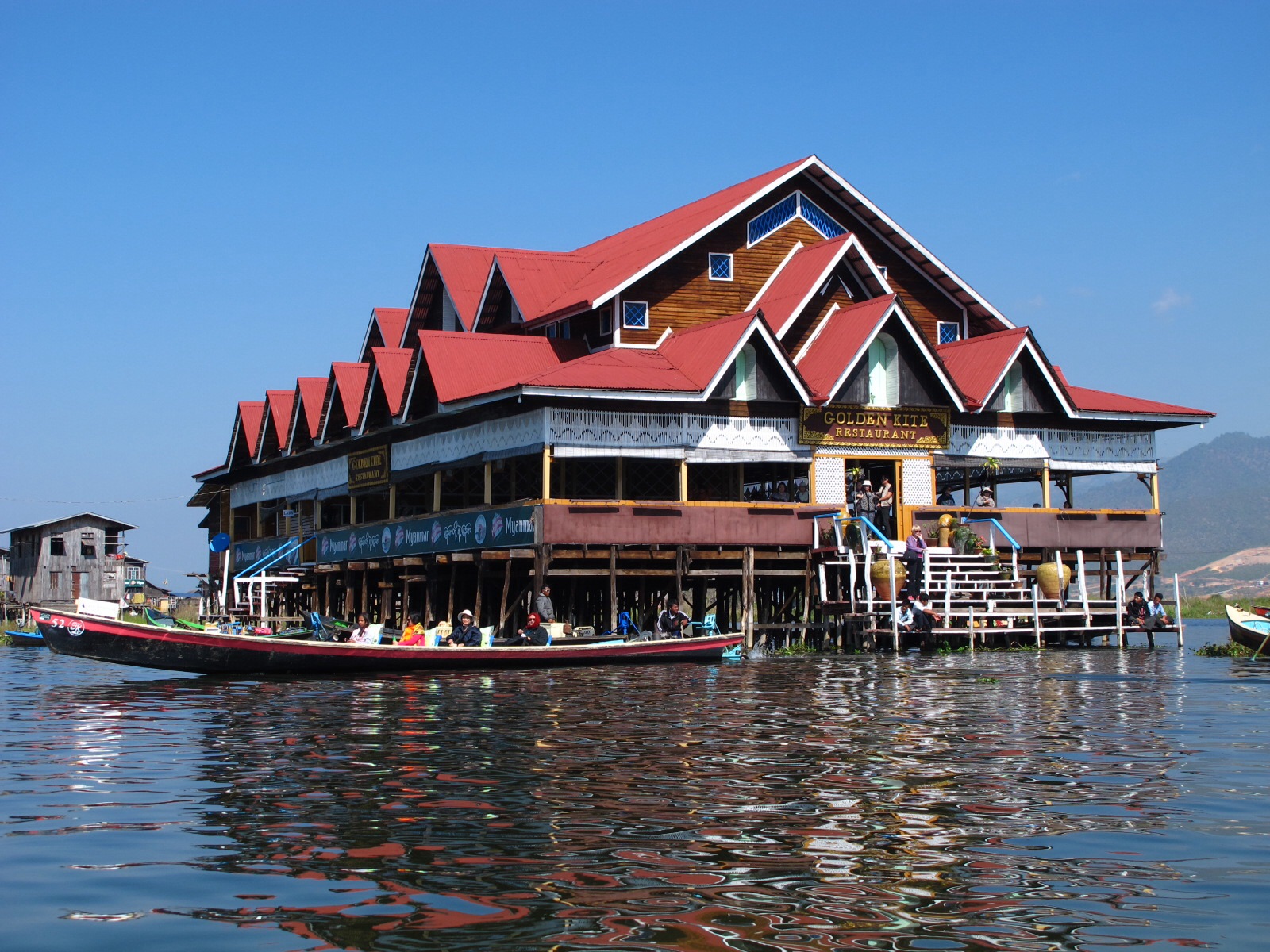
Such vibrant fishing community. Was I surprised to find floating hotels price-ranged from luxury to backpackers’ budgets? Not at all. But I was pleasantly surprised that there are floating restaurants like Golden Kite Restaurant serving freshly-baked bread and pizza pies, great pomodoro pasta, delicious tomato basil soup and simple but delicious avocado salad. A good first lunch was had. We skipped the wine and instead tried the Myanmar Beer. All those Myanmar beer adverts hanging on lake restos, hotels and floating houses must have conditioned our minds. (The next lunch was in a place called “Heritage House”, where local food was served. Interestingly and regrettably, hardly any seafood foraged from the lake waters by local fisherfolks, though some of the vegetables may have been harvested from the floating organic gardens)

A local in the Fishing village.

A local in the Fishing village.

Traditional way of fishing uses one leg with hands free to catch fish using a basket net.

Traditional way of fishing uses one leg with hands free to catch fish using a basket net.

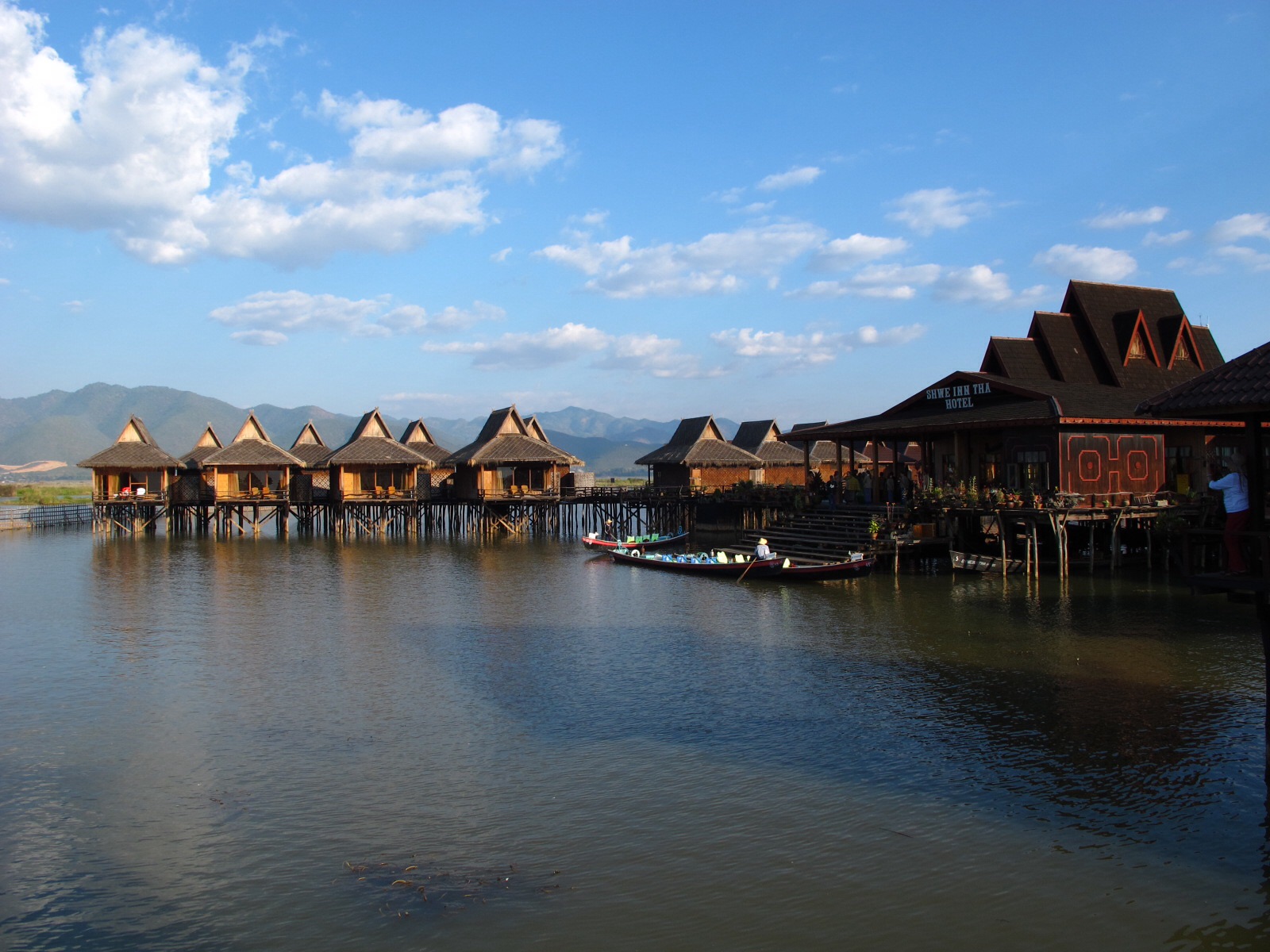
Our hotel is heaven-sent. Baked under the sun for nearly an hour, plus more for the boat rides to the floating restaurant and a visit to a local village, the lovely Shwe Inn Thar Floating Resort was simply what our minds and bodies needed. It was inviting to just sit in the balcony the whole morning while sipping coffee, counting off the happy (not angry) birds “guarding” the arched entrance to the floating resort, and people-watching while boats sailed past the hotel by the main waterway. The lake is a bird sanctuary and my only regret is not bringing bread to feed them birds. I envy those who did, as my eyes followed their boats being chased and surrounded by the happy birds. Happy birds, Happy tourists. Pio de! (means “happy” in the local language)

Shwe Inn Thar Floating Hotel

Shwe Inn Thar Floating Hotel

Golden Kite Restaurant serves real good pizza, bread, pasta, soup and salad.

Golden Kite Restaurant serves real good pizza, bread, pasta, soup and salad.

As we left Inle Lake, I had this nagging fear that the place will soon — if it hasn’t — be overrun by tourists and commercialism. The traditional fishing method is unique to this community. Consequently, the group of DSLR-toting men with their long zoom lens I sighted angling about 4 men dressed in colorful local londyin skirts may soon be the order of the day. Between fishing and modelling, the latter may yield more kyats. So with the happy birds. Why swoop down to catch fish when tourists come to feed them regularly? When I visited a local village and a child of 7-8 asked me for money, my heart broke. Someone should teach this child to string local beads into bracelets, or sell flowers, fruits or any local food to sell rather than just asking for money. And I didn’t even take any photograph of him. A pity.

The long-necked, golden rings-bedecked ladies of Padaong.

The long-necked, golden rings-bedecked ladies of Padaong.

“No man is rich enough to buy back his past” —- Oscar Wilde

(More photos to be uploaded soon as wifi connection is stable. Watch this page……)