Tag Archive: Asia


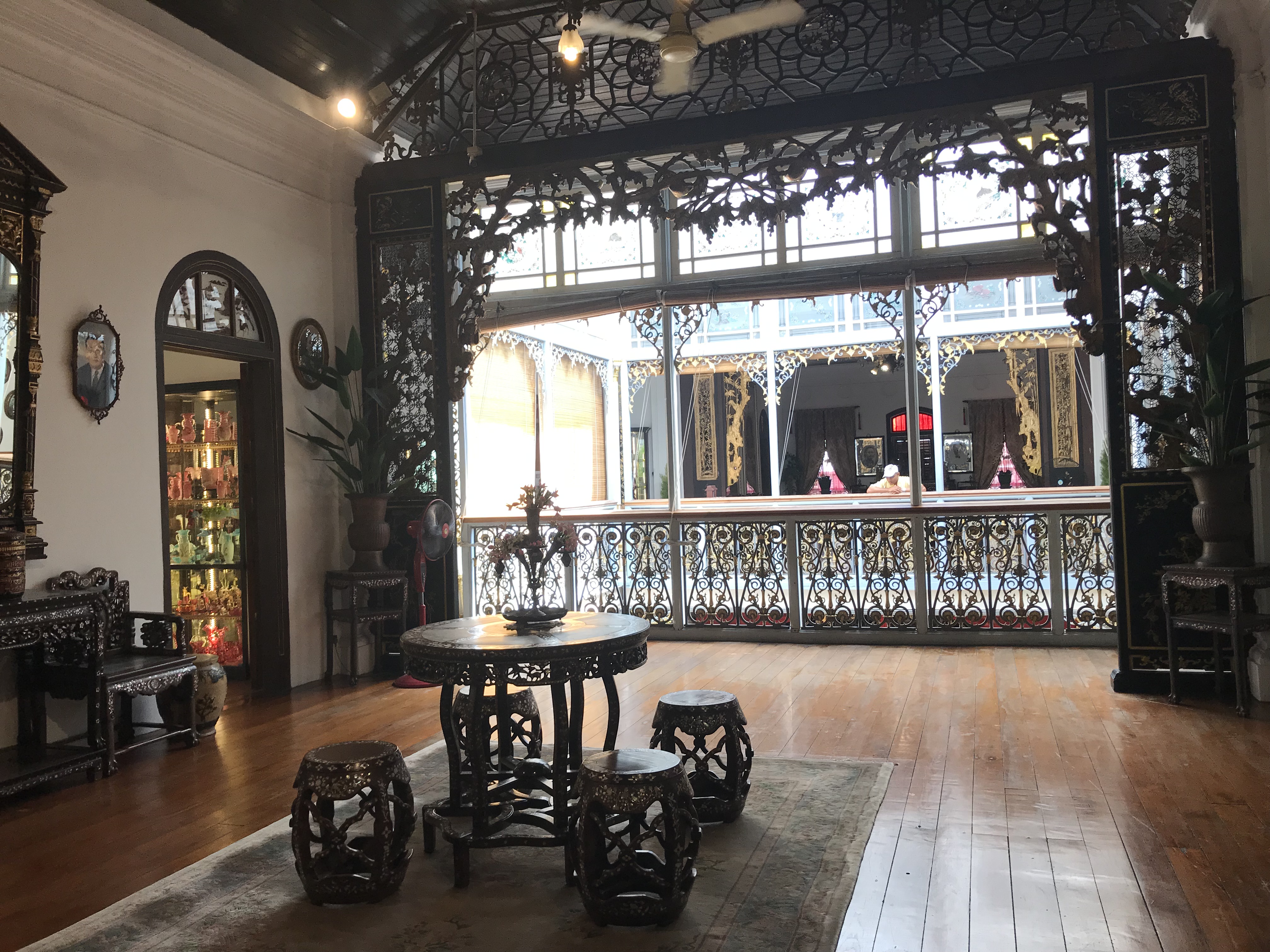
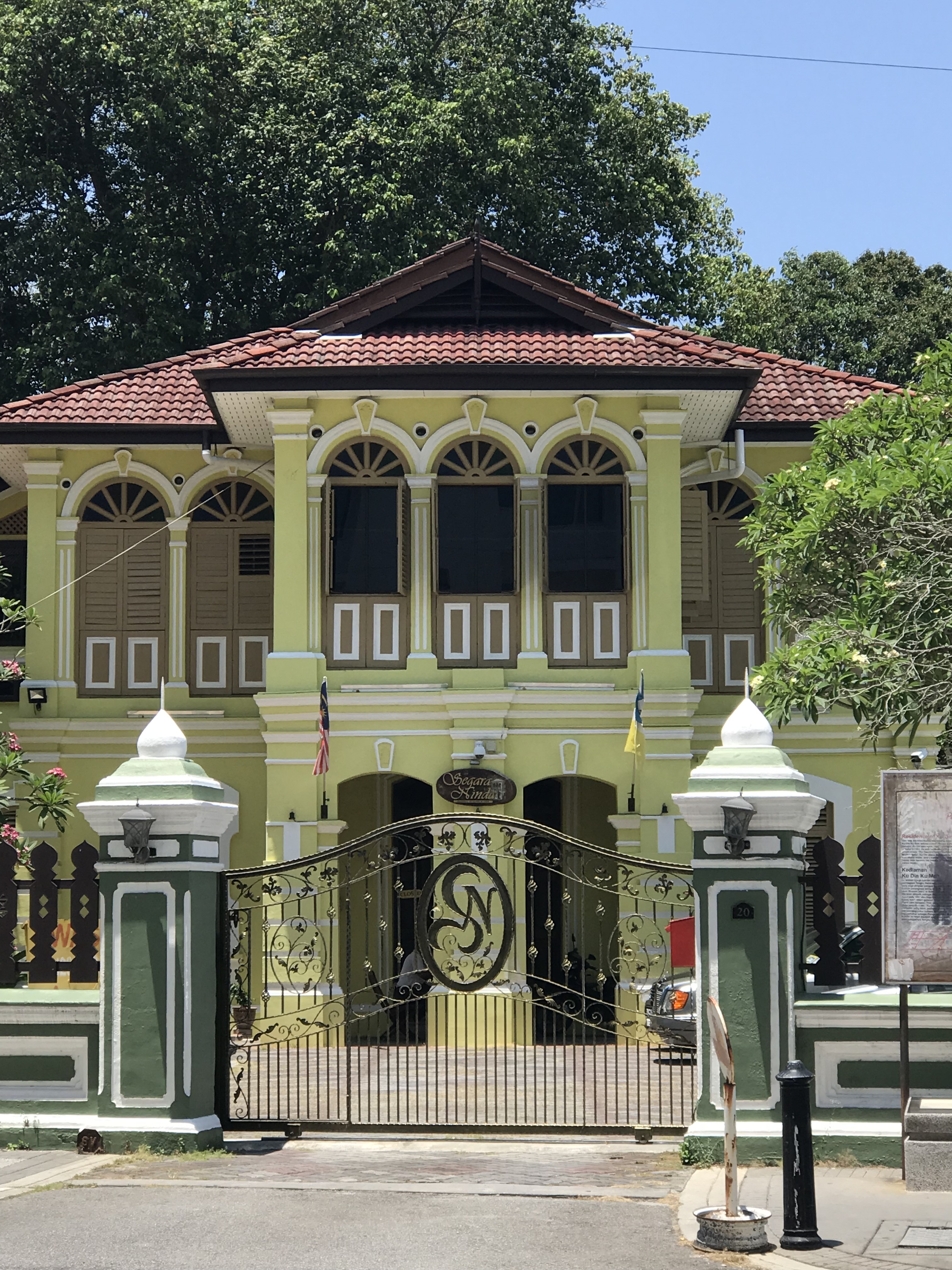
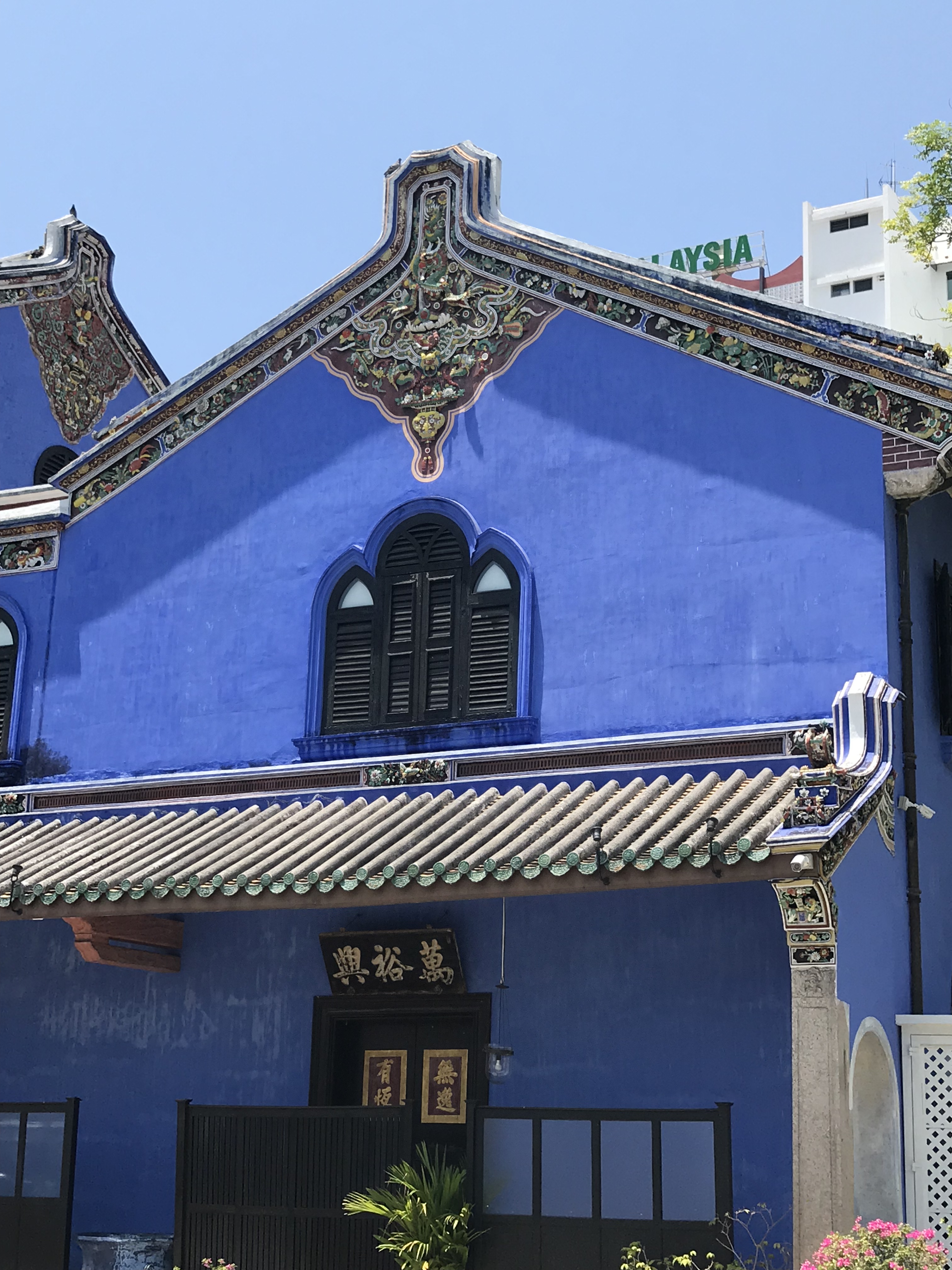
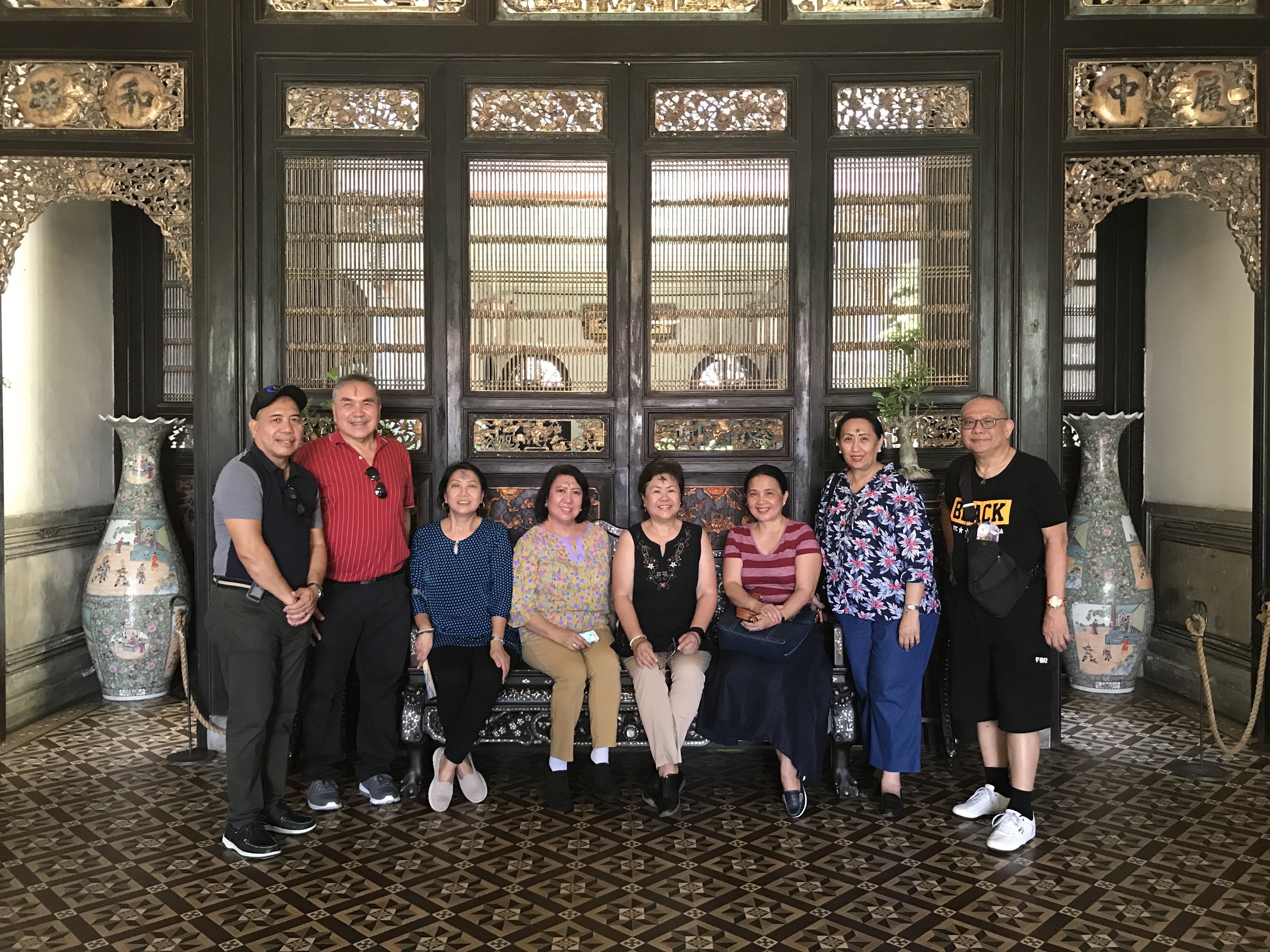
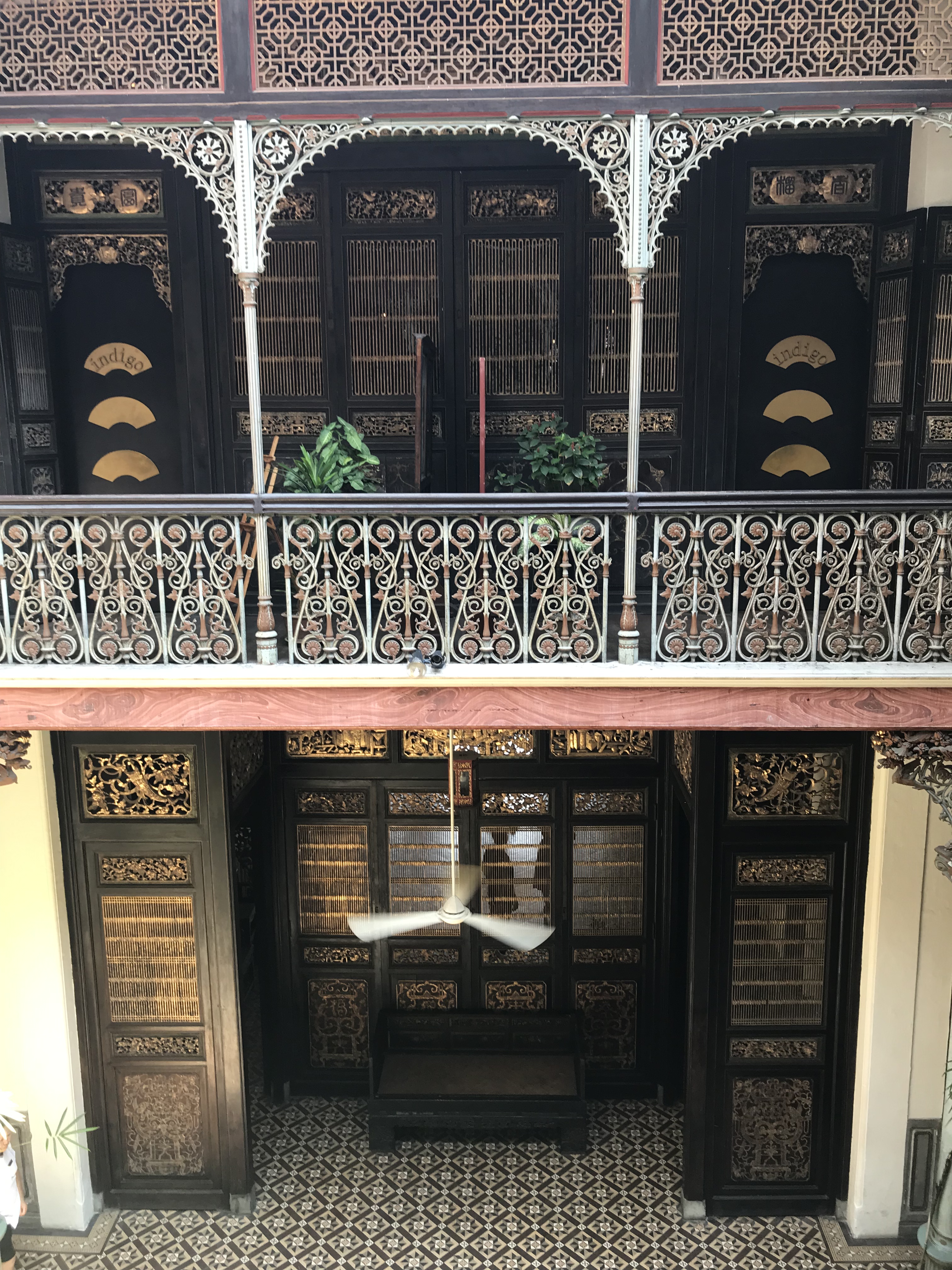
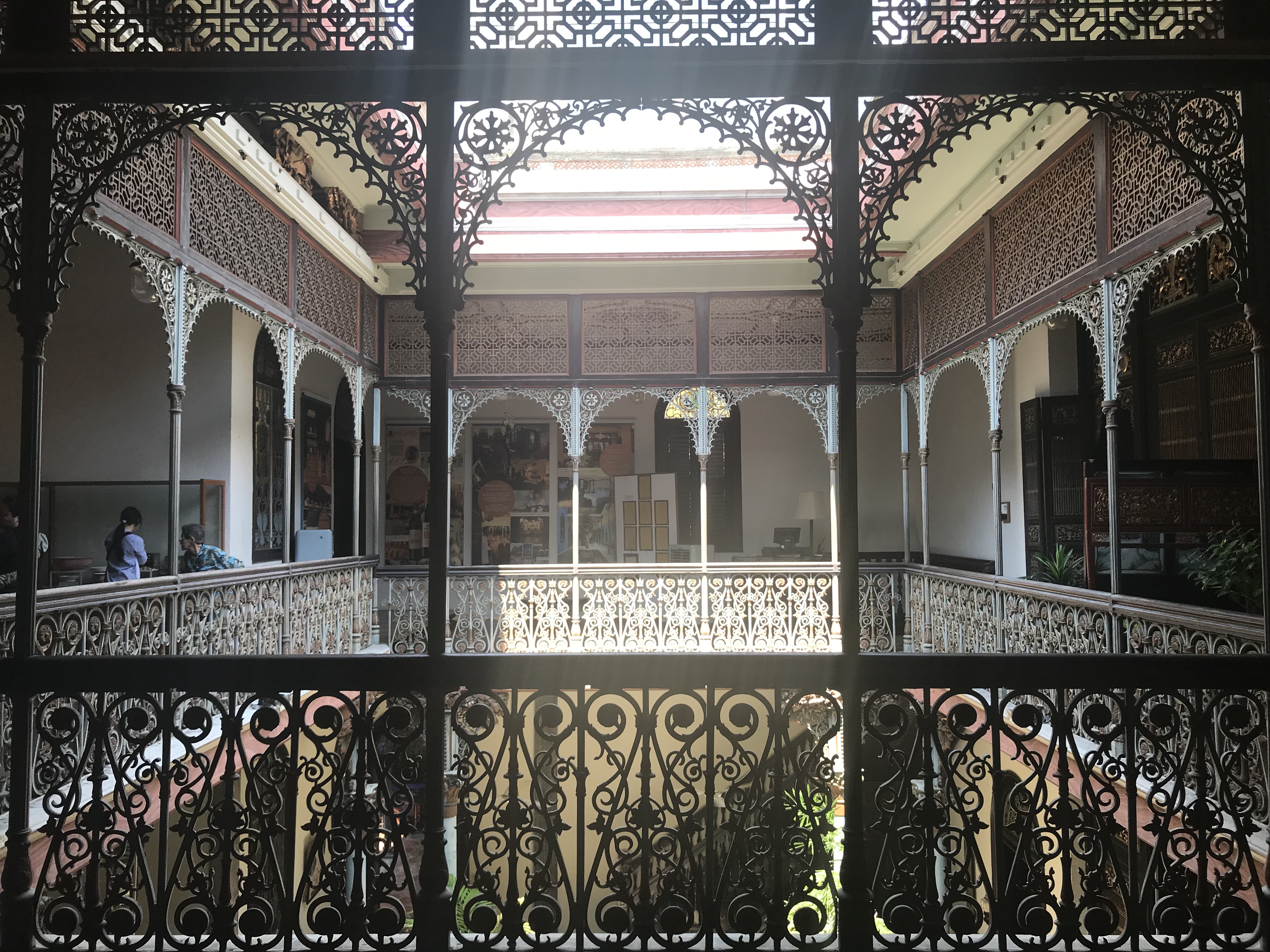
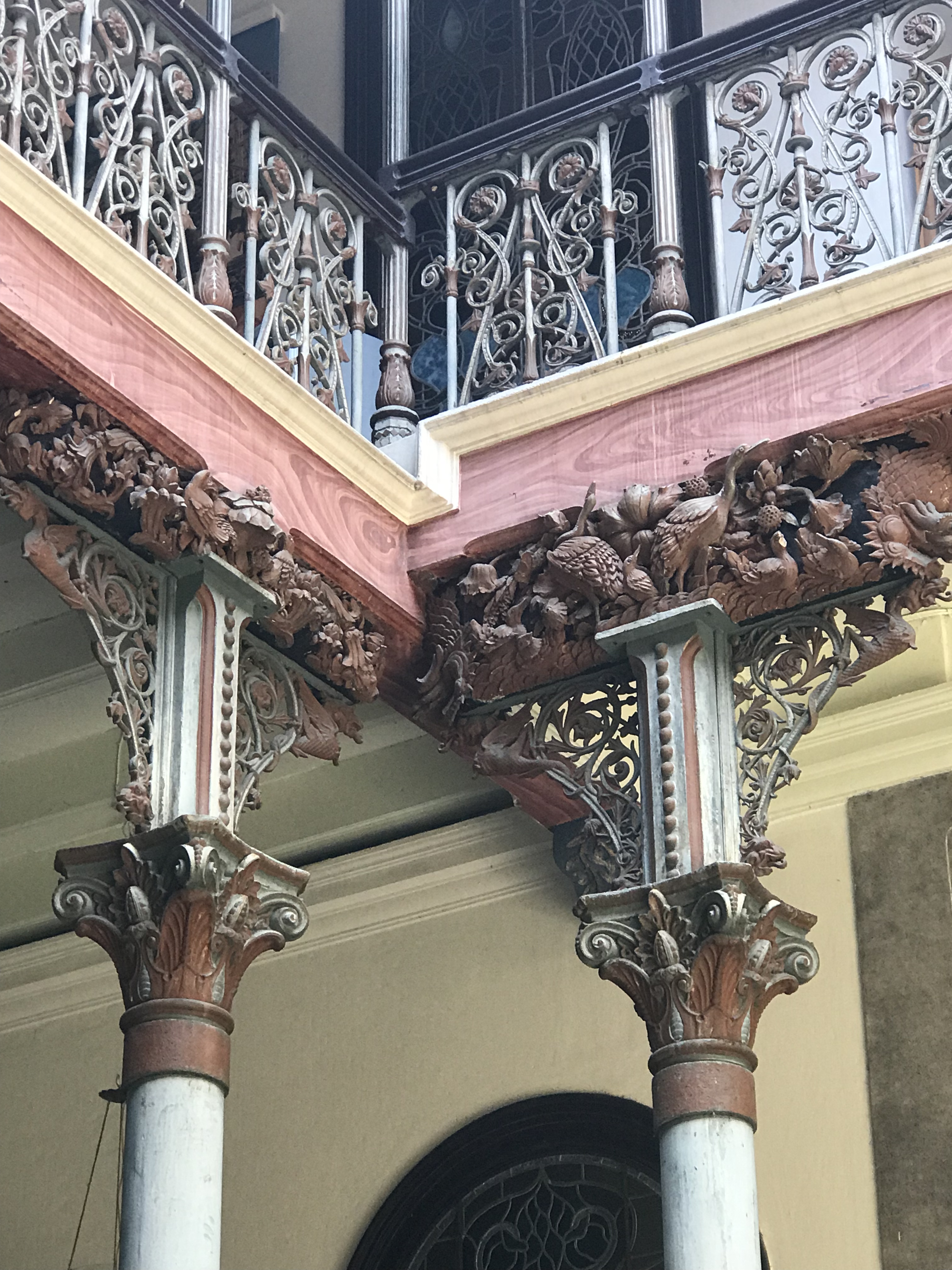
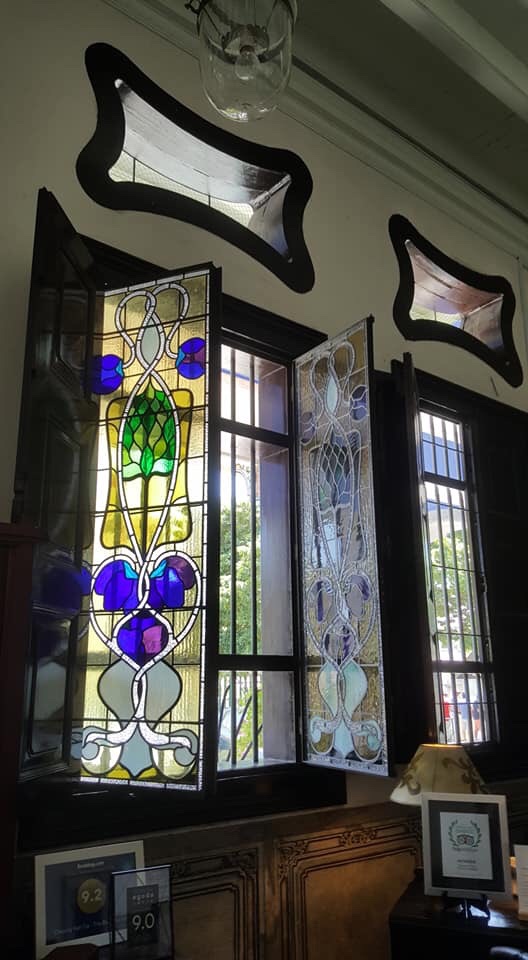
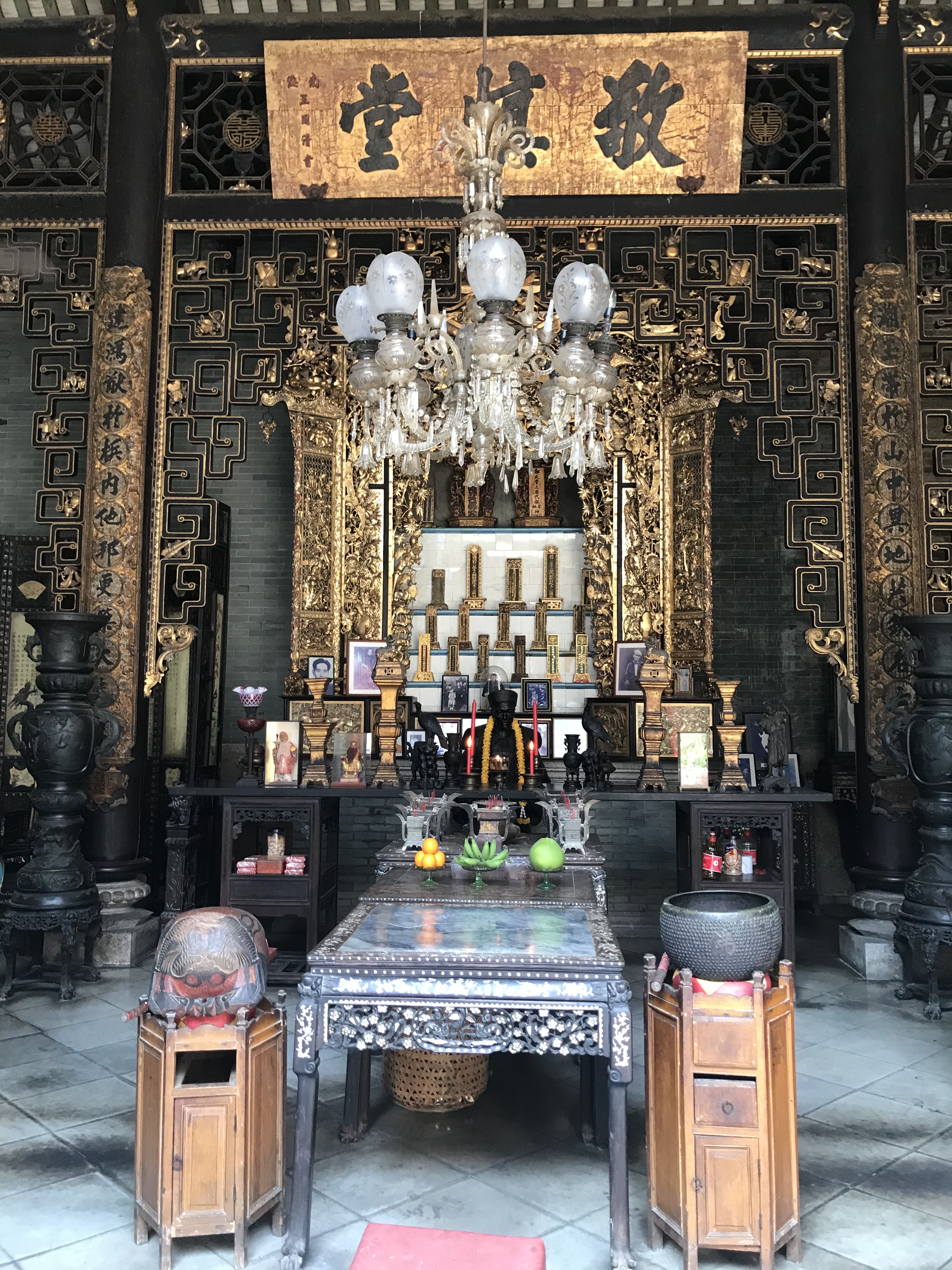
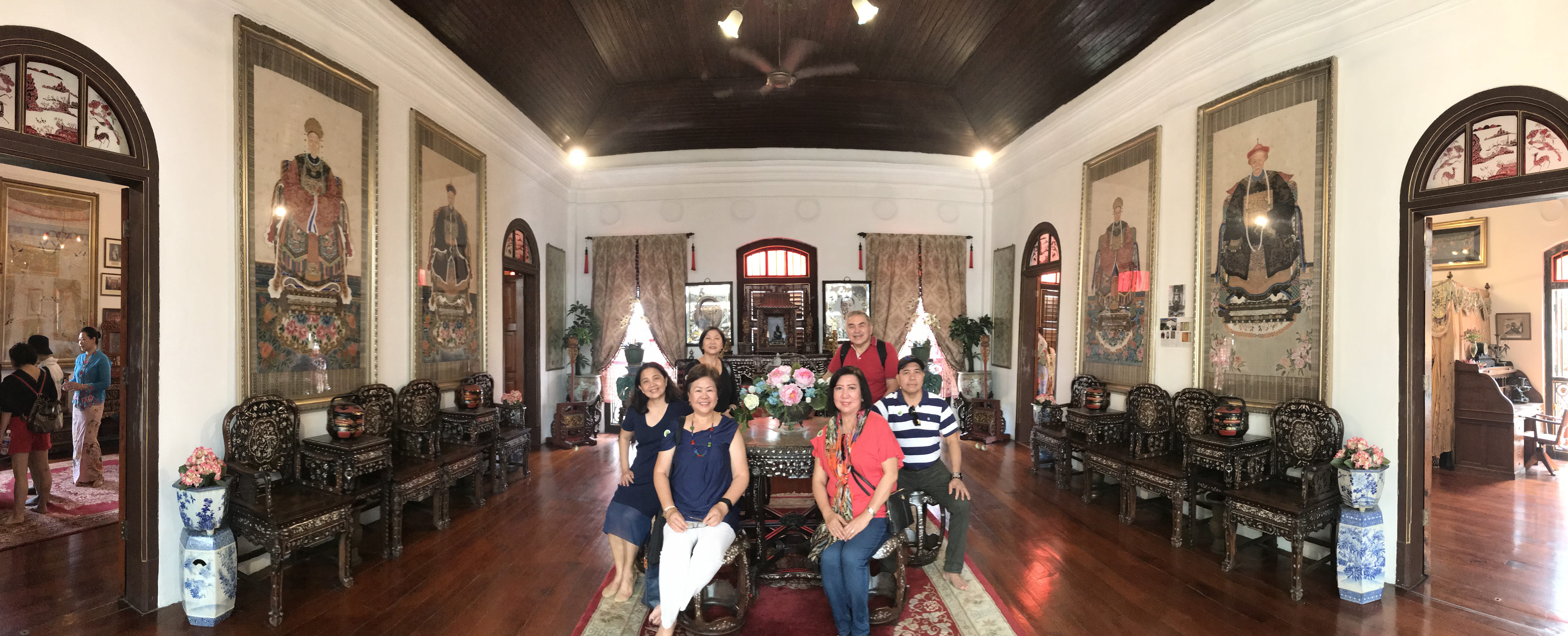
Who goes to Penang and fails to visit the Blue Mansion owned by Cheong Fatt Tze and the Green Peranakan Mansion? We enjoyed our guided tours of these two mansions in Georgetown and appreciated how the Penang elite used to live in those days. The official name is Cheong Fatt Tze Mansion, after the man who rose from rags to riches in this corner of the world. Tagged by NY Times as the “Rockefeller of the East”, Cheong was born to a poor family from Guangdong, China but his industry and business savvy earned him prominence, wealth and errrrr….8 wives. The house’s architecture is an impressive fusion of Oriental and European architecture, an impressive display of British and Chinese artisanship. Truly, a masterpiece deserving of the “Most Excellent Project” awarded by the UNESCO Heritage Conservation Awards in 2000. The owners of this late 19th century house certainly did not scrimp building it. Peranakan tiles alone are some of the best and loveliest, and it was crazy walking over these original tiles in the Mansion. No wonder the hit movie “Crazy Rich Asians” used this Mansion in that poignant mahjong scene. And crazy rich may well describe how this heritage house was built. And subsequently restored.
Regarded as one of 10 greatest mansions of the world, the Cheong Fatt Tze Mansion has 38 rooms, 7 staircases, 5 courtyards and 220 beautiful windows. The lucky number 8 pervaded around this eclectic masterpiece — in the number of pillars, number of steps in a staircase, etc. As one very prominent migrant known for his philanthropy and business acumen, his charms and fortune extended to his many wives and children. The Mansion claimed “Feng Shui” perfection but such good aura and chi must have worked only while the old man was around. His trading empire expanded around Southeast Asia but he made Penang his base, and this house essentially his favorite 7th wife’s. Tan Tay Poh was 20 when a 70 year old Cheong took her as his 7th. Imagine that gap – 50 years! She bore him one son but she died early at age 42, leaving the house to a son who allegedly squandered away his inheritance. The Mansion suffered disrepair and was in fact heavily dilapidated, with as many as 34 illegal squatter families living in it. Then a group of conservators bought the Blue Mansion to make sure this heritage house is lovingly restored and preserved. Hallelujah!
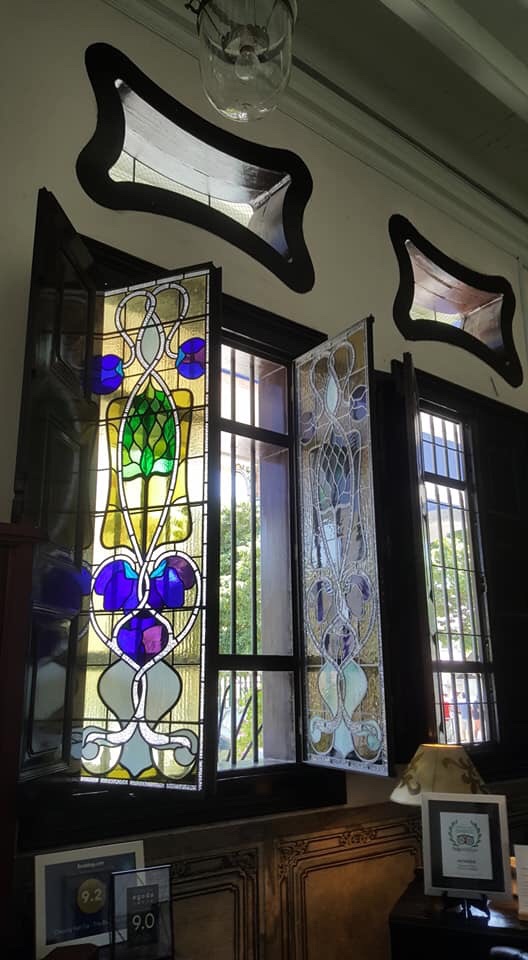
Mercifully, the restoration followed best-practice standards for the benefit of both locals and tourists who can now be reminded of the flamboyant lifestyles of Penang’s old rich. The indigo blue facade and walls invite attention and it is truly very fortunate that the conservators who purchased this Mansion from the descendants of Cheong Fatt Tze in 1989 turned it into the heritage home and boutique hotel it is now. Its fine dining resto called “Indigo” holds promise judging by its opulent decor and elegant style. We noticed too that its serving staff seem to know every diner like they’re regulars. Looks very exclusive, if you ask me. I’d love to dine there, but not keen about booking a room in the 18-room boutique hotel even for a single night. I bet it’s haunted.

📸 Weng S

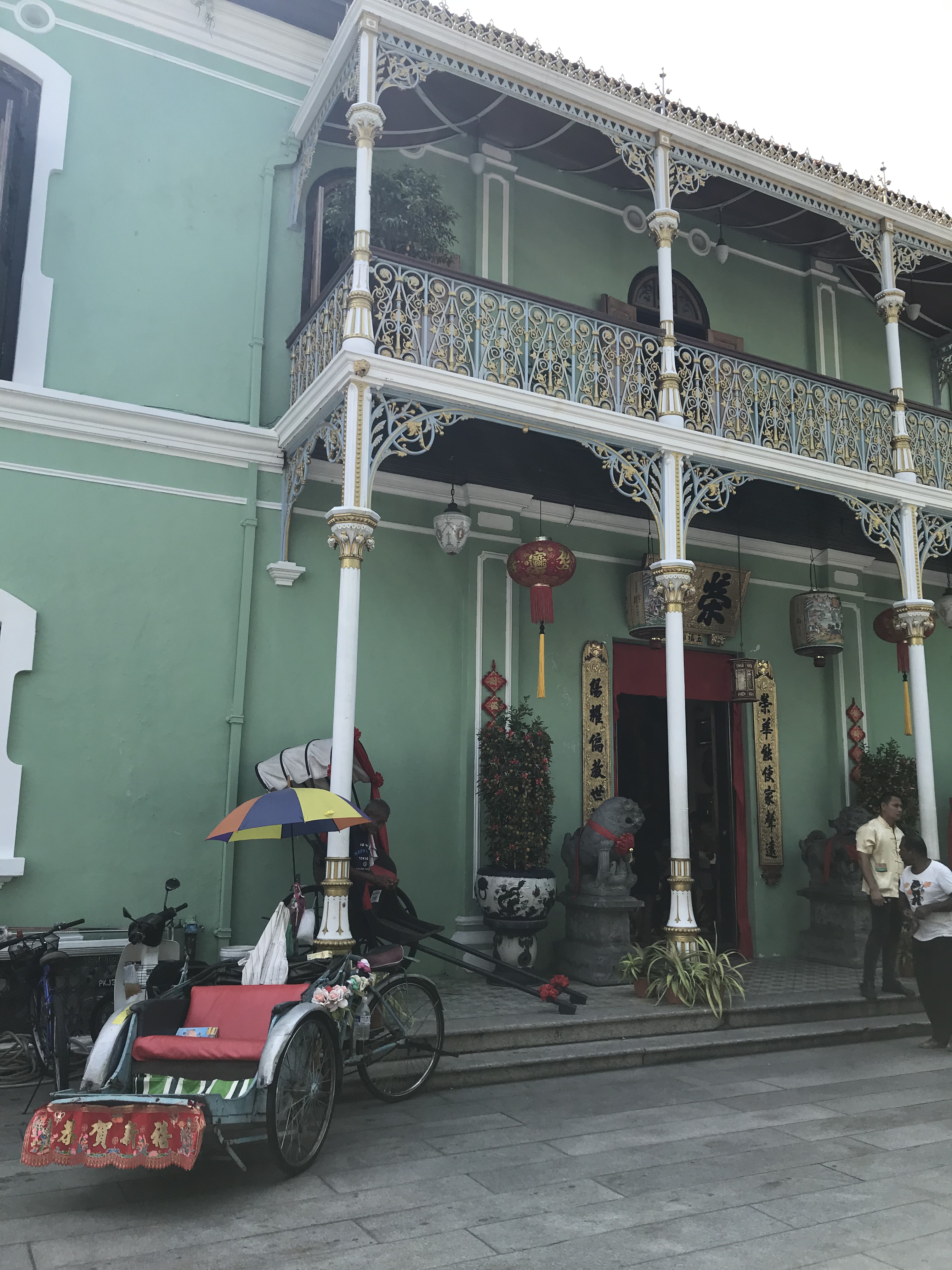
On the other hand, the Peranakan Mansion is another Penang gem. Likewise owned by another Chinese tycoon by the name of Chung Keng Quee, this green Mansion showcases Penang’s Peranakan heritage. Penarakan is a culture unique to Malaysia, Singapore and Indonesia. Chinese migrants who settled in Southeast Asia and married locals gave birth to this new culture and heritage fondly called Baba Nyonya. Expressed in its architecture, cuisine and traditions, these Baba Nyonyas assumed an altogether unique culture. And you bet this green-hued residence and museum was also quite a popular and favorite movie set for international movies and TV shows like “The Little Nyonya” and “The Amazing Race”.

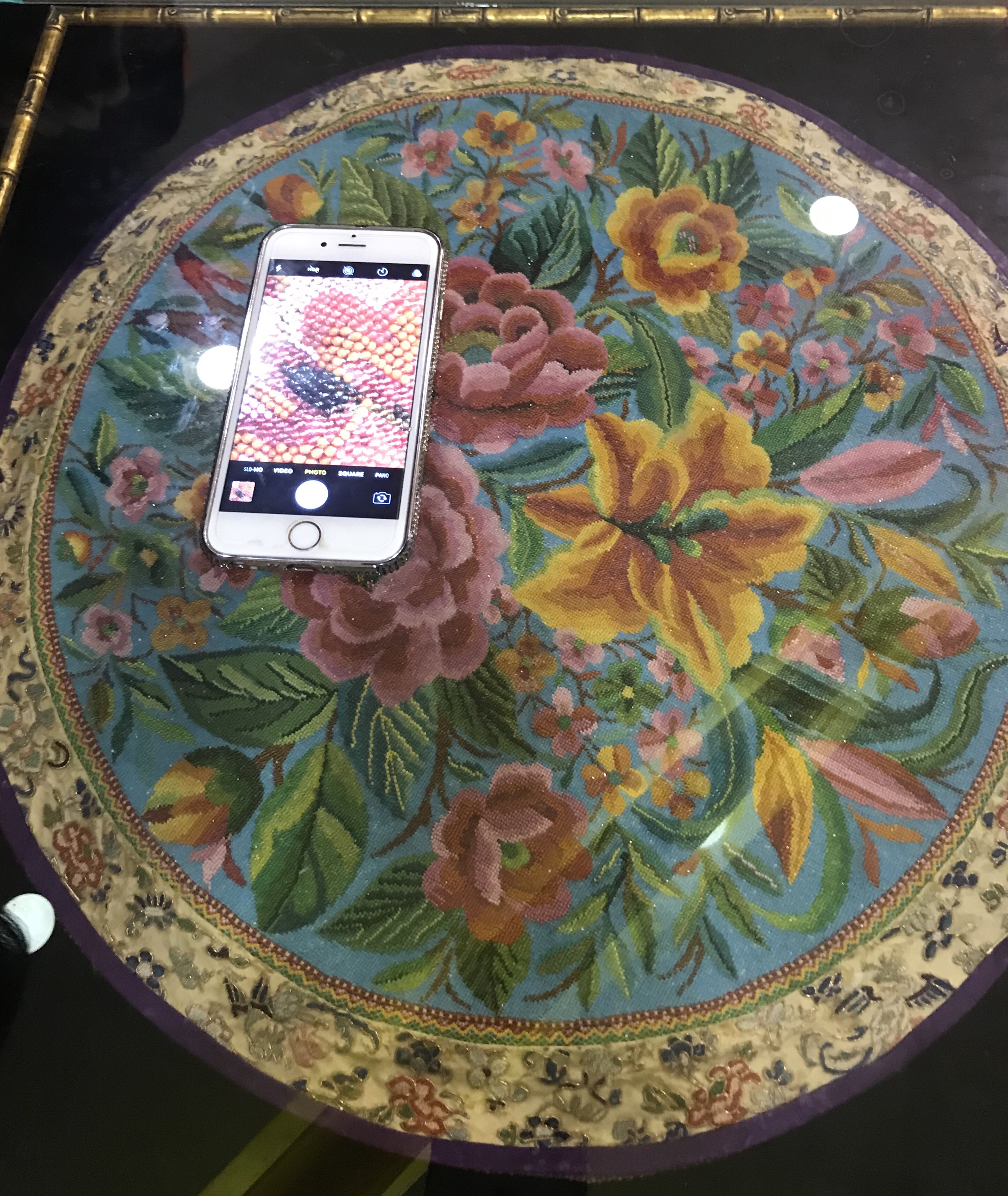
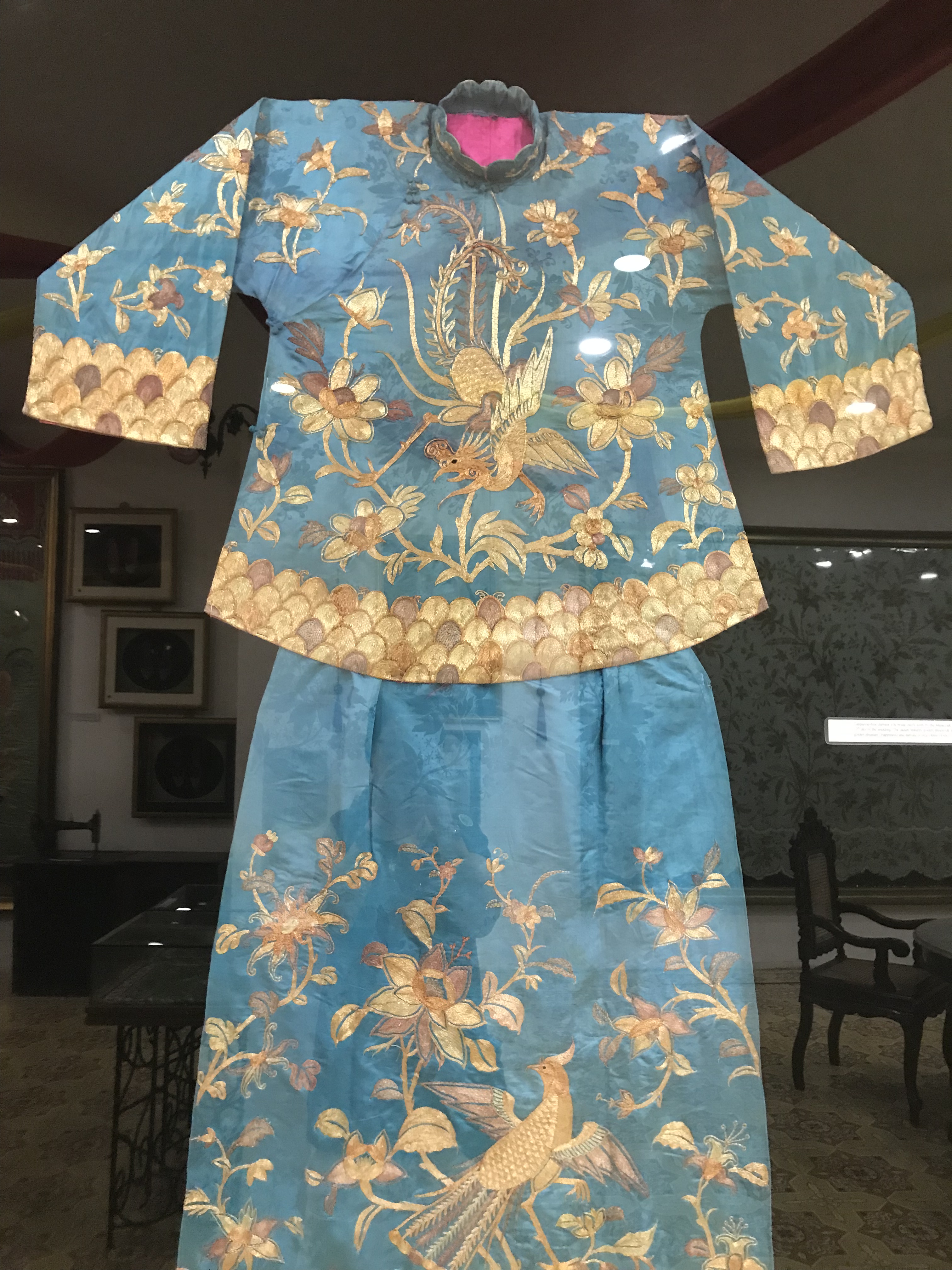
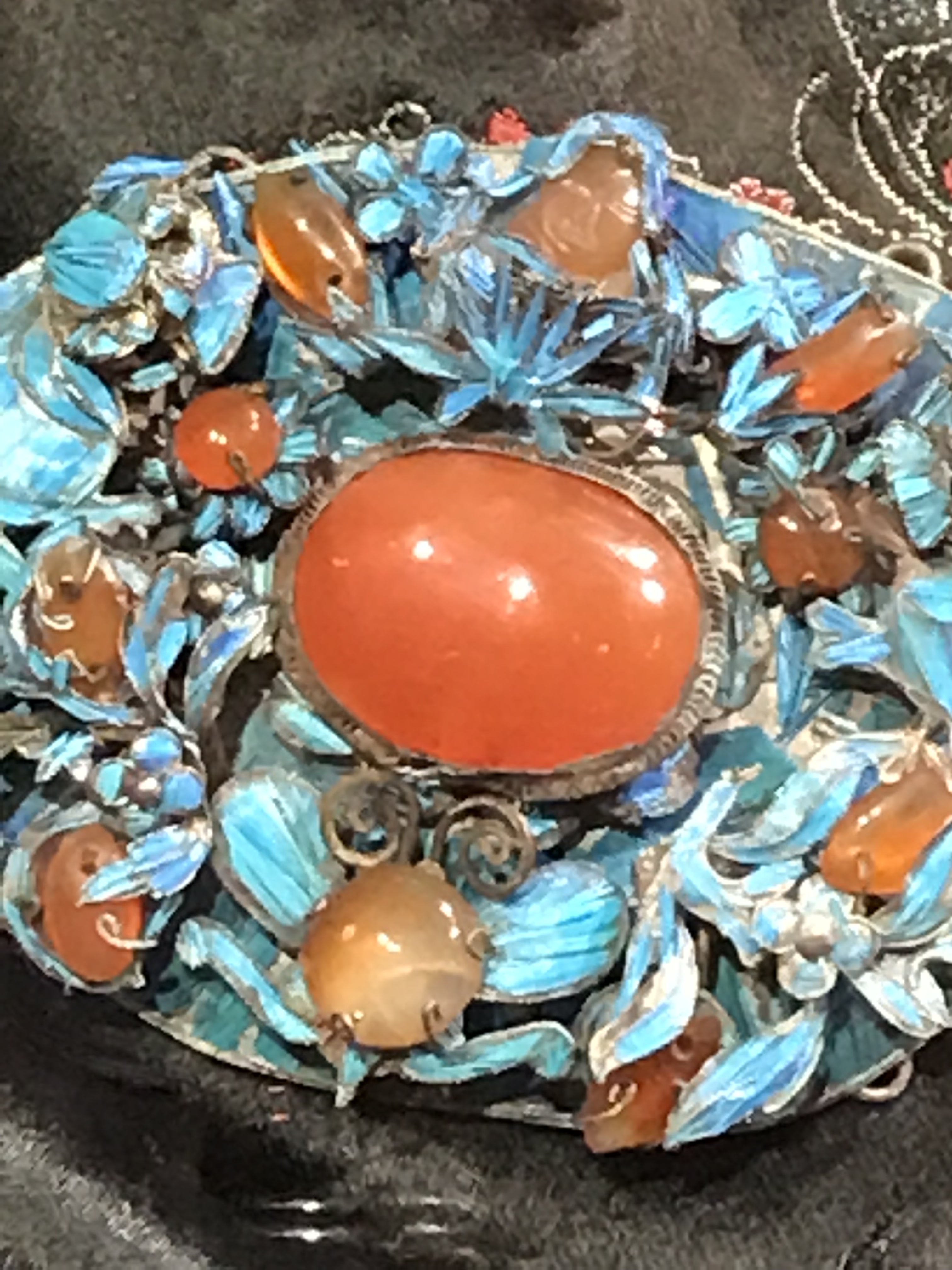
On display are paraphernalia and memorabilia of the Straits Chinese. Apparently, the Chinese penchant for anything gold, beady and ornate is adequately expressed in the costumes, ornamental decor, even Nyonya slippers to be found here. The hand-crafted jewelries and hand-embroidered wardrobe and footwear must have given rise to local businesses which flourished then. I am particularly impressed with one item where feathers from a kingfisher bird were actually used to adorn an outfit.

Not turquoise beads, but kingfisher feathers!

A trip to Penang should include visits to these 2 mansions. It’s very educational and both these Mansions tell an awesome story! The guide in the Blue Mansion did an impressive job. So did the guide (Ricky) in the Peranakan Museum except that he had a very heavy accent and we had to strain to listen to him. Just the same, we left learning so much more about the Baba Nyonya culture. Chinese migrants, Peranakan Chinese, Straits-Born Chinese. They’re called all these. Peranakan is a Malay word that translates to “local born” . It is not a separate race, but rather a sub-culture within the Chinese community. Peranakan cuisine blends Chinese cooking with Malay traditions. Think LAKSA. 😊


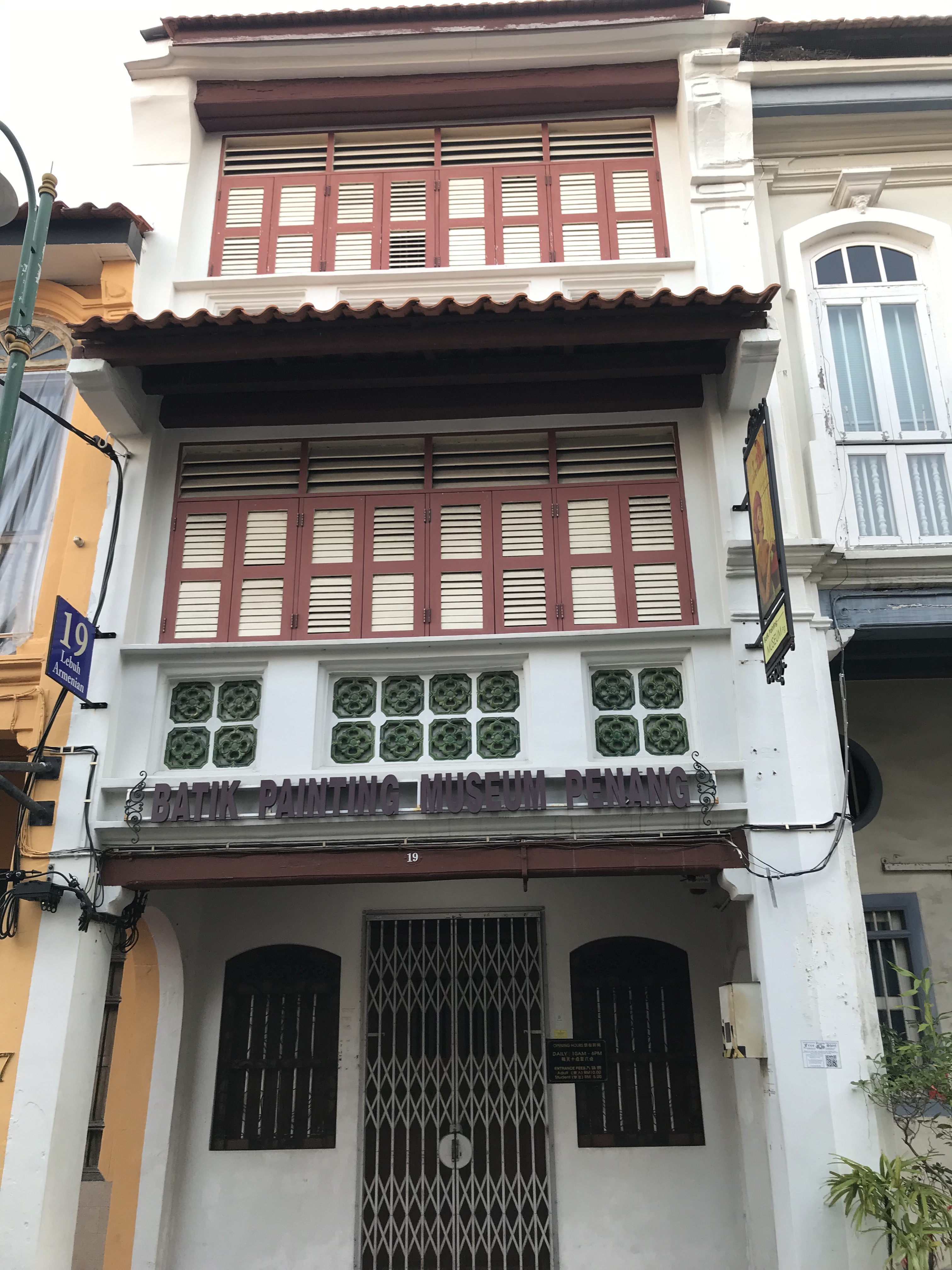
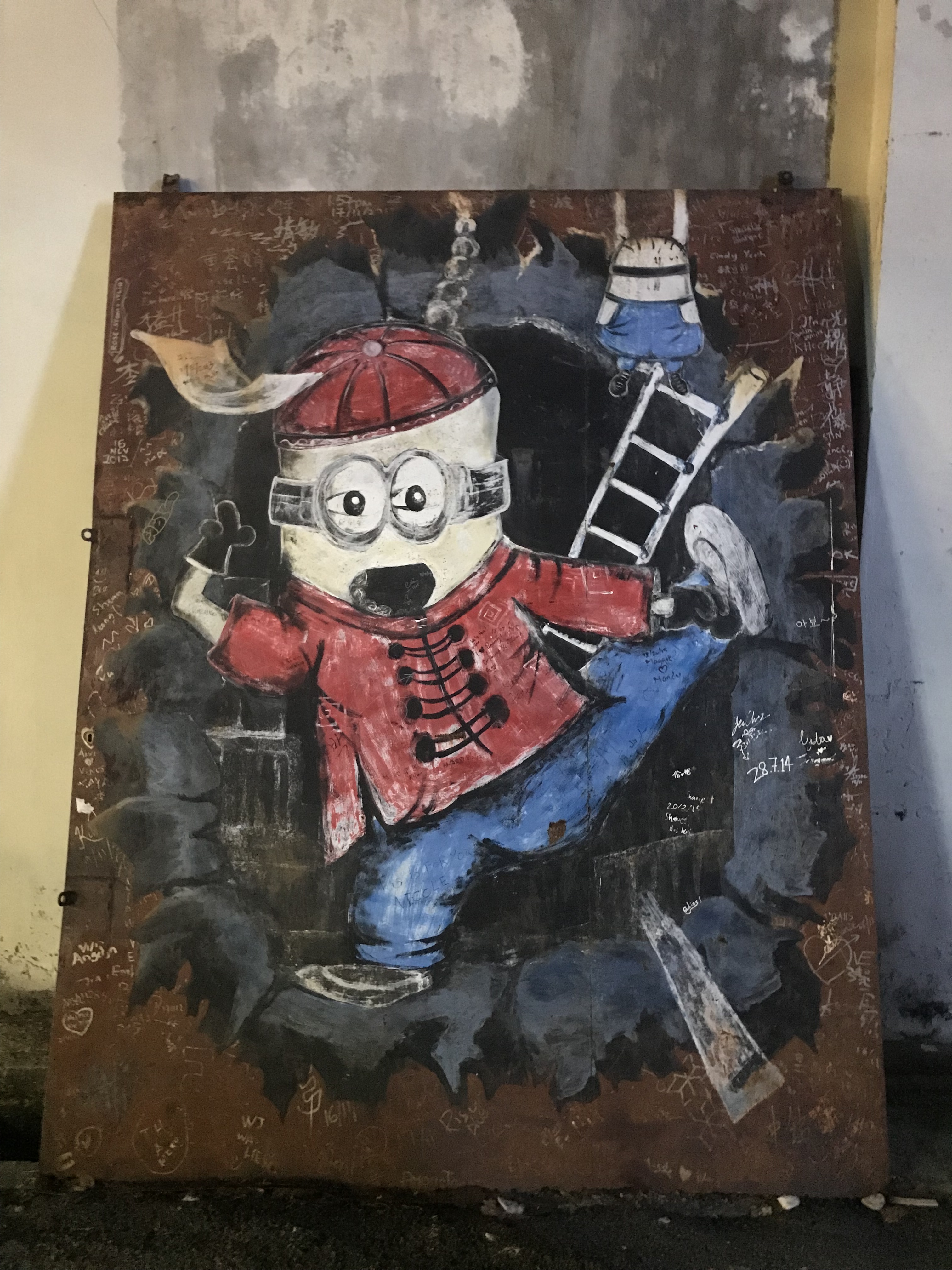
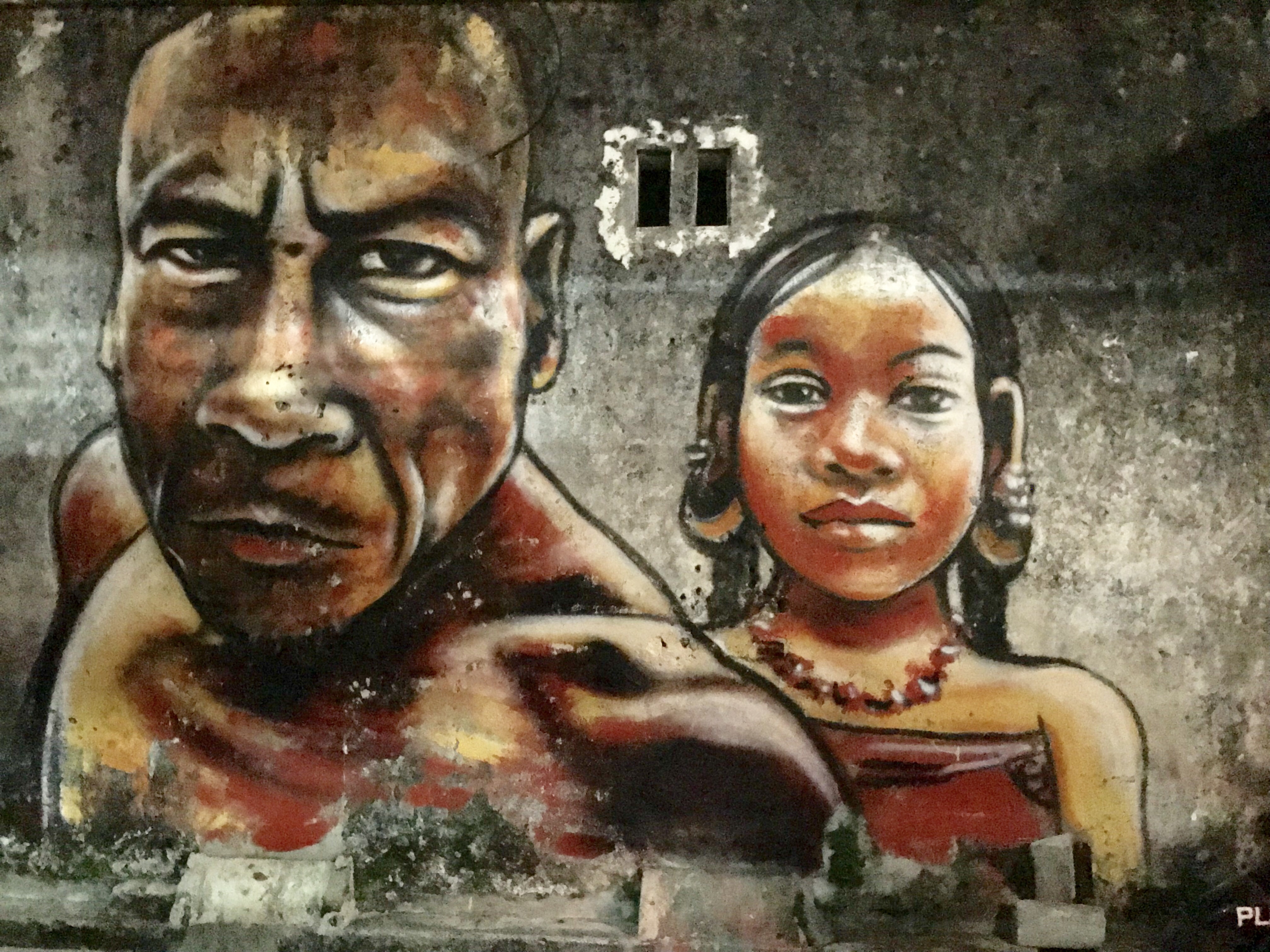
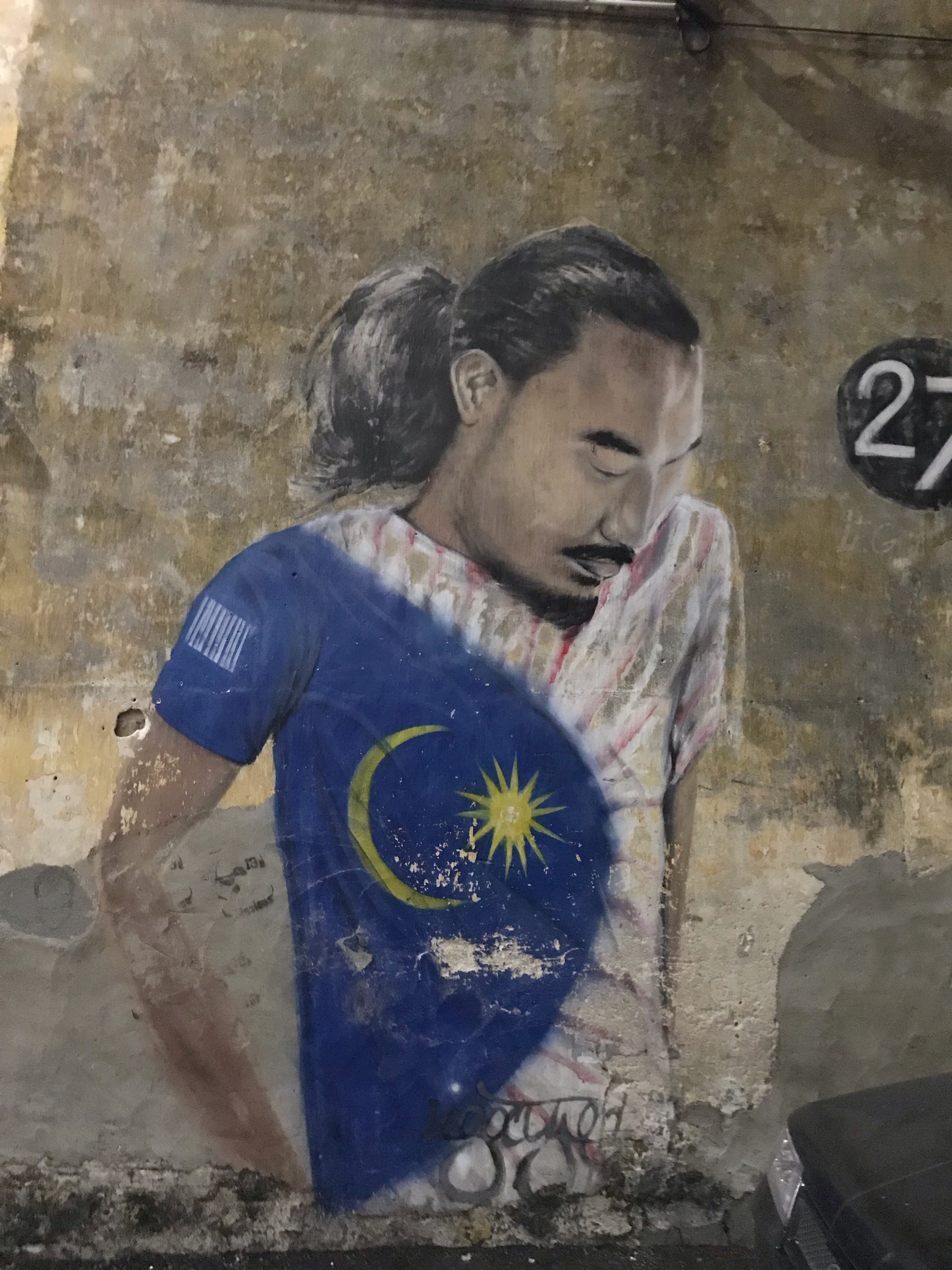
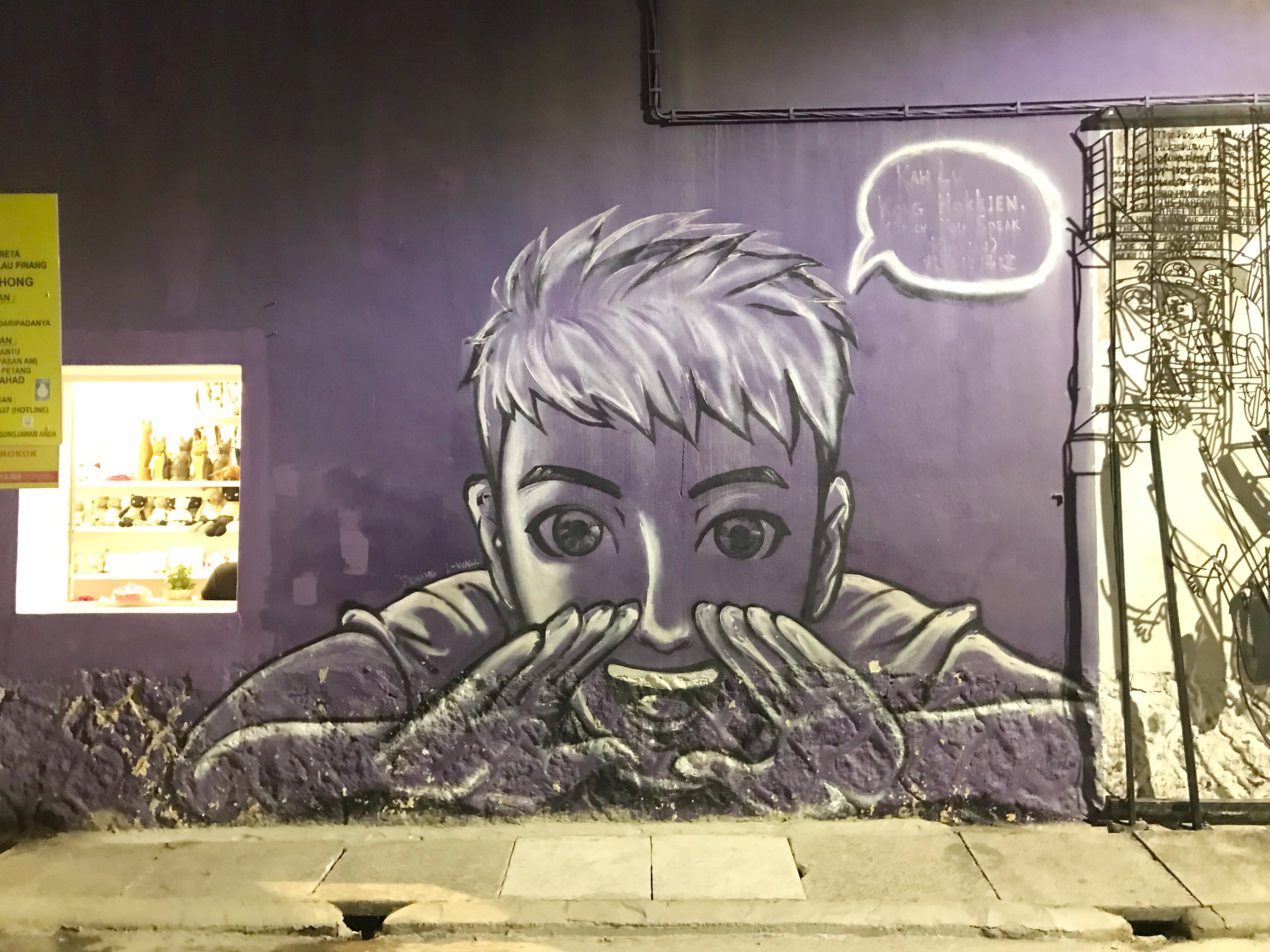
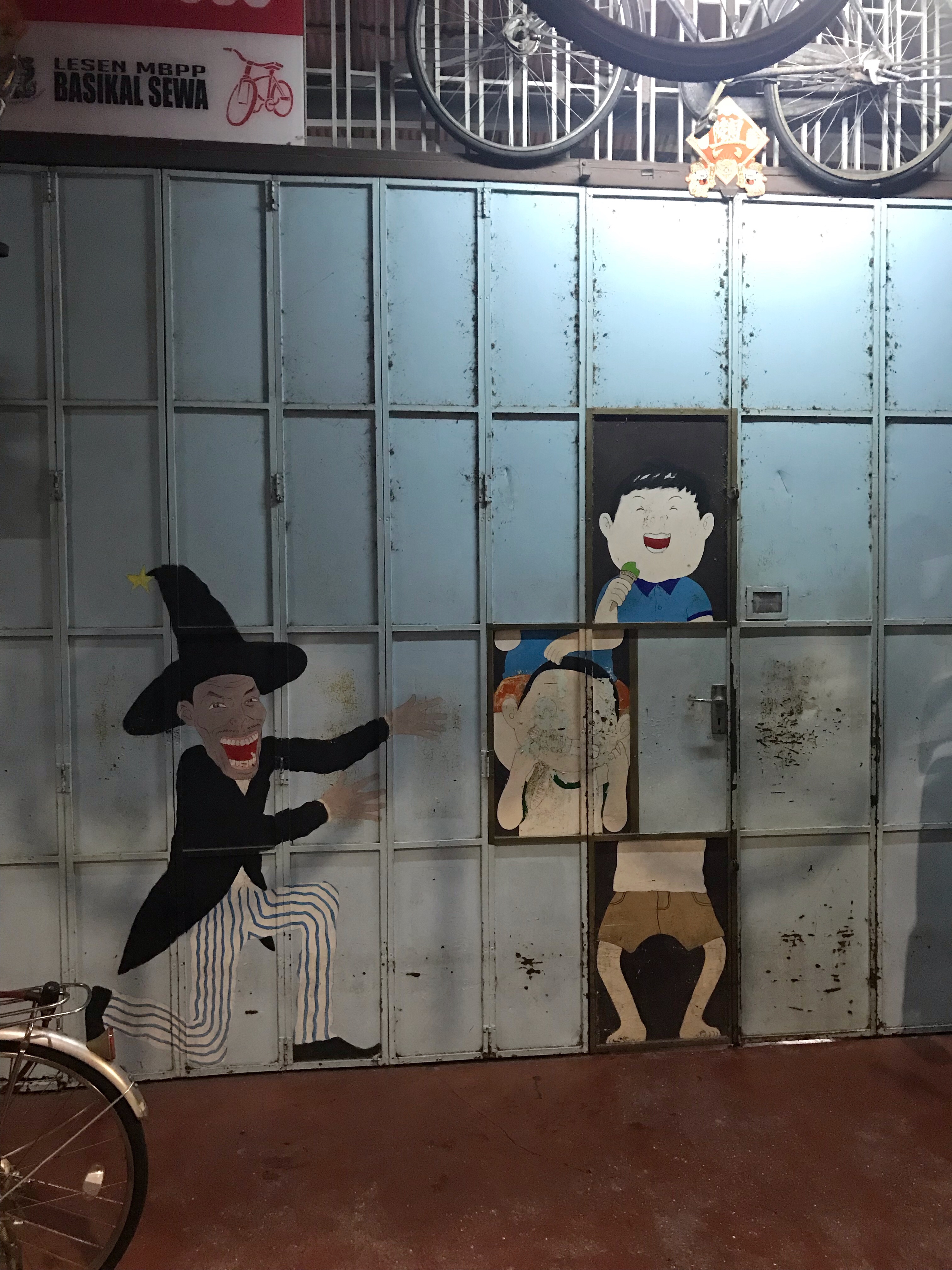
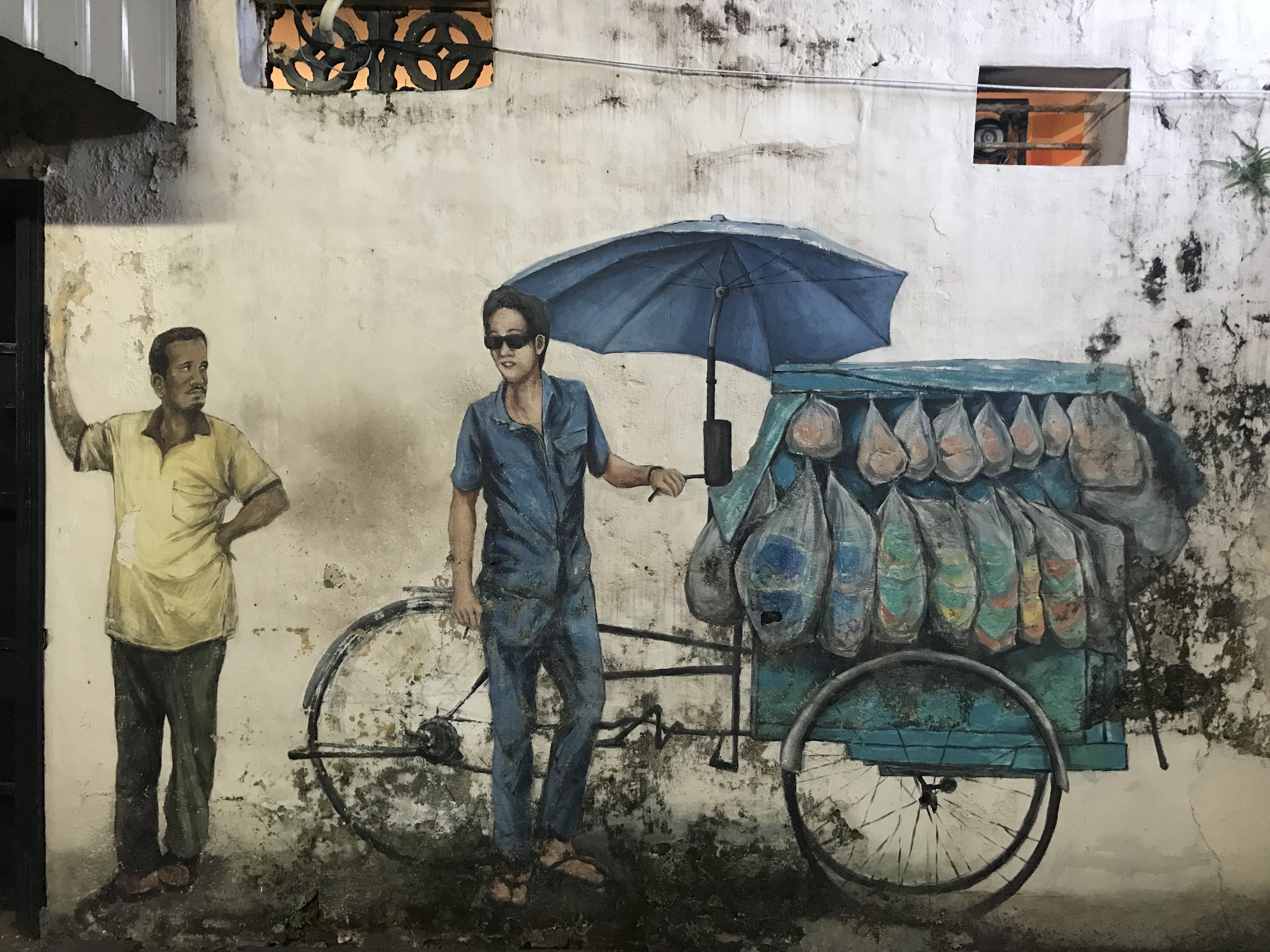
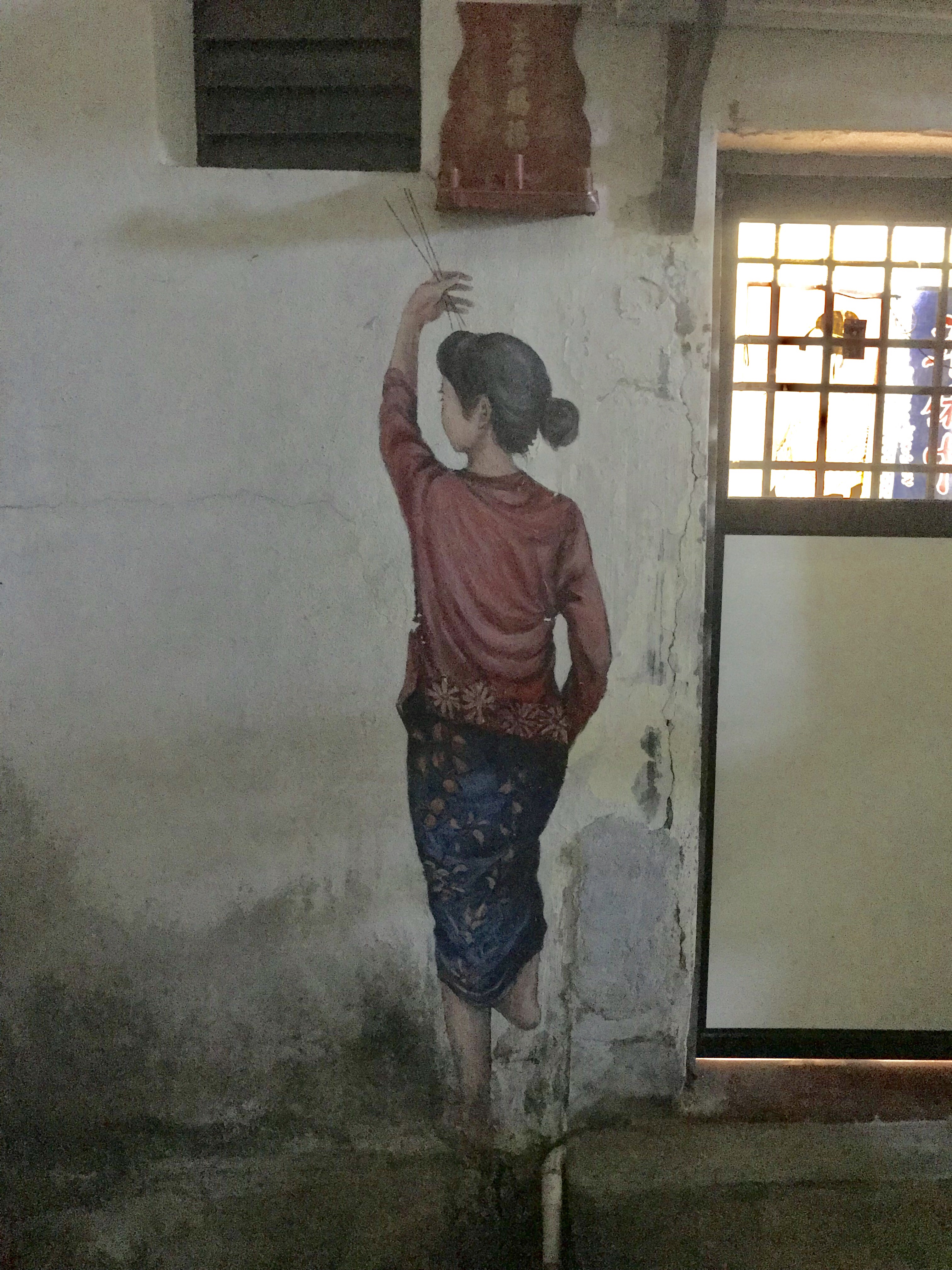
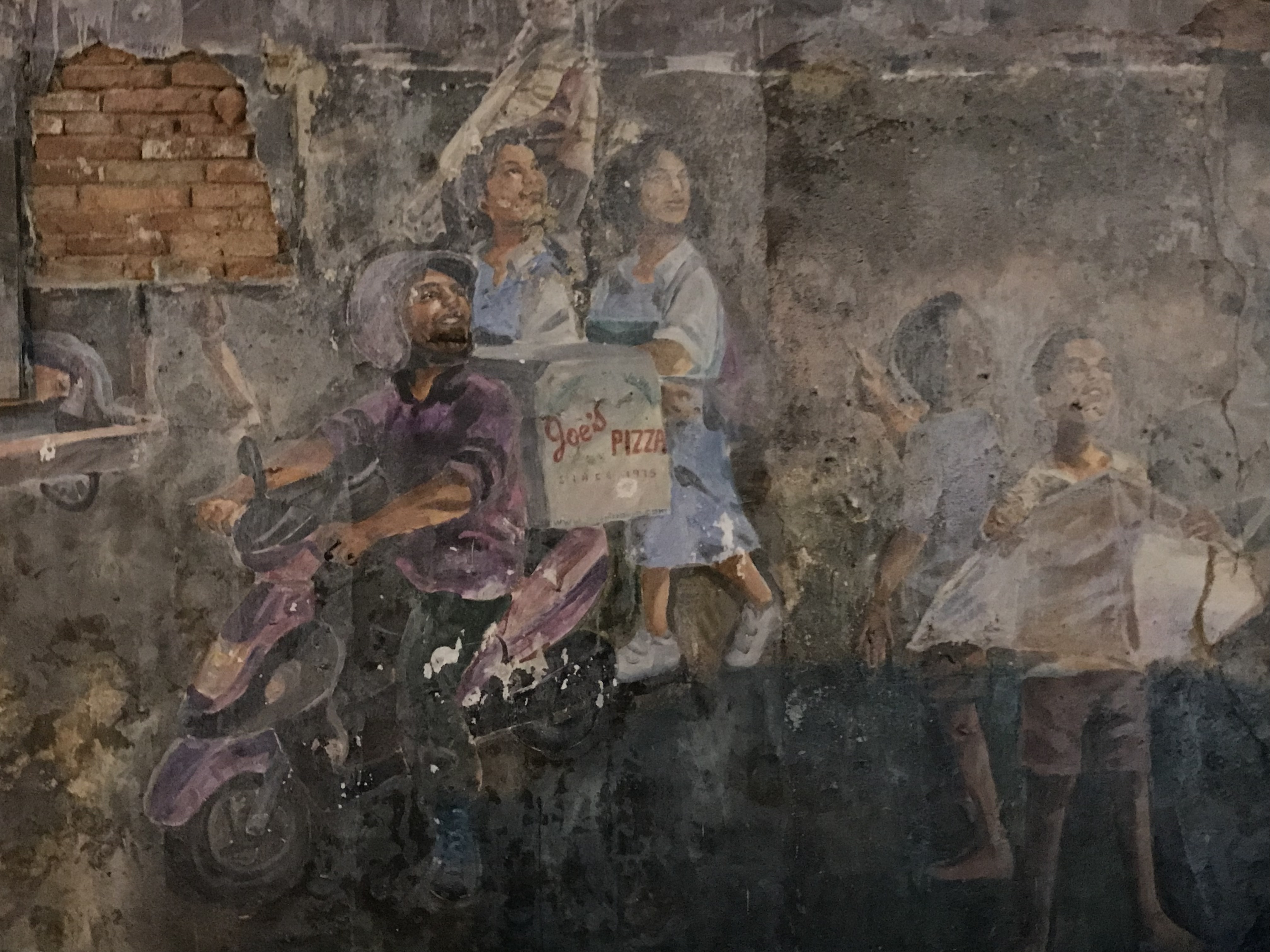
We seriously went in search of more street art. But the heat and humidity compelled us to do the hunt at night when the temps were more bearable. Changed into a loose-fitting housedress too for comfort and switched to more comfy, airier sandals for the hunt. After all, we needed to scour the streets of Lebuh Acheh, Armenian, Cannon, Ah Quee etc to find all these Zacharevich art and other murals by local artists. The first set of our finds is in my earlier post but these new street art finds demanded a separate blog. Much too fascinating to be dismissed.

Reaching Up. Cannon Street.

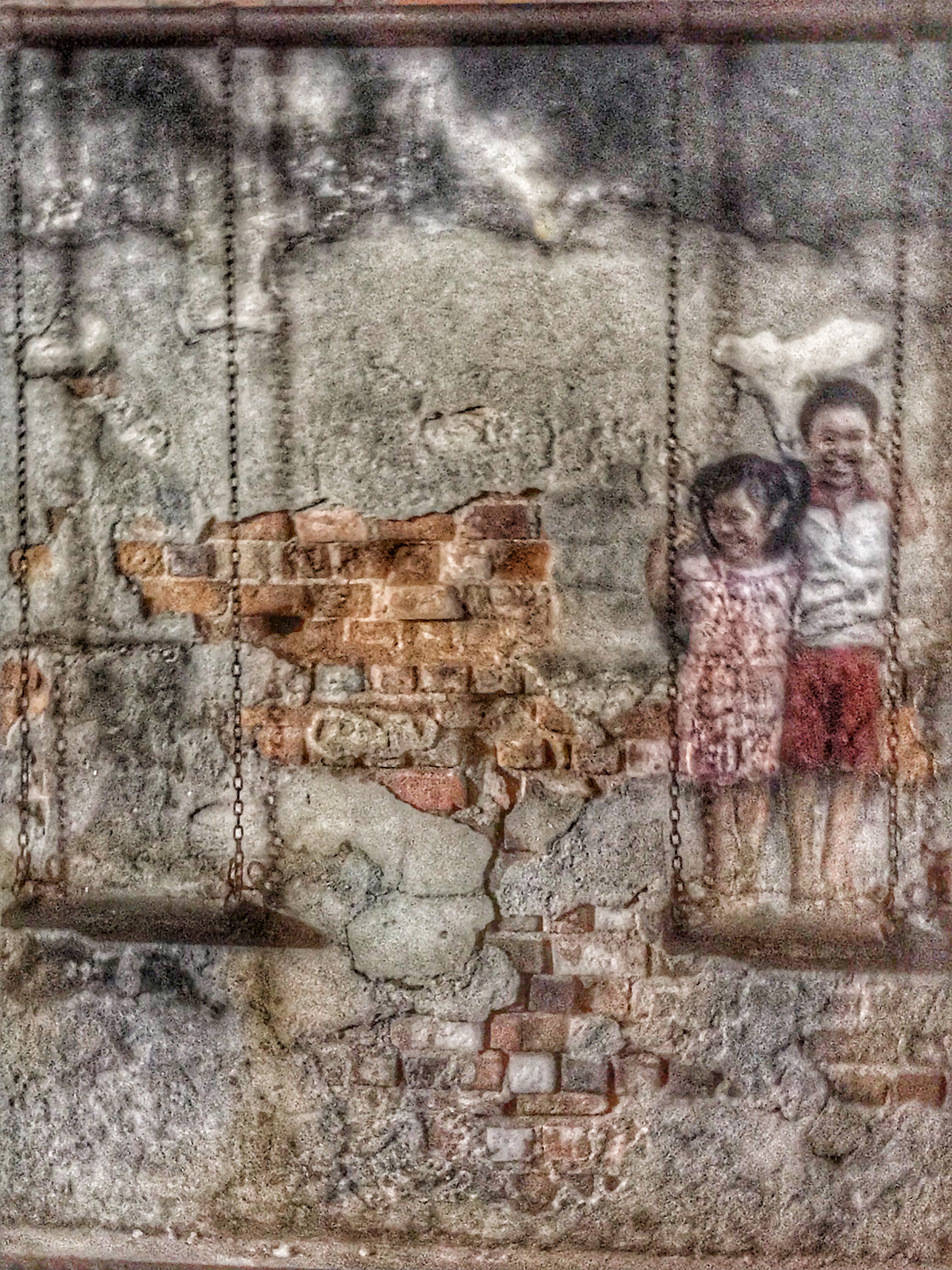
That Zacharevich painting of a boy in yellow shirt on a chair reaching up came with an actual wooden chair. Just like that of the “Old Motorcycle” and the “Kids on Bicycle”. Same with the “Brother and Sister On A Swing”. As in there was really another swing. I’m not sure what this contemporary art style is called, but I bet the Millenial Kids would love this art installations where the urban landscape and recycled objects are fused into an art form. Well, the senior adults enjoyed it too. Kind of frustrating though that the map to search for this urban street art isn’t exactly accurate, but we managed and just missed very few. We also found more — to include those not listed in the city map we had. Seems like many local artists were inspired to showcase their talents as well. Zacharevich or Zach as he is fondly called, may have led the way but he has obviously inspired many local artists. Very artsy! Zach may have been born in Lithuania but the Malays consider him as one of them, and even call him the “Malay Banksy”, whatever that means.

Boy On A Bike. Ah Quee Street.

There were a couple we failed to see while walking the streets but easily found while cruising the same streets on a cab. Where we failed was to look upwards for murals adorning walls that will likely fade over time. Many need a serious retouch. Of course we can only sigh in despair as we cruised past them, unable to take a decent shot. And the ones along some unlighted alleys required some persistence not to give up the search. Luckily, we were a group of 8 friends and enjoyed the search like we were on a treasure hunt. Not too many tourists we met that night, as most of them were already having cold beers inside bars.

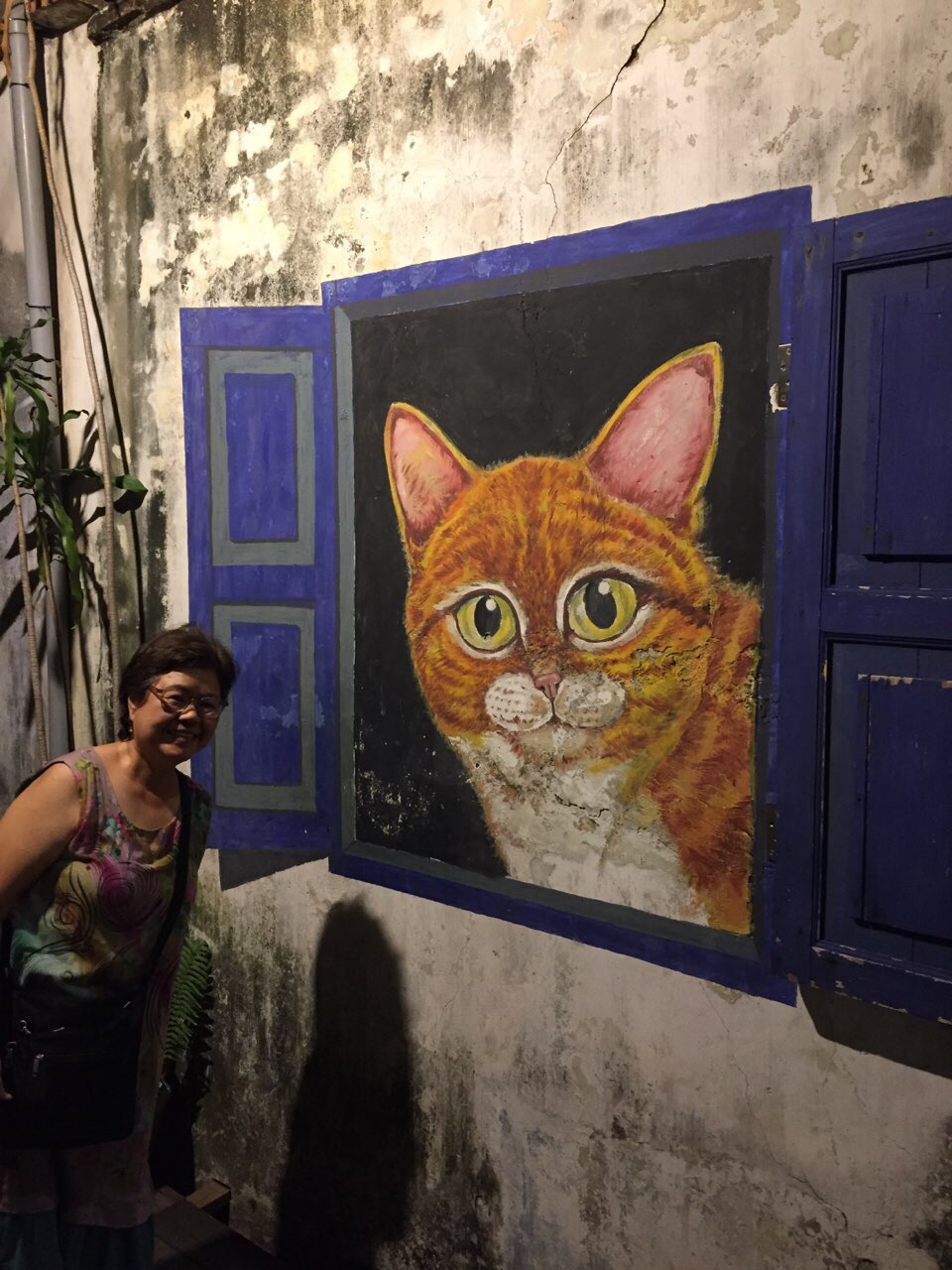
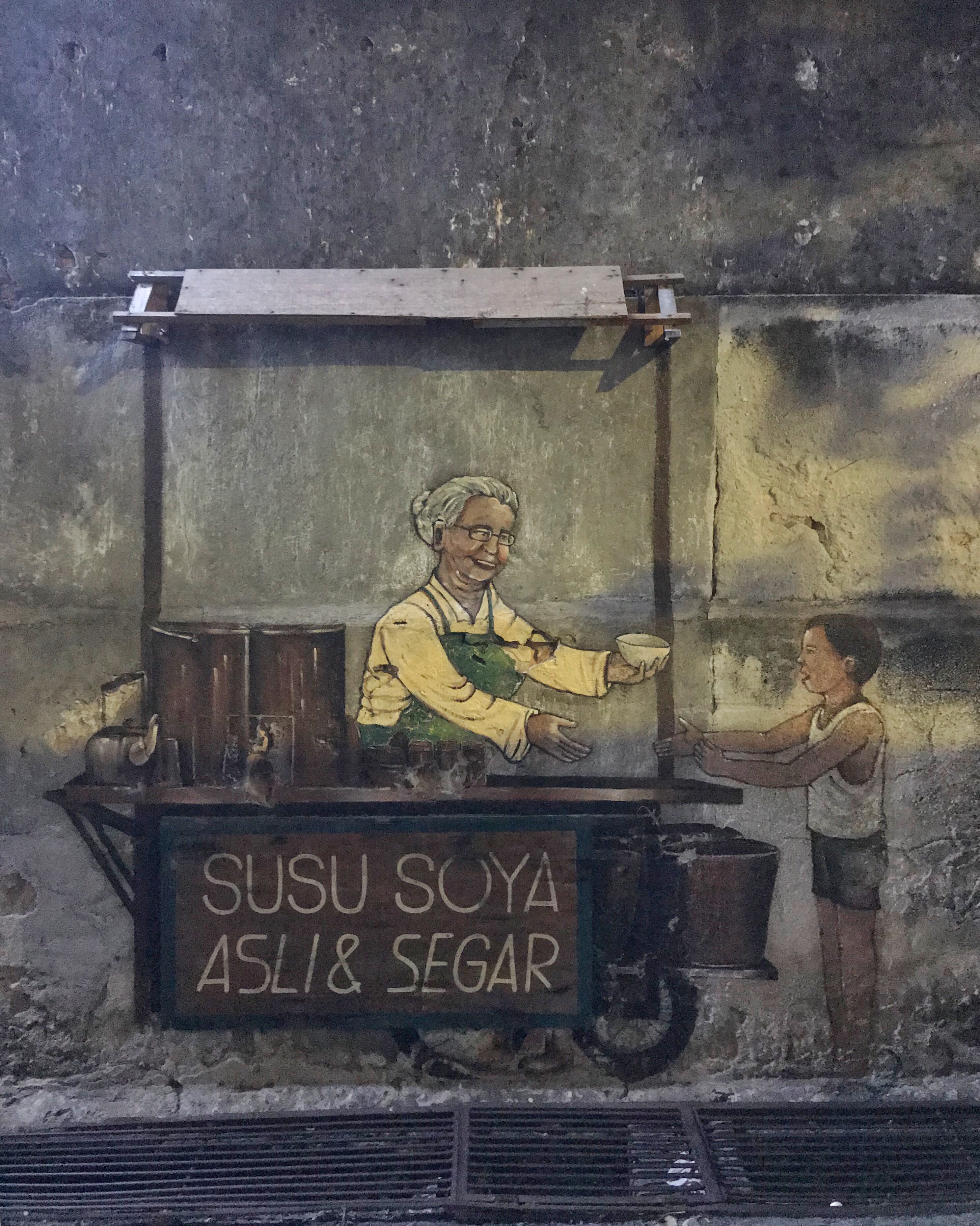
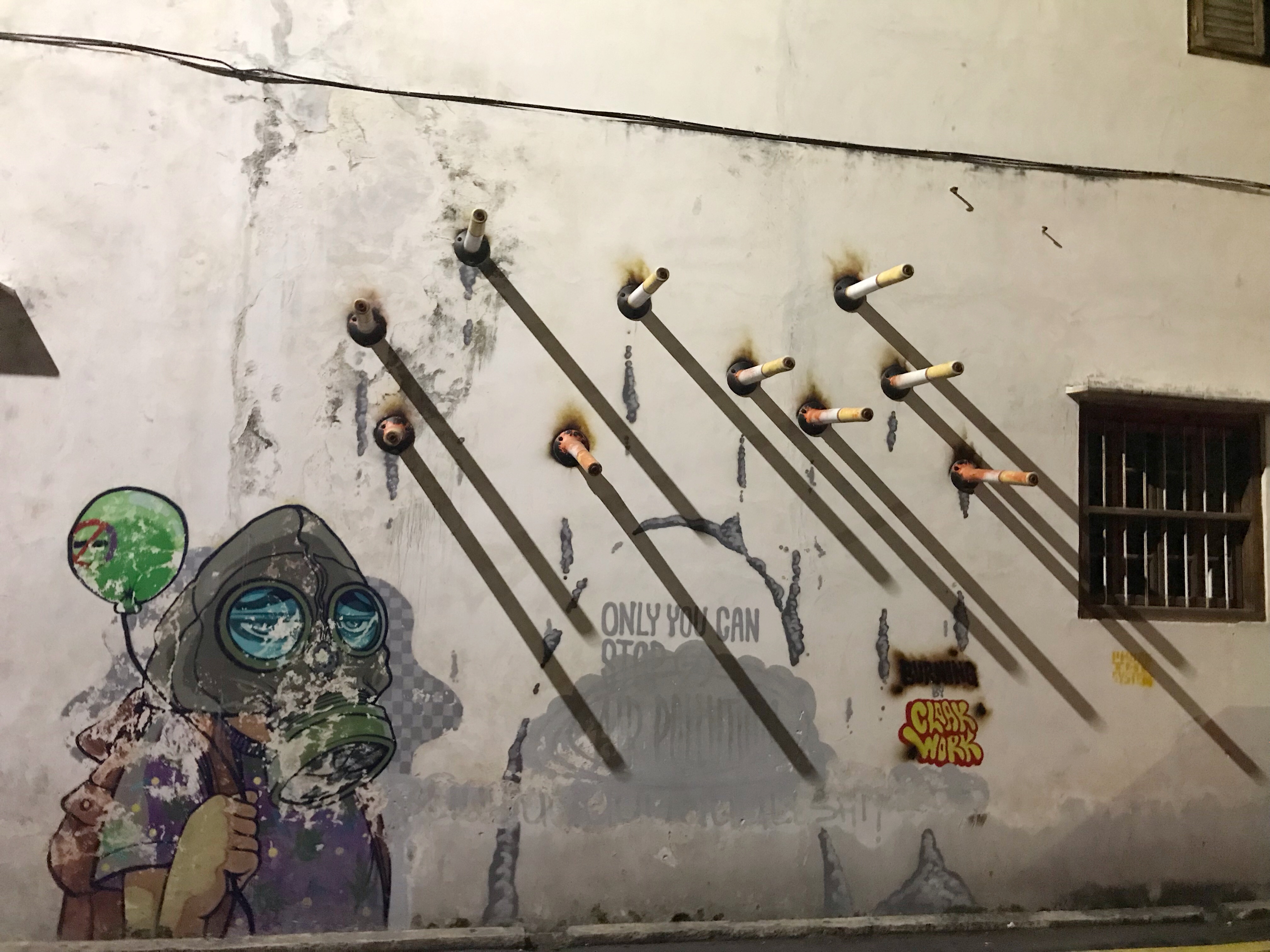
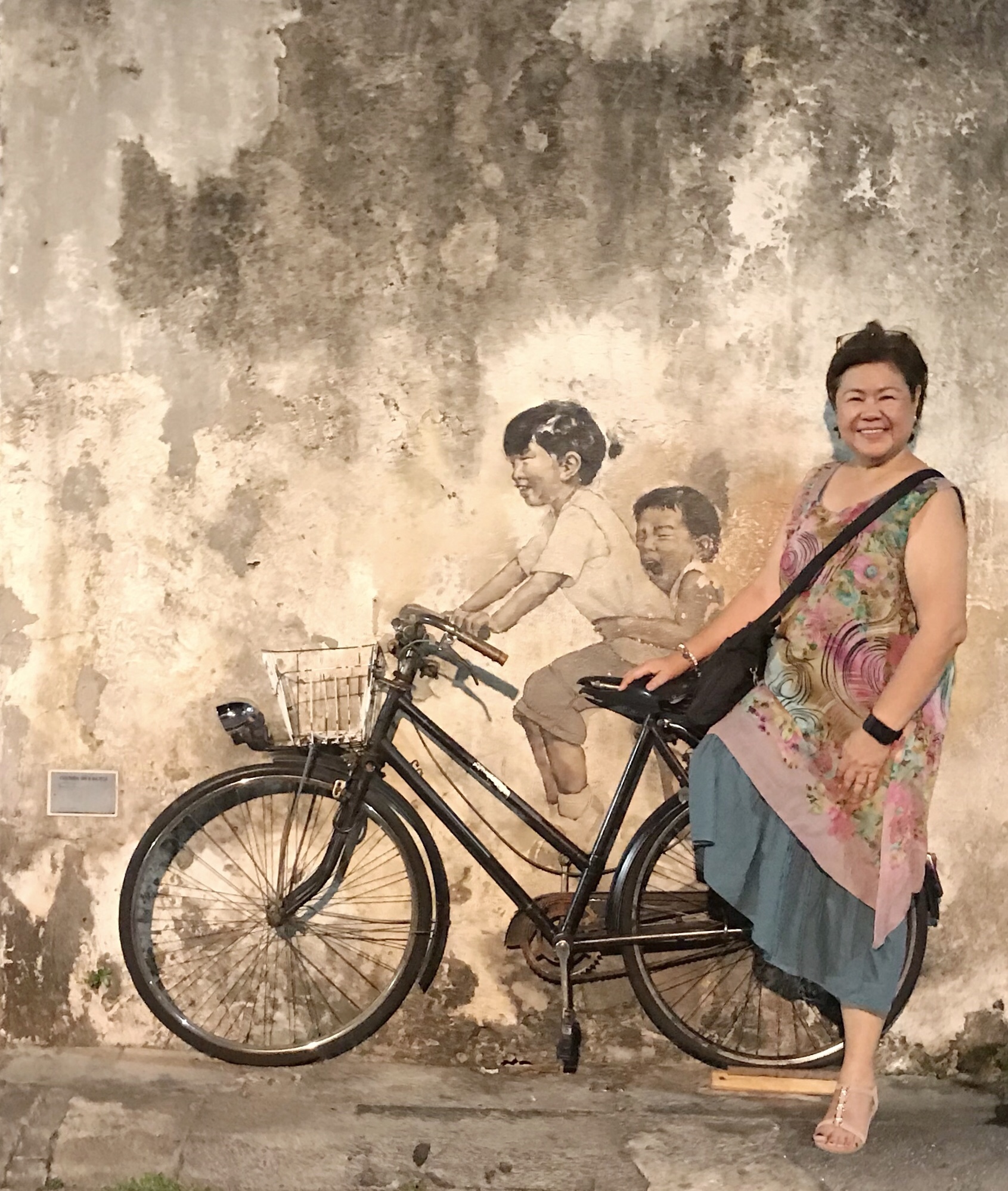
Some of those not included in the list were quite outstanding. The city should revise that list to include them. There was no attribution so we don’t know who the local artists were. A pity. I like the concept behind that wall with cigarette stubs and a man with oxygen mask. We also liked the grandma vendor handing a bowl to a boy. Susu Soya? And of course, I couldn’t resist another shot with the “Kids on Bicycle”. Yes, this time in my house dress!

Little Children on a Bicycle, Armenian Street.

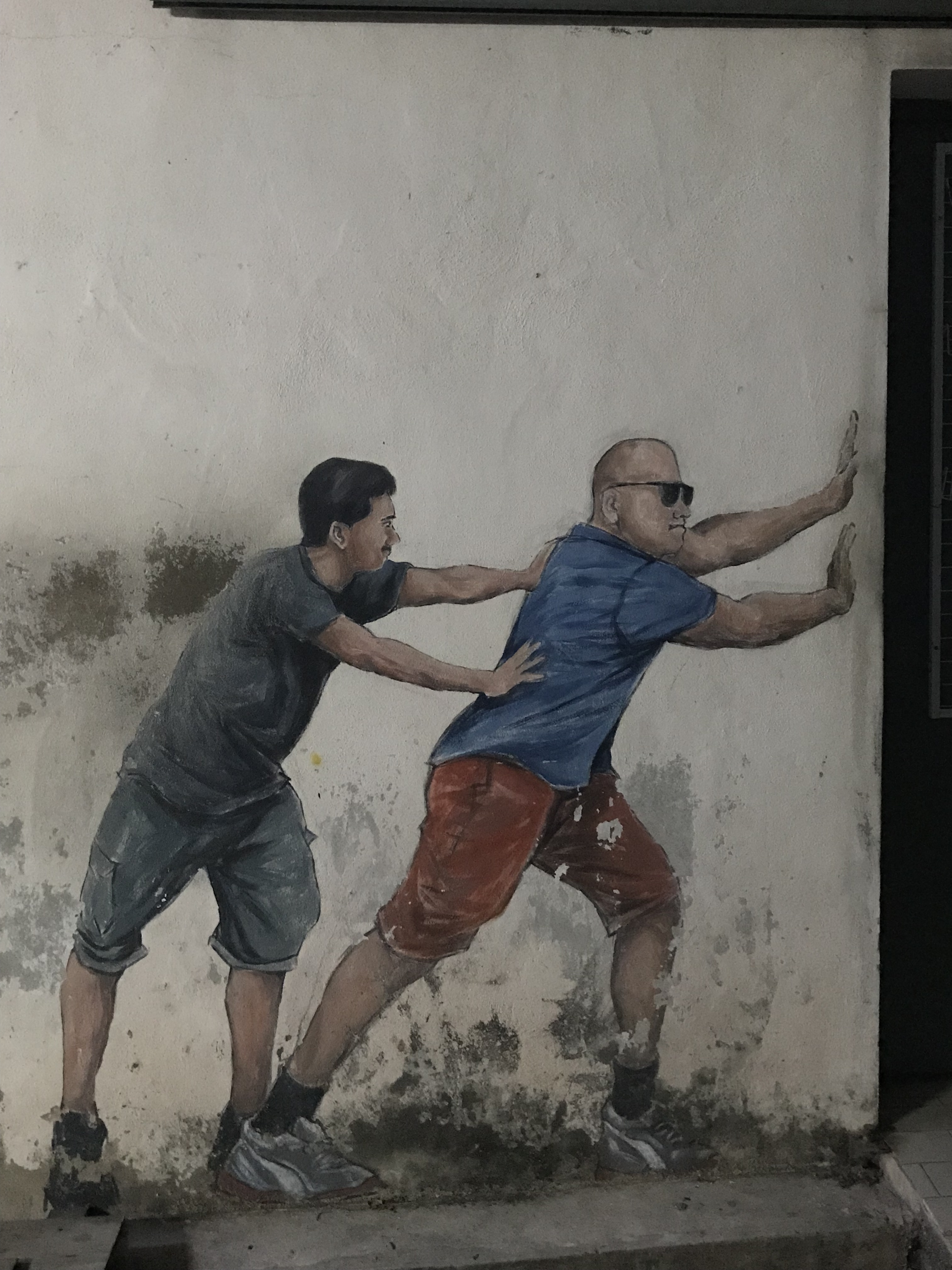
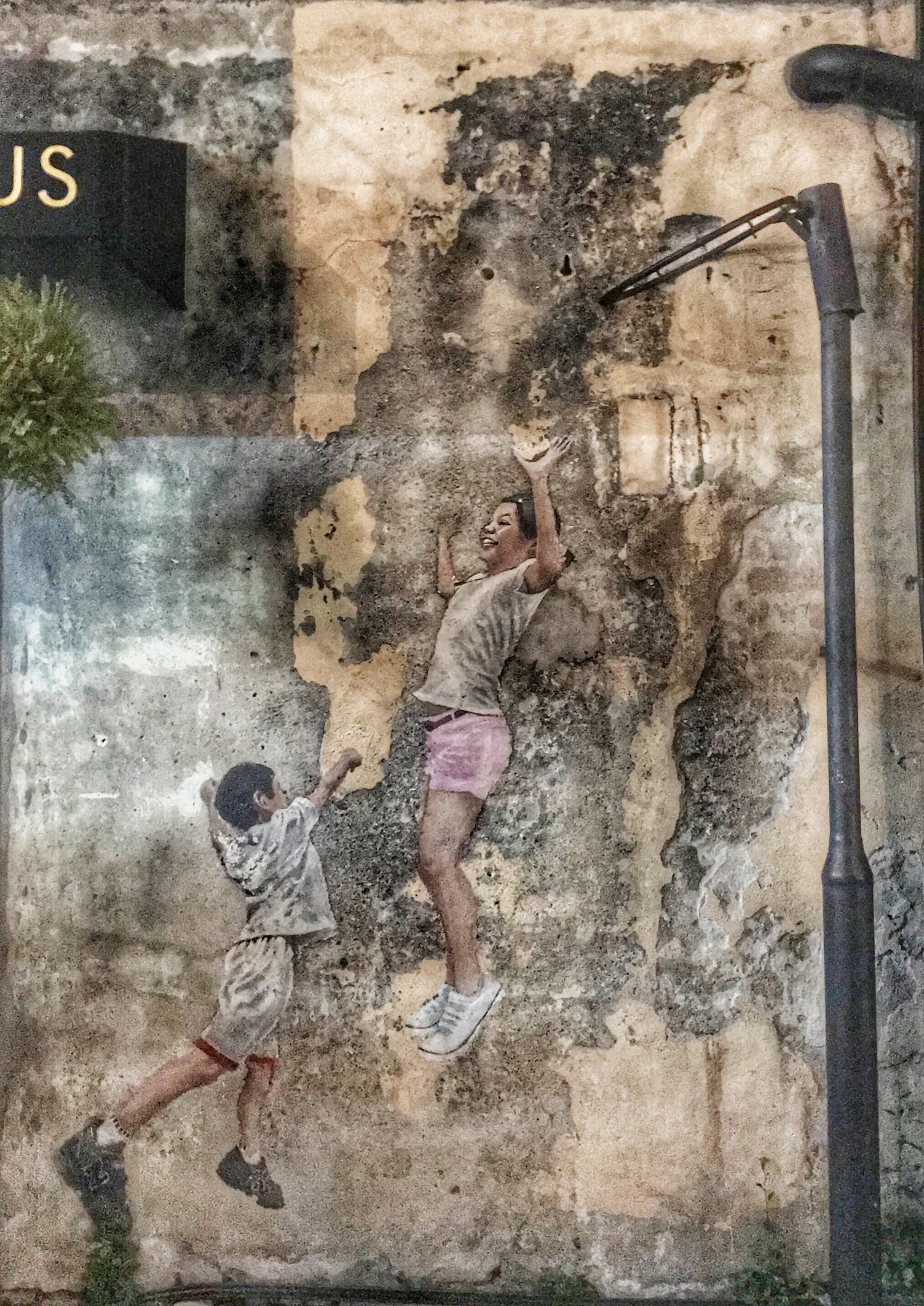
The mural “Children Playing Basketball” was in a dimly-lit alley that we nearly missed. It’s in terribly bad condition. I like the energy of this mural but the local government should do something to preserve many such murals that are nearly faded on walls that seem pockmarked.

Our map guide listed a few which locals claim have long been gone. Not sure why, but I suspect the wall on which it was painted may have been torn down or the paint may have completely faded. After all, it’s exposed to the elements and near the sea.

Some paintings obviously were done to promote a nearby shop or restaurant– but that doesn’t take away the thrill of finding them. You just have to give it to these local artists who found an expression of their art that now entertain and amuse visitors like us.

Little Boy With Pet Dinosaur. (Too faded) Ah Quee Street

Be it a wall, a gate, a door. All art. Street graffiti if you like. All for our amusement. By the time we were done, it was past 9pm. No wonder most other tourists were already inside the shops and bars. Way past our dinner time and only this Peranakan Restaurant reminded us we should nourish ourselves.

Before heading back to our hotel, we were convinced many more artists will find ways to express themselves around town. While Georgetown prides itself as a UNESCO Heritage Site, this contemporary art expression seems to complement the more traditional architecture and environ of this historical district.

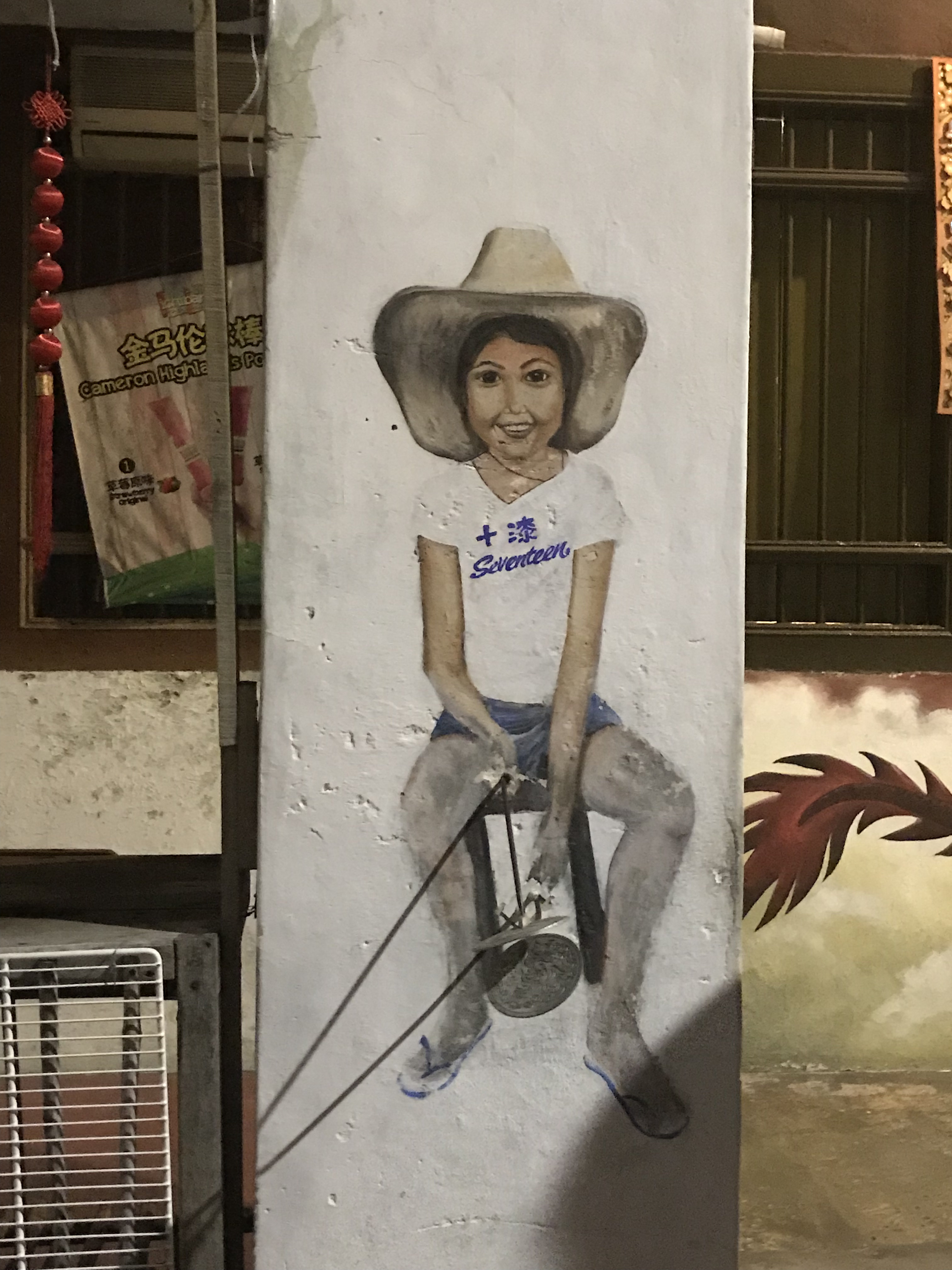
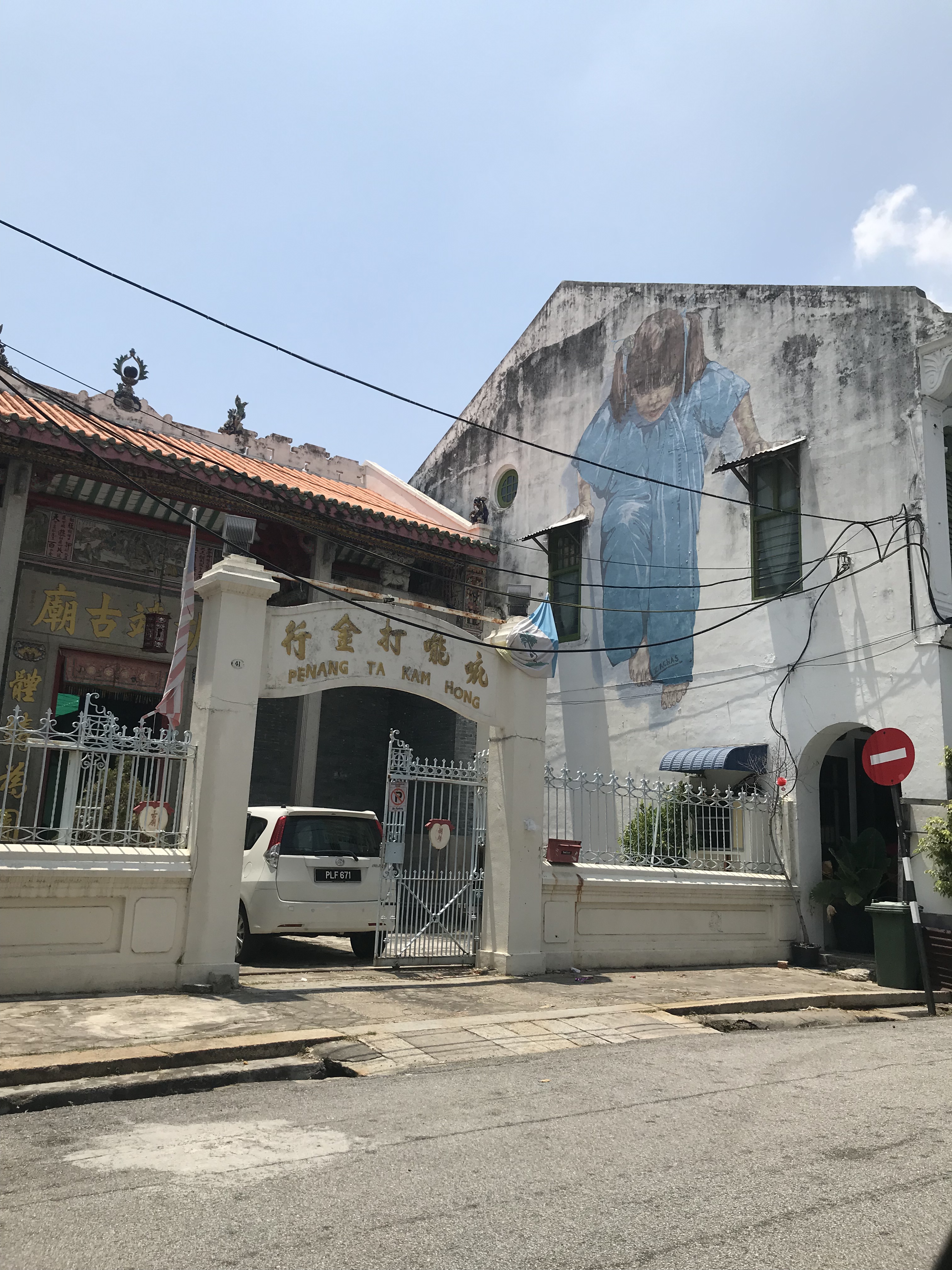
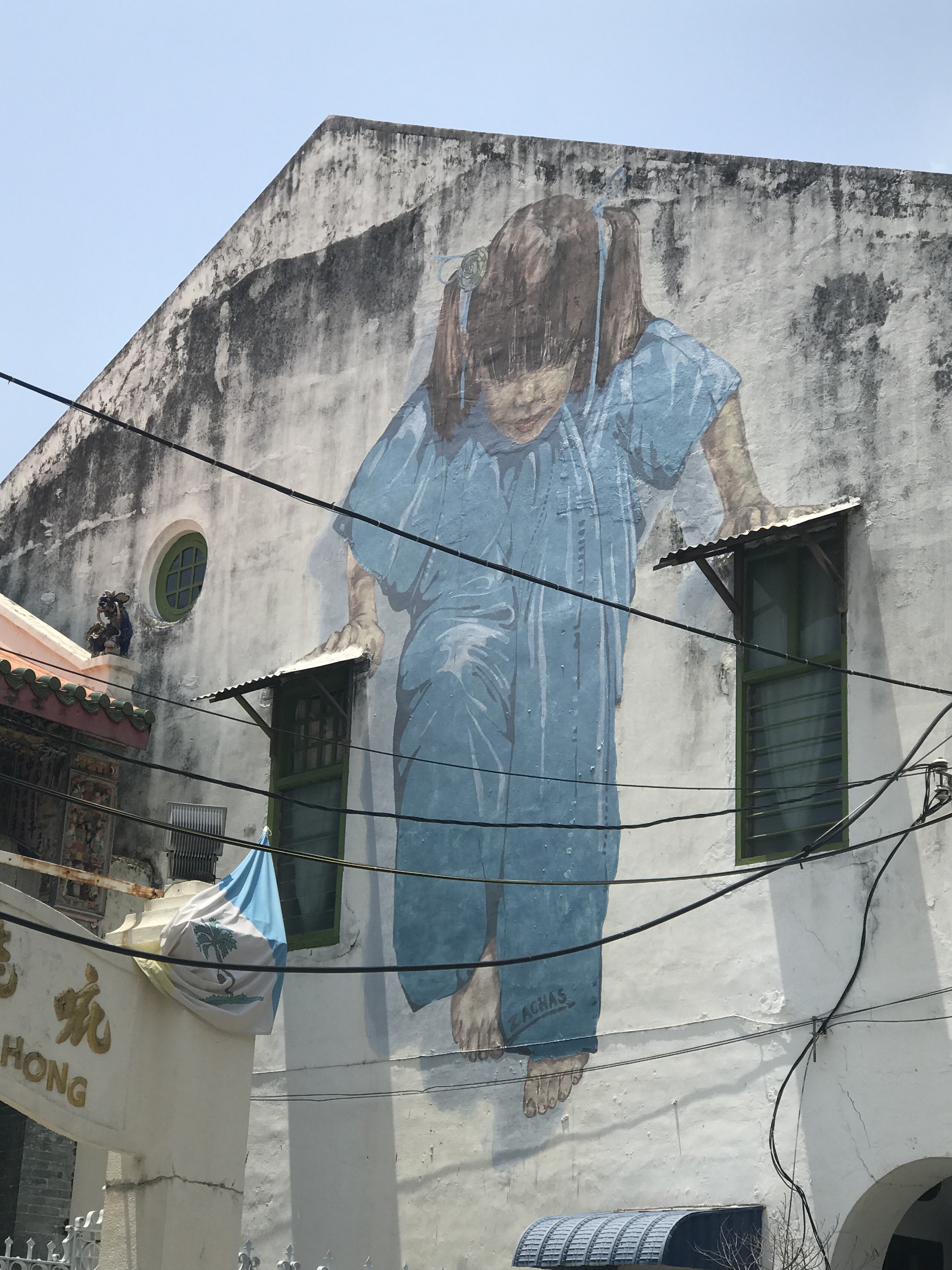
Of them all, our favourite is this. A child in blue pajamas that we missed but won’t give up on. Found it the next morning, after instructing our cab driver to bring us there. Now, we can say we’re all done! 😊

Little Girl in Blue. Muntri Street.


In the tiny village of Tsurui, we took a break from our everyday sashimi, sushi, sukiyaki, yakitori meals and settled for some home cooked non-Japanese midday meal. Nestled on a small hill, the tiny cottage was big enough to accommodate us 20 pax, but likely not more. The atmosphere was more Provençal than Oriental, def more sophisticated than your normal bar chow. We liked the place even before we even began to savour those starters.

How about a pet goat as your welcome mascot? Very friendly, very fine, smooth fur. Almost like that of a Labrador, except that he tried to eat my scarf 😂 The salad plate came with a quiche, some yam, mashed squash, homemade cheese, radish and the sweetest carrots! We ate every morsel. We tried nearly everything we found atop our table. Every dip, sauce, oils, dressing, every condiment. You’d feel cheated not to try. The bread was served freshly-baked. The pizza just off the oven. I was full even before the main pork dish was served.

Walked out of the cottage for fresh, nippy air and some banter before heading back inside. It was all snow outside the cottage where a small kiosk stands behind a tree where hangs a birdhouse. Little details that set the mood. It must be pretty in spring here. Back inside, we settled for the last chapter of our lunch. The cheese and honey were a dream. And I couldn’t ask for a cup of better coffee to pair with a slice of the finest cheesecake. Using only ingredients sourced locally like the shiawase milk from Hishinuma Farm and the Tsurui natural cheese, that cheesecake is truly unforgettable. Well, if I must break away from Hokkaido’s fine seafood meals, this meal makes it a perfect break.

Trivia: Shiawase means happy! 😊

Our Travel Planner here in Hokkaido certainly knows her craft. Near that point where the finest seafood meals may seem repetitive and a tad cloying, she introduces this surprise break. Home cooked and elegant without seeming formal and stiff. It’s like we were welcomed to a local’s home. A local whose French parent made sure she can whip up French dishes with a slight Japanese touch. And that extends to the home decor.


Just arrived for 2 nights in this lovely lantern town of Hoi An. An ancient trading port in Central Vietnam, it’s a melting pot of cultures expressed in its cuisine and architecture. Hue may have its temples, pagoda, royal tombs and Citadel but Hoi An is very quaint with its mustard-colored merchant houses, lazy canals and a Japanese covered bridge! Being Sunday, it looked like the entire population of 200,000 is out having a family day along with the many tourists agonizing where to dine in its many restaurants housed in old French-colonial buildings.

I’ve read about Hoi An being a lantern town, touristy and looking like a mini-Venice with wooden boats in lieu of gondolas. I was delighted to explore its narrow streets and alleys. My only regret is not using the free bicycles from our hotel to save me the 20 minute walk in this very humid evening. Still, it was a pleasant pedestrian tour of this heritage town. We reached the Japanese bridge just as the sun was setting and it sure was lovely.

Many Portuguese, Japanese, French, Chinese and other nationalities must have lived in this ancient trading port. Cooking classes housed in its many French colonial houses seem to be in vogue among the many tourists. Those round basket boats plying the waterways even add more charm to this heritage town that was mercifully spared from the ravages of war. Most hotels, even home stays, offer bikes to their guests. One can bike along quiet lanes or brave the old town’s streets dodging many tourists here and there, or be more adventurous hiring motorbikes and scooters to explore the fragrant rice paddies just outside town. Or perhaps do both. Our walking tour is set for tomorrow but we couldn’t wait. No brainer to explore on our own. One doesn’t waste time here, or you’d miss the charm of a village well-lighted with colourful lanterns or a canal where many boats take in tourists for a ride (literally and figuratively). You can even float lighted lanterns on the river and watch them glide under the bridge.

Though there are many dining options, I’ve heard many tourists asking for directions to Morning Glory restaurant. We found it very near the bridge and being rather early, found a table by the window. It was very hot and humid and most restaurants and shops were not air conditioned. Yet, many locals and tourists don’t seem to mind. Like an instant immersion into local life? The charm of this well-preserved town must have sent very positive vibes and they radiate in the way locals and guests behave even in very dry, humid conditions.

More to discover in our walking tour, I bet. Plus there are the beaches and rice and vegetable paddies to visit. Can’t wait to see where our lunch and dinner ingredients are sourced, or where we can dip our tired feet. Till the next blog, friends. 😘 Watch this page.


Whay. That’s how locals in this lovely provincial city say it. Just an hour 25 minute flight from Ho Chi Minh. We knew it can be hotter and more humid here but Hue welcomed us with pleasant, breezy weather on the day of our arrival. Not so the following morning, when we explored the Citadel or Forbidden City, royal tombs and the Thien Mu pagoda. We only got a respite when we took a small boat from the pagoda back to the city center, helped along by refreshments on board.

The Citadel is right in the heart of the ancient city of Hue. It occupies a wide area, counting 520 hectares on the Perfume River’s left bank. Our guide made us walk the first half hour till we insisted on taking the electric buggy around the “Forbidden City”. Long, our guide, advised that the walk would take 2 1/2 hours. We promptly took the buggy without much thought. No walking at high noon 🙄 please.

The Citadel run may have taken shortcuts but our bodies still took and absorbed all the heat and humidity. Buckets of sweat and hardly a wind to blow dry our wet clothes. We dripped till it was over. The Imperial City within the Citadel reminded me of the Forbidden City in Beijing. For sure, the first 2 monarchs from the Nguyen Dynasty chose the site very well. And just like it, geomancy played a part in its architectural design to invite harmony as well as guarantee protection from harmful elements.

As the sun sizzled, we moved around as quickly as we could. We could have lingered longer in the theatre, or in the house of the king’s grandmother’s, but migraine was threatening to cut our Citadel tour short. It was more pleasant when we explored the royal tombs earlier. More than beating the crowd, the heat was more bearable then. Still hot and humid, but bearable. We may have done more justice visiting the Mausoleum of King Minh Mang than the walled palace of the Imperial City.

You can thus imagine how we felt by the time we reached Thien Mu or the Pagoda of the Heavenly Lady. Here you find the best view of the Huong or Perfume River from the Ha Khe hill, but one needs to scale steep steps to reach the scenic viewpoint. Mercifully, we climbed safely while sweating profusely. Our eyes hurt as beads of sweat ran down from our foreheads. Not even it’s iconic 7-storey pagoda nor the displayed car of the “protesting/burning monk” who immolated himself in 1963 Saigon helped unsettle our restless, sweating bods. We were just too eager to finish the tour in this high and dry temp. Our bods protested, just like the monk Thich Quang Duc burned himself to death in June 1963 in a busy Saigon intersection as an act of protest to South Vietnam’s persecution of Buddhist monks back then. We should have been thrilled to watch a couple of the 10 or so monks living within the pagoda grounds. But we’ve lost the enthusiasm, just as we found the young monks doing exercises by lifting weights. How could they…. in this heat?

From this pagoda, we took a wooden boat along the river. Just a short boat ride where we replenished our potassium levels with coconut juice and water. Tour’s over, and our late lunch is ready. The nourishment was another Vietnamese feast but we were just craving for the showers in our spacious, air conditioned, well-appointed hotel room. A day well-spent in Hue. Enough history lessons for my grandson. No more long walks and climbs for us. Phew!


Yes. It’s a wrap. All of 8 days and 7 nights. As someone in our group said, “Sri Lanka was a revelation”. There were some mishaps, some missed sites, some meals not making the grade, a few frustrations, but this trip was just marvelous. Sri Lanka has much to offer. I do not think they’re there yet in terms of promoting their country best but it should get a lot of attention soon. Hopefully too, tourism promotion does not adversely affect the character of the people here — smiling, helpful, charming.

We feel this trip deserves a repeat. I enjoyed the safari but won’t do it again unless my family is going with me. (Birdwatchers would!) Instead, I’d return to Nuwara Eliya in time for tea harvest, do a bit of hiking in Ella to view the Nine Arches Bridge and Adam’s Peak, climb Sigiraya Rock, visit the Royal Botanical Garden in Kandy’s Peradeniya (we missed it as we lacked time), take another scenic train ride, spend more time in Weligama and stay in the same Jetwing and Marriott Hotels we booked including those in Negombo and Kaduruketha! I’d also enjoy the same hotel breakfasts and dinners there and make sure to do better for our midday nourishment. 💕💕💕

Thank you, Sri Lanka.

(Just click on the links)

Dambulla Rock Caves

A Sri Lankan Safari

Ancient and Sacred Cities

A Scenic Train Ride

Budurugawala Temple

Stilt Fishermen of Sri Lanka

The Ramparts of Galle

Last Day in Colombo

Travel buddies, young & old

Different folks, Different strokes

Foodies, shoppers, culture vultures

Tell me, do we hold a future?

Morning strolls, cocktails by dusk

Chatting each day’s highlights in a flash

Oh what a journey with these peeps

As we discover food, places & pet peeves.


It was nearly a chore coming back to the city. We enjoyed the beach and countryside so much we had to brace ourselves for the humidity, traffic, heat, crowds, noise and chaos to be found in the metropolis. Colombo is no exception. The city is a mixed bag of modernity amidst remnants of colonial rule. Upon arrival, I felt disoriented but not disheartened. Colombo is very clean despite the “clutter”, and culturally rich. The temples and Buddha statues compete with highrise buildings for attention. The old and the new, stand side by side. There is an eclectic variety of foreign and local elements present in the many parks, lakes, monuments, districts, structures around the city.

. Independence Memorial Hall

A young republic, yet it is the oldest democracy in Asia. Two rival political clans represent the 2 biggest political parties in the country. In 1960, the world had its very first elected woman head of government. Sri Lankans are very proud of their first woman Prime Minister, serving twice, Sirimavo Bandaranaike from 1960-65 and 1970-77. She was the widow of Ceylon’s 4th Prime Minister. Among South Asian nations, Maldives and Sri Lanka rank highest in terms of Per Capita Income and Human Development Index. As visitors to this island nation, we see it in their infrastructure projects and high literacy rate. The road network is impressive, young Sri Lankans get free university education and heritage sites are well-maintained. Beat that!

A Government Hospital

The attractions being far apart, we only managed to get off our bus to visit the Independence Memorial Hall and one temple. The Hall is in Independence Square, built to commemorate independence from British rule in 1948. A statue of its first Prime Minister — deemed Father of the Nation — stands at the head of the monument. Our motley group of travelers found it apt to have our picture taken here. If the Hall looks familiar to you, you may remember it being used as a pitstop in the popular “Amazing Race” series. Well, it wasn’t a race for us. But it was amazing!

👣👫👬👣

Gangaramaya Temple

While it was difficult adjusting to the city noise, we found refuge in 3 places. One is the temple. The 2nd is our hotel’s roofdeck bar. And the 3rd our last lunch in this island nation.

Gangaramaya Temple is both a Buddhist temple and education center. There are traces of Sinhalese, Chinese, Thai and Indian elements in the architecture of this most-visited temple in the capital. This was the last time we’d shed our shoes to enter a place of worship. A piece of Buddha’s hair is enshrined inside. Many locals were there to worship. Oddly, we also found donations in the form of dining furniture and vintage cars.

The old Victorian Cargills Department Store

If there are hostels, there must be a lot of backpackers

Being our last day, we were on the last few bars of our energy meters. Having found this refuge, we took comfort in the peace and quiet provided by this temple. We wished we were able to visit the Red Mosque as well but the guide said our bus cannot negotiate the narrow alley leading to it. And we weren’t really up for walking in the city heat.

Entrance to Gangaramaya Temple

Inside Gangaramaya Temple

Inside Gangaramaya Temple

2nd refuge: The roofdeck bar of Jetwing Colombo Seven with a panoramic view of the city is exactly what we needed upon reaching the last leg of our journey. There was a lap pool on the deck but who’d like to go swimming? Cocktails seem to be a better idea. Best time? Sunset, of course. There were other hotel guests and locals with us, but we seemed to be the only ones agog over the sunset. Well, we’re tourists 🙄

Photo Credit: Rick C

Photo Credit: Annabelle C

On our way to the airport to fly out of Sri Lanka, we decided on having lunch in 4-month old Shangrila Hotel’s Table One. Our last refuge. Located in Galle Face, the hotel has a commanding view of the Indian Ocean. Table One’s buffet spread offerred everything we wanted for a last decent meal in Sri Lanka. Crabs, prawns, lamb, curries, cuttlefish, squid, steaks, hoppers, noodles, dimsum, salads, soups, and an assortment of sri lankan desserts. I had a few pieces wrapped to eat on the plane as I wasn’t hopeful about the inflight meals. I brought them all the way back to Manila instead. And that coconut cookie with cashew nut was my morning upper! Swell 🤤


It’s been over 400 years yet the fort in Galle still manages to enchant its visitors. The Portuguese started it (16th century) and the Dutch fortified it (17th century). The old town of Galle and its fortifications – more commonly called Galle Fort – lying on the southwestern coast of Sri Lanka, has been declared a UNESCO Heritage Site. The ramparts made of granite stones and corals are its biggest attraction, along with its lighthouse, which unfortunately had too many scaffoldings at the time we visited to render a good photo.

The old town within the walls has the charm of an old European village combined with East Asian architecture. One finds multi-religious and multi-ethnic influences with robed men roaming the streets and locals sneaking in and out of mosques and churches. The settlers include Portuguese, Dutch, British, Sinhalese and Moors. All these add character to the Old Town of Galle. I can spend an entire day here walking aimlessly — on ramparts and along the narrow alleys — sneaking in and out of museums, quaint restaurants, cafes, the art galleries, handicraft and gem stores. If only we had time 😔

(If i knew we’d have a lousy lunch, I could have skipped it and walked around town instead, maybe while licking an ice cream bar)

Photo Credit: Annabelle

The signages I found were enough to intrigue me about living here. I’ve read half the population are Moors. The mosque I passed walking towards the lighthouse is most charming in its all-white exterior. So are the structures in Mediterranean colors with interesting wood carvings all around town. So colorful, just like its history. I can only feel thankful that this town was restored and preserved even after it was badly hit by a tsunami on that Boxing Day in 2004.

Art and culture, as well as religious traditions, flourished here. Peaceful co-existence and harmony. I would love to stay a few days here. Perhaps meet anew that crazy jumper who poses for a buck. Free if you’re a young, charming lady. Ahem. Walking mindlessly, enjoying the seascape and the colonial houses with gables and verandahs. The streets have very curious names : Lighthouse, Church, Pedlar (peddler?), Hospital Streets. For sure, it would be very hard to get lost here. I even read that dining here can be a foodie’s adventure. (Not our luck) The mixed bag of hotels, coffee shops, jewelry stores, tea shops is an enchanting medley of European, Moorish and Asian influences. No wonder this town attracted many artists, photography buffs, designers and literary figures.

If Nuwara Eliya is Sri Lanka’s “Little England”, this must be their “Little Holland & Portugal”

We spent way too little time here, methinks. We’ve seen many monuments, the former moat surrounding the walks, the drawbridge, clock tower, Dutch Reformed Churches, and more bastions — on a bus. The bygone colonial era flashing across bus window panes in an area small enough to be walkable. 😭 A few likewise went for a stroll but had to head back to where we had our unforgettable lunch. Oh, Sri Lanka. I’m NOT done with you. Not just yet!

Not done! Not yet. 😭😭😭

No, he’s not one of the Crazy Jumpers. Just one photography nut. Can’t blame him. He’s married to one.

Took me a few minutes to roll out Buduruwagala without stuttering. Budurugawala means “the rock with the statue of Buddha”. It is the largest standing Buddha statue in the island’s Wellawaya in Uva Province and is actually all of 51 feet. Easily 5 stories high. It is also one of 7 rock sculptures to be found in this ancient Buddhist temple complex dating back to the 10th century. A trio of statues stand to the left and right of the 15m central Buddha. With that streak of faded orange, one can only imagine how this set of rock statues must have looked back then. Impressive now, it must have looked truly majestic then.

(Trivia: It is the tallest standing Buddha statue now after the Taliban destroyed the one in Afghanistan in March 2001)

Our bus brought us to the complex gate, after driving past a lake and through this very narrow bridge. Certainly required skillful driving and in that instant, I forgave our driver for all the times he alternated between speeding, overtaking on curves (omg!) and suddenly stepping on the brakes esp while I’m sleeeping. Pheww!

(Trivia: Sri Lanka’s crime rate is largely comprised of road accidents/traffic infractions. That plus adultery, according to our guide)

The complex gate entrance is a short and pleasant walk through a park to where one finds the 7 rock statues. Very well-maintained with a “zen ambience”. The walkways are hemmed in by full grown trees that provided shade on that otherwise hot and humid day. You hear birds chirping and find many butterflies around in this very serene complex. Two resident dogs were found sleeping just before the rock. Took a photo of the pair while my pseudo Buddhist friends paid their respects. Hmmmm.

(Trivia: Other historians have actually dated the statues to the 6th century)

To the left and right of the gigantic standing Buddha is a trio of rock-cut figures all belonging to the Mahayana school of thought. The one on the left is believed to be a Mahayana deity Alokiteshvara, flanked by an attendant and his consort, Tara. The trio of sculptures on the right consists of Vajrapani ( the Tibetan Bothisatva) flanked by Natha (the future Buddha) and Vishnu. The rock on which these were carved looks like a kneeling elephant with a head bent towards the ground. Tantric influence can be gleaned here as one finds Vajrapani holding an hourglass-shaped thunderbolt symbol of Tibetan origin. Of interest is the hole near the right foot of the central Buddha statue. Shaped like a flame from an oil lamp, it is always wet and smelling of mustard oil. There is not one explanation for this.

(Last photo: Thanks, Angel R)

Buddhists, Pseudo Buddhists, Buddhist-wannabees and non-Buddhists will all enjoy the serenity of this place. So peaceful, so quiet. You may visit way too many temples and shrines in Sri Lanka, but please don’t miss this if only for a few minutes of calming silence. Besides, you don’t need to take off your shoes here. 😊


It took 3 hours via train that meandered through mountain ranges, tea gardens and the occasional water falls.Nuwara Eliya is such a revelation. As is the entire Sri Lanka! We drove south from hot and humid Sigiriya and Kandy towards the largely Muslim Nuwara Eliya where temps dove to as low as 14 Celsius. We arrived late afternoon in this land of the Ceylonese Moors. Pretty, pretty. The lush green tea plantations blanketed this cool hill country as we zigzagged up just as the fog cleared. Swathes of lush tea bushes greet you in Nuwara Eliya. The aroma of tea gardens puts you into a mood that cocoons you off all negativity and hostility. The serenity embraces you. Trust me on this 😊

(Photo Credit of the Falls: Topper R)

We only wish we could stay longer in this rather odd hotel with so much wasted space. Not that we’re complaining, but a room for 2 with a maid’s room, a powder room, washing machine, a kitchenette, three toilets, a massive dining table and living set? It may not be as tastefully done, but we felt like royalty. And the dinner buffet which included local food and our own chicken adobo (they must have Filipino kitchen staff?) plus the inviting spread of yummy desserts sealed a happy, sweat-free weekend in Nuwara Eliya. Back on topic though (how I digress…), we could have taken the 60 km bus ride in an hour instead of the 3 hour train journey but heck, why miss this majestic scenery, pray tell? The nearest train station is Nanu Oya, just 15 minutes away. By itself, the train station provided a glimpse of life here. Many European tourists joined us on this train ride, as did school children in their starchy white uniforms. Come boarding time, we dodged our way among the strawberry vendors and the resident sleeping dogs. In the first 30 minutes as the train chug-chugged out of Nanu Oya Station, all hell broke loose. There was a frenzy to slide down train windows to get better views of the gardens and falls. It was drizzling but no one cared. The more adventurous opened train doors to literally hang out of the moving train. The view, the entire scenery has that effect on everyone.

(Thanks Topper for this photo.)

(Thanks, Iyay, for these “hanging” photos)

Those 3+hours breezed by and we found ourselves with so many photos of the train, rail tracks, tea plantations, and more. There was a break among the hills and the trees as we waited to snap more good photos but the mist fogged out all the views. Before we knew it, we were already in Ella. Warmer now, but eager for more adventures. Oh, Sri Lanka — you pulled out so many surprises for us! 💕💕💕