Latest Entries »


What happens when you are told some story about an ex-monk who’s been hammering away the last 50+ years building a church cathedral?


20131226-144715.jpg

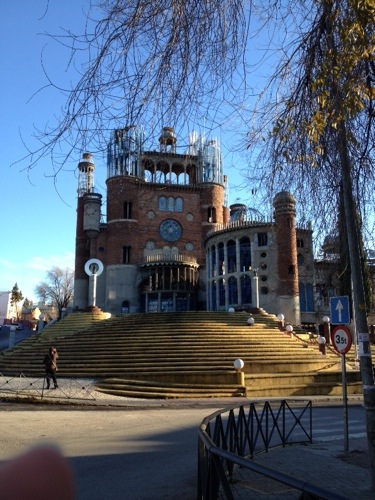
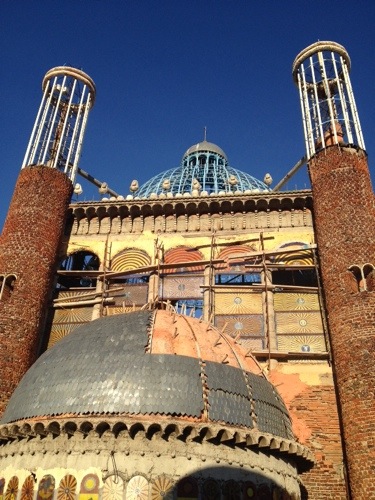
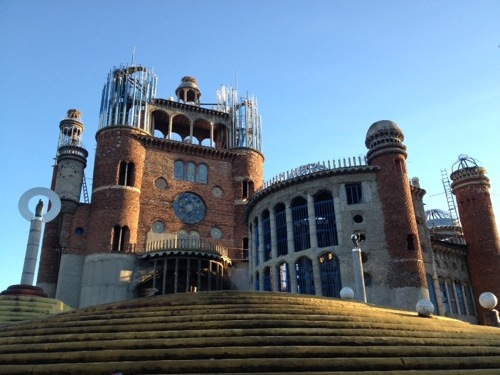
A SELF-built cathedral in Mejorada del Campo.


I know. I didn’t buy the story as gospel truth. Until my friend Jaime actually brought me to Mejorada del Campo some 20 kilometers from the city center.


20131226-145119.jpg

An “illustration” of Don Justo’s vision. Mejorada del Campo.
Photo Credit: Discovery Channel


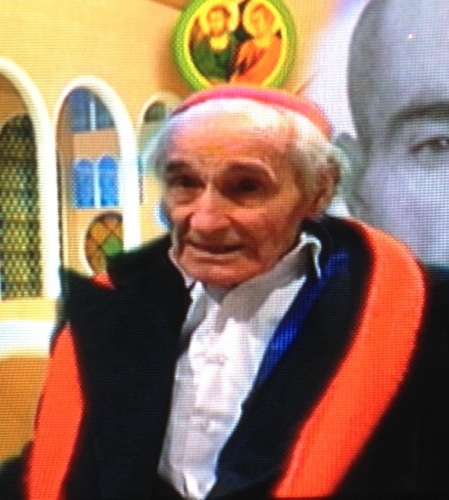
Ex-monk Justo Gallego Martinez, now 88 years old, has a plan. After only 8 years in a Trappist Monastery, he had to leave in 1961 after falling ill of tuberculosis. He prayed then to Our Lady of the Pillar and vowed to build a shrine in her honor when he recovers from his ailment.


20131226-145832.jpg

The man. The ex Monk. Don Justo Gallego Martinez. Born 1925. On a mission since 1961.


Don Justo, as he is fondly called. He’s been at it since 1961 when he started building with his own bare hands on a piece of inherited land. There were no architectural plans, no blueprint, so to speak. Just a vision. Reminds me of the dzongs (fortress cum temple) of Bhutan. So there, both inspired by a deep spirituality. Amazing.


20131226-150530.jpg

Stained glass, all donated, for this awesome man’s ambitious project.


It behooves me to think this man is still around and “at it”. I mean, 88? When Jaime said he wanted me to meet the old man, I wasn’t sure how to react. We found him carrying a hollow block (!), busily minding the construction. He gets a lot of help now from his 6 nephews and some locals. He also gets donations in cash and in kind (construction materials) for his ambitious project.


20131226-151307.jpg

Care to climb up to the top dome and lay down a brick or G.I. Sheet?

20131226-151427.jpg

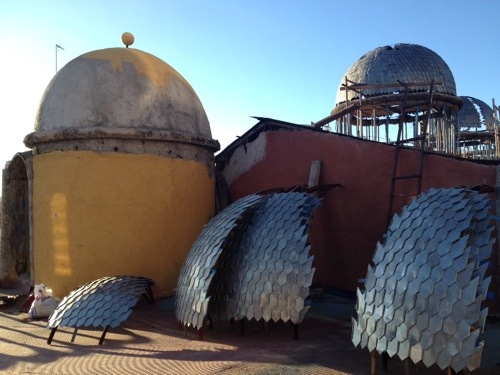
Some roofing materials waiting to be installed. Who’s climbing up?


Jaime egged me to climb up to the dome. I chickened out. There’s still so much left unfinished. Can’t help thinking what will happen when the old man goes. Like the Sagrada Familia in Barcelona, this cathedral will count many more years to get completed. Incidentally, the structure is built along Calle Gaudi. How fitting.


20131226-152023.jpg

The inside requires just as much work.


By God’s mercy, I hope to see the completed cathedral in another visit. Not sure if Don Justo, as he is fondly called, would still be around, but for his sake, I pray his vision is realized. Jaime is right — the best time to see this Cathedral is NOW. Meeting Don Justo in person is a bonus. An event meant to remind you of how some men can be so faithful and persevering. Don Justo’s covenant with his God and to the Lady is very inspirational.


20131226-152911.jpg

One last look before we go. Thank you, Jaime Marco, for bringing me here.


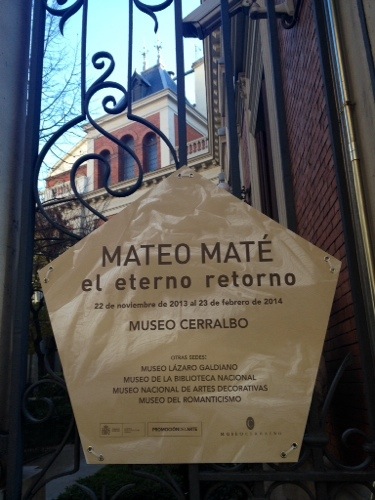
It used to be a private mansion, though it looks more like a palace to me. Its former owner, the Marquis of Cerralbo,  was a patron of the arts as his collections obviously show.  The Museum opened in 1944 and can be found a few meters from the corner of Calle Bailén/Calle Ferraz and Calle Ventura Rodriguez, 17, in Madrid. If you are in the area visiting Plaza de España and Templo de Debod, it’s a good pitstop (from the cold or all that sun) before proceeding towards Calle Bailén to view the Palacio Real or Royal Palace and Almudena Cathedral. 


20131226-204410.jpg

Museo Cerralbo is along Calle Ventura Rodriguez, 17, just off Plaza de españa and Templo de Debod.

20131222-091508.jpg

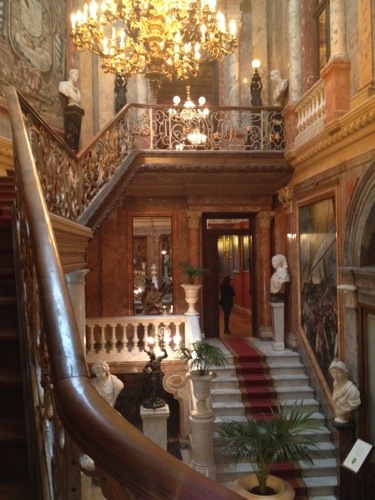
Frankly, the staircase and interiors of museo cerralbo intimidate me. But then again, a Marquis lived here!


From Plaza de España, I was walking towards Templo de Debod along Calle Bailen growing into Calle Ferraz, when I was tempted to take a right turn in Calle Ventura Rodriguez upon seeing the marker towards Museo Cerralbo. I joined many locals, including young students, when I got there, and felt like i was the only tourist.  First off upon entry, the ornately decorated staircase and walls with many prized and large paintings —- like they were running out of space —- simply floored me.  Whoa, some treasure here! 


20131222-091653.jpg

20131222-091905.jpg

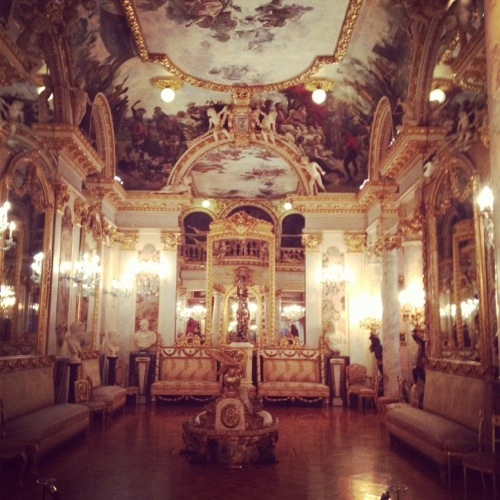
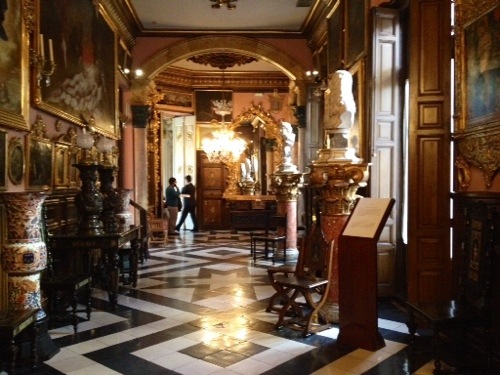
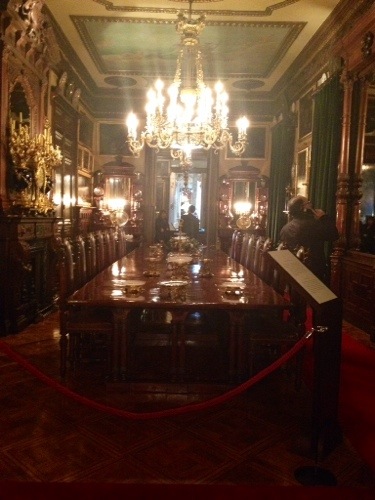
This Salon must be their equivalent of a living room? Look at that ceiling!


It makes for a good break after visiting the “BIG 3” in the Paseo del Prado. Of course you can’t miss the Prado, Reina Sofia and Thyssen-Bornemisza Museums.  But what I love about small museums is that they’re “manageable”, won’t overwhelm, and best of all….they are  mostly former residences of the collector or artist himself!  Another museum, Museo Sorolla, ranks high among my favorites as the museo gives a glimpse of how the artist Sorolla lived and painted during his life.  As for Museo Cerralbo, here is one example of how the aristocrats lived then. Their mansions have huge salons fit for parties and their dining halls are meant for banquets. Adorning the walls is an impressive spread of their art collections. I can imagine them aristocrats taking a “stroll” along these corridors, pausing here and there, appreciating the many art pieces. 


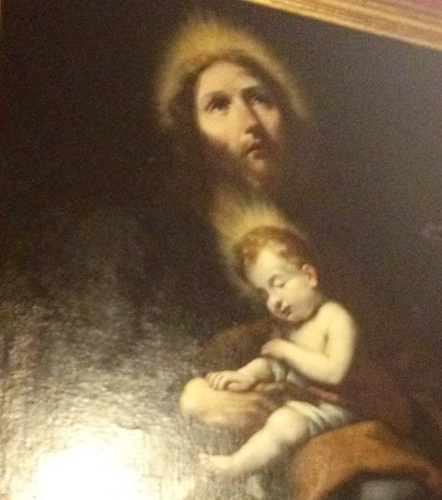
20131222-092102.jpg

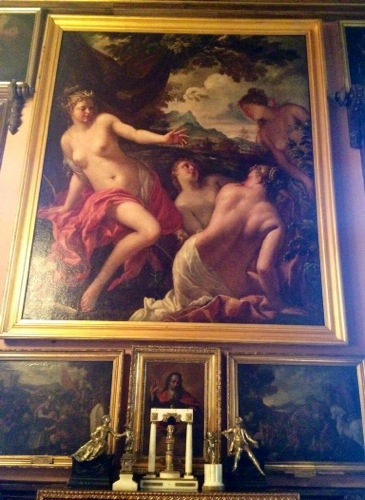
St. Joseph and the Child Jesus. Quite a takeoff from the usual Madonna and Child.

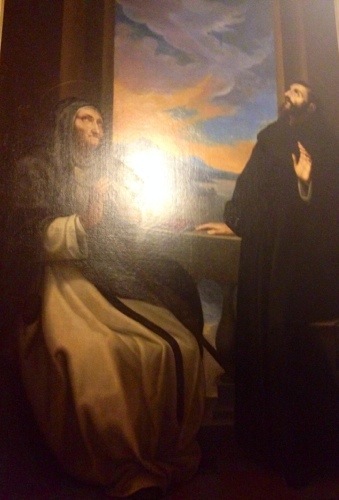
20131222-092202.jpg

The marker says it is one of many versions done by Girolamo Muziano (1580-1590)


The first oil painting is NOT attributed to any artist. Yes, it’s ANONYMOUS.  The marker says it was sourced from  an Italian School,  done presumably by one of its art students who drew inspiration from a Madonna and Child painting by Guido Reni, a master from a school in Bologna. This anonymous piece of art got my attention.  I love art themed on the Madonna and Child.  EXCEPT that this is NOT your usual Madonna & Child. Rather, it’s Saint Joseph with the Child Jesus. The second oil on canvas is done by Girolamo Muziano, the same 16th-century painter who did the same versions in at least 3 more Italian churches including the Saint Peter’s Basilica.


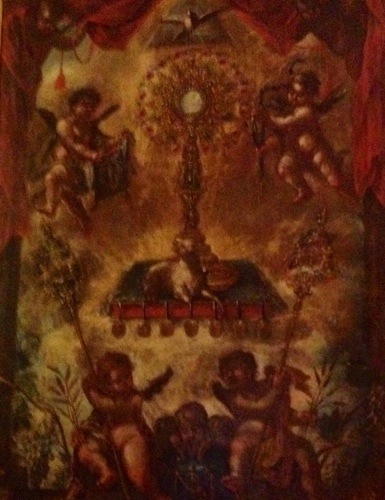
20131222-092337.jpg

This one is from the Spanish School where works are mainly religious paintings.

20131222-092604.jpg

A very intimidating corridor, fit for royalty.


Having actually lived here, the Mansion has its living, dining and sleeping quarters. Mind you though, they are far from the ordinary or standard quarters. I bet the Marquis did a lot of entertaining. After all, what are all those conversation pieces for? The collection could have covered conversations good for a month or longer! Besides, many royal guests from the nearby Palacio Real or Royal Palace must have whiled away some time here in the Mansion. Imagine them walking along the corridors, pausing for a break in the huge salon, or dining in the banquet room.


20131222-092704.jpg

The Banquet Room in Museo Cerralbo.

20131222-093019.jpg

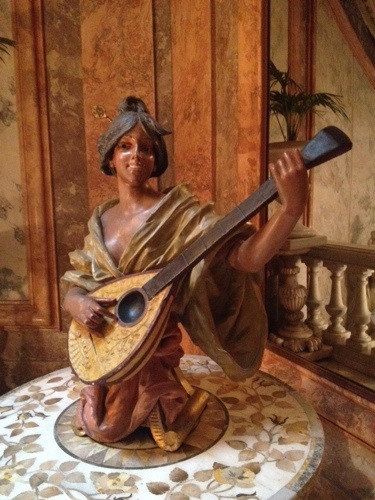
Too many conversation pieces inside Museo Cerralbo 🙂


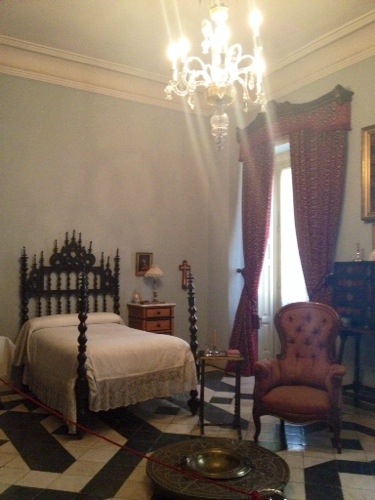
For all its grandeur though, I am perplexed how or why the Marquis chose to keep his bedroom so modest. It just doesn’t add up. Maybe sleeping or resting ranks low in his priorities? Check out the last photo here and tell me what you think. 😉


20131222-093217.jpg

Yes, he’s the man. Don Enrique de Aguilera y Gamboa, 17th Marquis of Cerralbo.

20131222-093403.jpg

Would you believe this is the royal bedroom of the Marquis?

Now compare that with one of his offices……..

20131222-092913.jpg


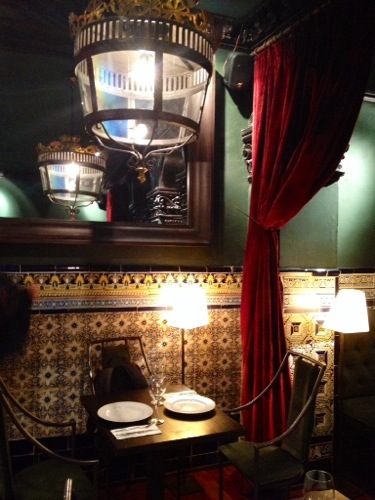
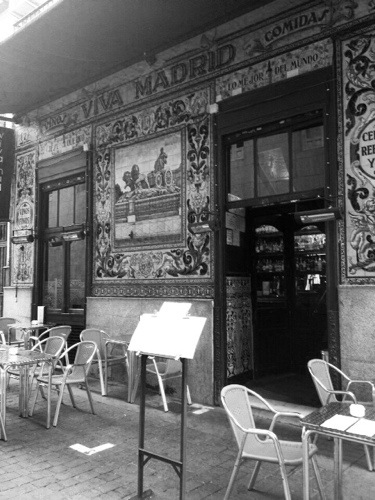
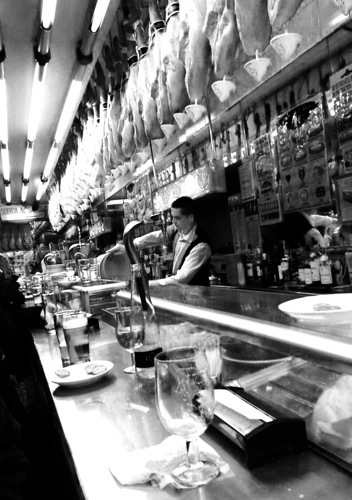
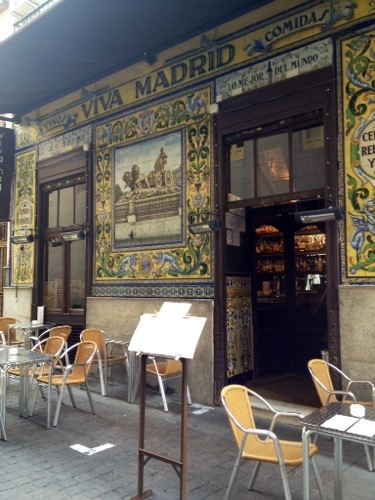
It was one of Rizal’s favorite haunts in Madrid. A “hangout”, if you like, with fellow patriots, to enjoy tapas y vino. And how convenient that it is just a few meters away from his apartment and 3 other hangouts: Teatro Español, Hotel Ingles and Los Gabrielles, another hangout famous for its azulejos or glazed tiles. Viva Madrid is in the heart of Madrid’s historic center along Calle de Manuel Fernandez y Gonzales, 7. Not too far from Puerto del Sol and just a stonesthrow from Plaza Santa Ana, this restaurante is quite a looker from outside with its murals, and even better-looking inside. The warm interiors match the friendly service and delicious food. This place is good for both dining, people-watching or simply basking in “Rizal’s life in Madrid”.


20131222-094101.jpg

Viva Madrid in Calle de Manuel Fernandez y Gonzales, 7.

20131222-094307.jpg

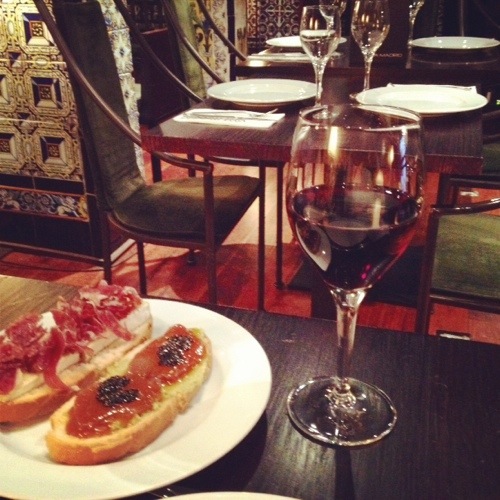
Imagine Rizal enjoying his vino y tapas here.


The rioja y tapas were a perfect prelude to the blackest, inkiest, most flavorful paella negra to be had in Madrid. Very negra indeed. And muy delicioso,especially with generous servings of salsa alioli. Thanks to Jaime Marco, the go-to guy for Rizal’s Madrid, for bringing me here. Jaime is not only a Filipino historian and Rizal expert but a foodie through and through. Dining in Viva Madrid combines the best of both worlds: food and history. 😉  


20131222-094618.jpg

Jamon y Salmon…. Con Brie.

20131222-094737.jpg

Piece de Resistance. Paella Negra.


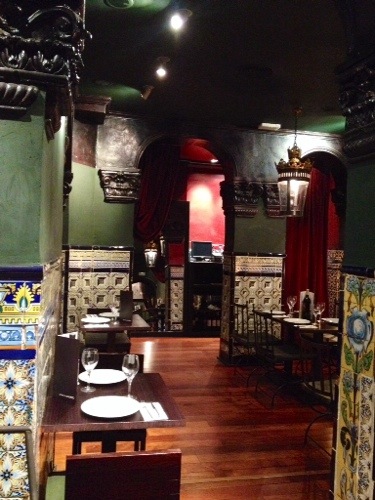
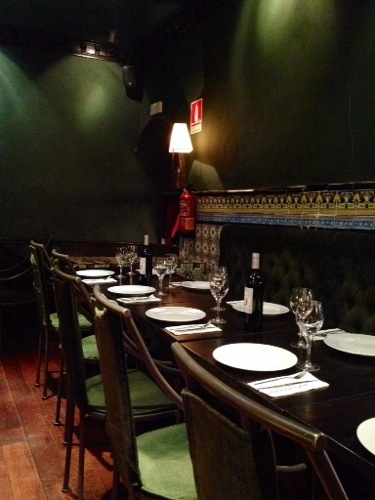
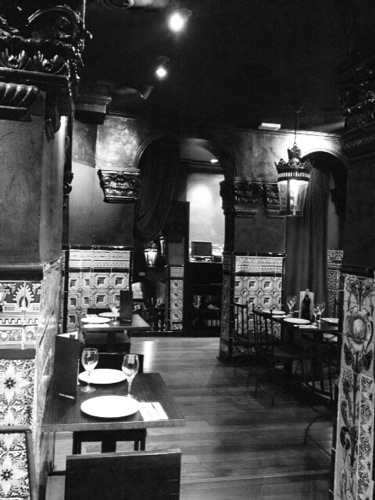
How fortunate that Viva Madrid exists to this day. Not like nearby Los Gabrielles, which has closed. Every Filipino visiting Madrid should dine here. Just be warned that the food may distract you from appreciating the lovely interiors of Viva Madrid. The same glazed ceramic tiles adorn the interior walls, framed by columns and dark wood panels. Imagine our national hero sitting in a quiet corner here, enjoying his light meals and vino. Imagine many of our propagandists whiling away their time here while discussing what gets printed on La Solidaridad.


20131222-095056.jpg

Lovely Interiors. Then, as in Now.

20131222-095149.jpg

Rizal’s Corner.


When you get here, do ask for Rizal’s corner. Jaime says it’s the one near the 2 columns. Check out the 6th photo. And on your way out, check out the Rizal marker. Doesn’t that make you proud?


20131222-095524.jpg

Good for family dining too!


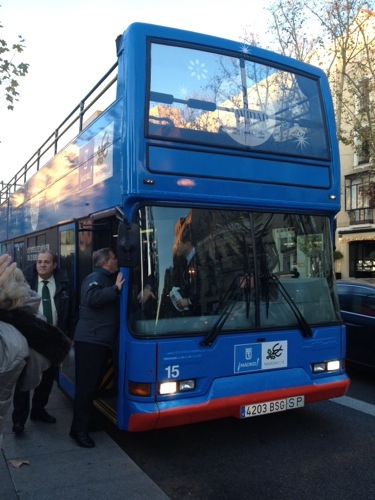
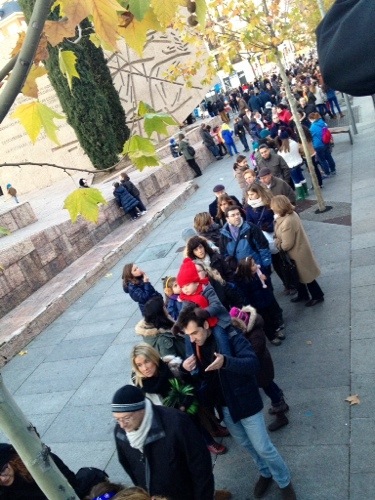
Not once, but twice. Got to do it a second time, because my battery died on me just when we were on the last stretch of the Navidad drive across the city center. Yes. Bummer to the core. I wanted so much to commit the lovely spectacle to memory. But I do need to document the scenario through my cam lest i fail to describe them well. And yes, I wasn’t so happy with the iPhone shots…… so i trooped back and joined the line.


20131222-090805.jpg

Rode atop this bus 2x. Ikr.


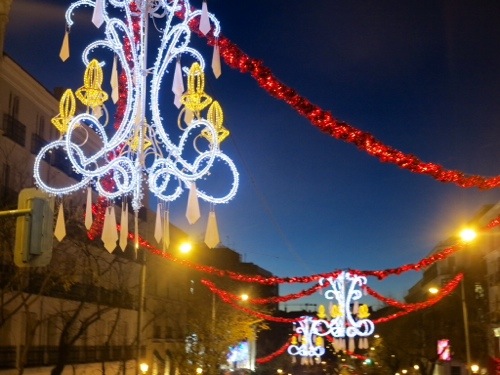
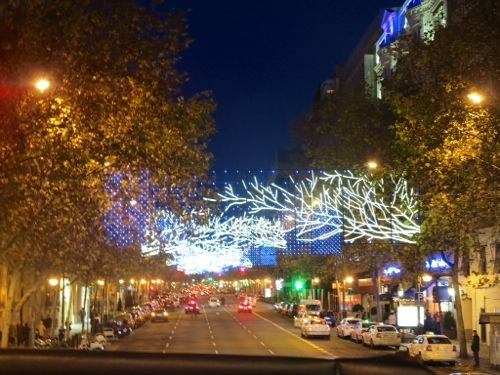
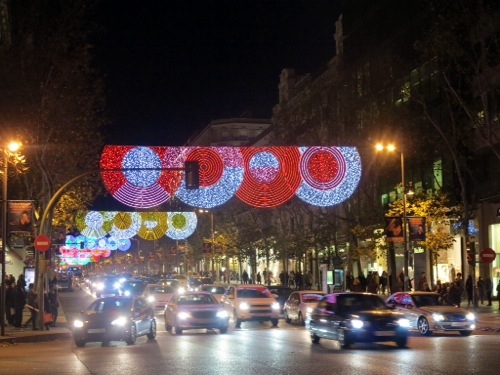
Las luces y arbol de Navidad. These Madrileños do take their Christmas decor seriously. There were assigned artists/designers for certain streets. Not sure if there is a competition, but the variety from street to street certainly spelled excitement during the hour’s drive along Calle Serrano through Puerta del Alcala through Gran Via, Santo Domingo, back to Paseo de Recoletos and through Velasquez, Goya, etc and finally back to Calle Serrano. Don’t know all the names of the Calles but this second time around, I noticed the crowd getting thicker! Makes me mull over earlier plans to be in Puerta del Sol and Plaza Mayor area right on Christmas Day.


20131222-090919.jpg

Metro stop: Plaza de Colon. Then walk towards Mikhael Kors shop along Calle Serrano.

20131222-091036.jpg

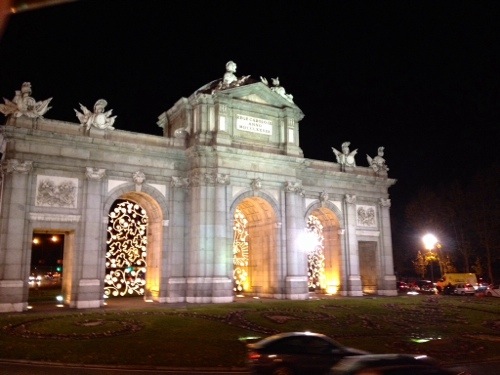
Puerta del Alcala, looking like a bride waiting for the groom.

Calle Serrano is right within the posh neighborhood of Salamanca in Madrid. Somehow, I expected Christmas lights to be brighter and fancier in this barrio. What can I say? They were fancy, bright, colorful and festive. Just as it was everywhere else. If this is some competition, the judges would have a difficult time. If only the Navidad Bus would take time to stop for a few shots of the brightly-lit Puerta del Alcala. Or pause for a moment at the corner of Calle Goya or Calle Diego Velasquez!

20131223-170358.jpg

This is right by the corner in Calle serrano where the line for the NaviBus starts.

20131223-170448.jpg

Lovely spectacle in the posh neighborhood of Barrio Salamanca.

At 5 degree celsius and on a moving bus, it was an ordeal to take shots with frozen fingers. That plus almost everyone on the bus stands up to take shots everytime the NaviBus momentarily stops. Since this is my 2nd time, I earlier planned on WALKING around my fav streets but they were too many and kind of spread out, so I ditched the plan and took the bus at Plaza de Colon. Swell……… except that the windchill left me with freezing bones.

20131223-171136.jpg

Still in Barrio Salamanca. One of my favorites!

20131223-171254.jpg

Gran Via. Near the iconic Metropolis Building.

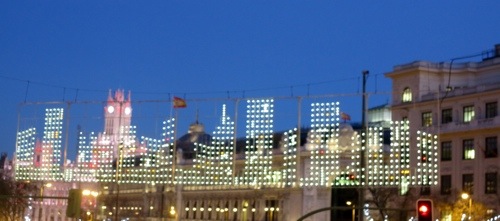
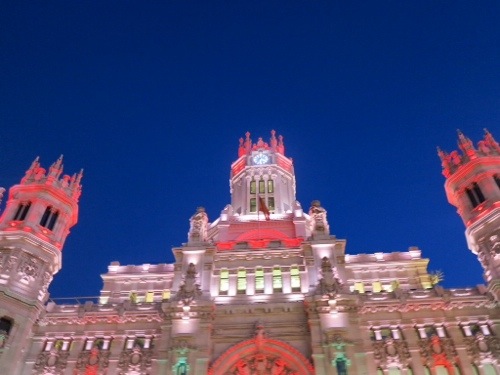
The iconic Palacio de Cibeles (called Palacio de Comunicaciones before 2011) looks like a gingerbread house, though one admits this edifice looks awesome even outside the Yuletide Season. The Puerta del Alcala all lighted up across Parque de Retiro somehow reminded me of December brides (don’t ask me why….), all veiled and vibrant. It’s a pity the Navidad Bus couldn’t navigate through the small streets and alleys with just as interesting luces or Christmas lights. They’re just as lovely and add to the festive spirit. Even posh department stores, signature shops and some government and big private buildings displayed some Christmas spirit.

20131223-172418.jpg

Calle Serrano. So Christmasy!

20131223-172511.jpg

Palacio de Cibeles looking like a Gingerbread house.

By the time the NaviBus negotiated its way back to Calle Serrano side of Plaza de Colon, the infants on the bus with me were asleep, the toddlers crying out of hunger, and the more senior gingerly walking down the steps (from the open top section of the bus), likely with freezing knees and limbs. As for the teens and young at heart? I wonder if they really joined the line to view the luces y arbol. They were very “BUSY” keeping themselves “warm” at the back of the bus. Ahem. 😉

20131223-173105.jpg

Multi-colored Christmas Gift boxes?

20131223-173224.jpg

Arbol de Navidad…… in funky pink!

20131223-173337.jpg

Photo sourced from the Net. Feliz Navidad a todos!


It’s that prized white garlic from Spain. And in dear España, ajo is a cook’s best friend. The cloves are finer and the aroma and taste more intense. It is a prized condiment grown in the tiny village of Chinchón, some 50 kilometers southeast of Madrid.


20131219-124943.jpg

Ajos (Garlic) : A Cook’s Best Friend

20131219-125426.jpg

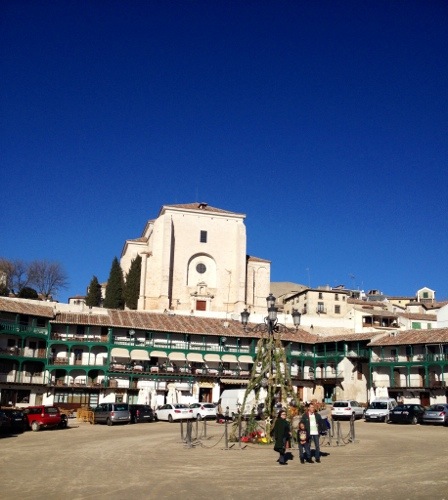
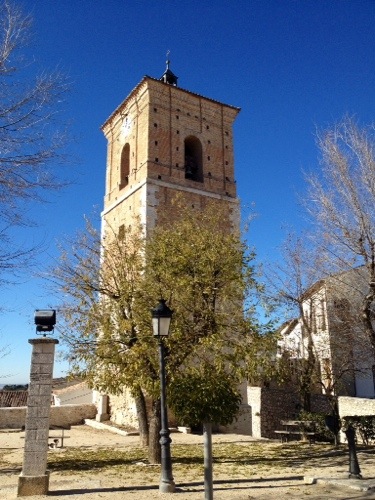
The Iglesia towers over the Plaza mayor of Chinchón. Be sure to climb up to the Iglesia for a panoramic view of the entire pueblo.


Took the green La Veloz 337 Bus off Conde de Casal Metro Station. It’s easy to spot those green buses from the corner. Bus 337 bound for Valdelaguna takes you to Chinchón in less than an hour. Don’t fret once the bus drives out to “provincia” away from the “ciudad”. Before long, you’d zigzag along hills and reach the “pueblo”. The driver will let you off in the Convento which is just a 5-7 minute walk to the Plaza Mayor.


20131219-130532.jpg

The Bus 337 (La Veloz) drops you off , then picks you up on a spot with this view.

20131219-130822.jpg

A short uphill climb from the Plaza Mayor to the Iglesia and Torre del Reloj.


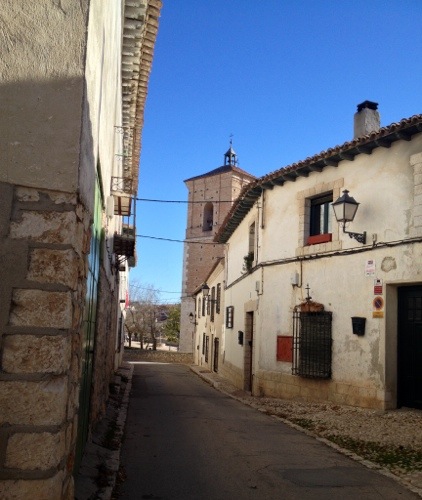
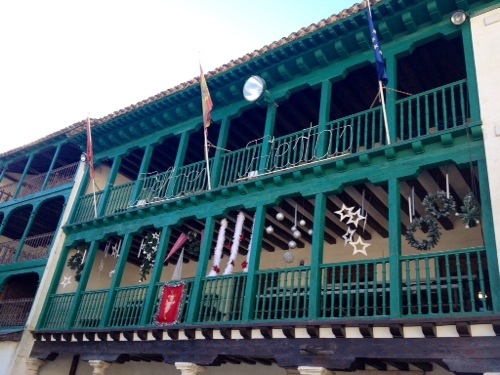
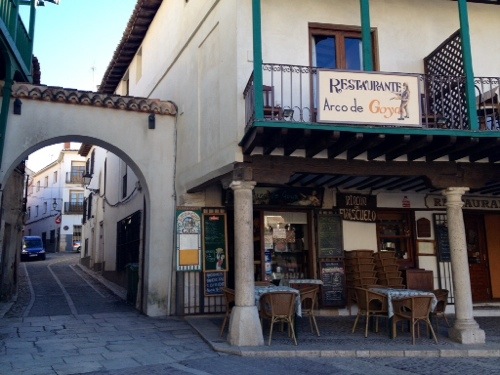
This picturesque village is quiet, off-the-beaten path, but certainly teeming with history and culture. Its grace matched by charming old ladies who’d chat with you like there’s no tomorrow. Old men unmindful of time, seated by a bench between the Clock Tower and Church, overlooking the pueblo. No need for maps. The locals are eager to give you tips — check out Goya’s house, the Ermita de San Roque and San Anton, try the coffee with the local anisette liquor and the pan (bread) con anis. Or just walk leisurely along the narrow streets lined with apartments with wooden balconies and joined by arches as the alleys spill into Plaza Mayor.


20131219-133542.jpg

Around the Plaza is the ayuntamiento (Town hall), many tabernas and panaderias with different shapes and designs of bread tainted with anis!

20131219-133711.jpg

The town hall of Chinchón.


One charming old lady convinced me to buy 5 breads from her. Anti-crisis, she kept saying, in that distinct, forceful Spanish intonation. She made my day! Claiming a seat in one of the tabernas around the plaza, I munched on my pan con anis with cafe con…… What else, anis! Chinchón is famous for its anis as much as its ajos. In fact they have separate garlic and anis festivals in this quaint village.


20131219-134949.jpg

Torre del Reloj. Clock Tower.

20131219-135137.jpg

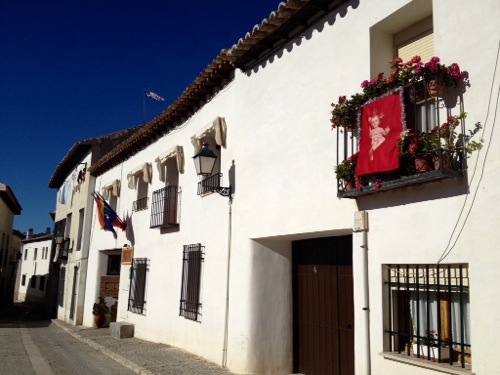
Many houses are adorned with this red patch with an image of the Infant Jesus. I find the locals here more religious, more spiritual, more kind and welcoming.


No wonder Goya was enchanted with Chinchón. His brother lived here where he is the local priest. The house is very near the residence of the Duchess of Alba who allegedly posed for his Maja — naked or otherwise — portraits. Apart from Goya, there’s Orson Welles who loved Chinchón so much he asked that his ashes be buried here. What drew these 2 great men to Chinchón?


20131219-141509.jpg

Next time, I’d try this Taberna near goya’s crib.

20131219-141638.jpg

Walking around, I counted off just 5 tourists.


I wonder. As for me…. I think I had my monthly dose of anise in a single afternoon, and it’s threatening to give me a migraine. Could be the anisetto liquour in my cafe cortado or maybe the pan con anis I bought from the local panaderia. 🙂


20131219-142220.jpg

20131219-142443.jpg


So much has been written about the national hero and his life here in Madrid. For many Rizal enthusiasts, our numero uno patriot’s habit of writing down almost every detail of his life makes it easier to imagine how he spent his days here in Madrid. But what was really going on in his mind? Rizal listed down every peseta spent and even drawn or sketched the items, places and persons he liked. Like some bloggers would? Except that these days, memory catchers do not require drawing skills. Back then, Rizal’s penchant to record (and to share, via his letters) compelled him to sketch to amply describe the things he wrote about.


20131218-055409.jpg

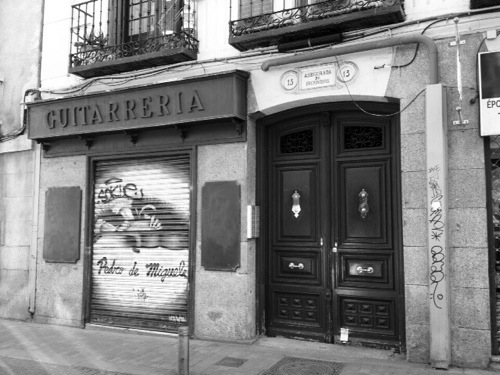
Rizal’s First Madrid Nest in Calle Amor de Dios, 13-15 (Sept 1882-May 1883)

20131218-060551.jpg

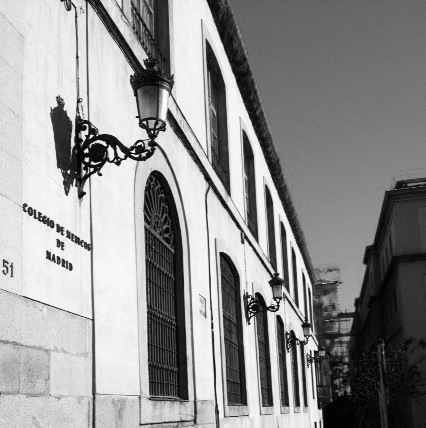
Rizal studied Medicine here, which later became Colegio de Medicos in Madrid.


Having just arrived in Madrid , how did he find his first residence in Calle Amor de Dios 13-15? Out of his comfort zone, far from his family and friends, unaccustomed to Spanish ways and practices. When he walks home from school, did anyone ask him how his day went? Though he lives very near his school, did he go out for long walks to enjoy the solitude, even the desolation? Was he overwhelmed by the grandeur of Spanish monuments and buildings, enchanted by the sophistication of the theatre, confused by the flashy (and heavily adorned) costumes of men engaging in violent bullfights or simply disoriented by the four seasons, late meals and very late nights?


20131218-062843.jpg

Rizal took painting lessons here in Escuela de Bellas Artes de San Fernando in Calle Alcala, a main road in Madrid. Now a museum of fine arts.

20131218-062948.jpg


Madrid-based Filipino historian and Rizal enthusiast Jaime Marco led me to many of our hero’s favorite haunts. He does this con gusto and with much sincerity. You can almost “touch” Jaime’s passion as he rattles off historical trivia about his favorite Filipino. Neither did Jaime fail to remind me during our walks that we are likely stepping on the same cobblestoned paths, touching the same old city walls or banisters, dining in the same corner of a favorite restaurante cum hangout, looking at the exact painting which inspired Lolo Pepe to write his Noli Me Tangere. Now, this last one is a highlight for me. I made so many visits to the Prado Museum but not once bothered to check out Corregio’s “Noli Me Tangere” showing a Biblical illustration of the resurrected Jesus subtly restraining Mary Magdalene from touching Him before He sees His Father. Jaime said the Corregio painting has always hung in that same spot. Ergo, we were viewing the painting exactly where Rizal stood and drew inspiration! Viewing this painting provokes one to mull over what went on in our national hero’s mind.


20131218-065336.jpg

Prado Museum. This Museo any visitor should never miss.

20131218-065450.jpg

Correggio’s NOLI ME TANGERE is a Biblical illustration of Jesus restraining Mary Magdalene from touching Him before He ascends to His Father.


Who knows? But Jaime made me stand there to dig deep into my sentiments. I told him I was actually drawn more to Magdalene….. sensing her conflict, touched by her submission and quiet acceptance of something she failed to understand then. Her self-restraint is evident. Self-restraint bordering on agony. Jaime pokes your inner core as much as he gave this much thought. My amateur (but honest layman’s) opinion may fail his standards, but I can imagine Lolo Pepe being moved by that painting. How I’d love to know what prompted Rizal to write Noli after seeing this Corregio masterpiece! This time, he never committed his “inspiration” to writing. No clues. No letters alluding to his feelings over this obramaestra. No hints. But I’m sure he made many walks around the ciudad digesting this newfound inspiration, perhaps even outlining his thoughts while meandering around the streets and alleys of madrid. Quo pasa, Pepe?


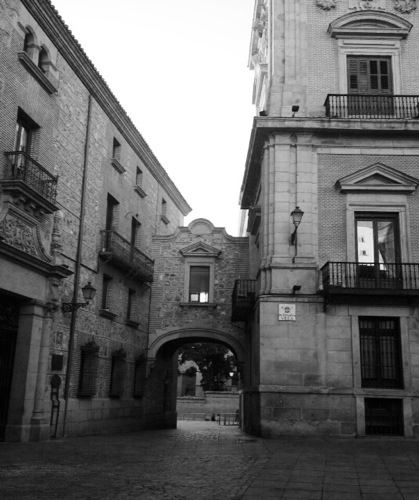
20131218-070800.jpg

Rizal’s Madrid. Then as in Now. Some things — and monuments — never change.

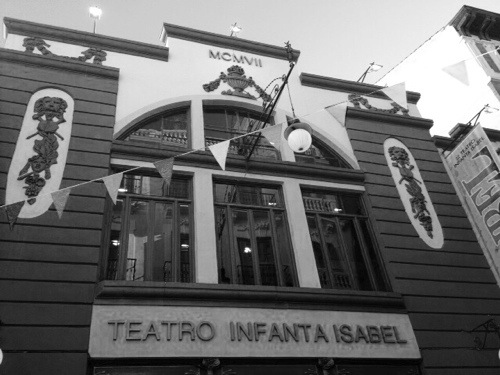
20131218-080107.jpg

Teatro Infante Isabel. Same facade. Same seats! Imagine sitting in the same seat as Rizal when he watched the opera then.


Having exhausted himself, Rizal would likely not go home yet after those “meditative” walks. Maybe he’d visit some of his friends: Paterno, Viola, Luna, Lopez Jaena, Del Pilar. If he had enough money, I bet he dropped in at the nearby Teatro Infanta Isabel. Perhaps with some friends. The same friends with whom he’d have a drink at the Viva Madrid or Los Gabrielles, a few steps and a turn off the corner from his apartment. Did he eat heartily? Did he drink rioja, cerveza or sidra? Did he find the paella too moist? How was your day, Pepe?


20131218-163651.jpg

Viva Madrid and its lovely interiors and glazed ceramic tiles. A favorite hangout of many Filipino patriots. A marker is installed here, thanks to Jaime marco et al.

20131218-163727.jpg

Did Rizal enjoy the blackest, inkiest, most delicioso Paella Negra here with extra servings of salsa alioli? Viva Madrid and its lovely interiors.


Jaime pointed out that Rizal’s financial woes left him moving through many Madrid apartments. He is not as rich as Viola or Paterno with his golden spoon on his breast pocket, but Rizal’s wit and intellect combine for a most engaging personality and presence sought by many. That photo where Rizal clowned around dressed like an Egyptian scribe to pose for Luna’s Death of Cleopatra is a gem. Rizal without his overcoat, laughing his way through that sitting for another genius and another favorite Filipino, Juan Luna. I wonder if they were sober when they did that pose. Did they have a good round of drinks at Los Gabrielles, a few steps from Viva madrid and his apartment in Calle Fernandez y Gonzales, 8? Que tal, Pepe?


20131218-171031.jpg

The humorous side of Jose Rizal, posing as a scribe in Luna’s rendition of Death of Cleopatra. Such “clowns”!

20131218-171226.jpg

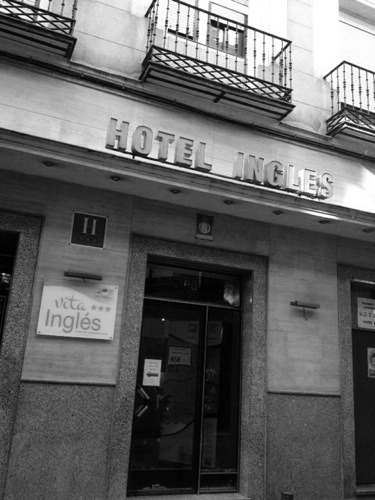
Hotel Ingles….. Venue of the banquet celebrating Luna and hidalgo’s victories in the art department. Where Rizal mentioned “Genius has no country”….


In that Hotel Ingles banquet celebrating Luna and Hidalgo’s victories, Rizal’s toast turned out to be a long speech peppered with bravado and nationalistic fervor. It is claimed Rizal has not had a meal that day and promptly got a bit intoxicated, if not uninhibited, to give that fiery speech. What was in his mind? Did that speech stir those patriotic fibers in the hearts of the Filipino expats then? Where was Rizal going with that message? Quo vadis, Pepe?


20131218-172151.jpg

Rioja, cerveza o sidra?

20131218-172253.jpg

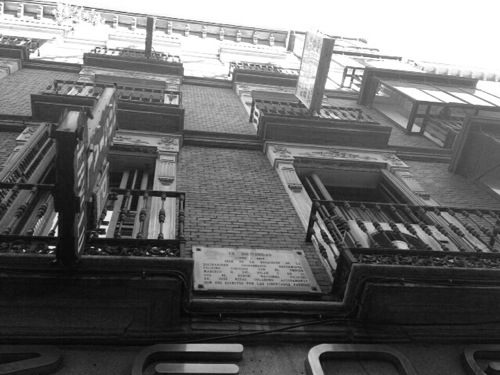
Calle Atocha, 43, where the newspaper La Solidaridad was published to give voice to the Filipino community in Spain.


After that speech, did the Madrid-based Filipinos “regroup” for a tertulla or perhaps organize a La Solidaridad meeting the same night? Or did they simply walk their separate ways, fascinated with Madrid’s quaint alleys, passing many apartments with laundry out to dry on balconies, eager to reach their homes or apartments to think through that moment of awakening. I read and re-read that part of the celebratory toast to Hidalgo and Luna and each time, feel my emotions stirring as I read the lines…….


“Luna and Hidalgo are as much Spanish glories as they are Filipino. Just as they were born in the Philippines, they could have been born in Spain, because genius has no country, genius blossoms everywhere, genius is like the light, the air, it is the heritage of all”
—— Jose Rizal.


20131218-173739.jpg

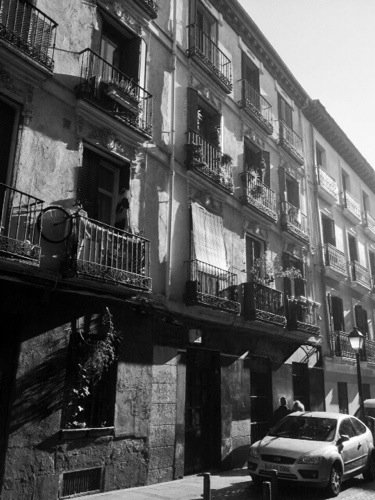
Typical street scene in madrid, circa 2013. 😉

20131218-173818.jpg

Madrid Then and Now.

20131218-173900.jpg

Quo Vadis, Pinoys?


Earlier, I blogged about my ‘food trip’ while spending nearly 3 months based in Madrid, Spain. If you’ve been following my blogs, you won’t be surprised to know that food is an essential part of all my travels. In that earlier blog (Eating Around Spain), I rattled on and on over Spanish paella, cochinillo, boquerones y rabo de toro. I have reminded many of my friends never to miss Mercado de San Miguel near Plaza Mayor which just happened to be one of my “happy places” while in Madrid. Obviously, I have gained more favoritos in my first 2 weeks here and now feel compelled to make these additions.


20131209-184414.jpg

Best Cocido Madrileño. Only in La Gran Tasca in Calle Santa Engracia near cuatro caminos.


While cocido madrileño is traditionally a winter dish, it is mercifully available yearround, so don’t fret. Try it in what claims to be the best cocido in Madrid. La Gran Tasca Ristorante. You won’t miss it. Just take the metro (2) line and get off at Rios Rosas and walk along Calle Santa engracia towards Cuatro Caminos. It should be on your left side. For more details, just click on the link.


20131209-185547.jpg

Pricier as it is trendier. Love the anchoas del cantabrico here in mercado de san anton.


Filipino historian and Rizal expert Jaime Marco gave me a “Rizal’s Madrid” tour here, as well as introduced me to such delightful dining places I missed the last few trips. I soooo love Mercado de San Miguel near Plaza Mayor. Love the vibe, even the crowds. But if you really want to eat, claim a stool, leisurely sip your cortado or cafe con leche, and savor quality deli food, go to Mercado de San Anton in the chueca neighborhood just off Gran Via. You’d know what i mean when you get there. For details and directions, just click on this link. Buen Provecho!


It’s hard to take anything seriously in Korea. Been here years ago but I continue to be amazed how Korea has “reinvented” itself. It is, after all, the “Land of Gwiyomi” . As one friend describes it, the “land of cute-ness”. K-Pop, K-Fashion and Psy’s Gangnam style. How long has it been since my first trip in the 80’s? Then, as is now, FOOD and NATURE are major considerations and attractions. Neither can it be denied that Korea is so rich in art, culture and history. But there’s more NOW that’s drawing in more tourists to this country.


20131201-213457.jpg

The ‘”Flower of Fortresses”, Suwon Hwaseong Fortress.

20131201-213810.jpg

One of many gates to the Suwon Hwaseong Fortress.


Outside of the world-class theme parks and awesome natural wonders, Korea’s rich history finds a solid spot in its well-preserved palaces and fortresses. Many have visited temples and palaces to be found in Seoul, but I find those outside the capital even more charming. In Suwon Hwaseong Fortress, we found more local tourists and schoolchildren out on field trips. Much rehabilitation effort was spent here especially on the 200 year old circular wall spanning nearly 6 kilometers. Although reconstructed, the fortress is listed as a UNESCO World Heritage Site. It is claimed that the restoration of the structures which began in 1975 heeded the details recorded in many books on the “Flower of Fortresses”.


20131201-230508.jpg

The Dragon Train In Hwaseong

20131201-230629.jpg

Such adorable Korean kids. One big hug!


The Dragon Train unloaded a bunch of schoolkids before taking us all in for a ride around the walled fortress to check out the 4 main gates, sentry posts, centuries-old temples, towers, and command posts. We comfortably took in all the sights in the comforts of our seats on the cute-sy train. Not so when we visited the Gyeongbokgung Palace in the city center. Though manageable, we walked across and around this large palace complex which also houses the National Museum. But it was a leisurely walk around this lovingly-restored palace. It’s hard to miss as it is right smack in the capital in the vicinity of the Presidential Blue House.


20131204-165508.jpg

Not a mountain park. This shot was taken from Gyeongbokgung palace grounds.

20131204-165556.jpg

Gyeongbokgung palace complex.


What I do mind fascinating — even amusing — is how historical spots bear reminders of some Korean film or television series drama. I swear there’s even a lilt in the voice of our tour guide whenever she draws our attention to some spots where such and such drama sequences were filmed. I wish i was familiar with them. It came to a point where i actually pretended to “remember” a movie scene, if only to appease our guide. Maybe that….. Or we just wanted to move on to the next site. 😉


20131204-170050.jpg

Still inside Gyeongbokgung.

20131204-170159.jpg

MBC Dramia. Wish I know them Korean TV stars!


There was no escaping more of these spiels though when we arrived at the MBC Dramia. Think Universal Studios ……. But movies loaded with history and showcasing Korean traditions and crafts. We meandered around folk villages, traditional and royal kitchens, korean architecture, arts and crafts. There were standees of popular movie and television stars to remind where such and such scenes were filmed. Wow. These koreans surely know salesmanship. I’d even go as far as saying that they have elevated the art of salesmanship to a higher level. Talk about raising the bar for branding and marketing!


20131204-170845.jpg

Recreated palaces and folk villages inside MBC Dramia.

20131204-171025.jpg

If you’re a fan of Korean TV drama series, this should remind you of many scenes.


Palaces restored. Fortresses rehabilitated. Arts and crafts preserved. Historical sites, Korean architecture & traditions lovingly recreated. Cute-sy theme parks, museums and galleries created and reinvented. Shopping and dining experiences brought to new levels. Natural wonders preserved and respected. And how about Incheon International airport? This is Korea? I’d go back in a heartbeat!


20131204-171833.jpg

I’d say…… The cutest police station in the whole world.

20131204-171902.jpg


There’s a kid in each one of us! And families traveling to Korea with kids would typically include trips to Everland Theme Park or Lotte World, as well as visits to cute-sy museums like the Teddy Bear and Trick Eye Museums. We crafted one that includes many of these typical visits and threw in a few more activities for the young travelers.


20131126-211136.jpg

Everland Theme Park , Korea’s very own “Disneyland”.

20131126-211404.jpg

The Everland parade is definitely world-class.


Rides, parades, much like one expects to enjoy in Disneyland. But this ….. with an asian flavor. And for the life of me, I am sooo intrigued over the korean fascination with teddy bears. We visited one, but the kids in our family have clearly outgrown them teddy bears. Just the same, trust the Koreans to excel in their branding and marketing skills. Plus they sure have the knack for cute-sy stuff : K-pop, Gangnam, K-Fashion, Gwiyomi, etc. Interestingly, many of these tourist sites were “created” or made popular by popular korean television dramas and movies. I wouldn’t be surprised if the Koreans start marketing their popular brands of cars, appliances and songs via entertainment medium like television and films. That is, if they haven’t yet.


20131126-213310.jpg

Petite France is like a French village where a number of korean TV drama series were filmed. It is now used as a youth training facility.

20131126-213440.jpg

One of MANY , yes many, Teddy Bear Museums in Korea.


But there’s a couple more that the kids in our group enjoyed. The visit to the Wind Village where we fed sheep and made ice cream manually comes to mind. It helped that the one teaching us how to manually make ice cream using only ice, some flavor powders and milk was so funny and full of energy. Under different circumstances, perhaps even with different company, that afternoon activity couldn’t have been as much fun.


20131126-220238.jpg

The resident sheep in Wind Village.

20131126-220348.jpg

Obviously, my grandson is “ill-attired” for this activity. Not politically correct 🙂


Same with the trip to the Ice Gallery where the activity involved ice-sculpting, perhaps to make us realize how much skill and effort went into every ice carving on display there. It took a lot for these amateurs to sculpt a drinking glass —- which is nothing compared to the temple, bar, slide, kitchen showcase, etc found in the ice gallery. The visit took a half hour of ice-sculpting lessons and another half hour viewing the ice sculptures. Bet no one can stay longer than that inside without freezing. 🙂


20131126-221240.jpg

Who will win in this ice-sculpting contest? (Ice Gallery. Seoul)

20131126-221331.jpg

Ice sculptures on display in Seoul’s Ice Gallery.

20131126-221857.jpg

Ice Gallery. Seoul, Korea.


As if setting the tone, we even let the kids learn some Korean craft while waiting for our return flight. Incheon Airport rocks! There’s no way to get bored in this airport. Hello Kitty and Charlie Brown coffee shops? Plus, they even have parades right inside the airport premises. For sure, this has been one enjoyable and educational trip for my elves. 🙂


20131127-150346.jpg

Learn Korean Paper Craft right inside Incheon Airport.
20131127-150636.jpg

Hello Kitty not too far from Charlie Brown Coffee Shop. How can you resist it?
20131127-150857.jpg

Be sure to go early so you can explore Incheon Airport.

20131127-151000.jpg

What a pleasant surprise! A mini-parade right within Incheon Airport premises.


It’s a rather long drive from Seoul to Seoraksan National Park , like 3 hours or so on a good day. Slept through the ride — but despite the distance, this was certainly worth the trip. We had worthy pitstops along the way — Petite France early in the morning and Nami Island after lunch — so you can say we were kind of bug-eyed and feeling wrung-out wasted by the time we reached the mountain park. When we checked in at Seoraksan Hotel inside the Park, it was way too dark to appreciate the autumn foliage and jagged peaks.


20131125-141126.jpg

Mt. Seorak. My apologies for saying this : Awesome!

20131125-141247.jpg

View from our hotel room’s balcony.


Well rested and bursting with energy after a good night’s sleep, we stepped out the next morning and viewed nature’s Autumn surprise from the balcony of our hotel room. This is truly the LAND OF THE MORNING CALM. And for good reason. Korea is blessed with many mountains that seem to frame every photo with lovely landscapes. Burning crimsons, verdant greens fading into deep browns or vibrant yellows streaking across a forest teeming with trees that withstood time and seasons. The paths were already teeming with hikers this chilly morning. We should have been walking with this hiking crowd since no buses run through the Park, but thankfully, our hotel is located inside the heritage site. Besides, we’re definitely not serious hikers eager to conquer some hiking trails. 🙂


20131125-142009.jpg

One Family Picture for posterity!

20131125-142154.jpg

How about another one?


The line for the cable car ride was “3 hours long”. We decided to hike up to the Shinheungsa Temple instead and forego the chance to tread on stony paths where one enjoys unobstructed views of the mountainscape from rocky cliffs. The long line was a spoiler. But before long, we were already feeling uber-alert in an adrenaline-fueled overdrive. The giant bronze Buddha statue can’t be missed if one walks straight on from the park entrance. It is said that this statue expresses the wish of koreans for reunification. Interestingly, our own guide echoes this wish that one day, there would be just one Korea. Well-said.


20131125-143050.jpg

The vibrant hues of an Autumn foliage in Seoraksan National Park.

20131125-143340.jpg

This giant bronze statue is called “Reunification Buddha”. Seoraksan Park.


Just as the Autumn foliage floored us, we were awed by the colors of the temple structures inside the park. Not too far from the big Reunification Buddha, one finds a number of colorful structures comprising the Shinheungsa Temple. We crossed the gate guarded by 4 fierce looking “guards” and found many “prayer rooms”. Monks in gray here, in contrast to the many Buddhist monks I’ve met clad in thin orange or deep red outfits. The gray seems more “in tune” with the “Korean morning calm”, I dare say.


20131126-020540.jpg

The temple structures’ vibrant colors are a perfect match to this season’s palette of autumn hues.

20131126-020655.jpg

One of many prayer rooms.


For those visiting Korea, it is tempting to simply go for the wonderland-themed park or cute-sy locations for many films and Korean television drama series. Korea may offer the Asian equivalent of Disneyland, Universal or MGM Studios, not to mention the shopping opportunities, but this is also one country blessed by Nature. It’s a no-brainer that many Koreans love to hike. About 2/3 of the country is made up of mountains. Autumn and Spring should be lovely times to visit. Winter? Not for me. Just imagine walking on icy grounds in the snowy mountains of Seoraksan. Lovely in the movies, yes.  But sheer torture for my back and knees. 😦


20131126-022555.jpg

The stoney paths and jagged peaks of Seoraksan.

20131126-022717.jpg

Stone bridge inside the Park.

20131126-022812.jpg

To do justice to this lovely place, one has to do a leisurely stroll. No hikes!