Category: Travel, travels


Art and the Artist.  And then, food.

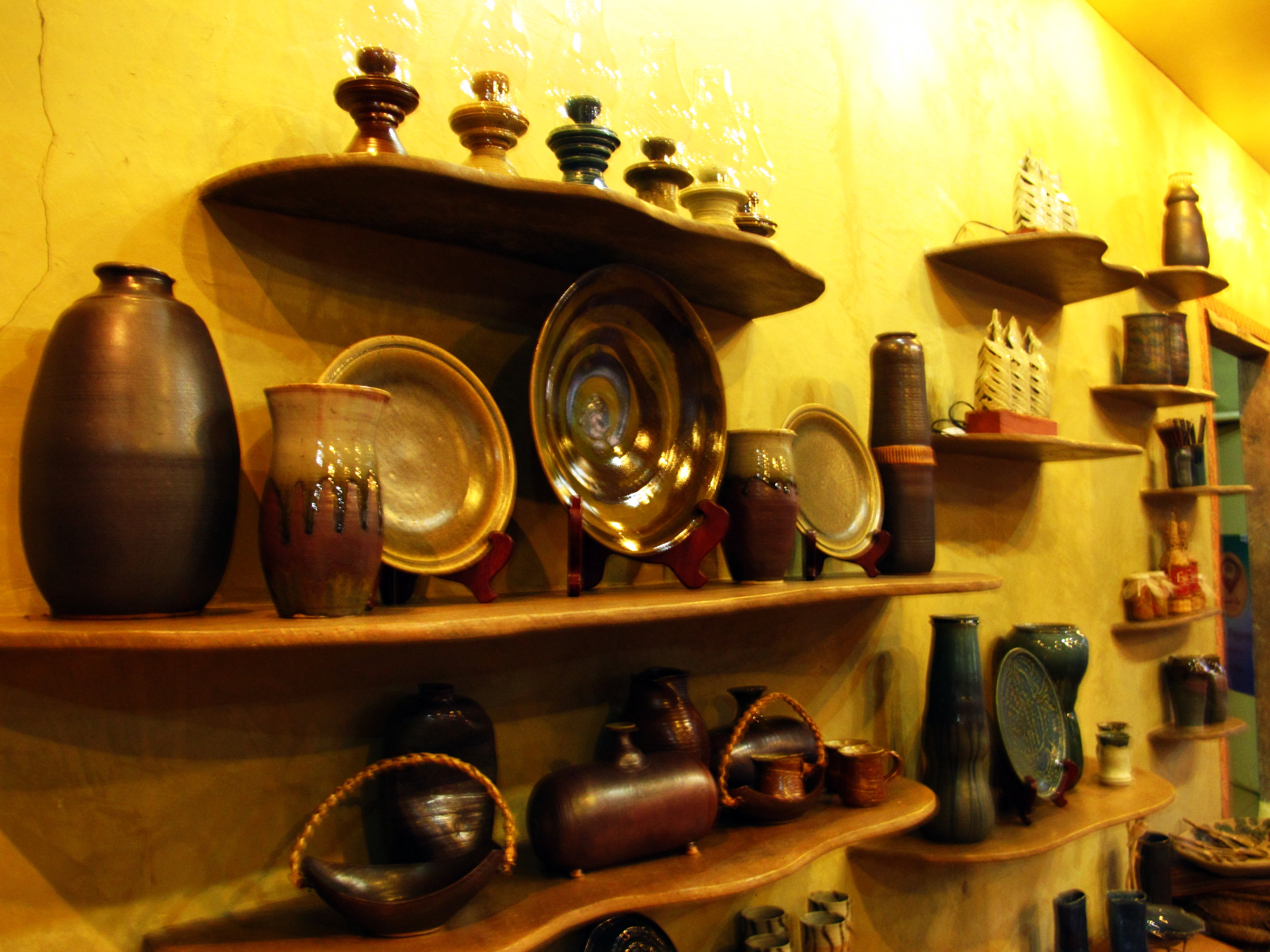
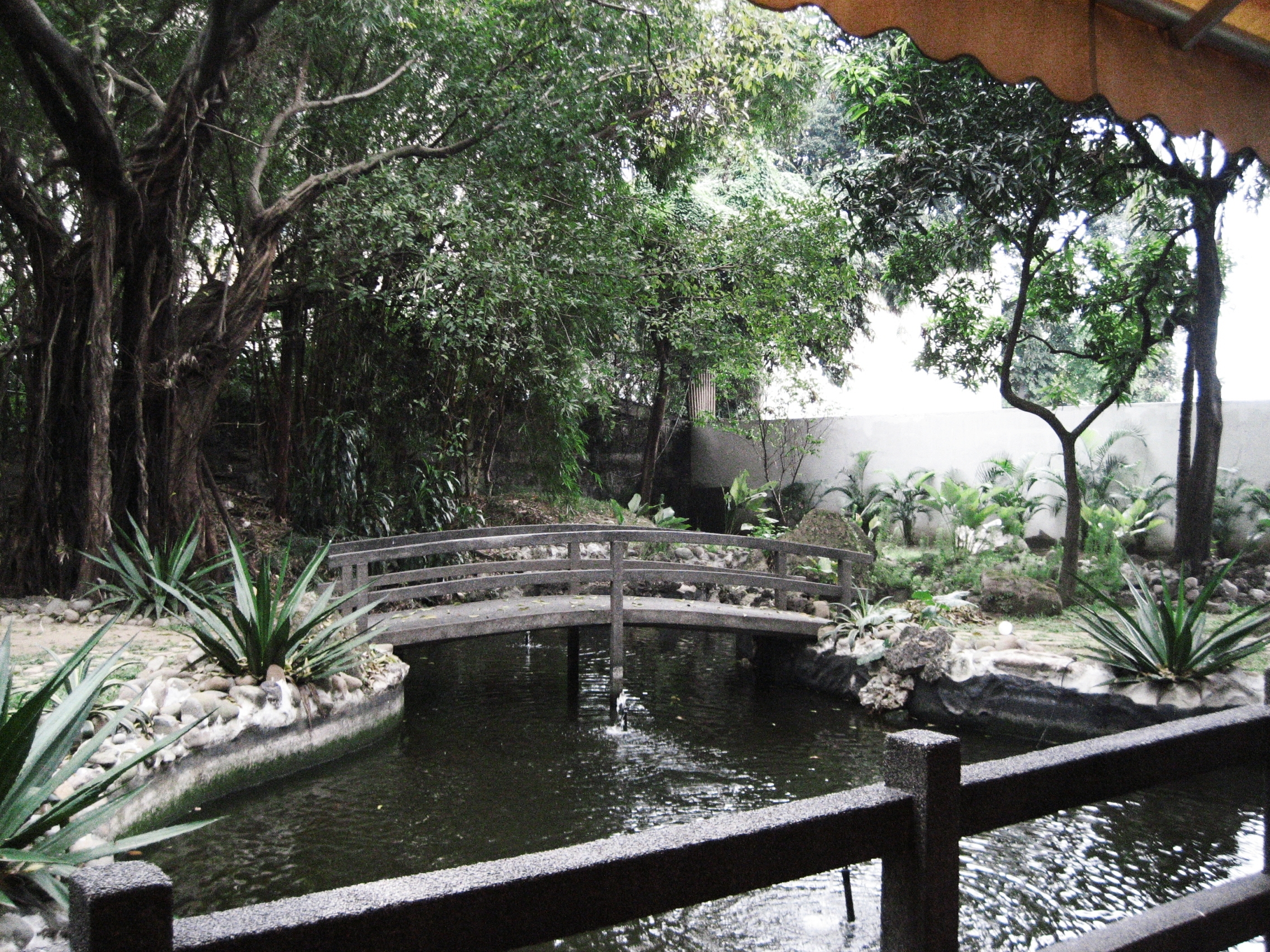
We had an  early start that day, and felt really spent by the time we reached Tiaong, Quezon where Ugu’s Pottery Shop and Gardens are. No, we had no reservations for dinner here.  Just dropping by on our way to Sulyap Cafe where we had a dinner reservation.  That is to say that we plan to visit again, if only to check out the food here. Good reviews, I hear.


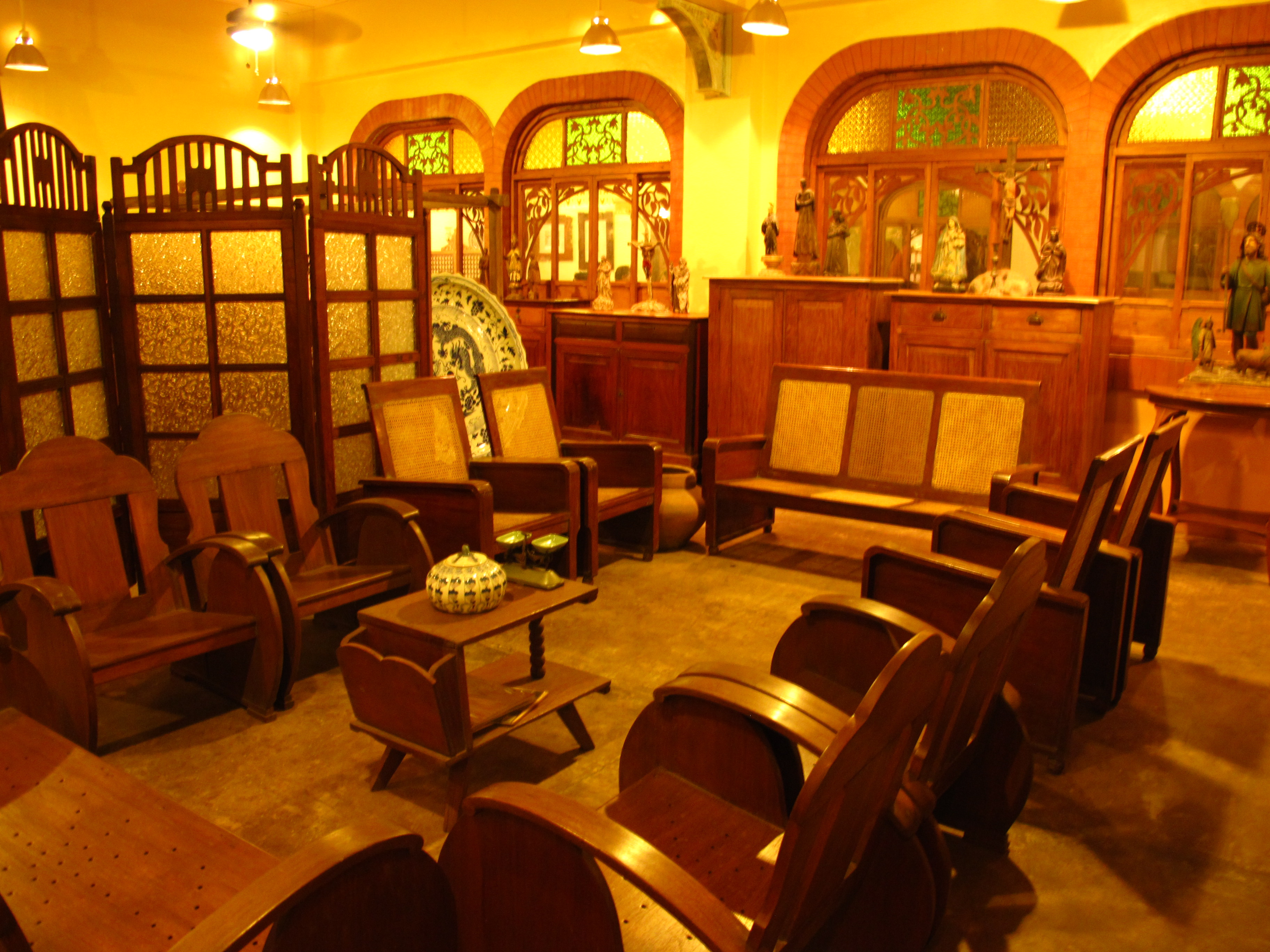
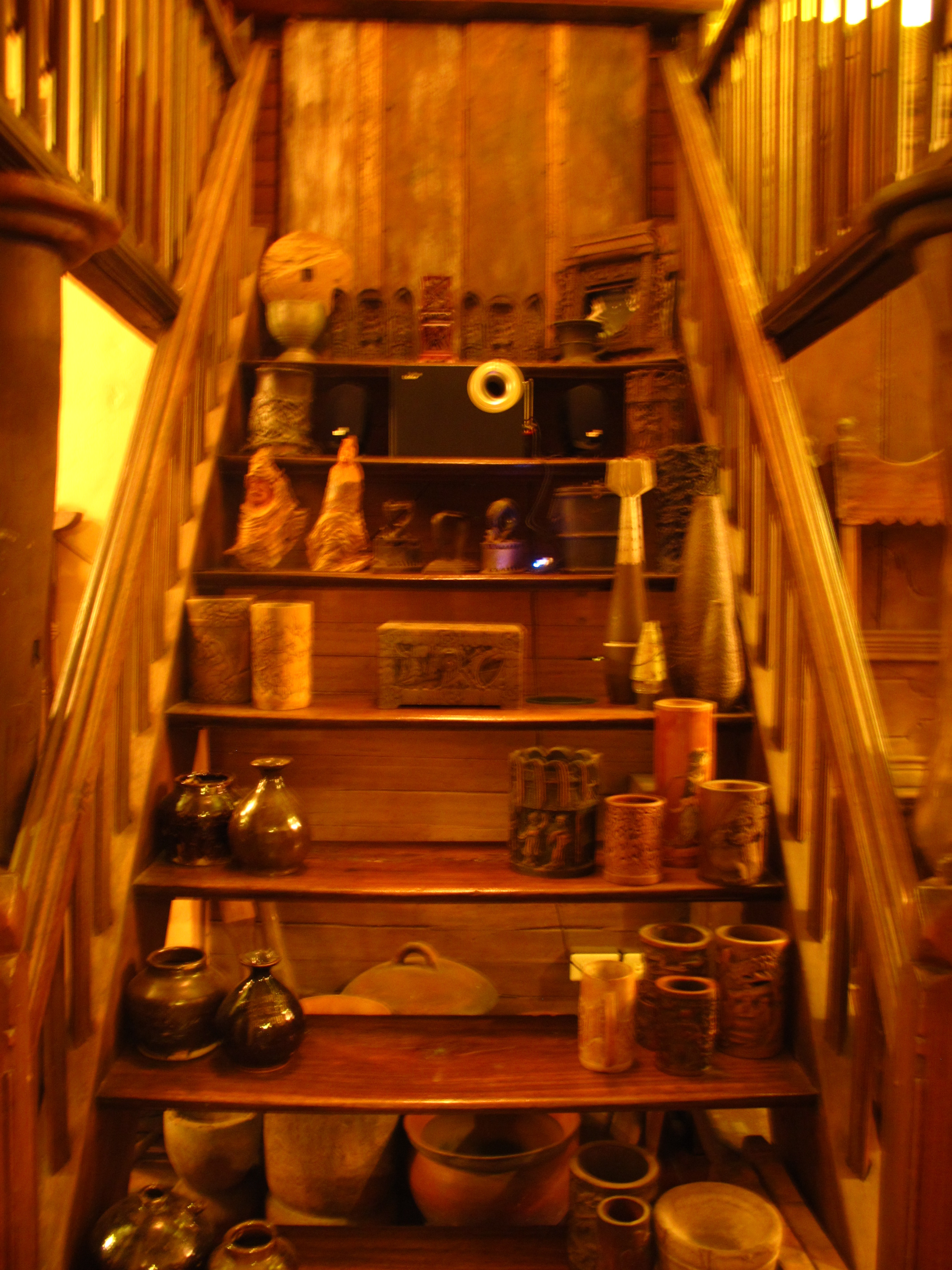
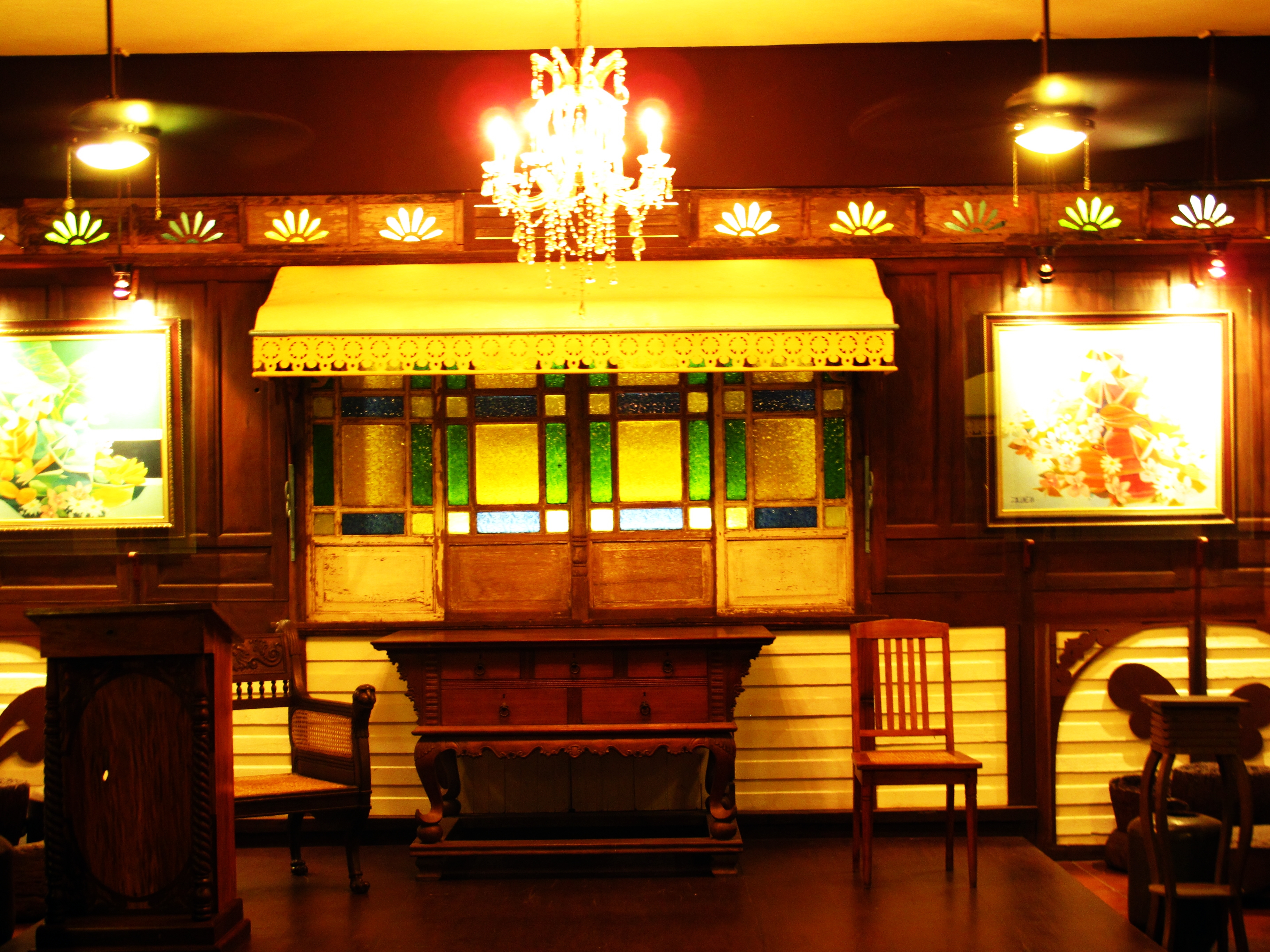
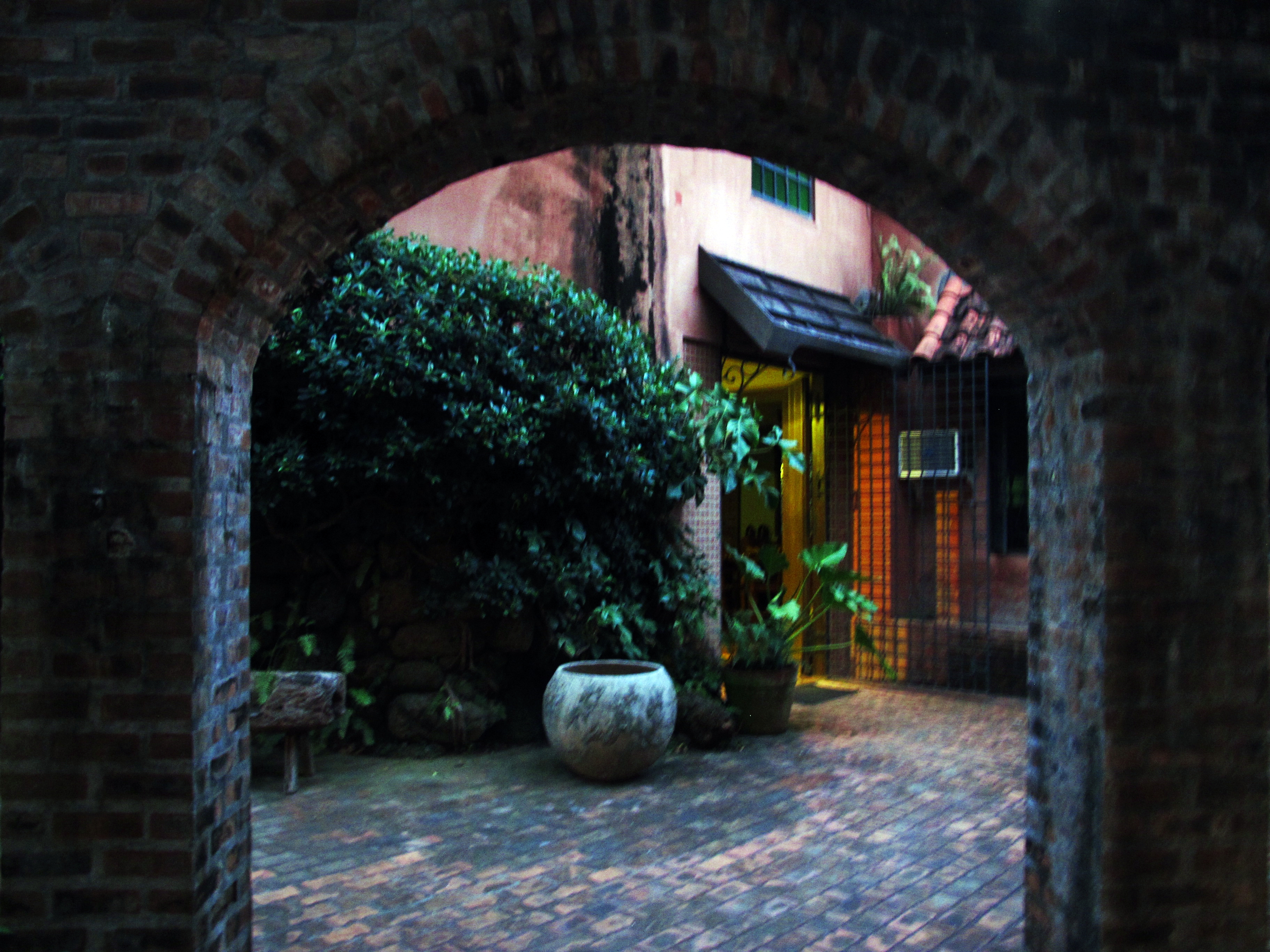
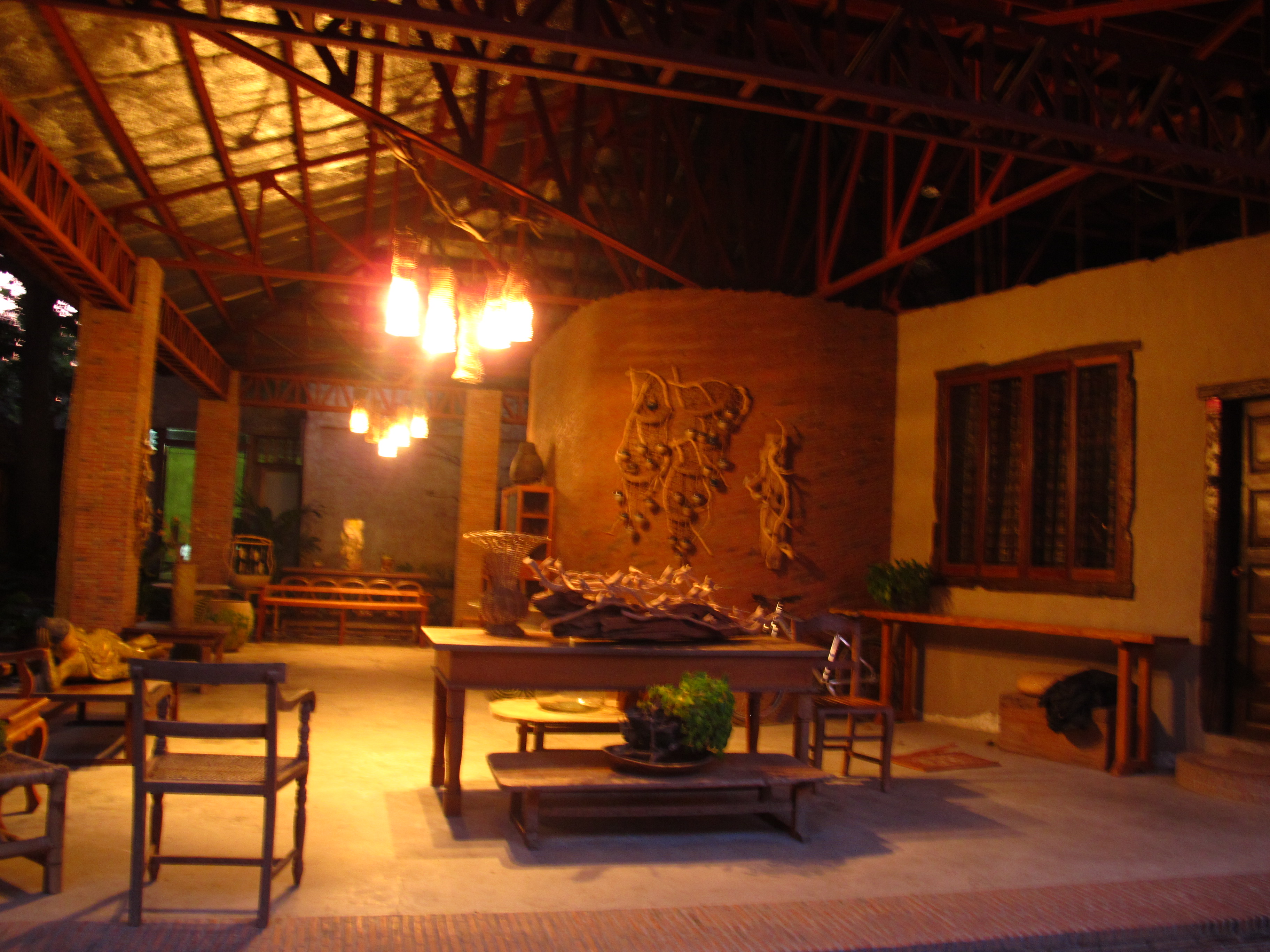
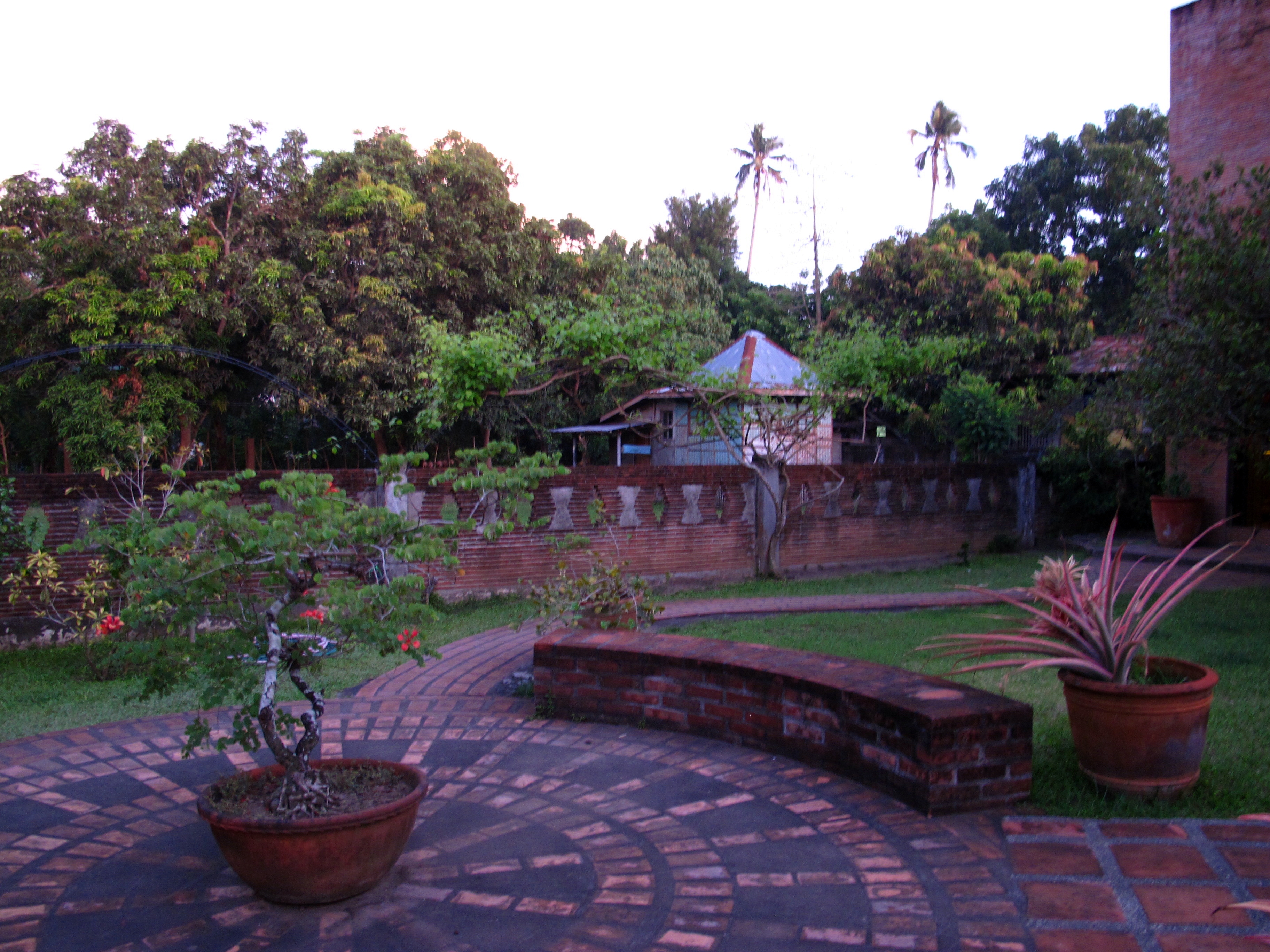
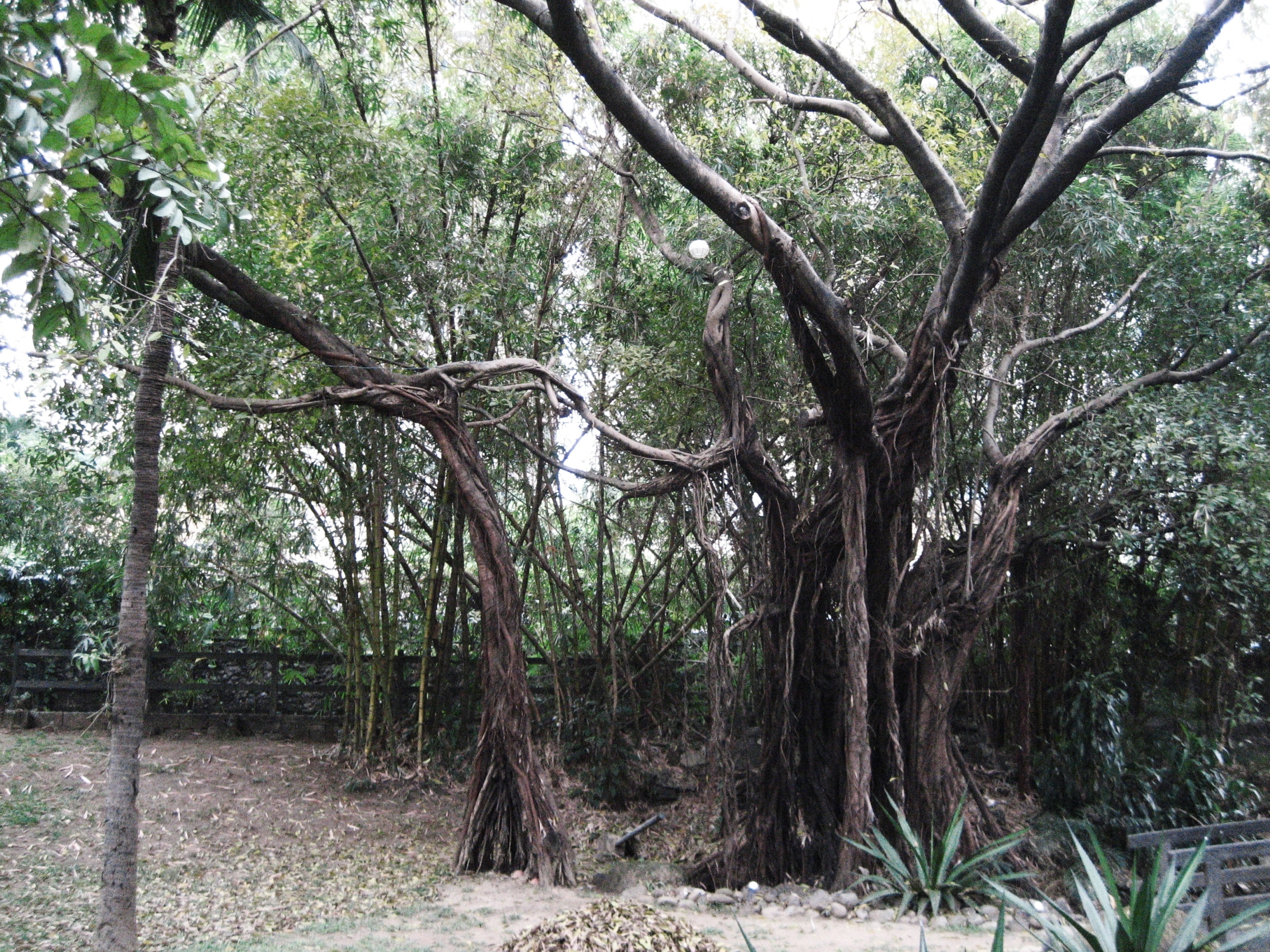
We wandered around.  The decor and the layout made for a very relaxing stroll especially after a tiring day.  Ugu was around when we got there.  He proudly showed us around his shop and the gardens.  

I am way past shopping. Especially on this humid day.  The art pieces make for great conversational centerpieces for a coffee table.  Some in the group went shopping while I was quite happy just walking around.  

The first hut beside Ugu’s residence is not strictly Filipino, but more Asian-inspired.  The decor, the arrangement of interesting art pieces set the mood.  Like someone pushed PAUSE.  Just what we needed. 

Just what I needed.

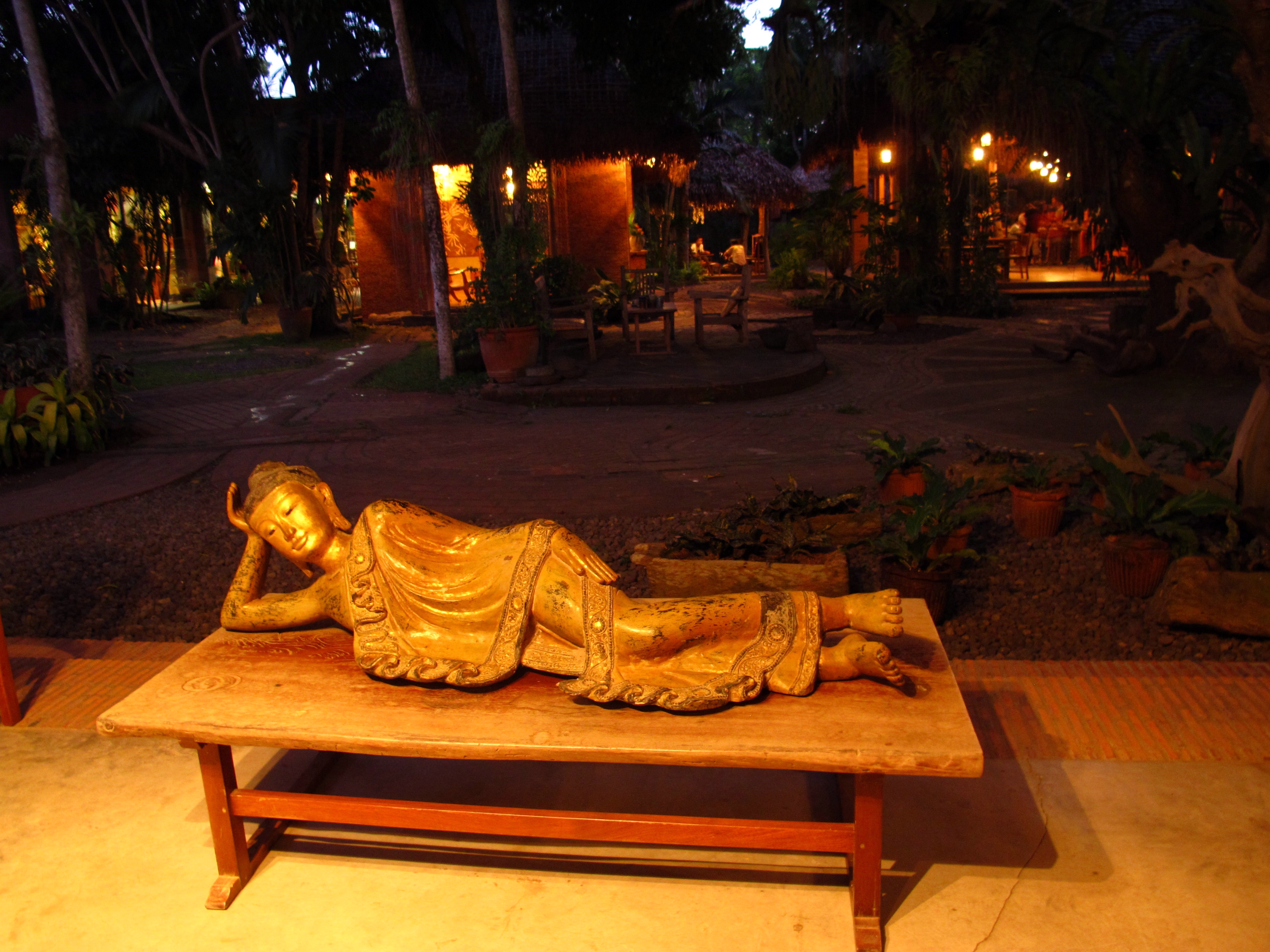
The reclining Buddha we saw conveys exactly that message as I felt my eyelids droop in tandem with the setting sun.  Just before dusk, I glimpsed a tiny hut in another property beside Ugu’s and wondered if he also owned the adjacent lot.  

Before we knew it, it was time to board the bus. This stopover is almost a dream.  Was I really there? 

Disclaimer:  This is not a food blog. Neither is this a travel blog. Just musings and ramblings of an old, tired lady on her way home.


From Laoag City to Vigan and back, we remember our wonderful dining experiences in these 4 restos. If there was more time, I’m sure we would have tried other dining places in between those yummy bagnet, longganiza and empanadas. So. Let’s not beat around the bush. Whenever the subject is food, no one should be kept waiting.

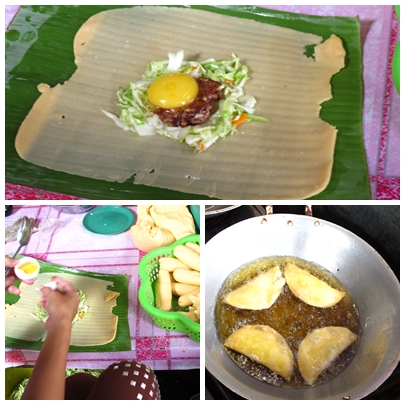
Vigan Empanada

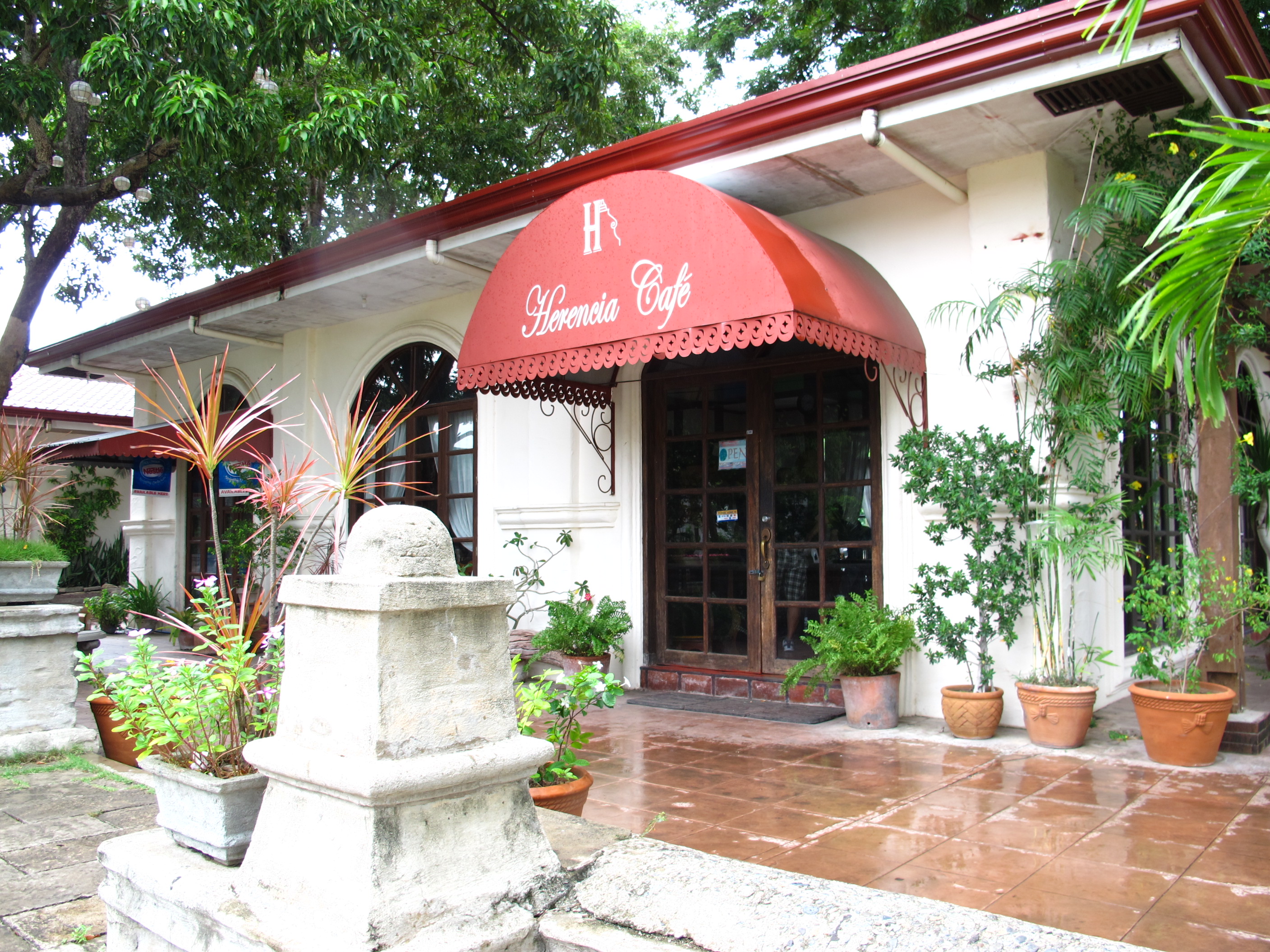
Herencia Cafe

Best dining location ever.  Pick a table by the window and enjoy a panoramic view of the Paoay Church in all its majesty. It rained while we were cruising in a van from the airport thru a couple of touristy sites before sitting down for a proper lunch here.  A late lunch, but no one was complaining.  

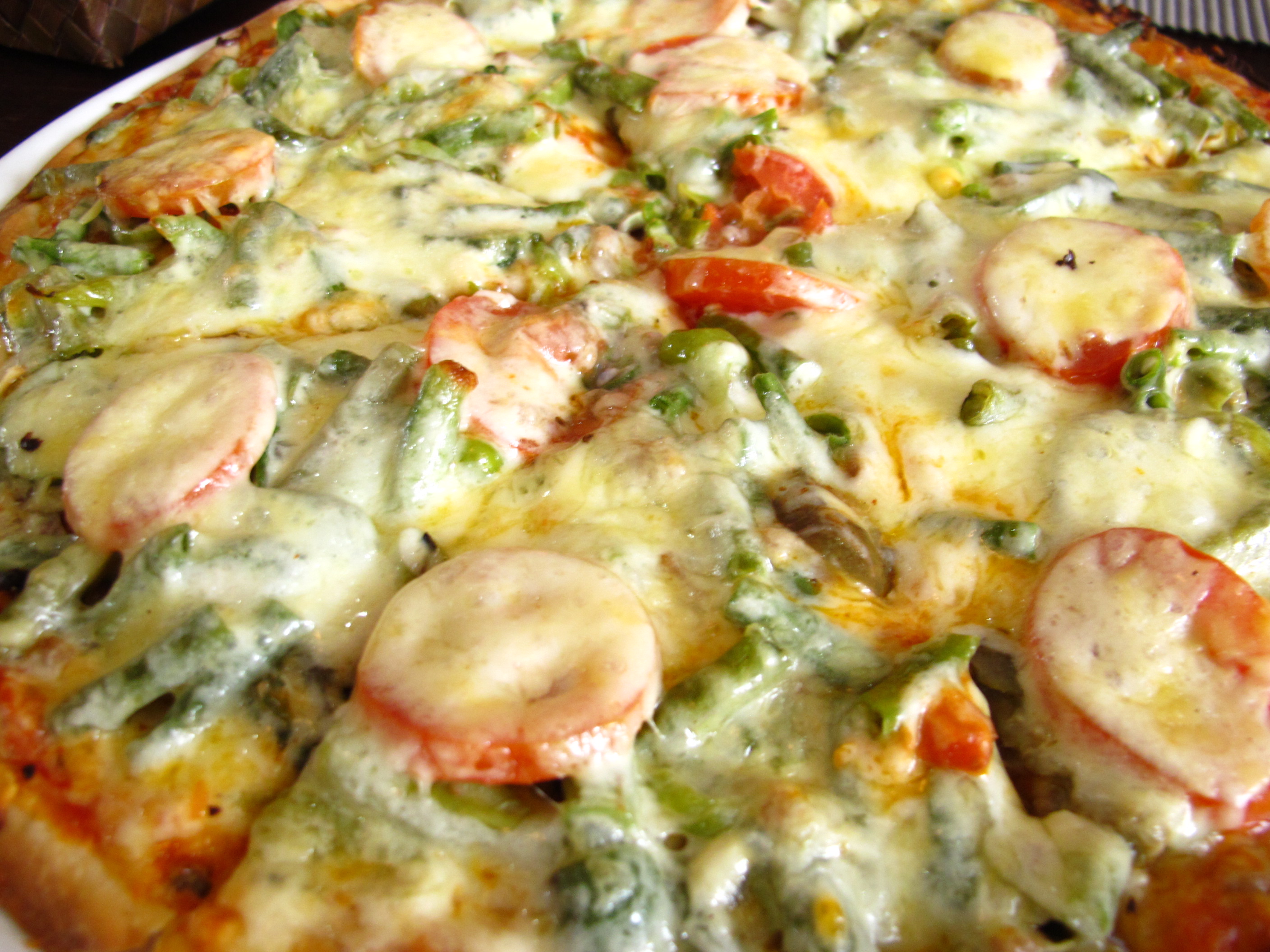
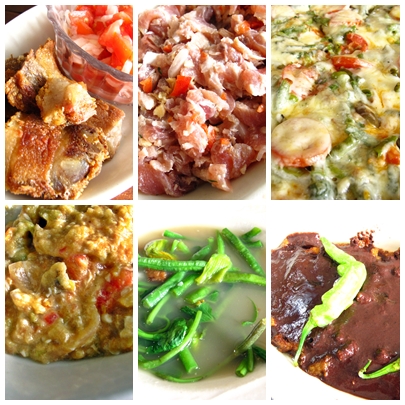
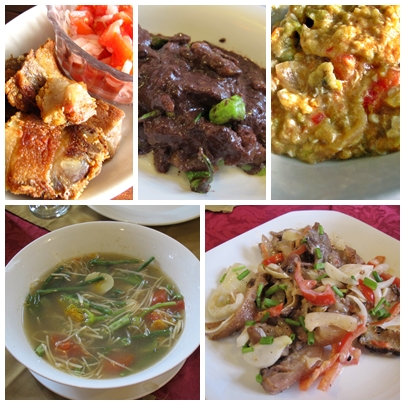
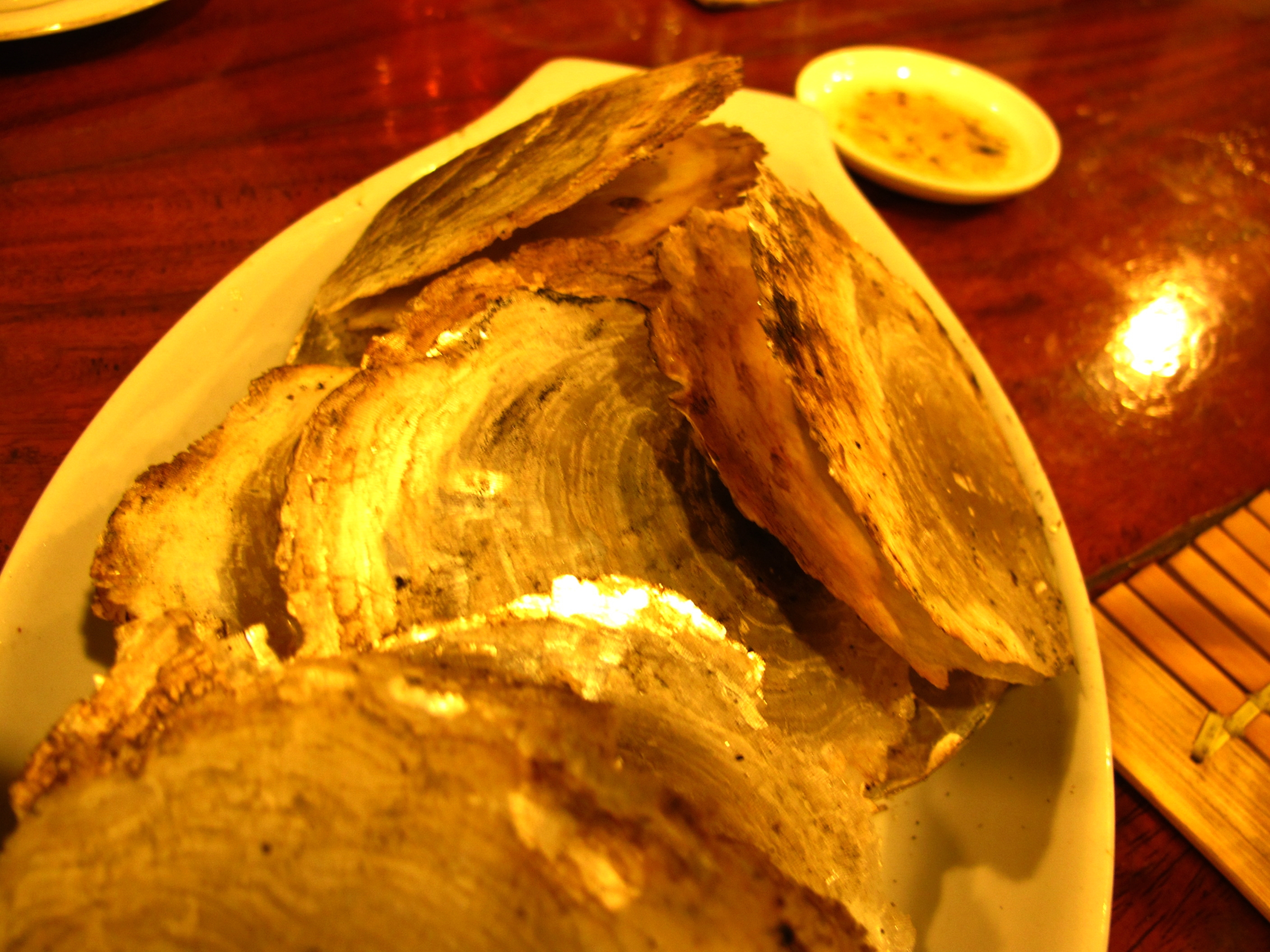
This is the home, the birthplace of the famous Pinakbet Pizza.  Pinakbet as in that very Ilocano dish which found its way to almost every Filipino family’s dinner table.  Pizza as in that most famous export of Italy, along with spaghetti.  And it was such a treat to be able to taste the authentic Ilocano dishes such as Bagnet, Poqui Poqui, Dinengdeng and Crispy Dinuguan

Herencia Cafe : Right Across Paoay Church

Herencia Cafe: Home of Pinakbet Pizza

Bagnet, Kilawin, Pinakbet Pizza, Poqui Poqui, Dinengdeng, Crispy Dinuguan

La Preciosa @Laoag City

Our van driver wanted to bring us here on our very first day.  Perhaps he felt an authentic Ilocano meal here would have made a fine introduction to Ilocos Norte.  He wasn’t wrong.  Even if we actually “ended” our trip with a meal here on our last day.  

The restaurant has a bakeshop right beside it.  Which is fine if we have grown “tired” of Ilocano cuisine. Not so though.  We have not outgrown our taste for Dinengdeng and Crispy Dinuguan which they call Crispy Dinardaraan here.  

La Preciosa

But we were not prepared for Warek Warek.  No Ilocano has ever introduced me to this local dish of pig’s meat and entrails (tongue, liver, intestines) parboiled with calamansi, grilled, sliced, served with the juice of more calamansi and seasoned with salt and pepper. Having tried it, I was convinced we should not order any more dish involving innards. So no Higadu for us. But don’t miss the chance to try it when you get here.  Along with the Inabraw, Insarabasab, and Duyduy.

Cafe Leona

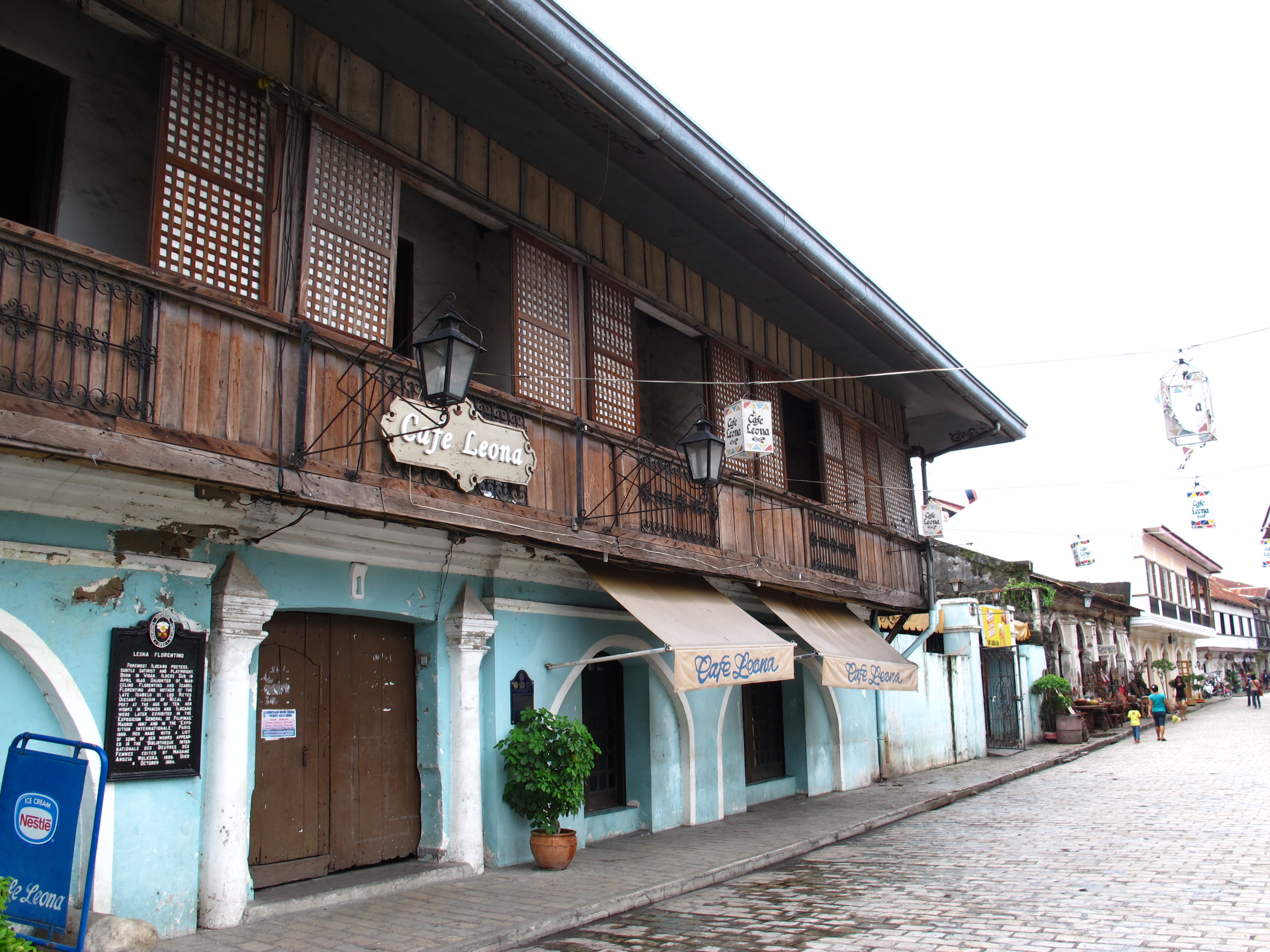
No one goes to Vigan without a “proper stroll” along Calle Crisologo.   You can do it during the day, but we strongly recommend you don’t miss it at night.  It had just rained when we got here, and the rainwashed cobble-stoned paths glistened as the lights from colonial-inspired lamp posts reflected on the water.   At the end of Calle Crisologo is Cafe Leona.  I didn’t mean to stop here for a meal except for my usual late afternoon brew.  Thought it would be a good place to sit out while the rest of the family explore.  By the time they were back, they were famished and ready for an early dinner. 

Cafe Leona. Along Calle Crisologo, Vigan

Cafe Leona’s menu is as confused as my current state while there, minding my 2 “elves” while their parents and aunts camwhore outside.  Thinking the best thing to do was to submit to Fusion Cuisine,  that was exactly what we did.  I wasn’t too happy with my Pasta with Longganiza, but the kids were happy with theirs.  Guess this place provides a “good break” while our stomach enzymes were still busily digesting our Ilocano breakfast and lunch. 

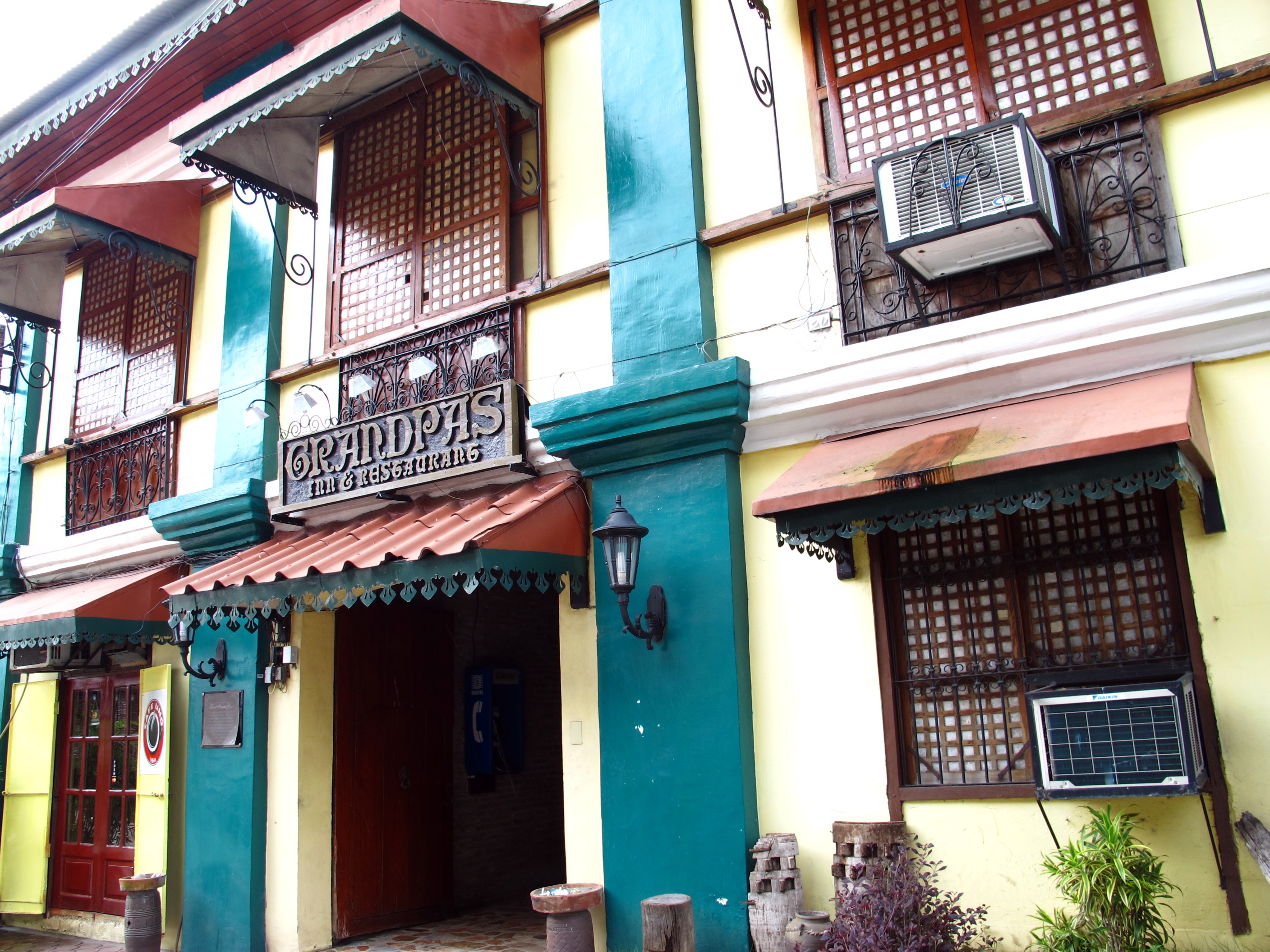
Kusina Felecitas / Cafe Uno @ Grandpa’s Inn

Grandpa

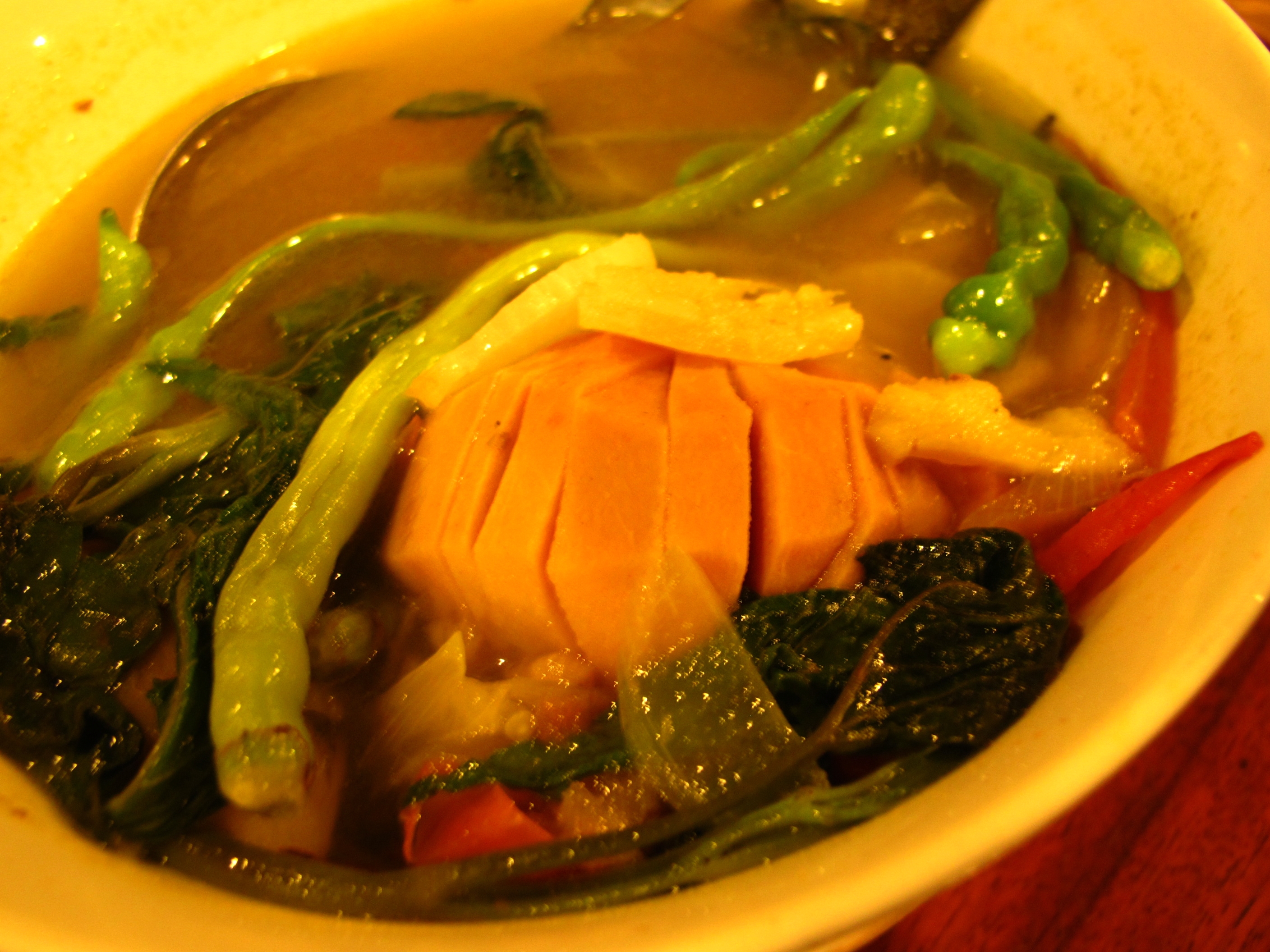
In Vigan, we would have been quite content with the empanadas filled with Vigan longganiza, egg and papaya.  But in Kusina Felecitas in Grandpa’s Inn,  we found this rare Malaga fish on its Menu, prepared in sour broth as with any other sinigang dish,  but soured with the local santol fruit!   We also indulged in the famous Vigan longganiza, the usual accompaniment of Poqui Poqui and Dinengdeng,  and the Kulintipay Shells.   These shells are actually the very same capiz shells you see framed in the sliding windows of Grandpa’s Inn.  I have not seen them for ages, much less, ate them.  Well, we were in luck in Vigan!  

Sinigang na Malaga Sa Santol

Among all the dining places we have tried, this one’s our favorite in terms of ambience. The restaurant looks more like an art gallery. The paintings hanging on the walls cover all the way to the Inn’s coffee shop aptly called Cafe Uno. Next time we are in Vigan, we would most certainly check in at this lovely Grandpa’s Inn


Kulintipay Shells

More? Read my TravelBlog post. 


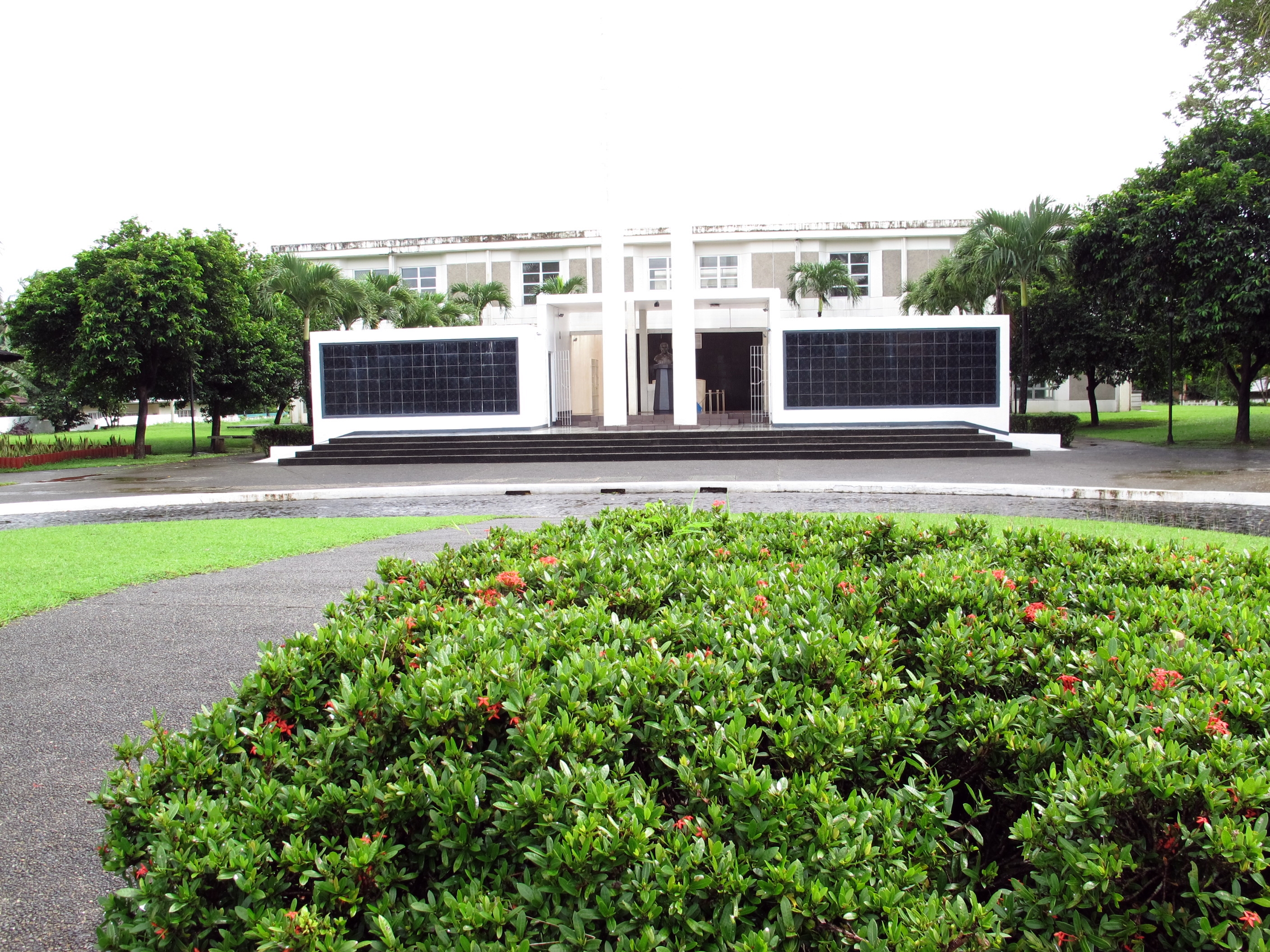
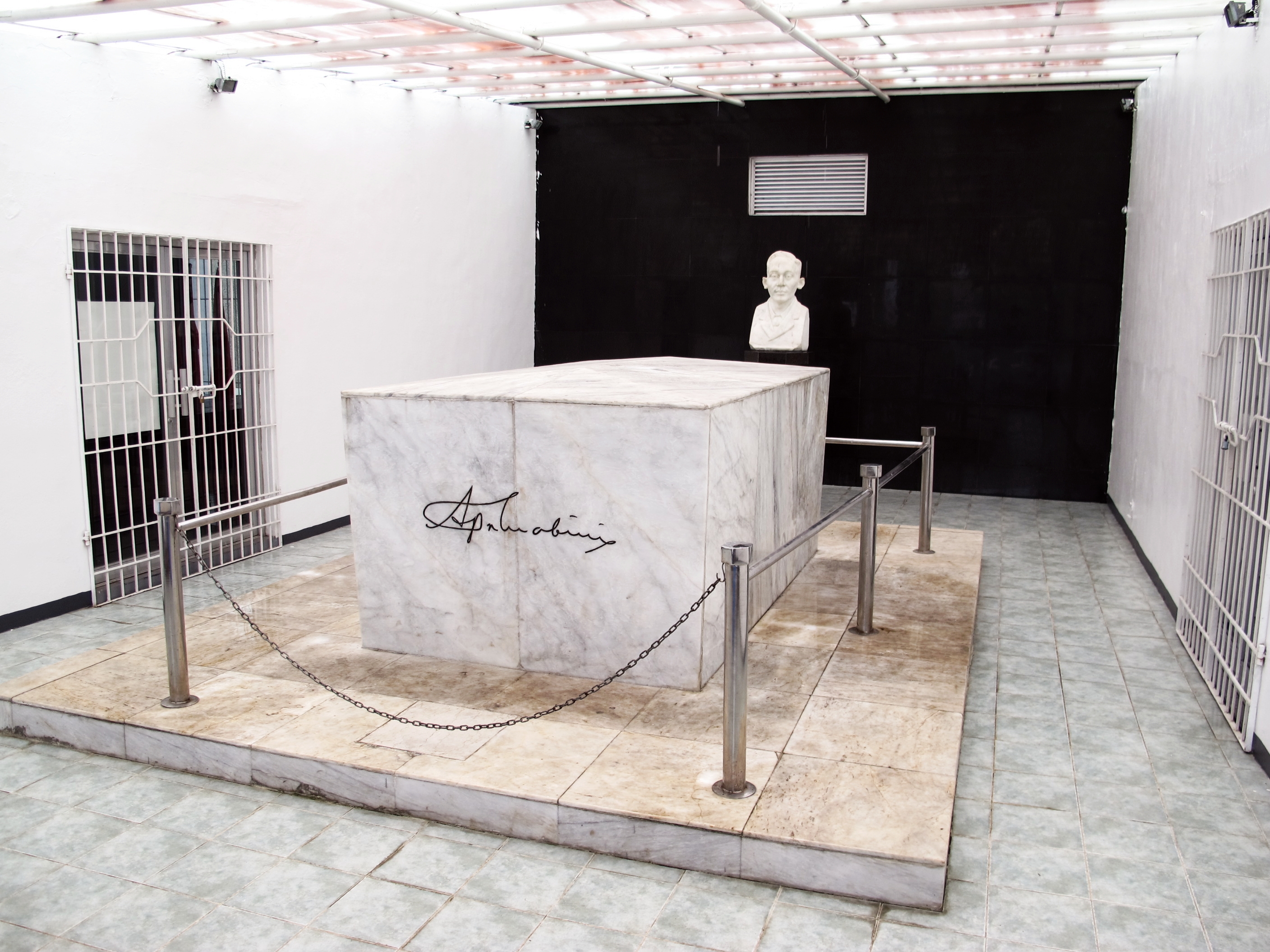
We were on our way to Club Balai Isabel in Talisay, Batangas and took the SLEX/Star Toll Route. We passed the Mabini Shrine in Barrio Talaga, Tanauan and took the chance to visit this historical site. Frankly, we weren’t expecting that the Shrine would be situated in this huge property along the main road in the birthplace of this nearly unheralded hero of the Revolution.

Apolinario Mabini Shrine in Tanauan, Batangas

A Few History Lessons

For someone who took on odd jobs, even worked as a houseboy, just to get through school, Mabini’s intellect certainly shone through in academics. Shabbily dressed as any poor student could be, shunning ridicule, he earned a scholarship and taught children to earn money for his board and lodging. Unlike Dr. Rizal, the Luna brothers, and many revolutionaries learned in the ways of the world outside of his own country, Mabini stayed to earn a local education but in no way any less than his generation’s erudite patriots. Unlike Padre Burgos who gave in to his mother’s wish for him to be a priest, Mabini refused to pay heed to his mother’s wishes. He passed college with the highest honors and went on to earn his law degree from the oldest university, University of Santo Tomas, in 1894. All that time, while laboring, working his way through school.

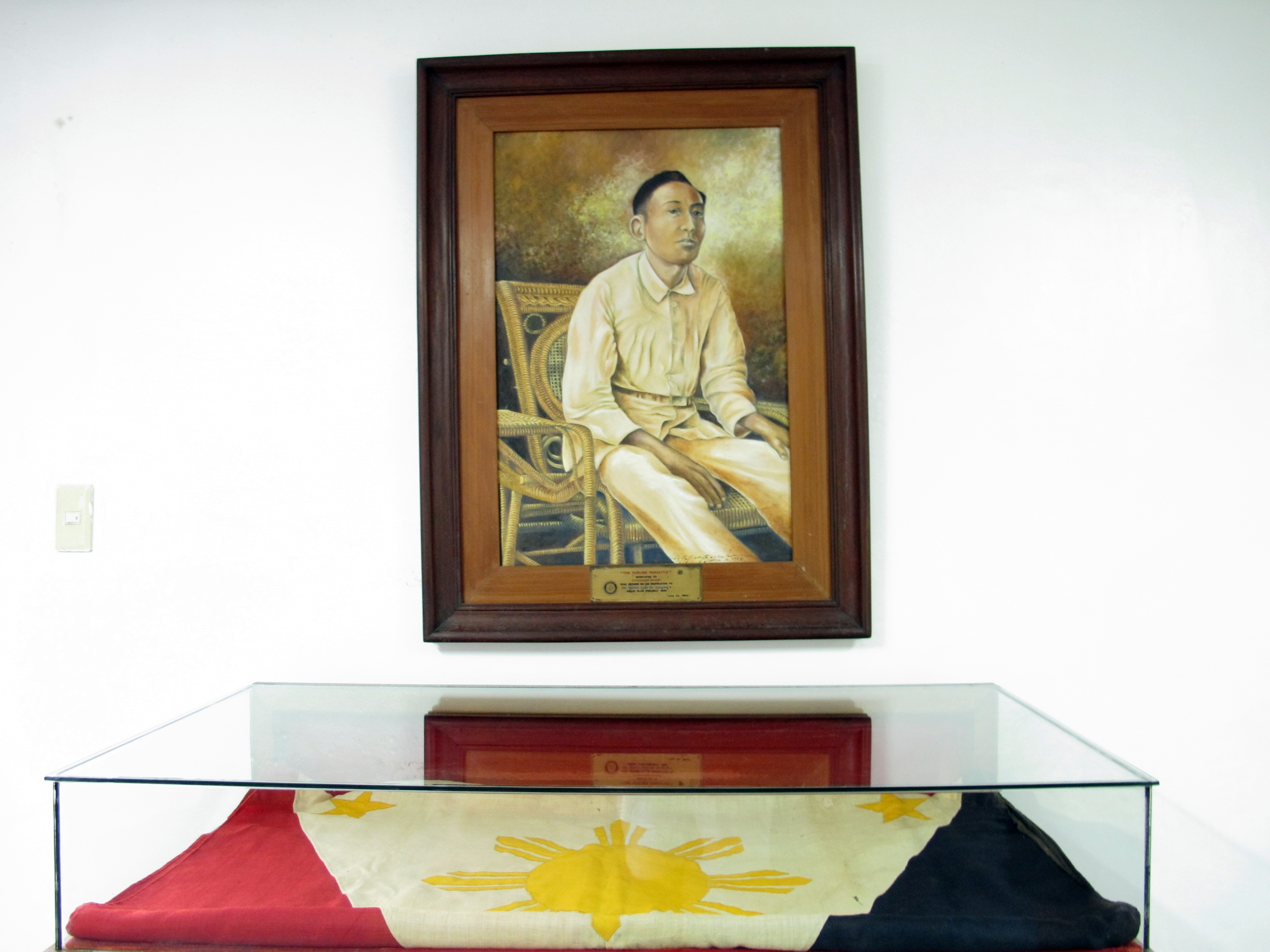
Many remember Mabini as the “Sublime Paralytic” who served as the very first Prime Minister cum chief advisor to then President Emilio F. Aguinaldo. He crafted the very first Constitution of the Philippines, the very first also in Asia, thus earning him the unofficial title of “Brains of the Revolution”.

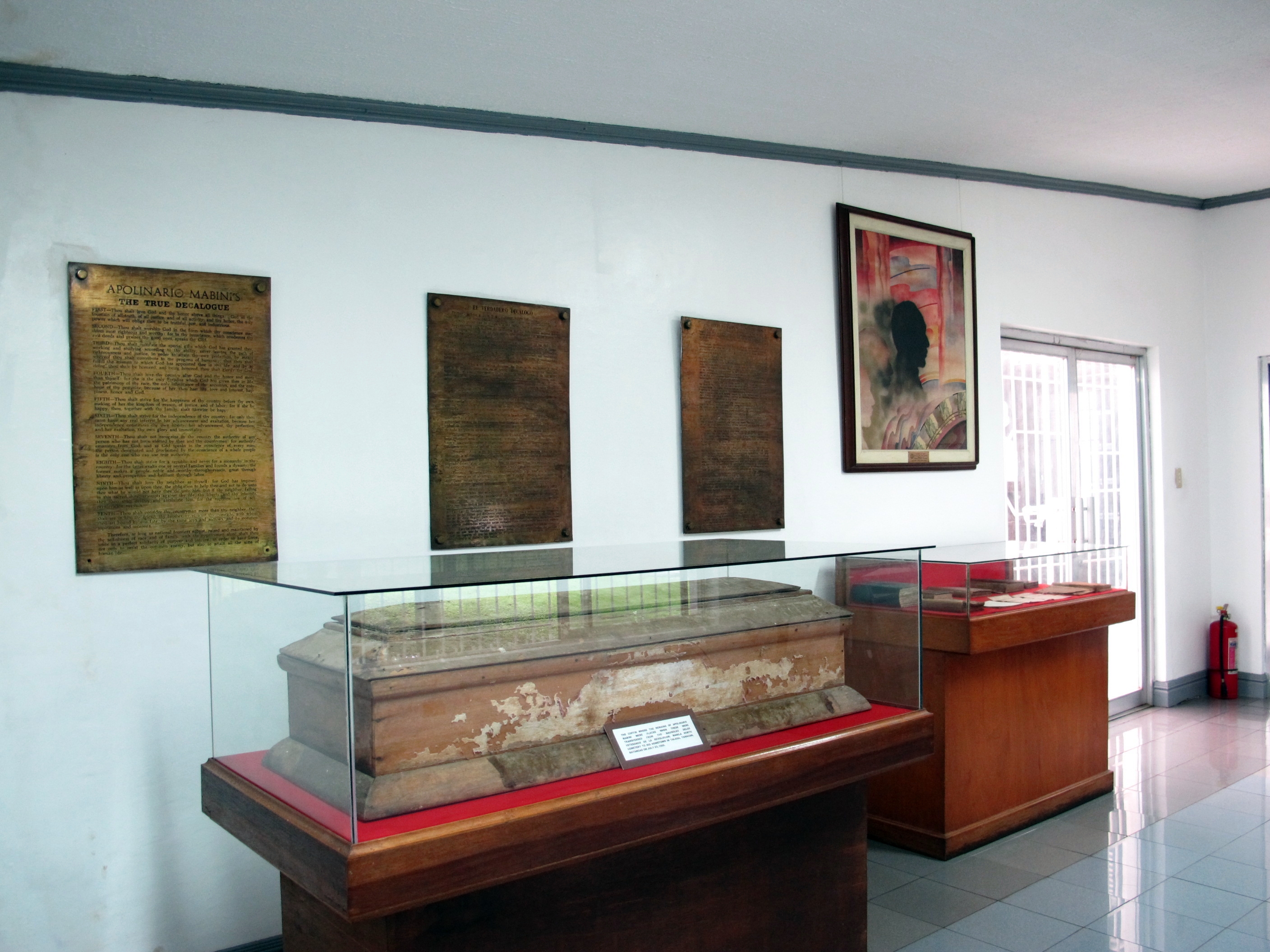
When America defeated Spain, he refused to swear his allegiance to the new set of colonizers leading to his arrest in Nueva Ecija. After having been exiled to Guam along with other revolutionary leaders, Mabini returned in February 1903 and resumed his patriotic work, much to the chagrin of the American colonial officials.  He didn’t live long enough as he fell ill and died of cholera in Sta. Mesa, Manila  in May 1903 . Not many know that Mabini died single at the age of 38.   His remains were transferred to his town of birth where a Shrine now stands on his simple grave. A replica of the house where Mabini was born was constructed in the Shrine site which also houses some of his memorabilia.  A distant relative is one of the caretakers in the Mabini Shrine.  Failed to get his name, but look him up, for more  Mabini trivia.

Trivia:  A Most Unfortunate, Undeserved Controversy

The life of Mabini was hounded by controversy, especially regarding the cause of his paralysis.  During his lifetime, it was rumoured that Mabini suffered from syphilis which resulted in his paralysis. A subsequent exhumation  and autopsy of his bones disproved this rumour and confirmed that the paralysis was caused by Polio.  Unfortunately, the malicious rumour has done its rounds and was debunked much too late in 1980. No less than National Artist F. Sionil Jose erred in his book Po-on, for which the novelist offered the following apology, which reads in part:

I committed a horrible blunder in the first edition of Po-On. No apology to the august memory of Mabini no matter how deeply felt will ever suffice to undo the damage that I did…. According to historian Ambeth Ocampo who told me this too late, this calumny against Mabini was spread by the wealthy mestizos around Aguinaldo who wanted Mabini’s ethical and ideological influence cut off. They succeeded. So, what else in our country has changed?

If you don’t have the time and the resources to visit all the Lakbay Jose Rizal@150 Sites, or at the very least want a glimpse of what you can find there, you may wish to do this.

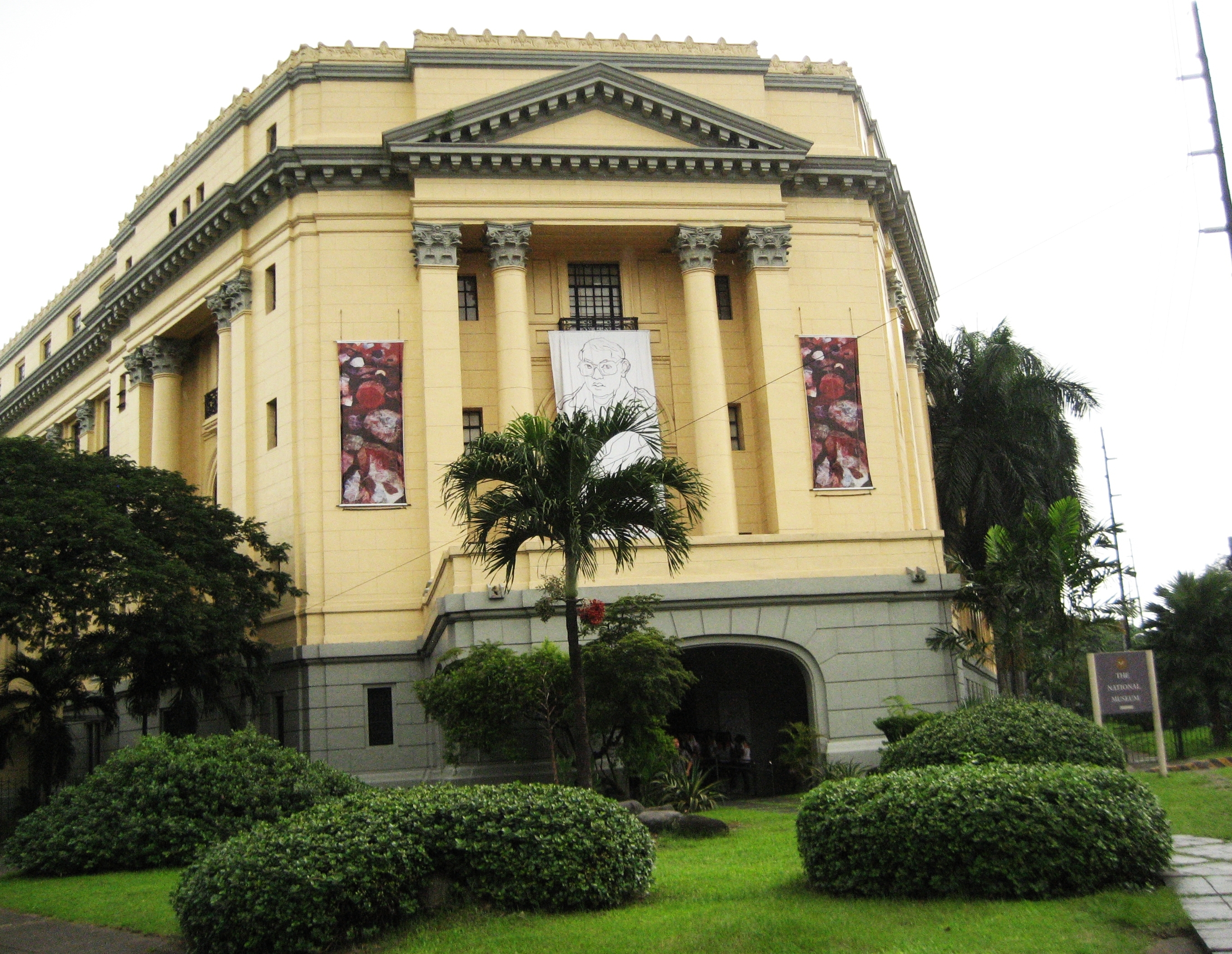
One morning I visited the National Museum,  I found myself way too early before Museum hours and so I lingered around. First off,  I checked out the Balangay Diwata ng Lahi behind the National Arts Gallery. Looking at this sea vessel makes you wonder how our ancestors rode the treacherous waters in open seas back then.  Also reminds us that the ancient Pinoys were really a seafaring people and competent boat builders! Can you imagine them sailing based on their ancient methods of reading through the stars, cloud formations, and bird migration patterns?  

Balangay Diwata ng Lahi @National Arts Gallery

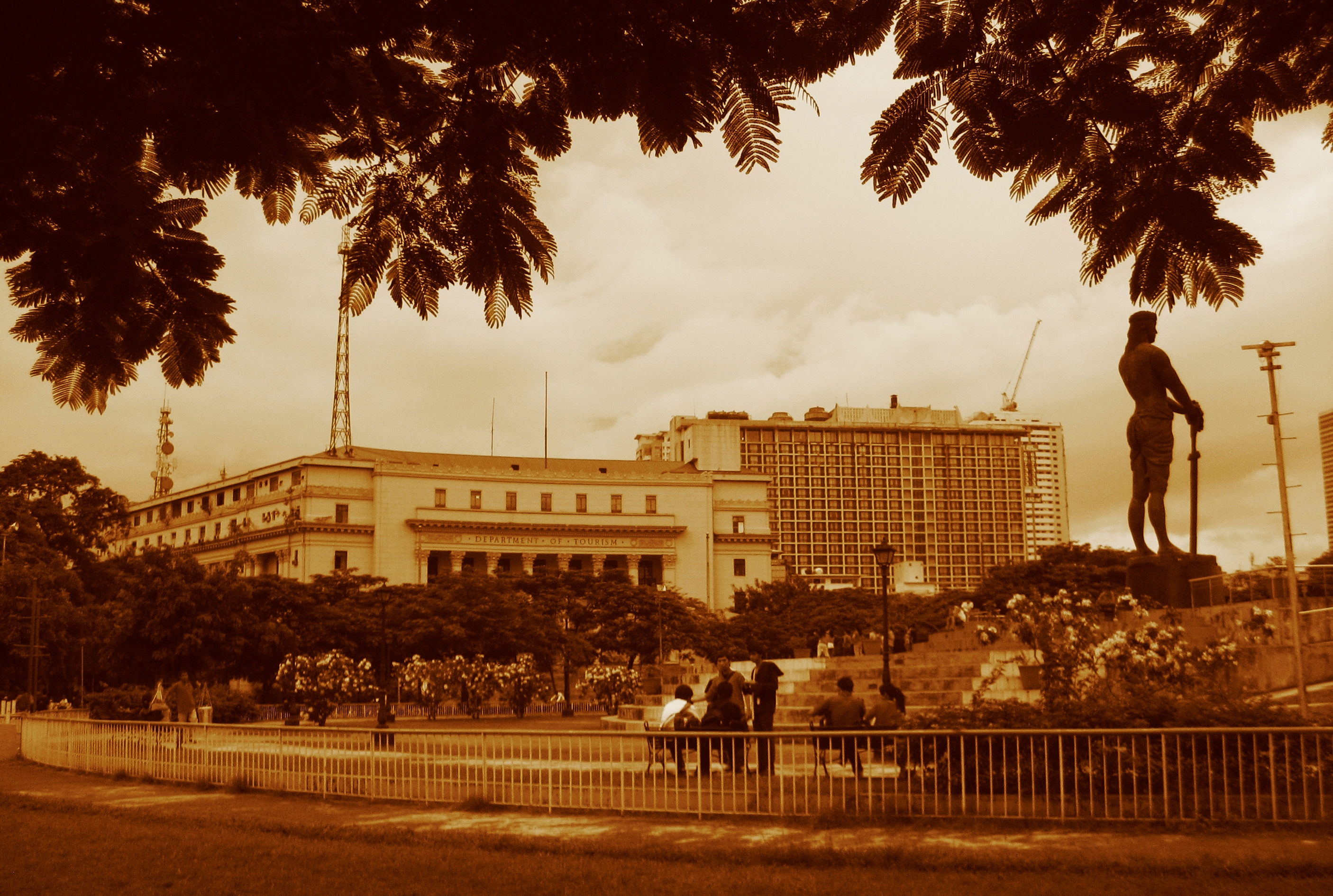
An hour before the Museum doors opened to the public, and having viewed the Balangay,  I wandered off behind the 2 Museum Buildings and found myself walking around the Agrifina Circle where one also finds the lovely Department of Tourism Building.  Standing guard over all these art-deco buildings is a huge bronze statue of Lapu Lapu.  Our likely first hero way before the Spaniards ruled the land, and most certainly way before the Americans “guided” us in choosing our heroes. ;-)

Lapu Lapu Statue Standing Guard Around The Valencia or Agrifina Circle

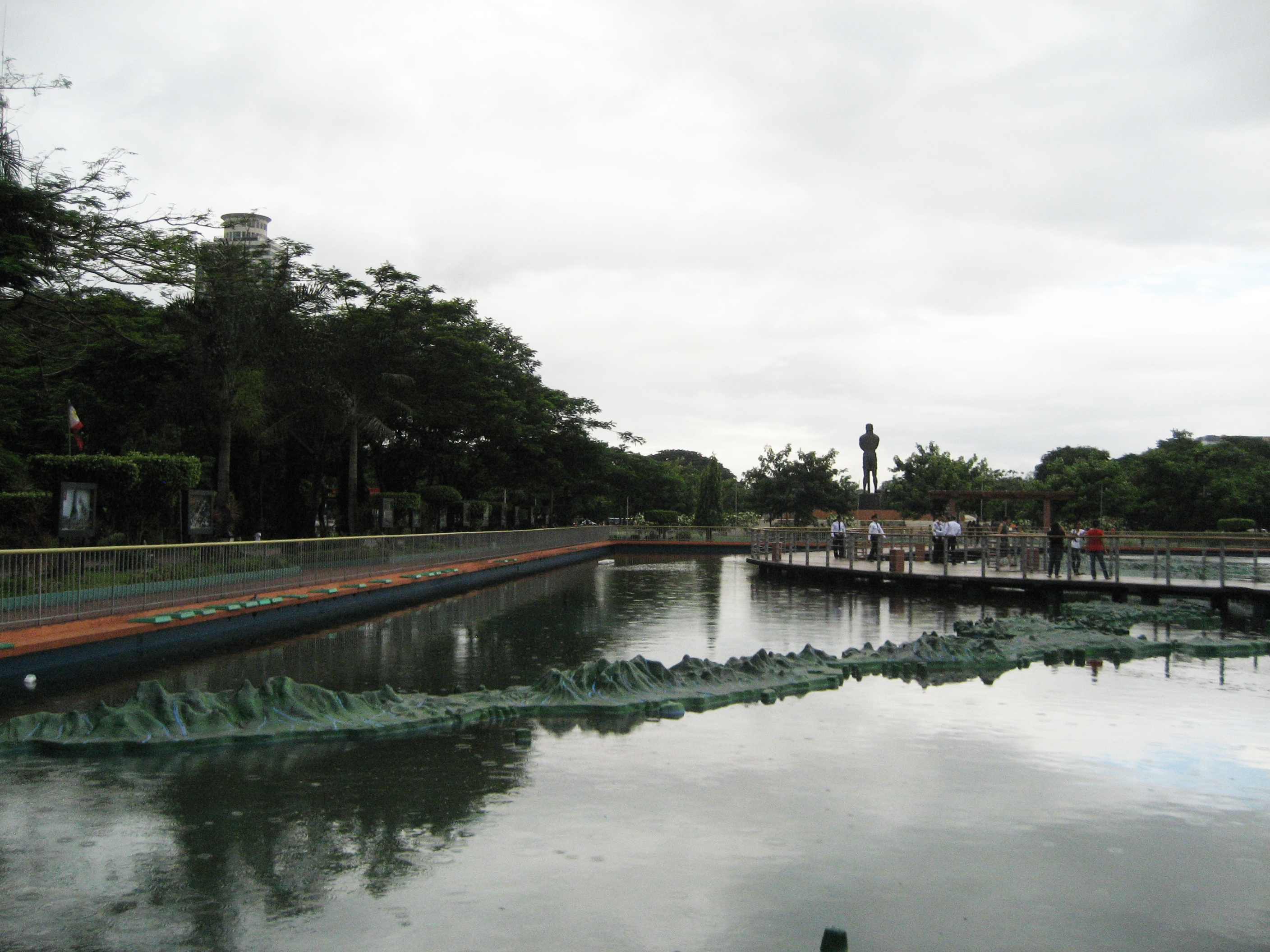
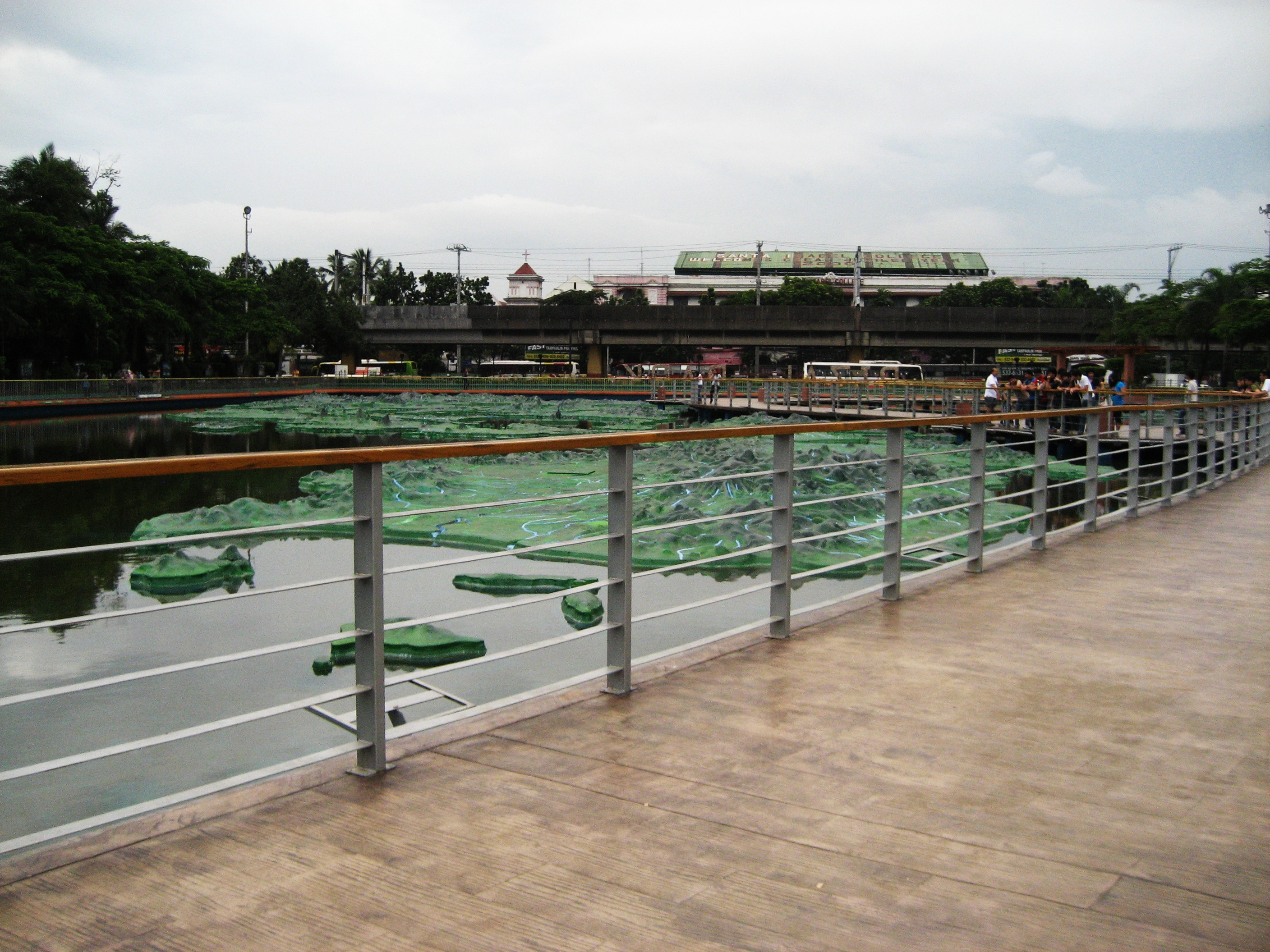
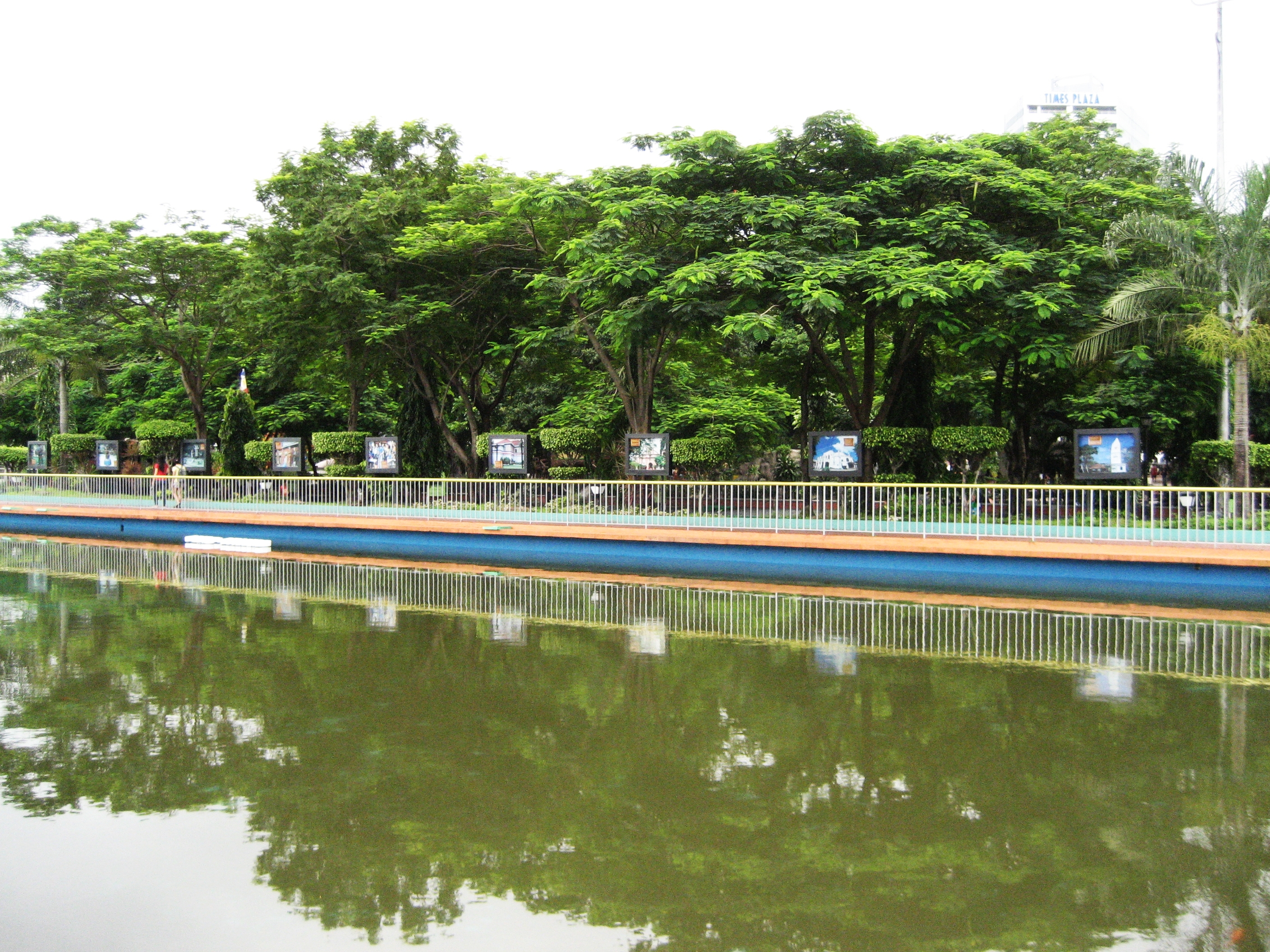
Off on one side a few meters away is a man-made pond where a huge relief map of the Philippines is to be found, right beside the Children’s Playground. All around this pond are glass-encased photos of various Rizal heritage sites named in the Lakbay Jose Rizal@150. Aptly called One-Stop Heritage Trail, it was unveiled only last May 2011. There is no excuse now not to learn more about these sites, if only to know our national hero better, appreciate his journey through life, his struggle, and his heroism.

Relief Map of the Philippines with the LapuLapu Statue in the Background

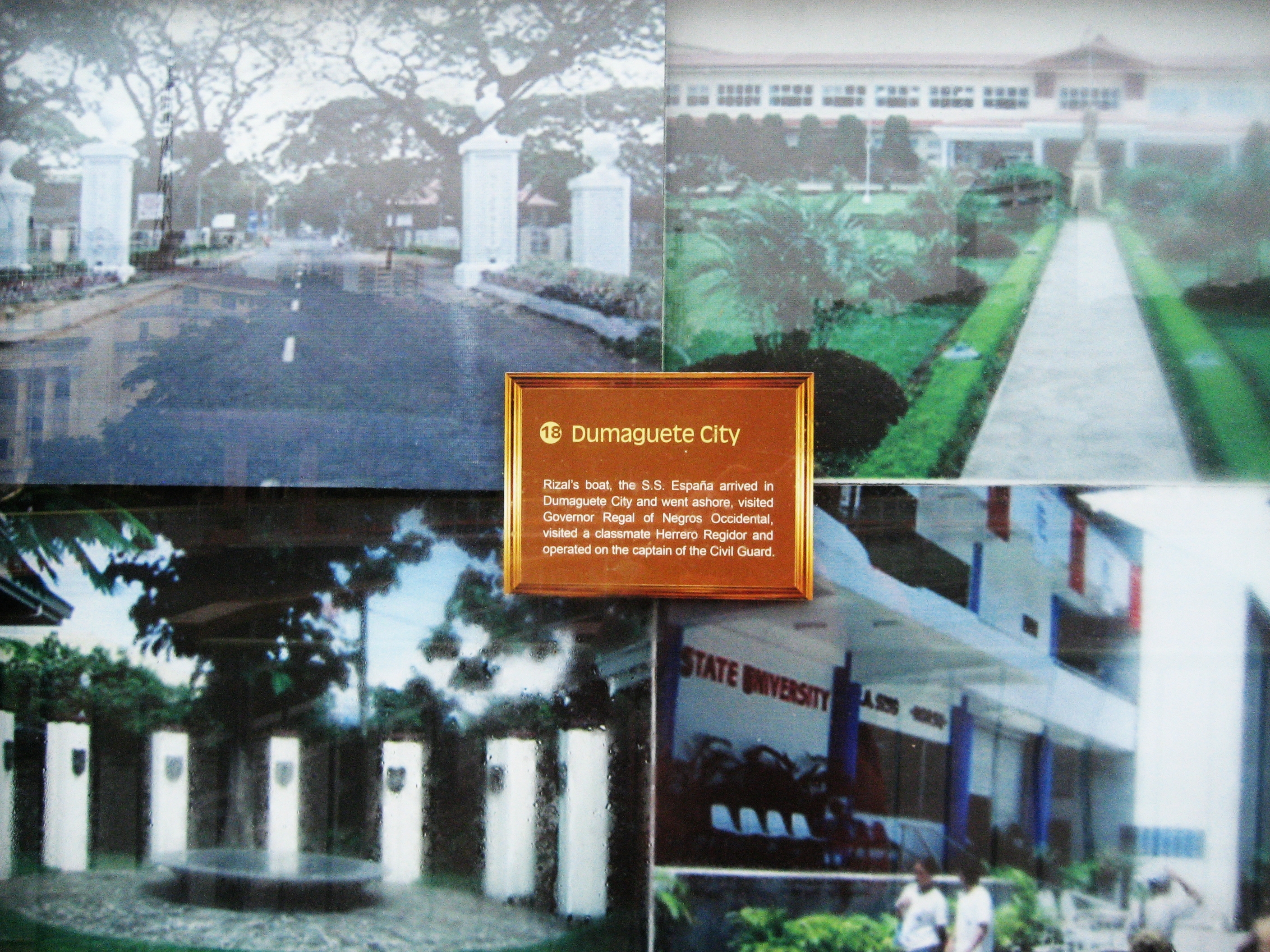
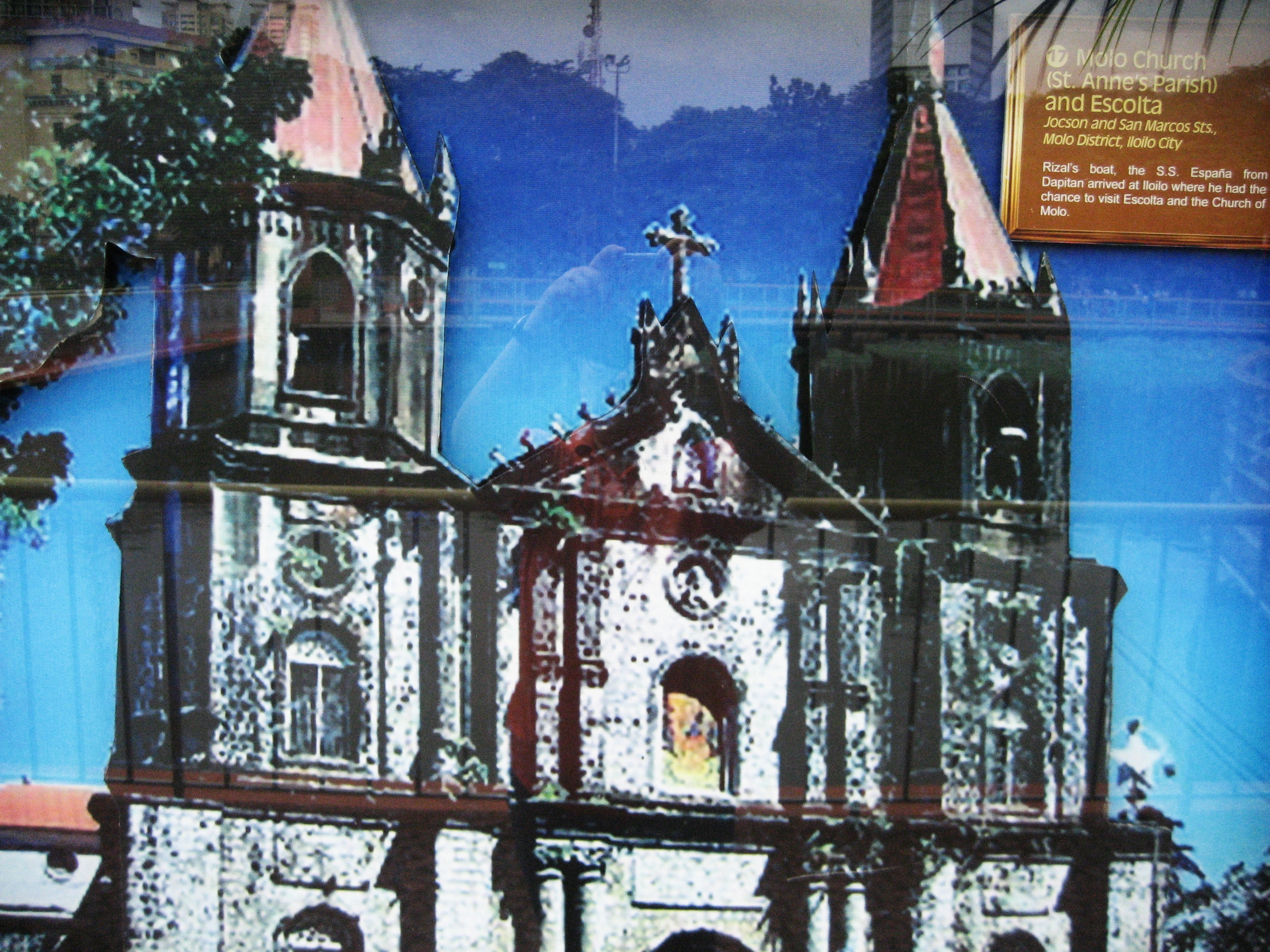
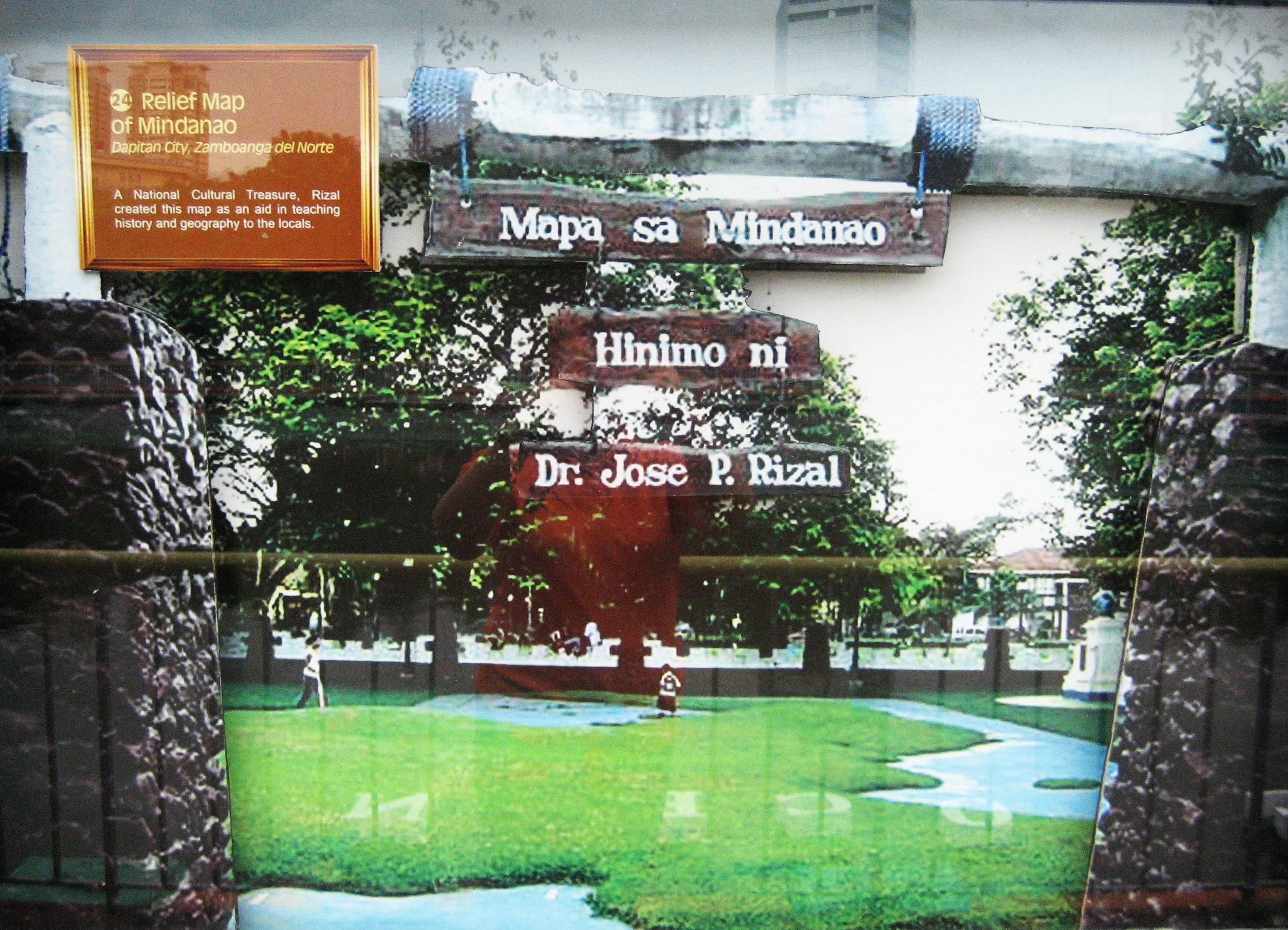
I found myself moving from one encased photo to the next.  Tried to get a decent photo, but this amateur had problems with the reflections on the glass.  Epic fail.  But I read through some of the relevant and interesting  trivia on each encased photo and thought I’d share with you just the same these awful shots I took. Just think I’m saving you the trip.  Or perhaps you can be motivated to go to get a ‘better picture’. 

Rizal’s boat, the S.S. España arrived in Dumaguete City. Dr. Rizal went ashore, visited Governor Regal of Negros Occidental, visited a classmate Herrero Regidor and operated on the captain of the Civil Guard.

The same  boat, the S.S. España, arrived at Iloilo where Dr. Rizal had the chance to visit Escolta and the Church of Molo in Iloilo. 

Then the  S.S. España docked in Cebu on August 2, 1896 for a routine one-day stop over. After breakfast on board, Commander Carcinero took Rizal under custody to the Spanish Military Commander of Cebu, Gen. Adulfo Montero in the Military Headquarters located in Fort San Pedro.

The official residence and administration building of the politico-military governor of the district, Rizal lived there from July 17, 1892 to March 1893 before he was transferred to Talisay, now the Rizal Dapitan Shrine.

A National Cultural Treasure in Dapitan, Zamboanga del Norte.  Rizal created this map as an aid in teaching history and geography to the locals while in exile from 1892 to 1896.


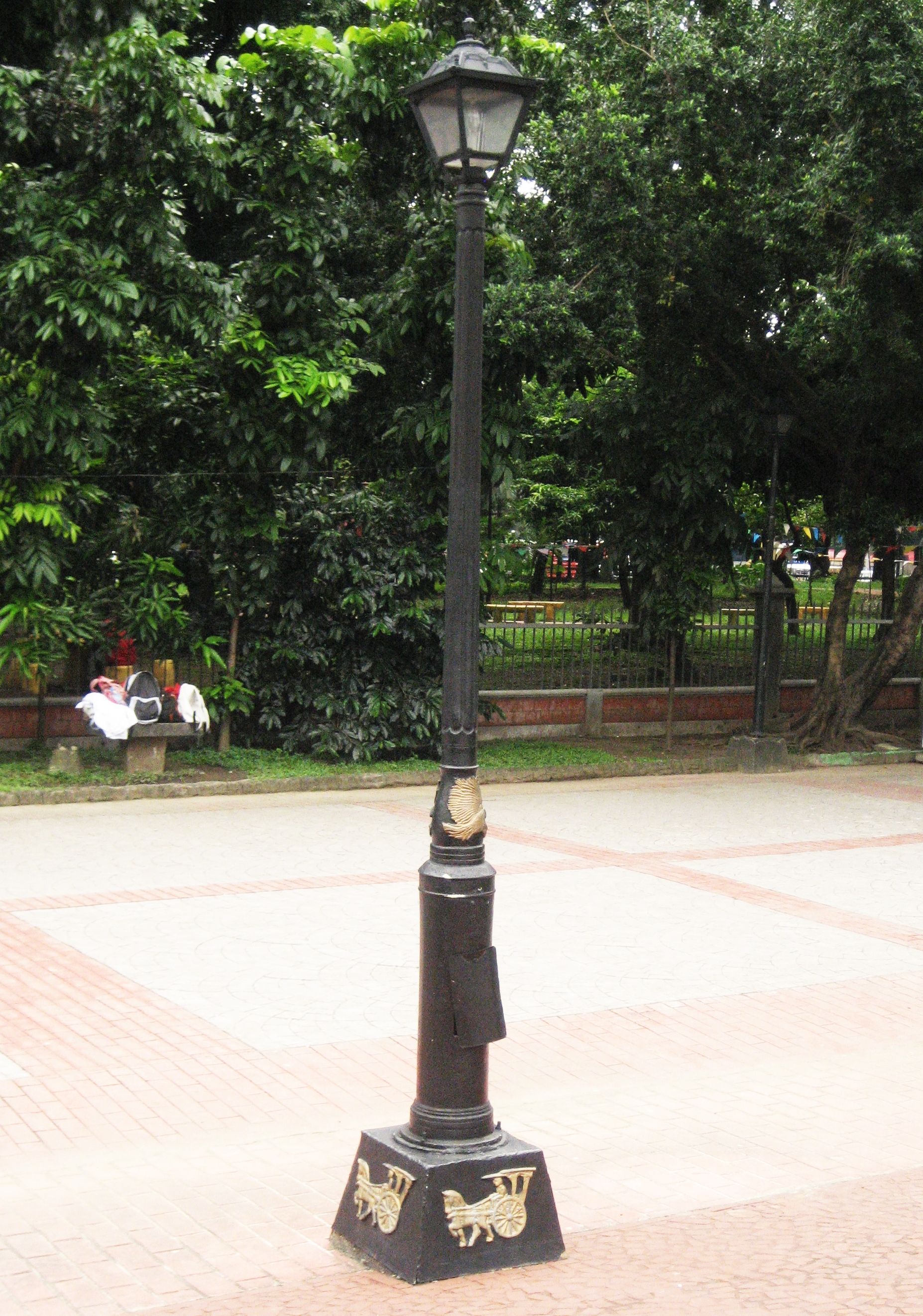
I took notice of this lamp post. Love the base with the calesa design. Thought this lamp post is far better than all those multi-colored cheap-looking lightposts you find all over Metro Manila.  

There were more photos on display around the pond where you see the relief map of the Philippines. But it is now time to head back to the Museum. 


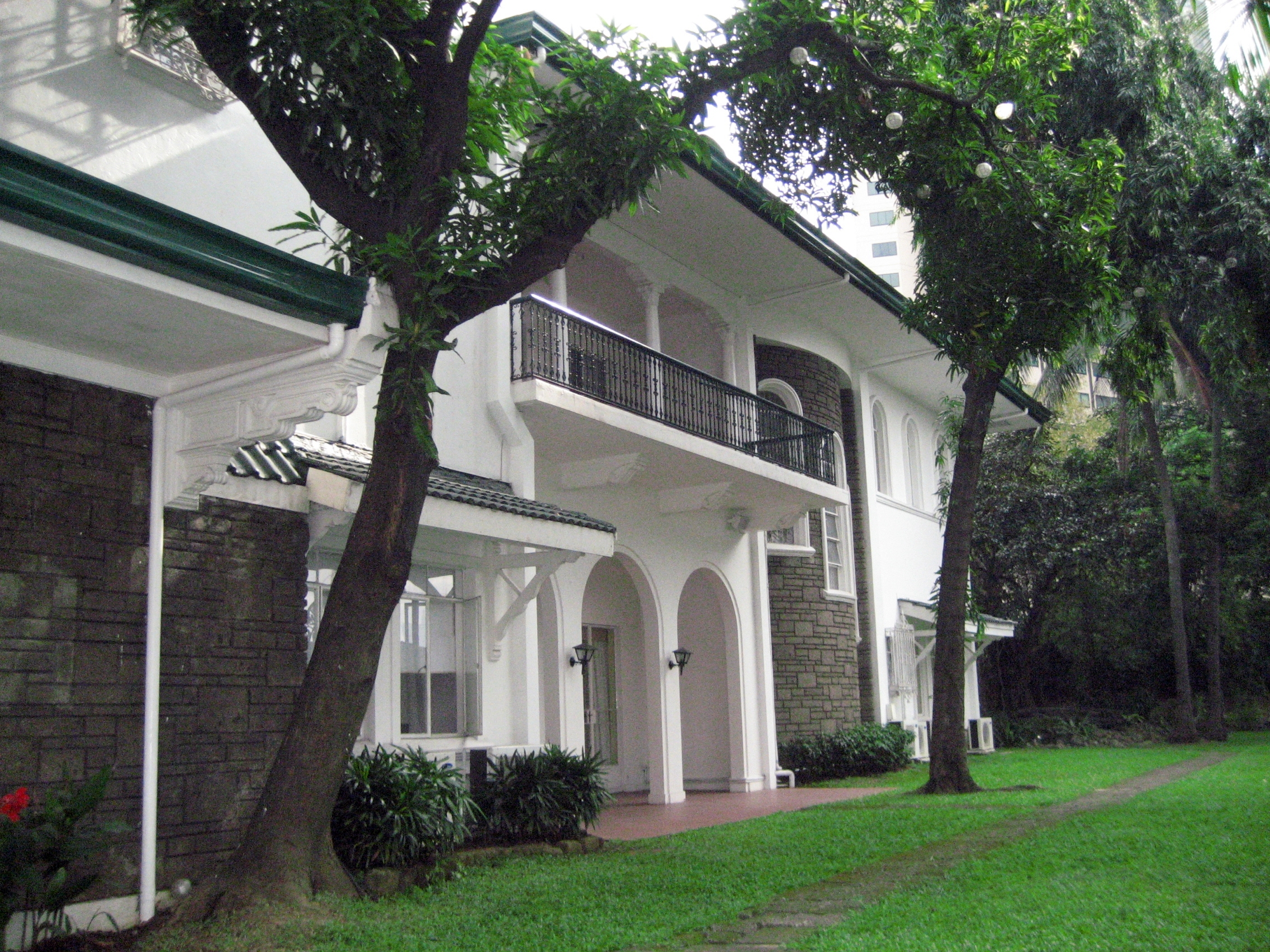
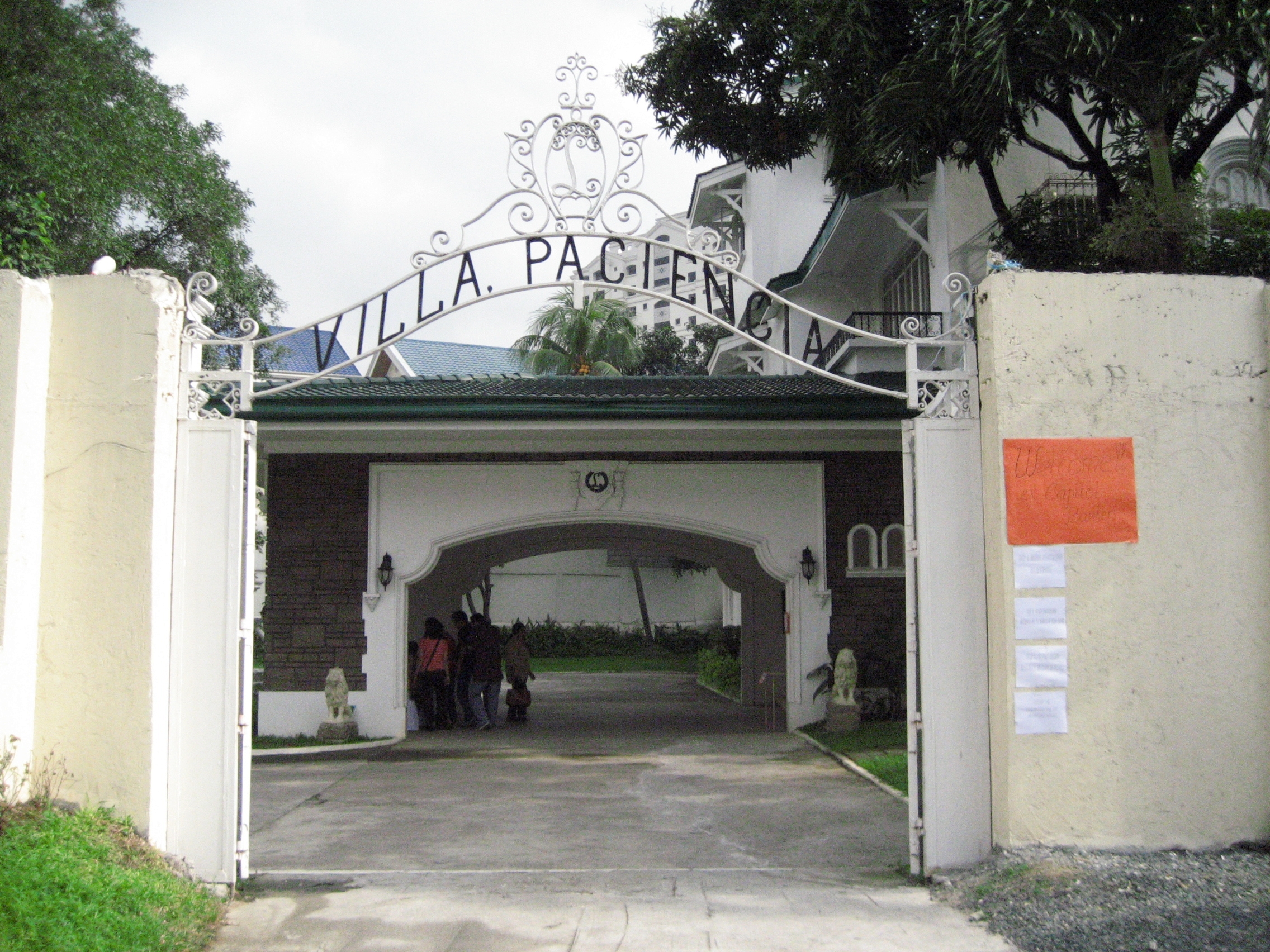
Ever heard of it? It is right along Shaw Boulevard near Cherry’s Foodarama. A 3-storey 50+ year old Mansion sitting on a 6,000 square meter prime lot in Mandaluyong.  The heritage house used to be the residence of the illustrous Laurel Family, which includes a former President (Jose , 1943-1945) and a former Vice President (Salvador, or “Doy” to many, 1986-1992).

In those days, this palatial house and lawn must have been one of the grandest in the entire metropolis. I’ve seen some in the Malate and Ermita areas, and a number too in the New Manila Area and San Juan. But I like the layout of this white house sitting right in the middle of a very spacious lawn complete with a wooden bridge over a pond, surrounded by old balete and royal palm trees.

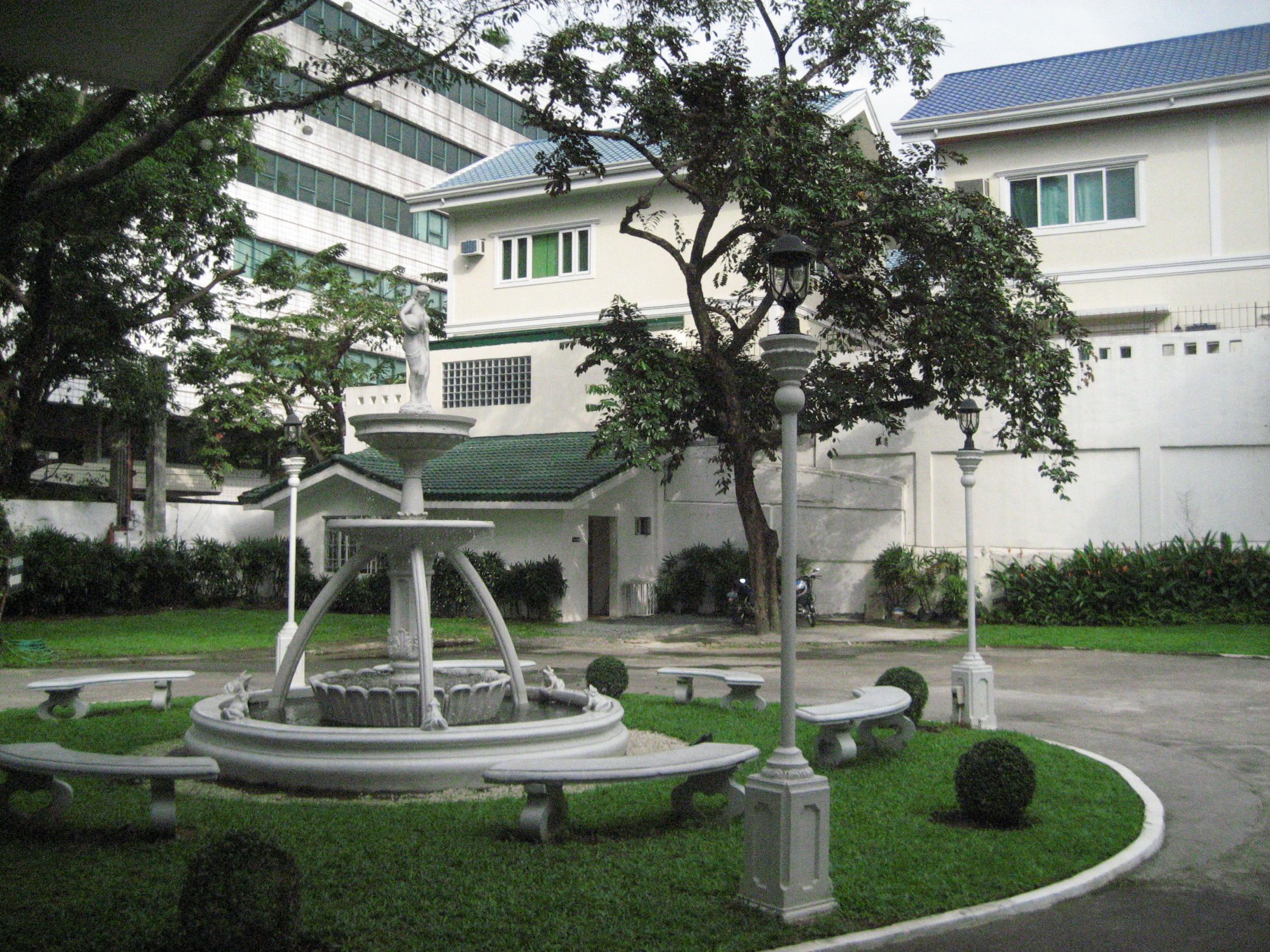
For a while,  the house looked destined to ruin as the gardens needed trimming and the house demanded a fresh coat of paint.  It was even reported that the ceiling was about to collapse on the dirty tiles and flooring.  For some 7 years, the house went unoccupied.  Then Senator Manny Villar bought the house from the Laurels and converted it into the Nacionalista Party Headquarters. Some sprucing up here and there, but the architecture, the layout , the garden fountain and pond were all retained by the new owners. Not one tree removed or even moved, thank God! The history and dignity of the house was retained. And that includes the 2 markers found in the house.   The first notes the date when the Laurel patriarch built the property in 1957. The second commemorates the visit of Indonesian President Sukarno, who twice slept at the mansion.

You bet the once-hallowed grounds became real busy back in 2010; but of late, it is almost sad passing by this former residence poorly lighted at night. Not much activity these days, except for a few charity events and political affairs. 

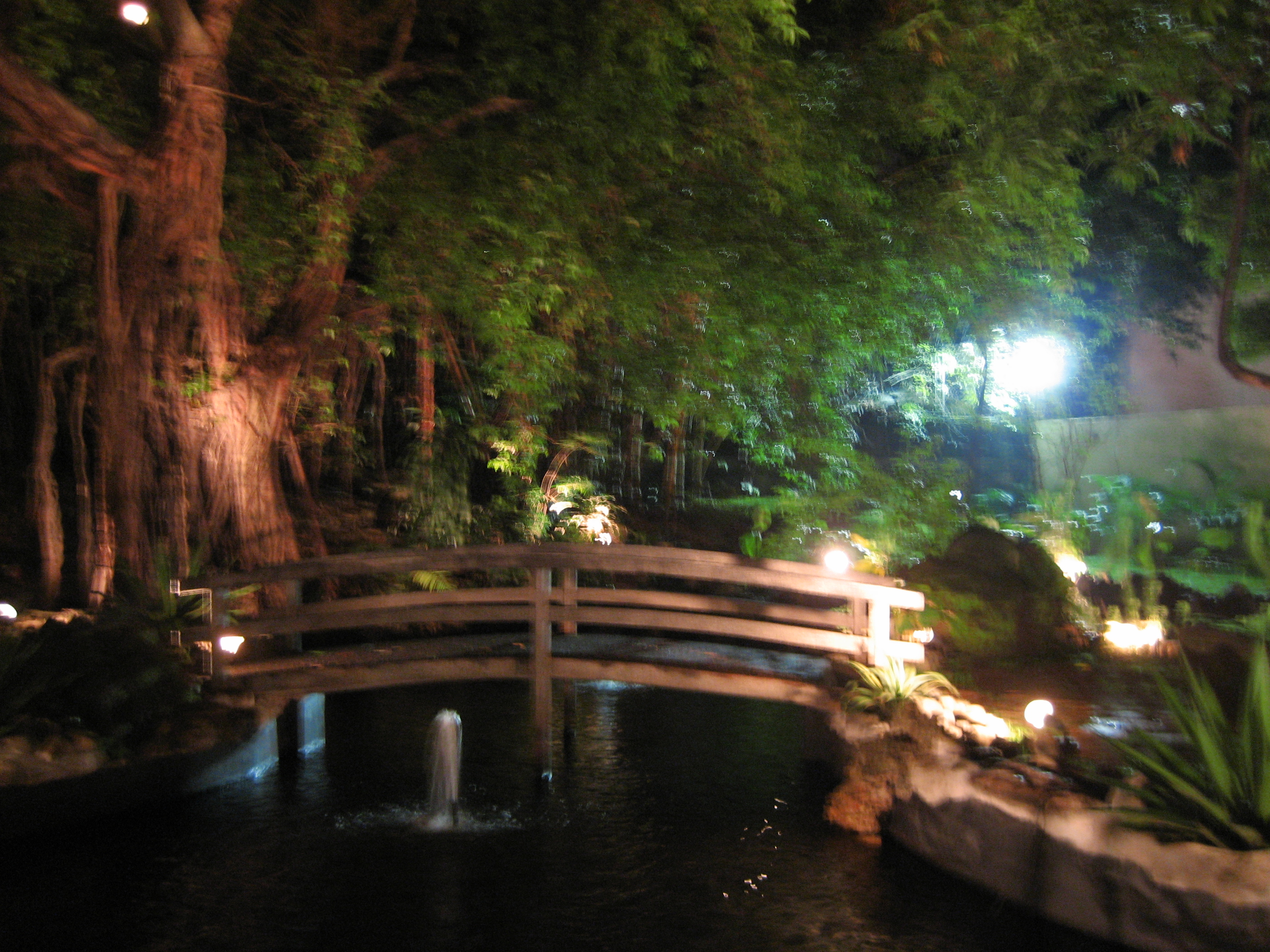
Mea culpa. A Bad Shot, but it's my only night shot of the garden.

No, the property is not open to the public. But who knows, you may get invited to some affairs still held in these grounds.

The house used to be called Villa Paciencia.  And yes, that is how it is spelled, in honor of the late President’s wife, Paciencia Hidalgo. It is one of the three residences that Laurel built. There is  a house in Tanauan, which the Laurels consider their ancestral home, and another in Paco, Manila, called the Villa Peñafrancia. 


We had lunch at Cafe Uno / Kusina Felecitas @Grandpa’s Inn.  Little did we know that we would not only enjoy our lunch, we actually fell in love with the place.  My “elves” wanted to stay in this inn and wished we didn’t have to go back to our hotel in Vigan. Frankly, I was quite tempted to pack up and transfer to this place too and forego a night’s paid room in the other hotel.  

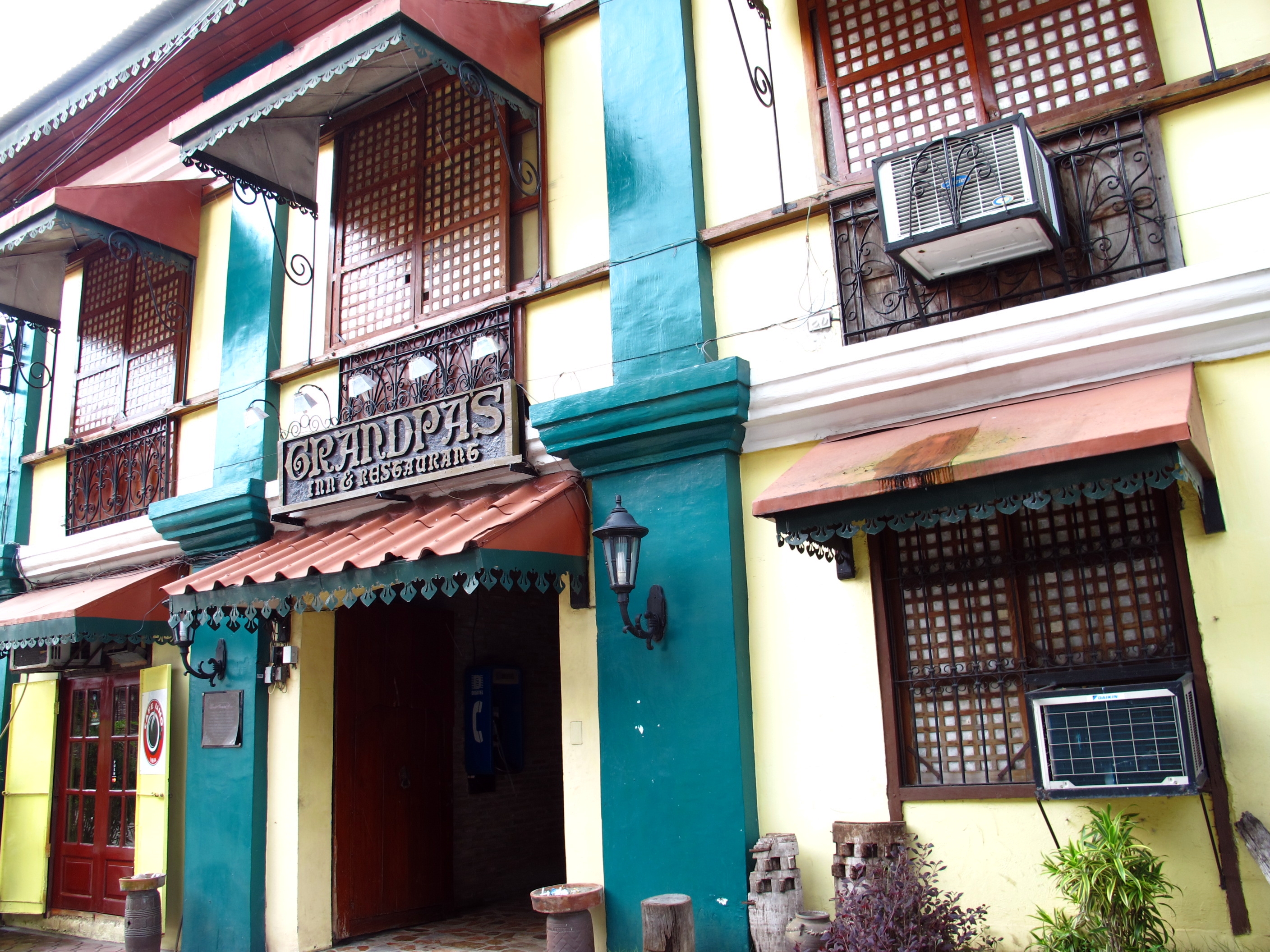
This small hotel is located  near Plaza Burgos.  The jeepney we hired took us here after visiting Burgos Museum.  Exact address is  No. 1 Bonifacio St. cor. Quirino Blvd.  We could have walked.  It should be an easy walk from Calle Crisologo too. 

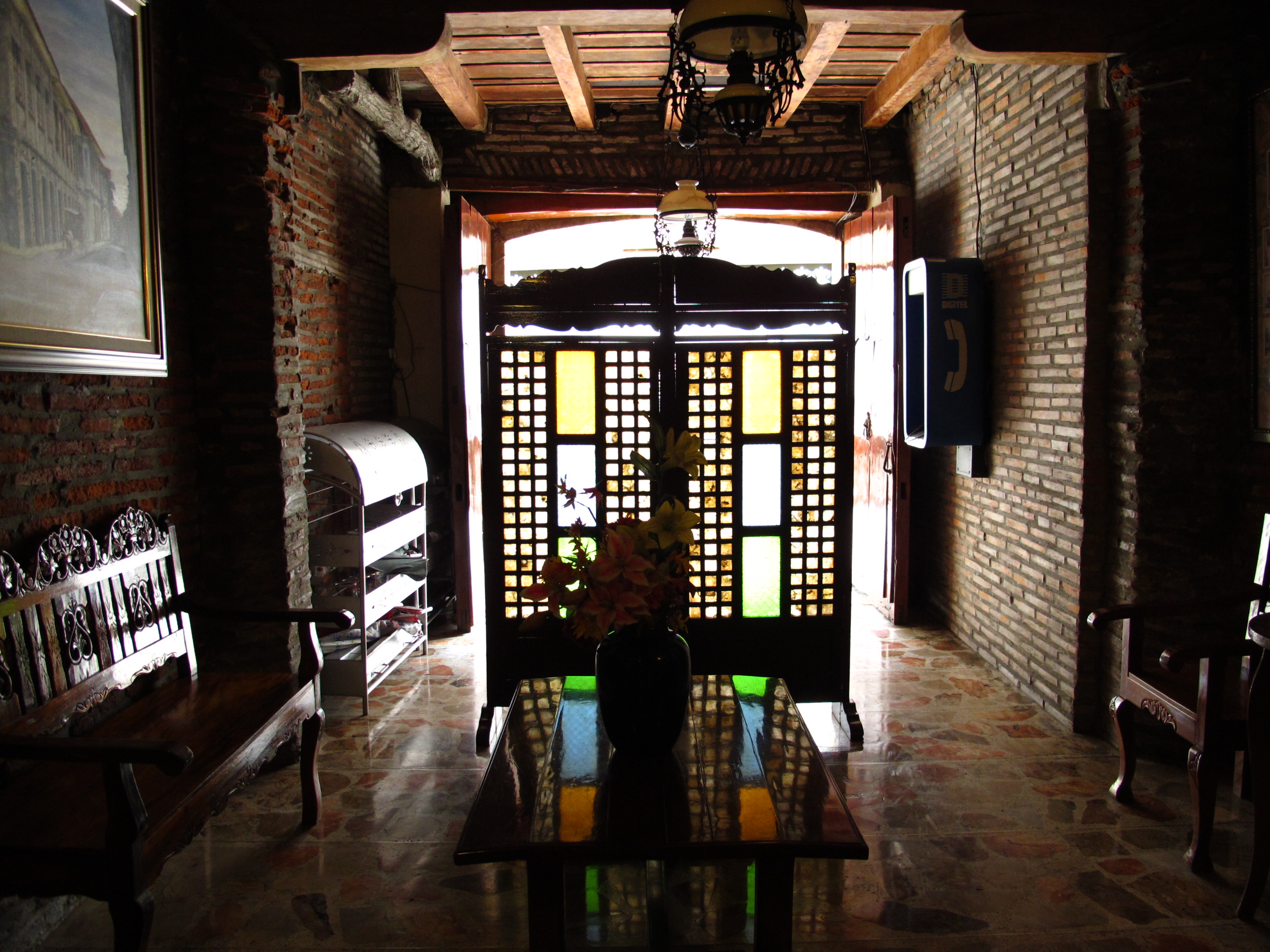
The hotel is called Grandpa’s Inn, an ancestral house transformed into this charming 22-room inn.  Its dining place is called Kusina Felecitas and its coffee shop, Cafe Uno Restaurant.  Oozing with old world charm along with the many paintings hanging on its brick walls,  the place is also a gourmand’s delight given its extensive menu.  (Food here deserves a SEPARATE blog……coming!)

A marker by the entrance to the Inn states that the ancestral house was a wedding gift of 3 spinster sisters to their younger brother Mariano.  The sisters were children by first marriage. Young Mariano was one of 8 children by 2nd marriage.  (Their father remarried after 2 years from the death of his 1st wife)  Of them 8 by the 2nd marriage, only Mariano and a sister got married.  On the other hand,  only 2 of the 7 children by 1st marriage got married.  Hmmm, talk about sibling love here! I simply love this trivia. Love Love Love!

A Case of Sibling Love. Read This Marker!

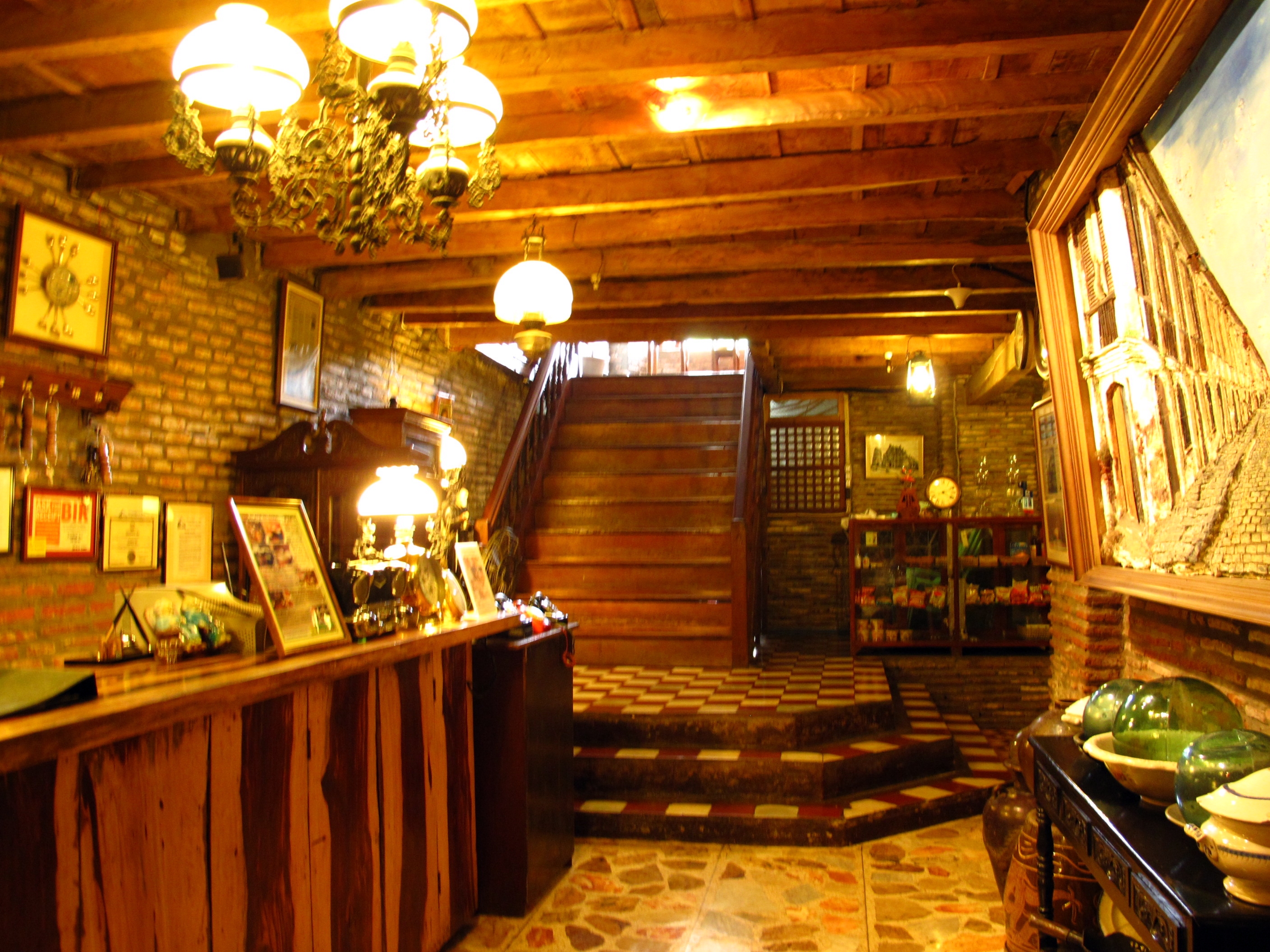
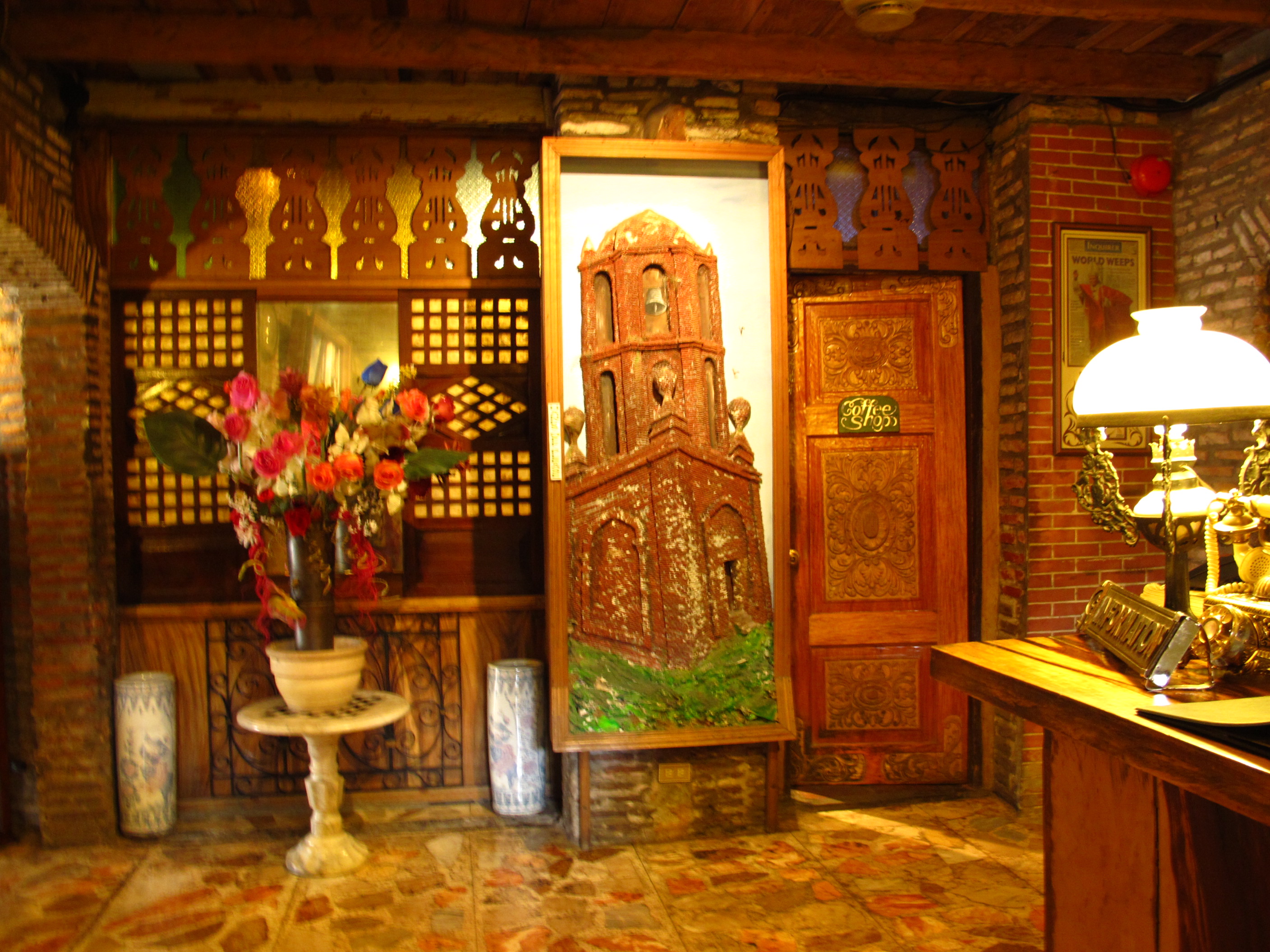
Reception Desk of Grandpa's Inn

All around, from the Reception Area to the Second Floor Sitting Room, to the ground floor restaurant, we found very interesting art pieces. Ended up buying one painting.   Quite an experience to dine here, really.  

Isn't this a lovely painting of Calle Crisologo? Like ur walking right into it!

Reception Area: More Art Pieces That Seem To Jump Off The Canvas

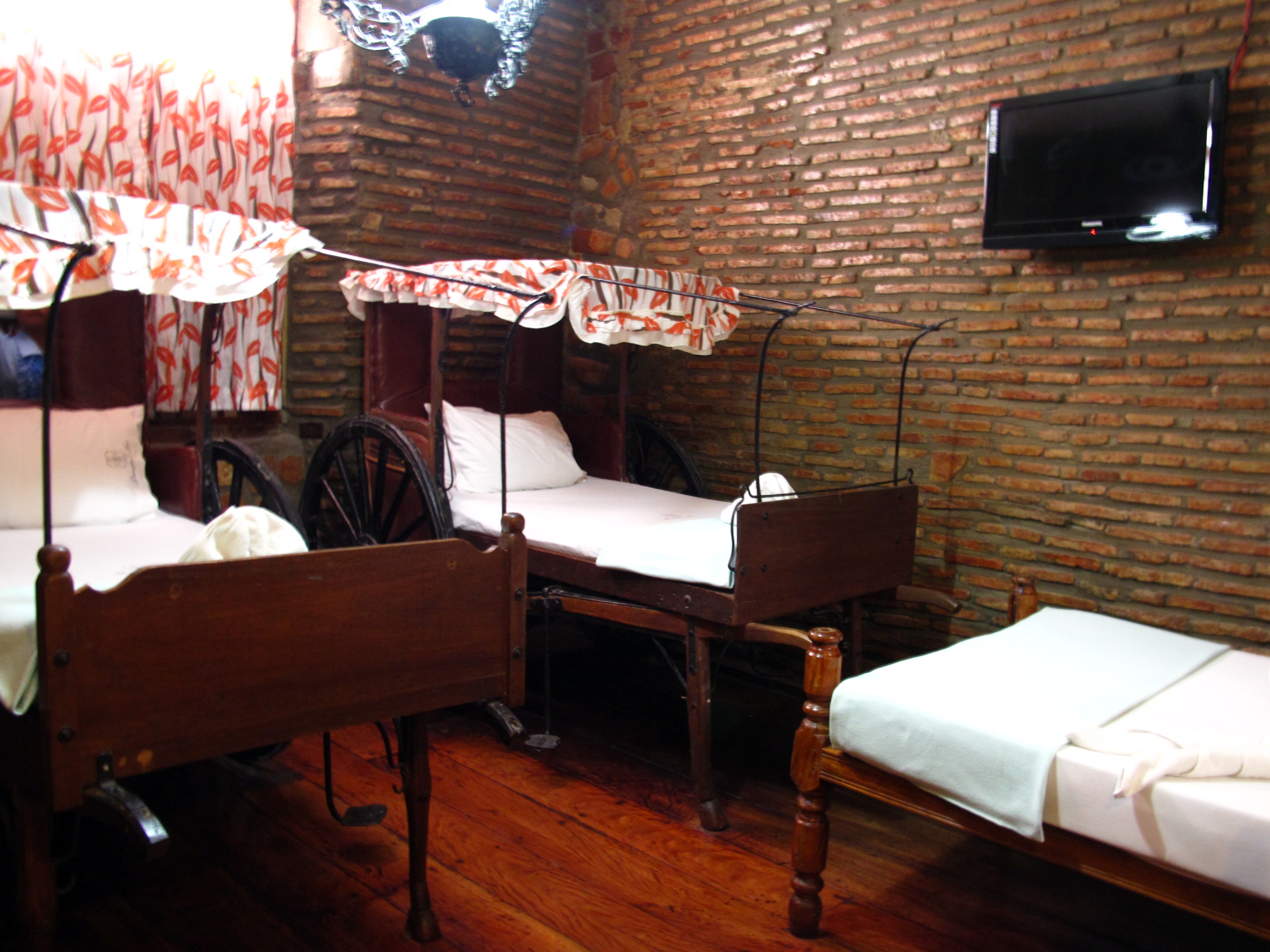
It was hard to peel ourselves away from the Calesa Rooms.  The fact that they were vacant made us agonize whether to transfer to this Inn or not. The kids loved this room!

Sitting Room at the Second Floor

Calesa Beds?

You can check out the hotel rates but allow me to say that given its location and charm,  I find the room rates very reasonable.  In fact, they even come out a wee bit cheaper than the other hotel we stayed in. 

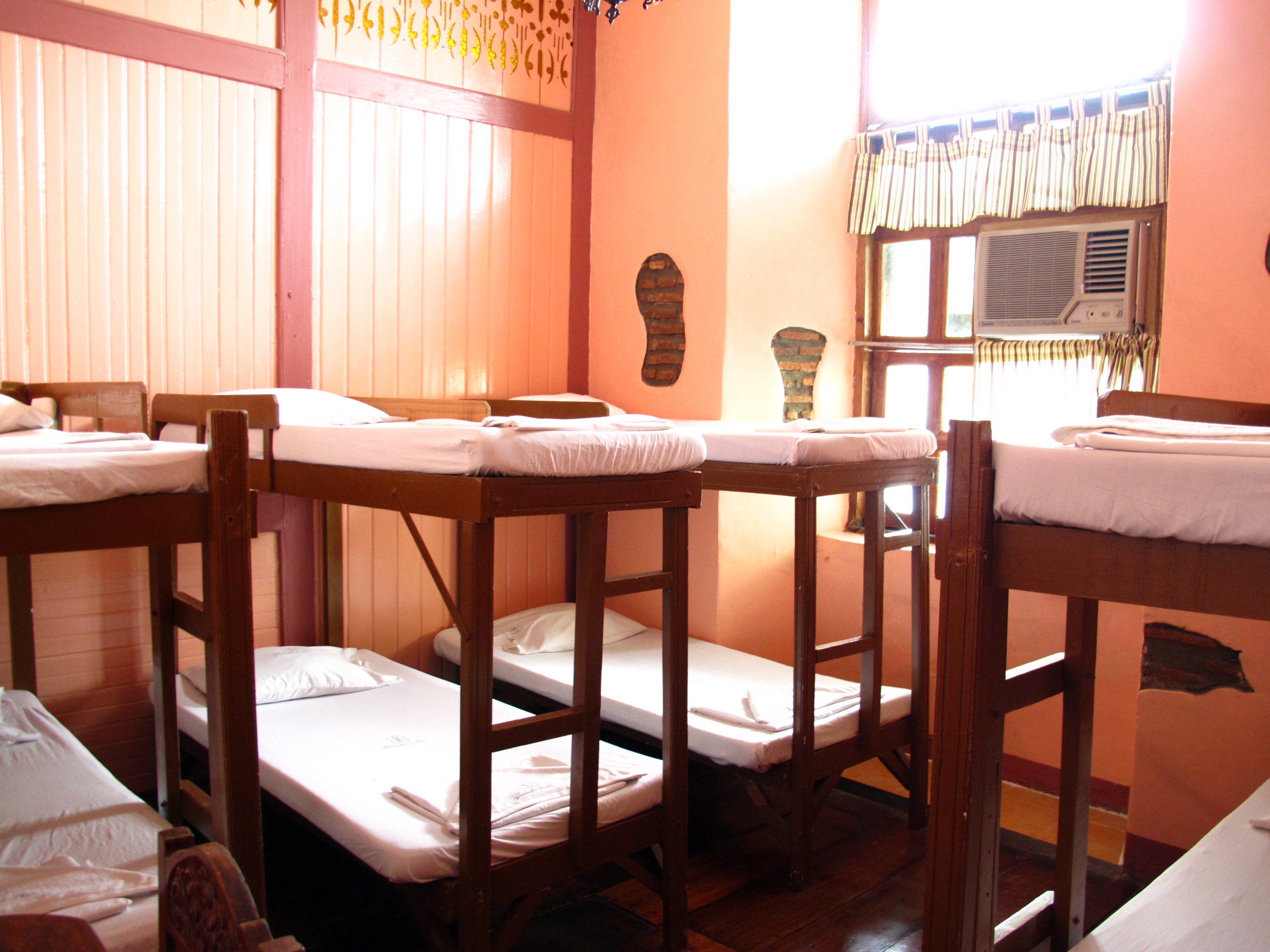
Room Good For 8: Dormitory!

And if that Calesa Room good for 4 pax is reasonably-priced,  the Dormitory Room good for 8 pax wins hands down!

So there.  More photos in this blog than write-up.  Just had to show you where we plan to stay next time we’re in town.  Coming up:  Food Tripping in Ilocos

Here's the Painting I Bought For My Friend!

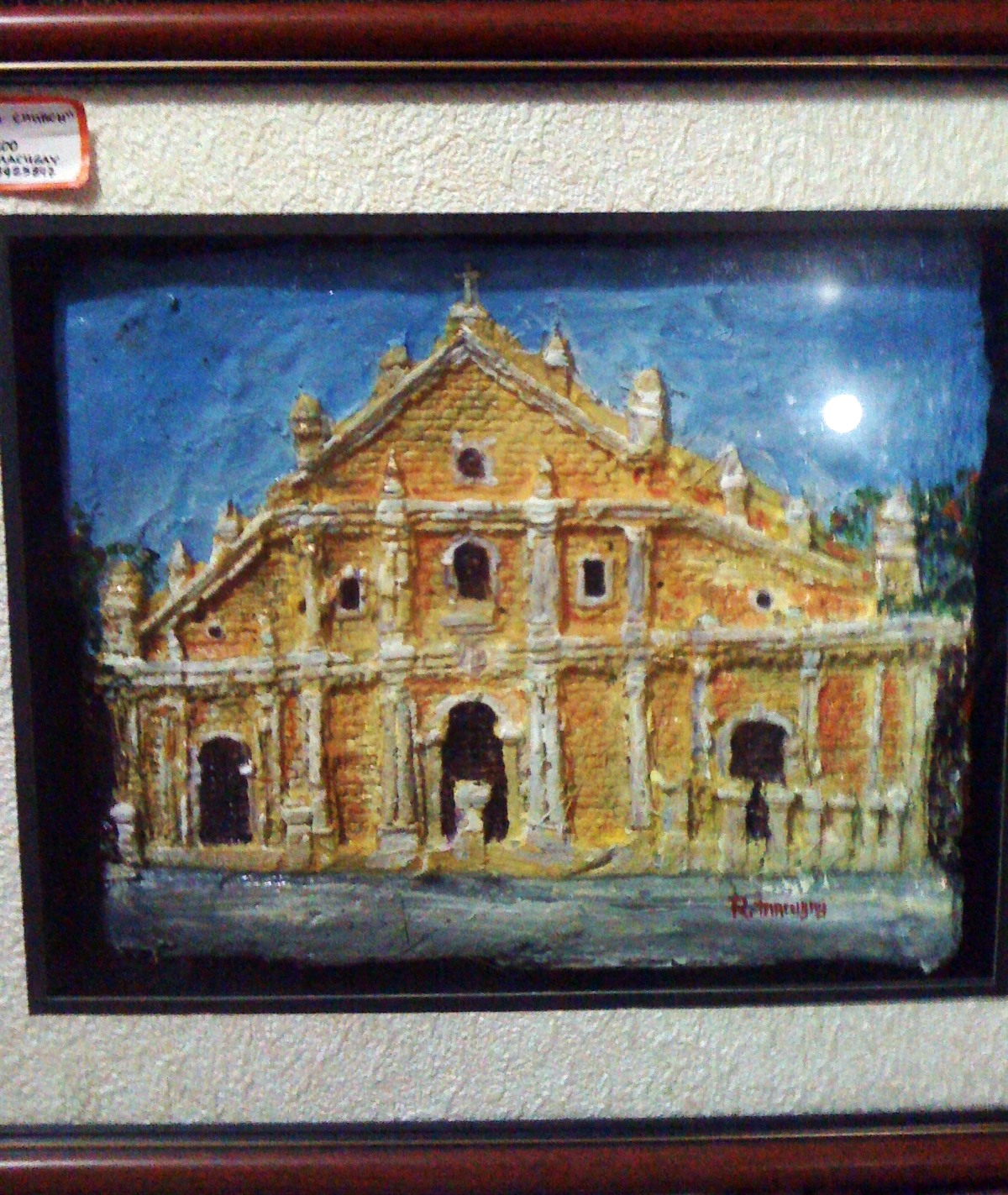
And here’s the painting I could have bought for myself but decided against buying because the painting makes me feel sad. Lovely piece of art. But sad. Who’d want to feel sad?  Not this old lady. Er, I mean not me.  

😦 😦 😦 😦 😦


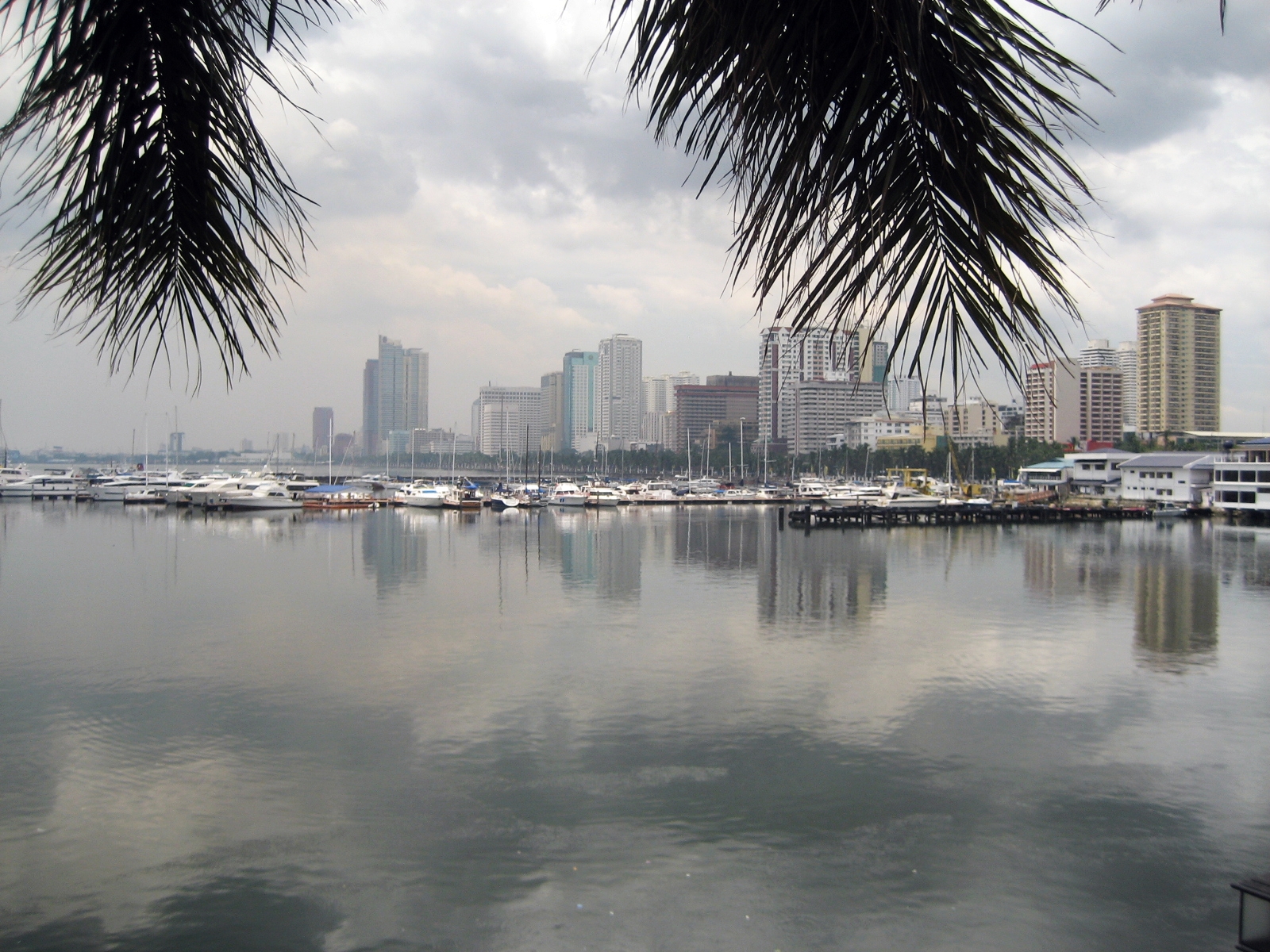
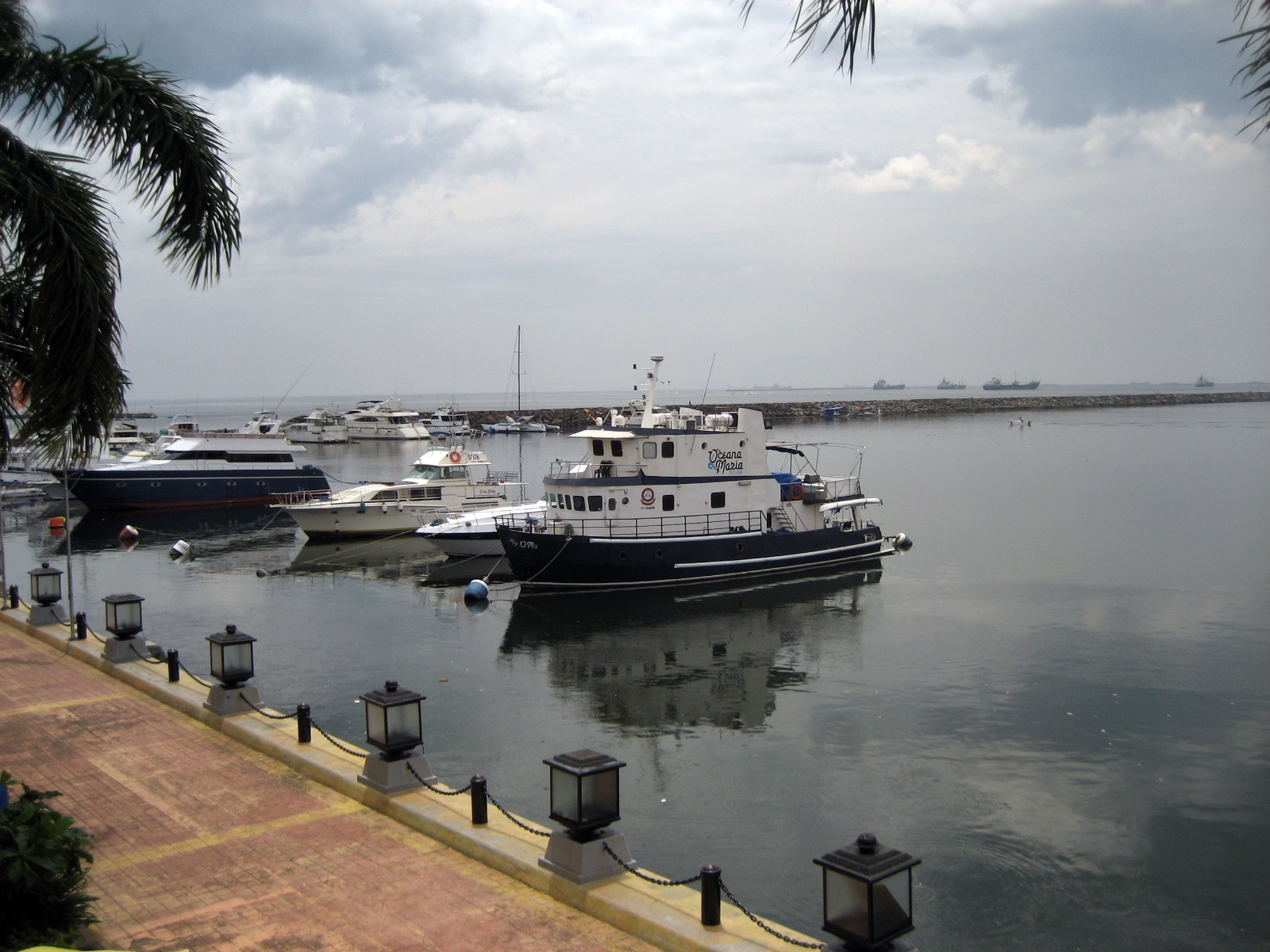
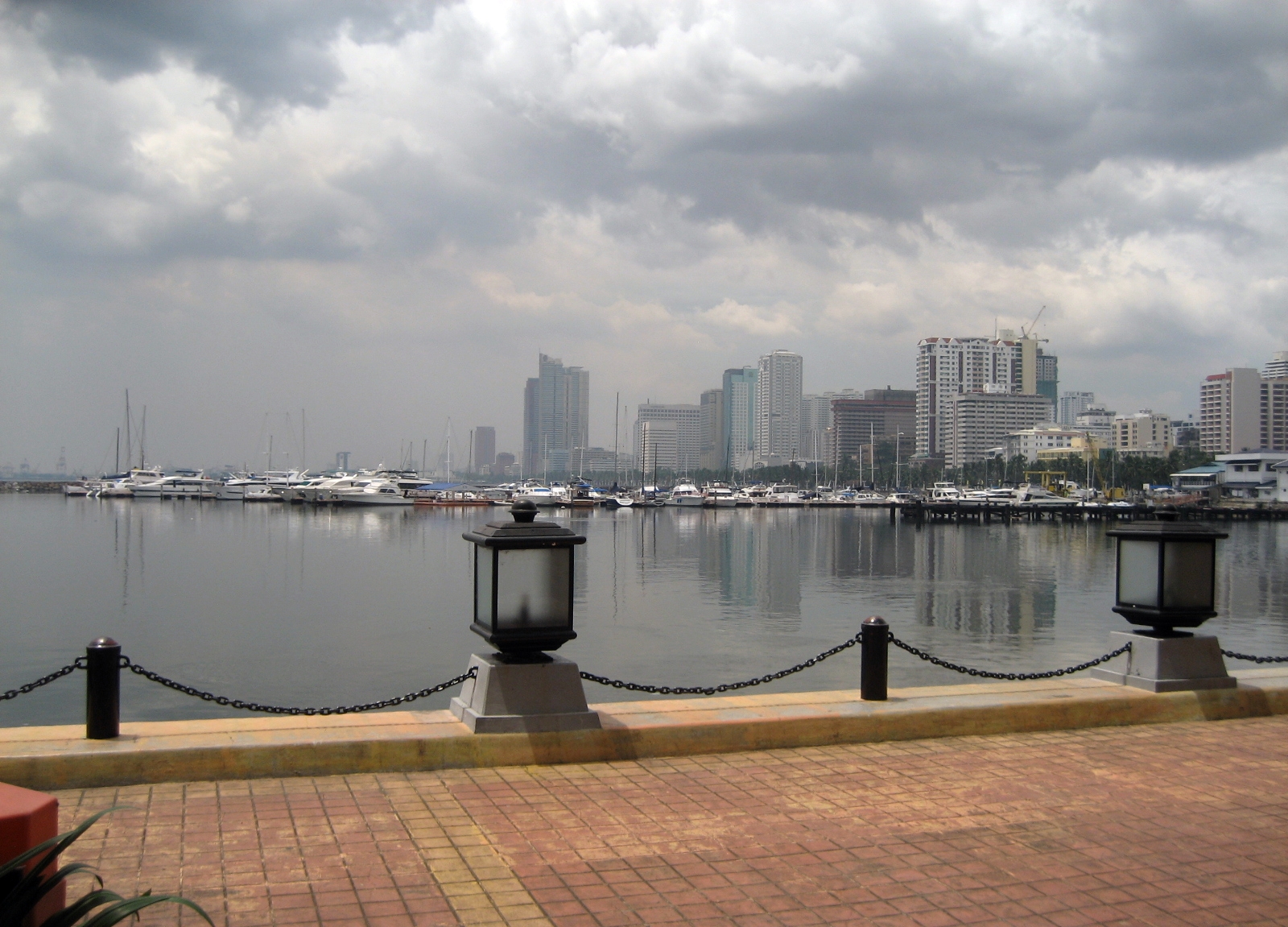
If there’s Hispanic Philippines in Intramuros and Chinoy Philippines in Binondo,  then Harbour Square may well be your American Philippines.

Just realized it has been awhile since the last time I was here.  I remember idling time away here soon after I quit my job. The breeze, the view, those speedboats bobbing up and down the waters of Manila Bay, the skyline,  all make for a lazy morning. Or afternoon.  Wide range of dining choices too, should you go hungry.  You can go all American at Army Navy, full-throttle Pinoy at Dencio’s, Mediterranean along with a flute of champagne or glass of white or red wine at Grappa’s, Japanese shabu shabu or Teriyaki Boy,  Chinese, or go budget meals at Jollibee.  Or perhaps you can talk well into the night while sipping your brew at Starbucks.

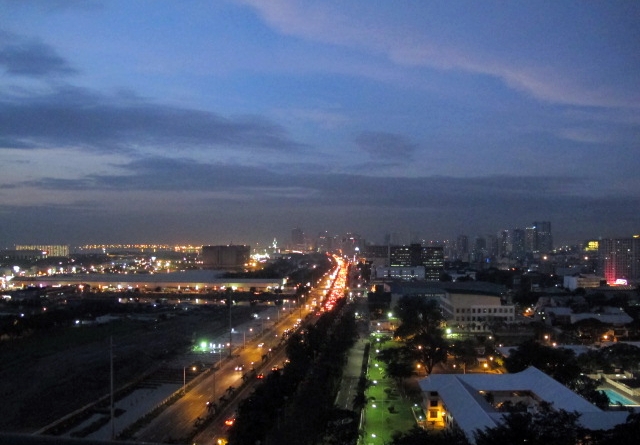
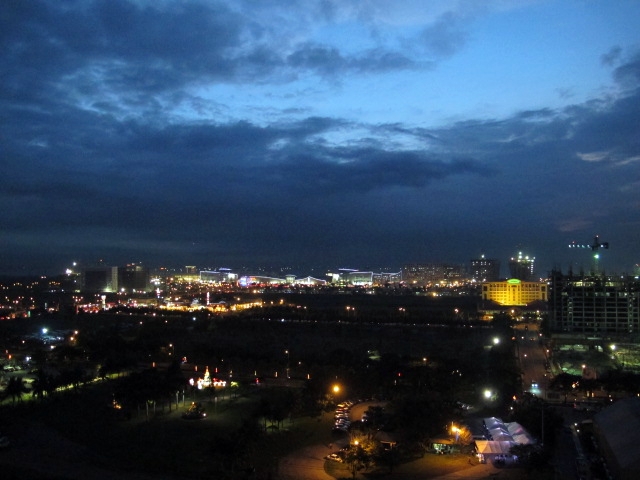
The place is ideal for dating couples.  Whether you are in a romantic mood or gearing for a lover’s quarrel,  you’d find some “privacy” while strolling the walkway by the Bay, circling  Cultural Center of the Philippines, Folk Arts Theater, Aliw Theater, Star City, all the way to Sofitel if you like.  If all that walking didn’t settle the score, well…….get a room.  😉  Well, apart from being more private you also get to take a better twilight photo of the Bay area.  Seriously though,  this part of Manila is more “quiet”, less chaotic, good for the nerves and spirit. 

Guess Where This Shot Was Taken!

And here’s another one too……………. 🙂

Twilight at the Bay Area

xxxxxxxxxxxxxxxxxxxxxxxxxxxxxxxxxxxxxxxxxxxxxxxxxxxxxxxxxxxxxxxxxxxxxxxxxxxxxxxxxxxxxxxxxxxxxx


Gomburza.  How much do we know of Fathers Gomez, Burgos and Zamora?  Years before Dr. Jose Rizal was executed in 1896, there were these 3 martyrs garroted in Bagumbayan in 1872 for their suspected role in the Cavite Mutiny. Their martyrdom inspired our national hero to write another novel.  El Filibusterismo was dedicated to their memory. I would even venture to add that they may have actually planted the seeds of rebellion or at the very least, inspired subsequent Philippine independence advocates. To them, we owe much. Indeed, the freedom we now enjoy was nourished by the blood of these martyrs.  Let no one forget that.

The Museum Opens Up To This Cozy Garden

The bodies of the three priests were buried in a common, unmarked grave in the Paco Cemetery which was built in 1820, and was originally intended for the victims of cholera epidemic. There they lay nearly forgotten. So so forgotten that a toilet once stood right above the place where the 3 martyrs were buried! Such irreverence.   

Beside Burgos Museum is the Provincial Jail where former President Quirino was born. His father was then the Provincial Jail Warden. Some trivia for you!

Presently, a Gomburza Marker stands in Rizal Park where the 3 priests were executed, just a little behind and to the left of the Rizal Monument.  Not too many know about it. If they do find it, they may even likely be surprised with the discovery. Don’t you just wish these martyrs were accorded more respect and attention?  

Wen Manong Makes 3

Father Gomez hails from Santa Cruz, Manila.  Father Jacinto Zamora hails from Pandacan, Manila. Both Manilenos.  Only Father Burgos hails from the province.  He is a purebred Ilocano from Vigan, Ilocos Sur.  He grew up in this lovely 2 storey house built in 1788 which over time served as a Post Office (American Occupation) and as an office of the Philippine National Bank (1946-1965). 


Right beside the Burgos Ancestral House is the Provincial Jail where the former President Elpidio Quirino was born. His father was then the Provincial Jail Warden. Still it does not explain why and how his mother happened to be there where his father worked.  😉  Perhaps there is a Provincial Health Officer or Doctor or Midwife in the Provincial Jail then? We asked, but no one seemed to know. 


During the Spanish colonial period, there was an “imaginary” caste system in society. The Spaniards born in Spain were called “peninsulares”.  Those born in Spanish colonies (to include the Philippines) were called “insulares”.  And then there were the “mestizos” or half-breeds. And the lowliest of them all — the “Sangleys” (Chinese and/or Chinoys) and the rural “Indios”.


The Burgos Ancestral House. Now A Museum.


Father Burgos belongs to the “insulares”, having a Spanish army officer for a father and mestiza mother. A photo of  his lovely mother hangs on the wall with an inscription that cites how the young Jose Burgos desired to be a lawyer but was dissuaded by his mother to instead become a priest. 


Inside the Burgos Museum


When we visited the Burgos Museum,  we were quite happy to find that the Museum is well-managed and has an interesting collection of archaelogical finds as well as memorabilia of Father Burgos and his family. Of interest , and quite unexpected, is the diorama showing local historical events.  Like the construction of the lovely Paoay Church in Ilocos Norte. There was even a “Wall of Fame” featuring eminent Ilocano  heroes and achievers.  Guess who were there! As a hotbed of social unrest against colonial abuses,  the Ilocos Region was most certainly not short on patriots in the league of Padre Burgos, the poetess  Leona Florentino (sounds familiar? yes, of the Cafe Leona fame), the first Ilocano President, Elpidio Quirino, and ahhhhh, guess who’s the other Ilocano President? 😉
 

Diorama of the Execution of The 3 Martyr-Priests

A Diorama of Paoay Church Under Construction

The Kitchen

This Corner I Find Just A Little Creepy

xxxxxxxxxxxxxxxxxxxxxxxxxxxxxxxxxxxxxxxxxxxxxxxxxxxxxxxxxxxxxxxxxxxxxxxxxxxxxxxxxxxxxxxxxxxxxx


His name is Rusty.  We met him when we decided to visit the Syquia Mansion without an appointment. We are not sure if we needed to make one.  But we were a group of 12 pax, and so we thought it would be worth his while to give us a guided tour. Besides, how can he refuse my 2 “elves”?

Gathered on the 2nd floor of the Mansion,  Rusty immediately went into Tour Guide mode.  He was very systematic. Laid down the rules early on.  He reminded everyone to stay together;  no one should stray away as we move from hall to hall, from room to room.  No camwhoring while tour is underway.  Photos can be taken only AFTER his monologue. One can ask questions, but no one should touch anything. 

I’ve met these types.  And love them all.  Stickler for rules.  Efficient. Passionate with what they do. Fierce! And they know exactly what information to dish out to perk up our interest as we move around the heritage house. 

Rusty belongs to a family of caretakers.  He is 5th generation and being single,  he claims to be the last caretaker from the same family taking care of the Mansion.  He lives here. Alone.  He is not young anymore, and when he goes,  we wonder who would dare take his place.  It’s a beautiful house.  But we all found it a little creepy.  When asked,  Rusty admitted to “faint” creepy stuff happening in this Mansion during his watch.  Yay!

Rusty started off by pointing out the “holes” strategically located around the Mansion. The first hole is on the floor, to peek newly-arrived visitors in the ground floor of the Mansion.   When deemed “worthy”, the guests are then led to a receiving anteroom upstairs.   From where they are seated,  another peep-hole is used to check if the same guests are “worthy” to enter through the Main Door and into the sala or living room of the Mansion. My “elves” love this trivia about lifestyles and practices back then.

As “worthy guests”, we were first shown the most precious antique piece in the house. A Ming Dynasty vase made of silver graced a round table in the anteroom.  Its ‘twin vase’ graces another round table inside the living room, but its beauty and importance is overshadowed by a painting of the lady of the house, resplendent in her pink gown. This lady is Vicky, the daughter of former president Elpidio Quirino, a widower when he assumed the presidency of the republic.  His daughter is thus the youngest ever First Lady of the country. In fact, the only teenage First Lady I know. She is also the only First Lady who got married.  Not being a Presidential Spouse, Vicky married Luis Gonzales of Pangasinan when she turned 19, with whom she had 3 daughters and 1 son, Louie, whom many know as the man who married Kuh Ledesma.  Luis died and left Vicky a widow in 1984.  Vicky then remarried a man by the name of Don Paco Delgado, a shipping magnate.  This marriage was marred by tragedy and a lot of controversies which haunt the descendants to this day.  But that’s another story, isn’t it? 

Glibly referred to as the Quirino Mansion, this heritage house was actually inherited by the wife of Elpidio Quirino, the very first Ilocano President.  From the Chinese family of Sy Kia,  the house was passed on to Dona Alicia, who unfortunately died during the Second World War , along with 3 of their 5 children, while fleeing their home. This widower was subsequently sworn in as the 6th President 2 days after then President Manuel Roxas died in 1948. 

This is the corridor where household staff pass......

Rusty informed us that the Mansion belongs to no single person, but instead to all the surviving heirs of the Quirino clan. While not one of the heirs live here,  Rusty claims there are enough affairs held here to keep them all busy.  No wonder the Mansion has a more “modern” and functioning kitchen that looks out to a patio and a fountain.  I can just imagine the parties held here.  I just wonder if any of the guests stay behind to spend a night or two here.  Surely, the big beds in the bedrooms can accommodate them. 🙂


xxxxxxxxxxxxxxxxxxxxxxxxxxxxxxxxxxxxxxxxxxxxxxxxxxxxxxxxxxxxxxxxxxxxxxxxxxxxxxxxxxxxxxxxxxxxxx

xxxxxxxxxxxxxxxxxxxxxxxxxxxxxxxxxxxxxxxxxxxxxxxxxxxxxxxxxxxxxxxxxxxxxxxxxxxxxxxxxxxxxxxxxxxxxxx


I have not heard of a Sumaka Festival celebrated every 1st of May.  But now I know it stands for SUman, MAngga, KAsuy.  SU.MA.KA.   Others refer to it as the SUMAKAH Festival, the extra H for Hamaka or “hammock”  or slings tied to a bamboo pole where ladies are carried in the olden days. Hmmm, I wouldn’t mind a hamaka ride like that!


Long before I started going to school,  my family would make this annual pilgrimage to the Virgin of Antipolo.  Little did I know that she was the Lady of Peace and Good Voyage.  It was enough that I prayed to her as the Virgin of Antipolo and that soon after hearing mass in the Church,  I would be treated to a lunch of lechon.  Take-outs would include kasuy,  bunches of suman and baskets of mangoes.  Yes, during those days the mangoes were sold by the baskets rather than by the kilo.  

A trip to Antipolo in my early years also meant a day at Hinulugang Taktak.  But the falls have long gone and dried up,  I hear.  These days,  a trip to Antipolo simply meant a visit to the Cathedral,  perhaps lunch at either Crescent Moon Cafe or in Vieux Chalet — 2 of Antipolo’s “hidden secrets”—- or a visit to the Silangan Gardens and Pinto Art Museum  or more simply a visit to stock up on suman, mangga, kasuy AND MORE! What more?

This time around,  we found ourselves making this quick dash to this hole-in-wall bakery before heading home.  Here, you can buy the pan de lechon.  Pan de what? Perhaps , a photo would better explain what we came here to buy. Photo below is the best seller of Dumalaon Bakery  in Antipolo City.

The "animal breads" of Dumalaon Bakery

Aside from the Pan de Lechon,  there were also breads shaped like a crab, a fish, a prawn, a crocodile and a bunch of bananas!  I lined up to buy and was pleasantly surprised to learn they sell for only P10 a piece.   I gave a P100 bill and the lady said she has no change.  So I ended up buying 10 pieces of different forms and shapes.  🙂

Would You Still Eat Them? P10 a piece. P20 for the bigger ones.

Cute-sy, don’t you agree? If you can’t afford to buy a lechon, whole or by the kilo,  buy the bread! It’s healthier 😉

Driving Directions:  From Sumulong Highway, you’d reach a fork : turning right will take you to taktak road  (Vieux Chalet!) while  going straight takes you to the Antipolo Church. TURN LEFT here.  The road is part of the circumferential road commonly called  “siete medya” (don’t ask me why) by the locals. After turning left at the intersection, just drive past some 3 blocks and look out for  the bakery on your right side.  It looks more like a sari-sari store. Naaah, it is a sari-sari store along a very busy road. Exact address is  257 Circumferential Road, Barangay San Isidro, Antipolo City. It is also near Crescent Moon Cafe (where you find the Alagao rolls or lumpia — check out my other blog)

xxxxxxxxxxxxxxxxxxxxxxxxxxxxxxxxxxxxxxxxxxxxxxxxxxxxxxxxxxxxxxxxxxxxxxxxxxxxxxxxxxxxxxxxxxxxxx