
Category: Travel, travels
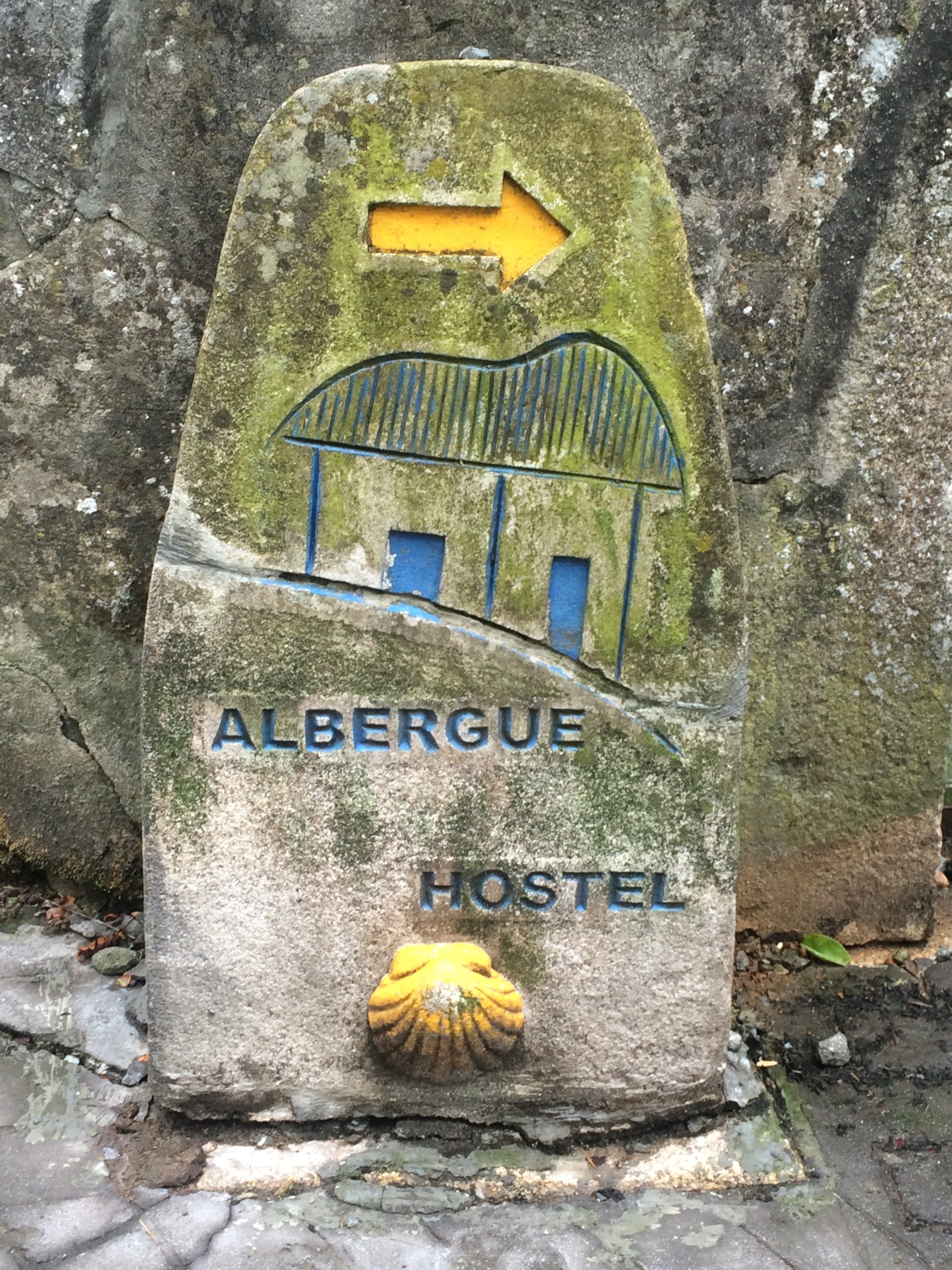
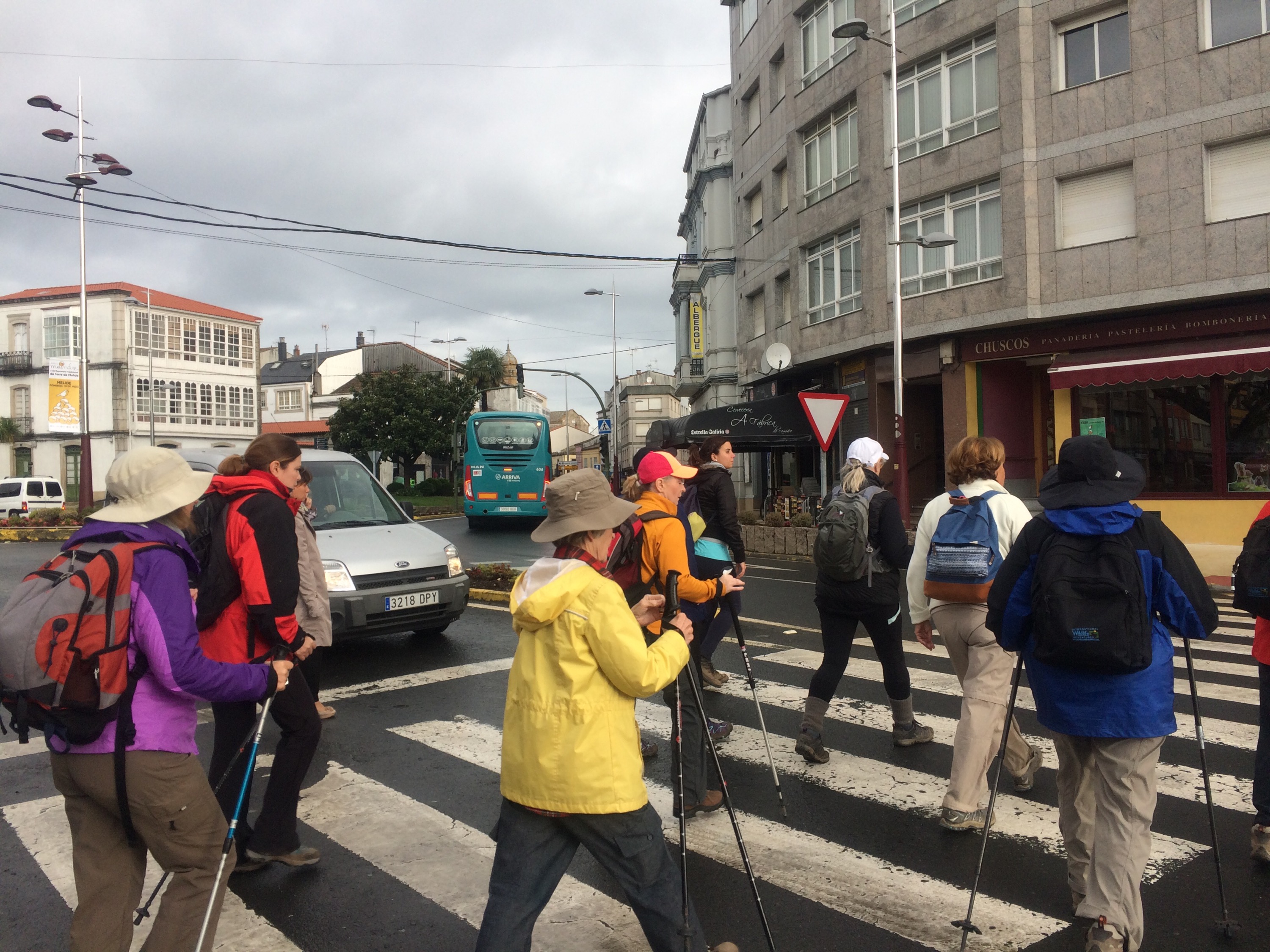
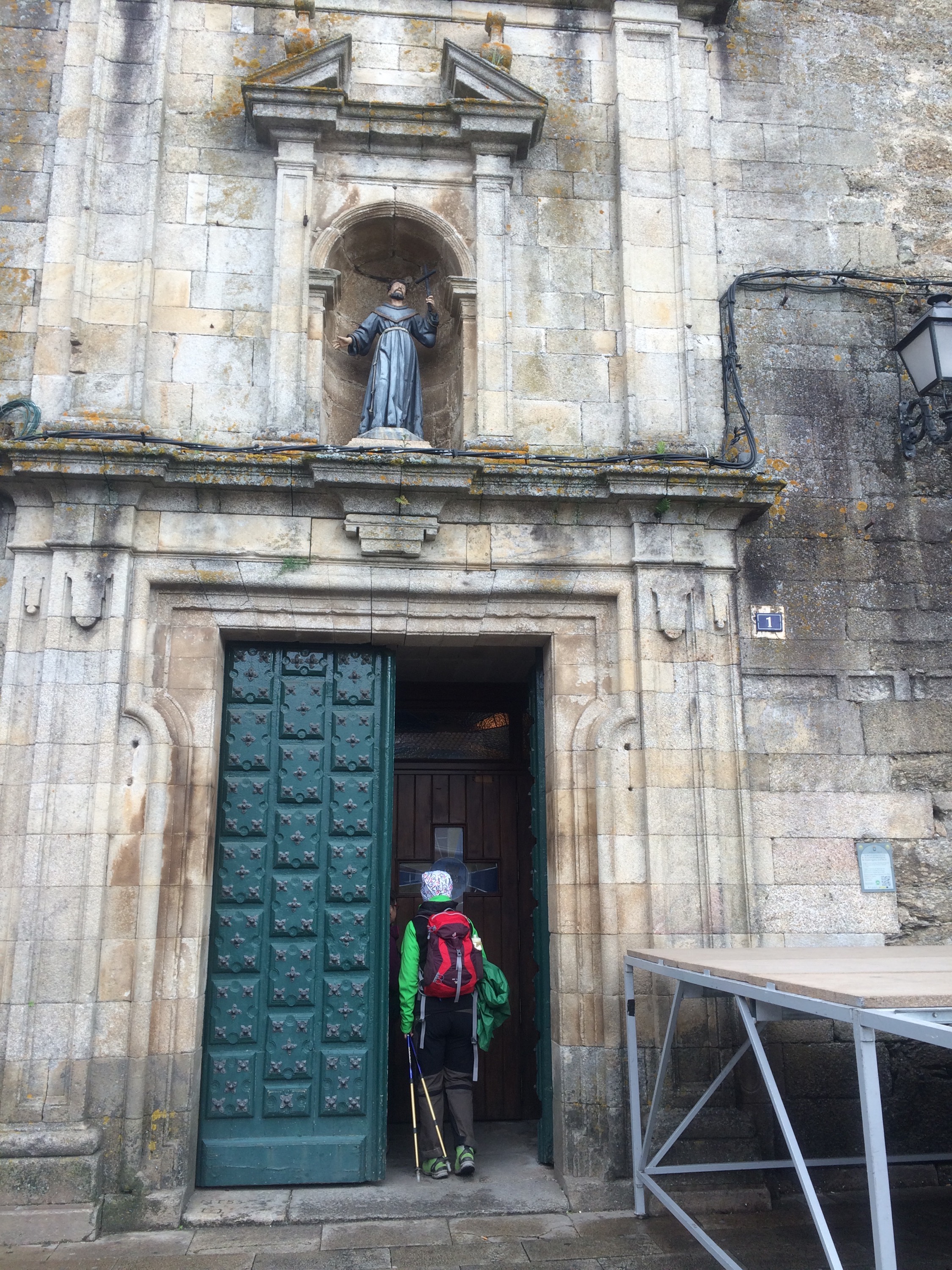
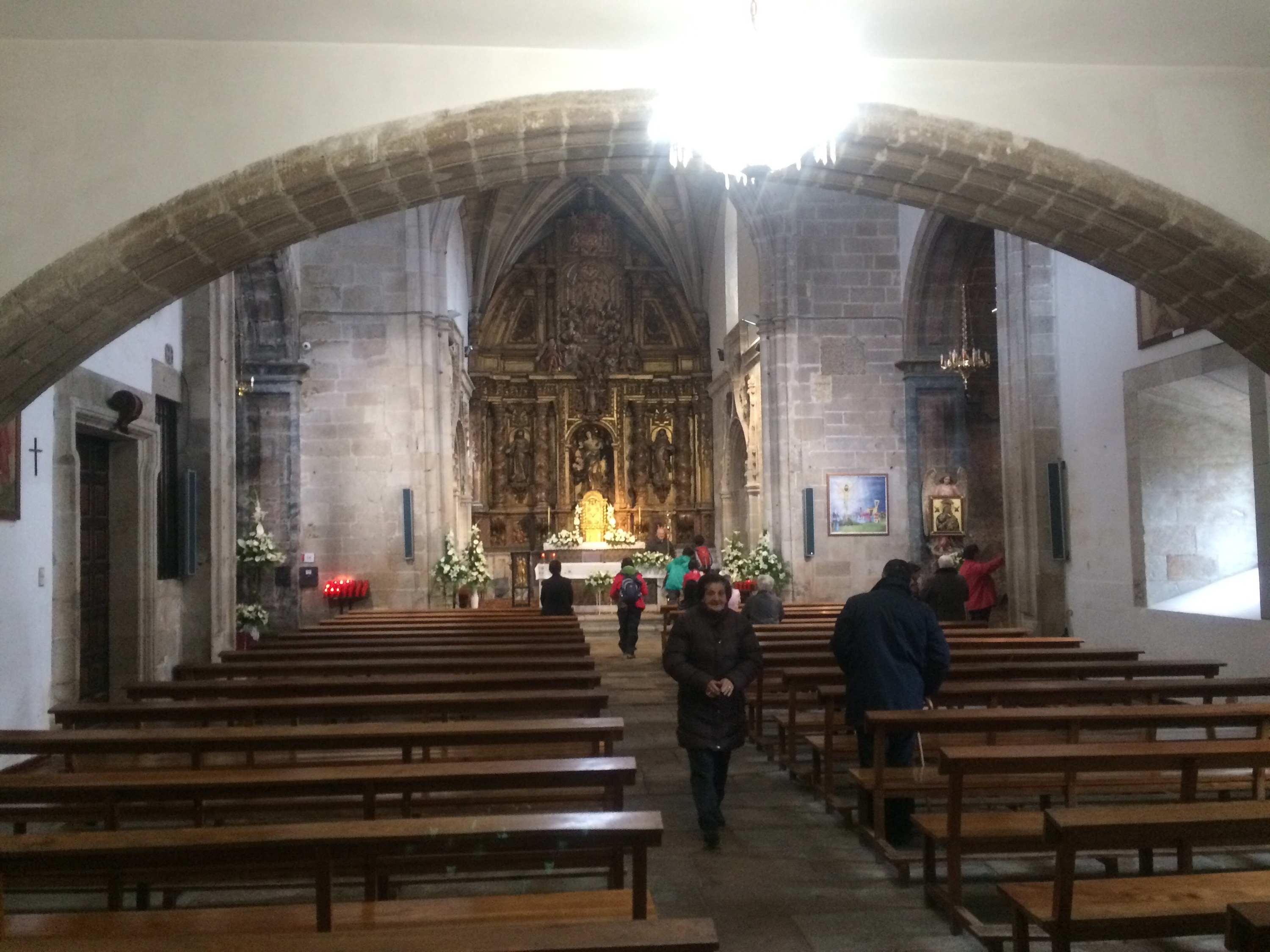
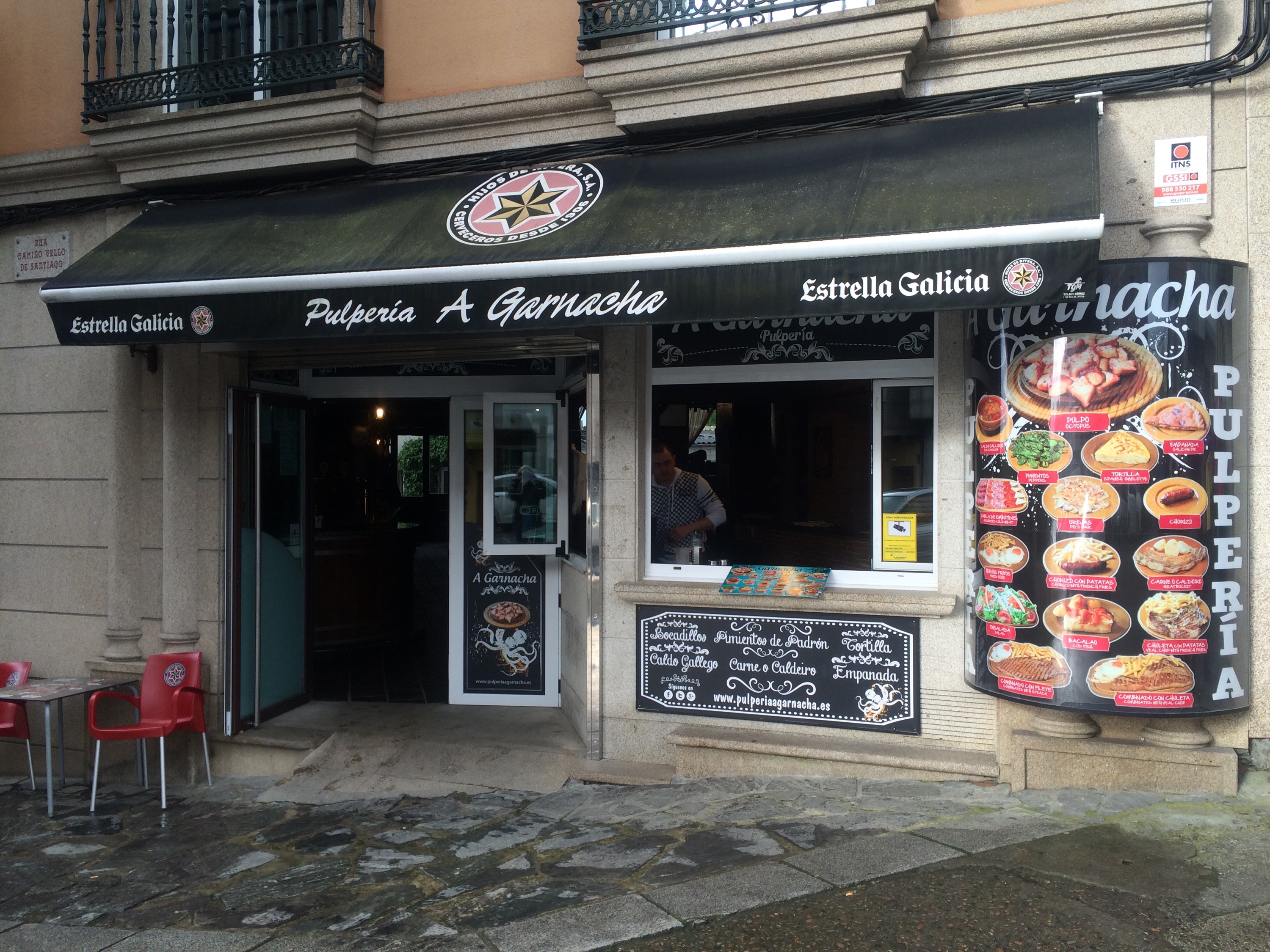

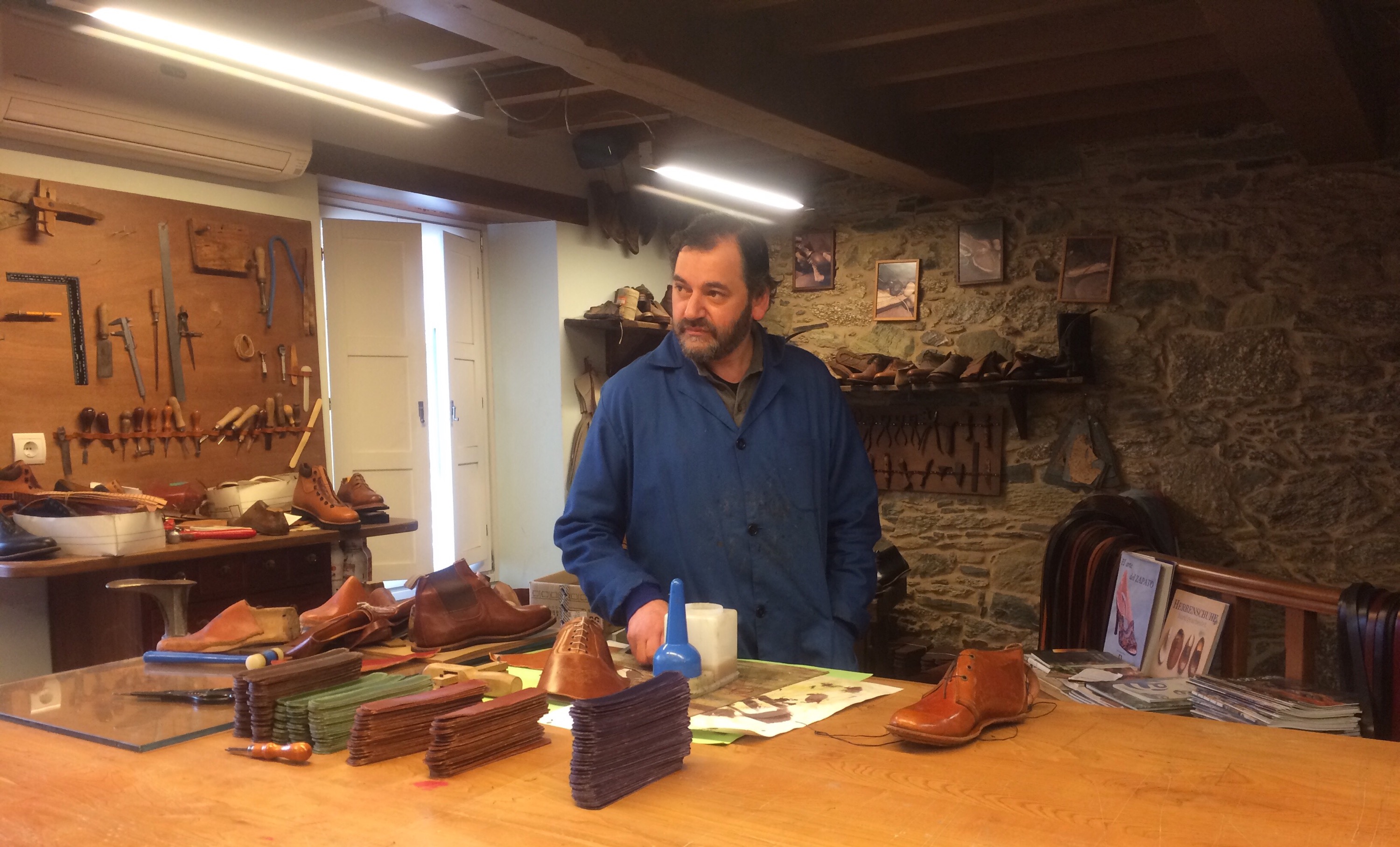
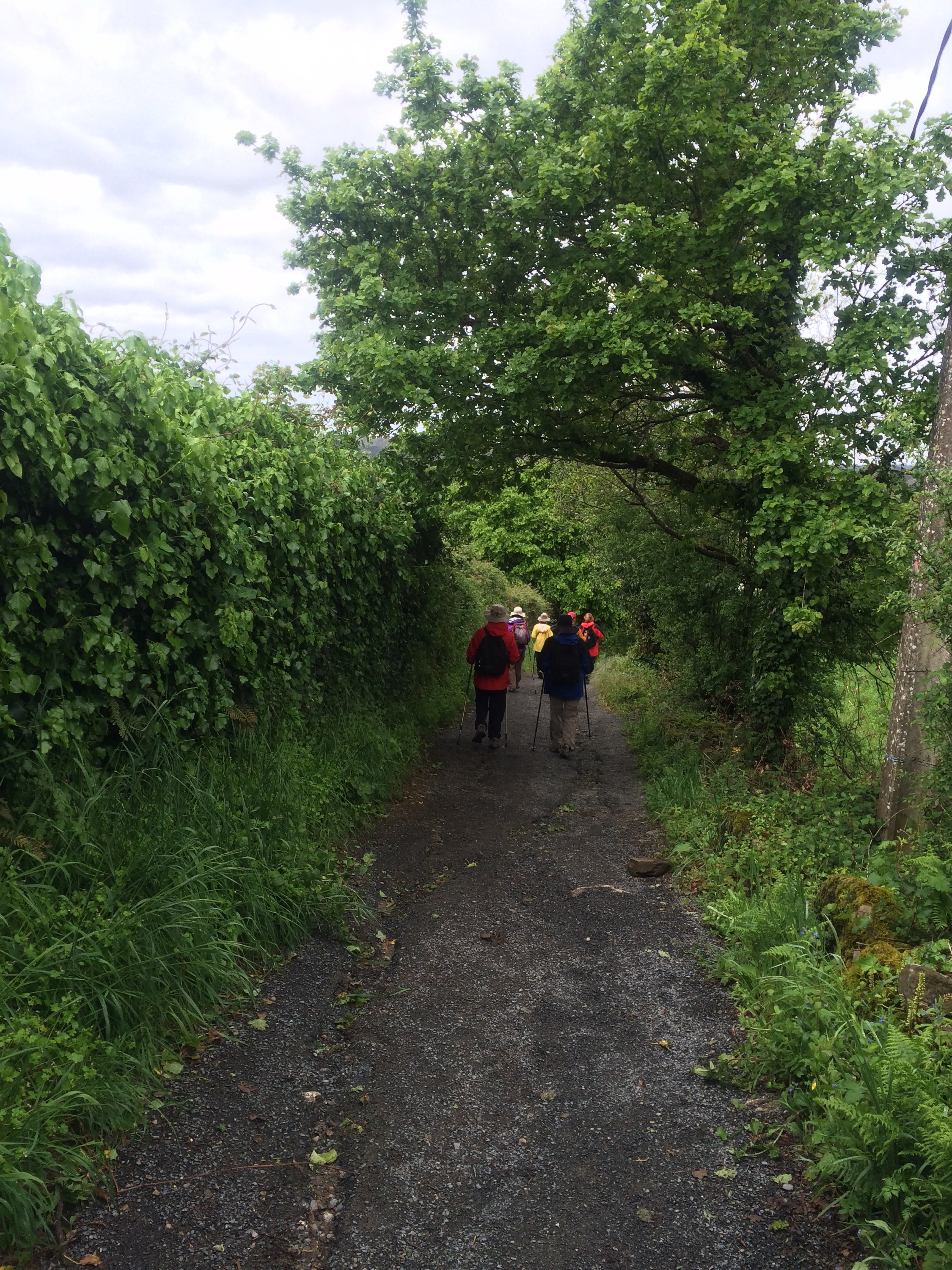
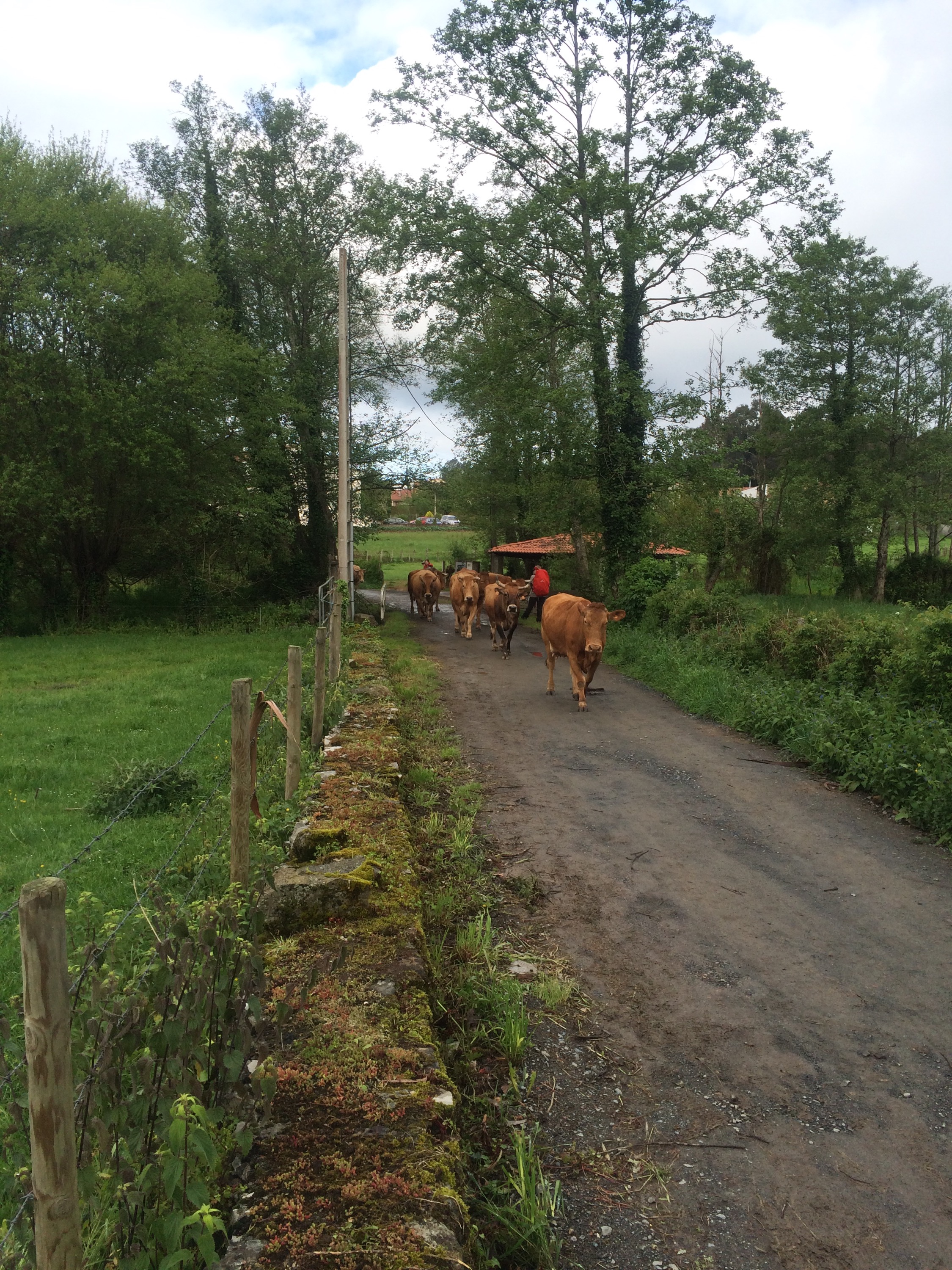

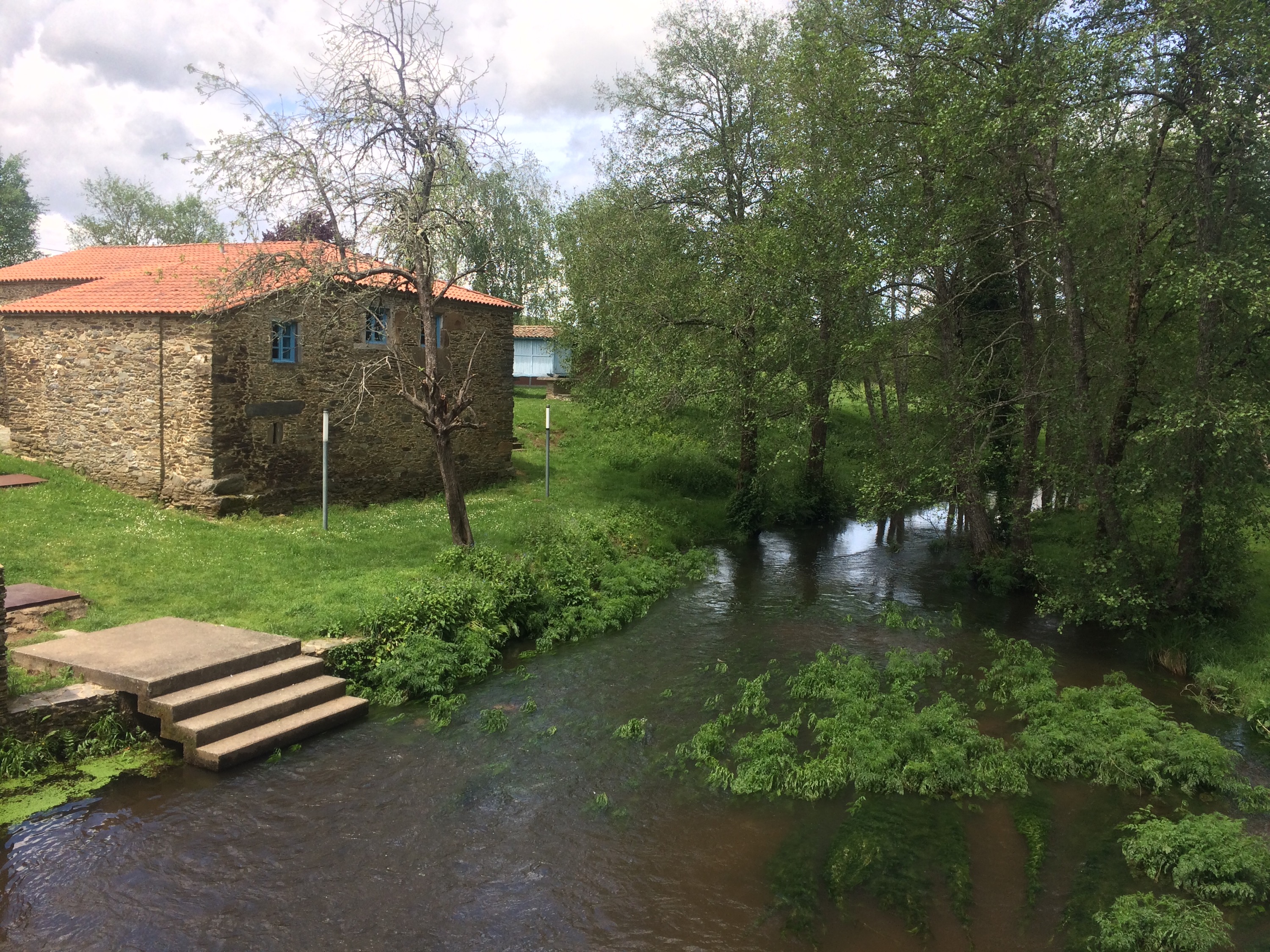
Though I struggled with the uphill climbs — 30 years of heavy smoking do that to you! — I enjoyed the hike. It helps too that we didn’t get rained out today.
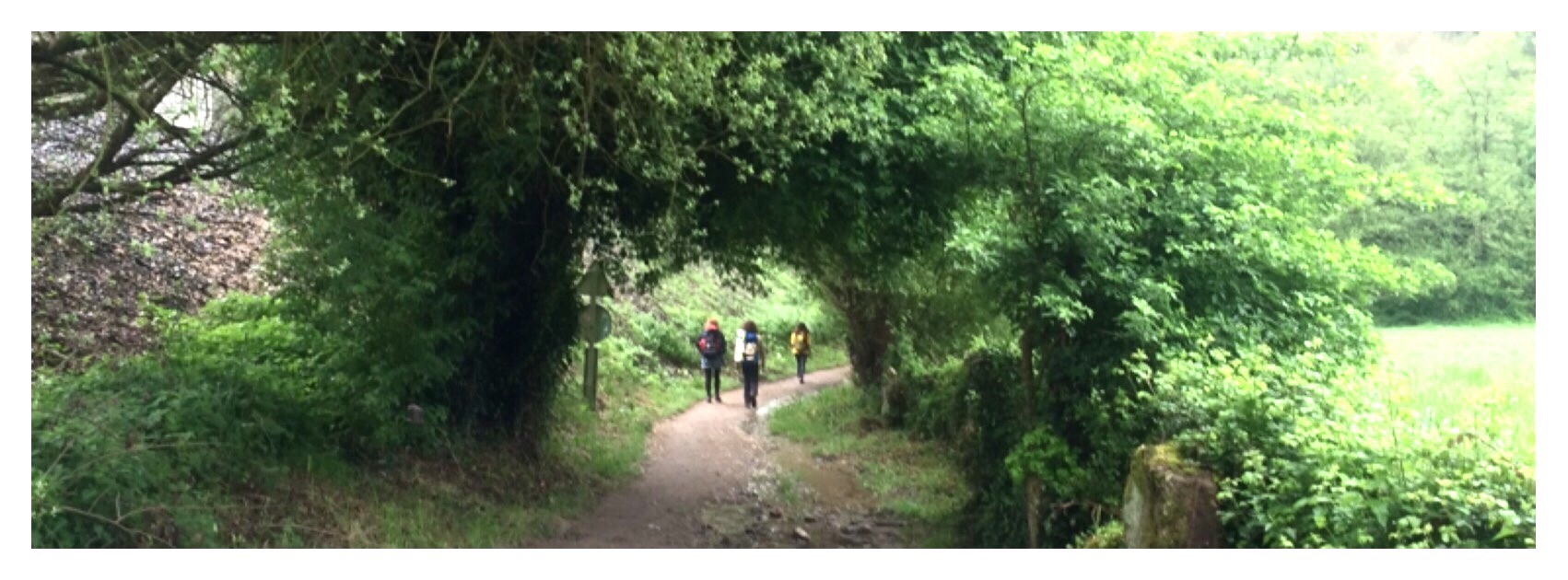
Birds chirping, feeling the “crunch” upon stepping on fallen leaves, crossing a bubbly stream, a slight drizzle, muddy paths, and cow manure here and there.
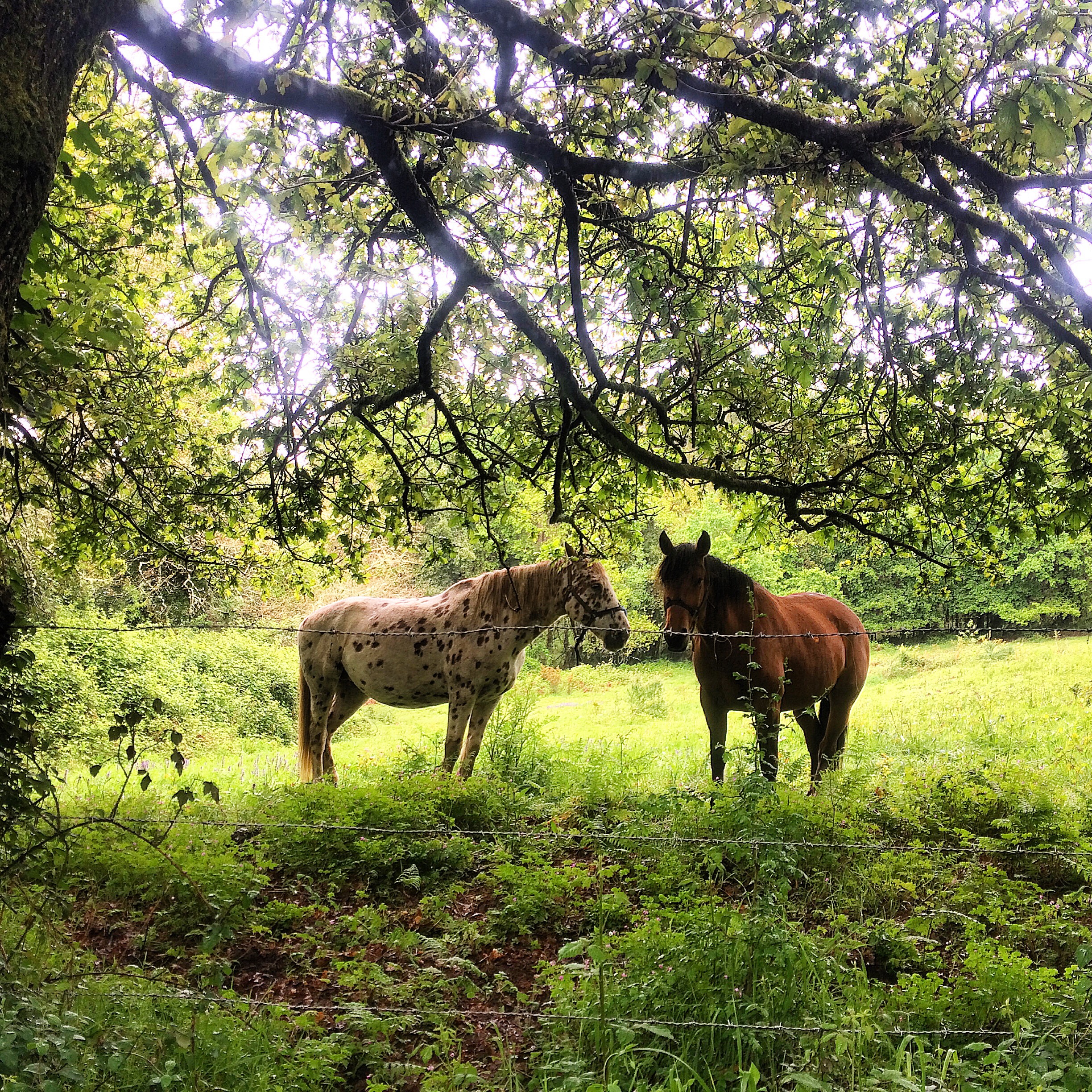
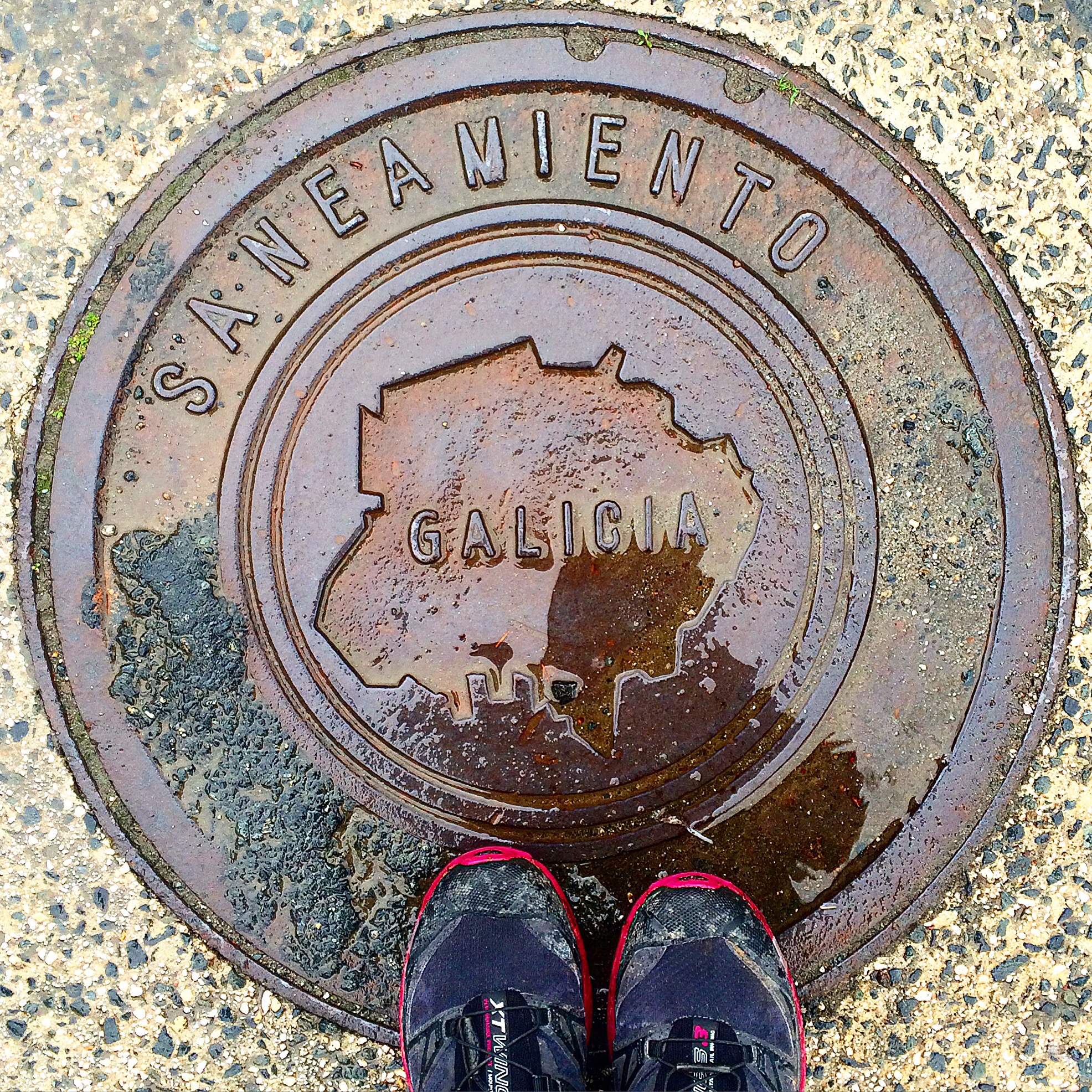
It’s hard to deprive one’s self with a copa of vino or cerveza. I should stop. Dehydration issues and balance issues and all. Even the vino during dinners, much that I enjoy them, should be given up. One of the 4 ladies I’m walking with told me that she’s giving up smoking in this Camino. “That’s great” I said. To which she smilingly replied “…. just that I don’t smoke”. Touche! Let me have my vino!
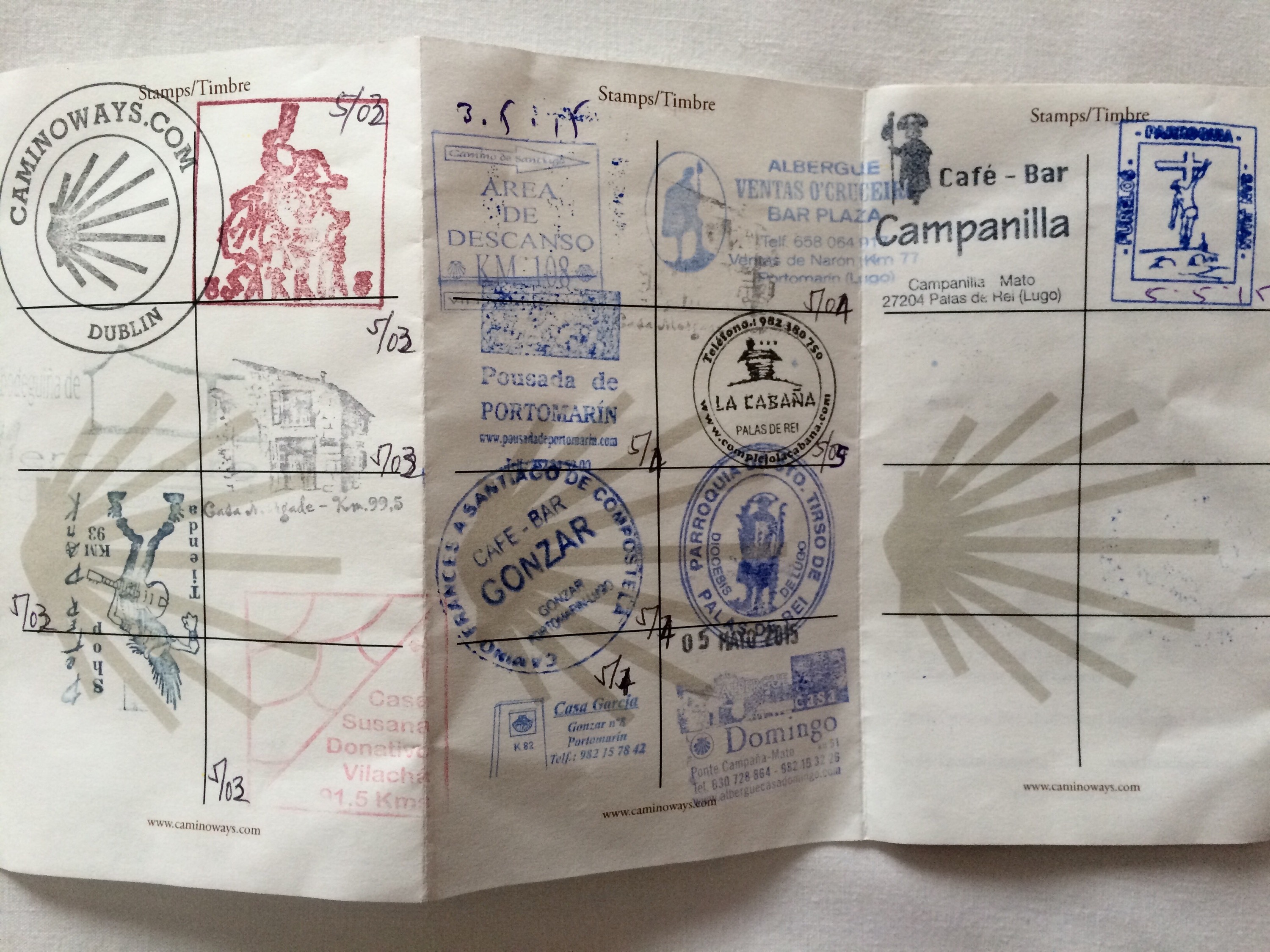
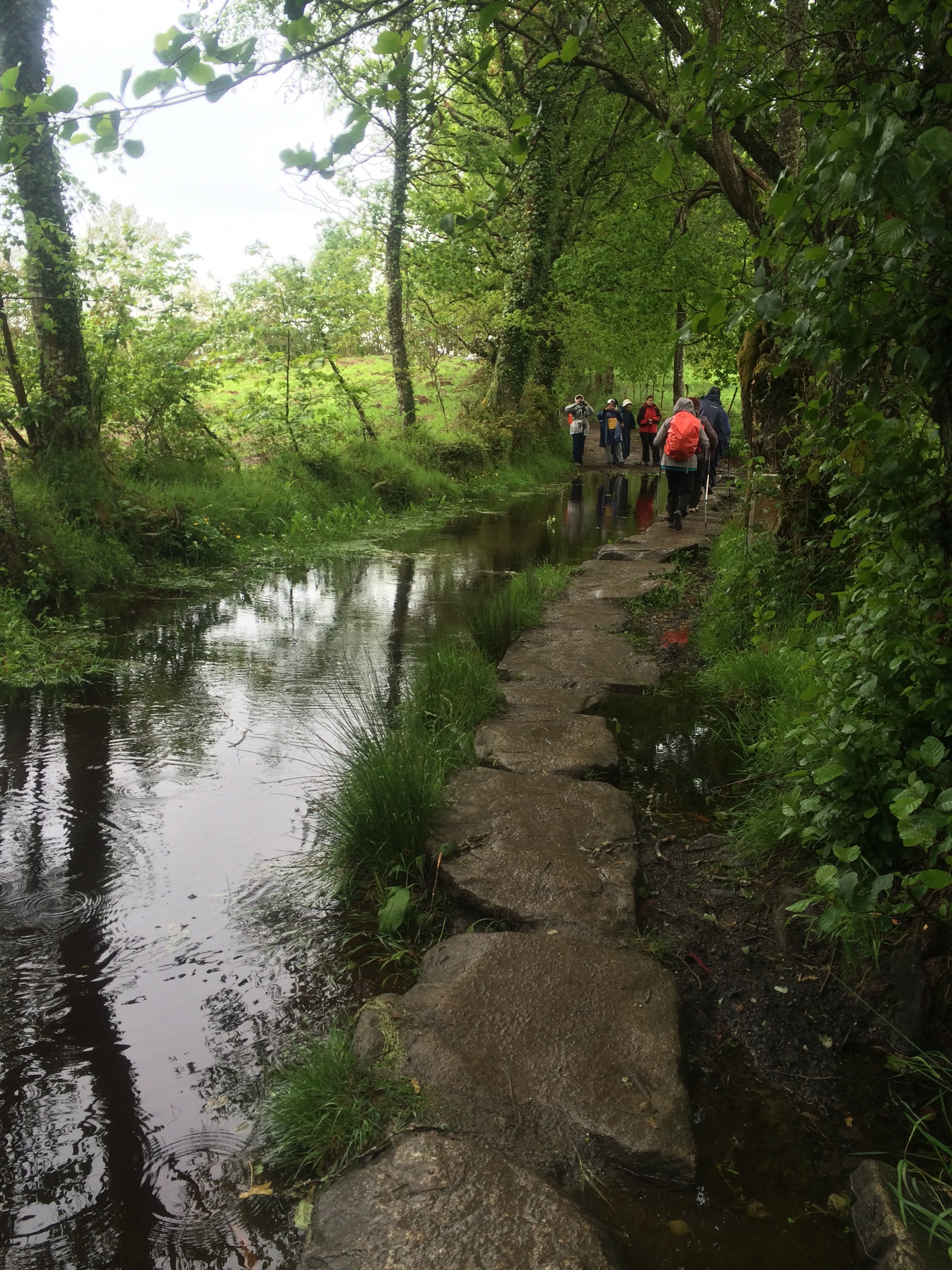
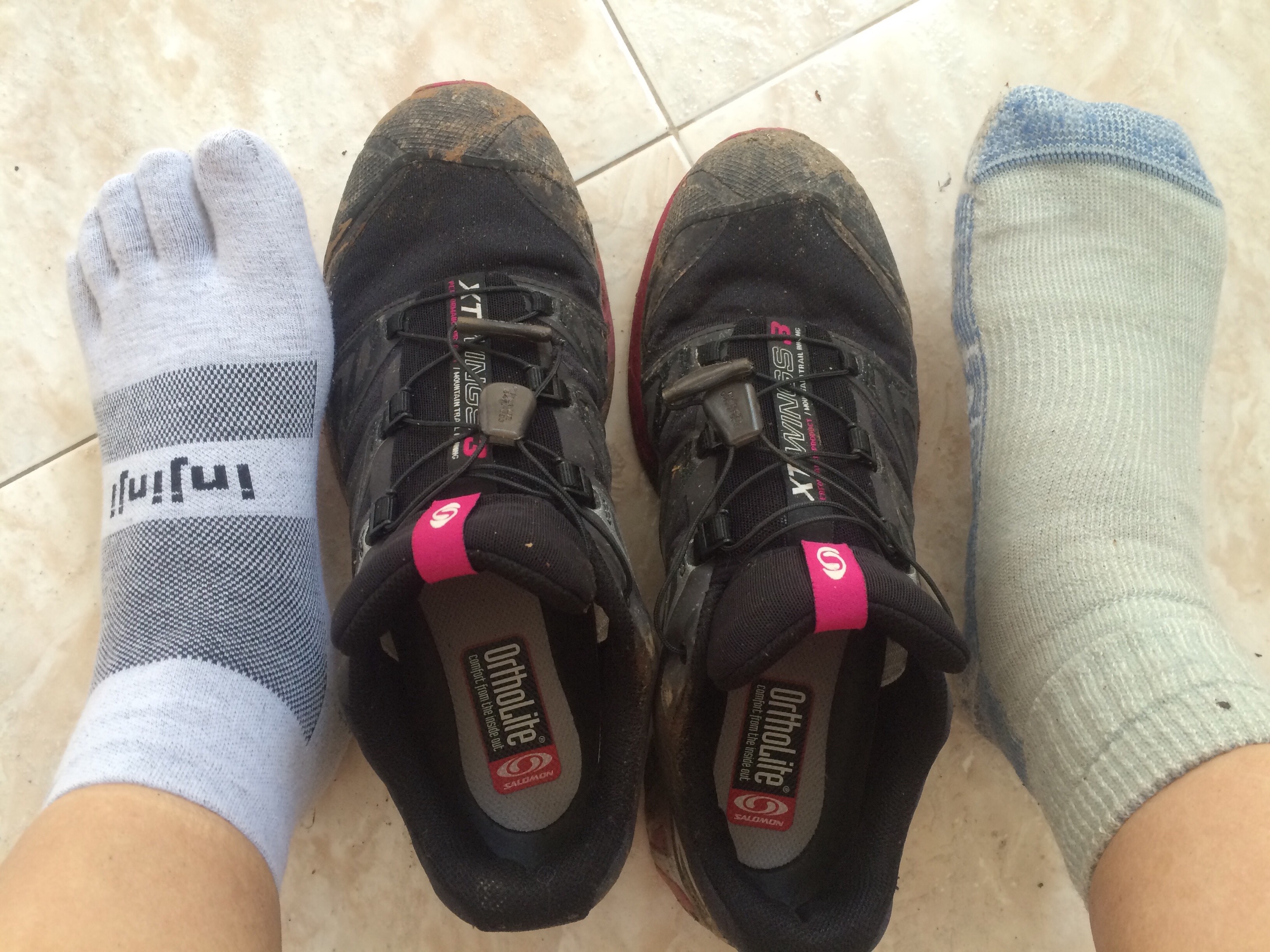
There’s a lot of my musings and ramblings as my knees struggled through the uphill climbs, downhill walks and flooded/muddied paths. Many oxygen breaks happened here. I’m good walking some distances on flat, dry surfaces. And without a backpack! But I’m compelled to use a backpack to carry my change of socks, vaseline, and fleece vest. Oh ok, the chocolate and energy bars are in there too. Galician weather is hard to predict. Funny how I don’t miss sunny spells (I break out in sweat!) and how thankful I am whenever it rains just when we’ve stopped for some coffee or caldo! But today, it rained again on the last leg of the camino. Too lazy to put on my poncho. Just trudged along hoping the hotel is at the next bend.
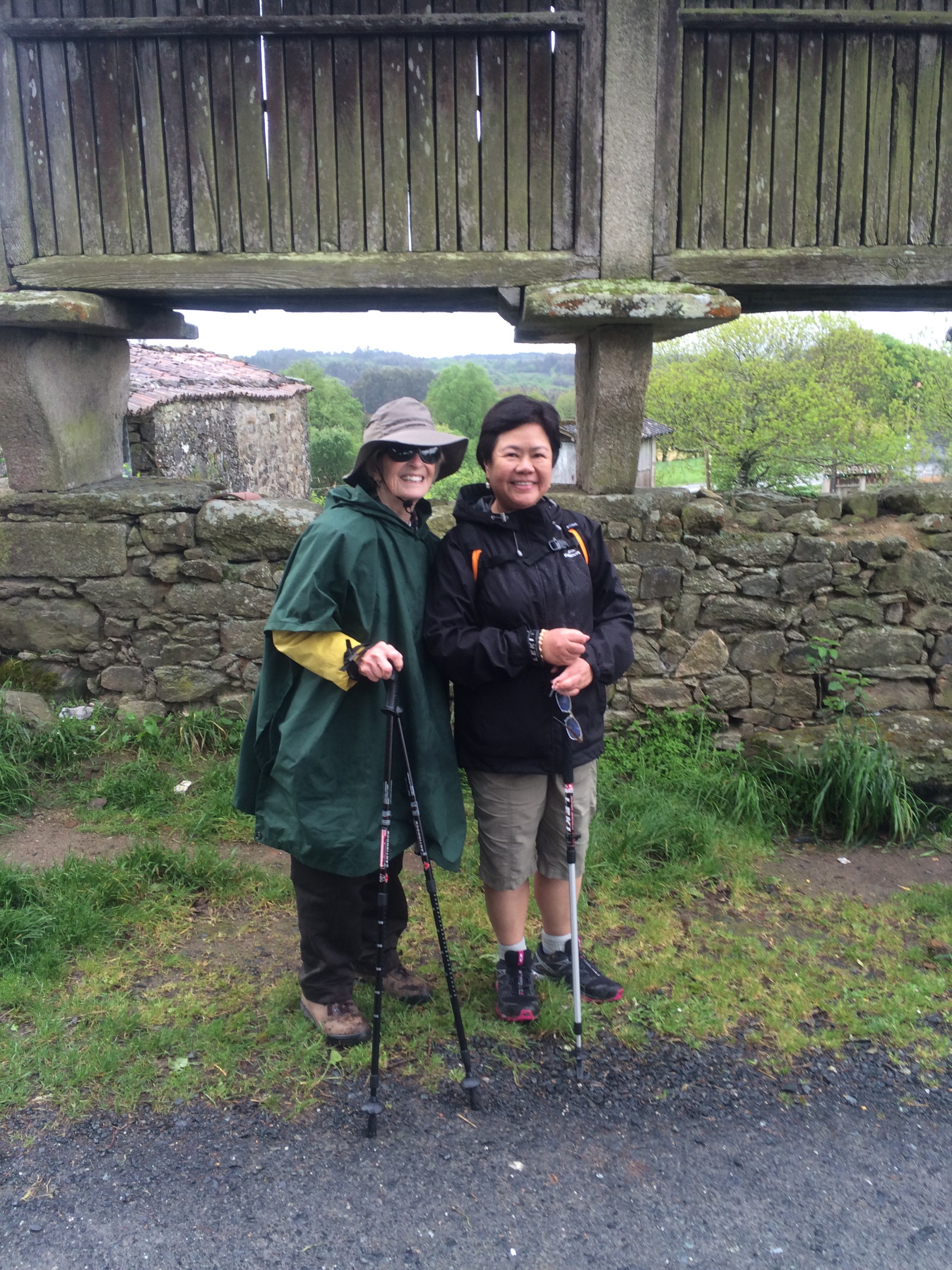
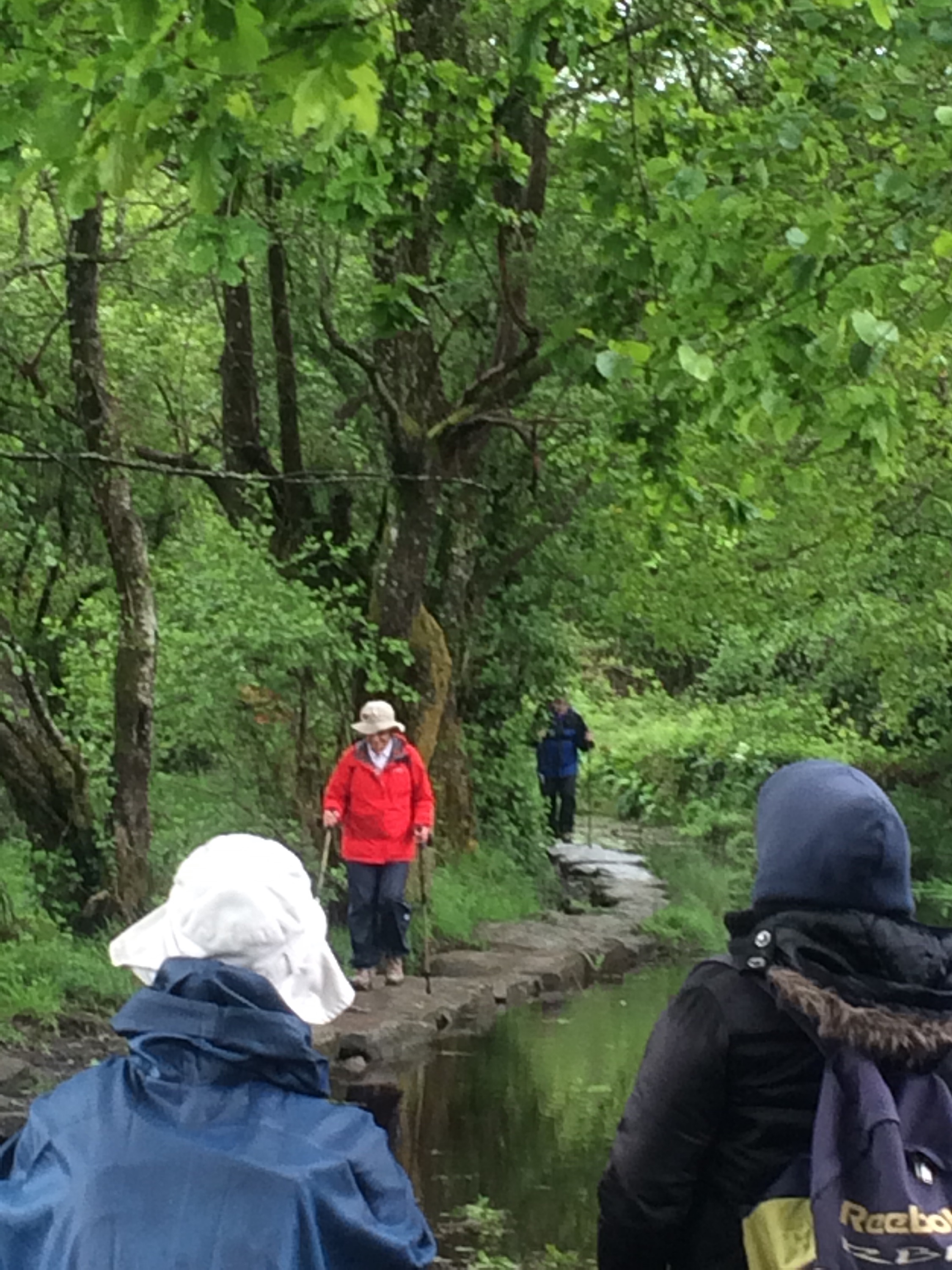
Being close to Nature makes for good contemplative monents. Whenever a gust of wind ruffles your hair, you cant help but smile. The aroma of cow manure brings you back to your senses, but in a positive way. For the life of me, I welcomed the scent of farm life. The simplicity of Galician life renders you grateful that you’re doing this walk, able to count your many blessings. A pilgrimage or an adventure? It is both for me. I wanted to challenge myself as much as I wanted to do my “spiritual retreat”. I’m having my moment. Can’t even bring myself to complain when it rains, gets really cold or when I couldn’t figure out where to step on a muddied path. Really.
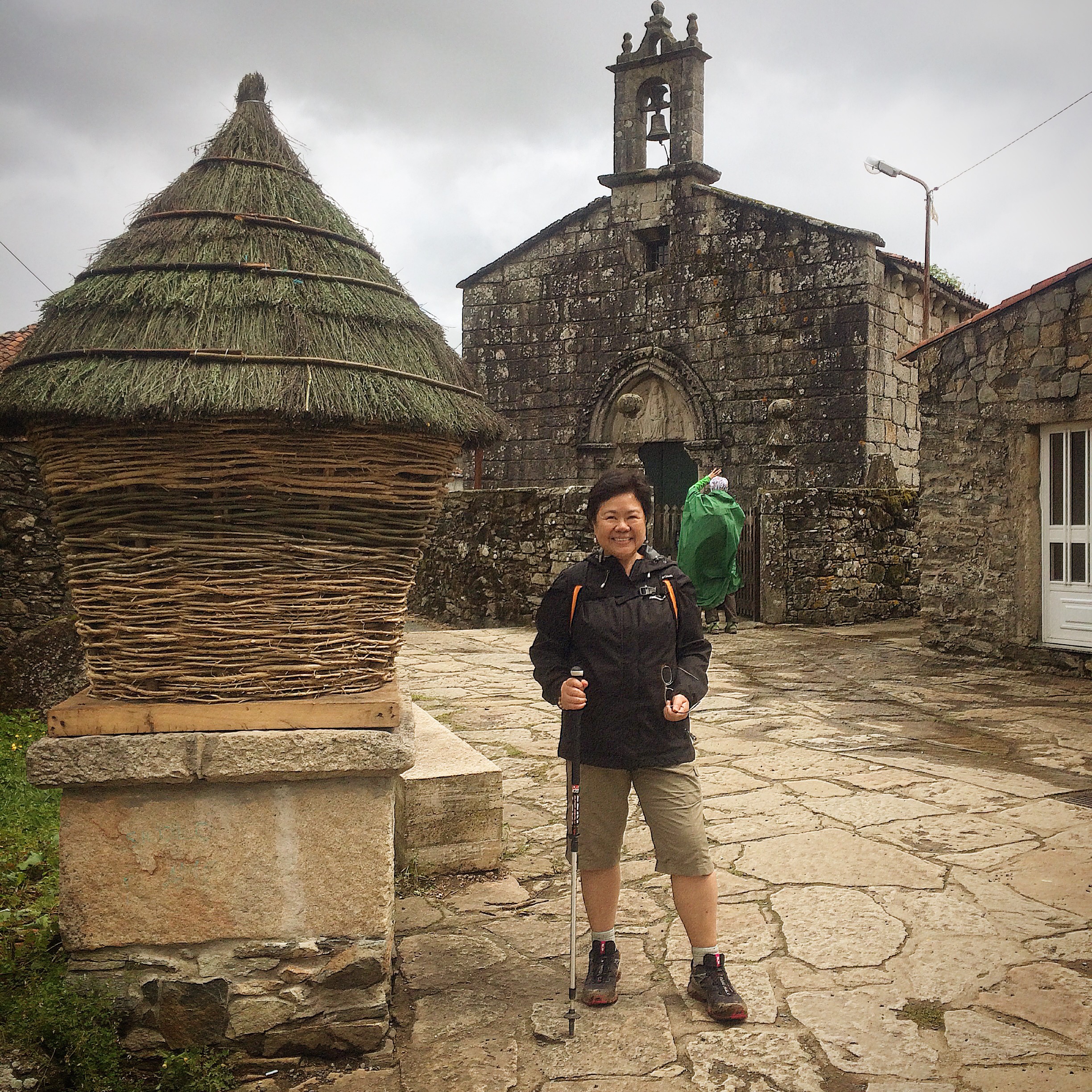
“Walking, I am listening to a deeper way. Suddenly all my ancestors are behind me. Be still, they say. Watch and listen”. — Linda Hogan
Buen Camino!
It would be another 23 kilometers today and the weather forecast says more rain. Oh dear. Left our hotel at 8:30am, careful not to drink much coffee nor fill up much on breakfast lest I go looking for a bush in the next 5-7 kilometers leaving the town of Portomarin towards Palas de Rei. Wearing only my windbreaker over my Merino shirt and shorts, I welcomed the slight drizzle and hoped it would be like yesterday’s weather. It was not.
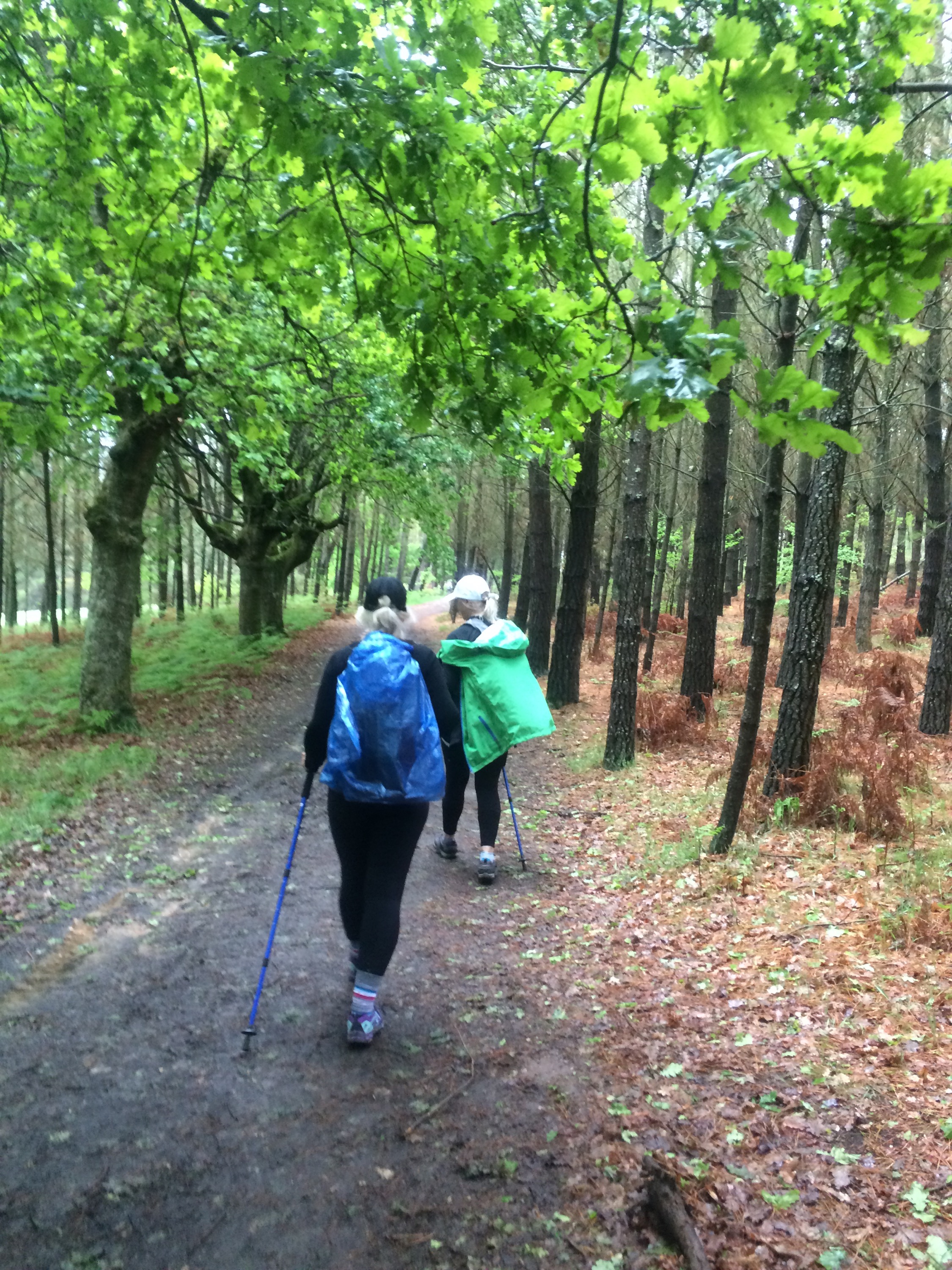
And just as I dreaded, it was a long uphill climb. Darn! It’s a struggle to stop, get my backpack off, take off my windbreaker, dry up a bit (you can break out in sweat walking!) then deciding whether to put the jacket back on or wrap it around your waist. Unlike Day 1 when we crossed many fields, a forest and a bubbling stream, today’s walk didn’t present much by way of “communion with Nature”. For a good 5 kms or so, we walked along a major road which we had to cross 3x I think. Oh Lord.

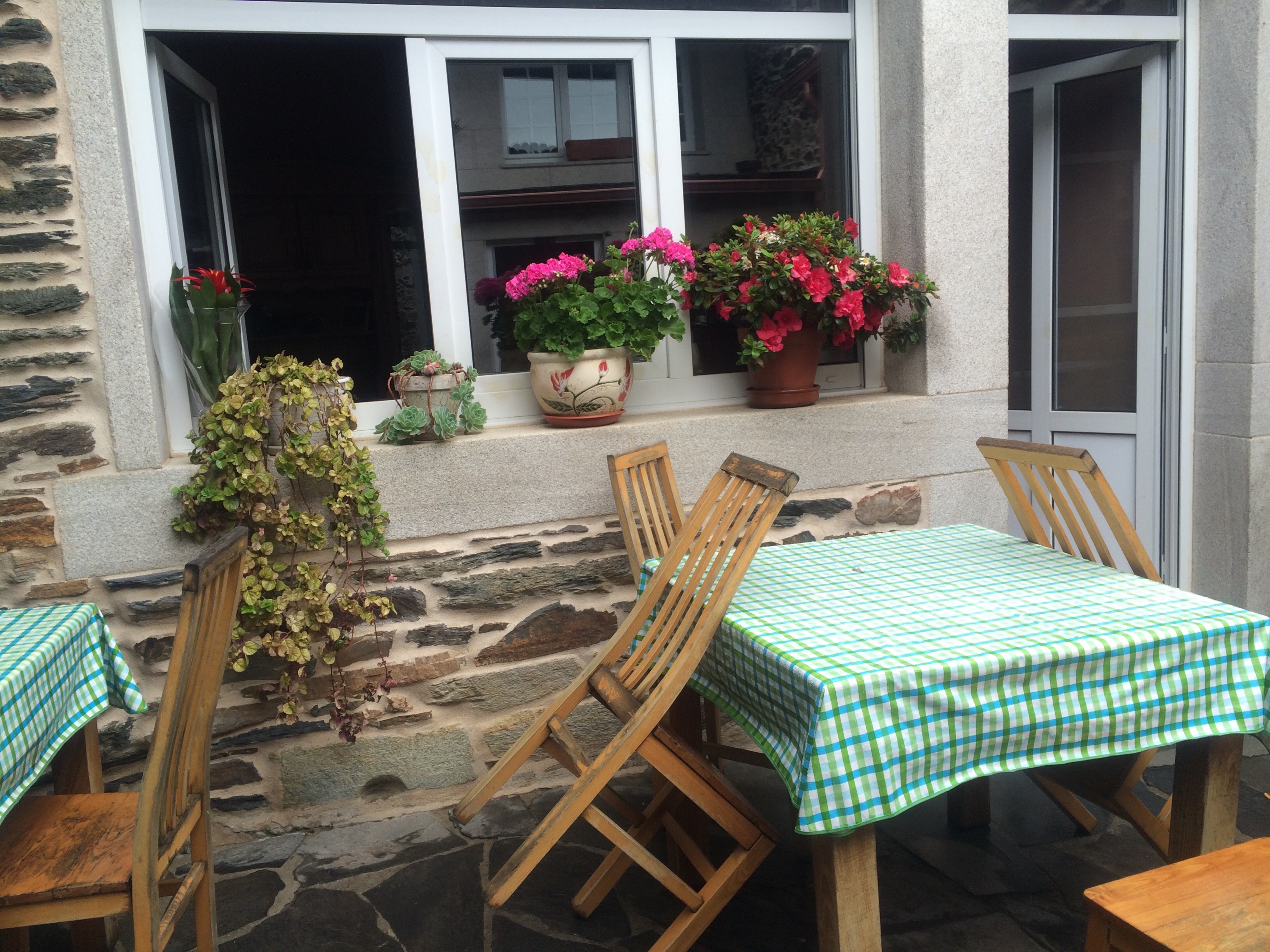
We were only too happy to stop at Casa Garcia for mid-day refreshments. This guesthouse looked better than most. Cozy. Our next stop was LUNCH where croquetas de quezo y patatas, hamburguesa, tortilla and empanada were enjoyed while it started to really pour. Thankfully, I brought my fleece vest and raincoat/poncho. So, 4 layers of clothing — shirt, fleece vest, windbreaker and poncho — and my gloves and beanie completed my ensemble to battle this Galician weather. And I calculated there’s 10 more kilometers at this point before reaching Palas de Rei!
The Camino is truly a test of willpower. I decided on just doing the last 100 as I don’t have the energy to walk 800, or even 500 kilometers. Now I ask myself if I have the energy for even 100-113 kms. I’m bushed!
If only I could break the camino to walk only 10-13 kms daily, I’d be fine. IF I had the luxury of time, I would have gone for 10 days. But as it happened, I’m stuck to do this in 6 days. Thus, the first 2 days’ walk brings you near the halfway mark at 23 kms/day or a total of 46 kms. out of the required 100 to earn the compostela.
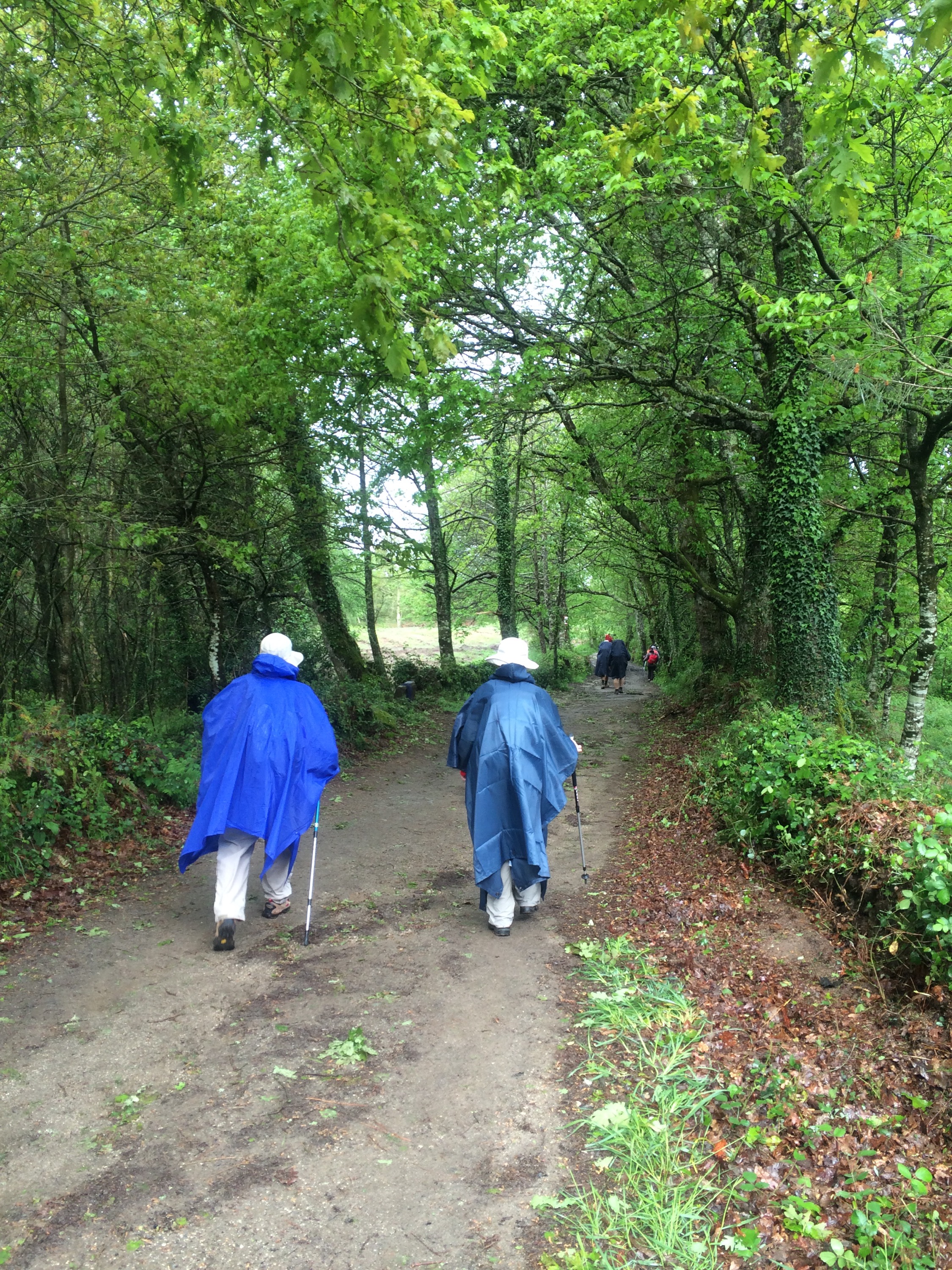
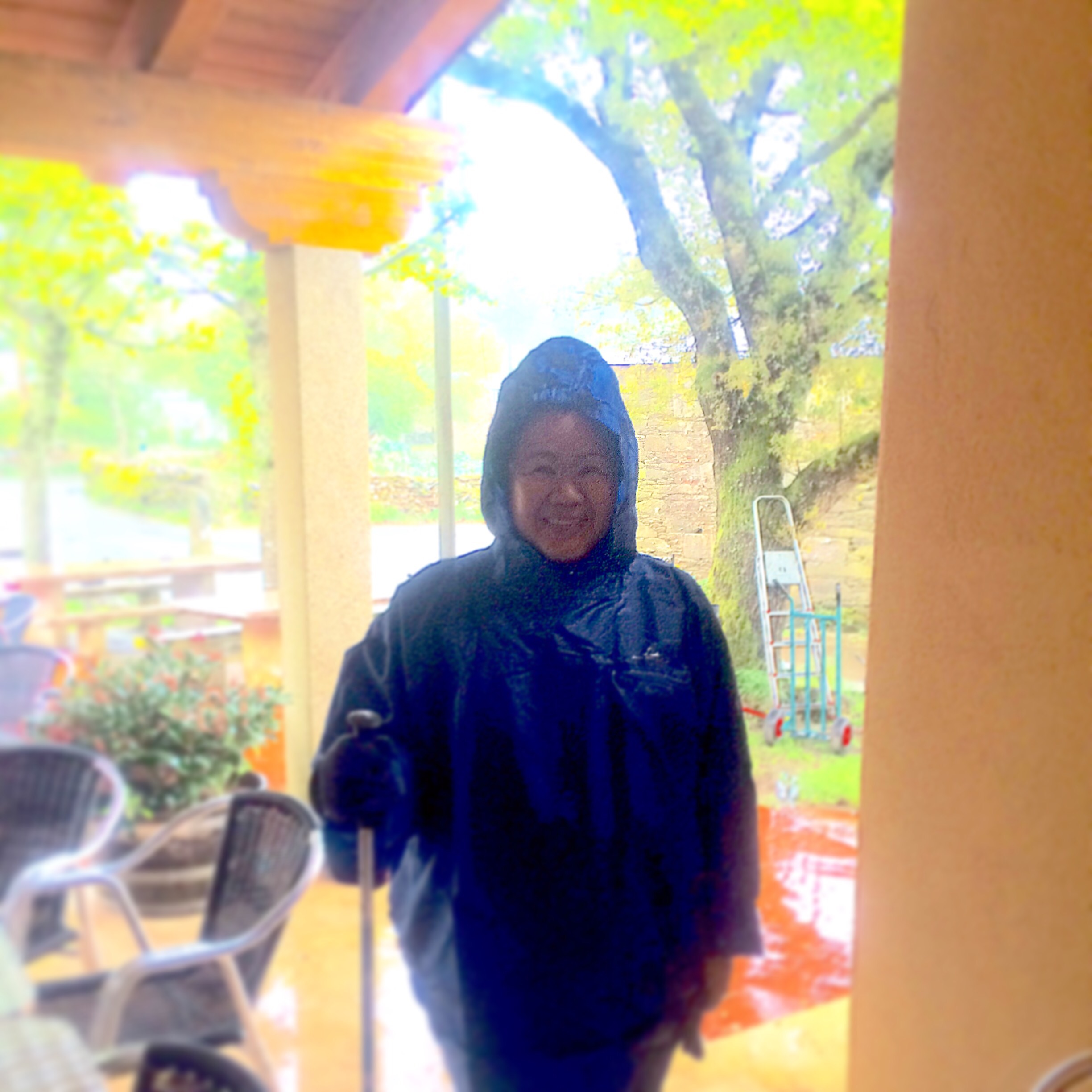
Before long, we were approaching Palas de Rei. But I fell behind the pack to change my wet socks. Can’t risk having blisters. A slather of Vaseline which i carried in my backpack and I’m good to go for the day’s final 3 kms. Somewhere along the path, the road was all mud and water. No space for a single step without risking a slip. I wondered why this man was standing along the elevated edge seemingly waiting for pilgrims. He stretched out his hand and said “I’d help you”. Reaching for his hand, he pulled me towards the elevated bank where I trudged on to finish my day’s camino. What a gallant peregrino!
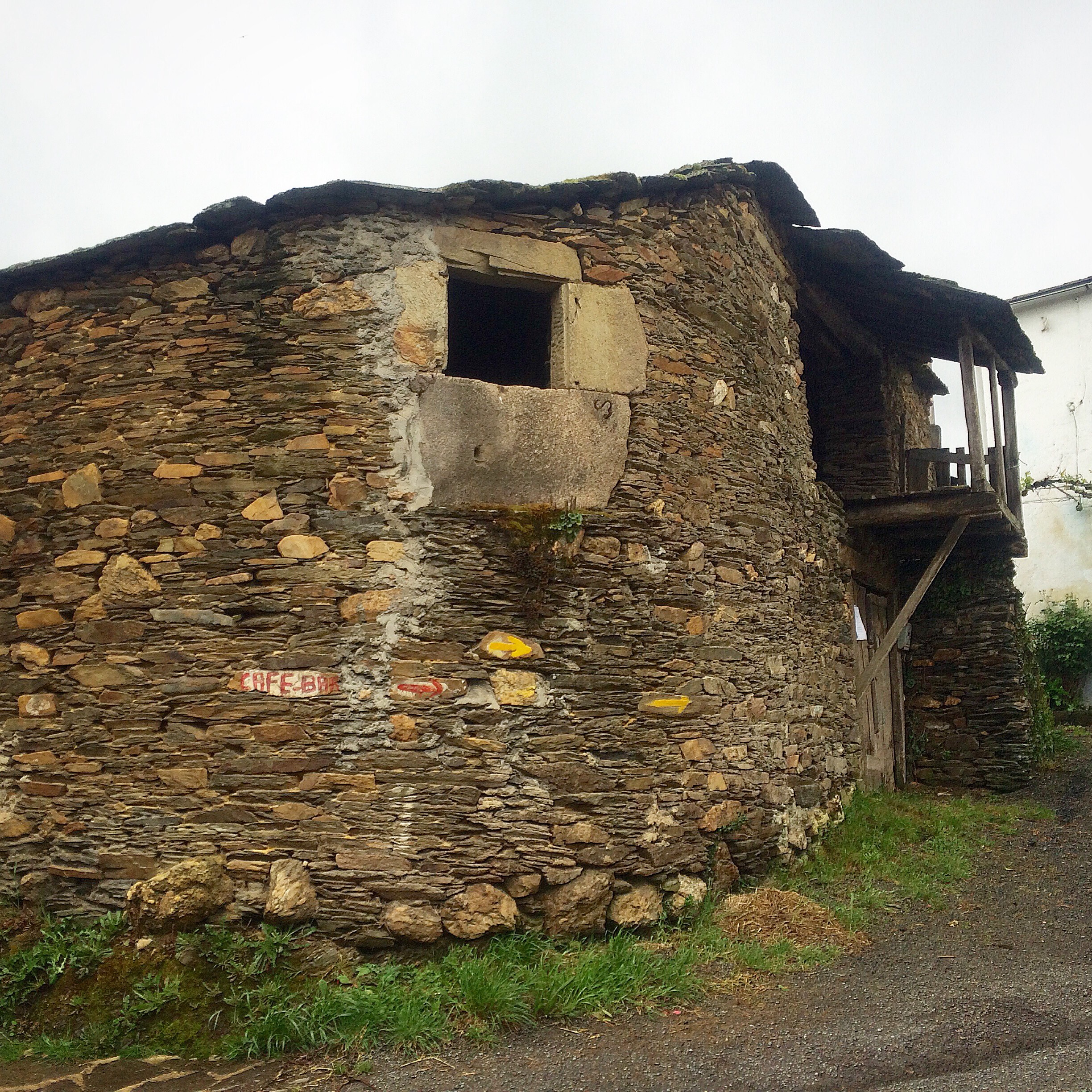
By the time we reached Complejo de Cabana in Palas do Rei, we got quite a surprise. Not 23 kms we’re told, but 32.6 kilometers. Duh? No wonder I felt wasted. My feet need some serious TLC. Gosh, I can’t believe I paid for this! Lol. Buen Camino!
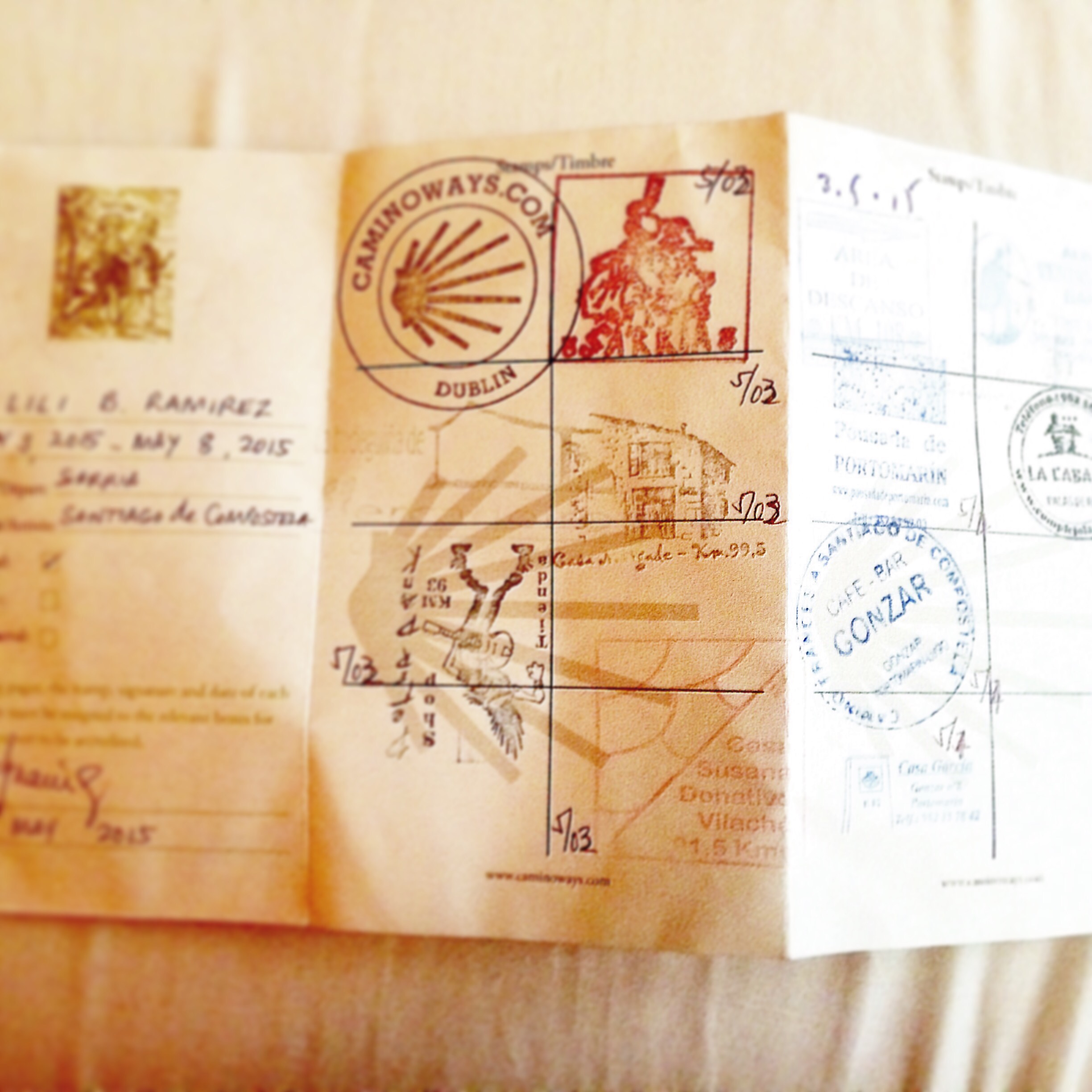
Well, not exactly. Or you wouldn’t be reading this. Pre-booked hotels via caminoways.com have excellent wifi connection. Yey! But I confess I felt a great deal of excitement over the looming solitude and physical challenge as I prepared for the last 113 kilometers or 70 miles walking from Sarria in Lugo to Santiago de Compostela. As the day neared, i grew more anxious…. bordering on nervous wreck. Can I really do this?
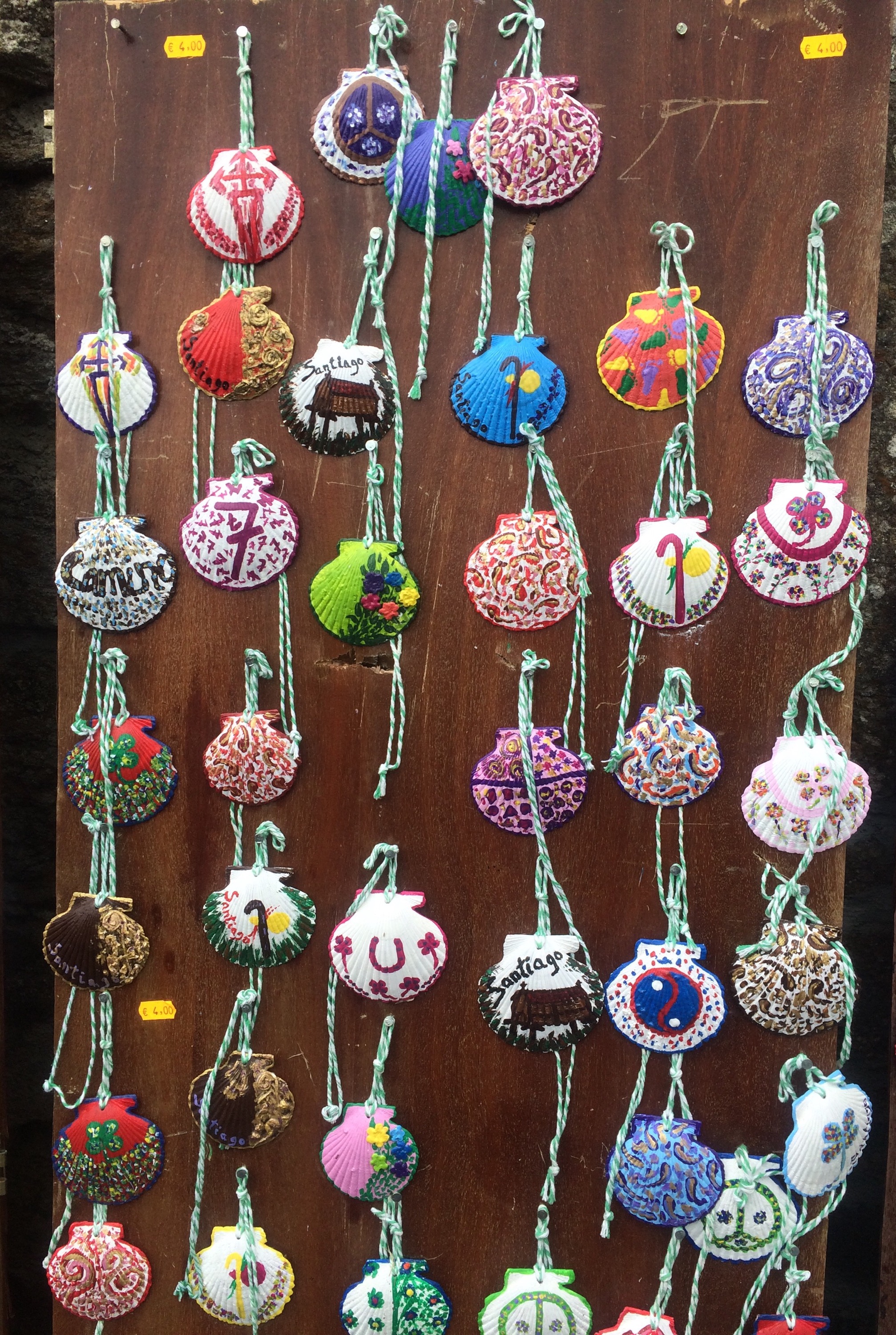
Switching off. At least for 6 hours each single walking day. No sweat. I can easily do that. Even longer, if need be. My practice walks then lasted 2-3 hours straight. Like 20,000 steps or so. But this time, it’s not only longer hours. The ground’s not paved nor even, and there’s an incline here and there. In some spots, it’s not even dry. Very wet, I may add. Even muddy. Every couple of hours, the camino is suspended for some serious oxygen breaks, backstretching, fluid replenishment, dry-ups, pee breaks, or just a change of socks and slathering of more Vaseline on the feet.
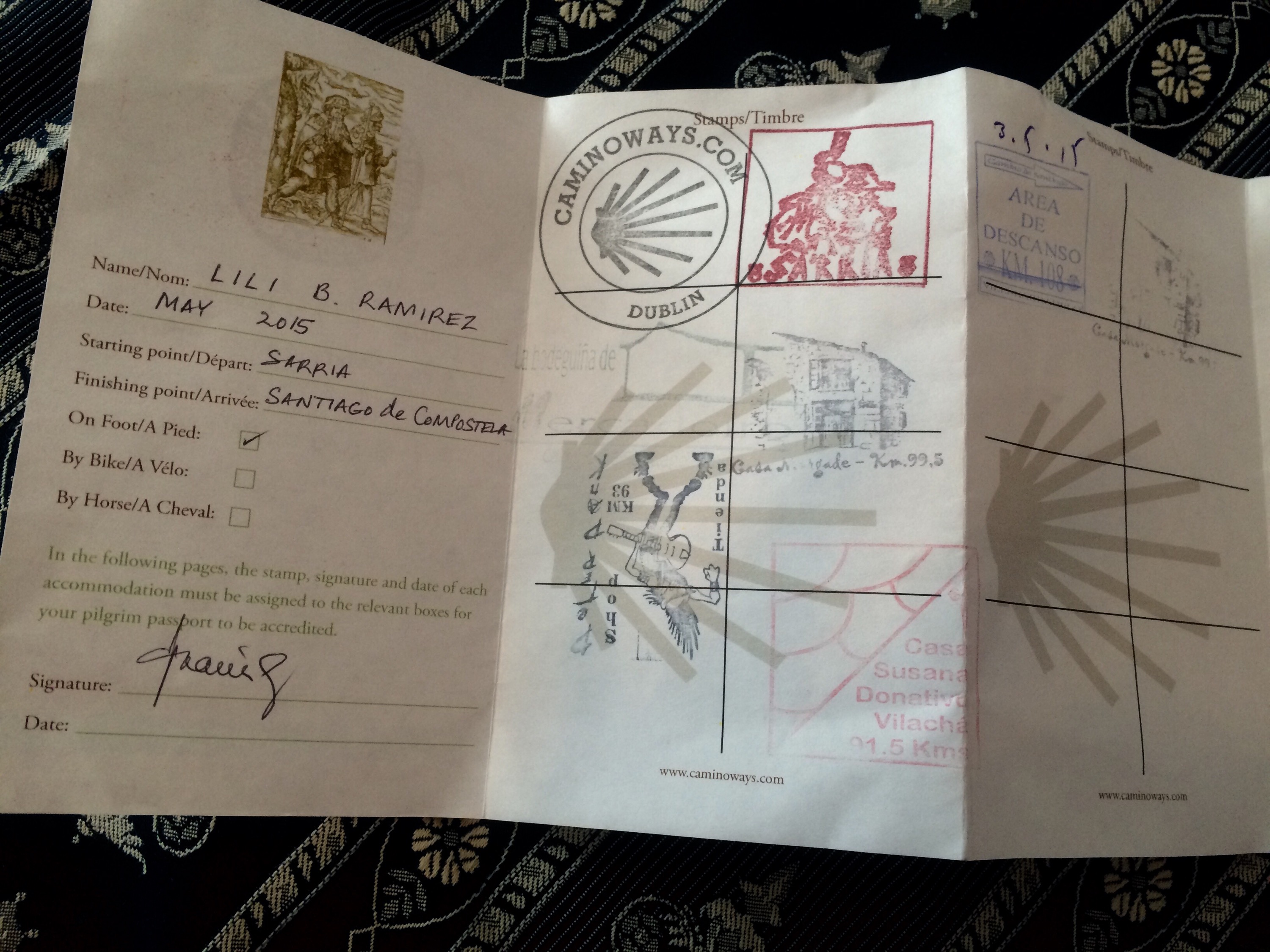
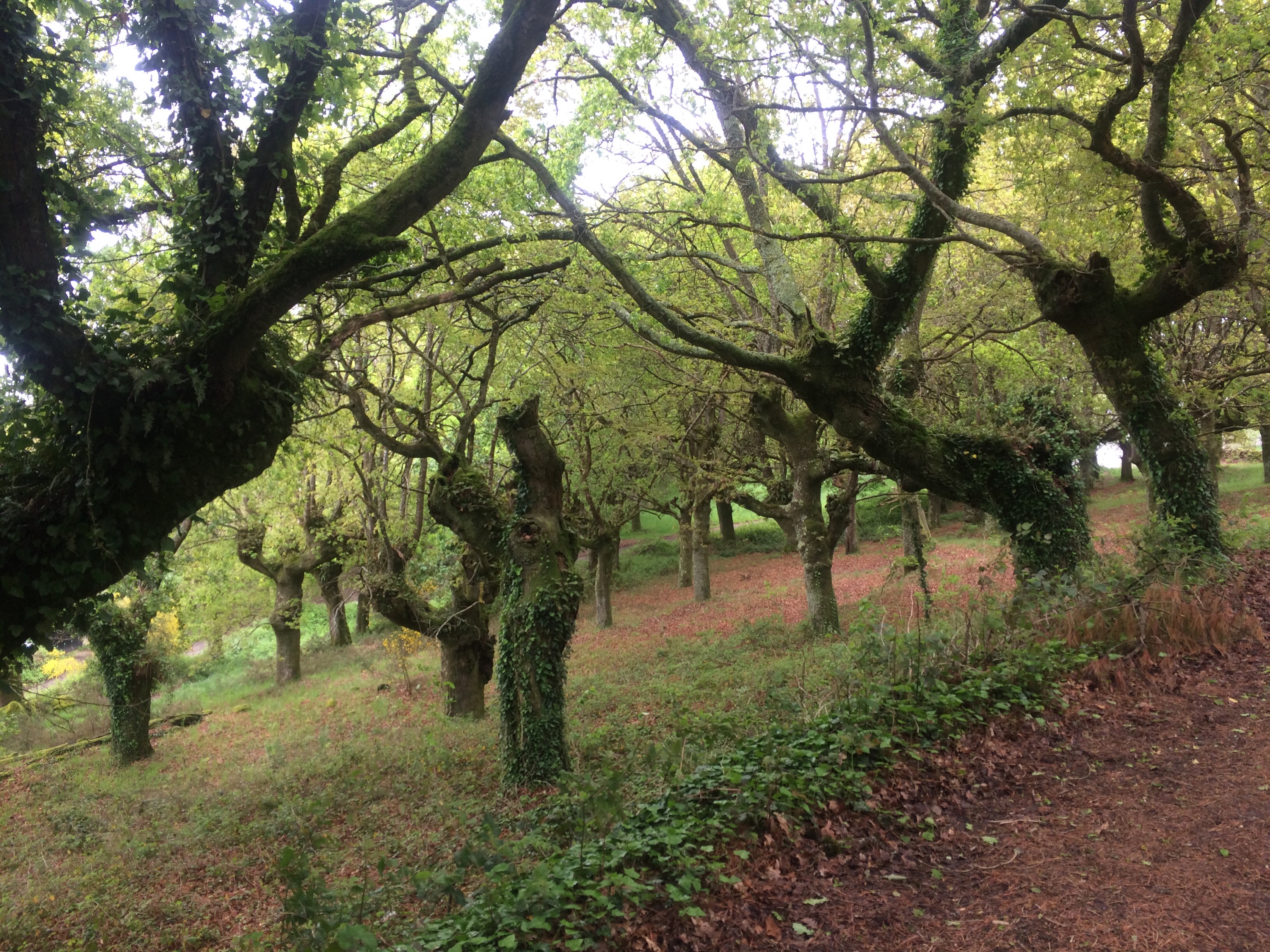
“Every pilgrimage is a journey backwards. Every pilgrim’s step is a step towards his childhood.”
— Charles Foster (The Sacred Journey)
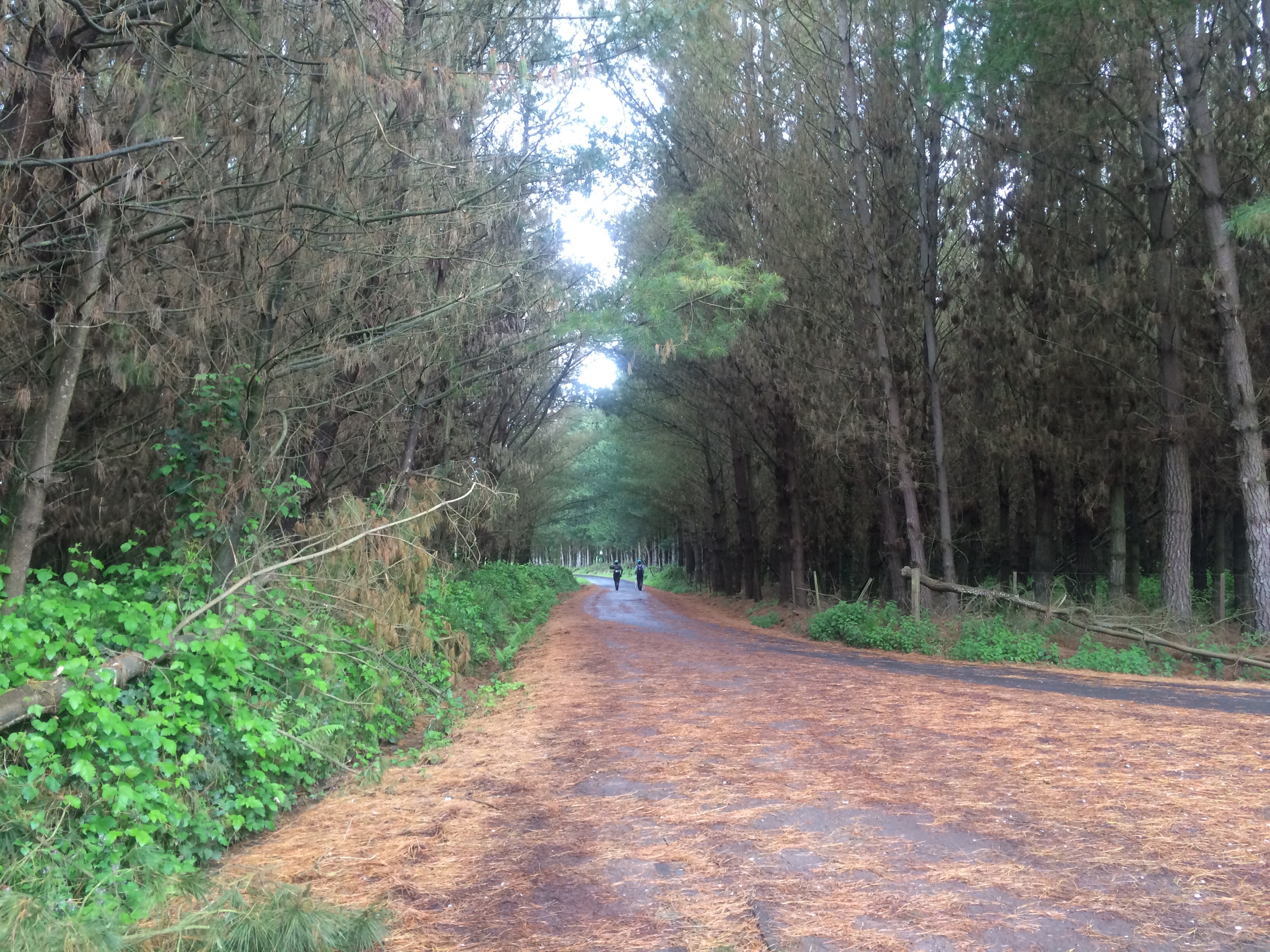
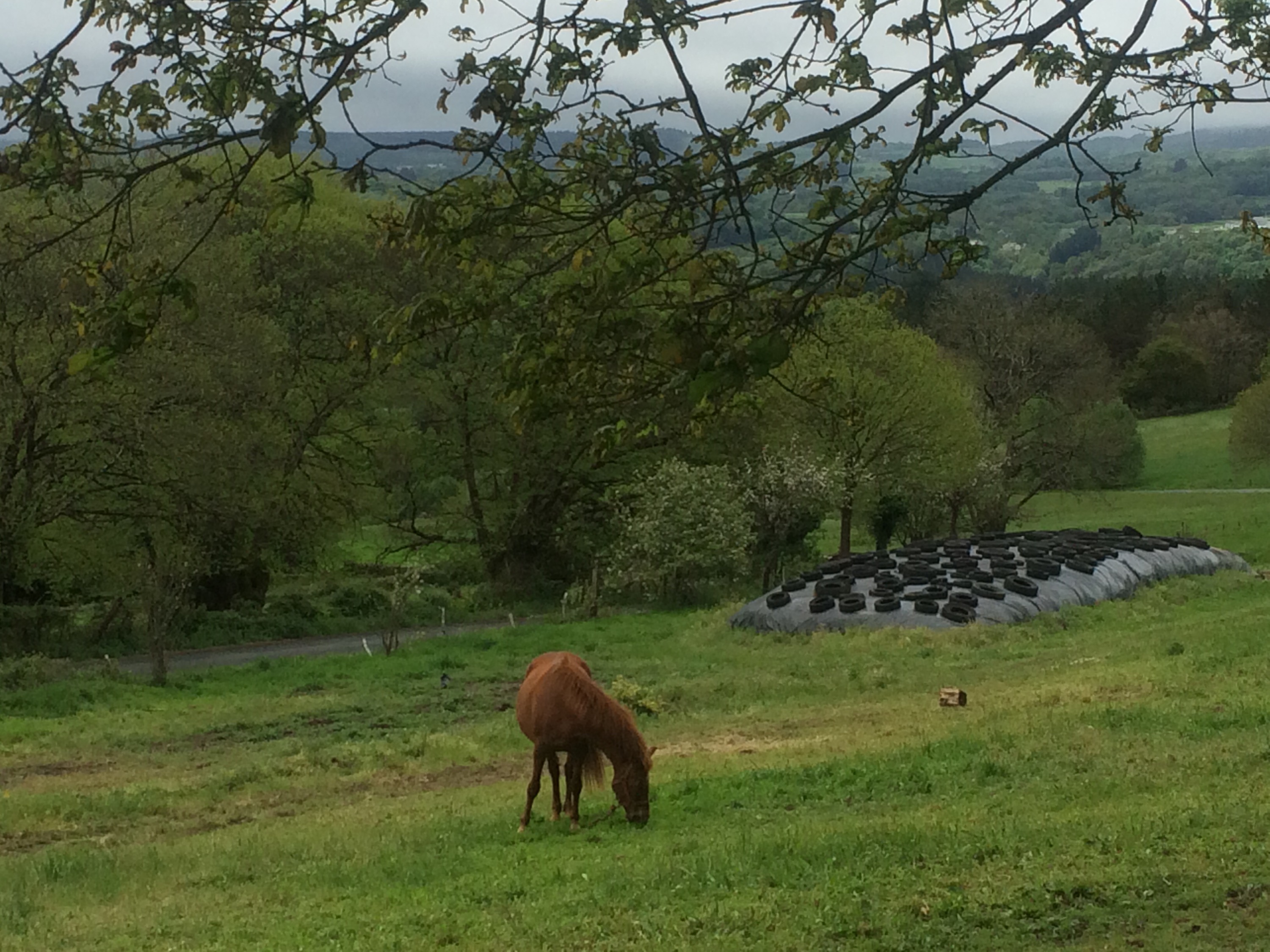
There is a saying on the French route: the first third is physical, the second third is mental and the third third is spiritual. Many pilgrims seem to fall into this rhythm. In my case, it started out as spiritual. I wanted this so much as my own spiritual retreat of sorts. I likewise made a mental note that 113 kilometers is punctuated by gastronomic breaks and all I had to do is think pulpo gallega and caldo gallego to keep those legs moving! As I took my first camino step, my faith & confidence combined to make this a meaningful Day 1 of my camino. As the roads and paths stretched before me, the physical demands of the camino wiped out all pulpo dreams. All I wanted was to reach the pre-arranged hostel, take a bath, put up my legs and sleep. These images all threatened to break my concentration as I prayed many rosaries. On Day 1, 6 rosaries.
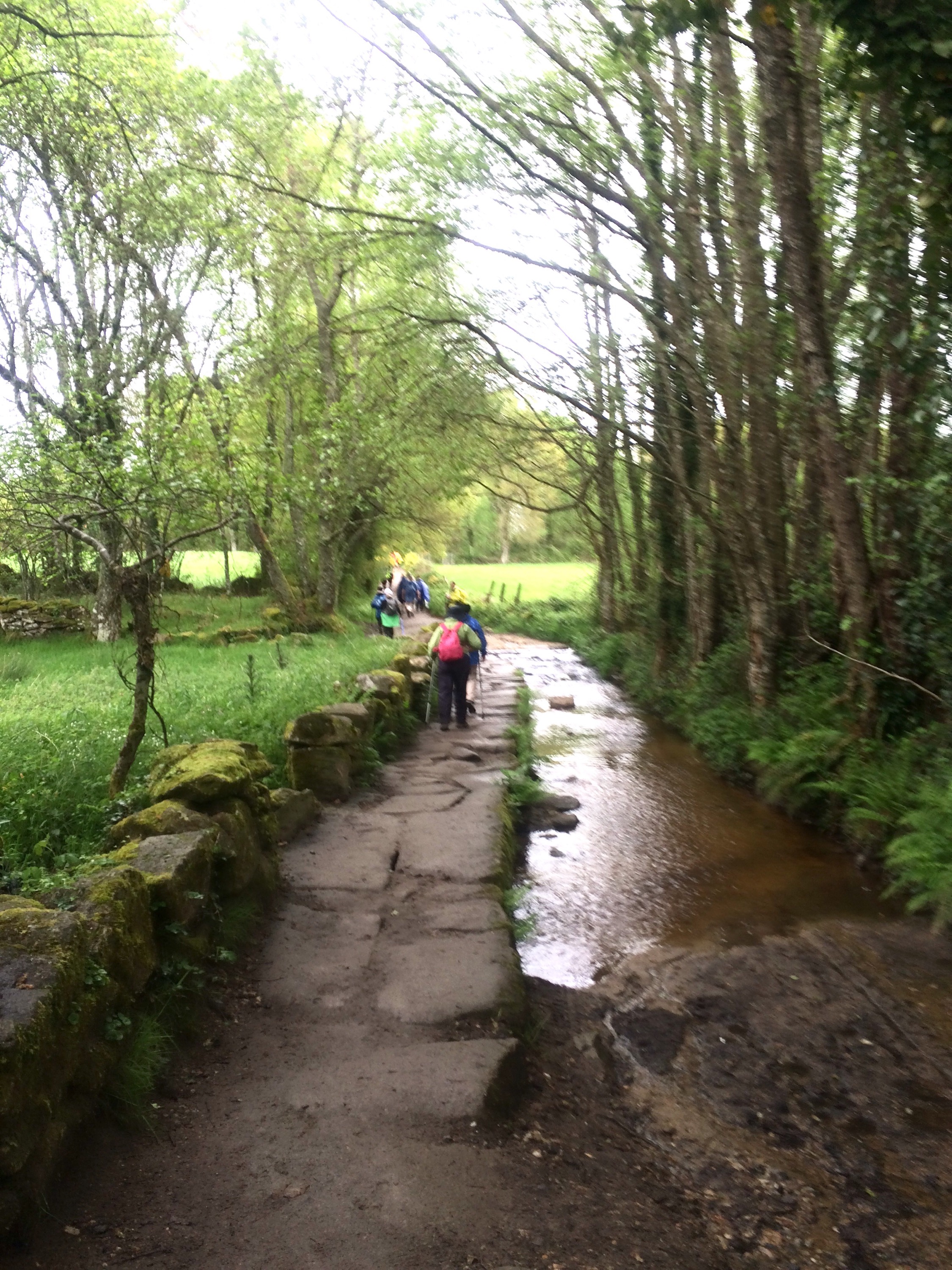
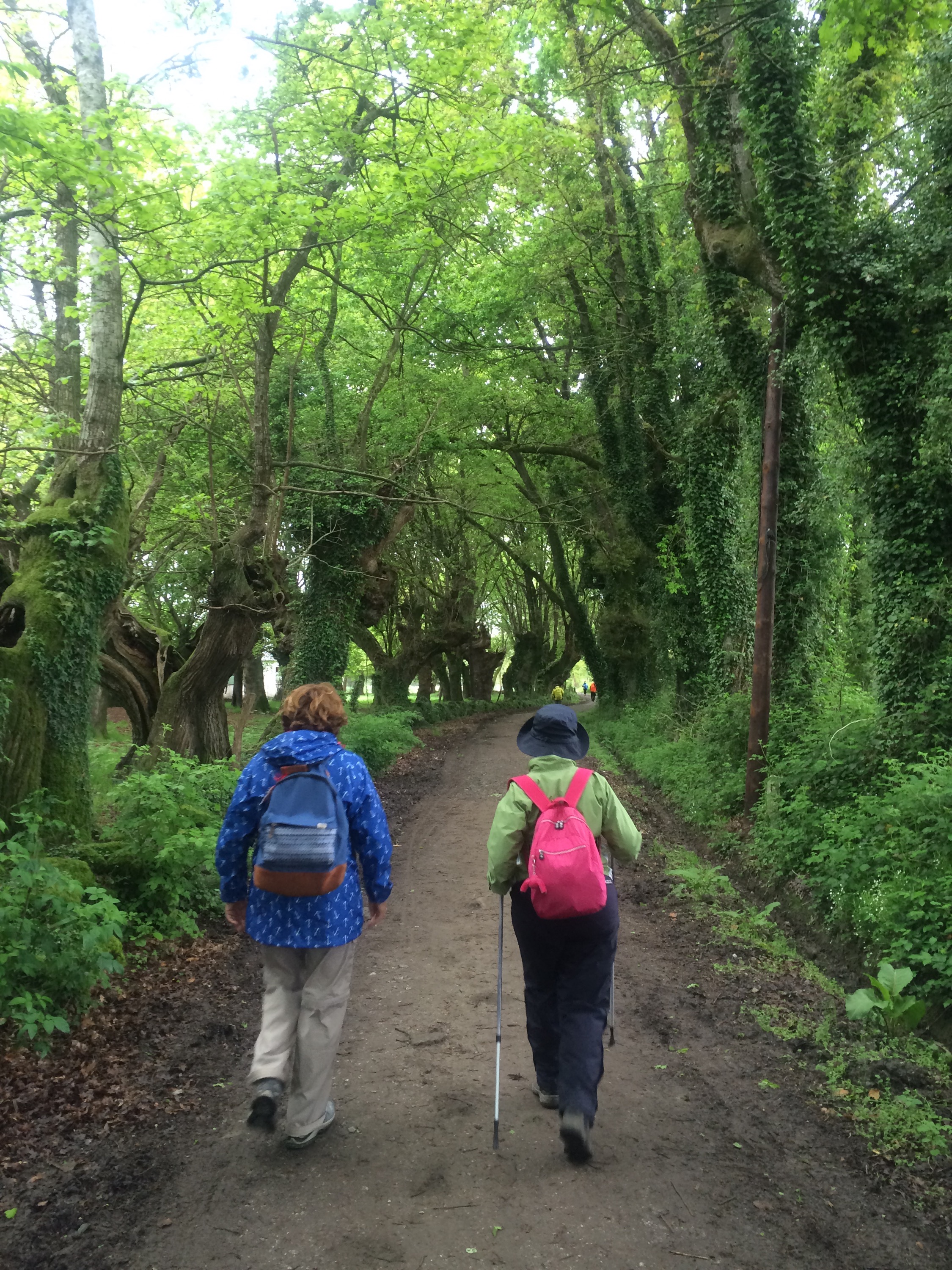
I was NEVER more aware of my body and physical state than NOW. It’s like I know the condition of every toe attached to my feet. Like I’m having an altercation with every leg muscle. My brain’s all messed up halfway through Day 1’s camino. It’s 23 kilometers today. Yeah, what a fine introduction. But looking at many pilgrims from all over the world passing me — a few limping through, having walked nearly 700 kilometers — it is such a humbling experience NOT to complain.

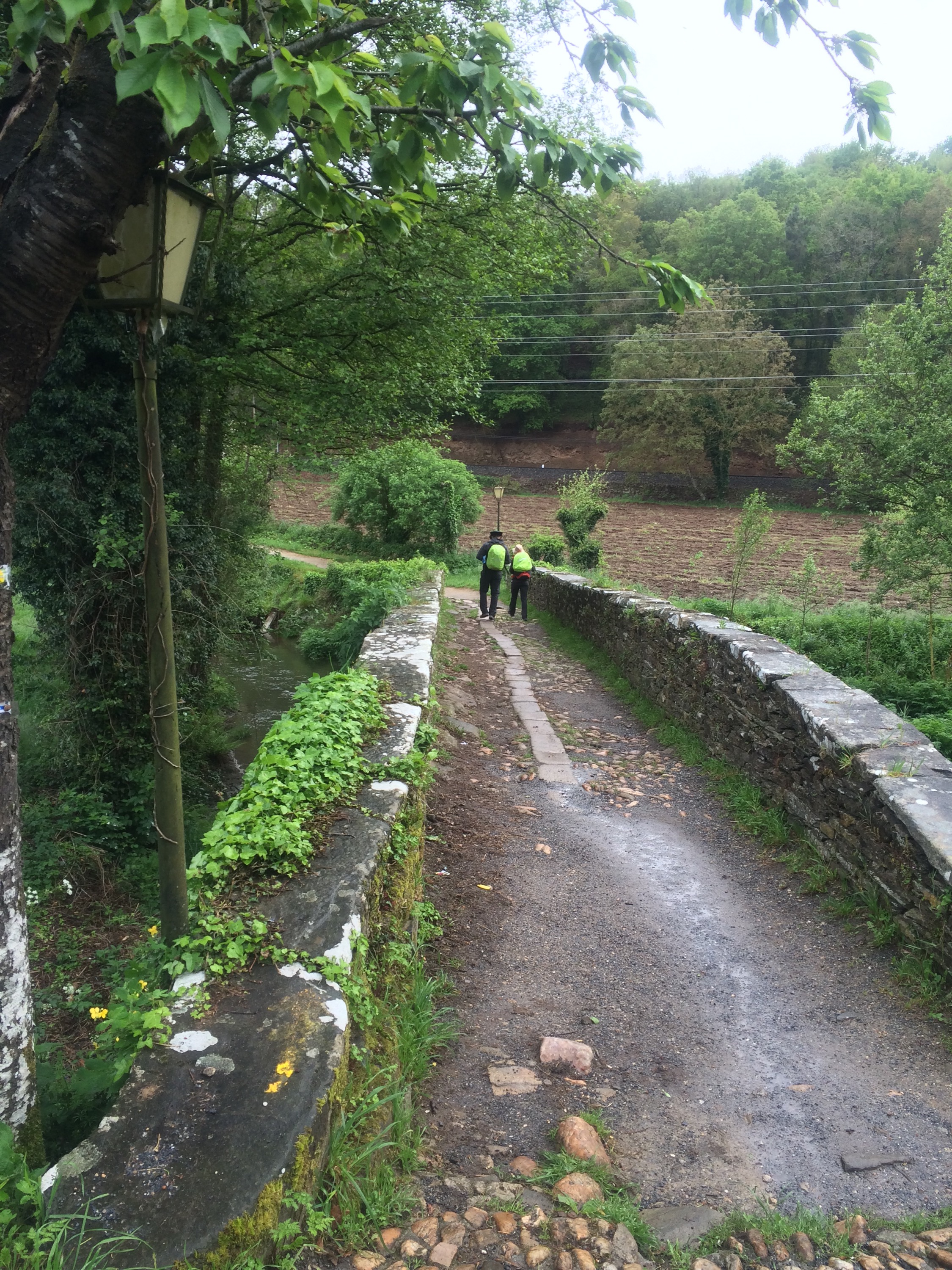
Dinner in these parts is at 9pm. I worry I may not make it to dinner. Definitely dinner is more a social activity rather than nourishment for me this time. It’s a struggle to keep awake after the hike and then, a leisurely stroll around the village. I know others may think this part of the Camino is the more popular, more touristy, noisier, more about the adventure rather than the pilgrimage type. But hey, who’s judging? Certainly not me. We come for different reasons. We each make our own Camino? But whoever said it’s easy is lying! (And it’s only Day 1 😭😭😭)
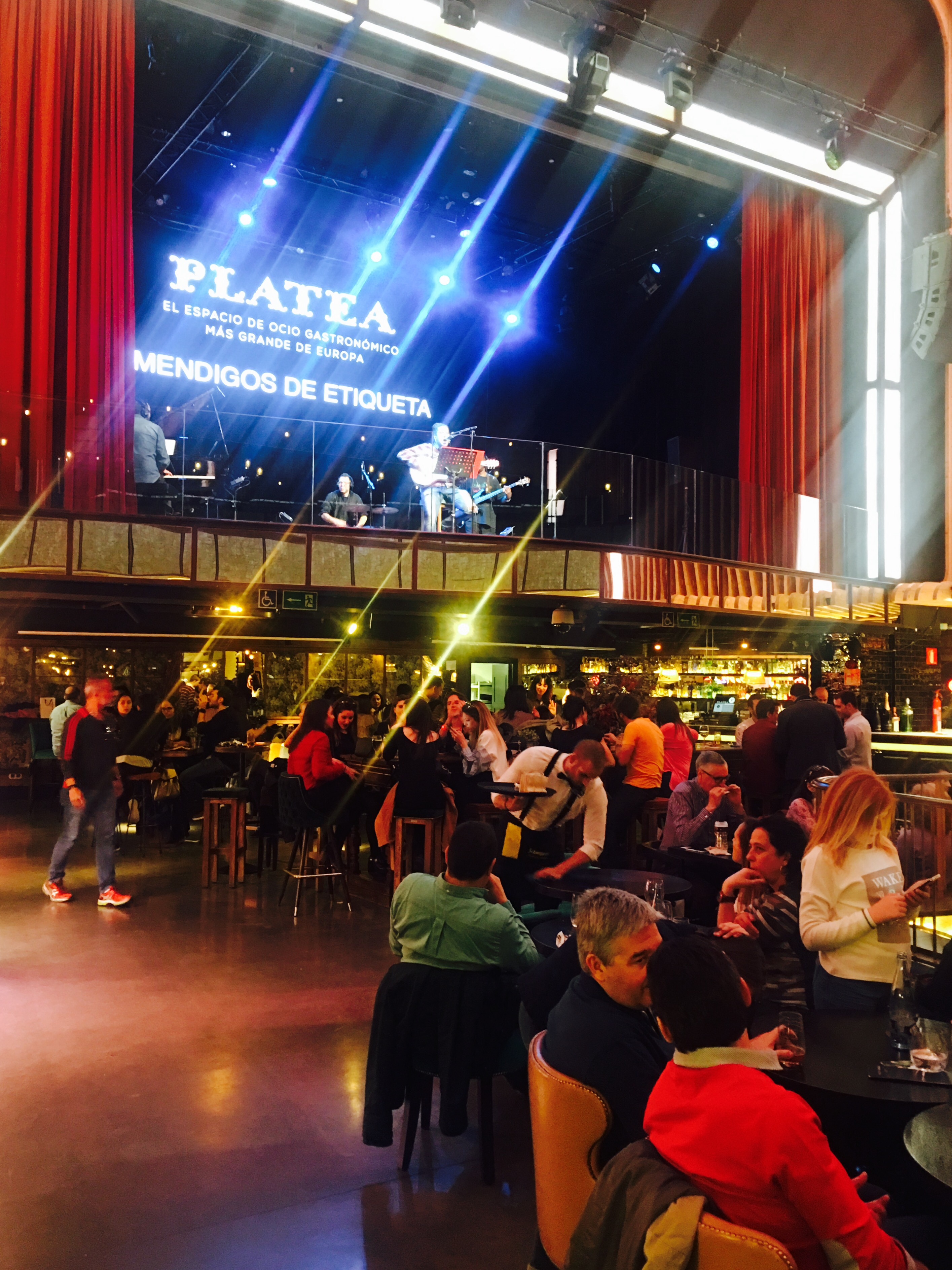
I am very, very sold on Mercado San Miguel off Plaza Mayor and Mercado San Anton in the Chueca District just off Gran Via. But this! A gourmet market in a converted theater — how original is that?
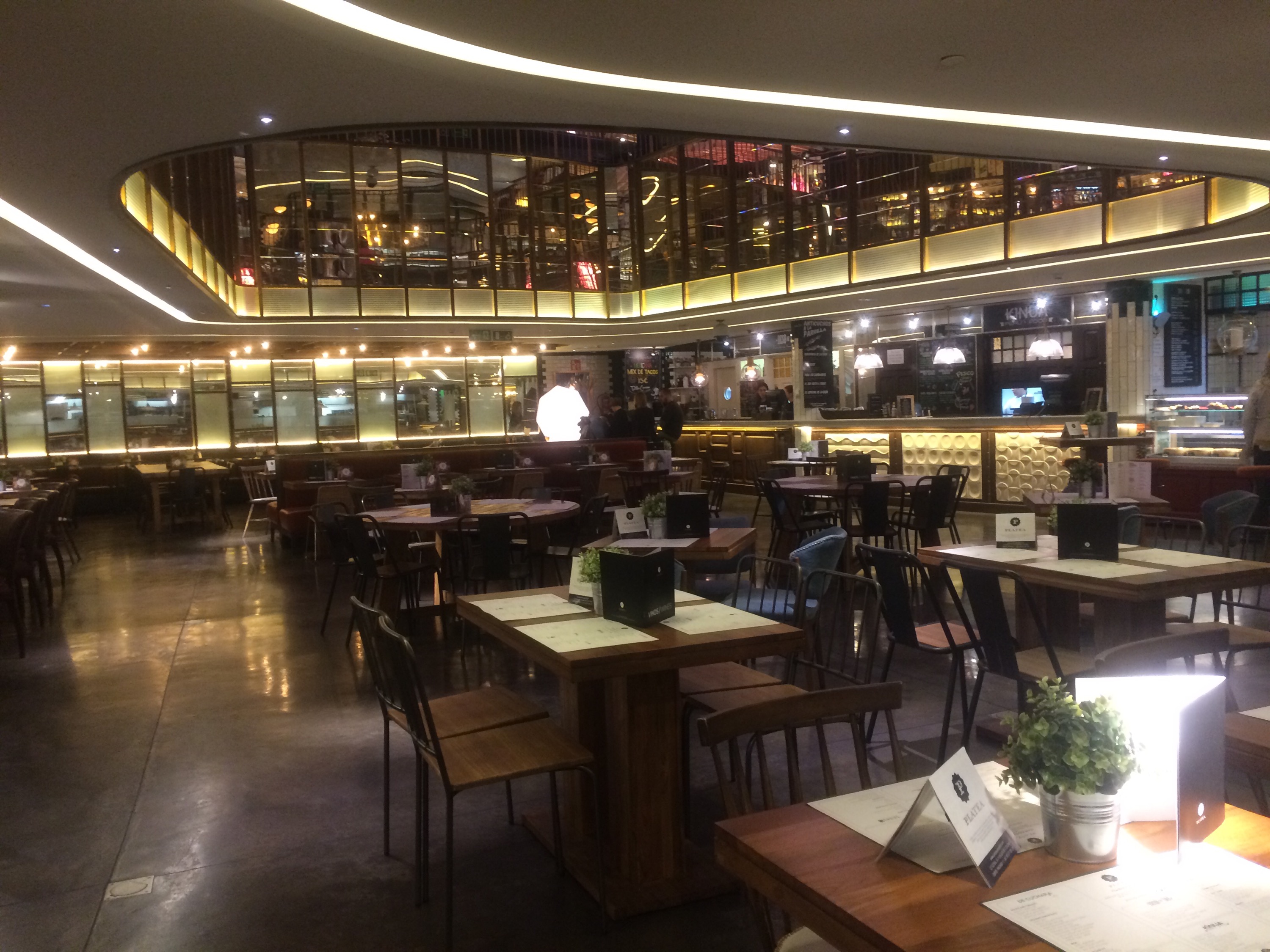
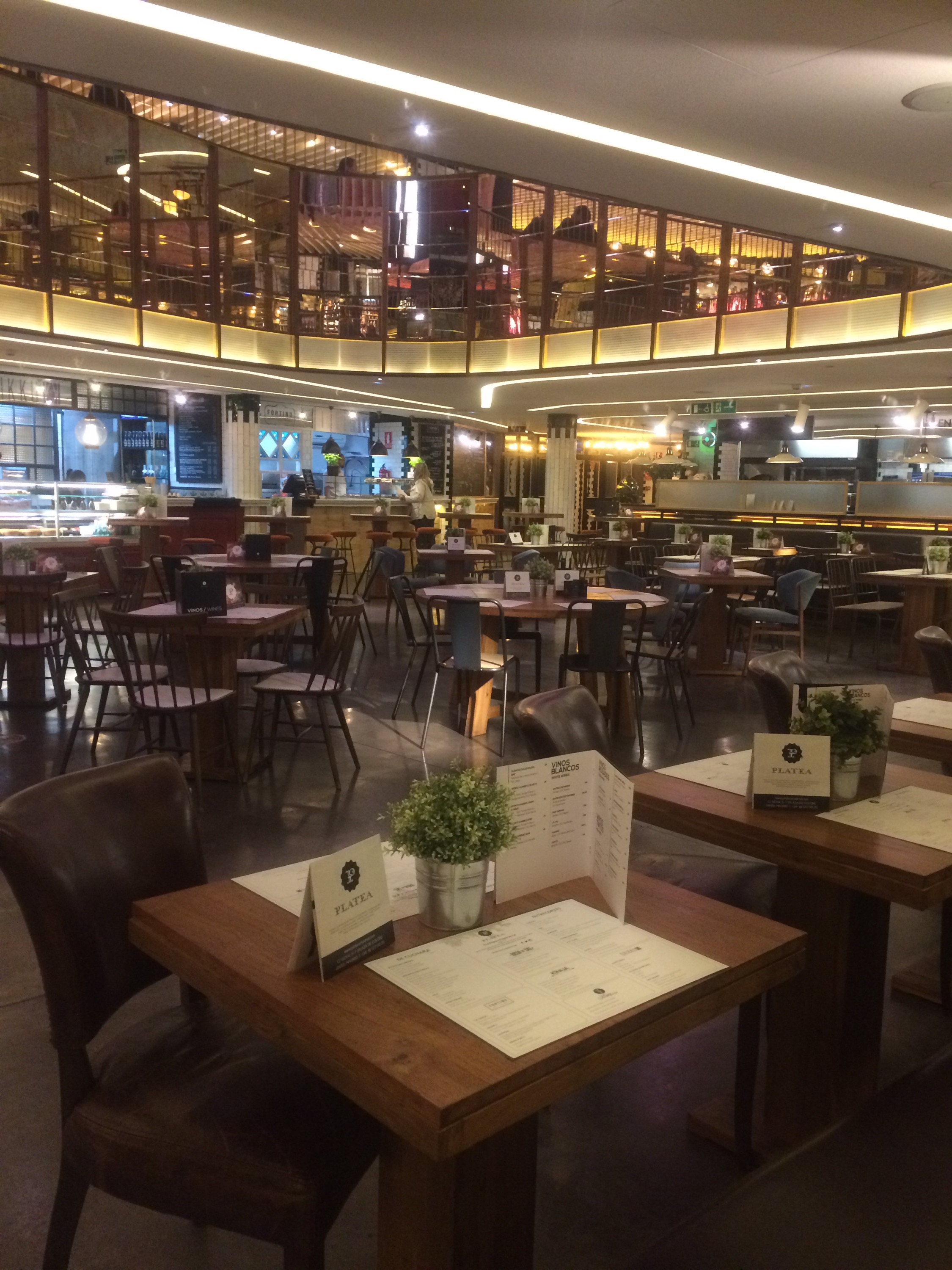
I made a mental note of going back on an empty stomach and with company. Surely, there’s a variety of gastronomic delights and it’s more fun to enjoy rioja or tinto verano or cerveza or sidra with friends. The delicatessen available on the ground floor or center stage offers many choices. I can just imagine myself enjoying tapas y vinos while a band is playing onstage.

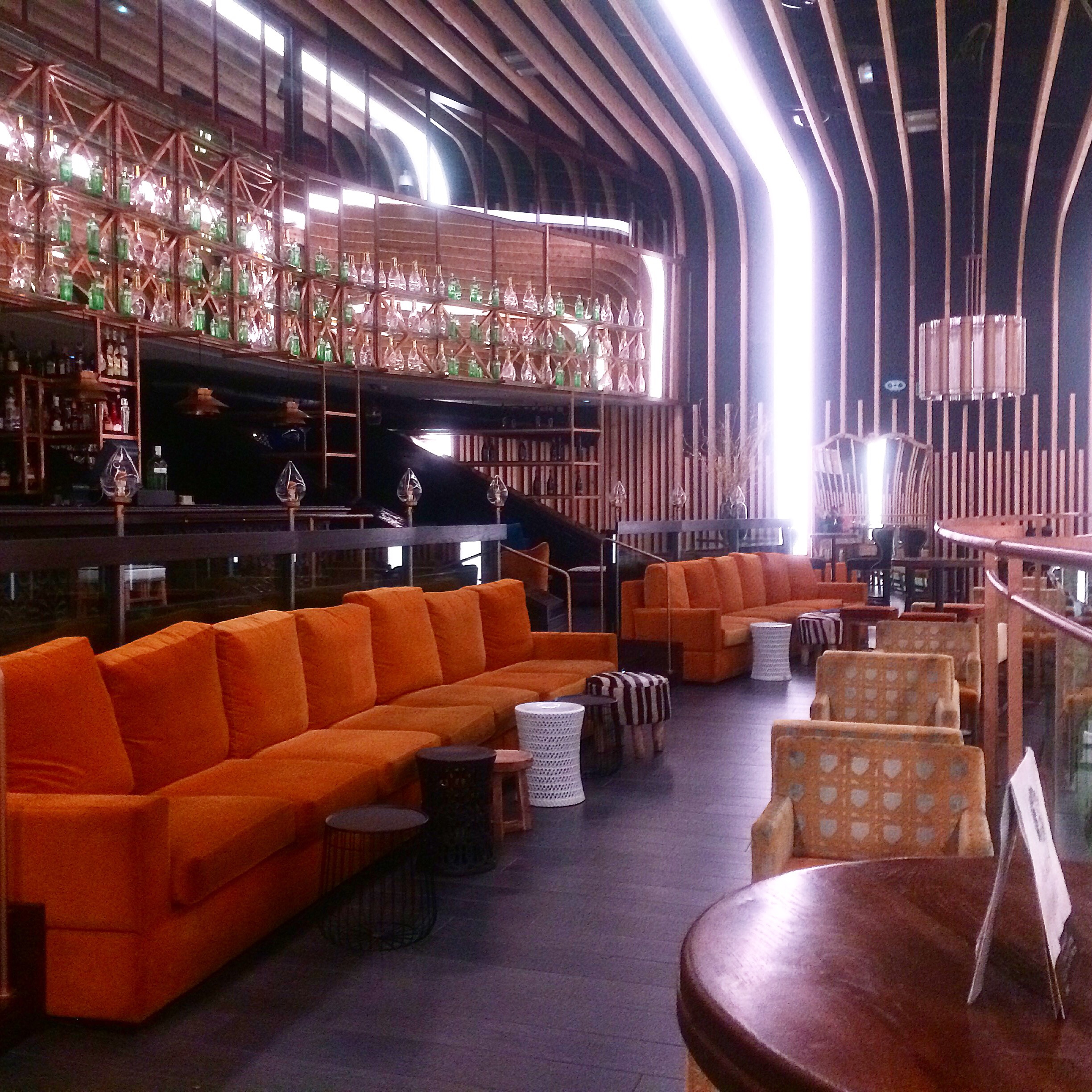
For senior diners, there’s a 2 Michelin star Chef running Arriba Restaurante on the 2nd floor where tables are set up with a full view of the center stage. Likewise overlooking the theater stage is El Paco on the 2nd Floor. Now this El Paco should suit serious drinkers!
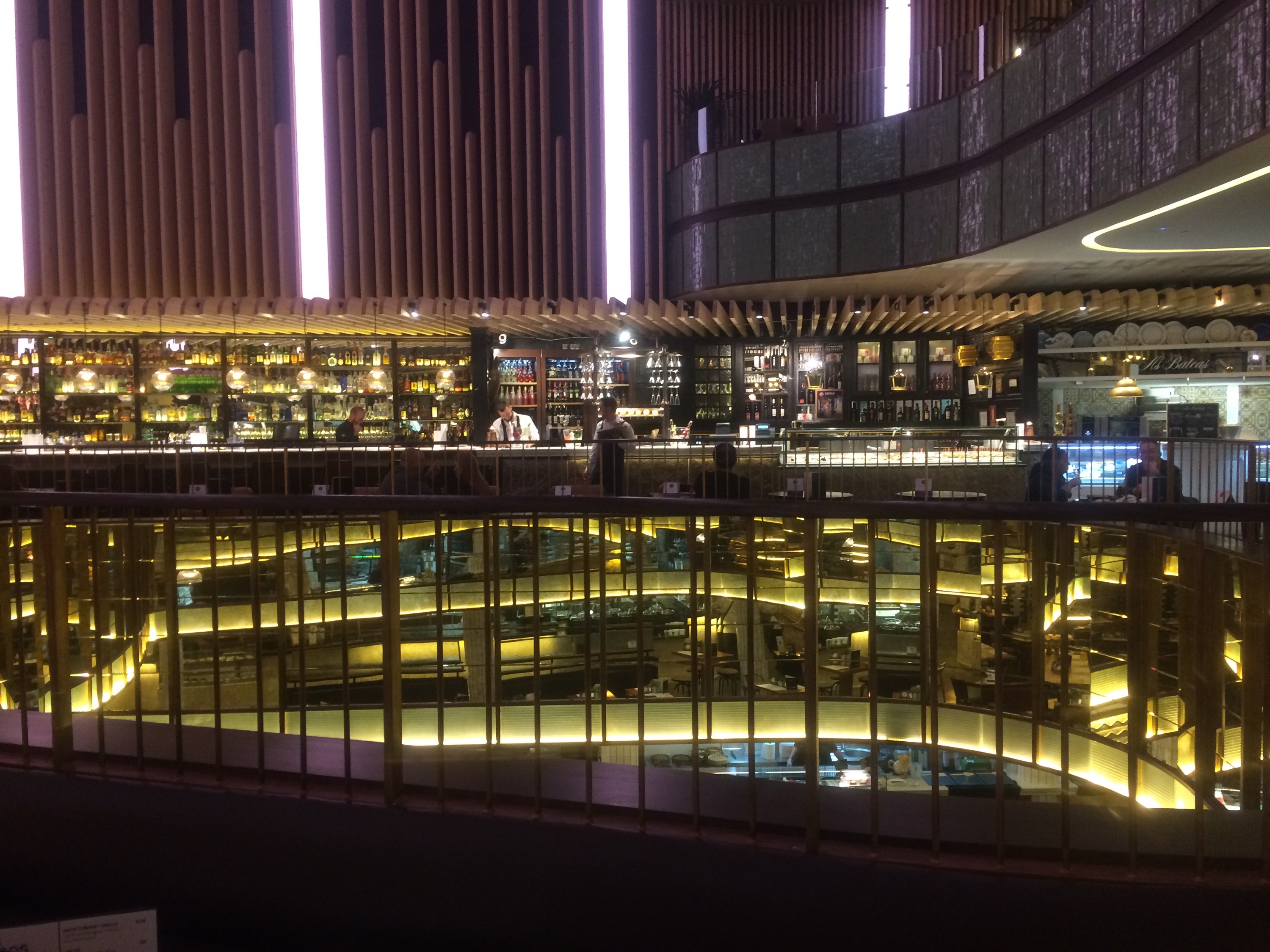
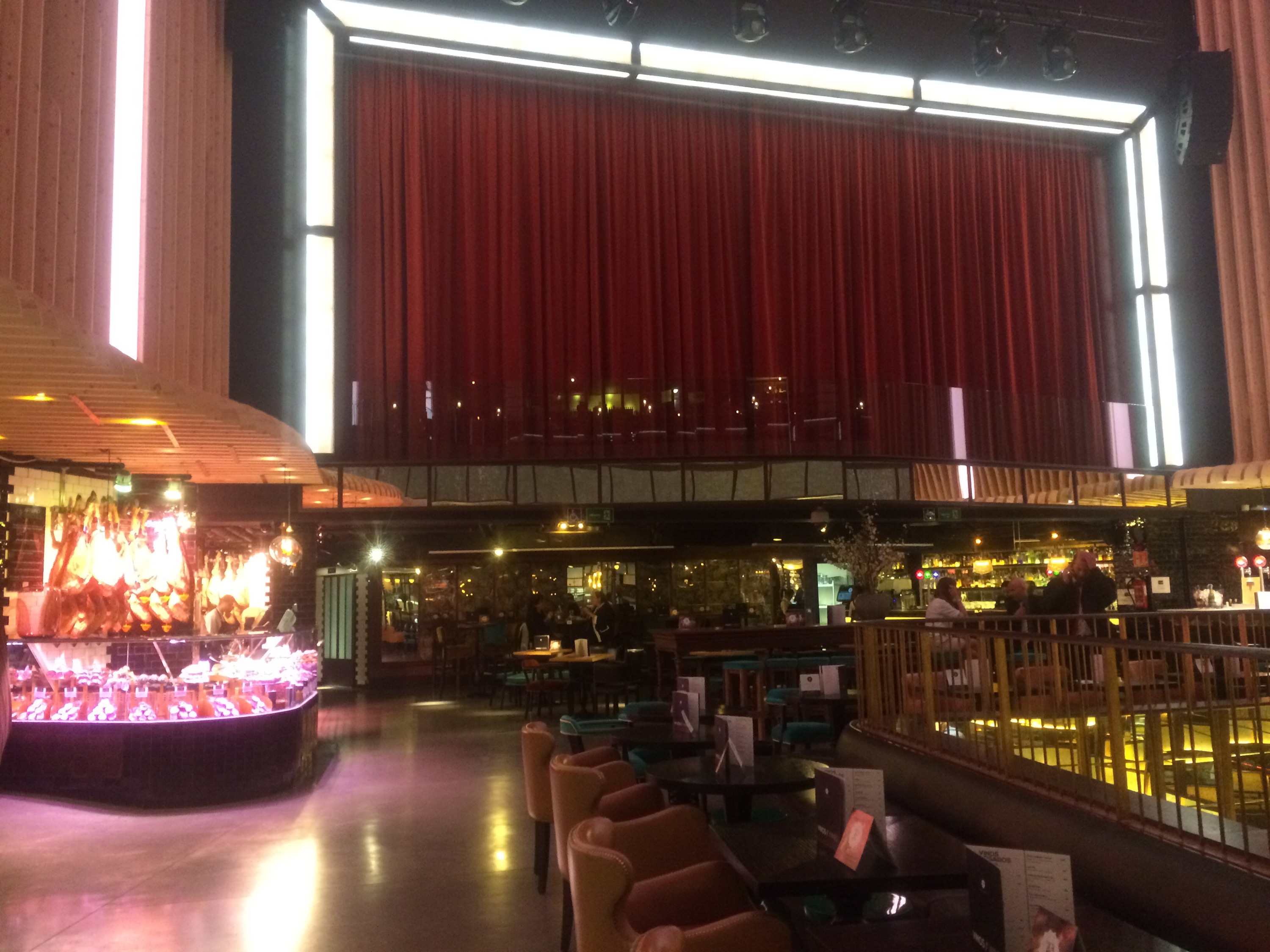
Platea Madrid is truly a gourmet experience. I can imagine crowded weekend nights here. It must go crazy! Drinks, tapas, international dishes to suit every whim! I hear there are other Michelin star restaurants in this food hall too other than Arriba. But who cares about ranking? I just love the vibe here!
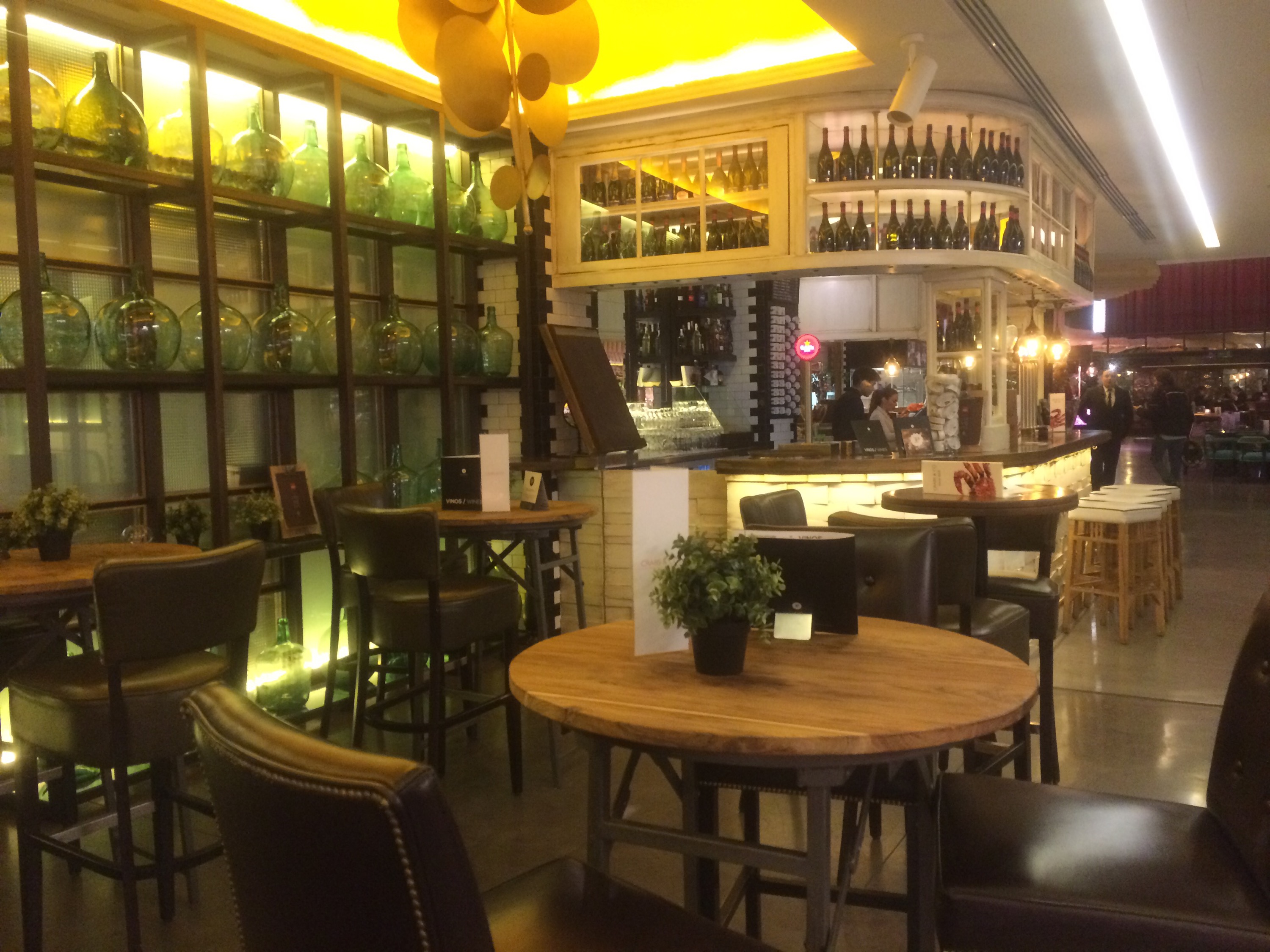
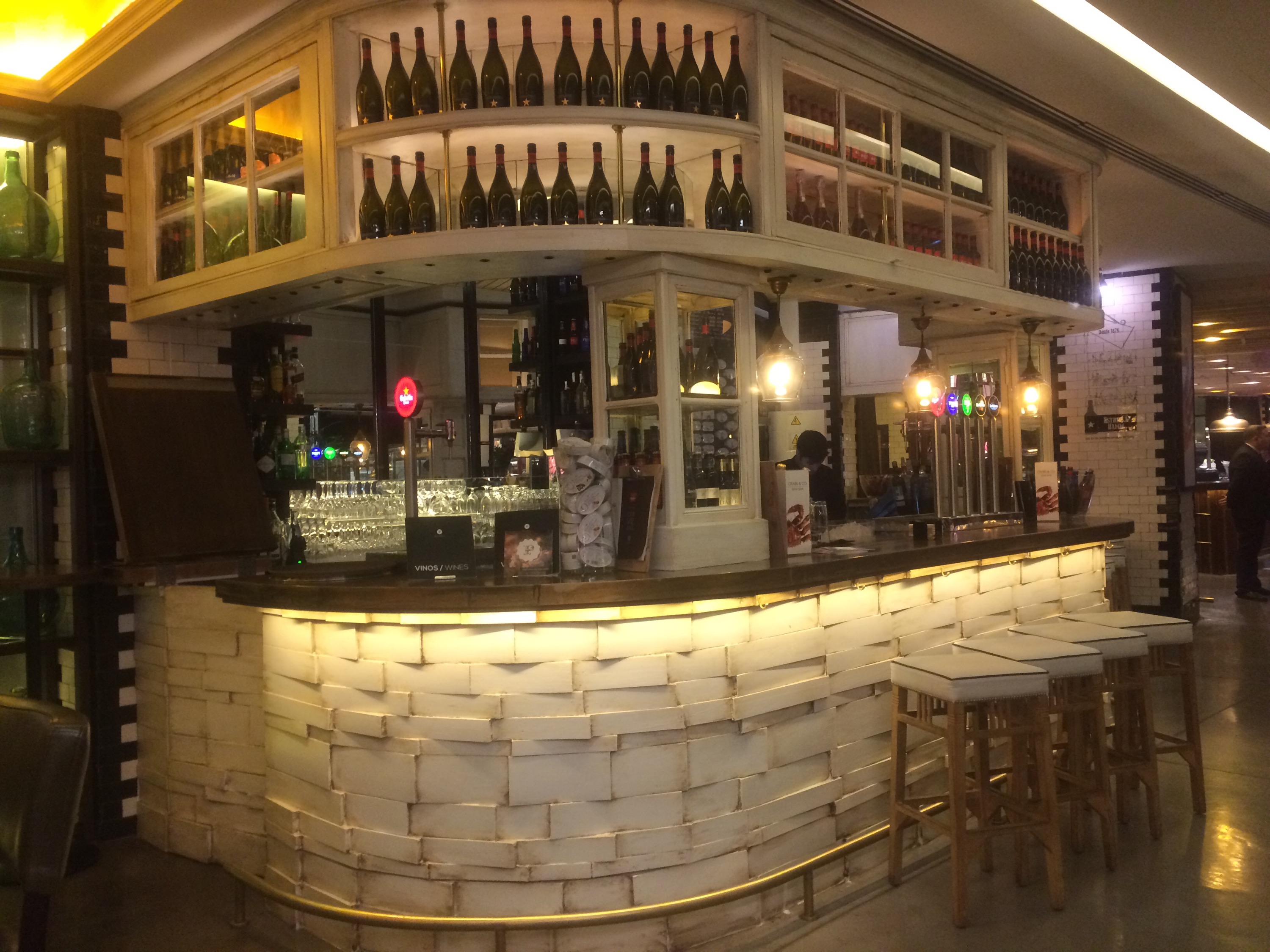
This gourmet food hall housed in a former theater is along Calle Goya 5-7, near the Plaza de Colon. You can’t miss it. You bet I’m headed back!
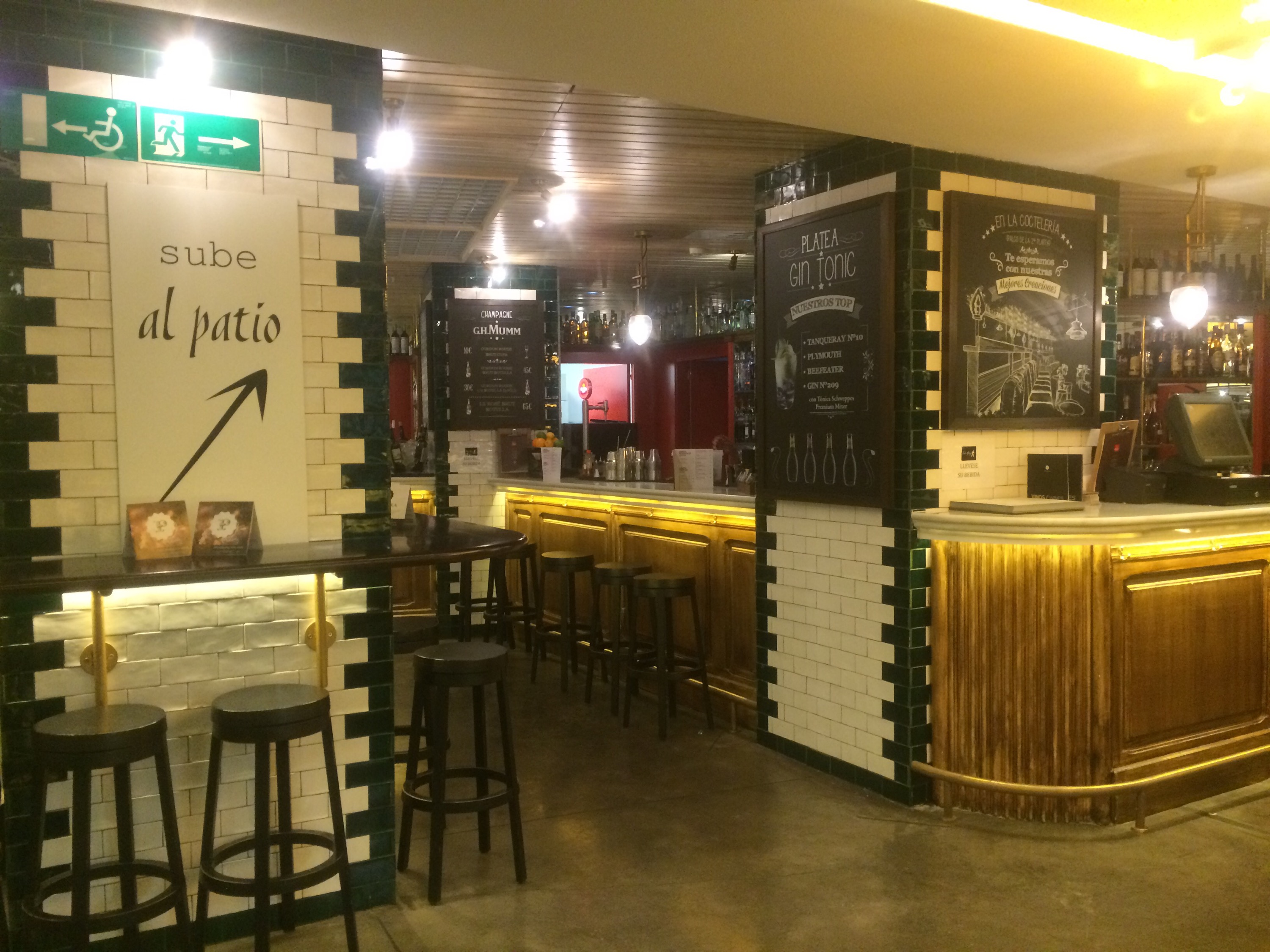
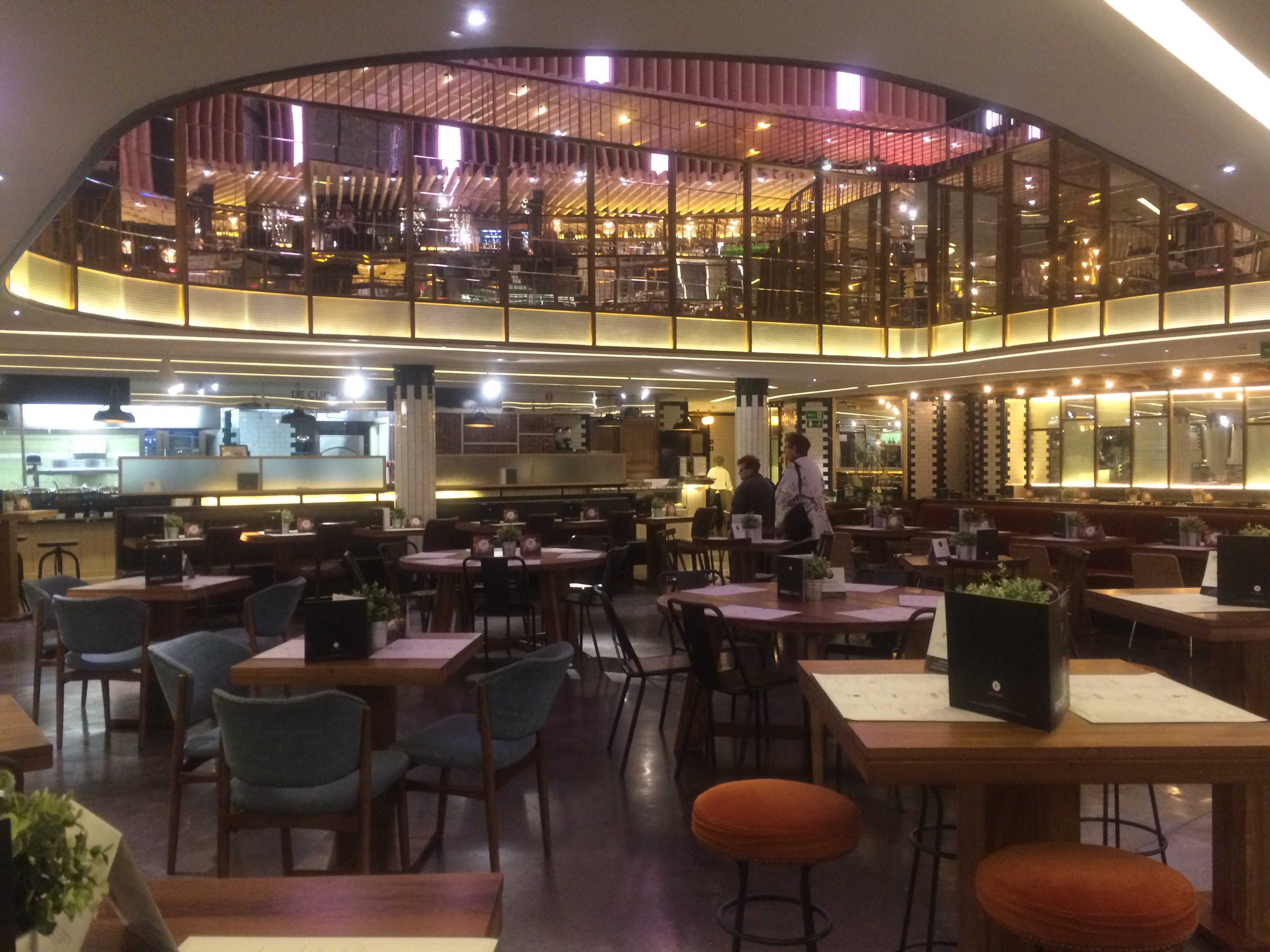
And so I’m back. And loving it! Buen Provecho 💕


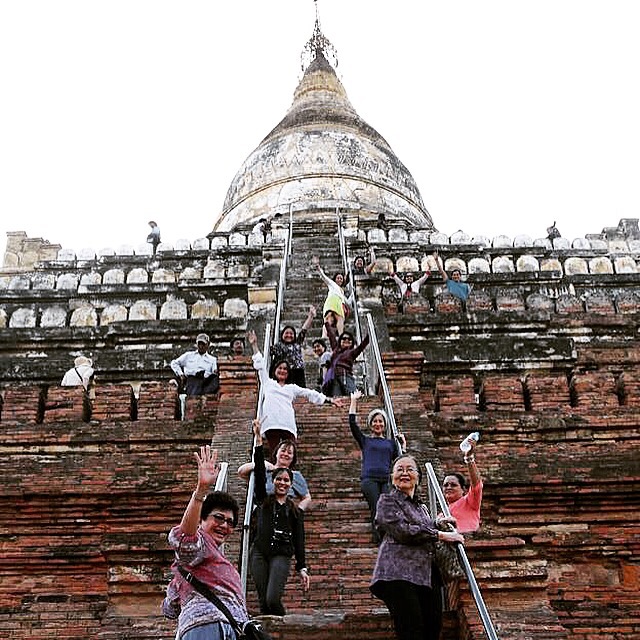
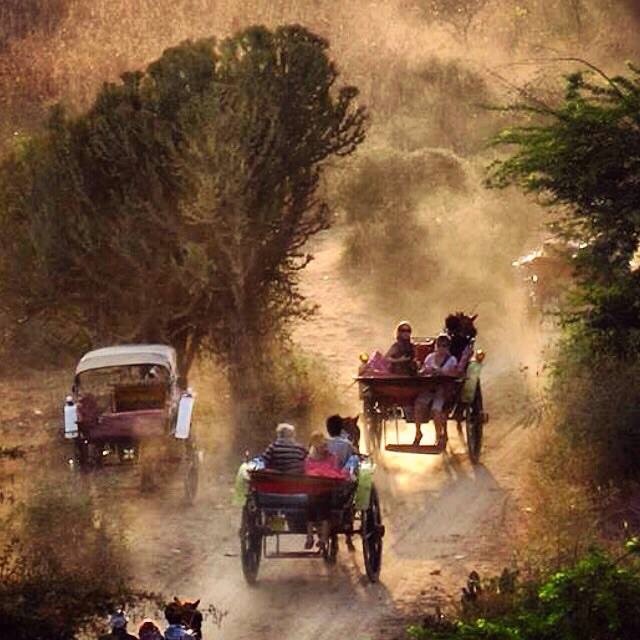
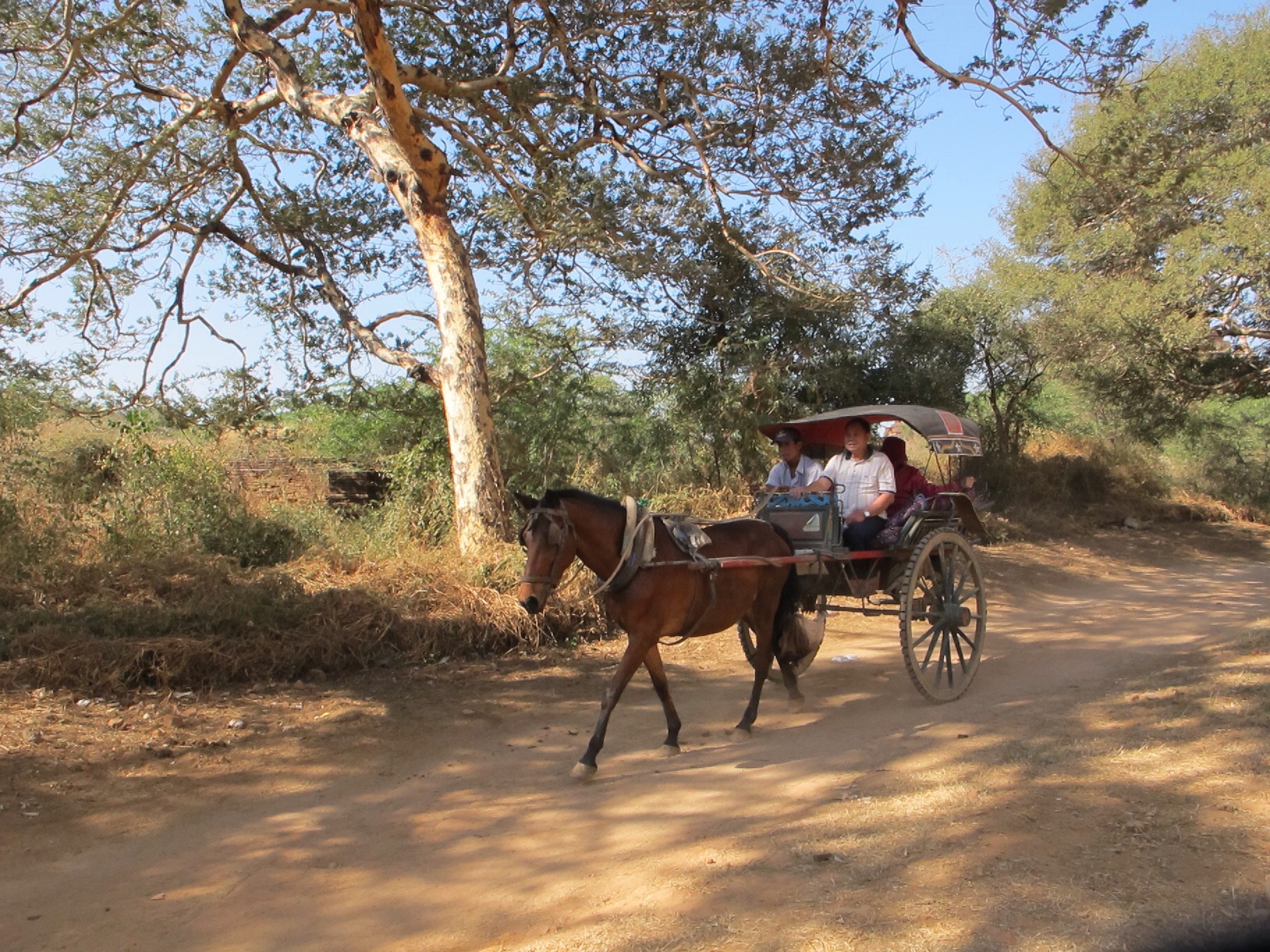
Six plane rides. Long drives. A choice of horse or ox carts. Countless boat rides. Yes, it was tiring but the Bagan temples, gold-domed pagodas, innumerable Buddhas, skirted men, tribal women, placid lake of Inle and insights into a monk’s life kept us going.
In Myanmar, it is a natural consequence to be awed and stupa-fied. Listed below are my blog entries on these adventures.
TEMPLES, MONASTERIES, PAGODAS AND STUPAS
More Temples, Pagodas and Monasteries
Yangon’s Shwedagon : All That Gold!
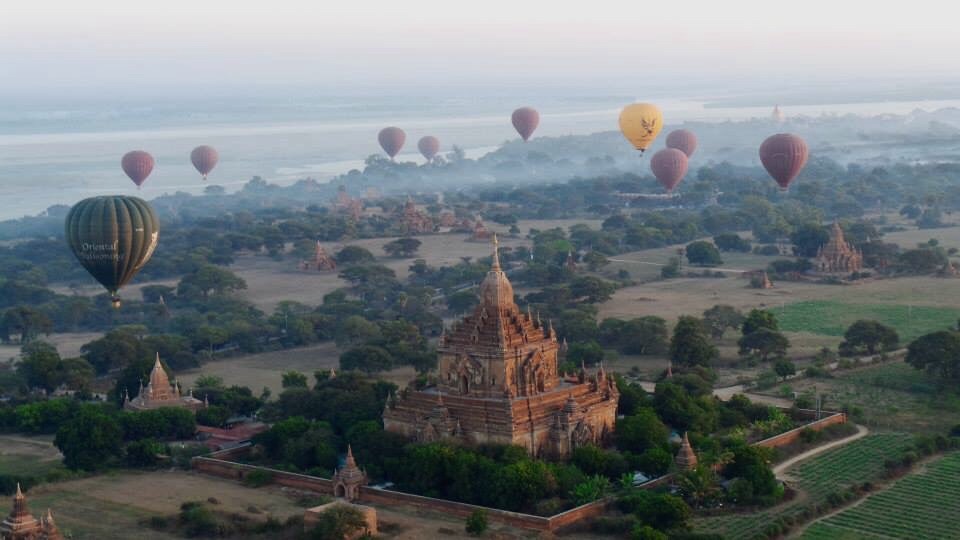
Photo Credit: Maricel Buhain
LAKE INLE ADVENTURES
The Long-Necked Women From The Padaung Tribe
Shwe Inn Tha Floating Hotel Resort
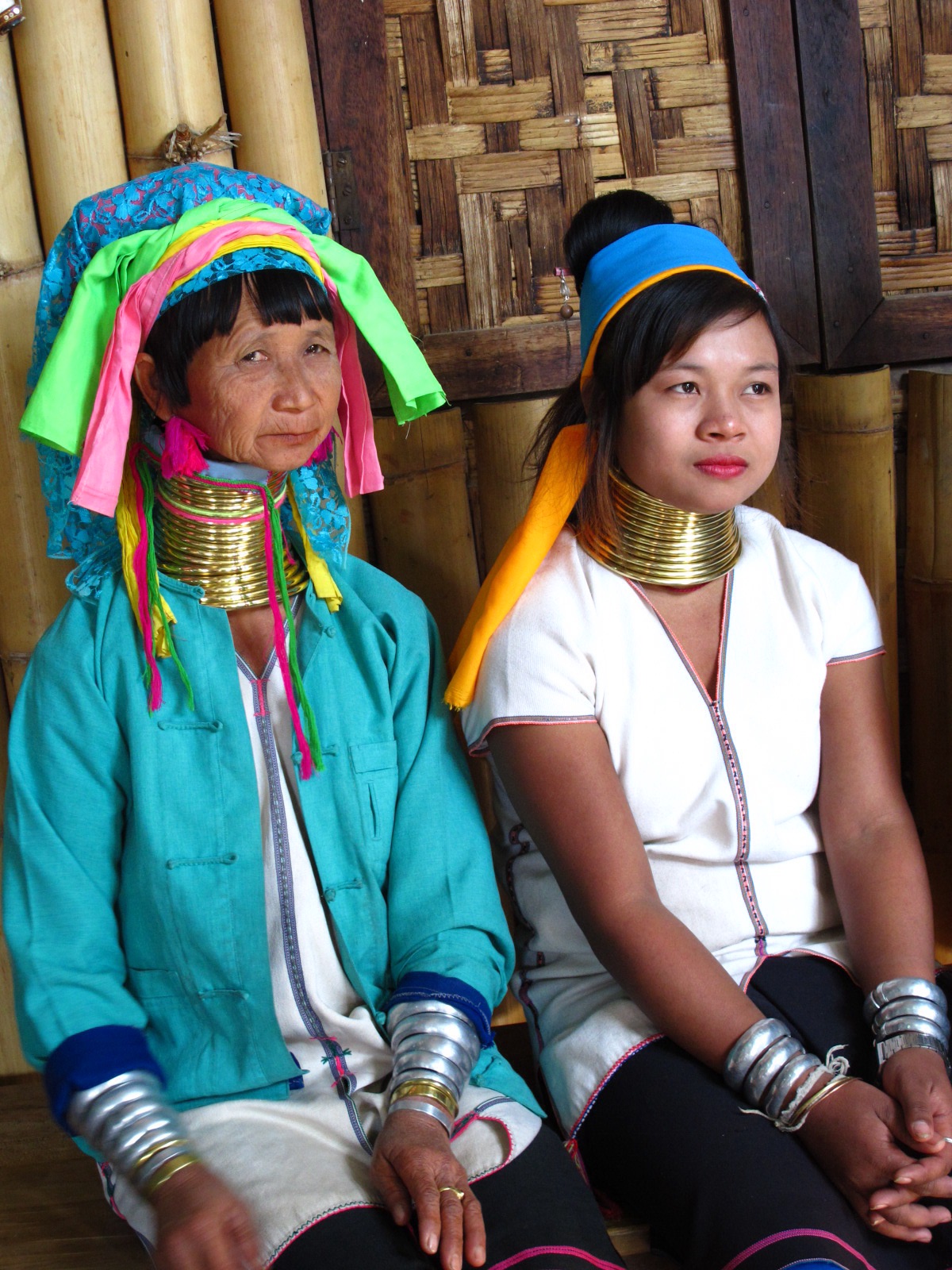
Padaung Women
THE ROAD TO MANDALAY
U Bein Bridge & Temples of Mandalay
THERE’s MORE TO LIFE, INDEED!
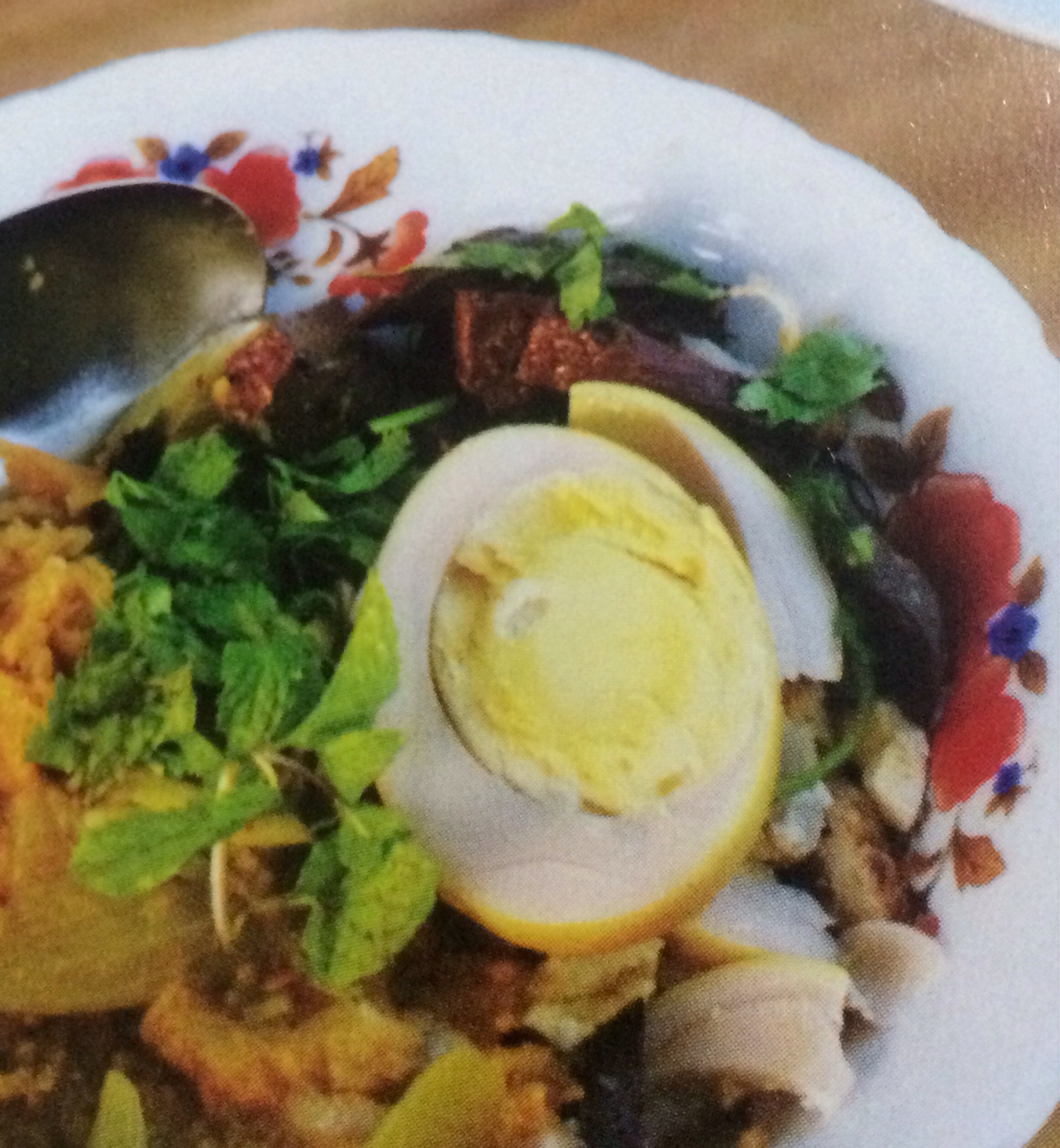
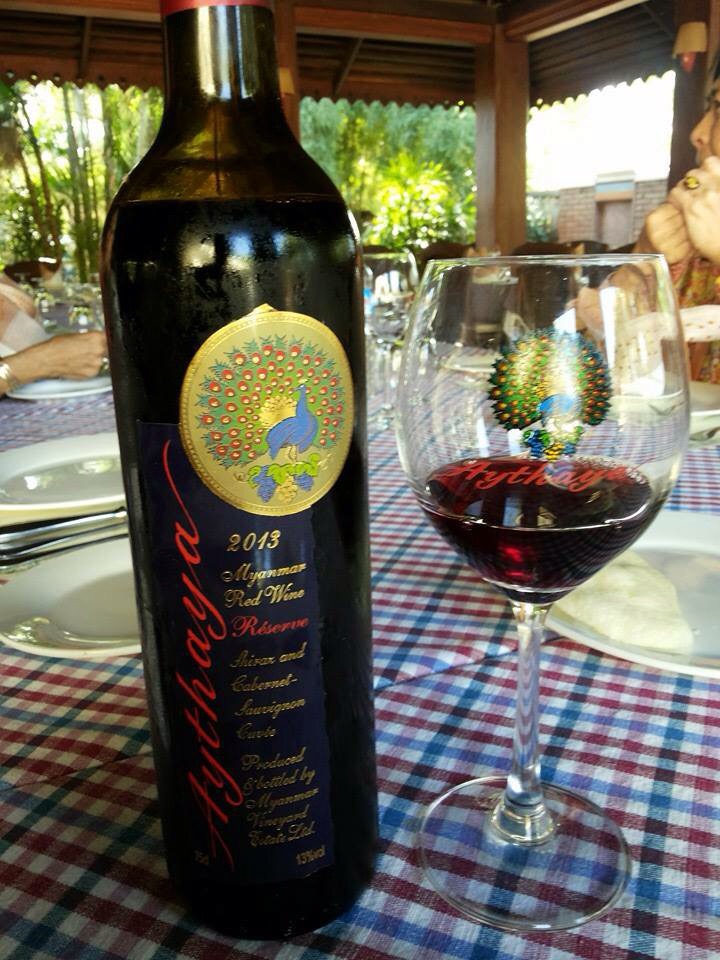
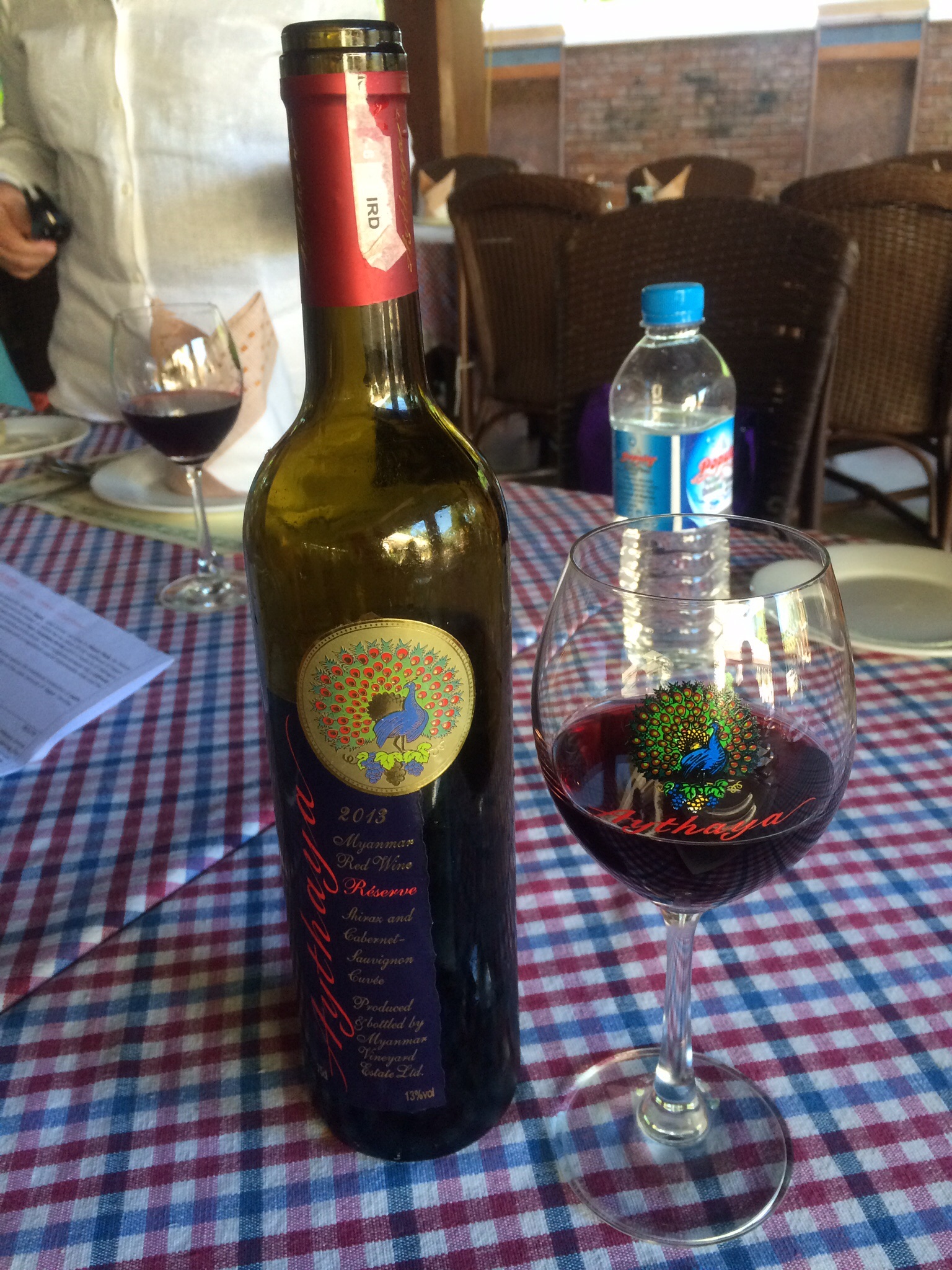
I would have wanted to end the series with the country’s cuisine but realized I don’t have enough photos to interest you. There’s the Monhinga which I had most breakfasts — a soupy noodle dish steeped in catfish broth. Yum. And of course, there’s the Myanmar and Mandalay beer, along with the full-bodied Shiraz and Cab Sauvignon wines from Red Mountain Estate, in the area of Lake Inle. I also tried some fried stuff, too oily for my liking, but I tried it anyway and “paid for it” with a bum stomach. So, cuidate!

That is not to say you should avoid street food altogether. We liked some cracklings or “kropeck” and some local fruits while we were there. But if you go to the local market, you’d find lotsa stuff, mostly fried, and OILY. Some looked liked fried pancakes, others were simply fried/floured vegetable strips. If you grow tired of Myanmar cuisine, you’d also find many Thai restos around. We were also happy with our pizza and pasta lunch in Golden Kite Restaurant in Lake Inle area. Take your pick!
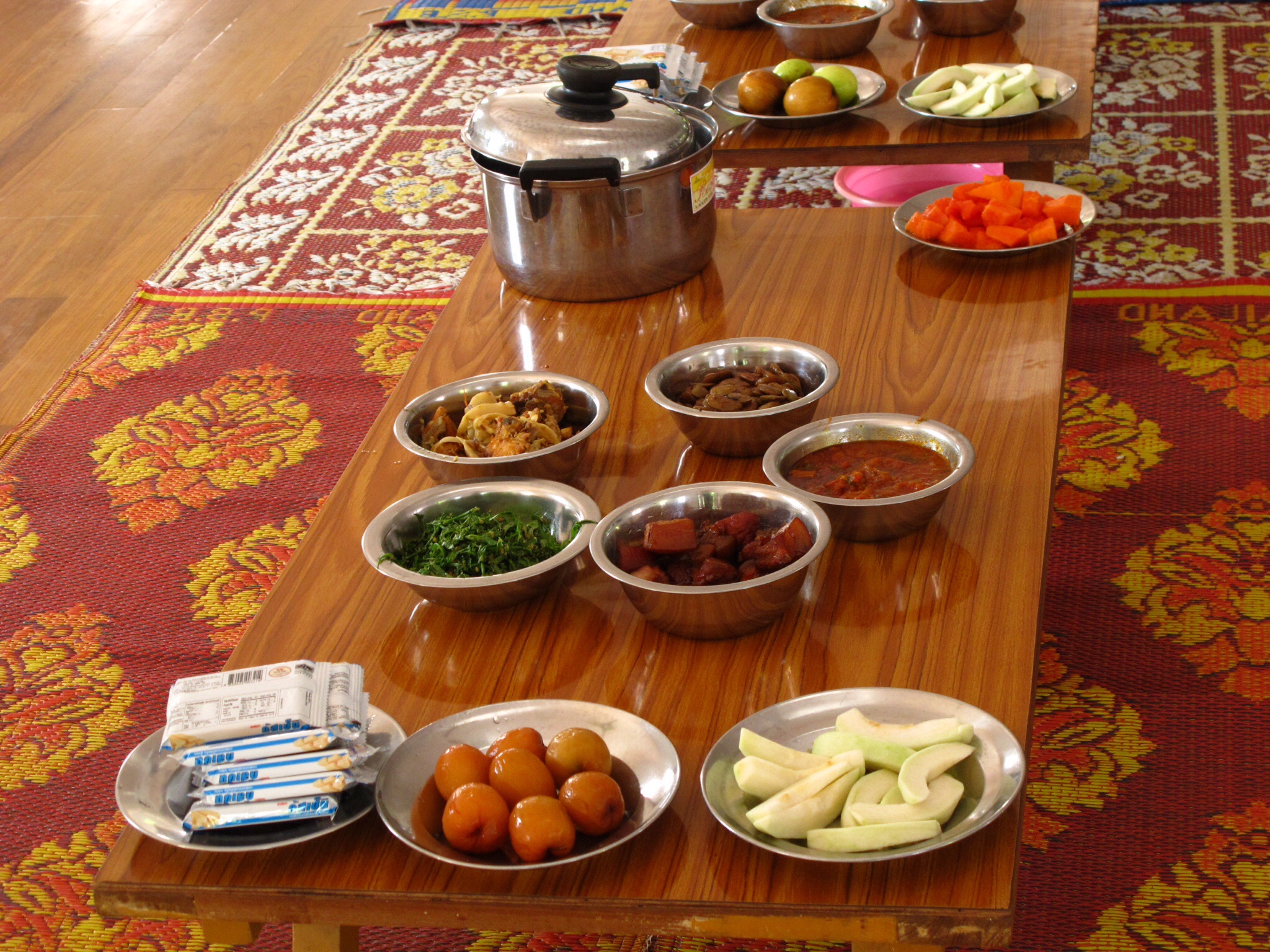
This was served to the monks. I was waiting for an invite but didn’t get lucky😄
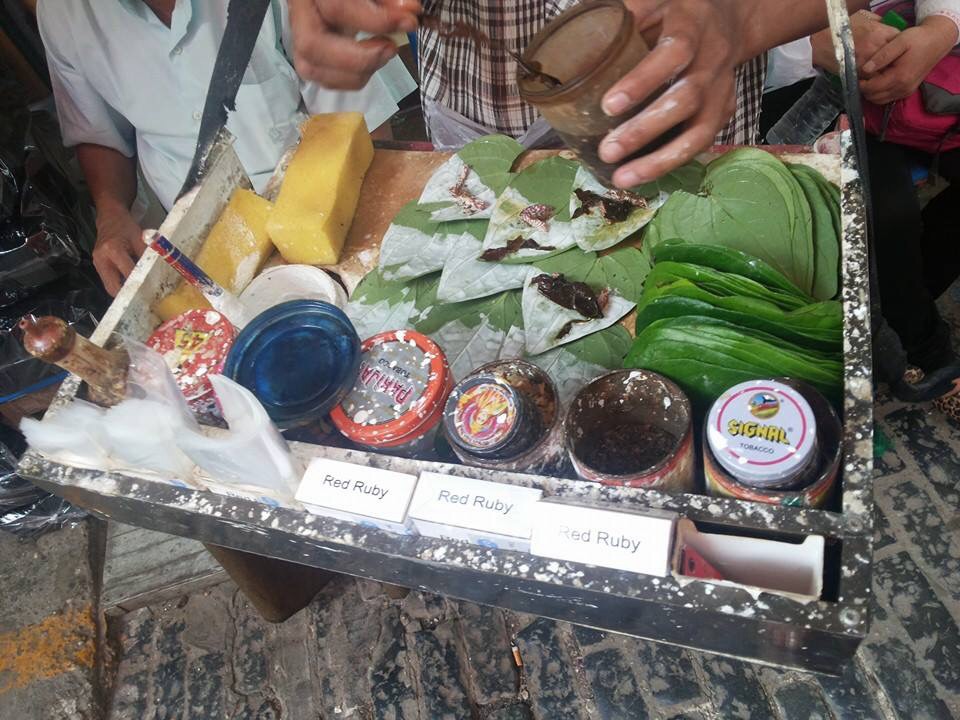
Not food but they chew on it! Betel nuts and leaves, anyone? Photo Credit: Chikie
Because they share borders with Thailand, Laos, India and Bangladesh, Myanmar cuisine was influenced by these neighboring countries’ dishes. Except for the Monhinga noodle soup, I can’t think of a distinctly Burmese dish now. The curry dishes remind me of either India or Thailand. But maybe, I wasn’t my usual adventurous self while I was here because of my bum stomach.😔
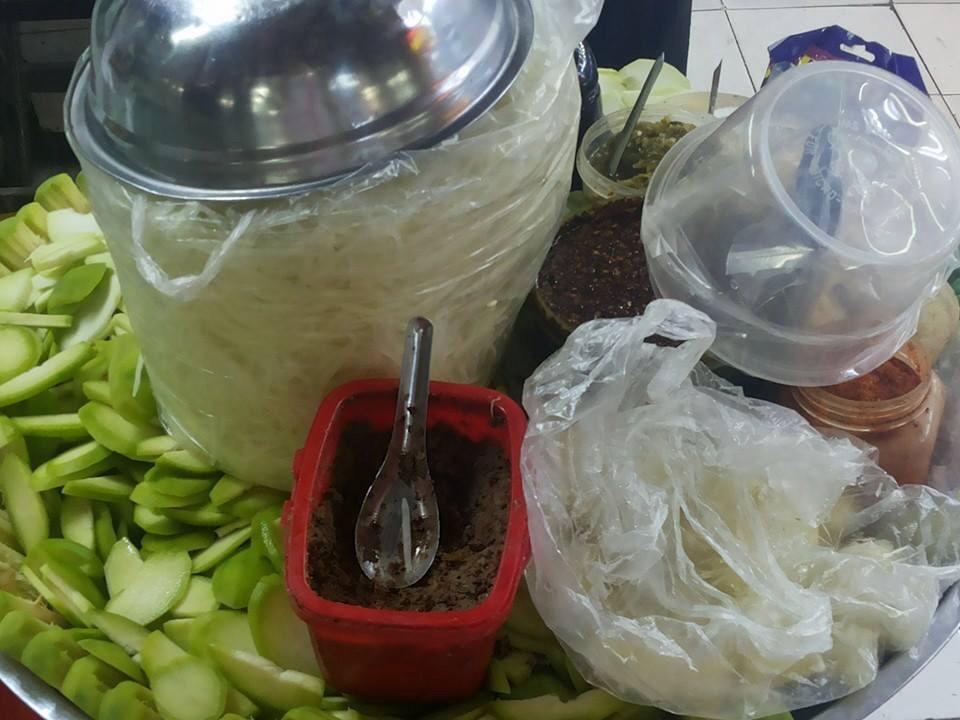
Went nuts over this local fruit. Photo Credit: Chikie
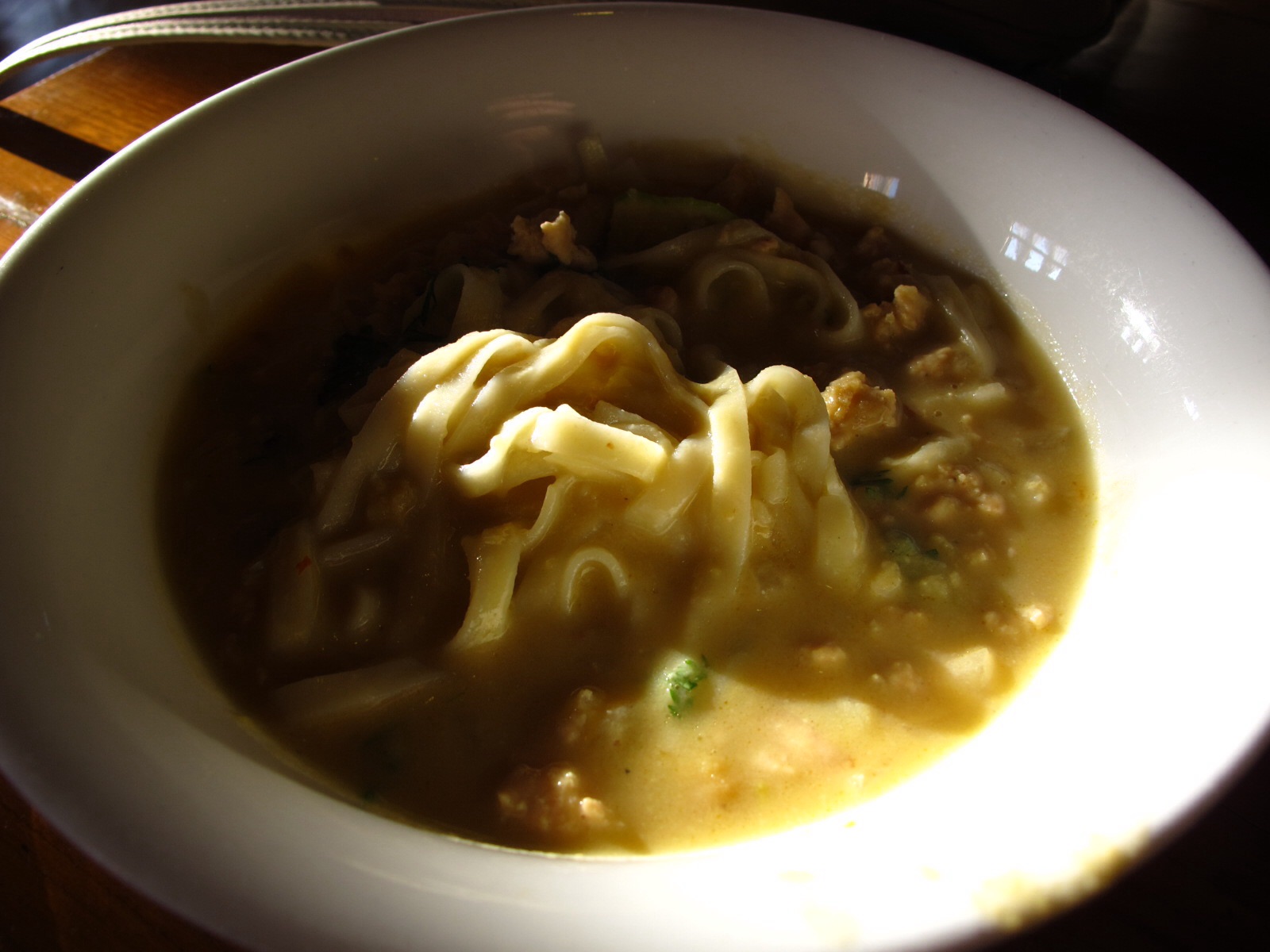
This is mohinga soup, made of rice noodles, fish broth and lotsa herbs and spices.
When in doubt though, go for the Monhinga soup. And then some fruits. Our guide said they grow very good rice in Myanmar. Records show that for a time, the country was a top rice exporter. Can’t complain. Especially over their fried rice with all sorts of veggie strips thrown in.
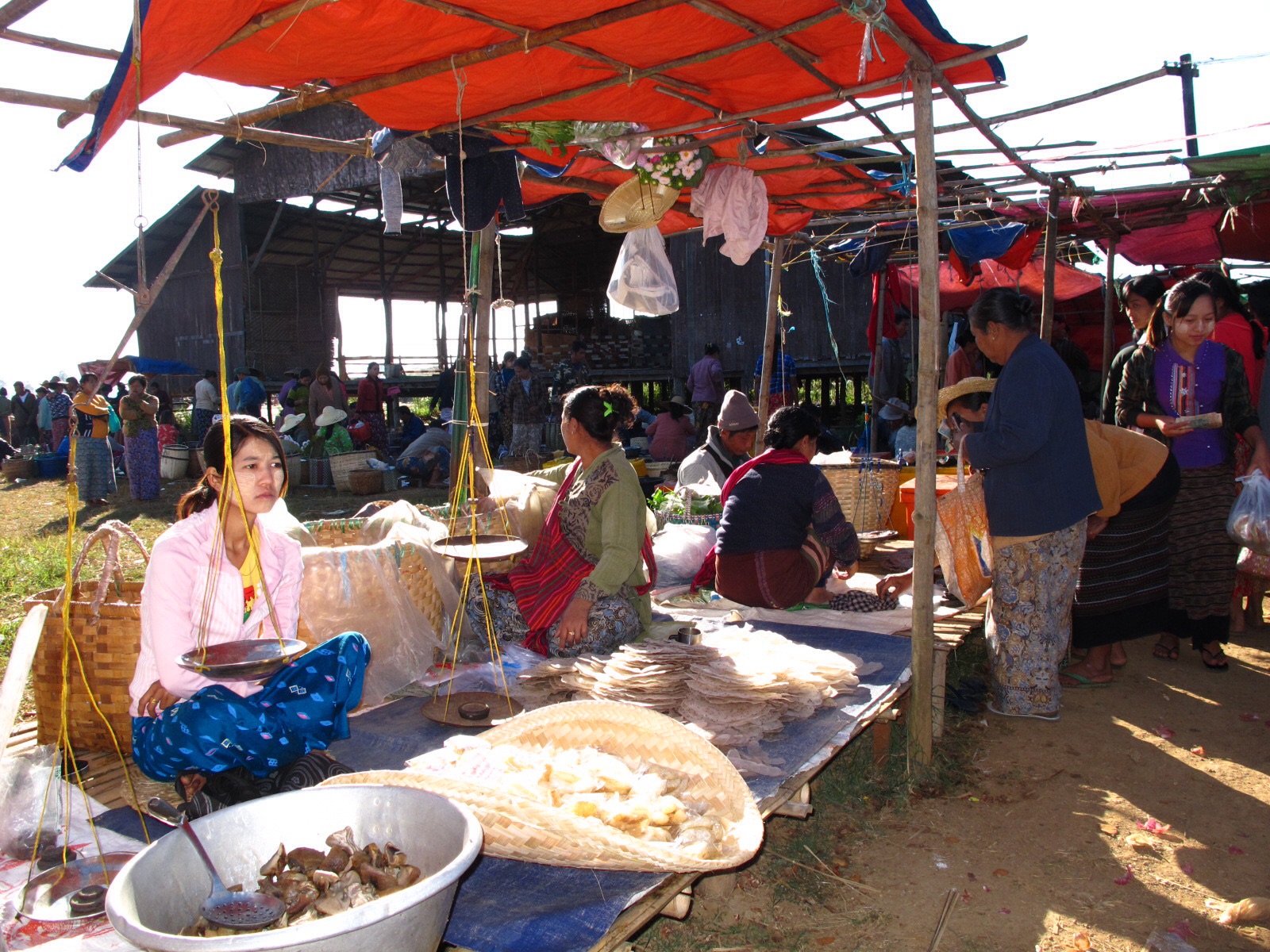
Not sure what they’re selling. Venue: 5 day “moving market” in Lake Inle
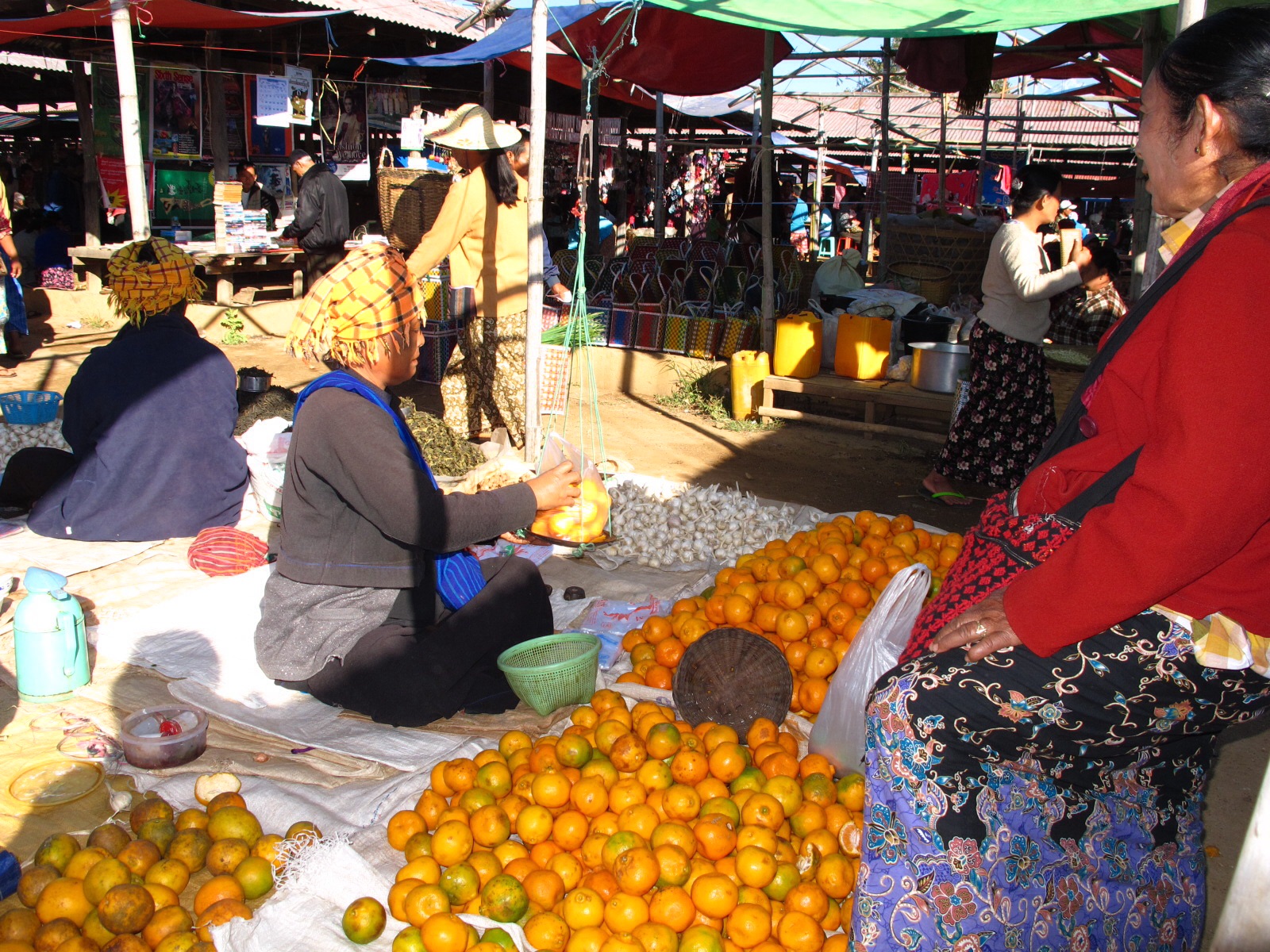
Street food is a-plenty. And very, very cheap. That’s good news for the budget travelers. If you want to be picky and play safe, just try the international (and “milder” versions of the local dishes) buffet in many of Myanmar’s hotels and big restaurants.
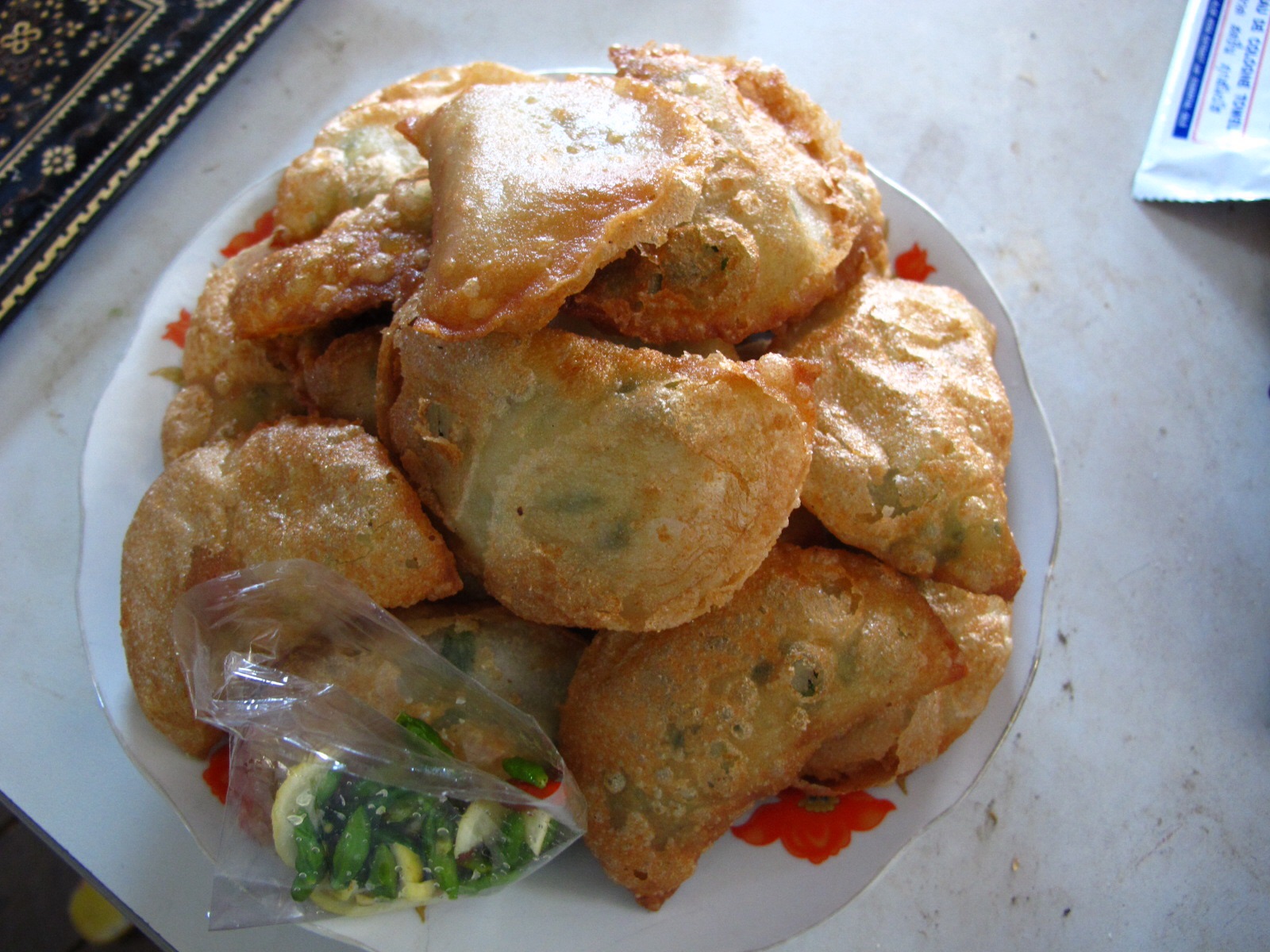
While shopping in Lake Inle, the vendors were having this for snacks. Ogled it for a long time and merited an invite. Got lucky this time 😄
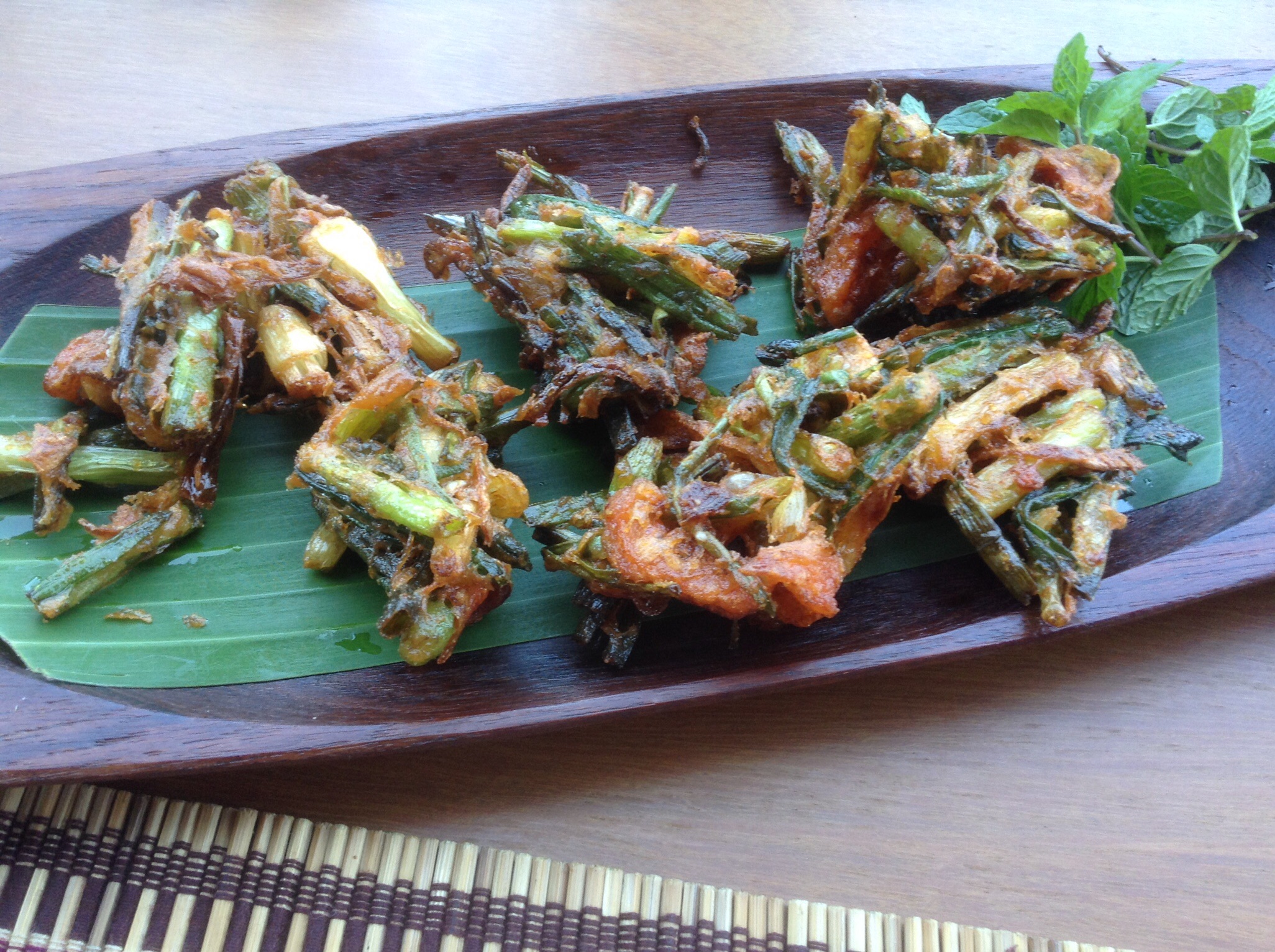
It’s like the equivalent of vegetable tempura or kakiage, but tons oilier!
Overall, my best gastronomic memory of Myanmar is really their……. WINES. Best surprise! At US$20-$27 a bottle of shiraz or cab, give it a go. It would have been interesting to see the vineyards of Red Mountain Estate. But the wines…. I’m really pleasantly surprised.
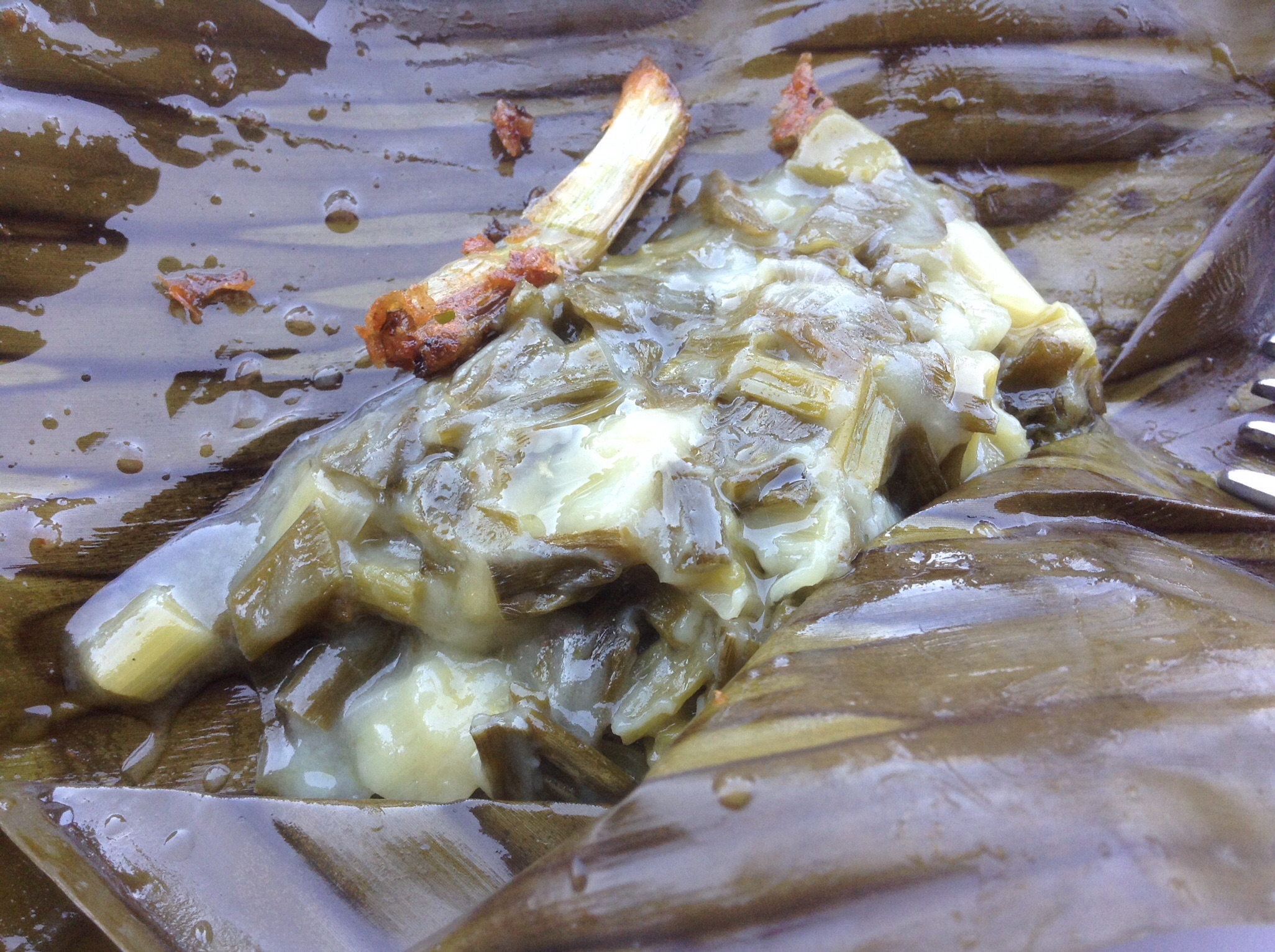
Taro leaf-wrapped and floating in oil!
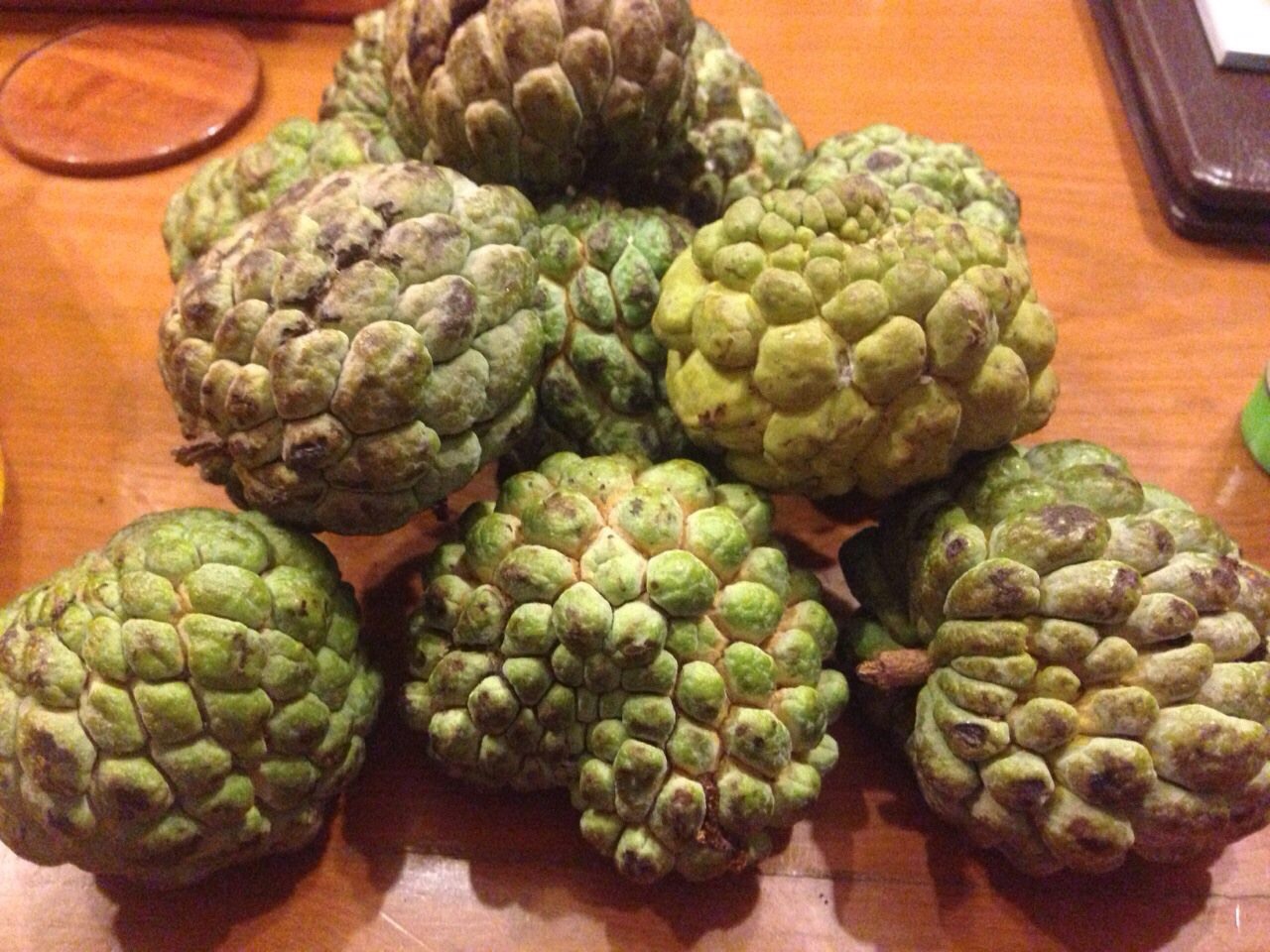
It’s custard apple from Myanmar. Not as good as their Thai counterpart.
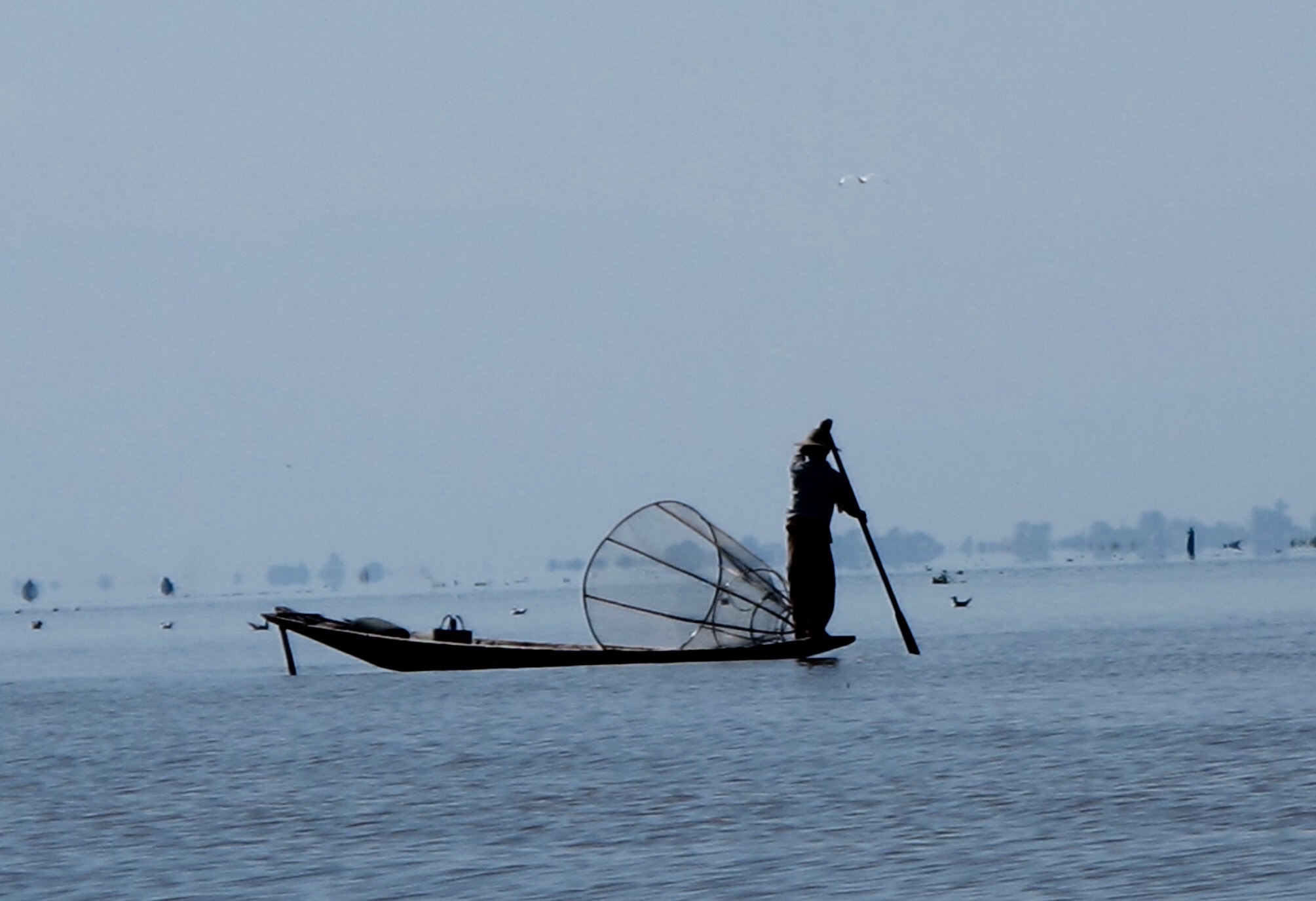
Intha fisherman of Inle Lake
In my book, men in skirts reveal a certain machismo. I’ve seen them in Bhutan and now in Myanmar. The longyis worn in Myanmar are longer, yet the Bhutanese gho seems more formal. Just the same, the culture of skirted men is a curiosity. More unsettling for the tourists or visitors than the locals wearing them in comfort. When asked what these men wear underneath, our guide disclosed that it’s a question every tourist invariably asks. We’re such a curious lot, aren’t we?

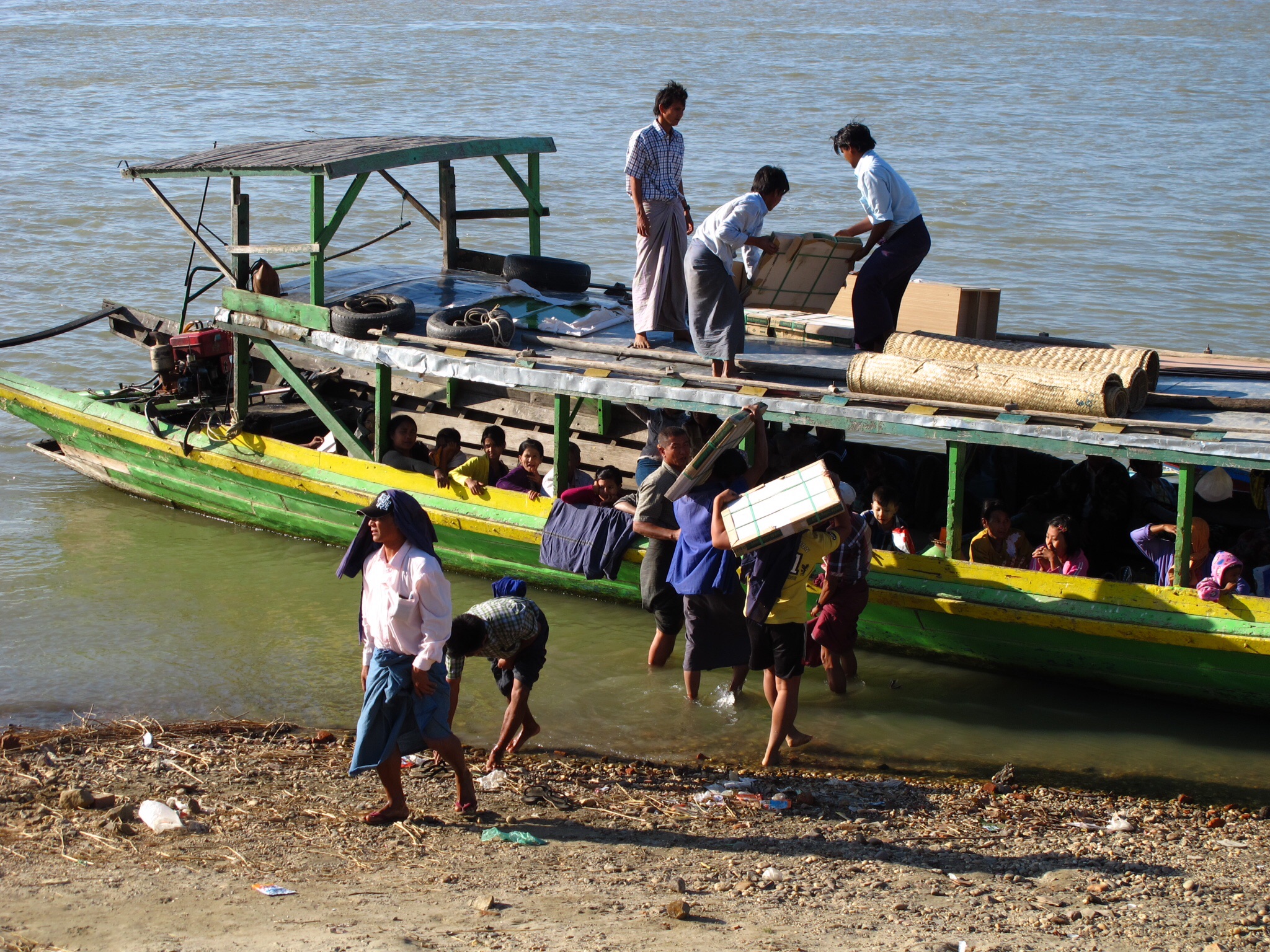
Macho Men In Skirts
We found some of them working in really physically-demanding jobs. It’s a miracle those skirts don’t drop as these men load bags and heavy sacks on their backs, or when they leg-paddle their boats in Lake Inle. As for their women, they do have lovely longyis in vibrant colors but fashion sense seems centered on their head gear or on their neck and leg adornments.
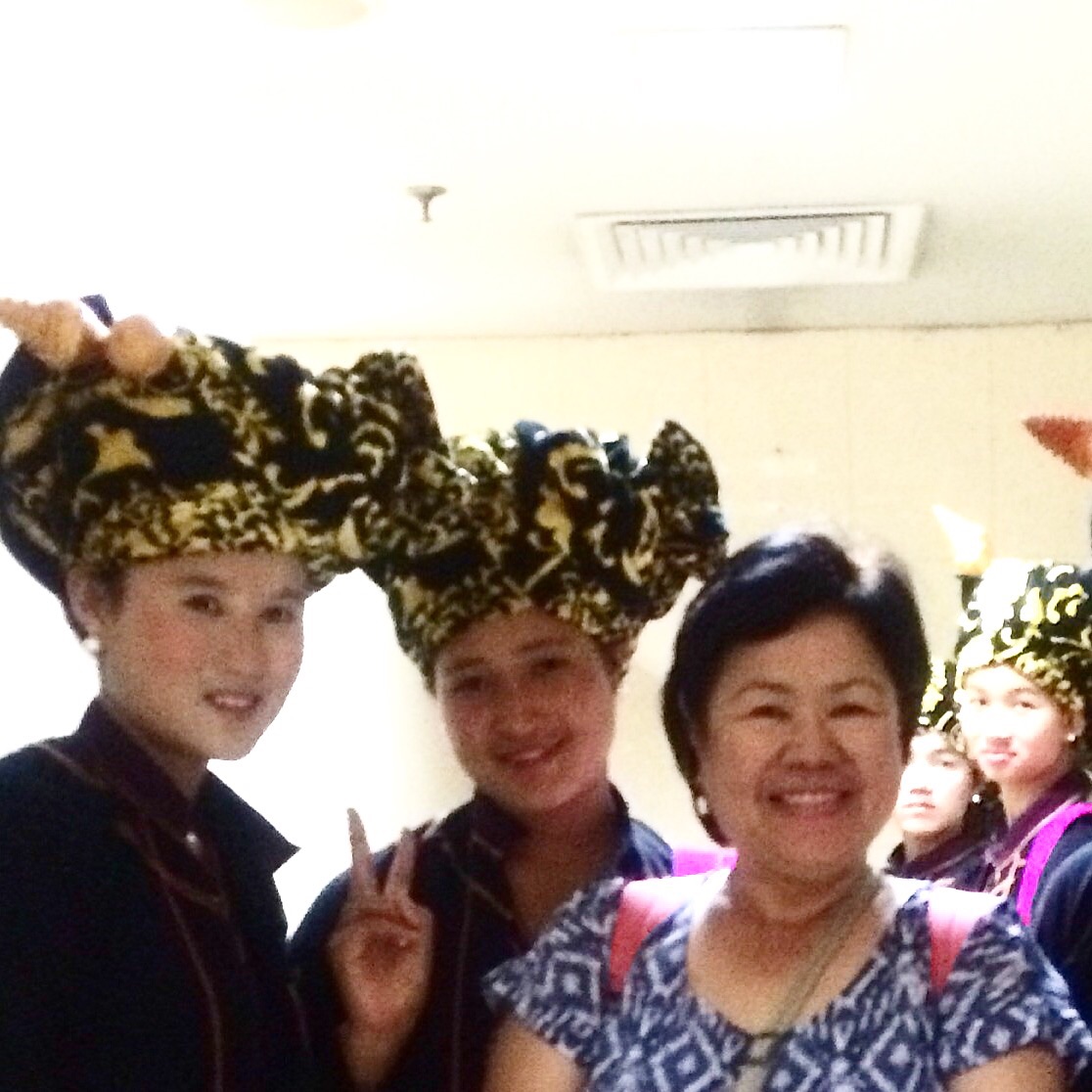
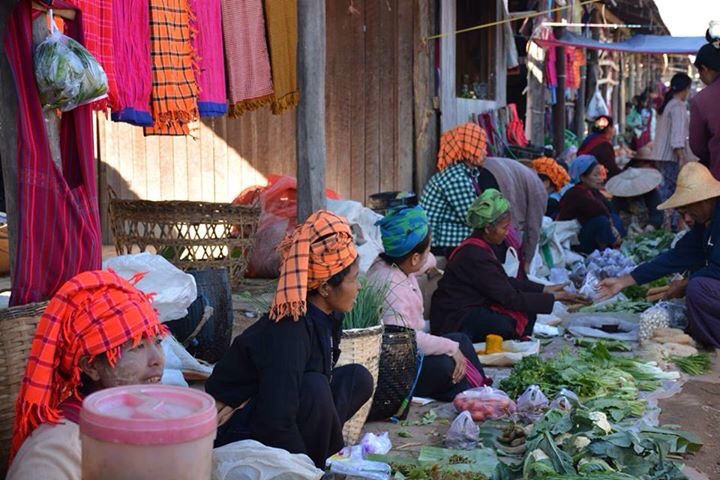
Photo Credit: Joyce Valino
I love the ladies’ headgears. Those worn by the women from the Indein village were particularly beautiful and elaborate. There’s something regal about their headdress and how comfortably they wear them. Then there’s the ladies famous for their neck rings. They’re from the Padaung tribe in the Shan region which includes the area covered by Inle Lake. Women here wear brass coils around their necks as early as age 5, making them look like their necks have been “stretched”. In reality, the neck coils push down the collar bone. There is an equivalent group of tribe women in some parts of Thailand near the Burmese border who refer to themselves as from the Kayan tribe and object to being called Padaung. It is believed they’re the same Kayans or Padaungs who fled to the Thai border in the late 80’s and early 90’s during the country’s military regime. Interestingly, these long-necked women originally hailed from Mongolia who were assimilated into the local upland tribes.


Brass neck coils and brass/silver leg bracelets. For what?
There were also leg bracelets on these women. As for the neck coils, we wonder how long this tradition would last as younger, less traditional if not a tad modern, Padaungs refuse to fit brass rings around the necks of their children. Will this tradition grow extinct, only to be replaced by enterprising women interested in tourist dollars? Quite frankly, I’m not sure what to wish for. I do find it disconcerting to find women — and children — using these rings to push down their collar bones. It just isn’t right, no matter their reasons.
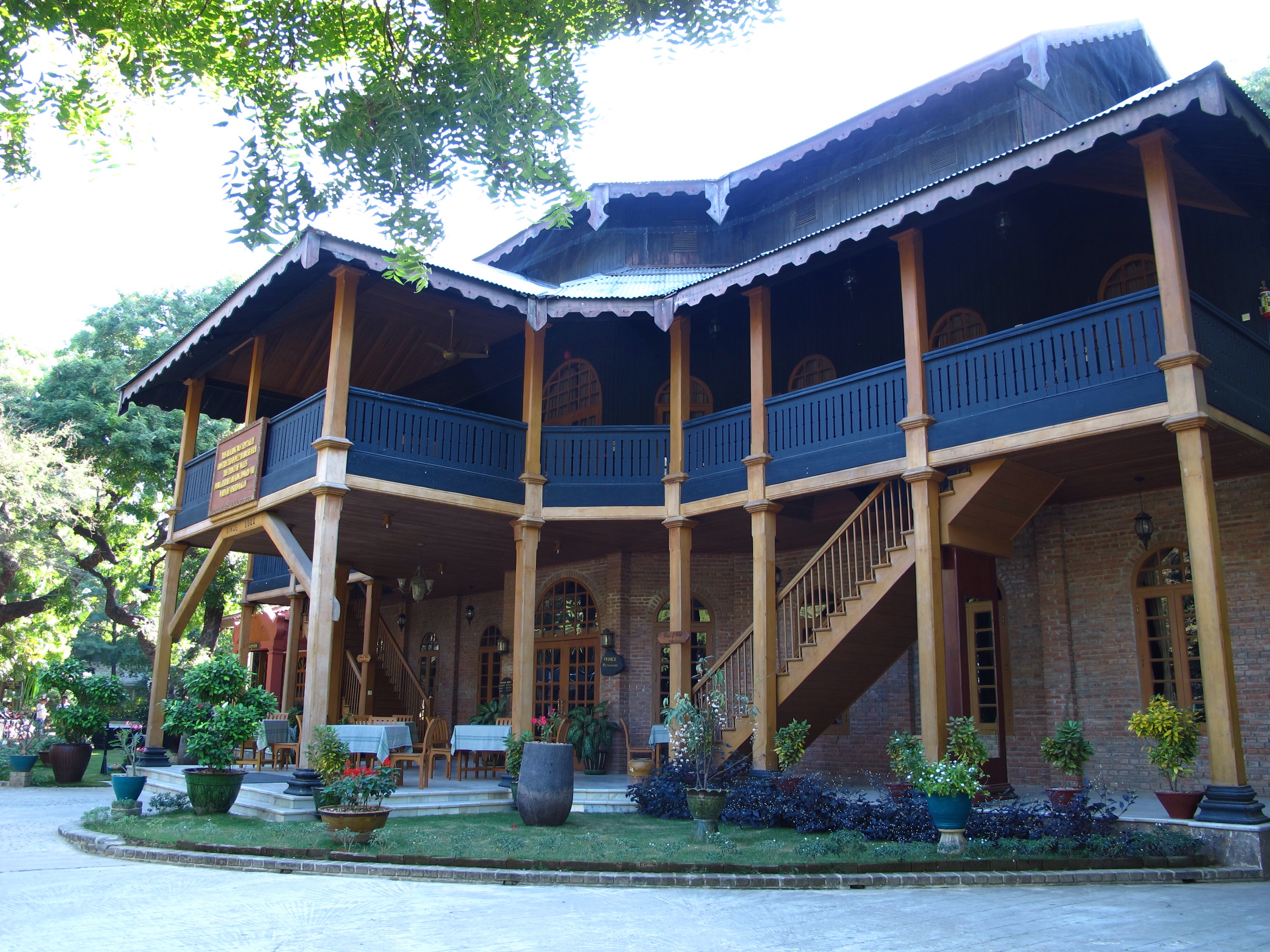
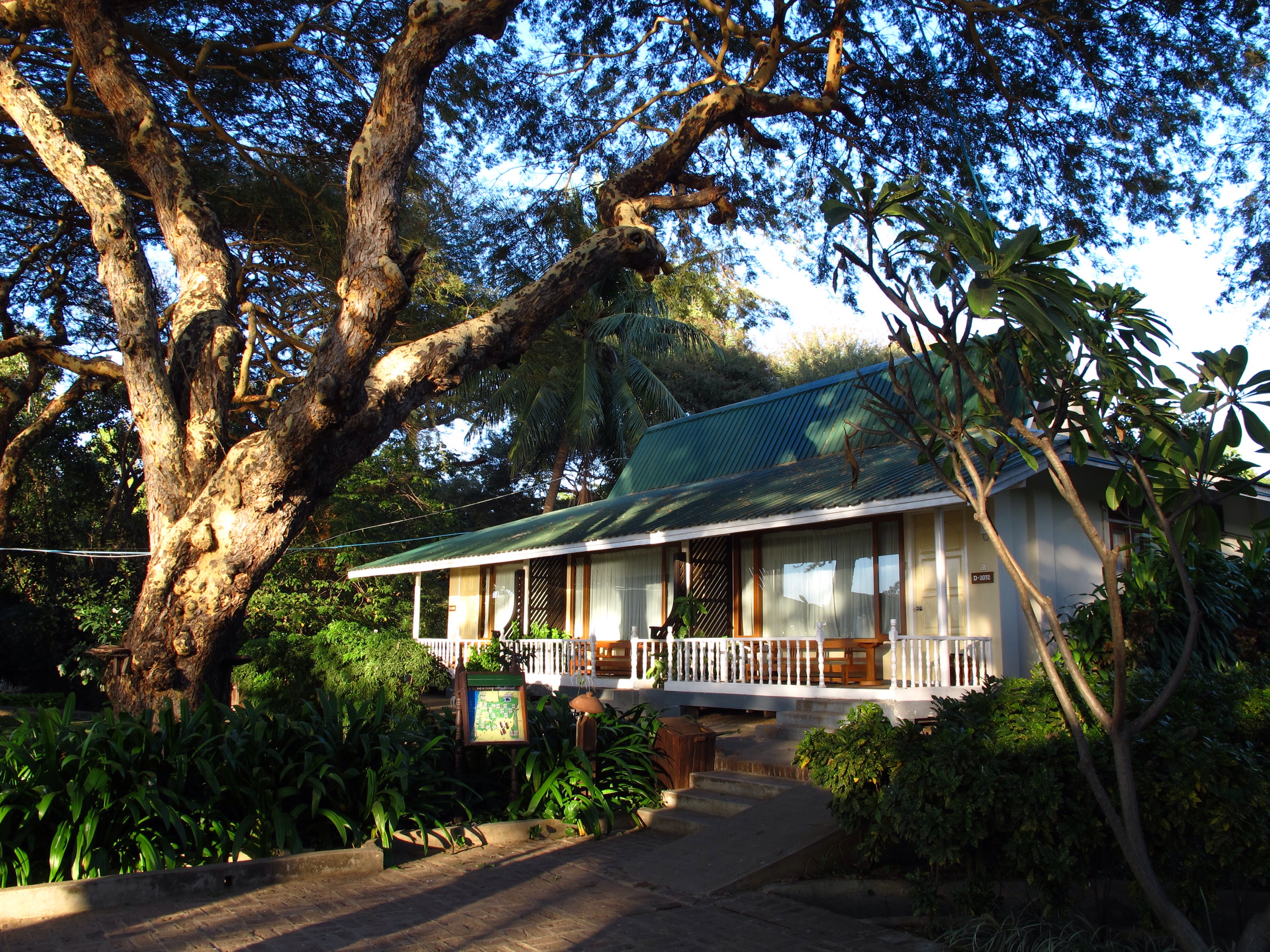
This riverside hotel in Old Bagan was opened in 1922 to welcome a royal guest, King Edward VIII in 1922. A 2-storey colonial structure now proudly bears a sign citing this royal welcome, but this main hotel building does not have the same riverfront view as the deluxe room we stayed in. I like low-rise hotels. A rarity these days. Here in Bagan Thande Hotel, they have bungalows with decks facing either the pool or the great Ayeyawaddy river. I found it such a luxury to have all this open space!


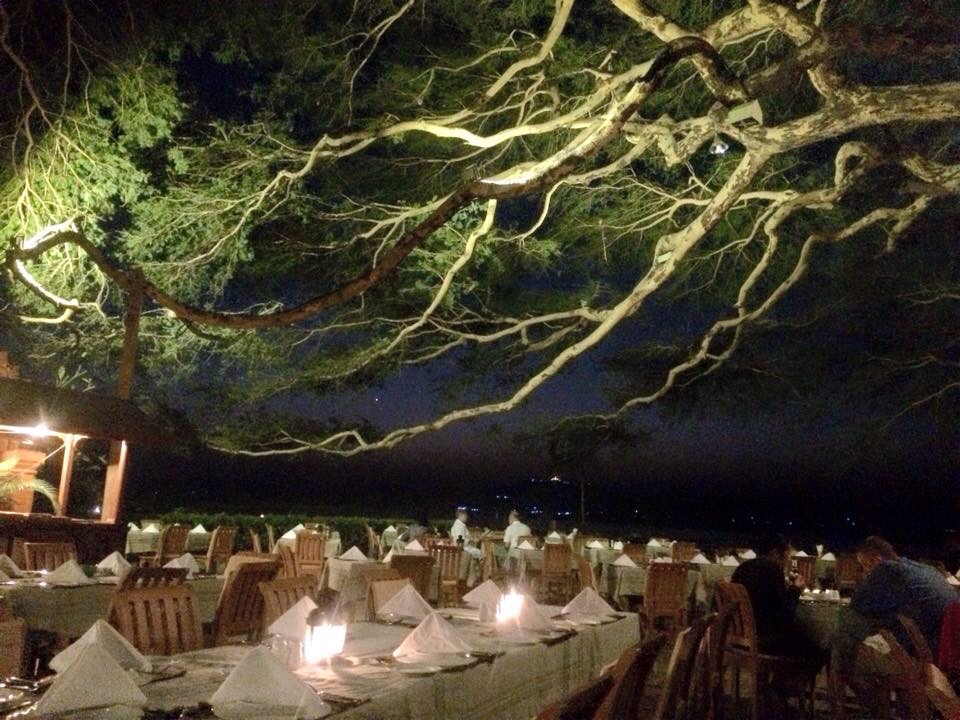
Dinners under the huge and lovely acacia tree were delightful, especially after a hot shower to cleanse all the dusts so prevalent in the plains of Bagan. There is an international buffet and breakfast is available as early as 6am. A short stroll from the hotel is a waiting area where one can rent horse carriages for old Bagan and nearby village tours.
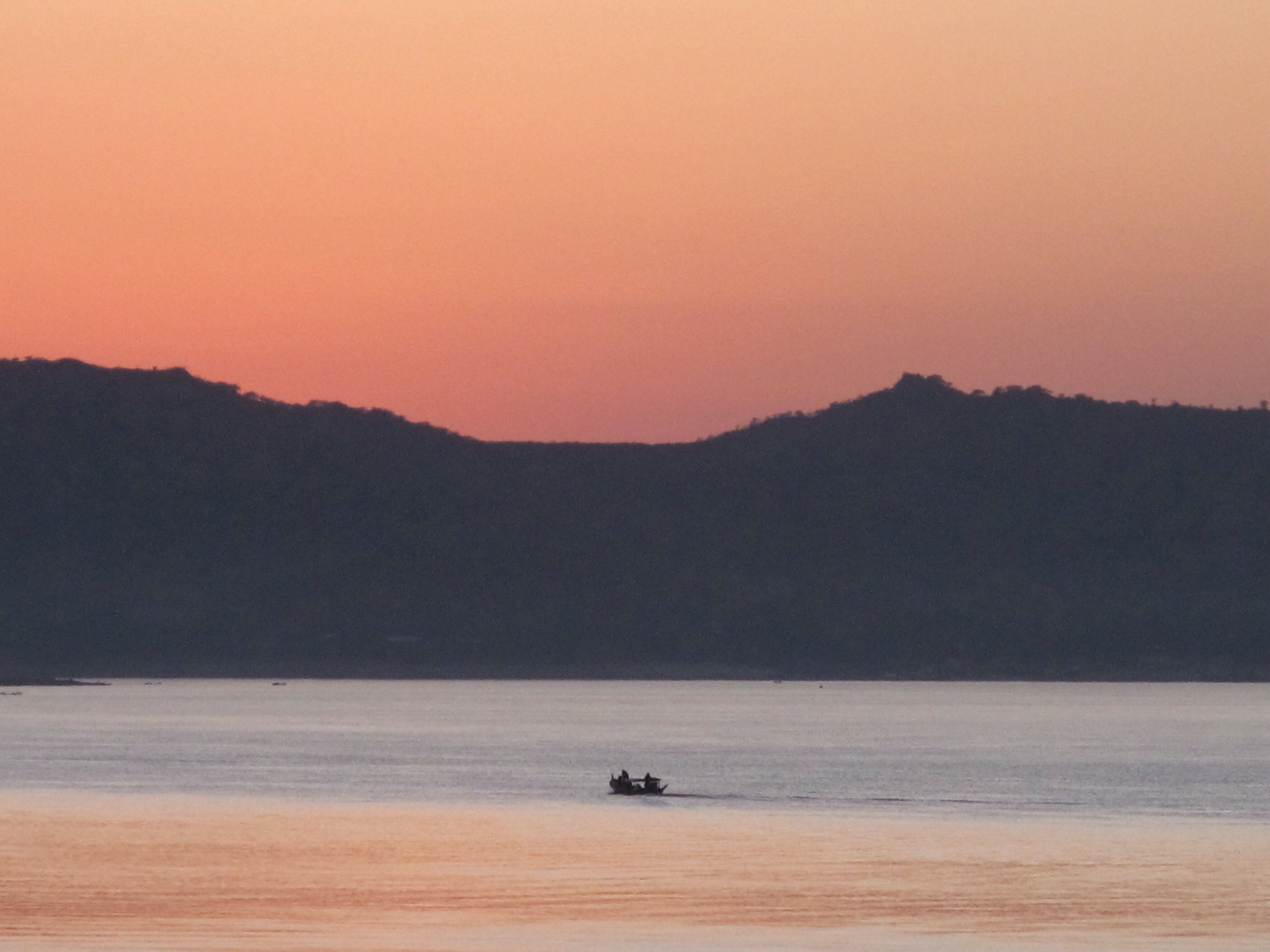
We waited for sunset from our riverfront room’s deck and loved the fiery spectacle! The manicured lawn, the potted plants, the aromatic flowers, and though I’ve never seen it, the resident owl in this hotel complex bring on such an air of royalty and privilege that is so welcoming, almost personal. Really puts you on a jolly holiday mood.

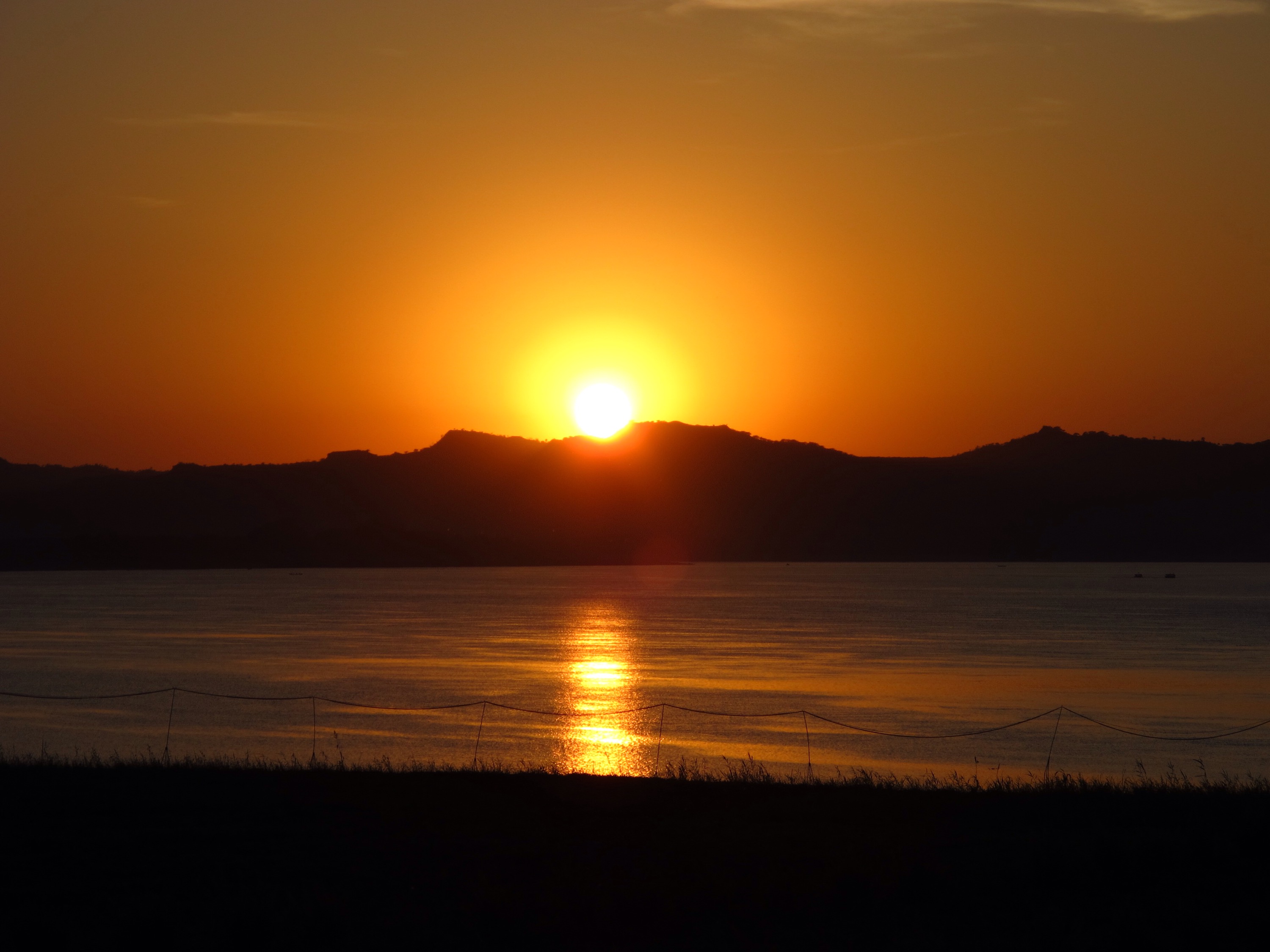
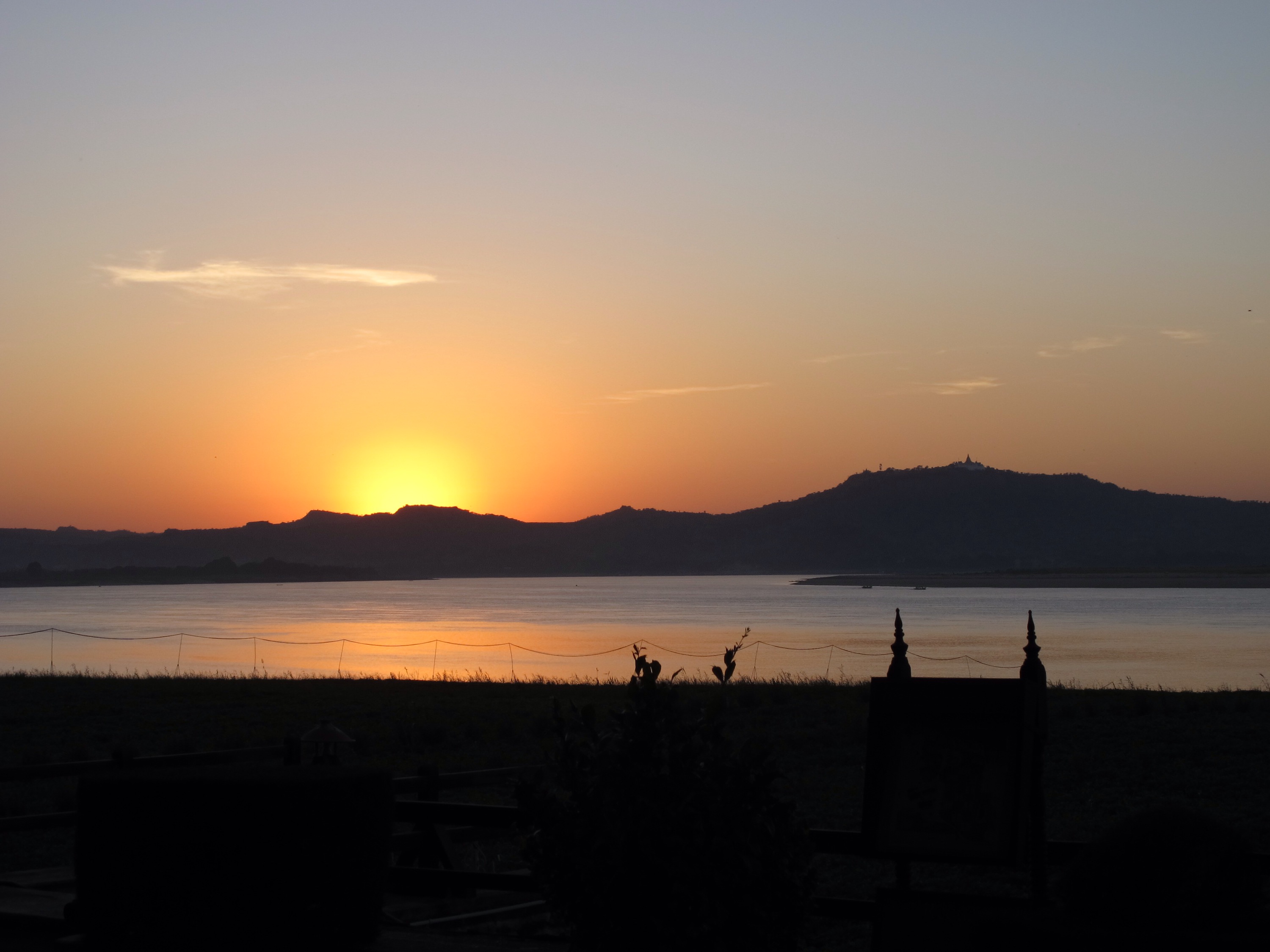
Who would have thought there’s this slice of paradise in this archaelogical zone? Dining under the stars is a highlight, but so is the hour spent at sundown.
We went as far North as Mandalay. Known as the Golden City with its many pagodas and monasteries. It was the capital of Burma (now Myanmar) before it was colonized by the British in the 1880’s. Rudyard Kipling’s poem entitled Road to Mandalay may have romanticized this former capital of Myanmar. Rightly so, as it remains a religious center, the very heart of Buddhist Burma.

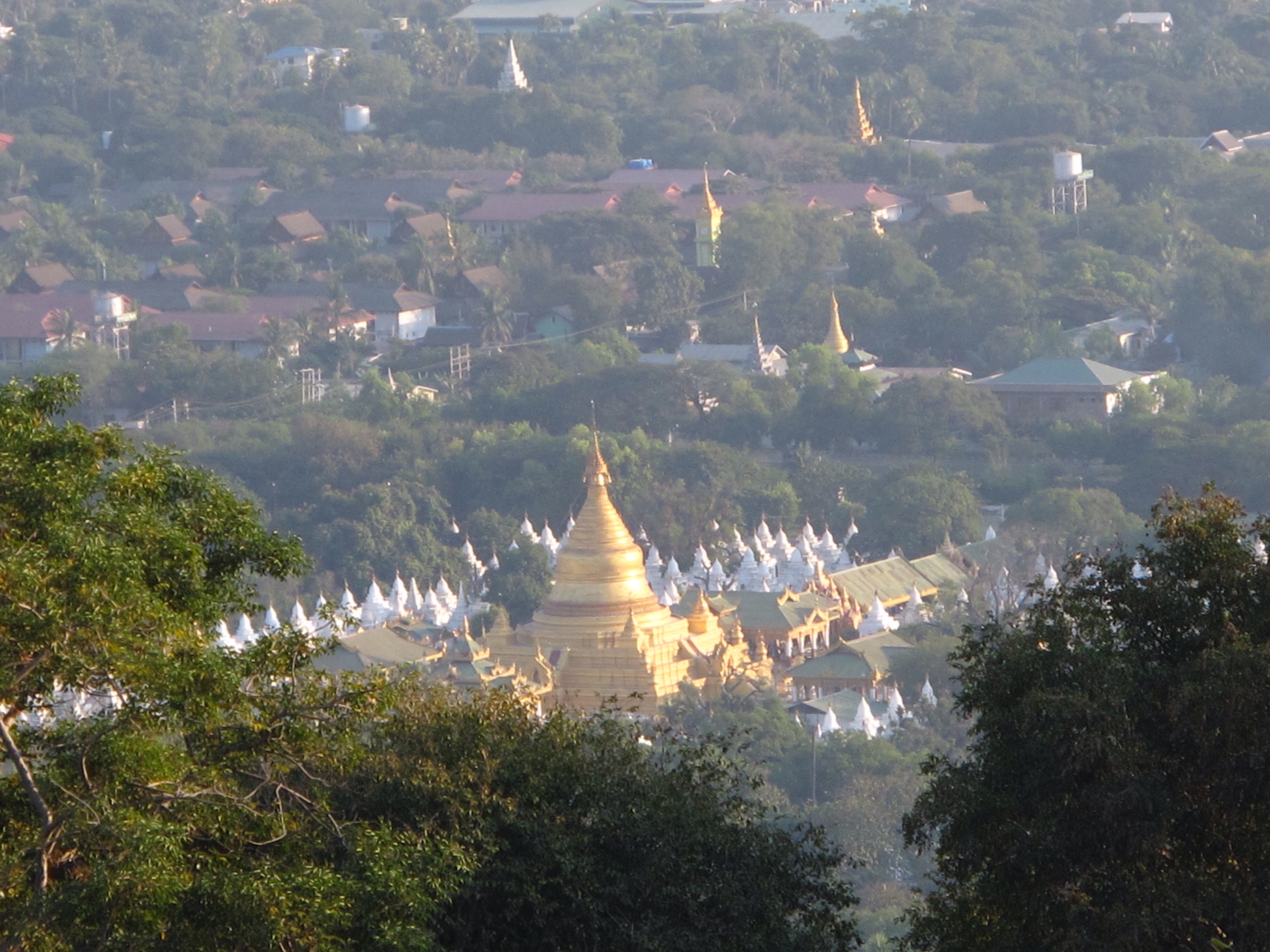
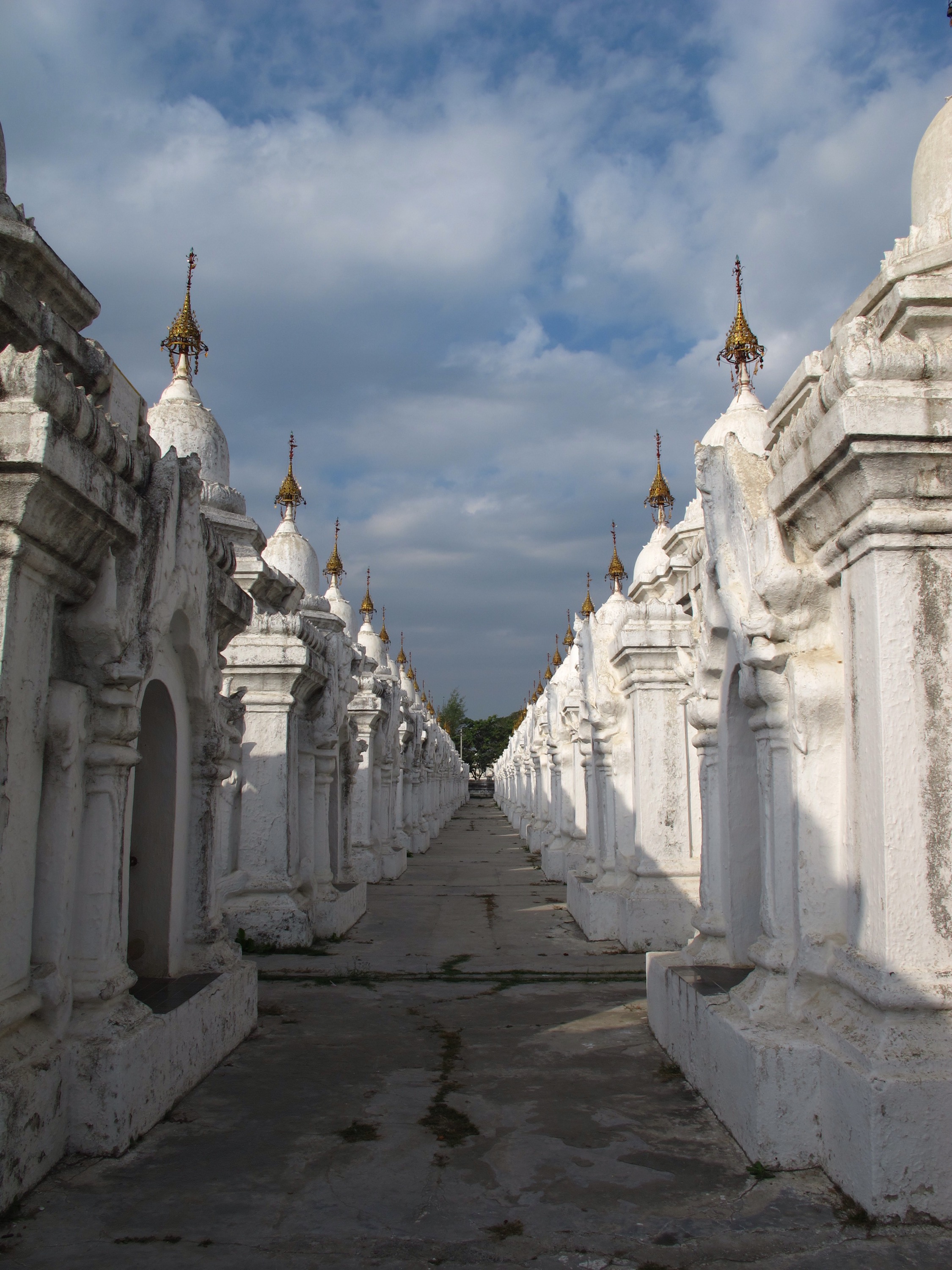
Among Mandalay’s religious monuments is Kuthodaw Pagoda where the world’s largest book is enshrined. Inscribed on stone tablets are excerpts from the tipitaka or Buddhist scriptures. Each stone tablet is housed in each of the 729 white stupas surrounding a golden temple inspired by Bagan’s Shwezigon Pagoda. Star flower Trees planted between rows of white stupas provide ample shade and tons of charm for this pagoda complex. Kuthodaw glistens in its goldness both from the ground as well as when viewed high up in Mandalay Hill. Speaking of Mandalay Hill, one may choose to climb it by hiking up, or go easy by taking an elevator to take you up in Sutaungpyei Pagoda from where one gets a panoramic view of Mandalay.
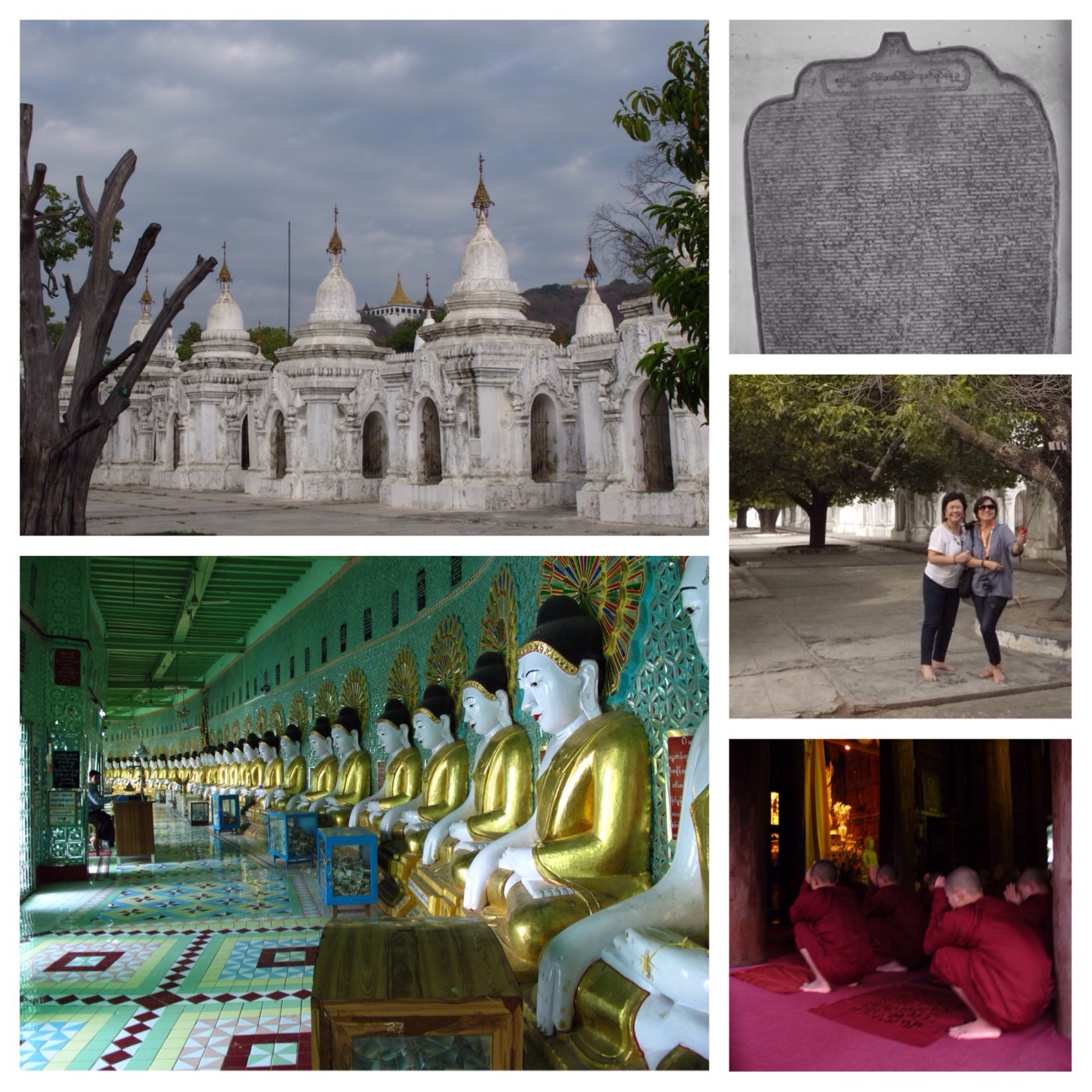

A monk’s life involves a lot of discipline and silence. Here in Mandalay lie many monasteries and monastic schools like Maha Ganayon Kyaung where visitors can witness the monks’ rituals like lining up for their midday meals or doing their late afternoon prayer ceremony. All that chanting, bowing and meditating comprise the prayer ceremony we had the fortune to witness.
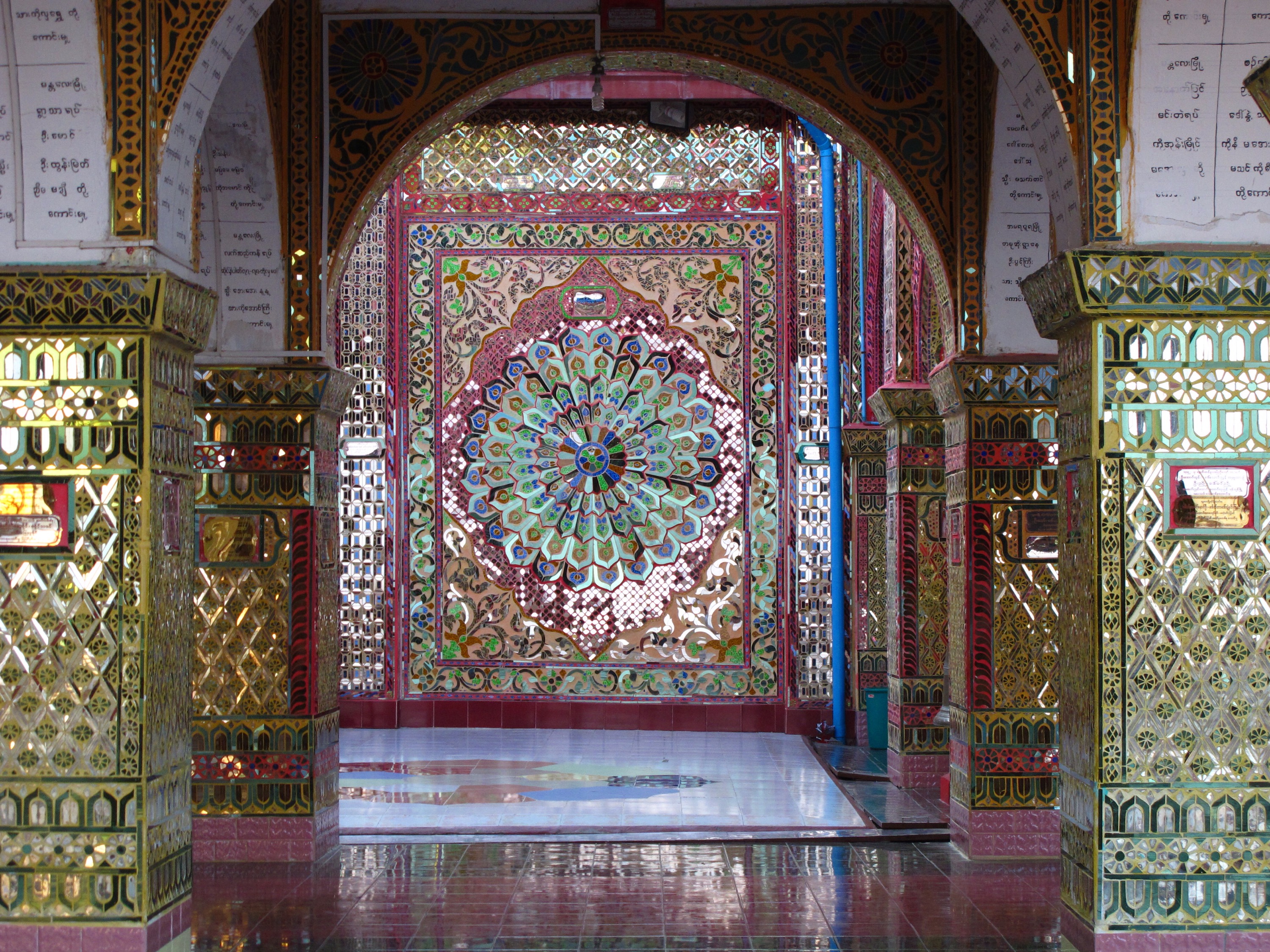
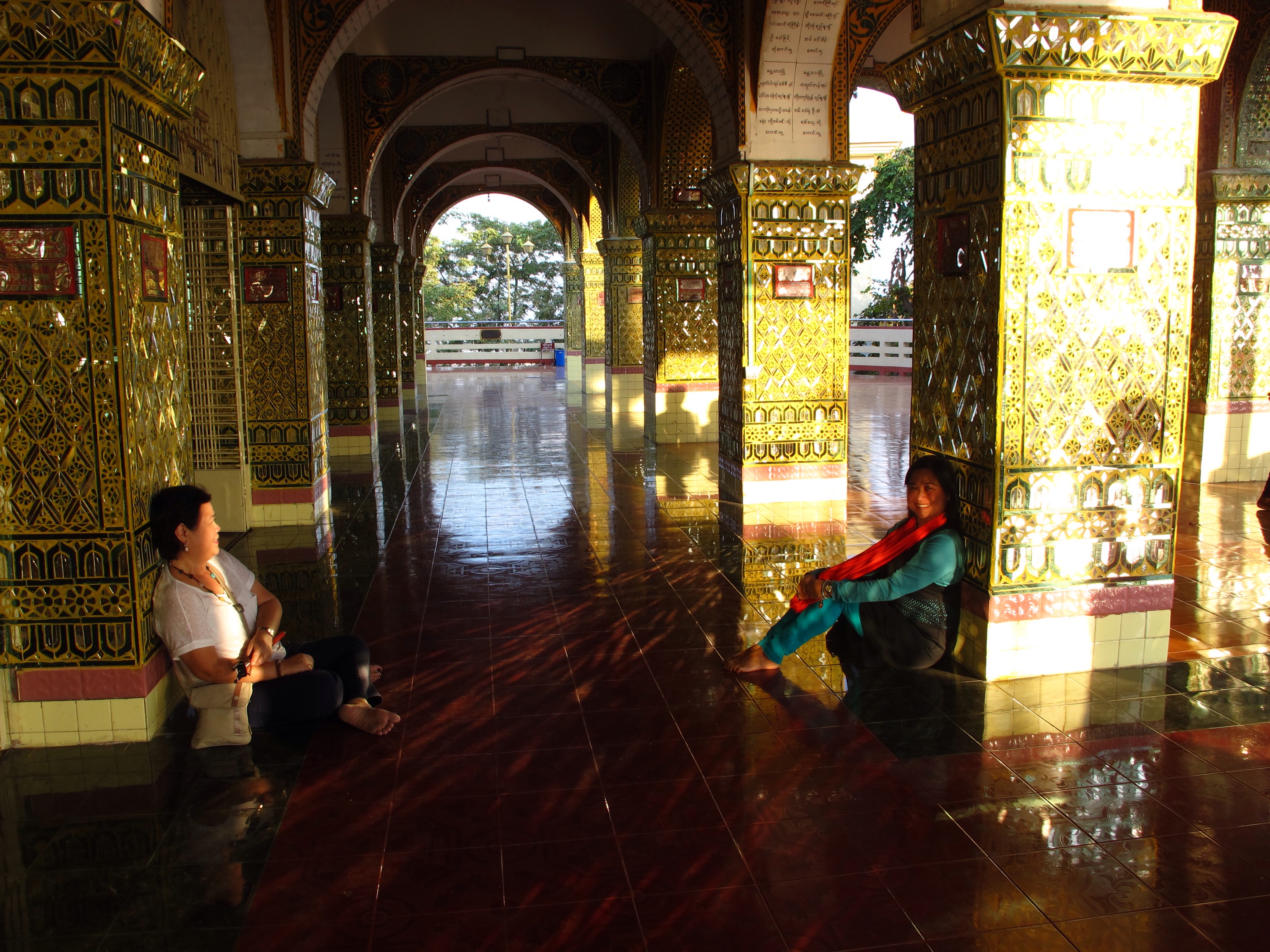
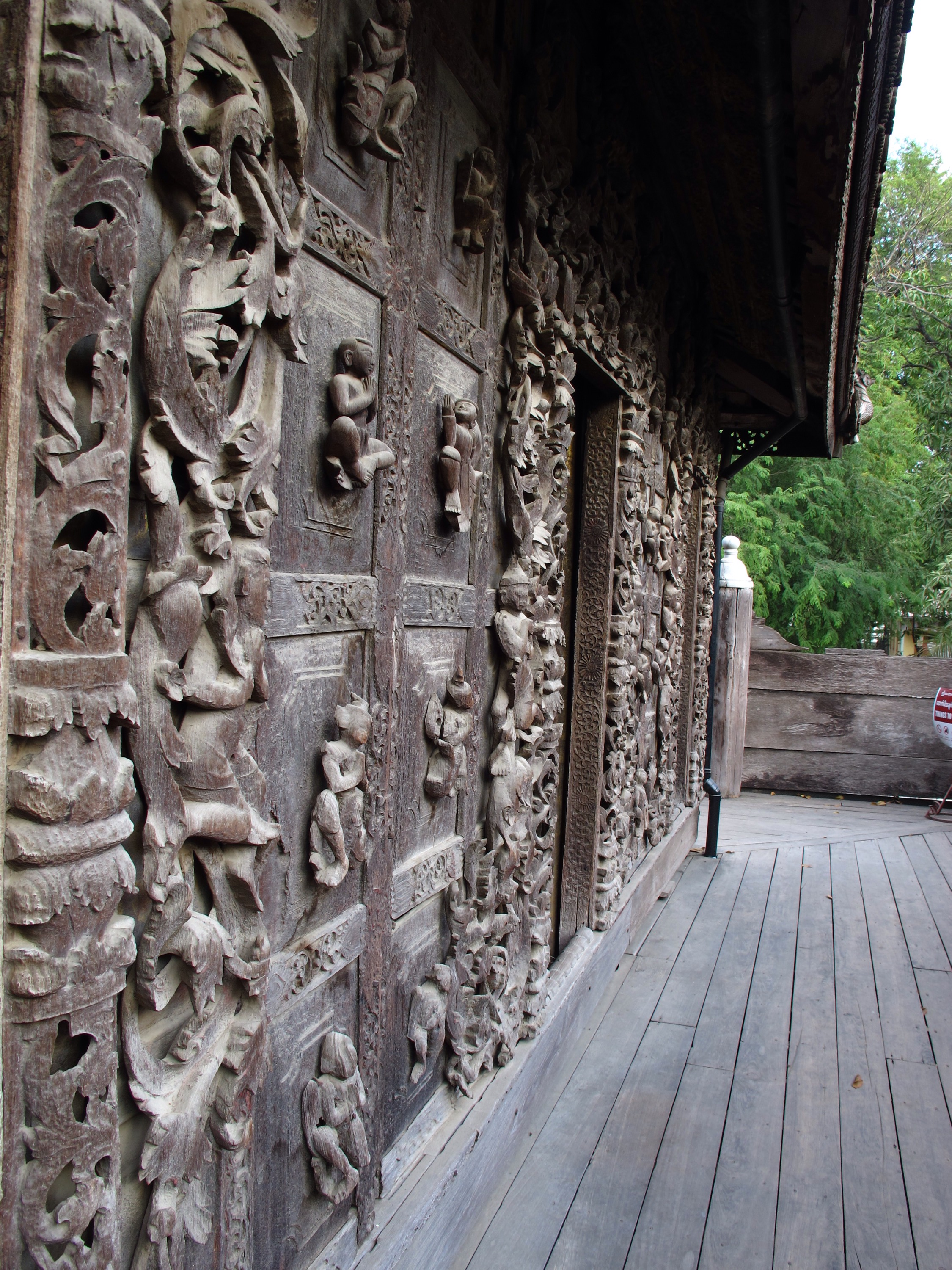
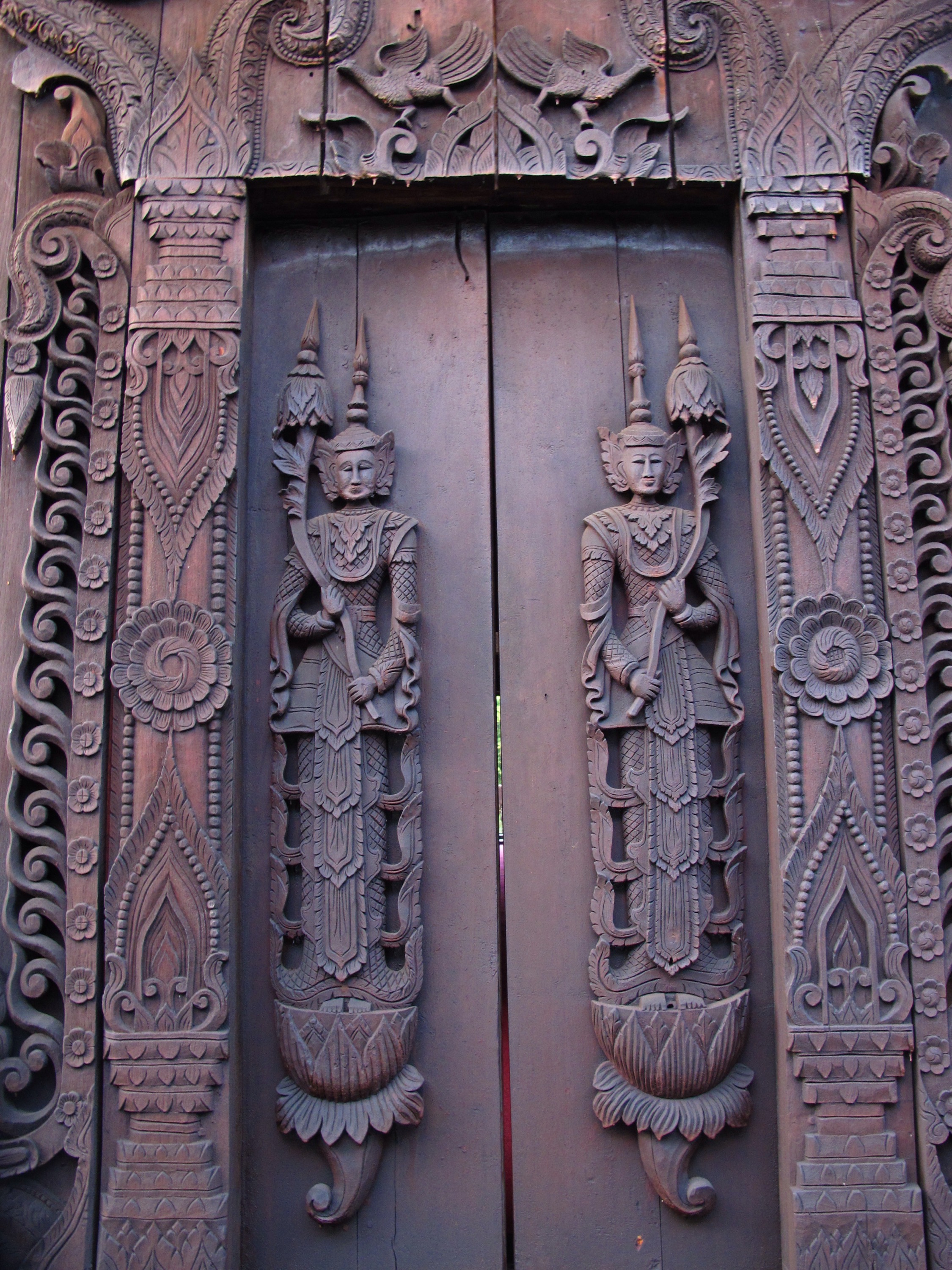
For a moment there, I thought I’ve had enough of temples and monasteries so early in my trip. But what fascinated me are Myanmar’s landmarks in teak wood. The country is the world’s top producer of teak wood and the Golden Palace Monastery or Shwenandaw Monastery is one fine example of Burmese architecture. As the last royal capital before the country was colonized by the British, Shenandaw happens to be King Mindon’s last royal palace. It’s just curious that the most sacred area within the monastery is exclusive to men.

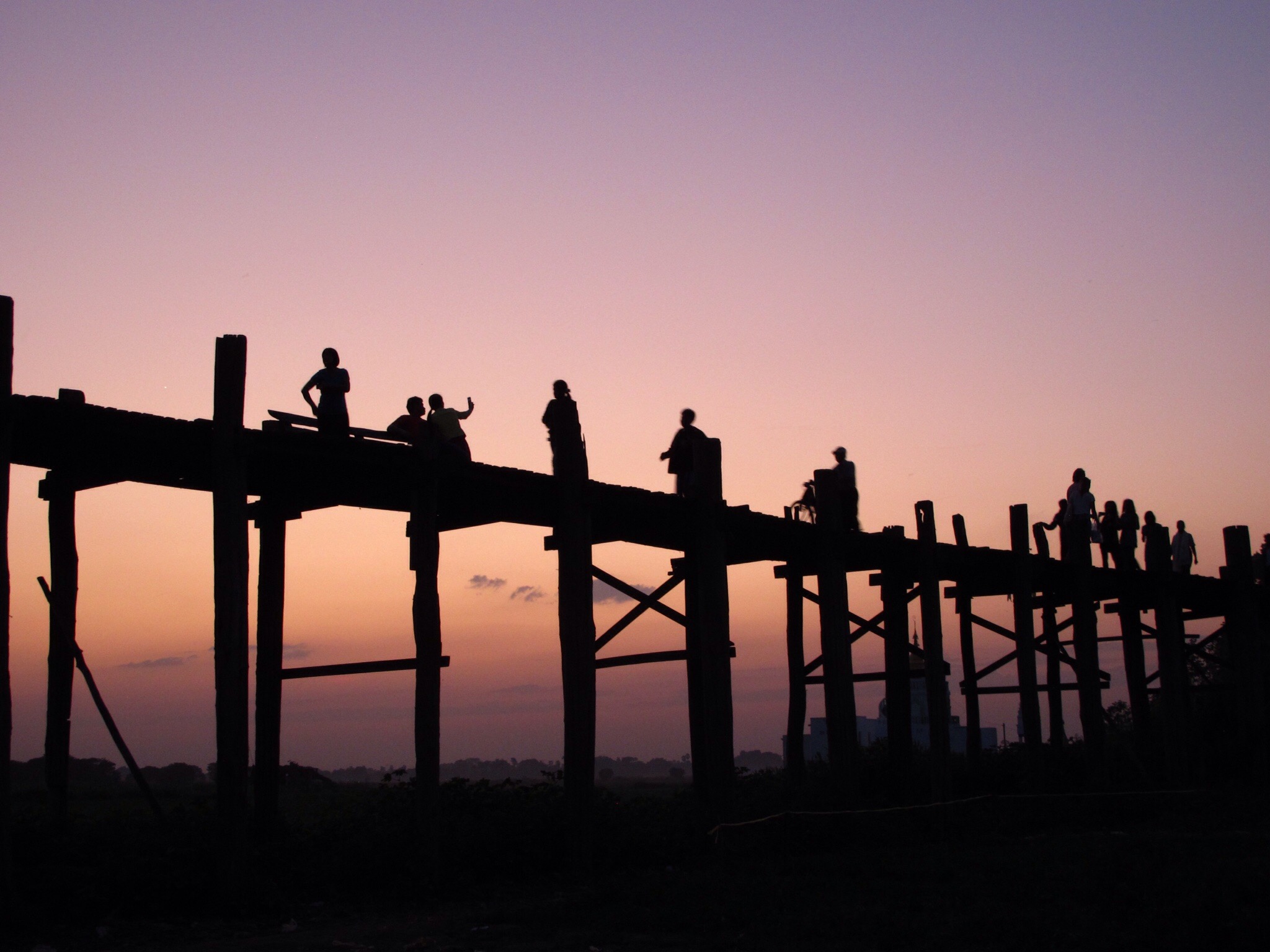
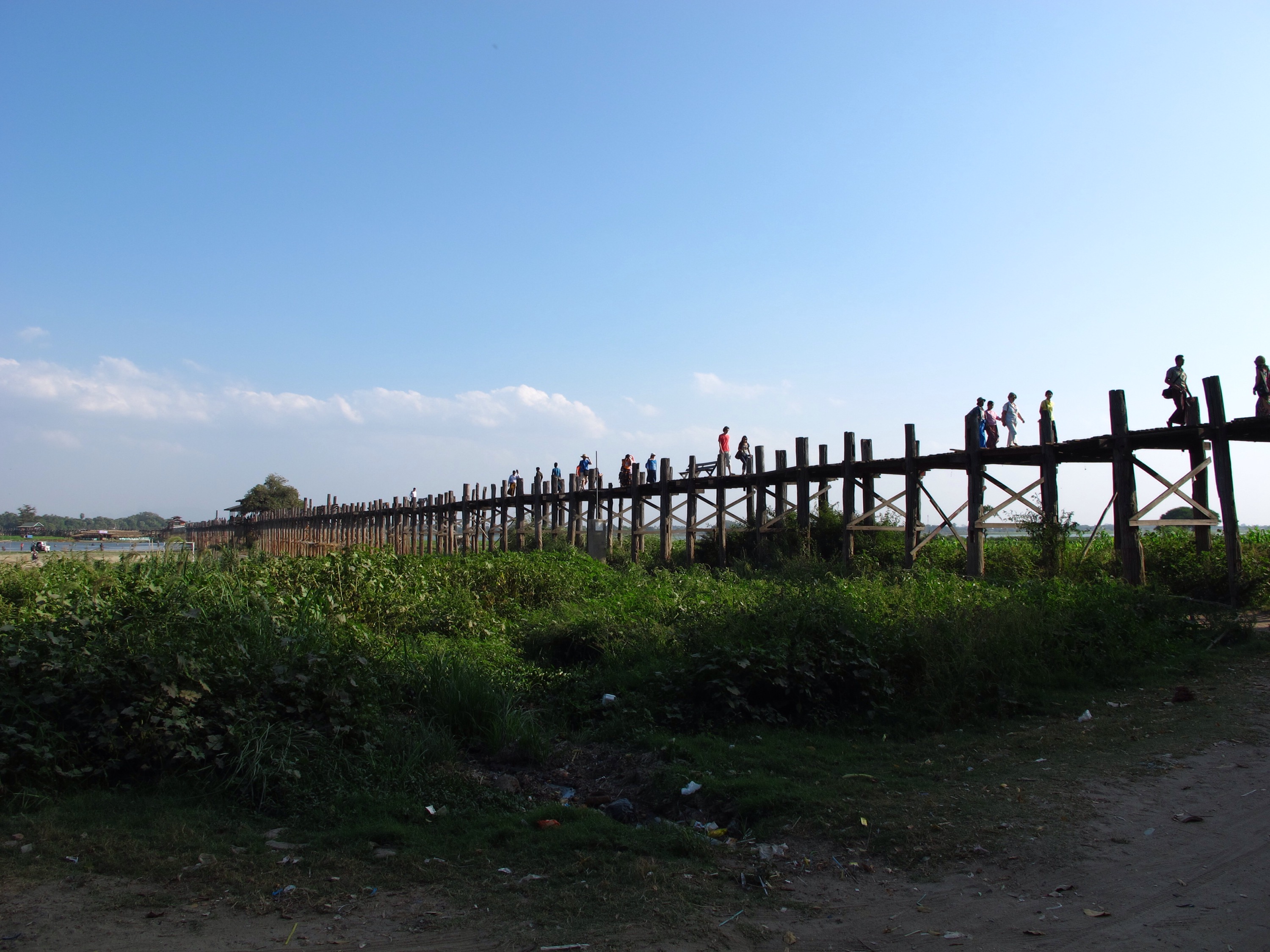
Last but not the least is one of Malanday’s iconic landmarks — this 1850-built bridge is touted as the oldest and longest teak bridge in the world to be found in the former capital of Amarapura. The bridge was built from wood reclaimed from the former ancient royal palace in Inwa or Ava. It doesn’t look much during the day, but its mosquito-infested location is perfect for sunset shots. With patience and a not so few mosquito bites, one can have a good snapshot of the teak bridge wrapped in the red orange warmth of a setting sun with monks, cyclists, basket-carrying women crossing the bridge, and likely tourists taking selfie shots. With a better cam, the silhouettes should make for a dramatic shot.
It is only fitting I end this piece with a few lines from the poem penned by Kipling.
When the mist was on the rice-fields an’ the sun was droppin’ slow,
She’d git ‘er little banjo an’ she’d sing “Kulla-lo-lo!”
With ‘er arm upon my shoulder an’ ‘er cheek agin’ my cheek
We useter watch the steamers an’ the hathis pilin’ teak.
Elephints a-pilin’ teak
In the sludgy, squdgy creek,
Where the silence ‘ung that ‘eavy you was ‘arf afraid to speak!
On the road to Mandalay . . .





 lifeisacelebration