Category: Spain


Semana Santa…….and we were in Sevilla! 

Ku Klux Klan?

Look at these pictures. It’s not some Ku Klux clan rally or some costume party or some parade. This is a Good Friday procession in the heart of Seville, Spain. We stayed in Hotel Don Paco, and right in front of our hotel, some 4 to 5 processions must have passed. Carried on the shoulders of locals called “costaleros” , the pasos(religious statues) weaved through the narrow streets from almost all corners! Behind and in front of the pasos walked locals called “nazarenos” wearing capes as you’d see in these photos. Some are in white capes, others in purple, some in blue, and many others in black and green . From our hotel , we watched as all these processions emerged from all streets………..and seemed to merge in the plaza near the shopping center (Serpies). Not too far away, we found a St. Joseph’s chapel where we heard Good Friday mass . It was ironic that the streets outside were fully packed with crowds of all ages, and then find many vacant seats inside the church. Among the churchgoers were senior folks, young children obviously towed by their grandparents, and us. The other adults and young teens were all out in the streets watching the religious processions and then disappeared into the many tapas bars all around Sevilla. A bit sad about this, but then times have changed. Walking back to our hotel, we got stuck with more processions. 

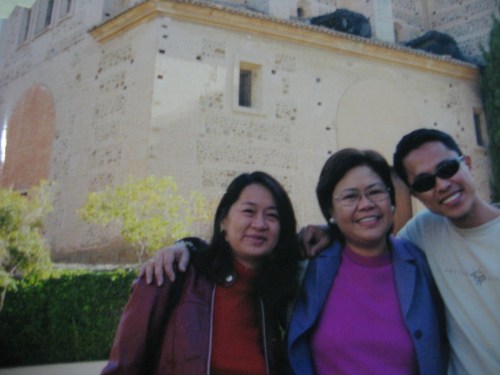
The Trio In Sevilla
The Trio In Sevilla

City Tour of Seville

The following morning, our local guide Carmen toured us around Seville, starting with Casa Pilatos which sadly pales in comparison with Alhambra. But of course. Yet it is not bad at all. Then there is the cathedral with the Giralda Tower which only happens to be the 3rd largest Gothic Cathedral and the biggest altar in the world after St. Peter’s Basilica in the Vatican , and St. Paul’s in London. The Cathedral also happens to be the resting place of Christopher Columbus. And then there is the Alcazar, the royal palace where Muslim taifa rulers and Christian monarchs including Pedro I (Peter the Cruel) lived. Before calling it a night, we went to watch a Flamenco Show in this place crowded by tourists of almost all nationalities. The ticket to the Patio Sevillano show already included a glass of diluted wine or some diluted juice. The show started with 4 female flamenco dancers, each one good. It was wonderful to watch the dancers’ agility with the fans, castanets or even their shawls! But the best was the solo performance of this male flamenco dancer who sweated through his routine. He stomped the floor like there was no tomorrow, he flipped his hands better than the women dancers, his back arched more than any other. That performance alone, makes it worth it. Such intensity! 

Checking out some vineyards...

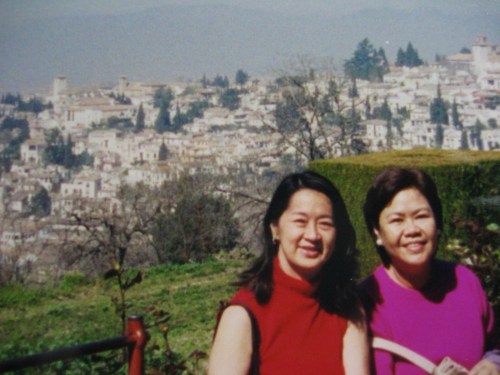
A famous landmark in Seville is the Plaza Espana in Maria Luisa Park where they had the 1929 American – Iberian Exhibition marking 500 years since the time Christopher Columbus discovered America. Truly a panorama of tiled ballustrades, fountains, towers, etc. Most of the lovely buildings were converted into embassies. We took many of the photos on this spread in this park. 

Lunch meant more tapas and a good paella. But we were finding it difficult to appreciate the paella here as we were not used to a very wet paella. Perhaps that is really how the Spaniards cook their paellas? Mind you, we have tried many while touring around Spain. 

Good Friday in Sevilla

Here in Sevilla, it was not different. It was just as wet as the other paellas we have tried. But then, there were the many tapas to try. Jamon Iberico, quezo manchego, and those baby eels. Hmmm. Yummy. 

Remember the opera “Carmen”? Our guide reminded us of this young maiden working in a tobacco factory where 6,000 other women worked, and which magnificent building now houses a college in Seville. This is very near the Sevilla Pavillion which by the way, now houses a casino. And here’s some trivia from our local guide: Lope de Vega, Cervantes and Shakespeare all died in the same year. Hmmm. Okay. 

The next day, we left Sevilla soon after breakfast on our way to Lisbon, Portugal. Two hours into the ride, we reached the border. Before crossing, we stopped by this village where they make my favorite ham : Jamon Iberico de Jabugo. What makes it so special? Hogs used to make this ham are fed acorns! After this, you can forget Jamon Serrano. 

Spain is one country certainly worth visiting. But if there is one area where we would choose to stay longer, that would be Sevilla. Tapas, flamenco, jamon jabugo. If you get lucky, you may even watch a bullfight. 

Sevilla 2002
Sevilla 2002

Just a short, comfortable one hour drive from Madrid to reach this impressive city of 3 cultures. I have to admit that I had my expectations of Toledo, having seen too many paintings of the Spanish city. Yet, I was still awed by its sheer beauty. This place shouldn’t be missed, and should be in everybody’s list to visit after Madrid. Through many narrow alleyways, we passed many houses with Moorish balconies. These ‘extensions’ served as ‘peek out’ places for Muslim women staying indoors and preferring not to be seen. I can just imagine them sneaking a look into the vibrant street scene in Toledo’s narrow alleyways while fiddling with their worry beads. 

The mixture of artistic styles speaks volumes on how Arabs, Christians and Jews once lived together in this former imperial capital. Much like the mixed settlements found in the walled city of Old Jerusalem ( check out my earlier blog: When Every Prayer Bead Counts in Israel). The maze of streets make up this city bound by walls and accessed through various gates. We entered through the main gate, the Bisagra Gate, and passed a number of synagogues, mosques and churches. The highlight of my trip to Toledo is easily the Church of Santo Tome , made famous by El Greco’s painting “El Entierro del Conde Orgaz” which translates to “The Burial of Count Orgaz”. By itself, this painting makes the trip to Toledo truly worthwhile. To this day, I can still imagine the many shades of black in this painting. El Greco is truly a genius. The sheer white organza over the black garment showed his genius to the fore. One can almost feel how thin and gossamer the organza fabric was. So with the lacy cloth adorning the necks of those depicted in the scene. El Greco lived out his sunset years in Toledo and truly paid homage to his second home as he immortalized the now famous vista of the entire township, the skyline dominated by the Alcazar and the Toledo Cathedral, and the many winding alleys and cobble-stoned pathways of this place so rich in history and steeped in culture. 

Mudejar Style In Art and Architecture

All around the historic city, there is the mozarab (Christians who lived under the Muslim rule) and mudejar styles expressed in the art and architecture.

The arches, ornately designed windows , and other architectural elements envelop you as you walk their streets. While viewing Toledo’s famous cathedral, we saw many tourists shunted to the sides as cars weaved through the very narrow streets of this former capital of La Mancha, now declared a heritage site. (That is the 3rd time I used the word narrow). While waiting for the cars to pass, it was easy to get tempted to get inside some of the quaint looking stores selling mazapan and turrones. And so we allowed ourselves to be tempted and then and there, decided to leave space in our bags before flying home to load up on these goodies. While munching our new finds back into the square, we paused to take in the cathedral with its very flamboyant Gothic architecture. The doorway, with its 3 doors, depicted features of hell, forgiveness and judgment. It was reported that there was a time when indulgences were granted to penitents passing through the door of forgiveness or pardon. These days, it is almost always closed except for very special occasions. 

A Hero’s Sorrow

On a hill to the right of the Cathedral is the Alcazar, the military citadel. A most interesting story has been attached to this monument of art and heroism. The Siege of Alcazar recounts the heroism and supreme sacrifice in the name of patriotic duty of General Jose Moscardo Ituarte back in 1936. For 70 days, Moscardo held out for General Franco’s Nationalist forces and defended the citadel. The Republicans then captured Moscardo’s 16 year old son, Luis, and threatened to shoot him unless Moscardo cedes the citadel. Asking to speak to his son, Moscardo said “Commend yourself to God and die like a patriot” to which his teenage son replied “That, I can do”. Truly, Luis is his father’s son. Moscardo lost his son and up to his final days, wore a black cloak of mourning over his army uniform. The drama and the tragedy are now integral to any story relating to the cathedral. 

Long after we left Toledo, we can’t help wondering if the religious tolerance accounted for the very diverse character of this heritage site. Imagine the very Gothic Toledo Cathedral with Mudejar characteristics (claimed to be the 3rd largest in the world), or houses lining the alleys with their Moorish balcony extensions over your heads as you pass, as well as imagining the interfaith harmony as Arabs, Jews and Christians all established their settlements here in this place where their respective arts and culture were allowed to flourish and blossom. The peace and harmony fostered by this religious tolerance may have encouraged many Arab, Jewish and Christian scholars to settle in Toledo and hone their crafts. Just like the Pax Romana where art and culture flourished, here is another example that indeed, “Peace Pays” .


I have been practicing my Spanish for a while………and felt confident enough to go around Spain just a month after my surgery. My doctor said I drive her crazy. My surgeon said I should go ahead and celebrate life. Between those 2 medical opinions, I favored my surgeon’s advice. 

Long Trip to Madrid From Manila

With my nephew Ryll and good friend Emy in tow, we braved the long trip from manila to madrid. Left 5 pm Monday; arrived noon next day in Madrid. It was a long trip via Hongkong and Paris. And that is not counting the 3 hour wait in each airports! The Air France flights all went smoothly, and we actually enjoyed all the in-flight meals and movies. 

Talking about first experience in good old Madrid……….we hired a cab as soon as we stepped out of the airport to take us to Hotel Praga where we would meet up with our travel group same day 6pm. The taxi driver was some hustler who reminded us so much of Mel Gibson with his unshaven moustache and beard. Senor Gibson overcharged us – we paid 50 euros for a cab ride that should have just cost us only 30 euros. He said it was the Spanish fiesta, as we arrived right on Fathers’ Day (which we later learned was the Feast Day of St. Joseph), and therefore there are extra cab charges. We did not bother arguing with him on our first hour on Spanish soil. By the time we reached Hotel Praga in Madrid, we were just too eager to wave him goodbye. 

We met Roberto, our tour director from Cosmos, along with 48 (yes, 48) fellow travellers. A real big group which included 11 Filipinos including the 3 of us. There was this Filipino-Chinese family of 6 pax and a couple from Dallas, Texas who have not visited the Philippines for nearly 2 decades. The tour group also counted some Canadians, British, Australians, Mexicans, Americans. Mostly senior citizens except for the Canadian group made up of young Cornell University graduates, maybe in their mid 20’s. Emy and I roomed up, while Ryll roomed up with Douglas. After our meeting with the Tour Group, Ryll , Emy and I didn’t waste time and went to explore Madrid straight away. We took the bus from the hotel to reach Plaza Mayor. 

Right smack in the middle of Puerta del Sol near Plaza Mayor is Kilometro 0 where 10 streets converge and where distances are all measured. There were so many people around. And so many pickpockets too! Too many shops, tascas, tapa bars. Except that the shops were all closed because , as Senor Gibson said, today is a holiday! 

Long Walk For A Cup of Chocolate and Some Churros

Armed with our Lonely Planet travel book, we walked up to Calle de Preciados and found Iglesia de San Gines. No, we weren’t planning to go to church today. The LP book had the iglesia as landmark to find what was allegedly the best place for churros con chocolate. Mind you, the Chocolateria de San Gines has every right to boast it has the best churros in town. It was an experience just dunking those churros in that thick hot chocolate. While enjoying all this, we can’t help but notice this old man we assumed to be the owner of the chocolateria with his loyal dog by his side, seated at a corner table. He saw everyone in, and barked orders from his seat. We likewise assumed that the busboy , cashier and other servers must be his son and daughters. I told Ryll that i can see myself in that old man. Tucked into a corner with a loyal dog, reading a good pocketbook, sipping good chocolate or coffee, and barking orders without let up! 

Energized by the hot choco and churros, we tried walking back to the Plaza Mayor to catch our bus back to the hotel, but instead ended walking along Calle de Alcala. It was the other way. No problem. The LP book said we should find the Plaza de la Cibeles and the Palacio de Communicaciones here. What a magnificent sight! And it is only their Post Office. The lights did justice to the ancient building, so we took turns having our photos taken here with all that illuminated background. We were sure the Goddess Cybele wouldn’t mind. We also found a church nearby, which happened to be St. Joseph’s Church. The Church was all darkness with lights focused only on the altar where a small choir was singing church hymns. Got goose bumps right that moment, just watching and listening. 

Of Siestas, Old Restaurants And A Bit of Shopping

On the way back to the hotel, we also found El Corte Ingles, a famous department store chain. Of course it was closed. We thus kept our money. And since it is nearly Holy Week, we expect to save a lot of money at the rate the Spaniards spend siestas and close shops on almost any excuse or holiday. Let us just hope the restaurants, tavernas, tascas remain open. After all, we do have a long list of Spanish food to check out: paella, callos, cocido madrileno, chochinillo, fabada, bacalao al pilpil, manchego cheese, jamon jabugo, jamon serrano, chorizos, pescado en salsa verde, sopa castellano, turrones, etc. 

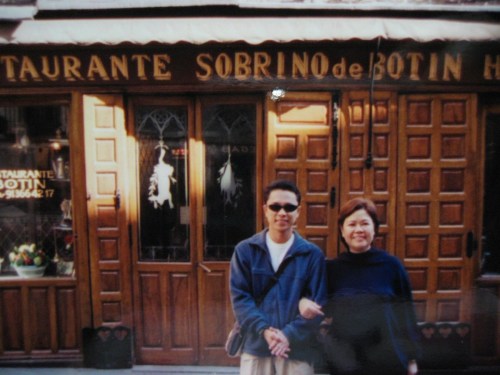
On our way out of Madrid, we did have a chance to dine at Casa Botin, the acclaimed oldest restaurant in the world. Or so it is claimed in the Guinness Book of Records. El Botin is famous for its cochinillo (suckling pig), cordero (roast lamb), pescado (fish) with accompanying mushrooms and green beans. Ernest Hemingway was said to have dined here often, even had a favorite spot by the brick wall. You can only imagine how many diners tried to sit in that same spot (I should know, I did) and rub their backs on the brick wall. 

Other than Casa Botin, there was also that unforgettable lunch at Museo del Jamon. No callos at the time we were there. Instead, we had Fabada, Frituras, Sopa Castellana, Chorizo, Quezo and Gambas. You bet we didn’t miss the chance to try the Manchego cheese. We were still drooling over our lunch here only to be roused out of our dreamy adventure when someone tried to pickpocket Ryll. Nothing stolen, but those 2 gypsies sure came close to it as they managed to unzip Ryll’s front pockets!!!! 

No shopping, all eating. Not a bad deal. As we waved temporary farewells to Plaza Colon, Plaza Callao, Plaza Espana, Royal Palace, Puerta del Sol, Plaza Mayor, on our way out of Madrid, we felt our bulging waistlines and thought………….Espana is threatening to fatten us for the next 2 weeks. 


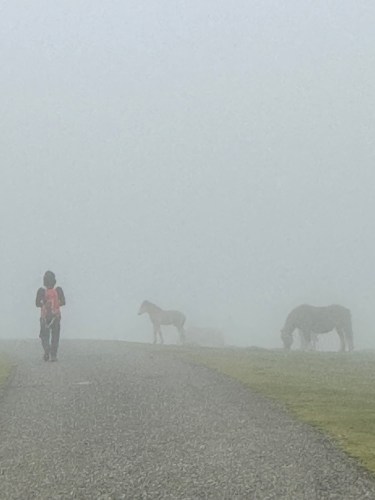
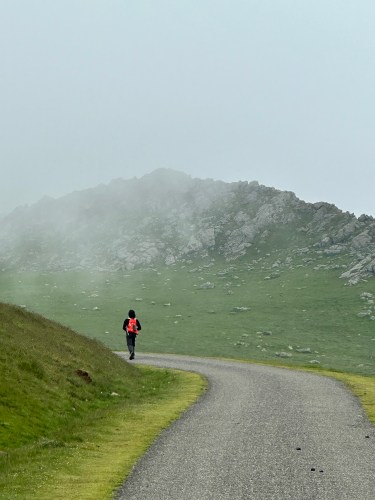
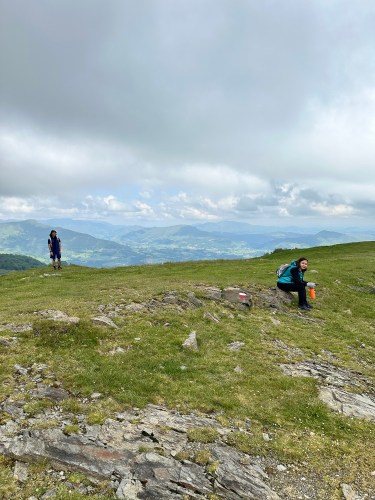
The first 20 kilometers or so was a gruelling uphill climb. Up until the Refugio Orisson, and further up to La Vierge (12 kms) where we arranged to be picked up by our mountain shuttle service. Further up is the Cross Thibault. I have great respect  for those who hiked the entire 25 (or 27.5?) kms from SJPP to Roncesvalles in a single day. Man, that was hard! We broke the stage over 2 days and it still was challenging. For some, 25 or 27.5 kilometers may not seem so daunting. I’ve walked far longer in earlier Caminos but gaining over 1,300 meters elevation spells a major difference! The last time I did this was in 2017 but I took the Valcarlos route because Orisson was all mist and the center closed the route for the pilgrims.  This time, I wanted to do the Napoleon Route which passes Orisson and Borda. The claim that this stretch is the most difficult because of the ascent is very true. Can’t disagree with that. It helped that the Pyrenees is simply so lovely and the mountain scenery in all its misty beauty distracted us from the rhythm of painful strides as muscles here and there ached. Beautiful meadows and farms and looking back, breathtaking vistas of the valley. Plus the wildlife, counting sheep, wild horses and cattle with mountain bells strung around their necks. I only started worrying when we strayed off the mountain roads and walked on cliffside rocky inclines. Too careful I’d step on and dislodge some stones or slip over some rolling rocks, my cliffside glimpses somewhat affected my sense of balance. And confidence. But we made it. Struggling, but not miserable. We persevered.

From what I’ve read, many pilgrims miss the La Vierge — a spot where a statue of The Virgin stands — and the border between France and Spain as one crosses the Pyrenees. This is Navarre. We were mindful to keep this in mind. We also took note of the highest point — this is Col Lepoeder. No way one would miss this. It’s that high point from where it’s nearly all downhill for 5 kilometers or so. It is also the spot where one decides to go left into the beech forests (one of Europe’s largest) or right via “abandoned” country roads. Either way you end up in Roncesvalles. Reportedly, “left is death” and “right is life”. You bet we headed right. And even then, I have committed the numbers 112 into my memory. That’s the European emergency numbers. Like 911. About 3 kilometers down the country roads, one glimpses the rooftop of the grand looking monastery of Orreaga. That’s Roncesvalles in Navarra. A big sigh at this point. The struggle is about to end. The very welcoming hospitaleros in the historic monastery stamped our pilgrim’s passport and promptly led us in to book our beds. But alas, our mountain shuttle was there to ferry us back to Saint Jean Pied de Port for our 3rd straight night. We boarded our van like little children, eager to reach our crib and put up our aching legs before a hot shower. How sweet to get this over and done with. How fulfilling that we persevered and completed the first stage of Camino Frances. Hopefully, my companions will find themselves back on the mountain and forest paths to complete their pilgrimage walk.
Buen Camino! 👣👣👣


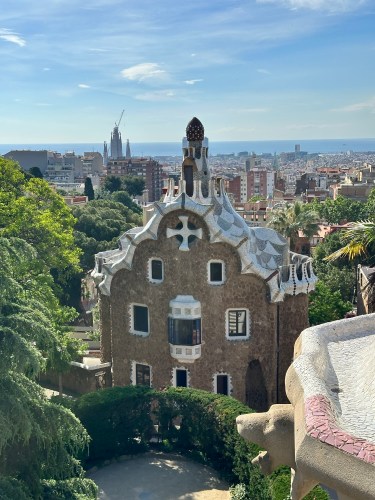
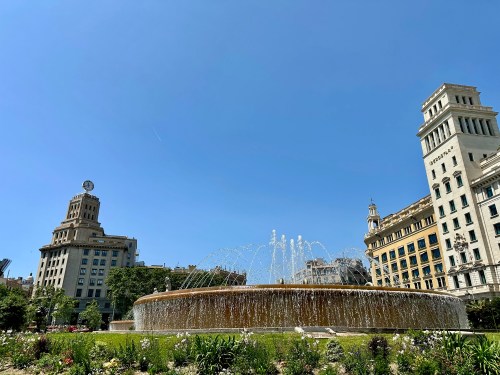
This time, with my niece and my Sydney-based grandnephew. As expected, it’s the typical drill. Gaudi’s masterpieces, La Rambla, Passeig de Gràcia, Ciutat Vella, El Born, the beach, Montjuic and the Palau de la Musica Catalan. The colors of Gaudi’s Barcelona, the food options in Mercat de La Boquería, the chaotic tourist crowd, the vibrant music and sports — all these define Catalan Barcelona. An adequate, if not exuberant introduction to Europe for #aponimamu #withanaccent !

Park Guell
Plaça Catalunya
Parc Guell

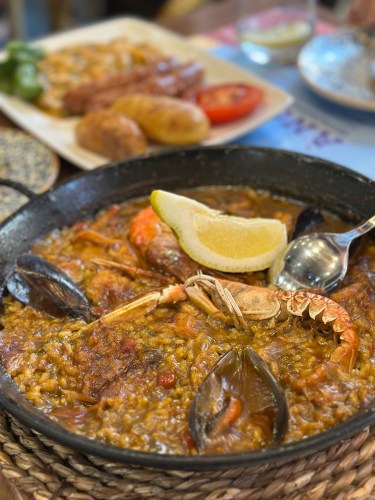
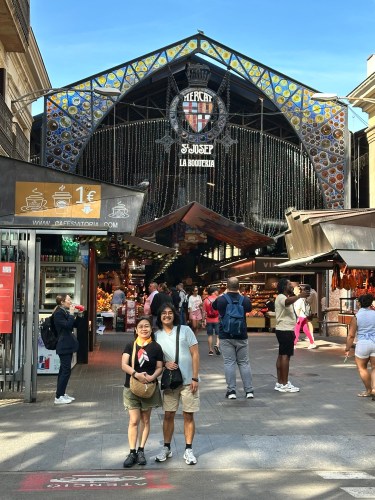
Having arrived mid-morning, we left our bags in the hotel and hit the ground running. Mercat La Boqueria is closed on Sundays but some seafood restaurants deep inside were open for desayuno (breakfast). But we wanted a substantial (!!!) seafood lunch before the Spanish lunch hour. Por supuesto, we had our way. And we were fed adequately and hopped off with jolly bellies. Paella de Marisco, butifarra, pan con tomate, pimientos padron, and patatas bravas made for a good start.

Lunch at Ancora in La Boqueria
Mercat de La Boqueria
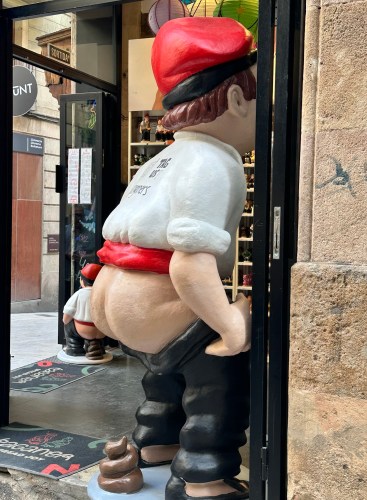
The Pooper

Meant to do a day trip to Girona or Sitges but time wasn’t enough. Gave up on those short trips and instead decided to explore more of Barcelona. Glad over this decision as we found time to visit Palau de la Musica Catalan and spend an early evening at La Barceloneta. Palau deserves more attention, for sure, and the beach is so much better (and more comfortable) during late spring or early summer. What struck me most however is the growing Filipino community here in Barcelona. Our hotel in the Old Town sits across a church apparently frequented by Filipinos. Heard Sunday Mass there where a Filipino priest said Mass and the church is 2/3 full, mostly with Pinoys. And brace yourself, the entire service was in our local language! I was even invited to offer flowers (“Flores de Mayo”) at the end of the service and by the time I stepped out of the church, there was a line of Filipino vendors offering Filipino snacks and other foodstuff. Made me feel like I was home. For a good 1 hour, the only language I heard was Filipino!

San Agusti Church
Arco
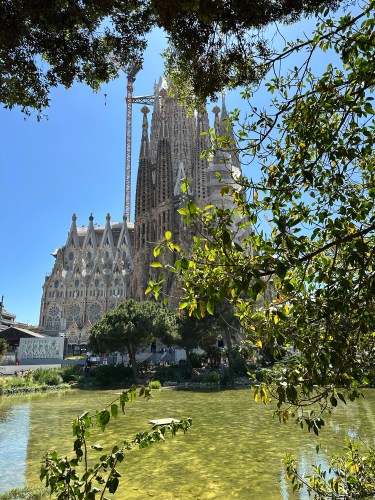
Sagrada Familia

Barcelona is a must-destination. It has a different vibe from the rest of Spain. Must be the Catalan flavor. Plus art, music, history, the beach and gastronomy all play so beautifully together in this one destination. Gaudi’s many masterpieces alone should take at least 3 days even if all entry tickets have been pre-booked! Just that the thick tourist crowd can be exhausting, with skilled pickpockets utterly threatening and annoying. They say local residents dislike tourists and make no bones showing their disgust but fortunately we didn’t experience any of this resentment.

Casa Batllo
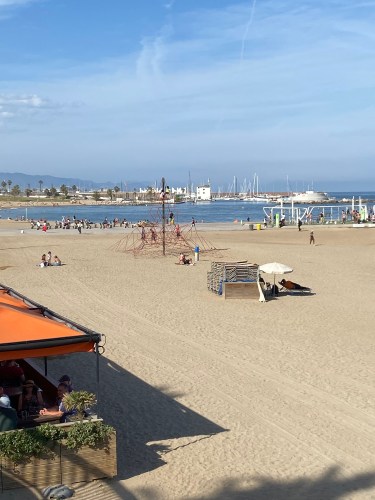
Playa de La Barceloneta

Barcelona. There’s more than just Gaudi. Like there’s the Palace of Catalan Music standing proud, holding concerts since 1908. This UNESCO World Heritage Site was designed in that Catalan modernist style by Architect Montaner, allegedly Gaudi’s mentor. Surely, there is no shortage of geniuses in the Catalan art world.

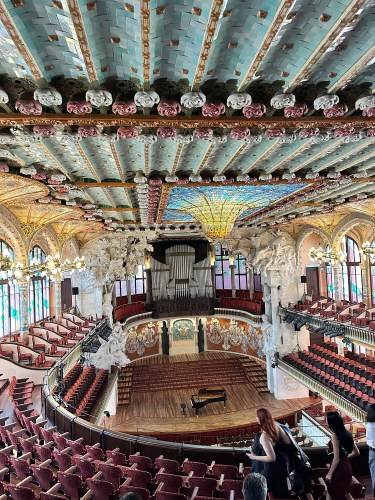
Concert Hall
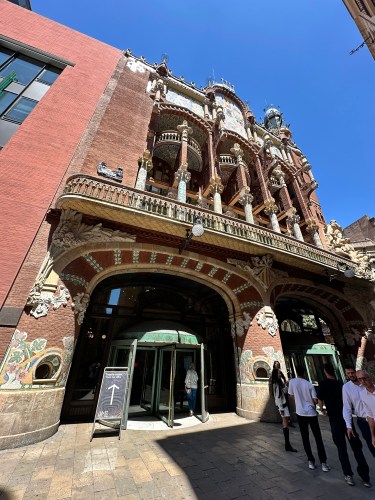
Entrance to Palau De La Musica Catalan

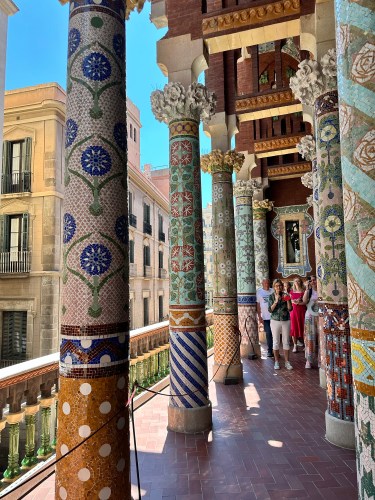
We took a guided tour of the concert hall and was mesmerized by the beauty both inside and outside. Flamboyant, some might say, and likely invited critics during its day. The chandeliers, stained glass windows, the columns and pillars, the flower and animal decor in all its intricate detail. Built from 1905 to 1908, this concert hall was designed for a choral society founded in 1891. The Orfeó Català spearheaded the Catalan cultural rebirth and the magnificent edifice was declared a UNESCO heritage site in 1997. Since its 1908 opening, it has not stopped promoting local composers and artists. Many premieres of musical compositions have been staged here, and some movies and tv shows have featured the palace in all its grandeur.

Ticket Window

I would have wanted to stay longer in Barcelona if only to watch an opera or a flamenco and guitar show. The calendar lists Madame Butterfly in a couple of days but alas, we leave before then. A pity. Hard to leave this elegant edifice, so we had our simple lunch in its Cafe Palau. Just as grand. Every inch of space a masterpiece. For some reason, the cafe cortado and tinto de verano taste better 😉 The bocadillo may be forgettable but I enjoyed the caprese empanada.

Cafe Palau
Cafe Palau

Truly an architectural marvel. I couldn’t even get past that ticket window ! Next time I make a trip to Barcelona, I will surely check Palau’s concert and opera calendar to time my visit. Stunning is an understatement. Mind blowing, close.


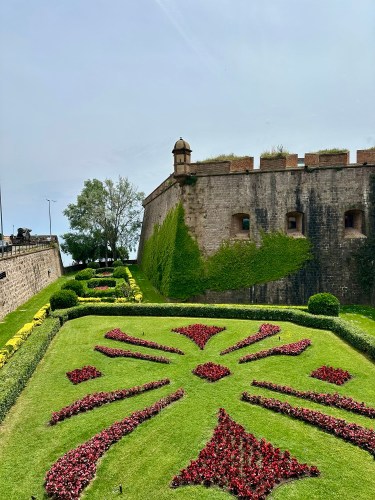
I have been to Barcelona a few times but have never taken the cable car ride to Montjuic Castle. Meant to throw in a visit to the Fundacion Miro to view this Catalan’s artworks but the Museo was closed on Mondays. Darn. 🙄 Settled for a castle tour at high noon and soaked in all that summer heat. I can feel the tan covering my arms and face.

Montjuic Castle

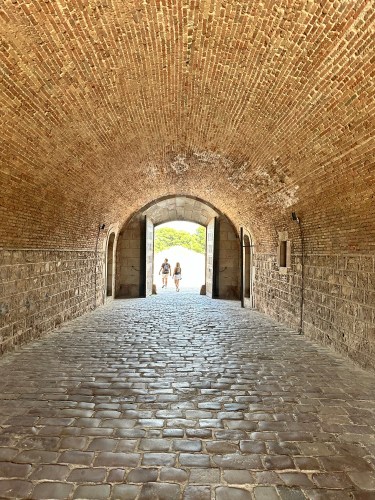
There isn’t much to see within the Castle. I guess much of the excitement begins and ends with the cable car ride. Just a short ride, which in my book, I can do without considering the €17 fee. Didn’t know the buses can bring us to the castle from the funicular station. So if you wish to scrimp, you can save €17 by ditching the cable car. Use the bus to get around the Montjuic area. We could have, but the summer heat exhausted us. I am sure it’s better when temps are lower.

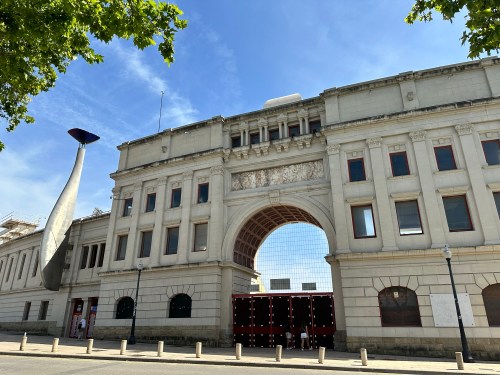
Barcelona Olympics. Estadi Olimpic 1992. But at the moment, I hear that Barça will play their home matches here while Camp Nou is under renovation. I’d love to watch one of those games even if Messi isn’t with the Barça team anymore. There’s Lamine Yamal. And Pedri. And Gavi. And Lewandowski. (No, I don’t like Raphinha) Yay, I digress. Happens all the time once football 🏈 (NOT soccer) is talked about. How I love the sport! Especially Messi. Big fan here 😉

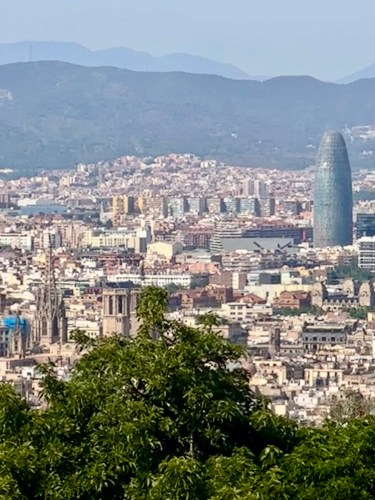
We called it a day after snapping shots of the city from the castle’s ramparts. We could make out the Sagrada Familia at a distance and the Torre Glories looking like a giant bullet shining under the sun can’t be missed. So with the iconic W Hotel in La Barceloneta. After a walking tour around the Old Town (Ciutat Vella), visits to Montjuic and La Barceloneta completed our first whole day in Barcelona.

Sagrada Familia and the Torre Glories

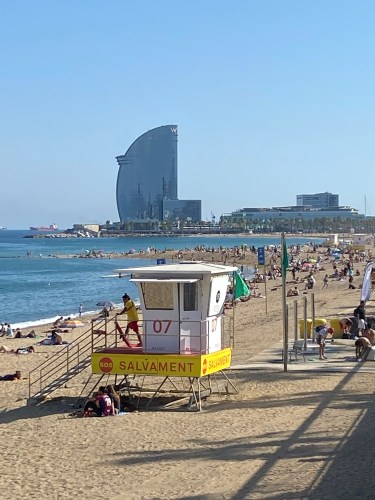
One thing really going for Barcelona (as compared with other major cities in Spain) is its beach. Once home to Catalan fishermen, La Barceloneta is now a vibrant neighborhood by the Mediterranean Sea famous for its sandy shores, small clubs and boutique restaurants and bars serving seafood tapas.

We were in luck. Sun was out. And the sandy shore wasn’t so crowded with sunbathers. The seafront restaurants had empty seats which we readily claimed. As a former fishing village, its claim to fame as the best source of seafood is justified. Allegedly, the best Paella de Marisco is served here. Big fan of seafood here so I’m always on the lookout for those briny fresh harvests from the sea.

Moritz Bar . I had my cava here. Much like Prosecco, its Italian cousin. Perfect with anchovies on toast. The wait staff were so nice that one called me “Ate” (older sister) even though he could pass as my son. I was rather expecting tourists patronising this seafront bar but instead found locals. A good sign. The prices were also quite reasonable considering its prime spot for sunset views, sea breeze and shore access. Nothing was outrageously priced. That was a pleasant surprise.

Coming from Montjuic where we endured the heat and the uphill climbs, we were prepped to just go easy here in the playa (beach) and then perhaps check out the mercato in the neighborhood. Anything to take our minds off the frustration of visiting Fundacion Miro in Montjuic on a Monday when it was closed! The sea breeze not only ruffled our hair, but clearly emptied our minds of earlier woes. Just that I kind of expected temps to drop as the evening progressed but we were constantly reminded that summer has begun.

Failed to wait till sunset. Couldn’t wait till 9pm. Must be lovely in this part of coastal Barcelona. But our tired bodies pulled us off our seats to start our trek back to our hotel. Maybe next time. Meanwhile, we passed old residential buildings along narrow streets and alleys with laundry hanging from balconies or windows. A few more blocks walking back to the metro station was a row of seafood restaurants and lively bars. Ciao!

Abuela Con Nieta


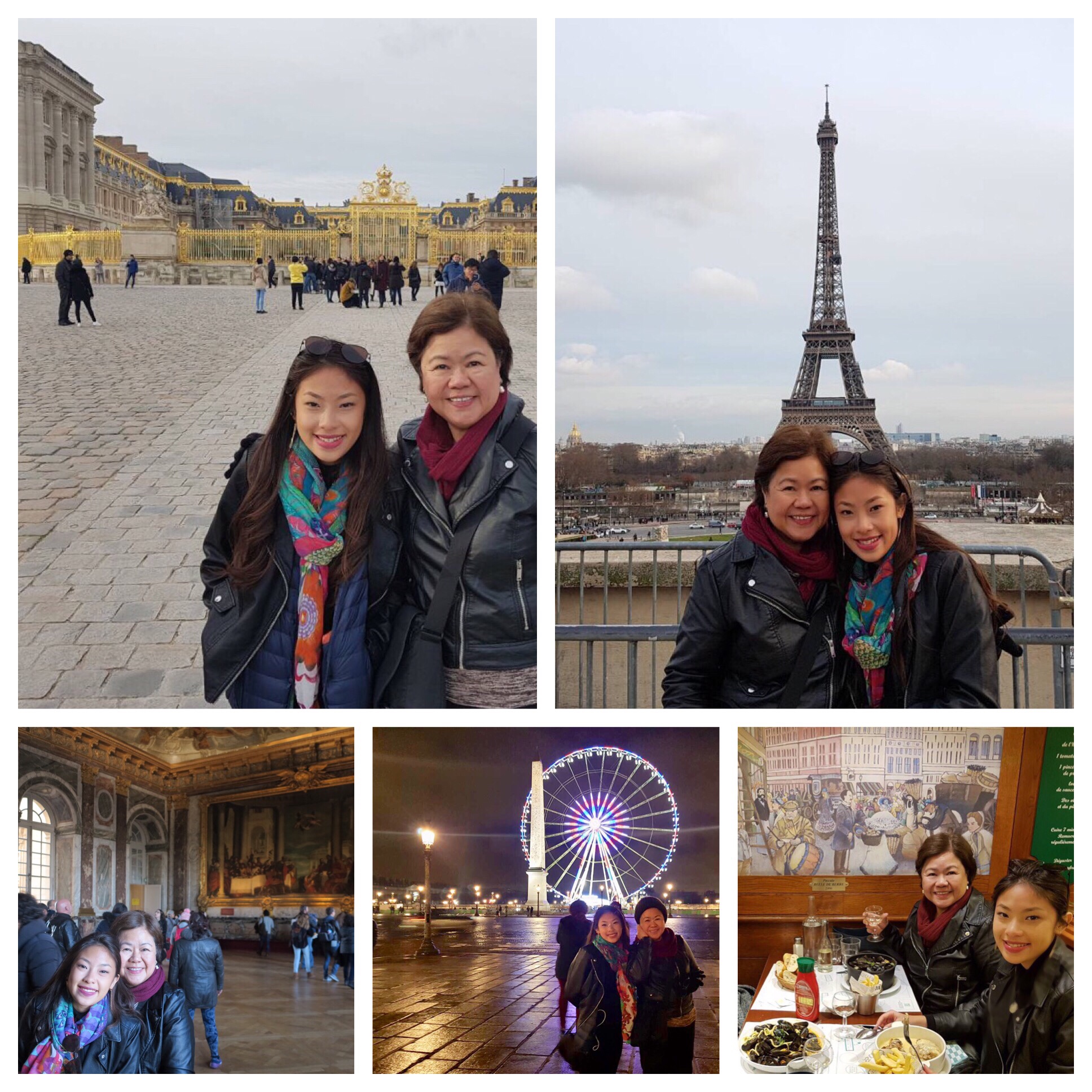
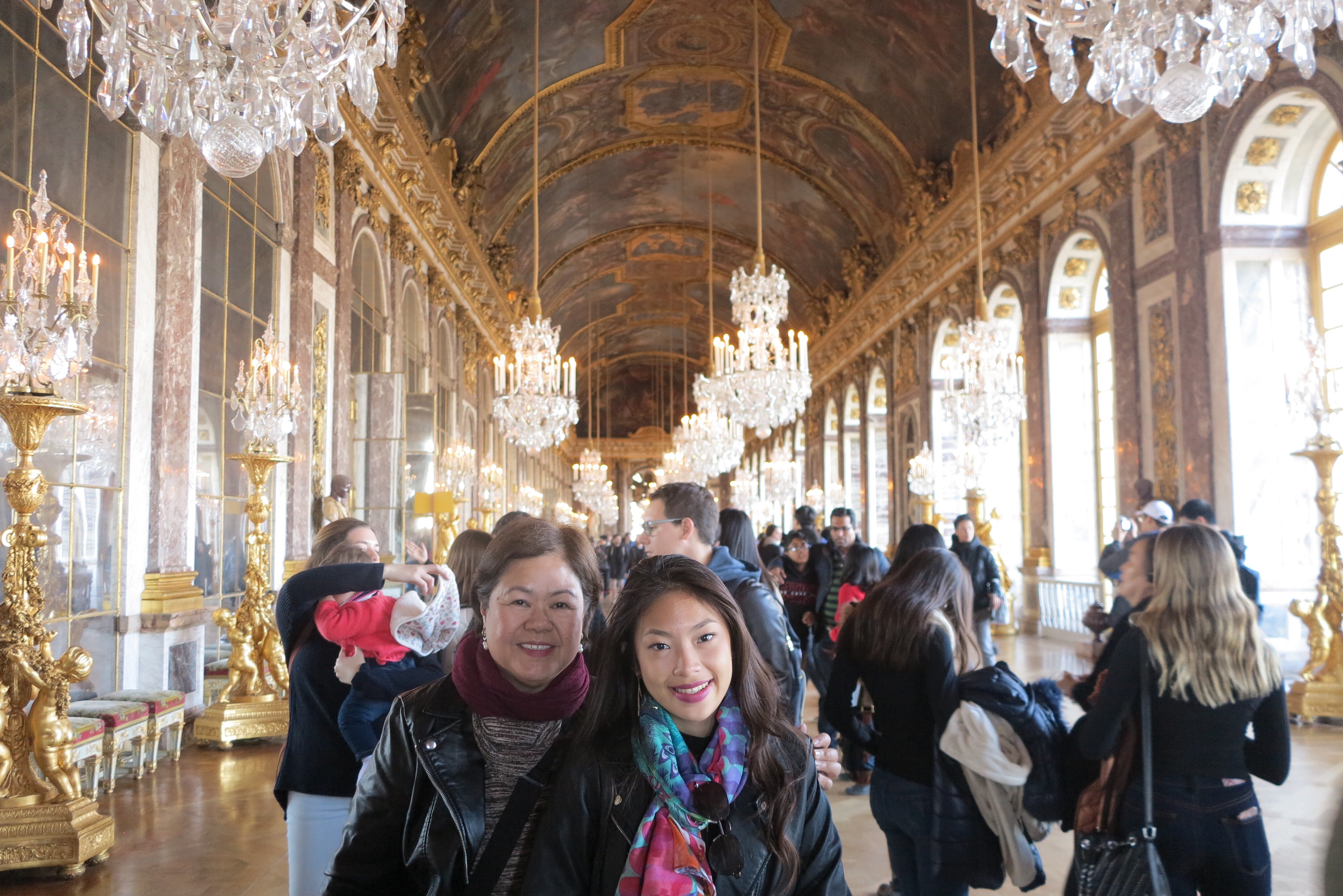
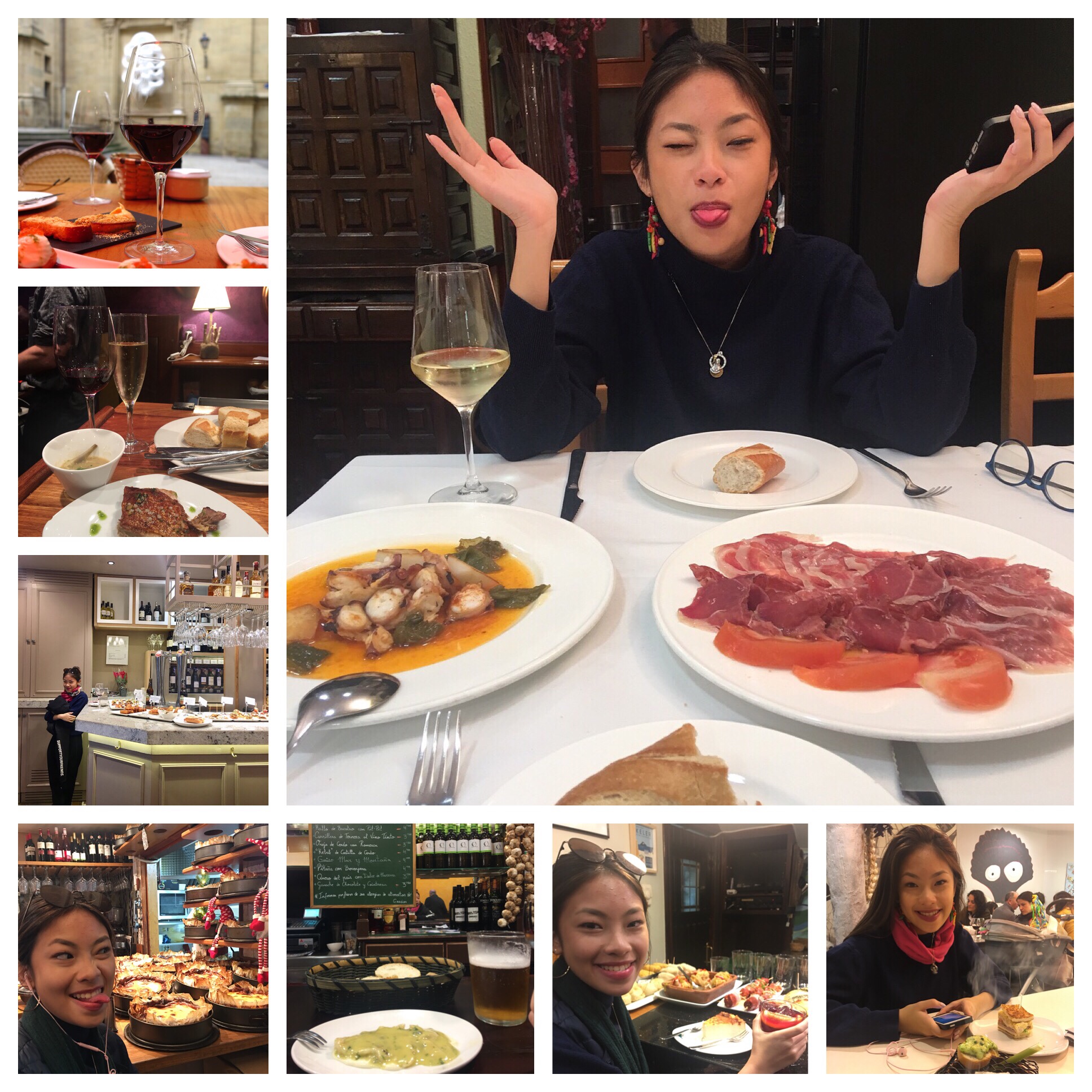
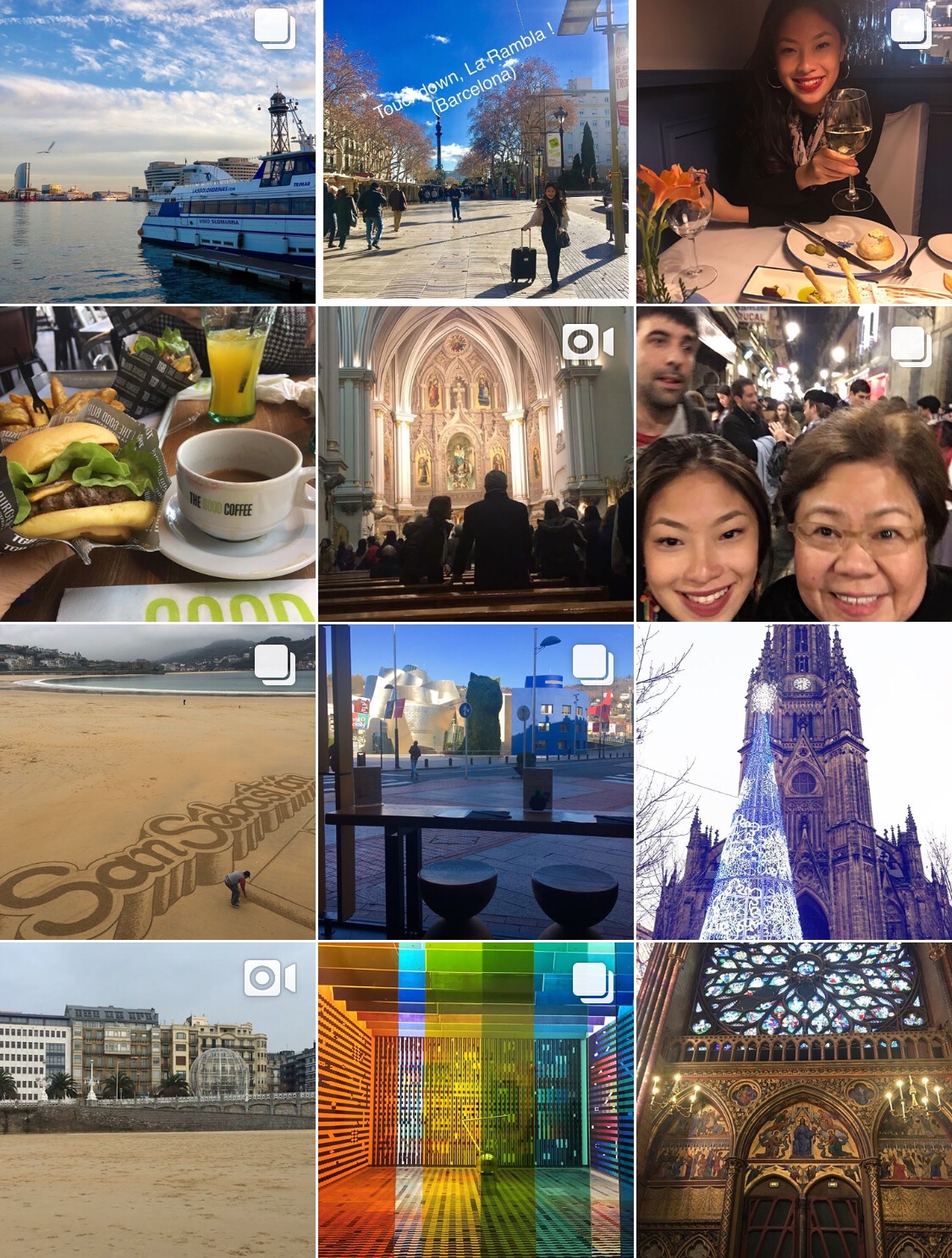
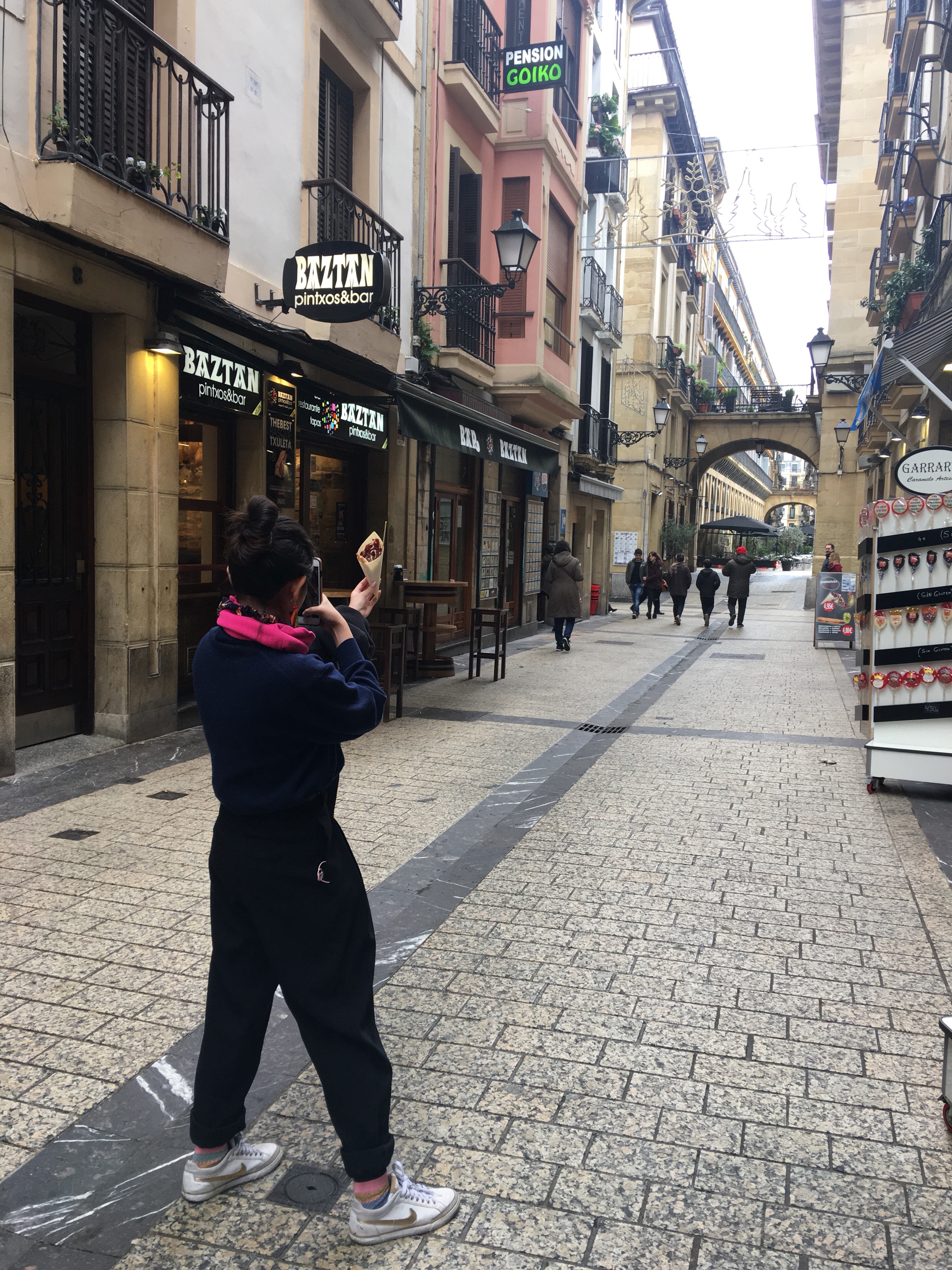
Traveled with my nieta over the holidays — her first time in Europe. We based ourselves in Madrid but made 3 night trips to Paris, Barcelona and San Sebastian. Paris was at the top of her list but she ended up loving San Sebastian best and Barcelona second best. I wasn’t surprised.

She loves visits to the art galleries and spent lotsa time there. And I mean lotsa time! San Sebastian has no museos in the league of Louvre nor Prado, but she digs the vibe in this Basque city so much that I’m convinced she can live there.

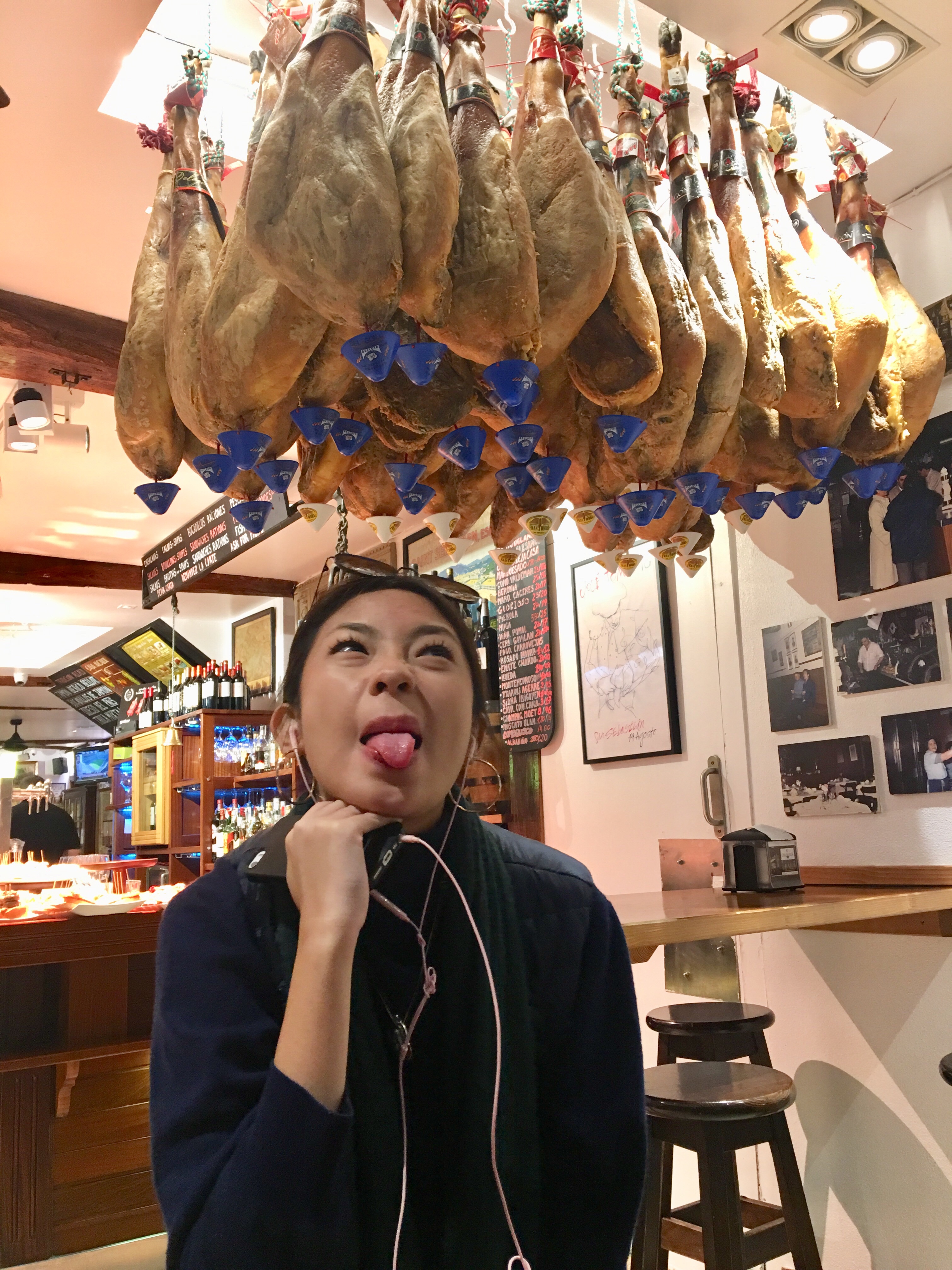
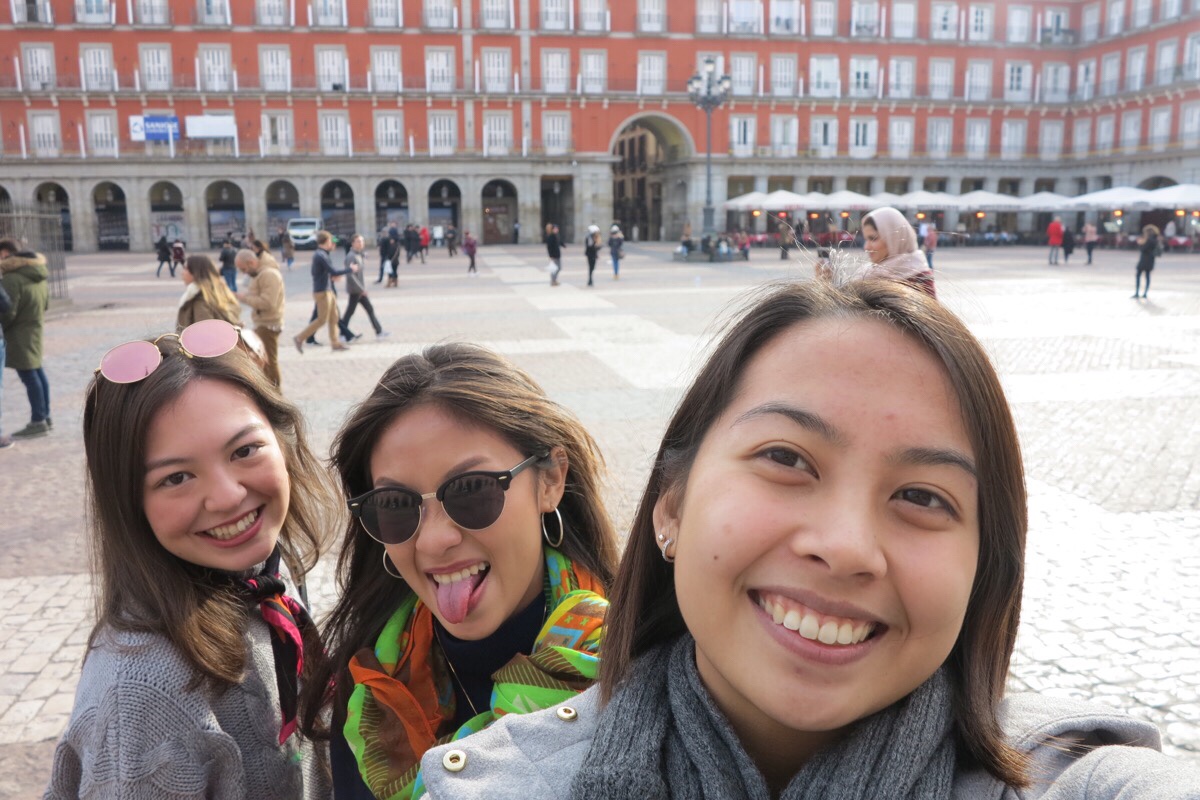
Traveling as abuela y nieta, our pair must have invited some attention. Or at least we were marked. Or perhaps SHE was marked. More than once, I was asked “Donde esta la chica?” She’d always find a vacant seat on the train where she can more comfortably sit, or stray away from me while we’re in line. She’d get free admission to some museos when the man at the window would ask if she’s a student. No student ID nor passport copy, but she gets in free or at a discount while her abuela pays the regular rate. She’s out of her teens now but still acts like a child like when I couldn’t get a decent shot of her without her tongue sticking out or her crinkling her nose.

Our vacation lasted a full month. She’d tease we didn’t quarrel as much as expected and laugh. I was happy to show her around, much that museos and art galleries were coming out of my ears. She discovered she’s a good dishwasher and that she easily forgets things. I discovered I can appreciate street and urban art too. We share food preferences and love bubblies. She likewise shops like me — quick, decisive and wise. Ahem.

I am certain “art appreciation” was the highlight of this trip. I have seen how she spent for art materials and art books, more than she spent for those fashion stuff. For sure, she has set her sights on a return trip knowing how she has enjoyed this holiday.

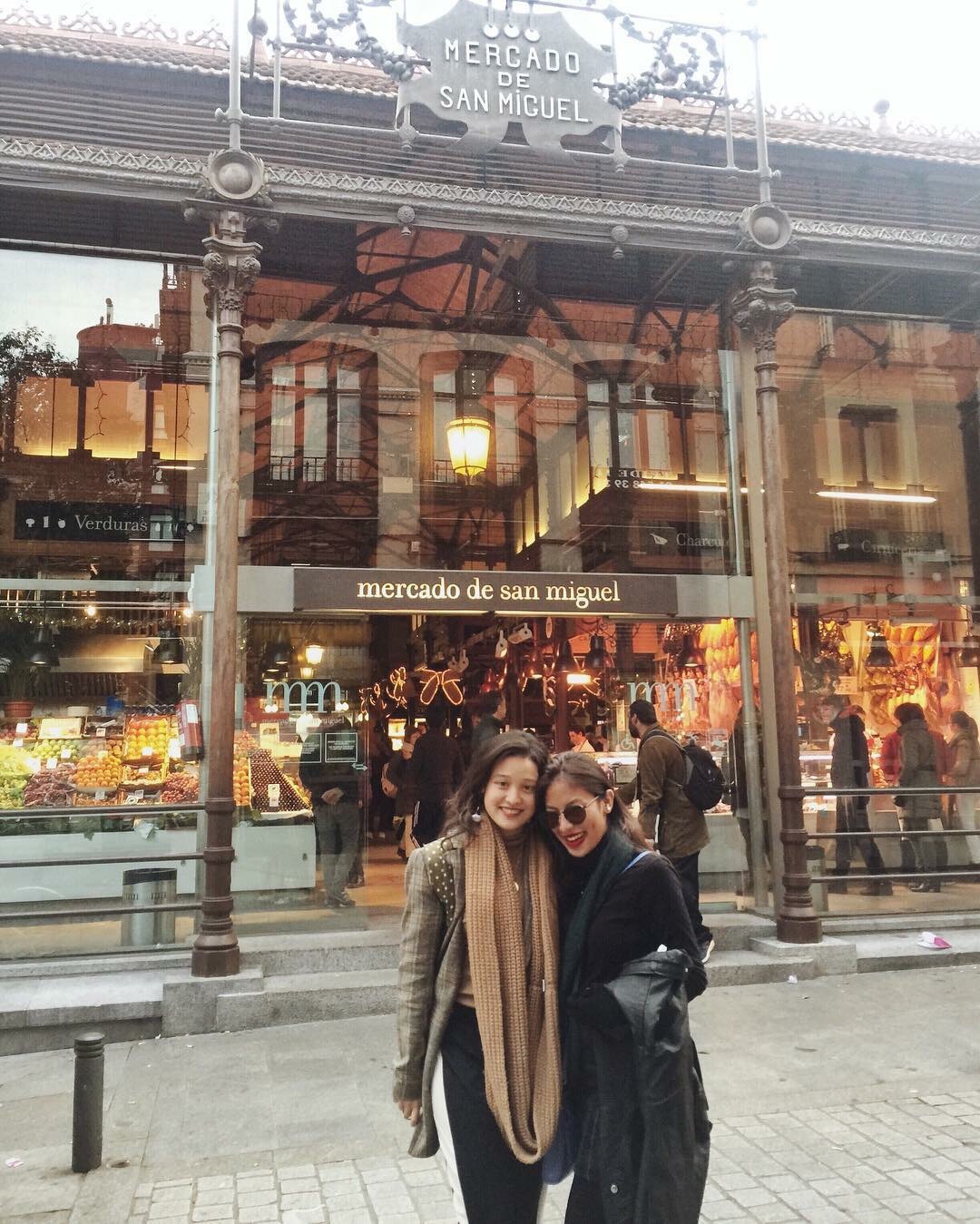
While in Madrid, she found time to meet with her friends now studying there. It was amusing to see her playing tour guide cum photographer. Their photos speak volumes on how much they enjoyed each other’s company, sticking tongues and all 😜 She loves Spain. And judging by how she’s been painting lately, mi nieta is inspired. 💕👩🏻‍🎨🎨

Travels with #aponimamu:(Just click on the link)

Around Paris

Louvre and Centre Pompidou

Bohemian Paris

Touchdown, San Sebastian

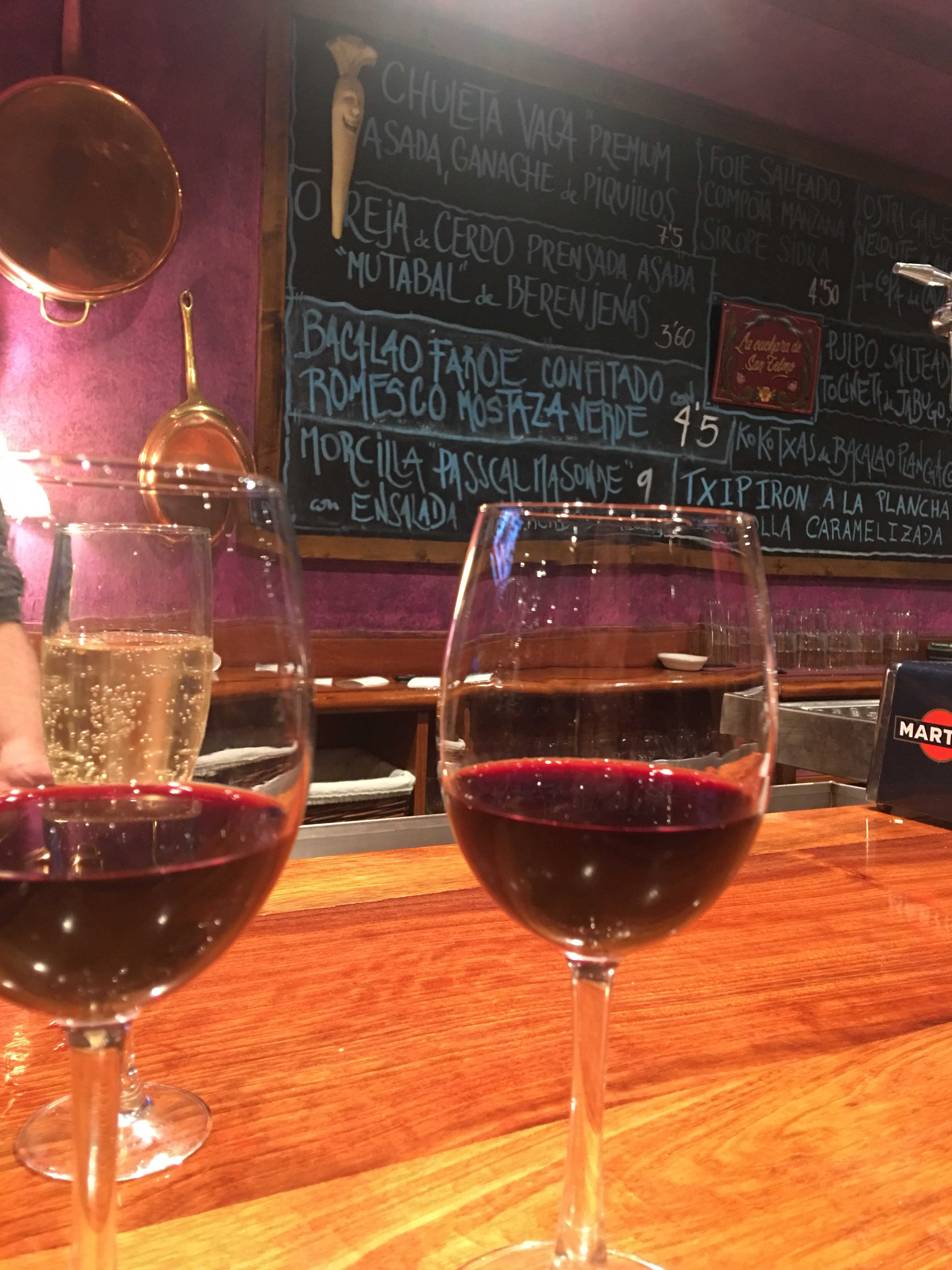
Txikiteo in San Sebastian

The Playas of San Sebastian

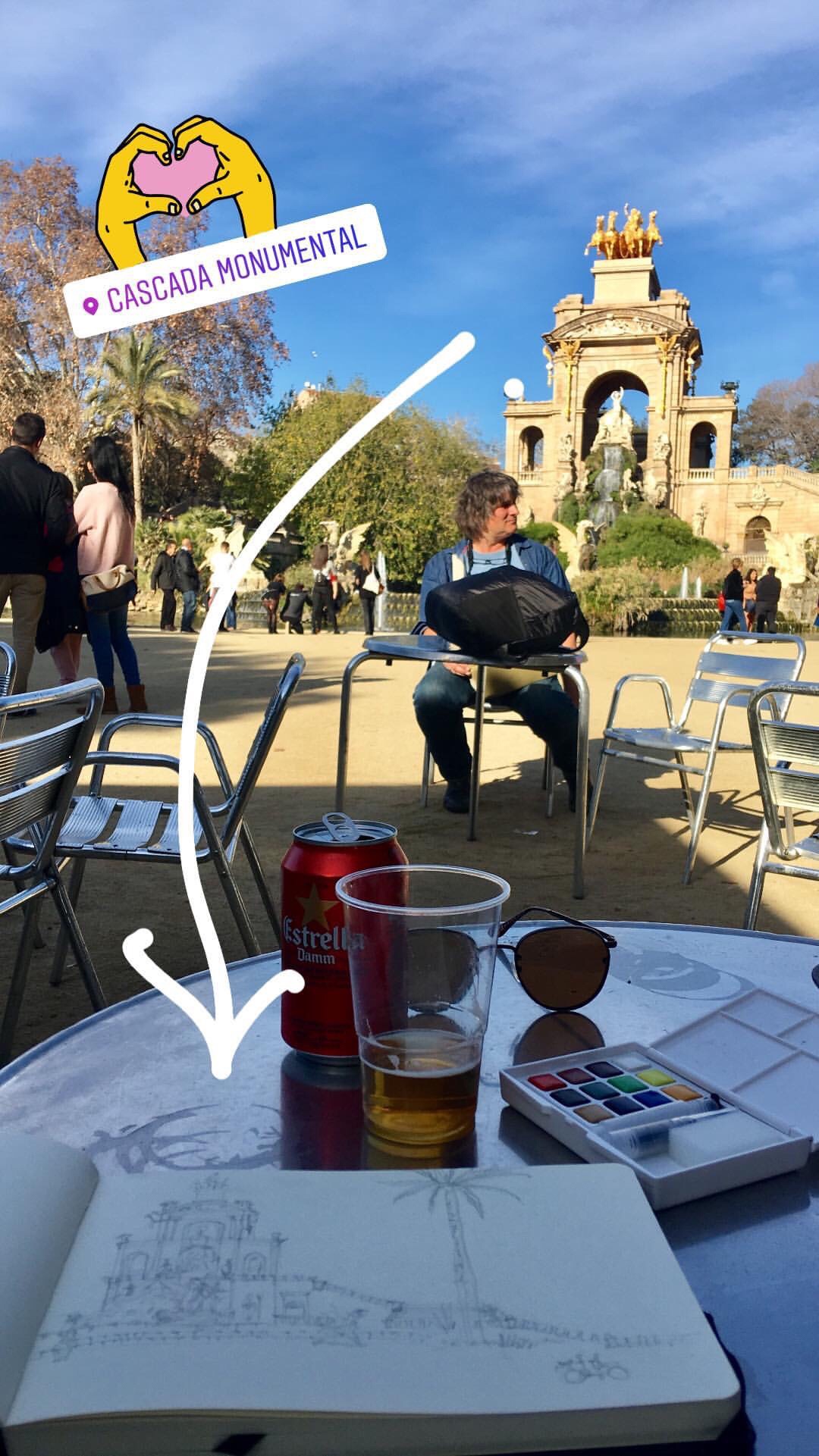
Traveling Paintbrush of Anna

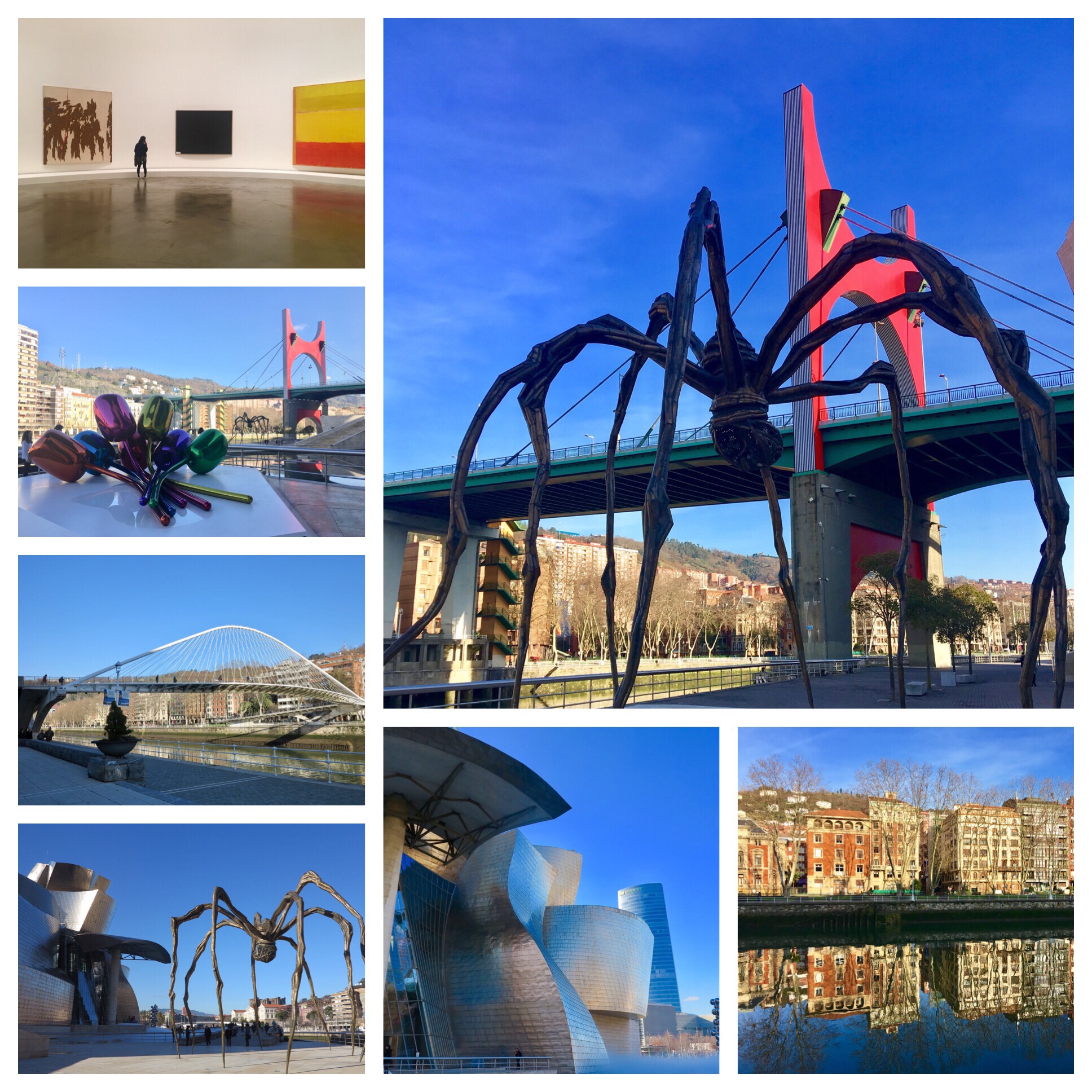
Museo Guggenheim (Bilbao)

Museu Picasso (Barcelona)

Museo Reina Sofia (Madrid)

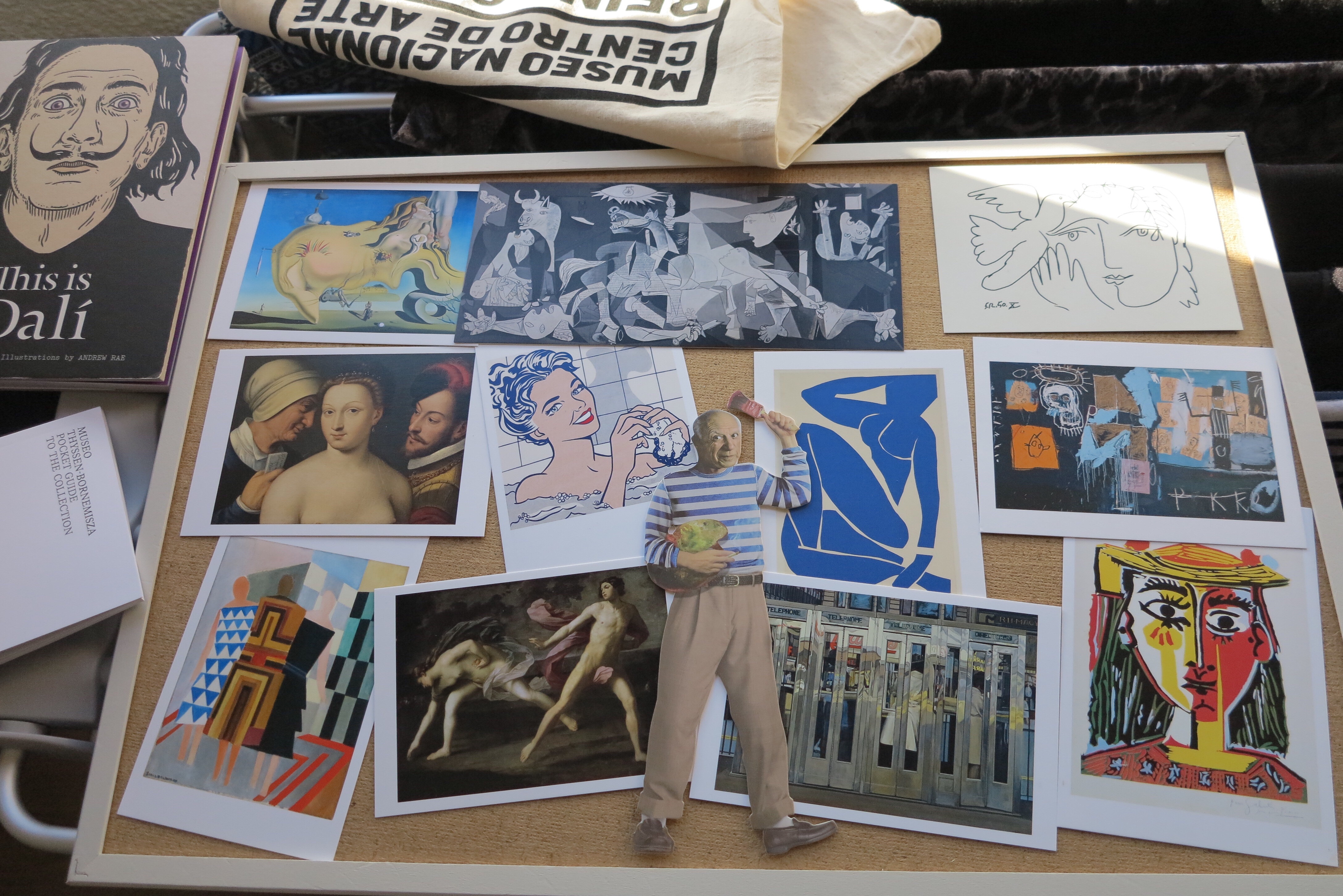
Museo Thyssen-Bornemizsa (Madrid)

Gaudi and Ciutat Vella

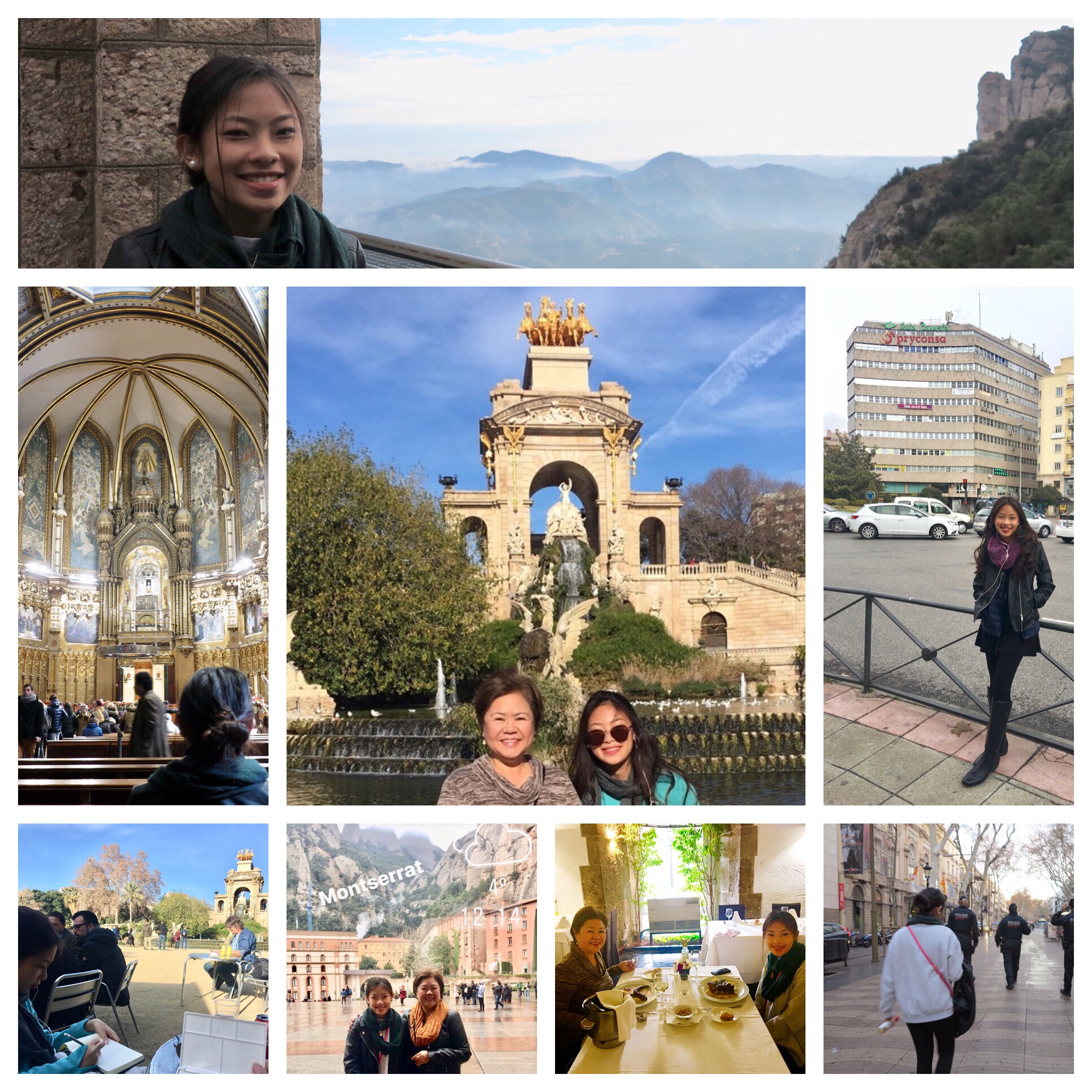
To Montserrat and Back

A Pleasant Moorish Surprise

Not Segovia, But Alcala de Henares

Street Art In Spain

Some Musings and Ramblings:

Abuela Con Nieta

Happy Thoughts for Anna P


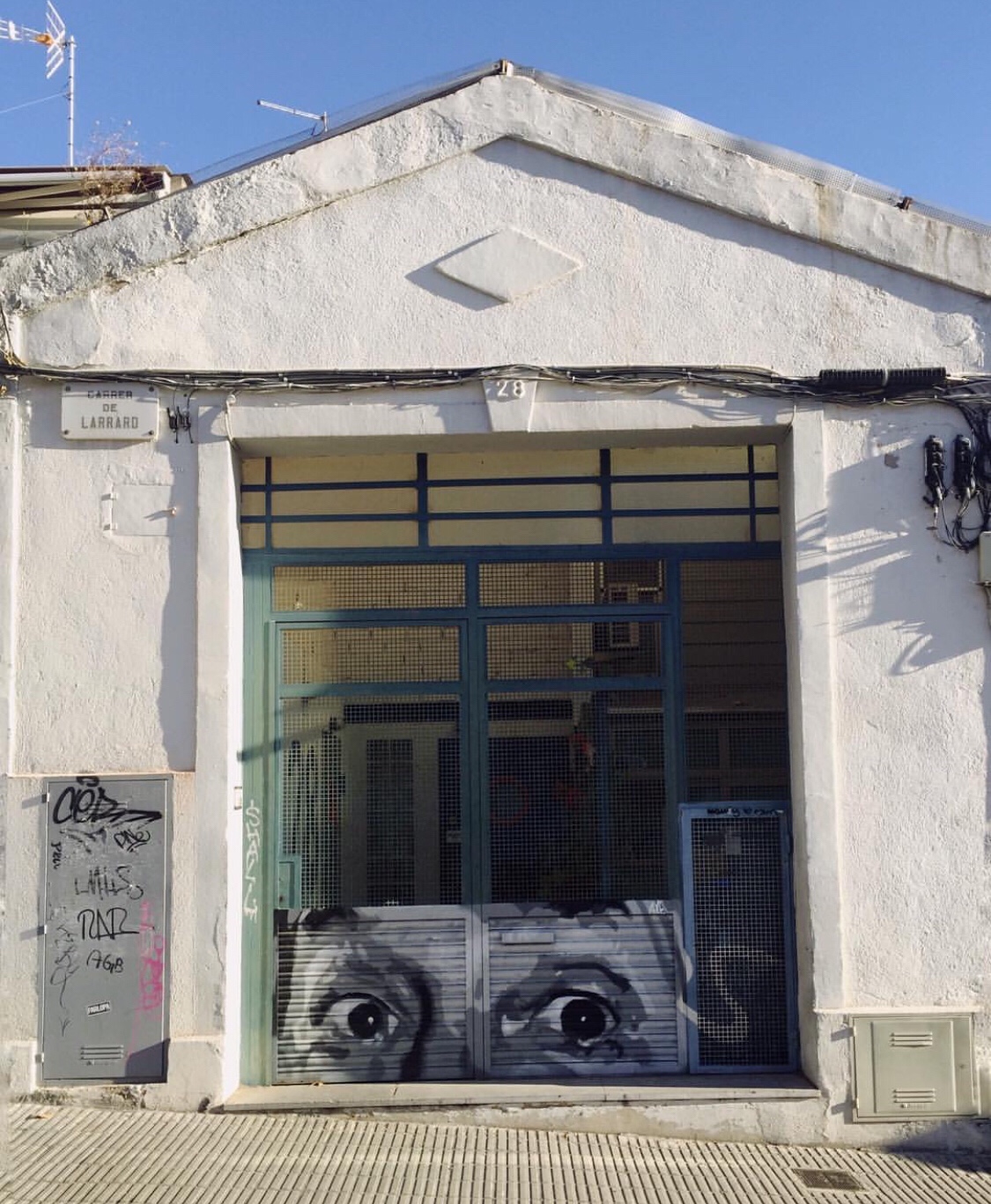
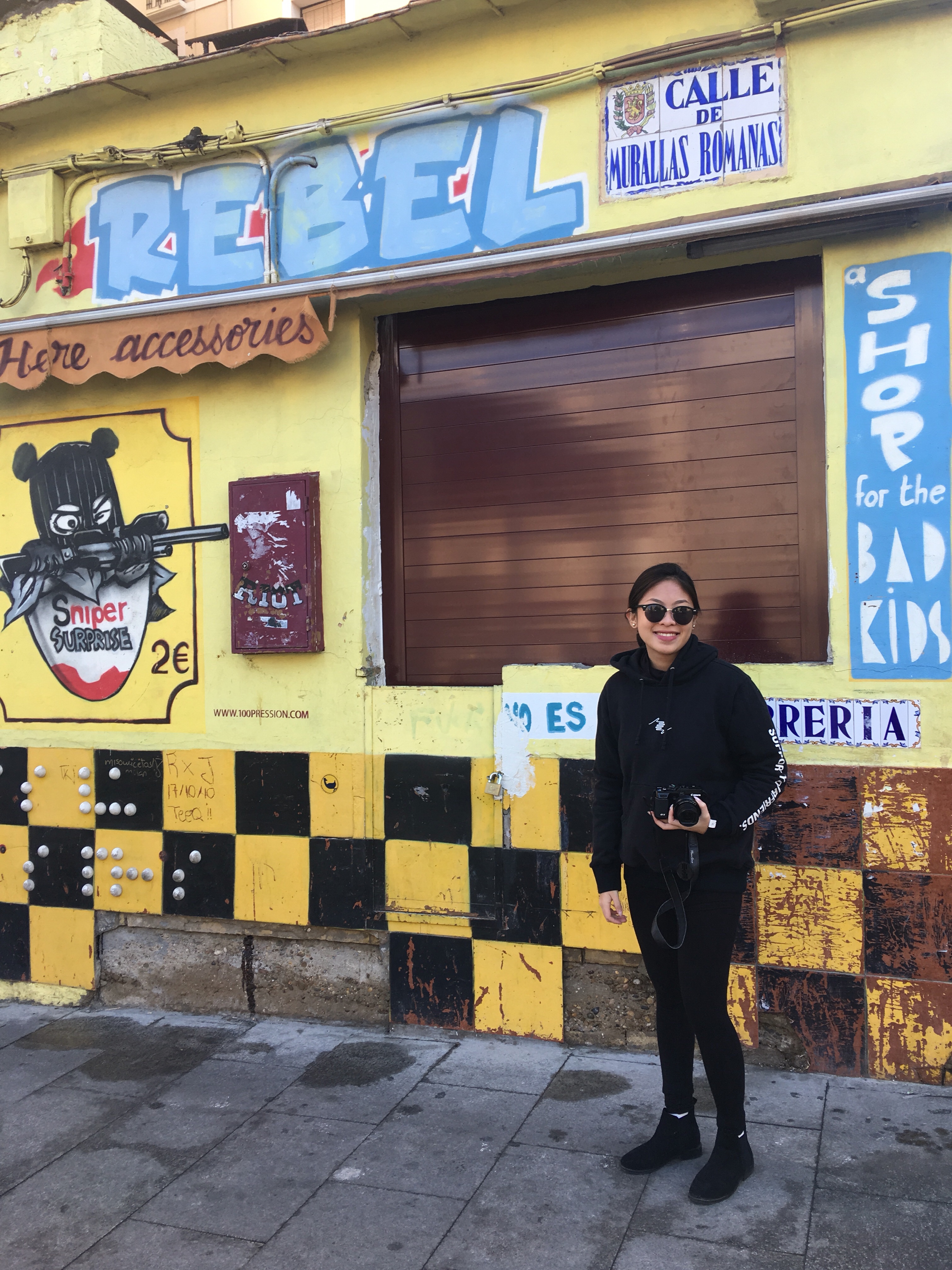
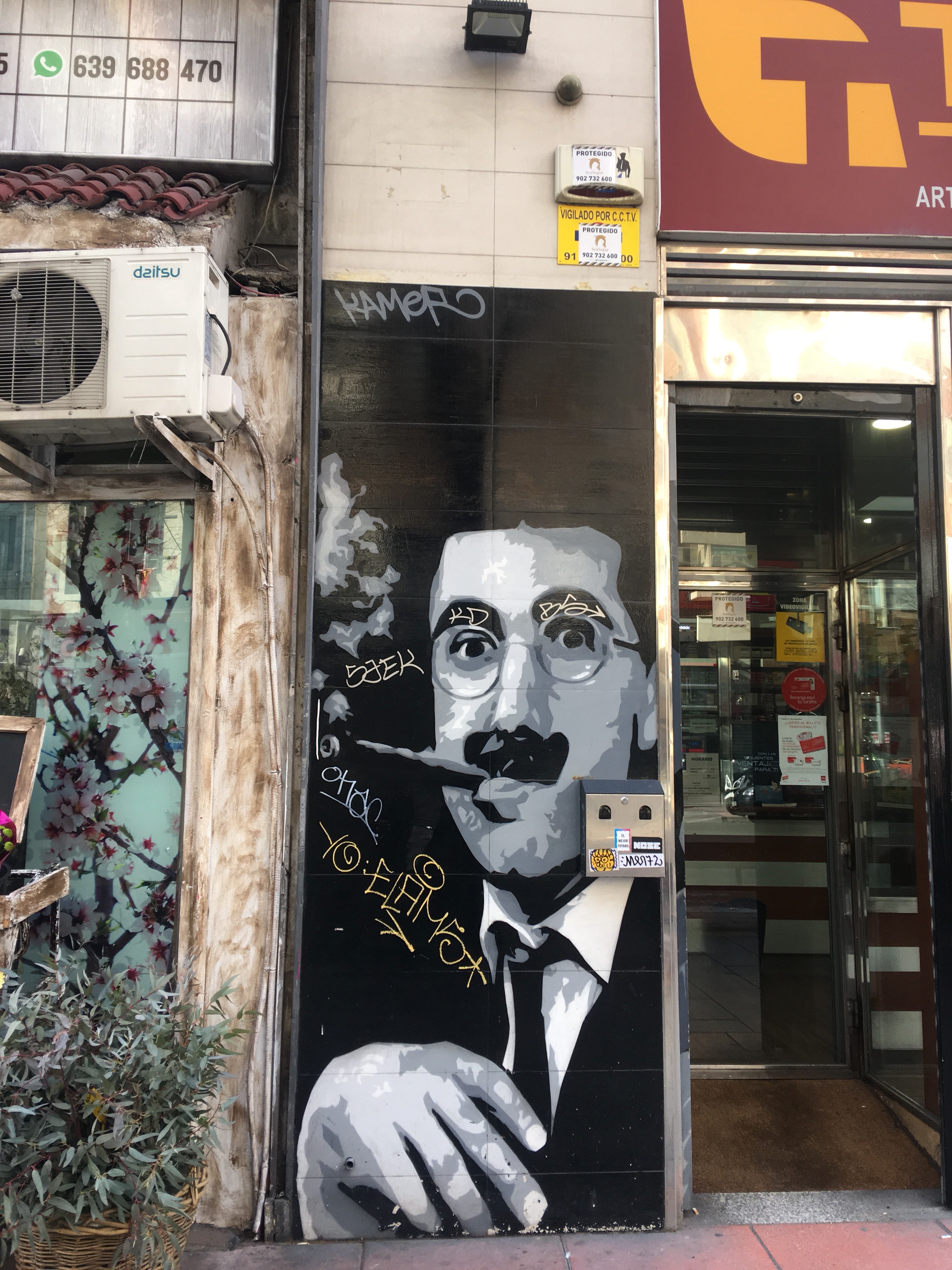
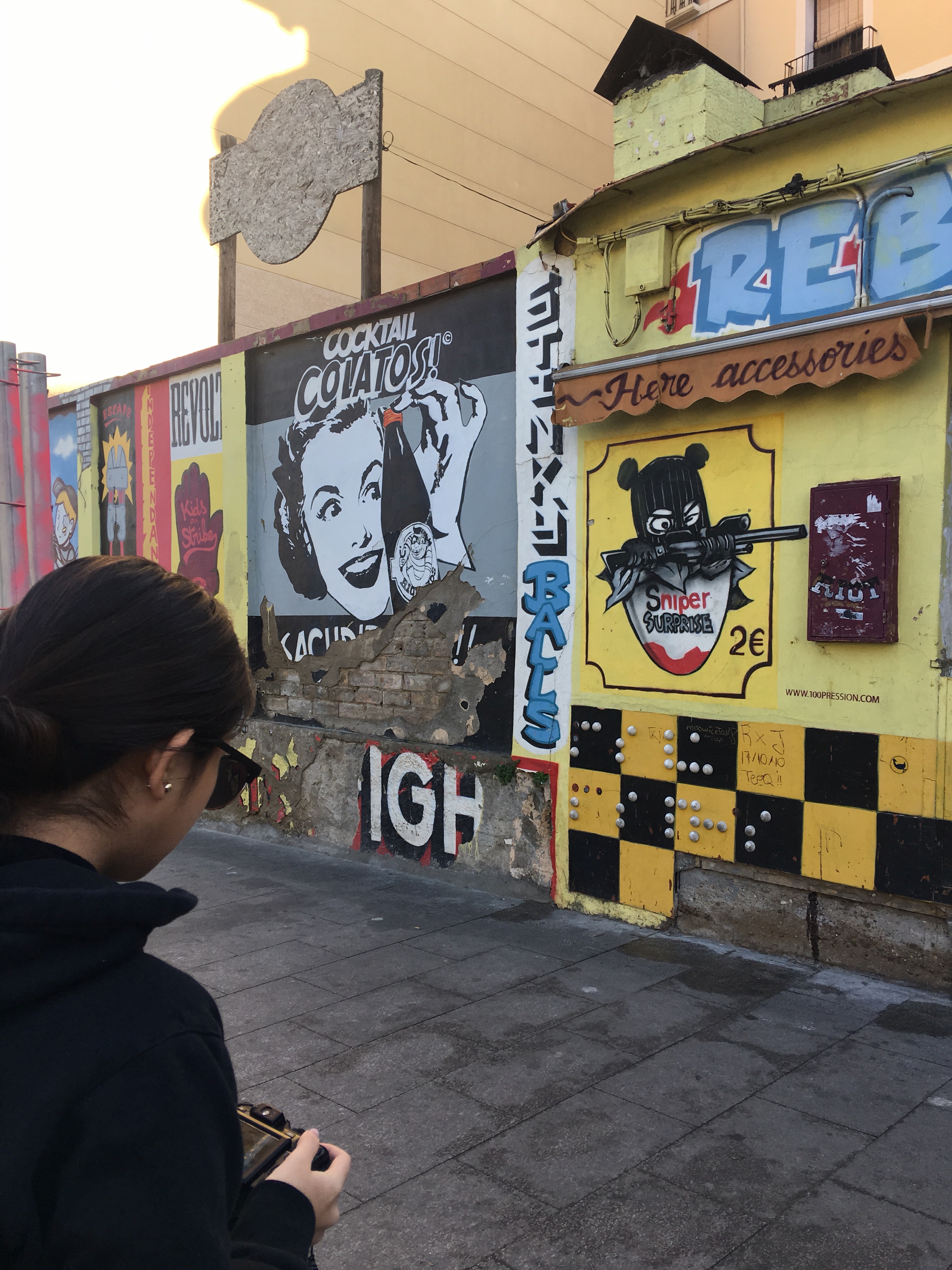
If I were traveling solo, I’d likely NOT pay much attention. But my nieta drew me closer to urban art. In my book, they are pure and simple graffiti. Except of course for the open air sculptures in brass or bronze. Not so, says my artist-nieta. So I looked closer. Yeah, there’s an element of “intimacy” in such a public art expression. A connection of sorts. Some make sense, others don’t. Like this piece in Barcelona near Parc Güell. A pair of eyes to “guard” the shop. A closer scrutiny reveals they’re Albert Einstein’s eyes. Or this piece in Zaragosa near the Mercado Central, just a few meters from the Plaza del Pilar. Shop for the bad kids? Hmmm. And it was Christmastime when we found this.

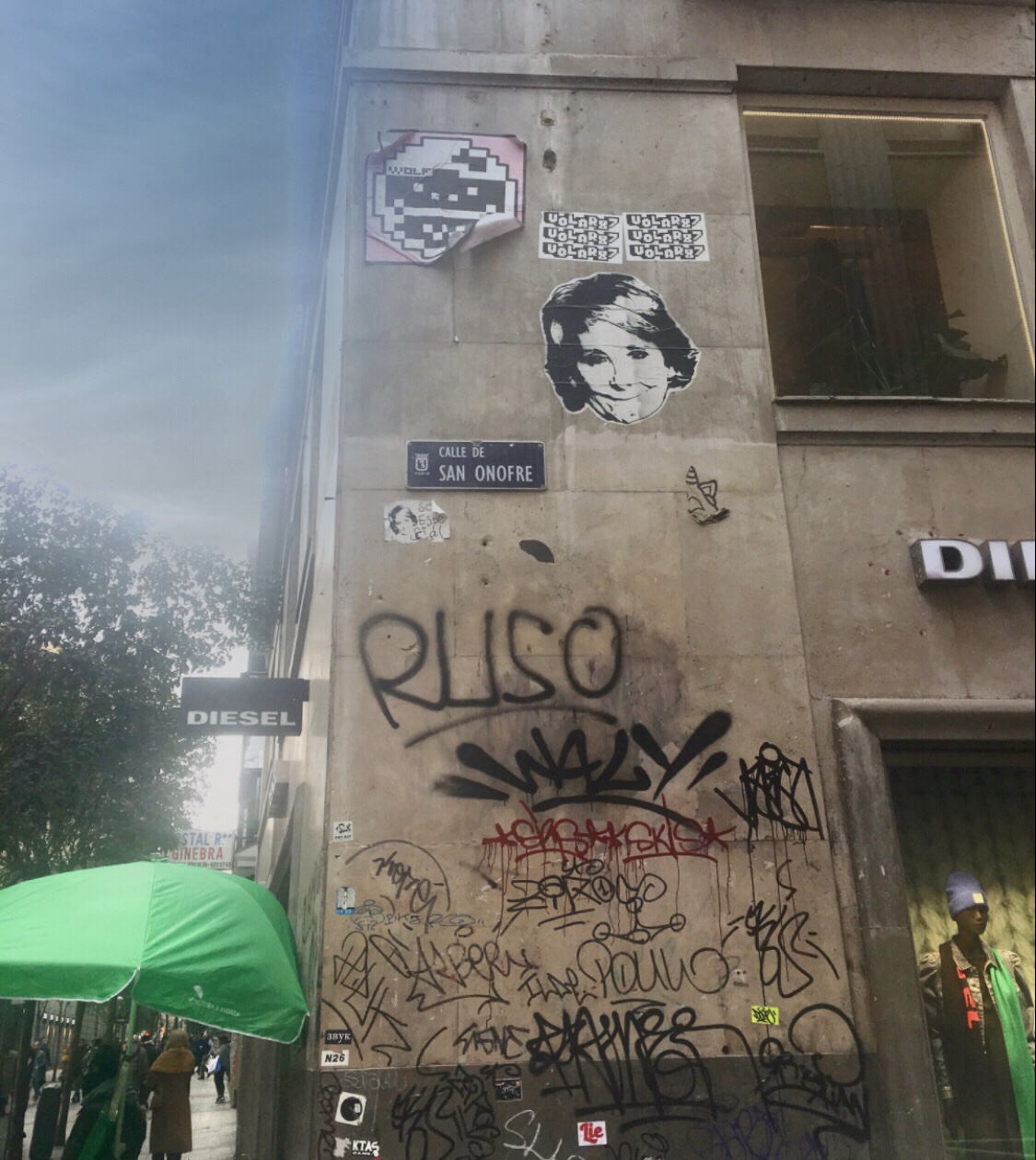
There is an area called La Tabacalera in Madrid. A venue for self-expression but we failed to visit the area as it rained, snowed or hailed the last few days of our Madrid stay. That would have been interesting. But walking home, we weren’t deprived of Madrid’s rebel spirit and creative permissiveness. The shops either sported these graffiti, or someone sneaked in to express himself while no one’s looking.

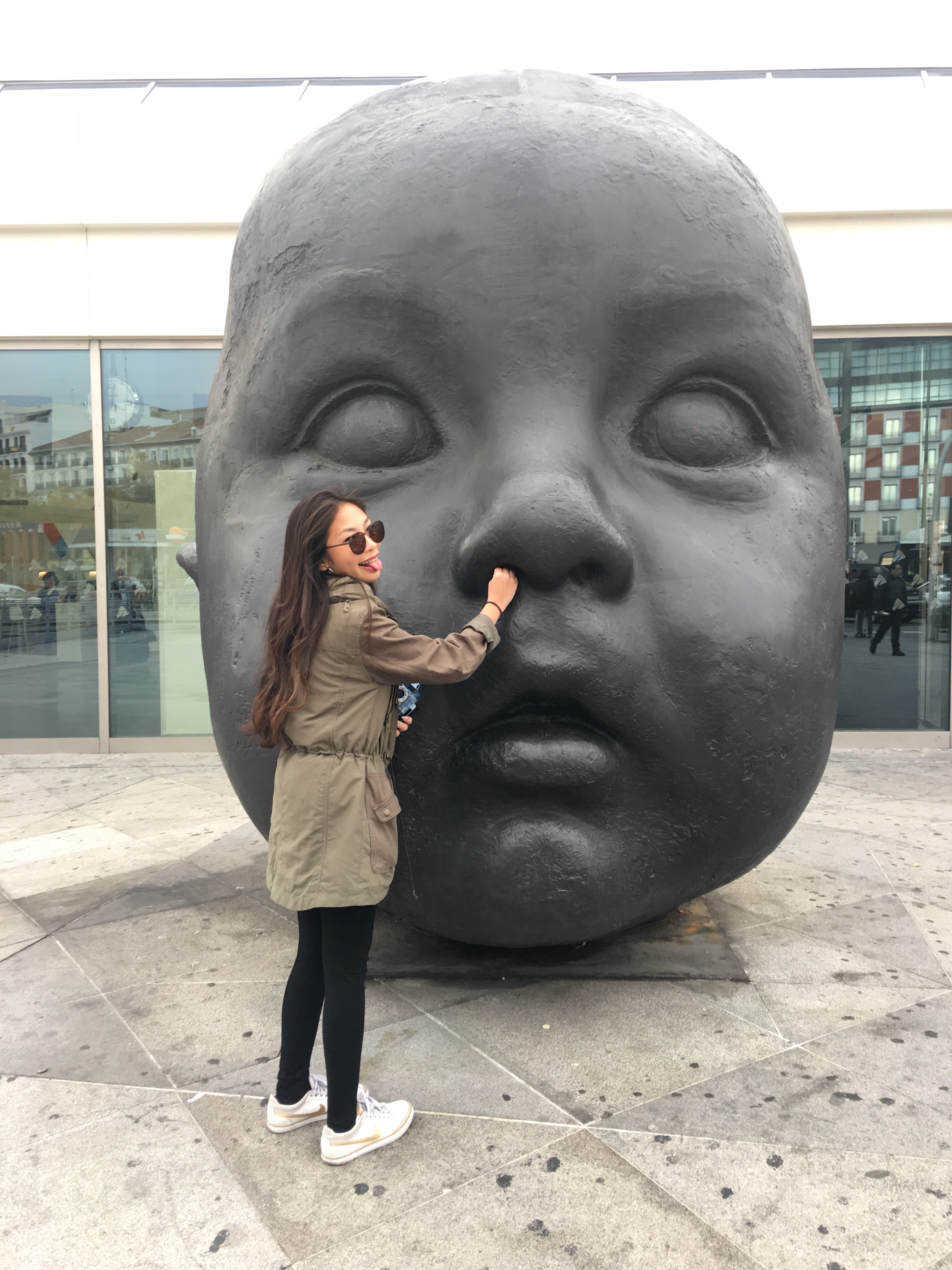
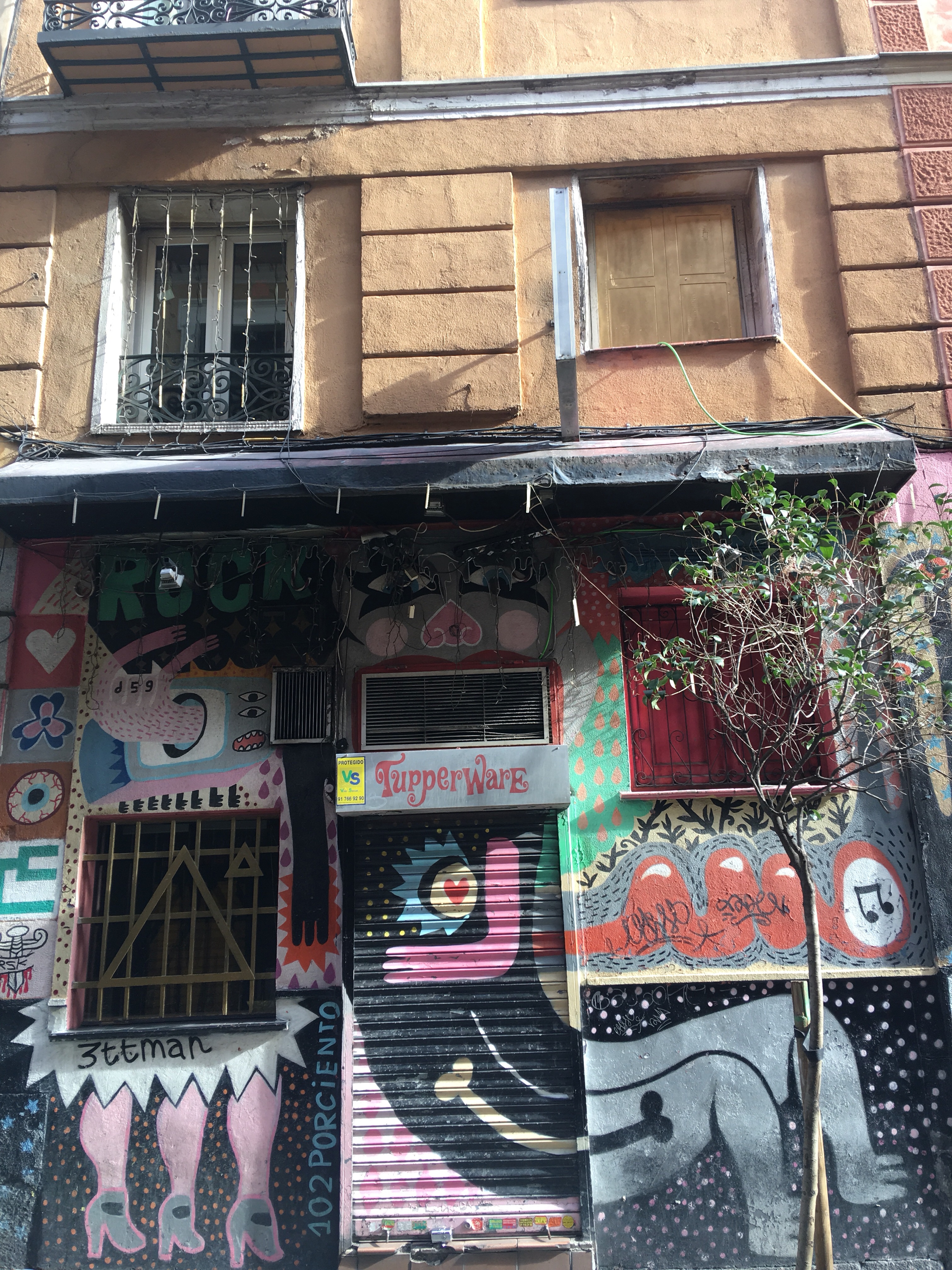
Atocha Station has some interesting artworks on display just outside the station’s Arrivals area. And there’s Tupperware — a hipster bar frequented by young locals. The bar’s front displays some artwork that changes from time to time.

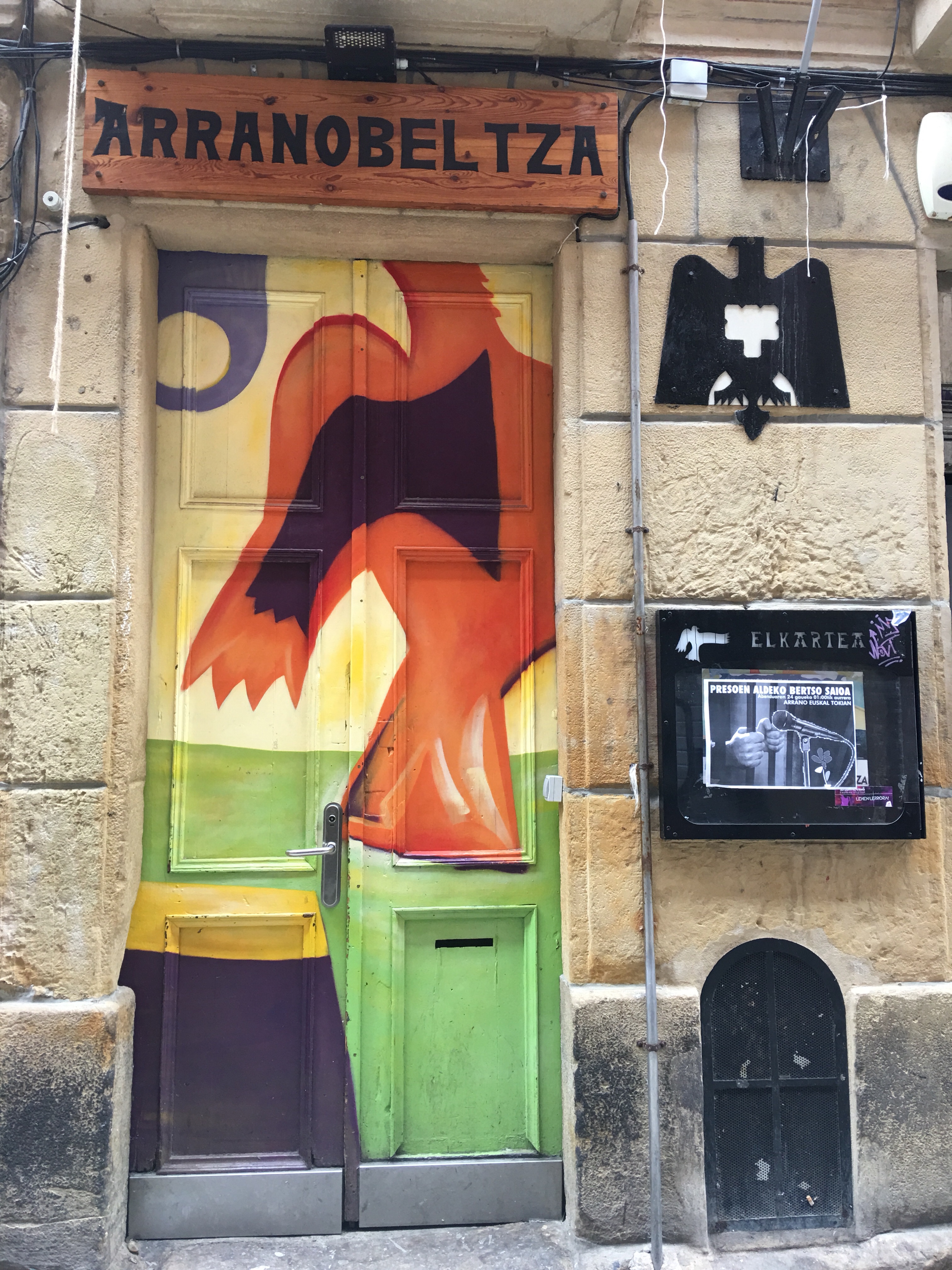
In San Sebastian and Zaragosa, we found many walls, doors, defaced with graffiti. Like spray-painted Swastikas, Hitler images, or just plain messages.

I can imagine shadowy characters sneaking in with their stencils and spray paint cans, finishing the job in a few minutes lest they get caught. Mind you, my nieta was having all these crazy ideas herself to a point she had a stencil ready and a can of spray paint. Yay! Time to go home.