Finally joined up with my travel buddies who flew in from Manila to Sydney to catch a connecting flight into Santiago, Chile. The Qantas flight from Down Under took 12 hours where I hardly had a wink. Shouldn’t complain since my buddies endured another 8 hours plus all the waiting time at the 2 airports for a gruelling 28 hours. By the time we landed in the country’s capital, we were all wasted. But pleasant weather welcomed us in Santiago, named after one of our favorite saints. Hearing and speaking Spanish is both familiar and a struggle for many of us, but the excitement balances all sentiments and dulls the anxieties.
Our Pisco Sour and Empanada Outing on Day 1Cool early evenings. Perfect cocktail hours.
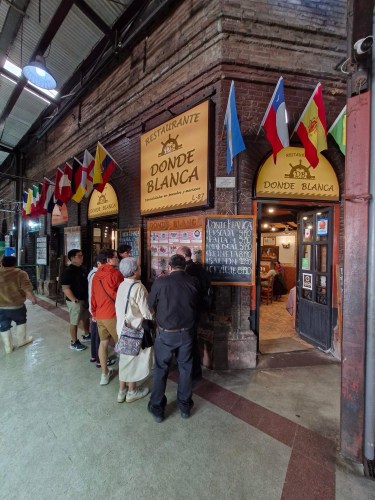
A very manageable walking distance from our hotel is the Costanera Mall in the quiet, posh neighborhood of Providencia. That’s how we spotted La Pikada along with the laundromat we’d use before we move out of the capital on Day 6. The Mall is huge, houses over 300 stores and the Sky Tower which is touted as the highest sky deck in South America. It’s a good place for shopping and some dining. We tried a bistecca and empanadas here before walking back to our hotel. The next day, we explored the city’s Mercado Central. Lunch was seafood in Donde Blanca amid stall after stall of clams and fish varieties from Merluza to dorado to salmon to a new find, Reineta (pomfret). The Resto transformed this assortment of sea creatures to stews, soup, ceviches or simply grilled. Paired well with Chardonnay, Sauvignon Blanc and a red vino. Meatless, on an Easter Week!
Donde Blanca RestaurantA Seafood Stew. I’m all for clams, mussels and scallops.
We took it real easy the first 3 days. The hotel’s veranda is our designated spot for cocktails starting at 6pm. We exchanged notes especially on where to buy and dine at the end of each day. Dealing with jet lag is a struggle so the first 3 days took care of that. On the 4th day, we tried to cover as much of the city as possible. Still, we managed on a very leisurely pace. Well, it isn’t like we had to tick off all the boxes. We particularly enjoyed the stroll around the park. With an urban landscape as a background, it was refreshing to find ponds, gardens and kids’ playgrounds. It’s the city’s oxygen tank where nearly 40% of the nation’s population work and live.
Waiting for our seafood lunch Fishy fishy Spot
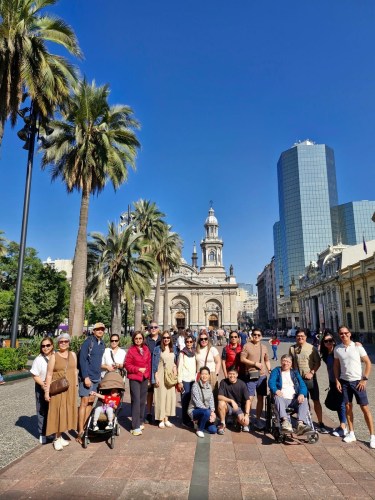
Then there’s the Plaza Armas. A typical Latino square with the cathedral as the centrepiece. It is the heartbeat of the city from where many folks congregate, many eateries flourish and where many tourists never failed to visit as a must-destination. Buskers abound too, from singers to dancers to jugglers. And so do the resident pickpockets. Just the typical scenario in any capital. Cuidate!
A stopover in Sydney demands at least one visit to the Circular Quay. Whether or not you’re riding the ferry, it’s mandatory to enjoy that view of the harbour, the bridge and the grand dame — the Sydney Opera House. Trust me, the joy of seeing this view never ever fades regardless how many times you’ve been here. Beats all Harbor views, in my book. And if all you have to do in Sydney is take ferry rides, you’d never run out of things to do. There are many spots around Sydney from where you can enjoy a view of the bridge and Opera House. Always a delight! And from the Quay, there are many walking paths — towards The Rocks, The Royal Botanical Garden, Museum of Contemporary Art ( Sydney Biennale ongoing), and Sydney Conservatorium of Music where I enjoyed a Lunch Break jazz concert.
Harbour BridgeLunch Break Jazz Concert
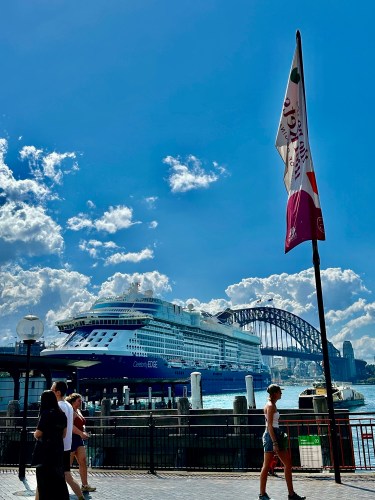
From the suburbs, I took the nearly hour’s ride to Circular Quay and on my second visit, I was delighted to encounter this mega-city of a boat called the Celebrity Edge. Many passengers starting to board for the nearly 2 week cruise to New Zealand. I was thrilled to see the boat as my friends and I have just booked a 12-night cruise in November this year. Huge! And I tried to imagine where our cabins would be. Exciting!
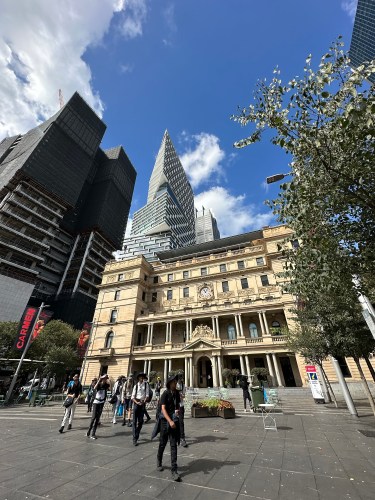
Celebrity Edge docked in Circular QuayThe Customs House. This is one spot I won’t miss during the Vivid Sydney season.
Meanwhile, there’s the Sydney Biennale in the Museum of Contemporary Art right around the quay. And on the other end, the Opera House, Conservatory and the Gardens. The latter offers truly blissful walks. And if you care to break the walk to enjoy some coffee and a pies or wraps, you’d easily spot a Café within the gardens.
Sydney Biennale 2024A View of the Opera House from Cremorne Point
Easily, one can spend a whole day here without even taking a ferry ride. However, should you wish to take the ferry towards Manly, Watson’s or Mosman Bay, or just do the quick ride to Barangaroo, Darling Harbour, Cremorne Point or wherever else, I’d advise you leave early enough to beat the crowds. We enjoyed our lunch in one of the restaurants in Gateway just behind the Quay Station Building, and witnessed the long lines at the wharves past noon. Enjoy!
It’s nearly a week since I touched down in Sydney and there’s two more weeks to go before I join up with my travel buddies for our much-delayed, our pandemic-postponed trip to South America. Originally scheduled in 2020, our travel group has since been trimmed down to under 20 pax after all the postponements and the hassles of obtaining visas from Australia or USA and Chile. Crossing 3 time zones on this trip is a first for me. Why? Well, let me start with breaking my journey on the first leg — Manila to Sydney to Santiago, Chile. Took the chance to meet up with my folks here in Sydney before flying out to Chile. Wish I can head back here again on the return trip but hatched another plan to meet up with my elves in Venice, Italy. That means cutting short my Peru trip by a couple of days to fly to Venice via Madrid in time for the Biennale Venezia opening on April 20. Just thinking about all 3 legs of this journey and crossing several time zones give me so much excitement as well as jitters. You see, I booked a non-refundable flight from Lima to Venice just so I can claim the last seat out of Peru in time to be with my dear Nieto y Nieta (grandchildren). Also booked non-cancellable hotel nights in Venice, Italy during the Biennale opening well before hotel rates soar high or worse, when hotels get fully booked! All these while visas have yet to be issued. With fingers and toes crossed, the “Plan” is pushing through. By God’s grace, my elves got their Schengen visas and we’re good with flight and hotel bookings. All set!
The Grounds at AlexandriaVisiting my Sister & her Family Here
The first order of the day is my favorite brekkie in The Grounds of Alexandria. Still teeming with people on a Wednesday morning, still serving my fav flat white and good food but I’m not a fan of their Easter decor. Guess the kids won’t mind but this old lady was a tad disappointed. From this Wednesday’s touchdown to nearly a week after, it’s been a flurry of activities and food trips. One may say Aussie food is limited to steaks, chops and pies but I do love the coffee scene here. Besides, the city is so very culturally diversethat my folks have alternated to take me for meals at a Korean restaurant, a Japanese ramen house, along with Chinese, Thai, Laotian and Vietnamese food adventures.
Korean DinnerThai Dinner at Holy Basil in Canley ValeRamen at Makimoto in McArthur Square
It was hot when I arrived. Temps hover at 27-30 C. Of late, autumn is setting in along with showers in the afternoons or late nights. Time to clean and seal off our barbecue pits and time our laundry times to sunny days. But weekends are day trip days. My first weekend here took me to Bowral, just an hour’s drive away. Brunch was in The Press Shop, followed by check-ins at the village vintage shops. Rainy days mean ramen days as we took comfort in bowls of steaming broth and some sushi and dumplings. Grocery trips are fun especially since it’s a short walk from the house. With my family housed in 3 separate residences a few blocks from each other, my major decision each day is in whose house to dine 😉 My second home. I bet the next 2 weeks will fly by, only to be repeated later this year when I head back.
The adventures — the parties, travels, dinner dates, reunions, concert dates, birthdays — happen throughout the year and we mark them on our calendars like we live looking forward to such major events. But what about the daily routines? The trip to the groceries, picking out the bread, the coffee rituals in the mornings, the trips to the doctors and the lab, the church, the mundane stuff we do everyday?
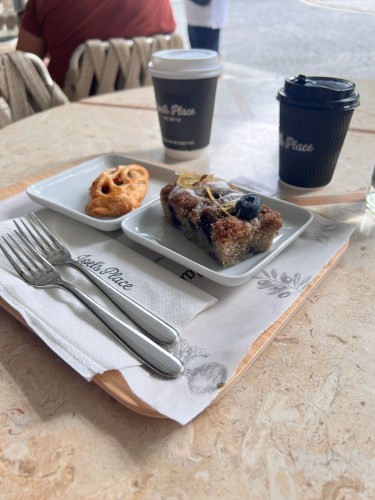
Ratatouille Empanada & Blueberry Muffin
On a daily basis, I try to find a balance — praying a good hour in solitude , for others, and expressing my gratitude for many everyday blessings. Often, I grind, brew my own coffee and in my book, it’s my first luxury of the day that truly makes me happy. On alternate days I go and hang out on dates with my fun apos (grandchildren) and dear friends. The dynamics differ yet each gives me joy and satisfaction. You can’t ignore the fun, laughter and banter exchanged with my lifetime friends — the friends who know me inside and out. No pretensions. No holds barred. All boundaries crossed! Yet I find them most respectful of my private space and least bothered by my forgettable past and future plans. In our books, only US matter. As an Abuela to my elves, the bonding moments are precious. Just an hour over coffee or wine, and we’re cool. Happy hours every time. I reserve a day to devote to “compassion” like visiting, praying for a sick friend or relative, doing a good and surprise deed to someone who least expects it, and just simply remembering to be kind throughout the day. My theory is practicing to be kind can develop into a habit and later comprise one’s character. I admit I’m one straightforward person and holding my tongue is a skill to be acquired. I’m not exactly unkind but for the longest time, I preferred being honest than kind. At my age now, I’ve found ways of being kind without having to be dishonest. Another skill. The secret? Staying QUIET. And walking away. Not every thing requires a reaction. That I’ve learned in my late age. And the grudges? Easier to forgive as I still need to forget. But I’m getting there. 🙏
Rolling into my 70s made me aware of how much leftover energy remains, and how this sense of discovery has not waned through the years. Most importantly, I’ve nurtured this gift of joy for life’s blessings and felt more “in the moment”. As in becoming “present”. There was time enough to take care of older folks, play with the young ones, visit long-lost friends, discover new places and engage in new adventures. At 70, I observed I seldom ask why lately. Long discussions I find exhausting. And some stuff are best left unsaid. Like I don’t need any explanation. 😜 Had to unlearn some disciplines like attention to details. And this is where memory lapses come in real handy! Acceptance may not come easily when you forego the details, but it’s worth trying. Trust me. It’s like paying for something and skipping counting the change. I guess this is what that bestseller book meant “not to sweat the small stuff”. For me, this mantra works.
Hello, Everyone!
I love traveling and my bucket list keeps growing longer. I do not mind revisiting the places I’ve enjoyed especially when I’ve got new company. Like when I recently traveled to Provence with my grandchildren. Or revisiting Machu Picchu with a different set of friends yet with the same brand of excitement. The eagerness to meet family in Sydney as well as my friends in USA are always good ideas. And my grandchildren will most likely drag me to spots I’ve visited more than enough but which they’d be visiting for the first time. Like the recent trip to Italy. I just hope that somewhere in our future travel plans, I can squeeze in a few new spots that interest me. Sicily, Malta, Argentina, Brazil, Norway, Iceland, Poland and some parts of Croatia and neighbouring states. But then again, who cares about destinations at 70?
Nieto y Abuela
Consider yourself lucky that young people still want to travel with you. Their eagerness, enthusiasm, energy and mirth are enough to make any trip worthwhile. And there’s always something new to learn from them. In my book, embracing 70 compels one to stay healthy enough to keep pace with young travelers. To stay “cool” enough to understand that the world has changed and tolerance, humility and acceptance are key to truly harmonious relationships. Some mantras work real well. We need not react to everything. Simply put, kindness matters. No need to sweat the small stuff. At 70, one should have at least tried to unlearn stuff that just never worked well. Like honesty before kindness. Come on, was it really being honest or was it pride? Does it hurt too much to keep silent or to let things slide? At 70, I can pretend to have not heard or observed. Yeah. Smart people know when to act stupid. What for, you ask? For harmony. Mind you, it’s worth it.
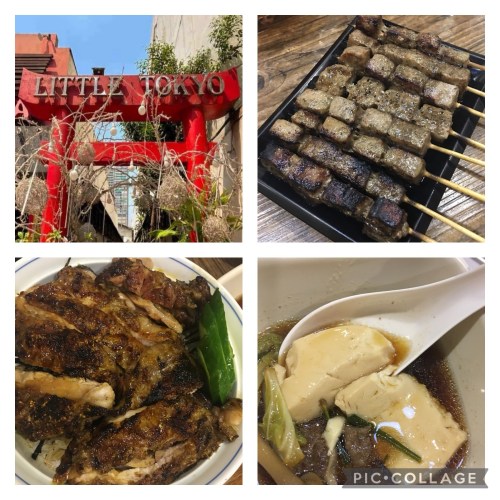
This is my neighbourhood. It’s a bit off the CBD, perhaps a couple of blocks. But here lies a slice of Japan with a cluster of izakayas serving authentic Japanese food with price tags ranging from quite cheap to pricey. Makati Cinema Square is now called Makati Central Square, MCS for short. Within this old mall are many tiny Japanese restos, the most popular of which is Manmaru. That is, judging by the queues nearly every mealtime outside this Japanese eatery. A few more restos within the same mall is Unakichi (entrance near Mcdo and KFC area) which specializes in unagi and Sakura Yakiniku (near Unakichi) and Yakiniku Kenshin (beside Manmaru). There is also our fav Wabi Sabi (2nd floor above Kenshin) for vegetarian ramen, dumplings and homemade ice cream. From MCS, we step out and cross the street towards LITTLE TOKYO which is another cluster of izakayas with a truly Japanese vibe. The Torii gate, narrow alley lined with red lanterns look more Japanese in the evenings when the lanterns are lighted and the courtyard seems more festive with banners.
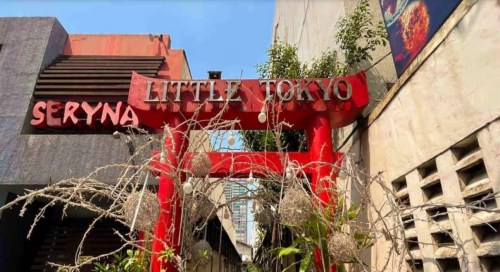
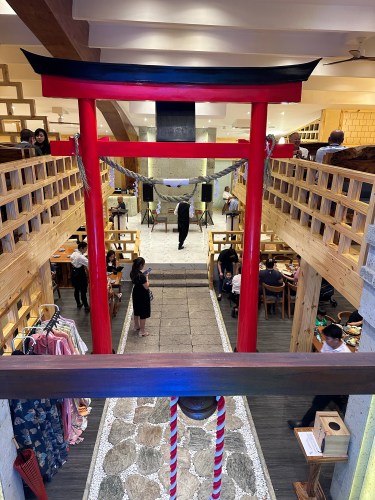
It’s easy to miss it but this Torii gate is just across Manmaru in Makati Central SquareBehind the Torii gate is this narrow alley towards the izakayas.
Within Little Tokyo, the most popular and my personal favorite is Kikufuji whose entrance fronts the main road (Chino Roces Avenue), and for ramen, there is Shinjuku. Both are iconic izakayas in the Little Tokyo area fronting the main road and must have stood there for at least 2 decades along with Hana which is situated in the inner “courtyard”. Parking is always a challenge so I’d advise parking in the MCS basement and just walking across to Little Tokyo.
Izakaya Kikufuji may look rundown but it consistently ranks among the best izakayas in Makati. Hana is in the interior part of Little Tokyo and is one of the 2 oldest izakayas there.
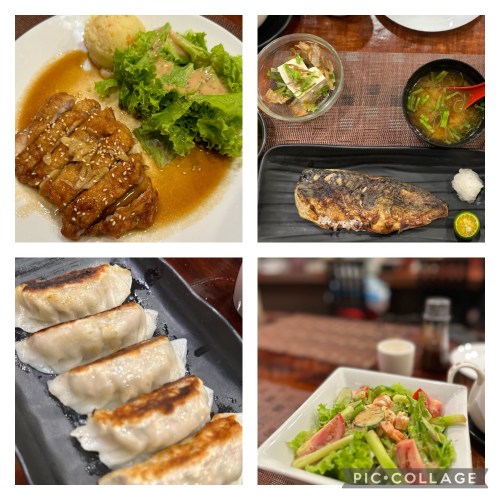
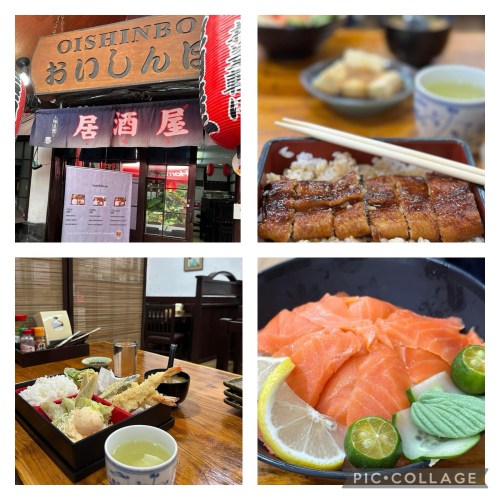
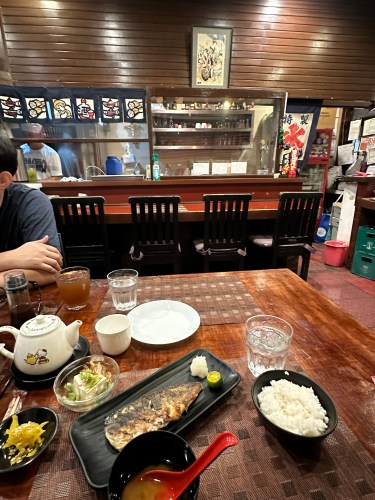
Inside Little Tokyo, you may choose to go for simple snacks like takoyaki, kakigori (flavored ice shavings), okonomiyaki (pan cake) or have serious yakiniku or bento boxes. Plenty of choices here. Menus are on display by the izakaya’s door so there shouldn’t be any surprises especially if one is on a budget. You may also opt for al fresco lunch or dinner or step into the tiny air conditioned spaces. I have tried Kikufuji, Shinjuku, Yakiniku, Hana and Oishinbo in the Little Tokyo cluster. Pricing observes a wide range as it largely depends on what you order. Less expensive would be the rice bowls or rice toppings, called donburi. Ask also if they have set meals which are really combo meals to include your chosen dish, miso soup, pickles, rice and sometimes a drink. There are a few more izakayas waiting for me to try. 😁
Oishinbo in INSIDE Little TokyoInside Hana
Seryna is also quite popular. It is right beside the Torii gate entrance and across Manmaru in MCS. But my personal favorite remains to be Kikufuji — love those wagyu cubes and sushi. Just that it is always fully booked so I always end up settling for Shinjuku ramen or one of those bento boxes in either Hana or Oishinbo. Unless of course I’m craving for unagi which means crossing towards MCS’ Unakichi. As for Manmaru, I’d rather order online (via Grab) than braving those long lines!
Wagyu Cubes from KikufujiLittle Tokyo at Night
The latest addition to this izakaya cluster is EDOYA. It is right beside Seryna and a Japanese grocery store and right across Manmaru housed in Makati Central Square. Some of the food we ordered tasted good but they’re still on soft opening when we visited so the service can actually be improved. It took a while for our food to be served. Also, we stayed in one of the cubicles on the 2nd floor and we found the acoustic properties of the place to be problematic. I hope they do something about this because the place looks nice and we’re willing to give the Resto a second chance. The iced coffee bevs are ok but we were frustrated that none of their ice shaving desserts were available. I promise to dine there a 2nd time and update this blog. So there. 😉
As I often say, our pleasure barometer has nothing to do with the price tags. Dining options, for one, can range from cheap to pricey. But there is always a fine middle ground where something really good can be enjoyed for a reasonable price. Not necessarily cheap cheap, but value-for-money. Yum without burning a hole in the pocket.
Beef Tripe Porridge from GOTO MONSTER near Pablo Ocampo and Kamagong Streets Laksa from Nanyang
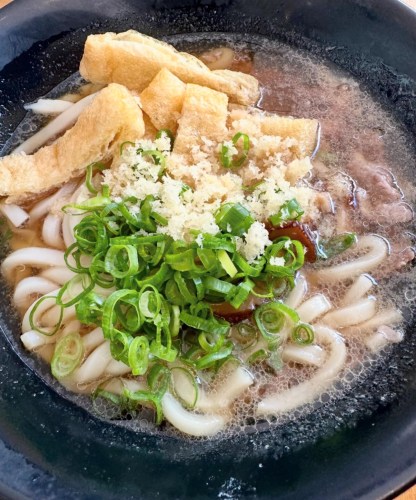
I like soupy dishes so that explains my love affair with porridge, ramen, laksa. The first photo — goto or beef tripe porridge — is from Goto Monster which is listed in the international book “Where Chefs Eat”. It is truly a comfort food, and by itself a wonderful, satisfying meal. It is also the kind of food you’d like to serve someone who’s sick or on the mend. Don’t ask me why. But it seems uncomplicated but filling enough. As for ramen or laksa, now this is a tad more complicated. It may look like a simple dish but in actuality, requires good kitchen wizardry to come up with a good version. And it’s always easy to tell if it’s good or not with the first spoonful. Trust me.
Katsu Curry Ramen or Odori Ramen from Surugin Ramen House in Alfonso, CaviteThai Street Eats is 1 of many food trucks and booths in GYUD Food Hub within UP Diliman Campus
If you like quick meals but do not favor sandwiches, these soupy dishes can solve your hunger pangs in a few spoonfuls. Another foolproof tip on where to find affordable eats is to search within, around or near campuses. Here and abroad, this theory applies. At student prices, you can scour the area for good eats. That means where students line up. Gyud Food Hub is one such example. It is inside the UP Campus near the College of Fine Arts and just off Jacinto Street. Many choices here from Thai to Chinese, Persian, Indian or Pinoy. They even have steak meals at affordable prices. These dining outlets price their meal sets within a student’s budget. Overhead is kept to a minimum as paper plates and bowls are used and dining is al fresco.
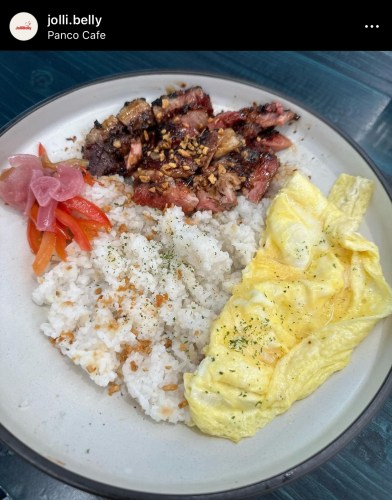
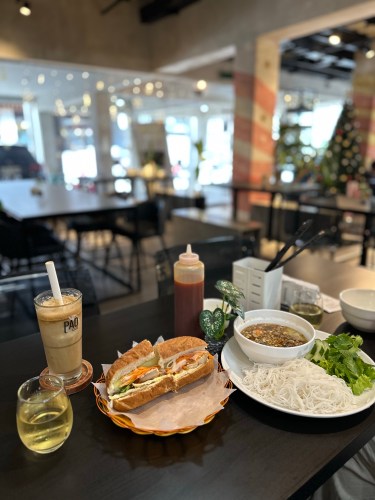
Near Greenbelt along Palanca Street is Panco CafeFor Vietnamese Coffee, try Pao Cafe in Yakal Street
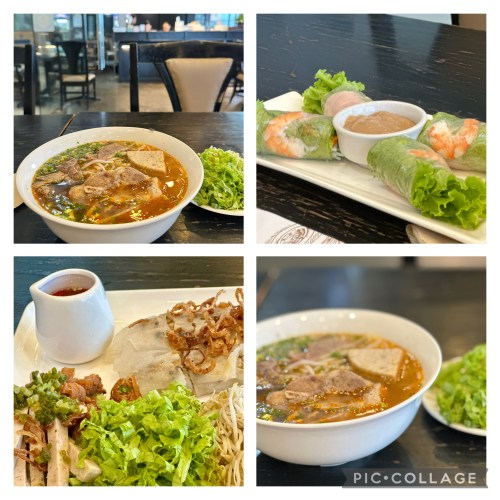
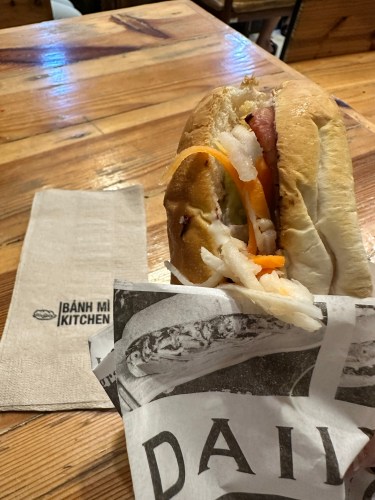
Around Makati, our random finds include 2 coffee shops with good food. Panco Cafe may have a limited menu but quite frankly, we keep ordering the same food because, well…. they’re good! In my book, it is always a choice between the breakfast brisket or the Inasal. And yeah, try their coffee or their not so ordinary beverages. Great concoctions!But if you like Vietnamese coffee and food, try Pao Cafe in Yakal Street. We have been searching for iced coconut coffee which we first tried in Sapa and Hanoi, Vietnamand we’ve found Pao Cafe. They also serve good bentos (tried the roast pork), Bahn mi, spring rolls, and buncha, which we now prefer over the more popular pho (though Pao Cafe serves good pho too). We noticed they also have good cakes and pastries so we’re sure to try those come next visit.
The Annex House in Poblacion, MakatiBibingka or Puto Bumbong from Cafe Via Mare
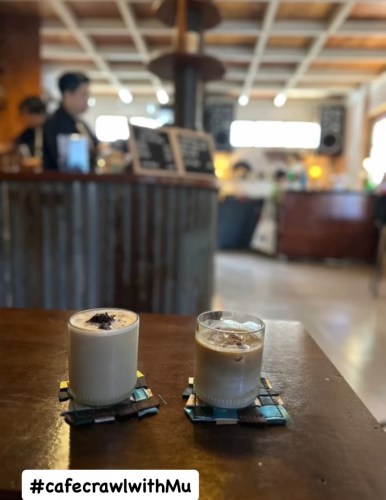
One can easily do a cafe crawl within the Poblacion area in Makati. So many choices. It is easy to miss Annex House as it is really a house in what looked like a compound behind a closed gate. But if you’re one who loves to discover new places, here’s a good one for you. They don’t serve hot meals to pair with your coffee but there are buns and pastries. The coffee concoctions are interesting so you can just imagine what they come up with in the cocktails department. Annex House presents itself as a social club — so feel free to drop in for coffee or some pub drinks. But hey, where do you bring your balikbayan friends for good old Filipino dishes and snacks? Cafe Via Mare is one of those default places if only for their bibingka (rice cake), puto Bumbong or halo halo. Priced higher than the average snack shop but if you want a reasonably decent place, and guaranteed good food, this is the place.
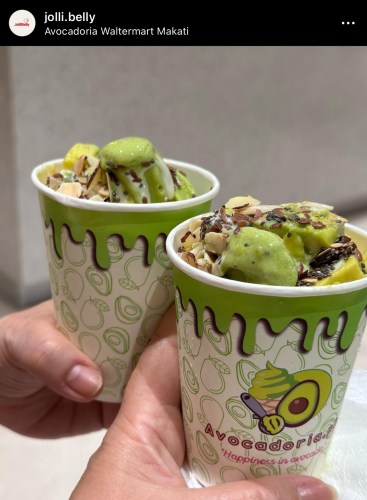
Try this from a booth spread all across Manila
Lastly, let me mention Avocadoria. Seen this almost everywhere. A small food booth in many malls. Never gave it a thought till a cousin fetched a cup for me to try. OMG it’s sooo good. I bet it’s packed with calories but trust me, it’s worth all the calories 🤣 I love frozen desserts — halo halo, maiz con hielo, bingsu, kakigori, anything with ice shavings OR ice cream, sorbet, sherbet. Try this sweet ending as an alternative to what you’ve been having thus far. If you love avocados, all the more that you should give this a try. Yum. Won’t regret it. 👍
Update:
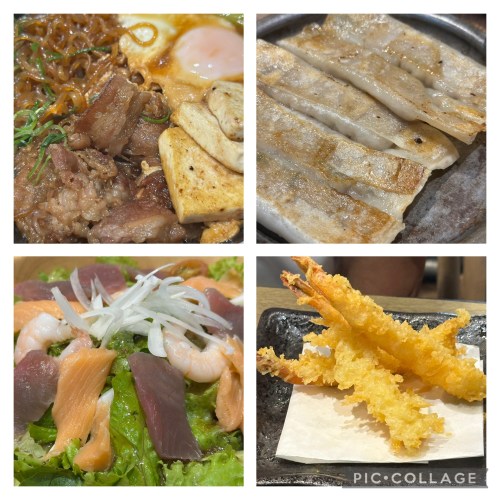
Just needed to update to include more value-for-money eats. We need not skip those bonding moments with fam and friends just because dining out can be expensive. There are still many dining spots offering under P500 meals.
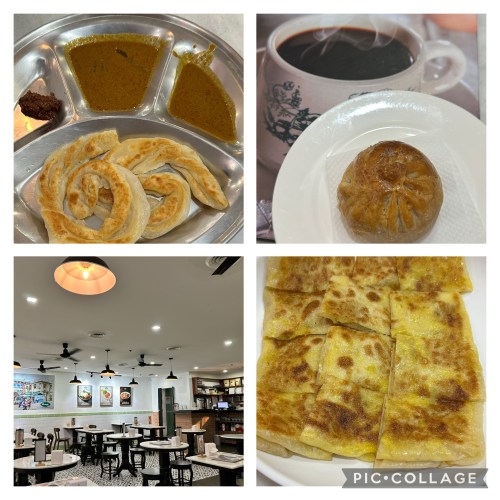
Botejyu in Greenbelt 3 or Newport MallBon Pho and Roll in Parqal Mall and Alphaland in Malugay St, MakatiMamma Kopi Tiam in Glorietta 1Whenever I visit Makati Med, I almost always drop in in either Banh Mi or Pancake House on 3rd floorAnother Vietnamese restaurant: Old Saigon
Located in Linear Towers at Yakal Corner Mayapis
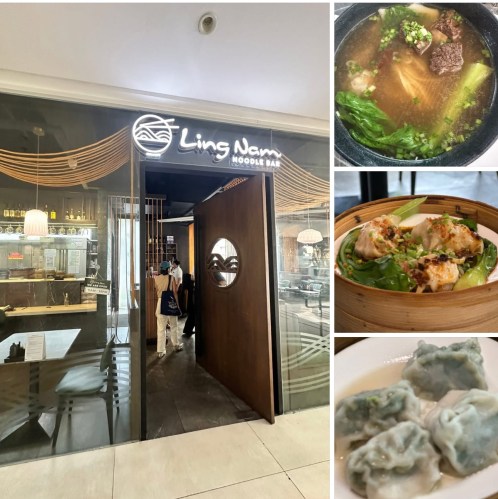
Remember Ling Nam Noodle House? Now in Grid Co-Living along Yakal Street in San Antonio Village
It’s been awhile since my nieta quit her day job, concentrating only on her art for a living. Without juggling between her passion and her day job, she had more free time to go on dates with her abuela. Not that her art didn’t demand much of her time. It does. But her breaks from painting hours are her happy discovery hours with Mamu. Started off on Tuesdays, then it became Thursdates with the grandma, until it evolved into “Dates With Mu“. Mu is how they call me. Short for Mamu and endearment for Grandma.
Cocktails at Sampiro Cocktails at Bomb Vinos in Malugay Street
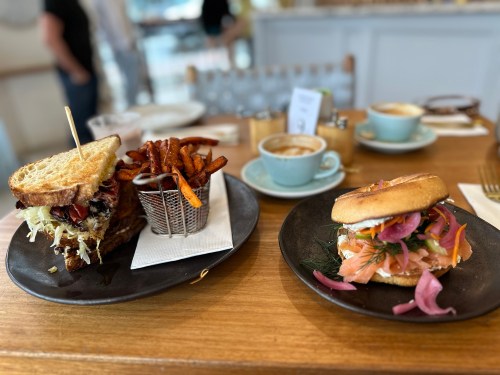
Cafe and Pub Crawl is our thing. Since they graduated into this phase called young adulthood, happy hours have taken in a whole new dimension. And just like me, my young adults enjoy discovering new places. Cafes, pubs or wine bars. Dining spots with the whole, broad spectrum of cheap eats and fine/gourmet dining. I constantly remind them it’s a skill, if not a talent. And there is guaranteed pleasure in the research, discovery and actual experience. The bonus is the euphoria post-experience and the happy memories. Win Win, por supuesto. A whole day to research, another day to experience and another day to reminisce & savor the pleasure. That’s half of the week, without forsaking weekends which are allocated for the entire family.
Degustacion at MetizA Birthday Lunch in Beso Beso
Birthdays are special occasions and celebrated several times. 🎂 At least in my family. Food is our love language if one cares for an explanation 😘. And with two celebrants a few weeks apart, you can say we kept ourselves busy. And yes, fancy. I love how the young adults have mastered the art of researching on new and fancy joints. The dining options are very meticulously searched on, to include some trivia on the place, the chef and the food. You bet the last piece of information is the price. You get your adrenaline pumping, grow giddy with the excitement, and then the budget. Such is the price of pleasure. And that’s how I term it. Some people may have the “budget” for all the luxuries, but the capacity for joy is a gift. Fancy dining or cheap eats, our pleasure barometer does not discriminate. But there is obviously an element of bonus pleasure in having to dress up, being politely served and being seated amidst elegant ambience.
A Birthday Lunch at MetronomeA Sunday Dinner at Made Nice in Rockwell
Lest I forget, the “discussions” after the gastronomic adventures are another thing. Judging by how they come up with their IG and TikTok posts, I can tell they take their dining experiences seriously. I have also since created a separate account to chronicle my dining adventures, much like a food diary. That’s upon their suggestion too, even observing that my social life straddles between my travels and dining and museum pleasures. Well, I remind them that isn’t bad. And they might as well throw in my trips to the theater.
La Latina in GB5 for South American CuisineUnplanned afternoon at Bondi and BourkeCCP’s Ignacio Gimenez Theatre
This 2023 is a year marked by so many milestones. In a couple more months, we’d prep to welcome a new year and I just can’t wait to give my yearend update! I know, I’m 2 months early but there is just so much to tell. Or write about. Early on, the year started with health travails within the family. Throughout the year, we’ve learned to manage the heartbreaks and inconveniences. To some extent, we even managed to ignore the problems and carried on celebrating life. At this stage, we felt we just can’t skip nor miss, or worse, waste the opportunities. Life will always have its ups and downs. The challenge lies in how we can stay happy. And hopeful.
Half Full or Half Empty? To see or not to see? Dead of Winter in Early January in Japan
Started the year with a winter trip to Tokyo, Osaka and Kyoto. A visiting niece has long wanted and has never been to Japan so I obliged. After all, Japan is always a good idea. Yeah, I was in this land of the sun just last November 2022 and it hasn’t been 2 months yet! And a few months later around spring, I’d find myself back again in the Kansai region with my 2 other nieces. I can’t believe I made 3 trips to Japan in a span of 5 months. Not that I’m complaining. I love Japan.
Trio in Kansai for SakuraA 3-week trip to Europe
We planned our trip to Europe in between trips to the hospital’s emergency room. One of us got her visa a day before departure. 😩 We were scheduled to arrive late in Amsterdam without a hotel room on our first night. Managed to book a room only from the airport’s departure lounge. All’s well. And the trip turned out to be truly unforgettable with a few mishaps here and there. I traveled with my 2 grandchildren from Amsterdam to Brussels to Brugges to Provence to Paris. The train connections we arranged as we went along.
Up North in Sapa, VietnamAn unplanned trip to Phuket, Thailand
The trip to northwestern Vietnam was a welcome break amidst all the stress from life’s uncertainties. Never mind that it took 6 hours going from Hanoi to Sapa. If only for the clouds rolling through the mountains carved by rice field terraces, as well as the coffee scene, this trip to Northern Vietnam is worth it. And the impromptu meet-ups in Phuket, Thailand with our OZ branch of the family turned out to be the perfect stress-buster. As they say, when life hands you lemons, make lemonade! Such a lovely time we had basking under the sun and digging our toes in the sand. The holiday resort we stayed in was perfect for us. The resort activities kept us entertained and there was plenty of time to catch up with one another too.
The Grand Homecoming of MC ’73Reunion
The year 2023 likewise marked the golden jubilee for my college batch. More than 5 decades of friendship. We did well with a yearbook, a beach weekend, trip to a pottery workshop, many luncheons and cocktails, and a lovely video and collage of all our homecoming events. What a blessing to experience all these — reminiscing our teenage years in college and delighting in how we still manage to enjoy each other’s company as we rolled into our 70’s. With some now living abroad, we have missed each other far too long. But it never took that long to pick up where we left off. An old joke persists. An old story repeated countless times.
Degustacion Treat at MetizBirthday Lunch at Beso Beso
And the golden jubilarian turning septuagenarian? It all happened in 2023. What a milestone! In our batch, I was the youngest. The last to turn 70. To my elves, I’m ancient. The same elves who treated me to a degustacion in Metiz Restaurant. Not wanting to go home yet after dinner, we lingered at our favorite hotel lobby just chatting till they closed shop. On the very day I turned 70, we had lunch in Beso Beso which translates to “kisses”. A lovely time for the family as we then proceeded to hear Sunday Mass after lunch and indulged in some shopping later, before another family dinner at Made Nice. It was a Sunday, a birthday truly made nice as we stayed together a good part of that day. Quite rare now as everyone gets busy with new jobs, a career, some projects. An opportunity not to be missed. Nor wasted. Memories. Life is a celebration.
Having “Thursdates with Mu” and apo says Tagaytay gives her Sapa vibes. Sapa in Northern Vietnam was our recent travel together and we still remember that hill town “in the clouds”. Foggy when we arrived in Tagaytay, rainy when we slurped our ramen somewhere in Alfonso, and clear now as we sip our beers. Hello, everyone! Let’s do a field trip / cafe crawl in Tagaytay /Alfonso, Cavite. Apo had a long list of cafes, restos and a brewery to visit, all very neatly plotted on a map. My “trainee” is doing even better than me in the travel research department! On our ride here, we settled on 3 spots in her itinerary. A ramen lunch, a coffee stop and a brewery to check out. Sounds like a good plan?
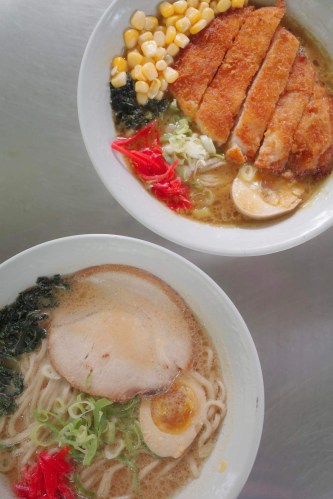
Dining Al fresco or inside one of these Edo-inspired wooden houses? This is Surugin Ramen House “deep” in Alfonso, Cavite. Just waze it! Katsu Curry Ramen & Odori Ramen
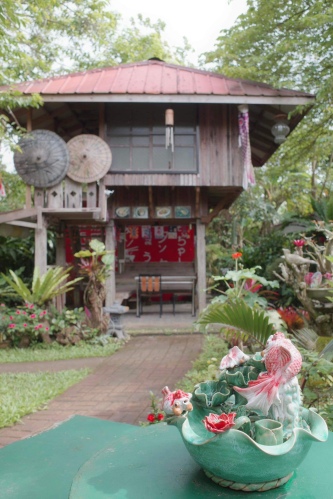
Surugin Ramen House reminded me of an Edo town somewhere near Kyoto as we slurped our steaming ramen and devoured the gyoza. It drizzled while we enjoyed our lunch al fresco under a shed. There were just the two of us here on this Thursday though I hear weekends are real busy. As in long queues! Just as well we came on a weekday. Took us all of 2 hours though, driving from Makati. Some portions of the expressways ain’t no express drives. Especially before and soon after the toll exits. Anyway, we “owned” the place so we took the chance to loiter around the gardens and checked out the cottages while waiting for lunch to be served. A pity though that they don’t serve hot tea. The only “flaw” to a good ramen meal. Tsk. Tsk.
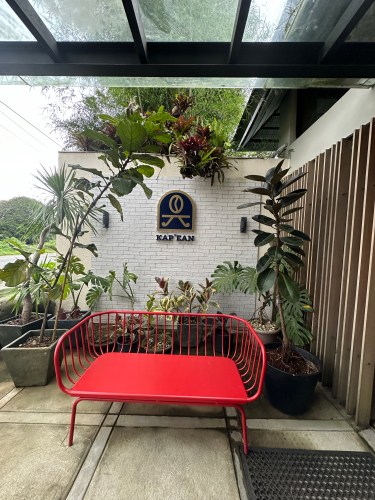
Kape’an is some 15 minutes away from SuruginKape’an is huge! Perfect for big events.
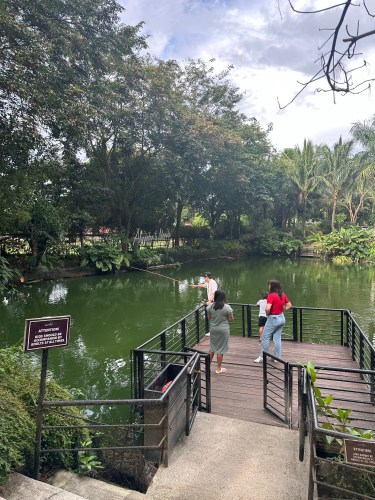
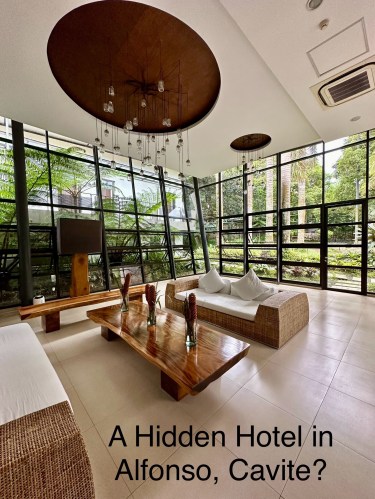
Post-lunch, we headed to our next stop for some coffee. Frankly, café has been more a dessert for moí lately. The coffee concoctions have been bolder, sweeter and overall more “sinful” unless you settle for a simple, straight-out espresso or good ol’ black coffee. We chose to drink our coffee hot this time, as it started to rain and the temps grew cooler. It even went foggy on our drive here which triggered our Sapa memories. 😍 We were also pleasantly surprised that Kape’an even has a fishpond and a hotel. The sprawling gardens make for perfect spots to enjoy your latté or non-coffee bevs like my “Nut-so-coffee”. We spent more time here than necessary. Drawn to check out the hotel rooms, we walked deep into the estate and passed a pond and several more al fresco coffee spots on our way to the hotel. I can’t believe this hotel existed since 2015! Very well maintained, I must say. We checked out the rooms and found a detached unit that suits a family of 6 or even 8. The unit has a bedroom and a loft (with 4 beds!) plus a sitting room and a kitchenette. I was tempted to book it right away for a family staycation. Staying in shouldn’t be a problem since there’s Kape’an and a restaurant within the hotel compound. The swimming pool looked very inviting too.
The Pond. Abagatan Ti Manila Hotel
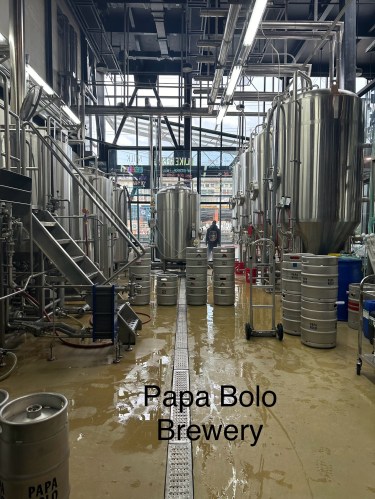
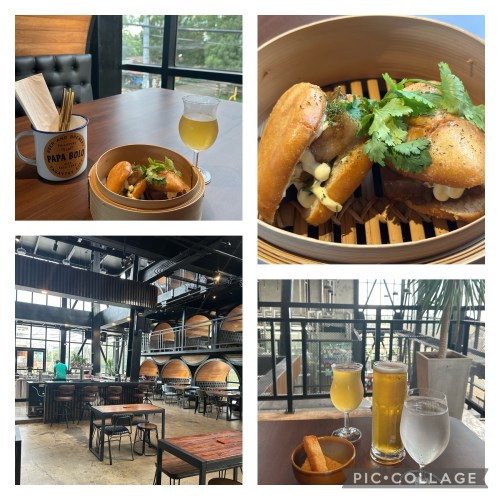
There could have been a couple more stops but we opted to spend more time in this brewery before calling it a day. We’ve heard horror stories about the traffic even on expressways. Papa Bolo Brewery is a revelation. I’ve been to Heineken Brewery in Amsterdam and find that the same experience can be repeated here. The place looks so impressive with all the modern touches. The menu has many offerings and while we’ve tried only 2 kinds of beers, both were good. I can imagine many events taking place here. And seriously? The place looks so inviting with the barrel dining and drinking spots on all 3 floors, each with a view of the glasscased brewery . Then there’s an area where bigger groups can enjoy small parties in comfort with game machines around.
Papa Bolo Brewery in Tagaytay Beer, anyone? There’s Piña Niña, Cowboy Classic, Fruity Booty and More.
All told, it’s been a good day to discover new places. I’ve always loved Tagaytay. It’s my own “Disneyland” when I was a child. My happy place. Of course, it was way simpler, less busy and not crowded then. I am delighted that there has been many flourishing restos, boutique hotels and shops around here. And the vibrant coffee scene! I only wish the authorities manage this development very well. There have been a lot of blunders in the past administrations but I remain hopeful that local businesses here can be nurtured while made responsible and sustainable. After all, it’s a go-to destination for most tourists as well as locals because of its proximity to Manila. With the traffic even getting worse, I hope for better infrastructure for ease of transport and access for everyone. There’s only one Tagaytay and one Taal Volcano and Lake, the sights of which never fail to mesmerize me. Fell in love with that scene as a child, and still recall a big painting in our living room of the same scene. As a child, I don’t remember a morning that I didn’t look at that painting. Still stuck in my mind. 🥰
































 lifeisacelebration