Category: Japan


THE DAY WW2 ENDED


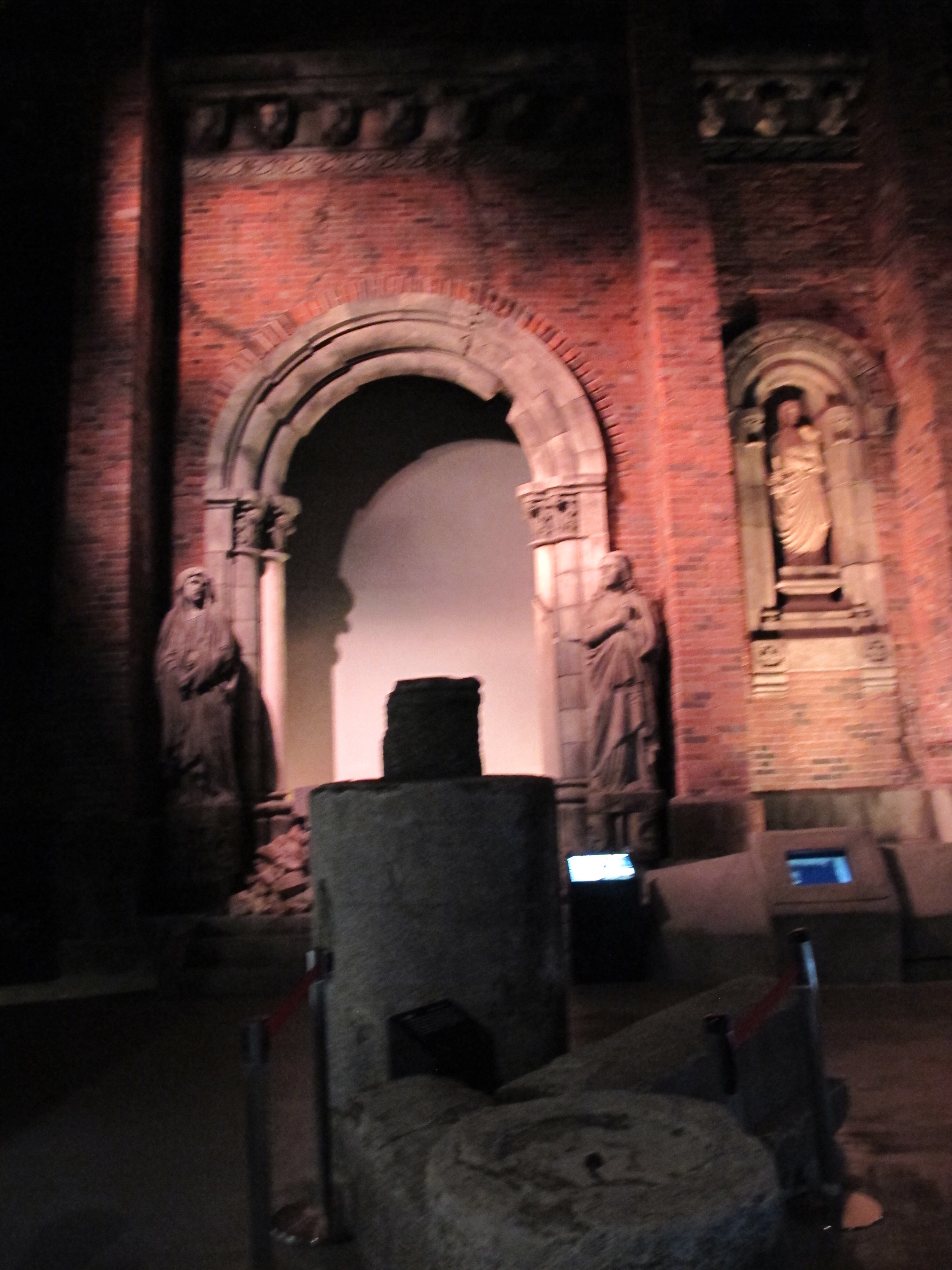
The War ended, but at the expense of Hiroshima and Nagasaki. Just 3 days apart, 2 atomic bombs were dropped on these 2 cities on August 6 and 9, 1945, sealing Japan’s unconditional surrender. In my year-earlier trip, I visited Hiroshima but very briefly stayed and moved on to Miyajima Island, just a few more minutes train and ferry ride away. Too depressing to visit Hiroshima, I thought. Yet here I am in Nagasaki, wallowing in the same depressing vibes as the bombed-out Hiroshima. The Peace Park, Ground Zero and the Museum are more than enough reminders of the city’s devastation and the people’s undeserved suffering.
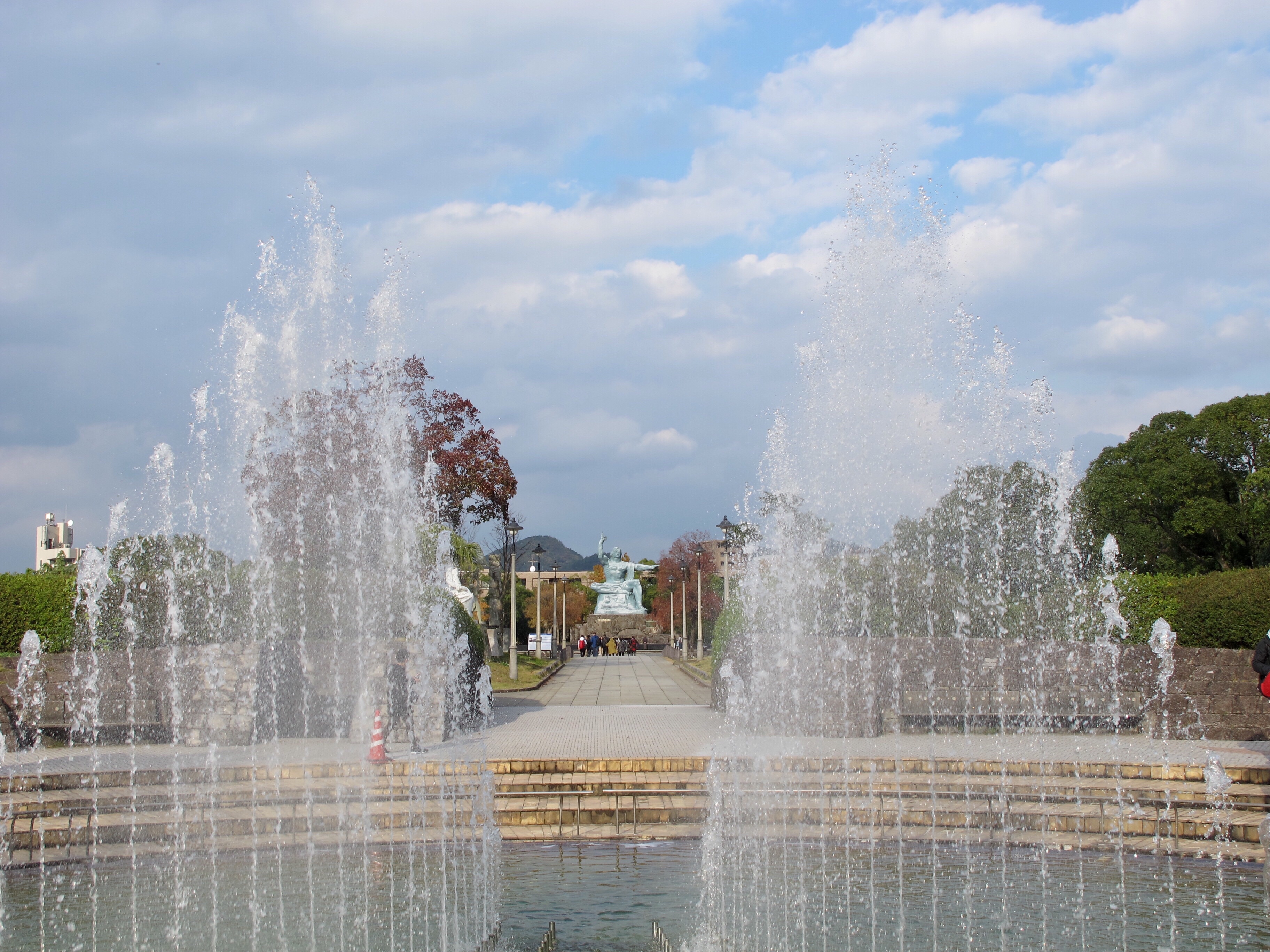
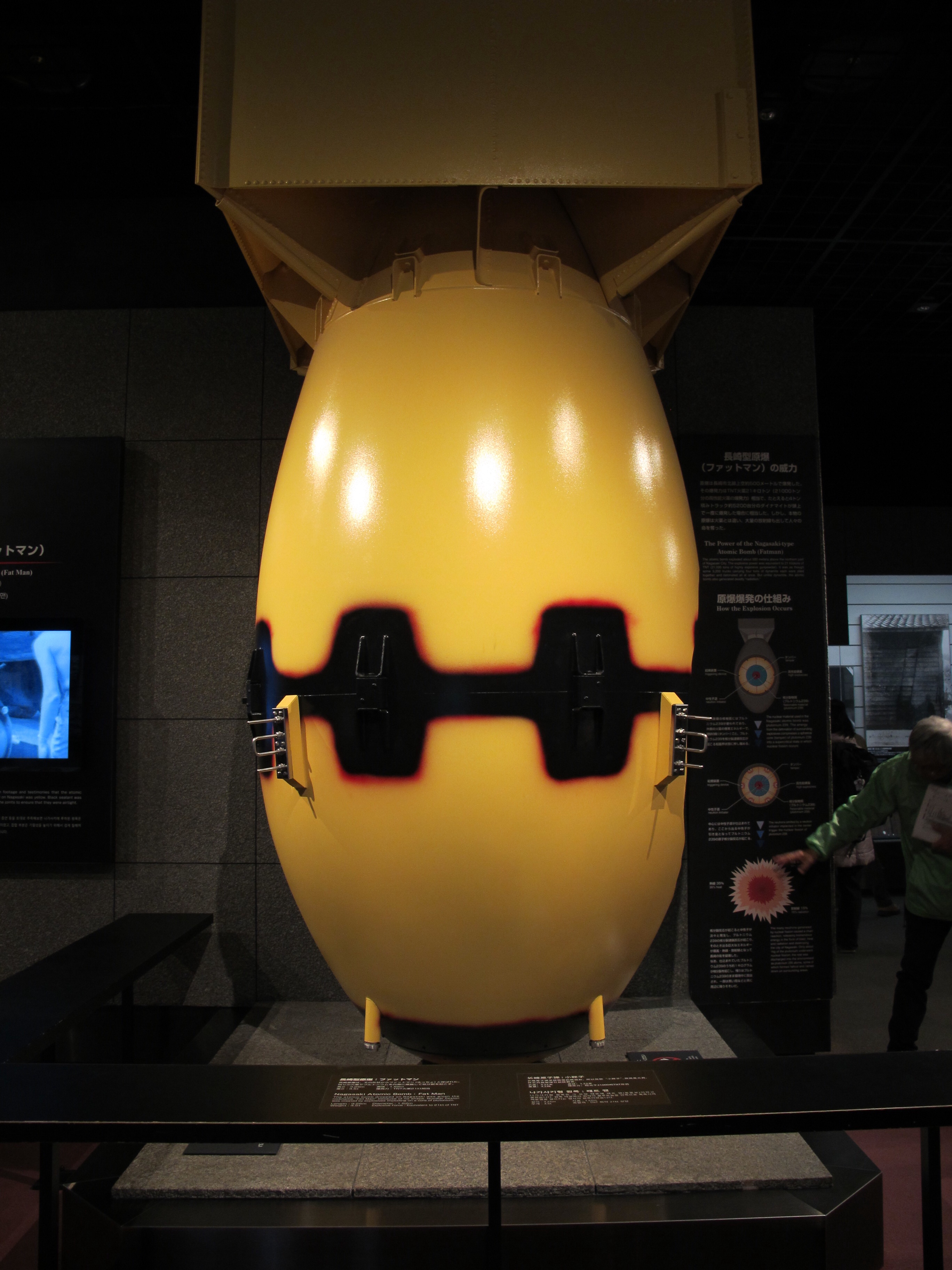
The explosion unleashed a destructive force which resulted in 60,000 to 80,000 deaths. That is not counting the many consequences of the radiation exposure on the health of Nagasaki survivors. Yet more than these physical ailments resulting from the blast and radiation exposure, how about the mental anguish of Japanese survivors? Imagine a father burying his 3 children and wife after the bomb dropped. Or living through hell with missing limbs, suffering from leukaemia. How to stay sane after finding yourself alone, having lost the rest of your family? What agony!
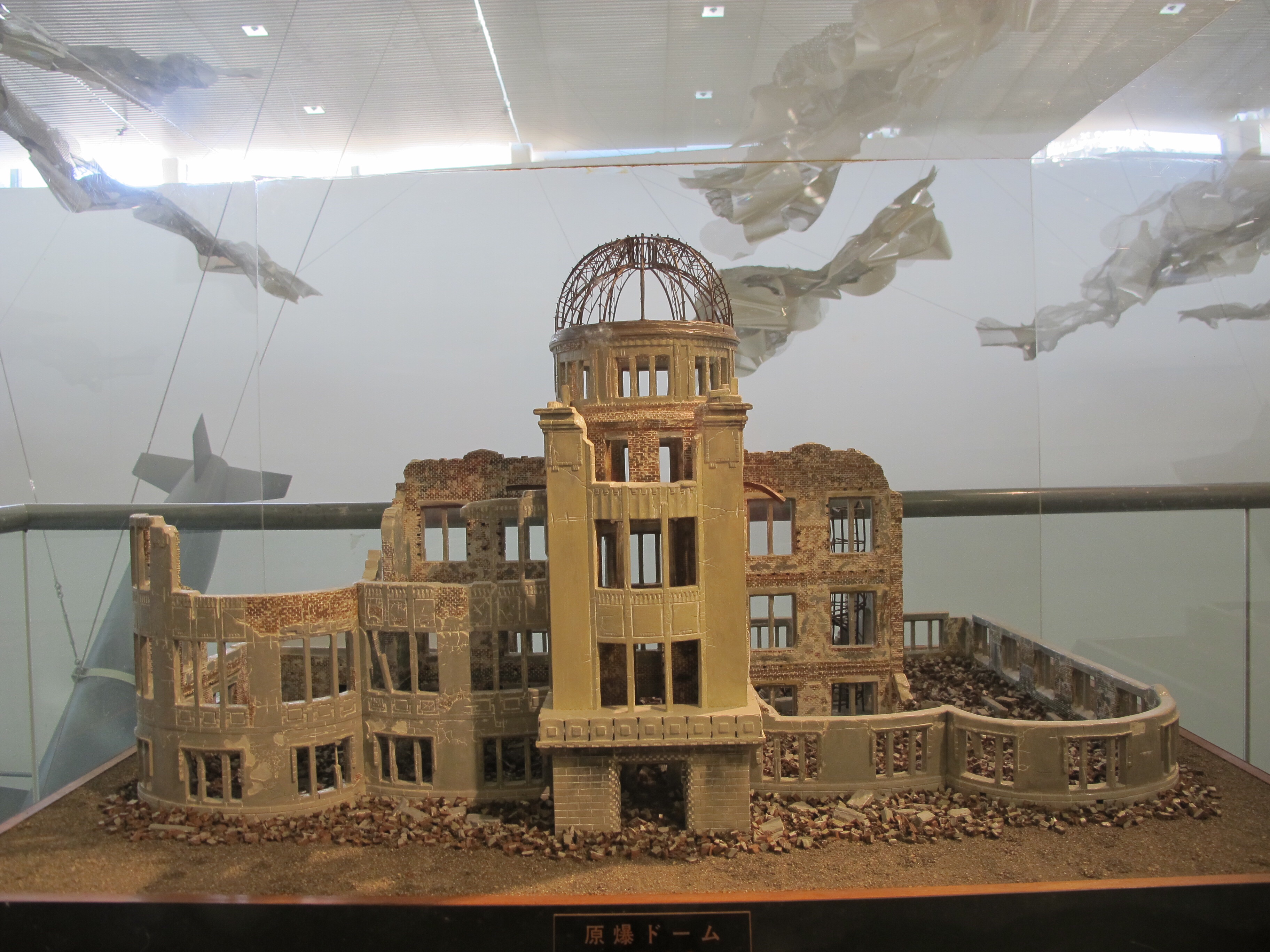
The open spaces in the Peace Park and Ground Zero help ease the depressing thoughts. The Museum is another matter though. Film clips of the blast, tattered remains of clothing last used by atomic bomb victims, other reminders of this human-inflicted catastrophe are on display in the Museum. Not so easy to dismiss, especially after reading some haiku, essays and recorded interviews of those who came home to bury their dead. The anguish, the agony, the insanity of feeling guilt after having survived while many loved ones were lost. Just how do you even begin to share your depressing stories?
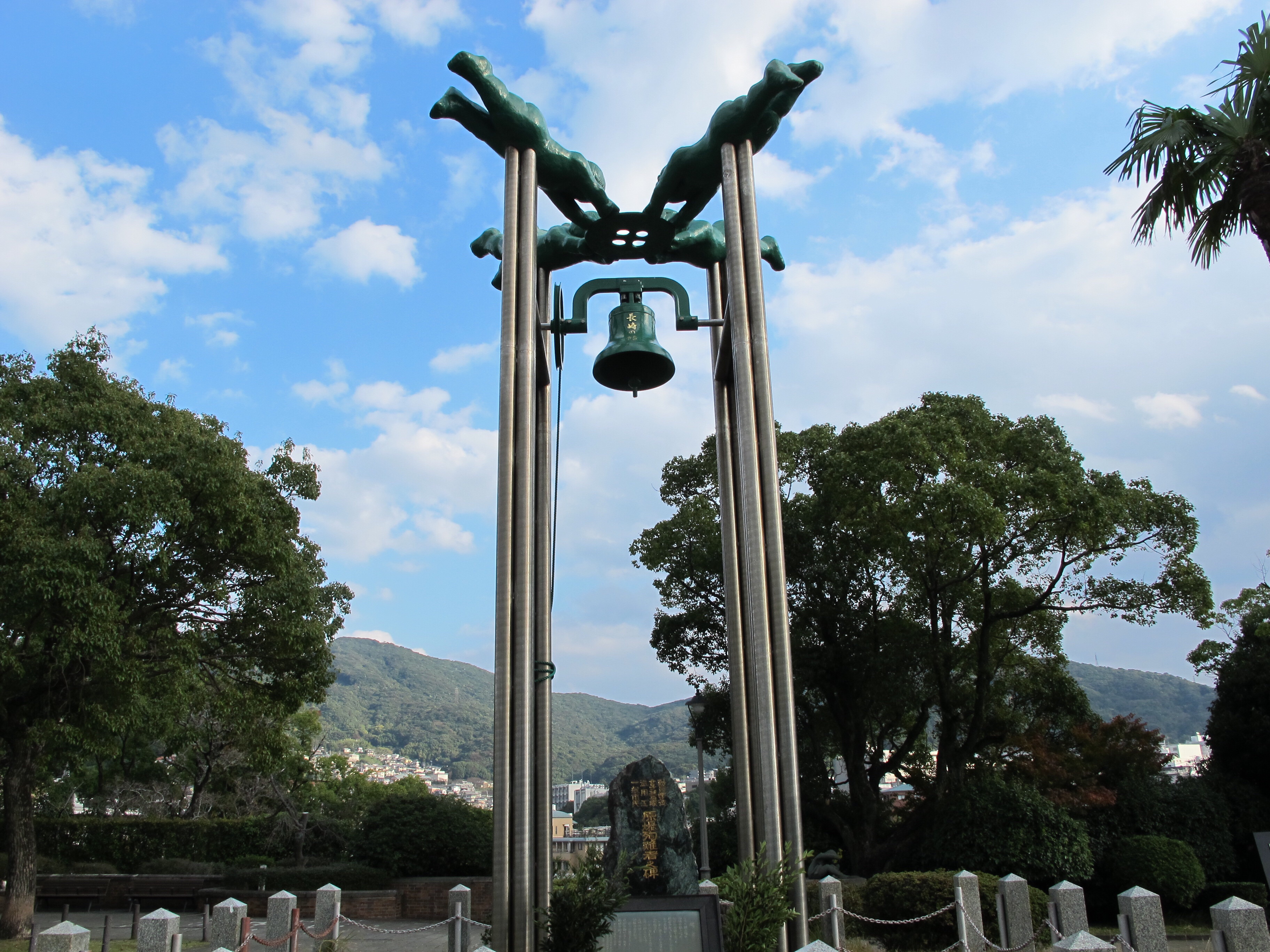
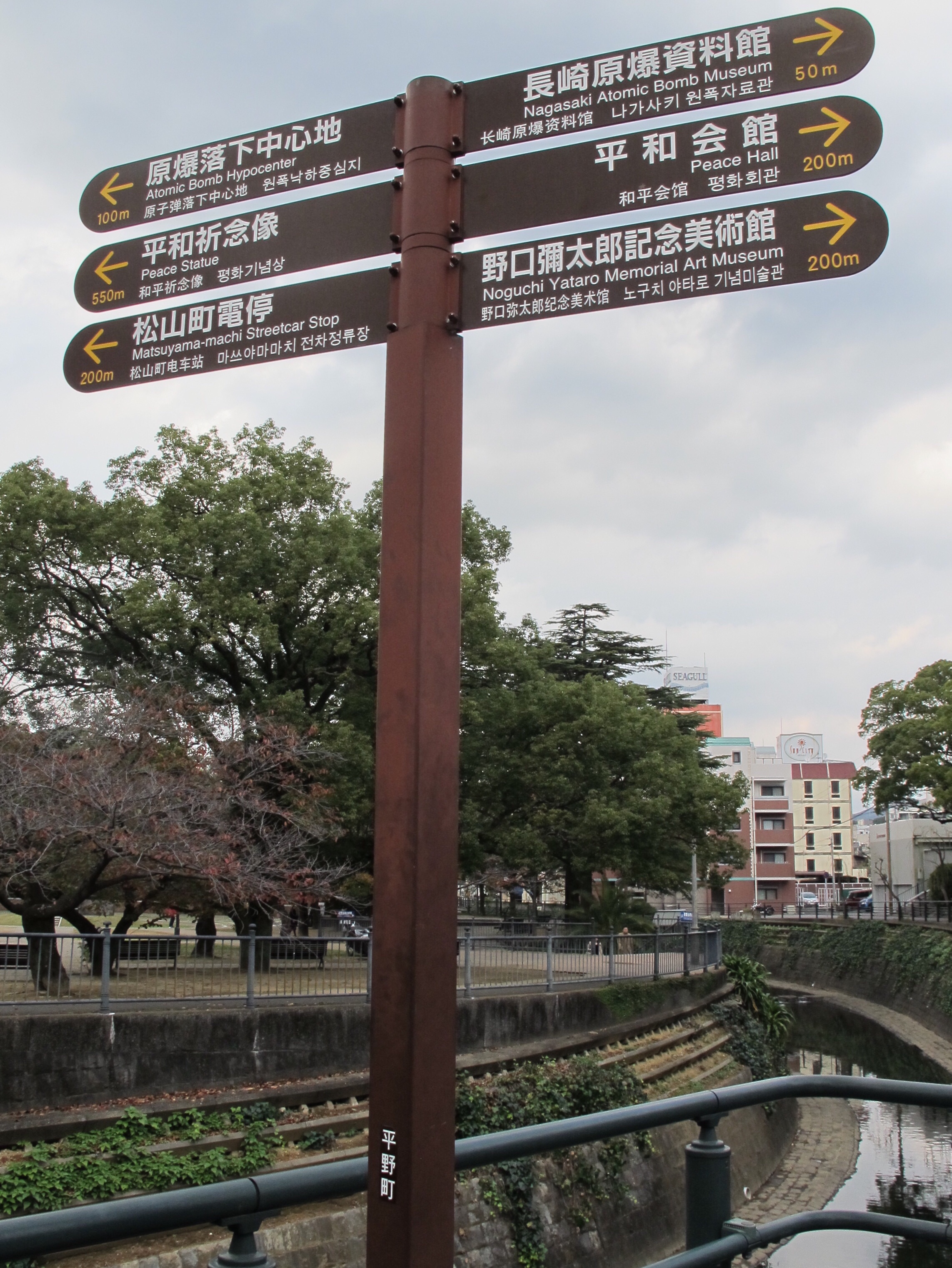
The Japanese in power during the War learned a hard lesson. Emperor Hirohito’s historic address to his Japanese subjects may have brought the humiliation of defeat, the unthinkable pain and suffering of losing dignity, BUT IT ENDED THE WAR. It also ended Japan’s imperialism and paved the way for its rebirth. All that after too many innocent lives were lost.
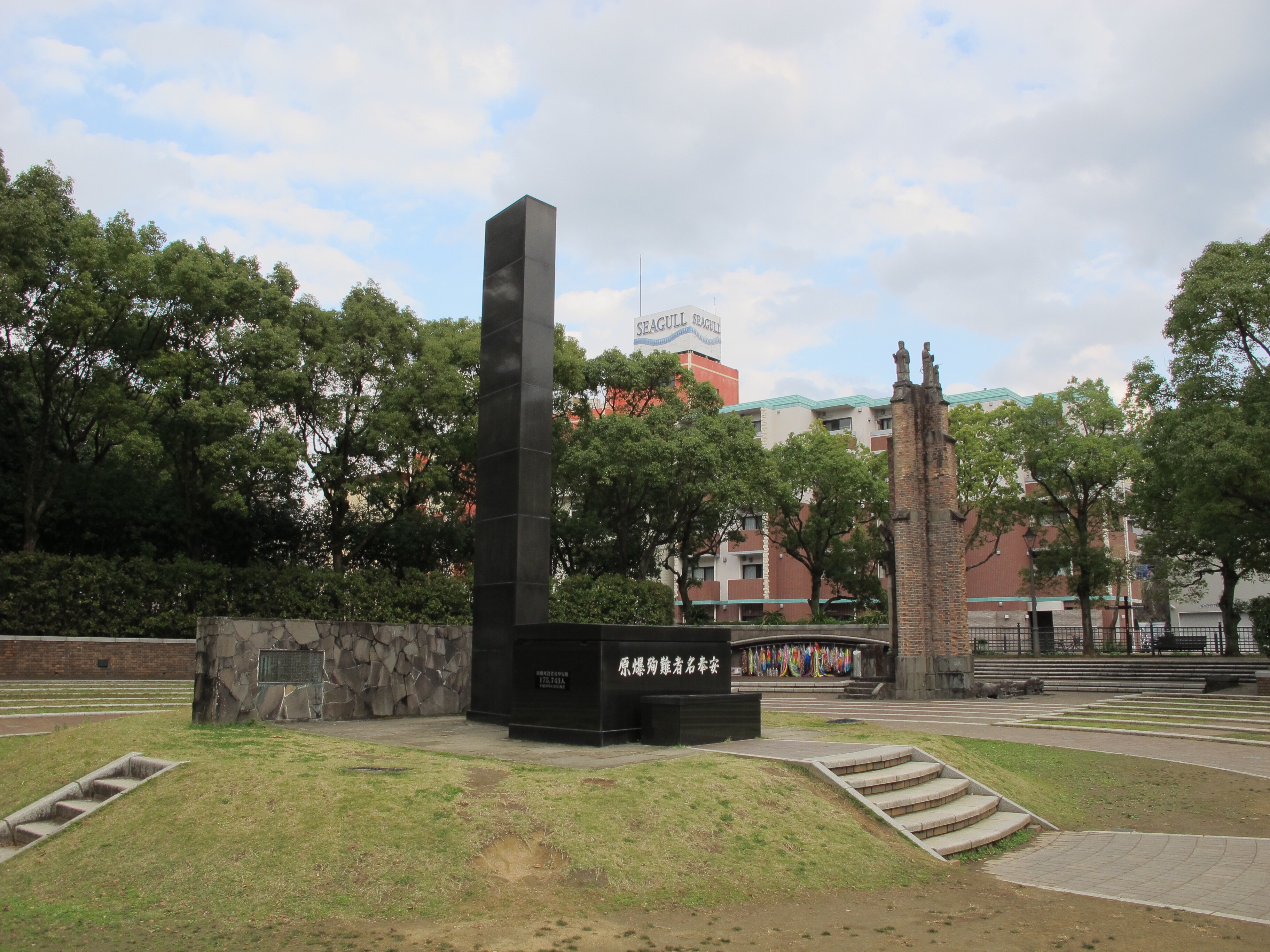
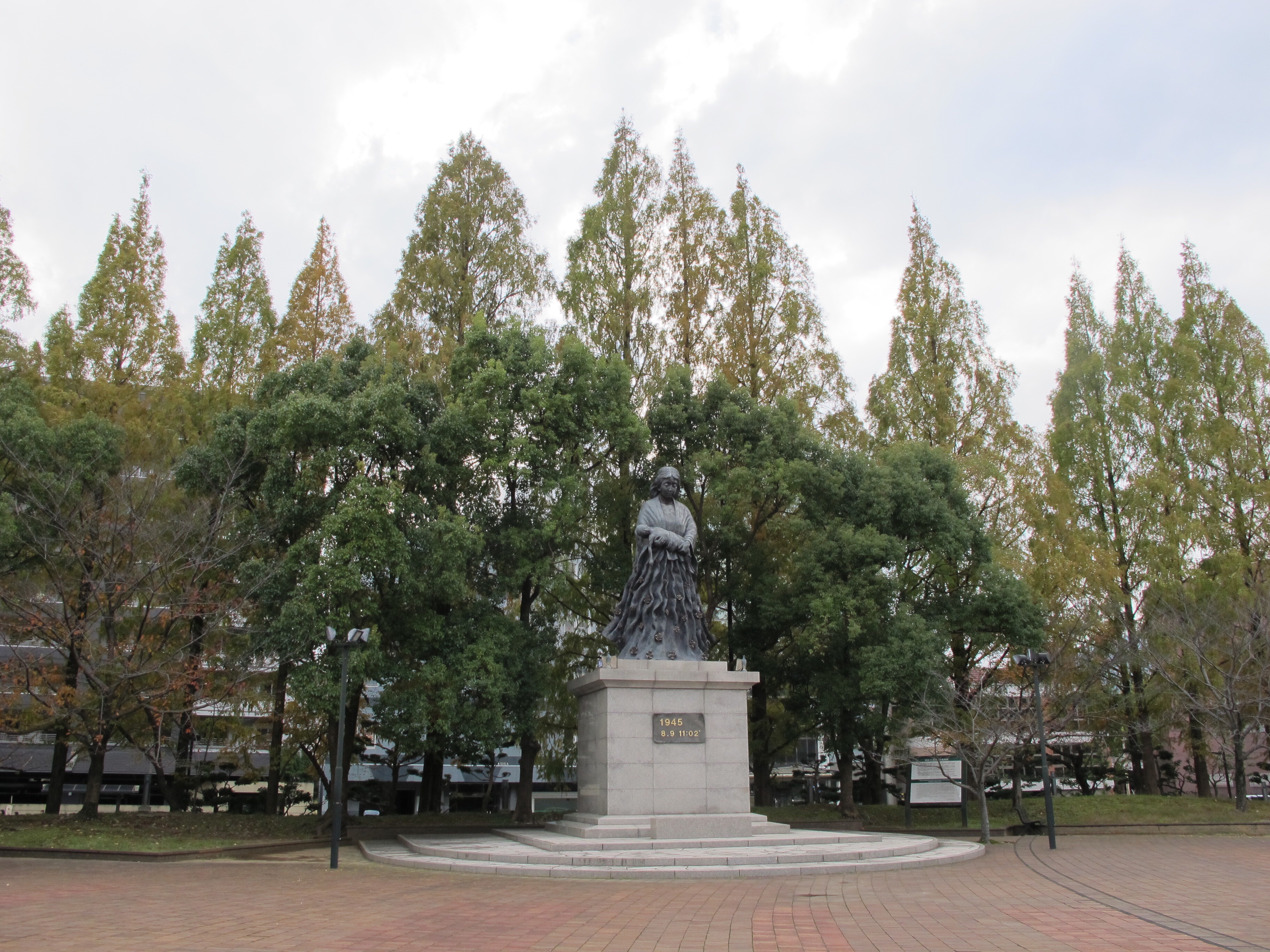
Today, the Museum and Park are grim reminders of the War. There are many, many war stories to tell — on victories, on defeat, but worst, on sufferings endured. May mankind’s cruelty never ever happen again. 🙏🏻

For more blogs celebrating life, check out :

https://lifeisacelebration.blog/

https://retirementsuitsme.wordpress.com

http://www.travelblog.org/Bloggers/liliram/

Like me on Facebook:

https://www.facebook.com/Lifeisacelebration

THE AUTUMN MIST IN KINRIN-KO


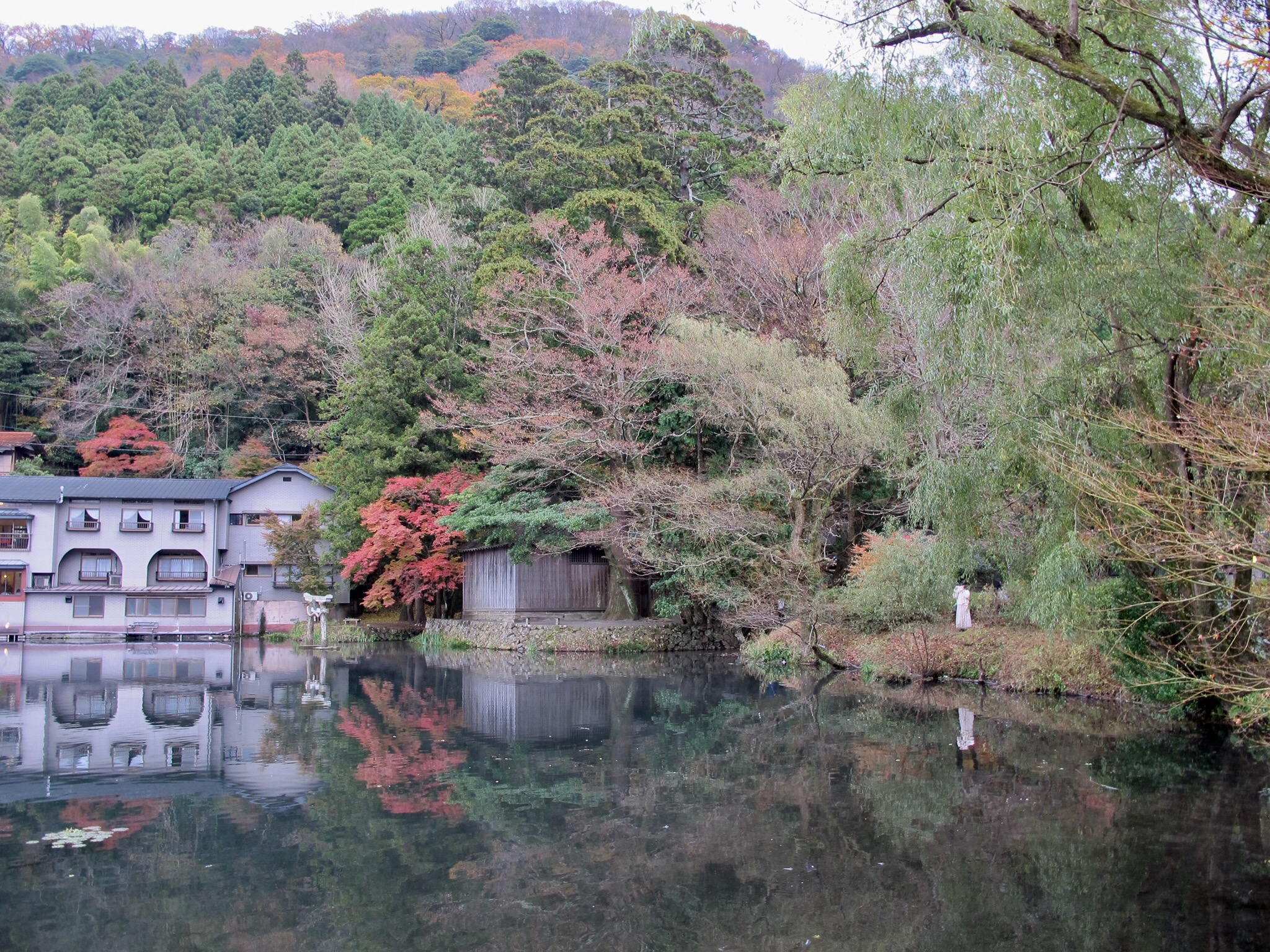
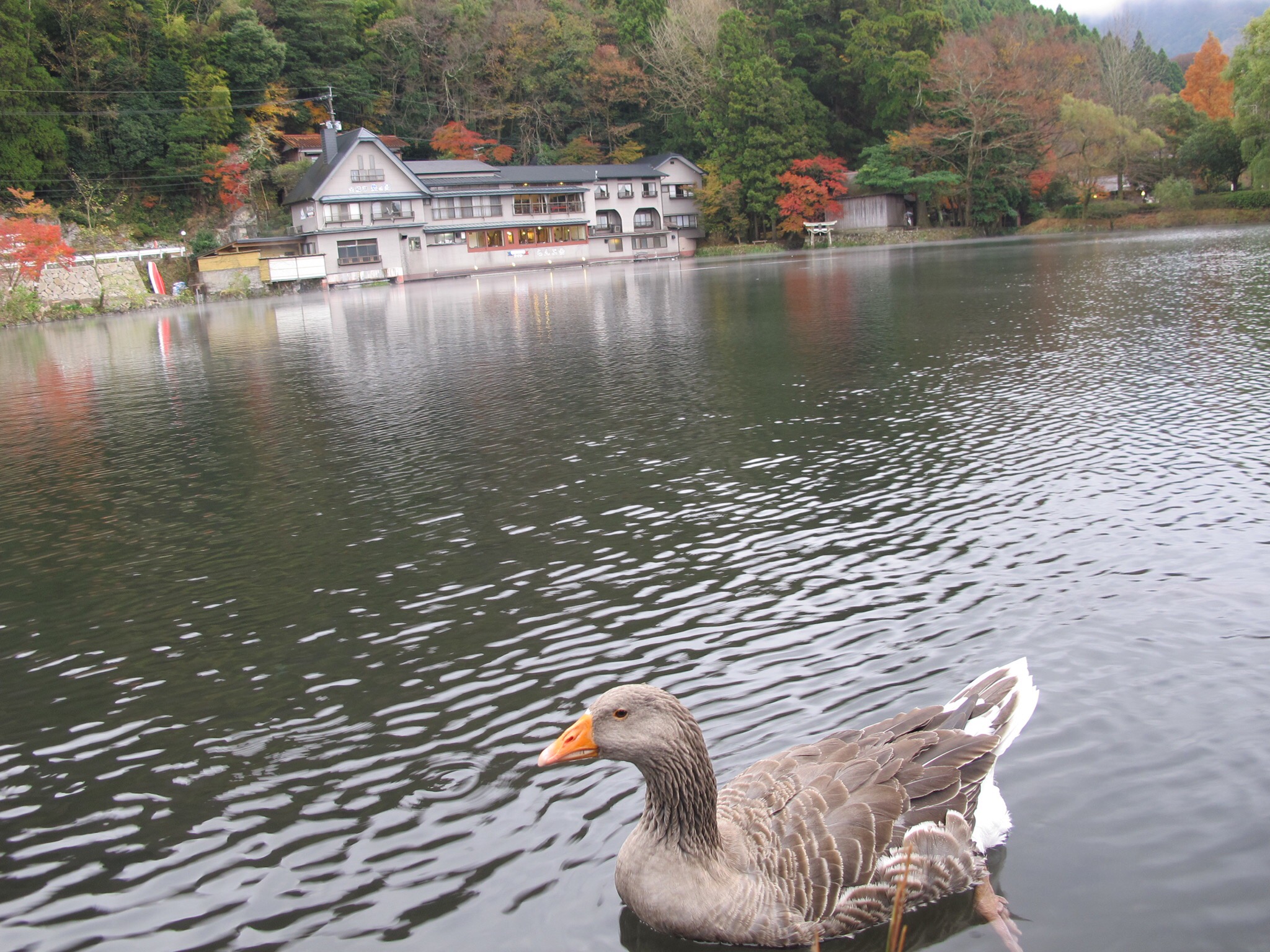
“Ko” in Japanese means lake. So Kinrin-ko is really Lake Kinrin. But then again, it isn’t really a lake. More like a pond that wells up from a hot spring. So you’d find steam making out like a mist hovering over its very clear water, teeming with big golden, orange or vermilion-colored fish of the carp variety. These, along with the resident ducks and birds combine to lend calm to this place in the onsen area of Yufu.

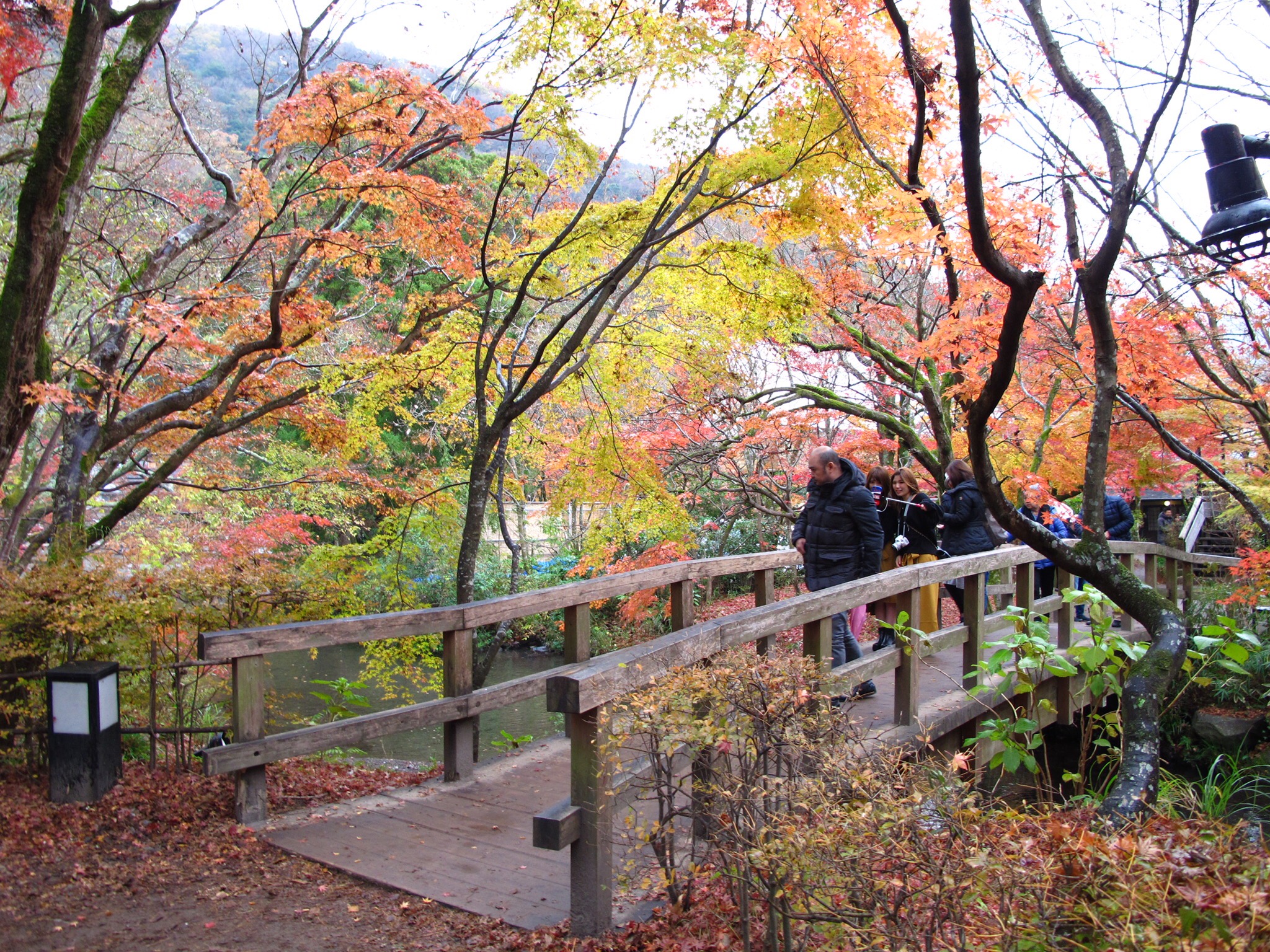
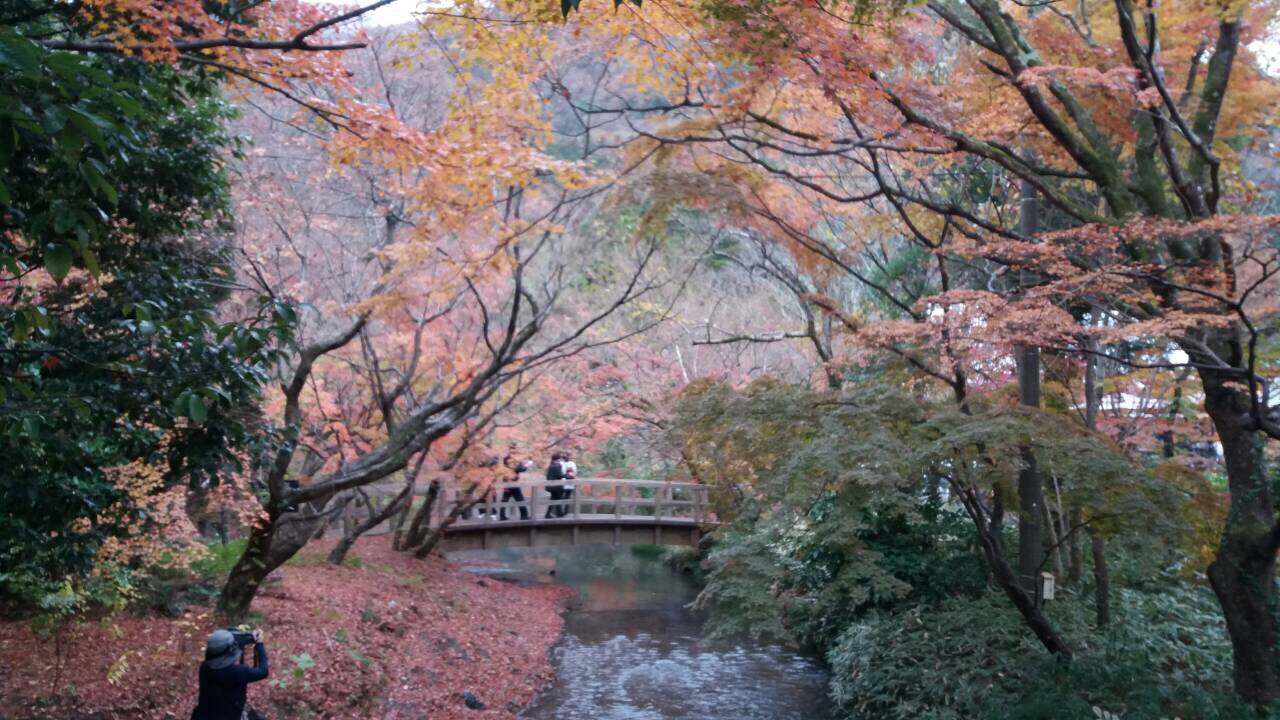
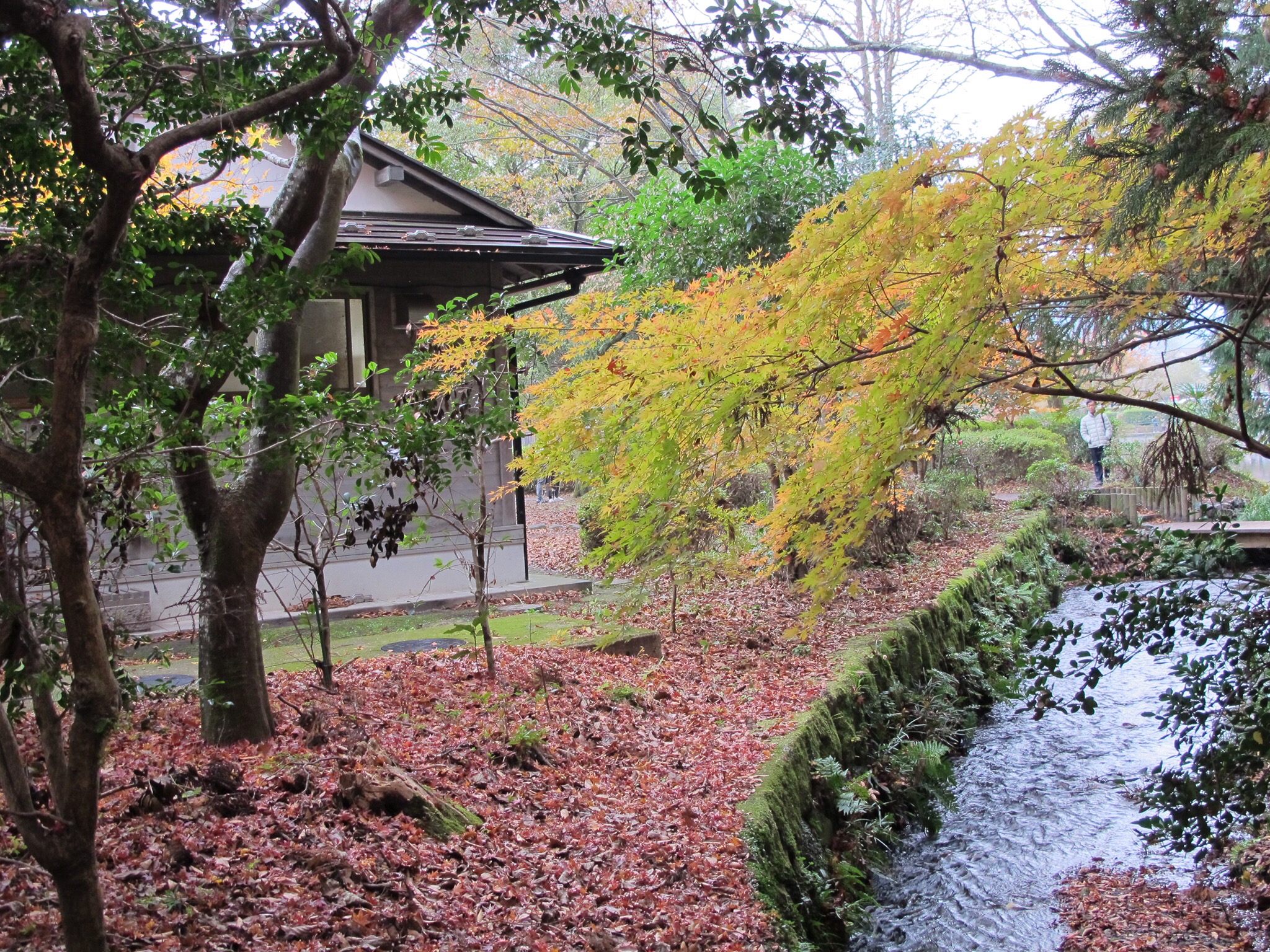
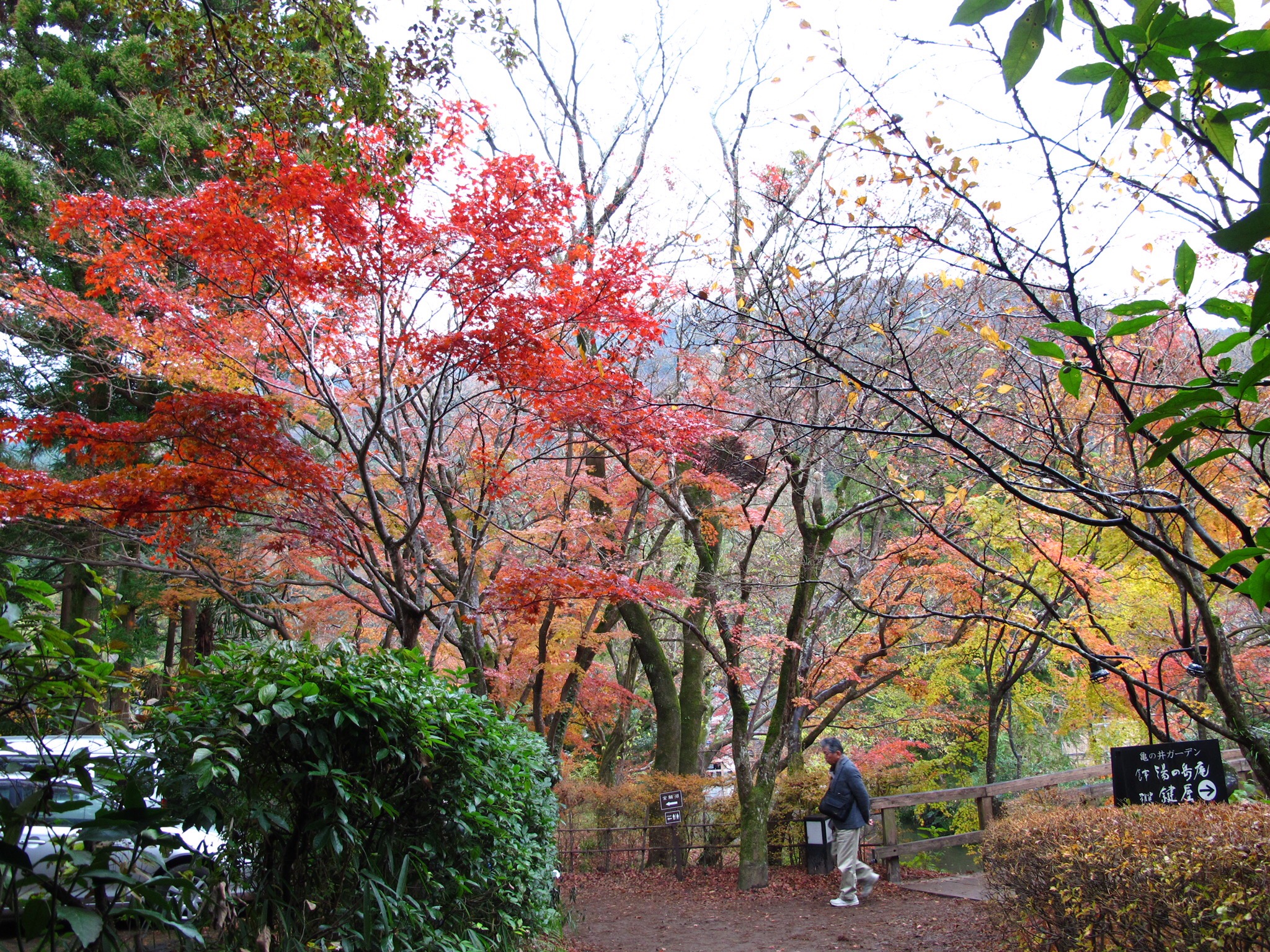
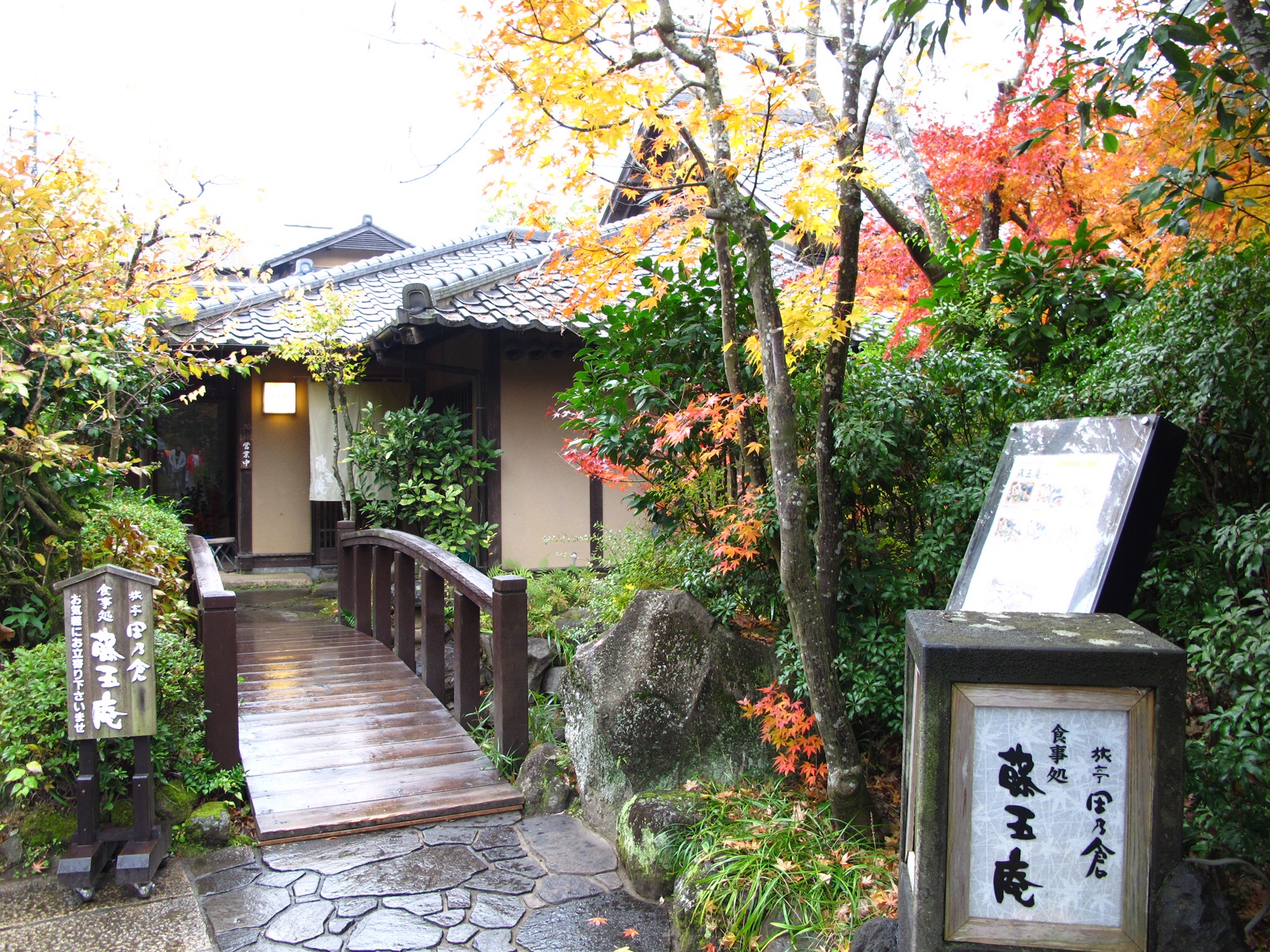
I suspect Kinrin-ko looks most charming in autumn, but I can’t be certain. For sure, the morning fog of winter is breathtaking. And the spring blooms should likewise be beautiful. At the moment, we are enjoying the fall colors which are an attraction by themselves. Red, yellow, orange, green and brown – a symphony of colors.

After rounding up Lake Kinrin, we checked out the nearby, very commercial Floral Village which is NO flower garden or park, but simply a shopping alley catering to tourists. I couldn’t wait to get out of this tourist trap. Found a coffee, ice cream and crepe shop right outside and promptly claimed a comfortable chair there to while away the time while sipping my brew. How I wish I was doing this by the lake! That would have been nice. I would have practiced the Japanese “boketto” here — the art of staring mindlessly. Instead, I “lost” myself in the frenzy of dodging samurai-dressed vendors, sampling the wide variety of Japanese snack foods, and fiddling with my newly-bought umbrella which I used for a good total of no more than 15 minutes of soft rain.

On our way here from Beppu, I spotted a JR Yufuin Station. The walk — my guess is less than half hour — from the Station to the lake looks interesting as the road is littered with many shops and food stalls. Though I’ve been to lovelier lakes and ponds, Lake Kinrin is without a doubt, the top attraction here in Yufuin. Along with Beppu, Yufuin is a popular hot spring resort town in Oita Prefecture. I’d say the onsen experience here pairs well with a stroll around the lake. Just skip the Floral Village nearby. Frankly, I don’t understand why this shopping alley carries a European-inspired theme. I’d be quite happy with a very rural Japanese setting. At any rate, Kinrin-ko makes up for that faux pa.

For more blogs celebrating life, check out :

https://lifeisacelebration.blog/

https://retirementsuitsme.wordpress.com

http://www.travelblog.org/Bloggers/liliram/

Like me on Facebook: https://www.facebook.com/Lifeisacelebration


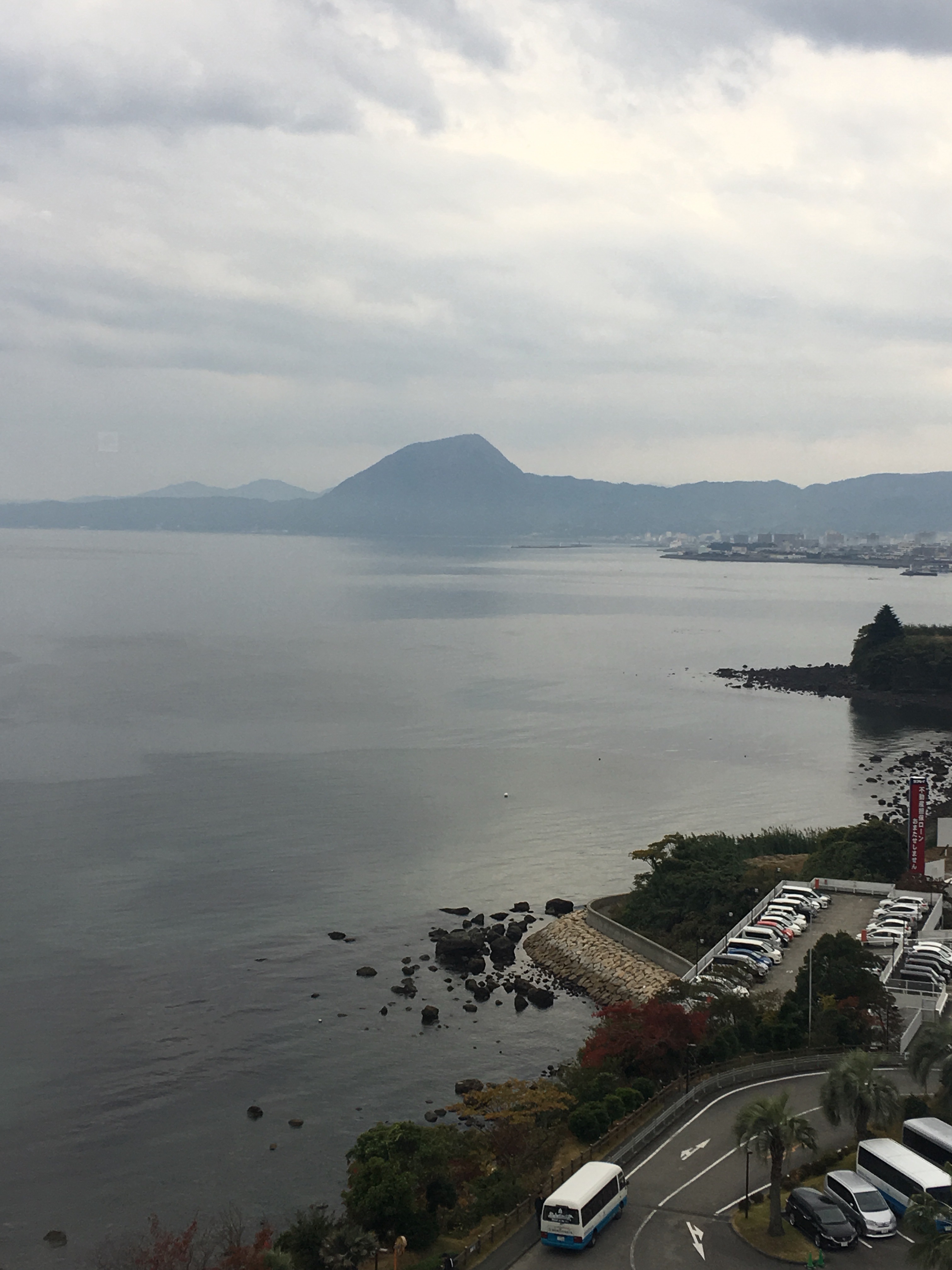
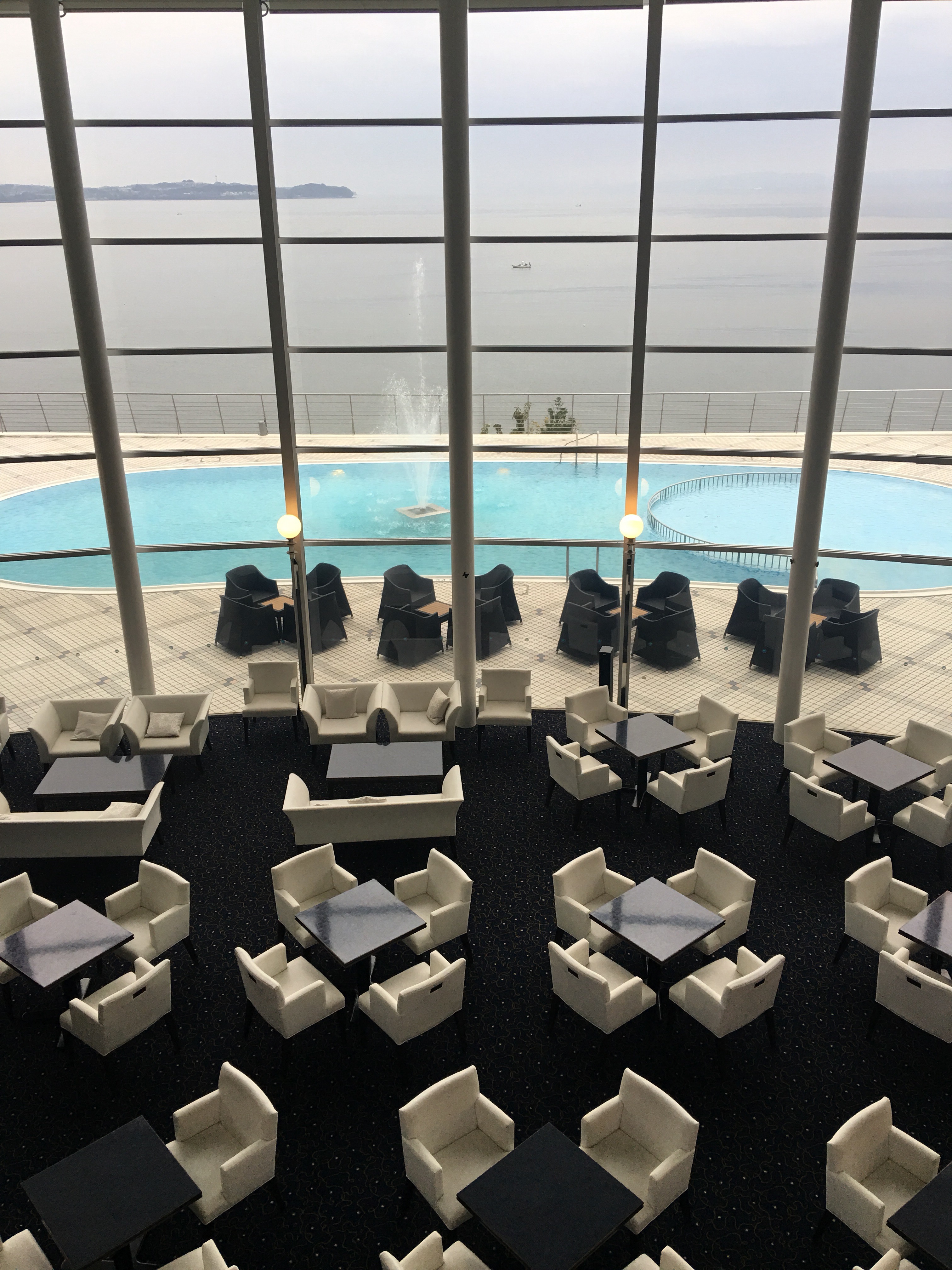
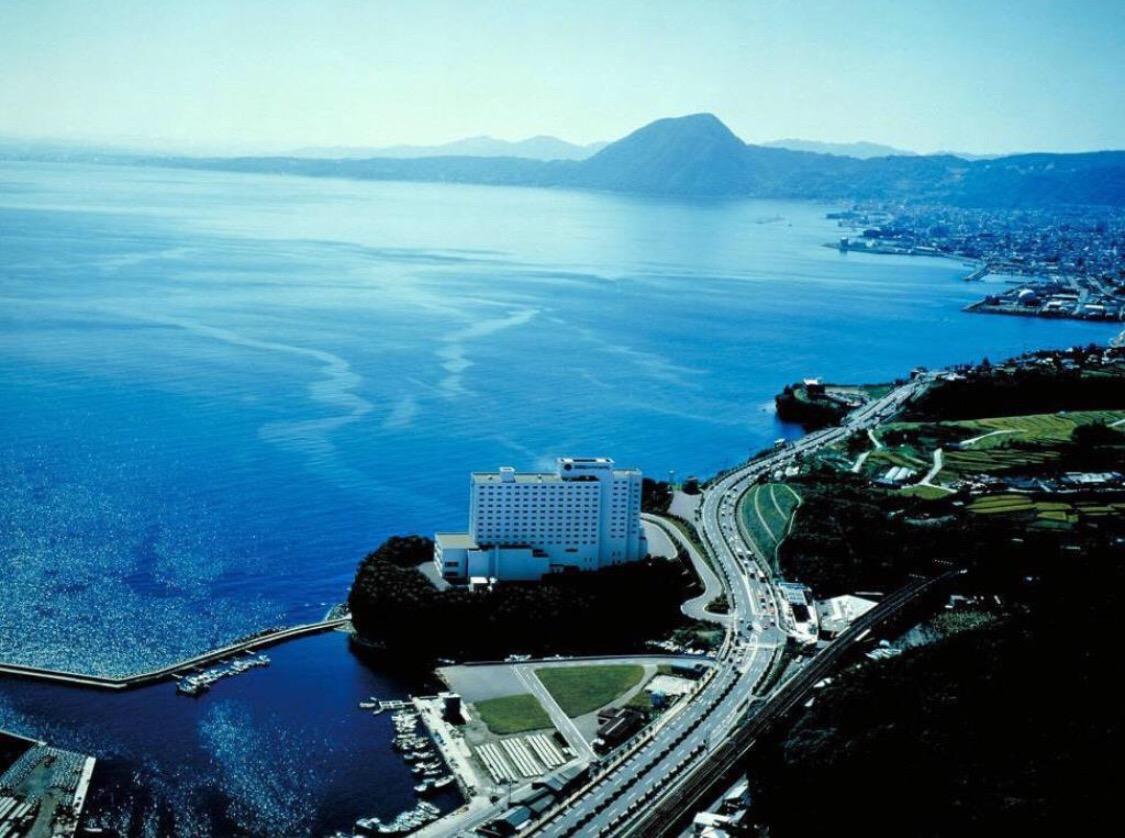
Beppu is a resort city in the Oita Prefecture. Found in the southern island of Kyushu, Japan, it boasts of as many as 4,000 onsens or hot springs set between the volcanic mountains and the lovely Beppu Bay. You know you are in Beppu as soon as you see those steam vents all over the city. Quite amazing and rather unreal to find in a city.

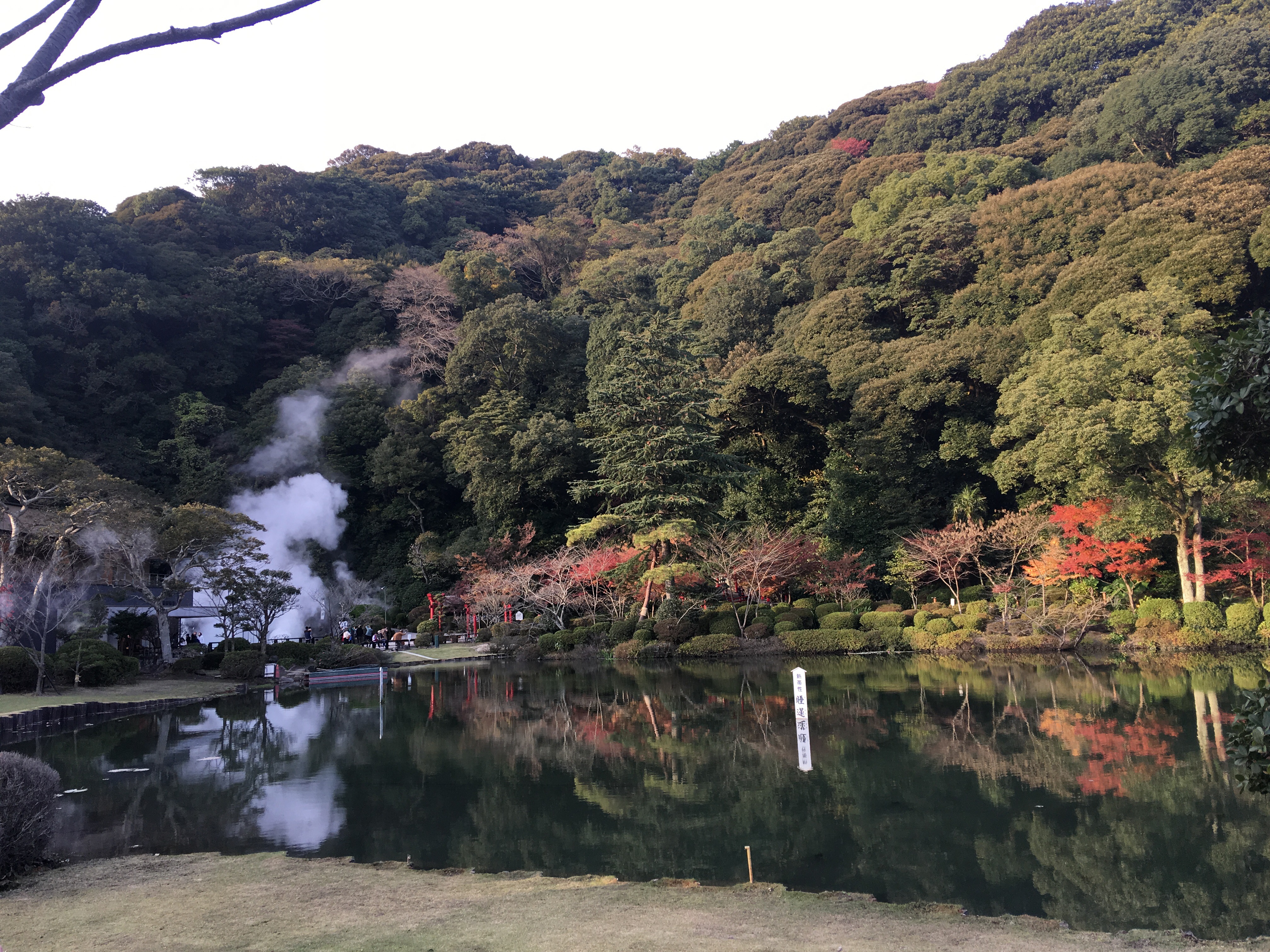
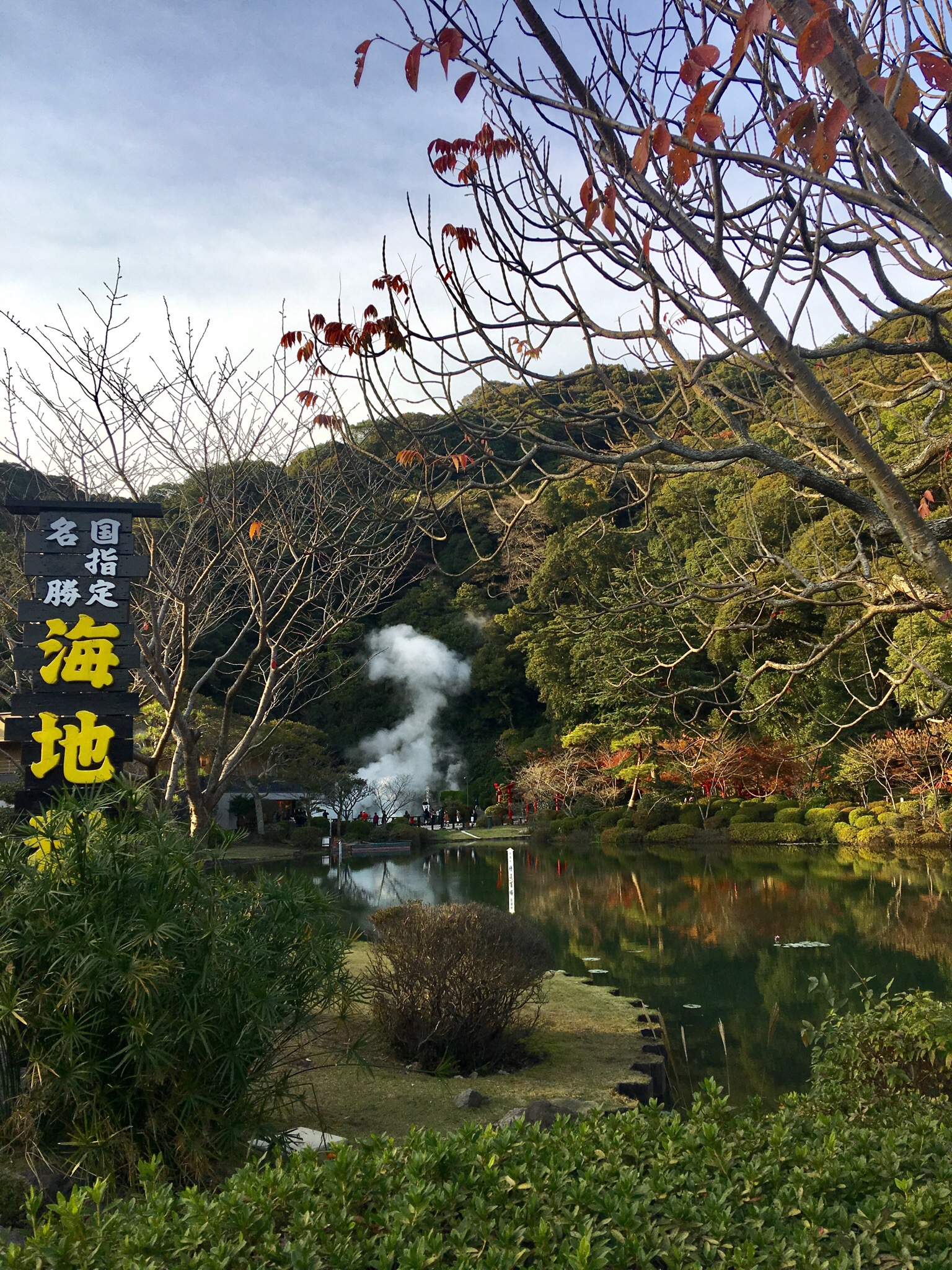
We arrived autumn time. The (hot) springs area in Umi Jigoku was teeming with steam vents looking even more surreal because of the autumn foliage. Unfortunately, we came on a long weekend. This Thanksgiving weekend sent throngs of locals out of their urban abodes heading for the luxury of sand baths, mud baths, foot baths, onsen, hot spring baths to be found in Beppu.

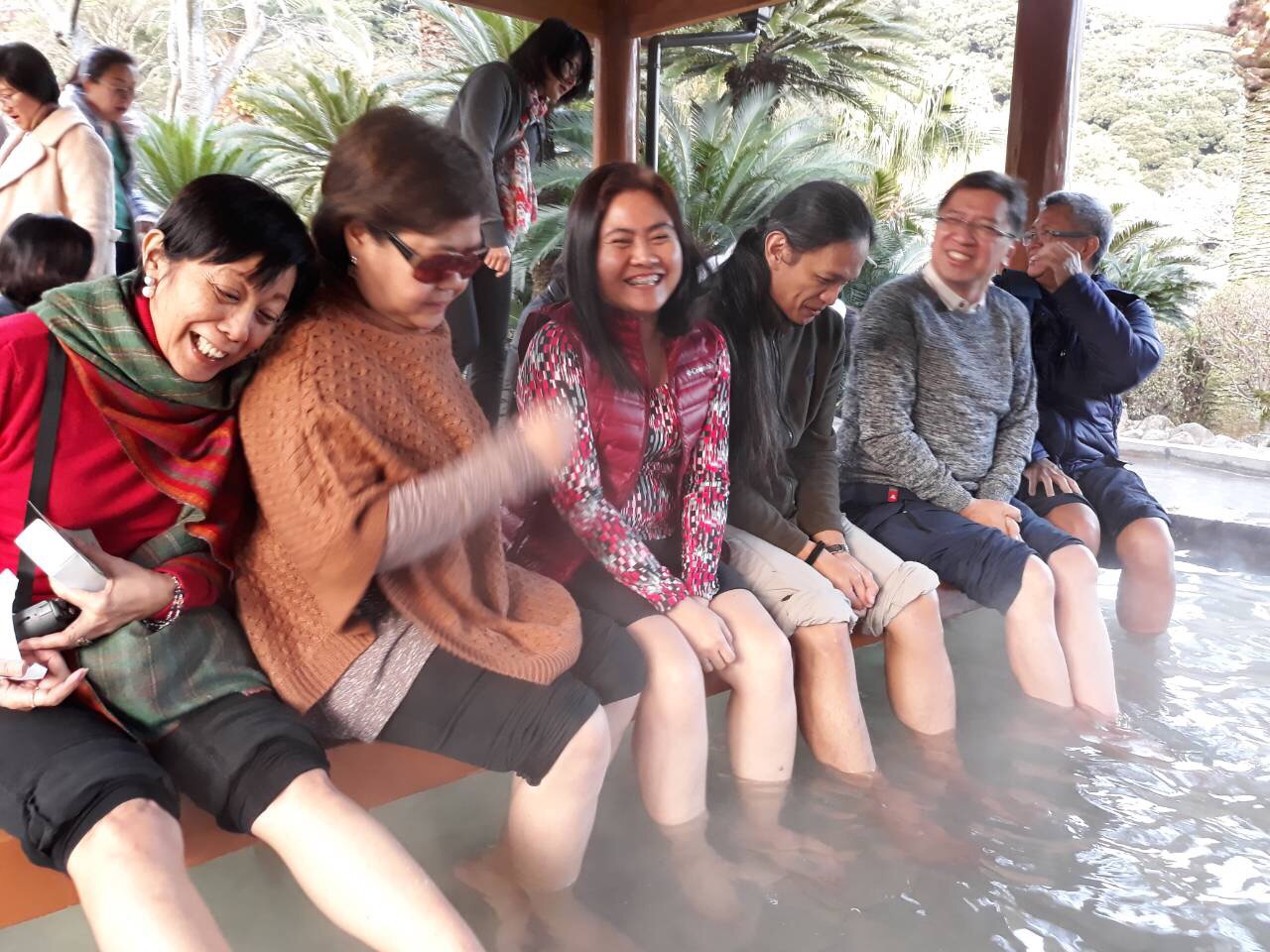
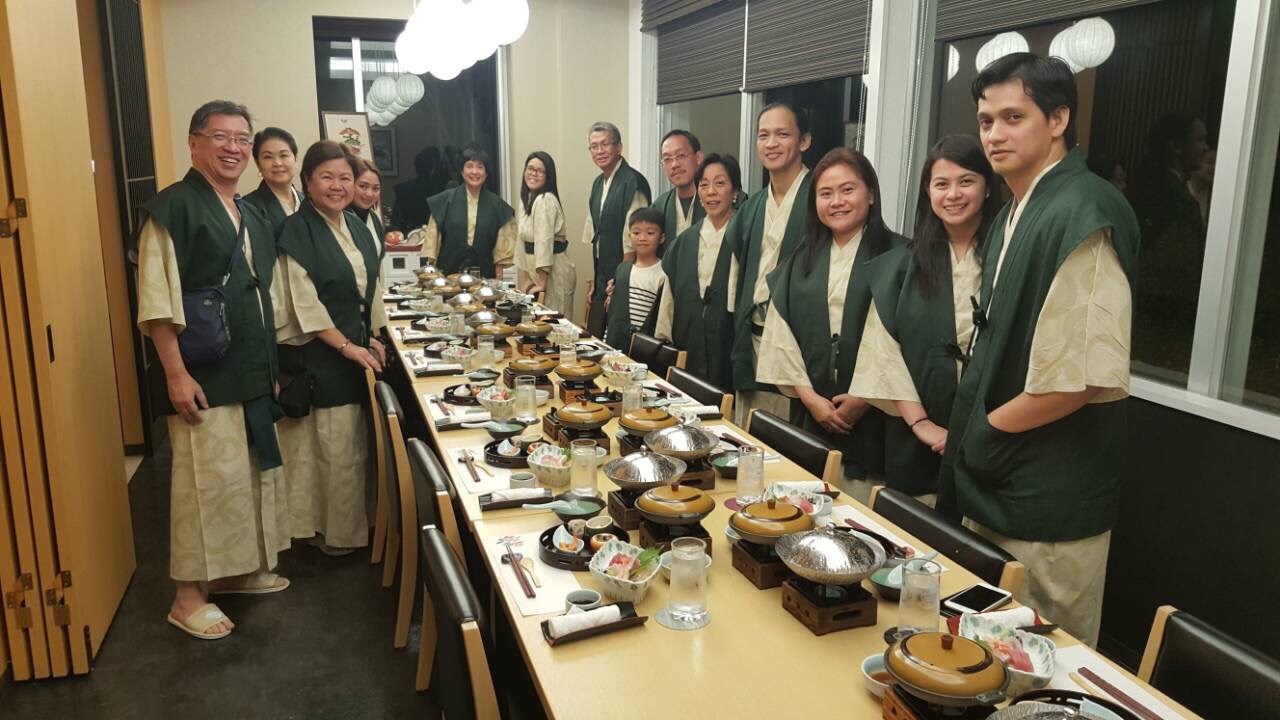
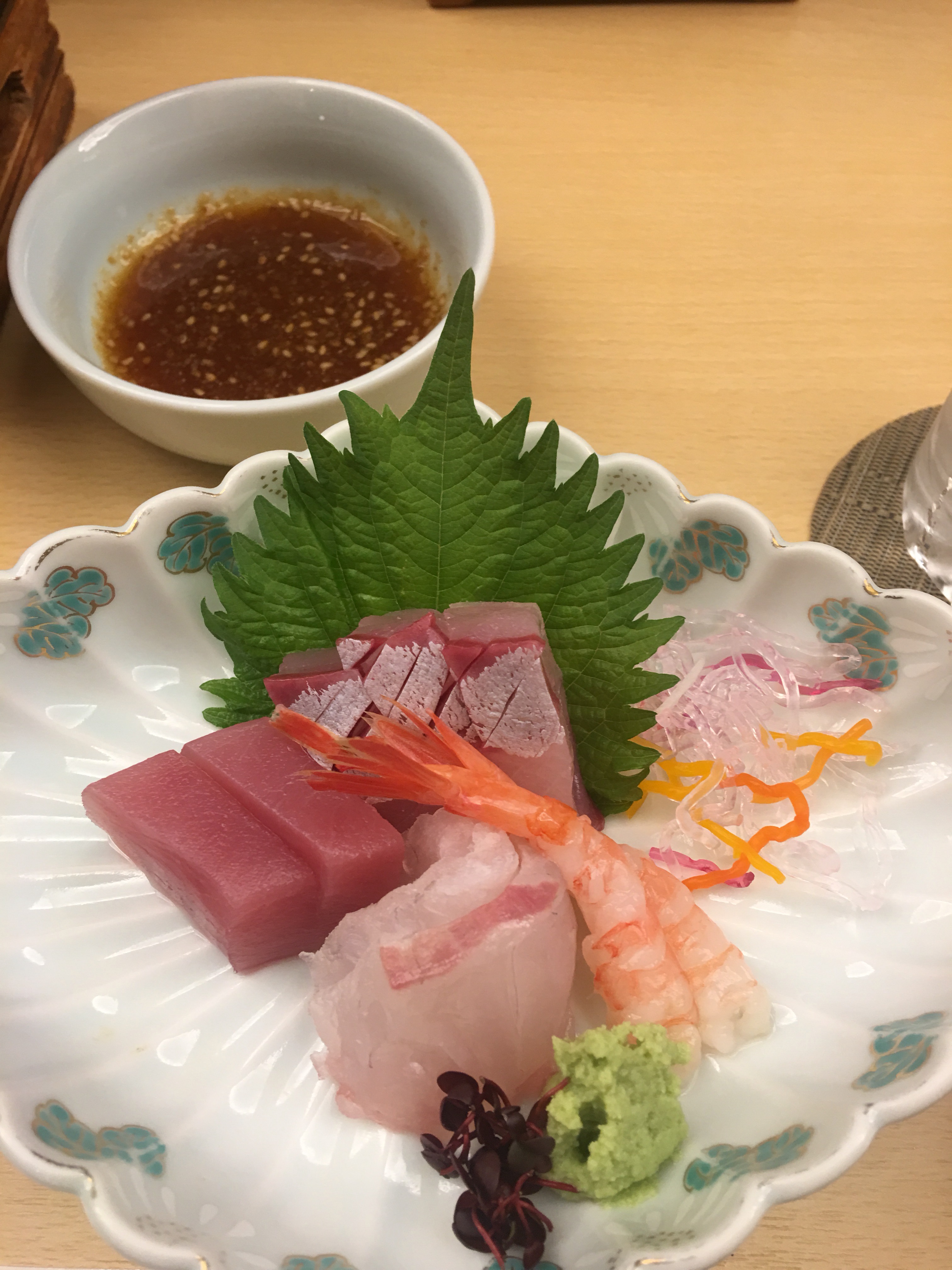
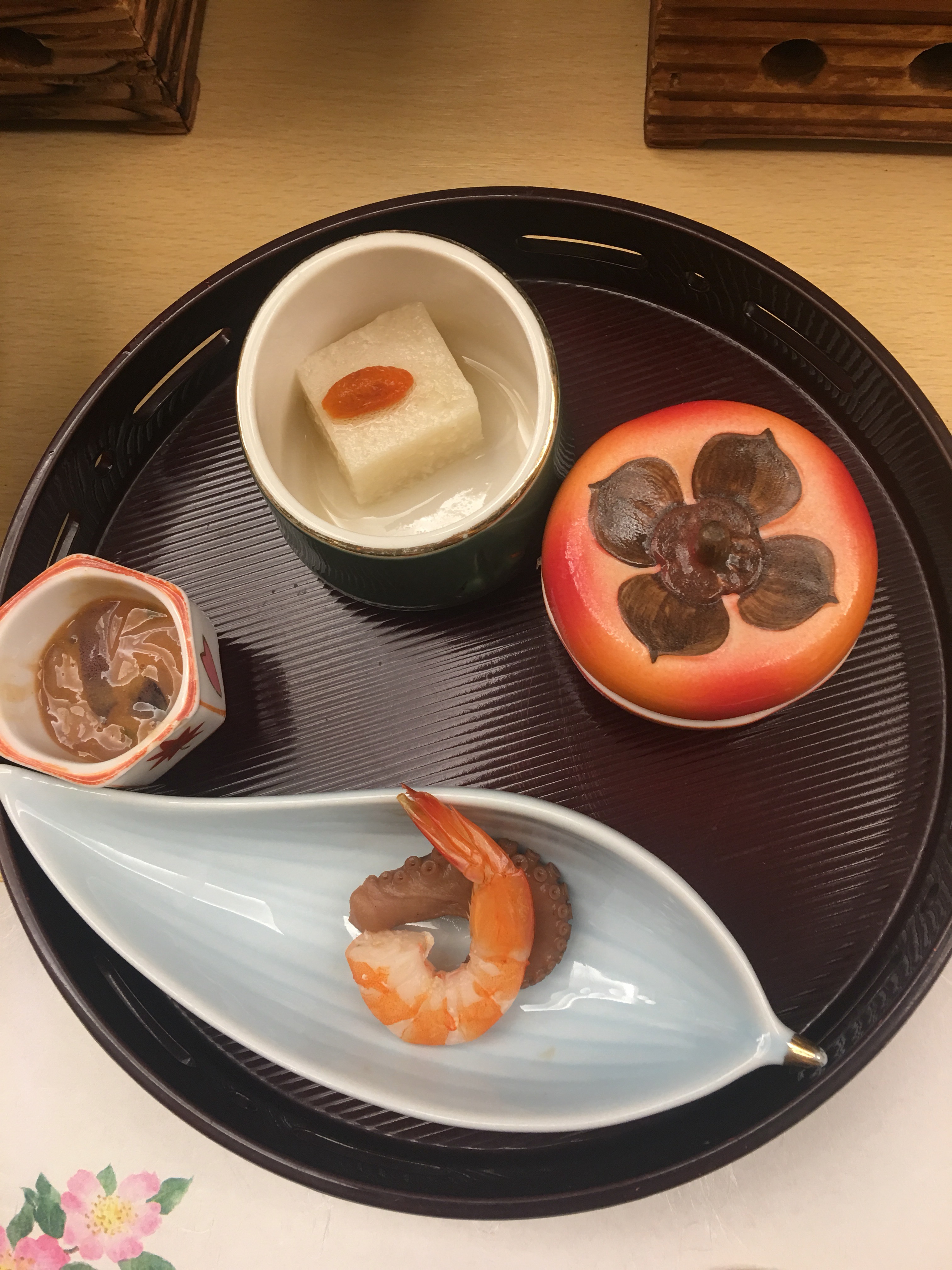
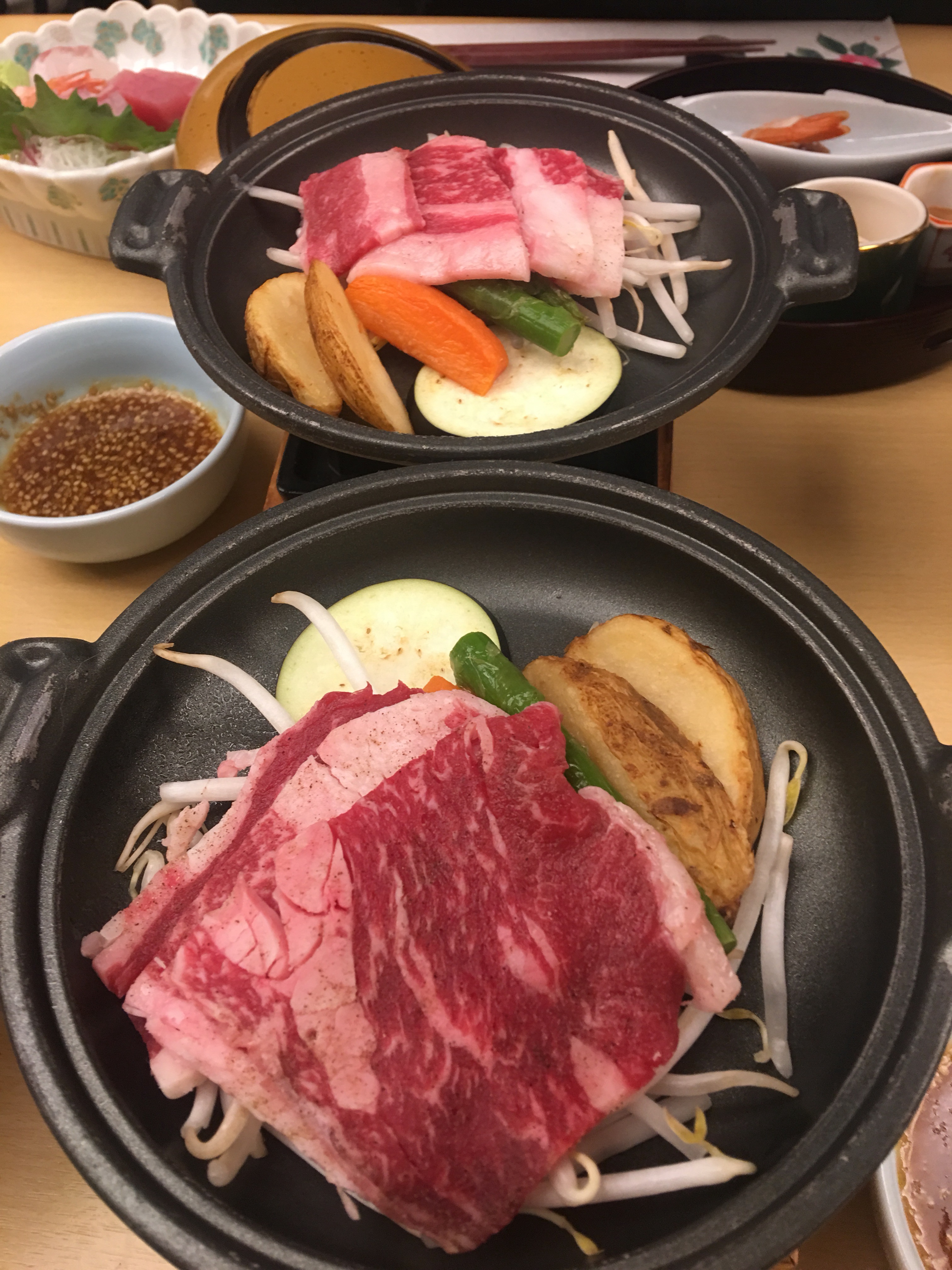
We couldn’t wait for 2 hours for the sand baths. Besides, it’s freezing cold (as low as ZERO degree in Mt. Tsurumi Summit at 1,375 meters high) and we weren’t confident we’d enjoy lying down “buried” under the hot sands for only 15 minutes, then up and go. Too much trouble. Instead, we opted for the foot baths. Still too hot for our legs and feet, but t’was fun doing this with the group before a hefty kaiseki in our hotel’s restaurant. A lonnnnng dinner, with the ubiquitous Japanese cooking utensils and dishes spread out on our long table. The plating typically teases, but the taste never ever disappoints!

We were filled to the brim with all the sumptuous food. The miso soup had an unusual, savory taste. The pickles you’d care to eat with your rice. The thin meat slices paired well with the broth with morsels of fish balls, shrimps, etc. The saba (costing ¥5,000 per mackerel) was so fresh. The tempura batter sweetish and crisp. Even the matcha gelatine-like dessert tasted sooo good.

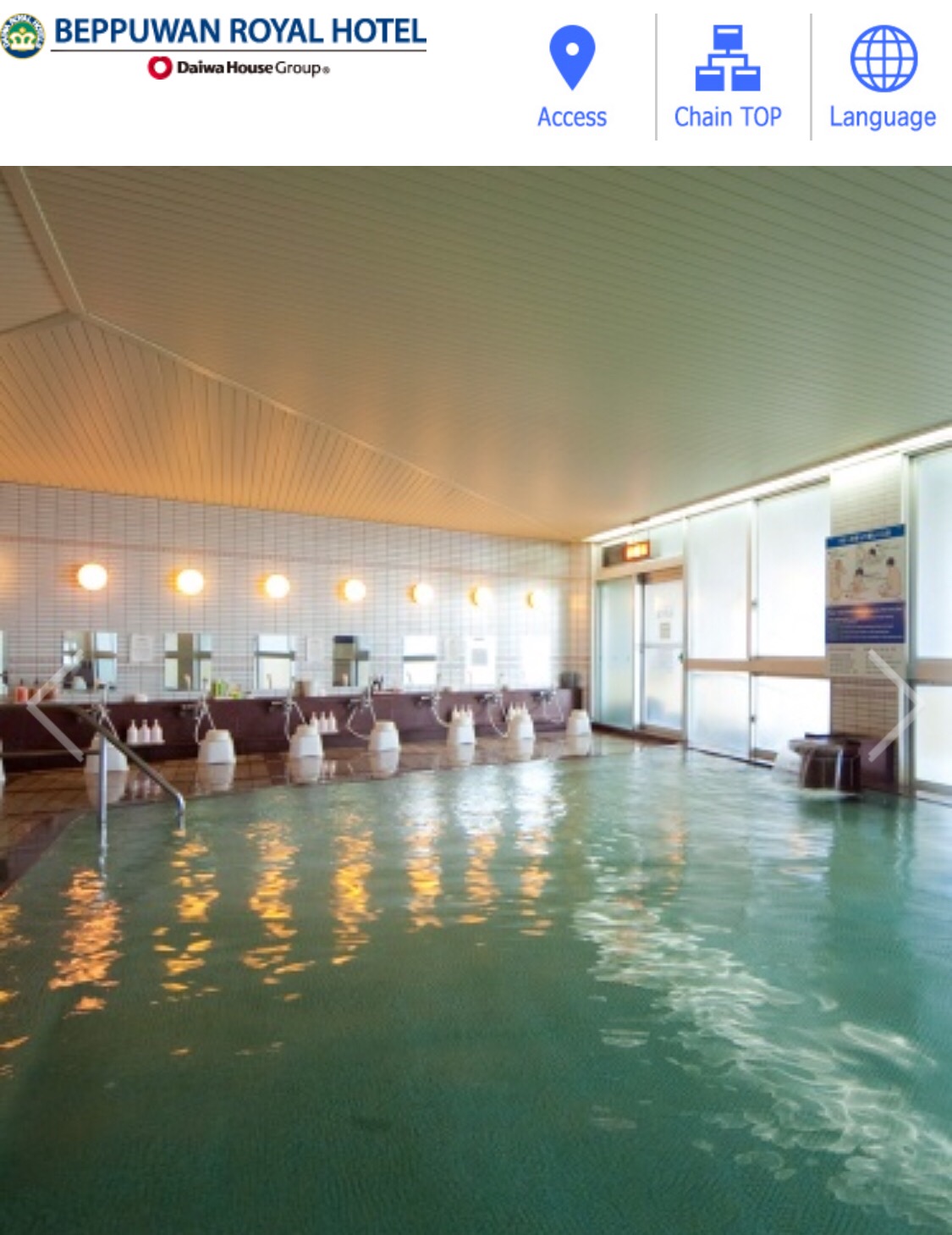
That last photo above was sourced from our hotel’s site.

So, no worries. We didn’t snap photos inside the hotel’s onsen. Did we try it? Naturally. Beppu boasts of the best onsen experience. And so, we ended our long day on a “hot” note.

For more blogs celebrating life, check out :

https://lifeisacelebration.blog/

https://retirementsuitsme.wordpress.com

http://www.travelblog.org/Bloggers/liliram/

Like me on Facebook: https://www.facebook.com/Lifeisacelebration