Tag Archive: Madrid


#30 HOW SPANISH ARE WE?


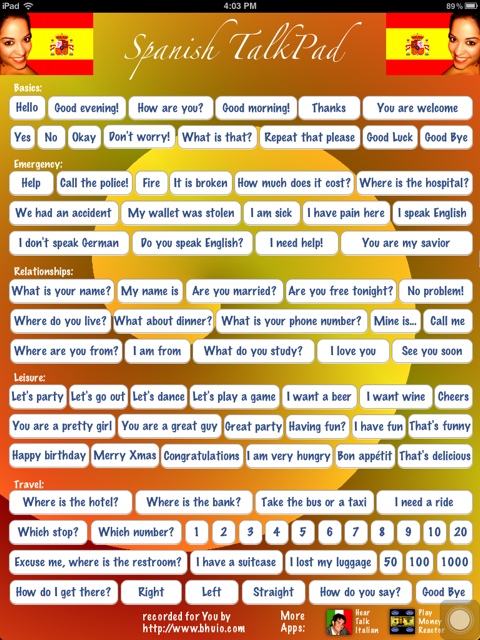
Luckily for me, we had more Spanish units in college than the younger set. Just the same, I am stumped whenever I’m forced to express myself in Spanish, and more so, when I’m compelled to listen to someone reply to me in Spanish. I’m telling you…… The easy part is expressing yourself in Spanish. Google Translate and all those English-Spanish dictionaries work for all those questions you have in mind. Until they give you their answers. As in DUH????


20120420-160337.jpg


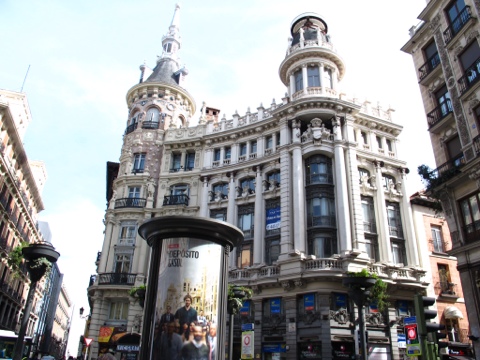
I have been living in Madrid the past 2 months. I still don’t speak Spanish. But I go to the palenque, ride the metro, take day trips out of Madrid using the bus or train, visit museos, shop and sip good coffee along Gran Via, and feel “comfortable” in this foreign land. I would always find something “familiar” — no matter how vaguely — in every phrase or sentence uttered, or in many signposts or directions. Thank God the numbers (uno, dos, tres….), prices (quince, dies, katorse….), time (alas cinco, alas cuatro…..), days (Lunes, Martes, Miercoles….), months (enero, febrero…), are all familiar to us. These days, I confidently greet our porter “Que tal?” , hoping he would reply in “despacio” mode.


20120423-231600.jpg


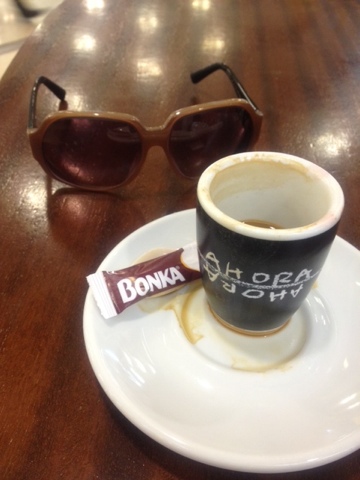
Going to the palenque is always an adventure. I easily found my “Suki” (favorite shops) where the vendor would actually gently correct my Spanish. Like tomate, not tomato. Cuarto (1/4) not cuatro. My fish vendor would even teach me how to cook the fish as if I understood beyond “plancha” (grill) and harina (flour). 😄 I easily spend 2 hours here, even drink coffee from a bar where the sacred brew is served in a glass! And how I remember my very first ordeal here….. How to order coffee with little milk. You see, you typically order cafe con leche (with milk) or cafe cortado (espresso). The problem is I’m not crazy over espressos and the alternative cafe has mucho leche!


20120425-171354.jpg


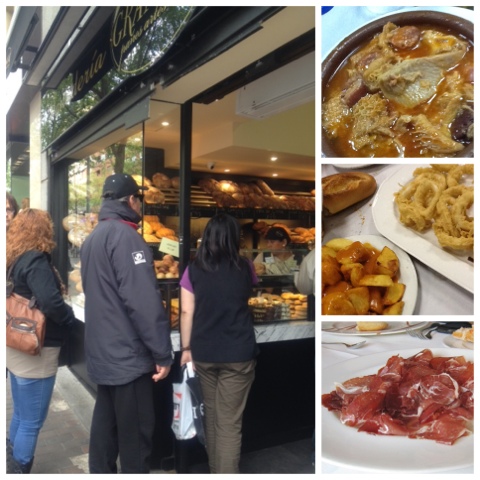
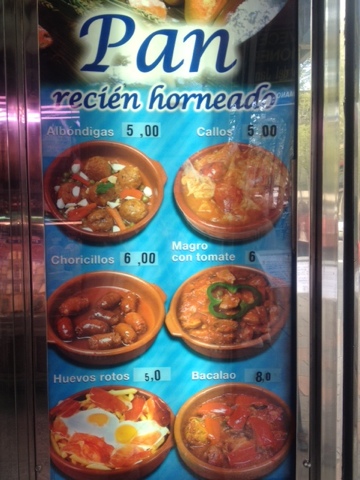
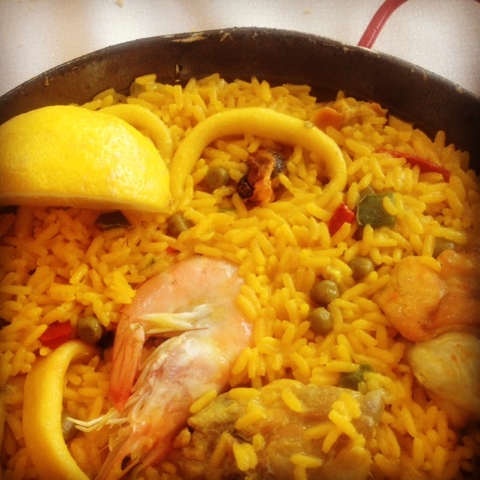
I have been very observant about signposts. More so about menus. Many Spanish dishes naturally found their way to Pinoy tables. The names ring familiar, sometimes similar, other times completely different. Like there is alBondigas here versus our alMondigas. Of course, every Pinoy loves Jamon but our Hamon is more American than Spanish. Which is a pity. And who has not heard of Arroz Valenciana? Valencia is where paella originated. How about Leche flan? Or pastillas?
 

20120425-173005.jpg

20120425-173246.jpg


Even here, you don’t throw your “Basura” just anywhere. When you want to rent or lease something, you say “Alquila” or “alquiler” similar to our arkila. And it’s not difficult to figure out what entrada and salida mean.


20120425-174005.jpg

20120425-174205.jpg


It will take some great effort for me to learn a new language like Spanish. Call me slow. But I’m always amazed how some Tagalog words are rooted in Spanish. After all, they ruled for nearly 400 years, didn’t they?

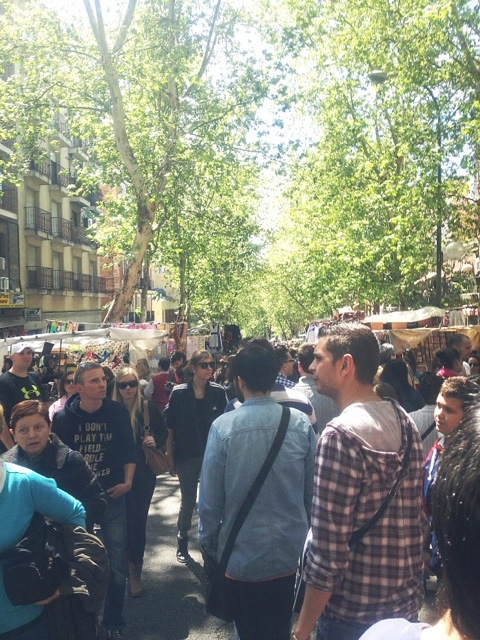
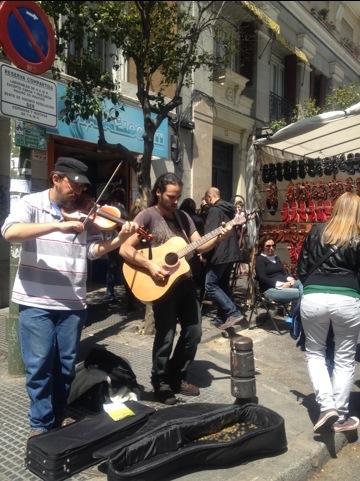
So, who has not been to El Rastro? Today’s a Sunday, and we’ve been putting this off for the longest time. Not that we haven’t done any shopping — are you kidding?— but a trip to El Rastro is more all about experience than anything else.


20120422-192503.jpg

20120422-195954.jpg


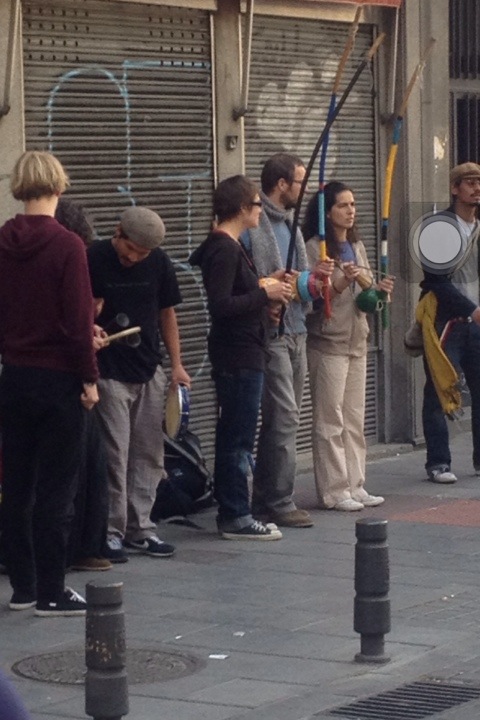
Took the metro all the way to La Latina. As we got out of the Metro Station, there was no mistake we were in the area we intended to be in. Music flowed from a couple of strummers just as crowds seamlessly flowed in one direction — towards the flea market called Rastro.


20120422-200403.jpg

20120422-200923.jpg


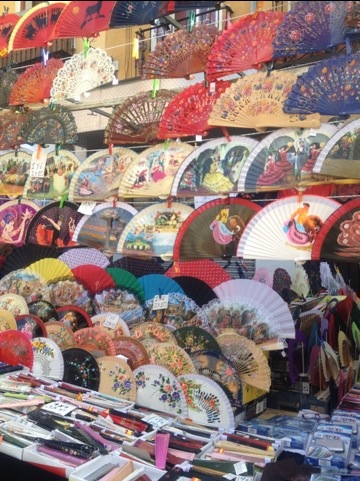
The Rastro has been an “institution” for centuries. I won’t say you’d get great bargains here as we have shopped elsewhere and enjoyed many rebajas. Even our very own Jose Rizal failed to resist shopping in El Rastro. These days, the cheap finds are Made in China and the leather products are not exactly cheap. If you ask me, I’d rather shop in a store less crowded. Besides, the place is a favorite hangout of pickpockets. Knowing that gives me anxiety attacks.


20120422-202350.jpg20120422-203140.jpg


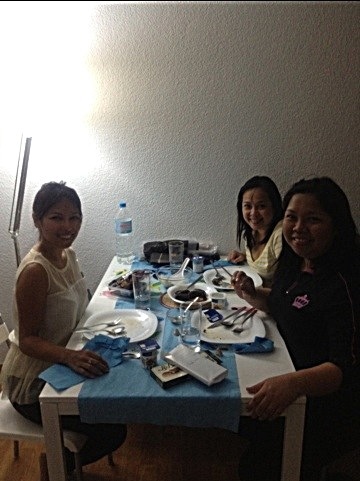
Anyway, our El Rastro sojourn allowed us to meet a US-based Filipina visiting Madrid with her husband. The day we met was also the day they were leaving for home which is Rhode Island, NY. Guess what happened? The husband left ALONE for US of A. The Filipino wife stayed behind, and staying with us till May 1. Most time anyway. She’s joining my girls on a trip to Lisbon and next weekend in Barcelona. Crazy enough for you? Well, c’est la vie. We celebrate, and so does our new friend Kate!


20120422-221300.jpg


I do not pretend to be a connoisseur, nor am I saying I’ve tried all culinary delights around here. But I dare say that what I have found so far, I LIKE!


20120410-142051.jpg

20120410-142206.jpg


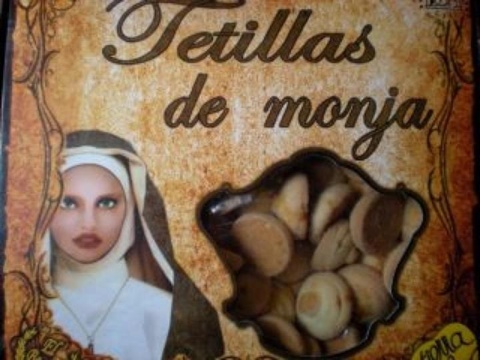
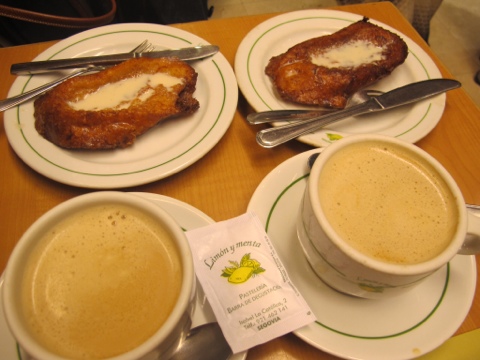
A trip to Avila meant bringing home some boxes of those yemas and cookies irreverently called “Tetillas de Monja” . Lenten Season meant we should try that Lenten delicacy called “Torrijas” or “Torrejas” —- frankly a cross between a French Toast and a bread pudding.


20120410-142607.jpg

20120410-142655.jpg


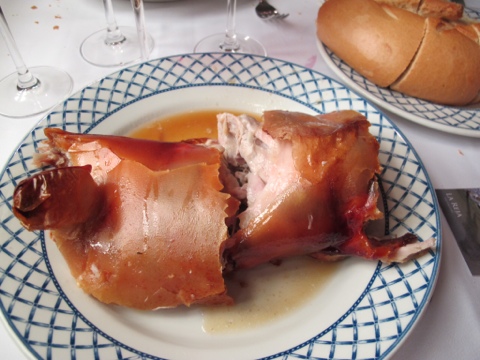
In Segovia, never miss a cochinillo meal at no less than Meson de Candido. They didn’t build a monument for Candido for nothing. It’s only a half hour AVE train ride from Madrid. The cochinillo, the cathedral and the Alcazar are good enough reasons for a day out to Segovia.


20120411-105153.jpg

20120411-105514.jpg


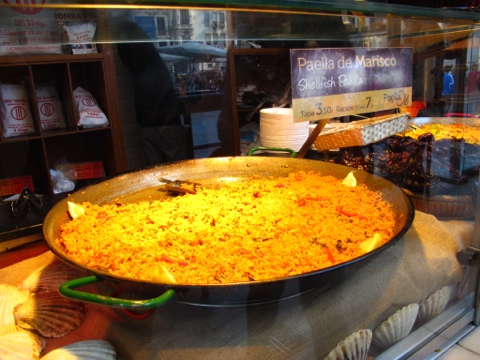
Of course, one must try the authentic paellas here in España. We tried some when we sat and dined in Plaza Mayor, while watching the crowds in chilly weather. But the best was introduced to us by our foodie friends who brought us to this hole in the wall somewhere in Tres Peces, 20 near the Anton Martin metro station. It is called Ventorillo Murciano.


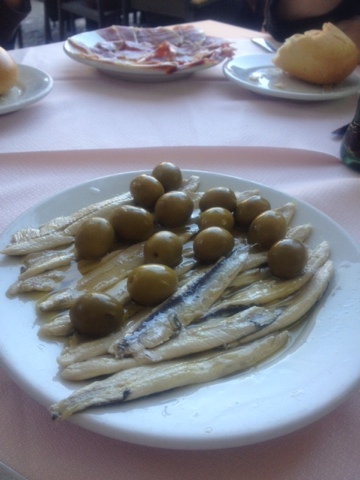
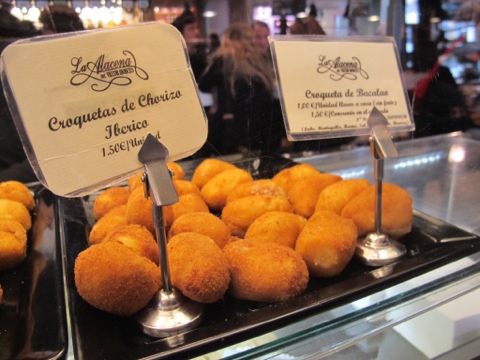
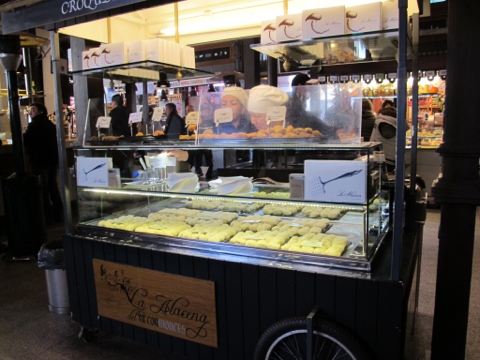
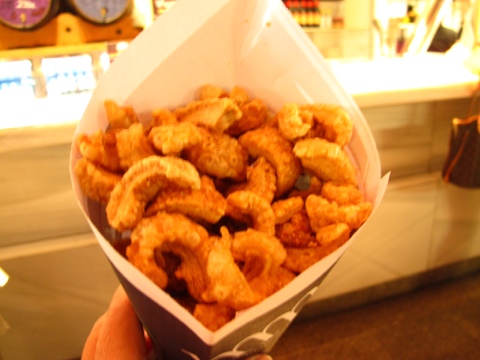
A trip to the Mercado de San Miguel is also a must-try. Have your cheese and croqueta fix here. Or grab a drink or two while savoring some boquerones, Jamon, langostinos or some other shellfish. We even found some Chicharon, which they call cucurucho!


20120411-110938.jpg

20120411-110957.jpg


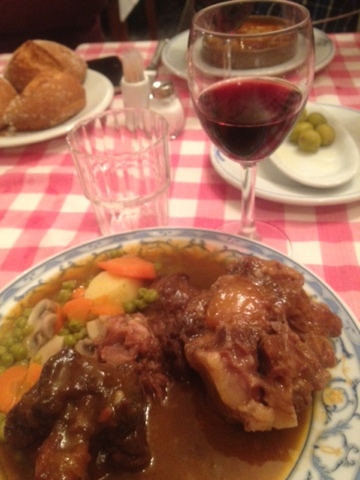
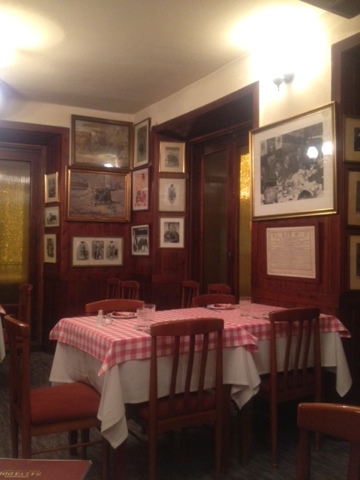
We checked out Casa Botin, that oldest running restaurant in the world, but there was a long line that Easter Sunday. No problem. The same foodie friends D and J introduced us to another Hemingway favorite haunt. Restaurante Salvador does not serve Botin’s suckling pig (besides, we had our cochinillo fix in Segovia) but it certainly serves the best Rabo de Toro. My friends said this is the same place where matadors hang out after a corrida. And one of them matadors had an affair with no less than Ava Gardner. Whether it was after or during her marriage to Frank Sinatra is debatable. But who cares if one is served bull’s tails for dinner?


20120411-111846.jpg

20120412-184423.jpg


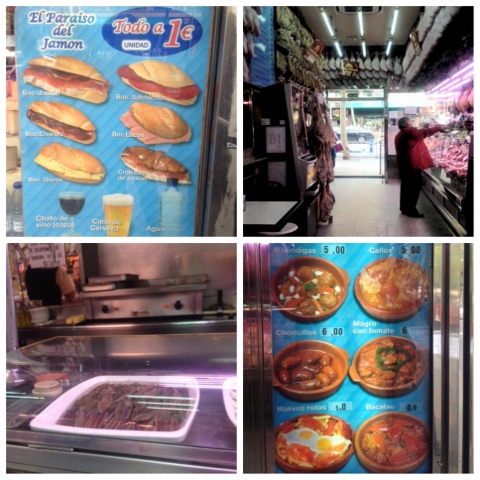
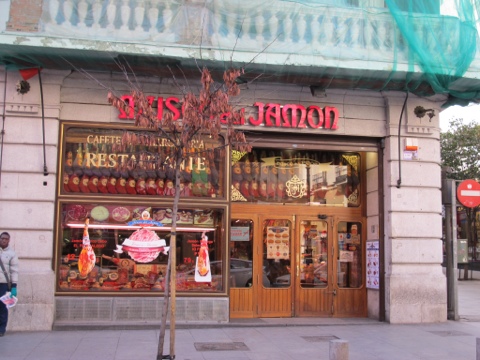
Now, if you’re on a tight budget…..you don’t have to do Mc Donald’s or KFC here. Do check out some local food chain. There is Museo del Jamon, and there is Paradiso del Jamon. Both serve €1 bocadillos (sandwiches) and some good ol’ Spanish delicacies from Quezo, Jamon, Callos, Albondigas, Tortilla, etc. You choose!


20120412-184746.jpg


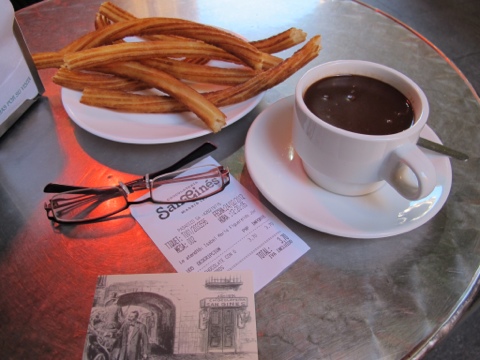
But do save some euros for that churros con chocolate. If you go to the palenque (market), you can have your desayuno (breakfast) of cafe or chocolate WITH either churros or porras (like bicho bicho) for only €2. Cheaper than a Mc Do breakfast! Or you may want to line up for some freshly-baked breads and pastries (like Garnier’s) but it would be difficult to resist the pastries. At least ONCE, try the churros con chocolate ☕in either Chocolateria San Gines off Calle del Arenal near Puerta del Sol, OR Valor near Plaza Callao.


Buen Provecho!


20120412-185250.jpg

20120412-185647.jpg


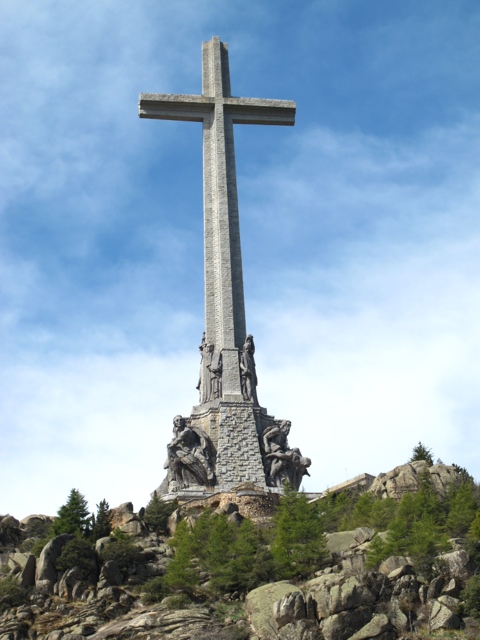
Just 15 kilometers away from El Escorial is Valle de Los Caidos. Literally translated to “Valley of the Fallen”, this memorial is as different to Escorial as black is to white. The latter is a monument to Spanish fascism. Think Generalissimo Franco.


20120405-152021.jpg

20120405-152153.jpg


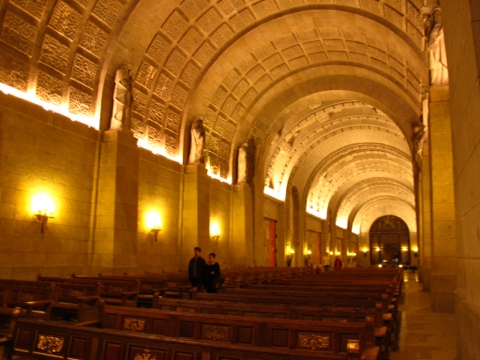
This is the world’s largest free standing cross. Built upon orders of Generalissimo Franco in the 1940s with labor from prisoners as many as 20,000, the structure houses an underground tomb which includes Franco himself. The memorial was erected in memory of the sacrifices made by the fascists during the Spanish Civil War. Our Tour Guide reminded us to refrain from making any political remarks in this monument as Franco is both loved and hated in this part of the world.


20120405-153015.jpg

20120405-161820.jpg


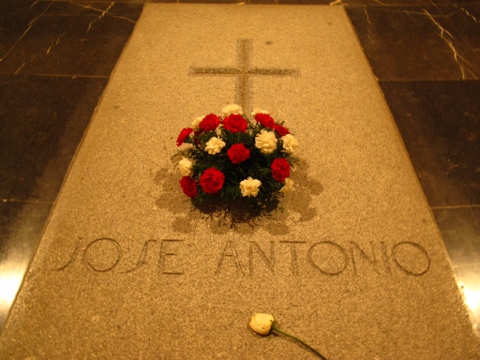
Frankly, I initially felt like I was walking inside a bomb shelter as I made my way in. Of course the murals and interior decor vanished that ridiculous thought almost instantly. But I was surprised to find a tomb in the name of Jose Antonio just before the altar, right across Franco’s. Who is Jose Antonio?


20120405-163133.jpg

20120405-163224.jpg


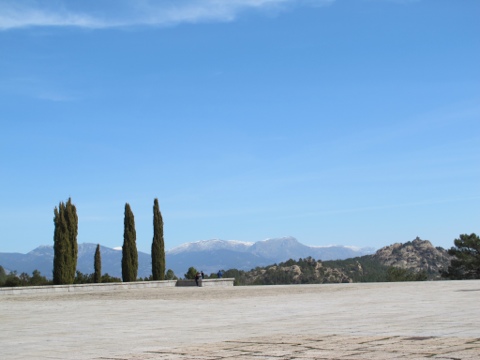
I didn’t stay very long inside. Felt kind of claustrophobic , if you ask me. I was glad to be out breathing the mountain air and appreciating the view. Then a question popped in my mind — but no….. I’m on holiday. No political concerns whatsoever. 😷😏😜


20120405-163945.jpg


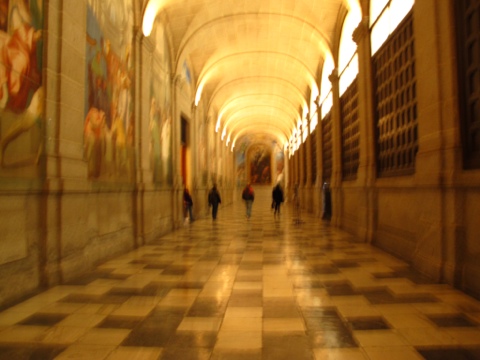
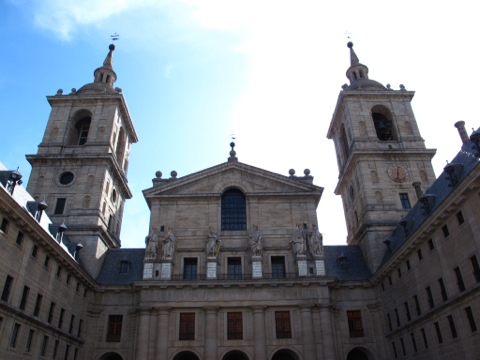
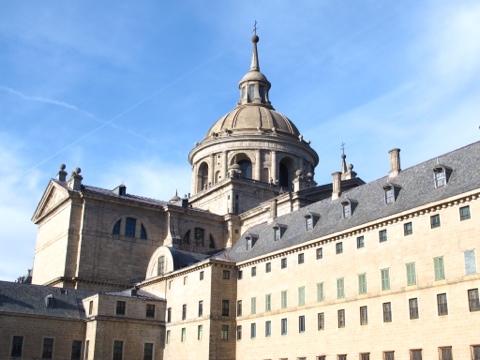
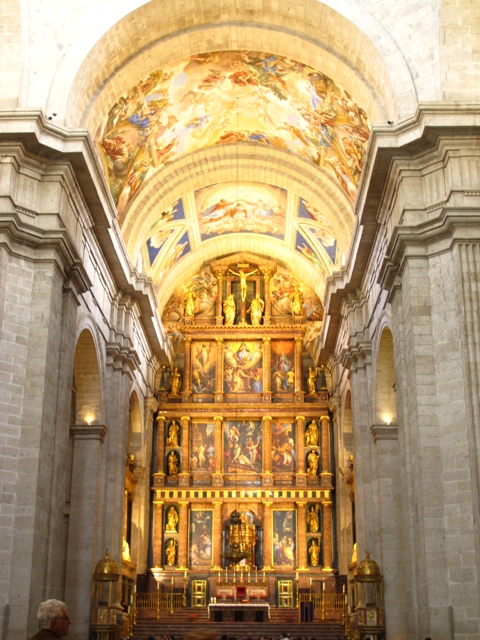
If you’re hankering for a lazy day visiting a cultural treasure and checking how royalty lived, died, and were buried then, take a day trip to the Royal Seat of San Lorenzo de El Escorial. Simply called El Escorial, you can make a stopover here on your way to Avila or Segovia. Or you can simply do El Escorial, just 45 kilometers or less than an hour’s drive from the capital of Madrid, along with Valle de Los Caidos not too far from the palace cum monastery.


20120405-105240.jpg

20120405-105500.jpg


It may be true that the edifice was inspired by the Temple of Solomon. The 2 statues of David and Solomon guarding the entrance to the basilica bolster this theory. For sure though, the structure integrated many architectural alterations. Far beyond being a royal residence and monastery, El Escorial is also a school, convent, library, and for the last 500 years, the royal burial site for most of Spain’s monarchs. King Philip II originally intended the place as necropolis for his parents King Carlos I and Queen Isabella of Portugal, as well as for his own family and descendants. The Royal Pantheon, creepy in all its marble goodness, reunite the Spanish Royal Family after life. It is aptly placed right beneath the royal chapel.


20120405-112607.jpg

20120405-112717.jpg


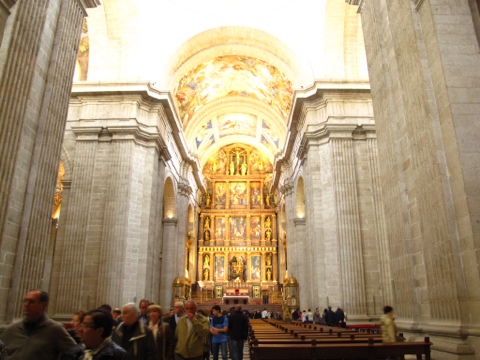
Declared a World Heritage Site by UNESCO in 1984, this 16th century royal site is likewise a treasure trove for great pieces of art from Spanish, Flemish, Italian masters from the 15th through the 17th century. From Titian to Velasquez to El Greco and many other collections. Too bad no photos to share, folks. Photography not allowed within much of the complex. I heard Mass inside the Basilica and took photos after the service. I was gently reminded by the guards with a simple, potent “No…..” before I could snap a photo of the dome which was inspired by the great church in the Vatican. Not surprising as the royal architect — Juan Bautista de Toledo — likewise worked in Saint Peter’s Basilica. Next to the basilica is King Philip’s royal quarters where a window allowed him to observe Mass even when his gout gave him problems. How about that?


20120405-122030.jpg

20120405-122232.jpg


My personal favorite is the Library. The vaulted ceiling’s frescoes reminded me of the Sistine Chapel, albeit on a less grand scale. The Spanish Monarchs and scholars must have spent a great deal of time here. More so as King Philip II intended El Escorial as a center of studies to counter Protestant Reformation then sweeping Europe, in keeping with Spain’s role as center of Catholicism during his reign.


20120405-122407.jpg

20120405-122826.jpg


It would take many day trips to El Escorial to fully appreciate its grandeur and view the entire horde of art treasures. My hands found a nice reproduction in watercolor in the monastery’s “tienda” but decided against buying it as I agonizingly peeled myself away to get back on my bus and join my tour group. The tour guide then pulled out a surprise by raffling off the same piece my fat fingers gently traced just a while back. You guessed right. I won that watercolor reproduction. It’s a beautiful day! Life is a celebration 😍😍😍


20120405-123853.jpg

20120405-124338.jpg


We started with Part 1 in #9 Madrid Blog Series. This Part 2 has more to do with my “Noynoying” moments here in Madrid. 💤💤💤 It’s been a month and a week now. Done with apartment hunting, appliance shopping, scrubbing, sweeping, cleaning and all that pile of bedlinen and towel laundry. So before I start feeling truly domesticated here in Madrid, I stepped out in search of more of Rizal’s favorite haunts. But not without a few moments of “Noynoying”. The “branding” started while I’m away, and I’ve got to say it’s funny and highly irreverent. Disculpe (“excuse me”) ….. for giving in to the temptation of actually using the brand for a blog title. 😜


20120328-141504.jpg


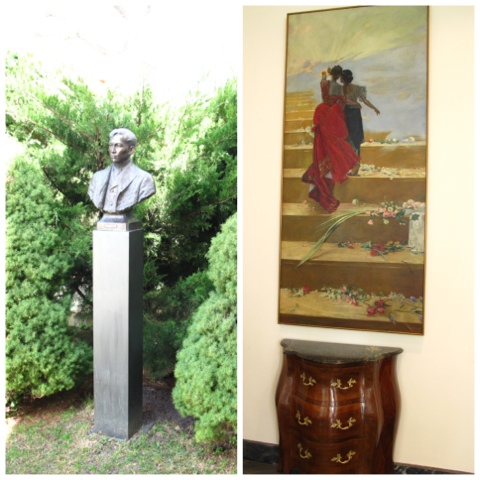
The above photos were taken from the Philippine Embassy in Madrid. Jardin Rizal was dedicated in memory of Dr. Jose Rizal on his 150th birth anniversary last June 19, 2011. The Juan Luna Painting — España y Filipinas — couldn’t be more appropriate. One passes this lovely reproduction upon entrance to the Office of the Ambassador.


20120328-143523.jpg

20120328-145340.jpg


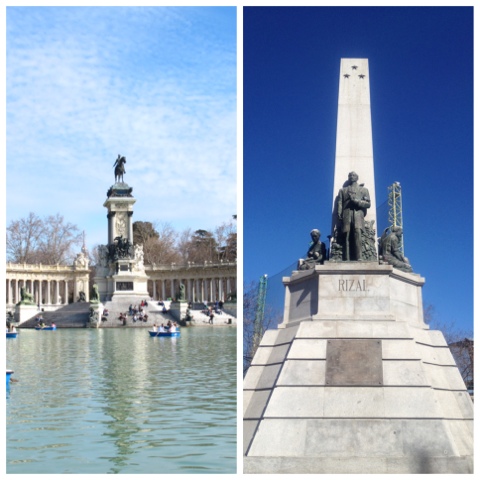
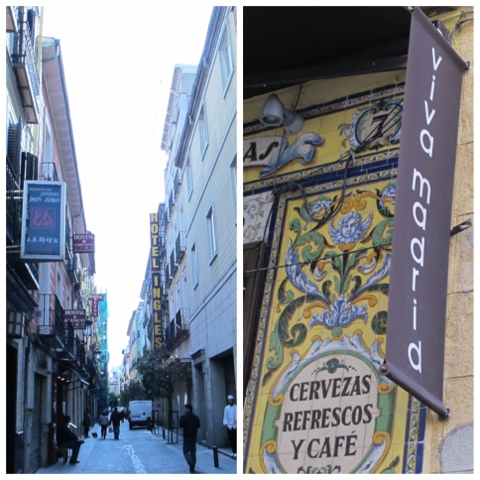
Earlier, I walked around the block 👣behind Teatro Español where I found Hotel Ingles, Los Gabrielles (now a cafe bar with flamenco 💃dinner shows) and Viva Madrid. I also wrote separate blogs 📖on Parque Retiro and Avenida Rizal/Islas de Filipinas where you find a replica monument of the hero. ⛲ This time, let me take you to places where JPR lived 🏠 (there were many — to a point that I felt JPR has been hopping from place to place), studied and joined protests.


20120328-145745.jpg

20120328-145806.jpg


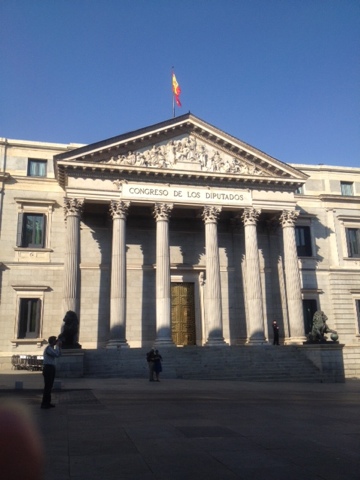
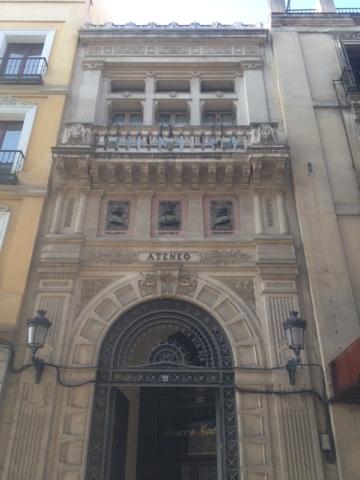
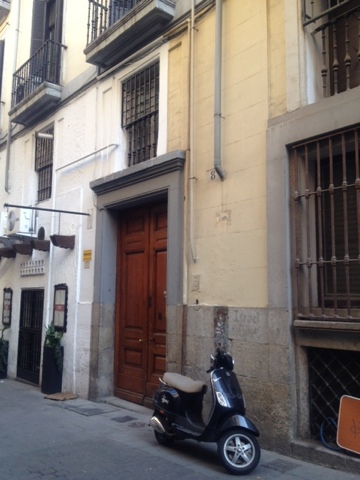
The Congreso de Los Diputados, formerly the Las Cortes Españolas, is the site where Filipinos including our very own heroes used to lobby for equal rights with Spanish citizens. This site, which is a stone’s throw from the Museo de Prado is where the Pinoy community rallied for Philippine autonomy. Makibaka! There is also the Ateneo de Madrid where Rizal studied English, did research and watched plays. His second residence along Calle Manuel Fernández Gonzáles, 8 (formerly C/ Visitación) from May to June 1883 is right across Viva Madrid, one of his favorite haunts. I can just imagine Rizal and other propagandists meeting and dining here after a few drinks at Los Gabrielles off the corner.


20120328-150942.jpg

20120328-151000.jpg


Did I just say dining and wining? Those nocturnal activities, in between studies, art exhibits and rallies? Por supuesto! Our heroes were thousands of miles and oceans away from family and country. No internet. No television. No cellphones. No Facebook, no games! No wonder they wrote many letters! 📮📫Surely, they needed some moments of pleasure and leisure to break the monotony. And mind you, they were dead serious and passionate about their struggles for freedom and recognition. Far from “Noynoying”? You tell me. 😏


20120329-154006.jpg


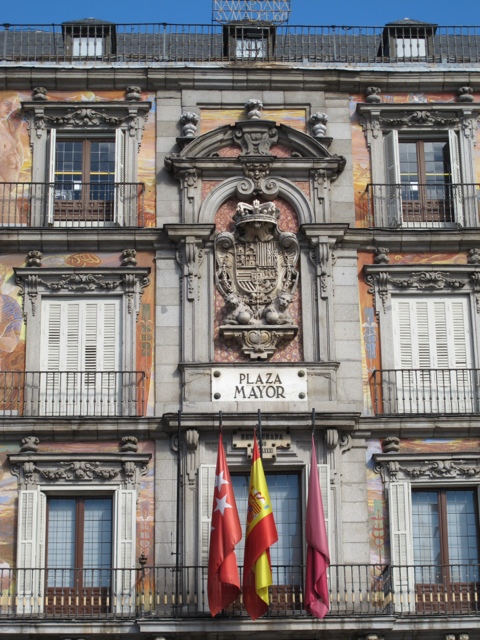
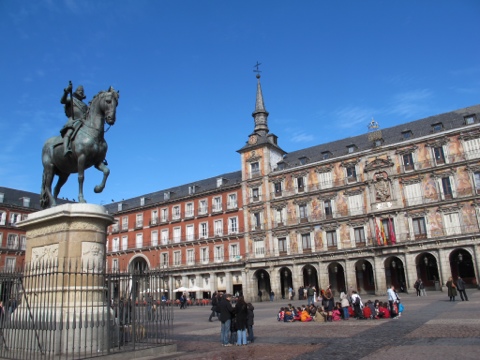
The main plaza or Plaza Mayor is just a few steps from Puerta del Sol in Madrid. Your best bet is to take the Metro and get off in Sol. To make things even more right, be sure to cross the street from Sol towards the Ayuntamiento or City Hall and stand firmly with your feet on that marker that says “Kilometro O”. A very touristy behavior, but who cares?


20120321-114403.jpg

20120321-114501.jpg


To the right of the Ayuntamiento are 2 streets both ending in the Palacio Real and Almudena Cathedral area. The street on the right is Calle del Arenal where you would be tempted to drop by for churros con chocolate at Chocolateria San Gines. So take the road on the left instead. That’s Calle Mayor where you walk past Museo de Jamon ….. Oops.


20120321-115024.jpg

20120321-115109.jpg


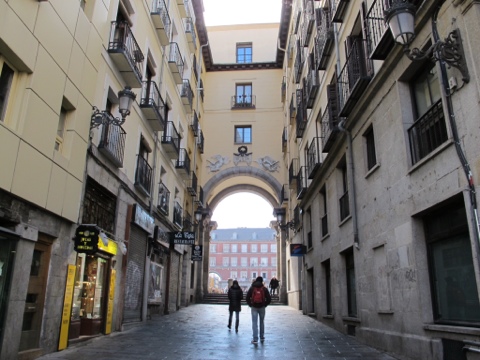
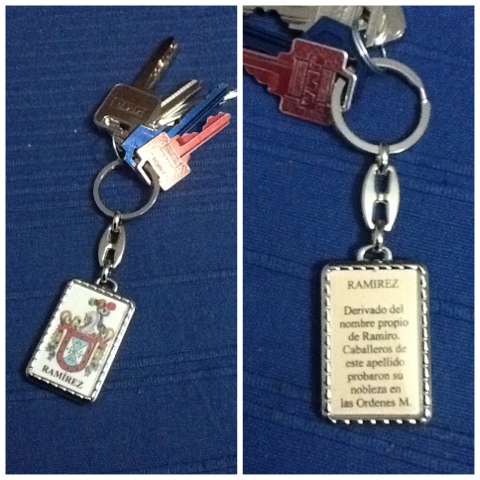
On your left side, watch out for an alley that leads to Plaza Mayor. I think this is Calle Felipe III. Take this alley and be sure to drop in on this small shop where you can check out your “apellido” and buy a keychain with your family heraldry or insignia or emblem….. I found mine, and my family name like many Filipinos has Spanish roots. Mine is a special clan of mercenary warriors noted for their bravery. Paid soldiers!


20120321-115213.jpg

20120321-115251.jpg


Within the square you may want to visit the Tourist Information Center. You can pick up maps here and check out some guided tours. Many chose to do the “hop on, hop off” red tour bus for €20. If you’re not keen on walking and would just want to sightsee from your bus seat (it’s open on the 2nd level), then this is for you. Otherwise, take the unlimited tourist pass for €9.30 (1day) or €13 (3 days) which you can use taking the metro or bus and explore on your own. After all, the metro stops for the tourist sites are clearly marked and Madrid has a superb metro system.


20120327-214204.jpg

20120327-214700.jpg


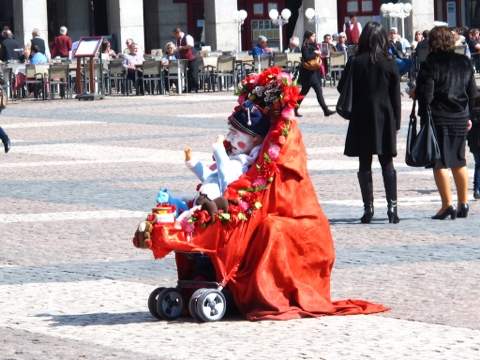
Again, you’d find many street artists — should I call them plaza artists? OR buskers?  — around the statues of King Philip III and the corners of the square. Many dining outlets too — mainly catering to the tourist crowd, I guess, judging by their patrons. You can have your paella and jamon fix in any of the tascas here. (Tascas mean “local gathering place”) Or you may simply have that sangria or cafe con leche with some tapas (appetizers) in any of the open-air bars and just people-watch. Buen provecho!


20120327-220057.jpg

20120327-220153.jpg

20120327-220234.jpg


Beyond Puerta del Sol, past Plaza Mayor, is this most charming mercado like no other. I wasn’t looking for it when I found it. And that was on my Day 2 in Madrid. Since then, I would always drop in whenever I’m in the area. Just love it here!


20120321-112055.jpg

20120321-112150.jpg


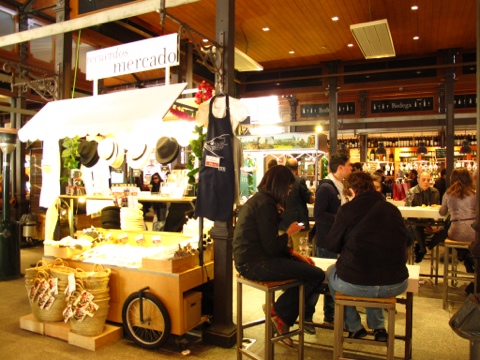
Each time I drop in, the place is jampacked! Noisy, crowded, so lively, so Spanish! I don’t know how these Madrileños manage to gesture with their hands while holding a wine glass and a croqueta or Quezo on the other hand. And you know what I mean when I say “gesture with their hands” , or with their shoulders! Think only the Italians come close.


20120321-112628.jpg

20120321-112737.jpg


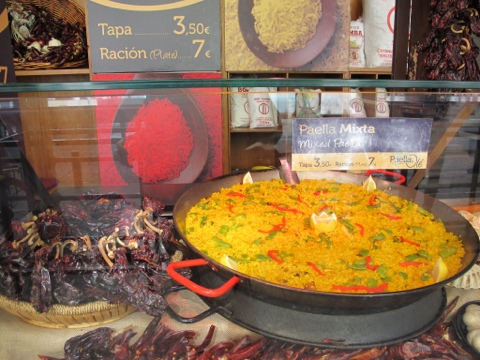
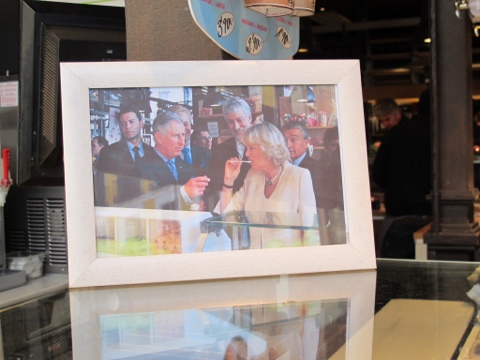
No chairs, no stools. You and your friends around a cocktail table and drink, eat like there’s no tomorrow. Tried the paella, the croquetas, jamon and some Quezo Manchego. Next time, I’d try the yogurt. Saw a photo of Prince Charles and his dear Camilla trying out some favors in that stall.


20120321-113040.jpg

20120321-113223.jpg


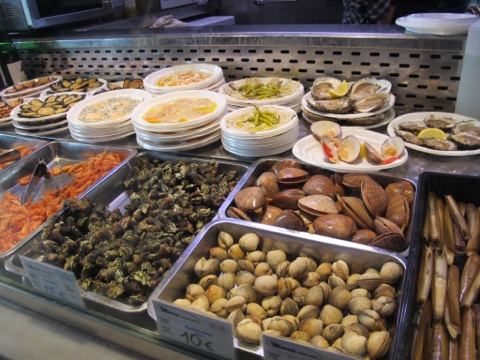
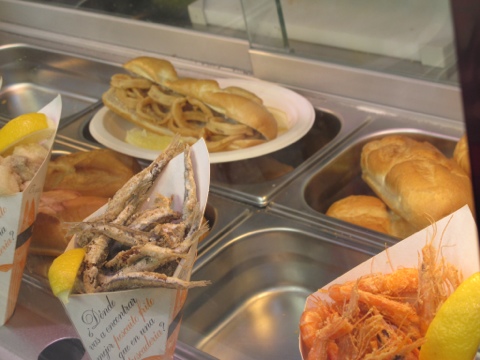
And all that seafood from fried boquerones and sardines to steamed and grilled oysters and squids. Plus don’t forget the chupitos, baby eels, and so much more — in tapas or racion sizes! Nom Nom Nom. This is my neighborhood. I feel happy just people-watching here. That, while munching, makes me forget to take more photos. But these would do, won’t they? I’m busy ☺


20120321-113709.jpg

20120326-222145.jpg


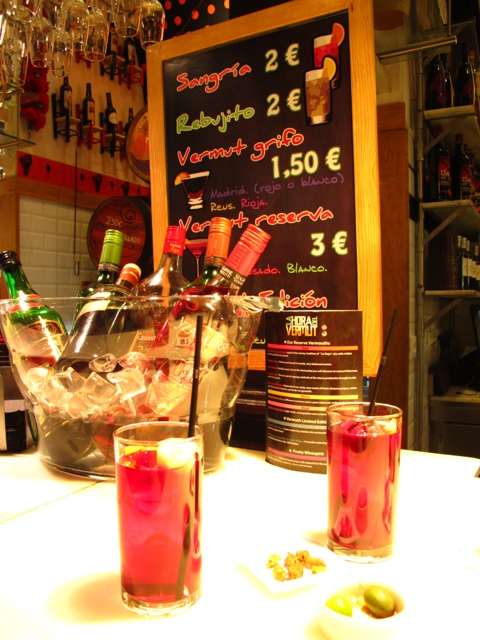
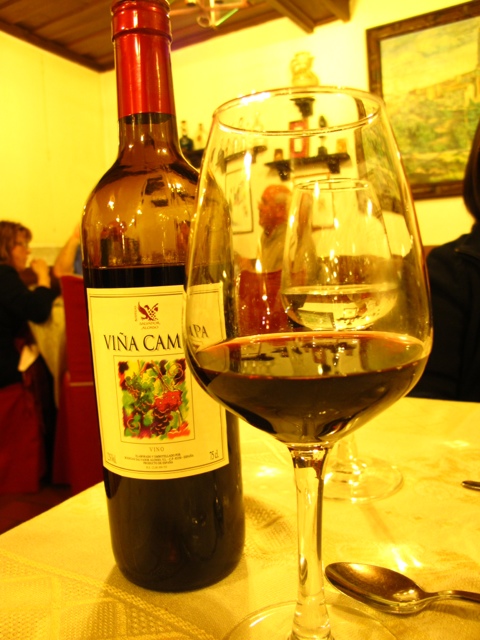
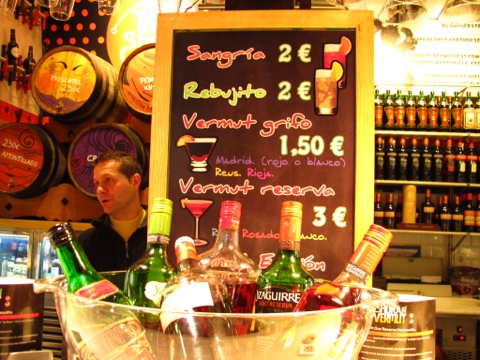
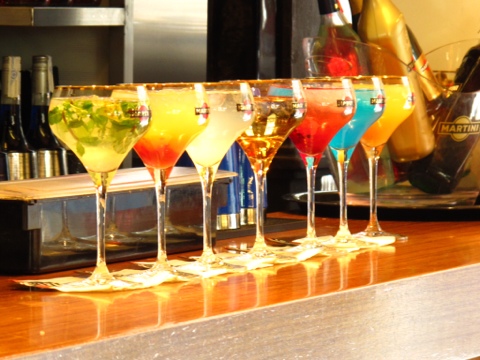
Errr……lastly, go and have that drink. And I don’t mean just sangria.


20120326-222320.jpg

20120326-222414.jpg

20120326-222504.jpg


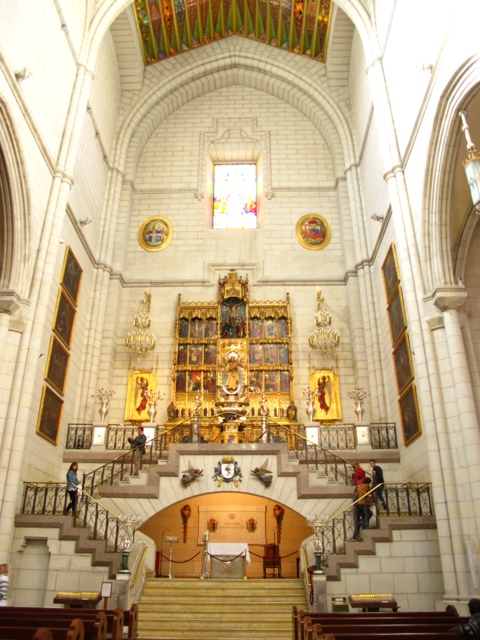
The first time I went to the Almudena Cathedral, I wasn’t expecting much. After all, Madrid allegedly pales in comparison with other major cities around Spain in terms of antiquity. In plain terms, it means Madrid’s sacred destinations are not that “OLD”.


20120318-201717.jpg

20120318-202011.jpg


Dedicated to the Virgin of Almudena, the construction of the cathedral began in 1883 but was completed a century later in 1993. The name Almudena comes from Almudaina, Arabic for “wheat-store”, because there was one close by.


20120318-203418.jpg


The story goes that when the Muslims were about to conquer Madrid, the Madrileño Christians hid a statue of the Blessed Virgin Mary behind a wall to spare it from being abused and profaned by the conquering Muslims. When King Alphonsus VI regained the city, the wall miraculously crumbled, revealing the statue of our Lady.


20120318-203553.jpg


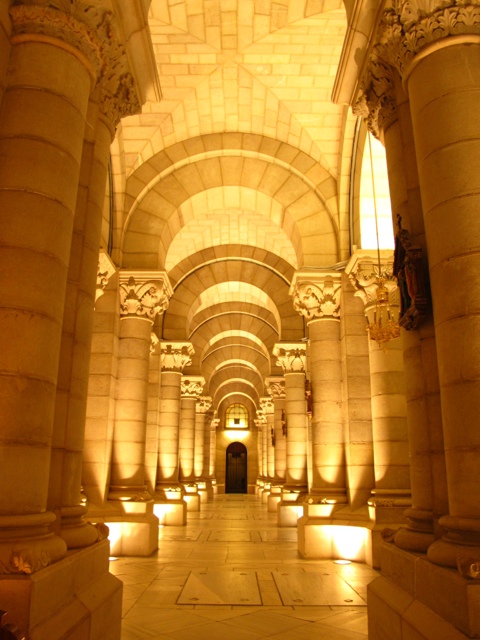
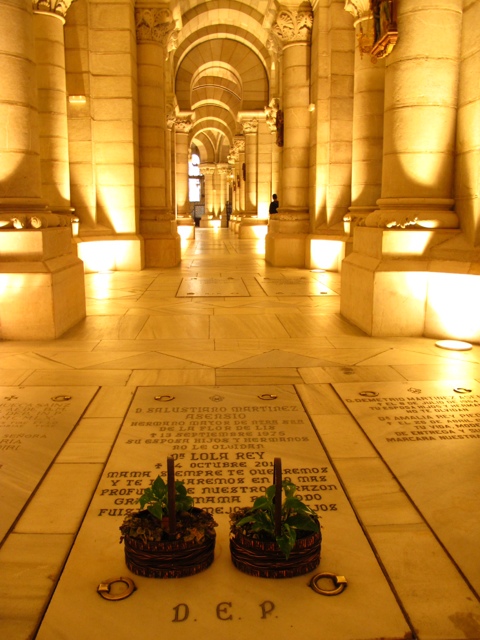
What the Church may have lacked in terms of architectural credit and historical significance, this Neo-gothic edifice made up for with its Neo-Romanesque Crypt which houses a 16th century image of the Virgin of Almudena. Kind of creepy inside the crypt, helped along by the background music as one moves from altar to altar, crypt to crypt. As I walked OVER some graves of presumably distinguished Madrileños, adorned with potted plants and flowers, I couldn’t help wondering if this “real estate” is priced highest on a per square meter basis in this corner of the world. (Disculpe, for this irreverence)


20120318-204328.jpg


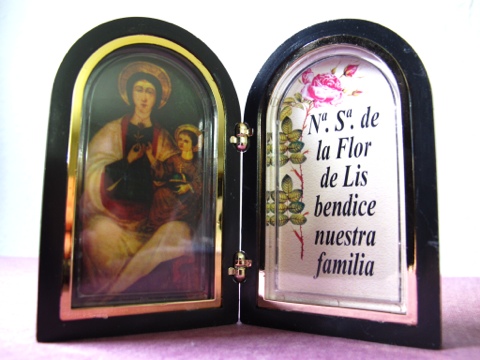
If you happen to be in the area of the Palacio Real, make sure to drop by the Cathedral, and then the Crypt. You can also buy some religious souvenirs on your way in or out, like what I got (that’s the photo of the 16th century painting of the Virgin of Almudena). Then before heading home or back to your hotel, you have the option to spend the rest of the day exploring the gardens around the Royal Palace or walk back to Puerta del Sol, passing the Opera. If you’re too tired, then take that metro ride from the Opera Metro Station.


20120328-220440.jpg

20120328-220630.jpg


Palaces, castles and humongous cathedrals fascinate every Filipino. 🏰The grandeur, the pomp and pageantry associated with royalty is simply not our reality. Even Malacanañ Palace is really a token 2-story palace compared with what one finds in other parts of the world.


20120318-191522.jpg


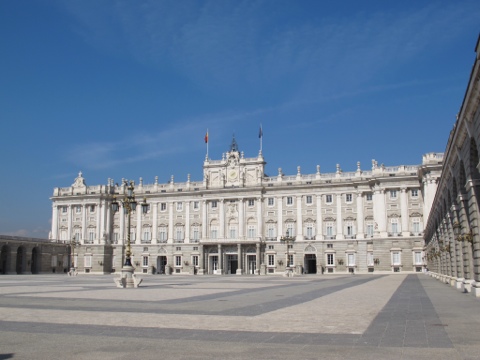
Palacio Real literally translates to “Royal Palace”, much like Real Madrid (of football fame) means “Royal Madrid”. 👑All of 2,800 rooms covering a floor area of 135,000 square meters, it is THE largest palace in all of Europe. So…. Buckingham Palace, move over!


20120318-192601.jpg


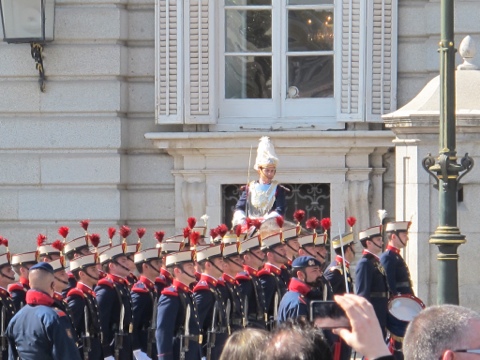
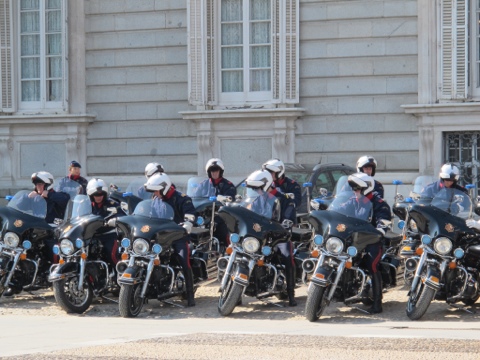
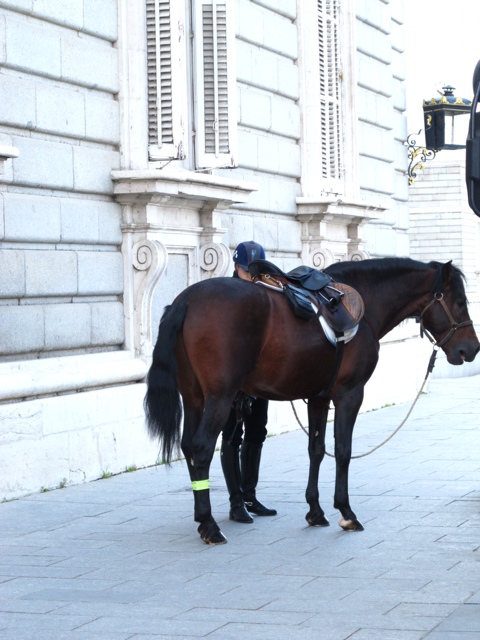
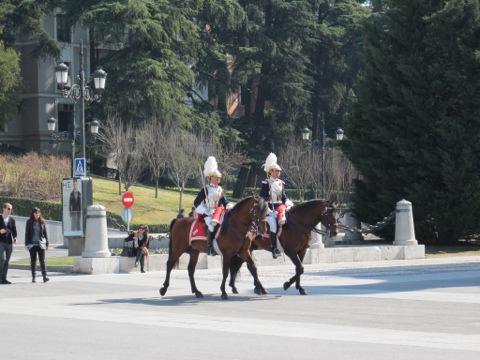
The present King has chosen to live with his royal family 👸elsewhere (Palacio de la Zarzuela) on the outskirts of Madrid. Thus, the State-owned Palace is only used for official or state ceremonies. At the time I visited, the Palace was closed owing to some State ceremony. Though I missed viewing the interiors of this architectural wonder, I joined many others – Madrileños and tourists alike – waiting through all the pageantry. Changing not only of the guards, but also of the horses! And my, those guards are all cuties, I kid you not! Take it from this over-the-hill hag….. I hardly use those words to describe MEN. But I must confess that I do find King Juan Carlos a HUNK very, very charming!


20120318-193533.jpg

20120318-193625.jpg


And look at these horses! What is it called — the Spanish Riding Academy? But that’s in Vienna, near the Hofburg Palace. Confused? The Riding School in Vienna was so named because the “noble” horses originated from the Iberian Peninsula. I know zilch about horses but I have read that the Spanish and Arabic horses rank up there among other breeds. No wonder they rub elbows (or butts?) with royalty. ☺


20120318-195440.jpg

20120318-195603.jpg

20120318-195810.jpg


The Palace is just a short walk from the Opera. I took the metro 🚉 up to Opera and walked on the right side of the royal theatre till I reached the Plaza de Oriente, a well-manicured garden on the side of the royal palace. I also didn’t miss the chance to stroll along the Sabatini Garden where I felt I intruded on many a romantic trysts. 💗 Oooooops!


20120318-200425.jpg

20120318-200716.jpg

20120318-200954.jpg