
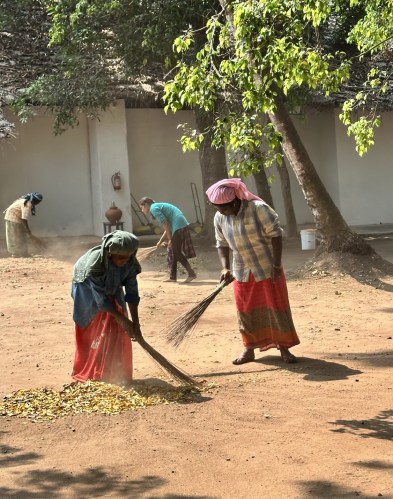
We arrived back in Cochin by noontime to catch our midnight homeward flight to Manila. Enough time to do a 2nd pass of the Kochi Muziris Biennale 2026. The first visit was in a small, restricted venue called David Hall, an art gallery cum cafe. But on our next shot of the Kochi Biennale, we visited the main exhibition in Aspinwall House, a waterfront heritage mansion that used to be the headquarters of a British trader of spices, coffee, rubber and coir. Distinctively Dutch colonial in style, Aspinwall House is now a major cultural hub typically open to the public during the biennale. A fine choice for the prestigious exhibition, with its white-painted buildings, high ceilings, and large verandahs. On one side are verandahs looking out to sea and the inner courtyard is littered with leaves crunching as people step on them. Spotted around 5 old ladies sweeping the leaves all afternoon we were there. A pretty, mesmerizing sight.
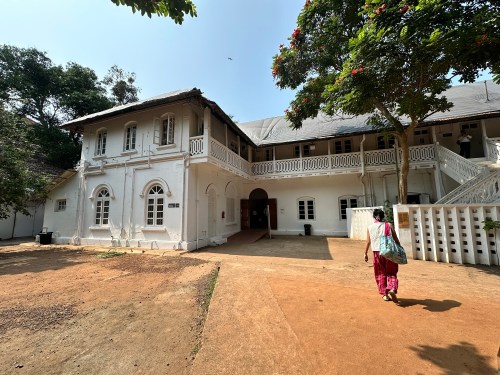
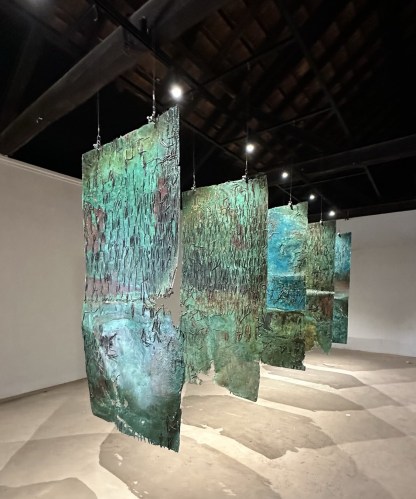
I do not know the artists but this once in 2 years biennale is certainly well-curated and couldn’t have chosen a better venue for its primary hub. The Dutch colonial heritage house is so pretty in all its whiteness and gabled facade. It was just a short line to get in and we found many local visitors to this biggest contemporary art festival in the whole of Asia. 66 artists from 25 countries. 29 venues. We could have spent more time but had to squeeze in some last minute shopping before rushing to the airport to catch our flight. A pity. I particularly liked the series of etched copper plates suspended from the high ceiling made by Delhi-born and now Sydney-based artist Kirtika Kain. Very evocative.
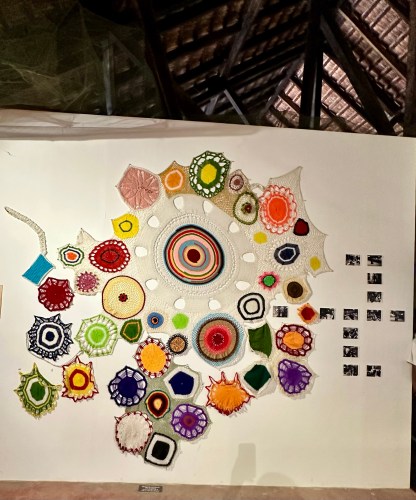
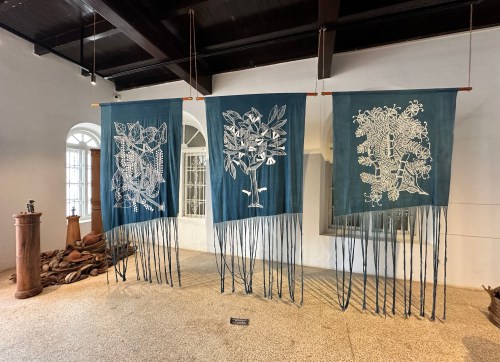
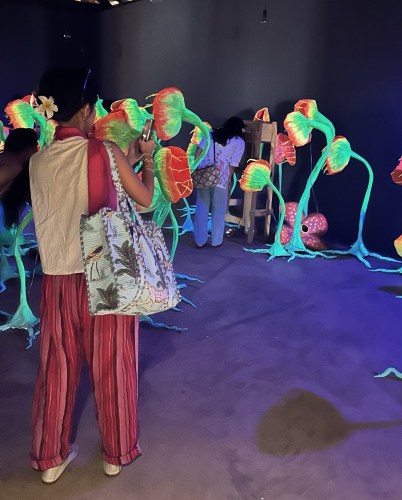
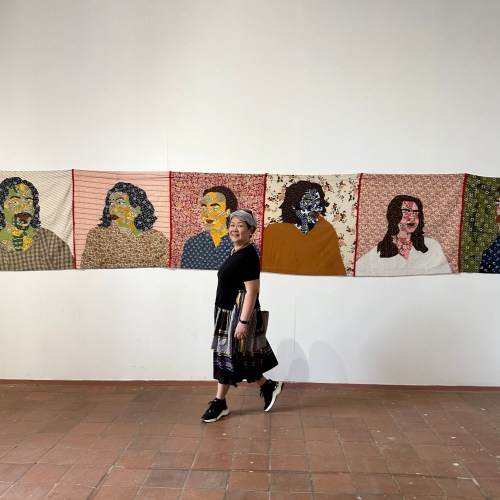
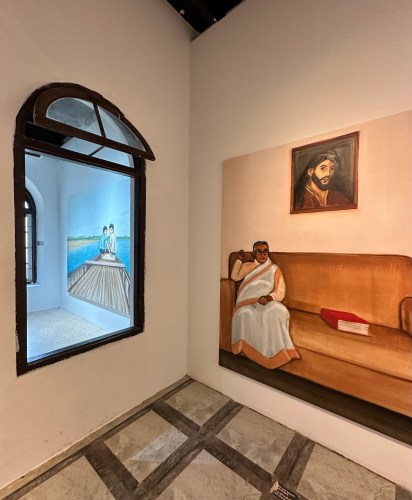
The works on exhibit evoked many socio-political undertones. The social-cultural backgrounds of the participating artists may have a lot to do with that but in my book, there is so much to learn about Indian history. Prompts me to read and learn more about this fascinating nation of over one billion. So much to research and my curiosity crosses beyond the era of maharajahs and more into more recent Indian history. The art pieces have deep, profound messages that may be easily missed because of the beauty and colors of the artworks. Yay, I wish we had at least another whole day to spend in Cochin. The Biennale was a pleasant surprise and I’m only too glad we timed our trip well. But there’s so much more to explore in this busy port city, not to mention the exotic cafes, seafood stalls and great shopping!





 lifeisacelebration