Archive for 2011


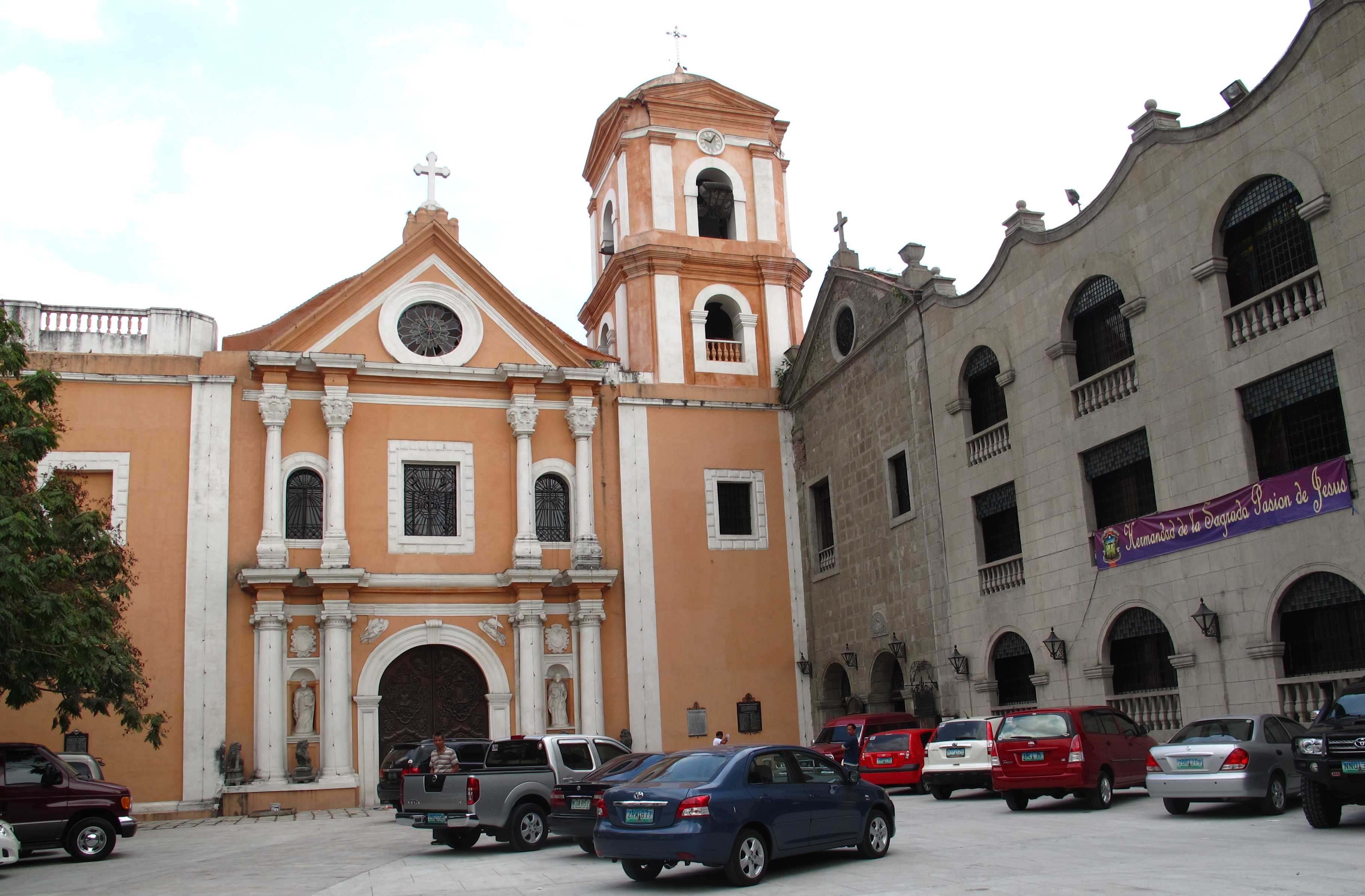
It is Lent. Time to go visiting the Churches. The norm for Catholics here is to visit 7 Churches, preferably on Maundy Thursday.  But I have decided to instead do the 7 during the entire Lenten Season, and to choose the 7 Churches with lots of history. First off: San Agustin Church in Intramuros, a 16th century church claimed to be the oldest stone church in the country.


Filipinos:  A Strange Race?


From Makati where I live,  we drove along Roxas Boulevard with a lovely view of Manila Bay towards the Pier.  We took the right towards Intramuros, where one finds Fort Santiago and the Manila Cathedral.  We skipped both, and drove directly to San Agustin Church and Monastery.


Standing right in front of the Church and looking around, I found how un-Asian this corner in Intramuros is.  No wonder some of my foreigner friends tell me that Filipinos are “strange” in that way. Strange in that most of us bear Spanish-sounding surnames.  Like Ramirez.  Like Chavez. Like Guerrero. Or Mendoza.  Sure, we were a Spanish colony for close to 400 years, but other countries had Dutch or Portuguese or British colonizers – yet, I don’t hear of them with Dutch or British or Portuguese family names.  Or am I wrong?   Strange in that our language is interspersed with a lot of Spanish words and that Filipinos very readily use Spanish expletives that I do not wish to repeat here.  Truth is we even coined a word for the elitist Filipinos …… “con** crowd” — which literally means a lady’s private part in Spanish.  Strange in that we are so used to counting in Spanish (uno, dos, tres………) or in telling the time in Spanish ( a las tres y media, a las dose, etc.).   But more than anything else, we are very “Spanish” in our faith.  The Philippines does not have the temples of Cambodia, Laos or Thailand,  nor the pagodas of China , Japan and Korea,  but we have many Catholic Churches dotting the countryside which are worth seeing. Churches always form a central and core part of every Filipino’s lifestyle.  Here in Manila,  a few old Churches remain standing despite this city being the second most -bombed city during World War II.


More Than Just An Old Church


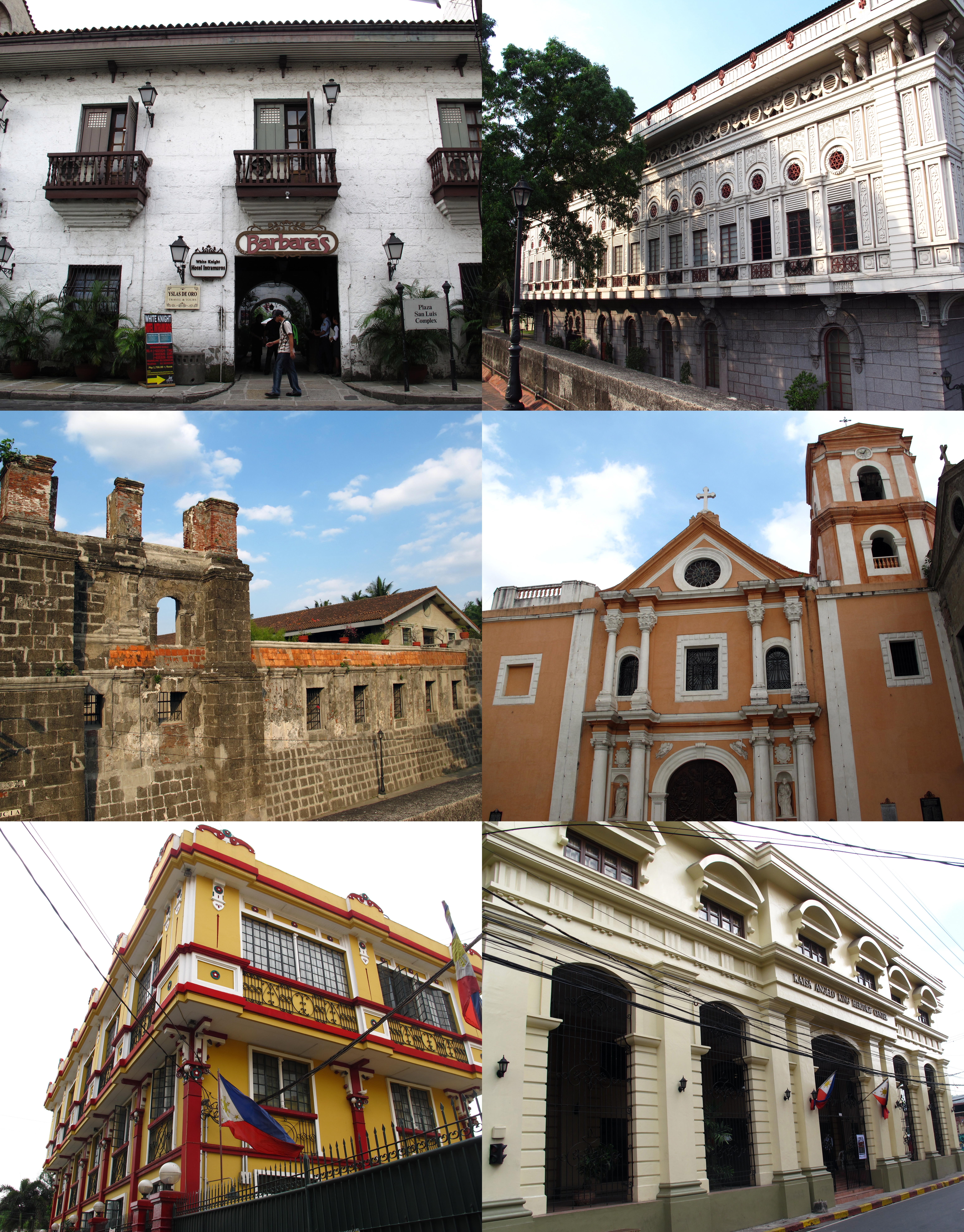
San Agustin Church at the corner of General Luna Street and Real Street in Intramuros is hard to miss.  It is just a stone’s throw from the Manila Cathedral (when facing the Cathedral, take the right side and walk straight towards San Agustin Church) and an easy walk from the Fort Santiago, another tourist destination.


Inside the Church, one finds off some corner a confessional box.  The parish priest sits inside while parishioners take turns to have their confessions heard by the priest with only a small screen window separating them.  On your knees, you confess your sins!  In another corner,  there is the pulpit where the parish priest used to say his homily or sermons.   Times have changed since those days.   And the ornately designed pulpit is now simply a reminder of how grand our old Churches were or still are, if luckily preserved and bomb-spared as with this Church.  But Filipino Catholics still make their confessions to their priests in this box-like structures though modern-day Catholics are not discouraged from doing face-to-face confessions.


This Church is a favorite among brides such that “bookings” for weddings need to be arranged at least a year in advance.  I have attended one too many wedding ceremonies here, and wedding receptions were held in any one of the nearby colonial-inspired restaurants and bistros just across the Church, or in the garden within the church courtyard.  On weekdays,  you may find school groups doing their field trips, and on weekends you would likely witness wedding ceremonies.  That is how “busy” this Church is.
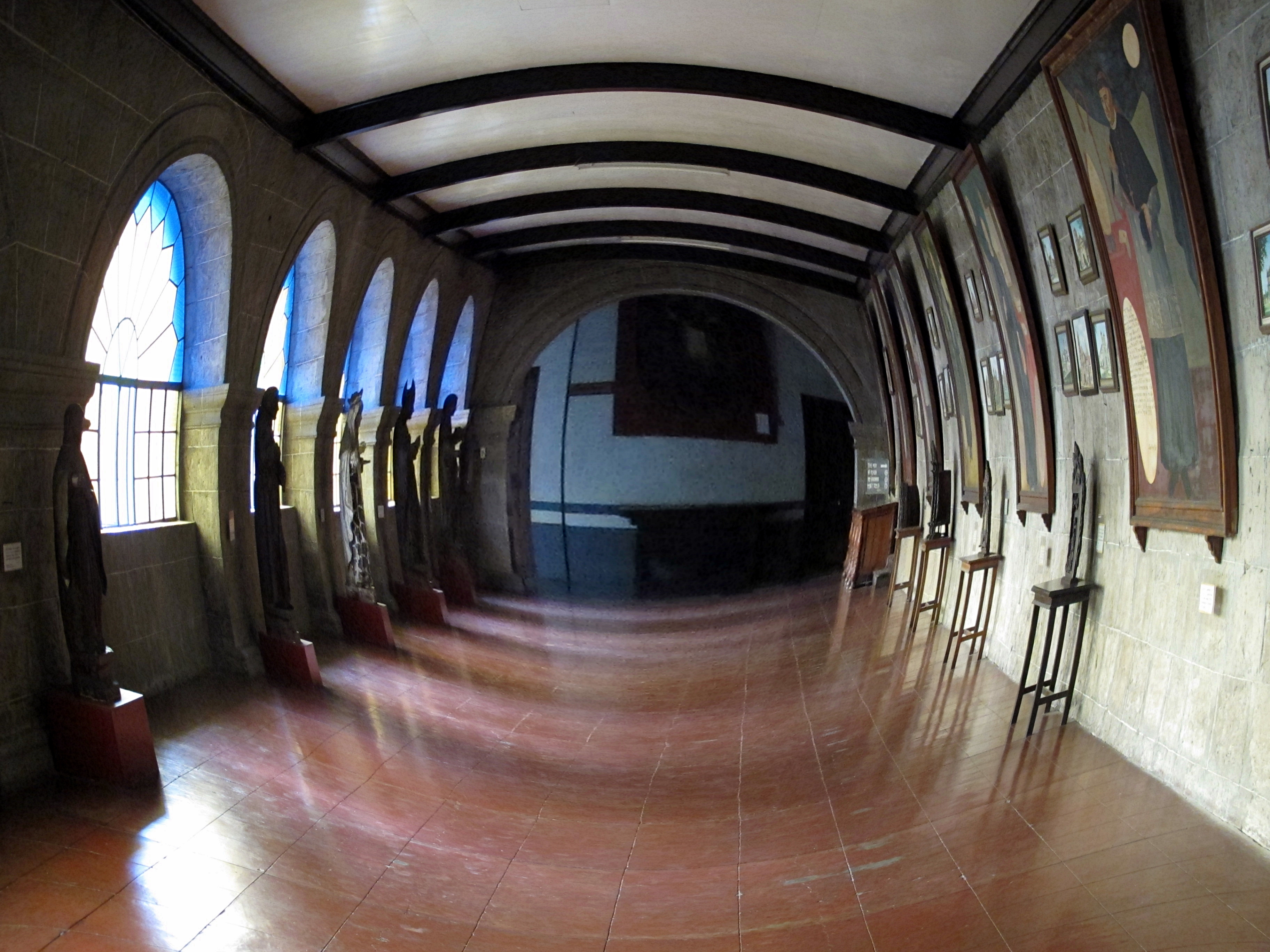


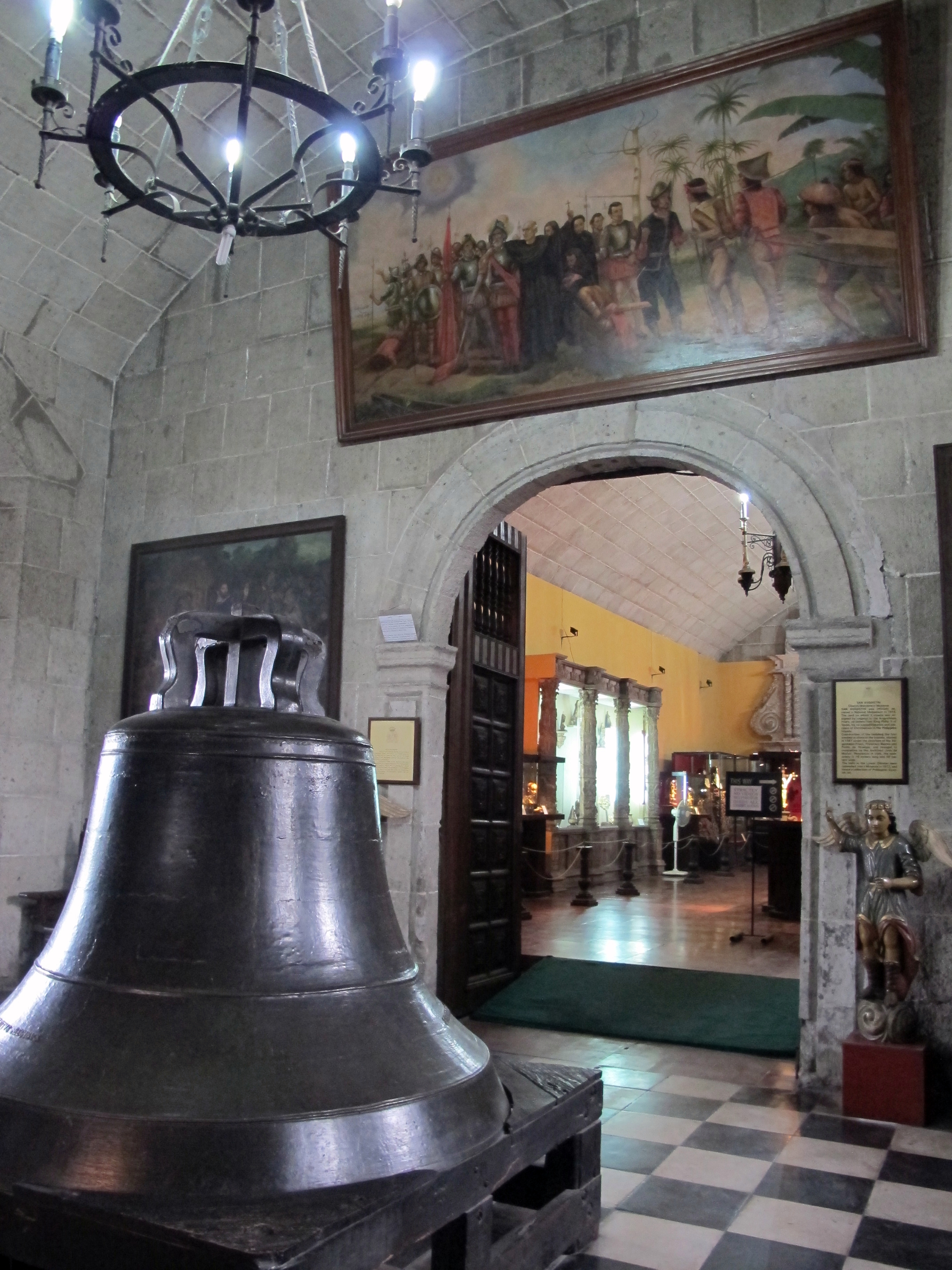
Yet………the adjoining Monastery which has since been converted into a Museum hardly gets a crowd. The day I visited,  I walked alone along many corridors.  Kind of eerie, if you ask me.  I honestly felt like some statues are staring down at me.  In one of the exhibit rooms ,  I got goosebumps finding a dark corner with 4 or 5 statues clad in black robes.  They were representations of the early Augustinian friars who built this Church and established a religious order in the country.  It “helped” that the room was dimly lit, such that you find the robed statues just when you are almost face to face with them.  Off another corridor,  I found huge paintings, some pitifully warped, and woodcarvings depicting hell.  You bet my hair stood on edge and felt my heart beating out of my chest.  I almost had regrets that I came when school’s over. I could have timed my visit with a school group’s field trip instead and spared myself of some palpitations.


Miguel Lopez de Legazpi Rests Here: A Short History Lesson


Filipinos all know that Ferdinand Magellan discovered the Philippines. But Spanish colonization and the subsequent Christianization of the Philippines didn’t start with the discovery of Magellan in 1521, who incidentally was slain by a local tribal chieftain named Lapu Lapu in the island of Mactan in Central Visayas. While Magellan captained the very first ship to sail completely around the world,  Magellan never lived to tell his tale of discovering the Philippines and to prove that the world is indeed round. However, his discovery led to Spanish Expeditions led by Ruy Lopez de Villalobos in 1541 (who was driven away by hostile locals)  and then by Miguel Lopez de Legazpi in 1565. Legazpi befriended a native Bohol chieftain called Datu Sikatuna  in a ceremony called “Blood Compact” and from there, established Spanish colonies with the aid of  local allies starting with the island of Cebu. With the colonization, came Christianization of the natives who earlier practiced nature worship.  And as pagans converted to Christianity, they were baptized and given Christian names.  So.  Now you know why many Filipinos have Spanish family names. Right?


Legazpi was a diplomat more than he was an explorer.  In Manila, he befriended both Rajahs Lakandula and Sulaiman and with some help from Augustinian and Franciscan friars, established a governing city council in 1571. At the same time, he ordered the construction of Intramuros, proclaiming it the capital of Manila and seat of the Spanish Government in the East Indies. He died in 1572 and was laid to rest right here in the San Agustin Church.


Now, enough of history and back to topic.


Father Blanco’s Garden


After doing the rounds (actually the “squares”) in the Museum,  it is refreshing to go down and spend some time within the garden.   If you have a book with you,  you can take over one of the benches and while away the time while resting your legs and feet in Father Blanco’s garden.  The garden can do with more flora, but you can enjoy the afternoon breeze here before venturing out of the Museum grounds. In my case,  I found the time to check out the “Binondo Food Wok Map” while here in the courtyard garden.  This is the map I bought (for 100 pesos) in the Bahay Tsinoy (literally means House of Filipino-Chinese) one block away from San Agustin Church.  (Facing the Manila Cathedral, one can take the road on the left side till you hit the 2nd corner.  This is Cabildo Street corner Anda Street)  Of course, if it is too sunny, you may simply have a drink and some chips or biscuits in a corner stall (can’t even call it a cafe) within the Museum.  There are tables and chairs where you can sit, facing some huge paintings.  Not bad in terms of scenery, but the corner stall can certainly offer better drinks (like a good brew?) and better wafers or local rice cakes.


More Time to Spare?


If you have more time to kill,  you may head straight for the Walls by taking Real Street (the Church is right at the corner of Real and General Luna Streets) , passing by a good bistro called Ristorante delle Mistre and remembering to have a cozy dinner there on the way back.  There is an option to walk along the walls or ON the walls.   There are stairways to get on top from where one is afforded a view of the nearby Manila Hotel and the sprawling golf links which get all lighted up at night.  On this visit, I found many young couples on a date here.  Good choice.  It is quiet, breezy and has good views.


As I trace my steps back to the Church, I passed bronze representations of ex-Presidents in what is dubbed as Gallery of the Presidents.  I cannot help but feel amused to find those of ex-presidents Gloria Macapagal Arroyo and Joseph Estrada side by side.  Even in bronze, it is kind of strange and quite amusing to find them together.  Can’t wait till 2016 when that of incumbent President Noynoy Aquino joins them.  Oh, I do not mean to be disrespectful.  Just that it is no secret in my country how these 3 ‘adore’ each other.   Enough said.  Go drop by Ristorante delle Mistre and have that mango cheesecake (less than US$2)  to go with your brew.  If you have the appetite for lunch or dinner, order their set menu. Come, visit and enjoy Manila!


Better still, enjoy the many islands of the Philippines.  I am a local living here and must admit I still have a long list of must-visit destinations around the country. Like Mount Pinatubo.  Or Puerto Galera in Mindoro.  Or Sagada.  Plus many more.  Now, that’s a confession!


For more photos, check out my TravelBlog site.  



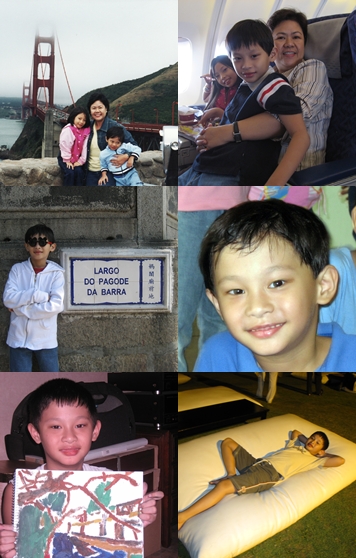
Yesterday, we celebrated Patricia’s graduation.  Personally,  I celebrated the  10th anniversary of my best-ever decision:  EARLY RETIREMENT.


You heard that , guys.  Here is one (cool) grandma.  And here is one (early, self-imposed) retiree.  Does that make me feel old and jaded?  Naaaah.  Judging by what and how I did things the past 10 years,  I know I made the wisest decision to call it quits and have a life.  Don’t get me wrong. Early retirement is a well-thought out decision.  And it was made with tons of preparation and serious planning!


Having grandchildren sort of “rushed” the decision.   You see, dear Patricia was 2 1/2 years old then and ready for Nursery School.  The idea of driving a grandchild to school and spending more time with her appealed to me.  It also helped that I was beginning to feel unhappy with my job.  Now that may sound like “news” to those who knew how I worked my a** off and how seriously I charted my career.  But for sure, I did not agonize over the decision to retire.  It was like “one morning, I woke up and decided it was best to quit.” Honestly.  And then of course, Martin came along.  And that completes my “lola duties”.


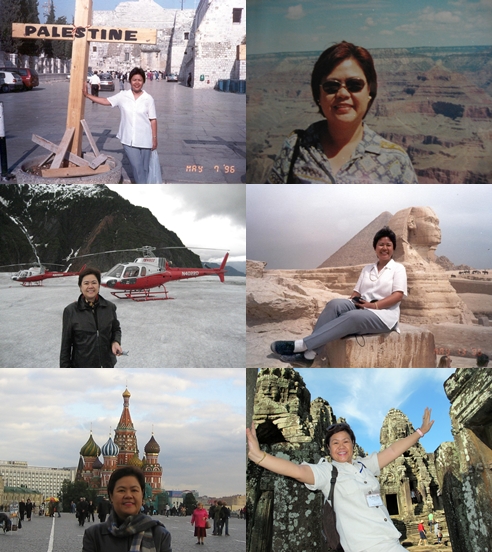
Now, Patricia has completed 10 years of pre- and grade school.  Ten years of fetching her (and dear Martin, her younger brother) from school with many unplanned happy afternoons to spend together.  Precious moments.  I even learned new skills.  Teaching kids how to paint.  Supervising kids’ cooking lessons.   Blogging.  Playing internet games.  I rediscovered the joys of traveling too.  In the last 10 years, I did 20 foreign trips across Europe, Middle East, USA, Australia and Asia. There were also a number of  domestic trips in between.  As a traveler, I also found time to moderate in TravelBlog where I found new friends. Back home and quite recently, I found myself belonging to a group of Pinoy Travel Bloggers whose parents must be my age! Well, we sure share many things in common:  the passion for traveling and the gift of joy and gratitude for all things new, old, familiar and strange.


From my first few trips in US of A visiting old friends to nostalgic trips to Europe where I never fail to have a marvelous time, to new discoveries in the ancient cities and towns around Asia , to must-tick-off-the-bucket-list trips around the country……………. I have yet to experience South America and Africa (outside of Egypt) and perhaps more of the Middle East (other than Doha, Qatar).    Oh, the list is long.  As they say,  yesterday is a memory, so better savor every minute, every second of today.   To make sure the “memory” of yesteryears does not fade,  I have started to chronicle all my travels via blogging.  My photography still sucks, but they serve the purpose of documenting what I have seen and enjoyed in my trips.   When I last reviewed my finances (while realizing I have lost a steady source of income from rentals and a directorship which sustained me in the past),  I realized  I may have to cut down on my foreign trips.  But then there is so much of the Philippines I have not seen. Sure, I have done the rounds before while visiting our provincial offices, but that was work.  No pleasure in that.  As I revisit these local destinations now,  I find how much I have missed.  Just the same,  I take comfort in the fact that I worked like a horse before so I can save enough for the trips I make now.  I do not feel compelled to go back to work these days,  but a short-term project and a part-time consultancy would always be welcome to shore up my travel funds.   Doing what I love doing,  traveling allows me to meet new friends, savor new cuisine, breathe fresh mountain air,  walk with sand between my toes in some faraway beach,  touch base with history and simply enjoying the motion, the journey, the experience.


La dolce vita.   Nothing luxurious.  Nothing fancy.  I am not your backpacking kid. Too old to go camping. Nor am I your luxury traveler. The heart is willing, but the pocket won’t cooperate.  This one’s simply a grandma whose passion for travel and new discoveries is nurtured through the years.   Loving it. Life is a celebration!

http://www.travelblog.org/Bloggers/liliram/


Boracay this summer?  So, who’s asking?

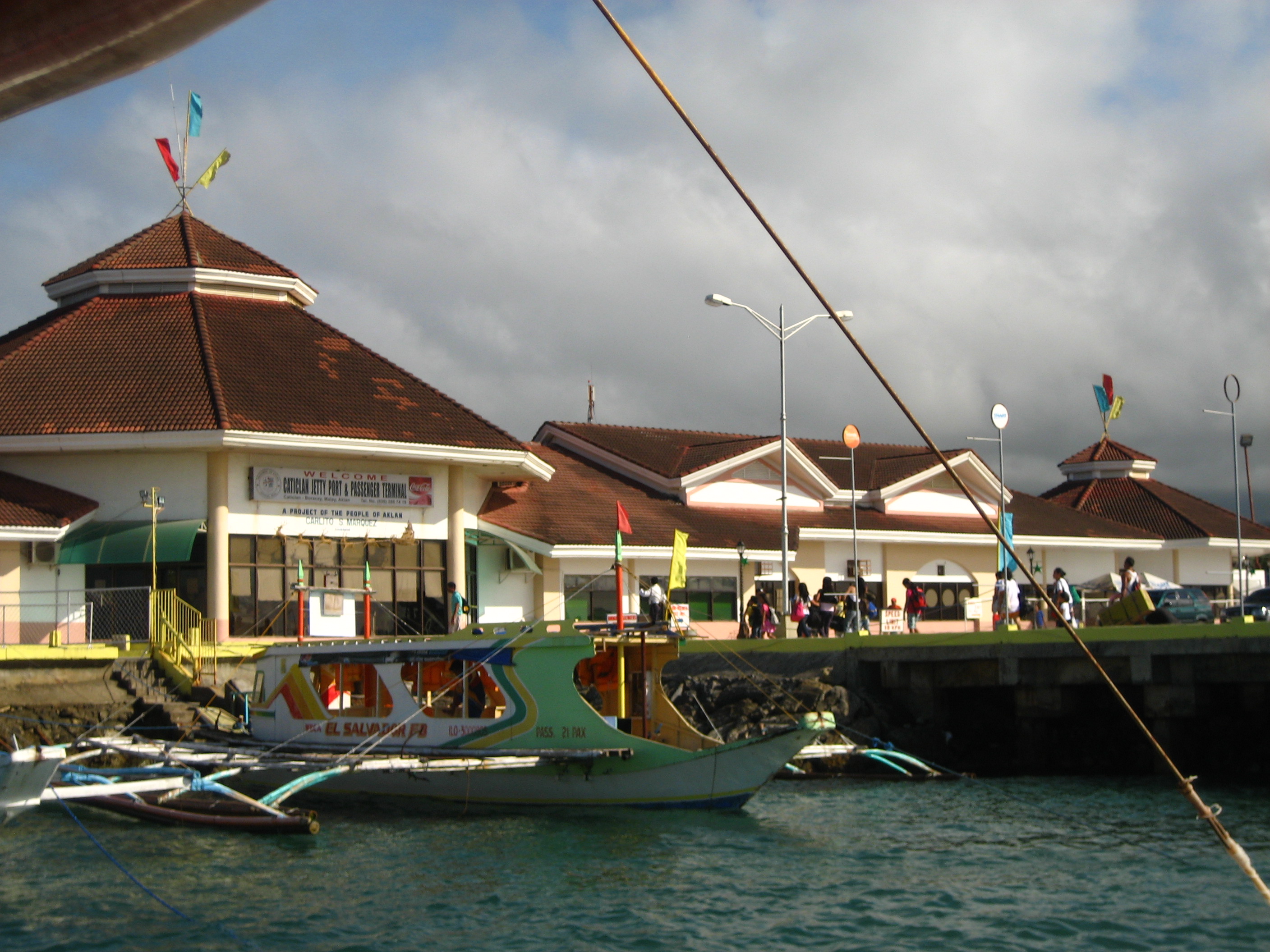
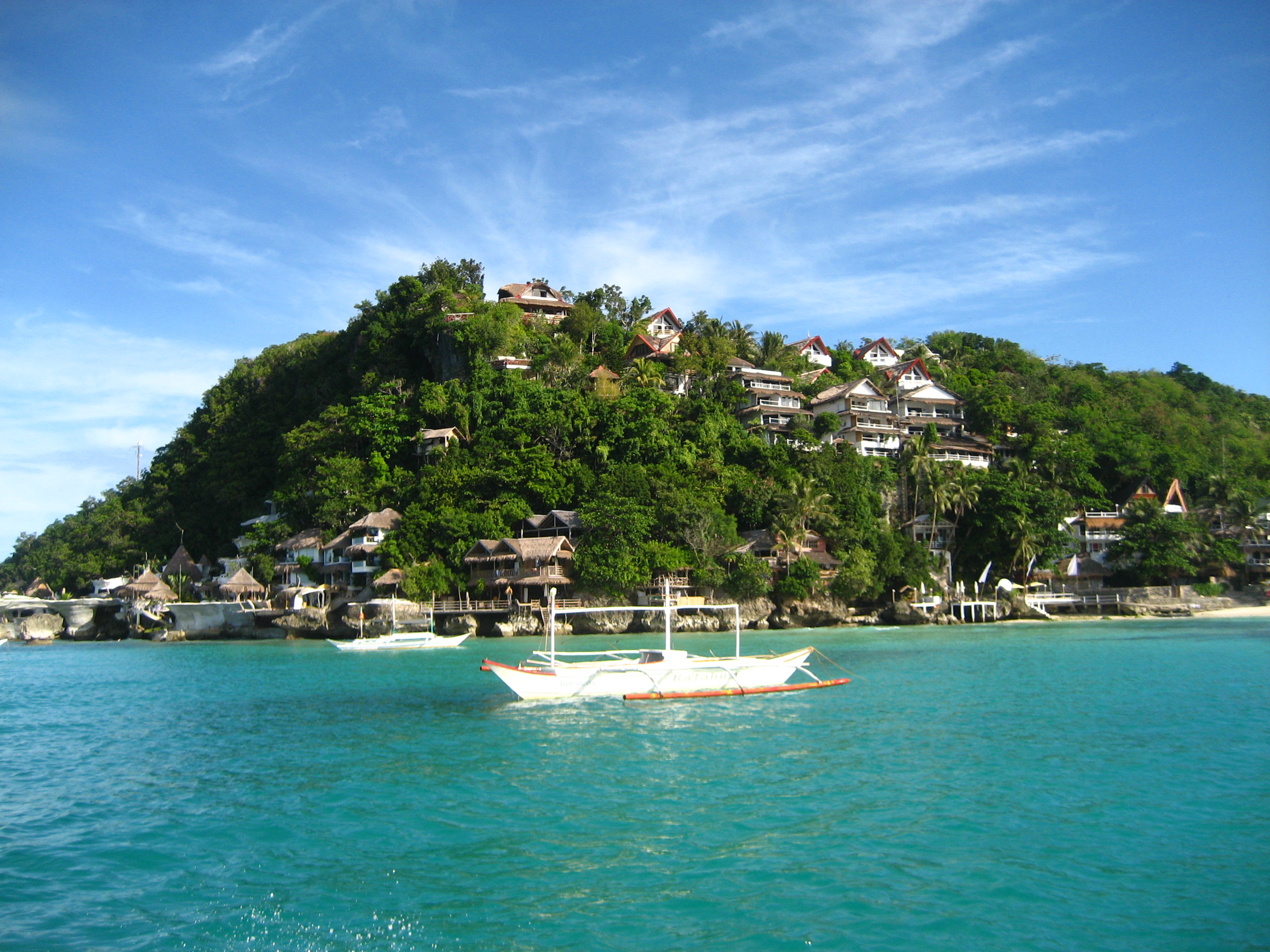
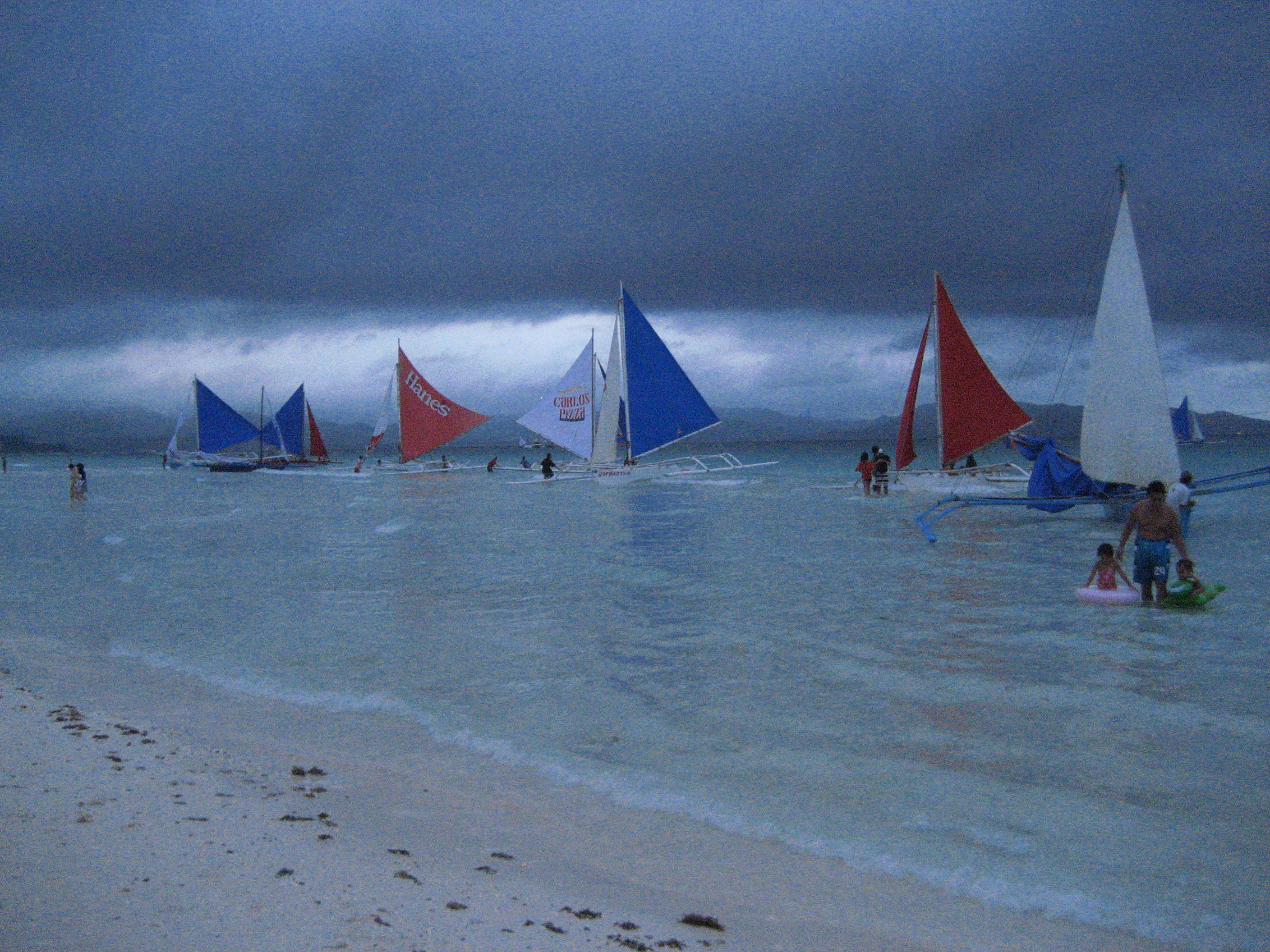
Many choose to fly straight into  Caticlan airport to take the 15 minute boat trip to the island.  My family has been here many times before, and each time flew to Kalibo, Aklan, rode the bus for 2 hours to Caticlan, and took the same 15 minute boat ride to the island. The extra 2 hours wasted on the drive is our penalty for not being too brave to take the more direct flight on a smaller aircraft.  Call us chicken!
I remember the kids hopping and leaping each time we arrived in Kalibo.  Never mind the sweltering heat and the long queue for the exit gate.  Years before,  we took the boat all the way to the beachfront. Boracay had 3 boat stations then numbered from 1 to 3.  The high-end, quiet side is in Boat Station No. 1.  The boats then would take us all to Boat Station No. 2 and from there, we just walked to our hotel on either side: left to Station 1, right to Station 2. These days,  all boats disembark in the jetty port on the other side of the island.  From here, one either gets picked up by the hotel or guesthouse or pay a pedicab (motorbikes with cabs) to drive them along the road nearest their lodgings.

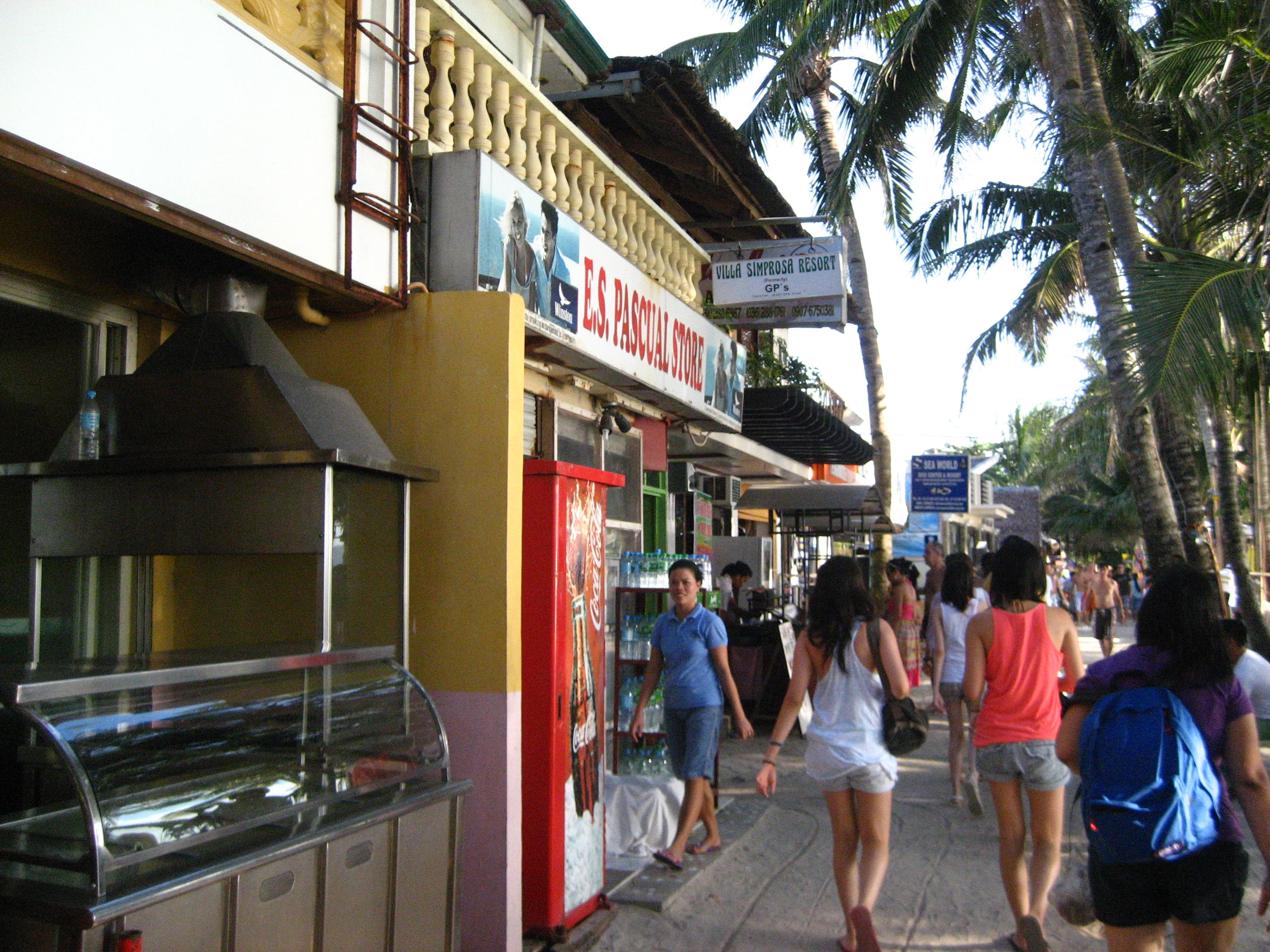
Villa Simprosa @Station 2

Villa Simprosa in Boat Stn No. 2


Hardly anyone has heard of Villa Simprosa in the action-packed Boat Station No. 2 area. The owner of the guesthouse is a friend of my niece, and we were just too happy to get rooms good for 4 pax, air-conditioned, with a private toilet and bath with hot water at rates way cheaper than the other lodging places.  No fancy stars for this lodging place, but it’s value for money for a beachfront inn right smack where the action is.

The beachfront is shared with the likes of Red Coconut Hotel, Hey Jude Bar, Boracay Regency, and right off the corner, there’s HAPLOS 24-hour SPA.  Just a short walk along the beach and one finds himself at D MALL, an area littered with eating places with the broadest range of prices.  D Mall has spawned many restaurants which have since branched out in the Manila and Makati areas where the same beach afficionados cum urbanites patronized the place, perhaps reminiscing life on the beach there.  There is definitely no shortage of eating places, either in D Mall or along the beach, in and around Villa Simprosa.  Souvenir shops and tattoo shops littered the beachfront too.  Or just take a beach towel and wait by the shore for someone to come up to you offering an hour’s massage for less than US$7.

Memories of “Old” Boracay

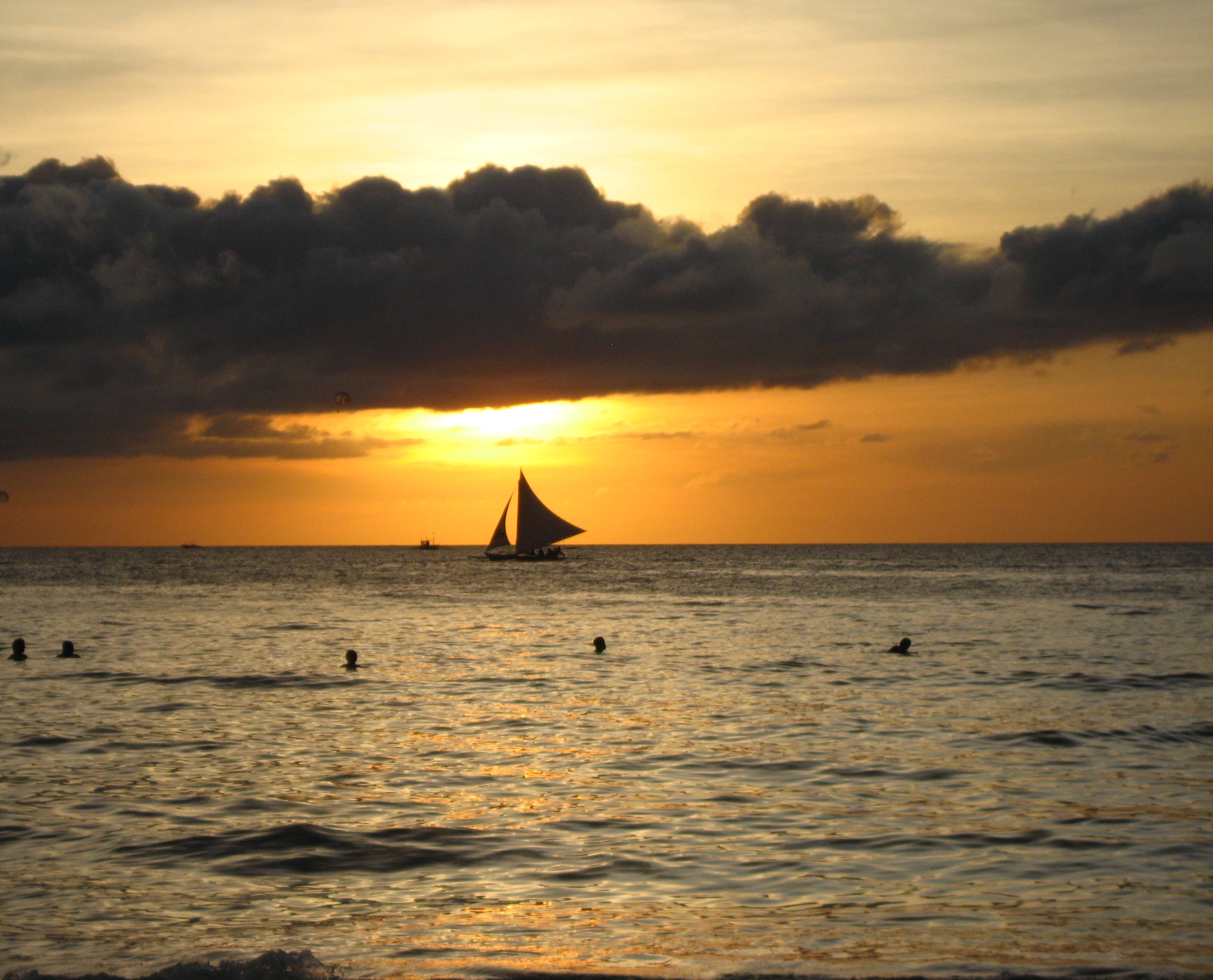
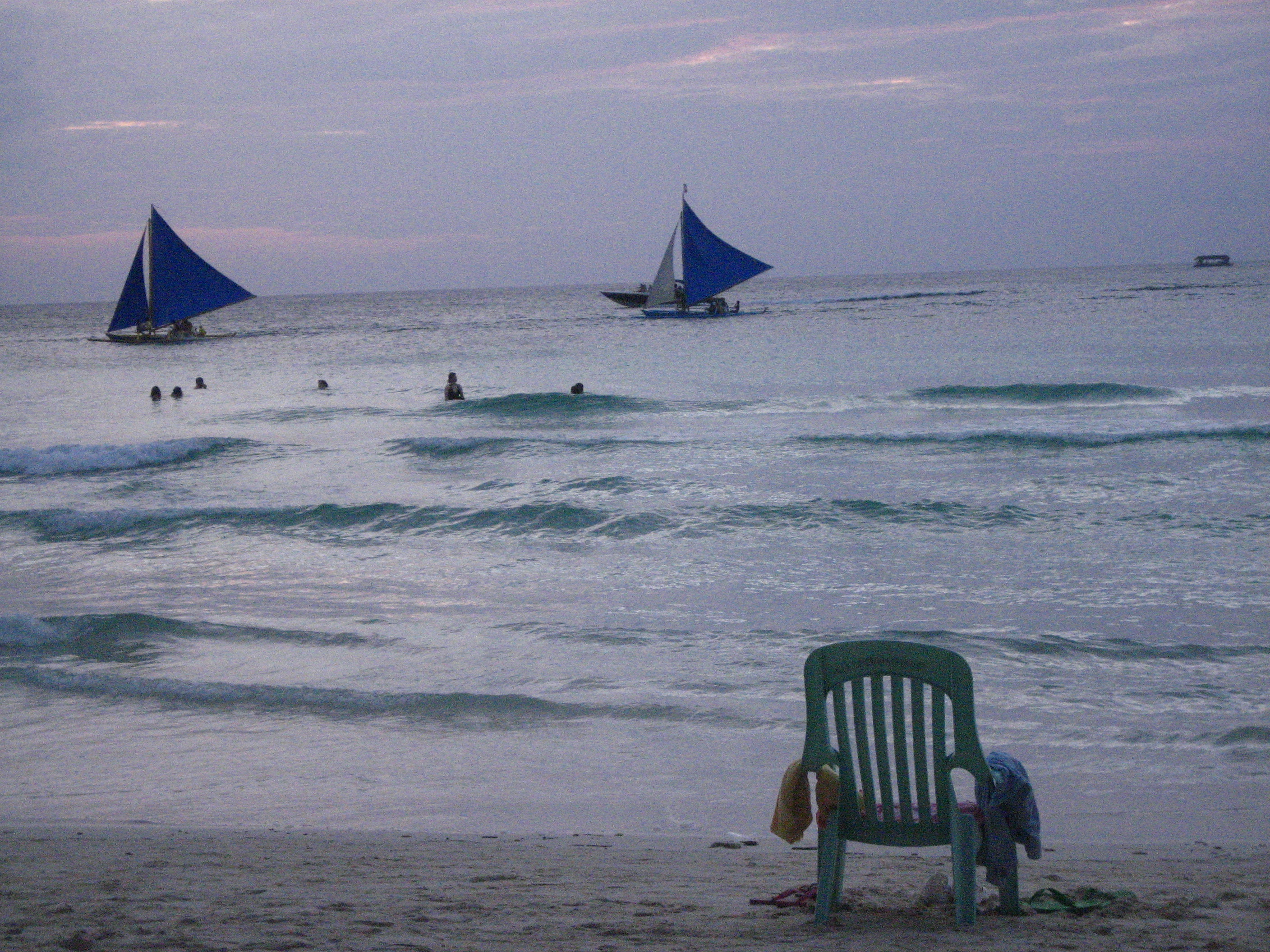
I used to prefer the quiet and peace found in the lodgings nearer Boat Station No. 1.  But my nieces are right,  it is more fun to stay where the action is, in and around Boat Station No. 2.   After all, part of Boracay’s charm is its being a party island. And so, with music blaring from some of the pubs and open air bars, we happily strolled many nights along the beachfront and enjoyed our time here every visit we made. Peace and quiet?  You can still get it……if you wake up early enough.  While most others who partied the night before spend all morning sleeping in,  one can quietly sip his espresso by the beach and wait till the newspapers from Manila arrive in the island.

Taho for Breakfast?

Here in Boracay, we found a breakfast place near Villa Simprosa serving Filipino breakfast meals which consists of garlic fried rice, egg, and a choice of our local sausage or pork/beef slices. The breakfast meal includes coffee too, except that I can be quite picky with my coffee.  Plus I really do prefer a glass of “taho” more than anything else! Now that makes for a truly good morn.

Each time we visited, we would always check  new developments around the island….though this is one form of development that I don’t particularly welcome.  Even my nieces lament the fact that we have “lost the old Boracay” where there were just a handful of hotels beyond 2 storeys, no malls,  and no touts!  We look back to those days when we would linger around the grotto area near the place where Waling Waling Hotel now stands, and wait for the fishermen come home with their catch.  I absolutely enjoyed buying their fresh catch and asking some of the local folks to cook them for us.  There was one particular time we bought about 4 kilos of lapu-lapu (a local fish, called garoupa in some other Asian countries like China) and had it cooked four-ways: grilled, fried, sweet-sour, and with soup.  That, with tons of steaming white rice, made out for one of the best meals we ever had in this island!

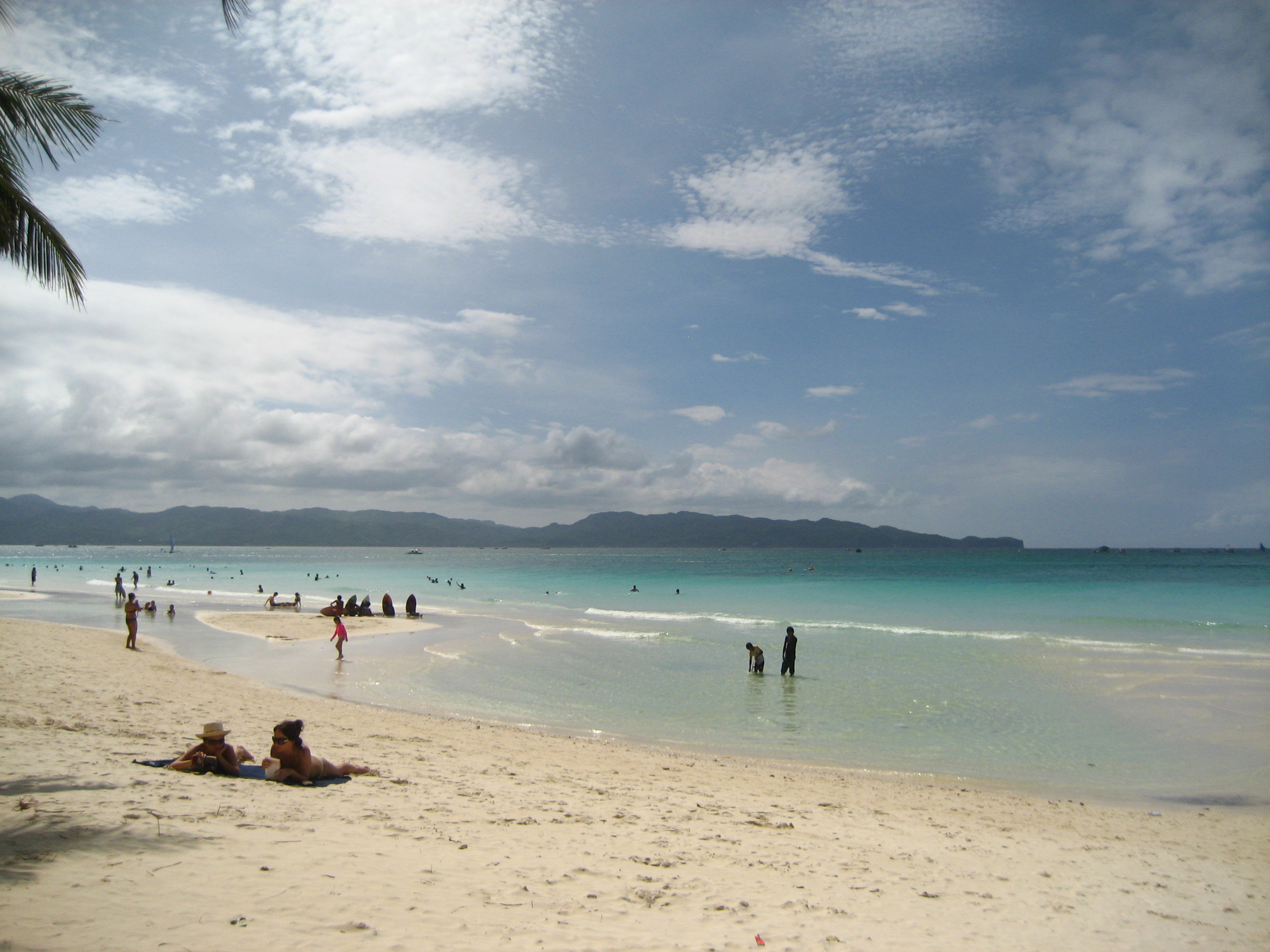
Much has changed.  But we always head back. The kids frolic in the beach.  The girls enjoy getting their tan.  And I find myself always heading for the spa.  Oh what a way to spend a good hour and a half.   I love this, really really love this.  For only P300 or under US$7, you get an hour’s massage. It was so good I could not get myself up after an hour, and would invariably go for a half hour more of rubbing.  Now, this is the way to really pamper yourself.  It is definitely more comfortable than lying on the beach to get rubbed.  Here inside the “open air” spa, one still gets the breeze from the sea, but without the sand. You also get spared from all those beach touts who are always peddling boat rides, pearls or some other necklaces, ice cream bars, and seashells.

After a good rub, it is pure luxury to simply sit still by the beach and just waste away the hours reading. 

Here in the island,  it is the norm to take mid-afternoon lunch.  We observed that most others do too.  Either they wake up noon time after all that partying the night before, or they wake up early enough and lingered over their breakfasts as we always do, too full to eat lunch at noon.  One trip to Boracay, the kids were getting so confused that one had to ask repeatedly if he was having lunch or snacks.  Such is life in Boracay. Eat.  Swim. Sleep.   Il Dolce Far Niente. The Sweetness of Doing Nothing.

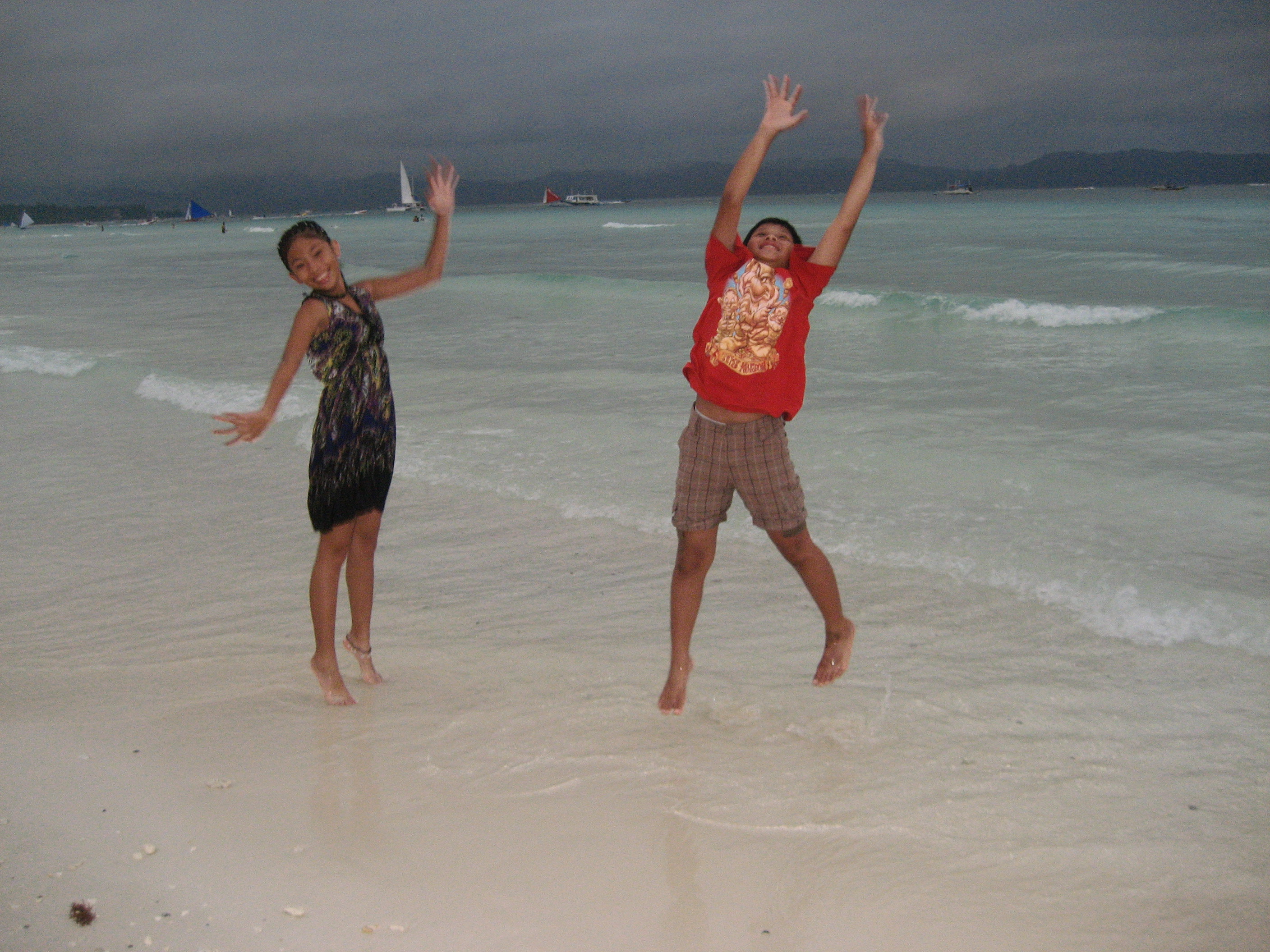
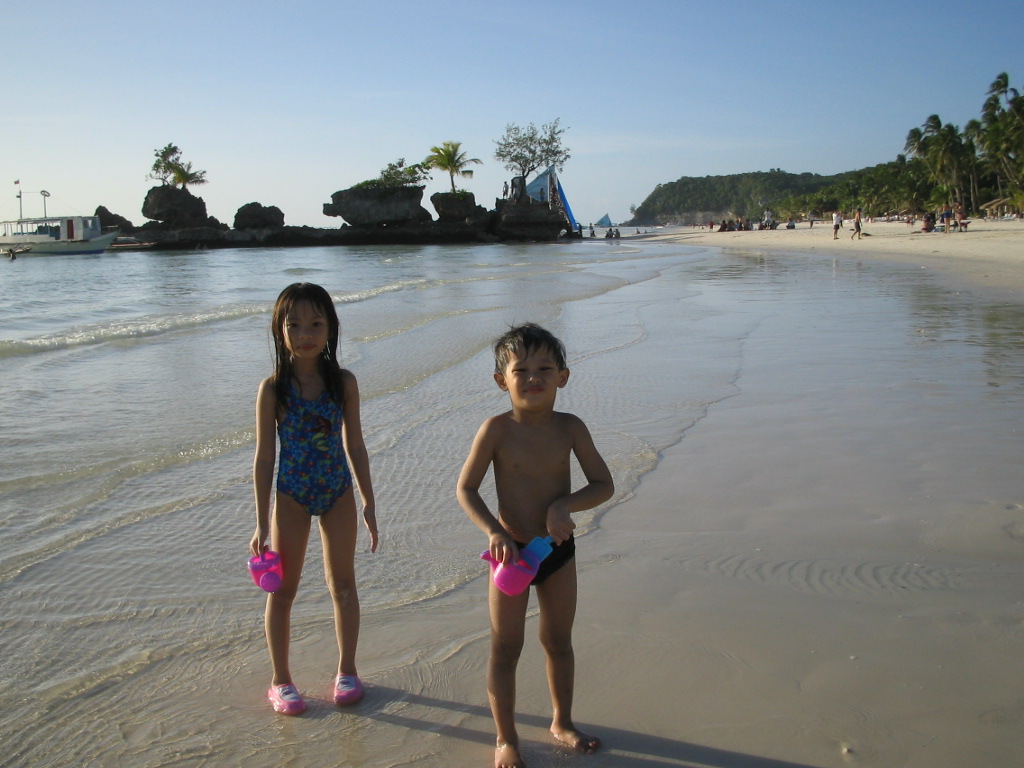
Postscript:  I checked out some old photos in boracay with the family. Had to smile,  those kids have grown……as did our waistlines! 😦


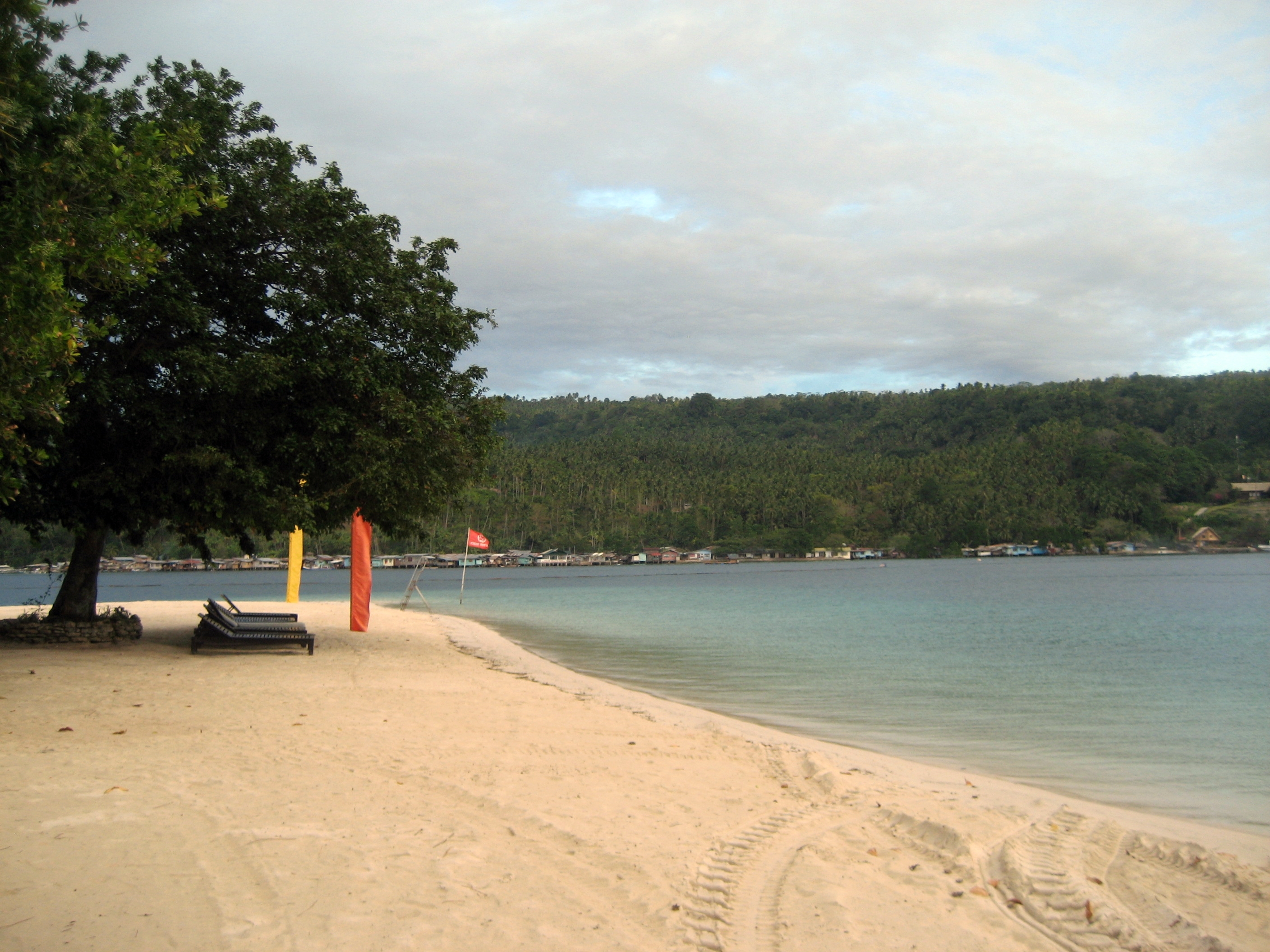
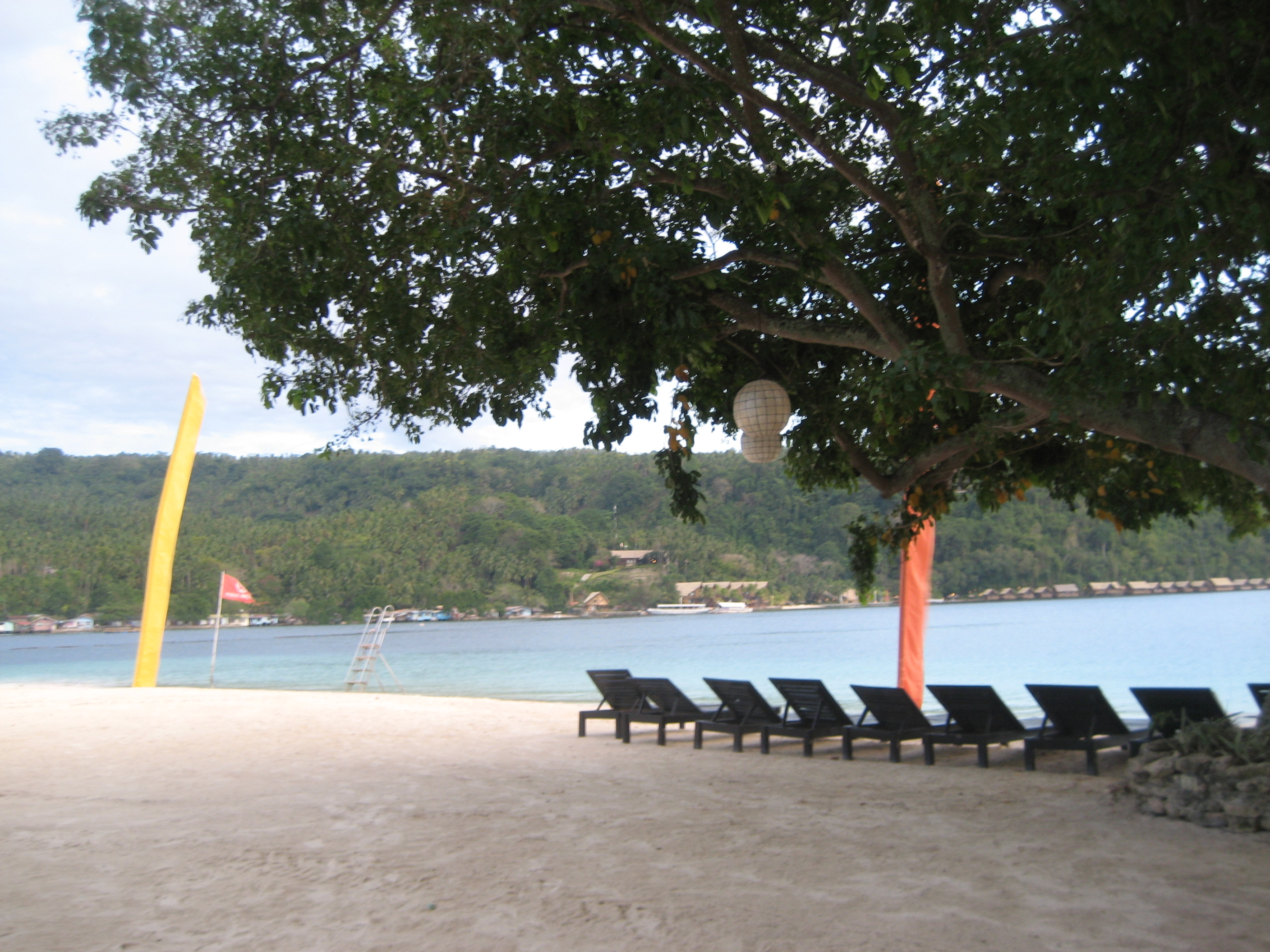
Isla Malipano is an island among several Samal islands, just a 5 minute speedboat ride from the more famous Pearl Farm Resort. But first, you must take the 90 minute flight from Manila to  Davao, then the 1 hour boat ride to Samal Island’s Pearl Farm.   😉

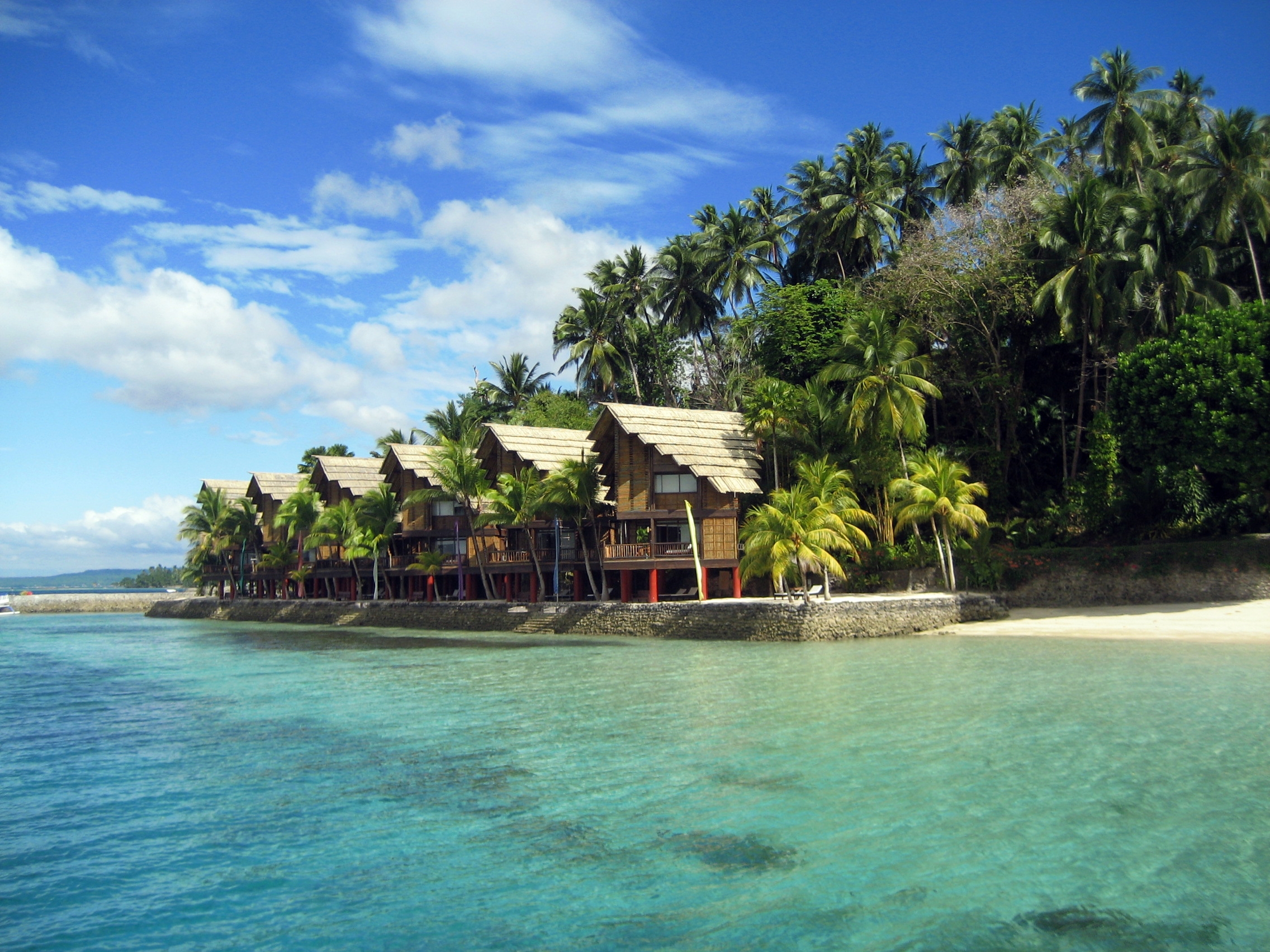
Morning flights to Davao went as early as 6am, but we opted to take the 10am flight.  We landed half an hour before noon and the shuttle took us for a short ride to the Pearl Farm jetty port.  We were served a buffet lunch just before taking the boat that will ferry us to Samal Island.  Pearl Farm is so called because it actually was a Pearl Farm sometime back.  But it is now one of the pricey resorts in the country and appeals mainly to honeymooners, balikbayans (literally meaning back to country Filipinos on holiday), tourists and locals with money to spend, or used as convention or conference venue.  This is my 3rd time here in Pearl Farm , but my first in Isla Malipano.  Now this island is actually a private island right across the resort, used by the family which owns and operates the Pearl Farm Resort whenever they are here or when they entertain their own guests.  The cost of maintaining the place may have compelled them to make available the villas to paying guests too, and that explains how we got here.


Our Very Own Island

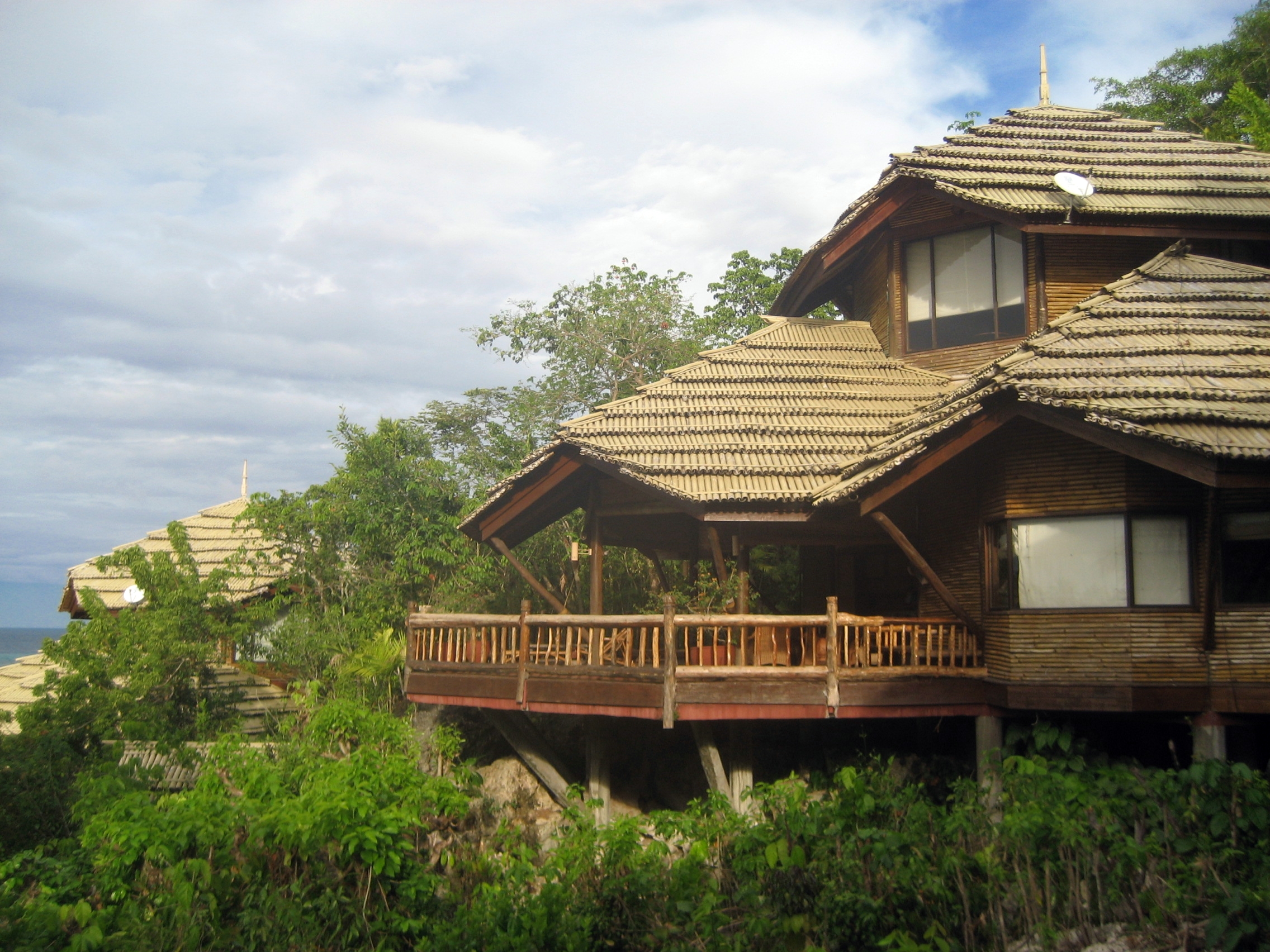
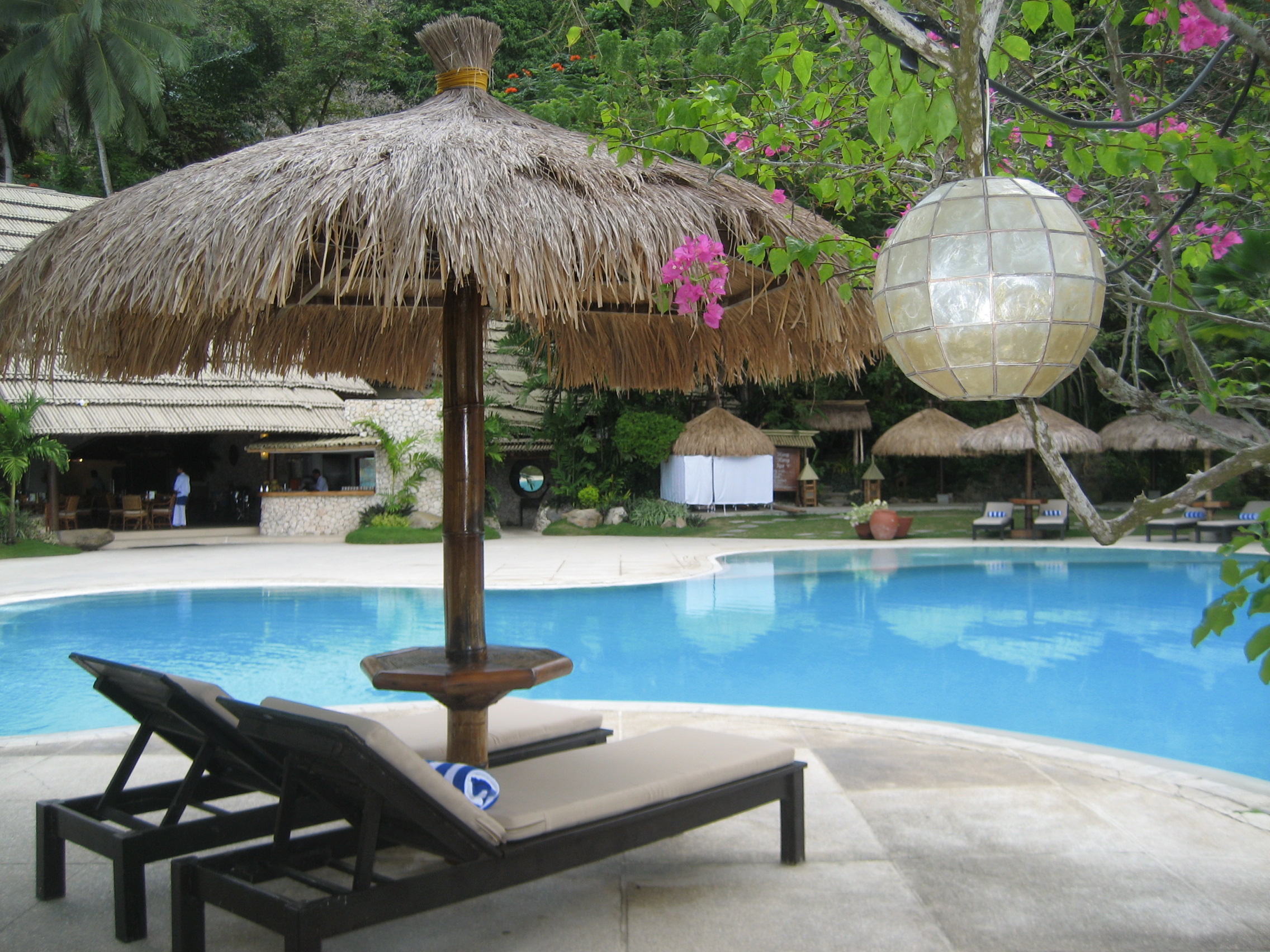
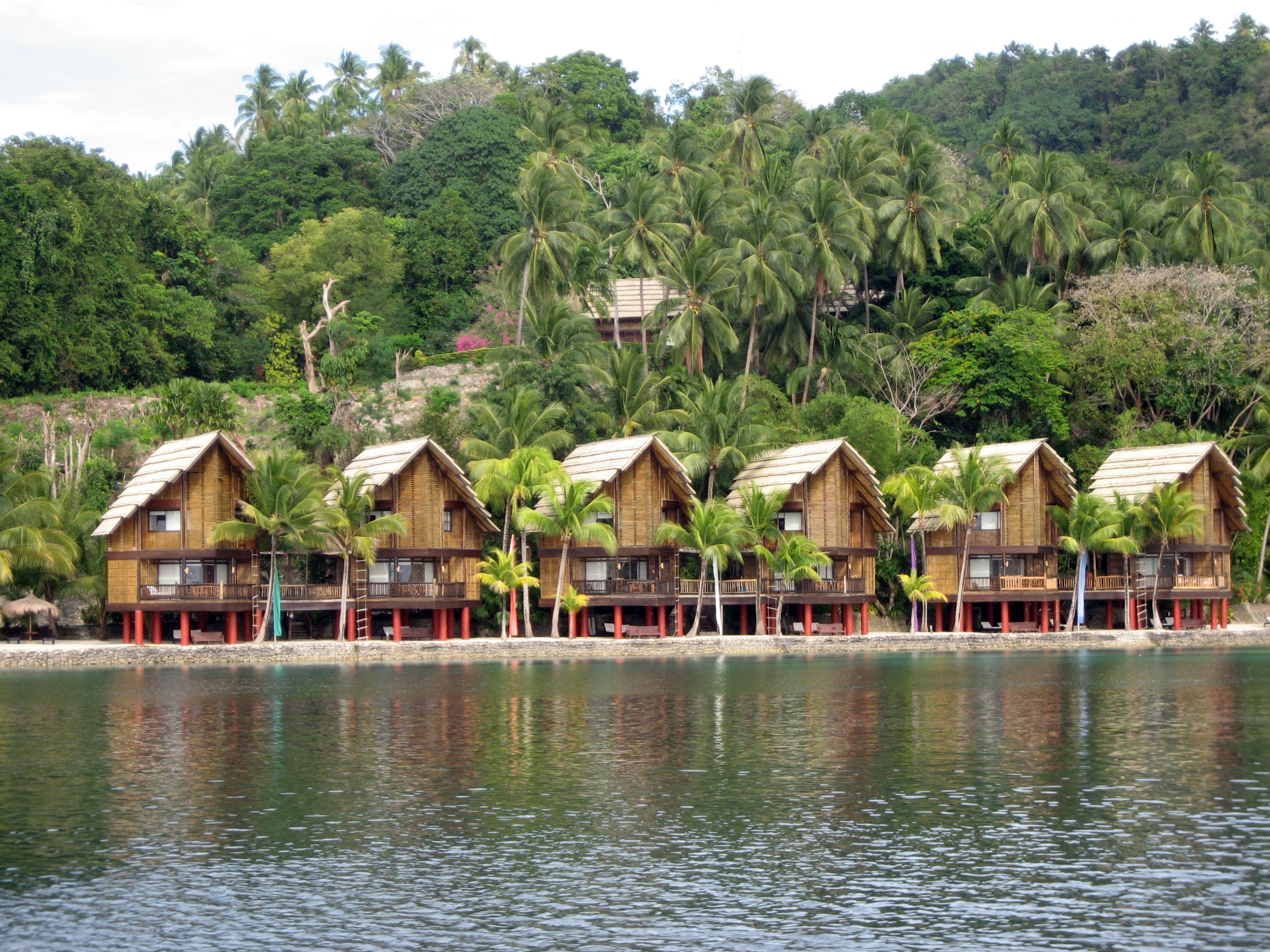
It was almost 3pm when we checked in. They served fresh pineapple juice as soon as we reached Pearl Farm’s pagoda reception area , complete with a local group playing native music. In this southern part of the Philippines, the Muslim influence manifests itself in the dances and songs. I love the colorful costumes and beadwork too. Then we took the small speedboat to get to our private island. There are only 7 villas in the private island which also has a 3 hole golf course, a small chapel and a good-sized activity center which can be used for parties and conferences. At the time we were there, we occupied 3 of the 7 villas. We were the only ones in the island . 


It was surreal to have an island all to yourself. I mean, we were a group occupying 3 villas, but each 3-storey villa has its own beachfront , and we couldn’t even see each other from the balconies or verandahs of our villas.  Everything was so self-contained.  One need only to get down and take hold of any one of a few beach chairs or beds, maybe ask for a massage therapist whilst there, or just sit it out there in his/her own private beach and wait for the sunset. The place is ideal for honeymooners,  as well as families.  Our villa has 3 bedrooms and a verandah cum view deck  jutting out to the sea.  Depending on one’s mood, it is easy to feel either romantic, happy or melancholy here.  The days are long, and unless you want to spend your entire day at the beach, there is nothing much else to do.  Which is fine, if you are spending just a few days here.  Make it a week and I think I’d snap and go crazy.  And make that poor too. I will not even talk about the rates for the villa, as I frankly think it is obscene.  No, I did not pay for it.  I happened to be attending a convention here, which allowed me this luxury at no cost. But I did check out the rates for the day tours , which I find reasonable at 1,500 pesos or about US $30-33.  This day tour rate includes the boat transfers, lunch and use of one of the native houses by the beach for a few hours.


The villa is dripping in luxury.  The huge rooms, each with its own private toilet and bath, heavenly beds, bay windows looking out into the sea,  ethnic inspired  local furniture and appointments.  I particularly liked a floor lamp and local vase made of local ropes and cordage. And the huge and comfortable chairs on the verandah. It was also interesting to find a big jar by the gate of each villa. This jar is filled with water , to be used with a dipper made from coconut shell, to wash one’s feet before entering the villa.  Interesting detail.  The only thing I hated is the phone out in the balcony.  The times the phone rang, I wanted to bury my head under the soft pillows. I also found it odd that there were no full length mirrors inside the bedroom and bathroom. Instinctively, I thought the one who decided on the architecture and interior design of the villas must be male.  I cannot imagine anyone of my gender to miss installing a full-length mirror ……….  I mean, every woman just had to check her “total look” before stepping out of the room, right?

I took my Sydney-based niece with me to Isla Malipano (isla actually translates to island.  She doesn’t play golf, jet ski, kayak,  nor scuba-dive, so she didn’t really find much to do in the island.  While she agreed with me about the telephone and full-length mirror, she had to add that all rooms should have hair dryers and television sets.  Only the Master’s bedroom had a tv and dryer. That said, she also added that the bar did not have enough stuff.  I mean, there were 6 of us in the villa and not much chips and nuts and sodas.  This is important since all meals are served in Pearl Farm which we can reach by riding the speedboat each time.  For coffee lovers that we are,  we can easily exhaust the pantry for coffee pods!


So, what to do?


I spent the entire day in conference, while my niece checked out all 5 beaches in Isla Malipano and Pearl Farm.  There were 2 lovely swimming pools too, one of which is an infinity pool with a view that stretches out to the sea.  Shelly also discovered the boutique and the Spa. By the afternoon, she was done with her swimming and her pedicure.


In the evening,  one can enjoy dinner while a local song and dance group entertained us.  The leader of the group explained each of the Muslim instruments such as the kulintang,  an ancient instrument composed of gongs in graduated sizes , laid out horizontally to be struck to produce a melody much like a xylophone.  And there’s the kadlong, a 2 stringed guitar or lute shaped like a boat, with 5 small holes on its back. The band leader said the kadlong is played with the 5 holes over the player’s chest so that music emanates from the heart.   The men in our group discovered the Parola bar and the Game Room where one can play chess, billiard, or simply enjoy some karaoke singing.  The following night, we had an al fresco dinner by the beach while the same band played.  To be honest, I was growing tired with the local music by the second day. It was the same repertoire each time.   Thank God someone in our group thought of inviting a local folk singer from another city to entertain us that night.


Judging by the crowd we met over breakfast, lunch and dinner,  many chose the place for its privacy.  A few were there for some water sports, but I didn’t think that department was nowhere as active as what we found in Boracay just a couple of weeks back. But the buffet spreads were good , and in this part of the Philippines,  local fruits are in abundance.  One can try marang, lanzones, pomelo, papaya, mango, rambutan, etc.


So, for those of you planning on a bit of luxury, you can try the day tours to Pearl Farm or if you really wish to stay at least a night, go make a reservation for one of the Samal houses right in Pearl Farm.  You don’t need a private island nor a villa.  I have tried the Samal Houses before and at 5,000 pesos a night (about US $100-110), it is sooo much cheaper than renting a villa.


Oh, don’t forget to bring a good book with you .  As for the massage,  I frankly think it is expensive at 850 pesos (about US$15) , perhaps because I still have pleasant memories of the same therapy for about a third of the price in Boracay.  In fact, the ones I had in Boracay were better than the massage I paid for here in Isla Malipano.


Privacy, good food,  luxury accompanied by peace and quiet……….these you’d get in this island. But be prepared to burn holes in your pocket.

More photos can be found in my TravelBlog site.   


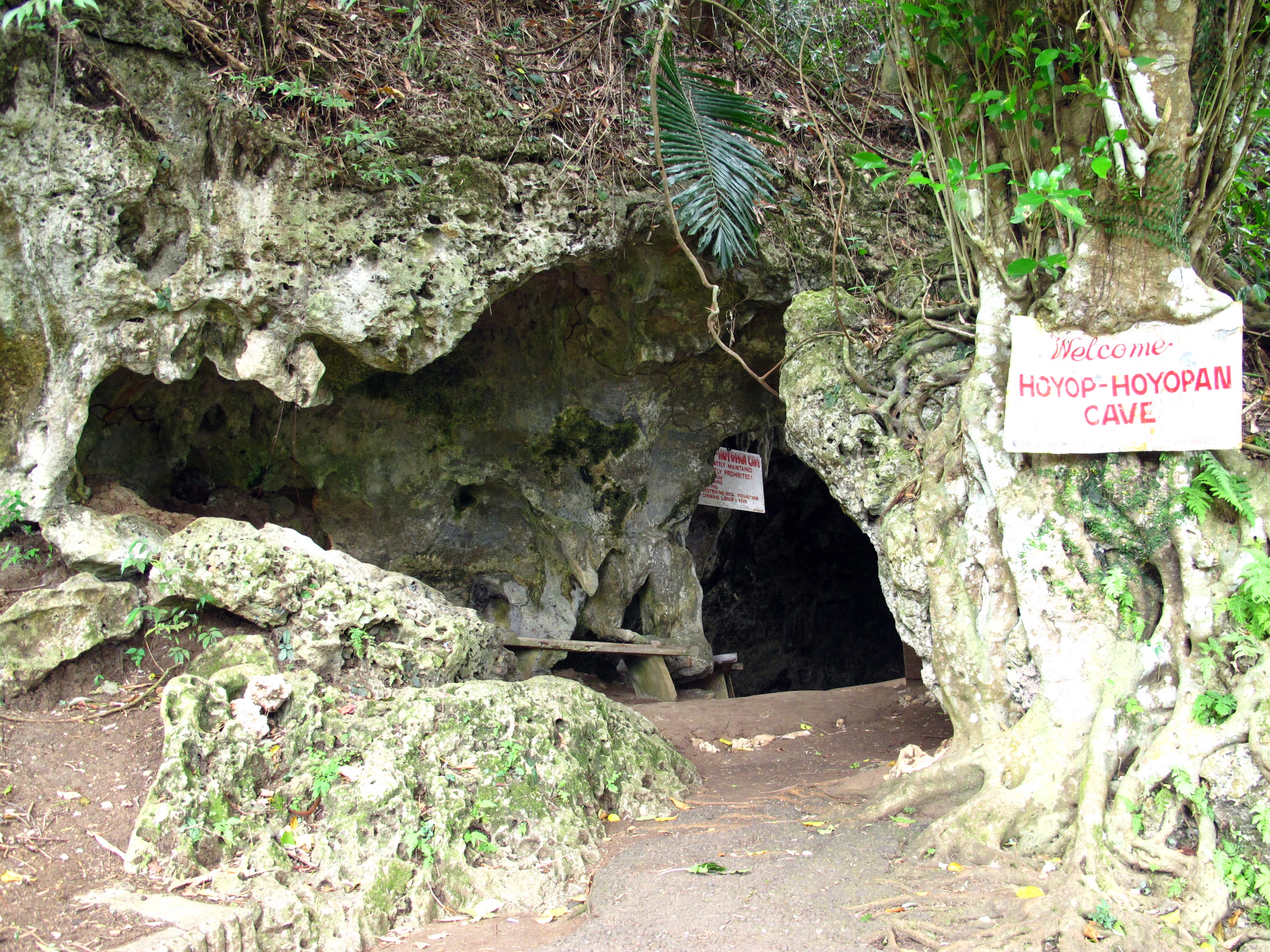
Hoyop Hoyopan Cave


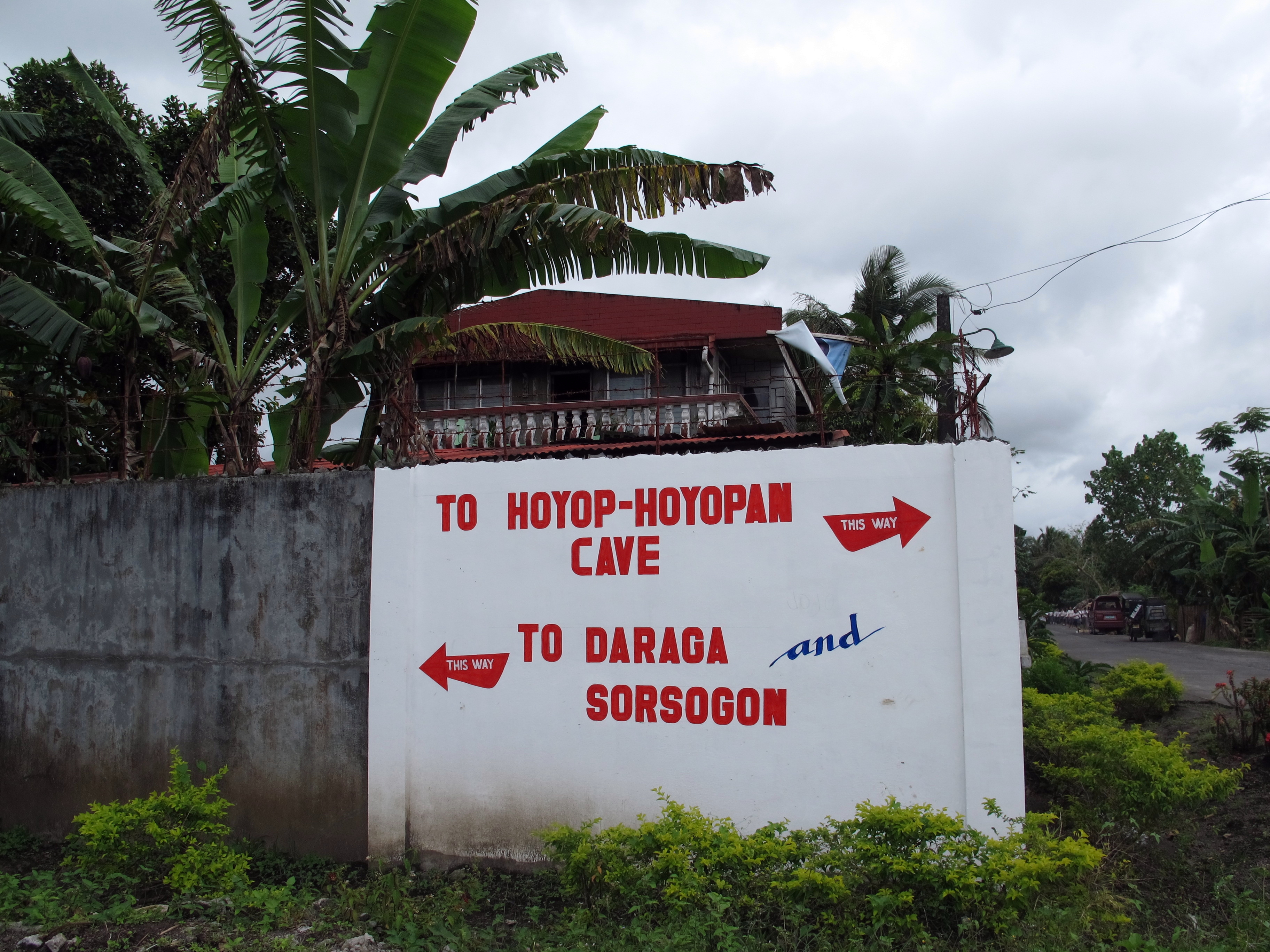
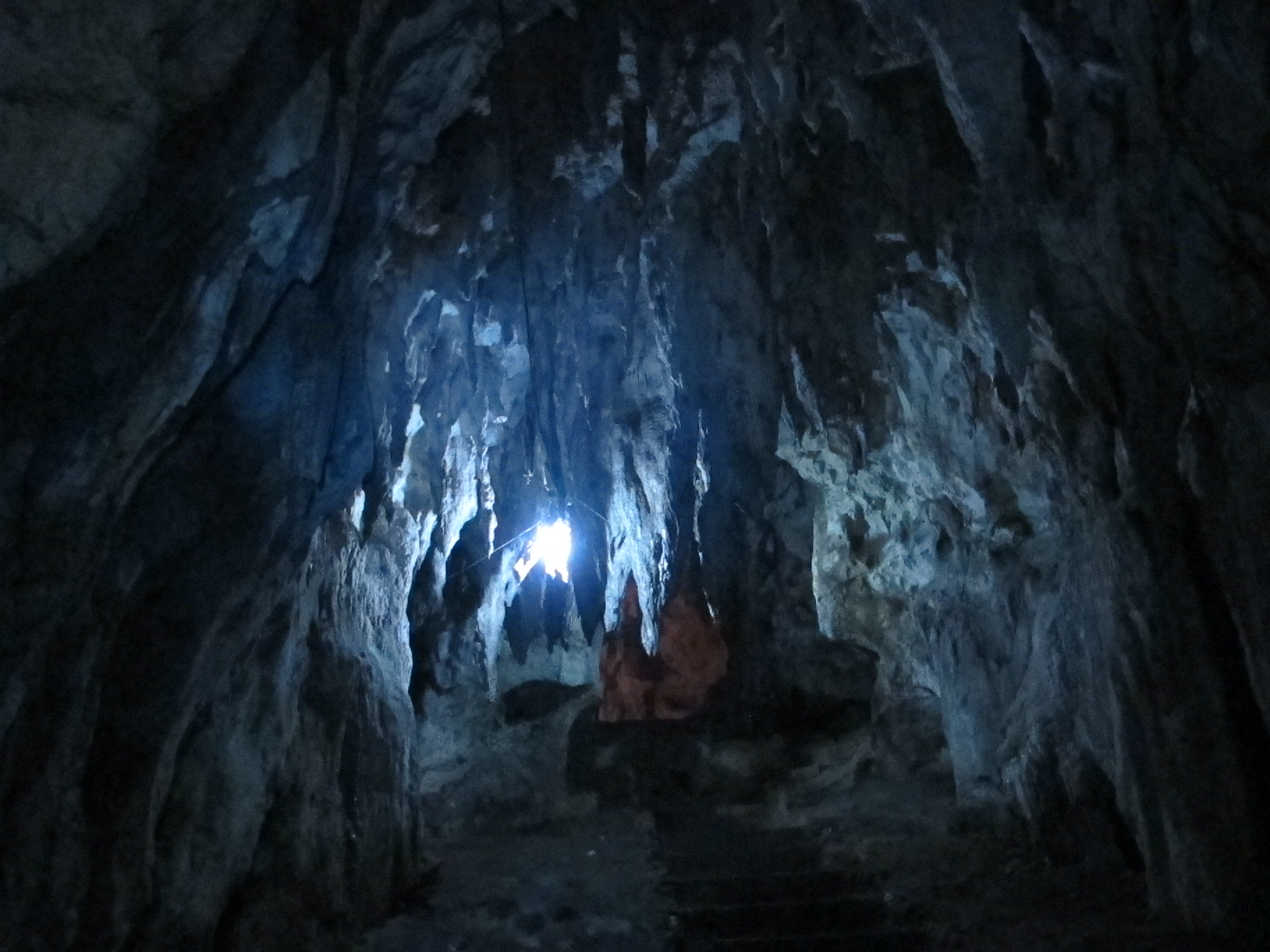
In Camalig, Albay, we took a detour to visit Hoyop Hoyopan Cave. Hoyop means “to blow”. We spent the next half hour or so inside the cave, amazed to “shoot the breeze” inside while checking out the stalactites and stalagmites. We can imagine how the local rebels were made comfortable while hiding from the Japanese then as the cave has water sources and a pretty good ventilation even during summers.  Our guide led the way, and we were relieved to find cemented pathways and ample lighting.  Just the same, I was ready with my handy flashlight and headlight.  I finally got to use them!  🙂   But we weren’t prepared to find a dance floor INSIDE the cave.  Say what?  A dance floor.  Only in the Philippines! Well, we were reminded that the cave is a private property and the owners have actually held parties inside this cave.  That explains the dance floor. I wouldn’t be surprised to find a karaoke bar next time I visit.  Up and down, a few steps here and there, and we found the 4th exit out of the cave.  Mind the stalactites and stalagmites, though.  One can earn a monstrous bump on the forehead if one is not careful.  Outside, we found local boys playing a game of volleyball while a cow parked itself in an area meant for motor vehicles.


Cagsawa Ruins Without Mayon Volcano

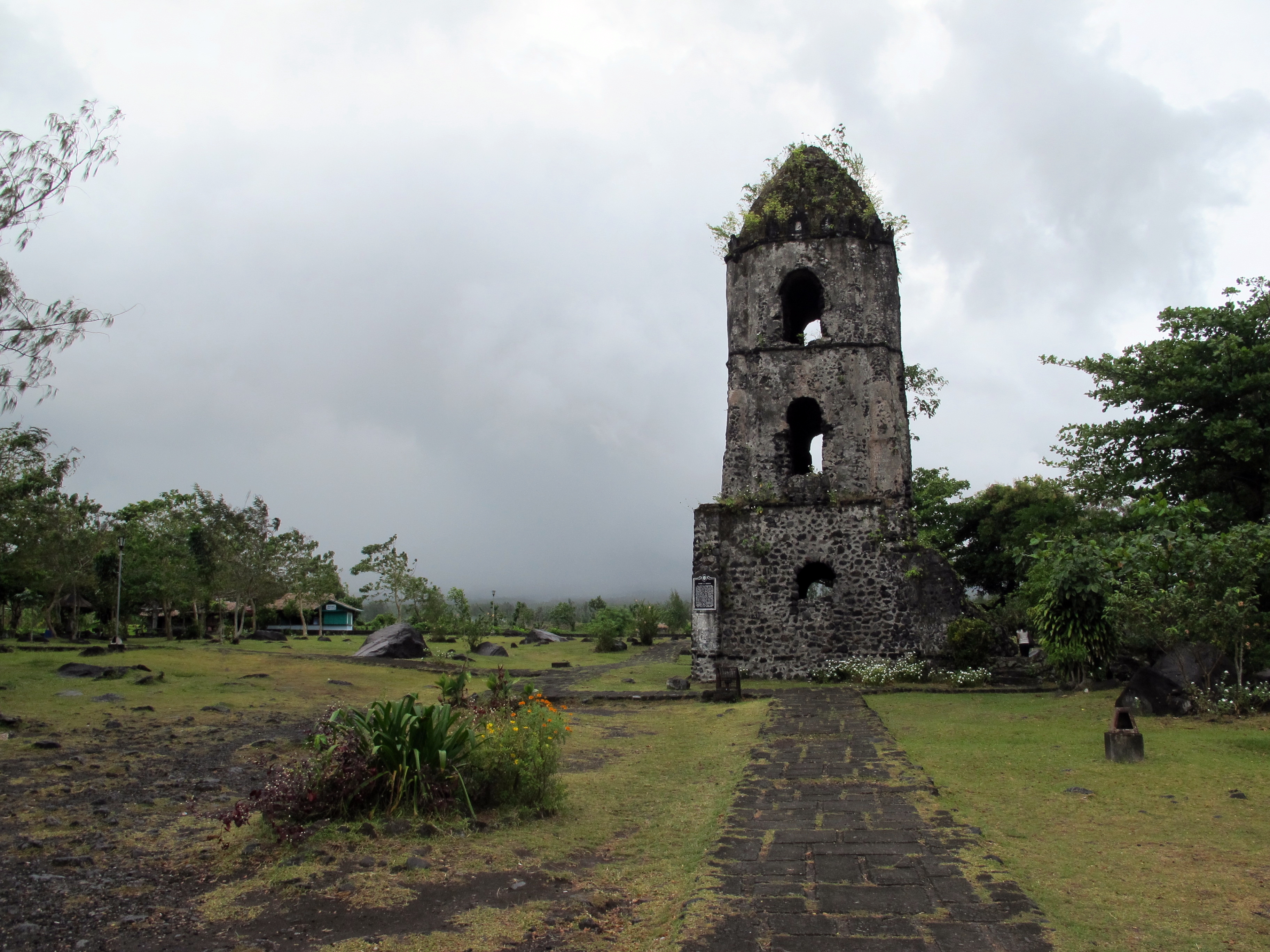
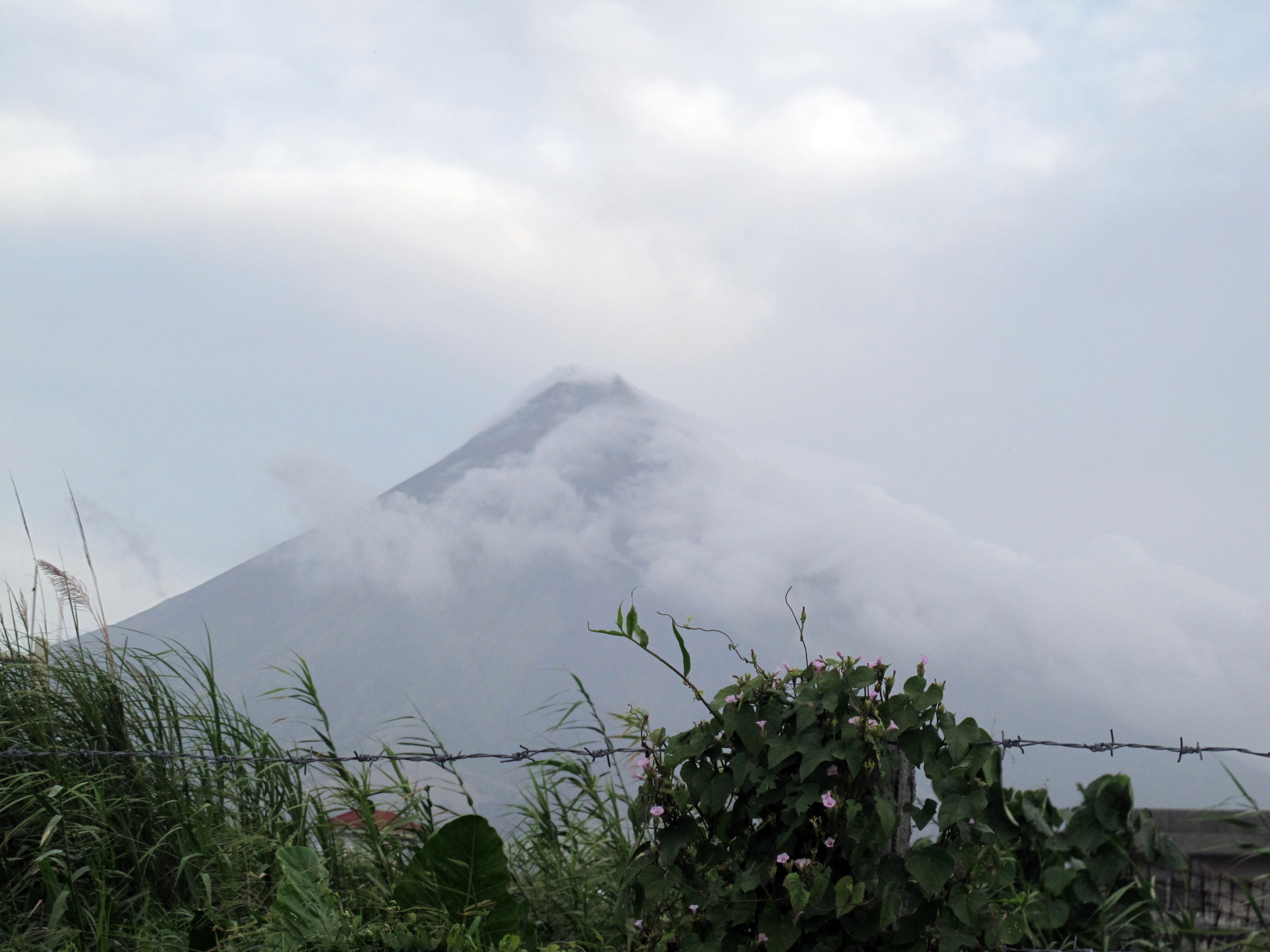
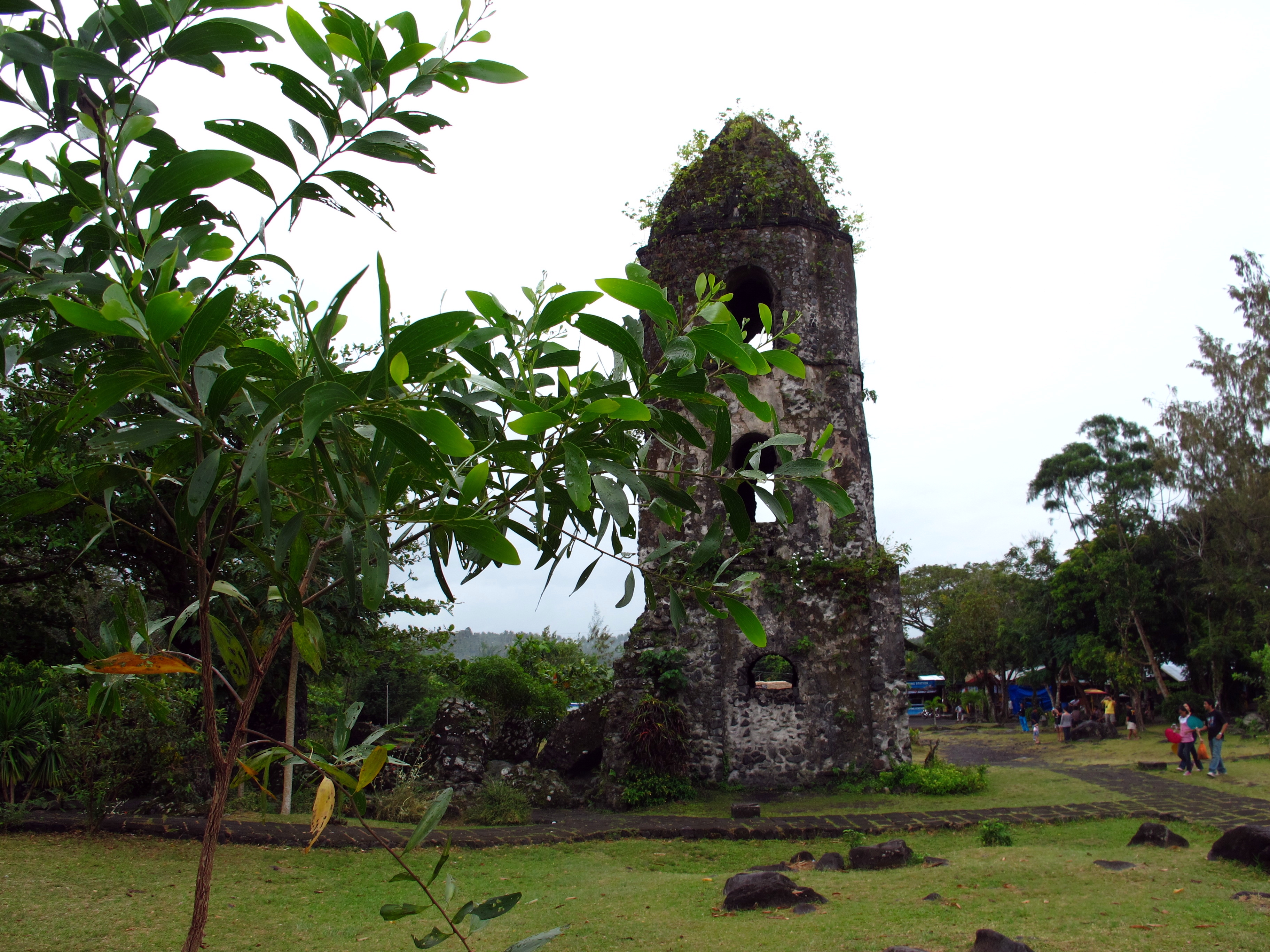
Most postcards in Albay show Mayon Volcano in all its majesty framed by boulders and what remains of the Cagsawa Church. Over a thousand parishioners sought refuge in this Church in Mayon’s February 1814 eruption and all perished from the tragedy. The stone pillars were constructed using eggwhites to glue the stones together. Imagine how many eggs those parishioners brought to Sunday masses, and what baked goodies they concocted with the egg yolks too! We were soooo looking forward to visiting this place as we have always visualized Mayon Volcano with this scenery, with all its tragic history. Sadly, the majestic volcano with its near-perfect cone was too shy to make an appearance. Hiding behind the clouds, one can hardly recognize even its silhouette on this cloudy day. Oh well, you can’t win them all. For the moment, the postcard will do.

Daraga Church


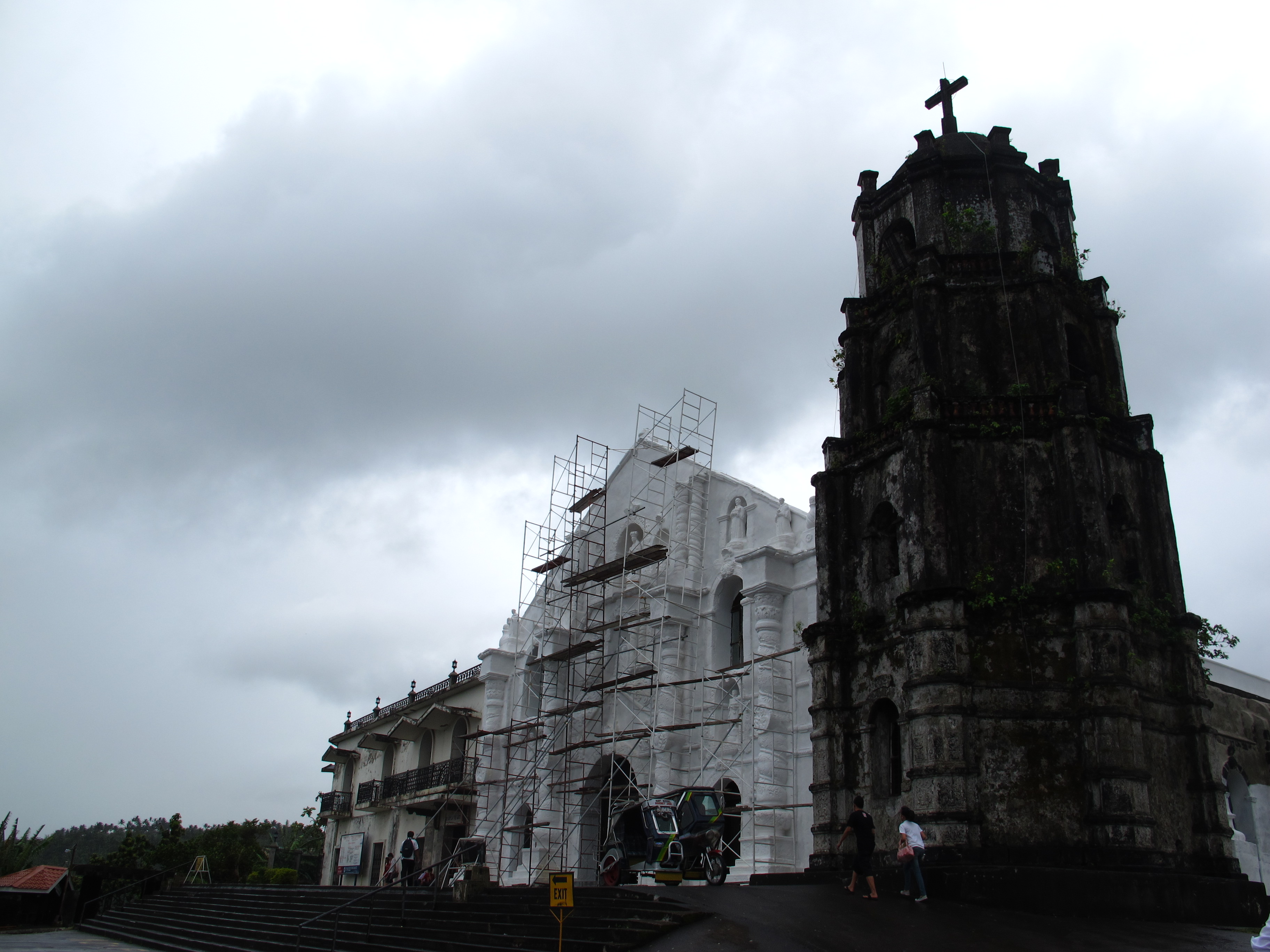
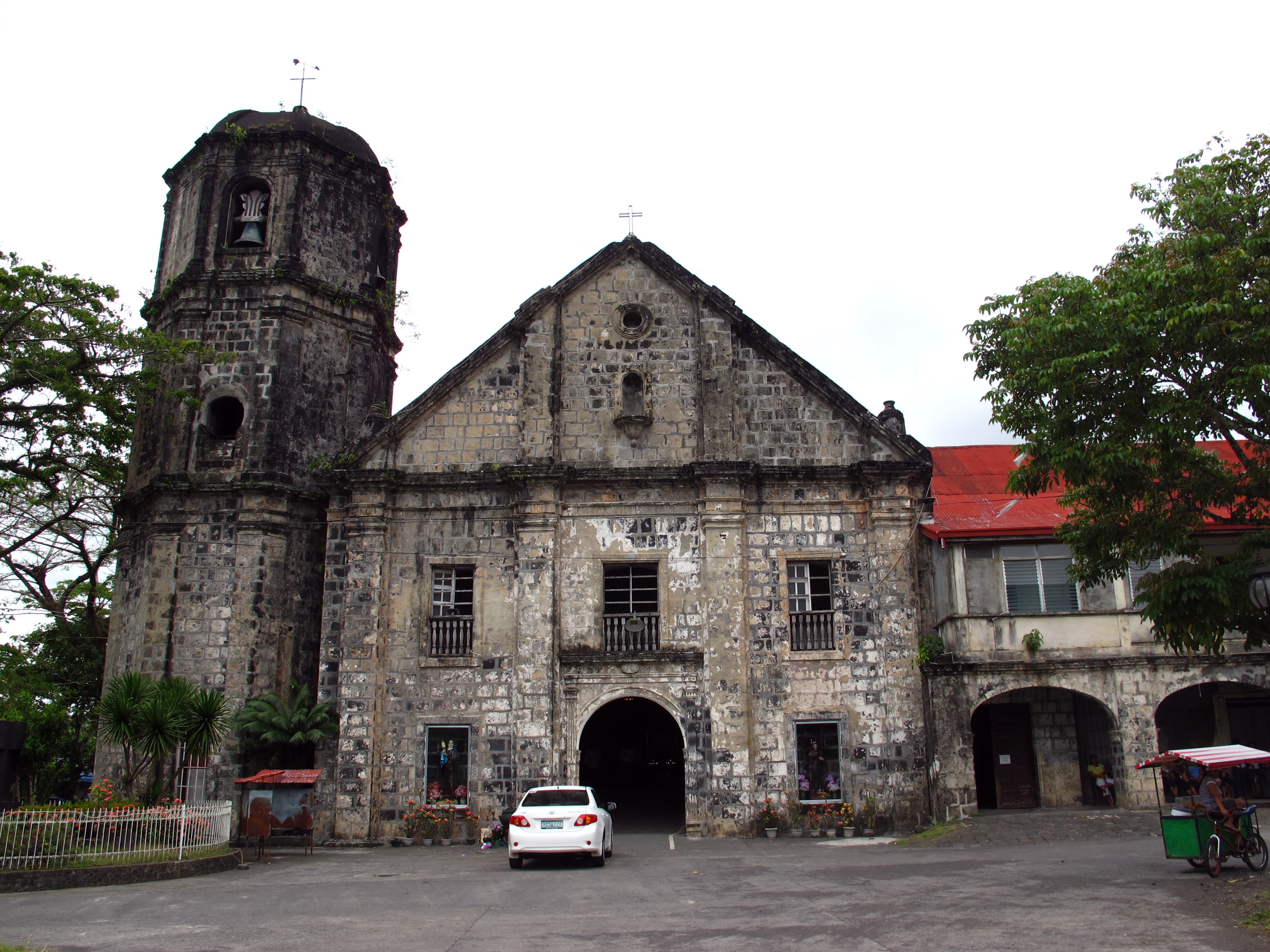
Finally, we drove up to nearby Daraga Church. It is said that the parish transferred to this 18th century church after the 1814 eruption. This old church was obviously undergoing some repairs and repainting. We were disappointed with the fresh coat of white paint, and would have preferred that they left the stone structure in its “natural” state. There is charm in the “old and natural”, and a paint job does not serve to enhance the beauty of this ancient church.


Nearly back in Legazpi City, we passed by Lignon Hills for another unobstructed view of Mayon Volcano. It would have been an hour’s trek to get to the View Deck, but it was our last stopover and we all felt the day is almost over. In short, we had no energy left to do the trek! Perhaps another day. For sure, I’d make a return trip and by then, I should also be ready to go trekking, ziplining and even the lava trail using the All Terrain Vehicles (ATVs) available for rent. Now, that’s a good reason to go back.


More photos can be found in my TravelBlog site.


Padang Memorial

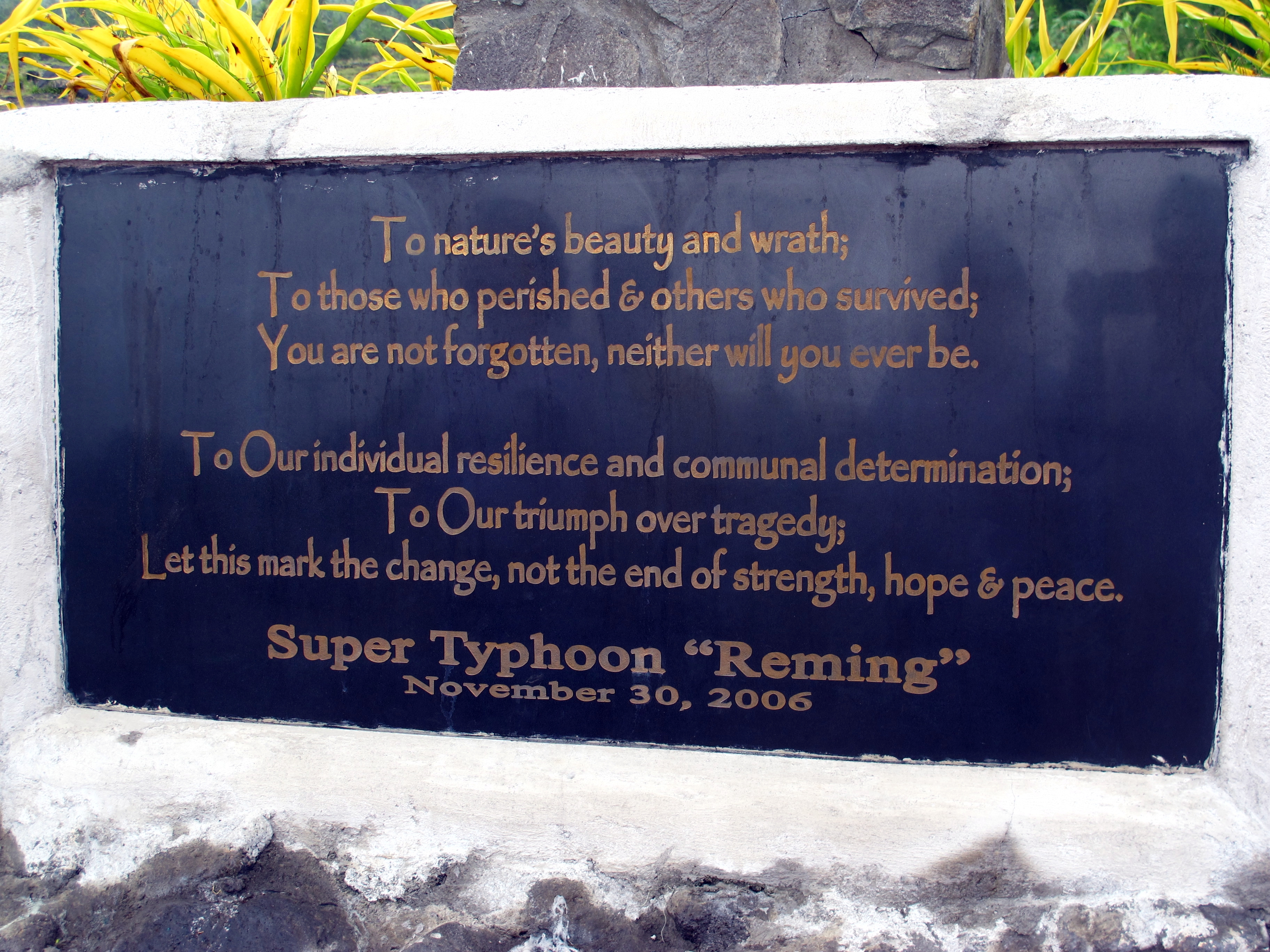
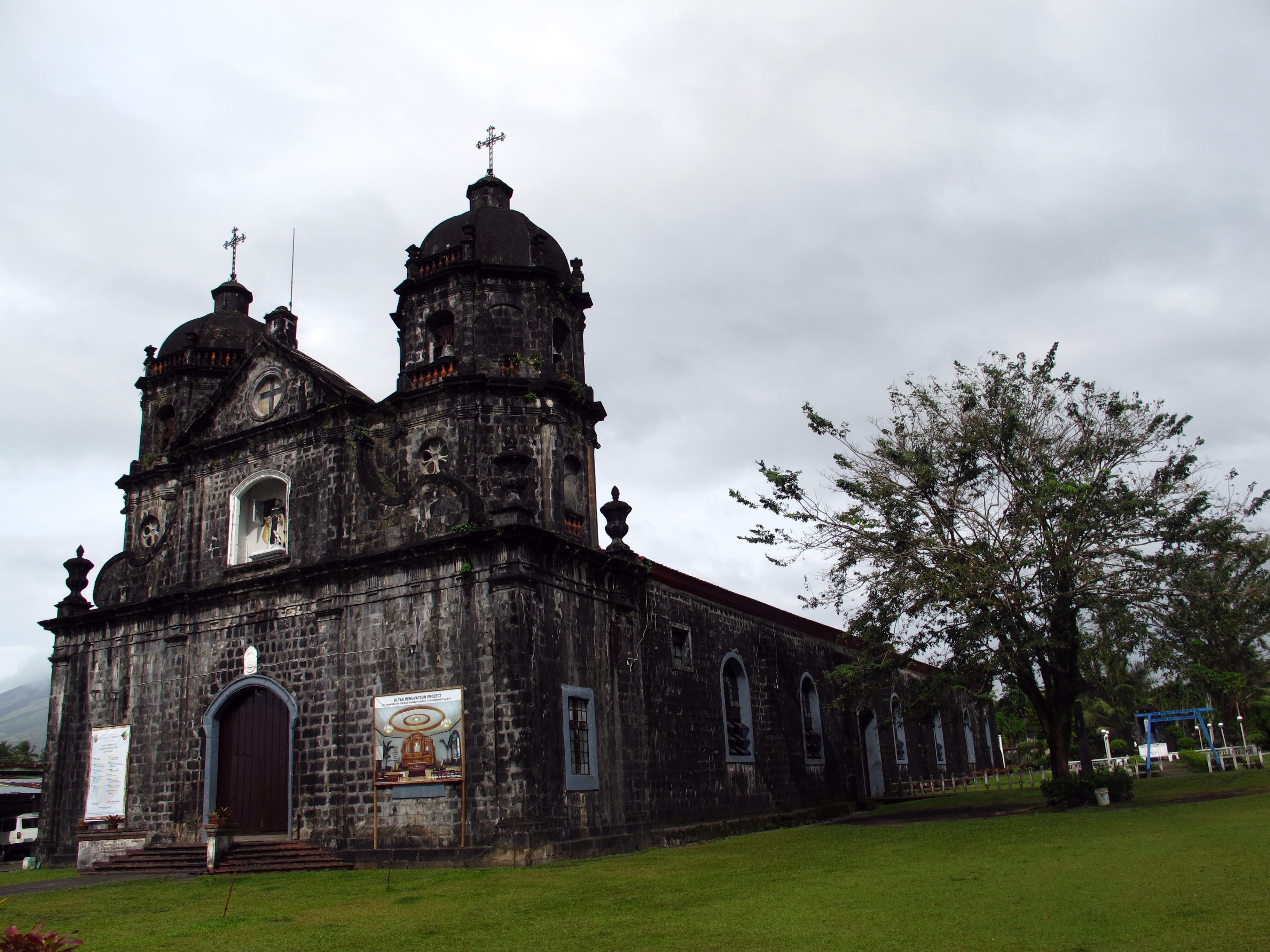
From Legazpi City, we drove towards Barangay Biga-a, just 8 kilometers from Mayon Volcano.  This place is a PERMANENT DANGER ZONE.  And for good reason.  Back in 2006, Typhoon Reming hit the area and as many as 15,000 perished .  The Padang Memorial stands here as a grim reminder of that tragedy, with the majestic volcano as backdrop.  From Padang, we passed a few 17th-18th century churches.  We took the time to stop by 2 churches , both named Santo Domingo Church. The second one had a separate bell tower as well as lovely stained glass windows. Unfortunately, the churches were closed and we failed to gain entry.


Kawa Kawa Natural Park and Mayon Skyline 

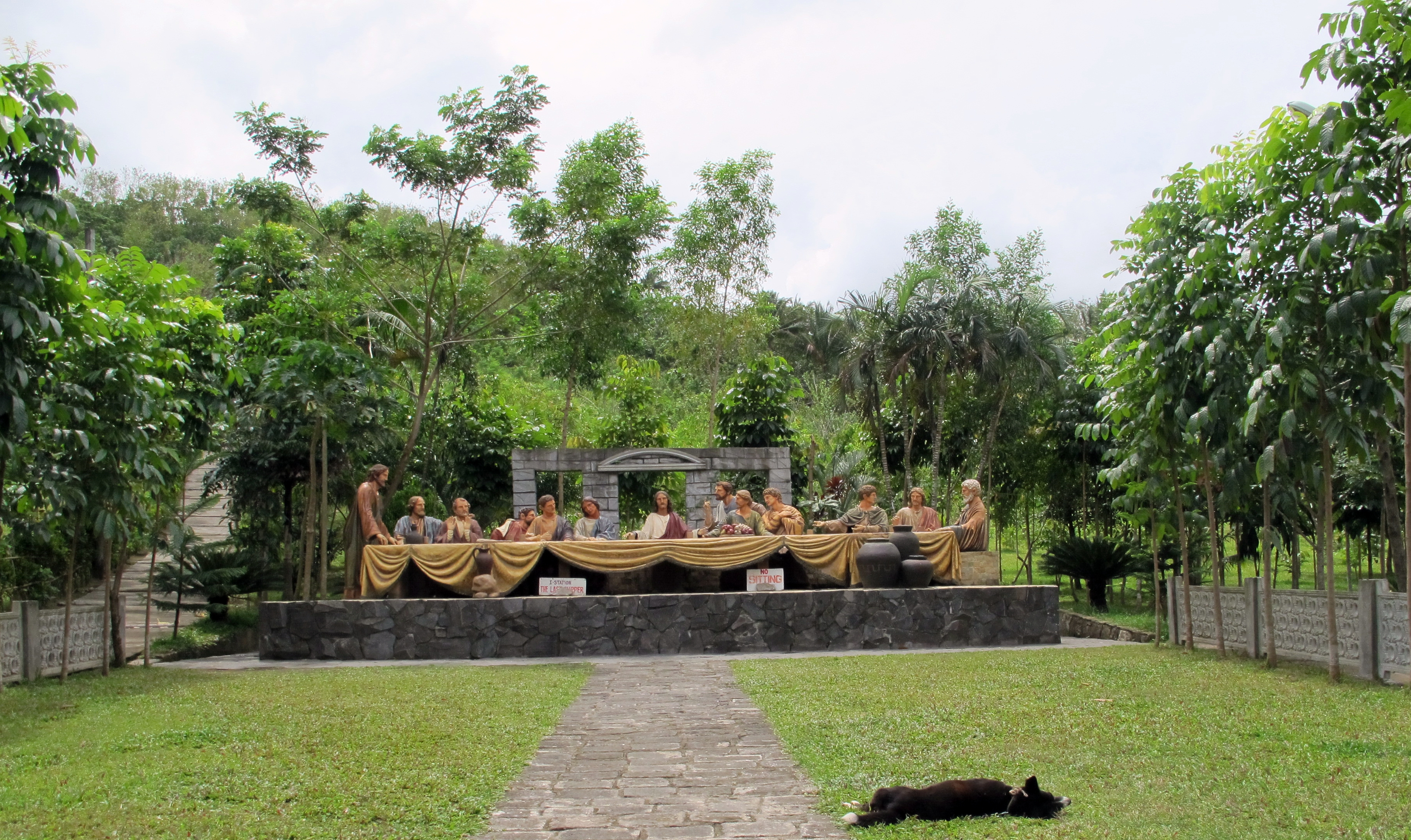
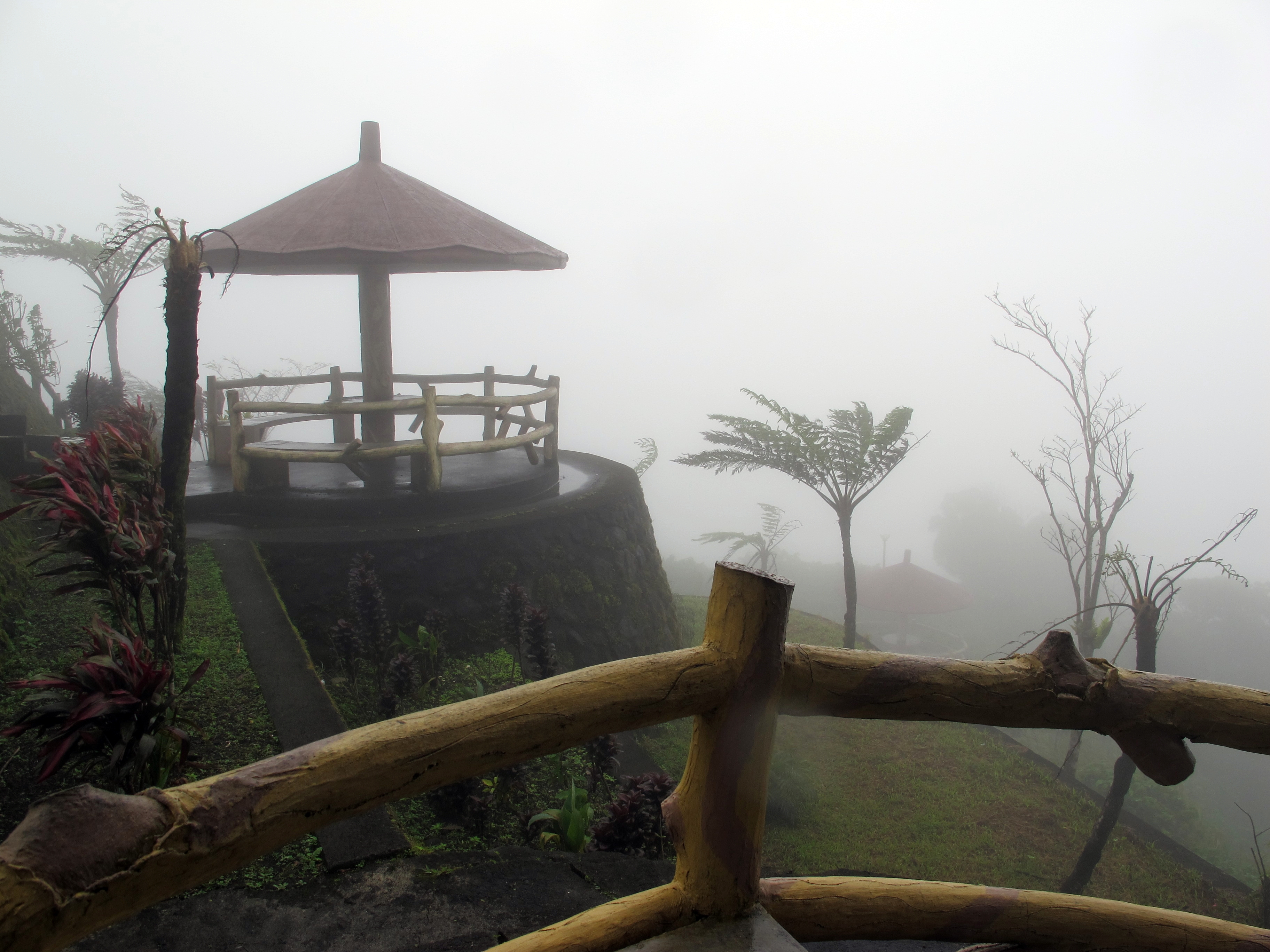
Further on,  we drove through a road lined with Pili trees and abaca hemp hanging out to dry.  Then we took an uphill road and climbed towards an area tagged as Mayon Skyline where the Mayon Planetarium and a solitary cafe stand across stone huts hugging the cliff from where one takes in a view of the crater lake on a clear, sunny day.  It was a pleasant surprise to find this cool, breezy place this foggy morning just an hour’s drive from the city. Too foggy to allow a clear view of the lake,  we instead chose to spend the next few minutes sipping a cup of hot coffee or slurping some hot noodle soup.  A nice brew would have added some charm, though, instead of the instant coffee served.


Mayon Skyline is in Barangay Bu-Ang in Tabaco, Albay.  The entire area belongs to the PERMANENT DANGER ZONE  too.  There was no chance to check out the blacksmiths from Tabaco, Albay — famous for its quality scissors and knives. ( Tabak literally means knife or machete , after which the place got its name.  )   Rather, we drove on towards Ligao City where Kawa Kawa Hill is.  Many Catholic pilgrims visit this natural park especially during the Lenten Season to do their Stations of the Cross. Moving on, we passed Guinobatan, Albay where the tree-lined road blends with the popular mode of transportation in the area — tricycles and jeepneys — and some old houses and more 17th-18th century churches.


One such old church is in Camalig, Albay whose patron saint is St. John the Baptist. The belfry is touched by this old tree with creepers along its branches and twigs, which stands witness to many Sunday masses and passing parishioners.  Unlike their counterparts in many parts of the country,  these churches are situated in wide plazas and must have served as community centers in the olden days.


It’s amazing how many 17th and 18th century churches one can find in Albay alone.  No wonder many of our priests hail from this place.  You can sense the spirituality in these places and among the people.  Truly, adversity has its favorable results.  Being in the typhoon belt, exposed to nature’s fury, the Bicolanos have strong faith in God’s mercy, as are just as blessed with many natural wonders like the near-perfect cone of Mayon and the nearby whale sharks  in Donsol, Sorsogon.   Come visit!


More photos in my TravelBlog site.

Mayon Skyline On a Foggy Morning!

Mayon Above the Barbed Wires

Cagsawa Ruins Without Mayon Volcano as Background


Lechon or Roasted Pig


The celebrity chef Anthony Bourdain once visited the Philippines and tried our lechon. He then declared it is the best he has ever tried in all his travels.


This roasted pig adorns almost every buffet table as families and friends celebrate occasions from birthdays to anniversaries to graduations to weddings to baptisms to fiestas.   It is the equivalent of a royalty dish.   It is our Filipino equivalent to the American turkey,  or to the roast beef.    When lechon adorns a buffet table,  every Filipino starts thinking of having a feast.   And almost always,  the roasted and crunchy skin is the first to go.   Some stuff the roasted pig with various herbs and serve lechon without any dips, like the lechon from the Visayas, a group of islands south of Manila.  Others serve lechon with a dip of liver sauce (some sweet, some a little spicy),  or with a vinegar and soy sauce dip. We have heard of many tales of fatal heart attacks in many parties where the victims indulged of this cholesterol load.  You may say you can savor lechon and enjoy it at your own risk.   The health hazards are however set aside in favor of this savory meal.


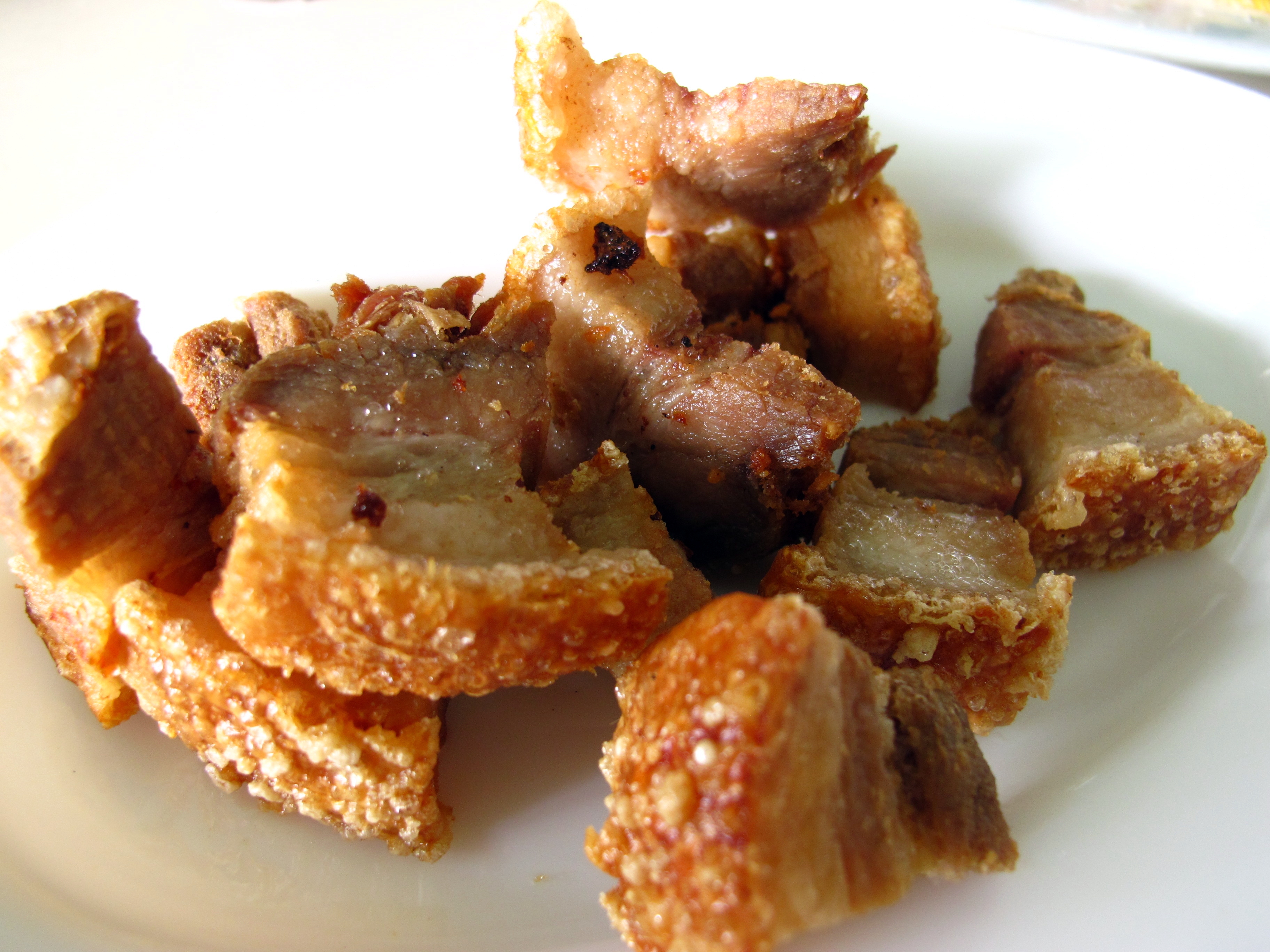
Lechon Kawali or Wok-Fried Pork Chunks


Many restaurants serving Filipino dishes include lechon in its menu, but if you want to see the whole pig chopped up into half kilo or one kilo servings,  you may want to try going to Baclaran Church in Pasay-Paranaque along Roxas Boulevard (lining Manila Bay), or just try your luck in supermarkets with food stalls (like in SM Supermarket, Cash and Carry Supermarket) where lechon is available for take out .


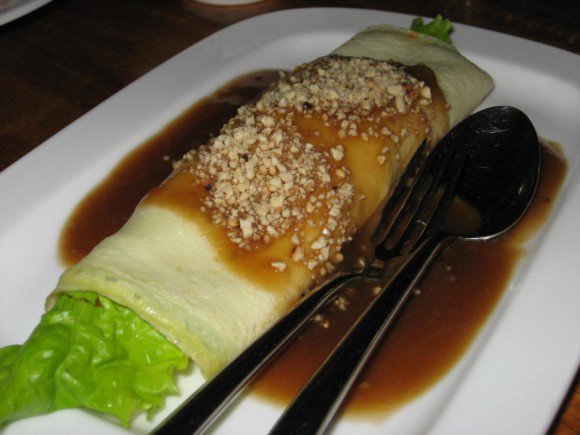
Lumpiang Sariwa (Fresh Vegetable Roll)

Vegetable Dishes


To “ease” the guilt of that cholesterol load, you may order any of these vegetable dishes :


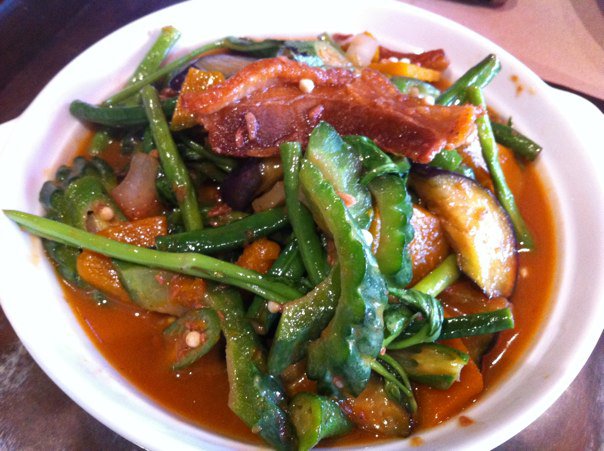
Pinakbet


Pinakbet or Pakbet this came from Northern Philippines but has somehow become a mainstay vegetable dish in many Filipino homes.   Vegetables include ampalaya (bitter gourd), squash, stringbeans, eggplant, and okra.   Some cook it a tad dry, others soupy, flavored with the very Filipino bagoong or shrimp paste. If you are a vegetarian, be sure to tell the waiter to have it cooked WITHOUT pork or any meat slices.


Bicol Express


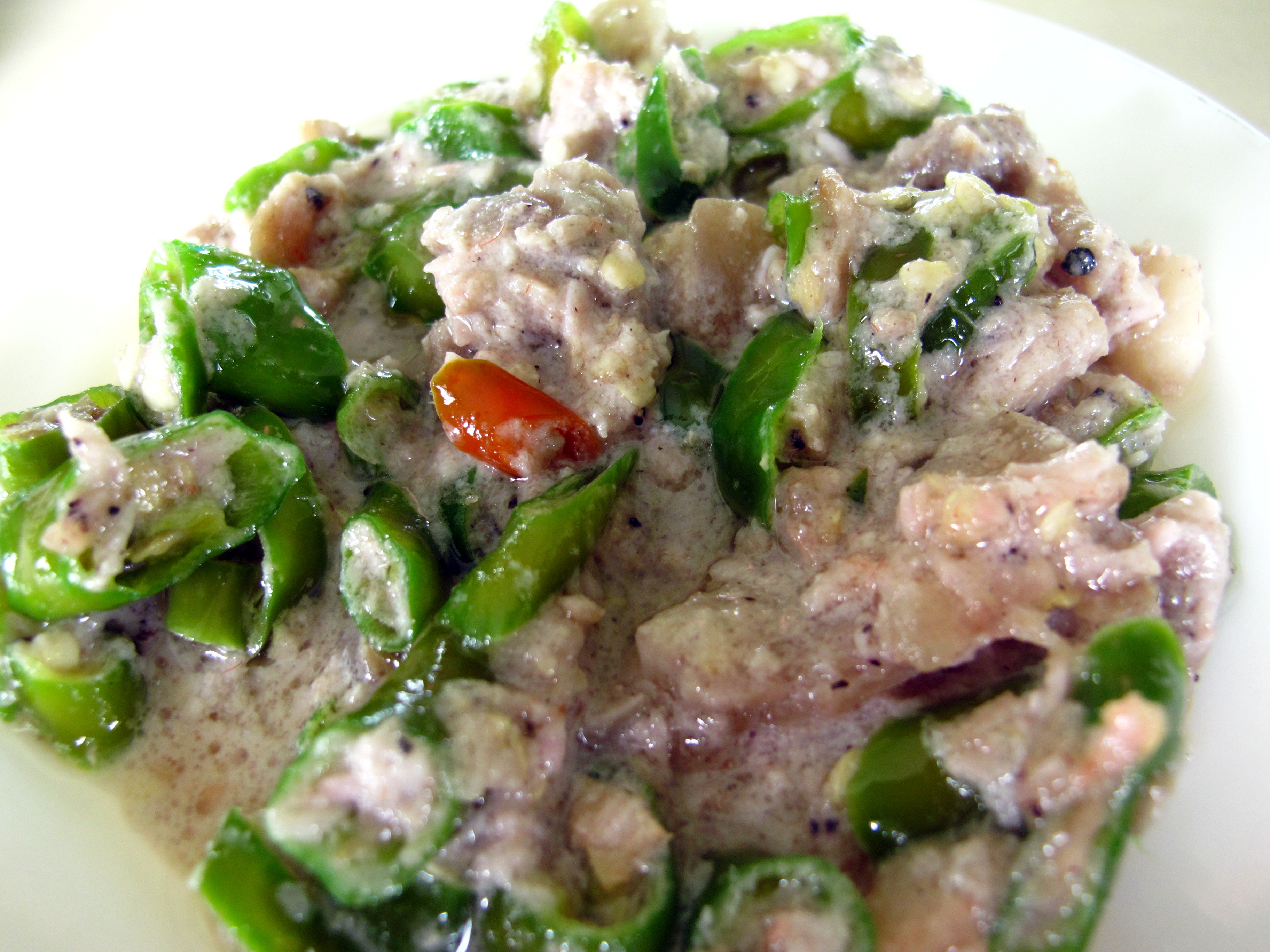
Laing and Bicol Express :  From Bicol Region some 8 hours drive south of Manila,  this spicy dish is cooked in coconut milk.   Taro leaves are used for the laing and again, some cook it a bit dry or saucy.  Either way,  it is spiced up enough to make it a dish hailing from Bicol, which is famous for its peppery dishes.


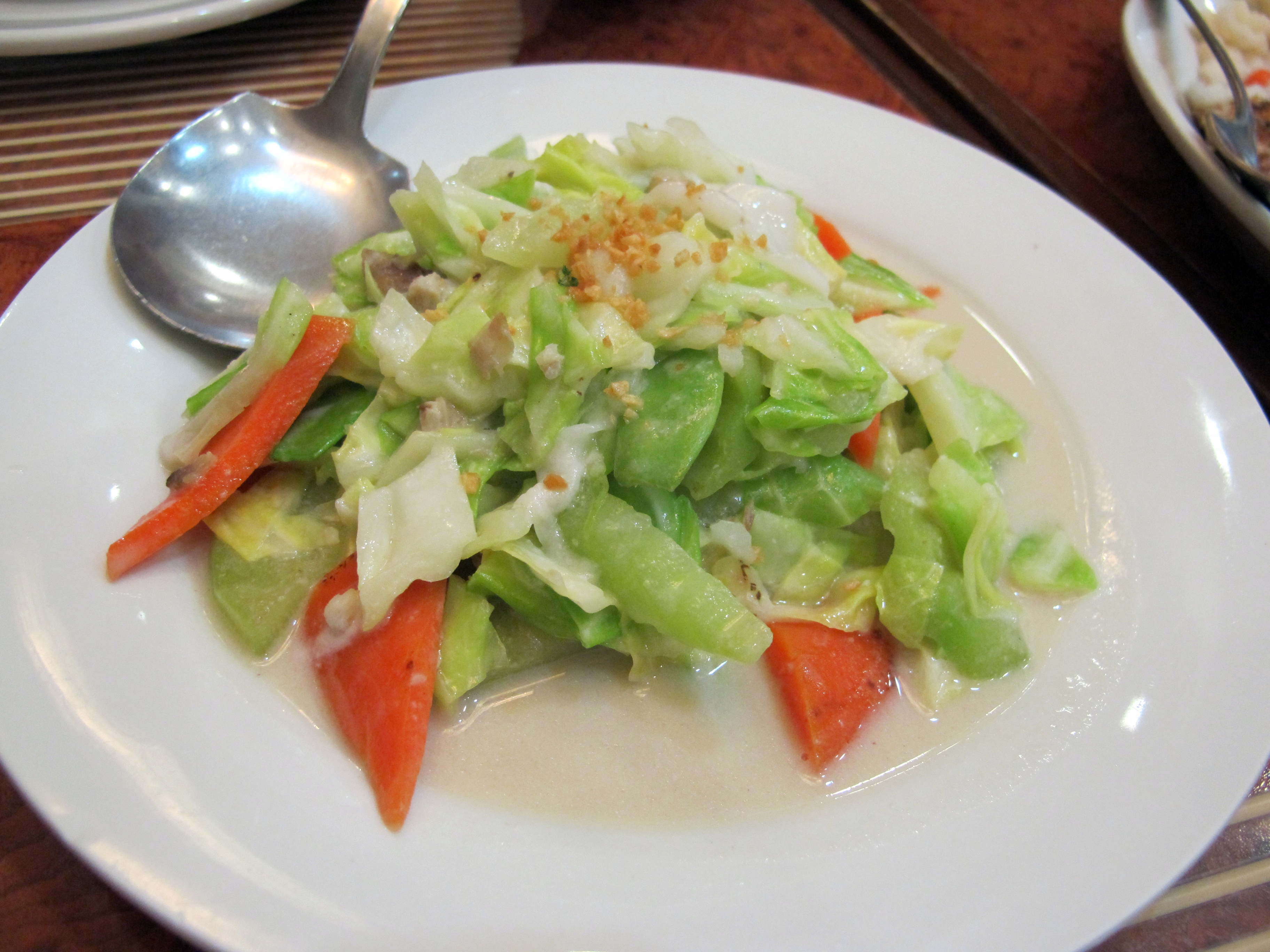
Buko Chopsuey


Chopsuey :  If you are familiar with Chinese cuisine,  this is the same chopsuey which has become another Filipino favorite. In Bicol, there is a variation of the dish:  Buko Chopsuey.

Kakanin:  Bibingka, Puto Bumbong at Iba Pa

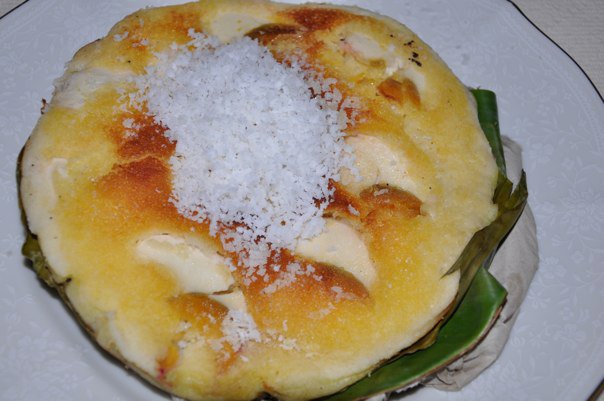
Bibingka


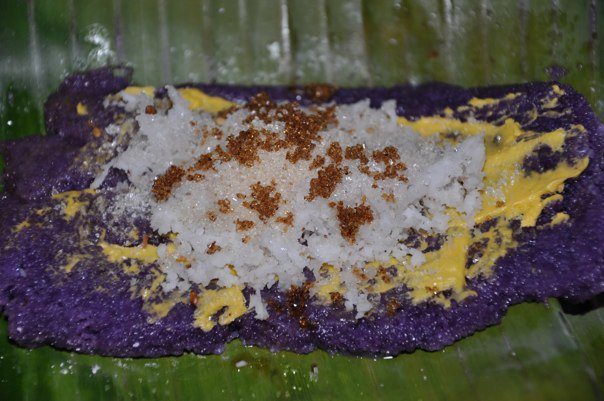
I live near the area of Greenbelt Makati where many trendy and gourmet restaurants can be found.   Italian, Greek,  Spanish,  American,   Chinese, Thai, Indian……….take your pick.   Among the Filipino restaurants ,  you can try the very established, not that expensive “Via Mare” .  Here, one finds the very Filipino rice cake called bibingka served either with our local buffalo cheese or salted egg,  fried noodles served with eggs, shrimps, squid, pork rinds called pancit luglug and again, the guinomis or halo halo.  Our local bread called pandesal is also available here, served with kesong puti which is the equivalent of the Italian mozzarrela, but way cheaper!   There are other rice cakes and desserts like puto bumbong (colored purple!) and palitaw which are all priced so reasonably I have to insist you try them all!  Most rice cakes are served with shredded coconut meat.


Puto Bumbong

Bibingkoy


Happy eating, everyone!


Have more cravings? More photos can be found in my TravelBlog site


Bicol Express. Sounds like a train to you?  That is exactly what it was.  The non-stop train from Manila going south to the Bicol Region is called Bicol Express. The train’s long gone,and many take the overnight buses now.  [As of end of June 2011, the PNR train from Manila to Naga resumed operations.] But the Bicol dish to which it gave its name, remains a favorite popular Bicolano dish.  In Albay, we tried this dish in 1st Colonial Grill in Legazpi City and in “Let’s Pinangat” , a roadside eatery in Camalig, Albay.

Traditional Bicol Cuisine


Quite distinct from the local cuisine found in other parts of the country, Bicol is famous for its spicy, coconut cream-based dishes.  Local folks here even eat raw “sili” (peppers) dipped in salt to go with their rice.  By itself, it is a meal.  Just watch them pop the “sili” into their mouths without touching their lips and following it up with rice scooped with their hands.


I’d say the Bicolano cuisine is truly local, “untouched” by Spanish and Chinese influences.  Coconuts abound in the area. So with the local peppers.  It is a natural consequence that their cuisine will use much of these local ingredients.  Bicol Express may have a very American sounding name, but I will venture to guess that it had a local name before the famous train plied the Manila-Bicol route.  “Laing” and “Pinangat” can only be Bicol as Bicol could be.  Both use homegrown ingredients like taro leaves, and of course the “sili” and coconut cream.  Back in Manila,  the laing — taro leaves stewed in coconut cream — is a regular vegetable dish in many Filipino restaurants.   But nothing beats eating it right here, cooked the traditional way.

Fusion Cuisine

Sili Shake, anyone? And there's Pili Shake too! (Try it at Bicol Blends Cafe)

Small Talk Cafe


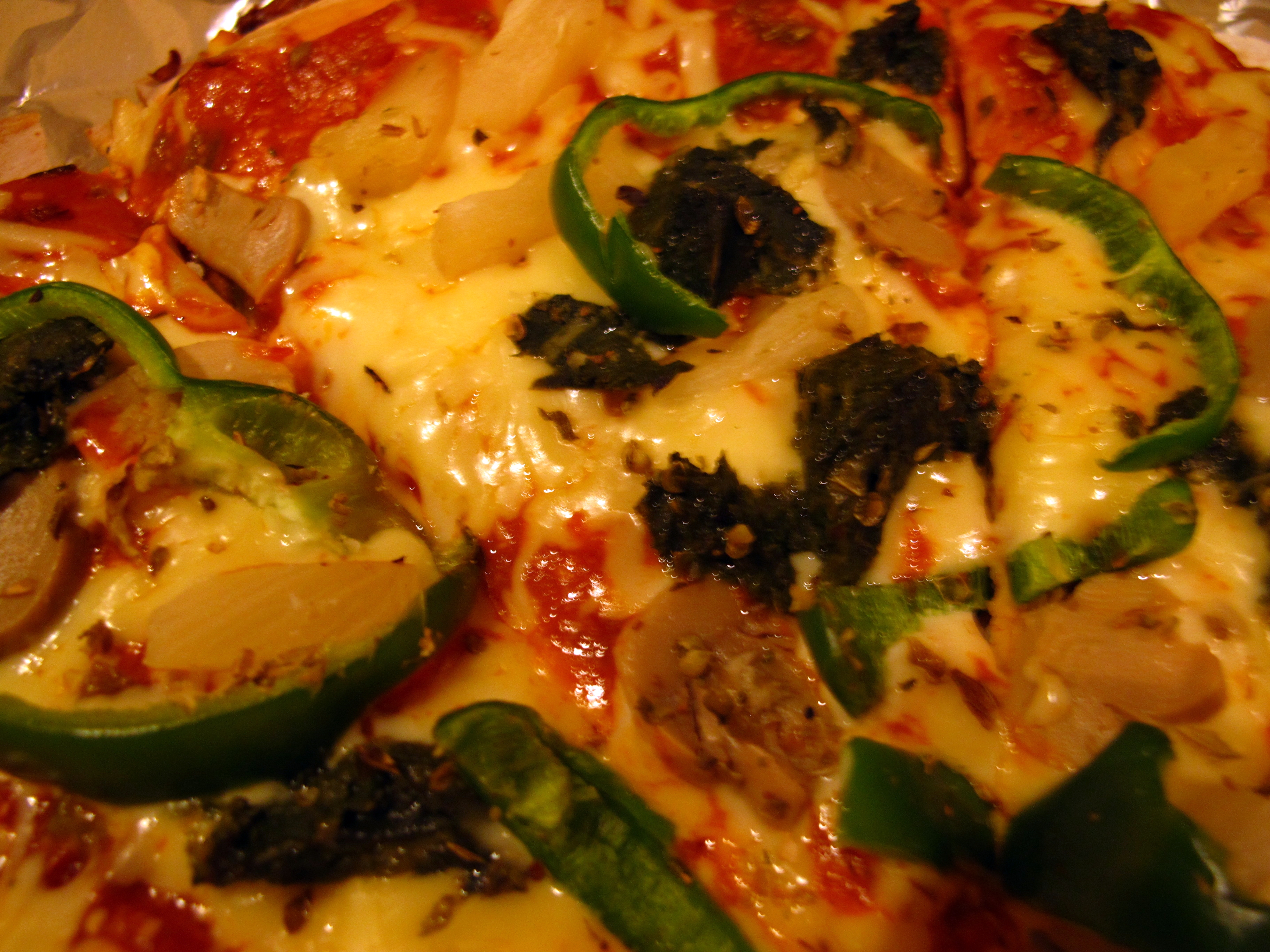
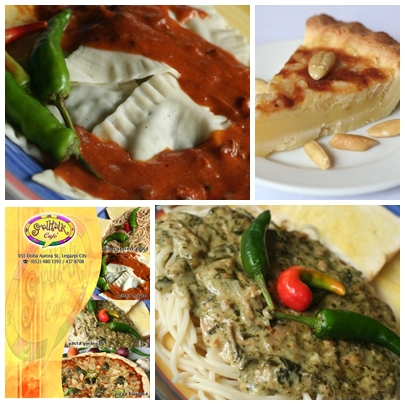
Of late, many modern restaurants now fuse Western and Bicolano dishes.  Starting off with the milk shakes,  there is a joint called Bicol Blends right beside Hotel Amada and 1st Colonial Grill which serves modern-day fusion drinks for the adventurous.  Sili Shake and Pili Shake , to name a few.   And there’s Small Talk Cafe which serves up pizza and pasta fused with local dishes like pinangat and laing.  We tried the Laing Pizza where the laing or taro leaves look more like the regular pesto on a pizza.  But the laing pasta certainly has a very local, acquired taste.   I liked it, actually.   I could have also tried their Pili Basil Pasta, but there just isn’t any more room for more. For sure, I will have to also try Pasta Mayon when I head back in May.  Pasta Mayon is laing(again!)-filled ravioli with tuna sauce.  It is served in a way that it looks like a volcano with lava flowing.


Some Local Sweets and Pili Nuts

“Pili” is Bicol’s prized nut.  Slightly more expensive than almonds, but they are so good one shouldn’t leave the place without trying them.  You may find them in tetra paks, in plastic jars, in plastic sachets all over town.  We got ours from Albay Pili Nut Candy along Rizal Street.  It is reputed to be among the oldest pili stores, operating as a home business or cottage industry.

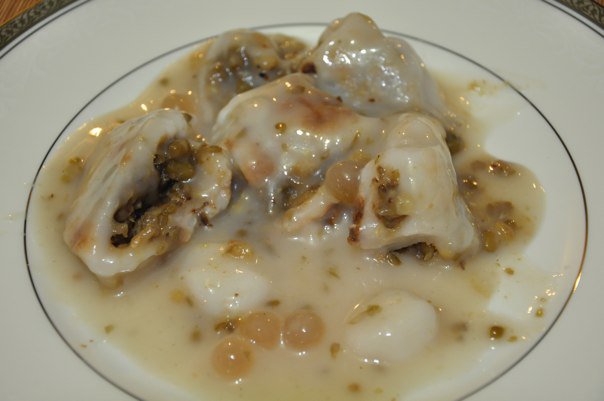
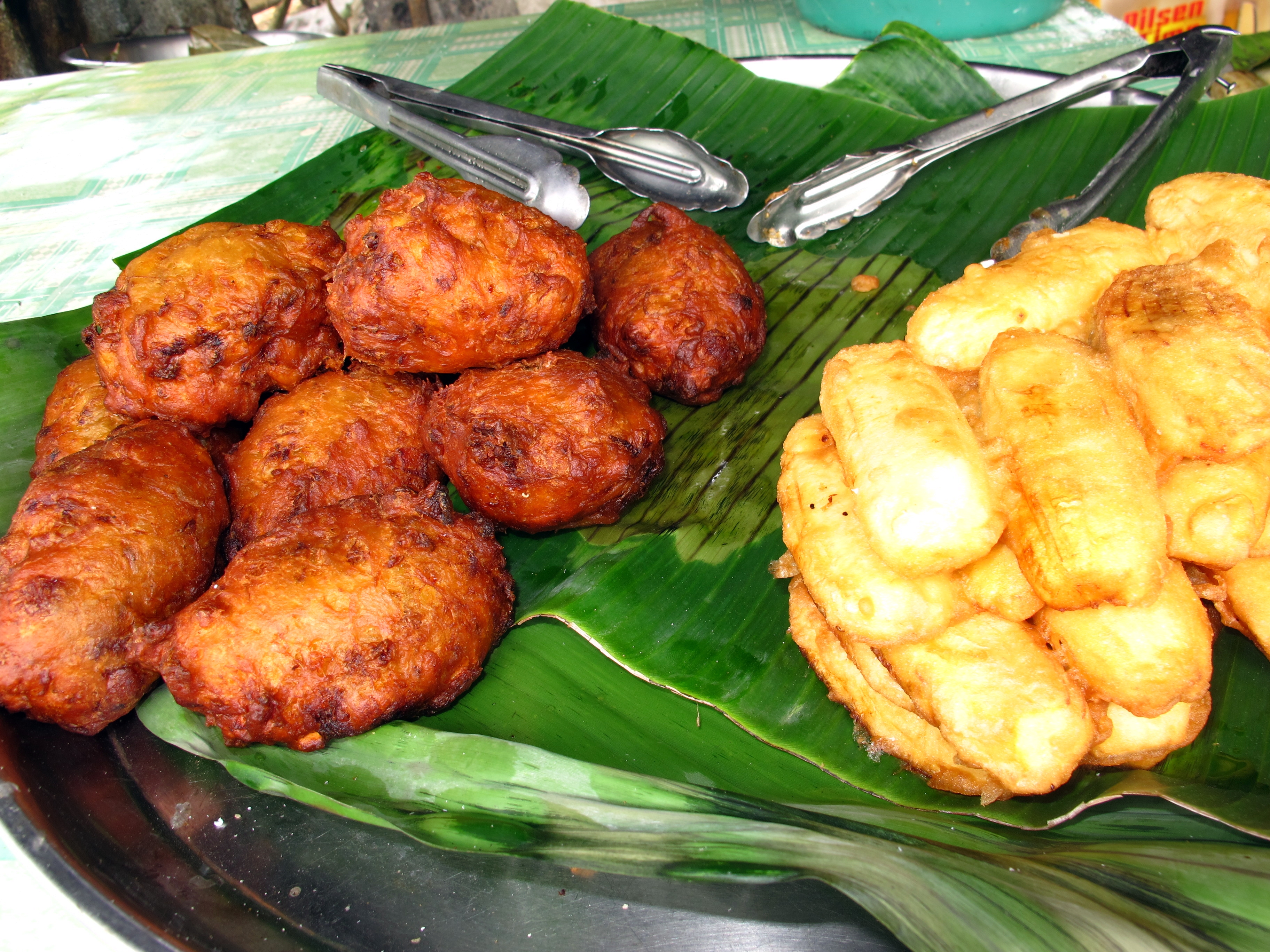
Sweetened or honeyed Pili Candies make for good desserts.  But if you want to try some street food, check out those roadside stalls selling guinamos which is mashed bananas and sinapot which is banana fritters.  You may also be interested how locals “bake” their rice cakes using only tin cans and charcoal.  You find many versions of the rice cakes in this rice-eating nation and Bicol has its own version, for sure.   All these rice cakes also make for good mid-day snacks or breakfast, and collectively go by the name “kakanin”which literally means “eats”.

Bon apetit! [:)]

More photos  can be found in this TravelBlog site. 


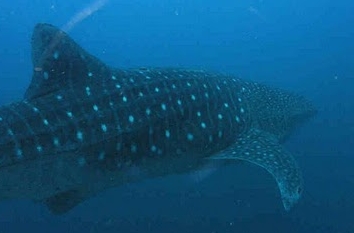
It has been a week since my encounter with the whale sharks of Donsol, Sorsogon. Called “Butandings”, swimming with these gentle giants never prepare anyone for such an awesome experience. A week later, and I still dream of that animal experience. I still get a high just thinking about it .


For sure, I will be bringing my family to Barrio Dancalan in Donsol. To meet their butandings and mark that memory in their minds. A diesel attends into the vintage. The Butanding Festival in Donsol will be this April, but it won’t be till May before we get there. Let’s pray those sea pets are still there. I bet they would be. After all, those Donsol folks have been most kind to them, treating them like their pets.


Check out more photos in my TravelBlog site.  

The Butanding Whisperer


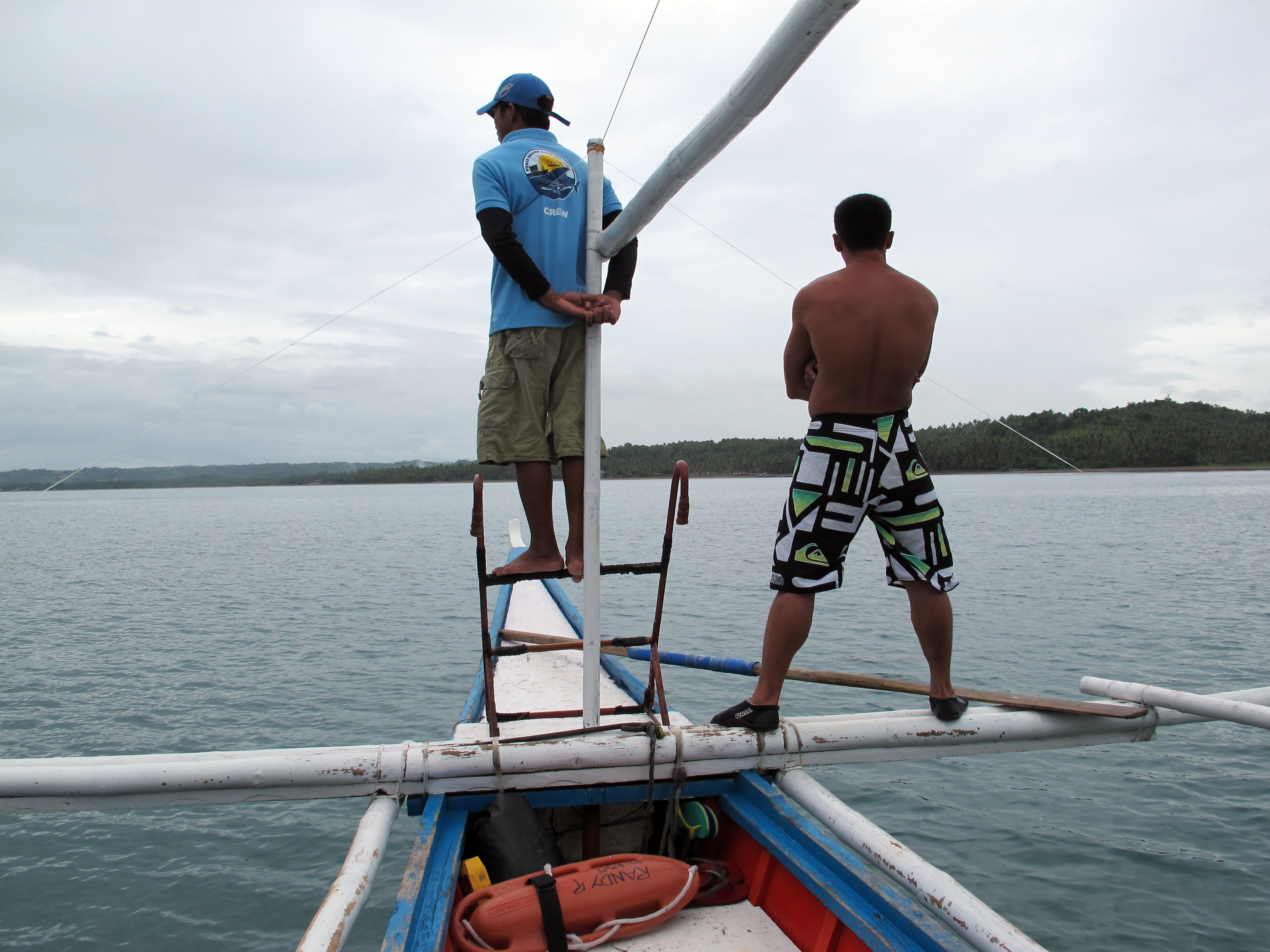
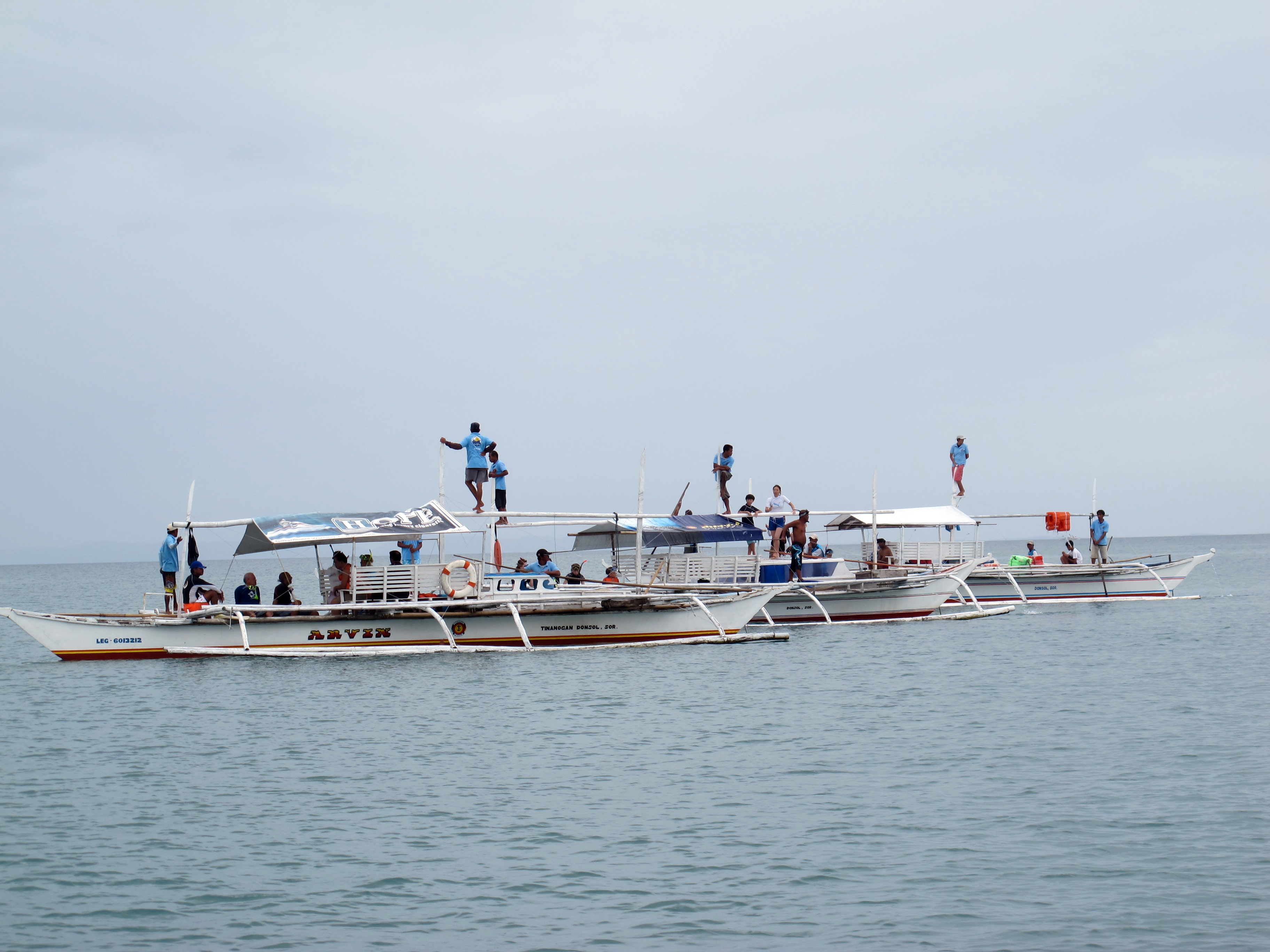
His name is Randy. He hails from this very place that crosses the whale sharks’ migration highway. Randy has “known” these whale sharks since he was 12. He is now 31. I never asked, but I suspect Randy never had formal swimming lessons. Nor diving lessons. But he sure could hold his breath down there , donned only with his snorkeling equipment. When Randy barked “swim forward”, me and them boys were focused on only one thing. To see our first Butanding. After all, we have been waiting a good hour and were near frustration with one of the boys depressingly saying “I only need to see ONE…..” These boys were with another team the day earlier, and they have not been lucky. Today is their second attempt, and the overcast sky was no encouragement. You see, those butanding spotters find it doubly hard to see the “shadows” on a cloudy day like today.


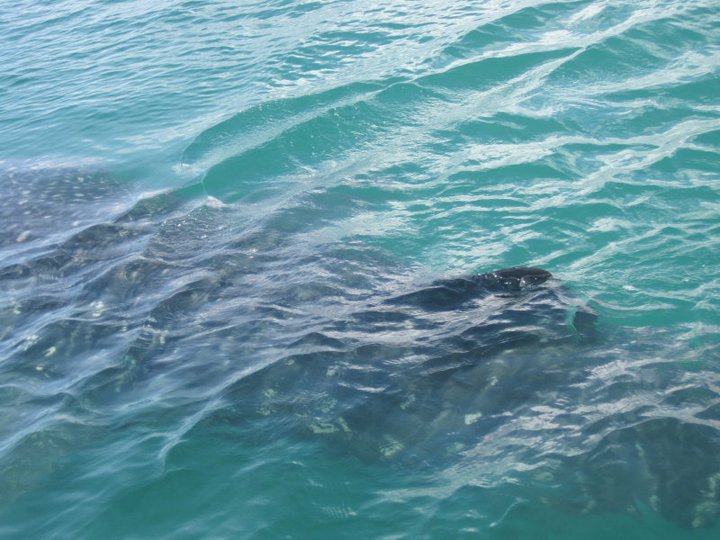
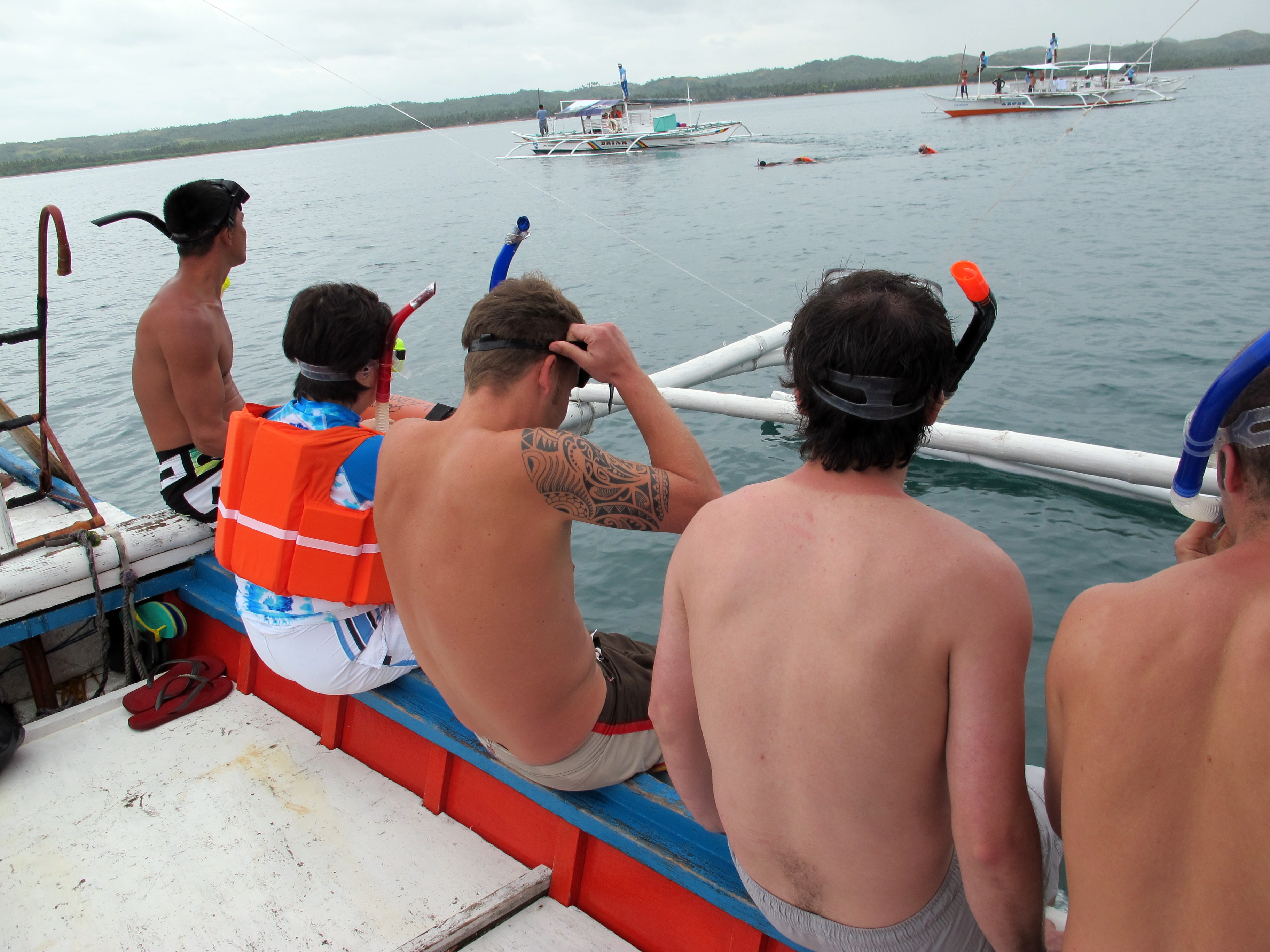
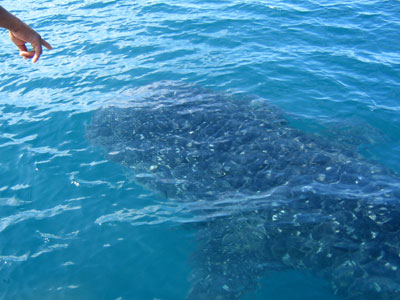
When one of them prayerfully chanted “Butanding…….Butanding………Butanding”, Randy very ably balanced himself (while the boat is cruising) on the bamboo pole crossing the front of the boat and assisted the spotters. As we all chorused and chanted, the boat crew were so focused on their jobs. I admire their patience, their quiet competence. As if on cue, Randy gently reminded us to get ready on the left side of the boat. Frankly, I was so afraid I couldn’t balance myself sitting on the edge of the boat and would have jumped in before Randy’s signal. Mercifully, I was ready when Randy barked “JUMP”. We swam forward, or rather, Randy pulled me forward so I can “swim” in tandem with the boys. I’ve never been so excited in my whole life. What an adrenaline rush, just knowing a Butanding lurks beneath us. When Randy barked “Look down”, I almost panicked to see the Butanding right beneath me. Maybe 2-3 meters below me. I was so afraid my legs would touch its head and send the whale shark on a wild spree. I could see the 3 boys in our team swimming under me and beside the gentle giant, with good old me contentedly swimming over this unbelievably gentle sea creature.


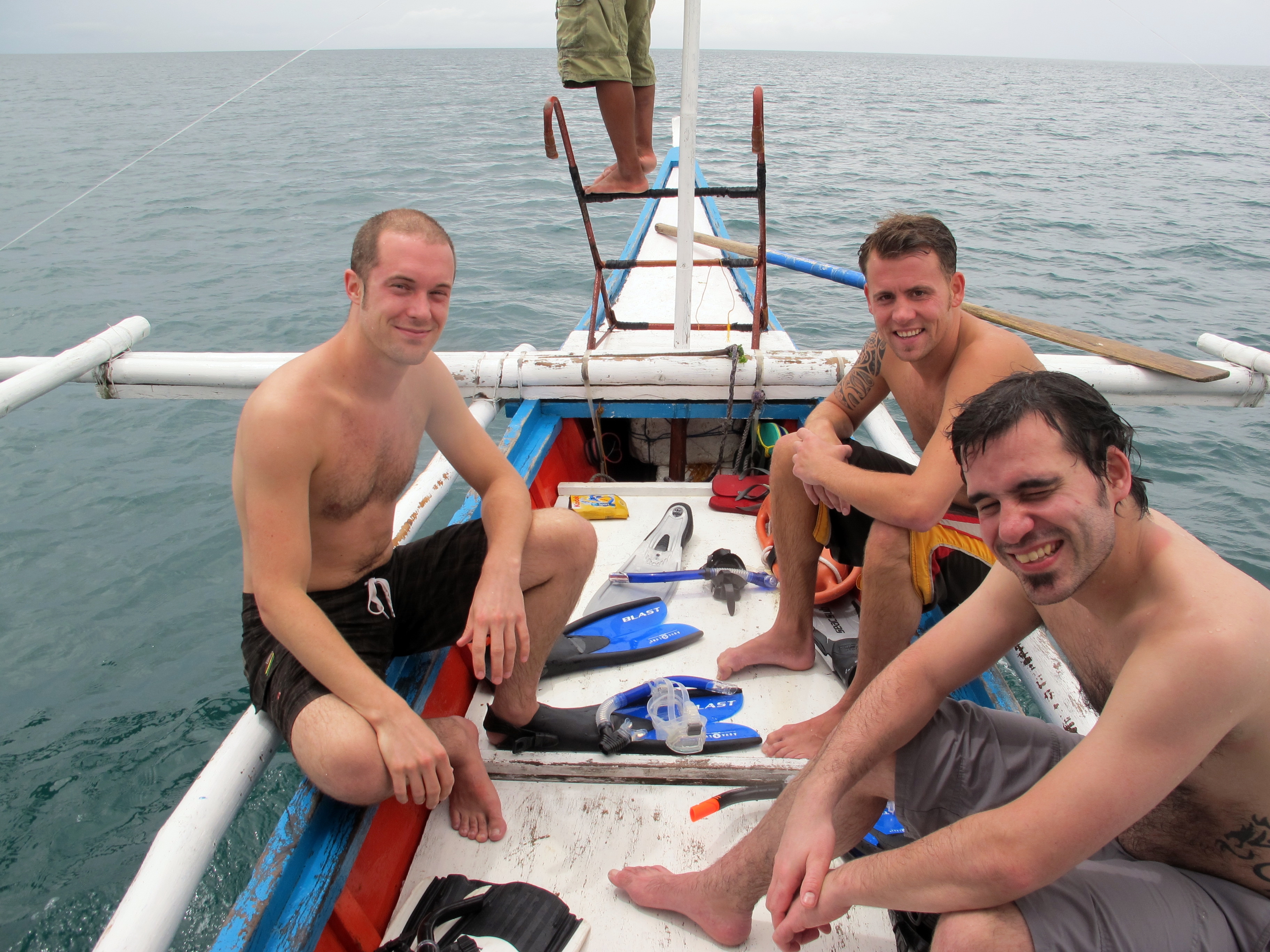
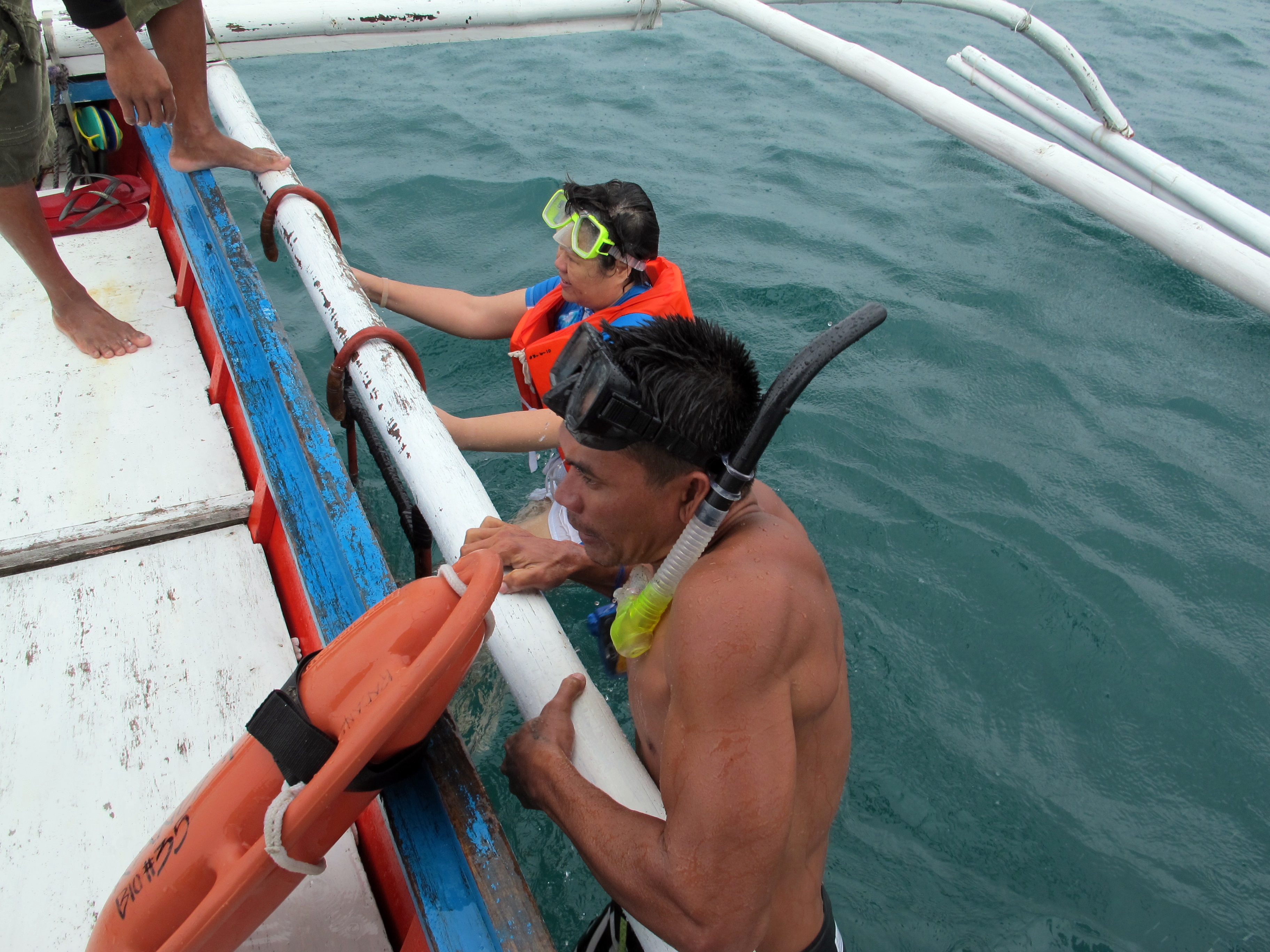
If I could frame my feelings now, you would see a framed painting splashed with a quiet solitude, evoking a serenity heretofore unknown. I do not know how far we were from our boat. Who cares? Until I saw another man dive deeper under the whale shark , swimming along,as if reuniting with an old friend.  I recognize his swimming shorts. I know that pattern. And remembered they were Randy’s! So who’s swimming with me? I looked up to catch my breath to see the ends of those snorkeling tubes, as everyone in our team and those from another boat were busily watching the whale shark swim underneath us. It must have been a full minute, likely longer. But without Randy by my side, I cannot swim forward WITH the whale shark. By the time Randy came up, the Butanding gently showed its side and white underbelly as it dove deeper. Perhaps in search of it plankton meal. Our boat suddenly appeared from nowhere. Perhaps Randy gave the signal that our new friend has left us for his meal. The crew put out the rusty ladder for me to climb up as the other boys waited for their turn. I was onboard , happily watching each of the boys get on the boat, hugging Randy and jumping up and down with joy. I was still feeling “high” from the experience, and my mind captured those scenes way better than any camera could . Pure joy. Young men in their mid-20′s acting like little boys. Randy almost too shy as these 3 young men hugged him so tightly in gratitude for this awesome animal experience. Yes, that memory will stay in my mind for many, many years. Another “framed feeling” stored in my memory bank. Randy very kindly allowed us to have our 2nd and 3rd Butanding experience in the 3 hours that we rented the boat. The boys longed for a 4th and final encounter, as I opted out, quite happy with the 3 sightings. Randy stayed on the boat, hoping to get the Butanding to “show up” for the benefit of my new Nepalese friend, Ava, and Beth, both of whom chose to stay on the boat. Without the Butanding whisperers, the young men in our team came back empty-handed. But no way are they complaining. Three sightings in a couple of hours ain’t bad! Especially on a cloudy, rainy day like today. As for Ava, coming from a landlocked country like Nepal, this boat ride by itself is a most cherished adventure for her. Everybody happy!


As the boat sailed towards shore, the boys swapped stories of their experiences. One of them excitedly said that I was always on top of the whale shark. Thanks to Randy. I suspect the butanding stayed with us long enough because of Randy. They must be friends for 2 decades now. Perhaps playmates is the more appropriate word. This shy, quiet young man has been interacting with this whale shark since he was 12. When I asked him what he does off – season, Randy said he goes to Manila to work with a landscaping team. He does gardening. Talk about flora and fauna. He must really have a green thumb for the flowers, and a gray thumb for the whale sharks? I don’t know. But I truly, truly respect the quiet dignity and warm kindness of Randy and his crew. They took good care of us. Not much fanfare. No fuzzing over us. But we know they were all watching out for us. They all seem too shy. They love their butandings, knowing how much these sea creatures have improved their lives. The Donsol fisherfolks offered a safe harbor for these gentle giants, and they have been rightfully rewarded.

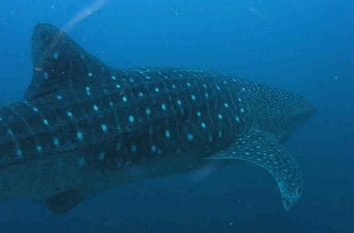
When you come to this area, be sure to make this one hour trip from Legazpi City to Donsol, Sorsogon. Best time is from November through May. I will most certainly go back, next time with my family. (I actually did, in late May. And my “elves” to this day talk animatedly of their whale shark encounter, as narrated in another blog) These fisherfolks make for a good example of ecotourism. And these Butandings with their broad, flattened heads and large, very terminal mouths with checkerboard patterns on their backs are truly a sight to behold. Very gentle, friendly and playful, allowing humans to swim and interact with them, as they gently glide alongside our boat. And while you’re here, be kind to this community of about 47,000 fishermen and farmers. They live off the livelihood gained from the Butanding phenomenon half of the year, and scrape a livelihood the remainder of the year. More so when the typhoons hit them. And they get it way too often to have a decent living. They never ask, nor do they even drop hints. But it will go a long way to help them with a more generous tip. After all, they deserve them. Treat these locals as you would treat a place where you would “park” your pets. You may not be around the whole time, but you draw comfort in the fact that there are guardians , caretakers and caregivers for your pets. The Butandings are here because these locals take good care of them and leave them unharmed. They play with them, interact with them. Despite the poverty, it never crossed their minds to harm these gentle creatures. Such kindness deserves to be rewarded. My Butanding Encounter is by far my most awesome animal experience. Another one off my bucket list. The idea of swimming with the graceful butandings is scarier than actually interacting with them. Really. I do not know if I’d say this same thing if I saw the Butanding we sighted open wide its big mouth. But there you go. Mouths closed, they are simply fascinating. Go!

Thanks to our Butanding Interaction Officer (B.I.O.) Randy!

More photos in my TravelBlog site.

************************************************************************************ Trivia

Butandings or whale sharks are vegetarians. They only eat plankton and krill, which are found abundant in the very very salty waters of Donsol. There is no report of whale sharks taking humans as prey!

Donsol is a quiet community of only 47,000 people. They live off farming and fishing until a big concentration of whale sharks were sighted in 1998, inviting the attention of WWF and ATF. The sightings changed the landscape and ignited an economic boom in the area. Whale sharks live over a hundred years old. “Puberty” at 20 years old!
Biggest fish in the world. They only measure from 15 ft. to as long as 40 ft. in length! Our boat can easily rest on it silvery, polka-dotted back. They swim near the surface, allowing the “spotters” to see their shadows. Donsol is now not only a feeding place or “dining area” for the butandings. Of late, they sighted baby whale sharks. That means, the place has now become a berthing ground for the butandings. Who knows where they go after May? Anybody’s guess. But the locals are confident they will come back, for yet another wholesome ecotourism adventure.

Most important trivia: You need not know how to dive nor swim to have a Butanding Encounter. Just be sure you have a good B.I.O. like Randy to swim with you, and PULL you towards the nearest Butanding. You may reach Randy with this number : +63910 5485647.  

Btw, Randy took a “summer job” or should I say “gap job” as a messenger. When I told him to see my friend for an interview, it was  a stormy day and there were no boats from the island where he lives (last barangay in Donsol, he says) and Randy had to walk 2 hours just to make the interview.  Such is life for these hardworking folks. 

This is my entry to the September Blog Carnival hosted by Marky Ramone Go of Nomadic Experiences on the topic  “Unforgettable Human Encounters on the Road”.